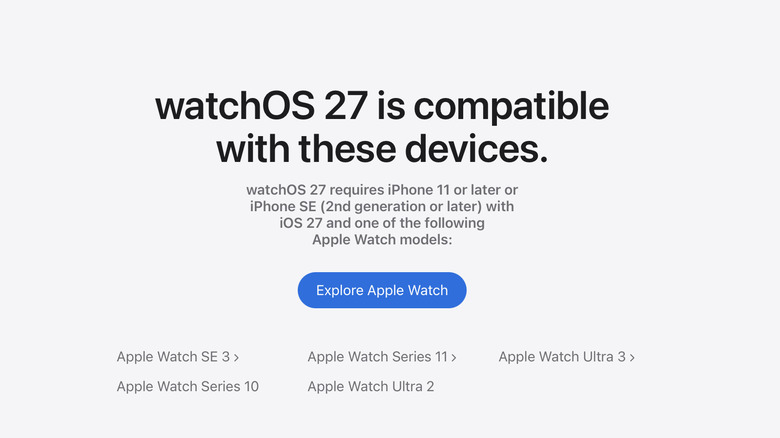
Apple is dropping support for some pretty modern Watch models
Three smartwatch models from 2022 and 2023 won't run watchOS 27.
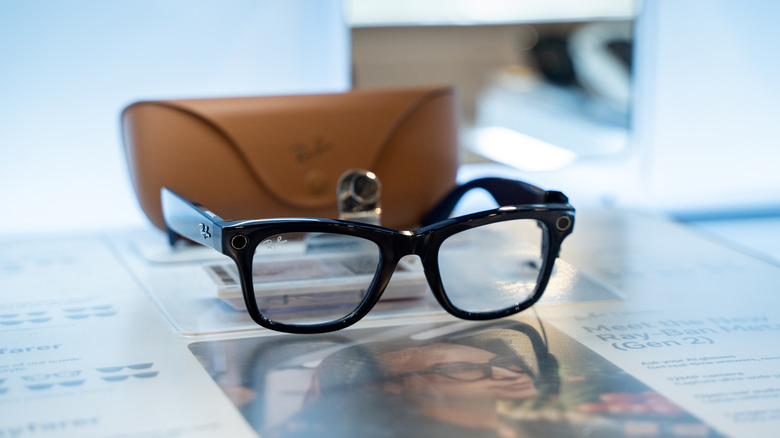
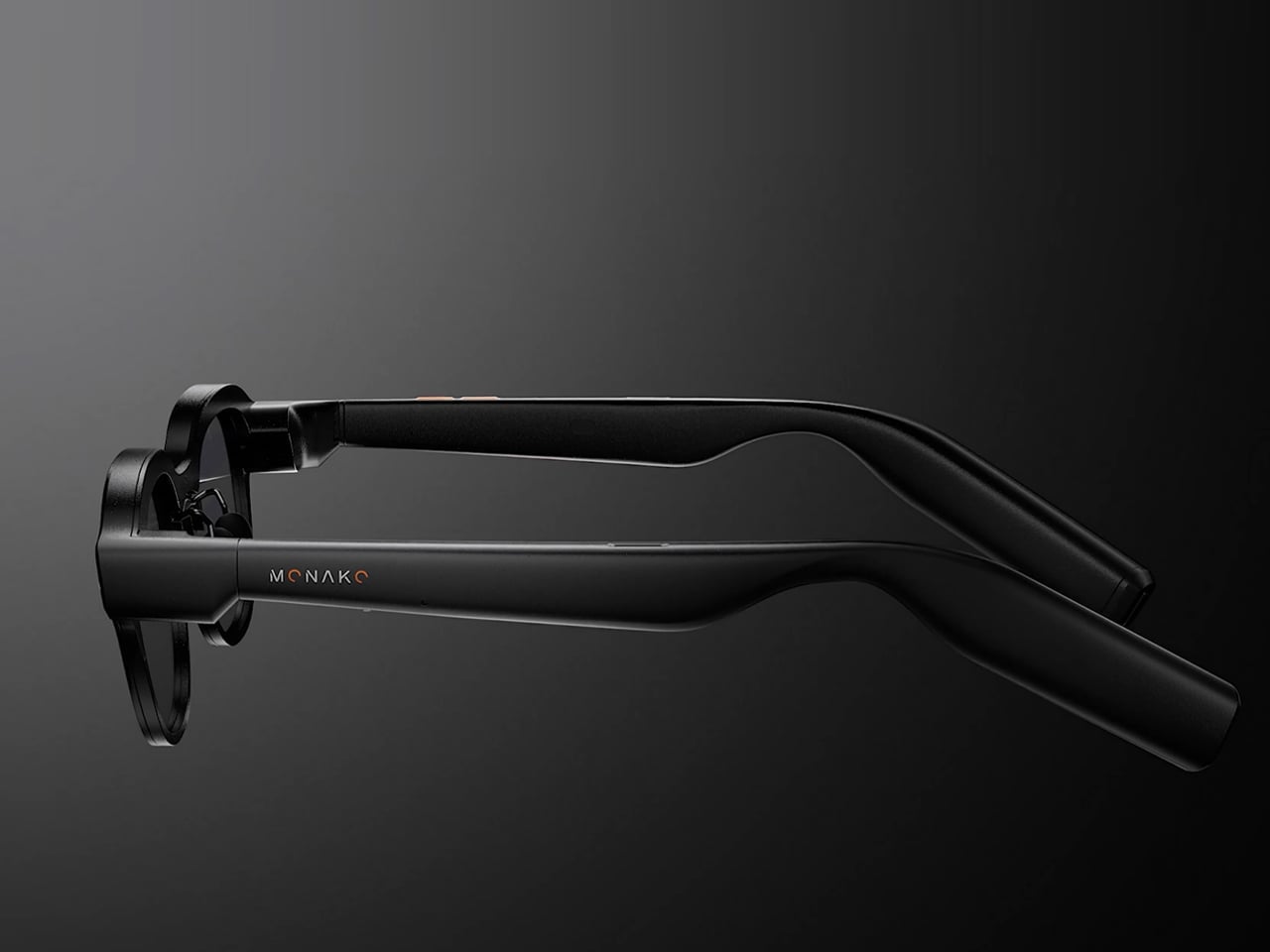
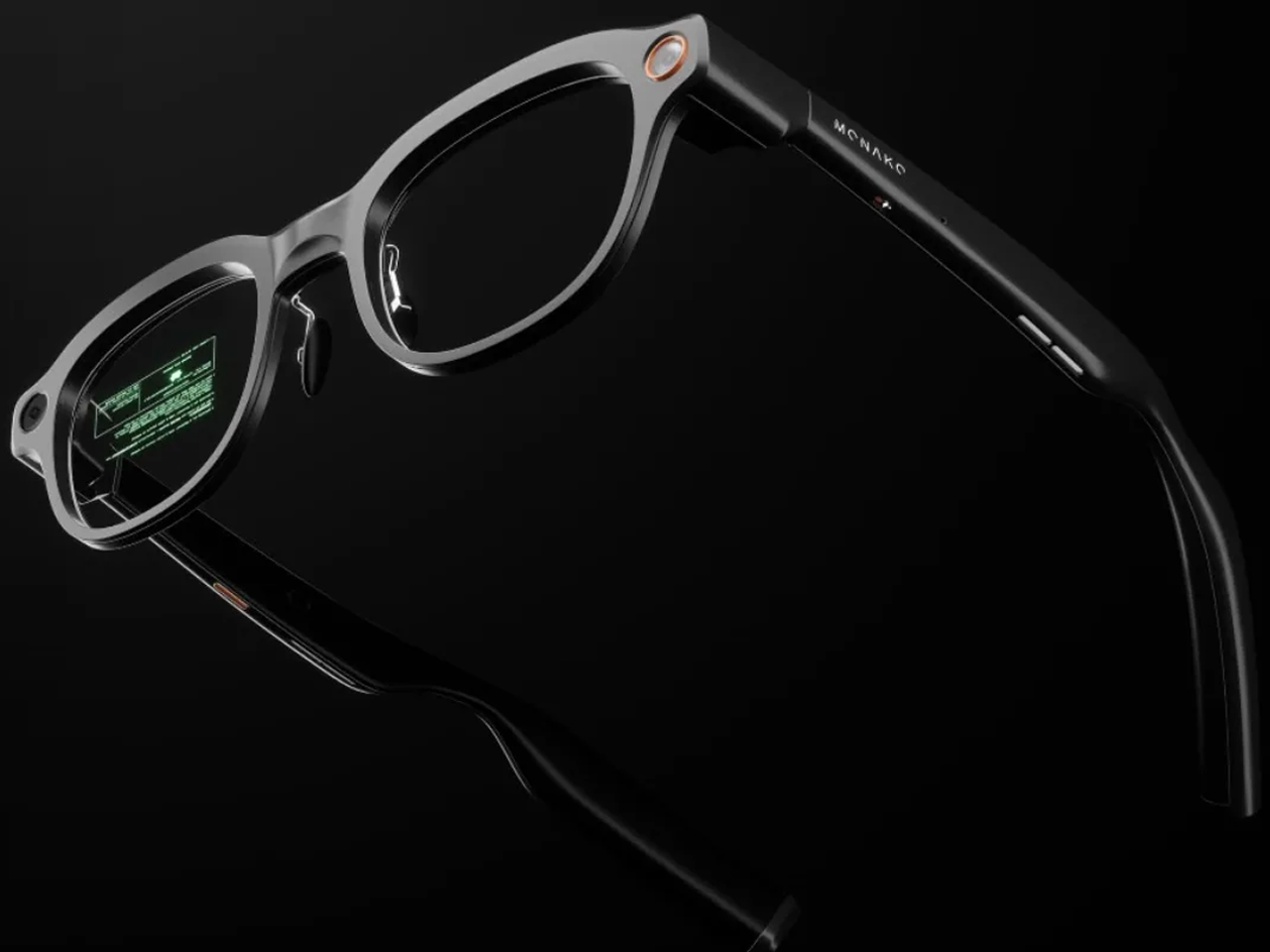
In the age of artificial intelligence, when you can tell the computer what you want, and it builds it for you, something seems missing. Maybe a wearable input device that would let you interact, code and build using AI, and you wouldn’t even have to move a muscle. Introducing the Monako Glass, the world’s first heads-up display smart glasses designed for vibe coding. It comes with wave guide display, camera, speakers, and bone conduction microphone.
Human and AI interaction is taking new turns with every passing day. Nothing is constant, it seems. In this overly paced world, the possibility of coding on a pair of glasses while walking around in the lab or sitting at home preparing a project for class sounds futuristic in the best way possible.
Designer: Monako Glass
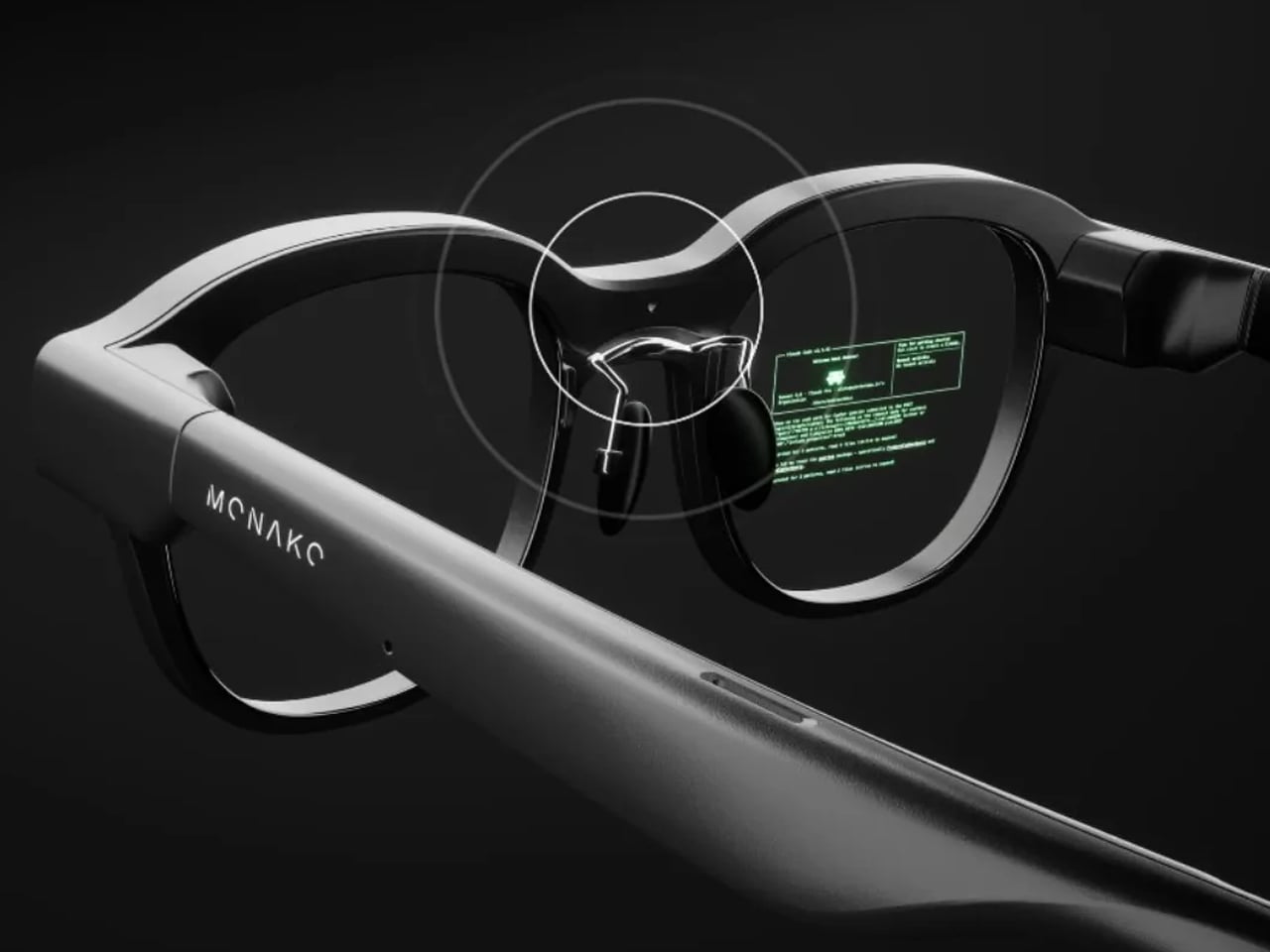
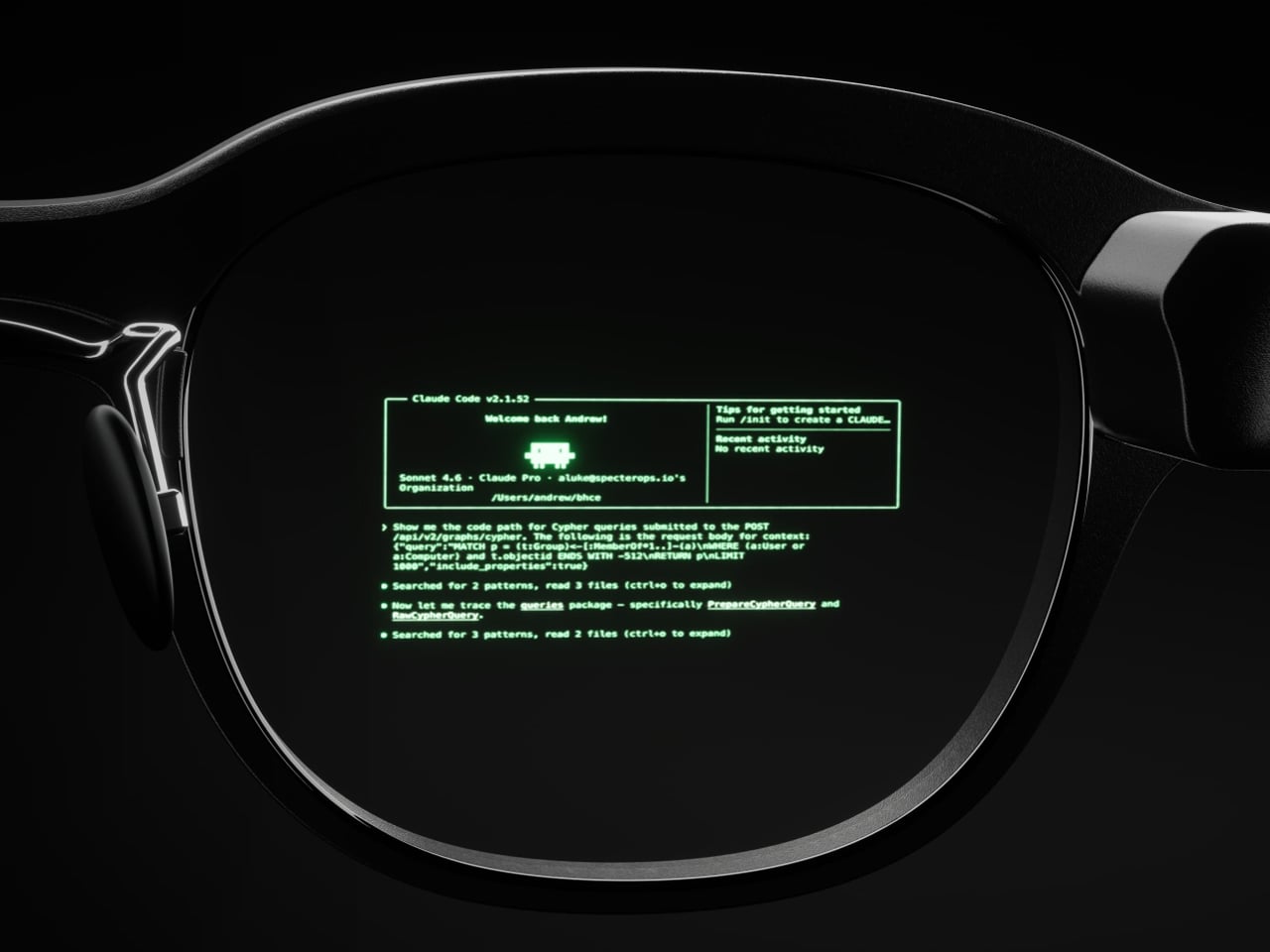
The 48g Monako Glass – a nicely developed Buildroot Linux computer in a pair of glasses – can run Claude Code, Codex and even allow you, as a creator, to run AI coding agents you’ve trained to your liking. The glasses feature all its electronics – including an ARM Cortex A7 chipset – on the right temple tip. A 300mAh battery, providing the power backup to all the vibe coding you’re going to do on these glasses, rests in the left temple tip. This positioning, Monako CTO informs, allows the glasses to feel light on the nose, making them wearable for long periods of time during the workday.
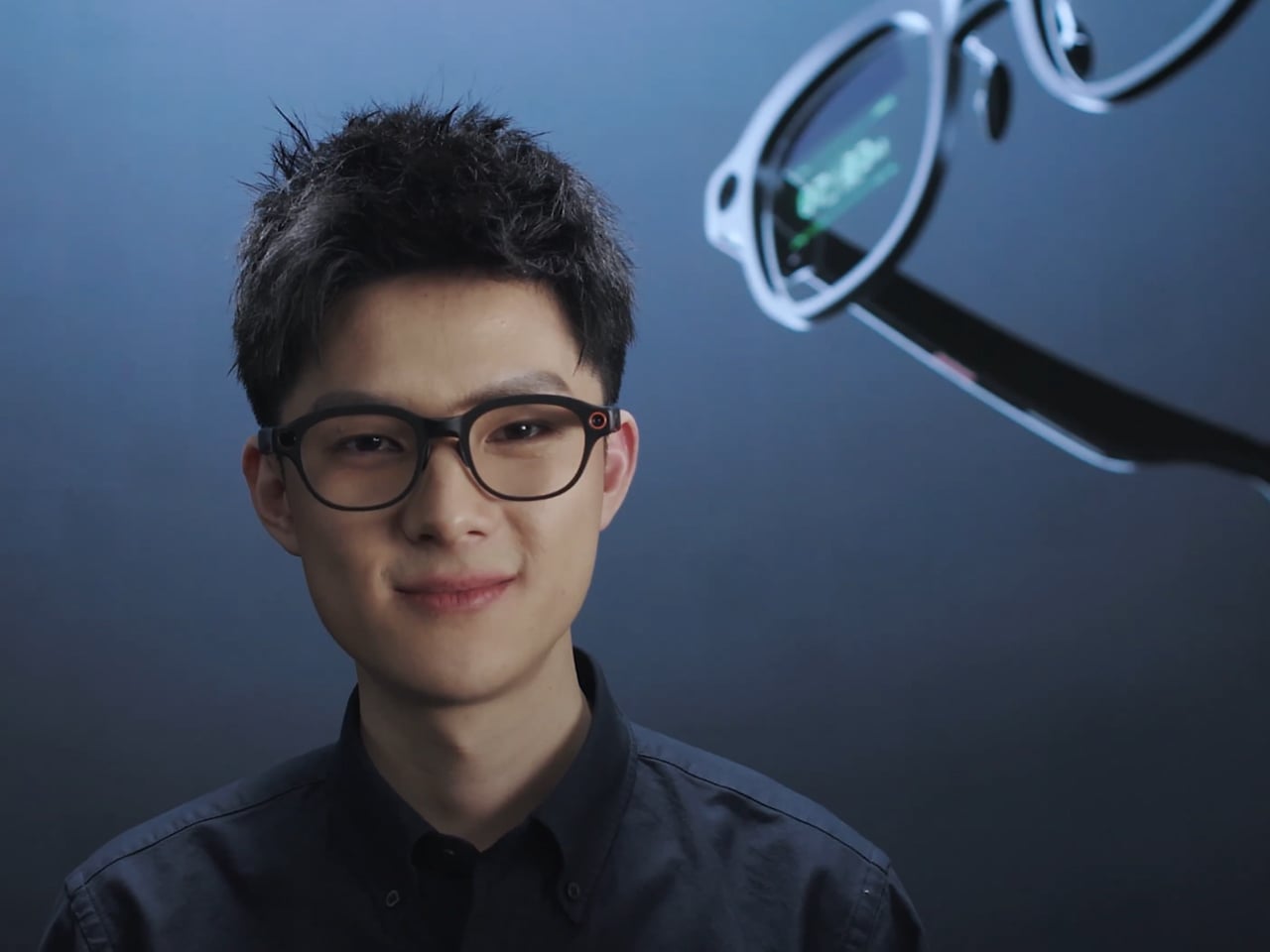
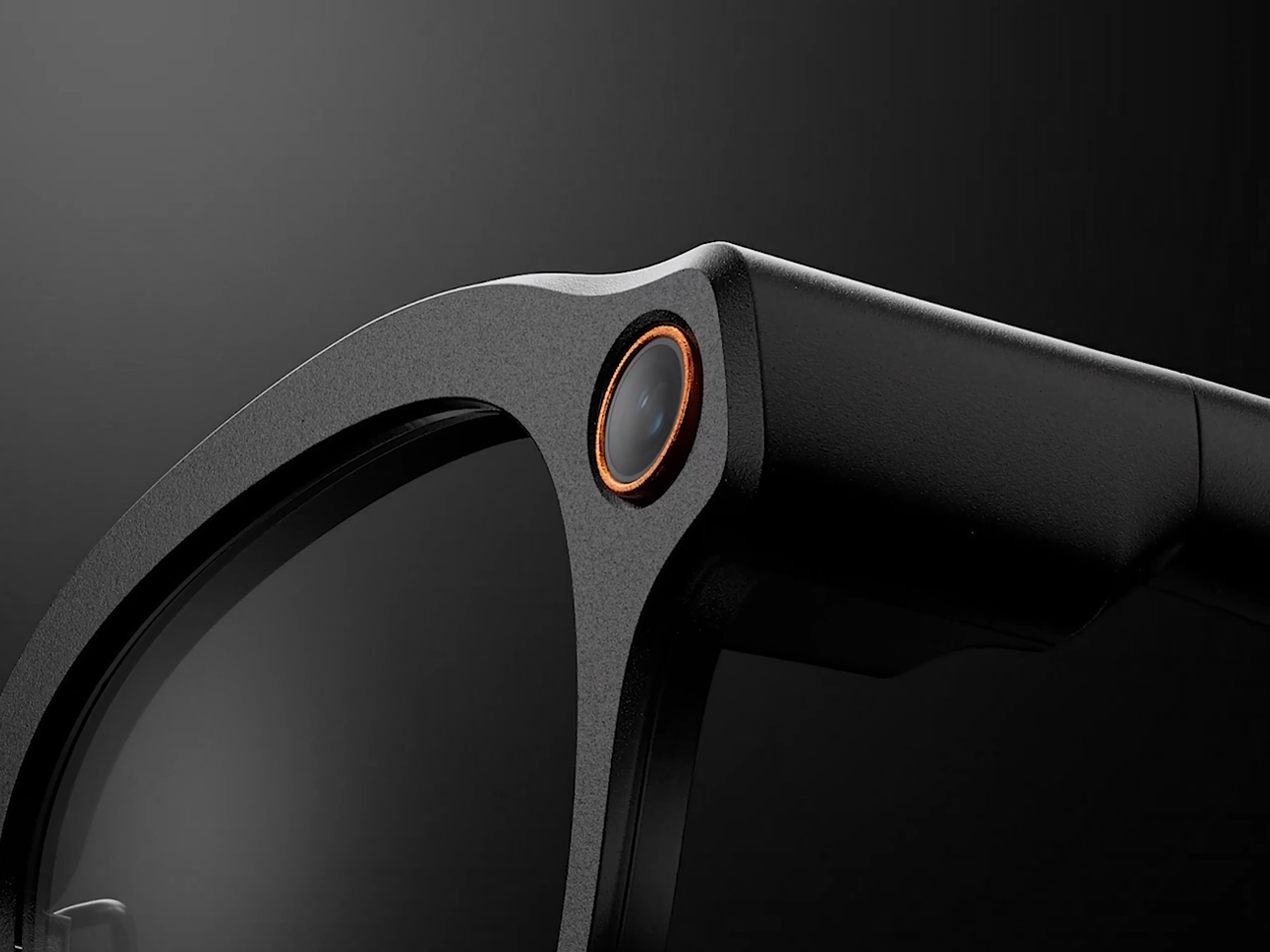
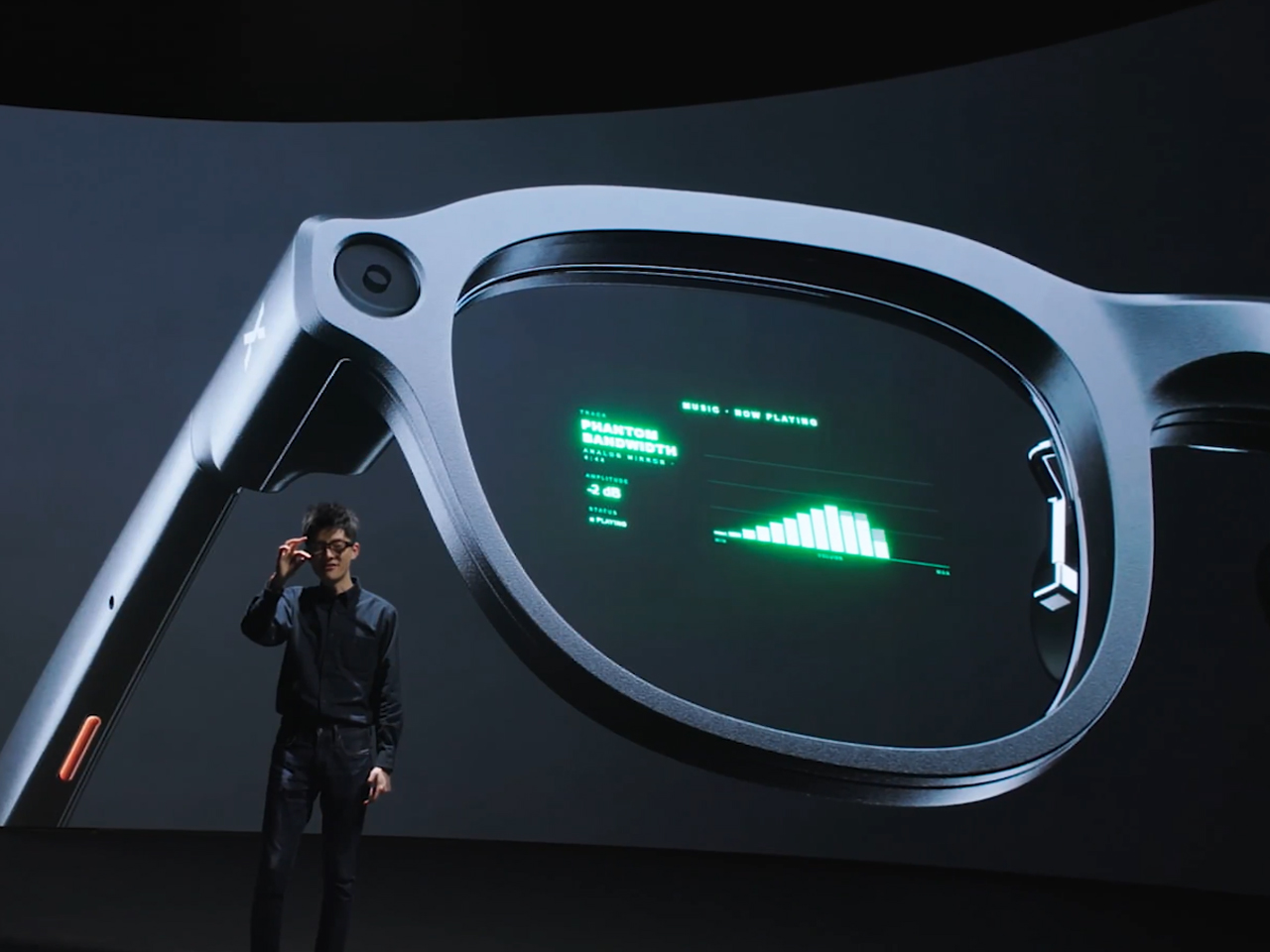
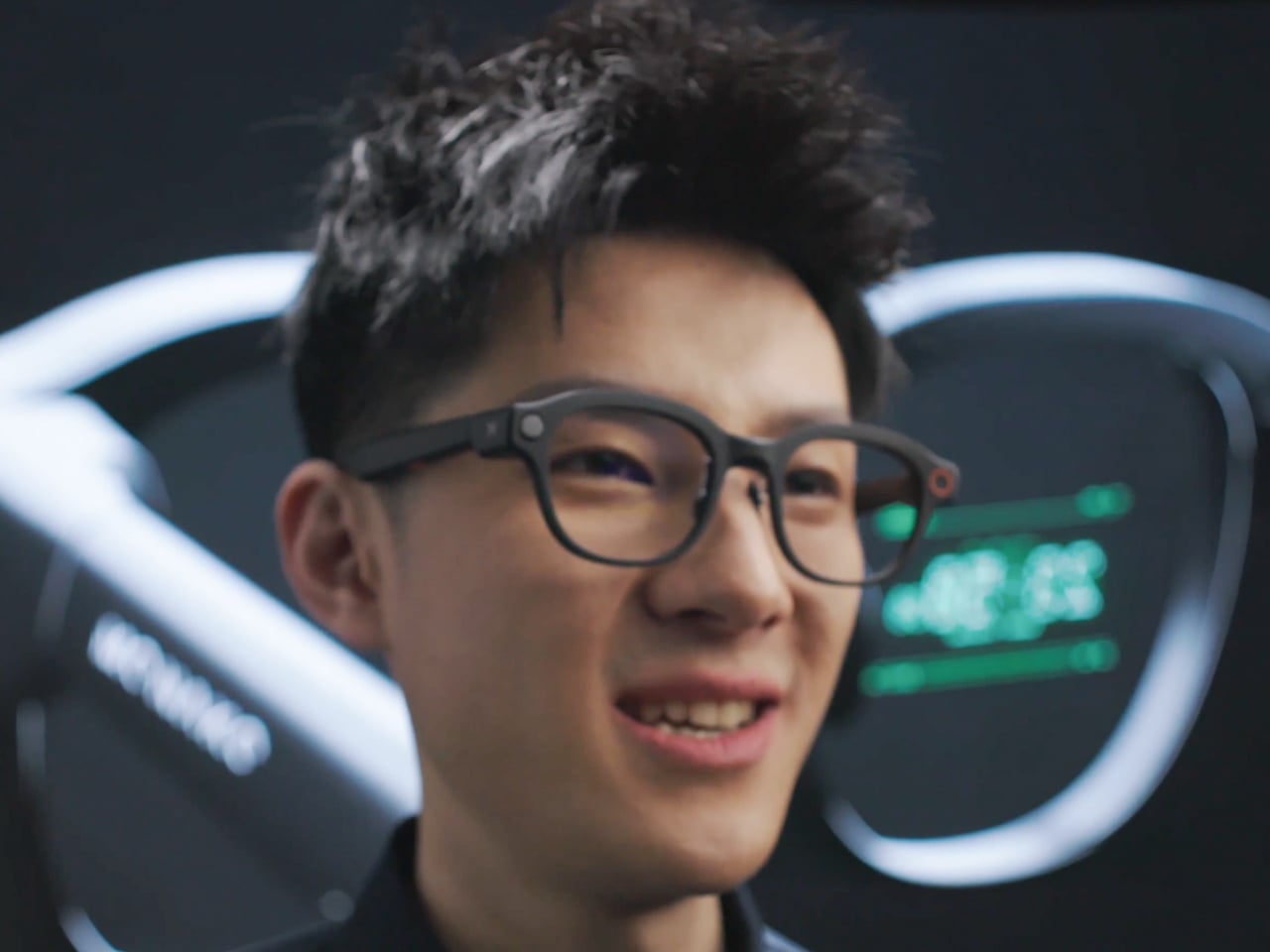
If you think it’s straight-up out of a sci-fi flick, this is not even the start. Inspired by Apple Vision Pro (which apparently takes a back seat in favor of AR glasses), Monako uses something called the Vision Engine (in the integrated camera), to translate finger and palm gestures into precise digital commands. For instance, raising the hand opens up the apps on the glass’s display, while pinch and slight back and forth drags of the forefinger and thumb can help scroll through the generated code or toggle volume in the music app.
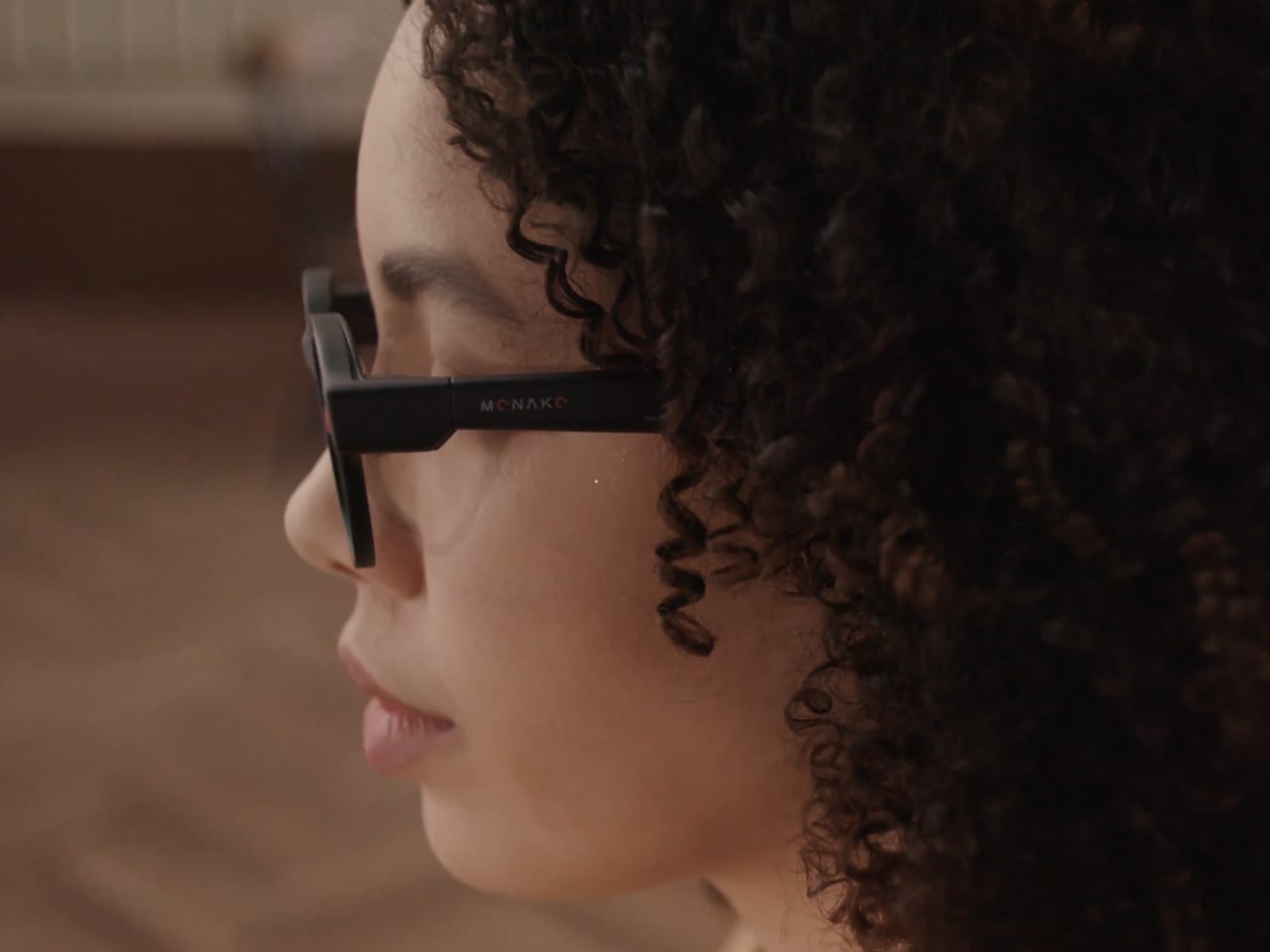
With the apps like “Claude Code, Codex, Unreal Engine, Blender and After Effects” on board, Monako Glass can be a single tool for all your needs. But still, you have the choice to “wipe the bundled apps clean, and replace all code with your own,” company CEO Candy informs. “The onboard Linux is fully open to you and your Claude,” she adds, so running full Linux, Claude Code, and your AI agents hands-free can be as smooth and fun as you like with the Monako Glass.
What really impresses me more than the gestural input system is the bone conduction microphone placed on the nose (bridge). The mic is strategically placed that it listens to the vibrations coming from your nasal bone. For instance, you’re in a busy café, the AI (courtesy the microphone) will listen to you alone and execute your input as a prompt to get the next computation of the code done on Monako’s monochrome screen.
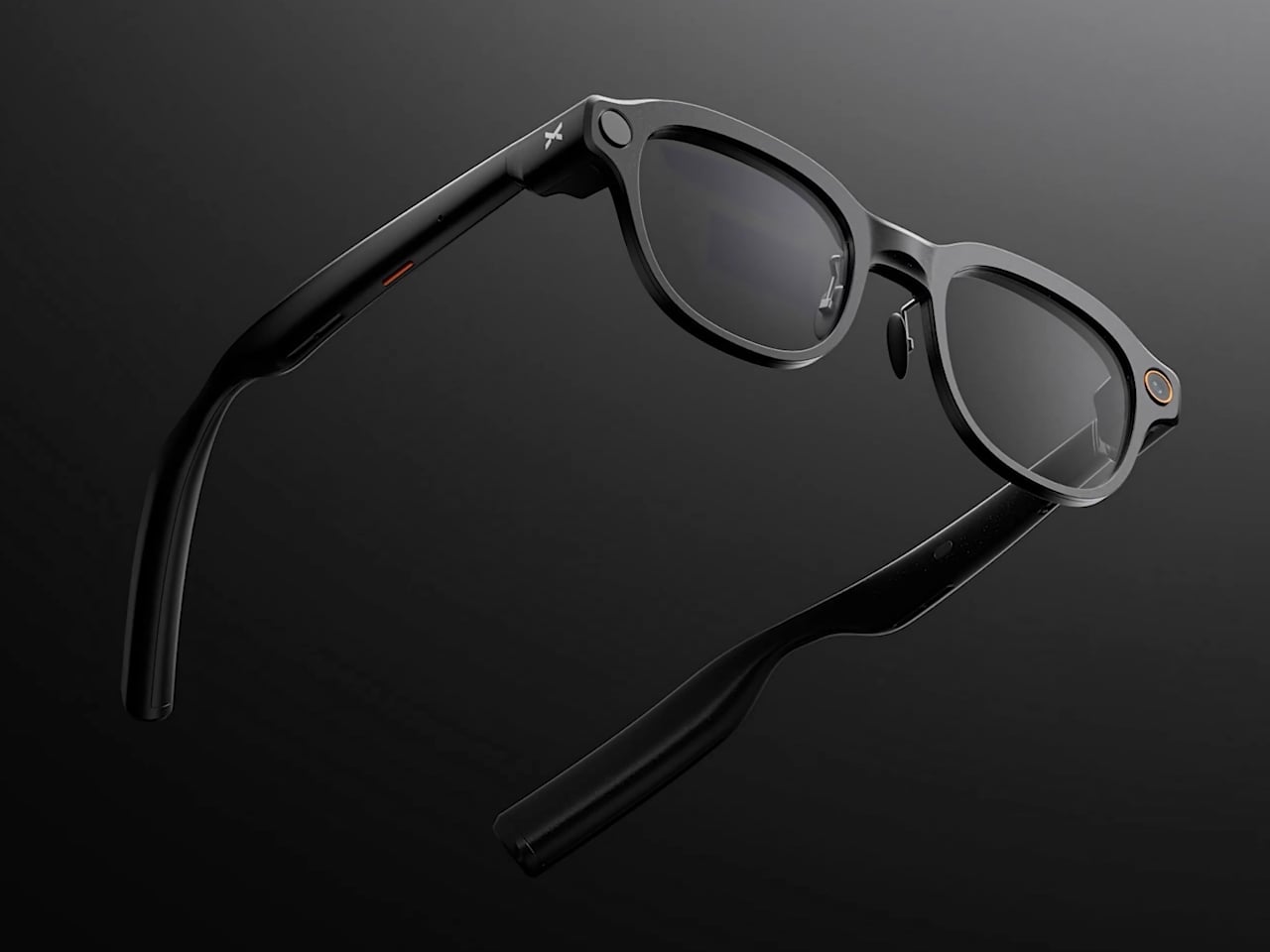
Monako Glass is still in the preproduction stage, but the company is hopeful of getting this first-ever wearable Linux computer to the market by August this year. It is for now available on preorder on Monako’s official website for $19, which should reserve a unit for you. Candy says, “early supporters will get Monako Glass for $399.”
The post This 48g Monako Glass puts Claude Code in front of your eyes so you can vibe code anywhere first appeared on Yanko Design.
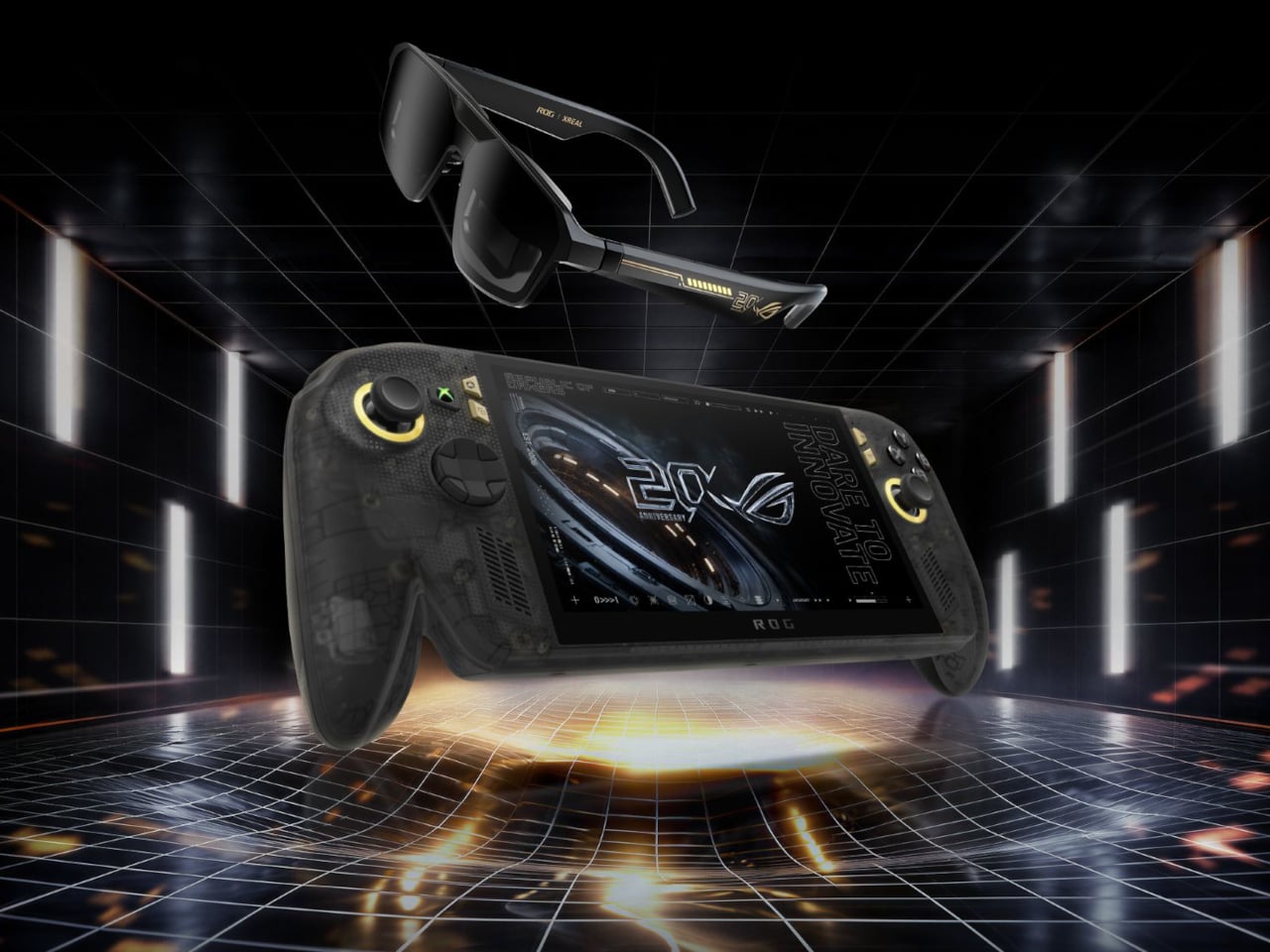
Handheld gaming PCs have become serious pieces of hardware over the past few years, and the display has quietly become the most contested spec on the spec sheet. Early handhelds shipped with IPS panels as a matter of course, but expectations have shifted. Owners of these devices spend long hours staring at a relatively small screen, and the quality of that screen now shapes how the whole experience is judged.
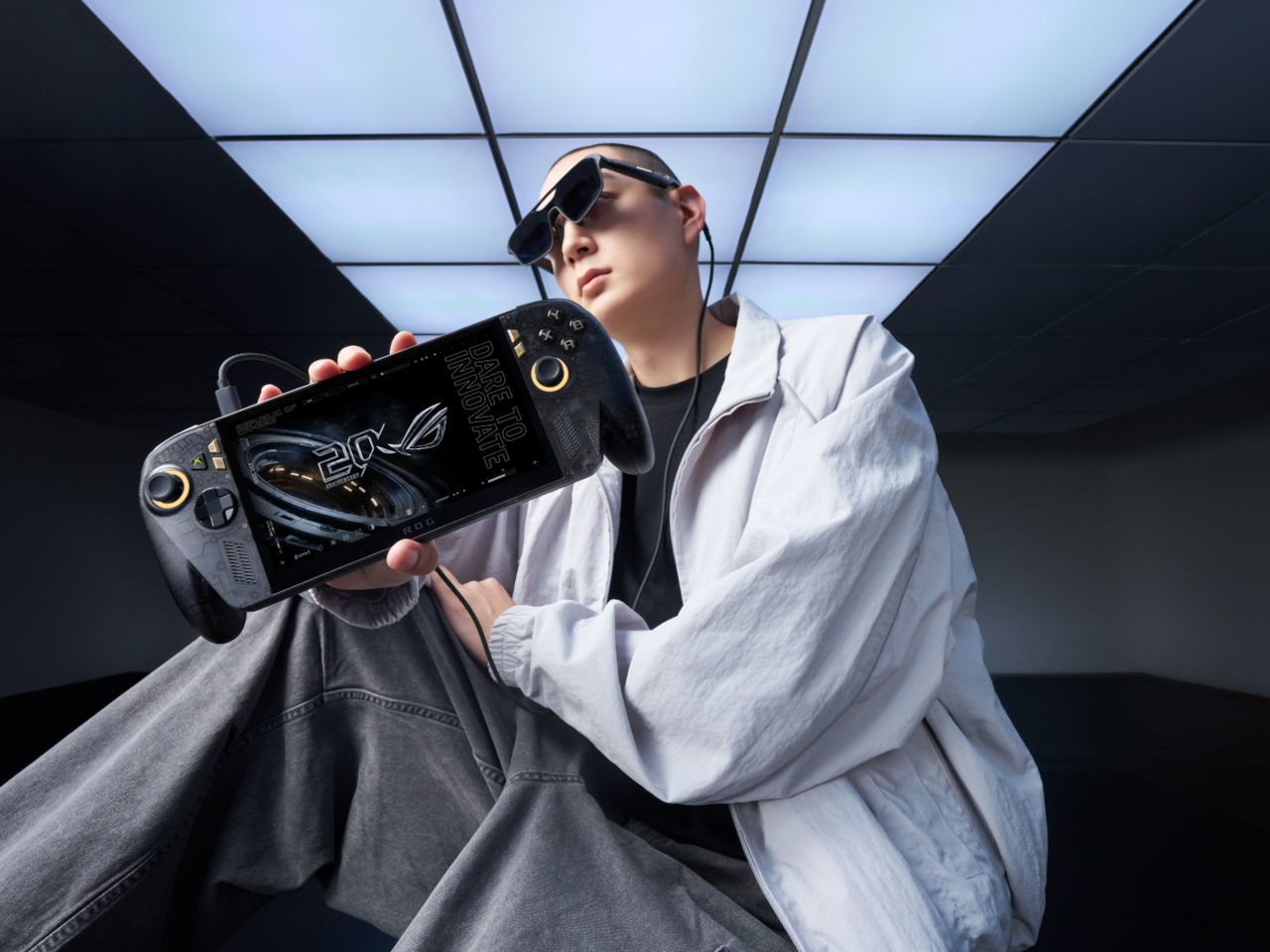
ROG is marking 20 years as a brand with an anniversary bundle that puts its most significant Ally upgrade to date front and center. The ROG XBOX Ally X20 is a special-edition take on the Ally X, built around a translucent black chassis with a gold internal structure and a 7.4-inch OLED display, the first of its kind on an Ally, paired in the box with a set of AR gaming glasses.
Designer: ASUS
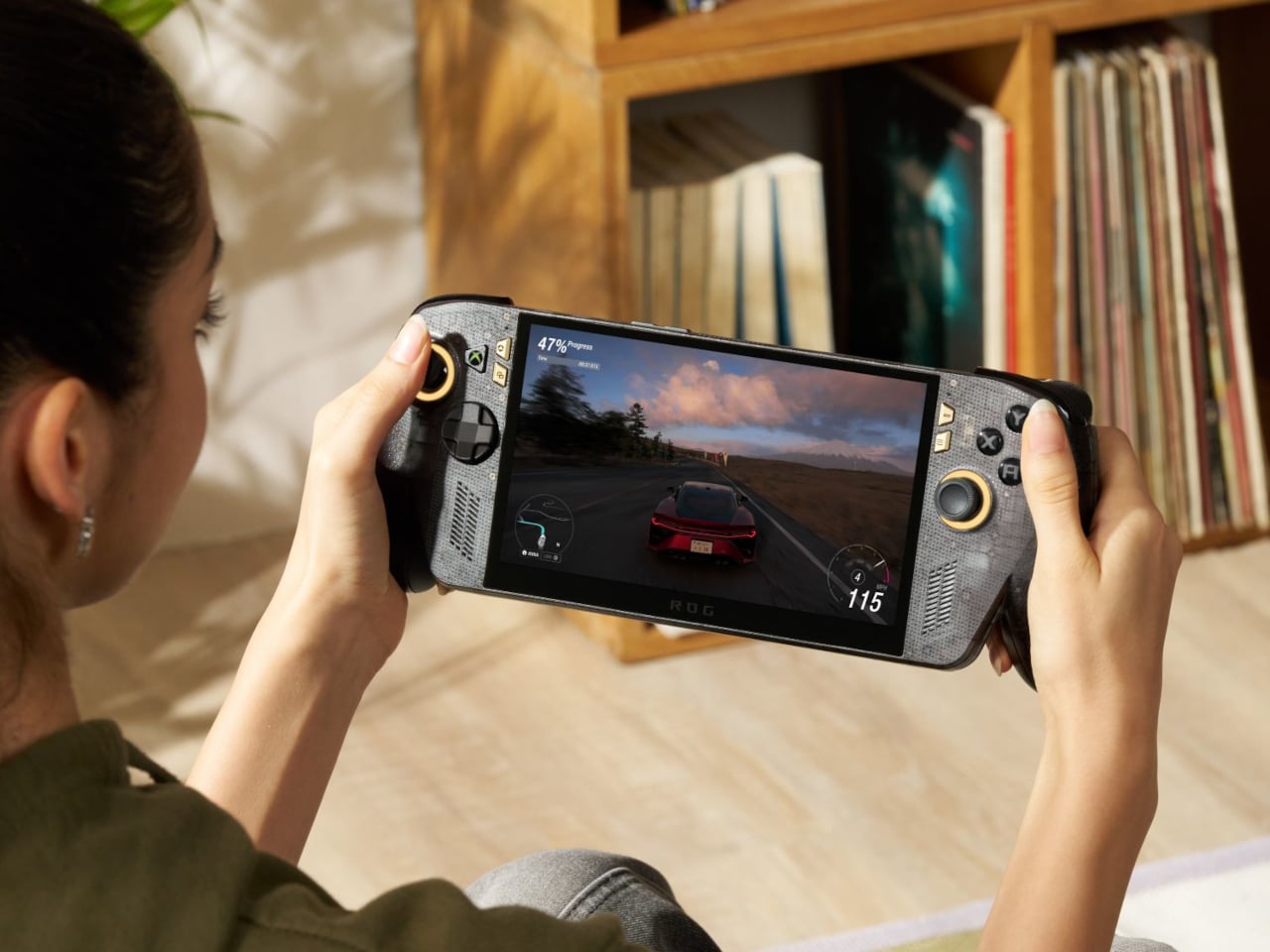
The jump from IPS to OLED on the Ally is hard to overstate for anyone who’s spent time with both panel types. The Nebula HDR Display delivers 1,400 nits of peak brightness, a 0.2ms response time, a 120Hz refresh rate with FreeSync Premium Pro, and support for Dolby Vision. VESA DisplayHDR 1000 certification rounds it out, and Corning DXC glass with an anti-reflective coating cuts glare by 65%.
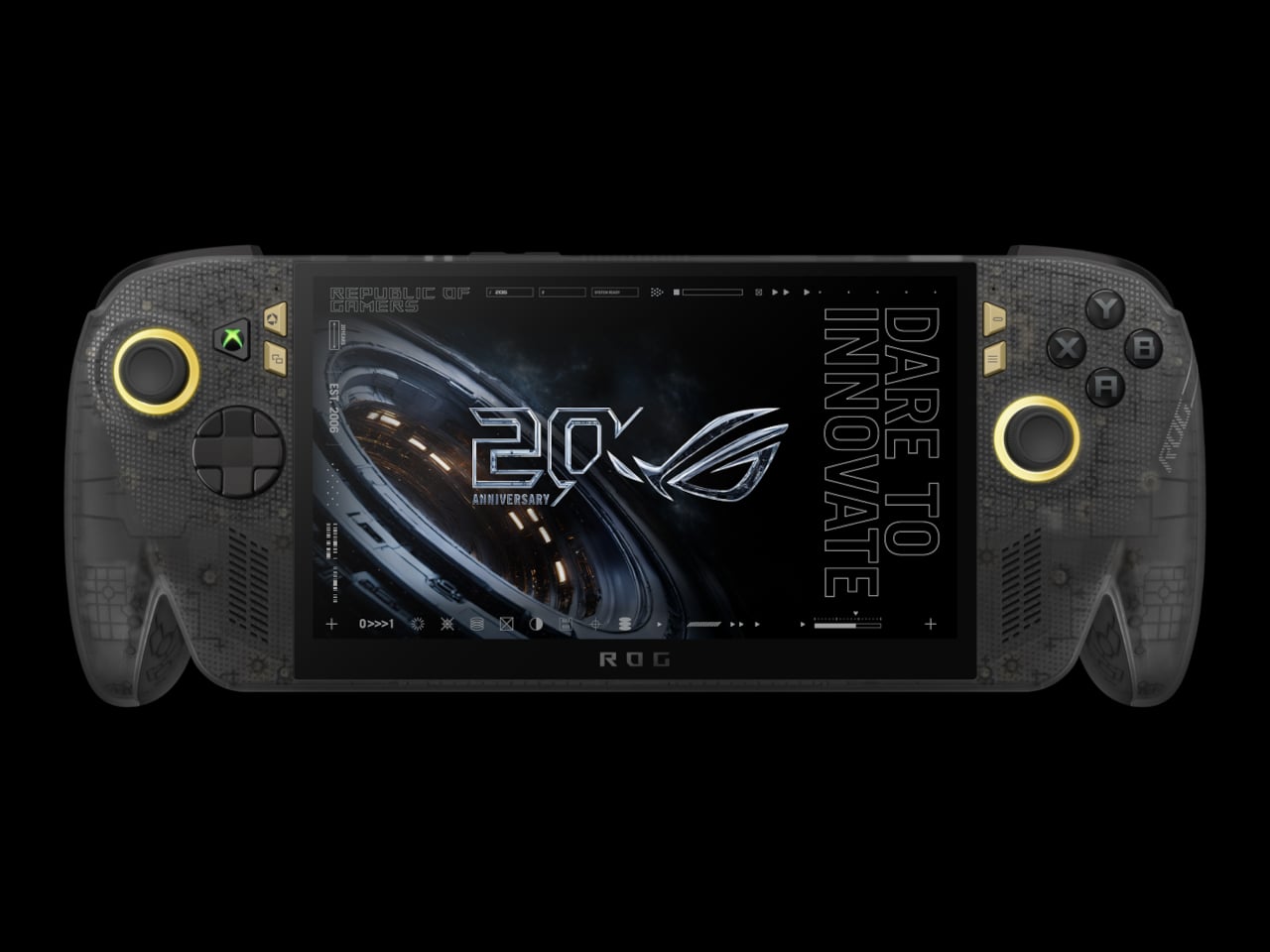
Under the hood, the AMD Ryzen AI Z2 Extreme processor carries the same horsepower as the Ally X, backed by 24GB of RAM and an 80Wh battery. New TMR joysticks deliver better precision and tracking. Auto SR upscaling handles frame-quality boosts at lower power costs, and Xbox Mode offers a clean, console-like interface for navigating a library that spans Xbox, PC Game Pass, and Steam.
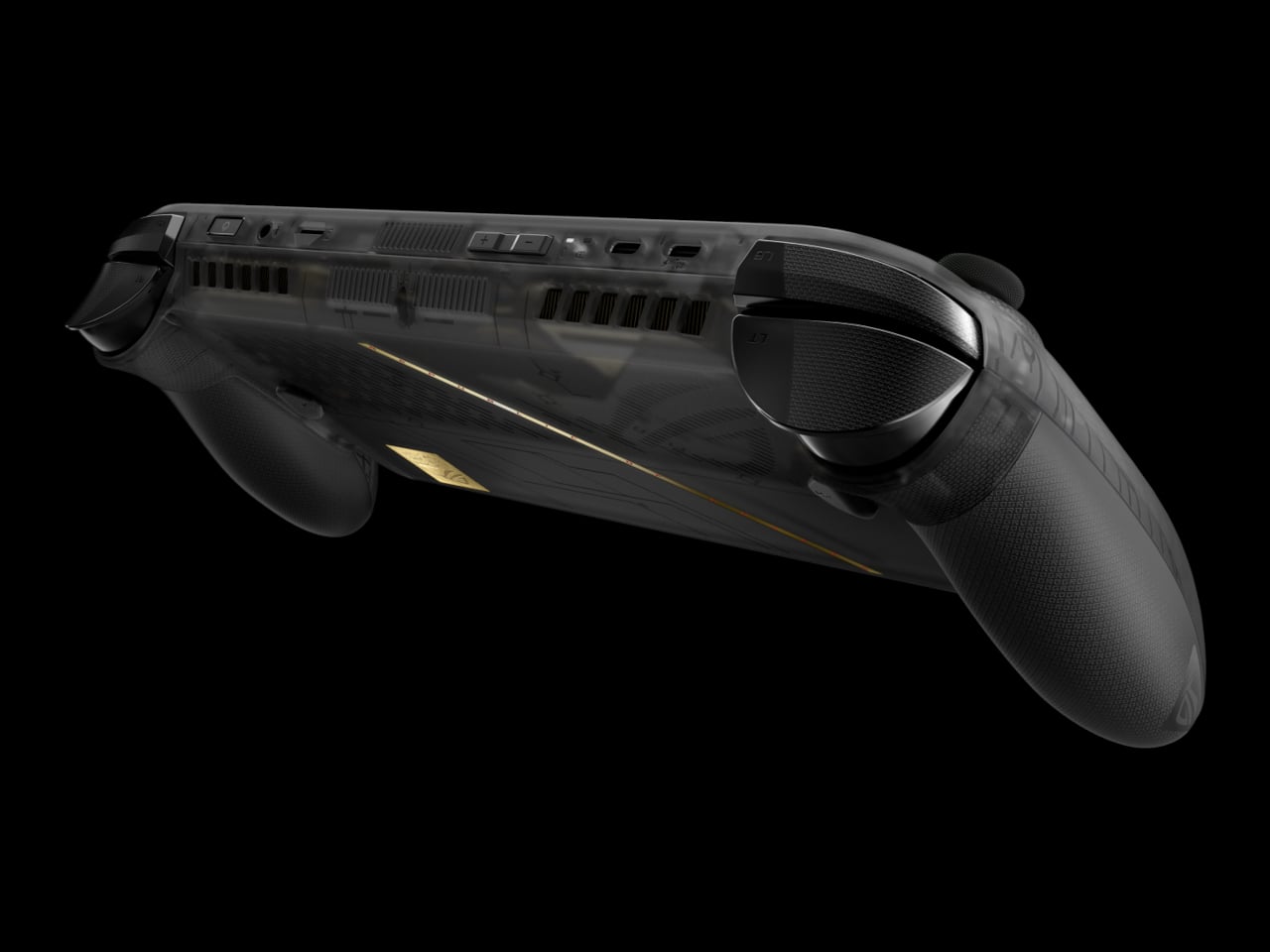
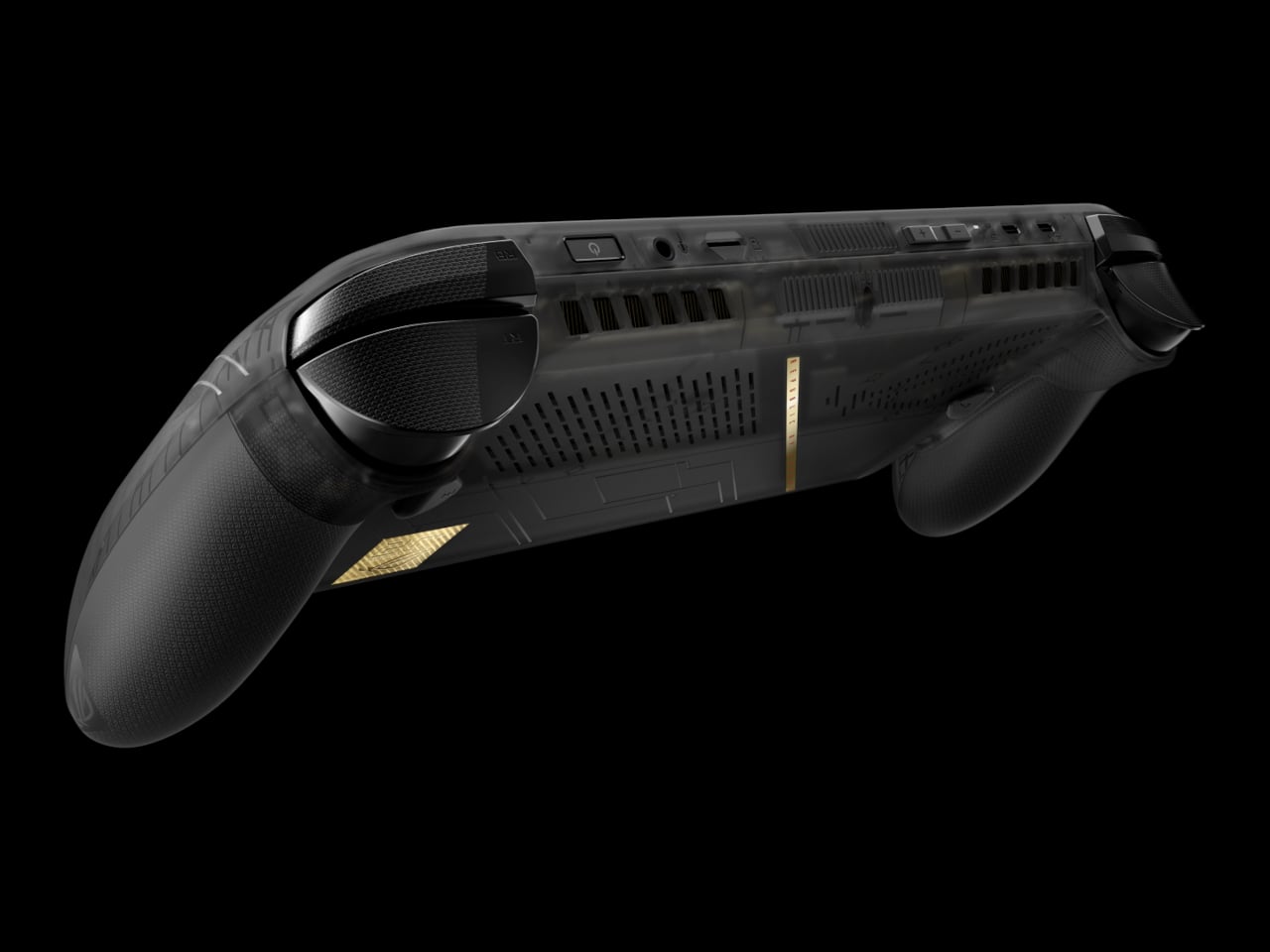
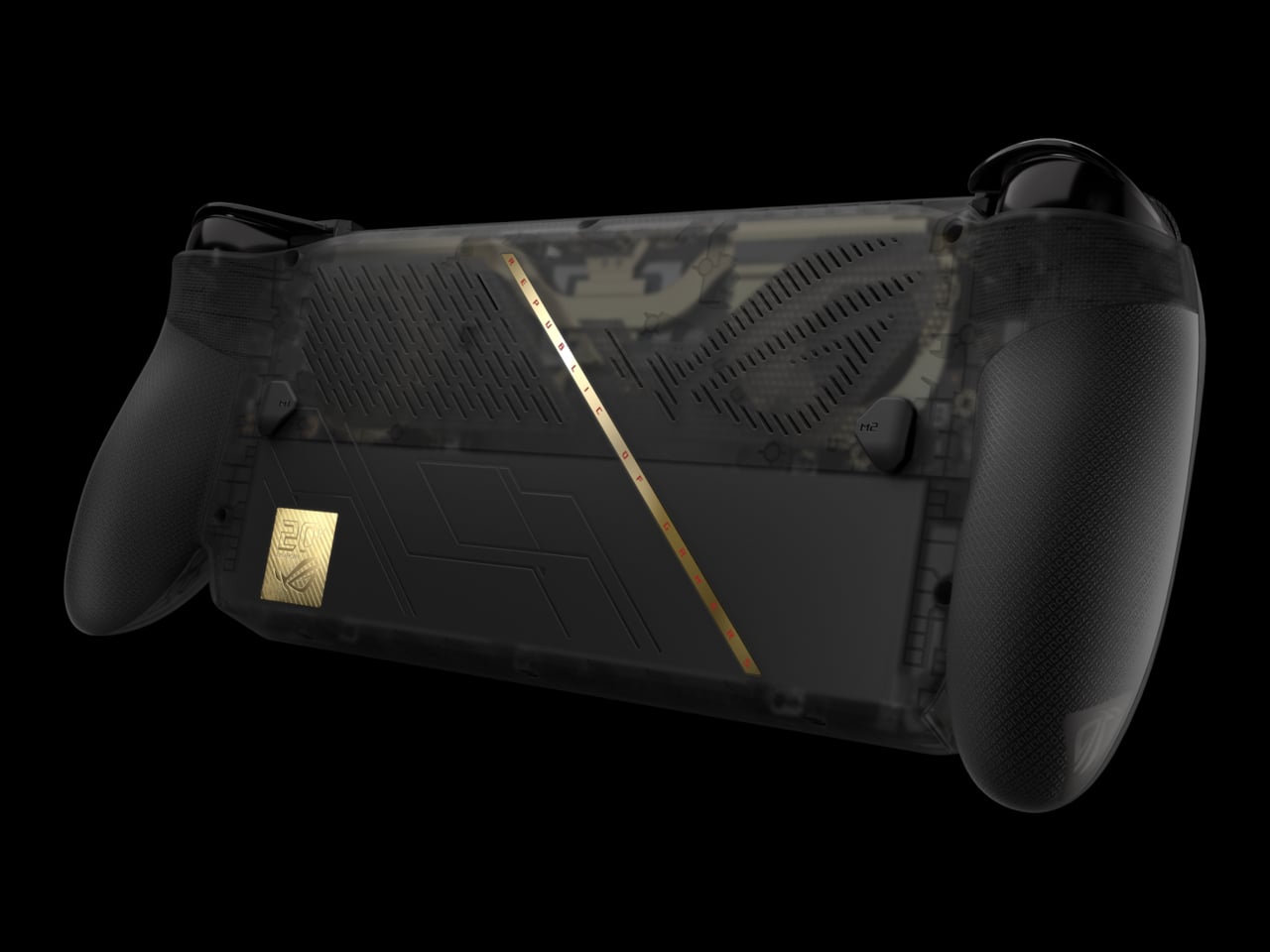
The design is the most conspicuous part of the X20’s identity. The translucent black body lets the gold-accented internal frame show through, making the engineering itself part of the aesthetic. It’s a specific kind of flex that ROG’s anniversary context earns credibility for. Rubberized coating on the rear handgrips keeps the feel practical rather than purely decorative, which matters for a device meant to hold through long gaming sessions.
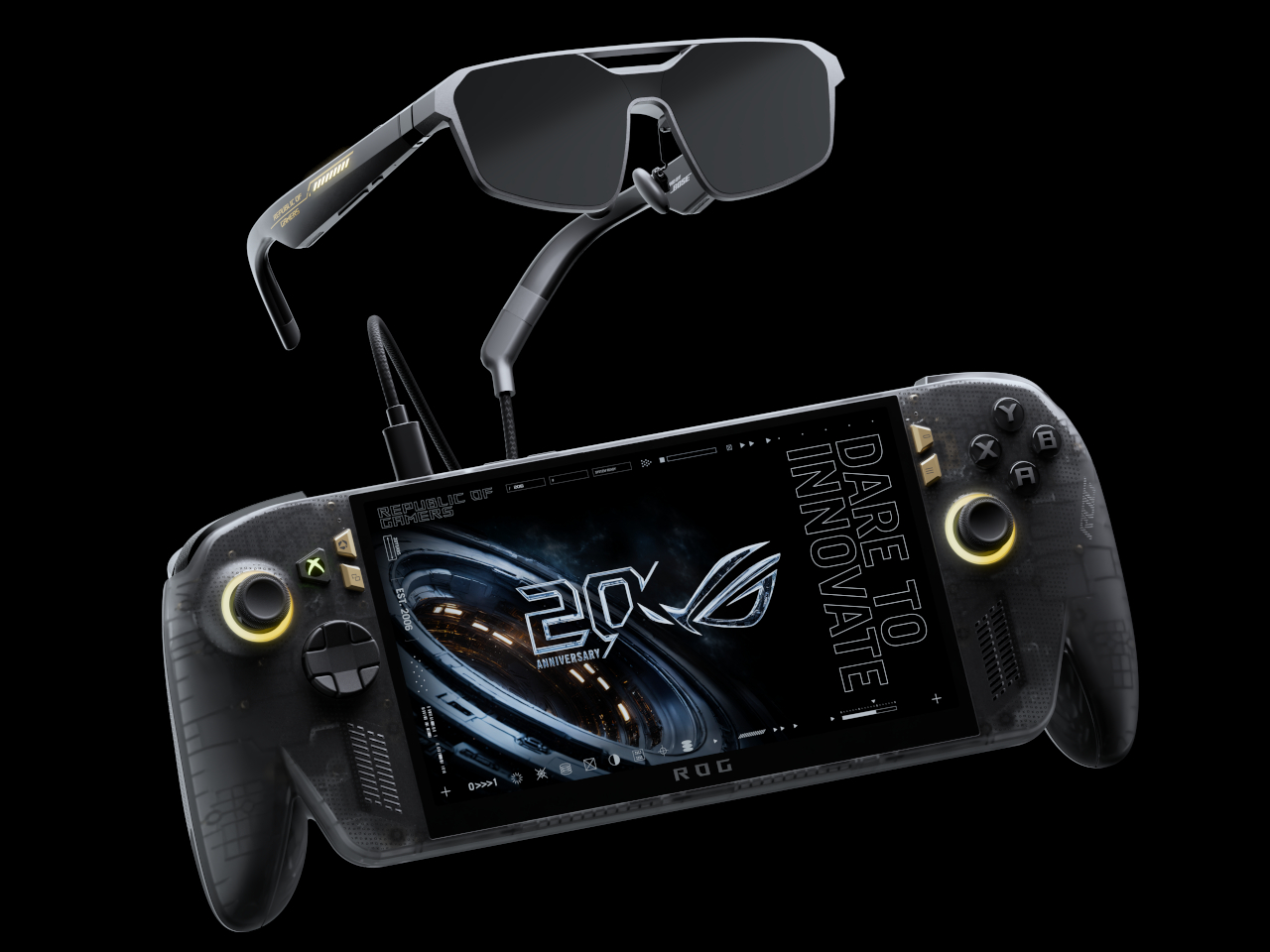
The bundle’s second piece is the ROG XREAL R1 Edition 20 Gaming AR Glasses, and they’re the part that makes this package genuinely different from simply selling a revised Ally X. These aren’t the kind of smart glasses that surface notifications or track fitness. They’re designed specifically for gaming, using dual Sony Micro-OLED displays to generate a virtual screen sized for long sessions away from a TV or monitor.
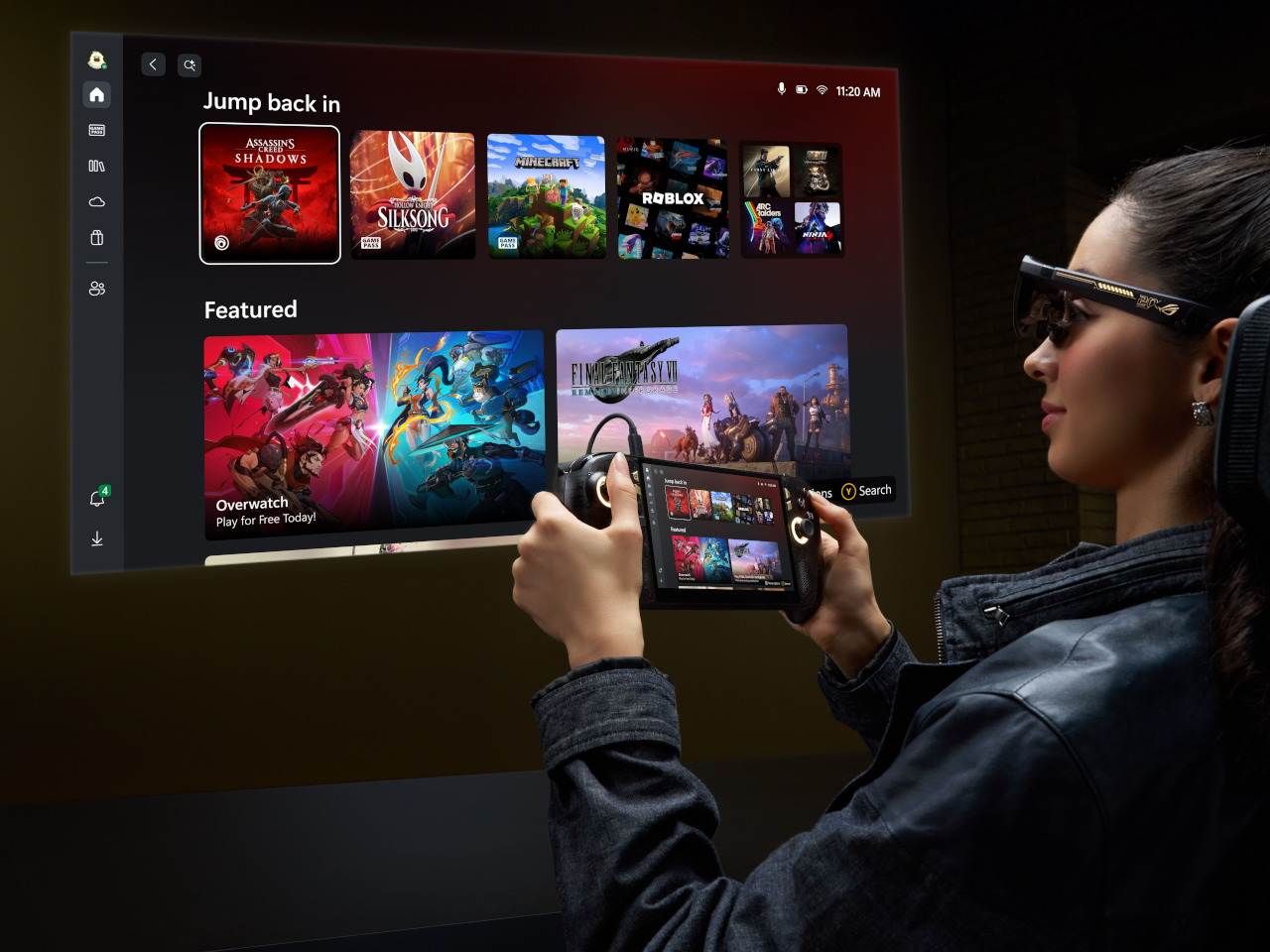
That virtual screen projects to 171 inches when viewed from 4 meters, covering 95% of the focused field of view. A 240Hz refresh rate and a 0.01ms response time keep fast-paced gameplay clean without smearing or lag. Native 3DoF head tracking anchors the display to your gaze, while Anchor Mode locks it in a fixed position for those who prefer to play without the screen following their movements.
The ROG XBOX Ally X20 isn’t the kind of hardware upgrade that quietly adds a spec or two. OLED on the Ally for the first time, combined with AR glasses that project a room-filling virtual display and wrapped in a translucent anniversary design, makes for a more complete idea than a typical limited-edition product usually delivers. A holiday 2026 release means the wait still has some time left.
The post ROG Just Gave the Ally Its First OLED and a 171-Inch AR Screen first appeared on Yanko Design.
Handheld gaming PCs have become serious pieces of hardware over the past few years, and the display has quietly become the most contested spec on the spec sheet. Early handhelds shipped with IPS panels as a matter of course, but expectations have shifted. Owners of these devices spend long hours staring at a relatively small screen, and the quality of that screen now shapes how the whole experience is judged.
ROG is marking 20 years as a brand with an anniversary bundle that puts its most significant Ally upgrade to date front and center. The ROG XBOX Ally X20 is a special-edition take on the Ally X, built around a translucent black chassis with a gold internal structure and a 7.4-inch OLED display, the first of its kind on an Ally, paired in the box with a set of AR gaming glasses.
Designer: ASUS
The jump from IPS to OLED on the Ally is hard to overstate for anyone who’s spent time with both panel types. The Nebula HDR Display delivers 1,400 nits of peak brightness, a 0.2ms response time, a 120Hz refresh rate with FreeSync Premium Pro, and support for Dolby Vision. VESA DisplayHDR 1000 certification rounds it out, and Corning DXC glass with an anti-reflective coating cuts glare by 65%.
Under the hood, the AMD Ryzen AI Z2 Extreme processor carries the same horsepower as the Ally X, backed by 24GB of RAM and an 80Wh battery. New TMR joysticks deliver better precision and tracking. Auto SR upscaling handles frame-quality boosts at lower power costs, and Xbox Mode offers a clean, console-like interface for navigating a library that spans Xbox, PC Game Pass, and Steam.
The design is the most conspicuous part of the X20’s identity. The translucent black body lets the gold-accented internal frame show through, making the engineering itself part of the aesthetic. It’s a specific kind of flex that ROG’s anniversary context earns credibility for. Rubberized coating on the rear handgrips keeps the feel practical rather than purely decorative, which matters for a device meant to hold through long gaming sessions.
The bundle’s second piece is the ROG XREAL R1 Edition 20 Gaming AR Glasses, and they’re the part that makes this package genuinely different from simply selling a revised Ally X. These aren’t the kind of smart glasses that surface notifications or track fitness. They’re designed specifically for gaming, using dual Sony Micro-OLED displays to generate a virtual screen sized for long sessions away from a TV or monitor.
That virtual screen projects to 171 inches when viewed from 4 meters, covering 95% of the focused field of view. A 240Hz refresh rate and a 0.01ms response time keep fast-paced gameplay clean without smearing or lag. Native 3DoF head tracking anchors the display to your gaze, while Anchor Mode locks it in a fixed position for those who prefer to play without the screen following their movements.
The ROG XBOX Ally X20 isn’t the kind of hardware upgrade that quietly adds a spec or two. OLED on the Ally for the first time, combined with AR glasses that project a room-filling virtual display and wrapped in a translucent anniversary design, makes for a more complete idea than a typical limited-edition product usually delivers. A holiday 2026 release means the wait still has some time left.
The post ROG Just Gave the Ally Its First OLED and a 171-Inch AR Screen first appeared on Yanko Design.
Most wearables make a generous promise: that daily wear will eventually help you understand your body better. In practice, though, many end up on a nightstand by Tuesday because the battery died or the data was too much to decode. The market for health wearables has grown quickly, but the friction hasn’t cleared as fast as the feature lists have gotten longer.
Smart rings have been one answer to that problem. They’re smaller, quieter, and don’t ask for your attention the way a smartwatch does. Ultrahuman’s Ring PRO is the company’s third-generation take on that idea, and it comes with a compact Mini Charger built around the same philosophy. Together, they’re designed to make health tracking feel like something running in the background rather than a habit you have to maintain.
Designer: Ultrahuman Healthcare Ltd.
Click Here to Buy Now: $399 $530 ($131 off). Hurry, only 1737/2005 left! Raised over $447,000.
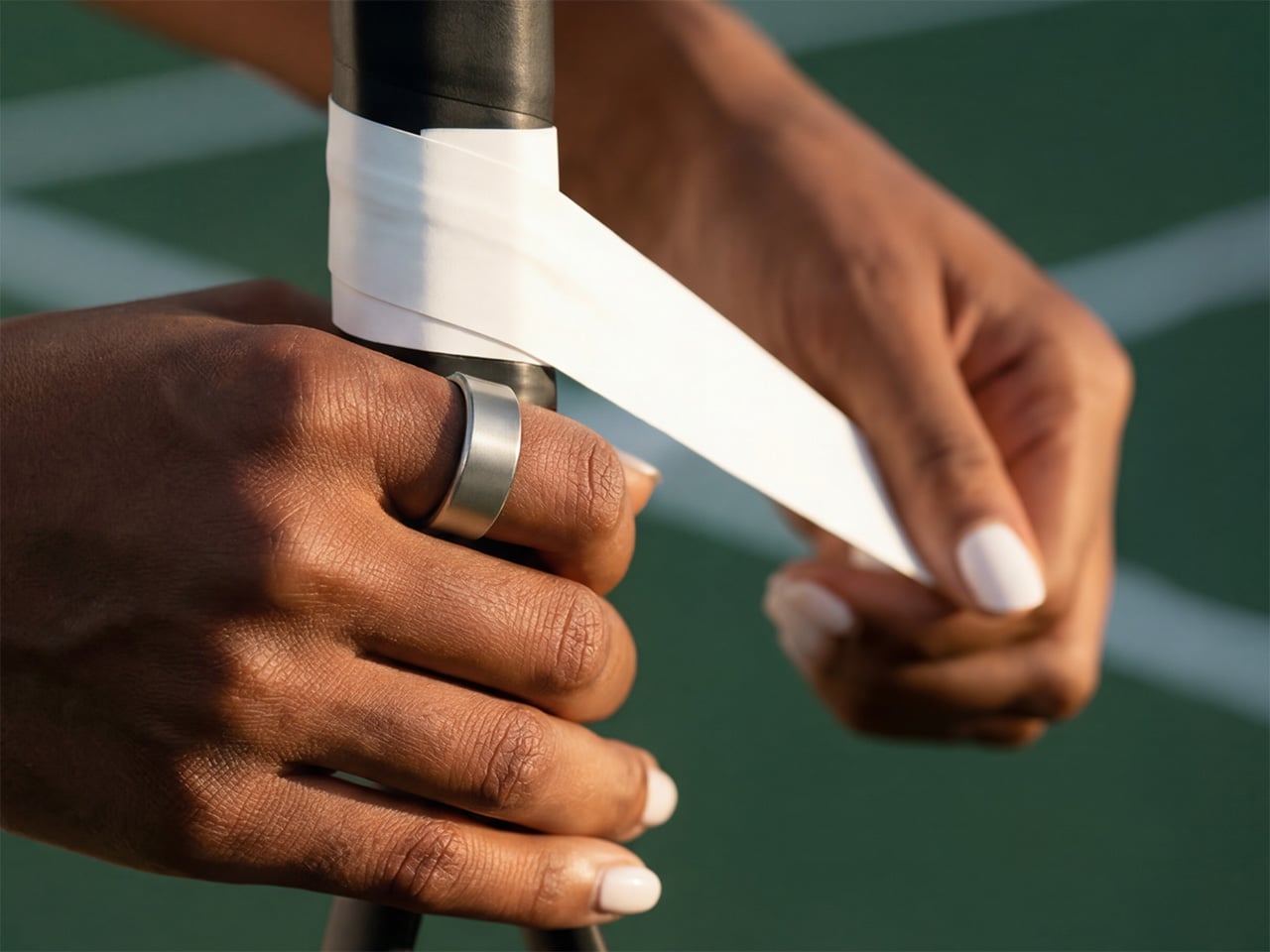
A big part of that comes down to battery life. The Ring PRO offers up to 15 days on a single charge, roughly three to four times what most competing smart rings manage. That means fewer interruptions during long trips, consistent overnight tracking without data gaps, and no anxiety about a dead ring. The pocket-sized Mini Charger handles the rest, plugging in via Type-C and fitting easily into any bag. Utilizing the new UltraSnap Charging Technology, the Ring PRO magnetically clicks into place, removing the stress of trying to aim for perfect alignment. The charger also generates less heat while in use, thanks to an energy-efficient mechanism.
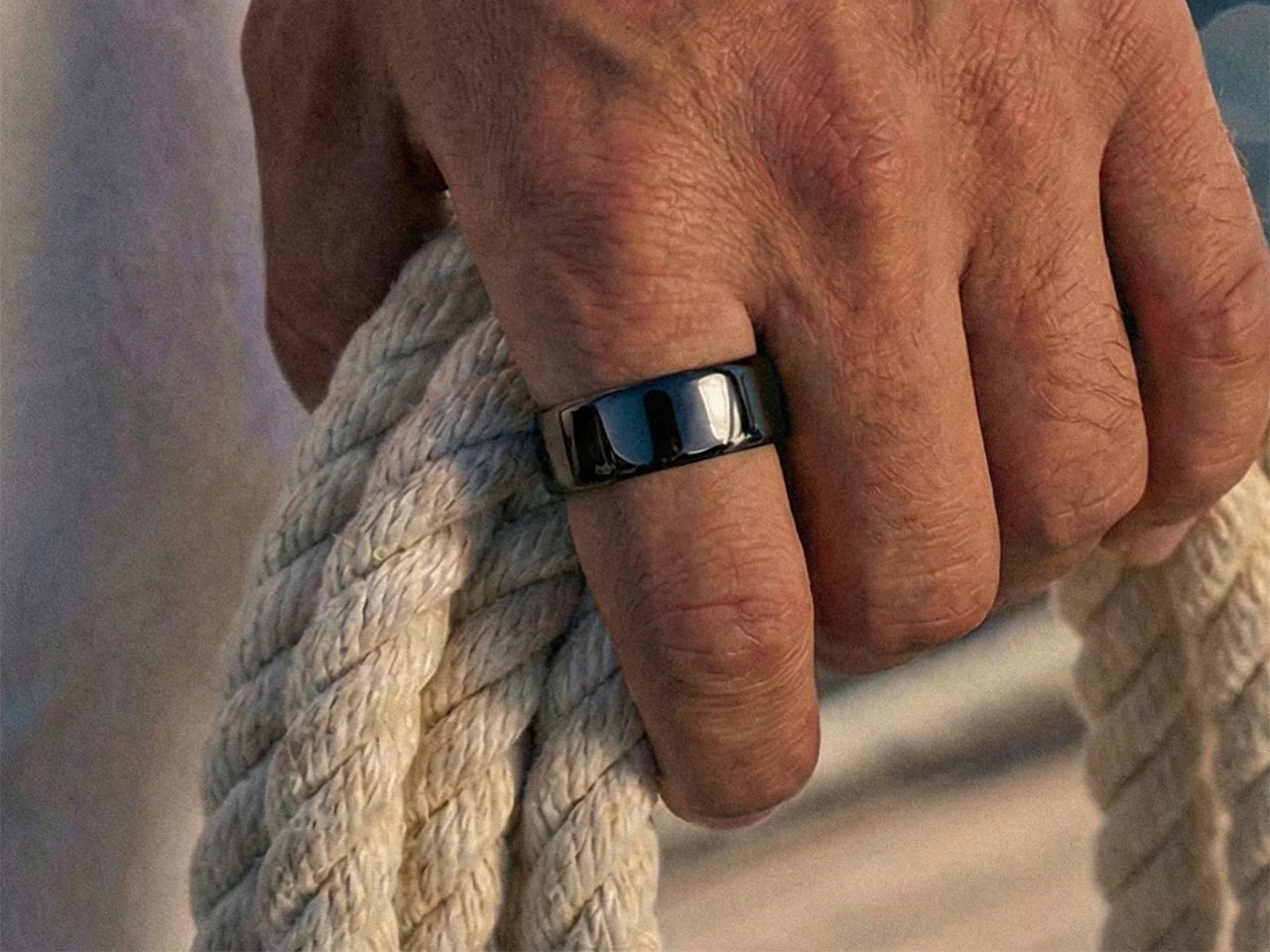
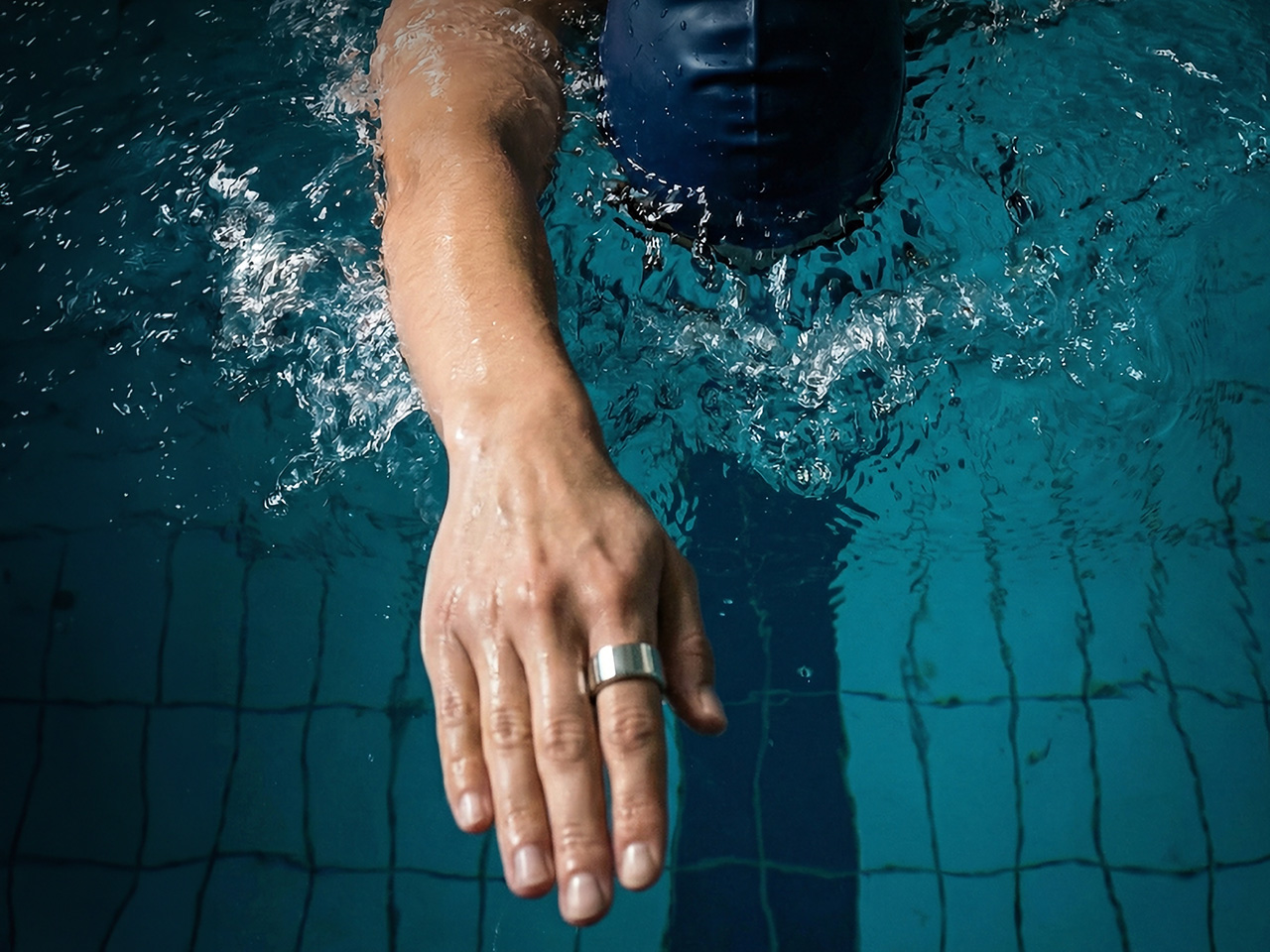
The ring sports a unibody titanium build, using the same fighter jet-grade material that has defined the Ultrahuman Ring from the beginning, keeping it lightweight yet durable enough for continuous wear. It’s water-resistant to 100m, so showers, swims, and more demanding water activities don’t require taking it off. It comes in sizes 5 to 14 and in four finishes: Bionic Gold, Aster Black, Space Silver, and Raw Titanium.
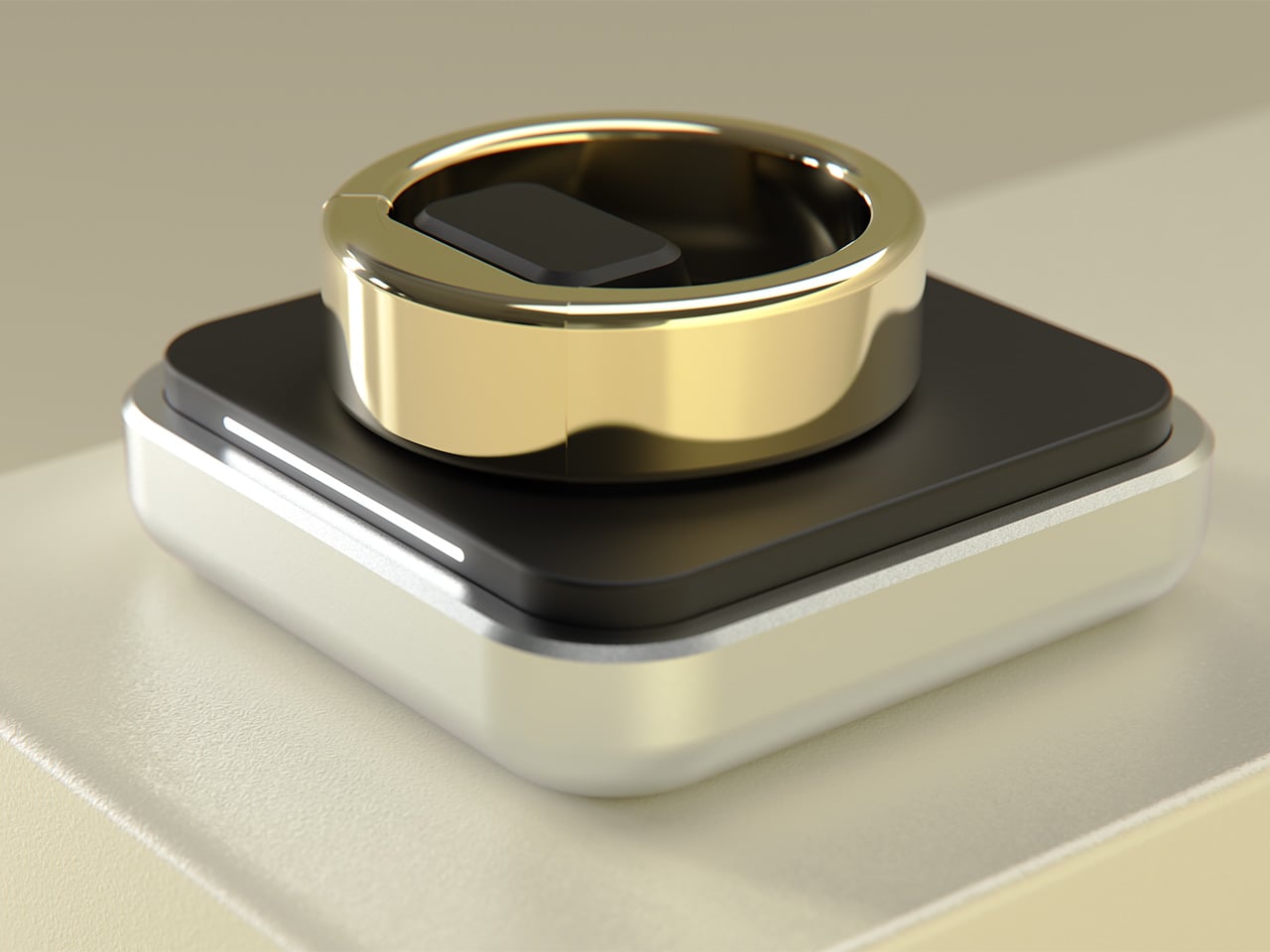
What sets Ring PRO apart, though, is a layer of real-time biointelligence called Jade AI. Rather than presenting raw data on a dashboard for you to decode, Jade reads across ring biometrics, blood biomarkers, and environmental data, then tells you what it all means for your health. It offers both quick answers for everyday use and a deeper research mode for tracking longer patterns and trends.
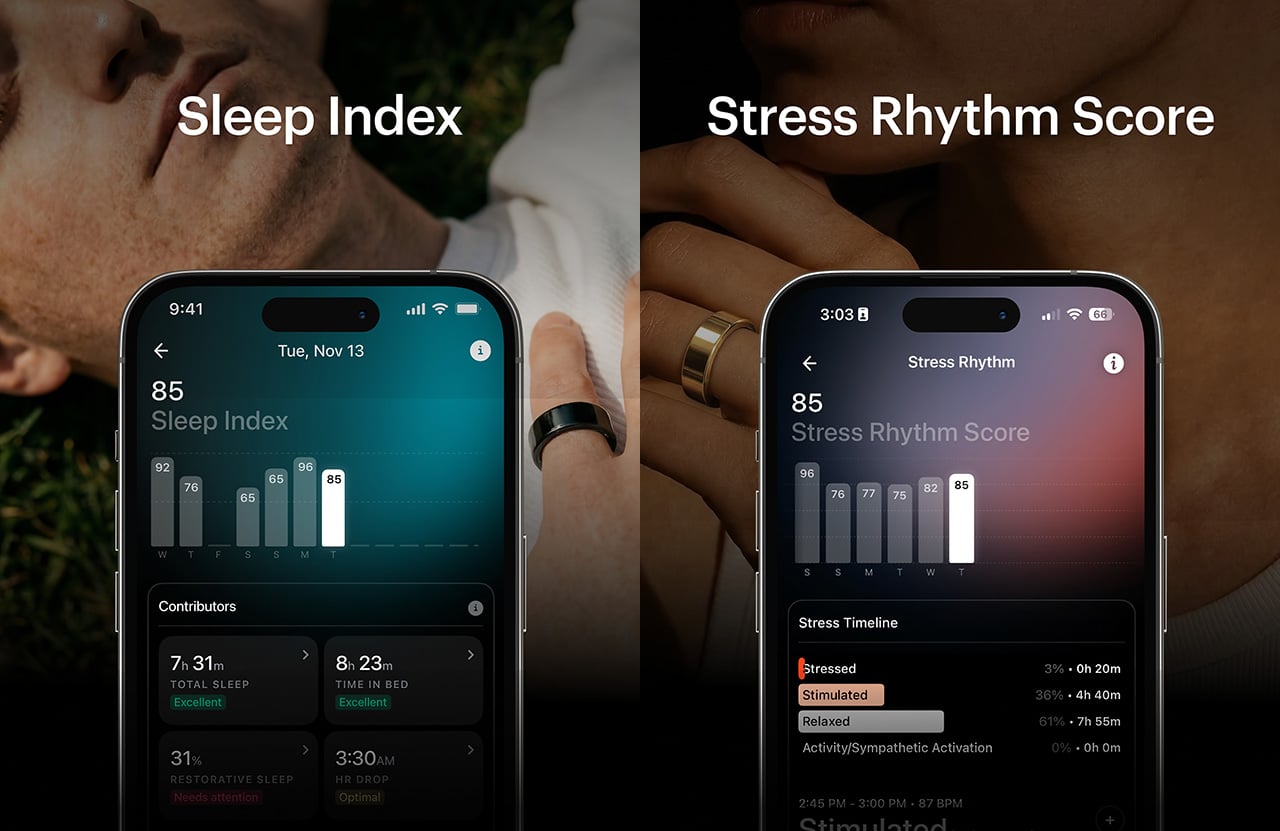
The core tracking covers the health signals most people care about: sleep stages, resting heart rate, HRV, body temperature, and daily movement. The Sleep Index and Dynamic Recovery don’t just score your rest or readiness; they aim to interpret those signals and adjust guidance as your body changes. The Stress Rhythm feature adds another layer by analyzing how your heart responds throughout the day against your circadian backdrop. Finally, Ultra Age can track how improving your lifestyle positively impacts your aging trajectory, giving you a competitive edge against time.
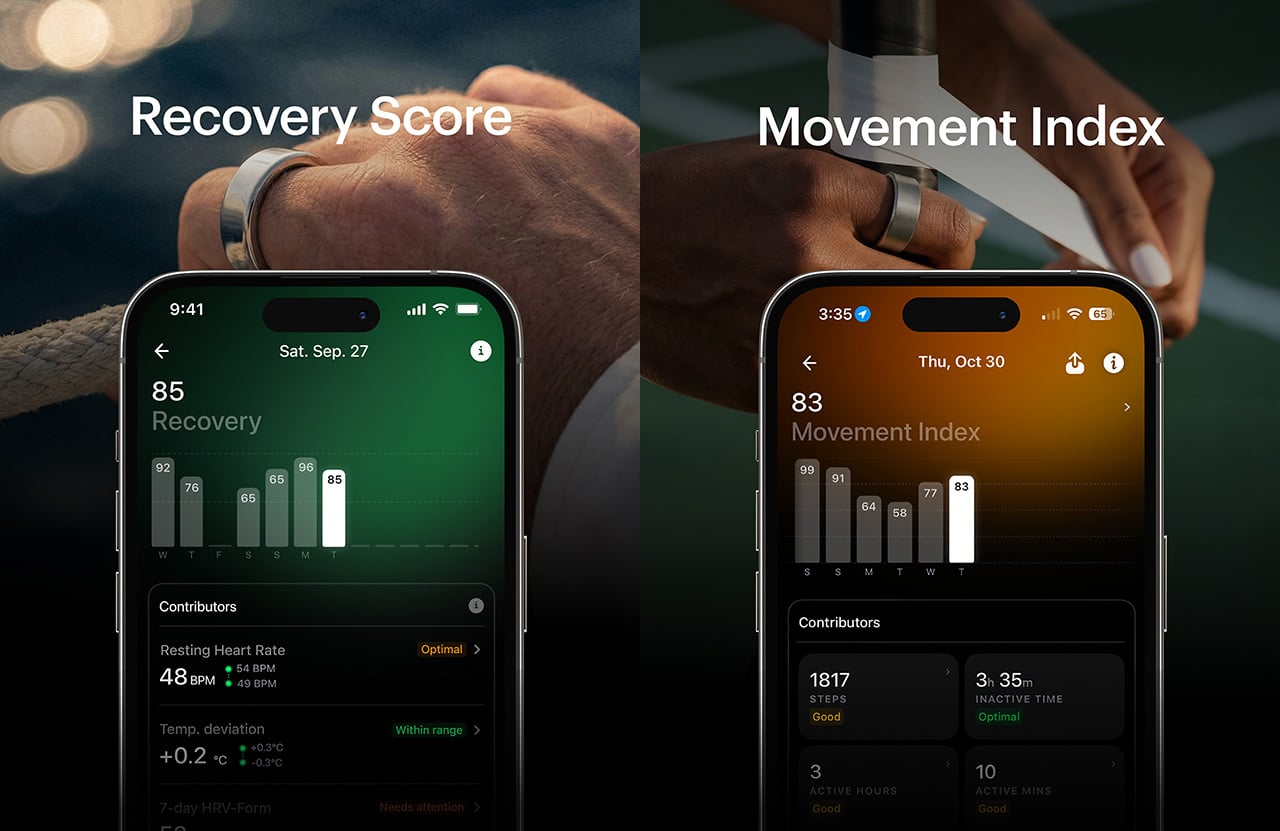
Beyond the basics, Ring PRO includes a library of more targeted health tools called PowerPlugs, precision micro-tools designed for highly personalized health insights. The Caffeine Window, for example, maps the best times for coffee against your recovery data and shifts your daily cutoff based on how well you slept. The Circadian Alignment tool tracks your body’s internal rhythm and flags when light, movement, or rest will have the most impact on energy and sleep quality.
The ring also adapts to different life stages rather than assuming everyone shares the same baseline. There are also dedicated modes for shift workers, new parents, and people with irregular schedules, where the scoring accounts for unconventional sleep timing and focuses on quality rather than rigid duration rules.
Women’s health is an extra strong focus for the Ultrahuman Ring PRO, and it goes beyond just covering cycle tracking, ovulation prediction, and logging symptoms. Cycle Flags, for example, offer insights that let women take a more proactive approach rather than just waiting for things to happen. With over 90% accuracy for ovulation confirmation, OvuSense Technology helps you understand your body better, whether you’re trying to conceive or navigating an irregular cycle.

Health tracking only works if you wear the device consistently enough for the data to build into something meaningful. Ring PRO’s combination of up to 250 days of on-ring storage, a dual-core processor with on-chip machine learning for speed, efficiency, and reliability, and a build designed for 24-hour wear makes a fairly pointed argument that the biggest obstacle between most people and better health data has always been friction, not features.
Click Here to Buy Now: $399 $530 ($131 off). Hurry, only 1737/2005 left! Raised over $447,000.
The post Ultrahuman Ring PRO’s 15-Day Battery Removes the Main Reason to Quit first appeared on Yanko Design.
Most wearables make a generous promise: that daily wear will eventually help you understand your body better. In practice, though, many end up on a nightstand by Tuesday because the battery died or the data was too much to decode. The market for health wearables has grown quickly, but the friction hasn’t cleared as fast as the feature lists have gotten longer.
Smart rings have been one answer to that problem. They’re smaller, quieter, and don’t ask for your attention the way a smartwatch does. Ultrahuman’s Ring PRO is the company’s third-generation take on that idea, and it comes with a compact Mini Charger built around the same philosophy. Together, they’re designed to make health tracking feel like something running in the background rather than a habit you have to maintain.
Designer: Ultrahuman Healthcare Ltd.
Click Here to Buy Now: $399 $530 ($131 off). Hurry, only 1737/2005 left! Raised over $447,000.
A big part of that comes down to battery life. The Ring PRO offers up to 15 days on a single charge, roughly three to four times what most competing smart rings manage. That means fewer interruptions during long trips, consistent overnight tracking without data gaps, and no anxiety about a dead ring. The pocket-sized Mini Charger handles the rest, plugging in via Type-C and fitting easily into any bag. Utilizing the new UltraSnap Charging Technology, the Ring PRO magnetically clicks into place, removing the stress of trying to aim for perfect alignment. The charger also generates less heat while in use, thanks to an energy-efficient mechanism.
The ring sports a unibody titanium build, using the same fighter jet-grade material that has defined the Ultrahuman Ring from the beginning, keeping it lightweight yet durable enough for continuous wear. It’s water-resistant to 100m, so showers, swims, and more demanding water activities don’t require taking it off. It comes in sizes 5 to 14 and in four finishes: Bionic Gold, Aster Black, Space Silver, and Raw Titanium.
What sets Ring PRO apart, though, is a layer of real-time biointelligence called Jade AI. Rather than presenting raw data on a dashboard for you to decode, Jade reads across ring biometrics, blood biomarkers, and environmental data, then tells you what it all means for your health. It offers both quick answers for everyday use and a deeper research mode for tracking longer patterns and trends.
The core tracking covers the health signals most people care about: sleep stages, resting heart rate, HRV, body temperature, and daily movement. The Sleep Index and Dynamic Recovery don’t just score your rest or readiness; they aim to interpret those signals and adjust guidance as your body changes. The Stress Rhythm feature adds another layer by analyzing how your heart responds throughout the day against your circadian backdrop. Finally, Ultra Age can track how improving your lifestyle positively impacts your aging trajectory, giving you a competitive edge against time.
Beyond the basics, Ring PRO includes a library of more targeted health tools called PowerPlugs, precision micro-tools designed for highly personalized health insights. The Caffeine Window, for example, maps the best times for coffee against your recovery data and shifts your daily cutoff based on how well you slept. The Circadian Alignment tool tracks your body’s internal rhythm and flags when light, movement, or rest will have the most impact on energy and sleep quality.
The ring also adapts to different life stages rather than assuming everyone shares the same baseline. There are also dedicated modes for shift workers, new parents, and people with irregular schedules, where the scoring accounts for unconventional sleep timing and focuses on quality rather than rigid duration rules.
Women’s health is an extra strong focus for the Ultrahuman Ring PRO, and it goes beyond just covering cycle tracking, ovulation prediction, and logging symptoms. Cycle Flags, for example, offer insights that let women take a more proactive approach rather than just waiting for things to happen. With over 90% accuracy for ovulation confirmation, OvuSense Technology helps you understand your body better, whether you’re trying to conceive or navigating an irregular cycle.
Health tracking only works if you wear the device consistently enough for the data to build into something meaningful. Ring PRO’s combination of up to 250 days of on-ring storage, a dual-core processor with on-chip machine learning for speed, efficiency, and reliability, and a build designed for 24-hour wear makes a fairly pointed argument that the biggest obstacle between most people and better health data has always been friction, not features.
Click Here to Buy Now: $399 $530 ($131 off). Hurry, only 1737/2005 left! Raised over $447,000.
The post Ultrahuman Ring PRO’s 15-Day Battery Removes the Main Reason to Quit first appeared on Yanko Design.