
Candy Crush maker signs collective bargaining agreement, averting strike
That's one way to topple a King.

Every few months, I go down the rabbit hole of homes for sale that promise total escape without an actual commitment to distance. The pitch is always some version of “close to the city, far from everything else,” and it rarely delivers. What usually shows up is a subdivision with a few extra trees or a renovated farmhouse that swapped one kind of sameness for another. That gap between what people want (real quiet, real nature, real character) and what’s actually on the market is the exact problem the Woods Home in Yorktown Heights solves, and it does it without pretending the answer is another gray-and-white farmhouse flip.
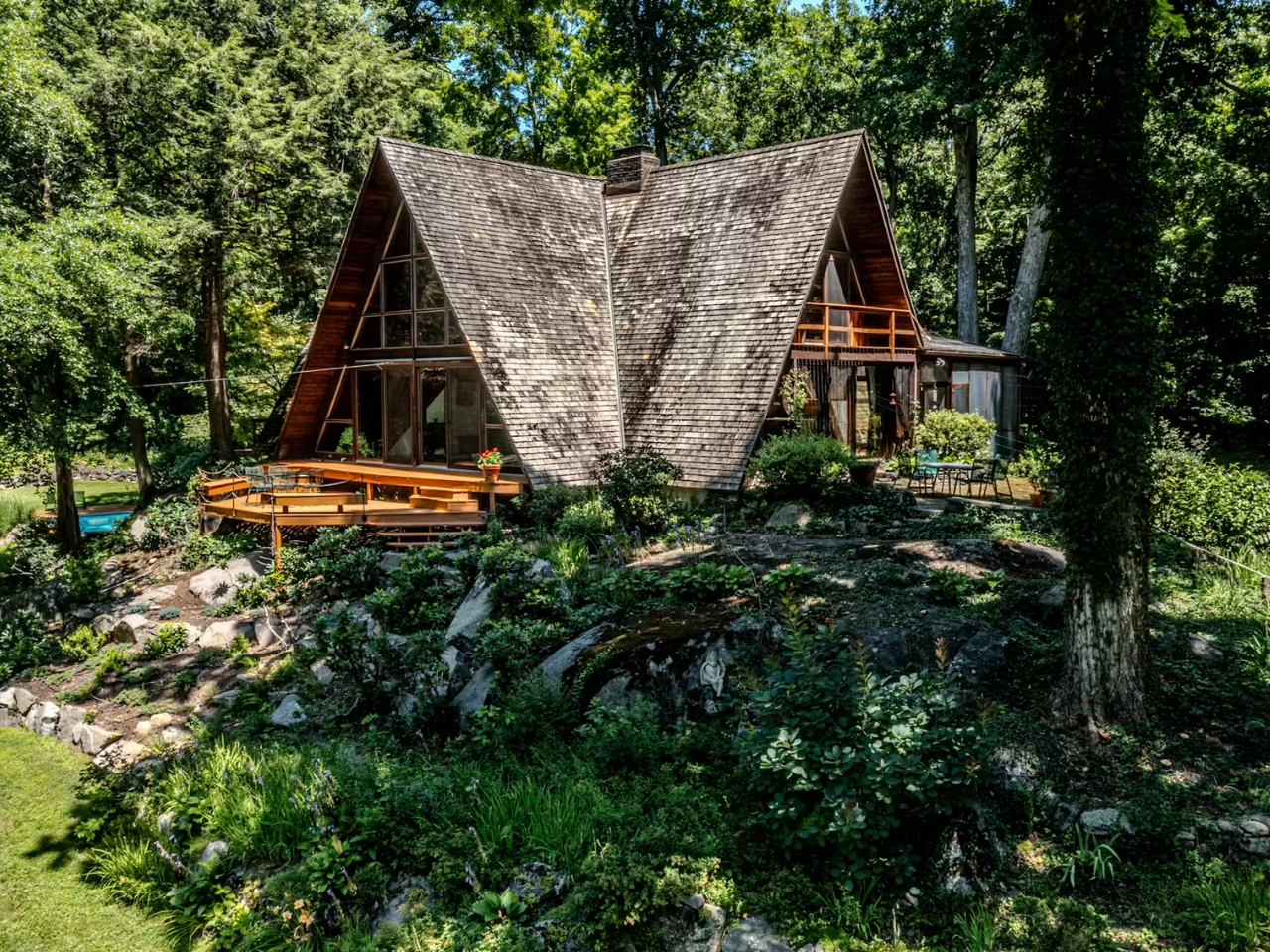
Built in 1966, the Woods Home sits on 6.74 wooded acres in Westchester County, perched on the property’s own natural rock outcroppings. It’s a four-sided A-frame, which is rarer than it sounds. Most A-frames top out as cozy ski cabins under 1,500 square feet. This one stretches to nearly 5,000, with four bedrooms and two bathrooms, soaring ceilings, and walls of glass that turn every room into a framed view of the trees. Listing agent Douglas Dill of Houlihan Lawrence put it plainly when he said he’s sold plenty of A-frames, just never one this size, with this much acreage and this much light. That’s not sales talk. That combination genuinely doesn’t come up often.
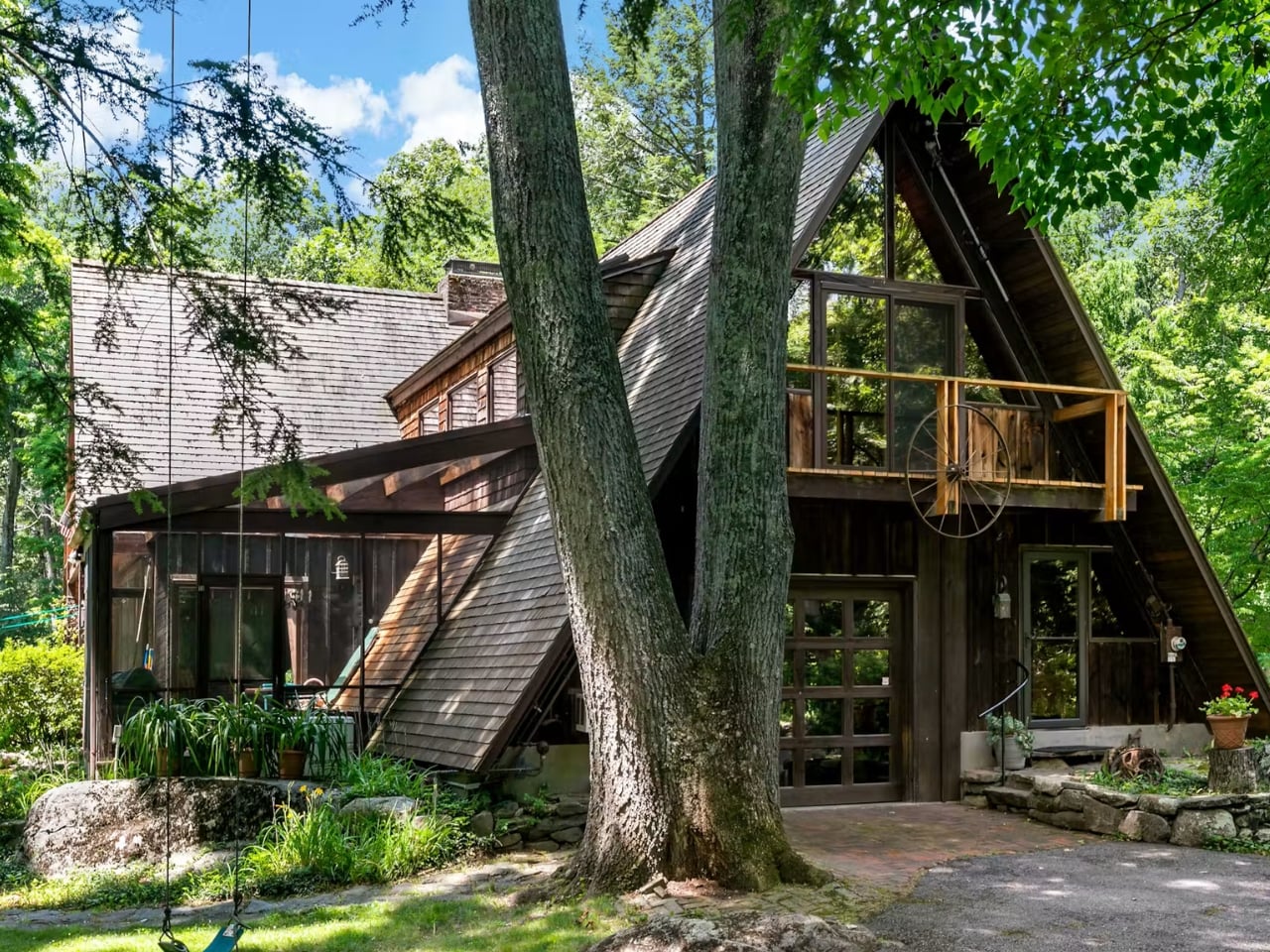
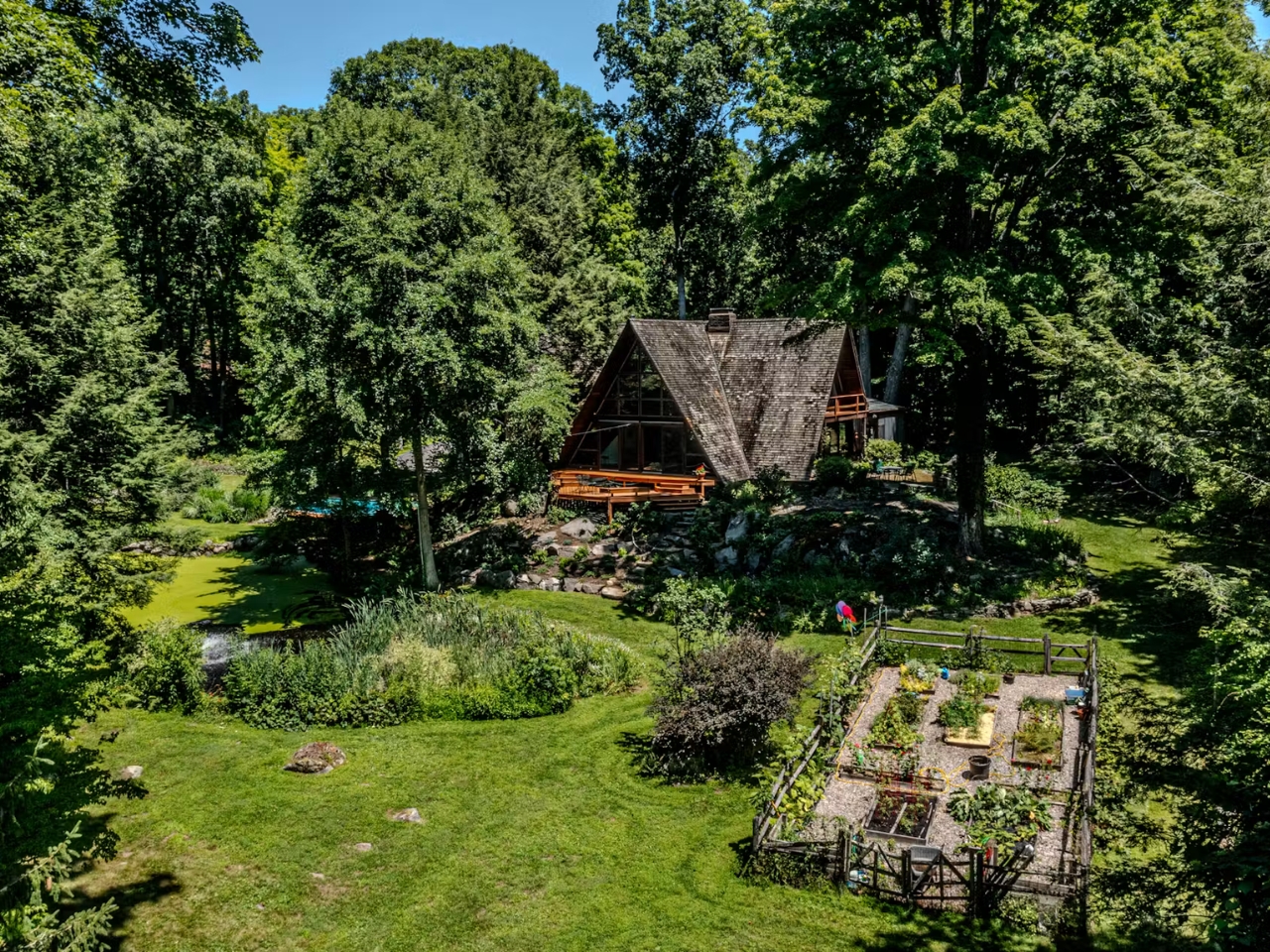
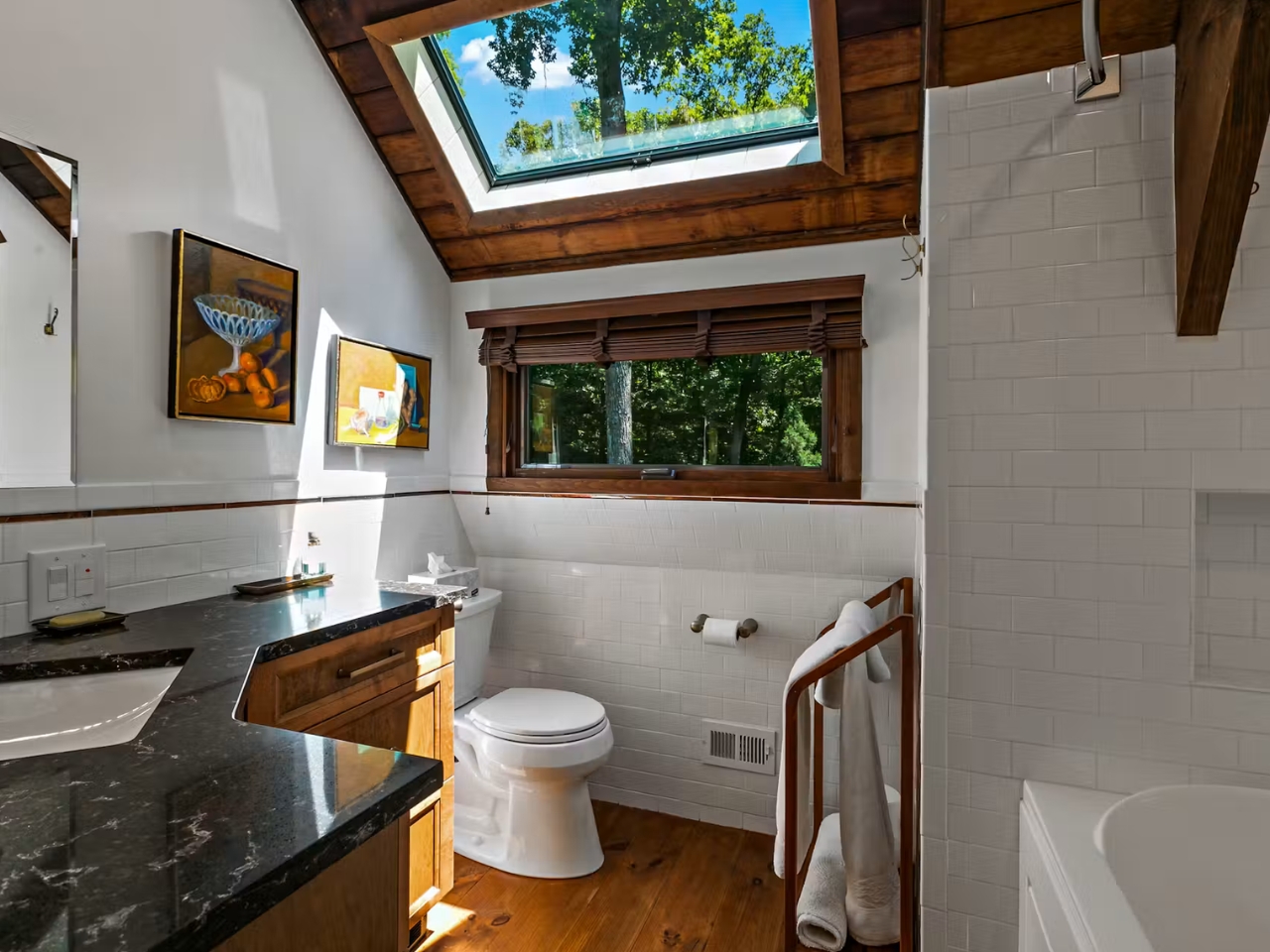
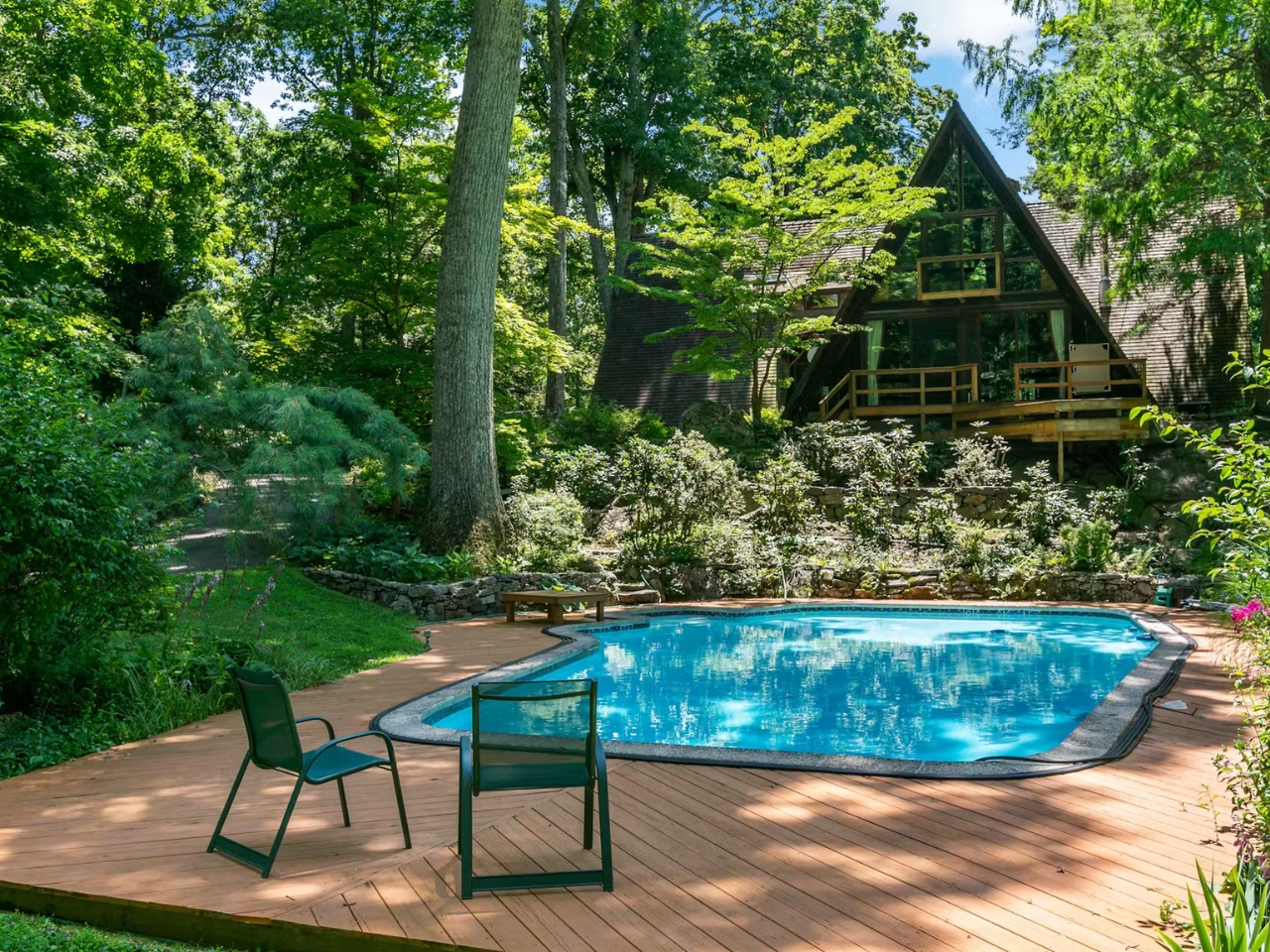
What makes the place feel honest rather than staged is that it was actually lived in, not flipped for a listing photo shoot. The current owners bought it three decades ago as a weekend retreat from Manhattan and eventually made it their full-time home. That kind of ownership shows. The kitchen has updated granite counters, sure, but the bones are untouched: the wood paneling, the built-in shelving, the sliding glass doors that open the lower level straight onto a patio and a pool tucked below the house. There’s a second living area set up as a rec room with its own deck, bedrooms with private balconies, even a small potting shed and a garage converted into an artist’s studio. None of it feels added for resale value. It feels like a family actually used every inch of it.
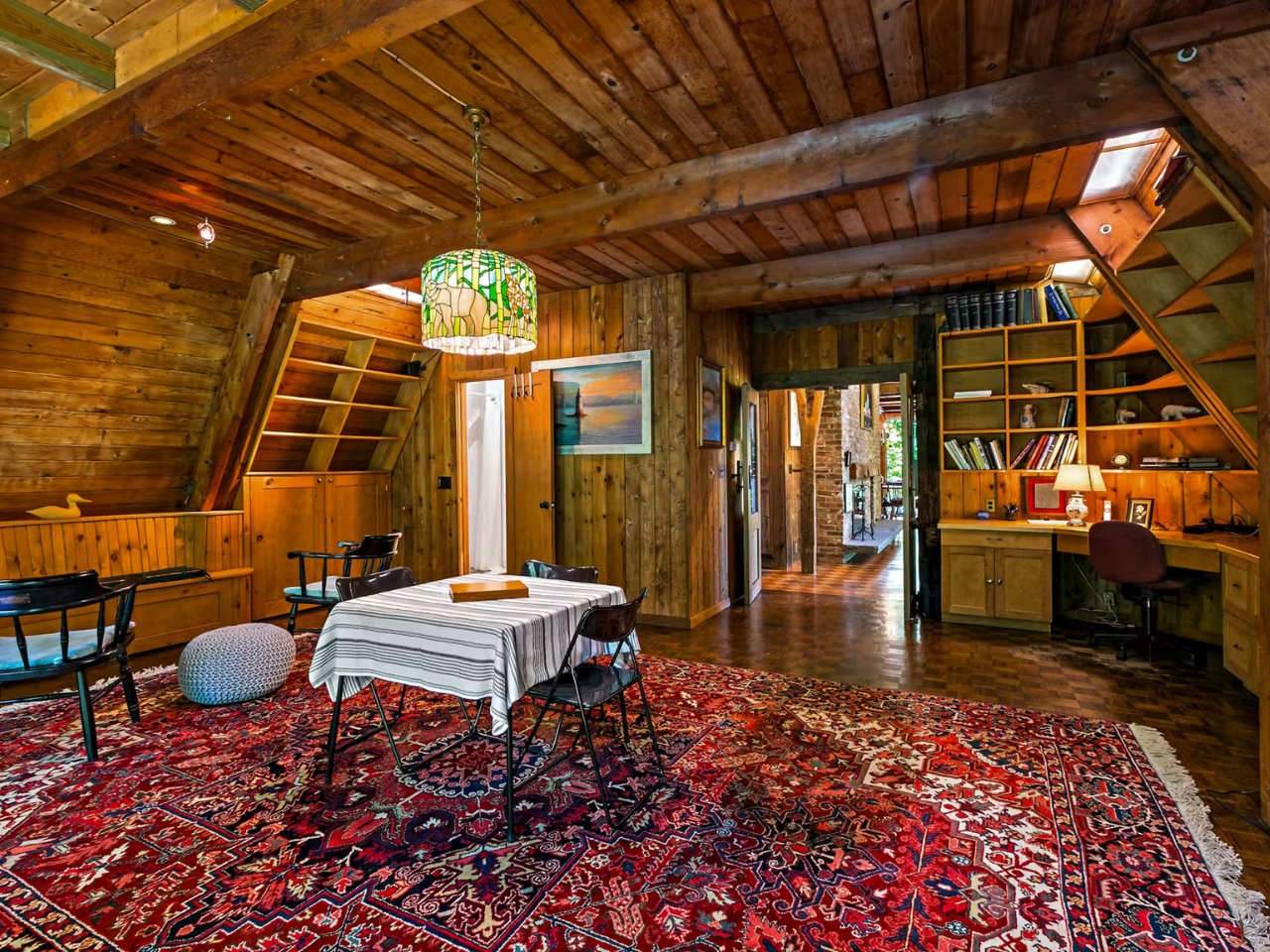
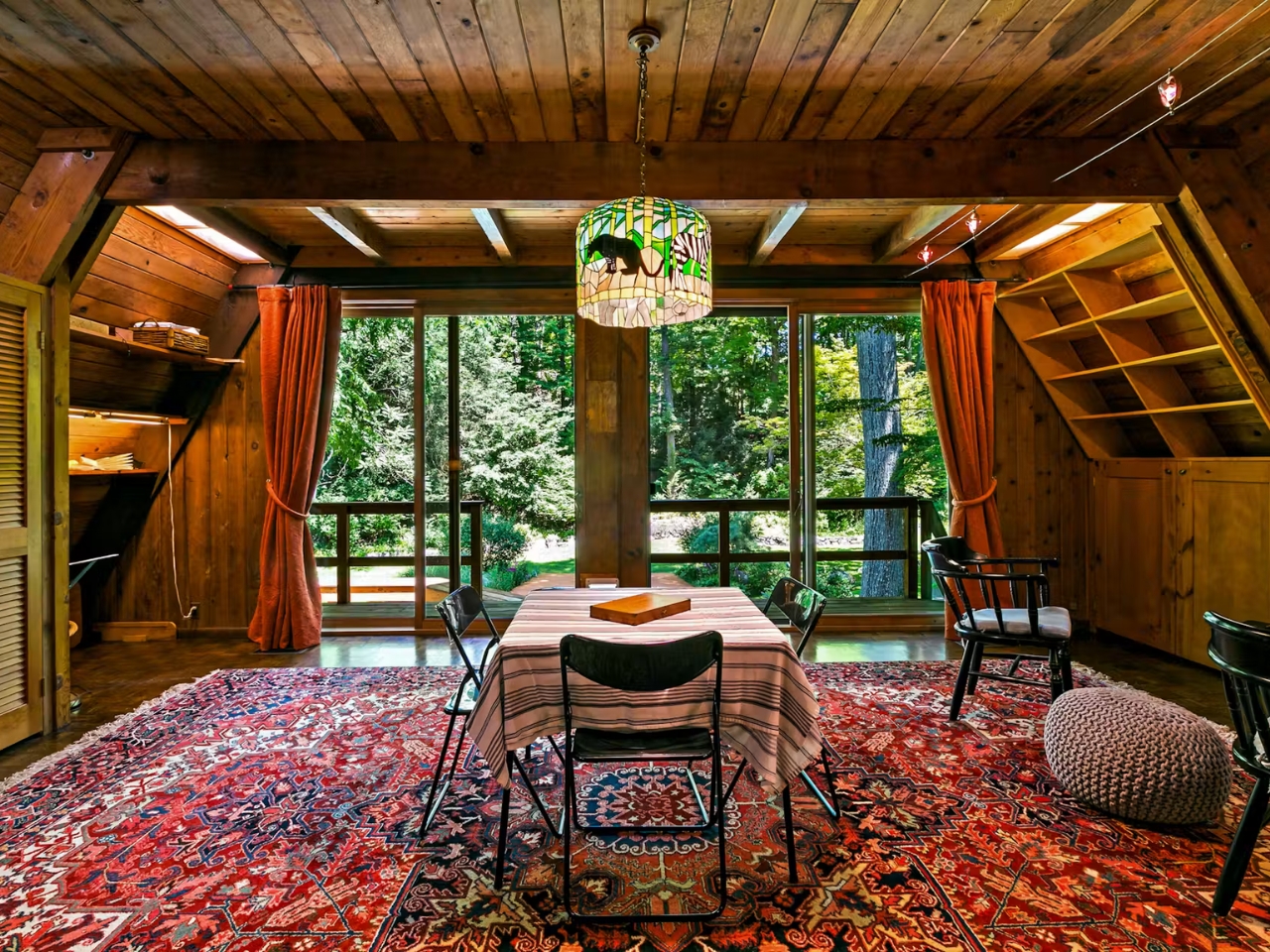
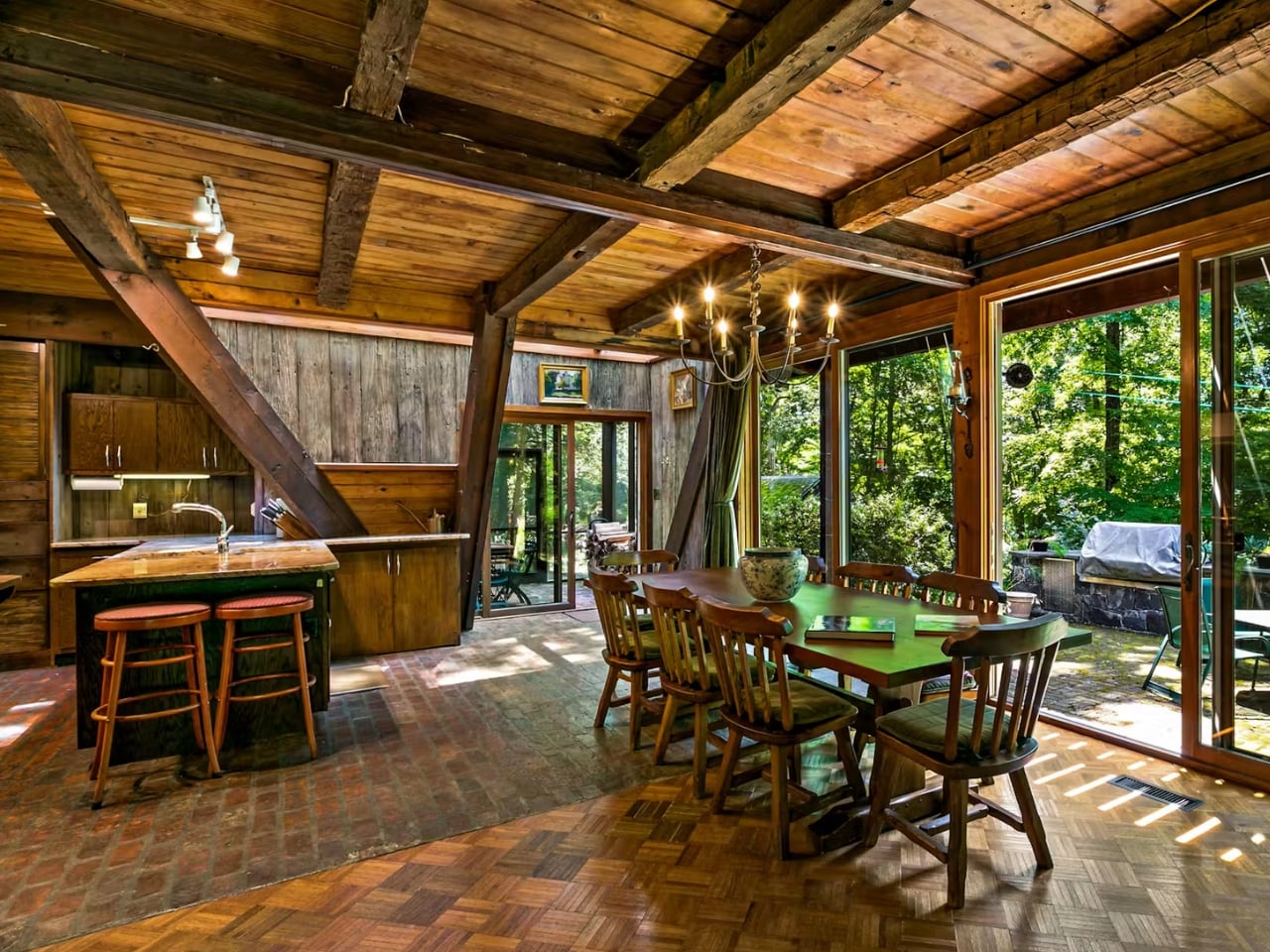
The price is $1.7 million, which will read as either shocking or refreshingly reasonable depending on which coast you’re comparing it to. For a house this distinct, on this much land, an hour from Manhattan by train, I’d argue it’s the second one. You’re not paying for granite and crown molding. You’re paying for a genuine piece of midcentury design history that never got gutted, plus a rock outcropping and a swimming pool most suburban lots twice the price can’t offer.

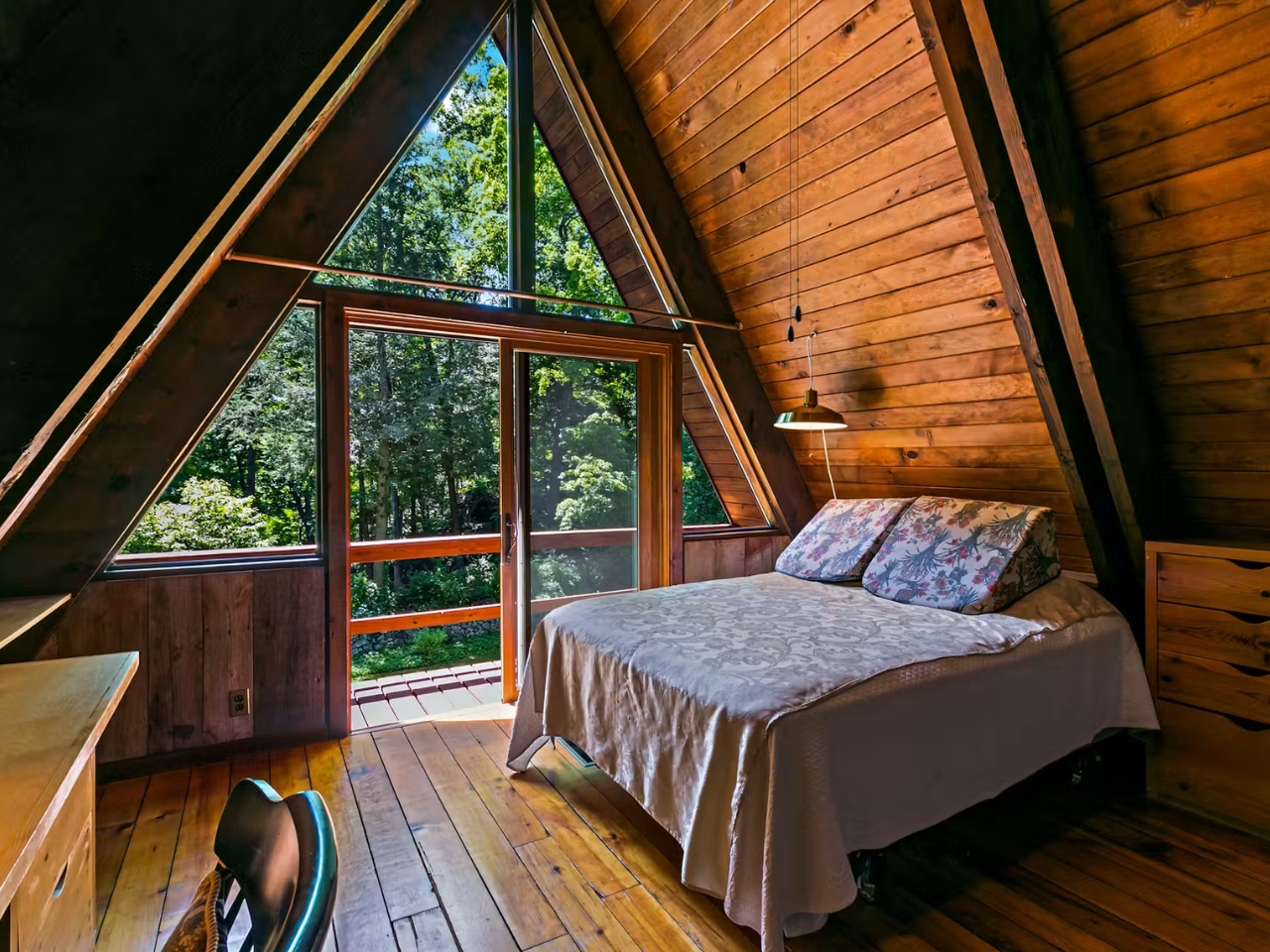
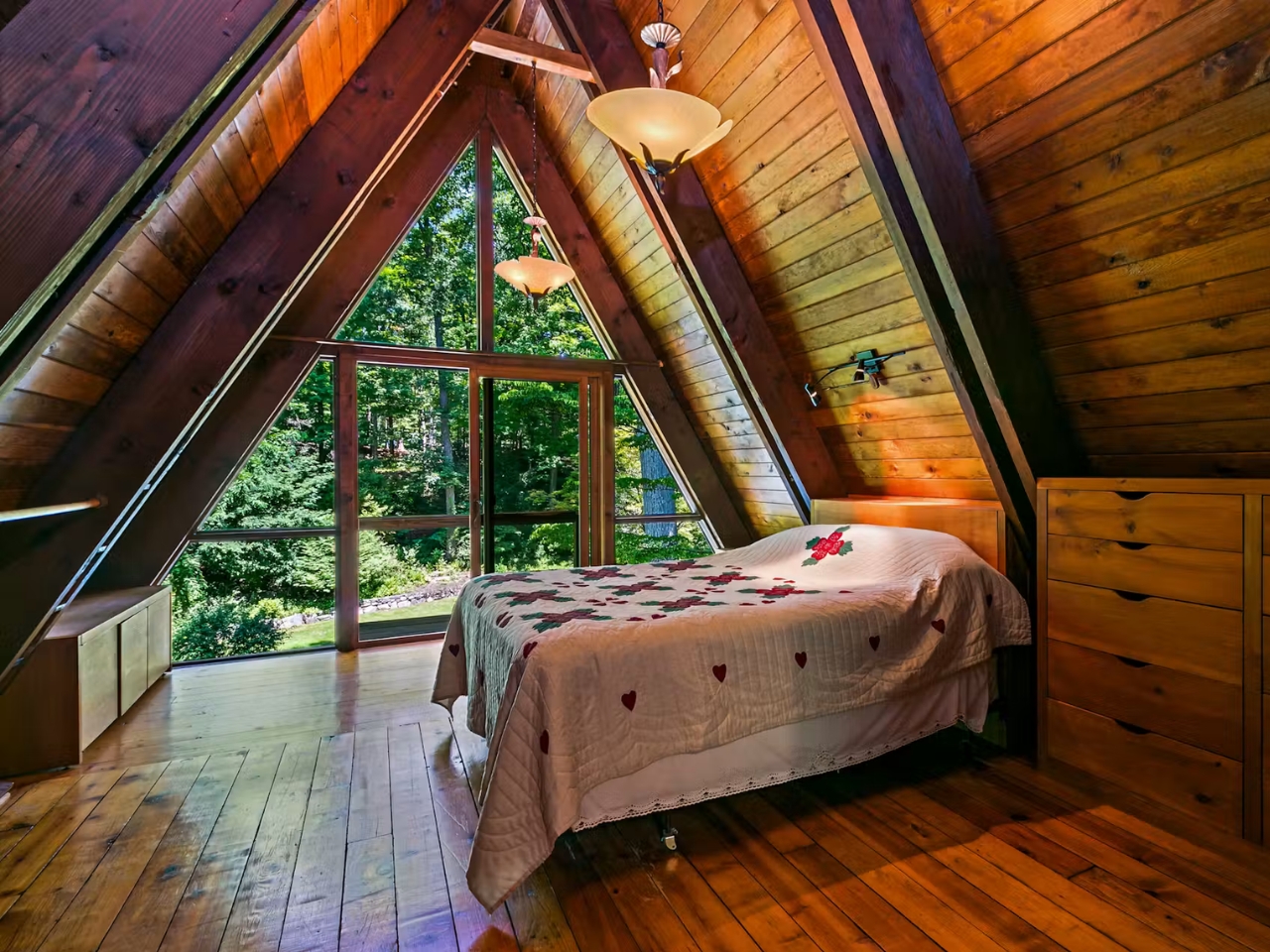
I’ll admit a small bias here. Midcentury homes that survive fifty-plus years without losing their identity are becoming harder to find, especially near major cities where land value tempts owners to tear down and build something forgettable but bigger. Every time one of these shows up still intact, it feels like a small win against that pattern. The Woods Home never got flattened into a colonial or stretched into a McMansion. It stayed exactly what it was built to be: a bold, slightly eccentric retreat that trusts its architecture instead of hiding it.
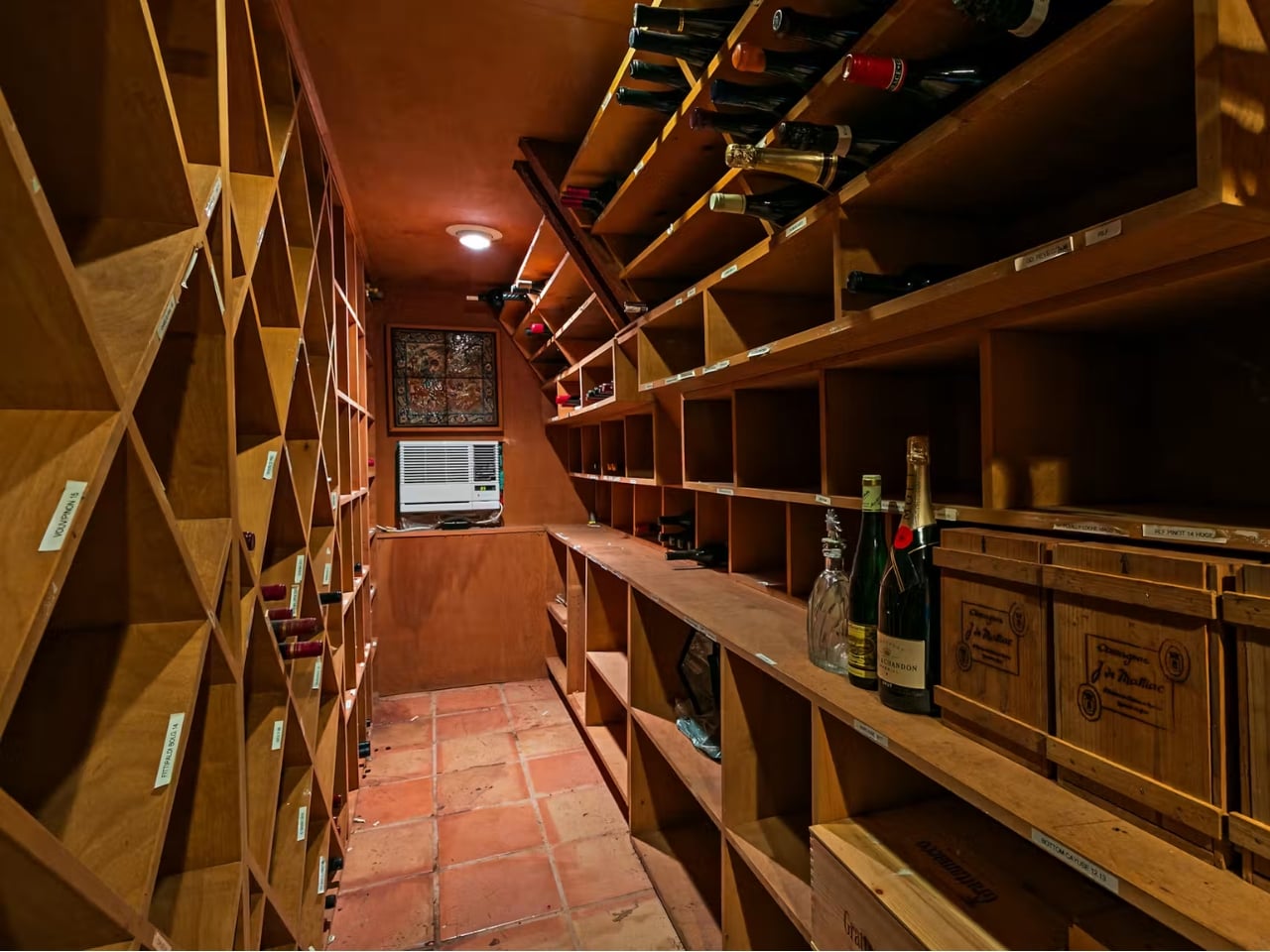

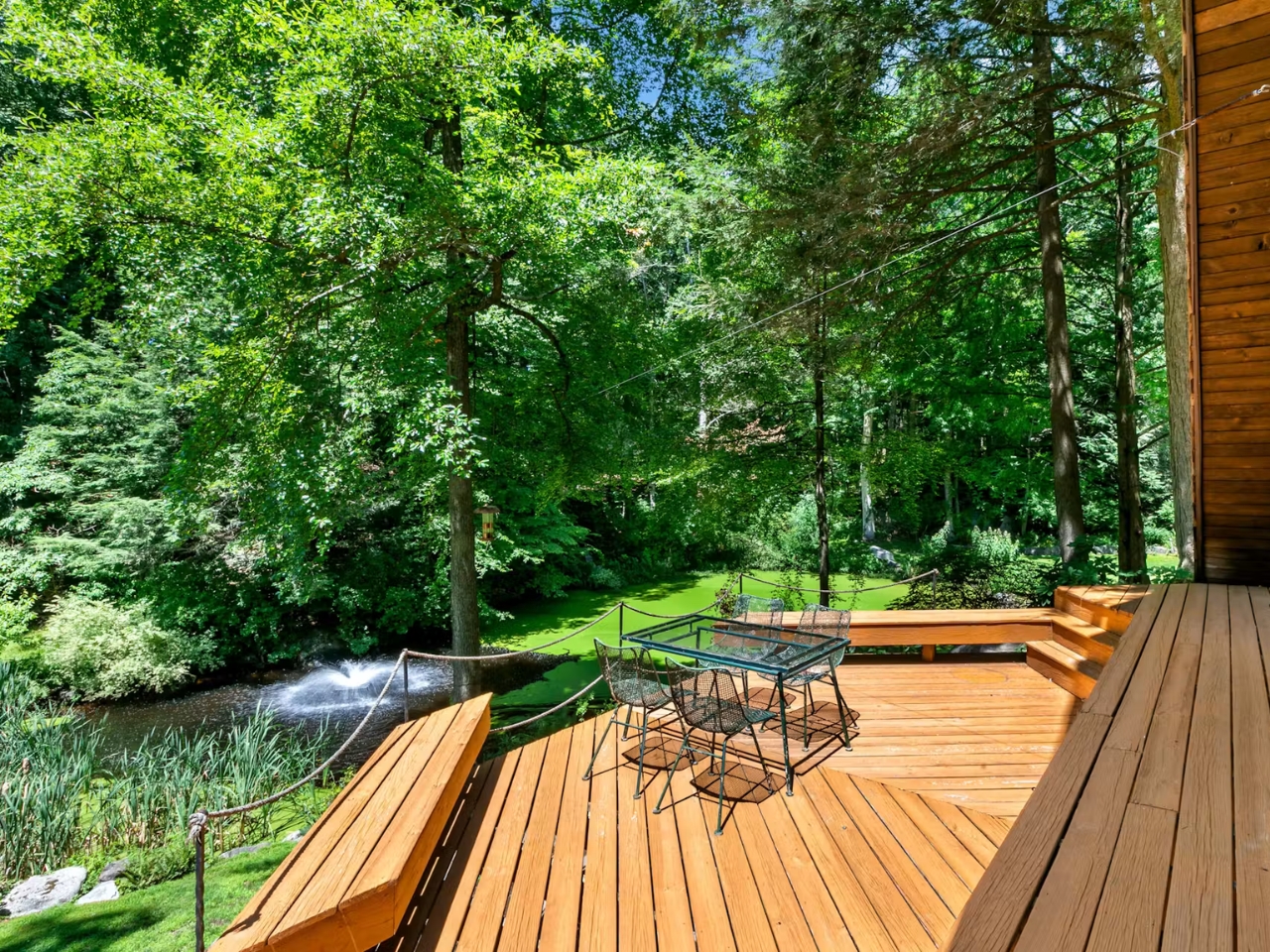
What I actually appreciate most is that the house doesn’t ask you to choose between wilderness and convenience. You get the boulders, the deck views, the sense of being tucked into a forest, and you still get a train that pulls you into Manhattan when you need it. That balance is rarer than people admit, and it’s why listings like this one tend to move fast once word gets around. If you’ve ever wanted proof that a genuine escape and a short commute aren’t mutually exclusive, this one hour, wooded acre by wooded acre, quietly makes the case.
The post A Hidden $1.7M A-Frame That’s Actually an Hour From NYC first appeared on Yanko Design.

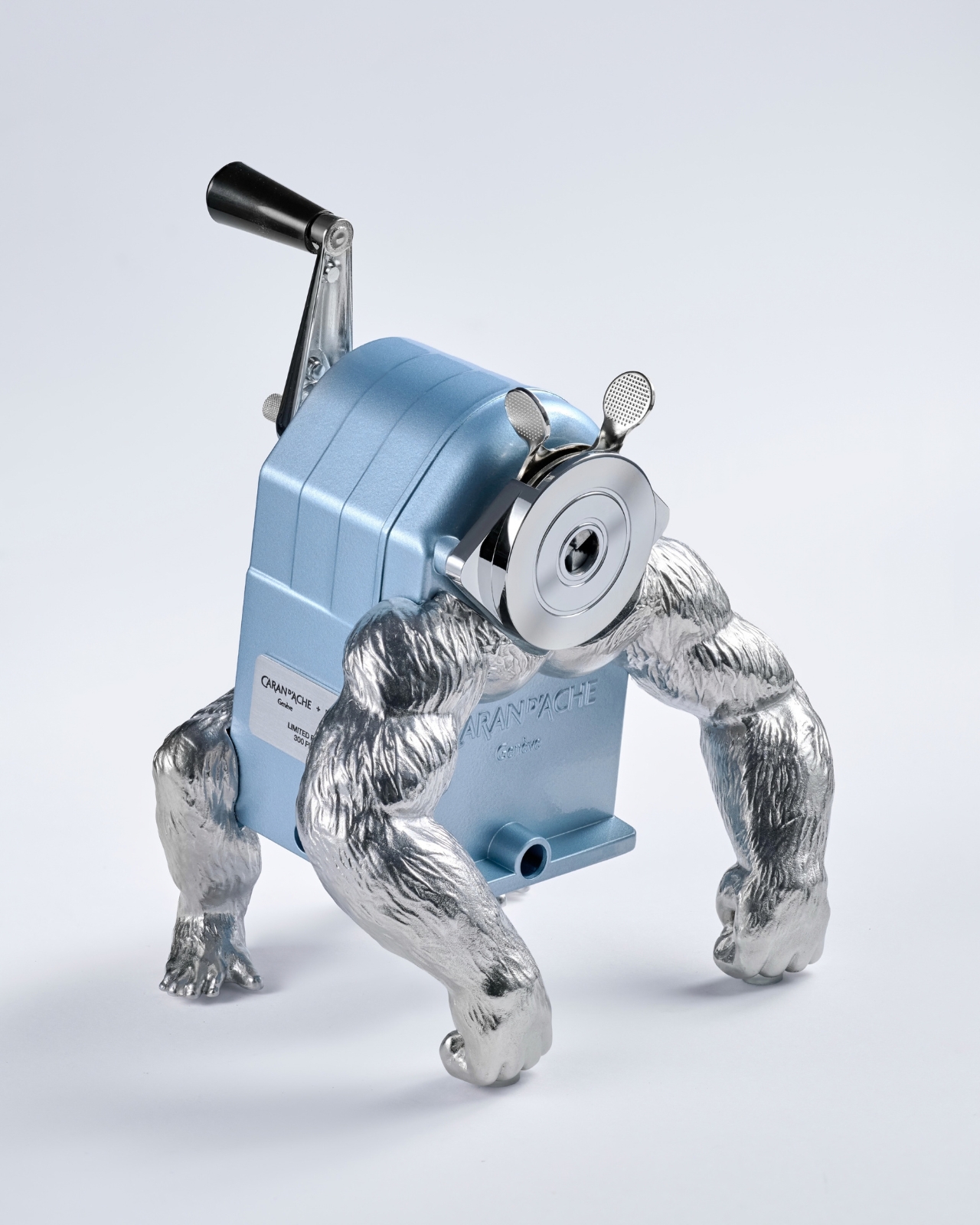
Most desk objects disappear the moment they do their job. A stapler staples. A tape dispenser dispenses. A pencil sharpener sharpens, and then it goes back to being a small plastic or metal box that nobody looks at twice. That is the actual problem MB&F and Caran d’Ache set out to fix with their new GorillaSharpener, a device that takes the most forgettable tool on any desk and turns it into something you would rather display than hide in a drawer.
The design comes from Maximilian Maertens at MB&F, the Geneva-based outfit better known for building watches that look like they escaped a spaceship. Here, they have grafted a set of muscular, knuckle-walking gorilla limbs onto Caran d’Ache’s classic desktop sharpening machine, the kind of hand-crank sharpener that has sat in Swiss schoolrooms for decades. The arms and legs are cast in chrome-plated zinc alloy and steel, textured to mimic coarse fur, and they lift the sharpener’s body into a forward-leaning stance, as if it is about to charge across your desk. It stands about 150mm tall, finished in a pale Alpine Frost blue that somehow makes the whole thing look calmer than it has any right to.
Designer: Maximillian Maertens

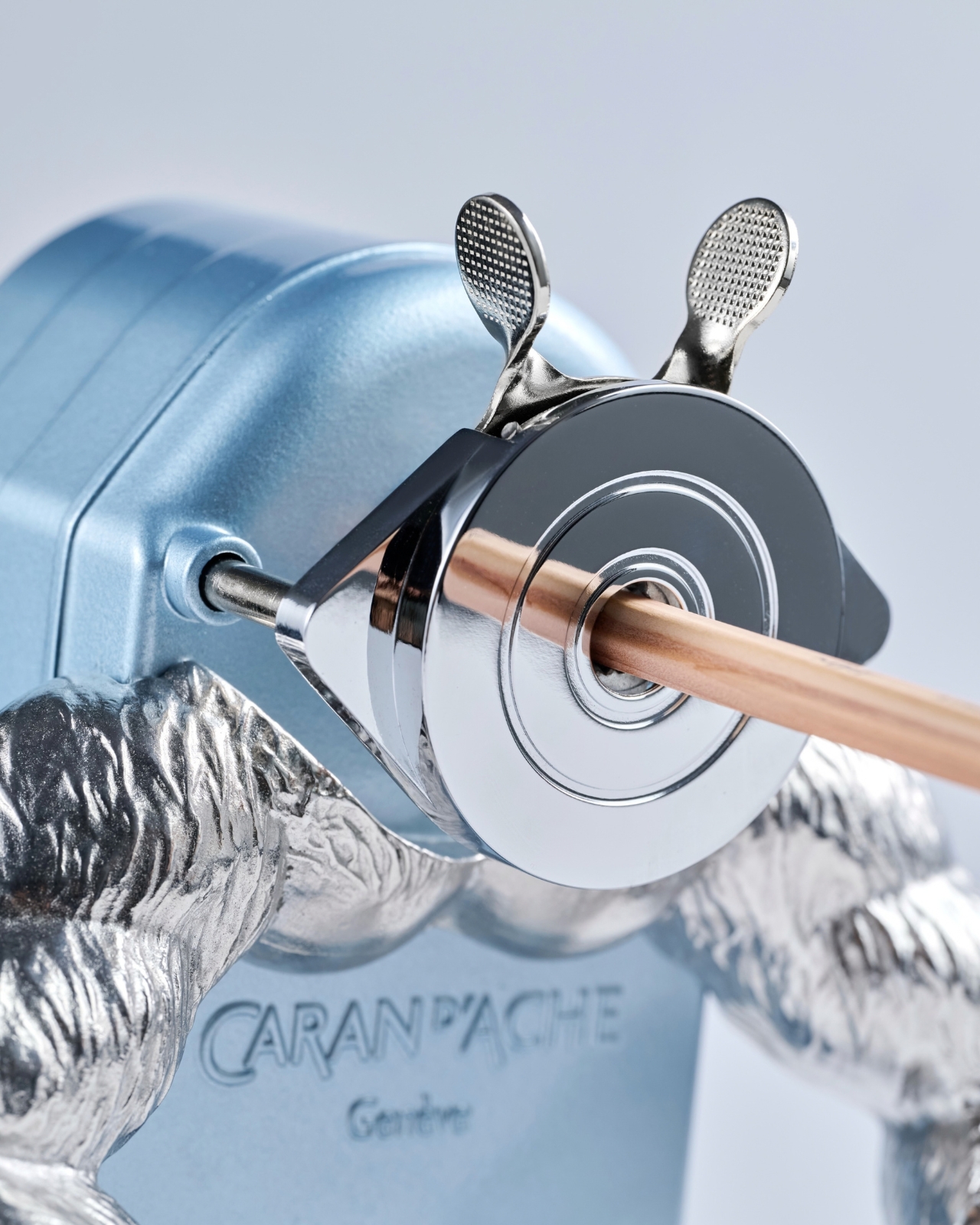
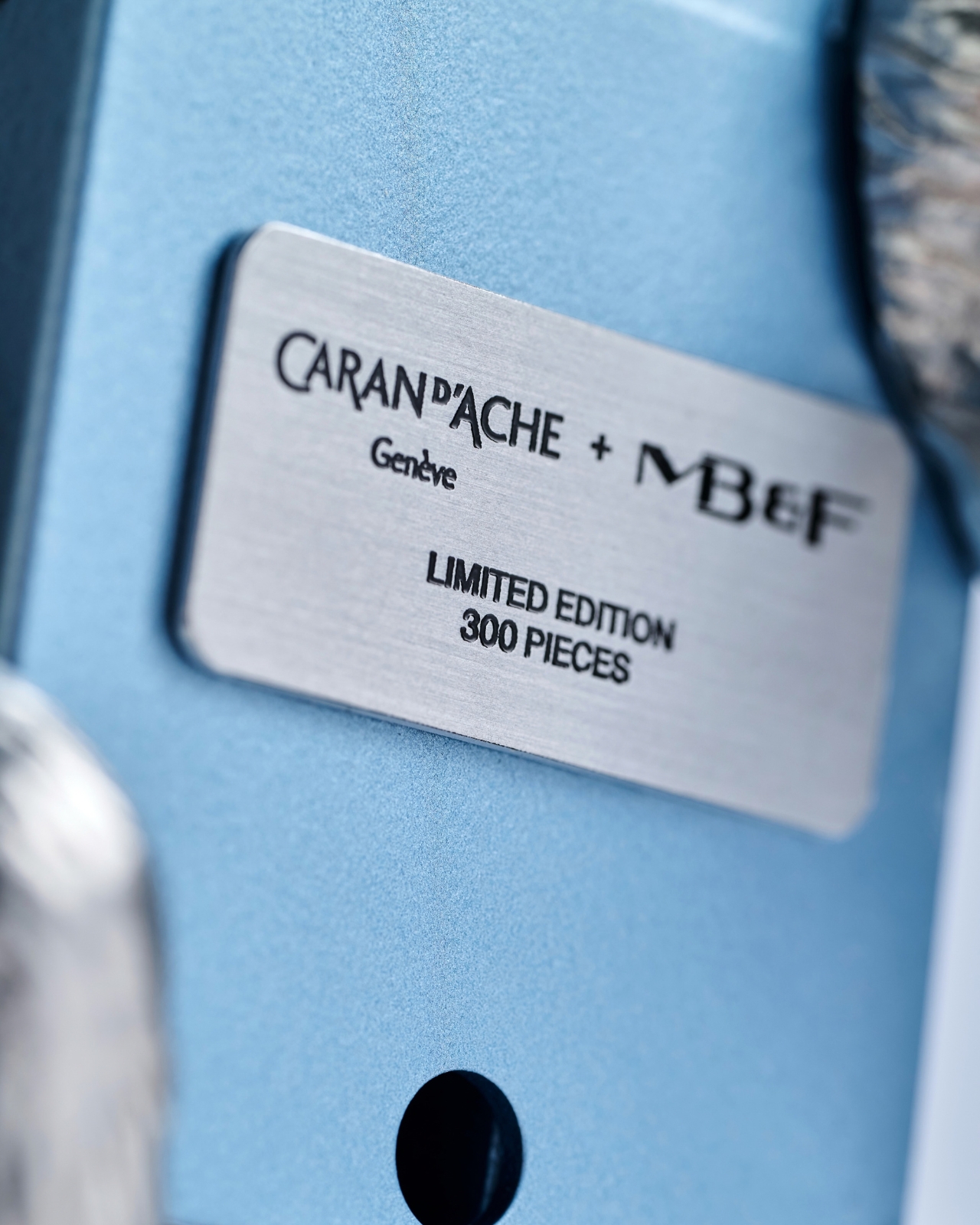
I like objects that admit they are having fun without apologizing for it. This is one of them. It is limited to 300 pieces, priced at CHF 850 plus tax, which works out to roughly $1,165 in the US. That is an absurd amount of money for something that puts a point on a pencil, and MB&F seems to know it. Their own materials describe it as the least expensive thing the brand has ever made, which tells you everything about the company’s usual price range and nothing about whether this thing is worth it. Function still matters here, though. It takes round or hexagonal pencils between 4 and 10mm, the cutter is interchangeable, and it comes with a clamp so it can actually be mounted to a desk rather than just posed on one.
What makes this release land, at least for me, is the timing and the reasoning behind it. It launched on September 24th, World Gorilla Day, and it is not the first time these two brands have played in this space. In 2024, MB&F gave a DinoSharpener to its collector community as a gift, dressing the same base machine in dinosaur legs instead. Before that, back in 2016, Caran d’Ache and MB&F built Astrograph, a rocket-shaped writing instrument. The GorillaSharpener continues that pattern, but it also marks 15 years of M.A.D.Gallery, MB&F’s platform for mechanical art, which explains why this piece leans harder into sculpture than the earlier ones did.
There is also a cause attached, and it does not feel bolted on for marketing points. MB&F has partnered with the Dian Fossey Gorilla Fund, symbolically adopting the historic Pablo mountain gorilla group in Rwanda, with proceeds supporting field protection teams and conservation research. A silly desk toy funding actual gorilla conservation is the kind of pairing that should feel forced and somehow does not.
Every piece ships in its own case with an instruction booklet, the securing clamp, and a set of Caran d’Ache pencils packaged in artwork by illustrator Maxime Schertenleib, built around MB&F’s own line about creativity: a creative adult is a child who survived. That phrase does a lot of explaining. Nobody actually needs a gorilla to sharpen a pencil. Plenty of us do it just fine with a two-dollar plastic version from the drugstore. But there is a difference between an object that works and one that makes you want to sharpen a pencil you did not need sharpened, just to watch the arms do their thing.

Design like this will not solve anything important, and it is not trying to. What it does is remind you that even the most utilitarian corner of a desk can still hold a little bit of wonder, and that sometimes the best response to a boring object is to give it arms.
The post An $1,165 Pencil Sharpener That Refuses to Stay Boring first appeared on Yanko Design.

Most gaming controllers are built for an idea of a hand, not an actual one. They’re symmetrical, boxy, covered in ridges meant to accommodate everyone equally, which usually means they fit no one particularly well. After a few hours, your palms cramp, your thumbs ache, and if you’ve been playing anything remotely intense, your grip starts sliding around from sweat. It’s a problem the industry has mostly solved by adding more buttons rather than rethinking the shape itself.
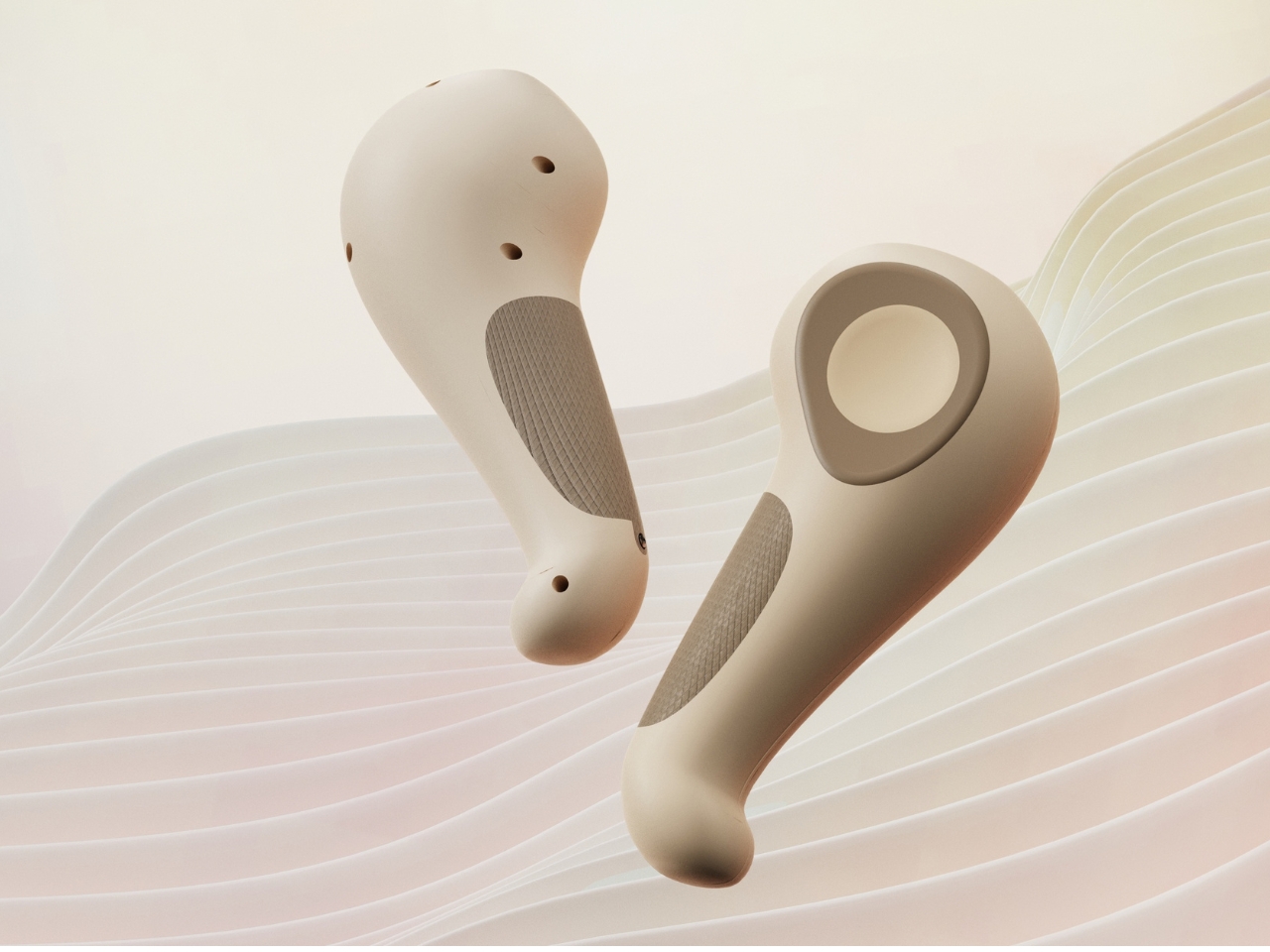
Designer Jiayi Wu’s concept, PALMIO, starts from a different question entirely: what if the controller was shaped around the hand instead of the other way around? The result looks less like a gamepad and more like a smooth stone or a teardrop, something you’d pick up off a beach rather than off a store shelf. It’s a small shift in thinking that ends up changing almost everything about how the object reads.
Designer: Jiayi Wu

The body curves and tapers, wide at one end and narrowing into a grip that sits low in the palm. Rather than the usual two-handed symmetrical layout, PALMIO appears designed for one-handed use, closer in spirit to VR motion controllers than a traditional Xbox or PlayStation pad. That alone makes it feel less like an accessory and more like a tool you’d hold the way you’d hold a flashlight or a whisk, something with a clear front and back, a natural way in.
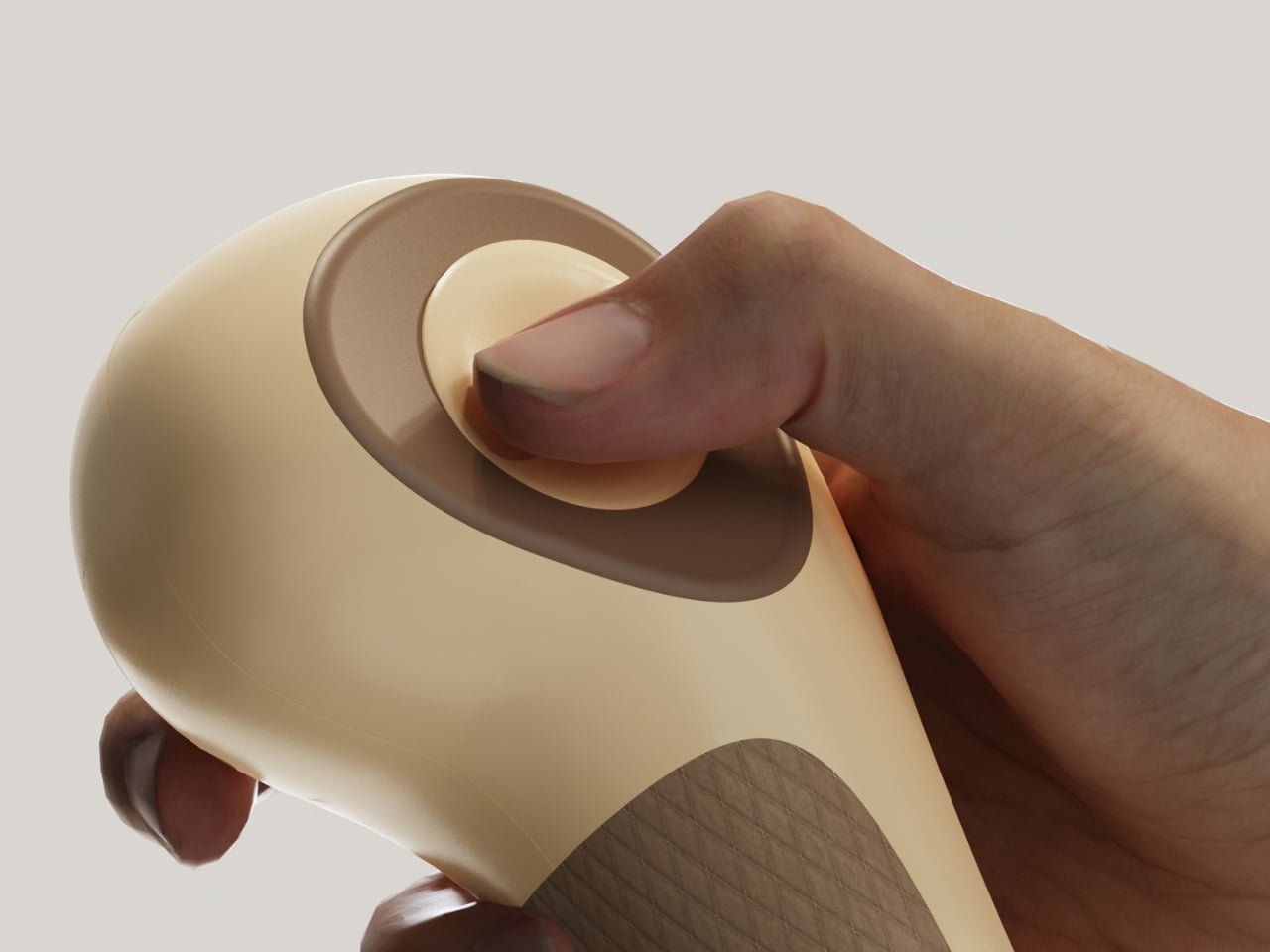
Sitting on top is an oversized circular thumb control, a ring with a raised center that dominates the upper half of the form. It’s an unusual choice to make one input the visual centerpiece of an entire product, but it works because it mirrors how your thumb naturally lands when you pick the thing up. You’re not hunting for a joystick buried among six other buttons. There’s one obvious place for your thumb to go, and the design just gets out of the way after that.
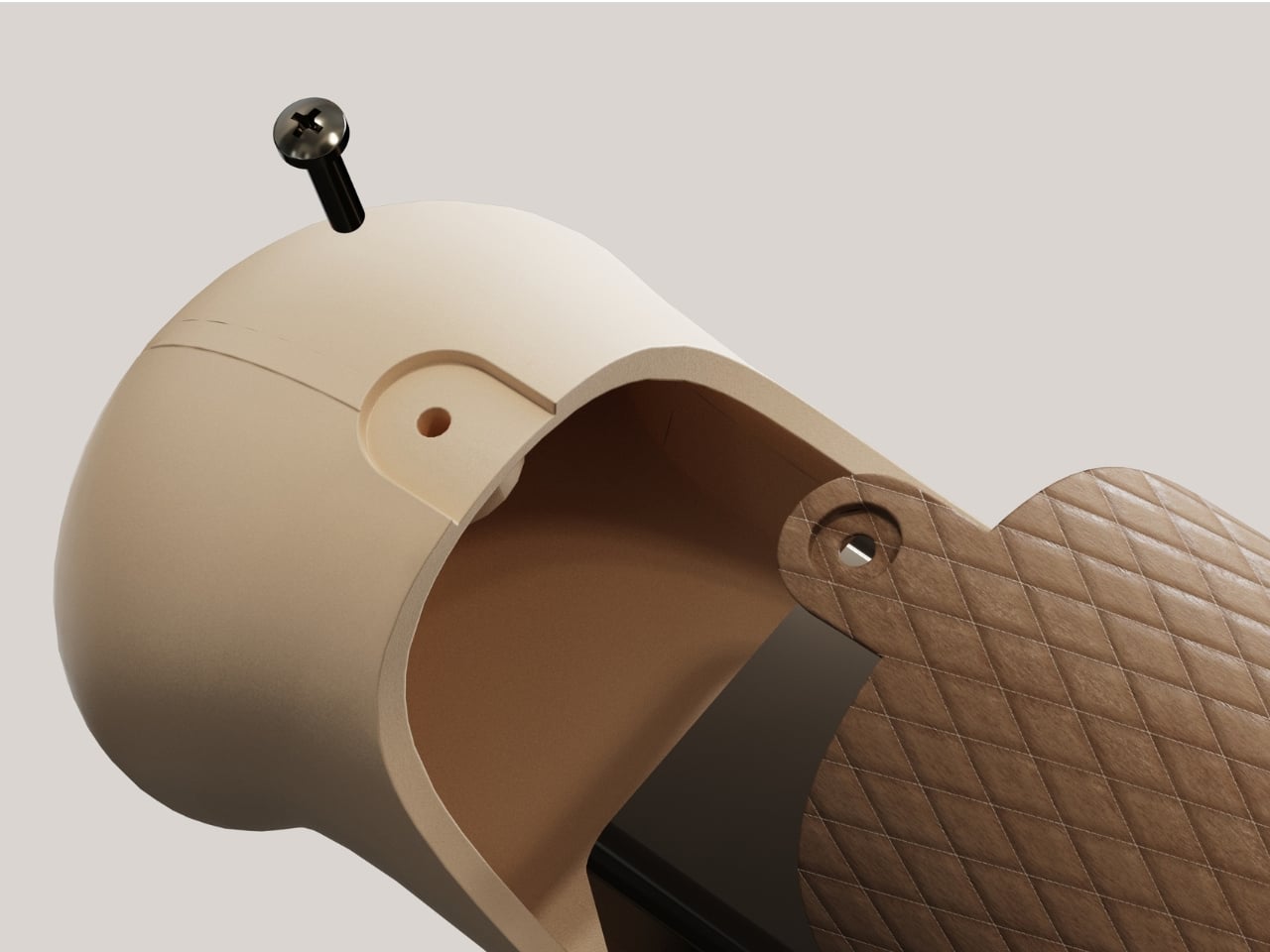
Where the grip meets the palm, a diamond-textured silicone panel breaks up the otherwise glossy shell. It’s a practical fix for slipping hands during a tense match, sure, but it also does something quieter: it tells you where to hold the controller without a single word of instruction. Your hand just goes there. That kind of tactile signage, using texture instead of labels or diagrams, is the sort of detail that separates a design exercise from a genuine product idea.
Then there’s the color story. Cream, sage green, powder blue. None of it screams “gamer” in the way we’ve come to expect from black shells with red accents and aggressive angles. I don’t think that’s an accident, and I don’t think it’s a bad instinct either. Gaming has quietly outgrown its own aesthetic stereotypes for years now, and hardware is only just catching up. A controller that looks like it belongs on a shelf next to a diffuser or a nice speaker isn’t a compromise. It’s an acknowledgment that the people playing games look nothing like the imagined teenager in a dark room that hardware design has been chasing for two decades.

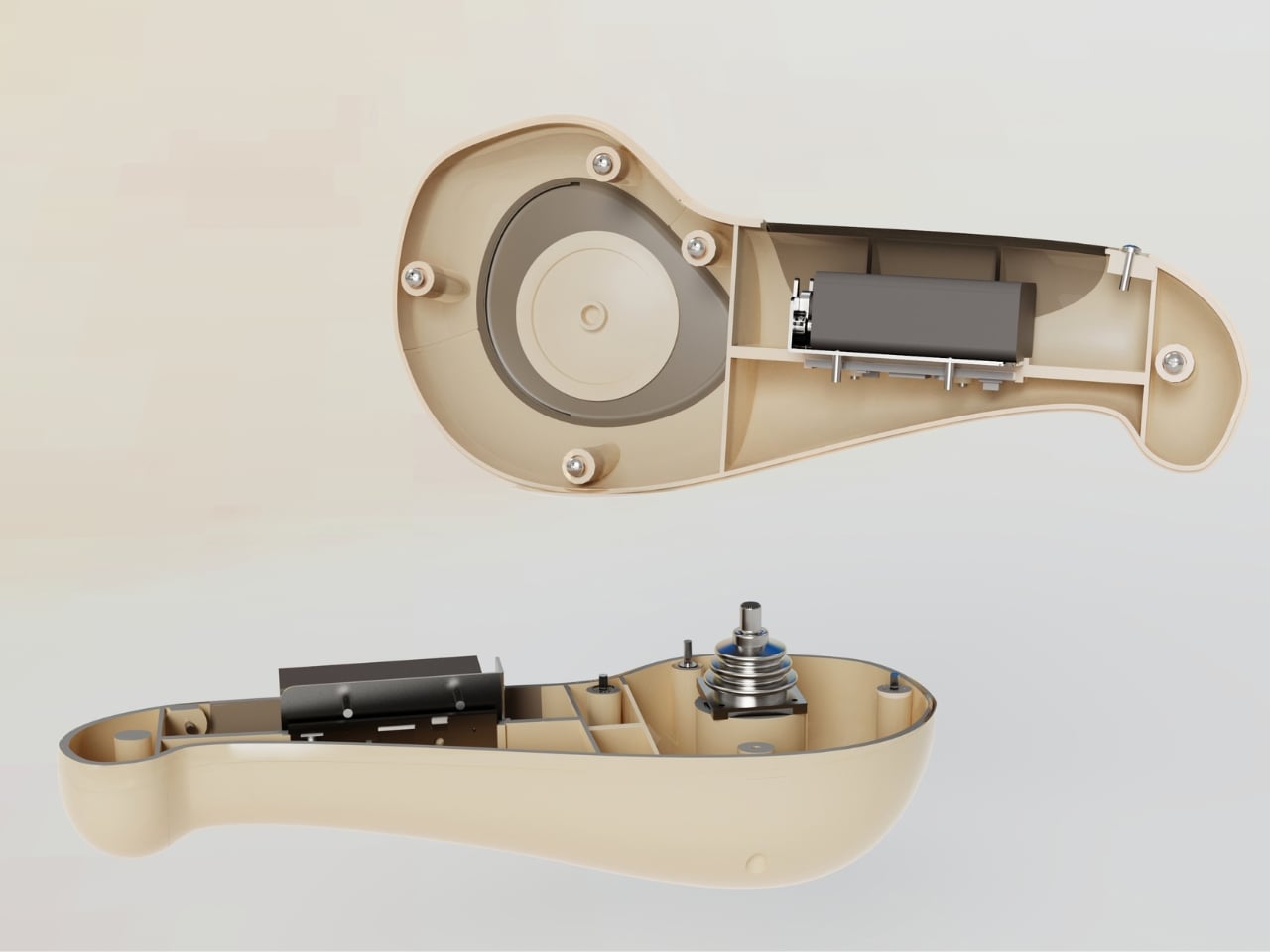
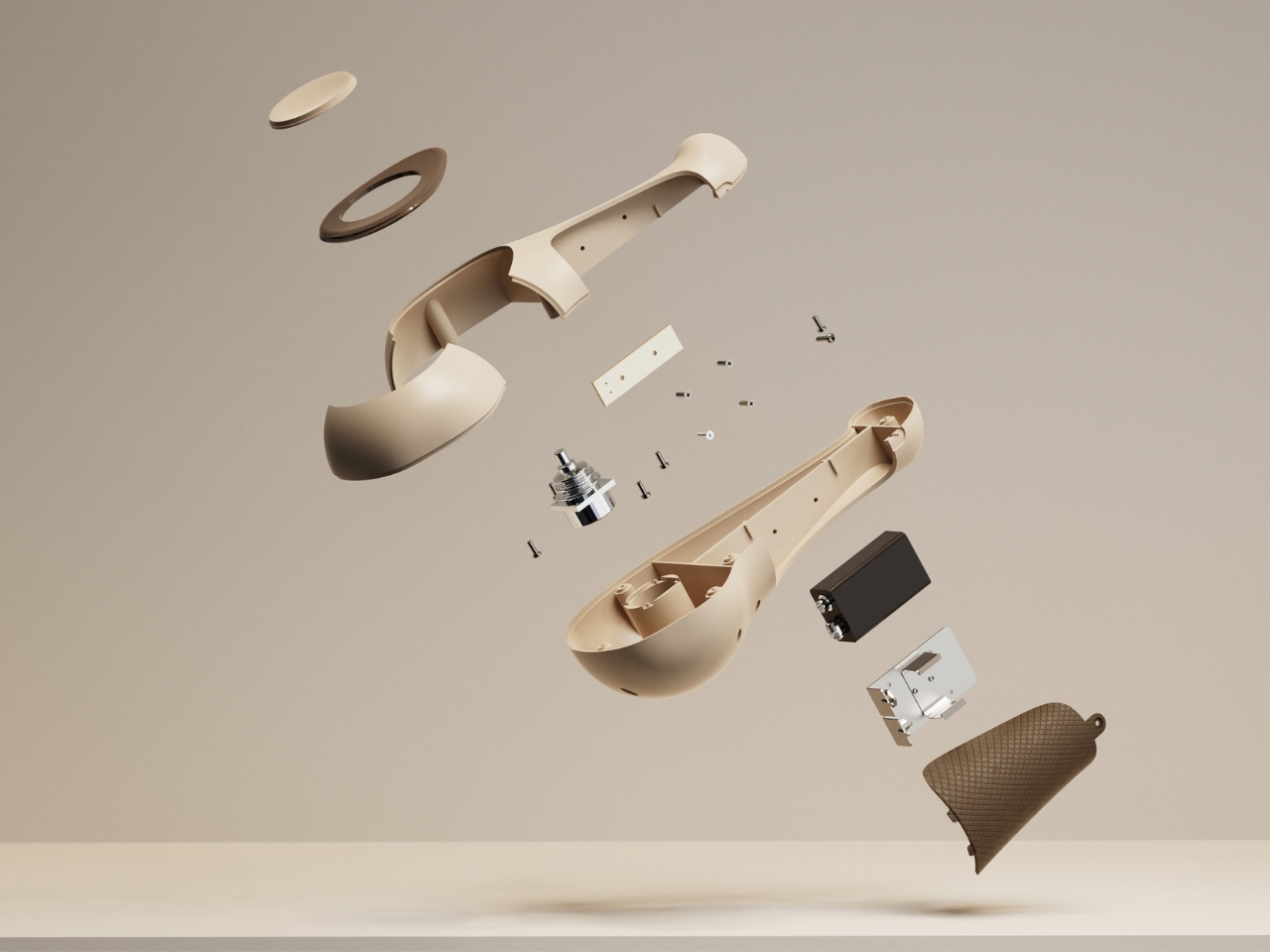
What keeps PALMIO from feeling like a pretty rendering with no substance behind it are the exploded and cutaway views Wu included. Screws holding the battery cover in place, a visible circuit board, a joystick mechanism nested into the shell. Someone thought about how this would actually be built, not just how it would look in a hero shot.
To be clear, PALMIO is a concept, built and visualized digitally, with no functional prototype yet. Comfort claims and control feel are still theoretical until someone actually holds one for an hour-long session. But the direction it points toward, gaming hardware that takes the human hand as seriously as it takes frame rates, is one worth paying attention to regardless of whether this exact object ever ships.
The post The Gaming Controller That Refuses to Look Like One first appeared on Yanko Design.

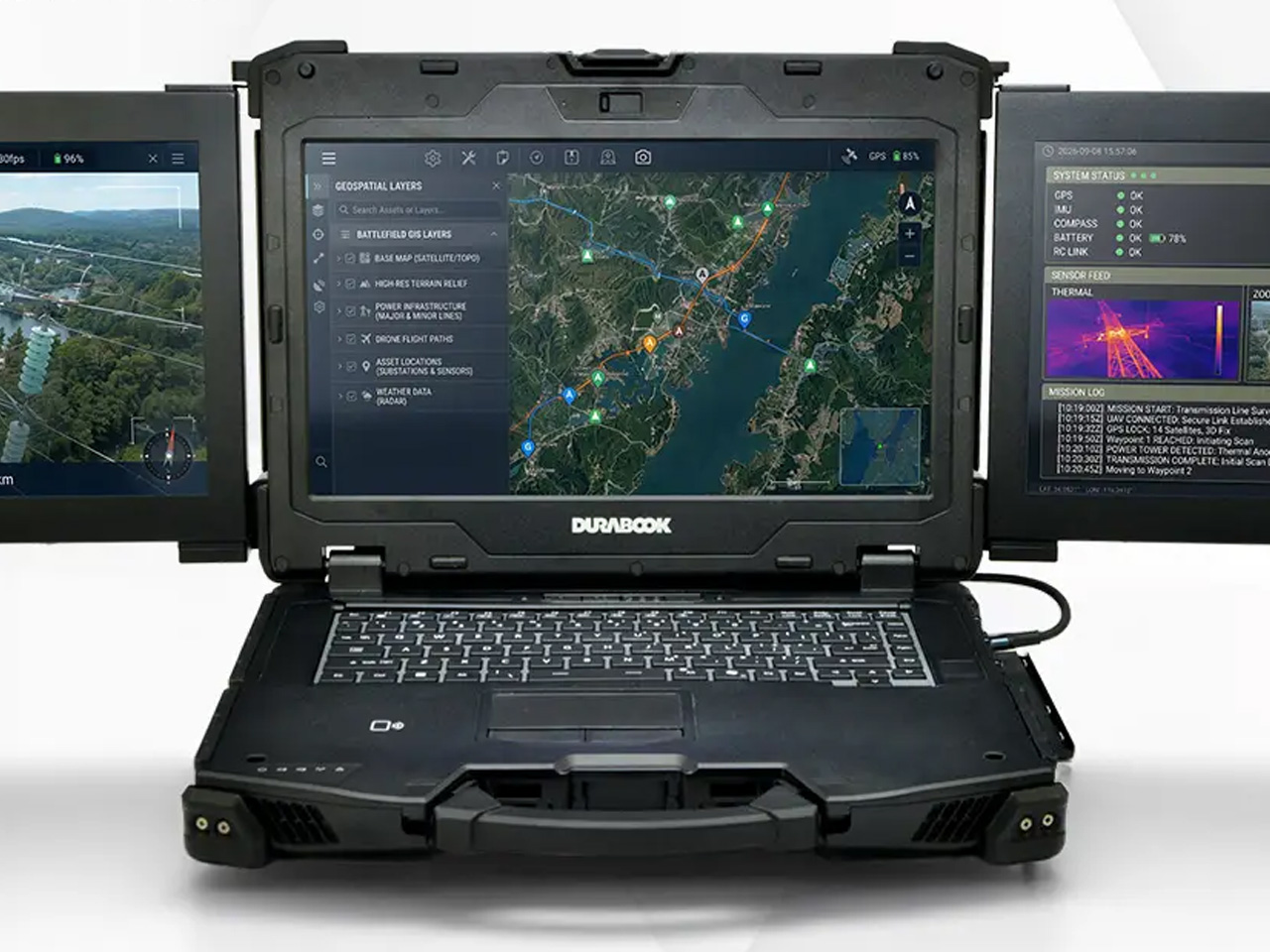
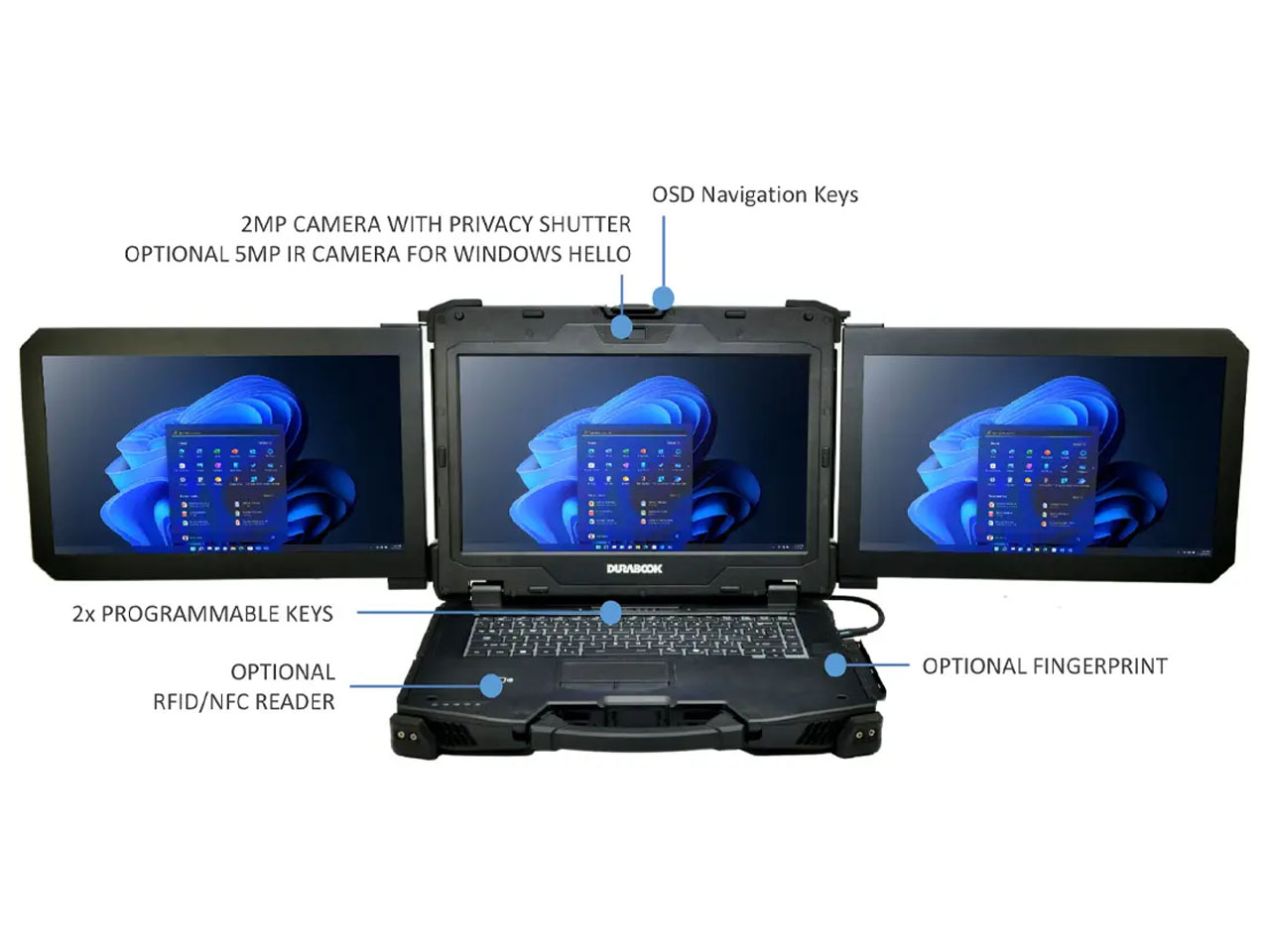
A laptop with three screens sounds excessive until the setting changes. At a desk, it would be an elaborate workstation. In the middle of a field operation, where maps, live video, telemetry and communications may all need to stay visible, it starts to make more sense. That is the idea behind Durabook’s Z14I-DX3, a rugged mobile workstation that folds three 14-inch displays into one unusually large machine.
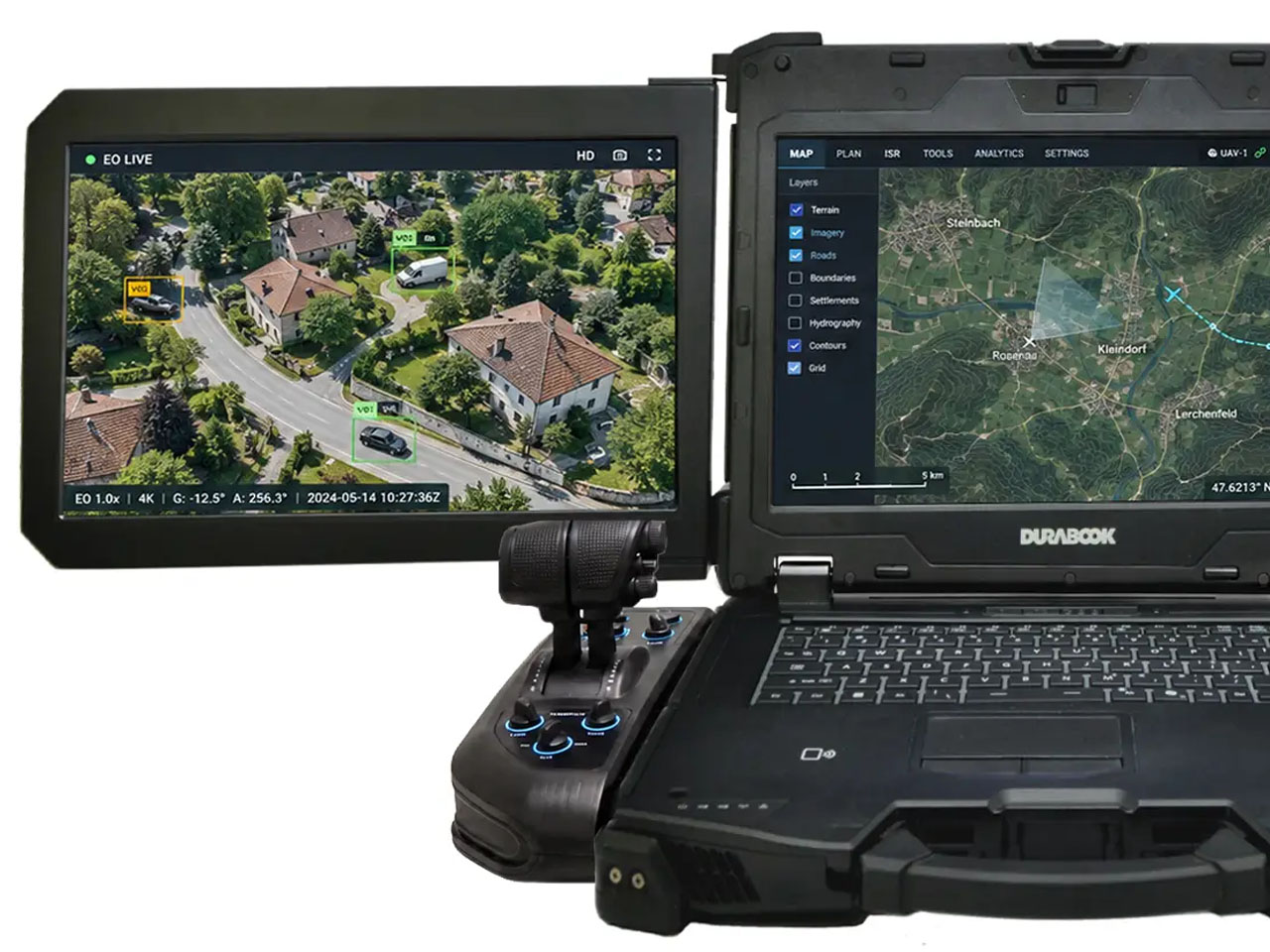
The two additional screens are permanently attached to the main chassis rather than being separate monitors. They fold inward for transport and open out when the workstation is ready to use. All three are Full HD touchscreens with Durabook’s DynaVue technology and up to 1,200 nits of brightness. They can be operated with a finger, gloves, a stylus, or even when water is present, which is considerably more useful in the field than a conventional laptop touchscreen.
Designer: Durabook
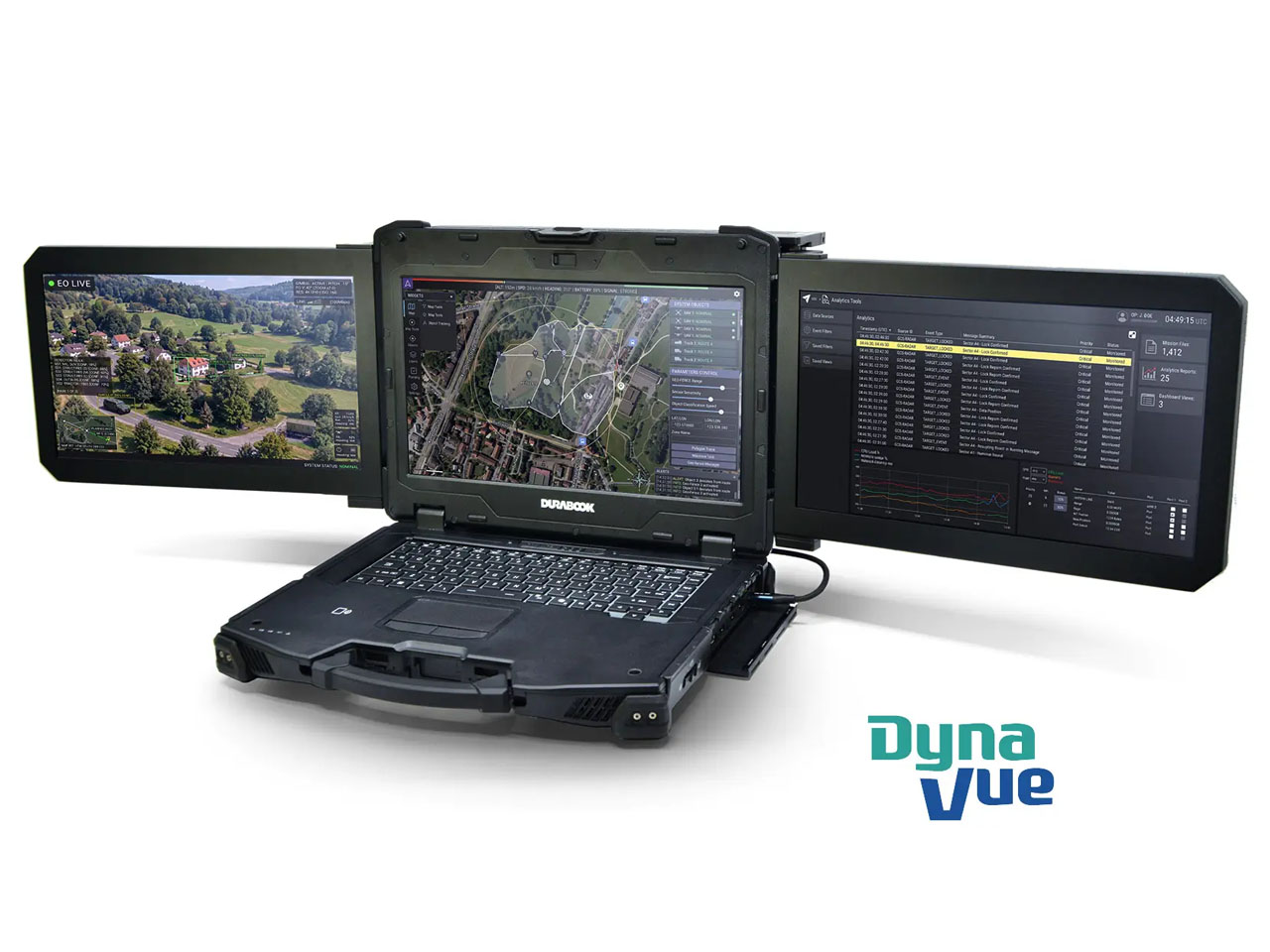
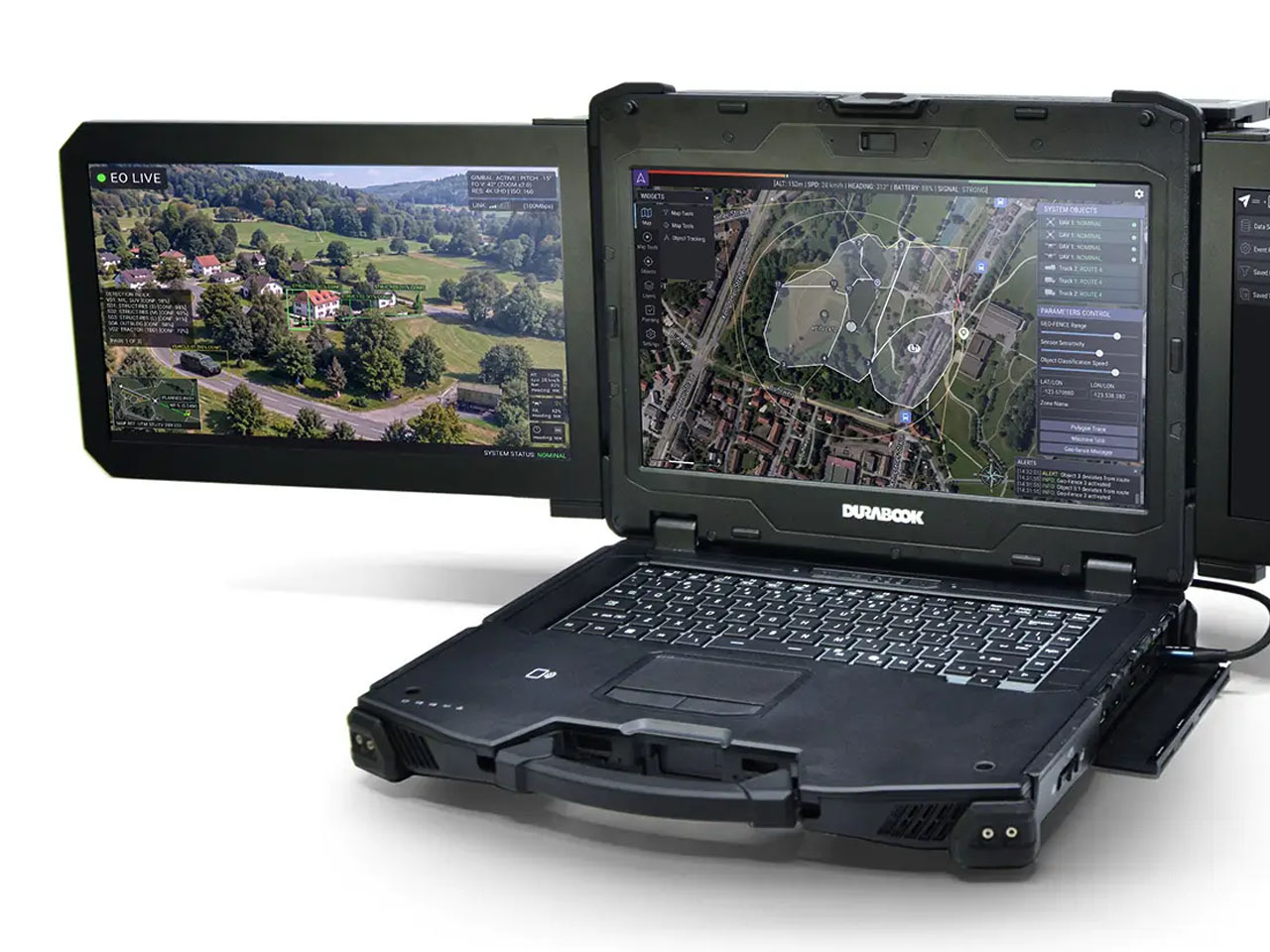
The arrangement is far more practical than simply having a very wide desktop. Each display can show something different, so an operator could keep a map open on one, live video on another, and operational data on the third without constantly switching between windows. Each screen has its own controls for brightness and contrast as well. Durabook has built the Z14I-DX3 around Intel Core Ultra processors, with configurations ranging from the Core Ultra 5 125U to the Core Ultra 7 165U and up to 64GB of DDR5 memory. The processors include Intel’s AI Boost NPU, while graphics can be upgraded from integrated Intel graphics to an NVIDIA RTX A500, RTX 3500 Ada, or RTX 5000 Ada. The top graphics option brings 16GB of GDDR6 memory and is intended for heavier workloads such as image recognition, video analysis, GIS, and 3D visualization.
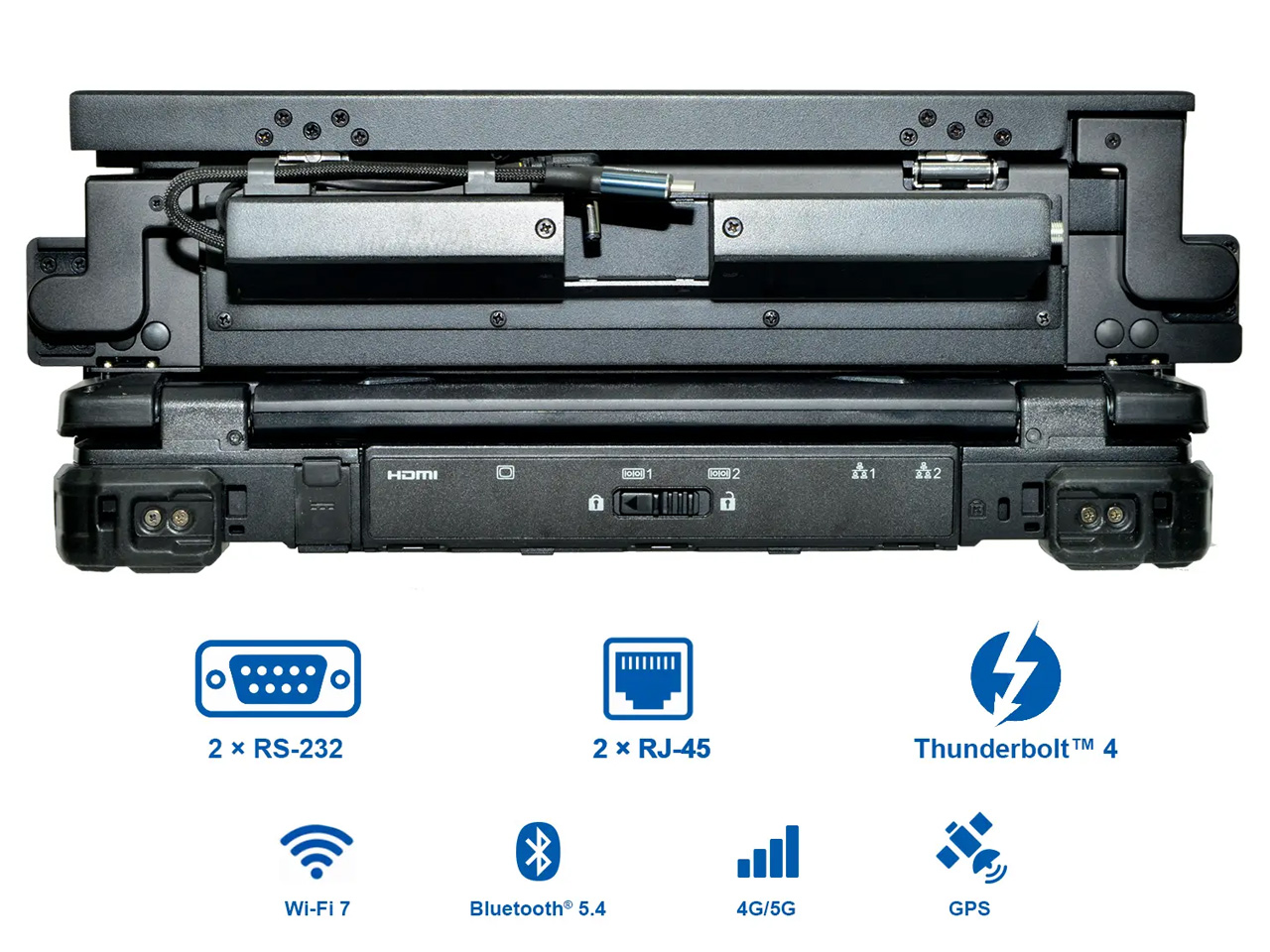
The hardware underneath is just as unconventional. There are two Gigabit Ethernet ports, dual serial ports, HDMI, VGA, Thunderbolt 4, ExpressCard 54, and multiple USB connections. Wi-Fi 7 and Bluetooth 5.4 are built in, while 4G LTE, 5G, and GPS can be added. Storage can also be configured with multiple removable drives and RAID, giving the machine considerably more flexibility than its laptop form suggests. Then there is the reason the Z14I-DX3 looks so imposing. Its magnesium-alloy chassis is MIL-STD-810H and MIL-STD-461G certified and rated to operate from -29 degrees Celsius to 63 degrees Celsius. The complete system measures 391 × 298 × 137.5mm and weighs 9.8kg. That makes the word “mobile” somewhat relative, but portability here is really about taking an entire workstation to another location without having to assemble one from several separate pieces.
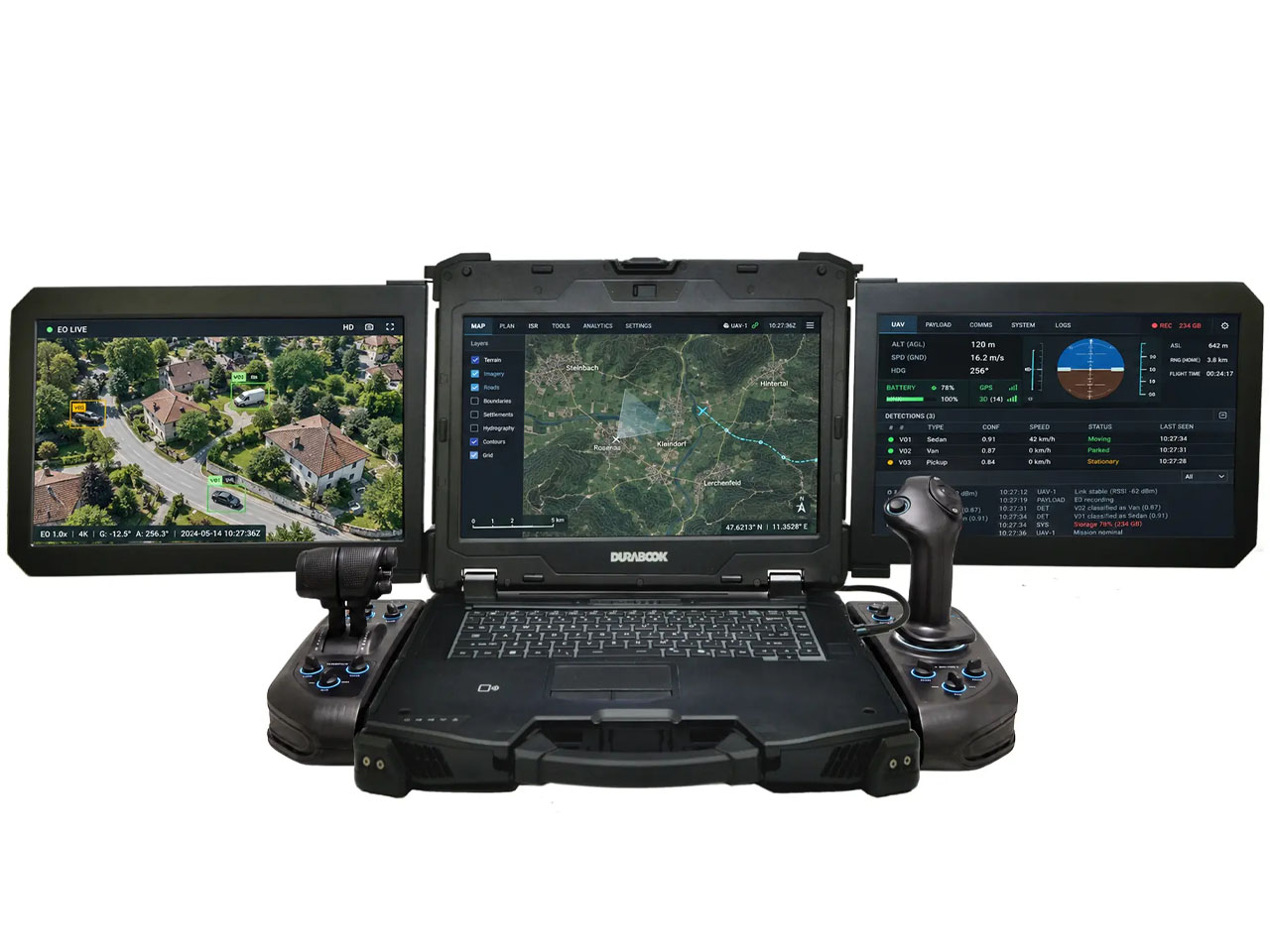
Power comes from a 6,900mAh main battery, with another 6,700mAh battery dedicated to the three-screen setup and an optional second system battery. A 210W adapter is supplied. The Z14I-DX3 is available now, although Durabook has not announced a retail price. Instead, it is sold through a quote-based model, which fits a machine designed around specialized configurations rather than a typical consumer laptop purchase.


The post This rugged 9.8kg laptop folds out into a three 14-inch screen mobile workstation first appeared on Yanko Design.
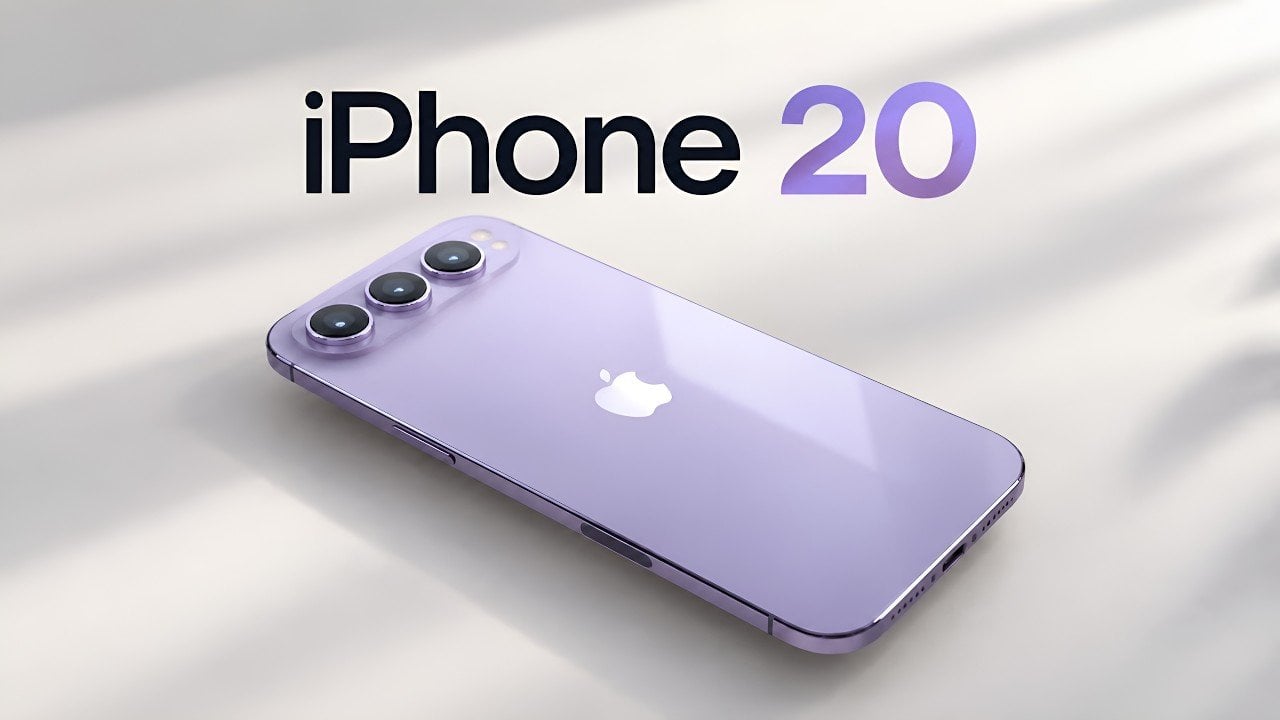
The iPhone 20 is shaping up to be a landmark release for Apple, with leaks suggesting a host of fantastic advancements in both design and technology. In what appears to be a strategic decision, Apple may skip the iPhone 19 name entirely, aligning the iPhone 20 with the 20th anniversary of the original iPhone. This […]
The post Huge iPhone 20 Leak Teases a Radical Display Redesign and Bigger Screens appeared first on Geeky Gadgets.
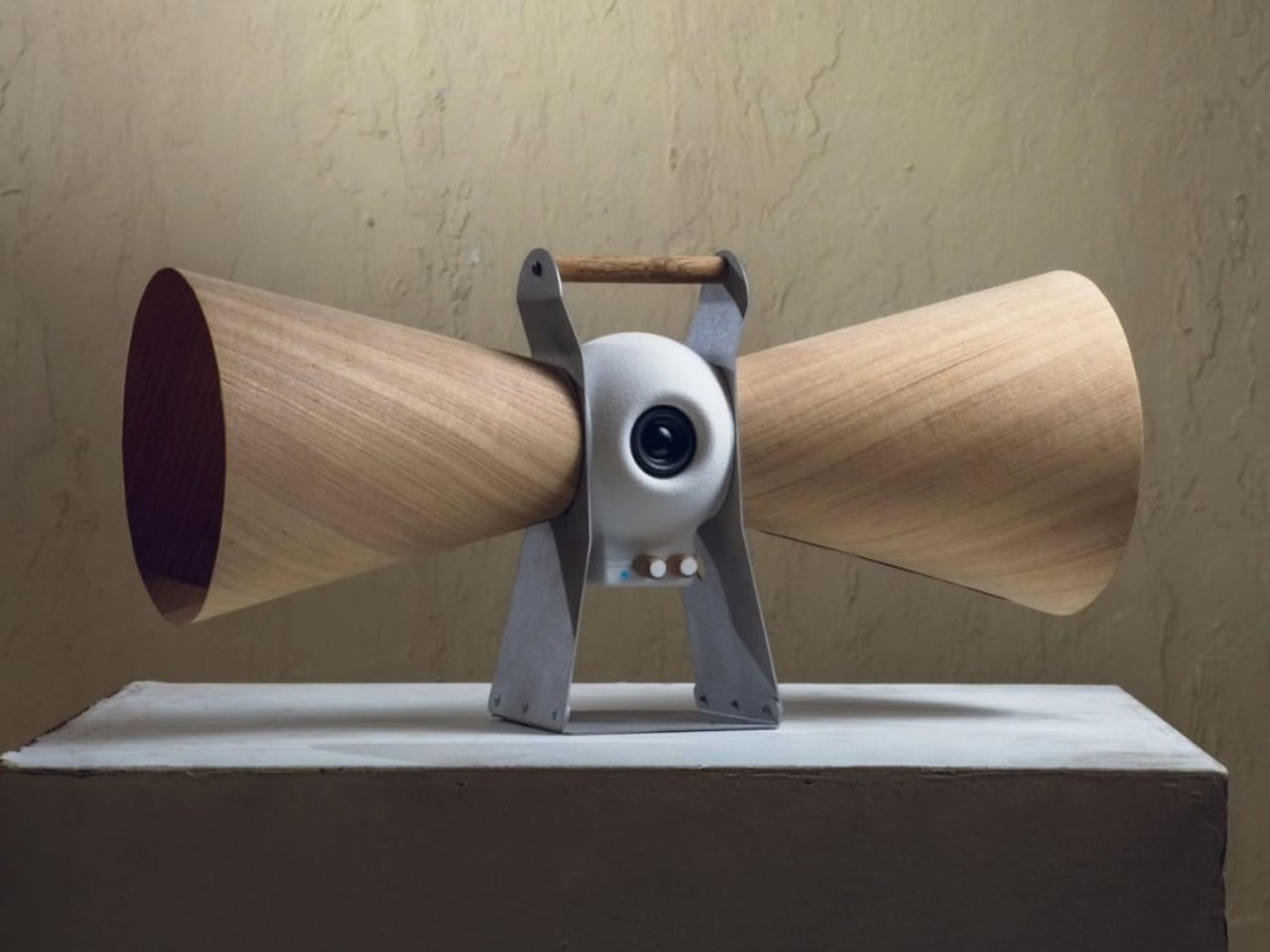
Most Bluetooth speakers look the same. They are round, black, rubberized, and built to disappear into a shelf or a beach bag without asking anyone to notice them twice. That sameness is the actual problem nobody talks about. We have accepted that everyday tech gets to be boring looking, as long as it works, and we have quietly let go of the idea that an object we use daily should also mean something.
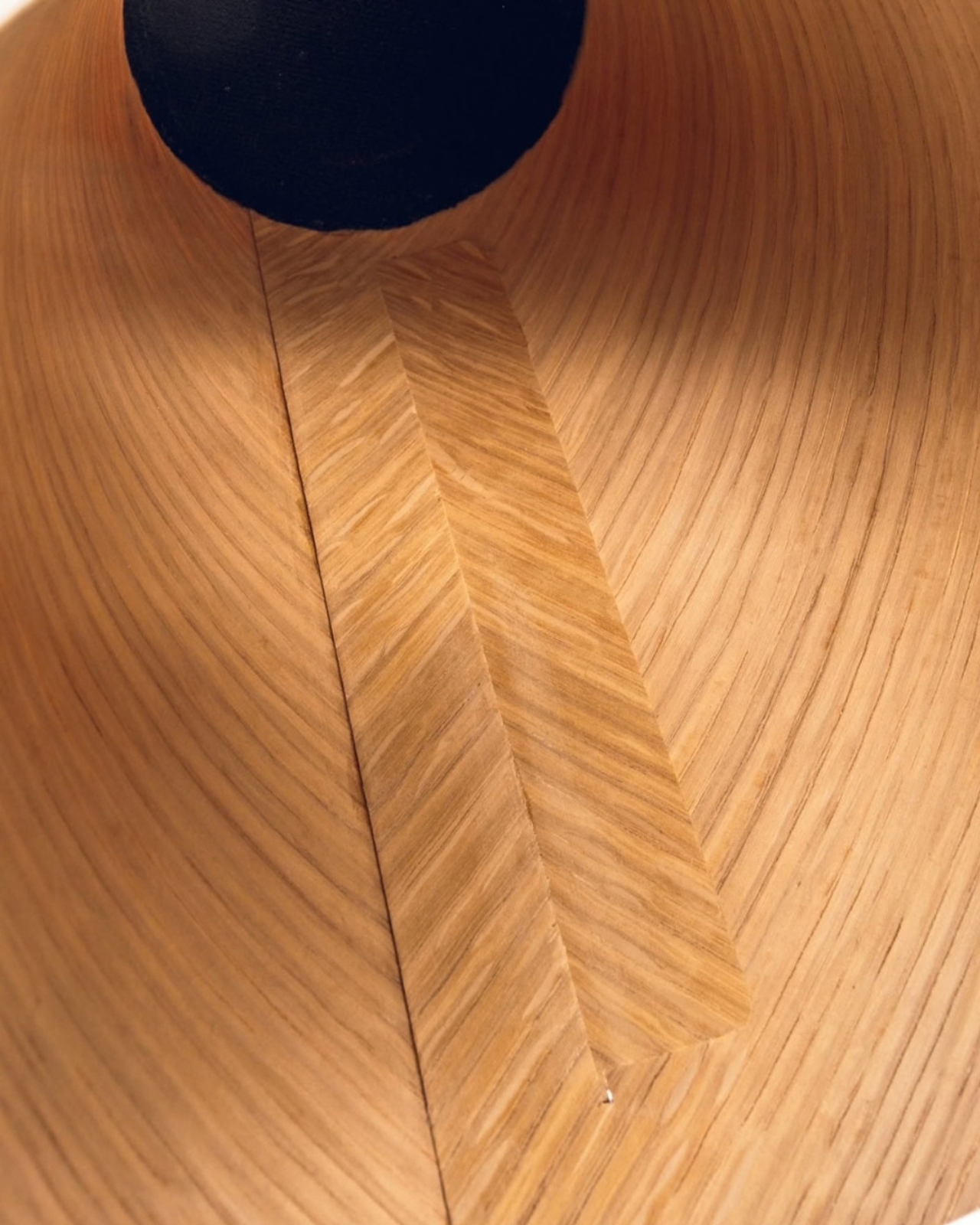
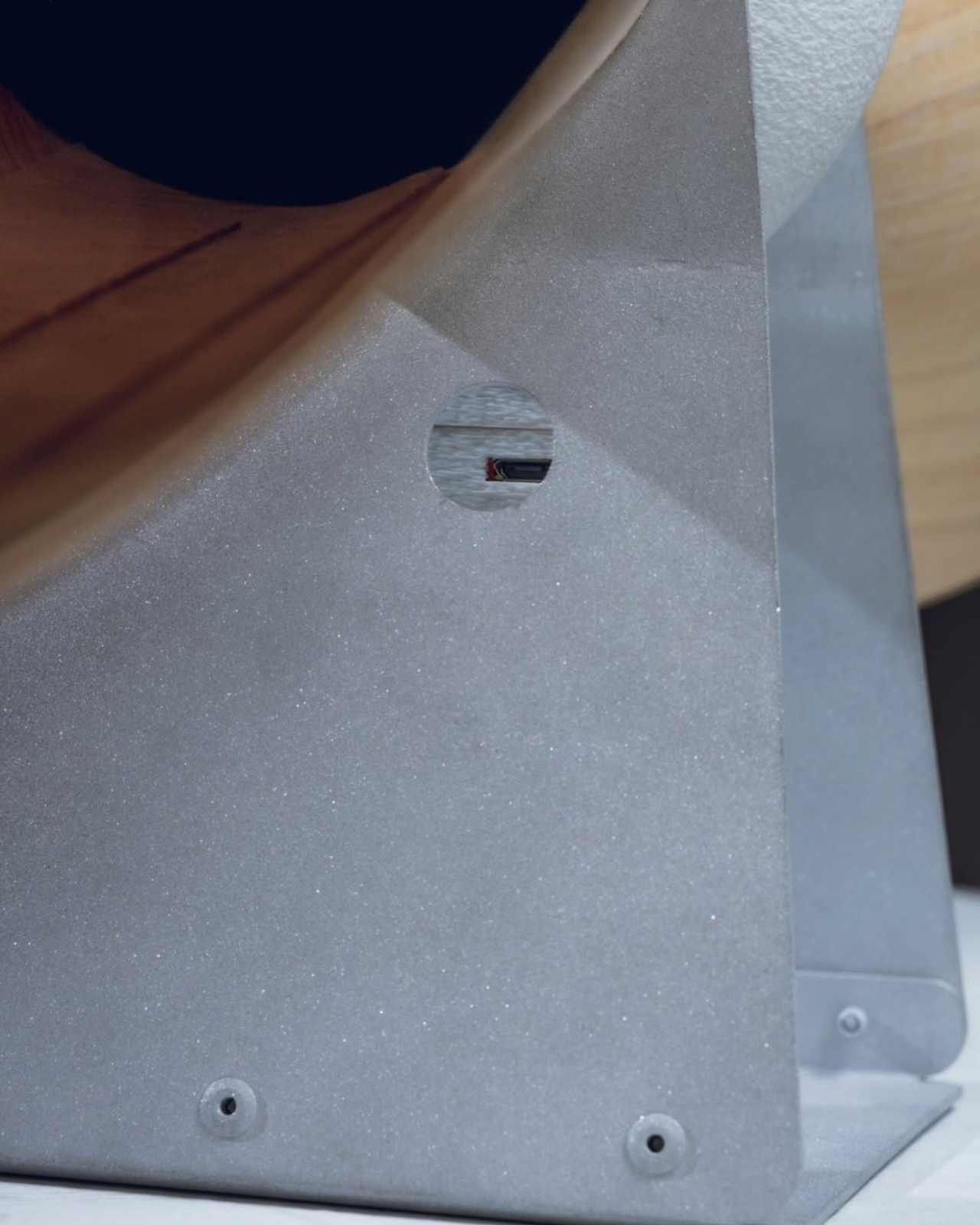
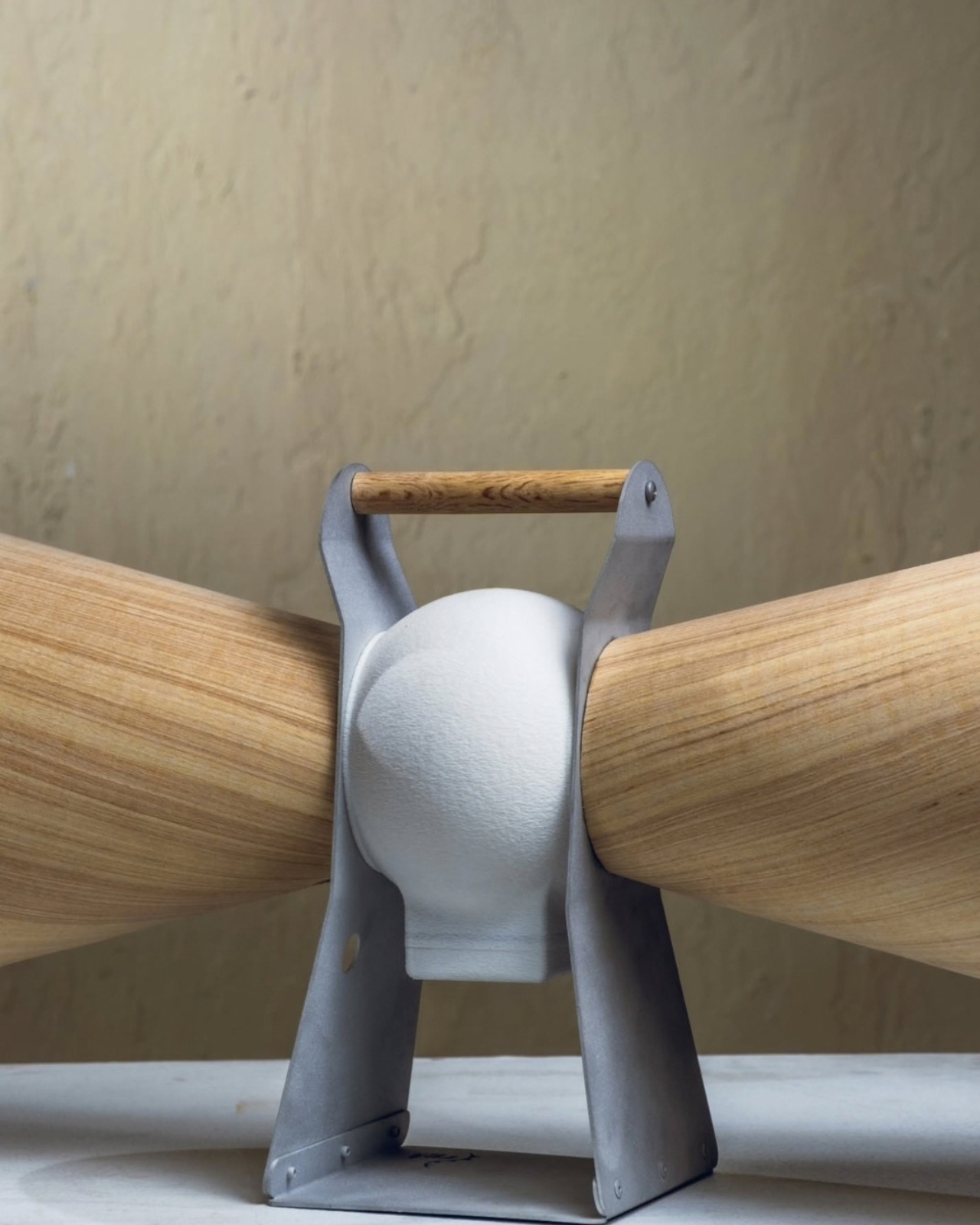
Larry Tchogninou’s new speaker, Gankéké, pushes back on that quietly accepted trade off. Instead of starting from a generic pod shape, he built the entire object around the form of the gankéké, a double bell used in ceremonial and communal music across Benin, where Tchogninou is from. The result is a speaker shaped like two flared cones meeting at a center point, wrapped in wood veneer, and mounted on a sandblasted aluminum frame with an oak dowel handle running through the top. It looks nothing like a gadget. It looks like an instrument that happens to play your Spotify queue.
Designer: Larry Tchogninou
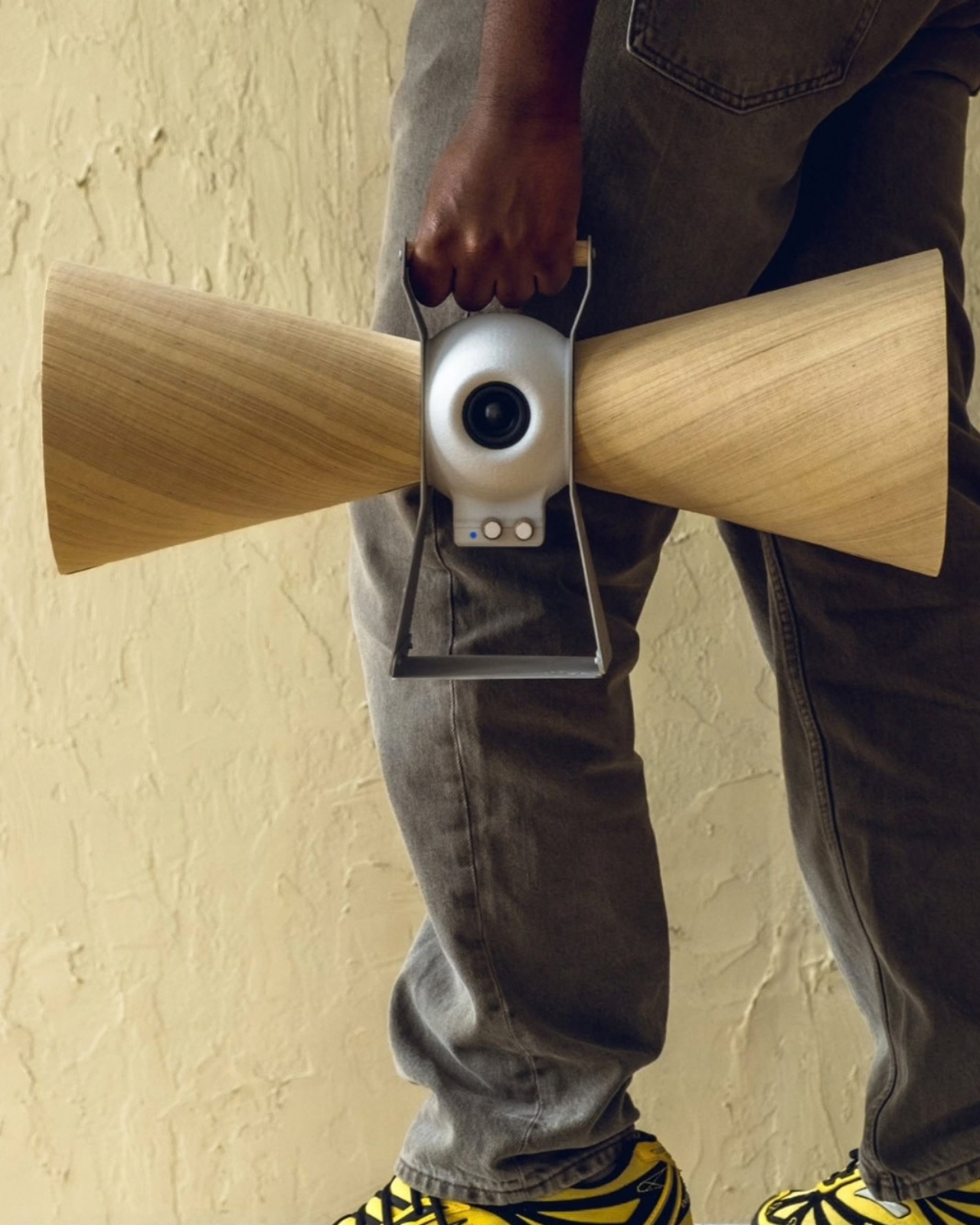
Tchogninou is a Chicago based architect and designer who was mentored early on by Virgil Abloh, and that lineage shows up in how he treats materials as carriers of meaning rather than just finishes. He has said he started making Gankéké after realizing how many audio gadgets he had been gifted over the years without ever understanding how any of them actually worked. So he built his own, and instead of hiding the engineering, he built a housing that turns the mechanics into the whole point of looking at it.
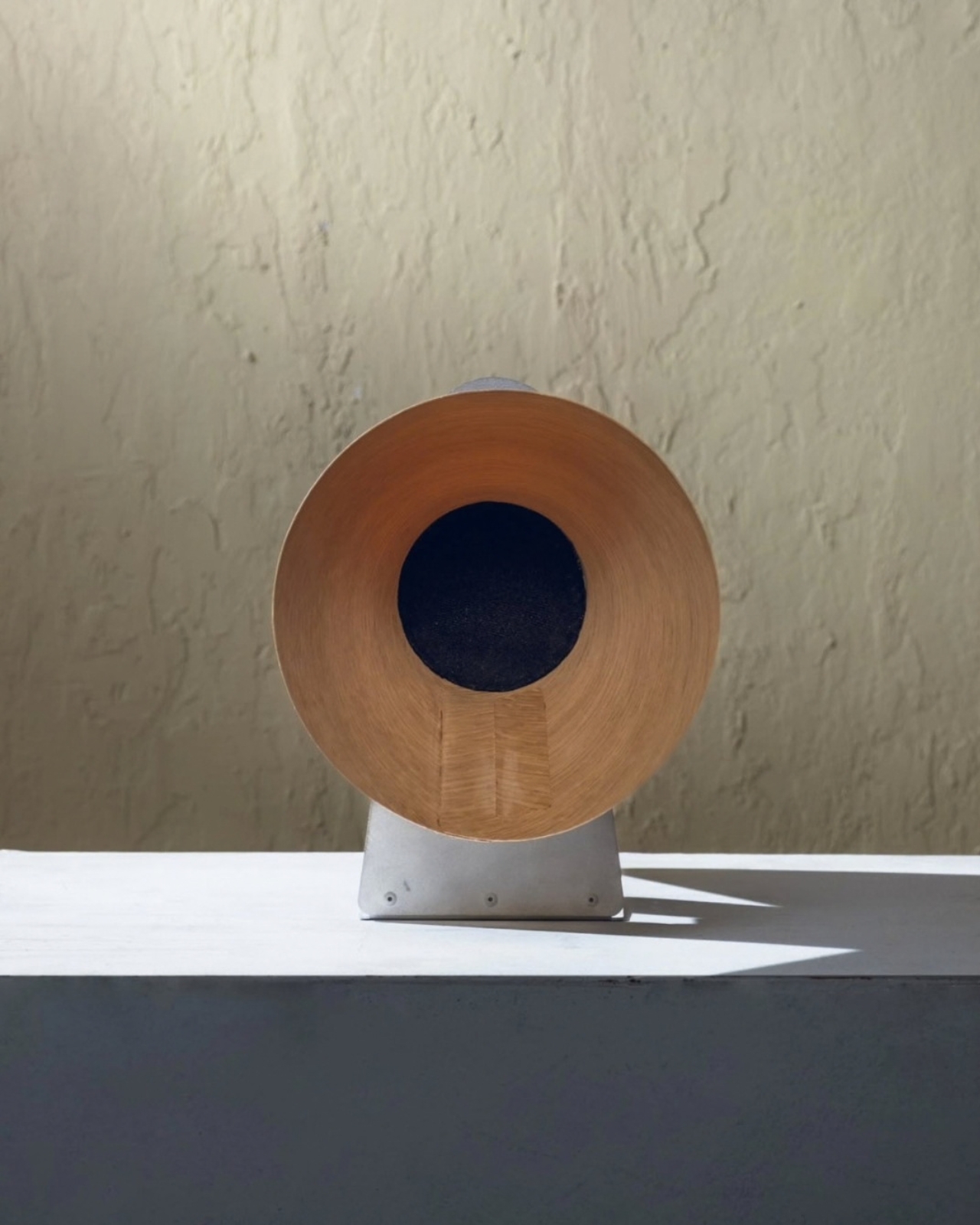
Inside the two wooden horns sit lateral speakers, with a central subwoofer positioned between them in a magnet to magnet configuration for stability. The controls are refreshingly analog for something wireless. Volume and power sit on the right side, a dedicated bass dial sits on the left, and there is a micro USB charging port along with a line in jack for anyone who still wants a wired connection. Tchogninou says it holds about three hours of playback at medium volume, which is not going to outlast a flight to Los Angeles, but that was never really the pitch.
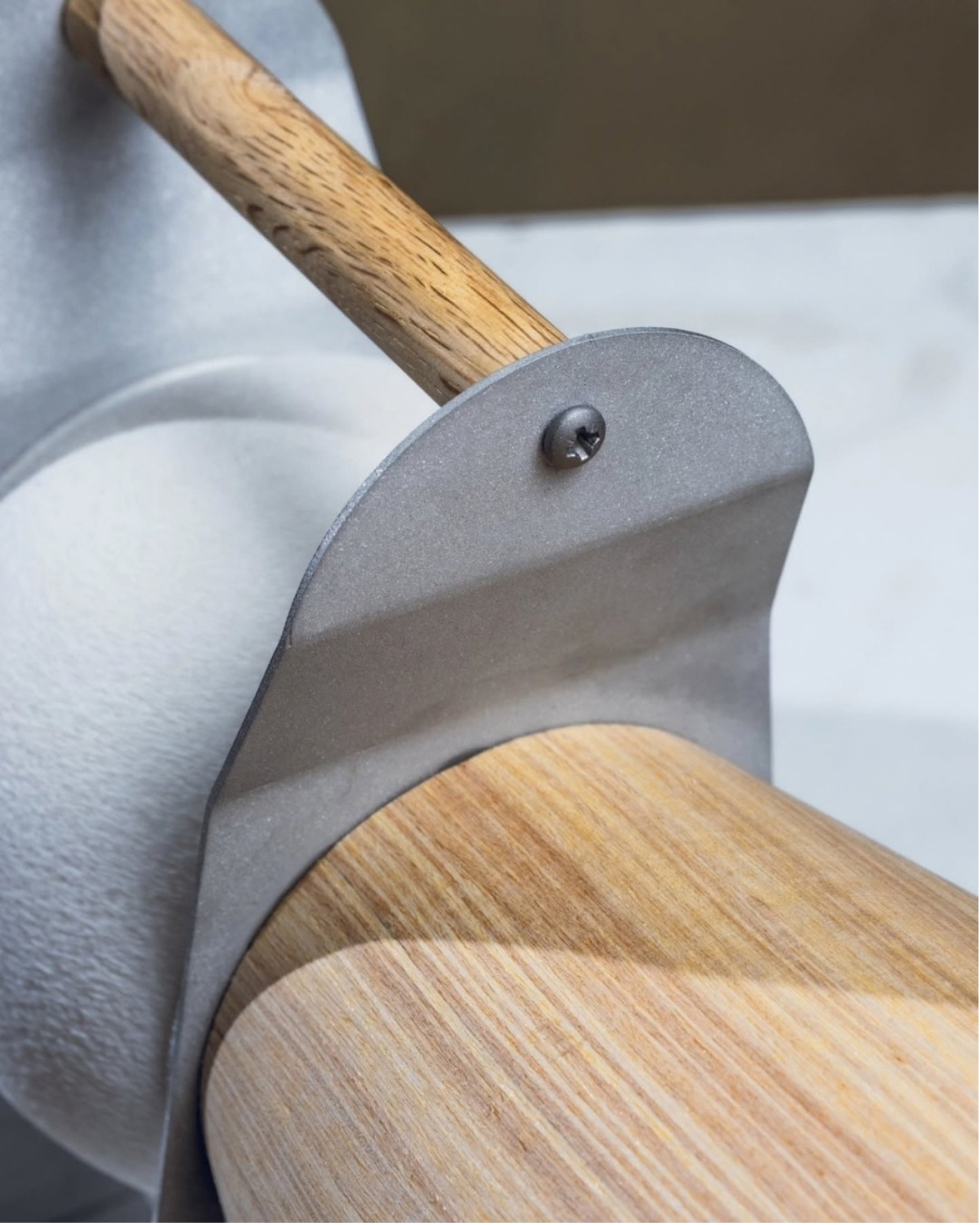
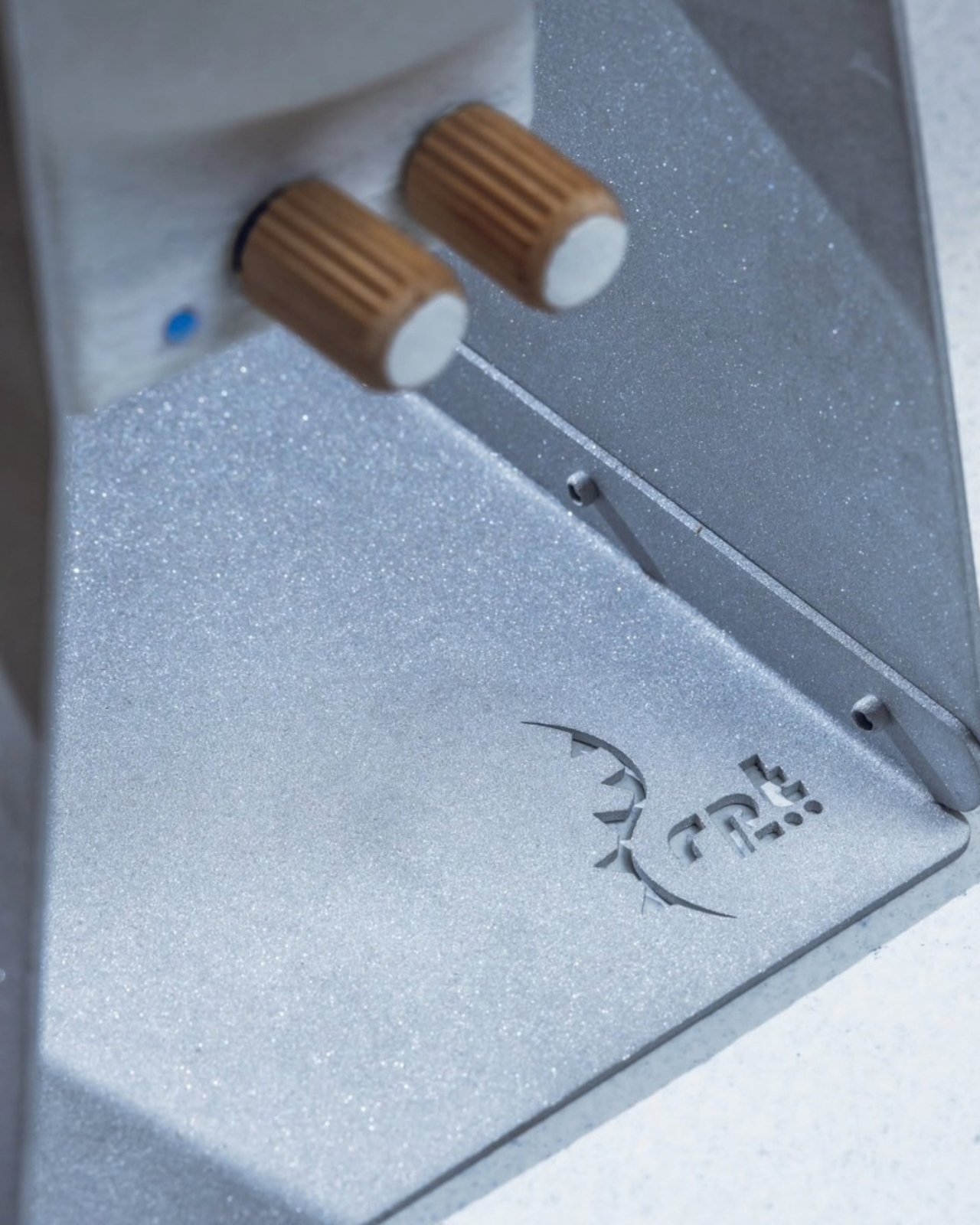
What actually sells the object is the craft. Every unit is made to order, built from plastic, wood veneer, dowels, and sandblasted aluminum, with a four week lead time before it ships. That kind of patience is rare in a category where most people expect same day delivery for a speaker they will forget about in a year. Gankéké costs $700, which sounds steep next to a mass produced speaker until you consider what you are actually paying for. You are not buying a component. You are buying a small sculpture with a working speaker built into its logic, made by one person who understood the shape before he understood the circuitry.
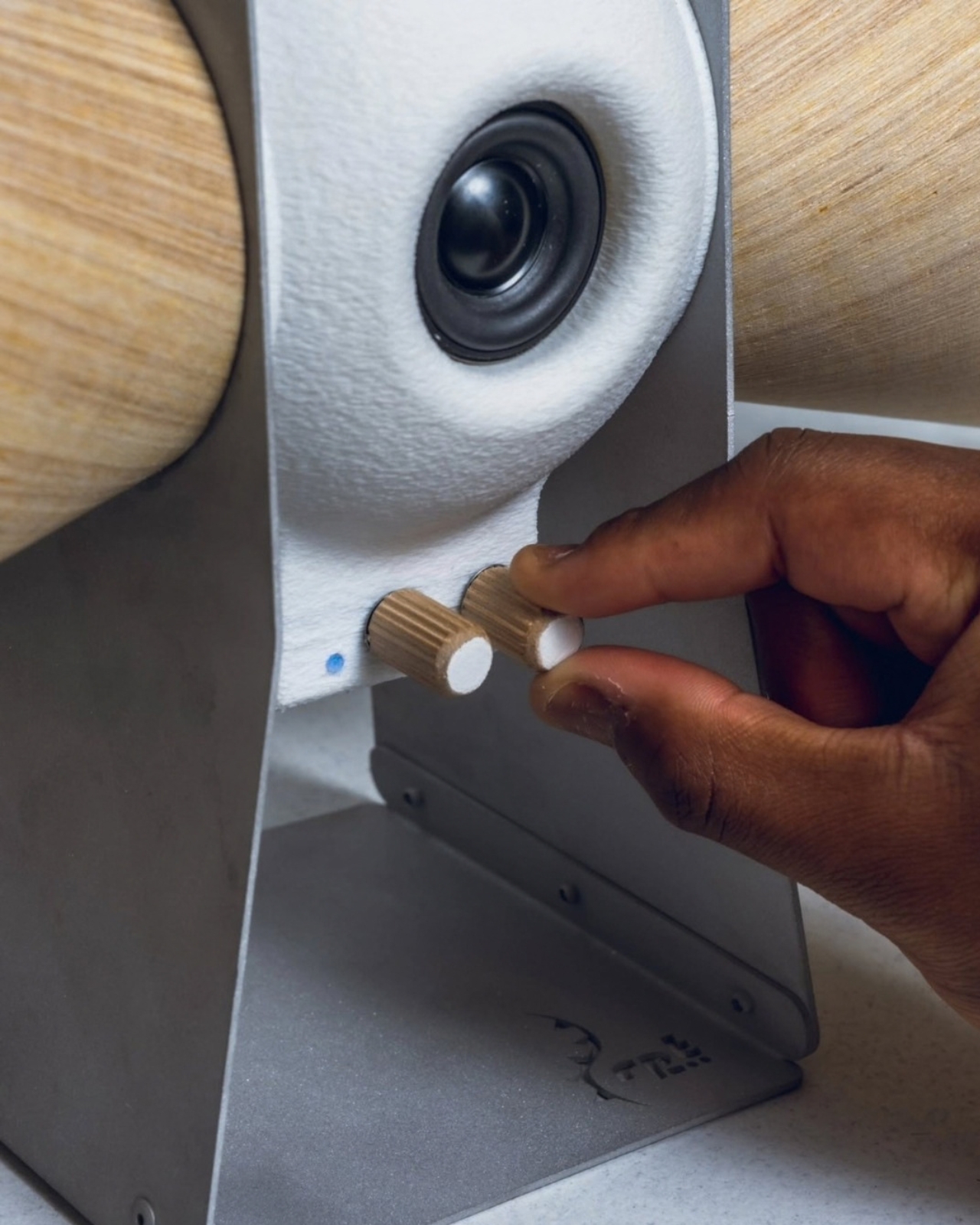
I like that this object does not try to hide where it came from to seem more universal. A lot of design aimed at a broad audience tends to sand down anything culturally specific until it reads as generically modern. Gankéké does the opposite. It keeps the bell shape legible, keeps the name intact, and lets the story sit right on the surface instead of tucking it into a press release nobody reads. That choice makes the object feel less like a lifestyle accessory and more like a small act of memory that happens to also connect to your phone.
Objects like this will never replace the fifty dollar speaker that lives in a gym bag, and that is fine, because that was never the competition. What Gankéké actually competes with is the idea that a speaker has to be forgettable to be useful. It does not. It can hold a shape passed down through generations, sit on a shelf as something worth looking at, and still play music when you need it to. That combination is harder to pull off than it sounds, and Tchogninou managed it without making the object feel like a costume.
The post The Bluetooth Speaker Hidden Inside a Wood Sculpture first appeared on Yanko Design.
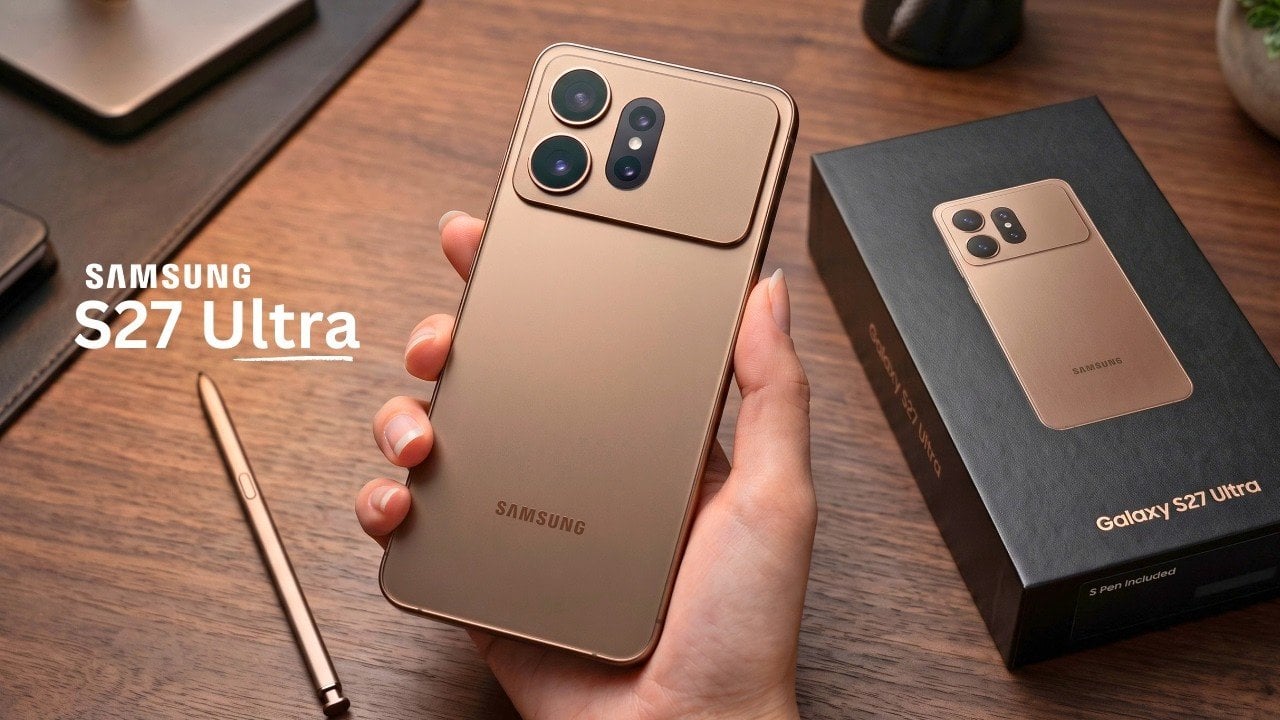
The Samsung Galaxy S27 Ultra is poised to push the boundaries of smartphone video recording, potentially powered by Qualcomm’s Snapdragon 8 Elite Extreme Gen 6 chip. This advanced processor could enable 8K video recording at 60 frames per second (fps) and 4K slow-motion at 240fps, setting new benchmarks for mobile videography. However, achieving these capabilities […]
The post Surprising Samsung Galaxy S27 Ultra Rumors Surface Early appeared first on Geeky Gadgets.