What if your next productivity partner wasn’t human, but an AI that feels like a seamless extension of your workflow? Wes Roth explores how the new innovative Claude Cowork redefines what’s possible in AI-driven productivity. Far from being just another coding assistant, Cowork ventures into uncharted territory, offering file organization, spreadsheet creation, and even browser-based […]
Is this the dawn of a new era for AI-generated anime art? Midjourney’s Niji version 7 has arrived, and it’s already making waves in the creative community. In this overview, Future Tech Pilot explores how this latest update refines the art of anime-style image generation, delivering a blend of vibrant colors, precise prompt interpretation, and […]
The KODAK Printomatic+ packs a 10MP sensor, instant sticky-back prints, and travel-friendly design into a simple, creative camera for everyday moments.
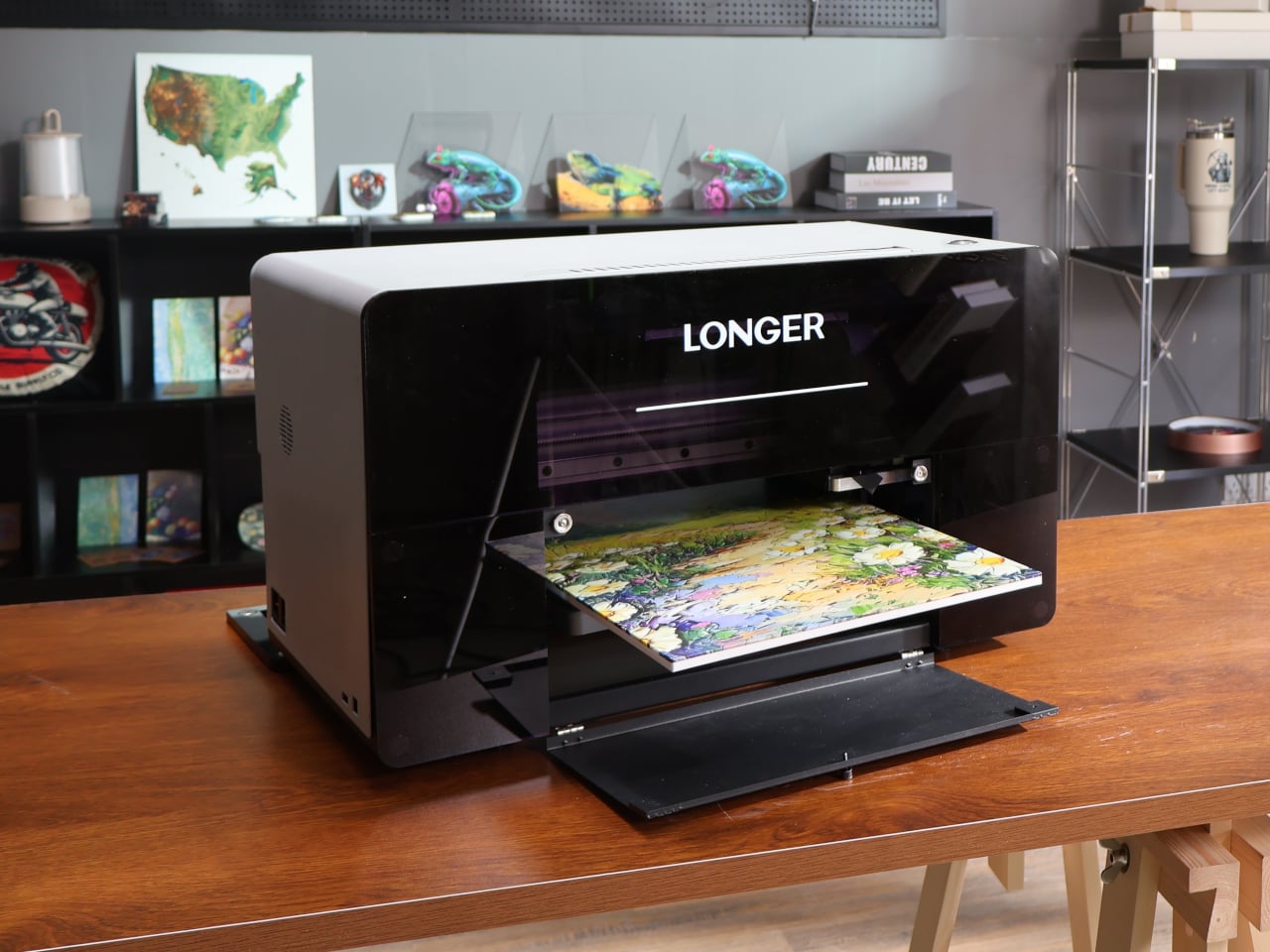
A typical small studio or serious hobbyist handles printing across multiple devices and vendors. One machine for paper, maybe another for vinyl, a separate UV printer if you are lucky, and outsourcing for anything textured, cylindrical, or fabric-based. The friction adds up quickly, juggling vendors, minimum orders, and formats that do not quite align. Longer ePrint tries to pull those scattered workflows back into a single, desk-sized footprint, treating printing as something you do in-house across materials and processes instead of planning around what your gear can handle.
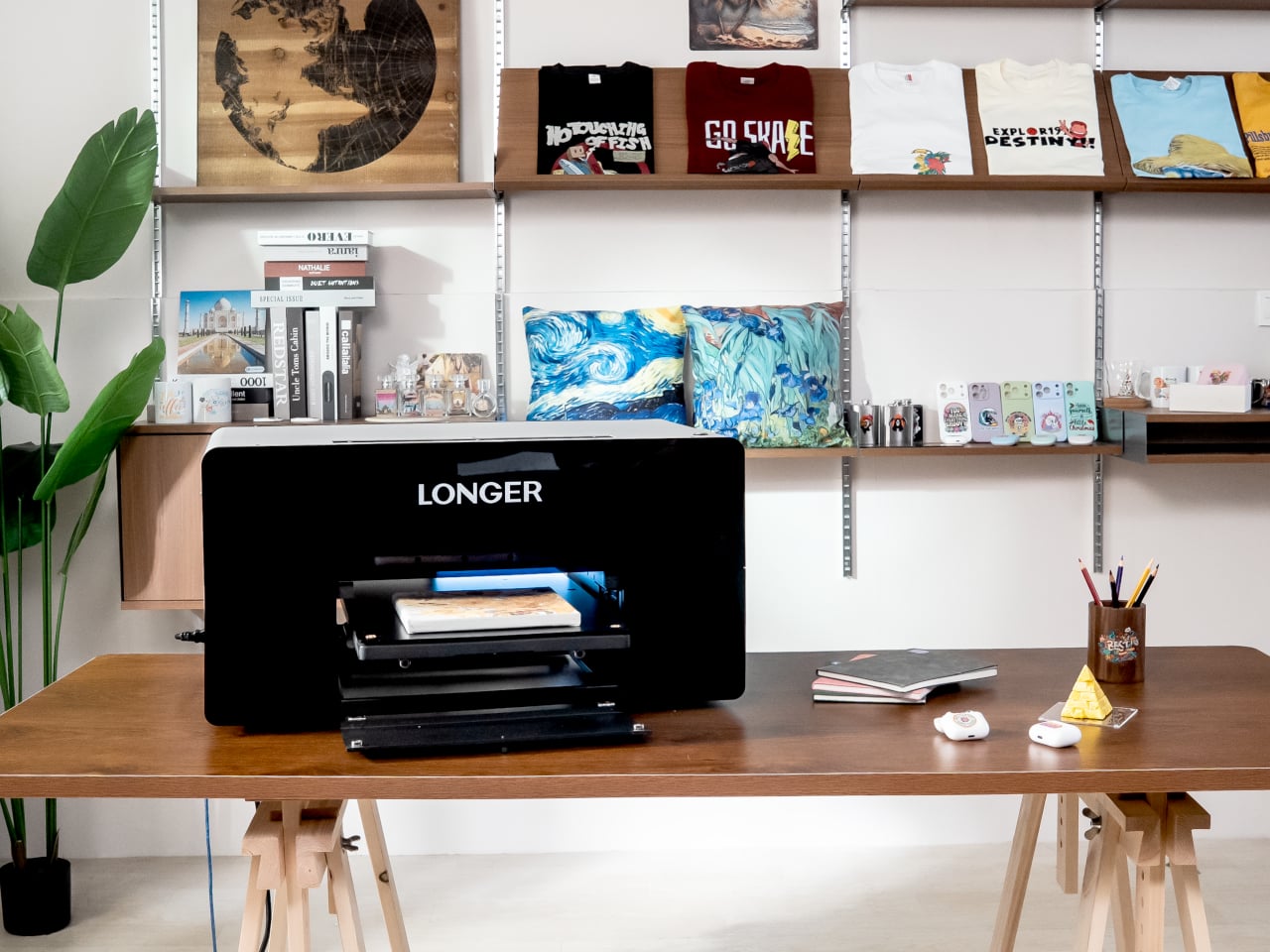
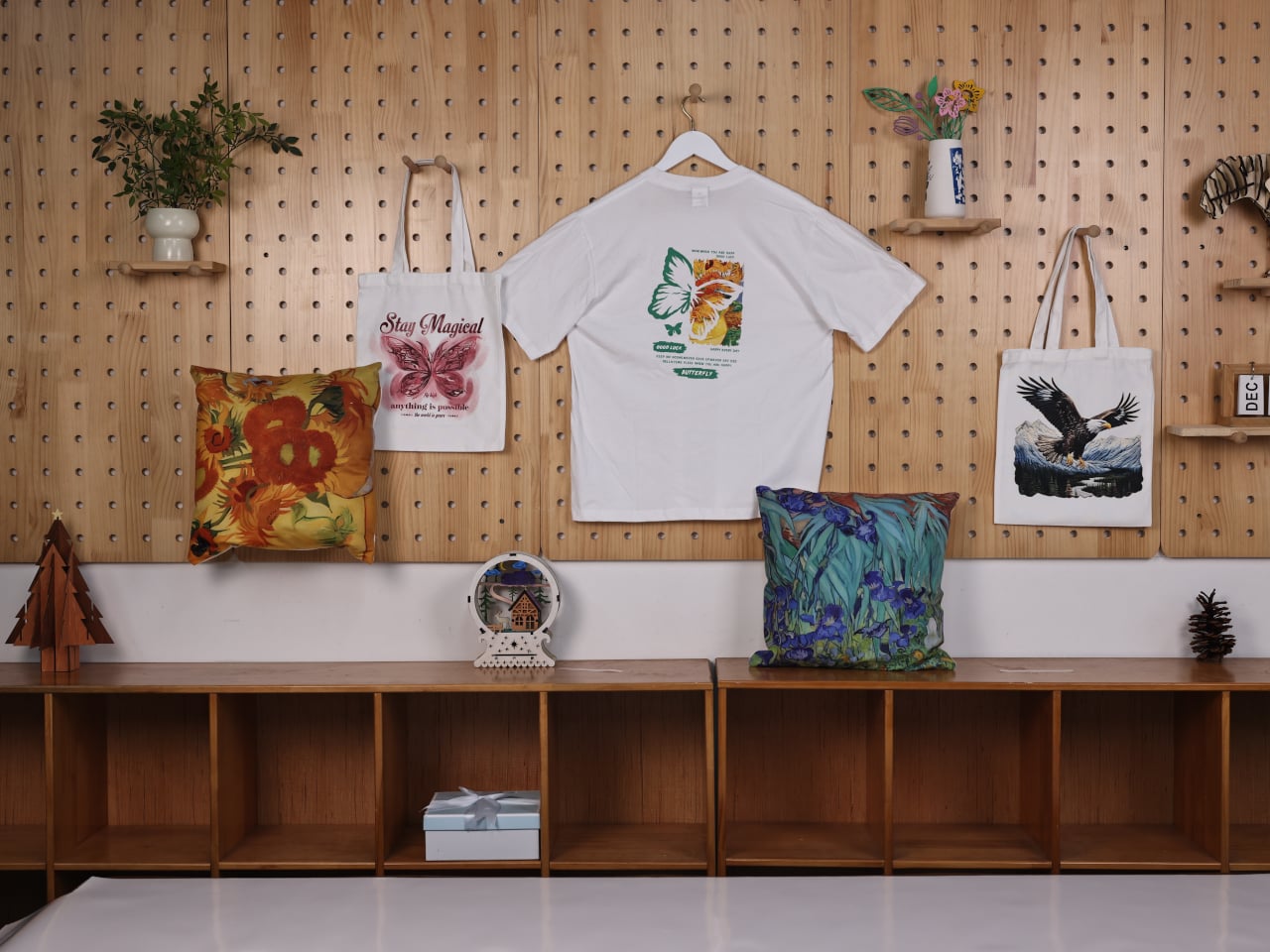
Longer ePrint is a dual-head, 3D-texture personal UV printer that behaves more like a tiny print lab than a single-purpose machine. One printhead is dedicated to UV inks for direct printing onto hard goods, while the other can be configured with a dedicated printhead for DTF inks to handle fabric transfers. The same box can print phone cases, embossed wood panels, and heat-press designs for tote bags without swapping hardware, which changes the kinds of projects you can start and finish in an afternoon.
ePrint runs 12 ink channels across two printheads, CMYK color plus six white channels and two varnish channels in the full model. For textured work, all six white channels stack ink simultaneously, building height up to six times faster than a single channel. For flat prints, the dual-head setup can cut time roughly in half while still holding 1,440 DPI resolution. The point is being able to run more experiments and finish more pieces in the same time block without waiting hours between iterations.
The 60mm embossing height pushes ePrint beyond flat graphics into tactile territory. That build-up lets you create braille signage with real raised dots, relief art that catches light and shadow, dimensional logos on cases and plaques, and prototypes that feel like finished products instead of flat mockups. It turns a UV printer into a way to explore form and tactility, not just color and layout, which is a shift for designers used to thinking flat and outsourcing anything that needs actual depth.
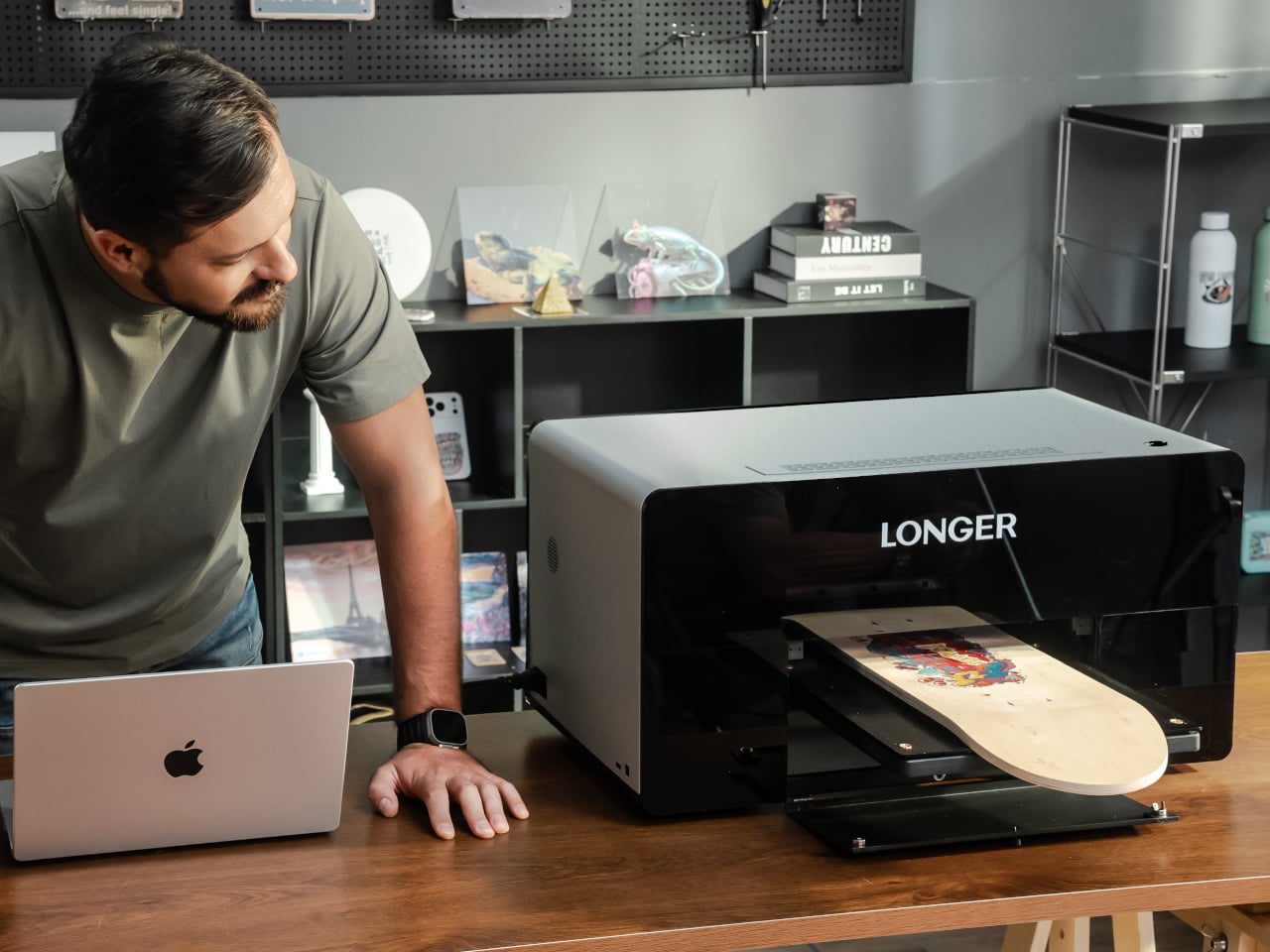
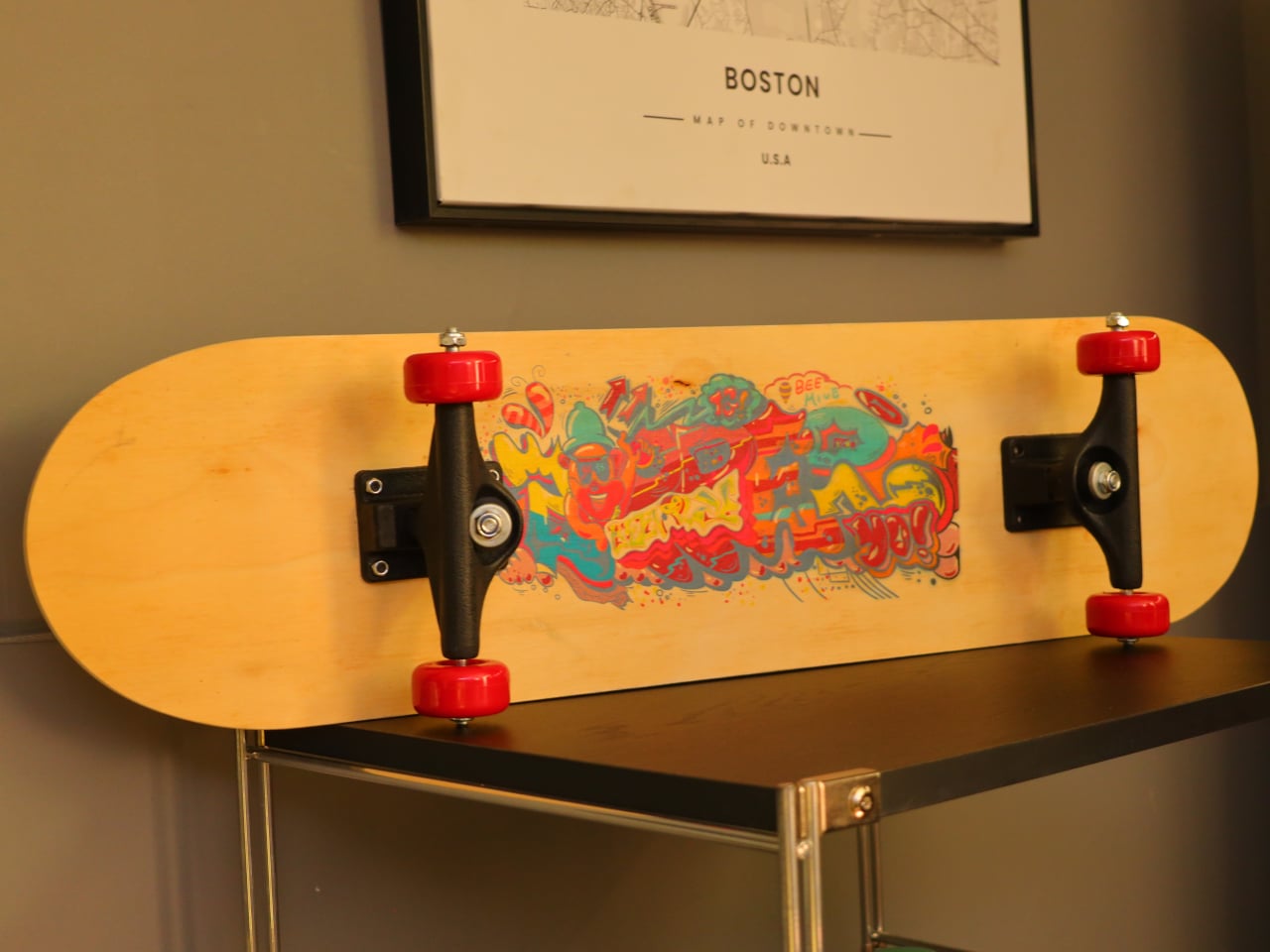
ePrint holds twelve 200ml cartridges and runs an open-ink system, so you can use Longer’s inks or third-party options, including DTF inks, low-migration ink formulations, and fluorescent colors. Combined with support for more than 300 materials and a 10mm high-gap printing capability, it can handle wood, acrylic, glass, metal, leather, stone, curved objects, and textured surfaces without the printhead scraping. That flexibility matters when you are testing new products or saying yes to unusual requests beyond the usual phone case rotation.
The machine supports four mechanical modes that each unlock different outputs. Flatbed mode handles panels, cases, and signs up to 310mm x 420mm. Rotary mode spins bottles, tumblers, and cylindrical objects while the heads print, wrapping designs around curves. Transfer film mode prints onto a special substrate first, then lets you laminate or heat-press onto fabric. Conveyor belt printing automates small-batch runs of rigid items like phone cases without repositioning each piece by hand.
The AI-powered studio offers tools like pattern generation, text-to-image, background removal, and product series generation, helping you respond to ideas or client briefs quickly without outsourcing design work. White-ink circulation and auto-cleaning routines keep the heads from clogging, which is usually a pain point with UV printers, while built-in air purification and sub-60dB operation make it more comfortable to run in a small studio as long as you still keep proper ventilation going.
A machine like this changes how you approach printing. Instead of sending work out for anything unusual or saying no to projects that need specific inks, materials, or texture, you can test ideas in-house, move from a sketch to a raised, textured object in a day, and run small batches without committing to huge minimums or buying another specialized tool. For designers, DIY enthusiasts, and small businesses, Longer ePrint feels less like a printer and more like a compact production partner that happens to live on a desk, letting you expand what you make without expanding the square footage or vendor list you need to manage.
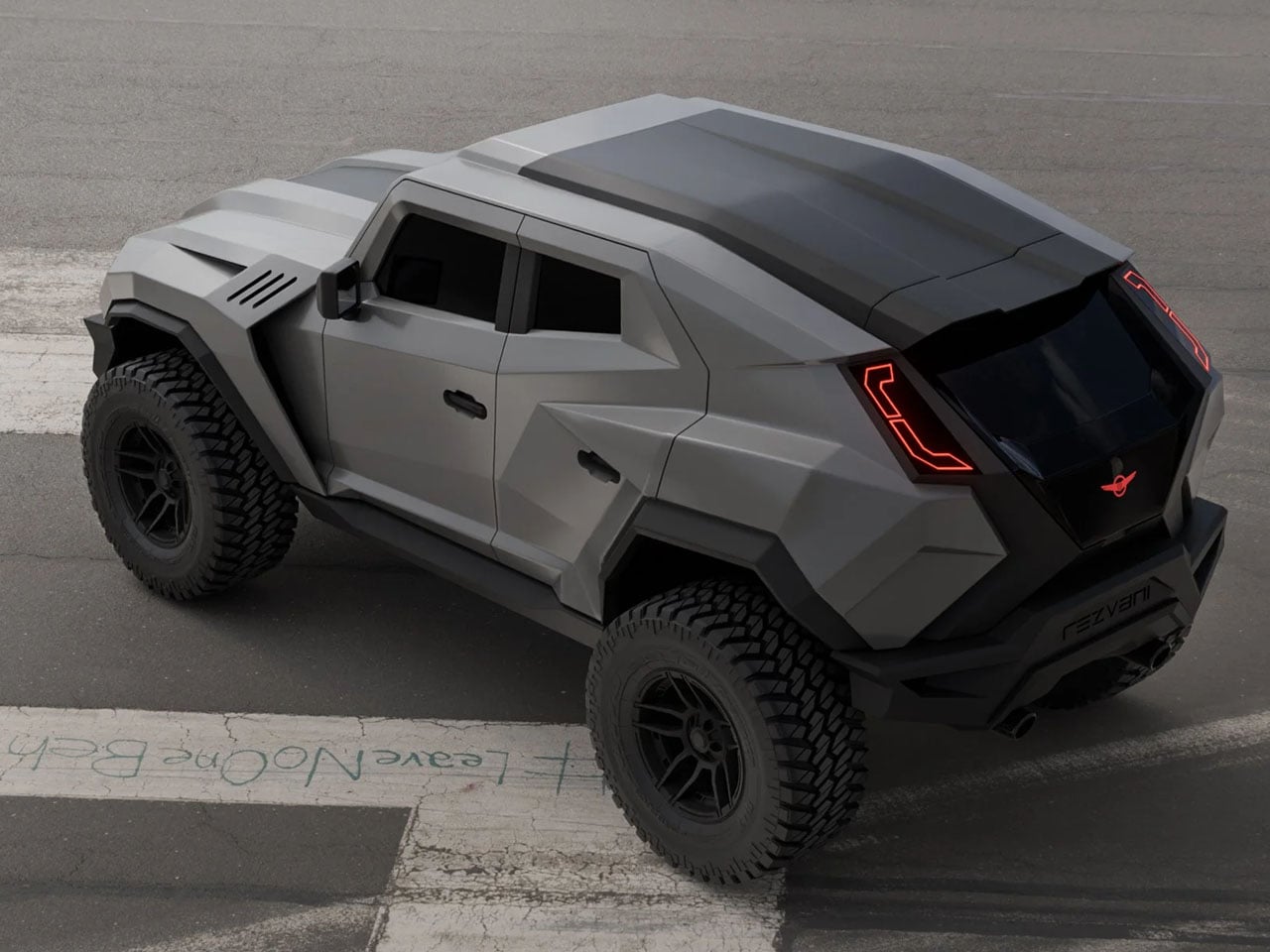
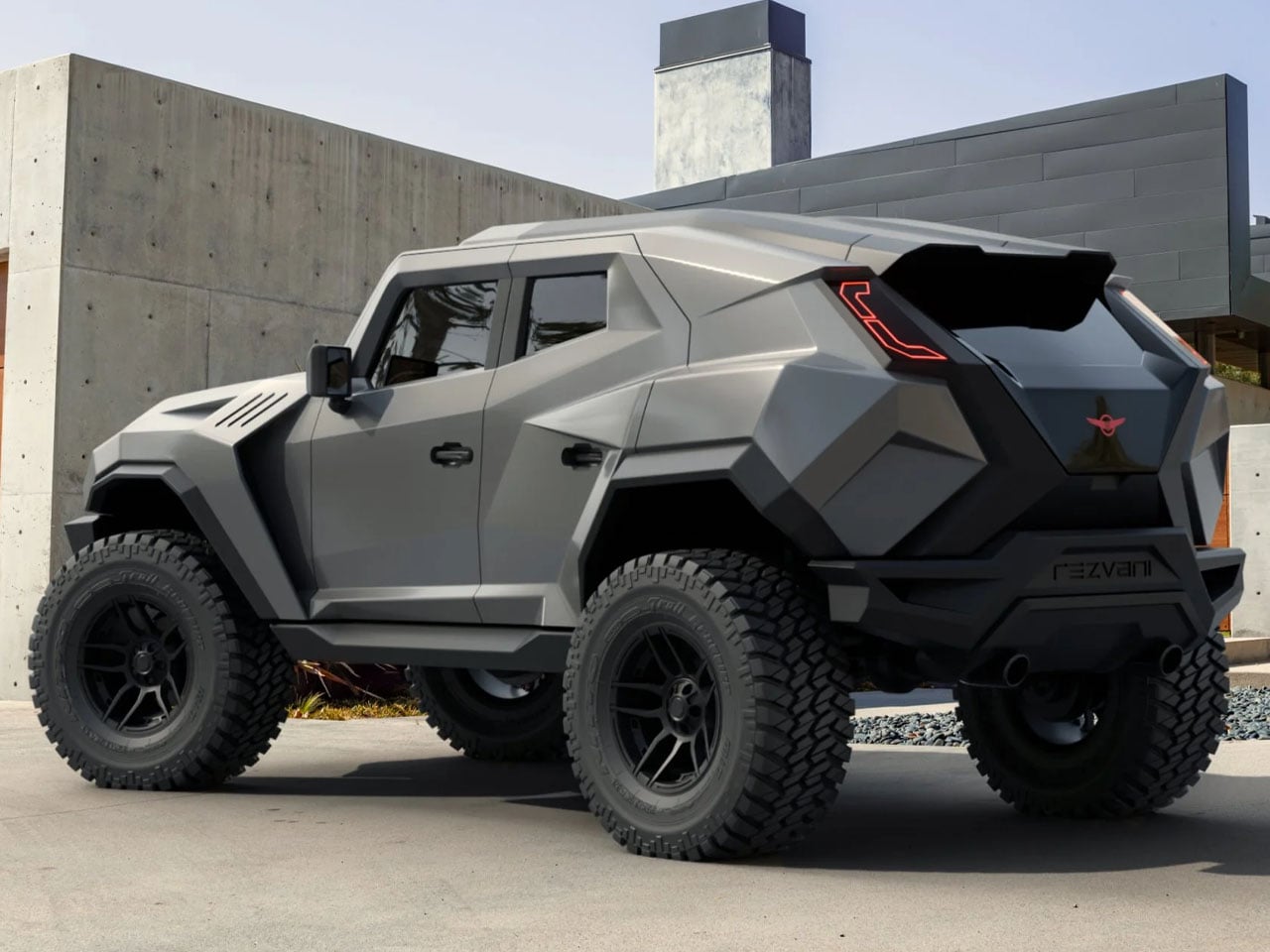
Rezvani Motors stirred up the automotive market for armored vehicles in 2017 when they introduced the world to the Tank SUV. The promise of power, luxury, and security targeted for the ultra-rich and famous is barely challenged by other boutique brands like Paramount Marauder, Terradyne Gurkha, Conquest Evade and Karlmann King.
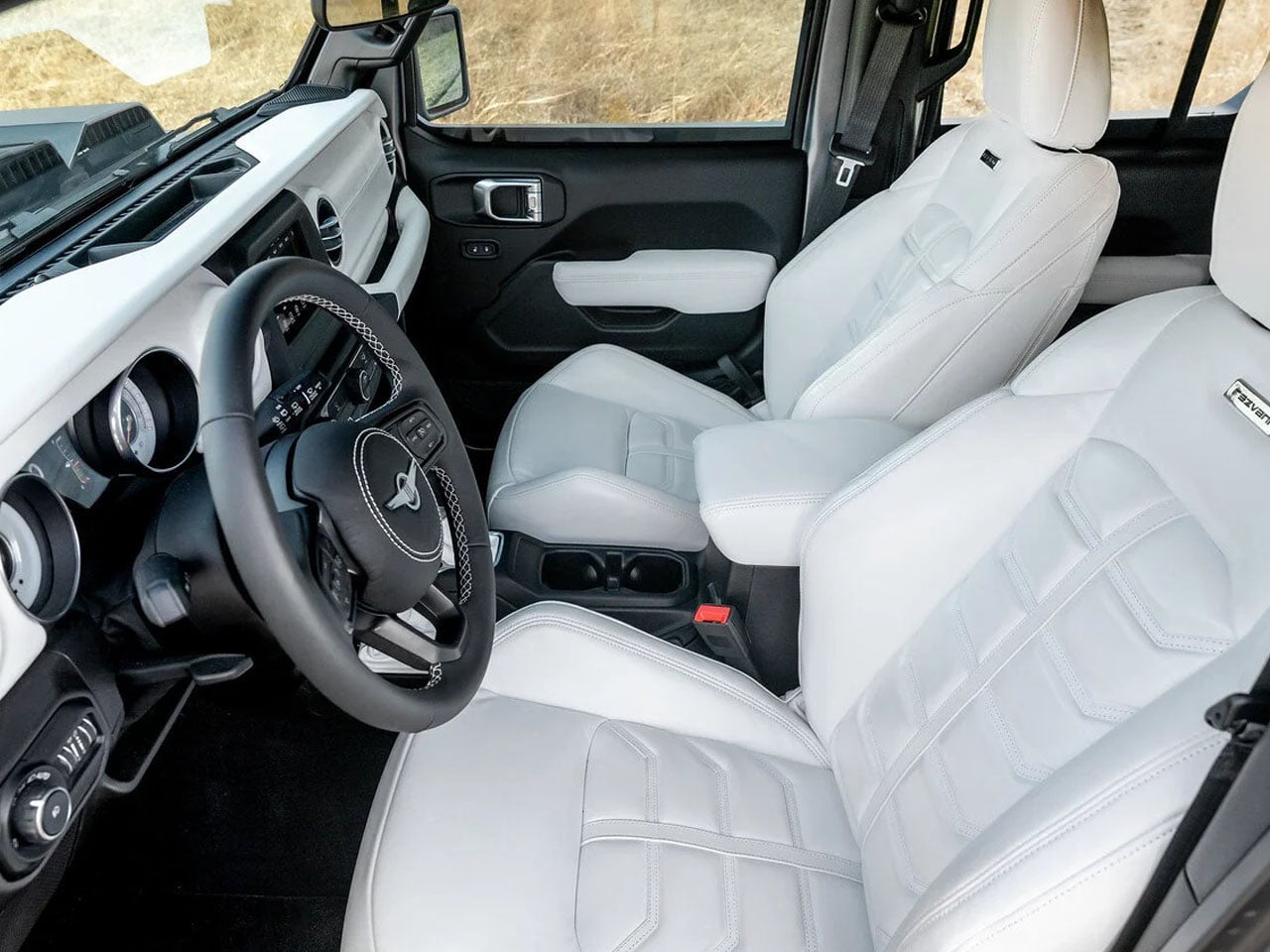
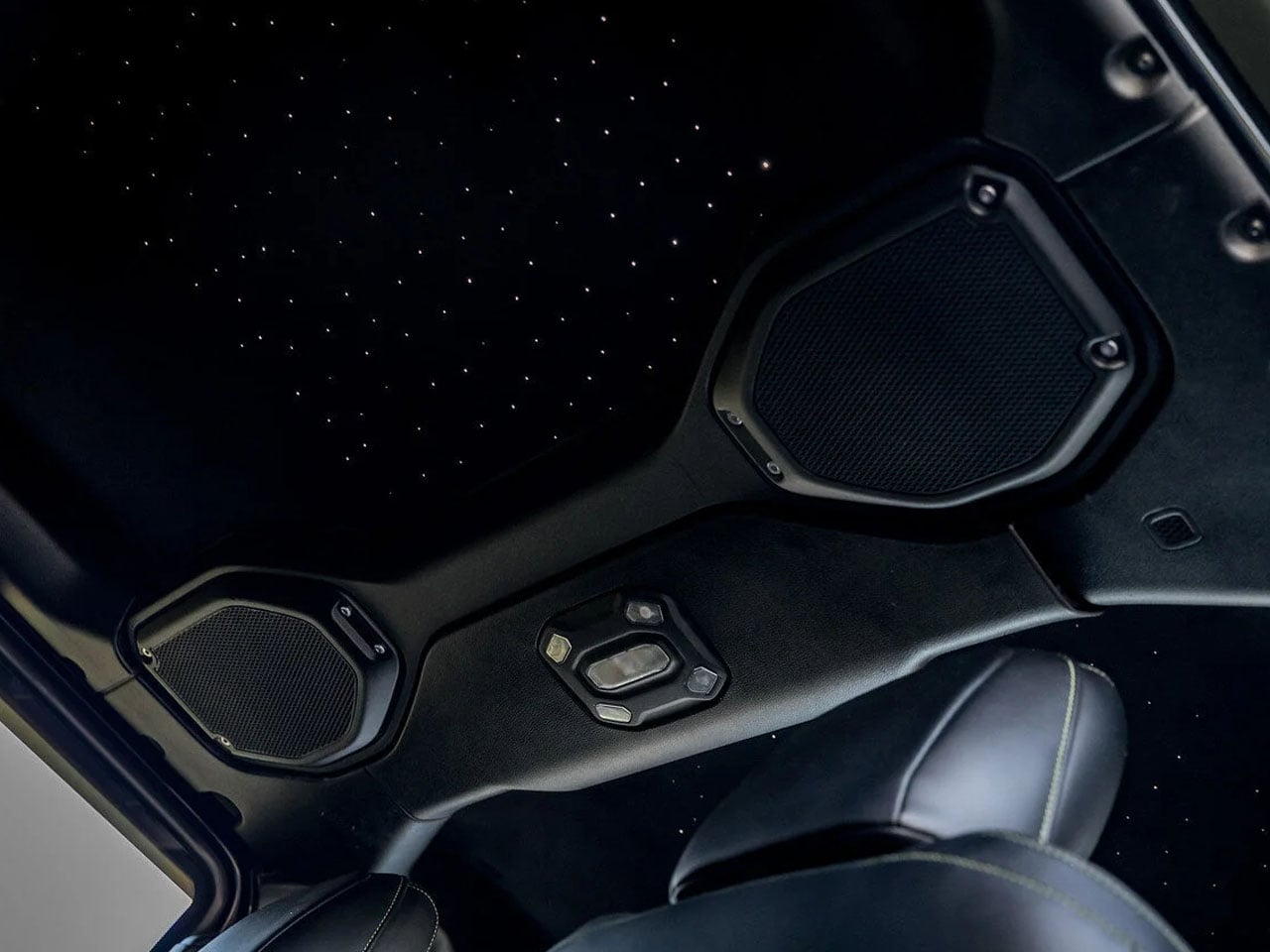
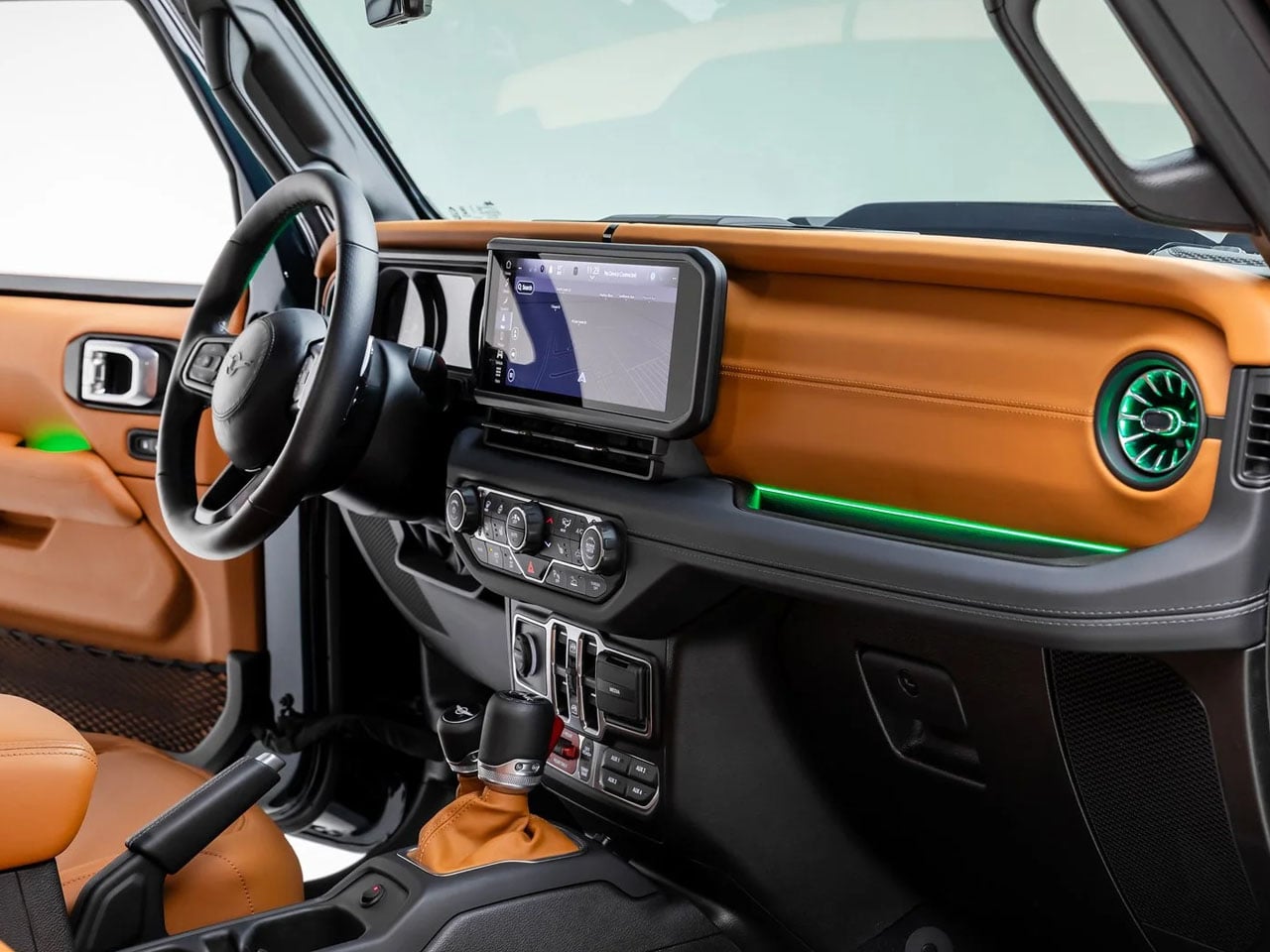
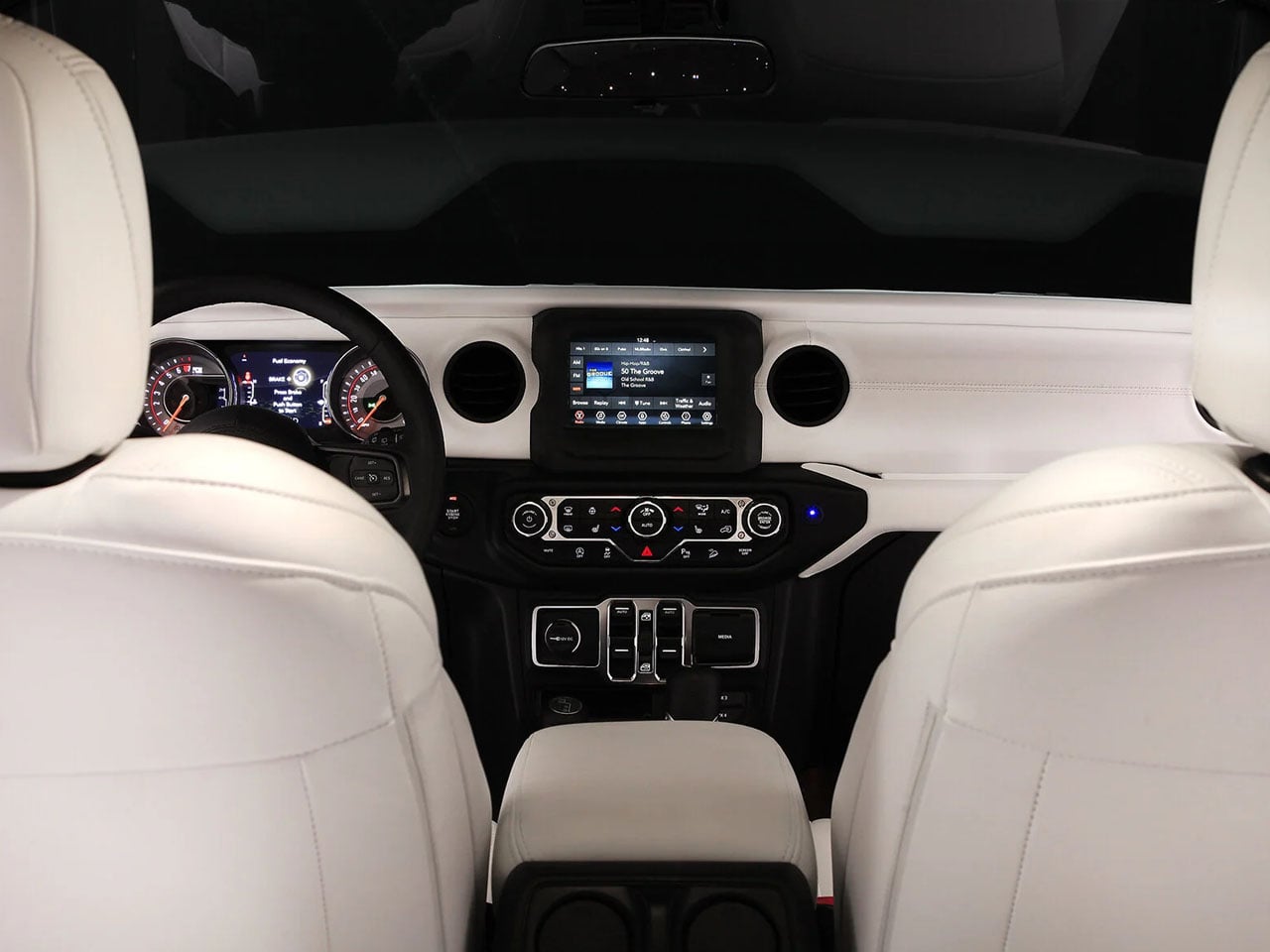
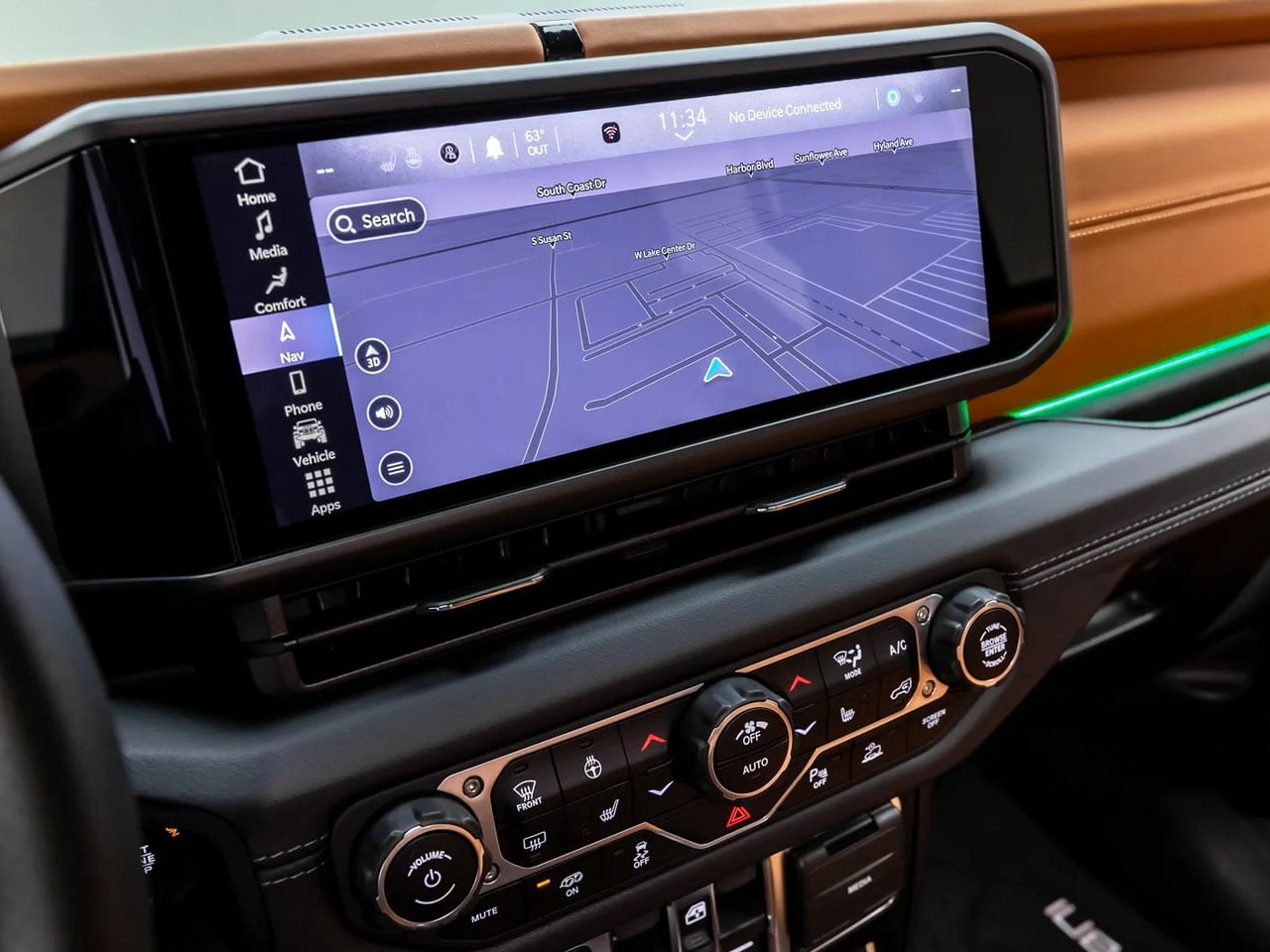
Given the vulnerable world we are living in with unknown threats looming large in a geo-politically sensitive environment, the armored vehicle has more demand than ever. That’s, of course, if you have a fat bank account to afford it. Rezvani has introduced an upgraded version of the Tank, based on the Jeep Wrangler chassis, to offer buyers more options in a lineup that already features beastly options like the Vengeance and the more subtle Dark Knight. On the outside, the tank-like SUV has an even sharper and aggressive presence, while on the inside, there’s even more beef.
The Irvine-based company has loaded the new Tank with incremental upgrades and a facelift that looks even sharper than the outgoing model. Underneath the hood, it is powered by a hybrid four-cylinder engine that churns out 270 horsepower. Since it’s Rezvani we’re talking about, buyers can go for even more powerful 6.4-liter V-8 engine that produces 500 horsepower, or the mind-numbing 6.2-liter Dodge Demon V8 cracking a 1,000 horsepower on the street. The vehicle gets the optional bulletproof and security package, which according to Rezvani, has the “latest in ballistics armor capable of stopping high caliber weapons and assault rifles.” This time around, the vital components like the fuel tank, radiator, and battery are protected by the Kevlar encasing.
2026 Rezvani has the optional Bond-level additions too, including the thermal night-vision system, run flat tires, electrified doors, underside explosion protection, gas masks for any adversity, and the beefy bumpers to ram down any pursuers. The most interesting addition that makes the Tank 2026 a vehicle fit for spy drama movies is the smoke screen, which releases smoke from the rear to decoy any trackers. The base version gets a four-inch suspension lift for the 37-inch tires, while that can be increased to six inches if you desire 40-inchers. Another optional accessory is the Fox Racing 3.0 Internal Bypass Shocks with DSC. As standard, the vehicle comes with the Dynatec axles and Dynatec ProGrip front and rear brakes.
Base price of the Tank 2026 is $175,000 while the most powerful 1,000 hp variant with the bulletproof options will cost an extra $85,000, and the B6-level version that uses lightweight materials and is capable of resisting high caliber rounds will add $1,45,000 to the base cost. Only 100 examples of the armored SUV will be made to retain exclusivity. The vehicle can be booked right away with a $500 deposit.
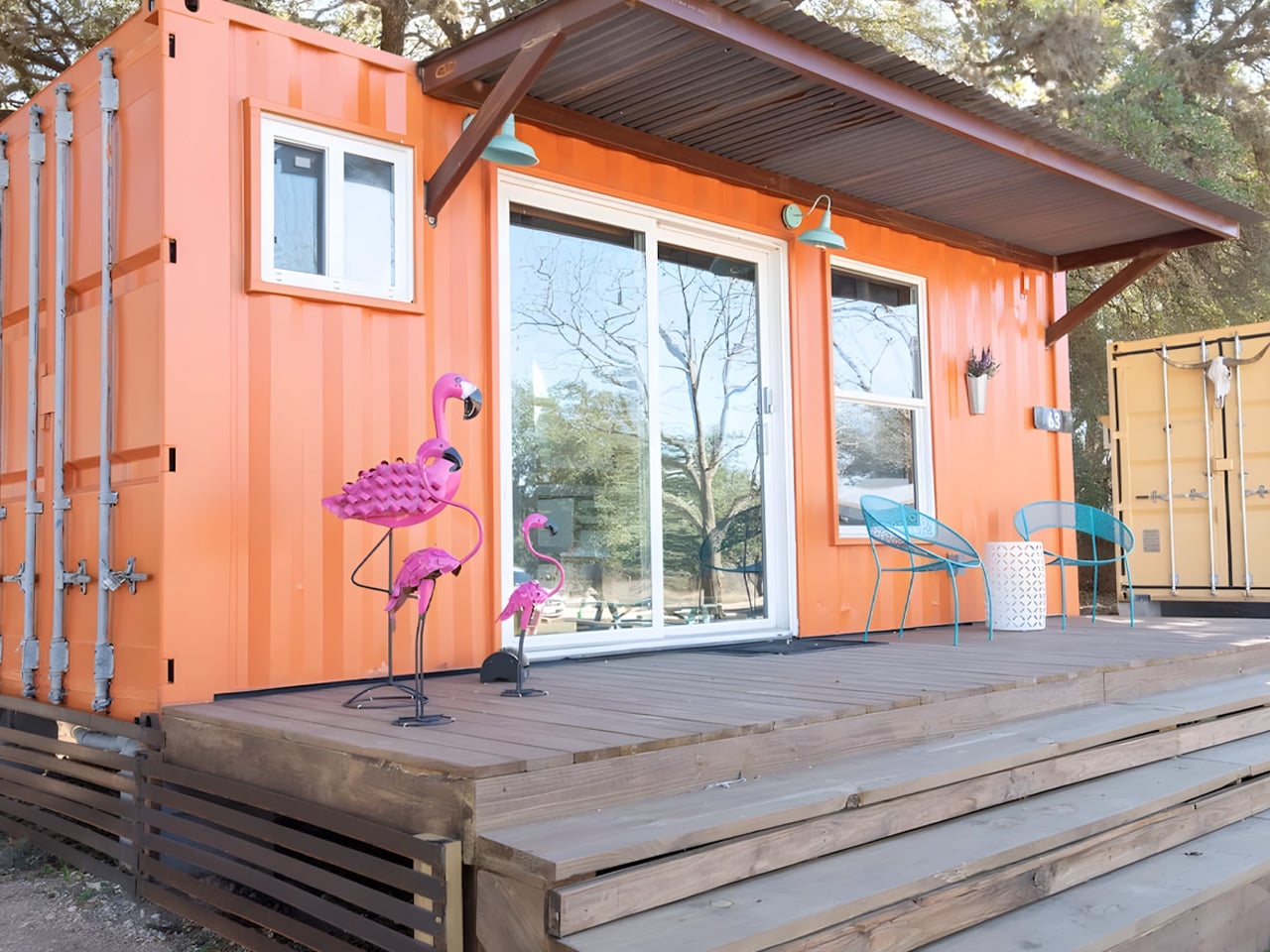
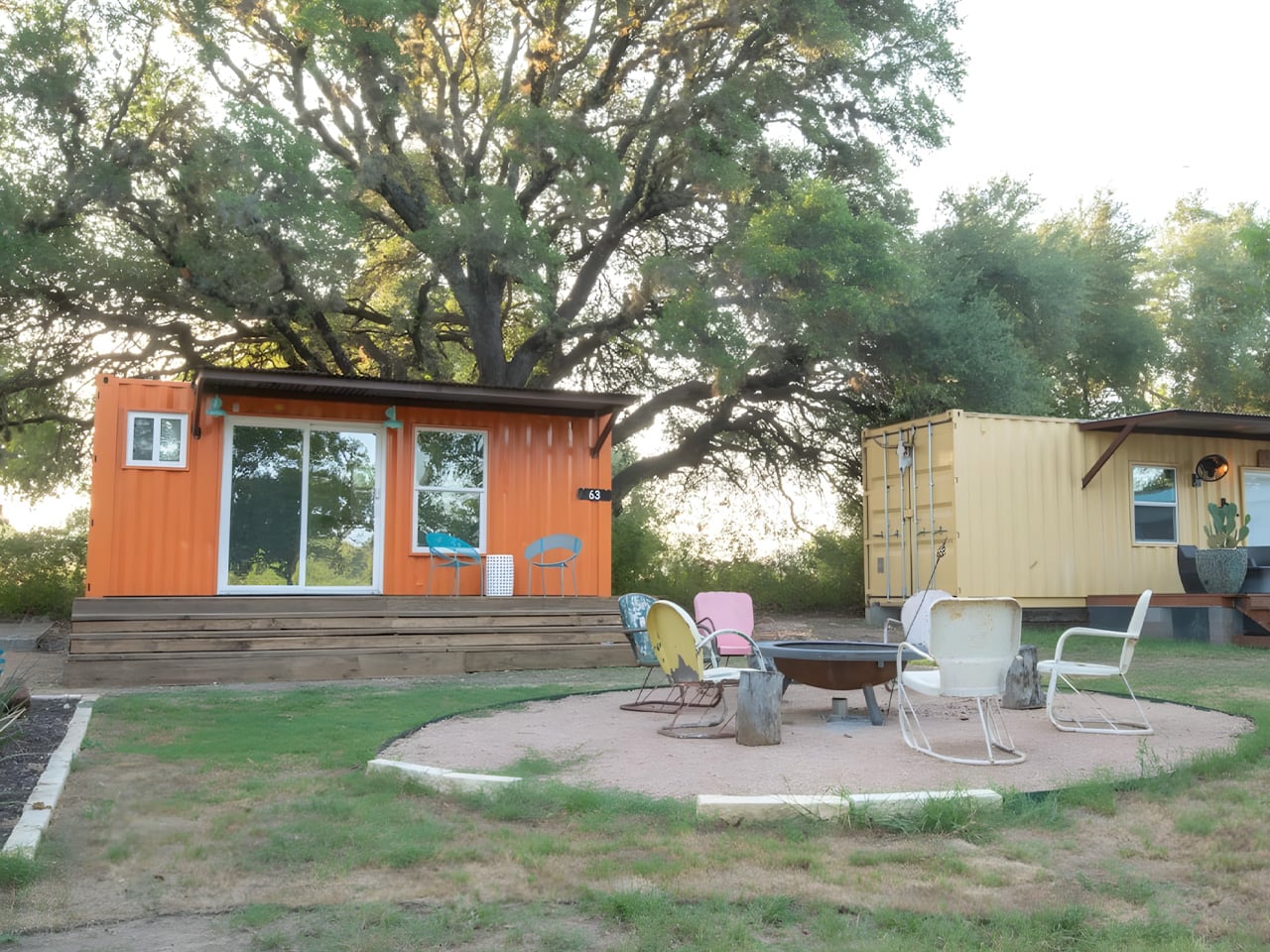
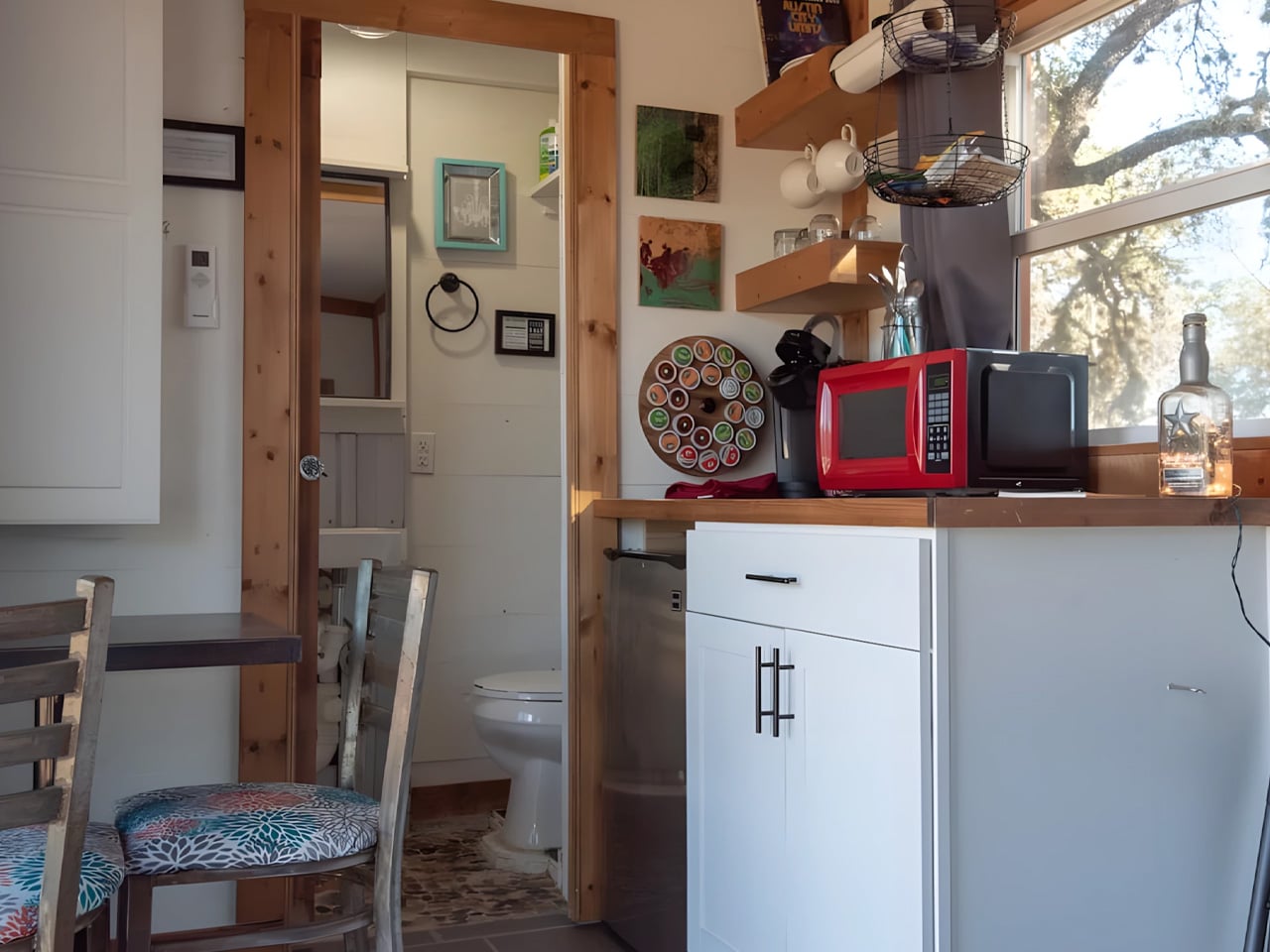
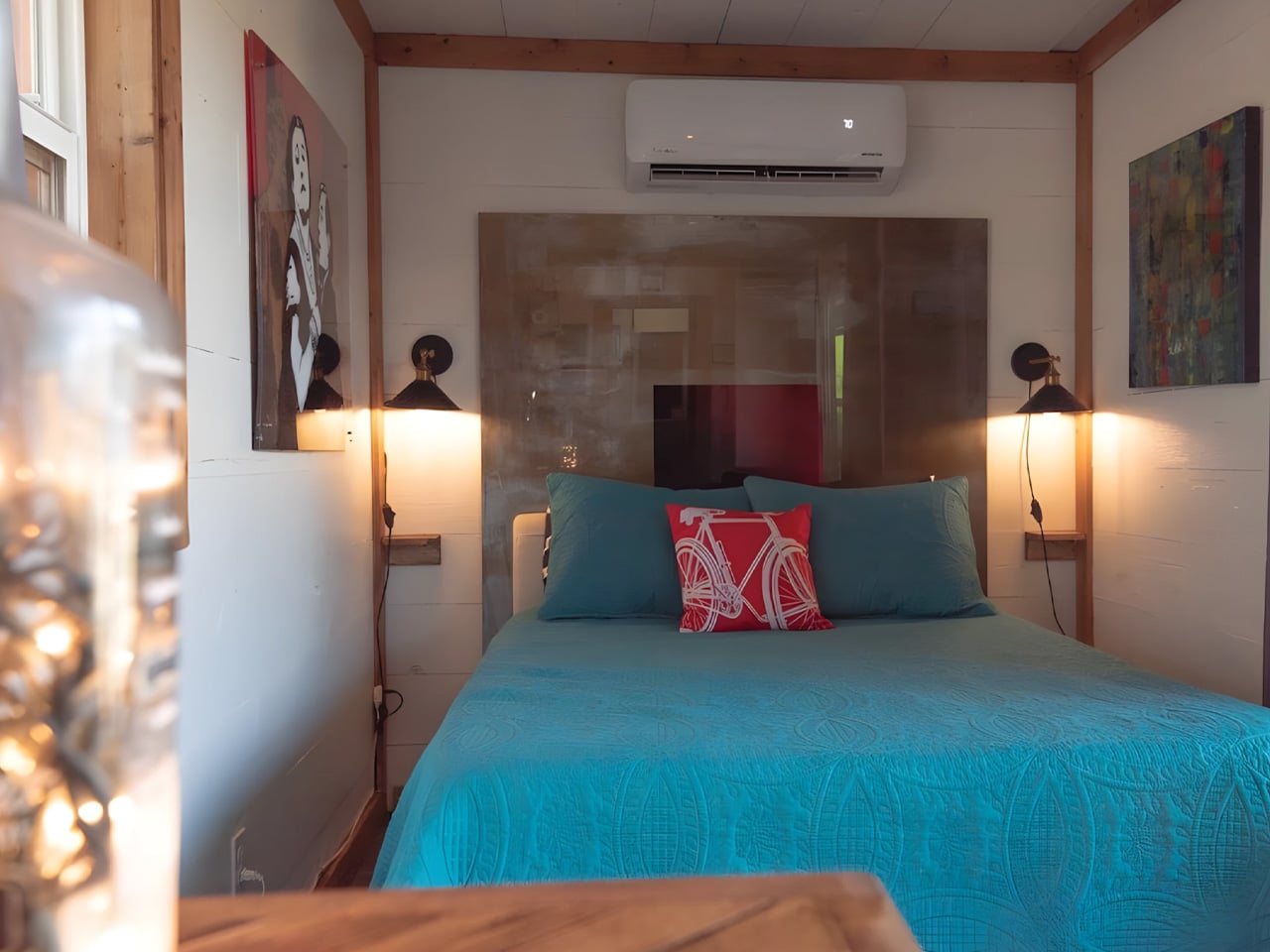
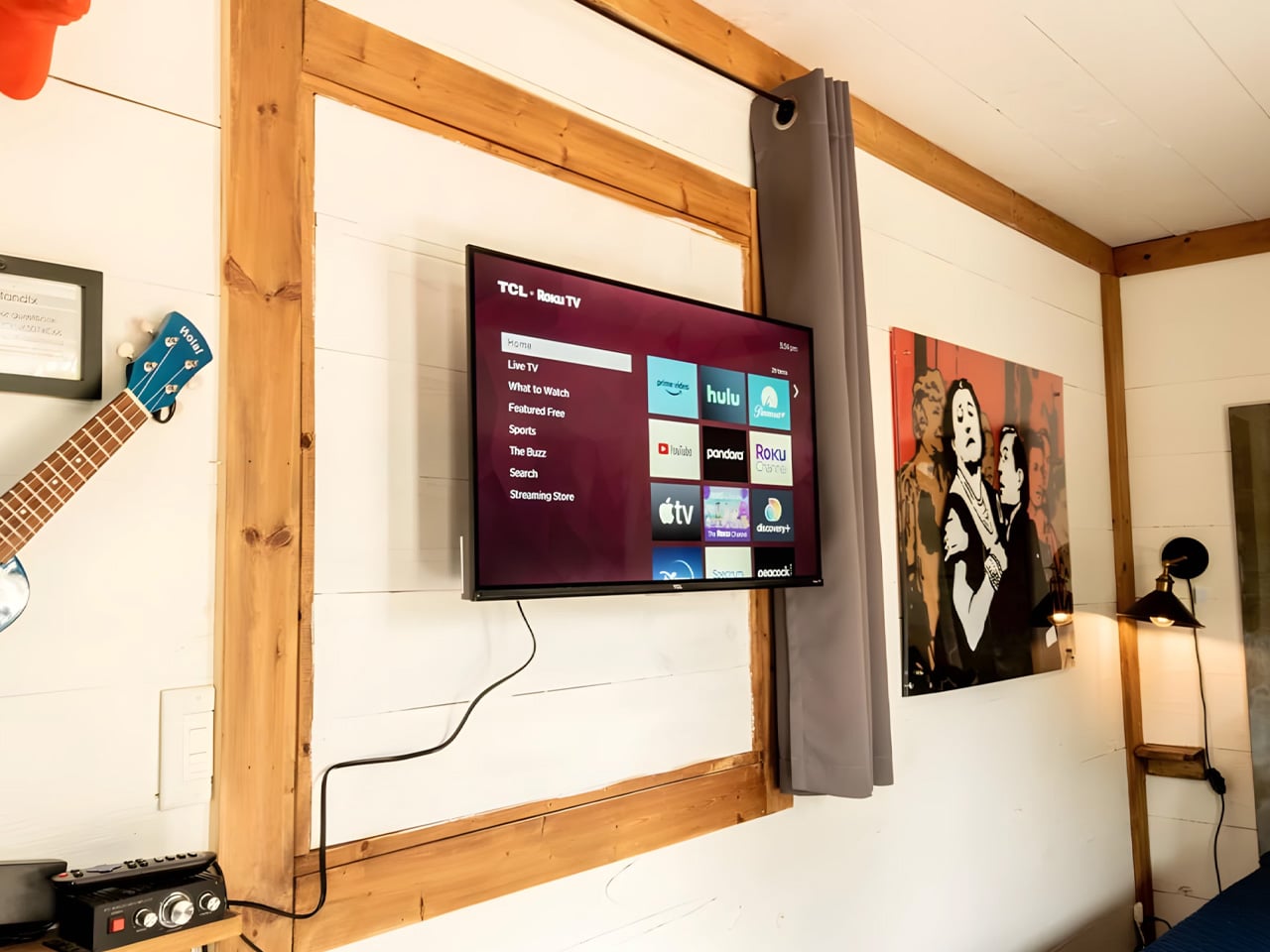
The humble shipping container continues to prove its versatility in architecture, and Backcountry Containers’ latest project showcases just how much function can be packed into 20 feet of steel. The Teeny Tiny Haus, nestled in Stonewall, Texas, reimagines vacation living by squeezing a complete home for two into a single standard shipping container. This cleverly designed retreat demonstrates that thoughtful planning can transform industrial materials into comfortable living spaces.
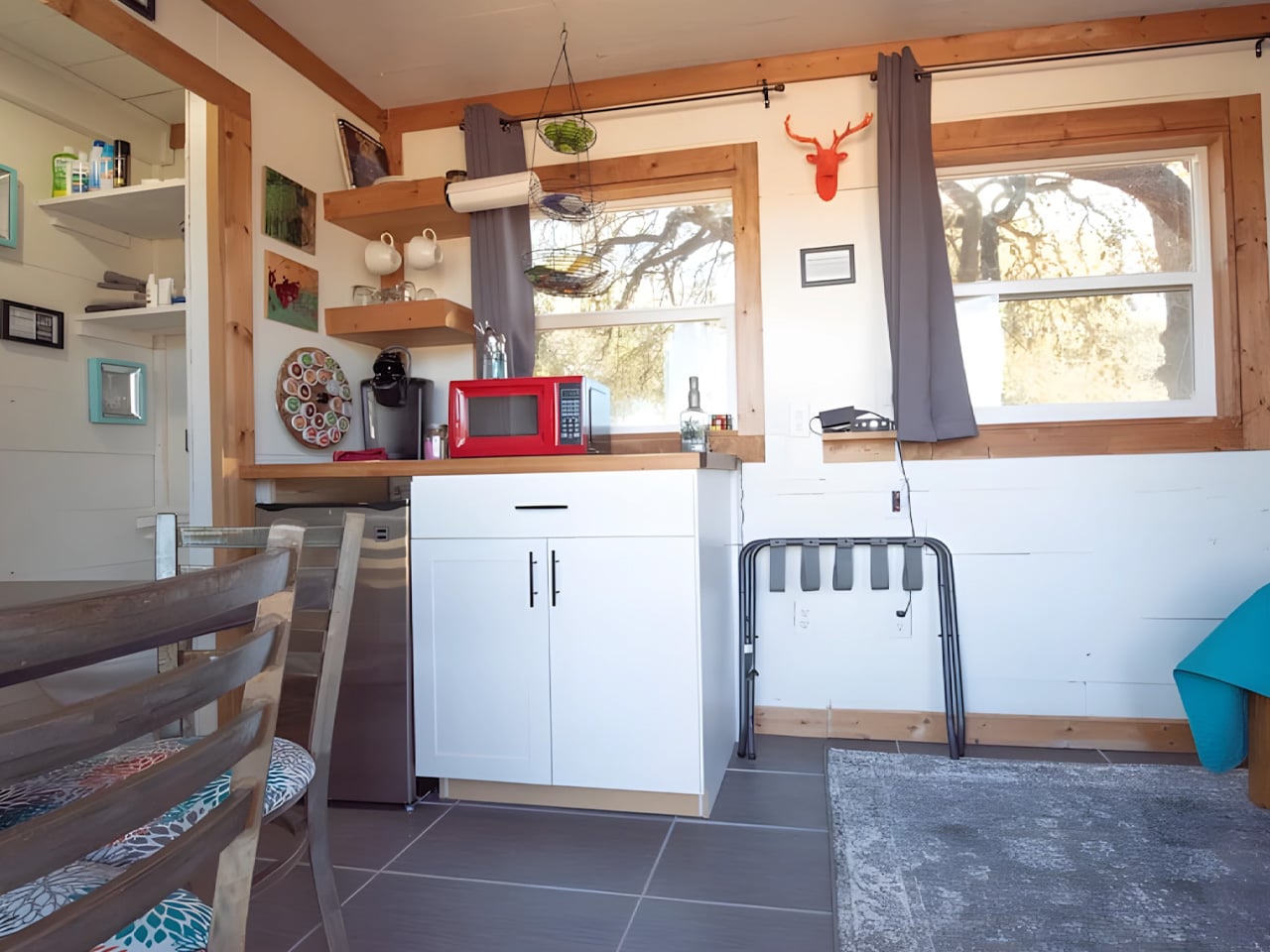
Measuring just 20 feet in length and 8 feet in width, the structure occupies roughly the same footprint as smaller European tiny houses. The compact dimensions forced Backcountry Containers to get creative with every square inch of available space. The result is an optimized 130 square feet that includes a bedroom, kitchen, and full bathroom, proving that essential amenities don’t require sprawling square footage.
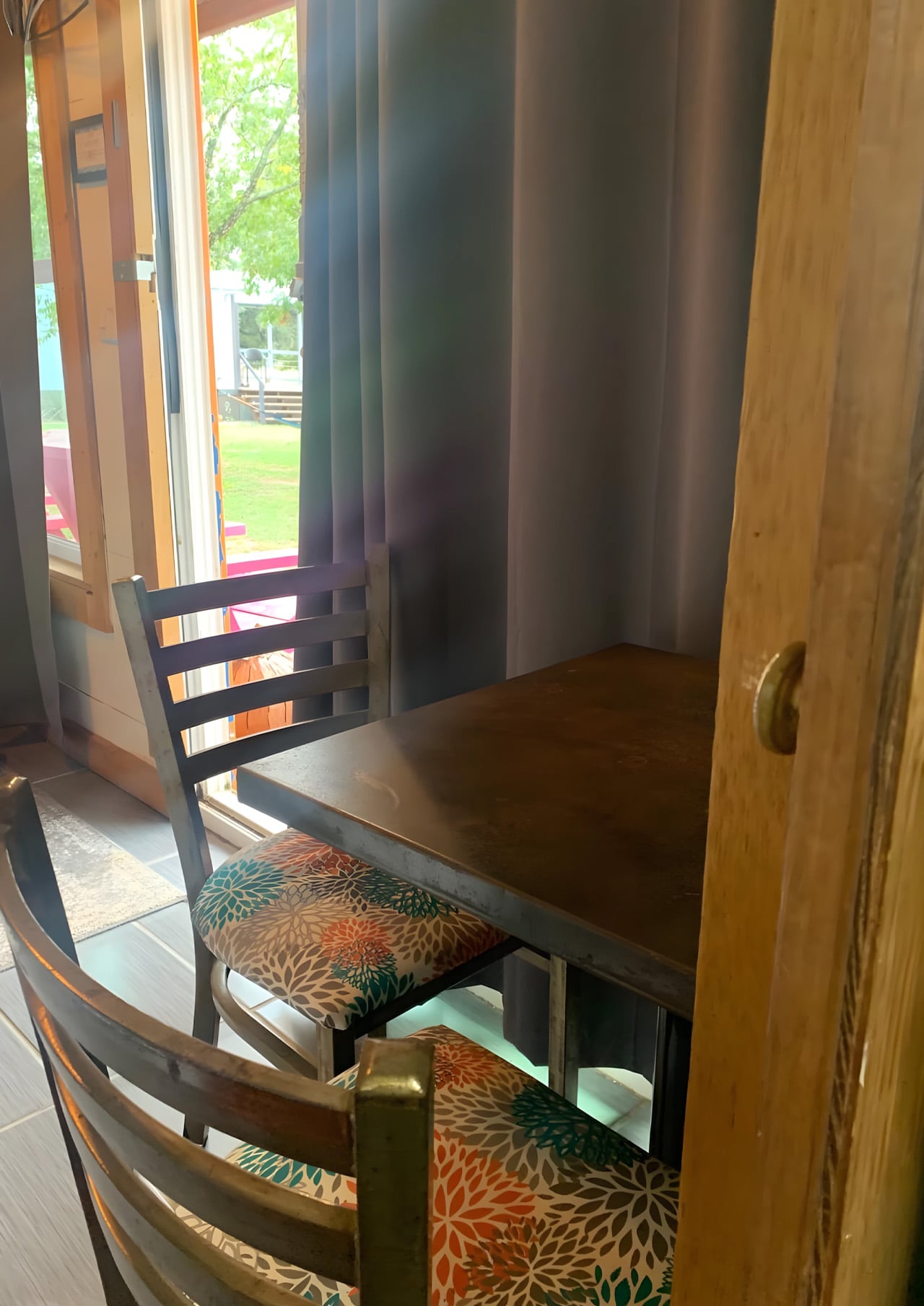
The design required significant modifications to the original container structure. Large windows flood the interior with natural light, breaking up what could otherwise feel like a claustrophobic metal box, while a covered porch area extends the living space outdoors. This indoor-outdoor connection becomes essential when working within such tight quarters, giving guests psychological breathing room beyond the container’s metal walls and creating a sense of openness that defies the home’s modest dimensions.
Backcountry Containers has built its reputation on transforming industrial shipping containers into durable, low-maintenance living spaces. The family-run business started with single-unit container homes and has expanded to multi-container custom builds as customer demand grew. Their portfolio now includes everything from container pools and saunas to multi-bedroom residences. The company gained national attention when they appeared on HGTV’s Tiny House, Big Living, building their Kennedy Model. That 40-foot container home featured a bedroom, bathroom, open-concept kitchen and living space, plus a rooftop deck spanning the entire 40-foot length.
The Teeny Tiny Haus sits at Last Stand TX, where guests can book short-term stays through Airbnb. This rental model allows curious homeowners to experience container living firsthand before committing to a purchase. Backcountry Containers offers this same opportunity at several locations, including a 40-foot container home with mountain views and a three-bedroom unit in Shell Lake, Wisconsin. Standard models can be completed and delivered in 6 to 16 weeks.
Container homes appeal to buyers seeking affordable, secure housing that can withstand harsh weather. The structural integrity of shipping containers provides a solid foundation, while their modular nature allows for relatively quick construction. The Teeny Tiny Haus represents the company’s original vision: simple yet robust shipping container getaways that prove small spaces can deliver big experiences. For travelers seeking something beyond standard accommodations, this tiny Texas retreat offers a glimpse into container living’s potential.
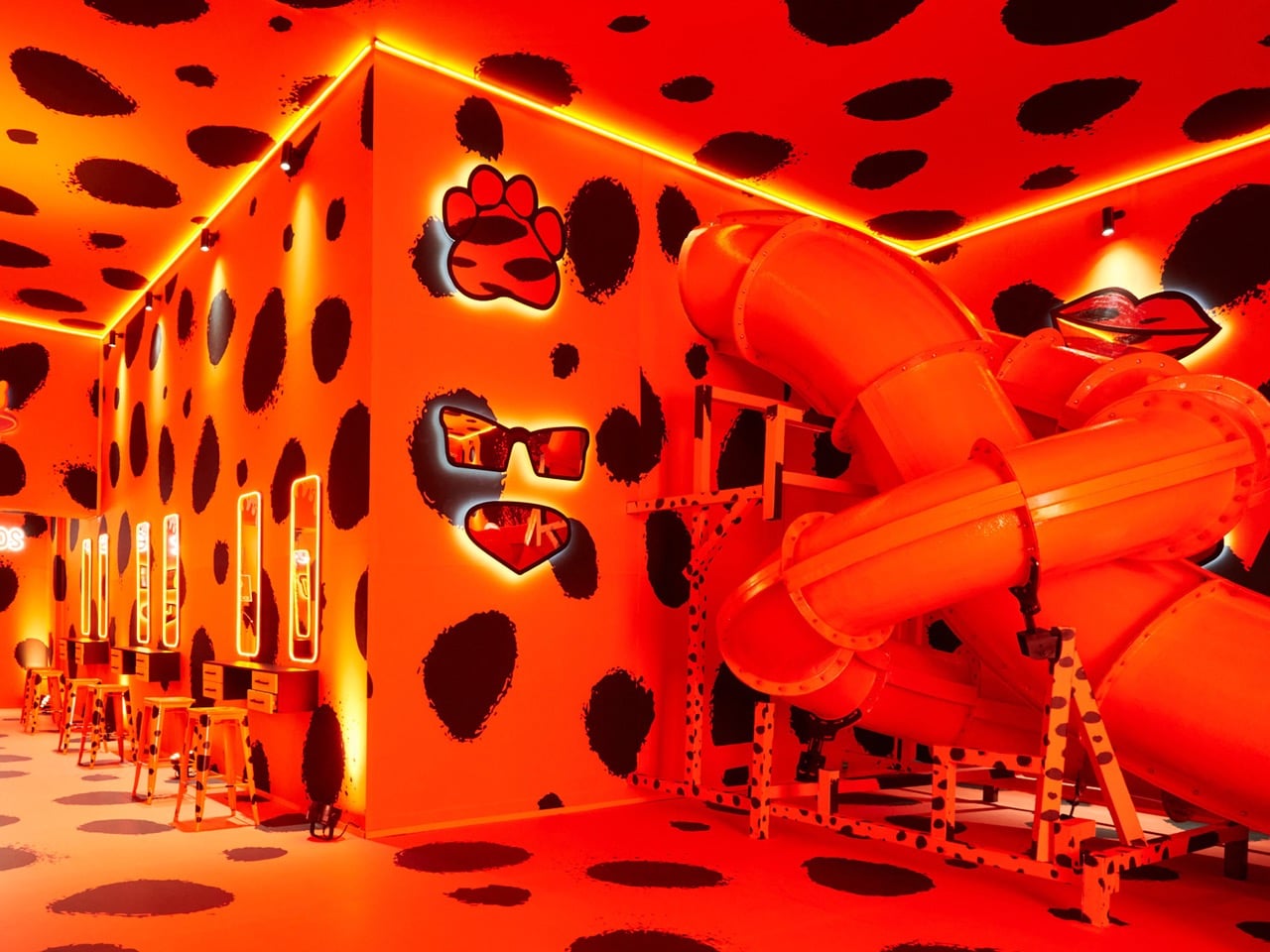
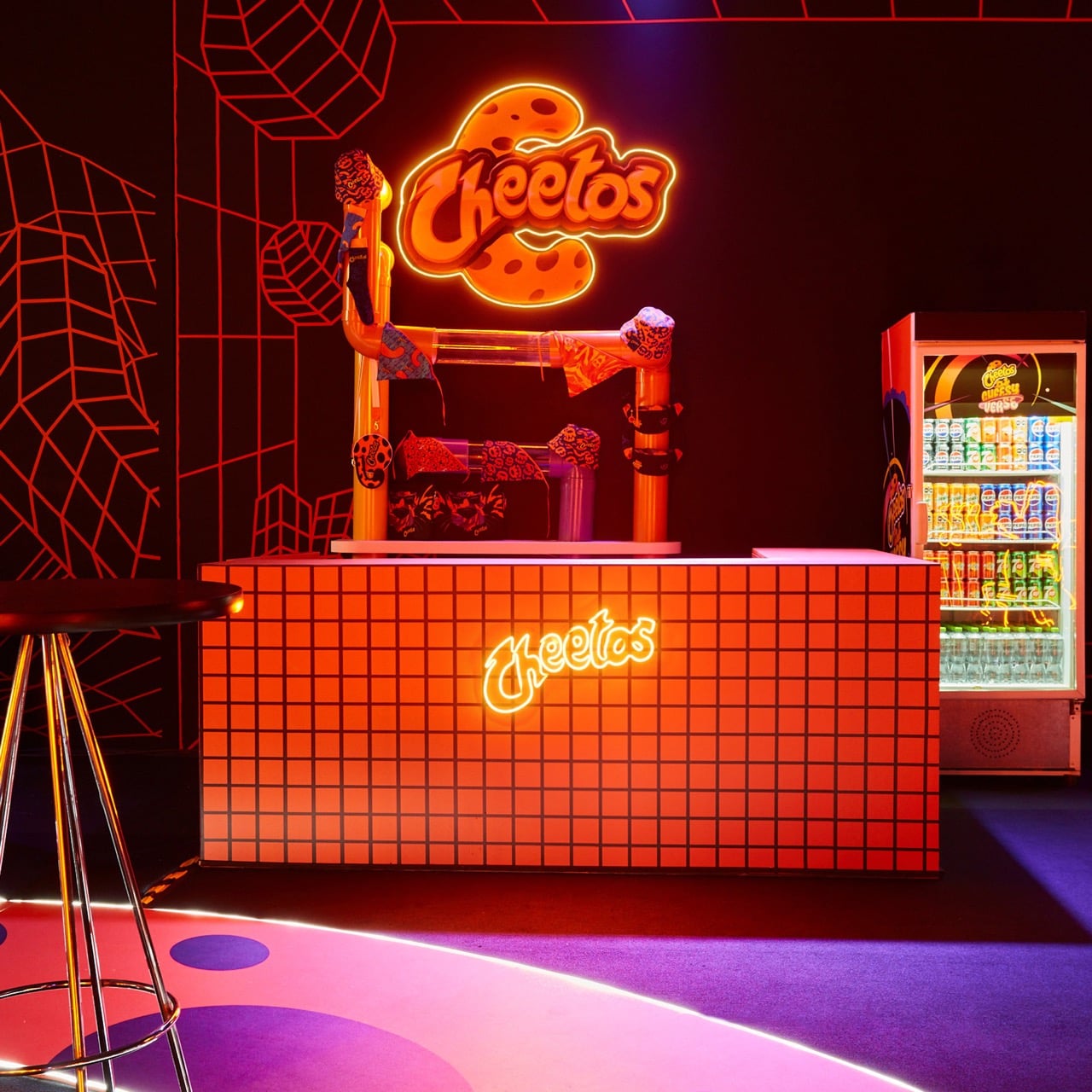
In July 2024, an event in Mexico City called the Cheetos Cheesy Verse invited people to experience the Cheetos brand in person. The large installation, designed by PepsiCo, featured ten rooms, each with a unique theme. The concept was to create a fun, explorable space that represented the personality of the brand’s different snacks.
Each room was based on a specific Cheetos product, with distinct visuals and activities. For example, some rooms used hypnotic patterns and bright colors, while others were themed around concepts like Hollywood or sports. The overall project was a success, creating a memorable experience for visitors and winning an A’ Design Award for its interior and exhibition design.
Designer: PepsiCo Design and Innovation
The design here is so visually dense that it commands your full attention. Every surface is covered in saturated oranges, hypnotic swirls, or bold cheetah spots, creating a total environment that feels completely detached from the outside world. This level of immersion is a deliberate choice, engineered to produce highly shareable content. The entire experience is a meticulously crafted backdrop for social media, and that’s not a criticism; it’s a recognition of a very shrewd and effective design objective.
Executing on that objective is the hard part, and it’s where a lot of brands stumble. It’s one thing to have a mood board, but it’s another to translate the “personality” of Cheetos Poffs into a physical space without it feeling forced. The team got around this by anchoring each room to a strong cultural reference. The “Palomitaswood” concept is a perfect example; it’s a clever, immediate signifier for a Hollywood-themed popcorn room. It’s this kind of smart, efficient world-building that elevates the project beyond just a collection of cool-looking sets.
You can see this thinking in every detail. Visitors walk in, take photos against the incredible backdrops, and share them, effectively becoming the brand’s marketing department for the day. Look at the photo with the Shiba Inu; that’s a calculated nod to internet culture, designed to resonate with a specific audience. It shows a deep understanding of how visual trends propagate online, which is essential for making an investment like this pay off. This is what a modern marketing ecosystem looks like.
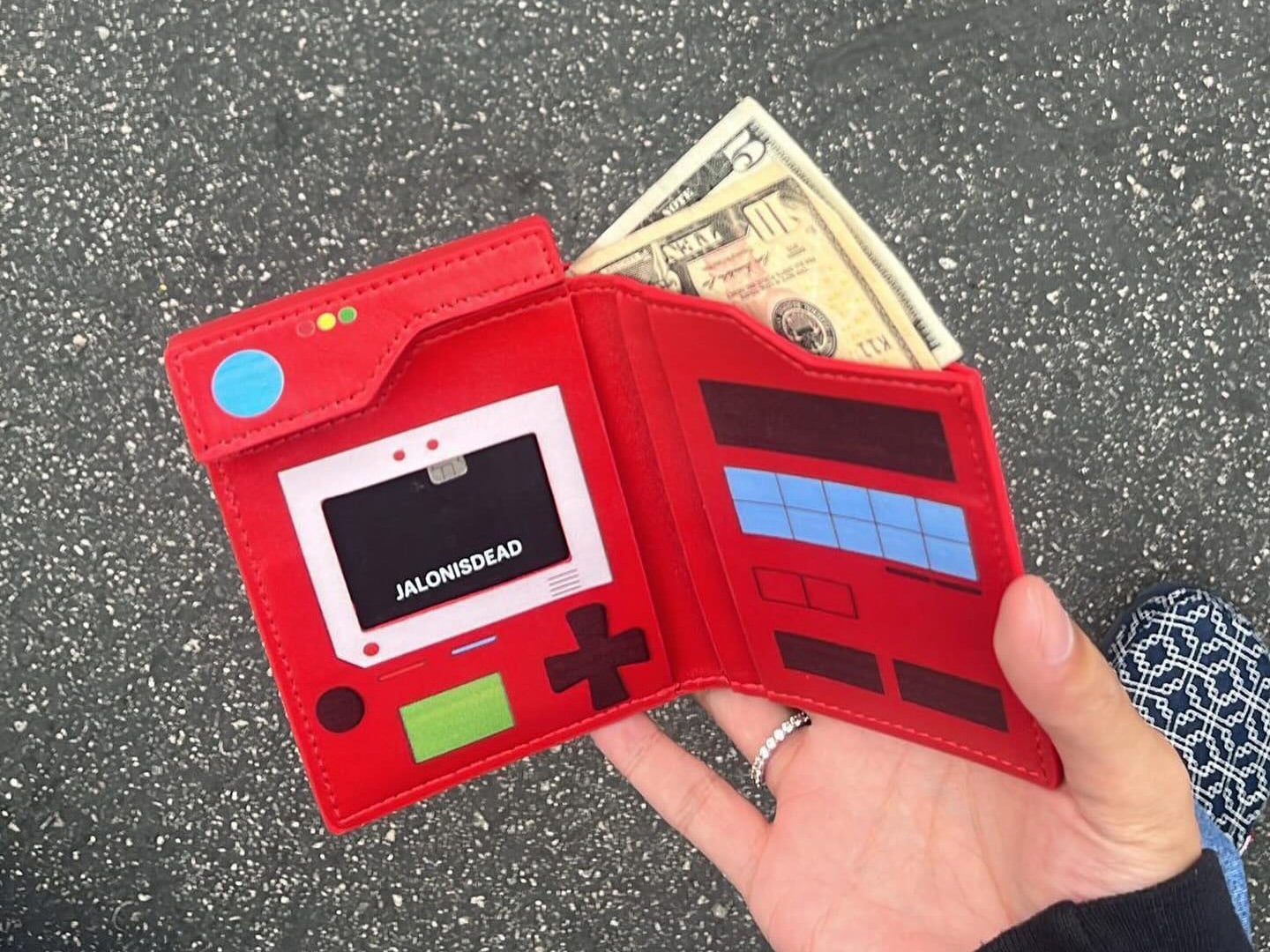
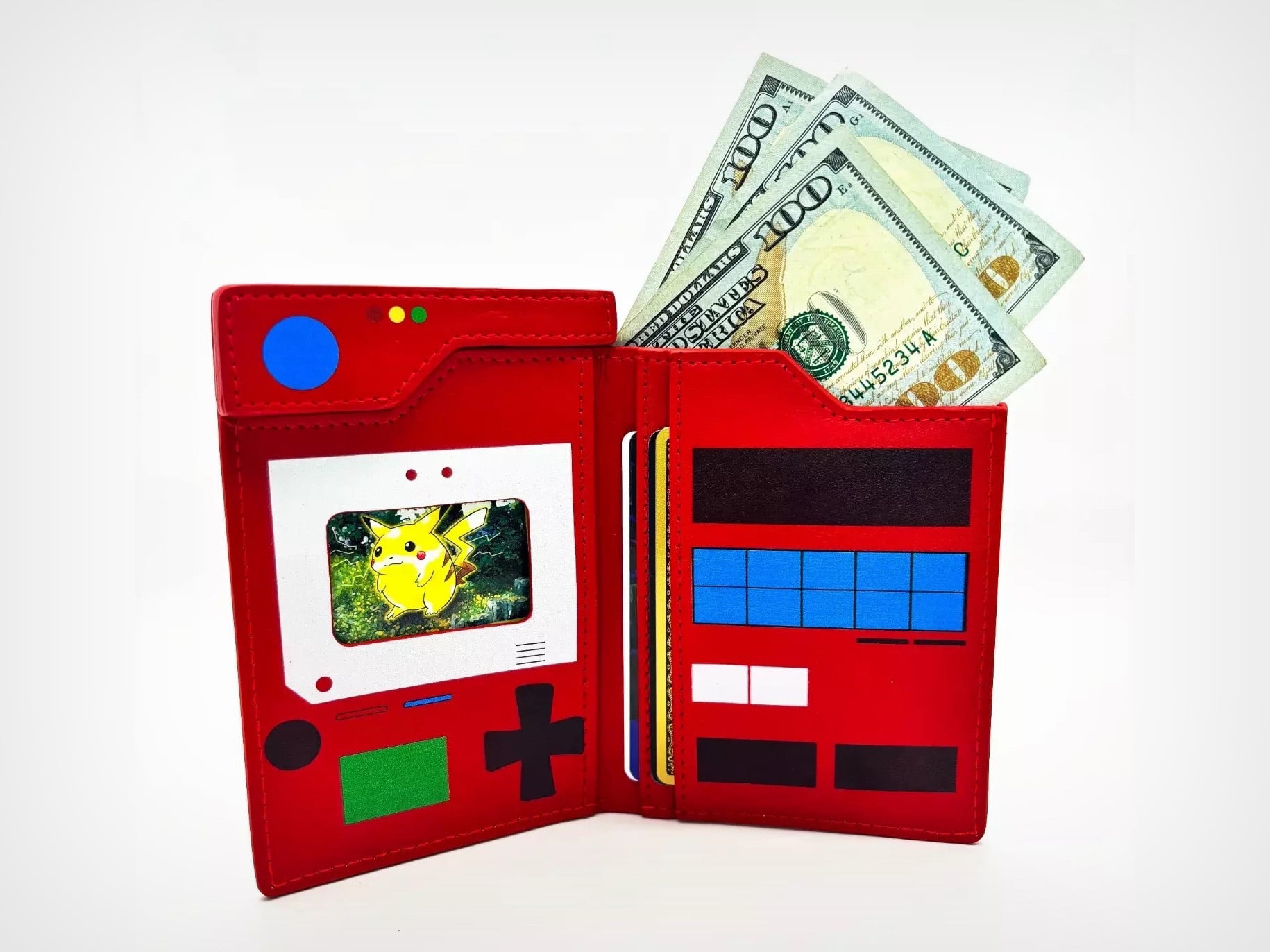
More like Gotta Cash ‘Em All, am I right?! Say hello to by far the nerdiest wallet I’ve ever had the pleasure to set my eyes on. Made for clearly Pokémon lovers, this wallet takes inspiration from one of the most crucial gadgets in the Pokémon universe – the PokéDex. Designed to look almost identical to the flip-based device used to identify the Pokémon you see around you, this wallet comes from the mind of Jalonisdead, with slots to hold (and display) your Pokémon cards along with your banknotes.
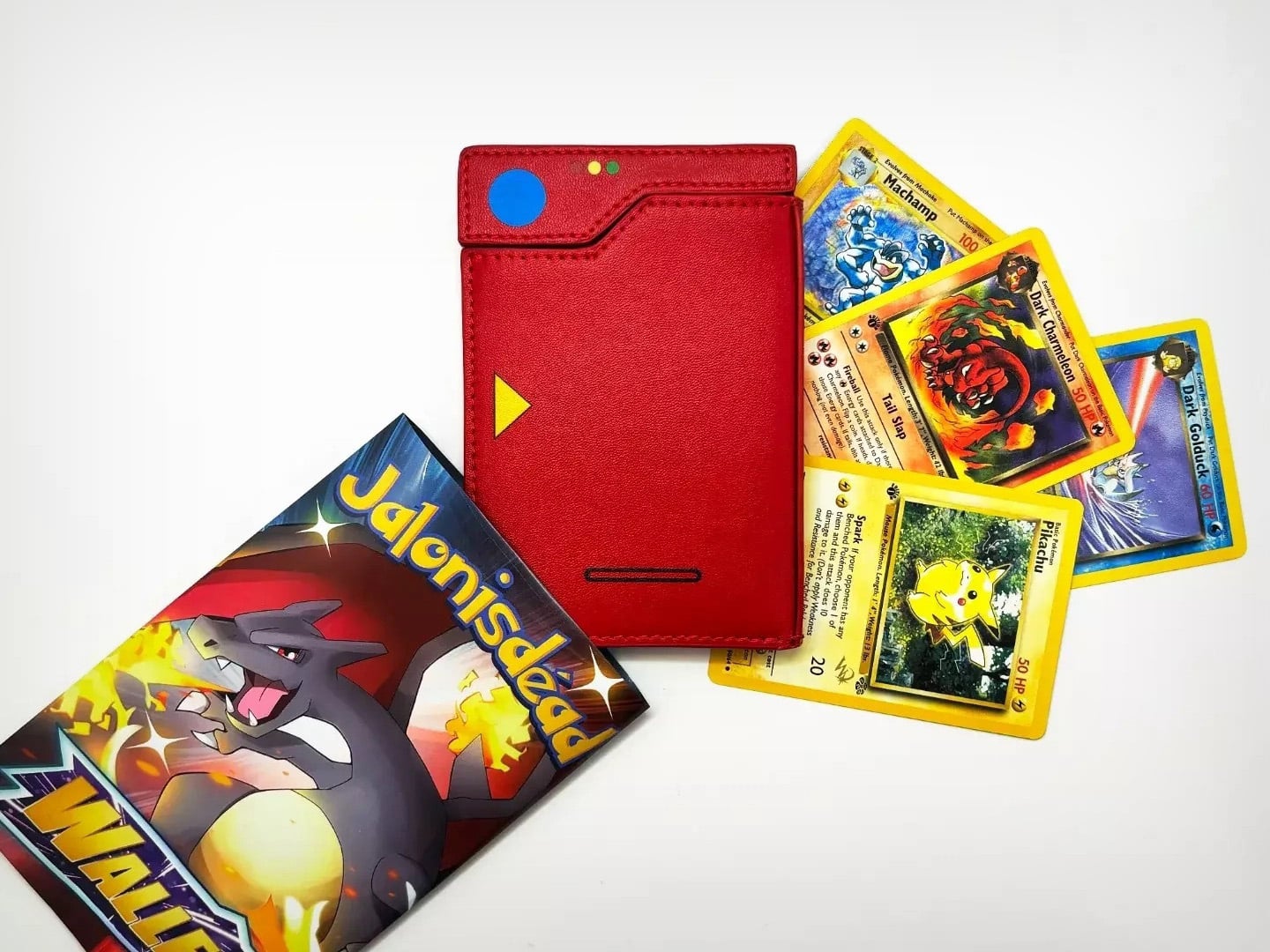
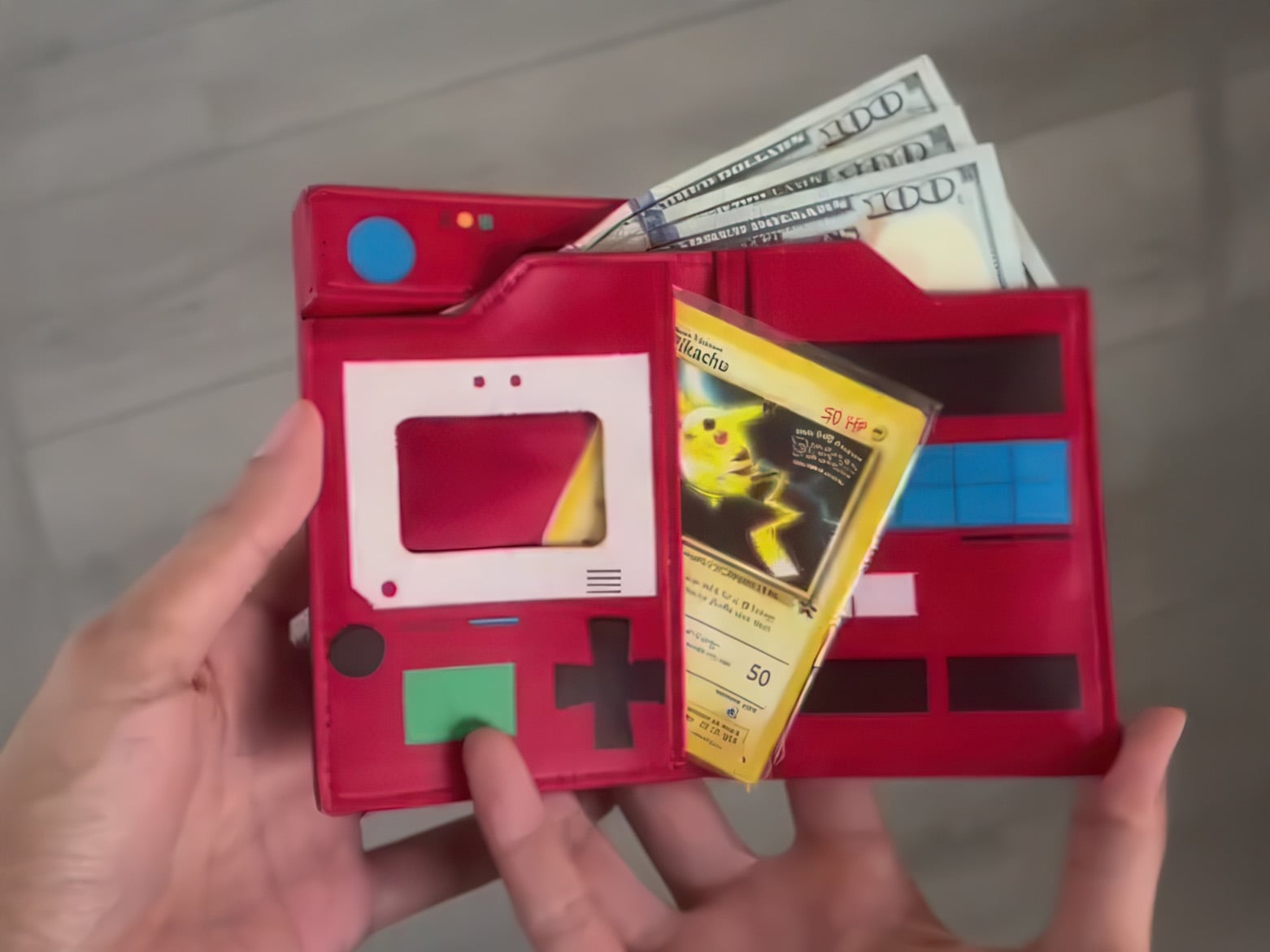
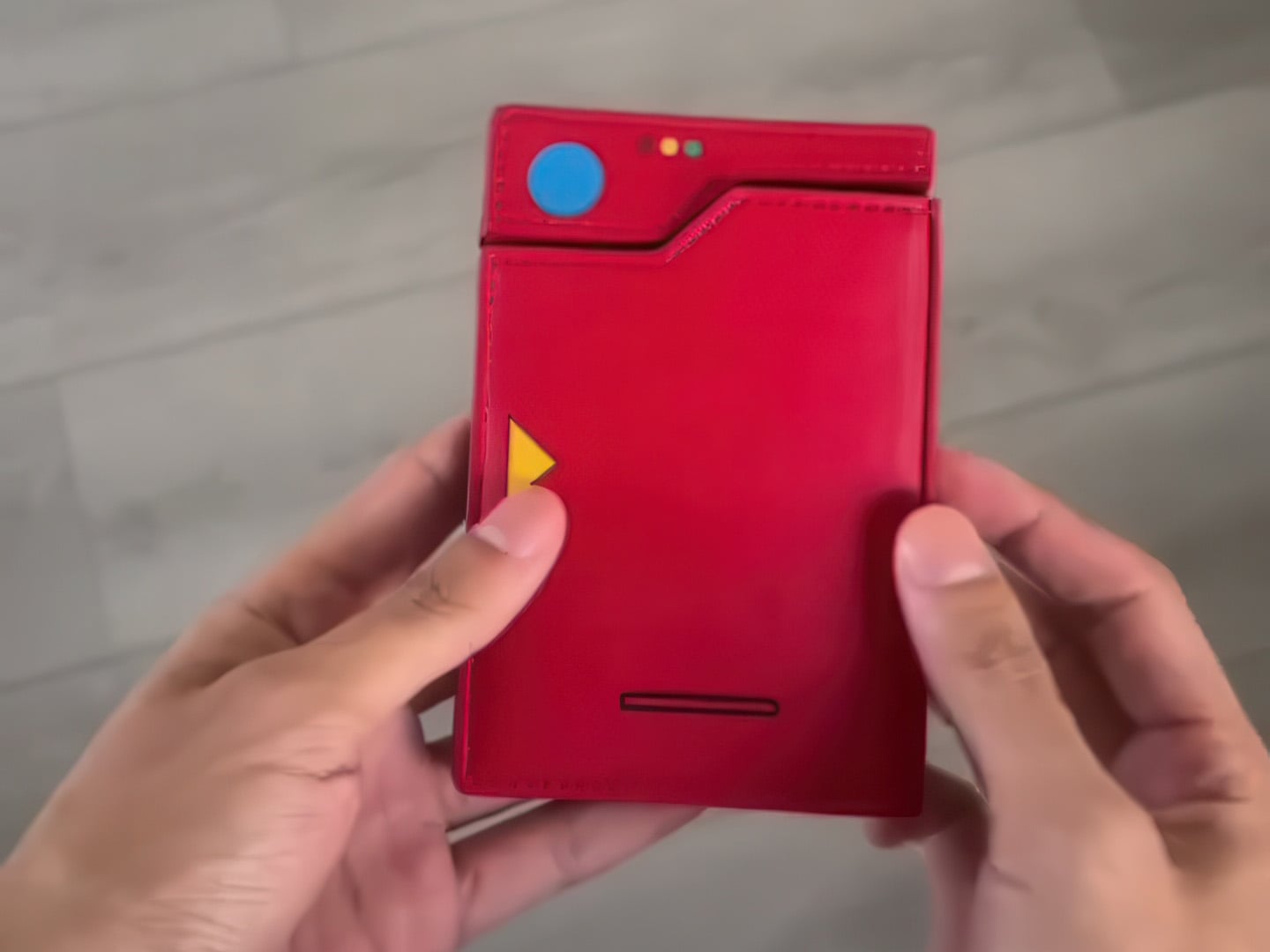
The wallet comes in a bifold format in that unmistakeable red finish, with a design to match the PokéDex perfectly. When shut, it looks like a red PokéDex waiting to be opened. Flip the lid open and you’re greeted with a card window on the left that you can use to store the card of your choice. The window lines up perfectly with the card’s graphic, making it look like you’ve ‘spotted’ that Pokémon. Meanwhile, faux graphics on the wallet look almost identical to the gadget from the game/series.
There’s space for multiple cards, although the one front-and-center is clearly for a Pokémon card. Two other slots on the right side can be used for payment and I’d cards too – this is a wallet after all. A slot on the top holds banknotes, although I wish there were place for coins too. The unusual shape lends itself perfectly to wallet use, and I’m surprised nobody at Nintendo thought of cashing in on this idea.
Each wallet costs in the ballpark of $56 USD, and ships in authentic Pokémon card-style packaging, along with 4 Pokémon cards in mint condition. Jalonisdead (the maker) isn’t a massive company, so each wallet is made-to-order and probably by hand too. This means the turnaround time for delivery is anywhere up to 2 months, but for a Pokémon aficionado, I’m sure it’s a small price to pay for perhaps what might be the coolest wallet I’ve seen in years!
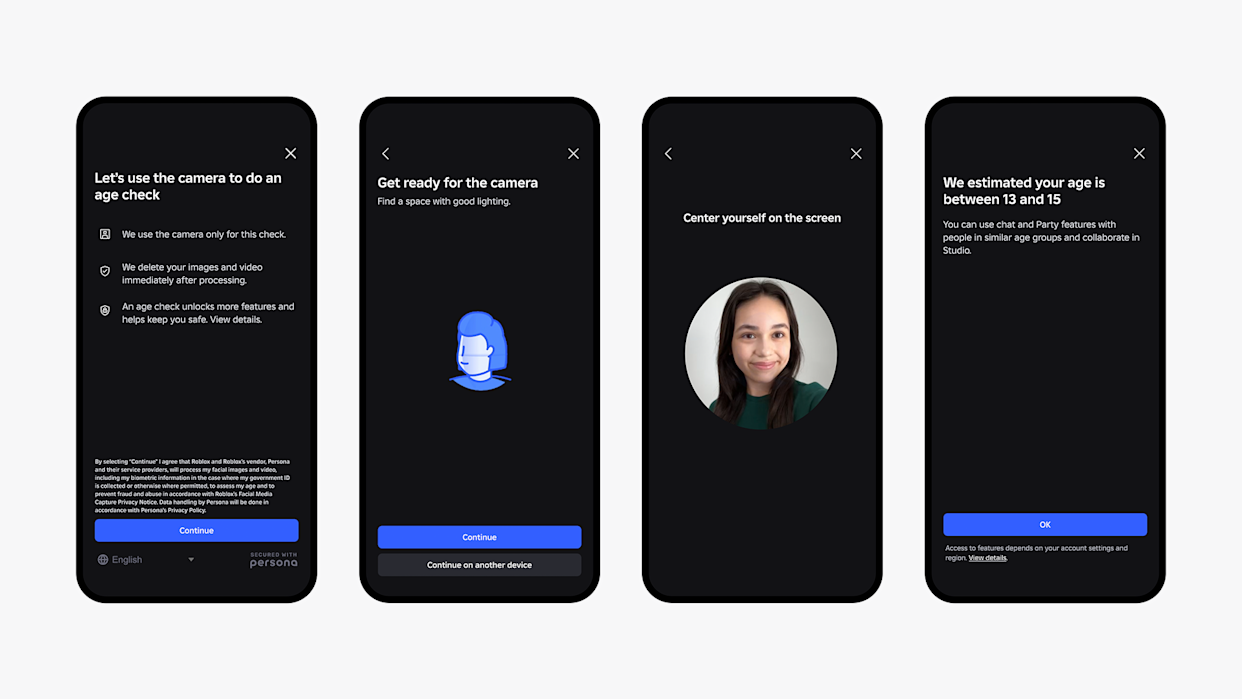
Last week, Roblox made age verification mandatory for anyone using the platform's chat feature. That process involves either submitting a facial age estimate via selfie or (optionally for anyone 13 or older) uploading a government ID check. After verifying, you can only chat with groups of players around your age.
The move came after reports grew of predators using the platform to groom young children. That, in turn, led to lawsuits from Louisiana, Texas and Kentucky. Meanwhile, Florida's attorney general has issued criminal subpoenas.
So, it might not be hyperbole to say Roblox's survival could depend on how it handles this problem. It isn't exactly off to a hot start. There are reports of a 23-year-old being misidentified as a 16- to 17-year-old. ("I don't want to be chatting with fucking children," they said.) Another report claimed an 18-year-old was placed in the 13 to 15 range.
But the problem is happening in reverse, too. Online videos show children spoofing the system into believing they were adults by using avatar images. One clever kid drew wrinkles and stubble on his face and was instantly deemed 21+. Another flashed a photo of Kurt Cobain and got an adult classification.
The feature isn't working as planned, to say the least.
Roblox
In addition, Roblox posted last week that some parents were providing age checks on behalf of their children, leading to their children being placed in the 21+ category. The company said it's "working on solutions to address" that particular problem and will share more soon.
Roblox shared the following statement from Matt Kaufman, the company’s Chief Safety Officer:
“To suggest that our age check technology isn't working is a fundamental misunderstanding of what it takes to shift safety at scale. With a global community of over 150 million daily active users, we are pleased with where we are in the roll out process. It’s a process that will take time, you can’t flip a switch while building something that hasn’t existed before.
Tens of millions of users have already completed the process, proving that the vast majority of our community values a safer, more age-appropriate environment. Expecting the system to be flawless overnight is ignoring the scale of this undertaking. We’ve already shared updates with our creator community to make this a smoother transition. This technology is the foundation of a new gold standard that limits communication between adults and minors by default.
We are building for the next decade of the internet, not the next news cycle. We will continue to innovate, continue to require age checks, and continue to lead the industry where others have been too hesitant to go.”
Developers with games on Roblox are upset. The platform's dev forum includes thousands of negative comments about the updates, with many of them wanting the entire update reversed. One shared a graph showing that the percentage using the chat feature dropped from around 90 percent to 36.5 percent.
Where does this leave Roblox? Well, with some developers describing games on the platform as feeling "lifeless" or like "a total ghost town," the company has its hands full. It will have to figure out how to balance its priorities of keeping predators out without breaking things for everyone else. The full report from Wired is worth a read.
Update, January 15, 2026, 9:52AM ET: This story has been updated to include a statement from Roblox.
This article originally appeared on Engadget at https://www.engadget.com/gaming/robloxs-age-verification-system-is-reportedly-a-trainwreck-220320016.html?src=rss
Last month, Instagram began rolling out a new set of controls that allowed users to personalize the topics recommended to them by the Reels algorithm. Now, Meta is making that feature available to all English users of the app globally, along with the ability to highlight their top topics for the coming year.
The feature begins with a selection of topics Meta's AI thinks you're interested in based on your recent activity, and has controls to remove them or add new categories. There's also a separate field for identifying what you want to see less of, and a new "build your 2026 algorithm" that allows you to highlight three topics in particular.
Meta's algorithm tagged a skiing clip as "snowboarding."
Screenshot via Instagram
I don't yet have the 2026-specific control yet, but I was able to tweak some of my preferred topics and was surprised at how quickly the algorithm seemed to adjust. I added "snowboarding" as a topic and then later, when I clicked over to Reels, the first clip I saw was tagged "snowboarding." Unfortunately, the video wasn't actually about snowboarding — it featured a clip of a freestyle skiing event — so Meta's systems might still need a little work at classifying the actual content. But given how sensitive the Reels algorithm can be, it's nice to have a way of opting out of interests even if you briefly went down a rabbit hole.
The feature won't, however, let you ask to see fewer ads. I tried to add "ads" to my "what you want to see less of" list and received an error. "No results found. Try another topic or interest." I was able to successfully add "sponsored content" and "AI" to my "see less" list, though I'm pretty sure the latter will affect videos about AI rather than those made with the help of it.
This article originally appeared on Engadget at https://www.engadget.com/social-media/instagram-wants-you-to-personalize-your-reels-algorithm-for-2026-215252736.html?src=rss