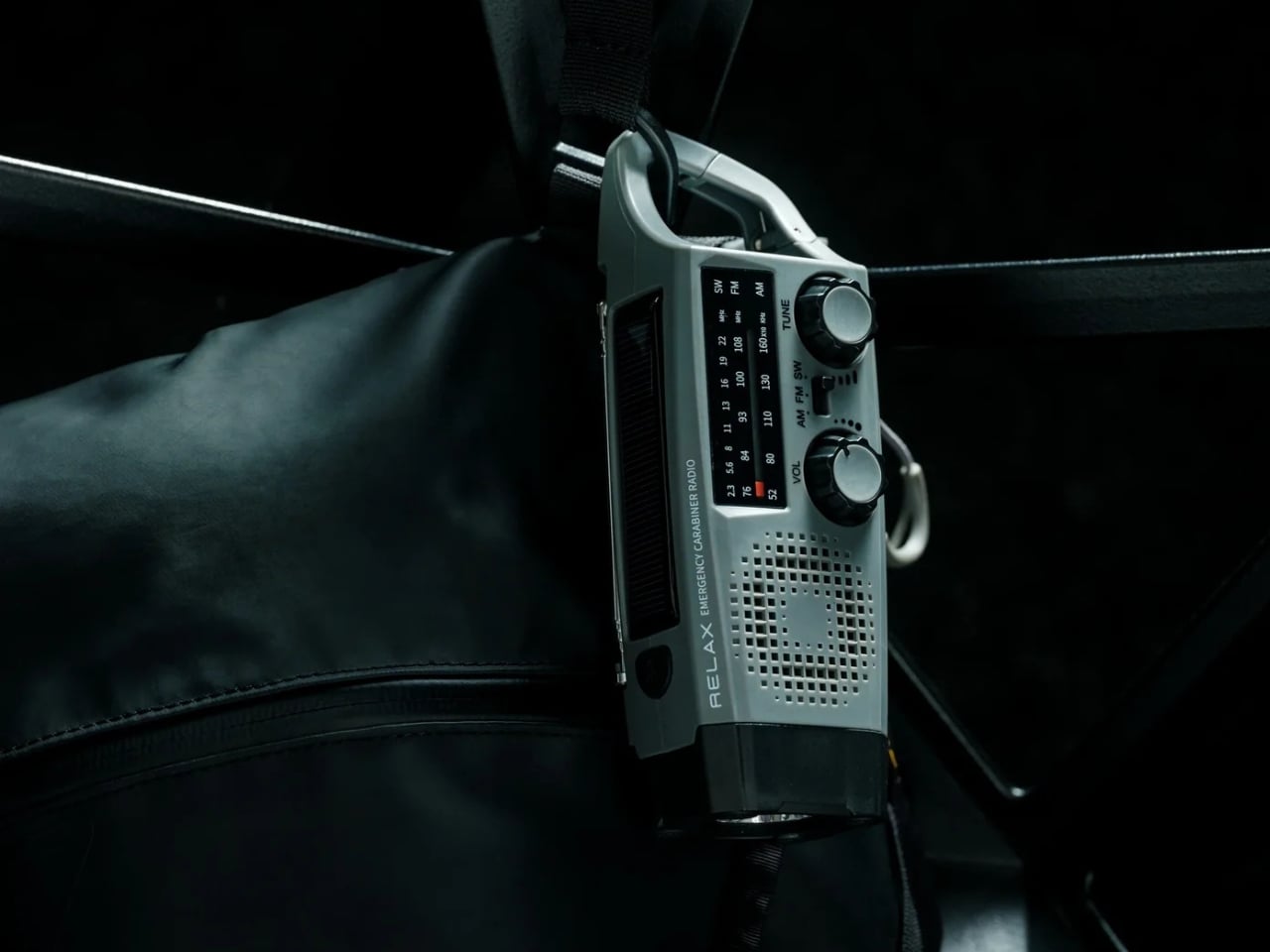
This $60 Radio Clips to Your Bag and Could Save Your Life

We’ve gotten so used to having our smartphones as our companions for everyday life that we don’t think of having other devices attached to our person. But what if you’re in an area where your phone is basically useless due to lack of cellular signal? Or what if you’re in an emergency situation where your phone is out of juice and you need to stay informed? The Clip&Go Radio will be very handy in such situations.

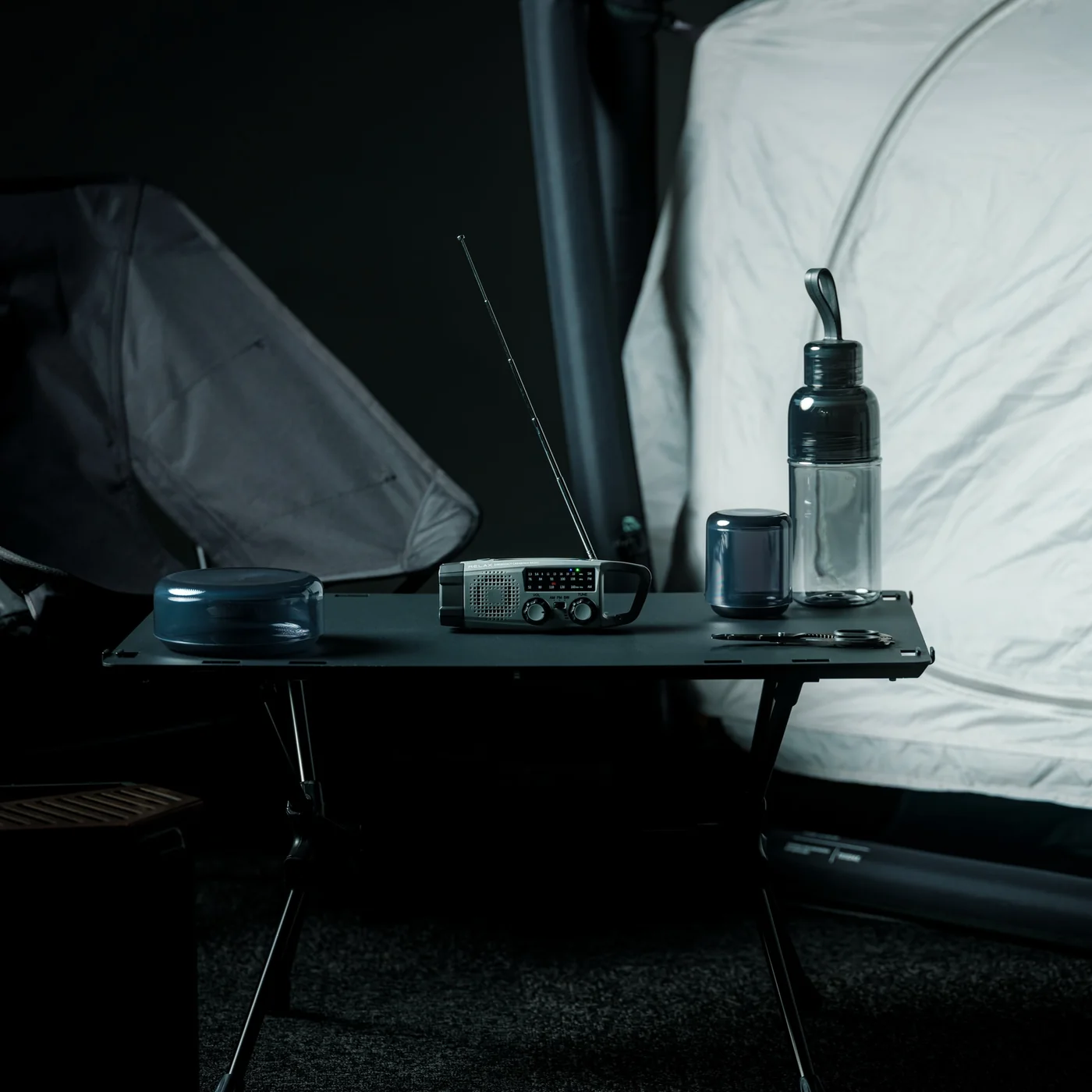
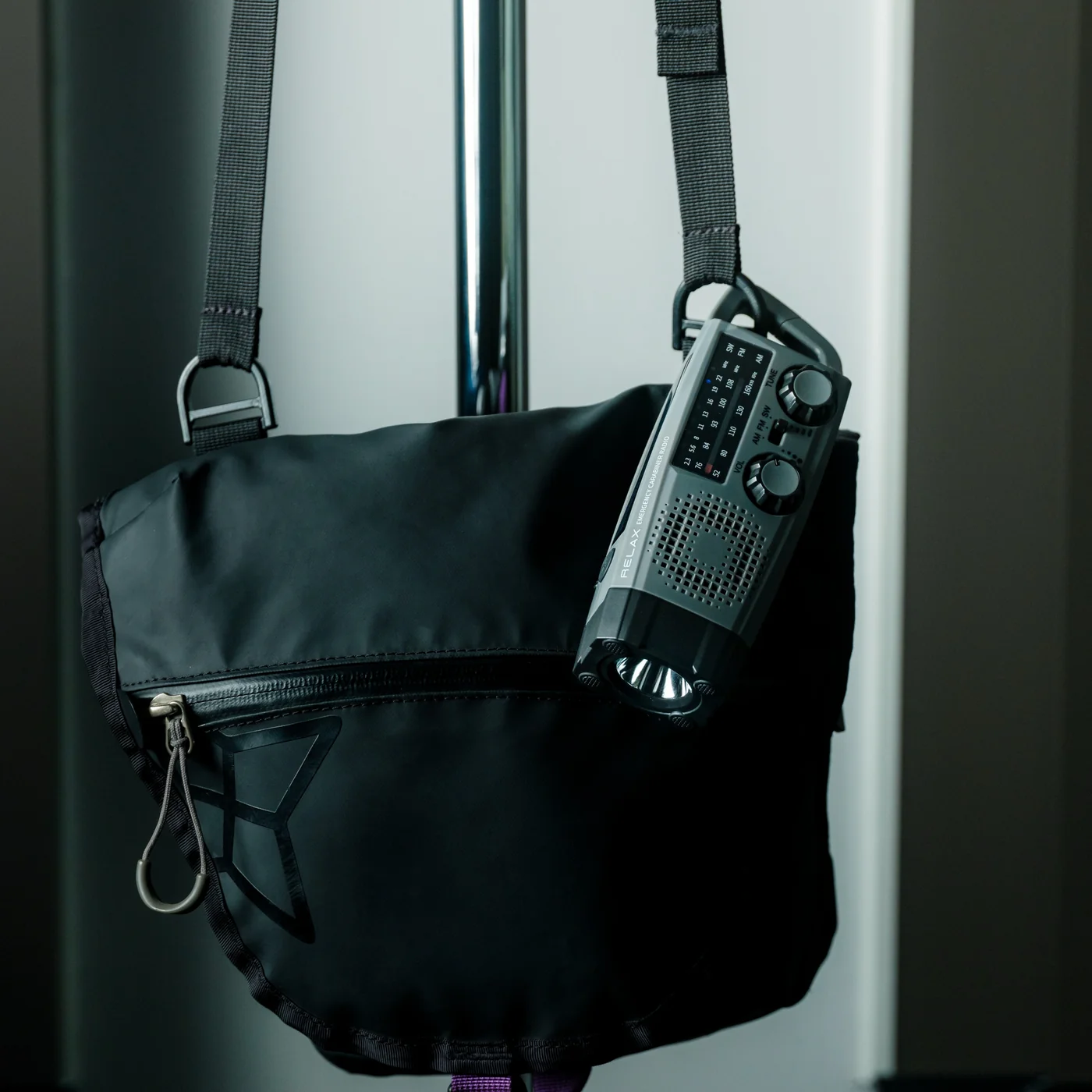
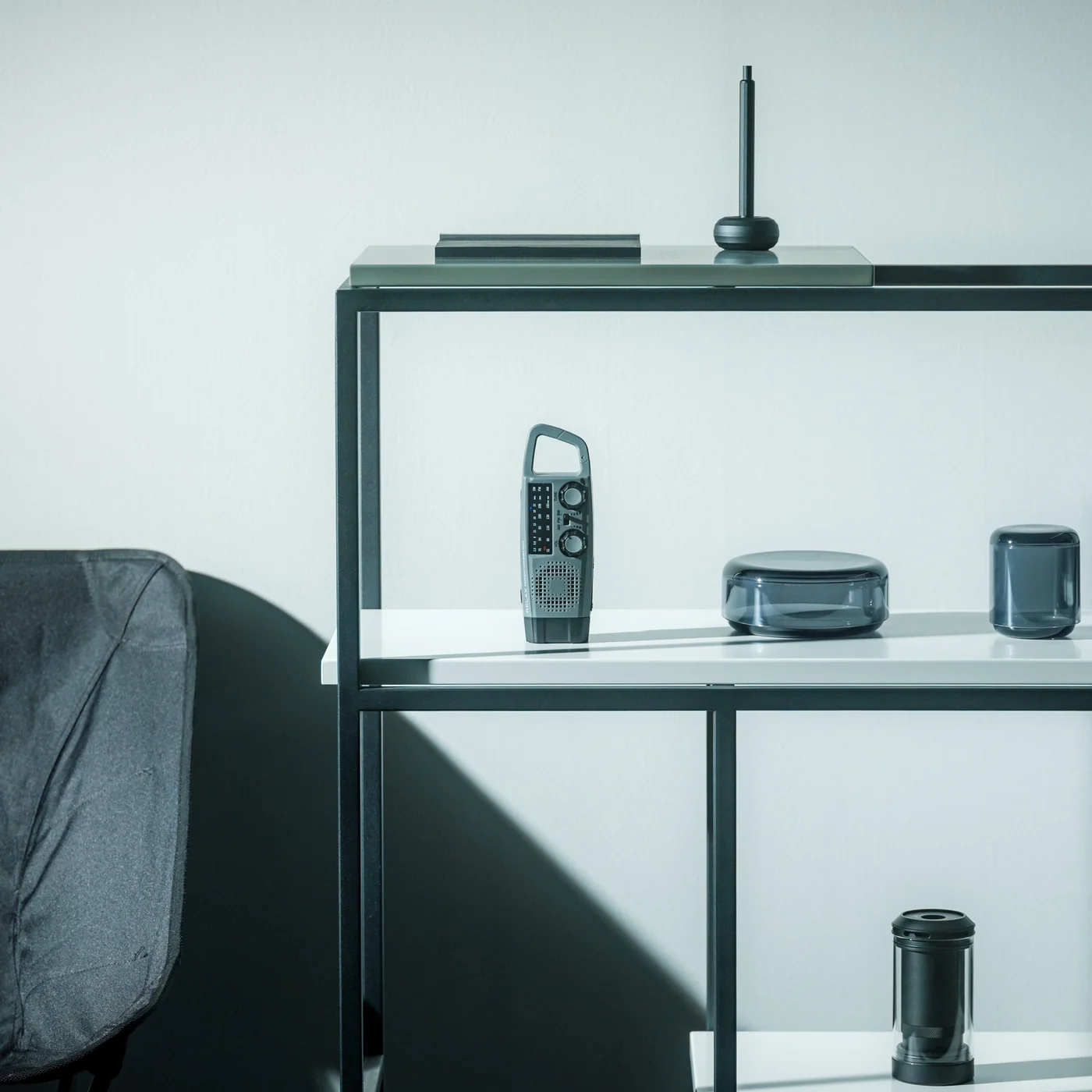
This 5-in-1 tool can be clipped to your bag or to your pants or shirt, and it’s ready to do its job whenever you suddenly need it. It mainly serves as a radio for your music and your news, but it’s also a power bank to charge your phone, a flashlight to light up the way, and an SOS alarm for those emergencies when you need to catch others’ attention.

Click Here to Buy Now: $60.00 Hurry, only a few left!
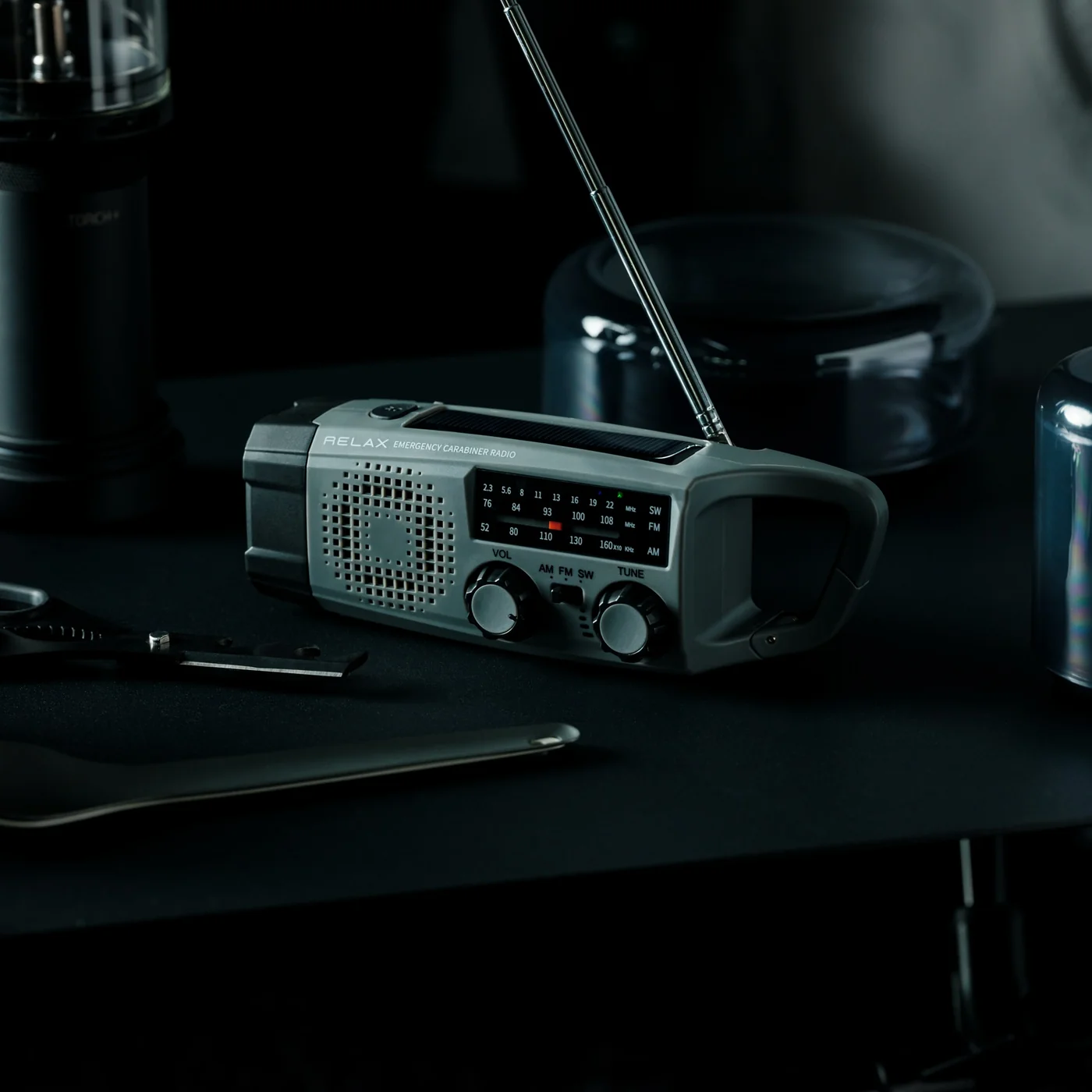
Emergency radios have been around for some time, especially for those who live in areas where emergency situations like wildfires, hurricanes, and tornadoes can pop up occasionally. But over the years, many have stopped using them because they’re too heavy or inconvenient to bring around. The Clip&Go Radio wants to solve that problem by having a design that lets it live on your backpack or in your pocket, close enough to grab at a moment’s notice.
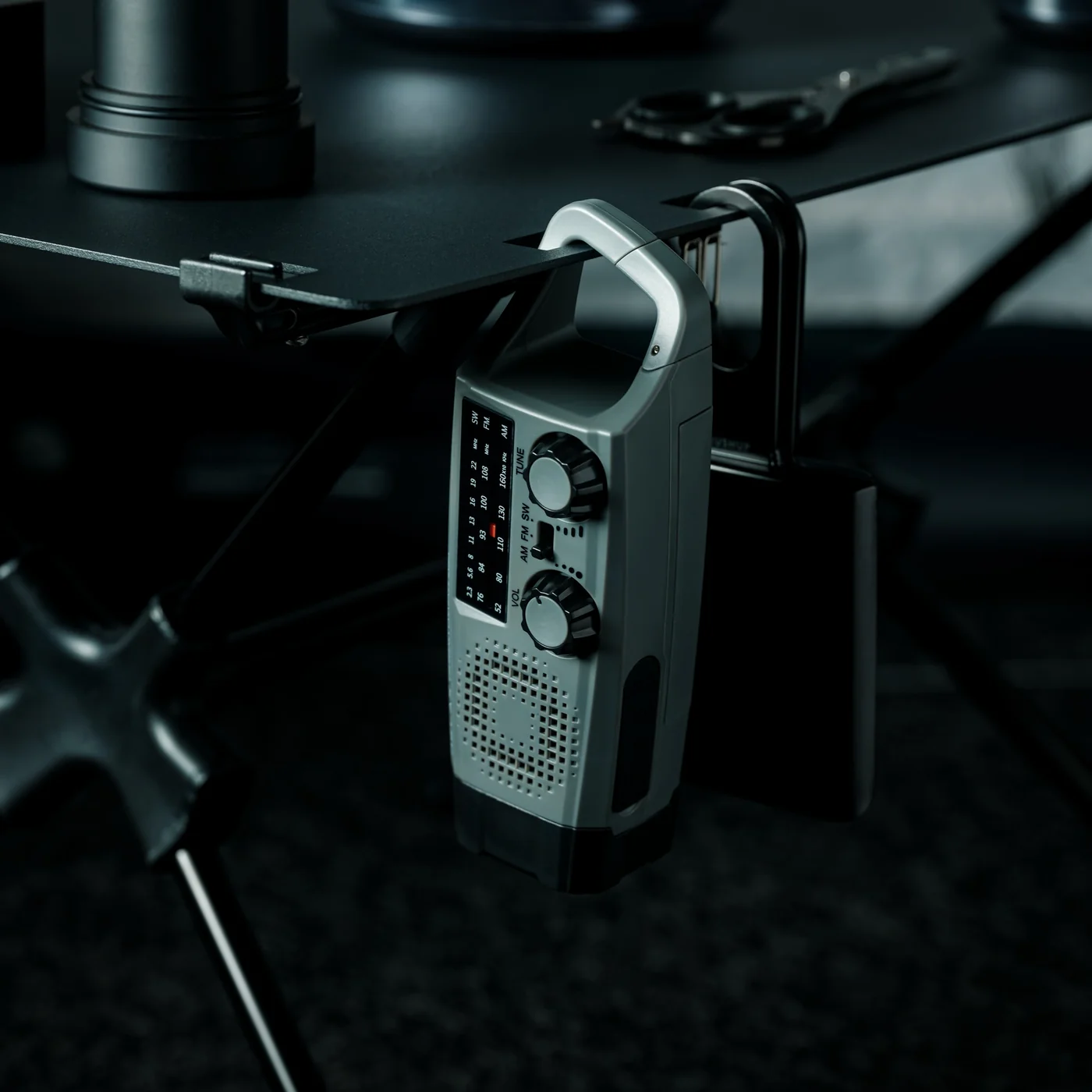
Despite its impressive list of features, the Clip&Go doesn’t look or feel like a bulky survival gadget. It measures just 6.2 x 1.9 x 2.1 inches and weighs a mere 220 grams, light enough that you’ll barely notice it on your pack. The body is built from ABS resin, polycarbonate, and silicone rubber, giving it a durable yet lightweight construction that can handle the bumps and knocks of outdoor life. What really sets its form apart, though, is the built-in carabiner that clips directly onto a backpack strap, a belt loop, or any piece of gear, keeping the radio accessible without taking up precious space inside your bag.
Most clip-on radios only offer AM/FM reception, but this one also has shortwave, which can broadcast emergency channels, international stations, and long-range signals. This means you can still get what may very well be life-saving information even when your phone has no power or there’s no regular cellular signal.
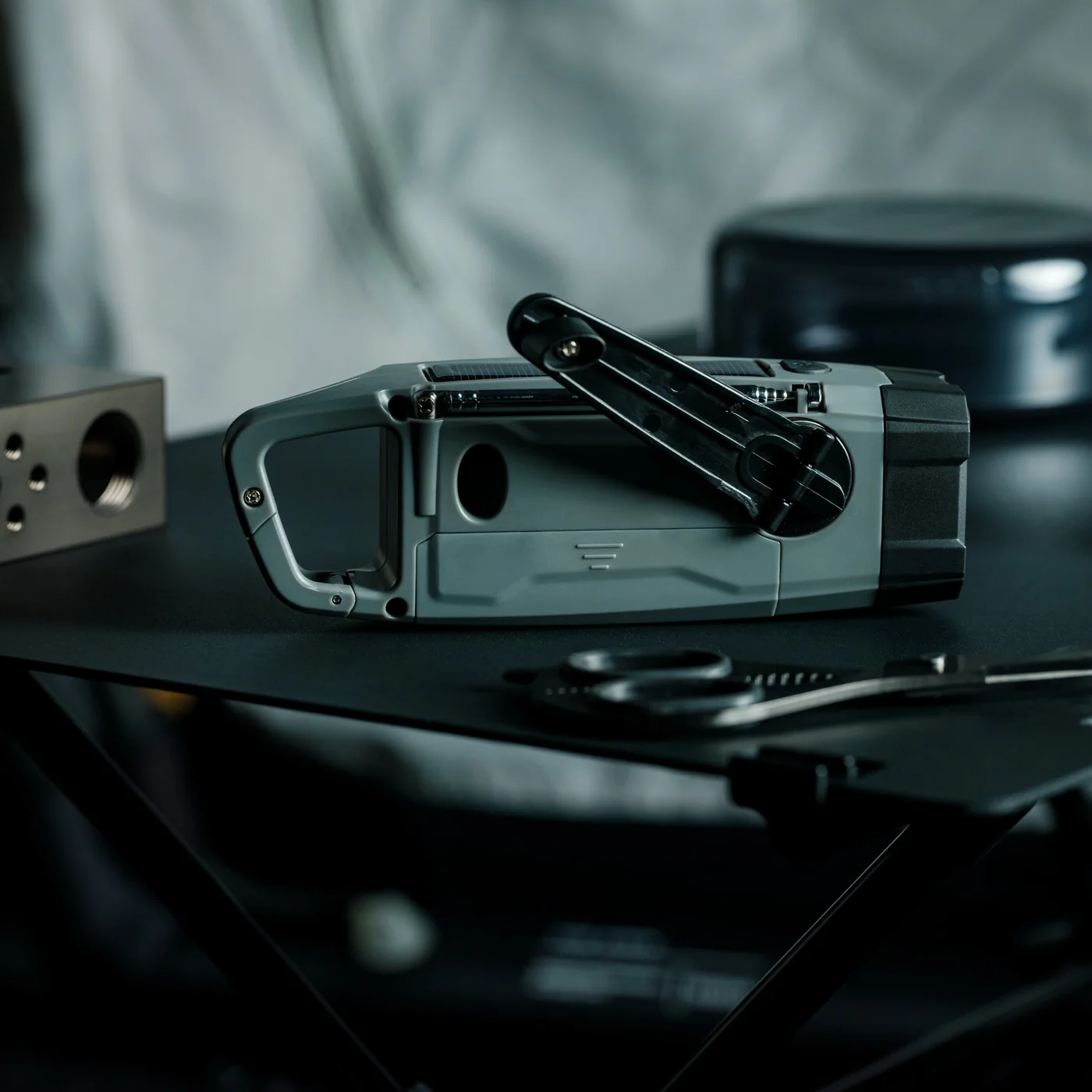
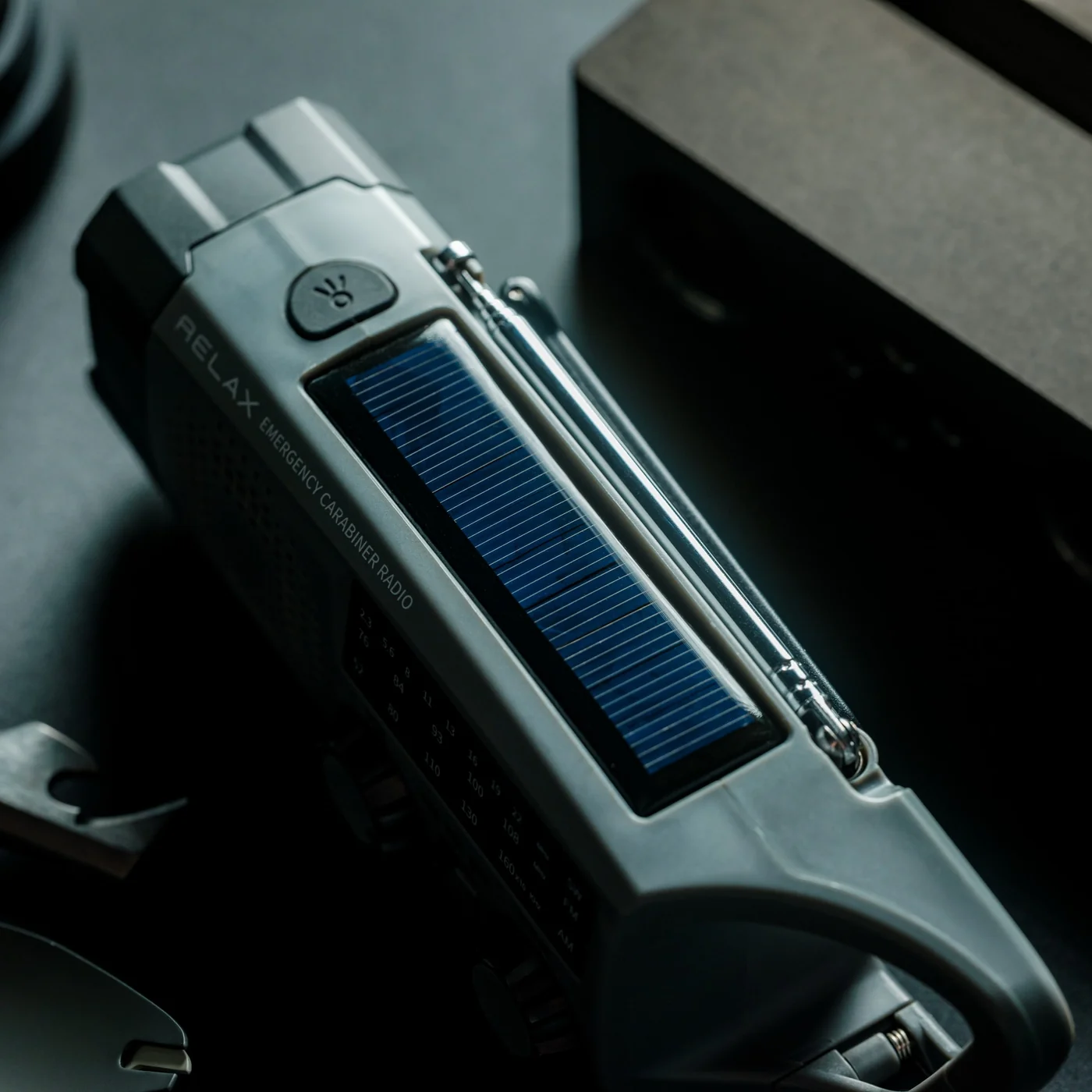
It can also serve as a power bank for your phone, in case that’s really what you need at that moment. It has a triple charging function for true off-grid readiness: USB-C, solar panel, and hand-crank, with the hand-crank serving as a true emergency backup when no power source is available. As a bonus, its 18650 lithium-ion cell is user-replaceable, so you can simply swap it out when it reaches the end of its life without having to replace the entire device. That’s a rare and thoughtful touch in a category where most products are simply thrown away.
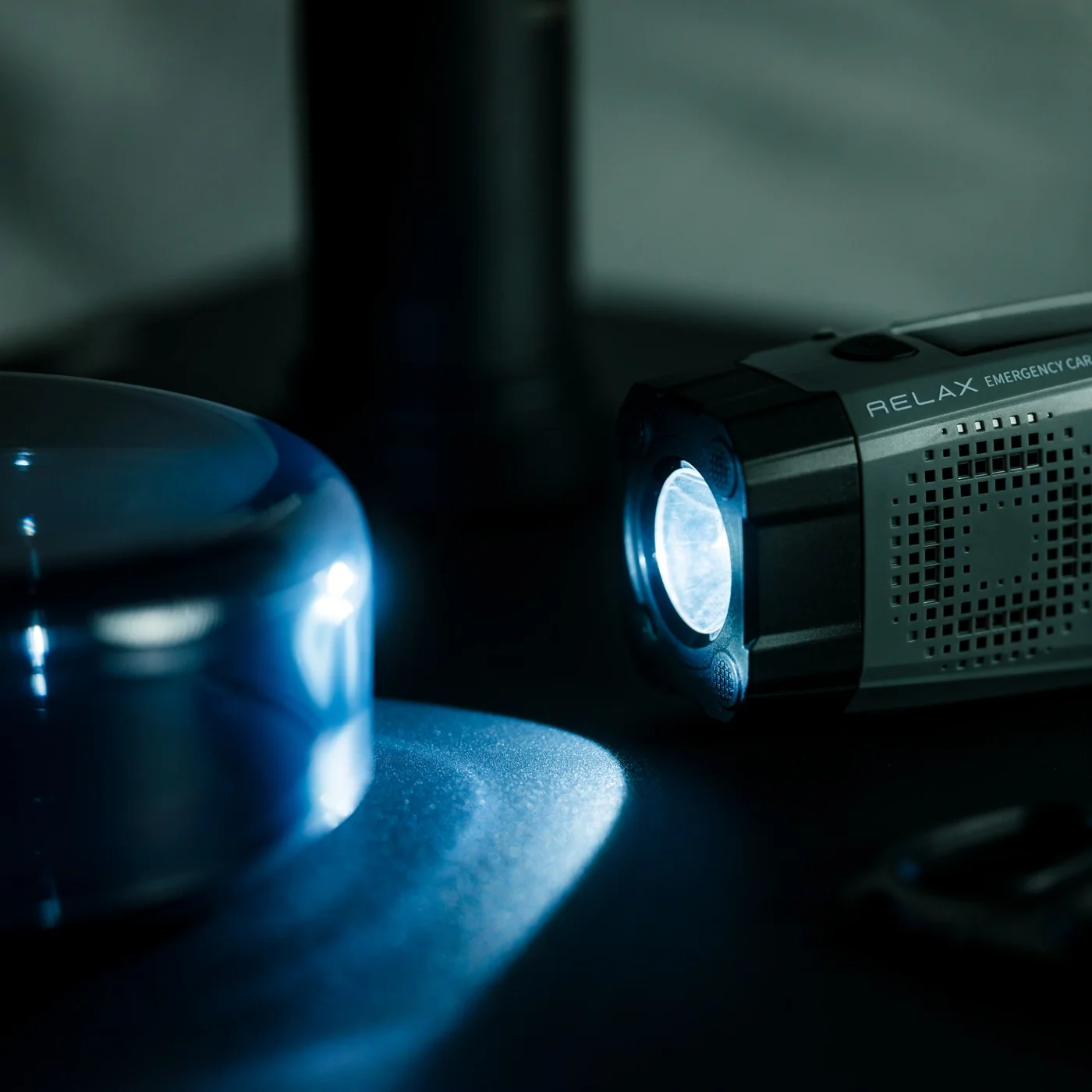
The built-in flashlight can run for approximately seven hours on a full charge, more than enough to get you through a power outage or an unexpected night outdoors. And when you truly need to signal for help, pressing and holding the SOS button triggers both an audible alarm and a flashing light, making it far easier for rescuers or fellow campers to locate you even in low-visibility conditions.
For American users in particular, the Clip&Go Radio makes a lot of sense. FEMA has long recommended hand-crank or battery-powered radios as a household essential, but most people never bother because standard emergency radios feel useless on a perfectly ordinary day. The Clip&Go flips that entirely. It’s a device you actually want to bring on a camping trip, a hike, or a day at the festival grounds, and it just happens to be ready for an emergency if one comes along. Whether you’re in hurricane territory, wildfire country, or tornado alley, having a device that functions completely independently of cell towers and internet is simply smart thinking. At $60, it’s a small price to pay for that kind of peace of mind.
The post This $60 Radio Clips to Your Bag and Could Save Your Life first appeared on Yanko Design.
Business Cards Were Forgettable, so Bandai Built a $22 Mecha Case

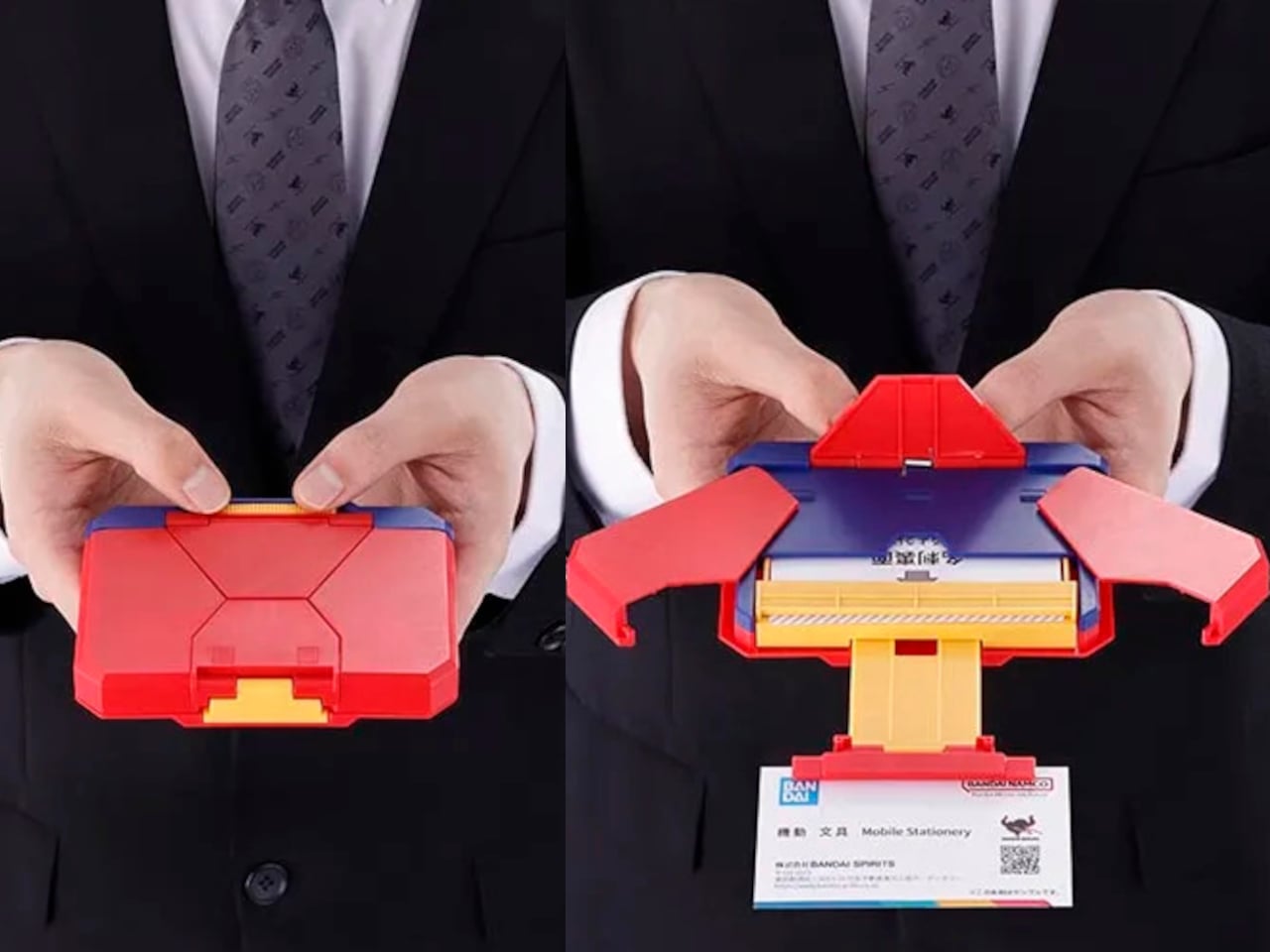
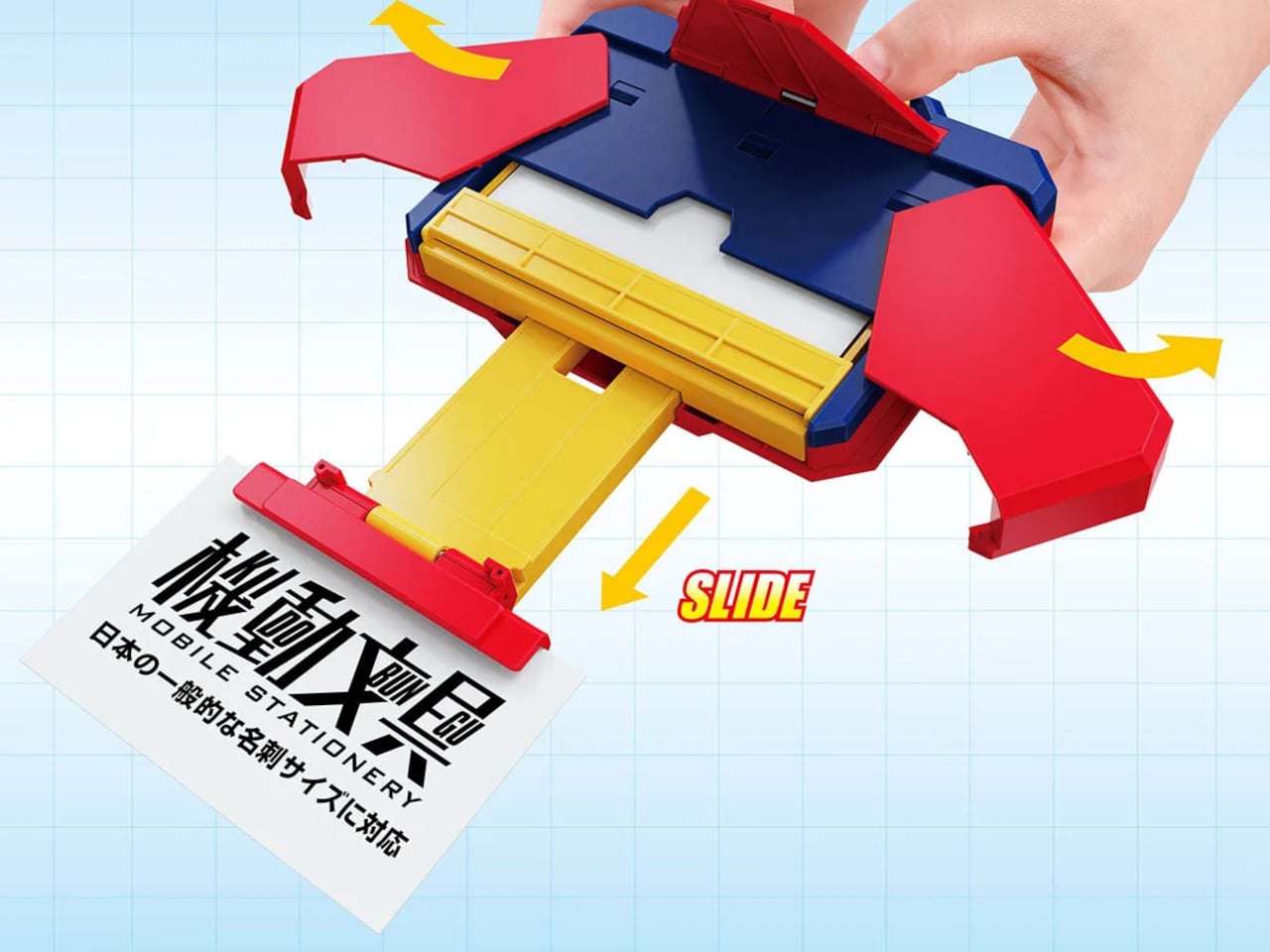
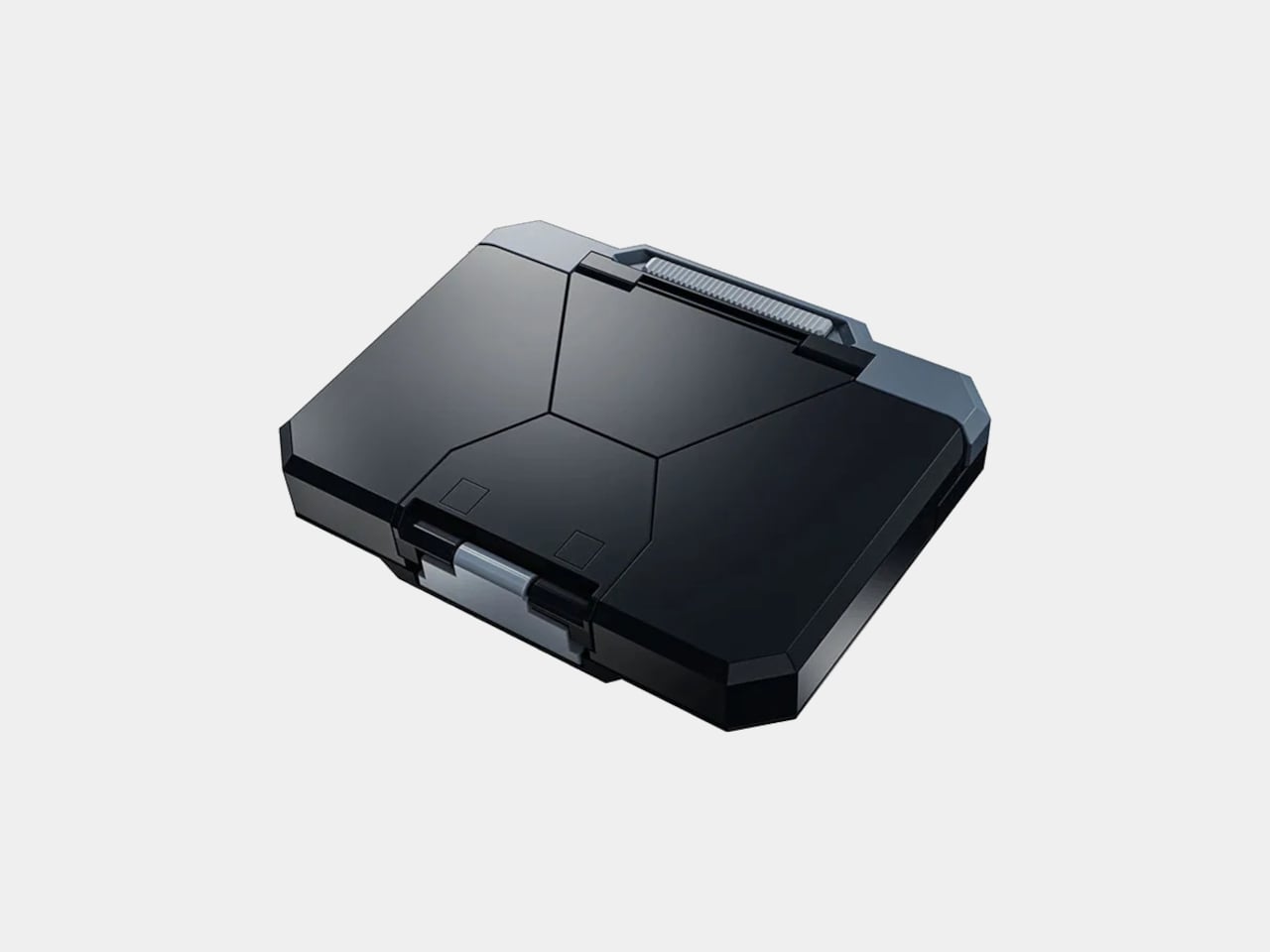
Handing over a business card is, in most professional settings, a fairly unremarkable moment. You produce it, they take it, everyone moves on. Bandai Spirits, the company behind some of the most precisely engineered collectible robots in the world, has decided this moment deserves better. The Mobile Stationery Automatic Transformation Business Card Case deploys your card at the press of a button, rotating 180 degrees with a mechanical flourish that nobody is going to forget.

This is the debut product of Bandai’s new Mobile Stationery line, which is exactly what it sounds like: office stationery built with the engineering sensibility of a collectible mecha toy. The series name in Japanese is 機動文具, which intentionally borrows the kanji for “mobile suit” from Gundam’s full title. That’s not accidental branding. It signals that the same precision manufacturing techniques behind Bandai’s Chogokin die-cast figures went into making a business card holder.

Designer: Bandai

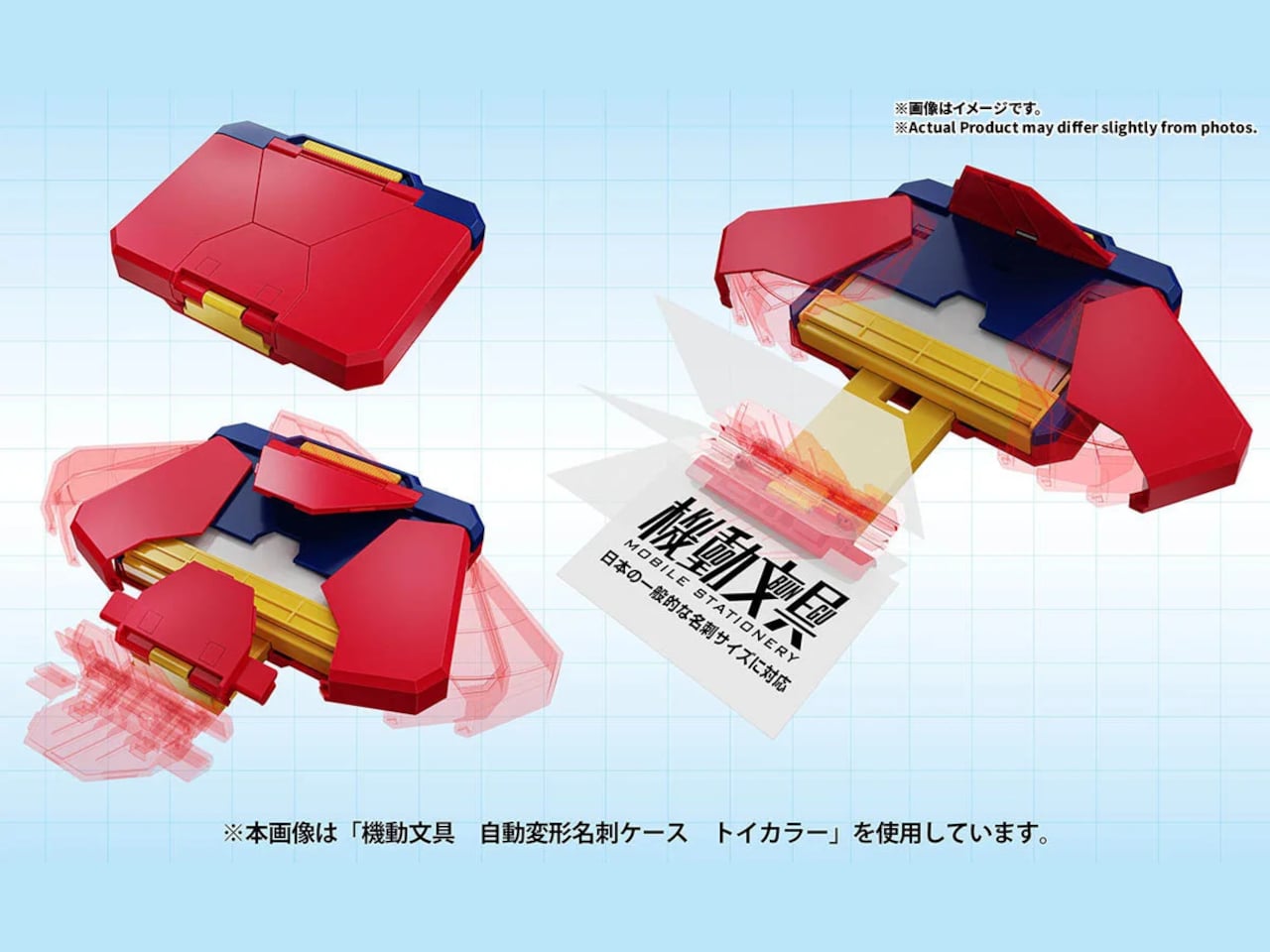
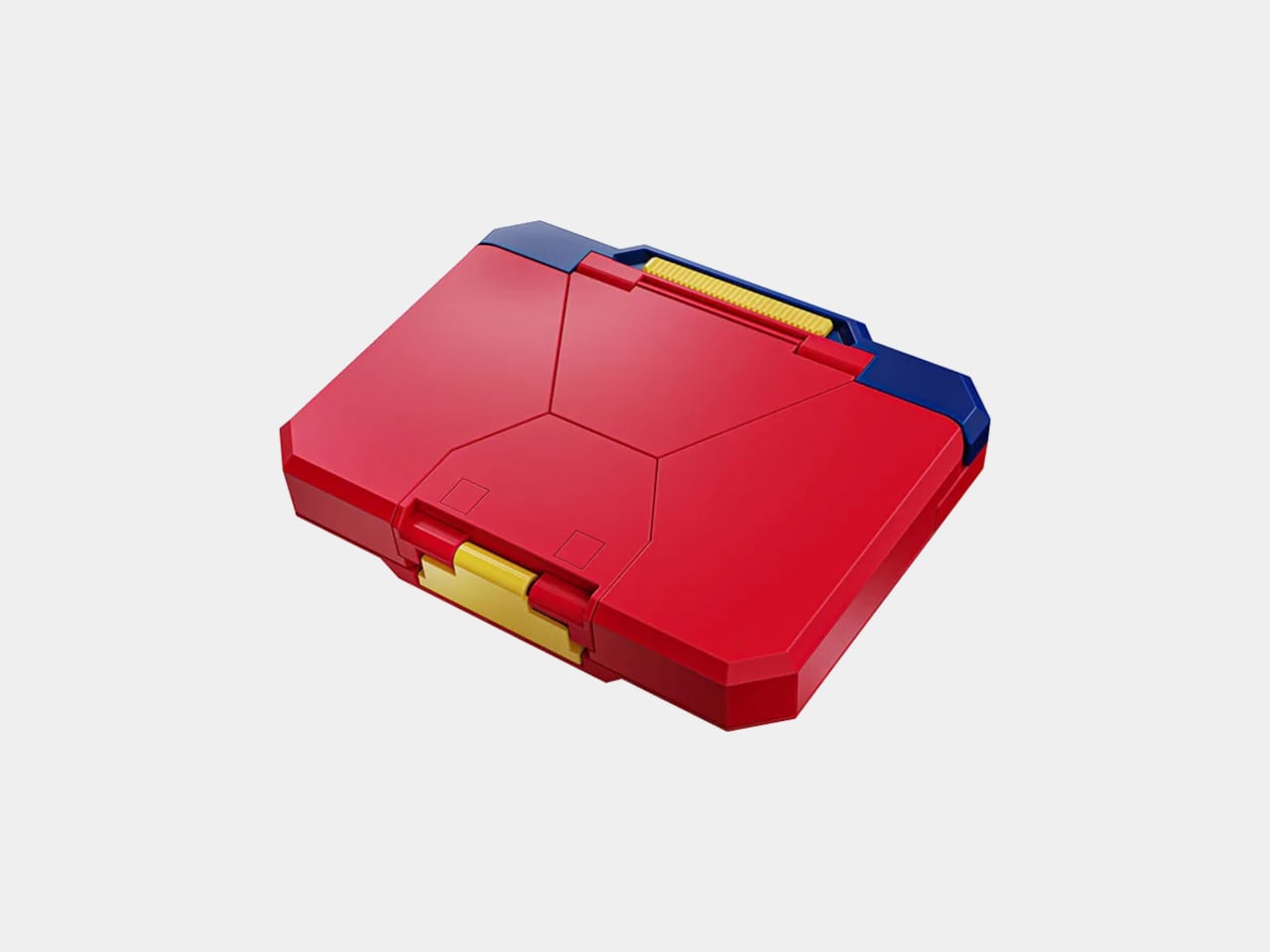
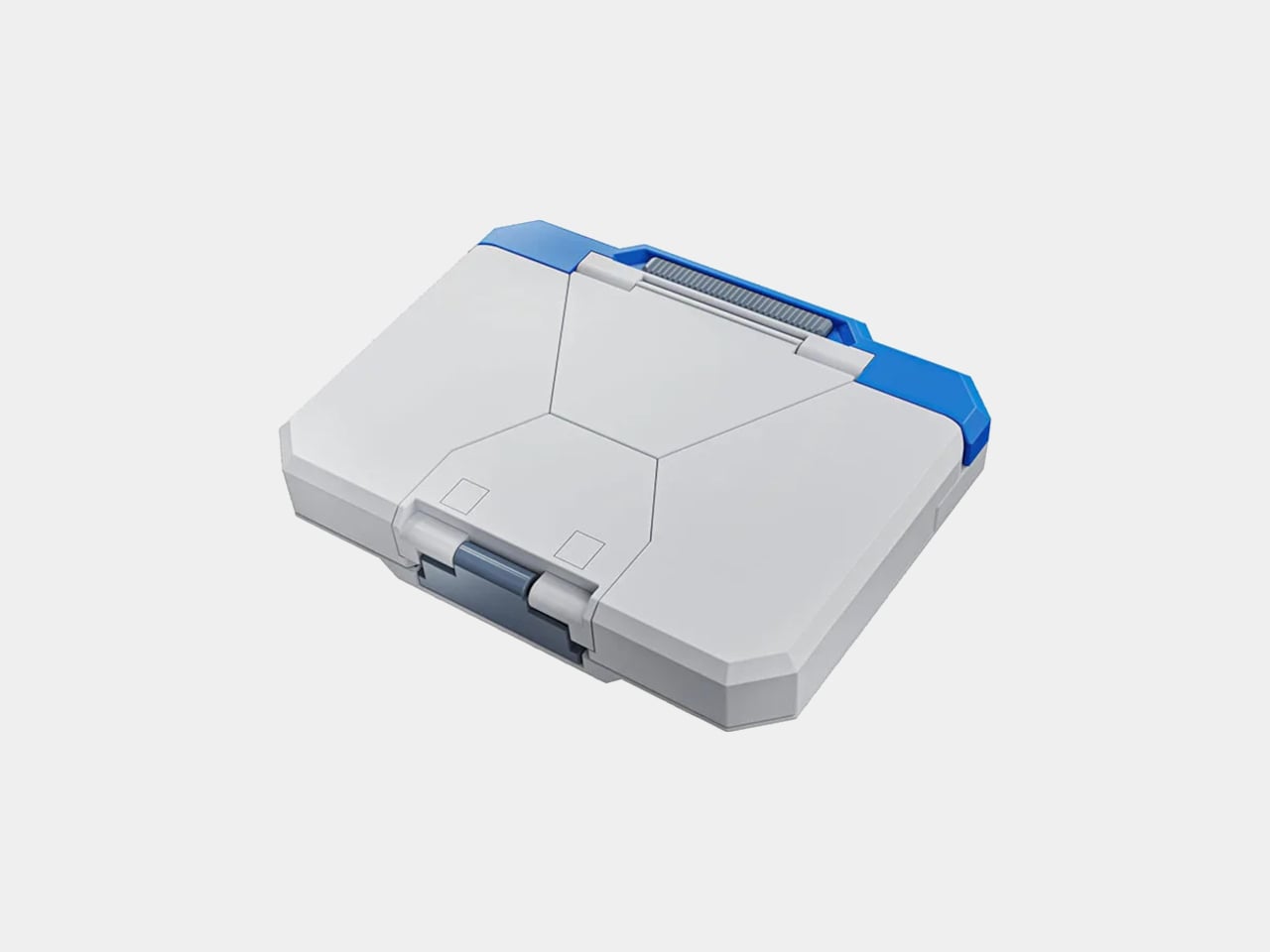
The mechanism itself is the product. When the case is closed, it sits flat and compact at approximately 125mm x 95mm x 25 mm, which is thin enough to slip into a jacket pocket without much bulk. Press the button, and it automatically opens with a 180-degree rotation that presents your card as if a small piece of machinery just woke up. The action is fast, repeatable, and genuinely surprising to anyone who hasn’t seen it before.

It’s made from ABS, the same material used across Bandai’s figure line, and sized to accept standard Japanese No. 4 business cards at 55mm x 91mm and a recommended paper thickness of 0.24mm. The fit matters here because a loose card in an automated case would undermine the entire presentation. The case holds the card securely in the closed position and positions it cleanly during deployment.

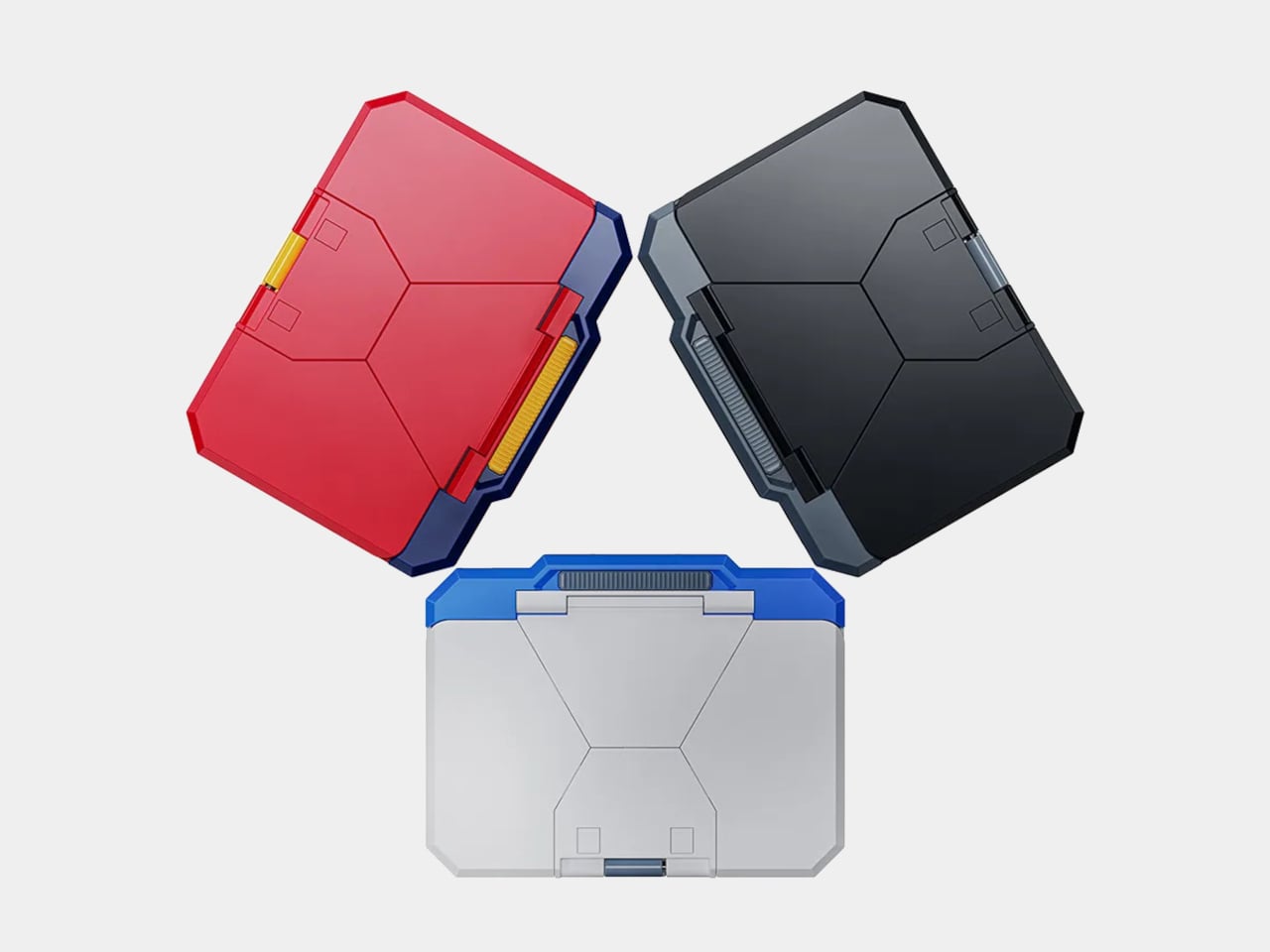
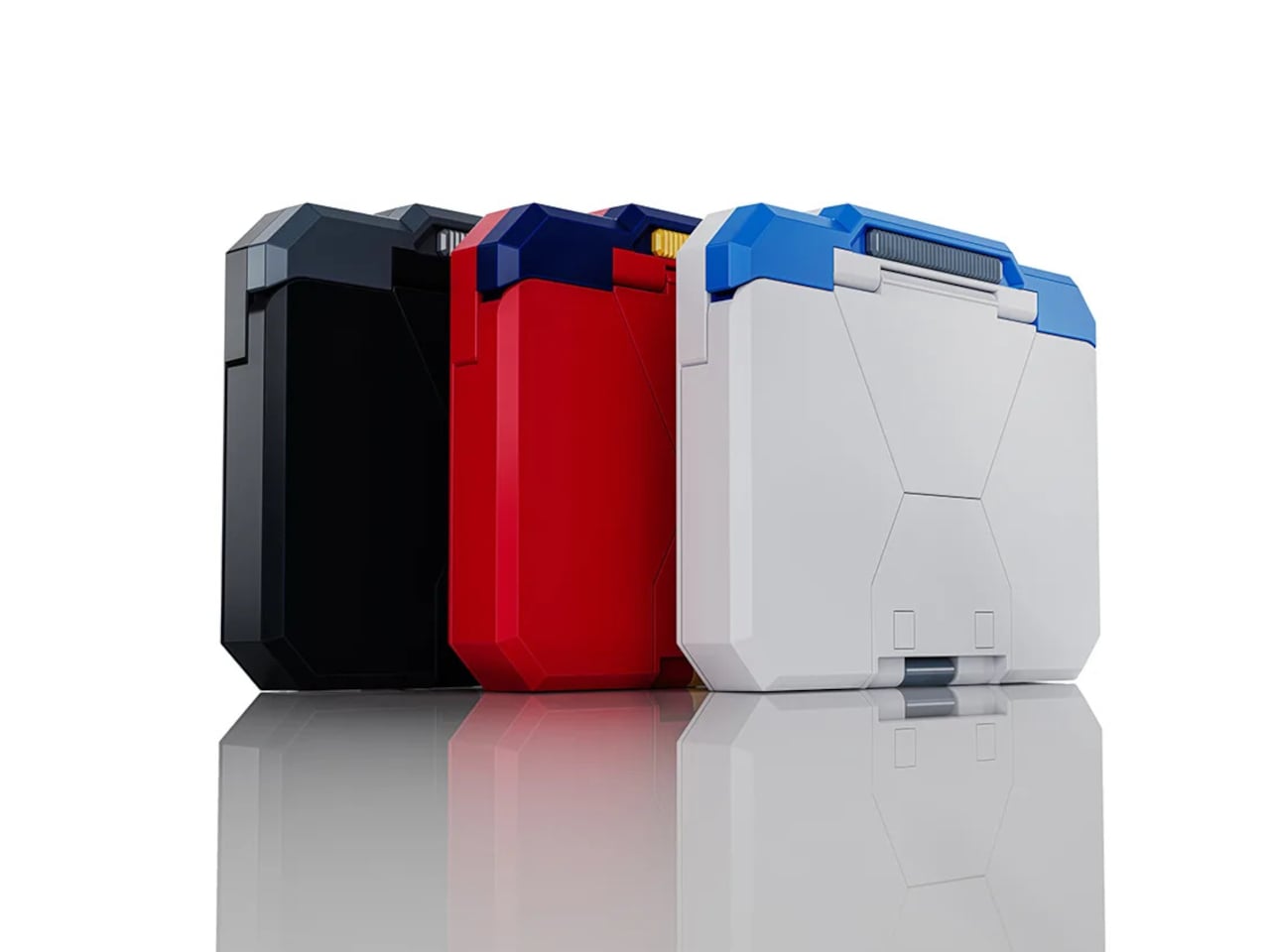
Three colorways are available, each aiming at a different kind of professional. The Toy Color is exactly what it sounds like, a vibrant, primary-palette version that makes no attempt to pass for a conventional office accessory and leans directly into the Gundam aesthetic. The Standard Color is subtler and more desk-neutral. The Black Color is the one you’d bring to a meeting where you still want the mechanism to surprise people without the case itself making a statement before it even opens.

The practical argument for something like this is harder to articulate than it might seem, which is part of what makes it interesting. Business card rituals in Japan carry real social weight, and the act of presenting a card is meant to be deliberate and memorable. A case that automates the drama of that moment, that turns the exchange into a small performance, fits surprisingly neatly into that context rather than clashing with it.

The Mobile Stationery line is Bandai’s first move into office accessories, and this particular opening product is doing a lot of work to establish what that line is. It’s a functional object that holds business cards. It’s also a small transformer that deploys them theatrically. Both things are true, and the case doesn’t apologize for either one.

The post Business Cards Were Forgettable, so Bandai Built a $22 Mecha Case first appeared on Yanko Design.
The Galaxy S26 FE Beats Samsung’s Own Flagships to One UI 9 at $700

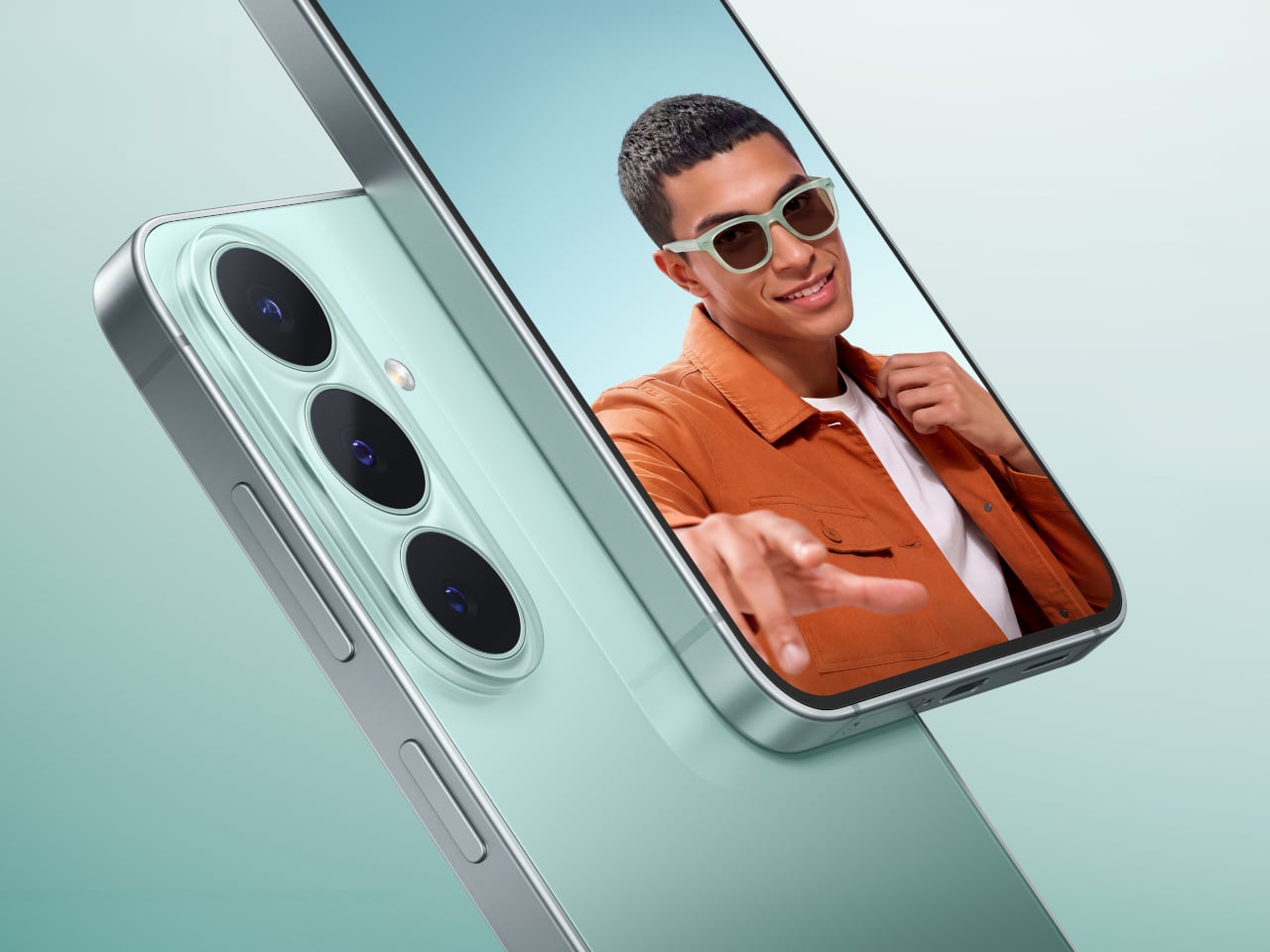
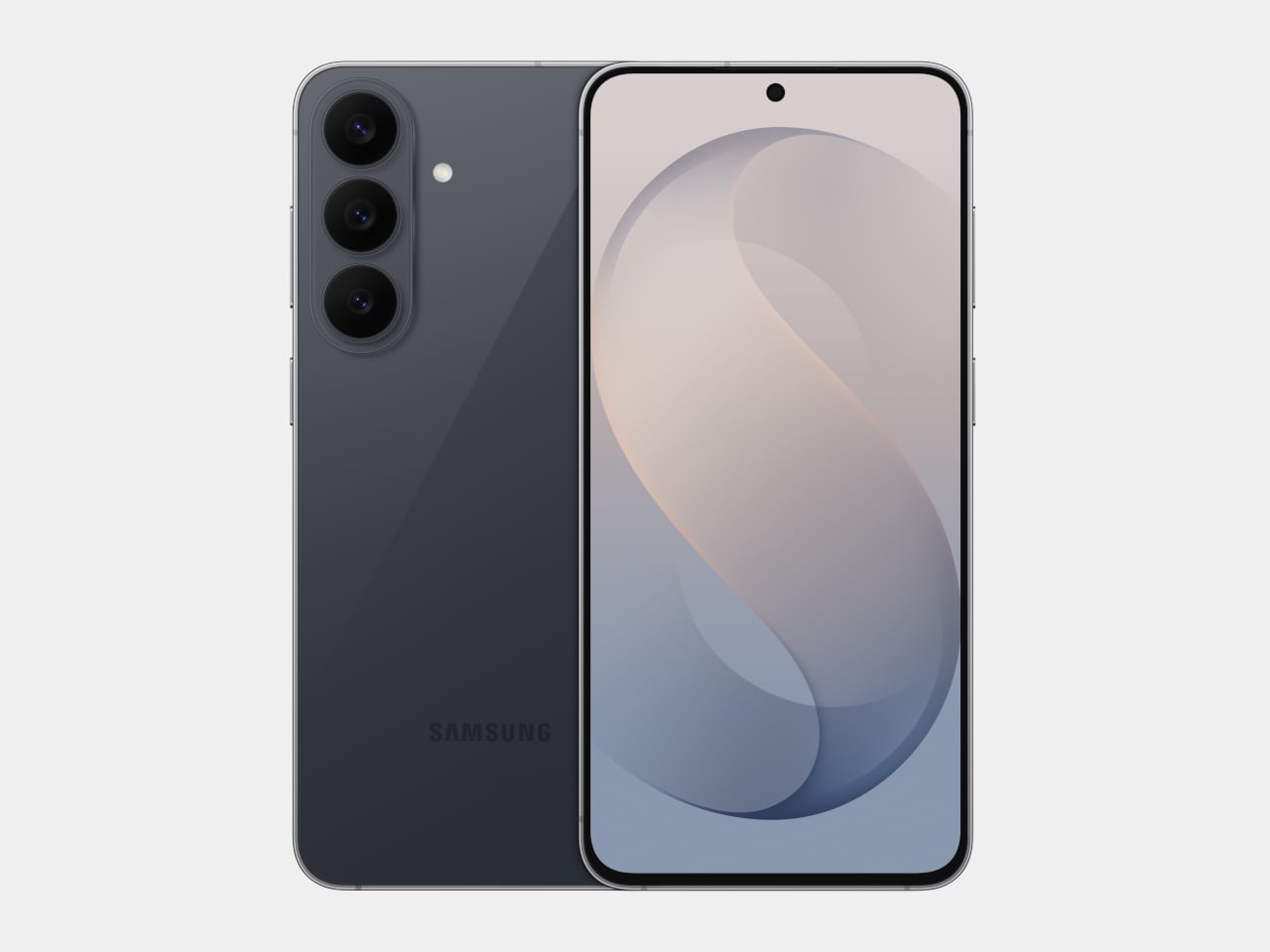
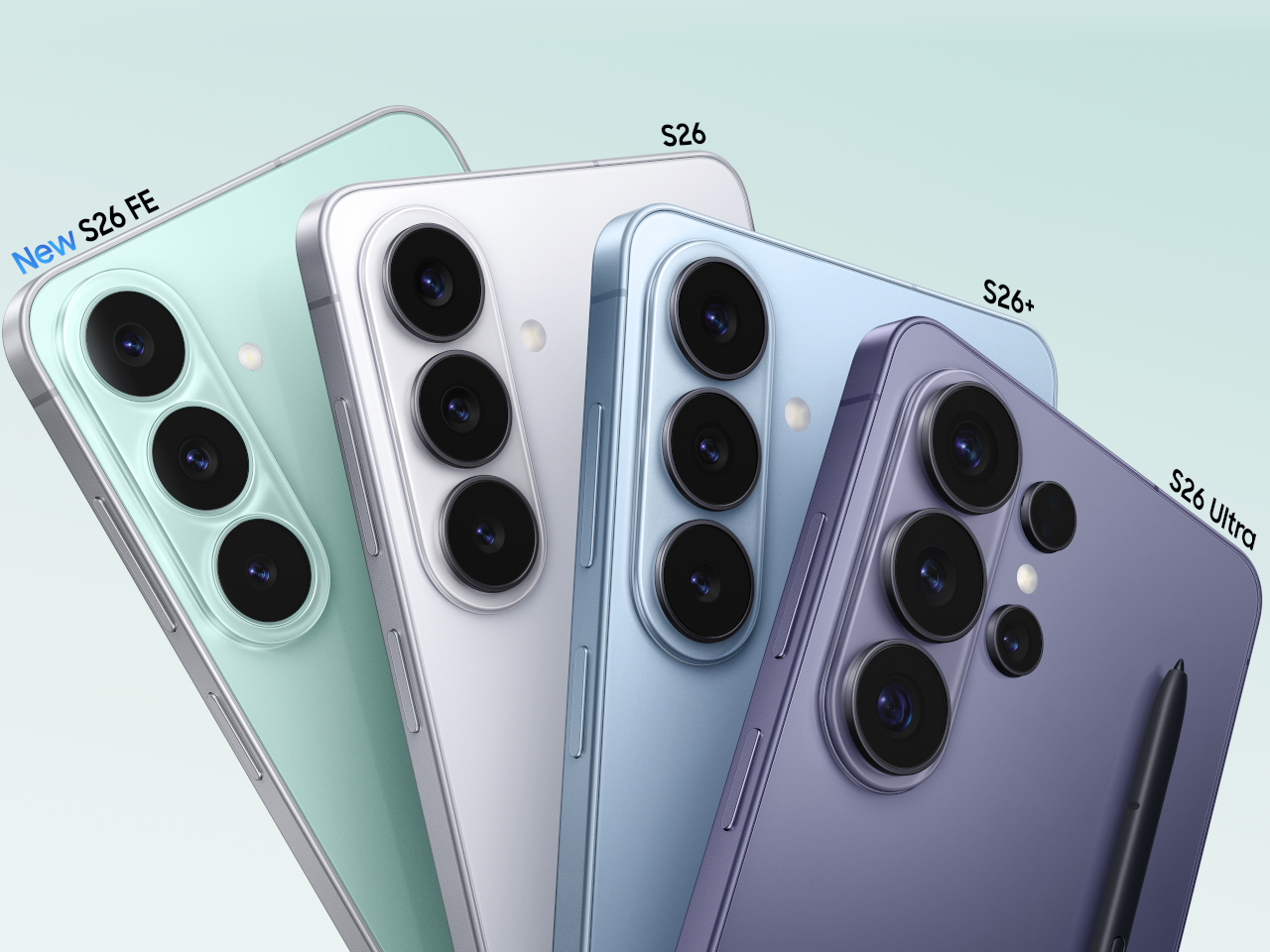
The “Fan Edition” label has historically meant a Samsung phone that trades some flagship firepower for a more accessible price. The Galaxy S26 FE keeps that tradition mostly intact at $699.99, but it comes with something the Galaxy S26 Ultra, S26+, and S26 don’t have yet: One UI 9 running on Android 17 out of the box. The FE getting there first is a small reversal of the usual order.

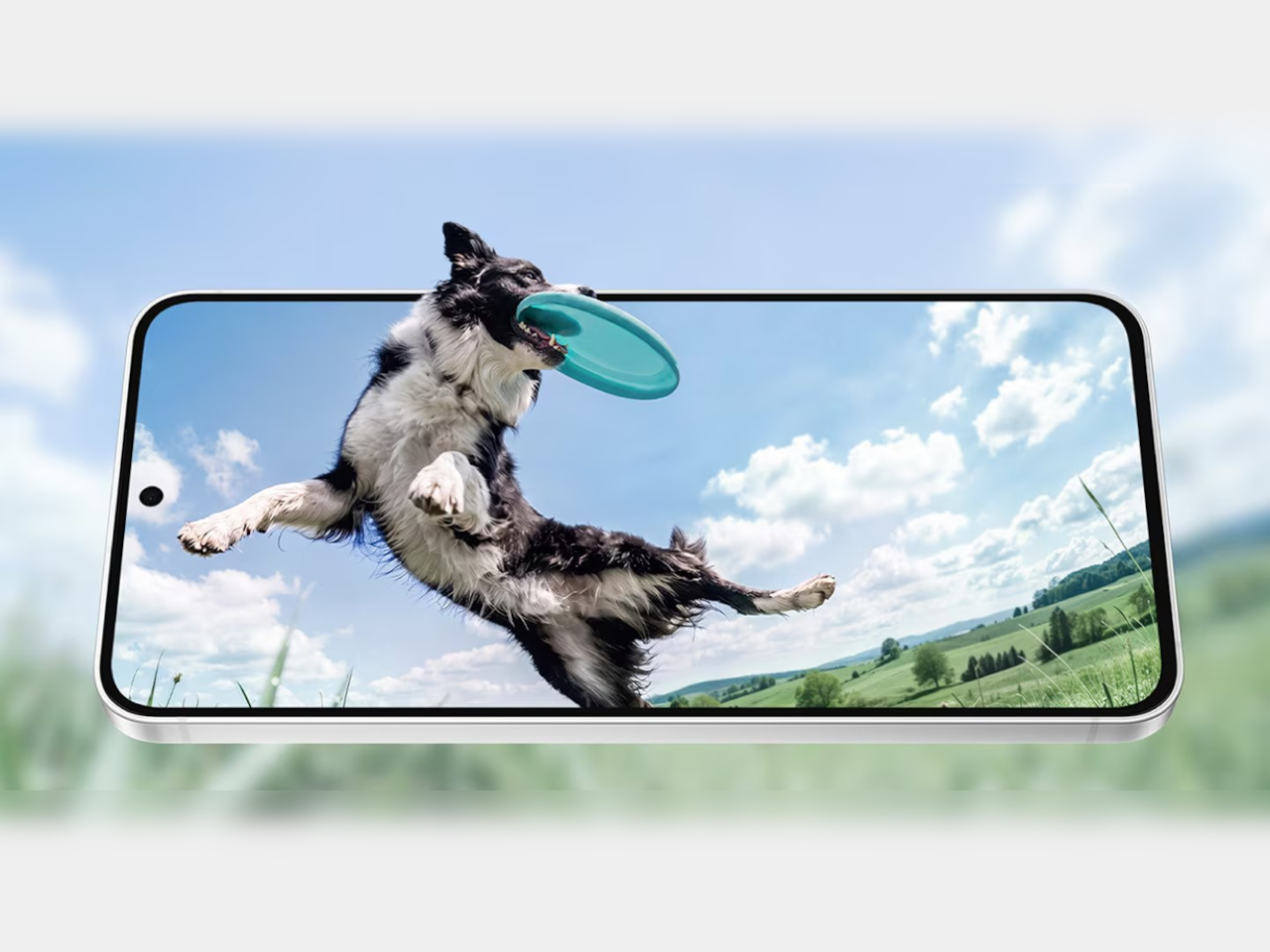
That software distinction matters because One UI 9 is where most of the new things actually happen. The hardware story is relatively familiar: a 6.7-inch FHD+ Dynamic AMOLED 2X display at 120Hz with 1,900 nits peak brightness, an Exynos 2500 chipset on a 3nm process, 8GB of RAM, and a 4,900mAh battery. The Exynos 2500 is a step up from the Exynos 2400 in the S25 FE, with a beefed-up AMD RDNA 3-based GPU and a more capable NPU.

Designer: Samsung

One of the new One UI 9 features making its debut here is My FanCam, which automatically tracks a person in a video by zooming in and keeping them centered in frame. It works with videos already in your gallery, not just footage shot in a special mode. Record someone’s performance or activity, pull it up afterward, and My FanCam can isolate the subject for a clean, social-ready clip without any manual editing.

Horizon Lock addresses a different problem: shaky handheld footage. It keeps video level even if the phone rotates up to 360° during recording, which is useful for any situation where you’re moving while shooting and can’t stop to stabilize the frame. Add that to Photo Assist’s AI editing tools, and you have a camera experience that does more of the grunt work automatically than any previous FE has offered.

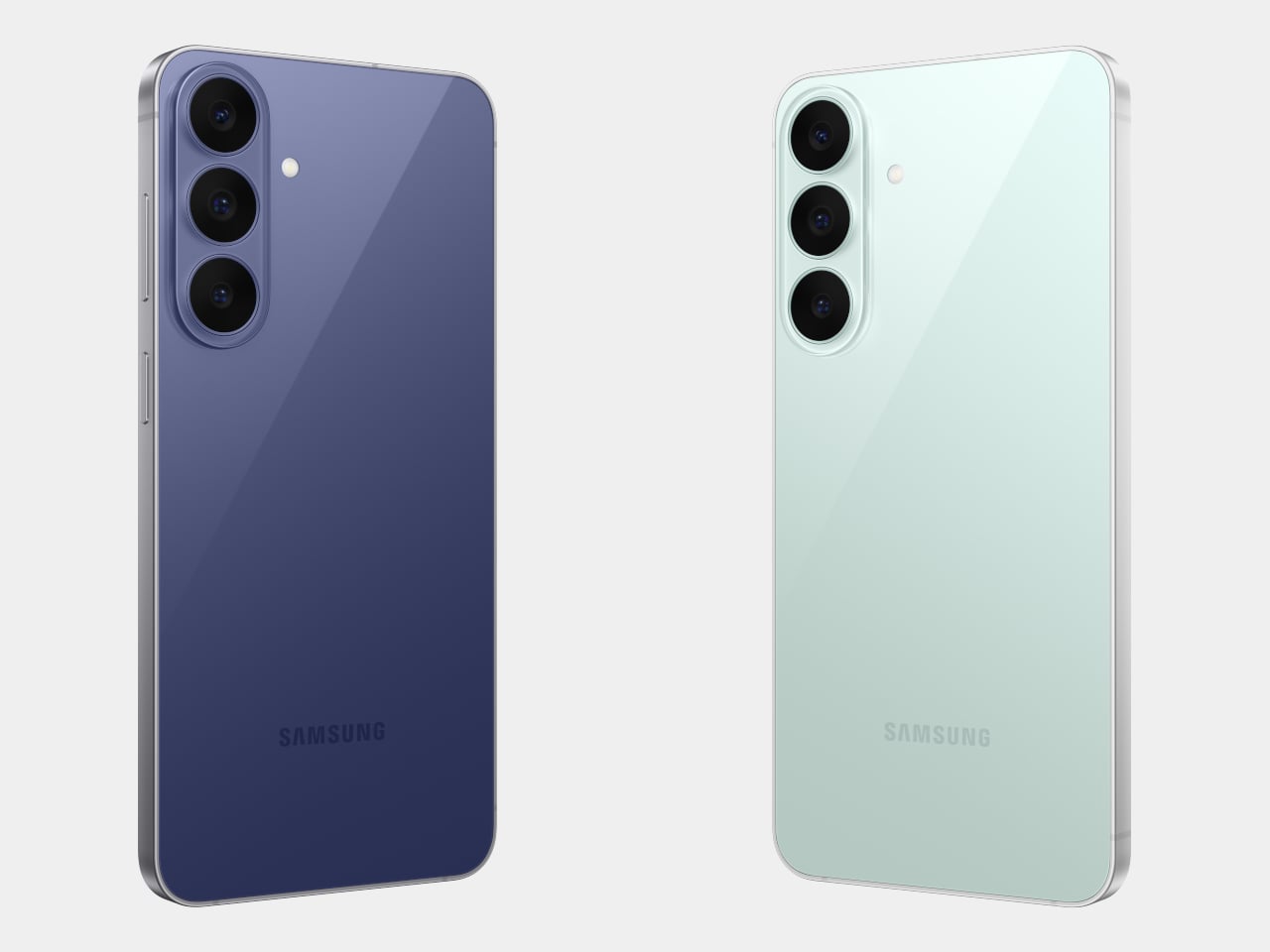
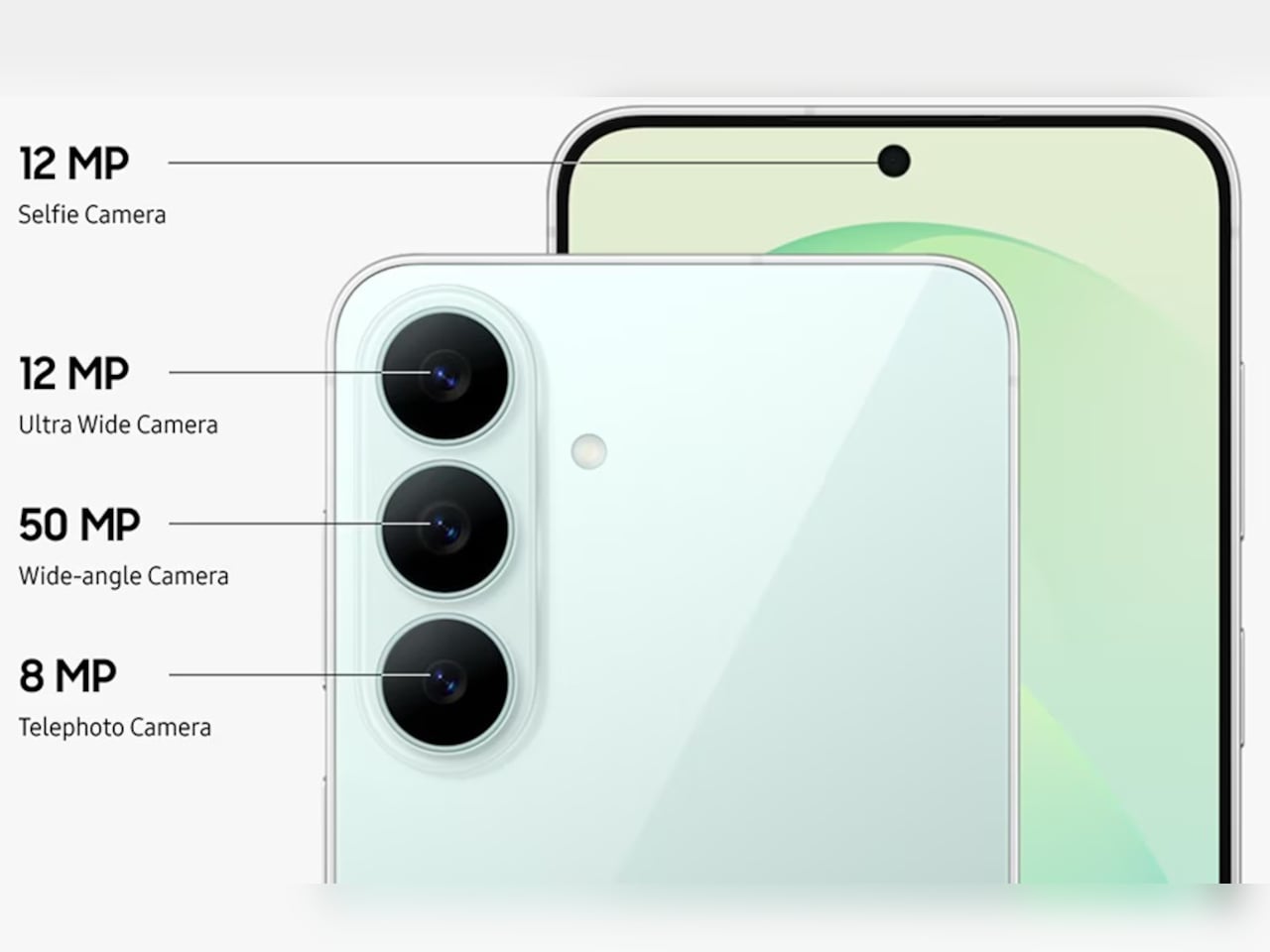
The triple rear camera system uses a 50MP main sensor with OIS, a 12MP ultrawide at 123°, and an 8MP telephoto with 3x optical zoom and up to 30x digital zoom, all with OIS. The 12MP front camera handles video calls and selfies with a wide 85° field of view. The camera design itself has been updated to align more closely with the rest of the S26 series, which gives the FE a less immediately distinct look from the higher-end models.

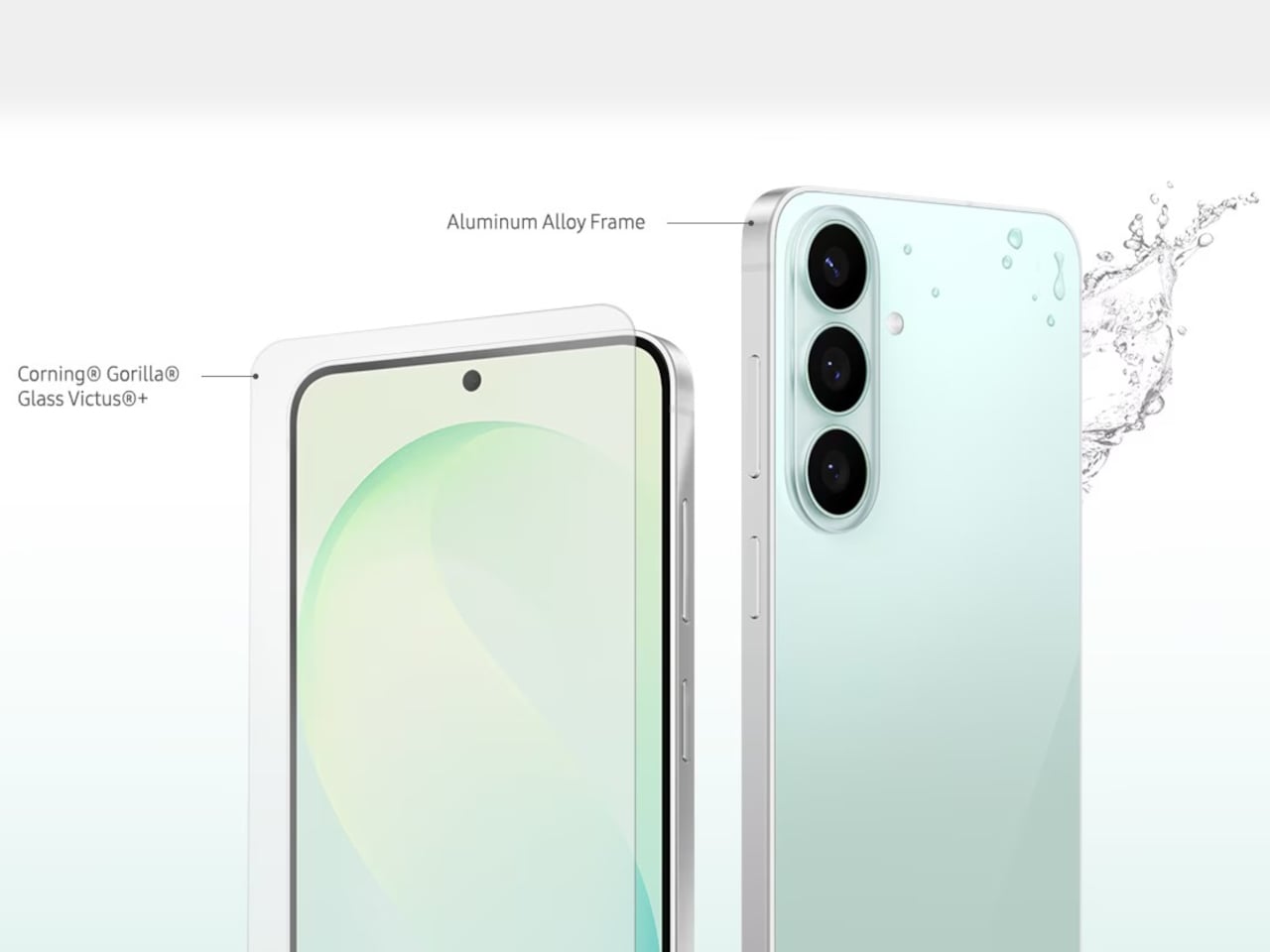
Charging is 45W wired, which gets the 4,900mAh battery to 69% in approximately 30 minutes. Wireless charging tops out at 15W, and Wireless PowerShare is included. The build uses Gorilla Glass Victus+ on both the front and back, an aluminum frame, and IP68 water resistance. Connectivity covers Wi-Fi 7, Bluetooth 5.4, and 5G, along with an in-display fingerprint sensor.

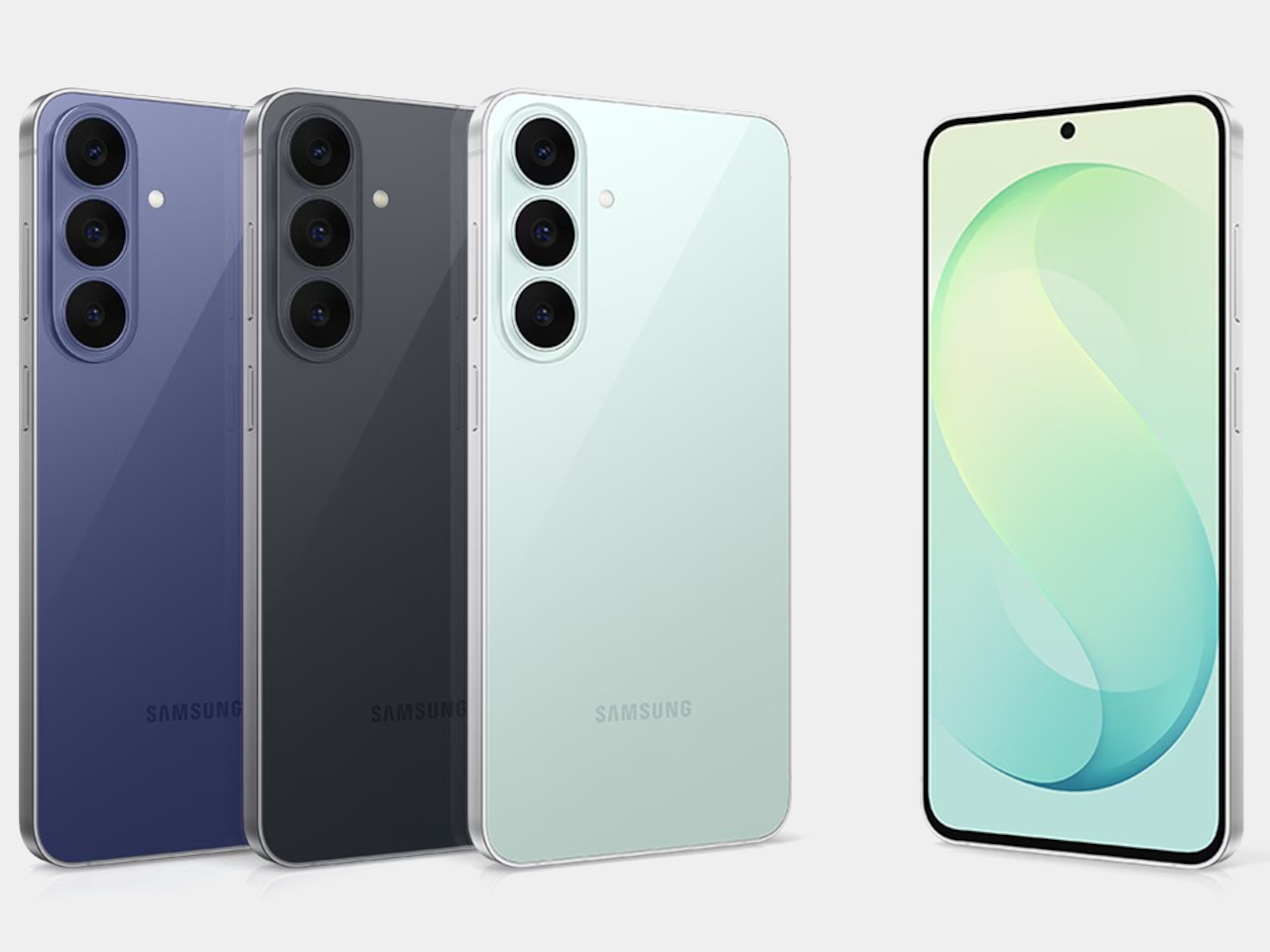
Seven years of OS updates and security patches are promised, which extends the phone’s useful life considerably. In Pistachio, Blueberry, and Graphite, it goes on sale September 4, with select carriers beginning a day earlier. It’s the FE format doing what it’s always done, just this time with a software stack the rest of the lineup hasn’t caught up to yet.

The post The Galaxy S26 FE Beats Samsung’s Own Flagships to One UI 9 at $700 first appeared on Yanko Design.