Are you searching for ways to enhance your iOS 26 lock screen with visually stunning depth effect wallpapers? With the latest advancements in iOS customization, a variety of apps and platforms now offer high-quality wallpapers that cater to diverse tastes. From AI-generated designs to community-driven collections, these tools provide endless possibilities for personalizing your device. […]
Tiny breaks in the day, waiting for a kettle, standing in a hallway, sitting on the toilet, tend to collapse into the same pattern. Unlock phone, scroll, refresh, repeat. It is not about being distracted so much as not having anything better that fits into sixty seconds. A small, self-contained game console can live in that gap without dragging you into an endless feed, offering something that feels finished instead of endless.
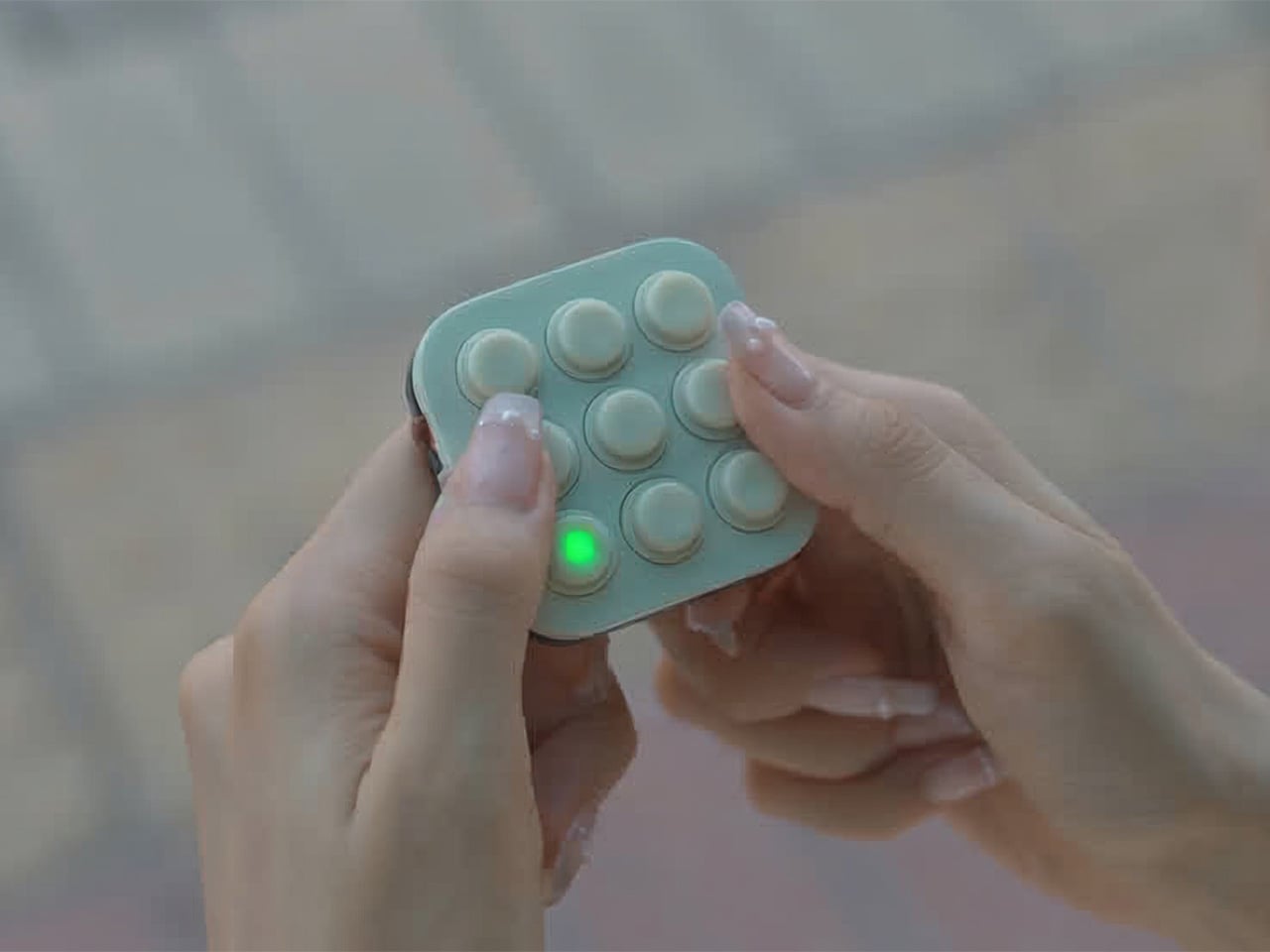
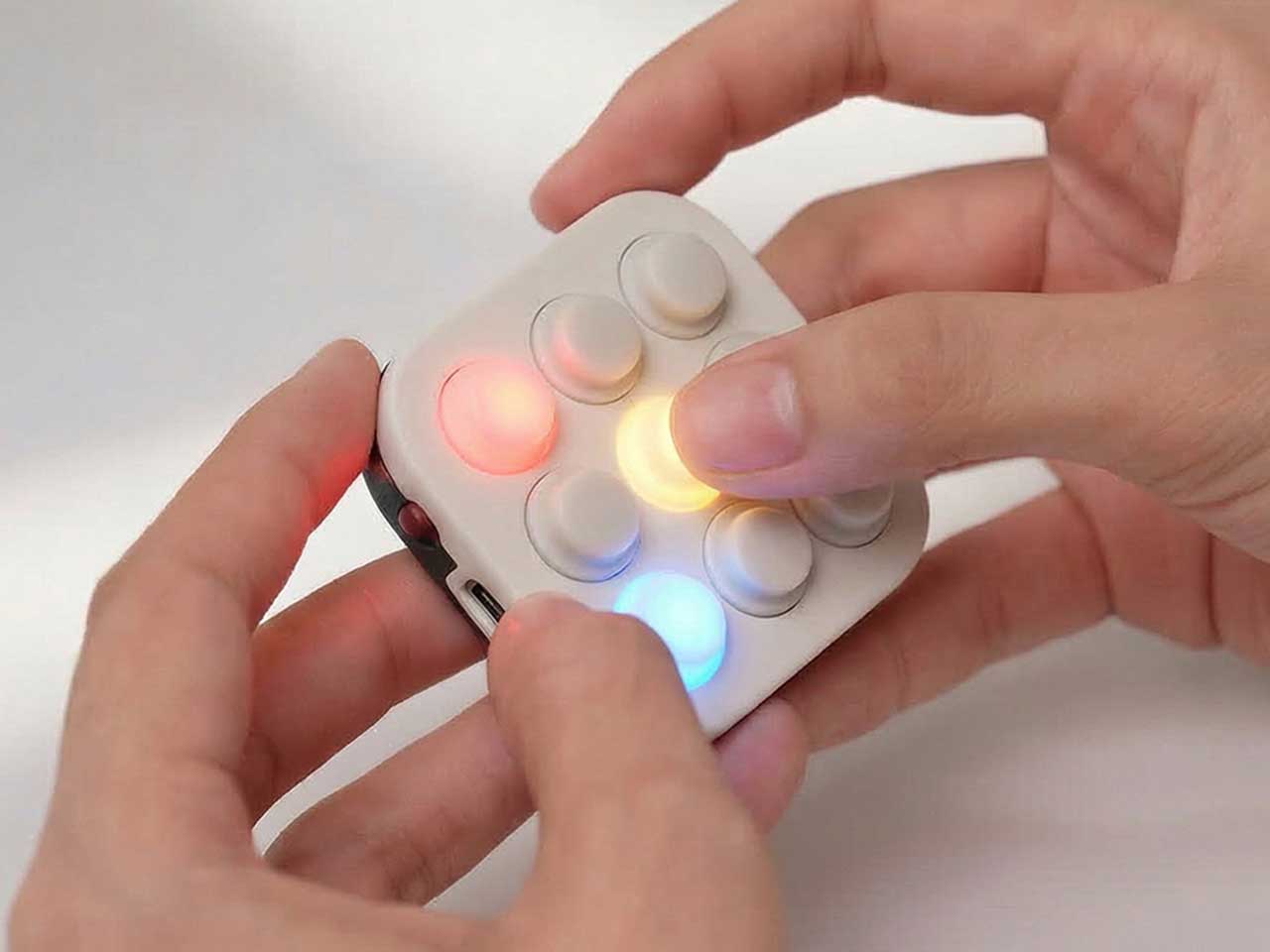
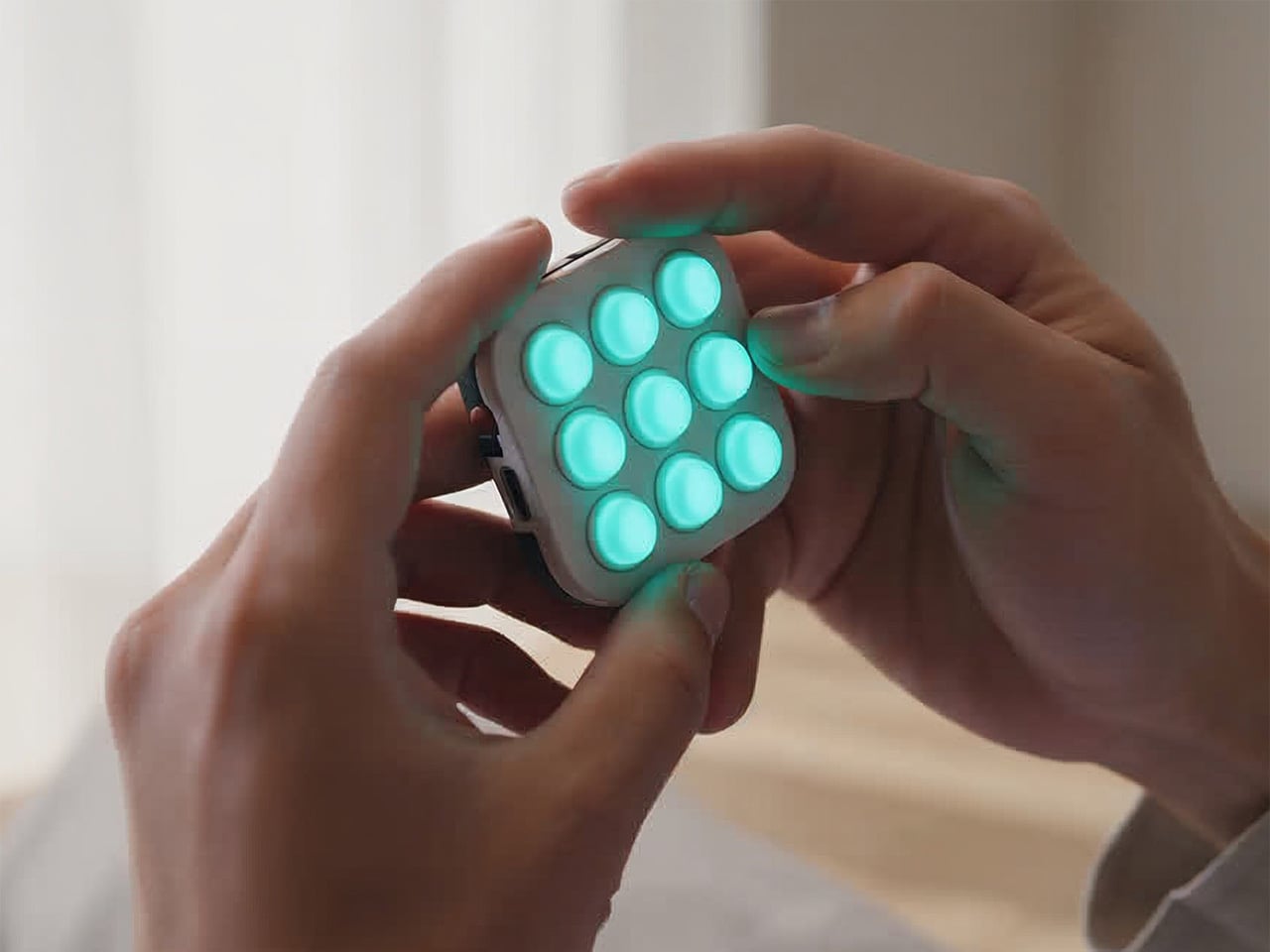
BrainBlink is a pocket-sized brain-training arcade, a nine-button handheld with 60-second games, real tactile switches, and an optional global ladder. It is built around the idea of mental fitness, not in a heavy way, but as a quick hit of focus and challenge that feels satisfying to start and finish. It is designed for those tiny windows of time when a full game or deep work session is unrealistic, but doing nothing leaves you restless.
Designer: Nicolas Aagaard (LastObject) and Joshua Fairbairn (Morpho)
BrainBlink ships with eight on-device games, each a 60-second challenge that targets different skills, working memory, reaction time, pattern recognition, focus, and speed. The games are quick to learn but hard to master, and the device is offline-first, storing scores locally so you can play anywhere without a phone or network. The fixed session length makes it easy to dip in and out without losing track of time or getting sucked into another hour of screen glowing.
The competitive layer kicks in when you sync to the global ladder and tournaments. When you hit 3-2-1-GO in those modes, you are matched against another human brain somewhere else, both of you trying to out-tap and out-focus each other in the same sixty-second window. The appeal is not just the score, but the sense that someone in Chicago, Berlin, or Tokyo is wide awake and locked in with you for that minute, feeling the same pressure.
The companion app for iOS and Android adds stats, streaks, profiles, leaderboards, and performance charts as an optional layer. It handles Bluetooth Low Energy 5.0 sync, over-the-air firmware updates, and ghost races, but you do not need it to enjoy the core games. This keeps the device from becoming another notification source while still letting people who love data and progression dig deeper when they want, without forcing that on everyone who just wants to play.
The hardware is a 55 × 55 × 17.6 mm square with nine mechanical-style buttons, an RGB LED array, and a rechargeable lithium battery over USB-C. The tactile switch matrix is rated for more than 100,000 presses, the durable ABS housing is wrapped with soft-touch silicone buttons, and the water-resistant shell is built for bags and pockets. An adaptive difficulty engine in the onboard MCU models your performance and adjusts challenge levels to keep sessions engaging as you improve.
BrainBlink is offline-first, storing every score locally until you decide to sync, which makes it usable on planes, in elevators, or anywhere signals are flaky. Over-the-air firmware updates mean new modes and refinements arrive over time, so the device does not feel frozen on day one. That combination of physical durability and evolving software makes it feel more like a tiny console than a novelty gadget that stops being interesting after a week.
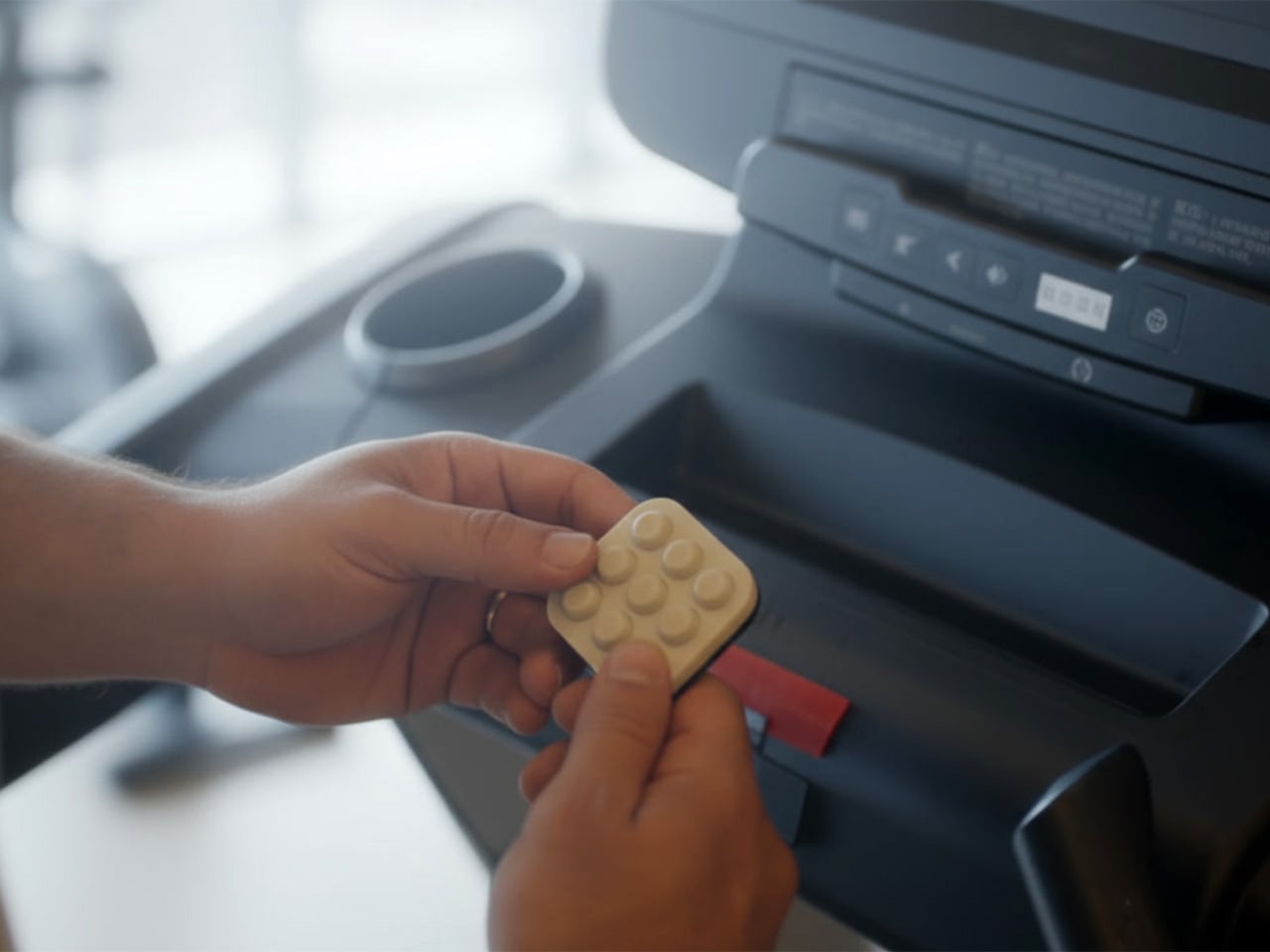
The device might live next to a laptop, in a hoodie pocket, or clipped to a bag. Instead of reflexively reaching for a phone during a spare minute, you pick up a small square, press a button, and give your brain a short, focused sprint. For people who like the idea of training attention without turning it into a chore, that kind of playful, sixty-second ritual is where a device like this quietly earns its place, offering something deliberately finite in a world of infinite feeds and tabs that never close.
Code education has a reputation problem. For a lot of kids, it means more screen time, more syntax errors, and more worksheets that feel nothing like the robots they care about. For many adults, it is too many tools, too much boilerplate, and not enough time to get from idea to working prototype. Codee, from Codeebots, tries to redraw that picture by turning code into something you pick up, snap together, and watch come alive, whether you are six or sixty.
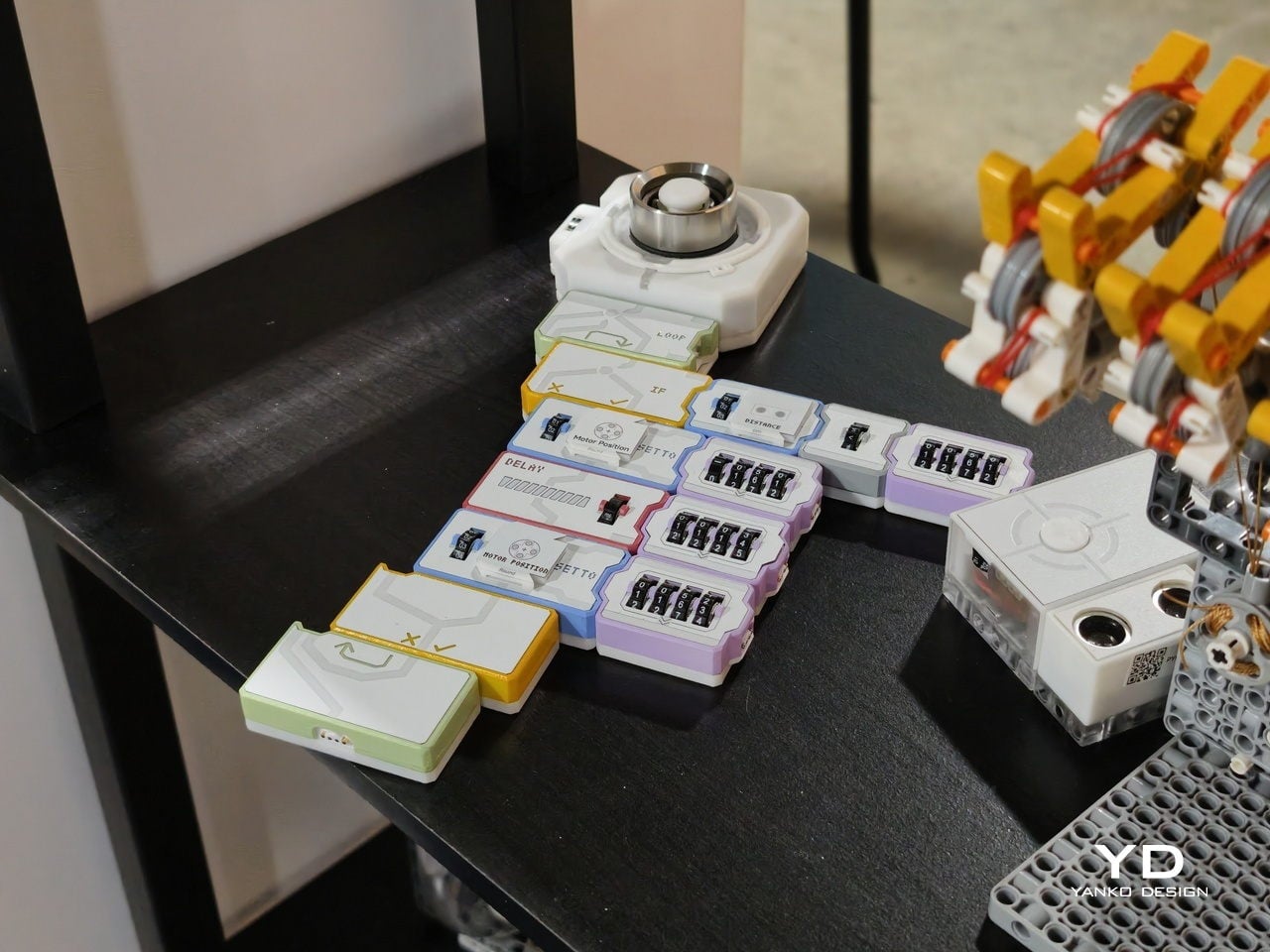
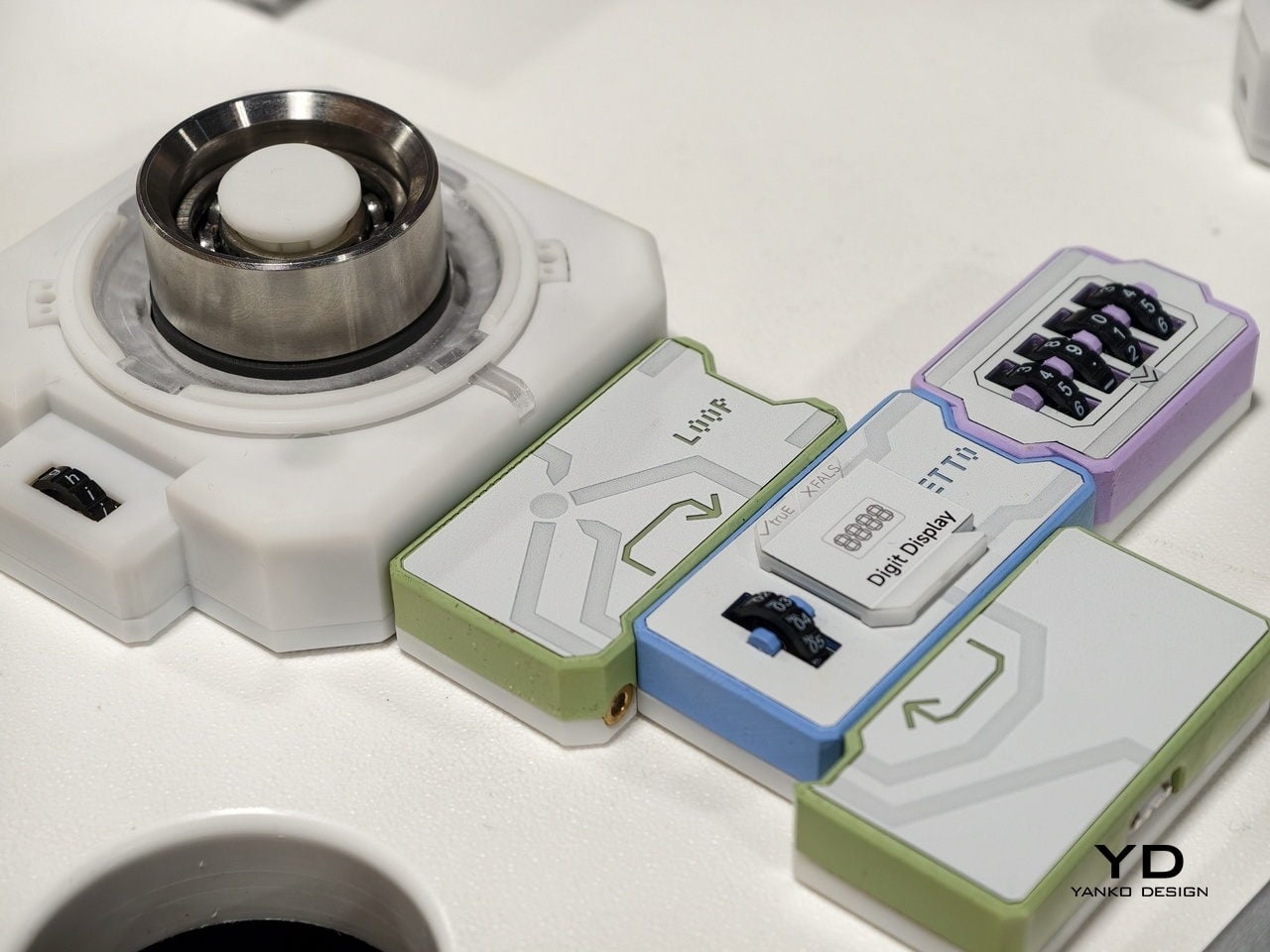
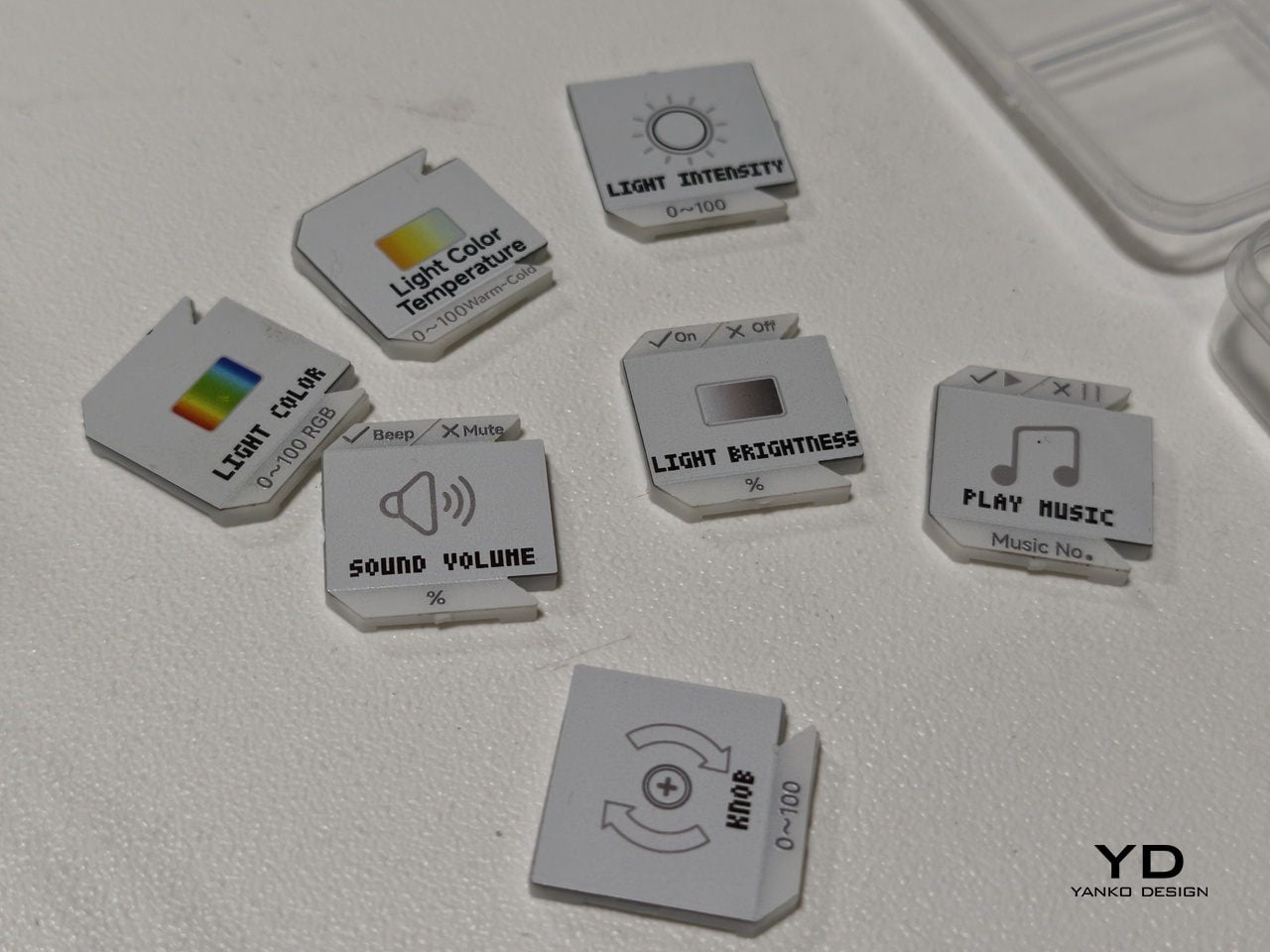
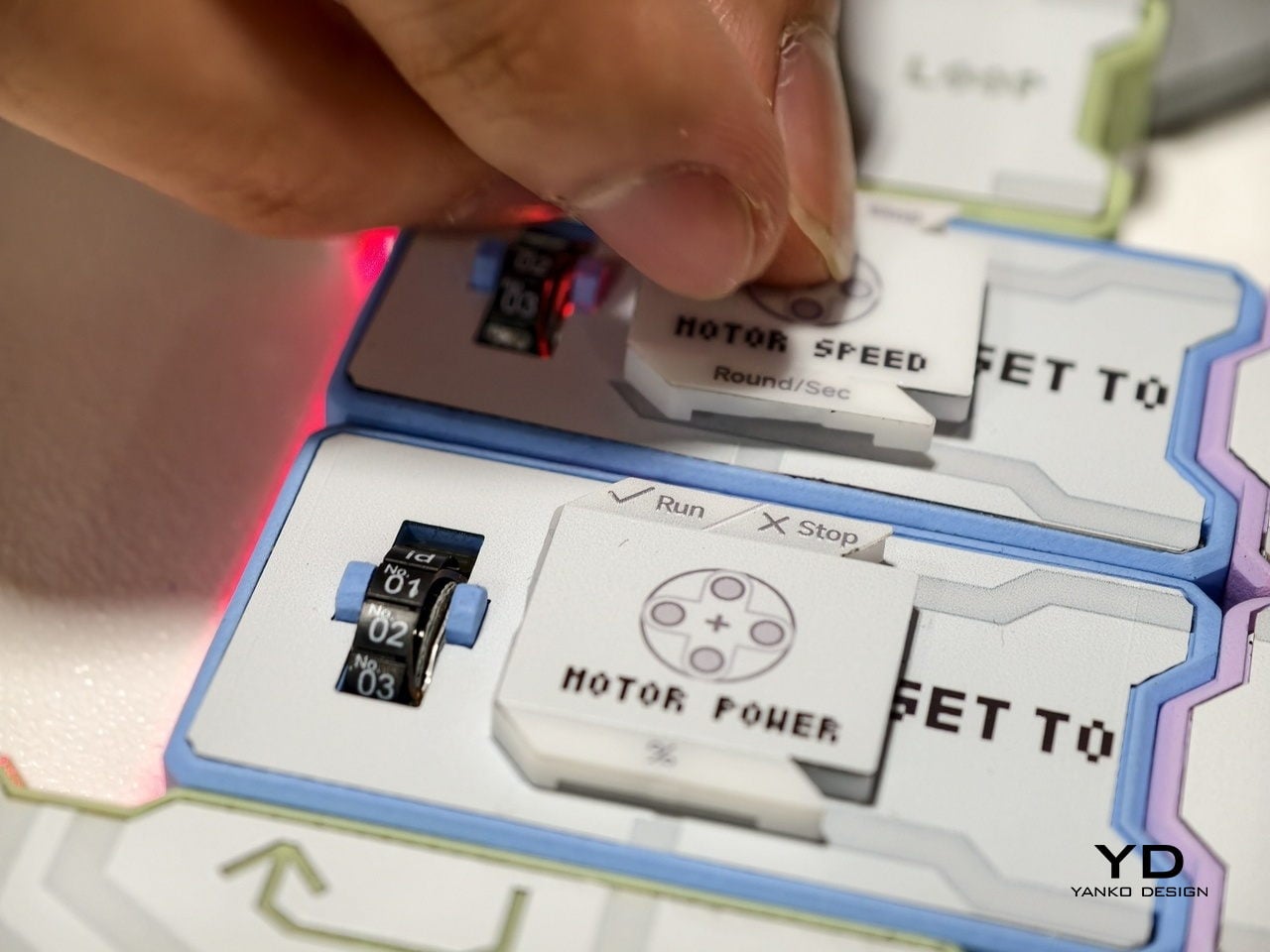
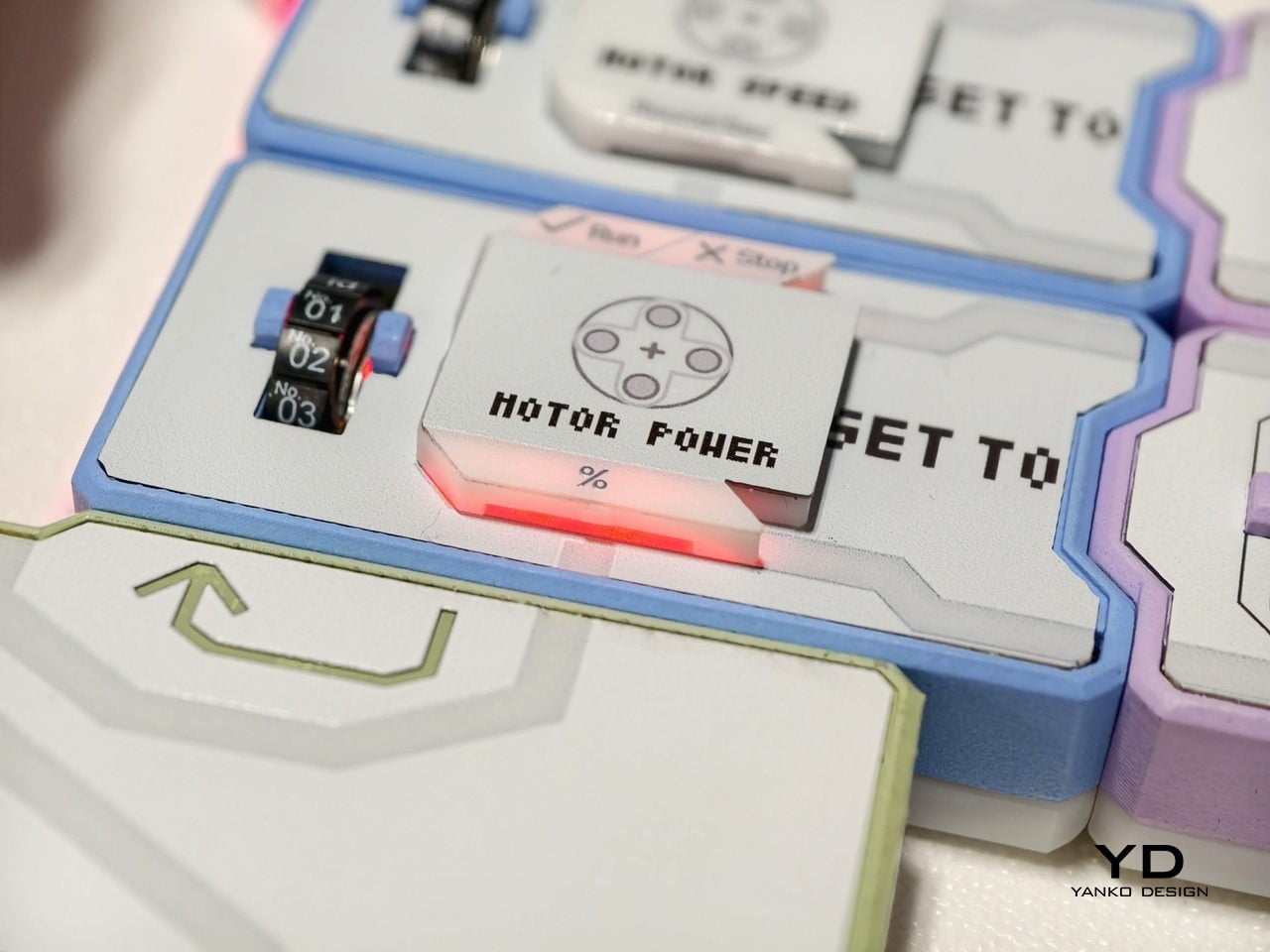
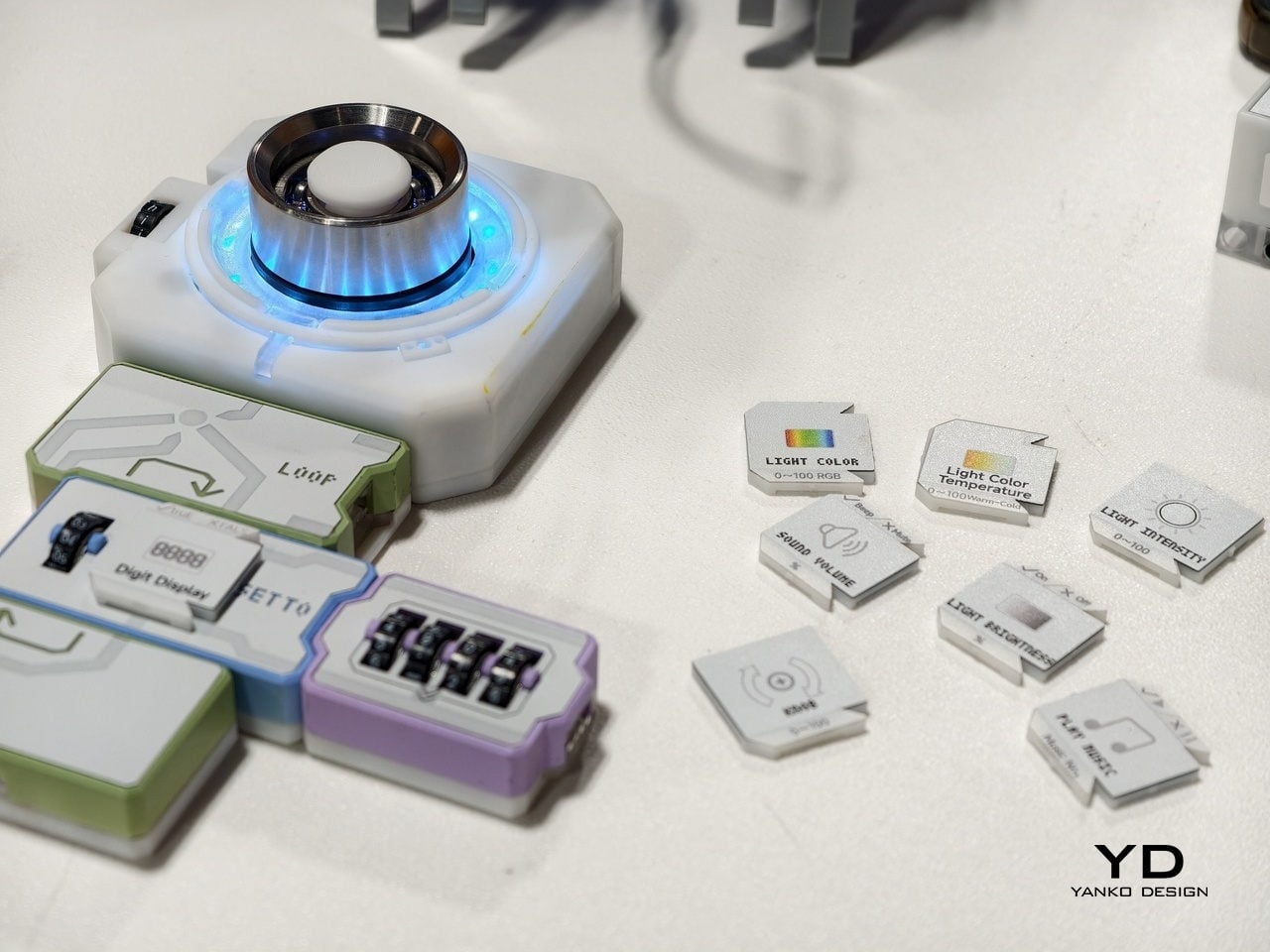
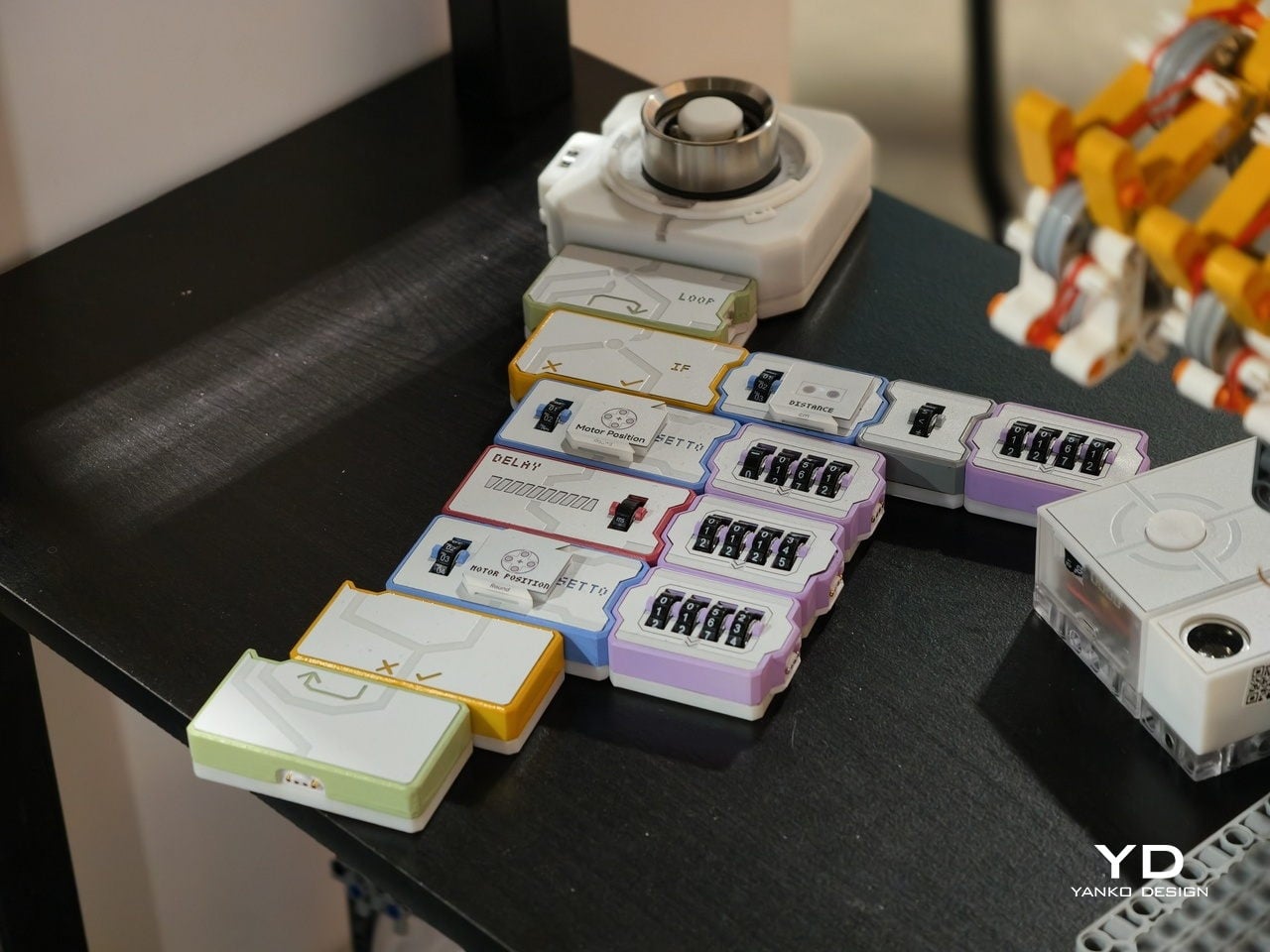
At the heart is a set of magnetic tiles that behave like physical lines of code. Each tile carries a clear label and icon, MOTOR POWER, MOTOR SPEED, LIGHT COLOR, LIGHT BRIGHTNESS, SOUND VOLUME, or PLAY MUSIC, along with small number wheels for setting values. You lay them out on a table in order, snapping them together so the arrows line up. Instead of typing IF, LOOP, or DELAY, you drop in tiles that embody those concepts.
For younger learners, that shift is huge. Kids from about four to twelve can create code with their own hands, without staring at a tablet. The base unit sends power and data through the snapped‑on tiles, and LEDs under the surface trace the program’s flow. When something goes wrong, the light trail stops at the problem block, making debugging as simple as seeing where the chain breaks, tangible logic training that feels closer to building with bricks.
There is also an AI layer behind the scenes. Codee talks about GPT tutors that act as a personal guide, explaining what a block does, suggesting what to try next, and celebrating small wins. For a child working through their first conditional or loop, that means there is always a patient voice ready to rephrase or nudge. For parents and teachers, it lowers the barrier to running robotics sessions without being a programmer.
The same hardware becomes different in adult hands. On the Codee for Adults side, the language shifts from classrooms to workshops. The tiles drive 3D‑printed prototypes, finalize complex LEGO builds, or wire up smart lights and sensors. Instead of opening an IDE, you sketch behavior on the table, using the MOTOR, LIGHT, and SENSOR blocks. An AI pair programmer, again powered by ChatGPT, suggests improvements, helps debug, and translates that physical logic into traditional code when needed.
This makes Codee feel like a bridge between toy‑like kits and serious prototyping platforms. A weekend project can start with a handful of tiles and a motor, then grow into a more complex robot with distance sensors, displays, and multiple outputs, without abandoning the snap‑together language. Because the system is LEGO compatible and offers expandable robotics IO, it slots into existing maker habits rather than demanding a clean slate.
For budding makers and veterans alike, the appeal is in that continuity. Codee is not just another coding toy for kids or another dev board for adults. It is a physical grammar for behavior that scales from first experiments to surprisingly capable machines, with AI acting as a gentle translator between intuition and implementation. It is a reminder that sometimes the best interface for code is still the table.
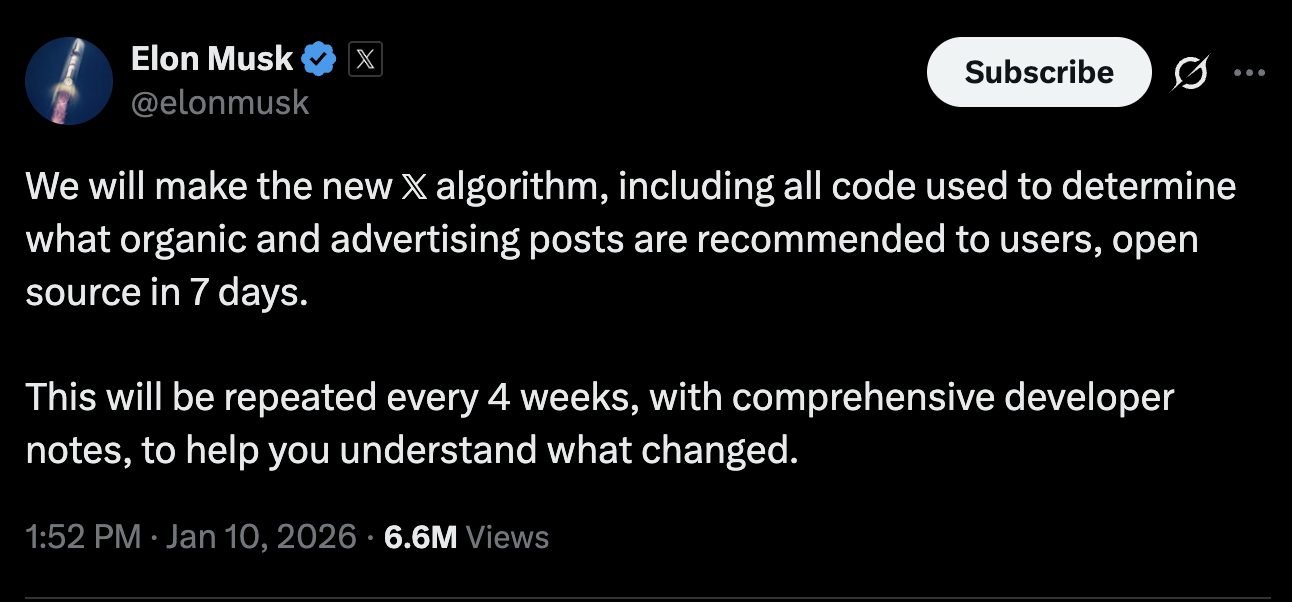
X may soon provide more insight into how its algorithm works. On Saturday, Elon Musk posted on the platform to say that the company "will make the new X algorithm, including all code used to determine what organic and advertising posts are recommended to users, open source in 7 days."
Elon Musk's X post about open-sourcing the algorithm.
Screenshot/X
Musk has been making promises of open-sourcing the algorithm since his takeover of Twitter, and in 2023 published the code for the site's "For You" feed on GitHub. But the code wasn't all that revealing, leaving out key details, according to analyses at the time. And it hasn't been kept up to date. Of the making the new algorithm open source, Musk said in his post, "This will be repeated every 4 weeks, with comprehensive developer notes, to help you understand what changed."
This article originally appeared on Engadget at https://www.engadget.com/big-tech/elon-musk-says-xs-new-algorithm-will-be-made-open-source-next-week-225721656.html?src=rss
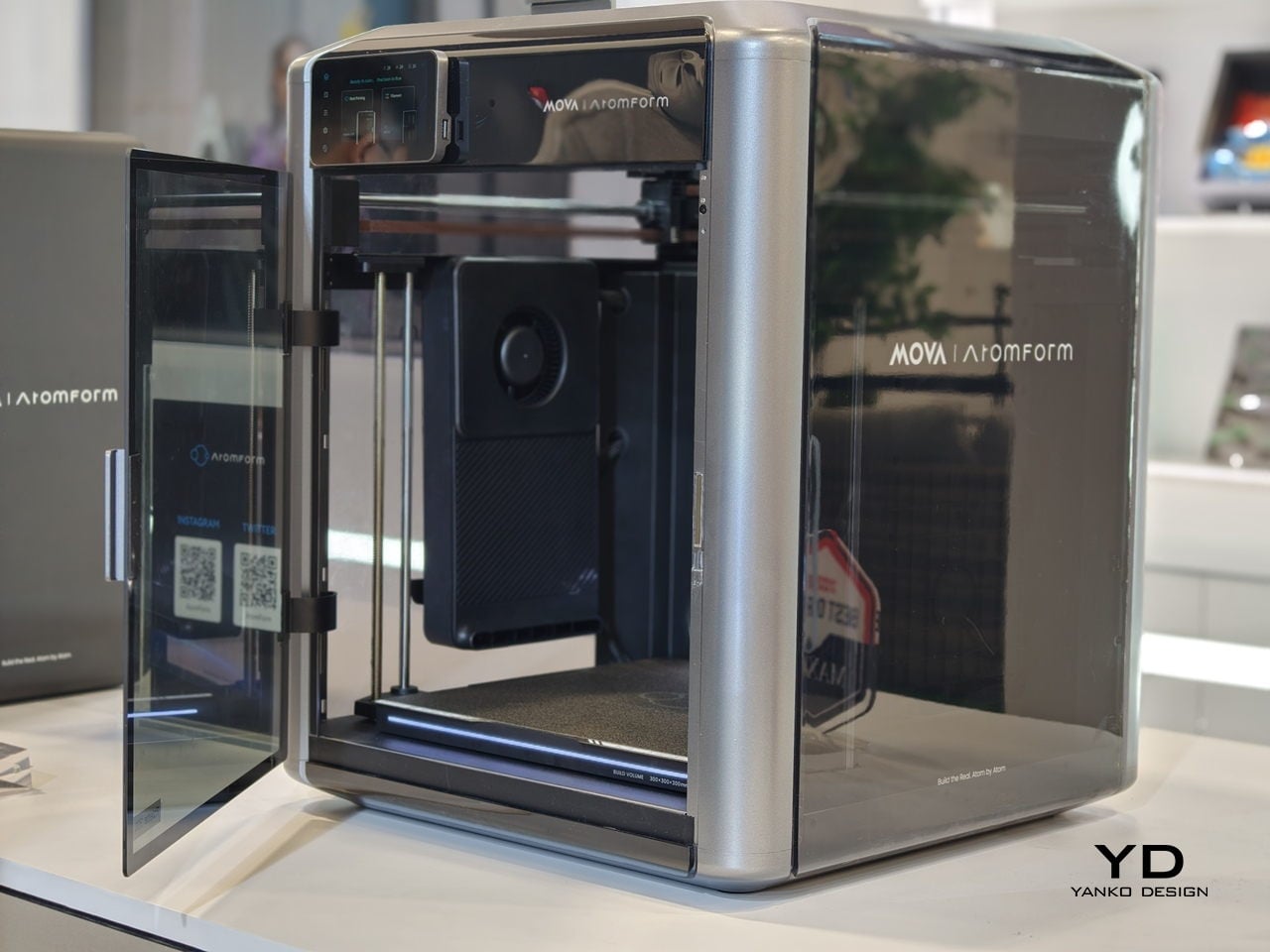
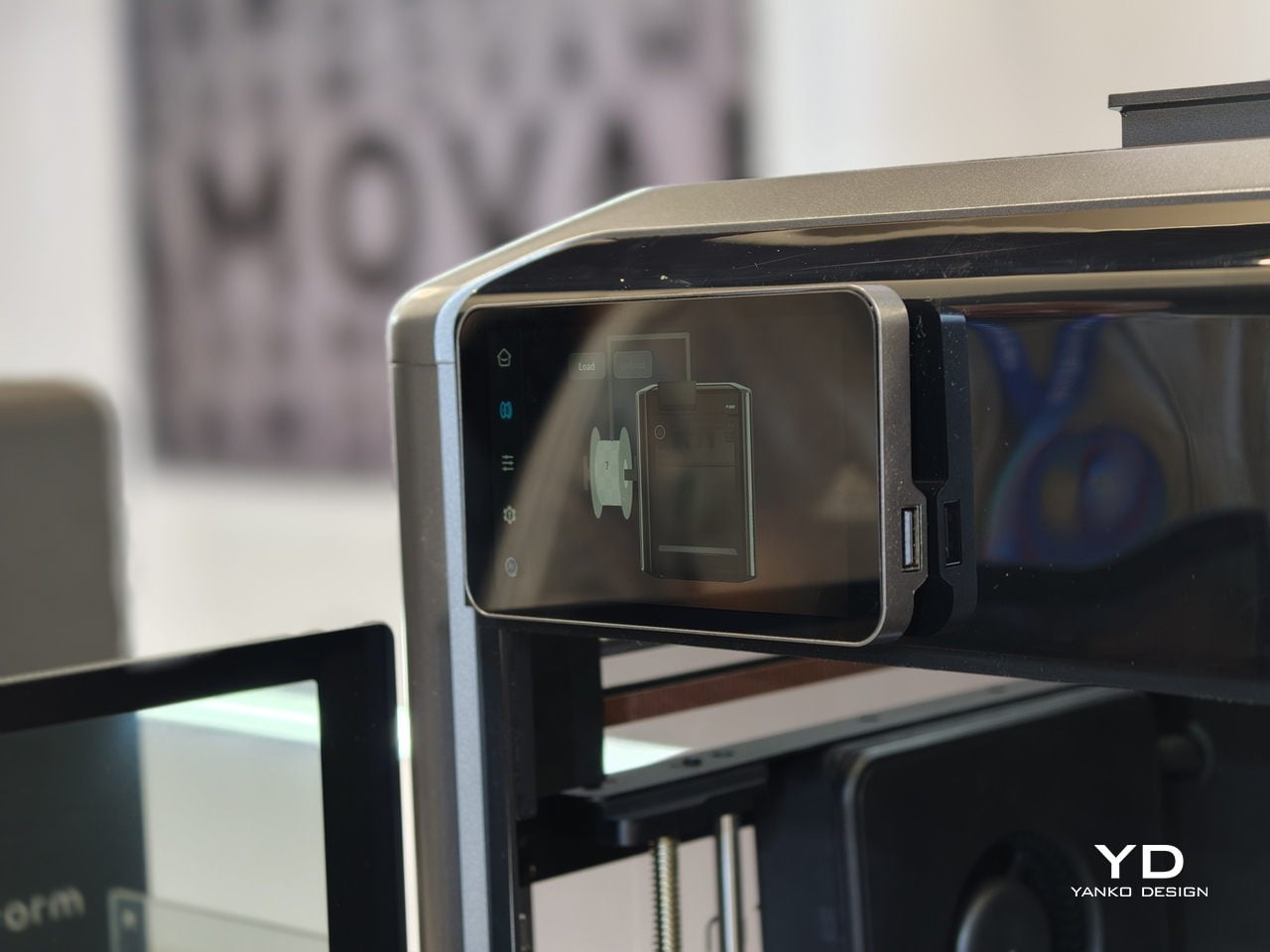
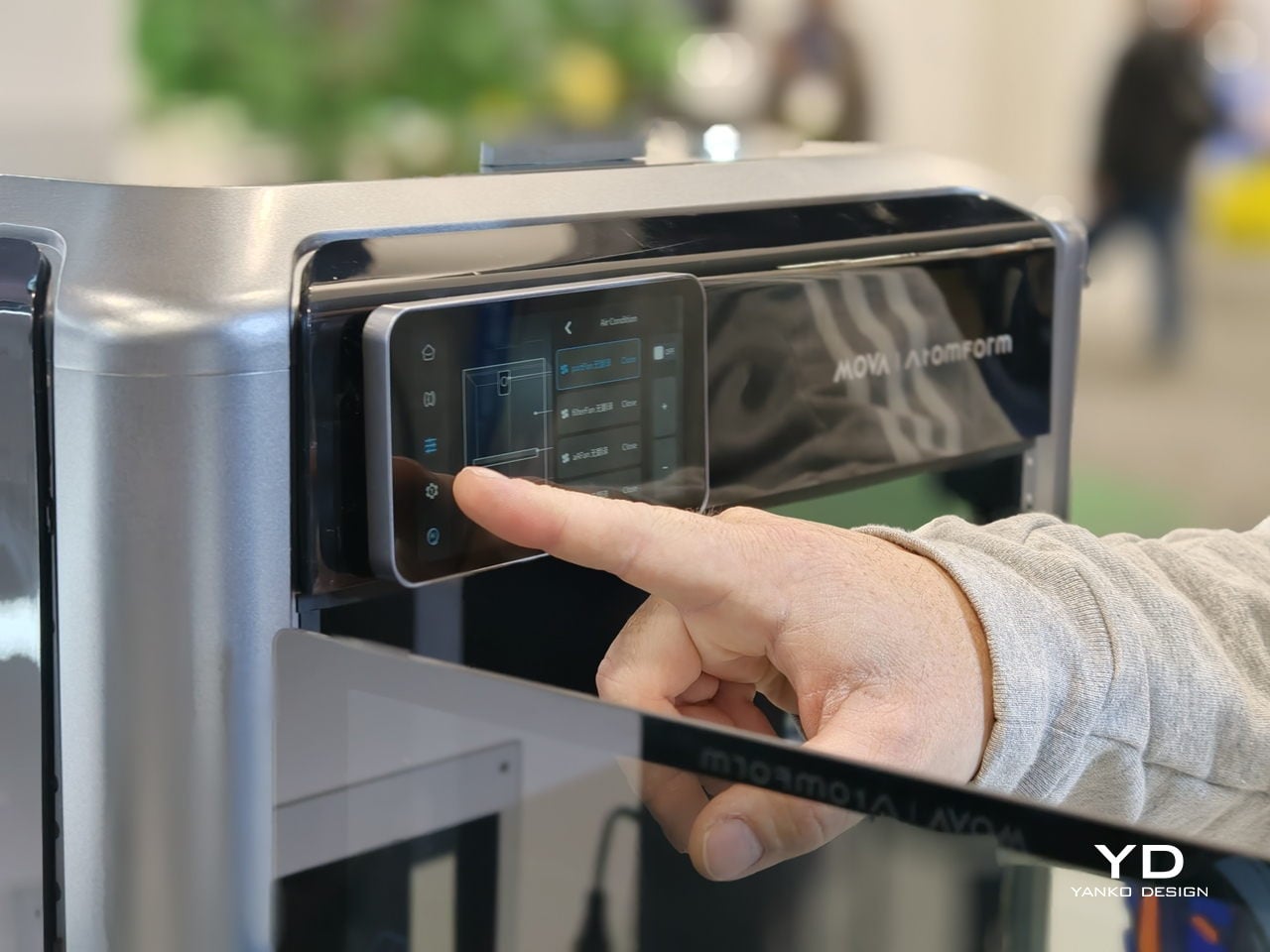
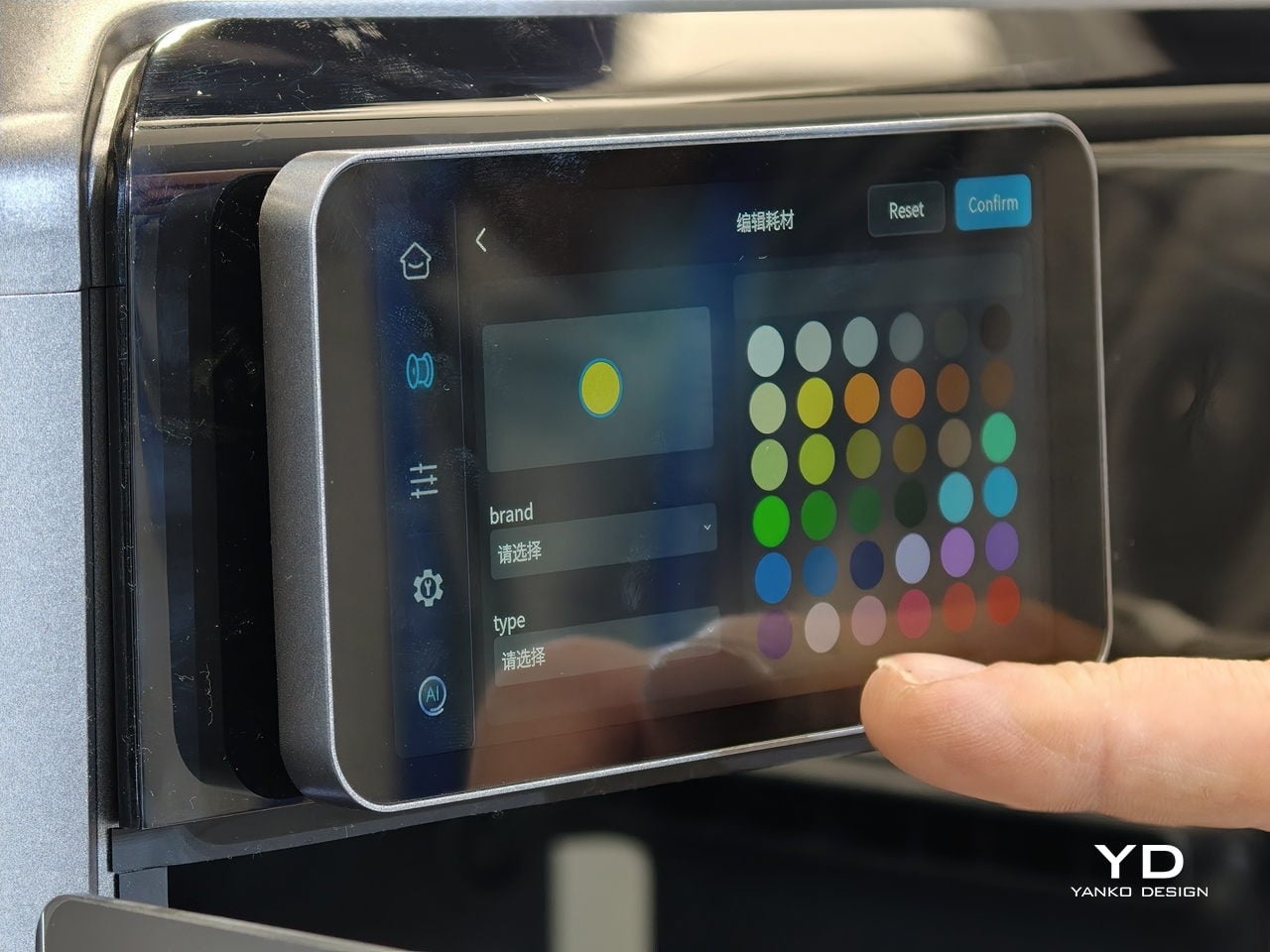
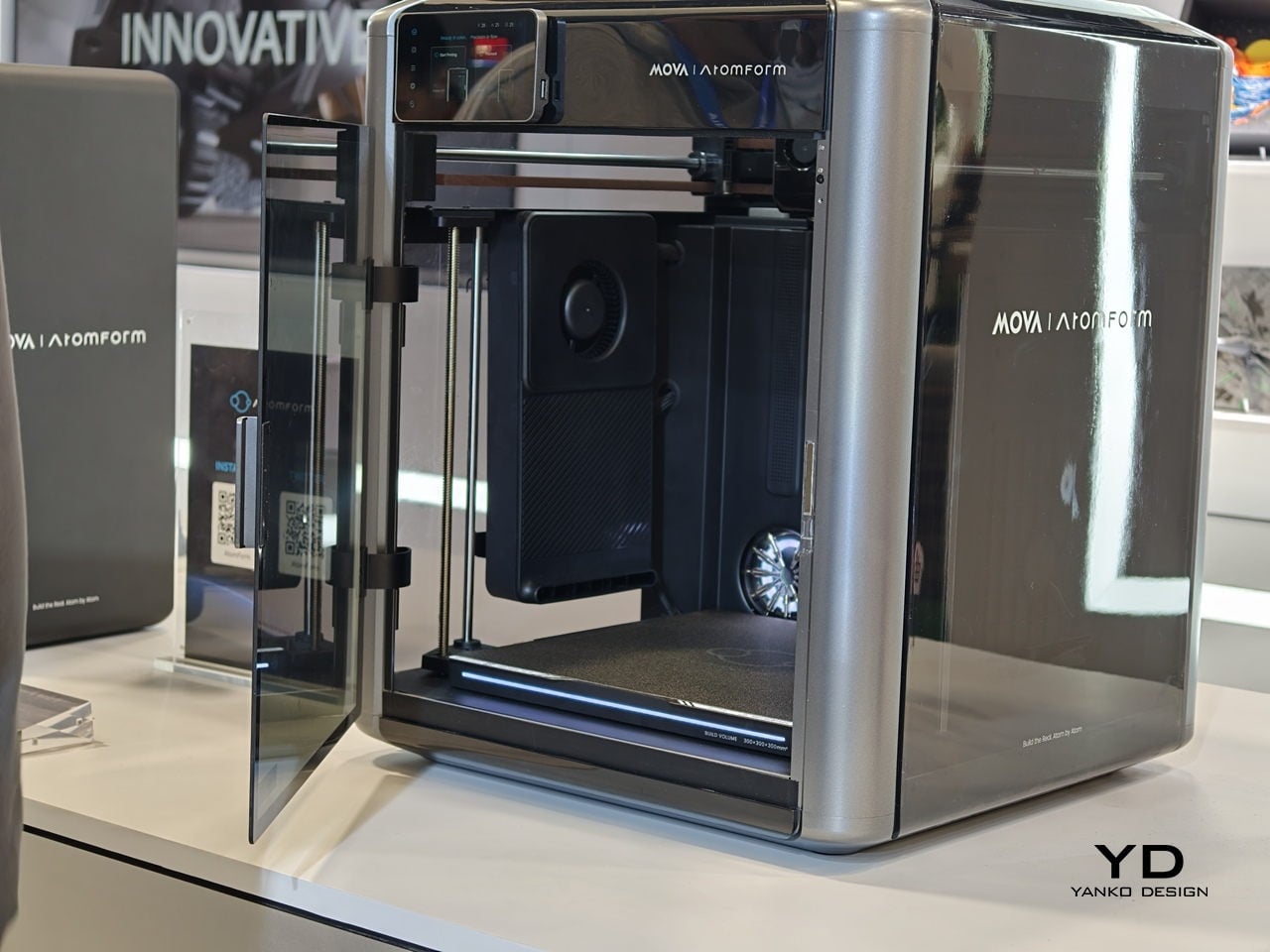
Desktop 3D printing has always promised “anything you can imagine,” but in practice, that usually means single-color PLA, lots of tinkering, and a trash bin full of purge towers. The gap between colorful renders and what actually comes out of most desktop printers has been wide enough to make many designers quietly give up on FFF for anything beyond simple prototypes. AtomForm’s Palette 300 shows up at CES 2026, trying to close that gap.
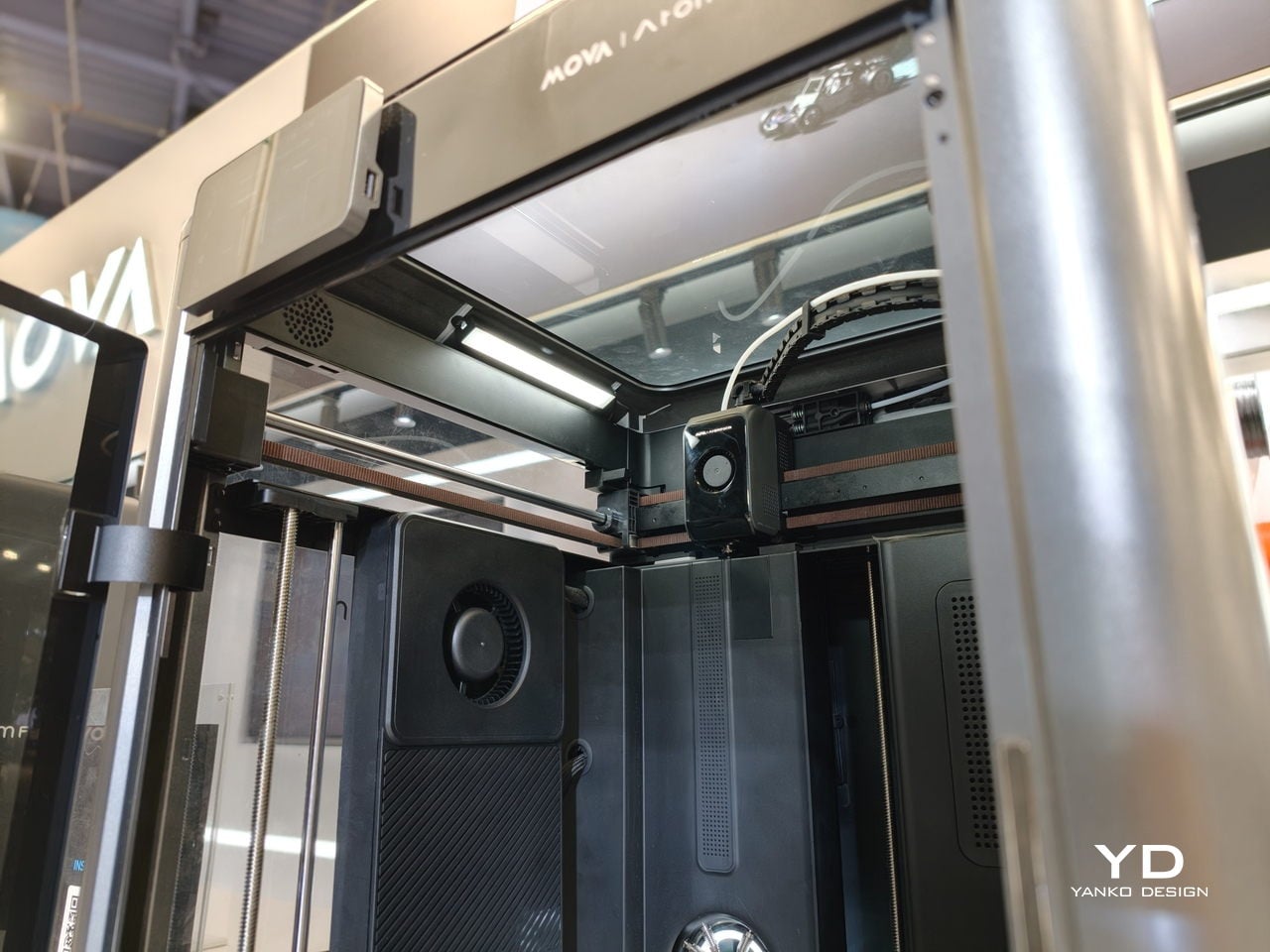
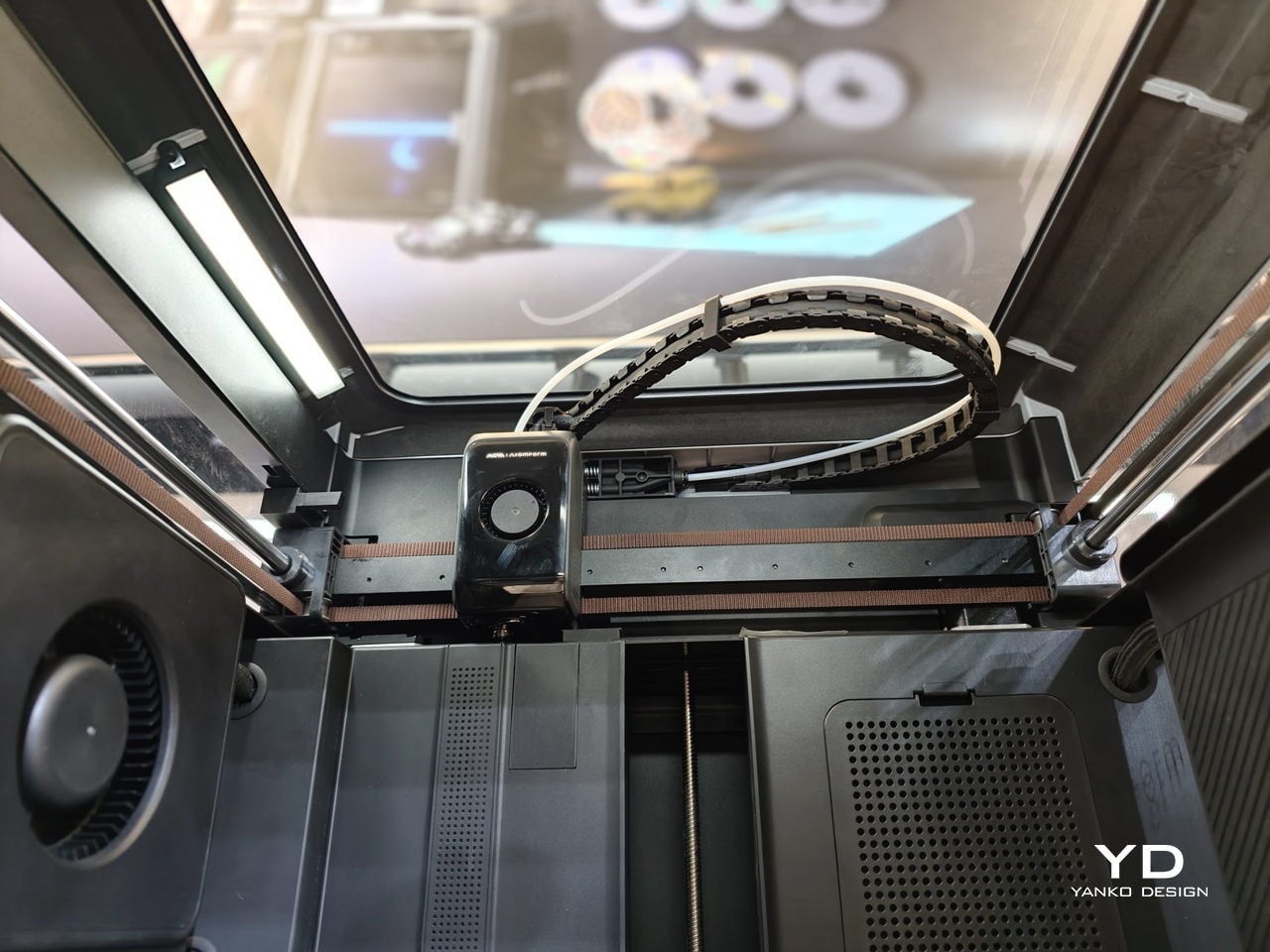
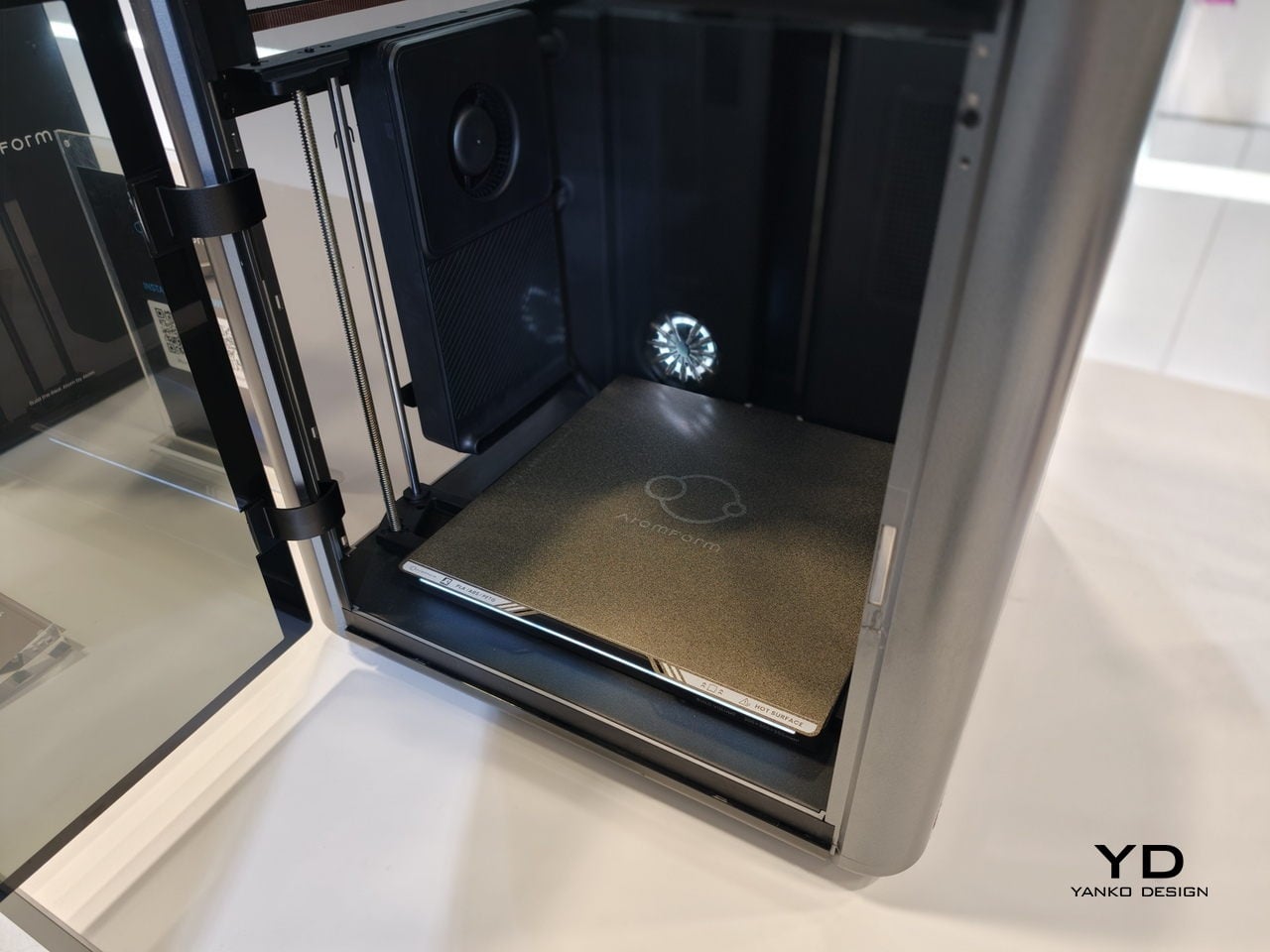
AtomForm Palette 300 is a 12-nozzle, enclosed 3D printer built to combine up to 36 colors and 12 materials in a single print. It uses a rotating OmniElement automatic nozzle-swapping system, where each nozzle stays dedicated to one filament. AtomForm claims that the approach cuts filament waste by up to 90% by avoiding constant purging, while still hitting 800 mm/s print speeds and 25,000 mm/s² acceleration in a 300 × 300 × 300 mm enclosed cube.
Most multi-material printers either swap entire toolheads or force a single nozzle to purge every time you change color, which costs time and plastic. The Palette 300’s turret of 12 filament-dedicated nozzles can jump from one to another without constant reloading, so complex color and material changes do not feel like a penalty. That means a product prototype can have brand-accurate colors and soft-touch grips in one pass.
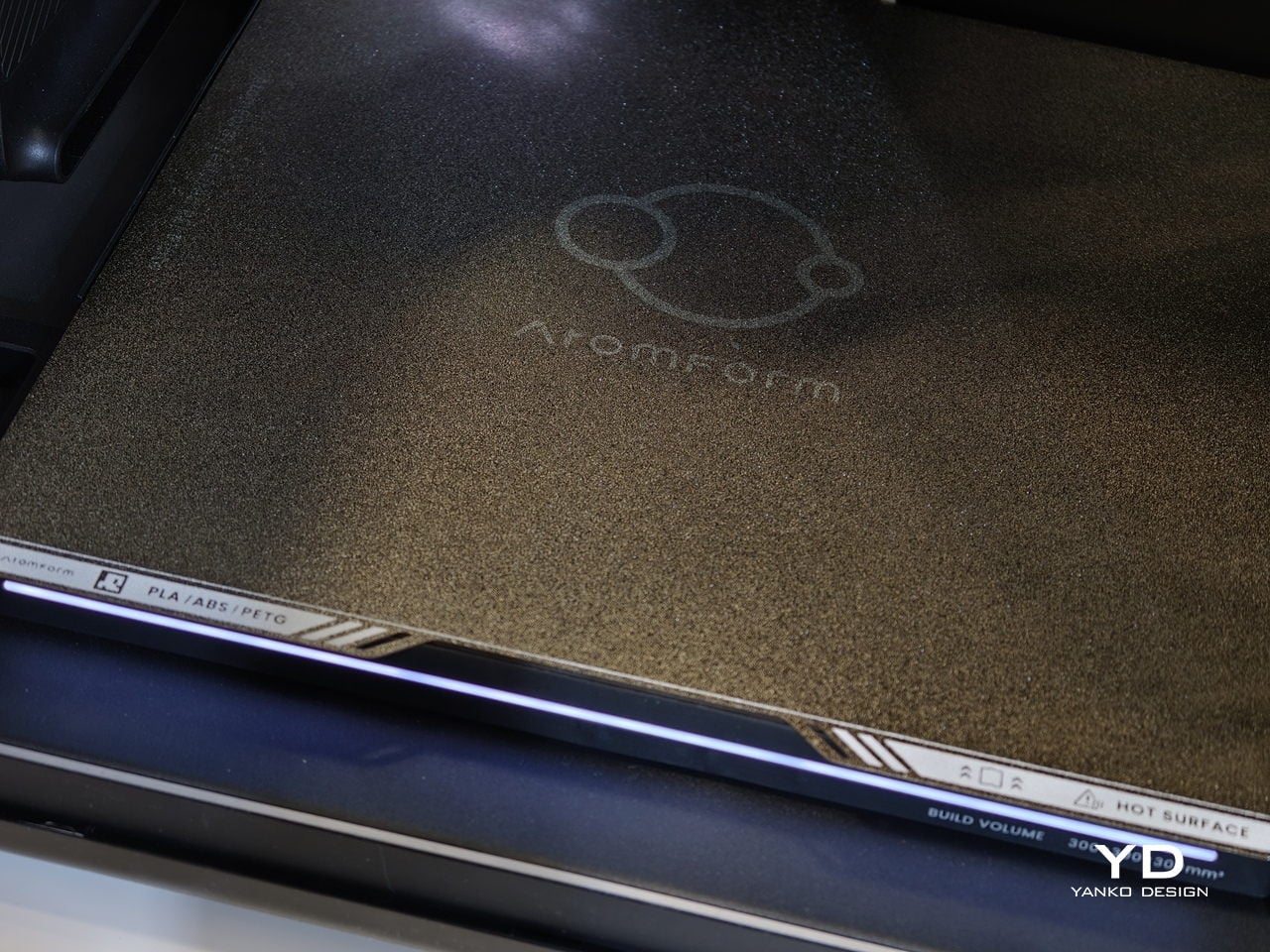
The 350°C hotend and 300mm cube volume give headroom for engineering filaments and larger pieces, not just small decorative figures. A prototype sneaker with flexible soles and rigid eyelets, or an architectural mock-up that mixes translucent windows with textured facades, can happen in one job instead of several glued-together prints. That kind of integration changes how much iteration fits into a day and how confident you can be that parts will actually fit together.
Reliability is where the AI and sensing layer come in. The Palette 300 uses more than 50 sensors and four AI-powered cameras to watch the print in real time. Those systems automatically calibrate nozzle alignment across all 12 extruders and look for defects before a long job is ruined. For complex, multi-hour prints, that is the difference between trusting the machine to finish and spending the afternoon hovering nearby.
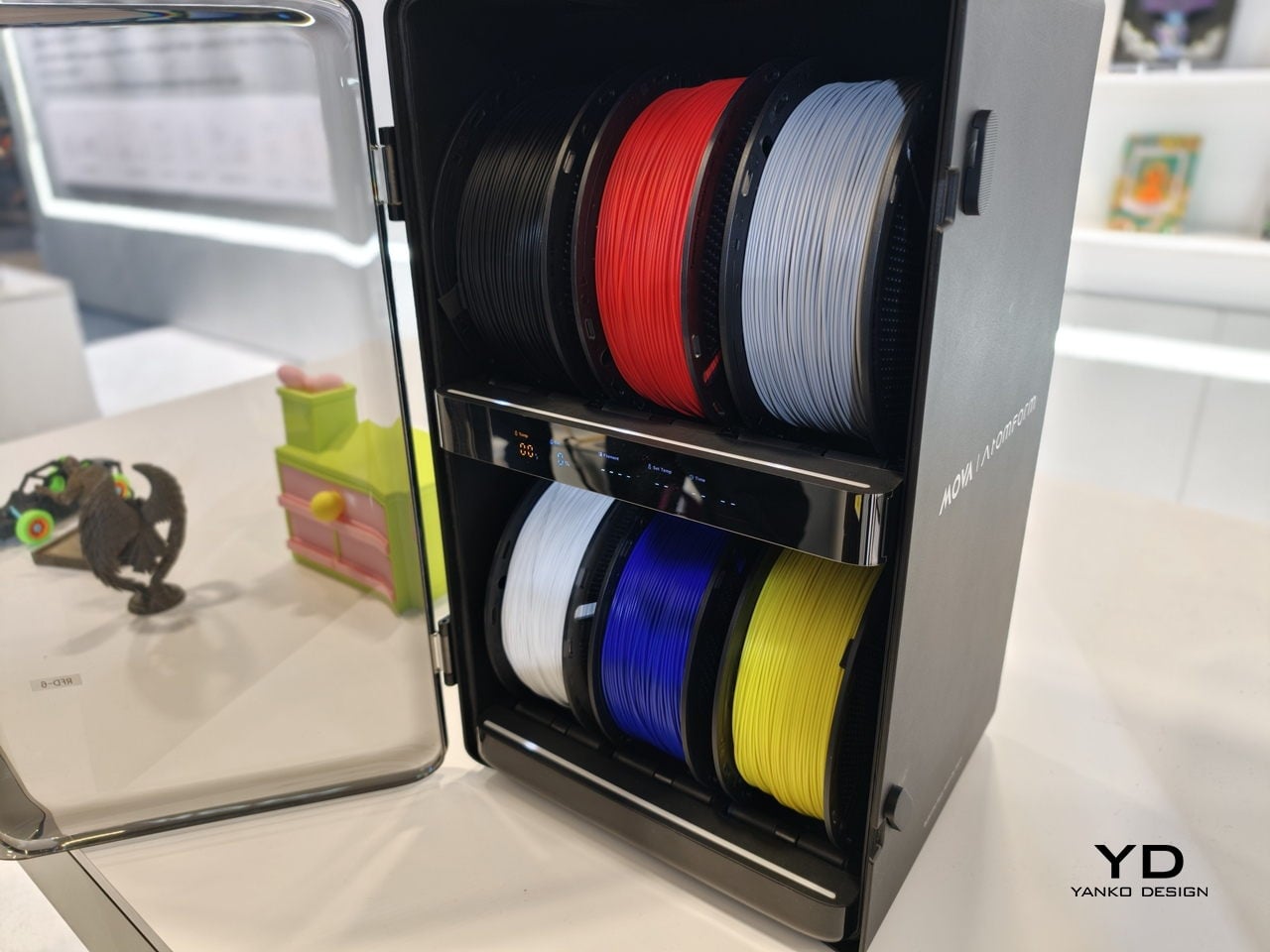
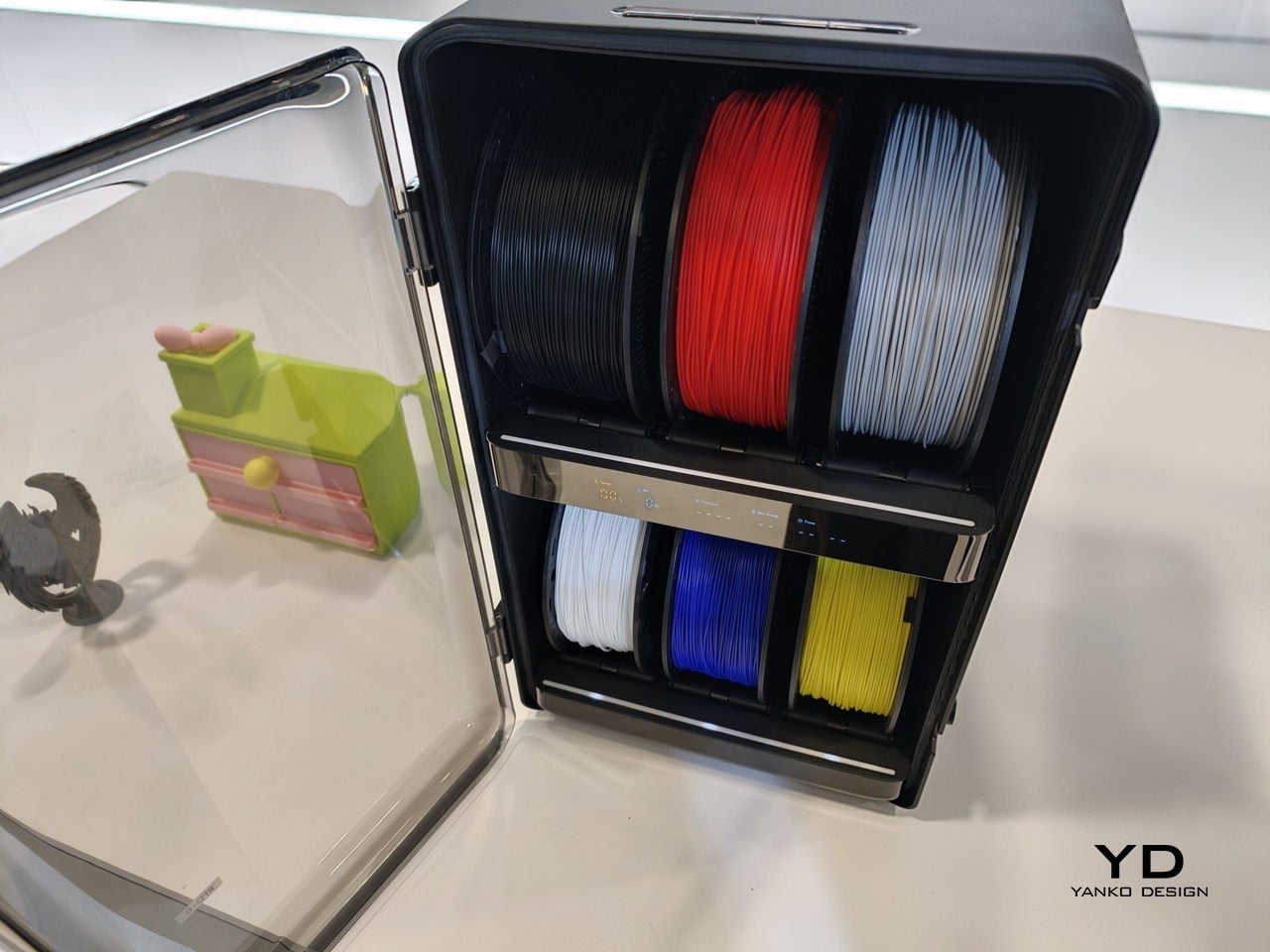
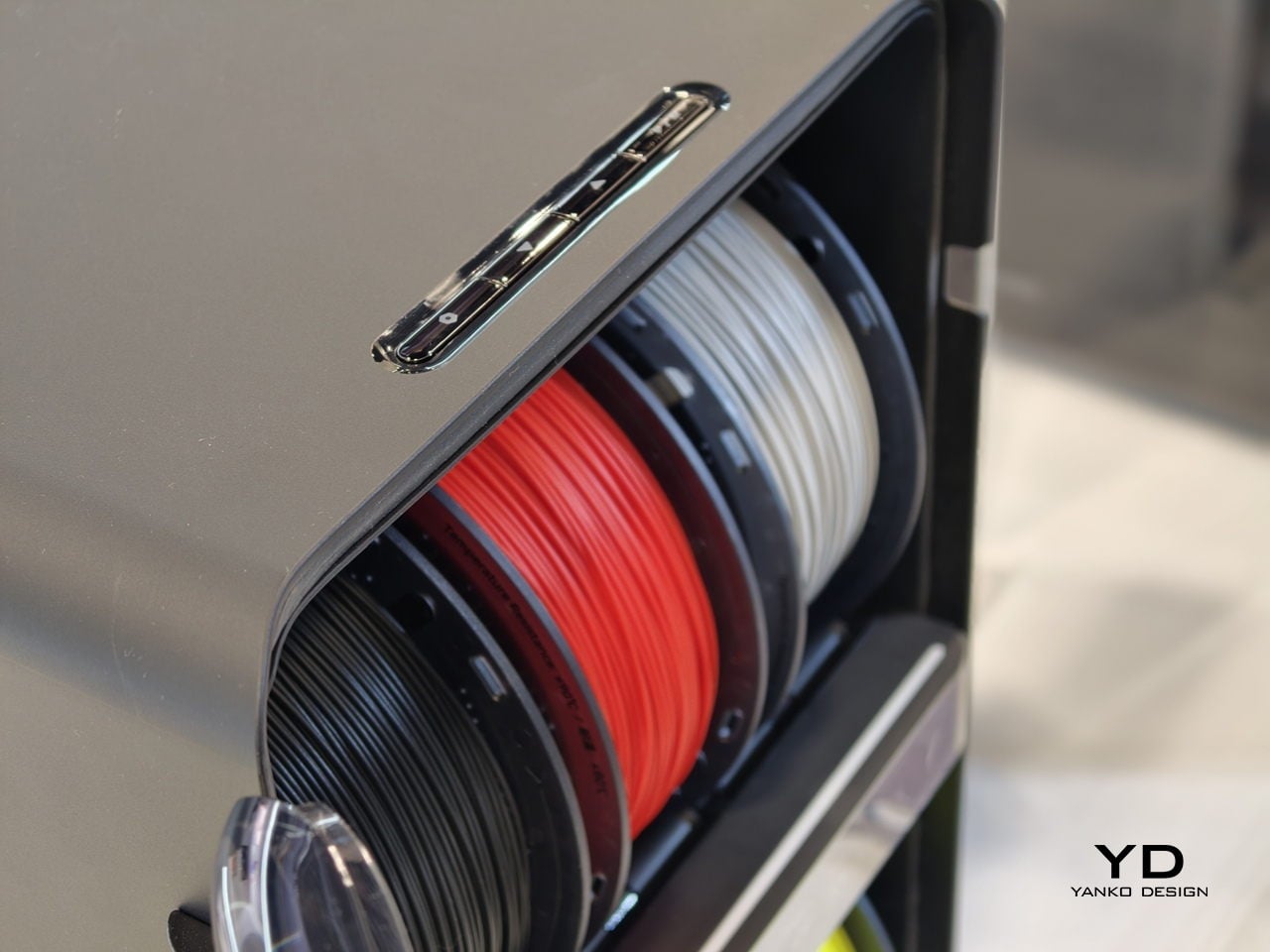
The studio-friendly details matter just as much. The fully enclosed design, ≤48 dB noise rating, and built-in air filtration make it plausible to run the Palette 300 in a shared office or classroom instead of a back room. It can connect to up to six RFD-6 filament boxes that keep 36 spools dry and ready, so a full color and material library can stay loaded instead of living in cardboard boxes.
AtomForm Palette 300 is an attempt to move multi-color FFF from novelty into something designers can rely on. It is a first-generation machine from a new brand, so long-term reliability and software polish still have to be proven. But the combination of 12-nozzle hardware, AI-assisted oversight, and a thought-through filament ecosystem makes it one of the more interesting 3D printers to come out of CES 2026, especially for people tired of choosing between detail, color, material diversity, or speed.
Your neighborhood GameStop might be on the chopping block, along with more than 400 other retail locations across the US. As first reported by Polygon, the retailer is pursuing a severe cost-saving measure by closing up several hundred physical locations. According to a blog that keeps track of GameStop closures, there are 410 locations that are confirmed to be closing or are already closed, along with another 11 that are reportedly also on their way, as of January 10.
As Polygon indicated, these closings aren't much of a surprise considering GameStop's SEC filing for December 2025 indicated that it would "anticipate closing a significant number of additional stores in fiscal 2025," which ends on January 31, 2026. The same filing detailed that the company's board would pay out the GameStop CEO, Ryan Cohen, up to $35 billion in stock options, given that he increases the retailer's market cap to $100 billion.
While the blog covers only closures in the US, the SEC filing also noted that GameStop is planning to reduce its presence in several other European countries and Canada. Even though GameStop saw a historic spike in market value in 2021, it has struggled with the brand's direction, as seen with failed attempts at offering a crypto locker and an NFT marketplace.
This article originally appeared on Engadget at https://www.engadget.com/gaming/gamestop-reportedly-shuts-down-more-than-400-us-stores-210632743.html?src=rss
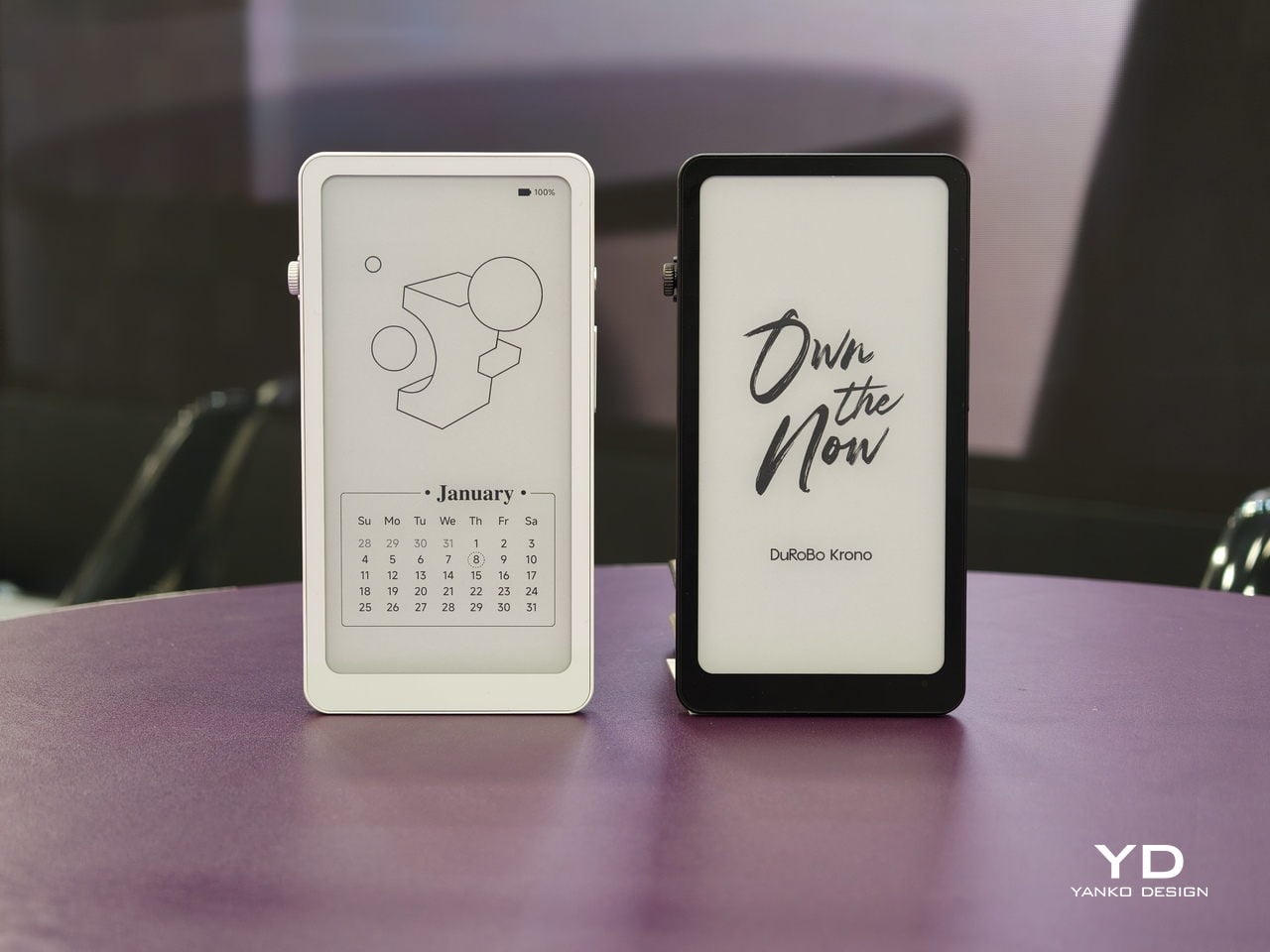
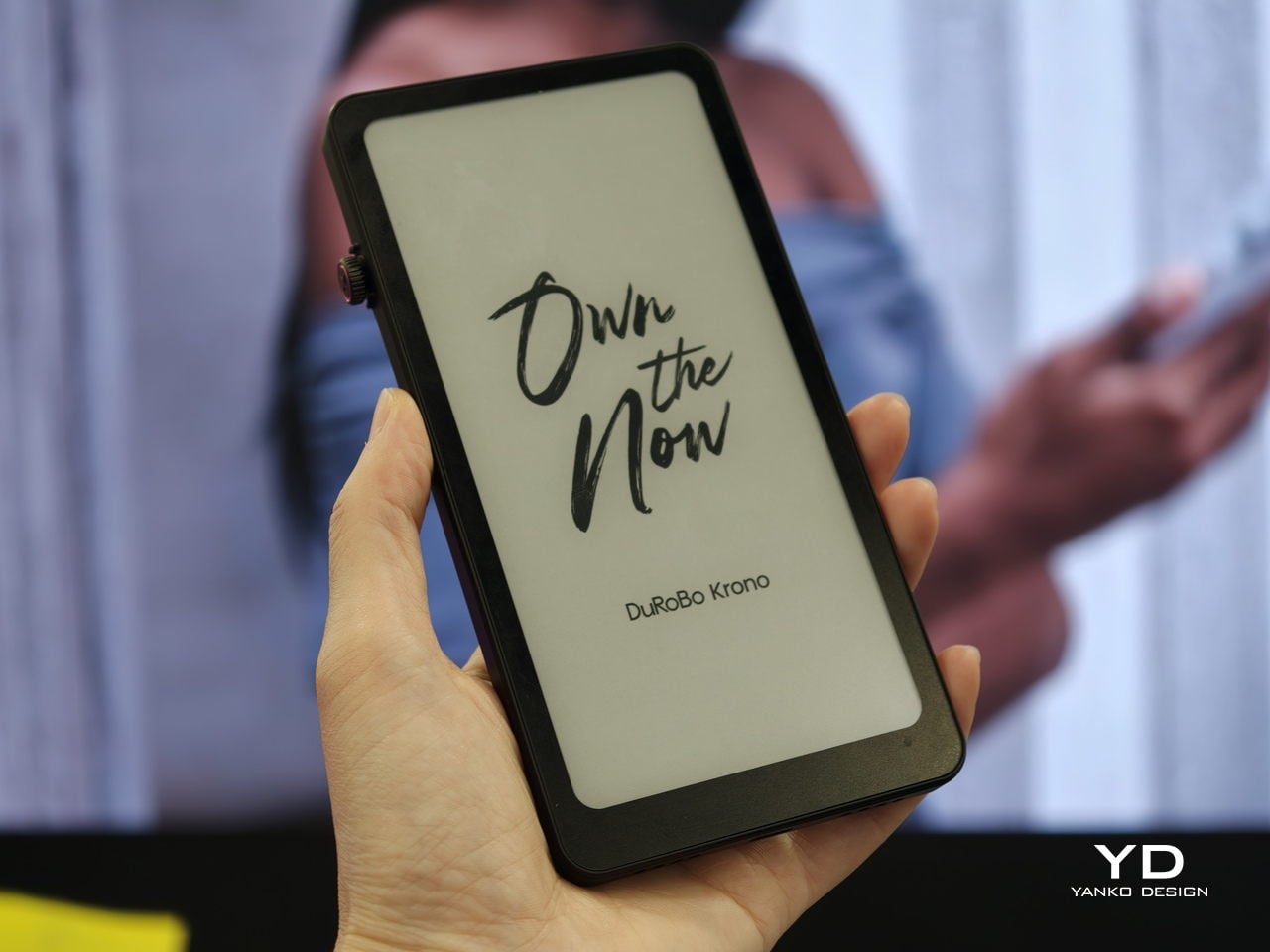
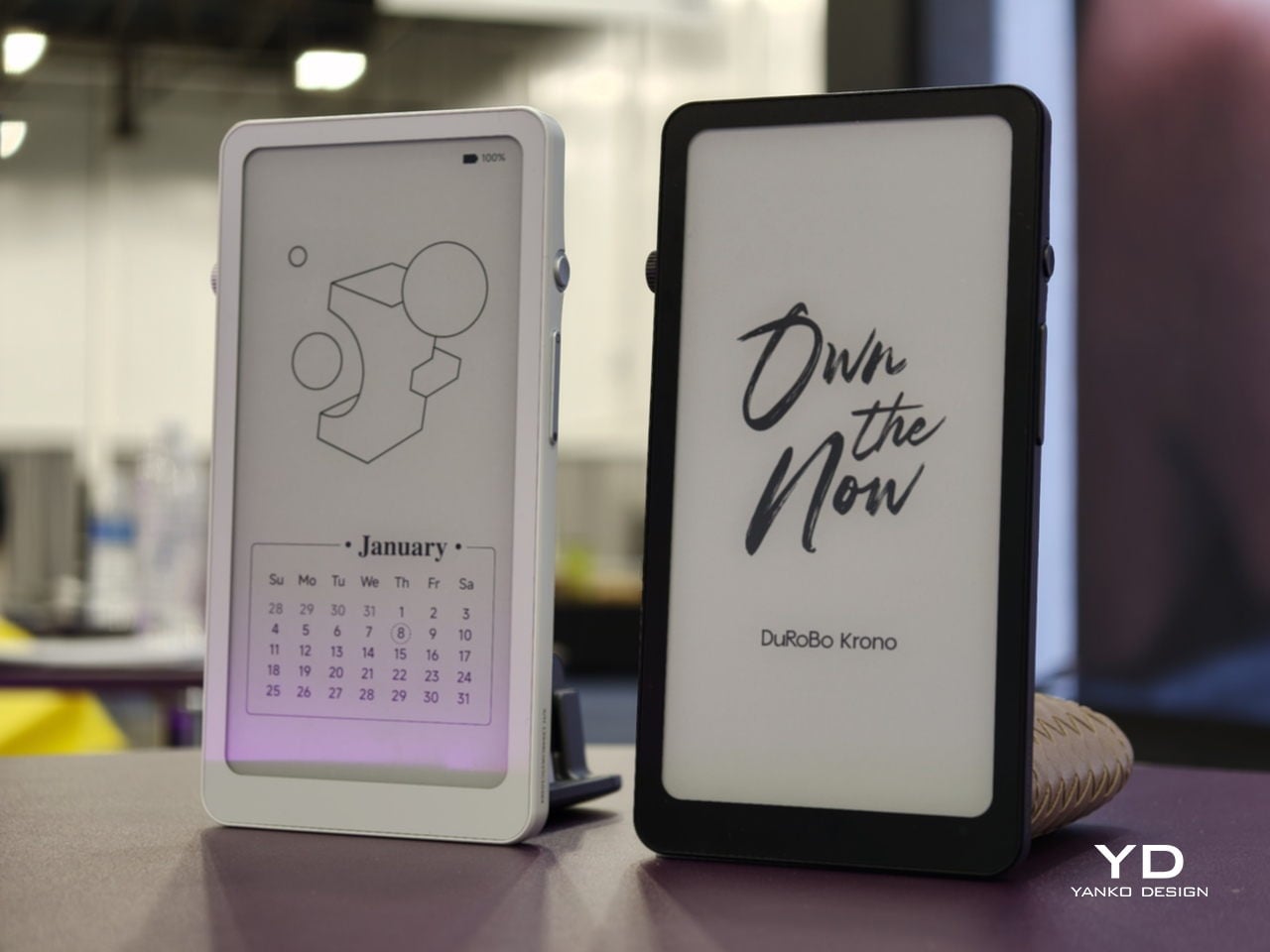
Trying to read or think on a phone never quite works. Notifications interrupt articles halfway through, feeds wait one swipe away from whatever you were concentrating on, and even long reads become just another tab competing for attention. E‑readers tried to solve this, but most stopped at books and stayed locked into one ecosystem. DuRoBo, a Dutch e‑paper specialist, is bringing Krono to CES 2026 in Las Vegas with a different ambition, treating focus, reflection, and idea capture as equally important.
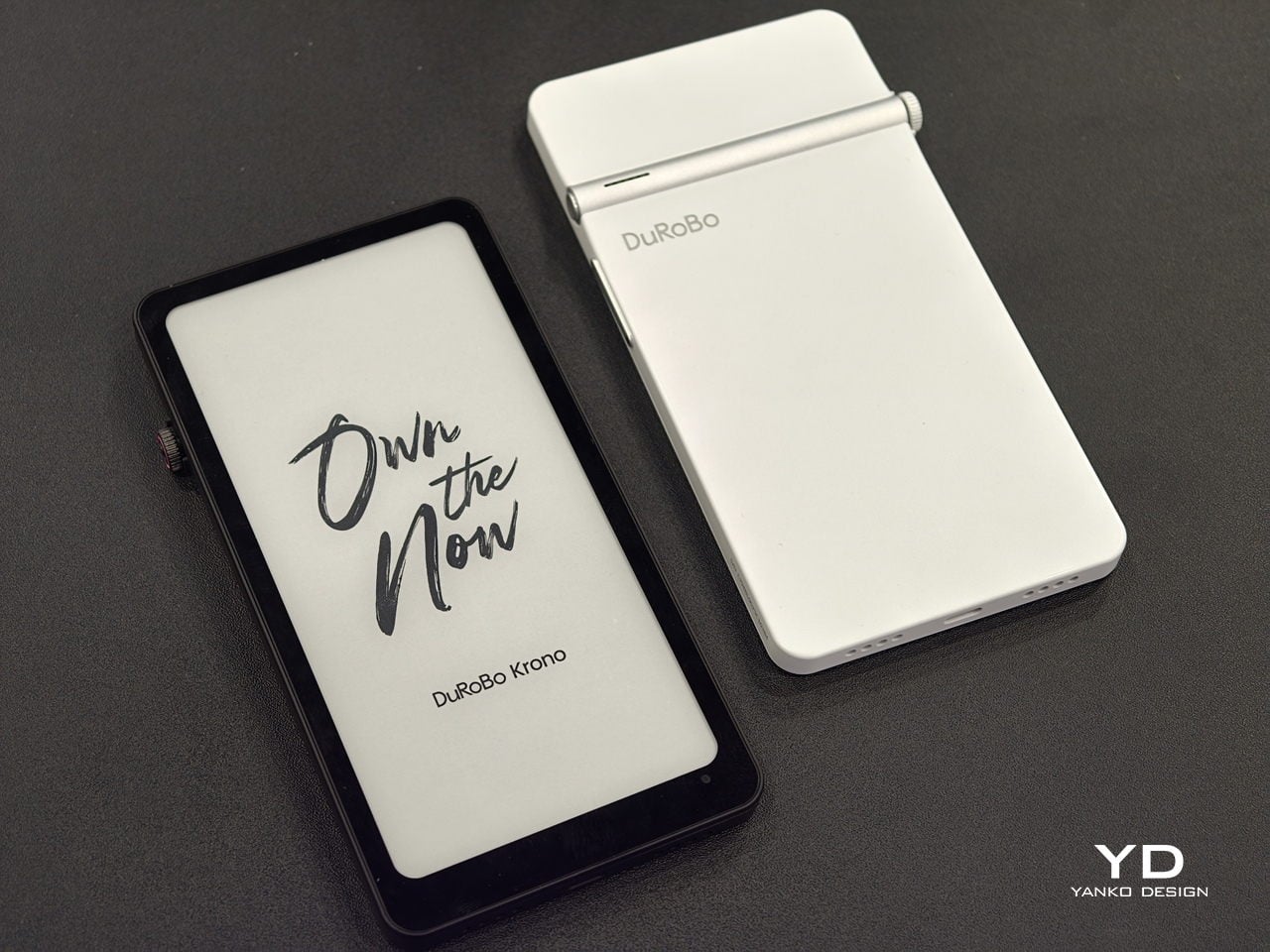
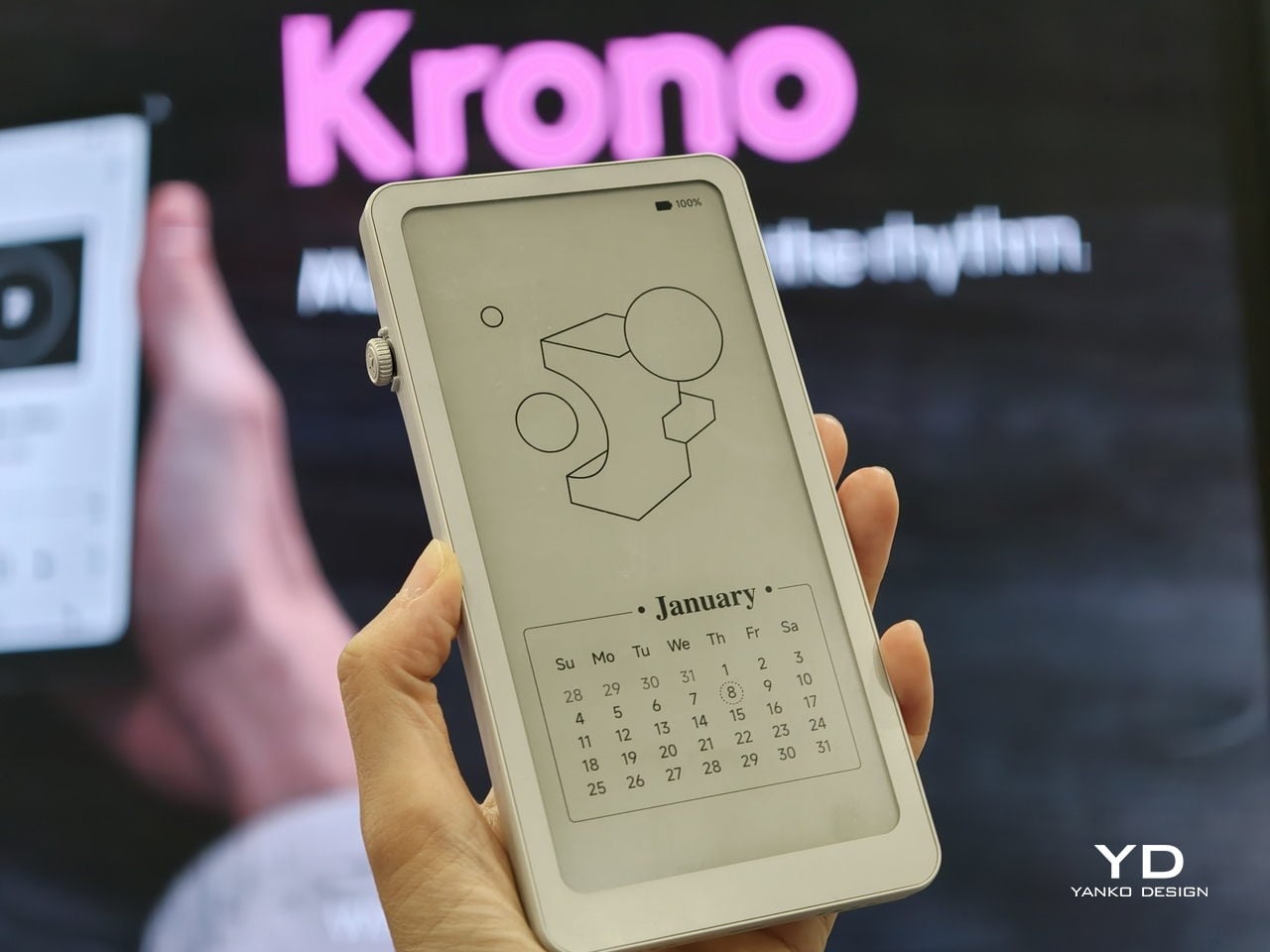
Krono is a pocket‑sized smart ePaper focus hub that has made waves in Europe and is now entering the US market. It wraps a 6.13‑inch E Ink Carta 1200 display with 300 PPI clarity into a minimalist, mechanical‑inspired body that measures 154 × 80 × 9 mm and weighs about 173 g. It is for capturing and shaping thoughts with on‑device AI, ambient audio, and a Smart Dial that feels more tactile than tapping glass.
The paper‑like screen, anti‑glare etching, and dual‑tone frontlight make it comfortable for long reads, whether books, saved articles, or PDFs. The compact body feels closer to a large phone than a tablet, which encourages carrying it everywhere as a dedicated space for slower content. The display mimics paper well enough that you can read for hours without the eye strain from backlit screens.
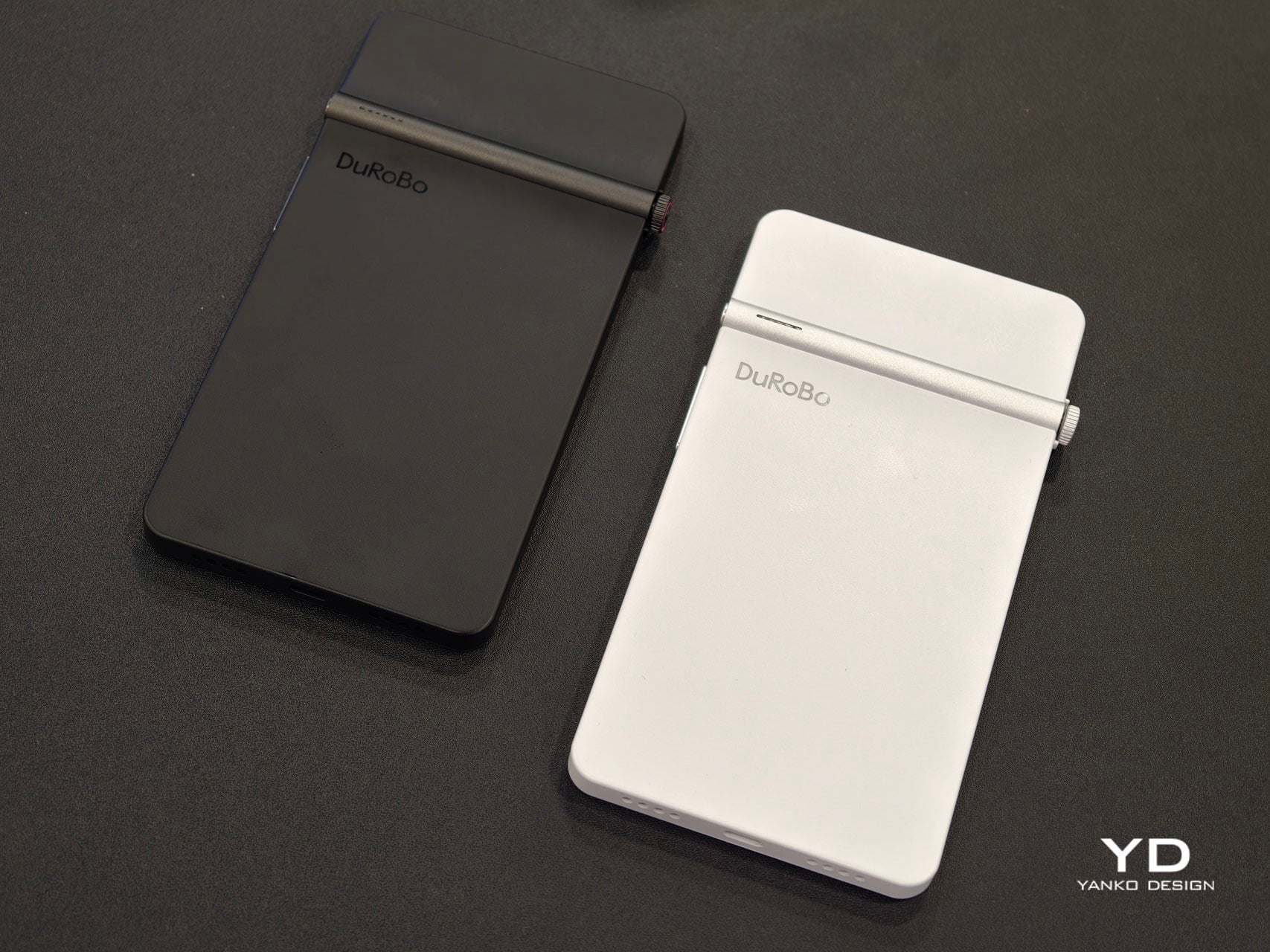
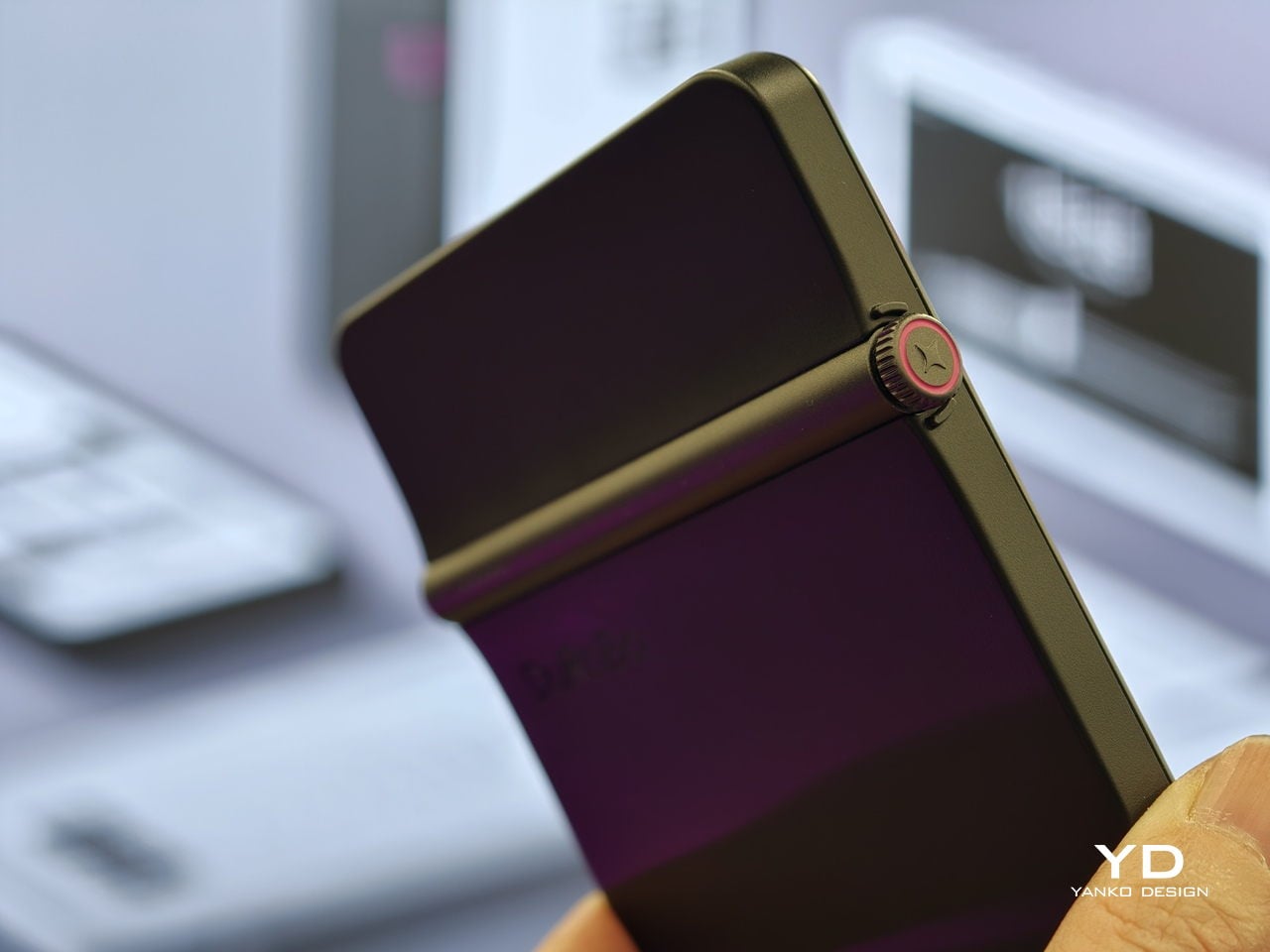
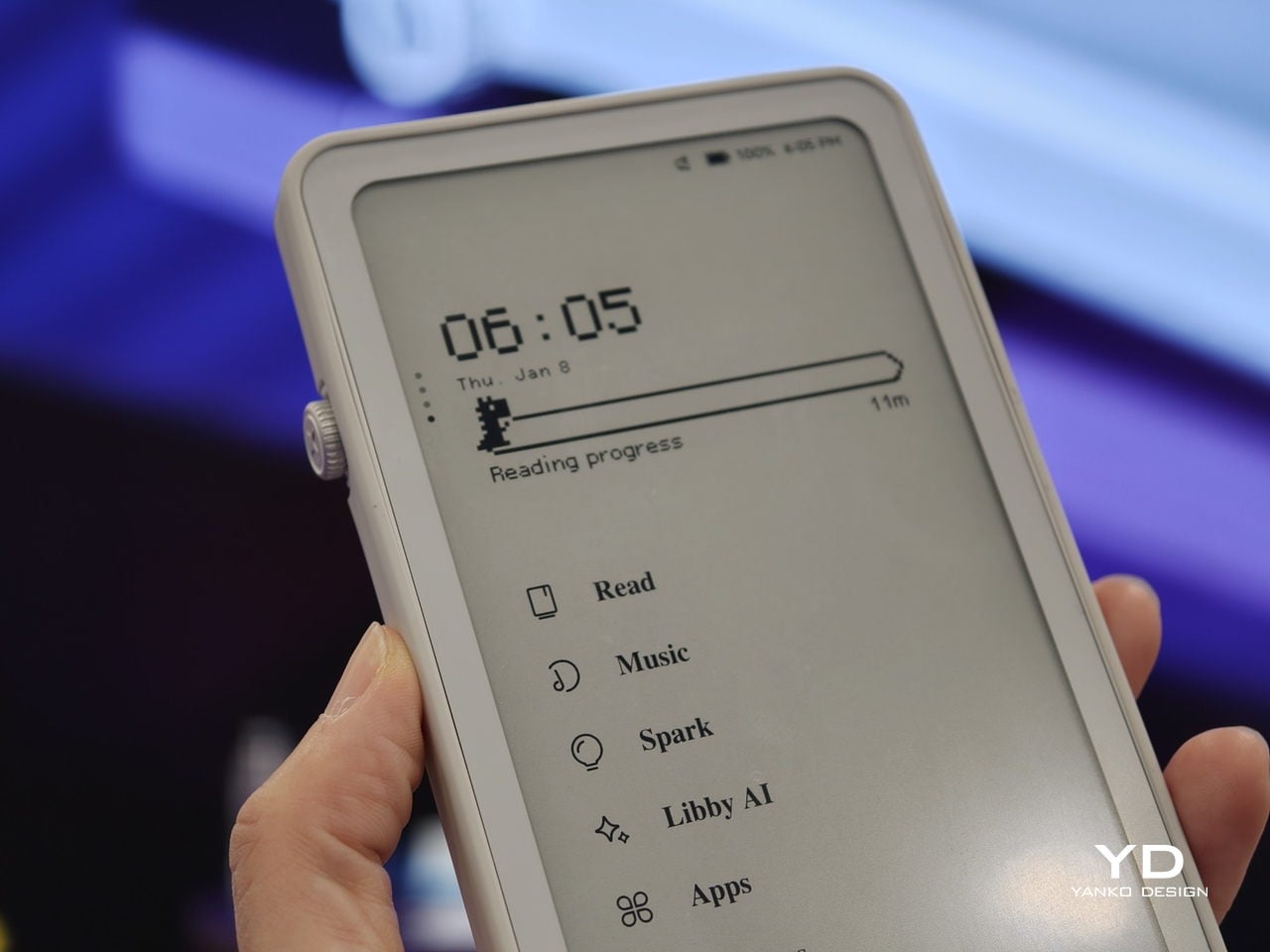
The Smart Dial and Axis bar are the main interaction story. The dial lets you flip pages, adjust brightness or volume, and, with a long‑press, open Spark, Krono’s idea vault. The Axis along the top rear houses eight breathing lights that glow subtly while you read or work, reinforcing the sense of a calm, separate device. The dial and lights give Krono a more analog feel, turning navigation and focus into something you do with your hand.
Spark is where AI enters. Press and hold the dial to dictate a thought, meeting note, or passing idea, and Krono records it, transcribes it with speech‑to‑text, and runs an AI summary that turns it into a structured note. Text Mode lets you refine that note on the e‑paper screen. The whole process happens on‑device, keeping ideas private and the interface calm.
Libby AI is the on‑device assistant that answers prompts and helps with outlines or clarifications without dragging you into a browser. Krono runs Android 15 with full Google Play Store access, powered by an octa‑core processor, 6 GB of RAM, and 128 GB of storage, so it can run Kindle, Notion, or other tools. DuRoBo’s own interface keeps the experience geometric and minimal.
The built‑in speaker and Bluetooth audio are part of the focus story. You can listen to music, podcasts, or audiobooks while reading or writing, turning Krono into a self‑contained environment for commutes or late‑night sessions. The 3,950 mAh battery and tuned refresh algorithms support long stretches of use, not constant app‑hopping, which is what you want from a device that is supposed to be a reprieve from the usual screen.
Krono’s CES 2026 appearance is more than just another e‑reader launch. It is DuRoBo’s attempt to give US readers and thinkers a pocketable device that treats focus, reflection, and idea capture as first‑class design problems. The specs matter, but the real promise is a small, quiet object that can sit between a book and a phone, borrowing the best of both without inheriting their worst habits.
If you received a bunch of password reset requests from Instagram recently, you're not alone. Malwarebytes, an antivirus software company, initially reported that there was a data breach revealing the "sensitive information" of 17.5 million Instagram users. Malwarebytes added that the leak included Instagram usernames, physical addresses, phone numbers, email addresses and more. However, Instagram said there was no breach and that user accounts were "secure."
We fixed an issue that let an external party request password reset emails for some people. There was no breach of our systems and your Instagram accounts are secure.
You can ignore those emails — sorry for any confusion.
In Malwarebytes post, the company added that the "data is available for sale on the dark web and can be abused by cybercriminals." Malwarebytes noted in an email to its customers that it discovered the breach during its routine dark web scan and that it's tied to a potential incident related to an Instagram API exposure from 2024.
The reported breach has resulted in users receiving severalemails from Instagram about password reset requests. According to Malwarebytes, the leaked information could lead to more serious attacks, like phishing attempts or account takeovers. In response, Instagram posted on X that users can ignore the recent emails requesting password resets.
"We fixed an issue that let an external party request password reset emails for some people," Instagram's post on X read. "There was no breach of our systems and your Instagram accounts are secure."
While Instagram said this isn't a data breach, its parent company has been in hot water for data breaches in the past. If you haven't already, it's always a good idea to turn on two-factor authentication and change your password. Even better, you can review what devices are logged into your Instagram account in Meta's Accounts Center.
Update, January 11, 2026, 11:10AM ET: This story and its headline have been updated with Instagram's statement that was posted on X.
This article originally appeared on Engadget at https://www.engadget.com/cybersecurity/instagram-says-accounts-are-secure-after-wave-of-suspicious-password-reset-requests-192105188.html?src=rss
Nintendo Switch 2 owners can forget about seeing Baldur’s Gate 3 in the Nintendo Store, at least as of now. In a Reddit AMA, Larian Studio's CEO, Swen Vicke, said that the team would have loved to bring the title to Switch 2, but "it wasn't our decision to make."
As cryptic as that may sound, Vicke's response hints that either Wizards of the Coast, which owns the Dungeons and Dragons IP that Baldur's Gate 3 is set in, or Nintendo is behind the lack of a port. When it comes to Wizards of the Coast, rumors have circulated that the game studio and Wizards of the Coast may have a strained relationship. On the other hand, Larian Studios' technical director, Bert van Semmertier, revealed in a response to another AMA question that the studio just released Divinity: Original Sin 2 on the Switch 2, adding that "we love the platform and we will certainly consider Switch 2 for the next Divinity game."
There's still a chance that Wizards of the Coast decides to hire another studio to pursue a port in the future, but there's been no indication yet. As for why Larian Studios won't be behind a potential Switch 2 port, the developer said in a statement last year that it would no longer develop any major content updates or expansions for Baldur's Gate 3, nor work on a sequel.
This article originally appeared on Engadget at https://www.engadget.com/gaming/nintendo/dont-count-on-baldurs-gate-3-coming-to-switch-2-as-least-for-now-180538969.html?src=rss
The Federal Communications Commission has approved SpaceX’s request to deploy an additional 7,500 Gen2 Starlink satellites, allowing the company to launch 15,000 in all. It has also allowed SpaceX to upgrade its Gen2 satellites with “advanced form factors and cutting-edge technology,” to operate across more frequencies and to add more orbital shells to optimize coverage and performance. This approval will give the company’s fleet a boost and will allow it to offer internet and mobile services to more parts of the globe. The satellites will also enable SpaceX to offer “direct-to-cell connectivity outside the United States and supplemental coverage” within the US.
In the United States, SpaceX has a partnership with T-Mobile, which gives its subscribers access to satellite-to-phone services. It enables subscribers to send texts and access compatible apps even in remote locations. The companies are also planning to roll out voice calls over satellite in the future.
As Ars Technicanotes, the FCC’s announcement comes after SpaceX revealed that it was moving 4,400 satellites from an altitude of 341 miles down to 298 miles to reduce the risk of collision. SpaceX originally asked for permission to deploy 29,988 second-generation Starlinks in 2020, but the FCC only granted it permission for 7,500 in 2022. Back then the commission said that it was giving SpaceX a limited approval to help maintain a safe space environment due to concerns about orbital debris.
This article originally appeared on Engadget at https://www.engadget.com/science/space/spacex-can-deploy-7500-more-starlink-gen2-satellites-with-fcc-approval-180000843.html?src=rss