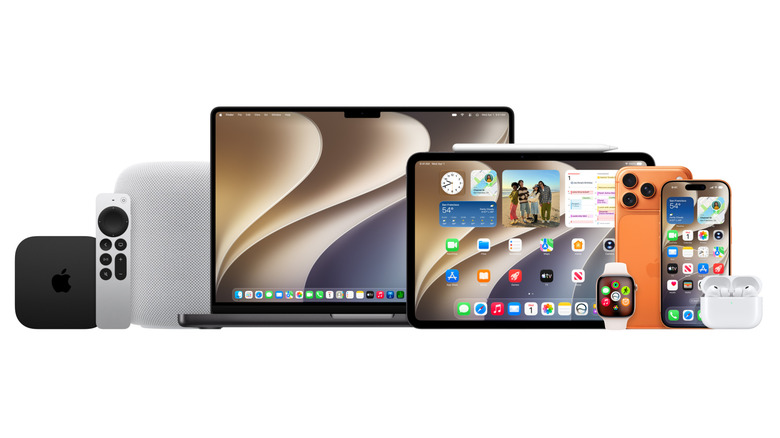
Public betas for iOS 27, macOS 27 and more Apple platforms are now available
Try the new Siri AI and system-wide performance improvements.
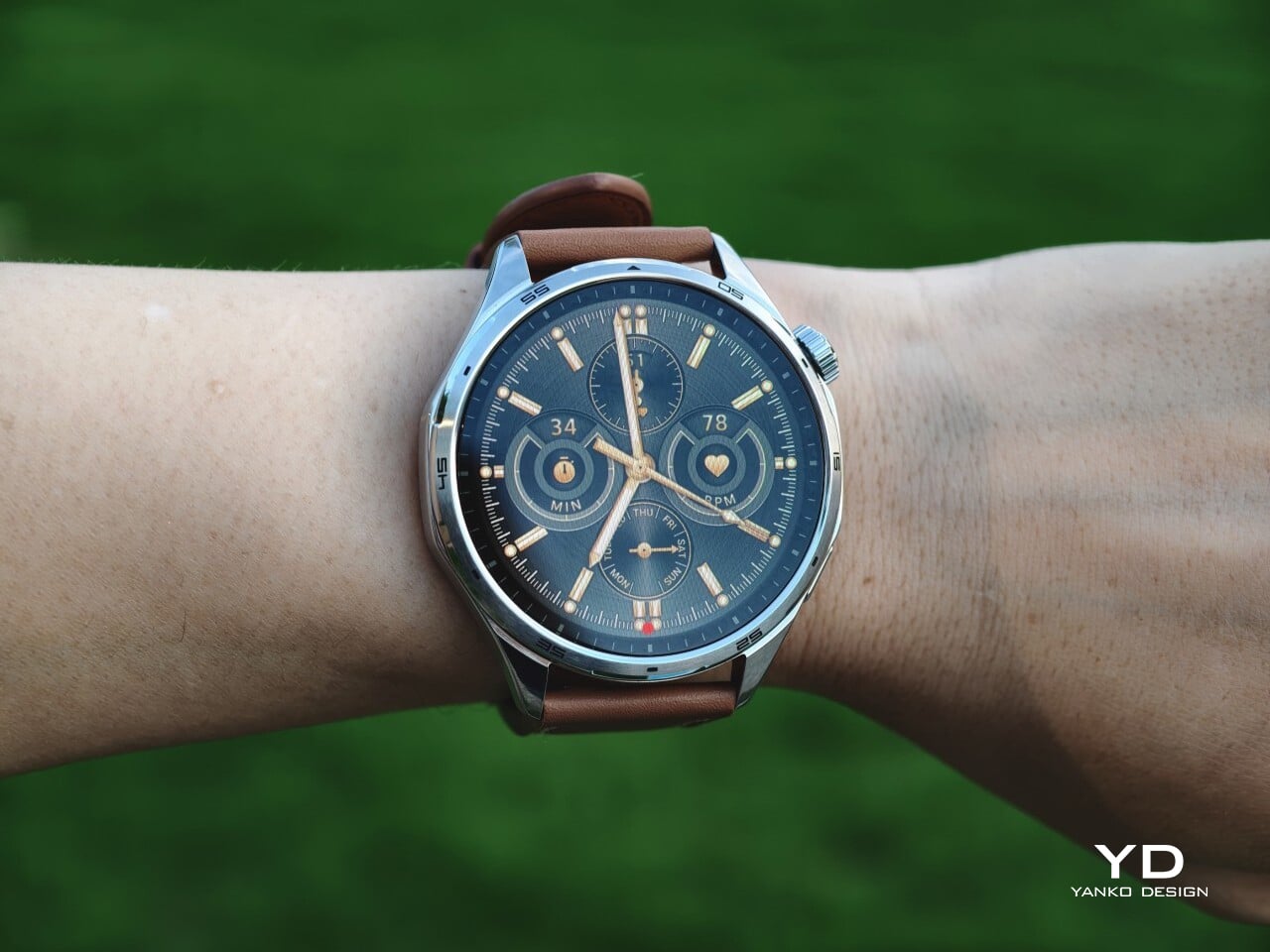
With the Watch 6, Honor has given the series a complete visual reset. After the square-faced Watch 5, this new model arrives with a round case that feels more in step with the look of a traditional wristwatch. That redesign is backed by a fairly clear set of priorities. The Honor Watch 6 focuses on the things users are likely to notice first, such as a bright, attractive display and battery life that can stretch beyond a month.
After spending time with it, the Watch 6 comes across as a smartwatch built around practical strengths rather than bold innovation. The hardware makes a solid first impression, and the core experience is clearly aimed at people who want something dependable and easy to live with. At the same time, a few details, from the software experience to the quality of the leather strap, keep it from feeling quite as refined as it initially suggests.
Designer: Honor
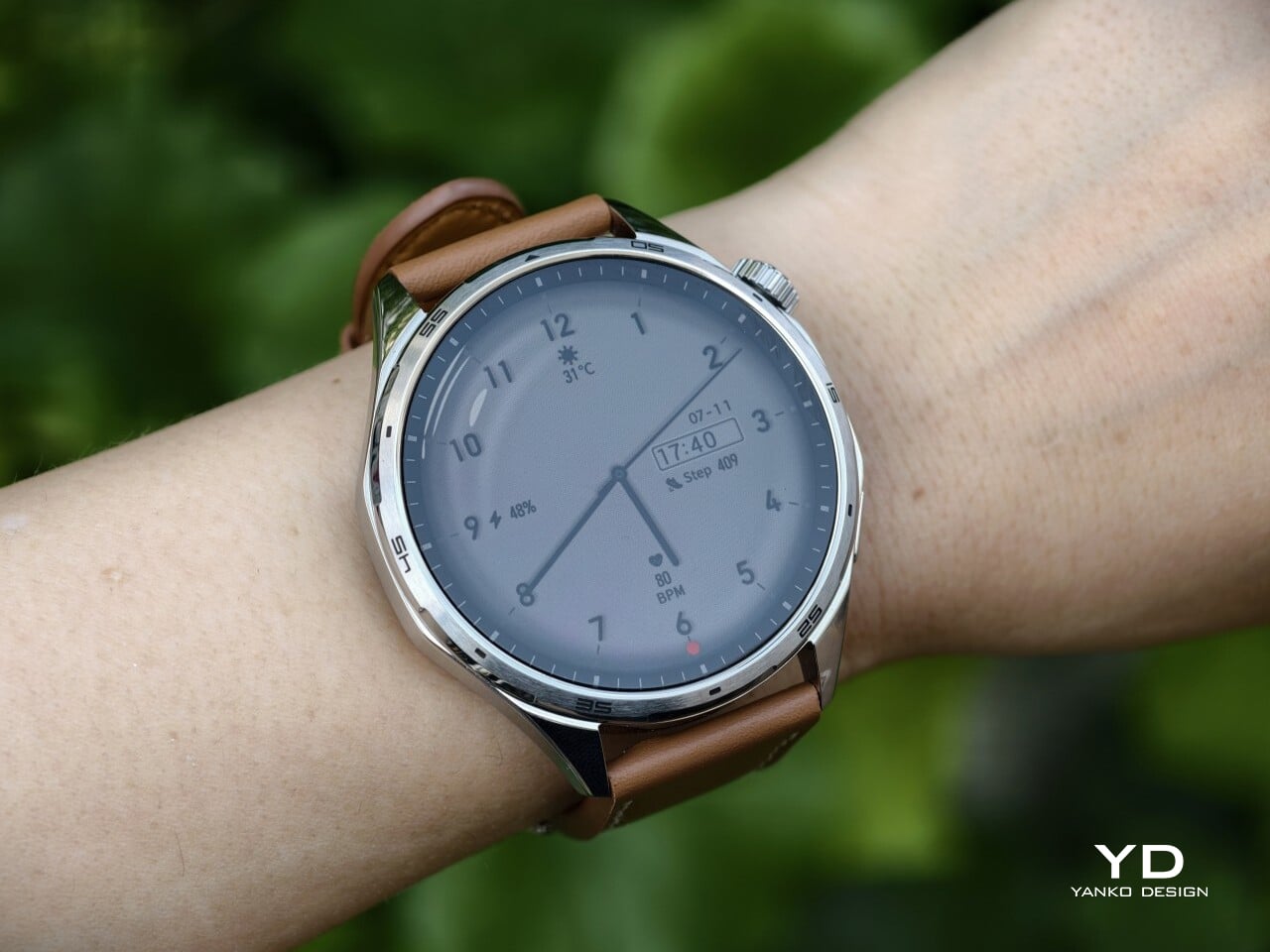
The Honor Watch 6 leans heavily into the visual language of a traditional wristwatch, and that gives it an immediate sense of familiarity. Its round face, sculpted lugs, and restrained detailing make it feel more like an everyday timepiece than a piece of sporty tech. That approach gives it some welcome versatility, allowing it to fit easily into casual or more polished settings.
At the same time, the design also feels a little too safe. There is nothing awkward or unattractive about the Watch 6, but there is also very little that feels surprising or distinctly memorable. It is clean, balanced, and easy to like, yet it stops short of making much of a visual statement.
Honor offers the Watch 6 in two versions. The Twilight Brown model I received pairs a silver-colored 316L stainless steel body with a brown leather strap, giving it the more classic look of the two. The Shadow Black version uses a black aluminum alloy body with a matching black fluoroelastomer strap, which feels more understated and fitness-oriented.
The leather strap on the Twilight Brown unit is where the aesthetic story loses some of its polish. From a distance, it looks fine and complements the silver-toned case well, but up close, it feels stiff and a little synthetic. Thankfully, it uses a 22mm quick-release system, so swapping it out for something better is easy.
With its 46.5mm case and 10.8mm thickness, the Honor Watch 6 sits squarely within the familiar modern smartwatch zone in terms of size. It is large enough to feel substantial on the wrist and give the display room to shine, yet it never looks ridiculously bulky, even on my relatively small wrist. There is a definite presence here, but it is handled with enough restraint that the watch does not feel visually overwhelming in daily wear.
The Shadow Black version comes in at 41 grams, while the Twilight Brown model weighs 50 grams, both figures excluding the straps. That makes the Watch 6 relatively light for something this large, though not dramatically so. You are always aware that you are wearing a sizable device, but it does not become overly cumbersome during normal daily use.
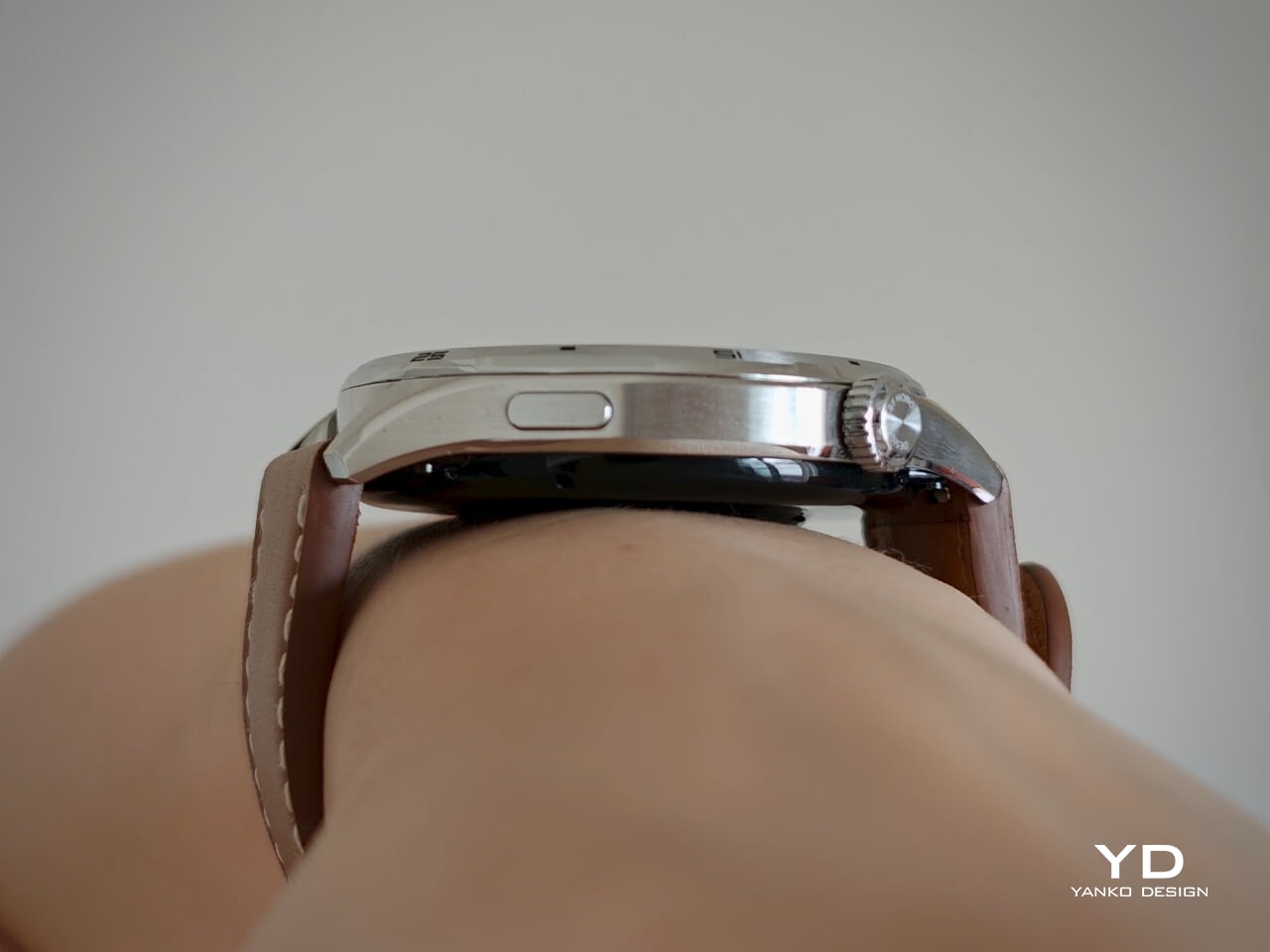
The physical controls are straightforward and familiar. On the right side of the case, Honor places two buttons in a layout that will feel instantly recognizable to most smartwatch users. The top control is a rotating crown that lets you scroll through apps, while the lower button serves as a shortcut to the workout menu. The crown is responsive, and the haptic feedback is satisfyingly strong.
Gesture navigation is equally easy to grasp. Swiping down brings up the quick menu, swiping up reveals notifications, and swiping left or right cycles through panels. The touch experience is not completely foolproof. I noticed a few instances where a scroll gesture was interpreted as a tap instead, which led to accidental selections. It is a minor frustration, but it chips away at the sense of polish.
The Honor Watch 6’s display is easily one of the best parts of the entire experience. It uses a 1.4-inch AMOLED panel with a 464 x 464 resolution, and the result is exactly what you would hope for from a modern smartwatch screen. The bezel is not especially thin, but colors look rich, and text appears crisp, giving the display a bright, polished quality that stands out in everyday use. Brightness is another major advantage. With a peak brightness of 3000 nits, the display remains clearly visible even under bright sunlight, which makes a real difference during outdoor use.
The Watch 6 covers the broad health tracking essentials that most mainstream users actually want. It handles heart rate monitoring, blood oxygen monitoring, sleep tracking, step count, and general day-to-day wellness features in a way that feels accessible and easy to understand. Nothing here feels especially groundbreaking or deeply specialized, but that could also be part of the appeal. Honor has focused on delivering a practical set of features rather than overwhelming users with more data than they are likely to need.
The same can be said for the fitness experience. The Watch 6 does not try to present itself as a hyper-technical performance tool for elite athletes, but it does offer enough depth to keep active users engaged. The data is presented clearly, the core features are easy to access, and the overall experience feels designed for people who want useful feedback without having to decode a mountain of analytics.
There is also a healthy amount of variety for exercise tracking. The watch includes 122 sports modes, which should be more than enough for most people, whether they are casual walkers or more active users looking for something specific. If you are inspired by the World Cup, there is a professional soccer mode that adds a little more personality than the usual generic workout presets. During exercise, you can view step count and distance in real time, while post-workout data includes top sprint speed, average speed, and even a heat map.
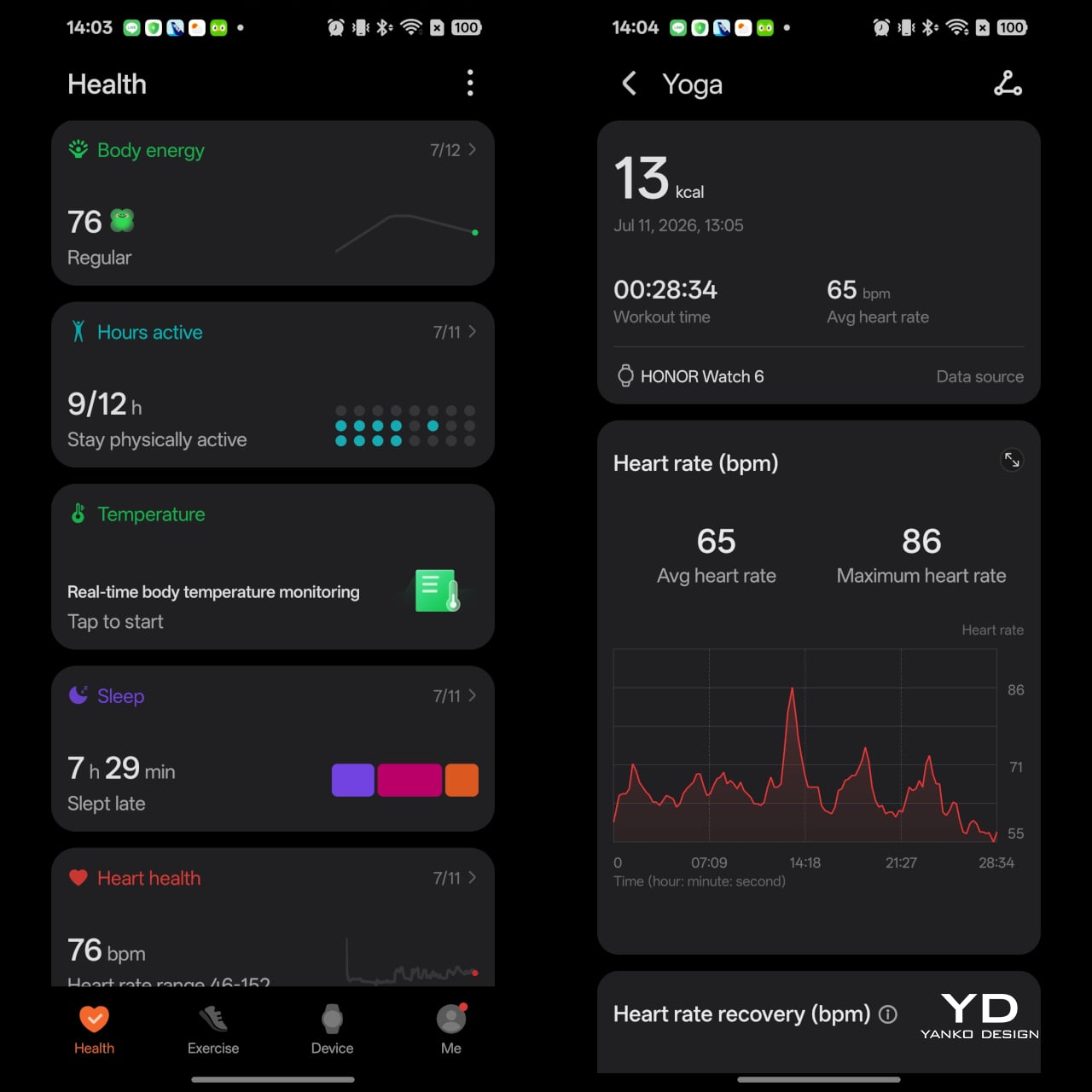
Another unusual addition is the badminton mode, which goes beyond simple calorie tracking and actually tries to capture the rhythm of play. Here, you can check swing count, swing speed, shot power, forehand to backhand ratio, and stroke type. Features like these do not transform the Watch 6 into a specialist sports device, but they do make it feel more considered than a smartwatch that simply piles on empty exercise labels.
Other smart features include notifications, the ability to make and answer phone calls, and a remote shutter function. If the watch is connected to an Android phone, you can also control music playback. When paired with an Honor phone, it can be used as a voice recorder as well. Honor also says NFC support will roll out to available markets in July, which should add a little more convenience depending on where you live.
On the software side, the Watch 6 is functional but not especially refined. It works with both Android and iOS through the Honor Health app, which is good news for users who do not want to be locked into one ecosystem. Pairing and everyday syncing are straightforward enough, and the app gives you access to the usual health data, settings, and customization tools.
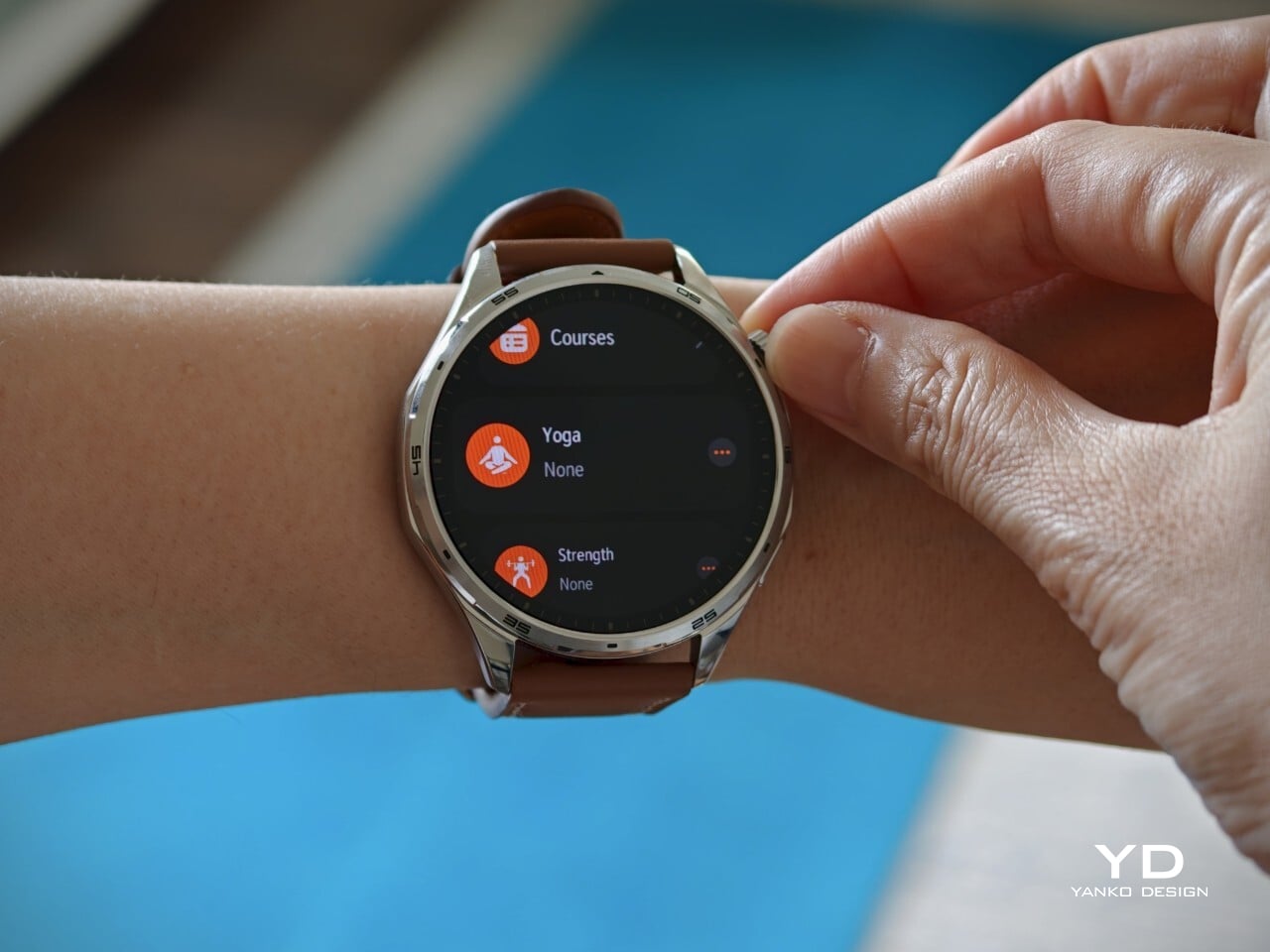
Still, the interface does not feel especially sophisticated. It gets the job done, but it lacks the polish and clarity found in the better smartwatch companion apps. Some of that lack of refinement shows up in the workout menu as well. Instead of grouping activities with the kind of color coding seen on many rival smartwatches, Honor presents them in a much plainer way. It gets the job done, but it makes the interface feel less intuitive and less thoughtfully designed.
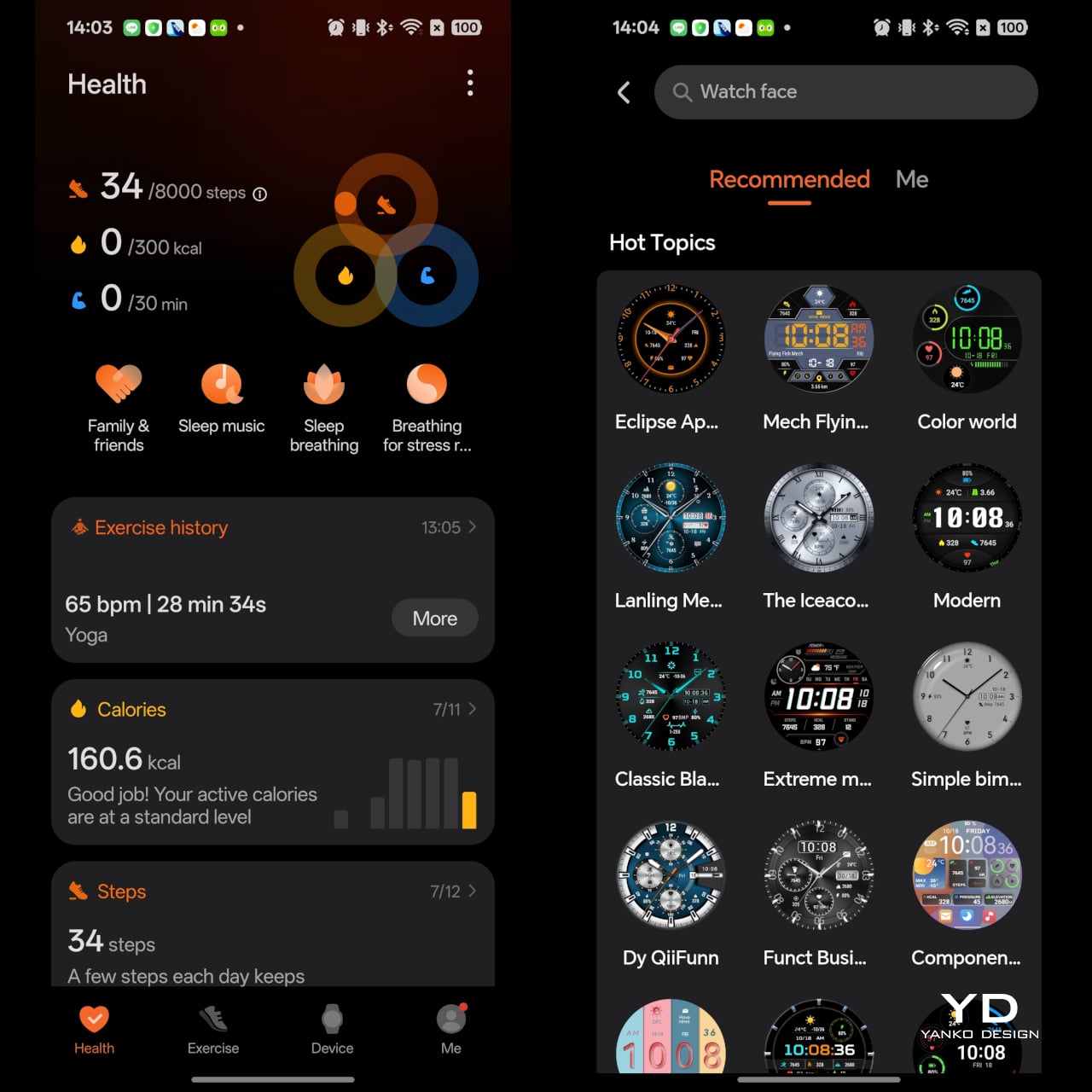
That lack of refinement becomes especially noticeable when you start looking for watch faces. There are plenty of options available, which is great in theory, but the browsing experience could be much better. Instead of organizing faces in a way that helps users quickly narrow down what they want, too much of the selection feels thrown together. Compared to other smartwatch apps that sort faces into clearer styles or categories, Honor’s approach feels less curated and more cluttered. It is not a deal-breaker, but it does make personalization feel more cumbersome than it should.
Battery life, on the other hand, is impressive. The Watch 6 packs a 980mAh battery, and Honor claims it can last for up to 35 days. That figure is only possible if you turn off features like automatic blood oxygen detection, automatic stress detection, and raise to wake, while limiting exercise to light weekly activity. Even so, the claim gives a good sense of what the watch is aiming for, which is endurance far beyond what most smartwatches in this category can offer.
Honor says regular usage should deliver around 17 days of battery life, and based on my experience, that sounds believable. I have been wearing the watch for about 10 days and still have 55 percent battery left, so I have little reason to doubt the company’s estimate. When it is finally time to top up, charging is handled through the included magnetic pin charger.
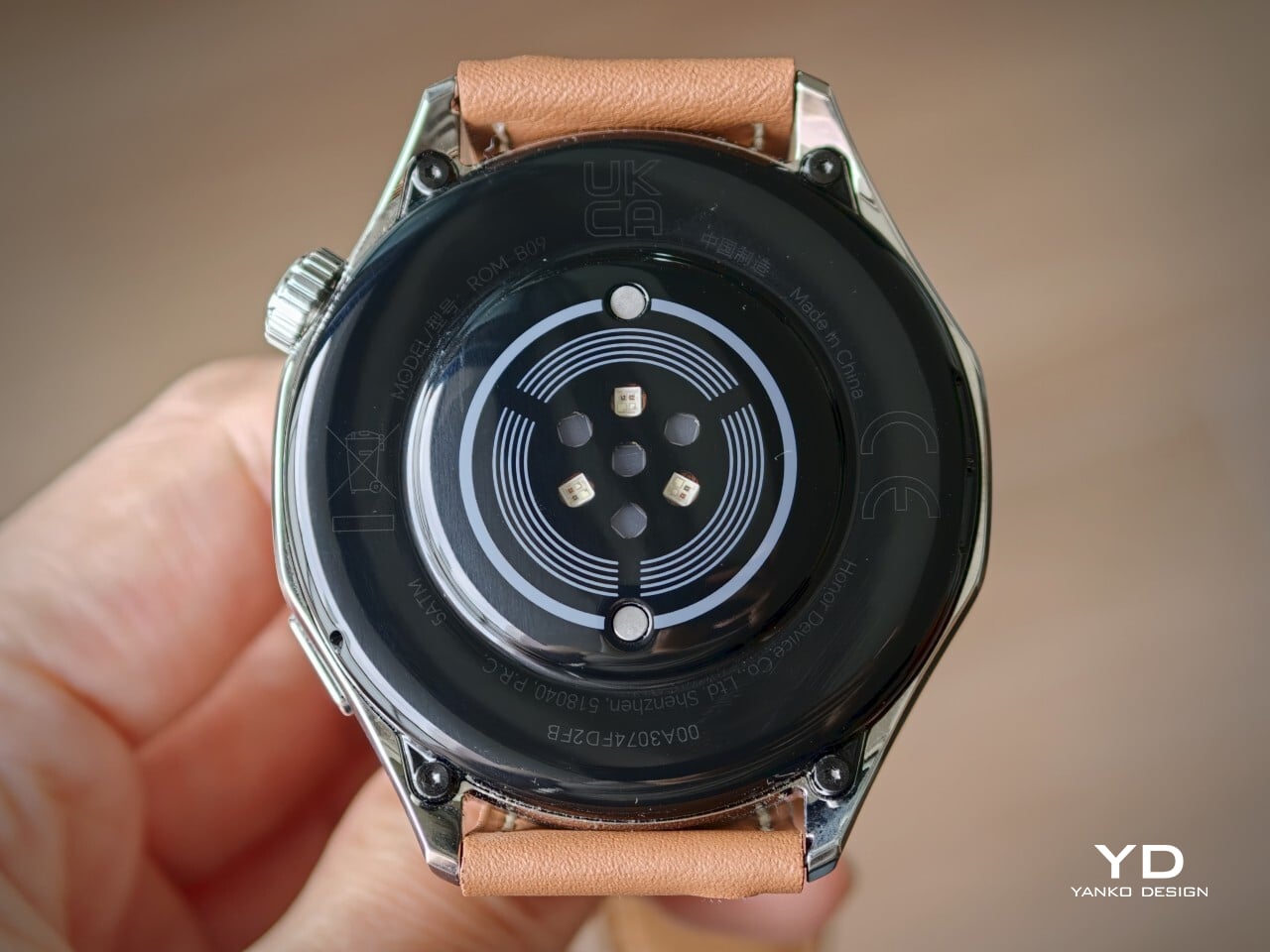
Sustainability is rarely a headline feature for smartwatches, but the Honor Watch 6 does make a few sensible moves. Its IP69 and 5ATM ratings suggest it should hold up well against sweat, water, dust, and the wear of everyday use. In practical terms, that simply means it is built to take more abuse before becoming a problem.
Honor also says the watch uses recyclable aluminum alloy, which adds a small but welcome nod toward material responsibility. Paired with the excellent battery life, the Watch 6 feels like a device designed to stay in use rather than one that constantly asks for attention. It does not do anything groundbreaking on the sustainability front, but for a smartwatch, it makes a decent case for itself.
At £229.99 for the Shadow Black version and £249.99 for the Twilight Brown model, the Honor Watch 6 sits in the upper mid-range part of the smartwatch market. That works out to roughly $295 and $320, respectively. It is not exactly cheap, especially for a smartwatch that does not offer the most polished software experience, but it does bring a few strengths that help justify the asking price.
The strongest part of its value proposition is that Honor has clearly invested in the features users will notice most often. The display is gorgeous, the battery life is genuinely excellent, and the core health and fitness features are broad enough for most people. At the same time, the stiff leather strap on the Twilight Brown version and the merely functional software keep it from feeling like a complete home run. The Watch 6 offers solid value if your priorities are battery life and screen quality, but it is a little harder to recommend purely on refinement alone.
The Honor Watch 6 succeeds by keeping its priorities simple. It delivers a lovely display, excellent battery life, and a broad enough set of health and fitness features to satisfy most people who want a smartwatch for everyday use. Just as importantly, it wraps those strengths in a design that feels far more wearable and familiar than the square-faced direction Honor took before.
At the same time, it does not feel like a fully polished package. The software works, but it lacks the refinement and thoughtful organization that would make the experience feel truly premium. The leather strap on the Twilight Brown version also lets the hardware down a bit, since it looks better from a distance than it feels in the hand or on the wrist.
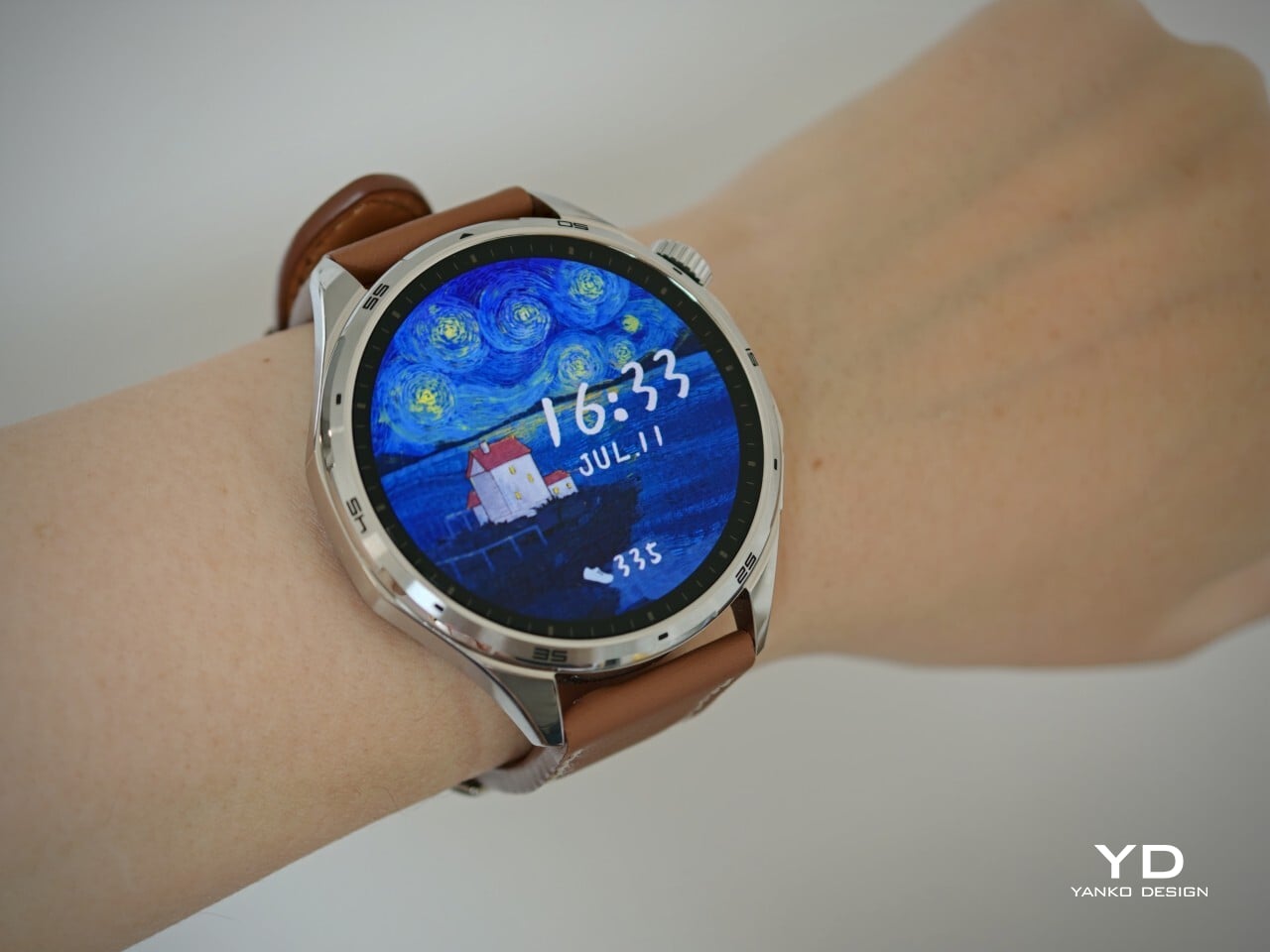
That leaves the Watch 6 in an interesting spot. It is not the most exciting smartwatch in its class, and it is not the one I would point to as the benchmark for software or overall finesse. But if your priorities are a gorgeous screen, long battery life, and a classic watch-like design, Honor gets a lot right here. The Watch 6 may not be the most memorable smartwatch of the year, but it is an easy one to live with.
The post Honor Watch 6 Review: Great Endurance, Not Quite Perfect first appeared on Yanko Design.
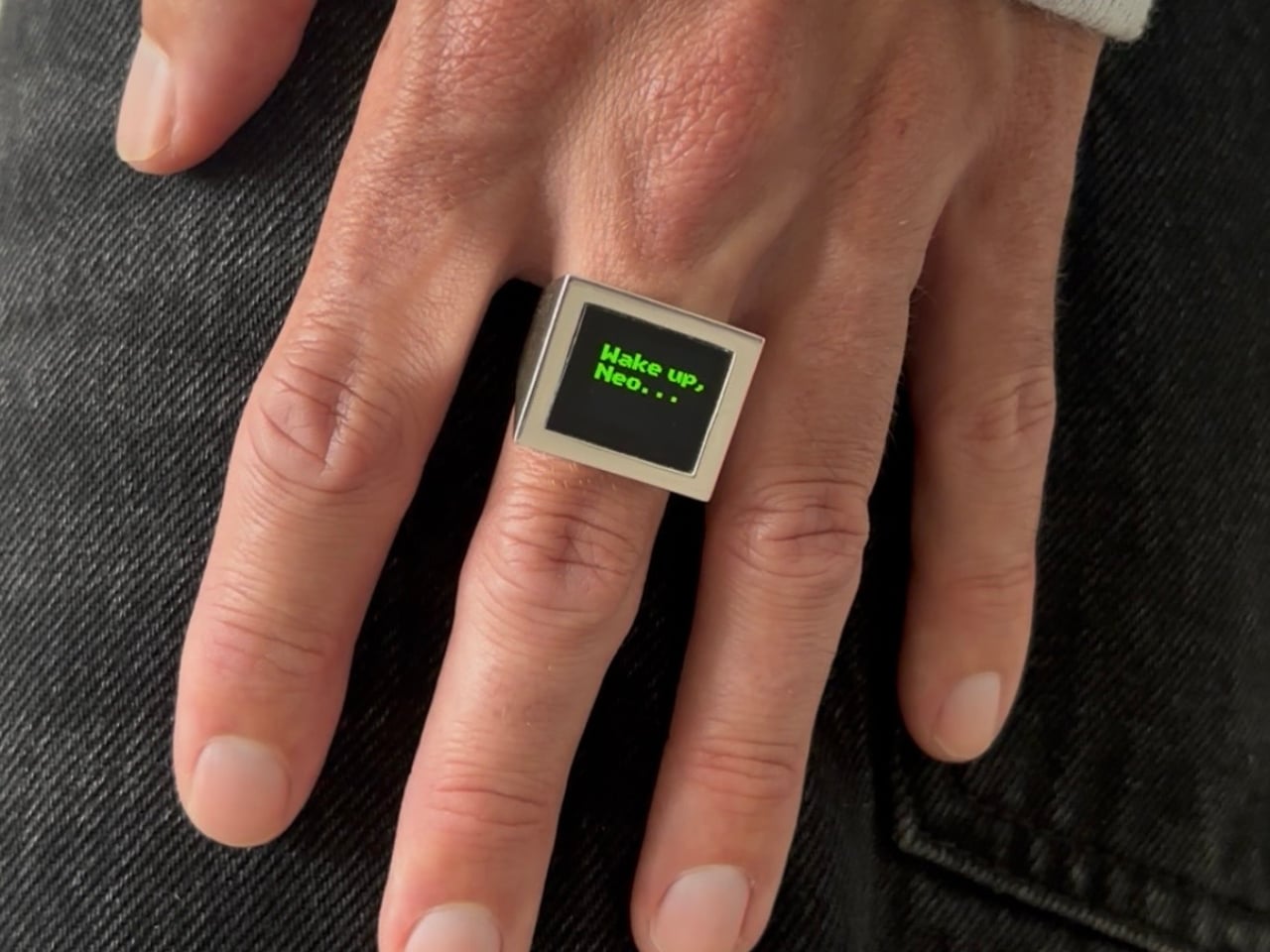
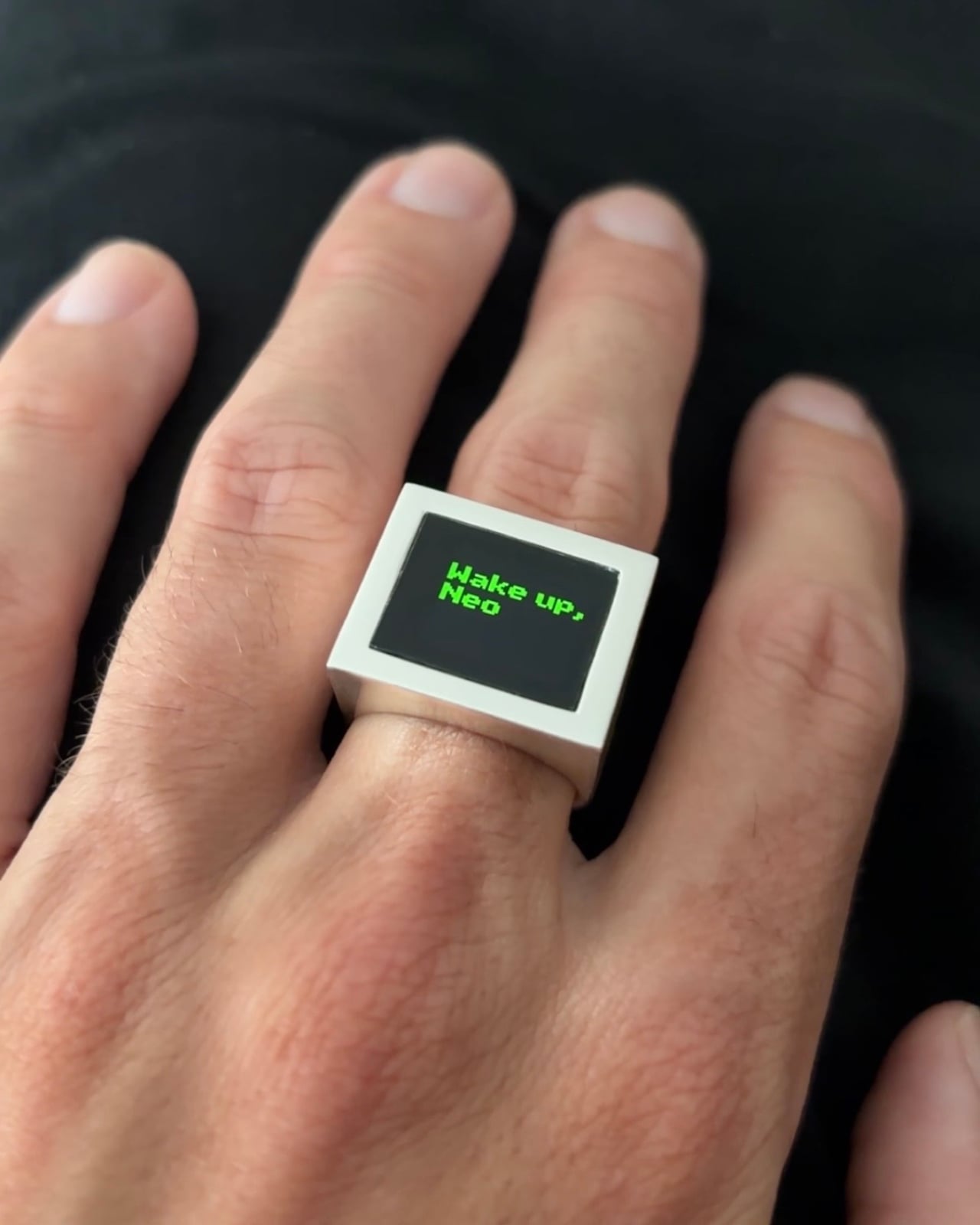
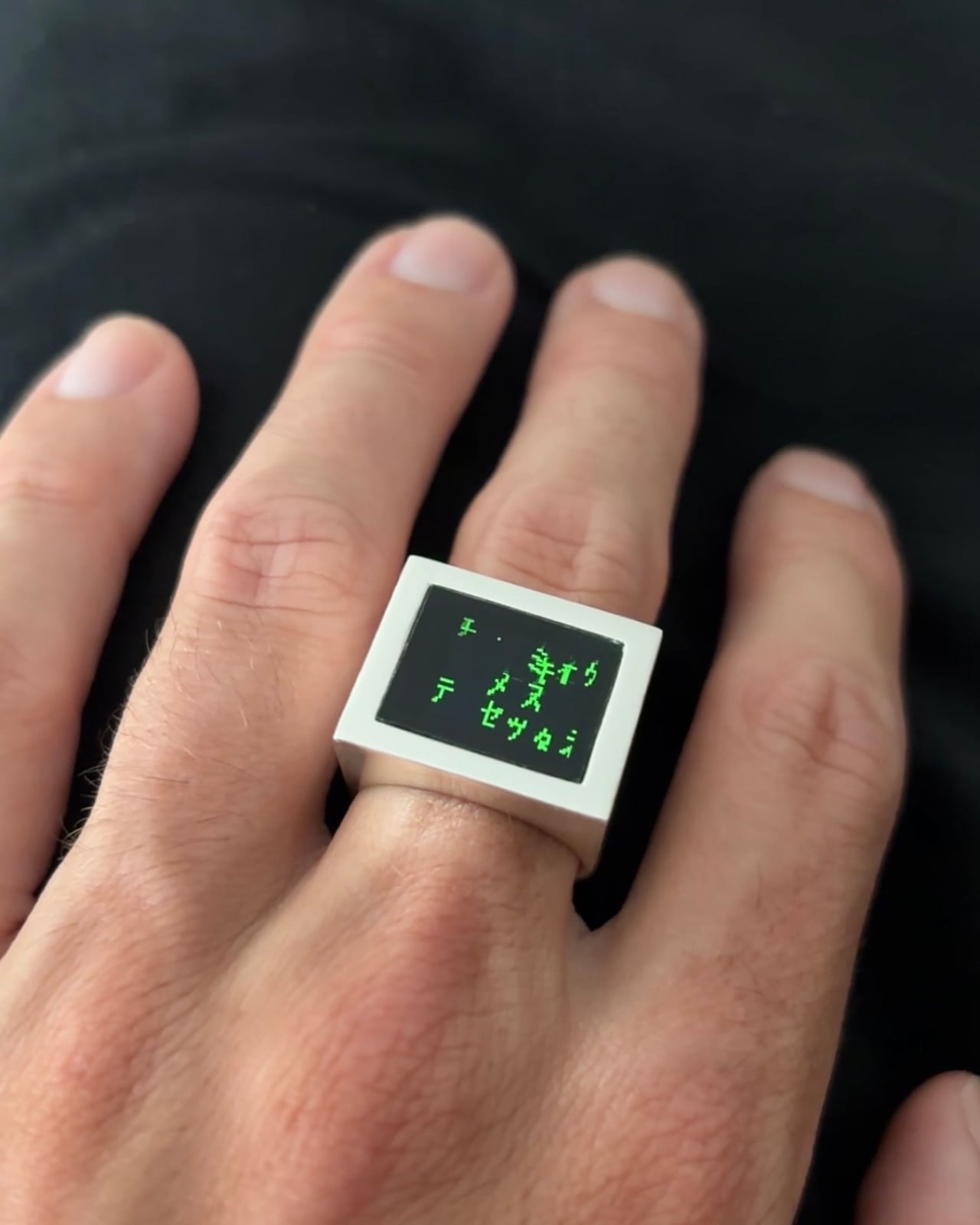
Look at the Digital Rain Ring when the screen is off, and you might not immediately clock what you’re looking at. A clean silver bezel. A flat black face. Bold, architectural proportions that sit somewhere between a modern signet ring and a minimalist sculpture. It reads as jewelry, completely and confidently. Then the animation starts.
That double life is arguably the most deliberate design decision Daniel Idle made. The OLED display, sitting recessed behind a polished silver frame, does something that most tech-forward jewelry fails to pull off: it disappears when it’s not in use. The black glass of the screen at rest looks remarkably close to a dark stone setting, the kind of graphic, monochromatic face you’d expect on a considered piece of contemporary jewelry. It’s only when the Matrix rain animation loops across it that the object reveals its other identity.
Designer: Daniel Idle
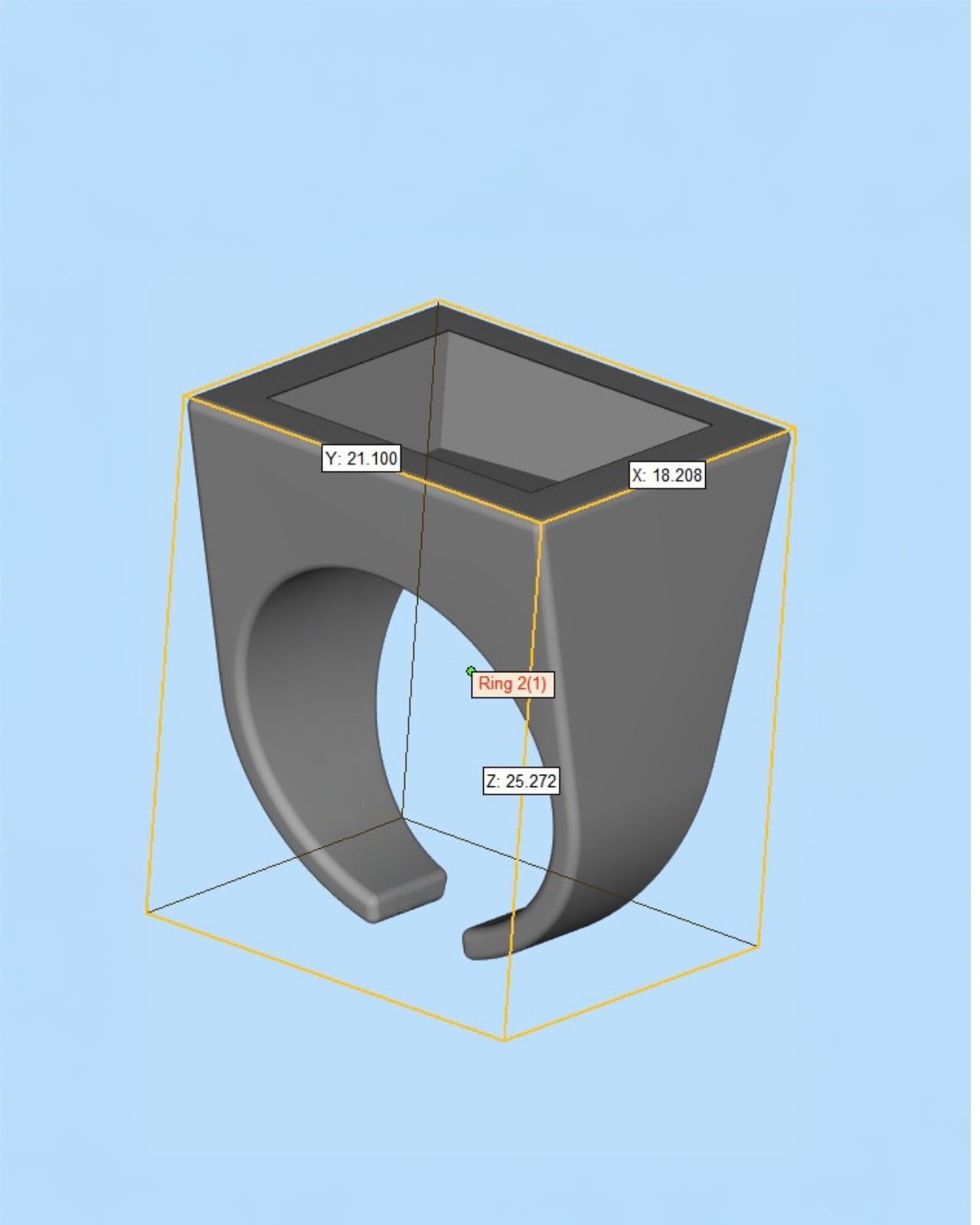
The physical form took real thinking to get right. Looking at the CAD model, the ring measures approximately 21mm by 18mm across the face, with a total height of just over 25mm. Those proportions matter. The face is large enough to hold the display at a readable scale, but the tapered body connecting it to the band keeps the overall silhouette from reading as clunky. The geometry is almost architectural, widening from the band up toward the face in a way that gives the piece visual weight without making it feel like you’re wearing a small appliance on your finger.
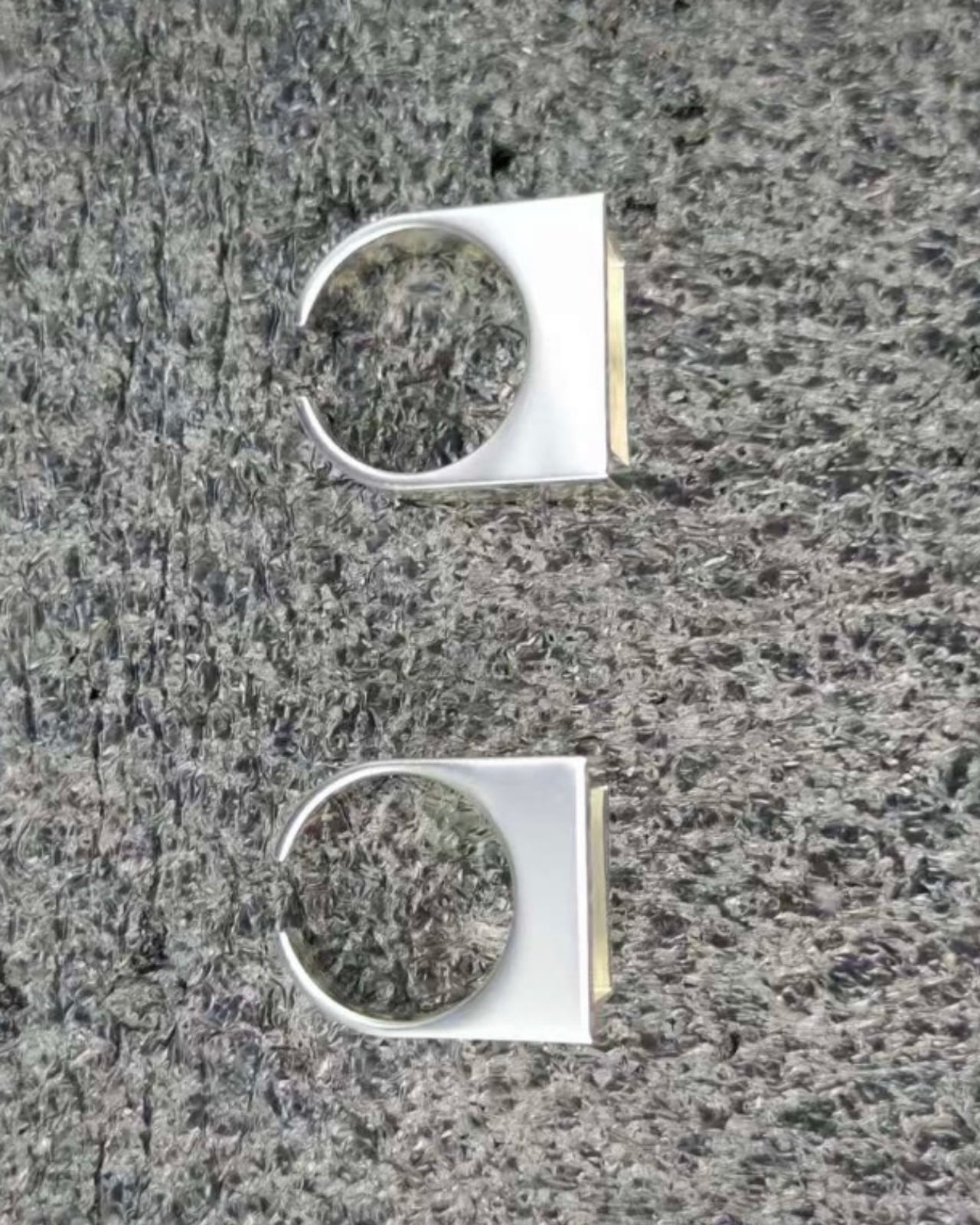
The band itself is an open C-shape rather than a fully closed ring. It’s a practical call given the electronics that need to live inside the body, but it also lands well aesthetically, softening what is otherwise a very hard-edged, geometric form. From the side, the two components sit in good proportion to each other. Nothing feels like an afterthought.
The custom PCB is worth pausing on. It’s tiny, densely packed, and clearly built to exact dimensions to fit within the ring body. A flexible ribbon cable connects the board to the OLED display, and a USB-C port is integrated for charging. The fact that all of this infrastructure lives inside something you wear on your finger is genuinely impressive engineering, but Idle’s judgment was to make sure none of it is visible in the finished piece. That restraint is what separates this from a hobbyist build.
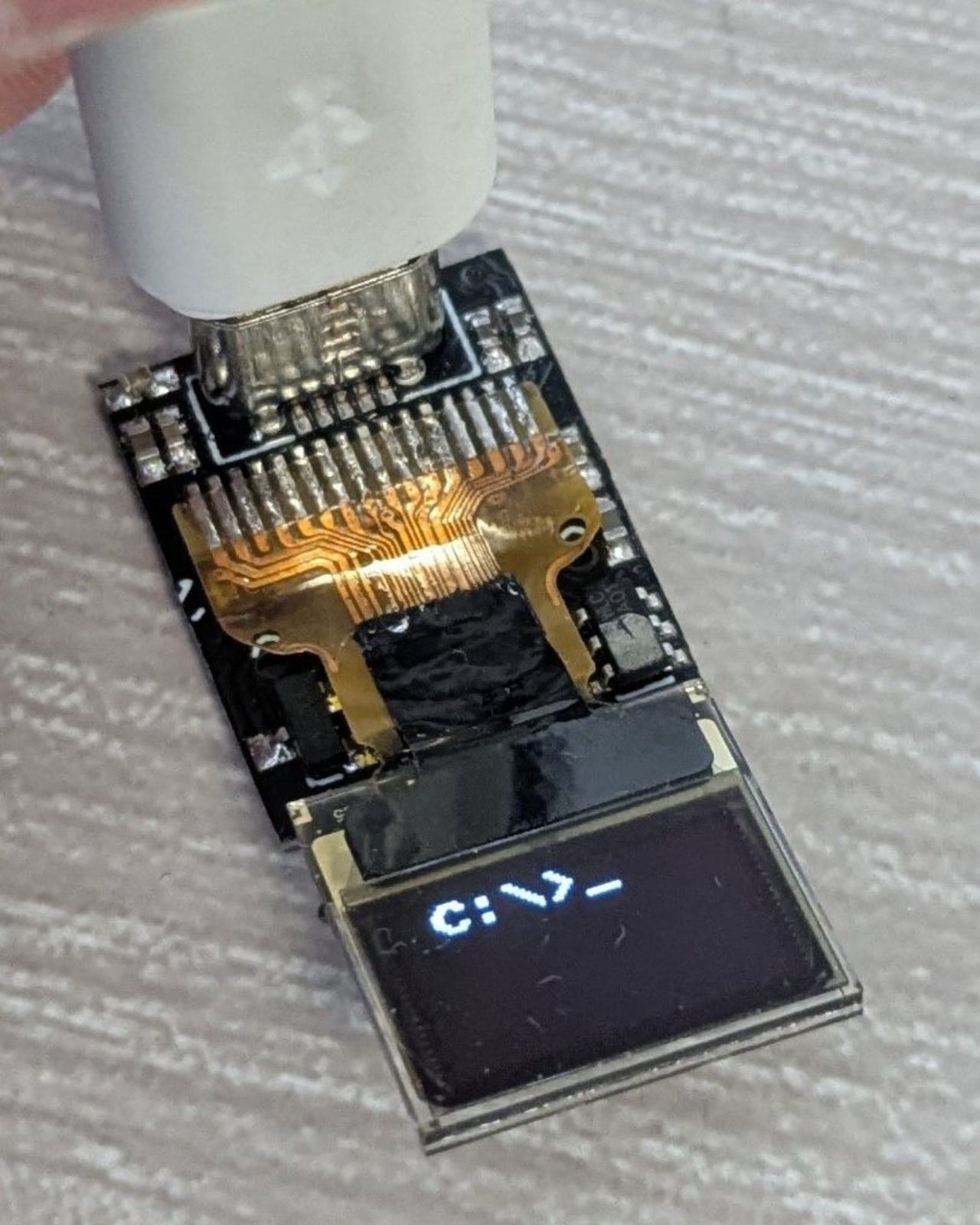
The prototype stage used a white resin body, which actually shows the concept quite clearly in a raw, honest way. You can see the display sitting flush with the face, the green animation already doing its work against the matte surface. But the shift to polished silver for the finished version was the right call. Silver gives the piece the visual language of jewelry rather than a prototype, and the contrast between the warm metal bezel and the deep black of the OLED screen is genuinely considered. It has the graphic confidence of a piece that was thought about as an object first and a technology project second.
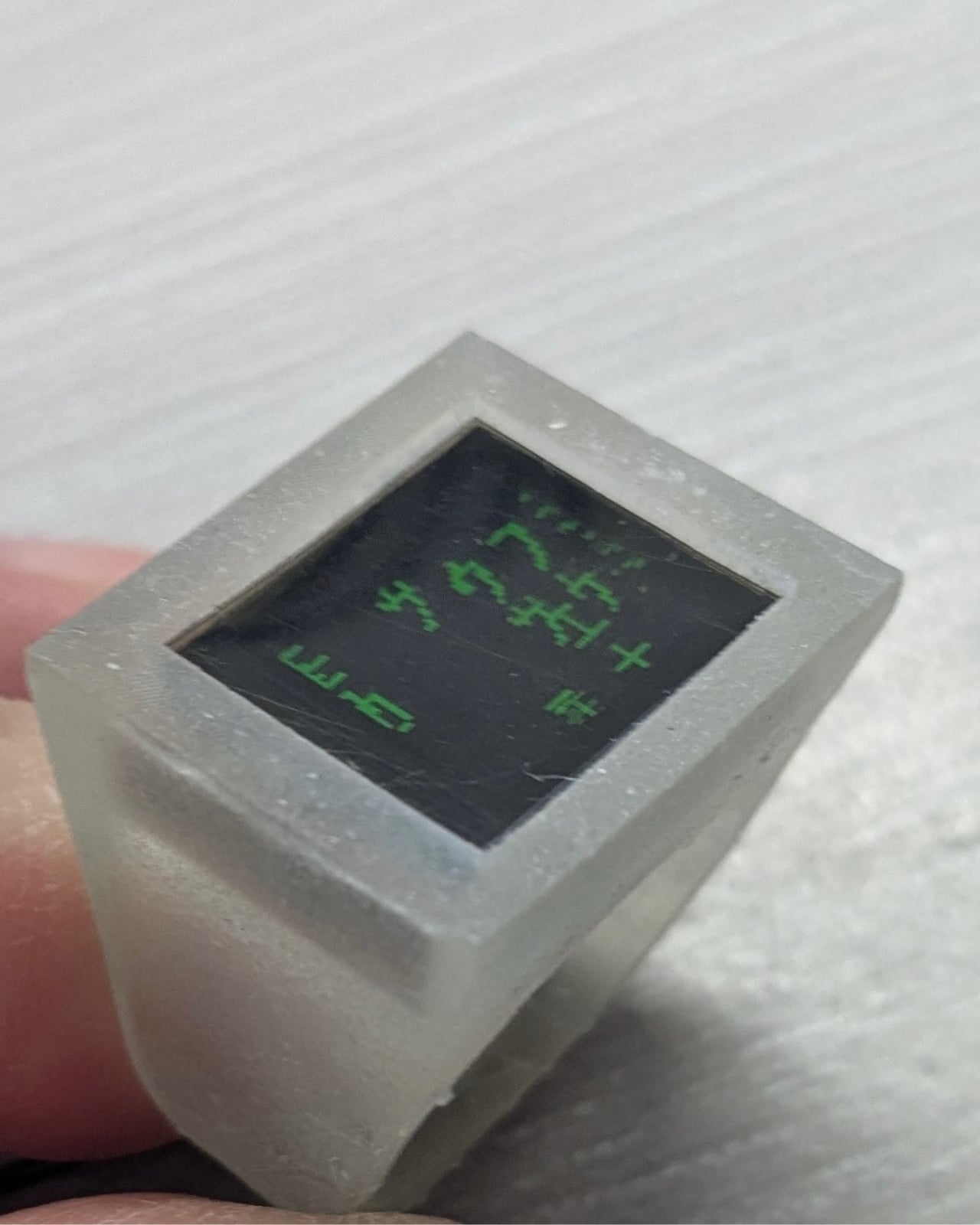
The animation choice suits the form well too. The Matrix rain, those cascading columns of green katakana-inspired characters, fills a small square display naturally. It loops cleanly, it doesn’t demand to be read in detail, and its cultural weight does a lot of communicative work in a very compact space. “Wake up, Neo” appearing in green pixels on a silver ring is a complete sentence in the language of pop culture, and Idle clearly knows that.
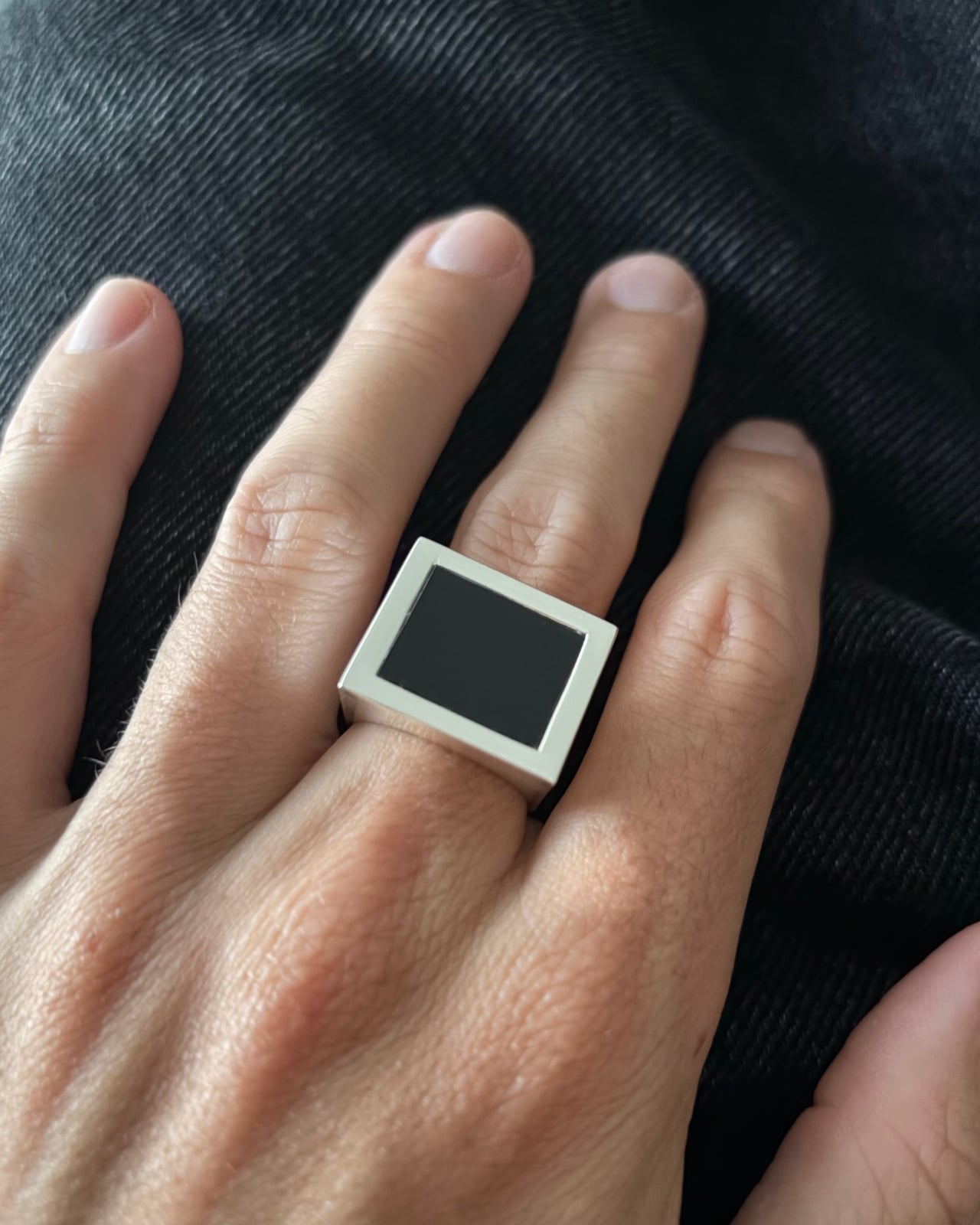
What makes the Digital Rain Ring worth paying attention to is not the novelty of putting a screen on a ring. It’s the evidence that someone thought through the design consequences of doing so. The proportions hold up. The material choices are intentional. The off-state is as considered as the on-state. Most tech jewelry gets the technology right and the jewelry part wrong. This one seems to have gone in the other direction, starting with the object and working inward from there. That’s a harder problem to solve, and it’s the one that actually matters.
The post Wake Up, Neo. Your Ring Is Playing the Matrix. first appeared on Yanko Design.
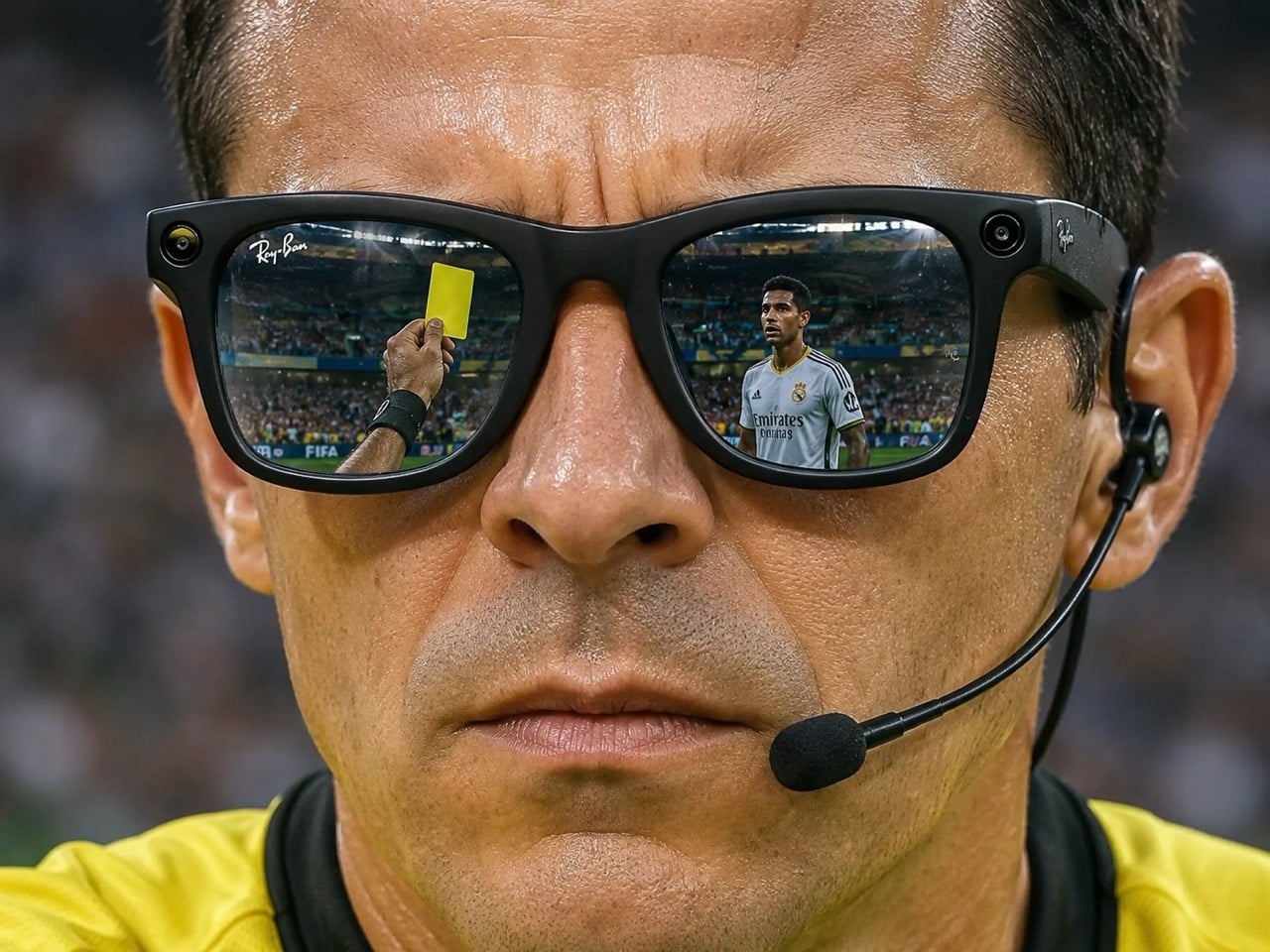
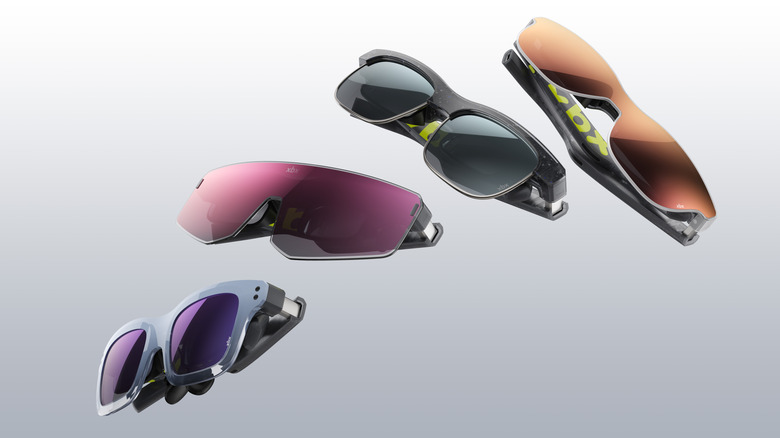
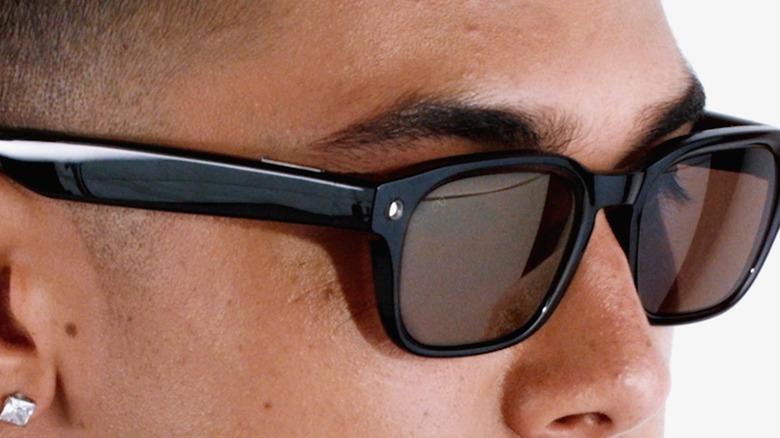
For centuries, a pair of glasses has been one of the most socially innocent objects a person can wear. They exist in one of two lanes: as a quiet medical tool for correcting vision, or as a deliberate fashion statement, an accessory as personal as a watch. In either role, tool or ornament, they are fundamentally passive. They sit on the face, and in return for their service or their style, society grants them a kind of ambient trust. Smart glasses were designed to borrow that trust. They slip into the familiar silhouette of eyewear, hijacking the social permission we’ve granted them, hoping we won’t notice the difference.
But that’s the thing, isn’t it? The moment that quiet, passive object gains the ability to see, record, and communicate on its own, the social contract shatters. It stops being a corrective lens or a simple accessory and becomes a question mark. And in the high-stakes world of professional sports, that question is no longer theoretical. In the Indian Premier League, one of the most-watched cricket leagues on the planet, it has been answered with a firm ‘no.’ The league’s advisory body recently banned smart eyewear from all restricted match-day areas as reported by Indian Express, not because they might help a player see better, but because their ability to discreetly communicate threatens the very integrity of the game. It’s the first major institutional line drawn in the sand, a clear signal that what makes smart glasses so compelling, their seamless, discreet power, is exactly what makes them so threatening to an environment built on trust.

Which makes the current scoop from the FIFA World Cup all the more interesting. This year, cameras attached to referees have been delivering something genuinely compelling: a first-person view from the center of the match, fast, intimate, and unlike any angle a traditional broadcast camera can offer. FIFA has partnered with Lenovo to stabilize the footage, reportedly reducing blur and shakiness by up to 50%. The result is a piece of wearable camera tech that audiences have embraced without a second thought. And the reason it works has nothing to do with the stabilization algorithm or the resolution. It’s because everyone knows exactly what it is, what it records, and who controls the output. The ref cam is sanctioned intimacy, an invitation behind the official’s gaze with the entire institution of the sport standing behind it.
The problem has never really been head-worn cameras. GoPros have existed for more than twenty years, and nobody writes angry op-eds about them, because a GoPro announces itself the way a tourist in neon shorts announces themselves. Gloriously, almost aggressively obvious about what it is and what it’s doing. The same logic applies to the FIFA ref rig: dedicated broadcast hardware, sanctioned by the league, feeding a known output to a known destination. Smart glasses are slipperier. Their design philosophy actively works against that legibility, optimized to look like ordinary eyewear while quietly carrying camera, microphone, and communication capabilities underneath. That gap between appearance and function is exactly where trust evaporates.
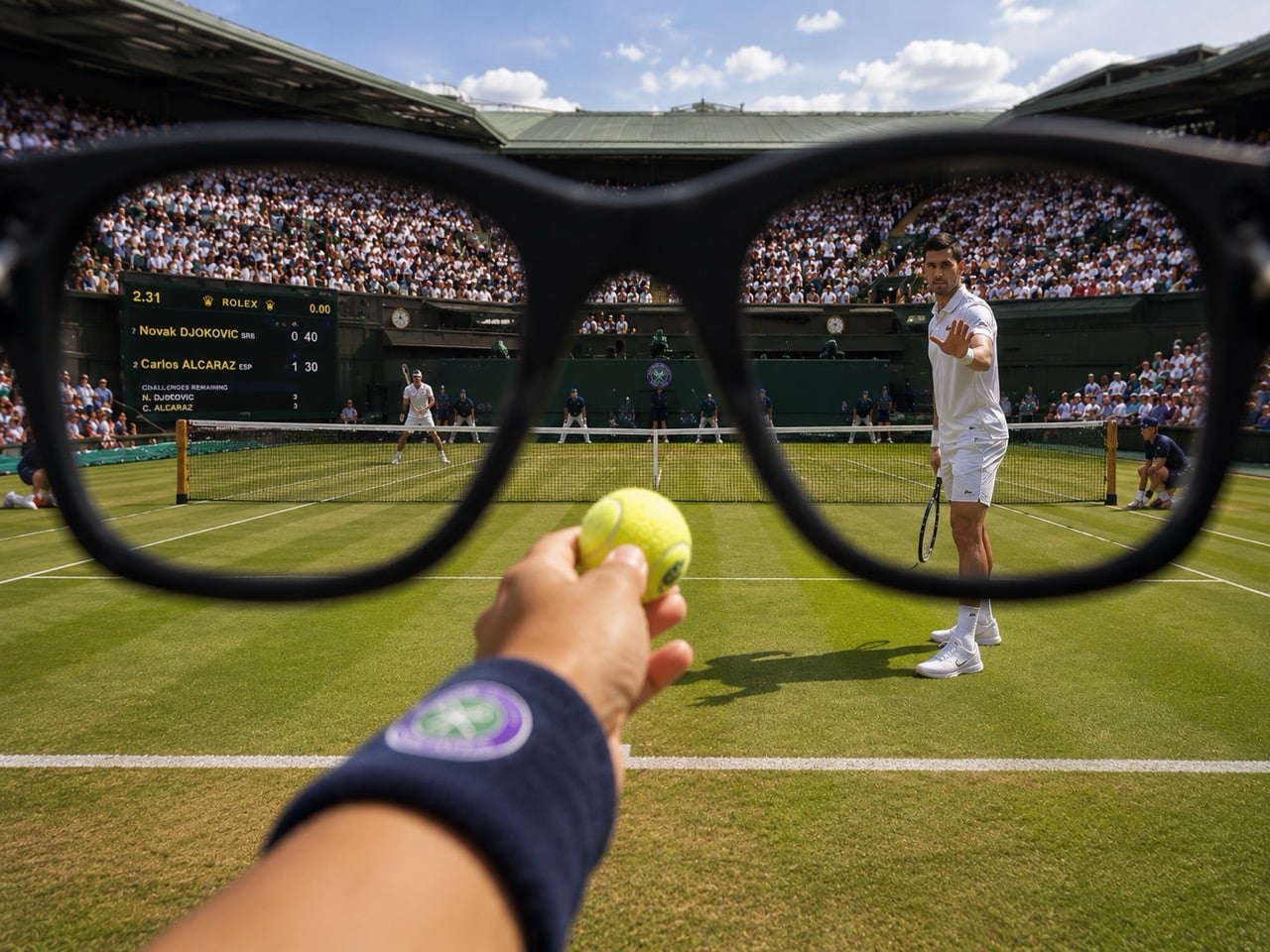
Silicon Valley has spent years selling the idea that the best interface is the one that disappears. Ambient computing, seamless experiences, invisible technology. It’s a seductive design philosophy, and in most consumer contexts, it’s probably the right one. But sports may be quietly proving the opposite. In a high-stakes, heavily monetized environment where betting markets move in real time, the most valuable technology is often the least ambiguous. Leagues don’t just need devices that work; they need devices that can be understood at a glance, audited, regulated, and explained. The IPL’s concern isn’t really about what smart glasses are doing today. It’s about what they could be doing, invisibly, in a dressing room, on a pitch, in a dugout. Seamlessness, in that context, isn’t a feature. It’s a liability.
None of this means smart glasses have no future in sports. They might, just not in their current form. The ref cam points toward a version of wearable vision technology that could genuinely work: purposeful, controlled, institutionally transparent, and designed to communicate its function rather than conceal it. Soccer officials in other leagues are already using similar cameras for post-match performance reviews, a quiet but meaningful step toward something bigger. The path from there to a trusted live-match tool, however, runs directly through a design problem. Smart glasses need to stop borrowing the social invisibility of ordinary eyewear and start building their own visual language, one that tells players, officials, and leagues exactly what the device is, what it records, and who is watching. Until then, the trust deficit isn’t a policy issue. It’s a design failure, wearing a very familiar frame.
The post Smart Glasses Could Transform Sports. But There’s a Trust Deficit. first appeared on Yanko Design.

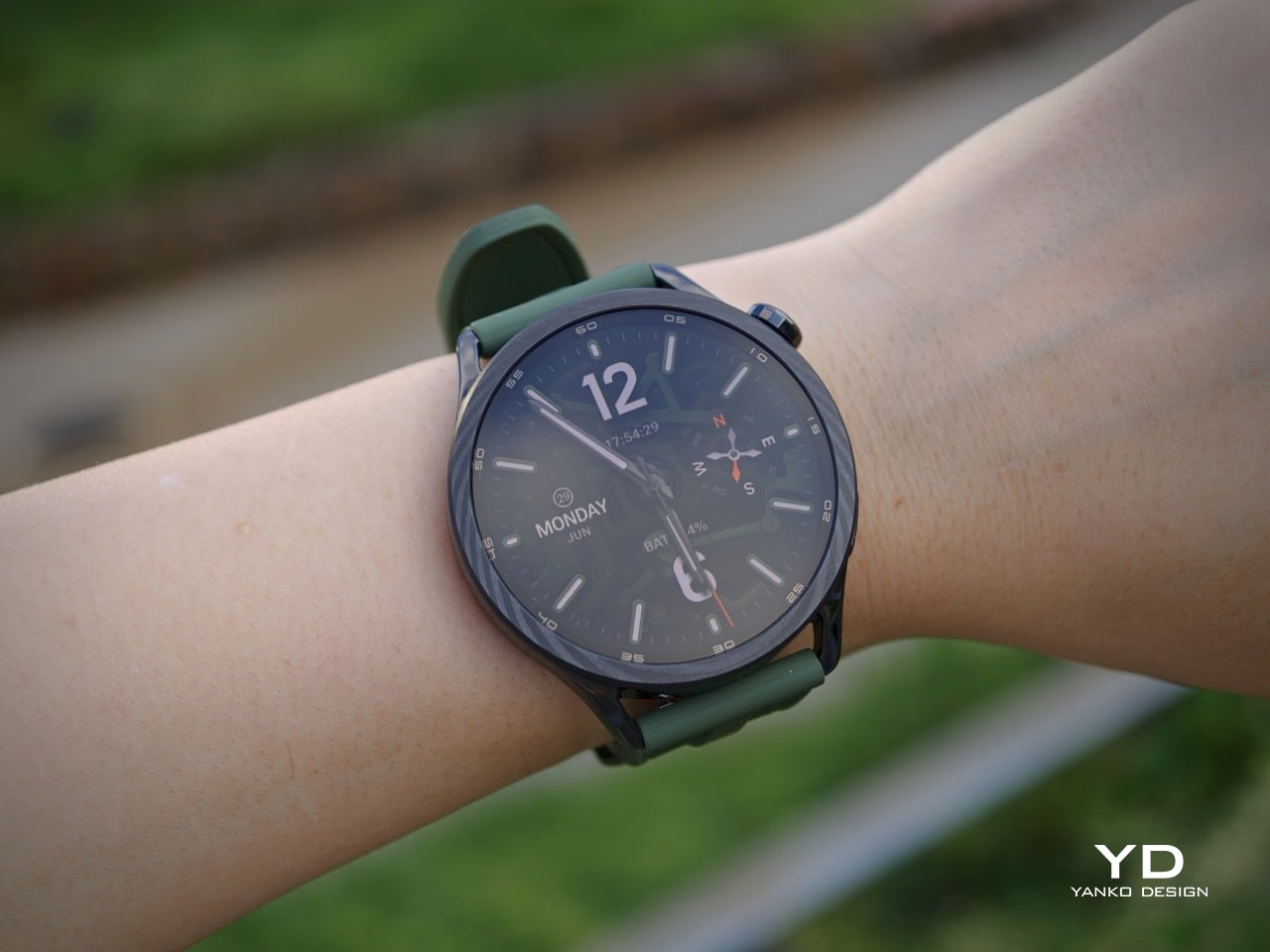
The Xiaomi Watch S5 46mm looks less like a gadget trying to pass as a watch and more like a watch that happens to be smart. That distinction matters because design still shapes how often a wearable actually ends up on your wrist. Xiaomi seems to understand that, and the Watch S5 leans hard into premium materials, a traditional silhouette, and a feature set built around daily usability.
Beyond the styling, there is a solid hardware pitch here, too. Xiaomi is promising a bright 1.48-inch AMOLED display, updated health tracking, new cycling features, and battery life of up to 21 days under light use. If those claims hold up, the Watch S5 could be appealing for people who want a smartwatch that feels less demanding and more natural to wear. I spent some time with the Watch S5 to see whether that mix of style and practicality actually comes through in daily use.
Designer: Xiaomi
That design-first approach is obvious the moment you see the Watch S5. It sticks with a classic round shape, but the detailing keeps it from blending into the crowd. The slim bezel and minute markings make it feel closer to a proper wristwatch than a lot of smartwatches that still come off as generic or overly sporty. Combined with the forged stainless steel frame, the design has a solid sense of polish without trying too hard.
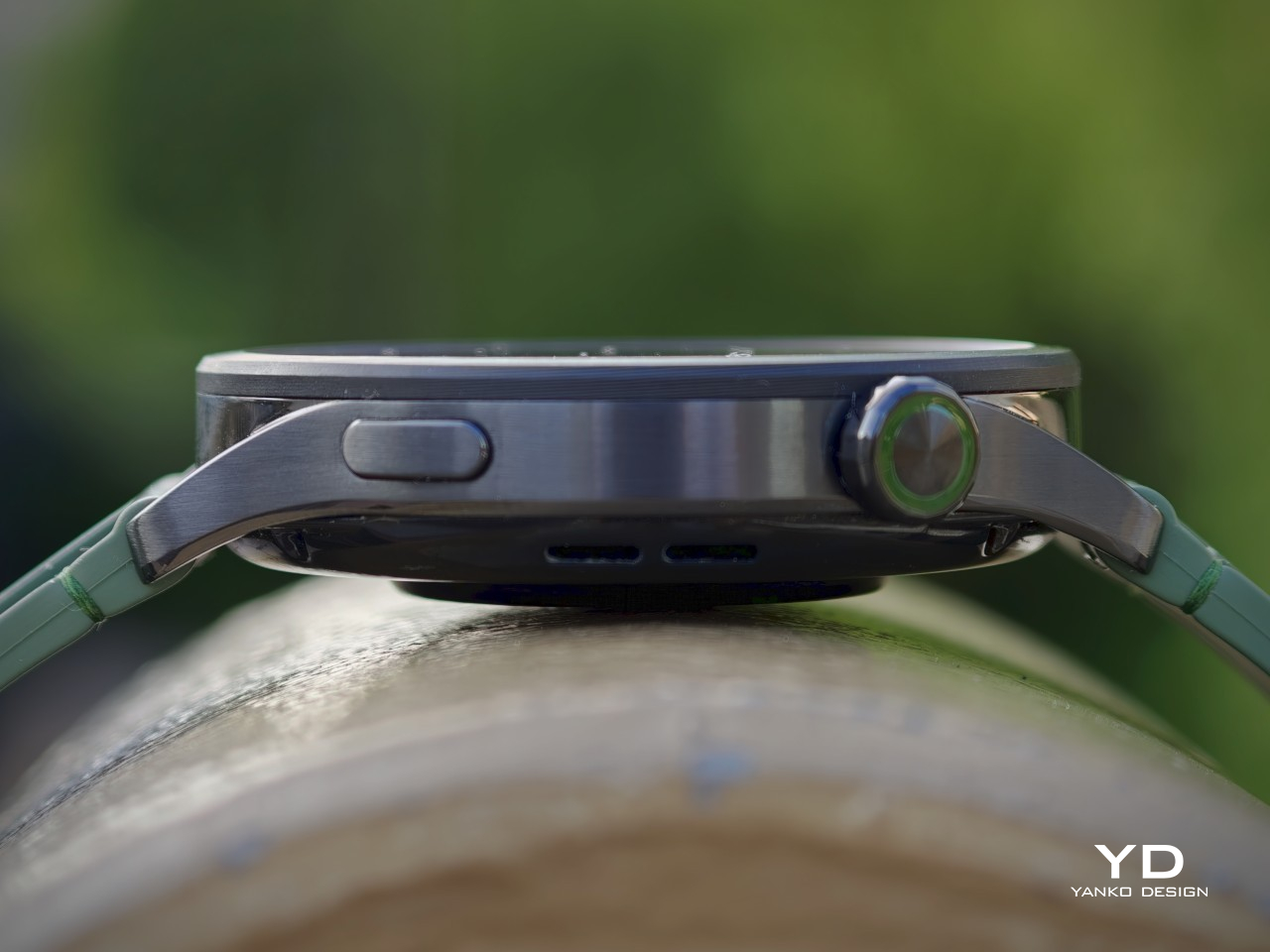
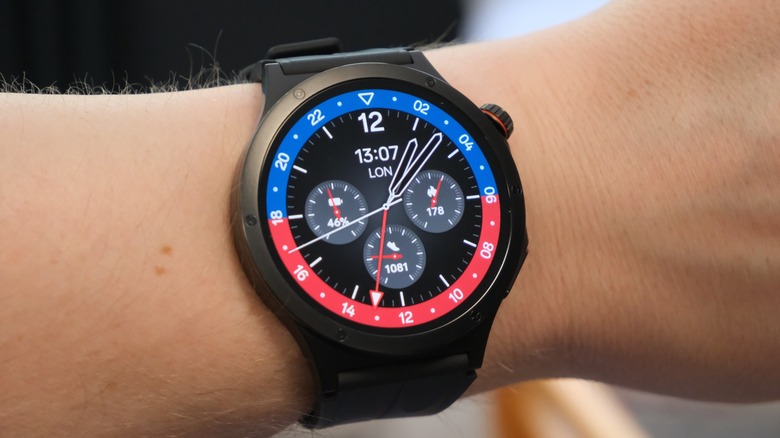
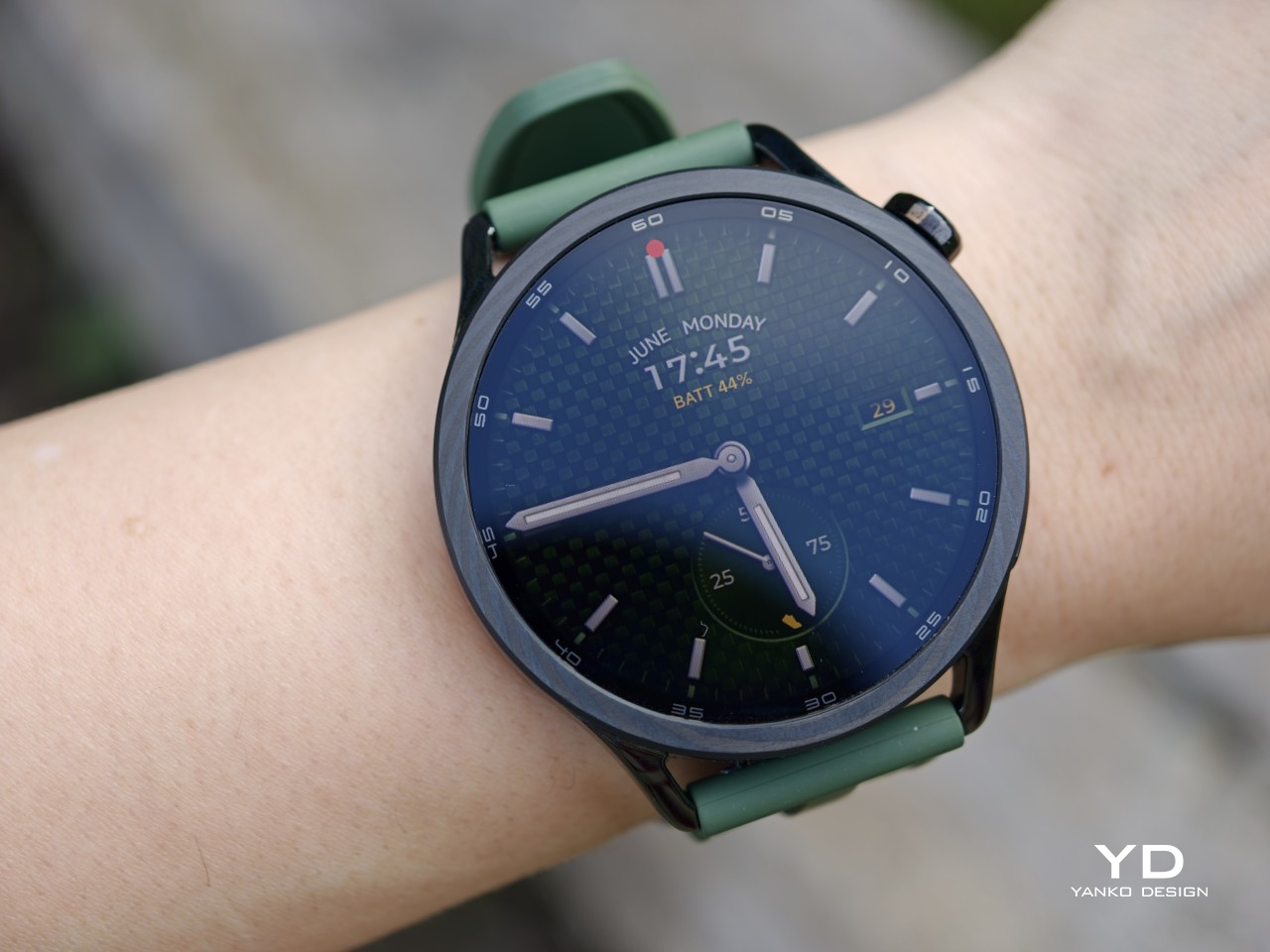
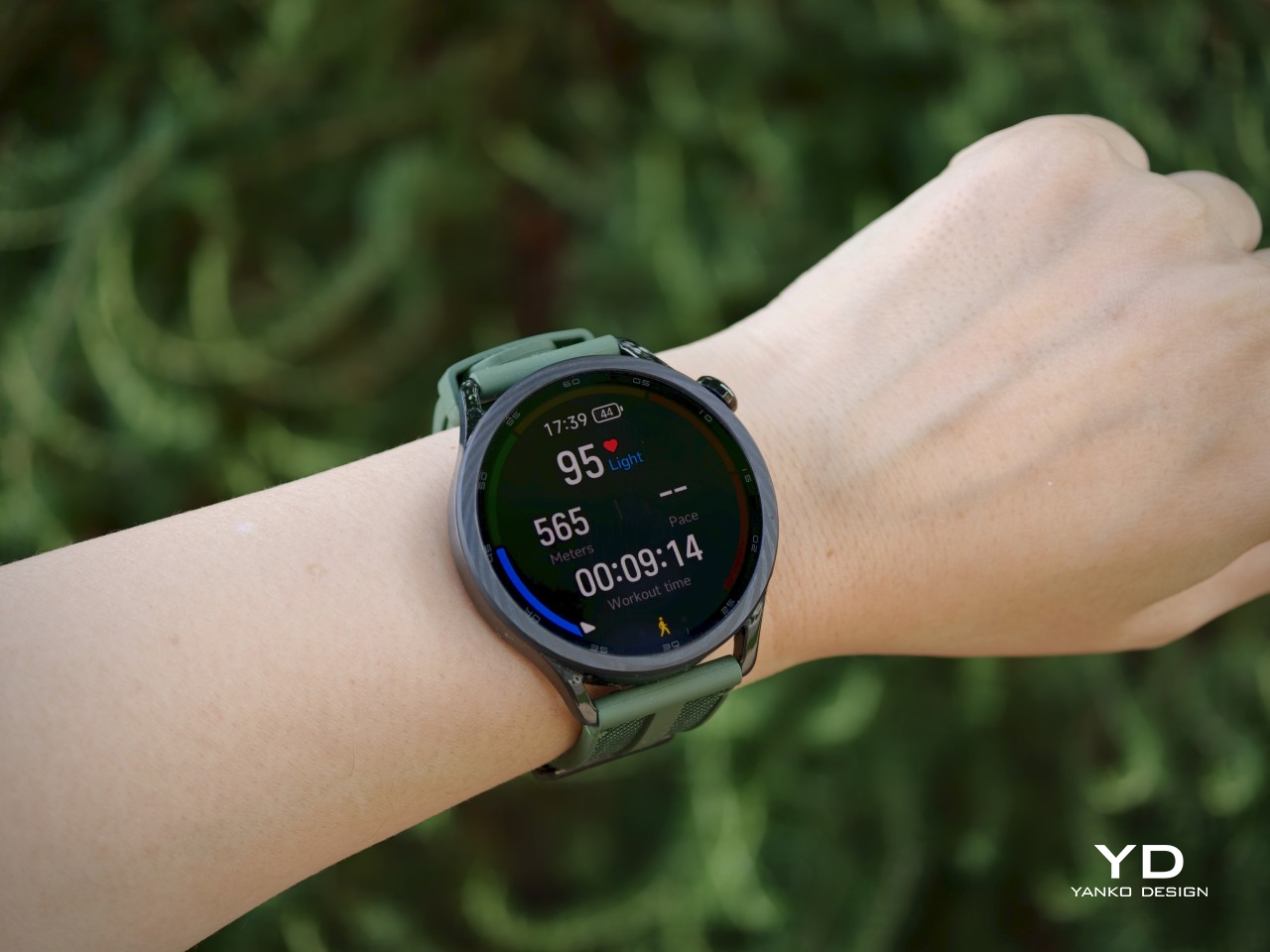
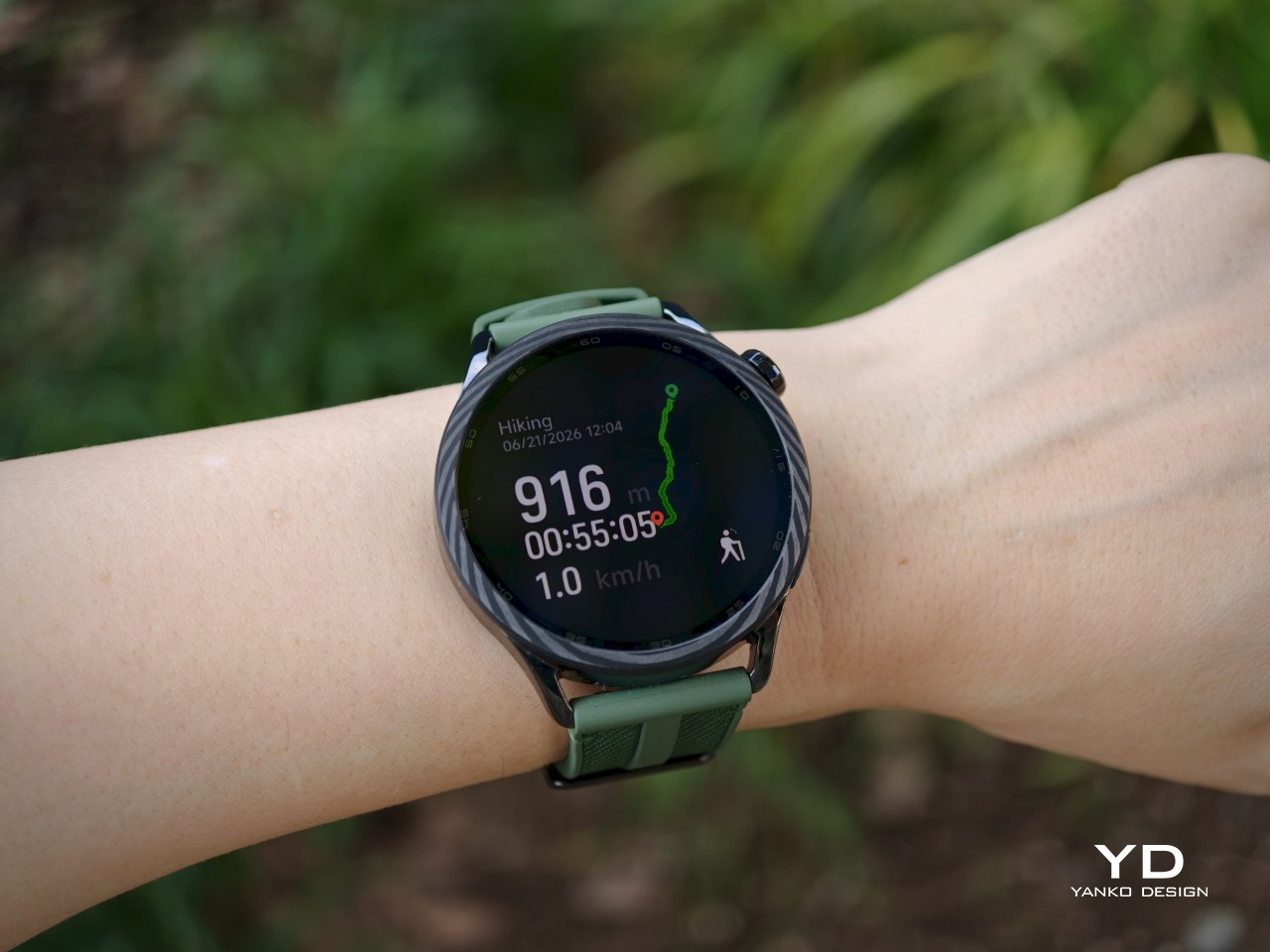
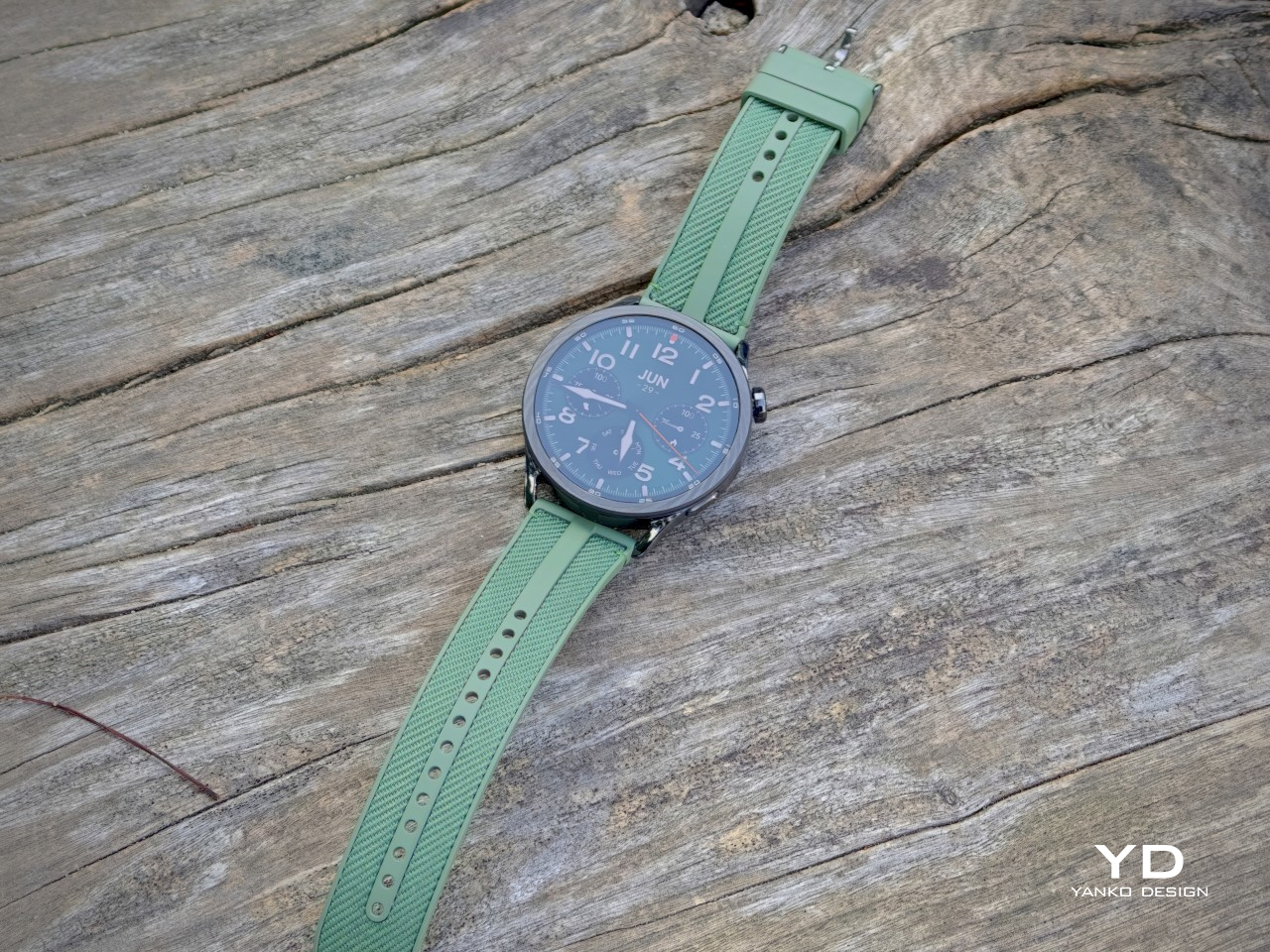
The lineup itself is well judged, too. The black and silver versions are the standard models, both using the stainless steel frame and a cleaner, more understated finish. The Ceramic Blue version is clearly the dressier option, with a zirconia ceramic bezel, enamel-filled markings, and a leather strap that gives it a more tailored look. The Jungle Green model I received takes a sportier approach, swapping in a forged carbon bezel and a hybrid strap that make it feel more rugged and outdoorsy. It is a smart spread of styles, and it gives the Watch S5 range more character than a simple color refresh would have.
At 46mm, the Xiaomi Watch S5 is not a small watch, but it wears better than that number suggests. I used the Jungle Green version, and even on my small wrist, it never felt bulky or awkward. Xiaomi lists it at 46 x 46 x 10.99mm and 46g without the strap, so it is still very much a full-size smartwatch, but in day-to-day use, it comes across as lighter and easier to wear than I expected.
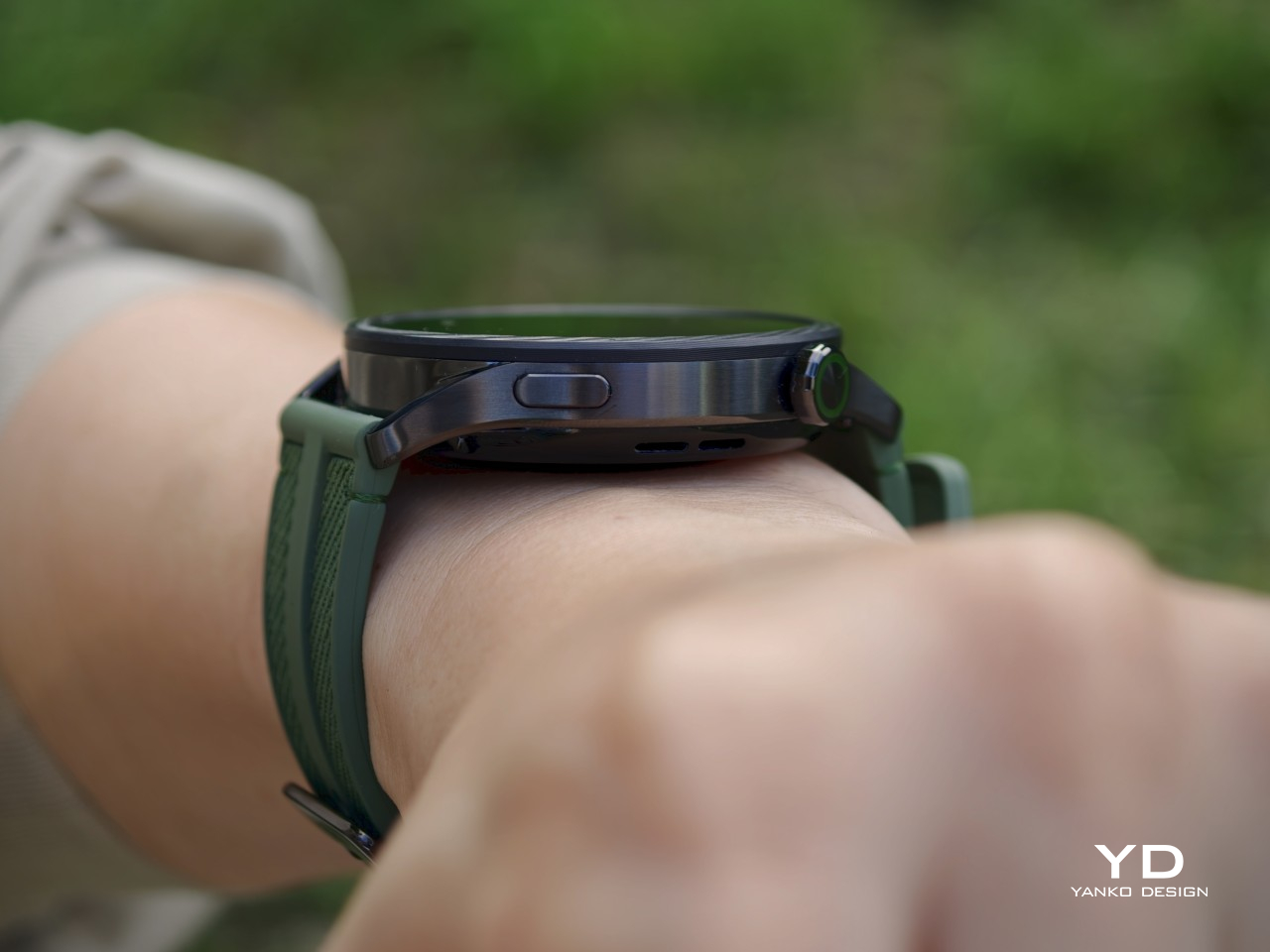
A lot of that comes down to how the watch sits on the wrist. It has enough presence to feel substantial, but it never feels clunky or uncomfortable. The hybrid strap on the green model helps, too, since it feels secure and practical for longer wear. That sense of ease carries over to the controls. The rotating crown and side button are both responsive, which makes the watch straightforward to use, though I would have liked slightly stronger haptic feedback from the crown.
A lot of the Watch S5’s appeal comes down to how easy it is to use, and the display does a lot of the heavy lifting there. It uses a 1.48-inch AMOLED panel with a 480 x 480 resolution and up to 2500 nits of peak brightness. The bezel is slimmer too. Xiaomi says it measures 2.6mm, which is 40 percent narrower than the previous generation, and that helps the screen feel more open and modern. In use, it looks sharp, vibrant, and bright enough to stay readable outdoors without much effort. That alone goes a long way on a smartwatch, since a dim screen can get annoying very quickly when you are checking the time or glancing at notifications on the move.
Fitness and health tracking are a big part of the Watch S5, even if I am not really the target user for the more training-heavy side of it. I am not someone who works out intensely or spends much time digging through performance metrics during exercise, which happens less often than I would like to admit. That is partly why I found the Watch S5 surprisingly approachable. It gives you some flexibility over what data shows up on the watch, so it does not have to feel like a wall of numbers every time you start moving.
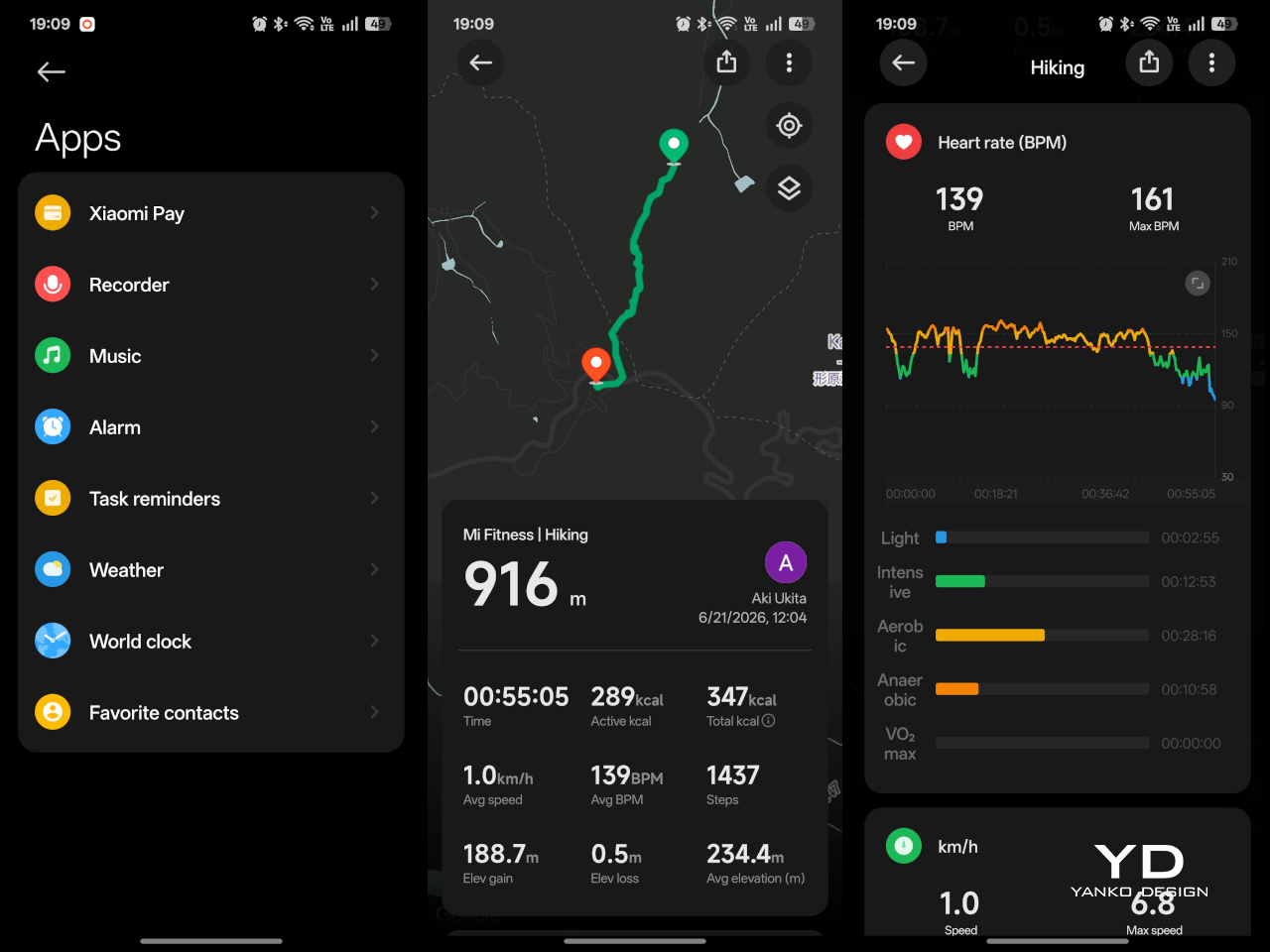
Most of my time with it was spent on walks and a light hike rather than anything especially demanding, but I still found the tracking useful. Being able to glance down and see things like heart rate, distance, and workload made the experience feel a bit more engaging, especially during the hike when I was already feeling tired. I would not suddenly pretend this turned me into a training-focused person, but it did make the data feel more motivating than I expected.
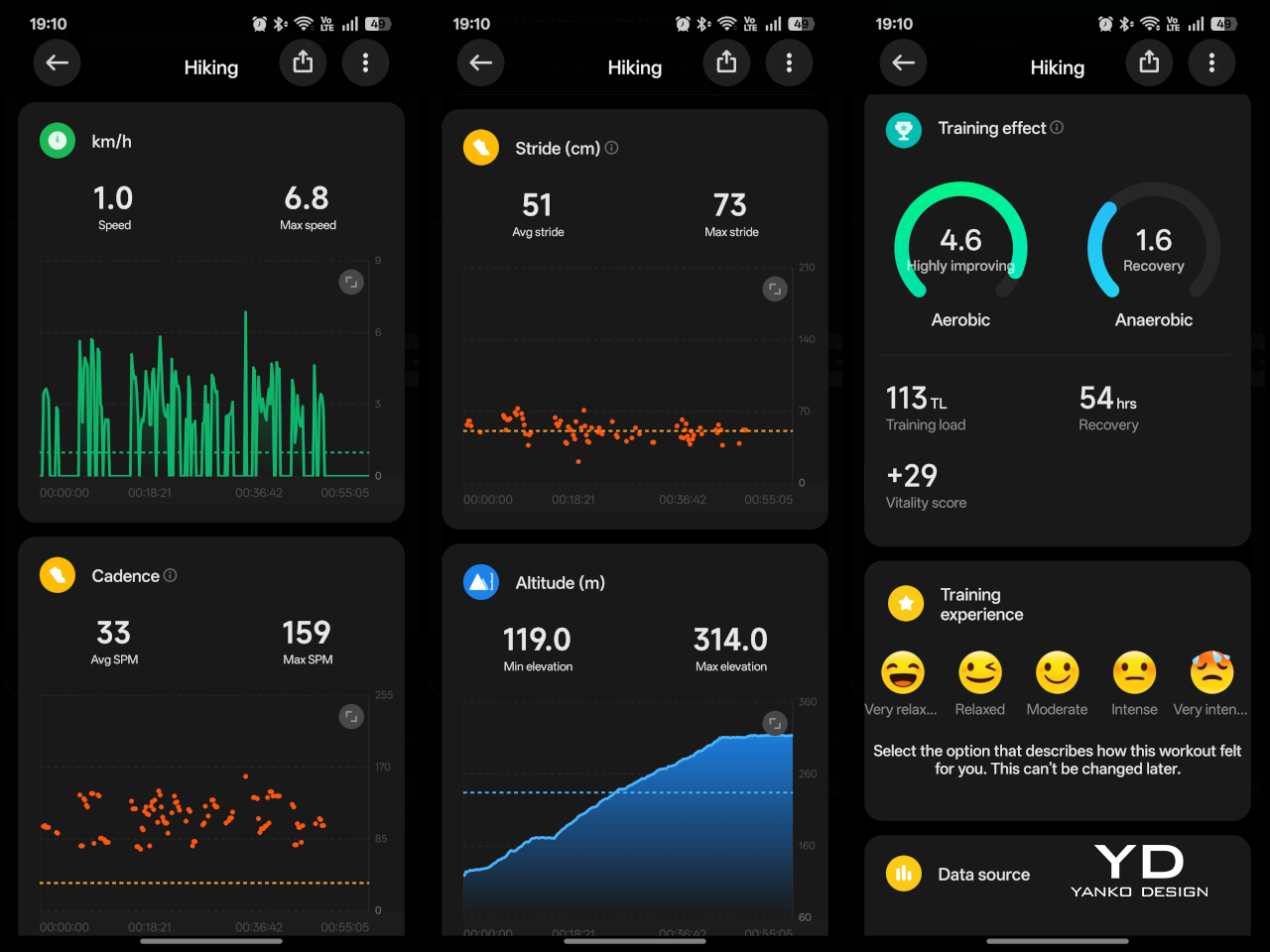
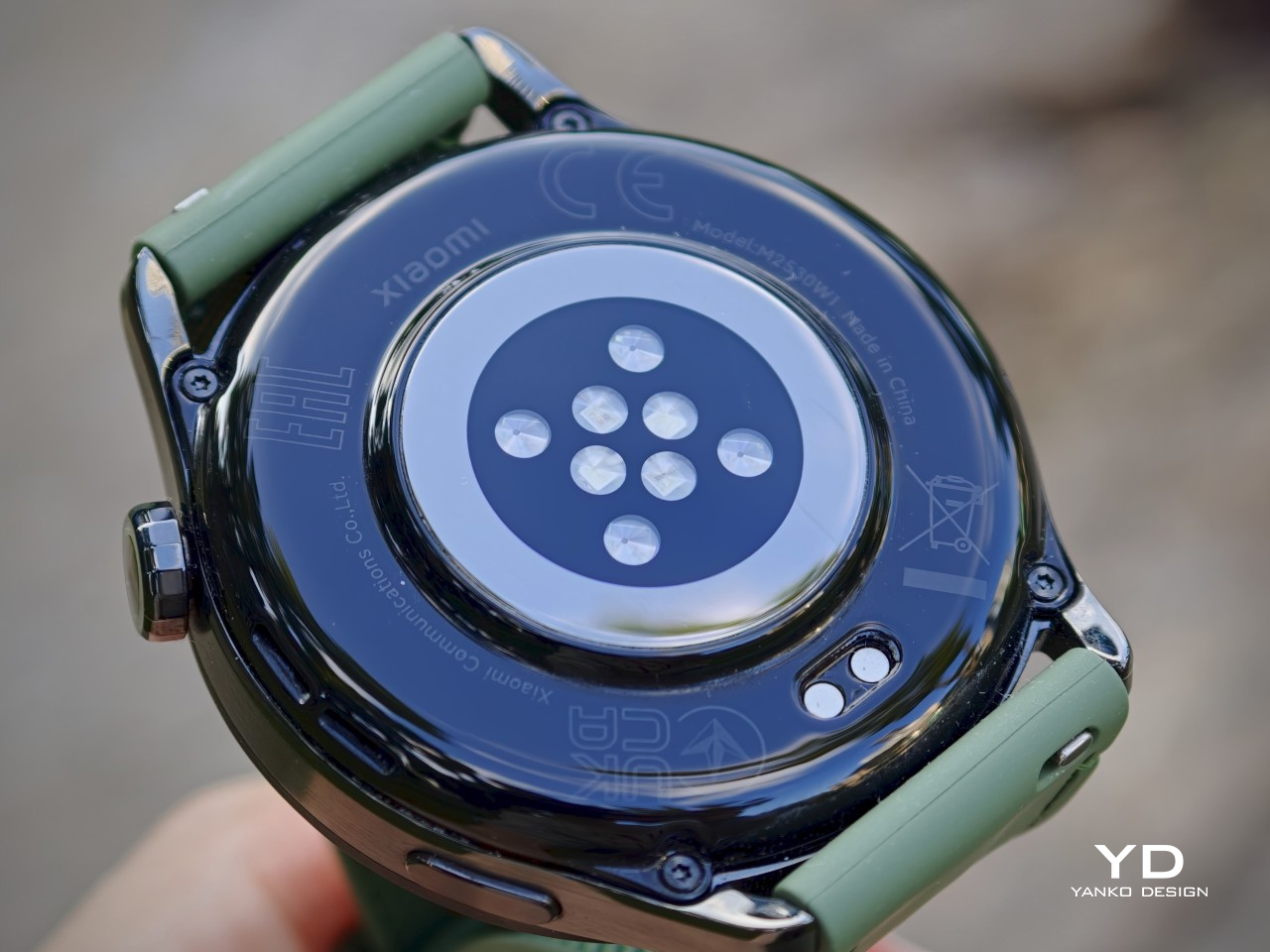
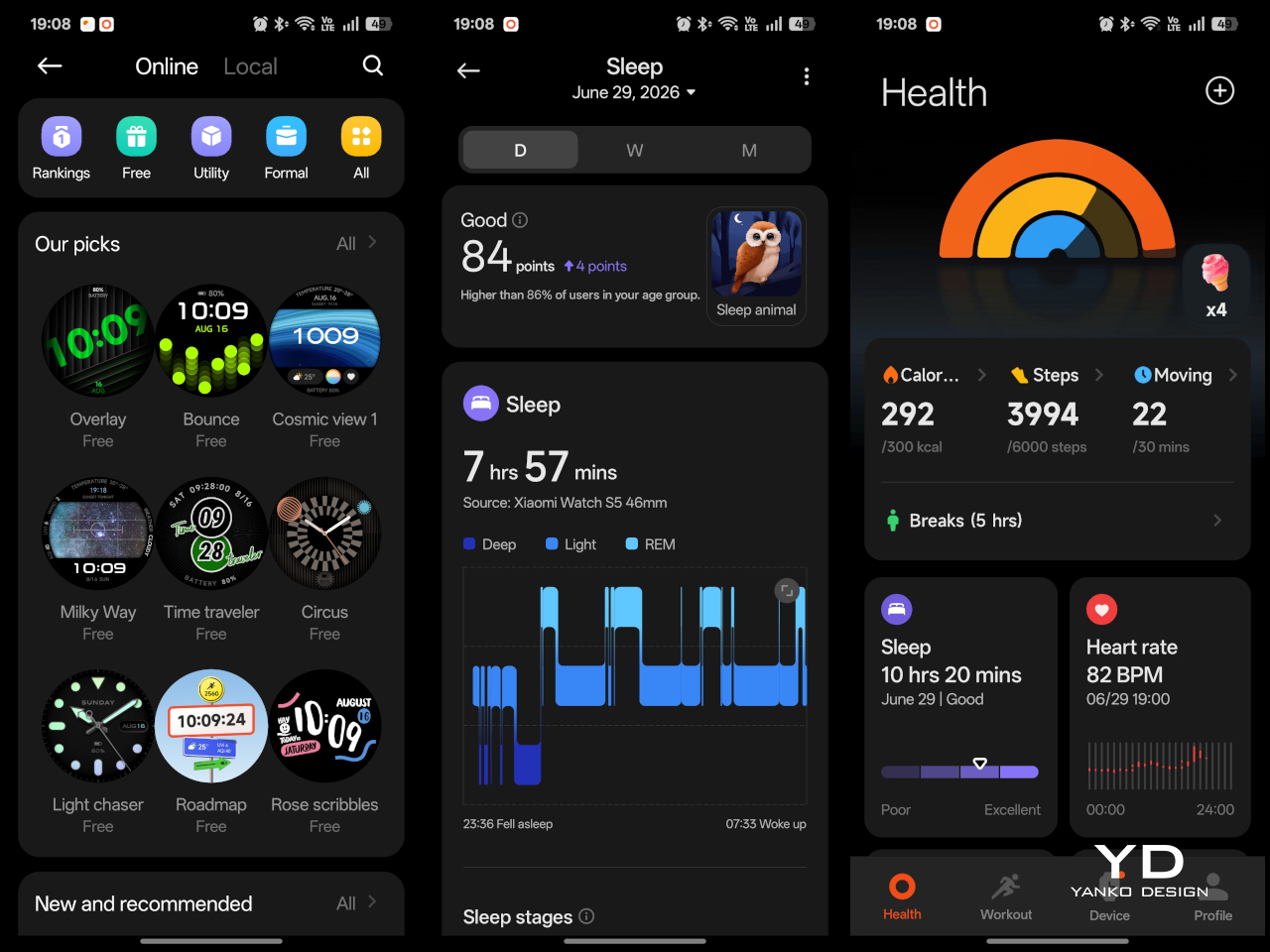
The Watch S5 uses the same heart-rate sensor setup found in the flagship Xiaomi Watch 5, with 4 LEDs and 4 PD, alongside L1 plus L5 five-system GNSS and 5ATM water resistance. There are also more than 150 sports modes, so the watch clearly has a much broader fitness toolkit than the small slice of it I used. Sleep tracking is a bit more mixed. Xiaomi claims its updated sleep algorithms improve fall-asleep and wake-up detection by 11 percent, with sleep-stage tracking improved by 14 percent. In my use, though, it still had a tendency to miss naps. That does not make the feature useless, but it is a reminder that health tracking claims on paper do not always translate perfectly in everyday use.
Beyond health and fitness, the software experience is mostly straightforward, too. The Watch S5 runs Xiaomi HyperOS 3, and for the most part, it is easy enough to get around. The interface is straightforward, and it does not take long to figure out where everything is. Swiping down brings up notifications, though your options are fairly limited once you are there. You can dismiss them, but you cannot quickly reply to messages, which makes the experience feel a bit more passive than on some rival smartwatches.
The rest of the navigation is a little uneven. Swiping up opens widget cards, while swiping right lets you cycle through the watch faces stored on the device. Swiping left, though, does nothing at all. I found that a bit frustrating, especially since I do not change watch faces very often. It feels like Xiaomi could have made better use of the side gestures here, or at least given users the option to customize them.
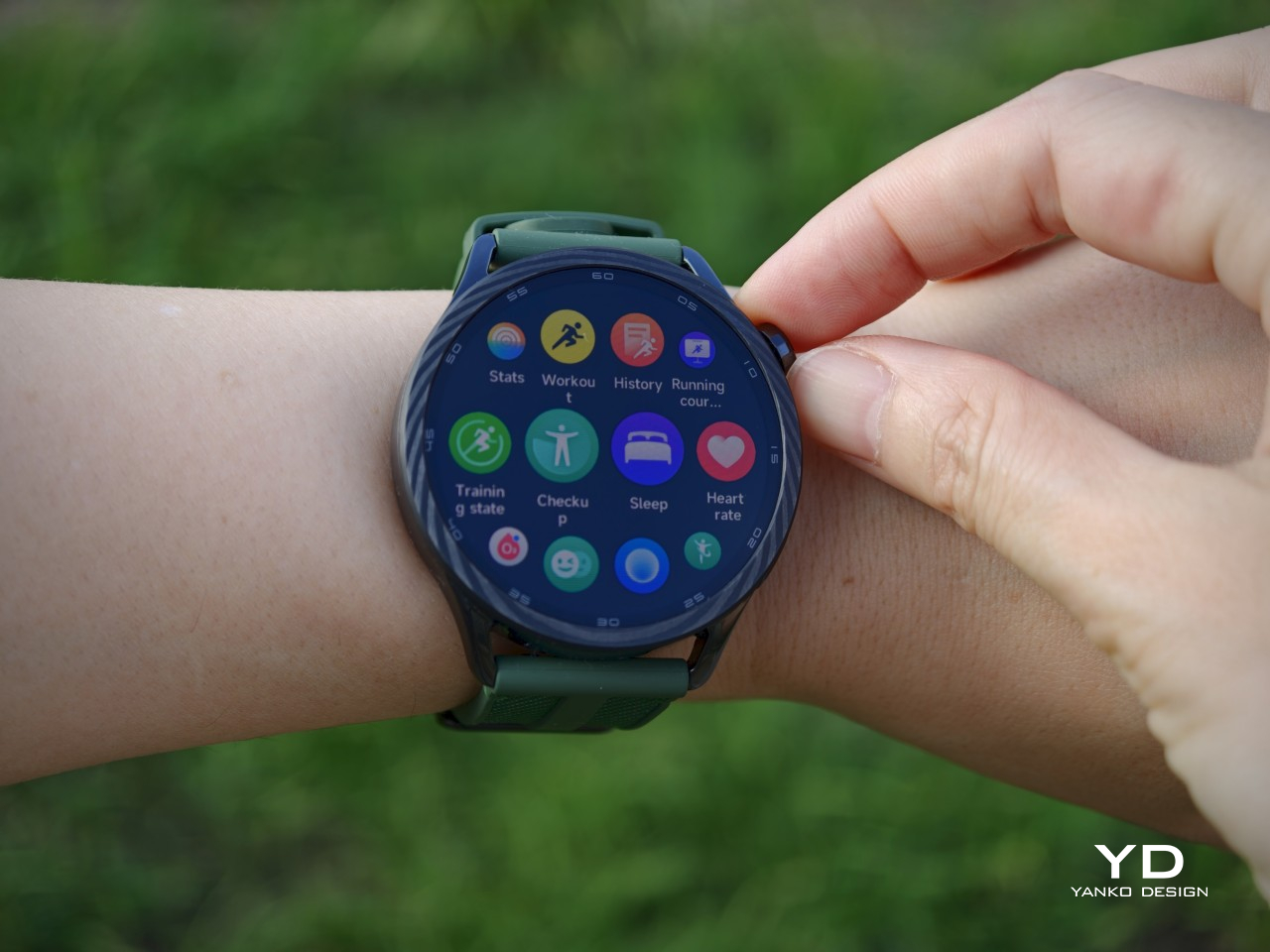
Pressing the rotating crown opens the app list, while the side button brings up the control center. That all works as expected, but the software does feel more limited once you look beyond the basics. Since the Watch S5 does not run Wear OS, there is no access to the Google Play Store, and Xiaomi’s own app selection for HyperOS 3 is still quite limited. On the phone side, the Mi Fitness companion app covers the essentials and also gives you access to plenty of free watch faces, which is a nice way to add some variety even if the wider software ecosystem remains fairly basic.
Battery life may be the Watch S5’s most practical strength. Xiaomi rates it for up to 21 days of light use from the 815mAh battery, which it says is a 68 percent jump over the previous generation. In my case, with Always On Display turned on and all the health tracking features enabled, it lasted about six days. That is genuinely impressive, and it makes the Watch S5 feel far less needy than many smartwatches. Charging happens through the included proprietary magnetic pogo-pin charger, which works fine, though it does mean dealing with yet another device-specific cable.
Sustainability is not a major part of Xiaomi’s pitch for the Watch S5, though to be fair, that is true of most smartwatches. There is no clear emphasis here on recycled materials or repairability, so it is hard to give the watch much credit on environmental grounds alone. What it does offer, though, are a few practical touches that could help with longevity.
The 5ATM water resistance also helps on the longevity front, especially for a watch that is meant to handle swimming as well as everyday wear. The use of standard 22mm quick-release straps is another plus, since it makes the watch easier to refresh over time without being locked into one specific band. That may sound like a small thing, but replaceable straps can help a device stay in use longer, especially when comfort or style preferences change. The stainless steel frame and the more premium material options should also hold up well over time. For now, the Watch S5 feels built to last, even if it does not make much of a sustainability case.
The Xiaomi Watch S5 makes a pretty strong case for itself on value. At £149.99, or about $205, for the black and silver versions, and £169.99, or roughly $232, for the Blue and Green models, it sits in a price range that feels competitive for what you are getting. The stainless steel frame, bright AMOLED display, strong battery life, and broad fitness feature set already give it a solid hardware foundation, and the more premium Blue and Green finishes do at least look like they justify the small step up in price.
That pricing also helps make some of the watch’s limitations easier to accept. The software is straightforward but not especially deep, and the app ecosystem is still quite limited compared with Wear OS alternatives. Even so, the Watch S5 is not really trying to compete as the most app-rich smartwatch in its class. It feels more like a well-rounded option for people who care about design, comfort, battery life, and fitness basics, and at these prices, that balance is easier to appreciate. For the money, Xiaomi is offering a lot of watches.
The Xiaomi Watch S5 succeeds by focusing on the right things. It puts design, comfort, battery life, and the kind of fitness features that are useful without becoming overwhelming at the center of the experience. That makes it easy to recommend, especially for people who want something that looks more like a proper watch and less like a tiny gadget strapped to the wrist.
The trade-off is that Xiaomi HyperOS 3 still feels fairly limited once you look past the basics. You are not getting the depth or flexibility of a Wear OS device, and that will matter to some buyers. Even so, the Watch S5 gets enough right to stand out where it counts. At £149.99, or about $205, for the standard versions and £169.99, or roughly $232, for the Blue and Green models, it offers a lot without asking too much in return.
The post Xiaomi Watch S5 46mm Review: Looking Good, Lasting Longer first appeared on Yanko Design.