
Microsoft-backed AI data center has been accused of violating federal law
It's allegedly been running dozens of gigantic generators without a permit.
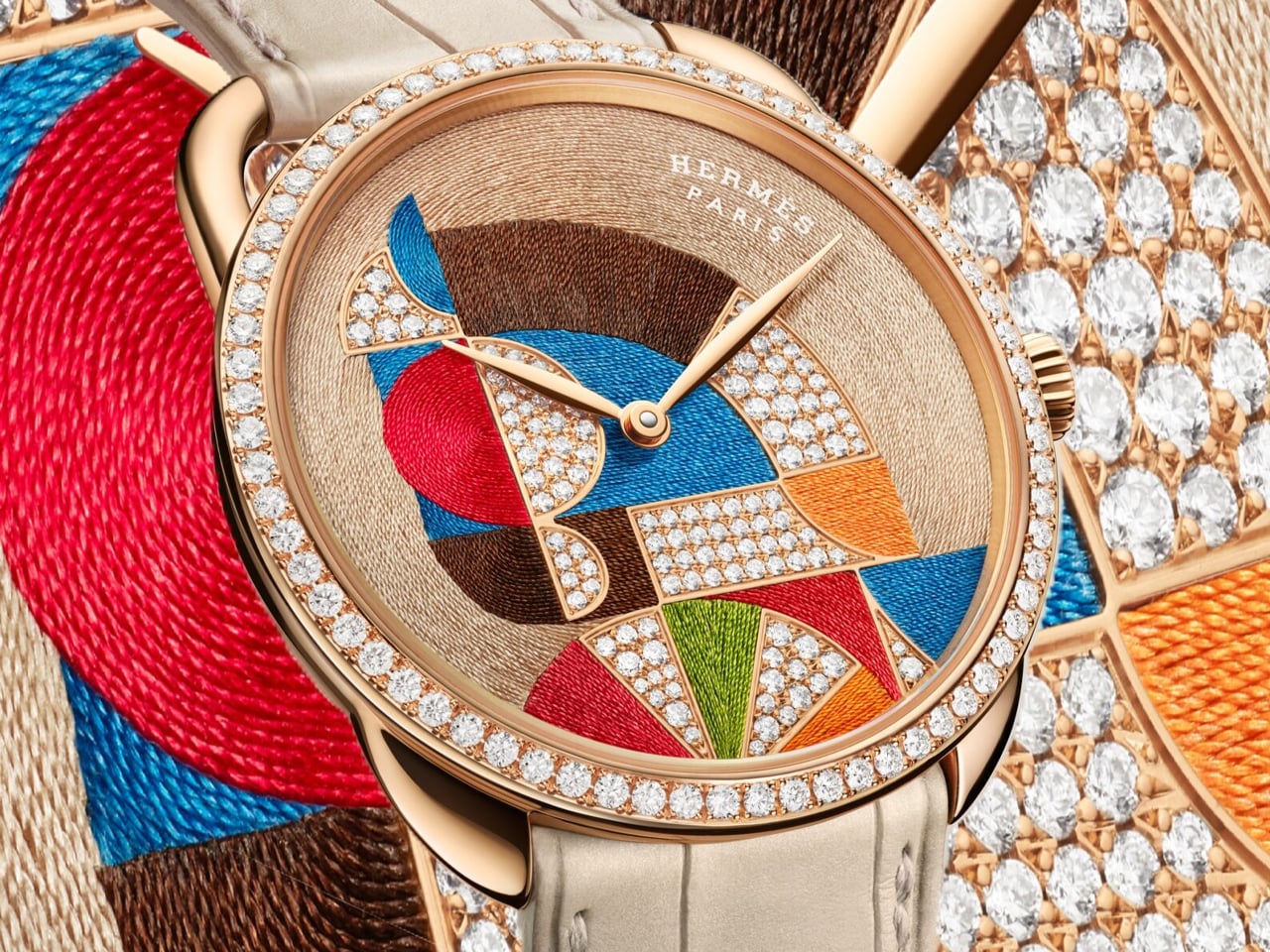
Henri d’Origny designed the iconic luxury wristwatch Arceau first in 1978. Ever since, it has been Hermès’ most preferred collection for experimentation. This continues in style with the introduction of the new Arceau Cheval Natté, a limited-edition Hermès watch whose dial is entirely woven from silk.
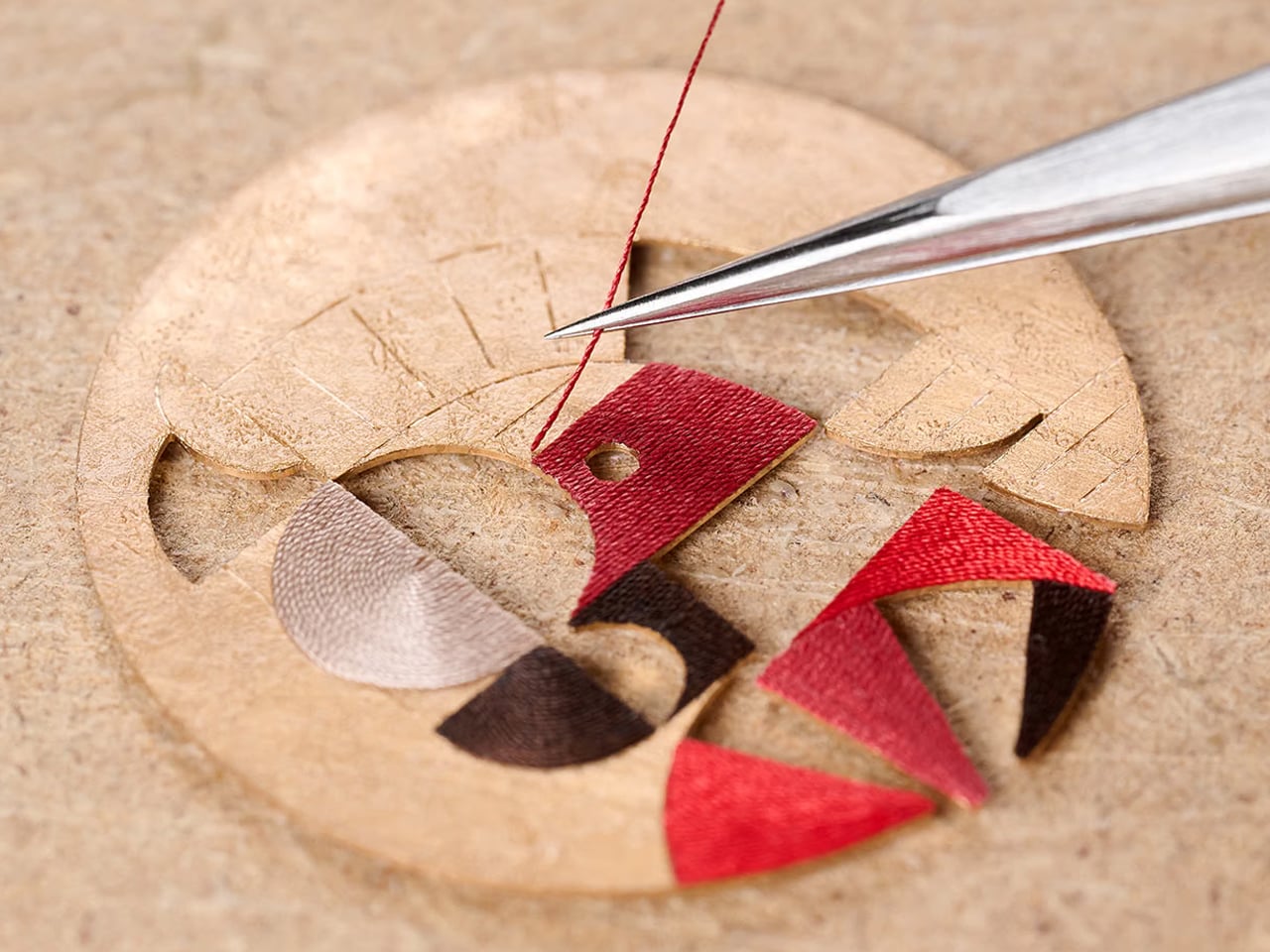
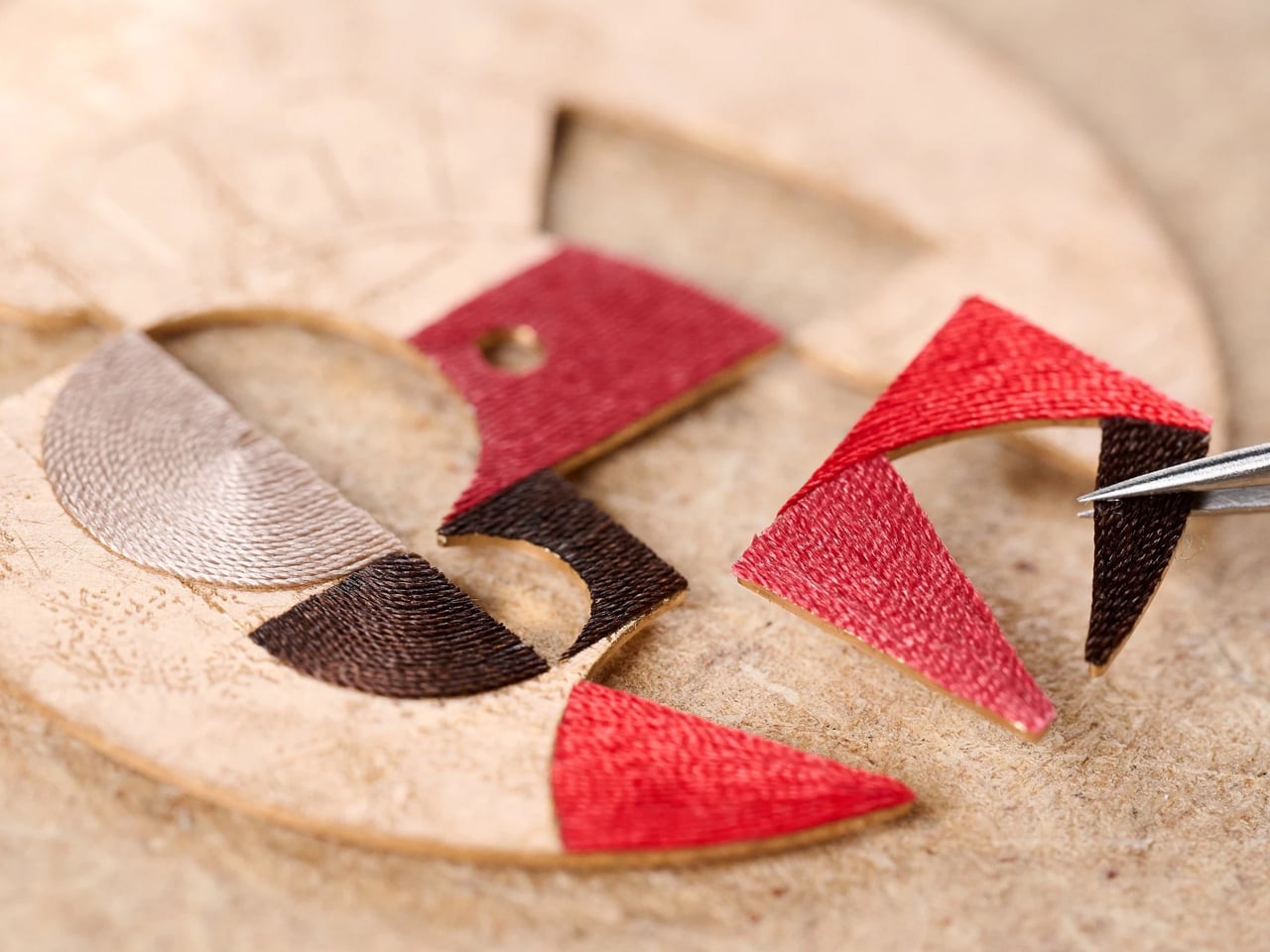
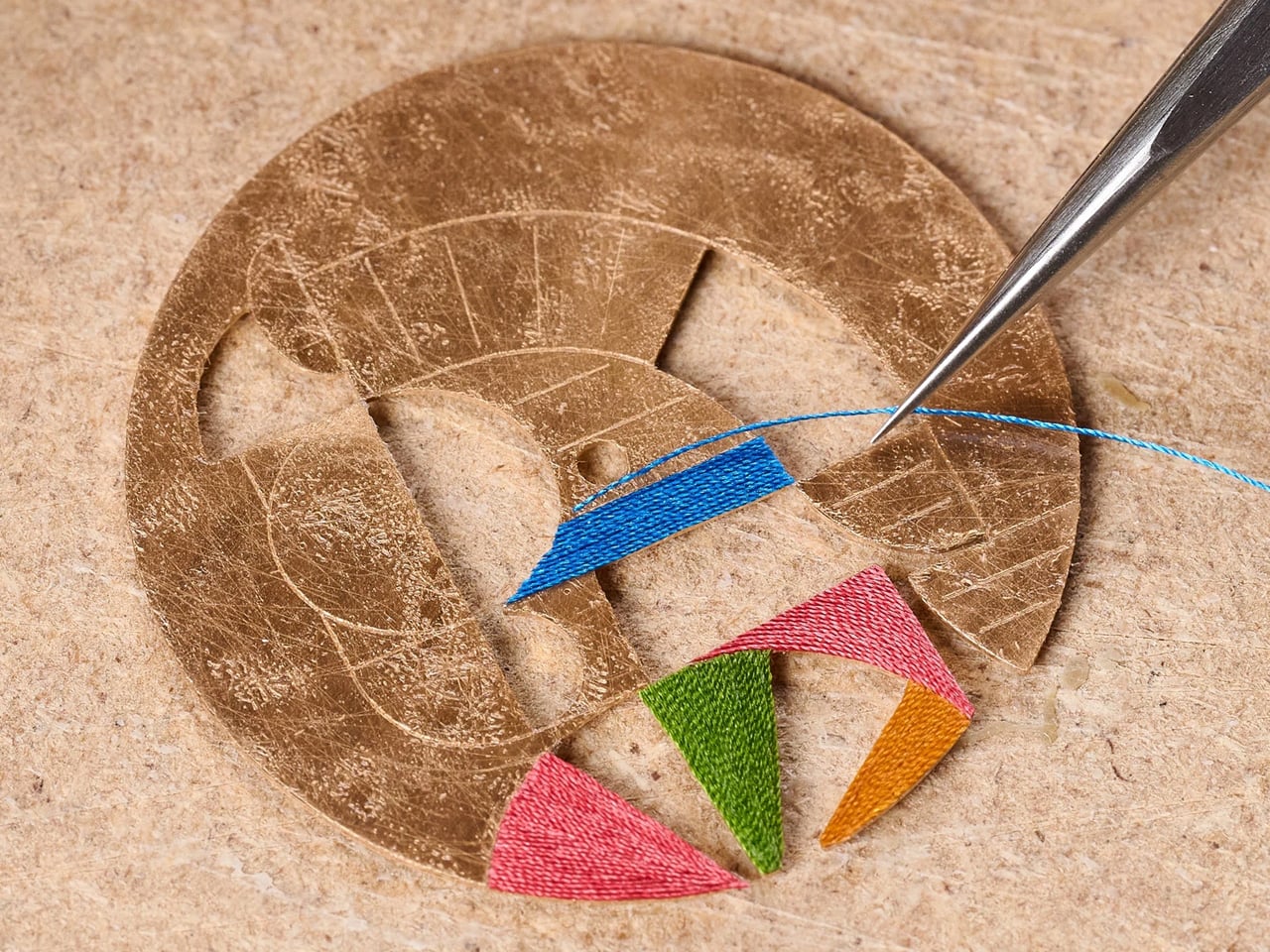
If that sounds unheard of in a watch, it’s because this is, for the first time, a watch dial that features a horse’s head woven geometrically using 400 silk threads. The way the threads are used on the timepiece is beyond the ordinary. Each individually selected silk thread is laid one by one, in a precise direction, by hand. This is done meticulously to ensure that when light moves across the surface, each woven section behaves differently, creating an eye-catching interplay of light, depth, and texture.
Designer: Hermès
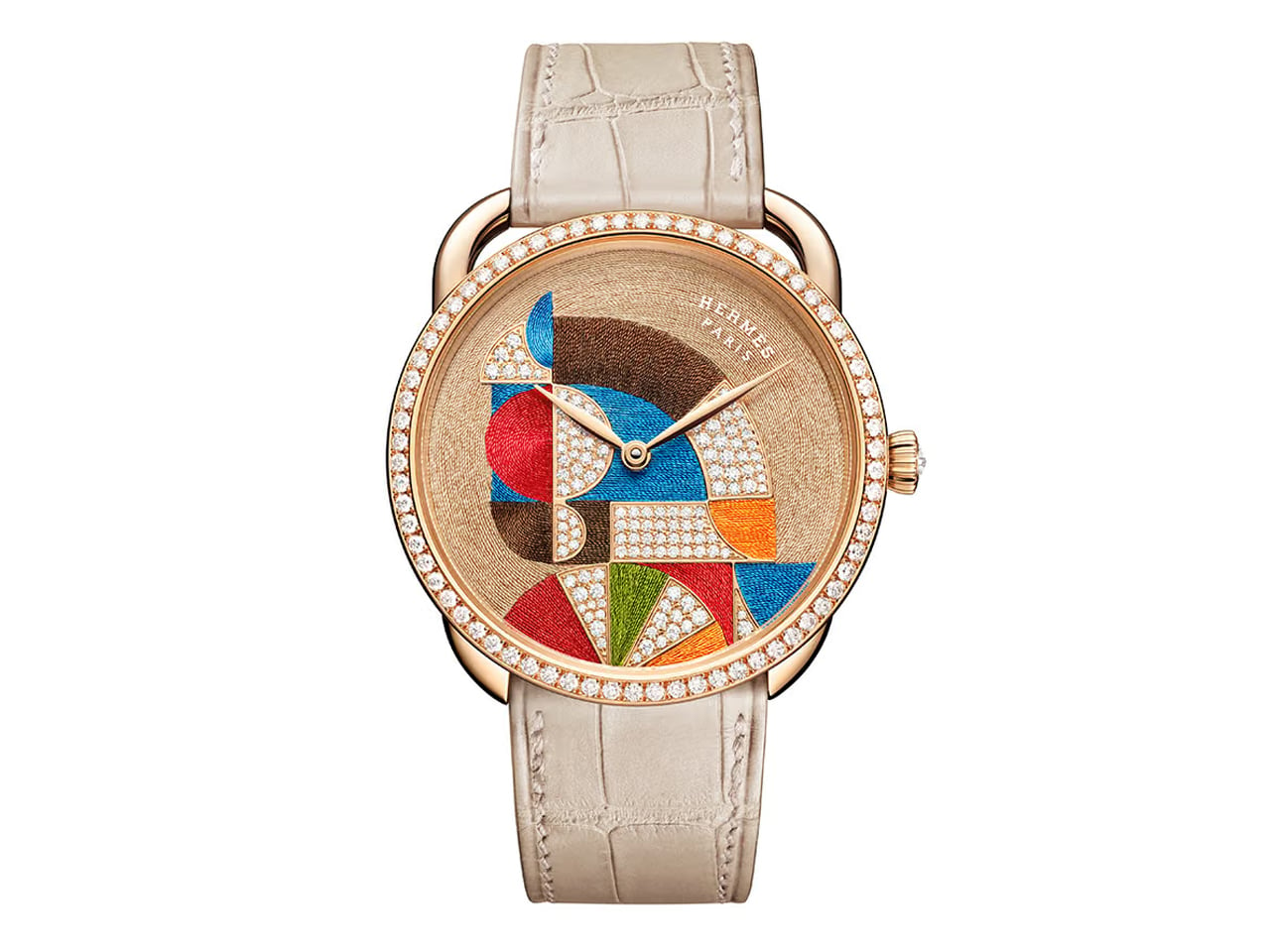
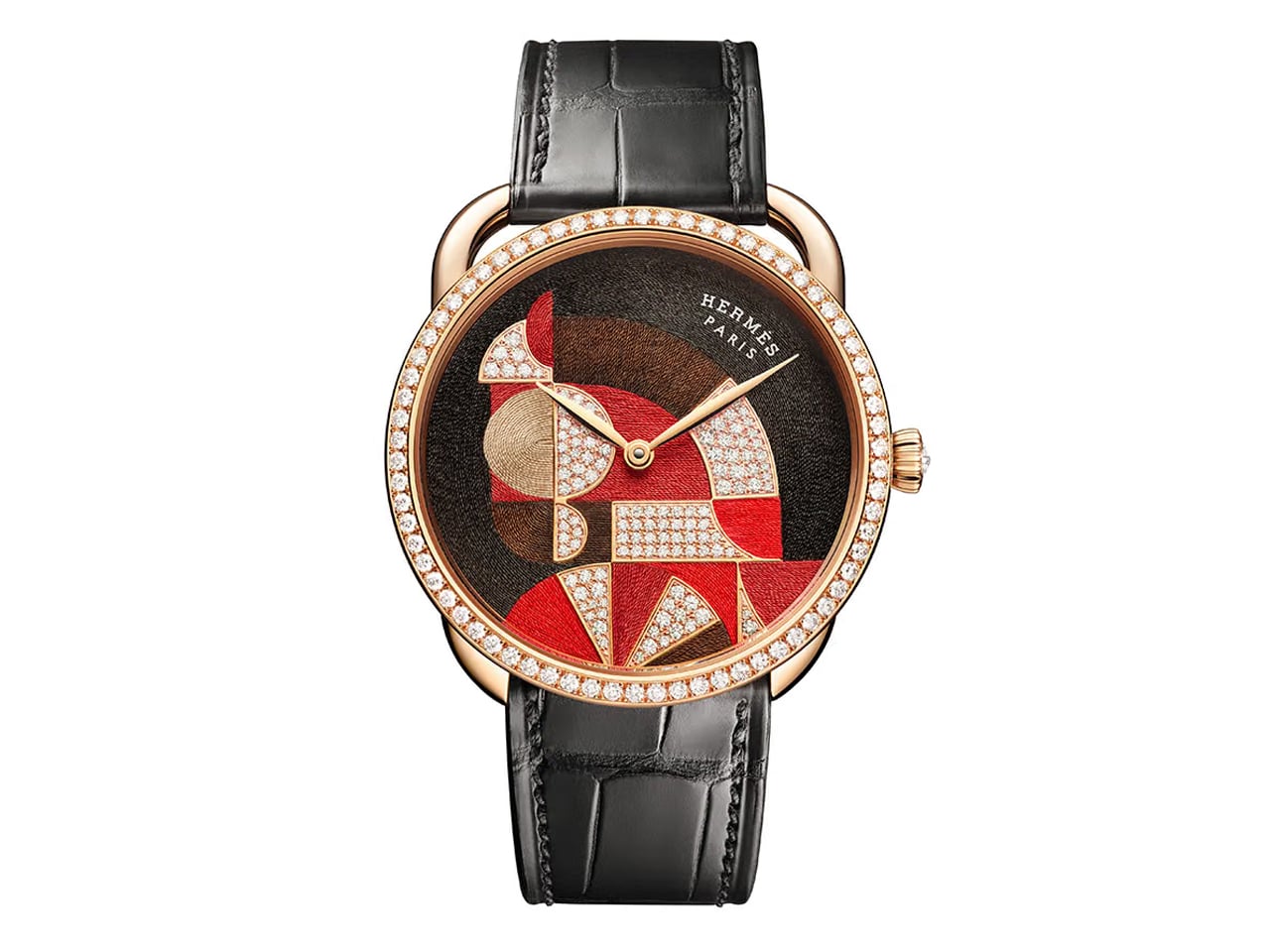
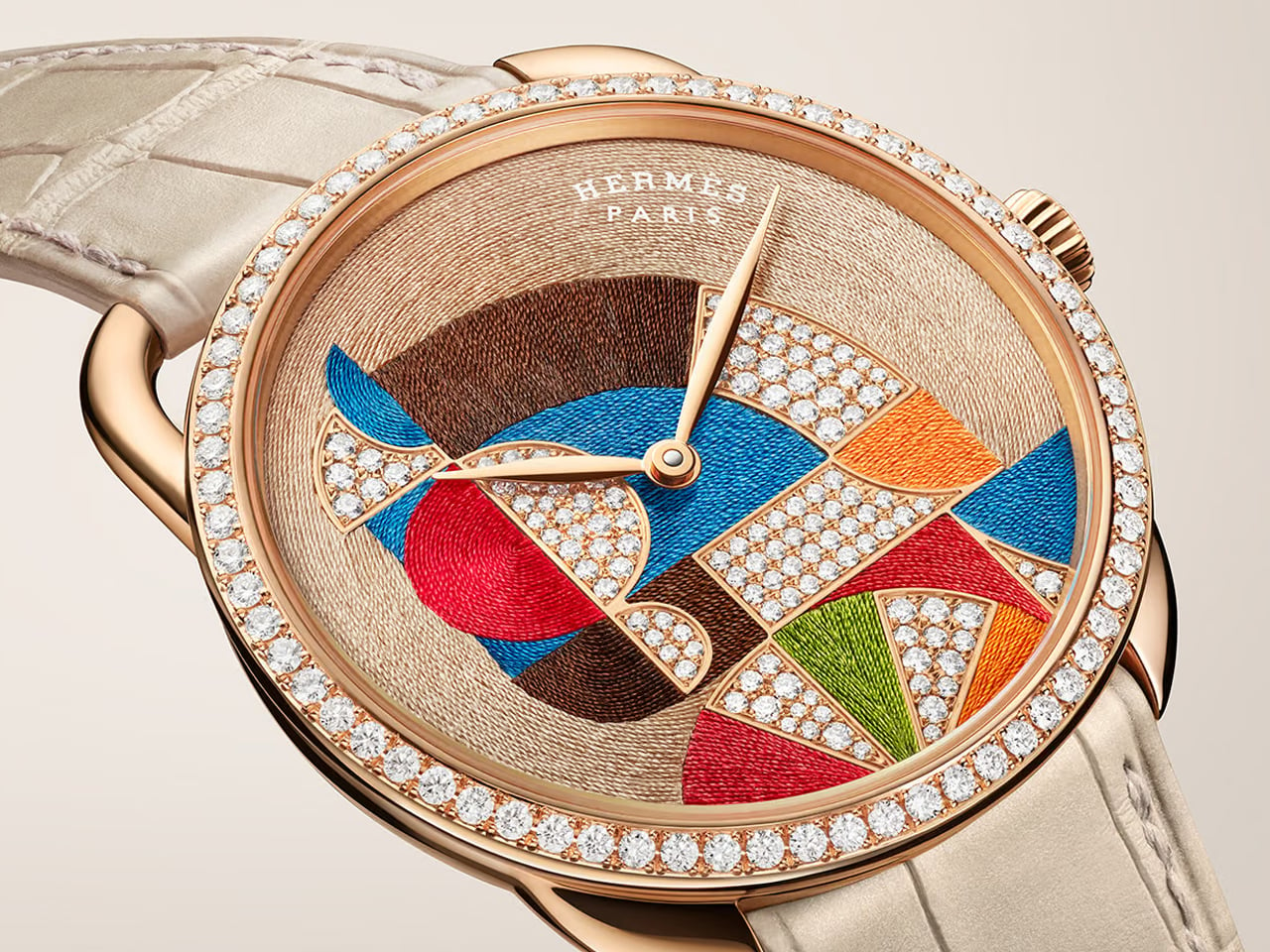
This silk thread motif was originally created for Hermès home accessories by designer Tong Ren, and has been for the first time interpreted on a watch dial as horse’s head, which honors Hermès’ association with horses, which started with its days crafting high-quality leather harnesses and saddles. The silk dial, enhanced with the use of 123 diamonds and champlevé engraving, sits within a 38mm rose gold case.
The watch also has a bezel to look out for. Complementing the unique dial is the bezel embedded with 70 diamonds and a crown on the side adorned with a single diamond. The Arceau Cheval Natté is powered by an in-house, self-winding H1912 movement. Hermès states, it’s crafted in Switzerland, and that the calibre measures 23.9 mm in diameter and 3.9 mm in thickness, and operates at 28,800 beats per minute. It offers the watch a 50-hour power reserve.
The watch has a see-through sapphire crystal caseback, which provides a clear view of the signature sprinkling Hs on the movement. Besides the embellishment and the dial, the Arceau Cheval Natté is a simple horological instrument. It has only the primary hours and minutes hands and is made in two versions. One of them is a luminous model, which is pretty close to the vivid colors of the original design. The second, on the other hand, is a variant with more intense black, red, and brown tones.
Each version of the Arceau Cheval Natté, Hermès notes, is a limited edition of 24 pieces. Water-resistant to 30 meters, the watch comes paired with either a dune or black matte alligator strap secured with a rose‑gold pin buckle. Straps are also made in Hermès’ own workshops. The new Hermès watch does not intend to present time through complication, it chooses to weave time in silk for $95,200.
The post Hermès weaves time on Arceau Cheval Natté watch using 400 silk threads and lots of diamonds first appeared on Yanko Design.

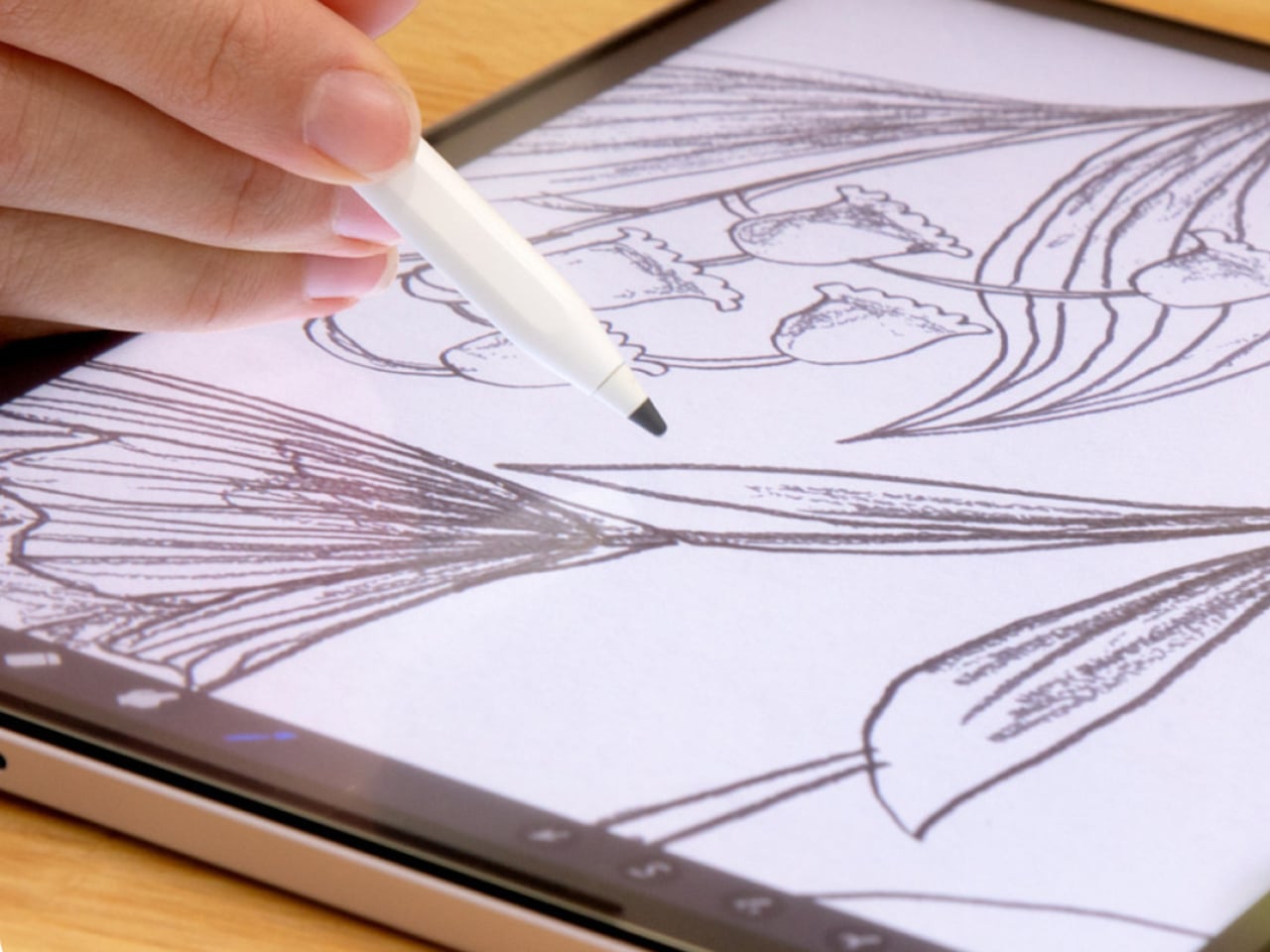
The Apple Pencil on a standard iPad screen is a competent stylus. It isn’t, however, anything like writing on paper, and for a lot of artists and note-takers, that distinction matters enough to do something about it. Rock Paper Pencil has been the go-to solution for this since version one, and version 4.0, at $49.99, adds something earlier versions couldn’t offer: a choice of how drawing actually feels.
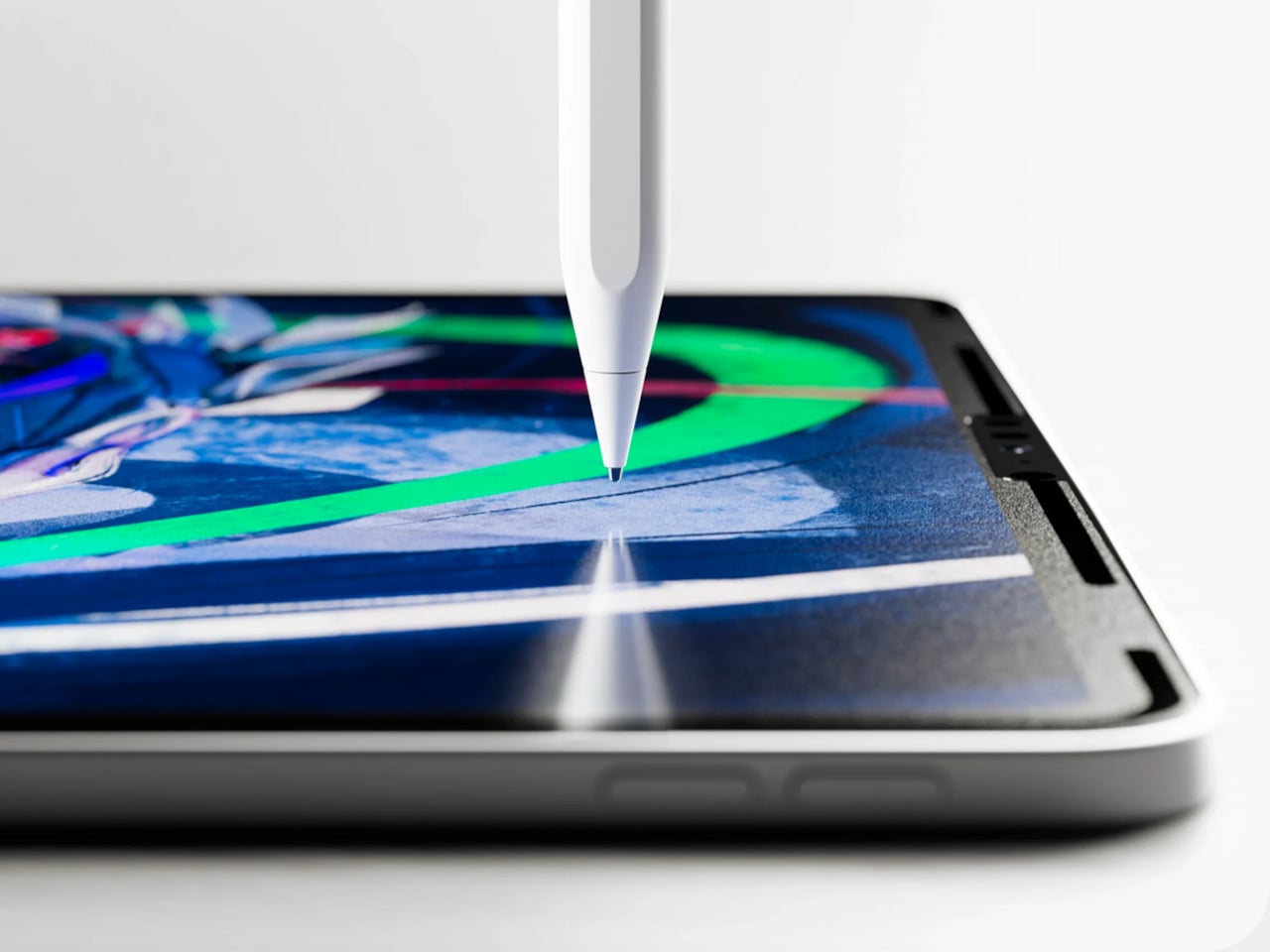
The setup is a two-part system. A removable screen protector attaches to the iPad’s display without adhesive, using NanoCling technology that leaves no residue when peeled off. Its microscopic texture adds enough controlled friction to the surface that the Apple Pencil moves across it the way a pencil moves across paper, with resistance that makes strokes feel intentional rather than frictionless.
Designer: Astropad
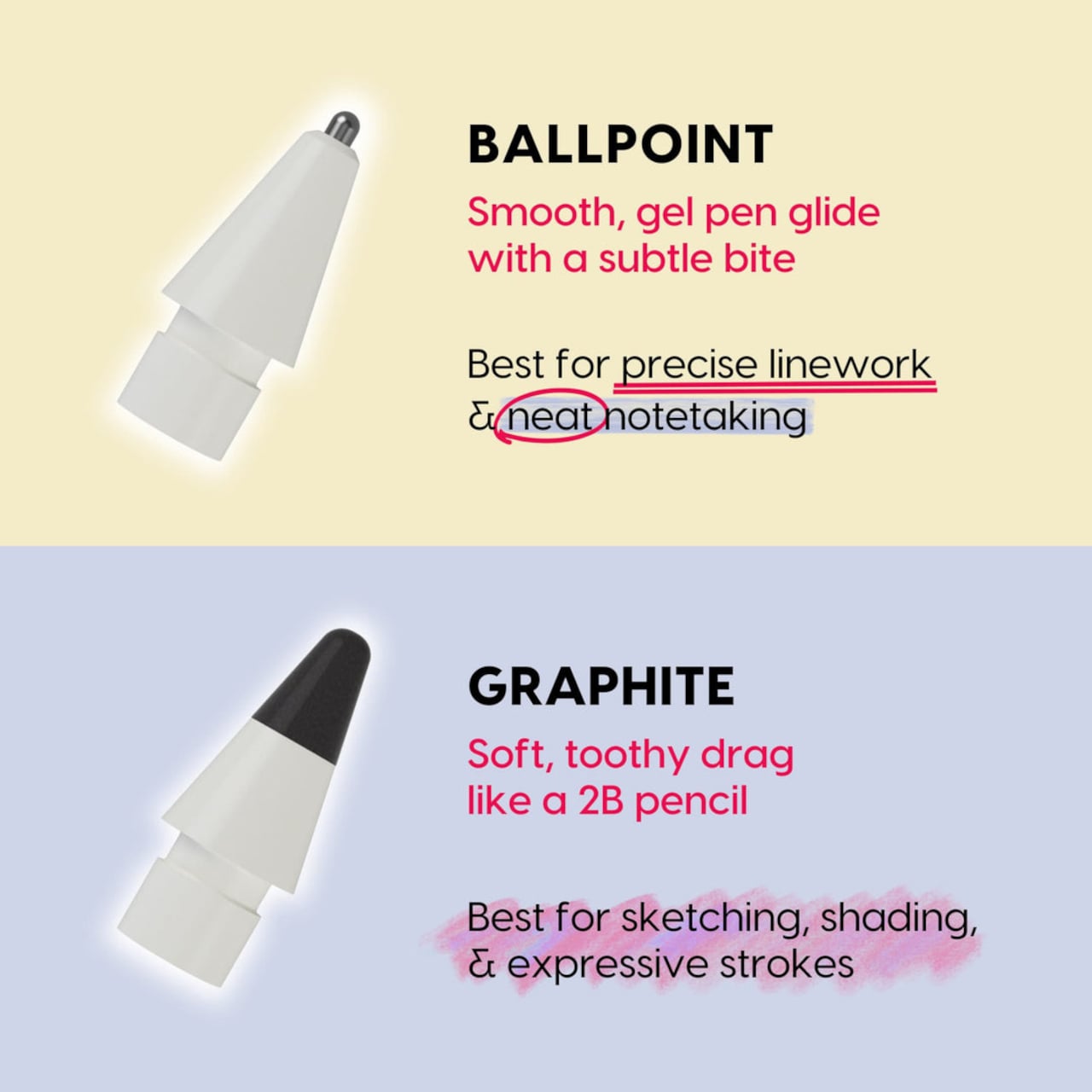
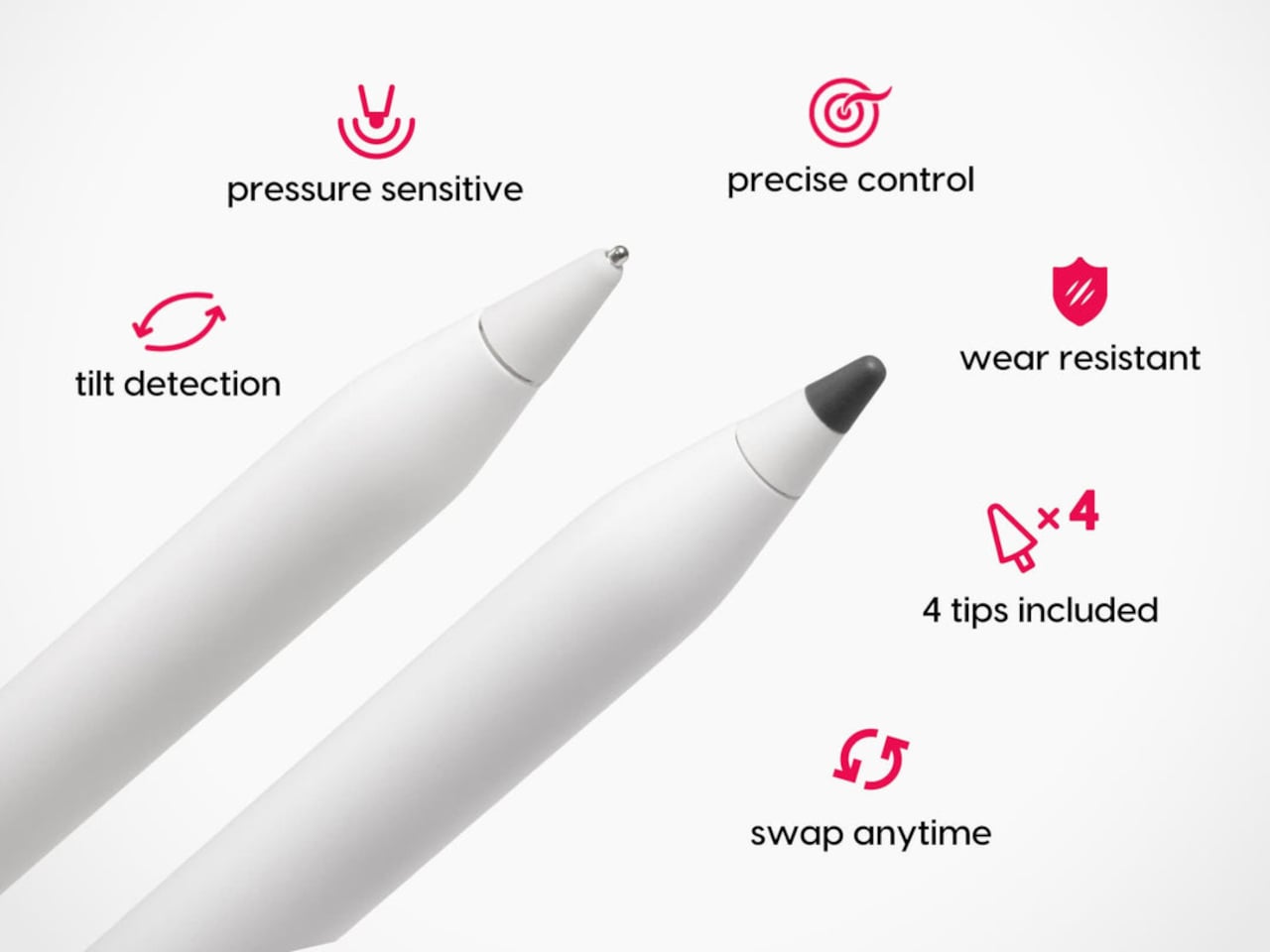
The four included tips are the version 4.0 update. Two are ballpoint, the same smooth steel-tip design from previous versions, and two are graphite, a new addition made from POM material and modeled after a 2B pencil. The graphite tips have a softer, toothier drag that catches the screen protector’s texture more noticeably, delivering the kind of feedback artists reach for when sketching, shading, or building up layered strokes.
Switching between the two feels like the difference between reaching for a pen and reaching for a pencil, which is precisely the point. Writers and quick note-takers tend to prefer the ballpoint’s smoother glide. Illustrators working on expressive, pressure-sensitive line work often want more grip. Neither one is wrong, and having both in the same kit means you don’t have to commit to one style of input permanently.
What makes this system work as well as it does is that the tips and the protector are engineered together rather than as separate products. The custom tips are designed specifically to interact with the nano-texture protector surface, so the friction you feel isn’t random. It’s calibrated. The tips work with every Apple Pencil model, including the Apple Pencil Pro, so upgrading your stylus doesn’t require replacing the tips you’re used to.
The screen protector itself attaches in seconds and stores in an included protective sleeve when it’s not on the iPad. The removable design is one of the things that separates Rock Paper Pencil from Apple’s own nano-texture glass option, which is a permanent surface applied at purchase on select high-end iPad Pro configurations. Rock Paper Pencil achieves a comparable paper-like feel without locking you into it, and without the price premium that comes with Apple’s version.

Compatibility covers most iPads in active circulation, from the iPad mini to the full-size iPad Pro, with model-specific screen protectors ordered for the right fit. The tips, by contrast, are universal across Apple Pencil generations. Each Rock Paper Pencil 4.0 kit ships with the screen protector, the protective sleeve, and all four tips: two ballpoint and two graphite.
The $49.99 price keeps the entry point low enough that it doesn’t feel like a commitment. The protector comes off clean, the tips swap in seconds, and the graphite option adds a dimension to iPad drawing that wasn’t there before. It’s a small change to the physical layer that produces a noticeably different experience.

The post Rock Paper Pencil 4.0 Adds the Paper Feel the Apple Pencil Never Had first appeared on Yanko Design.
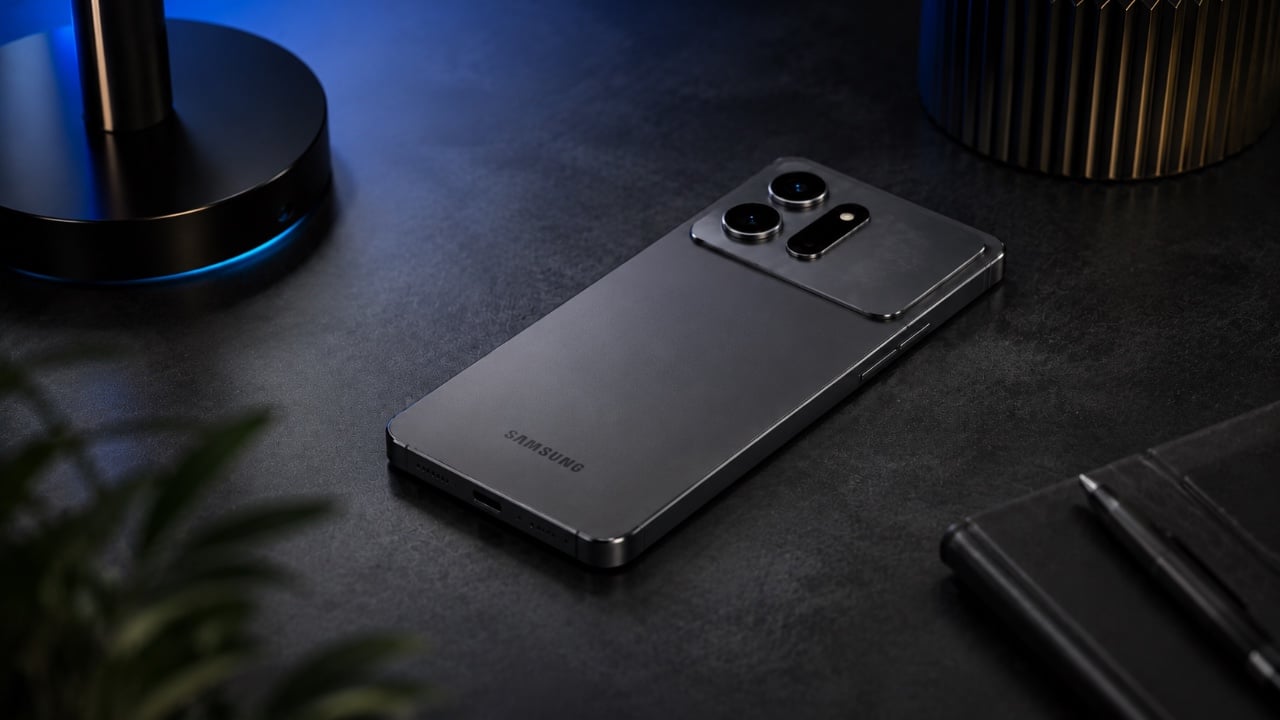
Samsung has officially unveiled the Galaxy S27 Ultra, a flagship smartphone that combines bold design choices with advanced technology. Featuring a distinctive new camera plateau design and powered by the innovative Snapdragon 8 Elite Gen 6 chip, the S27 Ultra aims to elevate the smartphone experience. With significant improvements in performance, battery capacity, and productivity […]
The post Samsung Galaxy S27 Ultra Details Confirmed: Massive Battery Leap and a Surprising Camera Shift appeared first on Geeky Gadgets.
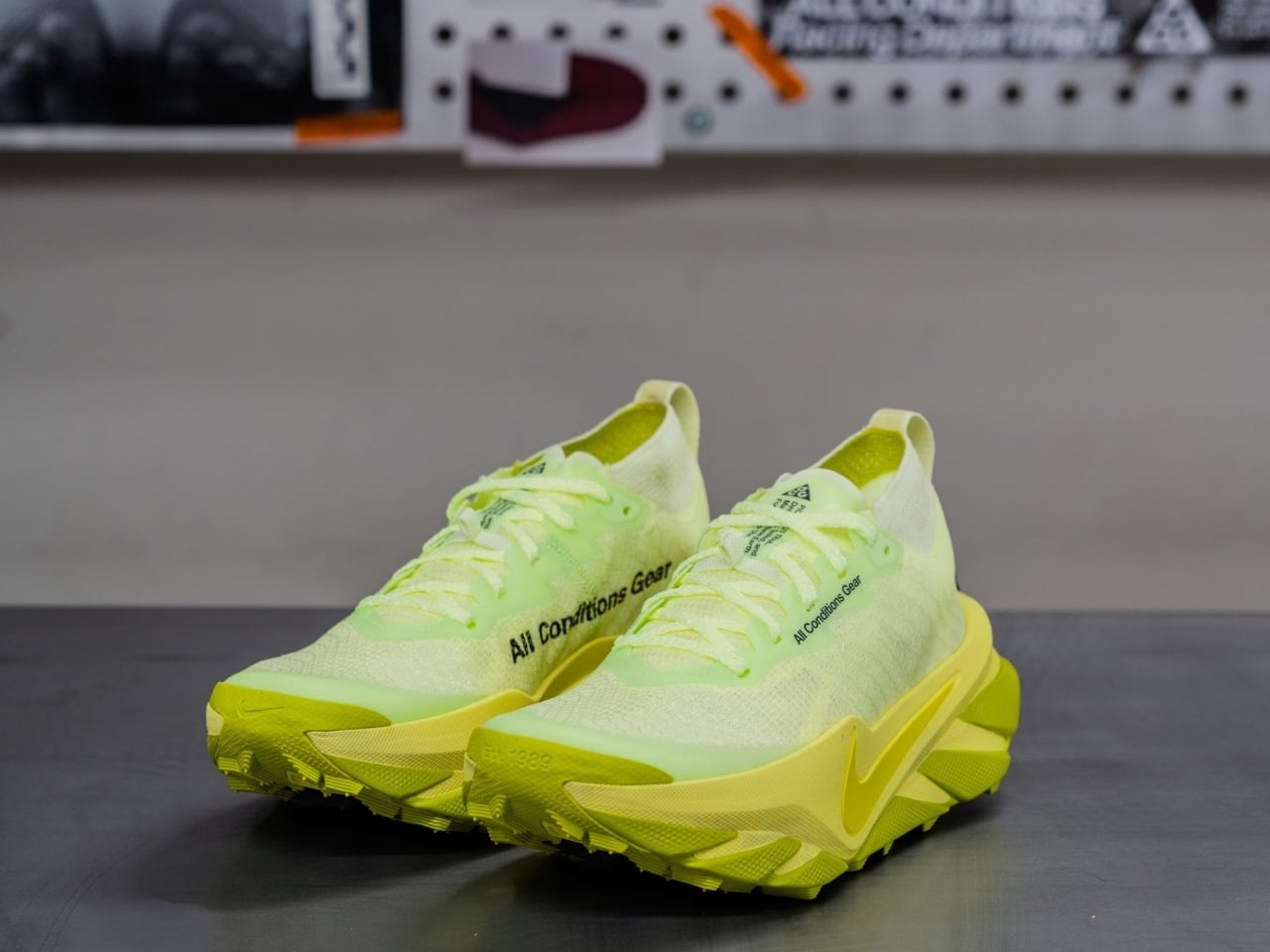
The name alone is enough to make you stop scrolling. Picklejus. Not “Trail Force” or “Mountain Pro” or whatever algorithmic name-generator usually spits out in a product meeting. Just… Picklejus. And somehow, after spending time reading about what Nike ACG has actually built here, the name starts to feel completely right.
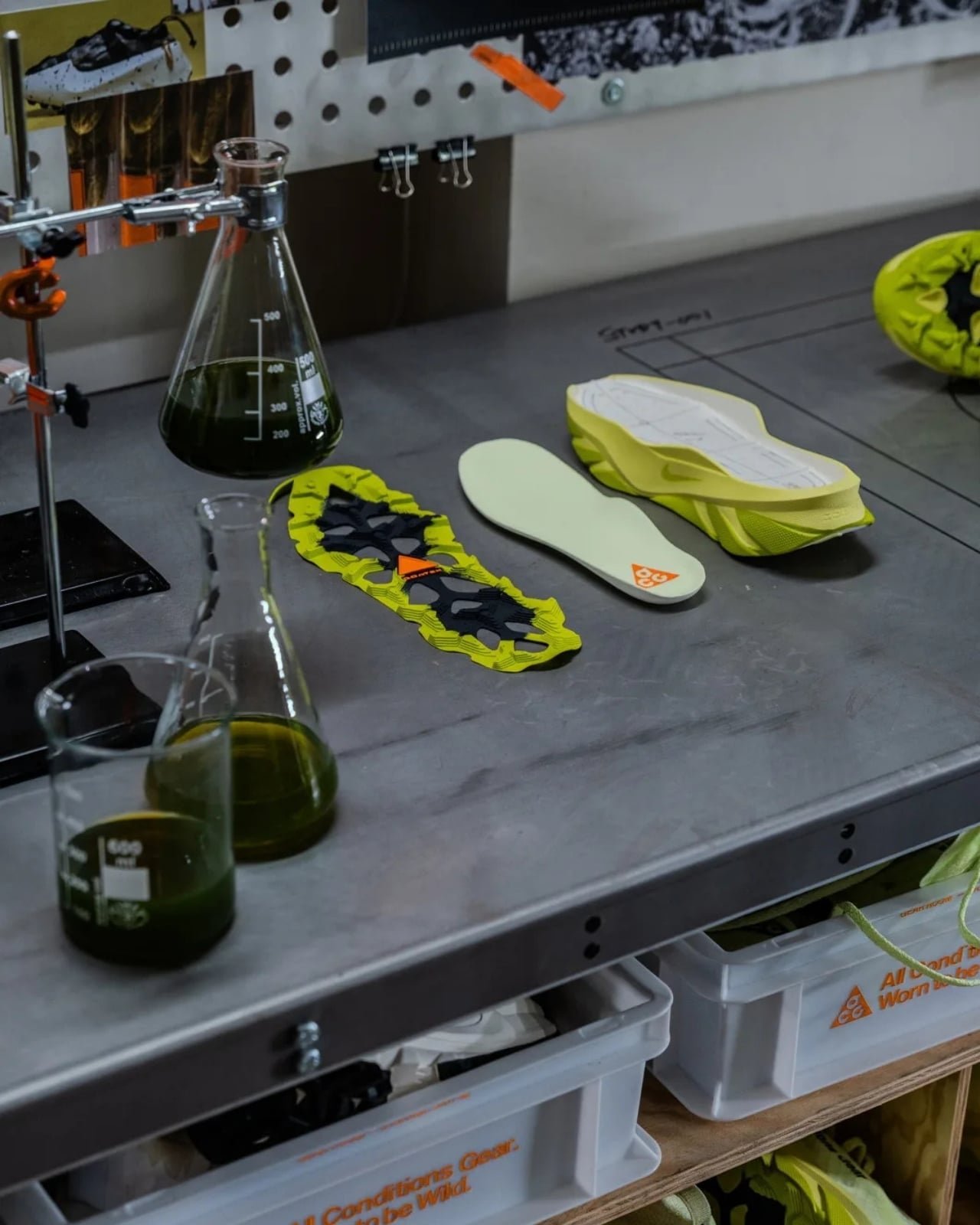
Unveiled at the 2026 UTMB, the ACG Picklejus is Nike’s most ambitious trail runner to date, and I mean that in the most sincere, non-marketing way possible. Nike’s All Conditions Gear line has always been the brand’s more experimental, terrain-obsessed corner of the footwear world. But the Picklejus represents a different level of investment. It’s the first ACG shoe developed through the Nike Sport Research Lab, took three years to build, and carries the kind of technical spec sheet that makes you read it twice just to make sure you got it right.
Designer: Nike All Conditions Gear (ACG)
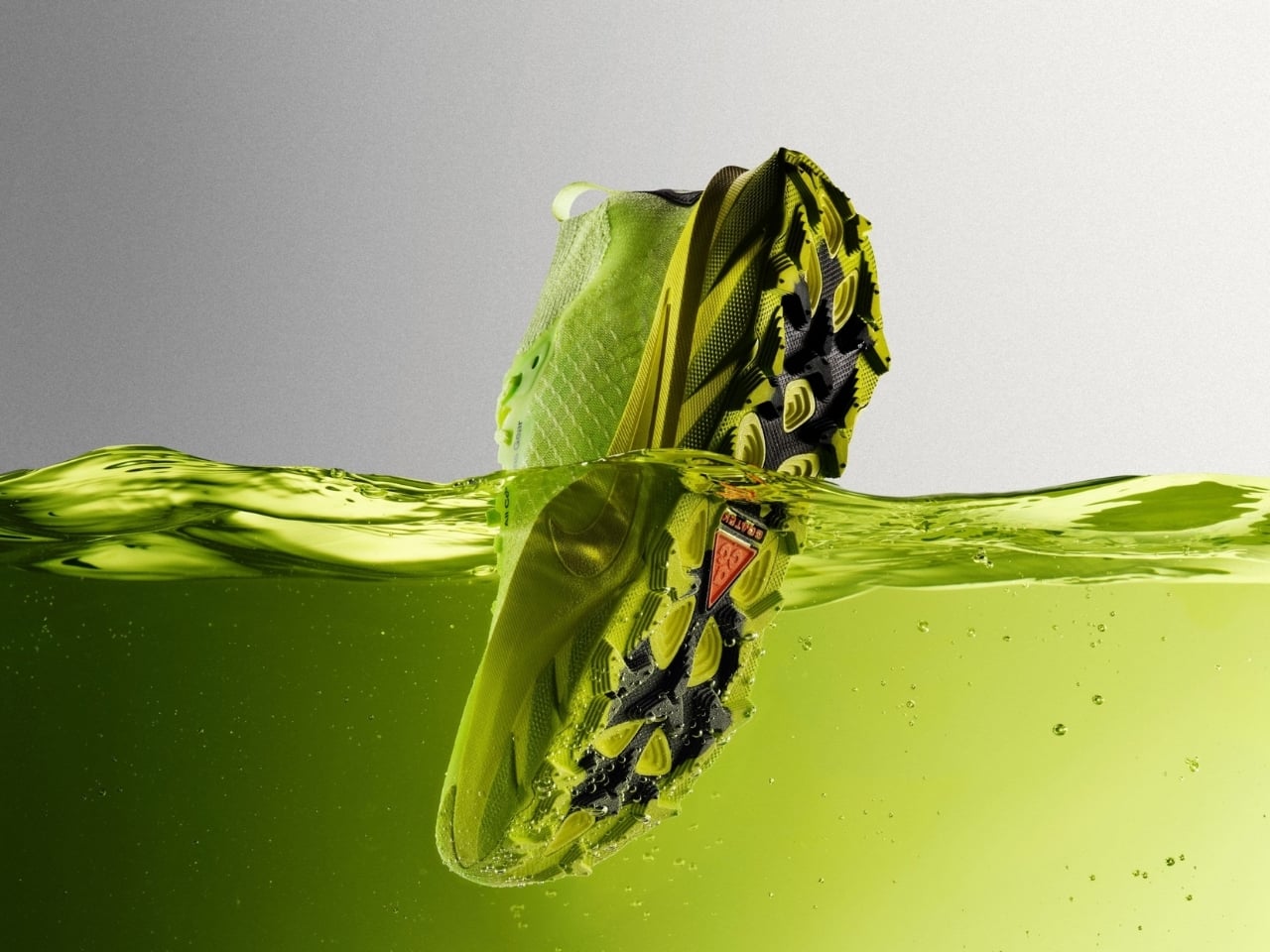
Let’s talk about what’s actually inside this thing. The midsole runs on ZoomX foam, which Nike has used on some of its fastest road shoes, but the real story is what’s happening under your feet. GOATEK is ACG’s proprietary traction platform, designed specifically for the maddening problem that trail running has always had: the terrain never stays the same. Wet rock, loose gravel, steep technical descents, sudden climbs. GOATEK reportedly delivers 45 percent more wet traction and 25 percent greater abrasion resistance compared to Nike’s previous all-terrain outsoles. Those numbers aren’t just good for a press release. For anyone who has slipped on a wet rock mid-descent and quietly questioned their life choices, those numbers matter quite a lot.
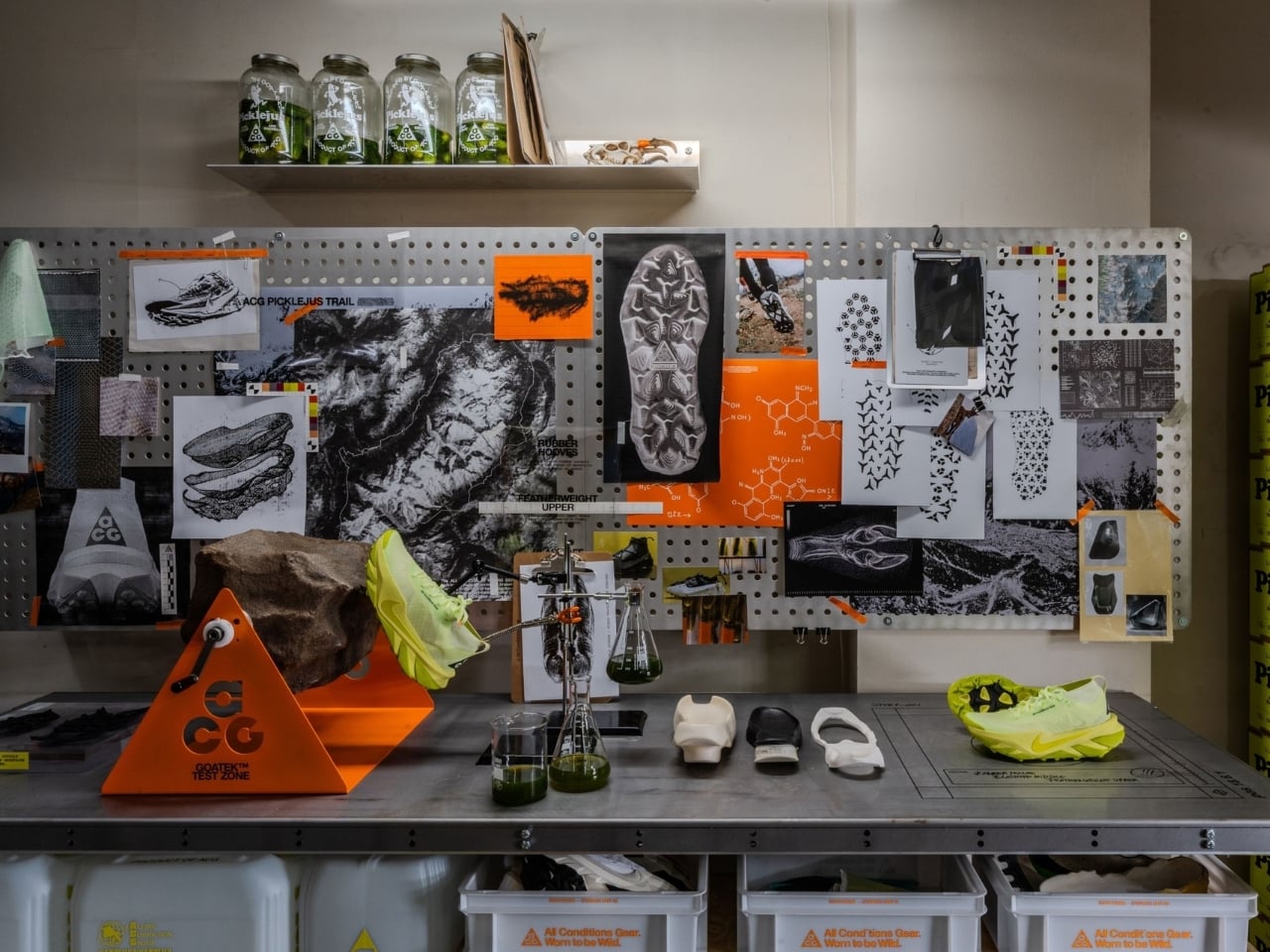
The upper is Flyknit, breathable and hydrophobic, and critically, it drains. That last detail is the kind of thing that only makes sense if you’ve ever spent miles running in soaking wet shoes and silently vowed never to do it again. Water crossings are essentially inevitable at races like UTMB and Western States, and a shoe that actually lets the water out rather than trapping it inside your sock is a different experience entirely. It’s the kind of practical thinking that gets lost in flashier product features but ends up mattering most when you’re deep into hour fifteen of a race.
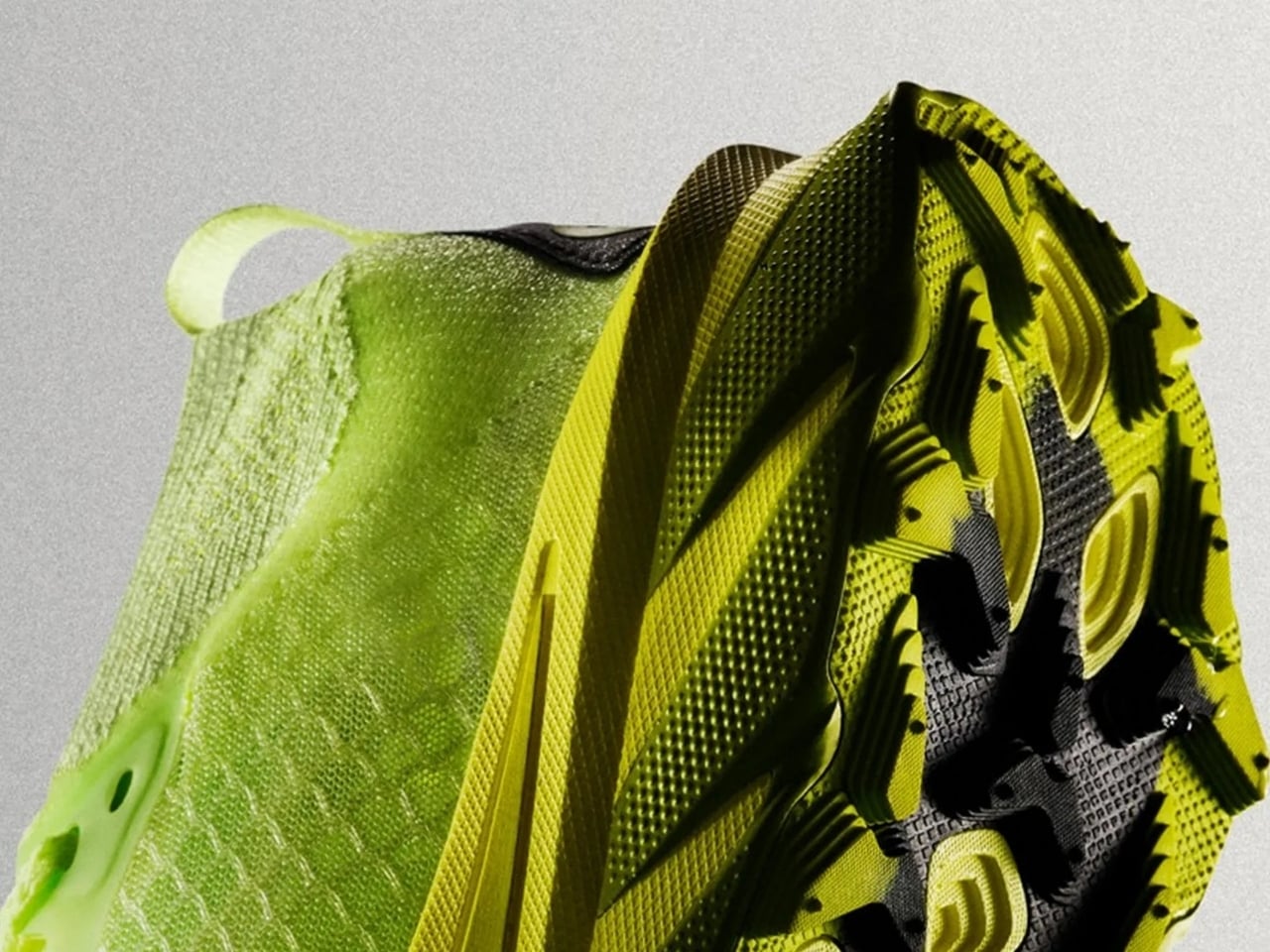
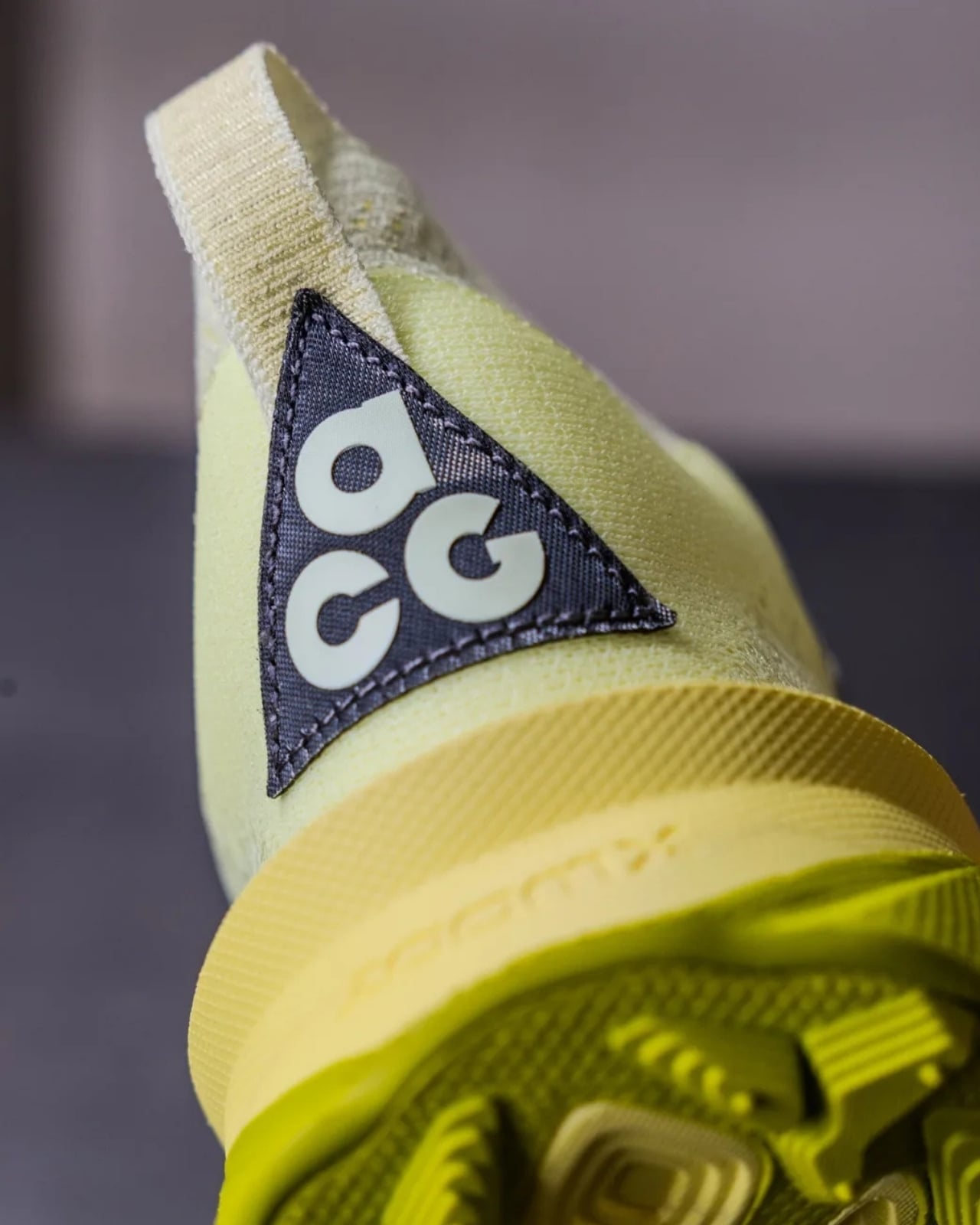
Then there’s the gaiter-inspired cuff. Aesthetically, it gives the shoe a slightly futuristic, almost sculptural silhouette that I genuinely find appealing as a design choice. Functionally, it locks your heel in place and keeps trail debris from sneaking inside. Anyone who has stopped mid-race to shake a pebble out of their shoe knows exactly why this feature exists and why it took this long to become standard.
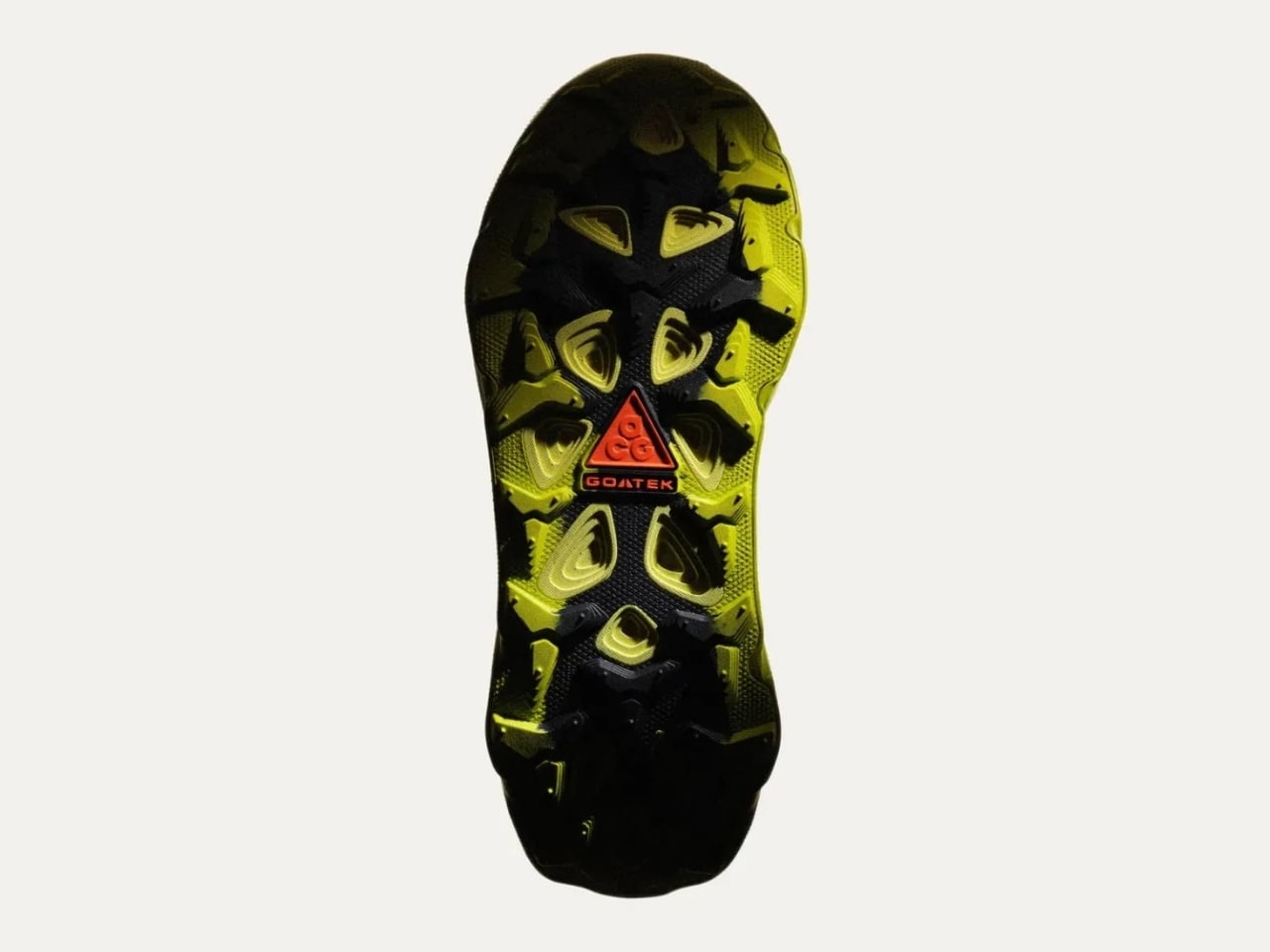
And the rocker profile, the curved shape of the sole, actually mirrors the silhouette of a pickle. Yes, the designers really leaned into that. It’s not a quirky name slapped on a product for internet attention. The shape serves a biomechanical purpose, helping runners maintain momentum over long distances, but the nod to the namesake is the kind of design Easter egg that earns a brand a bit of genuine respect.
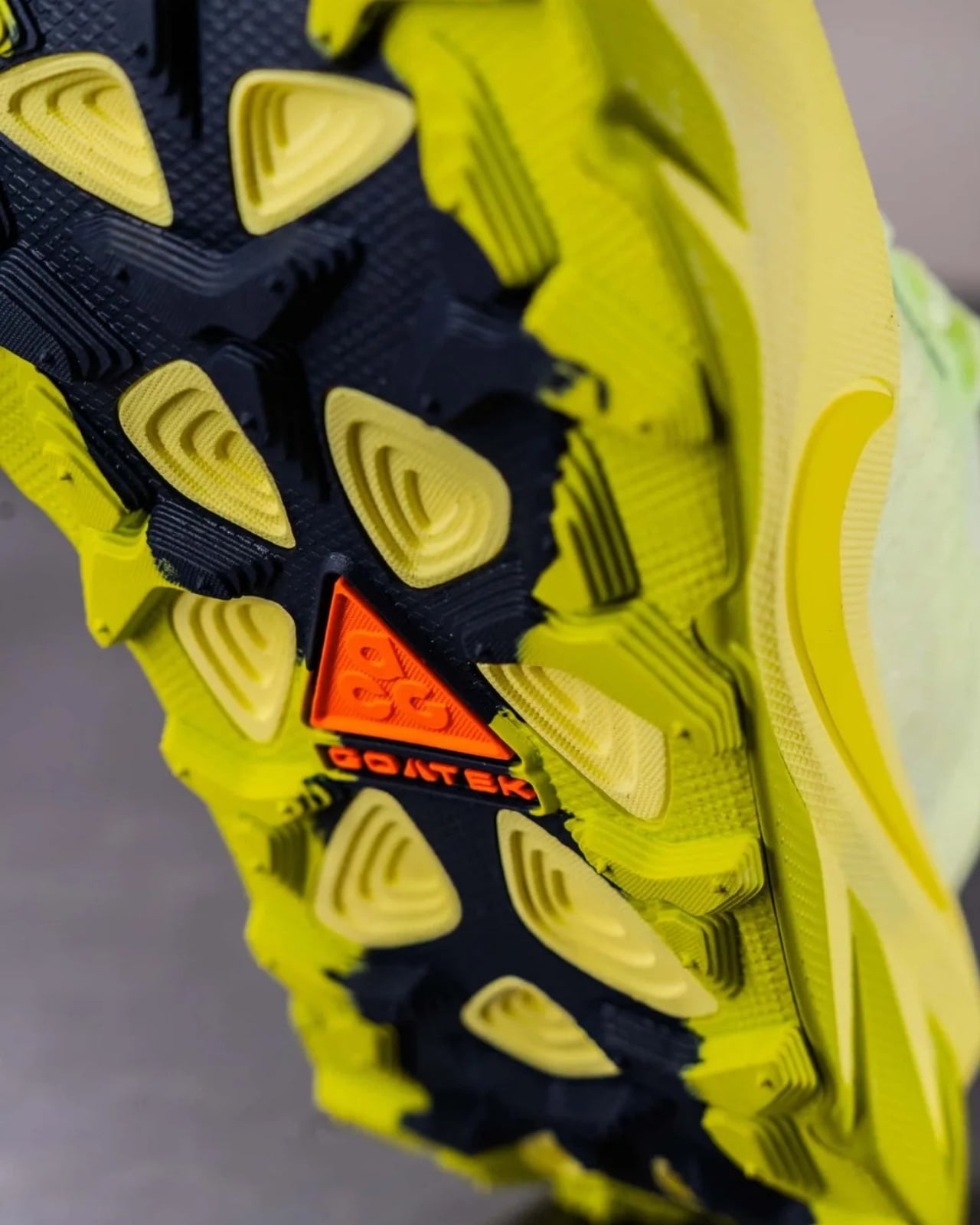
The Picklejus sits in a crowded, competitive field right now. Hoka, Salomon, Adidas, and On Running are all fighting to translate super-shoe road technology into big-mountain performance, and that race is genuinely exciting to follow as both a design and sport story. But where a lot of trail footwear still asks athletes to compromise, choosing protection over performance or cushioning over efficiency, ACG seems to have made a serious effort to solve both at once. Whether it actually succeeds in practice, whether real athletes running real mountains feel that difference under their feet, remains to be seen. The shoe isn’t out yet, with a release expected in 2027.
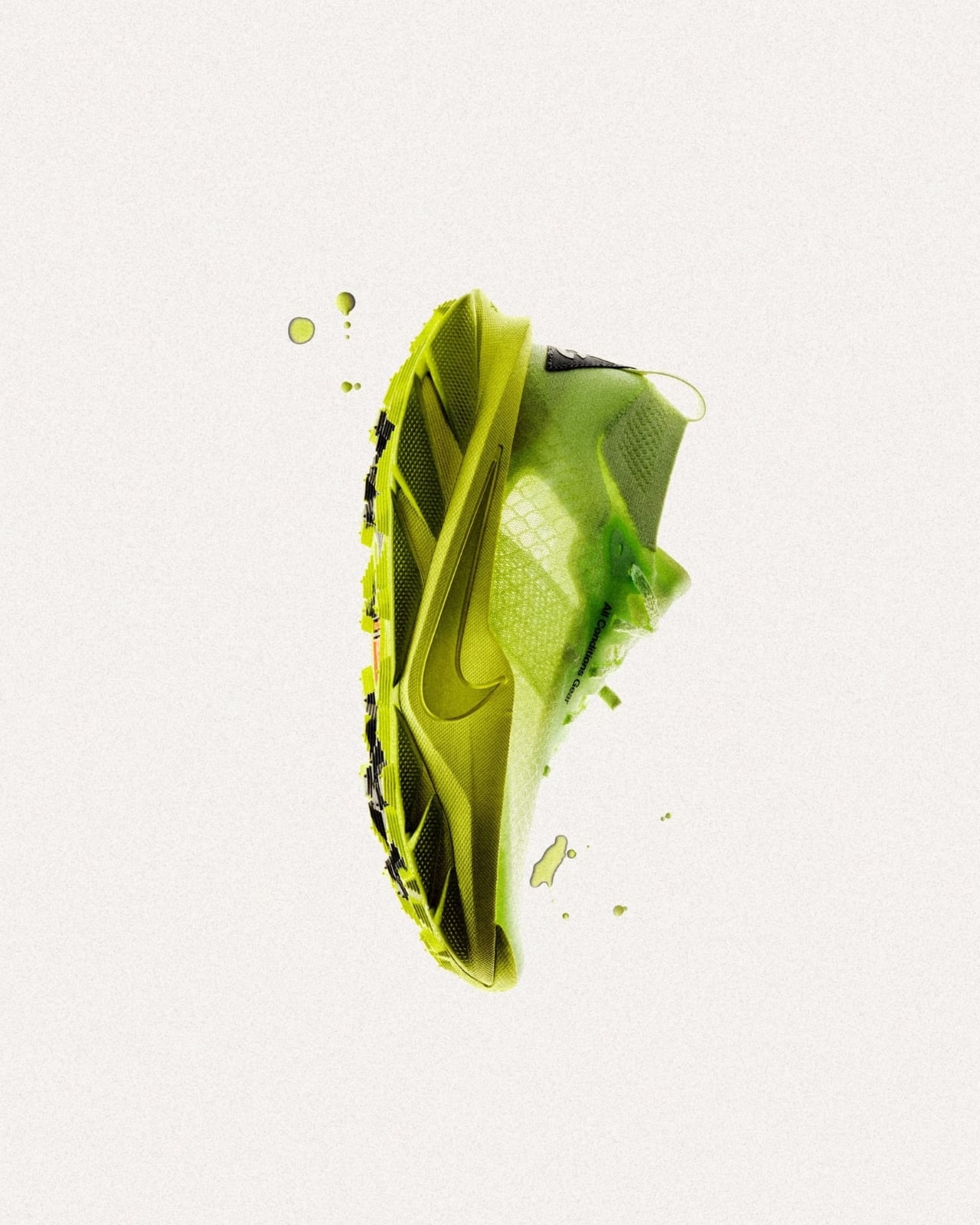
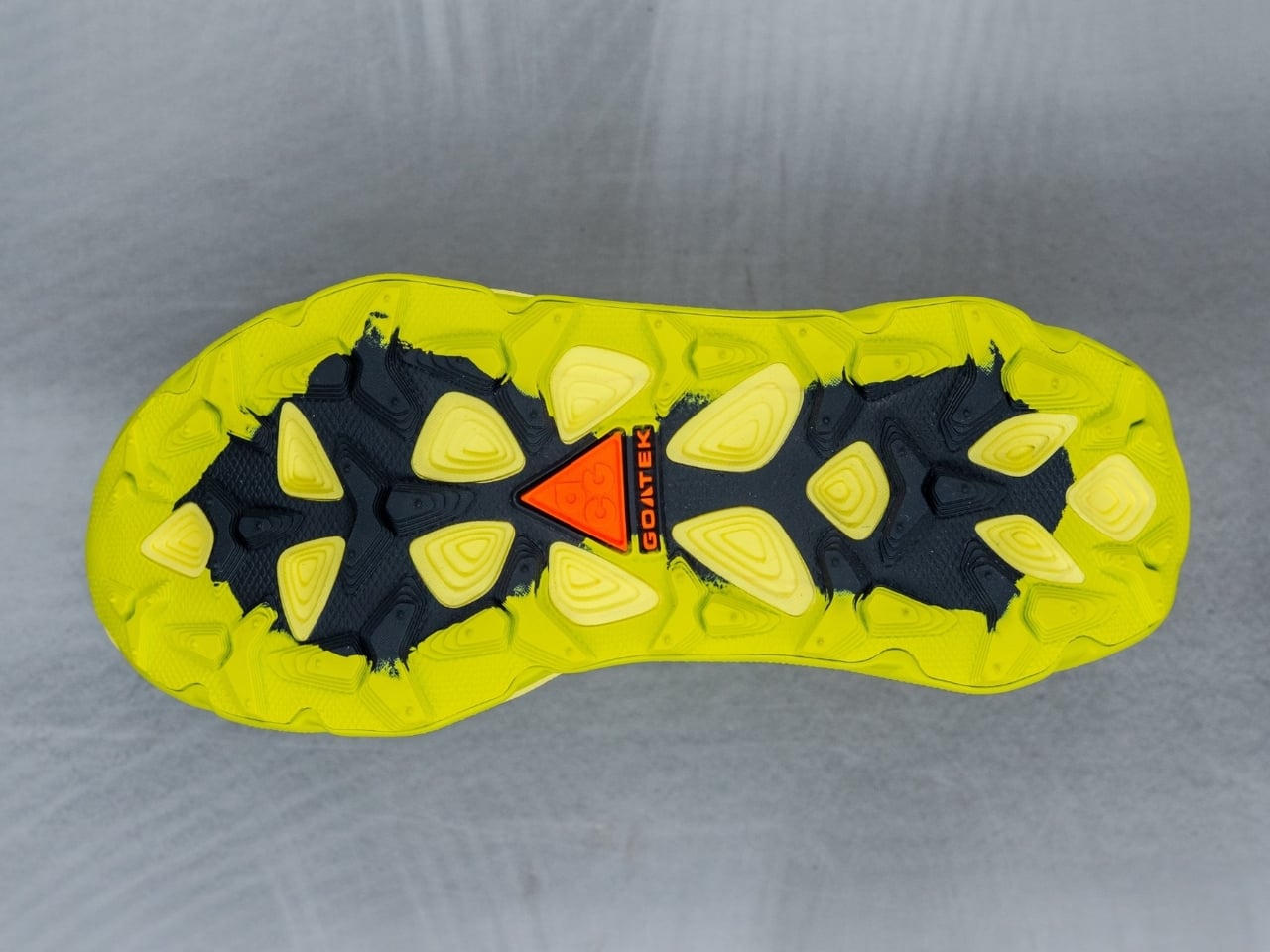
But a shoe called Picklejus, shaped like a pickle, developed by a team that spent three years inside a sports research lab, and built for people chasing 100-mile finishes through unpredictable mountain terrain? That’s a story worth paying attention to. Trail running has become one of the most technically demanding corners of footwear design, and Nike ACG just made its most serious statement yet about where it intends to stand.

The post Nike Spent 3 Years Building a Shoe Called Picklejus first appeared on Yanko Design.

Garmin’s Fenix 9 Pro introduces a host of upgrades over its predecessor, the Fenix 8 Pro AMOLED, with notable improvements in display brightness, battery life and connectivity. One standout feature is its 3,000-nit AMOLED display, which is twice as bright as the Fenix 8 Pro, making sure clear visibility even in direct sunlight. Additionally, the […]
The post Garmin Fenix 9 Pro vs Fenix 8 Pro: Should You Upgrade? appeared first on Geeky Gadgets.