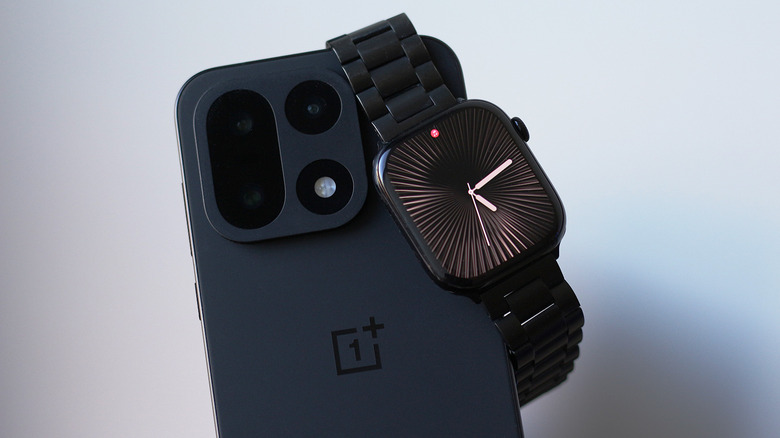
This app lets you use an Apple Watch with an Android phone
If you switched from iPhone to Android, you don't necessarily need to change watches. There's an app that lets Apple Watch work with Android.


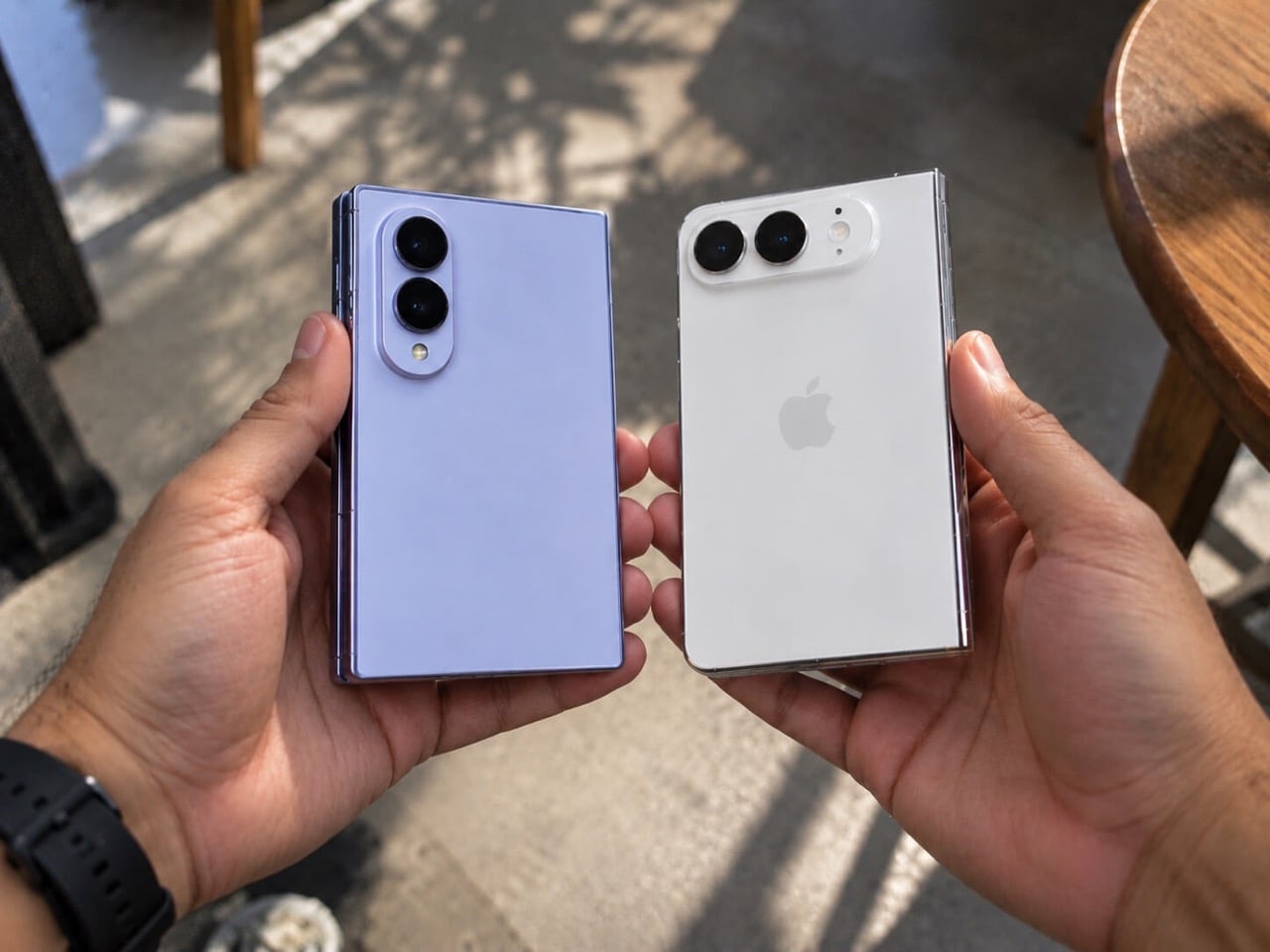
Apple’s first foldable was always going to be a spectacle, and the iPhone Duo delivered. Titanium frame, a hinge built from over 100 components, a 7.6-inch inner display Apple calls the largest and sharpest they’ve ever shipped, and an IP68 rating that no current Samsung foldable can match. The debut made a strong case, and we laid out five specific things it got right in our companion piece last week, which predictably sent a portion of the comments section into a very productive Saturday. Every honest design audit has a flip side, though. The iPhone Duo, for all its first-generation confidence, left a meaningful number of things unresolved, and some of those gaps are more significant than launch-week coverage has made them seem.
Samsung has been folding phones since 2019, and the Galaxy Z Fold8 is what that long runway looks like after years of hinge tweaks, crease complaints, software refinements, and repeated attempts to make a folding phone feel normal. It does not win every category, and Apple absolutely deserves credit for solving a few long-standing foldable annoyances on its first try. Even so, there are still several places where Samsung’s latest Fold feels more complete, more practical, or simply better thought through as an everyday device. Some are obvious the moment you compare the two side by side. Others only start to matter after the honeymoon phase wears off.
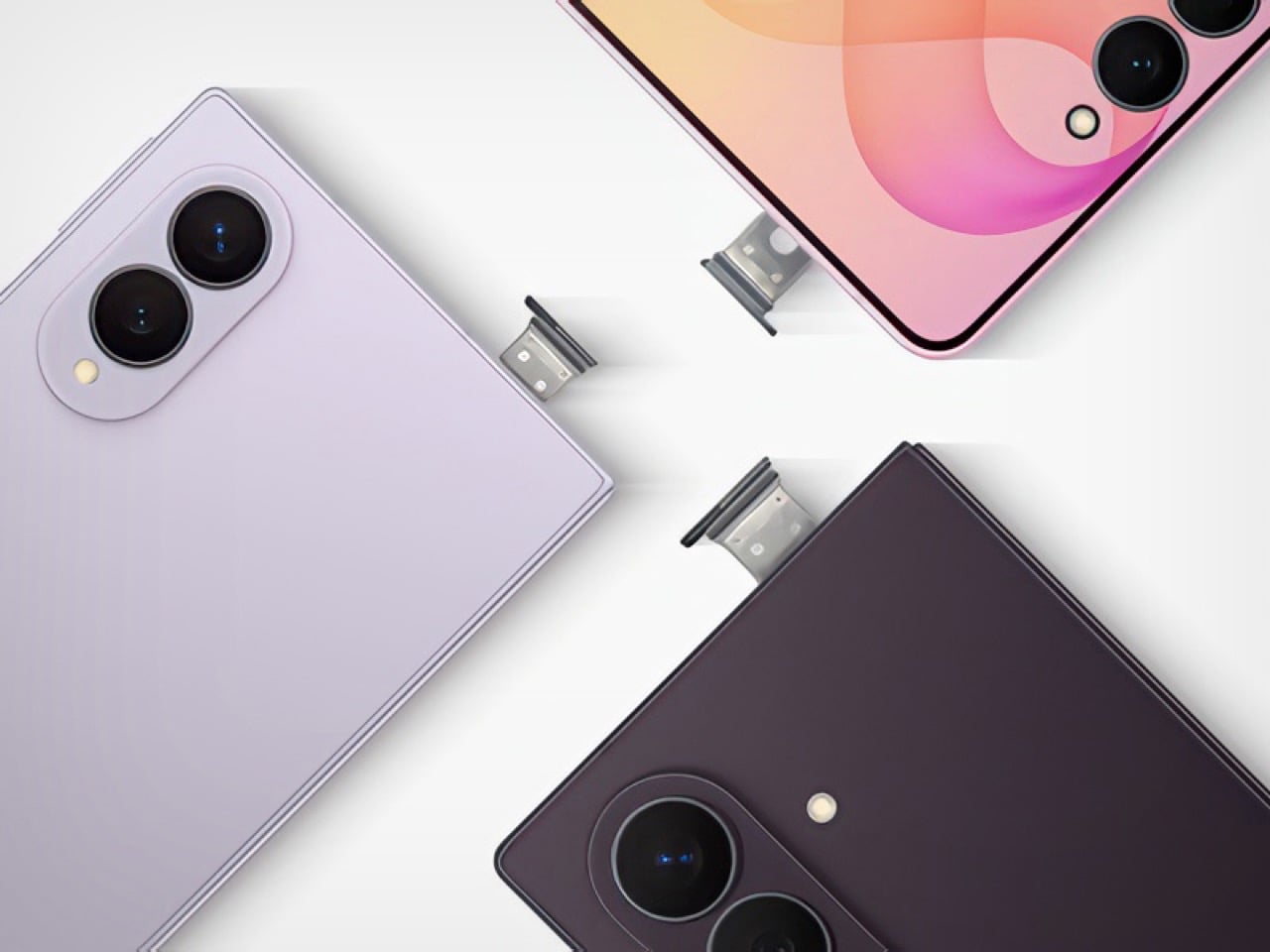
When we covered the iPhone Duo’s announcement, one of the hardware elements Apple dropped was the physical SIM tray, a decision the company framed as part of a broader design simplification agenda. Apple went full eSIM, keeping the chassis cleaner, eliminating a cut line in the frame, and folding the decision into the same purity narrative behind the iPhone Air’s extreme thinness. For users in markets where eSIM support is solid and carrier switching is painless, this is genuinely fine and probably the right long-term direction. The problem is that a $1,999 foldable probably should not be making hardware convenience trade-offs that actively complicate life for international travelers, anyone running two numbers, or users whose carriers still make eSIM provisioning feel like homework.
Traveling internationally and swapping to a local carrier SIM is a very different experience when you are not navigating eSIM setup through a foreign carrier’s app on spotty airport WiFi. The Z Fold8 keeps the physical SIM tray, and that decision is more forgiving than it is glamorous. Moving a number between devices is faster with a tray, carrier flexibility requires fewer account management steps, and the hardware workaround for eSIM friction simply does not exist. Samsung is not winning any design philosophy debates by pointing at a metal drawer. But the Fold 8’s willingness to keep that hardware in place reflects a different set of priorities than Apple’s, one that bets user convenience should edge out aesthetic reduction, and across a wider range of real-world situations, that bet holds up.
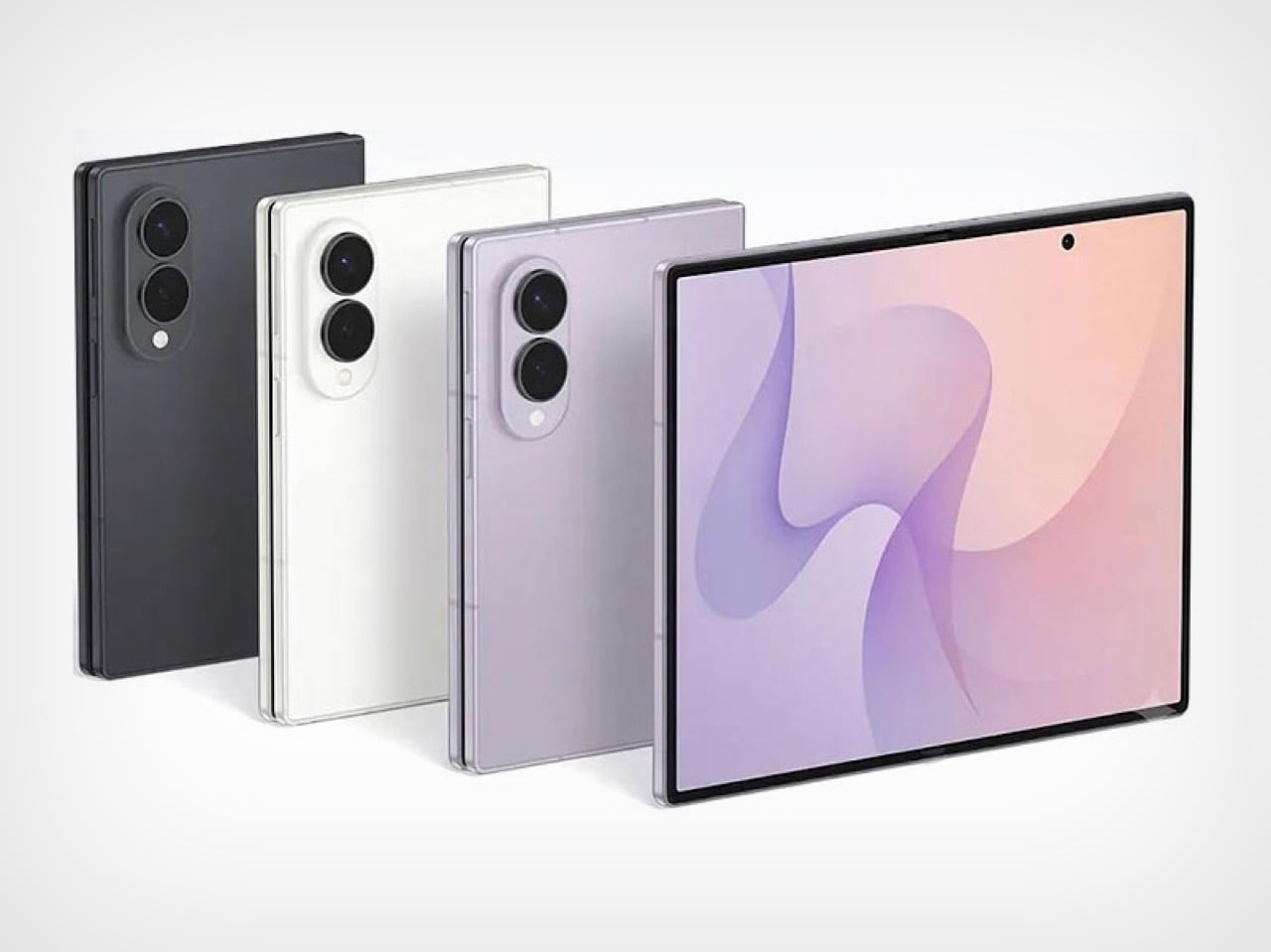
The Galaxy Z Fold8 weighs 201 grams, which is the figure Samsung’s product page leads with, and it earns the emphasis because it makes the Fold 8 the lightest book-style foldable currently on the market. The iPhone Duo comes in at 254 grams. At a 53-gram gap, the difference sits closer to a full AA battery than a rounding error, and the foldable category is already asking more of you than a standard slab phone before the weight conversation even starts. Foldables are physically larger, structurally more complex, and thicker in the pocket by default. Stacking substantial extra mass on top of all that is a real ask, and the Duo makes it.
Apple’s grade 5 titanium frame and hinge housing are premium materials decisions that contribute directly to the device’s rigidity and structural confidence, and directly to its number on the scale as well. Samsung came in lighter, and that shows up in the most boring and most honest way possible, in how aware you are of the phone in your pocket across a full day. A lighter foldable is a foldable that has had more generations of mass reduction applied to it, and the Fold 8’s 201 grams is the current best result of that sustained process. The Duo’s weight is a first-generation structural reality, and Samsung simply has more iterations of solving those demands behind it.
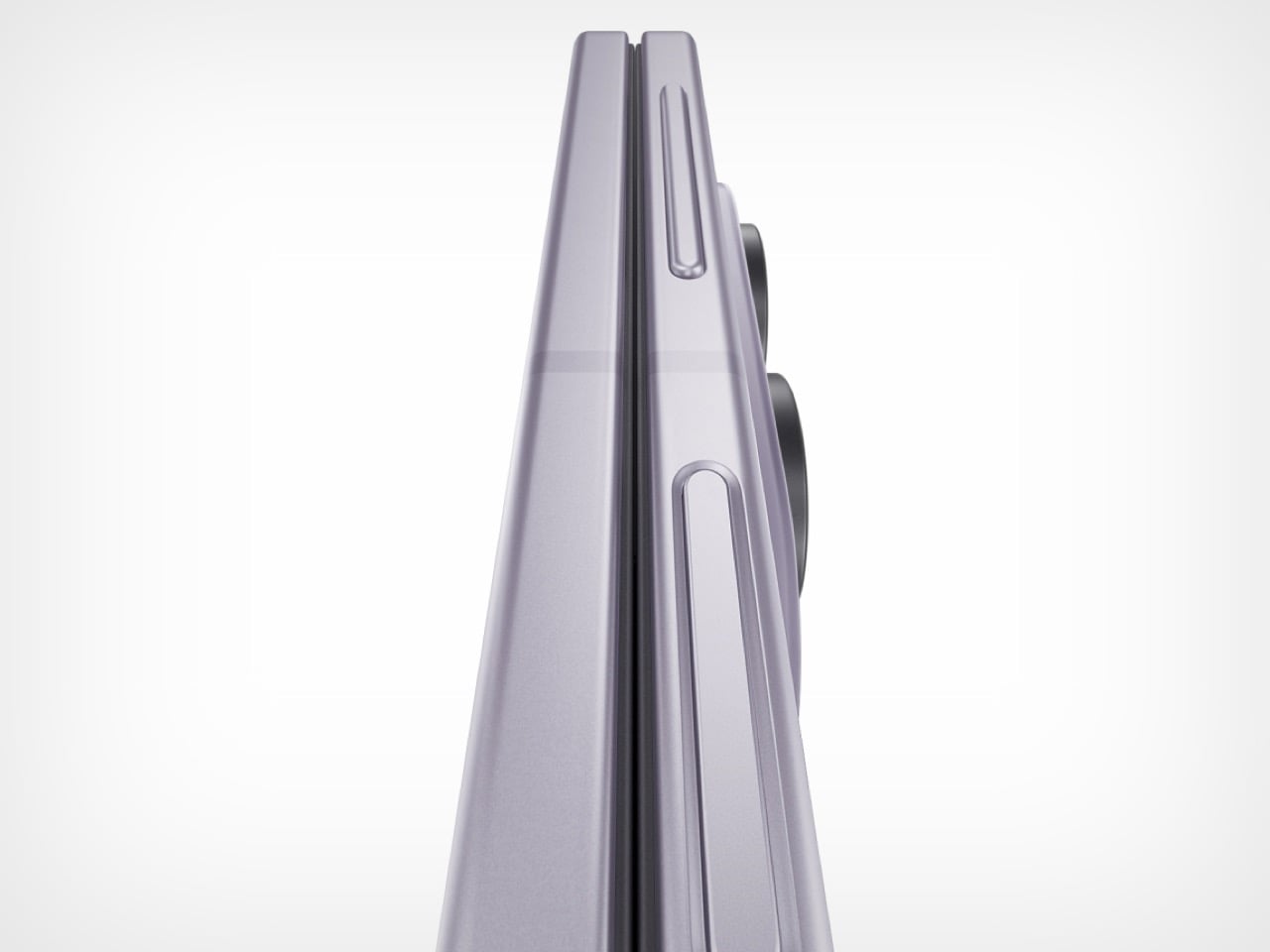
The Galaxy Z Fold8 closes to 9.7mm. The iPhone Duo closes to 11.3mm. The 1.6mm gap sounds mild, and it lands less mildly in a pocket, because the book-style form factor makes closed thickness something you register physically every time the phone goes in or out of a pocket, gets set on a desk, or is gripped shut in one hand. Small dimensional differences accumulate across hundreds of daily interactions in a way that flat spec comparisons do not fully communicate. 9.7mm versus 11.3mm is a material gap in this context, not a footnote.
Opened flat, the Fold 8 measures 4.5mm against the Duo’s 5.2mm. Apple tried hard on the thinness front, and for a first-generation foldable carrying a dual-battery system and a 100-plus component hinge, 5.2mm open is legitimately impressive engineering. Samsung just has more attempts behind it. Years of shaving fractions of a millimeter off the Fold form factor across successive generations produce gains that compound, and the Fold 8’s dimensional figures are the accumulated result of that process. The Duo is not there yet, and that is a first-generation reality rather than a permanent condition.
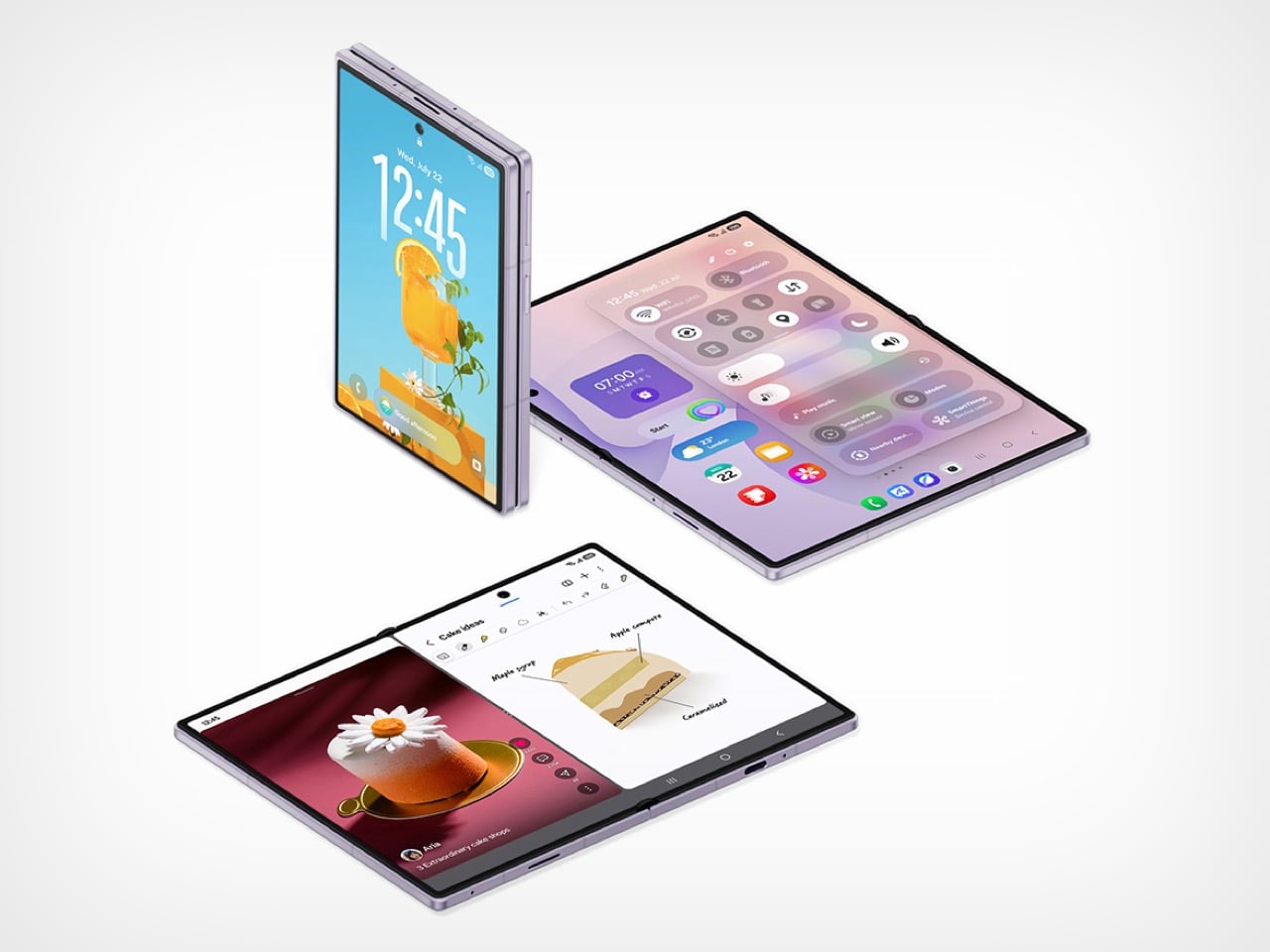
The Taskbar on the Z Fold8 holds eight app slots, and dragging any one of them into a running screen split takes a single gesture rather than a full trip back to the home screen. App Pairs let users save specific two-app workflows and relaunch them together in a single tap. Three-way split-screen and floating pop-up windows give the inner display real workspace flexibility, while AI Results View places AI output in a separate panel so source content stays visible alongside it rather than disappearing behind the response. These features are specific because the problems they solve are specific, and that specificity usually means someone already ran into that friction point on an earlier Fold and the feedback made it into the next build.
Apple’s Duo software looks like a genuinely strong first draft, and side-by-side multitasking on a 7.6-inch inner display is a compelling foundation for what iOS on a foldable can eventually become. What it does not yet carry is the institutional knowledge that comes from shipping foldable hardware in volume for years and learning where real users find the edges of the experience. Samsung knows, from behavioral patterns observed across the Fold 3 through Fold 7, that people using a foldable for actual work want to move windows around without returning to the launcher constantly. Apple will develop that understanding across future software generations. Samsung already developed it, and the current One UI reflects that directly.
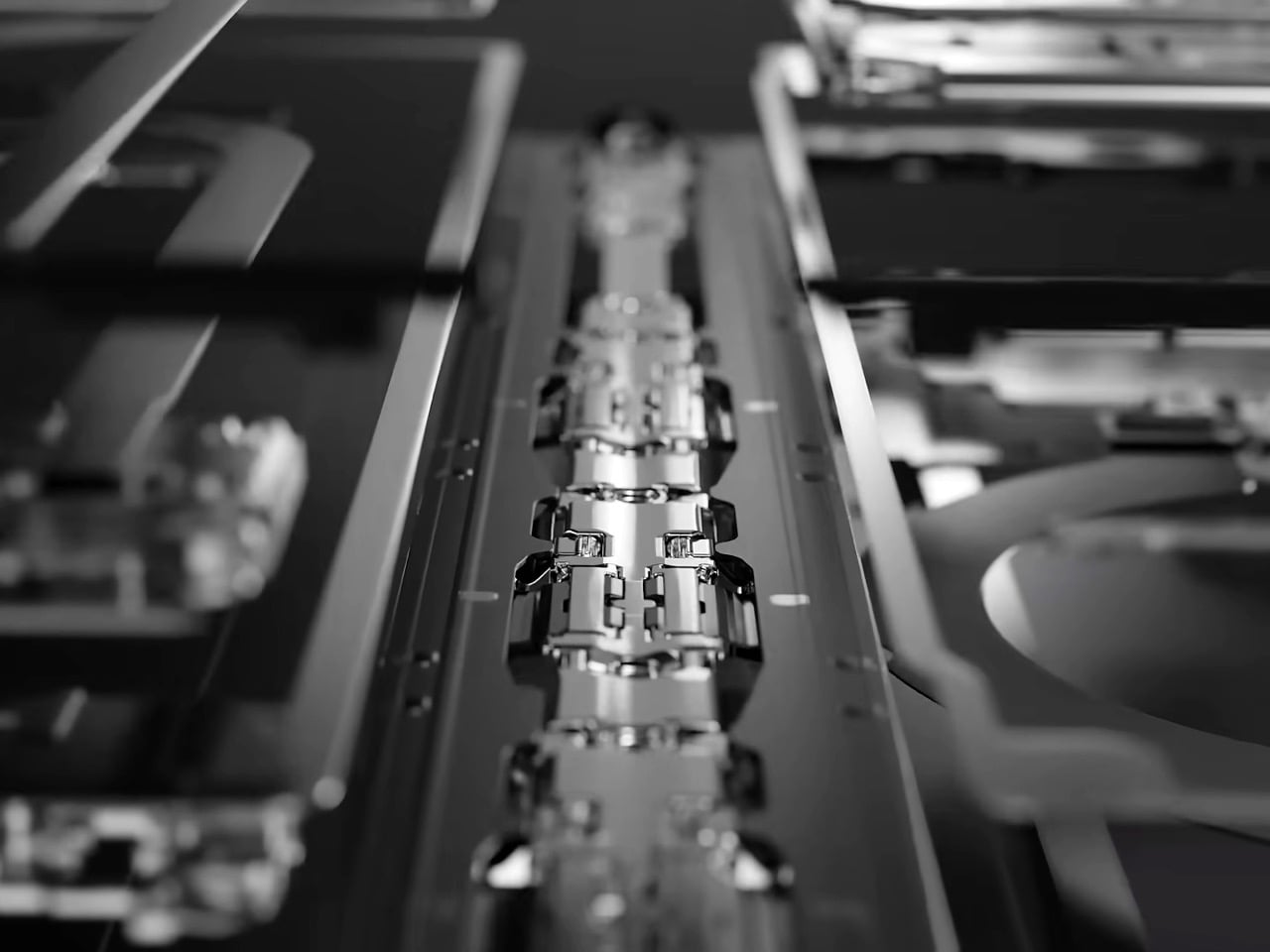
The Z Fold8 moves to a dual-rail hinge design, where two parallel contact rails distribute fold stress more evenly across the display than the single-rail approach used through the Fold 7. The practical payoffs are reduced delamination risk over long-term use and a 0.6mm reduction in folded thickness compared to last year’s model. The dual-rail architecture exists because the single-rail design produced failure patterns in field data, and Samsung engineered the fix after watching those problems accumulate at scale. Samsung rates the updated hinge at 200,000 fold cycles, which works out to roughly 7 to 10 years of daily use at realistic fold rates, a number that carries credibility specifically because Samsung has the service history to know what foldable hinge failure actually looks like.
Apple’s hinge uses over 100 components including carbon fiber support plates, a grade 5 titanium housing, and an integrated magnet array for closure, and for a first-generation attempt from a company with no prior foldable track record, it is a serious piece of engineering. What it does not have is field history, and in a category where the hinge is the single most consequential mechanical component, field history is what separates a confident launch spec from a genuinely proven design. Samsung’s dual-rail approach did not emerge from a thought experiment. It came from hinge failures, teardown data, warranty claims, and years of iterative engineering against failure modes that only reveal themselves after real-world shipping at volume. Apple’s Duo hinge may age beautifully. Samsung’s already has.
The post 5 Things Samsung’s Galaxy Z Fold8 Does Better Than Apple’s iPhone Duo first appeared on Yanko Design.

Watching live concerts is one of the greatest joys of my life. There’s something really special about seeing artists you love perform their hearts out and hearing the whole crowd sing along with them. But as I’ve grown older, and as tickets have gotten more expensive, I sometimes wish I could enjoy live music in smaller, more intimate venues instead.
Apple Music seems to have felt that same tension, and it’s one of the reasons behind its newest venture: Apple Music Hall. It’s the brand’s first dedicated live-music venue, and it’s tucked inside the iconic Battersea Power Station in London, right underneath its UK headquarters.
Design: Apple
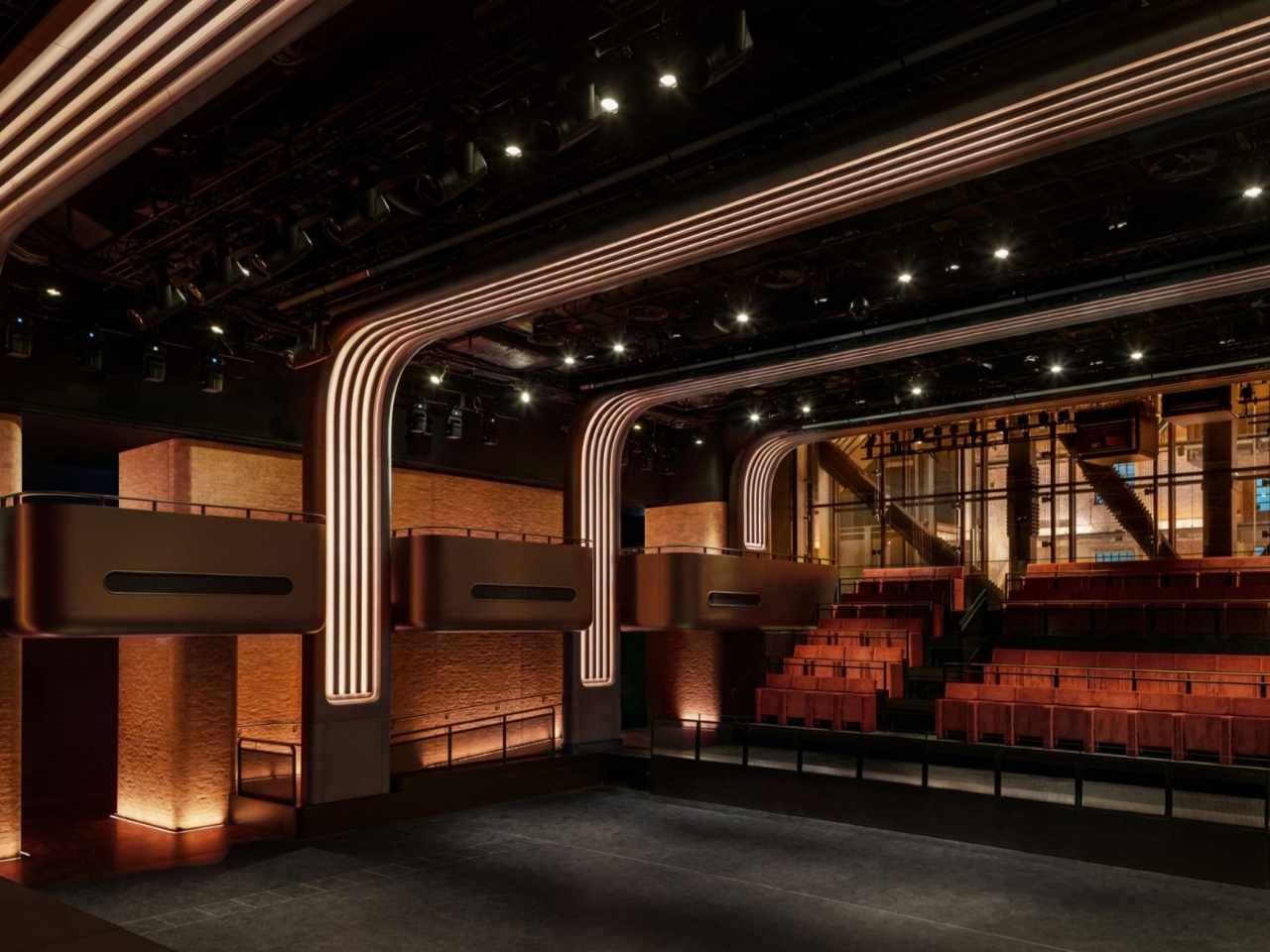
If you’re picturing something meant to rival the biggest arenas and stadiums in the world, you’d be wrong. This space was intentionally designed to be small and exclusive, built for artists to put on one-off, special shows for a limited number of fans. The music hall holds only 600 people, which gives both the artist and the audience a real chance to connect in a more intimate setting than your typical concert experience. It’s also fully reconfigurable, so a show can be set up as all-seated, all-standing, or a hybrid of the two, depending on what the artist wants that night.

What really makes the space feel special, though, is how carefully it was designed around the building it lives in. Battersea Power Station is one of London’s most beloved landmarks, a decommissioned coal-fired plant from the 1930s known for its dramatic Art Deco architecture, and Apple leaned into that history rather than covering it up. The venue’s interior features heritage brickwork and exposed structural steel joists that pay homage to the building’s industrial roots, while four illuminated, streamline-style arches sweep across the space as a nod to its original Art Deco detailing. Bronze balconies sit between those arches like box seats, echoing the look of the power station’s historic oriel windows.
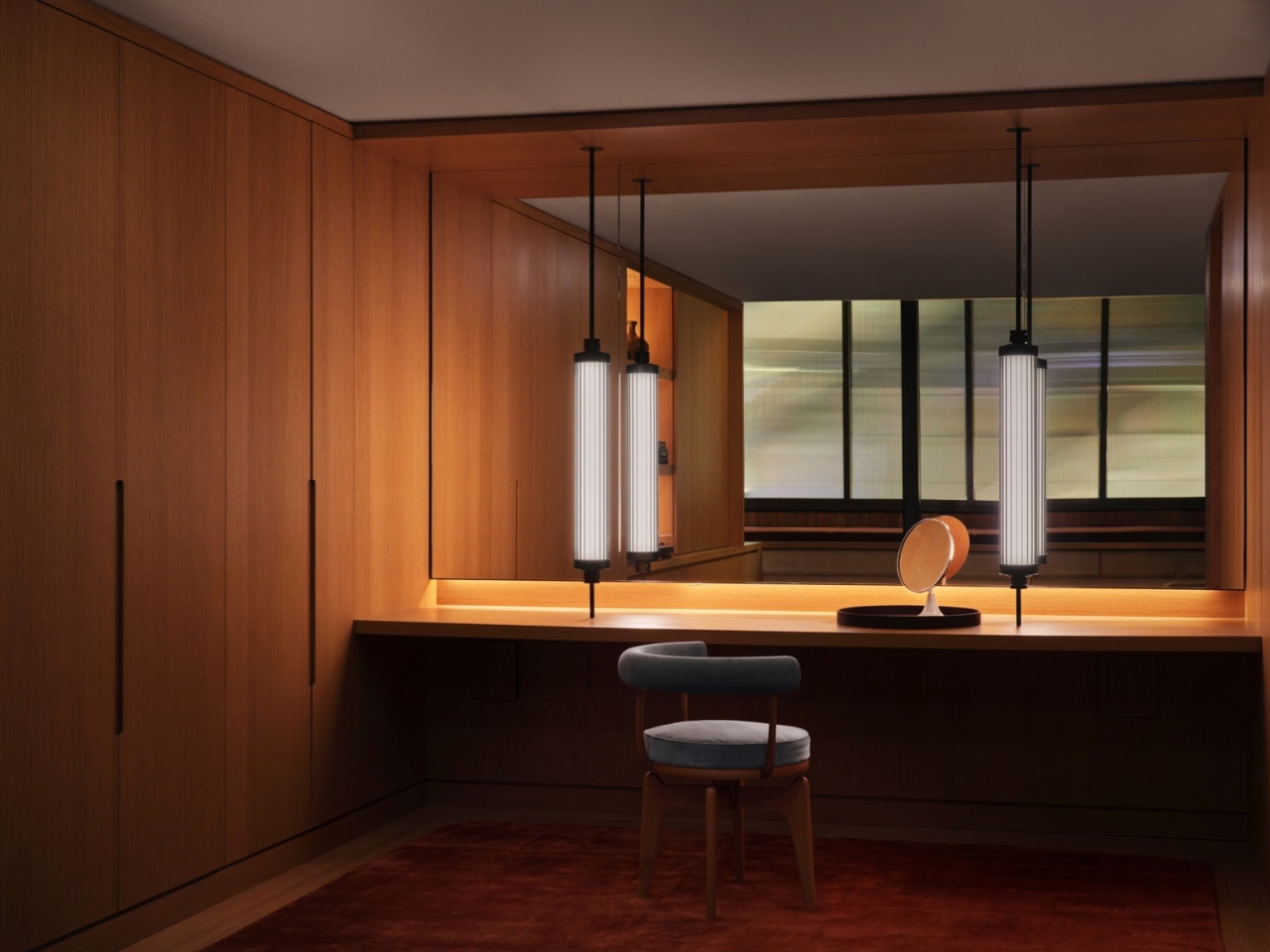

Even the foyer carries that same balance of old and new, with a cozy seating area, a large screen, glass walls overlooking the Thames, and a staircase that ties the whole space together. The project was led in-house by Kristina Raspe, Apple’s vice president of Apple Places, which says a lot about how much thought Apple put into treating this building like a product in its own right, rather than handing it off to an outside design firm.

But this venue isn’t just about what happens inside its four walls. It’s also built so artists can broadcast their performances to a much bigger audience, even if that audience is only watching online. Apple Music Hall comes equipped with a 48-speaker spatial audio sound system and 16 hardwired cameras, which Apple says is more than any other venue of its size anywhere in the world. There’s also a full production facility attached to the venue, including two professional-grade recording and mix studios. That means an artist can perform a live show, record it in Spatial Audio, have it mixed to broadcast quality, and release it to the entire world, all without ever leaving the building or bringing in outside equipment.
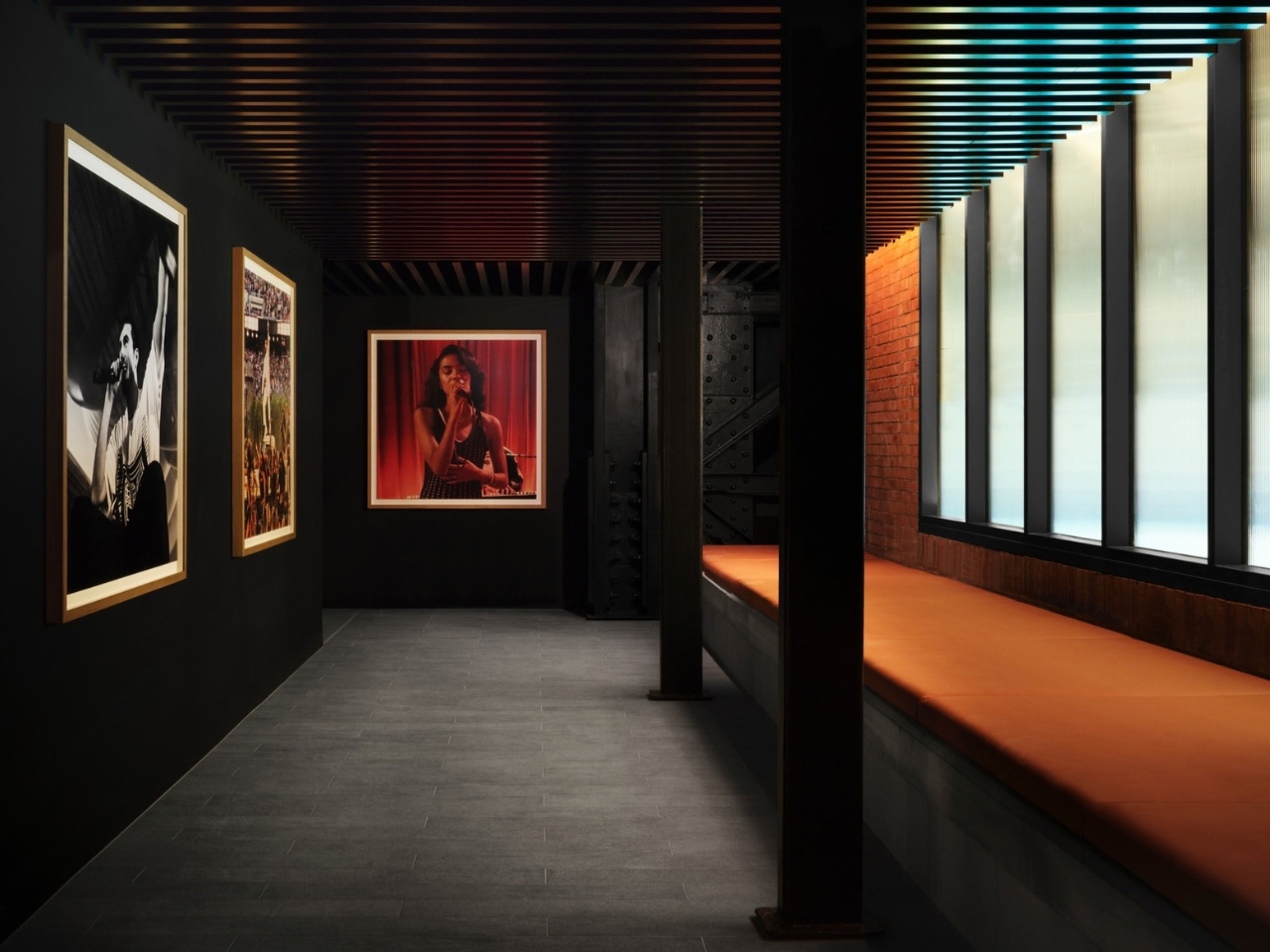
Apple Music Hall officially opens its doors to the public on September 28, and honestly, it feels like exactly the kind of concept that’s been missing from the music world for a while. We’ve all gotten used to streaming everything from our couches, and there’s nothing wrong with that, but it can start to feel a little disconnected after a while. Apple Music Hall seems built to close that gap, giving a lucky 600 people an unforgettable night in the room while still letting the rest of us tune in and feel like we’re part of something happening in real time.

For someone like me, who still dreams about the days of catching a favorite artist in a room small enough to actually see their face, this feels like a genuinely exciting step forward. It won’t replace the thrill of a packed arena show, and it’s not trying to. But it might just be the closest thing we get to bottling that up-close, once-in-a-lifetime concert feeling and sharing it with the whole world.
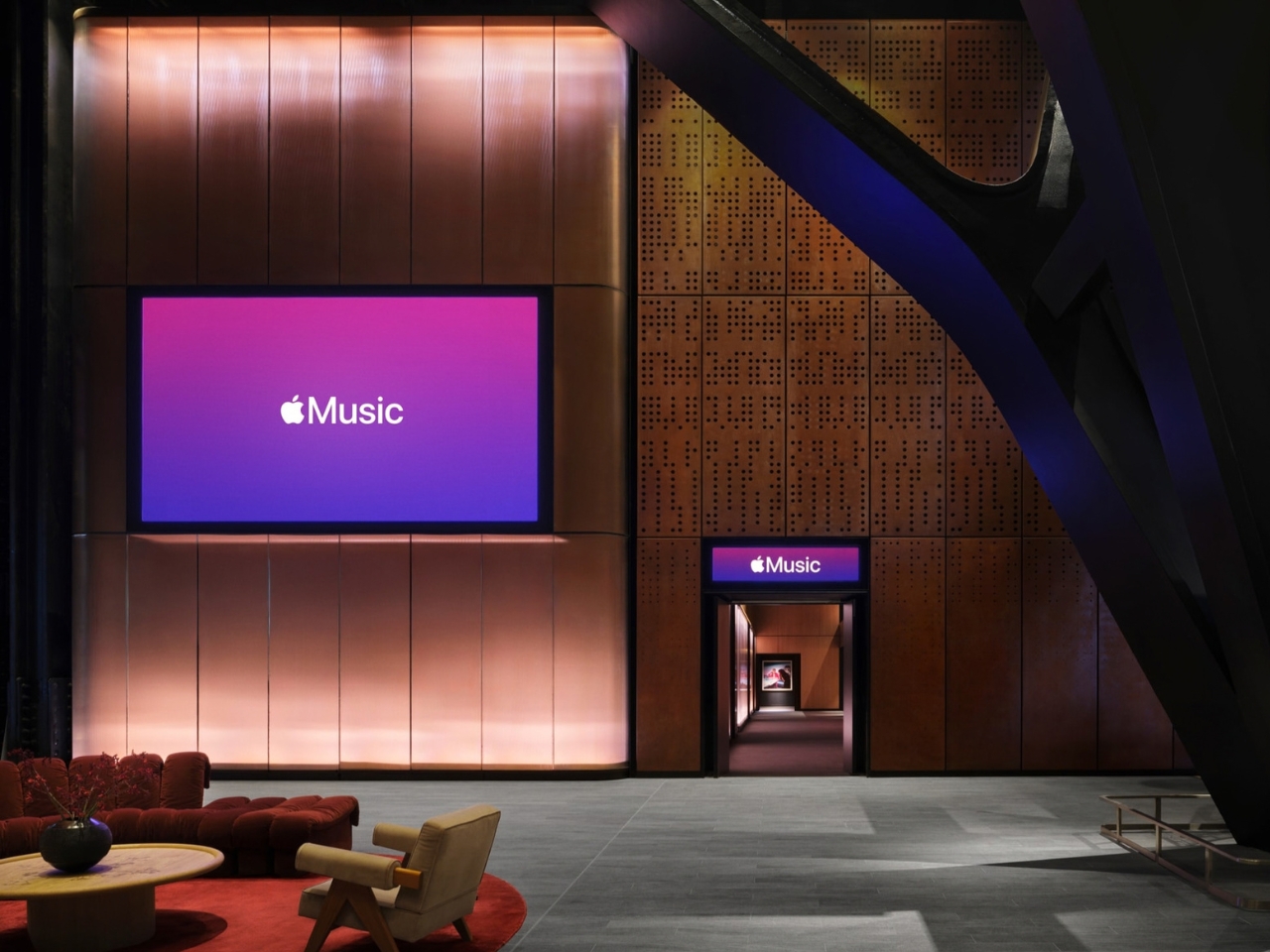
The post Apple’s Hidden Concert Hall Fits Only 600 Fans in London first appeared on Yanko Design.

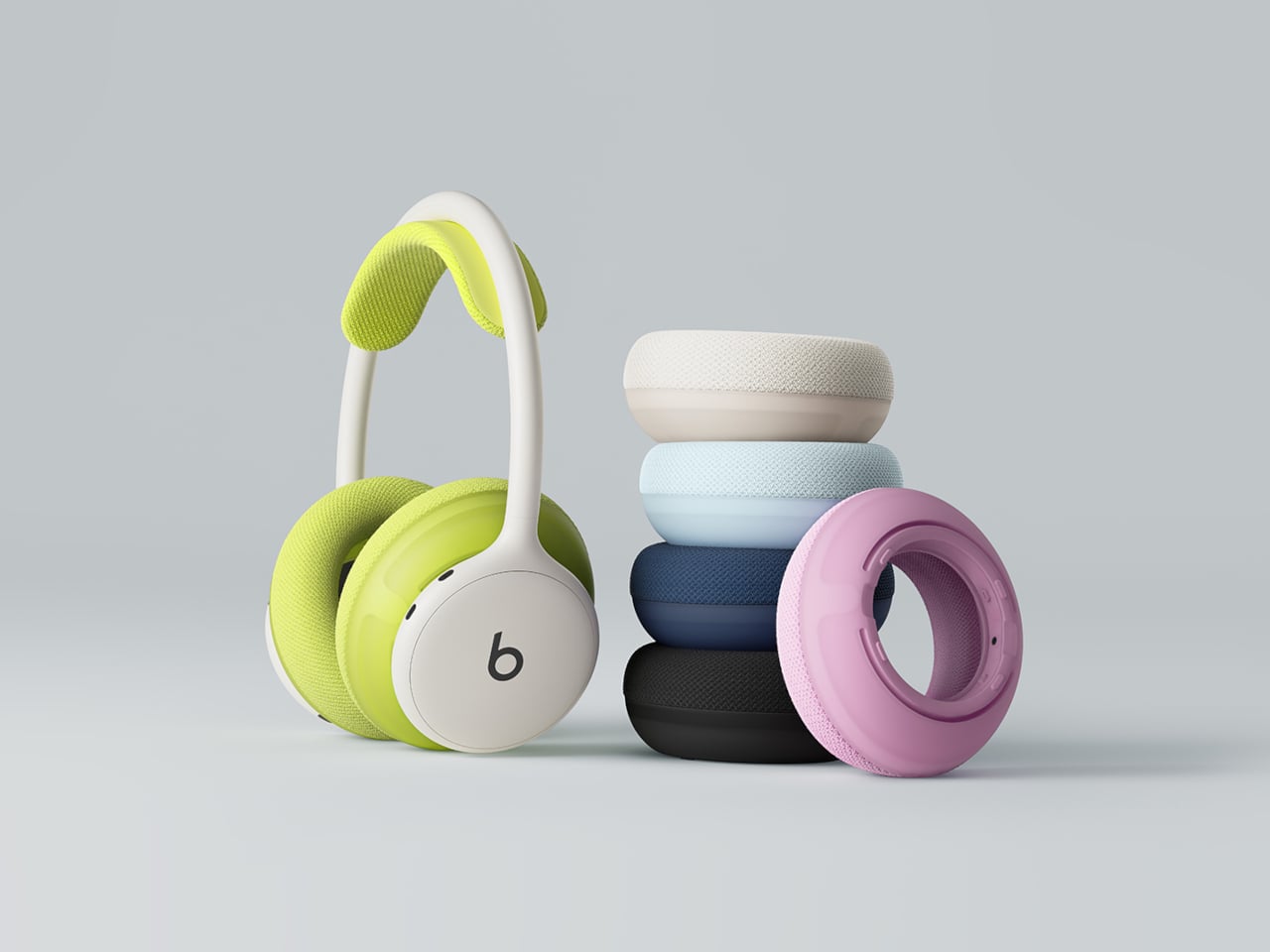
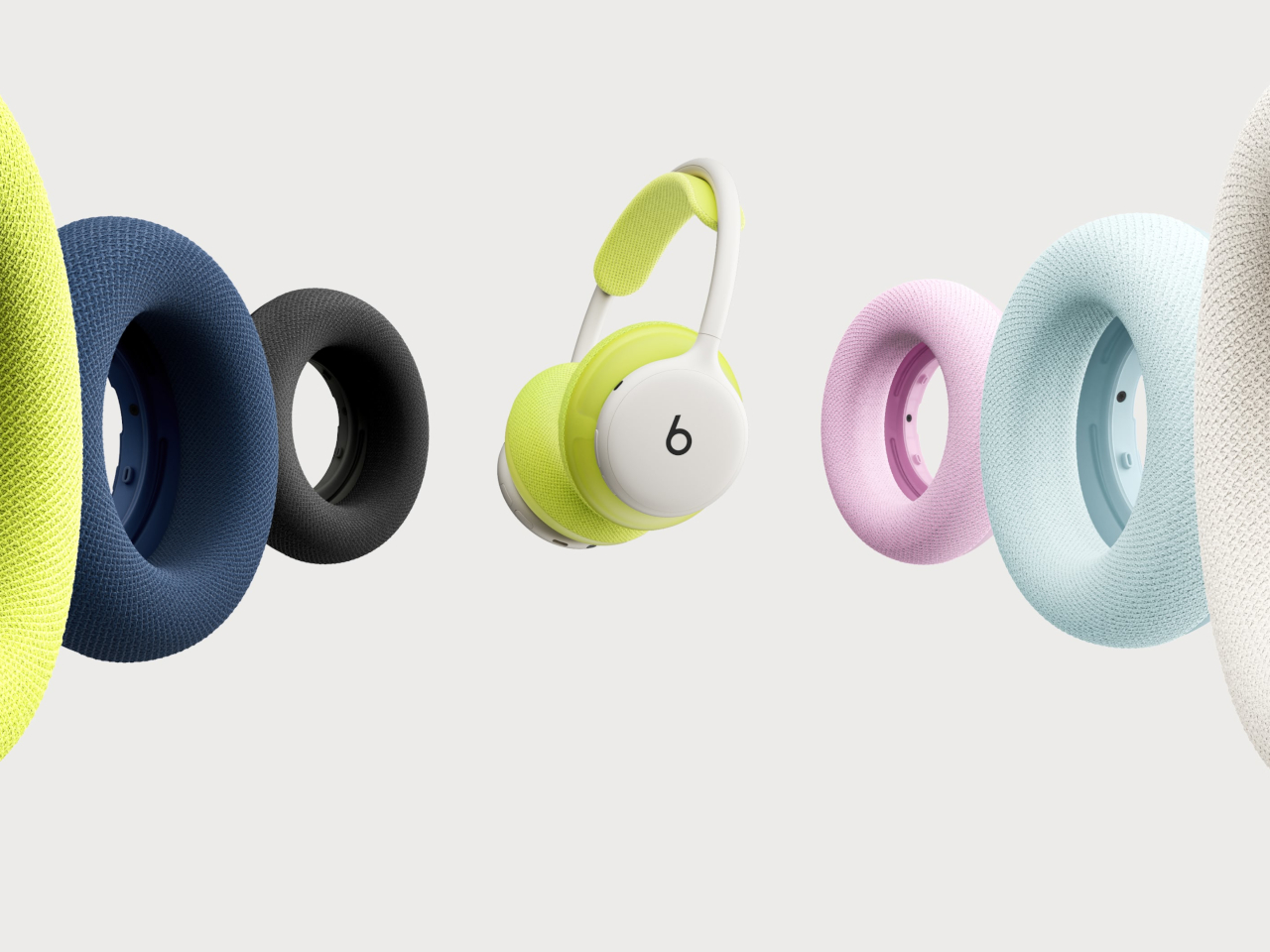
A headphone’s cushions usually wear out quietly, flattening over months until someone finally notices the sound has gotten muffled and the padding has gone stiff. Beats 360 turns that inevitable decline into a design feature instead, building its entire flagship around cushions you’re meant to swap on purpose, not just replace once they’ve failed. It’s the first Beats over-ear model built this way, and that single decision reshapes almost everything else about the product.
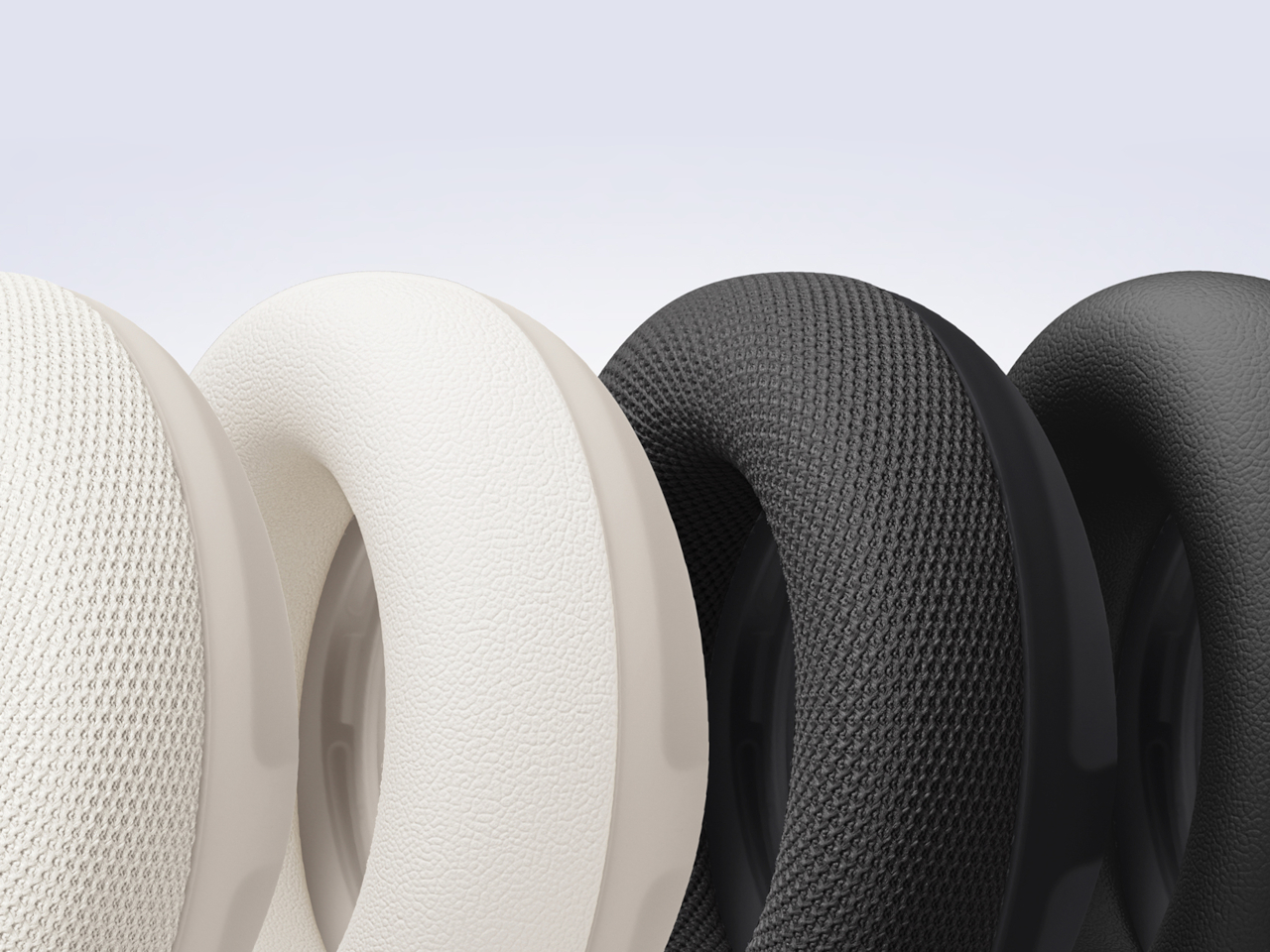
Two cushion textures ship as genuine alternatives rather than one default with a spare in the box. Performance Knit brings a breathable, athletic feel suited to workouts, while UltraPlush trades that airiness for a softer, quieter grip around the ear. Both come in colors like Black, Cloud, Pink, and Sky, with extra shades sold separately, turning a single headphone into something closer to a wardrobe piece than a fixed gadget.
Designer: Beats by Dre, Apple
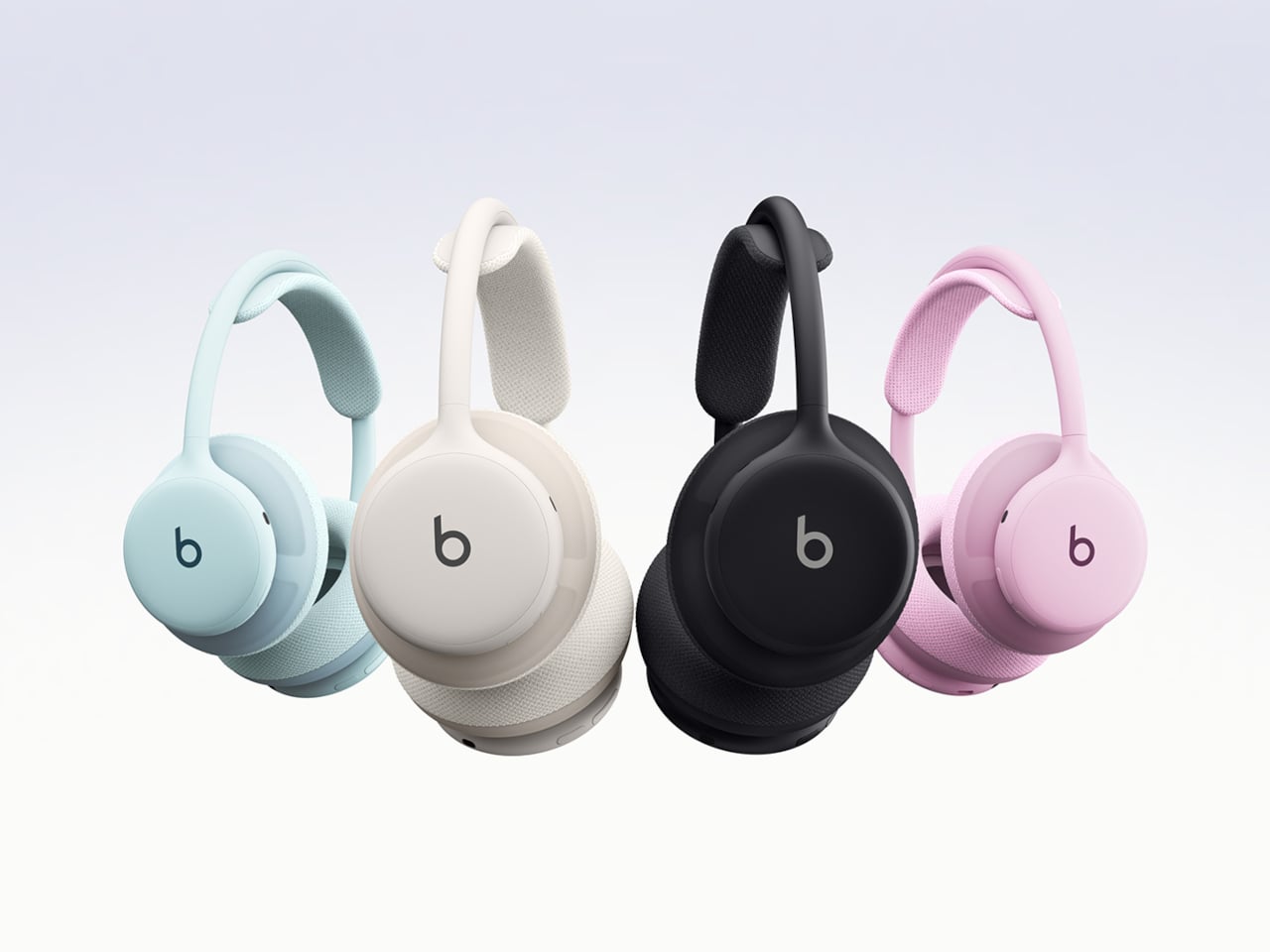
That swapping only works because Beats rebuilt the internal engineering around it. Moving to a wireless-first design freed up headband space once reserved for cable routing, letting engineers redirect that room toward weight distribution and tension instead. The result carries less bulk pressing down during a long run or a full workday at a desk, without sacrificing the structural integrity needed to survive an actual gym bag.
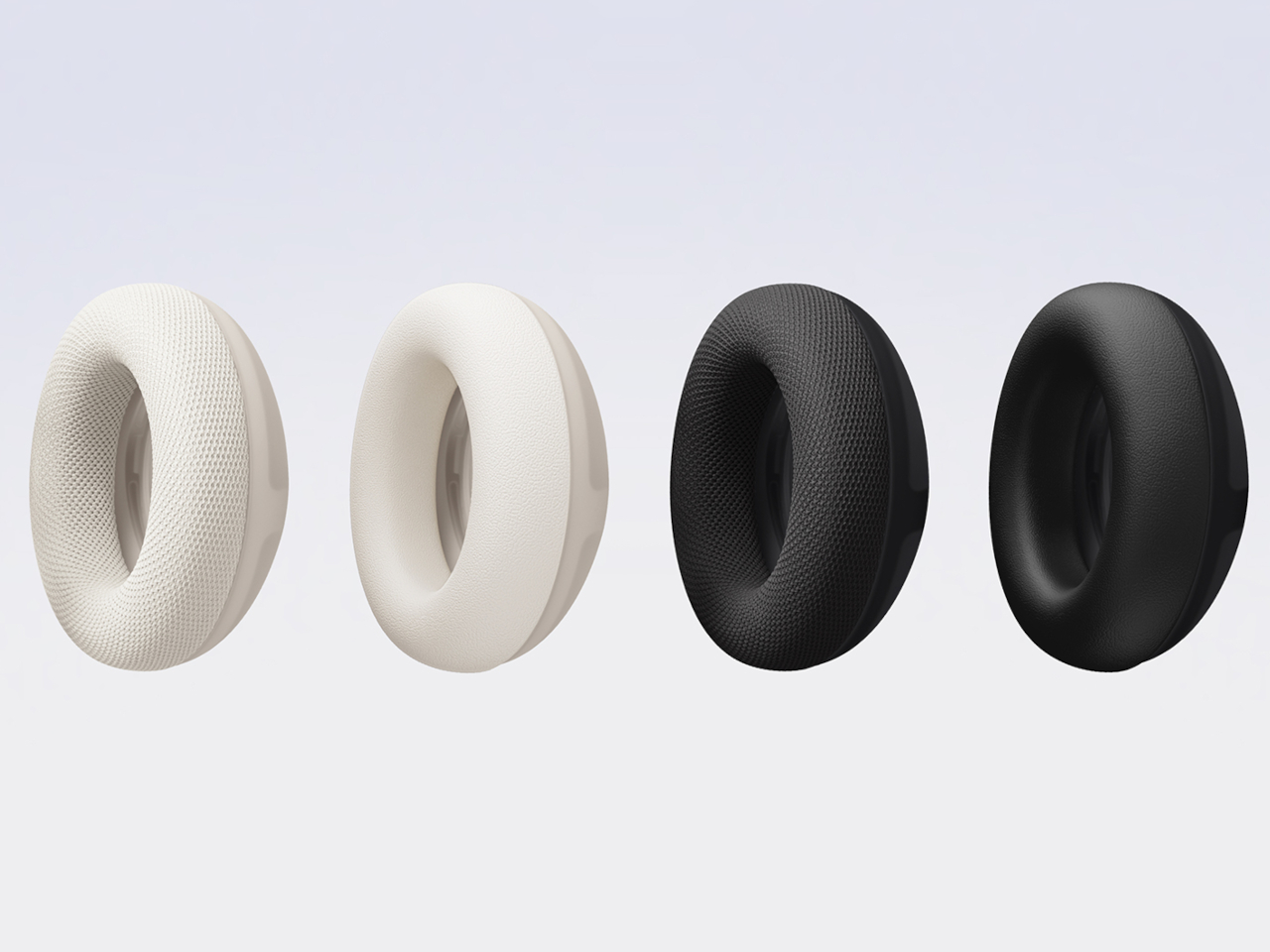
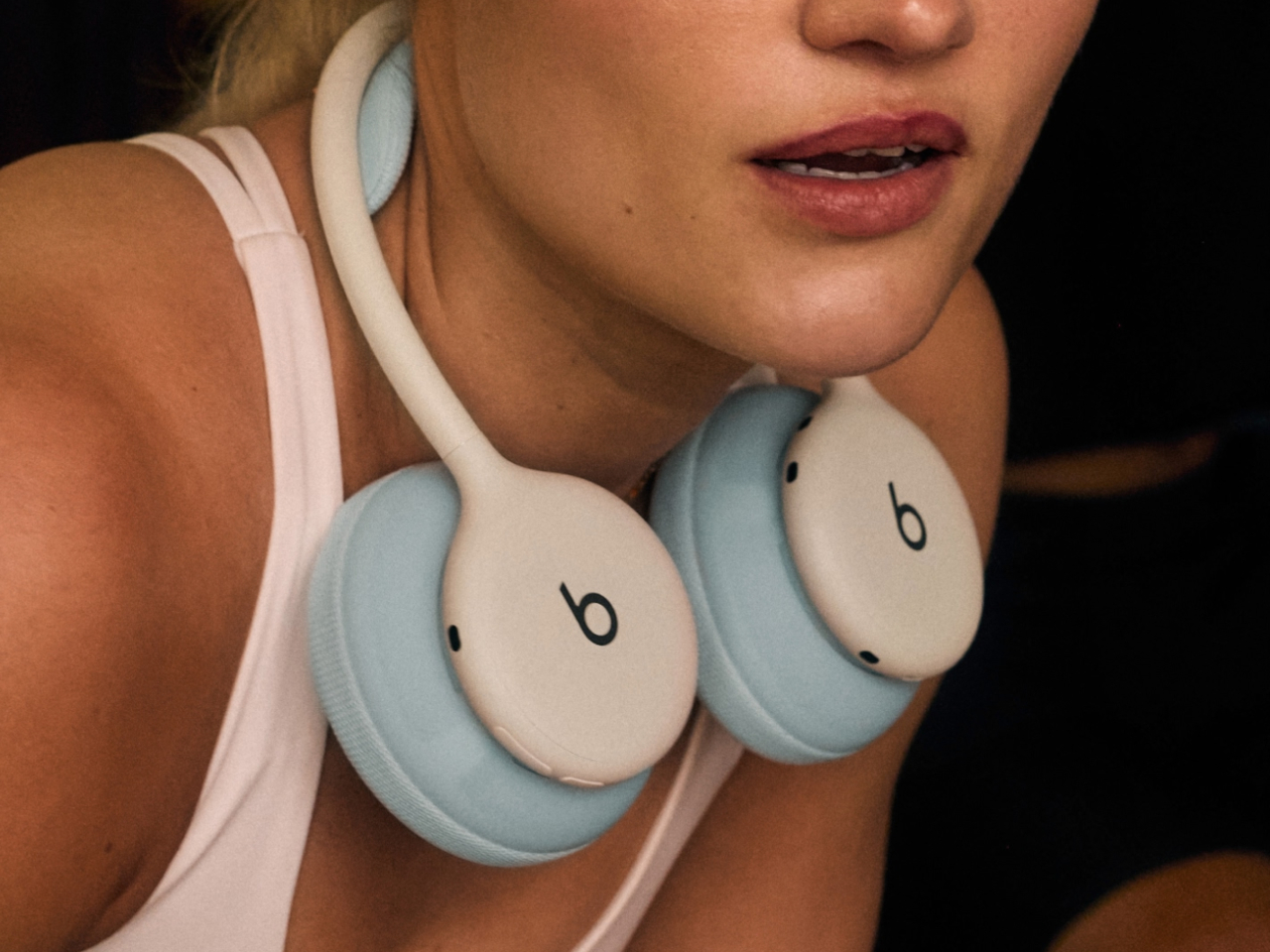
Durability gets a genuine upgrade alongside comfort. Beats 360 carries an IPX4 sweat and water resistance rating, a first for the brand’s over-ear lineup, achieved partly by re-engineering the rear acoustic chamber rather than just sealing a few seams. Sweat during a workout or a sudden downpour on a commute stops being a reason to leave these at home, which matters more than any spec sheet number for how often they’ll actually get worn.
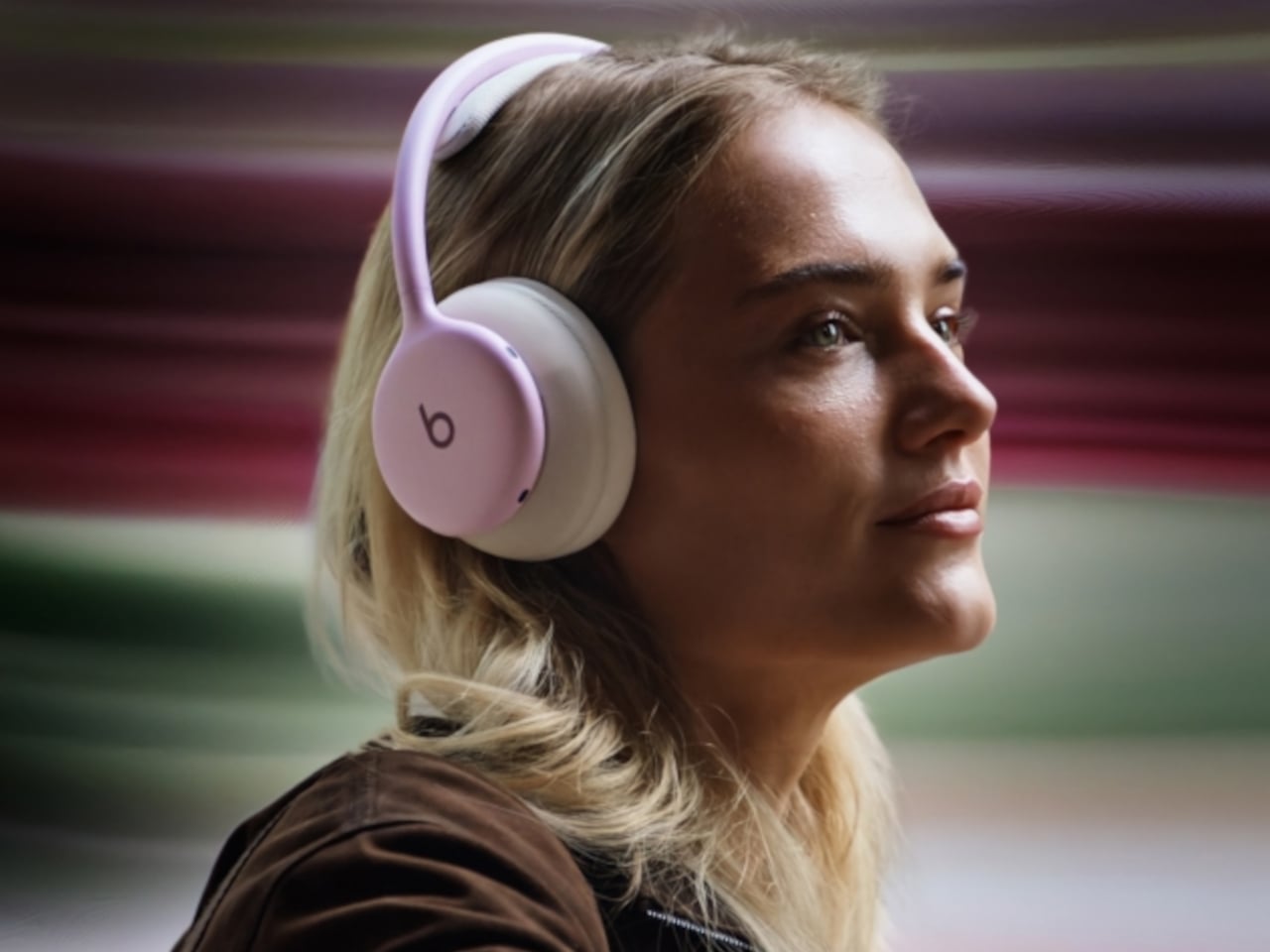
Sound quality moves forward through genuinely new hardware rather than incremental tuning. Three-layer diaphragms paired with double neodymium magnets mark the first driver architecture of their kind in a Beats product, backed by noise cancellation Beats claims outperforms Studio Pro by up to 1.75 times combined active and passive reduction. A dedicated button on the earcup switches between full noise cancellation and transparency mode, a physical control that skips the usual app-diving during a run or a commute.
Connectivity avoids picking sides between ecosystems. Bluetooth 5.3 handles one-touch pairing and switches seamlessly between Apple and Android devices, while Find My and Find Hub support mean a misplaced pair stays traceable regardless of which phone someone carries. That kind of cross-platform ease removes one more excuse for leaving a good pair of headphones behind on a trip.
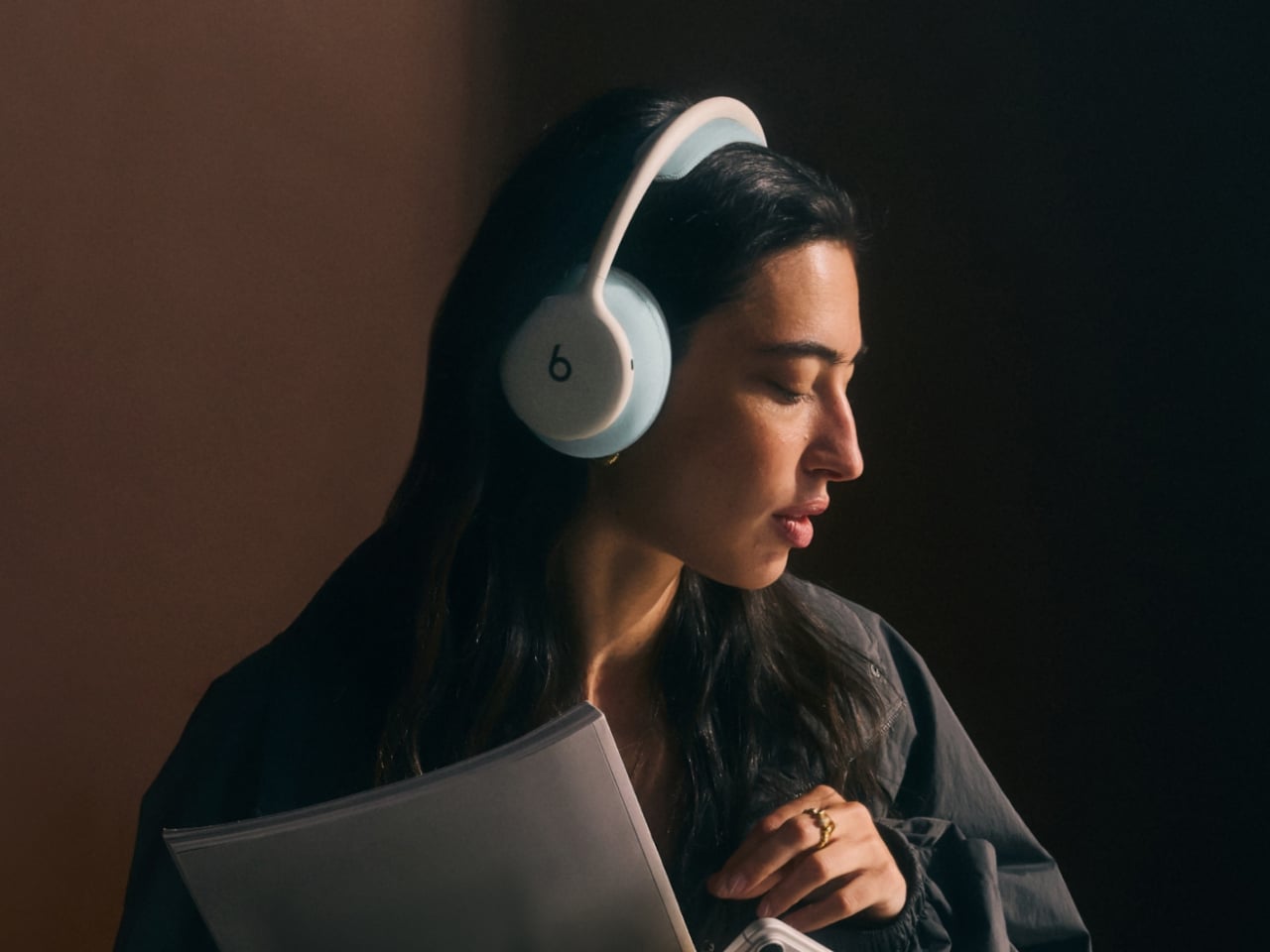
Battery life stretches to 32 hours even with active noise cancellation and spatial audio running simultaneously, closing the gap that usually forces a choice between immersive sound and all-day stamina. A 5-minute charge through USB-C adds roughly an hour of playback, useful insurance against the one morning someone forgets to plug in overnight before heading out the door.
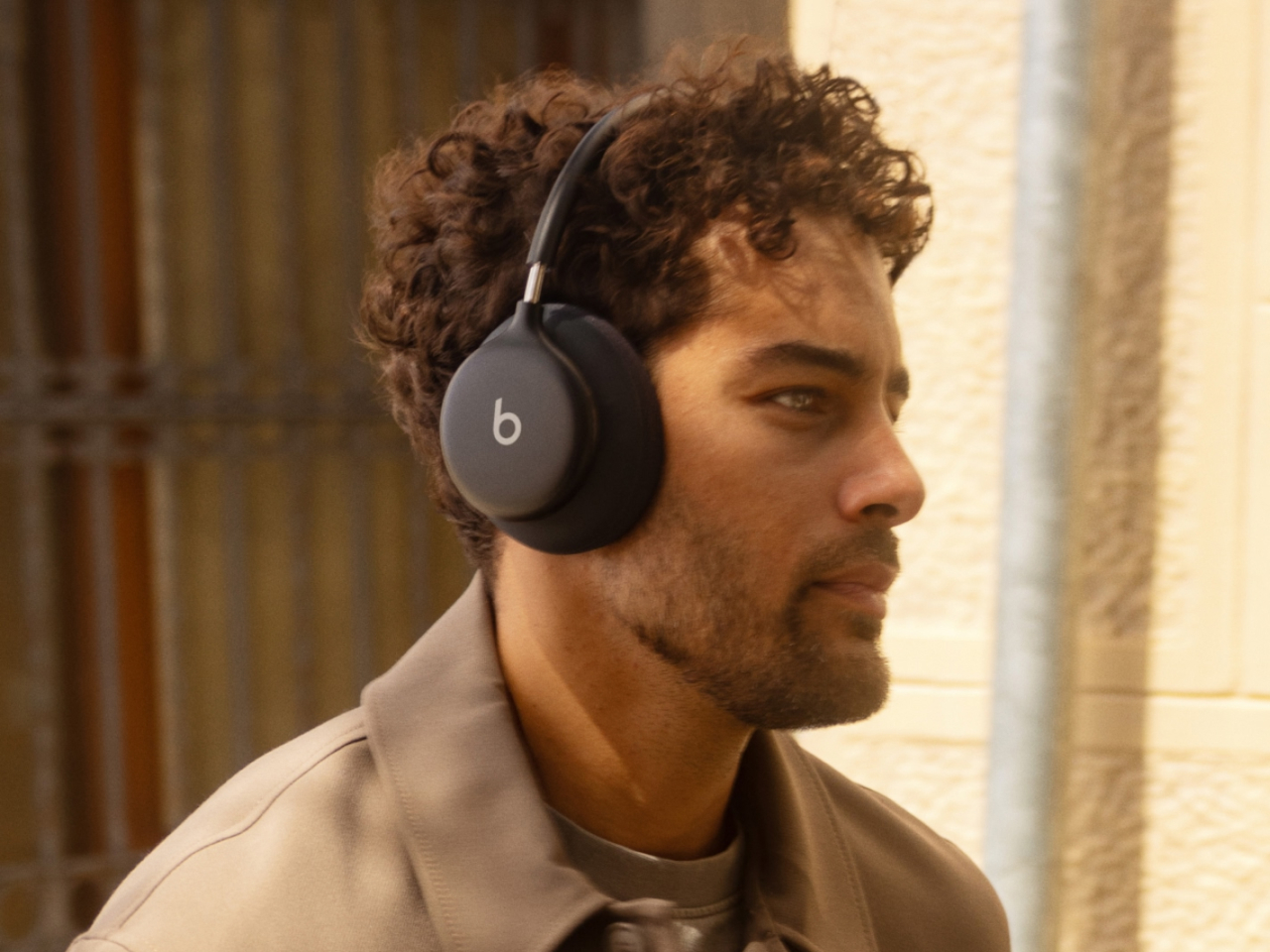
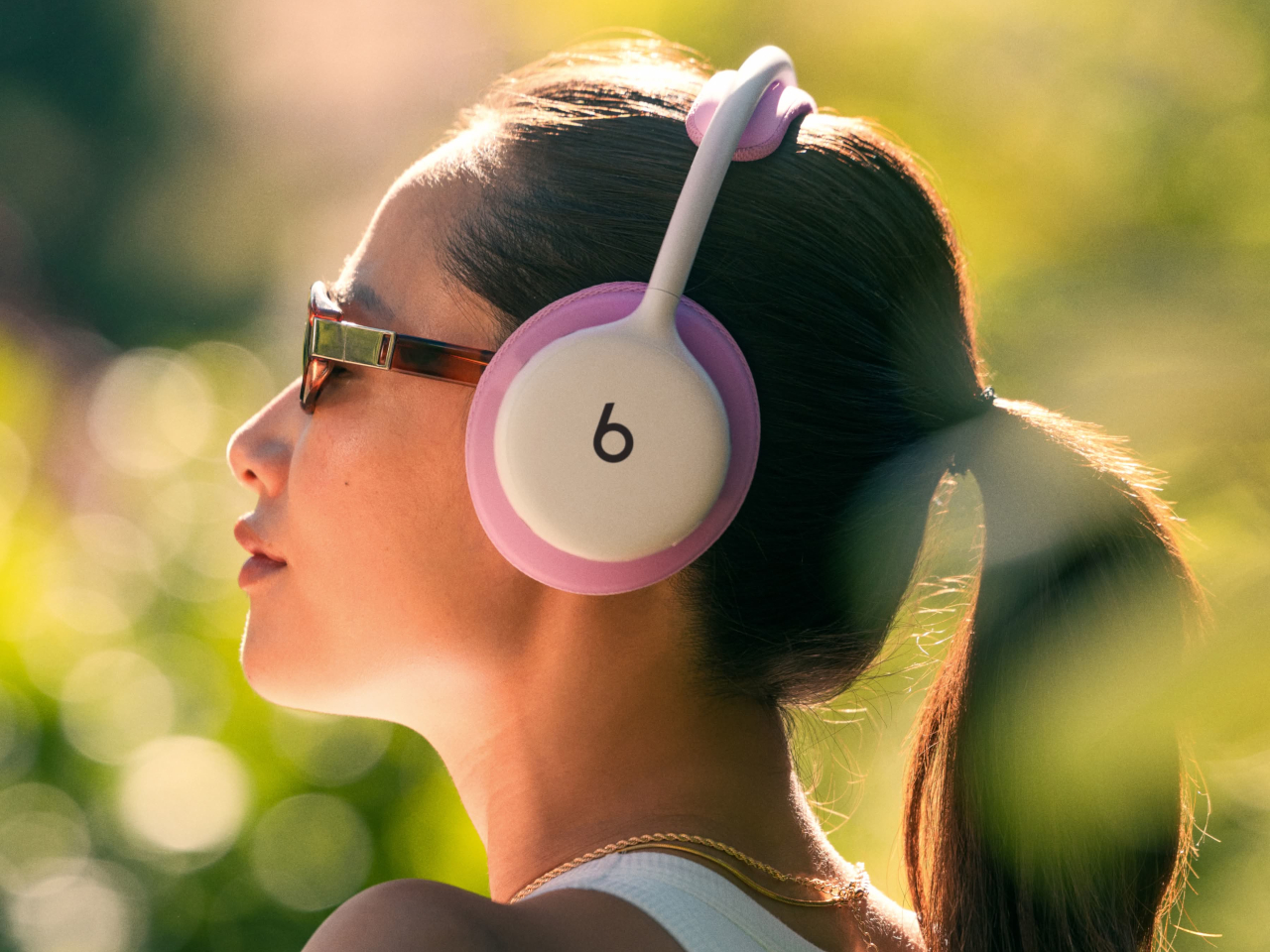
Material sourcing quietly backs up the durability pitch. Beats built the 360 using 80% recycled plastic across the ear cups, speaker enclosure, and internal components, the highest share the brand has used in any product to date, alongside fully recycled rare earth elements in every magnet. None of that shows up in a five-second unboxing video, but it’s baked into a headphone clearly meant to last through repeated cushion swaps rather than a single fashion cycle.
The post Most Headphone Cushions Fail Eventually, Beats 360 Made That the Point first appeared on Yanko Design.