3 Seoul Gadget Concepts That Transform When You Need Them Most

Here’s the thing about living in a city. You’re always caught between two opposing needs. You want to tune out the world on your commute, but also crave those spontaneous outdoor moments with friends. You need to look professional on video calls, but sometimes you just want to capture a memory for yourself. Your laptop runs hot, and honestly, so do you after a long day. It’s exhausting, this constant push and pull.

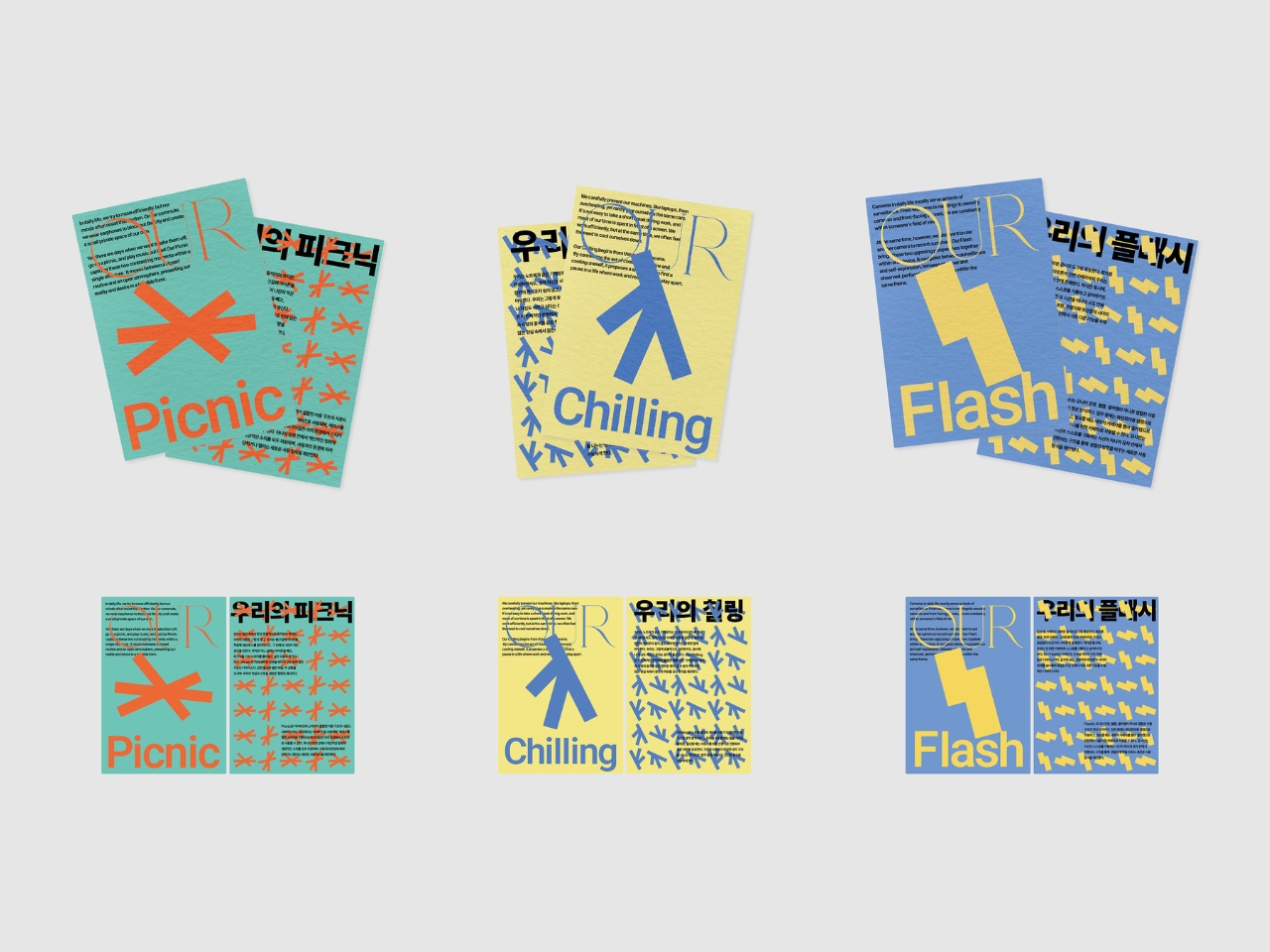
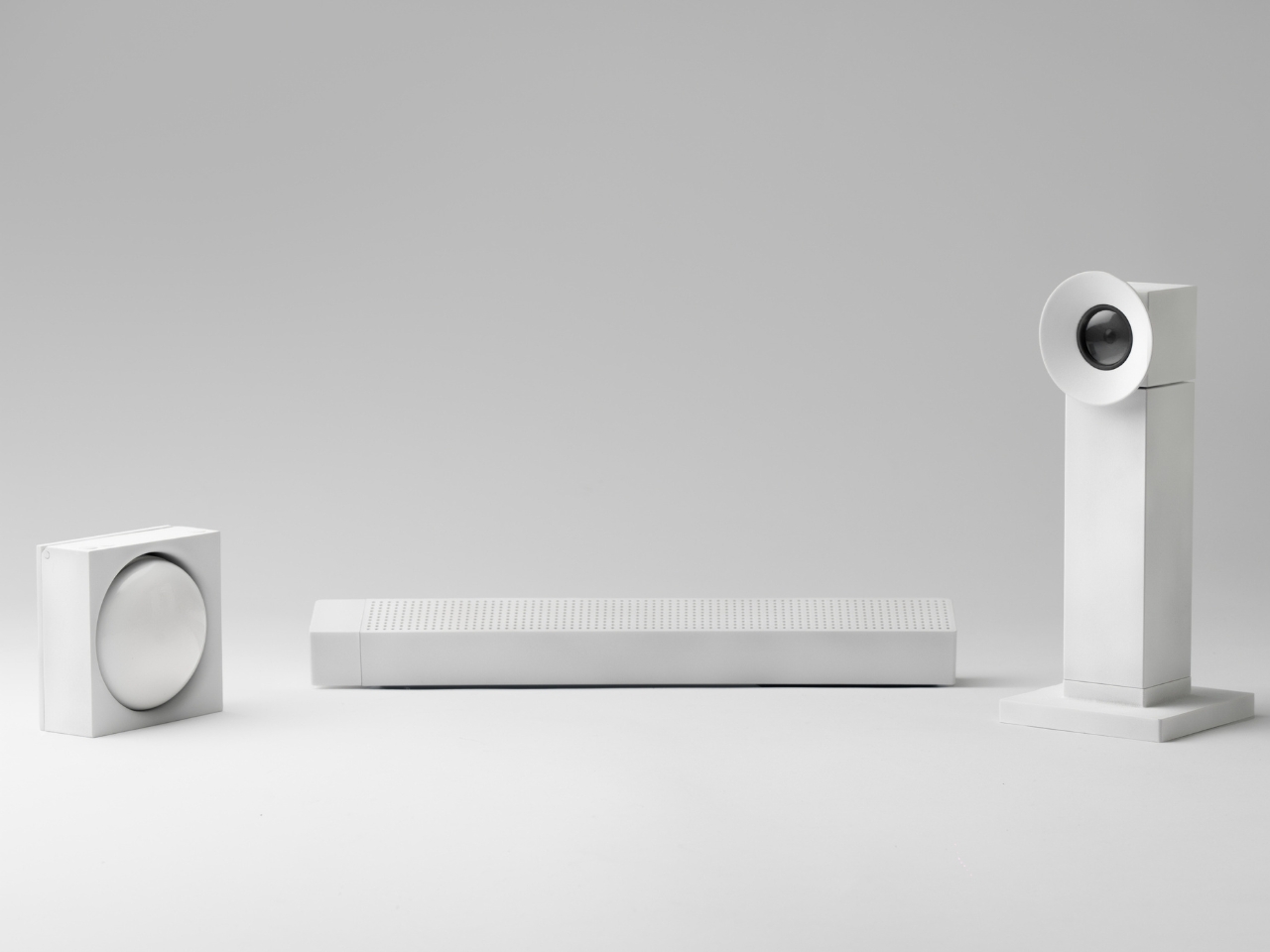
Designer Junwoo Lim has been paying attention to these contradictions. His “Our Seoul” project isn’t about creating more gadgets we don’t need. It’s about recognizing that our daily desires are complicated, and maybe our objects should be too. The series includes three products, each designed around a specific urban tension: Our Picnic, Our Flash, and Our Chilling. Together, they explore how reality and personal longing can coexist in the same space, the same device, the same moment.

Designer: Junwoo Lim

Create your own Aesthetic Render: Download KeyShot Studio Right Now!

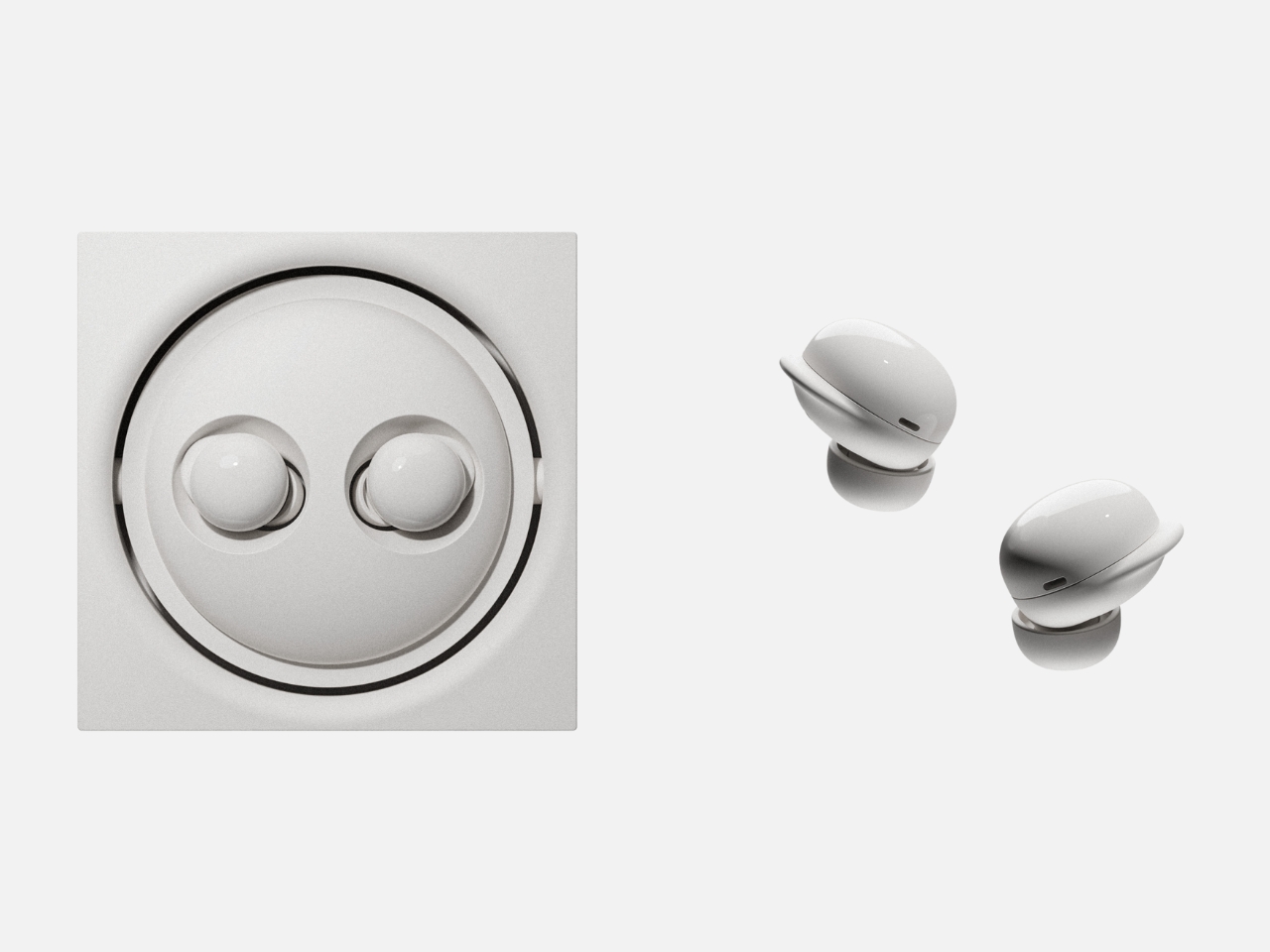
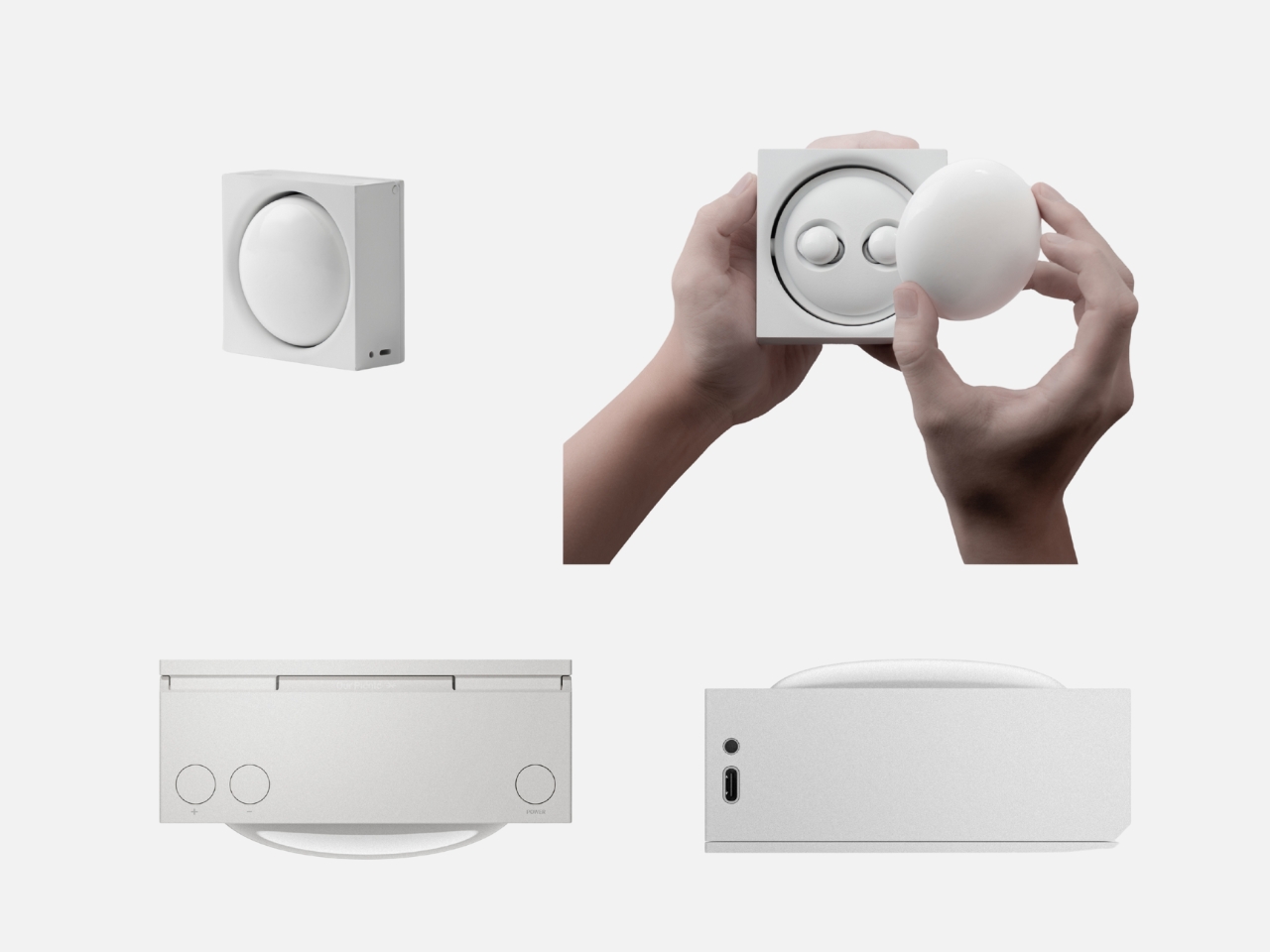
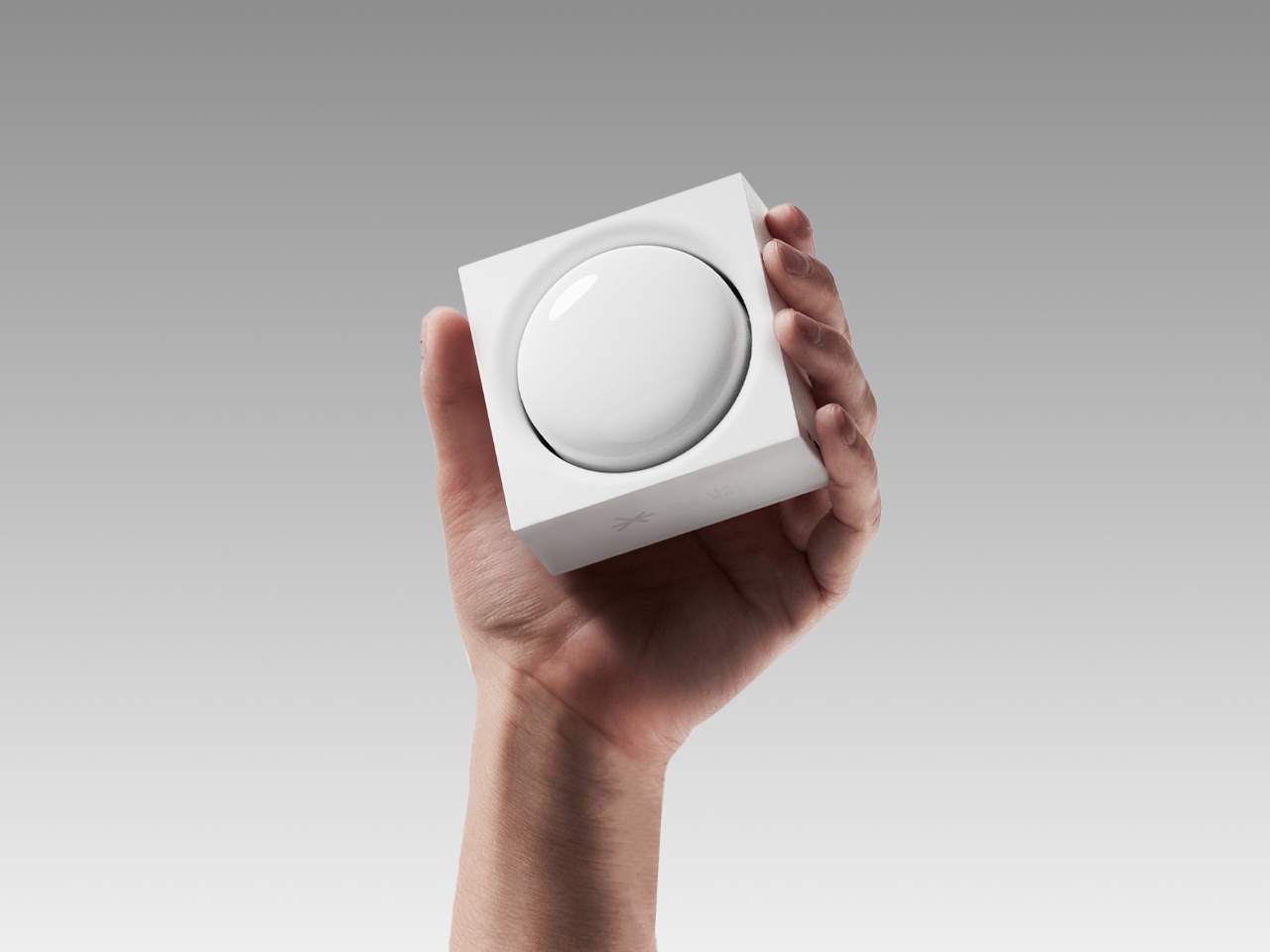
Let’s start with Our Picnic, because it perfectly captures something we all experience. Most mornings, you’re plugging in earbuds to create a bubble of privacy during your commute, shutting out surrounding sounds to protect your sanity. But then the weekend arrives, and suddenly you want the opposite. You want to be outside, sharing music, letting sound fill the space around you. Picnic bridges these two modes by transforming from earbuds into a speaker. Rotate the inner body 180 degrees, and what was personal becomes communal. When you’re outdoors, you can even rotate the back section 45 degrees to prop the device on the ground. The main body holds a 600 mAh battery while each earbud contains about 50 mAh, giving you flexibility for both modes. It’s a simple mechanical solution to an emotional need.

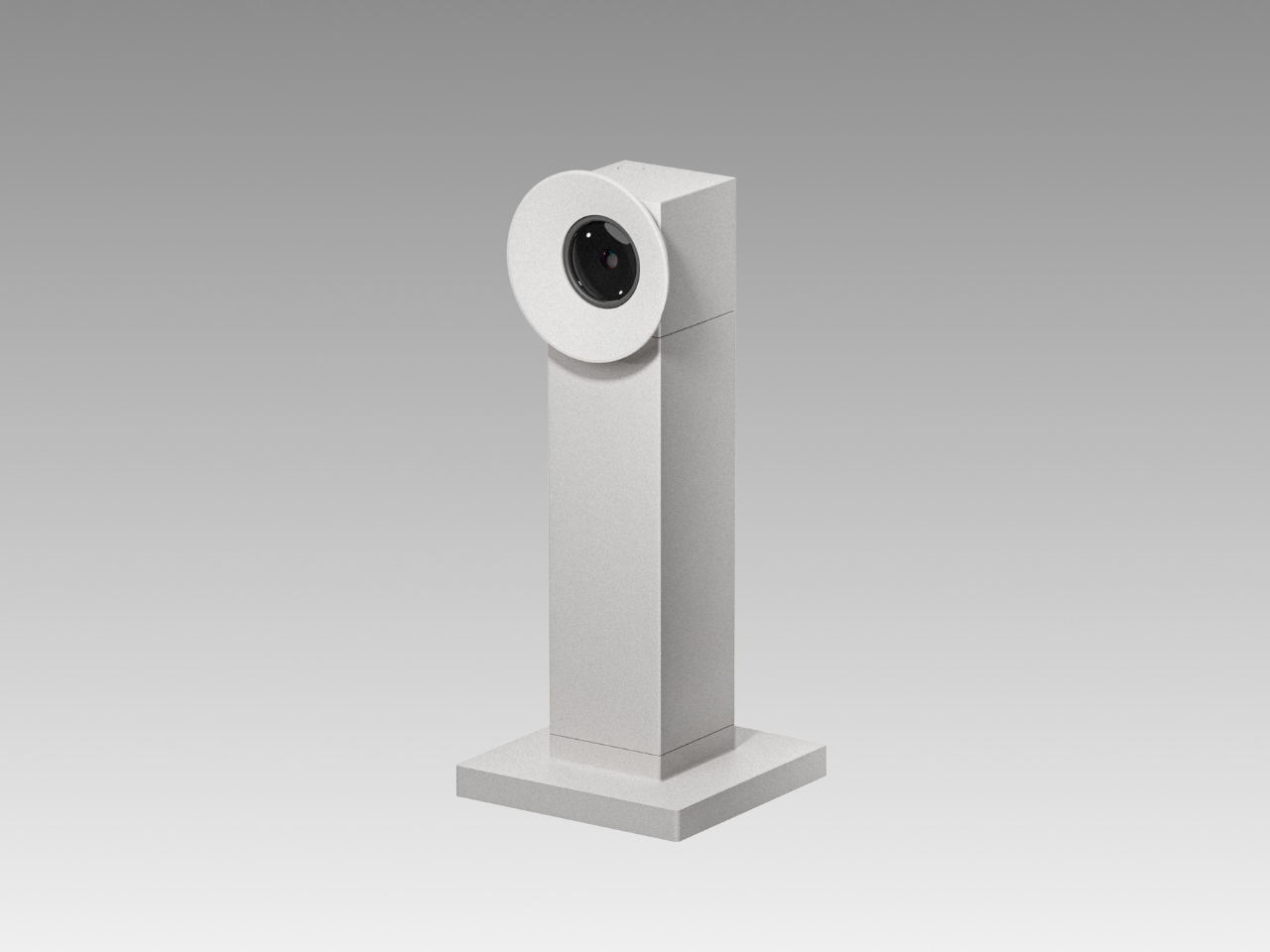
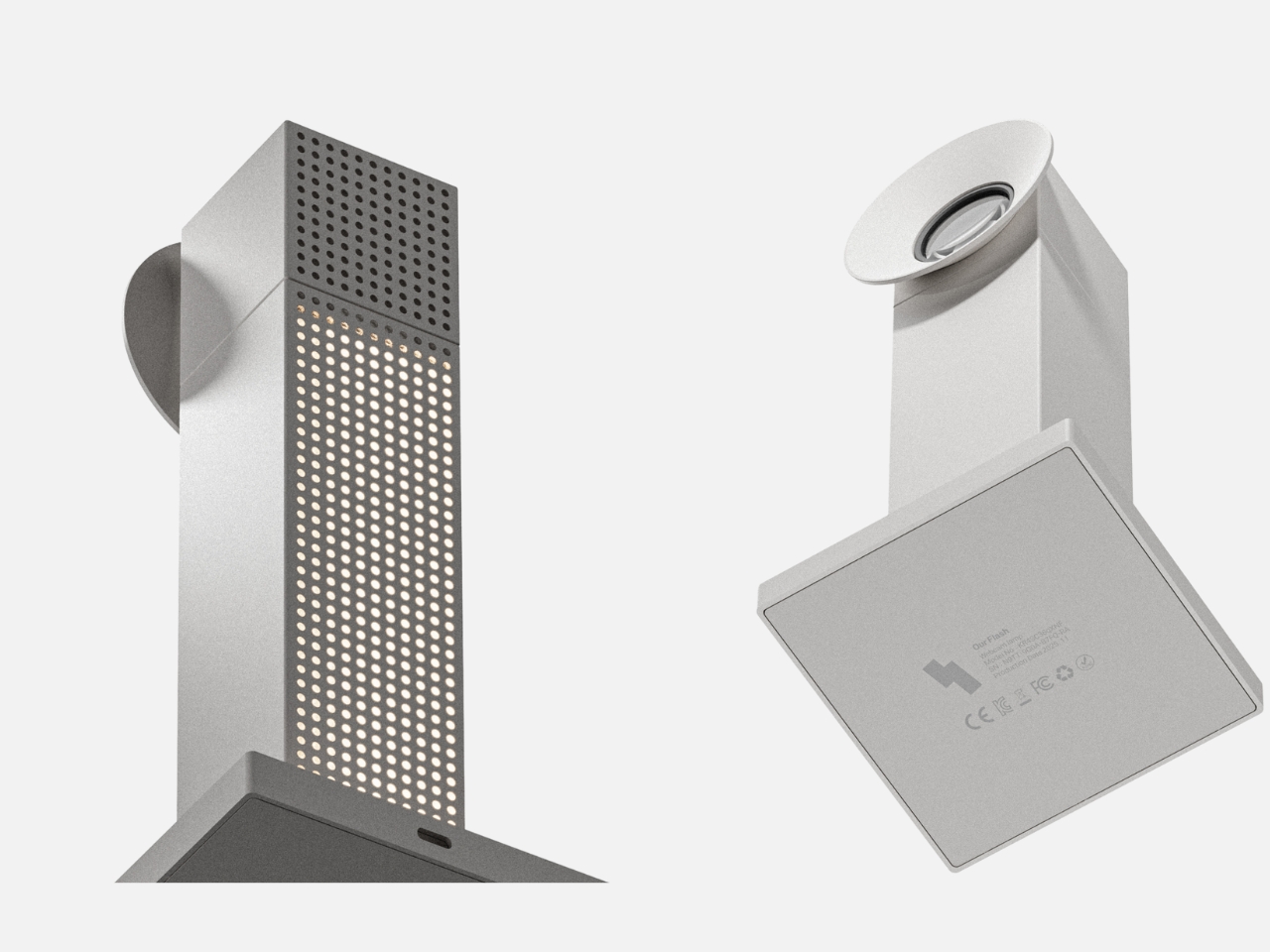
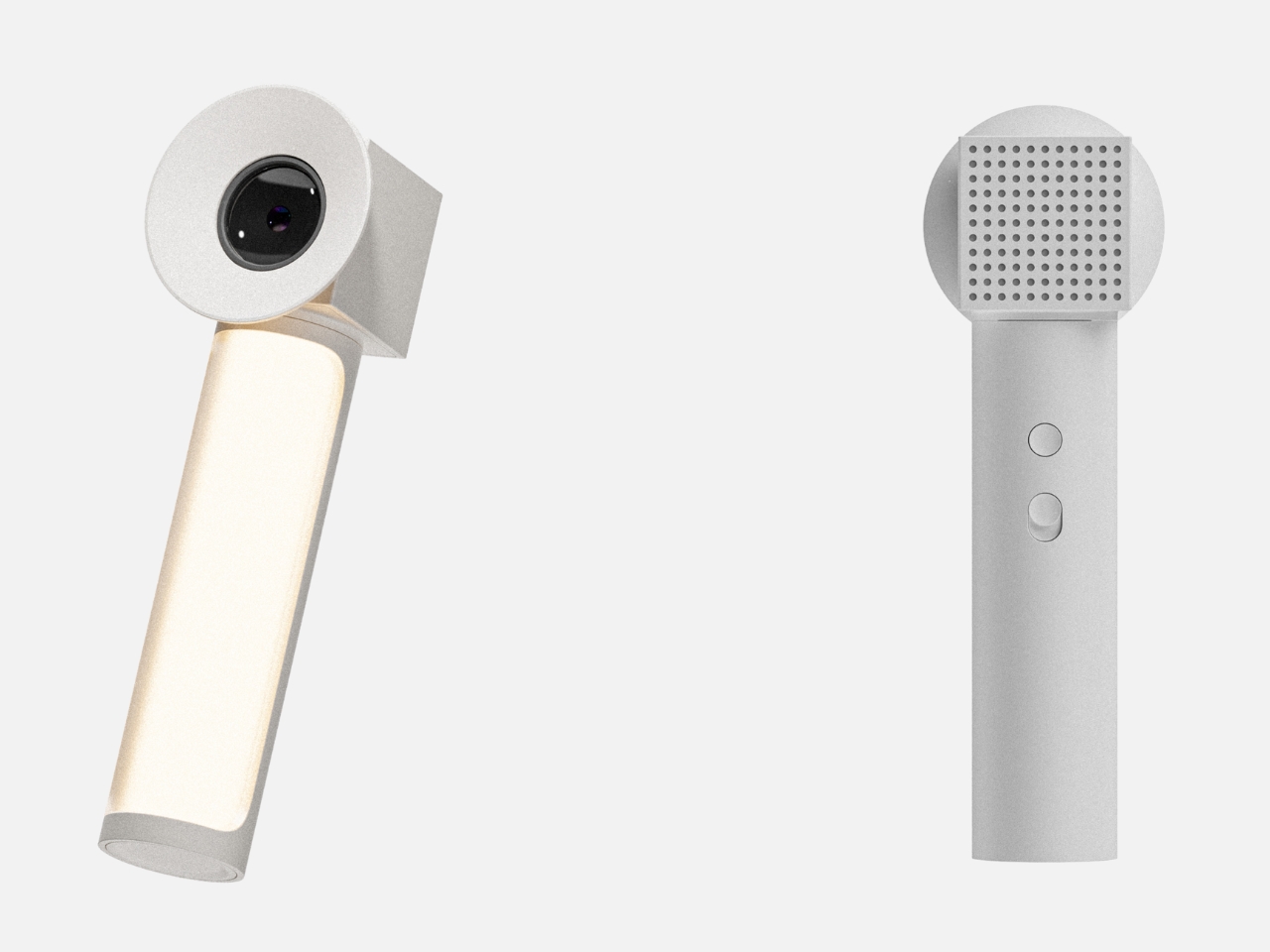
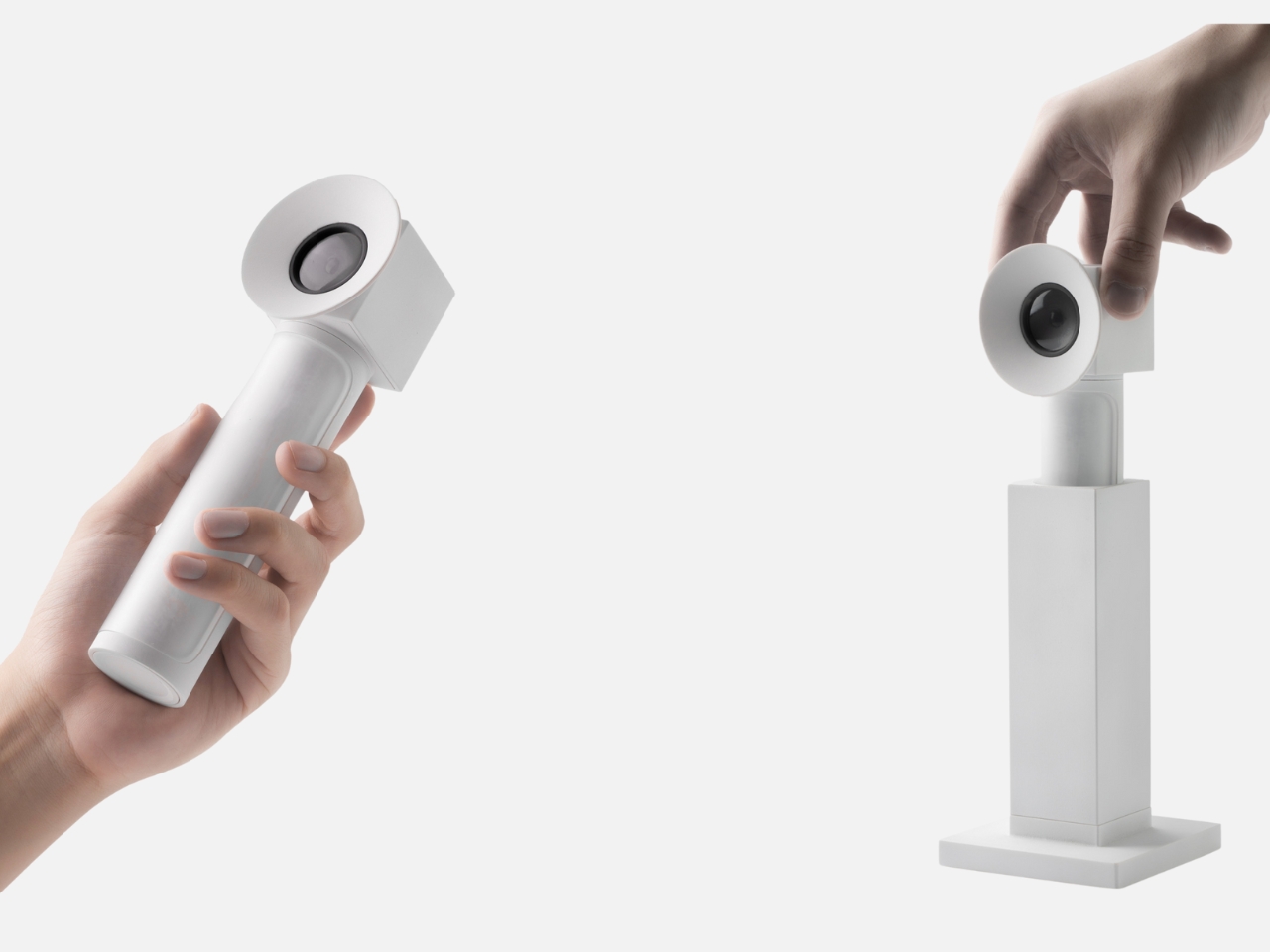
Our Flash tackles a different kind of duality, one that’s become painfully familiar in our video call era. Cameras are constant observers now. We exist within someone’s field of vision during meetings, always aware of being watched. But we’re also the ones doing the watching and recording, capturing moments we want to preserve and control. Flash merges these experiences into a hybrid camera unit that functions as both webcam and selfie camera, positioned somewhere between “the me that is seen” and “the me I want to show.” As a desk webcam, it handles your professional presence. But lift the head section, and the internal selfie camera detaches, ready for personal documentation. The clever part? That perforated central section that normally serves as a vent becomes a 360-degree rotating desk lamp when the internal light activates. It’s surveillance and self-expression and ambient lighting, all depending on what you need in that moment.

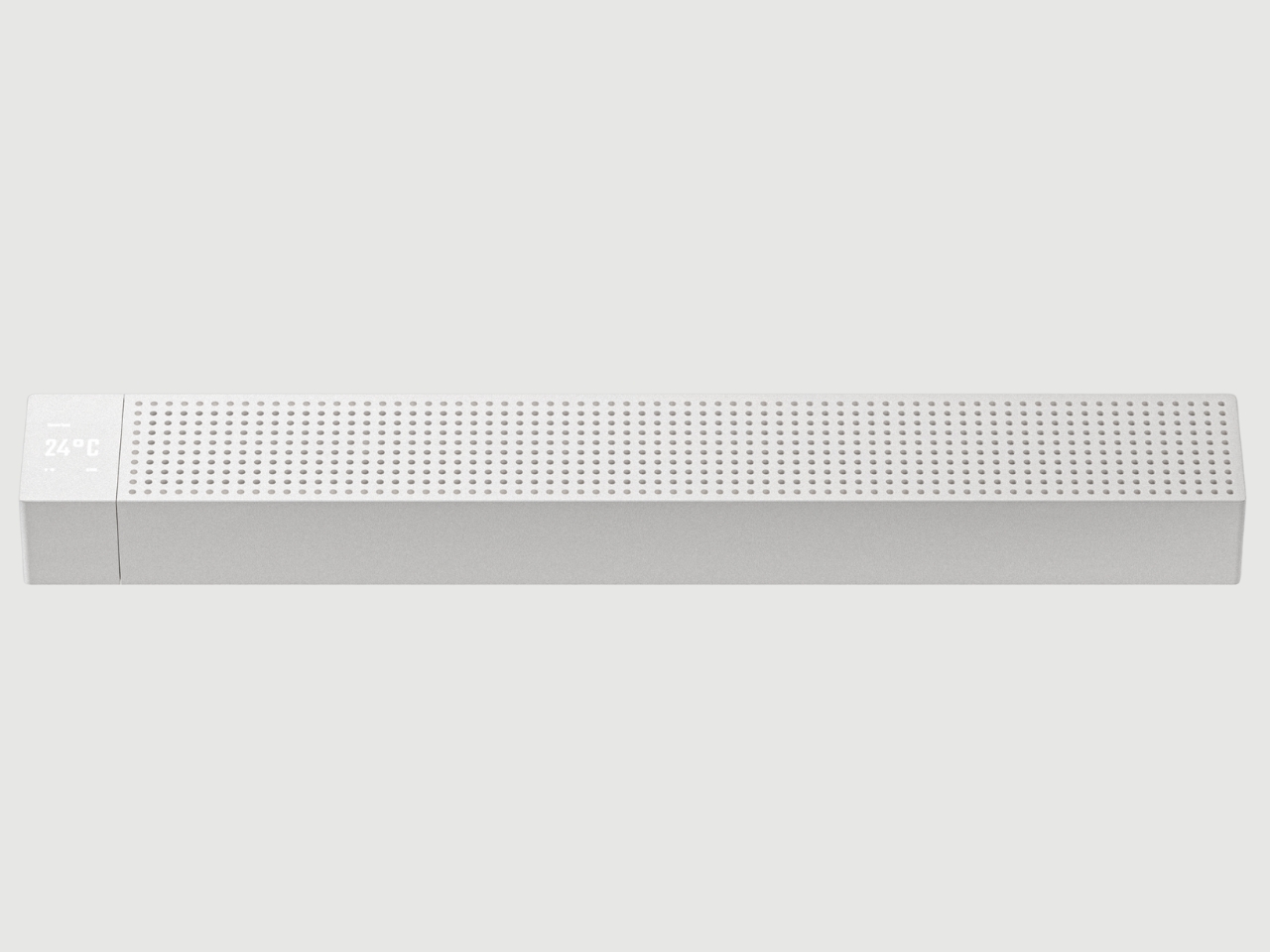
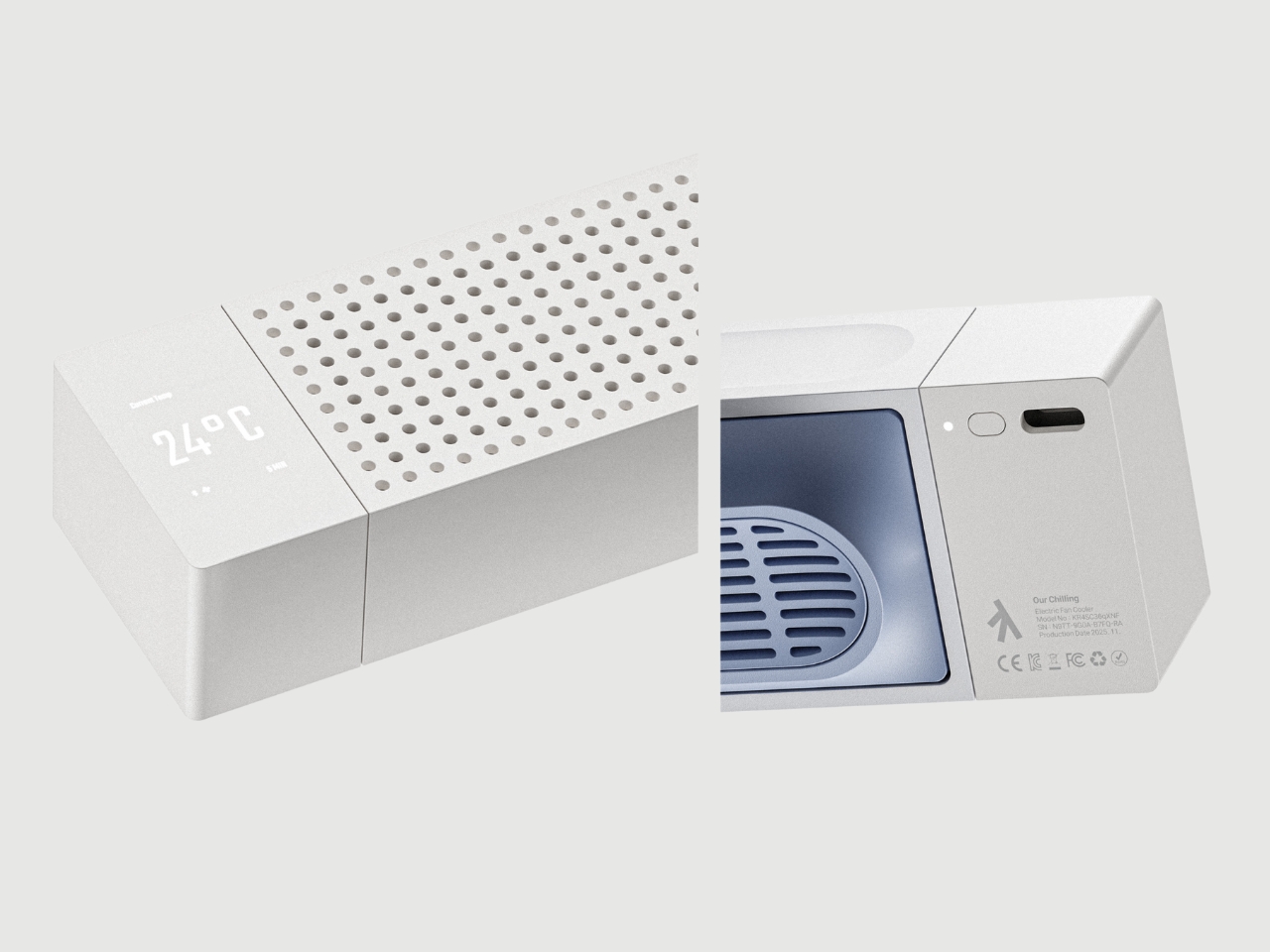
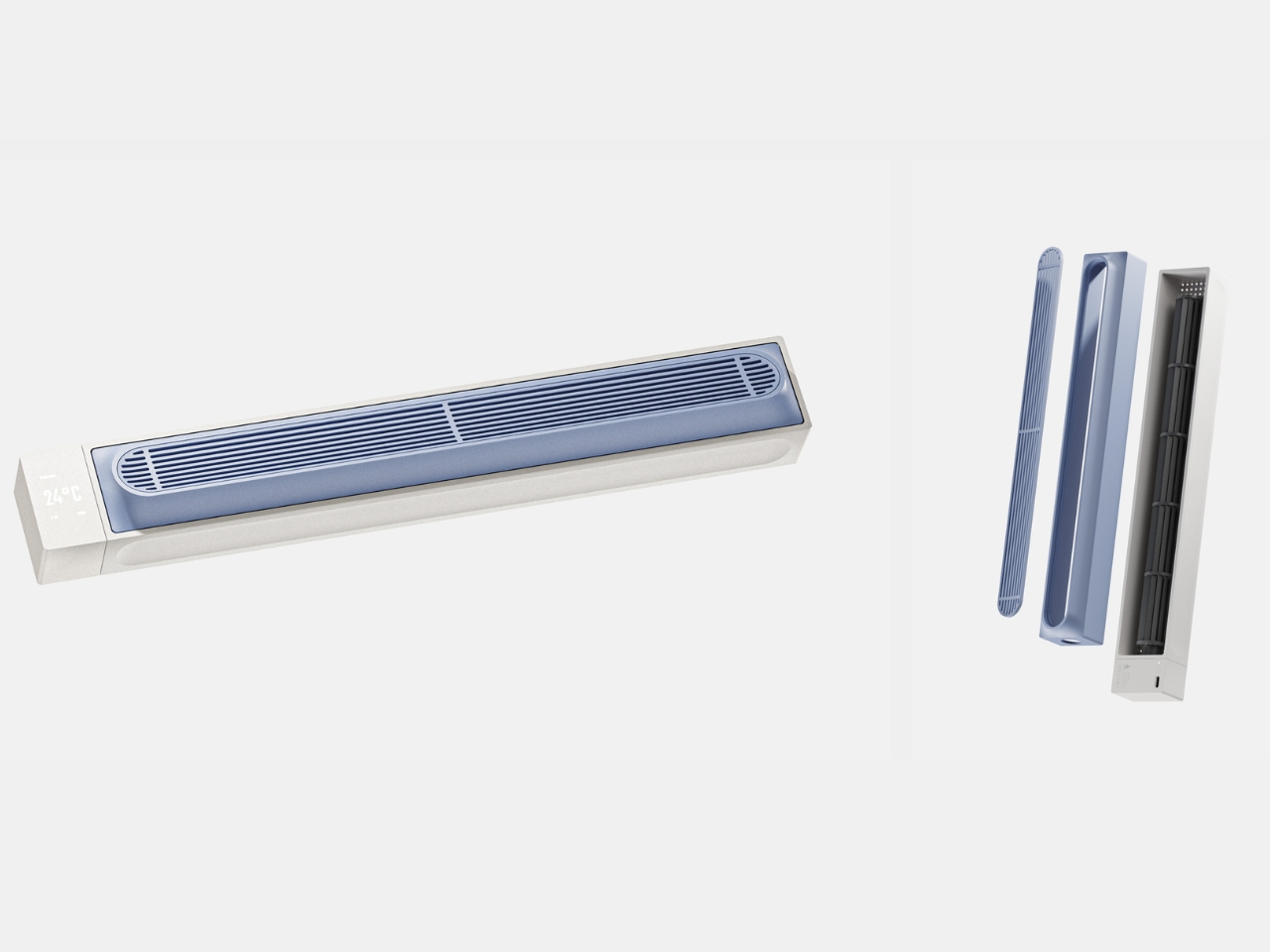
Then there’s Our Chilling, which might be the most relatable concept of all. We spend our lives surrounded by devices that need cooling. Laptops, desktops, gaming rigs. We’re constantly monitoring temperatures, adjusting fan speeds, making sure our machines don’t overheat. But who’s taking care of us? Chilling functions primarily as a laptop cooler with Bluetooth connectivity, letting you monitor CPU and GPU temperatures in real time and adjust cooling intensity through your laptop’s software. The bottom stand even adjusts the tilt angle for ergonomic positioning. But here’s the twist: flip it over, and those tower fan blades inside suddenly serve a different purpose. It becomes a desktop fan, one that can monitor room temperature just like it monitors your laptop’s heat. The same stand that adjusts your laptop angle now controls the fan’s direction. It’s a reminder that in a life where work and rest blur together, maybe we deserve the same attention we give our machines.

What makes this project compelling isn’t the technical specs or the minimalist aesthetic, though both are thoughtfully executed. It’s the underlying philosophy. Lim isn’t trying to simplify urban life or pretend we can eliminate its contradictions. Instead, he’s designing objects that acknowledge the messiness, the constant switching between modes, the way we’re always negotiating between competing needs. The “Our Seoul” series suggests that good design doesn’t resolve tension. It accommodates it.

These are concepts rather than products you can order today, but that’s exactly what makes them valuable. They capture something true about how we’re living right now, in cities that demand constant adaptation, surrounded by technology that often feels like it’s designed for a simpler, more consistent version of ourselves. We’re not that simple. Maybe our objects shouldn’t be either.

The post 3 Seoul Gadget Concepts That Transform When You Need Them Most first appeared on Yanko Design.

A decision about breaking up Google’s adtech monopoly is on the horizon

Google made its final arguments in a longstanding case against the US Department of Justice on whether it has to split up its ad tech practices. However, the judge presiding over the case may be looking to wrap up the case before Google has a chance to appeal, according to a report from Reuters. 

On Friday, both sides made their closing statements in the lawsuit where the Justice Department accused the tech giant of illegally monopolizing the ad tech market. While the US District Court Judge Leonie Brinkema ruled in April that Google held a monopoly in the online adtech space, the judge recently asked the Justice Department how quickly an anticompetitive measure could go into effect, adding that "time is of the essence."

Google's attorney, Karen Dunn, argued that forcing Google to sell its advertising tech subsidiary would be extreme and hurt customers in the process, according to the report. Google is also reportedly planning to appeal the latest decision. According to Reuters, Brinkema noted that any sort of remedy "most likely would not be as easily enforceable while an appeal is pending," meaning that Google could delay the forced sale until the appeal is concluded. At the same time, Google is facing a $3.5 billion fine for violating the European Union's antitrust laws within the adtech industry.

This article originally appeared on Engadget at https://www.engadget.com/big-tech/a-decision-about-breaking-up-googles-adtech-monopoly-is-on-the-horizon-184409011.html?src=rss

SabreSat Air-Breathing Satellite Treats the Upper Atmosphere Like Fuel

Most satellites avoid very low Earth orbit because the atmosphere is still thick enough to drag them down in days or weeks without constant propulsion. That said, Very Low Earth Orbit (VLEO) satellites offer sharper imagery with smaller optics and lower latency for communications if you can survive there. Redwire’s SabreSat is a satellite designed to live in that zone on purpose, using the air that normally kills spacecraft as part of its propulsion strategy.

SabreSat is Redwire’s VLEO-optimized satellite bus, chosen by DARPA for its OTTER program to demonstrate sustained operations in very low orbit. The platform is modular and built for Earth observation and atmospheric sensing, but its most interesting option is an air-breathing propulsion system that literally inhales thin air, ionizes it, and throws it out the back as thrust instead of relying on stored propellant alone.

Designer: Redwire

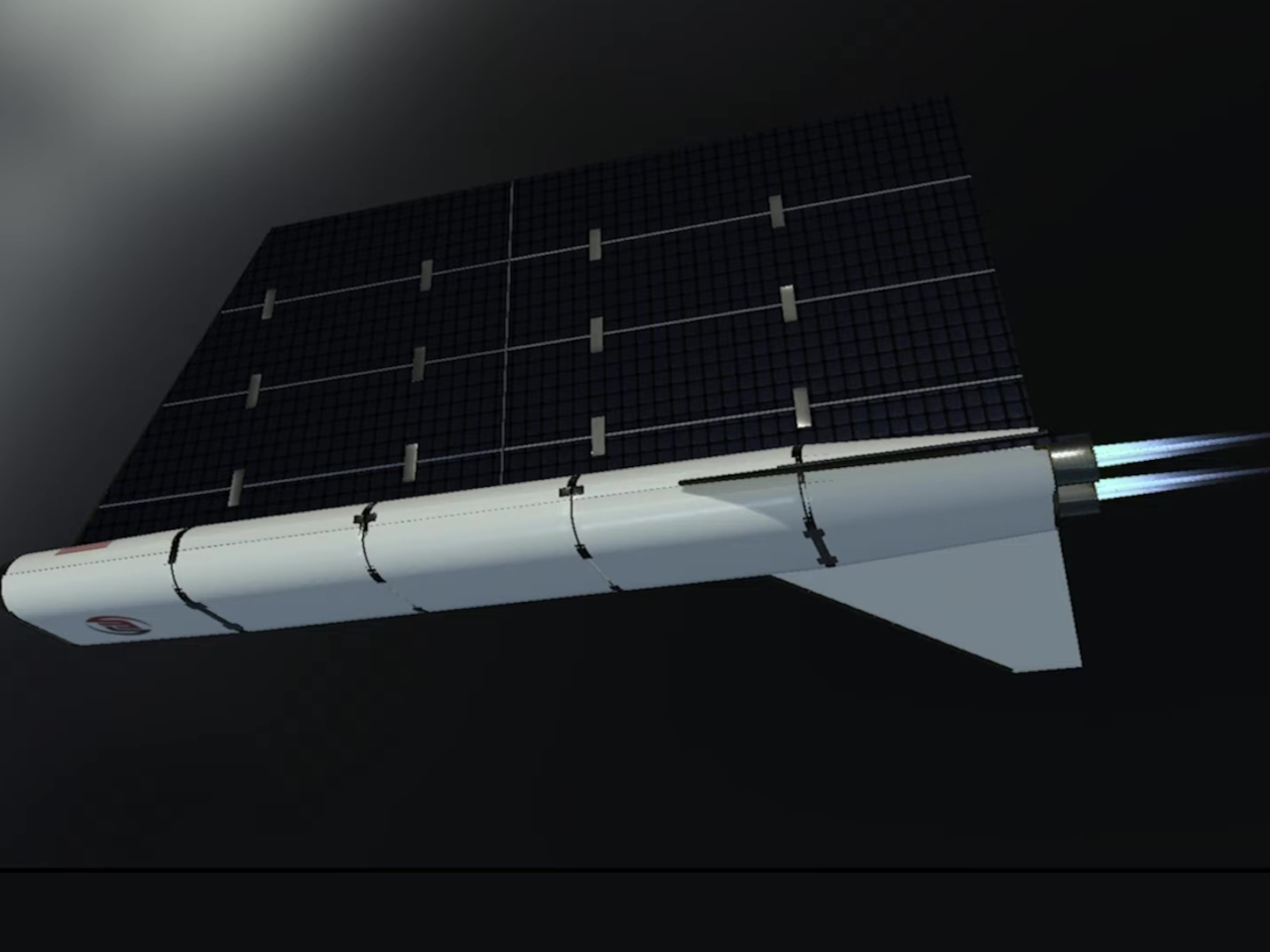
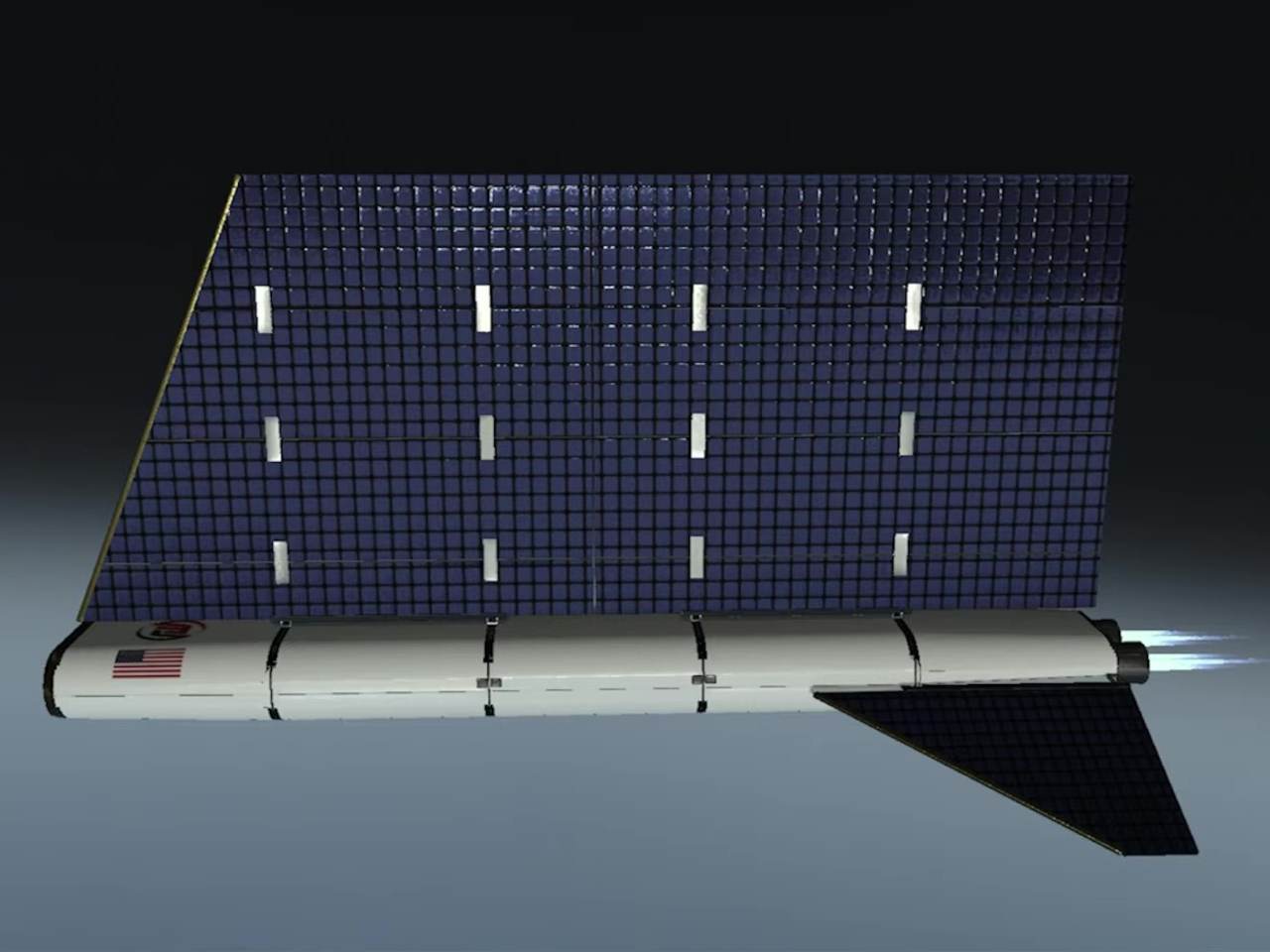
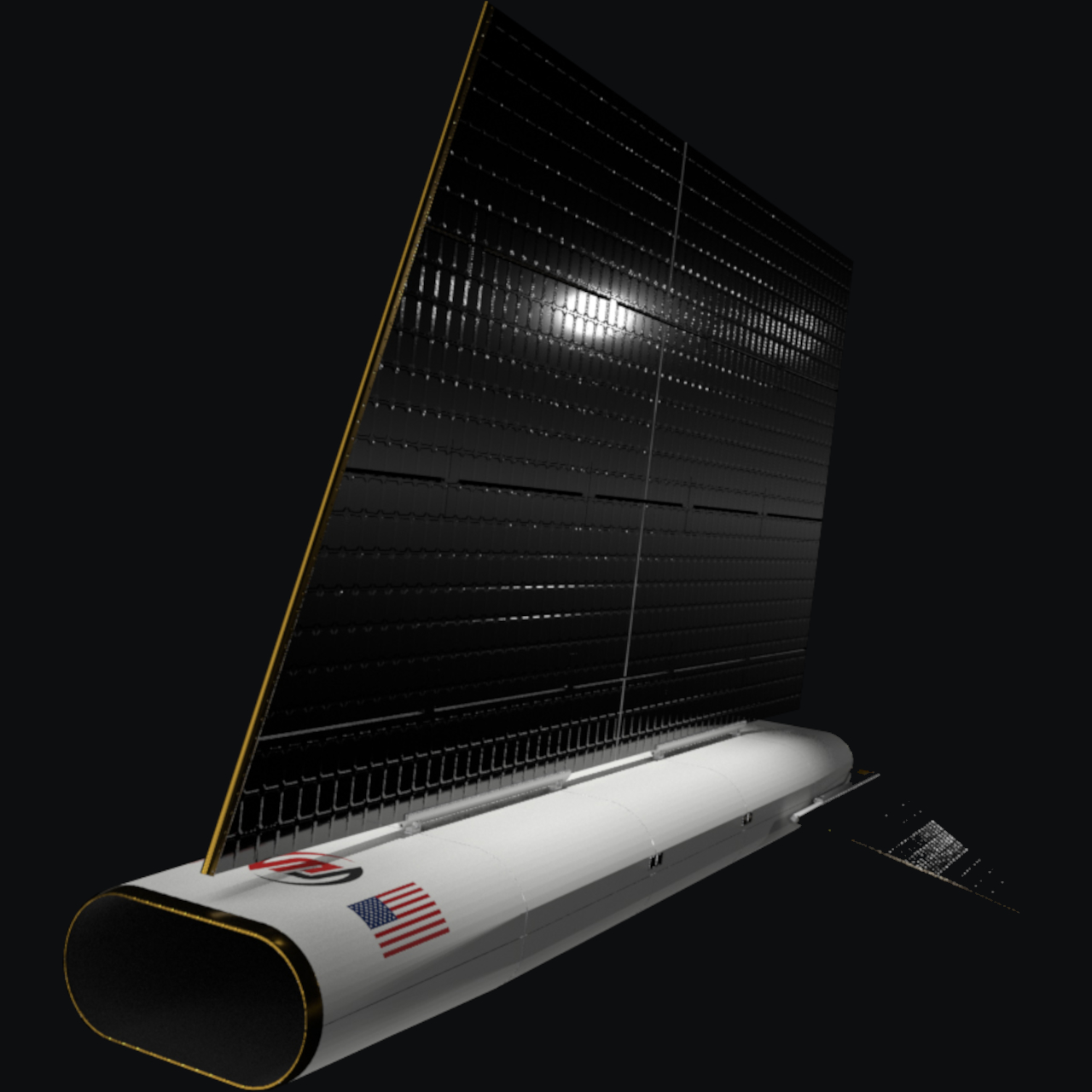
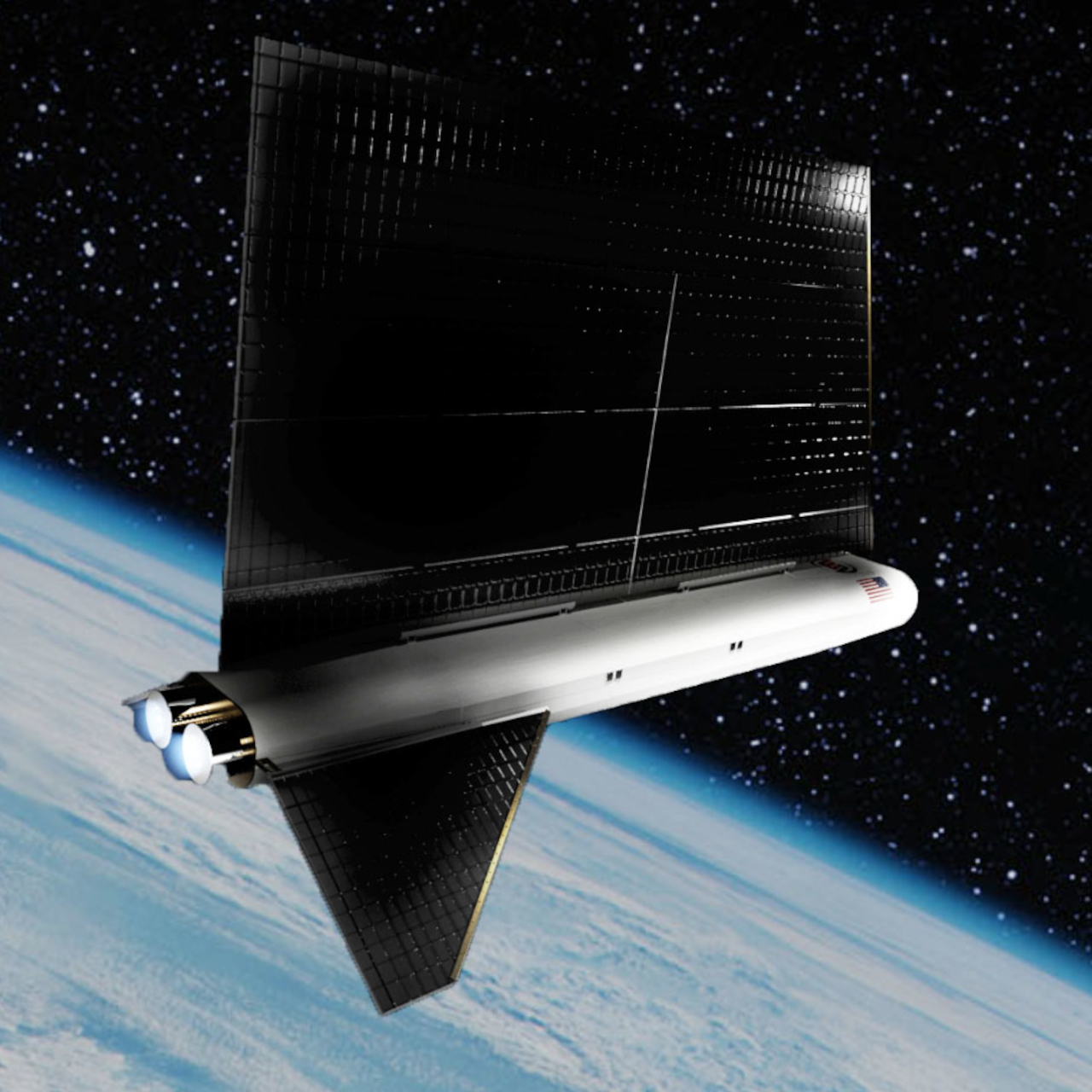
The overall shape from the renders looks more like a glider or flying wing than a cube with panels. A long, rounded fuselage with an oval nose, a huge vertical solar sail rising from the top, and two canted tail fins on each side. It has a clear nose, body, and tail rather than a generic bus, which makes sense for a spacecraft that has to fly through fluid instead of coasting in a vacuum.

The large vertical surface is clearly a solar array, covered in a dense grid of cells and framed in gold. Its size and placement suggest an aerodynamic role as well. In VLEO, that panel can act like a sail or stabilizer, helping align the spacecraft with the flow and giving attitude control systems something to work with. It’s a power source and an aerodynamic surface wrapped into one.

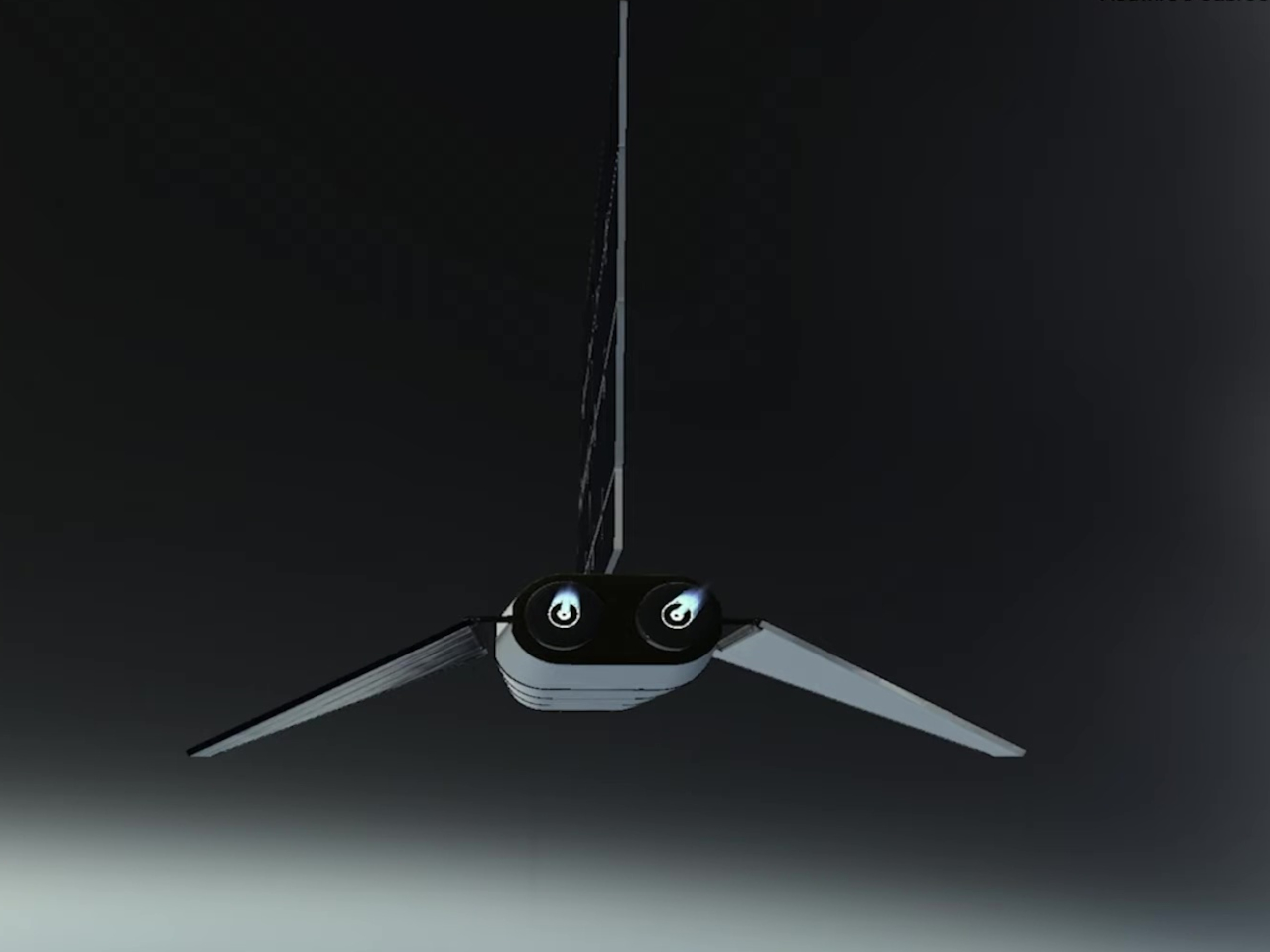
The fuselage and tail support the air-breathing concept. The smooth, rounded nose and long body are consistent with reducing drag and possibly funneling air toward an intake region inside. At the back, renders show twin exhaust plumes emerging from the aft end, hinting at an electric thruster fed by harvested air. The canted tail fin adds stability and helps manage the angle of attack in the thin atmosphere.

The air-breathing system is optional. SabreSat can fly as a more conventional VLEO satellite using stored propellant, or as an air-breathing craft that uses the atmosphere as reaction mass. That flexibility lets operators choose between shorter, simpler missions and long-duration, highly maneuverable flights that treat VLEO more like an operating layer than a decay zone where satellites eventually burn up.

SabreSat is a glimpse of what satellites might look like when we stop pretending space is always empty. Its flying-wing silhouette, solar sail, and air-breathing option suggest a future where spacecraft skim the upper atmosphere, sensing it and using it as fuel at the same time. It’s a reminder that the most interesting design work often happens where two environments overlap.

The post SabreSat Air-Breathing Satellite Treats the Upper Atmosphere Like Fuel first appeared on Yanko Design.

Microsoft isn’t releasing a diversity report for 2025

Microsoft will not release a diversity and inclusion report for 2025 like it has been doing every year since 2019, Stephen Totilo from Game File has reported. Totilo asked the company if it was skipping this year after it failed to publish a report from October to early November like it had done so the previous years. “We are not doing a traditional report this year as we’ve evolved beyond that to formats that are more dynamic and accessible — stories, videos, and insights that show inclusion in action,” said Microsoft’s chief communications officer, Frank Shaw, in a statement. “Our mission and commitment to our culture and values remain unchanged: empowering every person and organization to achieve more.”

As Totilo notes, the Trump administration made it very clear early on that it was against government and corporate diversity, equality and inclusion programs. Trump signed executive orders directing government agencies to roll back DEI initiatives and encouraged the private sector to do the same. Meta reportedly ended its DEI programs earlier this year, while Google reportedly announced that it will “no longer set hiring targets to improve representation in its workforce.”

Totilo previously reported that Microsoft didn’t mention anything about its diversity programs in two shareholder reports for 2025, signifying that the company wasn’t highlighting its DEI initiatives anymore like it did the previous years. Based on its statement, Microsoft isn’t completely dropping its DEI efforts. Without a report, however, we can’t keep an eye on its progress when it comes to things like pay equality and workforce diversity.

This article originally appeared on Engadget at https://www.engadget.com/big-tech/microsoft-isnt-releasing-a-diversity-report-for-2025-180000401.html?src=rss

Waymo gets California DMV’s approval to test robotaxis in more areas

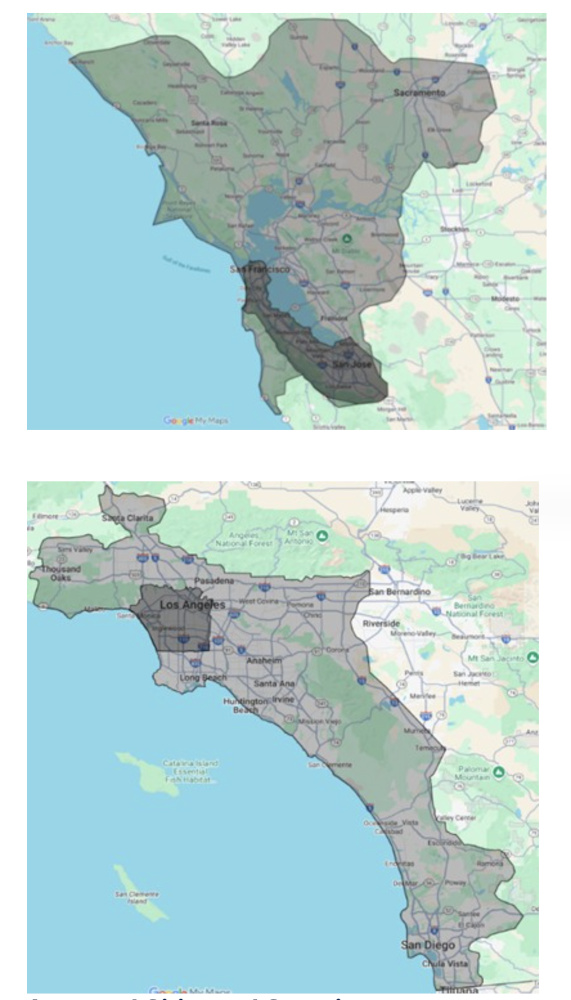
The California DMV has approved Waymo’s request to conduct driverless testing and to deploy its robotaxis in more locations in the state. As CBS News reports, Waymo now has the permission to operate across the whole Bay Area, Sacramento and most of Southern California up to the border of Mexico. It’s a huge expansion, based on the maps the state DMV has provided. In the images below, you’ll see Waymo’s old areas shaded in a darker color, while the locations with a lighter shade indicate areas added in the expansion.

Waymo's new operation map in California.
California DMV

“We're officially authorized to drive fully autonomously across more of the Golden State,” Waymo said in an announcement on X. It didn’t say when it’ll start testing and offering rides to the public in the new areas, but it said the company’s “next stop” in California after this is San Diego. Waymo will start offering rides in the city sometime in mid-2026. It will also deploy robotaxis in Las Vegas, including the Strip with plans to expand to the airport, and Detroit next year. In addition, it recently announced that it’s coming to Miami, Dallas, Houston, San Antonio and Orlando in 2026.

On the Waymo and San Francisco subreddits, people pointed out that Waymo robotaxis could become a hit in Wine Country. People could call them for transportation, for instance, if they’re doing wine tasting.

This article originally appeared on Engadget at https://www.engadget.com/transportation/waymo-gets-california-dmvs-approval-to-test-robotaxis-in-more-areas-170000104.html?src=rss

7 Best Fall-Inspired Designs That Ditch Basic Pumpkin Décor

Autumn is a study in warmth, texture, and tone – a season that favours depth over decoration. While others reach for pumpkin spice everything and orange plastic gourds, these designs capture fall’s essence through terracotta and forest green, reflecting the quiet transformation of nature. In design, these colours bring calm energy and grounded elegance, transforming functional objects into tactile expressions of comfort and craftsmanship.

These seven designs prove you don’t need seasonal clichés to celebrate fall. Through texture, materiality, and muted richness, each product embodies a connection to nature – one that is subtle, enduring, and timeless. Together, they form a narrative of balance, where modern living meets the organic beauty of autumn’s tones without a single jack-o’-lantern in sight.

1. Clay Products – Design That Begins with the Earth

Forget foam pumpkins – clay offers something far more authentic. This ancient material’s tactile texture and thermal balance make it ideal for creating objects that breathe, cool, and connect with their environment. The natural terracotta palette radiates warmth, grounding modern interiors in authenticity and quiet beauty that lasts beyond October.

Beyond its function, clay represents craft, culture, and continuity. Whether shaped into planters, vessels, or humidifiers, it invites sustainability through simplicity. Each curve and imperfection tells a story of touch – a perfect reflection of autumn’s imperfect yet graceful rhythm between art and earth.
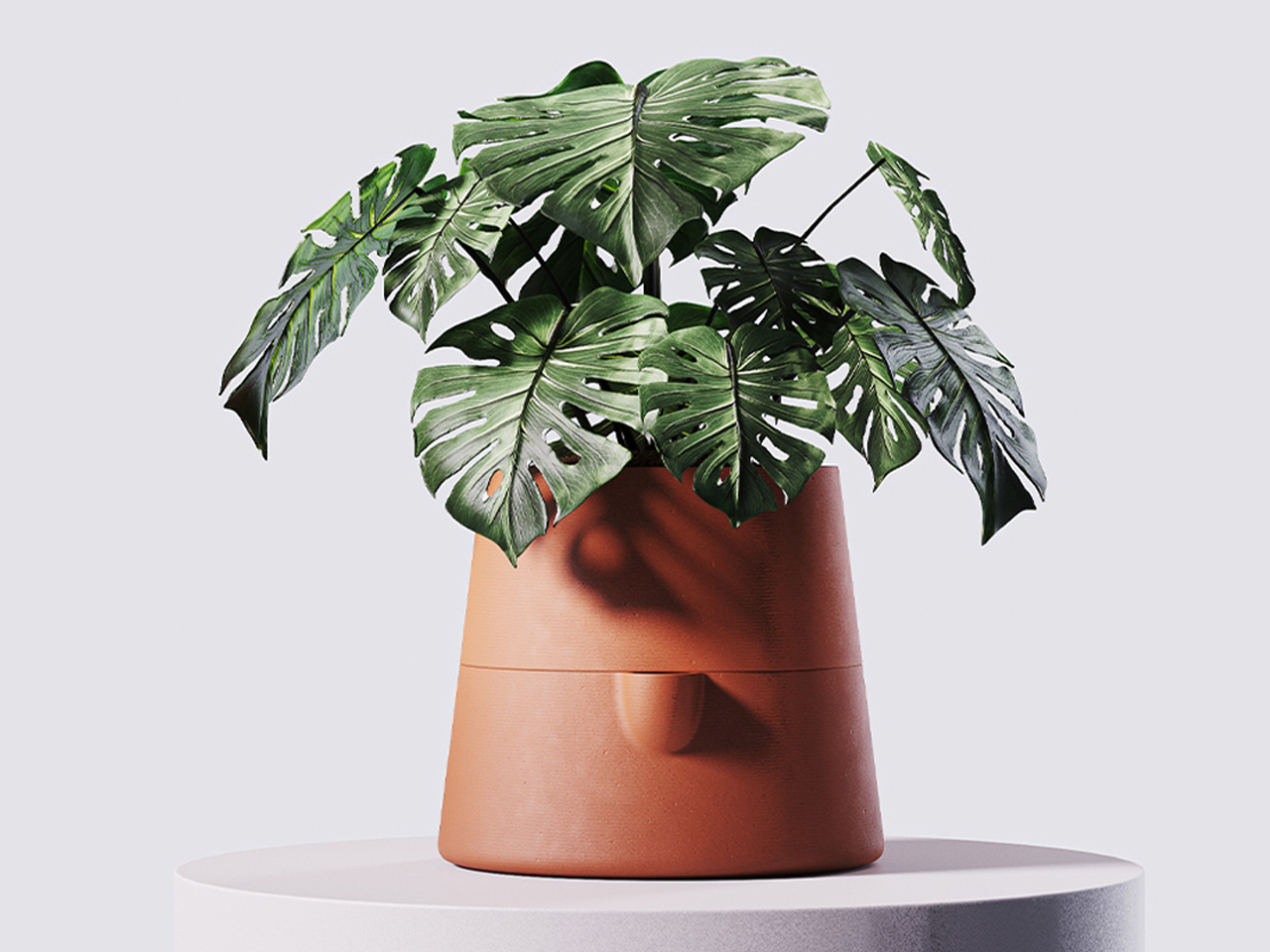
 

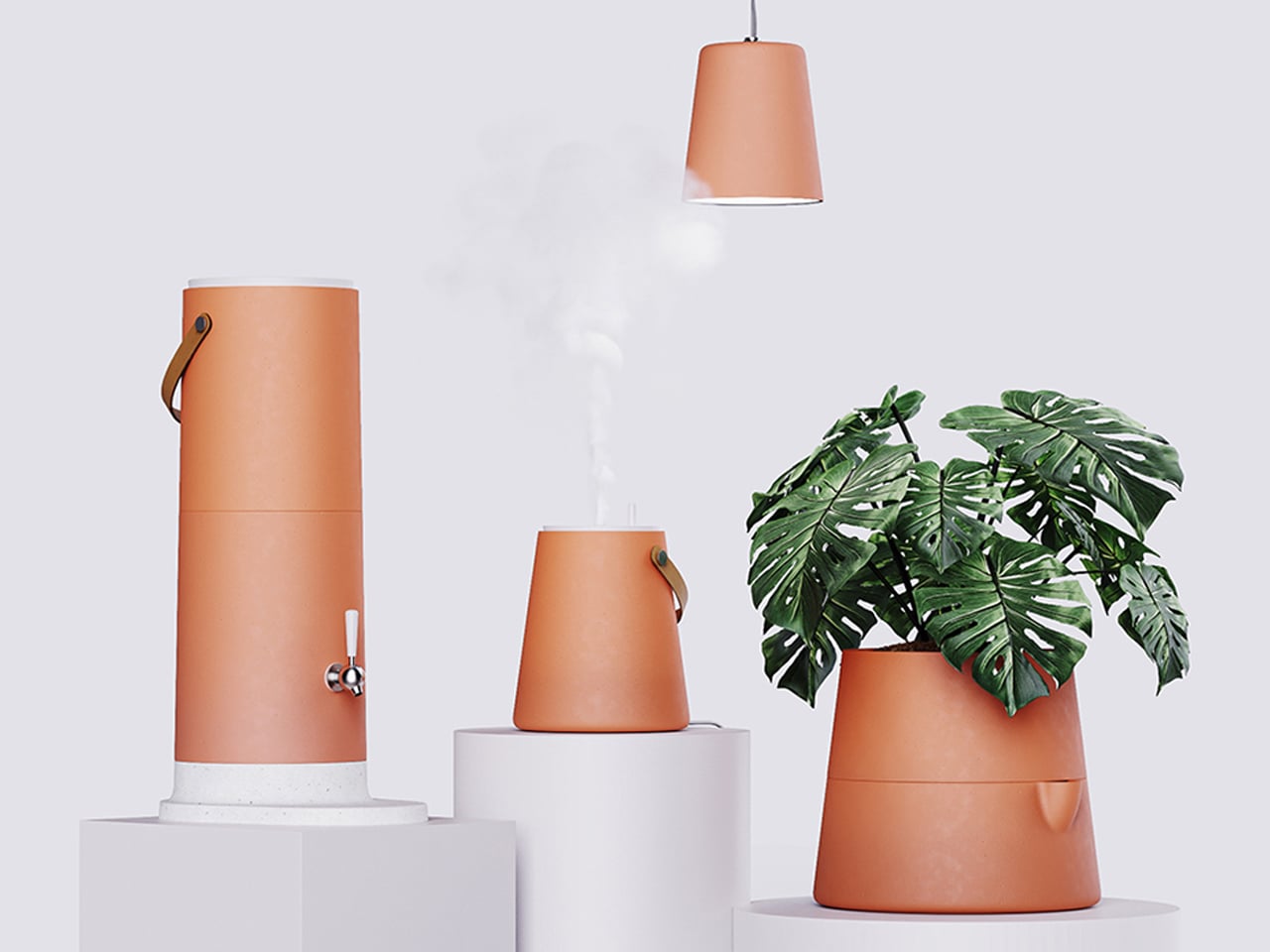
Clay filters are a household staple in Brazil, and designer Lucas Couto extends their legacy by incorporating clay into lamps, filters, and humidifiers. Celebrated for its natural, affordable, and versatile qualities, clay brings both warmth and function to contemporary homes. Couto honours traditional craftsmanship while adding thoughtful details like a handle for the upper reservoir and a base for supporting a glass, drawing inspiration from clay’s natural cooling properties.
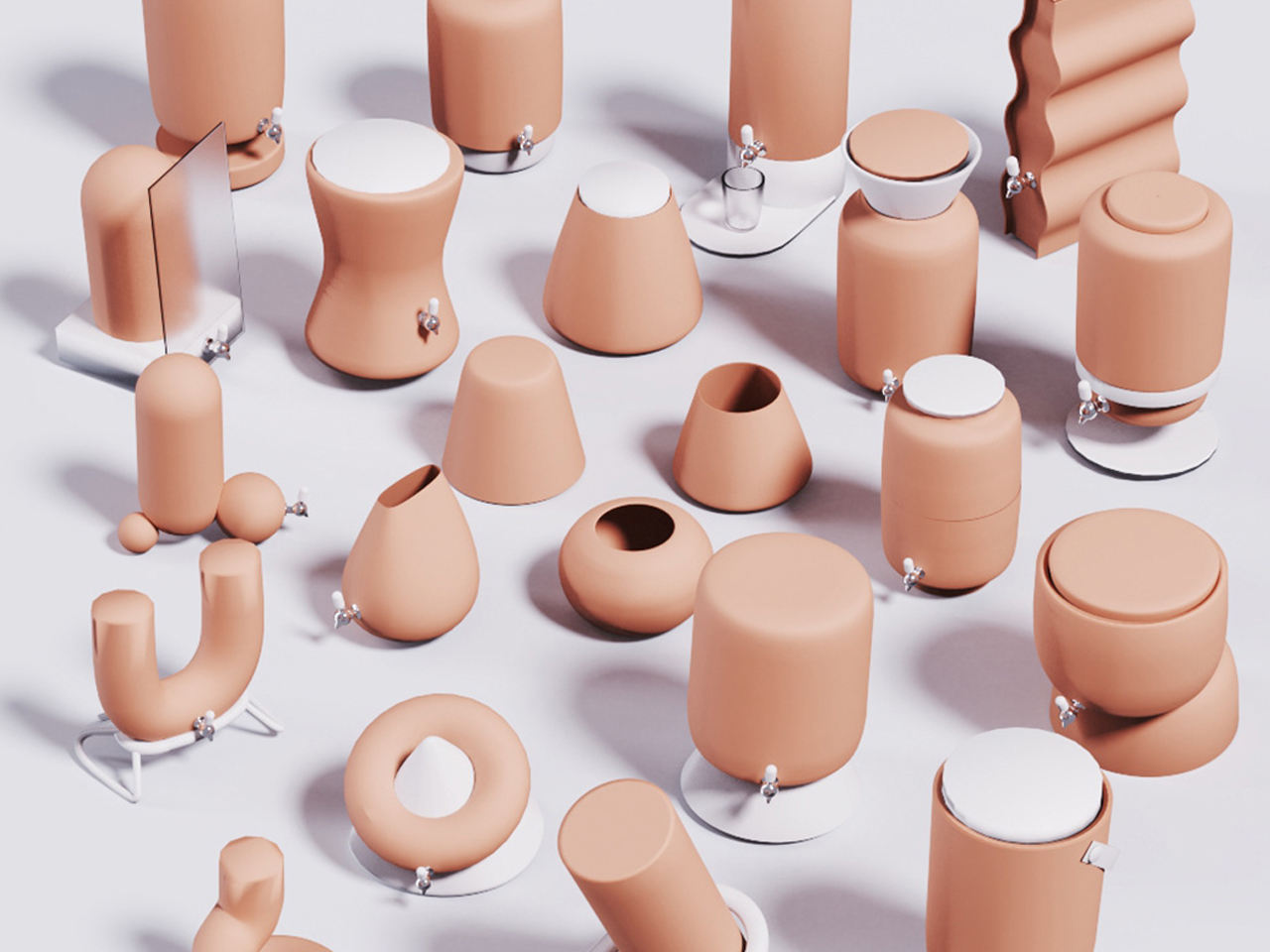
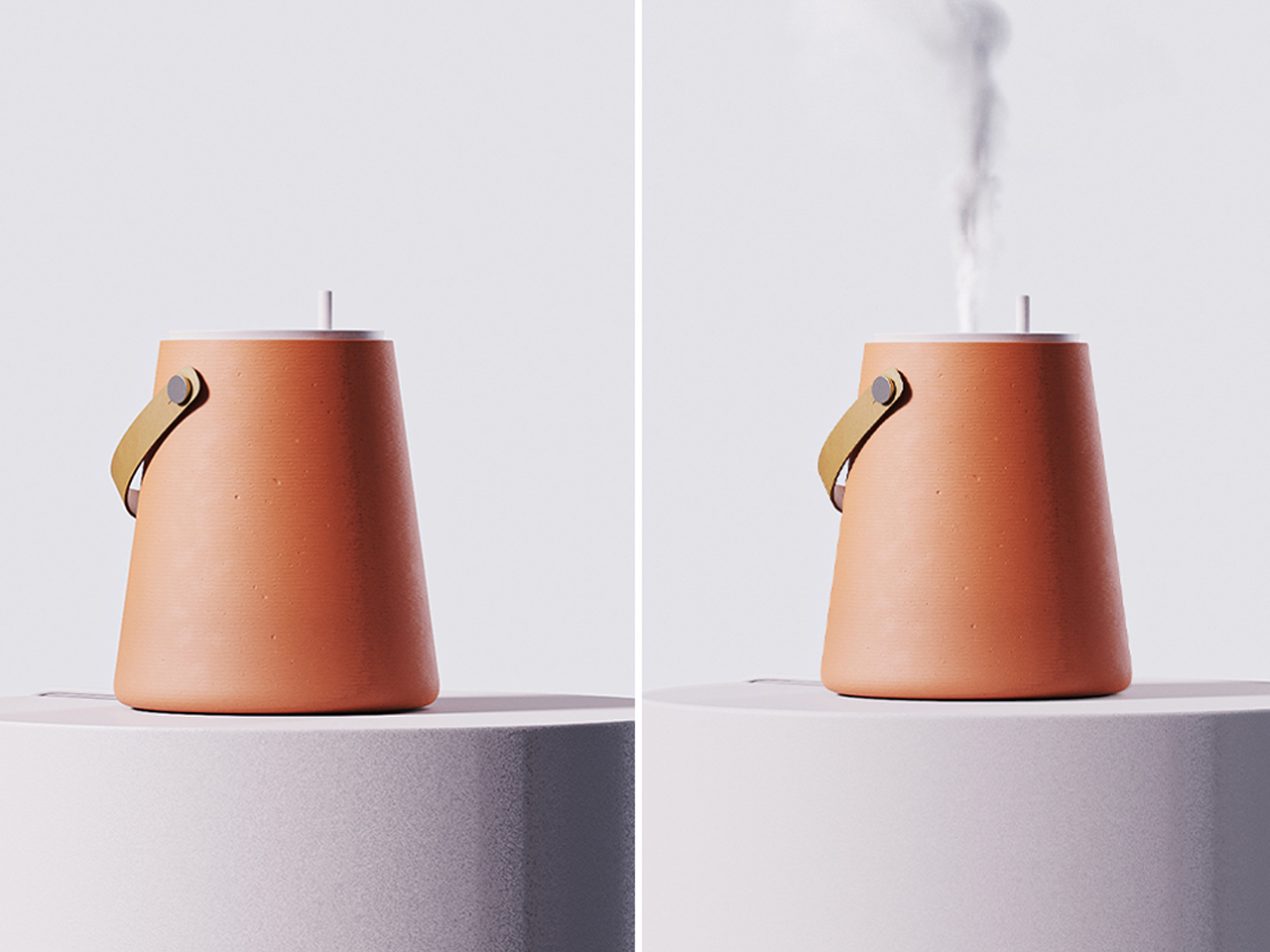
His creations offer a multi-sensory experience through terracotta’s rich colour, texture, and earthy aroma. The collection includes a humidifier, planter, and lamp, each blending tactile beauty with functionality, celebrating clay’s organic elegance in everyday living—no seasonal gimmicks required.

2. Lighting Design – Where Warmth Takes Shape

Real fall ambiance comes from light, not plastic harvest decorations. Lighting defines the mood of a space, especially during fall, when days shorten and evenings invite softness. Designs in forest green or amber tones mimic nature’s fading glow, evoking warmth and intimacy. Sculptural silhouettes and modular forms bring visual rhythm to otherwise quiet interiors.

Modern lighting celebrates both geometry and emotion. Whether diffused or directional, it transforms function into atmosphere. In terracotta and brass, it glows with autumnal richness, capturing the transient beauty of sunlight filtered through changing leaves – subtle, poetic, and endlessly comforting.
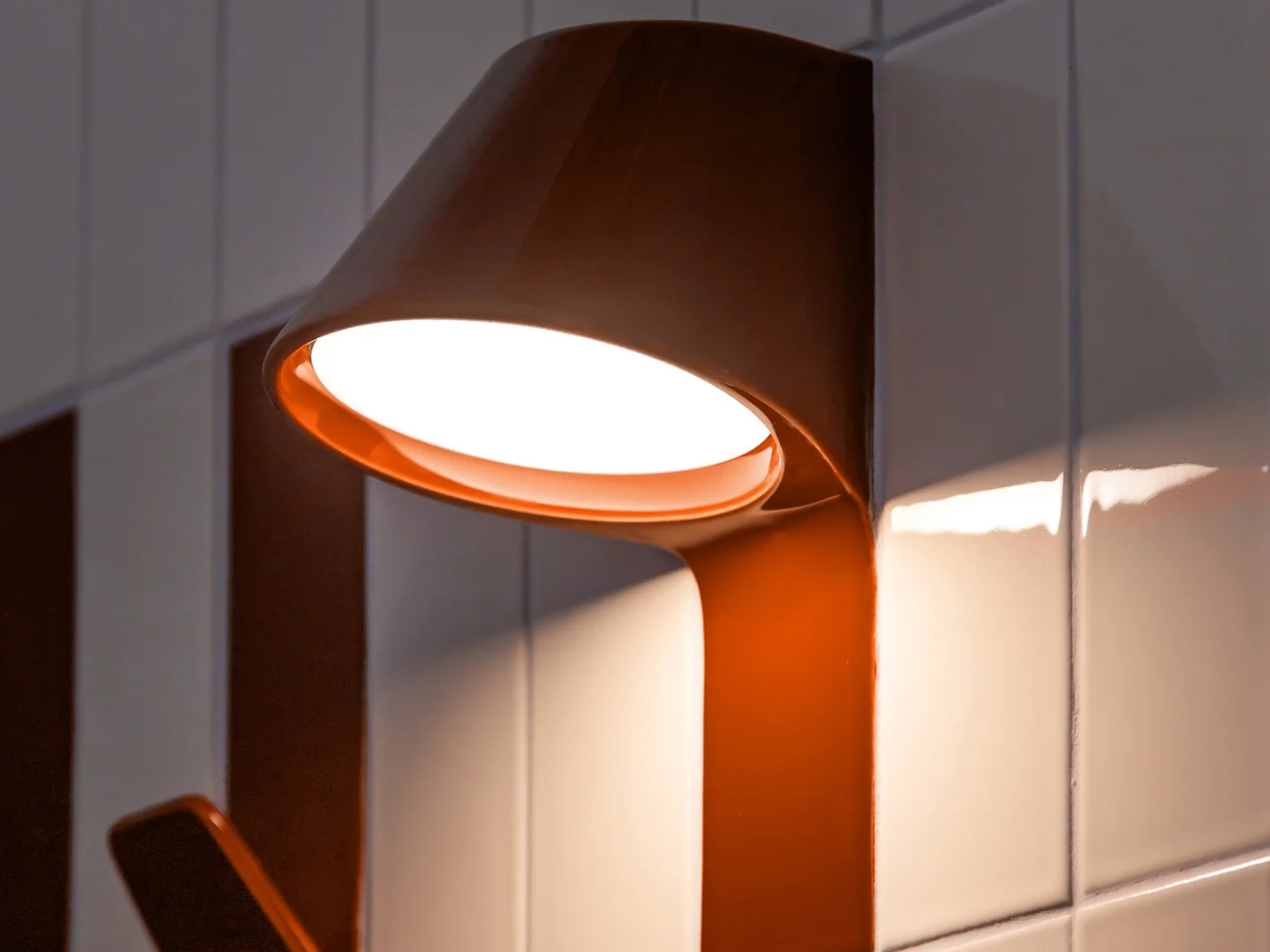
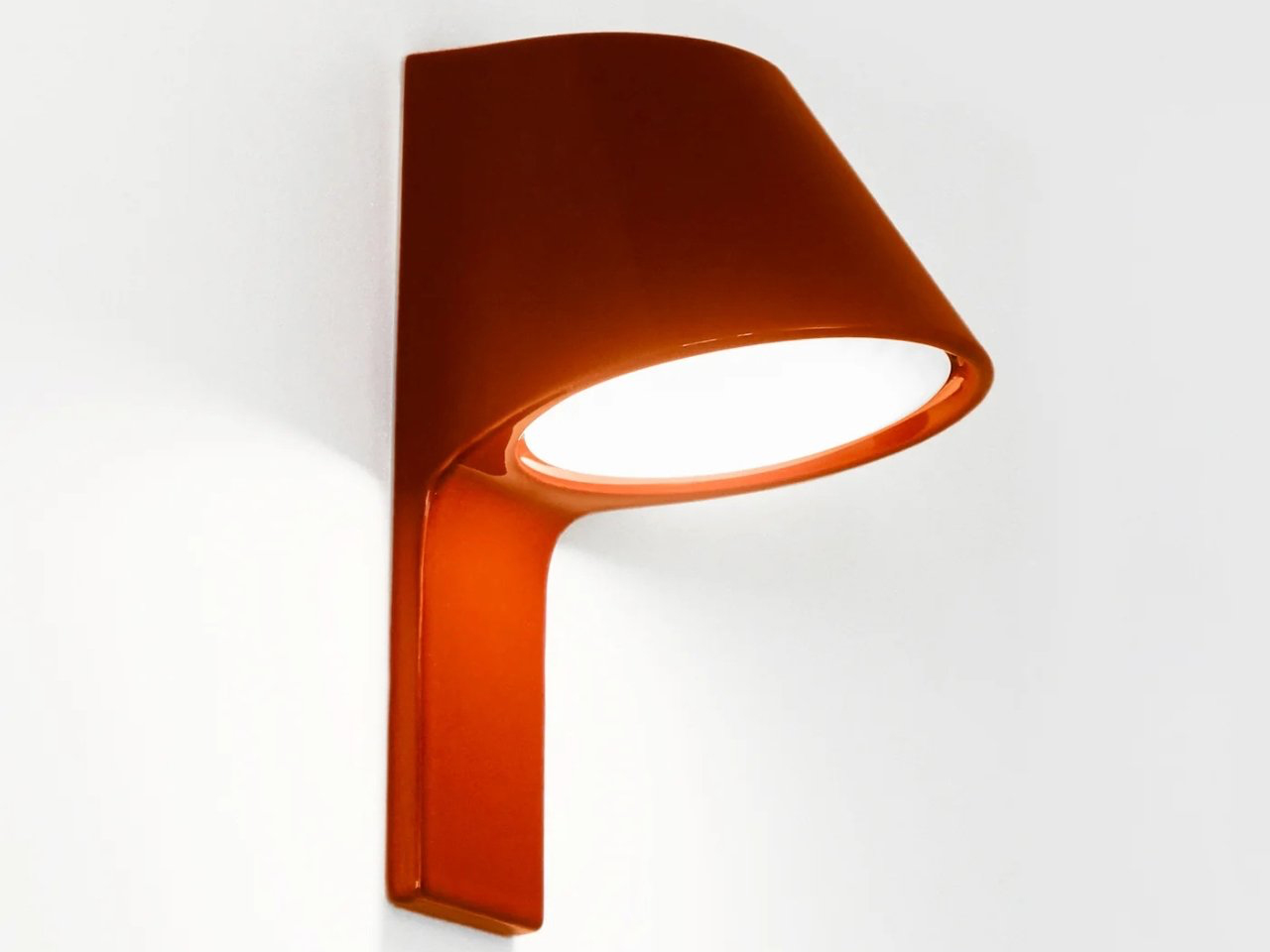
The UU Tiles project by Paris-based studio Unknown, Untitled represents a refined synthesis of functionality and aesthetic innovation. Drawing subtle parallels to the organic warmth of terracotta and the rich tones of autumn, these minimalist tiles integrate lighting, electrical access, and airflow directly into their architectural framework. The result is a contemporary design solution that harmonises practicality with visual sophistication, transforming ordinary surfaces into interactive, multi-sensory elements that feel seasonal without screaming Halloween.
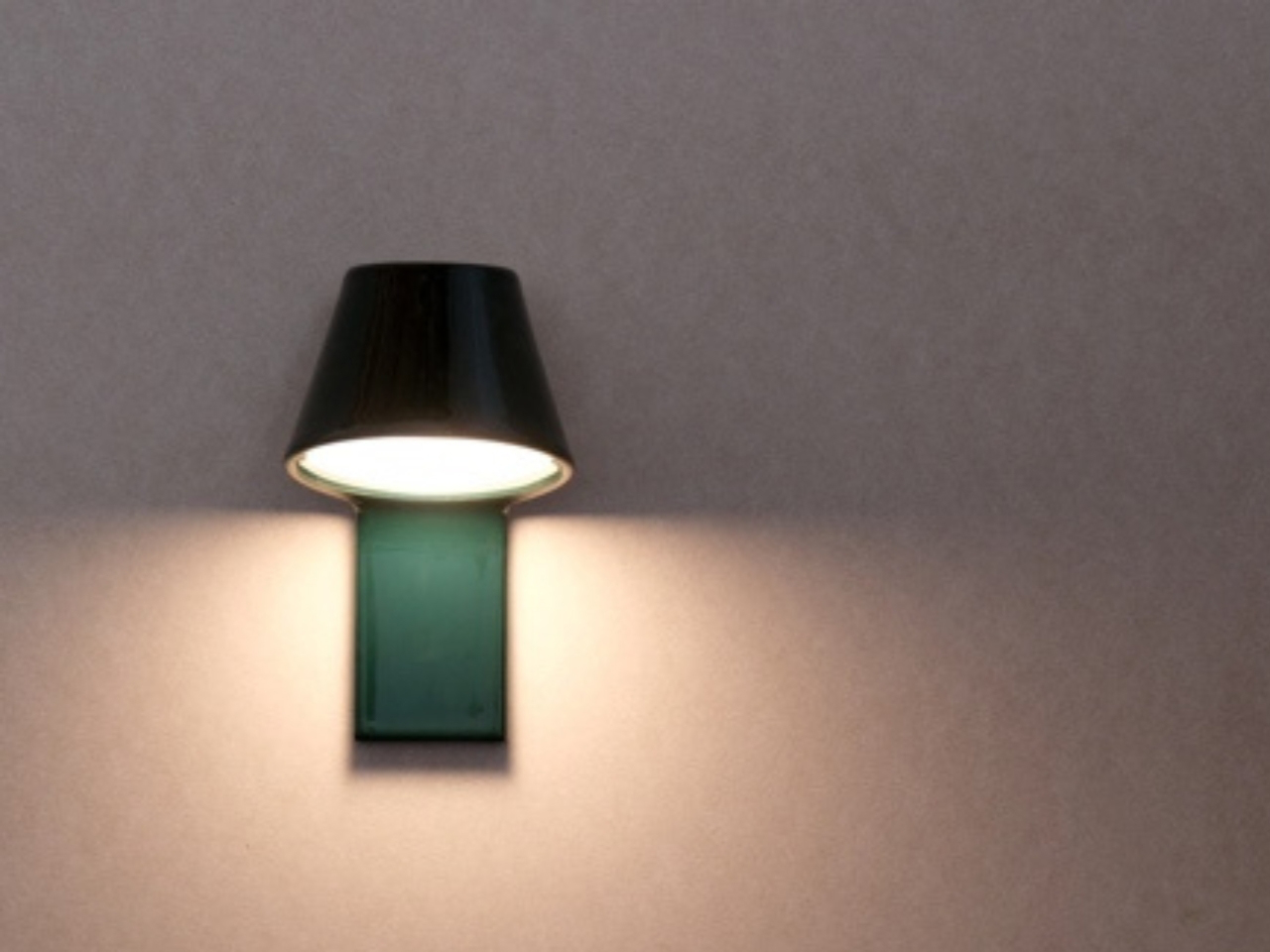
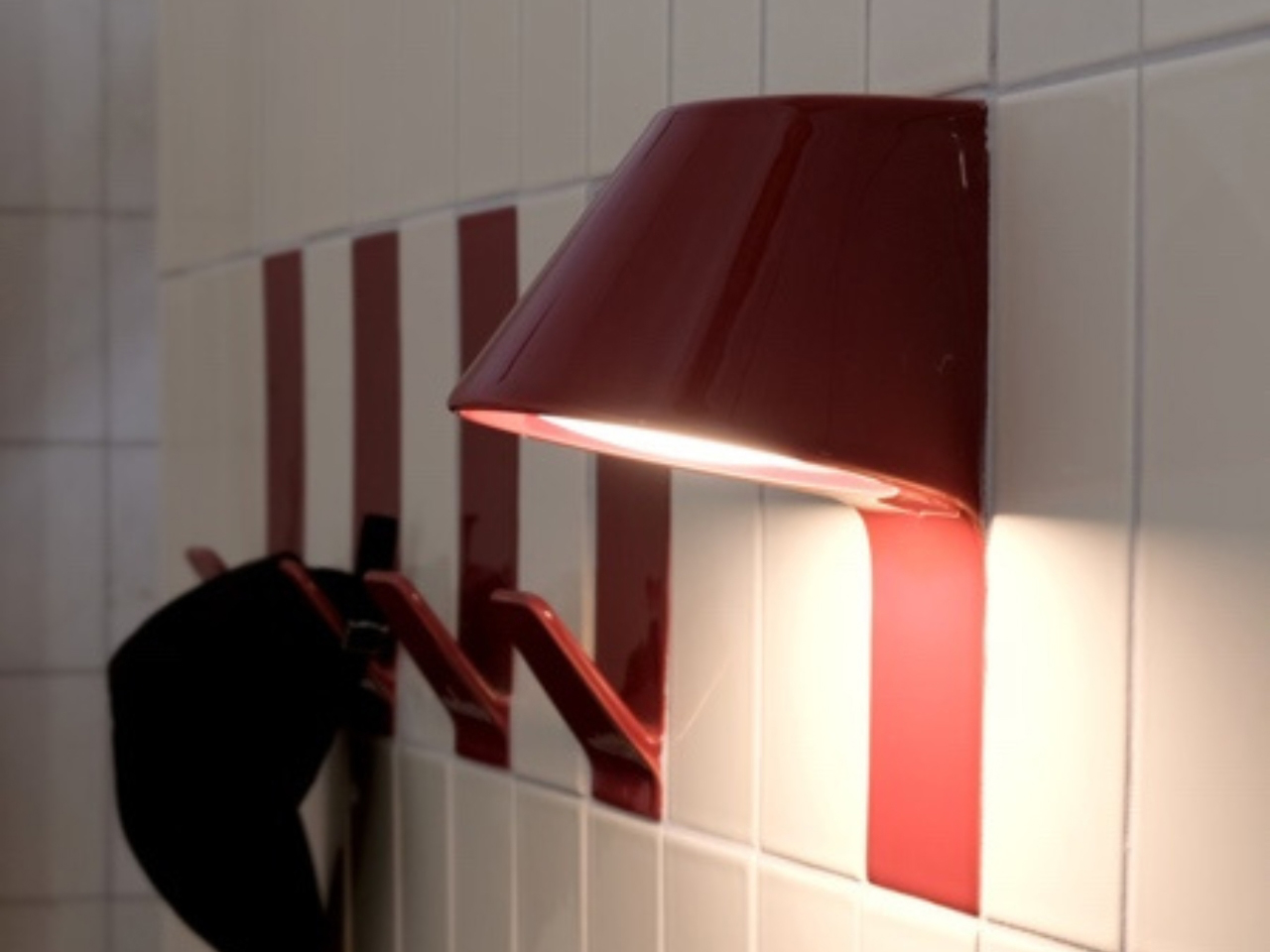
At the core of this collection lies the UU Tiles Lamp, a seamless extension of the wall that emits a gentle, autumn-inspired glow. More than a lighting fixture, it functions as a sculptural architectural component, embodying the studio’s pursuit of balance between form, atmosphere, and functionality.

3. Fluid Furniture – A Sculptural Embrace

Sophisticated fall style flows like autumn winds – not inflatable yard décor. Fluid furniture celebrates the art of continuous motion. With its seamless lines and organic curves, it reflects the natural flow of wind and water – a harmony that is echoed in autumn’s quiet transitions. Crafted from wood, leather, or resin, it embodies a craftsmanship that feels both tactile and timeless.

Each piece balances strength and grace, offering structure without rigidity. The use of rich materials and sculpted contours creates a visual softness ideal for modern interiors. It’s furniture that feels alive – breathing with the space around it and evolving with the season’s changing light, far more elegant than any seasonal tchotchke.
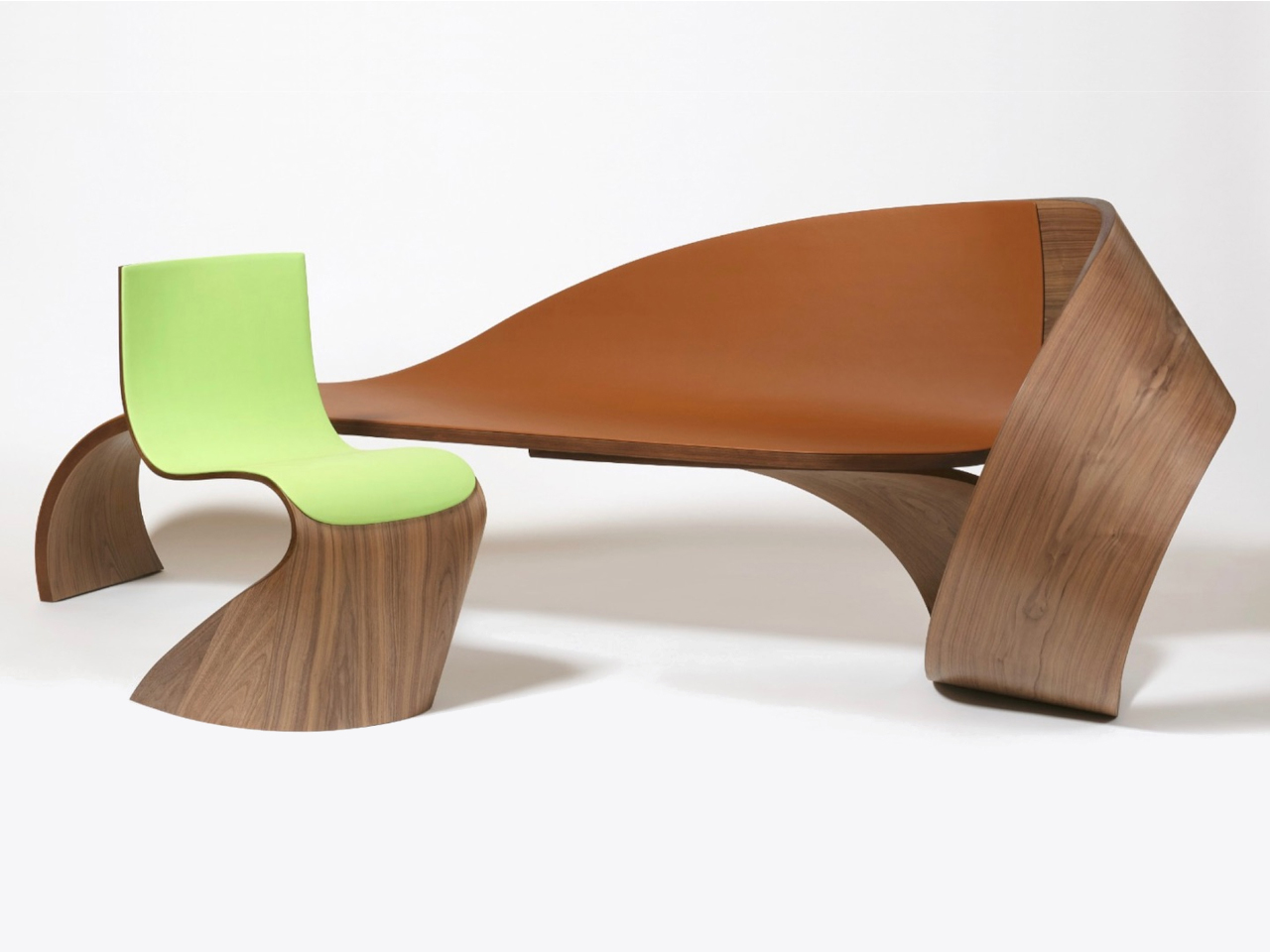
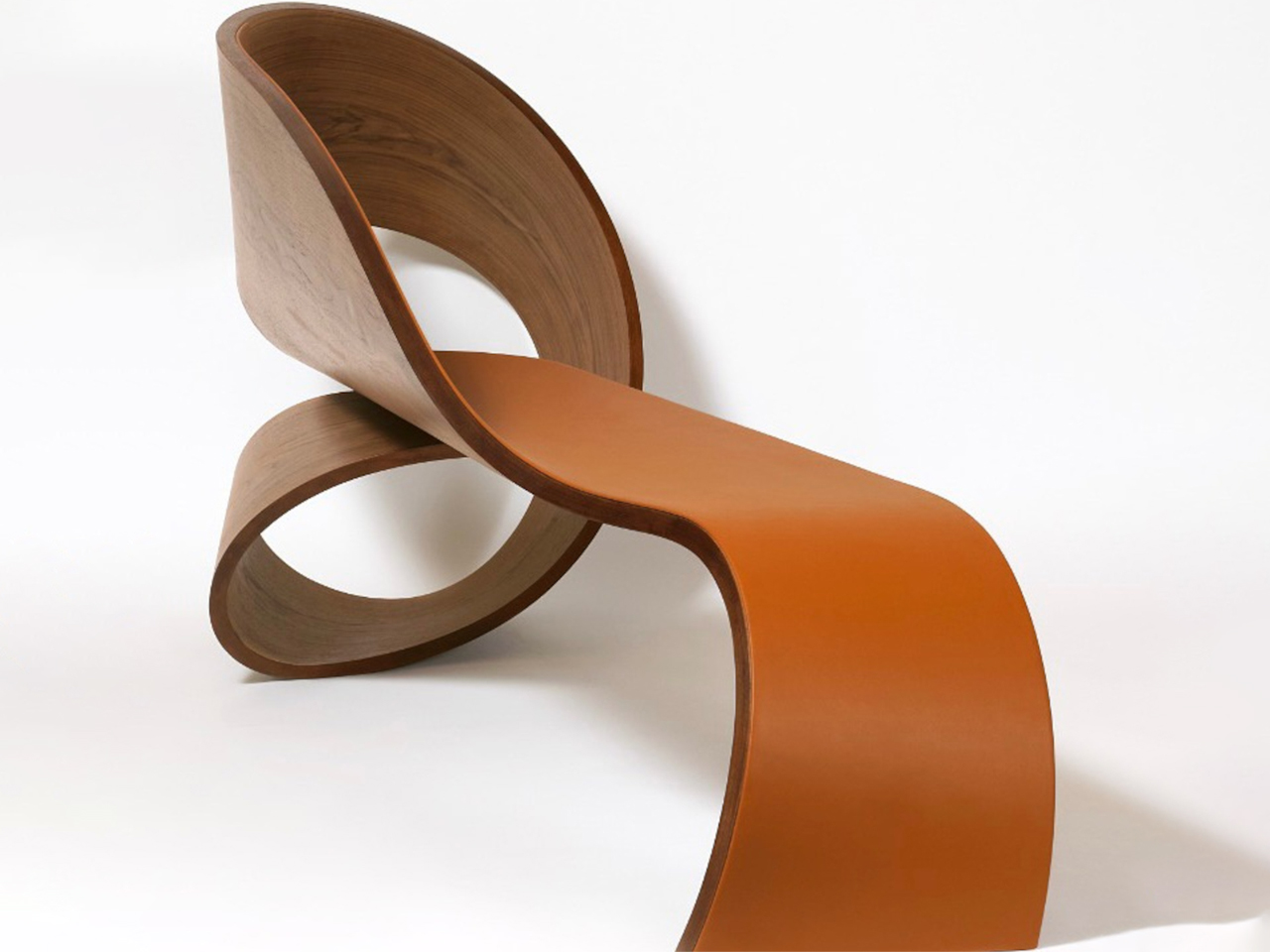
French fashion house Longchamp brings a touch of autumn warmth to interiors with its first furniture collection, created in collaboration with designer Pierre Renart. Echoing the earthy tones of terracotta and the organic spirit of fall, the collection fuses Longchamp’s renowned leather craftsmanship with Renart’s fluid woodworking. The Wave bench, upholstered in cashew-toned leather, captures the softness of natural materials and the gentle movement of fabric, embodying elegance and warmth.
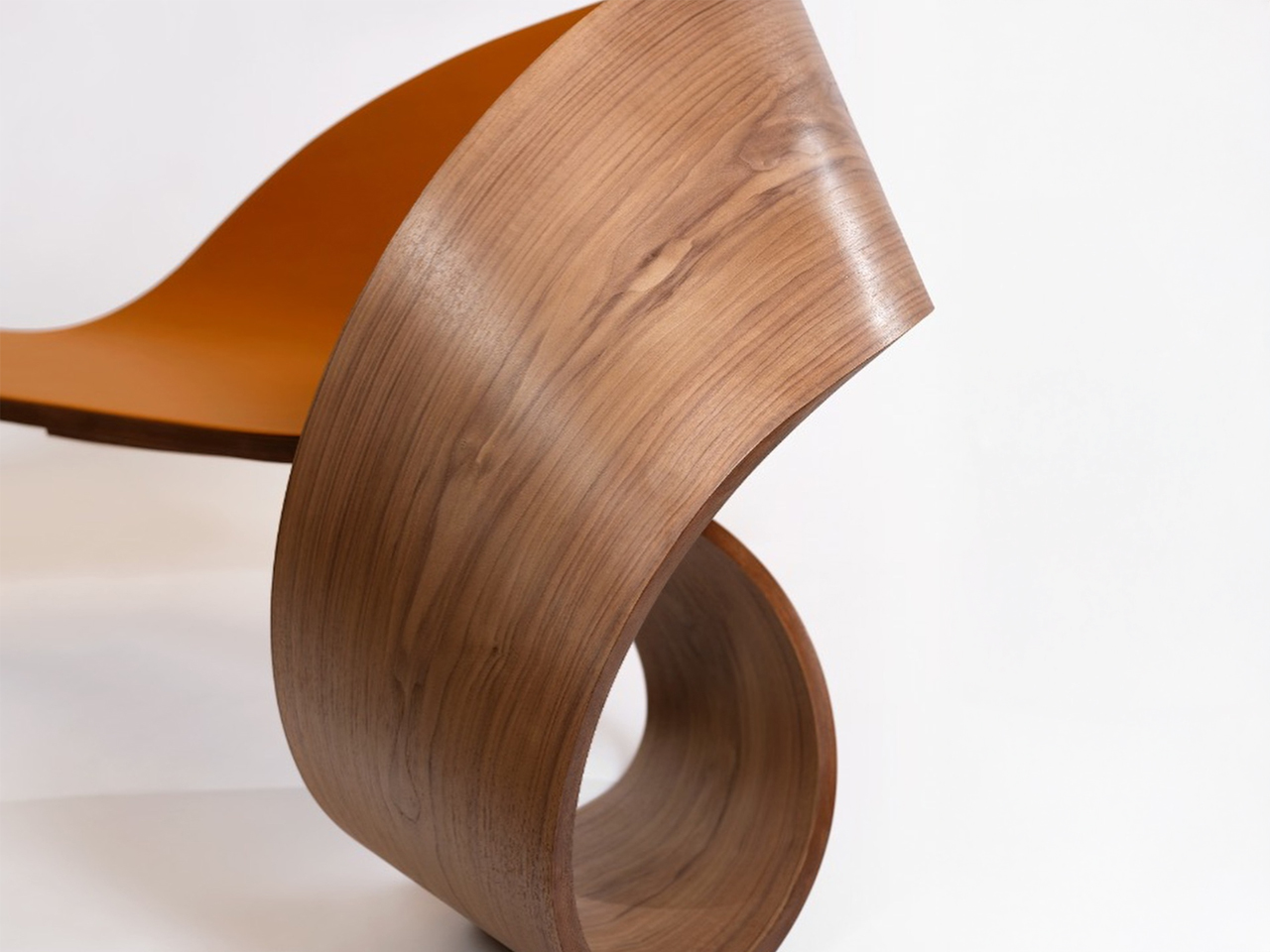
The Ruban chairs complement this palette with shades inspired by forest greens and sunlit browns, evoking the hues of fall foliage. Together, they celebrate craftsmanship, sustainability, and timeless seasonal beauty that never goes out of style when November arrives.

4. Coffee Table – A Bold Accent in Clay Red

Skip the pumpkin-shaped serving trays – a statement coffee table grounds your fall aesthetic. A coffee table anchors a living room, both visually and functionally. In earthy tones like terracotta or deep red, it becomes the focal point – a grounding presence that radiates warmth. Designs often combine geometry and storage, merging practicality with expressive form.

Beyond its purpose, the coffee table invites connection – a surface for books, conversation, and ritual. Whether minimal or sculptural, it captures the essence of modern living: simplicity enriched by texture, colour, and thoughtful proportion.
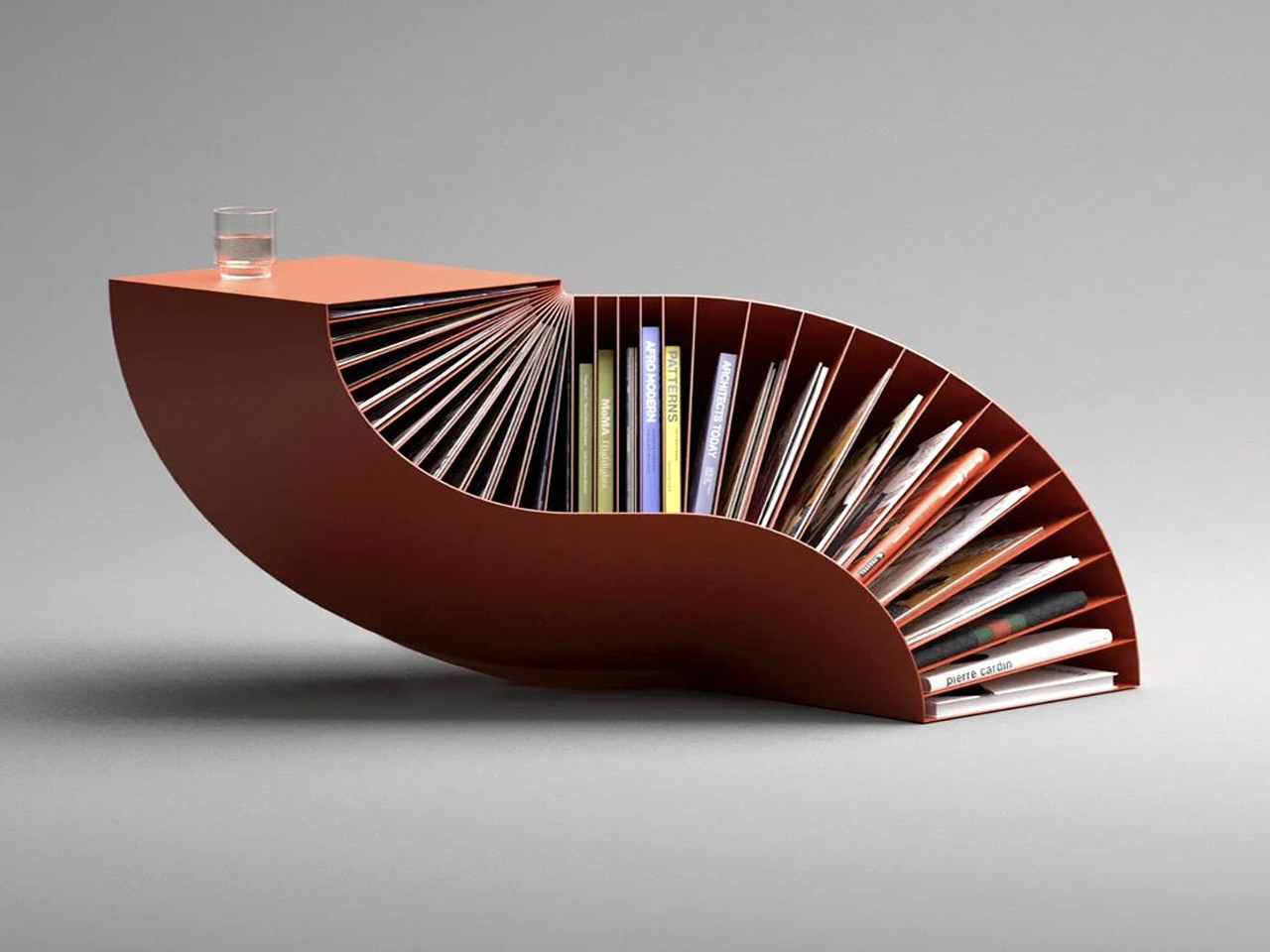
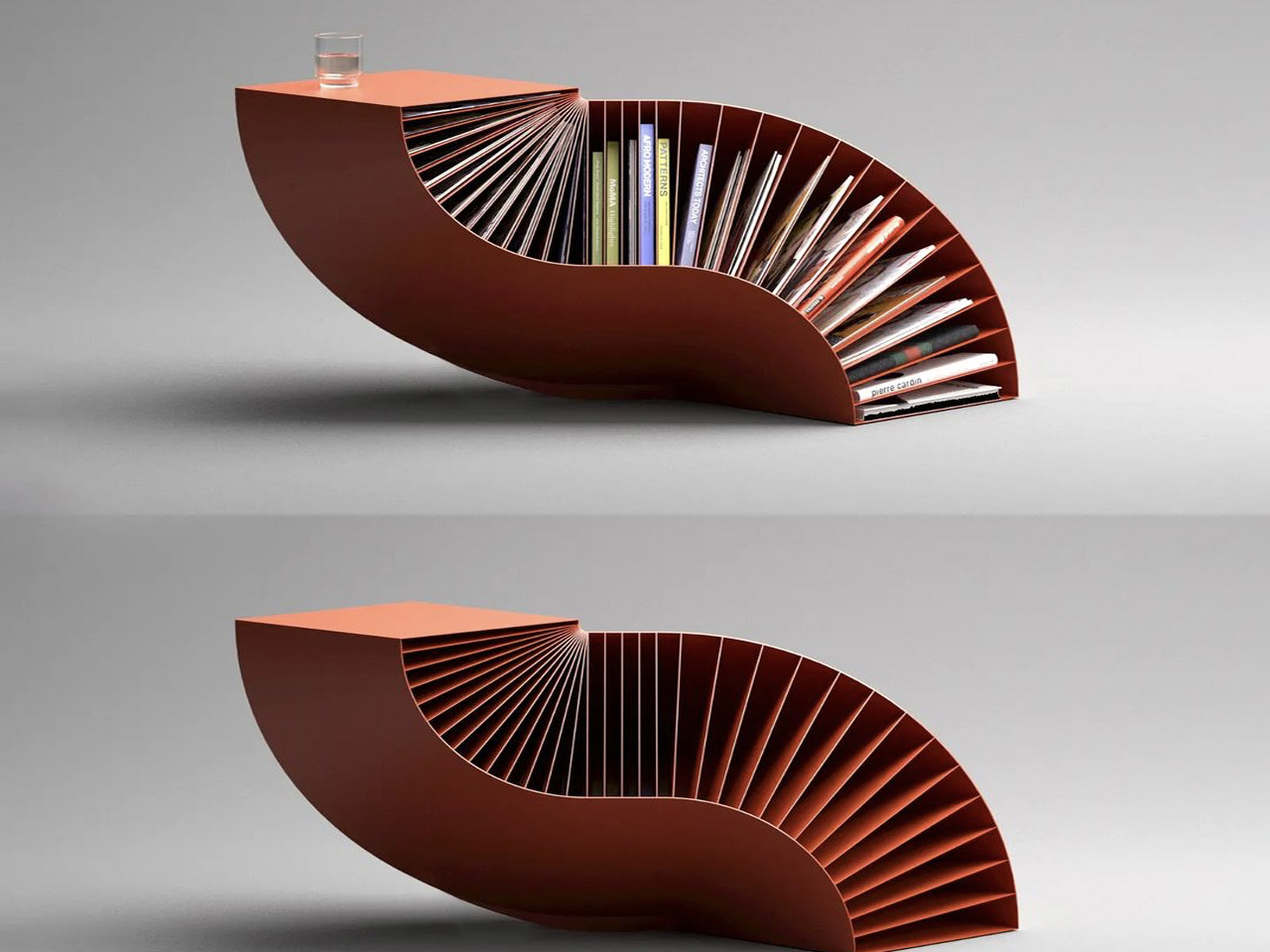
The Bookpet coffee table by designer Deniz Aktay embodies the warmth and elegance of terracotta hues, perfectly echoing the rich tones of autumn interiors. Crafted from a double-bent cuboid structure, its sculptural silhouette adds visual depth while offering built-in storage for books and magazines. The fluid lines and earthy palette create a sense of movement and comfort, making it a statement piece for contemporary living spaces.
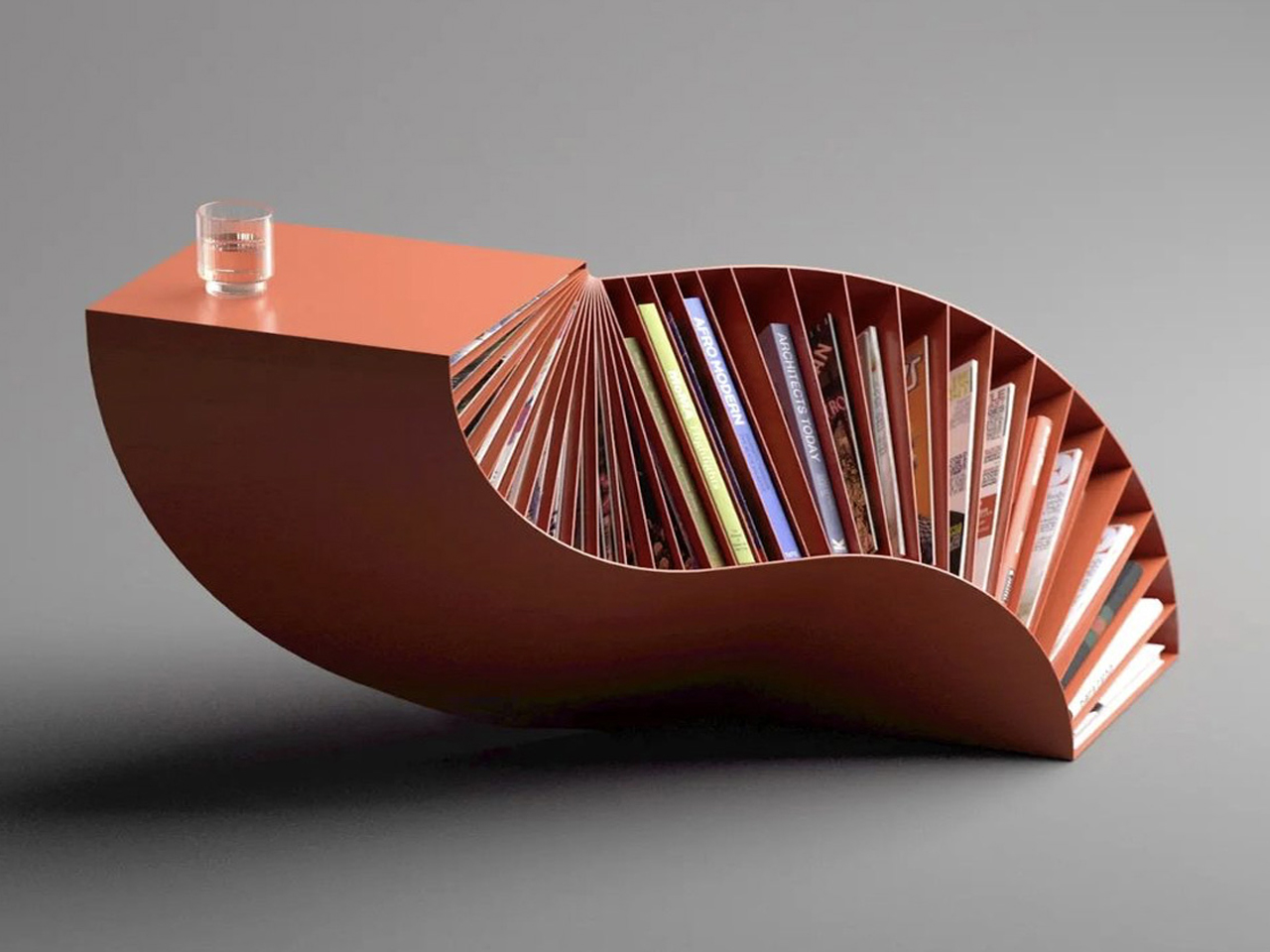
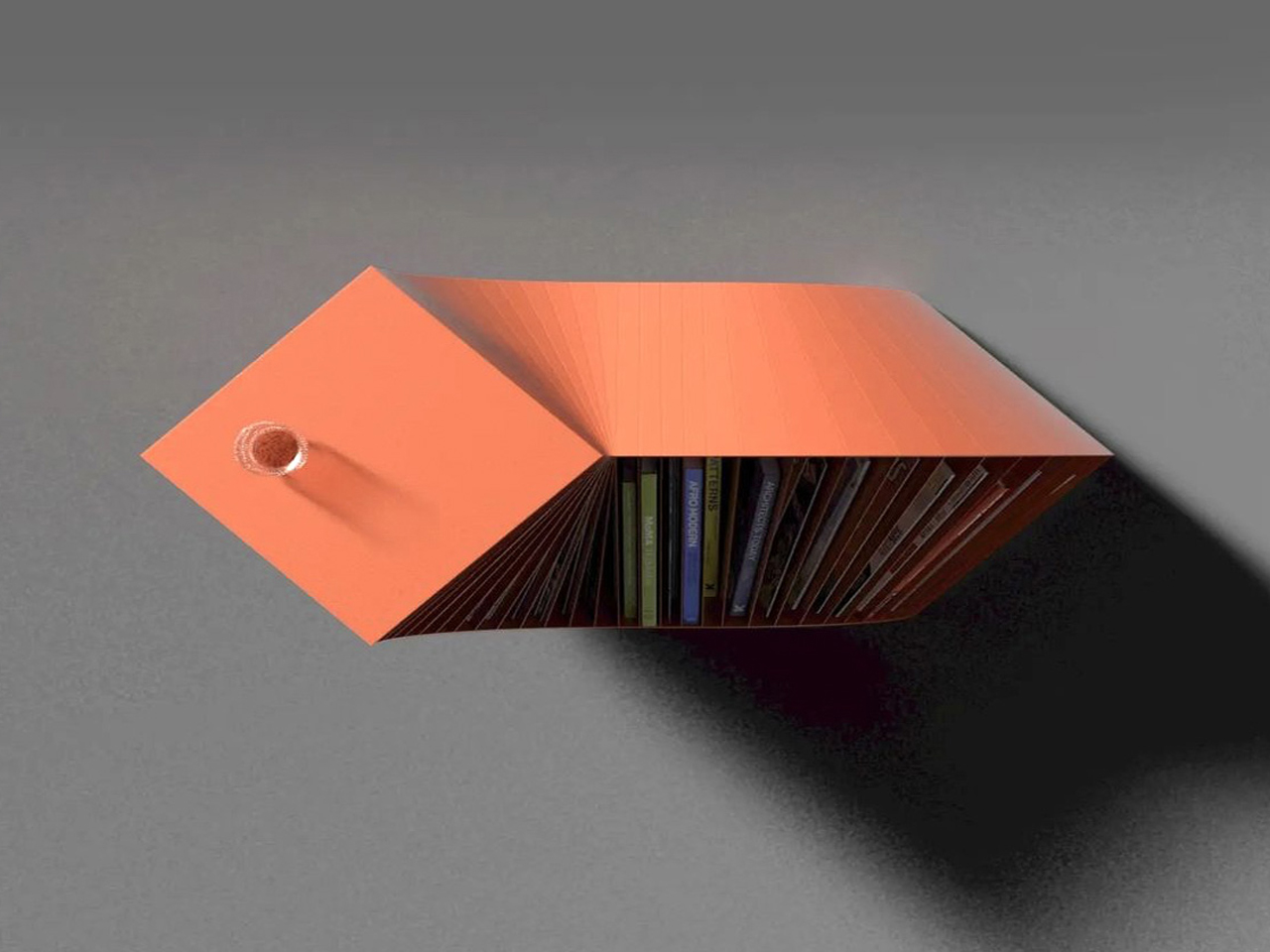
Designed for compact modern homes, Bookpet balances form, function, and seasonal warmth. Its terracotta-inspired finish complements fall décor, while the integrated nooks provide practical organisation – capturing the essence of cosy, organic, and thoughtfully crafted design that celebrates the season year-round.

5. Range Hood – Clean Air, Clear Mind

Nothing says sophisticated fall cooking like a kitchen that doesn’t rely on pumpkin spice candles to mask odours. The range hood is where performance meets aesthetic restraint. In contemporary kitchens, it’s no longer just an appliance but a quiet design statement. Compact, sleek, and minimal, it ensures clean air while blending into its surroundings with seamless precision.

Muted finishes like matte green or brushed metal soften its presence, allowing harmony within the cooking space. It represents how innovation can coexist with calm – a balance between efficiency and beauty that aligns perfectly with fall’s unhurried spirit.
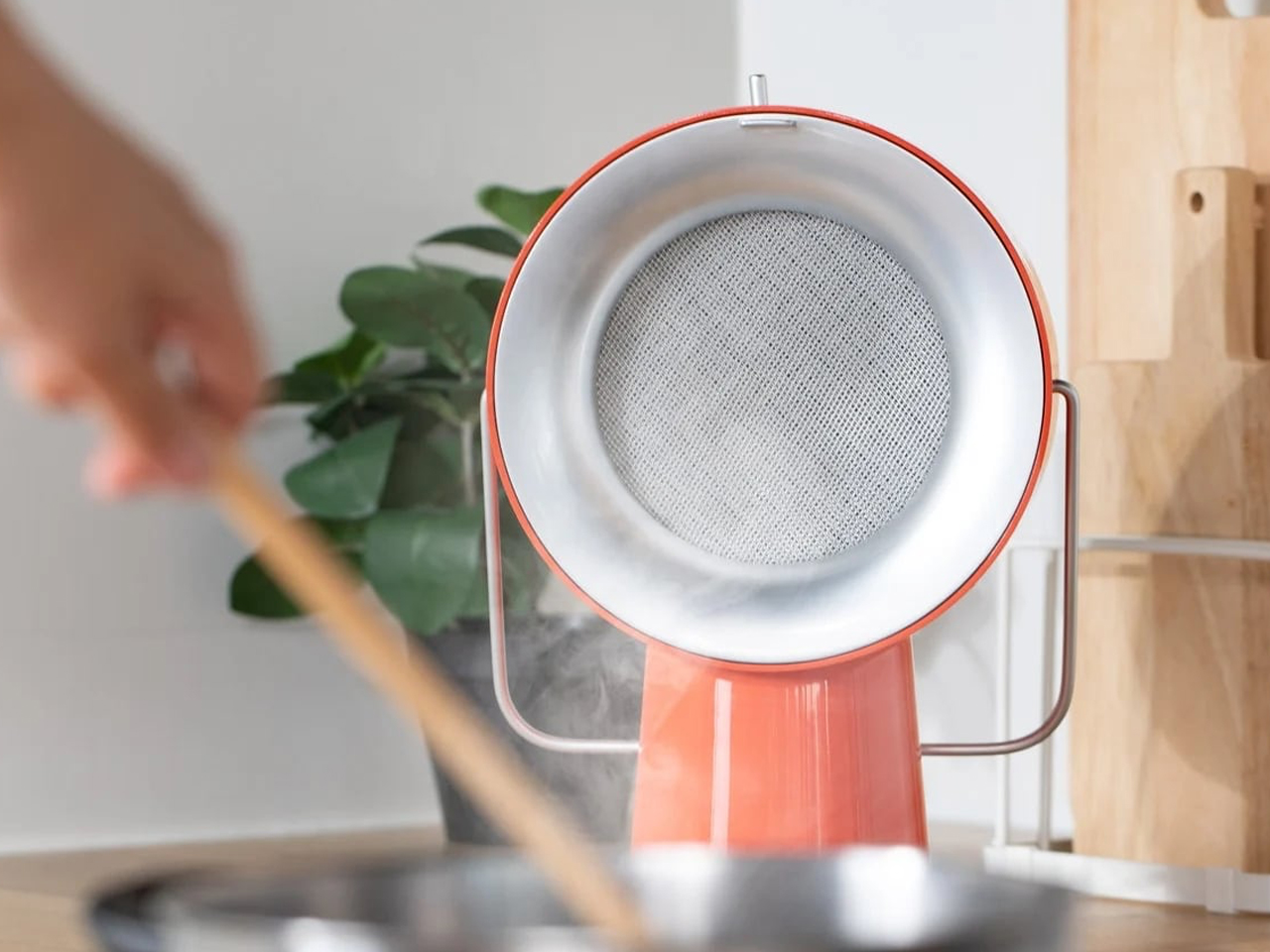
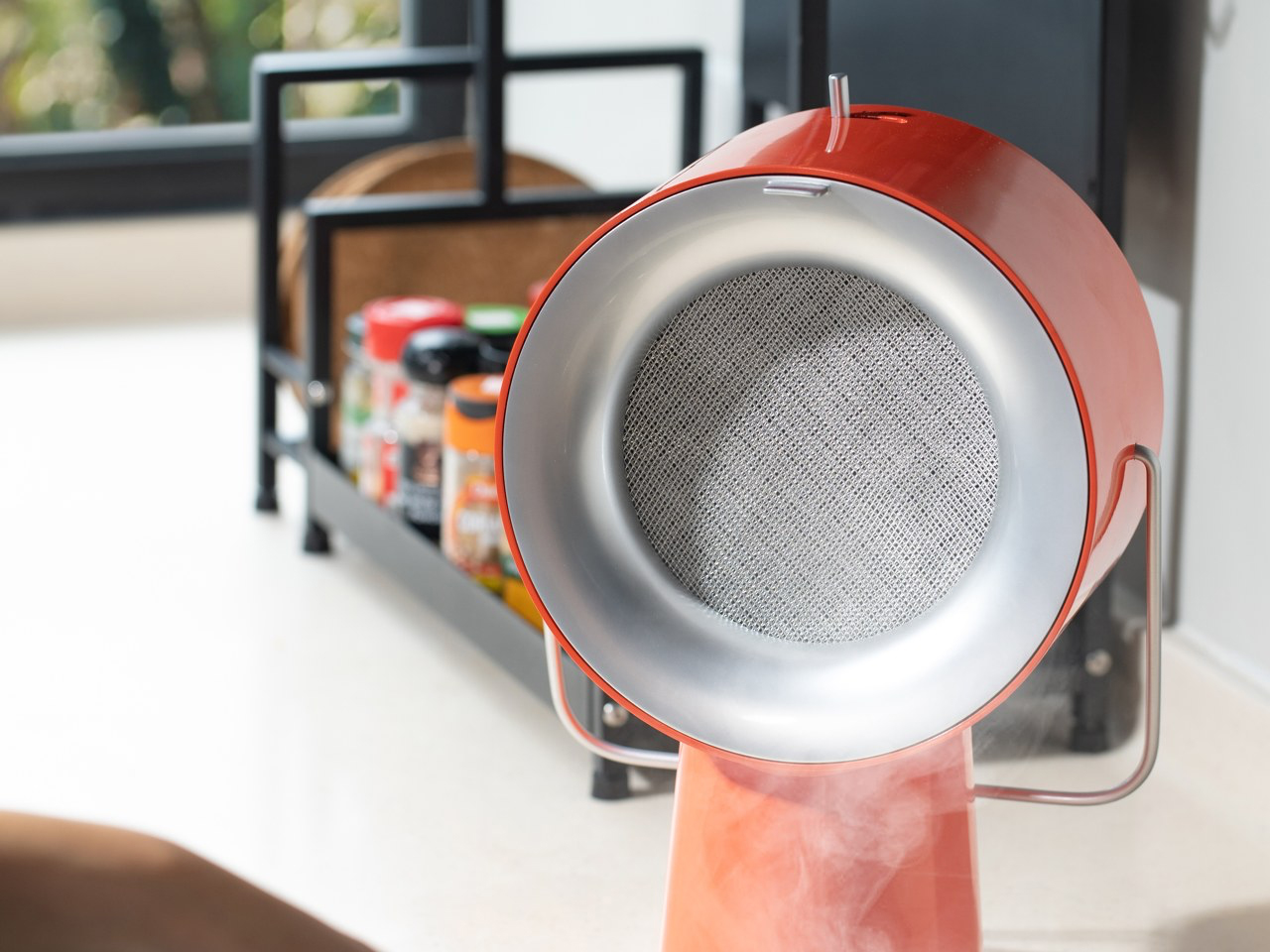
Home-cooked meals are ideal, but the mess and lingering smells from stovetop cooking often discourage the habit. The AirHood solves this by drawing in smoke and oily fumes before they stain walls and counters, helping you cook without dreading the clean-up. Its warm terracotta finish blends beautifully with autumn-toned kitchens and cosy seasonal palettes.
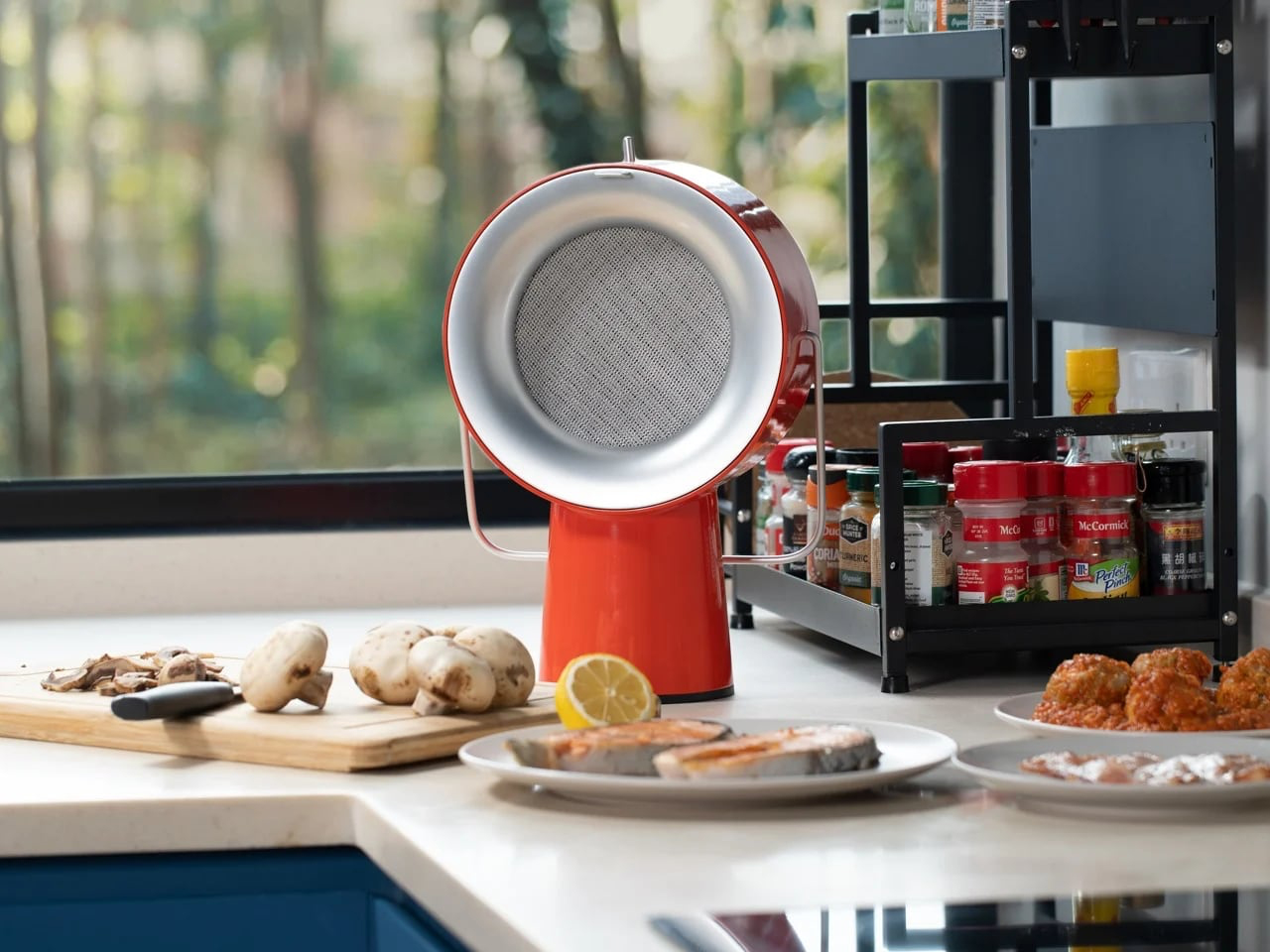
Charcoal filters neutralise odours, while a stainless-steel oil filter traps grease that would otherwise cling to surfaces. Both are easy to remove and clean. Portable and optionally wireless, the AirHood delivers a calm, cleaner cooking ritual – especially welcome as kitchens shift to earthier fall hues without the kitsch.

6. Desk Organizer – Nature’s Order at Your Fingertips

Bring fall to your workspace without the miniature pumpkin parade. A well-designed desk organiser creates visual calm amid daily chaos. Drawing inspiration from leaves, pebbles, or branches, it brings organic balance to modern workspaces. The use of natural textures and earthy colours evokes tranquillity while maintaining functionality.

Each element, including a tray, stand, or holder, becomes a sculptural accent rather than clutter. Terracotta or forest tones add grounded beauty to productivity, turning everyday organisation into a design ritual rooted in mindfulness and grace – not seasonal gimmicks.
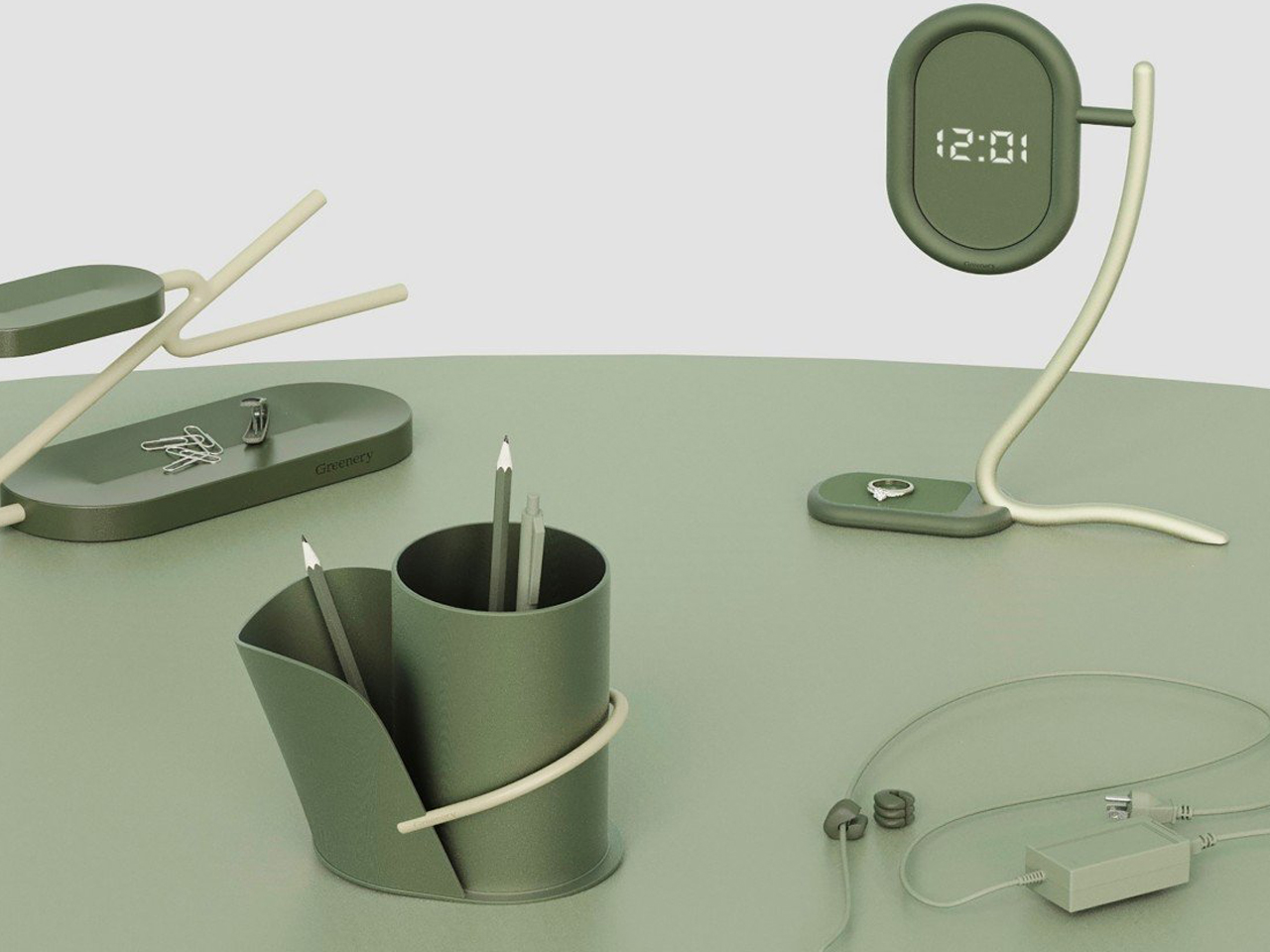
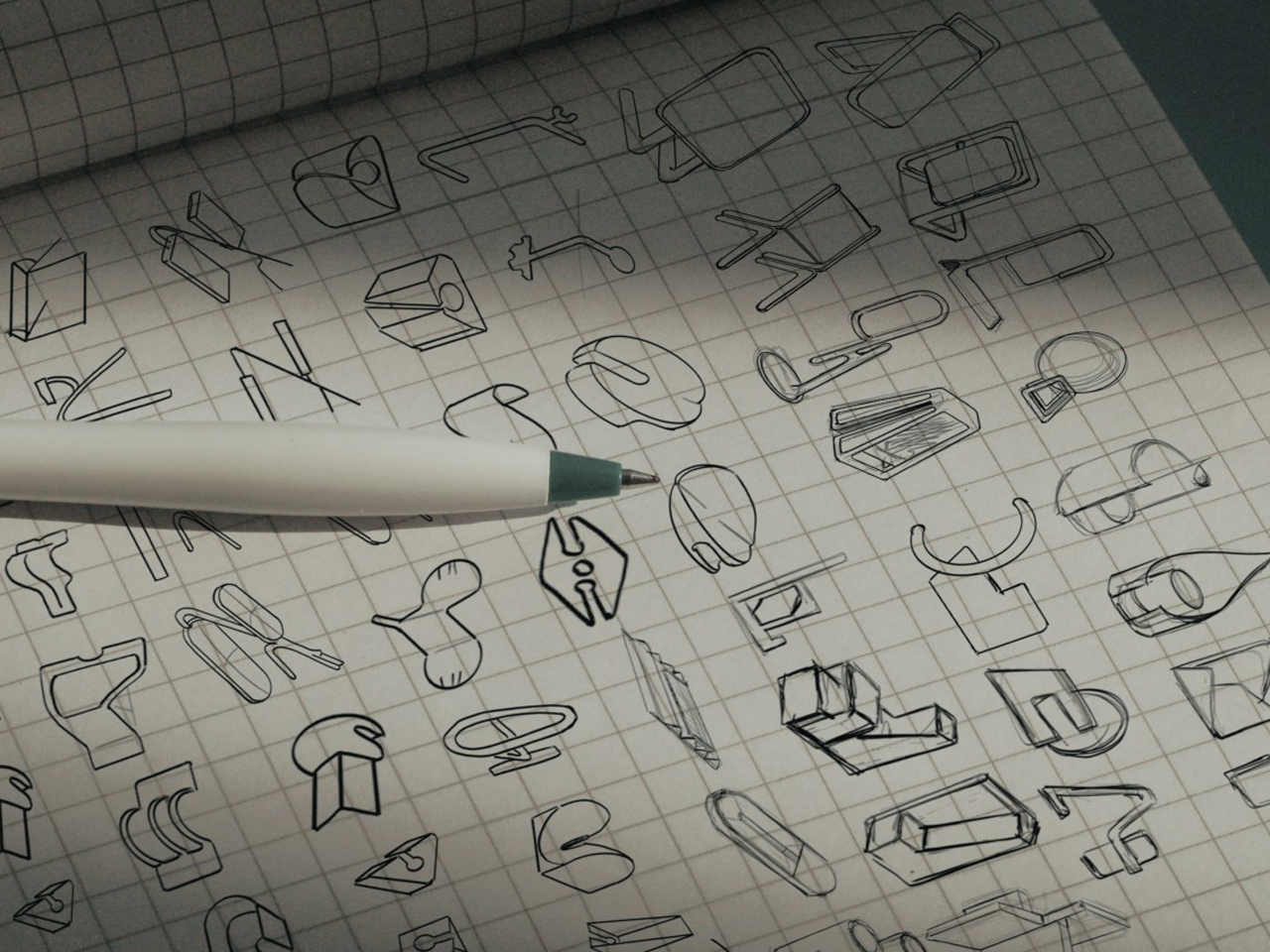
Workplace stress is often addressed with tidy desks, inspiring objects, and a touch of greenery, although real plants aren’t always practical. These nature-inspired accessories offer the same calming cue without maintenance. Rendered in deep forest green and muted autumn hues, they bring a grounded, seasonal warmth to the desktop while keeping the footprint minimal.
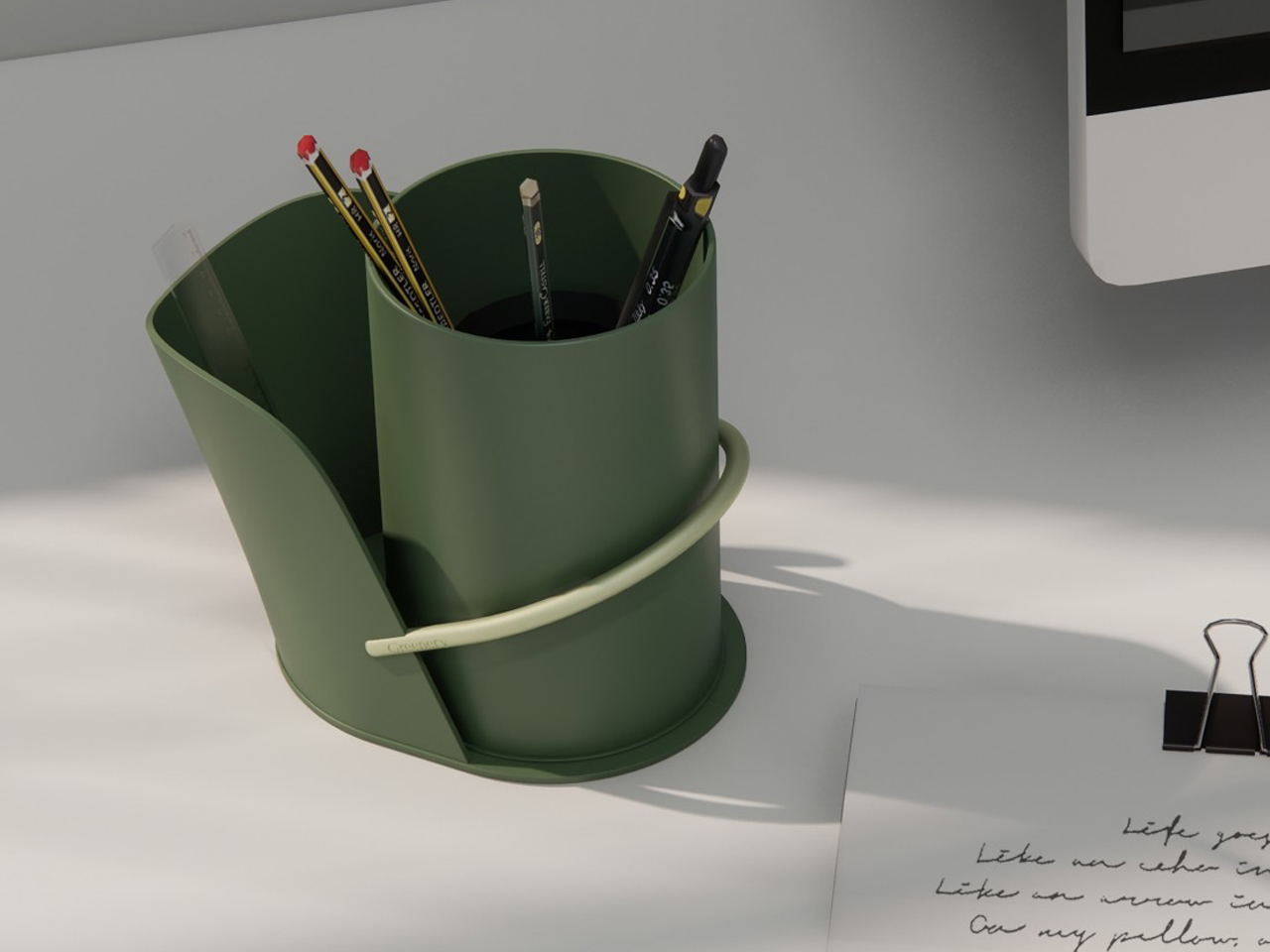
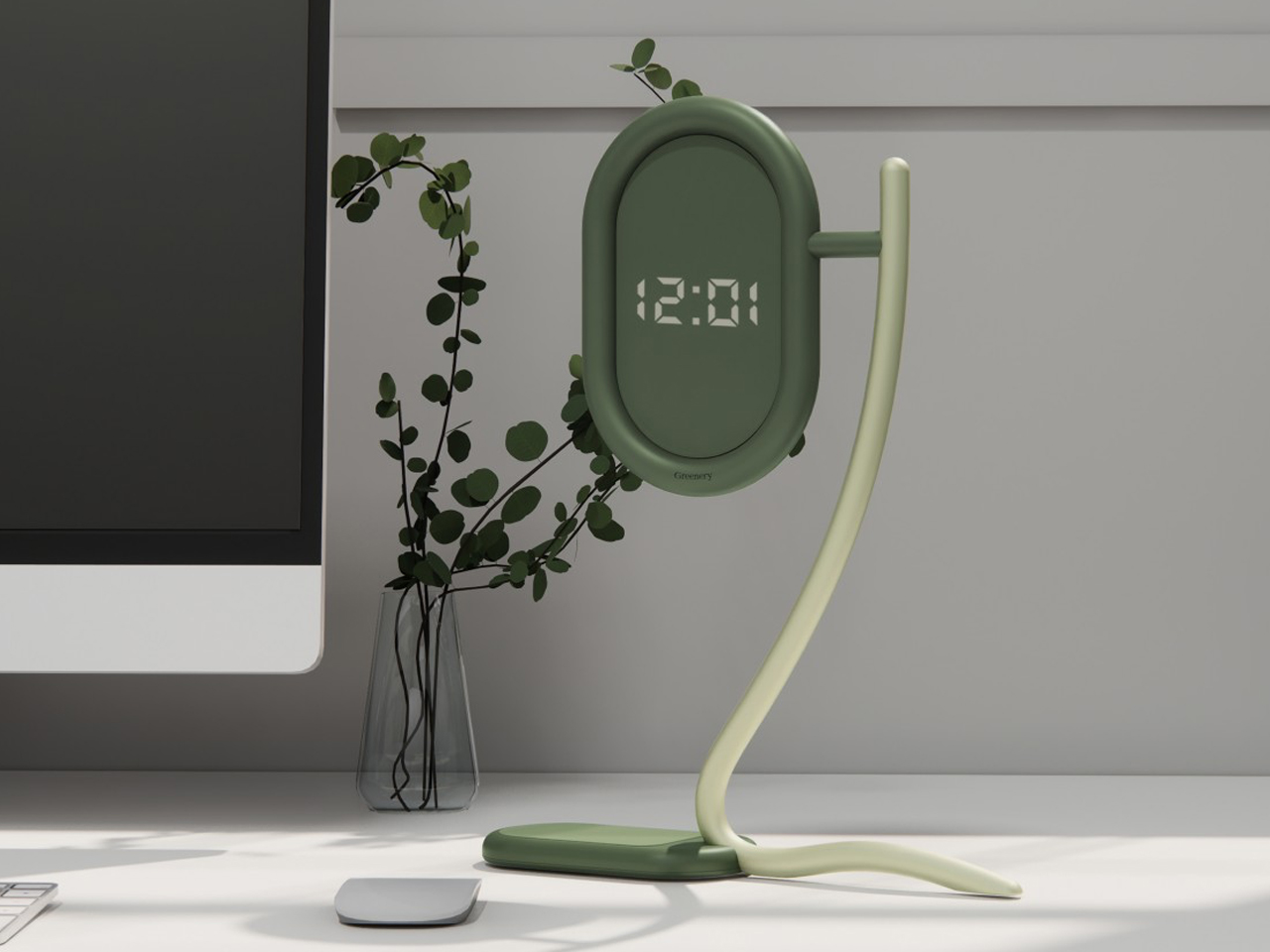
Rather than mimic plants literally, each piece abstracts stems and leaves into useful forms: a bamboo-like pencil holder with dual compartments, a curved “leaf” clock with a built-in tray, a tiered tray with hooks, and a subtle cable holder. Simple, elegant, and timeless – the anti-pumpkin approach to fall design.

7. Watch – Time, Reimagined in Metal and Fire

Why wear a watch with cartoon pumpkins when you can wear NASA’s rocket? A watch transforms timekeeping into personal expression. Modern designs balance technical precision with craftsmanship, often blending metals, ceramics, and glass. When accented with copper or red undertones, it mirrors the warmth of fall’s shifting light.

The watch embodies rhythm – not just in seconds but in seasons. Its enduring form reminds us that design can reflect both progress and pause, merging function with emotion in a single glance.
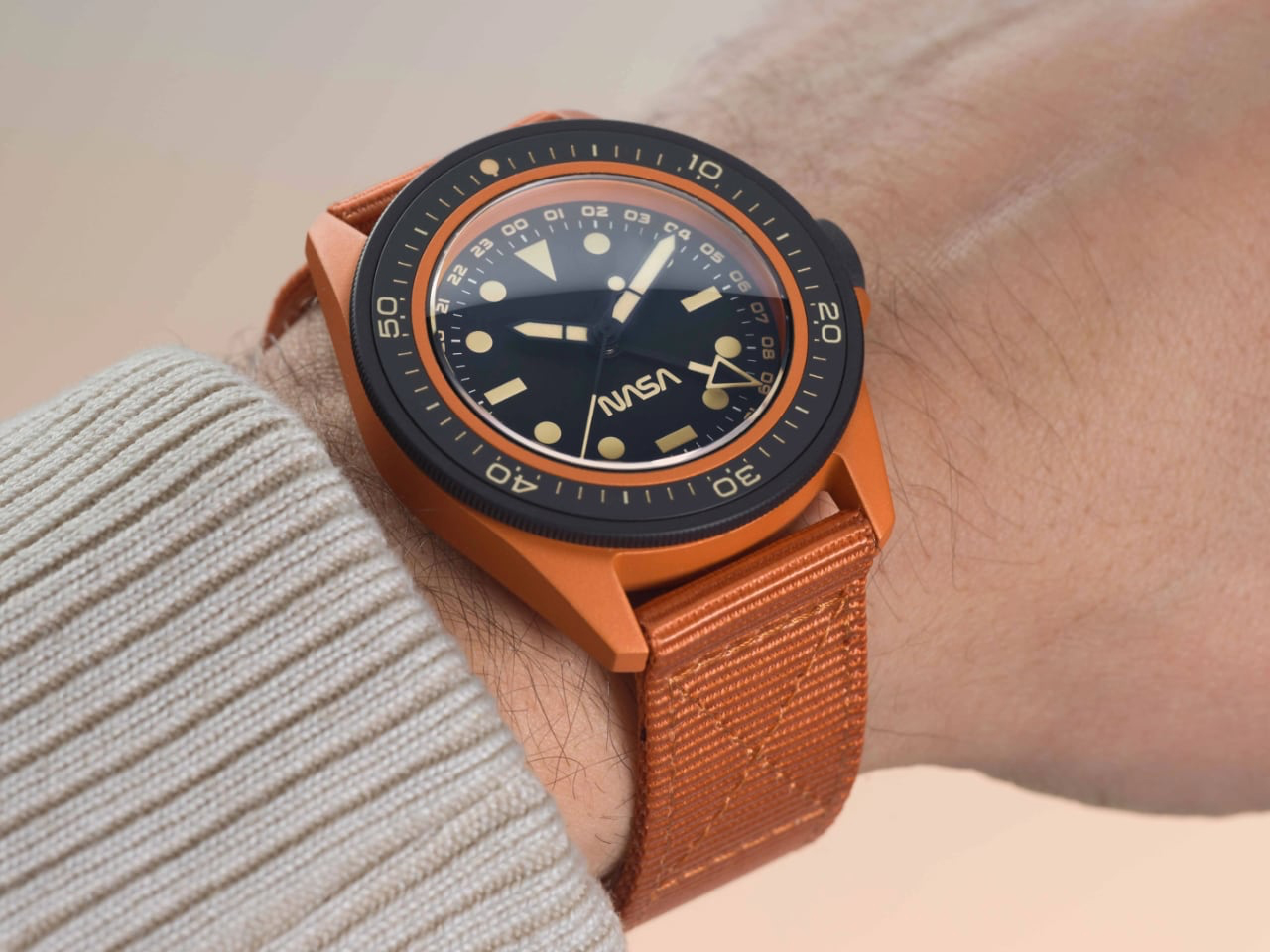

The U1-SPG “NASA Artemis” Limited Edition from Unimatic x Massena LAB translates the burnt-orange glow of NASA’s Space Launch System to the wrist. Limited to 99 pieces, its 40mm steel case wears a terracotta-hued Cerakote finish, evoking autumn warmth while honouring the Artemis rocket. A charcoal bezel, GMT hand, and Old Radium luminescent markers provide functional contrast, balancing style with practicality.
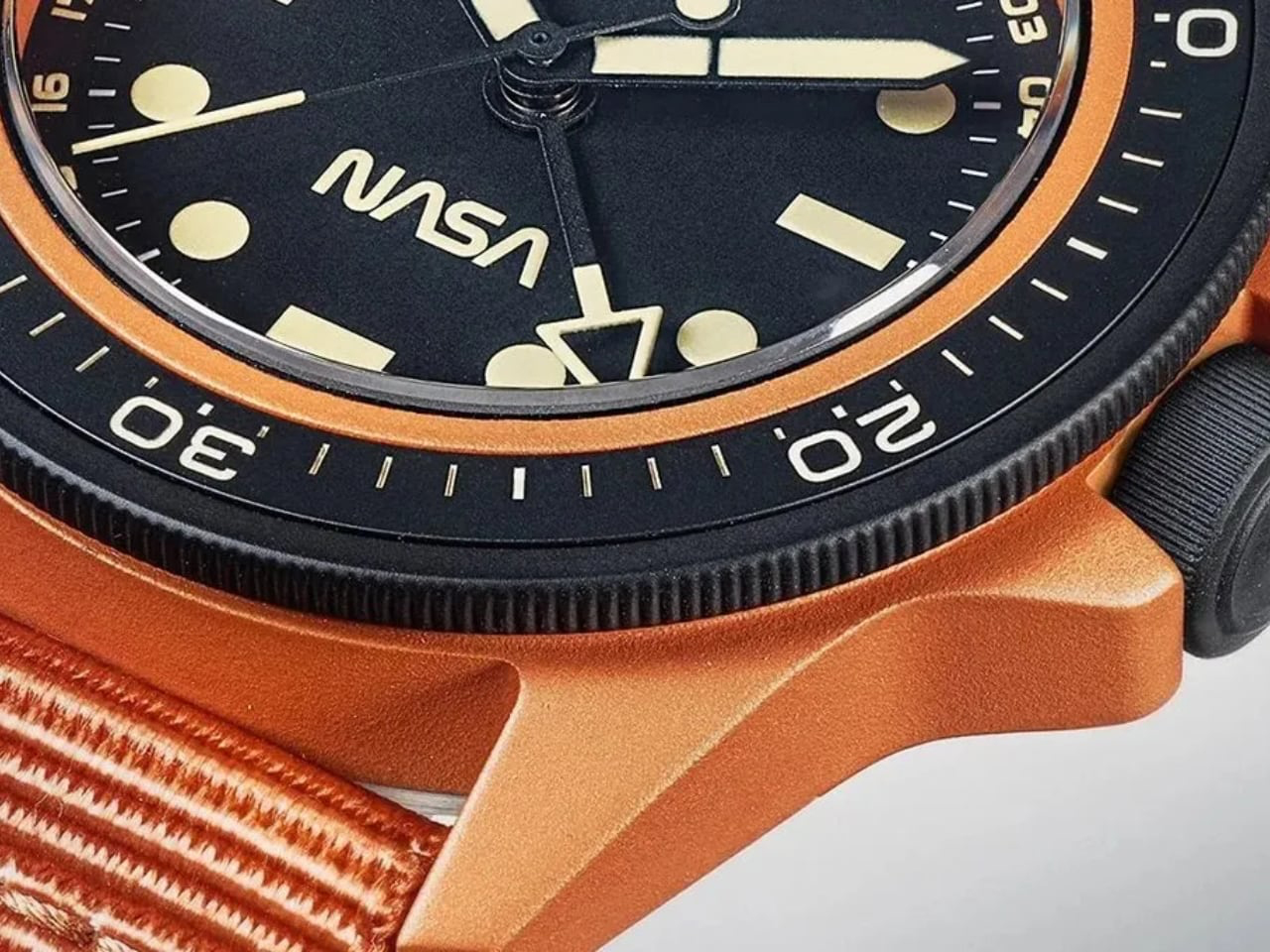
Rated to 300m and powered by the reliable Seiko NH34A movement, it comes with autumn-toned straps and a NASA mission patch. This limited-edition watch blends collectible prestige with everyday wearability, offering cosmic ambition wrapped in seasonal hues – proof that fall style doesn’t need to be literal.

These terracotta and forest-green designs capture the essence of fall through sophisticated, earthy tones and seasonal warmth. Without relying on traditional pumpkin motifs or throwaway seasonal décor, they bring autumn-inspired style, comfort, and personality into your home and lifestyle – designs that work in September, stay beautiful through November, and never feel like they belong in a clearance bin come December.

The post 7 Best Fall-Inspired Designs That Ditch Basic Pumpkin Décor first appeared on Yanko Design.
X rolls out ‘About this account’ feature that displays a profile’s country of origin and more

You'll soon be able to see more information about X accounts, including where they're based and how many times they've changed their usernames. X is rolling out a new feature called "About this account" that displays more information about user accounts. Not only will it display the country a user is located in and username changes, the feature will also make public which country the account was created in and whether it's connected via the web or a specific app store.

X began testing this feature out last month, but more recently, users have been posting screenshots of the new feature being rolled out. X is following in the footsteps of other social media platforms, as already seen with Facebook's Page transparency and Instagram's own About this account. As detailed by Nikita Bier, X's head of product, the upcoming "About this account" feature is meant to verify the authenticity of content posted on X.

You can currently see your own info by clicking on the "Joined" button underneath your X bio, but you may not be able to see others' info yet since the feature is still being rolled out. In your own profile, you can choose to display either your country or region/continent, with the exact country being the default option. Bier previously said that there will be "privacy toggles," which will be highlighted on your profile if you opt in. On top of that, users accessing X through a VPN may have a disclaimer on their profile that says, "Country or region may not be accurate," as spotted by some internet sleuths.

This article originally appeared on Engadget at https://www.engadget.com/social-media/x-rolls-out-about-this-account-feature-that-displays-a-profiles-country-of-origin-and-more-160617187.html?src=rss

Samsung Galaxy Z Fold 8 – Biggest Leak Yet Changes Everything

Samsung Galaxy Z Fold 8 – Biggest Leak Yet Changes Everything

The Samsung Galaxy Z Fold 8 is poised to redefine the foldable smartphone market. Leaks indicate significant advancements in design, functionality, and overall user experience, reinforcing Samsung’s leadership in this innovative segment. Whether you are a tech enthusiast or a potential buyer, understanding these updates can help you see how this device could fit into […]

The post Samsung Galaxy Z Fold 8 – Biggest Leak Yet Changes Everything appeared first on Geeky Gadgets.

Posted in Uncategorized

Gemini 3 Antigravity vs Cursor : Is Cursor Finished?

Gemini 3 Antigravity vs Cursor : Is Cursor Finished?

Is this the end of Cursor as we know it? With the launch of Google’s new Antigravity platform, powered by the formidable Gemini 3 Pro AI model, the tech giant seems to have drawn a bold line in the sand. Antigravity isn’t just another tool in the crowded AI development market, it’s a direct challenge […]

The post Gemini 3 Antigravity vs Cursor : Is Cursor Finished? appeared first on Geeky Gadgets.

Posted in Uncategorized

This Floating Plaza in the Amazon Is Climate Architecture at Work

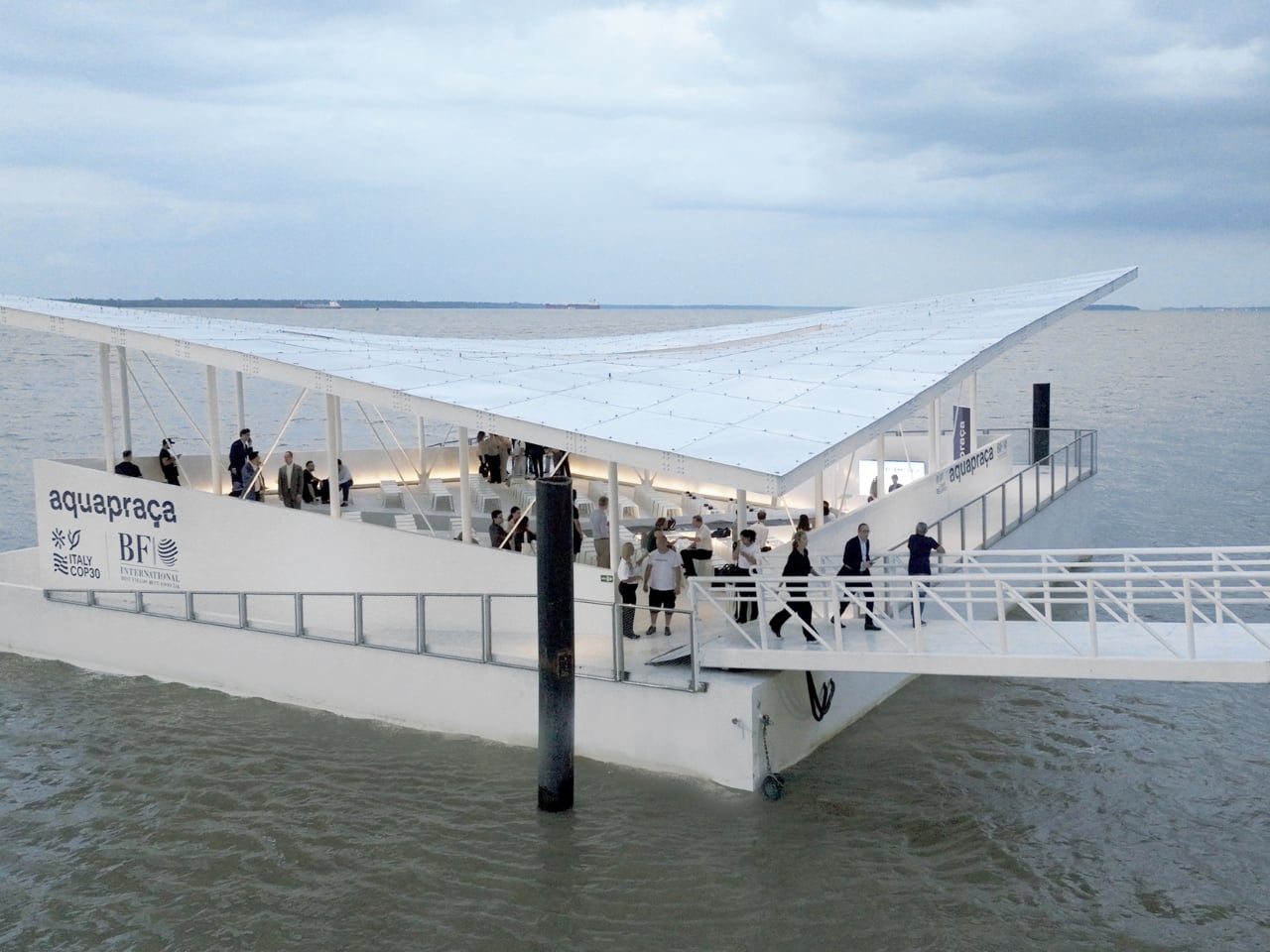
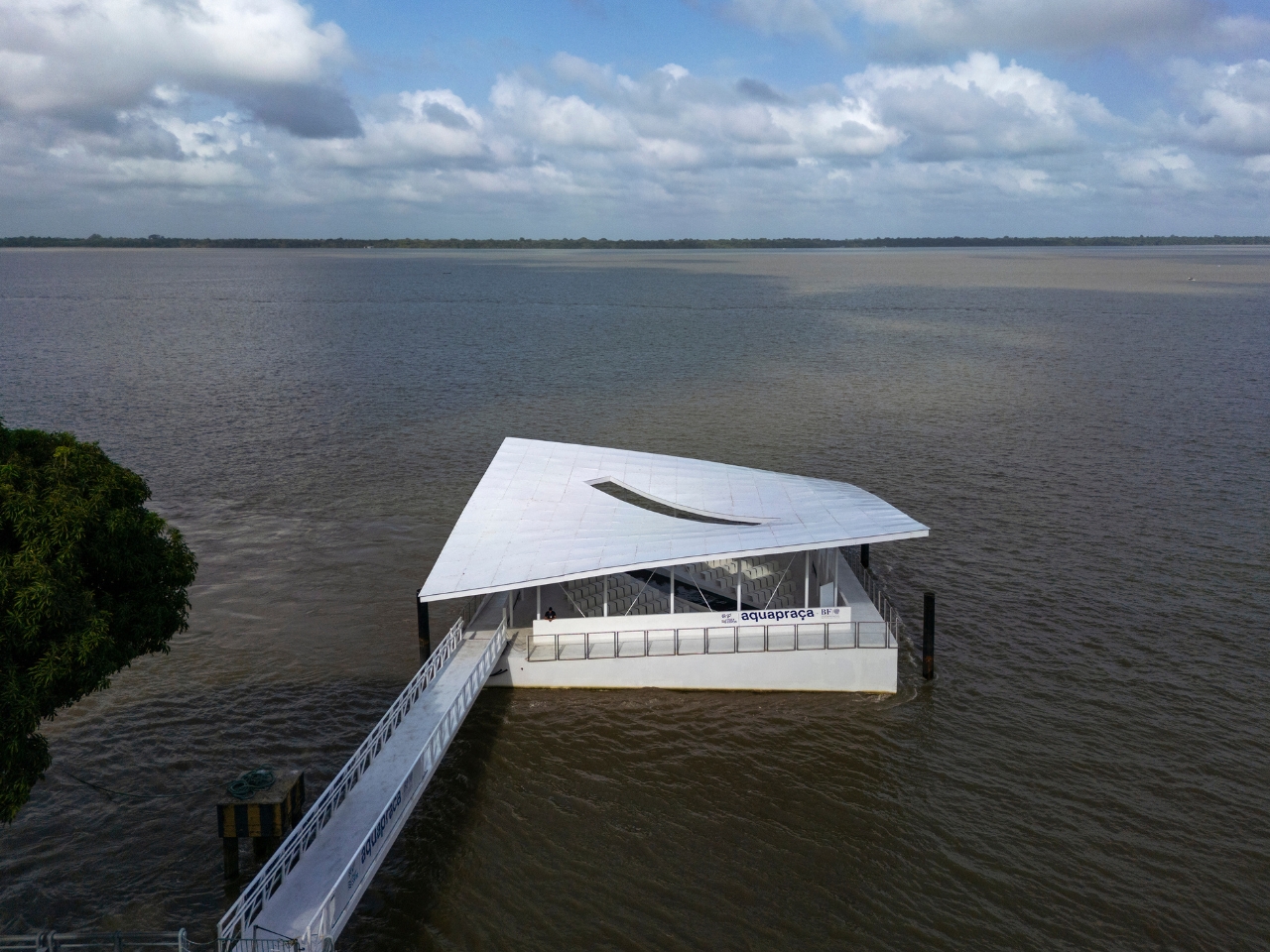
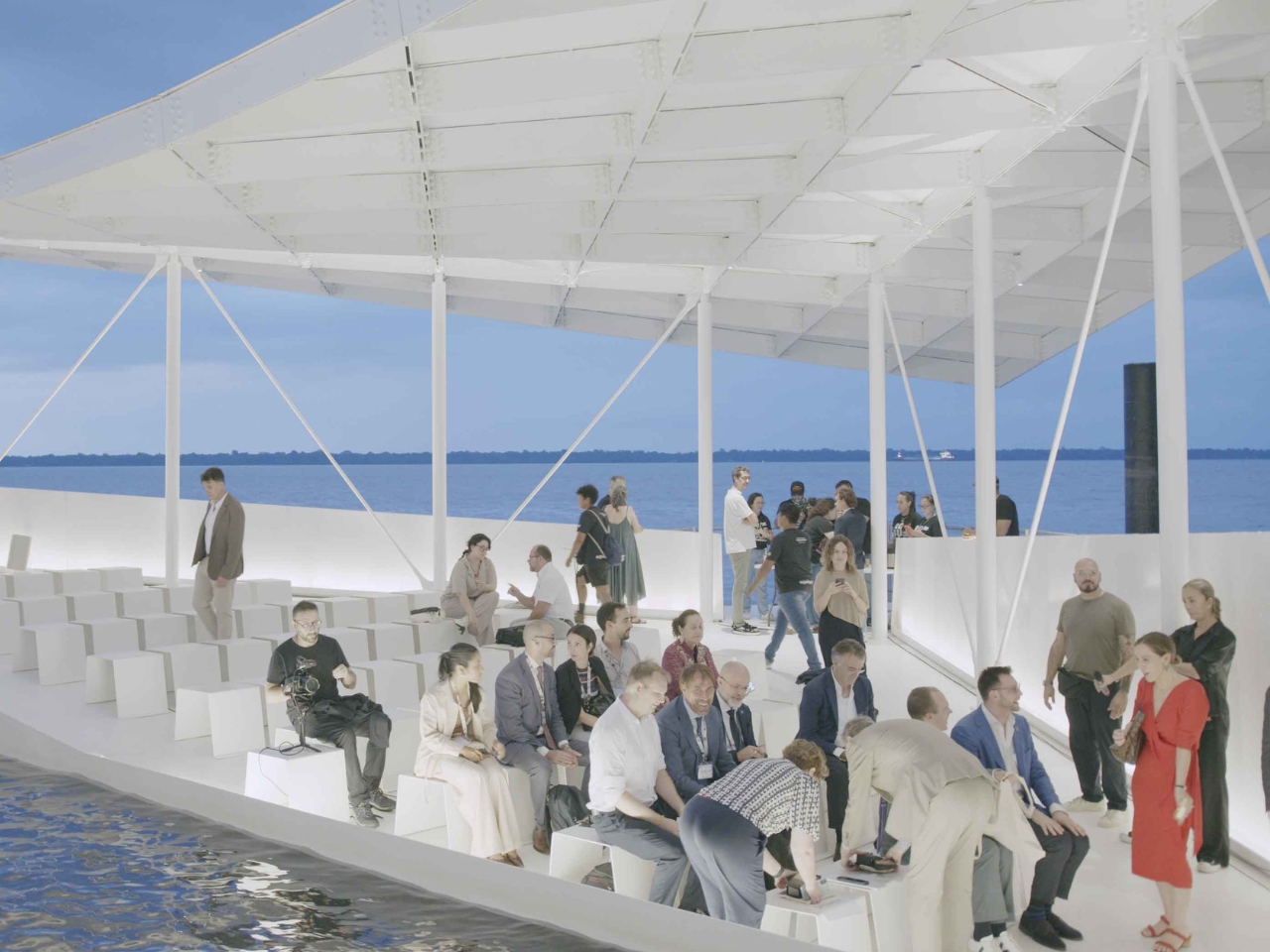
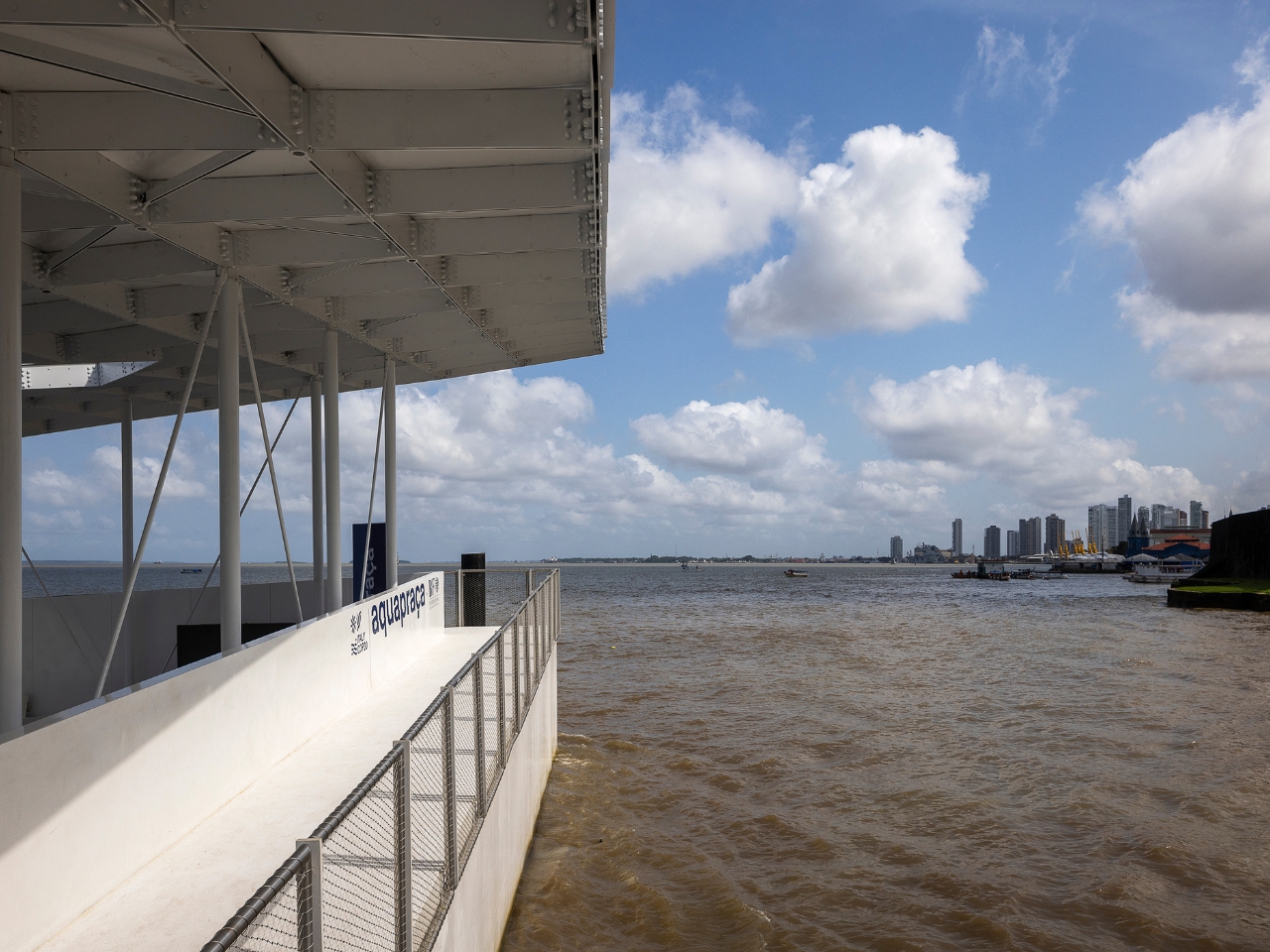
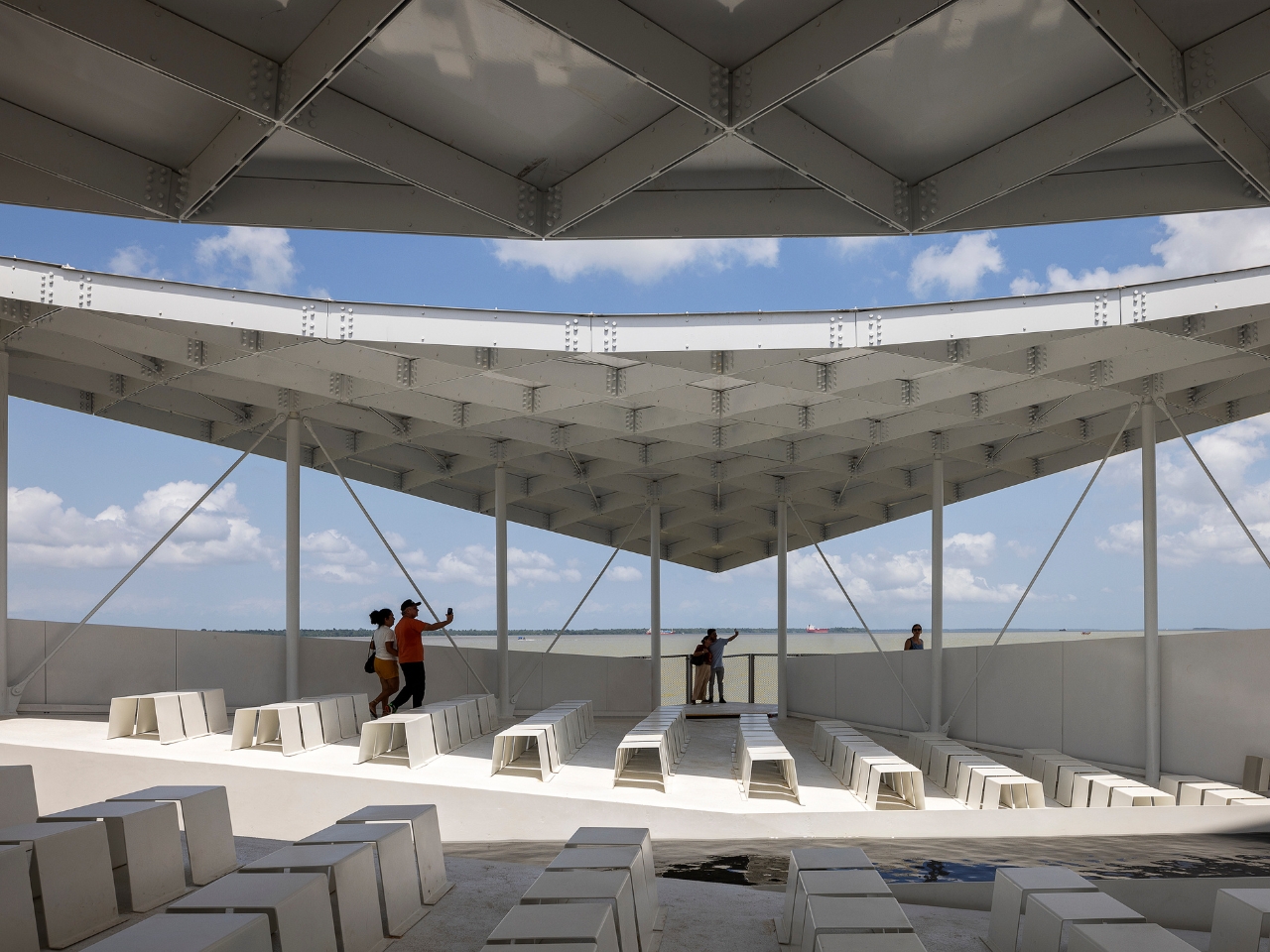
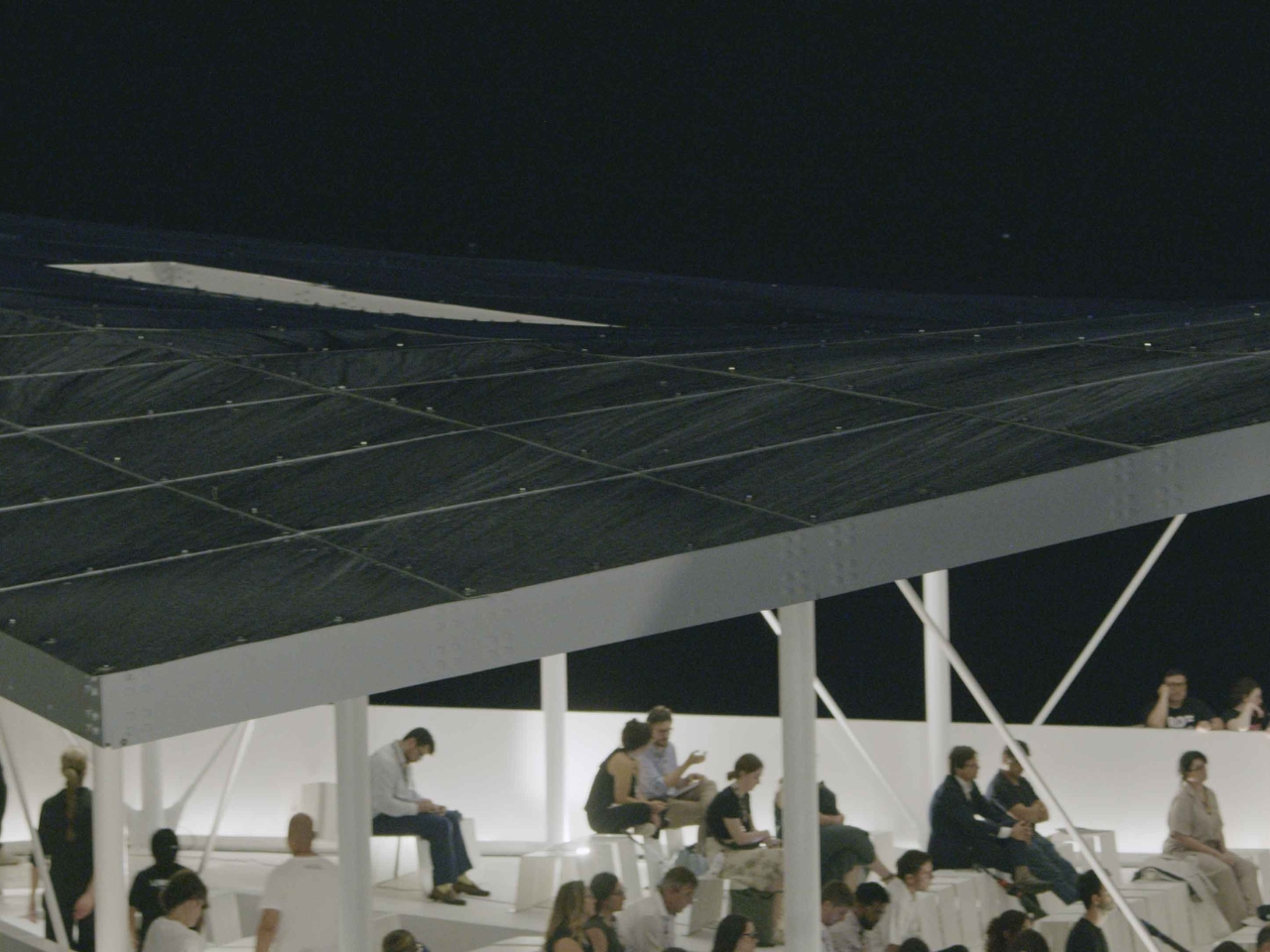
Imagine a public square that literally rises and falls with the tide. That’s exactly what AquaPraça does, and it just made its grand debut at the UN Climate Change Conference COP30 in Belém, Brazil. This isn’t your typical architectural showpiece that exists only to look impressive at a summit. This 400-square-meter floating platform is designed to stay right where it is, becoming a permanent cultural hub in the heart of the Amazon.

Designed by CRA-Carlo Ratti Associati and Höweler + Yoon, AquaPraça represents something genuinely clever in how we think about building in a world where water levels are no longer predictable. Moored on Guajará Bay within the Amazon River system, the structure uses Archimedes’ principle (yes, that ancient Greek buoyancy thing you learned in school) to naturally adapt to an environment where tides can shift up to four meters daily. The platform simply floats along with the water, letting visitors experience the natural rhythm of the river at eye level.

Designer: CRA-Carlo Ratti Associati and Höweler + Yoon

Carlo Ratti, who’s a professor at MIT and curated the Venice Architecture Biennale 2025, explains the project’s deeper philosophy by referencing iconic architect Aldo Rossi. Where Rossi looked to the past to prove architecture could still enrich Venice’s skyline in 1980, AquaPraça looks to the future by exploring how we can build with nature instead of fighting against it. It’s a subtle but important shift in thinking.

The project’s journey is almost as interesting as the structure itself. It was first unveiled in Venice this past September during the Architecture Biennale in a simplified form, then traveled to Belém where it now serves as part of Italy’s pavilion at COP30. After the conference wraps up, Italy will donate the platform to Brazil, where it will function as a community space for ongoing conversations about climate, culture, and creative industries.

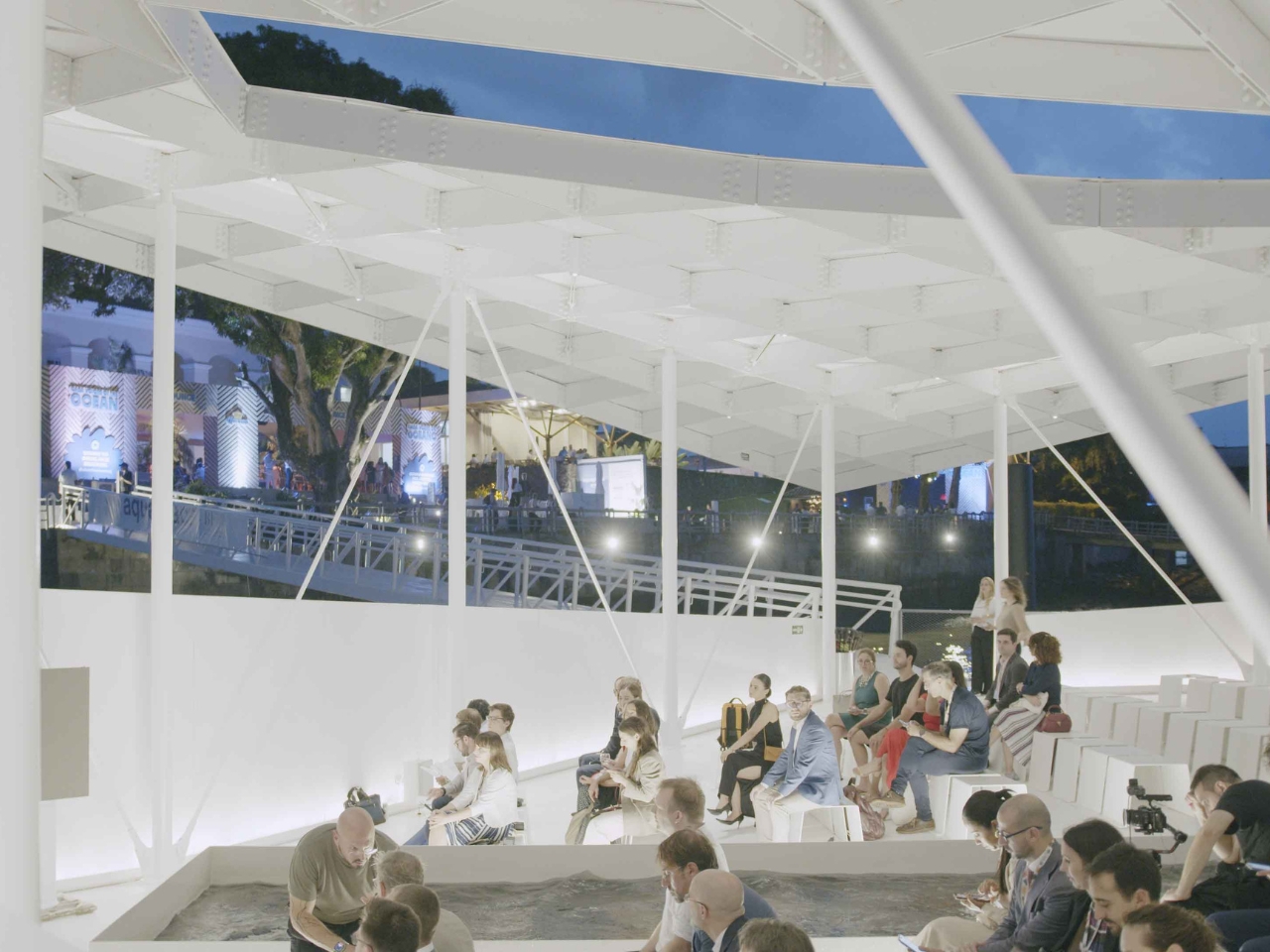
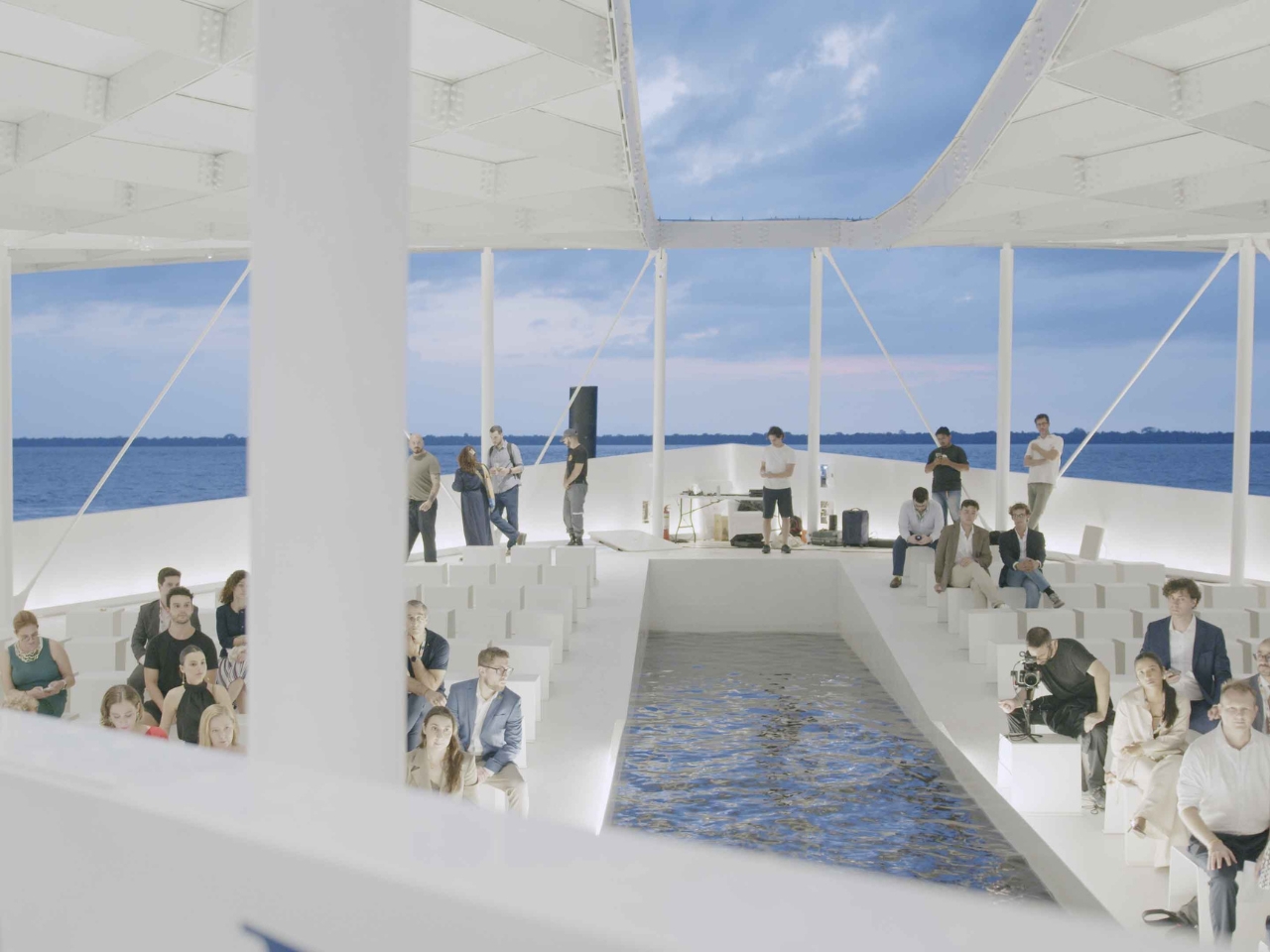
What makes AquaPraça particularly compelling is how it turns climate change from an abstract concept into something you can physically experience. The sloping surfaces and shifting levels respond to the water in real time, creating what Eric Höweler calls “a delicate equilibrium.” His collaborator J. Meejin Yoon points out that it’s both a literal and figurative platform for understanding sea level rise and its impacts on coastal communities worldwide.

The location couldn’t be more symbolic. Belém sits at the meeting point of the Amazon River system and the Atlantic Ocean, where freshwater and saltwater converge to create a powerful estuarine ecosystem. It’s the perfect setting for a structure designed to demonstrate adaptive architecture. The bay itself reveals its underwater landscape daily as tides recede, offering a constant reminder of nature’s cycles and changes.

Getting this thing built was no small feat. Italian construction company Cimolai completed the entire project in just five months, handling structural design, construction, and certification while integrating complex architectural and engineering requirements. That’s remarkably fast for a floating structure that needs to be both functional and safe in such a dynamic environment.

The project came together through an impressive international coalition, including Italy’s Ministry of Foreign Affairs, the Ministry of Environment and Energy Security, and support from organizations like Bloomberg Philanthropies, Costa Crociere, ENEL, and others. It’s the kind of collaboration that shows what’s possible when governments, private companies, and cultural institutions actually work together on climate solutions.

Italian Foreign Minister Antonio Tajani described AquaPraça as a floating Italian square that evokes Venice while standing as a symbol of friendship between Italy and Brazil. But more than diplomatic niceties, it represents something tangible: the idea that architecture can be circular, with multiple lives and purposes over time. From Venice to Belém, and now as permanent infrastructure, the platform embodies continual reuse and reinvention.

For anyone interested in how design can respond to climate challenges without sacrificing beauty or function, AquaPraça offers a compelling model. It’s not just sitting there looking pretty (though it does that too). It’s hosting symposia, cultural programs, and serious discussions about climate policy, all while literally moving with the water that surrounds it. That’s architecture that doesn’t just talk about adaptation but actually demonstrates it, day after day, tide after tide.

The post This Floating Plaza in the Amazon Is Climate Architecture at Work first appeared on Yanko Design.