Twin Phone splits into two for users who don’t want to live with a dumb phone for the rest of their lives

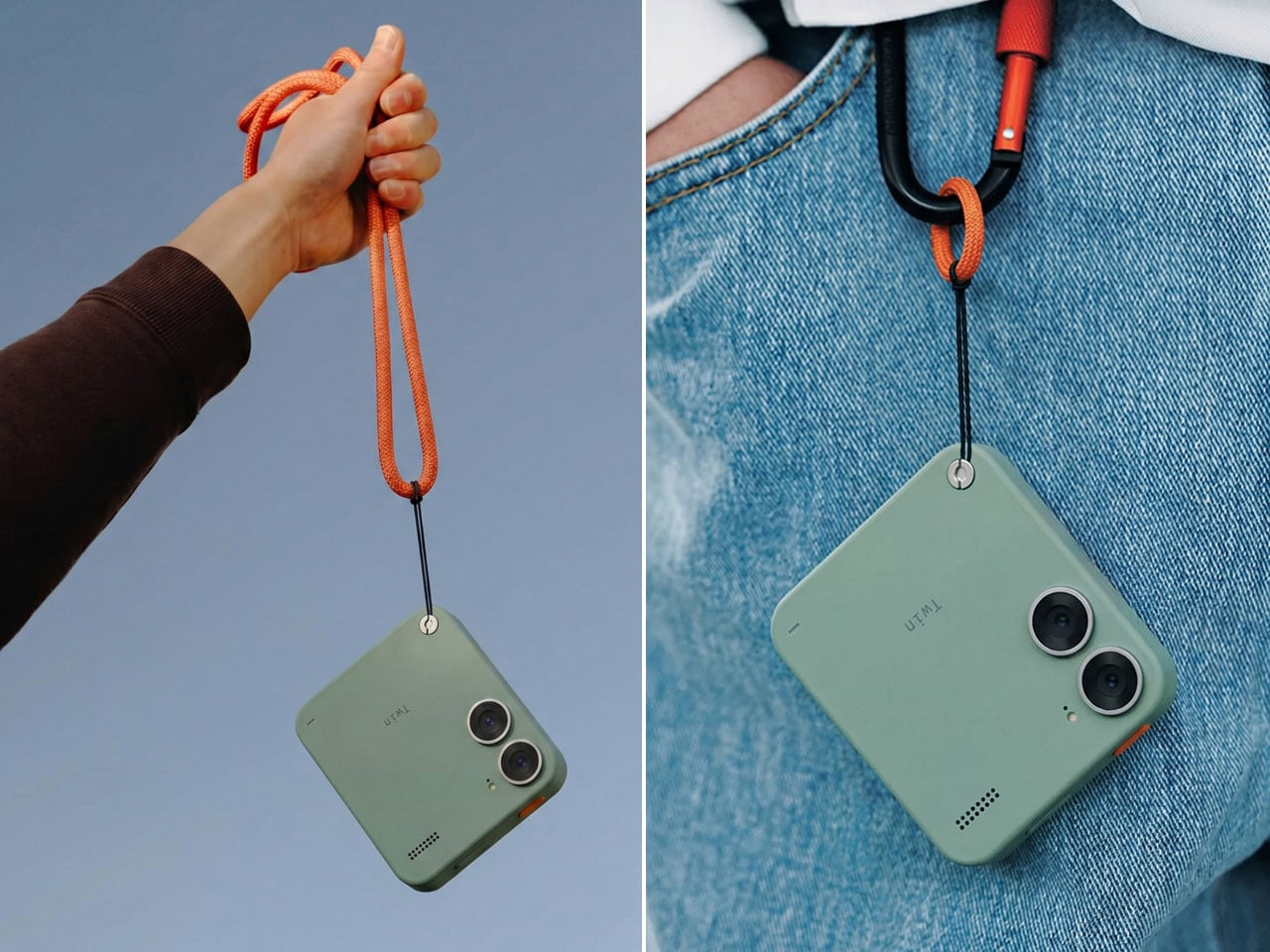
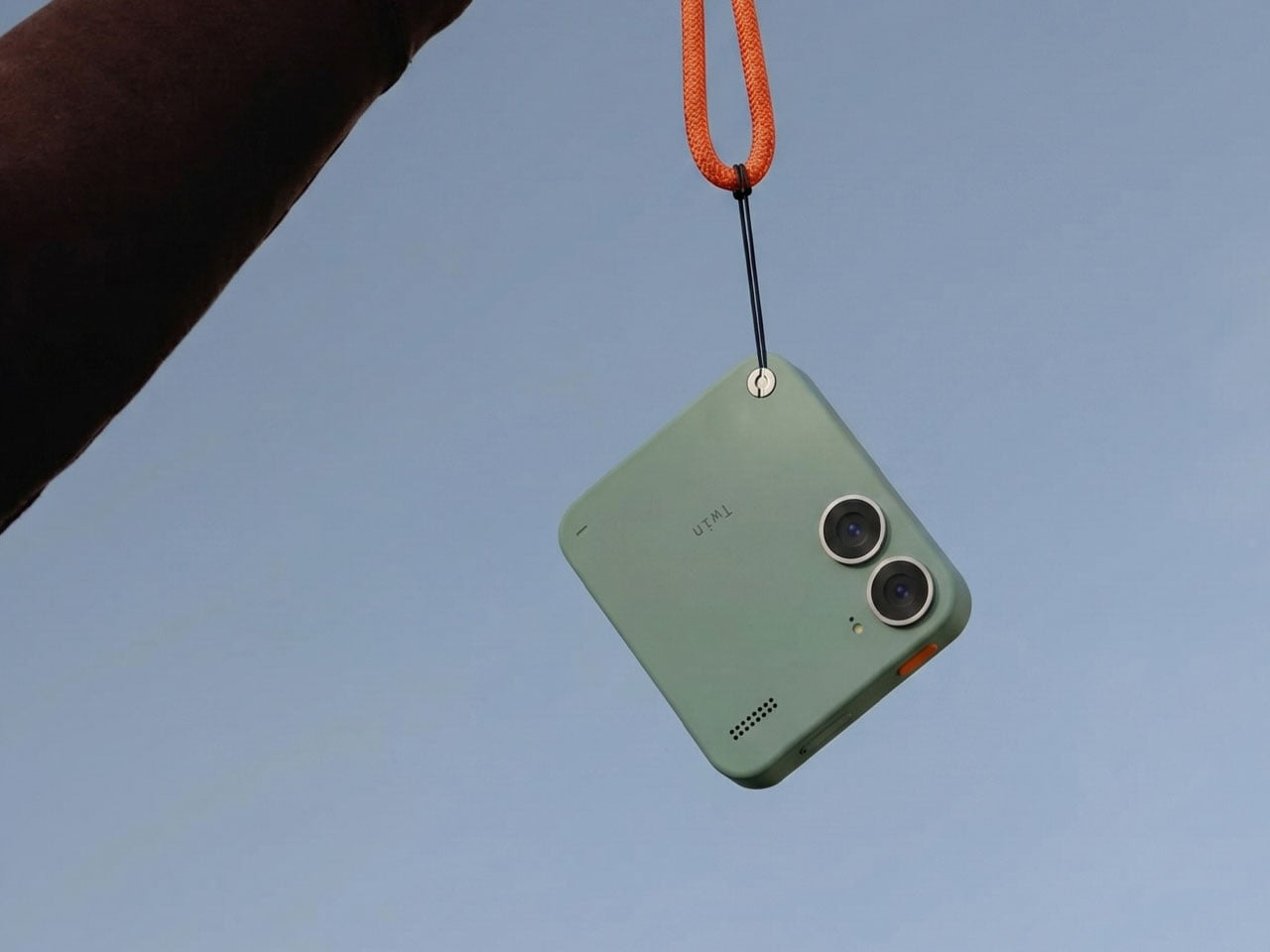
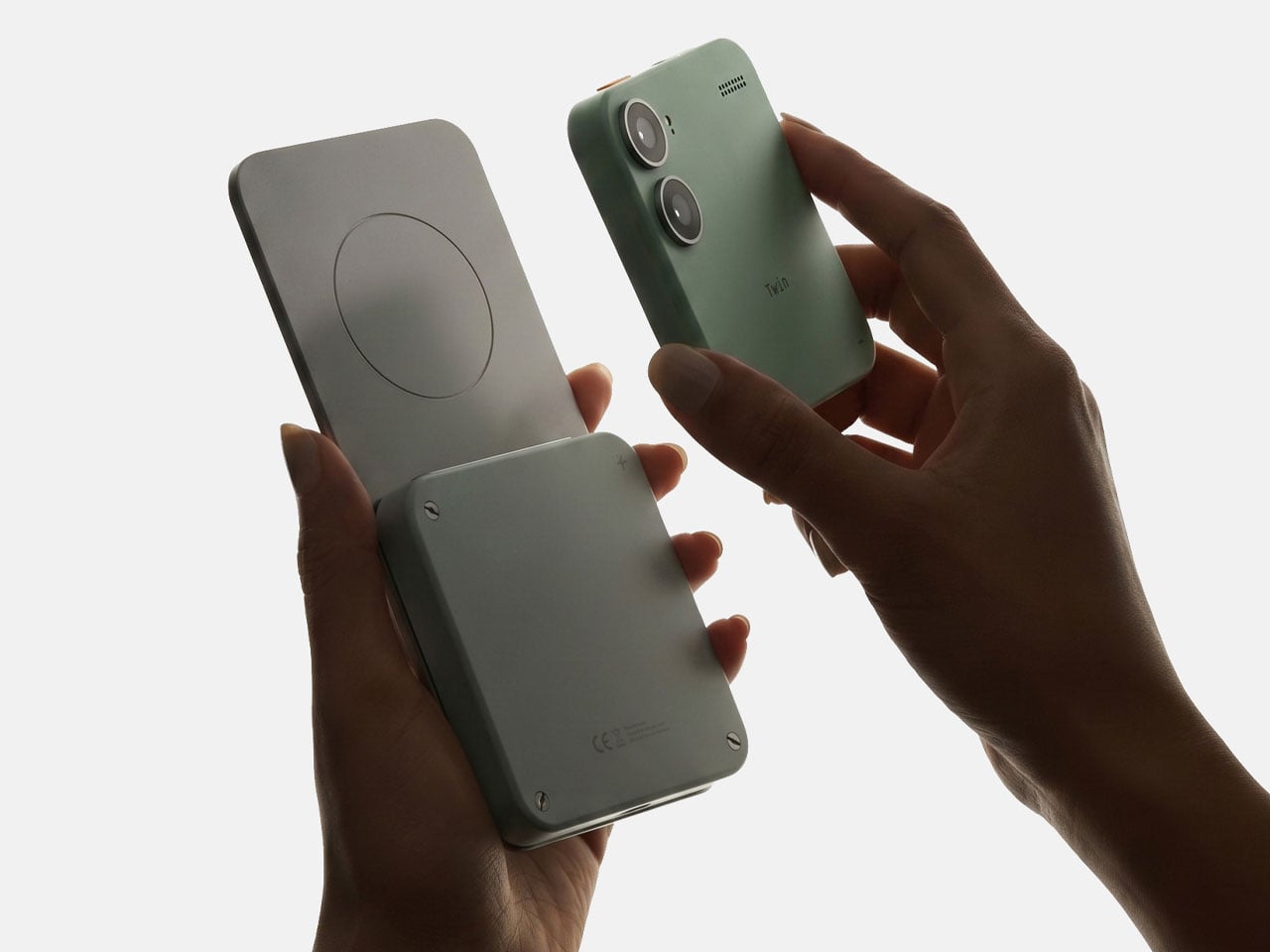
Just when you think you’ve seen all the smartphone form factors – flip phones, triple-fold ones, ones with popping cameras, and whatnot – there’s still one more to surprise you. This is the Twin Phone designed to have the most flexible form factor you could imagine on a daily driver device. You can virtually take this phone apart into two halves, because why not?

The concept device created in collaboration with Olivier Verbeke concentrates on the perils of modern-day devices that overpower the user’s will to have self-control and not go down the doom-scrolling rabbit hole. While we do have dumb phones and dedicated applications to control smartphone addiction, whether they actually work is anybody’s guess. That’s where Twin Phone has a different approach to things.

Designer: Wild Mind and Olivier Verbeke
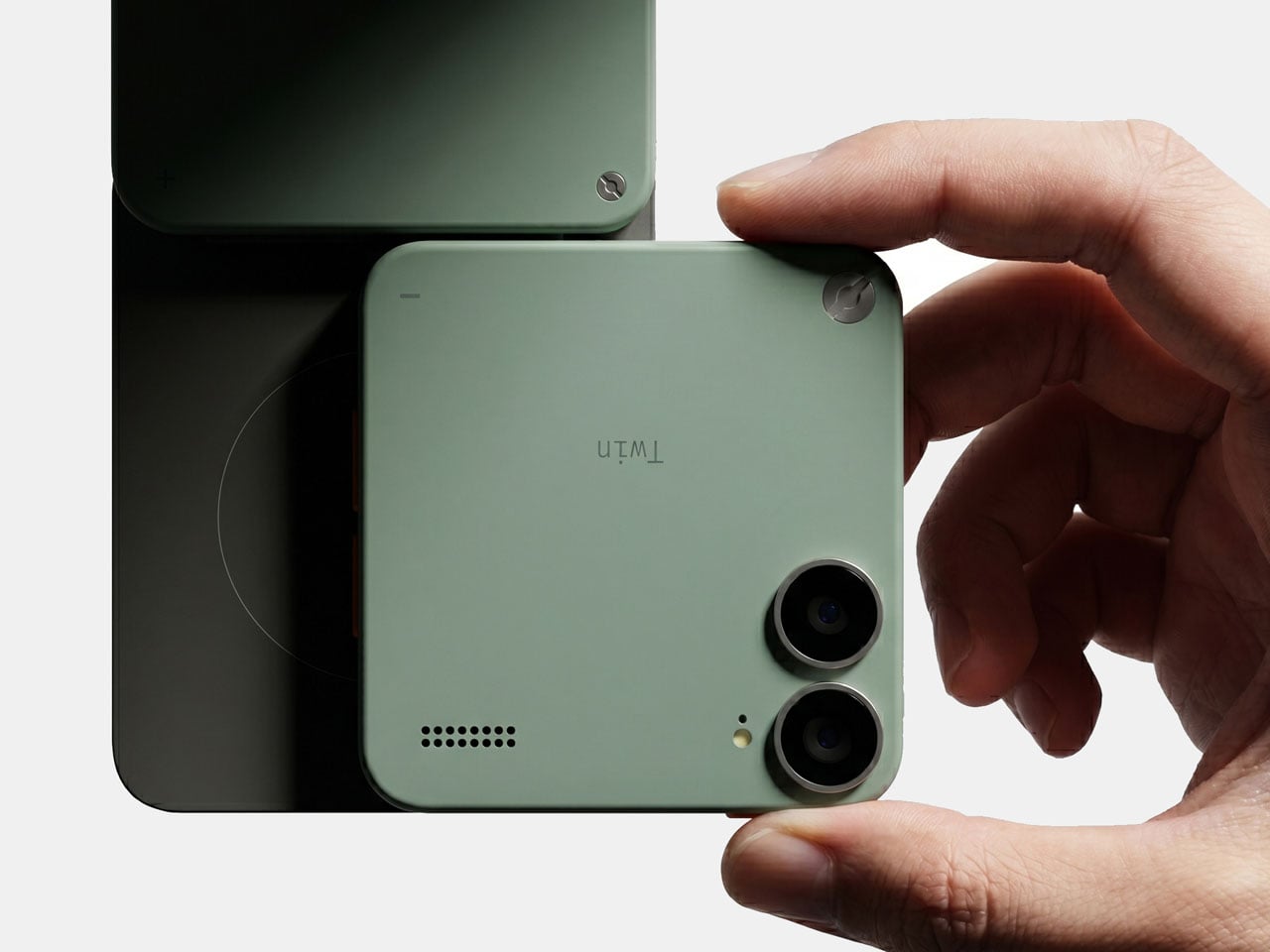
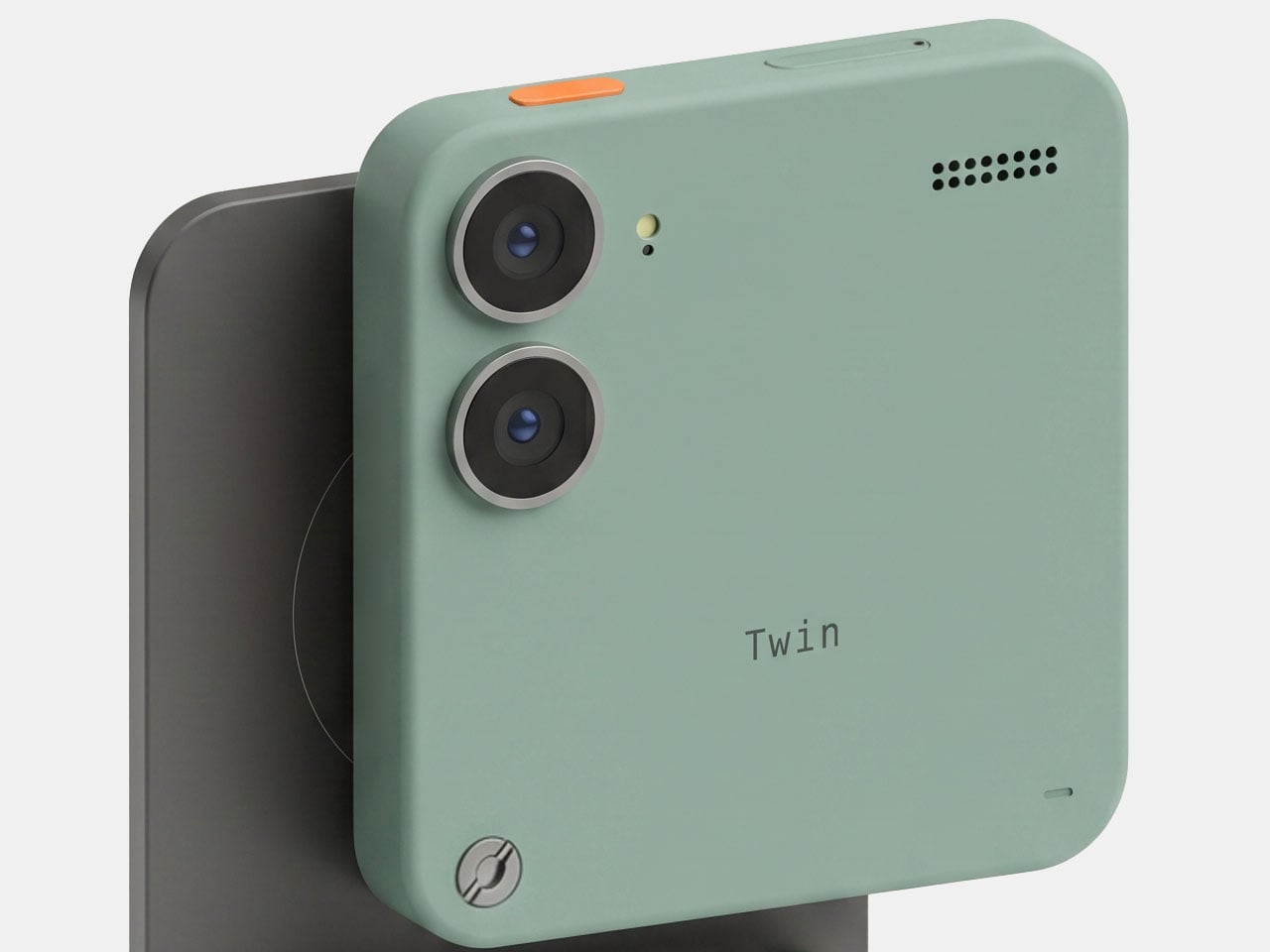
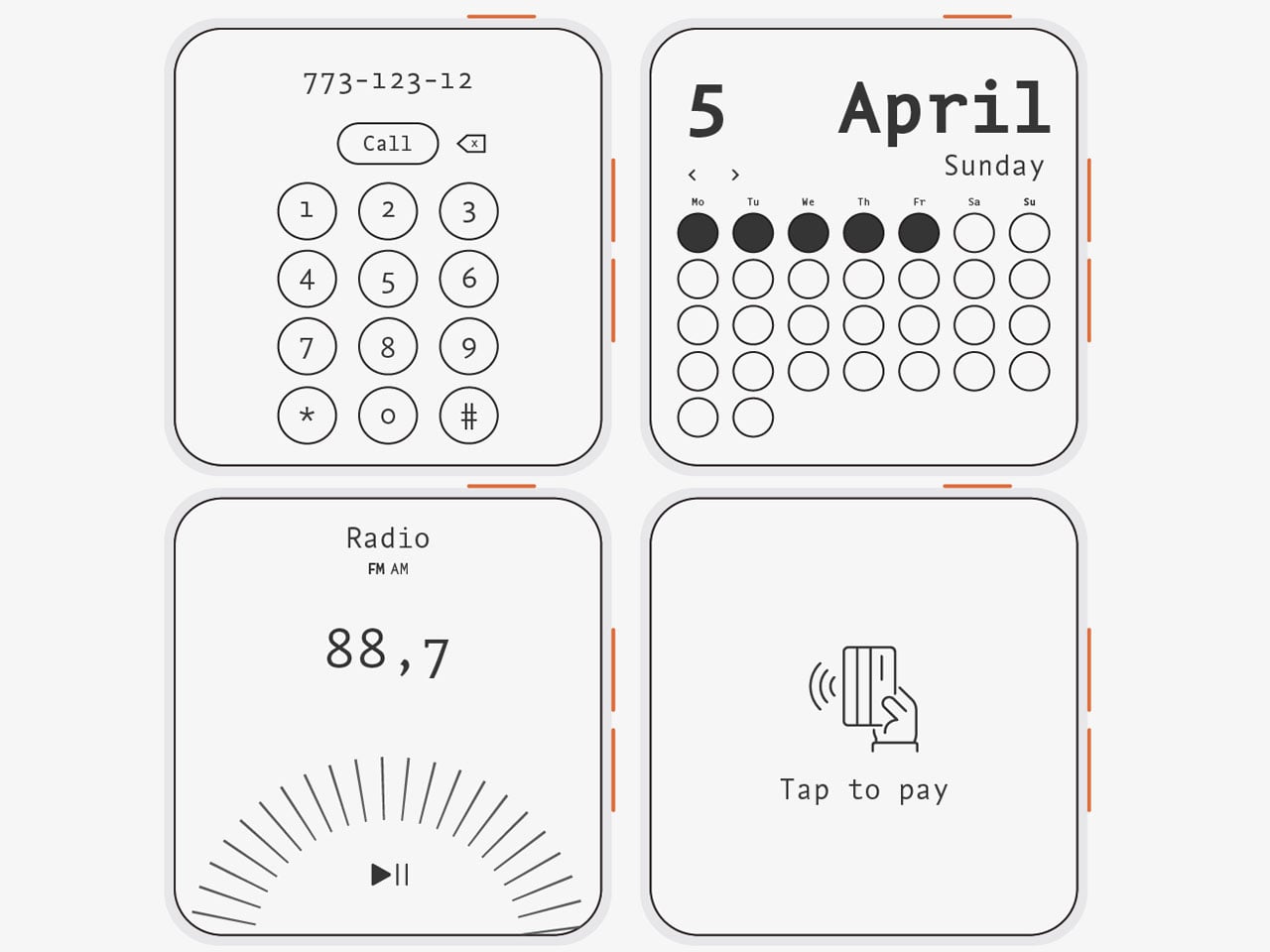
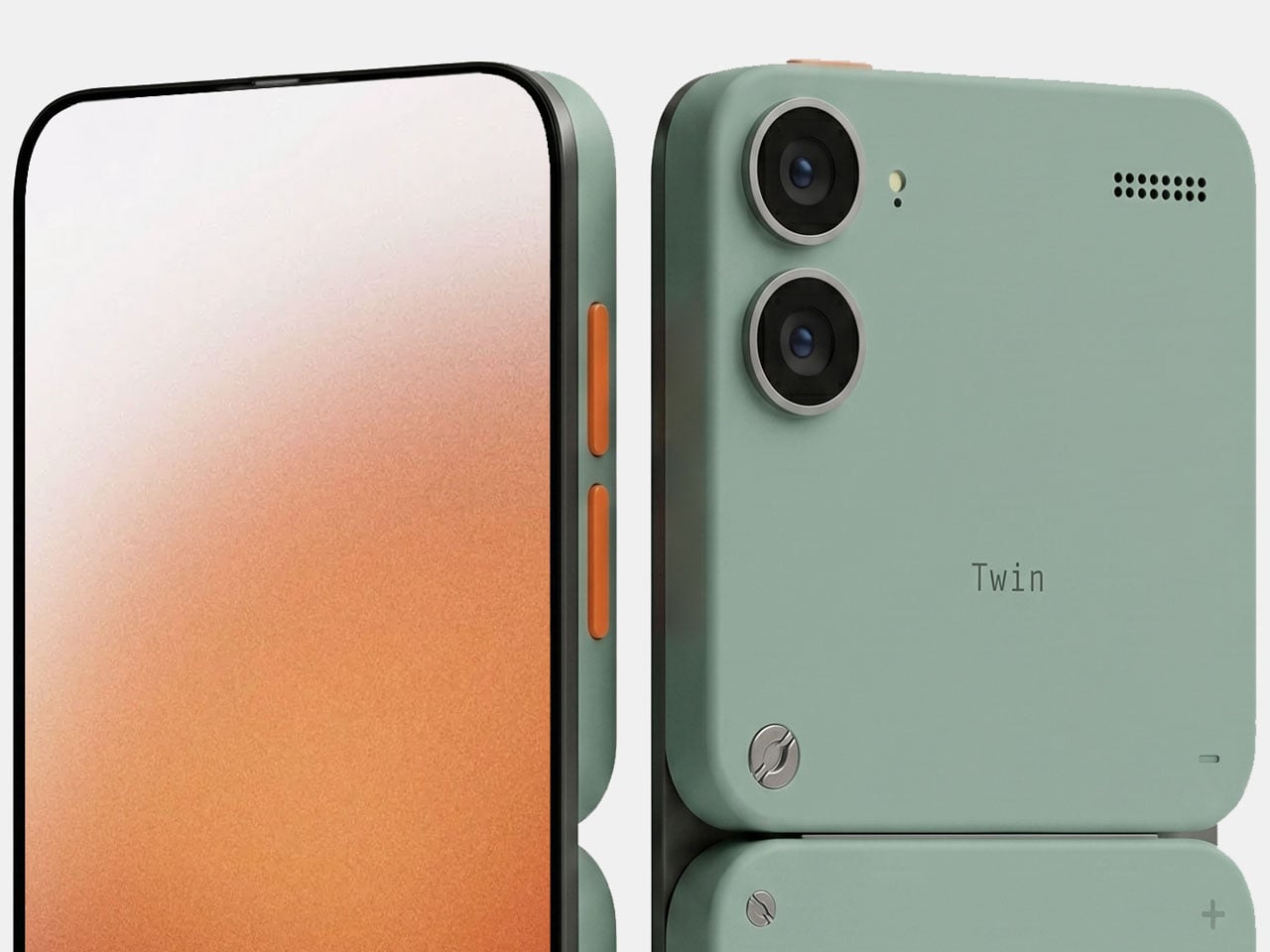
Two halves of the phone serve their own dedicated purpose, while putting them together brings the best of both worlds together. One half is a simple phone for basic functionality like taking calls, texting, reading e-books, or essential functions like navigation. The other half has a larger battery module for heavyweight tasks and functions as a dock for the smaller unit to snap onto. Slide them together, and there is the Twin Phone ready for a day’s work, just like your usual modern-day smartphone.
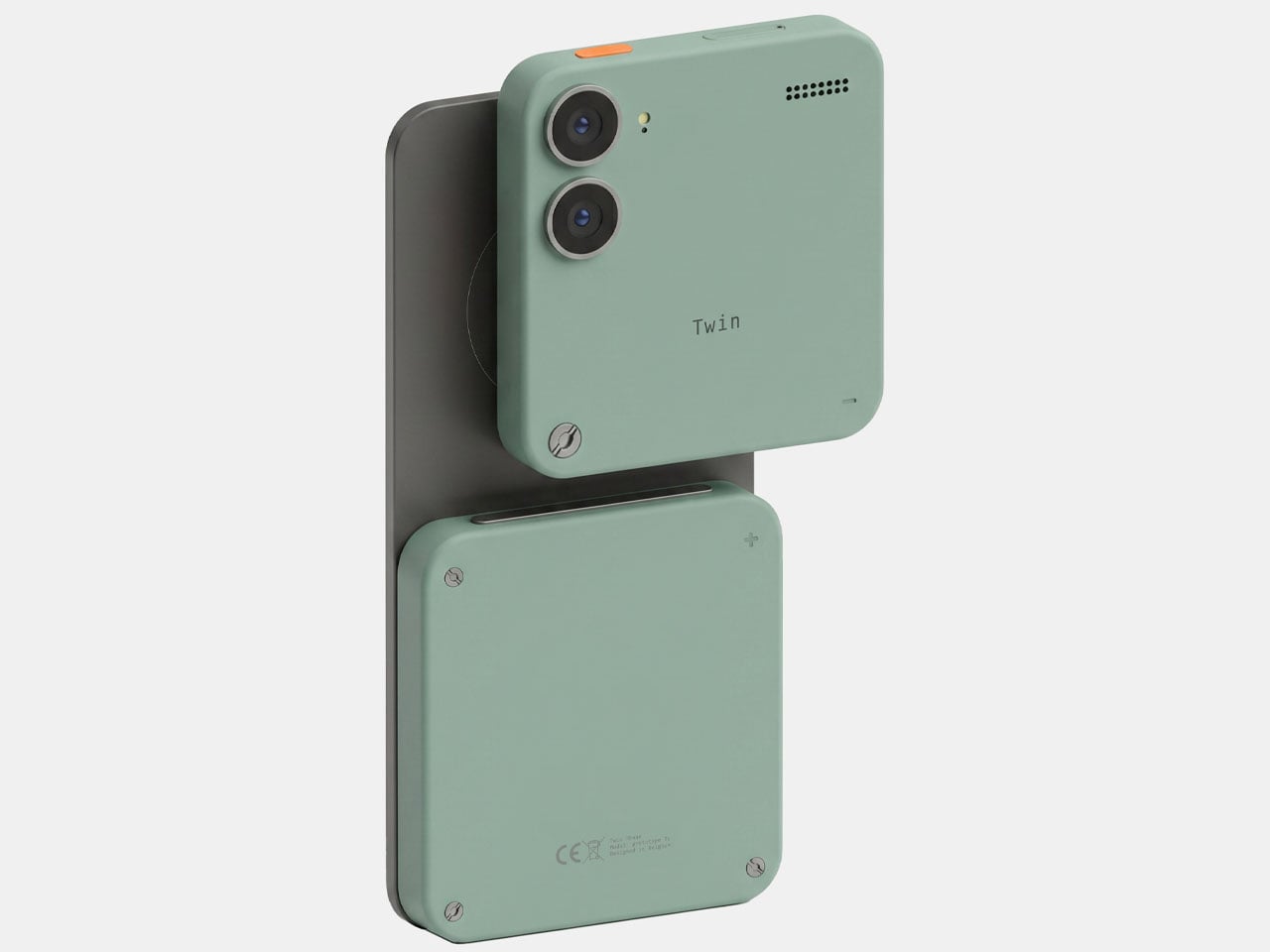
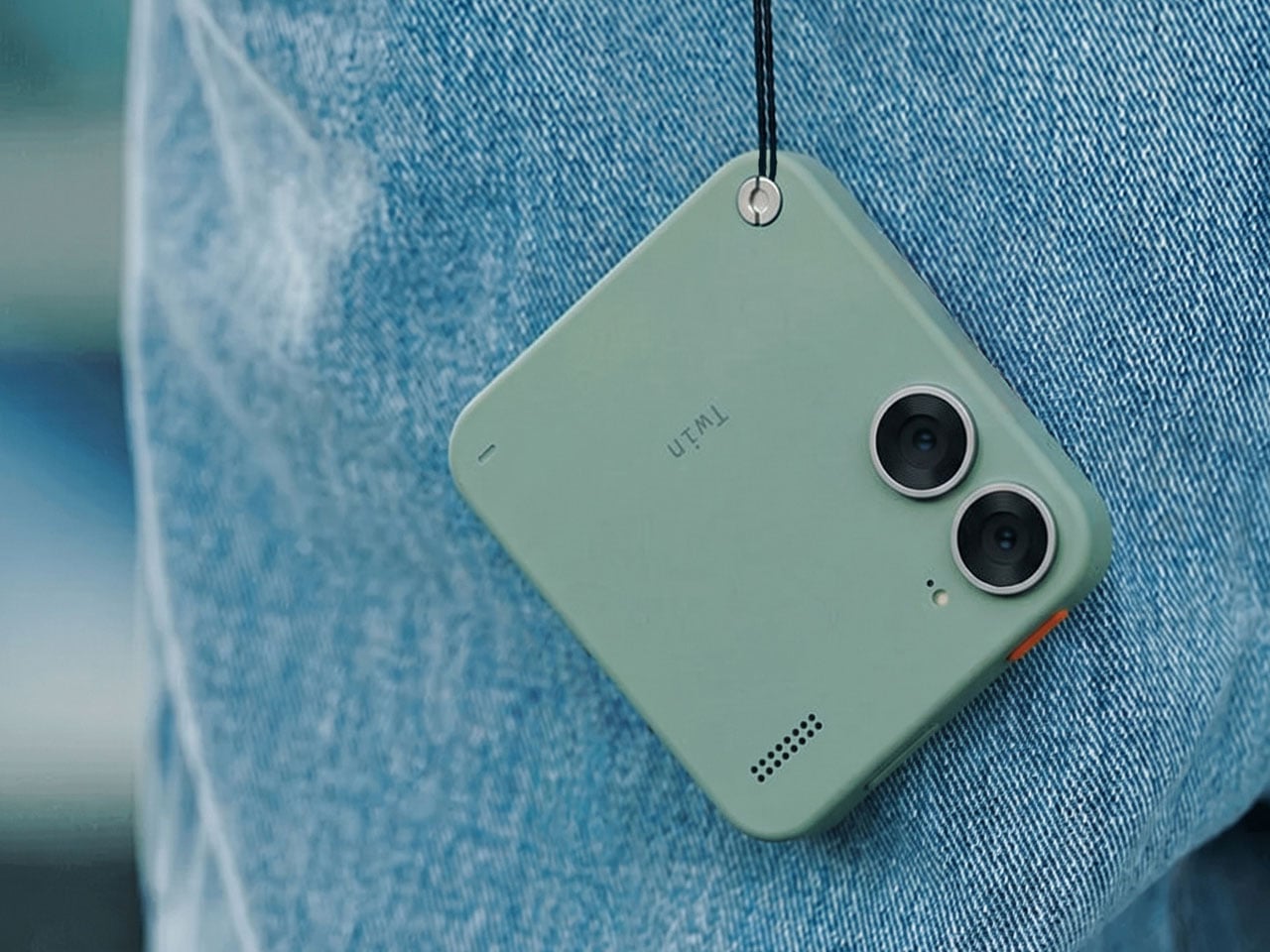
The simple phone module has everything toned down in that mode, as the E-ink display is easy on the eyes and uses very little power. Since the compact form of this module houses a smaller battery, power conservation is essential, which is achieved by the minimalist approach. This comes in handy when you simply leave the other module in your closet and tag along with the module without feeling disconnected from the world. Come back home and put the two modules together to get the advantage of a “smart phone” in your possession.
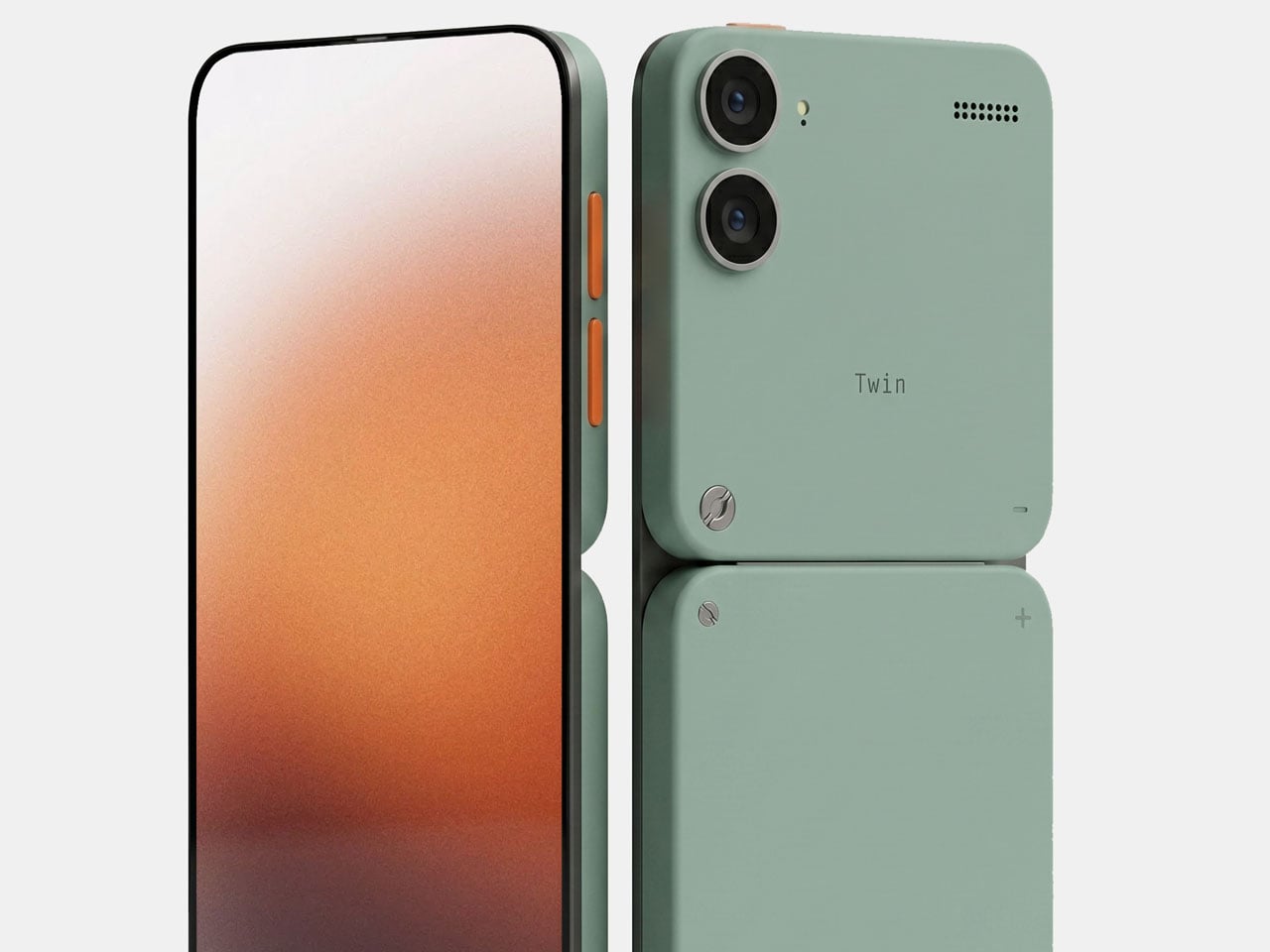
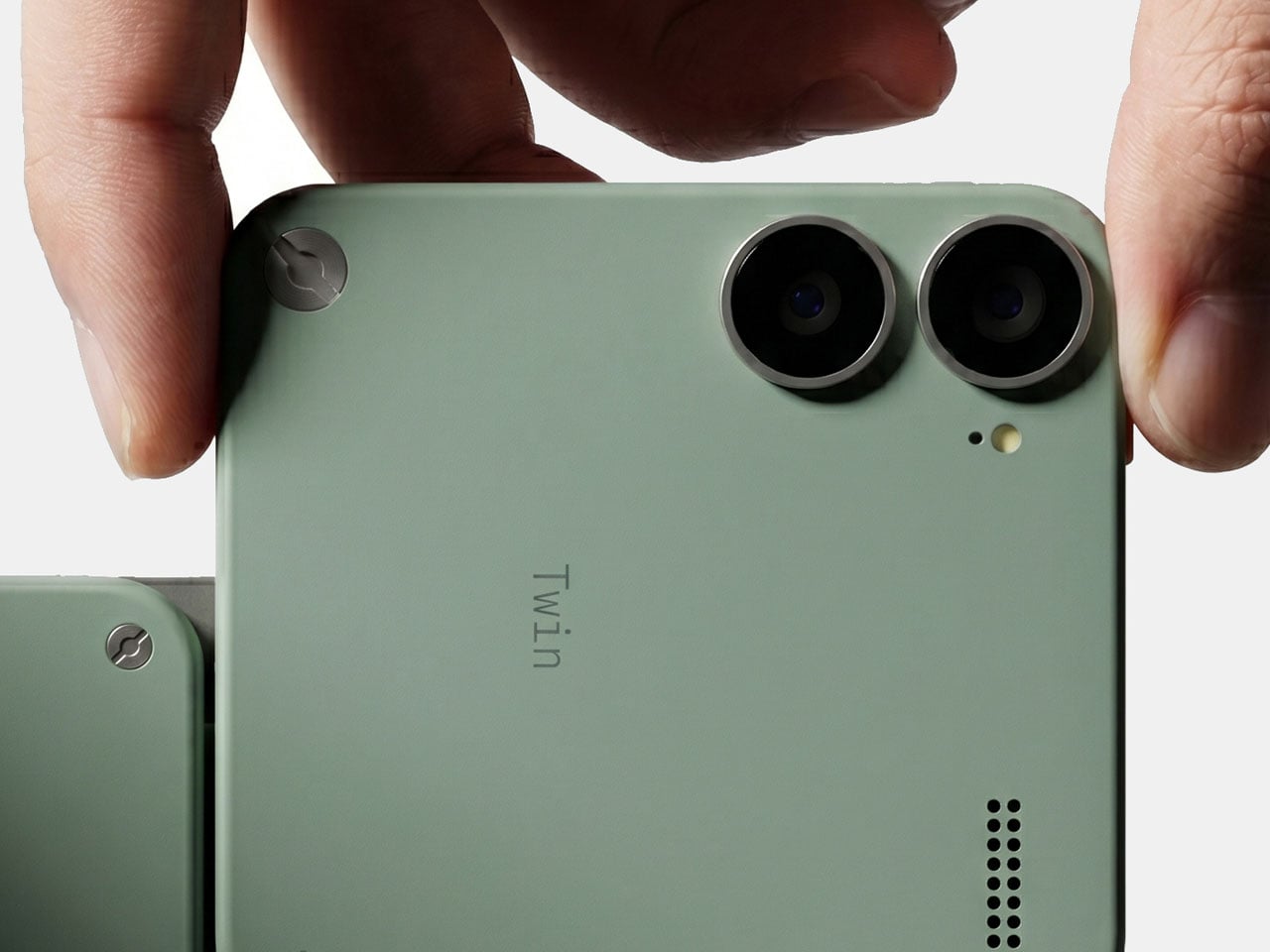
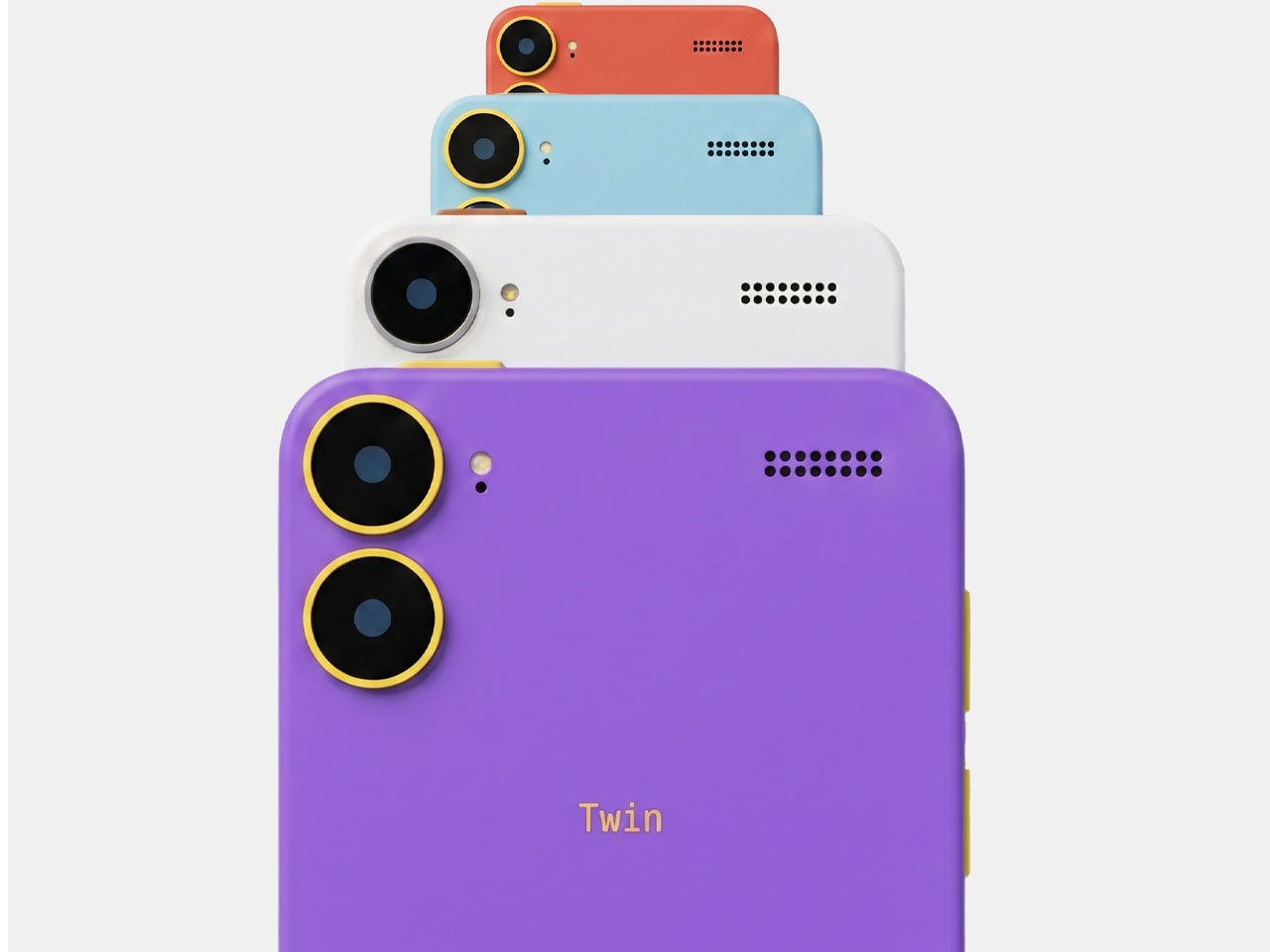
Twin Phone is built from recycled plastic, and the on-board battery can be replaced by removing the screws on the back. A larger screw on the back acts as a strap attachment for the lanyard function. To keep the phone relevant for young users, the designer imagines the device in a range of peppy colors, including blue, orange, purple, military green, and muted white.
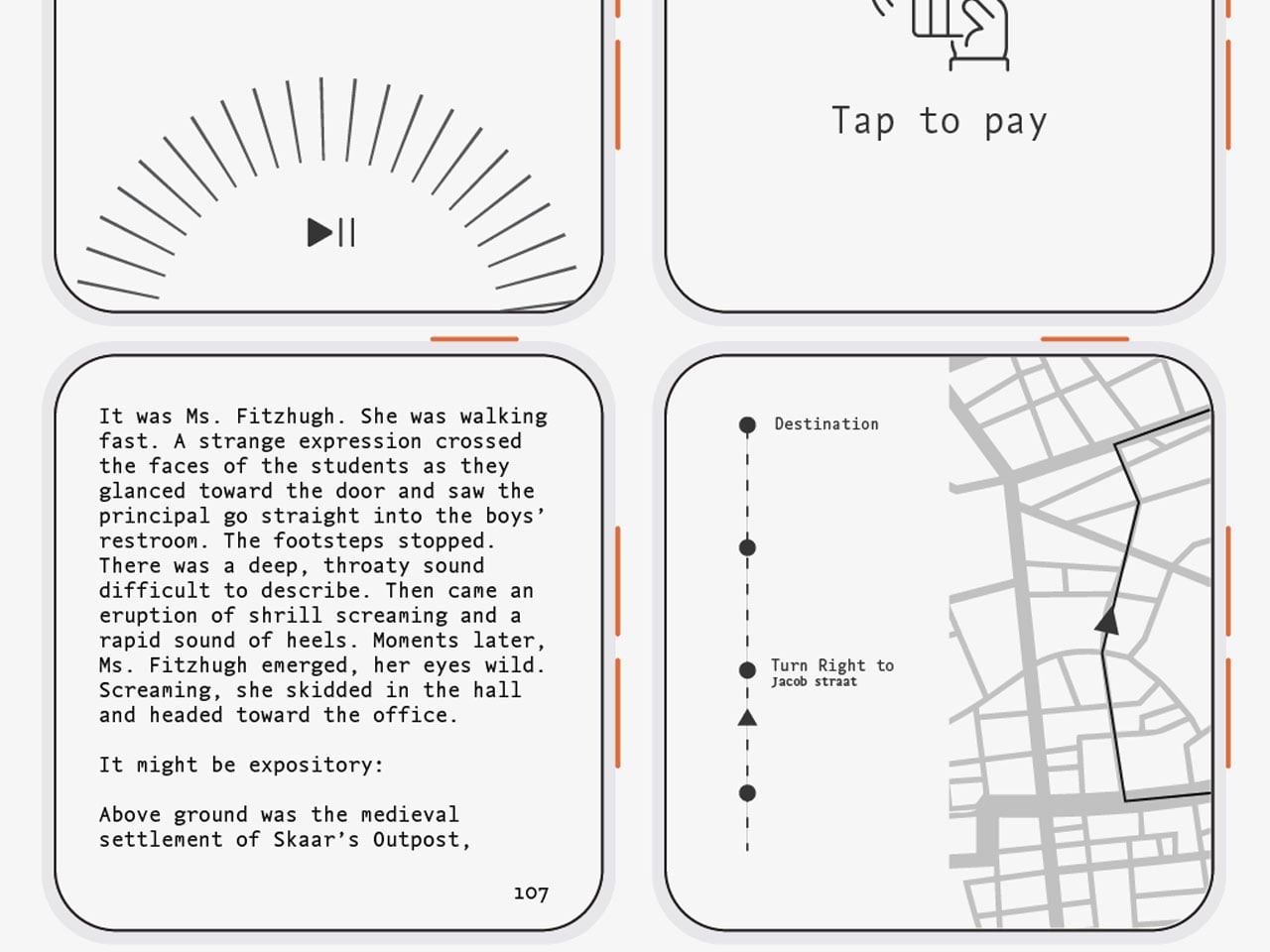
I simply love the idea of such a thoughtful device, which doesn’t try to completely put a stop to smartphone usage, giving one no option to retreat for some breathing space. The phone lets you decide when it is time to go minimal and when it’s time to explore the capabilities of a powerful device. This freedom lets the user gradually ease into a lifestyle wherein the phone is no longer dictating terms, and solves the intended purpose for once.
The post Twin Phone splits into two for users who don’t want to live with a dumb phone for the rest of their lives first appeared on Yanko Design.
Rugged Phones Are Ugly, but FCNT Just Proved They Don’t Have to Be

Rugged smartphones have always carried an inherent compromise. They’re built to take punishment, so manufacturers typically bulk them up with thick rubber borders, angular shapes, and enough plastic to survive a construction site. The result is a phone that can handle almost anything but looks conspicuous in everyday settings. That tradeoff has become so accepted that few people bother to question it.

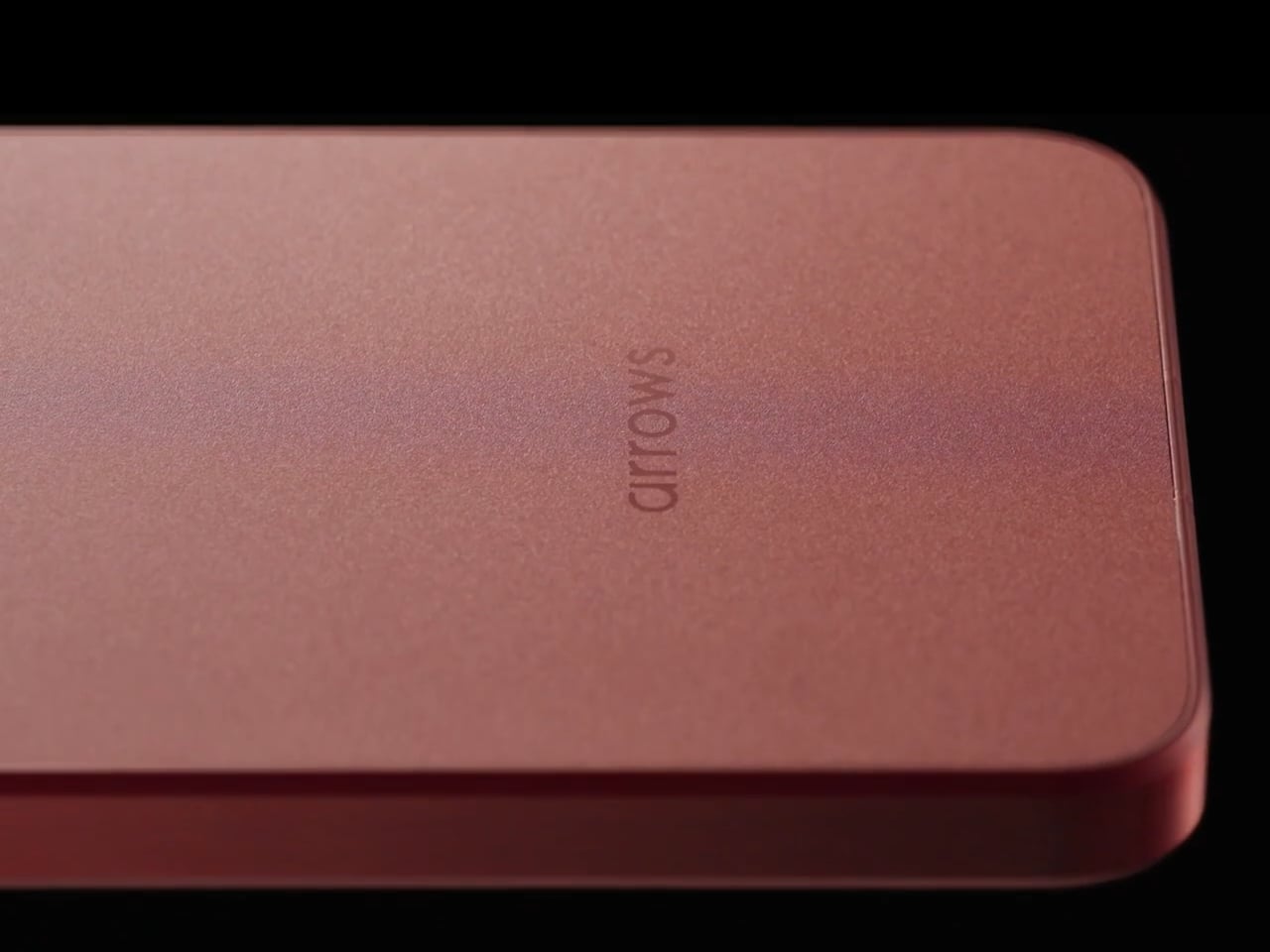
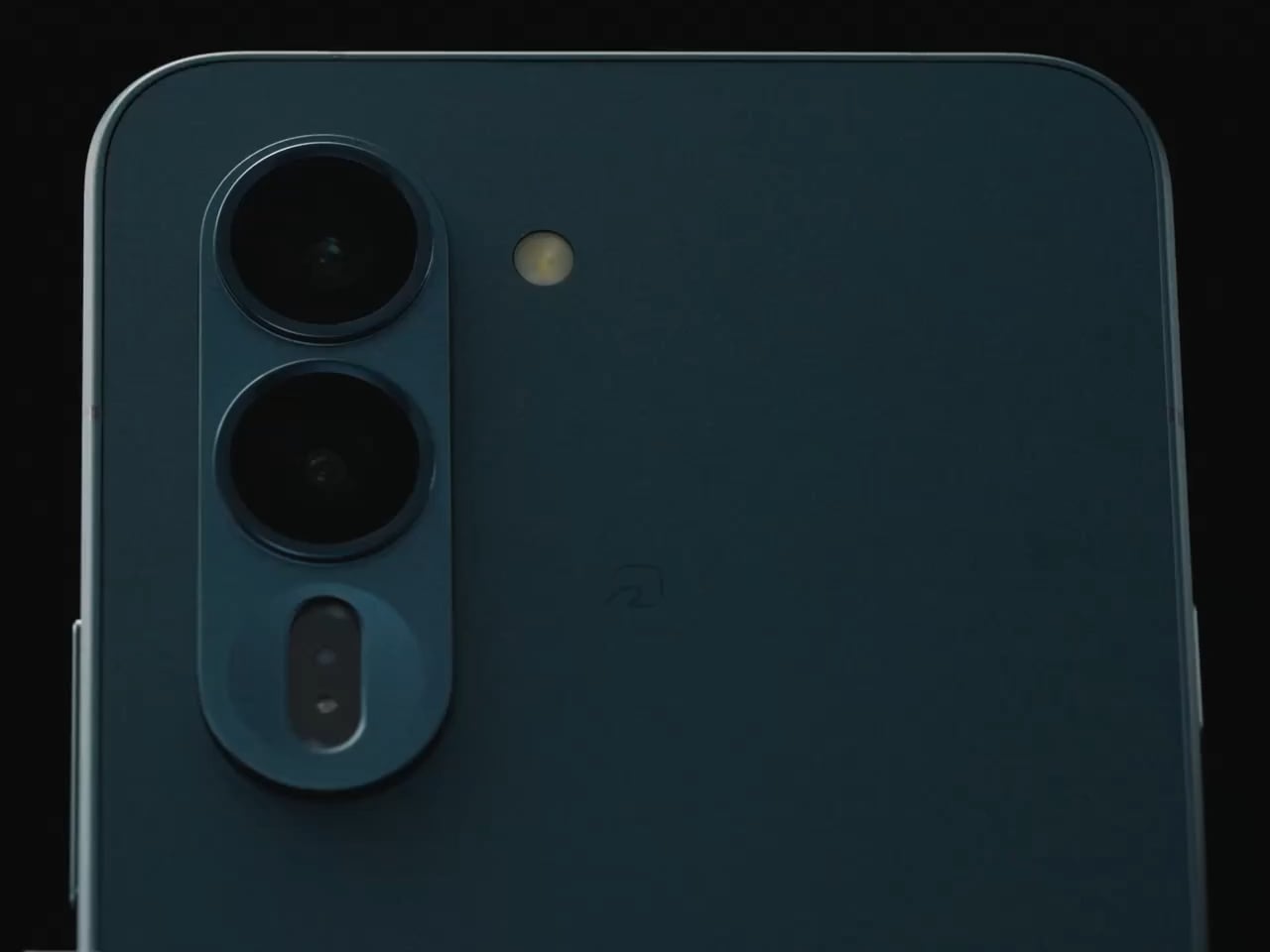
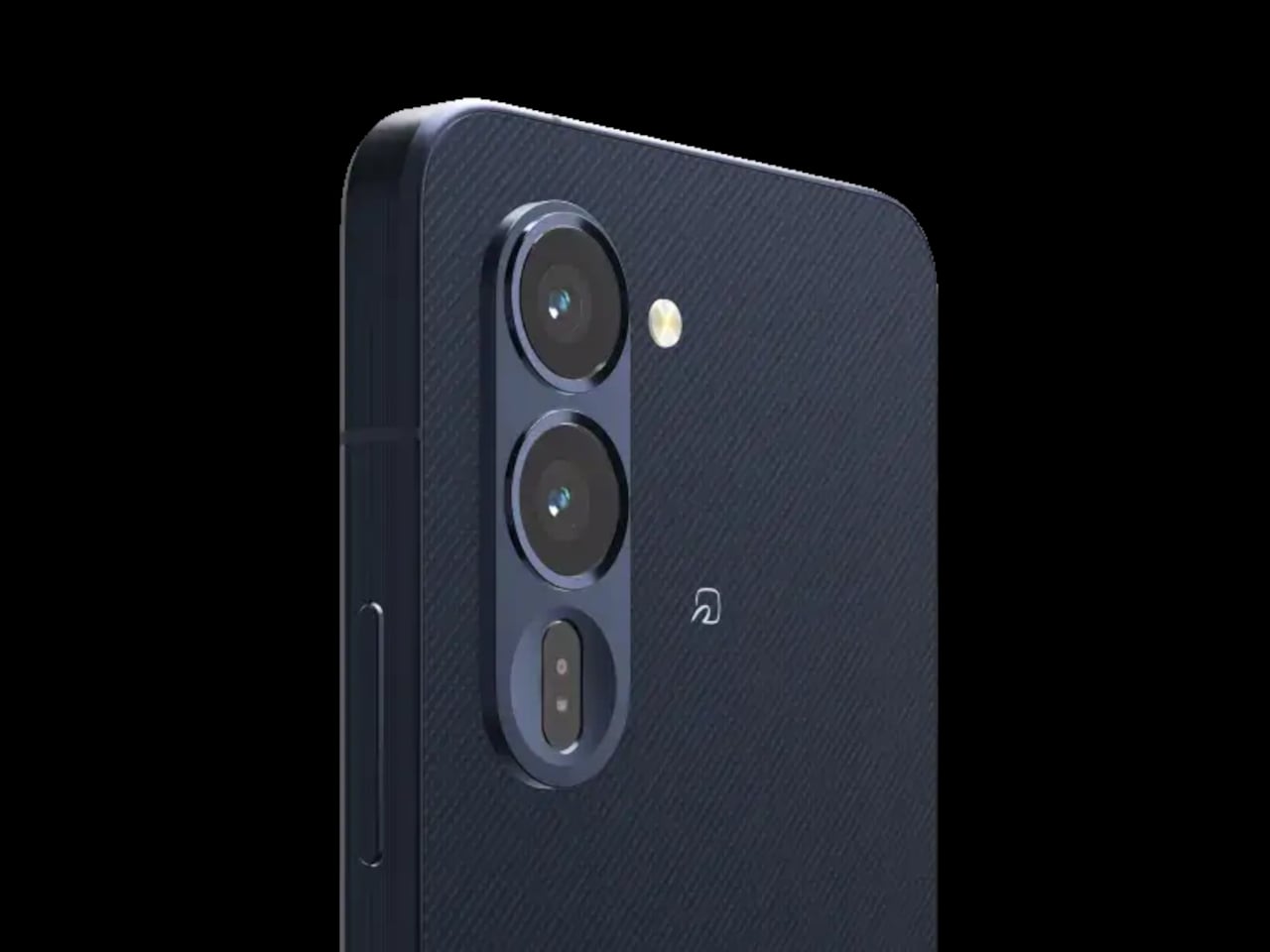
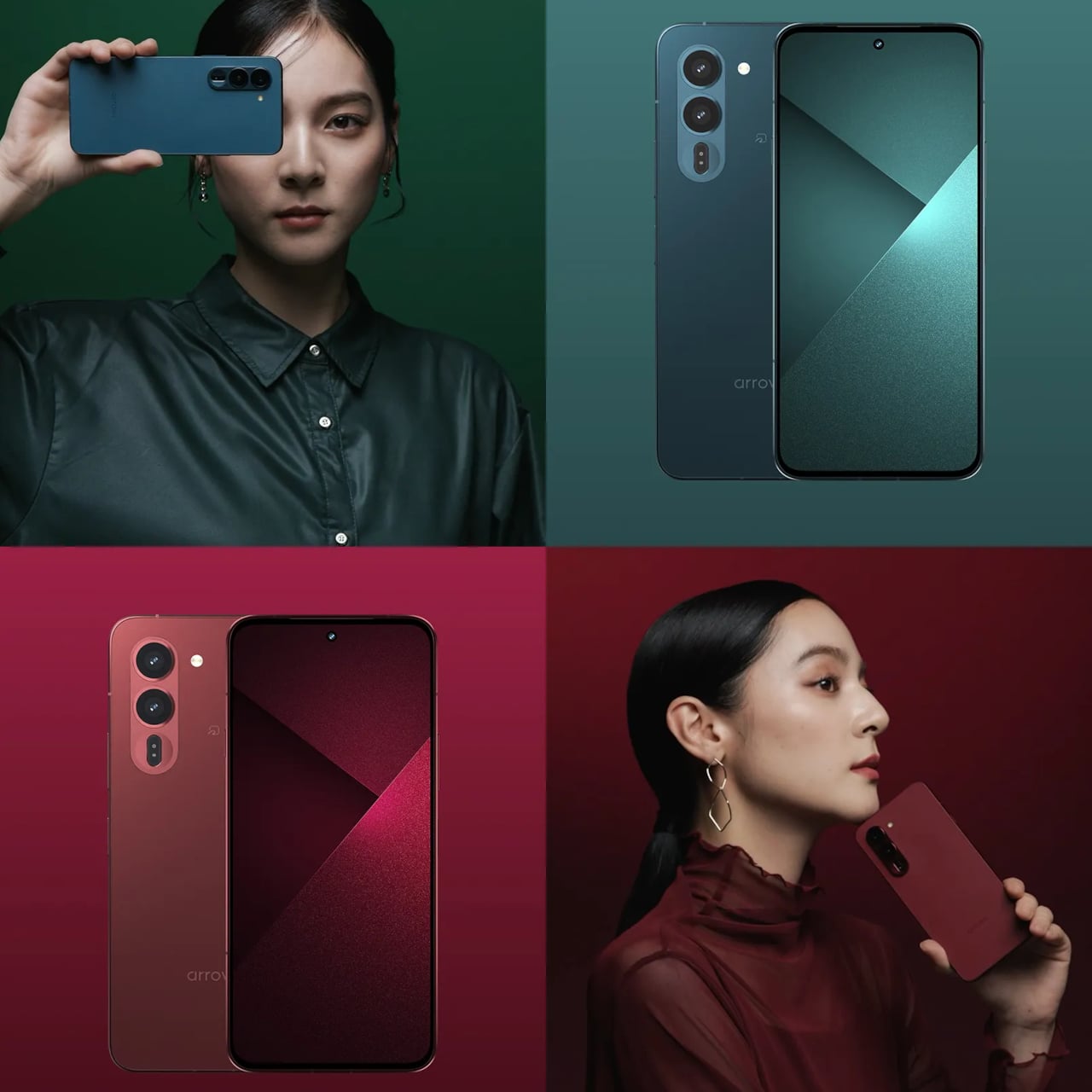
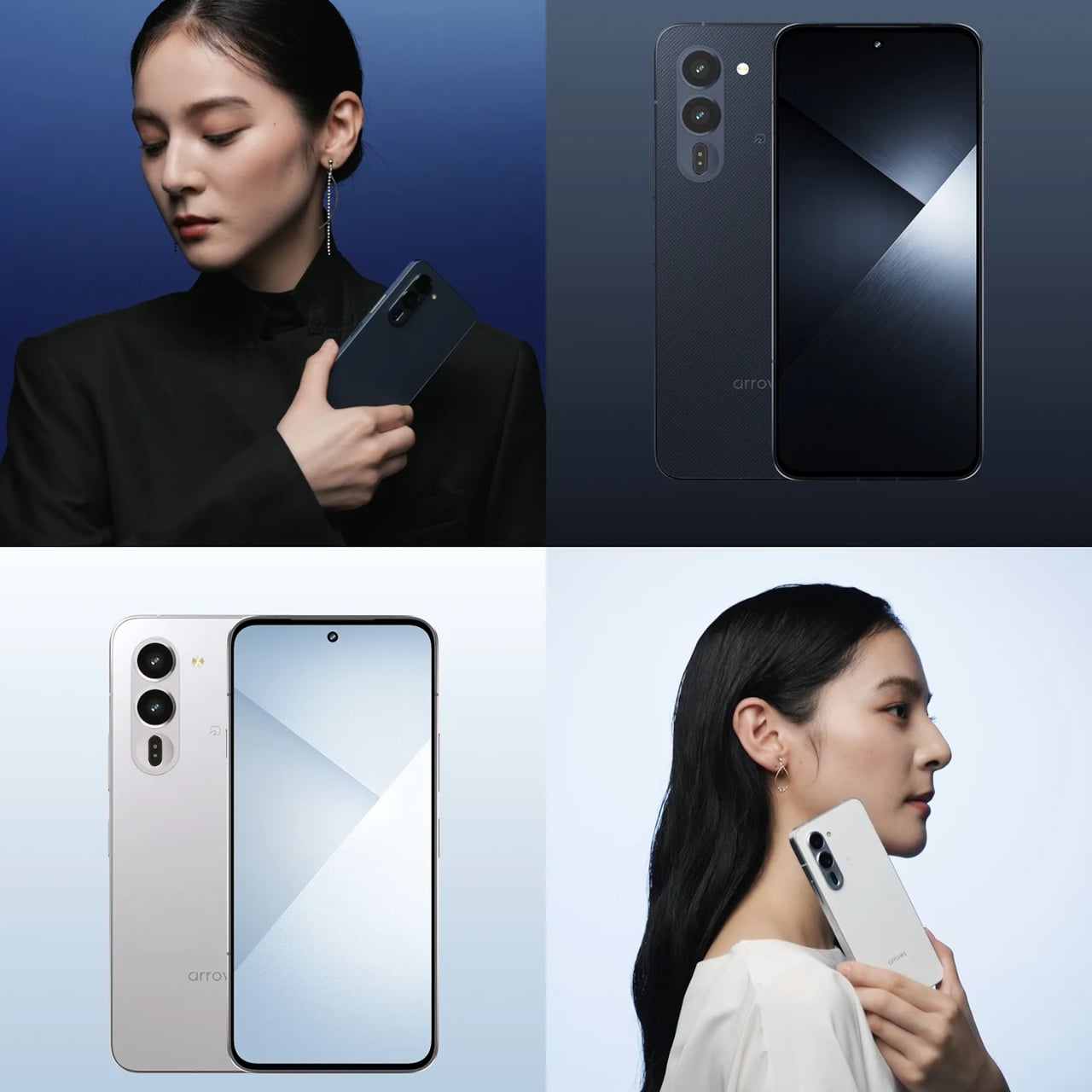
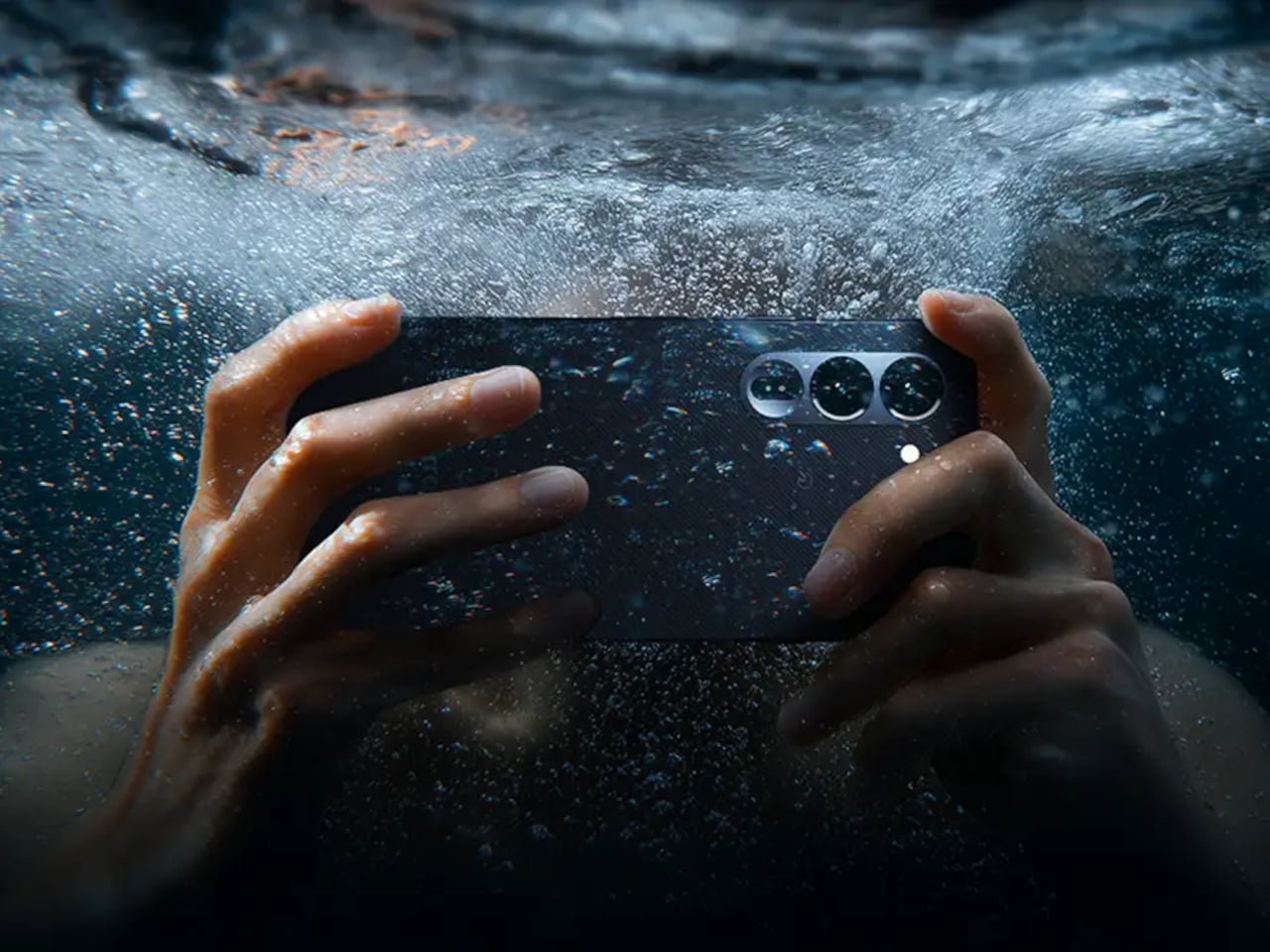
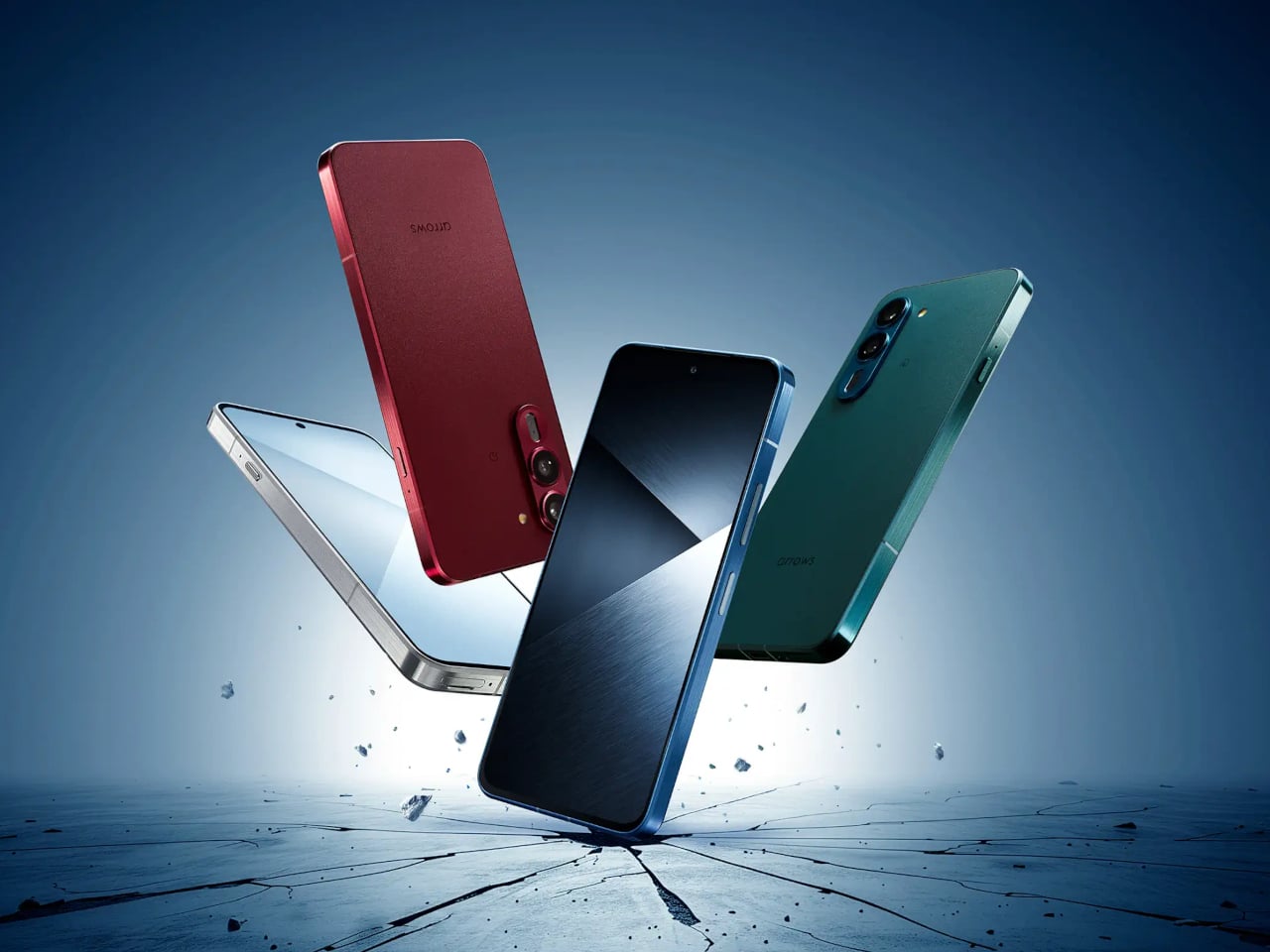
The arrows Alpha 2 takes the opposite position. It’s built around a brushed metal frame with a textured back panel, comes in four bold colors, and carries an 8.6 mm profile that doesn’t betray its durability credentials at all. Underneath the considered design is a phone that has passed 23 MIL-spec tests and holds IP66, IP68, and IP69 water and dust resistance ratings simultaneously.

Designer: FCNT (Lenovo)

The drop resistance is the detail that stands out most. FCNT claims the arrows Alpha 2 can survive a 1.8-meter fall onto concrete without the screen cracking, thanks partly to Gorilla Glass Victus 2 sitting on a flat, 2D panel. The display itself is a 6.4-inch LTPO OLED capable of hitting 3,000 nits, which also lets the phone hold its own outdoors, where most screens struggle to stay visible.

The battery is a silicon-carbon cell at 5,370mAh, the largest ever used in an Arrows-series phone. FCNT claims it delivers two full days on a single charge, engineered to sustain that performance for roughly four years. A 90W fast charger, sold separately, takes the battery from zero to full in about 40 minutes for those days when two days of stamina isn’t quite enough runway.

The camera system doesn’t make the compromises you’d expect from a phone that prioritizes toughness. The main shooter is a 50 MP Sony LYTIA 710 sensor on a 1/1.5-inch chip with optical image stabilization, backed by a 50 MP ultra-wide lens covering a 120-degree field of view. The front camera is also 50 MP. All three support 4K/60fps HDR video, which puts the image capabilities well outside what most rugged phones offer.

A MediaTek Dimensity 8350 Extreme chip handles performance, with the base model offering 8 GB of RAM and 256 GB of storage, and the higher-end variant stepping up to 12 GB of RAM and 512 GB. Virtual RAM expansion pushes the ceiling to 24 GB. The phone ships with Android 16 and arrives with three major OS upgrades and five years of security patches promised alongside the hardware.

The brushed metal frame and textured back give the phone a natural grip that doesn’t need rubber armor to achieve. FCNT also made some sustainability choices: the frame uses recycled aluminium, and the packaging is FSC-certified and fully recyclable. The arrows Alpha 2 goes on sale in Japan through NTT Docomo from late August 2026, with the 512 GB model exclusive to the Docomo Online Shop.

It’s a phone that argues against the idea that durability and design can’t occupy the same body. The 8.6mm profile doesn’t look like it belongs strapped to a workbelt, and the four color options reinforce that this wasn’t designed purely for industrial deployment. The battery engineering alone makes it stand apart from most competitors in the category, and the rest of the spec sheet does little to undermine that case.

The post Rugged Phones Are Ugly, but FCNT Just Proved They Don’t Have to Be first appeared on Yanko Design.

Dasung Made a Phone Screen for People Who Hate Screens

Screens keep getting sharper and brighter, though the one complaint that never goes away is eye fatigue. LCDs and OLEDs are impressive, but both still rely on backlit panels aimed directly at your eyes, hour after hour. The e-reader crowd has long known that E-Ink is easier to live with, though swapping your daily phone for a dedicated E-Ink device is a trade-off most people aren’t willing to make.

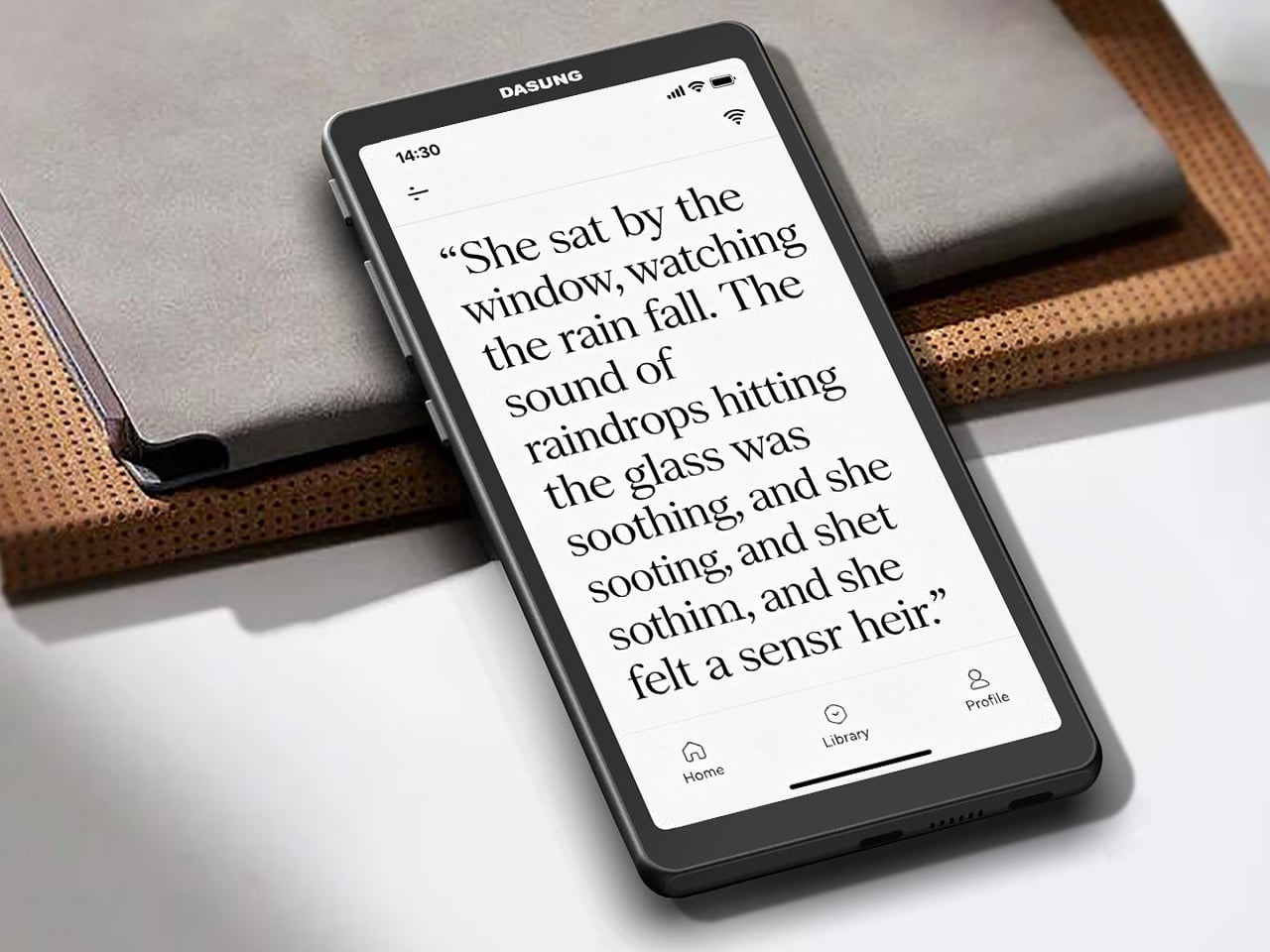
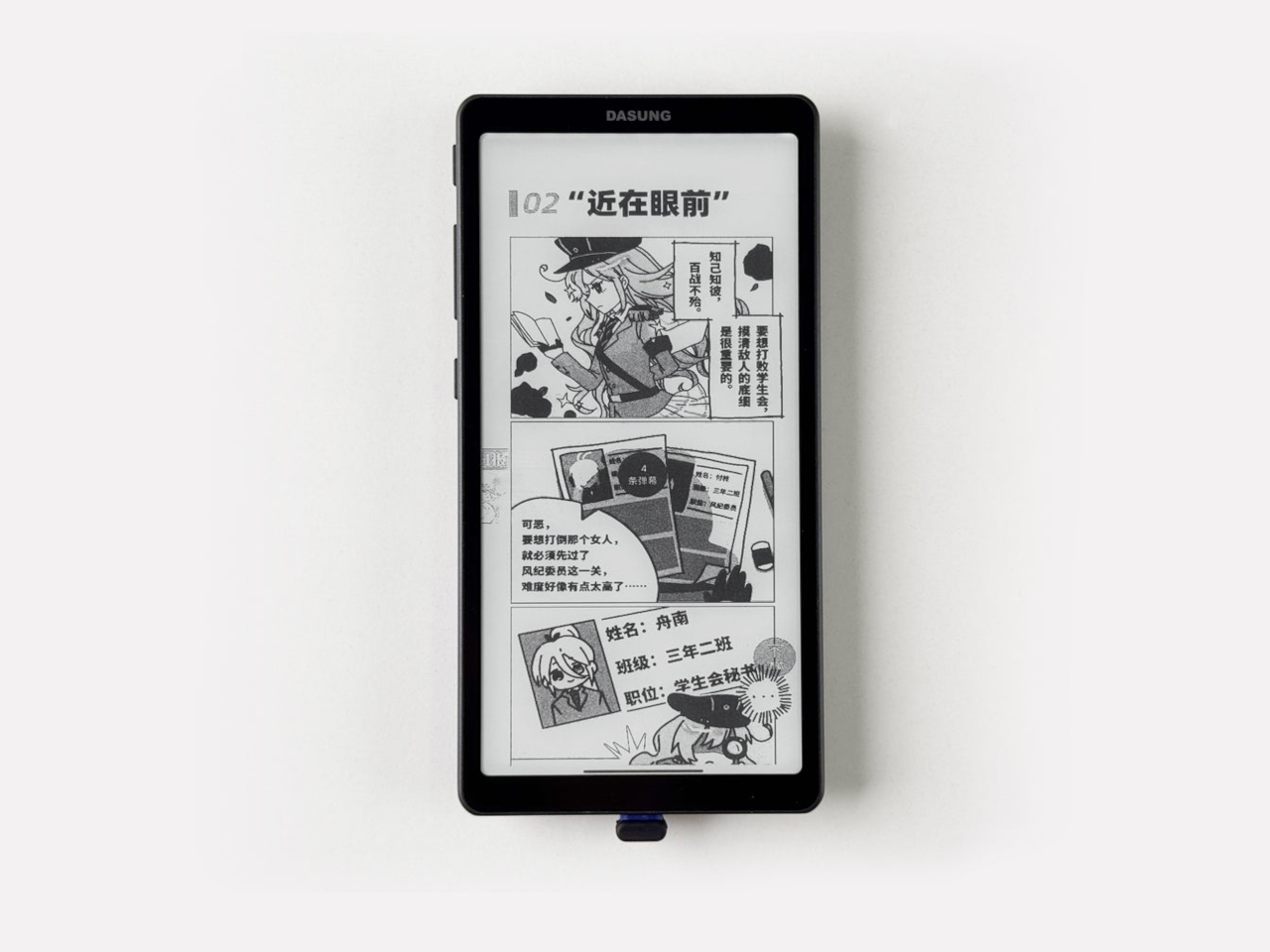
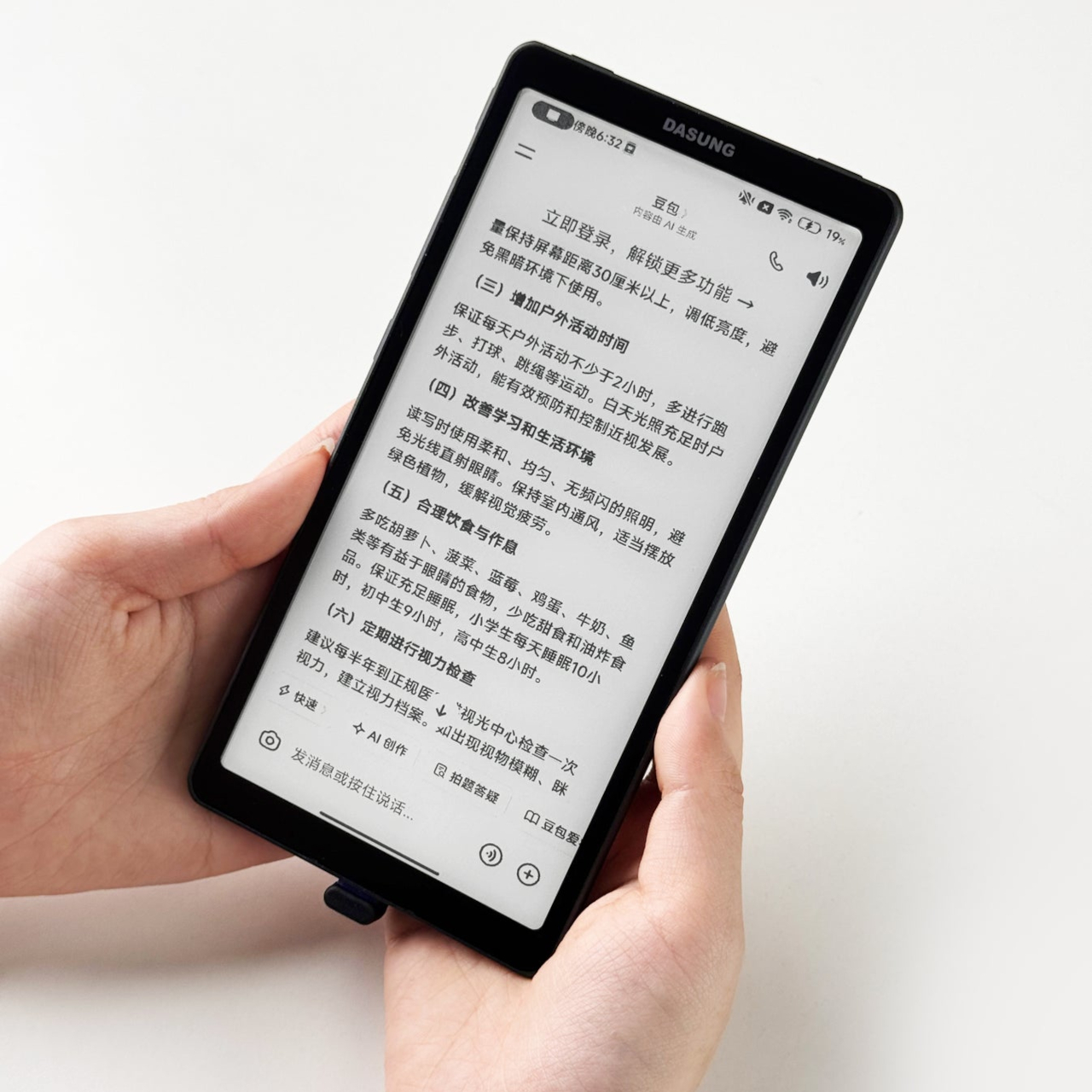
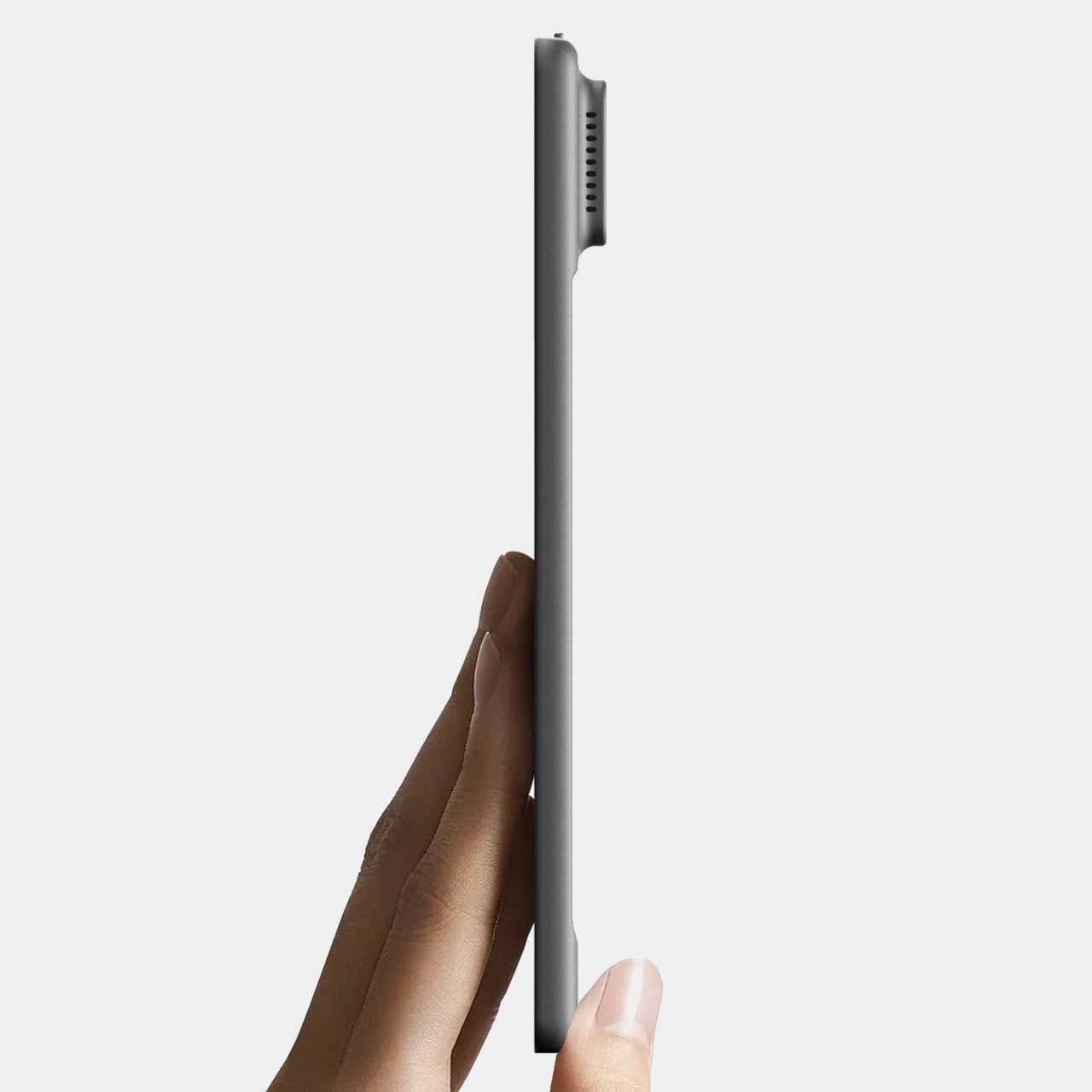
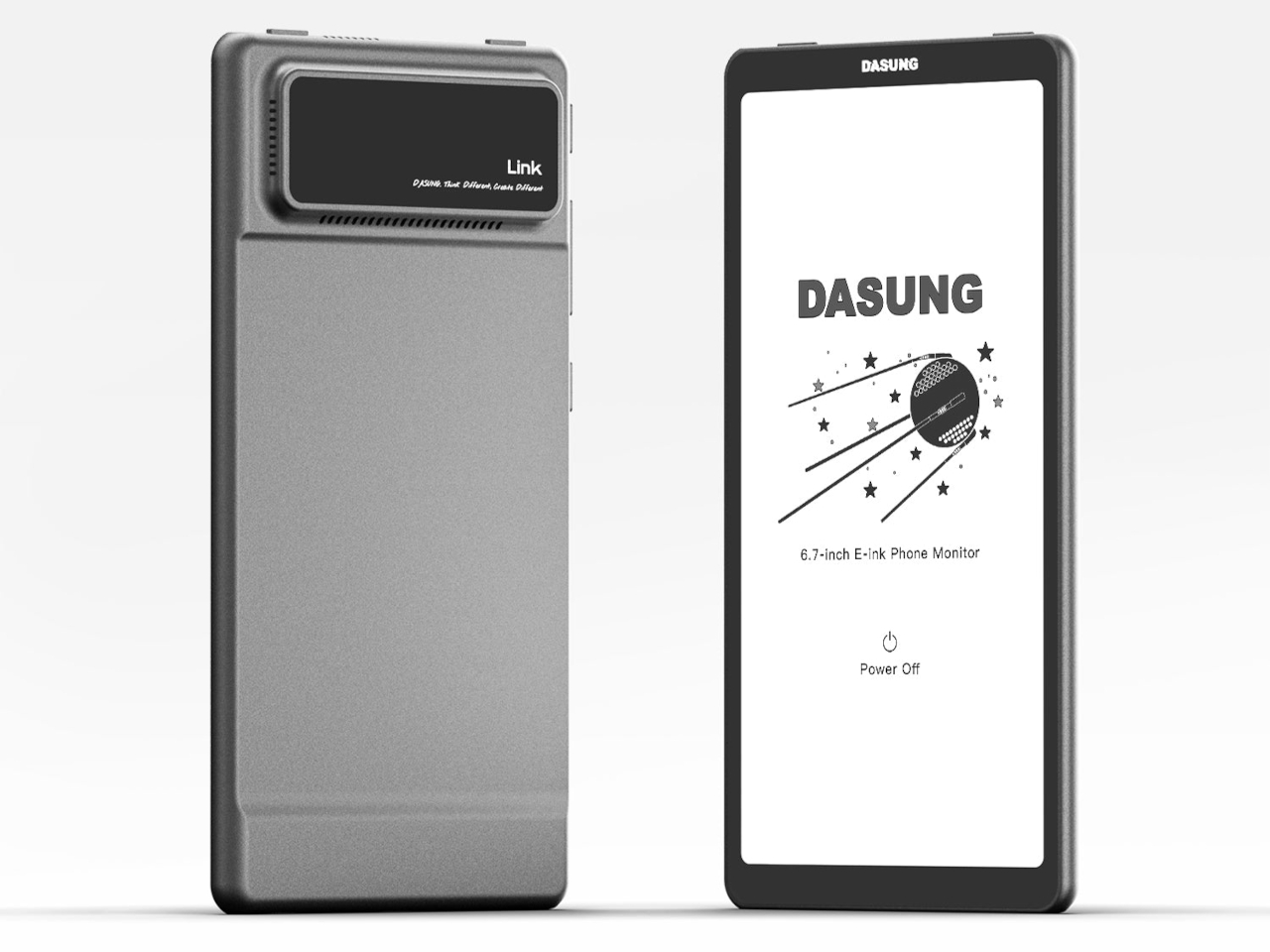
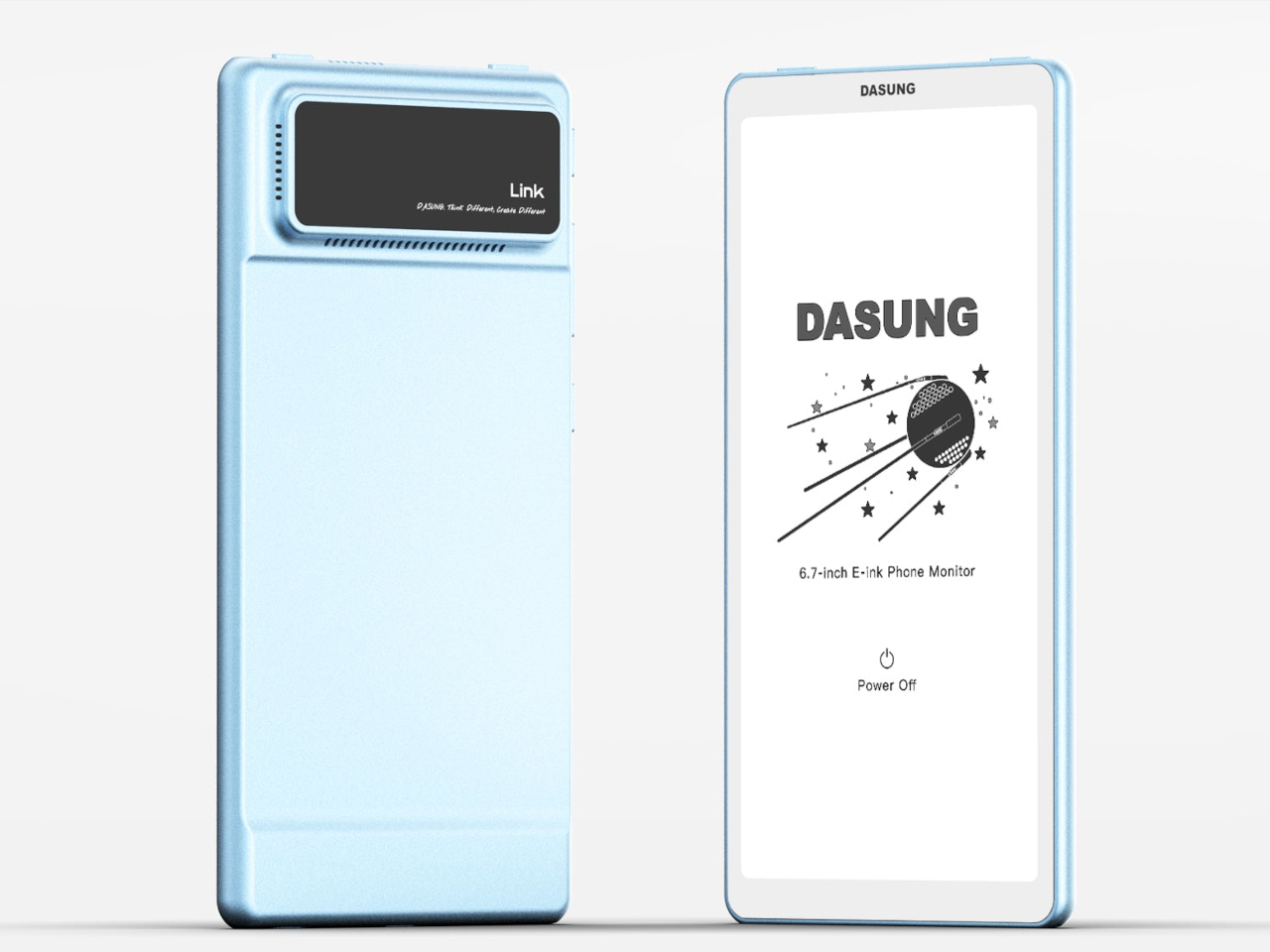
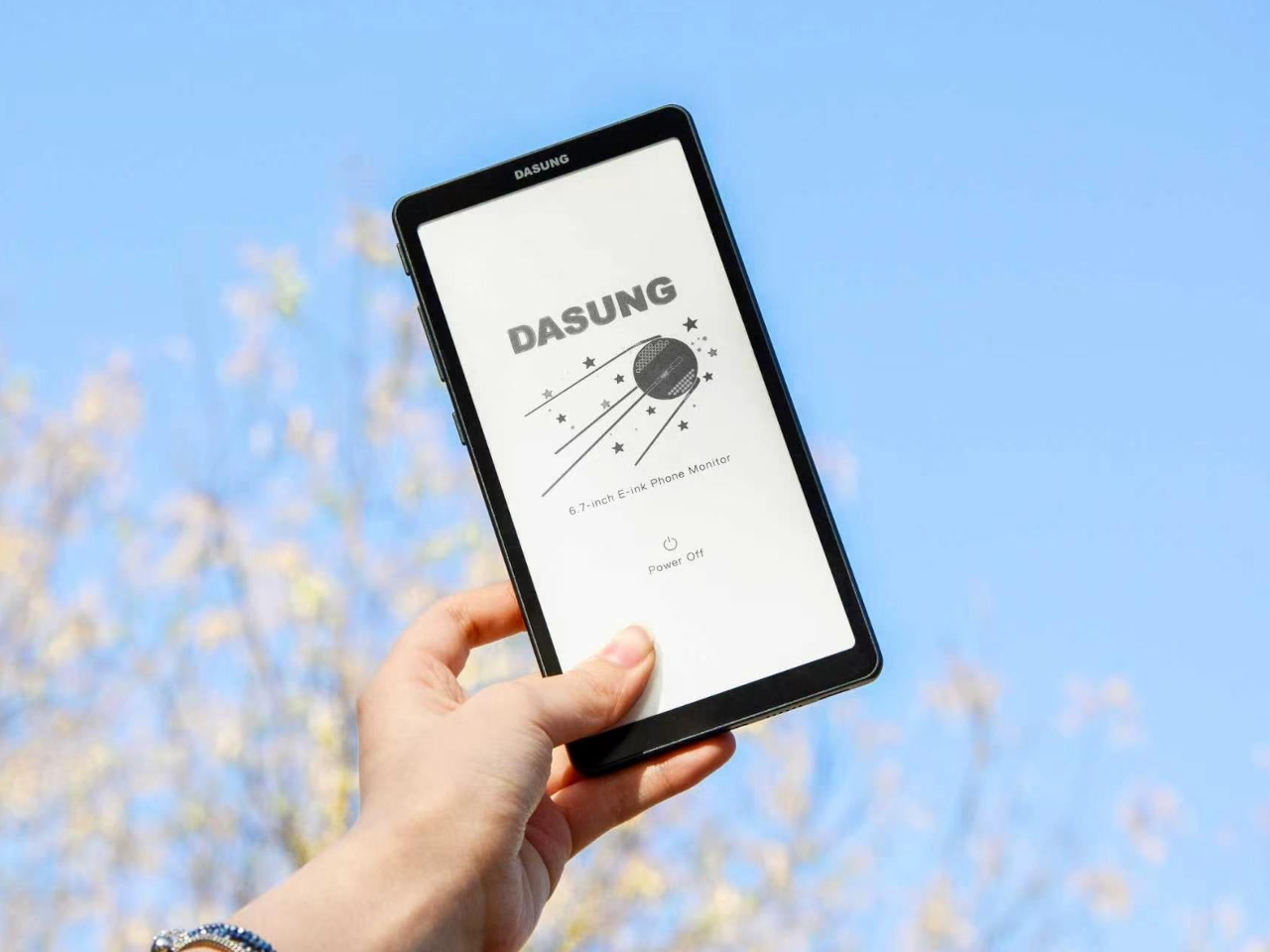
The Dasung Link 2 offers a different answer to that familiar problem. Rather than replacing your smartphone with an E-Ink device, it works alongside whatever phone you already have, mirroring its display onto a 6.7-inch monochrome E-Ink screen. The idea is straightforward: keep your apps, your contacts, and your habits, but read, scroll, and type on a surface that feels far closer to paper than any OLED ever will.

Designer: Dasung

What makes the Link 2 practical as a daily companion rather than just a reading gadget is DASUNG’s 60Hz refresh technology. Most E-Ink screens run at a fraction of that speed, producing noticeable lag when scrolling or typing. At 60Hz, the Link 2 handles those tasks with minimal ghosting, making it comfortable for messaging, browsing, and even light video, things that would have been genuinely frustrating on earlier E-Ink displays.

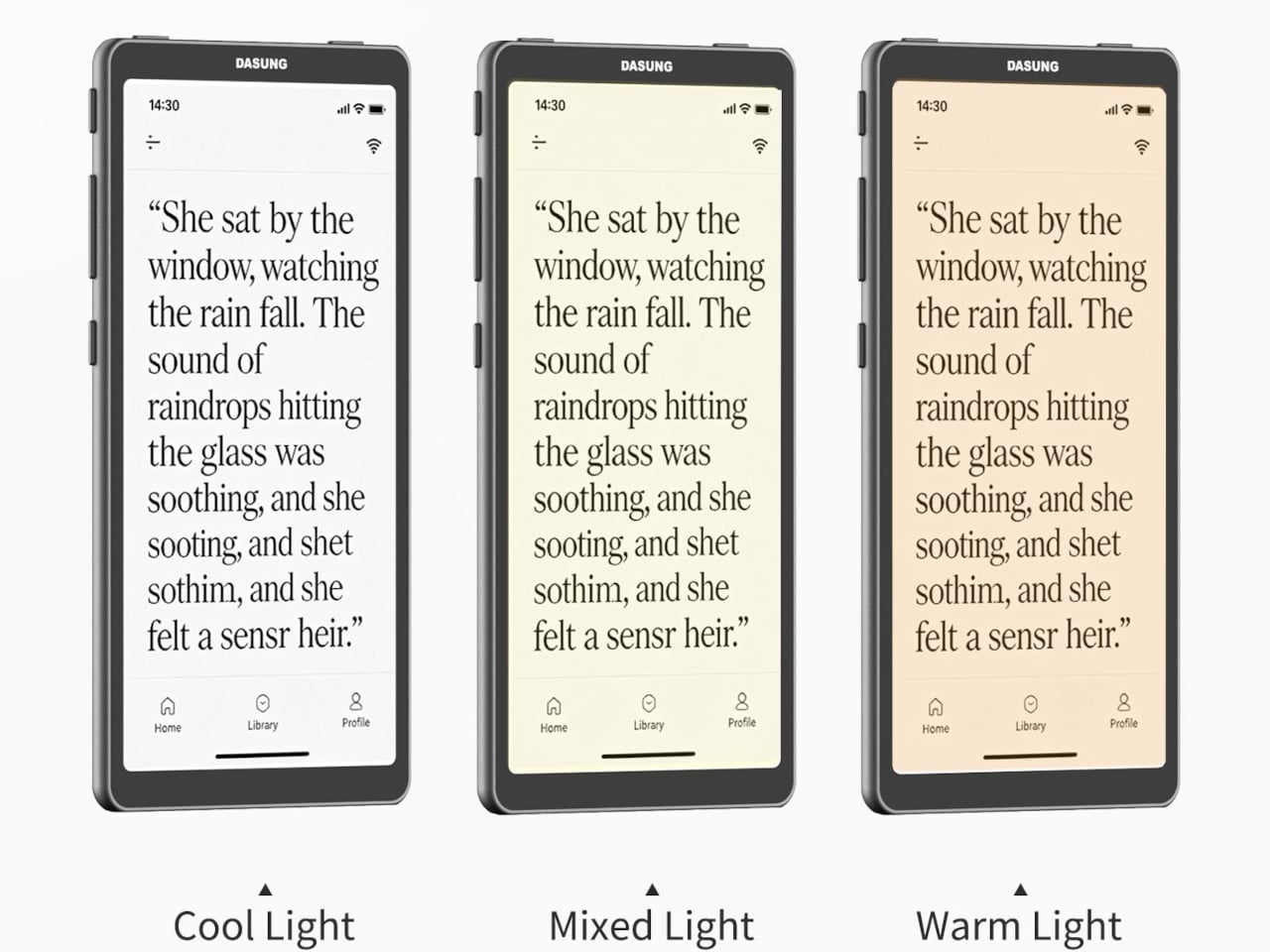
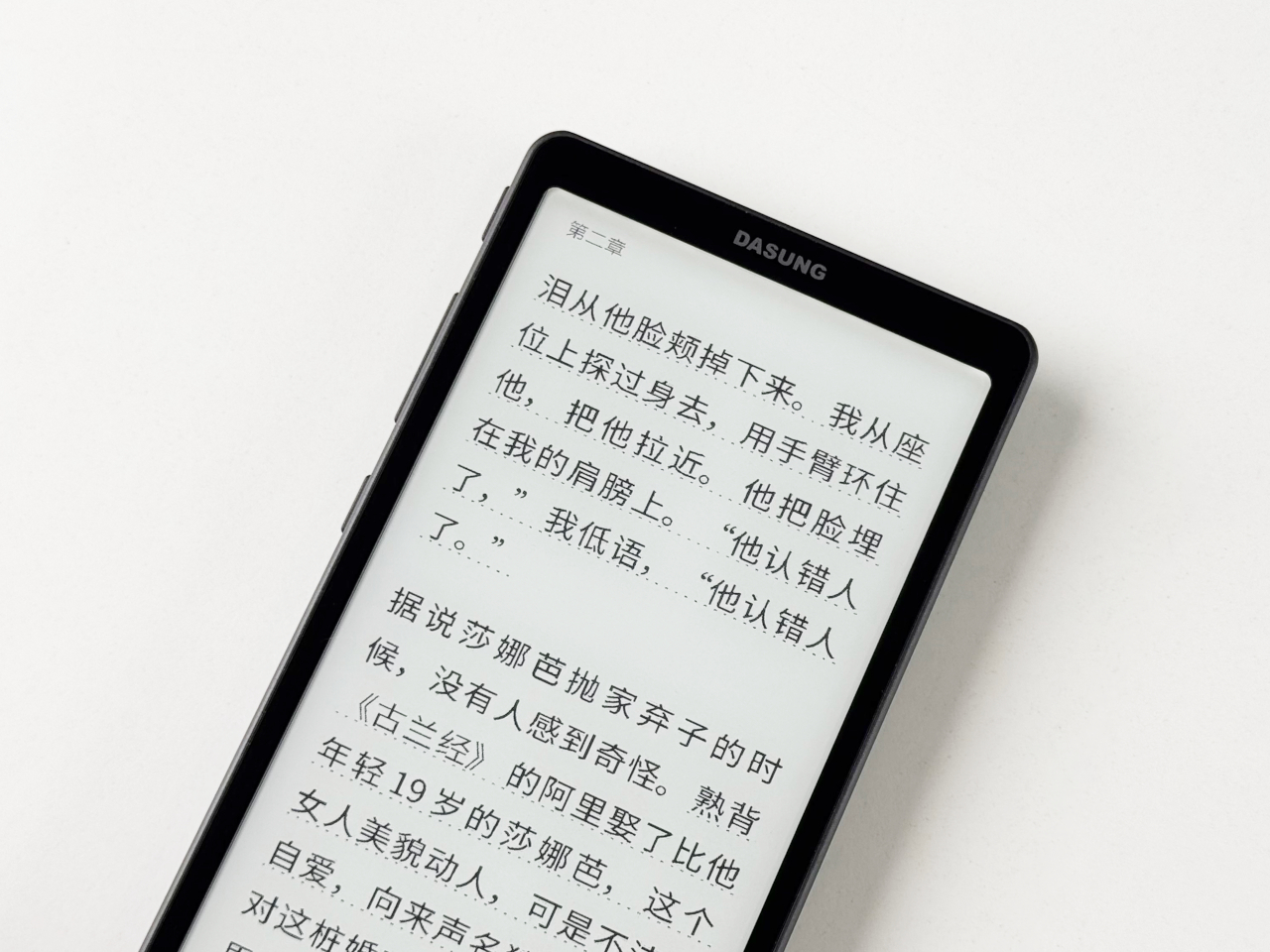
The screen measures 6.7 inches at 300 PPI, putting it in the same resolution range as premium e-readers. Text is sharp, and the display reflects ambient light the way paper does, staying legible in bright outdoor conditions where most LCD phones need to max out their brightness just to stay visible. For low-light reading, an adjustable dual-tone front light handles the darker hours without harshness.

The Link 2 also supports reverse touch, which lets you interact with your phone directly through the E-Ink screen’s surface without picking your phone up separately. Physical keys on the body handle quick contrast and image adjustments, so you aren’t hunting through menus when the light around you changes. It makes a secondary screen feel less like a burden and more like a natural tool.

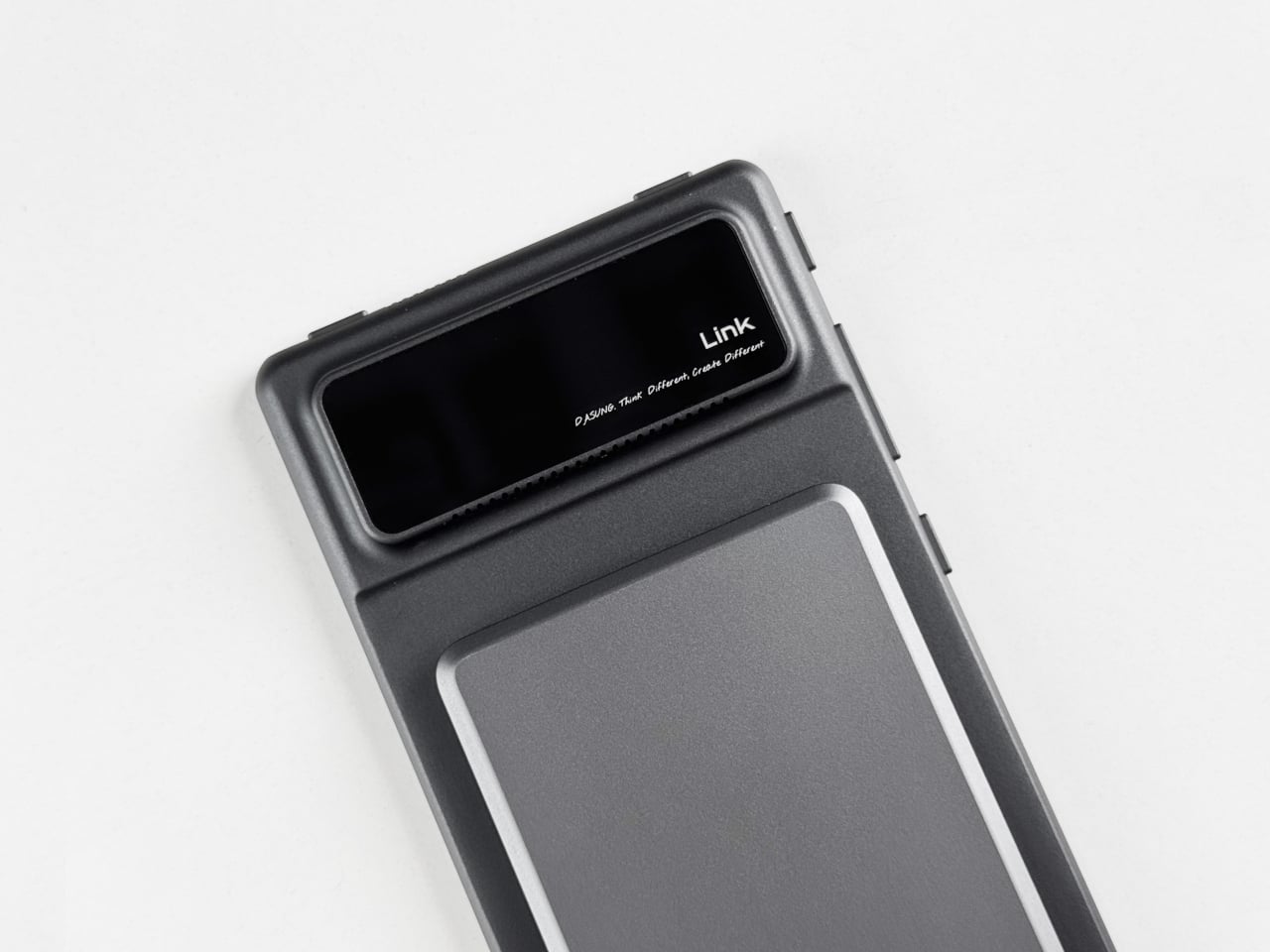
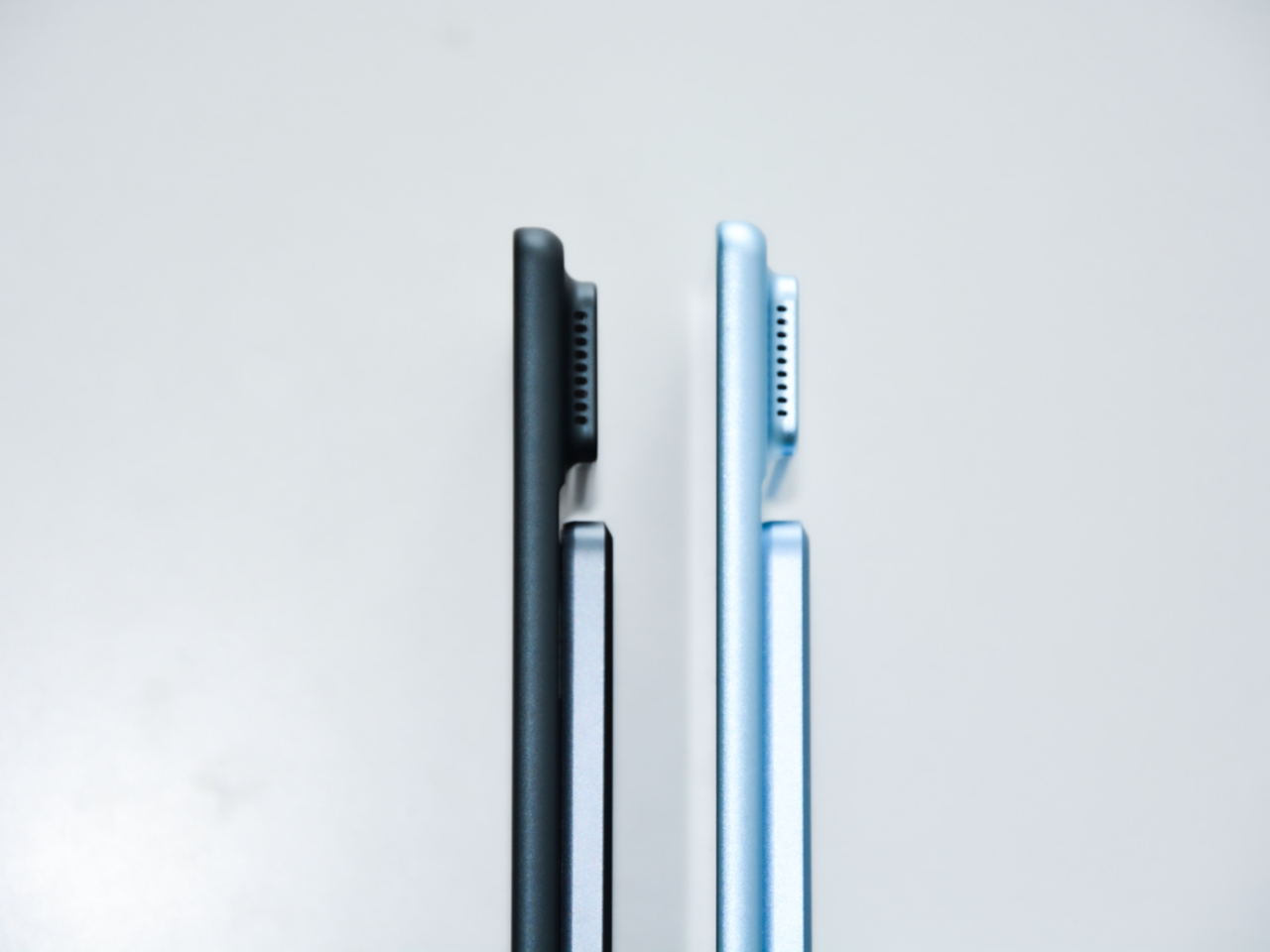
The hardware is built from metal and kept thin and light enough to slip into a pocket alongside your phone. It connects wirelessly for screen mirroring and works with magnetic power banks, which helps on longer outdoor outings where a wall outlet isn’t nearby. Compatibility spans Android 12 and later, modern iOS, and HarmonyOS, so it isn’t tied to any single phone brand or operating system.

One thing worth noting is that the Link 2 doesn’t operate independently. It relies on your phone’s processing power, RAM, and installed apps to function, so it’s less a standalone gadget and more a screen you borrow for your phone. The battery-free model starts at $329, with the battery-equipped version available at $349, both offered in Space Gray and Glacier Blue.

It’s admittedly a niche proposition, and the limitations are real. Monochrome E-Ink isn’t ideal for color photos, and carrying a second screen is an extra thing to manage throughout the day. But for anyone who spends long stretches reading articles, messages, or documents on their phone, shifting that habit onto a paper-like surface rather than a glowing backlit display is a genuinely compelling idea.

The post Dasung Made a Phone Screen for People Who Hate Screens first appeared on Yanko Design.
Samsung’s Best Foldable Has 4,400mAh, Vivo’s Has 7,000

Foldable phones have gone from novelties to genuine daily drivers, but the category still wrestles with two persistent complaints: battery anxiety and cameras that don’t quite match their non-folding counterparts. The big names have made progress on both fronts, though rarely at the same time, and rarely without some trade-off in thickness, weight, or price. That tension has defined the foldable experience for years.

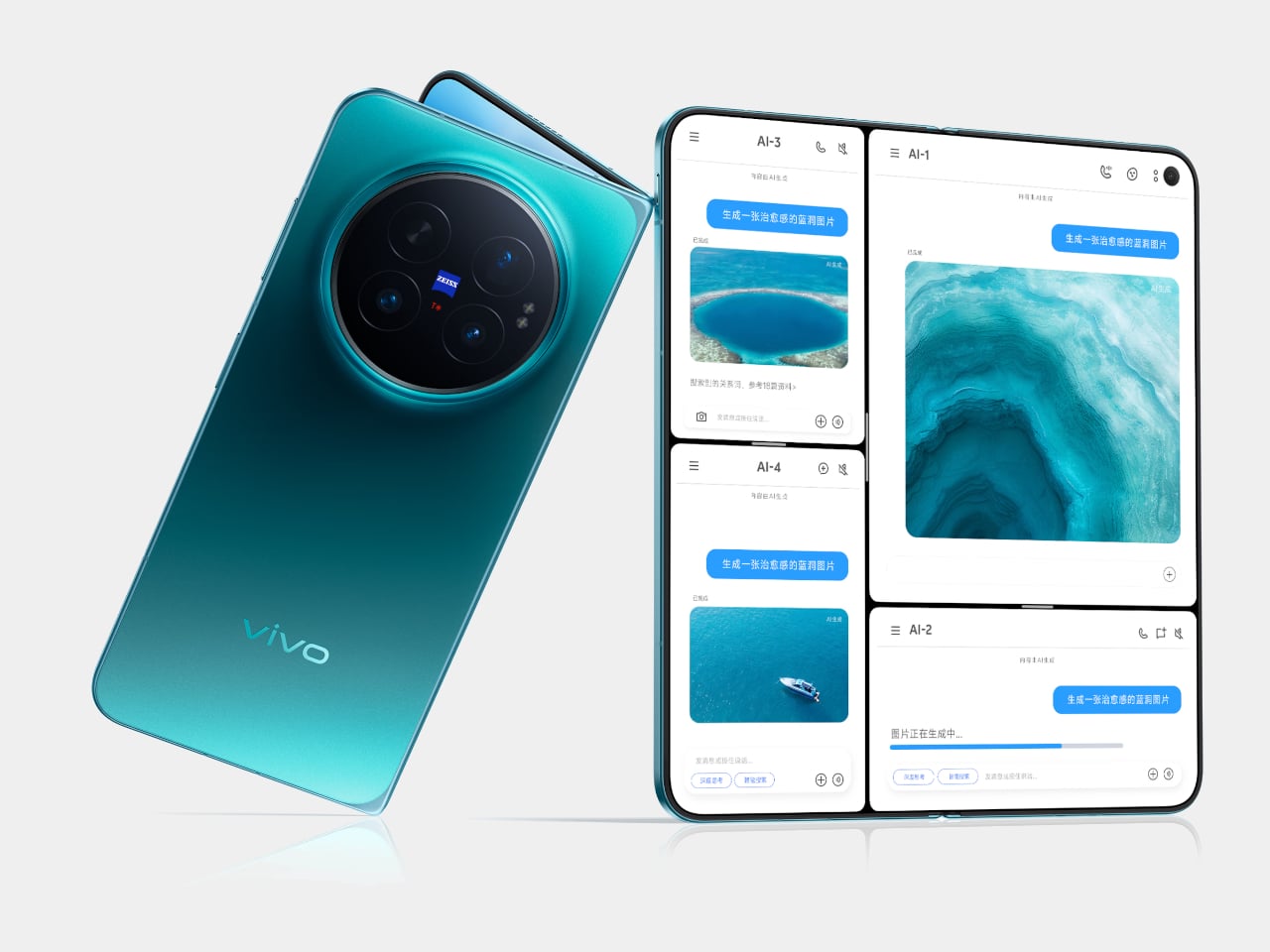
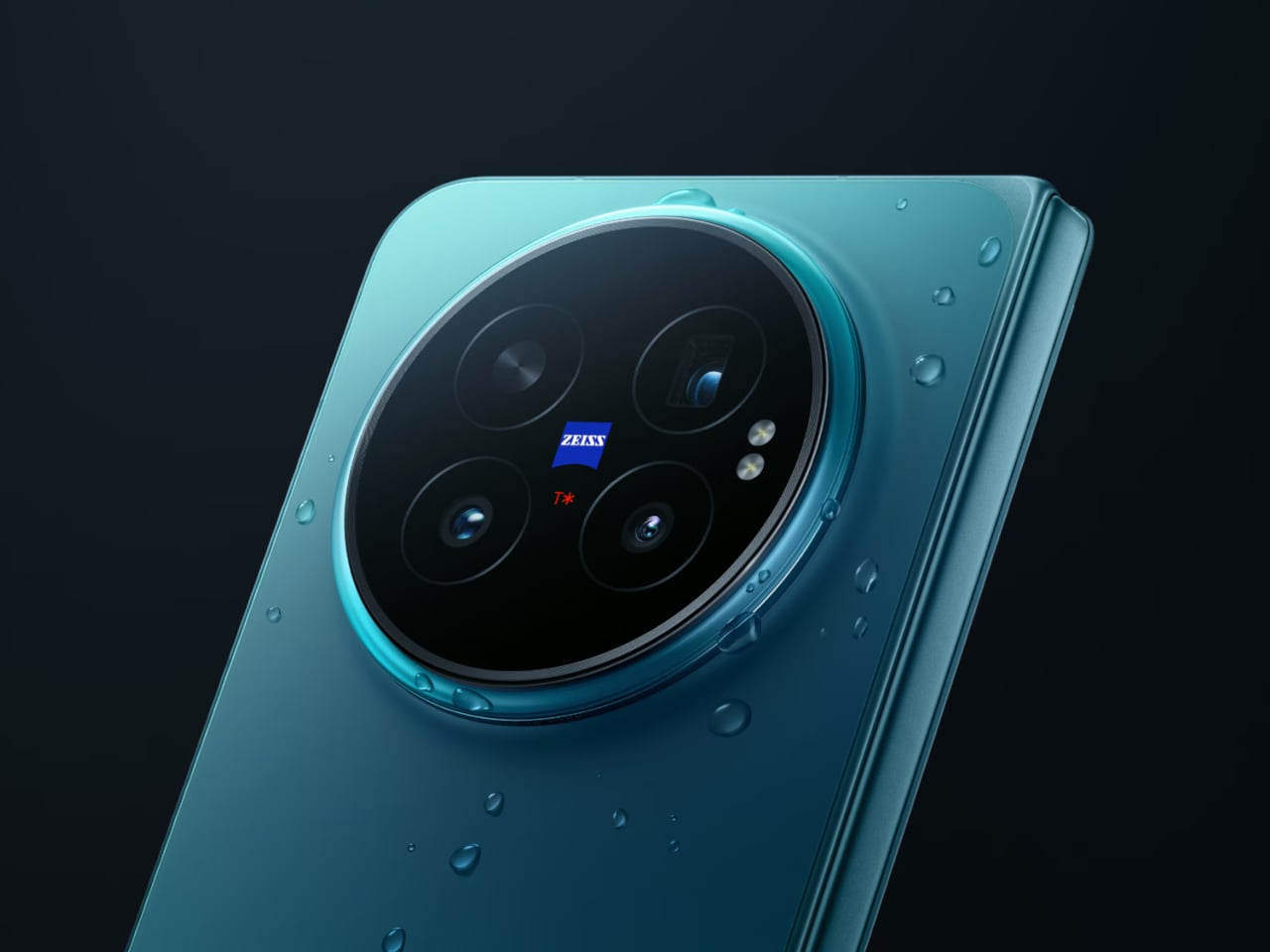
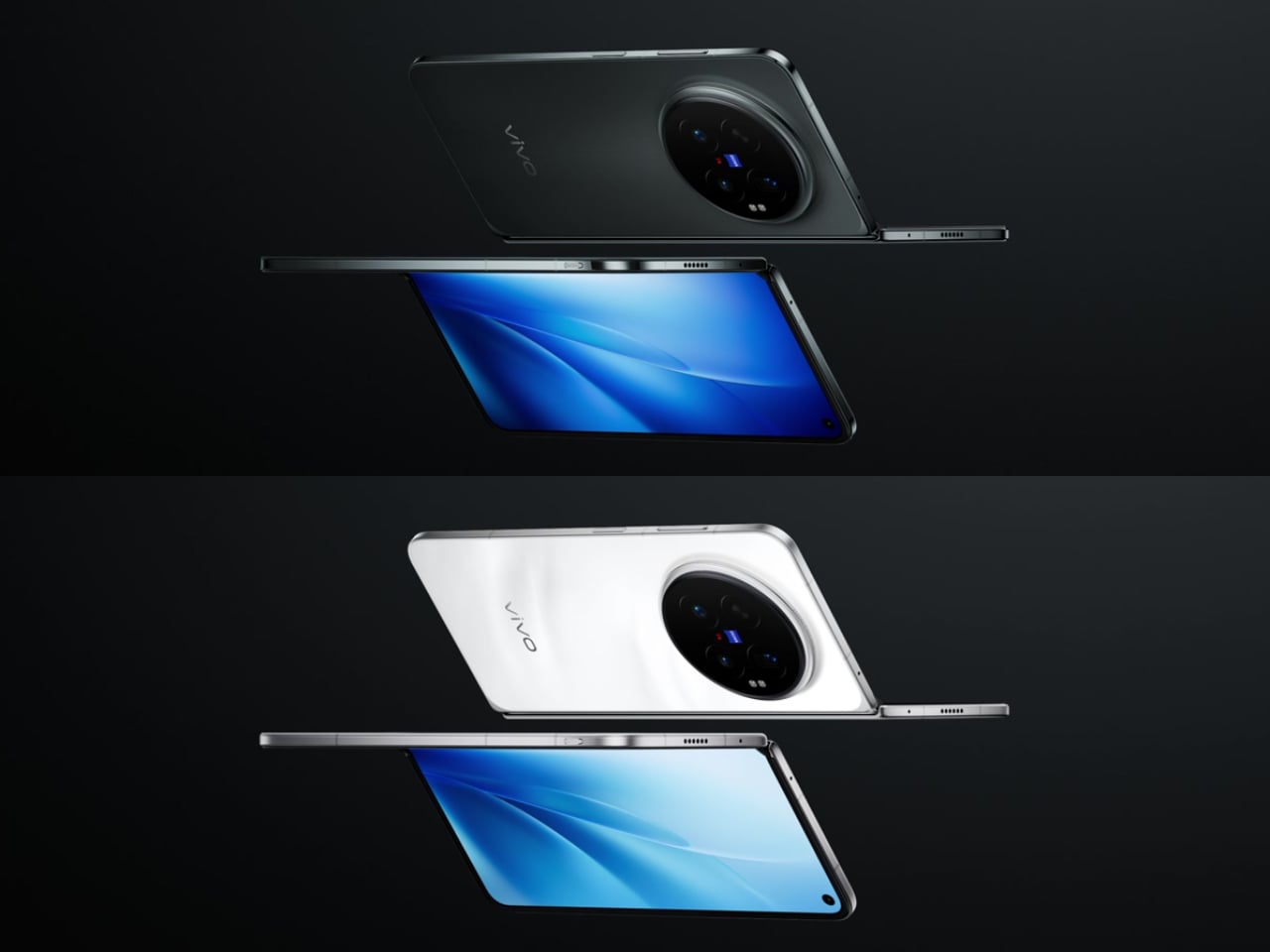
The Vivo X Fold 6 takes aim at both problems at once, arriving with a 7,000mAh silicon-carbon battery and a 200MP ZEISS-tuned main camera on a form factor that still manages to fold flat into your pocket. It’s a foldable that doesn’t ask you to pick between photography and endurance, and the spec sheet makes a strong case that Vivo isn’t bluffing on either front.

Designer: Vivo

That 7,000mAh figure deserves some context. Samsung’s Galaxy Z Fold 7 packs a 4,400mAh battery, a 2,600mAh gap that isn’t a rounding error. The X Fold 6’s cell is a silicon-carbon design, which keeps the phone from becoming unreasonably thick despite the capacity. It charges at 80W over wire and 40W wirelessly, so topping up on a desk or a hotel nightstand doesn’t take long.

The camera system is where things get genuinely interesting. The 200MP main sensor, which measures 1/1.4 inches and opens at f/1.68, is ZEISS-tuned and sits alongside a 50MP ultrawide and a 50MP 3x periscope telephoto. That telephoto sensor, a Sony LYT-602, is larger than the one found in competing foldables from Samsung, OPPO, and Honor. Vivo’s Blueprint V3+ imaging chip handles processing duties across the setup.

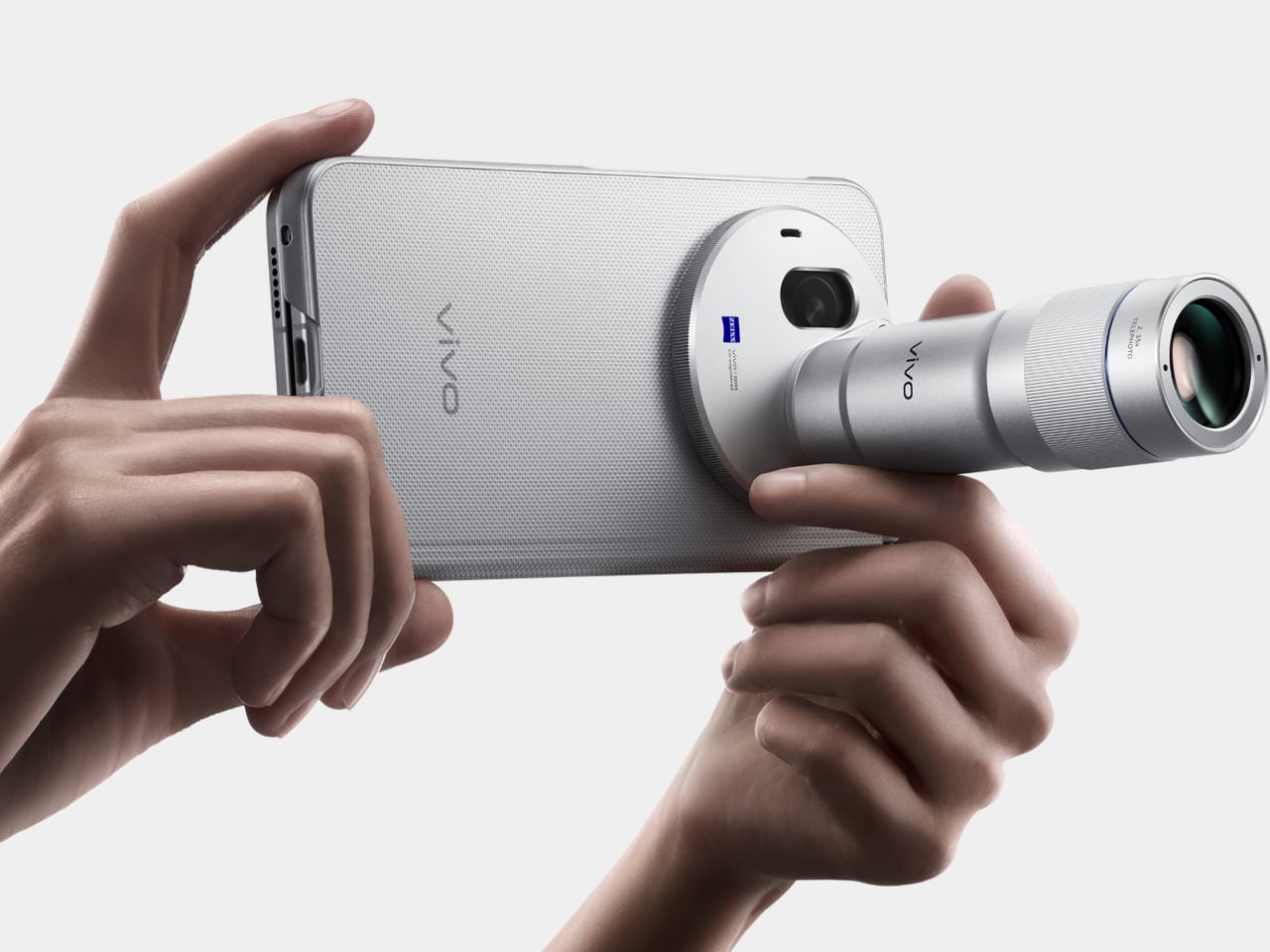
There’s also a first for the X Fold series: support for an external camera lens. The second-generation 200mm telephoto extender, which clips onto the 3x camera, enables native 8.3x shots and lossless 17x captures. For video, the phone records at up to 8K and supports 4K/60fps Dolby Vision, along with film styles borrowed from Vivo’s higher-end lineup. Two 20MP front cameras, one per display, handle video calls.

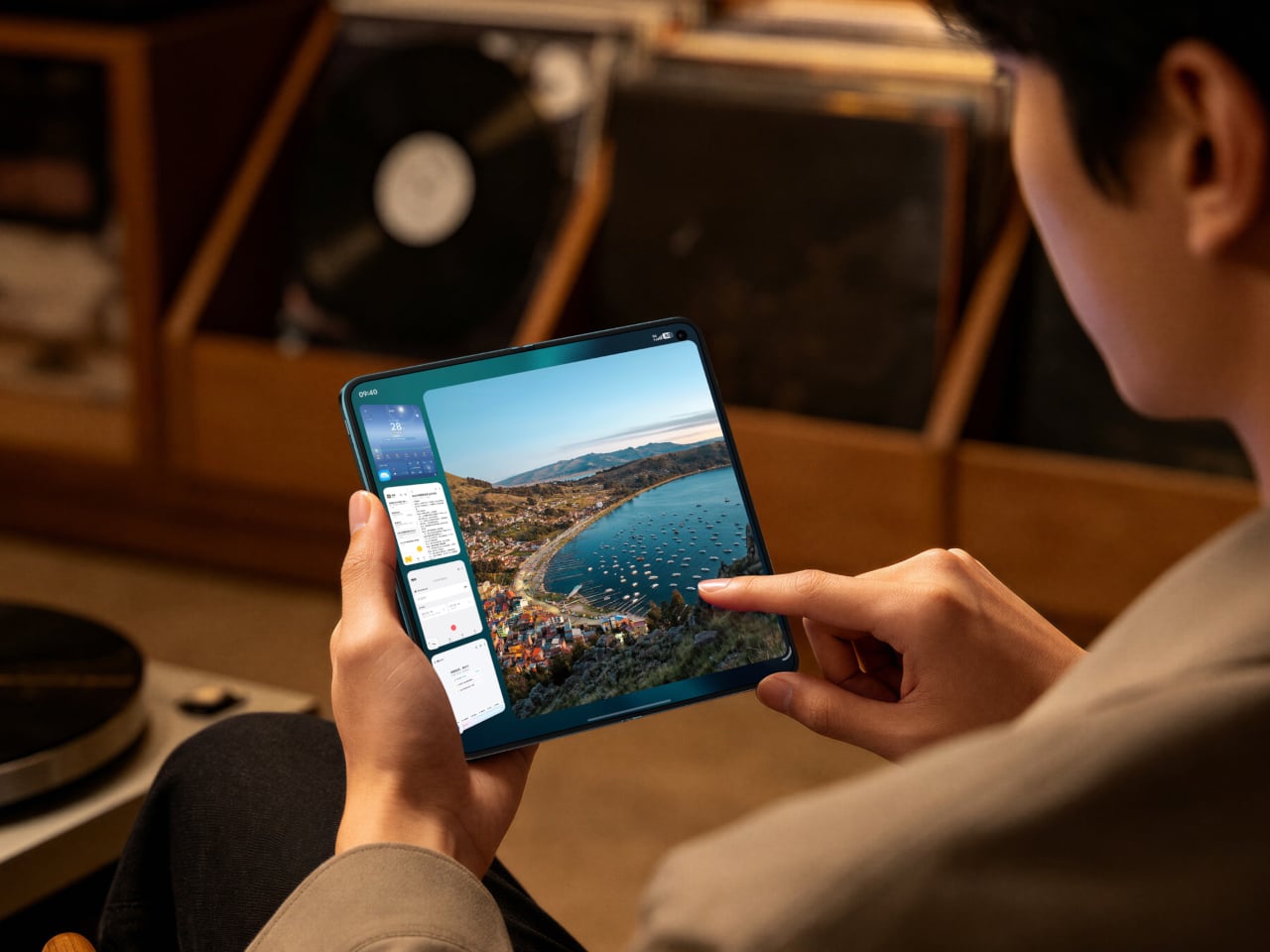
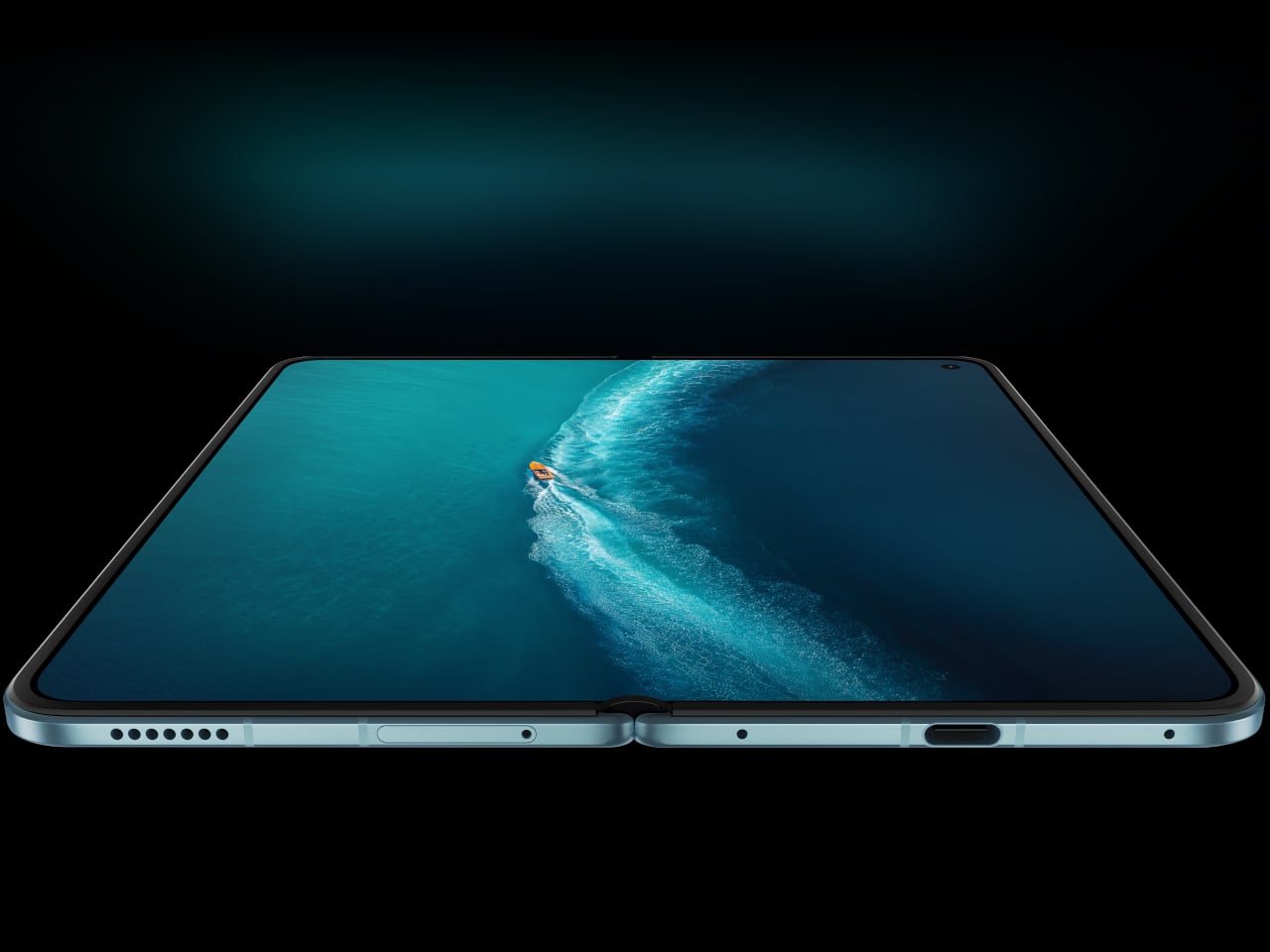
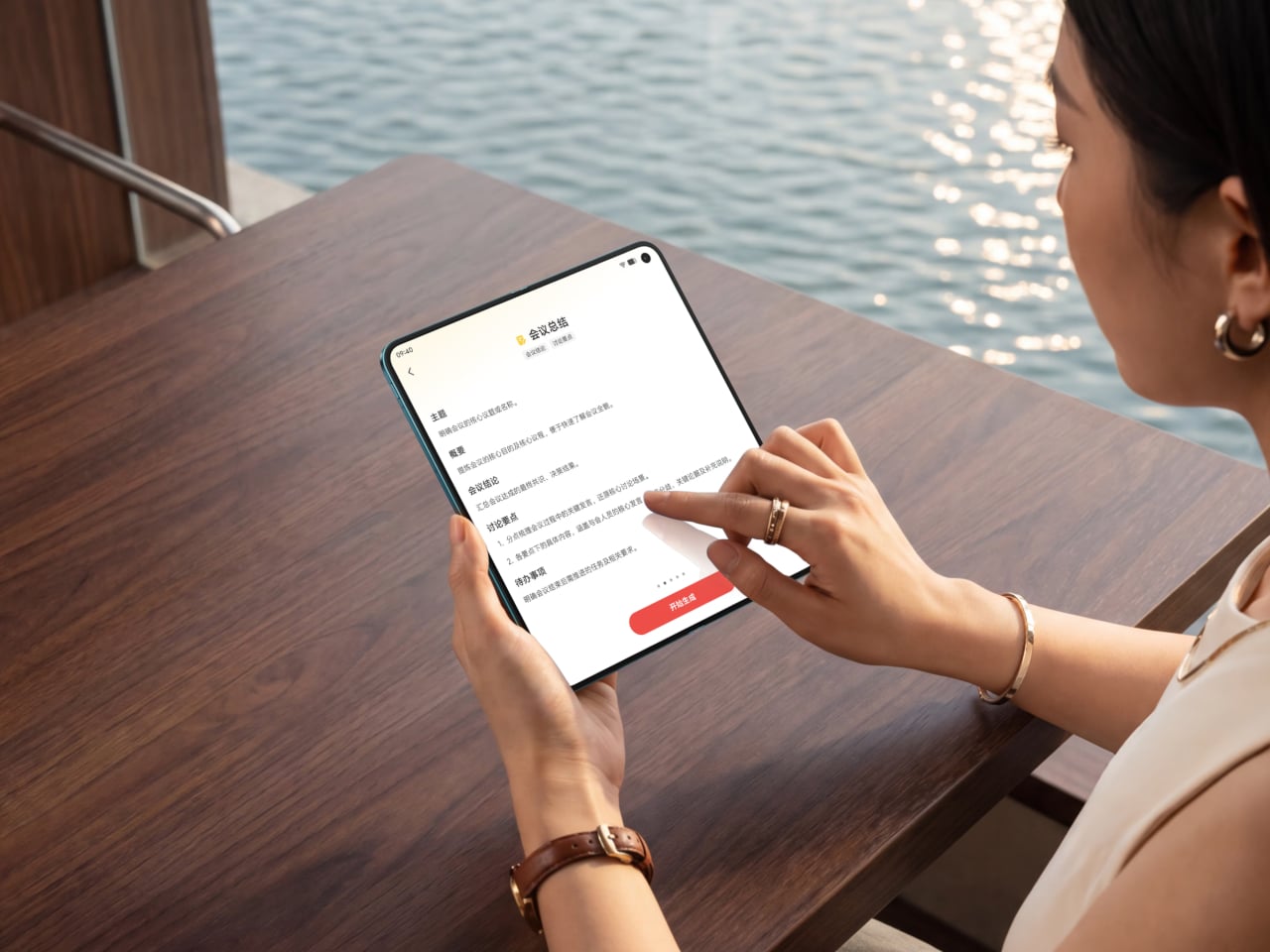
Unfold the device, and you’re greeted by an 8.02-inch AMOLED inner display, powered by a Samsung M14 panel, with a peak brightness of 5,000 nits and a variable refresh rate between 1Hz and 120Hz. The cover screen is 6.51 inches. Both carry IP58 and IP59 ratings for dust and water resistance, which actually puts the X Fold 6 ahead of Samsung’s current flagship on that particular front.

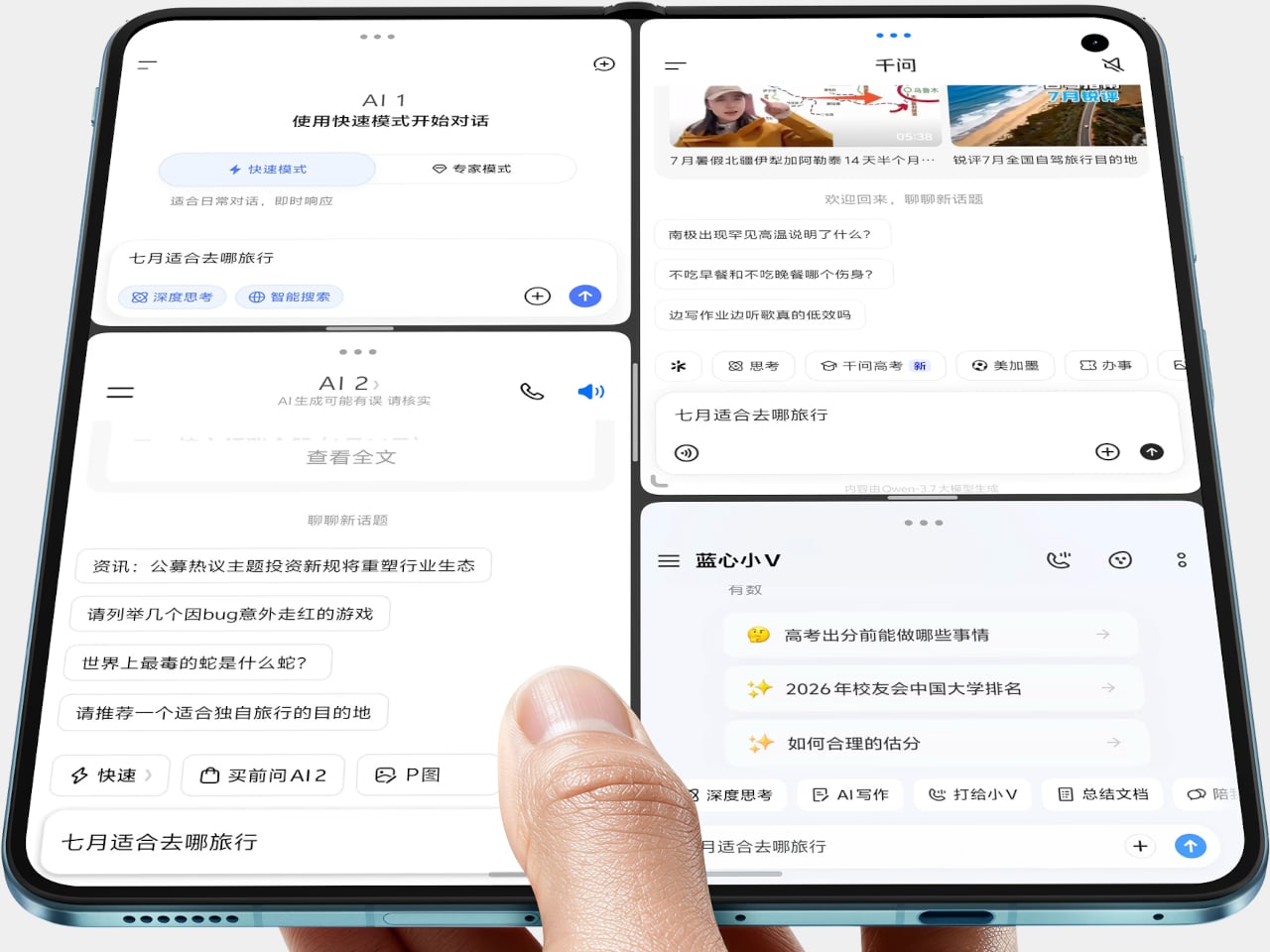
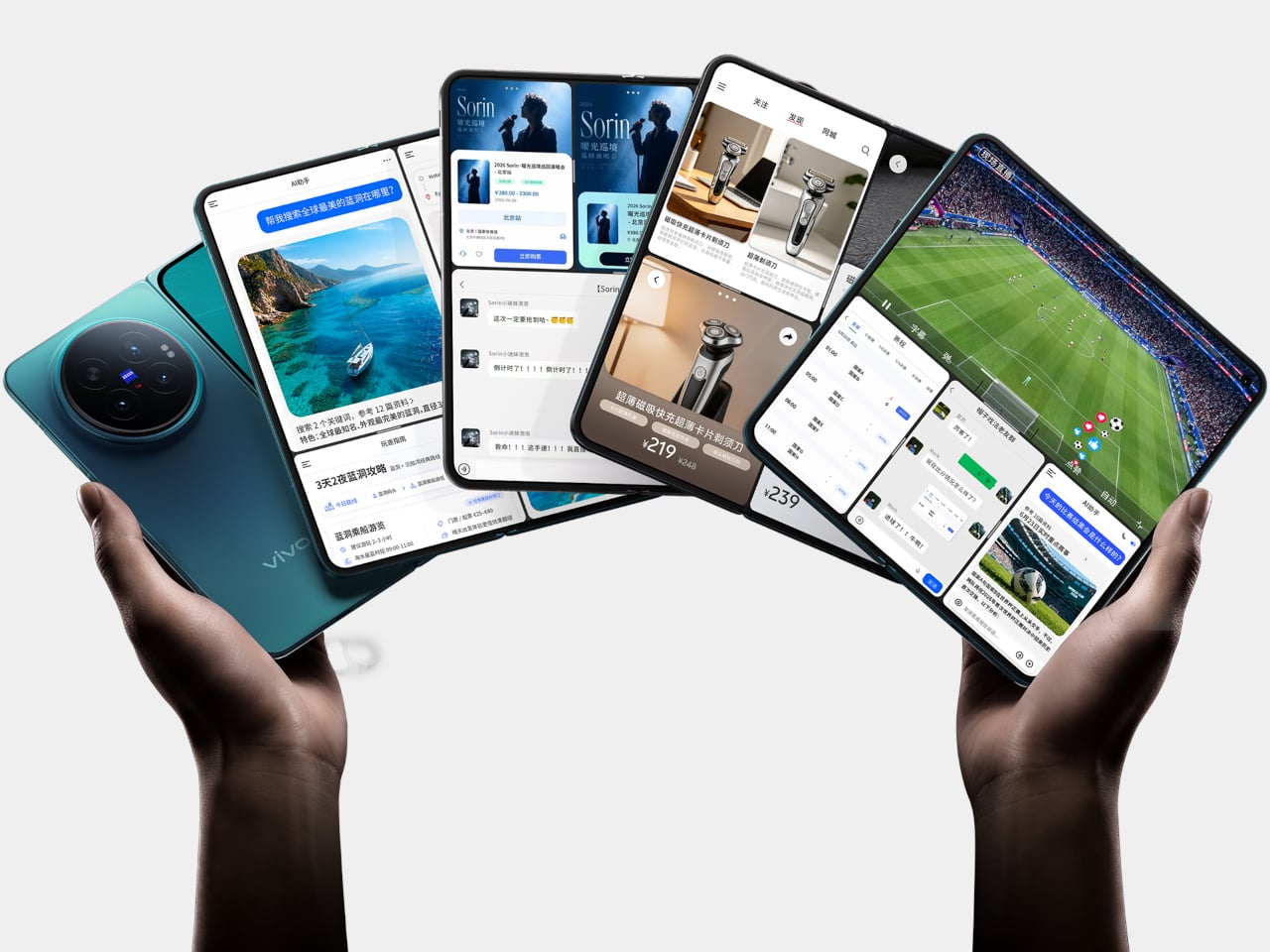
OriginOS 6 Fold is built specifically for the foldable experience rather than simply scaled up from a phone UI. The upgraded Atomic Workbench makes keeping multiple apps side by side less of a chore, with AI tools for transcription, file suggestions, and document summaries. The Dimensity 9500 Super Edition, the first MediaTek chip in an X Fold flagship, does the heavy lifting across all of it.

The X Fold 6 launched in China starting at CNY 7,999 (around $1,180) for the 12GB/256GB variant, with the top-tier 16GB/1TB Black Gold Edition at CNY 11,299 (roughly $1,660). A global release date hasn’t been announced yet. It comes in Blue Hole, Salt Lake, Polar Night, and Black Gold, and its hinge is rated for 600,000 folds, which should cover years of daily use.

The post Samsung’s Best Foldable Has 4,400mAh, Vivo’s Has 7,000 first appeared on Yanko Design.