Five plead guilty to helping North Koreans pretend to be US-based IT workers

The US Department of Justice has announced that five people have pleaded guilty to helping North Koreans defraud US companies by pretending to be US-based remote workers. North Korea has previously used fake identities and the direct manipulation of US cybersecurity workers to circumvent international sanctions and funnel money into the country.

In this case, the people knew they were helping North Koreans, the DOJ says, and "provided their own, false, or stolen identities" to help the remote workers get jobs. They also "hosted U.S. victim company-provided laptops at residences across the United States" to hide the workers' location. In the case of at least two "facilitators," they also took company drug tests on the workers' behalf.

Audricus Phagnasay, Jason Salazar and Alexander Paul Travis each pleaded guilty to one wire fraud conspiracy for their role in the scam. Travis was paid "at least $51,397" for participating, while Phagnasay and Salazar earned "at least $3,450 and $4,500, respectively." Another facilitator, Erick Ntekereze Prince, used his company to contract certified IT workers to other US companies, fully knowing the workers were using stolen identities. He earned "more than $89,000" for his participation in the scam and pleaded guilty to one count of wire fraud conspiracy.

The final facilitator, Oleksandr Didenko, pleaded guilty for one count of wire fraud conspiracy and one count of aggravated identity theft for participating in an extensive identity theft operation. Didenko helped foreign IT workers fraudulently gain employment at 40 US companies, the DOJ says, and he's forfeiting $1.4 million as part of his plea.

"These prosecutions make one point clear: the United States will not permit the DPRK to bankroll its weapons programs by preying on American companies and workers," U.S. Attorney Jason A. Reding Quiñones said in the DOJ announcement. “We will keep working with our partners across the Justice Department to uncover these schemes, recover stolen funds, and pursue every individual who enables North Korea’s operations.”

This article originally appeared on Engadget at https://www.engadget.com/big-tech/five-plead-guilty-to-helping-north-koreans-pretend-to-be-us-based-it-workers-230831417.html?src=rss



This Glowing Dome Just Turned Shanghai’s Park Into a Moon

There’s something magical about stumbling upon an unexpected glow in a city park. Shanghai’s Century Park recently hosted one of those rare moments where art, architecture, and cultural tradition converge into something you can actually walk inside and experience. The Osmanthus Moon, a temporary installation by HCCH Studio, turned a semicircular lawn into an enchanted space that reimagined what public art can be.

Picture this: a translucent dome that looks like someone captured the full moon and gently placed it on the grass. It’s not just pretty to look at, though that’s certainly part of the appeal. The structure is actually a sophisticated dance between old and new, tradition and innovation. The framework itself is made of bronze lattice patterned with osmanthus flowers, those tiny blooms that perfume Chinese autumns and carry centuries of cultural meaning. The vines seem to twist and intertwine across the surface, creating shadows and light that shift throughout the day.

Designer: HCCH Studio (Photos by Guowei Liu)

The designers at HCCH Studio stretched a lightweight, elastic fabric across this bronze skeleton, and the result is something that breathes and glows. During daylight hours, natural light filters through, creating this soft, diffused atmosphere inside that feels almost meditative. You enter through irregular openings (because perfect circles would be too predictable), and suddenly you’re cocooned in this luminous space where the outside world feels both close and distant at the same time.

But here’s where it gets really interesting. This wasn’t just about creating something beautiful for Instagram. The installation was commissioned by the Power Station of Art in Shanghai specifically for the Mid-Autumn Festival, that traditional Chinese celebration when families gather to admire the full moon and eat mooncakes. The osmanthus flower isn’t randomly chosen either. In Chinese culture, these tiny golden blooms are practically synonymous with autumn, appearing in everything from tea to poetry to folk tales about moon palaces.

What makes this project stand out is how it connects with folk art heritage. HCCH Studio collaborated with a Zao Hua artist, someone who practices the traditional craft of stove flower painting, which is actually recognized as intangible cultural heritage. The patterns painted on the ground mirror the bronze lattice overhead. It’s like they’re having a conversation across space, each one a reflection of the other, grounding the ethereal structure in literal earth and tradition.

When night falls, though, that’s when the Osmanthus Moon really comes alive. Internal lighting transforms the pavilion into this semi-transparent beacon that seems to float in the darkness. The bronze framework casts shifting shadows across the glowing fabric, creating gradients of light that change as you move around and through the space. It becomes less of a building and more of an experience, something that exists between sculpture and shelter.

The whole thing only lasted twelve days, which feels both generous and tragically brief. That temporariness is part of the point, though. Like the Mid-Autumn Festival itself, like the brief season when osmanthus blooms fill the air with fragrance, this installation was meant to be a moment rather than a monument. At 7.2 meters in diameter and 3.6 meters high, it wasn’t trying to dominate the landscape or make some grand permanent statement. Instead, it created an intimate space for contemplation and celebration.

HCCH Studio, a Shanghai-based practice that’s been gaining recognition for their innovative approach to materials and form, managed to pull off something genuinely special here. They took cultural symbols that could have felt heavy-handed or purely decorative and wove them into a structure that feels contemporary without abandoning its roots. The technical execution, from the fabric tension to the lighting design by ADA Lighting, serves the conceptual vision rather than overshadowing it.

The Osmanthus Moon found that sweet spot where beauty, meaning, and accessibility overlap when public either too obscure or too obvious. It proved that temporary installations can create lasting impressions, and that looking backward to traditional motifs doesn’t mean you can’t move forward in how you bring them to life.

The post This Glowing Dome Just Turned Shanghai’s Park Into a Moon first appeared on Yanko Design.

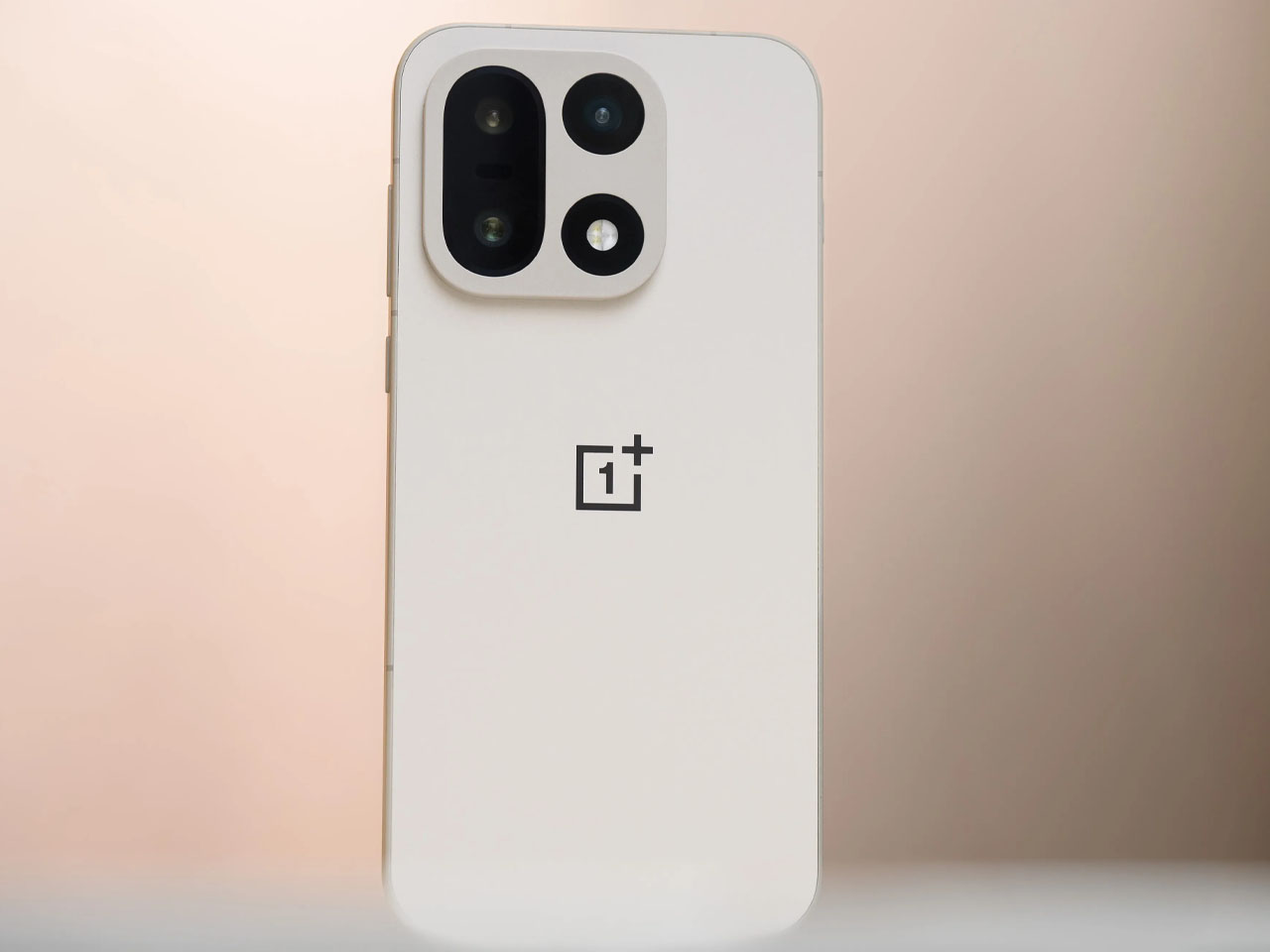
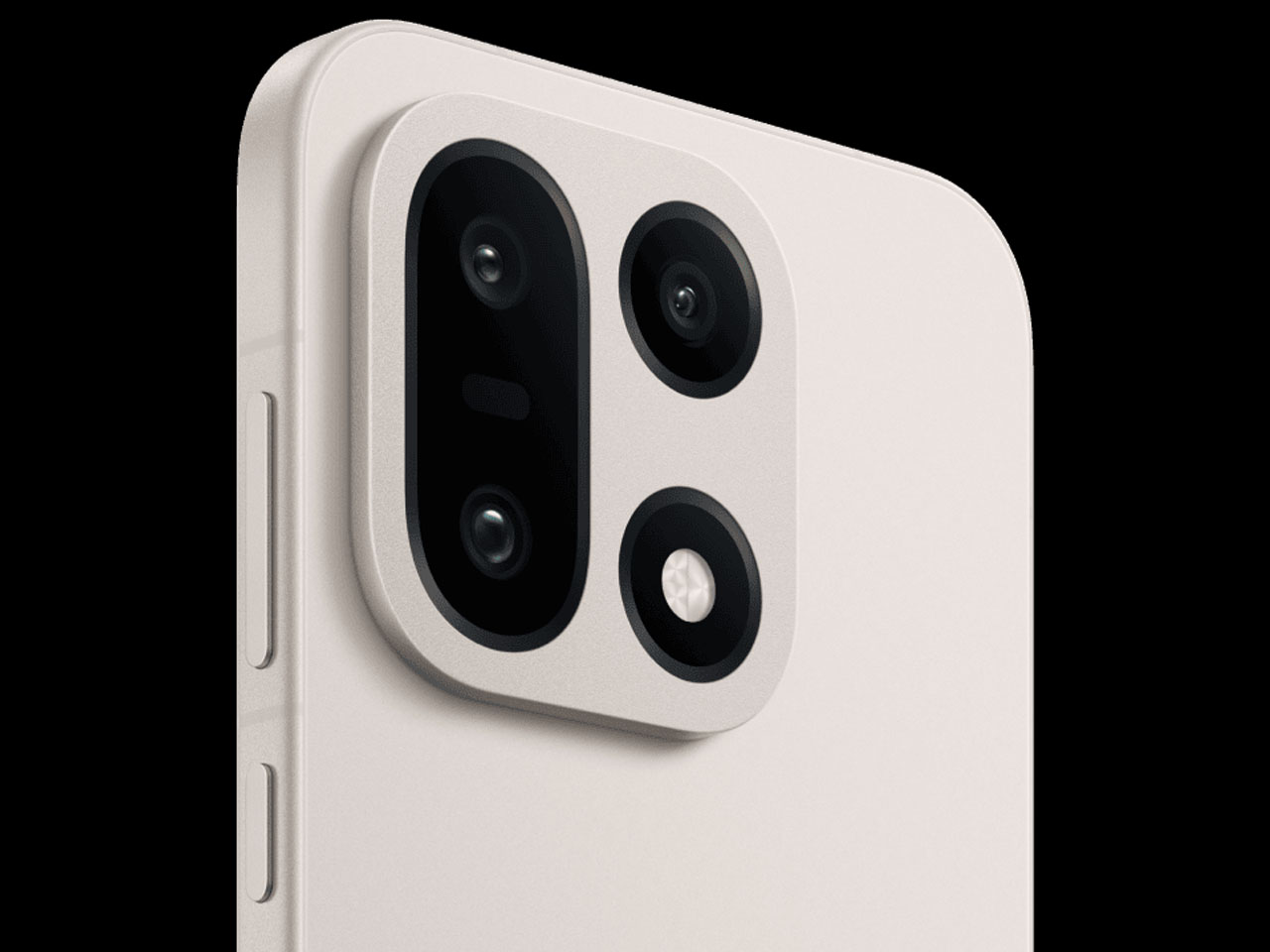
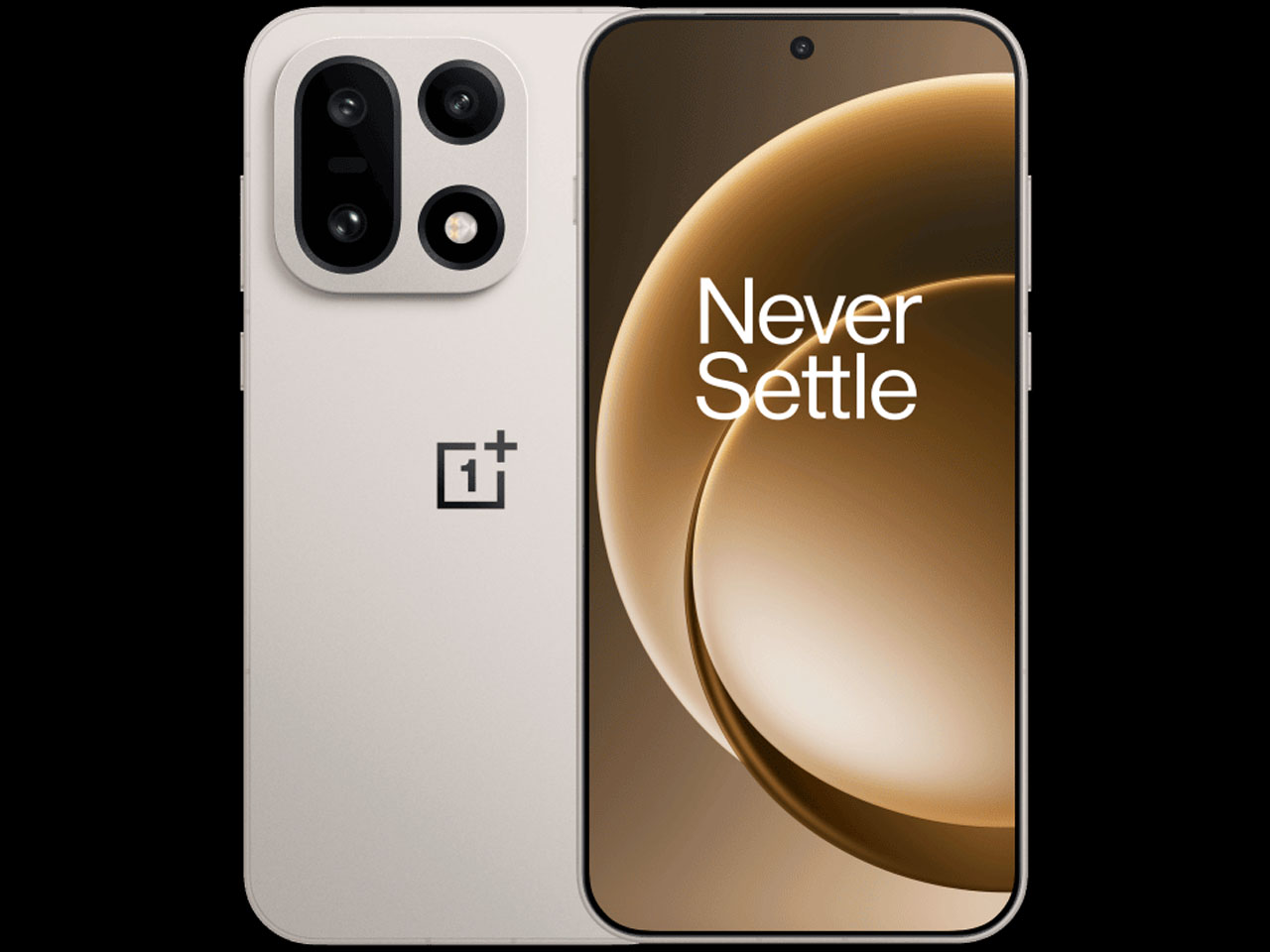
OnePlus 15 with 7300 mAh battery and triple-chip architecture crushes other Android Devices

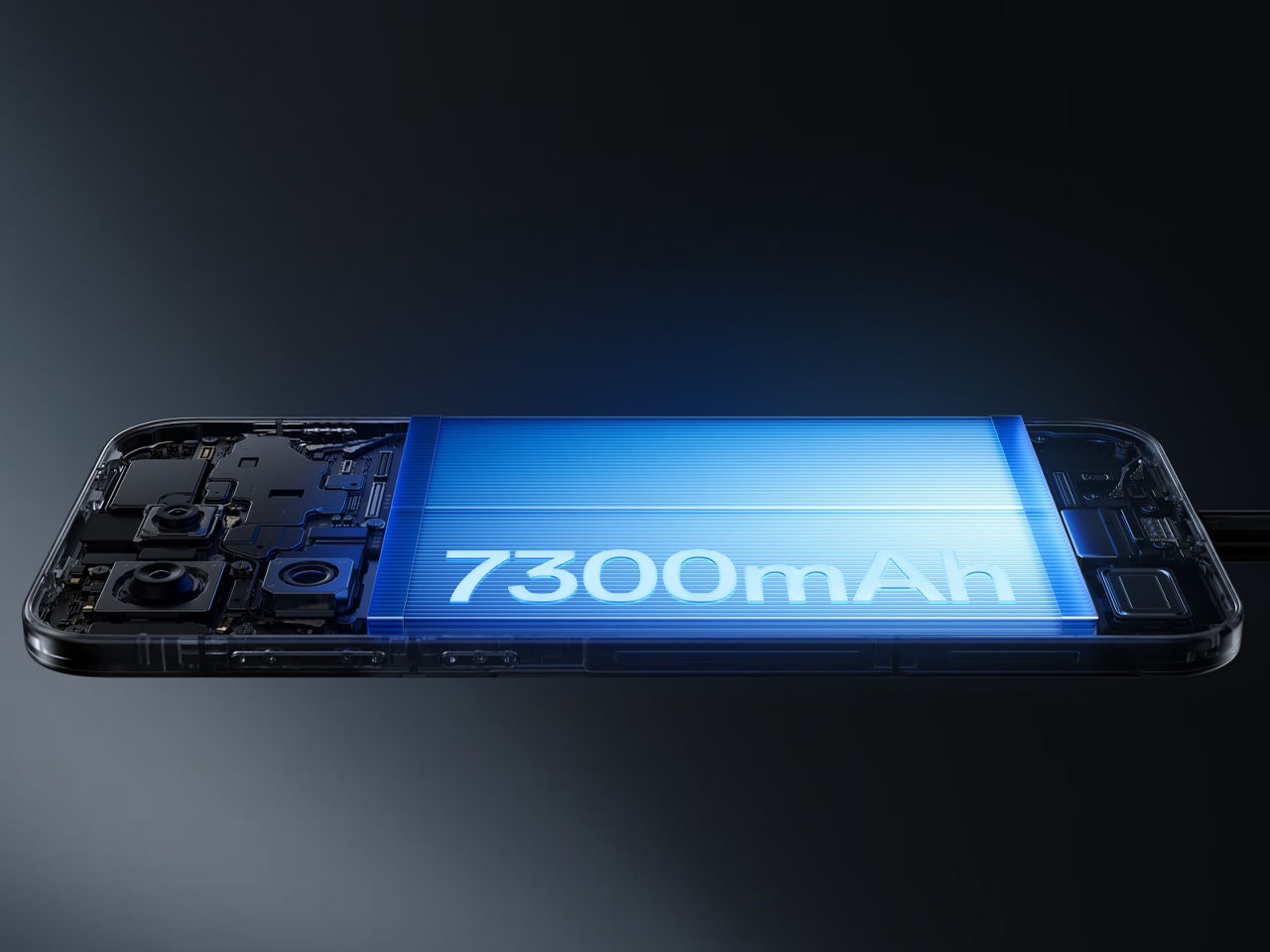
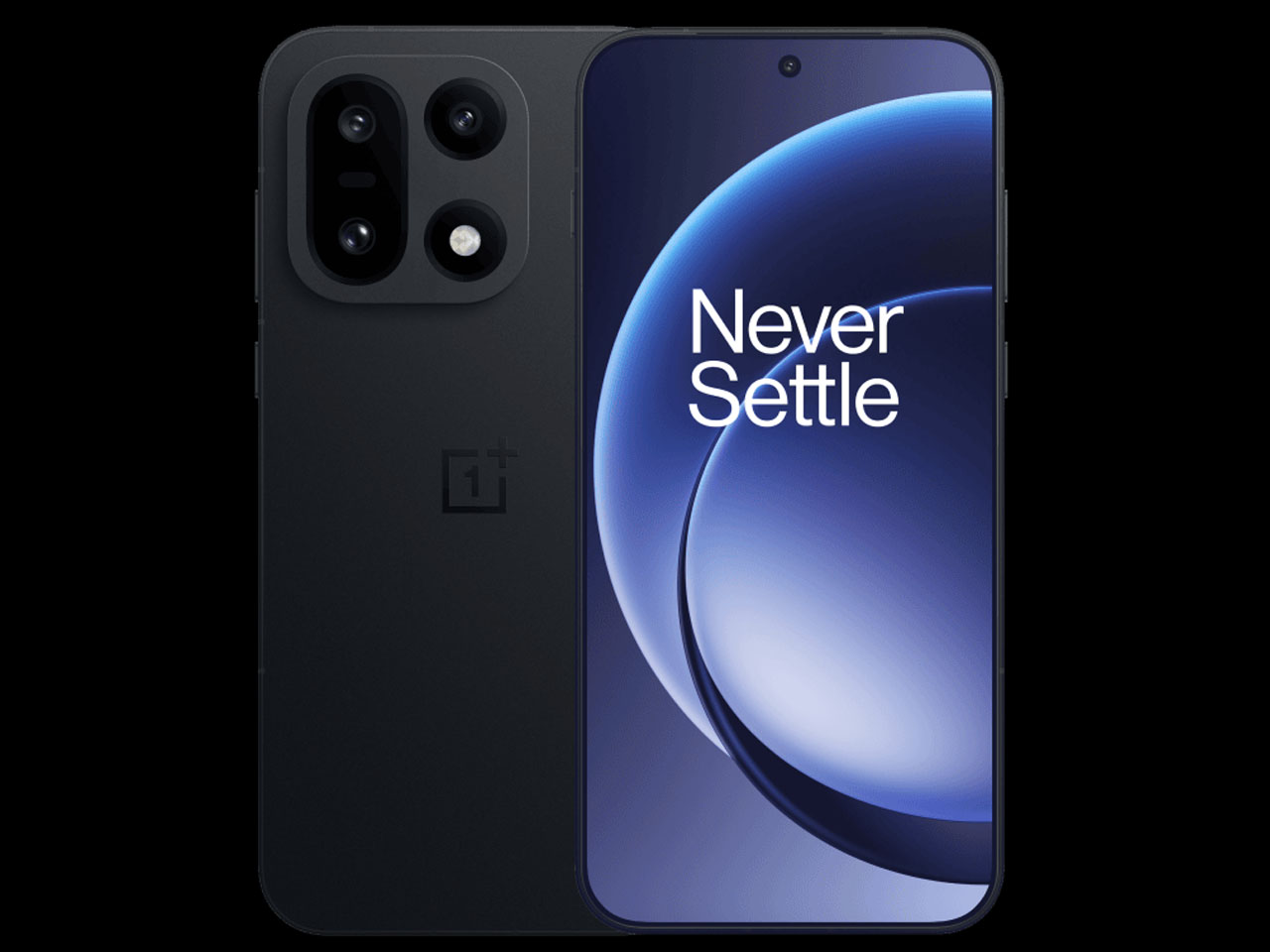
Oftentimes, the thought that smartphone technology is plateauing comes to mind. All that you can see companies concentrating on, of late, is artificial intelligence, and it seems nothing much is happening on other fronts. But that’s not the case with OnePlus, which has taken on the smartphone world with a different approach. The OnePlus 15, launched recently, touts a mammoth 7300 mAh battery, which early reviews suggest can go up to two days on normal usage.

The latest flagship-level phone from OnePlus is not only dependent on its battery life, in fact, it is escalating things on many other fronts. The major transition is in favour of performance, and the OEM is substantiating that with its AI capabilities, durability, and optical prowess. So, what are we getting with the new and technically most advanced smartphone on the market? Let’s figure out in a little detail below.

Designer: OnePlus

Obviously, the battery is the biggest selling point. But the phone’s processing power is something to talk about. The new OnePlus 15 features a triple-chip architecture, which is spearheaded by the Qualcomm Snapdragon 8 Elite Gen 5 chipset that powers the functions on the phone. The architecture of the phone is targeted at speed, for which it is facilitated by a touch-response chip capable of 3200 Hz instant sampling, while the connectivity for the power and speed is handled by the phone’s independent Wi-Fi chip.

The octa-core processor of the OnePlus 15 is paired with an Adreno 840 GPU, while it comes in three storage variants: 256GB with 12 or 16GB RAM, 512 GB internal storage variant with 12 or 16GB RAM, and a solitary 1TB model with 16 GB RAM. The company says, a reworked 360 Cryo-Velocity system is designed to take care of the cooling on this high-performance phone. For this, it uses aerogel insulation and white graphite that help in stabilizing temperatures during excessive gaming or on a workday that refuses to come to an end.

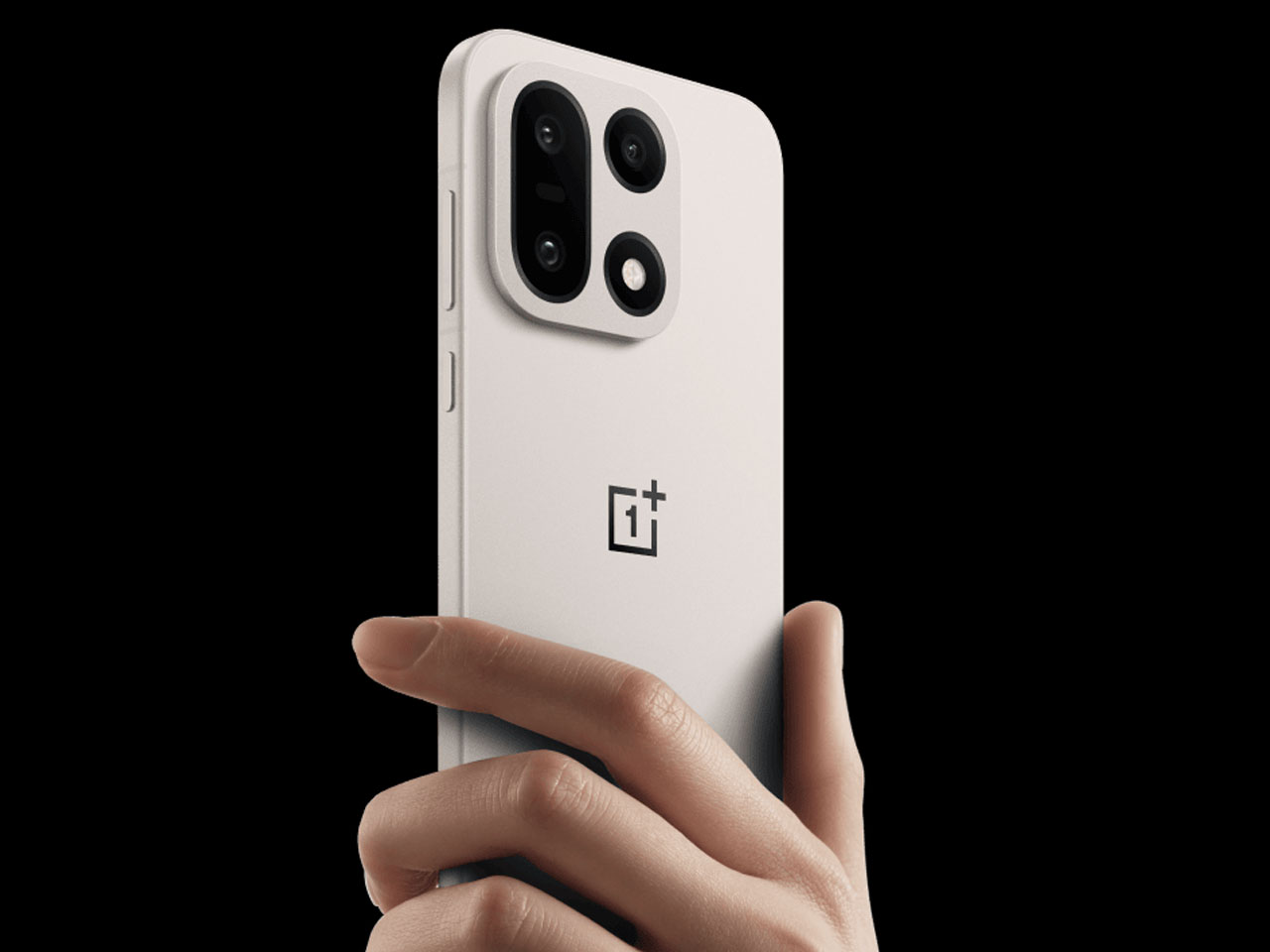
On the construction front, the OnePlus 15 features a smooth 1.15mm bezel and comprises a flat frame, which is rounded on the edges. The phone comes in Sand Storm, Ultra Violet, and the more recognizable Infinite Black colorway. The phone’s durability, of course, is assured by up to an IP69K rating that safeguards the handset against temperature variations, dust, and water.

OnePlus 15 is billed as the first phone to feature a 1.5K 165Hz LTPO display with retina-level clarity. The panel boasts up to 1800 nits peak brightness. Designed to run OxygenOS 16 out of the box, the device’s 7300mAh Silicon NanoStack Battery is designed for longevity (it can hold over 80 percent health even after four years of continuous usage, the company claims). The battery is charged with the 120W SUPERVOOC charger that promises to provide a full charge in around 39 minutes.

This new phone from OnePlus is a trendsetter in the optics department as well. The phone features a DetailMax Engine combined with a triple 50MP camera setup. Claimed to be the first Android smartphone capable of 4K 120fps Dolby Vision recording, it’s triple array includes a 50MP OIS main sensor, a 50MP autofocus ultra-wide camera, and a third 50MP periscope telephoto shooter. If you are thinking of upgrading to a new Android phone, there shouldn’t be a reason the OnePlus 15 is not on your list. This flagship starts at $999 and is now available in most international markets.


The post OnePlus 15 with 7300 mAh battery and triple-chip architecture crushes other Android Devices first appeared on Yanko Design.

Call of Duty: Black Ops 7 appears to feature AI-generated art assets

By all appearances, Call of Duty: Black Ops 7 features a not insignificant amount of AI-generated art, Kotaku reports. The game's over 680 Calling Cards — collectible backgrounds earned through in-game achievements or purchases — appear to be the main offenders, featuring art that imitates the knockoff animation style of ChatGPT.

While it's hard to authoritatively claim that Studio Ghibli-inspired illustrations are a smoking gun, the Calling Cards players have spotted do at the very least seem unpolished for a splashy $70 game. Activision has also confirmed that the game's development team used "generative AI tools to help develop some in-game assets" in a disclosure on the Black Ops 7 Steam page, which certainly won't dissuade anyone’s suspicions.

In a statement to Kotaku, Activision also didn't deny the possibility, noting that AI was one of several "digital tools" it used "to empower and support our teams to create the best gaming experiences possible for our players." Using AI-generated art or at least AI art edited by a human could have saved Activision and developer Treyarch money during development. But it's also possible these in-game rewards look weird because they were made in the rush to get the game out the door.

Call of Duty: Black Ops 7 has the honor of being the first in the franchise to launch on Xbox Game Pass, one way Microsoft hopes to justify the subscription's recent price hike. That the game features AI-generated assets might dampen some player's excitement, but Black Ops 7's campaign seems like the more pressing issue. It requires an internet connection to run because it was designed to be played in a "squad" of four, but even if you play with in-game bots, you still can't pause the game.

This article originally appeared on Engadget at https://www.engadget.com/gaming/call-of-duty-black-ops-7-appears-to-feature-ai-generated-art-assets-201746595.html?src=rss

Super Mario’s Invincibility Star as a Christmas Tree Topper might just be the Hottest Ornament Of 2025

Nostalgia has become one of the most powerful drivers in the tech and collectible markets. From miniature consoles to pixel-perfect Lego sets, the formula is well established: take a beloved cultural touchstone and re-engineer it for a modern audience. Nintendo, more than almost any other company, has mastered this to the point of it being an art (remember the Pokémon Tamagotchis from a few months ago?) Hallmark’s Keepsake line has long been a partner with Nintendo, translating iconic characters and scenes into physical ornaments for collectors.

The Super Mario Super Star tree topper represents something more deliberate than a typical licensed holiday product. At nearly $100, it’s clearly positioned as a premium item, targeting collectors and dedicated fans rather than casual shoppers looking for generic tree decor. The build reflects this positioning. Made from durable plastic and measuring about 11 inches across, it’s substantial enough to serve as a proper focal point. The design faithfully captures the star’s appearance from the games, complete with oversized expressive eyes that give it personality beyond a simple geometric shape.

Designers: Hallmark Keepsake Store & Nintendo

Click Here to Buy Now

The topper comes with a wall-powered adapter rather than relying on batteries, which is a smart choice for maintaining consistent brightness throughout the season. The lighting synchronizes with audio from the Super Mario Bros. soundtrack, specifically the invincibility theme that every player instantly recognizes. It’s a short 15-second loop, but that’s exactly how long the power-up lasts in the game, showing attention to detail that fans will appreciate.

The most clever piece of design here is arguably the remote control. Instead of a generic plastic fob, Hallmark has shaped it like one of the game’s classic gold coins, turning it into a secondary ornament that can hang elsewhere on the tree. This transforms the user interaction from a simple button press into an act that feels authentic to the Super Mario universe. You’re not just turning on a light; you’re metaphorically grabbing the coin to activate the power-up. It’s a thoughtful detail that bridges the gap between a physical holiday decoration and the digital memory it represents, delivering a small hit of that 8-bit dopamine right in your living room.

Photos and videos circulating online show how the topper looks in practice, and the consensus seems to be that it brings a genuinely playful energy to the tree. The bright yellow plastic catches ambient light even when the LEDs aren’t active, and when powered on, it becomes an unmistakable centerpiece. For homes with young children or dedicated gaming spaces, it fits naturally into the aesthetic. For more traditional settings, it might feel out of place, but that’s likely intentional. This product knows its audience.

Hallmark released this as part of their July 2025 Ornament Premiere, and availability appears solid for now through Amazon, their official site, and specialty ornament retailers. Given the track record of Nintendo-licensed Keepsake items, though, it wouldn’t be surprising to see secondary market prices climb after the holidays, especially if it’s a one-year release. Grab yours now before you end up paying upwards of 500 bucks on ebay.

Click Here to Buy Now

The post Super Mario’s Invincibility Star as a Christmas Tree Topper might just be the Hottest Ornament Of 2025 first appeared on Yanko Design.

‘Divine’ is a Jack Dorsey-backed Vine reboot for 2025

Nearly a decade after going offline, Vine is (sort of) back and, in a truly bizarre twist, Jack Dorsey is at least partially responsible. An early Twitter employee has released a beta version of a rebooted Vine — now called "Divine" — that revives the app's six-second videos and includes a portion of the original app's archive. 

The project comes from Evan Henshaw-Plath, a former Twitter employee who goes by "Rabble," and has backing from Dorsey's nonprofit "and Other Stuff," which funds experimental social media apps built on the open source nostr protocol. Rabble has so far managed to resurrect about 170,000 videos from the original Vine thanks to an old archive created before Twitter shut down the app in 2017. In an FAQ on Divine's website, he says that he also hopes to restore "millions" of user comments and profile photos associated with those original posts as well. 

But Divine is more than just a home for decade-old clips. New users can create six-second looping videos of their own for the platform. The app also has many elements that will be familiar to people who have used Bluesky or other decentralized platforms, including customizable controls for content moderation and multiple feed algorithms to choose from. The site's FAQ says Divine plans to support custom, user-created algorithms too.

Divine is also taking a pretty strong stance against AI-generated content. The app will have built-in AI detection tools that will add badges to content that's been verified as not created or edited with AI tools. And, according to TechCrunch, the app will block uploads of suspected AI content.

"We're in the middle of an AI takeover of social media," Divine explains on its website. New apps like Sora are entirely AI-generated. TikTok, YouTube, and Instagram are increasingly flooded with AI slop—videos that look real but were never captured by a camera, people who don't exist, scenarios that never happened. Divine is fighting back. We're creating a space where human creativity is celebrated and protected, where you can trust that what you're watching was made by a real person with a real camera, not generated by an algorithm."

While all that may sound intriguing, Divine has a long way to go before it can accomplish all that. The app hasn't made it onto either app store yet, though it's already added 10,000 people to an iOS beta, according to its founder. In the meantime, you can also browse some of the app's videos, including some old Vine posts, on its website, though not all of the videos are working properly at the moment.

Still, any kind of reboot is good news for fans of the original, who have long hoped the app might make a comeback. Elon Musk has suggested more than once that he would revive Vine in some way, but has yet to follow through.

This article originally appeared on Engadget at https://www.engadget.com/social-media/divine-is-a-jack-dorsey-backed-vine-reboot-for-2025-192307190.html?src=rss

Planbok Is a Waterproof Wallet That Actually Floats If You Drop It

Waterproof wallets usually fall into one of two categories: bulky dry bags that look like you’re planning a kayaking expedition, or flimsy plastic pouches that crinkle every time you pull out your ID. Neither option works well for everyday carry, which leaves most people just hoping their regular wallet doesn’t end up in a pool or rainstorm. Heck, even a trip to the beach becomes a puzzle when you’re trying to figure out where to safely stash your cards and cash.

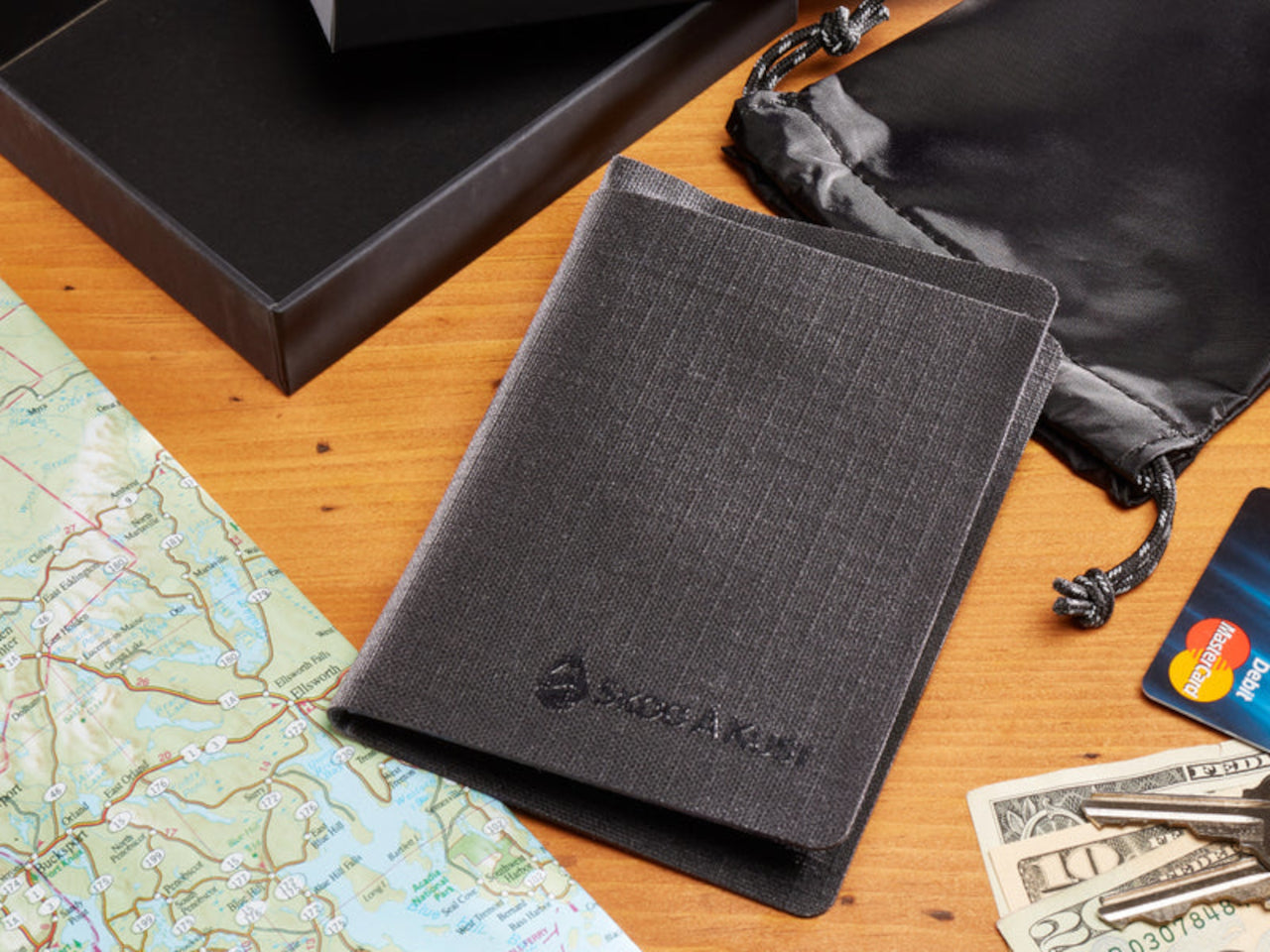
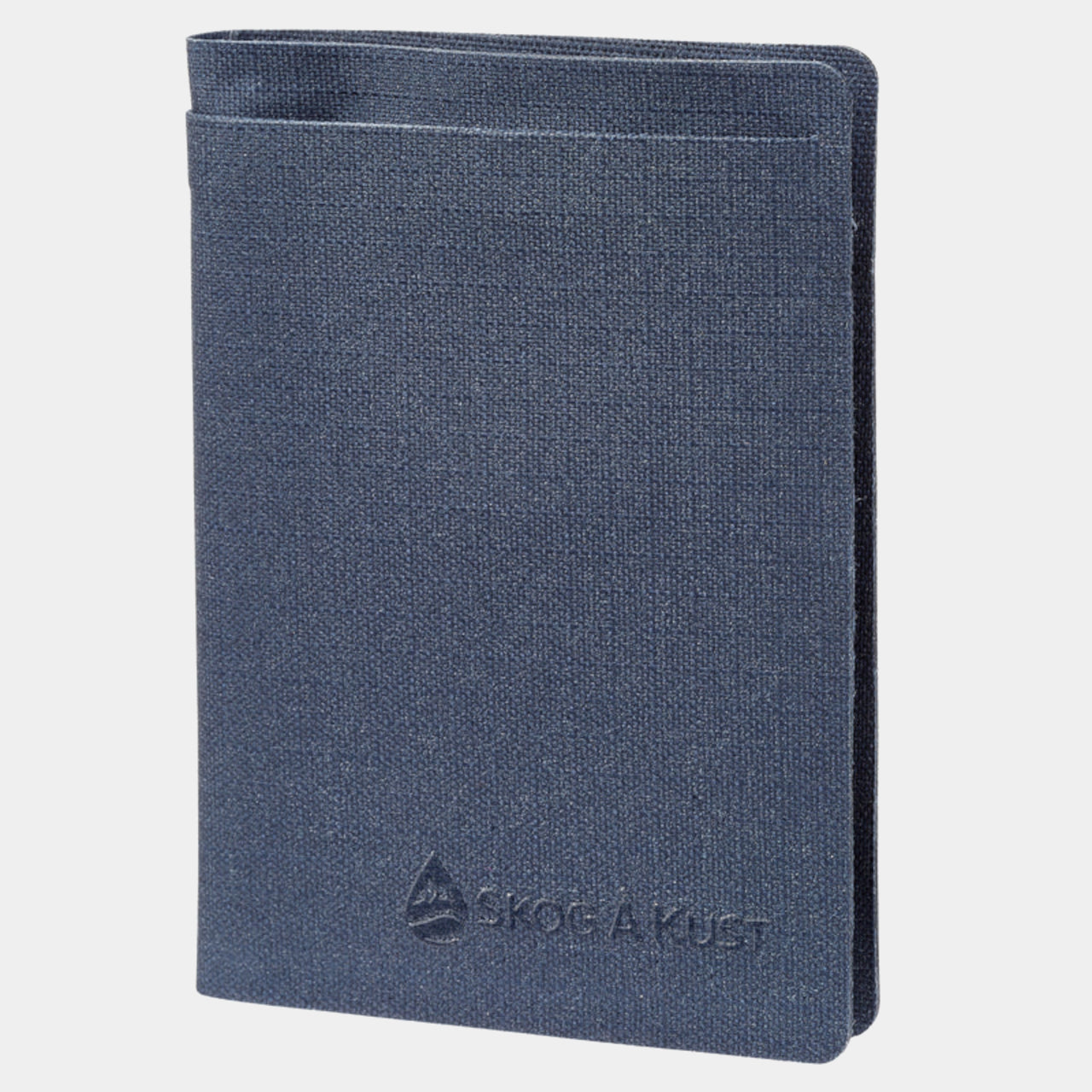
Skog Å Kust’s Planbok Floating Waterproof Wallet takes a different approach, combining waterproof protection with a slim, bi-fold design that actually fits in your back pocket. Built from 420 denier TPU-coated ripstop nylon with welded seams, it’s rated IPX6 for water resistance, meaning it handles heavy rain and splashes without letting a drop through. The real trick is that it floats even when loaded with six cards, 20 bills, and keys.

Designer: Skog Å Kust

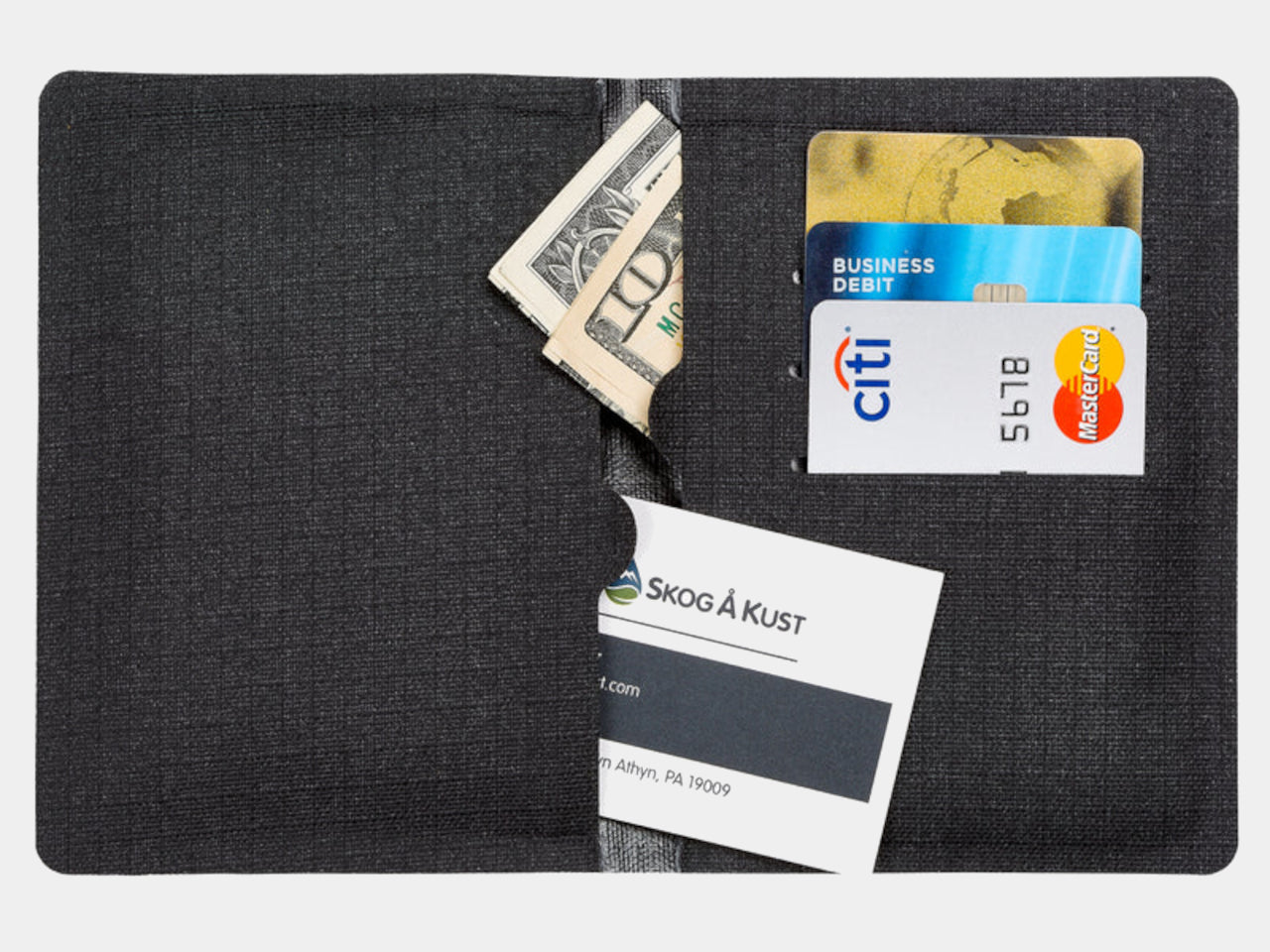
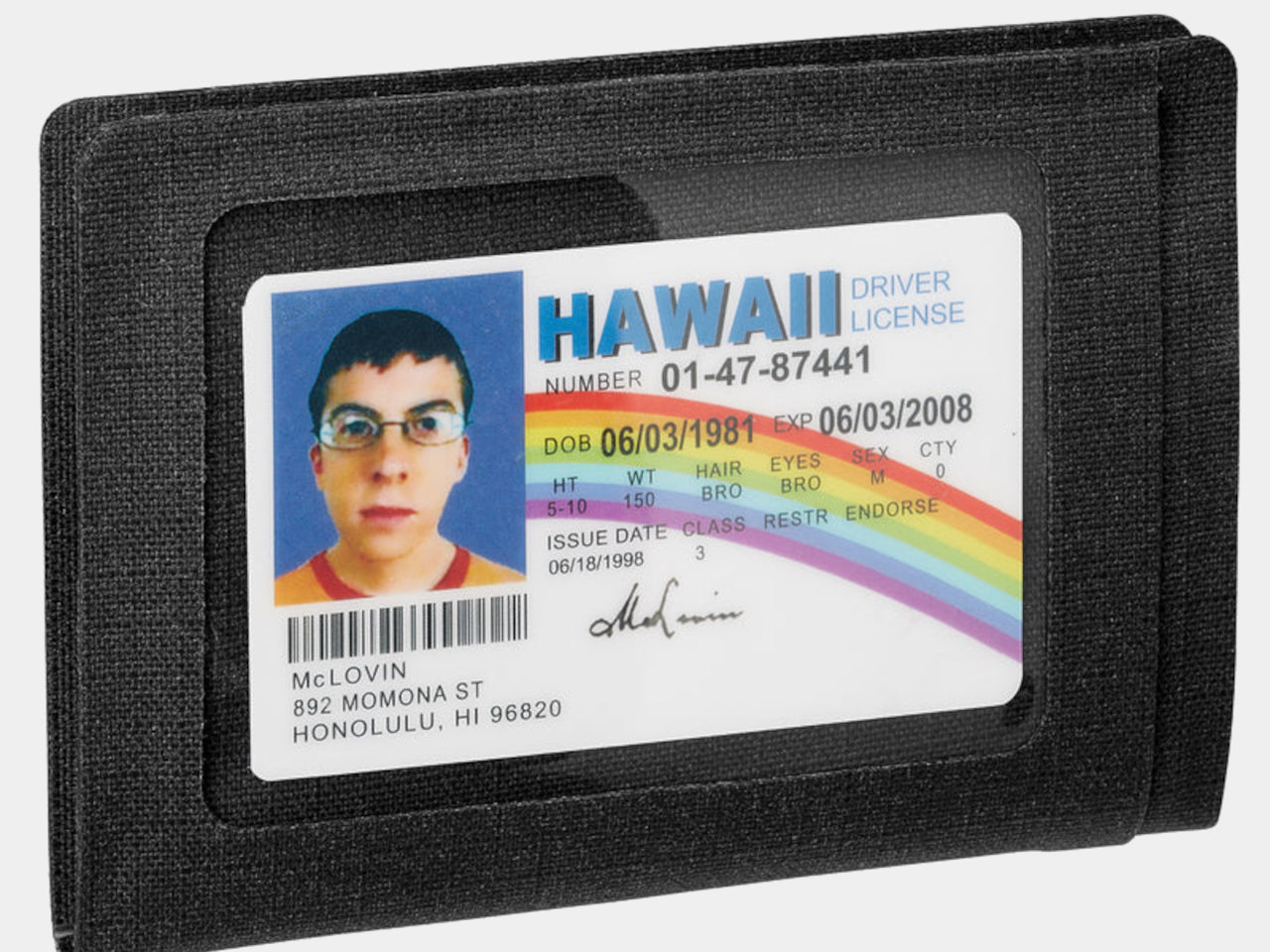
The wallet’s layout is straightforward but clever. Two waterproof ziplock pockets sit inside, each holding up to 10 folded bills, while three card slots on the outside carry up to six cards total. There’s also a clear ID window on the back, so you can flash your license without fumbling to pull it out. The ziplock closures are easy to open and seal tightly, keeping everything secure even if the wallet takes a swim.

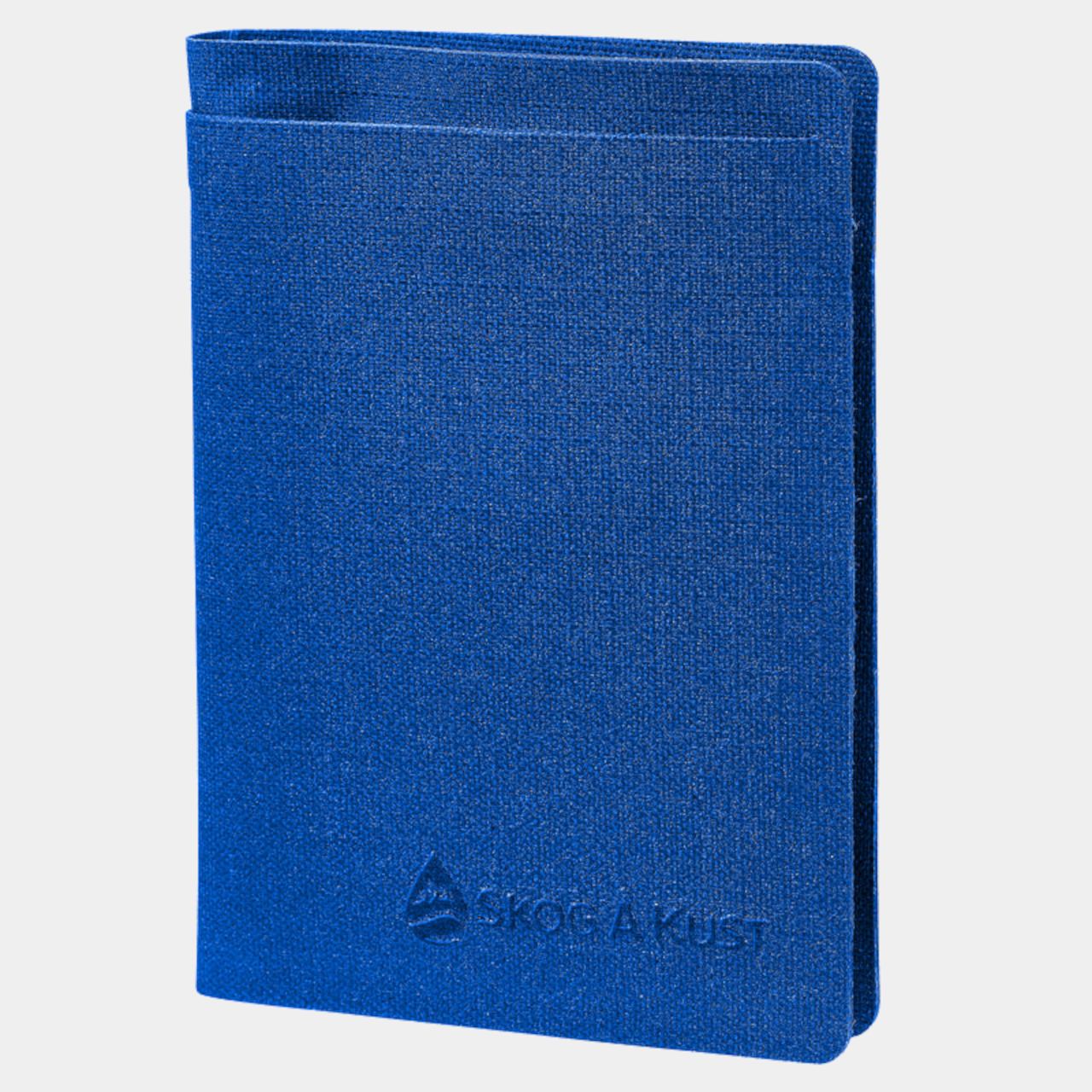
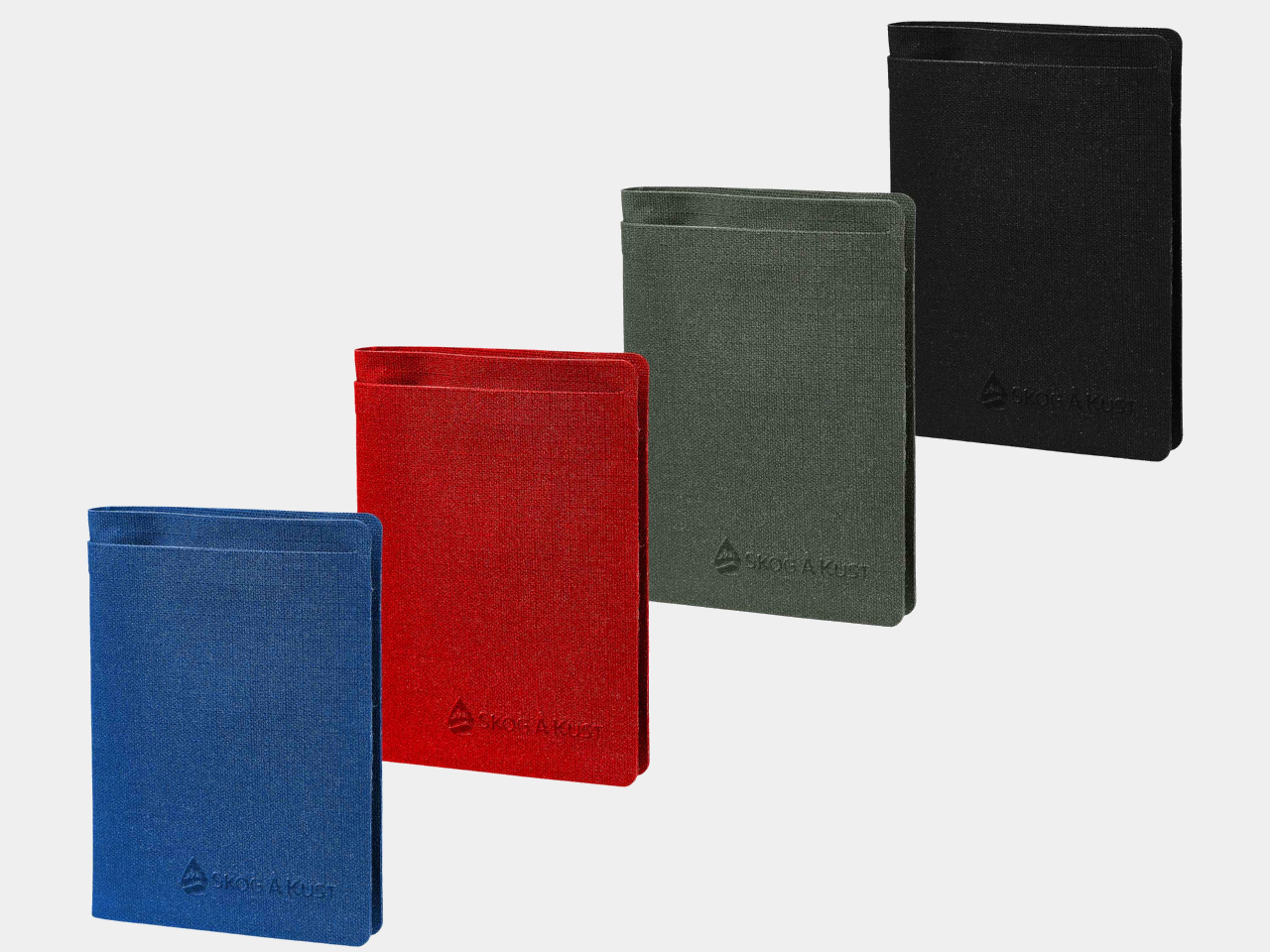
Of course, waterproofing usually adds bulk, but the Planbok manages to stay surprisingly slim at just 1.52 ounces. It fits comfortably in a back pocket without feeling like you’re sitting on a brick, and the ripstop nylon gives it a rugged, technical look that works whether you’re hiking or running errands. The wallet comes in multiple colors, including black, blue, red, and green, all with subtle branding embossed on the front.

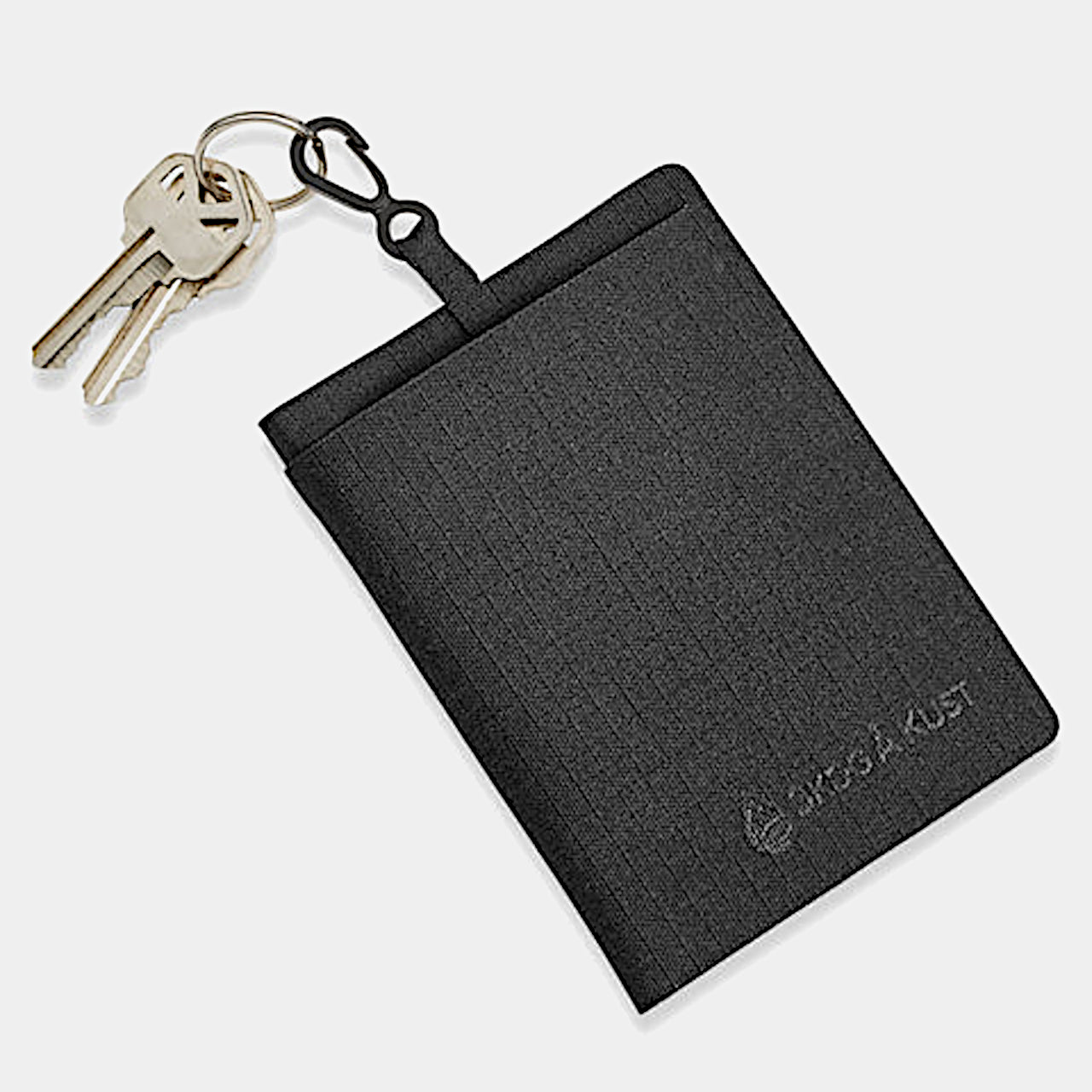
What makes the Planbok genuinely useful is the front slip pocket with a hidden slim clip. You can attach a keyring or clip the entire wallet to your shorts, bag, or gear, keeping it accessible and secure. That’s particularly handy for water activities where you don’t want to leave your wallet unattended but also don’t want it falling out of your pocket when you jump into the pool.

The floating feature is surprisingly reassuring. If the wallet does slip out while you’re swimming or boating, it bobs to the surface instead of sinking to the bottom like most wallets would. That alone makes it worth considering for anyone who spends time near water, whether at the beach, on a boat, or just lounging at a swim-up bar ordering drinks without worrying about soggy cash.

The Planbok works just as well for everyday use as it does for outdoor adventures. You can carry it during a regular workday and not think twice about sudden rainstorms or coffee spills, which is the kind of peace of mind most wallets can’t offer. The fact that it’s lightweight and slim means you won’t feel like you’re compromising style or comfort for waterproof protection.

The post Planbok Is a Waterproof Wallet That Actually Floats If You Drop It first appeared on Yanko Design.

Subnautica publisher transforms into ‘AI first’ company and introduces voluntary resignation policy

South Korean games publisher Krafton recently announced its transformation into an "AI first" company, which typically means that human jobs are about to go on the chopping block. To that end, the company is now trying to slash its workforce by offering voluntary resignations, according to a report by Eurogamer.

Krafton is a giant company with tentacles in numerous development studios, including the folks that make PUBG and Subnautica. The organization says this isn't a plan to lay off its human workforce, but will "support members in proactively designing their growth direction and embarking on new challenges both inside and outside the company amid the era of AI transformation." Yep. Those are certainly words.

The company also says it will "support members in autonomously deciding whether to continue the direction of change internally or expand externally." That's corporate speak for "my way or the highway."

CFO Bae Dong-geun said during a recent earnings call that "individual productivity must increase at the company-wide level." Oh yeah. It's worth noting that Krafton recently noted record profits. It looks like these profits will not be going to the staff, but rather will be funnelled into large-scale investments in AI. It's a tale as old as time, or at least modern AI.

The company plans to "automate work centered on agentic AI" including the development of an "AI-centered management system." It's freezing all hiring except for those "developing original intellectual property and AI-related personnel."

Agentic AI systems have, so far, proven to be underwhelming when tasked with taking the reins. A recent MIT study noted that 95 percent of these efforts fail. Another study predicts that 40 percent of agentic AI projects will be cancelled by the end of 2027. In other words, good luck in your forthcoming endeavors, Krafton. You're gonna need it.

This article originally appeared on Engadget at https://www.engadget.com/ai/subnautica-publisher-transforms-into-ai-first-company-and-introduces-voluntary-resignation-policy-181042212.html?src=rss

The Sims-like Paralives is delayed until May 2026

Folks who are looking forward to a fresh flavor of life simulation in the form of Paralives will have to wait a while longer before they can jump into the Sims-like game. The game was supposed to hit early access on Steam on December 8, but lead developer Alex Massé and the team at Paralives Studio have pushed back the release date to May 25.
Massé explained that the team expanded its playtests in the lead up to the early access period, "and the latest feedback we received made us realize the game isn’t up to the standard we wanted it to meet for release." While the character creator and in-depth home builder modes seem to be in a solid place, playtesters encountered "impactful bugs" in the live mode and it appears that there isn't yet quite enough to do in the town. "We feel it is necessary to work on these before delivering the product to the community," Massé wrote. The team plans to improve the game's onboarding experience too.

Paralives has been in development for six years, and the team has grown from two or three people in the first couple of years to an average of 10. Having such a small team meant that the developers "had to alternate long stretches of development” between the three parts of the game, Massé wrote. "We are so proud of what we have built, but now, we just need a bit more time to polish the simulation part of the game. This would ensure Paralives offers a great first experience when it launches, making players come back for every exciting free update and expansion that we will put out afterwards."

Paralives Studio will stream 45 minutes of gameplay on its YouTube channel at noon ET on November 25. Massé said you'll get to see what the game looks like now, including some of the current features. The team will provide more details on aspects it plans to improve before the early access release. You can expect more streams and videos in the coming months. It's expected that Paralives will remain in early access for two years while the team adds the features and content it plans to.

Paralives is an indie alternative to the likes of The Sims and InZOI. There are other life sim games on the way before Paralives debuts, such as Pokémon Pokopia. Animal Crossing New Horizons is getting a major update and a Switch 2 version in January. However, EA will shut down The Sims Mobile that same month.

This article originally appeared on Engadget at https://www.engadget.com/gaming/pc/the-sims-like-paralives-is-delayed-until-may-2026-174922059.html?src=rss