The Goldstein Estate: A Living Sculpture of Architectural Ingenuity

Exploring the Sheats-Goldstein Residence feels like stepping into a space where time, design, and personal vision converge seamlessly. Perched in the hills of Los Angeles, this architectural creation embodies the principles of organic architecture while showcasing decades of meticulous transformation under the stewardship of its visionary owner, James Goldstein. Initially designed in 1961 by John Lautner, a protégé of Frank Lloyd Wright, the residence has evolved beyond its initial purpose, becoming a continually changing work of art.

Designer: John Lautner

A Home’s Humble Beginnings

Helen and Paul Sheats originally commissioned Lautner to create a family home that would integrate seamlessly with its natural surroundings. Lautner took on this challenge boldly, using expansive glass panels and concrete forms that mirrored the rugged hillside. These choices made the house feel like an extension of the landscape. The original structure, built between 1961 and 1963, featured five bedrooms and four and a half bathrooms. The home was constructed using poured-in-place concrete, steel, and wood, built directly into the Beverly Crest neighborhood’s sandstone ledge of the hillside. The original living room was completely open to the terrace, protected only by a forced air curtain. The design emphasized open spaces and connections to the natural environment, typical of Lautner’s organic architecture philosophy.
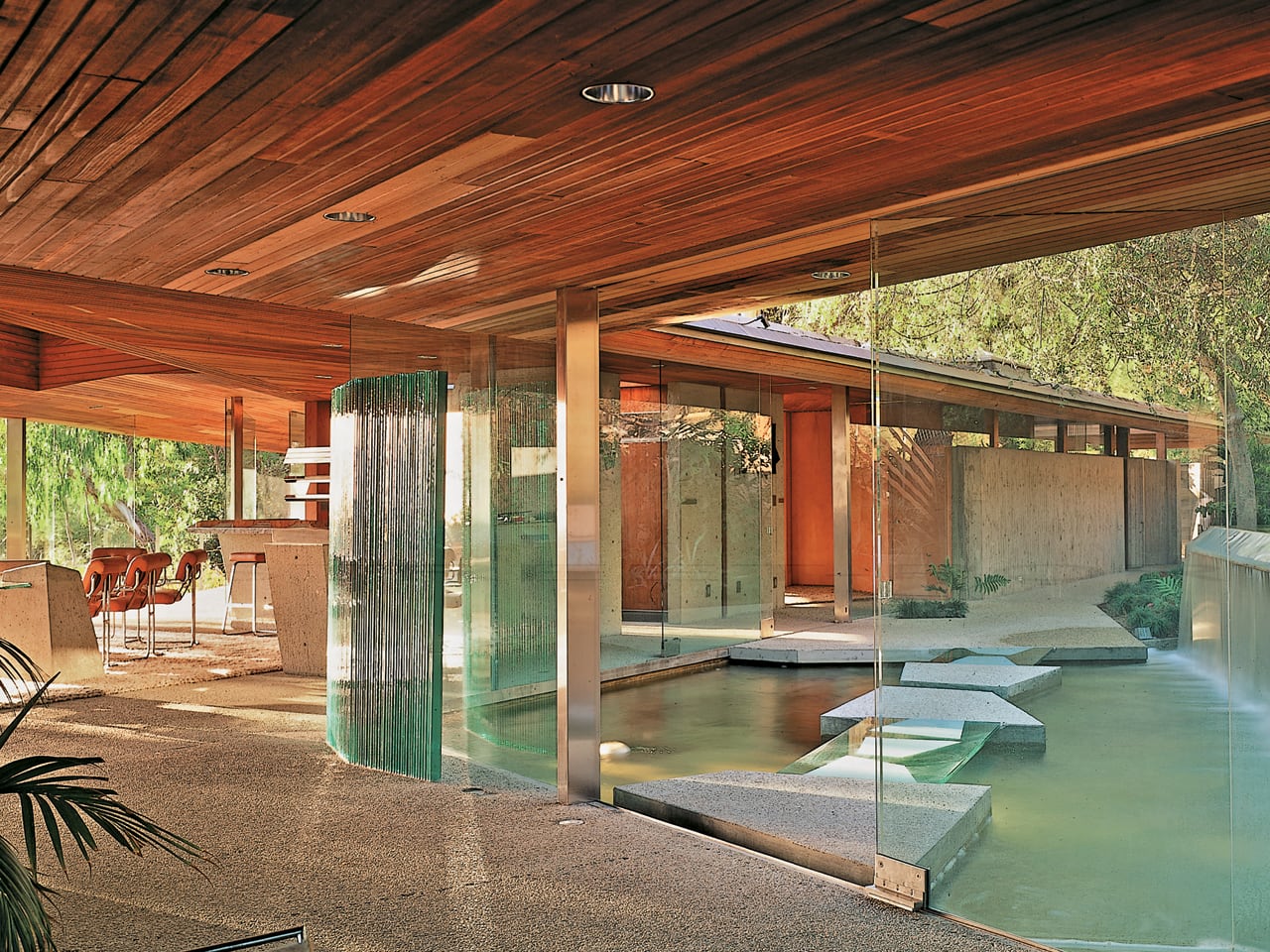
However, by the time James Goldstein bought the property in 1972, it was severely neglected. The living room lacked walls, utilities were in disarray, and the entire structure needed significant repair and revitalization.

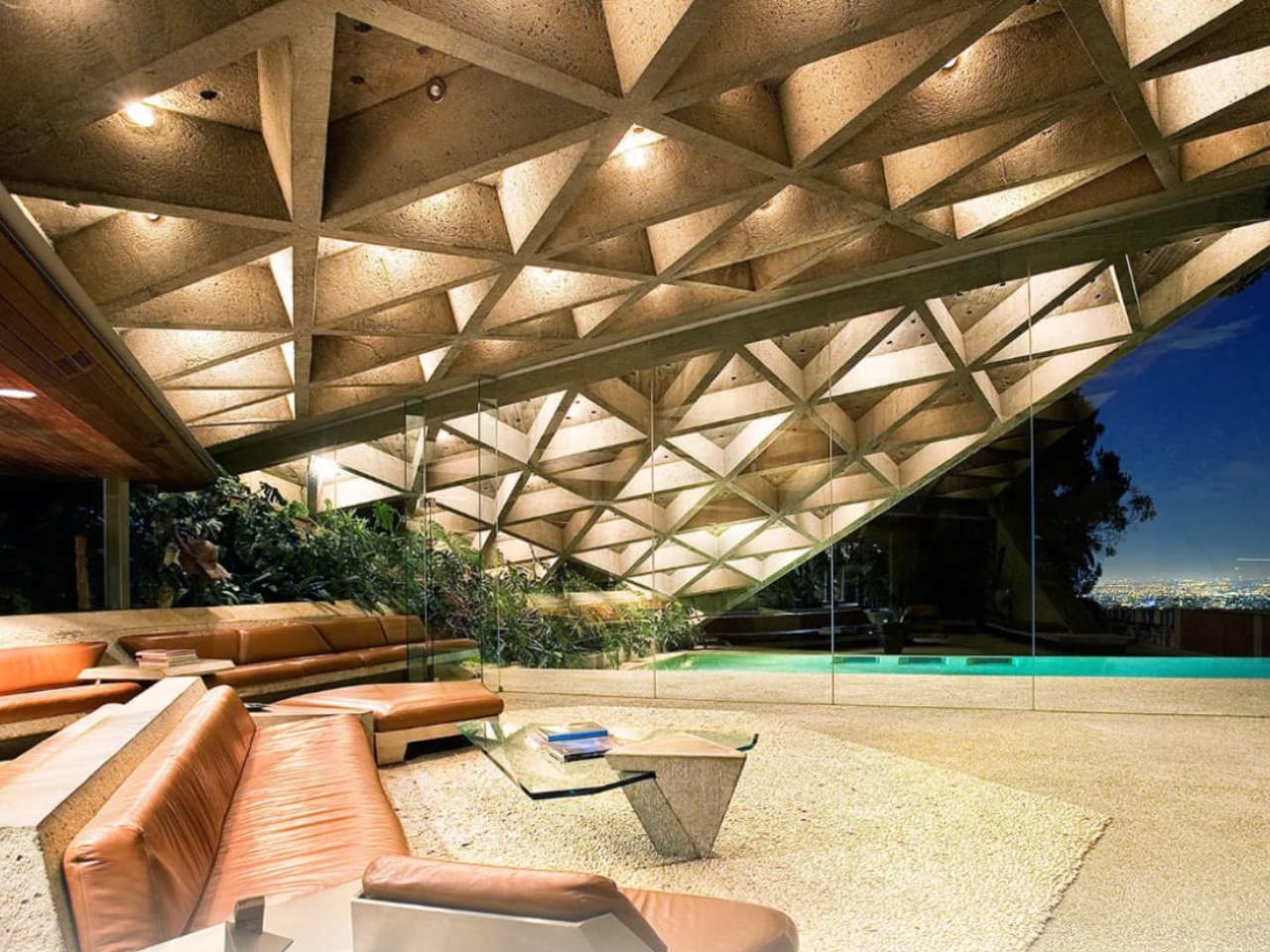
Goldstein went beyond simple repairs, working alongside Lautner and later architect Duncan Nicholson to completely transform the property. Together, they took it far beyond its original state, turning it into an architectural icon that reflected Goldstein’s intense attention to detail. The renovations introduced innovative elements for their time—fully automated windows, integrated furnishings, and open spaces that seamlessly connected indoor and outdoor environments. Goldstein’s modifications included removing dated carpeting and exposing the signature coffered concrete ceiling pierced by 750 skylights made from drinking glasses. In the Sheats-Goldstein Residence, “drinking glasses” refer to a unique architectural feature designed by John Lautner. Specifically, 750 drinking glasses were ingeniously cast into the concrete roof structure of the house, creating an extraordinary skylight system.

Architectural Significance

Lautner intentionally used these drinking glasses to create a remarkable lighting effect in the main living space. When sunlight passes through these 750 tiny skylights, it generates a mesmerizing pattern of light rays that dance across the interior, mimicking the effect of sunlight filtering through a jungle canopy.
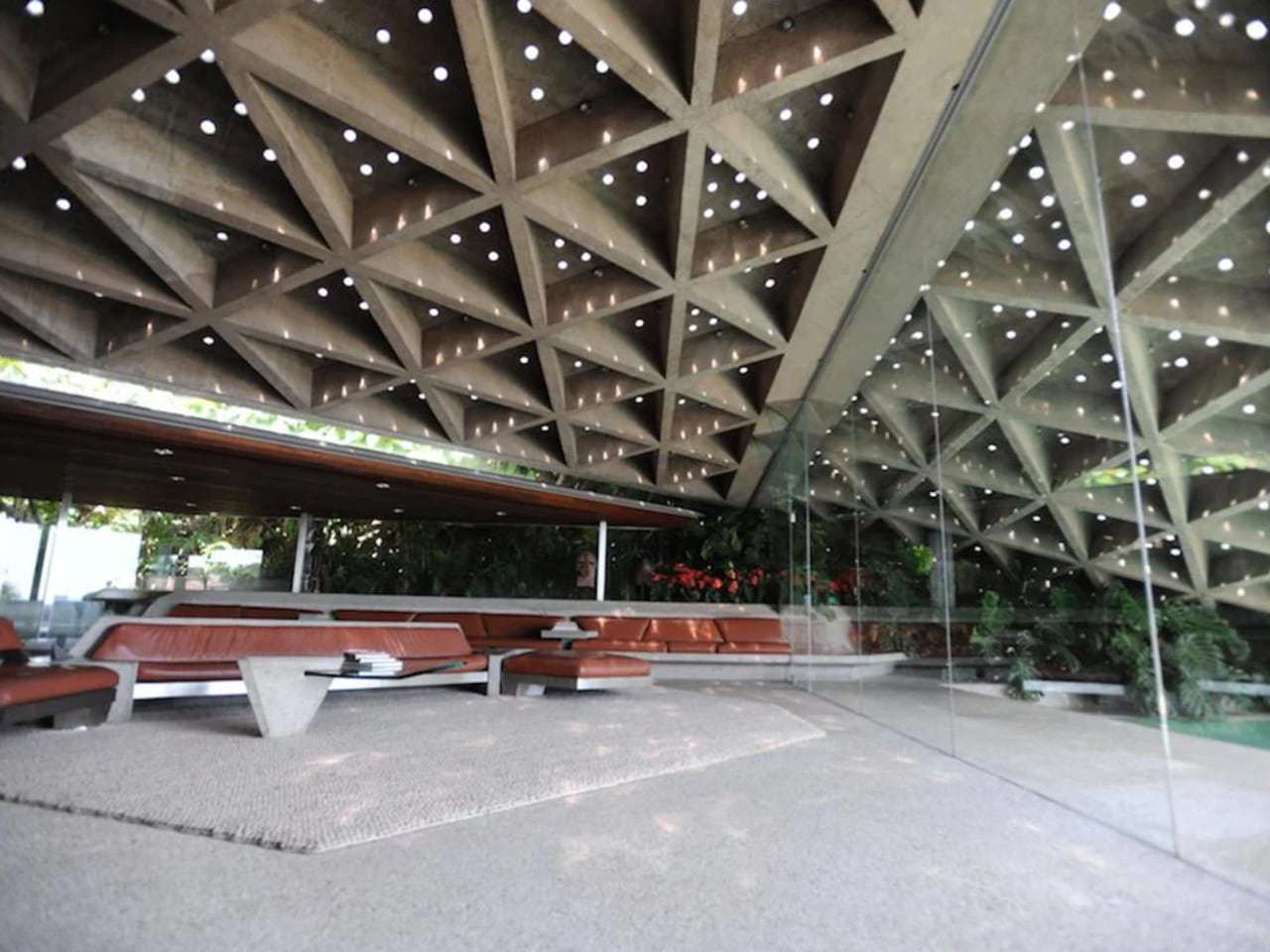
Design Philosophy This innovative approach reflects Lautner’s architectural philosophy of creating immersive spatial experiences. The drinking glasses transform the ceiling into a dynamic, light-filled canvas, making the interior feel like a living, breathing environment. As one source describes, the skylights create “the illusion of light penetrating a jungle canopy” and produce the impression of “moving lights on the ground,” giving occupants the sensation of walking through a primeval forest.

The drinking glasses are more than just a functional element; they are an artistic expression that blends architecture, light, and natural experience into a single, breathtaking design feature of the Sheats-Goldstein Residence and redesigning key areas like the fireplace and dining room.

The Master Bedroom: A Sanctuary of Precision

Among the many redesigned parts of the home, the master bedroom stands out as a showcase of Lautner’s forward-thinking vision and Goldstein’s desire for something completely unique. Redesigned to fit Goldstein’s preferences, the room features a concrete lounge that appears to grow from the floor itself, positioned perfectly at a glass corner that disappears at the press of a button. This space is a bedroom reimagined—built with exacting precision to meet Goldstein’s vision.
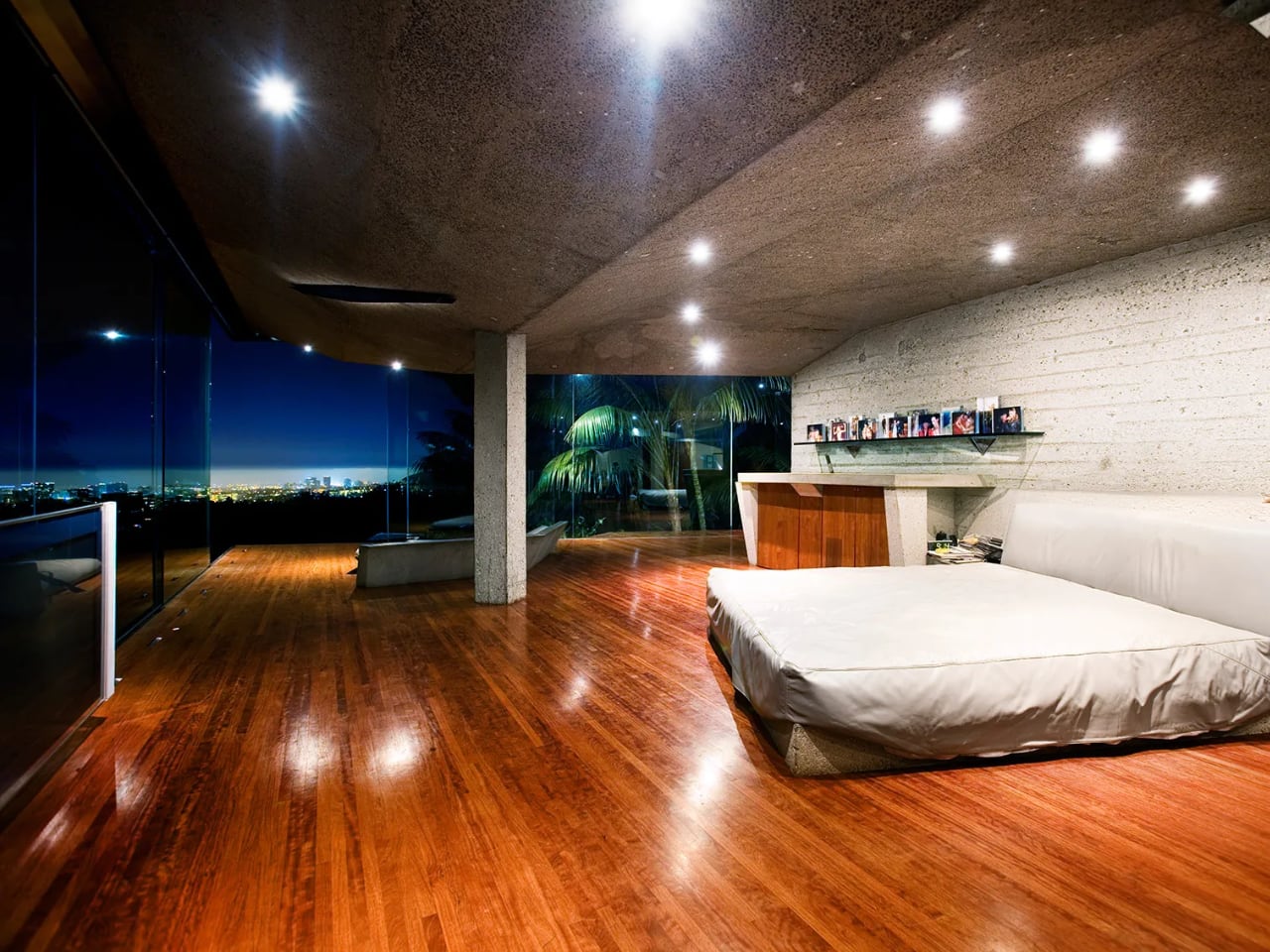
I had the opportunity to briefly chat with James Goldstein, the owner, and asked him what was the most challenging part about the renovation. He shared that the master bedroom was by far the most difficult aspect, taking him over four years to complete. He mentioned that it took longer than if he had just built it from scratch, reflecting the intricacy and dedication in making this space truly unique.

The master bedroom showcases extraordinary design elements that illustrate this dedication. The triangular day bed is designed to align with the room’s shape, its tip precisely matching the tip of the floor slab. The glass walls can slide away smoothly, connecting indoor and outdoor spaces seamlessly. There are also unique touches, such as an embedded hidden scale within the wood floor, inlaid with marble, and an angular glass sink that, when tapped, reveals a wood deck and hot tub beyond a glass partition. The entire suite was redesigned with every element—floors, cabinets, bed, toilets, and sink to closets—to suit Goldstein’s lifestyle.
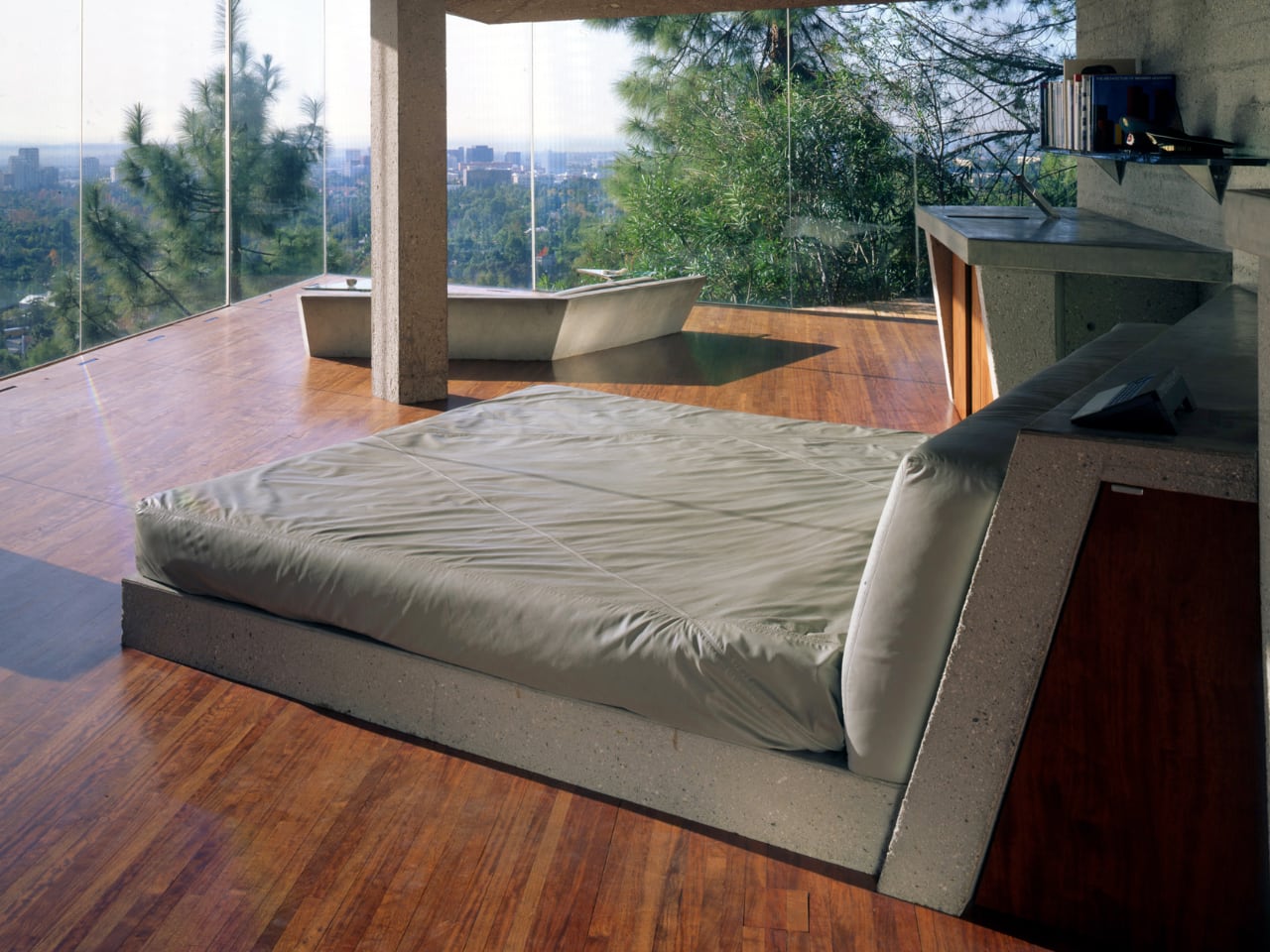
Beyond the impressive engineering, every detail within the master bedroom reflects an intentional departure from traditional design. The integrated closets have been carefully designed to eliminate clutter, allowing the room to maintain an uninterrupted flow. The sculptural bathroom fixtures feel like an extension of the room’s architectural lines—nothing was installed without consideration for its function and place in the larger composition of the space. Goldstein’s approach made the master bedroom a living sculpture, where every piece contributes to continuity and immersion.

The Pool: A Redefining Feature of Los Angeles Homes

The pool, an unmistakable highlight of the residence, became an architectural feature that pushed the boundaries of residential design at the time. Originally lined with plaster, the pool was transformed into one of the first infinity pools in Los Angeles. Lautner and Goldstein eliminated the traditional railings, instead designing it to give the impression of water merging into the horizon—a visual trick that made it seem like both the pool and the house were suspended above the city.

This design choice wasn’t purely aesthetic. The pool was constructed with thoughtful details that enhanced the experience of the house as a whole. Three underwater windows, installed within the master bedroom, provide a unique perspective into the pool. Initially conceived as a way for Helen Sheats to keep an eye on her children while they played, the feature now offers a whimsical and unexpected viewpoint, adding an element of surprise to the space. Goldstein’s decision to retain and enhance these elements shows his appreciation for Lautner’s original intent while infusing the house with his own personality.

Concrete and Steel: A Dialogue of Materials

The interior furnishings of the Sheats-Goldstein Residence reflect the same dedication to material innovation and permanence that defines its architecture. Much of the furniture was crafted from concrete and stainless steel and installed as fixed features, blurring the lines between structural elements and decor. The living room furniture, for instance, is integrated into the layout, creating a sense of permanence—as though the furnishings are just as essential to the building as its walls.
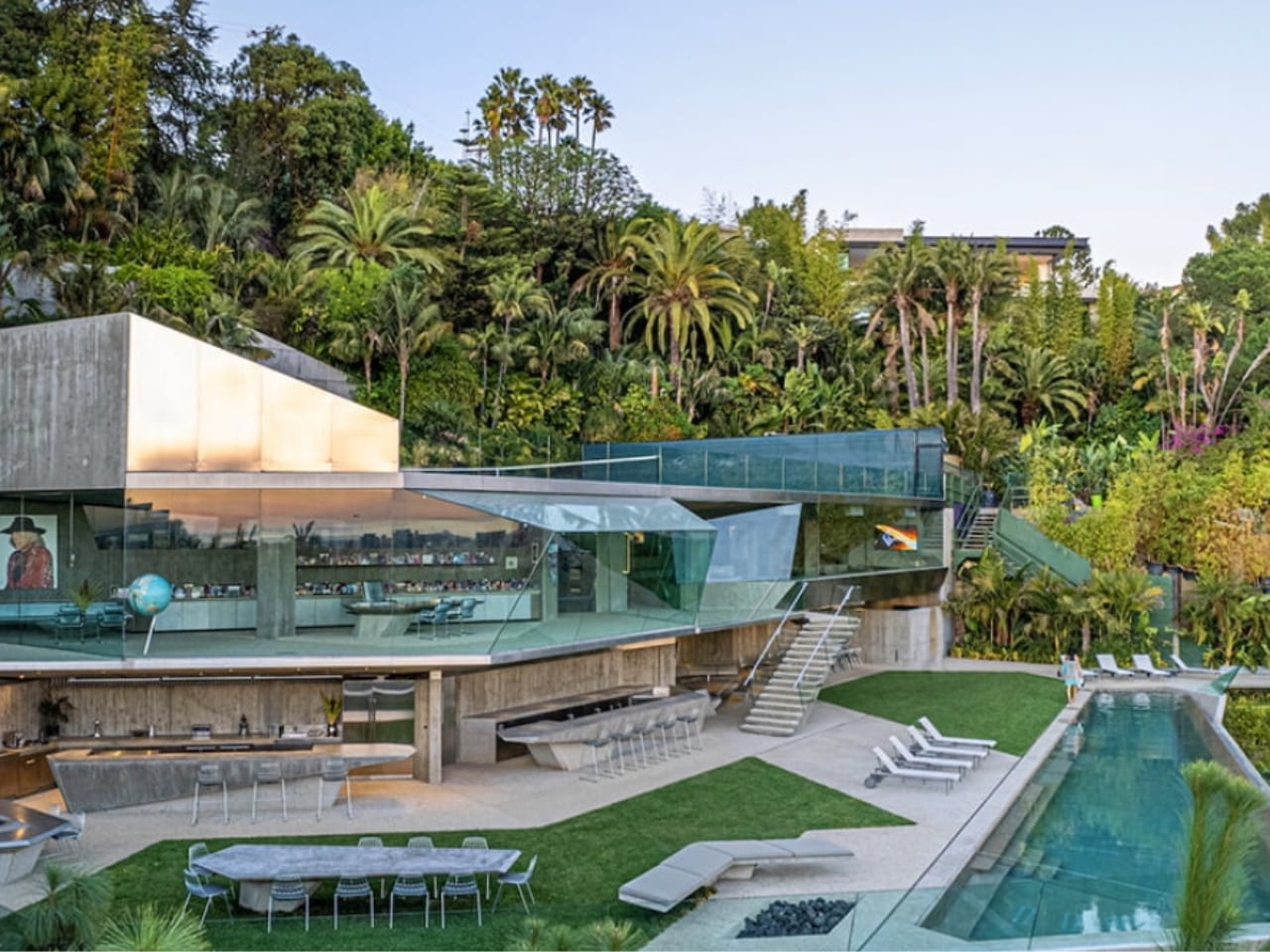
The dining room contains a custom-built table that exemplifies the home’s material palette. Its thick, beveled glass surface rests upon two angular concrete pedestals, echoing the same angular forms seen throughout the house. The result is a cohesive environment where each piece of furniture serves its intended purpose while contributing to the larger architectural narrative.
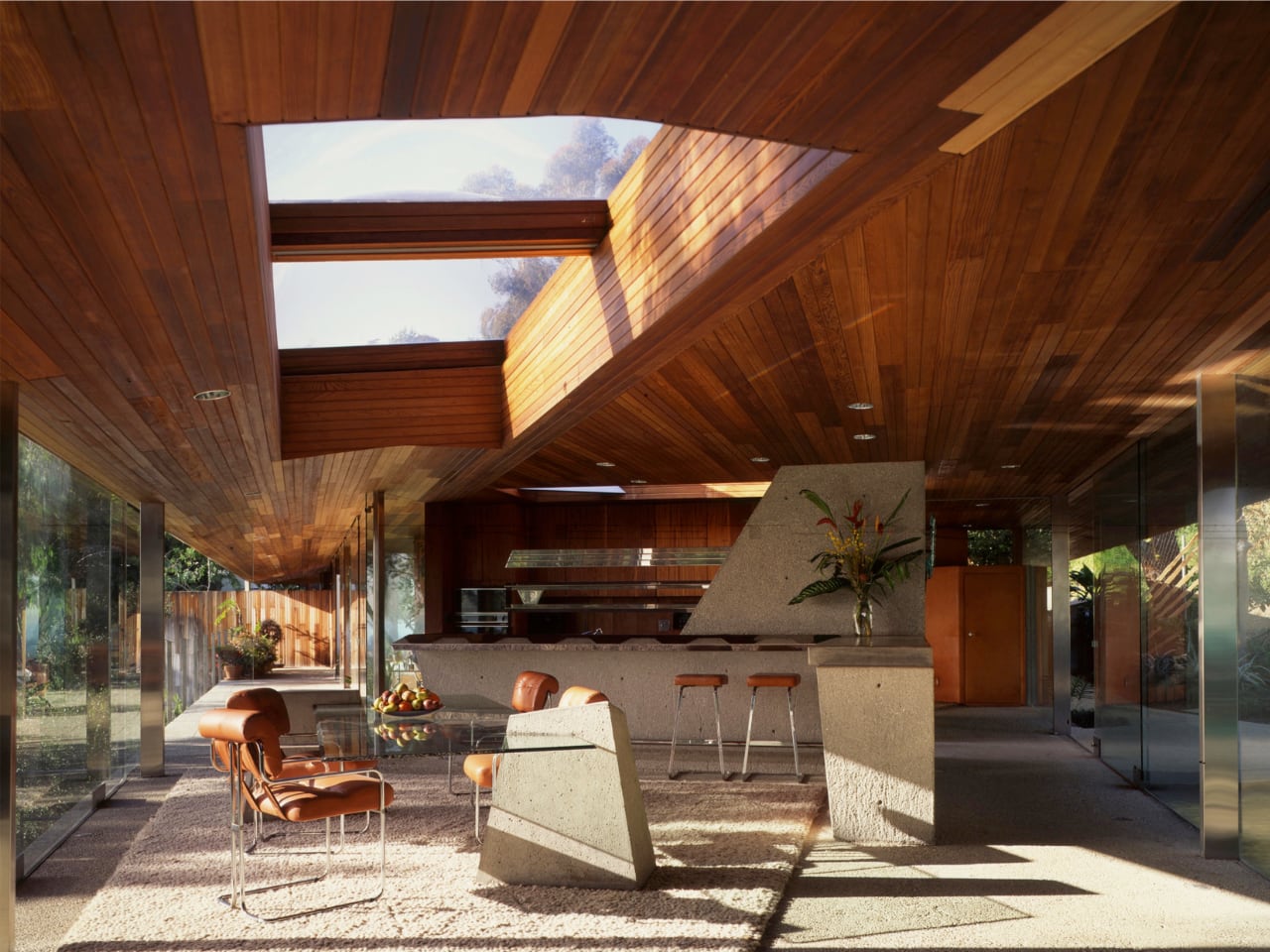
The kitchen was also entirely transformed under Goldstein’s guidance. Gone were the original Formica countertops, replaced with wet-sanded concrete that offered both durability and a refined aesthetic. Stainless steel cabinetry adds a sleek and modern touch, reflecting the daylight streaming through an automated skylight that opens above. Left deliberately exposed, a structural beam was finished in glossy stainless steel, becoming less a structural necessity and more an intentional design statement—a demonstration of the beauty in raw functionality.

An Evolving Legacy

James Goldstein’s dedication to the property extended beyond simple restoration or renovation. In 2016, he took an extraordinary step to ensure the residence’s future, gifting the house to the Los Angeles County Museum of Art (LACMA). This gift wasn’t limited to the structure alone; it included everything from the home’s extensive art collection to the original architectural models used during its conception. Even a 1961 Rolls-Royce Silver Cloud, often seen parked on the property, was part of this bequest—each piece telling a part of the story of the house’s evolution.
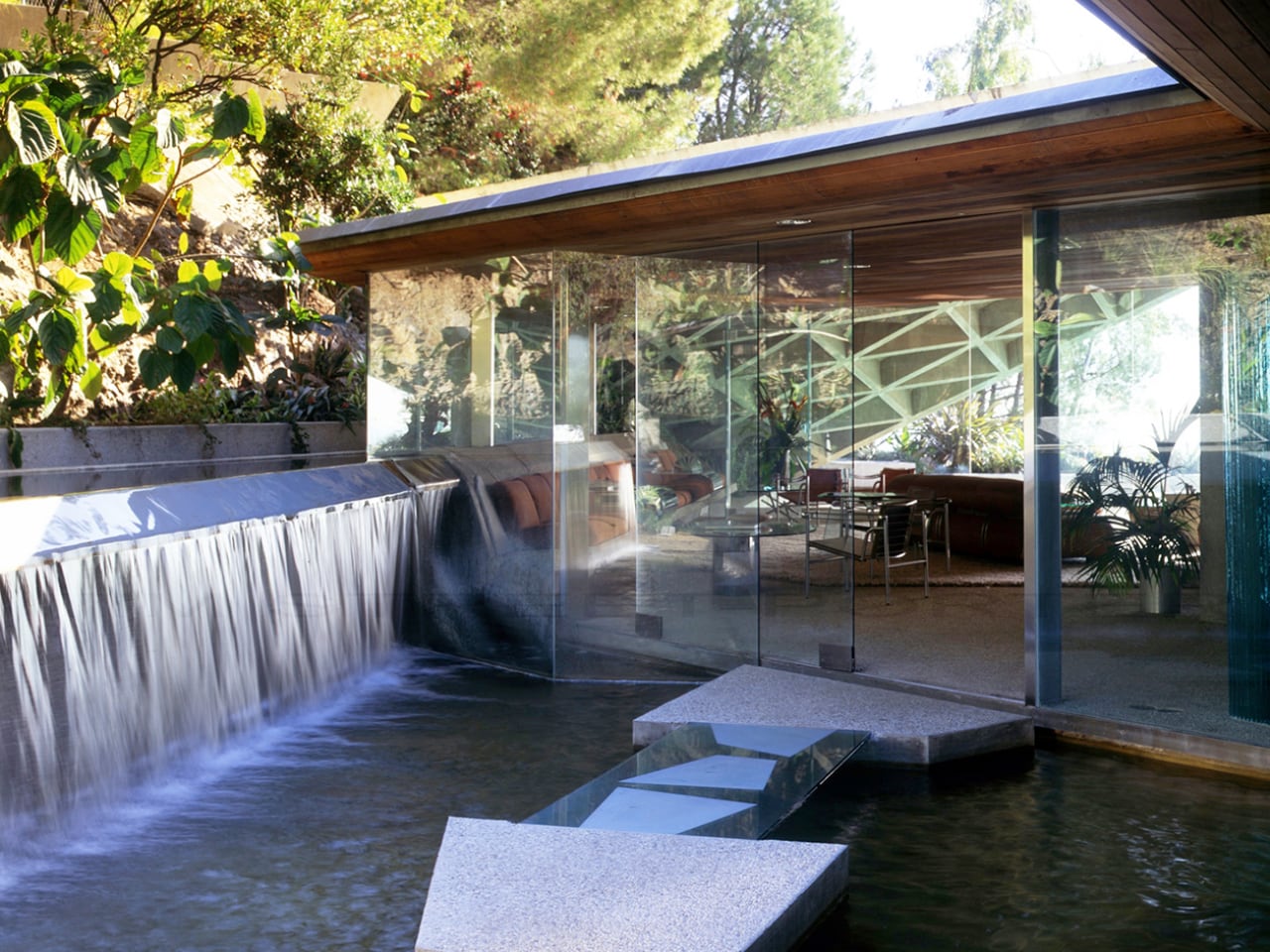
The Sheats-Goldstein Residence is not frozen in time; it continues to grow and change. One of the most recent projects includes the Goldstein Entertainment Complex—an addition that includes a nightclub and entertainment spaces that complement the original design without compromising it. Designed to align with Lautner’s original approach, these new elements add functionality while staying true to the home’s aesthetic vision. The property also includes unique features like a tennis court, a James Turrell Skyspace installation, and plans for a guest house that is currently in development. The grounds, now spanning over 1.5 hectares, are a testament to careful curation—hidden walkways snake through lush vegetation, reflecting ponds create moments of calm, and the Skyspace adds an element of quiet reflection that enhances the overall experience of the property.

A Living Collaboration

The Sheats-Goldstein Residence reflects the collaboration between visionary architects and a homeowner committed to pushing the boundaries of what a living space could represent. Each detail speaks to a profound respect for Lautner’s original vision and Goldstein’s unwavering desire to innovate and improve. This home is a feat of design—a structure that moves beyond the traditional concept of a residence, instead becoming a continually evolving expression of design, creativity, and dedication. It is a true partnership between architecture and lifestyle, continually expanding the idea of what a home can become, inspiring all who step into its space.
The post The Goldstein Estate: A Living Sculpture of Architectural Ingenuity first appeared on Yanko Design.
The New York Times says OpenAI deleted evidence in its copyright lawsuit

Stephen Hawking told Last Week Tonight’s John Oliver a chilling but memorable hypothetical story a decade ago about the potential dangers of AI. The gist is a group of scientists build a superintelligent computer and ask it, “Is there a God?” The computer answers, “There is now” and a bolt of lightning zaps the plug preventing it from being shut down. Let’s hope that’s not what happened with OpenAI and some missing evidence from the New York Times’ plagiarism lawsuit.

Wired reported that a court declaration filed by the New York Times on Wednesday says that OpenAI’s engineers accidentally erased evidence of the AI’s training data that took a long time to research and compile. OpenAI recovered some of the data but “the original file names and folder structure” that show when the AI copied its articles into its models are still missing.

OpenAI spokesperson Jason Deutrom disagreed with the NYT’s claims and says the company “will file our response soon.” The Times has been battling Microsoft and OpenAI over alleged copyright infringement with its AI models since December of last year.

The lawsuit is still in its discovery phase when evidence is requested and delivered by both sides to build its case for trial. OpenAI had to turn over its training data to the Times but hasn’t publicly revealed the exact information it used to build the AI modes.

Instead, OpenAI created a “sandbox” of two virtual machines so the NYT’s legal team could conduct its research. The NYT’s legal team spent more than 150 hours sifting through the data on one of the machines before the data was deleted. OpenAI acknowledged the deletion but the company’s legal team called it a “glitch.” Although OpenAI engineers tried to correct the mistake, the restored data was missing the NYT’s work. This led the NYT to essentially recreate everything from scratch. The NYT’s lawyers said they had no reason to believe the deletion was intentional.

This article originally appeared on Engadget at https://www.engadget.com/ai/the-new-york-times-says-openai-deleted-evidence-in-its-copyright-lawsuit-231805285.html?src=rss

Report: Amazon is likely to face an EU antitrust investigation next year

2025 could be a tense year for Amazon. Reuters reports that, according to its sources, Amazon “will likely” be investigated by the European Union (EU) for violating the Digital Markets Act (DMA) by allegedly promoting and offering its own products ahead of others in its online store.

The decision to launch the investigation will be made by incoming EU antitrust chief Teresa Ribera. Her term will start next month following outgoing chief Margrethe Vestager, who is stepping down after serving two terms.

Amazon denies that it violated the DMA. The EU’s antitrust regulators launched an investigation into Apple, Meta and Google in March over issues such as fees and preferential presentation of its own apps on its online stores. The European Commission also hinted that it might be looking into Amazon’s business practices under the new laws.

The DMA took effect last year and establishes criteria for large online platforms to “behave in a far way online and leave room for contestability,” according to the EU’s website. The guidelines prevent big tech companies like Amazon from giving preferential treatment to their own products and services on their platforms.

This article originally appeared on Engadget at https://www.engadget.com/big-tech/report-amazon-is-likely-to-face-an-eu-antitrust-investigation-next-year-214556510.html?src=rss

Holiday-themed Keycaps add a touch of Winter Celebration to your Mechanical Keyboard

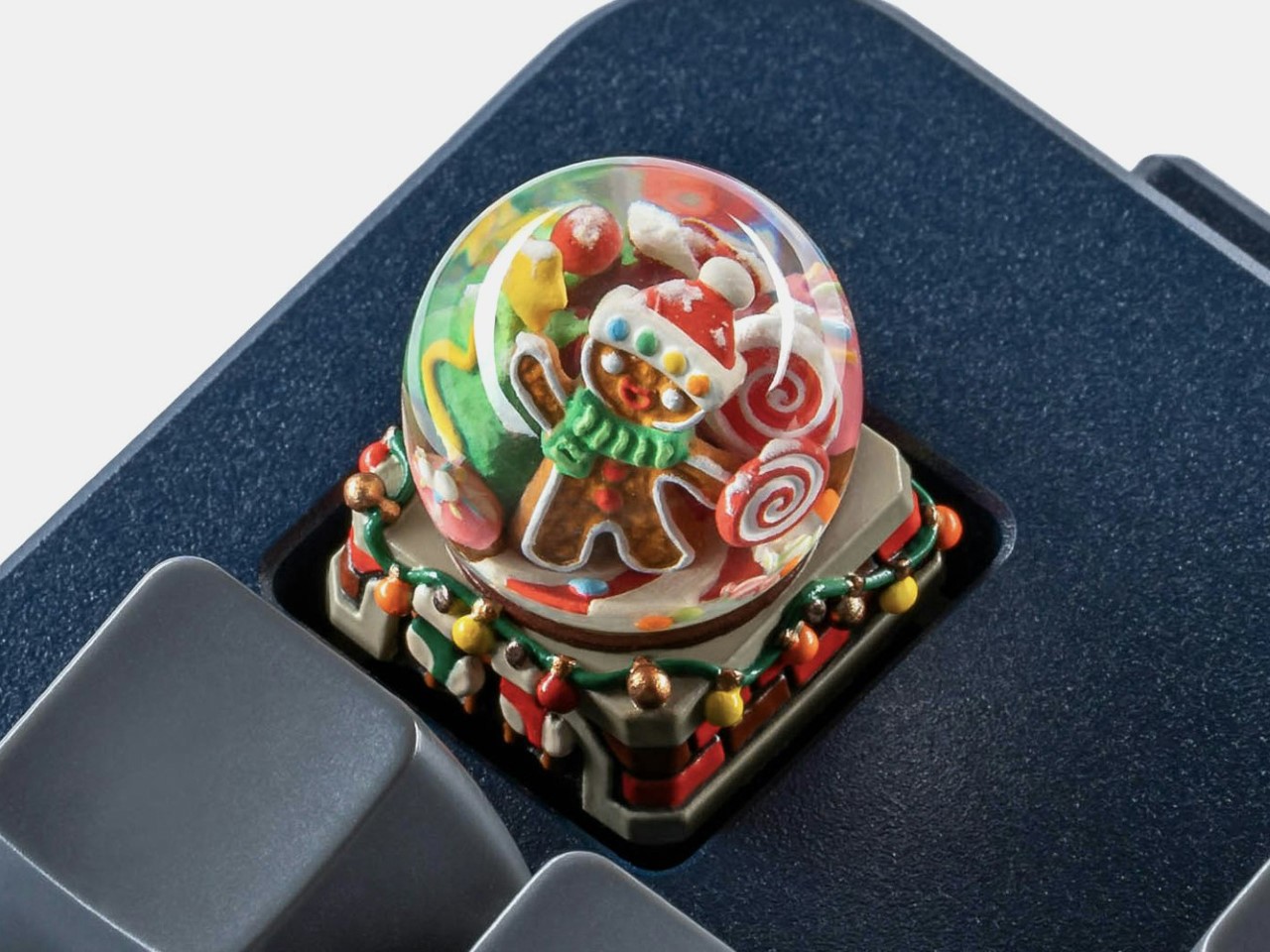
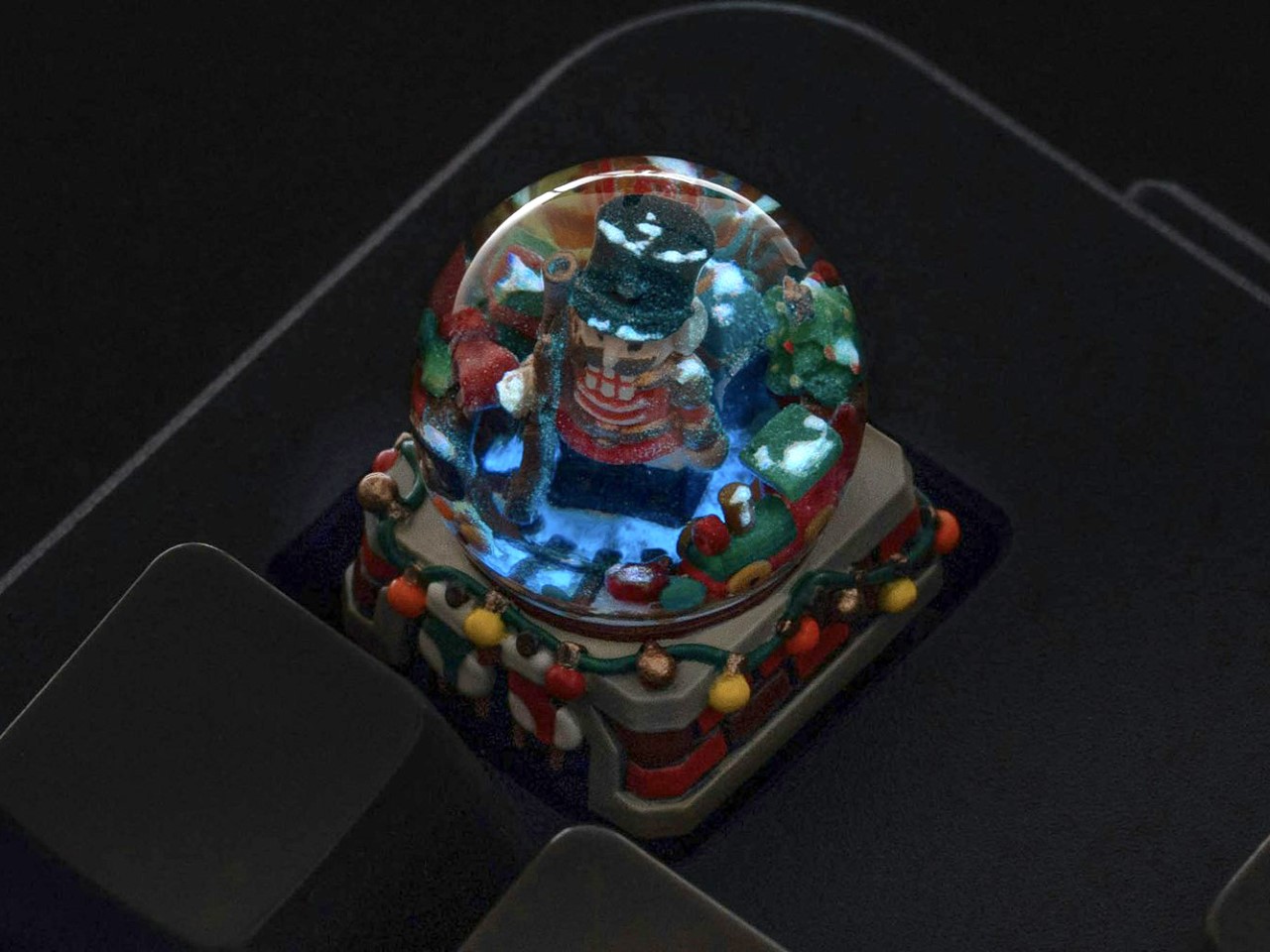
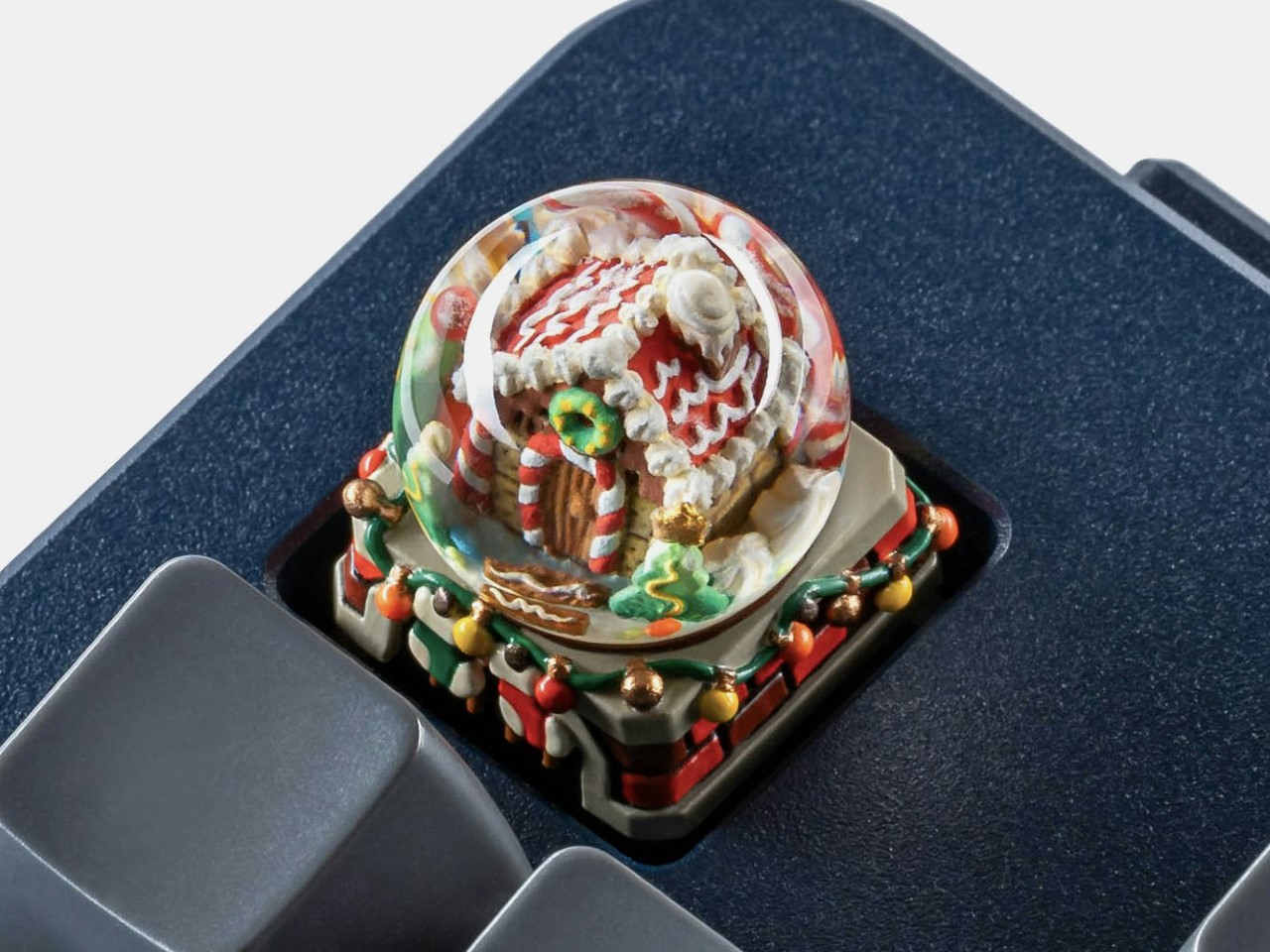
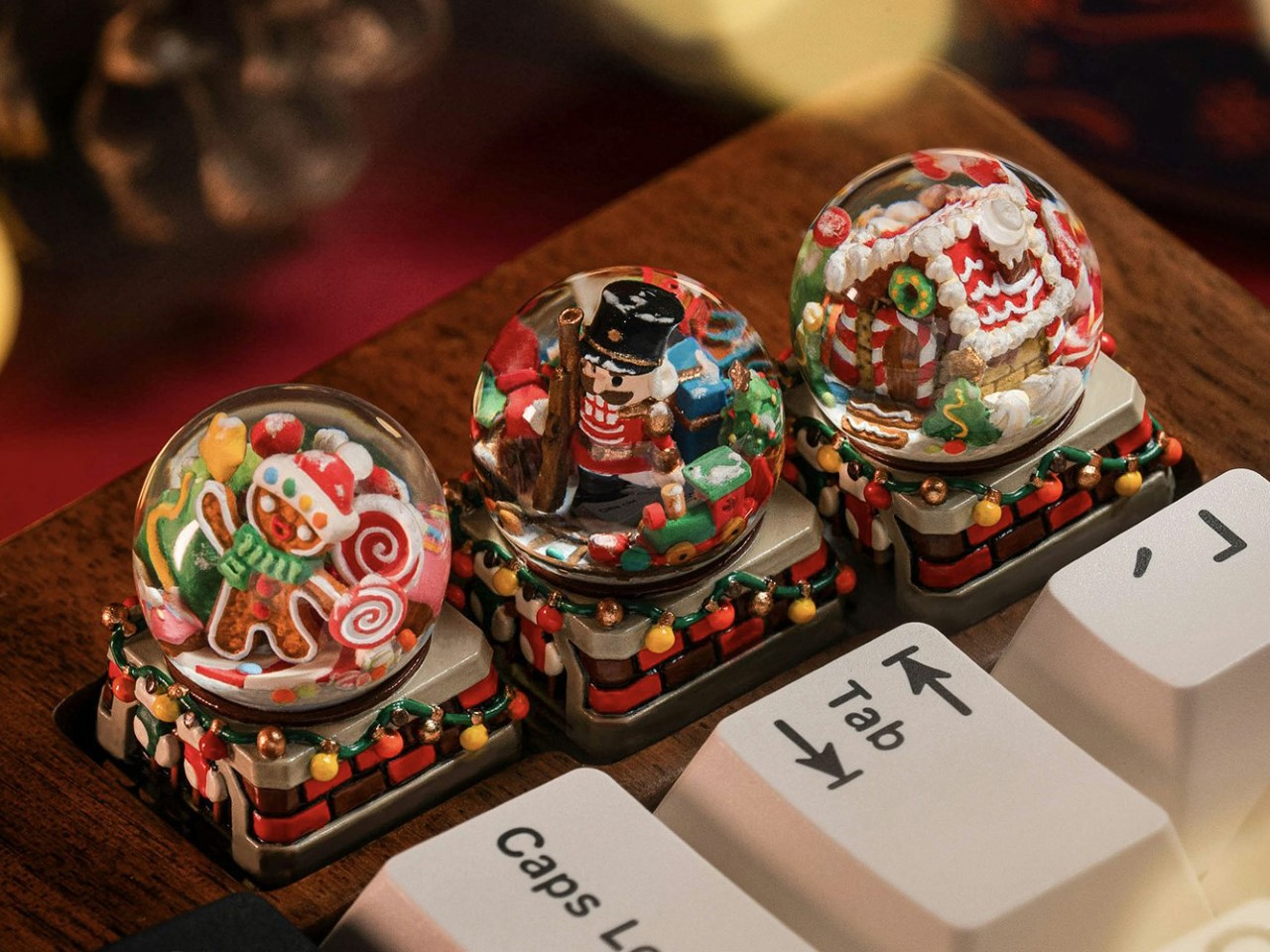
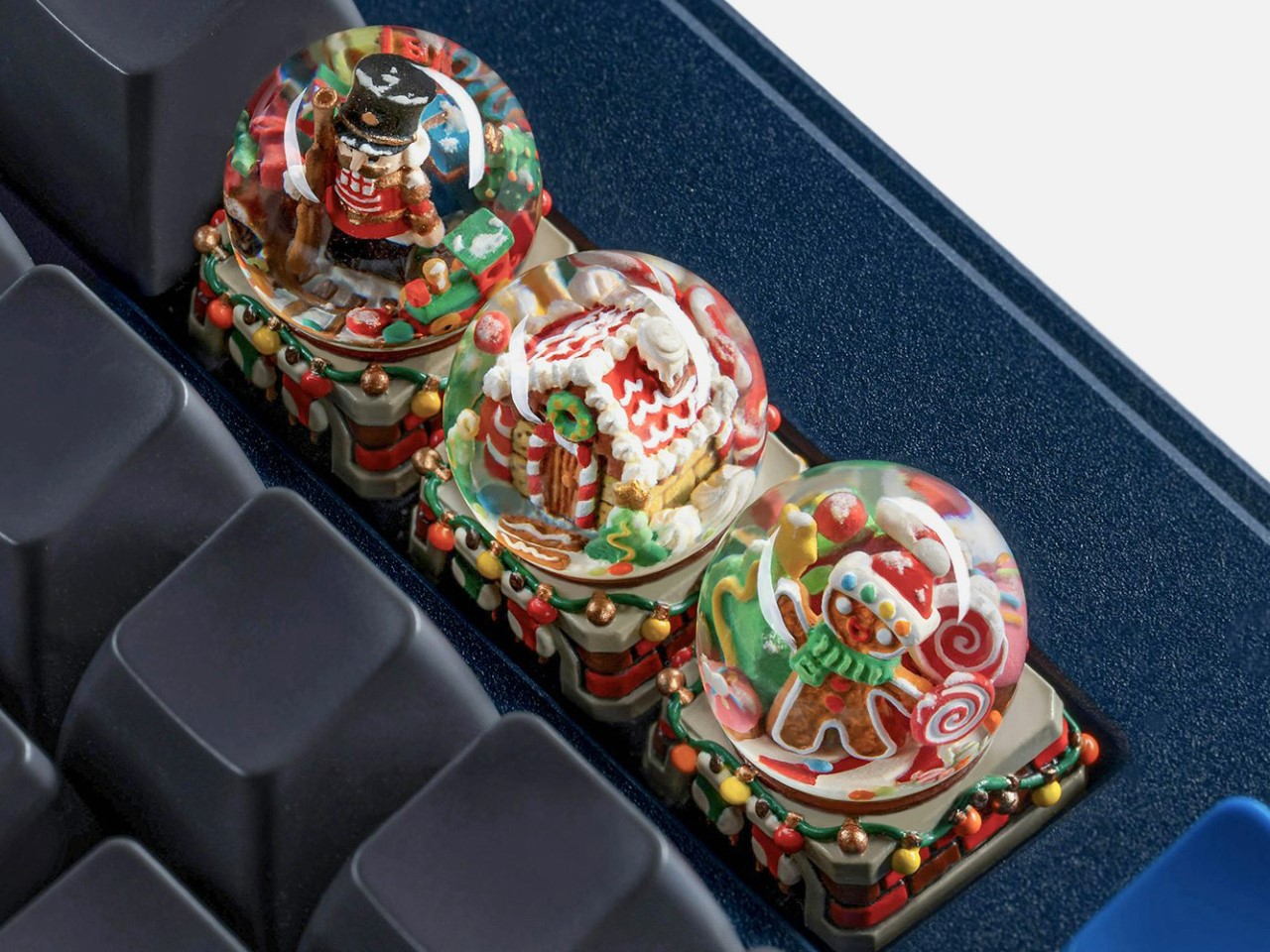
Celebrate the holiday season with the ArtiSANTA Christmas Artisan Keycaps by Dwarf Factory, a festive collection designed to bring joy to your keyboard. These handcrafted keycaps transform everyday typing into a whimsical experience, featuring intricate designs inspired by the spirit of Christmas. From nostalgic characters to sugary houses, the collection captures the magic of the season while doubling as high-quality artisan pieces that fit seamlessly into most mechanical keyboards.

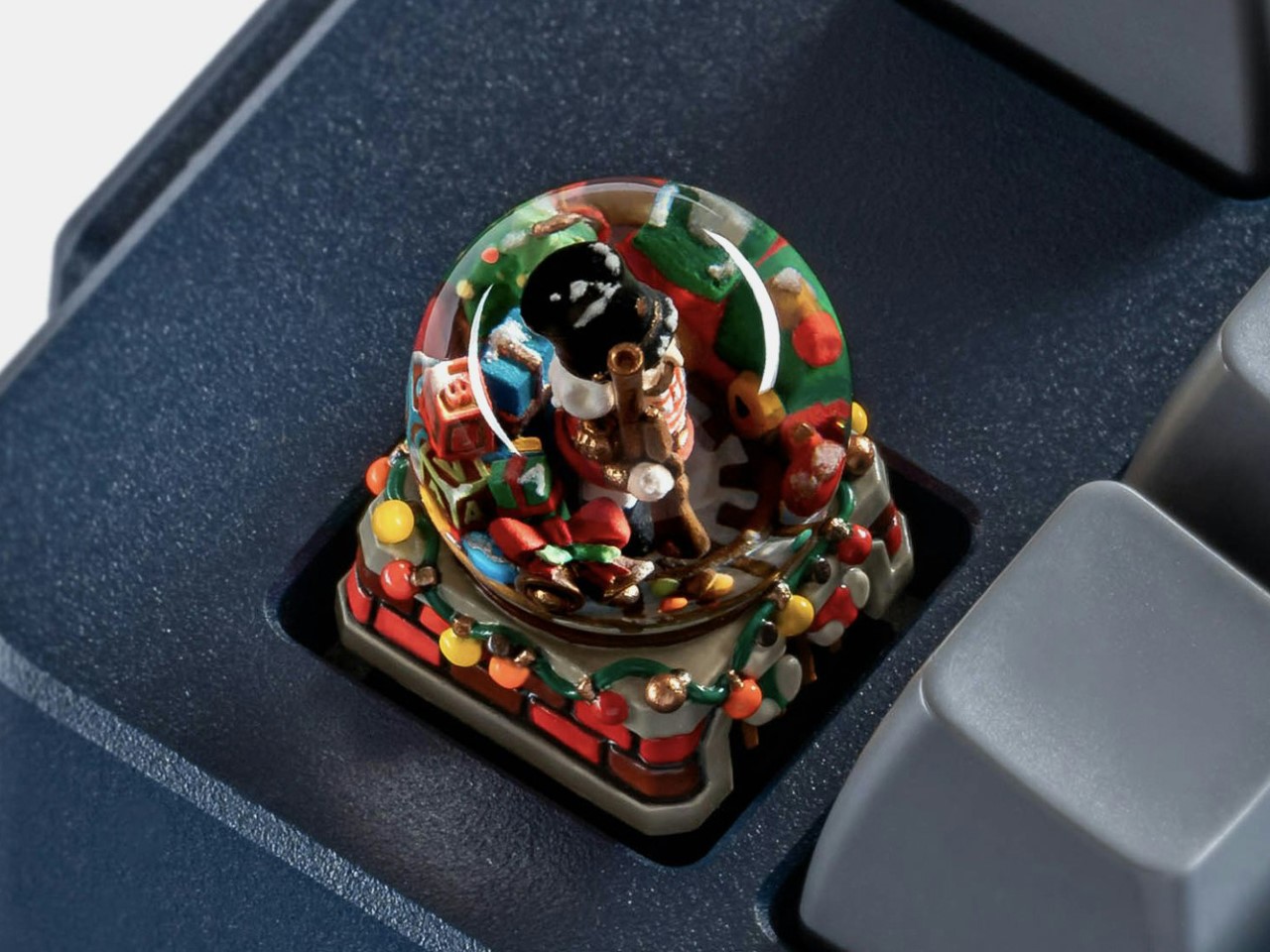
Each keycap in the collection—Gingy, Nutcracker, and Sweet House—is crafted with precision and attention to detail. Made with high-quality resin and glow-in-the-dark elements, they are not only visually stunning but also built to last. Designed in the SA R1 profile, these keycaps are compatible with Cherry MX switches, ensuring a snug fit for mechanical keyboard enthusiasts. Perfect for personalizing your workspace or as a holiday gift, they bring a touch of seasonal magic to every keystroke.

Designer: Dwarf Factory

Gingy Keycap

The Gingy keycap is a playful nod to the classic gingerbread man, with vibrant icing details that bring the cheerful character to life. Encased in a snowglobe-like resin dome, Gingy stands atop a snowy, decorated chimney base. The hand-painted details on the figure, combined with the intricate base, evoke a sense of holiday nostalgia. Glow-in-the-dark accents enhance the charm, adding a cozy glow that illuminates your keyboard in low-light settings.

Beyond its festive appearance, the Gingy keycap is designed for practicality. The SA R1 profile ensures it fits comfortably on Cherry MX switches and their compatible clones, making it a functional addition to any keyboard setup. Its durable resin construction guarantees long-lasting use, allowing Gingy to spread holiday cheer all season long.

Nutcracker Keycap

The Nutcracker keycap captures the regal elegance of this traditional Christmas figure, complete with a bold uniform and iconic hat. Encased within a crystal-clear resin dome, the Nutcracker stands proudly on a snowy chimney base adorned with holiday lights. Every detail is hand-painted with remarkable precision, from the polished buttons on his uniform to the expressive face that mirrors classic nutcracker designs. The glow-in-the-dark feature adds a magical touch, allowing the keycap to shine as bright as the season itself.

Functionality meets artistry with the Nutcracker keycap. Its SA R1 profile ensures a snug fit on Cherry MX switches, while the durable resin construction protects the intricate design. Whether used as a centerpiece for your holiday-themed keyboard or simply as a decorative addition, this keycap blends festive tradition with modern keyboard customization.

Sweet House Keycap

The Sweet House keycap is a delightful miniature gingerbread house, complete with colorful candy decorations and sugary icing. Nestled within a resin dome, the house sits atop a snow-covered chimney base that brings to mind cozy winter scenes. The attention to detail is extraordinary, with hand-painted candies, frosted rooftops, and even tiny windows that make the design feel like a festive storybook come to life. The glow-in-the-dark accents further enhance the magical aesthetic, casting a gentle glow that transforms your keyboard into a winter wonderland.

Designed for both beauty and durability, the Sweet House keycap is built with the same SA R1 profile and Cherry MX compatibility as the rest of the collection. Its whimsical charm pairs perfectly with the season, making it a great choice for anyone looking to infuse their workspace with holiday spirit. The Sweet House is more than an accessory—it’s a tiny piece of Christmas magic at your fingertips.

These artisan keycaps (which debuted last year) are available for purchase at $39 each, offering a unique way to personalize your keyboard with holiday spirit. Whether you’re a mechanical keyboard enthusiast or looking for a special gift, the ArtiSANTA 2023 collection brings a touch of festive magic to every keystroke.

The post Holiday-themed Keycaps add a touch of Winter Celebration to your Mechanical Keyboard first appeared on Yanko Design.

Steam will force developers to be transparent about their season pass plans

Season passes are one of the most common ways to generate revenue for games such as Fortnite or Call of Duty that want players to keep returning day after day, month after month. This week, PC game platform Steam has rolled out support for this monetization approach. The Valve-owned platform clarified its policy about what it considers a season pass, as well as implementing rules for how developers should communicate with players about pass content.

Steam documentation now states that when a season pass is made available for a game, it must list all of the downloadable content (DLC) included within that purchase. Developers will also need to provide an expected release date for each DLC. Delays are common in game development, but Valve will only allow a studio to reschedule a season pass' release date once; if more changes are needed, Valve has to get involved with making that change. In cases where a season pass is canceled, customers must receive a refund for any unreleased content that they have paid for.

"By offering a Season Pass, you are promising future content," the documentation reads. "In the process of launching a Season Pass you will be asked to commit to a launch timing for each content release in the Season Pass. That launch timing is a commitment to both customers and Steam. If you aren't ready to clearly communicate about the content included in each DLC AND when each DLC will be ready for launch, you shouldn't offer a Season Pass on Steam."

Steam recently revised its language around a few key topics this fall. The platform now clarifies that the hundreds or thousands of games in players' libraries are licenses to those titles rather than outright ownership. Valve has also removed points about binding arbitration from its Steam Subscriber Agreement.

This article originally appeared on Engadget at https://www.engadget.com/gaming/pc/steam-will-force-developers-to-be-transparent-about-their-season-pass-plans-212313027.html?src=rss

Black Friday deals include reMarkable 2 bundles for $89 off

If you’ve been eyeing the reMarkable 2 for a while, now is a great time to buy one. While the E Ink tablet itself isn’t on sale, reMarkable has discounted the two bundles it offers alongside the 2. Until the end of December 2, you can save $89 off the Type Folio and Book Folio bundles. Both include reMarkable’s Marker Plus stylus, which comes with an eraser feature not found on the regular Marker stylus. It’s also black instead of gray and four grams heavier. As for the two folios, the type one is the one to buy if you need a keyboard.

The reMarkable 2 is easily the best E Ink tablet you can buy right now. It’s the top pick in our E Ink tablet guide, and for good reason. It boasts a tremendous reading and writing experience, with a responsive, low-latency display that offers the closest pen-and-paper experience among the tablets Engadget tested. 

The reMarkable 2 makes accessing your favorite books and files easy, too. It includes support for both PDFs and ePUBs, and you can link your Google Drive, Microsoft OneDrive and Dropbox to make transferring those files a cinch. Each new reMarkable 2 tablet also comes with a complimentary one-year subscription to Remarkable Connect, which is great for transferring any notes you write to your other devices.

One of the few downsides of the ReMarkable 2 is how expensive it is to buy. Although reMarkable hasn’t directly discounted the tablet, a folio cover and Marker Plus stylus are accessories most people will probably want to buy anyway, so this Black Friday promotion still makes the device more accessible. 

Check out all of the latest Black Friday and Cyber Monday deals here.

This article originally appeared on Engadget at https://www.engadget.com/mobile/tablets/black-friday-deals-include-remarkable-2-bundles-for-89-off-210003470.html?src=rss

The Ember Smart Mug 2 is up to 39 percent off for Black Friday

Amazon’s Black Friday sale has record-low prices on the Ember Smart Mug 2. The accessory heats your beverage to a set temperature (and keeps it there until you’re done), ensuring your coffee, tea or hot chocolate is just right. In this sale, you can get the 10-oz. model, which usually retails for $130, for as little as $75.49. The larger 14-oz. Smart Mug 2 (typically $150) is on sale for as low as $91.49.

The second-generation Ember mug is one of our favorite gifts for moms and teachers. The self-heating mug lets you set a preferred temperature in the iOS or Android app. It will then remember that the next time you fire it up, keeping your beverage at your ideal temp without any extra fuss. You can also add presets for different kinds of drinks. It can keep drinks anywhere from 120 to 145 degrees Fahrenheit, depending on your preference.

The Smart Mug 2 has an auto-sleep feature that senses when it’s empty and stops heating. So, you shouldn’t have to worry about coffee residue burning to a crisp in the bottom after you’ve finished. (Ew.) The mug is IPX7-rated, meaning it’s submersible in up to a meter of water. However, it’s a hand-wash-only product, so don’t make the mistake of plopping it in the dishwasher by force of habit.

The Ember mug lasts an estimated 80 minutes on a full charge. It also includes a charging coaster that can keep it heating all day. If you want to use it on the go, Ember sells an optional sliding lid.

The Black Friday sale prices vary by color. For example, the white variant is the cheapest in both sizes, followed by black ($79.49 for 10 oz., $96 for 14 oz.). Meanwhile, the popular copper model costs $110 and $127.49, respectively.

Check out all of the latest Black Friday and Cyber Monday deals here.

This article originally appeared on Engadget at https://www.engadget.com/deals/the-ember-smart-mug-2-is-up-to-39-percent-off-for-black-friday-203635034.html?src=rss

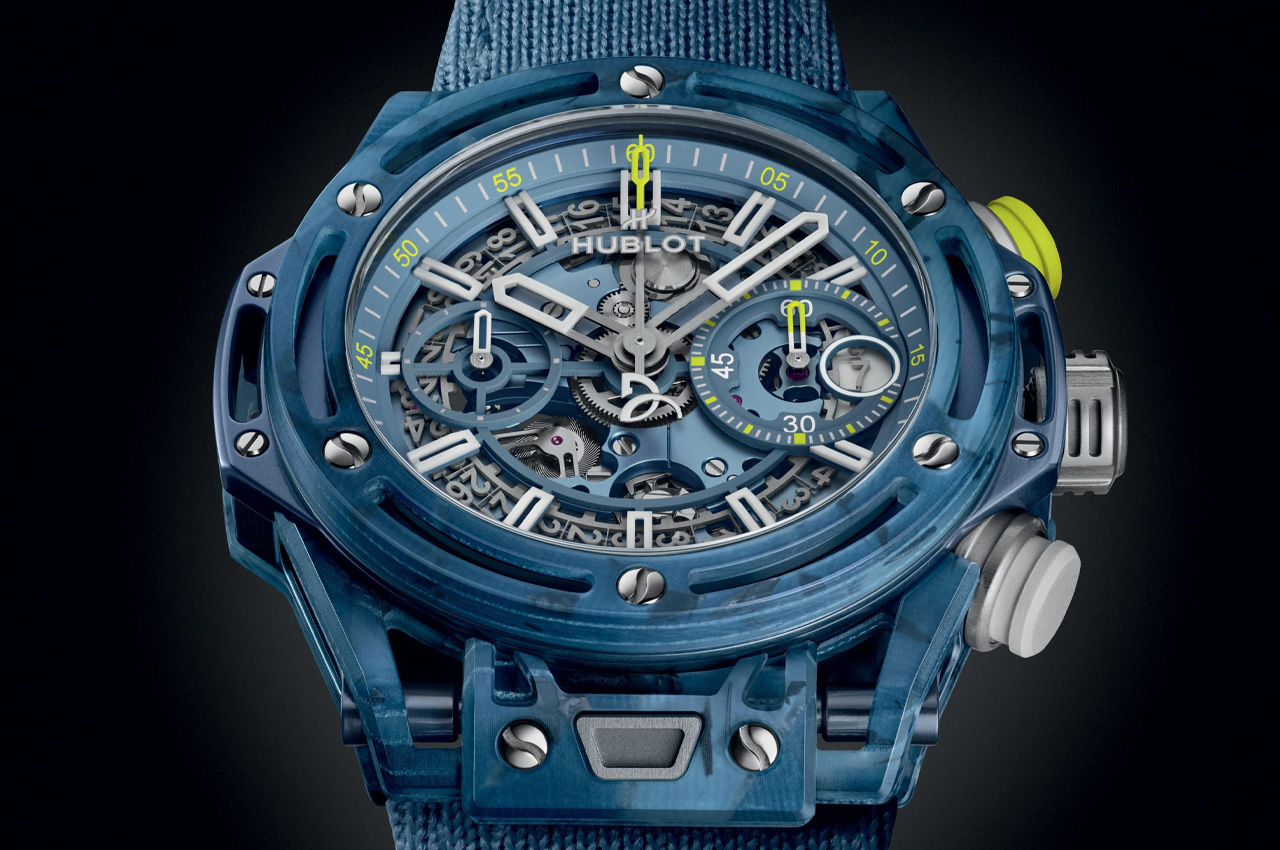
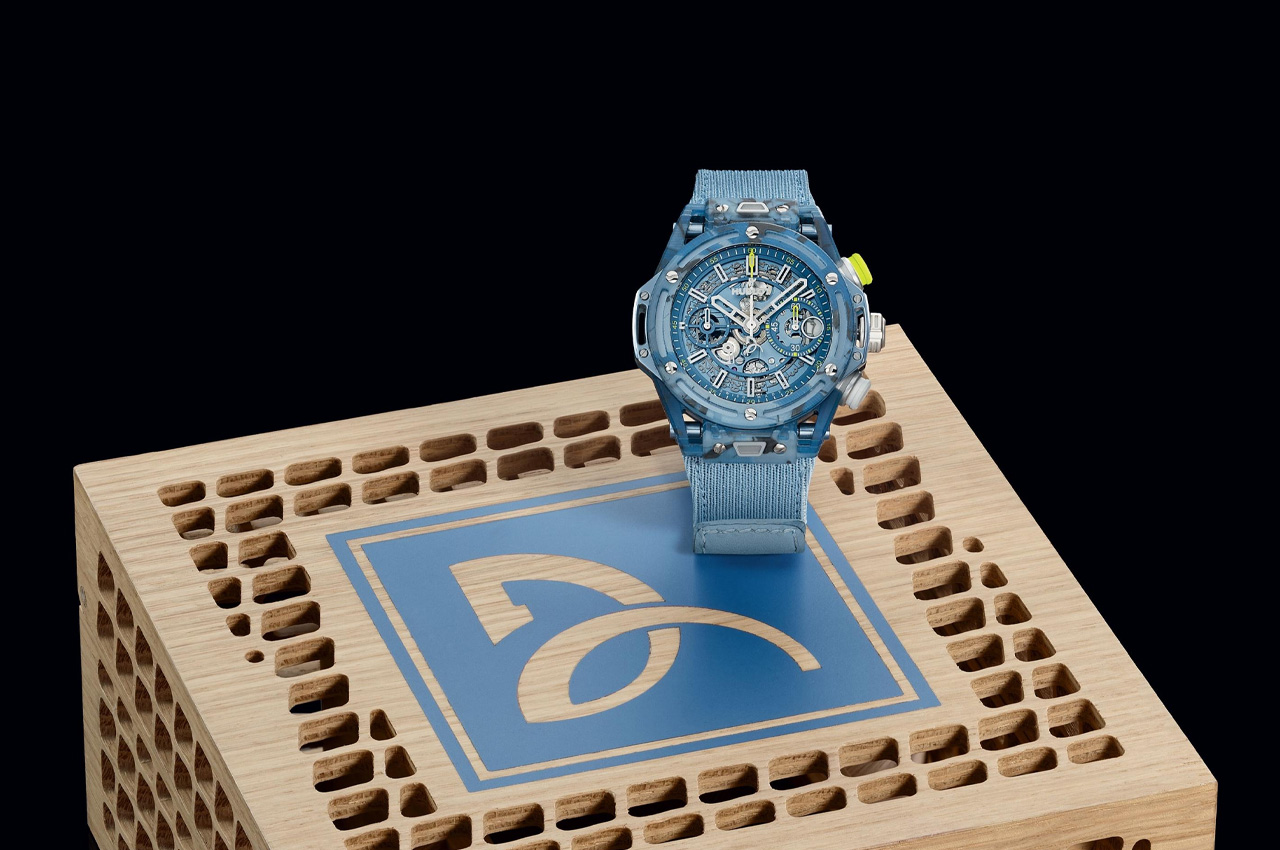
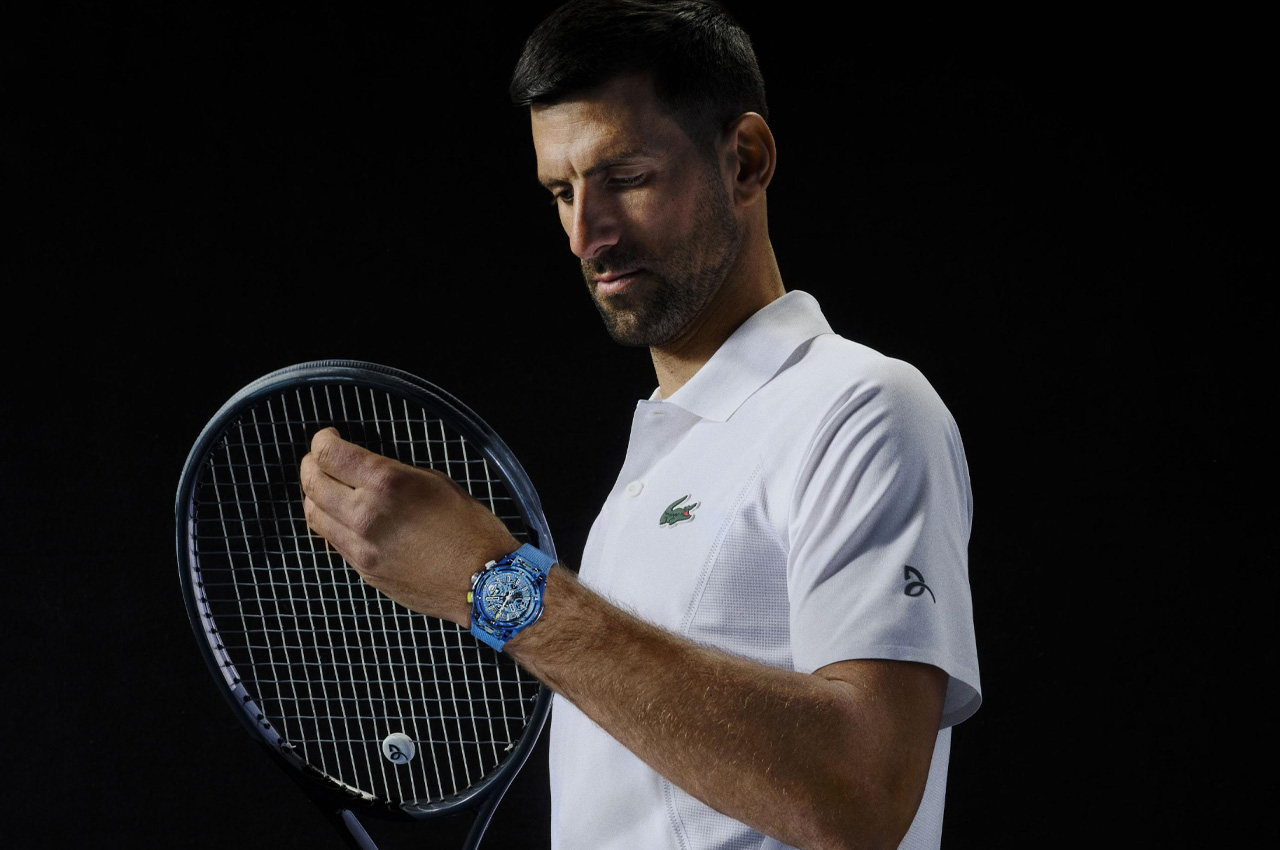
Hublot celebrates tennis legend Novak Djokovic with Big Bang Unico made from his racquets and polos

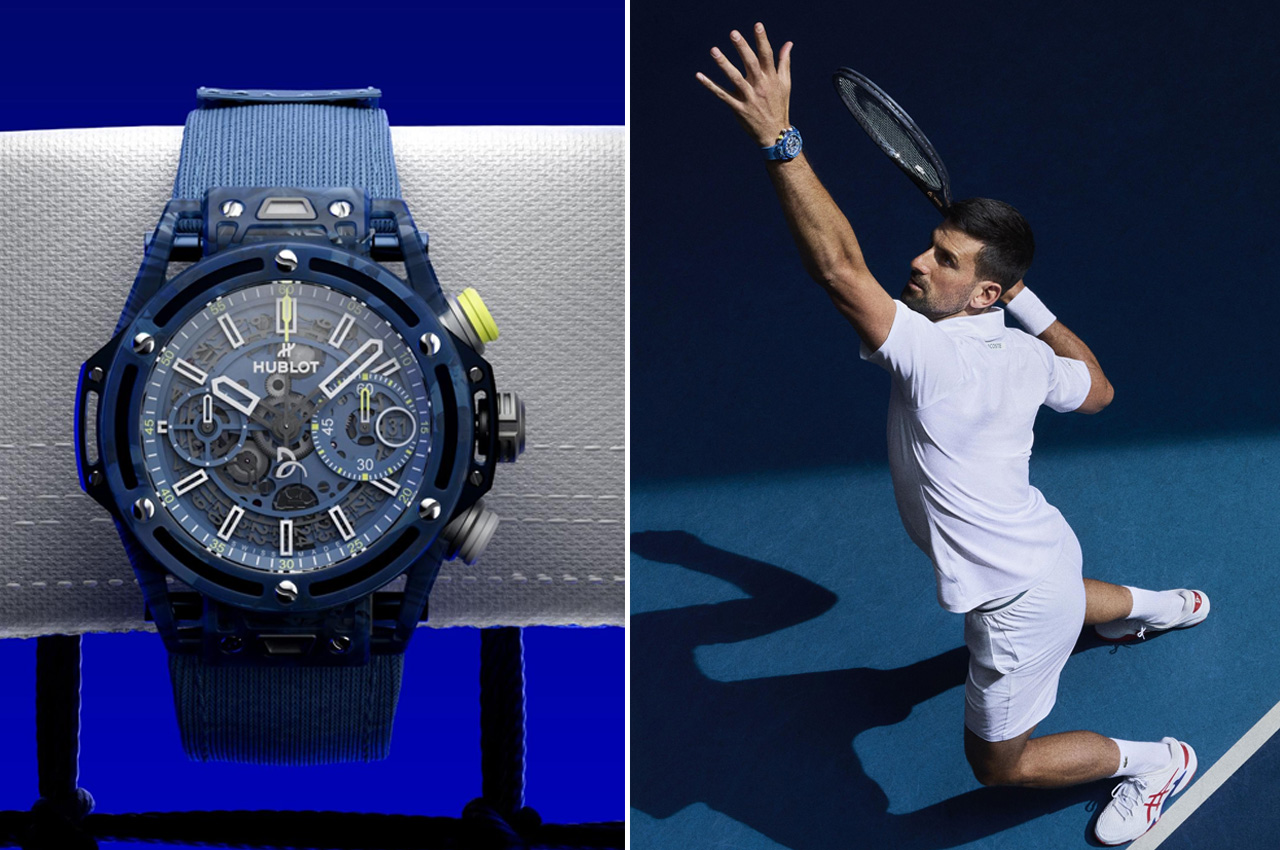
There are two interesting facts about the tennis GOAT: Novak Djokovic. He is one of the only five players in the history of the game to win all four grand slams and the Olympic gold medal in singles event. And that he is the brand ambassador of the watchmaking legacy at Hublot. The horologist has been on the wrist with the achievements of the 24-time grand slam winner Djokovic since they served the partnership ace in 2021.

Hublot is now substantiating its commitment toward the Serbian legend and honoring his achievements – including the Golden slam and Olympic medal at the gaming extravaganza in Paris – with the launch of Big Bang Unico Noval Djokovic. The watch inspired by Djokovic’s record-breaking achievements is Hublot’s attribute to the tennis great’s agility on the court and its inclination toward sustainable innovations in watchmaking.

Designer: Hublot

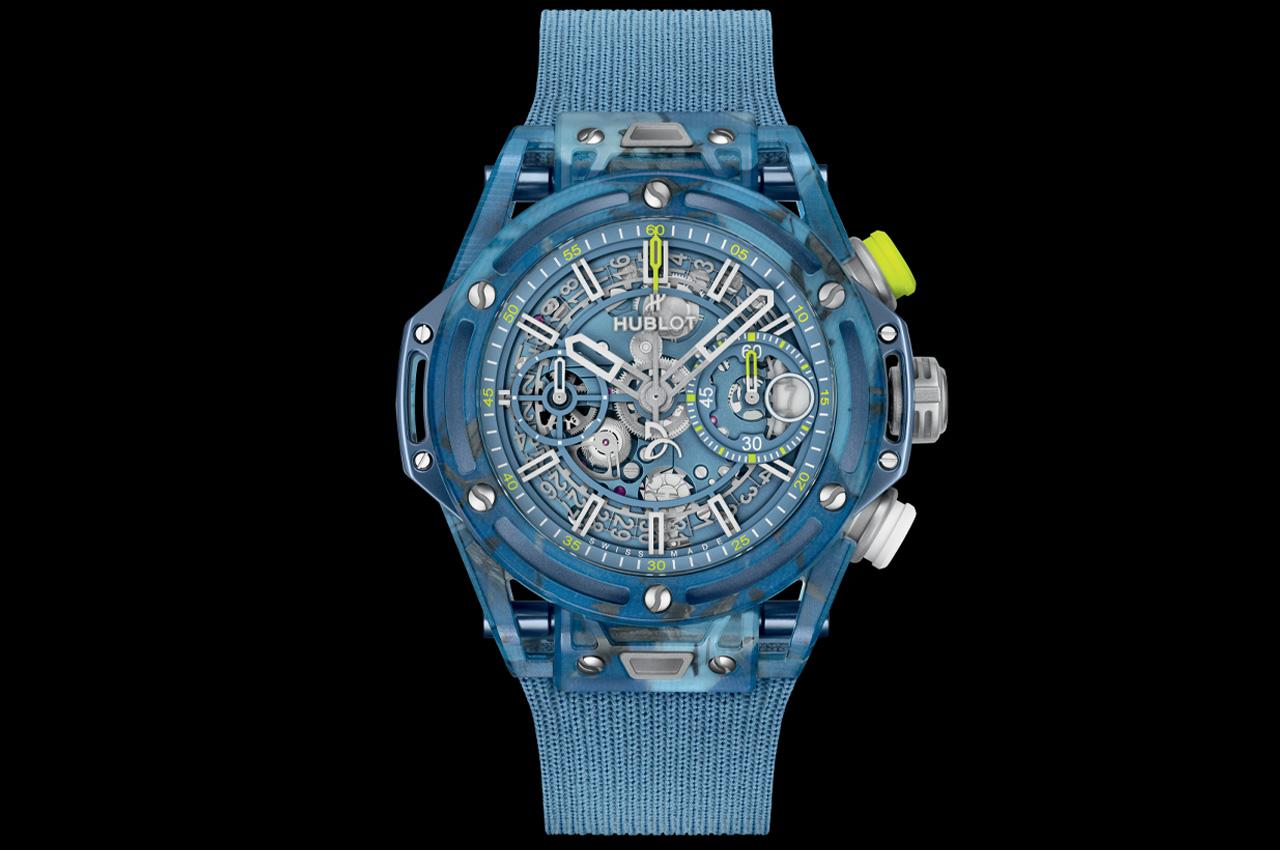
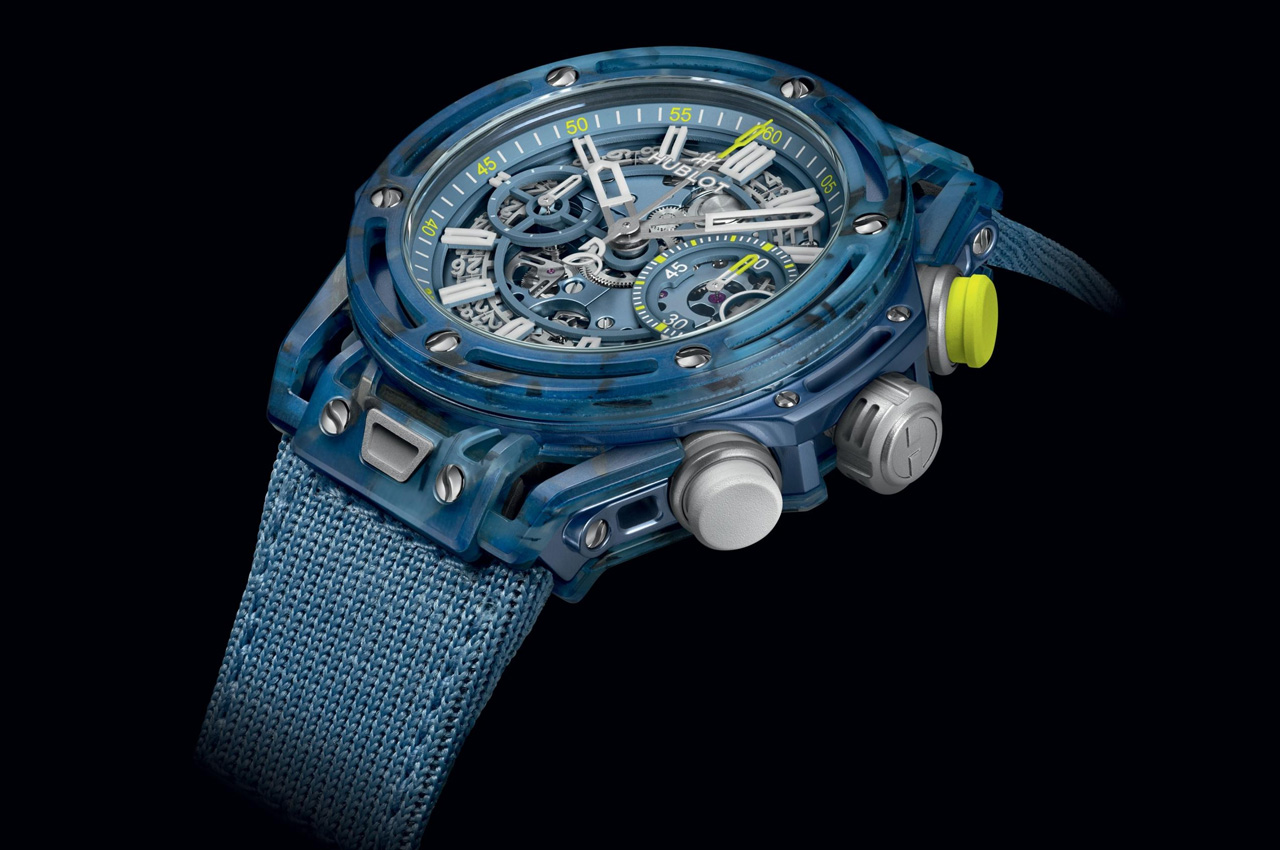
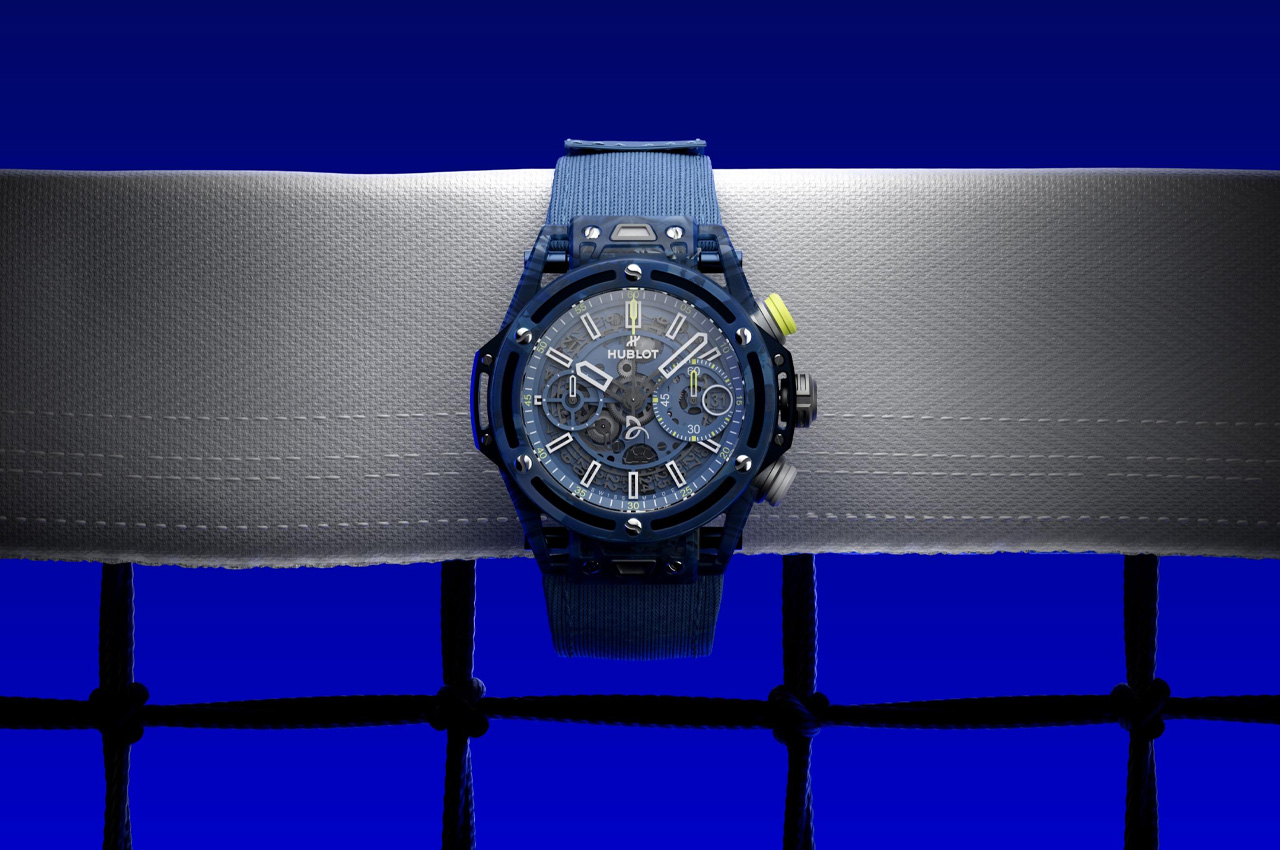
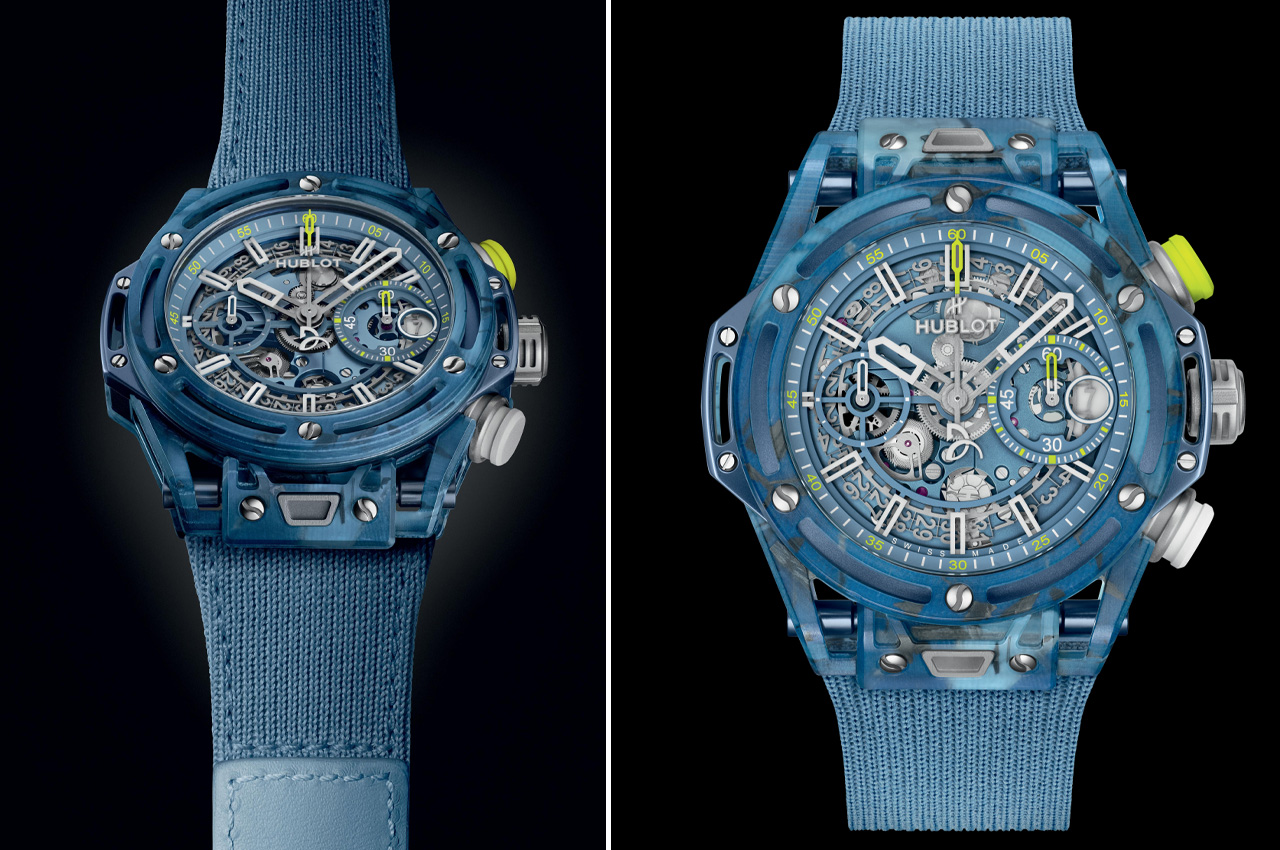
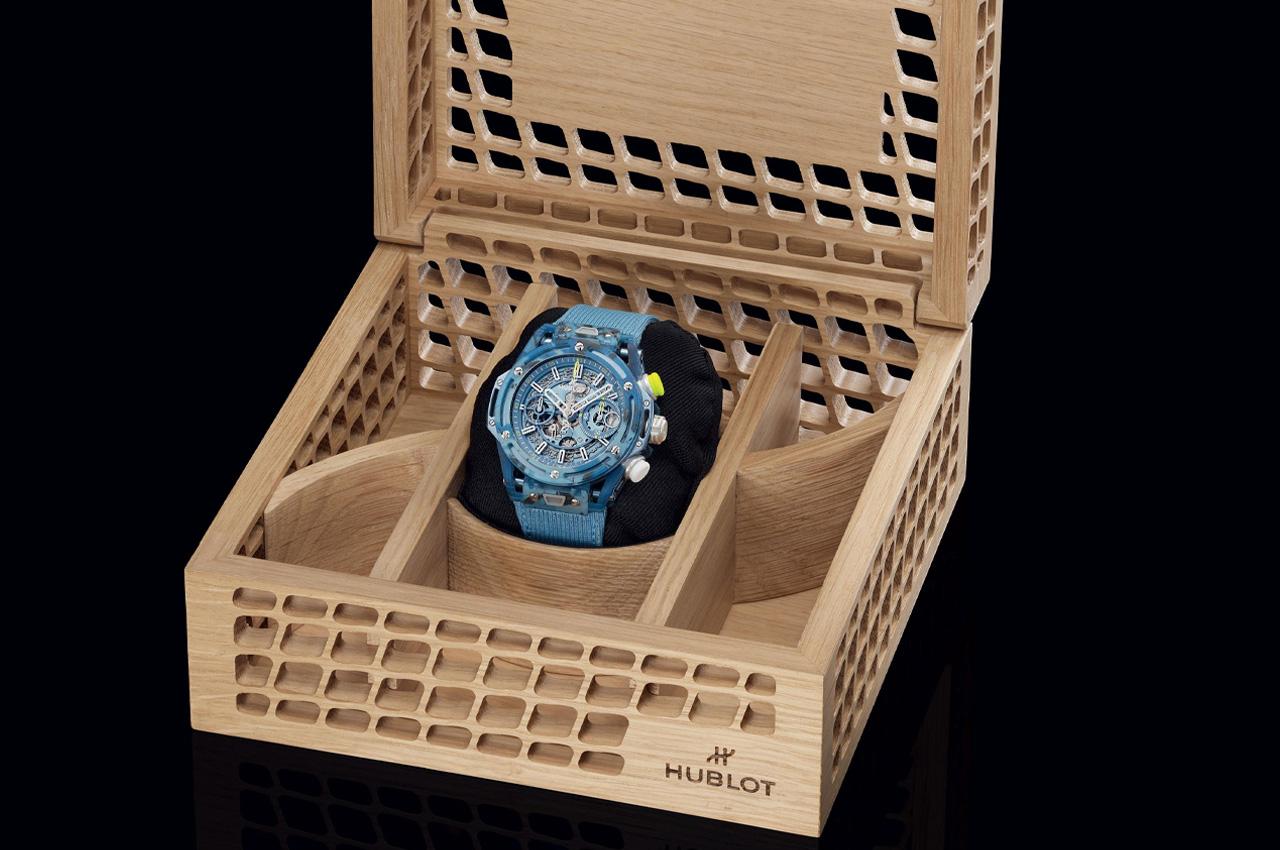
To that accord, the Big Bang Unico Novak Djokovic has been made from parts of his actual rackets and on-court kits. The 42mm case Hublot with Djokovic’s name, measures 14.5mm at the thickest point, and features an epoxy resin base with quartz powder reinforcement. It has been fused with the recycled fragments of 25 HEAD racquets and 32 Lacoste polos (17 dark blue and 15 light blue) that Djokovic used in the 2023 season to complete the matte blue recycled composite case and bezel of the watch.

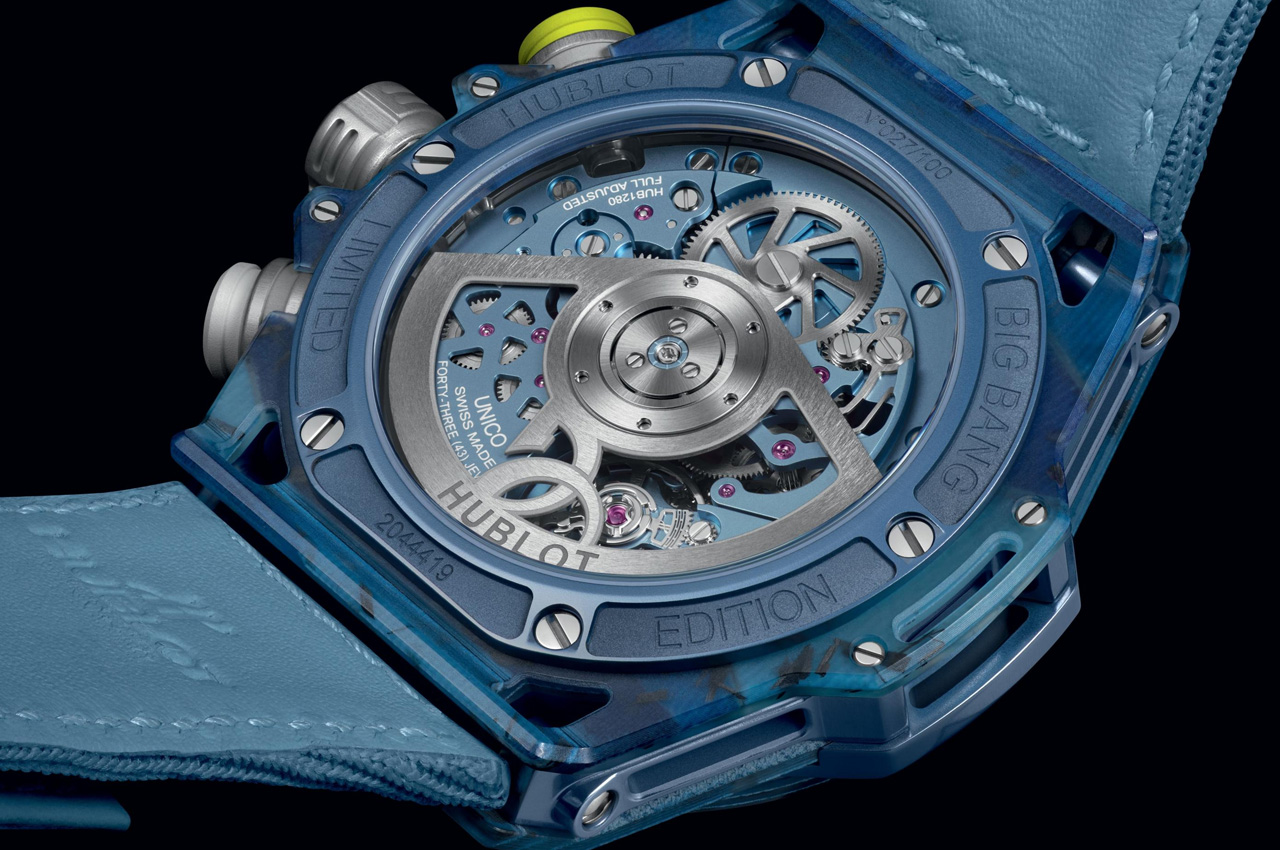
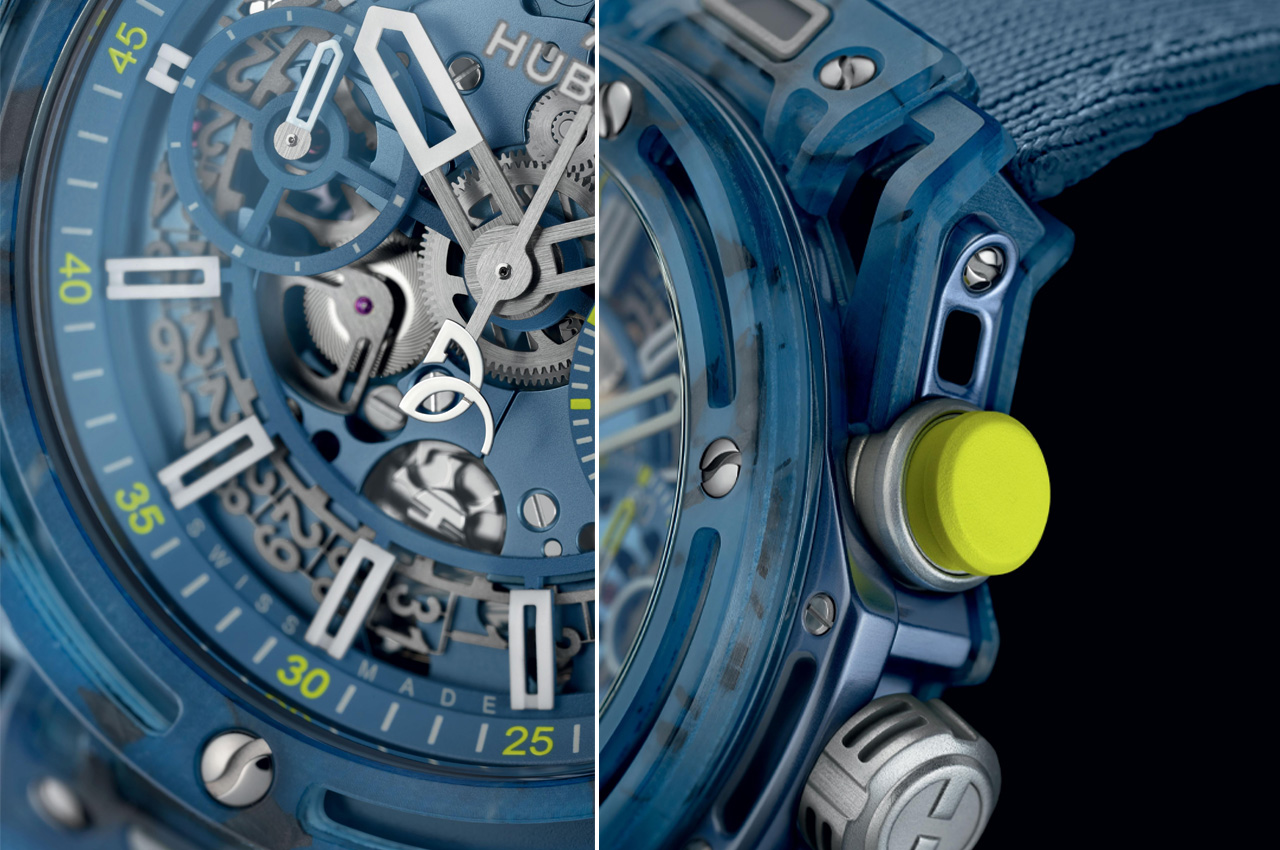
The skeletonized dial of the watch, with yellow seconds pusher and bezel screws curved to mimic a ball, makes clever references to tennis. It rests under a tempered Gorilla glass that replaces the sapphire glass from the previous Big Bang’s. The Big Bang Unico Novak Djokovic has been created lighter than a tennis ball at just 49.5g and is powered by a PVD-finished in-house self-winding Unico manufacture chronograph movement offering up to 72 hours of power reserve.

While Djokovic fans would do anything to get this piece of historic relevance on their wrist, not all would have the pleasure of it. Hublot strictly limits production of the Big Bang Unico Novak Djokovic to 100 examples at AUD78,700 (approximately $51,000) each. If you happen to chance upon one, you will have the option to take it home on one of the four straps: elastic sweatband, Velcro strap, white rubber strap, and a Lacoste strap.

The post Hublot celebrates tennis legend Novak Djokovic with Big Bang Unico made from his racquets and polos first appeared on Yanko Design.
Chemists have created the world’s thinnest spaghetti

Researchers from the University College London have done what celebrity chefs and Italian nonnas could only dream of: they've made the world's thinnest spaghetti. This culinary-sounding accomplishment, published in Nanoscale Advances, has yielded strands of starch nanofibers that are just 372 nanometers wide, which is invisible to the naked eye and is even smaller than some wavelengths of light.

"The world's thinnest spaghetti" sounds silly, but starch can actually have important applications in medicine. For instance, nanofiber starches could help wounds heal when used in bandages, since they'd be able to keep out bacteria while allowing moisture through. Rather than going through the energy-intensive process of refining their own plant cell starch for nanofibering, these chemists decided store-bought was fine and made their strands directly from flour. Their version of the nanofibers were created with a process called electrospinning, where an electric charge pulls a flour and liquid mixture through extremely small metal holes into threads that are just nanometers wide. Extrusion through a die is literally the same way you'd make conventional spaghetti to accompany your bolognese or your meatballs, only at a much, much smaller scale.

There's still a lot of study to be done before the product will be appearing in the doctor's office, but this is a step toward more sustainable starch nanofibers. And while I would pay good money to watch chefs try to explain invisible pasta on a reality show, electrospinning almost certainly won't become the new molecular gastronomy hotness. As co-author Professor Gareth Williams of the UCL School of Pharmacy put it: "I don't think it's useful as pasta, sadly, as it would overcook in less than a second, before you could take it out of the pan."

This article originally appeared on Engadget at https://www.engadget.com/science/chemists-have-created-the-worlds-thinnest-spaghetti-201509365.html?src=rss

Black Friday deals include the 4K Chromecast with Google TV for $40

The 4K Chromecast with Google TV streaming stick is down to $40 on Amazon as part of a Black Friday sale. That’s a savings of 20 percent, or ten bucks for the math wizards out there.

We called the 1080p version of this device “a great little streaming dongle” and that certainly holds true for the newer 4K model. It supports HDR and is compatible with just about any TV with an HDMI port. Once plugged in, it streams via Wi-Fi.

The model also allows users to view live TV in 4K. This works with a bunch of different live TV providers, like YouTube TV, Pluto TV, Sling TV and Philo. It ships with a voice remote embedded with Google Assistant, allowing people to bark orders regarding what stuff they want to watch.

As with most streaming sticks, users can cast stuff from their phones or tablets. There’s also the option to build a kid-friendly profile, complete with family-friendly content and robust parental controls.

However, there is one caveat here. This model is likely on the way out. The company looks to be prioritizing the recently-released Google TV Streamer, which drops the dongle design in favor of a wedge. This one boasts more storage and a faster CPU than the aforementioned dongle. The company also shoehorned some AI in the new device because that’s what everyone must do now. However, the Google TV Streamer costs $100. I’d go for the $40 Chromecast myself.

Check out all of the latest Black Friday and Cyber Monday deals here.

This article originally appeared on Engadget at https://www.engadget.com/deals/black-friday-deals-include-the-4k-chromecast-with-google-tv-for-40-194854930.html?src=rss