Apple Releases iOS 17.6 Beta 4

iOS 17.6 Beta 4

Apple has recently released iOS 17.6 beta 4 for developers, with a public beta expected to follow soon. This update primarily focuses on minor changes and bug fixes, without introducing any new modem updates. Alongside iOS 17.6, Apple has also rolled out beta updates for various other operating systems, including iPadOS, watchOS, tvOS, homeOS, macOS, […]

The post Apple Releases iOS 17.6 Beta 4 appeared first on Geeky Gadgets.

iOS 18: The Game-Changing Features You Don’t Want to Miss

iOS 18

iOS 18 is set to transform the way you interact with your iPhone, bringing a host of innovative features designed to enhance customization, accessibility, and overall functionality. This update promises to deliver a more personalized and efficient user experience, catering to a wide range of user preferences and needs. The video below from Hayls World […]

The post iOS 18: The Game-Changing Features You Don’t Want to Miss appeared first on Geeky Gadgets.

Dyson’s OnTrac headphones ditch the Zone’s air purifier for ‘audio-only’ use

When Dyson revealed its Zone headphones in early 2022, the company had combined its air filtration expertise with noise-cancelling headphones. COVID-19 was still a big part of our lives back then, but the Zone doesn't protect you against the virus. Instead, it's meant to provide less-polluted air as you move about your day, battling things like urban toxins and seasonal allergens. However, extremely short battery life and a $949 price plagued that first model, so it wasn't really a device accessible to the masses.

Now the company is back with its first "audio-only" over-ear headphones, the Dyson OnTrac. There's no Bane-like mask or air filtration system here, just a set of noise-cancelling headphones with a decidedly Dyson design and a $500 premium price tag. Battery life is no longer an issue, and the company is touting both active noise cancellation (ANC) performance and audio quality on the OnTrac. There are also over 2,000 customization combinations for the outer caps and ear cushions, so you can change up the look at you see fit.

The design of the OnTrac headphones certainly looks like something that would come from the same company that built the V12 stick vac, the Airstrait hair straightener and the Cool air purifiers. Dyson combined premium materials with ergonomics to create the appropriate seal for audio and ANC while also keeping things comfortable. The company used aluminum, copper, nickel and ceramics for the outer caps on the ear cups and "ultra-soft microfiber" foam cushions on the ear pads. There are also "multi-pivot gimbal arms" to help increase comfort and relieve pressure. Plus, Dyson relocated the battery to the headband for better weight distribution.

Inside, the OnTrac features 40mm, 16-ohm neodymium speaker drivers that Dyson says are capable of a frequency response of 6Hz to 21kHz. That covers more of the sonic spectrum than he standard 20Hz to 20kHz range most headphones offer. The company also angled the drivers 13 degrees toward your ears for better acoustic performance. All of that combines to provide "deep sub-bass that you can feel, and clear highs at the upper end of the frequency range." Dyson promises the OnTrac will "reveal hidden detail" as well.

Cherlynn Low for Engadget

The ANC setup on the OnTrac is composed of eight microphones that Dyson says sample external sound 384,000 times a second. Those work with a custom noise-cancelling algorithm and "carefully designed internal geometry" for 40dB of noise blocking, according to the company. Battery life won't be a problem either, so long as Dyson's claims pan out. The company says the OnTrac is capable of up to 55 hours of use with ANC on, thanks to two high-capacity lithium-ion battery cells. A 10-minute charge will give you up to 2.5 hours of use while 30 minutes provides 9.5 hours (with ANC on in both cases). During that listening time, onboard playback and volume controls are handled by a "joystick" on the back edge of the right ear cup. You can double tap on the outside of either ear cup to turn ANC on or off.

The OnTrac headphones will be available in aluminum/orange, cooper/blue, black nickel and ceramic red from Dyson for $500. The replacement caps and cushions will be available for $50 for a set of two. Only a few colors will be available from other retailers, so you'll have to buy most of the options directly from Dyson.

This article originally appeared on Engadget at https://www.engadget.com/dysons-ontrac-headphones-ditch-the-zones-air-purifier-for-audio-only-use-040044551.html?src=rss

HILU Bluvet blanket/duvet hybrid feels like you have a personal AC in bed

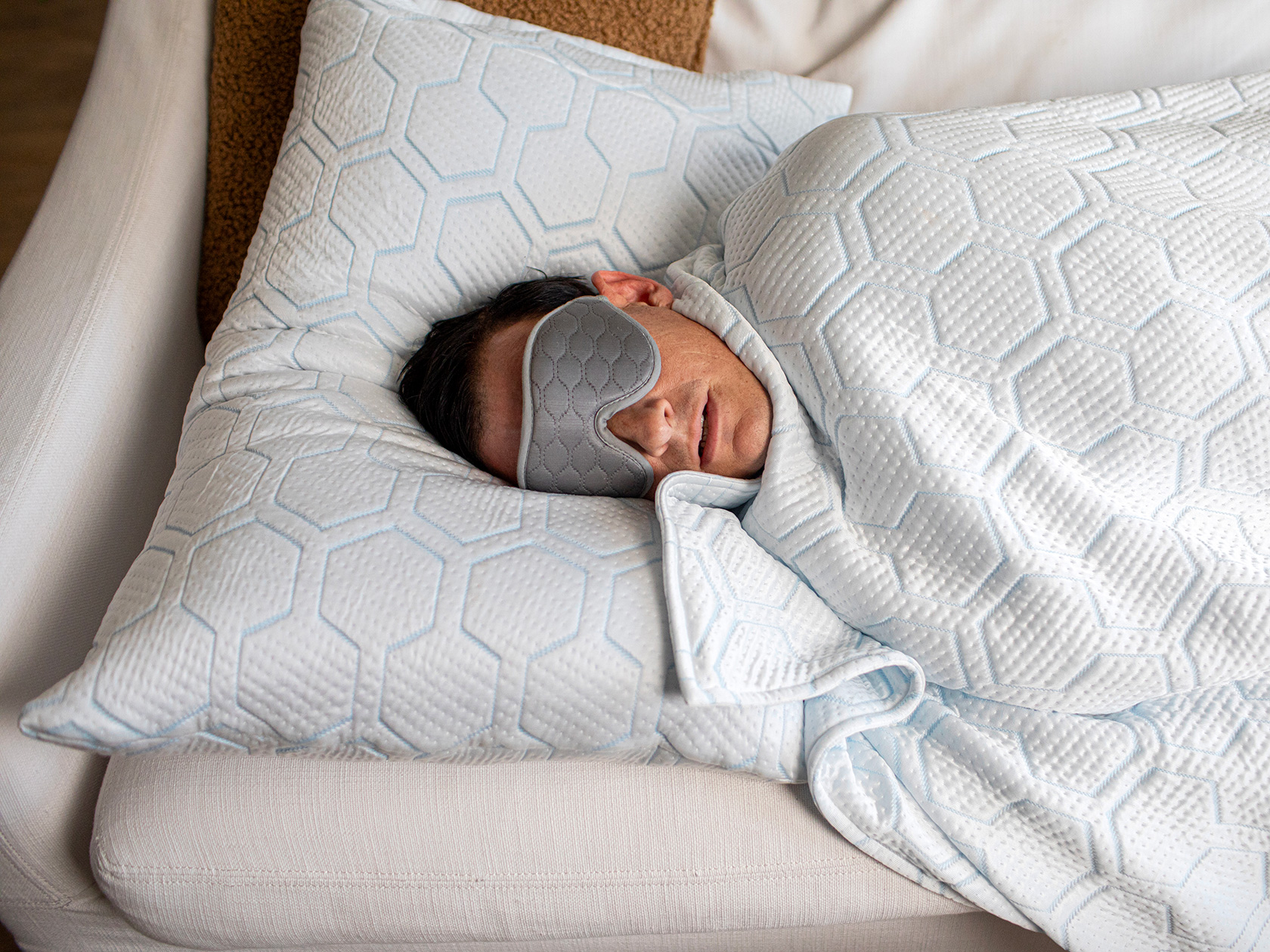
There are many techniques and strategies going around the Web on how to get a good night’s sleep, but many neglect the most basic requirement of all: comfort. If you’re sweating buckets all through the night, it shouldn’t take a genius to know why you feel even more tired when waking up, presuming you even got any shut-eye at all. Keeping the body cool is critical in getting that good night’s sleep, but that’s easier said than done, especially given how different people respond to environmental factors differently. Some find air conditioning units too cold, while others feel they aren’t enough, and that’s not even considering you might not be the only one in the room sharing the bed. It would be nice if you could envelope yourself with cool air tailored specifically to your body, which is what this simple yet innovative blanket brings to your bed and to your life.

Designer: HILU

Click Here to Buy Now: $159 $269 ($110 off). Hurry, 57/150 left! Raised over $50,000.

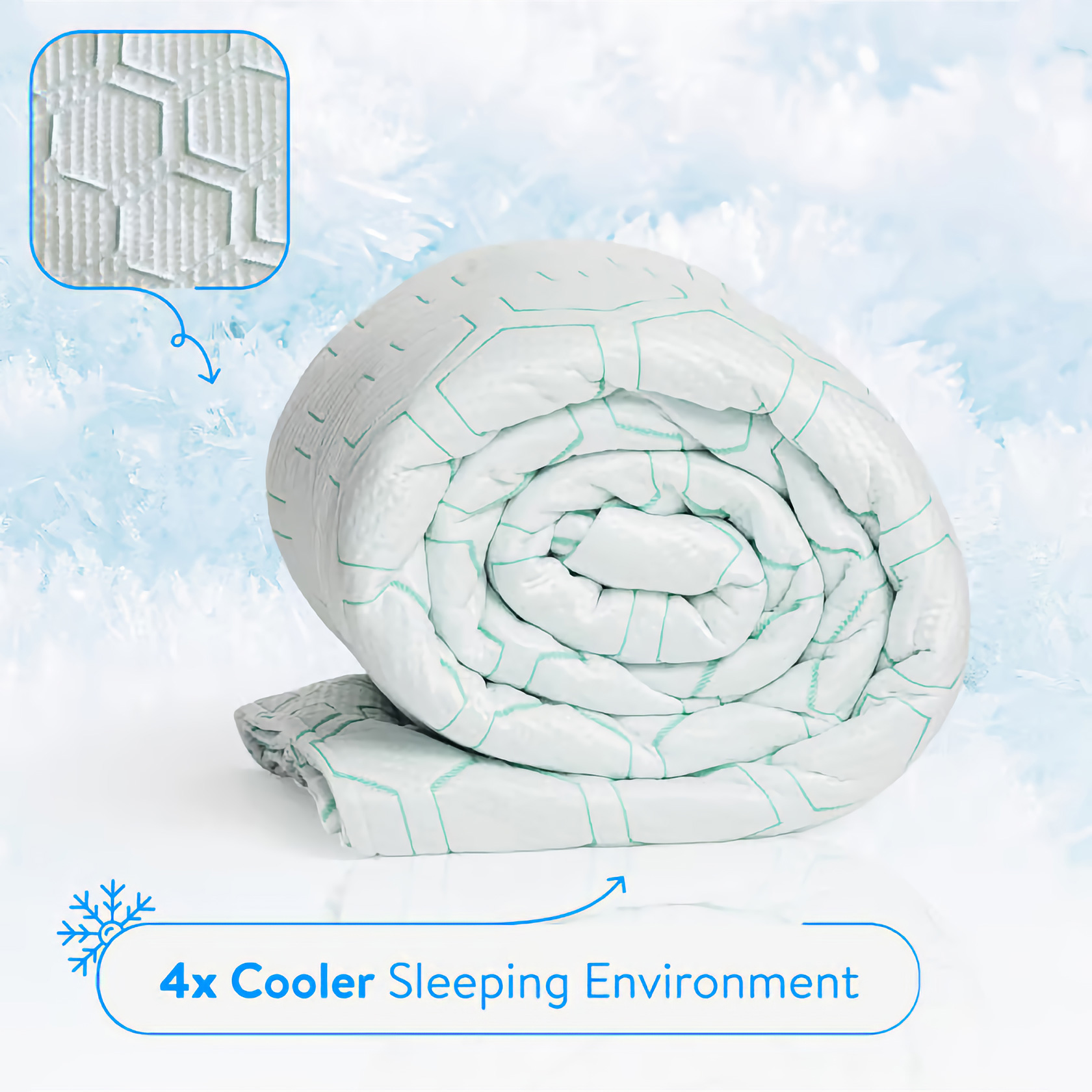
Blankets and comforters are designed to keep you toasty on cold nights but also tend to trap warm or hot air on warm nights. Four times cooler than linen but just as comfortable on your skin, the HILU Bluvet, a portmanteau of “blanket” and “duvet,” actually works in reverse to keep your body temperature down and experience a refreshing and comfortable sleep. This works wonders for your body during warmer seasons or weather, making it feel like you have your own personal air conditioning unit under the sheets.

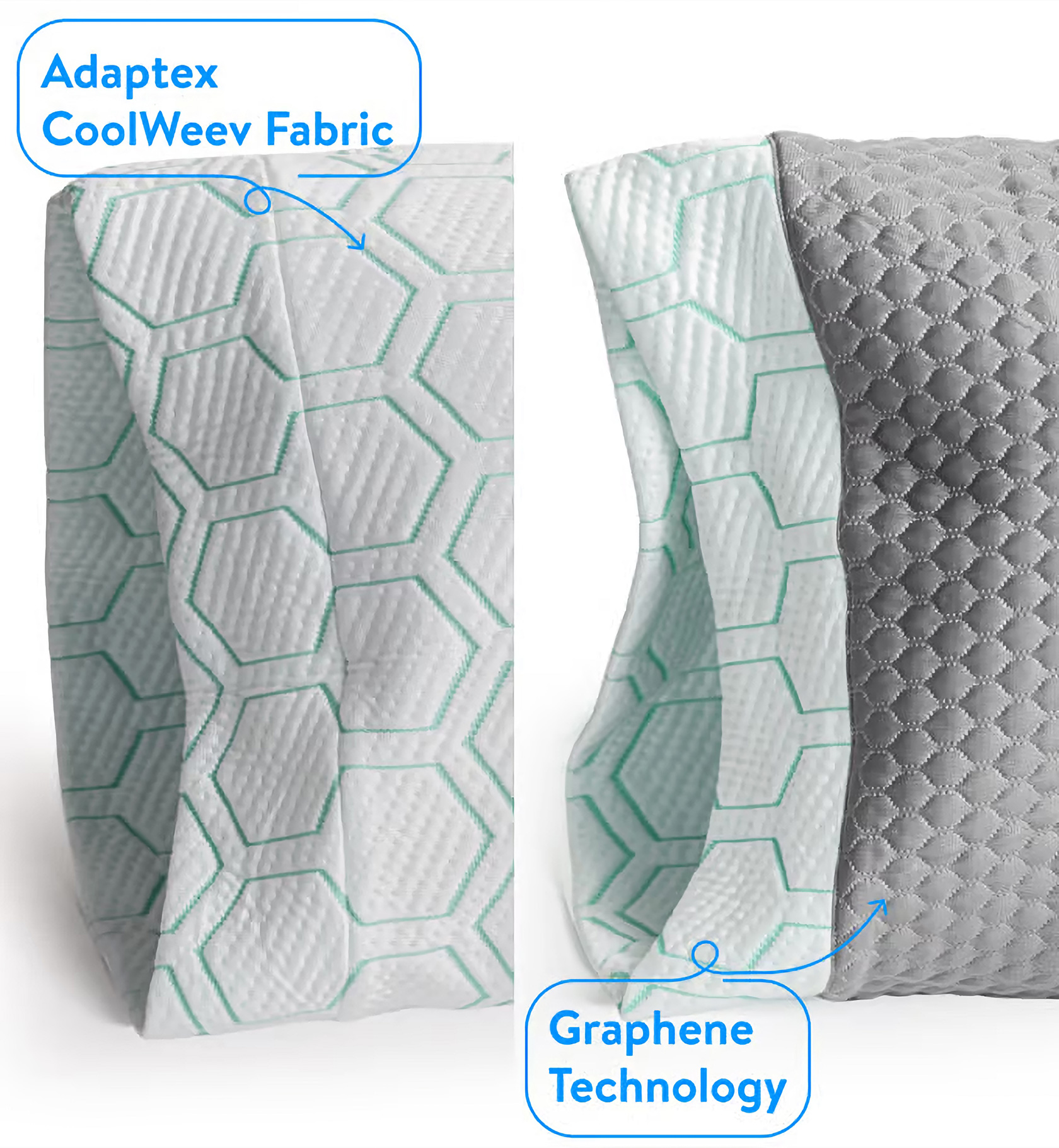
HILU Bluvet is made of a special cooling yarn blend, revolutionary Adaptex CoolWeev fabric, that wicks away excess body heat, keeping you cool, dry, and fresh all night.

The secret is HILU’s proprietary Adaptex CoolWeev fabric designed to wick heat away from your body. Made from gel-spun fibers, the Eco-cool Polyfibers are woven into yarn to produce a material that is incredibly strong yet also feather-light. While other cooling mattresses need to make you sweat to cool you down, the Bluvet stops you from sweating in the first place by absorbing excess heat from the air around your body. Whether you’re using it as a blanket, a duvet, or even a mattress topper, the HILU Bluvet guarantees a soothing slumber every time.

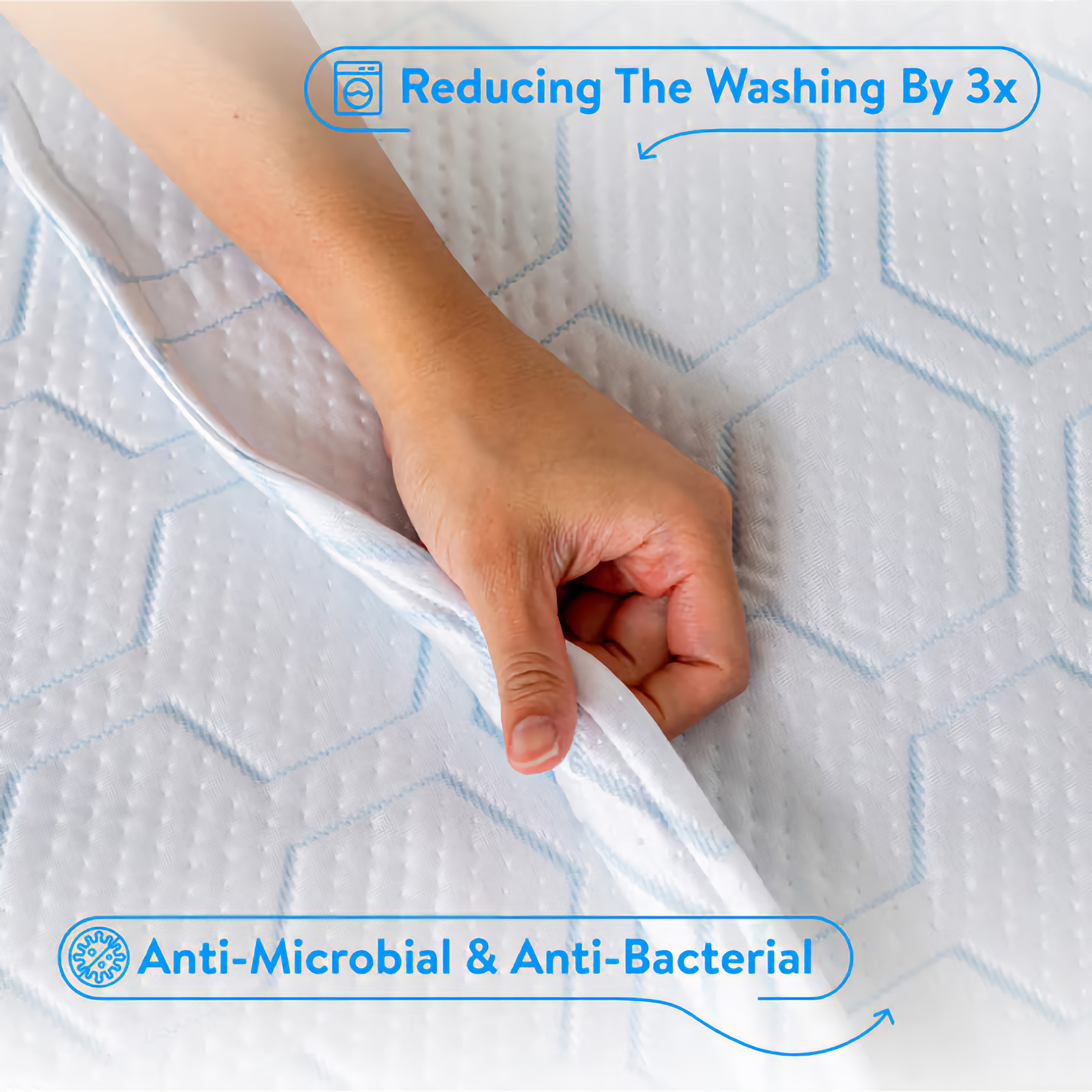
Of course, a cool body won’t be much help if you’re scratching all night, which is why the Adaptex CoolWeev fabric is designed to be antimicrobial and hypoallergenic to protect your skin from irritation. It also prevents the build-up of bacteria and odors, so you wake up not only feeling fresh but smelling as fresh as when you went to bed. And when the blanket does get dirty, you can safely put it in the washing machine in the morning and have it dry and ready for bedtime on the same day. Built to last and with a 10-year limited warranty, this blanket/duvet hybrid will keep you company and cool for thousands of nights to come.

With the HILU Bluvet, you’re not just investing in comfort; you’re also choosing a cleaner, healthier sleep environment.

HILU Bluvet also lets you sleep with peace of mind thanks to its environment-conscious design. Made with OEKO-TEX-certified materials, the blanket utilizes eco-friendly and recycled materials that help not only reduce waste but also minimize any harmful impact on the environment. The HILU Bluvet comes in cream, blue, and green colors as well as Queen (90in x 90in) and King (102in x 90in) sizes to match your style, but why stop at having a cool body when you can have a cool head as well? Grab a set with two HILU Dual-Tech Pillowcases, with one side utilizing graphene technology to keep a consistent perfect temperature regardless of the season, while the other side features the same Adaptex CoolWeev fabric for that refreshing cool feeling every time.

After introducing the world’s first thermoregulating graphene blanket, HILU is once again revolutionizing the market to offer a cool new blanket that will also keep you cool no matter the season. So stop wasting your nights tossing and turning, drenched in sweat, and wrap yourself in the cool embrace of the HILU Bluvet and get the most comfortable sleep every night.

Click Here to Buy Now: $159 $269 ($110 off). Hurry, 57/150 left! Raised over $50,000.

The post HILU Bluvet blanket/duvet hybrid feels like you have a personal AC in bed first appeared on Yanko Design.

Baluchon’s Cottage-Style Tiny Home Is Designed To Be A Full-Time Residence In A Small Body

Baluchon designed a full-time towable home for one person and named it the Hytta. The Hytta tiny home is equipped with a traditional cottage-like exterior and a pretty comfy interior layout that can also accommodate a guest once in a while. Based on a double-axle trailer, the Hytta features a length of 20 feet, which is pretty common for a European tiny home. The home has a cedar finish and is accentuated by an aluminum roof.

Designer: Baluchon

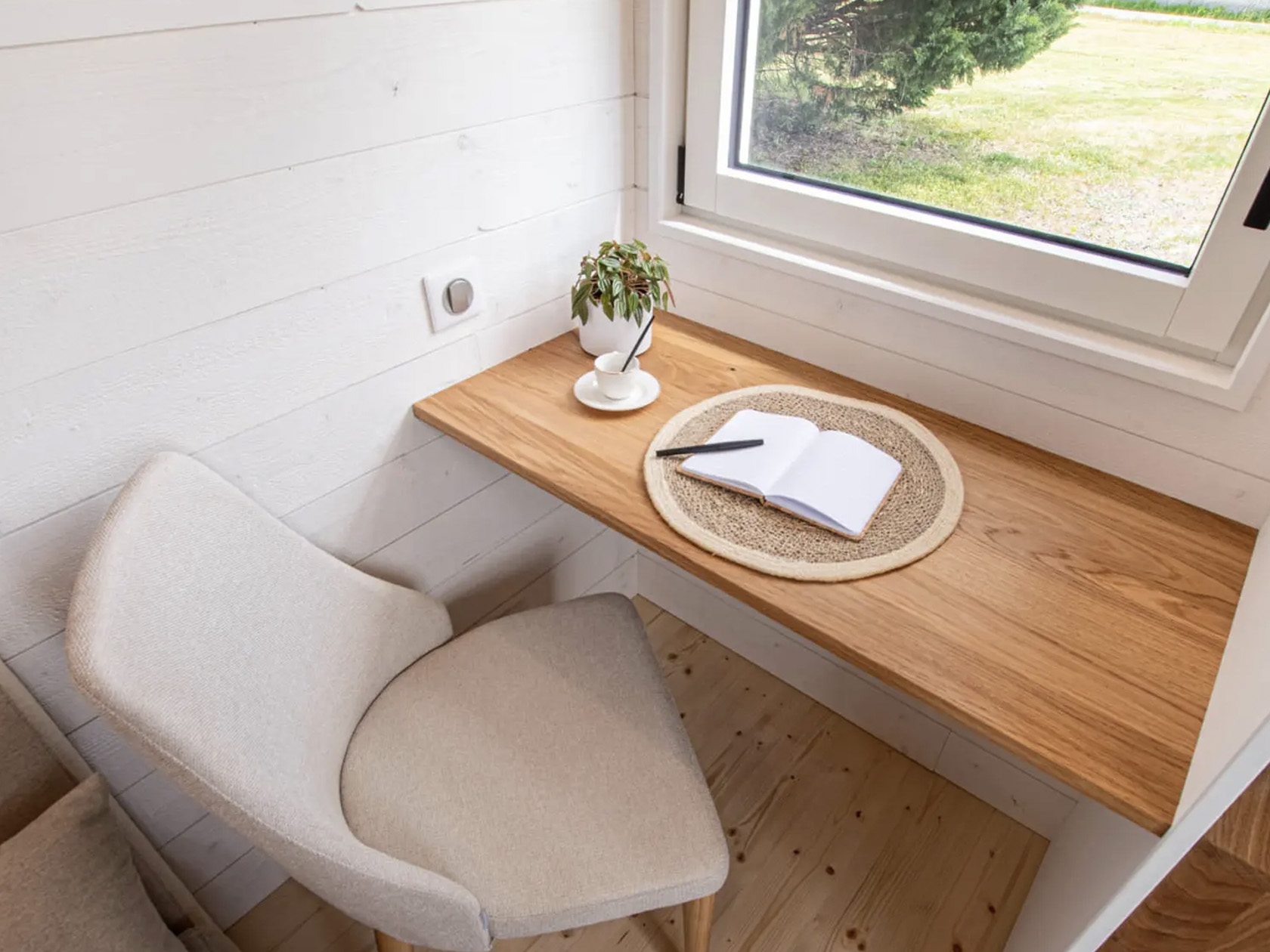
As you enter the home you are welcomed by an entrance with shoe storage, as well as a massive open living area. The home needed to support remote working, and hence a compact office is placed into the side. The office includes a desk and a chair, as well as a sofa bed which can accommodate any visitors. The kitchen is the usual French-style kitchen you see in tiny homes, and it is quite basic and simple. It contains a two-burner propane-powered stove, a sink, a fridge, a microwave, and some cabinetry. The kitchen also includes a wood-burning stove for warmth, as well as a small dining table.

The opposite end of the home includes the bathroom. The bathroom is pretty small, but it is equipped with a shower, toilet, as well as a washing machine. It also has some storage. The Hytta tiny home includes two loft areas – one is above the entrance, and is quite small, serving well for storage. The other is the main bedroom and can be accessed via storage-integrated stairs. The bedroom is like most rooms found in tiny homes with a double bed, low ceiling, and some storage space.

The lovely little abode was recently delivered to its home, and is being utilized as a full-time home. We are unsure of the costing, but Baluchon tiny homes are usually priced at around US$92,000.

The post Baluchon’s Cottage-Style Tiny Home Is Designed To Be A Full-Time Residence In A Small Body first appeared on Yanko Design.

Google Pixel 9 Pro Fold: A Worthy Redesign or a Step Back?

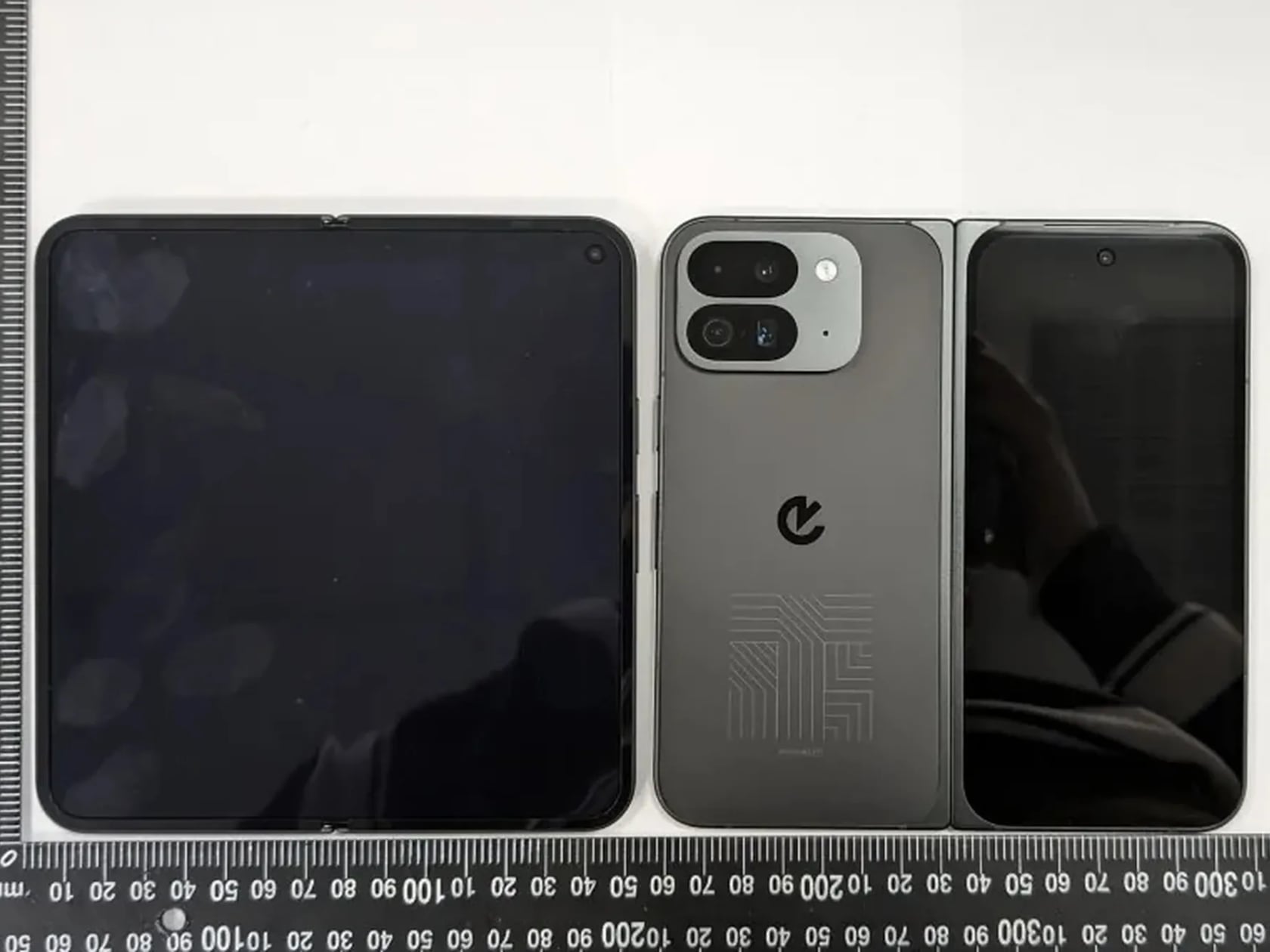
The upcoming Google Pixel 9 Pro Fold is already generating buzz, and the latest images from Taiwan’s National Communications Commission offer a compelling look at what we can expect. This second-generation foldable represents a departure from its predecessor, embracing a new design philosophy while addressing some of the previous model’s shortcomings.

Designer: Google

First and foremost, the Pixel 9 Pro Fold ditches the original’s short and wide passport-style form factor. The new model adopts a taller and narrower profile, bringing it more in line with devices like the OnePlus Open. This change offers a larger, more practical outer display, making the phone easier to handle and use. The increased screen real estate is a welcome improvement, even though it means saying goodbye to the unique shape that made the first Pixel Fold stand out from competitors like Samsung’s Galaxy Fold.

Google Pixel Fold

One of the most notable changes is removing Google’s signature camera bar. The first-generation Pixel Fold featured a prominent, elongated camera bar that added a distinctive look and functionality. The Pixel 9 Pro Fold opts for a new camera housing design, which is substantial enough to prevent the phone from wobbling when laid flat. This redesign offers a cleaner and more streamlined aesthetic, although it loses some of the original’s unique charm.
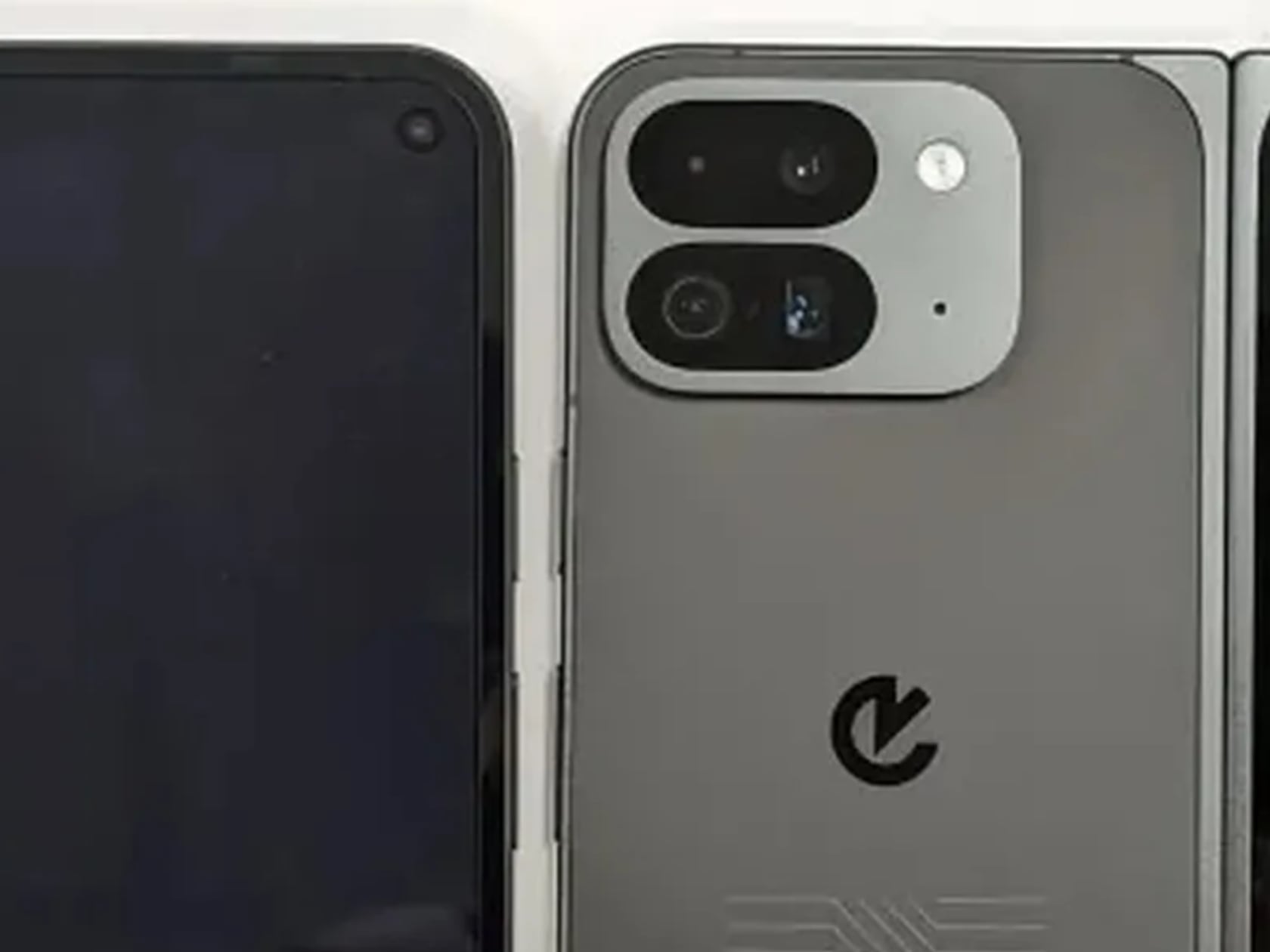
Google Pixel 9 Pro Fold via Taiwan’s National Communications Commission (NCC)
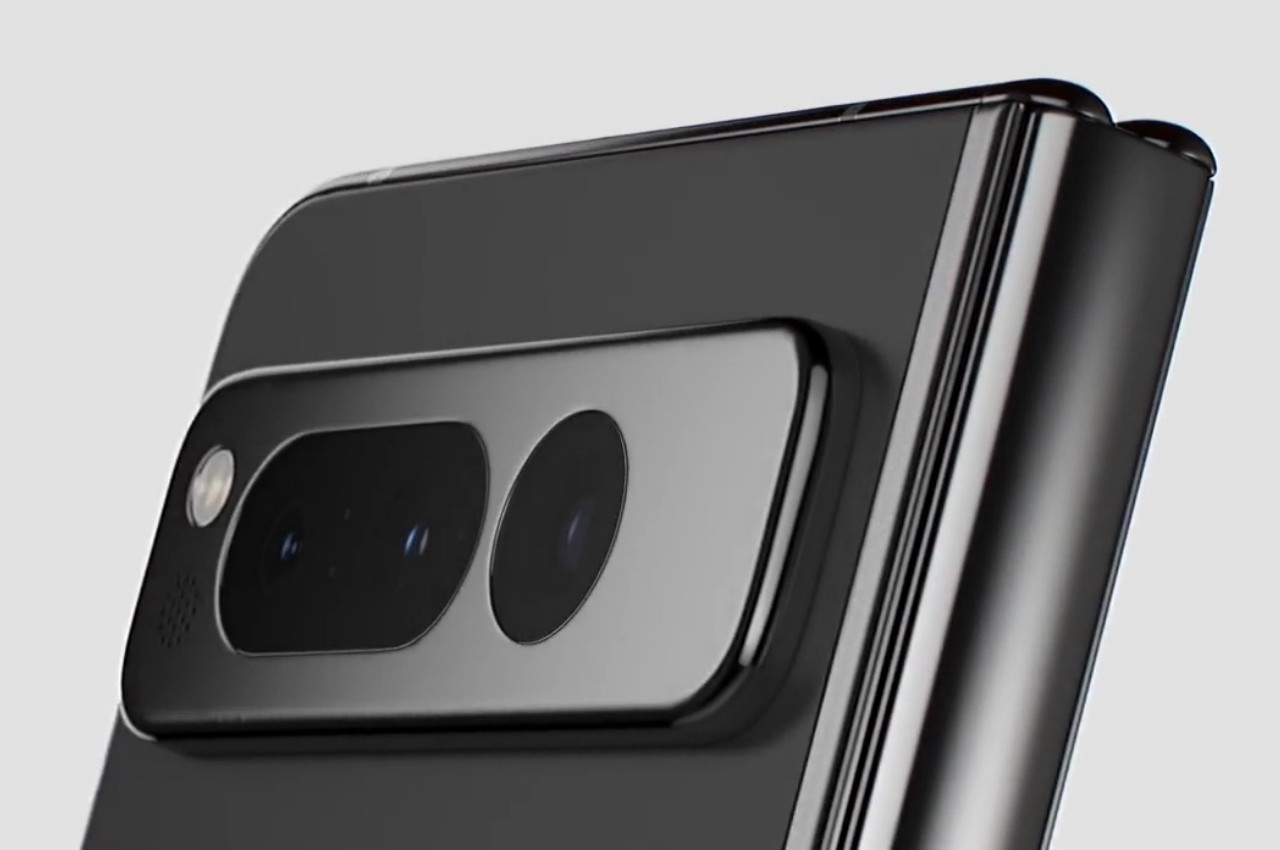
Google Pixel Fold

Looking at the new model’s inner display, there’s still a noticeable crease, though it appears less prominent than before. The screen ratio has shifted, becoming taller and narrower, and the bezels have been slimmed down, giving the device a more modern look. However, this design shift comes with a trade-off: the inner camera is now a cutout on the upper-left part of the display rather than being part of the bezel. This change means the screen is no longer uninterrupted, which might disappoint fans of the original design.
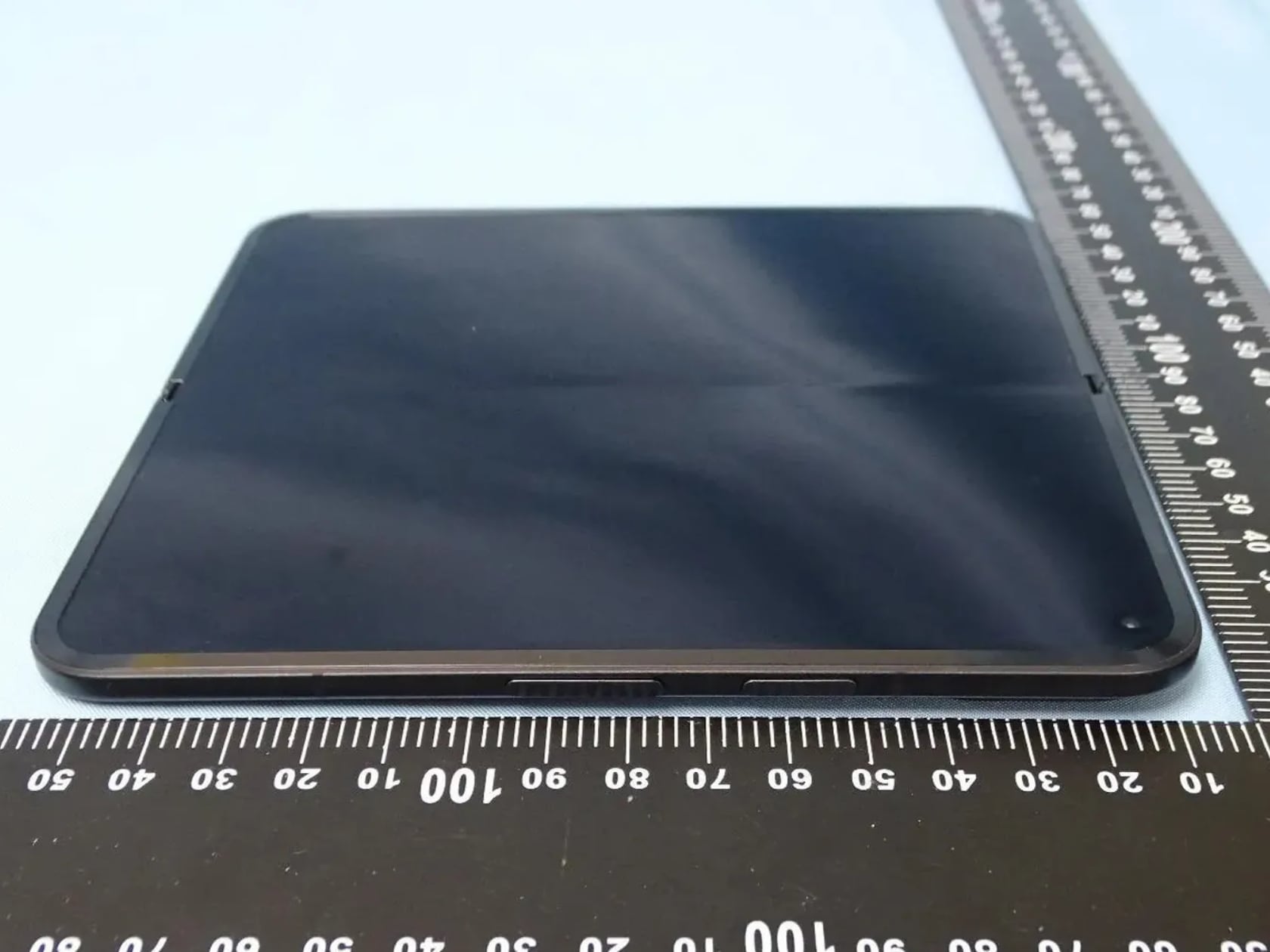
Google Pixel 9 Pro Fold via Taiwan’s National Communications Commission (NCC)

Despite its weight, the first-generation Pixel Fold’s short and wide design made it a great one-handed device. Although its cover screen was larger on paper, it was often too wide to hold comfortably for extended periods. In contrast, the new Pixel 9 Pro Fold’s taller form factor should make it easier to use and carry around, enhancing the overall user experience.
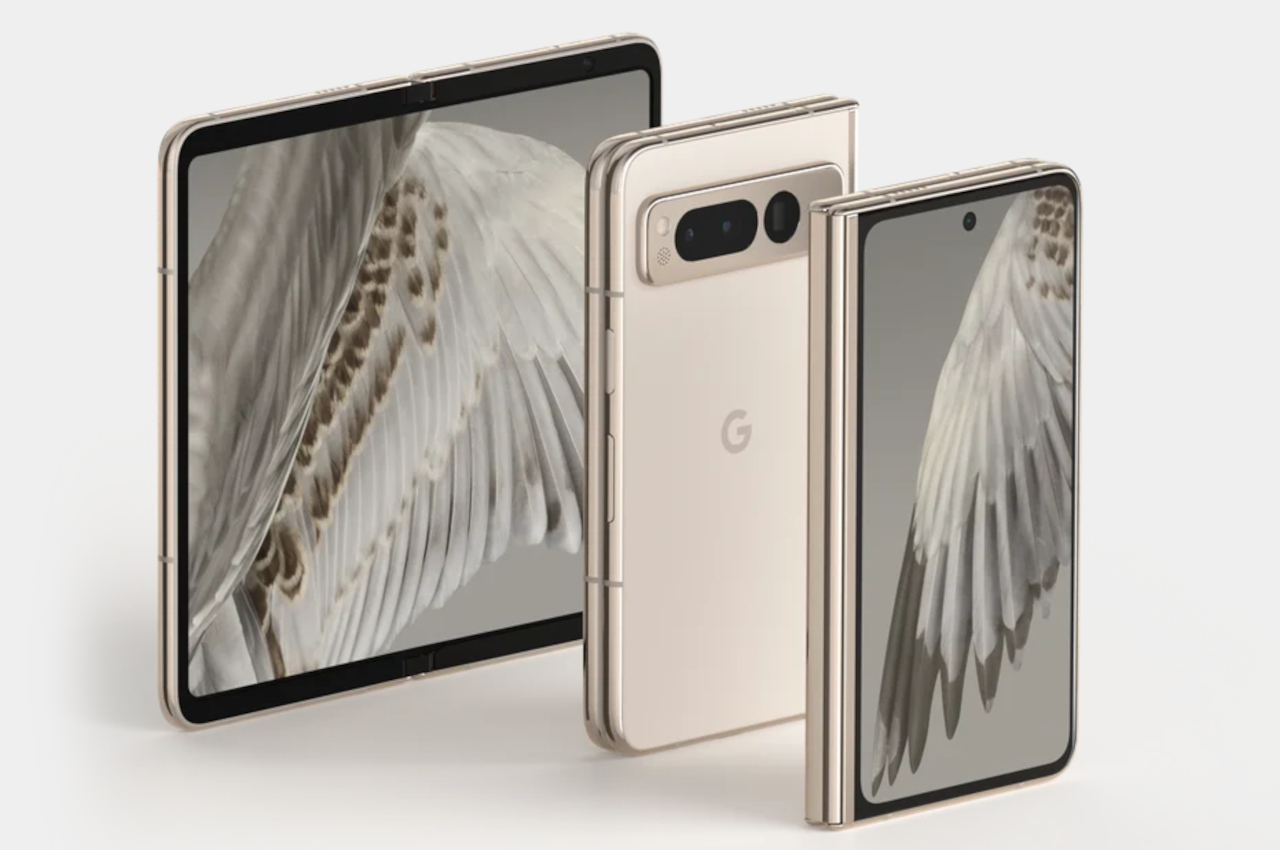
Google Pixel Fold

A concern with the new model is its slightly smaller battery capacity of 4,560 mAh, down from the first Fold’s 4,727 mAh. Given that the original wasn’t known for its battery longevity, this reduction might raise some eyebrows. However, Google’s latest Tensor processor promises efficiency gains that could help mitigate this issue.

Alongside these design changes, the Pixel 9 Pro Fold has a new 45-watt USB-C charger. This new charger, which sports a more rounded design than its predecessors, is part of Google’s push to improve charging speeds and overall user convenience.
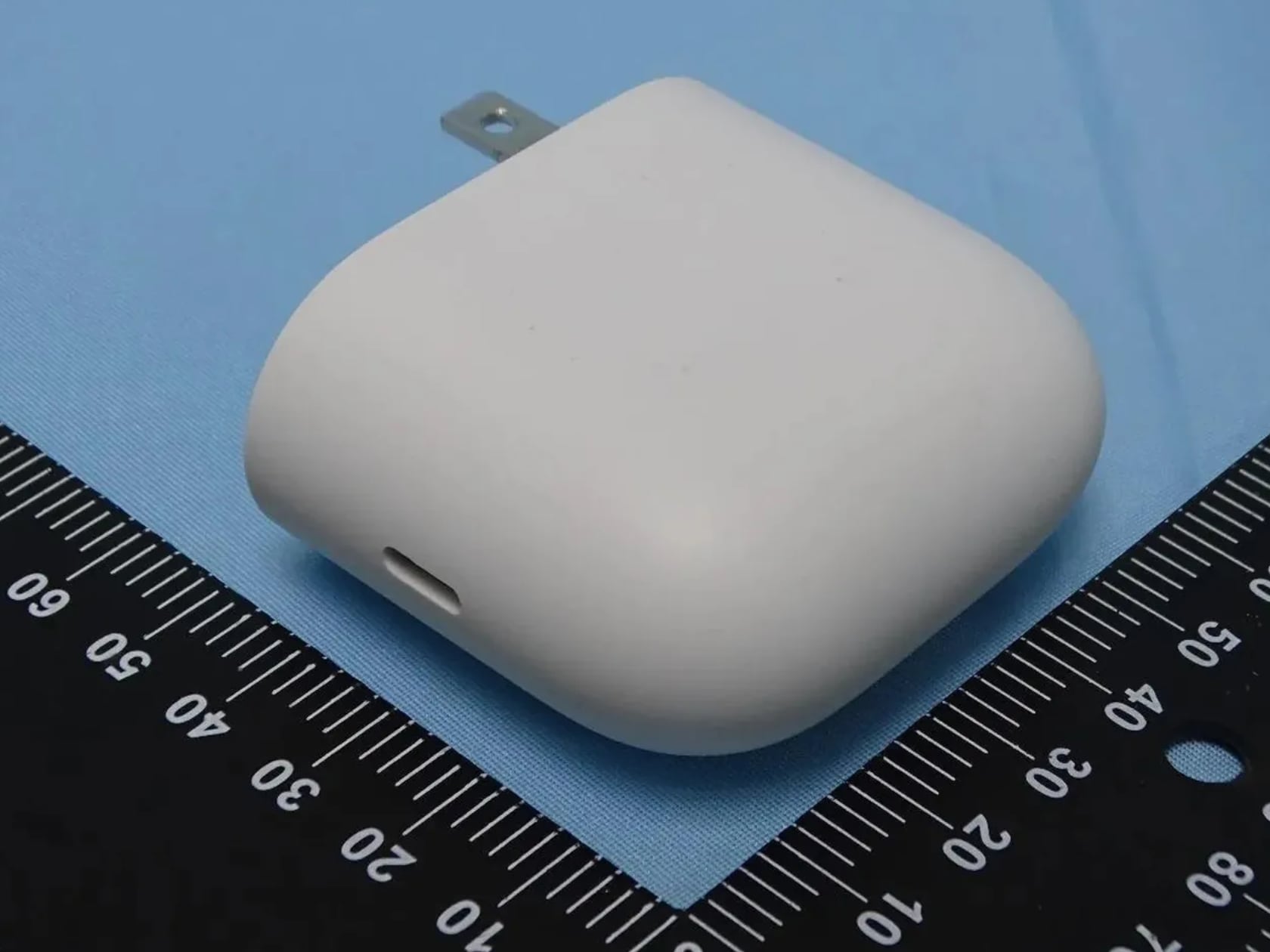
Google Pixel 9 Pro Fold charger via Taiwan’s National Communications Commission (NCC)

As someone who has used the first-generation Pixel Fold extensively, I can say that it has a unique quality that the new model hopes to build upon. The first Fold had its share of drawbacks, from dim screen brightness compared to newer models to subpar speakers and limited app optimization. With the Pixel 9 Pro Fold, Google can address these issues and deliver a more refined and competitive product.
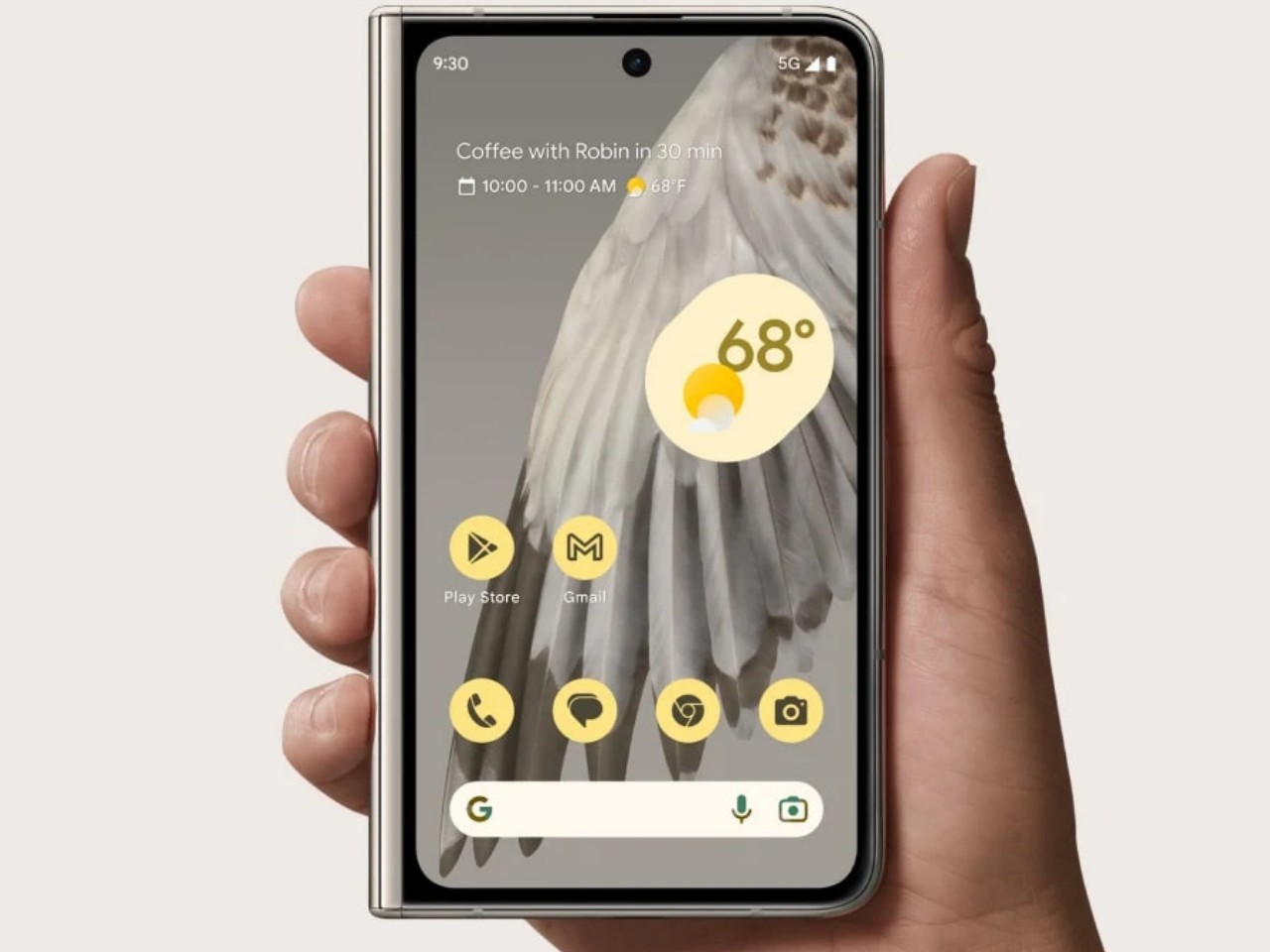
Google Pixel Fold

The Google Pixel 9 Pro Fold represents a significant evolution in design and functionality. By moving away from the unique but bulky passport form factor to a more practical and user-friendly design, Google is making strides to compete more effectively in the foldable phone market. Here’s hoping that the new model not only looks the part but also delivers on performance and user experience, even if it does come with a price tag north of $2,000.

The post Google Pixel 9 Pro Fold: A Worthy Redesign or a Step Back? first appeared on Yanko Design.

Meta will withhold multimodal AI models from the EU amid regulatory uncertainty

Meta has decided to not offer its upcoming multimodal AI model and future versions to customers in the European Union citing a lack of clarity from European regulators, according to a statement given by Meta to Axios. The models in question are designed to process not only text but also images and audio, and power AI capabilities in Meta platforms as well as the company’s Ray-Ban smart glasses.

"We will release a multimodal Llama model over the coming months, but not in the EU due to the unpredictable nature of the European regulatory environment," Meta said in a statement to Axios.

Meta’s move follows a similar decision by Apple, which recently announced it would not release its Apple Intelligence features in Europe due to regulatory concerns. Margrethe Vesteger, the EU’s competition commissioner, had slammed Apple’s move, saying that the company’s decision was a “stunning, open declaration that they know 100 percent that this is another way of disabling competition where they have a stronghold already.” Withholding Meta’s multimodal AI models from the EU could have far-reaching implications — it means that any companies that use them to build their products and services would be unable to offer them in Europe.

Thomas Regnier, an EU spokesperson, told Engadget that the regulator does not comment on individual decisions of companies. "It is the companies' responsibility to ensure that their services comply with our legislation," Regnier said in a statement and added that all companies are welcome to offer service in Europe as long as they comply with the bloc's laws, including the upcoming Artificial Intelligence Act. 

Meta told Axios that it still plans to release Llama 3, the company’s upcoming text-only model in the EU. The company’s primary concern stems from the challenges of training AI models using data from European customers while complying with the General Data Protection Regulation (GDPR), the EU's existing data protection law. In May, Meta announced that it planned to use publicly available posts from Facebook and Instagram users to train future AI models but was forced to stop doing so in the EU after receiving pushback from data privacy regulators in the region. At the time, Meta defended its actions, saying that being able to train its models on the data of European users was necessary to reflect local culture and terminology. 

"If we don’t train our models on the public content that Europeans share on our services and others, such as public posts or comments, then models and the AI features they power won’t accurately understand important regional languages, cultures or trending topics on social media," the company said in a blog post. "We believe that Europeans will be ill-served by AI models that are not informed by Europe’s rich cultural, social and historical contributions."

Despite its reservations about releasing its multimodal models in the EU, Meta still plans to launch them in the UK, which has similar data protection laws to the EU. The company argued that European regulators are taking longer to interpret existing laws compared to their counterparts in other regions.

Update, July 18 2024, 6:40 PM ET: This story has been updated to include a statement from an EU spokesperson. 

This article originally appeared on Engadget at https://www.engadget.com/meta-will-reportedly-withhold-multimodal-ai-models-from-the-eu-amid-regulatory-uncertainty-215543292.html?src=rss

Here’s Every iPhone 16 Pro Leak And Rumor We Know So Far…

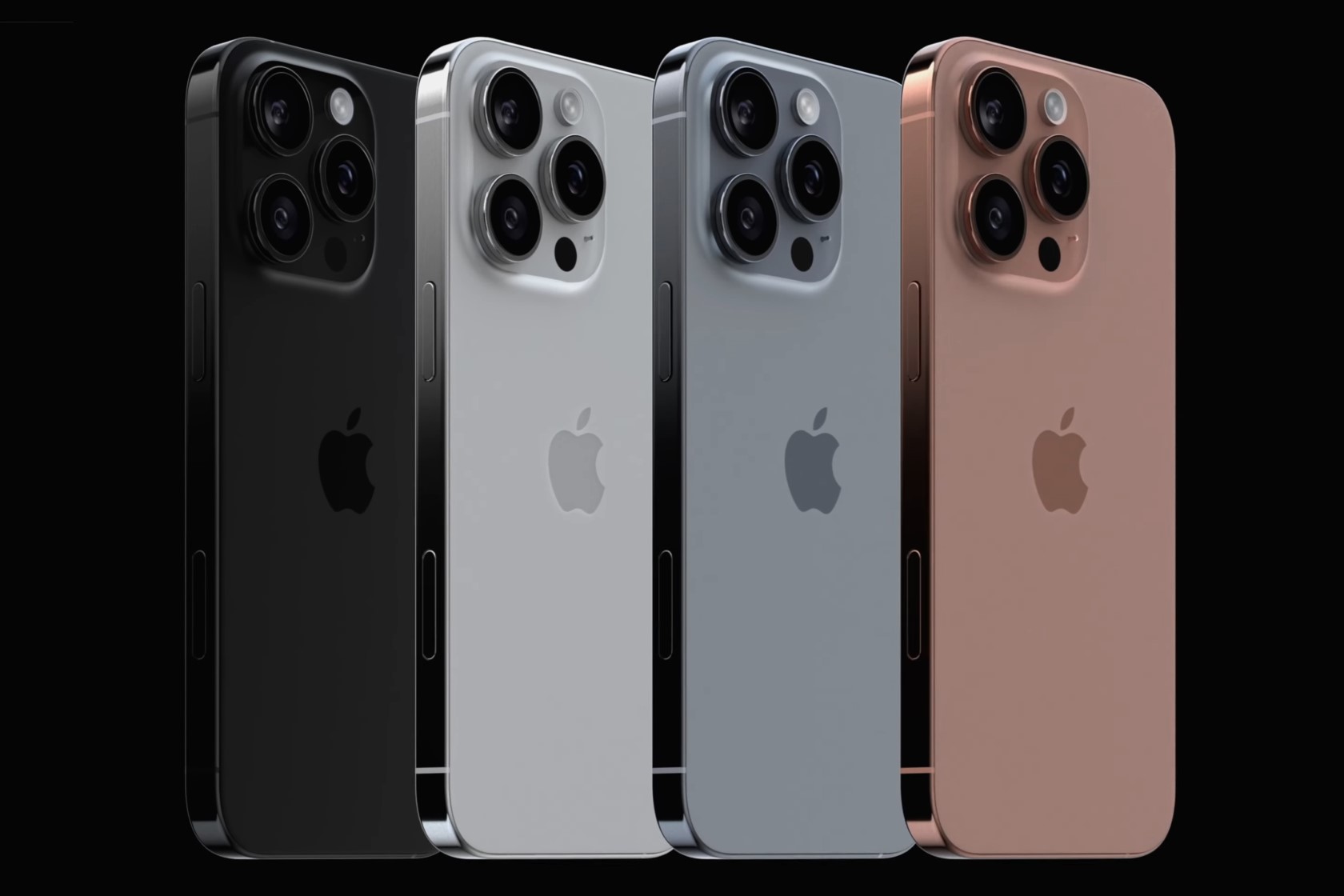
Is it safe to say that Apple’s won the long-term smartphone war? Samsung had a decent Unpacked event last week, and so did Nothing, but none of them have even managed to match the cultural impact of Apple’s iPhone keynote that happens every September. In fact, even though the event happens on one single day, the news coverage before and after the event revolves around the iPhone too. After the phone’s announced, you’ve got first-impressions, reviews, and comparisons… but before the phone is announced, the rumor mill works hard to try and decipher what the upcoming phone will look like. We’re in July right now (two months before Apple announces its latest phone) and at this point, it does seem like we have a fair idea of what the new iPhone 16 Pro will look like. From hardware details to even internal components, the interwebz has worked tirelessly to deliver on leaks and credible speculations – so we decided to collect everything we know about the upcoming iPhone 16 Pro and 16 Pro Max in one single place. Here’s everything we’ve heard so far…

Rendered by: AppleTrack

A18 Pro Bionic Chipset

After last month’s WWDC event, it’s pretty much taken for granted that Apple Intelligence will be at the forefront of the new iPhone lineup… and to make that happen, the new iPhones will need beefed up chipsets. A new report from Jeff Pu, an analyst at Haitong International Tech Research renowned for his reliable insights into Apple’s chip development, reveals that Apple is accelerating the production of the A18 Pro chip earlier than usual. This chip is being specifically tailored for advanced AI functionalities. These upgrades indicate that the upcoming iPhone 16 Pro and Pro Max will feature a custom-designed A18 Pro chip, emphasizing on-device handling of intensive artificial intelligence (AI) capabilities. Rumors are indicating that even the regular iPhone 16 phones may get the A18 Bionic chipset to handle these AI features.

Smaller Bezels = Bigger Screens

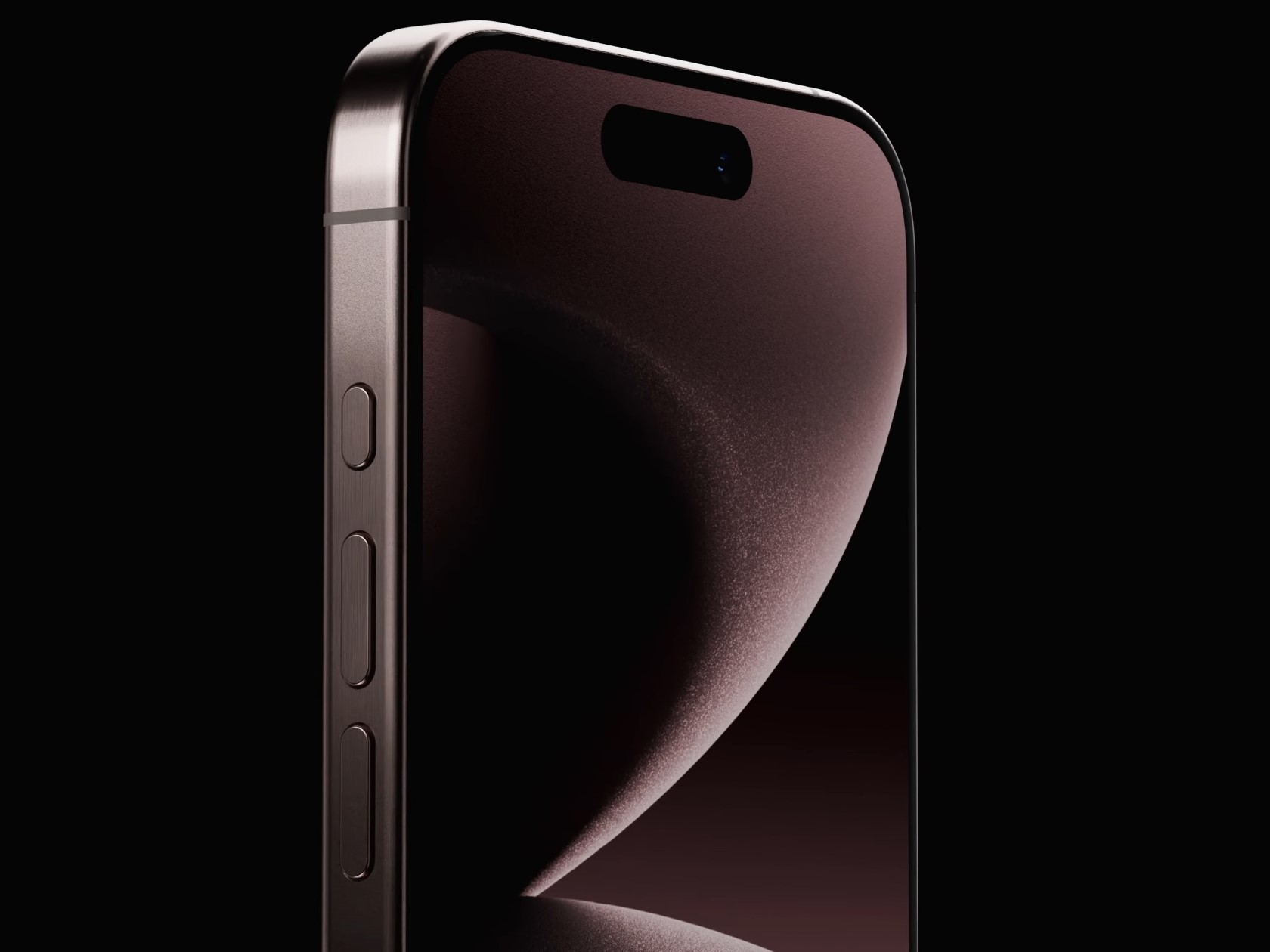
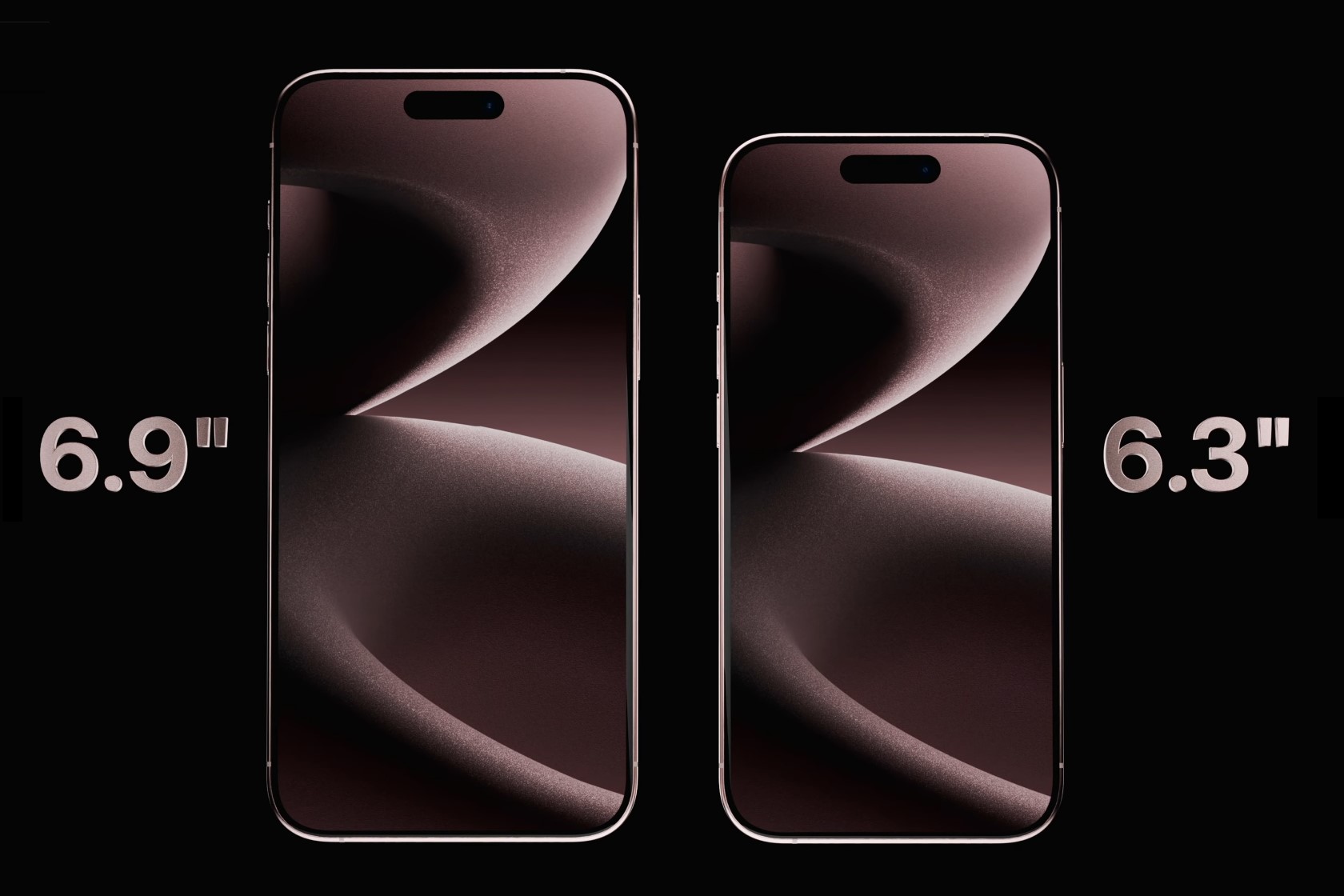
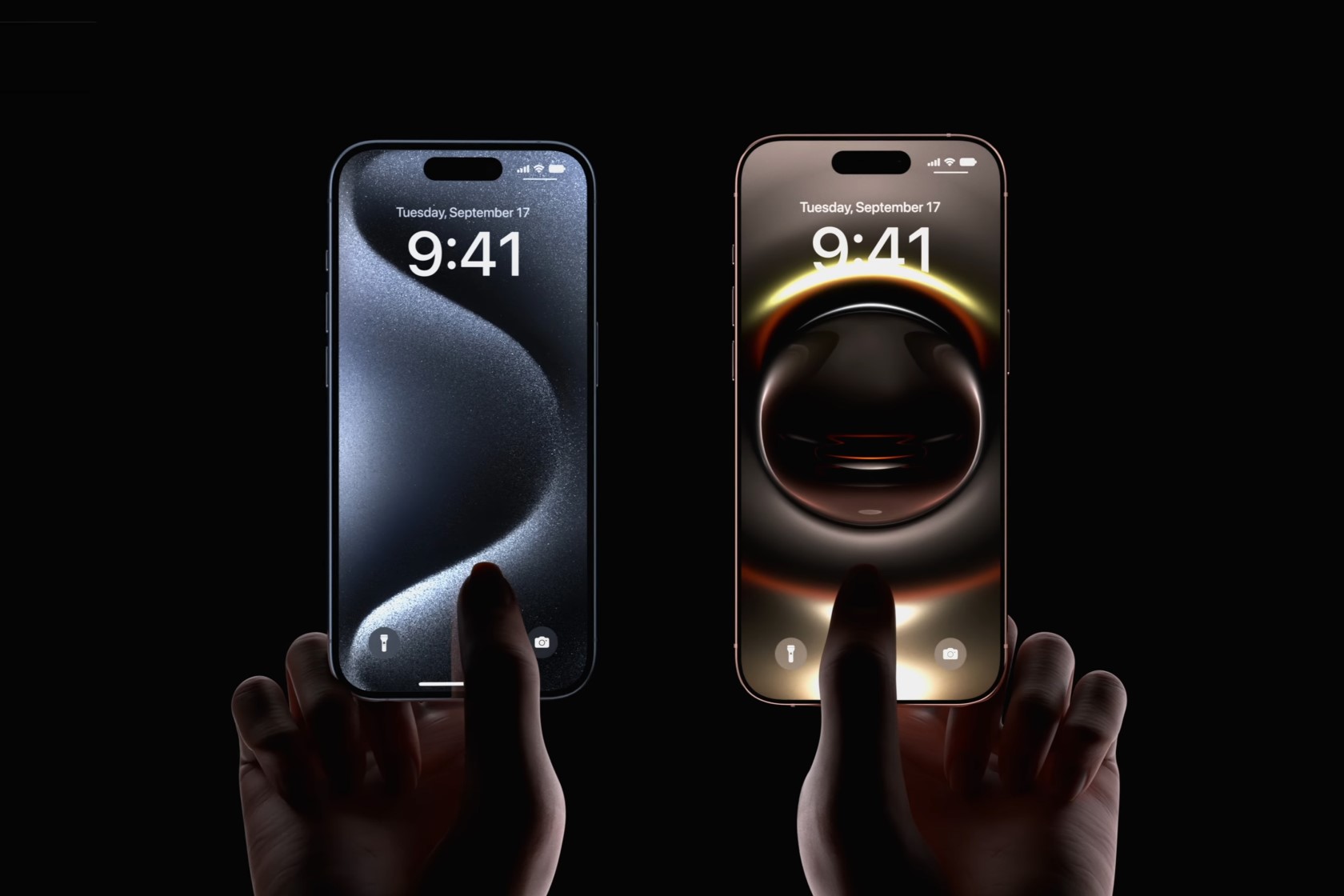
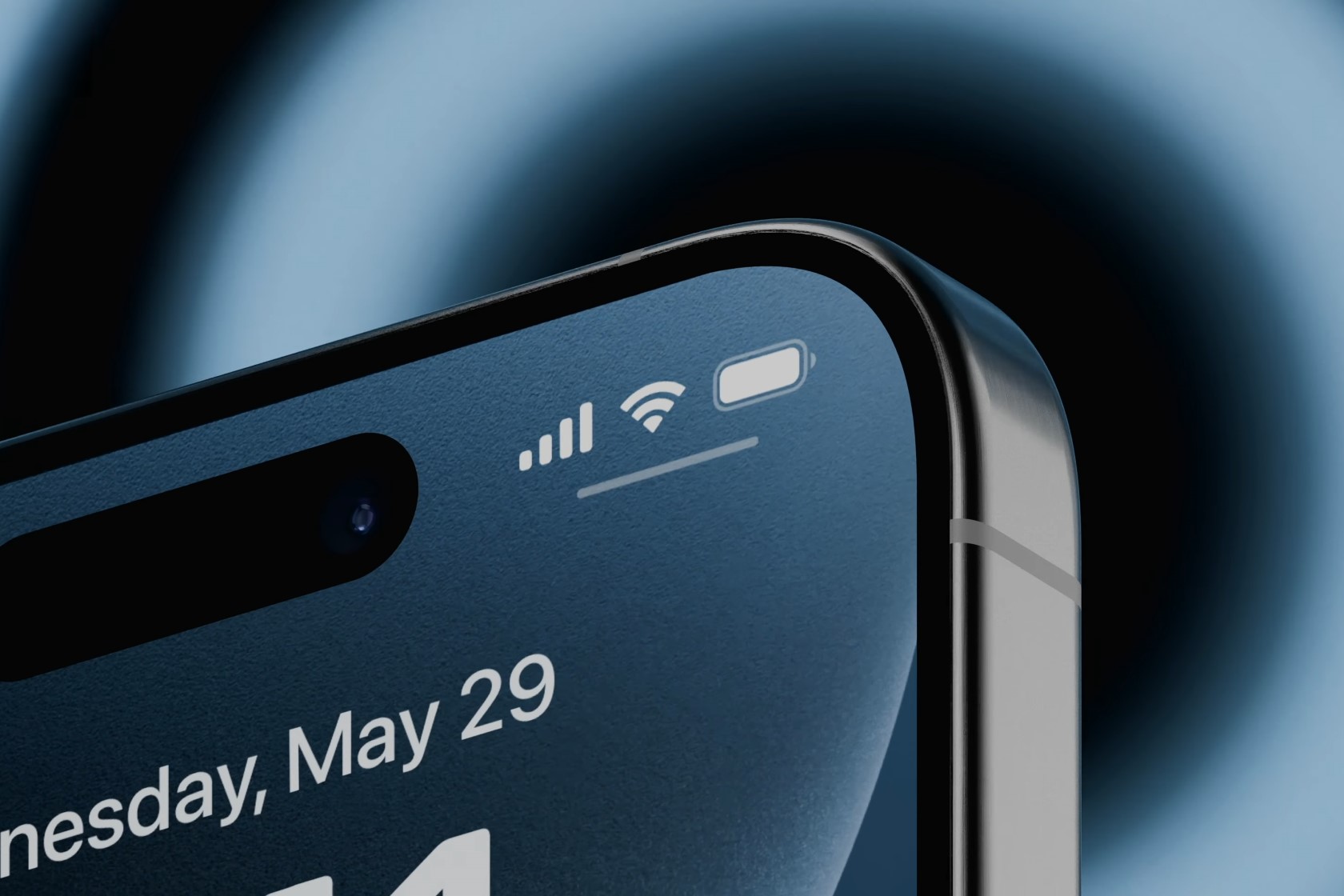
It’s 2014 again and bezels are public enemy number 1. Apple’s new phones will reportedly have marginally larger screens thanks to an impressive 30% reduction in bezels. This new display template, dubbed BRS or Border Reduction Structure, is thanks to Apple pushing Samsung to provide tighter circuit placement that can help shave off almost half a millimeter of bezel thickness. These reports seem fairly credible, coming from THE ELEC, a Korean industry media outlet. This effectively means the new 16 Pro and Pro Max will have screens measuring 6.3 and 6.9 inches diagonally, respectively.

The iPhone 15 Pro on the left and the 16 Pro on the right demonstrate the reduced bezel sizes

A New Capture Button For Enhanced Photography

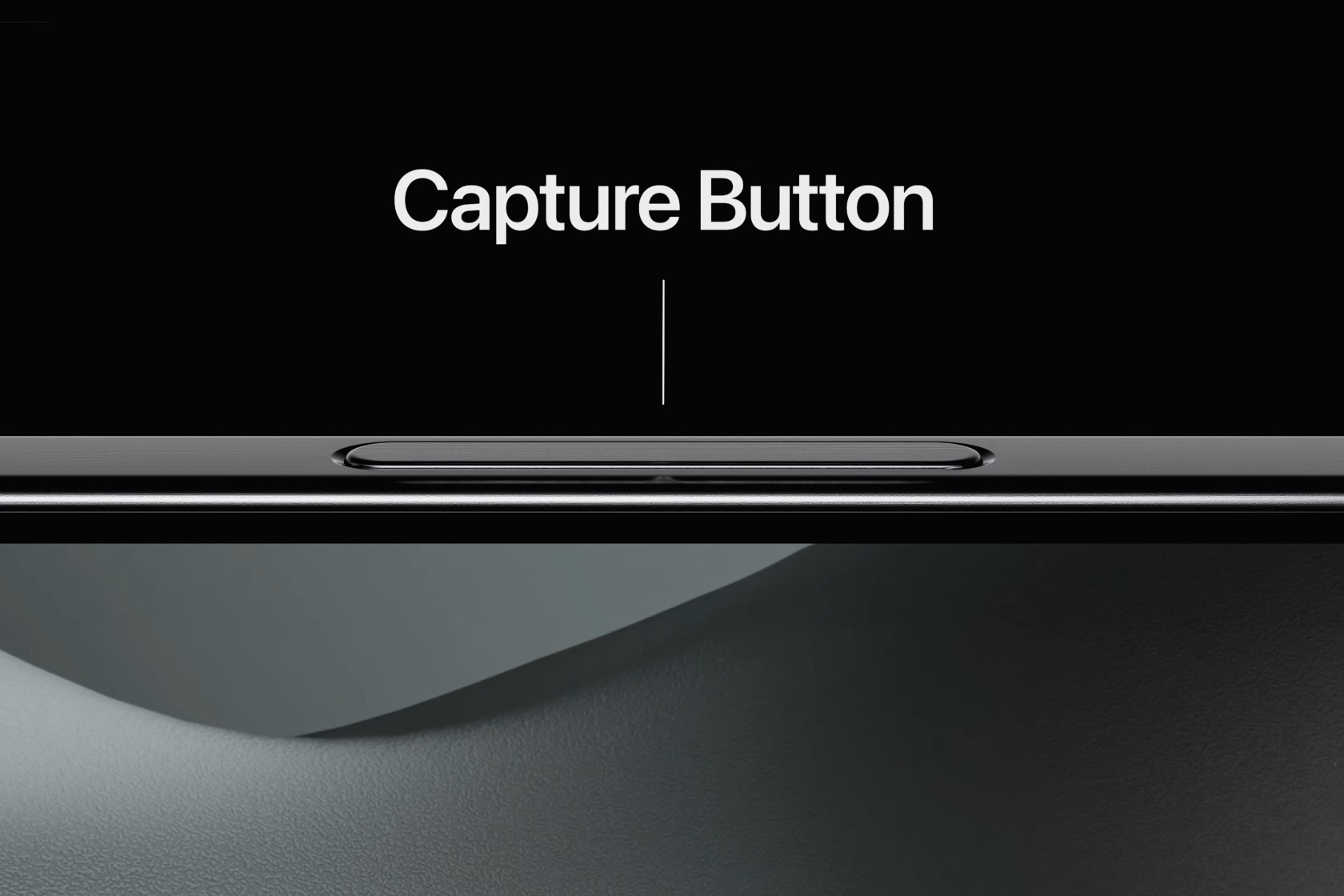
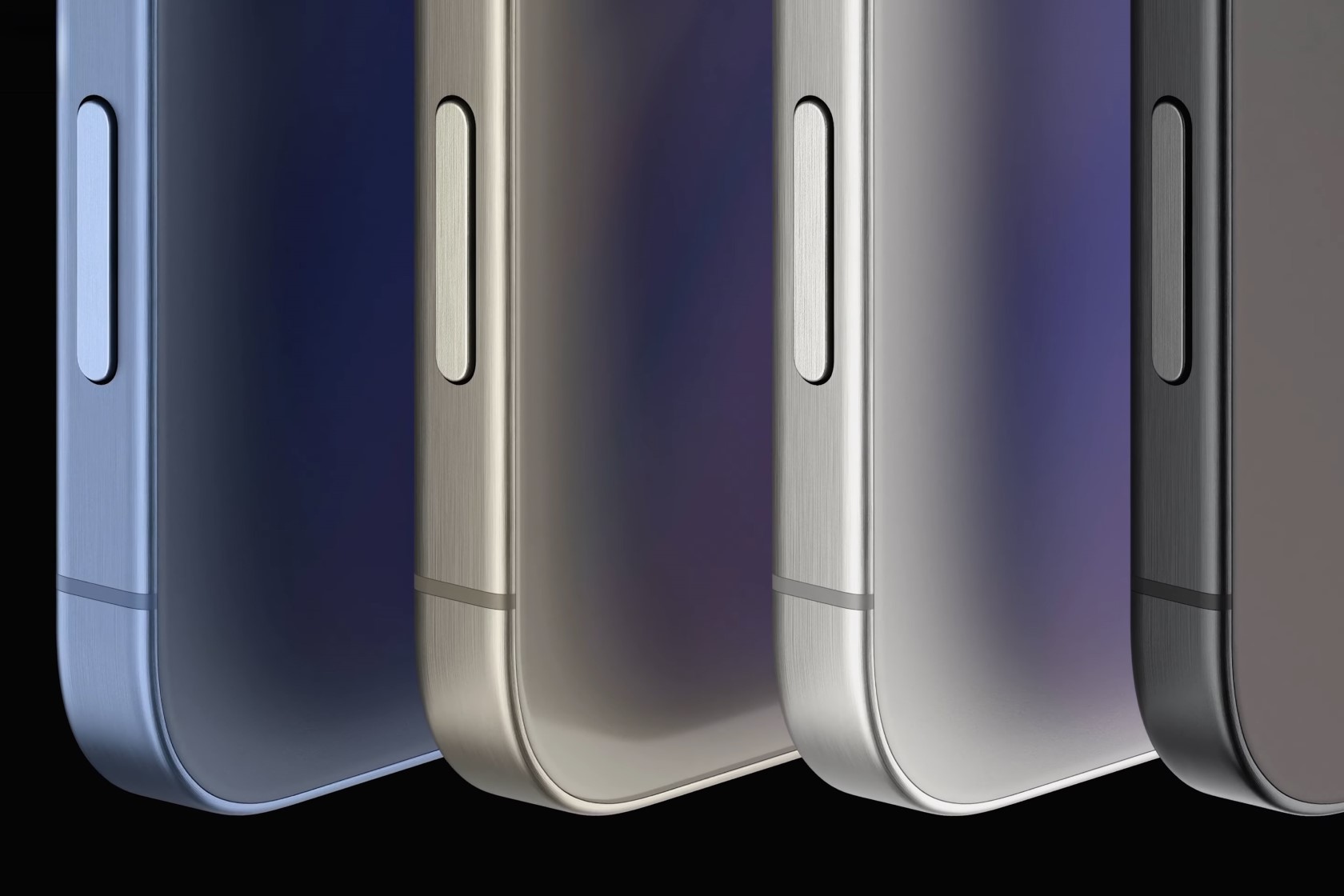
Although rumors of a Capture Button have circulated for quite a while, actual details on its capabilities have only NOW become more evident. At first, this button was touted as simply a shutter button that could click photos without you needing to touch your screen, but indications show that this button will have a touch-sensitive surface and a two-stage press. The touch-sensitive surface will allow you to slide your finger from side to side to zoom in or out, while the two-stage press lets you press lightly for focusing, and then further for clicking the picture, sort of like most DSLR cameras. The capture button sits where the millimeter-wave antenna once featured on the iPhone’s body, but it seems like the antenna will just move over to the left side instead, making way for the new hardware feature on the iPhone 16 Pro.

Same Old Sensors, New Capabilities

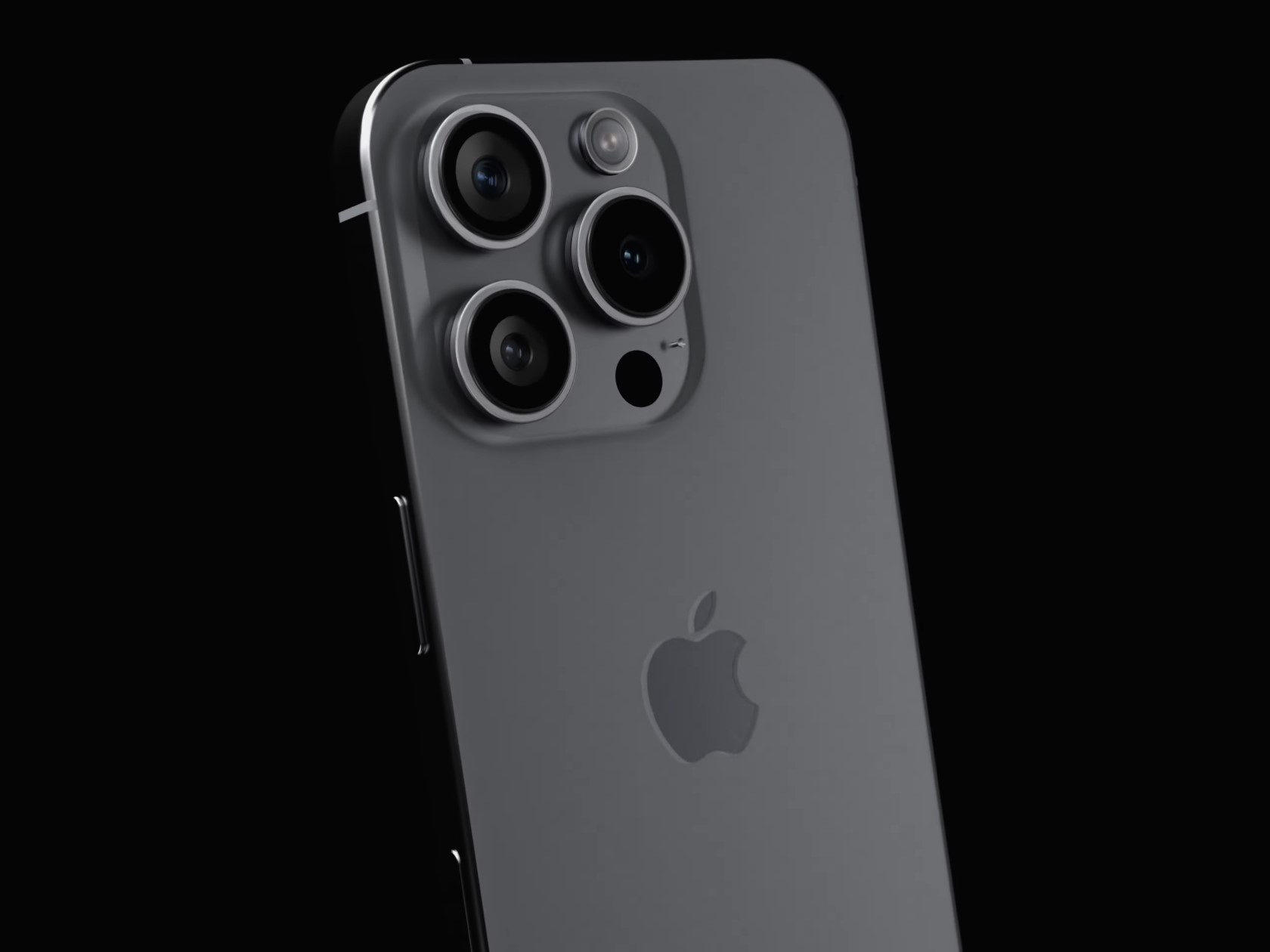
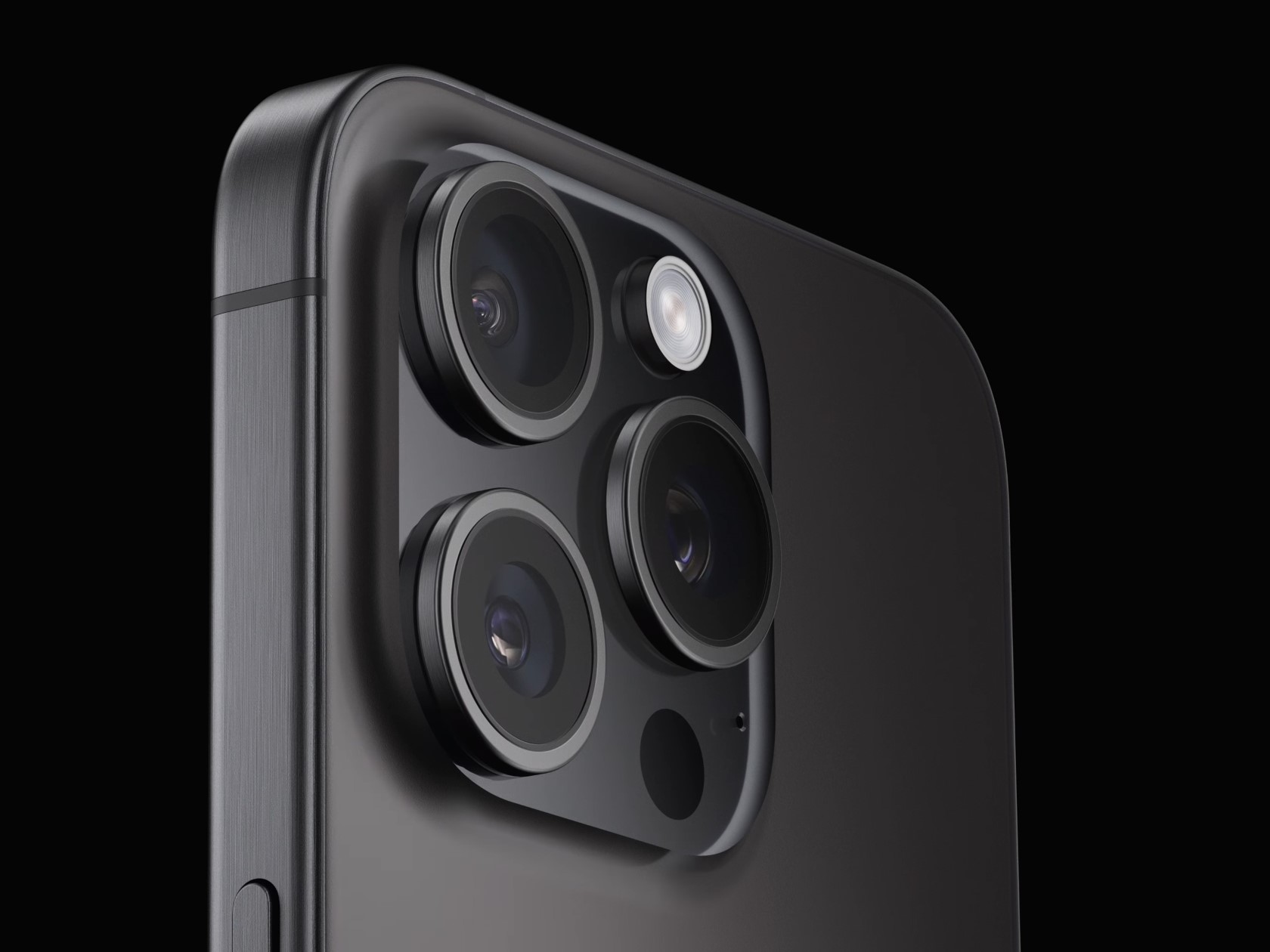
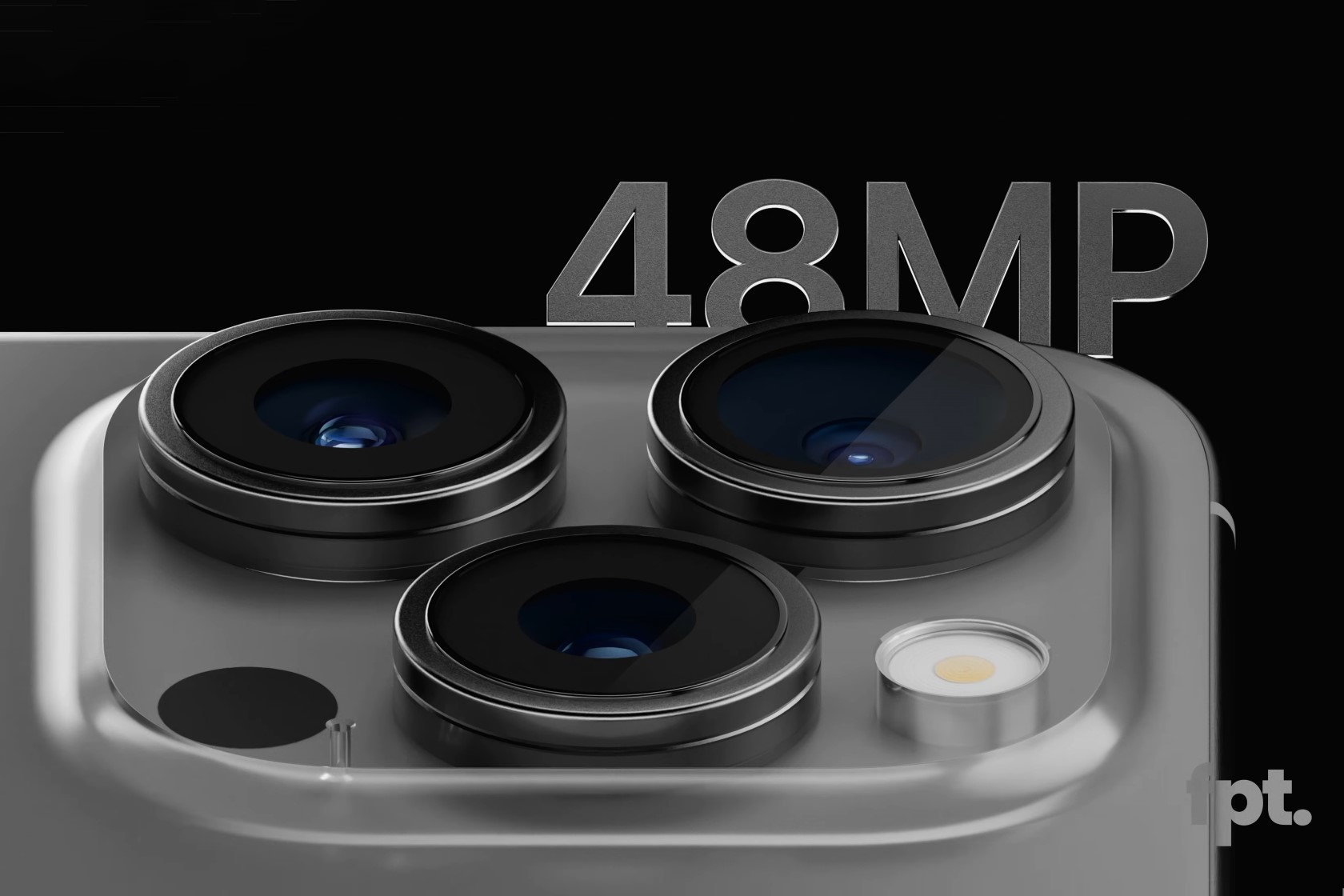
Since cameras are a pretty massive part of the iPhone (some might say its highlight), talking about camera capabilities is also pretty crucial. Rumor has it that the new iPhone 16 Pro will still feature the 48MP main camera sensor from its predecessor with no change. However, the tetraprism telephoto lens from last year’s iPhone 15 Pro Max that could output 5x zoom will see even more zoom capabilities. Last year’s flagship iPhone had the zoom equivalent of a 120mm telephoto lens, but rumors indicate the new iPhone will push this to a 300mm lens equivalent. Now obviously, that seems absolutely bonkers, but it also makes sense to take such a rumor with a little pinch of salt. After all, stabilization while zooming in that far would probably be near impossible.

Thinner MagSafe Array

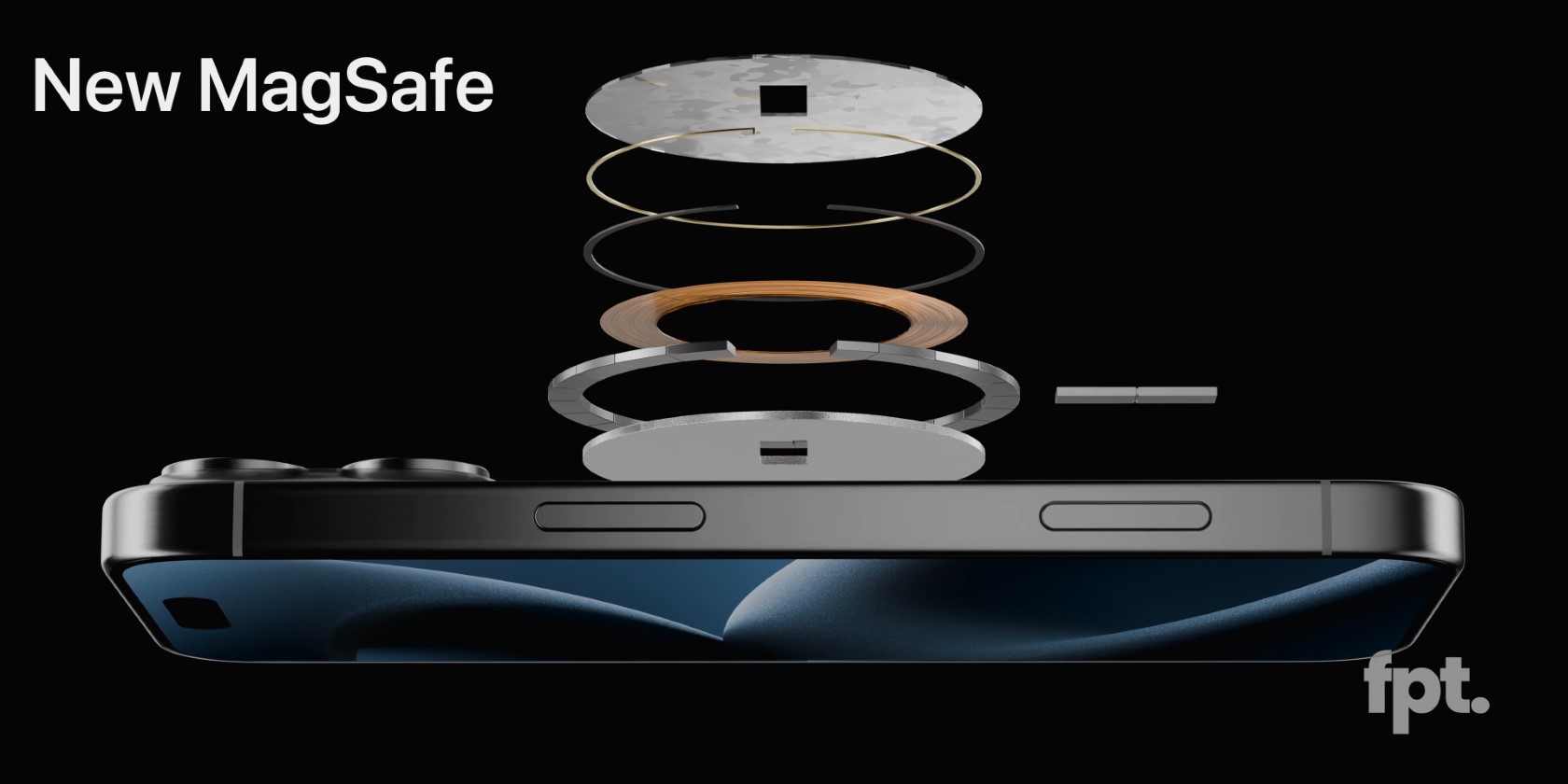
Yet another tweak, noticed by case-makers, is a refinement of the MagSafe array. Now the new MagSafe ring on the iPhone will feature thinner magnets all around, freeing up more space inside the phone without compromising on the magnet’s strength.

(Probably) A New Rose Gold Color Variant

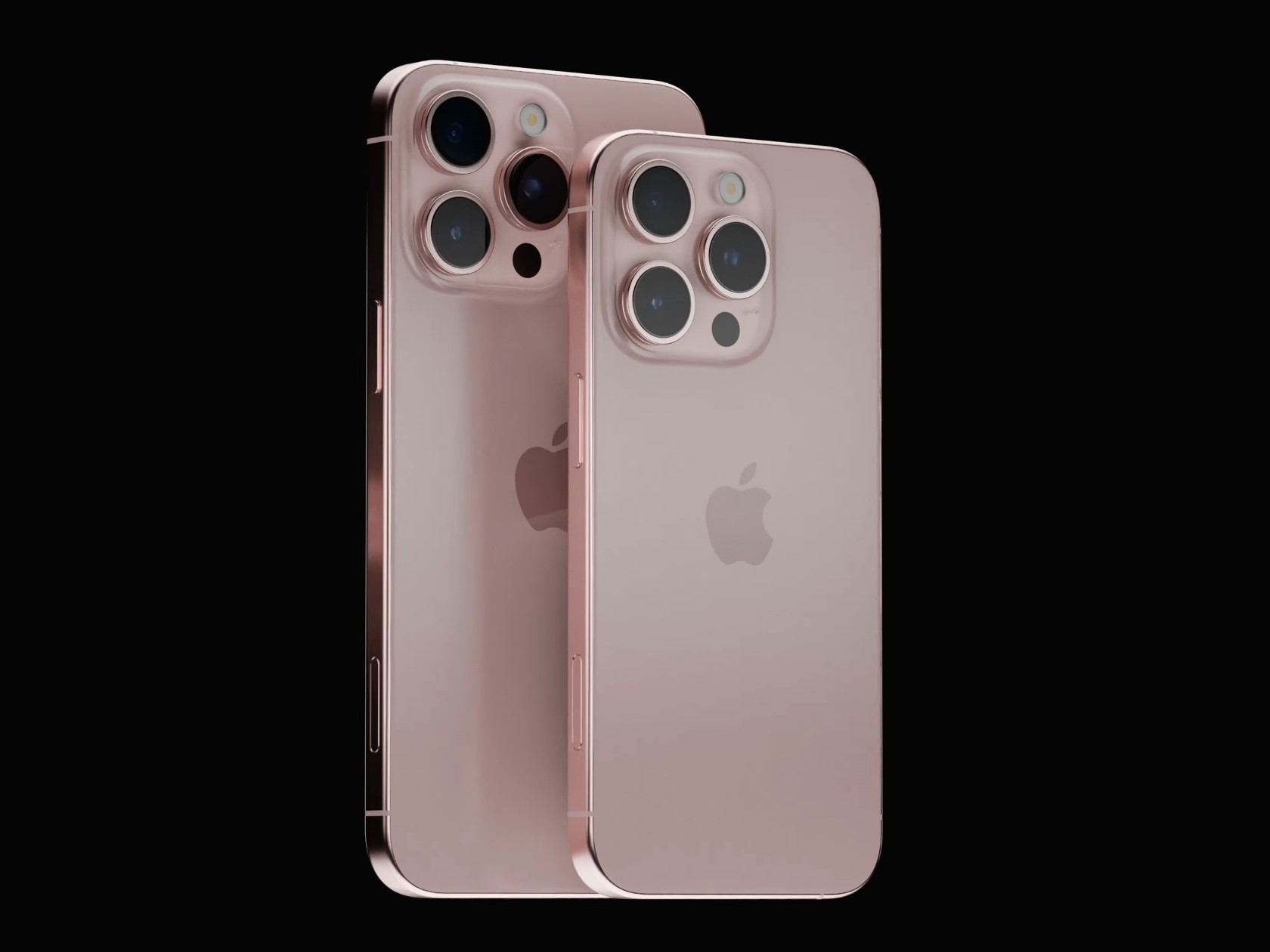
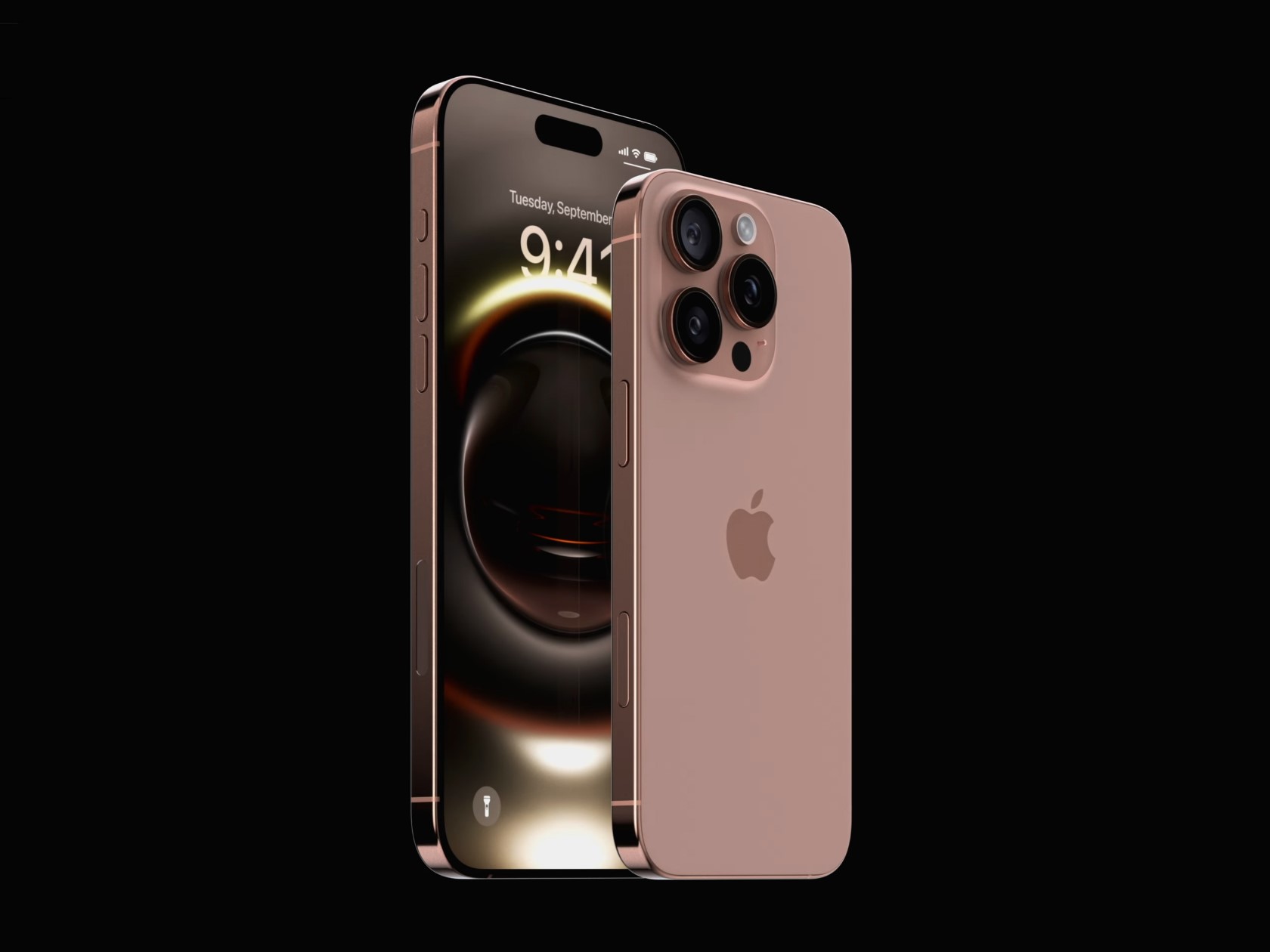
The final rumor is that the iPhone 16 Pro series could see another color variant added to it. Apparently the famed Rose Gold colorway (made popular with earlier iPhone models and even the MacBook Air) could make a comeback – but this time in titanium. Yes, the new Pro-series iPhones will still have a titanium frame, but Apple will probably issue new color variants to set the different iPhone Pro models apart. Last year, the 15 Pro series saw natural, blue, white, and black finishes. It’s fairly conceivable that Rose Gold sees a resurgence this year.

Image Credits: FrontPageTech

The post Here’s Every iPhone 16 Pro Leak And Rumor We Know So Far… first appeared on Yanko Design.

Meta gives researchers access to Instagram data for teen mental health study

Serious concerns have been raised about the effect of social media on teenagers’ mental well-being. Meta is letting a group of researchers examine some of Instagram’s data to determine if social media is psychologically damaging younger users.

The Verge reported that the Center for Open Science (COS) is launching a new joint pilot program with Meta to produce independent studies about how social media affects teenagers’ mental health.

The Instagram Data Access Pilot for Well-Being Research program will conduct “independent academic” research using up to six months of Instagram data to determine the “potential positive or negative associations of Instagram use” among teens and young adults. The study will also examine the positive and negative differences of large populations across the world and the causes of “statistical relationships between Instagram and social or emotional health,” according to the program’s website.

The data researchers can access may include an Instagram user’s followers and the accounts they follow, account settings and the amount of time they spend on the photo sharing service. The researchers will not have access to users’ demographic information or the contents of their posts and comments. The data will come from accounts based in 24 countries including the US and UK, according to the request for proposal (RFP).

Other scientific studies conducted by researchers from the Massachusetts Institute of Technology (MIT) and New York University and Stanford have found parallel links between social media use and the state of a person’s mental health. The link earned greater awareness last year when Arturo Béjar, a former director of engineering for Protect and Care at Facebook, testified before a Senate Judiciary subcommittee that he alerted the company and its CEO Mark Zuckerberg by email of the dangers their product could have on young people.

Béjar testified that seven days before the hearing, 13 percent of users on Instagram between the ages of 13-15 receive unwanted sexual advances. He also testified that his own 16-year-old daughter exhibited signs of a momentary decline in mental health when a user commented that she should “get back to the kitchen” under one of her posts.

A month before the hearing, 41 states filed a lawsuit against Meta for allegedly misleading the public about the potentially addictive nature of its platforms like Facebook and Instagram among teenagers.

"My experience, after sending that email and seeing what happened afterwards, is that they knew there were things they could do about it, they chose not to do them and we cannot trust them with our children," Béjar said during the hearing. "It's time for Congress to act. The evidence, I believe, is overwhelming."

This article originally appeared on Engadget at https://www.engadget.com/meta-gives-researchers-access-to-instagram-data-for-teen-mental-health-study-204322979.html?src=rss

Microsoft releases iOS and Android apps for Designer, its AI-powered Canva competitor

Microsoft has officially released its Designer platform for AI image generation. After a long preview phase, Designer is now available to most people with a Microsoft account. Designer can be used on the web in more than 80 languages, as a mobile app for iOS and Android, and as a Windows app. You can create a brand new visual from the ground up with AI, or use Designer to edit and tweak a picture you've already made. There are plenty of templates available to guide the creation of common image types, like a greeting card, smartphone wallpaper or a profile avatar. More experienced artists can also build everything from scratch, developing their own templates and using their own art.
While Designer can be used on its own, Microsoft is promoting its integration with the company’s other services. Thanks to the company's Copilot AI chatbot, Designer images can be easily linked up to Microsoft Word and PowerPoint projects. Of course, taking full advantage of that will require a Copilot Pro subscription.

If you've used Canva, then Designer will feel very familiar. The service takes a very similar approach to its user experience and now also has some AI options. According to details from when Microsoft first announced the app back in 2022, Designer is integrated with OpenAI's image generator DALL-E. Copilot already has DALL-E 3 integration, as well as ChatGPT 4 Turbo, so it makes sense that Designer will sync up with those existing services.

This article originally appeared on Engadget at https://www.engadget.com/microsoft-releases-ios-and-android-apps-for-designer-its-ai-powered-canva-competitor-203028855.html?src=rss