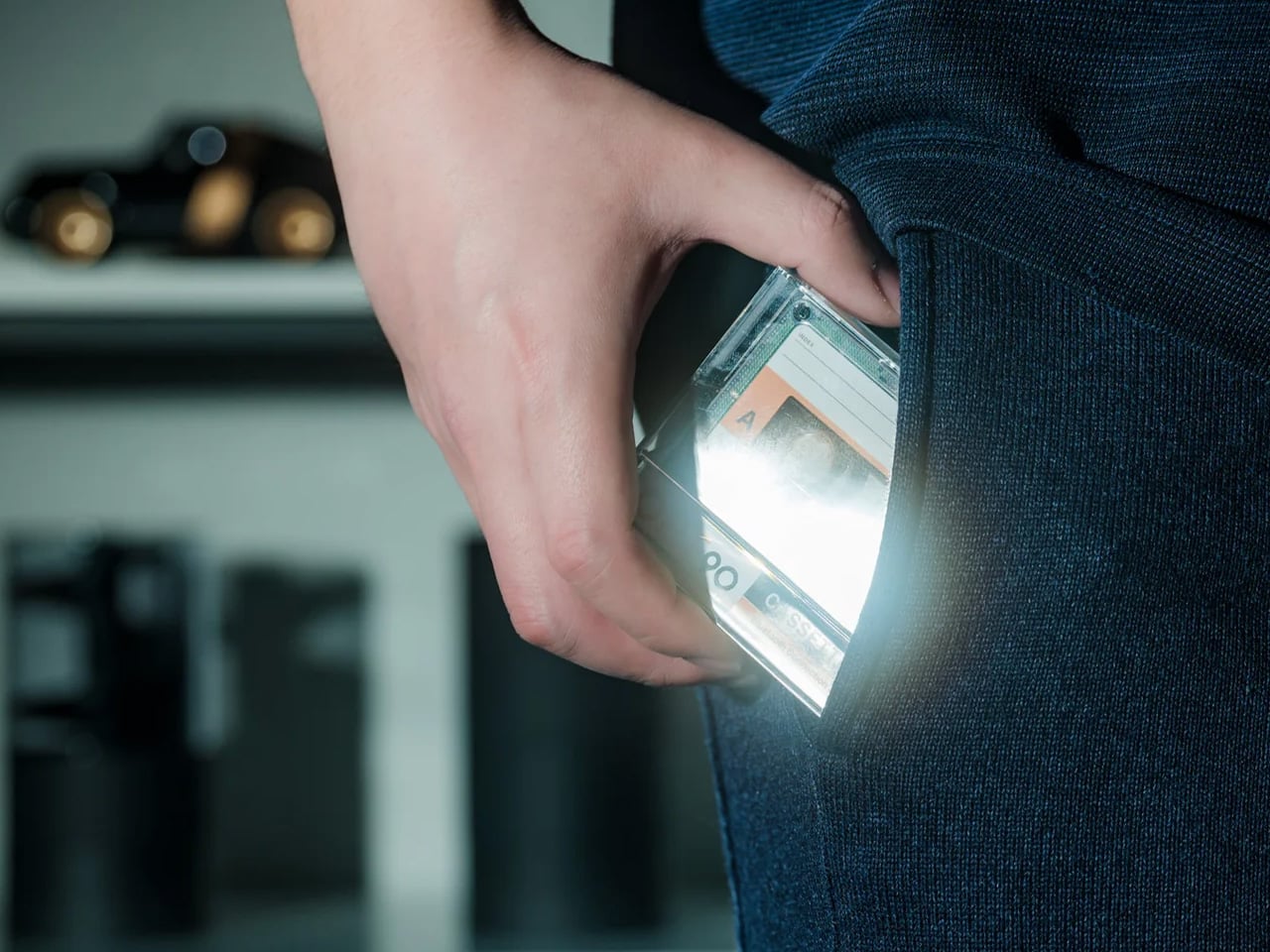
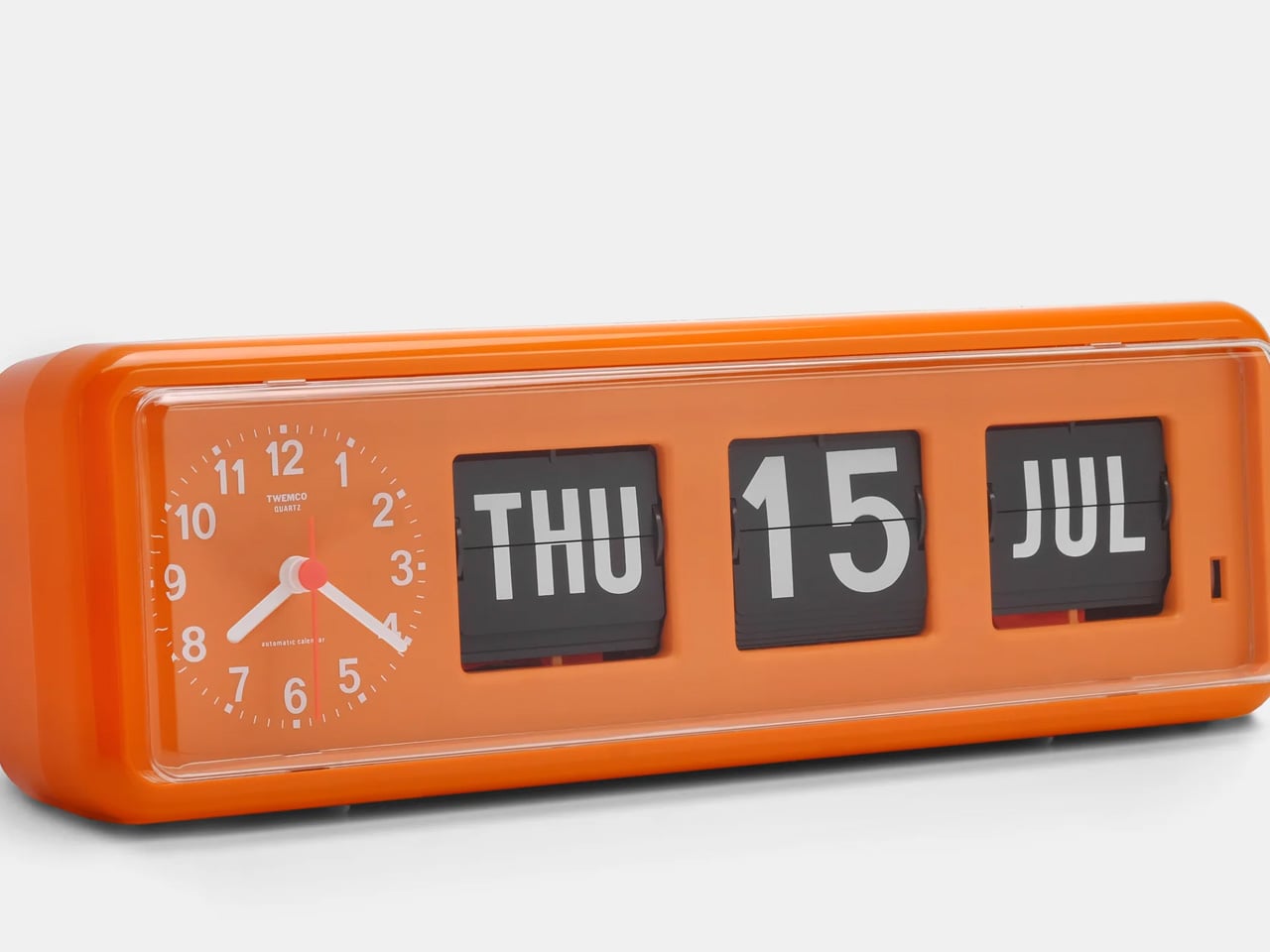
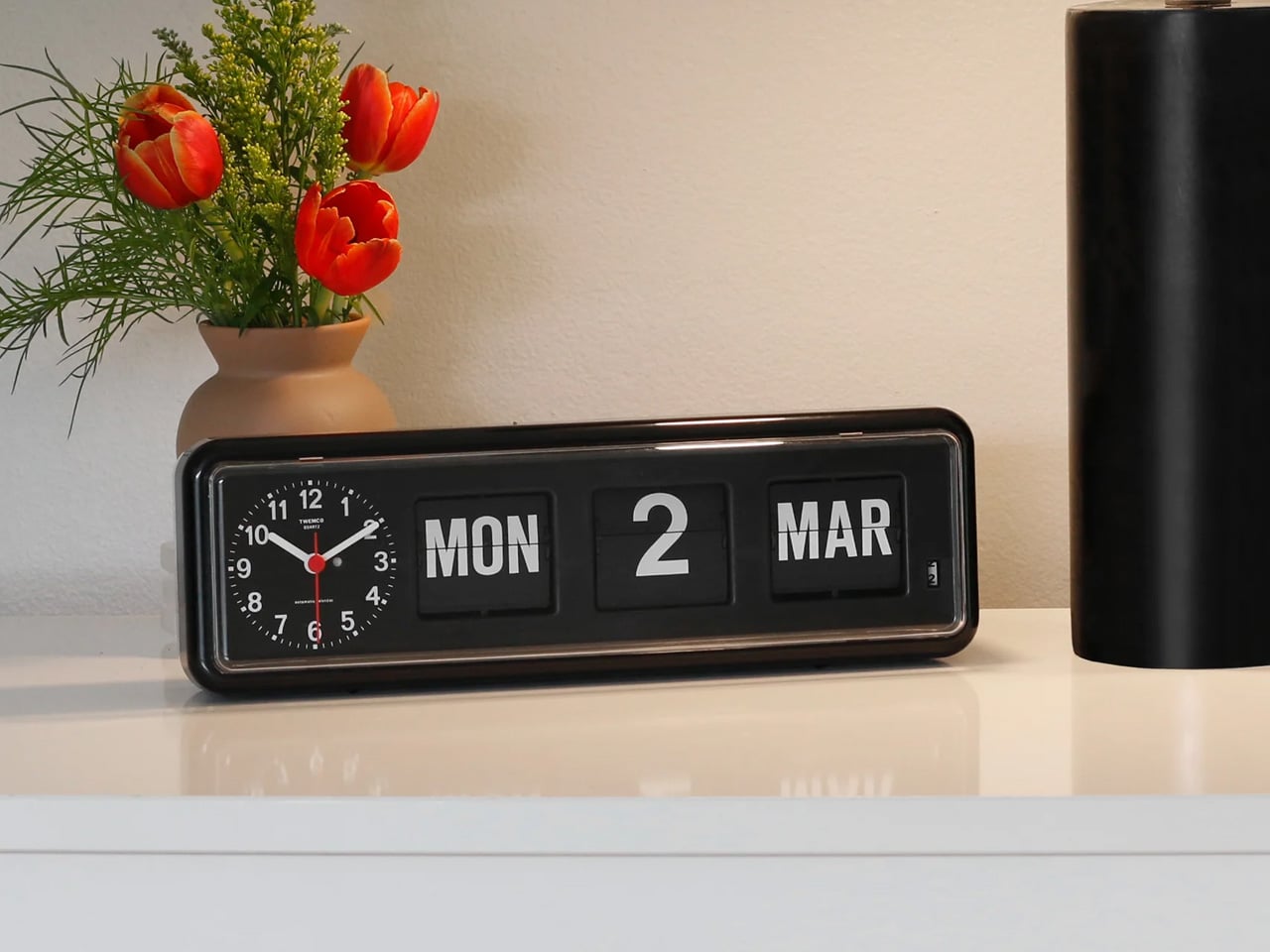
8 Best Digital Nomad Gadgets of 2026 That Make Your Laptop Bag Look Like a Design Studio

The bag you carry into every café, co-working space, and airport lounge tells a story before the laptop opens. For years, that story was graceless — a tangle of cables, a charger shaped like a building block, a mouse that felt borrowed from a hotel business center. Nomad gear was assembled around survival rather than intention. Every surface it landed on looked worse for the visit.

Something has shifted. The tools built for people who work from everywhere are beginning to reflect the same care as the work itself. These eight gadgets share a quality that is harder to name than it is to recognize: they look considered. Each one earns its place in the bag not just by solving a problem, but by solving it in a way that leaves nothing clumsy on the table.

1. OrigamiSwift Folding Mouse

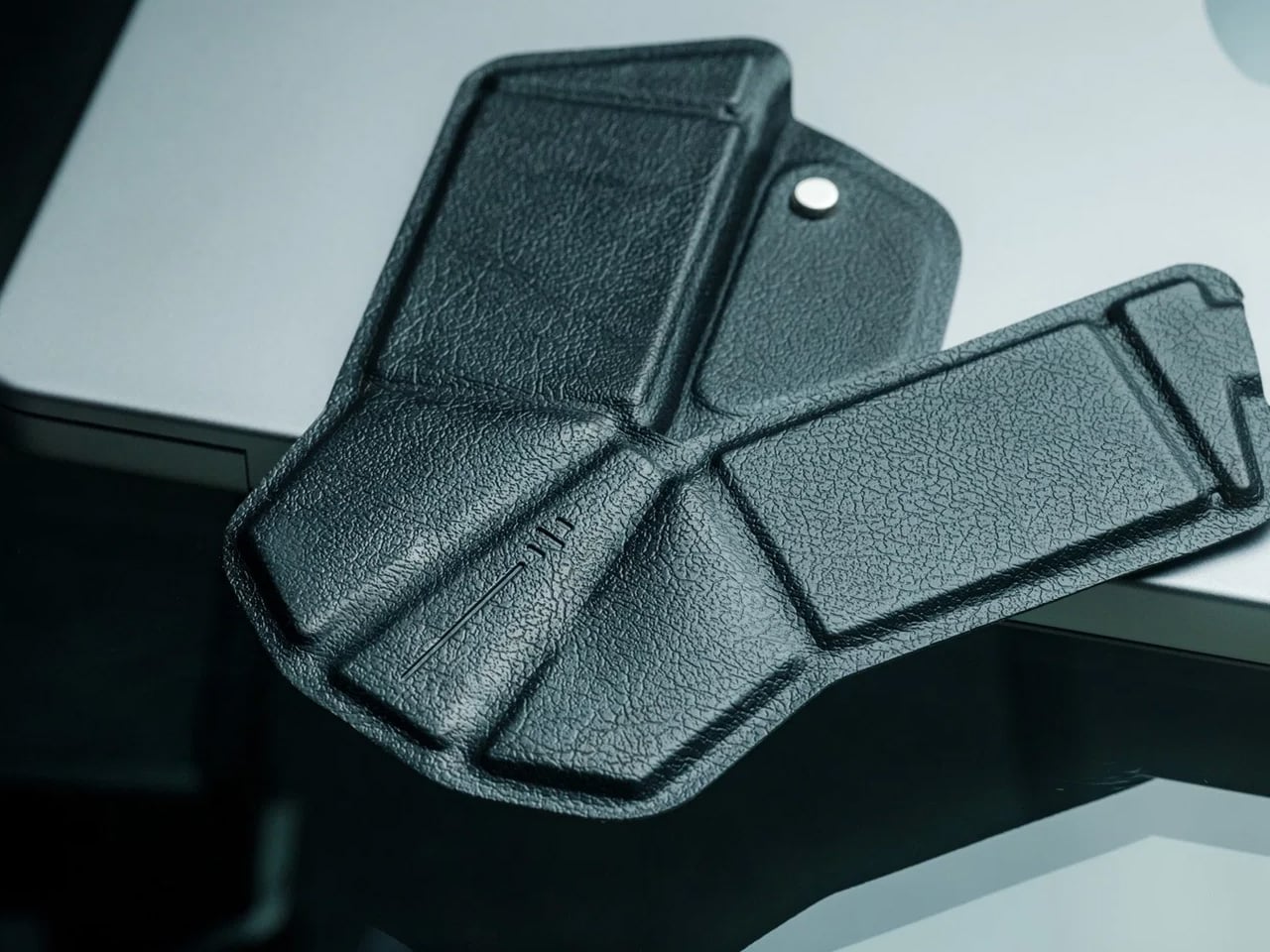
The travel mouse problem has never been about making mice smaller. Smaller mice create smaller hand cramps. The real solution is transformation, not compression, and the OrigamiSwift understands this from the geometry up. Borrowing the logic of its name, it collapses to card-sized flatness and snaps open — via magnetic clips — into a fully contoured ergonomic mouse that actually fits a palm. At 40 grams, it weighs less than a pen and disappears into a jacket pocket without announcing itself.

The polygonal folded surface earns its grip through geometry rather than rubber texture, which gives the form a visual coherence that most travel mice never achieve. Bluetooth 5.2 connects without a dongle, and three months of battery life on a single USB-C charge keeps it out of the daily rotation entirely. For the nomad whose work demands precision that a trackpad fails to deliver in the critical stretch of an afternoon, this removes every excuse for not carrying a proper mouse.

Click Here to Buy Now: $85.00

What we like:

  • Folds to true card-size flatness without compromising full ergonomic comfort when open, which is the only trade-off that actually matters in a travel mouse
  • Three-month battery life means it charges about as often as a passport gets stamped

What we dislike:

  • The hinge mechanism is structurally the most complex part of the design, and daily fold cycles over the years could introduce wear that a solid-body mouse would never accumulate
  • Scroll feedback is softer than premium stationary alternatives, something certain users notice immediately, and others never register

2. Lana Laptop Stand

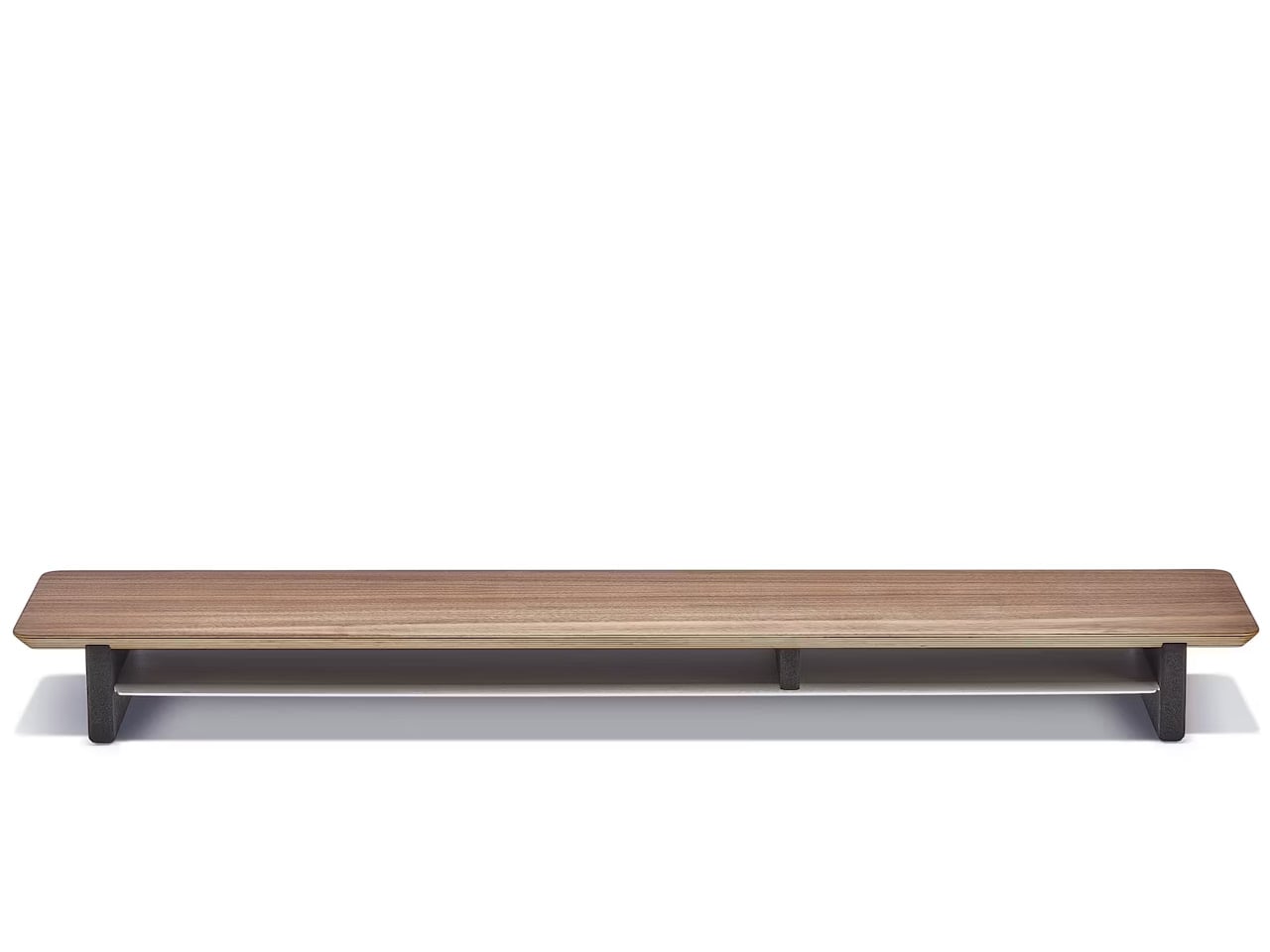
Working from borrowed surfaces has always involved a compromise that people accept rather than solve. Laptop too low, neck forward, shoulders rounded inward — the session ends the same way regardless of how productive the hour before felt. The Lana laptop stand from Colebrook Bosson Saunders is a compact riser with a USB hub integrated directly into its spine, meaning a single USB-C cable connects the laptop, keyboard, mouse, and power simultaneously. The temporary desk stops feeling improvised from the moment everything clicks into place.

Lana was designed specifically for the shared spaces nomads actually inhabit: pods, booths, communal benches — furniture built for lunch breaks, not extended output. The footprint is small enough for a café booth table, but tall enough to bring the screen level. A 12-year warranty from a British-designed and engineered product communicates something important. This is not a disposable gadget but a long-term fixture in a kit that gets used every single day, on surfaces that were designed for everything other than this.

What we like:

  • An integrated USB hub means one cable manages everything, collapsing the connectivity setup into a single plug-in rather than a small archaeology project
  • The 12-year warranty reflects an engineering confidence that most portable accessories never earn the right to claim

What we dislike:

  • Works best alongside an external keyboard, meaning it adds an item to the bag rather than replacing one
  • Price sits at the premium end of the laptop stand category, which is a real consideration for a product that functions before anything else as a riser

3. Nimble WALLY Pro Wireless

Traveling with electronics has long meant traveling with three separate charging accessories: a wall charger for the laptop, a power bank for the phone, and a wireless pad for overnight top-ups. Most people pack all three, use each one just enough to feel justified in carrying it, and leave one at a hotel room in a different country at least once a year. The Nimble WALLY Pro Wireless is a direct answer to that pattern. At 0.61 inches thin, it functions as a wall charger, a 5,000mAh power bank, and a Qi2 wireless charging pad, simultaneously.

Plug it into any outlet globally using folding prongs, and it charges its own internal battery while sending up to 15W wirelessly to a phone placed on its back. Pull it from the wall, and it switches to power bank mode without missing a step. The housing is 100% post-consumer recycled plastic, carbon-neutral certified, TSA-approved, and biodegradably packaged. At $49.95, it removes a genuine category of bag-packing anxiety rather than simply reducing it, which is the kind of simplicity that only feels obvious after someone else has done the work.

What we like:

  • Three accessories in one device, at under six ounces, address the entire charging layer of the nomad kit without requiring any rethinking of the rest
  • Recycled housing and carbon-neutral certification make the sustainability story as important as the engineering story

What we dislike:

  • A 5,000mAh capacity handles phones and earbuds cleanly, but will not meaningfully extend a laptop’s battery under any serious workload
  • Wireless charging tops out at 15W, which suits passive overnight top-ups more than emergency fast-charges before a gate closes

4. Rolling World Clock

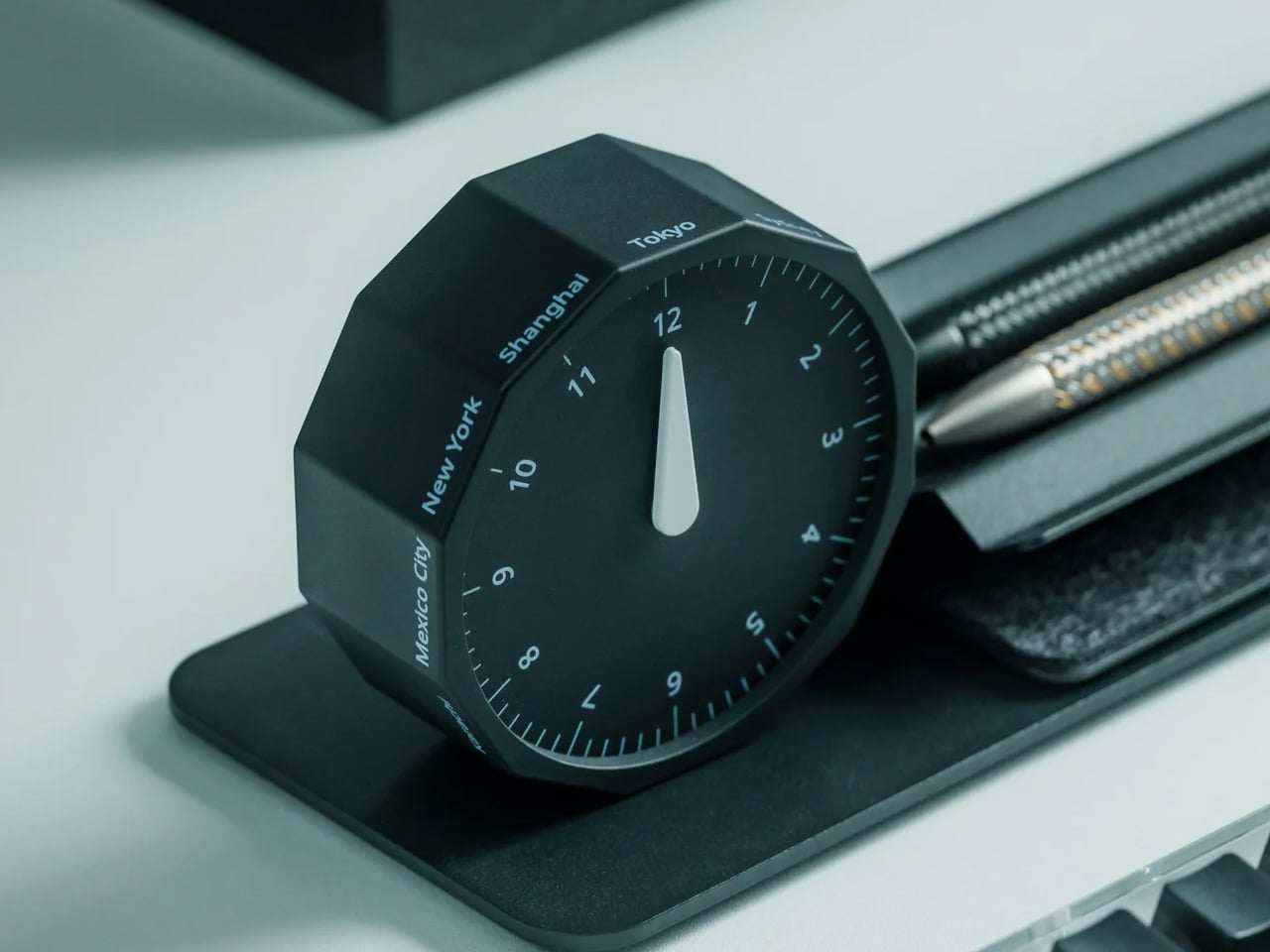
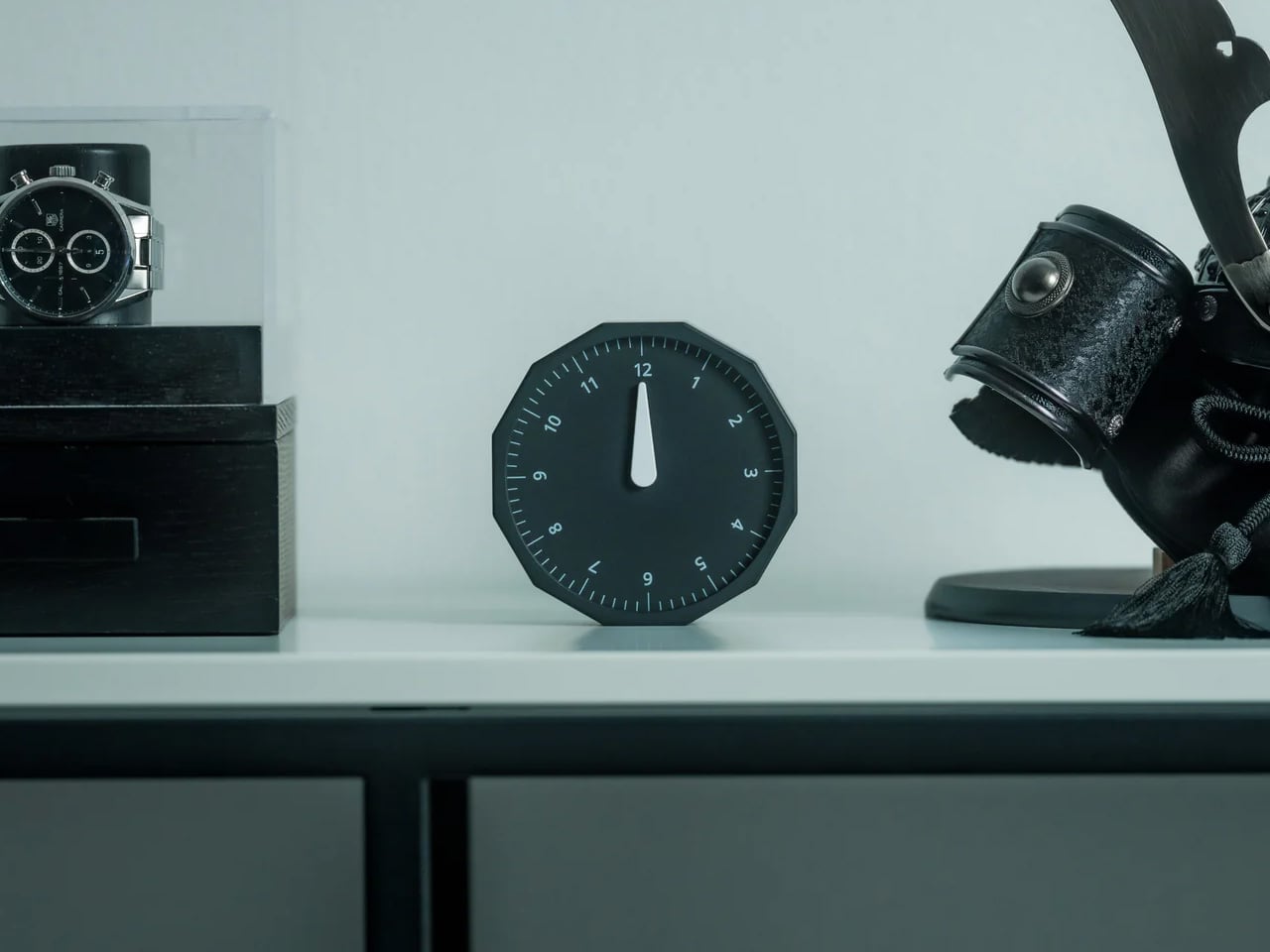
Working across time zones involves an arithmetic problem most people solve by unlocking a phone and navigating to a setting buried several menus deep. The Rolling World Clock removes the phone from that interaction entirely. A 12-sided dodecahedron, one analog hand per face, each face assigned to a city: roll it to any side, and it reads the correct local time in that location. The entire interaction takes less time than the lock screen.

Available in black and white at $49, it occupies the surface area of a hockey puck and sits at the precise intersection of functional object and desk sculpture. The design works because it resists adding more — no digital layer, no companion app, no charging port. On a surface full of screens and cables, a clock answered by physically rolling it is the object every person at the adjacent table wants to pick up and examine. That kind of unselfconscious utility is genuinely rare at any price.

Click Here to Buy Now: $49.00

What we like:

  • Rolling to read a time zone is a screen-free physical gesture that removes a phone unlock from the workflow without requiring any habit change
  • The form communicates its function completely without a label, a tutorial, or a single button

What we dislike:

  • Twelve faces cover most regular international relationships, but nomads managing more than twelve cities regularly will need a secondary solution
  • The face-to-city mapping takes roughly a week of regular use before the interaction becomes fully automatic

5. RedMagic Power Bank with Flight Mode

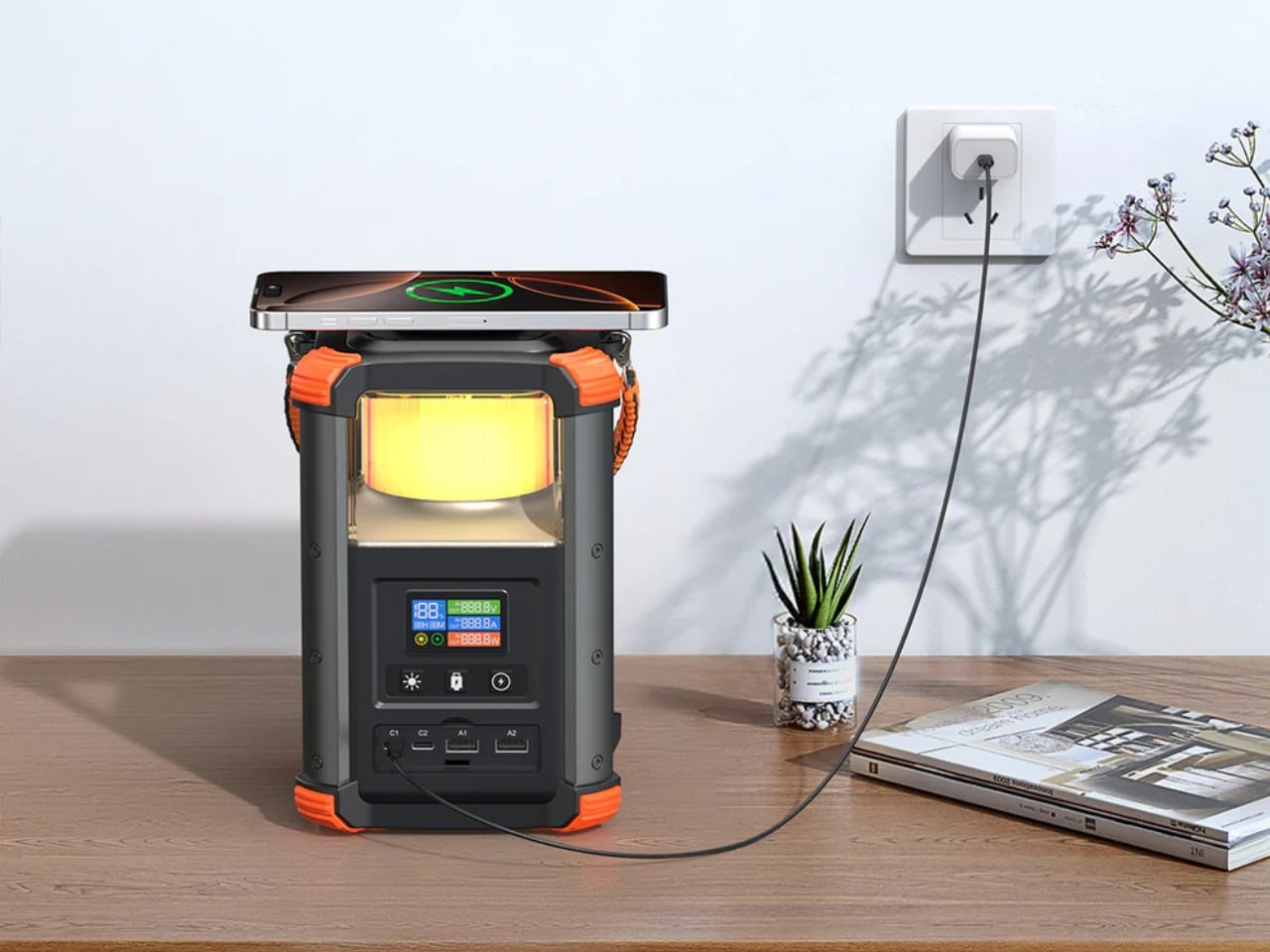
Aviation rules around lithium batteries have changed significantly in 2026 — multiple major carriers now ban in-flight power bank use entirely, and the regulations are still tightening. Most power bank manufacturers have responded to this by doing nothing. RedMagic responded by designing for the regulation directly. Their power bank includes a dedicated flight mode switch that disables active output functions on command, aligning with carrier requirements that previously involved gate-side arguments about a device nobody could quickly verify.

The one-touch flight mode cuts wireless transmission instantly, transforming a potential boarding problem into a one-press demonstration. Beyond the compliance story, the honeycomb aluminum finish suggests RedMagic wants you to leave this on your desk even when you are not traveling — a power bank that earns surface rights rather than disappearing into a pocket. For a brand that built its credibility making hardware for people who care about how their tools look and feel, the application to travel infrastructure is a natural extension rather than a category stretch.

What we like:

  • The dedicated flight mode switch turns a potential boarding conflict into a physical demonstration rather than a verbal explanation
  • Honeycomb aluminum finish gives the device a desk presence that most power banks, designed purely for pocket anonymity, never consider

What we dislike:

  • The flight mode feature is more useful than ever, but represents a design workaround for a regulatory gap that clearer aviation policy could simply close
  • Gaming-adjacent branding will read as the wrong register for some professional nomads who prefer their gear to carry no identity beyond the work

6. Centarui80

Fifty years of keyboard design produced better switches, heavier plates, and an entire hobbyist economy built around sound profiles — but the object itself stayed stubbornly analog in its ambitions. The Centauri80 breaks that contract. MelGeek embedded a 1.78-inch OLED touchscreen directly into the board at 325 PPI, the same pixel density as an Apple Watch face, alongside a physical rotary encoder called the Super Dock. Live wallpapers, macros, and lighting adjustments happen on the board itself, without alt-tabbing out of whatever the afternoon actually requires.

The engineering underneath supports the ambition. Six microcontroller chips drive TTC Flip King Hall Effect magnetic switches to 0.125ms latency at an 8000Hz polling rate — numbers that make the 80% aluminum unibody the most responsive input device on most desks, not just the most considered one. At $299 from MelGeek’s own store, the Centauri80 competes directly against the Wooting 60HE and the rest of the Hall Effect field while carrying something none of them have: a visual interface that turns the keyboard into a control surface with its own design language.

What we like:

  • A 325 PPI OLED screen embedded into the board makes macro and lighting control a keyboard-side interaction rather than a software detour through a menu nobody enjoys navigating
  • Hall Effect magnetic switches at 8000Hz polling deliver the kind of input responsiveness that makes every other keyboard in the same price range feel noticeably behind

What we dislike:

  • An onboard touchscreen and six microcontroller chips add genuine complexity to a device category where simpler hardware has historically outlasted ambitious feature sets
  • At $299, the Centauri80 is considered a purchase rather than an impulse one — the OLED and polling rate premium asks for conviction before checkout

7. Orbitkey Desk Mat

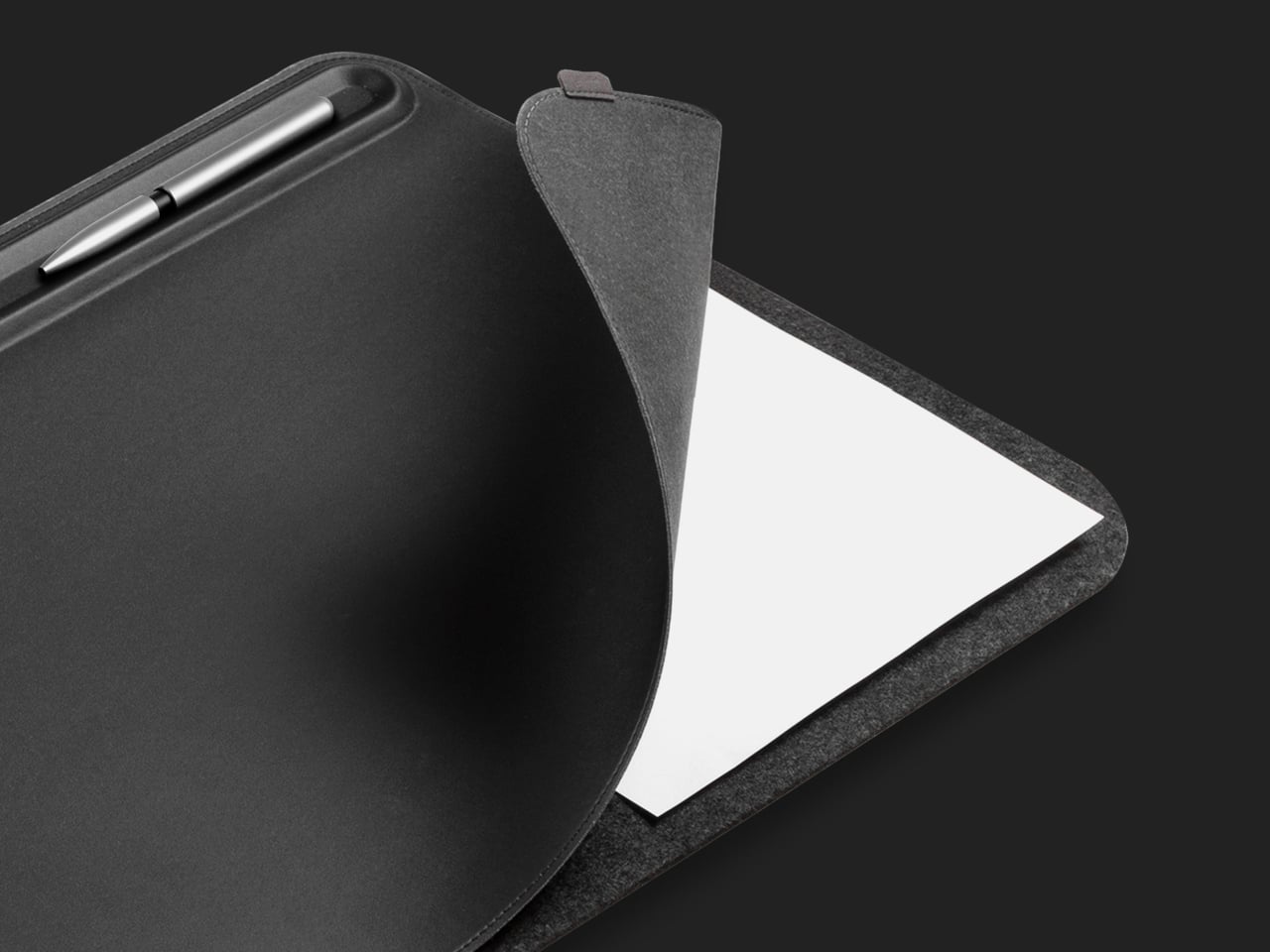
A borrowed table is still a borrowed table until something on it says otherwise. The Orbitkey Desk Mat doesn’t announce itself — it simply reframes the surface it occupies. Full vegan leather across the top, recycled PET felt underneath, a document slot along the upper edge, and Qi wireless charging embedded invisibly into the upper-right zone. Place a phone there, and it charges. No cable surfaces anywhere in the composition. The mat claims the desk and turns it into something that belongs to you, at least for the session.

It rolls tight enough to travel inside most laptop sleeves, deploys completely flat, and develops a surface character over months of use that reads as the quality indicator it actually is. Magnetic cable holders keep charging cables from drifting off the edge mid-session. A pen loop stitched into the left side holds exactly one pen. These details were thought through rather than listed on a spec sheet, which is the difference between a product designed for desk photography and one designed for daily work. At $99.90, it is the kind of surface investment that compounds quietly over the years.

What we like:

  • Wireless charging disappears so cleanly as a feature that it stops being a feature and becomes simply a behavior: phone down, phone charges
  • Rolls compactly enough to travel inside a laptop sleeve, adding no dedicated bag volume to the packing equation

What we dislike:

  • Wireless charging tops out at 10W, making it a passive convenience layer rather than a serious fast-charging solution
  • The leather surface requires periodic conditioning at the fold line after extended travel use to maintain its original finish

8. HubKey Gen2

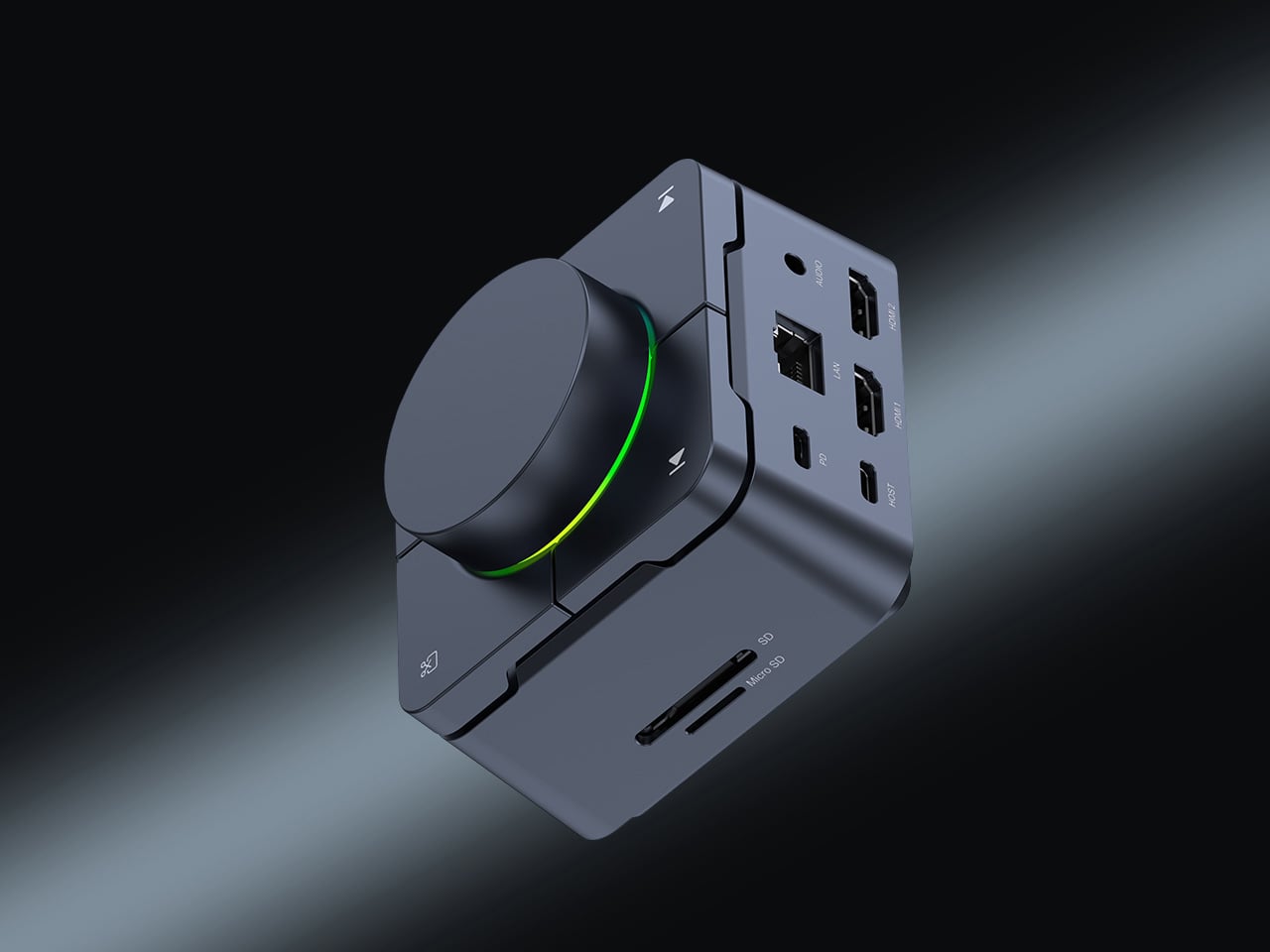
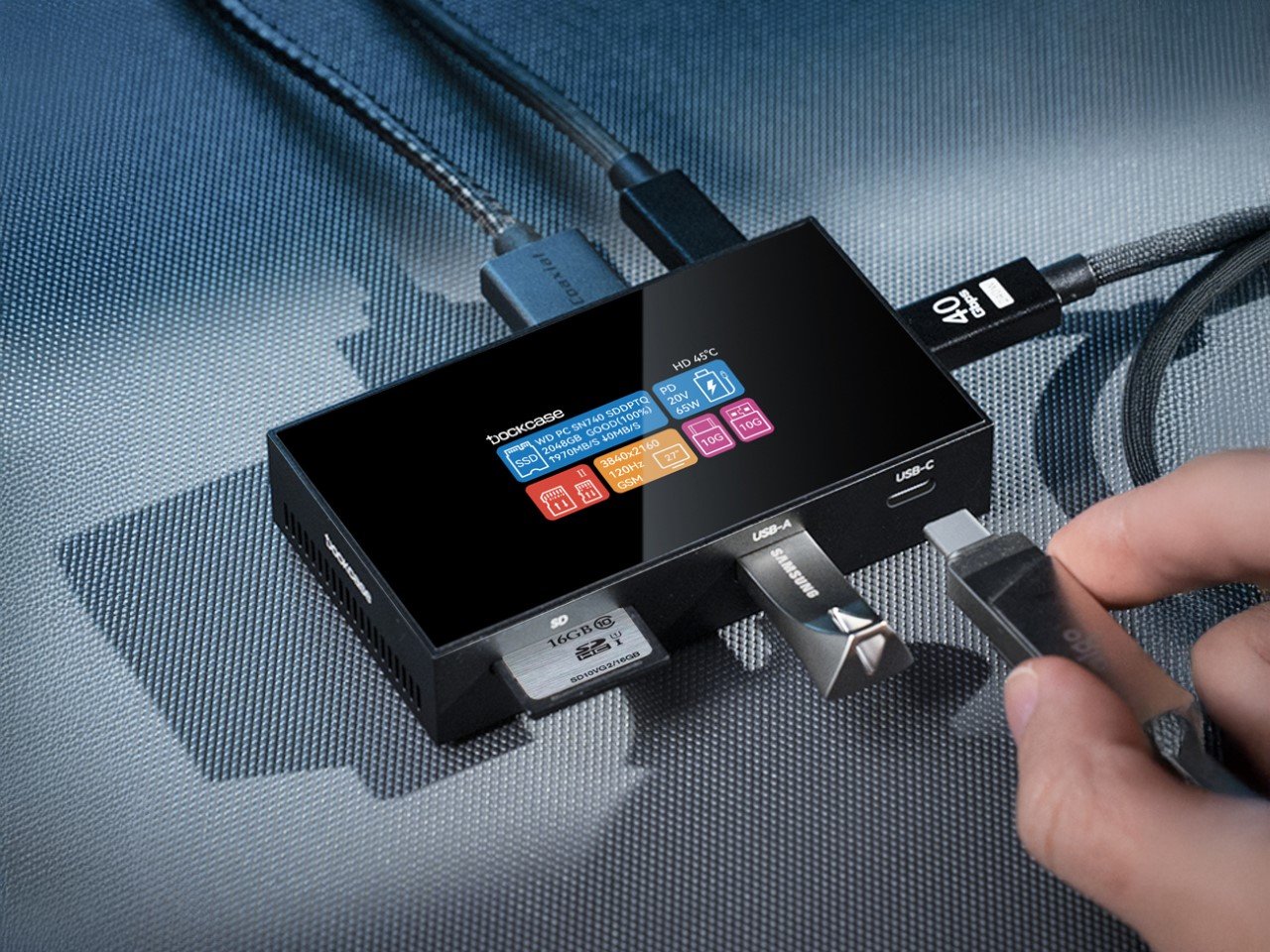
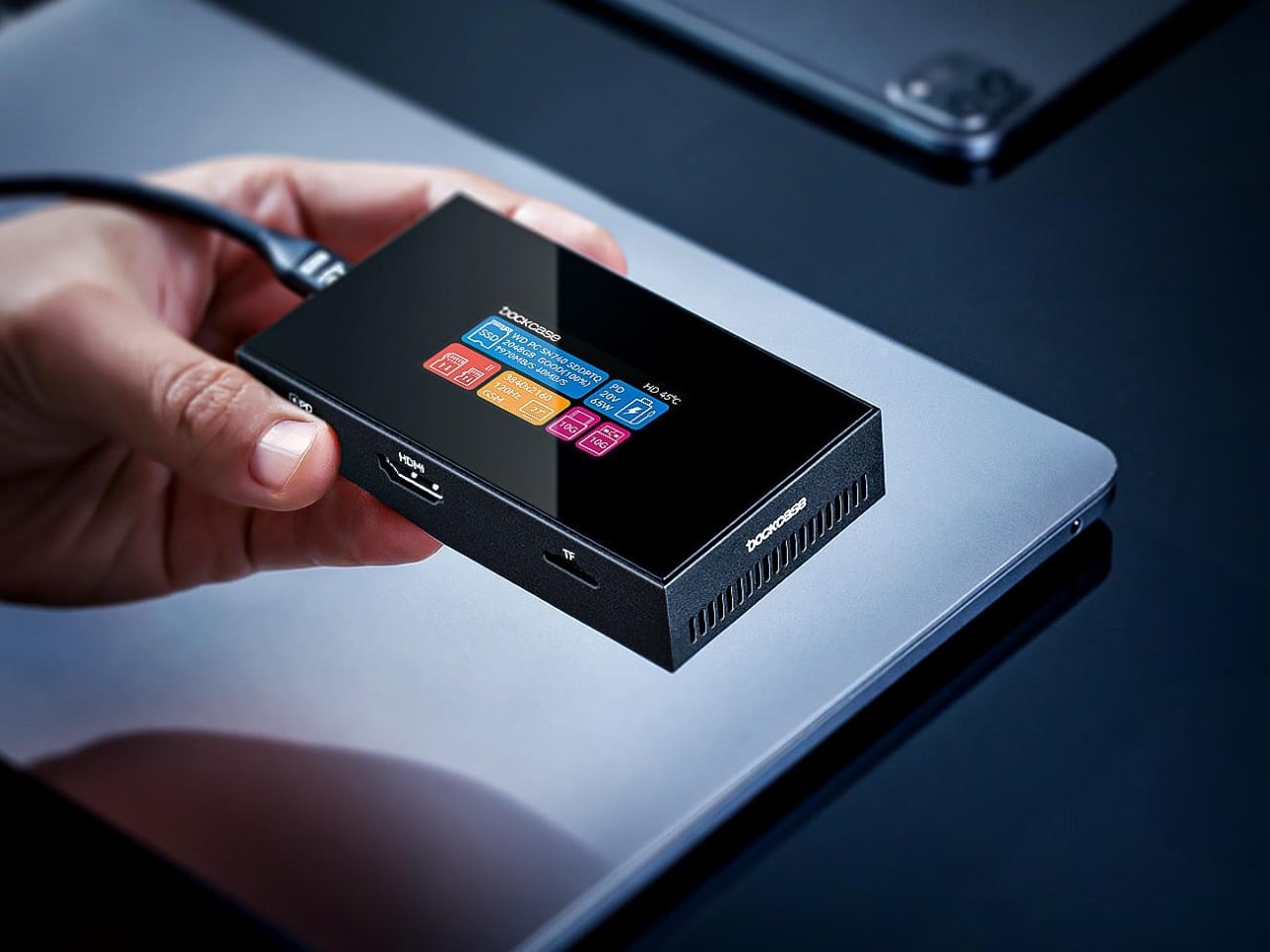
Every modern ultrabook ships with two USB-C ports. Every modern nomad workflow needs more than two ports running simultaneously. The HubKey Gen2 resolves the gap with eleven connections in one compact 7 × 7 × 3cm cube: dual 4K/60Hz HDMI outputs, USB-A 3.1, USB-C 3.1, SD and TF card readers, 2.5Gbps ethernet, a 3.5mm audio jack, and 100W power delivery through a single cable into the laptop. The port problem disappears from the workflow rather than being permanently managed around it.

The programmable shortcut keys and central control knob on the top panel are what distinguish this from a standard travel hub. Volume, mute, display toggle, and screenshot become physical actions handled by the left hand while the right hand stays on the mouse. For nomads driving external displays across video calls and creative sessions in co-working spaces, turning a connectivity device into a tactile control surface is the kind of upgrade that feels immediately obvious on the first day and genuinely irreplaceable from the second. The cube form fits anywhere without announcing itself.

What we like:

  • Dual 4K/60Hz HDMI outputs let you build a two-monitor workstation from a single cube that fits inside a laptop sleeve pocket
  • Programmable shortcut keys and a control knob give the desk a physical control layer that no other travel hub currently offers

What we dislike:

  • Tightly spaced ports mean thick cables or large flash drives can crowd each other along the edges during a fully loaded setup
  • The cube form, while genuinely compact, is less pocketable than flat card-style alternatives when volume and weight are being counted carefully

The Desk You Build Is Better Than the One You’re Given

The kit assembled here is not a packing list. It is a position that the tools a nomad carries every day deserve the same design attention as the work those tools are used to produce. A mouse that folds with geometric logic. A clock answered by rolling it. A charger that stopped being three separate objects. A hub that turned its top surface into a control panel. Each object solves a specific problem in a way that leaves the desk better than it found it.

The best version of working from anywhere is not about freedom from a particular address. It is about arriving at any table with a kit that makes the table feel chosen. These eight products do that together in a way that none of them manages alone — and that is the standard worth holding to when every other square centimeter of the bag is already spoken for.

The post 8 Best Digital Nomad Gadgets of 2026 That Make Your Laptop Bag Look Like a Design Studio first appeared on Yanko Design.
8 Father’s Day EDC Gifts So Good We Bought Them for Ourselves First

The best Father’s Day gifts aren’t found in department store gift sets or tucked inside branded packaging. They live somewhere more specific, in the overlap between things a man reaches for every single day and things he’d never quite justify buying himself. Everyday carry occupies that exact territory. It’s a category built on considered objects: tools that earn their pocket weight, wallets that age beautifully, lights compact enough to forget you’re even carrying them.

Every product on this list passed a simple test. We asked whether we wanted to keep it after reviewing it, and in each case the answer was yes. These aren’t gifts bought by someone who doesn’t know the person. They’re objects that get used every single day, noticed by whoever sits across from your dad at dinner, and occasionally borrowed without being returned. Father’s Day is June 21. The window is closing.

1. RetroWave 7-in-1 Radio

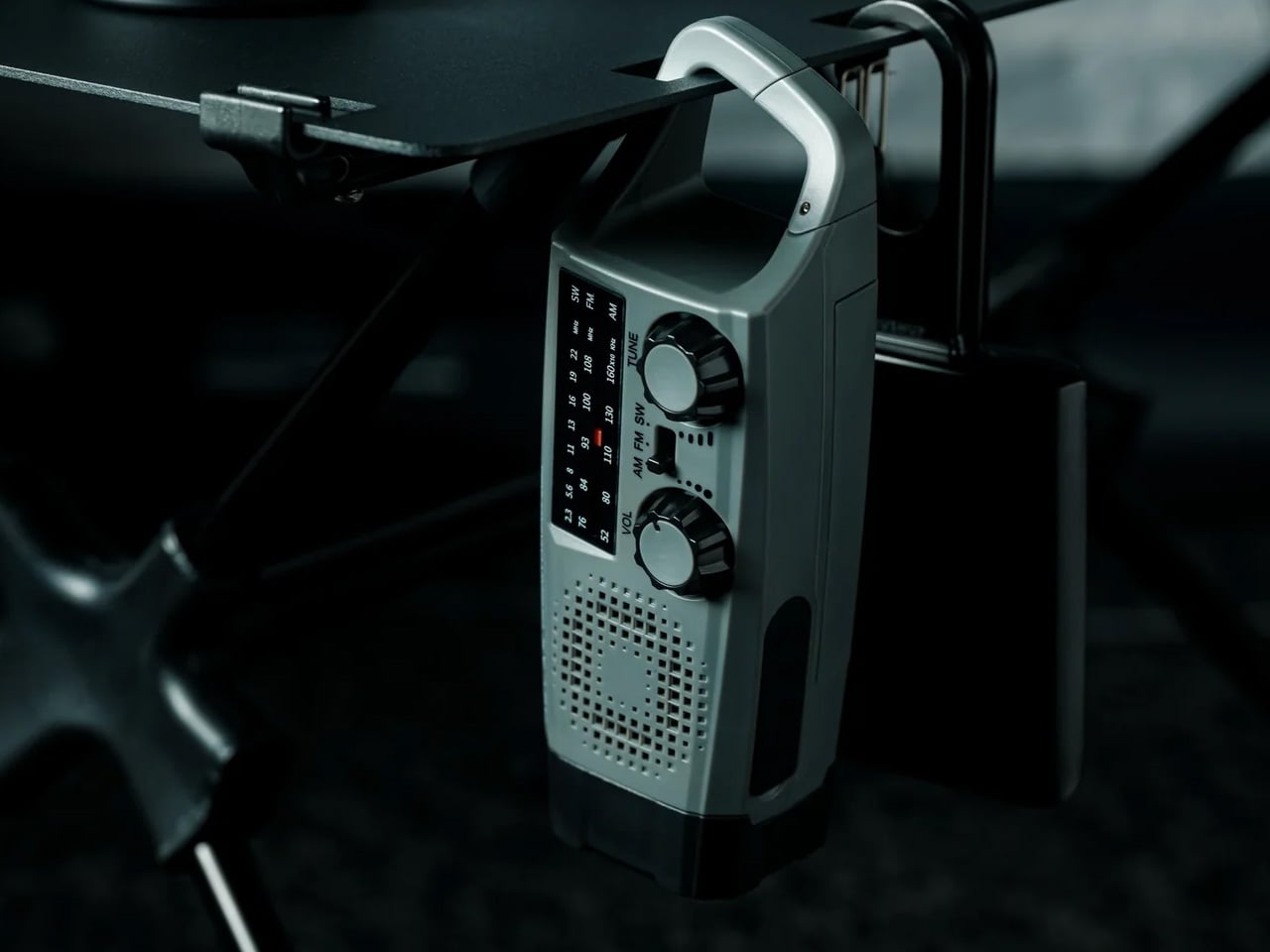
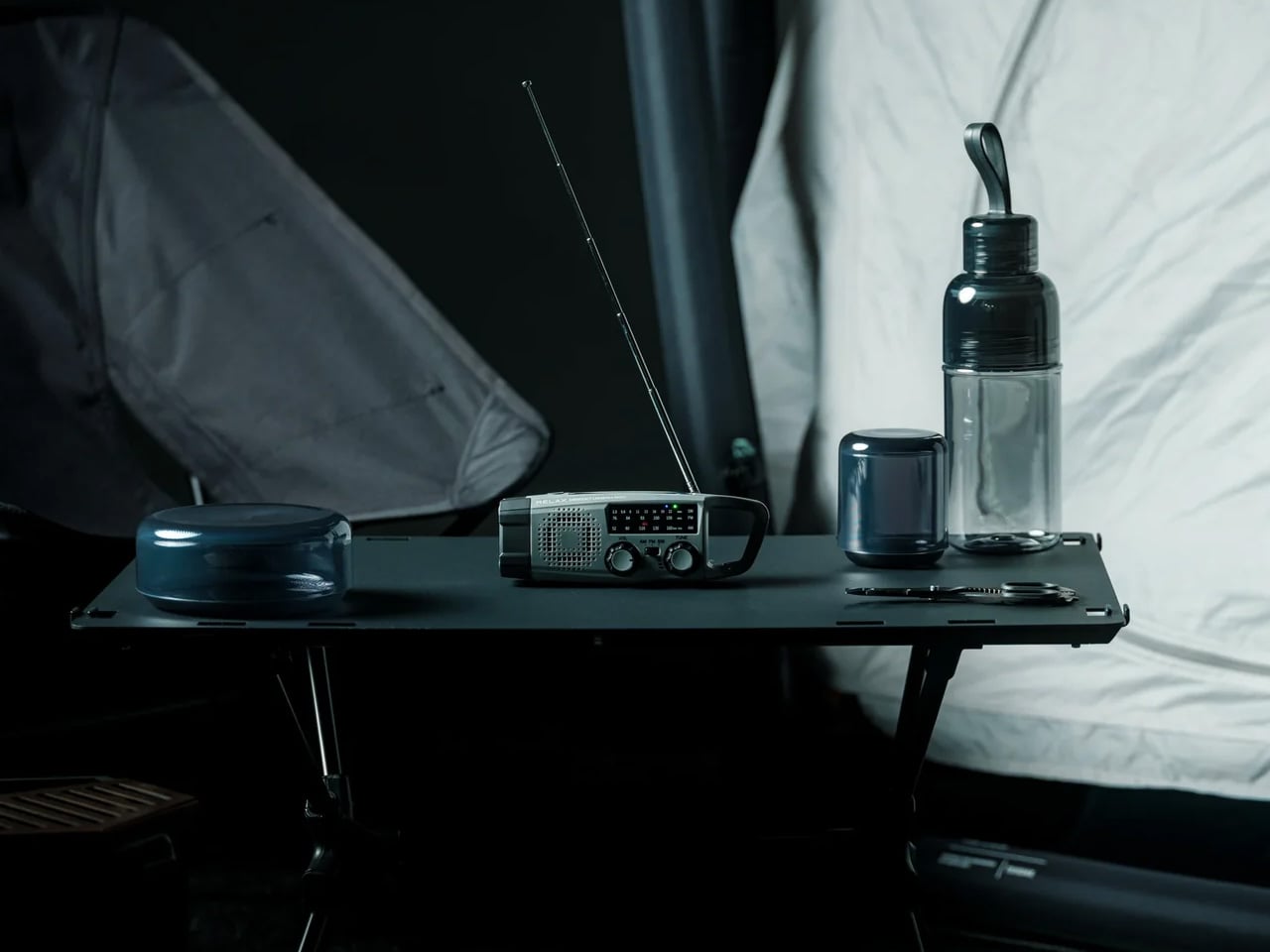
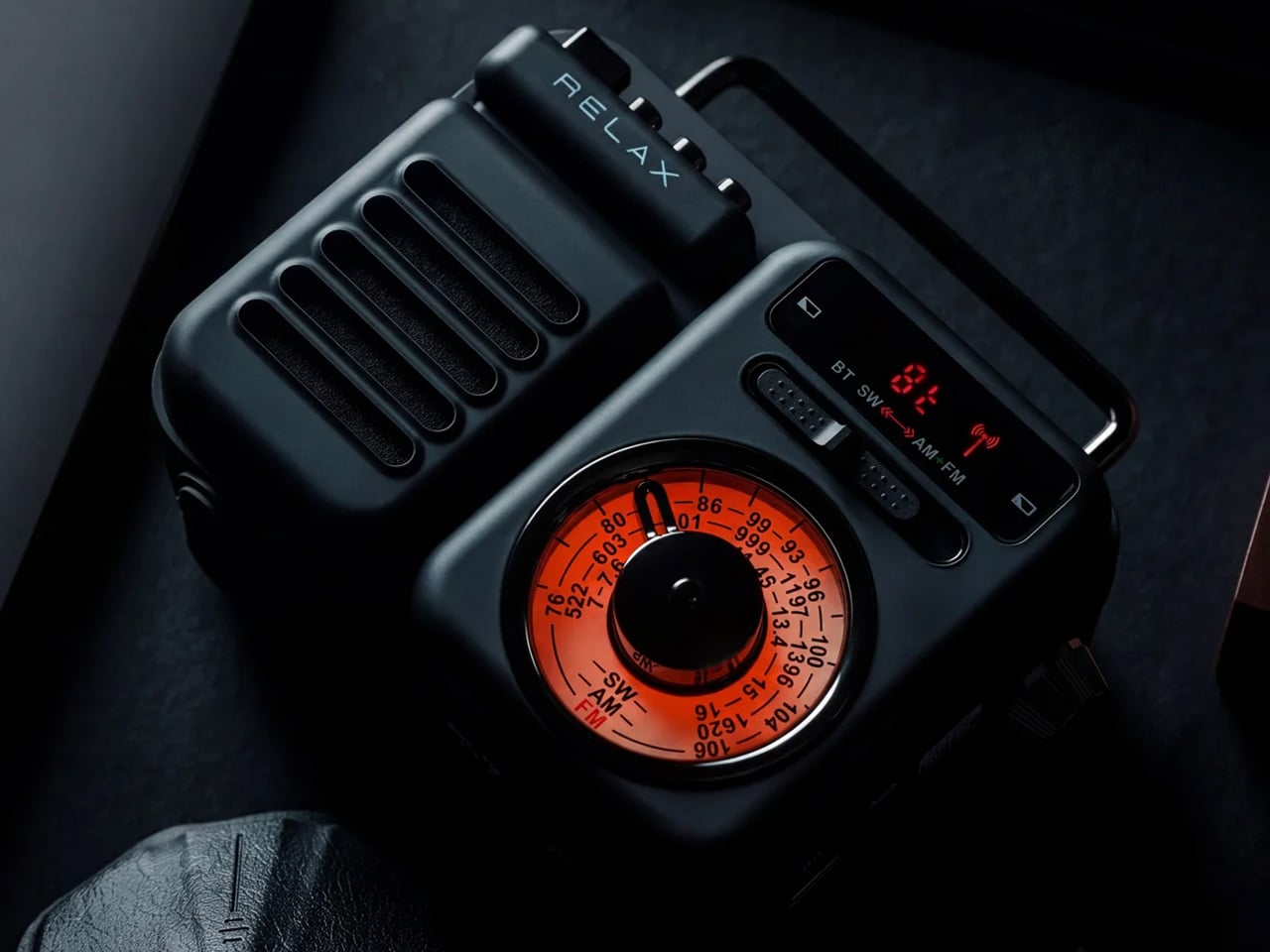
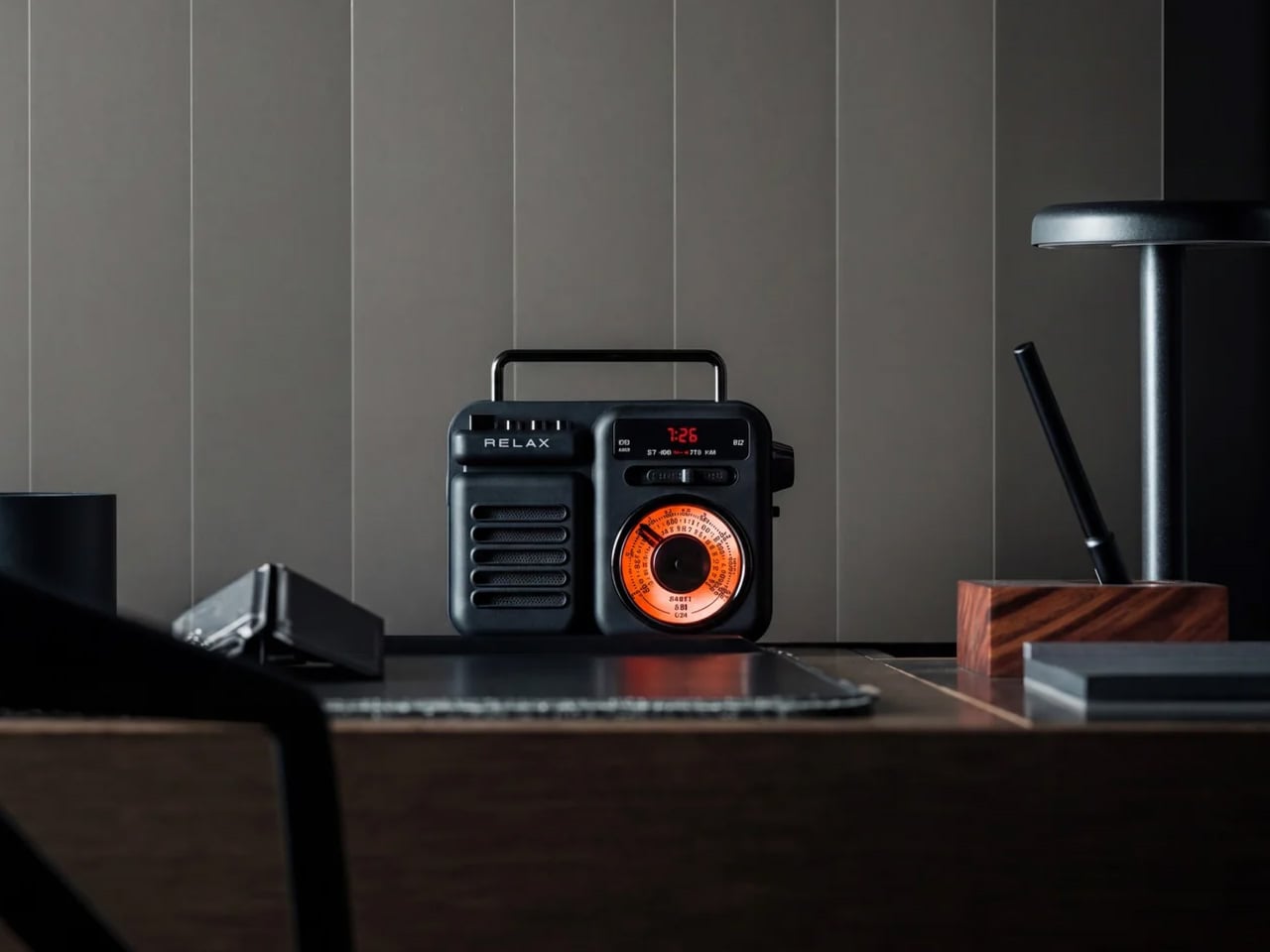
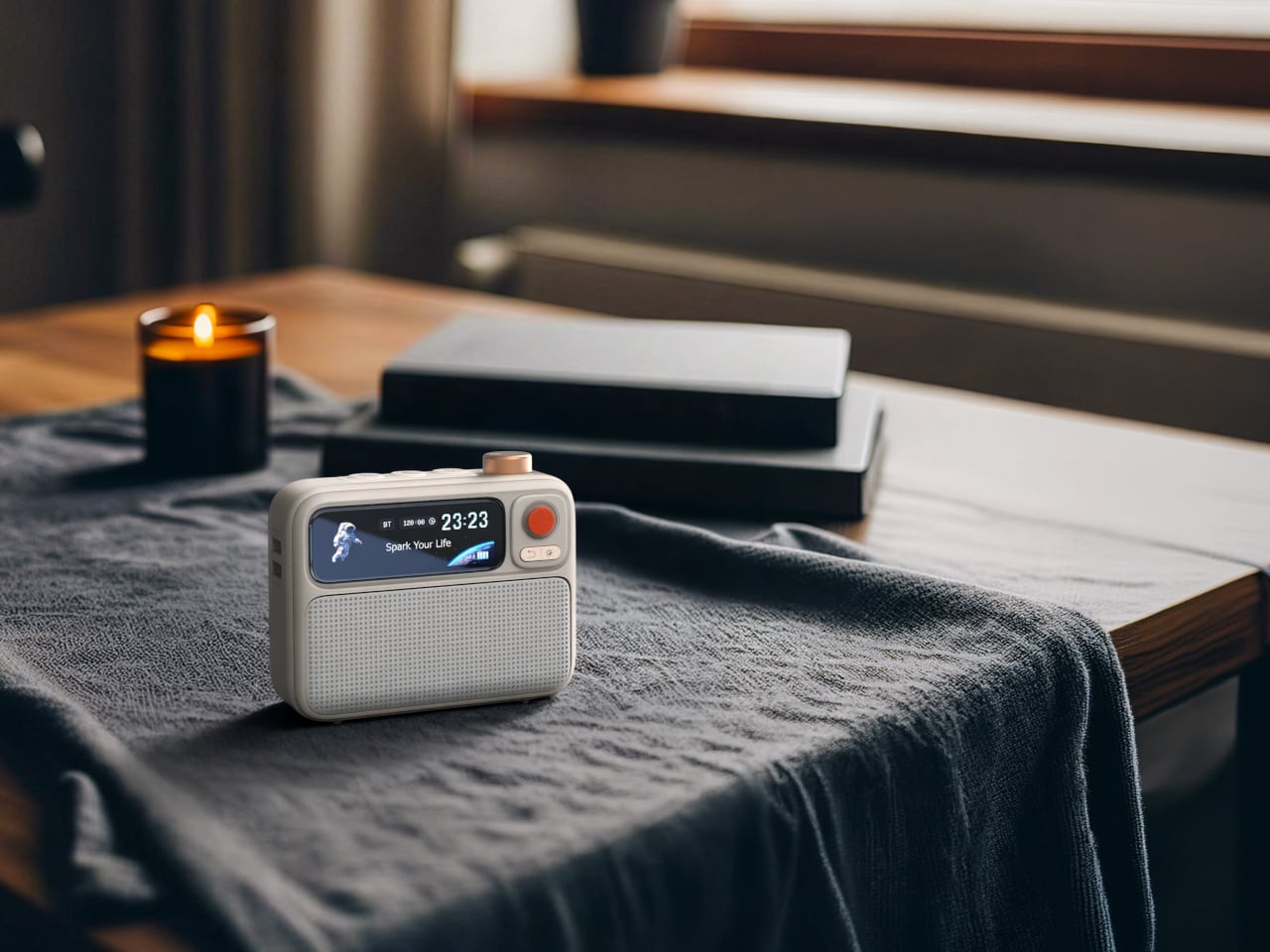
There’s a specific kind of object that doesn’t need to be the most useful thing in the room to earn its place there. It just needs to make the room feel more like itself. The RetroWave 7-in-1 Radio does exactly that. Built with analog dial aesthetics and a warm retro presence, it packs AM, FM, and shortwave radio alongside Bluetooth streaming into a form that looks like it was pulled from a better decade. For a desk, workshop, or kitchen counter, this is the object that earns its place through presence as much as performance.

The seven functions include AM, FM, and shortwave reception alongside Bluetooth connectivity, which means your dad can stream from his phone or tune into a local station without touching two different devices. The design language is deliberate and specific. This isn’t retro-themed tech; it’s a considered object that happens to be wireless. At $89, it doubles as a reliable emergency radio while looking like something a design museum would want on permanent display. That combination rarely arrives at this price.

Click Here to Buy Now: $89.00

What We Like

  • The design brings genuine character to whatever surface it occupies. Most modern speakers disappear into a room; this one earns a second look and usually a question about where it came from.
  • The AM/FM/shortwave plus Bluetooth combination covers both nostalgia and utility in one device, making it relevant in a power outage and equally relevant on a quiet Sunday morning.

What We Dislike

  • Anyone expecting audiophile-level output from a compact lifestyle radio will need to adjust expectations. This is a design object first and a speaker second.
  • The retro aesthetic is specific enough that it won’t suit every interior. A very minimal, contemporary space may not be the right home for it.

2. Cubik Knife

The Cubik by IF opens the way a gravity-defying trick should: tilt the handle downward and the blade deploys through gravity alone, no thumb pressure, no fidgeting. It’s a deployment mechanism that sounds like a party trick until you’ve used it, at which point it becomes the only way opening a knife makes any sense. The swappable blade design adds a layer of practicality that most folding knives refuse to offer. You replace a worn blade rather than retiring the entire tool.

For a father who carries every day, the Cubik makes the case that a pocket knife doesn’t need to look tactical to be genuinely useful. The block-shaped geometry of the closed handle sits flat in a pocket without printing or adding uncomfortable bulk. One-handed deployment is the default rather than the exception. Swappable blades mean the knife stays sharp in the way that actually matters: you replace the edge when it’s worn rather than tolerating a dull carry or buying another knife you didn’t need.

What We Like

  • The gravity-activated deployment is a genuinely original mechanism in a category that rarely produces genuine originals. It changes the entire experience of opening a pocket knife.
  • Swappable blades solve a problem every EDC knife eventually creates. A worn edge becomes a blade swap rather than a reason to start the whole search over again.

What We Dislike

  • The gravity deployment mechanism requires a specific wrist motion that takes some practice to execute cleanly. The first few attempts will feel more deliberate than effortless.
  • The block-form geometry is distinctive but not for everyone. Carry traditionalists who prefer the classic teardrop profile of a standard folding knife may find it takes genuine adjustment.

3. 8-in-1 EDC Scissors

Scissors aren’t the first thing most people consider when building an EDC kit, and that’s exactly the blind spot this tool exploits. The 8-in-1 EDC Scissors fold multiple functions into what looks, at a glance, like a compact pair of scissors. It’s the kind of object that rewards closer inspection. For anyone who carries every day, adding scissors to the rotation solves a daily inconvenience you didn’t realize existed until it isn’t there anymore, which is the best kind of problem-solving.

At 13cm closed, the scissors fit comfortably in a pocket, bag inner sleeve, or travel kit without creating bulk. Each of the eight functions is genuinely useful rather than included for the sake of a number on the packaging. For a father who travels, works with his hands, or simply encounters the daily friction that a well-made compact tool resolves without ceremony, this is the gift that earns a permanent spot in the rotation within the first week of carrying it.

Click Here to Buy Now: $59.00

What We Like

  • The scissors-first form factor makes this genuinely different from every multitool on the market, solving a carry gap that most people don’t notice until they’re reaching for something that isn’t there.
  • It’s compact enough to slip into a shirt pocket or travel kit without adding meaningful weight, which means it disappears into the kit until the exact moment it’s needed.

What We Dislike

  • Multi-function scissors tools involve a compromise at the individual tool level. For heavier or more frequent use, a dedicated pair will always outperform a compact version.
  • The scissors form factor doesn’t visually communicate all eight functions, so your dad may need a quick walkthrough before he fully understands what he’s been given.

4. Loop Gear SK05Pro MAO

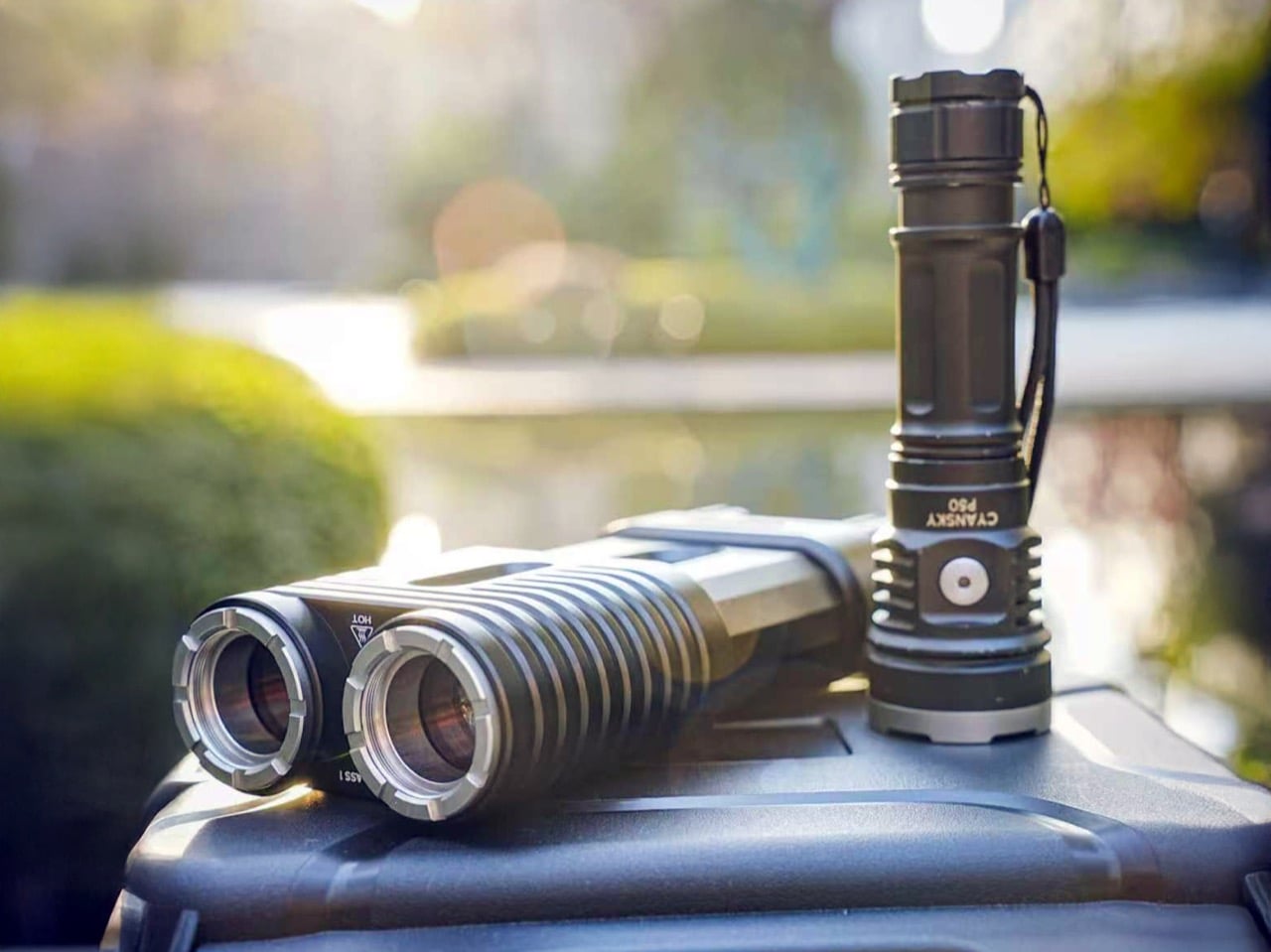
Most people don’t carry a flashlight because they’ve never had one small enough to forget they were carrying it. The Loop Gear SK05Pro MAO resolves that argument with 4,360 lumens from a body small enough to disappear into a front pocket. The MAO finish gives it a matte oxidized appearance that reads more like a precision instrument than a hardware store purchase. The output range spans from a low moonlight mode useful enough for reading to a maximum that makes darkness feel briefly offensive.

The built-in power bank turns what could have been a single-purpose tool into something considerably more useful during travel, camping, or the daily commute. Your dad can top off his earbuds or phone without reaching for a separate charging brick. Magnetic charging keeps it perpetually ready on a desk or nightstand without cables to manage. At $111.99, this is the most useful thing most men aren’t currently carrying, and the smallest possible argument against that continuing to be true.

What We Like

  • The 4,360-lumen output from a pocket-sized body resets what you expect from compact carry lighting. The size-to-output ratio is genuinely remarkable at this form factor.
  • The built-in power bank adds a second use case that justifies the carry weight entirely. One object replaces two, which is the only math that matters in EDC.

What We Dislike

  • The built-in power bank adds some bulk compared to a pure flashlight at this size. Anyone optimizing purely for minimal weight may prefer a single-function alternative.
  • At $111.99, the SK05Pro MAO is the highest-priced item on this list. The quality justifies it, but the number requires some confidence when wrapping the gift.

5. Titanium 6-in-1 Multi-Tool

The case against most multitools is the same every time: too many functions included to justify buying a dedicated tool for each one, but not quite good enough at any single task to feel like the right choice when it matters. The COMANDI-CC Titanium 6-in-1 avoids that trap through restraint. Six functions, each genuinely useful: an adjustable wrench, a pry bar with nail puller, a screwdriver bit holder, a ratchet mechanism, a bottle opener, and a window breaker.

Machined from titanium, the tool carries the weight argument that most multitools can’t make cleanly. It disappears into a pocket without the heft that makes you leave tools at home on the days you most need them. At $95, it occupies the sweet spot between a novelty keychain gadget and a professional-grade tool. For a father who fixes things, builds things, or simply moves through the world with a preference for being prepared, this is the object that earns its carry without negotiation.

What We Like

  • Six genuinely useful functions rather than twenty marginally useful ones. The restraint in the feature count is the design decision that makes this worth carrying every day.
  • Titanium construction keeps the weight honest. A tool that stays in the drawer because it’s too heavy has already failed at its primary job.

What We Dislike

  • The adjustable wrench function works within a limited size range. Anyone needing serious torque will still need a dedicated wrench for anything beyond light fastening work.
  • The $95 price point is fair for titanium construction but sits above most impulse gift budgets. It rewards knowing your dad will actually reach for it regularly.

6. The Fantom X Wallet

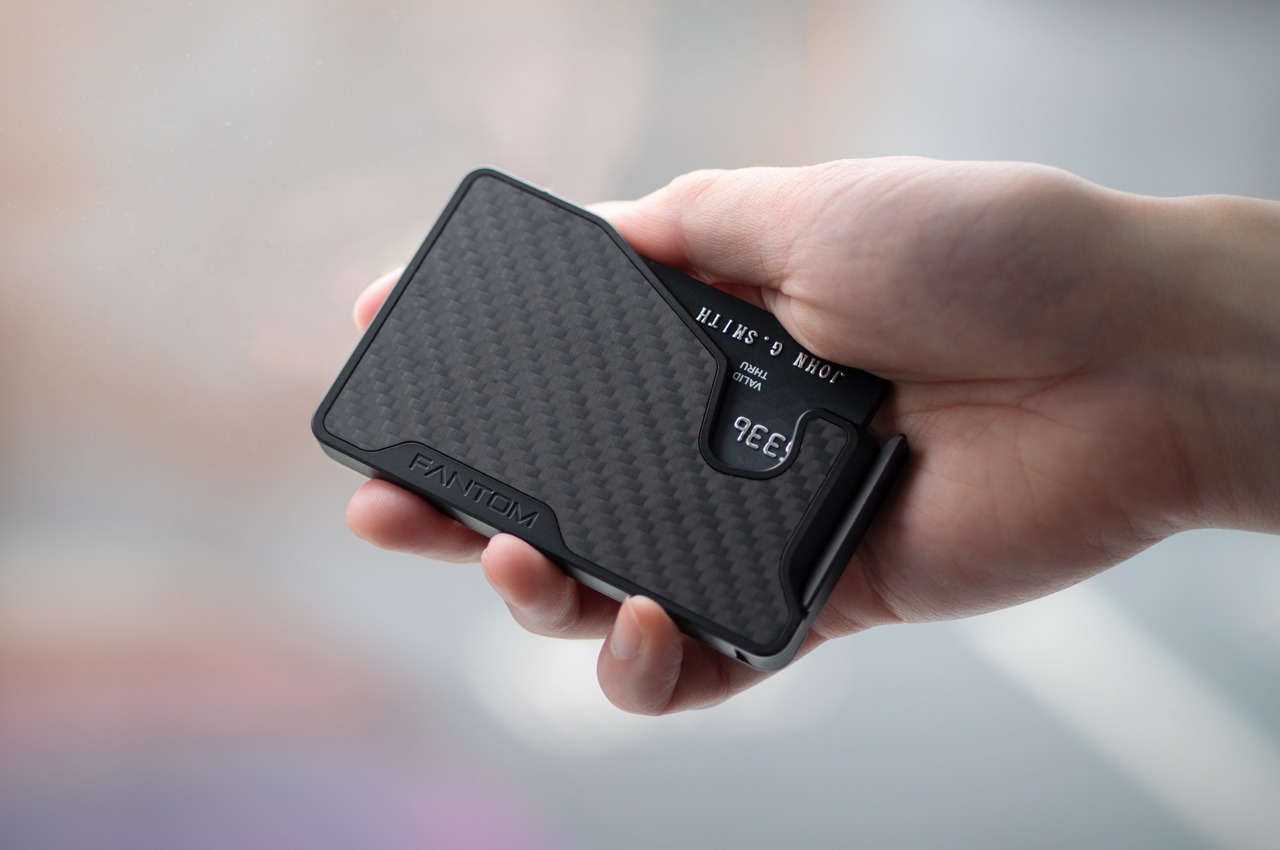
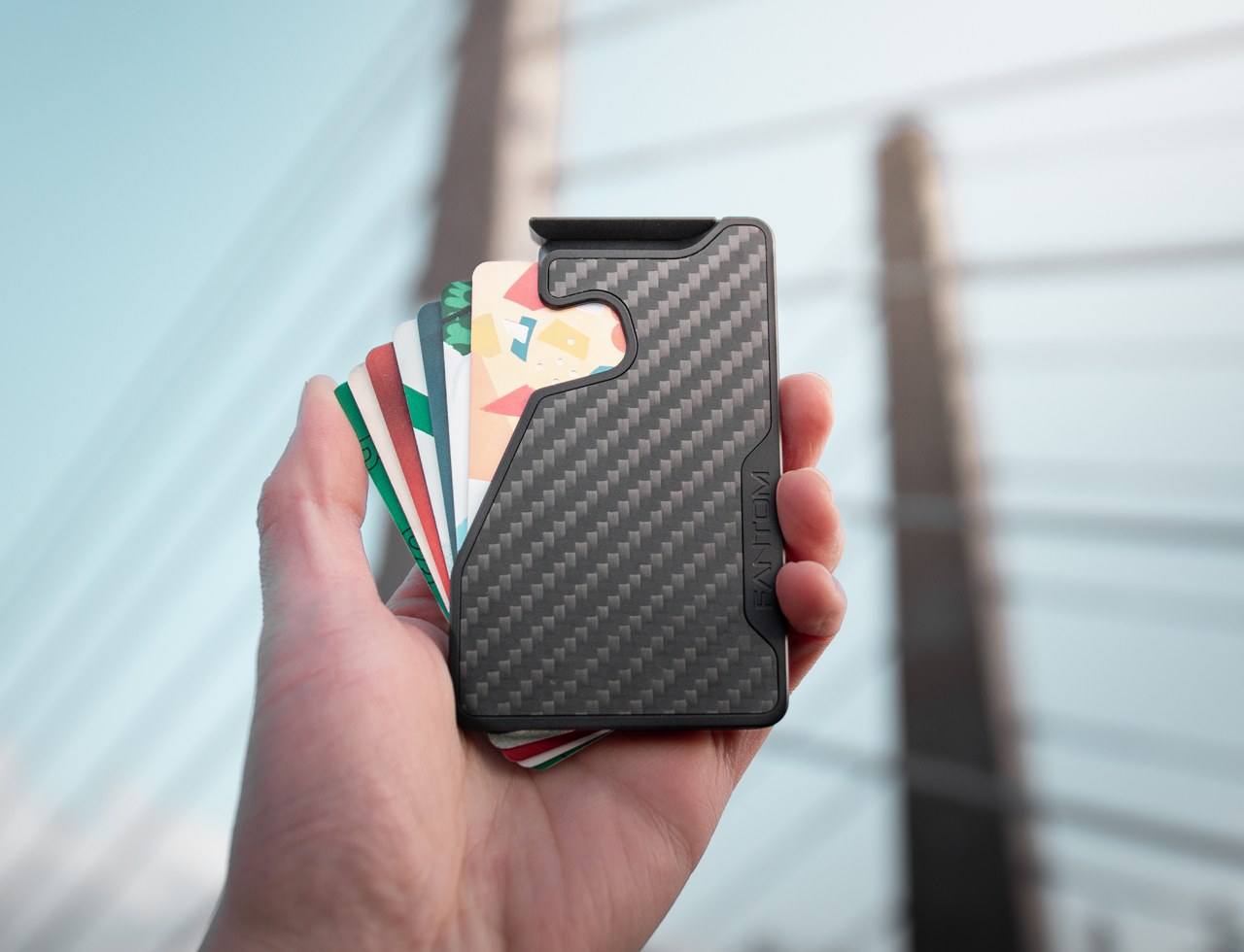
The Fantom X is the third wallet in Fantom’s minimalist series and the one that finally answers every objection the earlier versions created. It comes in three sizes, holding anywhere from seven to thirteen cards depending on which you choose, and the fan-out mechanism deploys your cards with a single thumb motion rather than the digging and shuffling that defines the billfold experience. For anyone still carrying a leather fold stuffed with loyalty cards and expired receipts, this is a confronting object.

The design forces a kind of carry discipline that turns out to feel like freedom once you’ve adopted it. The slim profile sits flat in a front pocket, eliminates back pocket bulge entirely, and never creates the sitting discomfort that makes poorly designed wallets quietly unbearable. For a father who carries a phone, keys, and cards as the complete daily kit, the Fantom X completes the minimalist triangle with something that looks as considered in the hand as the phone sitting next to it on the table.

What We Like

  • The three-size range means you can calibrate the gift to your dad’s actual carry habits rather than asking him to edit his entire wallet life to fit the product’s capacity.
  • The fan-out card deployment is the kind of mechanism that feels obvious in retrospect. Once you’ve accessed cards this way, the standard billfold feels like a design problem nobody bothered to solve.

What We Dislike

  • The Fantom X is a card-first wallet. Anyone who carries folded cash regularly will find the experience less seamless, and a separate money clip becomes an additional consideration.
  • The minimalist philosophy requires buying into the premise that fewer cards are better. Dads with full wallets may resist the transition more than the wallet deserves.

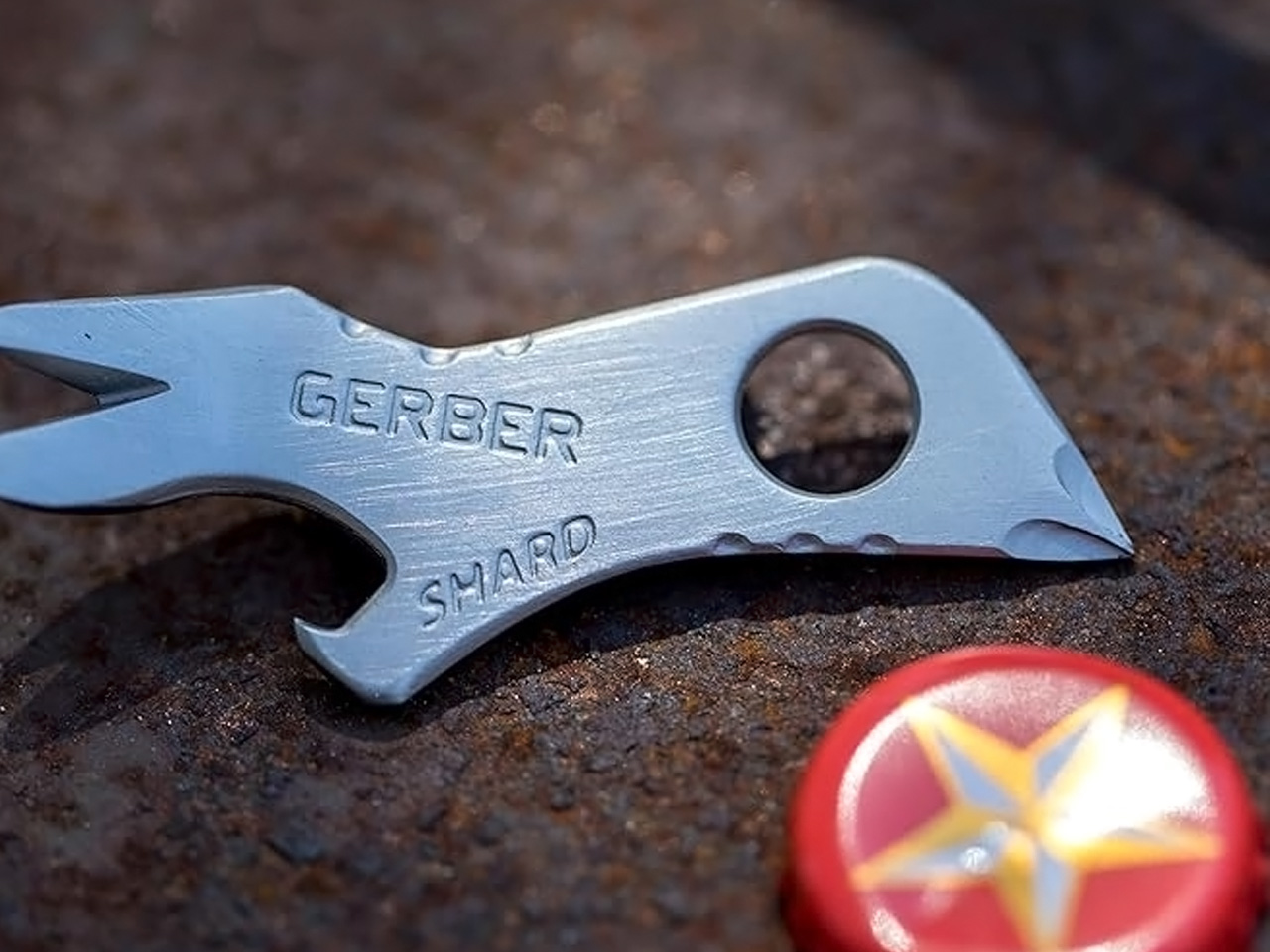
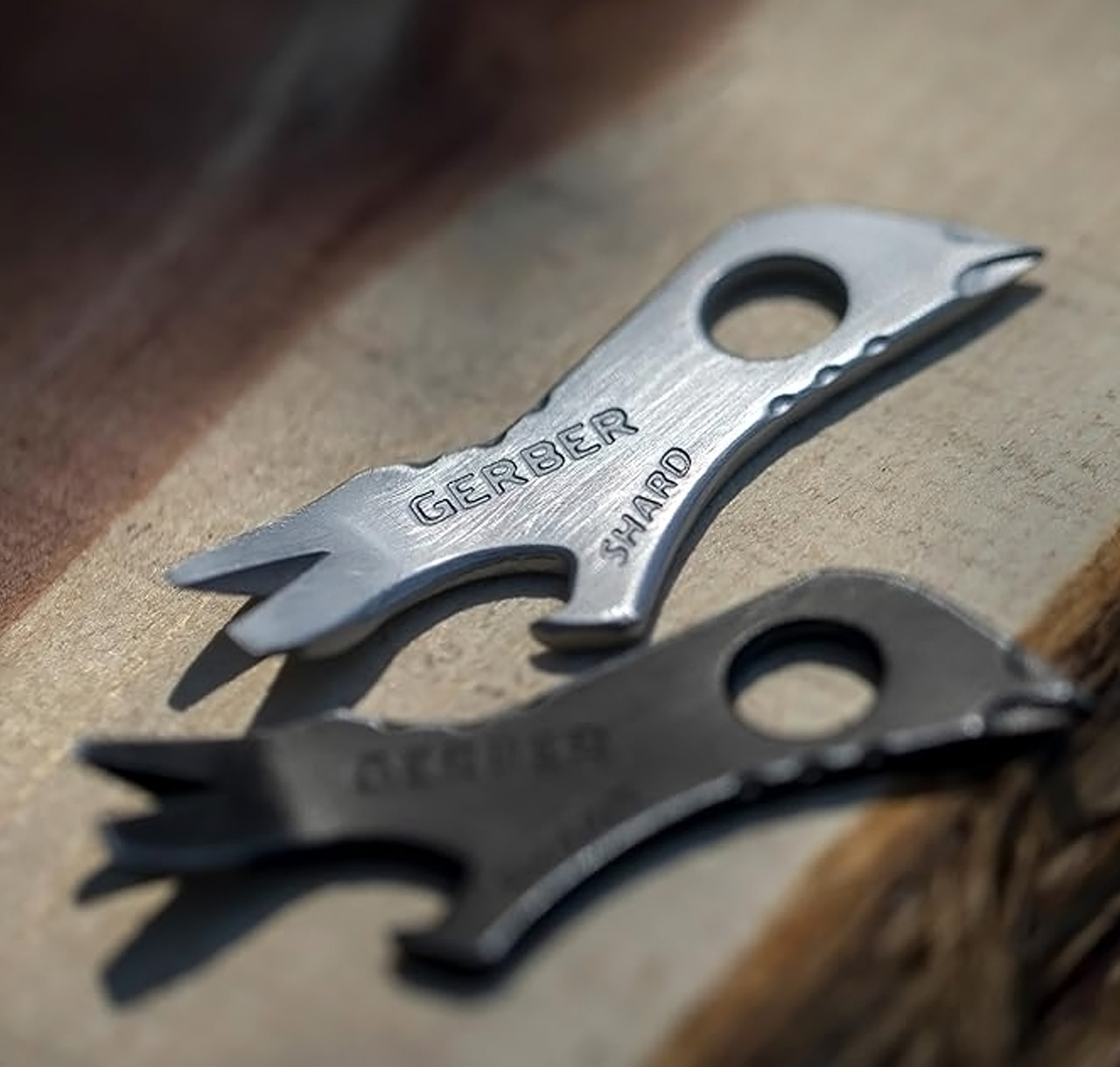
7. The Rodent Bottle Opener

Kairi Eguchi designs objects the way a good sentence is written: by removing everything that isn’t necessary until what remains is exactly right. The Rodent bottle opener is that philosophy applied to the most overlooked object in most men’s kitchens. The form references its namesake with just enough visual suggestion to reward the comparison without leaning on it. It sits in the hand the way a well-made tool should, with a presence that makes you reach for it over everything else on the counter.

For a father who appreciates objects that have been genuinely considered rather than generically manufactured, the Rodent is the kind of gift that communicates something specific about the person giving it. It says that you noticed the difference between a thing that works and a thing that works beautifully. An opener this considered earns a permanent place on the counter rather than a drawer. It’s also the gift on this list most likely to be commented on by a guest before being handed back.

What We Like

  • The design communicates its intent without explanation. You pick it up, you understand it, and you’re immediately aware it has been thought about far more carefully than the task usually demands.
  • The Rodent works as both a functional daily tool and a display-worthy object. Most bottle openers earn neither description. This one earns both without effort.

What We Dislike

  • The design specificity means it will resonate deeply with people who notice objects and matter very little to people who don’t. Know your audience before wrapping this one.
  • As a single-function tool, the Rodent works best alongside something else on this list rather than standing alone as the complete gift.

8. AirTag Carabiner

Losing things isn’t a character flaw. It’s a design problem, and the AirTag Carabiner is the most elegant solution to it available right now. Machined from Duralumin composite alloy, the same material used in aircraft, boats, and spacecraft, this carabiner clips onto a bag, bike, umbrella, or key ring and turns Apple’s AirTag into something worth carrying rather than something you tolerate carrying. The construction is individually hand-crafted, which means no two are identical, and the finish holds up in water and at altitude without complaint.

The genius of this object is that it doesn’t ask you to change your behavior at all. Snap it onto whatever you already own, drop an AirTag inside, and forget about it in the best possible way. For a father who travels, commutes, or simply moves through a life full of things worth keeping track of, this is the carry addition that works hardest precisely when he’s paying it the least attention. Available in Duralumin, untreated Brass, and Stainless Steel. Apple AirTag sold separately.

Click Here to Buy Now: $149.00

What We Like

  • The Duralumin composite alloy makes a serious material argument at a compact scale. This isn’t a novelty keychain accessory — it’s built from the same specification that keeps aircraft components intact under pressure.
  • The hand-crafted construction gives each carabiner a subtle individuality that mass-produced accessories never manage. It’s a detail your dad may not notice immediately, and will appreciate permanently once he does.

What We Dislike

  • The AirTag isn’t included, which adds to the total cost and requires a separate purchase. Worth flagging before wrapping, particularly if your dad isn’t already in the Apple ecosystem.
  • The carabiner’s opening gate is sized specifically around the AirTag form factor. Anyone hoping to clip it onto thicker straps or larger hardware may find the gate too narrow for comfortable daily use.

The Gift That Gets Used Every Day Is the Only Gift That Counts

Every gift here has something in common beyond the pocket it lives in. Each one rewards daily use rather than occasional appreciation, which is the only test a genuinely good gift should pass. Your dad isn’t going to look at a well-made multitool or a considered bottle opener once and put it in a drawer. He’s going to reach for it the next morning and the morning after that, until it stops being a gift and becomes just the thing he carries.

The best objects become invisible in the best way, so integrated into a daily routine that their absence would be noticed before their presence ever was. You’re not giving your dad something to unwrap on a Sunday in June. You’re giving him a new default, a small but lasting upgrade to the way he moves through every day after this.

The post 8 Father’s Day EDC Gifts So Good We Bought Them for Ourselves First first appeared on Yanko Design.
7 Best Japanese Tableware Finds That Will Make You Throw Out Every Generic Plate You Own

Most dinnerware is designed to disappear. Plates, bowls, chopsticks — they accumulate in cabinets and get used without being noticed, which is fine until you eat a meal set on something that was actually made with care. Then the gap becomes impossible to close. Japan produces more objects in that second category than anywhere else on earth, not because of tradition for its own sake, but because the Japanese design standard demands that everyday tools perform well and look considered doing it.

These seven pieces represent that standard in different forms — a lacquered cedar bowl from Hida Takayama, a folding knife that rests on the rim of a plate, a porcelain cup that invites you to finish designing it yourself. None of them is a status object or a conversation piece. They are tools for eating, built by people who decided that the distance between acceptable and excellent was worth the extra work.

1. Higashi Shunkei Hida-Cedar Lacquer Bowl

The forests around Hida Takayama cover ninety-two percent of the city’s land, and Higashi Shunkei has been sourcing cedarwood from them for sixty-eight years. The bowls they make are not the obvious Japanese craft choice — that would be ceramic — but cedar carries properties that ceramic cannot replicate. The wood grain in Hida cedar is unusually hard, with softer spaces between grains, making it difficult to process and rare even within Japan. Each bowl is spun on a lathe and finished by hand before a single coat of lacquer is applied.

The lacquer goes on in layers through a process called Suri Urushi, each coat saturating the wood’s pores rather than sitting on top of them. The result feels dense, like ceramic, but insulates like wood, so hot soup stays warm while the bowl remains comfortable to hold. The color deepens with every year of use, meaning a bowl used daily for a decade looks more alive than the one you first bought. They come in rice and soup configurations, in red, black, or blue lacquer, and are dishwasher safe, which, for traditionally lacquered woodwork, is genuinely unusual.

What we like

  • Suri Urushi lacquering fuses into the wood rather than coating it, creating a surface that strengthens and deepens over time rather than peeling or chipping
  • Each bowl’s cedar grain pattern is unrepeatable, making every piece distinct without any designer having to engineer that distinction

What we dislike

  • Hida cedar’s rarity makes these bowls difficult to source outside Japan, and the original crowdfunding campaign that brought them to international attention has since closed
  • The color range of red, black, and blue is considered, but limited for those wanting a neutral or natural wood tone at the table

2. FineLine Aluminum Chopsticks

Forty rounds of refinement in Tsubame-Sanjo, Japan — adjustments to tip diameter, taper angle, grip texture, and balance in increments as small as 0.1mm. The Tsubame-Sanjo region produces surgical instruments and precision cutting tools, and that context matters here because the FineLine’s most important specification — a 1.5mm tip, roughly half the diameter of a standard pair — hides nothing. Metal chopsticks done poorly feel clinical and slippery. At this tolerance, applied through a century of metalworking discipline, they feel like the tool was always supposed to be this way.

The faceted body prevents rotation, which is the quiet frustration that round chopsticks impose across every meal. Standard chopsticks ask the hand to constantly realign the tips without the user ever quite noticing it. The FineLine removes that entirely. Anodized aluminum construction resists moisture, staining, and dimensional drift indefinitely, and the finish maintains the same grip feel years after first use as it did on day one. Available in ten satin anodized tones, the range is broad enough to suit any table setting built with intention.

Click Here to Buy Now: $30.00

What we like

  • The 1.5mm precision tip creates cleaner contact and greater control than any standard chopstick, turning precision eating into something that requires less effort, not more
  • The faceted anti-rotation body eliminates the constant silent grip corrections that round chopsticks demand, making long meals noticeably calmer

What we dislike

  • Metal chopsticks require a brief adjustment period for users conditioned to the natural flex and warmth of wood or bamboo pairs
  • A single colorway per pair means building a matched set across multiple tones requires purchasing separately

3. FineLine Chopstick Rest

The FineLine Chopstick Rest carries the same design logic as the chopsticks themselves: anodized aluminum, matching satin finish, the same restraint applied to a form most table settings never think about. Set the chopsticks down between courses, and the rest hold them at a clean angle above the cloth, keeping the tips off the surface without drawing any attention to themselves. This is the table setting equivalent of good posture — it contributes to the overall impression without announcing that it’s working at all.

On a table assembled with care, the rest completes the system. The FineLine chopsticks and their rest read as a single considered object rather than two separate purchases, which is not something many tableware accessories manage. The matching color options mean every tonal decision across the pair, and the rest can be made deliberately, whether the goal is a perfectly uniform setting or a considered contrast that only becomes legible when the whole table comes together.

Click Here to Buy Now: $20.00

What we like

  • Shares the exact anodized finish and color range as the chopsticks, reading as a unified system rather than a matching accessory treated as an afterthought
  • Holds chopstick tips cleanly above the table between courses without any visual interruption to the setting around it

What we dislike

  • Designed around the FineLine form factor, making it a less natural pairing with wider traditional wooden or bamboo chopstick styles
  • Holds chopsticks only — no accommodation for spoons or additional cutlery alongside a mixed table setting

4. Oku Folding Knife

Scottish artist and metalworker Kathleen Reilly spent time living in Japan before designing the Oku Knife, and that experience shows in the problem she chose to address. In Japanese table settings, chopstick rests elevate the tips off the surface between bites, keeping them clean and the cloth unstained. Reilly asked whether a Western table knife could carry that same principle. The result is a handle folded ninety degrees from the blade, letting the handle rest flat on any surface while the blade sits perpendicular to it, never touching the table.

The blade can also hook onto the rim of a plate, held cleanly in position between uses. Reilly worked with craftsmen in Tsubame — the same metalworking city behind the FineLine chopsticks — using generations-old handcrafting techniques in stainless steel. The inner curve of the handle makes it comfortable to hold despite the unconventional angle. The name Oku comes from the Japanese word for “to place,” and the entire object functions as a design argument: that where a tool rests between uses is part of how it should be designed, not an afterthought left to the user to solve.

What we like

  • The handle’s ninety-degree fold solves a genuine table hygiene problem with a form that addresses it structurally rather than requiring a separate accessory
  • Handcrafted in Tsubame using traditional metalworking techniques, carrying genuine craft lineage from one of Japan’s most respected precision metalworking cities

What we dislike

  • The unconventional form reads as puzzling until its purpose is understood — guests unfamiliar with the concept tend to reach for it with visible hesitation
  • No direct retail pricing or purchase link was included alongside the original design feature, making sourcing require independent research

5. USUKIYAKI KIKKA Chrysanthemum Side Plate

Usuki ware disappeared for two hundred years. The kiln tradition of Usuki City, in Oita Prefecture, went dormant until ceramicist Usami Hiroyuki spent years reconstructing the technique from historical fragments and reviving it as a living practice. The KIKKA series is the clearest expression of what came back. Each plate is shaped using the Katauchi molding technique, producing soft petal-curved forms along the rim that suggest the chrysanthemum, the series is named after. The matte white finish sits in the register between porcelain refinement and handmade warmth, where the best Japanese ceramics have always lived.

At 9.5 centimeters across, the plate is scaled for the foods that benefit from their own surface: tsukemono, a few slices of sashimi, a piece of fruit, and a small side of tofu. The wavy petal rim casts small shadows across the table as the light shifts, so the space around the food changes throughout a meal without the food itself changing at all. Microwave and dishwasher safe, the KIKKA is not a display object saved for guests. It is a daily plate built from a tradition that came within a generation of being lost permanently.

What we like

  • The Katauchi petal rim casts a genuine shadow across the table surface, creating a dynamic visual quality that flat-rimmed plates cannot produce, regardless of glaze or material quality
  • Made by USUKIYAKI artisans reviving a tradition dormant for two centuries, giving each piece craft lineage that mass production cannot manufacture or approximate

What we dislike

  • Hand production means slight variation in petal form and glaze between individual pieces, which requires accepting rather than expecting uniformity across a matched set
  • At 3.7 inches in diameter, the scale suits side dishes only — it is not a main plate and should not be asked to function as one

6. Rodent Bottle Opener

Most bottle openers live in drawers and stay there until they’re needed. Kairi Eguchi’s Rodent opener for WELD DESIGN STORE takes the opposite position. It starts as an oval steel pipe, and only the section required to remove a bottle cap receives any intervention. The rest of the pipe is left as it came, preserving what the designer calls the raw, honest character of freshly cut metal. Advanced 3D pipe laser processing makes that minimal intervention possible with the precision the form requires.

The oval profile fits naturally in the hand and carries a weight that makes the act of opening a bottle feel deliberate rather than reflexive. The cutout is shaped after a rodent’s tooth structure — which gives the product its name — and works whether the user pulls down or up, adapting to hand position without adjustment. Available in silver or black, both finished with RoHS-compliant plating that meets environmental manufacturing standards. Slip it into a drawer, rest it on a bar cart, hang it from a cord. A form this reduced works in any context because it isn’t asking the space to accommodate it.

What we like

  • Minimal processing preserves the raw character of the steel, making material honesty the entire design statement rather than a supporting claim
  • The universal up-or-down opening mechanism adapts to different hand positions and bottle angles without any deliberate adjustment required

What we dislike

  • The pipe form is so reduced that it offers no immediate visual indication of function to someone encountering it for the first time
  • A single-function object at a premium price point requires genuine appreciation of design reduction to justify over a utilitarian alternative that does the same job for a fraction of the cost

7. Corcelain Modular Porcelain Cups

Designer Kosuke Takahashi collaborated with 224 Porcelain — founded in 2012 in Ureshino City, Saga Prefecture, drawing from the Hizen-Yoshidayaki ceramic tradition — to produce the Corcelain collection. Each cup arrives from the kiln as a finished, functional vessel. It is also a starting point. Precision-engineered mounting points built into the porcelain accept 3D-printed attachments: feet, handles, lids, decorative elements, configurations that shift the same cup from a morning tea vessel to an evening sake cup without replacing the ceramic itself. The object you buy is the beginning of the design, not the end.

Takahashi’s work centers on systems rather than individual objects, and the Corcelain reflects that orientation. The 3D-printed components are engineered to match the quality and finish standard of the ceramic base, and downloadable models on MakerWorld allow users to create their own attachments — a community of makers extending a traditional craft studio’s output through digital fabrication. The collection makes an argument ceramics rarely voice aloud: that a vessel does not need to be fixed to be complete, and that the user’s participation in determining its final form is a legitimate part of what it means to be designed.

What we like

  • The modular system lets users configure handles, feet, and lids to preference, turning a traditional ceramic vessel into something co-designed rather than simply purchased and placed
  • Downloadable 3D models on MakerWorld mean the attachment ecosystem is open rather than proprietary, extending the object’s possibilities beyond what either collaborator initially designed

What we dislike

  • The modular concept requires access to a 3D printer to unlock the system’s full range, adding a technical barrier for users without that setup at home
  • 3D-printed components alongside hand-thrown porcelain require some design literacy to read as intentional rather than mismatched across the same object

The Table You Set Says Something — Make Sure It’s Worth Hearing

The thread connecting these seven objects is not minimalism as decoration. It is rigor — the decision to apply serious thought to a bowl, a knife, a rest for chopsticks, a cup that accepts attachments — and the willingness to spend more time on the object than the market strictly requires. Each piece here exists because someone refused to stop at good enough. That refusal is exactly the quality that makes a table worth sitting down to in the first place.

None of these objects will make food taste better in any measurable sense. What they change is harder to name: the quality of attention a meal receives. A cedar bowl that improves with age, a chopstick rest that holds its position without interrupting anything around it, a side plate whose petal shadow shifts through dinner — these are quiet contributions. Together, they built a table that makes eating feel like it was worth setting up with care.

The post 7 Best Japanese Tableware Finds That Will Make You Throw Out Every Generic Plate You Own first appeared on Yanko Design.
8 Summer EDC Essentials So Well-Designed We Carry Them Every Single Day

Summer edits your carry down to what actually earns its place. Pockets get shallower, days stretch longer, and the patience for objects that solve problems you don’t have disappears entirely. What survives that edit is a specific kind of thing — gear that performs with such quiet consistency you stop noticing it, until the day you leave it behind and immediately feel its absence. That’s the design standard this list holds to.

The eight products here span materials from full-grain leather to aircraft-grade titanium, functions from navigation to tracking to illumination, and price points from considered to genuinely surprising. Some are old enough to have earned their reputation without needing to announce it. Others are newer but carry the same unhurried confidence of objects that know exactly what they’re for. All of them reward a summer that moves fast and asks a lot from the things you carry.

1. AirTag Carabiner

Apple’s AirTag arrived as one of the most useful small objects of the last decade and shipped with no good answer to the question of how to carry it. Every case that followed treated the tracker as cargo — something to be accommodated rather than integrated. A purpose-built AirTag carabiner changes that relationship entirely, folding the tracker into a gate clip that performs as both tracking device and functional hardware without either function compromising the other. No protrusions, no awkward bulk, no aesthetic apology.

The summer case is specific. Beach bags left at a spot, day packs rotating between people, rental bikes at a festival — the carabiner means the AirTag follows the object rather than requiring a deliberate second step to attach or remember. Machined aluminum reads intentional alongside quality leather or ripstop goods and handles salt air, UV, and bag wear without complaint. It’s the kind of upgrade that seems obvious once you’re using it and unnecessary until the moment it isn’t.

Click Here to Buy Now: $149.00

What we like

  • Tracking hardware integrated into a functional carry tool removes the awkward middle step of managing a loose disc with no natural home
  • The gate clip handles real load and daily use rather than serving purely as a display mechanism for the AirTag

What we dislike

  • AirTag replacement requires opening the carabiner body, which varies by design and isn’t always a one-handed operation in the field
  • Works exclusively within Apple’s Find My network — Android users carry nothing usable here

2. Olight Baton 4 Premium Edition

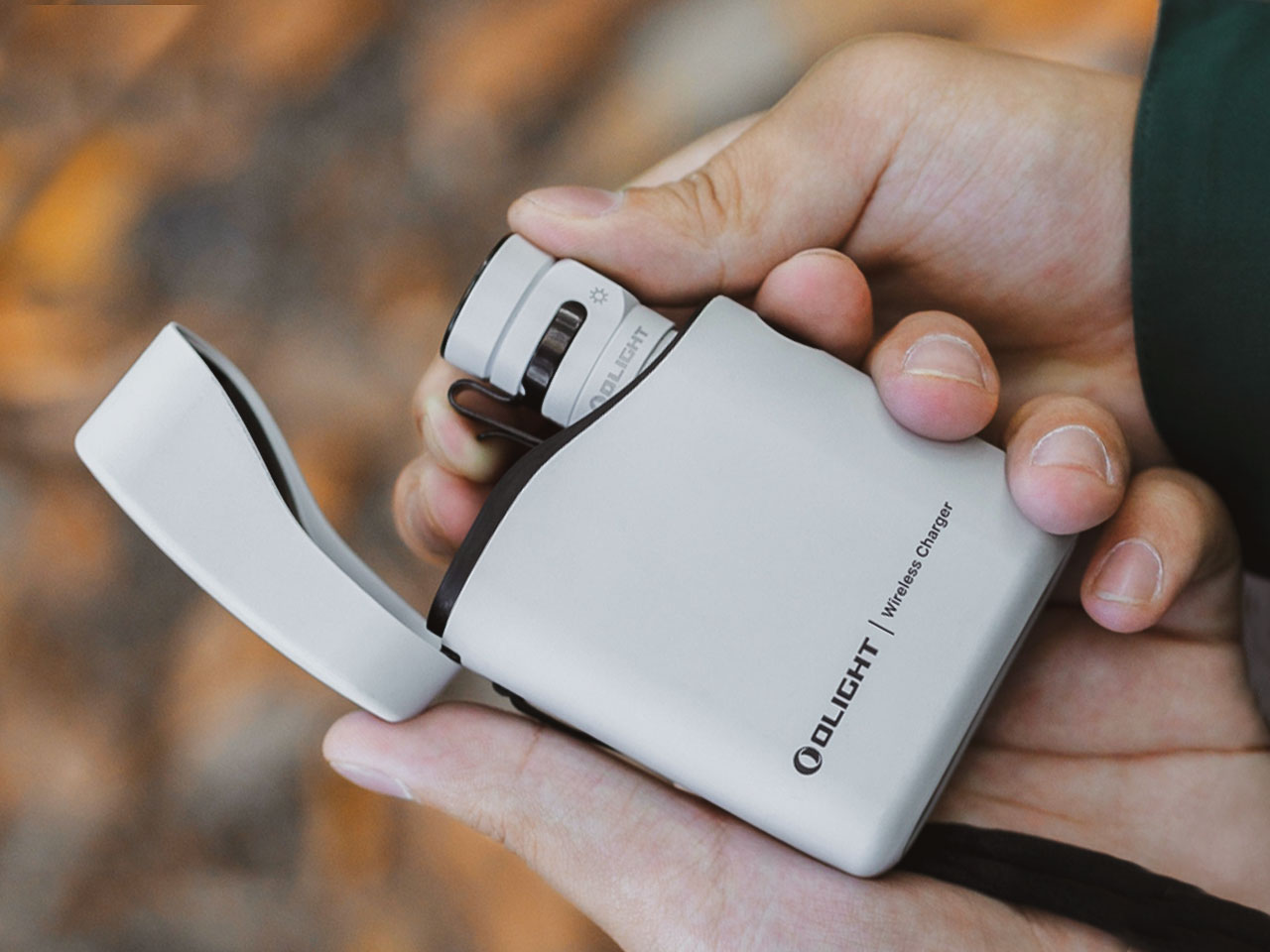
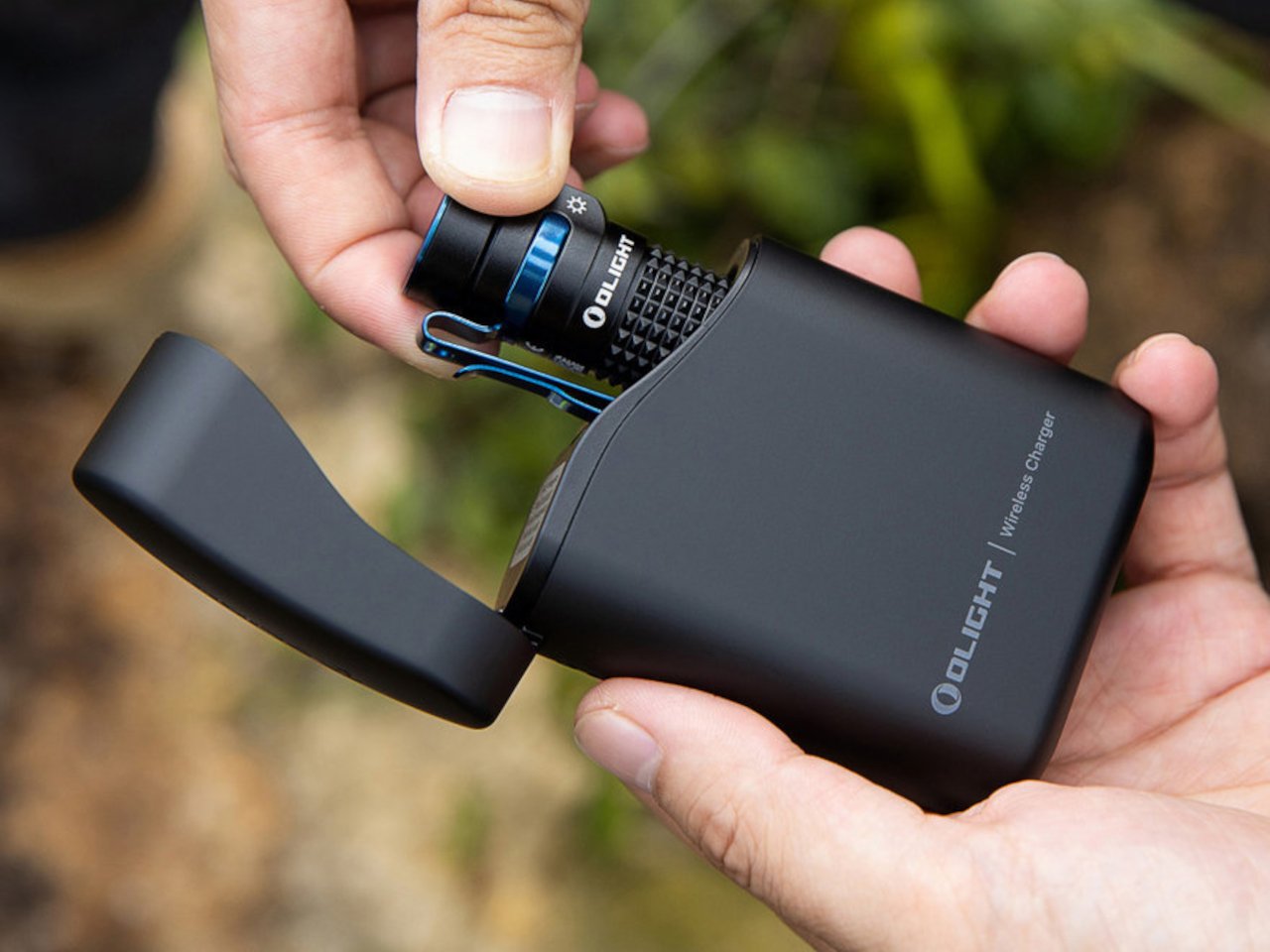
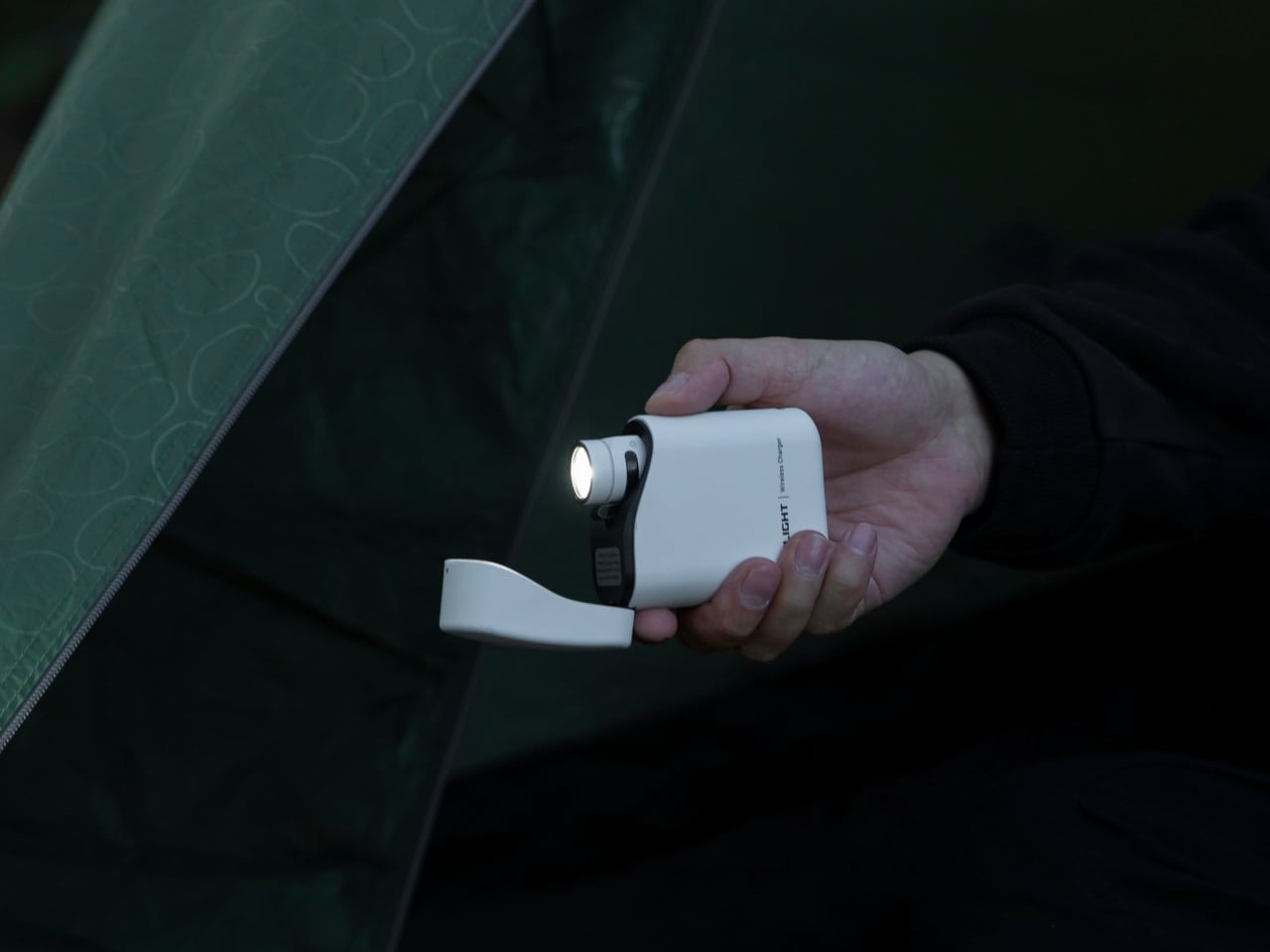
The Baton 4 Premium’s best design decision isn’t the 1,300-lumen output or the magnetic tail cap — it’s the flip-top charging case that lets you activate the flashlight without removing it from the case at all. Open the lid, press the side button, and the light fires. That single interaction collapses the gap between a flashlight that lives in a bag and one that’s actually ready when something happens. The case also carries 5,000mAh, which means it recharges the Baton 4 up to five times and fills a phone running low mid-afternoon.

Summer nights are specifically where this earns its keep. Power outages during heat waves. Poorly lit parking structures at outdoor venues. The walk back to a campsite after a late fire. The magnetic tail cap converts the flashlight into a freestanding lantern by sticking to any steel surface, removing the need for a separate camp light in most situations. The IP68 waterproof rating handles rain without any adjustment required. Olight has made fewer products than most of its competitors and made them better, and the Baton 4 Premium is the clearest expression of that.

What we like

  • The charging case serves as a functional 5,000mAh power bank and activates the flashlight without removing it — two carry problems resolved by one object
  • The magnetic tail cap frees both hands during stationary tasks without requiring any additional accessories

What we dislike

  • Maximum 1,300-lumen output demands battery and drains quickly at full brightness — the case is a compensating mechanism, which means they need to travel as a pair
  • The case adds volume to the carry; users wanting the flashlight alone will need to leave the case’s power bank function behind

3. CraftMaster EDC Utility Knife

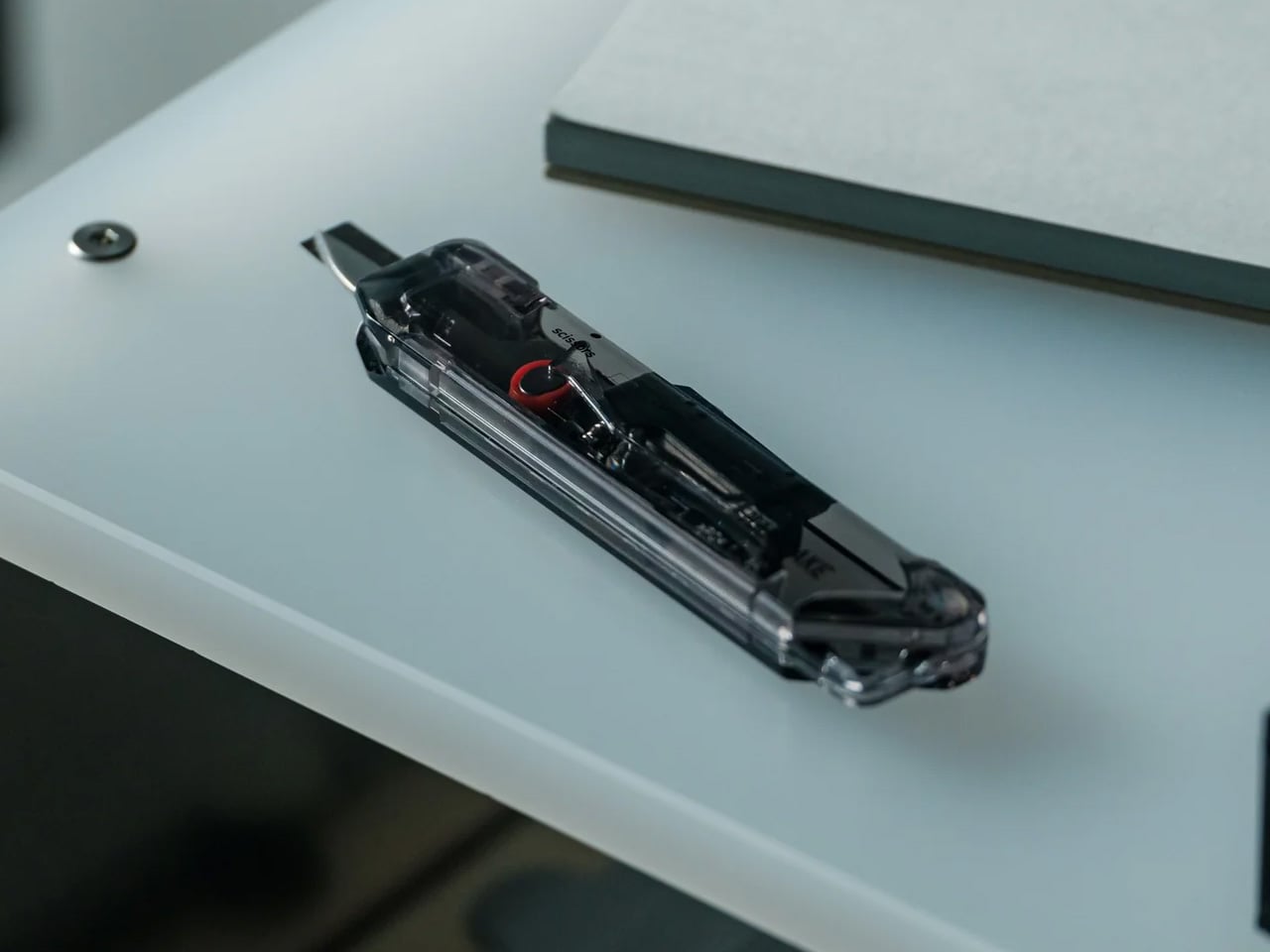
Most utility knives are industrial objects that tolerate being carried rather than inviting it. The CraftMaster moves the design conversation to a different place — a slim, considered profile that sits flush in a pocket and deploys a blade with the kind of controlled action that signals something built to a real standard. The form factor is purpose-built for people who cut things regularly during the day but don’t want to reach for an object that looks like it belongs on a construction site.

The blade swap mechanism is where the functional case gets specific. Precision work, whether opening summer deliveries to a vacation rental, trimming materials mid-project, or handling gear maintenance on the road, is better with a fresh edge rather than an apologetic compromise of a dull one. Having a design that makes the blade replacement clean and fast, rather than a minor ordeal, matters in practice across a long season of daily use. This is an EDC knife that understands the difference between a tool you carry and one you keep reaching for.

Click Here to Buy Now: $80.00

What we like

  • The slim profile fits a shorts pocket without the blade-forward bulk that makes most utility knives feel incompatible with summer carry
  • Replaceable blades mean the cutting performance stays consistent across the full season rather than degrading to an acceptable diminishment

What we dislike

  • Utility blades require sourcing compatible replacements, which adds a minor supply consideration that a fixed-blade EDC knife doesn’t carry
  • The design sits closer to a precision tool than a versatile field knife, which may not satisfy users looking for one object to handle both categories

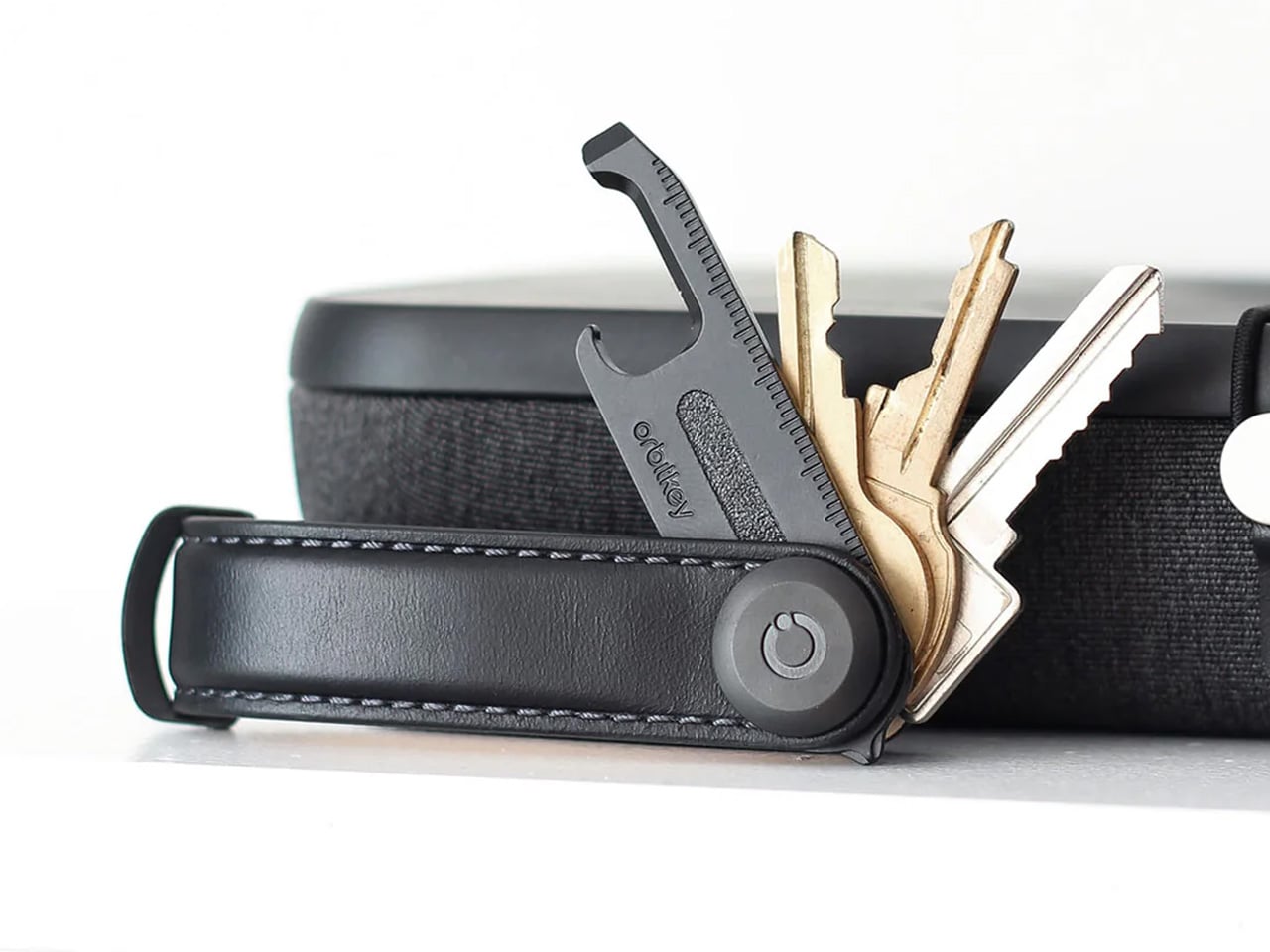
4. Orbitkey Key Organiser

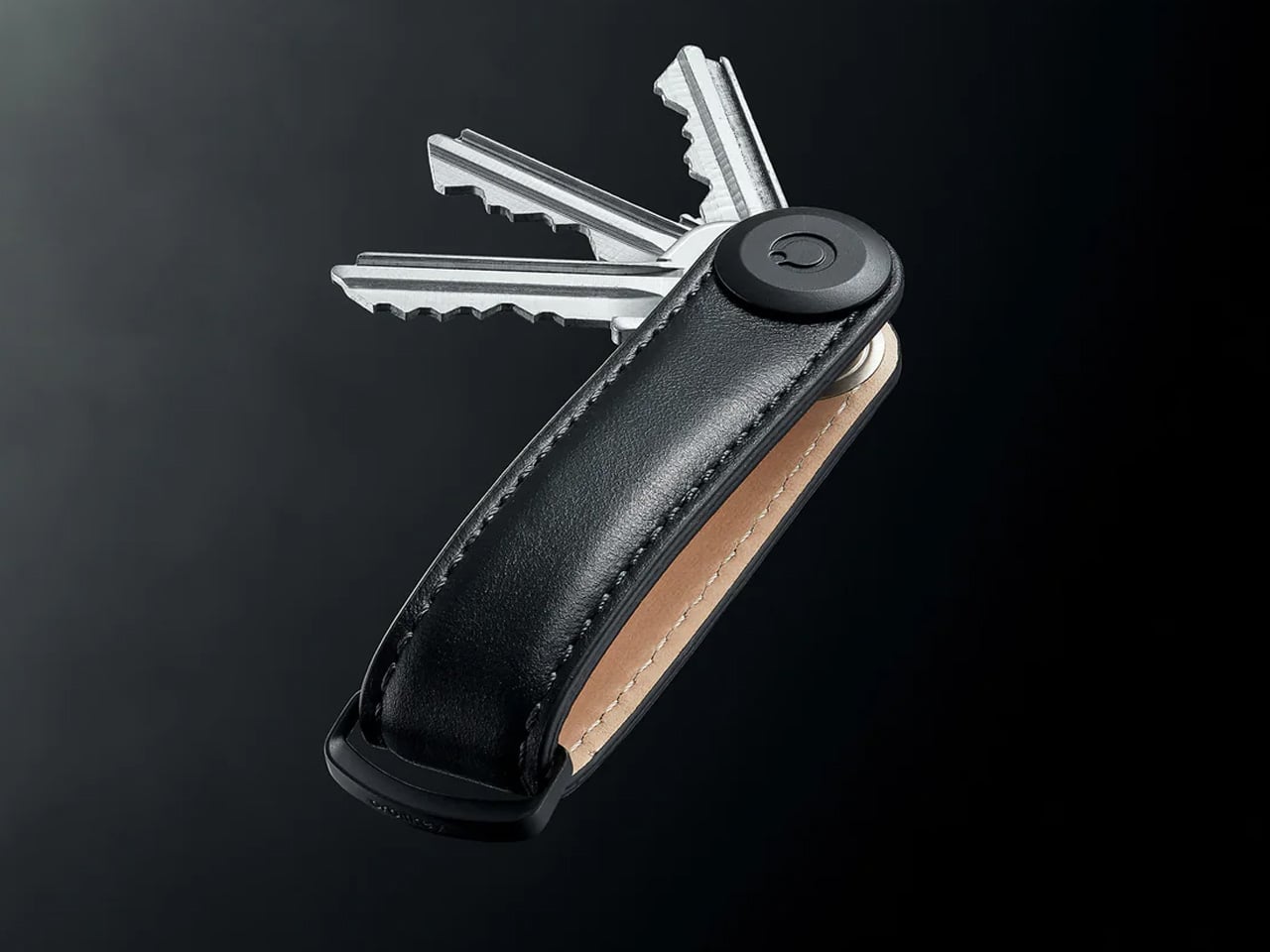
A standard key ring solves the organizational problem with the bluntness of something designed before pockets had size constraints. Keys stack against each other, jingle against everything nearby, and press uncomfortable ridges into the thigh pocket of summer trousers all day. The Orbitkey stacks two to seven keys flat inside a full-grain leather spine and stainless steel hardware, held under tension, producing no movement and no sound. Closed, it sits flat. In a pocket, it disappears.

The leather exterior develops its own grain and wear pattern over years of daily use — an explicit design position about longevity that most keychain products don’t take. The two-screw expansion system accommodates keys confidently up to its rated capacity, and a small ring attachment handles anything that doesn’t stack flat inside the body. Five colorways cover the range from black dress leather to warmer cognac tones. This is an object that solves a problem so quietly that after the first week, you only notice it when you try to go back.

What we like

  • The tension stacking system eliminates key jingle, which sounds like a minor quality-of-life gain until you experience the cumulative silence of a full summer without it
  • Full-grain leather construction ages into character rather than showing damage — the material signals a product built to outlast the trend cycle

What we dislike

  • Initial key installation involves a screwdriver and careful threading — not difficult, but not intuitive either, and the setup time is a real first-use commitment
  • Oversized or irregularly headed keys may not stack cleanly within the system’s geometry, which is worth checking before purchase

5. DraftPro Top Can Opener

A can opener is one of those objects most people own in the worst version that technically works. The DraftPro is the version that makes the case for caring about the design of a can opener, built around a top-cut mechanism that removes the entire lid flush rather than creating a jagged inner edge. The resulting can becomes a safe, open container rather than a minor hazard. The form is compact, the materials are considered, and the grip handles the torque of the task without requiring you to adjust mid-turn.

In summer specifically, the top-cut mechanism earns its place during outdoor cooking — at a campsite, a tailgate, or a beach house stocked with canned goods and minimal gear. There’s no snagged lid to fish out of the contents and no sharp rim to watch for when reaching into the can. The compact footprint means it packs into a cooking kit without requiring its own dedicated compartment. It’s the kind of product that rewards the decision to care about the design of even the tools you only reach for occasionally.

Click Here to Buy Now: $60.00

What we like

  • The flush top-cut mechanism removes the lid cleanly with no jagged inner edge and no floating metal to dig out of the food — a genuine functional improvement over the standard approach
  • Compact enough to live in a cooking kit, travel bag, or kitchen drawer without claiming space it hasn’t earned

What we dislike

  • The top-cut mechanism requires slightly more grip coordination than a traditional side-cut opener — the learning curve is short but real for first-time uses
  • Not designed for cans with non-standard lip profiles, which occasionally appear in imported or specialty goods

6. Loki Nav Compass

Most navigation tools have been optimized for a single condition: favorable ones. The Loki Nav by EckDesign starts from the opposite position — a Grade 5 titanium compass system engineered specifically for the conditions where GPS fails, the phone goes flat, or the environment makes electronics unreliable. Three interchangeable oil-filled compass modules provide a redundant navigation system in a 46.5mm body weighing 48 grams. The IPX8 waterproof rating means submersion to a meter for thirty minutes is a non-event. The cap houses a 12× magnifying loupe, an emergency mirror, and a wood file for fire-starting tinder.

The design logic is worth pausing on. Everything non-essential has been removed; everything that remains serves a specific function under pressure. The loupe rotates to protect the lens when not deployed. The mirror sits inside the cap, accessible without disassembly. The compass modules swap out via a toothpick through a base hole — a repair mechanism that works without tools. Summer outdoor itineraries that push past well-marked trails, coastal kayaking routes, and backcountry hiking all describe situations where the Loki Nav transitions from a beautiful object in a pocket to the most important thing in it.

What we like

  • Three interchangeable compass modules create a navigation system with built-in redundancy — a design decision that treats reliability as a first principle rather than a feature mention
  • The 3-in-1 cap packs mirror, loupe, and fire-starting file into a hinged cover rather than requiring separate tools for each function

What we dislike

  • At 48 grams in titanium, the Loki Nav is noticeably heavier than a basic compass — the weight is justified by the feature set but worth considering for ultralight carry setups
  • The compass module swapping mechanism, while elegant, involves a toothpick-through-base-hole method that takes practice to execute cleanly under field conditions

7. WESN Ridgeback Microblade

WESN approaches EDC from a position most tool brands don’t occupy — the belief that a well-made small object can carry the same material and craft standards as something three times its price and size. The Ridgeback Microblade is a fixed blade built to live in a pocket or on a keychain without announcing itself, machined from titanium with a blade steel chosen for edge retention under daily-use conditions. The form is narrow enough to disappear into any carry setup and substantial enough to register as a real cutting tool when deployed.

Fixed blades are fundamentally more useful than folding knives in the situations that matter most — faster deployment, no mechanical failure point, and less maintenance over a season of outdoor use. The Ridgeback addresses the reason most people don’t carry one: size. This is a blade designed for the specific constraint of summer pockets, where the margin between comfortable carry and uncomfortable carry is measured in millimeters. It’s the kind of precision that only appears when a brand is genuinely thinking about the object rather than simply satisfying a product line requirement.

What we like

  • The fixed blade format provides faster, more reliable deployment than any folder, while the Ridgeback’s profile keeps it genuinely pocketable in summer carry
  • Titanium construction handles salt, humidity, and daily use without the maintenance overhead that blade steel requires in coastal summer environments

What we dislike

  • Fixed blades occupy a complicated legal position in some jurisdictions — blade length and carry rules vary by location and are worth checking before traveling
  • The minimal form factor prioritizes portability over grip depth, which limits utility for tasks requiring sustained cutting pressure

8. Urban Pack

The Urban Pack resolves the tension that every commuter bag eventually creates: the design that works for a laptop meeting doesn’t work for a weekend overnight, and vice versa. Loft of Combie’s approach is modular — a carry system built around zippered separation that lets the bag configure to the day rather than requiring you to pack around a fixed interior. The external form reads clean and intentional rather than tactical, which matters when the pack is moving between a client-facing context in the morning and a trail or beach in the afternoon.

Summer specifically is the season when a single bag that reads across contexts is the most valuable thing in a carry rotation. Travel weekends, work trips that extend into leisure, day hikes that start from an office — the Urban Pack absorbs these transitions without requiring a gear change. The construction is honest about its materials, and the strap system distributes load without the overengineered hardware that makes most technical packs look like they belong in a different context entirely. This is a bag that earns its place through daily practicality rather than feature accumulation.

What we like

  • The modular configuration adapts to the actual demands of the day rather than requiring the user to adapt their packing to the bag’s fixed logic
  • The considered exterior aesthetic moves comfortably across professional and outdoor contexts without the visual code-switching that tactical bags force

What we dislike

  • Modular systems require an initial investment of time to understand how the configurations interact — the flexibility is real, but so is the learning curve
  • The clean exterior silhouette prioritizes appearance over external attachment points, which limits quick-access options for high-frequency items during active use

The Best EDC Is the Gear You Stop Thinking About

Every one of these objects earned its place through the same filter — not by being the most expensive or the most specified, but by being the most considered. Good EDC design doesn’t ask you to sacrifice function for form or form for function. It finds the point where those two things stop arguing and start working together, then holds that line across daily use, weather, and the small, relentless friction of a summer that moves faster than you plan for.

What ties this specific eight together is the refusal to waste a single design decision. The AirTag Carabiner doesn’t apologize for being two things at once. The Loki Nav doesn’t hedge on durability. The Orbitkey doesn’t give you extra features you didn’t ask for. That restraint is harder to achieve than complexity, and it’s what makes these objects feel inevitable once they’ve been in your pocket long enough. Summer is the best time to find out which gear is actually worth carrying.

The post 8 Summer EDC Essentials So Well-Designed We Carry Them Every Single Day first appeared on Yanko Design.
8 Best Home Objects So Cleverly Designed They Make Your Entire Furniture Setup Look Boring

The most interesting objects in a room are rarely the loudest ones. They are the ones that sit quietly in plain sight, behaving like one thing until you look closely and realize they were always something else. A table that swallows a book. A clock that hides its own hands. A speaker tucked inside a tin dollhouse from the 1930s. The best design of 2025 and 2026 is hiding in plain sight, and it is hiding on purpose.

This listicle exists for the person who finds more satisfaction in a well-considered object than in a loud one. Every product here has a second identity — a behavior, a trick, or a material logic that reveals itself slowly. Some are available to buy right now. Some are concepts that deserve to exist in production. All of them share the same quality: they make you stop, look again, and want one.

1. NjommNjomm

Say the name out loud, and you already understand the concept. NjommNjomm, by Stuttgart-based designer Deniz Aktay, is a cuboid coffee table made from sustainable plastics with a bevelled internal compartment that does something no coffee table has managed before: it makes a book appear to vanish inside it. Slide the right-sized book into the slot, and the table appears to swallow it whole, the pages disappearing into the body of the furniture with an optical sleight of hand that stops every person who walks into the room.

What makes it work beyond the trick is the restraint of the form. Nothing about the NjommNjomm announces itself. The exterior is clean, minimal, and almost unremarkable until the moment it is not. The cuboid shape also means the table can be repositioned vertically, giving it a flexibility most coffee tables never offer. For anyone who stacks books on every surface and has quietly given up apologizing for it, this is the table that finally takes their side. It is currently a concept by dezinobjects, and it is the right place to start.

What We Like

  • The optical illusion is genuinely surprising every single time someone encounters it
  • Works horizontally and vertically, making it adaptable to smaller living spaces

What We Dislike

  • Currently, it is a concept with no confirmed production timeline
  • The slot is most effective with books of a specific size

2. Portable CD Cover Player

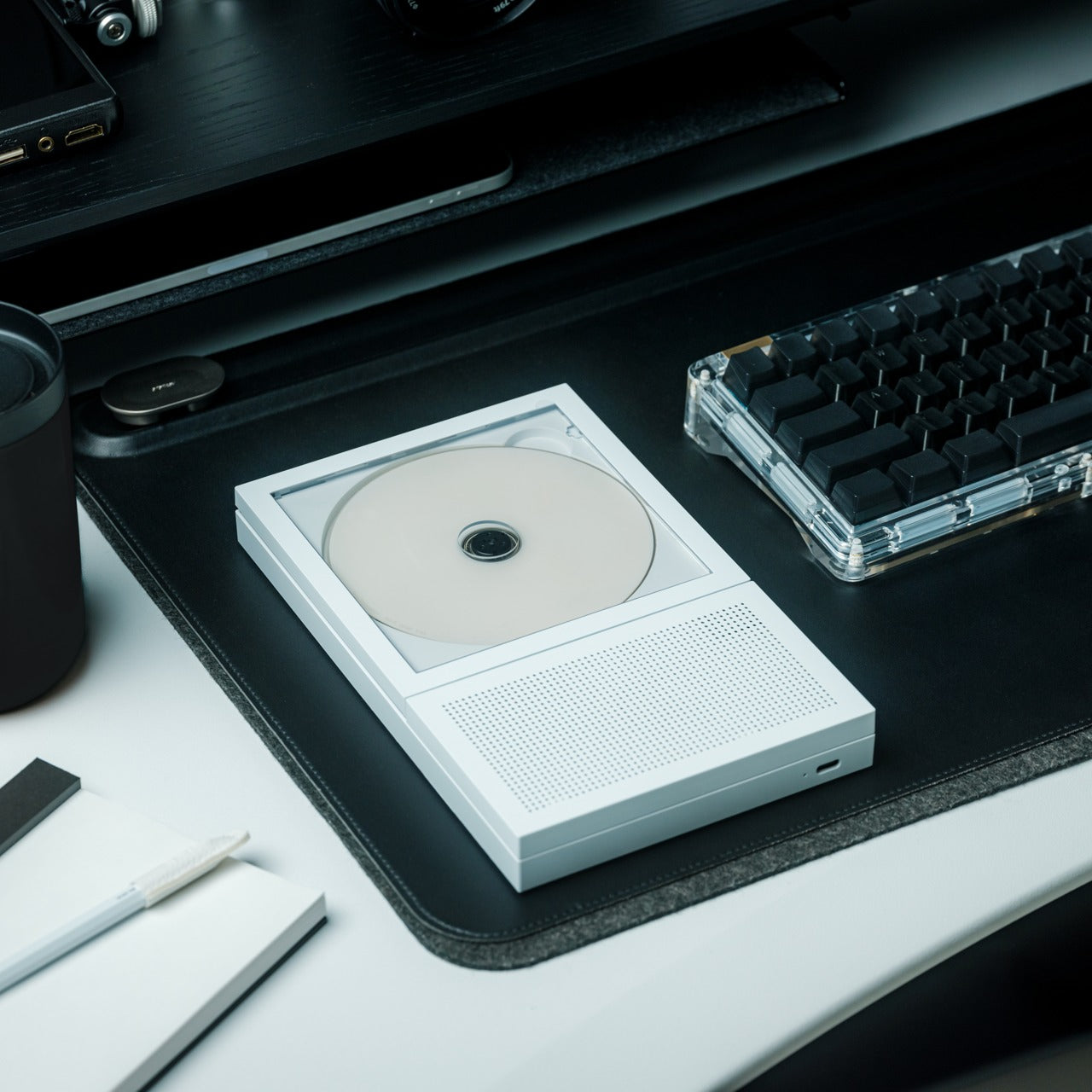
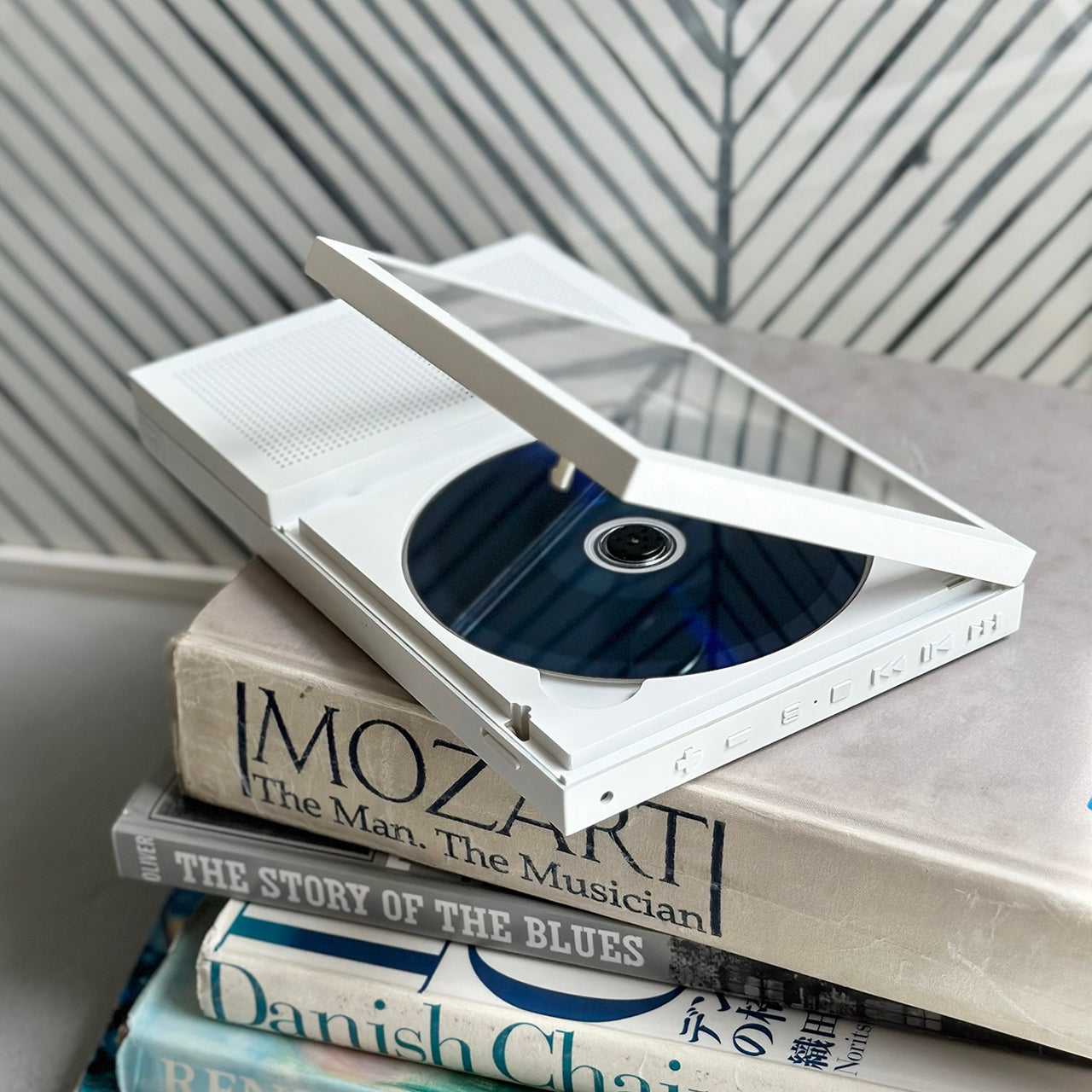
The Portable CD Cover Player does exactly what its name promises, and the effect is completely disarming. It looks like a CD sleeve. It sits like a CD sleeve. Then you realize it is the player itself. The entire device is designed around the silhouette of the packaging that physical music has always lived inside, turning the most overlooked part of the format into an object. For anyone who still has a collection gathering dust on a shelf, this reframes the entire relationship with the format in a single glance.

There is a specific kind of satisfaction in owning something that makes people pick it up and ask what it is. The Portable CD Cover Player earns that reaction every time it is left on a desk, a shelf, or a coffee table. It brings the physical music experience back without demanding space or ceremony, fitting into a bag or slotting between records with equal ease. Three remain in the YD shop, which is not a large number, and the kind of detail worth noting before moving on.

Click Here to Buy Now: $199.00

What We Like

  • The cover-as-player concept turns a format’s most discarded element into the product itself
  • Compact form factor slots naturally into an existing music collection without demanding its own space

What We Dislike

  • Only three units are currently available in the YD shop
  • Technical specifications for battery life and connectivity are not listed

3. Ghost Clock

Istanbul-based designer Fatih Demirci took a simple question — what if a clock tried to disappear — and turned it into one of the most quietly compelling wall objects of 2025. The Ghost Clock stretches a thin fabric over the hour and minute hands without restricting their movement. The result is two slow-moving bumps that creep around the face of the clock, telling the time and refusing to tell it at the same time. The concept is drawn from the way objects look under drapery, and the reference earns every bit of the eerie quality it produces.

You cannot read the Ghost Clock with the precision a meeting demands, and that is the point. It is a wall object that removes the anxiety from timekeeping and replaces it with something stranger and more honest — a gentle reminder that time is moving without forcing you to count how fast. In a bedroom or a reading corner, this presence is more useful than precision. It is a concept by Fatih Demirci, and it deserves to exist in every room that takes itself a little too seriously.

What We Like

  • The fabric-over-hands mechanism is deceptively simple and visually arresting from across the room
  • Shifts the emotional register of timekeeping without removing its function entirely

What We Dislike

  • Not suited for precision timekeeping and should not be the only clock in a working space

4. Sail Away Tranquility Mobile

DRILL DESIGN is an award-winning Japanese studio, and the Sail Away Tranquility Mobile is the kind of object that explains why it has that reputation. Three interlocking triangles — one lightweight aluminum, one polished steel, one warm walnut — are hand-balanced at a workshop in Ashikaga City, Tochigi Prefecture, until the whole structure finds a perfect equilibrium. Then it sits on your desk and does almost nothing. Until the air shifts, and the triangles begin to move in response, and you realize you have been watching it for considerably longer than you intended.

The secret of the Sail Away Mobile is that it is kinetic without demanding anything from you. No batteries, no charging, no interaction required. The movement comes from the air in the room, which means it is always slightly different and always responding to something real. Weighing just 80 grams and requiring no tools to set up, it is genuinely easy to live with. As a desk object, a housewarming gift, or a quiet act of calm placed in a room that moves too fast, it earns the space it occupies.

Click Here to Buy Now: $129.00

What We Like

  • Entirely passive movement with no power source needed — the room does the work
  • Handcrafted in Japan with meticulous material balance across three distinct and contrasting materials

What We Dislike

  • The gentle movement requires some ambient air circulation to be fully appreciated in still rooms

5. Verse Chair

Most chairs do one thing. The Verse Chair by Liam de la Bedoyere does two, and the second one is so specific and considered that it reframes the entire object. The 3D-printed chair has a curved seat designed for ergonomic comfort, but beneath the seat lies a sharp-angled V-shaped base proportioned precisely to hold a book open at the page you left it. Set the book down mid-chapter, and the chair holds it. Come back later, and the page is exactly where you stopped. The chair remembers for you.

The name Verse refers both to the line-by-line process of 3D printing and the V-shaped form of the base, which is the kind of naming discipline most designers do not manage to pull off. The chair does not shout its bookmarking function. It holds the book quietly, at floor level, in the structure of the legs, visible only when you know to look for it. For anyone who reads in the same chair every day, this is the version of that chair designed specifically around that habit.

What We Like

  • The book-holding function is built directly into the structural logic of the chair, not added to it
  • The name connects form, manufacturing process, and purpose into one coherent idea

What We Dislike

  • Currently a concept and not available for purchase
  • The bookmarking function works most reliably when the chair remains in a fixed position

6. BGN 11

Teenage Engineering has made a sampler that plays only Gregorian chants and a PC chassis with retro-futuristic proportions, so it should come as no surprise that they also made working speakers out of 1930s tin dollhouses. BGN 11, a collaboration with Toronto-based craft collective Bentgablenits, transforms ten salvaged pressed-metal toy buildings — a chapel, a corner shop, a living room, an ice cream parlor — into working TE OD-11 speaker units. Each one was hand-altered, rewired, and reupholstered to broadcast ambient compositions matched to its specific setting.

Only ten units were ever made, shown for three days at a Shopify creative space on Greene Street in Soho, New York, in June 2025. They are gone. BGN 11 sits in this roundup not as something to acquire but as proof of a design argument: that the most interesting audio object is one that makes you forget it is an audio object. A dollhouse murmuring like a congregation. A corner shop that chimes. The speaker disappears completely into the story of the building it lives inside.

What We Like

  • Each unit delivers a specific narrative through both its visual form and its audio content simultaneously
  • The collaboration between Bentgablenits’ tactile craft and Teenage Engineering’s acoustic precision produces something neither could have made independently

What We Dislike

  • The ambient compositions are matched to each specific unit and are not user-configurable

7. Invisible Shoehorn

The Invisible Shoehorn is the most committed object in this roundup. Where other pieces here have hidden functions or optical tricks, this one has a single purpose and has dedicated its entire design language to not being seen while performing it. Made from transparent acrylic, it is built to vanish against any backdrop — a shelf, a closet floor, a basket by the door. Its clear body and ergonomic curved form make it read as a small sculpture before it reads as a tool, and the moment you actually need it is the moment it stops being invisible.

There is a specific kind of confidence in designing something intended to be overlooked. The Invisible Shoehorn sits in a space and contributes nothing visually until the moment it contributes everything functionally, then returns to transparency. For a hallway or entryway that takes its aesthetic seriously, this is the version of the object that belongs there. The ergonomic curve makes it genuinely comfortable and easy to grip, and the transparent material means it works equally in any color palette.

Click Here to Buy Now: $299.00

What We Like

  • Transparent acrylic construction genuinely disappears against almost any surface or backdrop
  • The ergonomic curve makes it comfortable to use without compromising the minimal, tool-free visual

What We Dislike

  • Transparent acrylic shows fingerprints and requires regular cleaning to maintain the invisible effect

8. Magician’s Rope

Close the roundup with the table that should not hold anything, but somehow holds everything. Magician’s Rope, by designer Hanqi Jia, earned recognition at the NY Design Awards by doing something structurally improbable and making it look completely inevitable. A single continuous red metal line bends, loops, and crosses itself into a structure that supports a transparent tabletop. It looks like a drawing. It looks like a gesture caught mid-motion. It does not look like a table, which is precisely why it is such a considered one.

The red line is the detail that holds the whole thing together conceptually. Red, in most design contexts, demands attention. Here it asserts itself visually while the overall form stays quiet — the line says look at me, while the rest of the table says I will be here whenever you need me. The transparent top reduces the visual footprint significantly, making it a strong choice for smaller rooms or spaces already doing a lot of visual work. It is a concept by Hanqi Jia, and it earns the closing position in this list.

What We Like

  • A single continuous red metal line achieves structural integrity through elegance rather than bulk
  • The transparent top reduces the table’s visual presence dramatically in smaller or busier rooms

What We Dislike

  • The red line is a defining feature that will not integrate easily into every interior palette

The Best Objects Don’t Explain Themselves

Every object in this list shares the same quality: it does something you did not expect it to do. The table eats the book. The clock hides the time. The shoehorn disappears. The dollhouse plays a sermon from a tin chapel. None of them announces their second nature from across the room. You have to live with them, look closely, or accidentally slide a paperback into the wrong slot before discovering what they actually are.

That quality — the hidden behavior, the withheld function, the object that rewards attention — is increasingly rare when most products explain themselves loudly and immediately. These eight do not. They ask you to slow down, look again, and sit with something that has more going on than it first appeared. That is a reasonable thing to ask of the objects you choose to keep around you.

The post 8 Best Home Objects So Cleverly Designed They Make Your Entire Furniture Setup Look Boring first appeared on Yanko Design.
5 Best Japanese Kitchen Gadgets That Make Cooking Feel Like a Meditation Ritual

Japanese kitchen tools operate differently from their Western counterparts. They don’t promise to speed things up or reduce effort. They promise to make that effort worth something. The objects below share a commitment to material honesty and precision that changes the pace of cooking without changing the recipe. Each one invites you to slow down, pay attention, and find something close to calm in the ordinary rhythm of preparing food.

None of these tools asks for much counter space. None comes with instruction manuals. What they share is a design philosophy rooted in centuries of Japanese craft tradition, where restraint and intention produce objects that reward your attention rather than compete for it. Cooking with them slows you down in a way that feels like a gift. The meditation isn’t something you bring to the kitchen. These tools create the conditions for it.

1. Iron Frying Plate

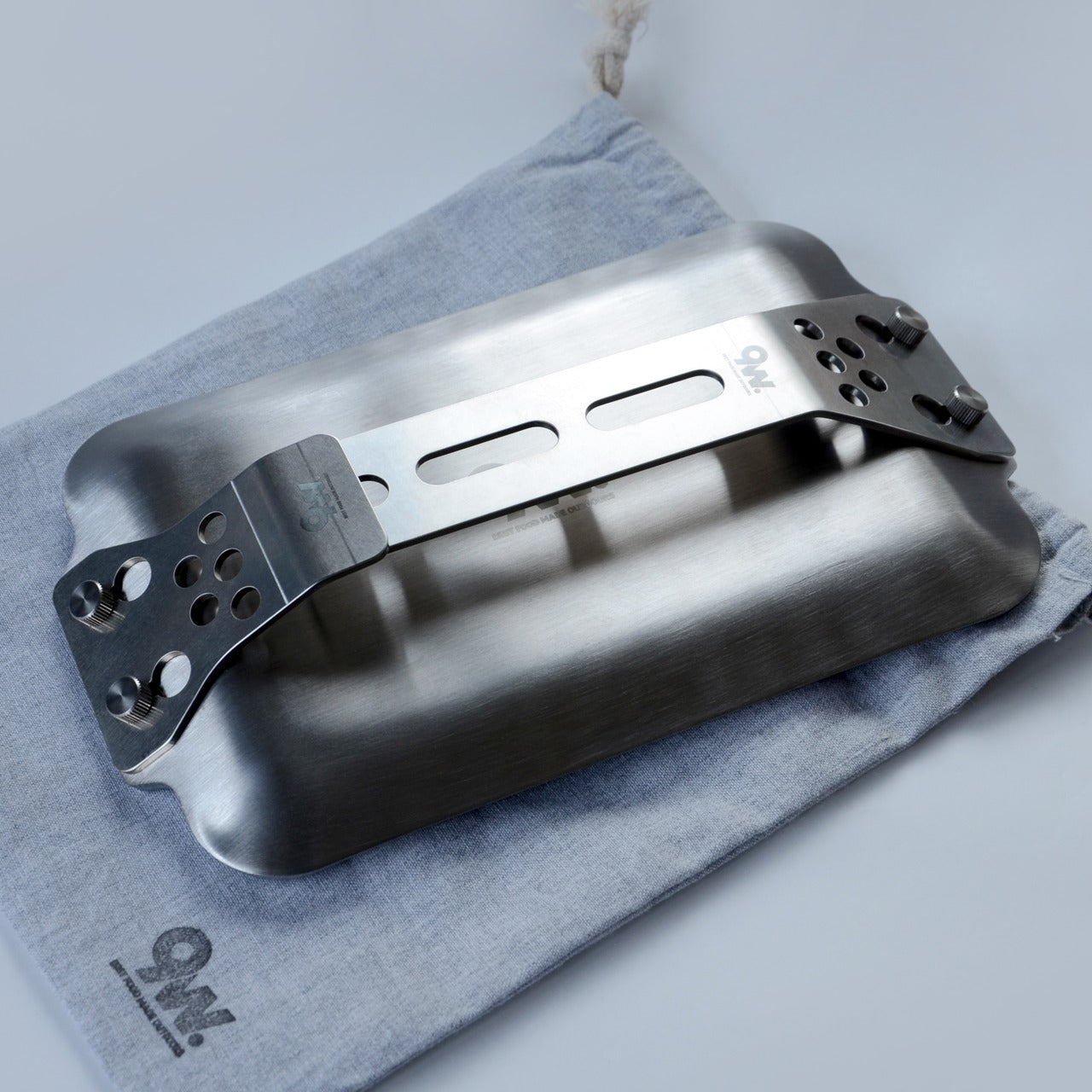
The Iron Frying Plate removes the boundary between the cooking vessel and the serving dish. Crafted from rust-resistant mill scale steel with a detachable wooden handle, it moves from stove to table without a transfer, without a plate in between. Eggs arrive still sizzling. Fish comes off the heat and onto the table in the same object, retaining the kind of temperature and texture that plating destroys. The cook-and-serve design isn’t a shortcut. It’s a different way of thinking about food.

The uncoated surface requires no seasoning before first use and develops natural non-stick properties through regular cooking. The detachable wooden handle attaches and releases with one hand, making the transition from burner to table completely fluid. Retained heat keeps food at a temperature throughout the meal, which changes its pace in subtle but noticeable ways. You stop rushing through dinner because the plate is still doing its job while you’re still deciding what to eat first.

Click Here to Buy Now: $69.00

What We Like

  • The cook-and-serve design preserves the temperature and texture that get lost in any transfer to a separate plate
  • The uncoated mill scale steel develops natural non-stick properties through use, with no chemical coatings involved

What We Dislike

  • The iron construction retains heat long after serving, which requires careful handling at the table
  • Heavier than standard serving dishes, which takes some adjustment if you’re used to lighter ceramics

2. Katakuchi Suribachi & Surikogi Set

The suribachi is a Japanese mortar defined by its interior: a web of fine ridges that grip seeds and fibres and pull them apart through friction. Unlike smooth-walled mortars that crush, this one grinds, and the difference in what that produces is immediate. The katakuchi design adds a spout, so freshly ground sesame pours cleanly from the vessel without a transfer step. The wood surikogi follows the curve of the bowl exactly, which is the whole point of the pairing.

Using a suribachi imposes a different pace on cooking. You bring the seeds in, you begin to work the pestle in slow circles, and the sound changes as the seeds release their oil. The kitchen starts to smell like food before the pan is even on. That sensory sequence of physical work and gradual transformation is what separates this from a standard grinding tool. Available from TOIRO Kitchen in two colorways, it’s priced between $36 and $63 depending on size.

What We Like

  • The katakuchi spout makes it a single-vessel process from grinding to pouring; nothing gets lost in the transfer
  • The ridged earthenware interior produces a texture and aroma from sesame and spices that a food processor simply cannot replicate

What We Dislike

  • The earthenware body is heavy and requires careful handling; it’s not something you grab quickly
  • Cleaning the grooved interior takes more attention than a smooth-walled mortar

3. Iga-yaki Donabe Clay Pot

Iga-yaki clay comes from Mie Prefecture in Japan, where the local earth has been used for ceramics since at least the Kamakura period. The porous structure absorbs heat slowly and releases it evenly, creating a cooking environment that metal pots simply cannot replicate. Rice cooked in it sweetens. Broth deepens over a lower flame. The exterior stays rough and unfinished while the interior is glazed smooth: two textures on the same vessel, each doing exactly what it needs to.

Using a donabe imposes a different pace on dinner. You bring it to a heat gradually, you watch the steam rising from the lid, you lower the flame, and wait. That sequence of patient setup, attention to what the pot is communicating, and the discipline not to rush transforms cooking into something closer to practice than production. TOIRO Kitchen stocks Iga-yaki donabe in several sizes, all made in Japan, all functioning as vessels for the kind of cooking that rewards presence.

What We Like

  • Iga-yaki clay retains heat well past the point of turning off the flame, keeping food at a temperature while you’re still at the table
  • Genuinely versatile across hot pot, rice, steaming, and slow braise. One vessel covers all of it

What We Dislike

  • Clay donabe requires seasoning before first use, typically by simmering rice water in it, a step not everyone anticipates from the packaging
  • The porous clay body can absorb strong cooking odors over time and needs to be stored with the lid off after washing

4. Sakura Petal Grater

Fresh wasabi grated at the table is a different ingredient from the paste that comes in a tube. The same is true of ginger, of daikon, of any root that peaks the moment it’s reduced. The Sakura Petal Grater is built around that principle. Its sakura petal form brings tableside preparation into the meal itself, turning garnish work from a kitchen task into part of the ritual of eating. The circular motion has a quality that makes stopping feel abrupt.

Made from stainless steel, the grater sits flat and stable at the table, and the anti-slip silicone base doubles as a protective cover when stored. Its compact size means it takes no space to speak of, but what it brings to the table is disproportionate to its footprint. Grating fresh ginger over soup, wasabi alongside sashimi, and daikon over a bowl of soba becomes something you look forward to rather than manage. The shape itself is worth lingering on.

Click Here to Buy Now: $45

What We Like

  • Tableside grating turns fresh garnish preparation into part of the dining ritual rather than prep work done in advance
  • The compact form requires almost no storage space, and the silicone base doubles as a protective cover

What We Dislike

  • The small size means slower processing for larger quantities, so it works best for garnish amounts rather than bulk grating
  • Specialist in scope: for kitchen prep in volume, a larger grater is the more practical tool

5. Yoshihiro VG-10 16-Layer Hammered Damascus Nakiri 165mm

The Nakiri is designed exclusively for vegetables, and that singular focus is the entire point. The flat rectangular edge makes full contact with the cutting board on every stroke, without tip lift, without the curved rock of a chef’s knife. Just clean forward pressure through root vegetables, leafy greens, and ripe tomatoes with equal consistency. Yoshihiro builds this version around a VG-10 core wrapped in 16 layers of hammered Damascus steel, and the surface reduces friction through each cut, so nothing drags.

The Damascus layering produces a pattern unique to each blade, a specific arrangement of steel that no other knife in the world shares with yours. That individuality matters more than it sounds. The full-tang mahogany handle distributes weight in a way that makes extended prep feel balanced rather than tiring. Each blade is handcrafted by master artisans and certified for commercial kitchen use.

What We Like

  • The 16-layer Damascus pattern is unique to every individual blade, making this a personal object in a way factory knives never manage
  • Full-tang construction distributes weight evenly through the handle, reducing fatigue during longer vegetable prep sessions

What We Dislike

  • The Nakiri is a specialist vegetable blade and is not designed for meat, fish, or general-purpose cutting
  • Damascus finishes need careful maintenance and proper storage to preserve both the edge geometry and the layered surface over time

The Kitchen Is Already the Meditation

These five objects share something beyond country of origin. They each ask something of the person using them: attention, patience, a willingness to slow down and notice. The iron plate asks you to eat at the pace of the heat. The donabe asks you to wait for the steam before you touch the lid. The suribachi asks you to stay with the grinding until the smell tells you it’s ready. That presence is the common thread.

None of these tools will make you a better cook overnight. What they will do is change how cooking feels from one session to the next, until the kitchen becomes a place you want to spend time in rather than a place you want to get through. That shift is harder to achieve than any technical skill, and these five objects are exceptionally good at producing it.

The post 5 Best Japanese Kitchen Gadgets That Make Cooking Feel Like a Meditation Ritual first appeared on Yanko Design.
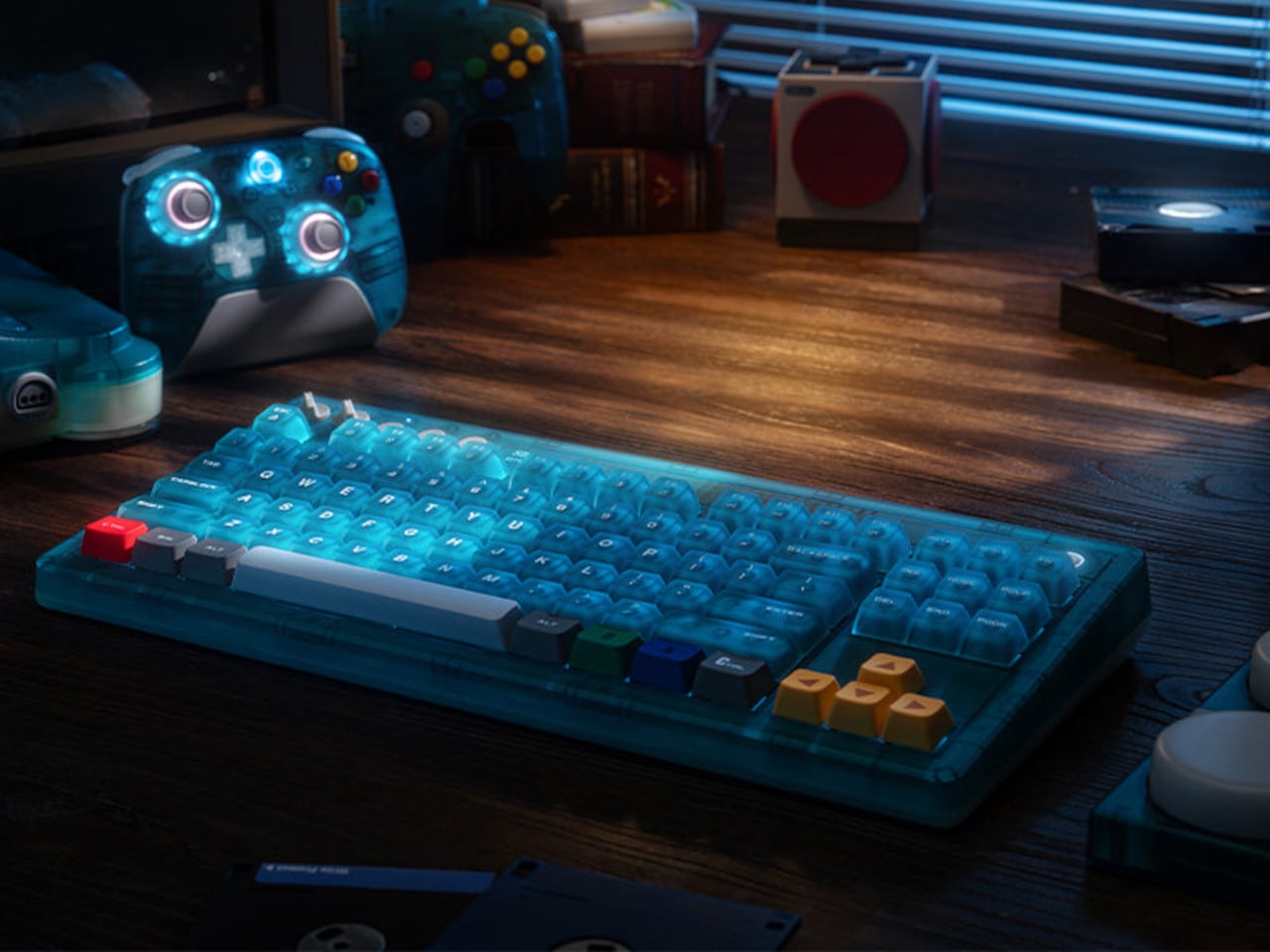
5 Designer Pens That Make Every Other Gift for Him Look Lazy

Most gift guides for him are boring. A leather wallet, a whiskey set, a watch he already owns in a different color. But if the person you’re buying for genuinely cares about the objects around him, about what something communicates before he even uses it, a pen is an underrated move. Not just any pen. The five below are the kind of pieces that make everything else on the gift table look like an afterthought.

These aren’t novelty pens with logos. Each one makes a deliberate argument about what a writing instrument can be, rethinking the material, the mechanism, or the relationship between the pen and the desk it lives on. Together, they represent how designers are now treating an object that most people have stopped thinking about. Whether you’re shopping for a birthday, an anniversary, or a reason to stop buying the same gift twice, this list delivers.

1. Pininfarina Aero Ethergraf

Pininfarina’s design language has always been about the single confident line that communicates speed and restraint at once. The Aero Ethergraf carries that directly to the desktop. It writes through an Ethergraf metal alloy tip that works via oxidation, leaving a graphite-like mark on paper without any ink. No cartridges, no cap to lose, no refills, ever. For him, this means a writing tool that genuinely never runs out, made in Italy and handcrafted to outlast anything else on his desk.

The aluminum body carries a blue accent that catches light the way a car door does at the right angle, which makes complete sense coming from the studio responsible for decades of Ferrari and Maserati bodies. Sitting in its raw concrete cradle, the Aero Ethergraf reads less like office stationery and more like a considered piece of sculpture. The line it leaves is precise, smudge-proof, and won’t bleed through paper. It’s the kind of object that earns its place on whatever desk it lands on.

What we like:

  • Writes indefinitely with no ink, cartridges, or maintenance required — the Ethergraf alloy tip is genuinely a forever writing surface
  • Handcrafted in Italy, the aerospace-grade aluminum body and raw concrete cradle together make a gift that reads as a design object, not an office supply

What we dislike:

  • The mark left by the Ethergraf tip is lighter than a standard pen line, which may not suit those who prefer a bold, ink-heavy stroke
  • Very smooth or coated paper surfaces can diminish the writing quality, so it performs best on standard uncoated notebooks or writing pads

2. Inseparable Notebook Pen

The premise is almost frustratingly simple. A pen that attaches magnetically to the side of a notebook — the way an Apple Pencil does on an iPad — so the two are always together and always ready. Designer Yusuke Nagao built it with a three-part construction featuring a plastic protector, a metal clip, and the pen itself. For him, it solves one of the most persistent small frustrations in daily life: a notebook sitting on the table with nothing to write with.

There’s a quiet confidence to the Inseparable’s design that reveals itself the longer it’s used. Nothing feels overworked. The silhouette is clean, the clip is integrated rather than decorative, and the magnetic attachment snaps silently into place in a way most products would never bother to refine. The ink flows smoothly for clear and precise writing on the go.

Click Here to Buy Now: $19.95

What we like:

  • Magnetic attachment to any notebook eliminates one of the most persistent small frustrations in daily writing habits in the cleanest possible way
  • The minimal three-part design prioritizes function without visual noise — it looks exactly as useful as it actually is

What we dislike:

  • The magnetic clip system is built around a single notebook format, so those who move between multiple journals will find the integration more limiting
  • The compact form and single-ink style serve portability well, but leave little room for those who prefer a heavier body weight or a finer writing point

3. Yamaha Swing Scribe

If someone asked you to name a Yamaha product, you’d say piano or motorcycle before you said pen. That gap is exactly what makes the Swing Scribe interesting. Part of Yamaha’s Scribe Tool Design 2024 project, it’s a collaboration between Yamaha Corporation and Yamaha Motor designers in the US. The premise draws from the quill: as a feather naturally wobbles under air resistance while writing, it creates a rhythm. Yamaha made that incidental quality deliberate and physical for him to feel.

A weighted tip is attached to a metal bar, and as he writes, it swings. The small pendulum force feeds a steady beat back into the hand with every stroke. No batteries, no app, just physics. For someone who gets his best thinking done with a pen in hand, the Swing Scribe adds a dimension to the writing experience that no other pen on any other list has thought to offer.

What we like:

  • The pendulum mechanism delivers a genuinely new physical sensation in writing, drawing directly on the natural rhythm that once made quill writing feel so distinct from any modern tool
  • The creative pedigree is unlike anything else here — a joint effort between two legendary Yamaha divisions, treating writing as a sensory design challenge worth solving

What we dislike:

  • The Swing Scribe is a concept from Yamaha’s design research project, meaning it isn’t currently available as a retail product ready to purchase and wrap
  • The swinging weighted mechanism, while compelling in execution, may require an adjustment period for those accustomed to the predictable feel of a standard pen

4. Levitating Pen 3.0

The third iteration of a design that has always pushed toward the improbable, the Levitating Pen 3.0 is built from aerospace-grade aluminum and titanium with a zinc alloy base and balances at a 60-degree angle in a charged magnetic field, bobbing gently when it settles into position. For him, this is the desk object that does something no leather-bound pen set ever managed: it makes people stop mid-conversation and ask what that thing is.

Available in silver or anodized black with a satin finish, it ships with a German-engineered Schmidt rollerball cartridge that delivers a silky writing experience to match its appearance. Undocking the pen to write is its own small ritual. Docking it back lets it find its magnetic sweet spot on its own. Spin it against the stand, and it rotates for up to 30 seconds.

Click Here to Buy Now: $139.00

What we like:

  • The magnetic levitation is genuinely hypnotic, and the Schmidt rollerball cartridge means it writes as well as it performs — form and function earn equal attention
  • Ships complete in silver or anodized black with a satin finish, making this an immediate desk statement that needs nothing added to impress

What we dislike:

  • The levitation only functions on a flat, stable surface — this is strictly a stationary desk piece and cannot be stored on its side or carried in its floating position

5. Pulse

Leila Ensaniat, an industrial designer with a background at Cisco in consumer electronics, spent over a year developing Pulse, earning the 2025 Golden A’ Design Award for 3D Printed Forms and Products. The pen draws its inspiration from clouds — the quiet drift rather than the dramatic storm — translating that into a skeletal biomorphic form with flowing cutouts that resemble veins in a leaf. For him, it’s the kind of object that changes what he expects from a writing instrument entirely.

The biomorphic patterns are created using lost wax casting in aluminum, silver, bronze, and gold — a centuries-old metalworking technique typically reserved for jewelry and fine art. Ensaniat’s approach centers on how we actually interact with objects rather than how they look in isolation. The negative space is considered the material itself. On the desk, it reads as a sculpture. As a gift, it lands as a statement about what good design actually is.

What we like:

  • The Golden A’ Design Award and lost wax casting in precious metals make Pulse as legitimate a design object as anything found in a gallery, not a gift shop
  • The biomorphic skeletal form earns visual attention without demanding it — arresting and considered in equal measure, it rewards a closer look every time

What we dislike:

  • The open skeletal frame, while visually exceptional, may feel more delicate in hand than the solid-body construction many people expect from a daily writing tool

A Pen Says More Than the Note Written With It

What makes a designer pen worth giving isn’t prestige or price. It’s the decision behind every detail — where the material comes from, how it feels before the first word is written, what it says about the person who chose it. The five pens above span different philosophies and price points, but each makes the same quiet argument: the objects we pick up every day are worth getting exactly right.

If there’s a theme running through this list, it’s that the best writing tools aren’t the ones with the most features. They’re the ones where a specific design problem was solved in a way that hadn’t been tried before. Whether that’s a pen without ink, a pen with a heartbeat, or a pen that floats, each one earns its place on a desk. And that’s exactly what a good gift should do.

The post 5 Designer Pens That Make Every Other Gift for Him Look Lazy first appeared on Yanko Design.

8 Best Summer Gadgets for Men Who Think “Outdoor Tech” Usually Looks Terrible

The category of outdoor tech has a reputation problem. Most of it arrives in high-visibility colors, wrapped in rubberized plastic, and styled as if the designer’s only brief was “make it survive a war.” For men who care equally about function and form, the annual summer gear drop is usually a disappointment. These eight picks are the exception — products that earn their place outside without looking like they belong in a disaster preparedness kit.

Each one solves a real outdoor problem — heat, hydration, light, sound, coffee — without the aesthetic compromise that typically comes with the territory. If you’re selective about what you carry into the wild, this is a list worth saving.

1. RetroWave 7-in-1 Radio

Most emergency gear sits in a drawer until it’s needed — which defeats the entire point. The RetroWave earns shelf space because it looks good enough to display. Styled with a retro Japanese aesthetic and a satisfying tactile tuning dial, it functions as a portable speaker, emergency radio, flashlight, and portable charger from one compact device. It’s the rare piece of outdoor kit that solves the preparedness paradox through sheer design restraint.

At $89, it covers ground that would otherwise require four separate items in your pack. Two colorways — black and warm gray — make it feel considered rather than utilitarian. The 20-hour battery life is enough for a full weekend without reaching for a cable, and the 8W speaker delivers enough warmth to soundtrack a campfire properly. It’s less a gadget and more a statement that survival gear doesn’t have to look survivalist.

Click Here to Buy Now: $89.00

What We Like

  • Seven functions collapse into a single carry-anywhere device with a retro form that earns every gram of its weight
  • Intentional enough in design to live on a shelf rather than be hidden in a bag until an emergency strikes

What We Dislike

  • The retro aesthetic won’t resonate with those who prefer a more modern industrial look
  • Audio output is optimized for outdoor ambience rather than high-fidelity listening

2. Solar-Powered Camping Tent AC

Summer camping’s biggest lie is that you’ll adjust to the heat. You won’t — you’ll sleep worse and wake up annoyed. This solar-powered camping tent concept earned recognition at the Red Dot Design Awards for solving exactly that problem: integrating an air conditioning system powered entirely by solar panels into the structure of the tent itself. No generator noise, no extension cord draped across the campsite. Just a cool night’s sleep that feels like the future.

The design challenge here isn’t purely technical — it’s visual. Solar camping gear has a long history of looking like a science project. This concept sidesteps that with a clean, structured silhouette that doesn’t announce its engineering from across the campsite. For summer trips where heat is the limiting factor rather than terrain, it reframes what a tent can actually do. The idea that solar power and sleeping comfort can coexist elegantly is no longer hypothetical.

What We Like

  • Solar-powered air conditioning solves the most persistent problem in summer camping without relying on noisy, bulky generators
  • Red Dot Design Award recognition confirms that the concept holds up both functionally and aesthetically

What We Dislike

  • As a concept, real-world availability and pricing have not yet been fully confirmed
  • Solar performance will depend heavily on campsite exposure and prevailing weather conditions

3. Yuuye Portable Air Conditioner

Where the solar tent integrates cooling into the structure, the Yuuye takes a more immediate approach. Its modular design separates the refrigeration unit from the exhaust, drawing in heat and pushing out cool air in a package compact enough to move between a patio, a tent, and an outdoor workspace without a second thought. The LCD screen keeps control simple, and the detachable build means adapting it to a new setting takes seconds rather than a prolonged setup.

The large air outlet distributes cooling evenly rather than in a single concentrated stream, which matters when you’re sitting in front of it rather than standing directly in the airflow. It understands the difference between moving air and actually cooling a space. Compact, lightweight, and designed for exactly the kind of summer that turns a backyard into an endurance test, it earns its place outdoors not by being impressive on paper, but by working when the temperature genuinely spikes.

What We Like

  • The modular, detachable build makes relocating it between outdoor settings fast and completely intuitive
  • Delivers consistent cooling without the bulk or noise of traditional portable air conditioning units

What We Dislike

  • Best suited for small to medium spaces — larger gatherings will need more than one unit to feel the difference
  • Requires a power source for extended use, which limits fully off-grid applications

4. Hemingway Cooler

Coolers have spent decades looking like objects that are embarrassed to be at the party. The Hemingway takes a different position entirely. Designed with reference to mid-20th-century European cars and speedboats, it brings a classic, rugged sensibility to something most people treat as purely functional. It’s a cooler that looks as deliberate as the rest of your setup — the kind of thing you’d pack into the back of a Land Rover without any irony whatsoever.

The design doesn’t sacrifice performance for aesthetics. The rugged build holds up to outdoor conditions that take the shine off lesser products quickly, and the form is cohesive enough that it reads as a considered object rather than a branded afterthought. For men who treat the patio and the campsite as extensions of their taste rather than exceptions to it, the Hemingway is the first cooler that actually deserves to be seen.

What We Like

  • The mid-century design reference gives it a visual identity that holds up well beyond the campsite or tailgate
  • Rugged construction means the good looks aren’t at the expense of actual outdoor durability

What We Dislike

  • The deliberate aesthetic may feel out of place in purely utilitarian outdoor contexts
  • Premium design positioning likely carries a premium price point to match

5. BlackoutBeam Tactical Flashlight

“Tactical” is a word that has done a lot of damage to outdoor gear design. The BlackoutBeam manages to carry the term without leaning into the aesthetic that usually comes with it. At $90, it sits in the range where you’re buying something built for real use rather than a shelf demonstration.

A good flashlight is one of those objects where the quality gap between a considered design and a generic alternative is immediately felt in the hand. Weight distribution, button placement, beam control — these are the details that separate tools from gadgets. The BlackoutBeam handles them with enough conviction to earn the “tactical” descriptor on function rather than branding alone. For the man who refuses to carry anything that looks apologetic, this is the one to reach for.

Click Here to Buy Now: $90.00

What We Like

  • The $90 price point reflects genuine build quality rather than brand markup on a commodity product
  • Restrained design language avoids the aggressive tactical styling that makes most flashlights look out of place

What We Dislike

  • The “tactical” category still carries aesthetic baggage that may not suit every outdoor context
  • Limited design detail available through the shop listing makes spec comparison difficult before purchase

6. MokaMax

Portable coffee makers have a consistency problem. The plunger versions are messy, the capsule versions need a power source, and the pour-over options require more patience than most mornings allow. MokaMax resolves the argument by packing a pressure brewer directly into a rigid stainless travel mug — delivering espresso-style coffee in the same vessel you carry it in. It positions itself as the proper successor to the Pipamoka, with a form language that reads more like outdoor equipment than a kitchen appliance.

The ridged exterior isn’t purely visual texture — it provides a secure grip in conditions where hands are wet or cold, and it helps the MokaMax blend naturally with the kind of rugged travel gear men who care about this sort of thing tend to carry. It’s a product that earns its presence on a campsite or a trailhead without announcing itself. Good coffee, away from a kitchen, in an object worth actually owning.

What We Like

  • Pressure brewing and carrying a vessel combined means fewer items to pack and clean in the field
  • The ridged stainless form integrates visually with quality outdoor gear rather than clashing against it

What We Dislike

  • Espresso-style output may not satisfy those who prefer larger-volume filter coffee while camping
  • Pressure brewing has a learning curve for those accustomed to simpler portable methods

7. FLEXTAIL Tiny Pump 2X

Camping gear that does one thing well is easy to find. Camping gear that does three things well, fits in a pocket, and doesn’t look like an infomercial product is considerably rarer. The FLEXTAIL Tiny Pump 2X manages exactly that — functioning as an outdoor pump, a camping lantern, and a general-use light source in a form factor small enough to get lost in a daypack if you’re not paying attention. Its utility-to-size ratio is genuinely difficult to argue with.

The design restraint does the heavy lifting. Rather than communicating its multi-function capability through an overload of controls or visual complexity, it reads as a single clean object that happens to do more than expected once you engage it. For summer trips where pack weight is a decision every item has to justify, the Tiny Pump 2X earns its place three times over. It’s the kind of product that makes you rethink what minimum viable gear actually looks like.

What We Like

  • Three functions in one compact body reduce the individual item count needed for a serious weekend outdoors
  • The restrained form doesn’t visually telegraph its multi-function capability, which is a genuine design achievement

What We Dislike

  • Compact size means output on each function is calibrated for personal use rather than group coverage
  • Lantern brightness may be insufficient for larger camping setups requiring wider illumination

8. StillFrame Headphones

The case for taking good headphones outside has never been stronger, and the StillFrame makes a compelling argument for why. They occupy the space between in-ears and over-ears deliberately — more open than the former, more relaxed than the latter. “Featherlight yet full-bodied” sounds like marketing until you put them on, at which point it just sounds accurate. Listening becomes a physical ritual rather than background noise management.

For outdoor use, weight matters as much as sound. Headphones that feel present on your head become an irritant across longer stretches — hiking, a morning at the campsite, a slow afternoon by the water. The StillFrame disappears in a way that heavier alternatives don’t, which means you stop thinking about them and start thinking about what you’re actually listening to. That’s the benchmark for any piece of audio gear, and this one clears it comfortably.

Click Here to Buy Now: $245.00

What We Like

  • The positioning between the in-ear and over-ear categories gives it a comfort profile that holds up across extended outdoor use
  • At $245, the price reflects a genuine design object rather than commodity audio gear

What We Dislike

  • The open design means reduced passive isolation in high-noise outdoor environments like busy trails or campsites
  • The featherlight build may not appeal to listeners who associate weight with perceived audio quality

Gear That Earns Its Place

The outdoor tech category earns its bad reputation because most of it treats function and form as competing priorities. These eight products make the opposite argument: that the best gear is what you actually want to carry, because it holds up visually and practically. Each one has a design story worth reading before you even get to the spec sheet.

The RetroWave and BlackoutBeam are available directly through the YD shop. The MokaMax, Yuuye, and StillFrame have earned space in multiple roundups for good reason. The solar tent, still in concept territory, is the kind of idea that makes the rest of the industry look like it isn’t trying hard enough. Summer has better options than it used to.

The post 8 Best Summer Gadgets for Men Who Think “Outdoor Tech” Usually Looks Terrible first appeared on Yanko Design.
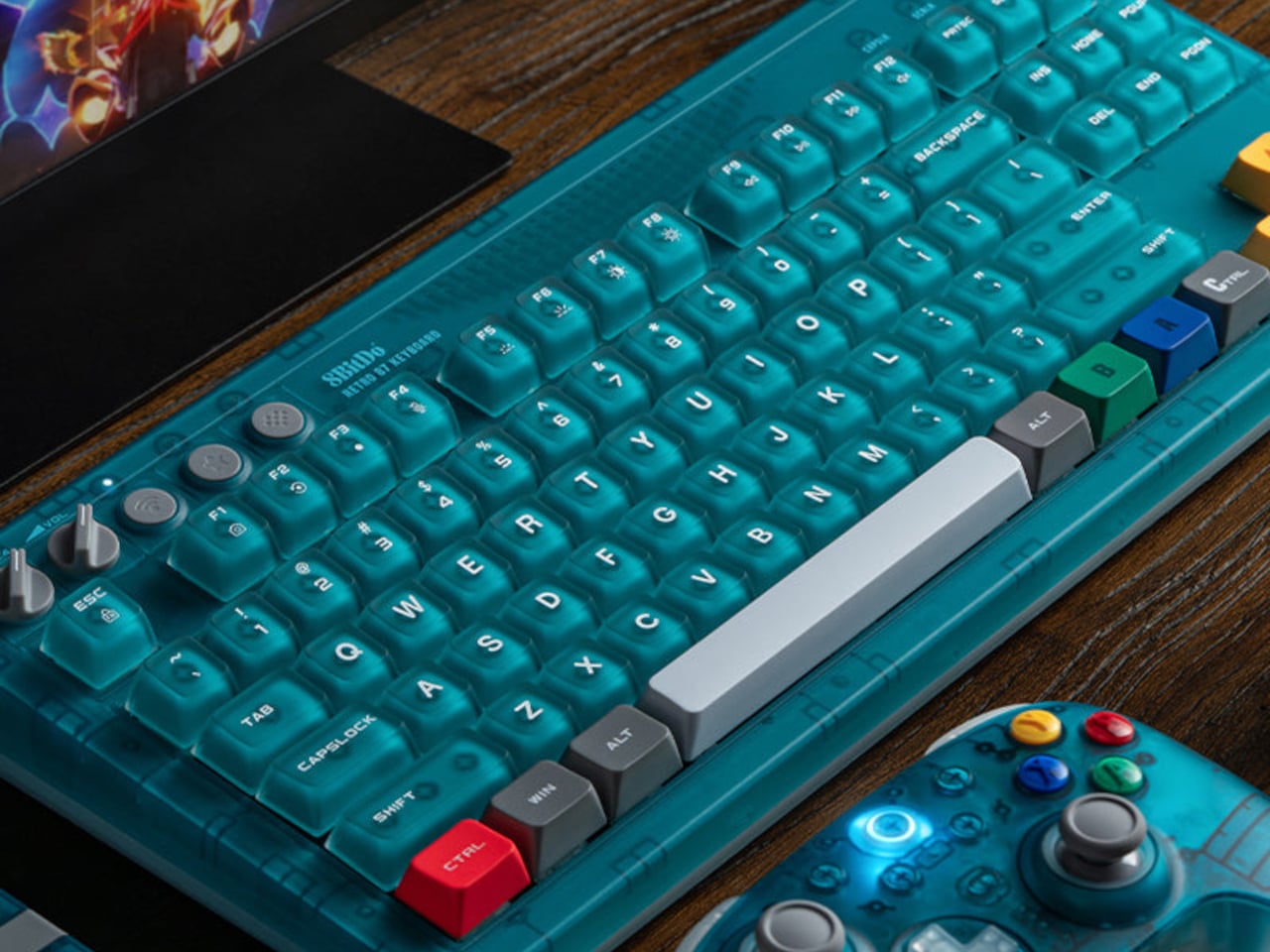
5 Best Car Gadgets That Just Made $100,000 Factory Options Look Embarrassingly Overpriced

There’s a quiet lie running through every automotive options sheet. It tells you that safety, intelligence, and situational awareness are features you earn by selecting the right trim level, ticking the right package, or visiting the right dealership. The implication is that proper capability lives at the factory and nowhere else. These five gadgets disagree loudly. Each one does something that costs hundreds or thousands of dollars as a factory option, and does it better, for less money, without requiring a new vehicle or a dealer appointment.

The aftermarket has always had better answers than the showroom — that’s not a new observation. What is new is how sophisticated those answers have become. These aren’t optimistic spec sheets printed on cheap plastic. They are purpose-built tools with genuine engineering behind them, from tungsten-carbide emergency escape instruments to AI-vision heads-up displays.  Together, they make a compelling case that the best version of your car is assembled in parts, not ordered off a build sheet.

1. WYN Bullet

In 2017, over 20,800 US accidents involved fire or water submersion, resulting in nearly 1,900 deaths. A significant portion involved drivers who couldn’t exit their vehicles quickly enough — doors jammed on impact, electrical systems failed, windows stopped responding, and the compression of panic turned every second into a decision too difficult to make clearly. Every premium automaker sells a safety package. Not one of them ships an emergency glass-breaking tool. The WYN Bullet, developed alongside first responders and machined from stainless steel with a tungsten-carbide tip, is exactly that tool — small enough to clip to a keychain and powerful enough to shatter a tempered glass window in under a second with a single push.

The engineering behind it is precise where it needs to be. Toughened glass is designed to withstand the broad, flat impact of a panicked human fist. The WYN Bullet’s patent-pending direct-impact mechanism positions the internal striker directly behind the tungsten-carbide tip, concentrating force into a contact area so small it creates shock waves that fracture the entire panel instantly—no technique required, no repetitive strikes, no Dwayne Johnson-level force. The tool measures 77mm, weighs 45 grams, and ships with both a pocket clip and a keyring loop in stainless steel or black oxide finish. This is AAA-endorsed emergency equipment built for firefighters and EMTs, now available to anyone for the price of a dinner out.

What we like:

  • One-push mechanism requires no practice or upper-body strength to activate
  • Dual carry options — pocket clip and keyring — keep it genuinely reachable in an emergency

What we dislike:

  • The tool’s fidget mechanism makes accidental discharge in a pocket a real possibility
  • No protective case is included, leaving the tungsten tip exposed in storage

2. TrantorVision NeuroHUD

General Motors put a heads-up display in the Oldsmobile Cutlass Supreme in 1988. By 2026, BMW charges $1,200 for one, Porsche charges $2,600 for an augmented reality version, and Tesla — a company founded on the premise that software could replace hardware — ships every Model 3 and Model Y without one, directing all critical driving data to a center-console touchscreen roughly 30 degrees below the driver’s natural forward sightline. TrantorVision built the NeuroHUD specifically for that gap. It installs without tools in under a minute, clips behind the center screen, draws power through a single USB-C cable, and leaves the factory wiring completely untouched.

The dual-channel data architecture is what separates it from the category. A pair of 150-degree AI fisheye cameras face Tesla’s display and read high-frequency data — speed, gear state — at 50Hz, with end-to-end latency as low as 20 milliseconds. Battery range and navigation pull through the Tesla API on a separate channel. The output is a 1,500-nit, 4-inch TFT panel at 480×800 resolution, visible in direct sunlight, projecting information into the driver’s sightline through either a combiner screen or directly onto the windshield — switchable without tools. Screen mirroring, GPS-triggered garage automation, CarPlay, Android Auto, an open API, and a community layout library round out a software stack designed to grow over-the-air. No new hardware required when new features ship.

Click Here to Buy Now: $379 $629 (40% off). Hurry, only a few left! Raised over $557,000.

What we like:

  • Dual-channel architecture matches production-fitted HUDs in latency and data richness without touching factory wiring
  • Open API and community layouts mean the display continues evolving after purchase

What we dislike:

  • Shipping begins September–October 2026, making this a pre-delivery commitment at checkout
  • Windshield Projection Mode and deeper Tesla API integration require the Pro tier at $429, not the standard $379

3. GOOLOO DS200 DeepScan

Every car sold in the United States since 1996 carries an OBD2 port — a standardized diagnostic socket that must be present, accessible, and readable by any compliant tool. Dealers have known this for thirty years and built a reliable business around owning the only compliant tool in the conversation, charging $100 to $200 every time a warning light appears to read data that has been sitting in the car’s computer the entire time. The GOOLOO DS200 DeepScan is a Bluetooth dongle the size of a matchbox that performs a full-system scan across engine, transmission, ABS, airbags, stability control, TPMS, steering, and air conditioning, then delivers every result to your phone in plain language, without a waiting room.

What separates the DS200 from the basic code readers that have existed for a decade is the breadth of the scan and the intelligence layered on top of it. It doesn’t hand you a code number to Google separately — it calculates volumetric efficiency, logs fault histories with timestamps, and performs active maintenance functions including oil light reset, electronic parking brake recalibration, steering angle sensor reset, and DPF regeneration. Secure gateway unlock for FCA and Renault vehicles is built in, giving access past the authentication wall that stops most competing tools cold. AutoVIN identifies the vehicle automatically. Bluetooth 5.0 holds a stable connection at 33 feet. The unit weighs 2.89 ounces. The diagnostic intelligence that used to require a $10,000 workshop scanner now fits in a $60 dongle that stays plugged in permanently.

What we like:

  • Full-system sweep across 20+ vehicle systems, not just engine and emissions codes
  • Secure gateway unlock is a genuinely rare capability at this price point

What we dislike:

  • Full functionality requires an annual subscription after the first year of use
  • The $129.99/year tier for advanced special functions is a meaningful ongoing cost for casual home users

4. Tymate TM7

The factory TPMS experience goes like this: a yellow icon appears on the dashboard. It says a tire is low. It does not say which tire, by how much, or at what temperature — only that something somewhere is wrong. The drive to a dealer follows. A service advisor explains that the sensor in question has failed and needs to be replaced. The part costs $150, reprogramming adds another fee, and a four-sensor job on a well-maintained vehicle can clear $1,000 without touching anything else. The Tymate TM7 screws four external sensors onto existing valve stems in under five minutes. From that moment, it monitors pressure and temperature on all four tires simultaneously with ±1.5 PSI and ±3°F accuracy, displayed live on a solar-charged color LCD receiver that plugs into the cigarette lighter with no wiring.

Six independent alarm modes cover every meaningful failure scenario: high pressure, low pressure, rapid leakage, high temperature, low sensor battery, and signal loss. The receiver includes two USB charging ports, turning the cigarette socket from a single-use outlet into a charging hub. The display adjusts its backlight for direct sunlight and near-darkness without manual input. Pressure range runs from 0 to 87 PSI, covering sedans, SUVs, trucks, and RVs. Sensors run on replaceable CR1632 batteries with a guided video for the swap. For vehicles that shipped with no meaningful TPMS feedback at all, the TM7 converts a vague warning light into four individual readings refreshing throughout every drive — which is a more honest picture of what’s happening under the car than most factory systems bother to provide.

What we like:

  • Six distinct alarm types give genuinely comprehensive coverage across failure modes
  • Solar charging on the receiver removes one more thing to remember to plug in

What we dislike:

  • External cap sensors sit exposed on the valve stems, making them easier to steal or damage than internal units
  • Trailers over 36 feet require an additional repeater module, sold separately

5. 70mai 4K T800

BMW’s Driving Assistant Professional — the camera suite with cross-traffic alerts and the full parking sensor array — runs around $1,700. Volvo’s Pilot Assist Pro is closer to $2,000. What those factory systems deliver is a collection of cameras engineered primarily for driver assistance, not evidence. The 70mai 4K T800 works the problem from the other direction: it’s built first for documentation, with the understanding that a camera that captures everything is ultimately more useful than one that warns you about things. Its triple-channel system pairs two Sony STARVIS 2 IMX678 4K sensors for the front and rear — the same sensor class found in flagship smartphones — with a 1080p interior camera backed by four 940nm infrared LEDs. Three synchronized angles, running continuously, all the time.

The engineering decisions that matter most are the ones that don’t surface until something goes wrong. A three-minute pre-collision buffer means the camera was already recording before the accident happened, capturing the context that determines fault. Wi-Fi 6 on the 5GHz band transfers footage at up to 40MB/s, making roadside evidence retrieval a seconds-long task rather than a twenty-minute wait. A supercapacitor replaces the traditional battery, operating cleanly from -40°C to 85°C without the swelling that terminates most consumer dashcams after a few summer cycles. 70mai Lumi Vision handles nighttime parking surveillance across all three channels simultaneously. ADAS alerts cover lane departure, forward collision, and separate detection for pedestrians and cyclists. The system supports up to 512GB of storage, meaning weeks of continuous footage before anything loops.

What we like:

  • Identical 4K quality front and rear — most competing systems give the rear a significantly weaker sensor
  • Pre-collision buffer captures the lead-up to an incident, not just the moment of impact

What we dislike:

  • Running the rear camera cable through the headliner is a job most owners will want professional help with
  • Full parking surveillance with the UP05 hardwire kit pushes total cost well above $500

The Best Version of Your Car Isn’t on the Options Sheet

The factory narrative has always relied on convenience — the idea that buying everything at once, from one source, is simpler than assembling capabilities piece by piece. That’s true, as far as it goes. What it leaves out is that the pieces you’d assemble are often better. A tungsten-carbide escape tool, a full-system diagnostic scanner, four live tire readings, three-angle 4K documentation, and a pilot-grade heads-up display — none of these required a new car. They required a valve stem, a USB port, an OBD2 socket, and a windshield.

What connects all five is something more specific than price. Each one solves a problem the car was designed around without solving — the emergency exit nobody plans for, the check engine light nobody decodes, the tire warning nobody quantifies, the blind spot nobody documents, the HUD nobody included. The aftermarket has always been where honest engineering lives. Right now, it’s producing some of the most considered, driver-focused products available at any price point, and the options sheet doesn’t get a vote.

The post 5 Best Car Gadgets That Just Made $100,000 Factory Options Look Embarrassingly Overpriced first appeared on Yanko Design.

8 Father’s Day Tech Gifts for Men Who Don’t Need Anything — But Actually Want These

The man who says he doesn’t need anything usually means he’s stopped expecting to be surprised. Father’s Day is the rare window where you can close that gap with something genuinely considered, not a gift card, not a safe bet, but an object that reflects actual attention. Every product on this list was built by people who thought carefully about the person using it, not just the one buying it.

What makes these gifts land is specificity. A privacy-first phone for the dad who quietly deleted his social accounts two years ago. A satellite watch for the one who goes places where a signal is a luxury. A smart ring for the guy who knows his HRV before he knows what’s for breakfast. The right gift doesn’t need a bow. It just needs to be exactly right for exactly that person.
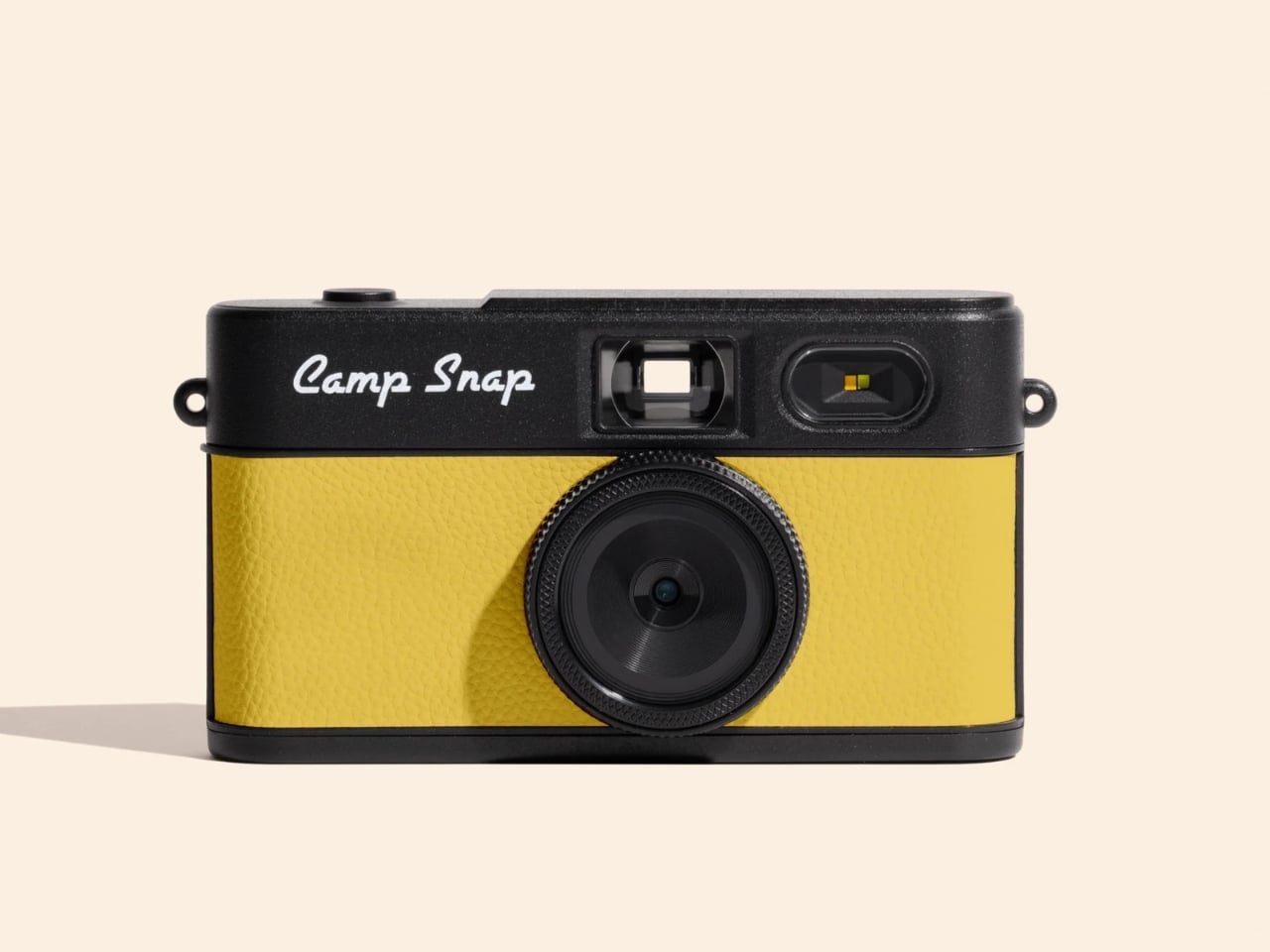
1. Plinius Phone

There are phones that gather your data quietly, and there is the Volla Plinius. Built in Germany, this IP68-certified semi-rugged smartphone ships with either Ubuntu Touch or Volla OS, a Google-free version of Android, returning full control to the person holding it. The hardware backs that up convincingly: a 6.67-inch 120Hz OLED display, a MediaTek Dimensity 7300 processor, a 64MP main camera, and a 5,300mAh battery that you can replace yourself, a detail so deliberately countercultural it barely needs explaining.

For the dad who has quietly grown suspicious of how much his phone knows about him, the Plinius isn’t a compromise; it’s a correction. Two user-configurable hardware buttons let you shortcut whatever matters most, and the build holds up against water, drops, and the general conditions of a life lived without excessive caution. The standard model starts at €598 with 8GB RAM and 128GB storage, and it carries the kind of material confidence that makes most flagship phones feel like dressed-up glass rectangles.

What We Like

  • Privacy-first software with a choice of Ubuntu Touch or Google-free Volla OS built in from the start
  • A replaceable 5,300mAh battery on a modern IP68-certified body, a combination almost no other manufacturer offers

What We Dislike

  • Shipping is currently limited to Europe and the UK, which rules it out for buyers elsewhere
  • The Google-free ecosystem requires an adjustment period for anyone deep in the Android app ecosystem

2. OrigamiSwift Mouse

Designer Horace Lam built the OrigamiSwift around a single constraint: a Bluetooth mouse that you actually want to carry every day. Inspired by the geometry of origami, it folds flat in under 0.5 seconds and weighs just 40 grams, making it light enough to slip into a jacket pocket alongside a phone and forget about until you need it. For the dad who works from hotel rooms, client offices, or the corner café between meetings, this is the piece of kit that completes a laptop setup without adding to it.

The triangular structure does more than reference its design language. It reinforces the mechanics, giving the mouse a surprising solidity when open that you wouldn’t expect from something this compact. The transition from travel mode to full-sized ergonomic comfort becomes unconscious after a day of use, which is the real measure of any portable tool.

Click Here to Buy Now: $85.00

What We Like

  • Folds flat in under half a second and weighs just 40 grams for genuine everyday pocket portability
  • The origami-inspired triangular structure gives the mouse both structural rigidity and a strong visual identity

What We Dislike

  • The form factor defaults toward right-handed use, limiting comfort for left-handed users
  • Bluetooth-only connectivity offers no USB dongle option for setups where Bluetooth isn’t available

3. MelGeek Centauri80 Keyboard

The MelGeek Centauri80 is what happens when a keyboard decides to stop being a background object. Inside a suspended aluminum alloy unibody, TTC Flip King magnetic switches run at an 8000Hz polling rate with 0.125ms latency. Besides the keys, a 1.78-inch OLED touchscreen running at 325 PPI, the same pixel density as an Apple Watch face, displays live wallpapers, macros, and system controls. The physical rotary encoder called the Super Dock lets you dial in lighting and shortcuts without leaving whatever you’re working on.

MelGeek has spent a decade making keyboards for people who treat their desk setup the way audiophiles treat a listening room, and the Centauri80 is the clearest expression of that philosophy yet. The five-layer gasket-mounted acoustic structure keeps the typing sound intentional rather than accidental, and the suspended frame reduces vibration transfer throughout. At $299, it sits in a position against the Hall Effect field that feels genuinely earned. For the dad whose desk is his domain, this is the object that makes everything else on it reconsider its ambition.

What We Like

  • The 1.78-inch OLED touchscreen and Super Dock rotary encoder turn the keyboard into a true desktop control surface
  • Hall Effect switches at 0.125ms latency and 8000Hz polling deliver performance that serious typists and gamers both immediately notice

What We Dislike

  • Wired-only connection removes wireless flexibility for those who prefer a cleaner desk aesthetic
  • The $299 price tag places it firmly in deliberate gift territory rather than a casual upgrade

4. Xiaomi UltraThin Magnetic Power Bank 5000 15W

At 6mm thick and 98 grams, the Xiaomi UltraThin Magnetic Power Bank is thinner than most smartphones currently available, including the iPhone 17, which makes it feel less like a battery pack and more like a thoughtful design decision snapped onto the back of a phone. The 5,000mAh cell delivers 15W wireless charging on Xiaomi 17 series devices, 7.5W on iPhones, and up to 22.5W wired over USB-C. The aluminum alloy body is available in Glacier Silver, Graphite Black, and Radiant Orange, starting at around €60.

Most portable batteries live at the bottom of a bag because they’re too heavy to ignore. The Xiaomi UltraThin lives on the back of a phone, invisible and present at the same time, which is the exact behavior a daily-carry object should aspire to. For the dad who runs between meetings and treats plugging in as a luxury he rarely finds time for, this is the kind of upgrade that only becomes visible when everyone else’s phone hits 3% at the end of a long day.

What We Like

  • At 6mm thick and 98 grams, it is the thinnest magnetic power bank available at this capacity
  • Multi-mode charging supports Xiaomi devices, iPhones, and wired USB-C output in a single, minimal form

What We Dislike

  • The 5,000mAh capacity is designed for a top-up rather than a full recharge from zero
  • iPhone users are capped at 7.5W wireless output, well below the 15W maximum this pack delivers

5. StillFrame Headphones

StillFrame weighs 103 grams, and that number matters more than almost anything else on the spec sheet, because it means these over-ear headphones sit on your head the way a well-made hat sits: present but not intrusive. The ultra-minimal design draws from the quiet geometry of ’80s and ’90s CD culture, no exposed hardware, no decorative flourish, no design language that dates itself. Active noise cancellation and transparency mode both switch with a single tap, and the 24-hour battery means one charge carries from morning to evening without prompting you to think about a cable.

At $245, StillFrame earns its place by committing fully to one idea and executing it without compromise. Around the neck between uses, it disappears into an outfit rather than competing with it, which is a quality most headphones claim, and very few deliver. For the dad with a long commute or a home office that bleeds into family hours, these are headphones that serve both contexts, looking as considered on a collarbone as they do on the ears.

Click Here to Buy Now: $245.00

What We Like

  • At 103 grams, it sits among the lightest over-ear headphones available without any sacrifice in build integrity
  • The 24-hour battery runs from morning to evening on a single charge, removing low-battery anxiety from the equation

What We Dislike

  • Limited colorways are a direct consequence of the same design restraint that makes the StillFrame look this precise
  • The ultra-minimal form commits fully to its design language, which rewards patience but won’t suit every aesthetic or setup

6. Futurewave O-Boy Satellite Watch

The O-Boy is a satellite-based emergency smartwatch developed by Brussels design studio Futurewave for the specific condition where a phone network simply doesn’t exist. It transmits emergency alerts via satellite connectivity alone, working across mountains, open ocean, and isolated work sites where the nearest signal tower is an abstraction. The black and red color palette is borrowed directly from safety equipment and emergency signaling. The rounded form exists partly for wrist comfort and partly to accommodate the antenna hardware inside, a constraint that became an aesthetic.

O-Boy is for the dad who actually goes off-grid, not the one who talks about it. Starting at $399, it positions itself as the first multiple-use satellite rescue watch, meaning it isn’t single-use distress gear but a daily wearable built around the idea that safety and adventure don’t require negotiation. Developed through collaboration between product designers, electronics engineers, and antenna experts, the watch was tested for waterproofing, pressure resistance, and shock tolerance before the design was finalized. For fathers who push into real wilderness, nothing on this list is more important.

What We Like

  • Satellite connectivity works entirely without a mobile network, covering genuinely remote environments anywhere on Earth
  • Designed to meet waterproofing, pressure resistance, and shock tolerance requirements alongside proportions suited for daily wear

What We Dislike

  • Emergency-focused functionality means lifestyle and fitness features found in conventional smartwatches are not the priority here
  • Satellite communication services may carry ongoing subscription costs depending on the region and chosen plan

7. Soundcore Sleep Earbuds

The Soundcore sleep earbuds were built around a single, unglamorous problem: you want to sleep, and something else has other plans. The slim, low-profile design fits comfortably through the night even for side sleepers, while the noise-masking system blocks up to 35dB, enough to cover a snoring partner, street traffic, or the ambient low-frequency sounds that standard earplugs address poorly. Bluetooth connectivity doubles them as audio earbuds, letting you build a wind-down routine around music, podcasts, or whatever audio works best before sleep.

The Soundcore app extends the experience with white noise options, sleep tracking, a smart alarm calibrated to wake you at the right point in a sleep cycle, and adjustable EQ. For the dad whose sleep quality has quietly degraded over busy years, whether from stress, a shared bedroom, or a schedule that doesn’t respect recovery, these are a practical gift with a measurable impact. They are small enough to forget about entirely until the morning you realize you slept straight through without waking once.

What We Like

  • The ultra-slim, low-profile build stays comfortable through the night, even for dedicated side sleepers
  • The Soundcore app adds sleep tracking, a smart alarm, and curated soundscapes well beyond basic noise blocking

What We Dislike

  • Passive noise masking at 35dB performs well on consistent sounds, but won’t match the output of active noise cancellation technology
  • The full feature set requires the Soundcore app, which adds a dependency on a smartphone connection throughout the night

8. RingConn Gen 2 Smart Ring

The RingConn Gen 2 is made from titanium alloy, measures 6.8mm wide and 2mm thick, and tracks heart rate, HRV, blood oxygen, skin temperature, sleep quality, stress, and sleep apnea, a feature developed in partnership with leading universities and hospitals and one of the first of its kind in a ring-form wearable. Battery life runs 10 to 12 days, depending on ring size. The smart charging case can push total runtime beyond 150 days, and the entire experience runs without a subscription. It is waterproof to 100 meters.

What makes the Gen 2 a genuinely thoughtful gift is the no-subscription model. Most health platforms hold your own data behind a monthly fee; RingConn doesn’t. For the dad who already tracks his health but resents the overhead, or the one who’s been told he should but hasn’t started, this is the wearable that disappears on a finger and simply does its job. At $209, it competes with the Oura Ring on depth of insight while undercutting it on price and profile.

What We Like

  • No subscription required to access your own health data, which is increasingly rare in the smart ring category
  • A 10 to 12-day battery paired with a smart charging case extends total runtime to over 150 days

What We Dislike

  • Enabling sleep apnea monitoring increases power consumption, which can affect battery life on smaller ring sizes
  • No built-in GPS limits its outdoor fitness tracking capability without a paired phone nearby

The Bottom Line

Father’s Day gifts tend to fall into two categories: the kind you buy because the calendar told you to, and the kind you buy because you actually paid attention. Every product on this list belongs to the second category. They represent design decisions that hold up, objects built by people who thought carefully about the person using them, not just the person browsing the checkout page at 11 pm the night before.

The right one here isn’t the most expensive. It’s the one that fits the man you’re buying for. A privacy-first phone for the dad tired of being the product. A satellite watch for the one who needs a lifeline in places where no signal reaches. A ring that tracks his health without demanding he change anything about how he lives. Pick the one that sounds like someone specific, and give it, knowing the thought behind it is already half of what makes it worth receiving.

The post 8 Father’s Day Tech Gifts for Men Who Don’t Need Anything — But Actually Want These first appeared on Yanko Design.