Have you ever wanted to immerse yourself in a world of imagination and wonder, where you can escape from the mundane and dive into the extraordinary? If so, then AMC Theatres is the perfect destination for you. With a rich history dating back to 1920, AMC Theatres offers a premium movie-going experience that is second […]
The new ChatGPT desktop application is a versatile and powerful tool designed to enhance your productivity, creativity, and information access. This guide provides a detailed overview of its functionalities, including examples and prompts to help you make the most out of the application. By integrating various features, this application can assist you in research, writing, […]
If you couldn't access the Internet Archive and its Wayback Machine over the past few days, that's because the website has been under attack. In fact, the nonprofit organization has announced that it's currently in its "third day of warding off an intermittent DDoS cyber-attack" in a blog post. Over the Memorial Day weekend, the organization posted on Twitter/X that most of its services aren't available due to bad actors pummeling its website with "tens of thousands of fake information requests per second." On Tuesday morning, it warned that it's "continuing to experience service disruptions" because the attackers haven't stopped targeting it.
The website's data doesn't seem to be affected, though, and you could still look up previous pages' content whenever you could access it. "Thankfully the collections are safe, but we are sorry that the denial-of-service attack has knocked us offline intermittently during these last three days," Brewster Kahle, the founder of the the Internet Archive, said in a statement. "With the support from others and the hard work of staff we are hardening our defenses to provide more reliable access to our library. What is new is this attack has been sustained, impactful, targeted, adaptive, and importantly, mean."
The Internet Archive has yet to identify the source of the attacks, but it did talk about how libraries and similar institutions are being targeted more frequently these days. One of the institutions it mentioned was the British Library whose online information system was held hostage for ransom by a hacker group last year. It also talked about how it's being sued by the US book publishing and US recording industries, which accuse it of copyright infringement.
This article originally appeared on Engadget at https://www.engadget.com/the-internet-archive-has-been-fending-off-ddos-attacks-for-days-035950028.html?src=rss
The GRAVITY C5 Magnetic Wireless Charging Power Bank from ADAM elements offers a combination of convenience and efficiency for on-the-go charging with sleek aesthetics. Measuring only 8.7mm in thickness, this power bank is impressively slim and lightweight, making it incredibly easy to carry and handle with just one hand. Whether you’re slipping it into your pocket, a small bag, or carrying it in your hand, it ensures you have a reliable power source on the go without adding unnecessary bulk.
Built to support MagSafe charging, this device is compatible with iPhone 12, 13, 14, and 15 series. It securely and automatically attaches to your iPhone using a strong magnetic alignment, ensuring instant charging without the need for plugging in cables. This feature is particularly useful for those who are always on the move, as it allows for quick and easy attachment and detachment. The magnetic design also ensures that the power bank does not obstruct your phone’s camera, allowing you to continue using your phone for taking pictures or shooting videos and other usages without interruption.
One of the impressive features of this power bank is its dual charging capability. It supports USB-C 20W wired fast charging and 15W MagSafe wireless charging, allowing you to simultaneously charge up to two devices. This dual functionality is especially convenient for users with multiple devices, such as an iPhone, and wireless earbuds, such as an AirPod Pro, as it eliminates the need for multiple chargers and cables. A powerful 5000mAh lithium battery provides ample power to keep your devices running throughout the day, making it an ideal accessory for travelers, commuters, and busy professionals who need a reliable power source wherever they go.
Safety is a top concern with this device, which is equipped with over-current protection (OCP), over-voltage protection (OVP), and Foreign Objects Detection (FOD). These safety features protect your devices from potential damage during charging, providing peace of mind. The inclusion of these safety mechanisms underscores the commitment to delivering high-quality, reliable products that prioritize user safety and device longevity.
In terms of design, it is crafted from high-quality aluminum, combining durability with a sleek, modern look. Despite its robust construction, it remains lightweight, enhancing its portability and ease of use. Available in five attractive colors—Pink, Blue, Purple, Red, and Gray—it allows users to choose a color that best matches their personal style and preferences. This attention to aesthetic detail makes it a functional accessory that also adds a touch of style to your everyday tech ensemble.
Each package includes a storage pouch and a 200 mmUSB-C charging cable, providing everything you need for a seamless charging experience. T. Additionally, a one-year warranty is provided, ensuring reliable support and customer service for your purchase.
The GRAVITY C5 Magnetic Wireless Charging Power Bank is a practical and stylish solution for keeping your devices charged and ready for use. Its slim design, dual charging capability, and comprehensive safety features make it a versatile and reliable choice for anyone looking to stay powered up throughout the day. Whether you’re a frequent traveler, a busy professional, or someone who values convenience and style in their tech accessories, this power bank is designed to meet your needs and exceed your expectations.
Helen Toner, one of OpenAI’s former board members who was responsible for firing CEO Sam Altman last year, revealed that the company’s board didn’t know about the launch of ChatGPT until it was released in November 2022. “[The] board was not informed in advance of that,” Toner said on Tuesday on a podcast called The Ted AI Show. “We learned about ChatGPT on Twitter.”
Toner’s comments came just two days after she criticized the way OpenAI was governed in an Economist piece that she co-wrote with Tasha McCauley, another former OpenAI board member. This is the first time that Toner has spoken openly about the circumstances that led to Altman’s dramatic ouster from the company he co-founded in 2015, and his quick reinstatement following protests from employees.
In the podcast, Toner, who is current a director of strategy at the Centre for Security and Emerging Technology at Georgetown, said that Altman had made it hard for OpenAI’s board to do its job by withholding information, misrepresenting things, and, “in some cases outright lying to the board.” She added that Altman also hid the company’s ownership structure from the board. “Sam didn’t inform the board that he owned the OpenAI startup fund, even though he constantly was claiming to be an independent board member with no financial interest in the company,” Toner said. Altman’s actions “really damaged our ability to trust him,” she said, and by October 2023, the board was “already talking pretty seriously about whether we needed to fire him.”
She criticized Altman’s leadership on safety concerns around AI, saying that he often gave the board inaccurate information on the company’s safety processes, “meaning that it was basically impossible for the board to know how well those safety processes were working or what might need to change.”
When asked for comment, an OpenAI spokesperson referred Engadget to the statement the company provided to The TED AIShow. “We are disappointed that Ms. Toner continues to revisit these issues,” Bret Taylor, OpenAI’s current board chief and co-CEO of Salesforce told the podcast. An independent review of Altman’s firing, he added, “concluded that the prior board’s decision was not based on concerns regarding product safety or security, the pace of development, OpenAI’s finances, or its statements to investors, customers, or business partners.”
The exact reasons for Altman’s abrupt ouster last year were still unclear and have been a source of intense speculation in Silicon Valley. In March, Altman was reinstated to the board by a group of temporary board members which included Taylor, economist Larry Summers, OpenAI co-founder Greg Brockman, Instacart CEO and former Meta executive Fiji Simo, former Sony executive Nicole Seligman, and former CEO of the Bill and Melinda Gates Foundation Dr. Sue Desmond-Hellmann. In an independent investigation, law firm WilmerHale found that Toner’s decision to fire Altman along with the rest of OpenAI’s previous Board “was a consequence of a breakdown in the relationship and loss of trust between the prior Board and Mr. Altman.” WilmerHale also found that OpenAI’s previous board had fired Altman “abruptly” and without giving him a chance to respond to its concerns.
Toner’s revelations are the latest controversy that OpenAI, company that sparked off the modern AI revolution, has been involved in. Over the last few days, multiple safety researchers left the company, publicly criticizing its leadership on their way out. OpenAI also backtracked on non-disparagement agreements it had required departing employees to sign after a Voxinvestigation, and forced to explain itself after actor Scarlet Johansson accused the company of copying her voice for ChatGPT despite denying permission.
This article originally appeared on Engadget at https://www.engadget.com/openais-board-allegedly-learned-about-chatgpt-launch-on-twitter-235643014.html?src=rss
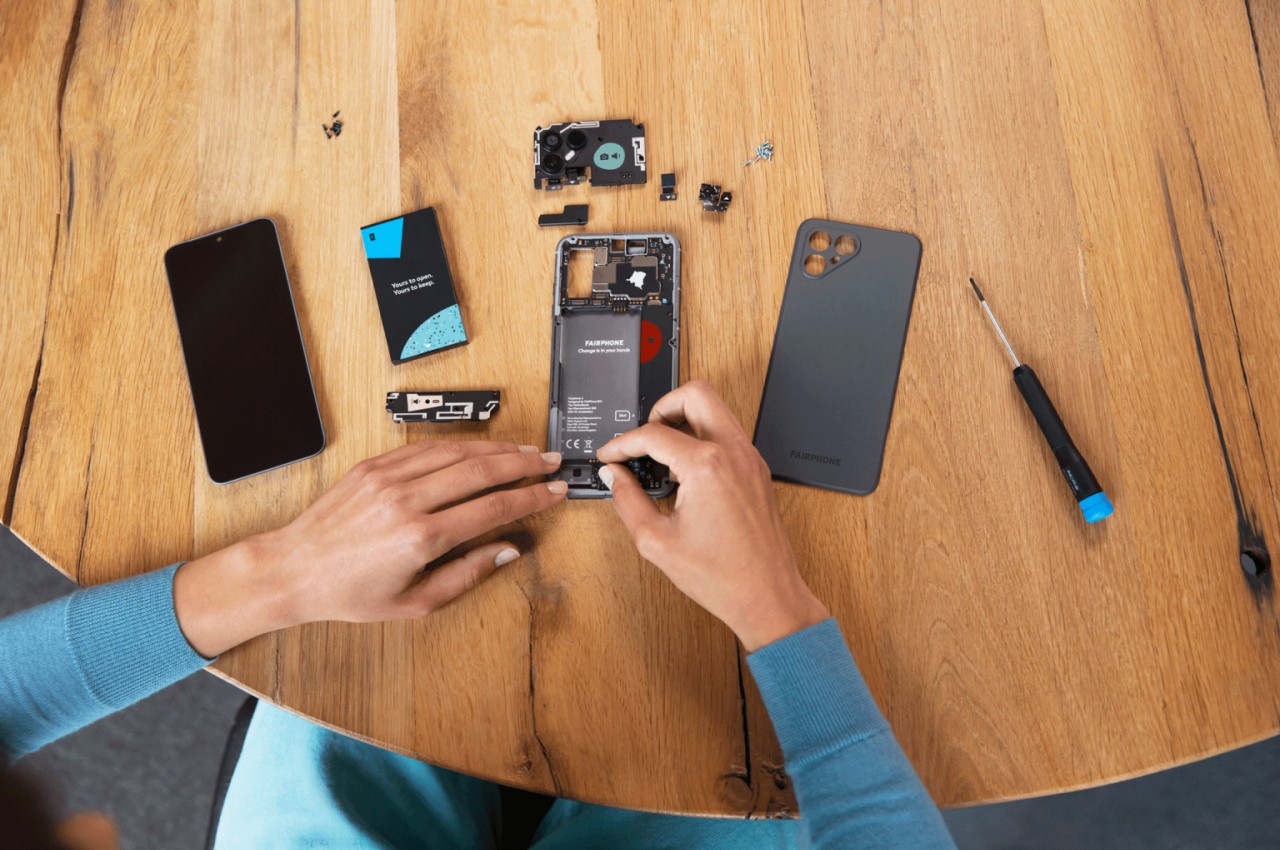
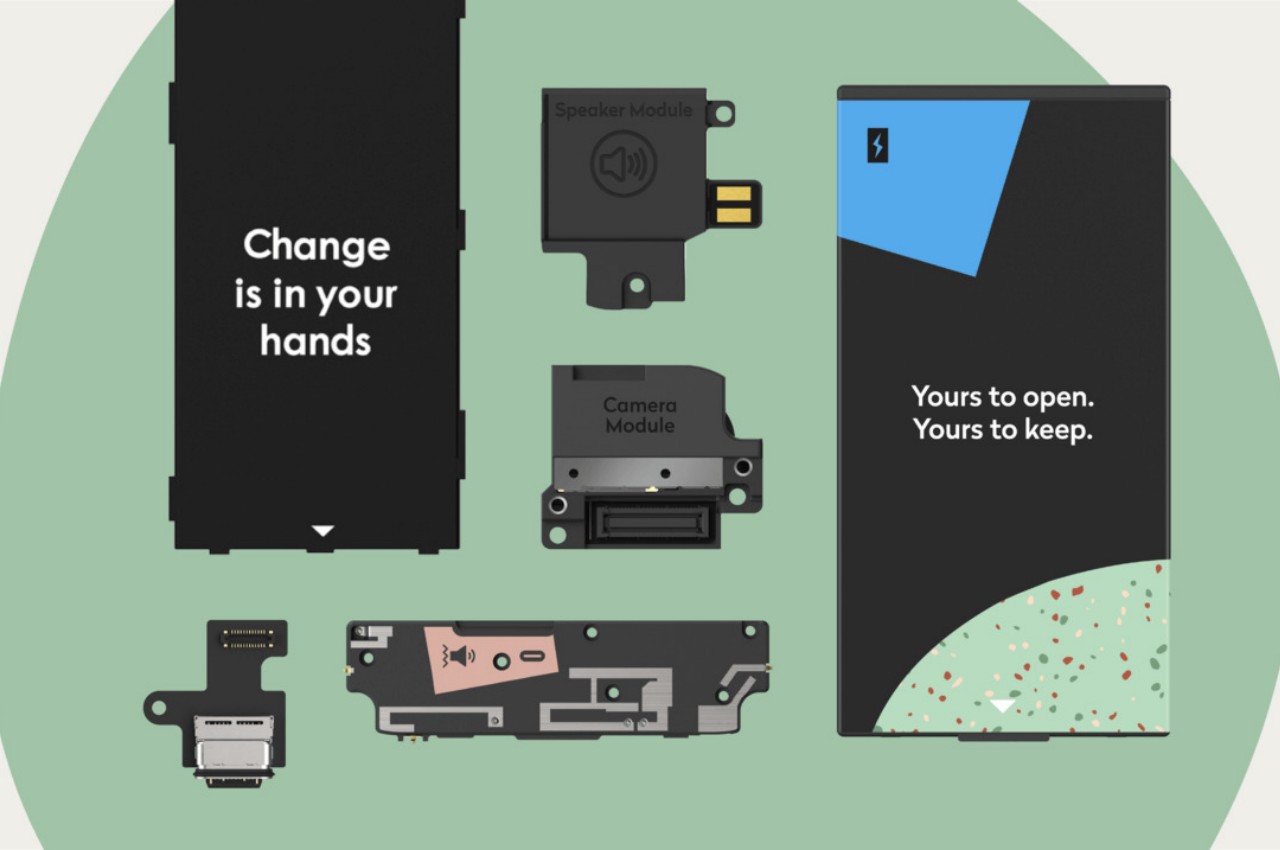
Once upon a time, mobile phones weren’t the fragile and replaceable devices they are today. Sure, they were still expensive during their period, but accidentally dropping one didn’t always mean the end. Replacement parts, officially or unofficially, were easy to come by and the actual process of repairing these phones didn’t require a degree. But as mobile phones turned into powerful yet complicated smartphones, much of the repairability of the past also got thrown out the window. Granted, very few consumers will dare to open up their iPhones or Pixels on their own, so why is there a lot of noise these days about having the ability to repair yours? As it turns out, the ability to repair smartphones more easily benefits not just the planet or buyers but even the phone brands themselves.
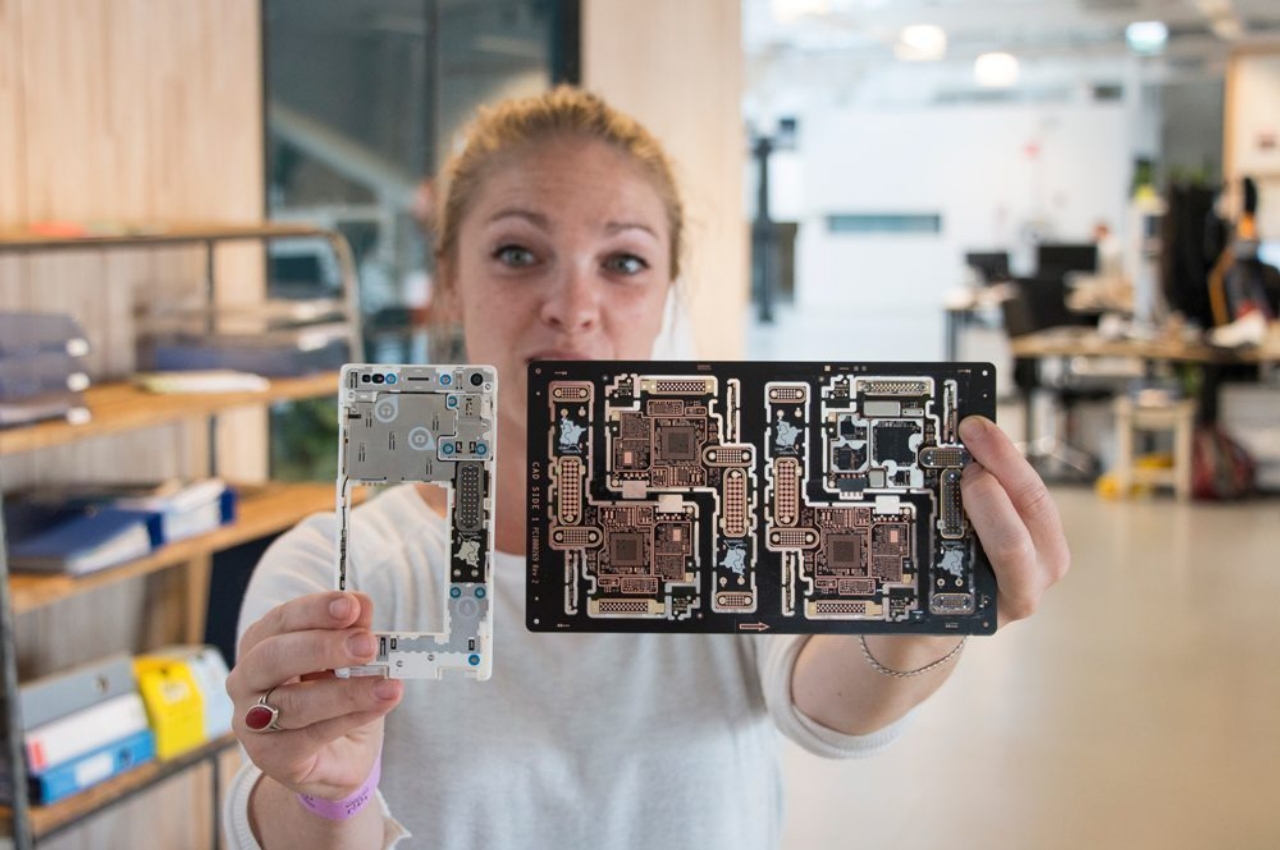
Designer: Fairphone
Right to Repair
Part of the rhetoric around the smartphone repair situation involves the general Right to Repair movement. As the name implies, it is pushing for legislation, policies, and awareness that would allow owners, as well as third-party businesses, to repair the products that they have bought. It might come as a surprise given how it seems to go against common sense, but the situation with electronics, which includes smartphones, basically disallows anyone but the company and its authorized service centers from opening up and repairing these products. Although it’s not an accurate comparison, it would be like being forbidden from repairing the dress or furniture, requiring you to go to the boutique or shop you bought them from to have them fixed.
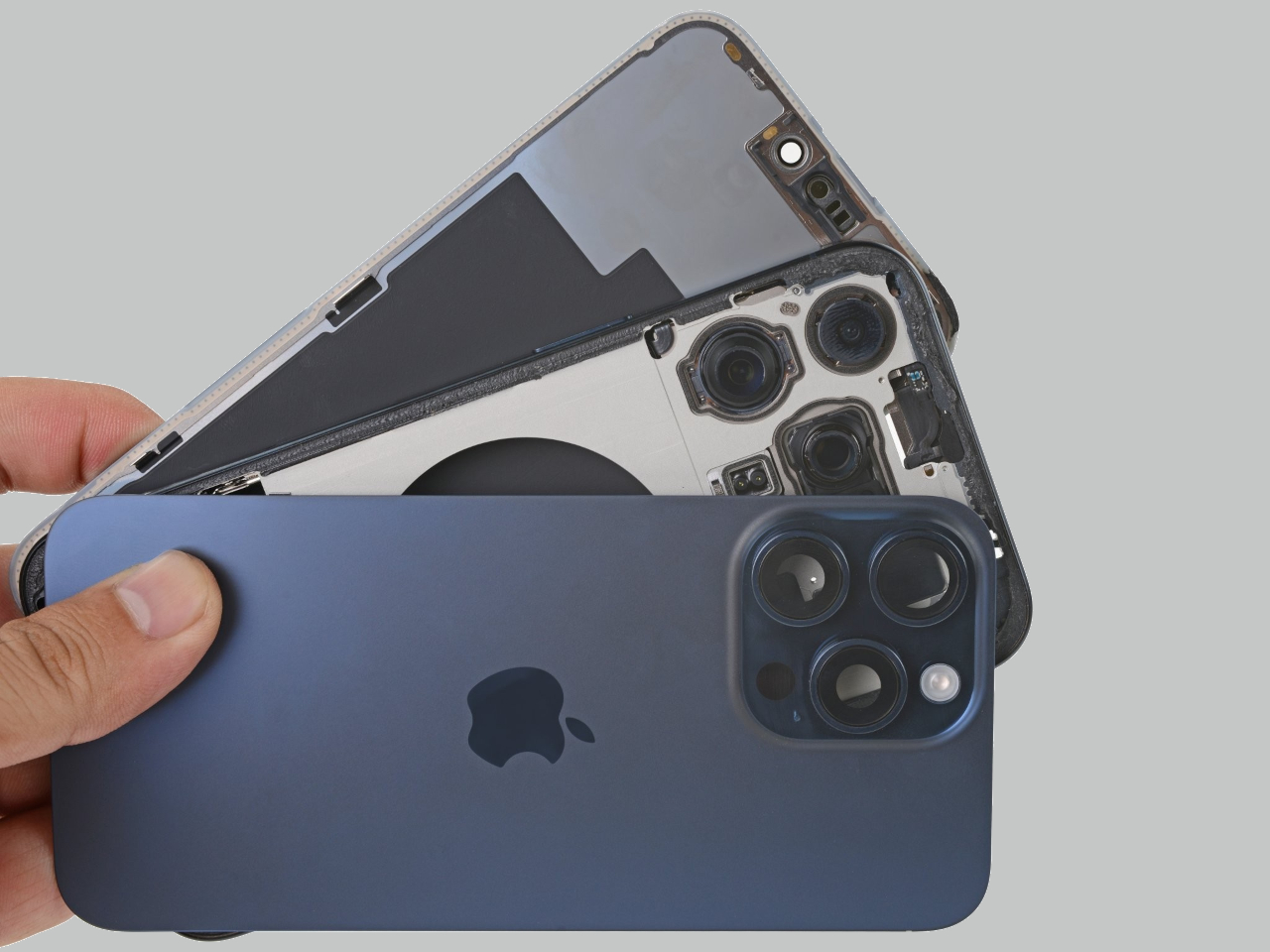
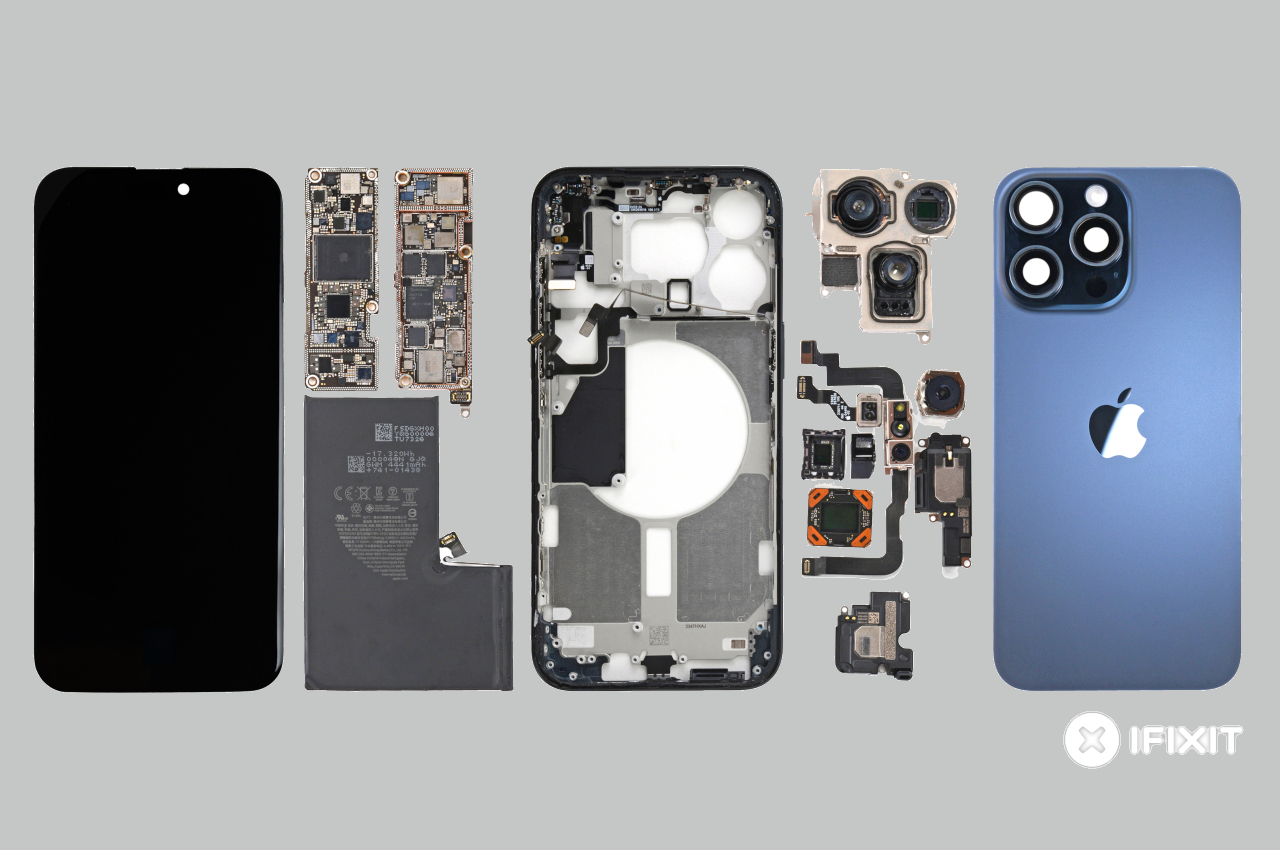
Designer: Apple (via iFixit)
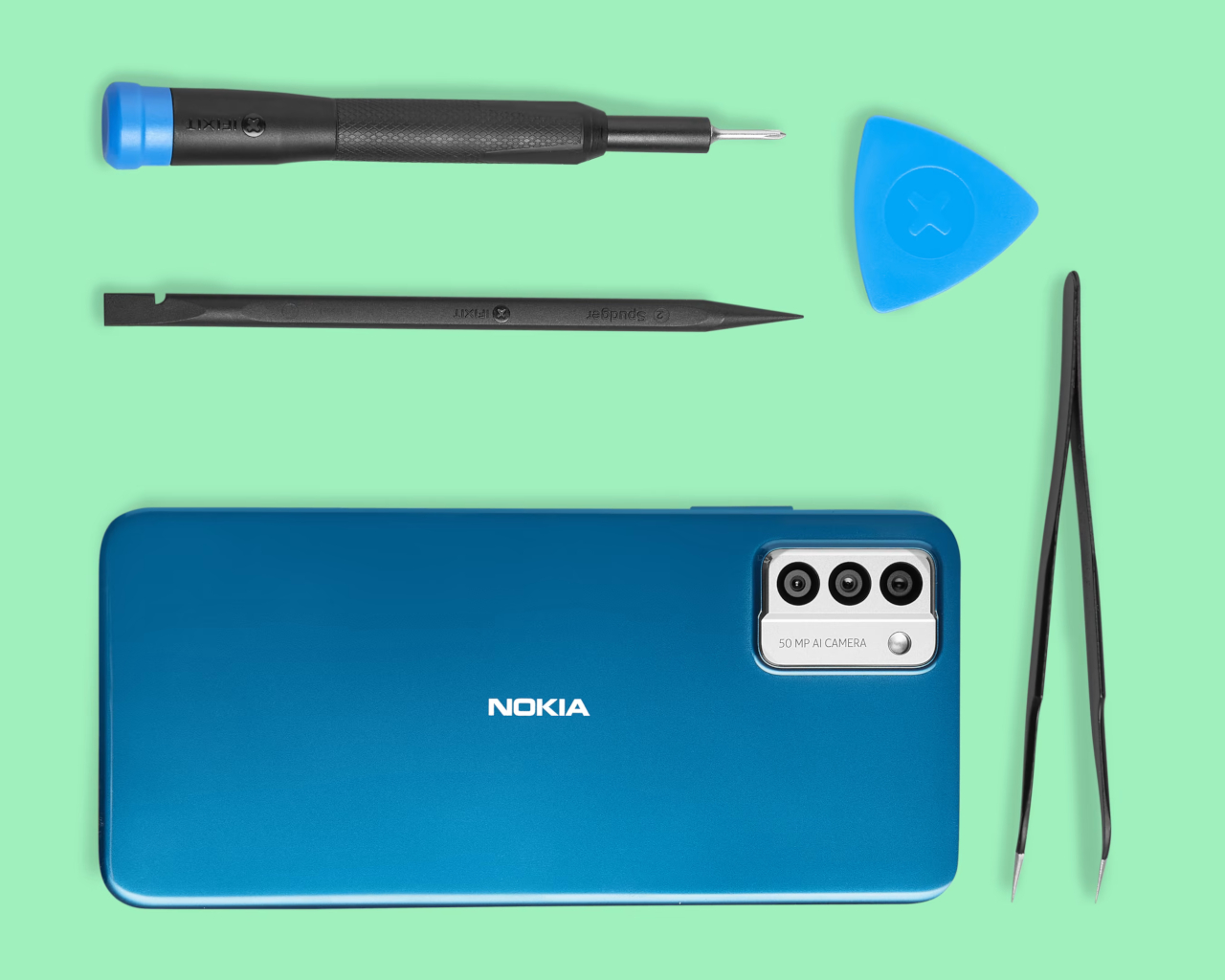
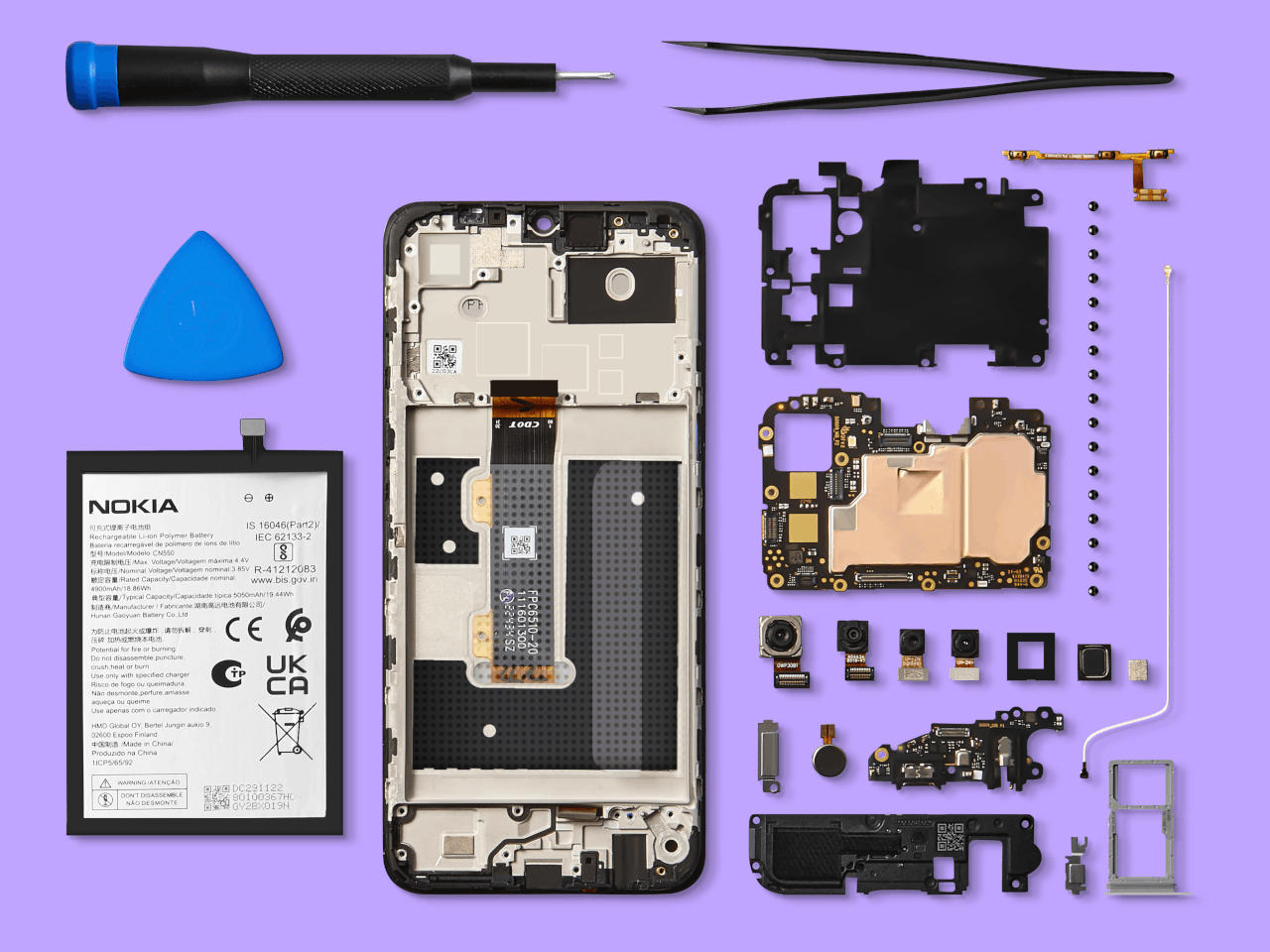
To be fair, smartphones are complex beasts, and opening them up risks further damaging the device. Companies also have the obligation to protect their intellectual property from snooping eyes, but that isn’t a blanket reason to design phones to be nearly impossible to repair. iFixit, one of the biggest proponents of this Right to Repair movement for consumer electronics, has reached a middle ground with companies, providing official repair guides and a store for buying replacement parts so that anyone with the skill and courage can do it, whether they’re the owner or a small repair business.
Repairable Phones Are Sustainable Phones
Legal arguments aside, proponents of making smartphones more repairable often appeal to the harmful effects the current state of business has on the planet. The number of smartphones made and shipped every year has probably already exceeded the population of the world, which raises the question of what has happened to these devices over the years. While manufacturers do have programs for sending them your old or broken phones for proper disposal, just how many people actually make the effort to do that? More often than not, they simply stow old phones until they’re forgotten or, worse, mindlessly throw them in the trash so that these non-biodegradable objects ultimately end up in landfills.
Designer: Fairphone
Smartphones aren’t immortal or invincible, of course, but the longer we can keep using them, the longer they’ll stay out of the trash. Truth be told, the biggest reason why people change phones isn’t because of the latest trends but because their old ones have become nearly unusable. A cracked screen, bloated or failing batteries, or a broken charging port are the most common causes, so being able to change these easily helps keep electronic waste down to a minimum and for longer periods of time.
Repairable Phones Save You From Stress
There are definitely people who switch to the latest and greatest models after just two years or sooner, but the majority of users would like to keep their phones for years as long as they’re still usable. It isn’t as much about fondness for the device as the stress of switching to a new one. Even with all the advancements in cloud storage, backups, and phone transfers, people still experience loss and stress when their phones no longer work and have to switch to a new one, often from scratch.
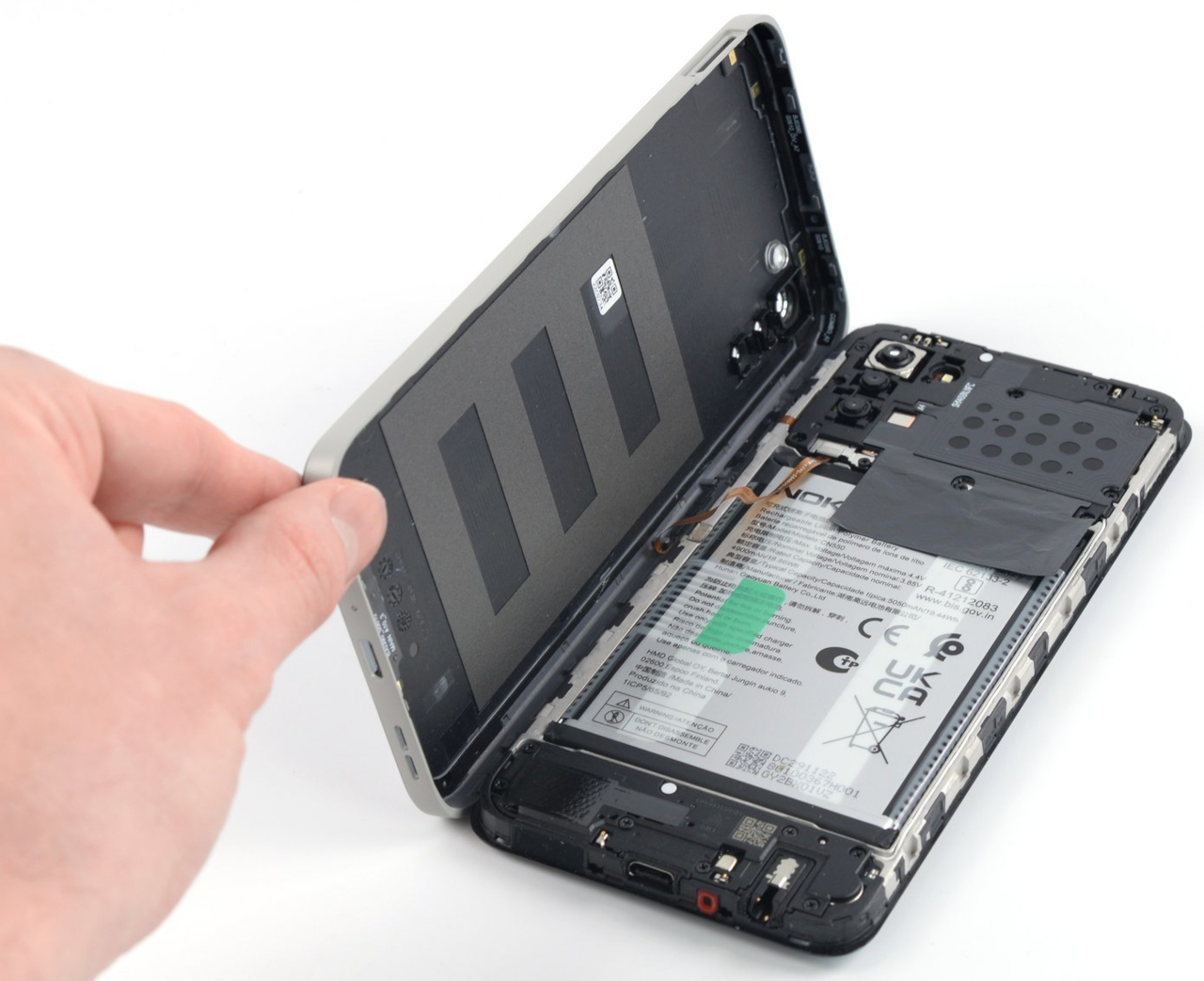
Designer: HMD Global
You still should back up your phone and its data regularly, of course, but improving these devices’ repairability lessens or shortens the anxiety and stress that owners experience. Your phone goes empty in less than a day? Simply change the battery and it’s as good as new. USB charging port feel loose and unreliable? Swap it out for a new one and be on your way. It also saves people from the stress of an unplanned major expense, especially when they can get a better model when the time really comes for them to upgrade.
Repairable Phones Are Good Business
Being able to repair smartphones easily might save consumers money and give small repair shops some business, but manufacturers and their shareholders will probably see it more as a revenue loss. After all, the longer people hold on to their old phones, the less they will buy new ones. Unfortunately, there is definitely some truth to that, which is why even big phone companies hesitate to encourage self-repairs or third-party services. It is, however, an outdated mentality that no longer reflects the reality of our present. Even Apple is realizing that profits are no longer coming just from outright hardware sales but also from software, services, and other sources. It’s definitely high time for these brands to be creative in how they can make more money without busting people’s wallets or killing the planet.
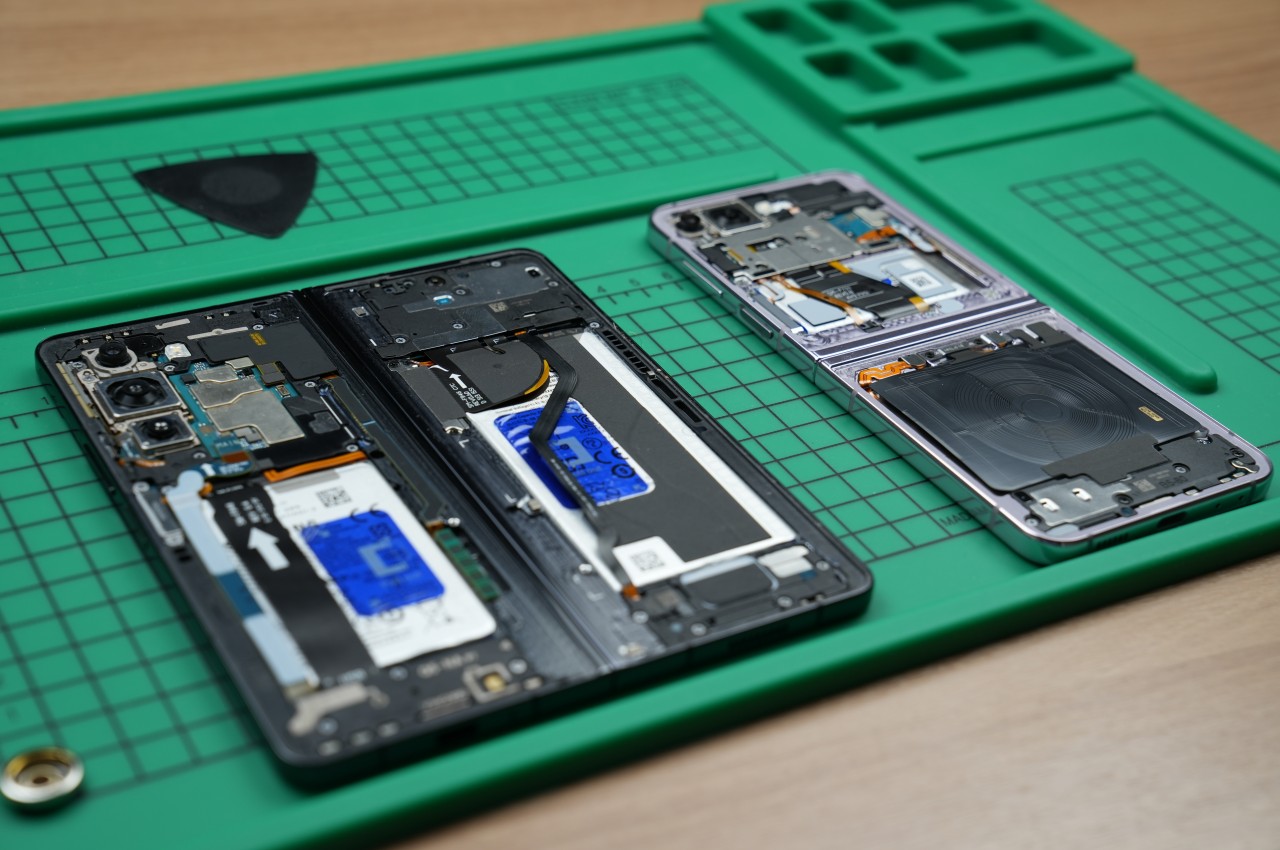
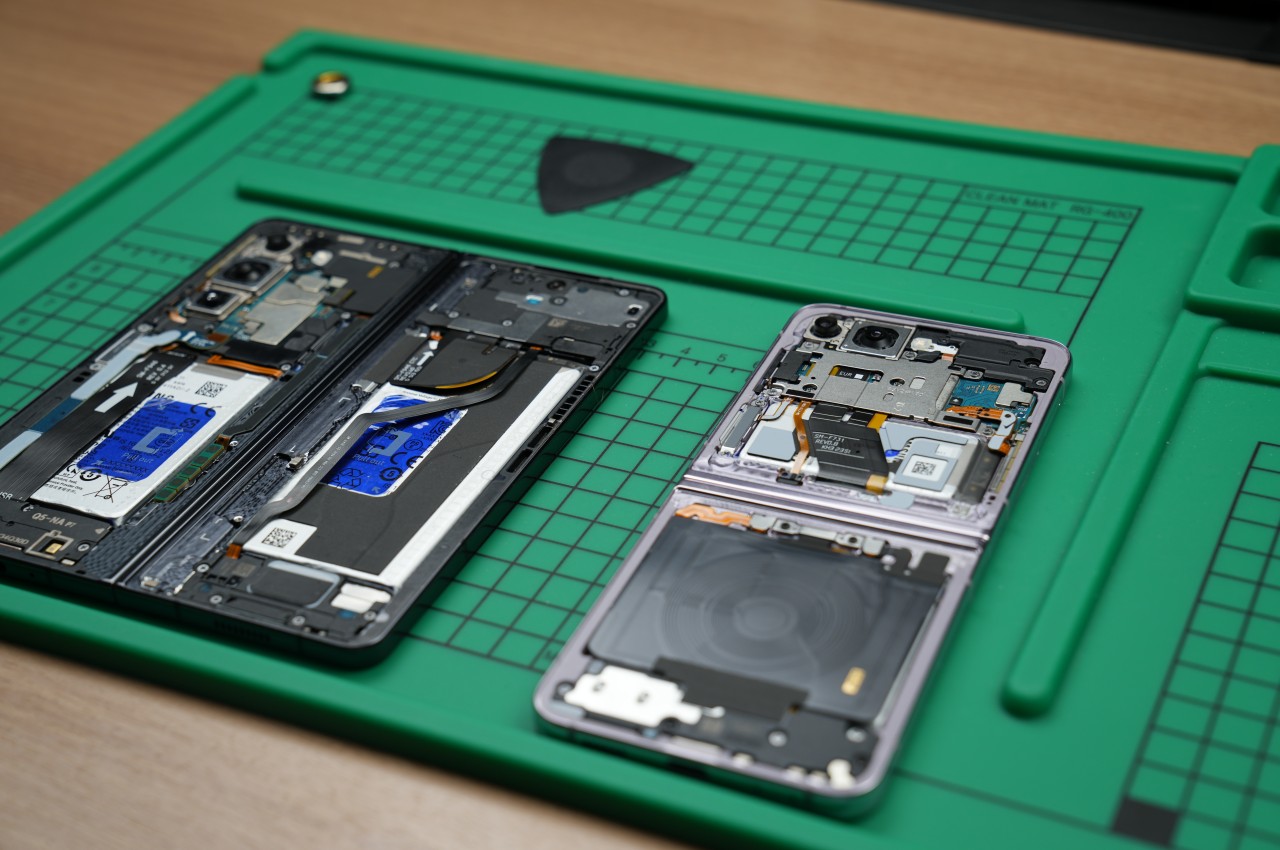
Designer: Samsung
Manufacturers can, for example, profit from selling those replacement parts, but that also needs to be done in moderation. Recent news on this front demonstrates not what to do, which is to make those parts too expensive to the point that it becomes less economical to repair the phone in the first place. iFixit announced it is cutting ties with Samsung for that very reason, with parts beyond the reach of most people anyway.
Companies also need to see repairable phones from a different angle, particularly in how they actually reduce their operational costs and waste. They can cut down on the production of surplus units, keeping their stocks tight. This, in turn, reduces their reliance on costly materials that are either hard to acquire, harmful to the environment, or might even be controversial for being conflict materials. It forces companies to rethink their business, which is currently unsustainable both in the environmental sense as well as the economic sense, driving innovation that could hopefully create a greener tomorrow for its customers.
Technological innovation often requires navigating a labyrinth of ideas and balancing creativity with practicality. This journey is vividly illustrated by a story shared by Pete Lau, SVP & CPO of OPPO and Founder of OnePlus. It centers on a bold, almost revolutionary smartphone concept imagined by Will Zhou, head of OPPO’s Find Series product line. This narrative explores the essence of what makes a great product idea and reveals the nuanced decisions behind design innovation.
Designer: OPPO
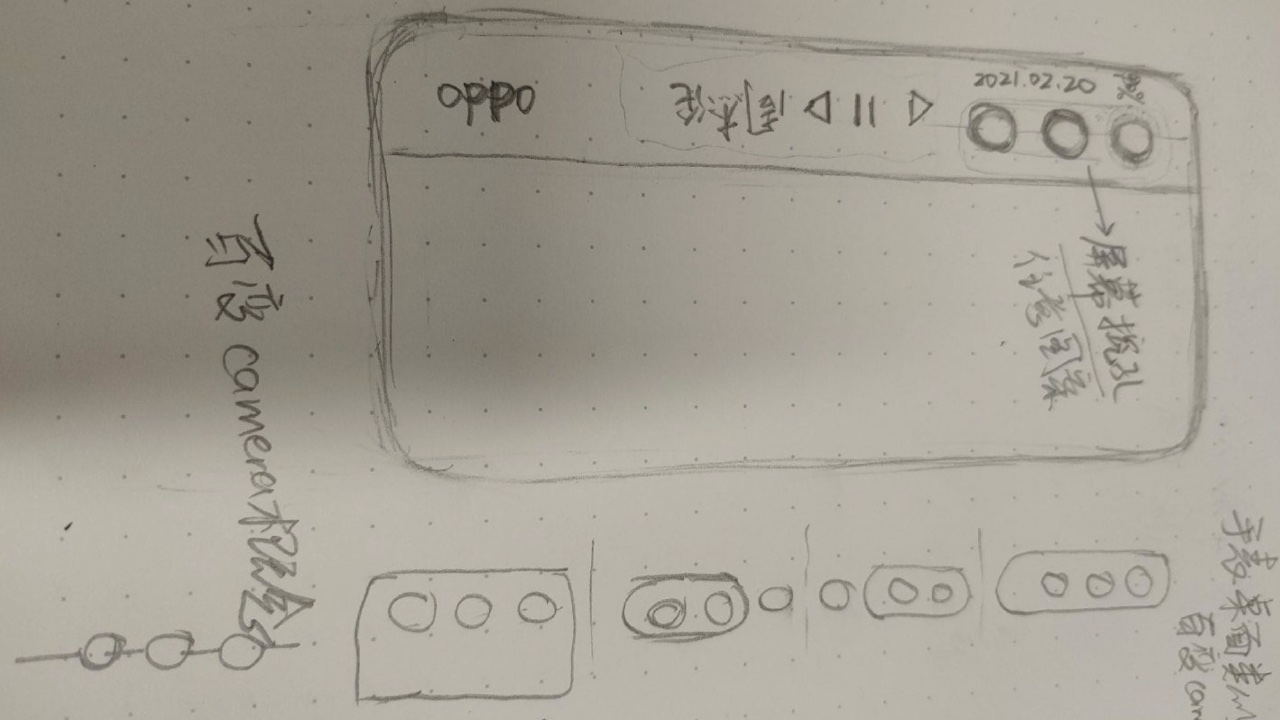
Zhou’s vision, born five years ago, was nothing short of radical. He imagined a smartphone with a secondary display on its back—not just an additional screen but a dynamic interface that would transform users’ interactions with their devices. This secondary display would serve up personalized content, real-time updates, and interactive widgets, offering a new dimension of functionality that traditional smartphones lacked.
Sketch share by Pete Lau, SVP & CPO of OPPO, Founder of OnePlus
The allure of this concept lies in its potential to revolutionize user experience. Imagine glancing at the back of your phone to see tailored notifications, weather updates, or even a customizable digital art piece without the need to unlock your primary screen. This idea promised a fusion of aesthetics and utility, aiming to make every interaction with the device more intuitive and engaging.
However, as OPPO’s team delved deeper into the feasibility of this design, they confronted a critical question: What value would this secondary screen truly provide to users? They needed to consider whether the additional display could offer something substantial that the primary screen couldn’t already accomplish. This introspection is crucial in product development, where tangible user benefits must justify innovation.
At OPPO, the approach to innovation is defined by a balance between audacity and pragmatism. The team navigates the excitement of new ideas while remaining their own harshest critics. This process ensures that only the most viable concepts advance. OPPO’s culture empowers teams to dream big and challenge norms, but it also emphasizes the importance of clarity and practical application.
Despite the potential and initial excitement surrounding Zhou’s concept, it was ultimately shelved. This decision wasn’t a failure but a testament to OPPO’s commitment to meaningful innovation. By rigorously evaluating the idea, the team recognized that the secondary display, while fascinating, didn’t offer enough unique value to justify its implementation.
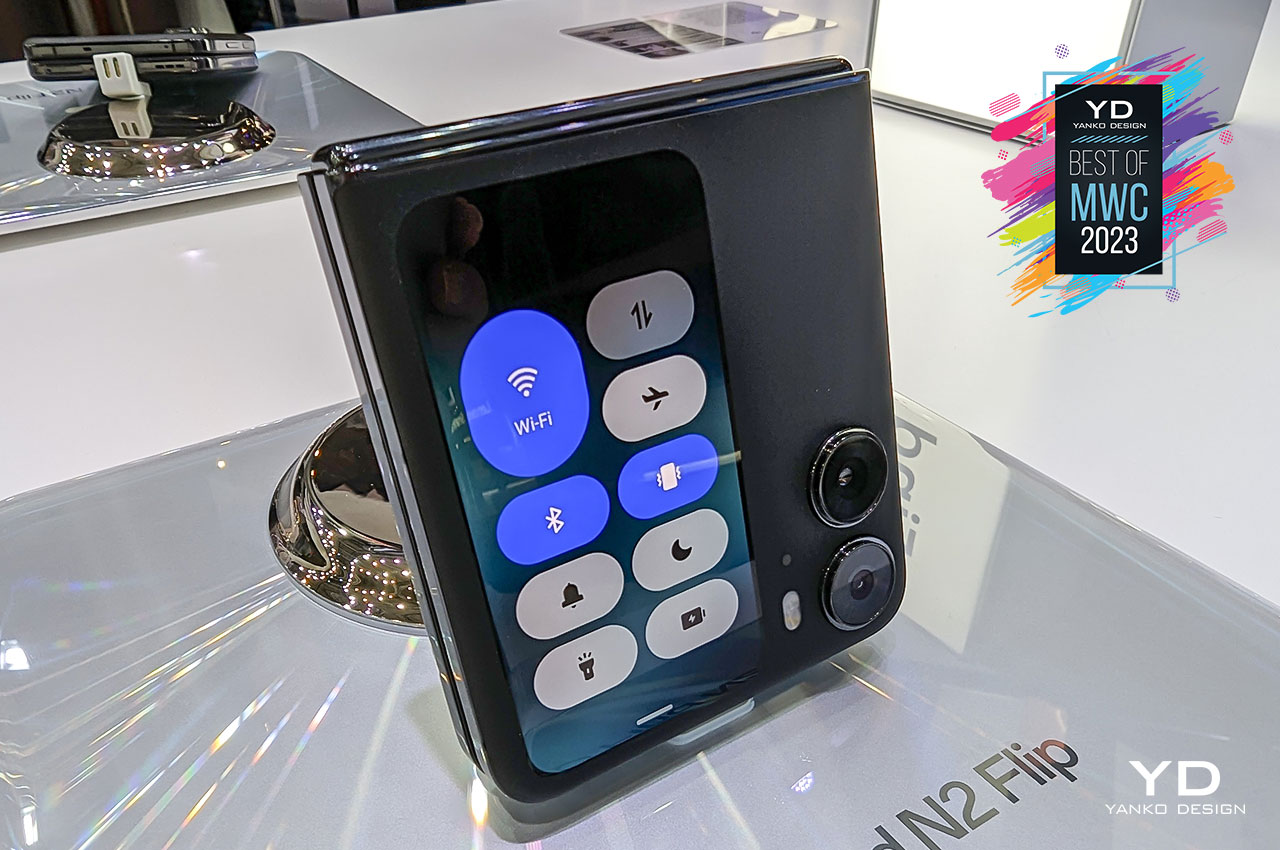
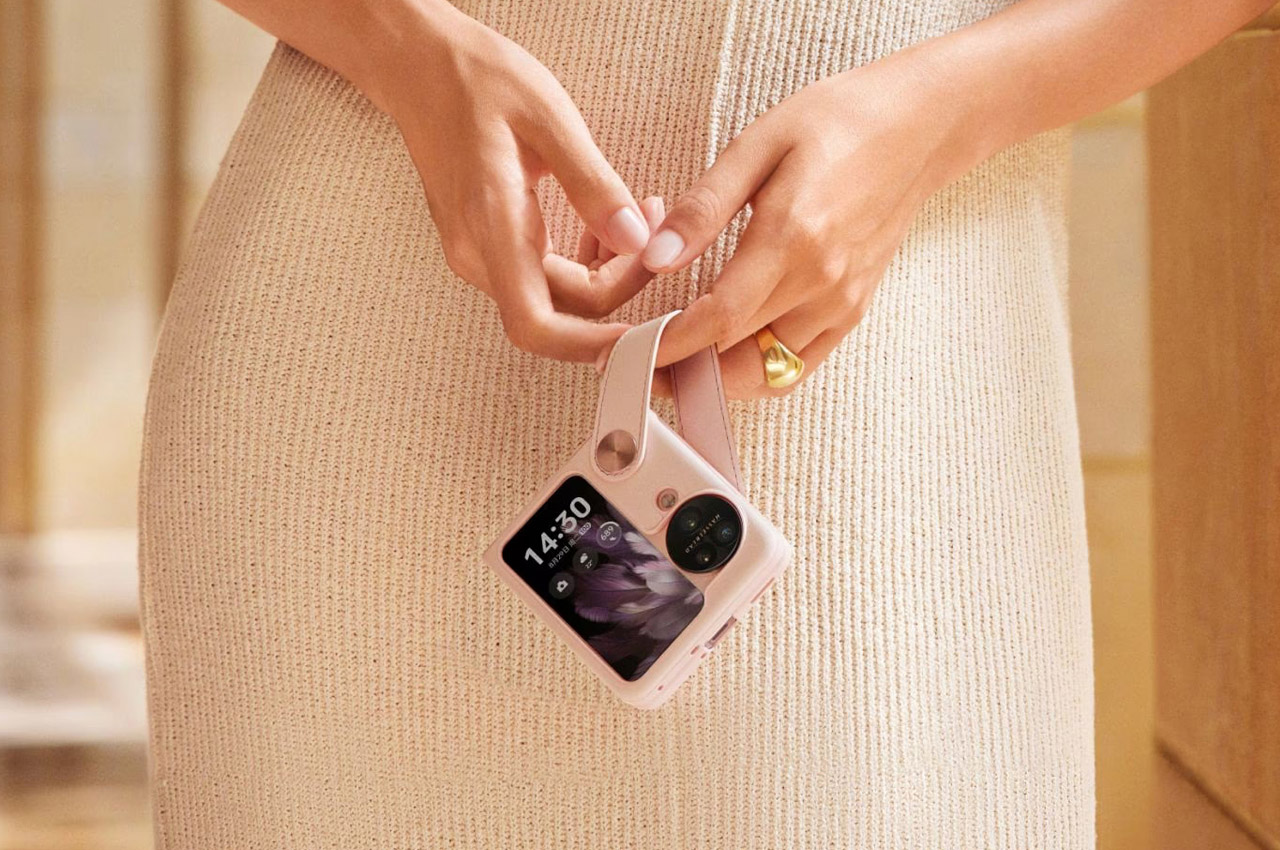
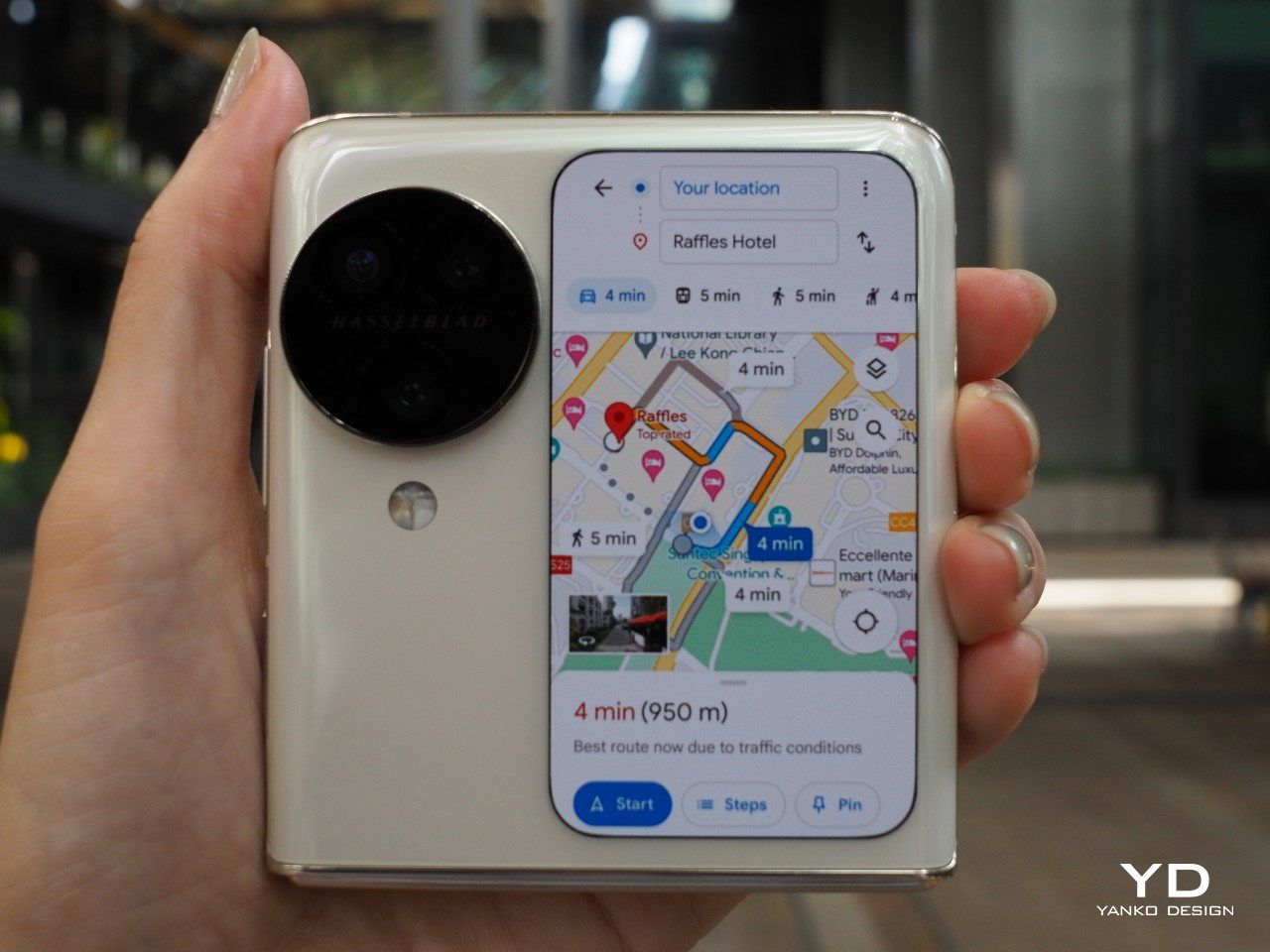
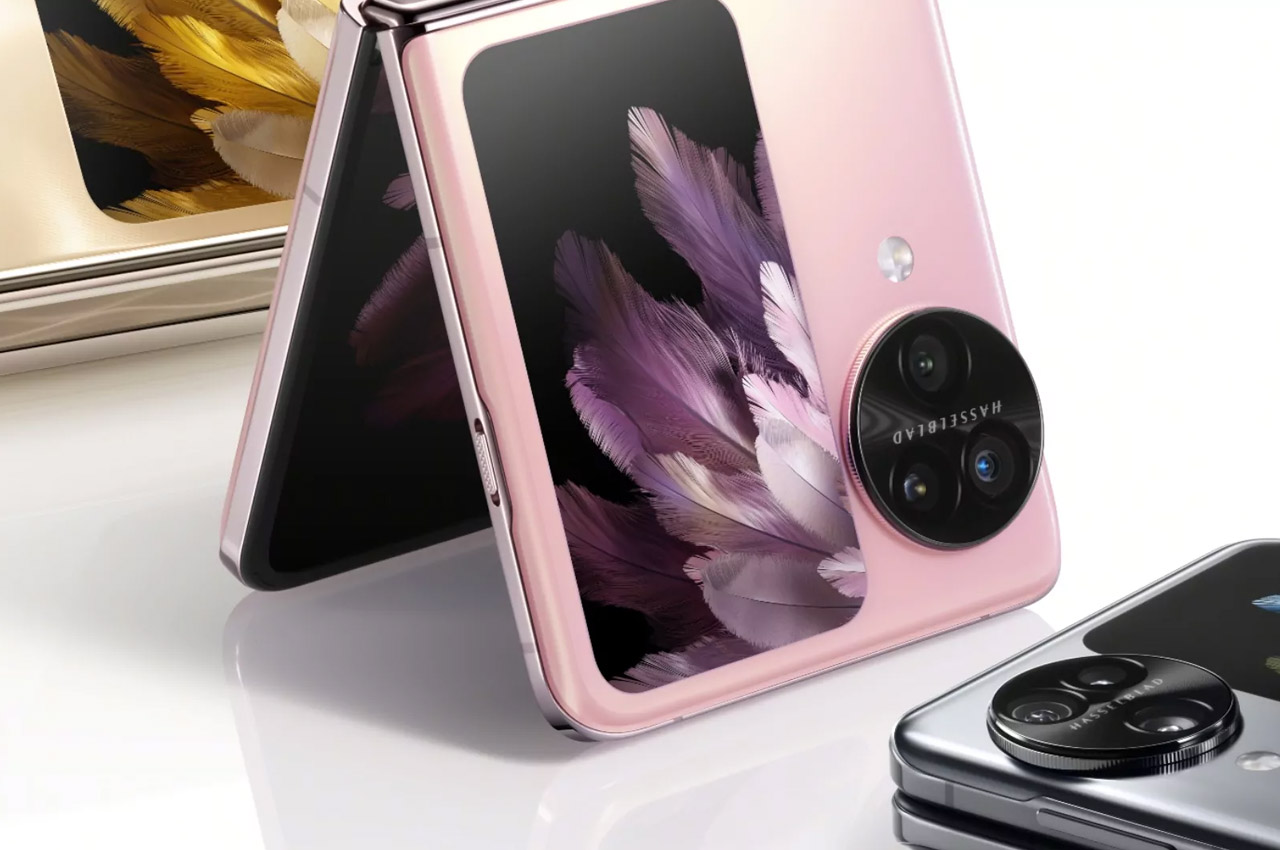
Interestingly, this exploration wasn’t in vain. The lessons learned from the secondary display concept paved the way for other innovations, like the exterior display on the Find N Flip devices. This evolution underscores how every idea can contribute to future advancements, even those not realized.
Reflecting on this journey, it’s clear that ideas that appear promising on paper may only sometimes succeed in the market. The real challenge lies in identifying which concepts can mature into practical, user-centered solutions. Innovation involves creating value that resonates with users and enhances their everyday experiences.
Understanding the delicate balance between creativity and practicality is essential in product design. The story of OPPO’s unseen smartphone concept serves as a reminder that innovation involves an intricate dance of daring ideas and meticulous scrutiny. By focusing on what truly matters to users and ensuring that every innovation is visionary and viable, companies like OPPO continue to drive the tech industry forward, one thoughtful design decision at a time.
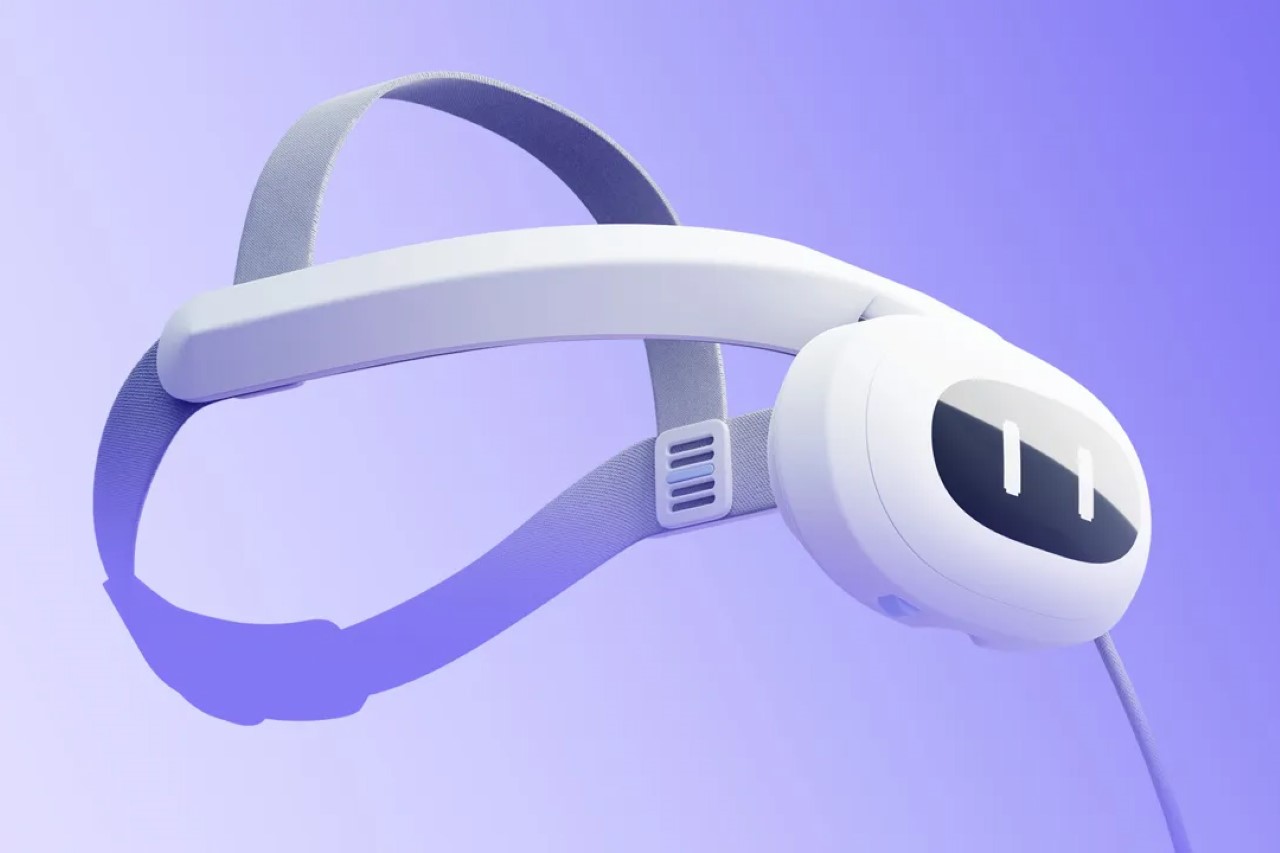
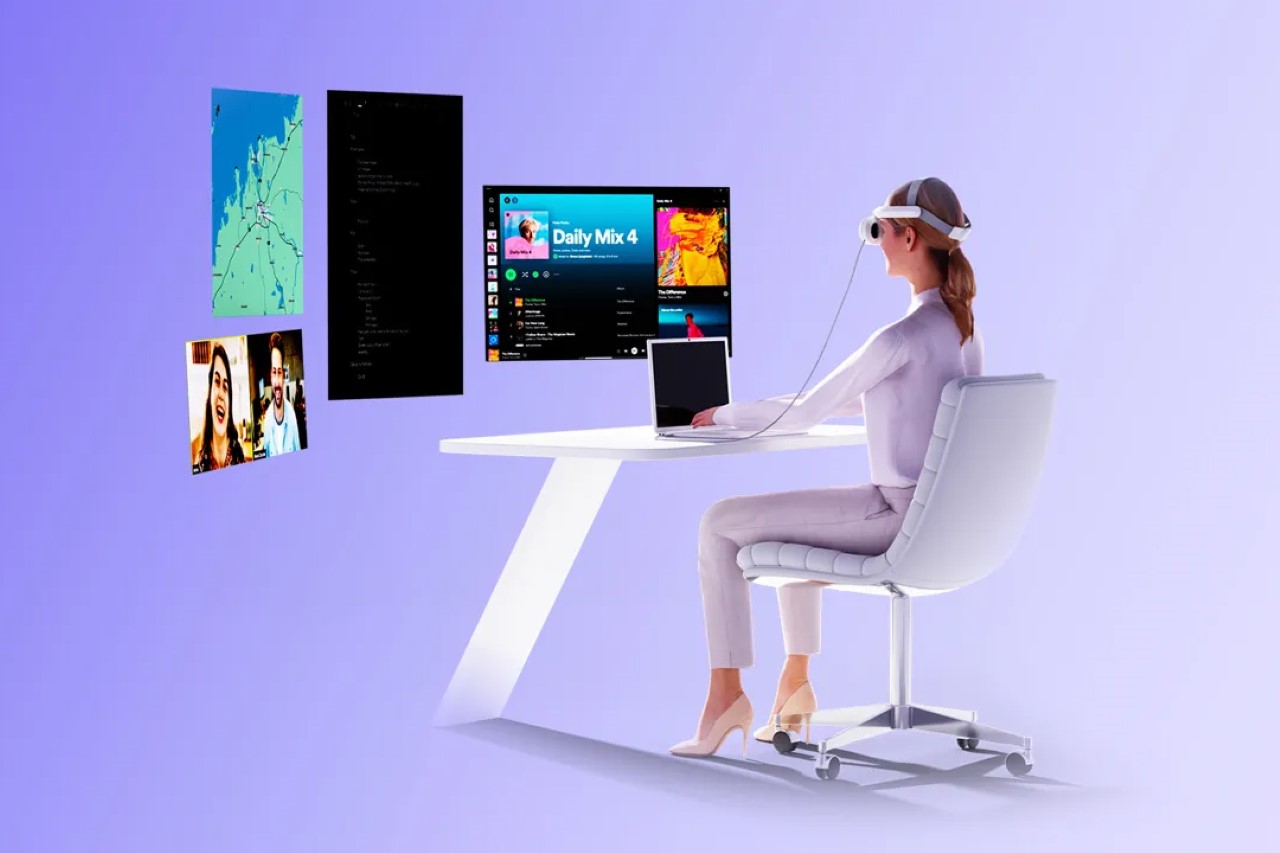
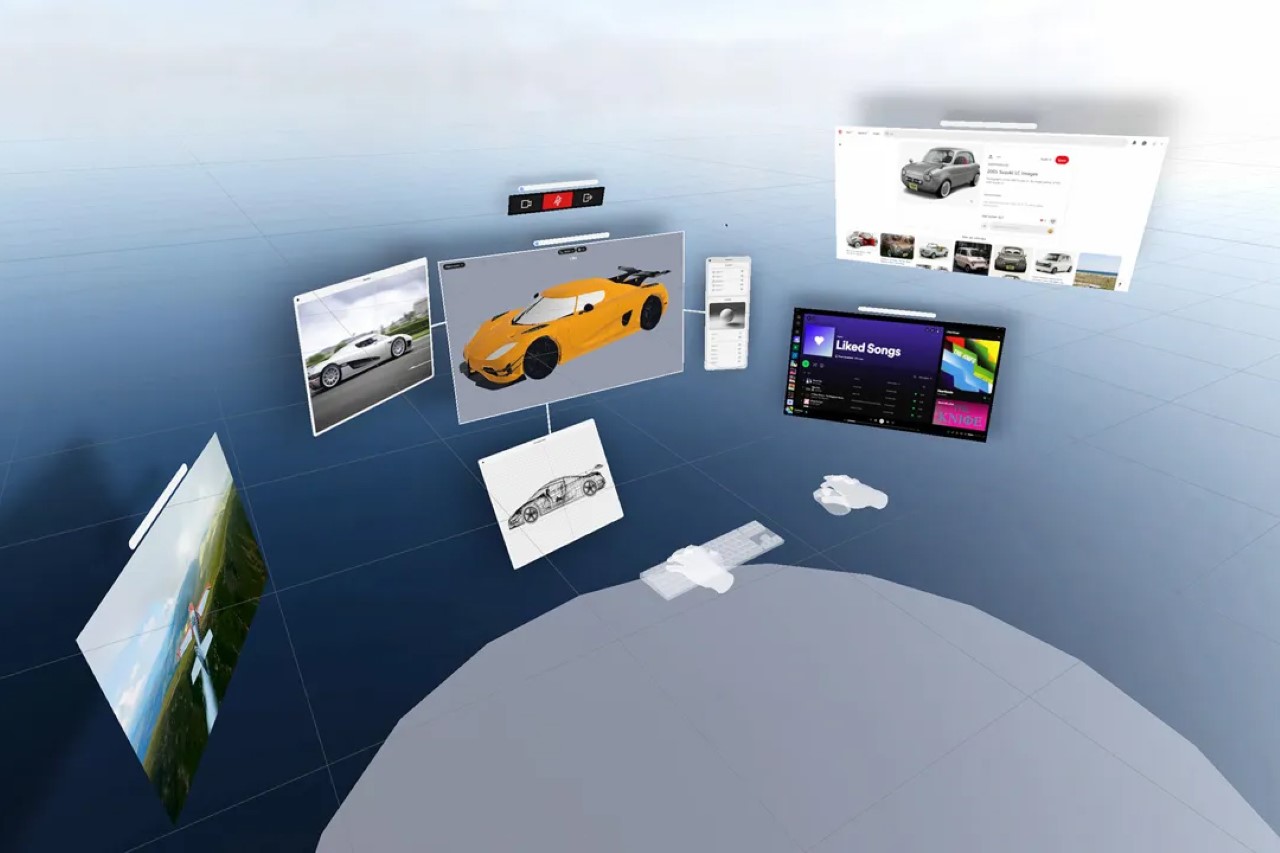
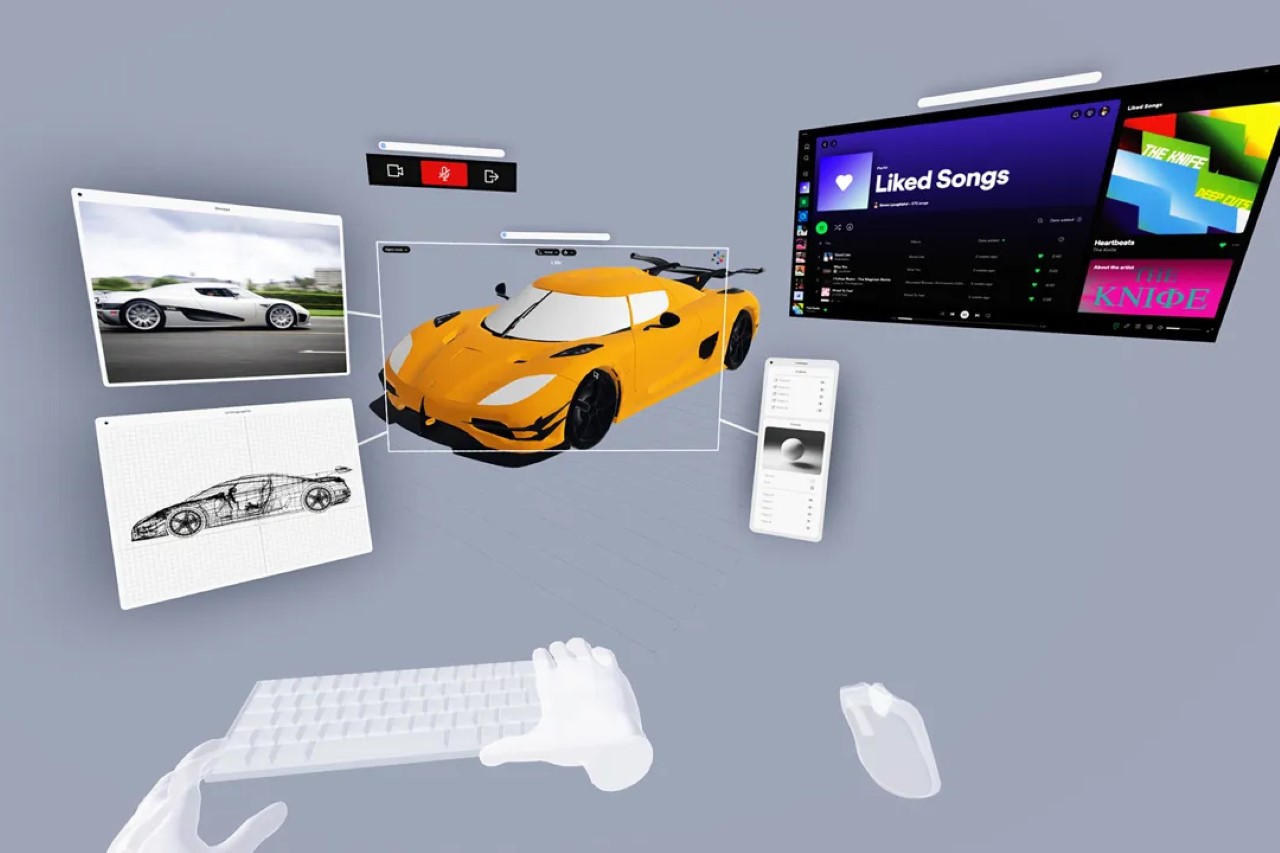
Immersive VR is great for entertainment… but for work, not that much. The idea is to be able to interact with spatial elements, but not have them completely cut you off from the real world. Just the way a laptop screen or desktop monitor offers you only with a window of productivity but still gives you the option of stepping away to attend meetings, talk to coworkers, or take notes/make doodles, this VR headset concept from Umeå Institute of Design student Simon Ljungblahd lets you easily switch between real and spatial life.
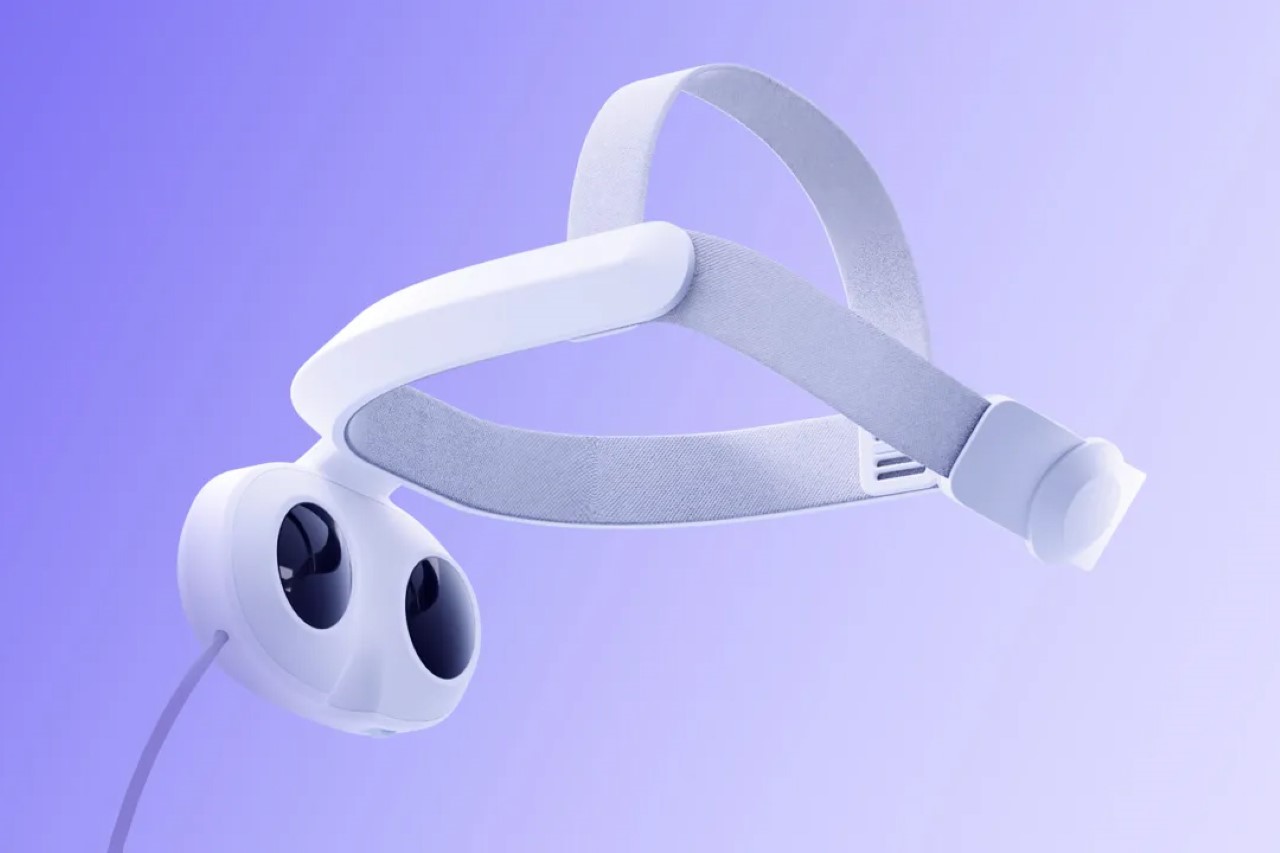
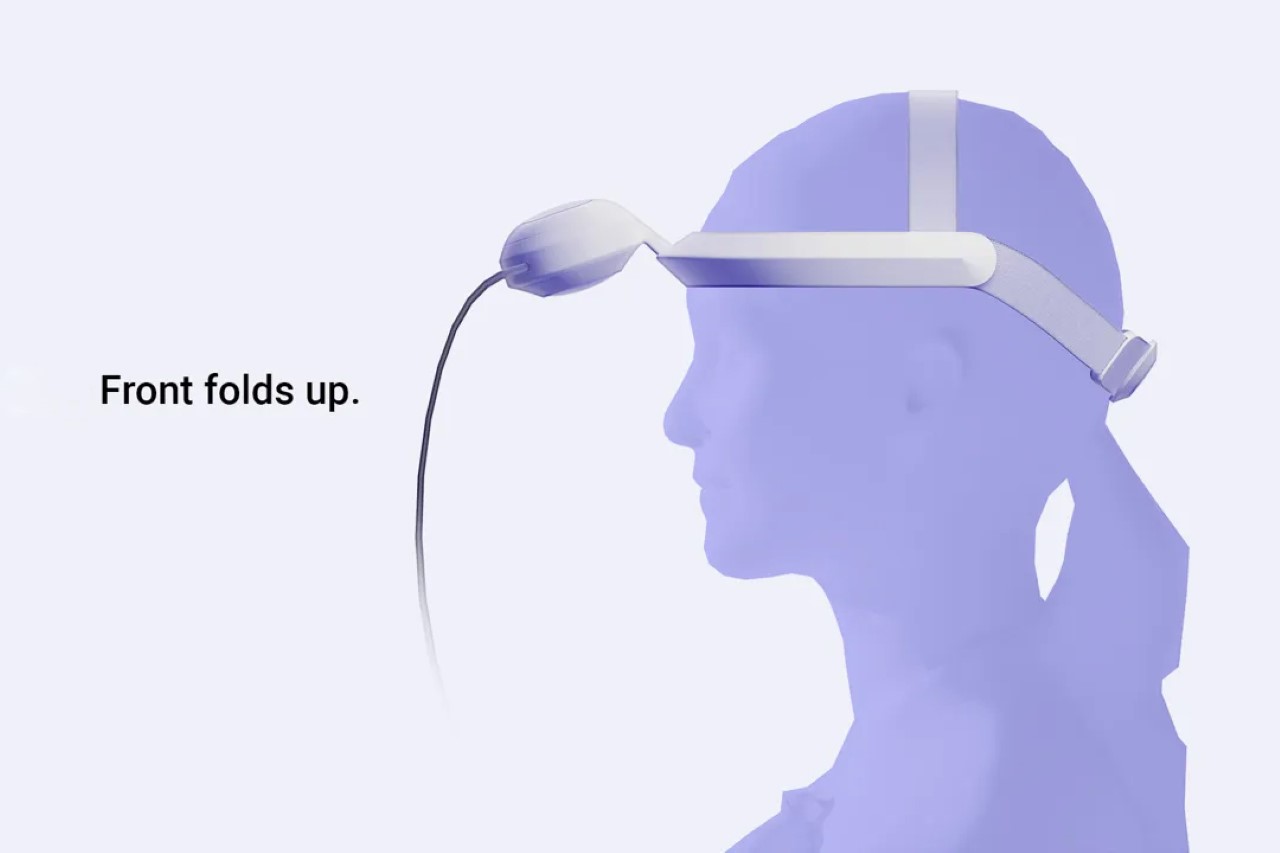
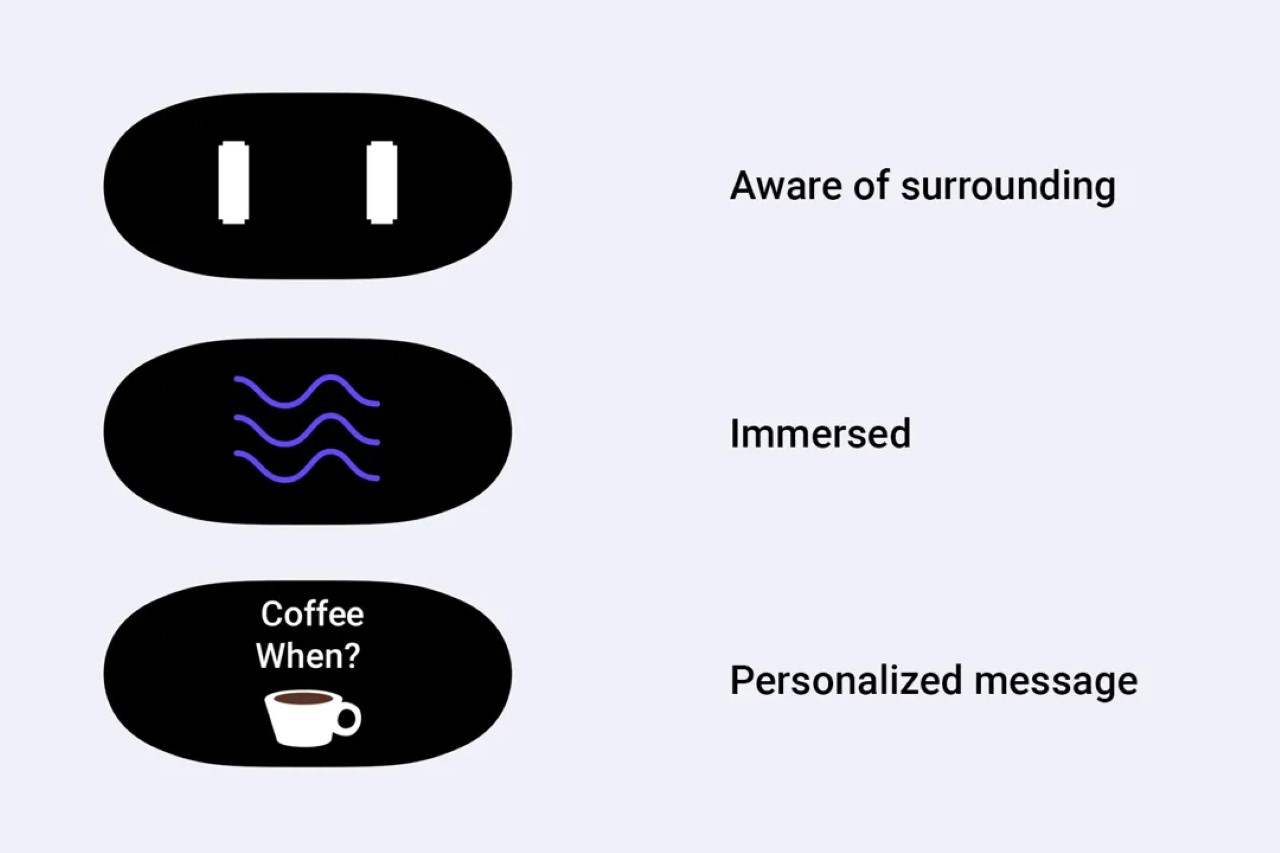
The VR headset features a familiar design, but instead of having screens strapped to your eyes, this one mounts them on a visor-style hinge that you can flip upwards when not in use, allowing yourself to engage with the real world. Meanwhile, a screen on front acts much like the one found on the Vision Pro, giving people around you a sense of your status, whether you’re busy, free, or even when you’re up for a coffee break!
Designer: Simon Ljungblahd
The headset’s design is relatively lightweight, with a display unit that doesn’t need to be bulky because it doesn’t wrap around your eyes, cutting light from the outside world out. It sits ahead of you almost like a HUD (Heads-up Display), giving you the spatial experience just within a portion of your PoV, like a desktop monitor would. Except, you can move your head around to see more of the spatial environment around you. Or look through the corner of your eye to see the real world. When you want to quickly leave the simulation, flip the headset up and you’re out of virtual reality.
“As screen resolution on these devices increases, the use-case of work, or productivity, becomes more interesting as it enables users to view interfaces with a high density of information, which is necessary for that use-case. Spatial Computing would allow users to have a full 360-degree interface and with depth, which would enable much richer multi-tasking,” says Simon. “The depth aspect would also potentially create more intuitive interfaces when it comes to use cases like 3D modeling, or map viewing. The Spatial Computing headsets that are made for entertainment, social experiences, and simulations are designed to optimize the user experience for those use-cases, but so far, no headset on the market is made to focus solely on the use-case of productivity.”
The headset is unique in that it offers the best of both VR headsets and desktop monitors. VR headsets keep you locked in an environment that can affect your productivity by cutting the real world out, but also give you a sense of fatigue with too much use. Laptops and desktop monitors, on the other hand, don’t give you unlimited virtual space for multiple tabs/windows and the ability to work in 3D. Simon’s design therefore strikes a clever balance between the two. Besides, I love the idea of the display on the front of my headset being used to let others know whether I’m busy, free, or up for a quick break in between work sessions!