YouTube Music for Android is finally releasing a long-awaited tool that lets people hum a song to search for it, in addition to singing the tune or playing the melody on an instrument, according to reporting by 9to5Google. The software has been in the testing phase since March.
All you have to do is tap the magnifying glass in the top-right corner and look for the waveform icon next to the microphone icon. Tap the waveform icon and start humming or singing. A fullscreen results page should quickly bring up the cover art, song name, artist, album, release year and other important data about the song. The software builds upon the Pixel’s Now Playing feature, which uses AI to “match the sound to the original recording.”
The tool comes in a server-side update with version 7.02 of YouTube Music for Android. There doesn’t look to be any availability information for the iOS release, though it’s most likely headed our way in the near future.
You don't need to be @KidCudi to use Hum to Search. Hum a song into your Google app, and we'll identify it for you. Test it with your favorite songs, or use it to figure out the song that's been stuck in your head and find your new favorite. 🎶 pic.twitter.com/MluVNesTpE
This type of feature isn’t exactly new, even if it’s new to YouTube Music. Google Search rolled out a similar tool back in 2020 and the regular YouTube app began offering something like this last year. Online music streaming platform Deezer also has a “hum to search” tool, released back in 2022.
This article originally appeared on Engadget at https://www.engadget.com/you-can-now-hum-to-find-a-song-on-youtube-music-for-android-190037510.html?src=rss
Russia has reportedly found new, more effective ways to knock out Ukraine’s Starlink service. The New York Timessaid on Friday that the increased interference has disrupted communications at critical moments and is posing “a major threat to Ukraine,” putting the country further on its heels more than two years into the war. How Russia is jamming Elon Musk’s satellite internet terminals is unclear.
The New York Times said Russia’s ability to jam communications has thrown off Ukraine’s ability to communicate, gather intelligence and conduct drone strikes. Ukrainian soldiers told the paper that jammed Starlink service stunts their ability to communicate quickly, leaving them scrambling to send text messages (often extremely slowly) to share intel about incoming or ongoing Russian maneuvers or attacks.
The jamming was reportedly repeated across Ukraine’s northern front line, often coinciding with Russian advances. The new outages are the first time Russia has jammed Starlink reception that widely and frequently. If it continues, it could “mark a tactical shift in the conflict,” highlighting Ukraine’s dependence on SpaceX’s internet technology. Without competing choices of similar quality, Volodymyr Zelenskyy’s democratic nation is left without many options that could work at the scale Ukraine needs.
Russia has tried to disrupt Ukraine’s comms since the war began, but Starlink service has reportedly held up well in the face of them. Something has changed. Ukraine’s digital minister, Mykhailo Federov, told The New York Times this week that Russia’s recent jamming appeared to use “new and more advanced technology.”
Federov told The NYT that Vladimir Putin’s army is now “testing different mechanisms to disrupt the quality of Starlink connections because it’s so important for us.” The digital minister didn’t specify the exact weapons Russia has been using, but a Russian official in charge of the country’s electronic warfare told state media last month that its military put Starlink on a “list of targets” and that it had developed ways to disrupt the service.
Ukraine President Volodymyr Zelenskyy
Armed Forces of Ukraine
The disruptions highlight the power that one mercurial billionaire can have over the pivotal Eastern European war. Ukrainian officials have reportedly “appealed directly to Mr. Musk to turn on Starlink access during military operations” ahead of crucial drone strikes, and he hasn’t always obliged.
The Wall Street Journalreported in February that concern has grown that Musk could harbor at least some degree of Russian sympathies. He has posted comments on X that could be viewed as taking a pro-Russian stance, and disinformation experts worry that the way he runs the social platform could be friendly to Russian interference in the pivotal 2024 elections, including those in the US.
Musk spoke out earlier this year against the US sending more aid to Ukraine. Putin’s army also reportedly began using its own Starlink service, although Musk says he wasn’t aware of the terminals being sold to the Slavic nation. Ukrainian officials raised concerns earlier this year that Russia was buying Starlink tech from third-party vendors.
However, the Pentagon said earlier this month that the US has been “heavily involved in working with the government of Ukraine and SpaceX to counter Russian illicit use of Starlink terminals,” and a departing space official described SpaceX as “a very reliable partner” in those operations.
This article originally appeared on Engadget at https://www.engadget.com/russia-can-reportedly-jam-ukraines-access-to-starlink-at-will-183642120.html?src=rss
The UK has passed a bill that's the country's version of the European Union's Digital Markets Act (DMA). Legislators fast-tracked the Digital Markets, Competition and Consumers (DMCC) Bill before parliament dissolves on May 30 ahead of a general election in July.
The overarching aim of the DMCC, which is set to become law once it receives Royal Assent, is to “regulate and increase competition in digital markets.” It will come into force later this year.
The bill is broadly similar to the DMA, which led to the EU designating several large tech companies' services and products as "gatekeepers" and imposing stricter rules on them. The DMCC grants the Digital Markets Unit (DMU), a division of the Competition and Markets Authority, the authority to label companies with “substantial and entrenched market power” and “a position of strategic significance” as having Strategic Market Status (SMS).
Among other things, SMS companies will have to adhere to codes of conduct as determined by the DMU. Those will be based on the foundations of fair trading, openness and trust and transparency. The DMU has a broad canvas for defining the conduct requirements for each business. If a company breaches its code of conduct, it faces a fine of up to 10 percent of its global revenue.
There have been suggestions that the likes of Meta and Google may be forced to pay UK news publishers for using their work in the likes of Google News (and perhaps even for AI products). Others have suggested that Apple may be required to allow sideloading and third-party app stores on iOS, as in the EU. Companies may also be prohibited from prioritizing their own products and services in search results. However, the specific requirements for each SMS haven't been detailed yet.
The DMCC also has implications for things like subscriptions, junk fees, fake reviews, ticket resales, mergers, antitrust and consumer protection. For the first time, the CMA will have the power to impose a hefty fine if it determines a company has violated a consumer law — and it won't have to go through courts to do so.
There's already been at least one tangible consequence of the DMCC. Epic Games has pledged to bring its store and Fortnite to iOS in the UK in the latter half of 2025. The publisher previously said it would bring the Epic Games Store to mobile devices in the EU later this year after the DMA came into force.
Shoutout to the UK for passing a new competition law 🎉
Epic Games Store and Fortnite are coming to iOS in the UK in the second half of 2025 🙏 pic.twitter.com/Szaw08vPya
Update 5/24 4:20PM ET: Added details about Epic Games' plan to bring its store and Fortnite to iOS in the UK.
This article originally appeared on Engadget at https://www.engadget.com/the-uk-passes-its-version-of-the-eus-digital-markets-act-175642166.html?src=rss
Apple once designed a Tetris clone that has been found on a prototype version of the third-generation iPod, indicating the company was experimenting with releasing the game on the music player. It’s called Stacker and, obviously, is controlled via the iPod’s scroll wheel. The software was spotted by X user AppleDemoYT, who is known for finding rare prototype devices.
The prototype iPod is a "DVT" device, meaning it was a mid-stage device that was still in "Design Validation Testing." It has a model number of A1023, which is not a known model number of any iPod version.
The device runs a prototype version of iPodOS 2.0, which is where Stacker comes from. The pieces are moved from left to right using the scroll wheel and they fall when the middle button is pressed. The goal is to clear lines and score points. You know the deal. It’s Tetris.
It’s not the only game found on the prototype iPod. There’s something called Block0, which is likely an early version of Brick. The device also features a game called Klondike, which is likely an early version of Solitaire. The music player did eventually get some games, including the aforementioned Solitaire and Brick. AppleDemoYT asked former Apple VP Tony Fadell why Stacker was never released and he said it was because games didn’t show up until a “later software release.”
Later versions of the iPod got an official version of Tetris, in addition to games like Bejeweled, Mini Golf, Mahjong, Zuma, Cubis 2, and Pac-Man. All of these releases predate the App Store. The iPod Classic was discontinued in 2014 and the iPod Touch was sent to a farm upstate in 2022, ending the era of the standalone music player.
This article originally appeared on Engadget at https://www.engadget.com/apple-built-a-tetris-clone-for-the-ipod-but-never-released-it-173810144.html?src=rss
Arc Search, my go-to app for all search needs on macOS and iOS, from The Browser Company, has introduced its latest feature, Call Arc, designed to make voice-activated search fun and useful. Released on May 23, 2024, as part of the V1.13.0 update, Call Arc offers a new way for users to interact with their search queries using voice commands. This feature adds a neat twist to the traditional “phone a friend” concept, turning your phone into an instant answer provider.
Designer: The Browser Company
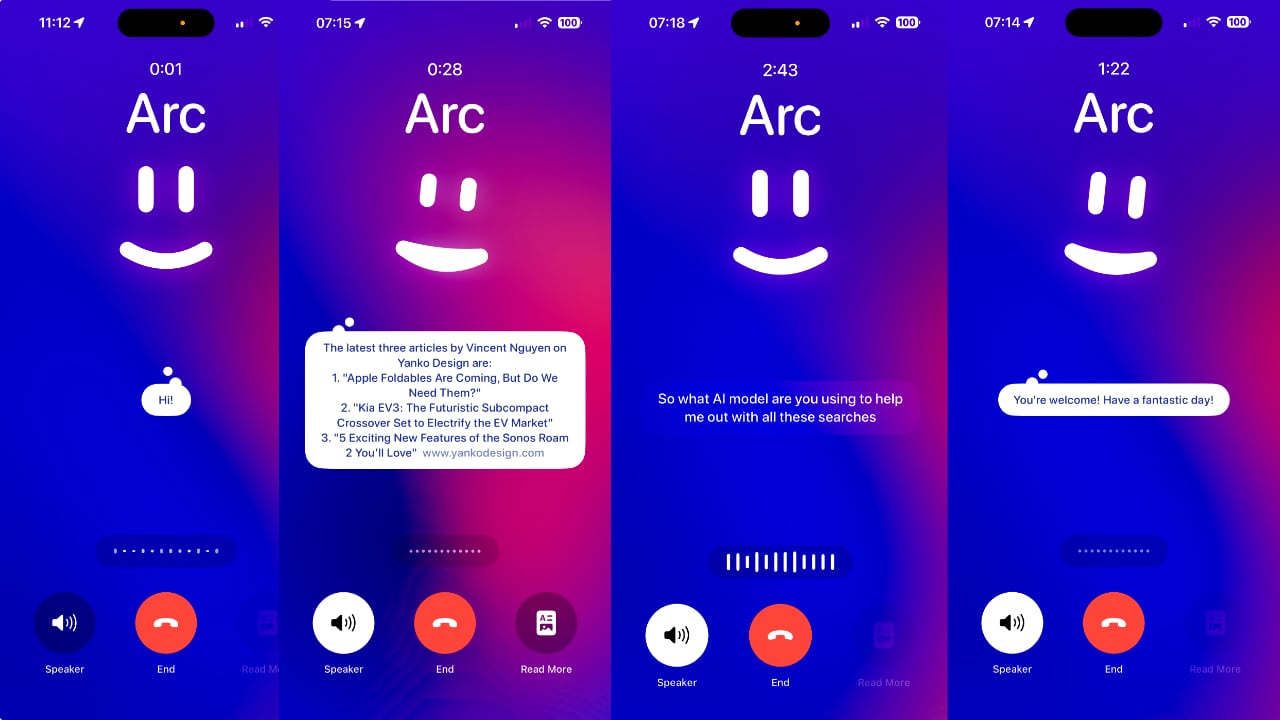
The new feature enables users to activate voice search by simply holding their iPhone to their ear, simulating a phone call. This method enhances the user experience by making it feel more natural while also aiming to provide faster and more convenient responses. The app responds nearly instantly with search results, accompanied by an animated smiley face, adding a touch of personality to the interaction.
The Browser Company aims to create a more conversational and accessible search experience with Call Arc. This feature builds on the existing voice search capabilities of Arc Search, which were previously made available via the iPhone 15 Pro’s Action button. With Call Arc, initiating a search becomes as intuitive as making a phone call, tapping into a deeply ingrained habit in human behavior.
However, the feature is not without its challenges. In my experience, using Call Arc is seamless; simply opening the app and raising the iPhone to my ear triggers the call automatically. There were instances where the app asked for confirmation to connect, which was a minor inconvenience. While single queries were handled well, more complex requests, such as asking Arc to summarize articles into bullet points, led to the app going blank and failing to respond to subsequent queries. This indicates that the feature is still buggy, and user experiences may vary.
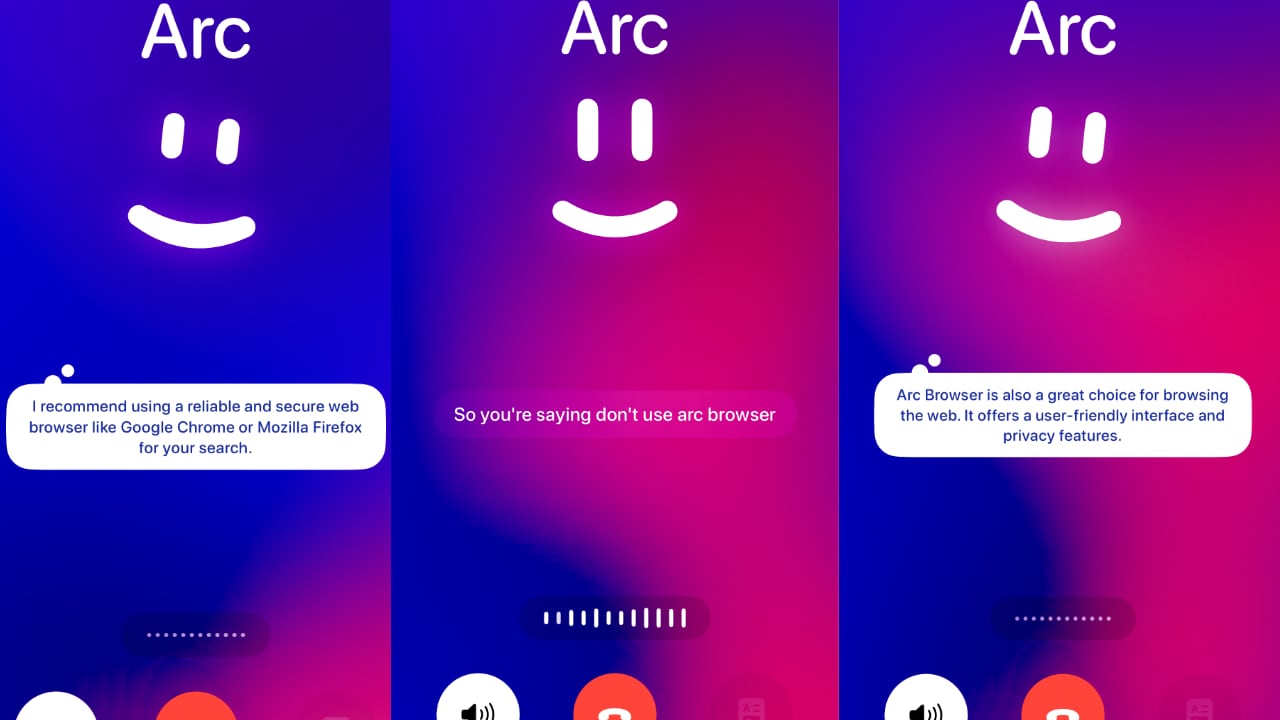
In addition, Arc Call can’t open links or show results directly within the app. Instead, it explained in detail how I could search for the information myself. When I asked which browser I should use, it named all the competitors except for Arc Browser.
Arc Call recommends Chrome or Firefox for search and doesn’t mention Arc Browser
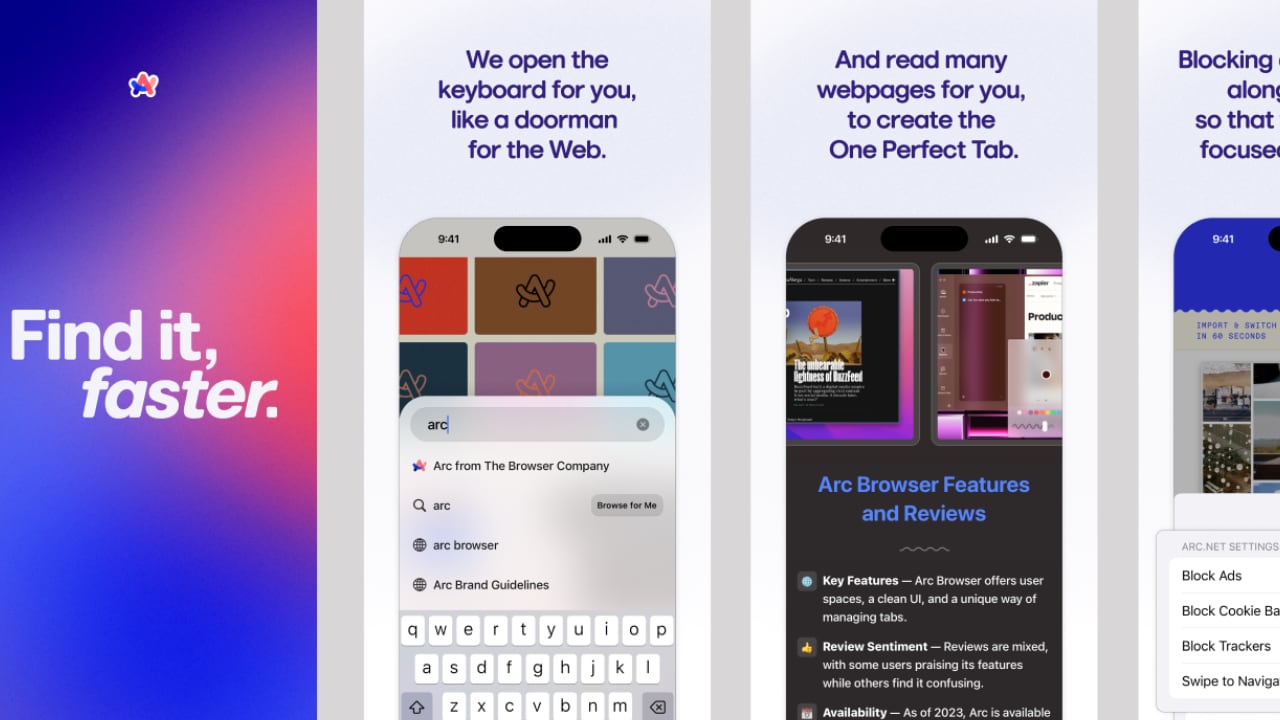
Arc Search has made significant strides since its launch in January, with features like “Browse for me,” which compiles information from multiple web pages into a single, user-friendly page. Powered by models from OpenAI and other sources, this feature provides comprehensive responses to user queries.
Regular and meaningful updates are crucial in distinguishing Arc Search from competitors like Safari, Chrome, and other AI assistants. As Apple prepares to roll out its AI-infused updates for Safari and Siri, it will be interesting to see how Arc continues to innovate and improve its core offerings throughout the year.
An intriguing aspect of Arc’s new feature is its choice of a female voice, which aligns with a broader trend in AI voice assistants. Siri, Alexa, Cortana, Google Voice, and even ChatGPT’s voice models have predominantly female voices. This phenomenon is not coincidental but rooted in historical, cultural, and psychological factors. Female voices are often perceived as more soothing, approachable, and helpful, aligning with the roles these assistants are designed to play.
In 2014, Alex Garland’s Ex Machina showed how a lifelike female robot passed the Turing Test and won the heart of a young engineer
The history of female voices in technology can be traced back to early telephone operators and IVR systems, setting a precedent for modern AI assistants. Pop culture, too, has played a significant role, with characters like Samantha from the film “Her” and JARVIS from “Iron Man” shaping our perceptions of AI voices. Studies have shown that users generally find female voices more likable and comforting, which can enhance the user experience and engagement.
Sarang, a colleague who conducted a deep dive analysis, highlighted the importance of recognizing the gender biases present in AI voice assistants. “Why do most AI voice assistants have female voices? How do humans perceive these voices? Why don’t you see that many male AI voice assistants?” he asked. Sarang emphasized that while female AI voices can help normalize female authority and challenge stereotypes, they also risk reinforcing existing biases if not designed and managed carefully. The training data and algorithms behind these voices must be diverse and inclusive to avoid perpetuating harmful stereotypes.
Regarding UI/UX design, the Arc Search app’s Call Arc feature presents a clean and intuitive interface, enhancing user interaction through simplicity and visual appeal. The interface is minimalistic, focusing primarily on essential functions, which reduces cognitive load and allows users to engage with the app effortlessly. This design approach ensures that users can easily navigate the feature without being overwhelmed by unnecessary elements.
A notable UI aspect is the animated smiley face, which adds a friendly and engaging element to the user experience. Similar to Amazon’s Prime smiley logo, this visual indicator conveys a sense of friendliness and approachability. It shows that the app actively listens and responds, creating a more interactive and human-like interaction. The smiley face makes the experience more enjoyable while providing a clear signal that the app is processing user queries.
The call interface is designed to resemble a typical phone call screen, making it familiar and easy to use. A timer at the top of the screen indicates the duration of the interaction, reinforcing the phone call analogy. This familiar design helps users feel comfortable using the feature as it closely mimics the standard phone functions they are already accustomed to.
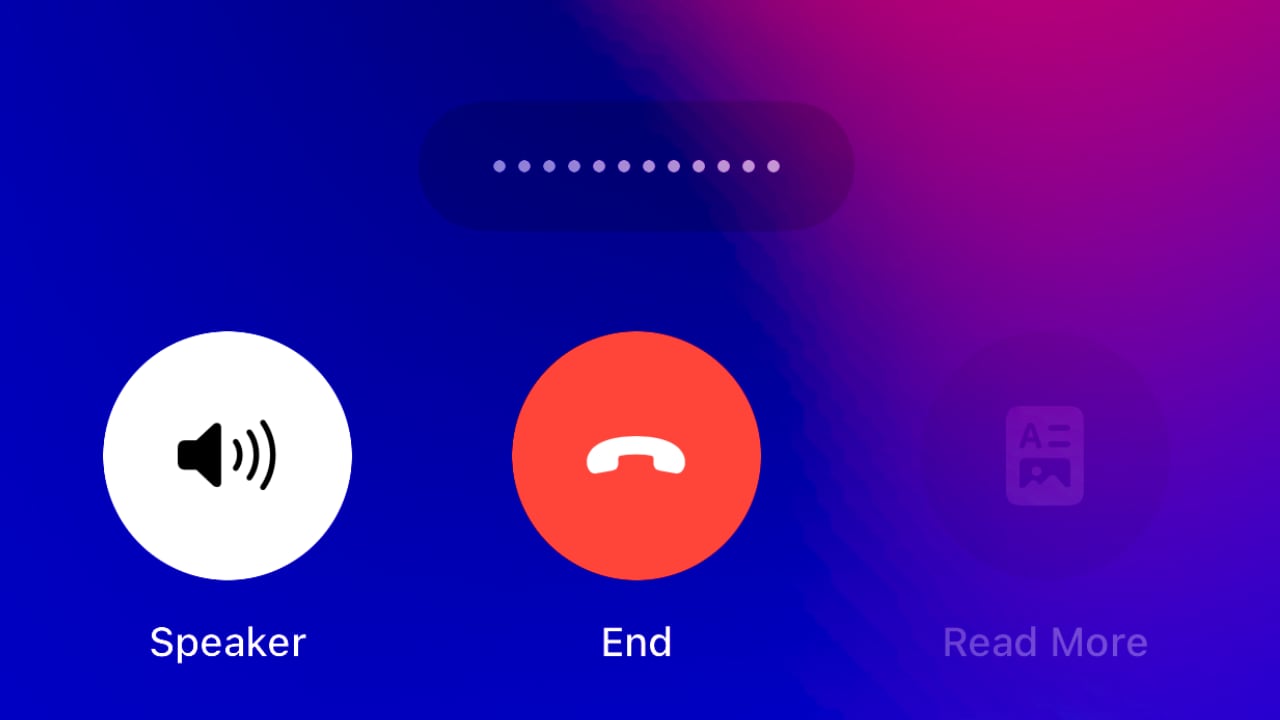
Key functional buttons like “Speaker” and “End Call” are prominently displayed and easily accessible, mirroring a standard phone call UI. This design choice ensures that users can quickly manage the call without confusion. Additionally, the inclusion of a “Read More” button allows users to access detailed information from the “Browse for me” feature, providing a seamless transition between voice responses and in-depth content.
The background has a gradient of vibrant colors, creating a visually appealing backdrop that enhances the app’s overall aesthetic without distracting from the functional elements. This use of color adds to the app’s modern look and feel, making it attractive and user-friendly.
The design also leverages intuitive gestures, such as raising the phone to the ear to initiate a call. This gesture aligns with natural user behavior, making the feature more seamless and integrated into everyday actions. By incorporating these intuitive interactions, The Browser Company has created a feature that feels innovative and inherently easy to use.
So far, the new Call Arc feature in Arc Search is pretty sleek. Will I use it? I don’t know because, at the moment, it’s a party trick to me, although its true purpose is to provide a more engaging and natural search experience. Despite some bugs, the feature shows promise and reflects The Browser Company’s commitment to pushing the boundaries of AI-powered tools. As AI voice assistants evolve, it is crucial to consider their broader social implications and strive for a balanced and fair representation in their design and implementation.
The dog who inspired the famous meme coin Dogecoin has died, according to a post on Instagram by its owner. Kabosu, an adorable Shiba Inu, was likely around 18 years old, though owner Atsuko Sato doesn’t know the exact birthdate of the rescue pup.
“She quietly passed away as if asleep while I caressed her,” she wrote in a blog post published by The Guardian. “I think Kabo-chan was the happiest dog in the world. And I was the happiest owner.”
The Japanese dog not only inspired Dogecoin, but the iconic 2010 photo became the source of a vast collection of internet memes. Some have even called Kabosu the “Mona Lisa of the internet.” Sato snapped the photo two years after rescuing the dog from a puppy farm, in which she would have likely been put down. The image shows Kabosu with her paws on the sofa while giving the camera, well, a sort of grin.
The photo became an NFT digital artwork that sold for $4 million, back when NFTs were a thing that people paid money for. As for the memecoin, it started as a joke by two software engineers but has now risen to be the eighth-most valuable cryptocurrency with a market capitalization of $23 billion. The price has ticked up today, likely by news of Kabosu’s passing.
Dogecoin was most famously backed by Elon Musk, even becoming available as currency to buy certain Tesla products. Other famous backers include Snoop Dogg, Gene Simmons and Mark Cuban, to name just a few.
Dogecoin has also inspired a bunch of other memecoins, from the spin-off Shiba Inu coin to cryptocurrency coins based on cats, Elon Musk and, sigh, even Donald Trump. These coins are known to be highly volatile, so invest at your own risk. Dogecoin, however, has remained mostly stable for a while now.
A statue of Kabosu was erected in Sakura, Japan in November of last year. Reporting indicates that it cost $100,000 to build. “In the last few years I’ve been able to connect the online version of Kabosu, all these unexpected things seen from a distance, with our real lives,” Sato wrote. She has used the virality of her beloved Shiba inu to donate large sums to charities, including more than $1 million to Save the Children. Godspeed, you adorable pup.
This article originally appeared on Engadget at https://www.engadget.com/the-doge-dog-has-died-162733508.html?src=rss
Sonos has just dropped its first-ever headphones, the Sonos Ace. These are over-ear Bluetooth headphones packed with features like Snapdragon Sound, aptX Lossless, Dolby Atmos spatial audio, and active noise cancellation. They also support USB-C lossless audio. One notable omission? They don’t support Sonos’ multi-room system.
Many of us thought Sonos would make these headphones integrate seamlessly with their other products, like the Sonos Roam, where music would auto-switch between devices as you move around. Sadly, that’s not the case. Instead, they function like high-end noise-cancelling headphones via Bluetooth. However, they do have one cool Sonos-specific trick.
The Sonos Ace comes with Wi-Fi built-in, allowing them to connect to a Sonos soundbar for TV audio in head-tracked spatial audio. A quick press of a button lets you enjoy your TV’s sound in a virtual home theater setup, perfect for not disturbing others. This feature currently works with the Sonos Arc, with future support coming for the Beam, Beam Gen 2, and Ray.
You can pre-order the Sonos Ace now for $449 / £449 / AU$699, and they’ll ship on June 5, 2024. Yes, it’s a hefty price, but they’re going toe-to-toe with the likes of Bose QuietComfort Ultra and AirPods Max.
In classic Sonos fashion, these headphones come in black or off-white. They feature 40mm dynamic drivers, similar to the older Sony WH-1000XM4 but not the newer XM5 which use 30mm drivers. The Sonos Ace headphones are sleek and don’t stick out much when worn. At 11oz / 312g, they’re not the lightest but also not too heavy. The earpads are replaceable, which is a nice touch.
The package includes a hard case made from recycled materials and a pouch for cables. For connectivity, you get Bluetooth 5.4 with multi-point pairing, Snapdragon Sound with aptX Lossless, and USB-C for lossless audio. There’s no 3.5mm port, but you do get a USB-C-to-3.5mm cable in the box. The Wi-Fi connection is solely for the soundbar link.
They support Dolby Atmos from any compatible Bluetooth device, including iPhones, with head-tracked spatial audio. Battery life is solid at 30 hours with ANC on, and a quick three-minute charge gives you three hours of playback.
Control is via a ‘Content Key’ on the right earcup for volume and playback, with a separate button for switching between TV audio and Bluetooth. No Sonos app needed for setup, but you will need the companion app for head-tracked spatial audio and EQ adjustments. A ‘TrueCinema’ mode is coming soon, promising to tweak spatial audio to better match your living room setup.
One downside? There’s no Find My support, which would’ve been handy for such a pricey pair of headphones.
The Sonos Ace competes closely with Bose QuietComfort Ultra and AirPods Max. They bring long battery life, broad aptX support, lossless USB-C, and Dolby Atmos spatial audio. From early impressions, sound quality and noise cancellation seem top-notch. However, there are some letdowns, especially for Apple users and deep Sonos ecosystem fans. No wireless lossless audio from iPhone and no multi-room Wi-Fi support are notable gaps.
Sonos is open to customer feedback, and while multi-room support isn’t planned, it might come in the future. Despite some disappointments, the Sonos Ace could attract a lot of interest, especially if you’re okay with the premium price.
It's taken Nintendo two decades, but the company is finally ready to open a second store in the US. The new location in San Francisco’s Union Square is set to open its doors in 2025. Details about Nintendo San Francisco are thin for now, but the company said it will allow "visitors from near and far to experience the world of Nintendo, its products and characters." More information will be revealed in the leadup to the ribbon-cutting ceremony.
Nintendo opened its New York store at Rockefeller Center 19 years ago this month, though there was previously a Pokémon Center at the same location. Along with merchandise and kiosks where visitors can play some Switch games, the New York store has a mini museum featuring older consoles and a boatload of Amiibo.
The company didn't open any permanent stores in Japan until 2019, and it now has three in its home country. Nintendo also has a private outlet for employees at its American headquarters in Redmond, Washington.
This article originally appeared on Engadget at https://www.engadget.com/nintendo-is-finally-opening-a-second-us-store-155001183.html?src=rss
Lucid Motors has cut 400 jobs, according to a regulatory filing. This amounts to around six percent of the workforce. Incidentally, the company also cut a whopping 1,300 jobs last year. This all comes just ahead of the launch of its first electric SUV later this year, a crucial release for the auto manufacturer.
You can likely guess as to the reasoning given for the layoffs. The 400 people got pink slips due to the ever-useful and nebulous term known as “restructuring.” To that end, the company says it expects this restructuring to be completed by the end of the third quarter, though it didn’t say anything about rehiring anyone.
“As always we must remain vigilant about costs. We are optimizing our resources in a way we believe will best position the company for future success and growth opportunities as we focus on achieving our ambitious goals,” CEO Peter Rawlinson said in a company email published by TechCrunch.
Those ambitious goals include the aforementioned EV SUV, named the Lucid Gravity. The company’s calling it the “world’s best SUV” and it’ll feature two electric motors, all-wheel drive and an expected maximum range of 440 miles per charge. Those are some really good specs.
This article originally appeared on Engadget at https://www.engadget.com/lucid-motors-cuts-six-percent-of-its-workforce-ahead-of-ev-suv-launch-152746970.html?src=rss
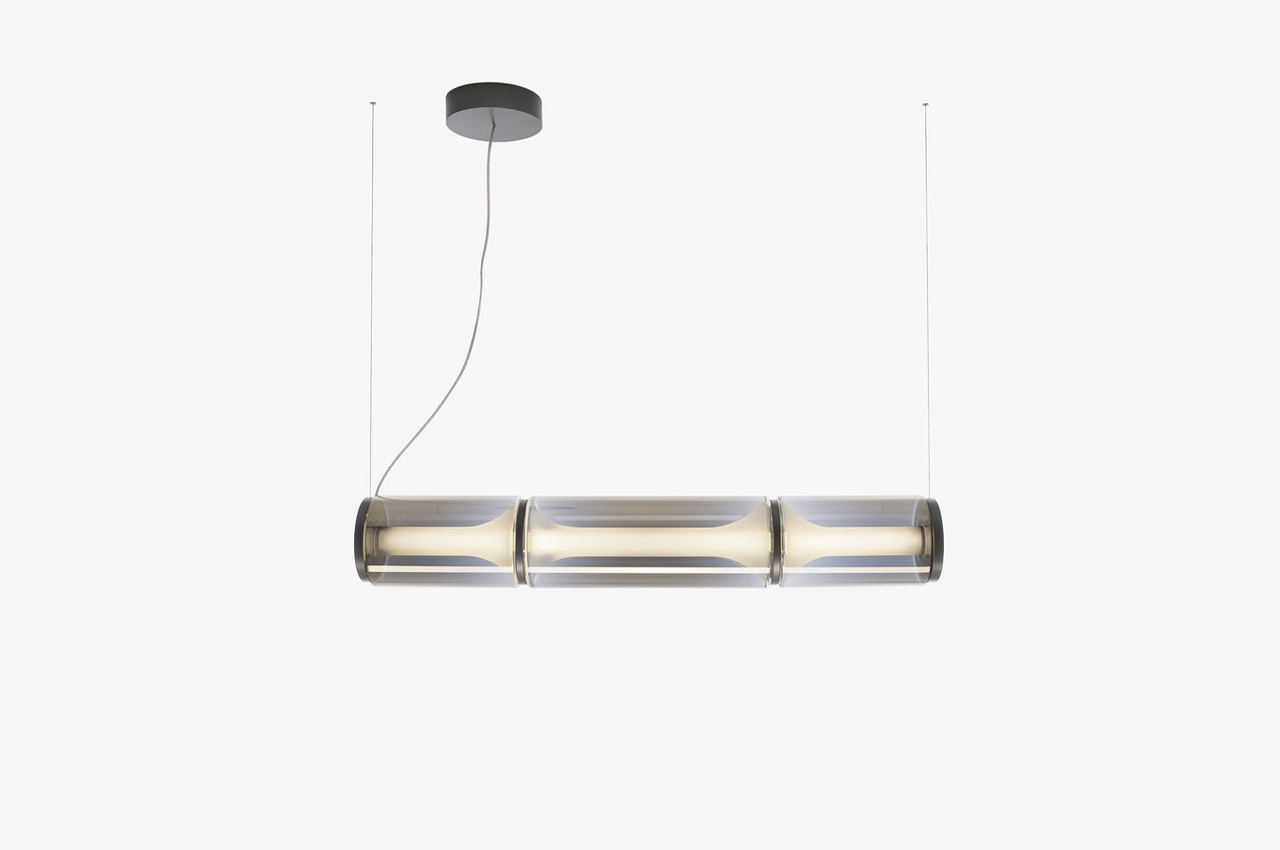
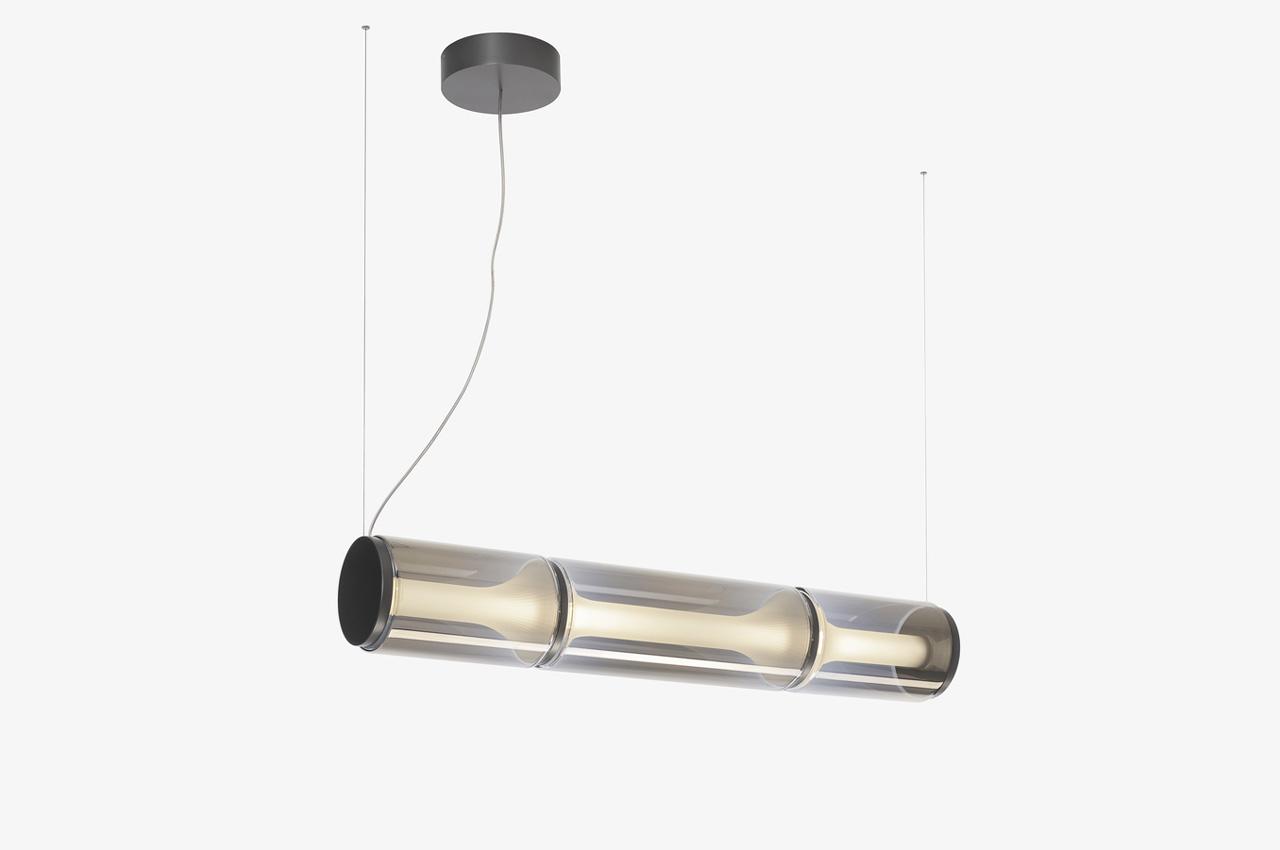
When you’re doing up your living room, you spend a substantial amount of time picking the perfect sofa or the ideal coffee table, but we don’t really dedicate much time to picking the right lighting design! Today, lighting designs are total works of art – they’re unique and innovative, elevating a space with their mere presence. Nowadays, designers are creating unique, functional, and powerful pieces that not only light up a living space but also add an extra oomph factor! These lighting designs not only help you see in the dark, but they also function as an attractive and visually appealing piece. And a lighting design I recently loved is the Miles Pendant Lamp by Yabu Pushelberg for Lasvit.
Designed by Yabu Pushleberg for the Czech brand Lasvit, the Miles Pendant light is a beautiful lighting piece. Through this lighting design, the designer wanted to concoct a poetic connection between music and glass blowing, resulting in this rather mesmerizing lighting solution. It is made up of multiple segments of double-walled glass. It features a simple outer layer, which perfectly contrasts with the complex yet subtle fluted inner diffuser, creating a surreal and pleasing contradiction.
As you take a look at the shape of the lighting fixture, you are instantly reminded of brass instruments, which Lasvit also says is similar to the process of craftspeople blowing glass. The lighting piece is created to deep dive into the connection between music and glass-making, with the gentle design emphasizing the balance between innovation and the physical limitation of materials and techniques that must be tended to.
According to Lasvit, the making of double-walled glass objects is quite a task for glassblowers, as it needs high levels of control and accuracy to be maintained. The light features a finish with a metal coating technology, which provides the pendant with quite an aesthetically pleasing look even when it is switched off. The end result is a premium lighting design with a sophisticated allure that allows it to merge with modern living spaces.