Xiaomi 17 Pro Review: Refined in All the Right Places

PROS:


  • Capable camera setup with excellent 5x telephoto camera

  • Great battery life from the big 7,000mAh battery

  • Refined, premium design with rich color options

  • Bright, smooth display with strong eye-care features

CONS:


  • Telemacro mode is not especially sharp

  • Fingerprint sensor sits too close to the bottom edge of the display

RATINGS:

AESTHETICS
ERGONOMICS
PERFORMANCE
SUSTAINABILITY / REPAIRABILITY
VALUE FOR MONEY

EDITOR'S QUOTE:

The Xiaomi 17T Pro is a confident refinement of an already strong formula, pairing elegant design with excellent battery life and one of the best telephoto cameras in its class.

Xiaomi is bringing back its T series with the Xiaomi 17T and Xiaomi 17T Pro, but this time the schedule feels unusually aggressive. Instead of the typical September-style annual launch, the new models arrive only about six months after the 15T series. That shorter gap also brings the T series closer to the Xiaomi 17 and 17 Ultra launch window, which usually falls between late February and early March, making the company’s flagship lineup feel more cohesive across the year.

The Xiaomi 15T Pro was one of my favorite affordable flagships of the past year, particularly for its design and camera performance. So I was pleased to see that Xiaomi has not abandoned that formula. The design language remains largely the same, and so does the familiar triple camera setup.

Designer: Xiaomi

On paper, the Xiaomi 17T Pro still makes a strong case for itself. It features a 6.83-inch 144Hz display with peak brightness of up to 3,500 nits, a triple camera system with a 5x periscope telephoto camera, and a larger 7,000mAh battery with 100W wired charging. Continuing a partnership with Leica that is now in its fifth year, Xiaomi also introduces Leica Live Moment with the 17T series, adding a new layer of visual storytelling shaped by Leica’s photographic look.

I have been testing the Xiaomi 17T Pro for about a week to get an early sense of how this year’s T series performs. Even at this stage, it already feels like a phone that knows exactly what made its predecessor appealing. The question is not whether Xiaomi changed everything, but whether it refined the right things.

Aesthetics
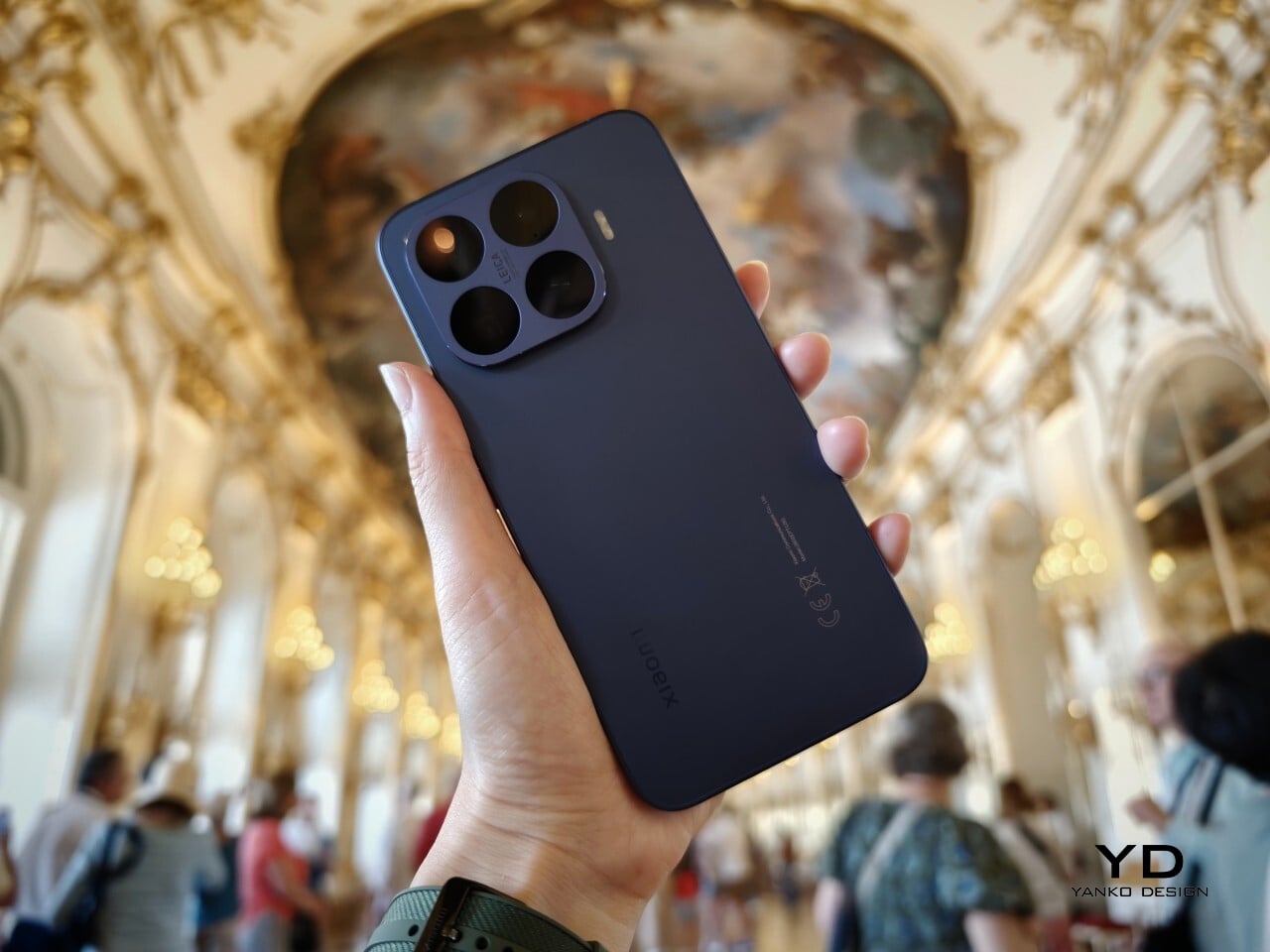
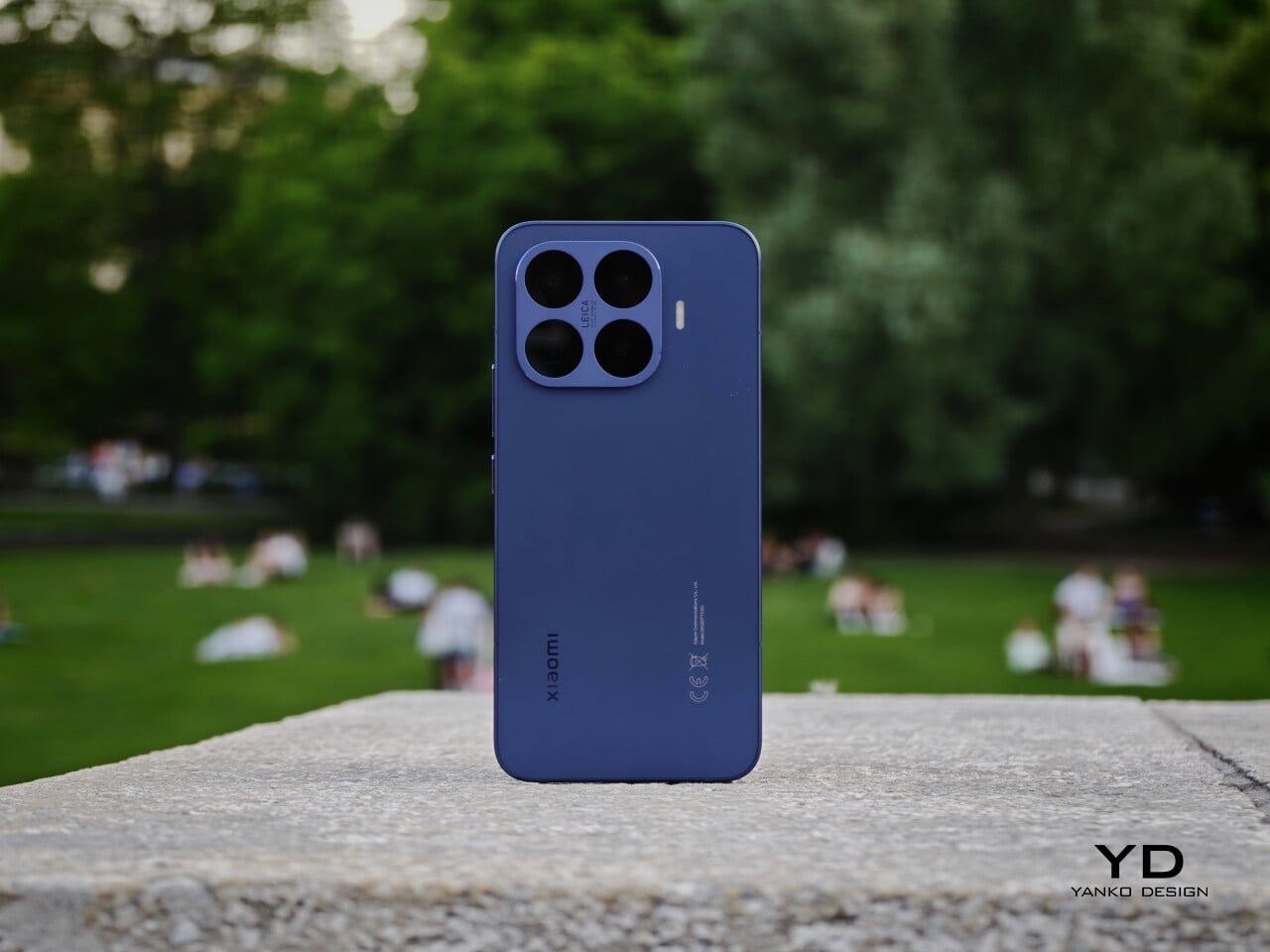
At first glance, the Xiaomi 17T Pro looks almost identical to its predecessor, and that is not a bad thing at all. When a design language already works, refinement can be more valuable than reinvention. Rather than chasing a dramatic visual reset, Xiaomi builds on a form that already felt resolved, keeping the same restrained character while sharpening the details that made the earlier model appealing.

What continues to make this T series design stand out is the way restraint is paired with color. The silhouette remains minimalistic, but it is lifted by finishes that feel subtle yet premium. Instead of relying on loud textures or flashy accents, the phone creates presence through tone, depth, and gentle shifts in light, giving it a more personal quality.

Compared to the 15T Pro, there is also a clear shift in the finish itself. The older model had more of a shimmer, while the 17T Pro moves toward a sheen finish instead. Both have their appeal. The shimmer of the 15T Pro feels lively and expressive, while the sheen of the 17T Pro feels smoother and more understated.
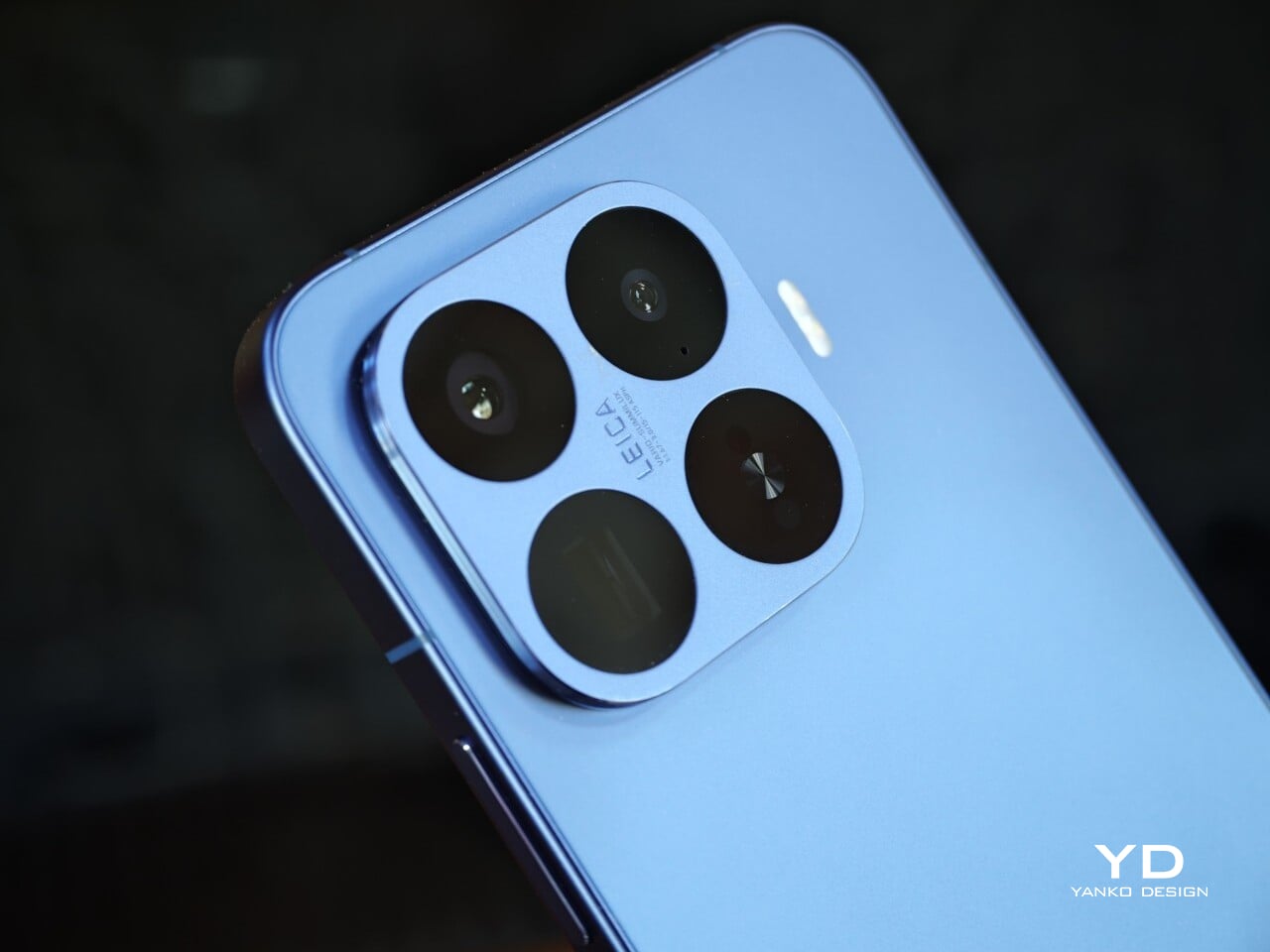
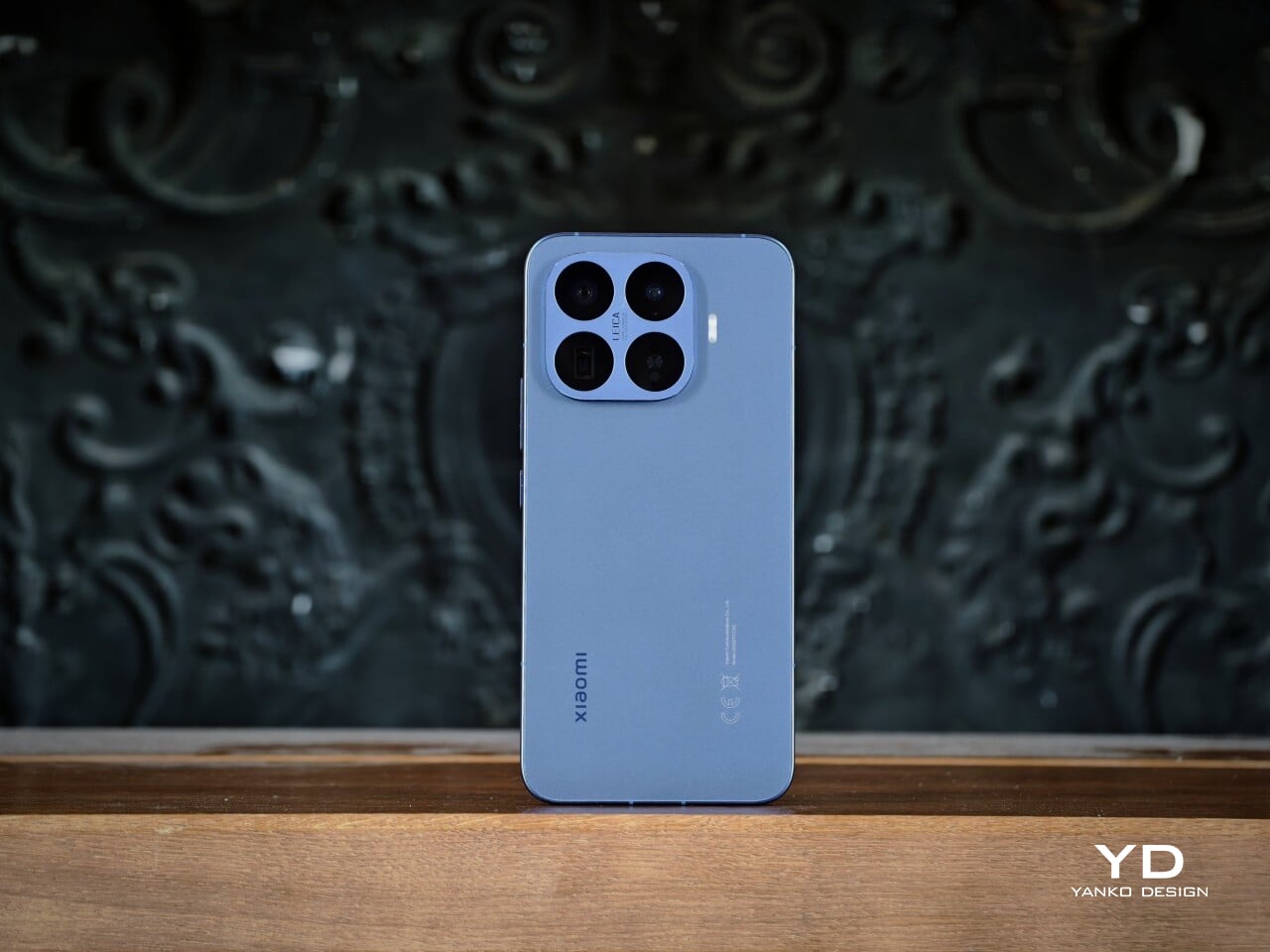
The Xiaomi 17T Pro comes in Deep Blue, Deep Purple, and Black. I received the Deep Blue variant, and it made the strongest first impression with its deep purple undertone, which adds richness and subtle variation depending on the light. Deep Purple feels a little warmer and more expressive, while Black is the most understated of the three, though it still has a deep navy undertone that keeps it from looking flat.

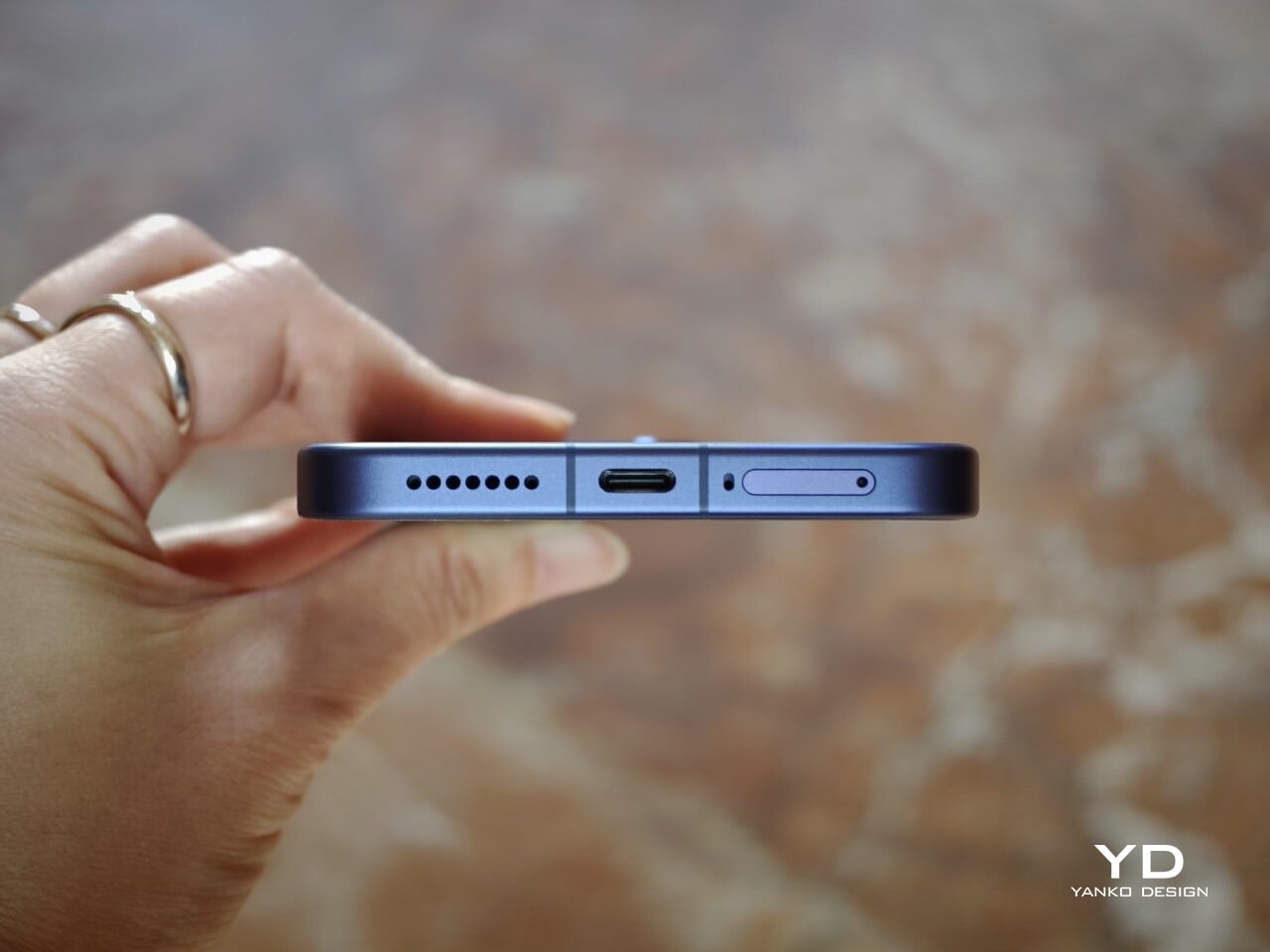
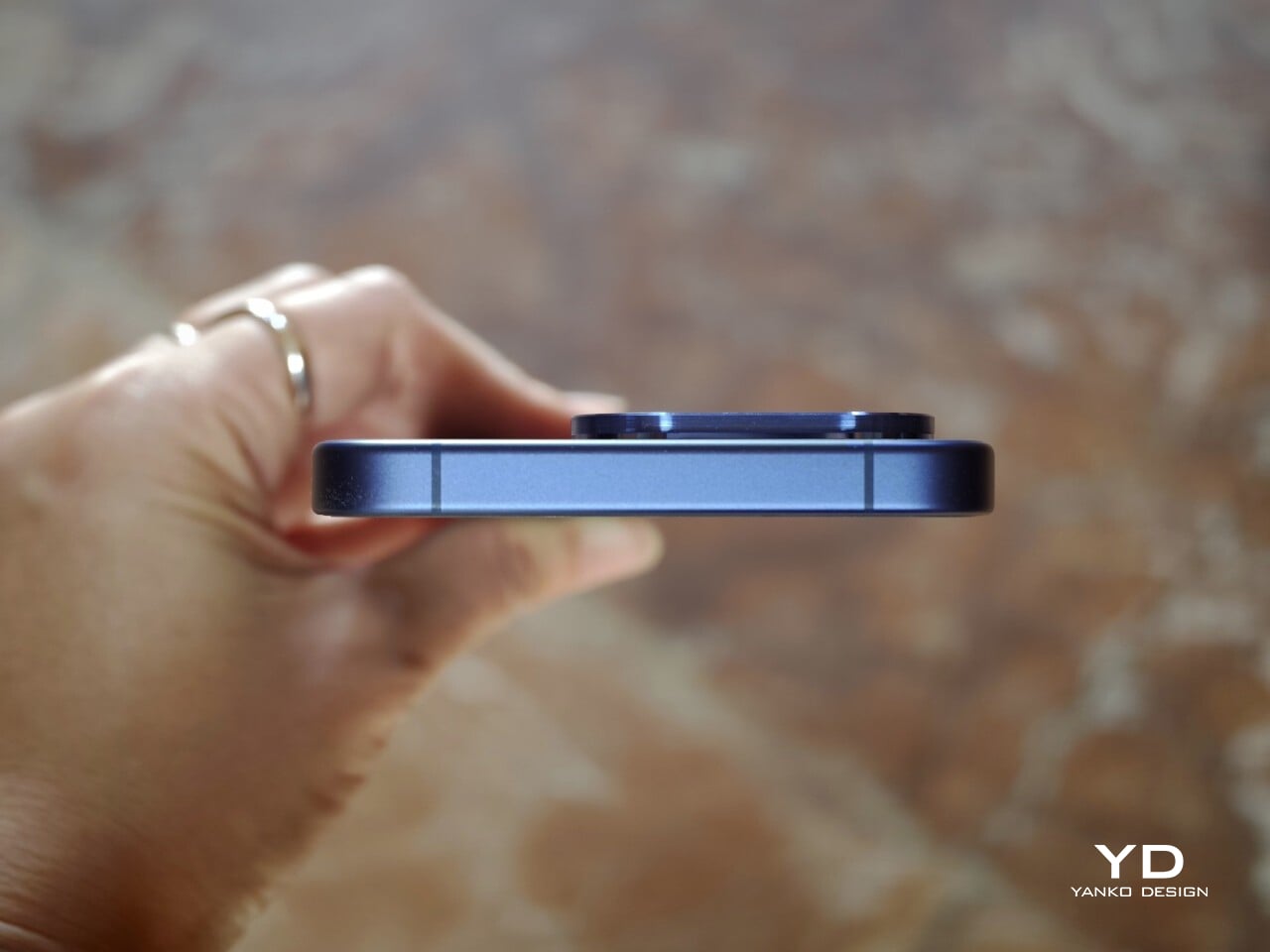
Another key part of the visual identity is the square camera housing, which is color-matched to the rest of the body. The continuous side frame and matching buttons also help the device feel more unified and architectural. The only minor distraction is the regulatory markings on the lower right of the back panel, which are a bit more noticeable than I would like on an otherwise very clean design.

Ergonomics

The Xiaomi 17T Pro remains close to its predecessor in both size and weight, measuring 162.2 x 77.5 x 8.25mm and weighing 219g. Those numbers are substantial, but they make sense for a phone with a 6.82-inch display, 7,000mAh battery, and a capable camera system. Given the hardware it packs in, Xiaomi has done a good job balancing flagship ambition with everyday usability.
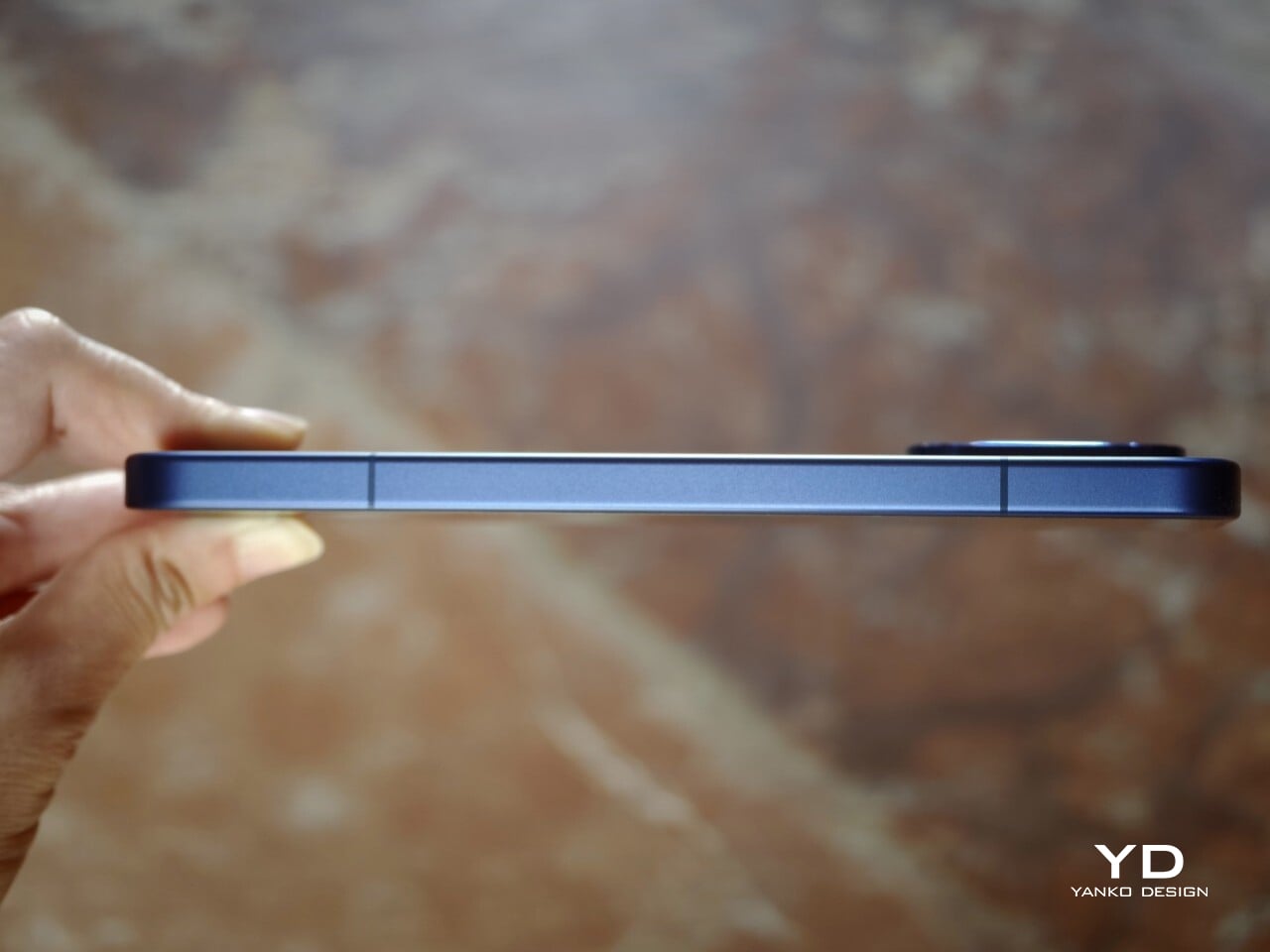
This is not really a one-handed phone unless you have large hands, but it avoids feeling awkward. The smooth pebble-like texture of the back panel helps here, making the phone feel softer and more natural in the hand. Combined with the frame and the gentle transitions from the back panel, the edges do not dig into the palm even when you are using it a little awkwardly with one hand. The weight is also well balanced, which makes the phone feel more controlled than its size might suggest.

One detail that could be improved is the fingerprint sensor placement. It sits quite close to the bottom edge of the display, which makes unlocking the phone feel a bit awkward at times. It is something you can get used to, but a slightly higher position would have felt more natural.

Performance

The Xiaomi 17T Pro feels fast and responsive in everyday use, which is exactly what you would hope for from a flagship built around the MediaTek Dimensity 9500. Paired with LPDDR5X RAM and UFS 4.1 storage, the phone has more than enough headroom for smooth navigation, quick app launches, and fluid multitasking. The phone runs Xiaomi HyperOS 3 based on Android 16 out of the box, and so far, the overall experience feels snappy and polished rather than overly busy.
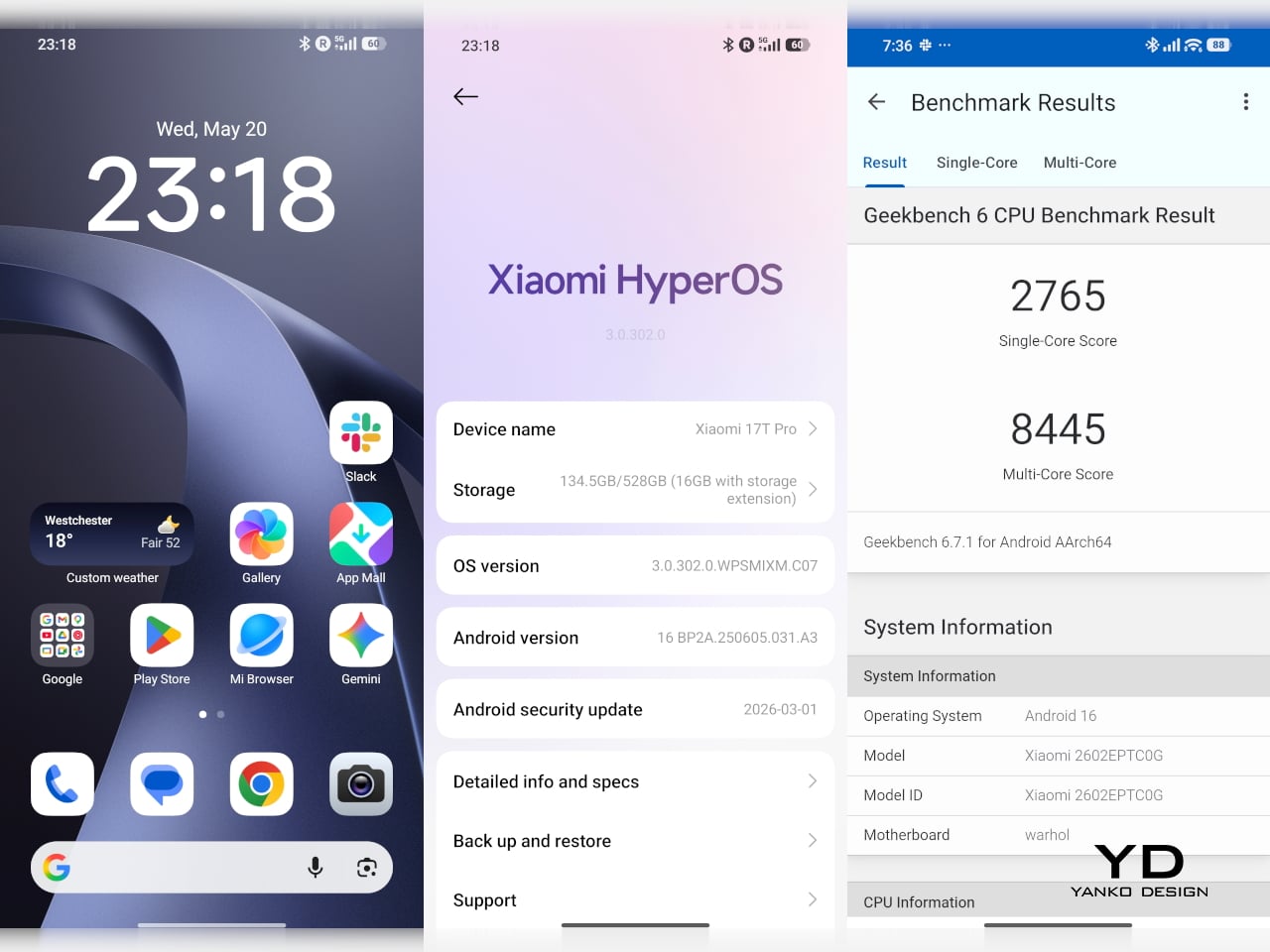
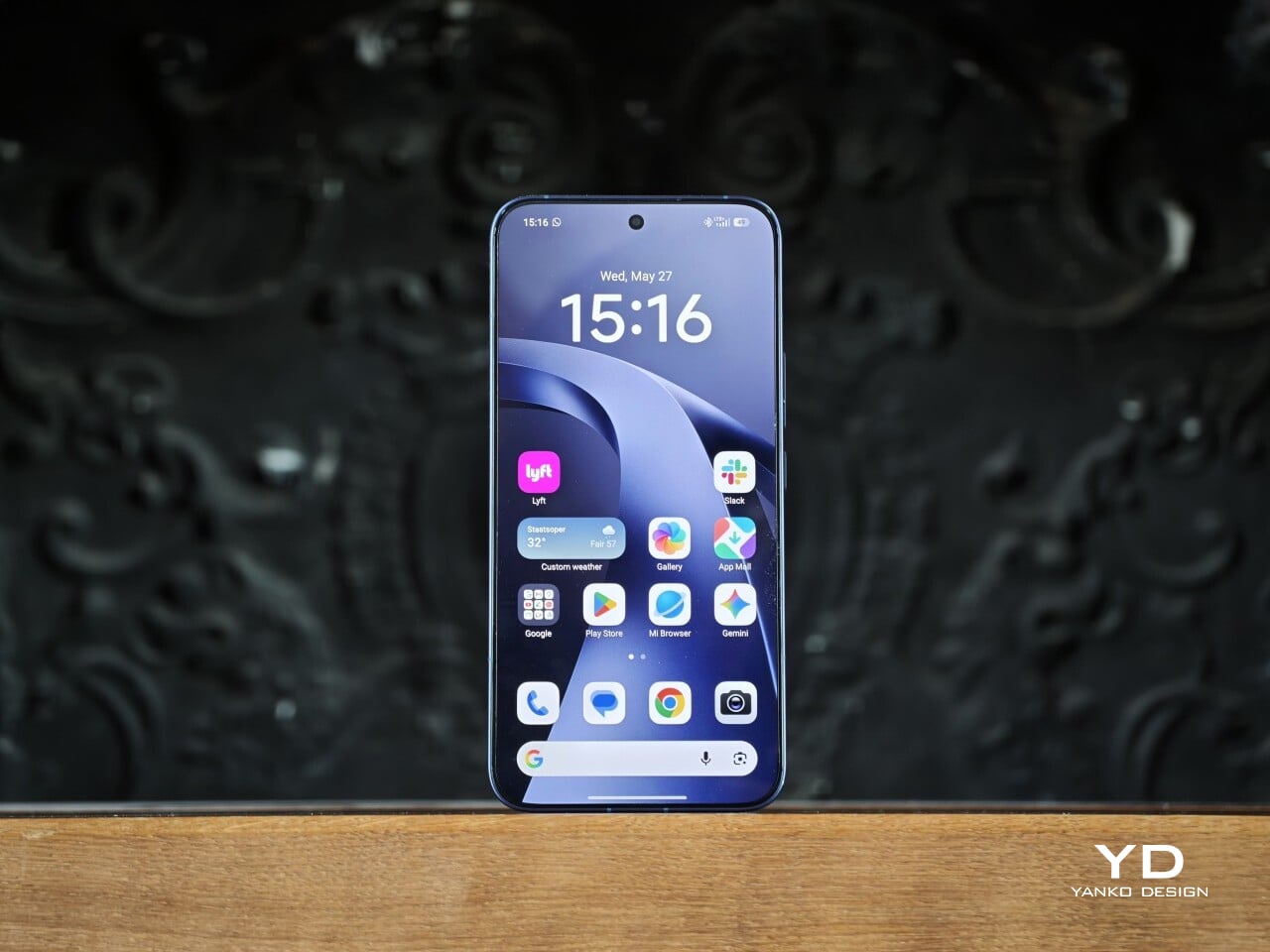
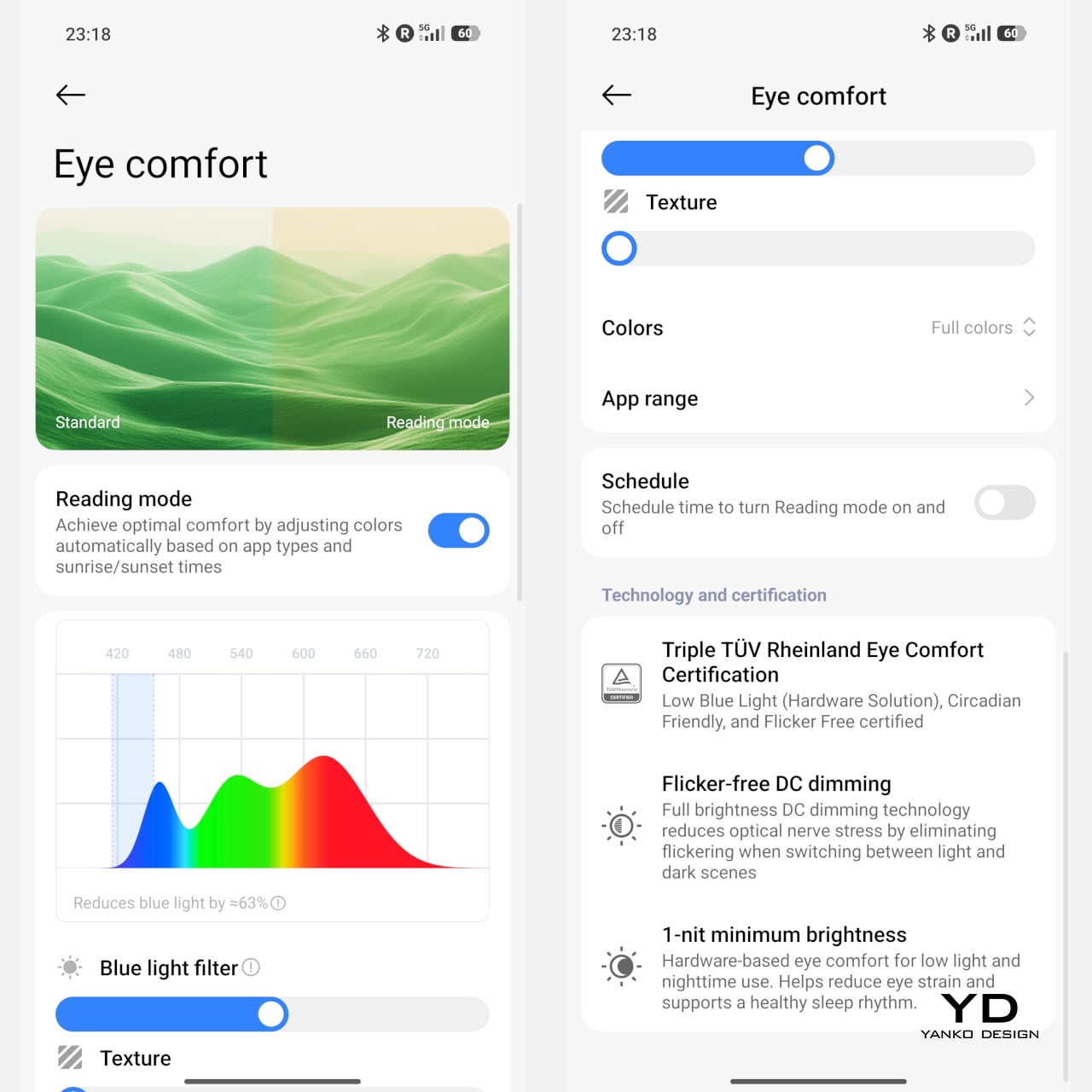
A big part of that impression comes from the display. The 6.83-inch AMOLED panel has a 1.5K resolution of 2772 x 1280, a refresh rate of up to 144Hz, and peak brightness of up to 3,500 nits. It also supports HDR10+ and Dolby Vision, which helps content look vivid and high contrast when the source material allows. Xiaomi includes both DC dimming and PWM dimming and introduces Xiaomi Vision Care with the 17T Pro. The 17T series is also the first in the industry to receive TÜV Rheinland quadruple eye care certification, including Low Blue Light, Circadian Friendly, Flicker Free, and Intelligent Eye Care, with the display designed to deliver a more comfortable viewing experience over longer sessions.
The camera system builds on what already worked well on the 15T Pro rather than trying to reinvent the formula. On the back, you get a 50MP main camera, a 50MP telephoto camera, and a 12MP ultra-wide camera, while the front houses a 32MP selfie camera. All three rear cameras carry Leica branding, and as usual, Xiaomi lets you choose between Leica Vibrant and Leica Authentic color profiles. I usually prefer Leica Authentic because it delivers that signature Leica look, though Leica Vibrant tends to work better for food photography, where a little extra punch can be welcome.
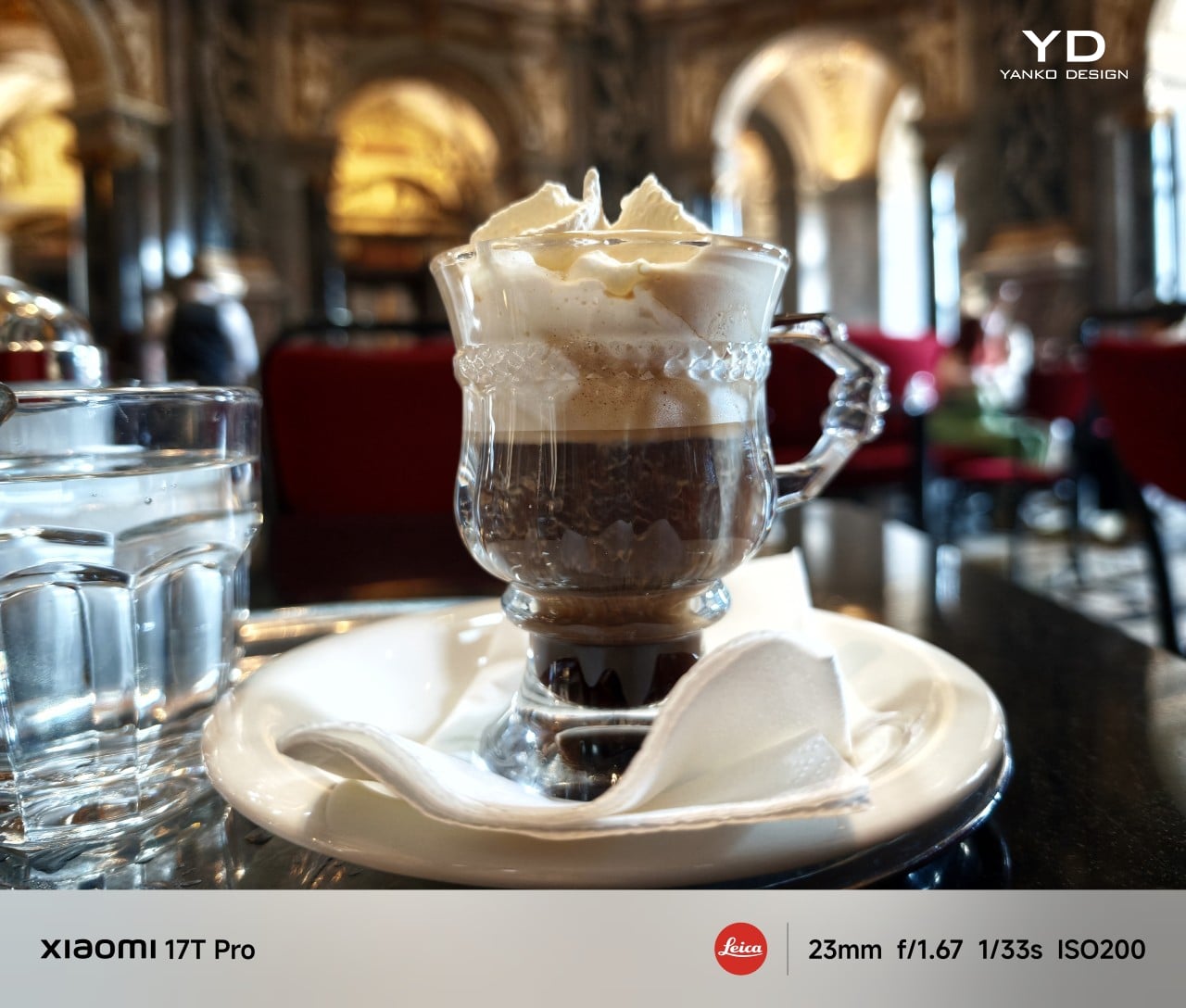
1x Main, Leica Authentic

1x Main, Leica Authentic
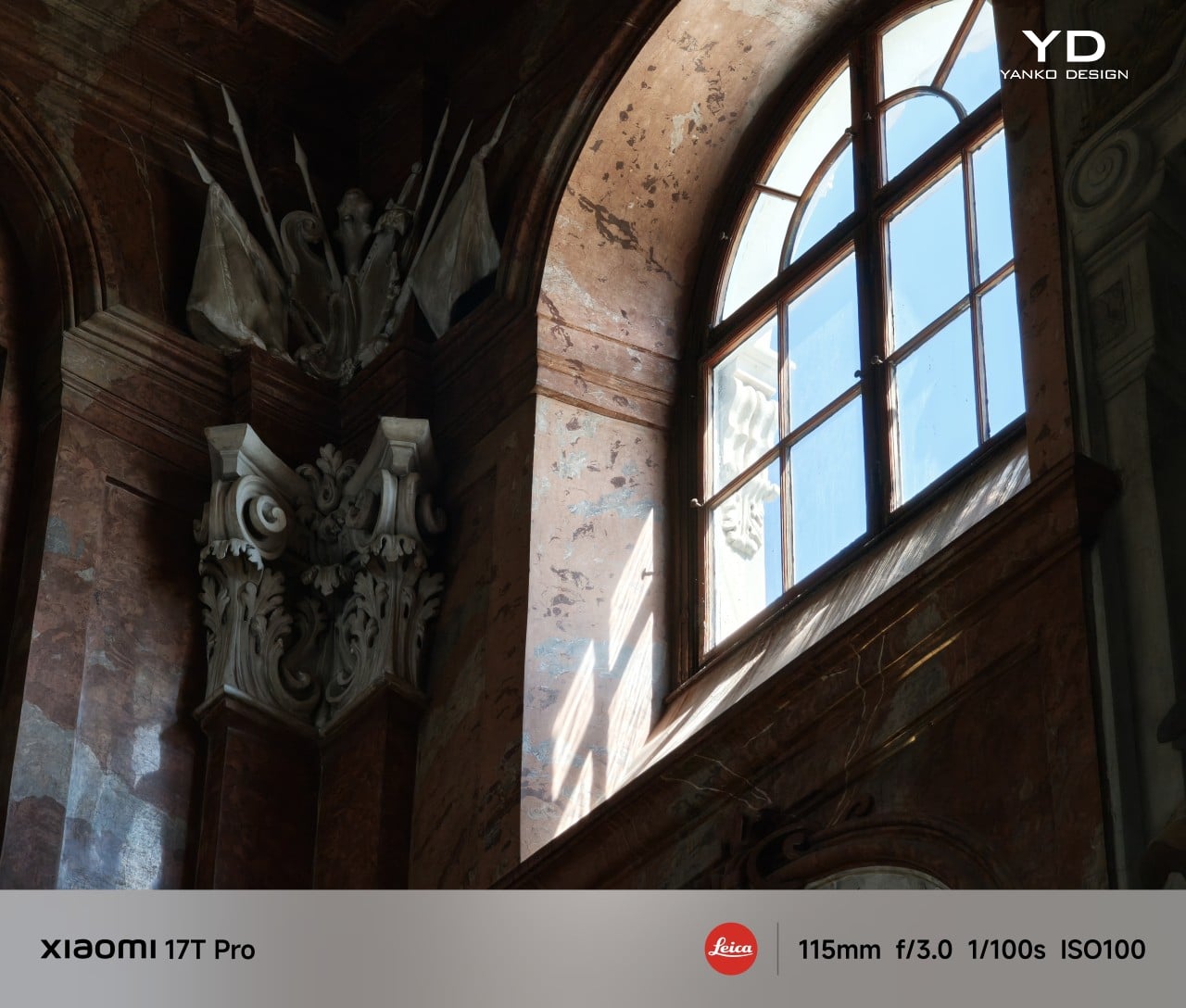
5x Telephoto, Leica Vibrant

The 23mm-equivalent main camera with its f/1.67 aperture takes great photos with a pleasing level of detail, good exposure, and a wide dynamic range in good lighting. Colors look realistic rather than overly processed, which gives the images a more natural feel. Low-light performance is also strong overall, with good detail retention and very little visible noise. It feels like a dependable main camera that can handle a wide range of situations without much fuss.

5x Telephoto

10x Telephoto

The 115mm-equivalent telephoto camera with its f/3.0 aperture is really the star of the show. It delivers shots with strong detail, good exposure, and a wide dynamic range, while color stays fairly consistent with the main camera. Even in low light or more difficult lighting conditions, it manages to hold onto detail impressively well. The telemacro mode is less convincing, though. It is not especially sharp, and with a minimum focus distance of 30cm, it does not let you get quite as close to the subject as I would have liked.

0.6x Ultra-wide, Leica Vibrant with Film Positive filter
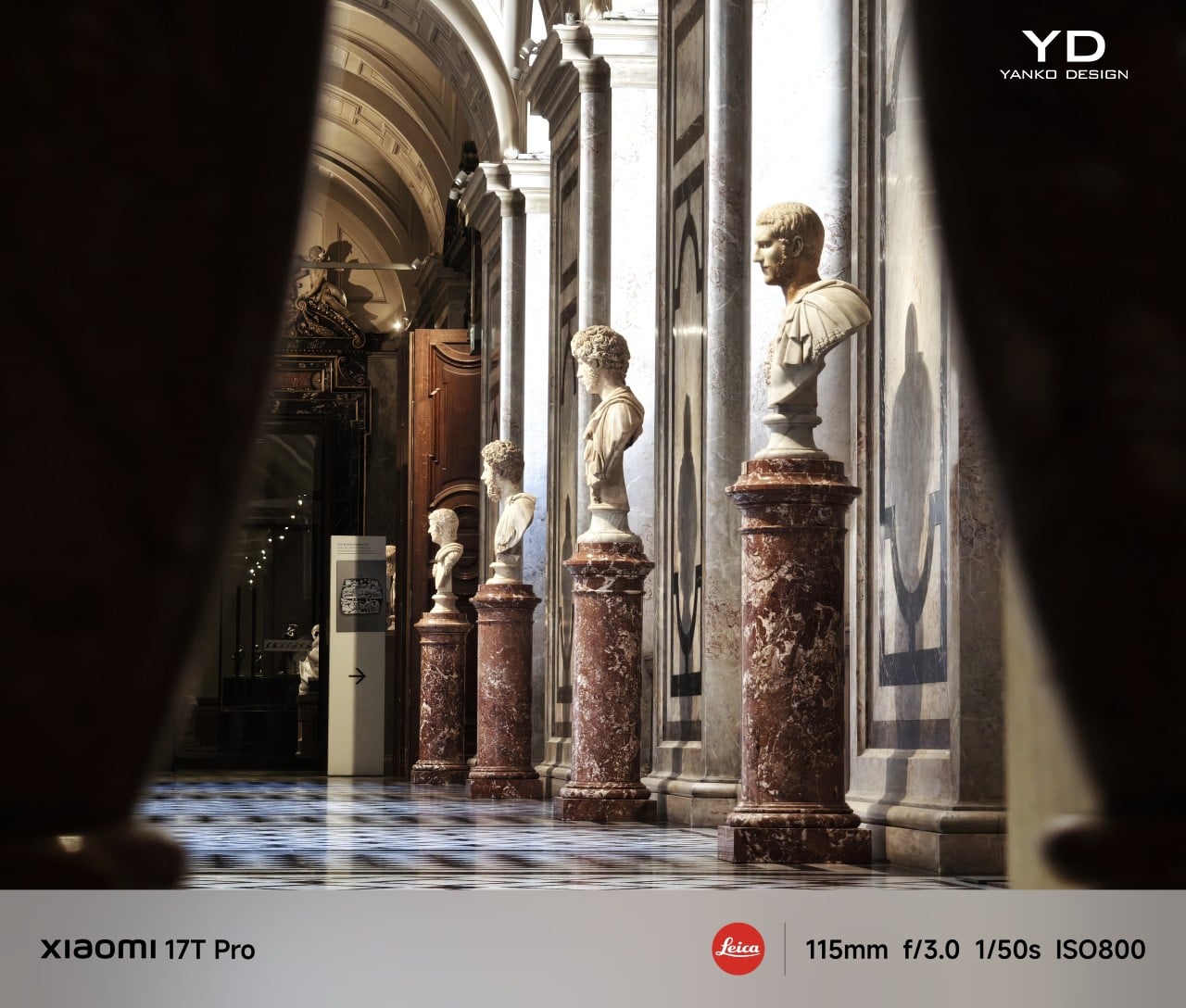
5x Telephoto, Leica Authentic
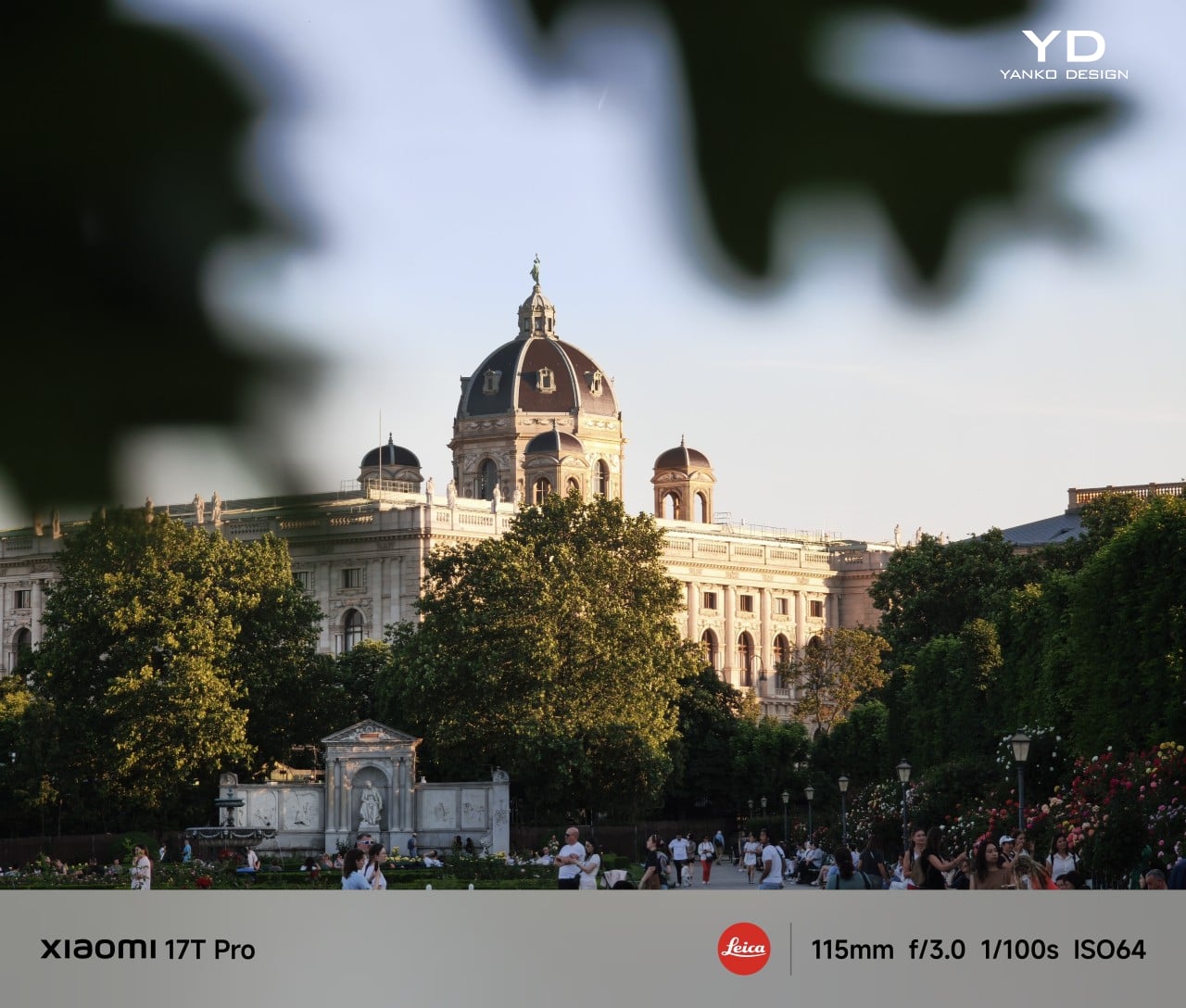
5x Telephoto, Leica Authentic

The 15mm-equivalent ultra-wide camera with its f/2.2 aperture and 120-degree field of view is the weakest of the three rear cameras, but it still delivers solid results. Detail can look a bit softer compared to the main and telephoto cameras, though dynamic range remains good, and the overall output is still perfectly usable. It may not be the standout lens in the system, but it does its job well enough for most casual wide shots.

Portrait mode is another strong point. You can choose between Master Portrait and Leica Portrait, and both styles deliver attractive results with natural-looking background blur. Subject isolation is consistently well judged, which helps portraits look polished without feeling overly artificial.

2x Main, Master Portrait
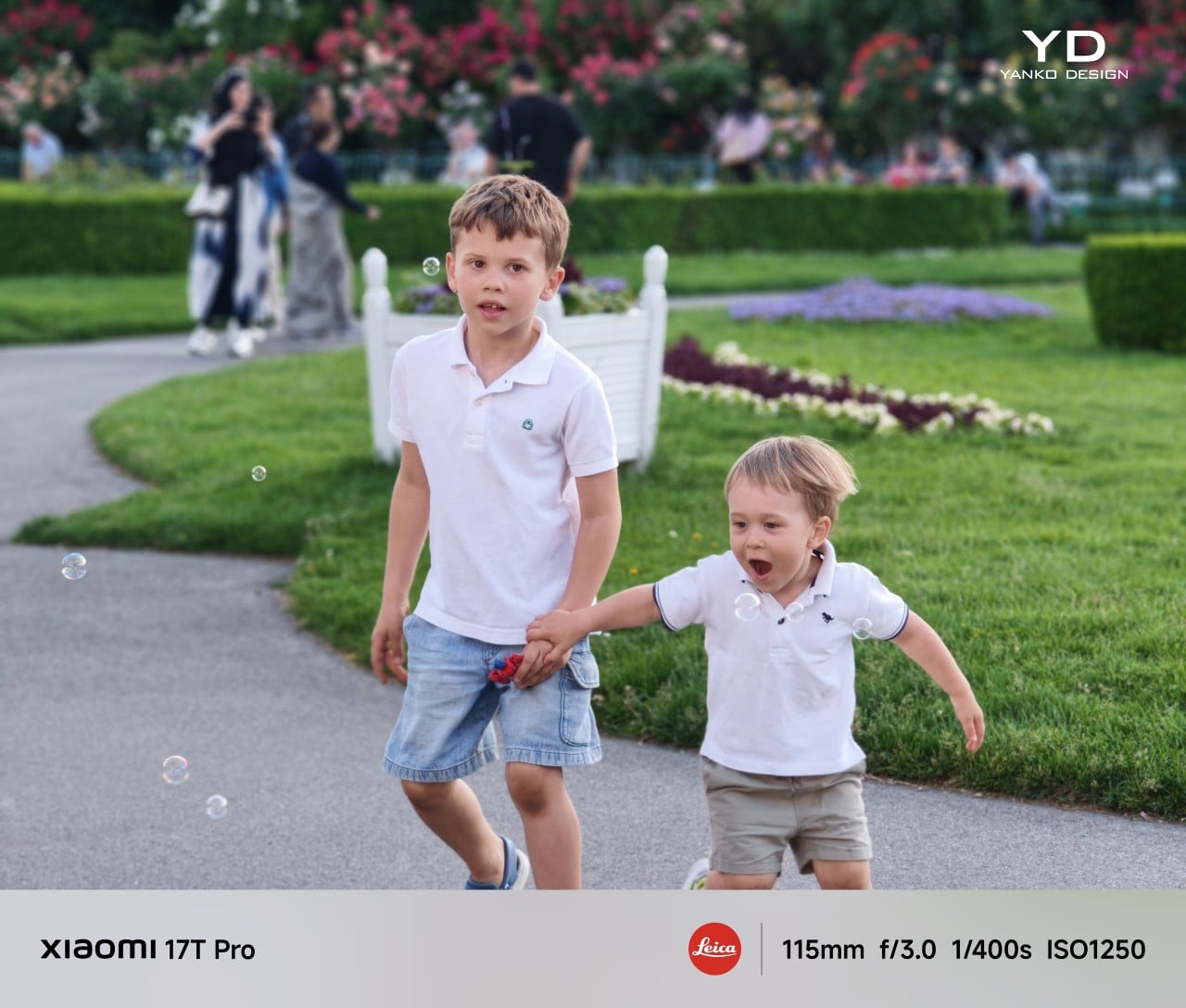
5x Telephoto, Master Portrait

5x Telephoto, Master Portrait

One of the more playful additions is Leica Live Moment, which lets you capture live motion photos with Leica color tone. I usually turn off live motion photos on most phones because the still image quality often takes a hit, and the moving portion can end up looking blurry. With the 17T Pro, though, I could clearly see the appeal.

It adds a little more story and spontaneity to the image, and the fact that it is available even in Portrait mode makes it more versatile than I expected. I tried it with kids, pets, a couple dancing, and an approaching train, all of which felt like good examples of where the feature makes sense. In those moments, it preserved a bit of movement and atmosphere that a still image alone would not fully capture. You do need to keep the phone fairly still; the motion portion can end up showing too much camera movement. Even so, when it works, it is a genuinely fun feature.
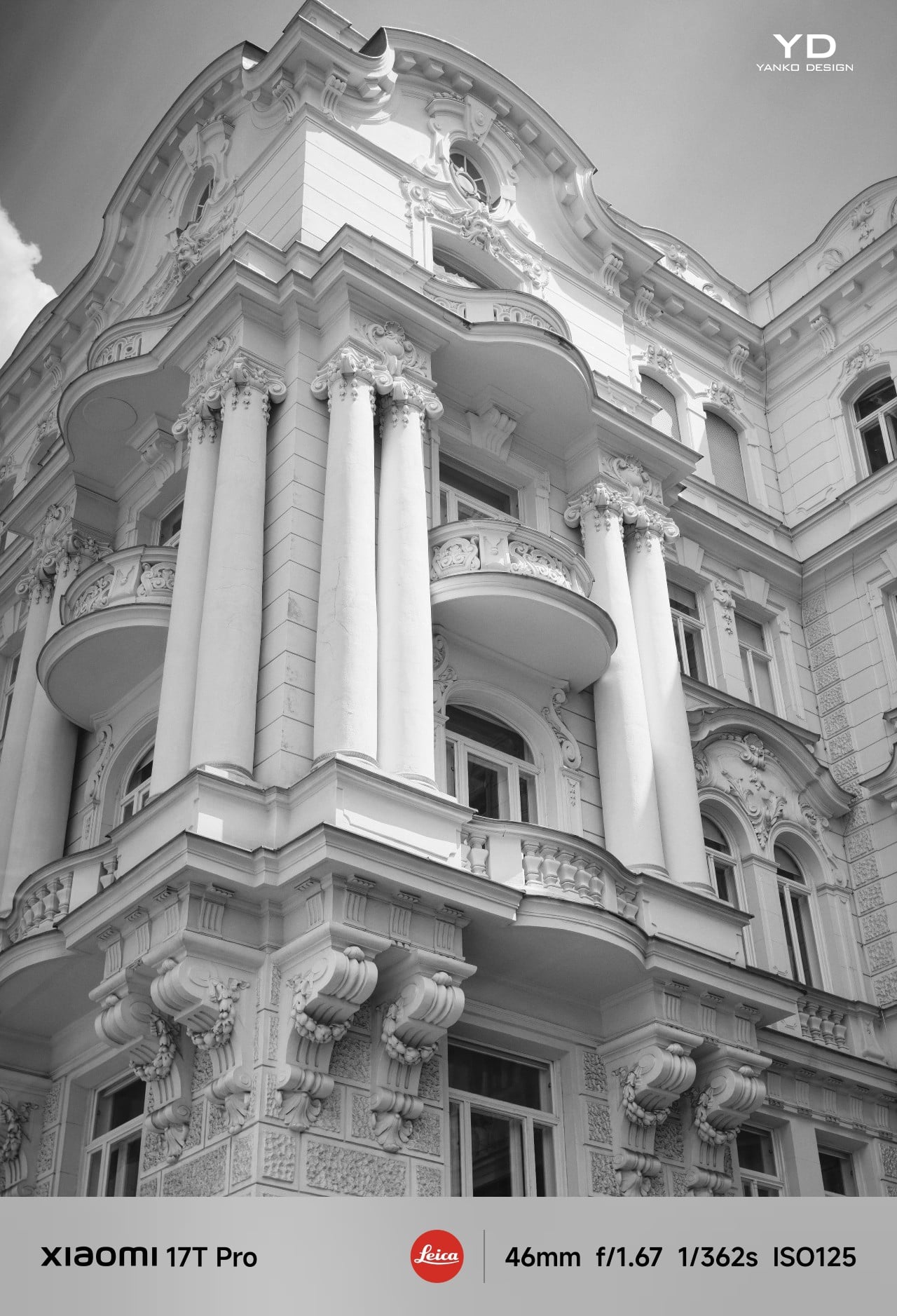
2x Main, Leica Vibrant with B&W Filter

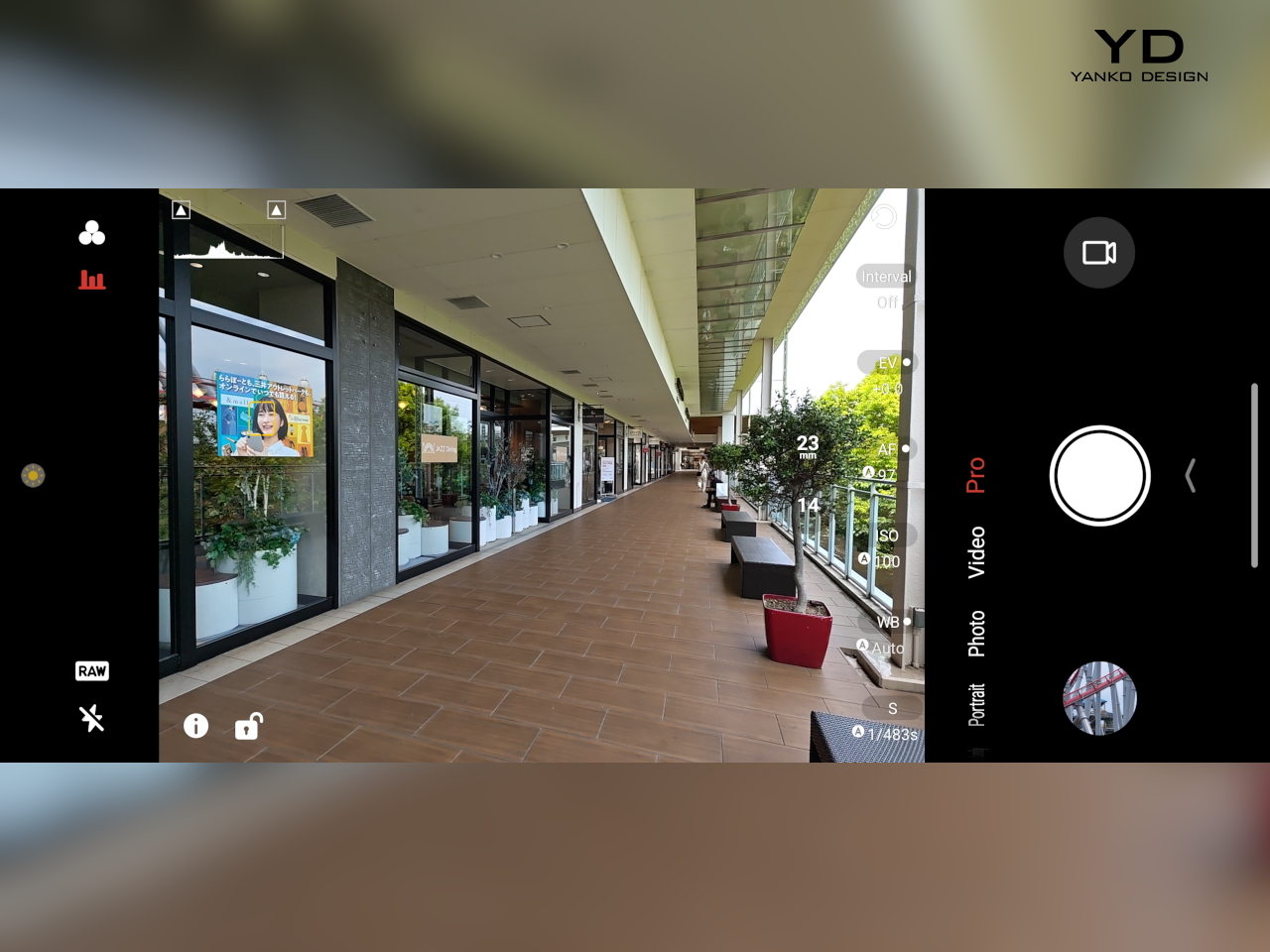
Video is another area where the 17T Pro feels well-equipped. The main camera can record up to 8K at 30fps or 4K at 120fps. The telephoto and ultra-wide cameras are capped at 4K at 60fps, while the front camera tops out at 4K at 30fps. Xiaomi also lets you shoot in Log with all rear cameras, and there is a Movie mode that adds cinematic background blur for a more stylized look. Video quality has been very good across different lighting conditions on both the main and telephoto cameras, with wide dynamic range, solid exposure, and a generally polished result.

Battery size is one of the biggest improvements over the previous model. With its 7,000mAh silicon-carbon battery, the 17T Pro gives a reassuring sense of stamina that matches its large size, and it has felt great in day-to-day use. Even with a full day of heavy camera use, the phone was able to last the entire day, and with lighter use, it can easily stretch beyond that. It supports 100W wired charge, 55W wireless HyperCharge, and 22.5W wired reverse charge.
Sustainability

The Xiaomi 17T Pro makes a reasonable case for longevity through both durability and software support. It comes with an IP68 rating, Corning Gorilla Glass 7i on both the display and back panel, and a high-strength aluminum frame. Those details may not define sustainability on their own, but they do suggest a phone built to hold up well over time.

Xiaomi is also promising 5 generations of Android upgrades and 6 years of security patches, which gives the 17T Pro a longer life beyond the hardware itself. That matters because one of the most practical forms of sustainability is simply keeping a phone useful for longer. The 17T Pro may not radically change the sustainability conversation, but it does feel like a device designed with longevity in mind.

Value

The Xiaomi 17T Pro comes in three configurations: 12GB + 256GB, 12GB + 512GB, and 12GB + 1TB, with prices starting at 899 euros. That is 100 euros more than the 15T Pro, which is a noticeable jump for the series. It does make the 17T Pro feel a little less aggressively priced than its predecessor.
Still, the increase does not feel entirely surprising given the recent rise in memory prices. Xiaomi is also unlikely to be the only brand adjusting prices in 2026. With its larger 7,000mAh battery, refined design, strong telephoto camera, and solid software support, the 17T Pro still feels like a well-rounded flagship that offers good value overall.

Verdict

The Xiaomi 17T Pro does not try to reinvent what made the T series appealing, and that is exactly why it works. Instead, it takes the core strengths of the 15T Pro, including the restrained design, strong camera system, and flagship-like everyday performance, and refines them in ways that feel practical rather than flashy. The result is a phone that feels more mature than dramatic, but also more complete.

What stands out most is how balanced the overall package feels. The telephoto camera is genuinely excellent, the battery life is a major step up, and the design still has a quiet confidence that helps the phone stand out without trying too hard. There are a few compromises, of course. The ultra-wide camera is merely good rather than great, the fingerprint sensor sits lower than it should, and the higher starting price means the 17T Pro no longer feels quite as aggressively positioned as earlier T Pro devices.
Even so, Xiaomi has refined the right things. The 17T Pro feels like a phone that understands its own appeal and leans into it with confidence. It is not chasing attention with gimmicks or trying to prove itself through excess. Instead, it delivers the kind of thoughtful, well-rounded flagship experience that becomes more convincing the longer you use it, and that is what makes it easy to recommend.

The post Xiaomi 17 Pro Review: Refined in All the Right Places first appeared on Yanko Design.
REDMAGIC 11S Pro Review: Gaming Phone That Shows Its Worth, Literally

PROS:


  • Distinctive flat and boxy design with visible liquid cooling

  • Top-tier performance

  • Has rare 3.5mm headphone jack

  • Large battery with 80W wired and wireless charging

CONS:


  • No telephoto camera

  • No formal IP dust resistance rating

RATINGS:

AESTHETICS
ERGONOMICS
PERFORMANCE
SUSTAINABILITY / REPAIRABILITY
VALUE FOR MONEY

EDITOR'S QUOTE:

The REDMAGIC 11S Pro proves that a gaming phone doesn't have to apologize for what it is.

Most premium smartphones are converging toward the same design language: a glass sandwich, a growing camera island, and a polished finish that looks good in press photos but feels indistinguishable from everything else on the shelf. The harder question has always been whether a phone can look genuinely different without feeling like a novelty, which gaming phones have always struggled to answer.

REDMAGIC has been building gaming-first phones since 2018, and the 11S Pro is the brand’s most coherent statement yet. It doesn’t try to disguise its identity with a mainstream-friendly exterior. Instead, it leans into its engineering, turning the cooling system and gaming hardware into the visual story. But does that actually work in its favor? We spend time with it if it’s truly a deliberate choice or just an accident.

Designer: REDMAGIC

Aesthetics

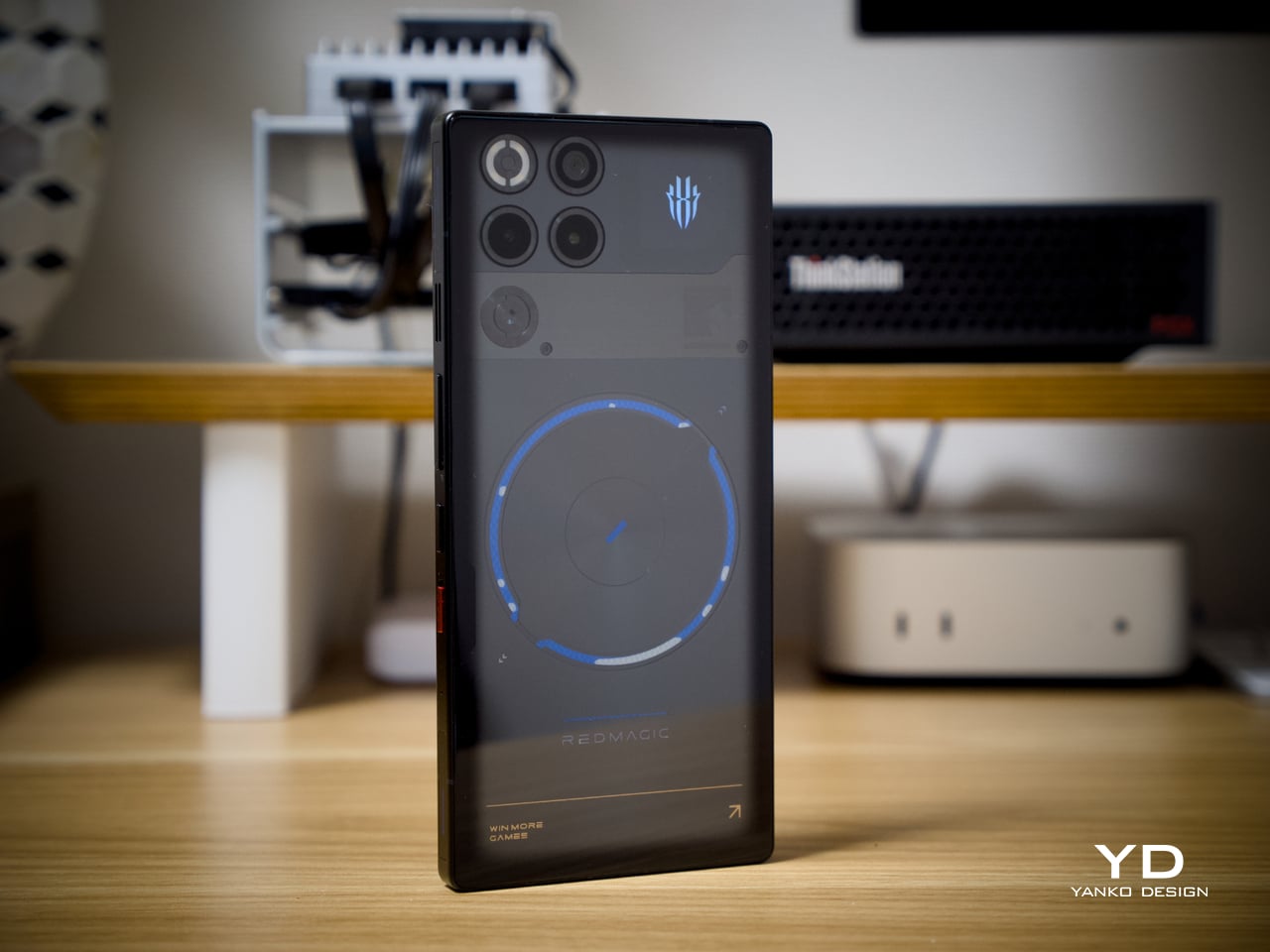
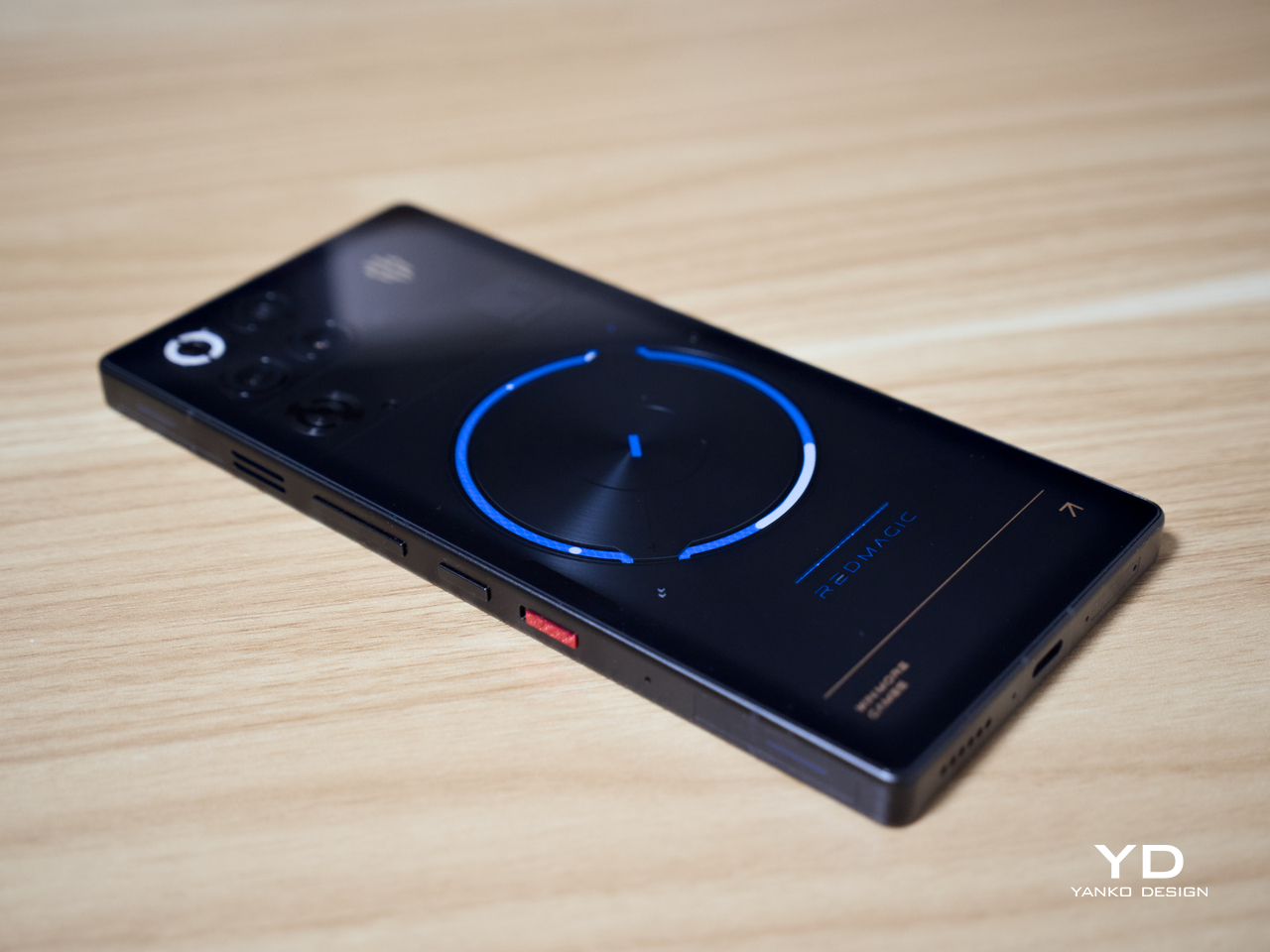
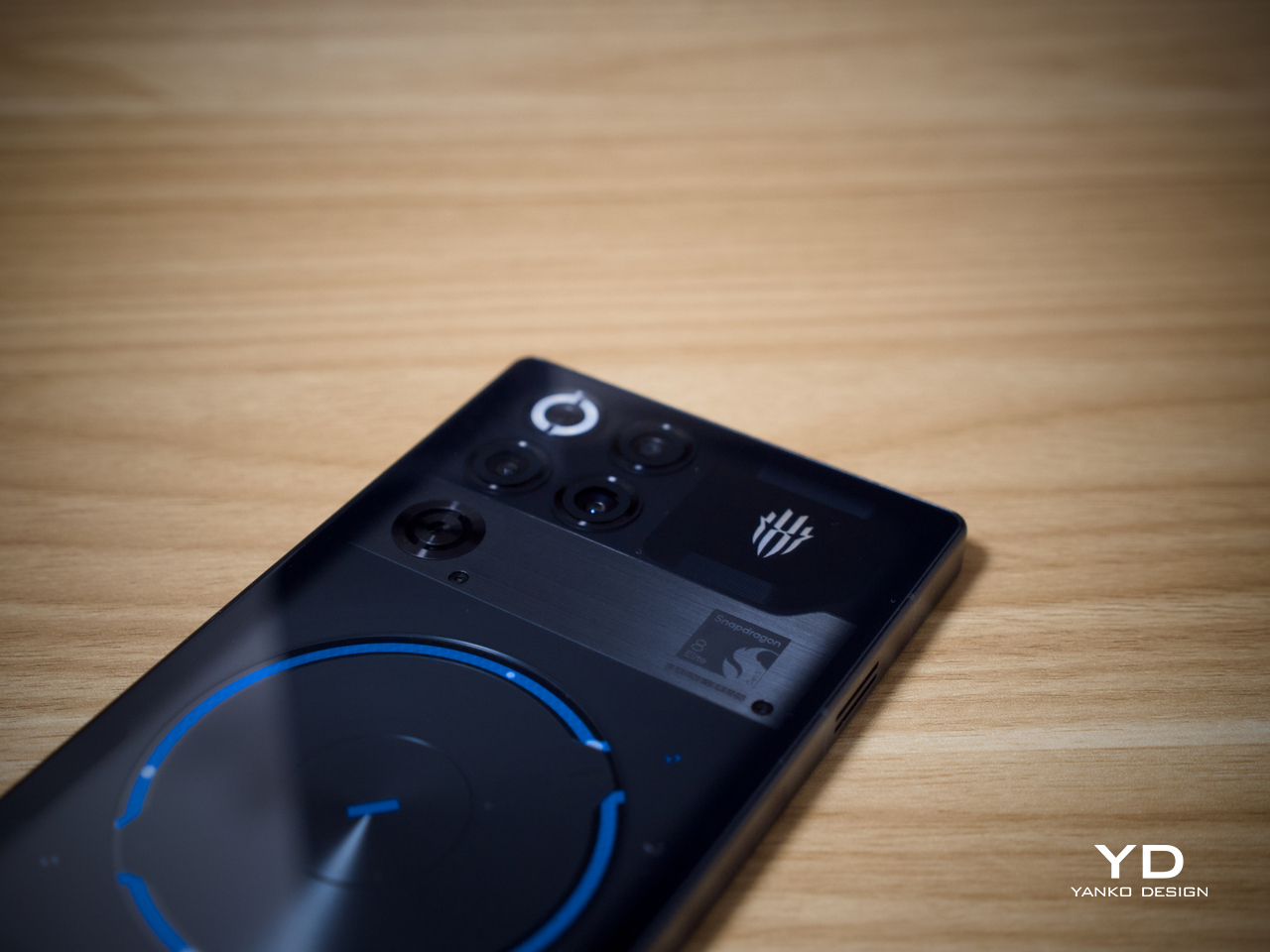
The first thing that stands out about the REDMAGIC 11S Pro is that it doesn’t look like anything else. The transparent rear in the Nightfreeze colorway exposes the internal structure, giving the phone a graphic, almost industrial quality. A large circular motif sits centered on the back, and blue accents run through the design with enough restraint to feel technical rather than theatrical.

The flat back makes an immediate impression. Without a protruding camera module, the rear reads as a unified composition. The camera cluster sits quietly in the upper corner, which keeps the visual hierarchy centered on the cooling hardware and transparent body rather than the lens arrangement. It’s a deliberate order of priority that gaming phones rarely manage to get right.

Of course, the real standout is that the visible liquid cooling system isn’t decorative at all. The AquaCore’s structure shows through the transparent body, meaning the design and engineering are the same thing. Most phones hide their thermal management entirely, but the 11S Pro treats it as something worth showing, giving the phone an architectural confidence that’s hard to ignore.

The Nightfreeze black colorway reads quietly, which is a little surprising for a gaming phone. The RGB lighting strip adds presence without being overbearing, and the blue accents feel more mature than typical gamer aesthetics. It’s a design that rewards a closer look rather than demanding attention from across the room, setting it apart from most flagships chasing the same polished minimalism.

Ergonomics

Holding the 11S Pro makes clear it’s a substantial phone, though not in a way that feels unintentional. The weight reflects the 7,500mAh battery and the active cooling system tucked inside, and the flat sides with squared-off edges create a secure, confident grip. It doesn’t try to disappear in the hand the way ultra-thin phones do, which feels appropriate given what’s inside.

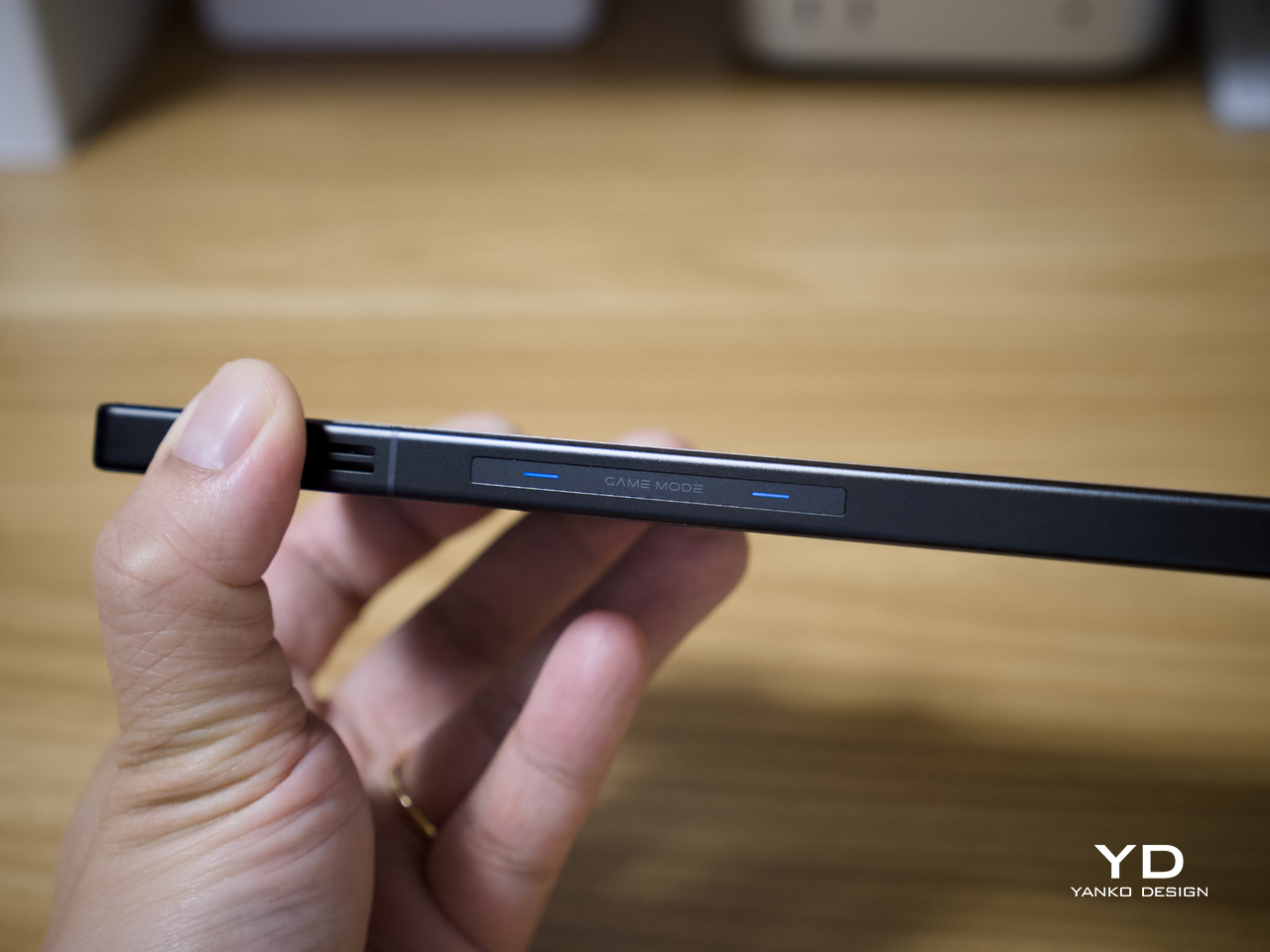
In landscape orientation, which is where the 11S Pro truly comes into its own, the balance improves noticeably. The flat rear makes it easy to steady the device during long sessions, and the 520Hz capacitive shoulder triggers sit exactly where the fingers fall. If you’ve played competitive titles without a controller nearby, those triggers aren’t a nice addition. They’re a genuine advantage.

Performance

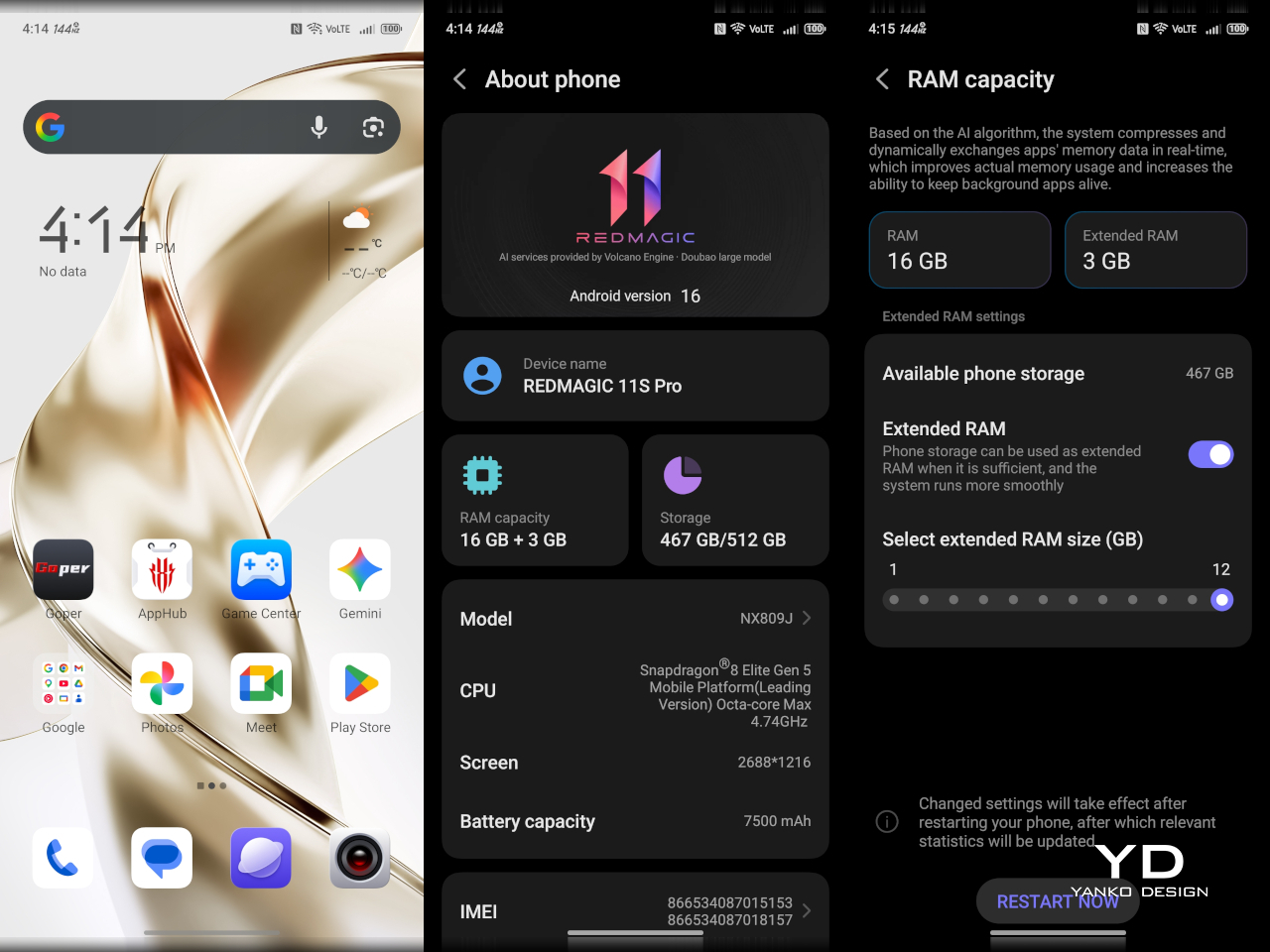
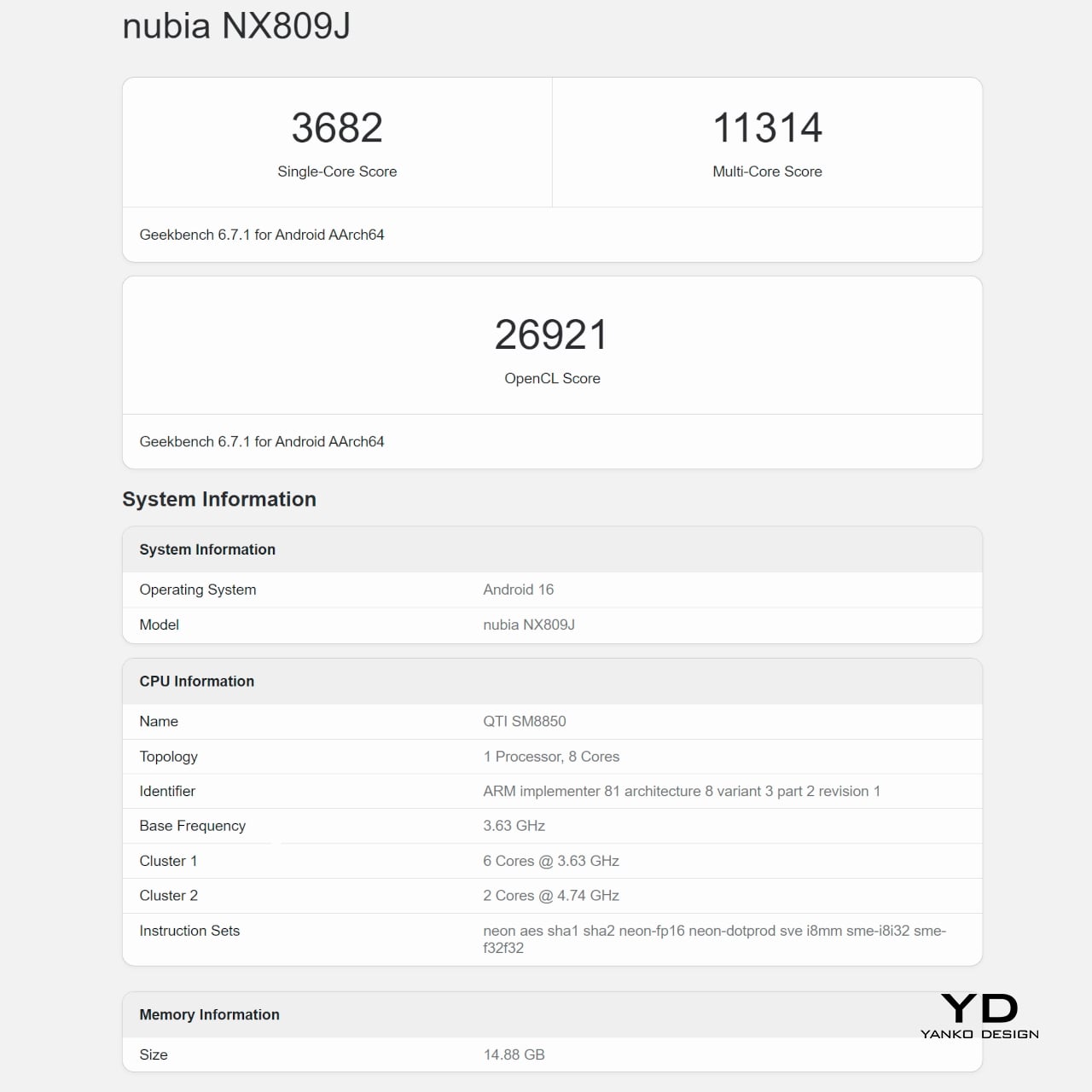
Under the hood, the REDMAGIC 11S Pro runs on the Snapdragon 8 Elite Gen 5 Leading Version, Qualcomm’s highest-binned variant of the chip, paired with the brand’s own RedCore R4 co-processor. Storage configurations go up to 16 GB of RAM, and the full package includes a 144 Hz AMOLED display and the AquaCore active cooling system, keeping performance from overreaching its own thermal limits.

The performance story here isn’t really about peak benchmark numbers. It’s about whether the phone can maintain that output through a two-hour ranked session or a streaming marathon without throttling back to catch its breath. In testing, the 11S Pro handles sustained workloads with a composure that most phones struggle to match, frame rates staying consistent, and the device never getting uncomfortably warm.

That’s largely down to the AquaCore cooling system, which combines a 13,116mm² vapor chamber, a built-in fan spinning at up to 24,000 RPM, and a liquid metal thermal layer. The fan operates below 30dB, so it’s audible but not distracting. What matters most is that the thermal management works as claimed, keeping temperatures controlled even through extended, back-to-back gaming sessions.

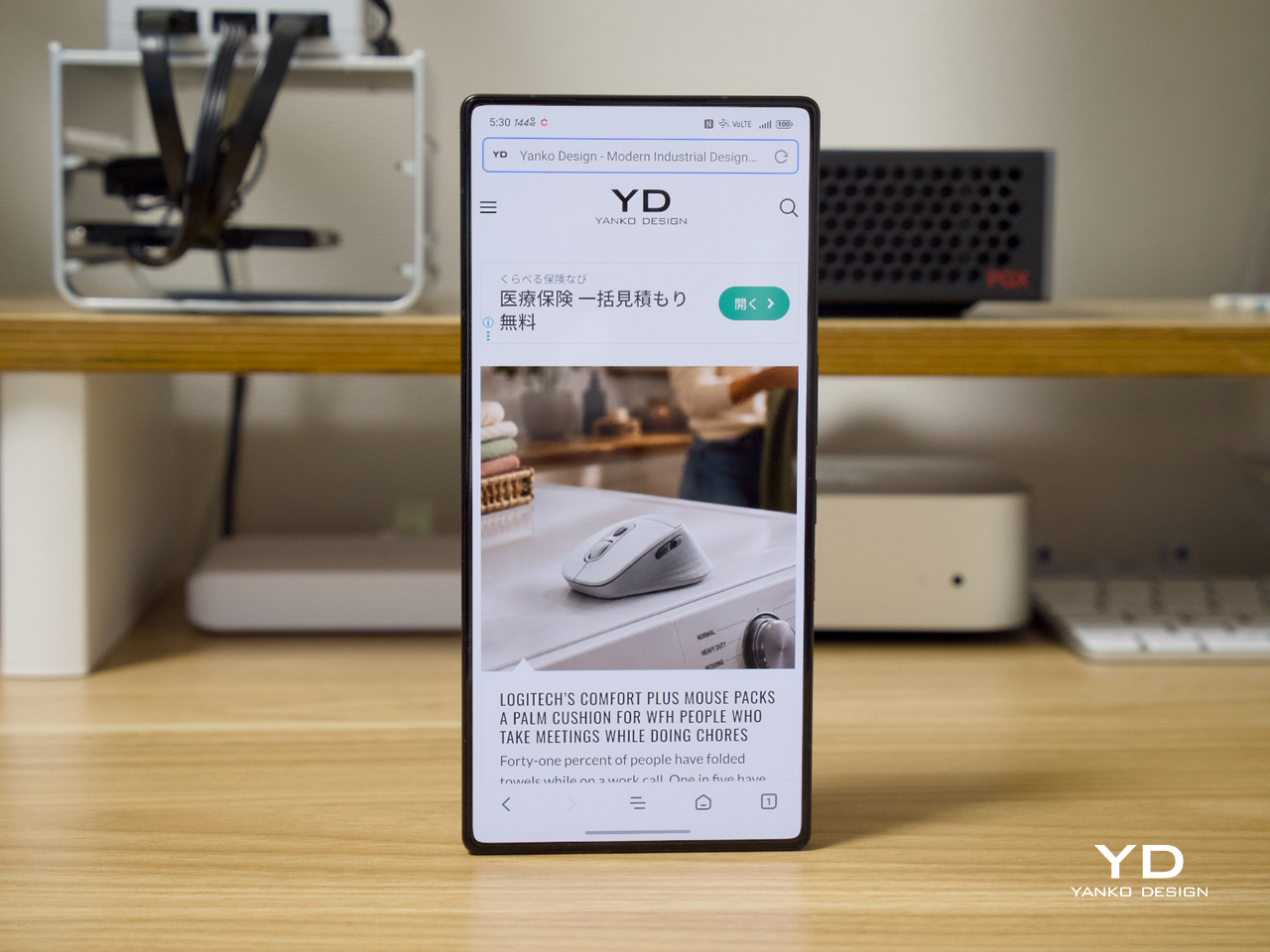
The 6.85-inch BOE X10 AMOLED panel is easy to understate. At a 2,688×1,216 resolution with a 95.3% screen-to-body ratio and a peak brightness of 1,800 nits, the display holds up in virtually any lighting condition. Paired with shoulder triggers and a retained 3.5mm headphone jack, the complete control package covers every input a serious mobile gamer could reasonably ask for.

Battery life is where the REDMAGIC 11S Pro makes a strong case beyond gaming. The 7,500mAh cell supports both 80W wired and 80W wireless fast charging, and endurance in mixed usage stretches comfortably into the following day. In FPS gaming at full frame rates, testing ran for several hours before significant drain, making the phone practical well outside a dedicated desk setup.

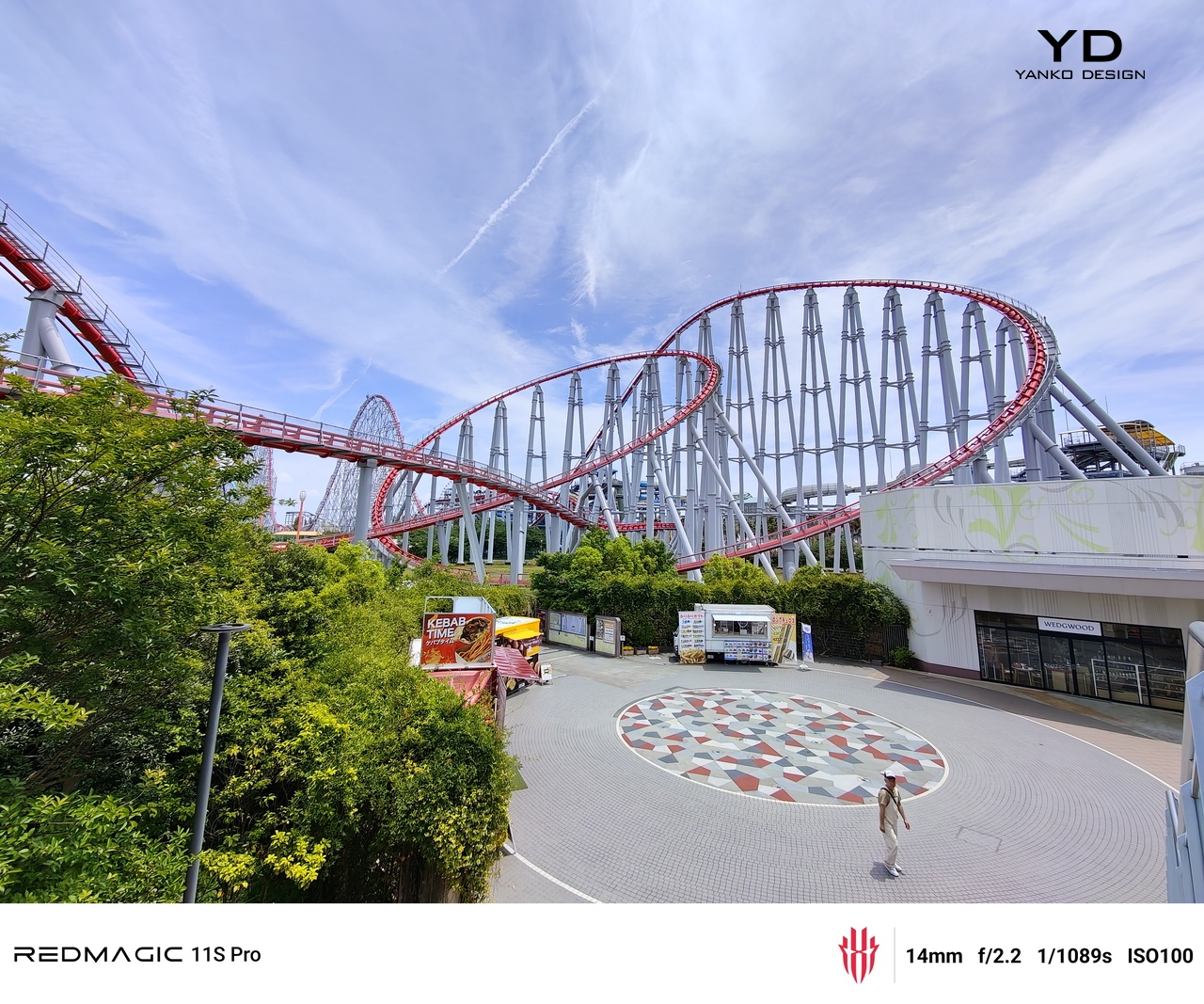
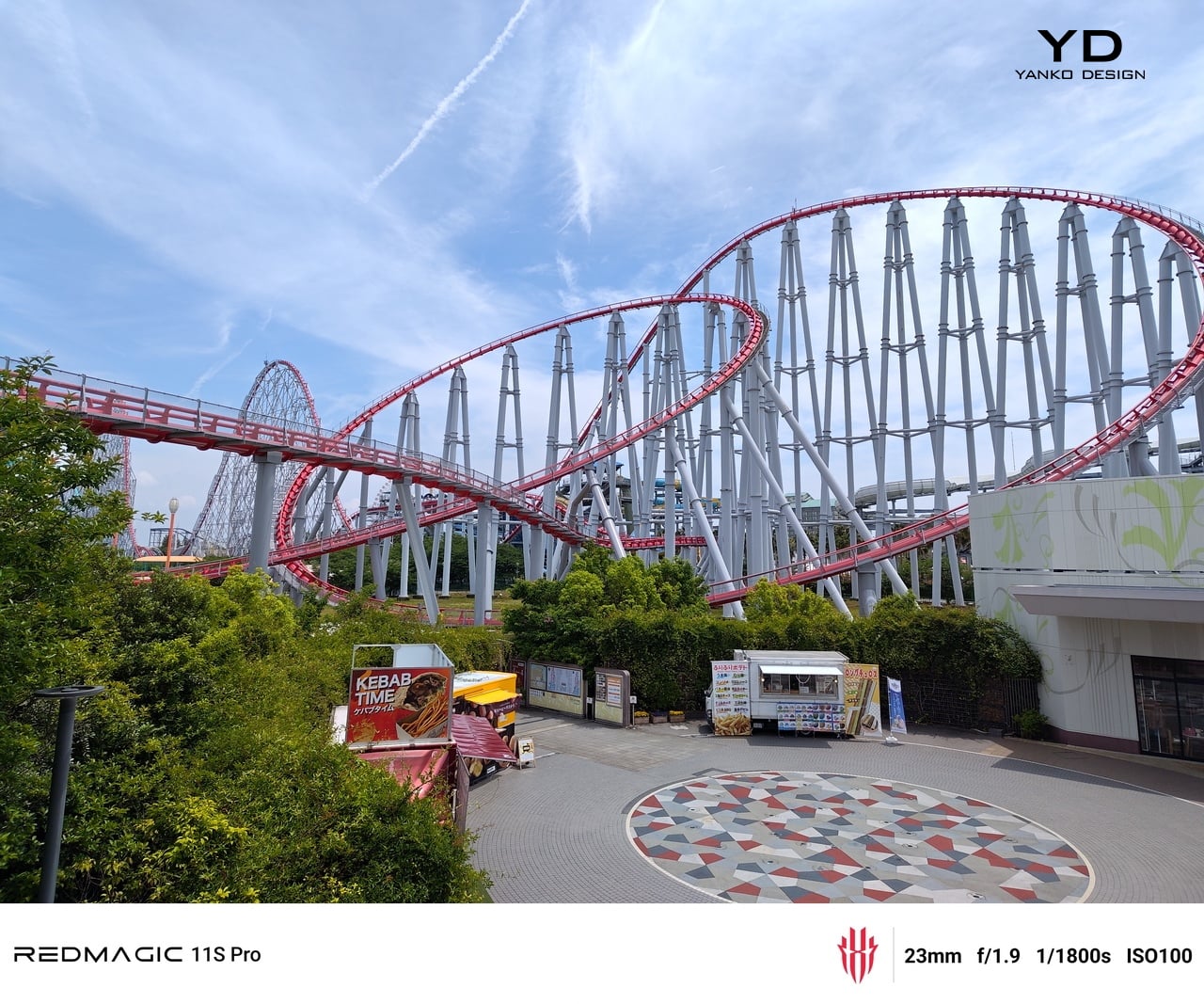
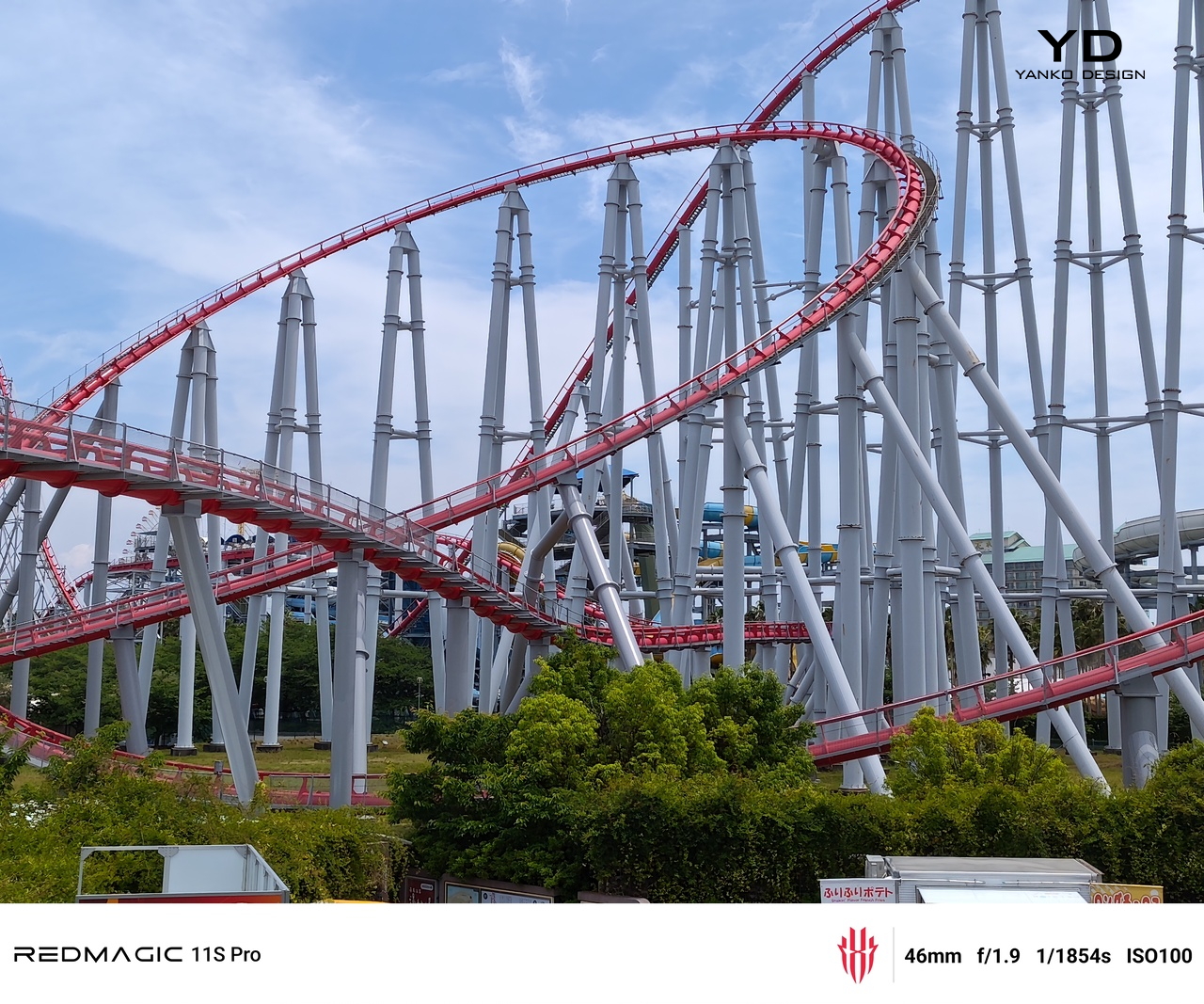
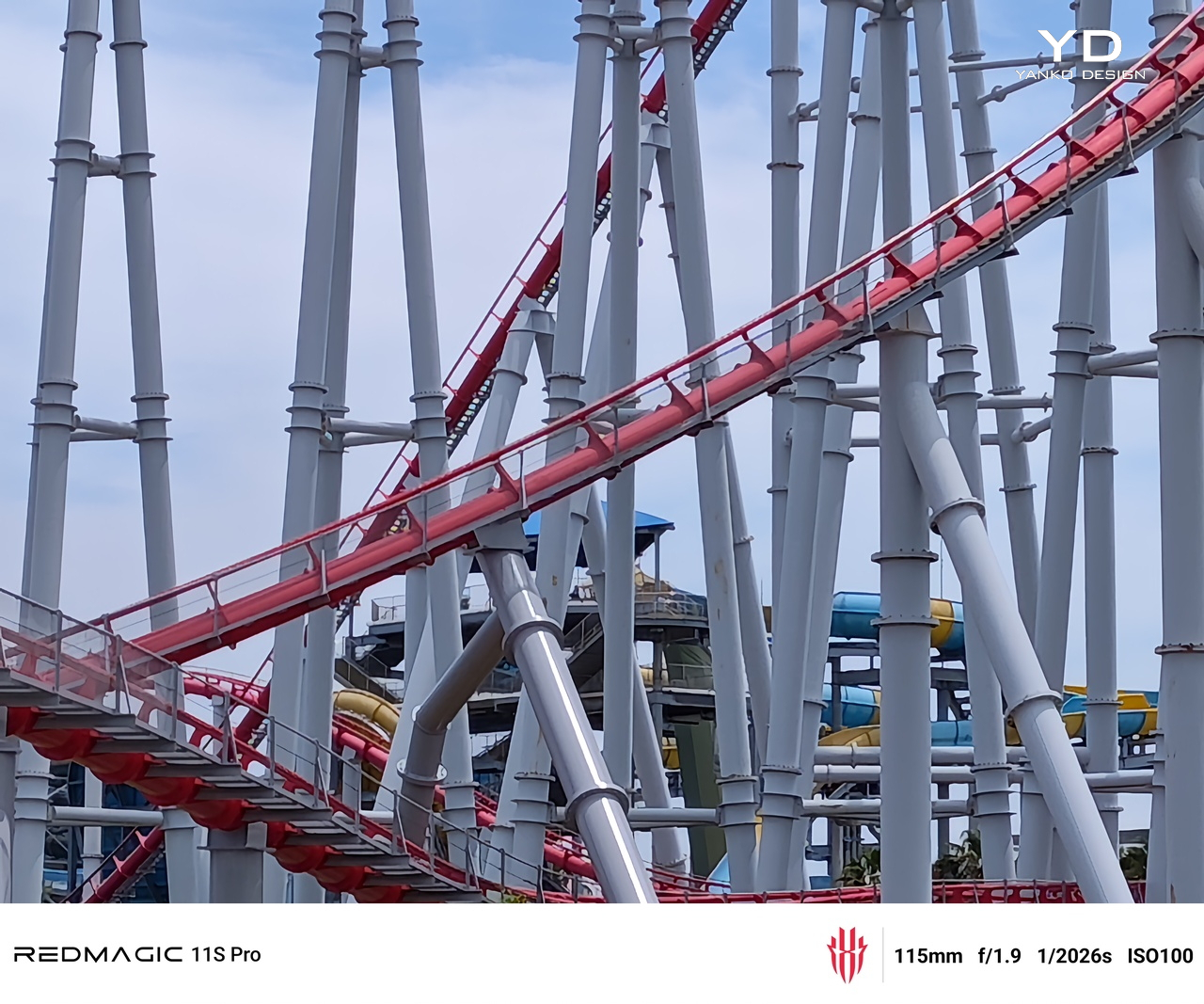
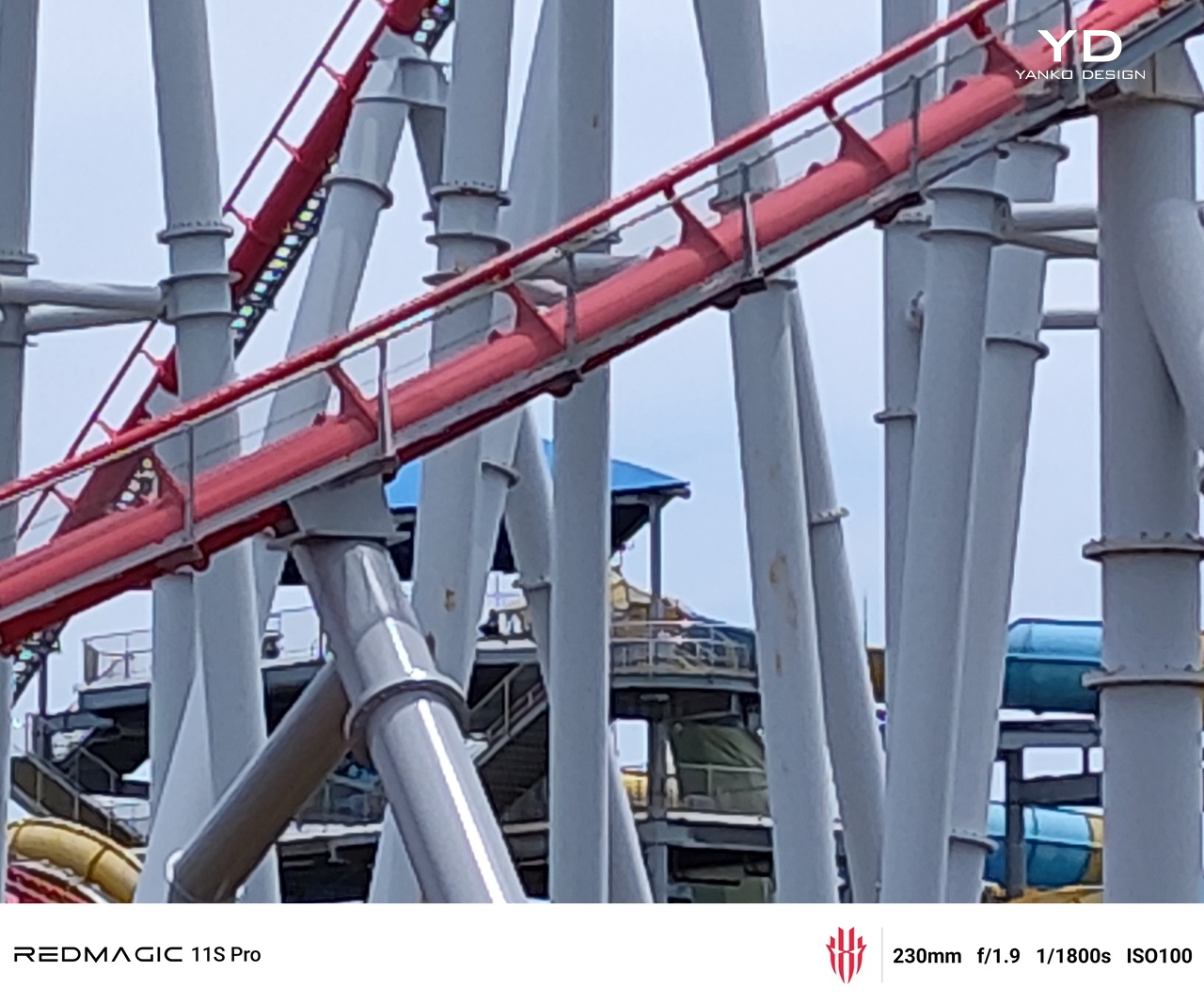
The cameras are capable, without being the main attraction here. The 50MP primary sensor with optical image stabilization delivers dependable photos in most conditions, and the 50MP wide-angle lens handles everyday shooting well enough. Low-light results are solid rather than exceptional, which is perfectly respectable for a phone that’s investing this heavily in sustained performance, active cooling, and battery endurance.

Sustainability

The REDMAGIC 11S Pro isn’t marketed as a sustainability story, and it doesn’t need to be. The aluminum alloy frame, Corning Gorilla Glass protection, and IPX8 water resistance contribute to a phone built to survive more than just a few drops. A dust-resistant design alongside full water resistance means the device holds up under conditions where most flagships would start showing wear considerably sooner.

There’s a longer-term argument here, too. Better thermal management means the internals aren’t running at temperatures that accelerate degradation. A 7,500mAh battery means fewer charge cycles per year compared to smaller cells. Combined with robust construction, the 11S Pro has a credible case for lasting beyond the typical two-year upgrade cycle, which is its own kind of sustainability without the marketing language.

Value

It’s worth considering what comes with the REDMAGIC 11S Pro as a complete package. The Snapdragon 8 Elite Gen 5 Leading Version sits at the top of the current chip hierarchy. The 7,500mAh battery with dual-mode 80W fast charging is a meaningful inclusion. Add a 144 Hz display, active cooling, shoulder triggers, a 3.5mm jack, and NFC, and the list leaves very little out.

Most premium phones ask buyers to make trade-offs: a thinner profile at the cost of battery life, a camera upgrade at the cost of gaming performance, or a mainstream look at the cost of personality. The 11S Pro doesn’t follow that logic. The transparent design and visible cooling system aren’t decorative flourishes. They’re central to what makes the phone feel worth its position.

Buyers looking for a camera-centric flagship would feel better served elsewhere. But for anyone drawn to gaming performance, long battery life, tactile controls, and a design grounded in its own hardware, the REDMAGIC 11S Pro makes a concentrated argument. The trade-offs are real but narrow, and the things it does well, it does with enough clarity that the package feels specialized without feeling limited.

Verdict

The REDMAGIC 11S Pro is a refinement of an idea that’s been building for years: that a gaming phone doesn’t have to apologize for what it is. The AquaCore cooling, the transparent body, the shoulder triggers, and the sustained performance all point in the same direction. It’s a phone that knows its priorities and has the engineering to back them up coherently.

It won’t be for everyone, and it doesn’t try to be. That clarity is actually what makes it interesting as a design object. Gaming flagships often struggle to find an identity that doesn’t feel borrowed from PC hardware aesthetics or overstyled past the point of reason. The 11S Pro avoids both traps, and that’s harder to pull off than it looks.

The post REDMAGIC 11S Pro Review: Gaming Phone That Shows Its Worth, Literally first appeared on Yanko Design.
The $519 E-Ink Phone Hiding an LCD on Its Back

Scroll through any tech community online, and the same frustration keeps surfacing: people are exhausted by their screens. The perpetual brightness, the notification pull, the way a quick phone check somehow turns into forty lost minutes. That collective discomfort has pushed a growing number of people toward e-ink devices, displays that don’t glow in your face and don’t make a habit of demanding your attention.

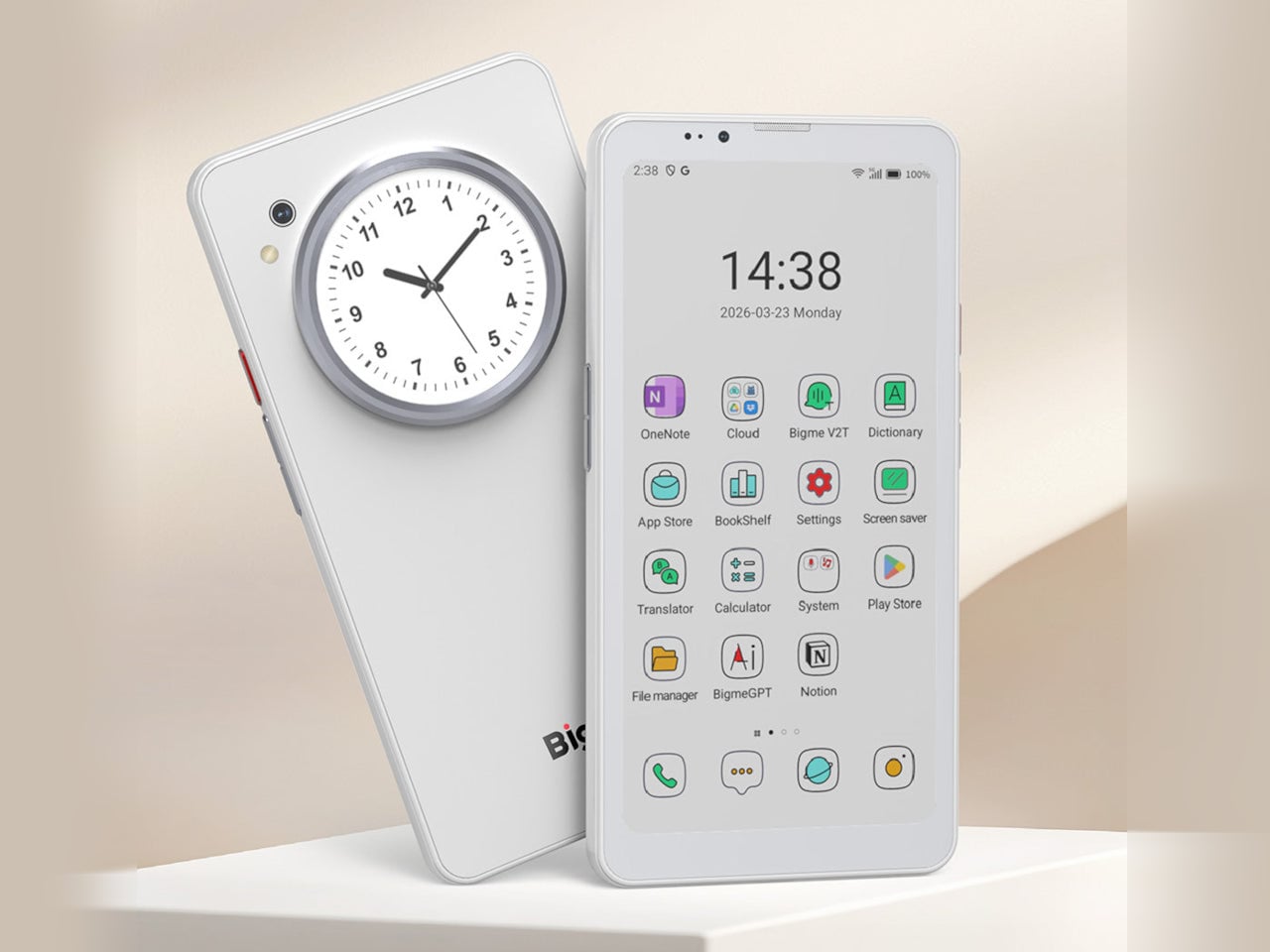
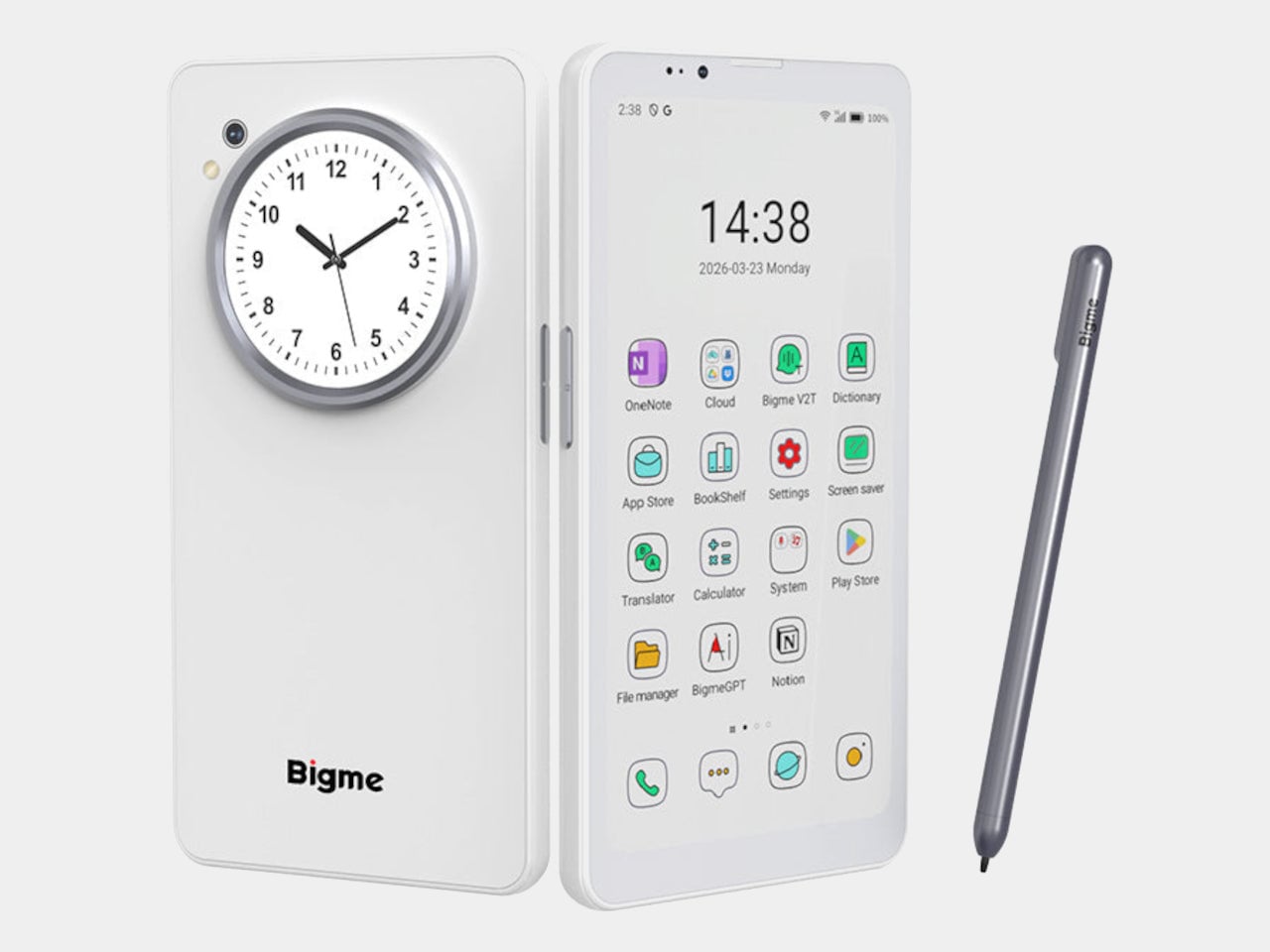
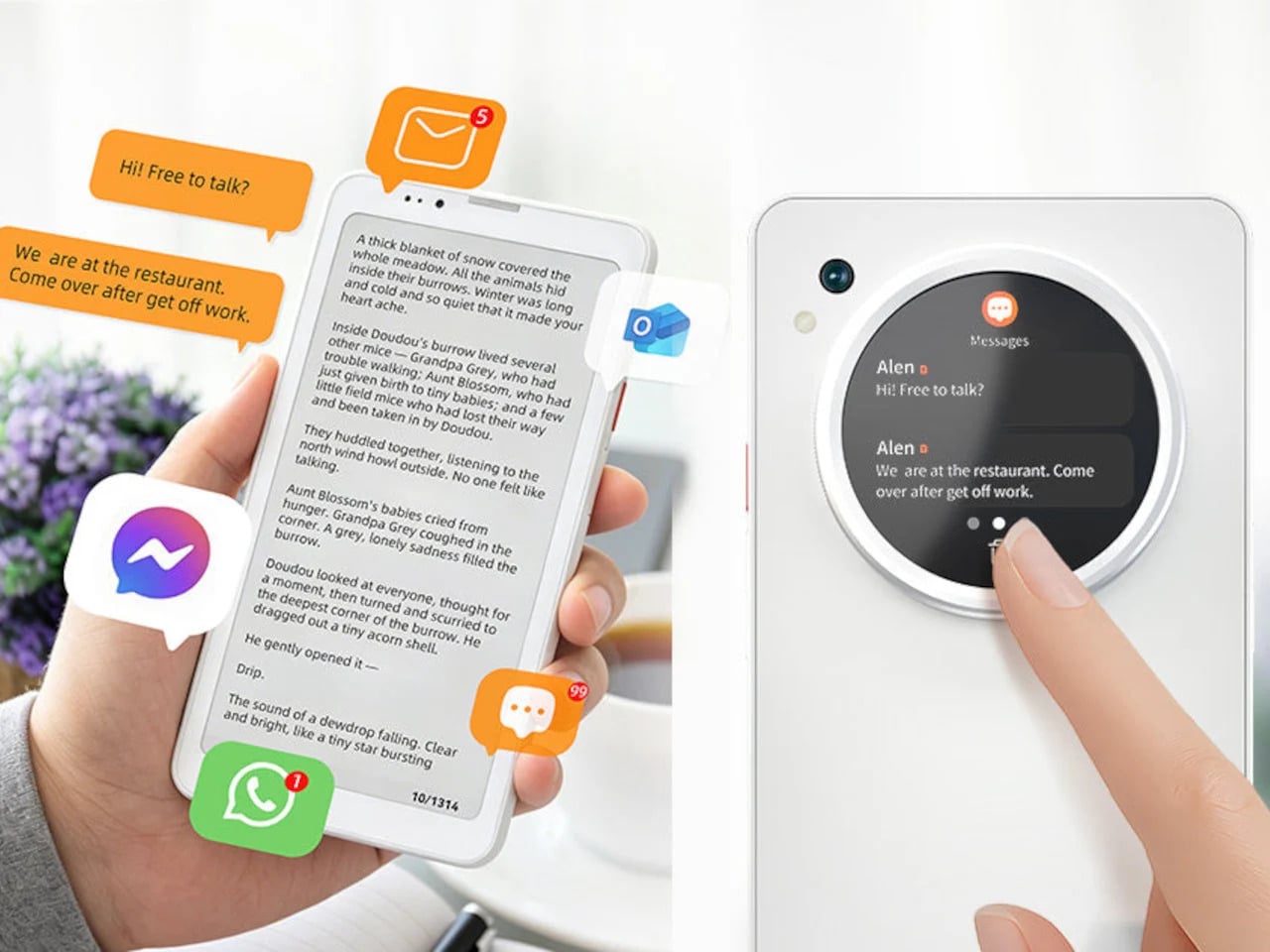
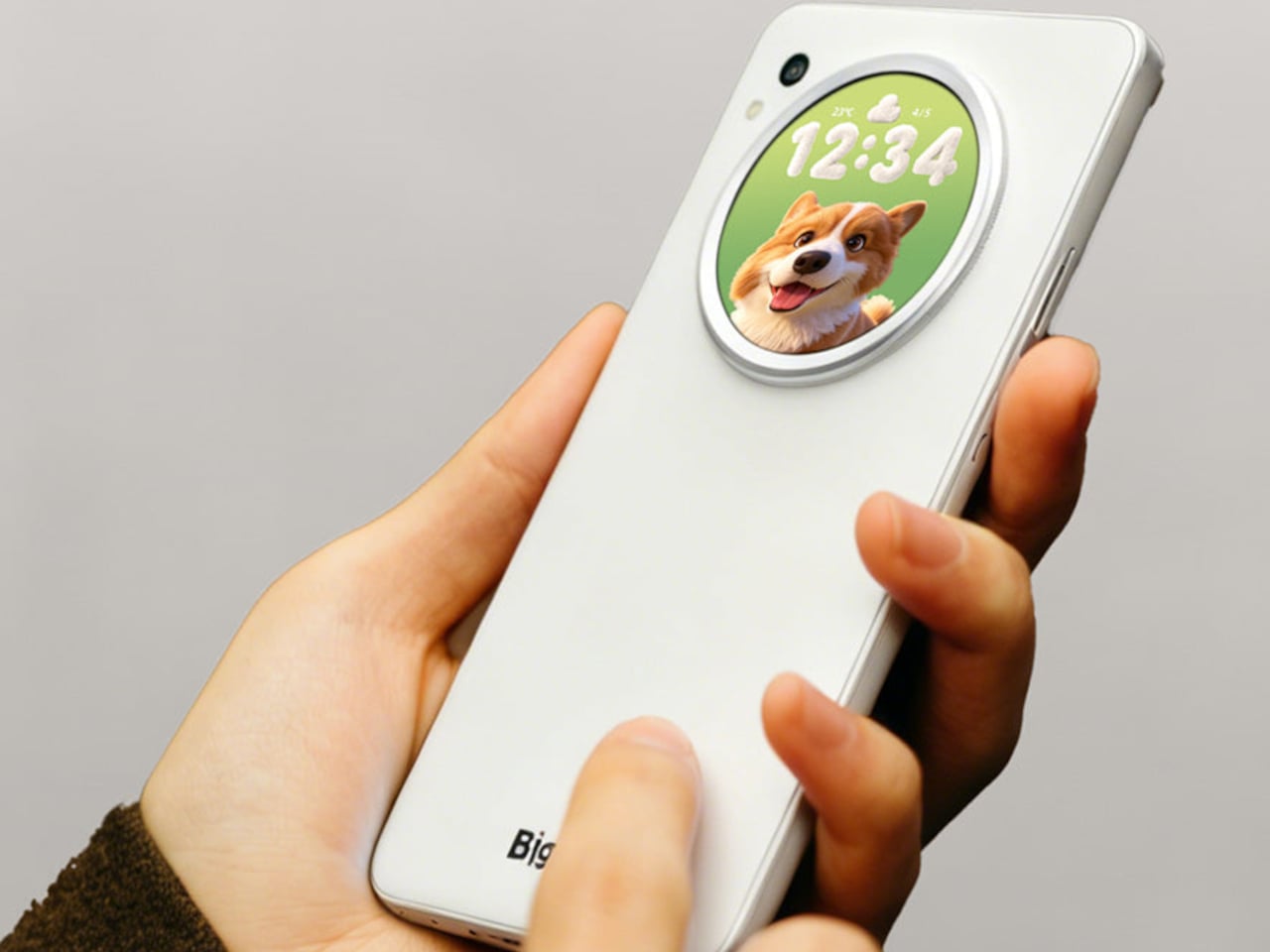
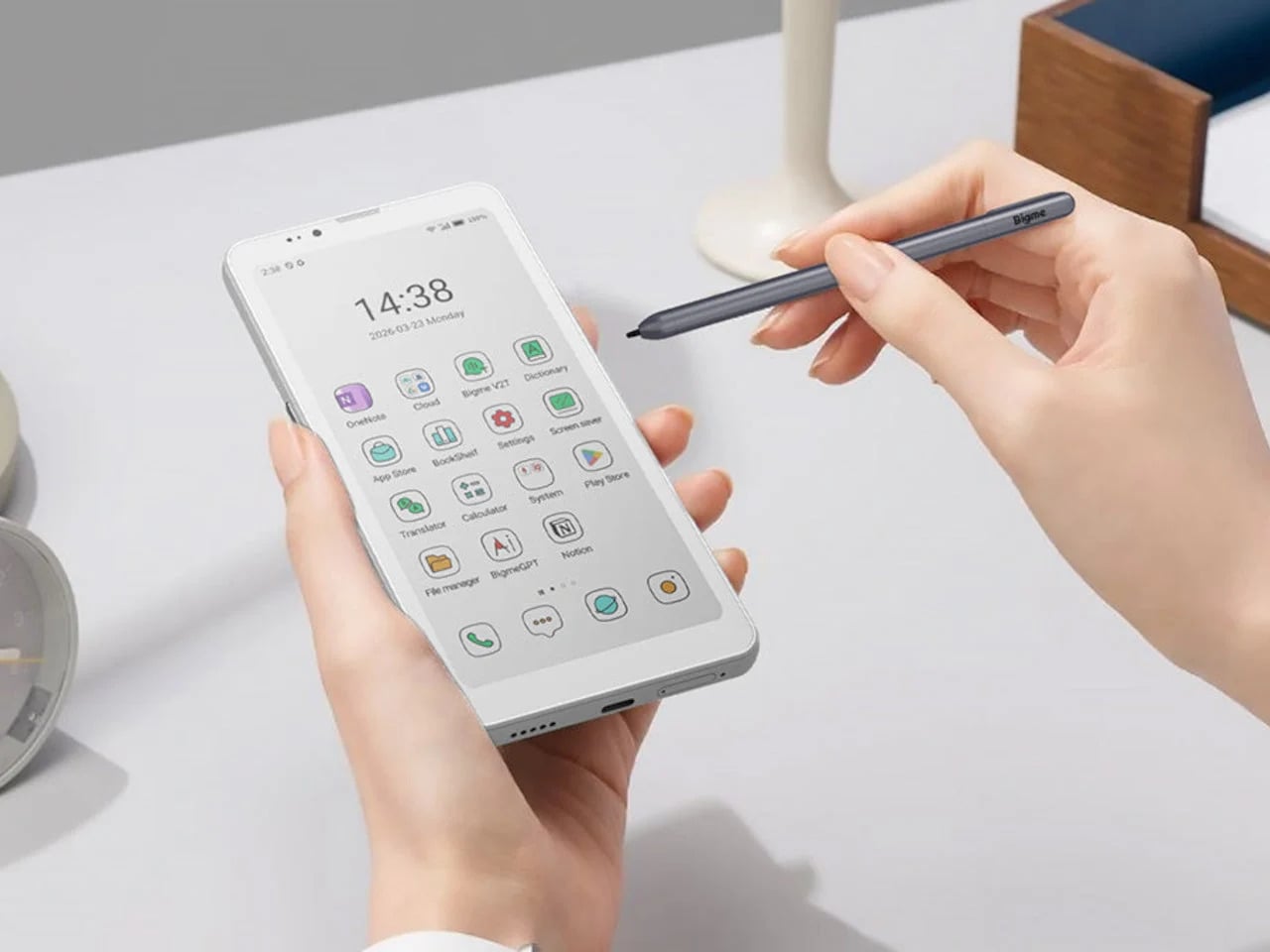
What’s interesting about where the e-ink phone category stands in 2026 is that it’s no longer a one-off experiment. The Bigme HiBreak Dual, announced in mid-April 2026, is one of the more telling entries in this space, not because it perfects anything but because it doesn’t pretend to. A 6.13-inch color e-ink display takes the front, and a small circular LCD sits on the back, each assigned a different job.

Designer: Bigme

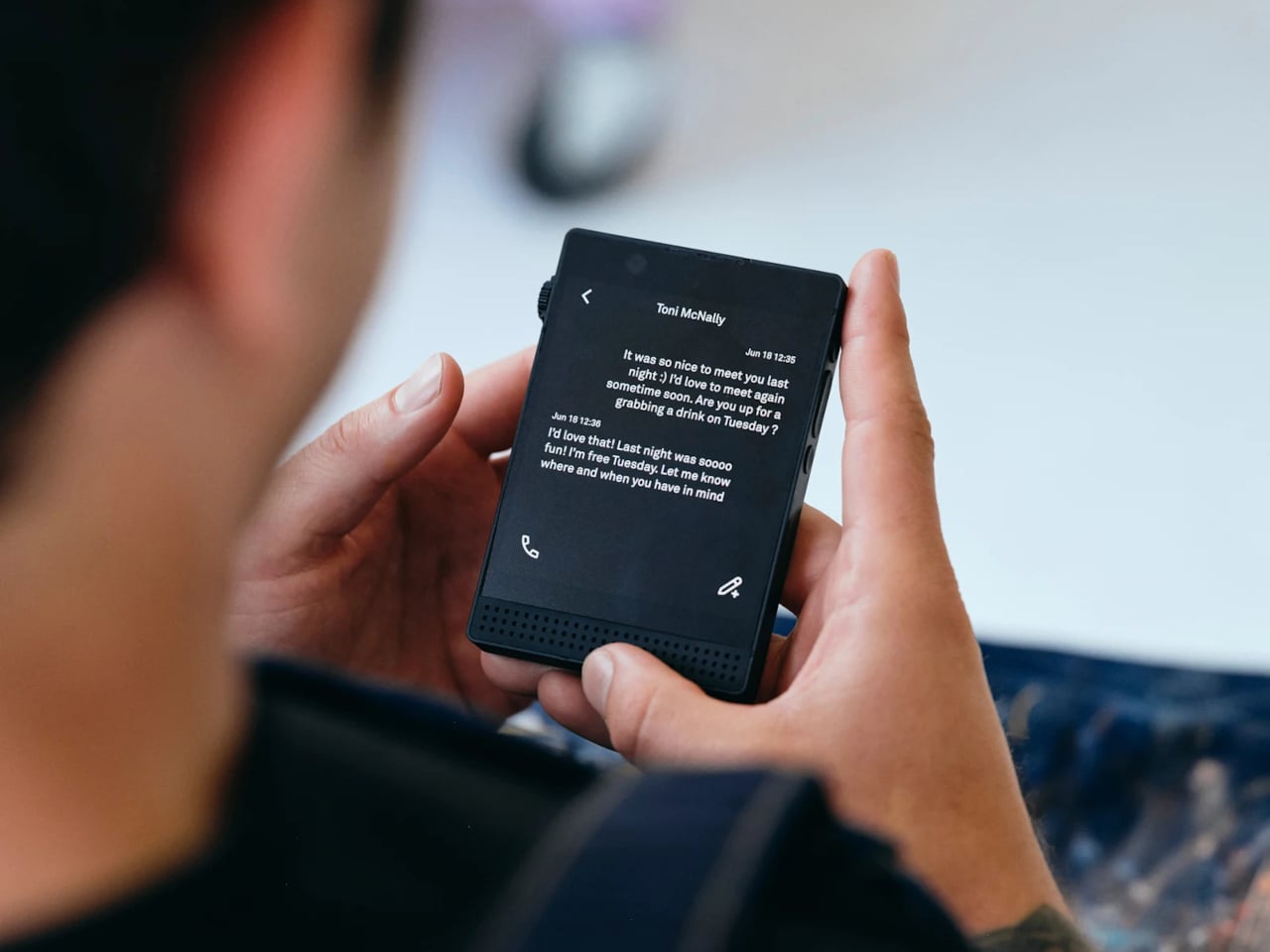
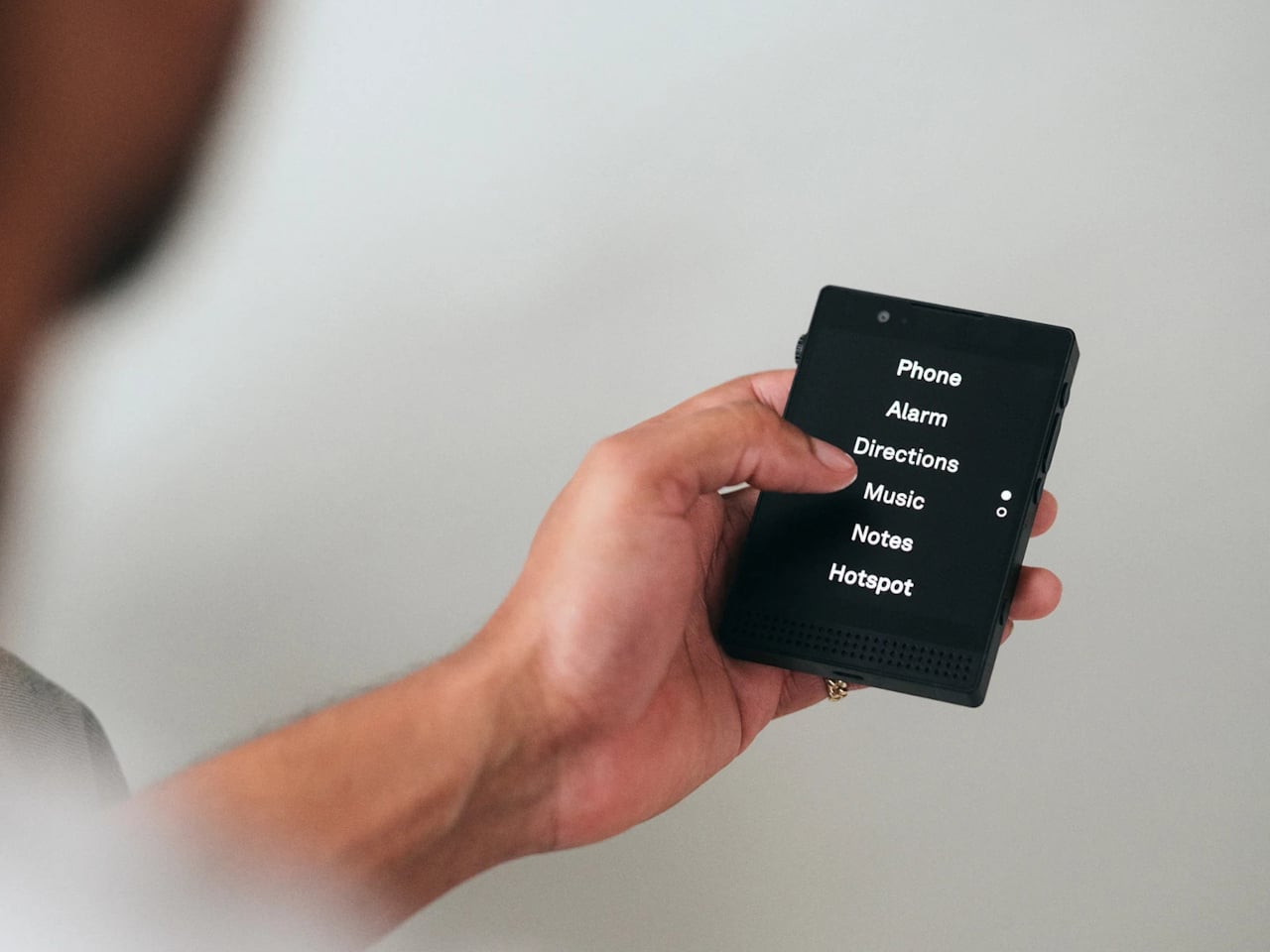
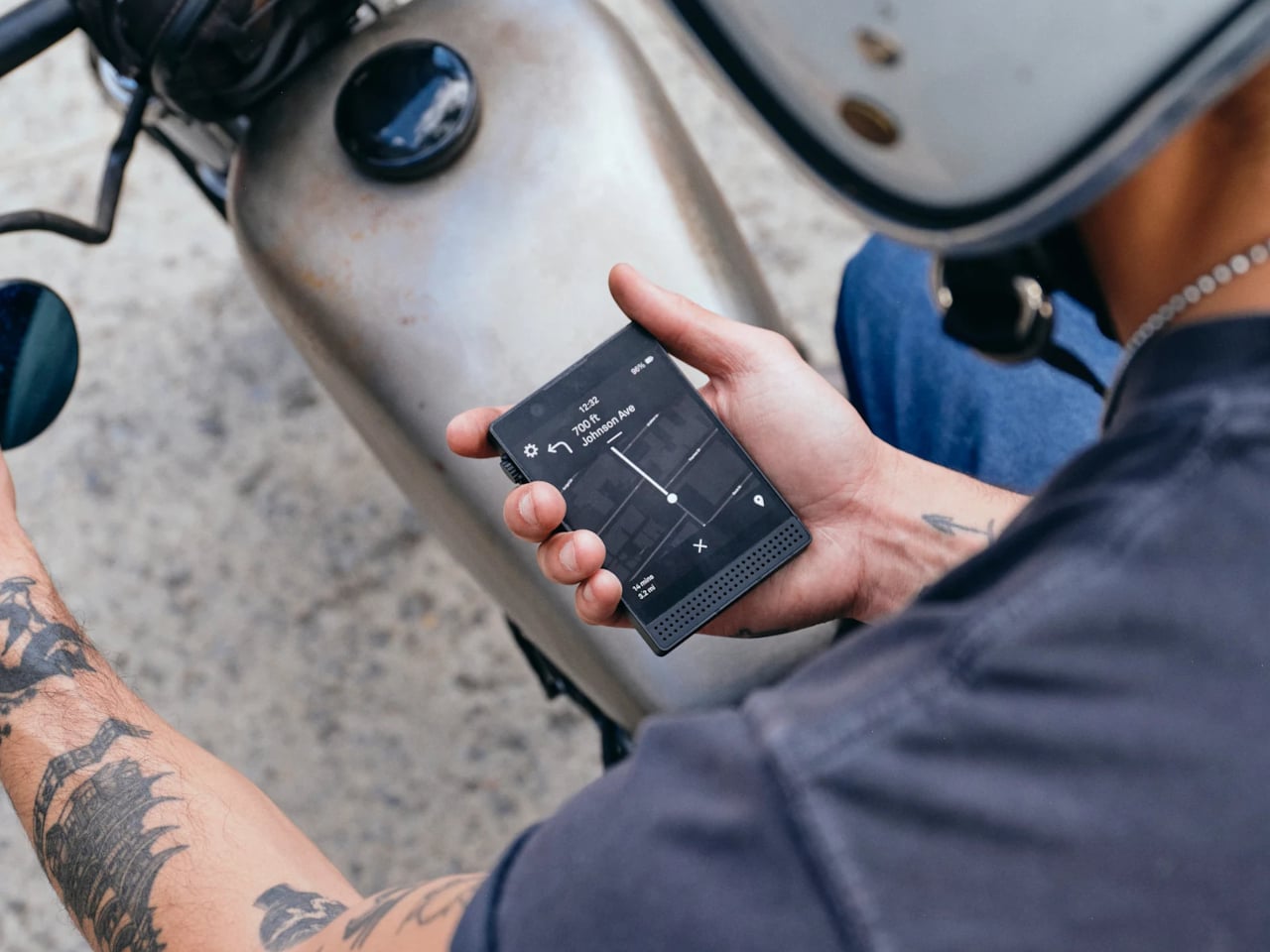
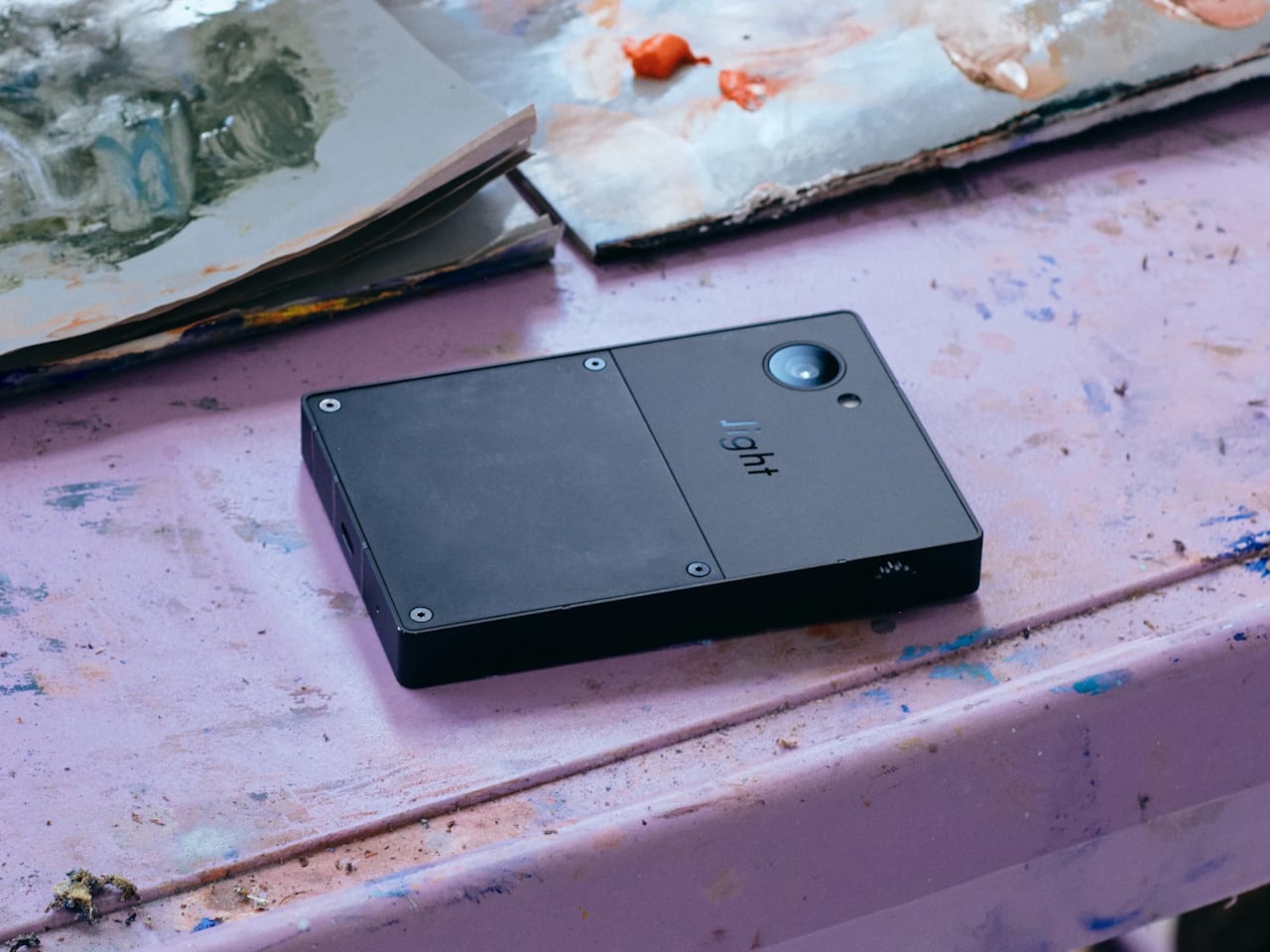
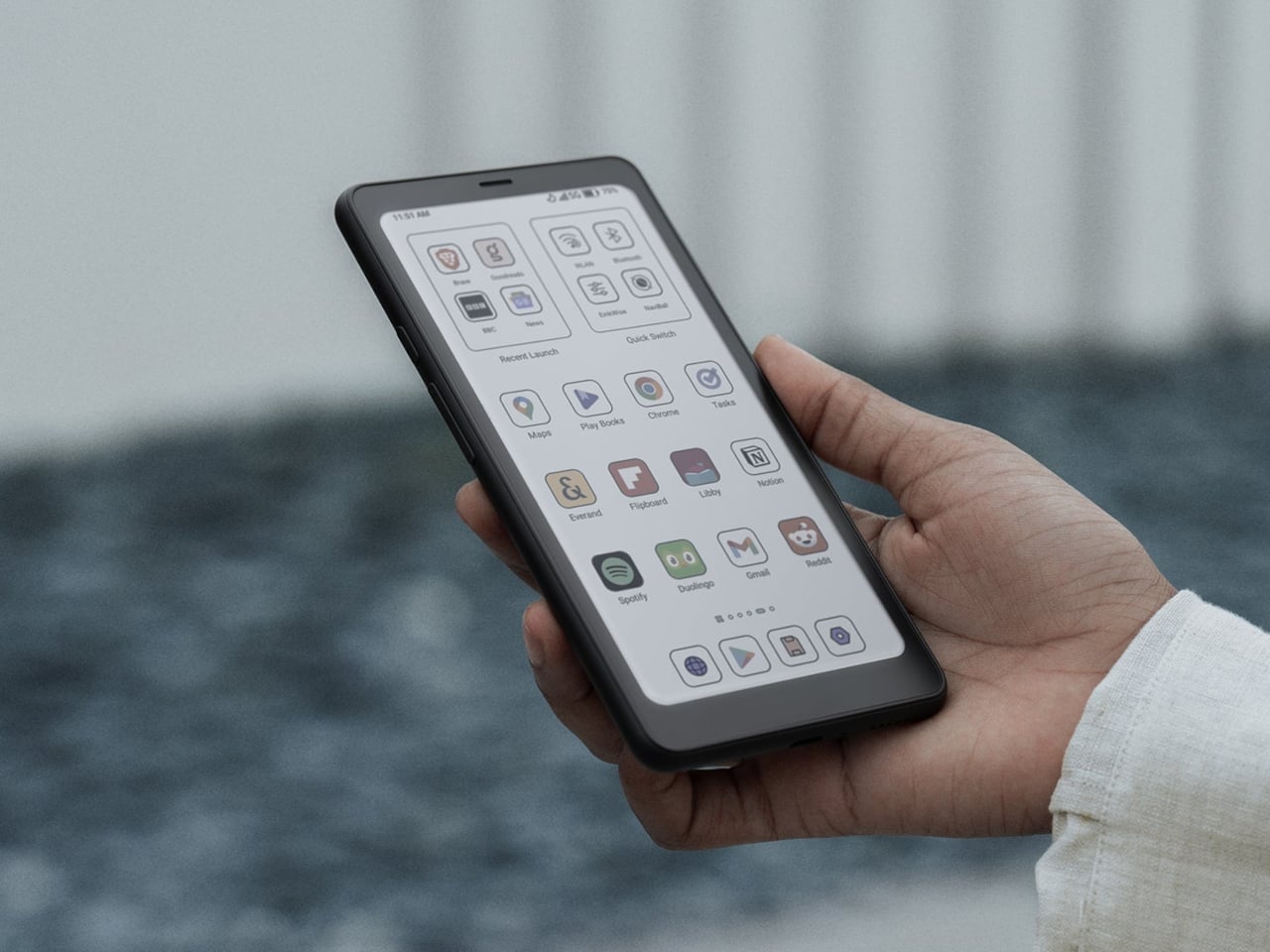
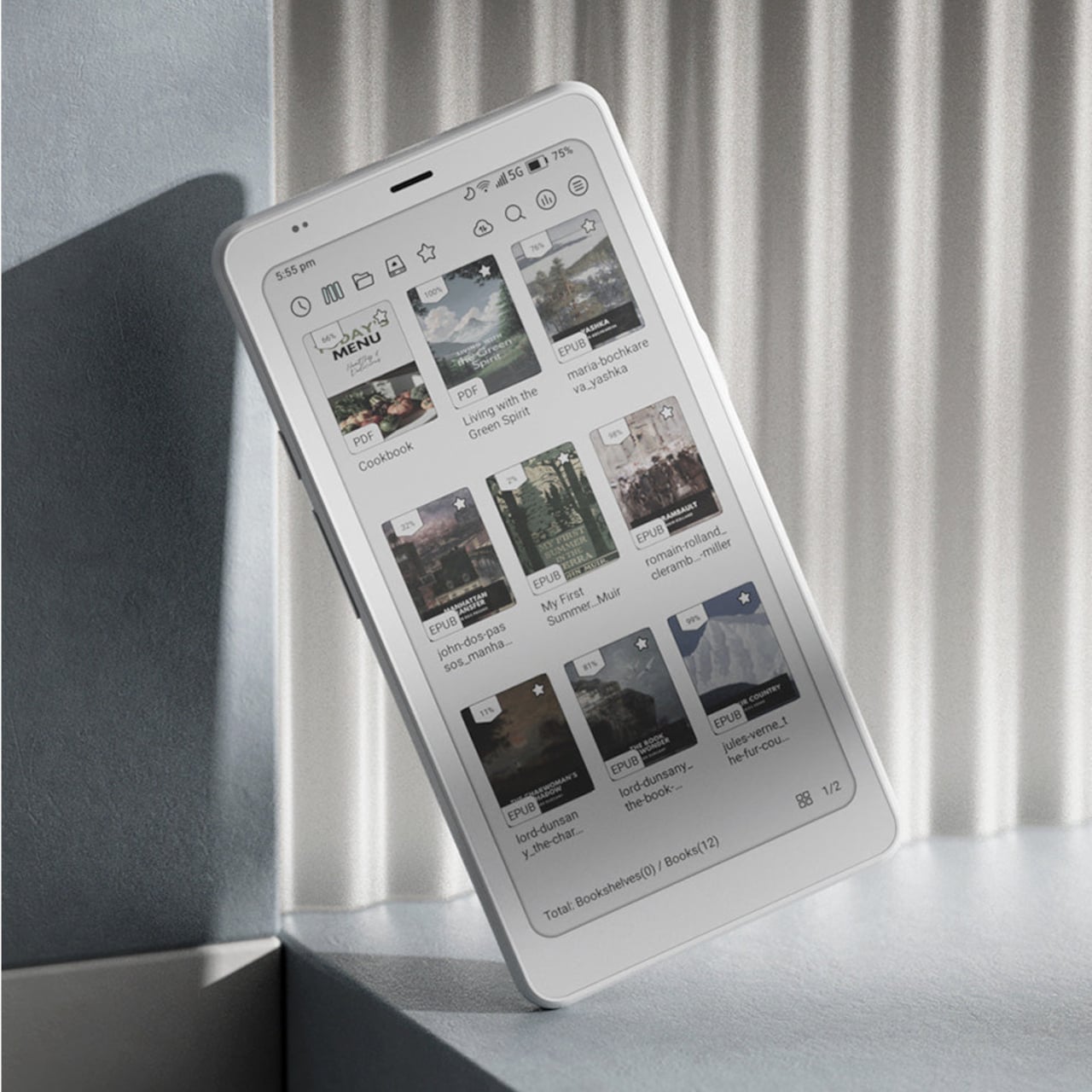
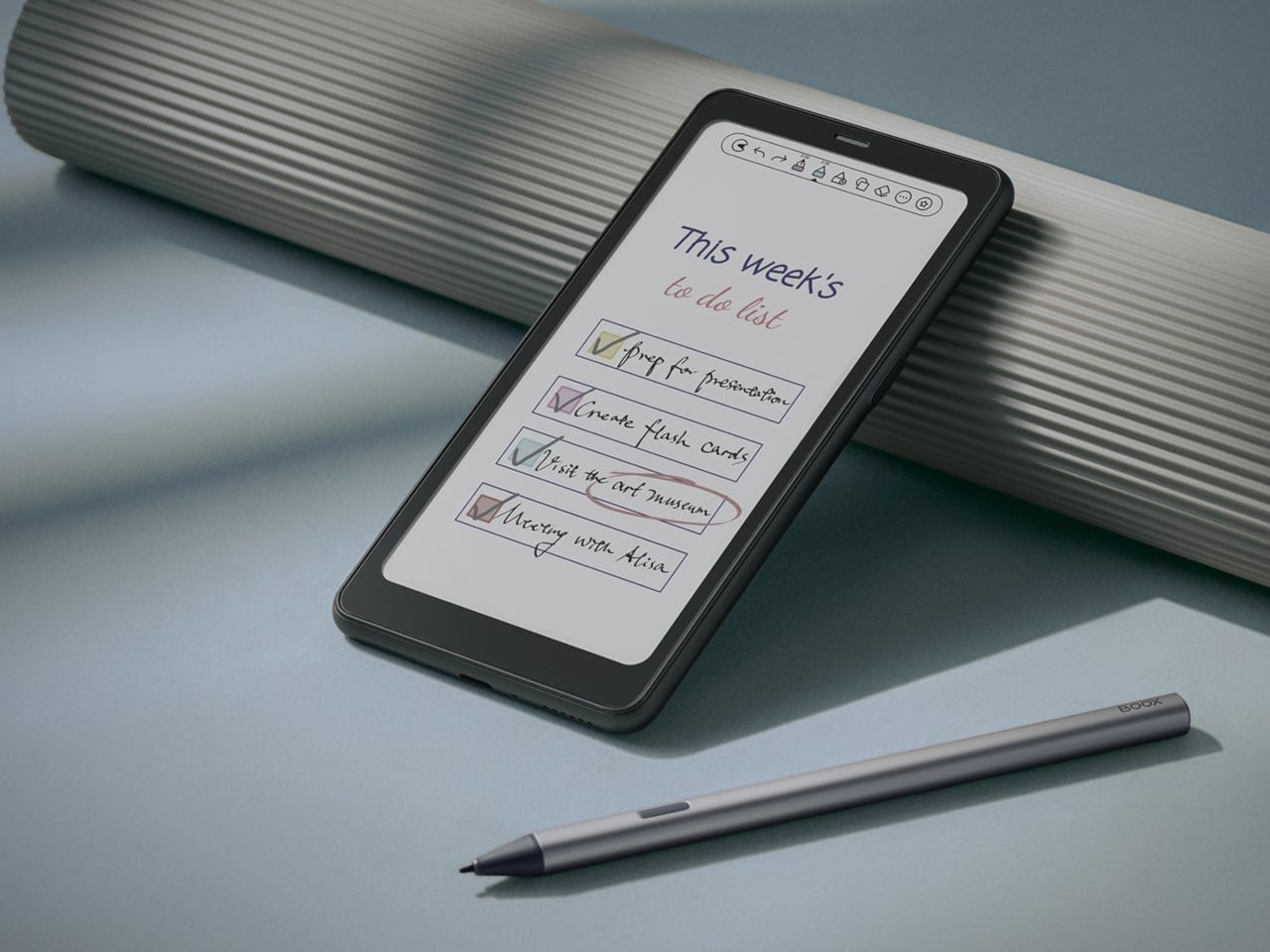
To understand what the HiBreak Dual is responding to, it helps to survey the surrounding territory. The Light Phone III is the deliberate anti-smartphone, built on the belief that fewer features genuinely change how you relate to a device. The Hisense A9 treats e-ink as the primary experience, unapologetically. The Boox Palma 2 Pro sits adjacent to the category, more phone-shaped reader than phone, though it can handle calls when needed.

Light Phone III

Light Phone III

The HiBreak Dual tries to sit between those poles. The e-ink front handles what e-paper does best: reading long-form content, staying on top of messages, and staying connected without the attention loop that comes with a typical smartphone display.

Light Phone III

Light Phone III

That decision to lead with e-ink also means accepting its well-known constraints. Try framing a photo with an e-paper preview, and the experience falls apart; the display’s refresh behavior wasn’t built for fast-moving content. Videos, live navigation, or quick-scrolling feeds follow the same logic. Color e-paper has genuinely improved, but it still carries a muted quality that reads as calm in some moments and limiting in others.

BOOX Palma 2 Pro

BOOX Palma 2 Pro

That’s where the circular LCD on the back becomes the interesting part. Rather than asking the e-ink panel to handle tasks it hasn’t mastered, the HiBreak Dual routes those moments to the secondary screen, situations that call for live camera preview, quick visual checks, or fast-loading feedback. The front absorbs the reading and communication rhythm of a day; the back quietly handles the rest.

BOOX Palma 2 Pro

BOOX Palma 2 Pro

The decision to make that rear display circular rather than rectangular carries a specific design logic. A round screen doesn’t compete with the phone’s primary face; it signals peripheral utility, not a second main event. It reads more like a companion display, keeping the device’s identity anchored in e-ink territory while still allowing it to borrow LCD behavior for moments that need it.

How long the hybrid approach holds up depends on the e-paper panels themselves. Better refresh rates, richer colors, and more responsive camera behavior would gradually reduce the need for a secondary display. Until that gap narrows, the e-ink phone category seems to be diverging in three directions: minimalist phones that accept the trade-offs, phone-shaped readers that sidestep the comparison entirely, and hybrids trying to keep a foot in both camps.

The HiBreak Dual isn’t a perfect phone, and Bigme isn’t trying to pass it off as one. Starting at $359 for the early-bird black-and-white configuration and climbing to around $519 for a color e-ink variant, it lays its compromises out in the open. The rear LCD doesn’t disappear into the design as if it isn’t there. It’s visible, it’s functional, and it’s honest about the gap it’s there to fill.

The post The $519 E-Ink Phone Hiding an LCD on Its Back first appeared on Yanko Design.
Galaxy Z Fold 7 Hit 4.2mm by Killing the S Pen: Worth the Trade?

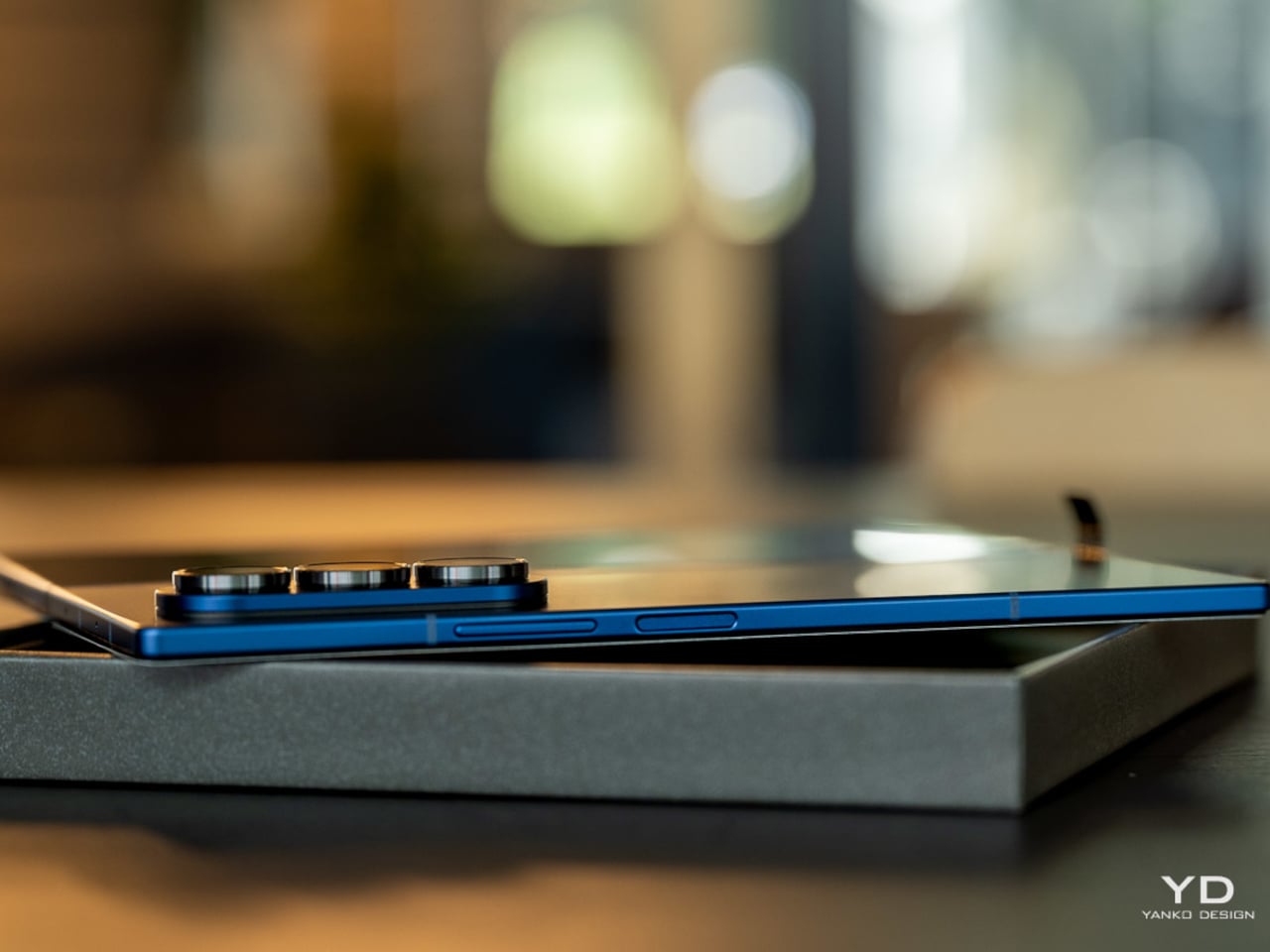
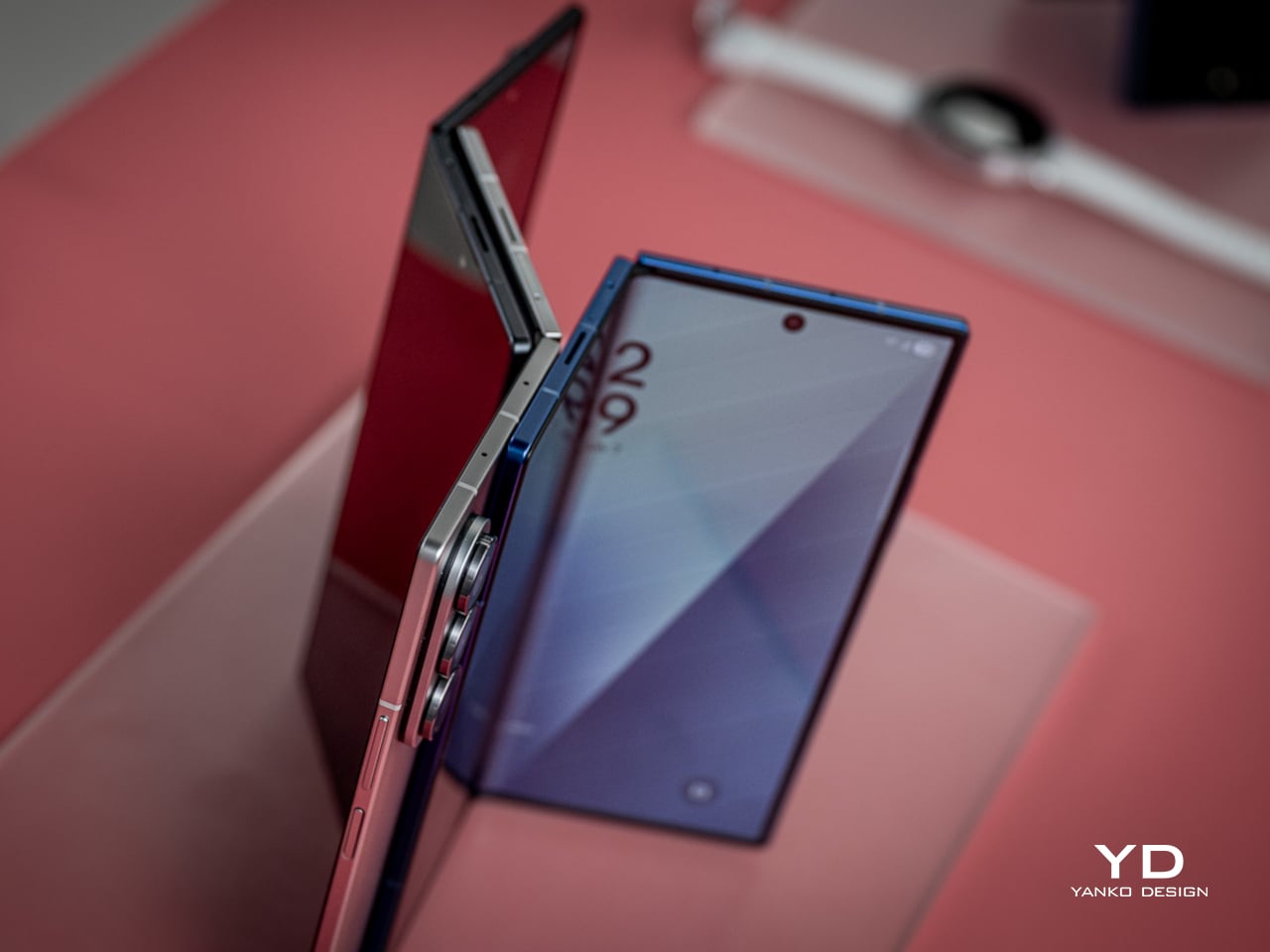
Foldables have spent the last two years chasing a simpler goal: to feel less like category experiments and more like normal premium phones that happen to open wider. Samsung pushed that idea hardest with the Galaxy Z Fold 7, officially measuring 4.2mm when unfolded and 215 grams in weight, making it the company’s slimmest and lightest book-style foldable yet, with thinness as the product’s defining promise.

That promise came with a quieter subtraction. Samsung removed S Pen support from the Galaxy Z Fold 7, cutting off a feature that had helped earlier Fold models feel connected to the company’s productivity-first identity. Nearly a year later, that choice carries more weight because the Fold 7 can now be judged as a finished design decision rather than a fresh flagship still riding its novelty.

Designer: Samsung

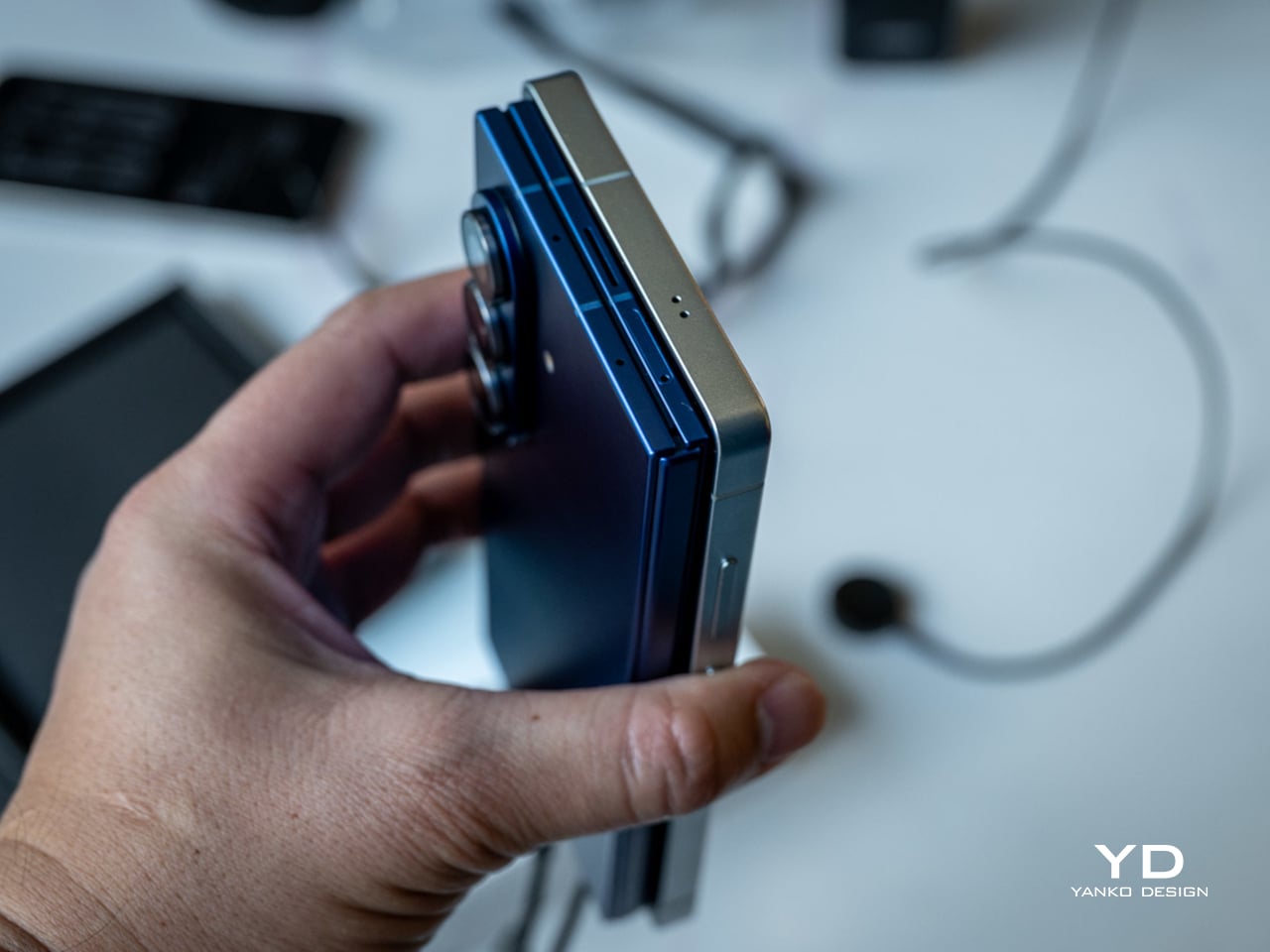
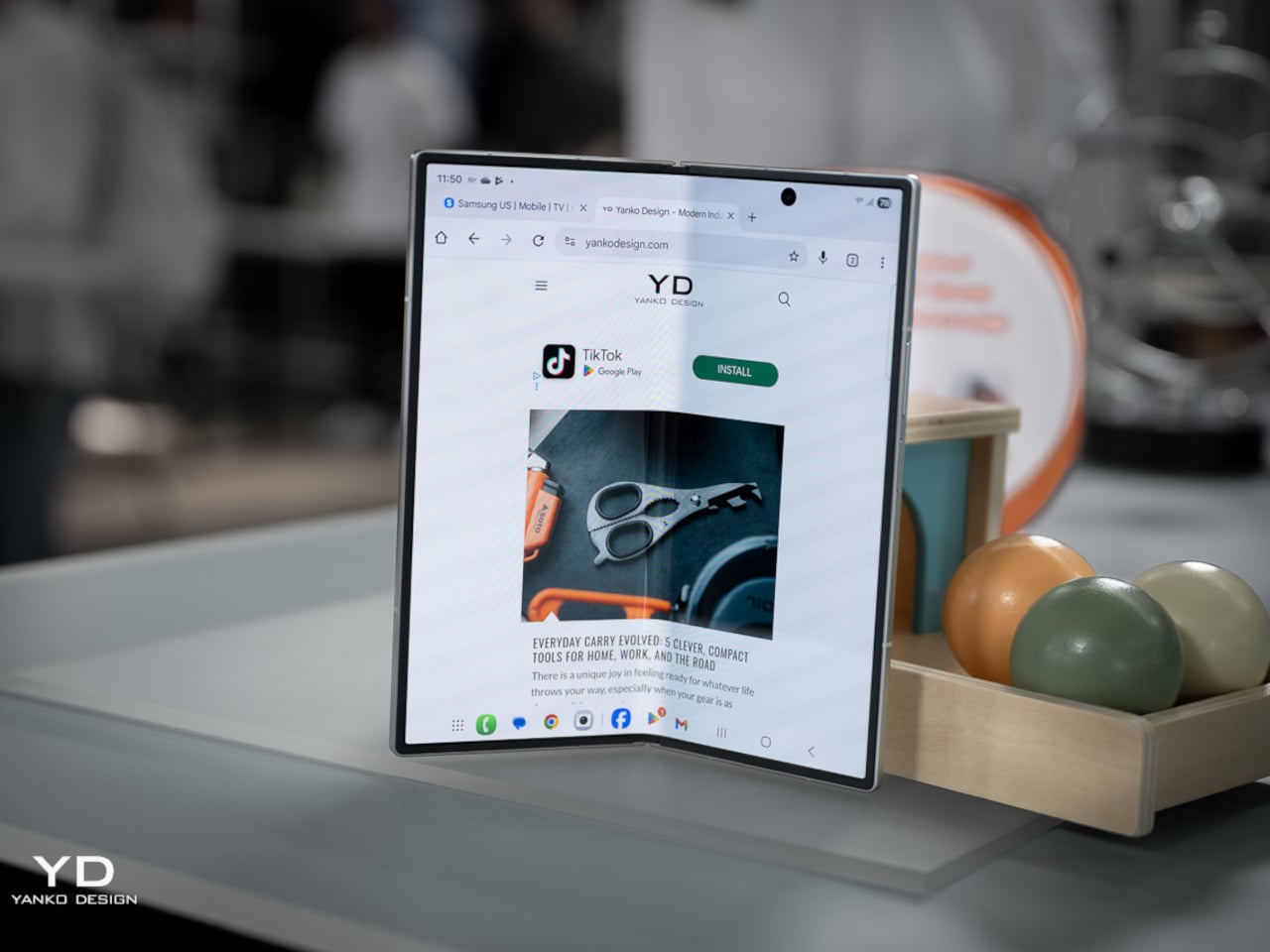
In practice, the Fold 7’s thinness changes behavior more than bragging rights. Reviews consistently described it as startlingly slim and easier to carry, suggesting Samsung had something more deliberate in mind than a good keynote number. The lighter frame, narrower pocket profile, and more usable 21:9 cover display all push toward the same goal: making the Fold feel less like a second device and more like your actual main one.

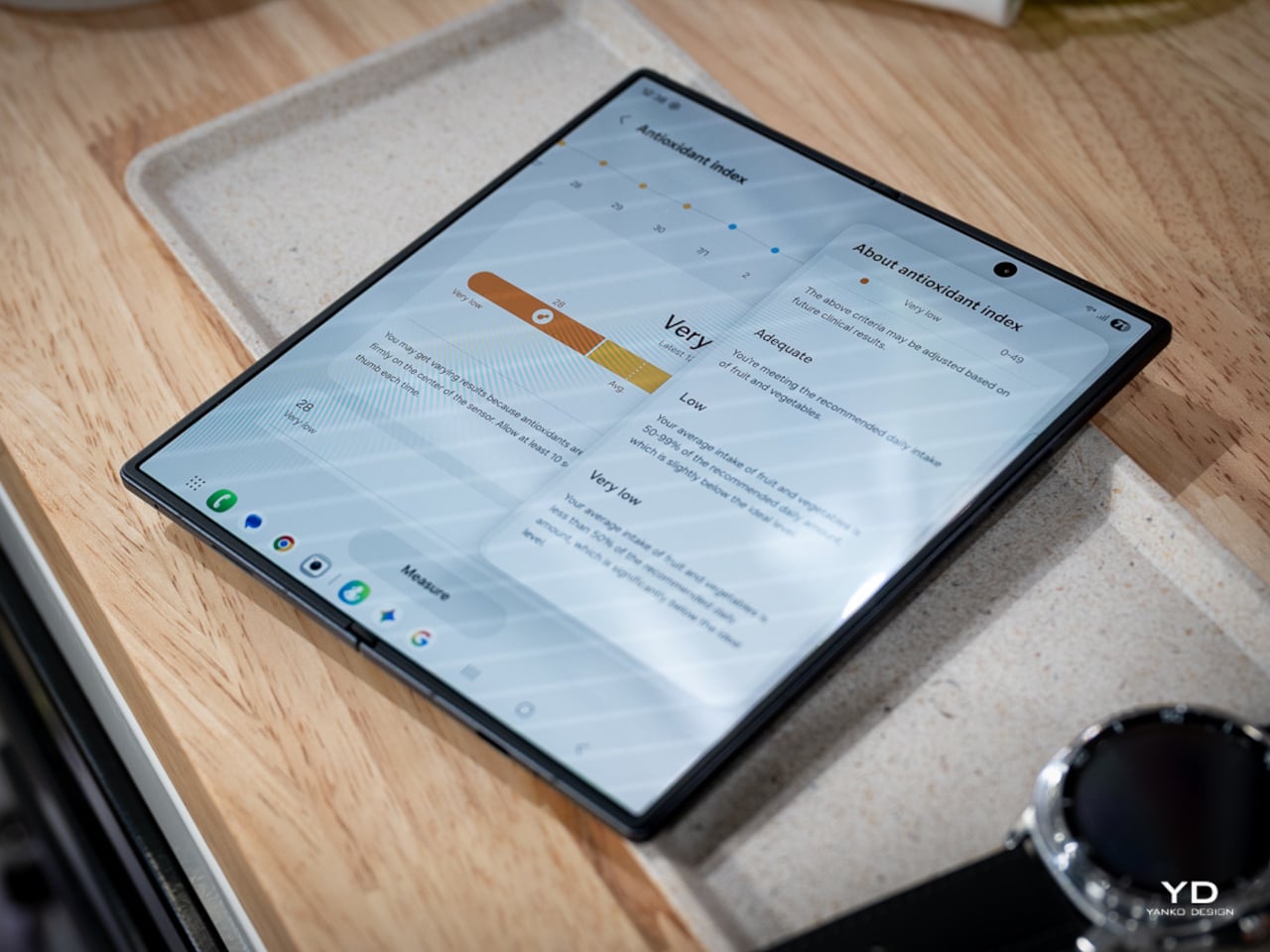
The missing stylus, though, changed the Fold 7’s identity as much as its feature list. On earlier Fold devices, pen support helped justify the large inner display as a workspace, somewhere to annotate documents, sketch ideas, and do precise work beyond just tapping through apps. The Galaxy Z Fold 7 doesn’t support S Pen in any form, which means the phone has let go of that precision-first promise entirely.

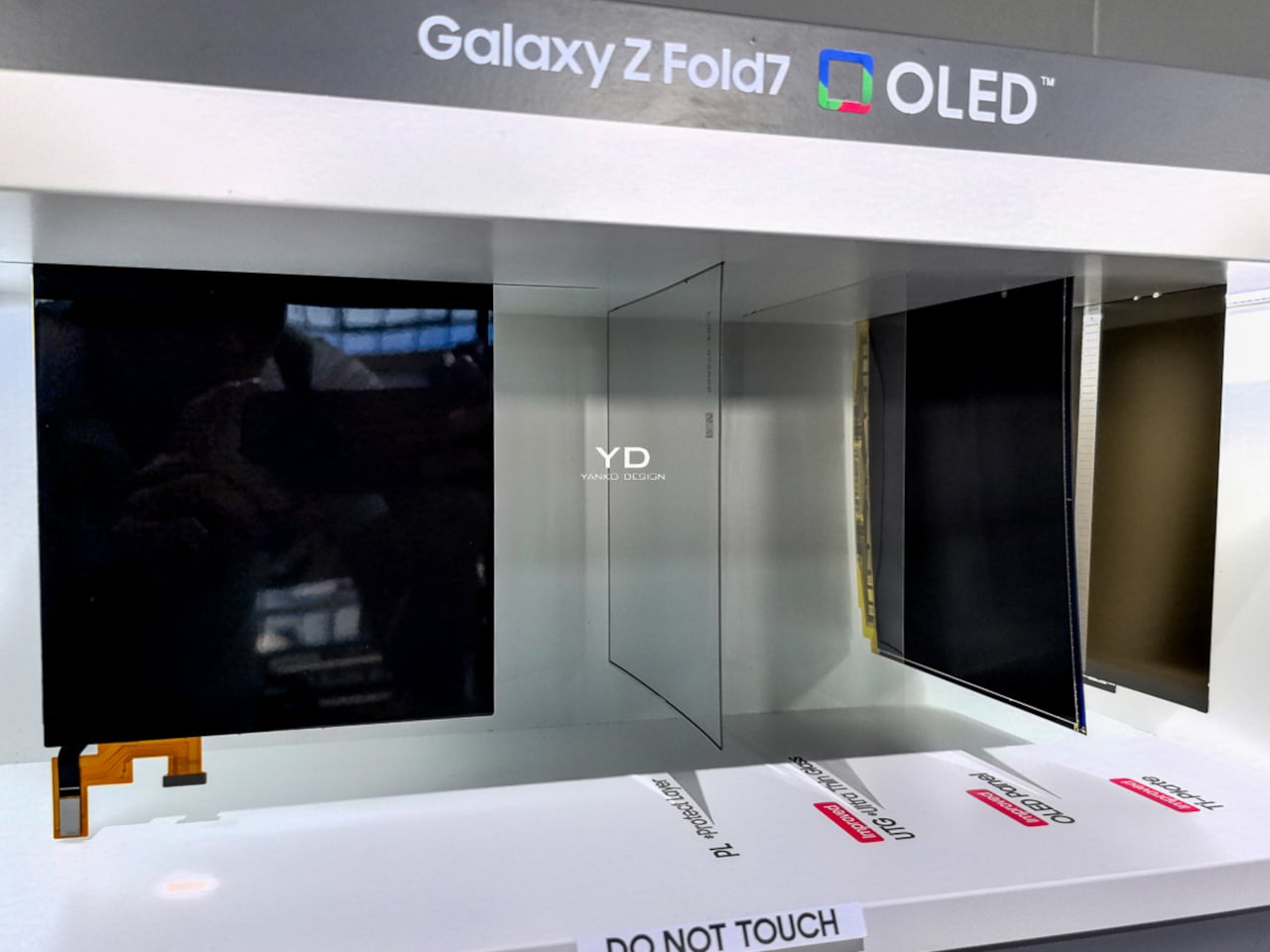
Outside reporting helps explain why Samsung made that call. T-Mobile’s comparison notes the company removed a layer from the inner display to help achieve the slimmer, lighter body, while others report Samsung cited low stylus adoption among Fold users to justify the cut. Even if that logic makes business sense, it still leaves the Fold 7 feeling like a foldable optimized for comfort over creative ambition.

Samsung also tried to reassure buyers that the thinner body wasn’t a weaker one. The Fold 7 uses a thicker Ultra-Thin Glass layer, a Grade 4 titanium lattice, new adhesive materials, and IP48 resistance, all meant to reinforce a slimmer chassis without making it feel fragile. Those details speak more clearly to Samsung’s engineering intent than to any definitive verdict on how the phone holds up over months of folding.

The rest of the hardware tells a similar story of selective advancement. Samsung paired the Fold 7 with Snapdragon 8 Elite for Galaxy and launched it on One UI 8 with Android 16, giving the device a solid performance base. The battery stayed at 4,400mAh, and the ultra-wide camera remained a 12MP unit alongside the more attention-grabbing 200MP main sensor. The phone moved forward, just not evenly.

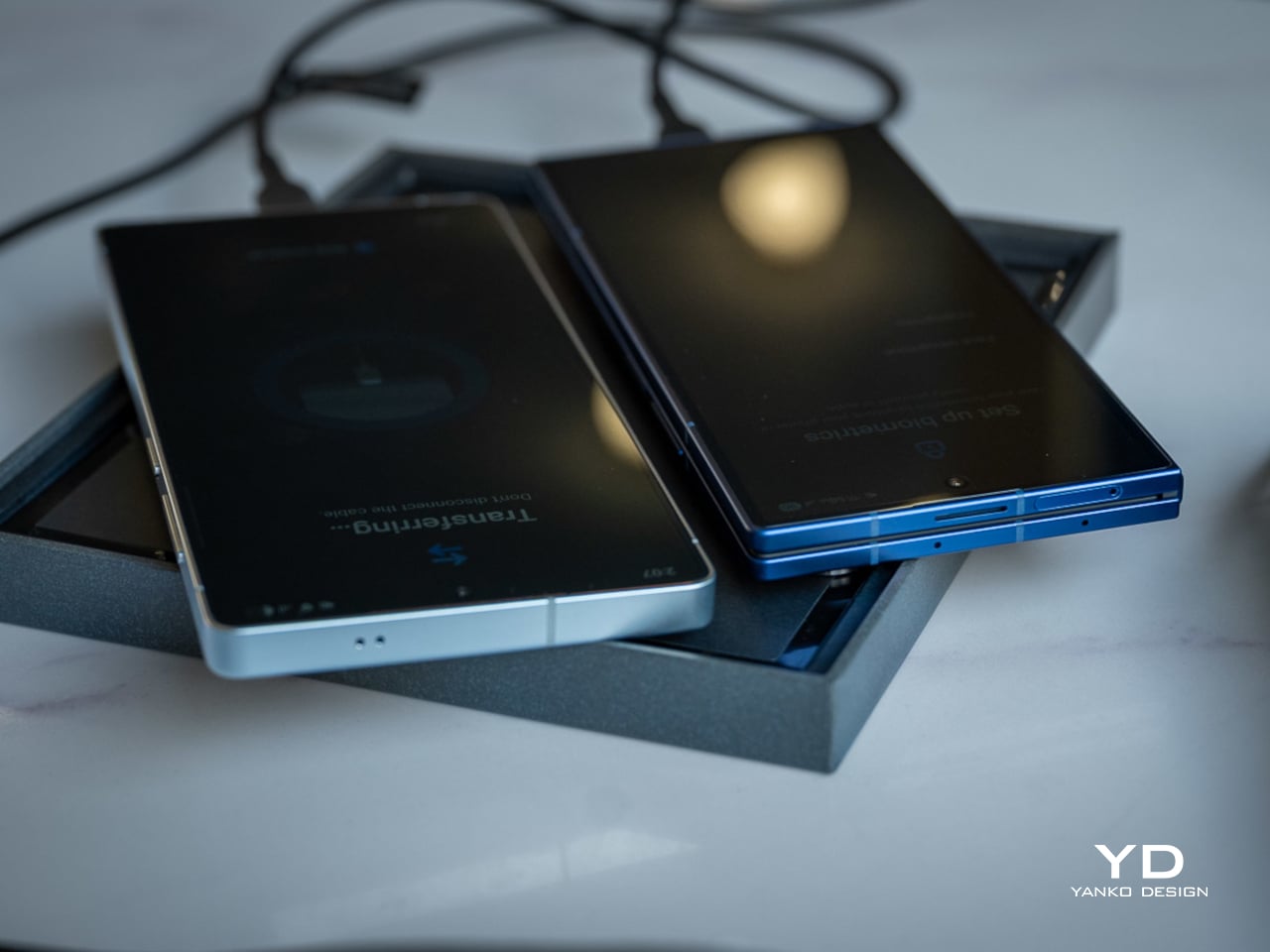
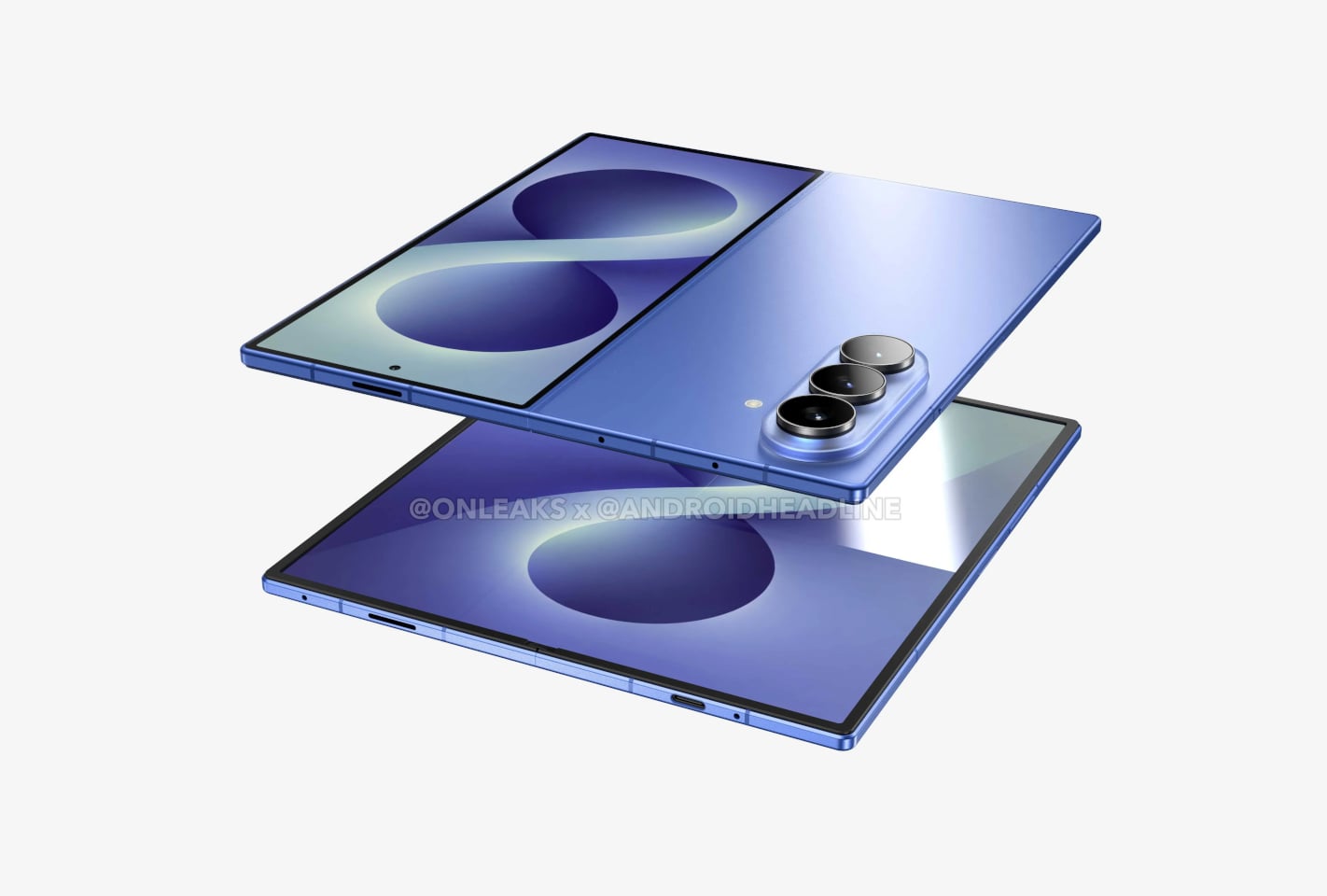
That unevenness becomes more interesting when you consider where Samsung might be heading next. We’ve already covered early renders suggesting the Galaxy Z Fold 8 could bring back S Pen support and a bigger battery, at the cost of a thicker chassis. If those rumors hold, the Fold 7 starts to look less like the start of a permanent direction and more like a controlled experiment in subtraction.

Galaxy Z Fold8 Render

For buyers who want the most elegant Samsung foldable for everyday carry, the Fold 7 still makes a strong case. It’s the first Fold that genuinely reduced the physical friction of ownership without a compromise you’d notice daily. For former Note loyalists and pen-reliant users, though, the trade reads differently, because Samsung made the Fold 7 easier to live with by moving it away from the Fold line’s original ambition.

The post Galaxy Z Fold 7 Hit 4.2mm by Killing the S Pen: Worth the Trade? first appeared on Yanko Design.
OPPO Find X9 Ultra Review: An Exceptional Camera Phone That Gets Everything Else Right Too

PROS:


  • One of the best and most flexible camera systems on any phone today

  • Excellent battery life

  • Beautiful, camera-inspired design in the Tundra Umber

  • Feels like a complete flagship, not just a camera phone

CONS:


  • Heavy and not especially one-handed friendly

  • Lens switching in video could be smoother

RATINGS:

AESTHETICS
ERGONOMICS
PERFORMANCE
SUSTAINABILITY / REPAIRABILITY
VALUE FOR MONEY

EDITOR'S QUOTE:

The OPPO Find X9 Ultra proves that a camera-first phone does not have to feel like a compromise. It is one of the most complete and compelling flagships of the year so far.

The OPPO Find X9 Ultra is a true flagship with a clear camera-first identity, but what makes it stand out is how little it sacrifices elsewhere. OPPO has built this phone around photography, yet the rest of the package feels just as considered. The design is distinctive, the battery is huge, the performance is top-tier, and the software experience is polished enough to make the Find X9 Ultra feel like a genuine all-rounder rather than a specialist device.

Many camera-focused phones excel in one area while asking users to accept compromises in others, but the Find X9 Ultra aims to do more than that. It wants to be one of the best camera phones on the market while still delivering the kind of complete flagship experience people expect at this level. And for the most part, it succeeds. The OPPO Find X9 Ultra is not just a phone for photography enthusiasts. It is a premium smartphone that happens to put photography first, without forgetting everything else that makes a flagship great.

Designer: OPPO

Aesthetics

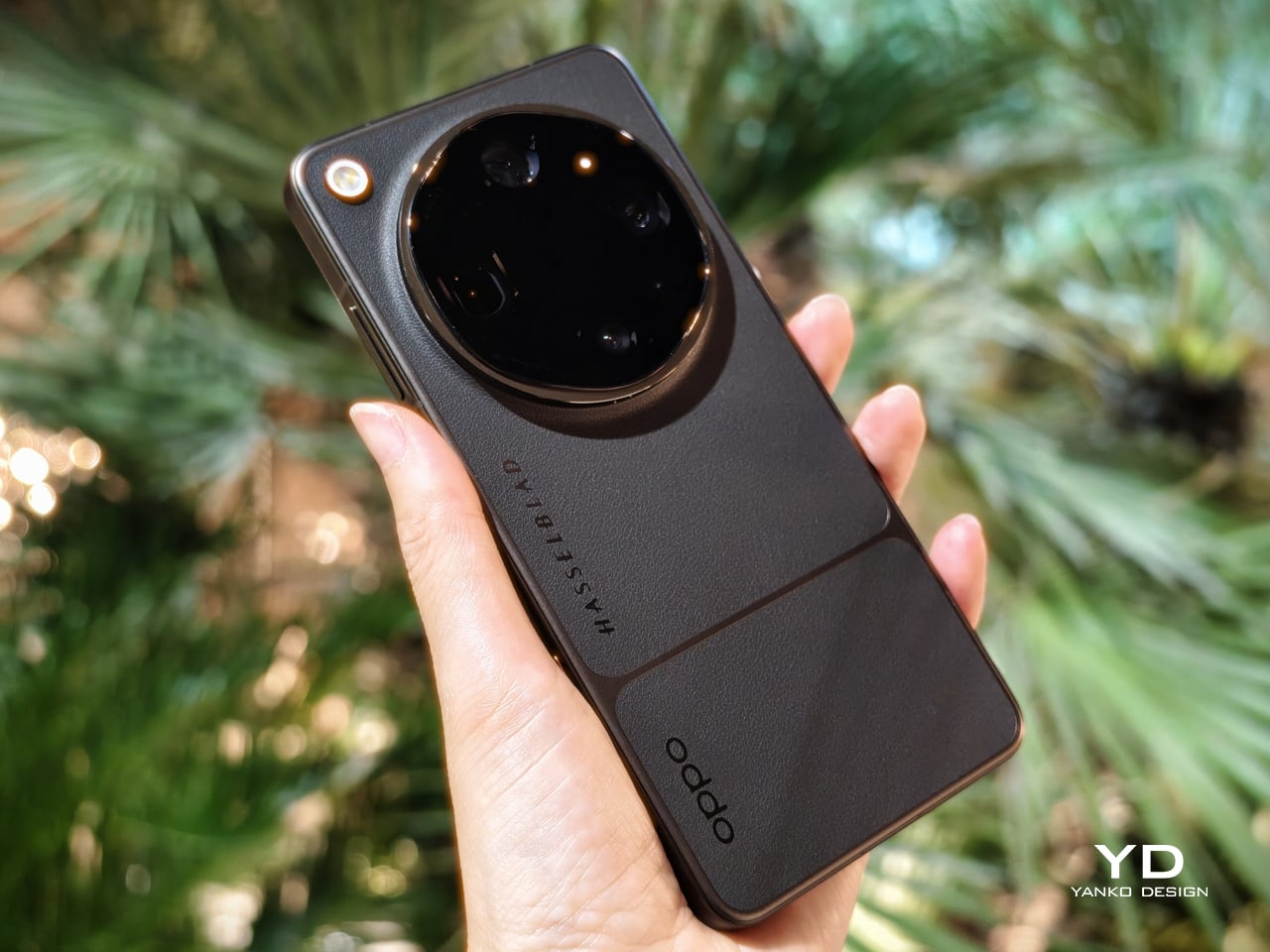
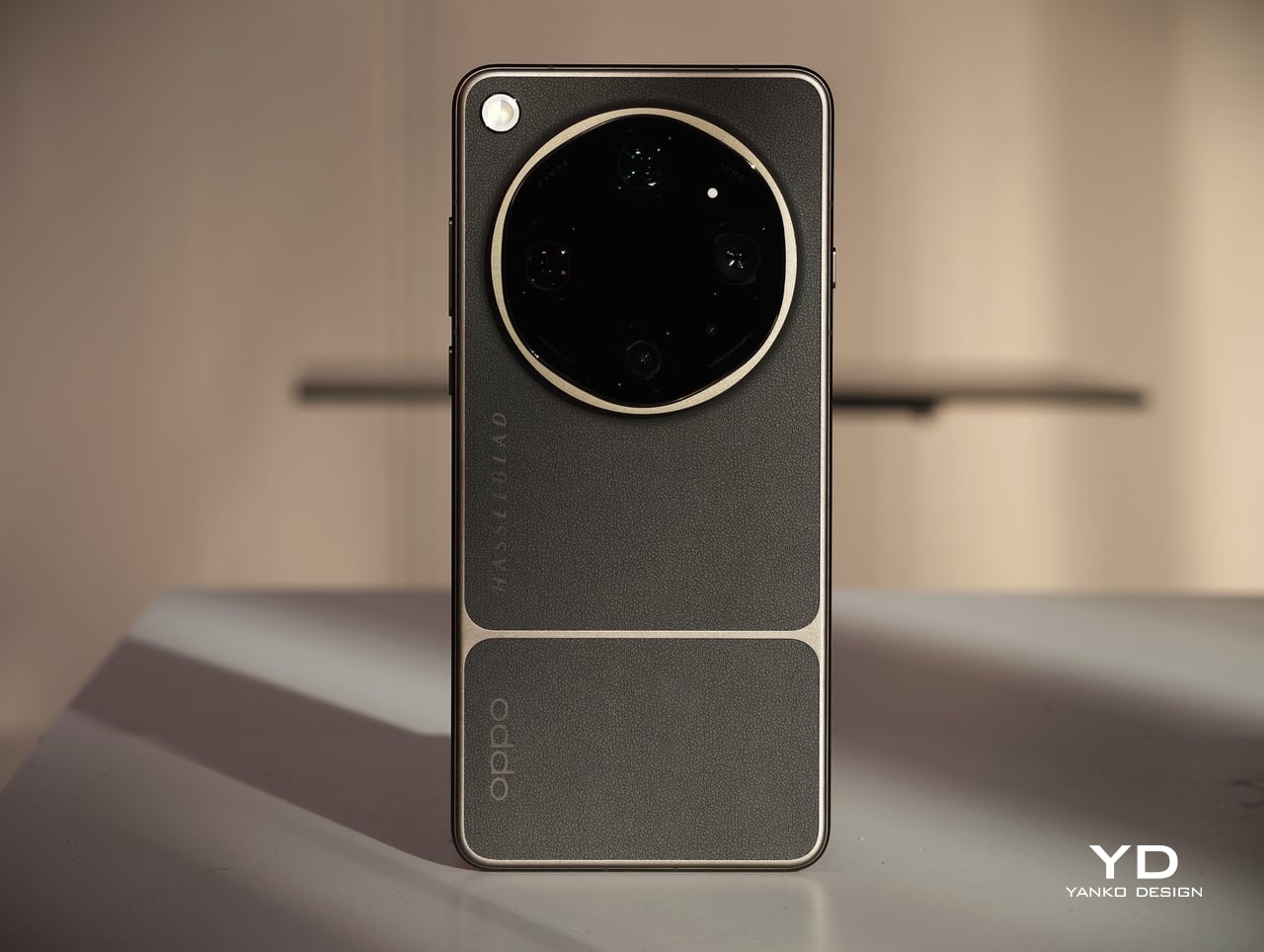
The OPPO Find X9 Ultra makes a strong first impression, shaped by two clearly distinct colorways that carry different design languages. Rather than simply offering the same phone in different shades, OPPO gives the device two visual personalities. One leans into classic camera-inspired warmth and tactile richness, while the other takes on a sharper, more expressive character.

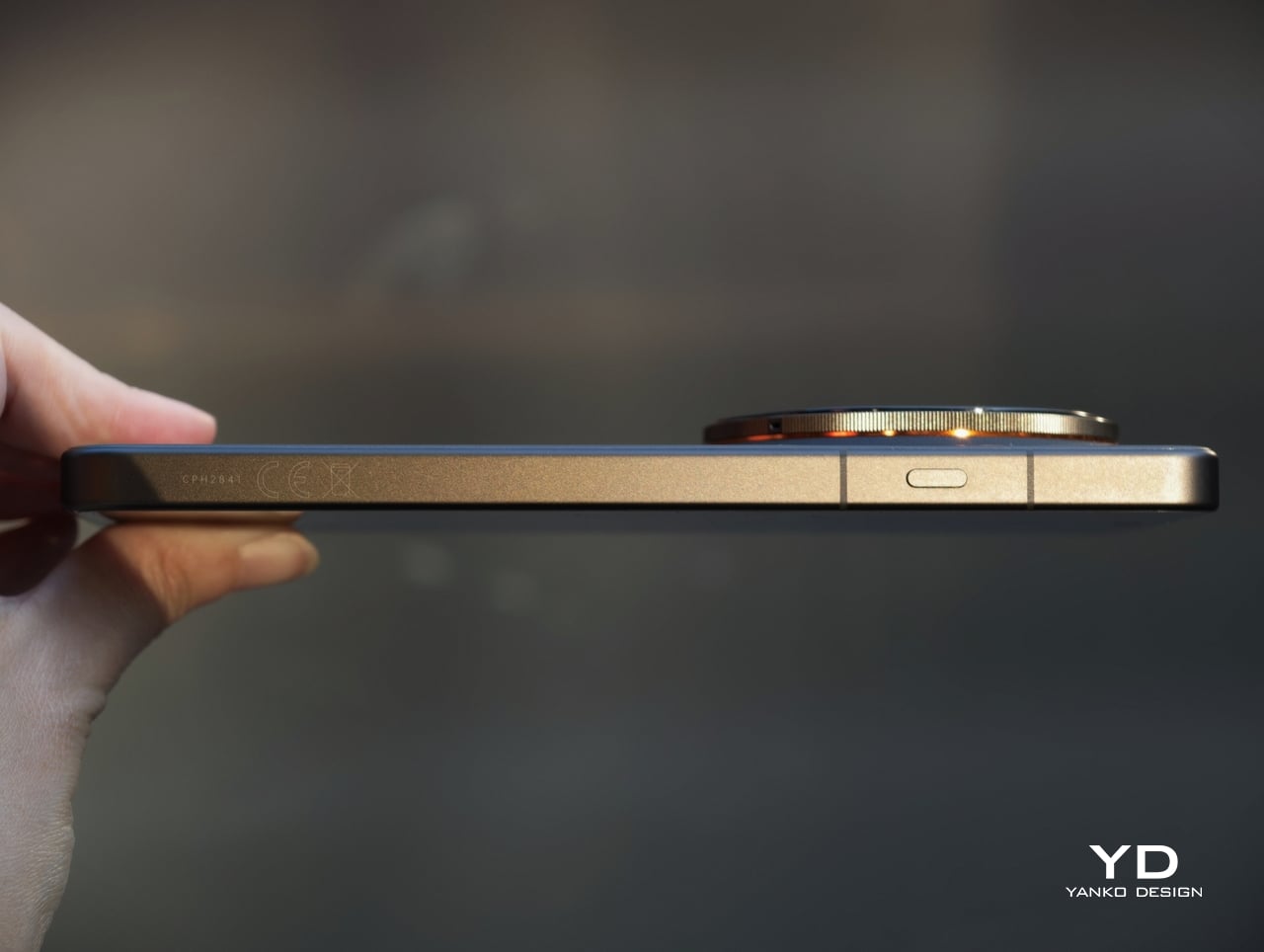
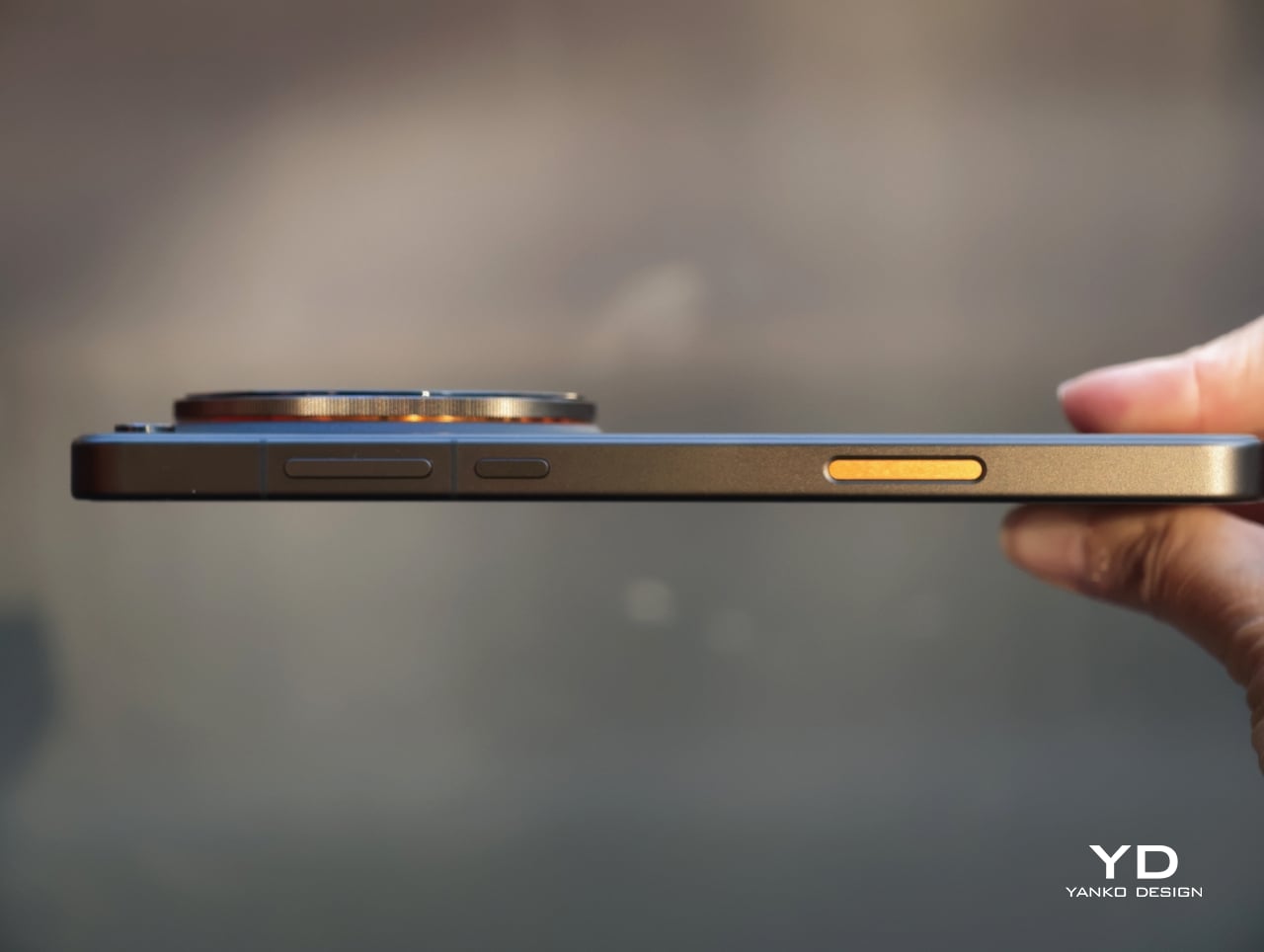
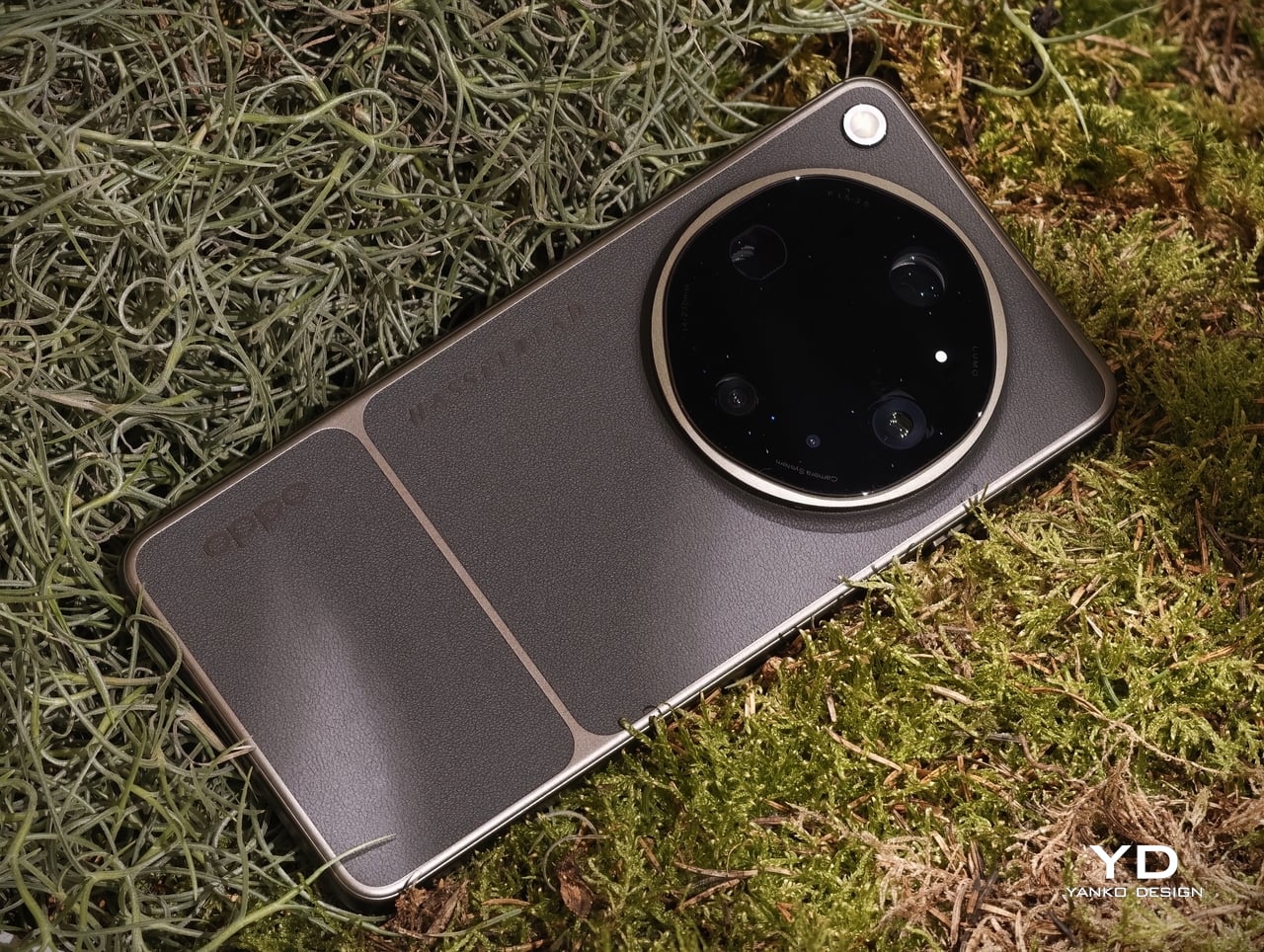
That broader design story is rooted in photography. Tundra Umber is the more classic of the two, drawing inspiration from the Hasselblad X2D 100C Earth Explorer Edition while refining the camera-led design language OPPO established with its Ultra series. Its finely textured, eco-friendly vegan leather back is divided into broad vertical panels, giving it a structured, almost camera-body-like feel. A deep bronze-toned matte surround traces those panel divisions and the oversized circular camera housing before continuing into the side frame, helping the whole design feel cohesive.

The camera influence is visible throughout, from the horizontally aligned OPPO and Hasselblad logos to the orange detailing around the camera ring and Quick Button, both nods to Hasselblad’s iconic orange dot. Tundra Umber feels warm, tactile, and understated, with a sense of luxury rooted more in texture and material depth than in visual flash. Canyon Orange takes the opposite approach. Its aircraft-grade fiber back is finished with a sculpted pattern inspired by canyon formations, adding movement and depth to the surface.

Taken together, the two finishes make the Find X9 Ultra feel more thoughtfully designed than most ultra-premium smartphones. Instead of relying on superficial color variation, OPPO uses material, texture, and framing details to create two genuinely different expressions of the same flagship. That gives the device more character, and more importantly, gives buyers a real choice in how they want that character to be expressed.

Ergonomics

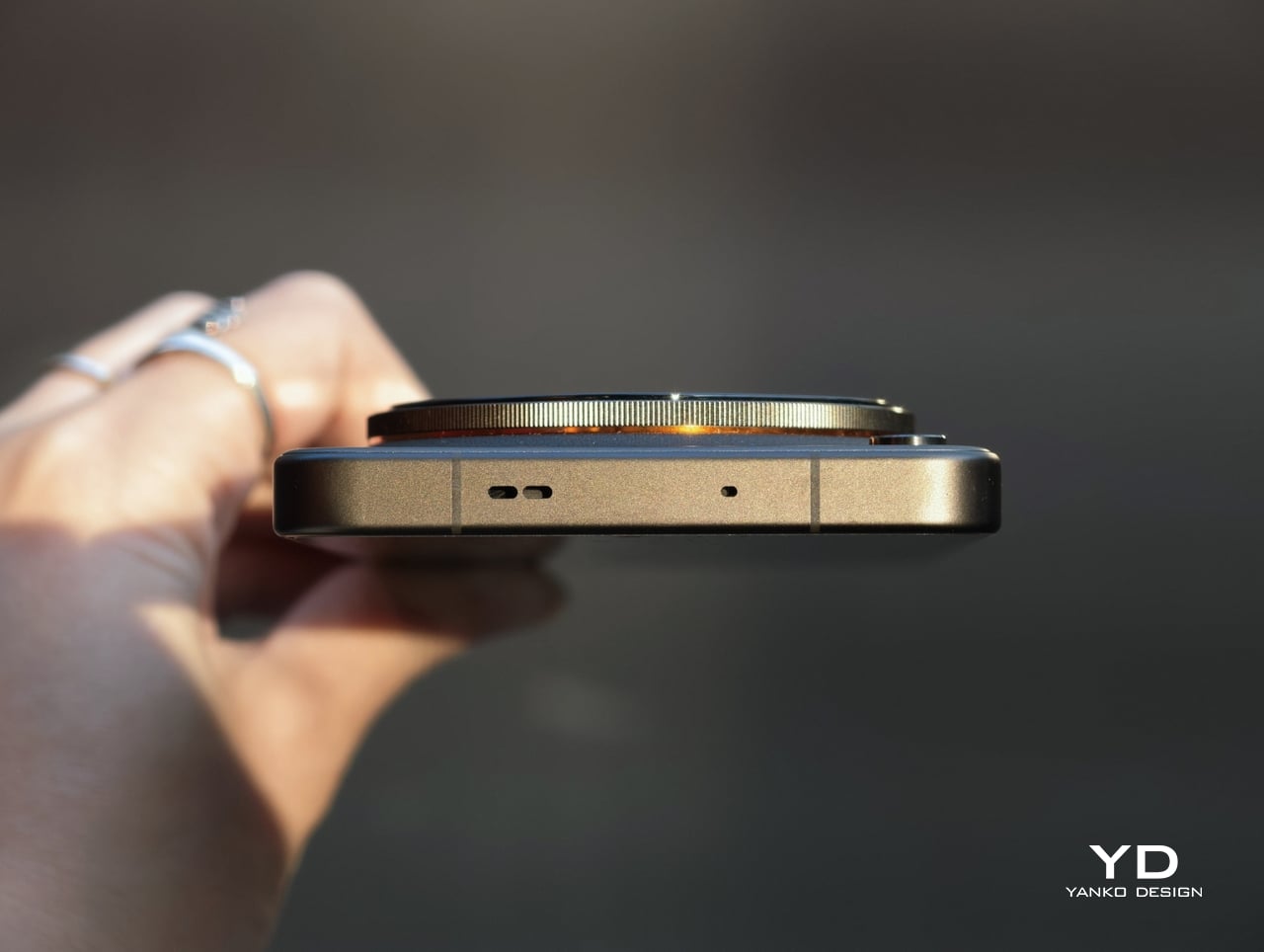
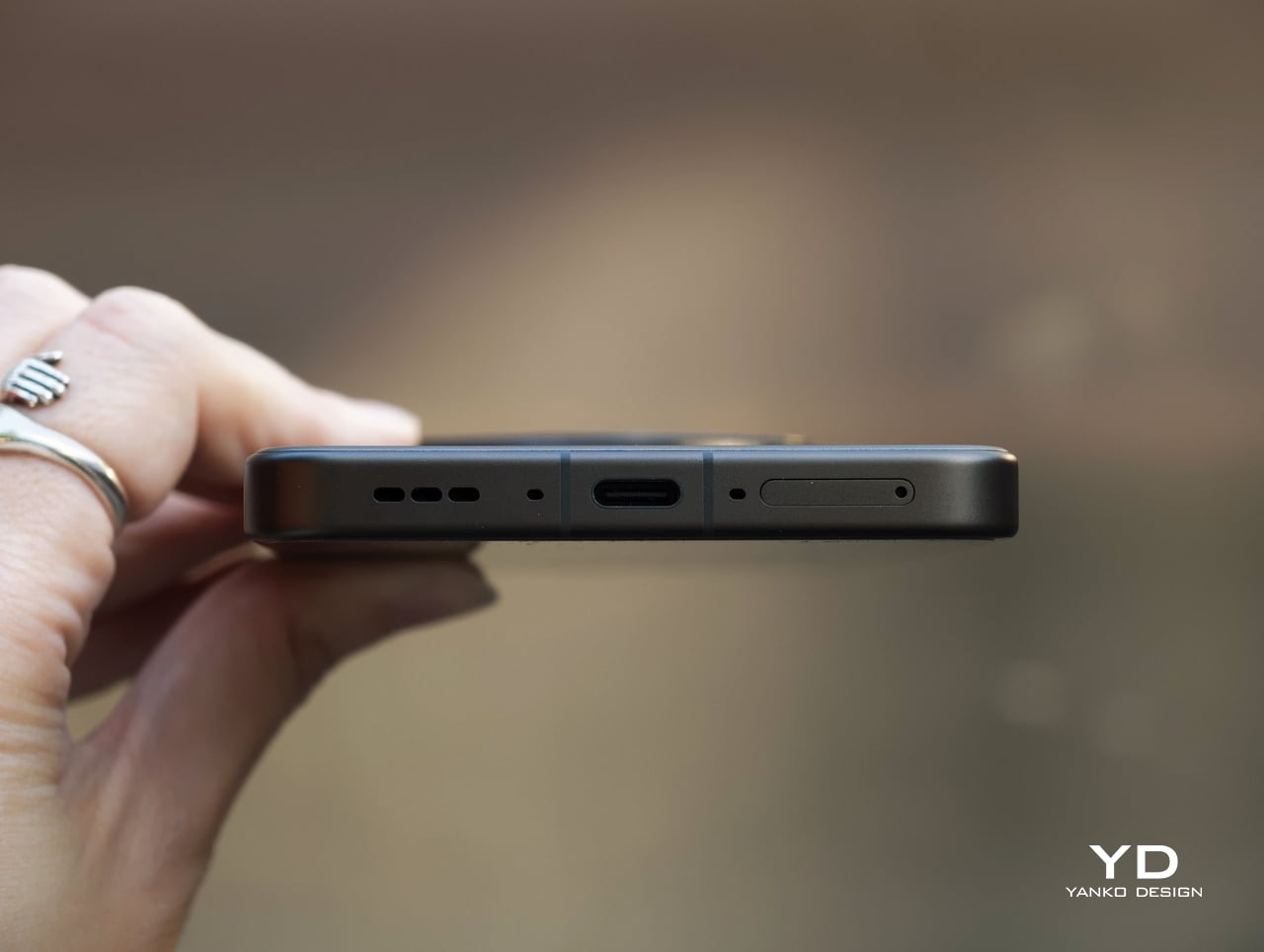
The OPPO Find X9 Ultra is unmistakably a large flagship. Measuring 163.16 × 76.97 mm and weighing 236 grams in Tundra Amber or 235 grams in Canyon Orange, it is a phone that feels substantial from the moment you pick it up. The two finishes also differ slightly in thickness, with Tundra Amber at 9.10 mm and Canyon Orange at 8.65 mm, giving each version a subtly different physical character.

Even so, the difference between the two finishes is worth noting, as it subtly changes how the phone feels in daily use. Tundra Amber is both slightly thicker and slightly heavier, and its eco-friendly vegan leather back gives it the more tactile and forgiving grip of the two. Despite the large camera housing, both versions feel balanced rather than top-heavy, and the oversized module can even serve as a natural resting point for the index finger during use.

Performance

The OPPO Find X9 Ultra brings the kind of hardware expected of a true flagship, but what matters most is how that translates into everyday use. For most people, performance is not about benchmark numbers. It is about whether a phone feels fast, fluid, and dependable, and the Find X9 Ultra appears built with very few compromises.

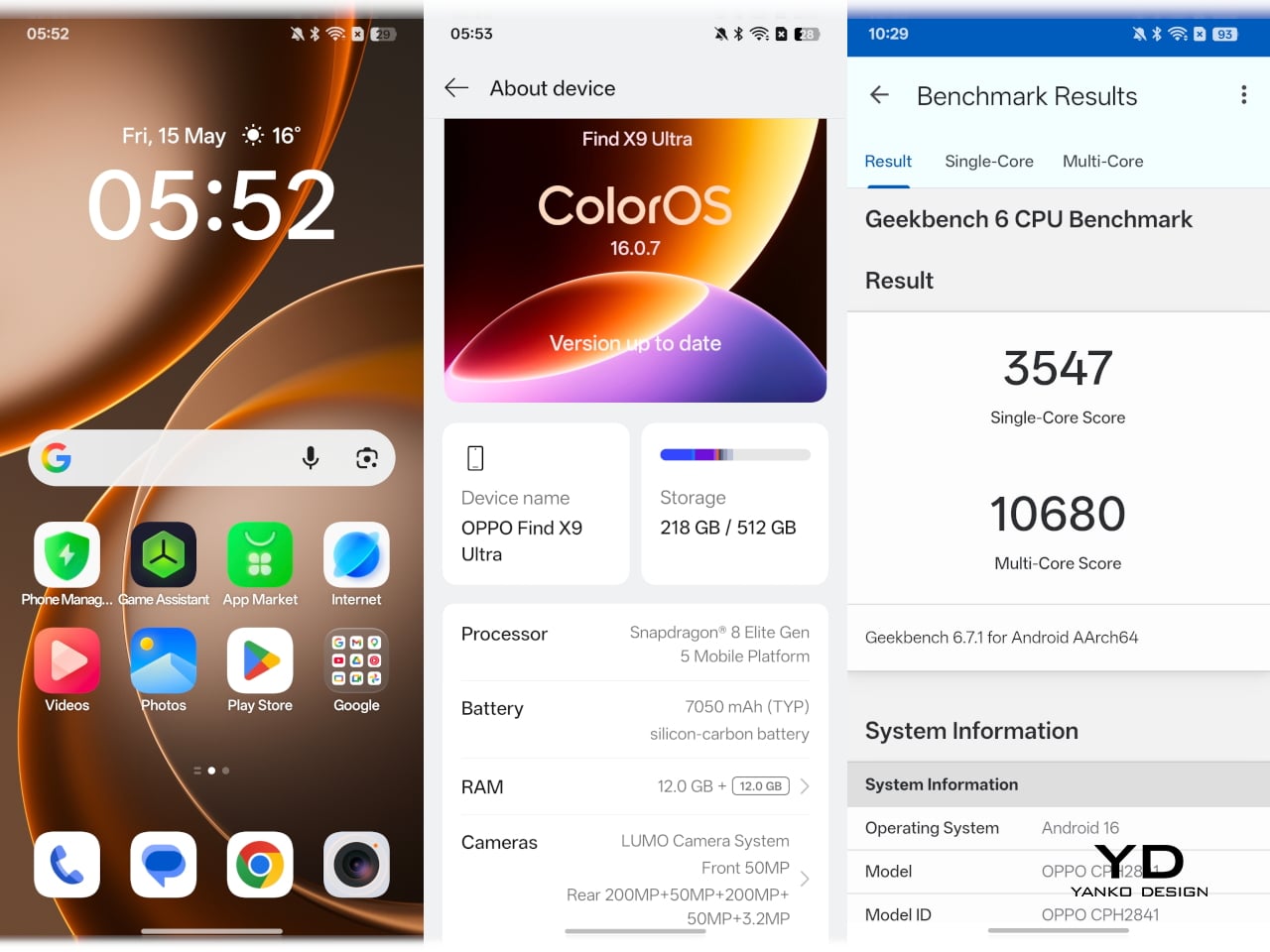
Powered by Qualcomm’s Snapdragon 8 Elite Gen 5, it ranks among the fastest Android phones of its generation. That means quick app launches, smooth multitasking, fast photo processing, and strong gaming performance, all delivered with the kind of effortless responsiveness buyers expect at this level. Offered in 12GB + 512GB and China-only 16GB + 1TB configurations, it also has the memory and storage headroom to remain smooth over time while supporting its demanding camera system without strain.
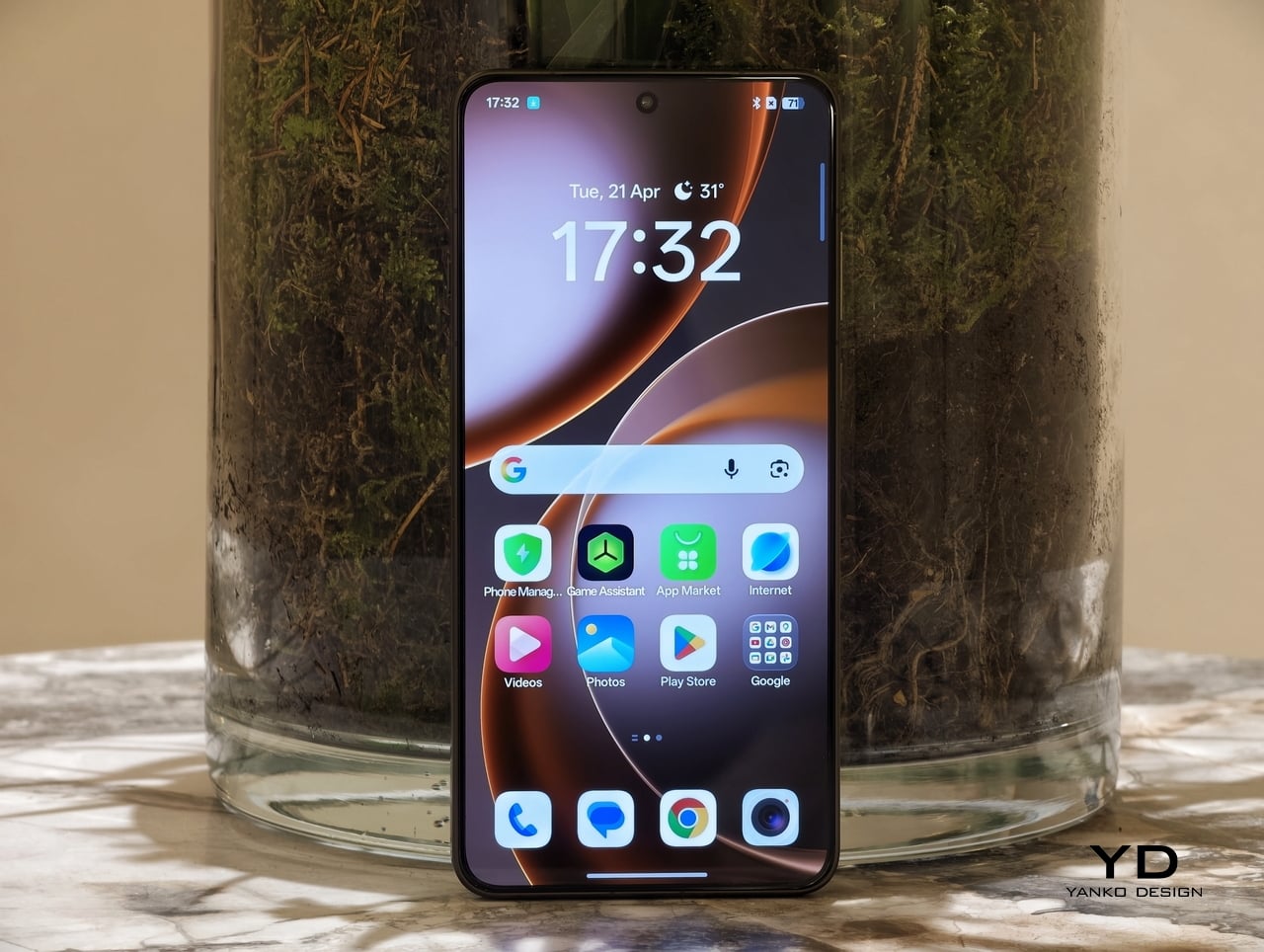
The Find X9 Ultra’s 6.82-inch AMOLED display is every bit as flagship as the rest of the hardware. With a sharp 3168 x 1440 resolution, a 120Hz LTPO refresh rate, and peak brightness of up to 2500 nits, it feels bright, crisp, and fluid in daily use. Whether you are scrolling, watching a video, or reviewing photos, it delivers the kind of polished visual experience you would expect from a phone in this class.

Portrait Mode

Macro Mode

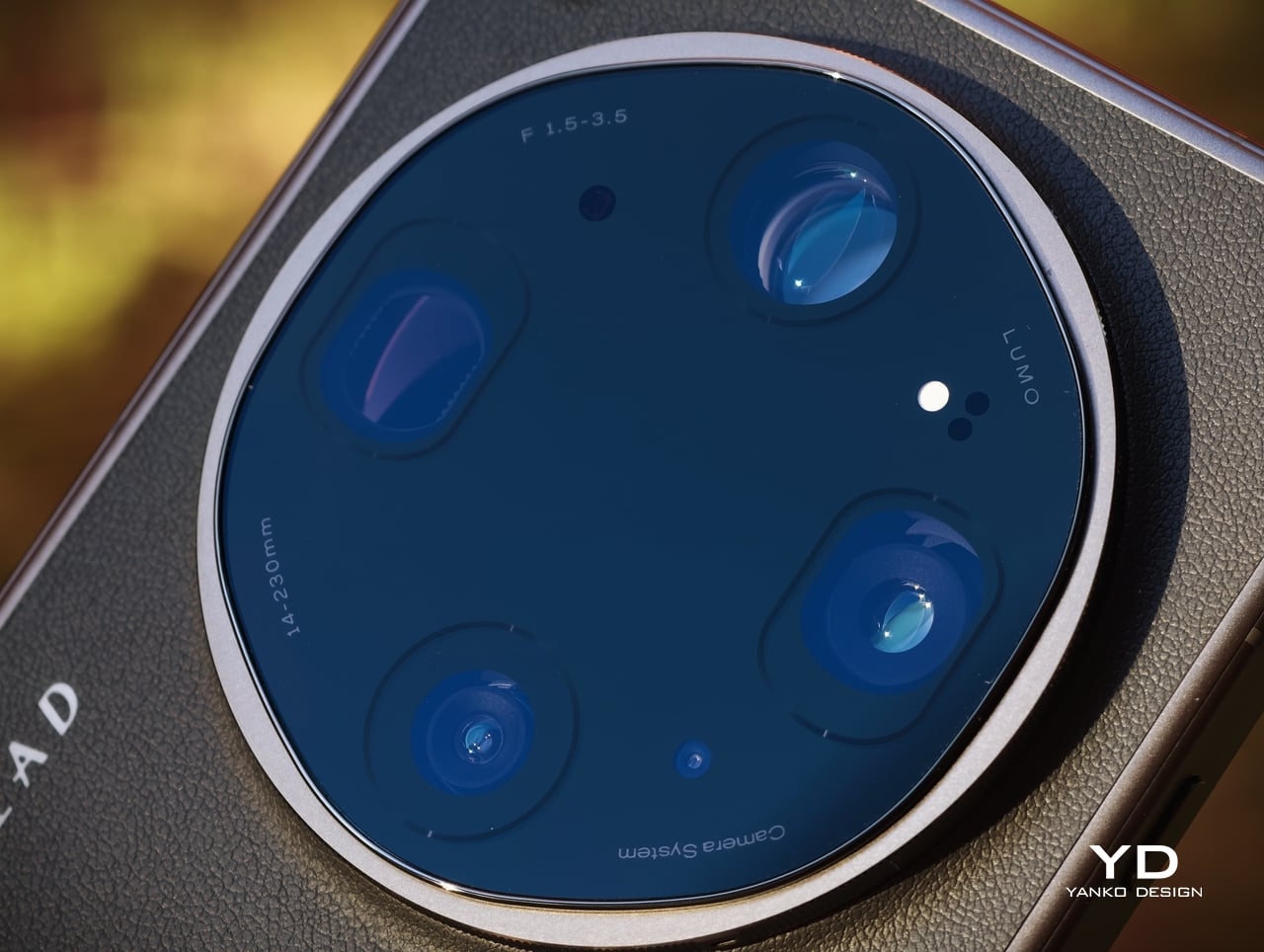
The camera system, developed in continued partnership with Hasselblad, is where the Find X9 Ultra becomes genuinely distinctive. OPPO has upgraded the entire imaging setup and expanded it into what it now calls a penta-camera system. The rear array includes a 200MP main camera, a 200MP telephoto camera with 3x optical zoom, a 50MP periscope telephoto with 10x optical zoom, a 50MP ultra-wide camera, and a dedicated white balance sensor.

Ultrawide

Main, 1x

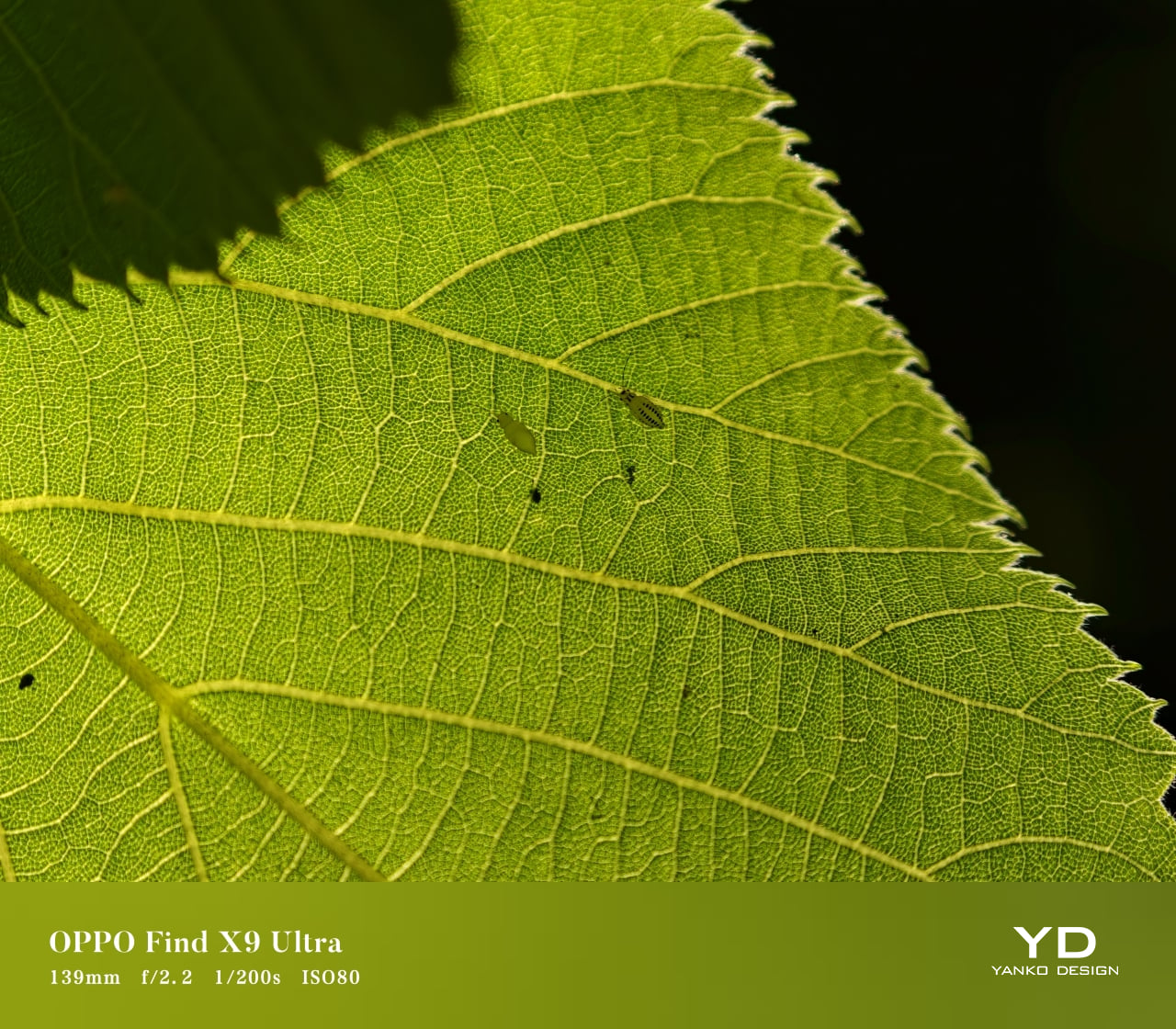
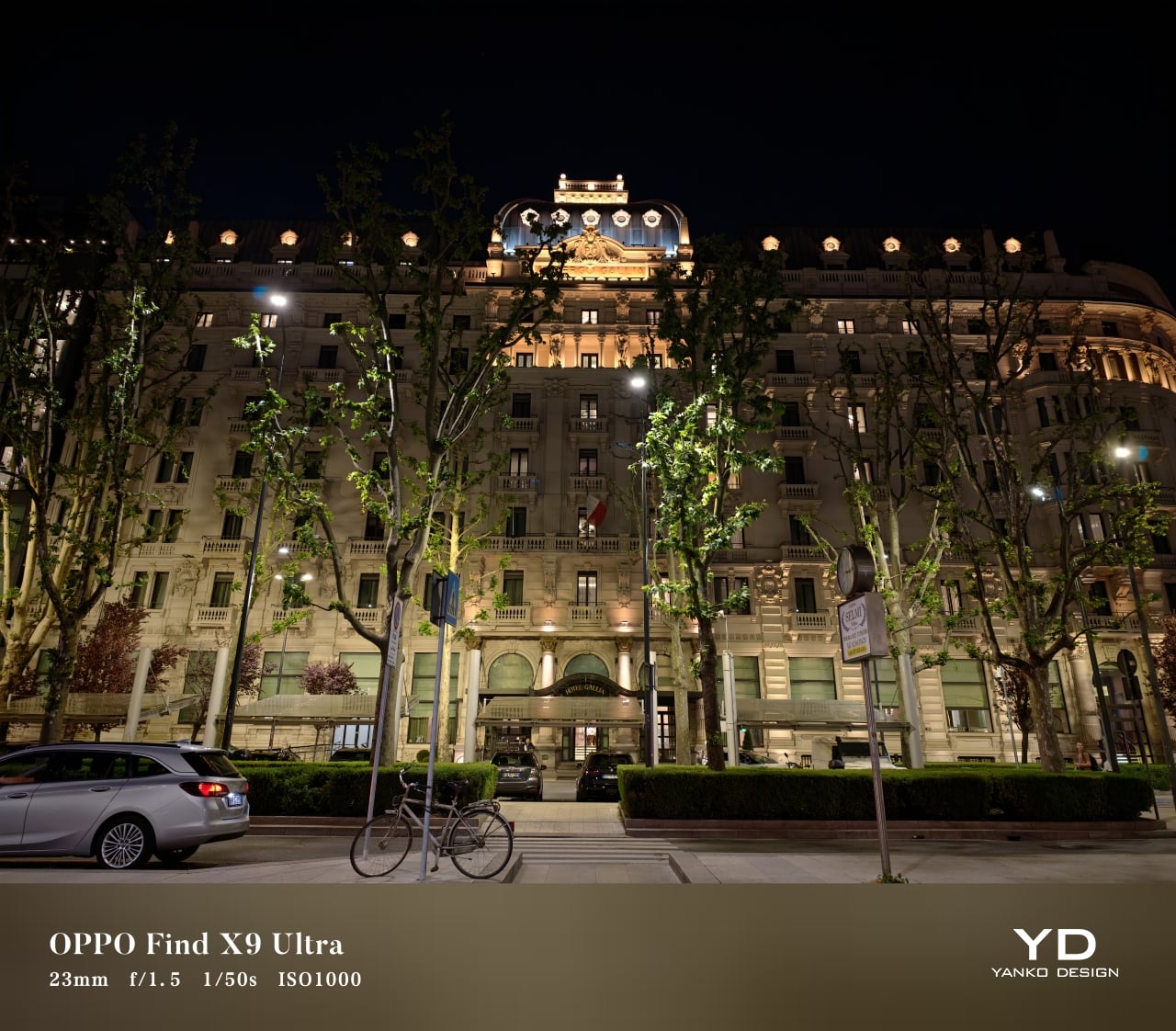
The 200MP main camera, built around a 1/1.2-inch Sony LYT-901 sensor with an f/1.5 aperture and OIS, produces images that are crisp, detailed, and rich in dynamic range, with color reproduction that remains pleasingly natural. The 200MP 3x telephoto camera is just as impressive. Using a large 1/1.28-inch OmniVision OV52A sensor with an f/2.2 aperture and OIS, it delivers similarly detailed results with strong dynamic range and balanced color.

Telephoto, 3x

Telephoto, 10x

The 50MP 10x periscope telephoto is the most technically fascinating part of the setup. Long-range zoom in a smartphone is always constrained by space, and OPPO addresses that challenge with its Quintuple Prism Reflection Periscope Structure, which bends light five times before it reaches the sensor. The result is serious optical reach within the tight confines of a smartphone body, making it one of the device’s most ambitious engineering features. Crucially, it is not just impressive in theory. It also captures excellent 10x shots, giving the Find X9 Ultra a level of versatility that few flagships can match.

300mm, Teleconverter

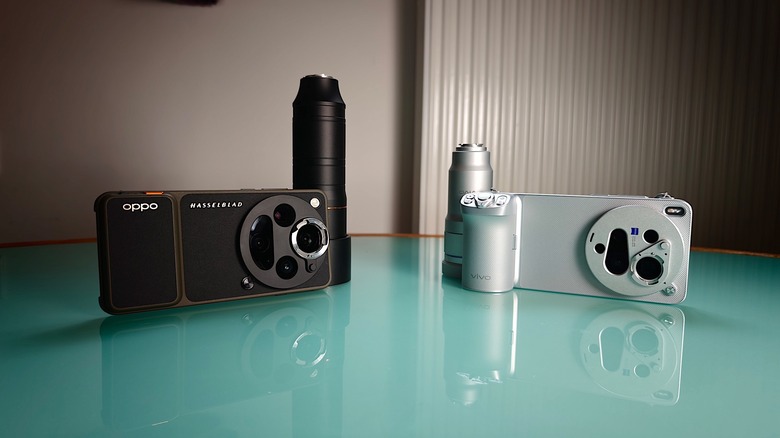
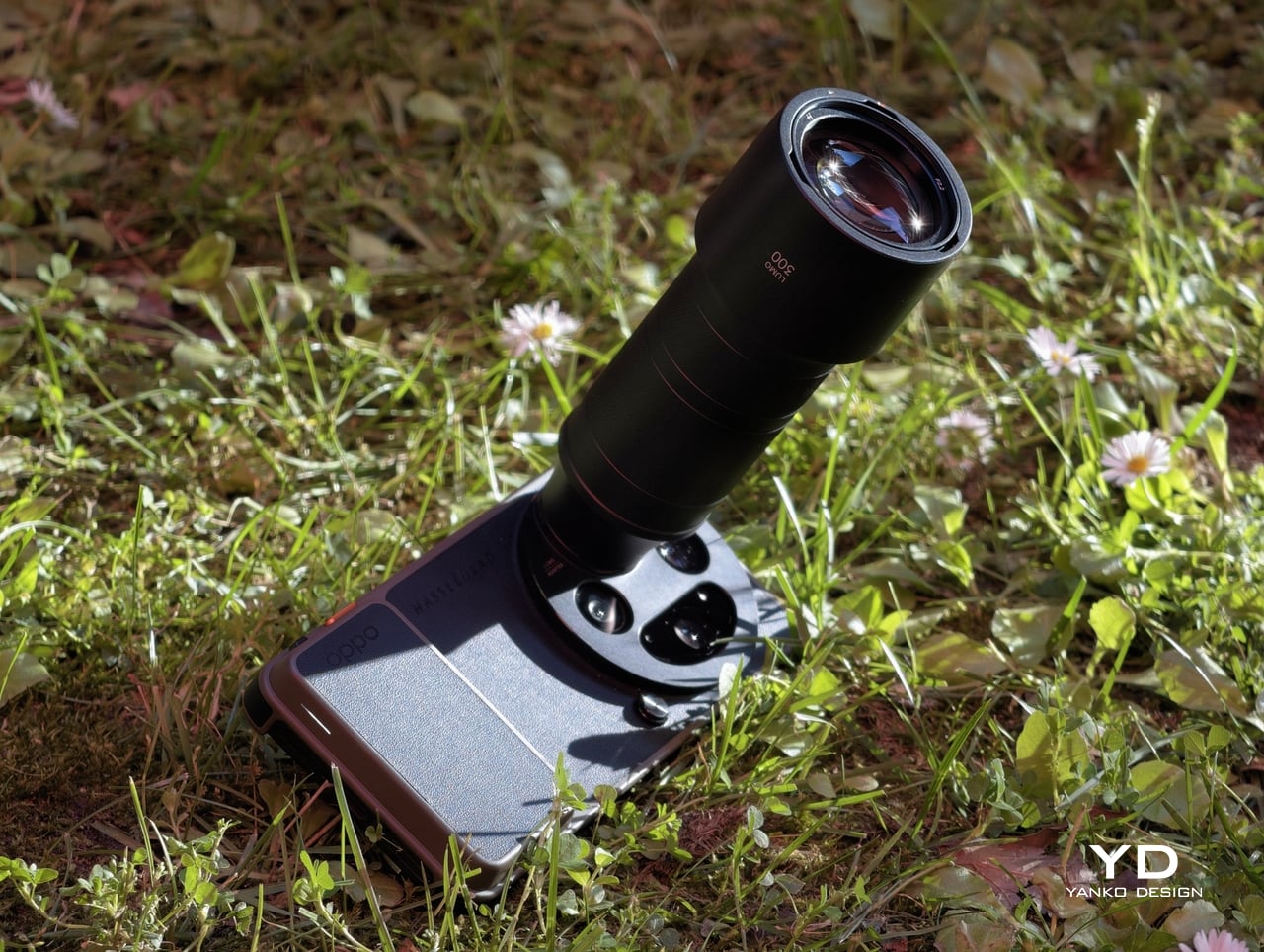
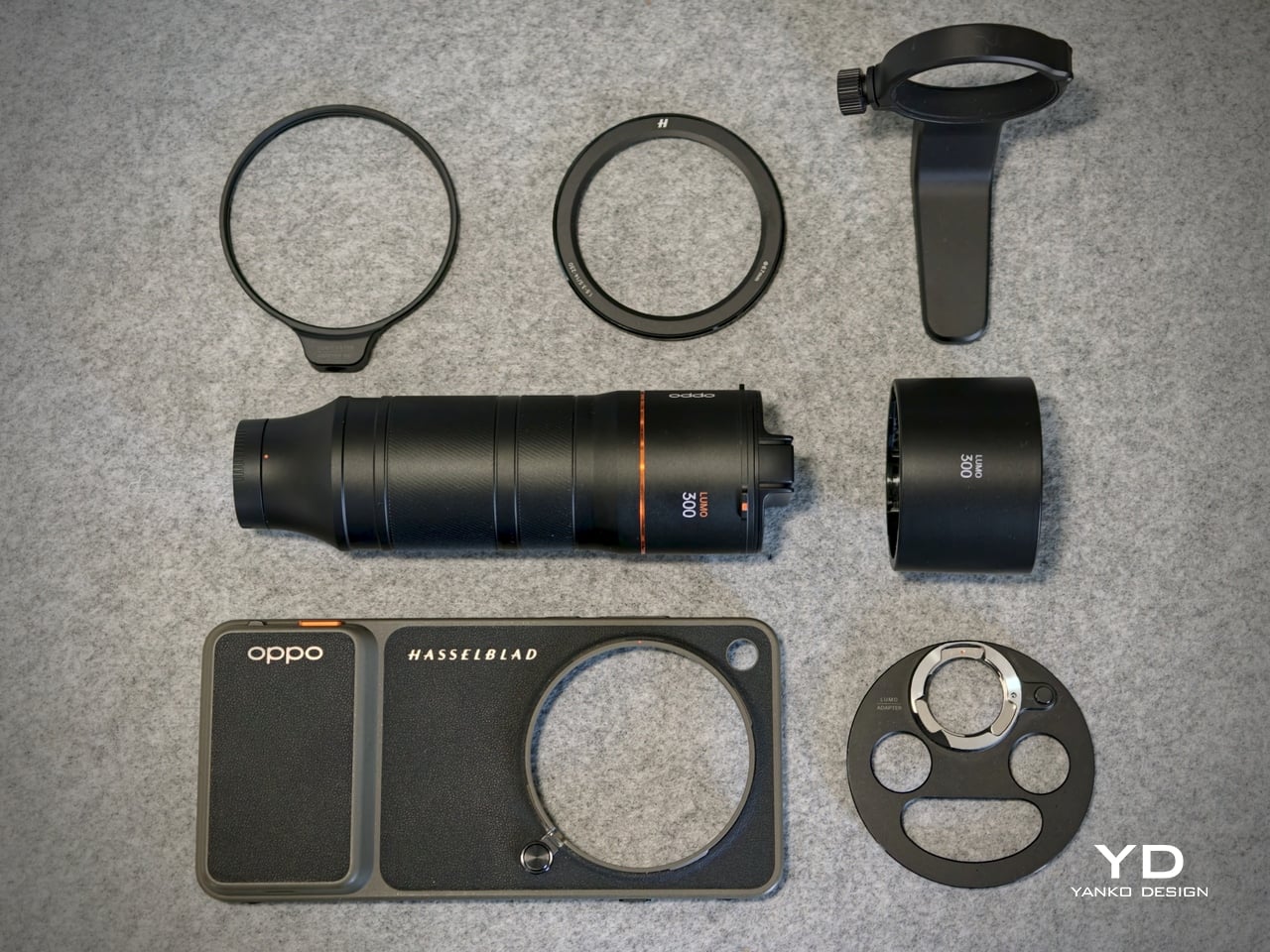
OPPO also offers an optional Hasselblad Earth Explorer Kit, which includes a Bluetooth camera grip case and a dedicated lens mount. Its standout feature is a 300mm lens attachment that extends the system to 13x optical zoom and up to 200x hybrid zoom. The setup is undeniably bulky, but in situations where extra reach really matters, whether for sports, concerts, detailed architectural photography, or other distant subjects, it can be genuinely worthwhile. Results at the optical end are impressive, while pushing further into hybrid zoom brings the familiar decline in image quality.

13x, Normal

13x, With Teleconverter

The 50MP front-facing camera also performs well, capturing detailed selfies with natural-looking skin tones. The 50MP ultra-wide camera is useful and generally capable, but it is the least convincing part of the rear setup, with images that can look a little softer than those from the main and telephoto cameras.

200x, Normal

200x, With Teleconverter

That flexibility extends beyond the hardware. Portrait mode offers seven focal lengths ranging from 1x to 10x, giving users far more freedom in how they frame subjects than most phones allow. More importantly, the Find X9 Ultra generally processes images with a natural touch, avoiding some of the heavy-handed contrast and tone shaping that still affect many smartphone cameras. For those who want an even more photography-focused look, Master Mode uses a different imaging pipeline that steps away from the aggressive tone mapping common to traditional smartphone processing.

Normal

Hasselblad Master Mode

OPPO also equips the Find X9 Ultra with a very capable video system. All cameras support recording at up to 4K 60fps with Dolby Vision, while the main and 3x telephoto cameras can go as high as 4K 120fps or 8K 30fps. Video quality is generally very good, with strong detail, solid stabilization, and an overall polished look. For users who want a more advanced workflow, Pro mode includes Log recording and support for importing custom LUTs, making the phone more flexible for grading and post-production.

That said, the experience is not flawless. Panning at 3x zoom or beyond can sometimes introduce a touch of jitter, and transitions between lenses could be smoother. These are relatively minor complaints in the context of such a flexible video system, but they are worth noting all the same.

Main, 1x, Night Mode

Telephoto, 3x, Night Mode

Telephoto, 10x, Night Mode

Battery life may be just as important to mainstream buyers as the camera system, and the Find X9 Ultra looks especially strong on that front. It comes with a massive 7050mAh silicon-carbon battery, a capacity that should comfortably support heavy use without the low-battery anxiety that still shadows some premium phones.

Charging is impressive too. With OPPO’s proprietary charger, the Find X9 Ultra supports 100W wired and 50W wireless charging, while USB-PD support allows for up to 55W wired charging with compatible third-party adapters. Reverse wired and reverse wireless charging are both available as well, rounding out a battery setup that feels as flexible as it is powerful.

Sustainability

Sustainability in a premium smartphone should be approached from multiple angles, and in the case of the Find X9 Ultra, durability is clearly where OPPO has placed the greatest emphasis. That does not tell the whole sustainability story, but it does give the phone a solid foundation in the areas that most directly affect long-term ownership. In practical terms, OPPO seems more focused on helping the device last longer than on building a broader environmental narrative around it.

It carries IP66, IP68, and IP69 ratings for dust and water resistance, uses Corning Gorilla Glass Victus 2 on the front, and has earned an SGS Premium Performance 5-Star drop-resistance certification. OPPO also backs the phone with five major OS updates and six years of security patches, which strengthens the case for keeping the device longer rather than replacing it early. At the same time, OPPO says far less about the broader environmental side of sustainability, so the Find X9 Ultra feels more convincing as a durable long-term device than as a flagship making a wider green statement.

Value

The Find X9 Ultra is priced like a true flagship, and in global markets, it leaves no doubt about that. The 12GB + 512GB version comes in at €1,699.99, or roughly $1,940, while the same configuration in China is priced at CNY 7,999, or about $1,180. That makes the global version undeniably expensive, while the China pricing feels strikingly aggressive by comparison.

What makes the phone interesting is that even at its global price, it still has a real value argument. The camera system is among the very best available today, the battery is exceptionally large for a premium flagship, the design feels distinctive, and the software experience is smooth and pleasant to live with. It is not cheap by any measure, but it does feel like a phone that gives you something memorable in return.

The catch is that this value depends on how much you care about what OPPO is doing differently. If photography, endurance, and design identity sit high on your list, the Find X9 Ultra feels easier to justify. If not, it becomes harder to ignore just how expensive the global model really is.

Verdict

The OPPO Find X9 Ultra stands out by knowing exactly what it wants to be. It is a camera-first flagship with one of the best imaging systems available today, backed by excellent battery life, polished software, and a design that feels more distinctive than most ultra-premium rivals.

There are still compromises. The ultra-wide camera is not quite on the same level as the rest of the setup; some video behavior could be smoother, and the global price is undeniably steep. Even so, for buyers who value photography and want a flagship with real personality, the Find X9 Ultra is one of the most compelling choices on the market.

The post OPPO Find X9 Ultra Review: An Exceptional Camera Phone That Gets Everything Else Right Too first appeared on Yanko Design.