Solar-powered coffee truck concept runs on green fuel to bring black fuel anywhere

They say money makes the world go round, but coffee is probably just as critical for some people. Connoisseurs will undoubtedly tell anyone willing to listen to brew their own cup, but not everyone has the luxury of doing that daily. If you don’t know of a local shop you can call your home away from home, you’d probably be at the mercy of the big, expensive chains that put more sugar than you’re going to be comfortable with. Establishing a fixed store in a nook or building isn’t going to be cheap for some businesses, and it also means not being able to reach customers where they are. Coffee trucks can solve the problem of portability, but this concept design takes that idea even further by having the whole operation run on solar power, potentially bringing that coffee experience anywhere, even away from the grid.

Designer: Kyrolos Maged

Although you can see them almost everywhere, big chain stores like Starbucks won’t always please everyone. Some simply don’t like their selection or the way they do business. Others simply prefer to patronize smaller businesses to help them grow and thrive. Either way, the majority of these stores force you to go to their location, which is not a problem unless there isn’t one nearby. It would definitely be great if the coffee could come to where the people are rather than the other way around, which is what coffee trucks are trying to do.

Although they are a viable business model, such mobile coffee dispensing stores have a few logistic issues to iron out, specifically one of power. Sure, you can run the machines on the same battery that drives the truck, but it also risks you running out of fuel when you need it the most. And with some vehicles turning to electric power, such a power source might no longer be feasible. This unnamed concept thus turns toward an ever-present source, at least during the time when people are most likely to chug their black or brown fuel.

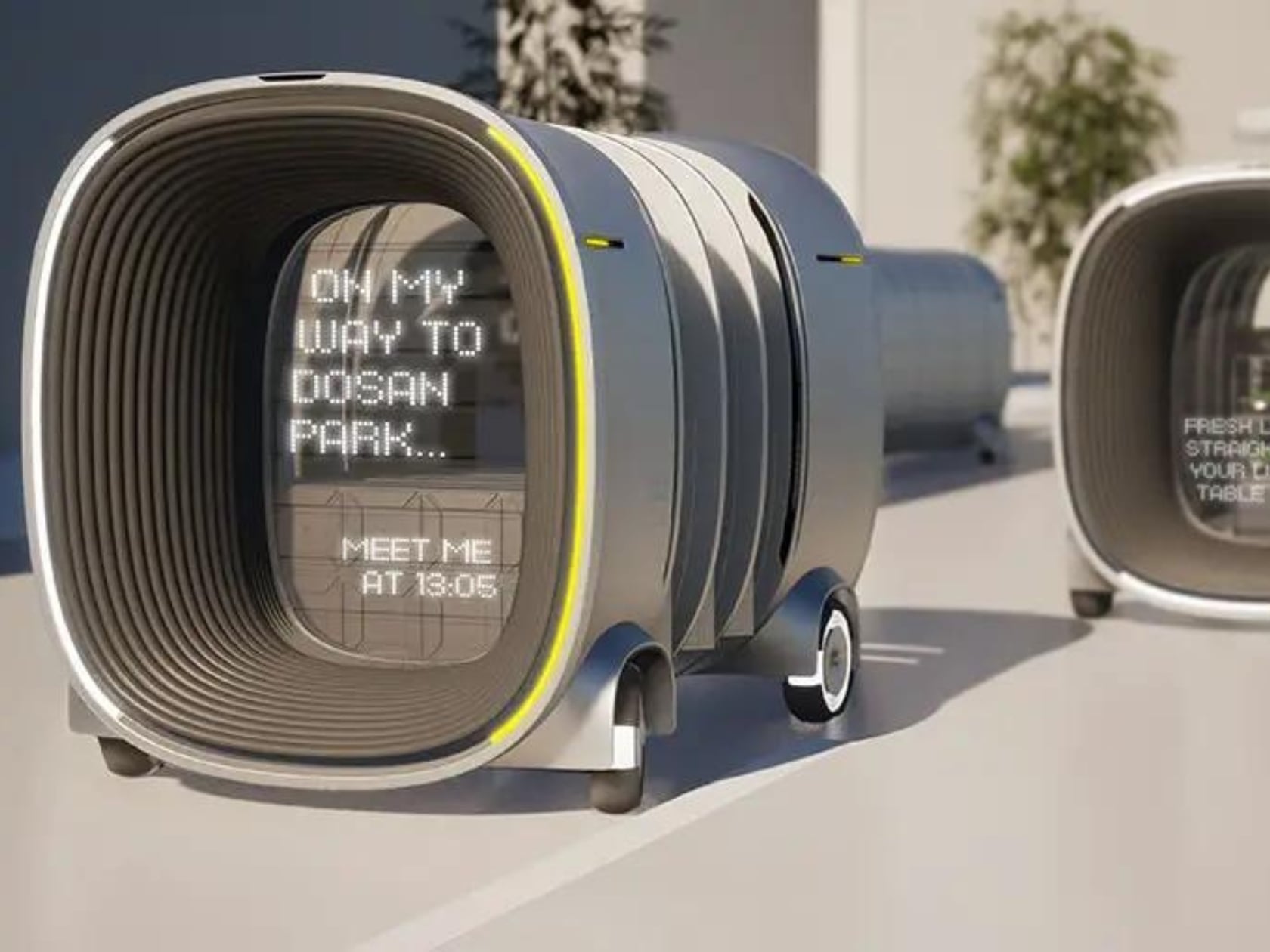
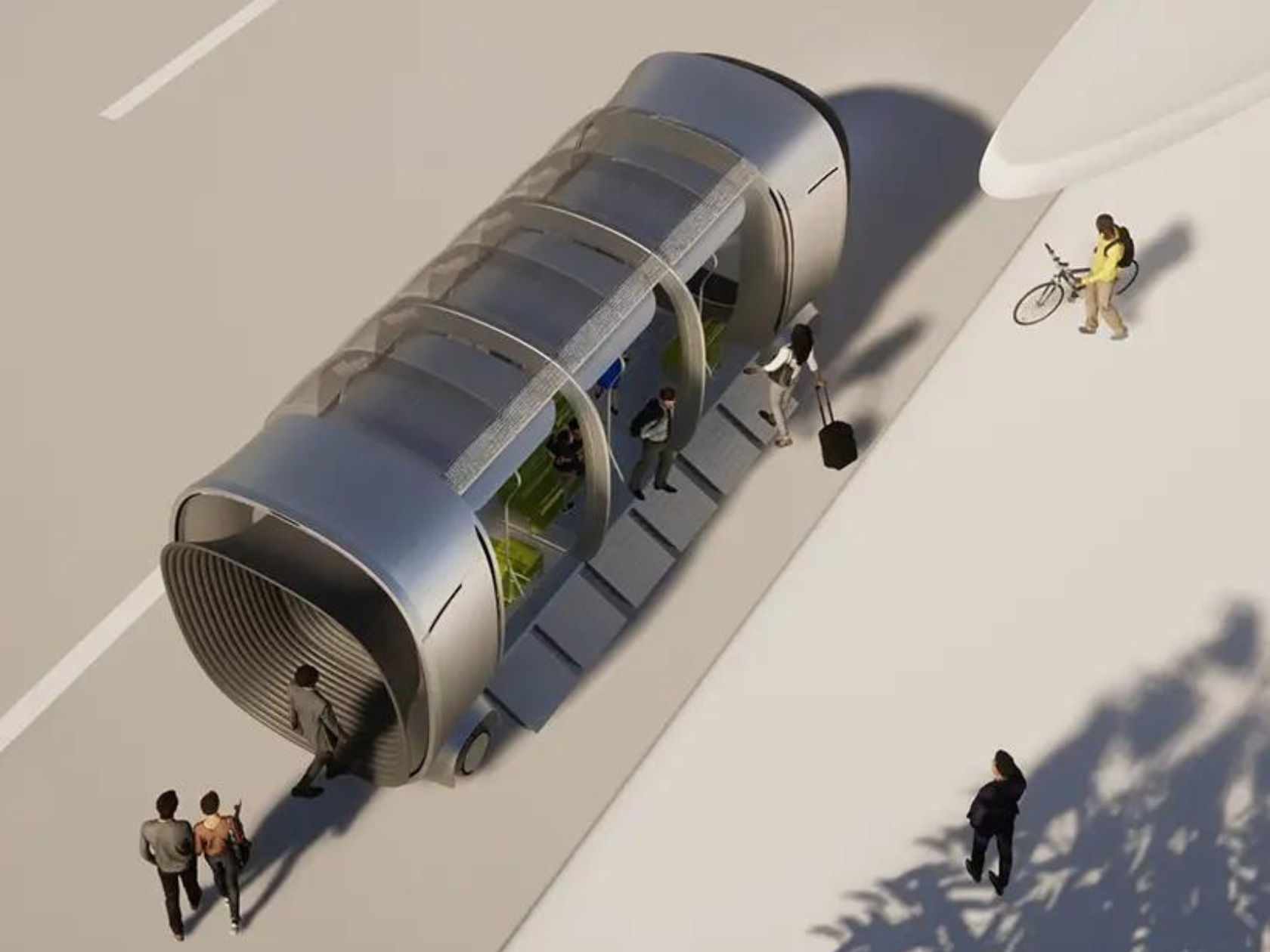
The solar-powered coffee truck is exactly as it sounds, an operation that runs on solar energy rather than fuel or car batteries. There’s a single large solar panel on top of the truck, but it’s easy enough to extend the design to have multiple panels on the “wings” that fold out from the sides of the truck. This way, the energy needs of the coffee machines and the truck itself are kept separate and you don’t have to worry about one eating into the reserves of the other.

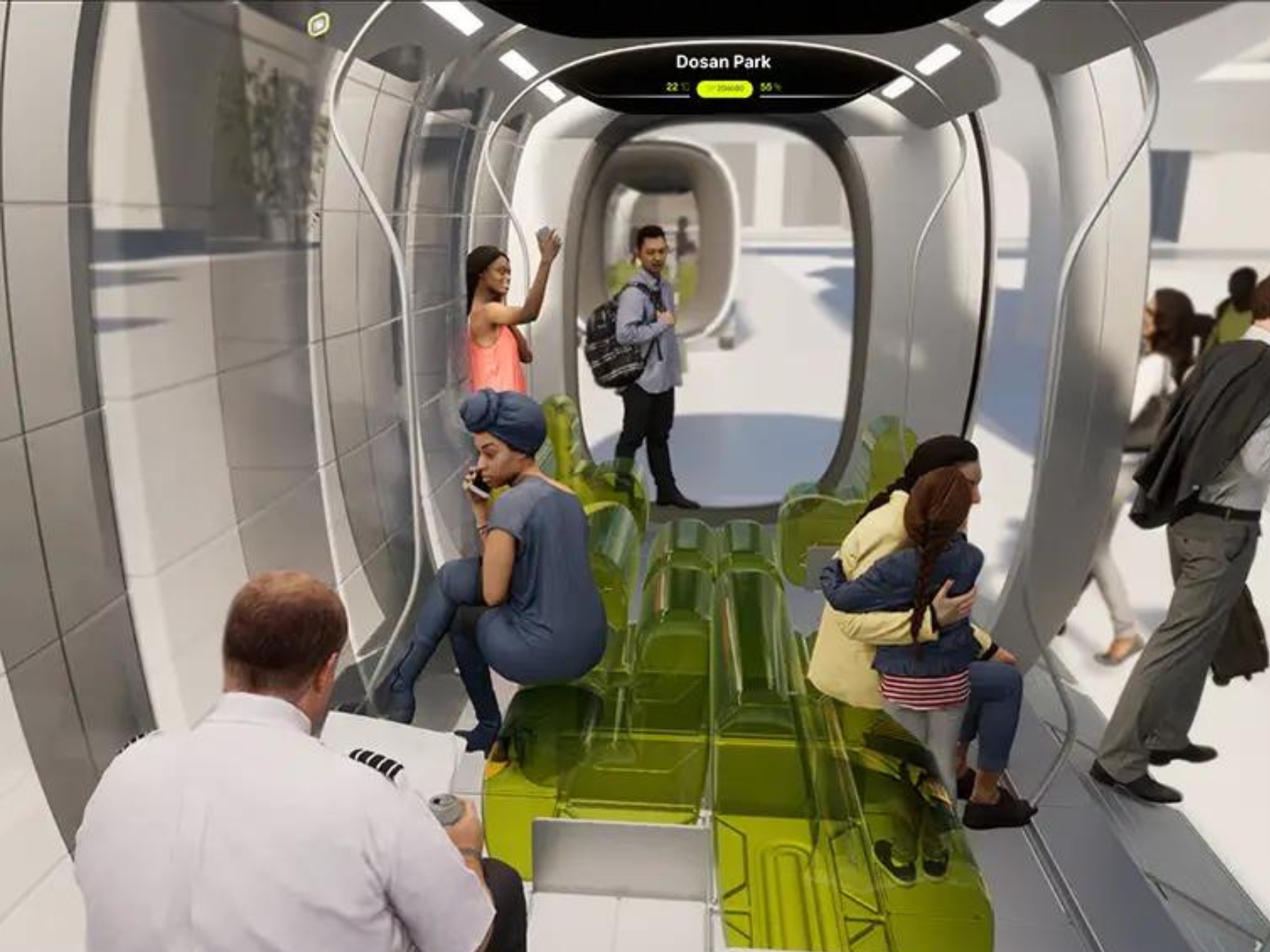
The design of the truck itself is pretty standard, with sliding tables to let customers put down their cups for a while or enjoy some sandwiches that the mobile cafe might offer. What’s interesting, however, is the idea that the coffee truck would offer all sorts of coffee, including those from capsule machines. It’s a good way to diversify and hit many types of customers while also ensuring the speed of service, though pure-blood coffee lovers might turn their noses up at such a thought.

The post Solar-powered coffee truck concept runs on green fuel to bring black fuel anywhere first appeared on Yanko Design.
“Dancing” opener adds to the fun of opening your drink

One of the best and most relaxing sounds you’ll hear is that pop of the bottle cap and the initial fizz as you open a bottle of beer or, if you’re not the drinking kind, a bottle of soda or any bottled drink of your choice. Whether you’re drinking alone and relaxing at the end of a stressful day or if you’re hanging out with friends and enjoying their company over drinks, this is a sound that can make you go “aaahhh” or “ooohhh”. Now what if the instrument you use to open that bottle can share in your joy or add a bit more enjoyment to the moment?

Designer: Leemok Studio

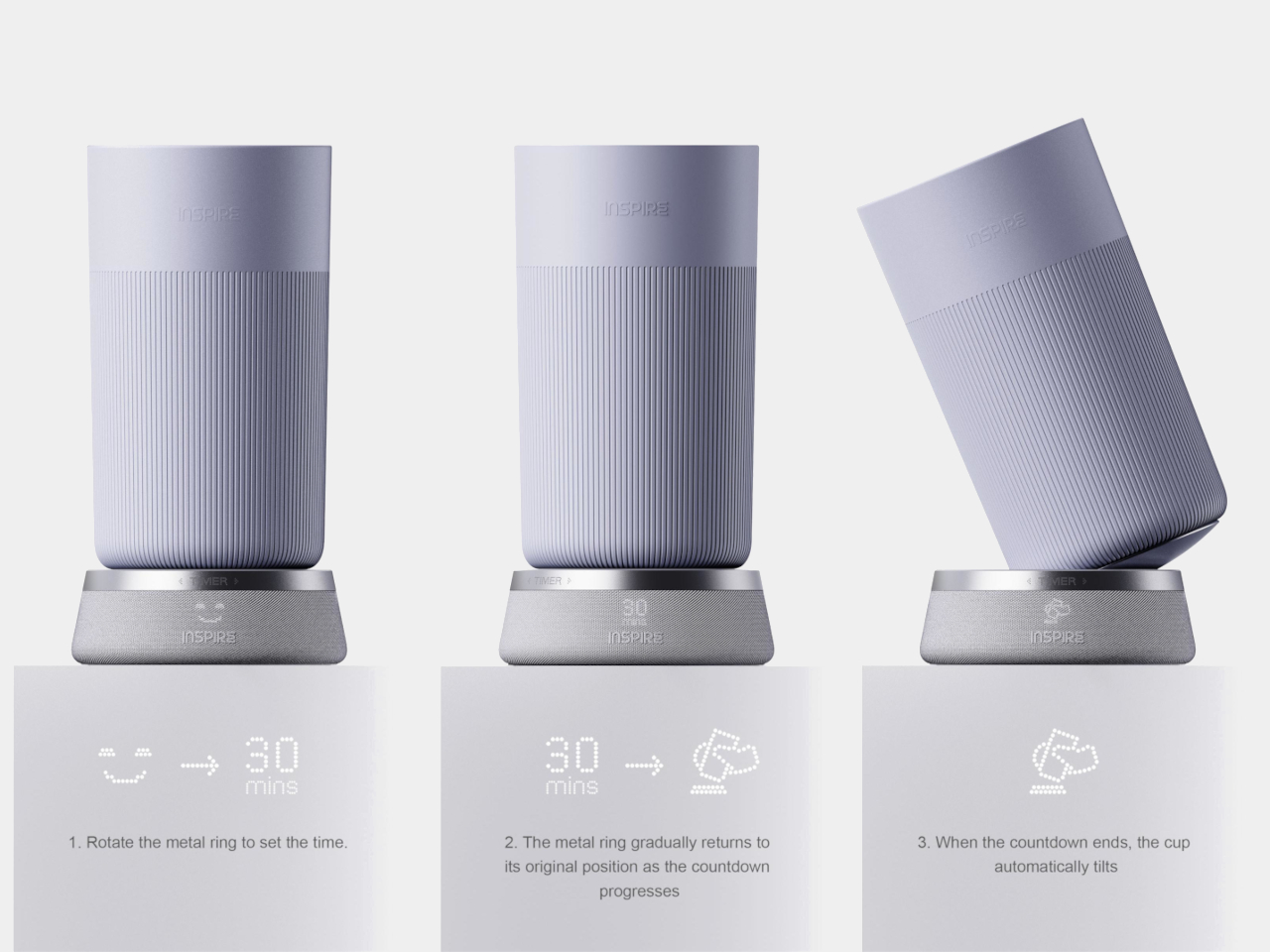
That’s the thinking behind this simple concept for a bottle opener called the Dancing Opener. Lest you think that it’s a complicated gizmo that can show off the latest TikTok dance trend or something, it’s actually a pretty simple and functional accessory that you can bring along to your drinking sessions. It’s round shaped with a curved convex-like hole which is how you can use it to pop open a bottle. After you’ve opened the bottle, you take the opener for a spin, placing it on its circular head and sliding your fingers to make it “dance”.

Okay, dance is probably an exaggeration of what the opener actually does. It seems to be able to balance on its head and as you gently flip it, it goes round and round. Think of it more as a ritual you can do after you open the bottle or as you say “cheers”, “kampai”, “geonbae”, “prost” or whatever language you’re drinking to. It’s basically like spinning a top or coin on its head except that the circumference is a bit thicker so it’s easier to balance and spin.

Sure, if you want to see it as a “dancing opener”, you might as well call it that. The idea is to have a bit more fun as you open the thing that will be bringing you more fun (hopefully) the rest of the night. It’s a simple enough product that we won’t be surprised to see it in the market anytime soon.

The post “Dancing” opener adds to the fun of opening your drink first appeared on Yanko Design.

Modular keyboard concept employs hexagons to switch things up a bit

There has been a great deal of effort and attention put on keyboards these past years, whether for actual products or for ideas that embody the hopes and wishes of both users and designers. From split-type ergonomic keyboards to keyboards with all sorts of knobs and touch screens, these designs are all made in an attempt to make people’s lives easier and to cater to their needs. Of course, not everyone’s needs are the same, so features on one keyboard might not work for different audiences. This keyboard design concept is already interesting because of its modularity, but it becomes even more eye-catching thanks to an unusual choice in the shape of its keys and controls.

Designers: Travis Ragsdale, Elijah Vary

The basic design of keyboards is almost set in stone, at least for the combination of letters and numbers that make up the essentials for keyboards of any size. The layouts might differ from region to region or from laptop to laptop, but there are more or less 80 keys even on the smallest configurations. Beyond that is almost fair game, with some preferring a numeric keypad to the side, while others probably wish for a different set of controls.

The K-Bird Spec Project is a concept design for a modular keyboard that tries to address that need by providing a different side module for different applications. You can have the typical numpad for fast numeric input or you can have a set of sliders and dials for quickly controlling or editing audio. You can even have a small drawing area with a groove to place a stylus. Or you can have no modules at all and be left with admittedly odd-looking handles protruding from the side.

The base shape of the keyboard theoretically allows for modules to be placed on either side, but the modules themselves would have to be designed to be ambidextrous. The default seems to presume the current convention of placing modules on the right side where the numeric keypad would usually be, and you can’t simply put it on the left because of the handle extending from that side.

What makes this design a little different from other modular keyboard concepts is its use of hexagons as the main shape for all the controls, even the sliders and dials on the modular extensions. The keys themselves are indented, which is already unconventional as far as keyboard designs go. It gives the keyboard a more visually interesting appearance, though it’s not clear whether that will have any negative impact on the ergonomics of typing on such a kind of keycap shape.

The post Modular keyboard concept employs hexagons to switch things up a bit first appeared on Yanko Design.

Portable Theater concept combines projector and speaker in a unique shape

Home projectors are becoming more popular these days as more cord-cutters want to enjoy the freedom of streaming from almost anywhere in the house, even on the ceiling while lying in bed. Despite the growing number of these devices, however, most of them still have designs that originated from projectors made for professional use in board rooms and conferences. There are, of course, a few that have embraced more stylish aesthetics that try to match your living room’s decor, but these often still retain the boxy shapes of their ancestors. That might be a convenient form for cramming electronics, but they limit the potential of what these home appliances can do. This concept design, for example, eschews that traditional box and embraces an unconventional form that lets you tilt the projector’s angle without having to use stands or tripods.

Designer: Hana Belassi

Boxes are the most convenient shape for most electronic devices because you can easily cram so many components inside and arrange them in an efficient manner. They’re not the most visually interesting, though, no matter how much you cover them in premium materials like glass, leather, or fabric. The most common smart home projectors, however, still have that same basic design, which also puts limits on their functionality. Tilting the projector to the angle you want isn’t easy, and you either have to make do with short, built-in legs or have a tripod or stand nearby.

TRIPO is a concept design for a smart portable theater device that employs an odd shape of a rather thick disc that tapers toward the top. On its back are four flat sections that allow you to stand the projector upright or tilt it back in three angles, including 90 degrees to project your content on a ceiling. Because it operates wirelessly, you can achieve this without even having to get up from your couch or bed, providing the utmost convenience and comfort in any situation.

1

That’s not the only thing that makes the TRIPO concept special, of course. Every inch of the device was intentionally designed to blend well with other pieces of your home decor, from using fabric to minimalist design elements. Vents are well hidden underneath the fabric-covered discs on both sides, providing heat dissipation that doesn’t ruin the design. It isn’t all just looks either because the portable theater is intended to be a powerful yet convenient smart entertainment system, both at home and even outdoors. An ingenious sliding cover, for example, protects the buttons and the lenses during travel.

1

TRIPO can also function as a simple Bluetooth speaker for those times when you want to listen but not watch. And when not in use, it can almost stand as a piece of sculptural art, calling attention to itself without being overbearing and perfectly fitting with your lifestyle as well as your aesthetic tastes. There might be some compromises in terms of specs given today’s hardware options, but it will only be a matter of time before designs such as these become the norm rather than the exception.

The post Portable Theater concept combines projector and speaker in a unique shape first appeared on Yanko Design.
Modular mixed reality goggles aim for a fusion of fitness and fashion

Smart eyewear is back in fashion, especially thanks to Apple finally announcing the Vision Pro. Although its design pretty much still falls under the “headset” category, the ultimate goal of many of these wearables is to be as inconspicuous are regular spectacles or sunglasses as possible. Easier said than done, of course, especially when you need to cram plenty of electronics in such a small space. There are advancements in that area, of course, to the point that it might be possible to fit almost all the necessary components on or near the lenses. That kind of technology will open the doors to a wider variety of wearable designs, including one where you can swap frames to be as sporty or as classy as you need your mixed reality eyewear to be.

Designers: Ben Melvin, Jo Barnard, Dan Lloyd, Harry Mason (Morrama)

There are actually quite a number of designs for smart eyewear, depending on how complicated they need to be. Some include more complex computers and the usual design involves a headband that you wear around your head. Others simply mirror the screen from your phone or computer, so they can just look like overgrown sunglasses. But if you can settle for something even simpler, you might be able to condense everything around the lenses so that the frame is really just a frame, one that you can even replace more easily than with prescription glasses.

Morrama Issé is a concept for mixed reality eyewear that takes advantage of such a design by making the lenses and the frame two connected but independent pieces. The lenses are not your average pair and look more like sports visors. The rim of the visor is quite thick which is where all the electronics will be hidden. In other words, the visor can function on its own without the frame, and the frame only provides the structure that will hold the visor up on the wearer’s face.

This means that the frames are interchangeable, letting the wearer choose the style of the frame depending on where they want to wear the mixed reality goggles. These can be rugged or elegant, at least as elegant as possible considering the rather thick frame required to support the weight of the visor part. More importantly, however, the frames can be made using more sustainable and recyclable materials since this part usually has a shorter lifespan.

The Morrama Issé design is no Minority Report or Tony Stark, and you will still look conspicuous if you will be wearing such eyewear in public. Of course, the primary use case for the wearable will be for fitness, where the goggles will provide the relevant biometrics and information that people need when training or exercising. It’s pretty much the same data that your smartwatch would show, except it will always be within your field of vision. Not everyone will find the aesthetic that pleasing, but Issé’s innovation is how it is able to envision a more modular approach to designing mixed reality eyewear, especially with a bent towards more sustainable options.

The post Modular mixed reality goggles aim for a fusion of fitness and fashion first appeared on Yanko Design.
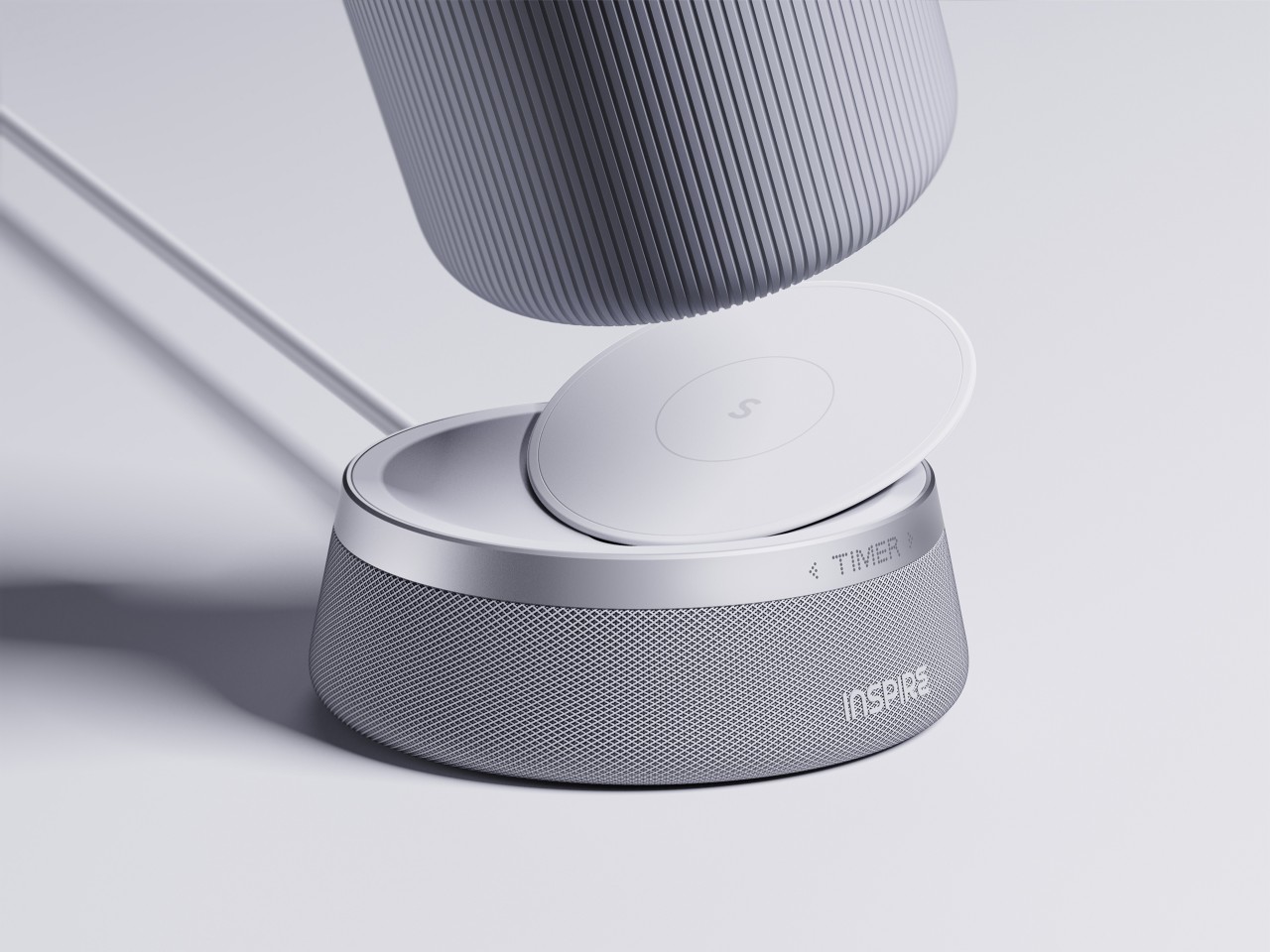
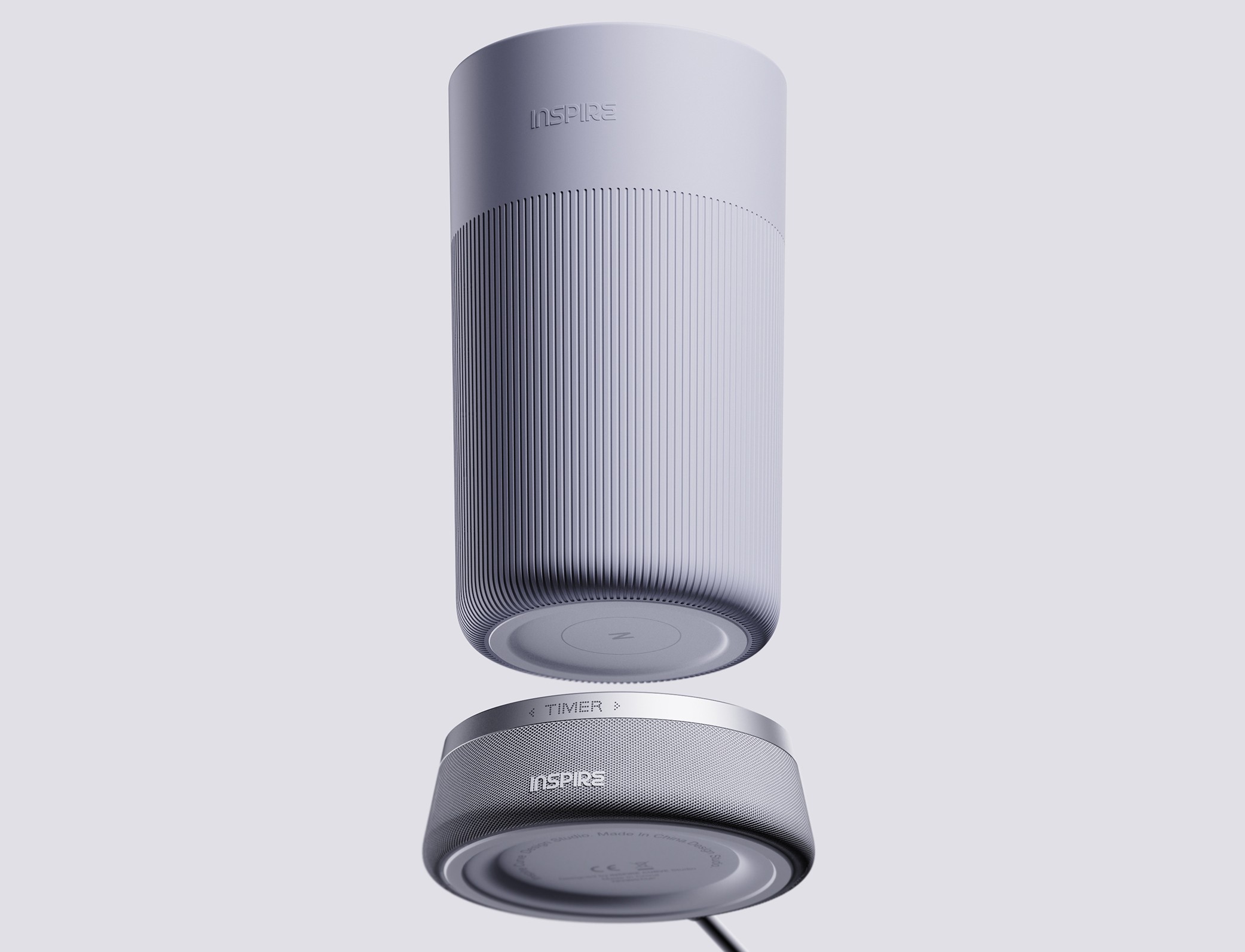
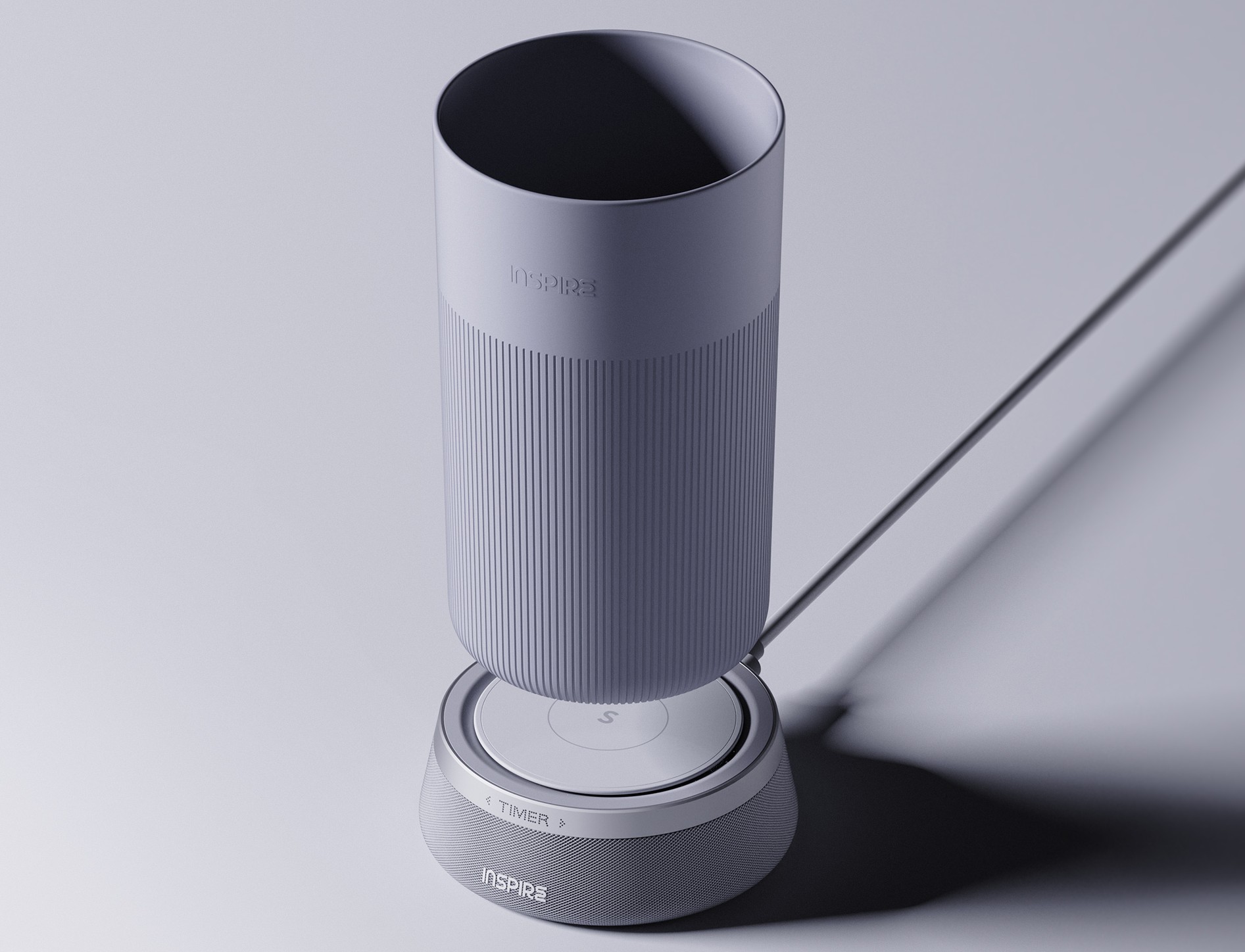
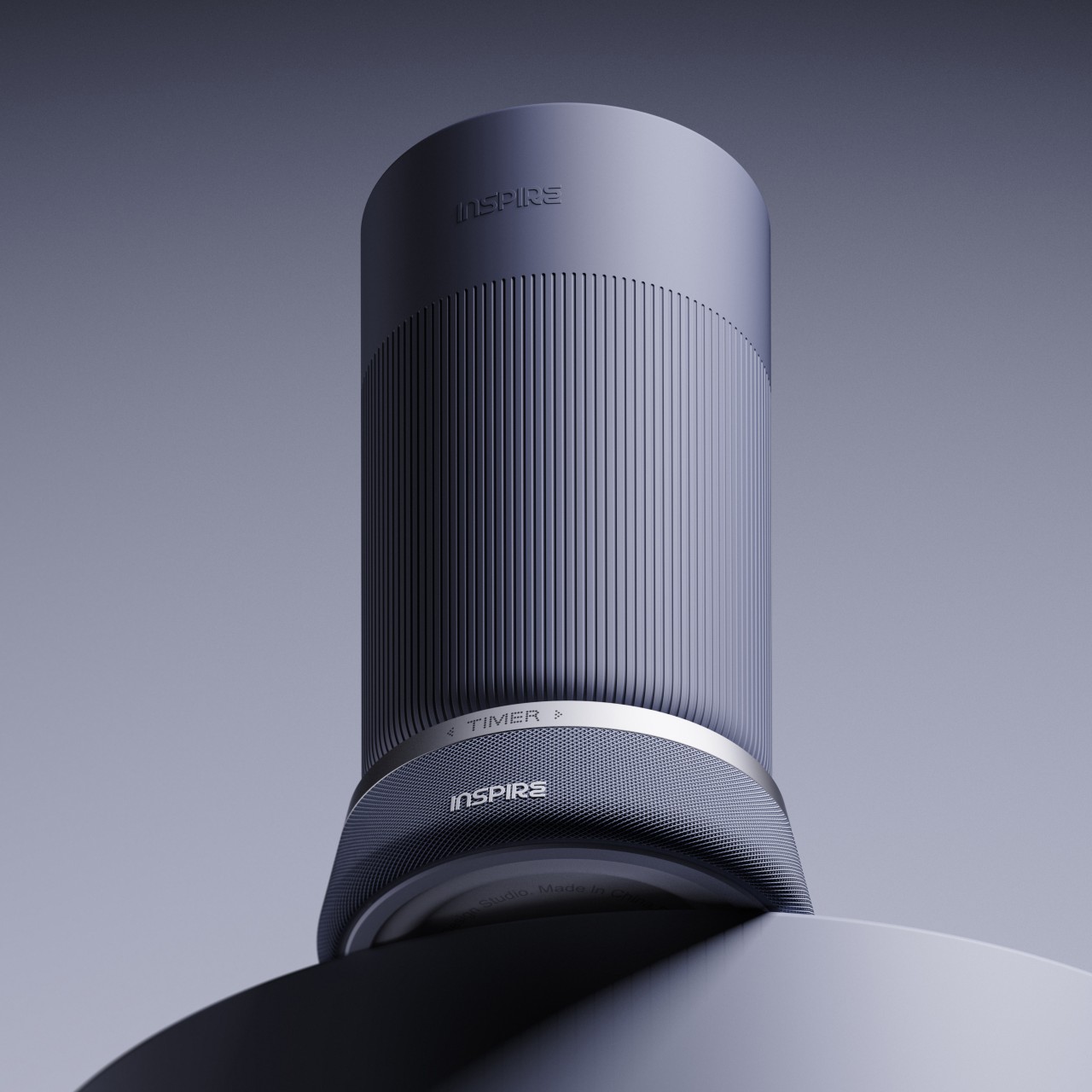
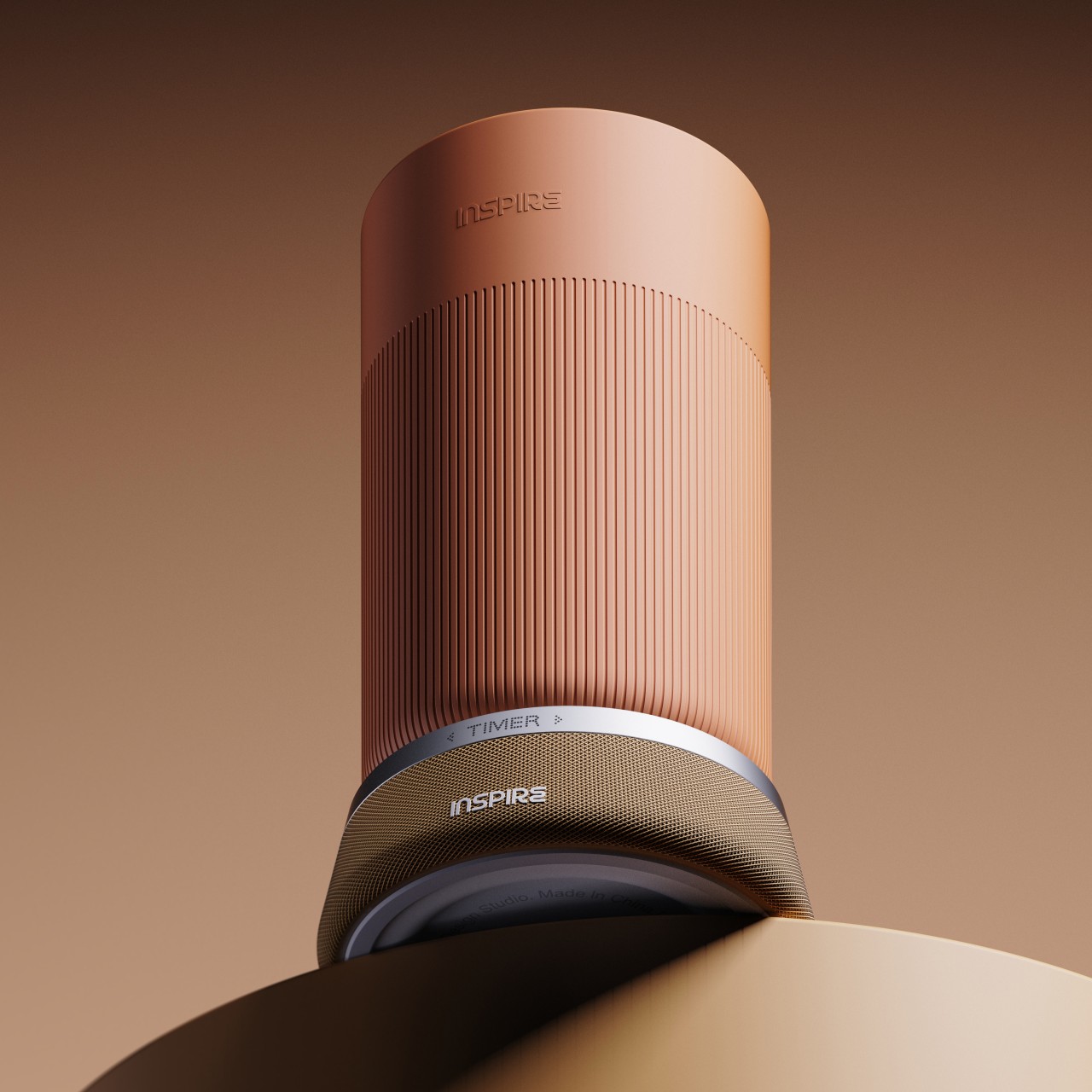
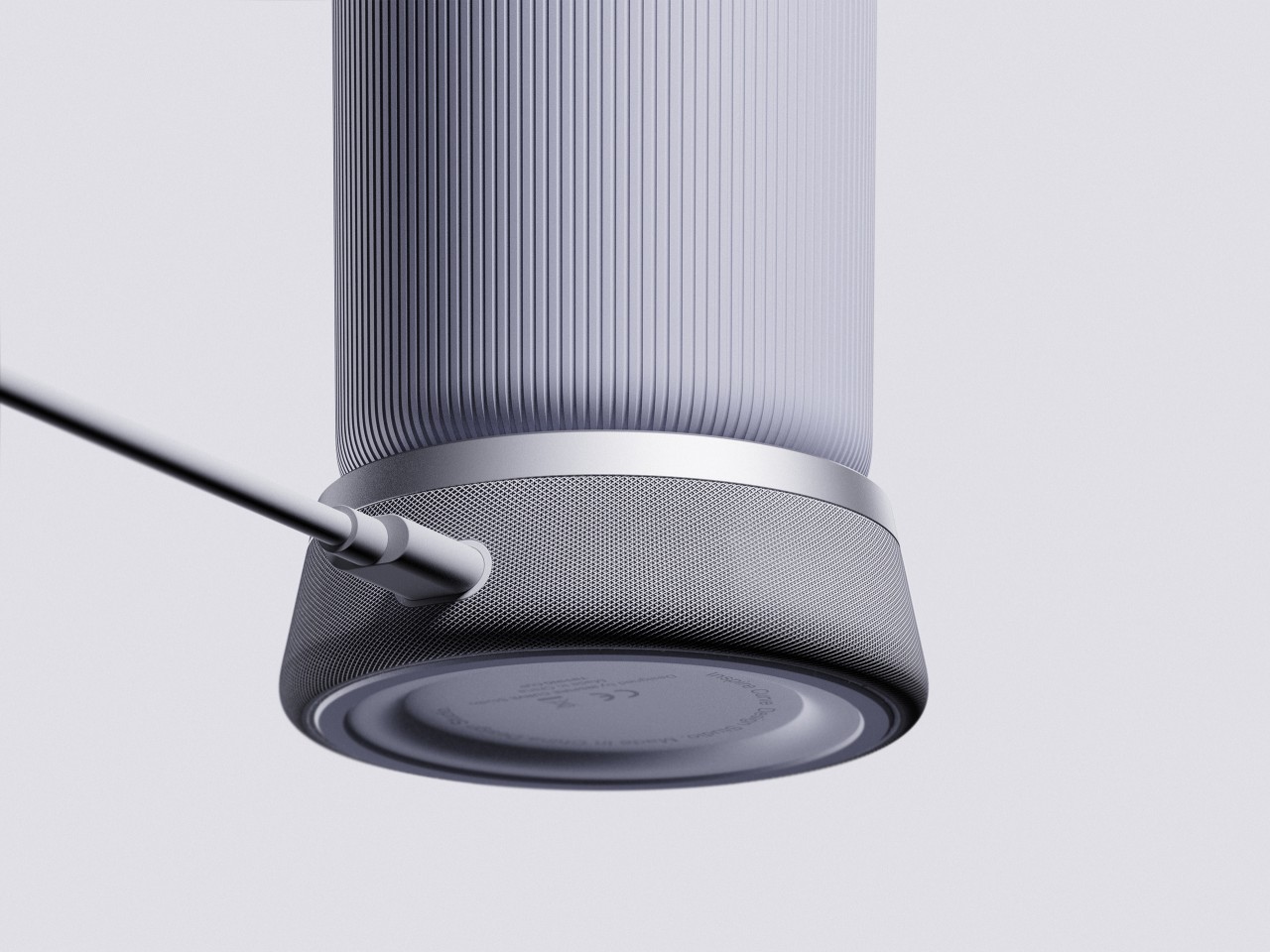
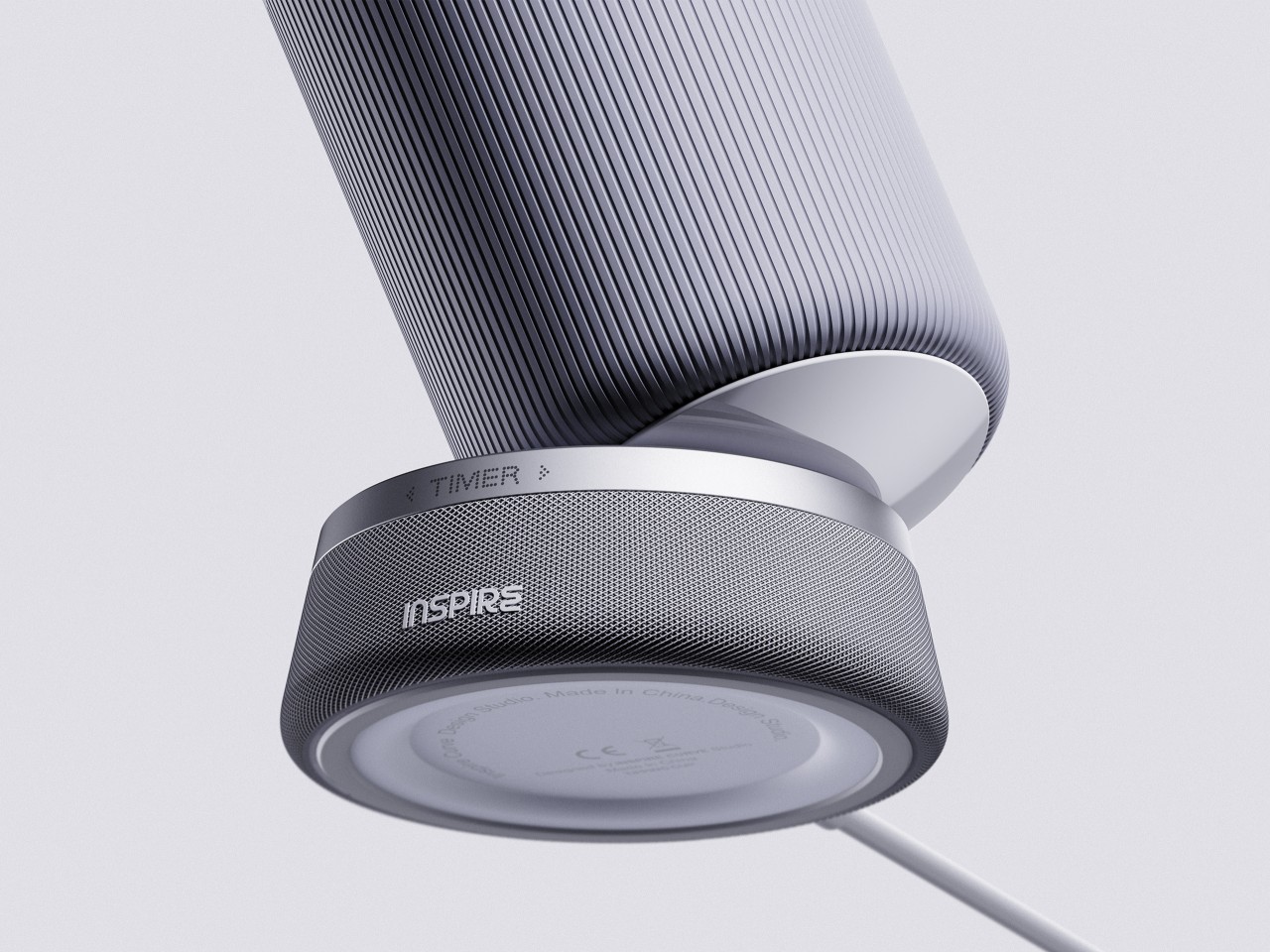
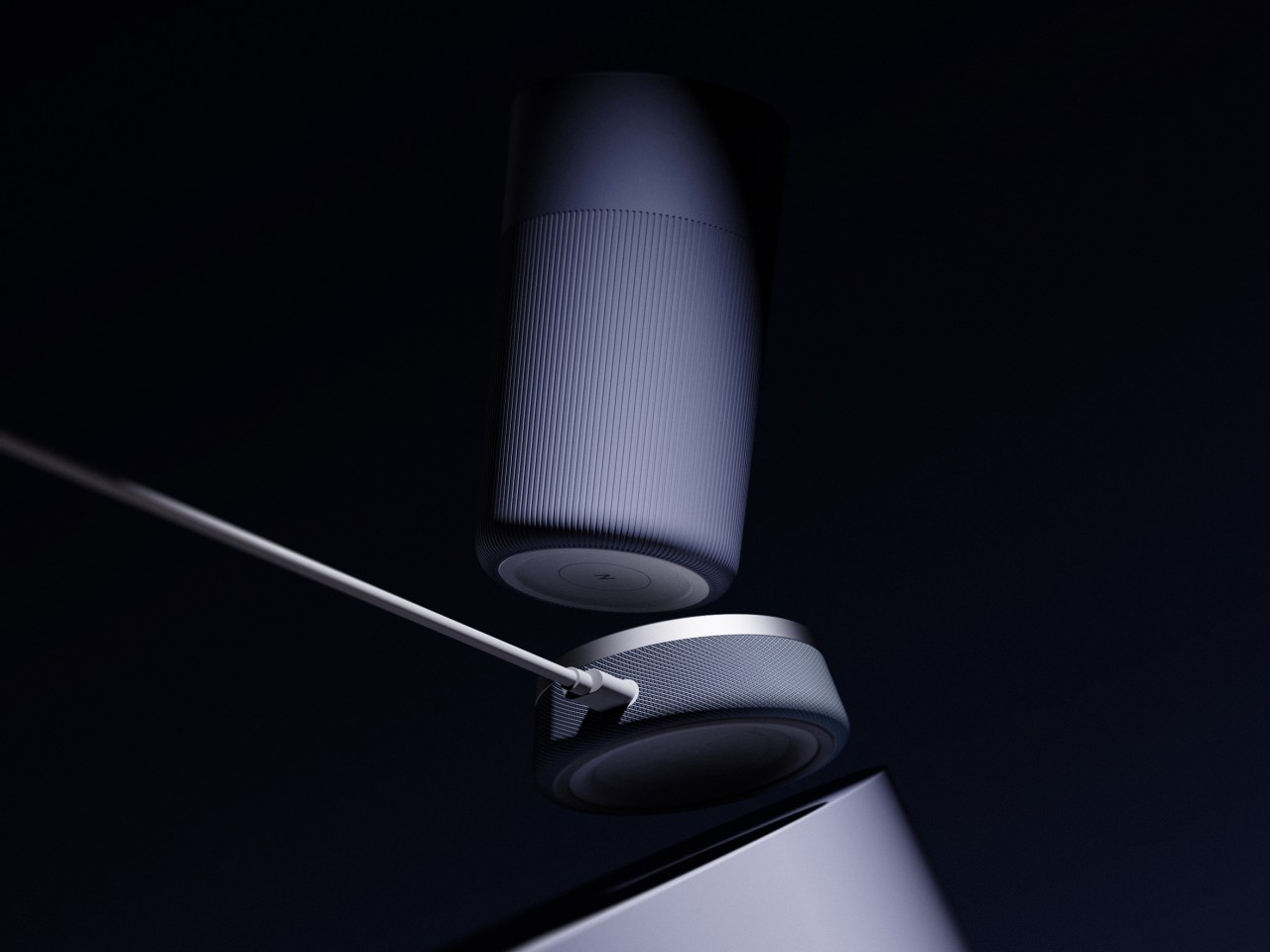
Meditation timer concept looks hi-tech and probably too distracting

Although there are definitely a number of naysayers, meditation practices have become quite popular these days in response to the deafening busyness of the world around us. There’s no shortage of services, strategies, and gizmos advertised to help get into that state of calm, but you don’t really need most of those just to meditate. At the very least, all you need is a timer which every smartphone today has. Unfortunately, those smartphones are just too tempting once you place them in your hand, and some opt to have a standalone timer instead. This gadget concept tries to offer such a simple functionality, though with some bells and whistles that, ironically, could prove to be a source of distraction themselves.

Designer: Liudmila Andreeva

Truth be told, some people do need some prompts or guidance to get into that meditative state, which is what guided meditation apps and services try to offer. But once they get used to the process, those aids just become distracting and defeat the purpose. By that stage, all you really need is something that will cue you when it’s time to start and when you need to end the meditation. While any old timer, digital or otherwise, will suffice, why not design something that really takes that utility to the next level?

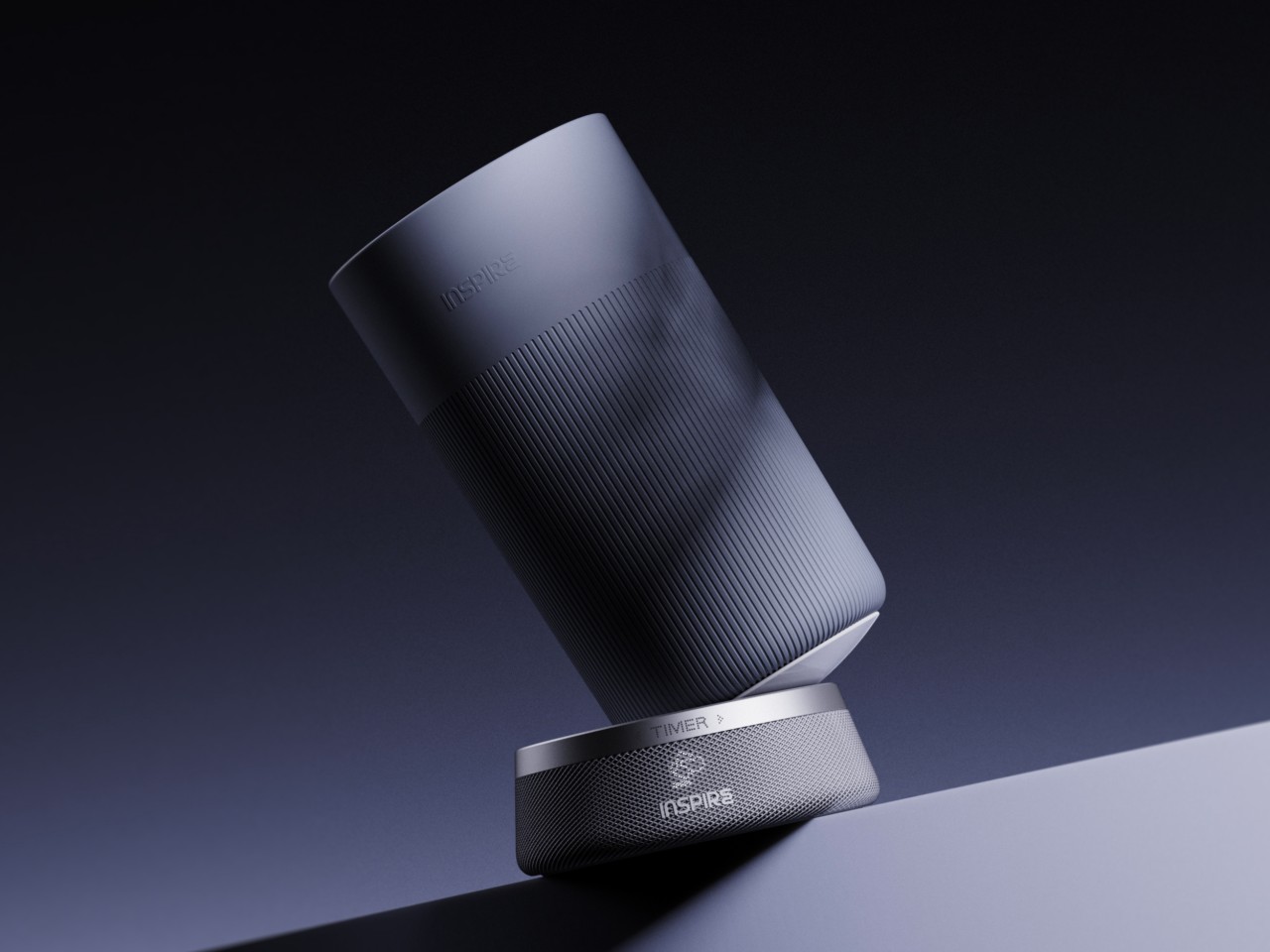
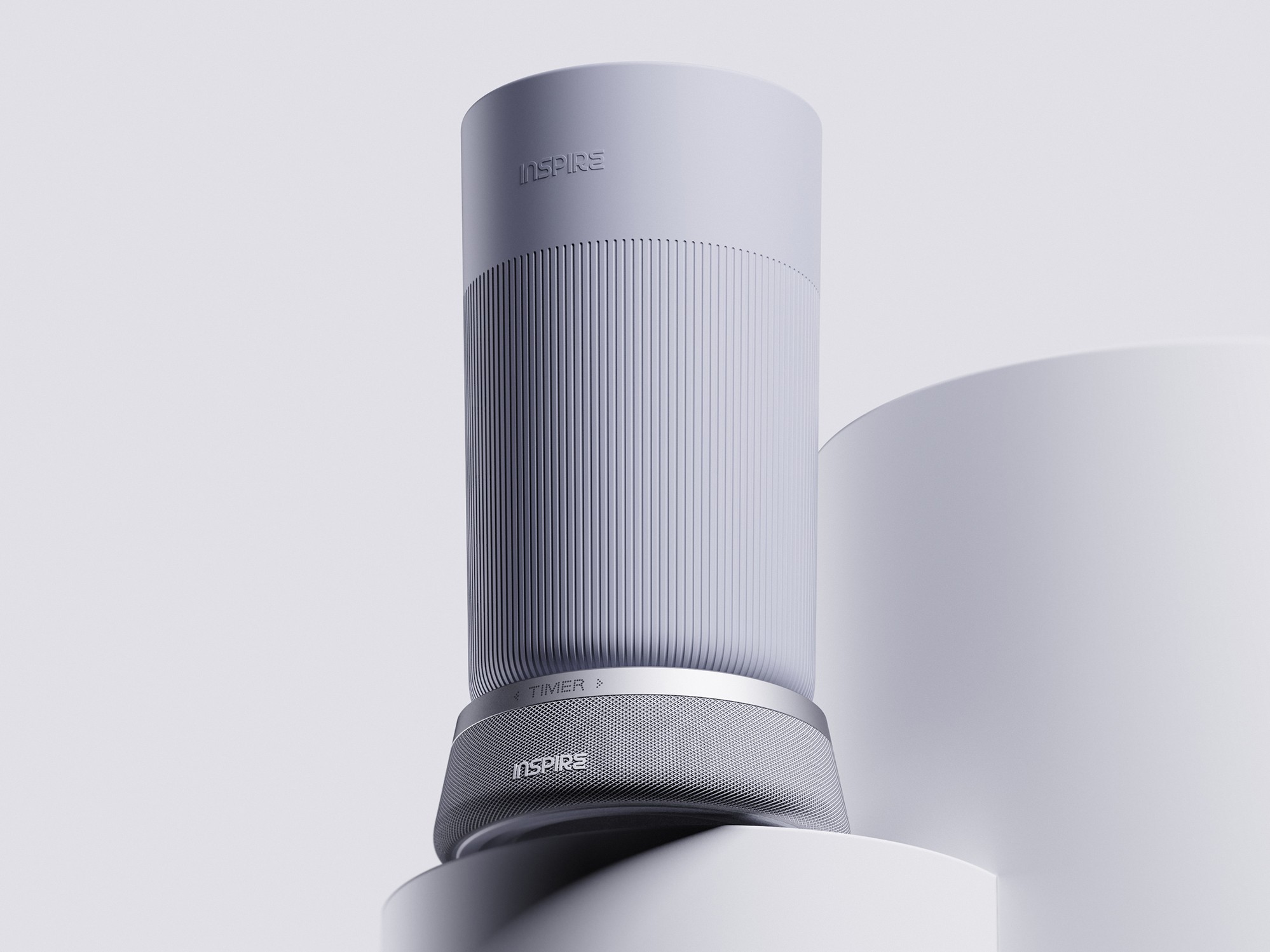
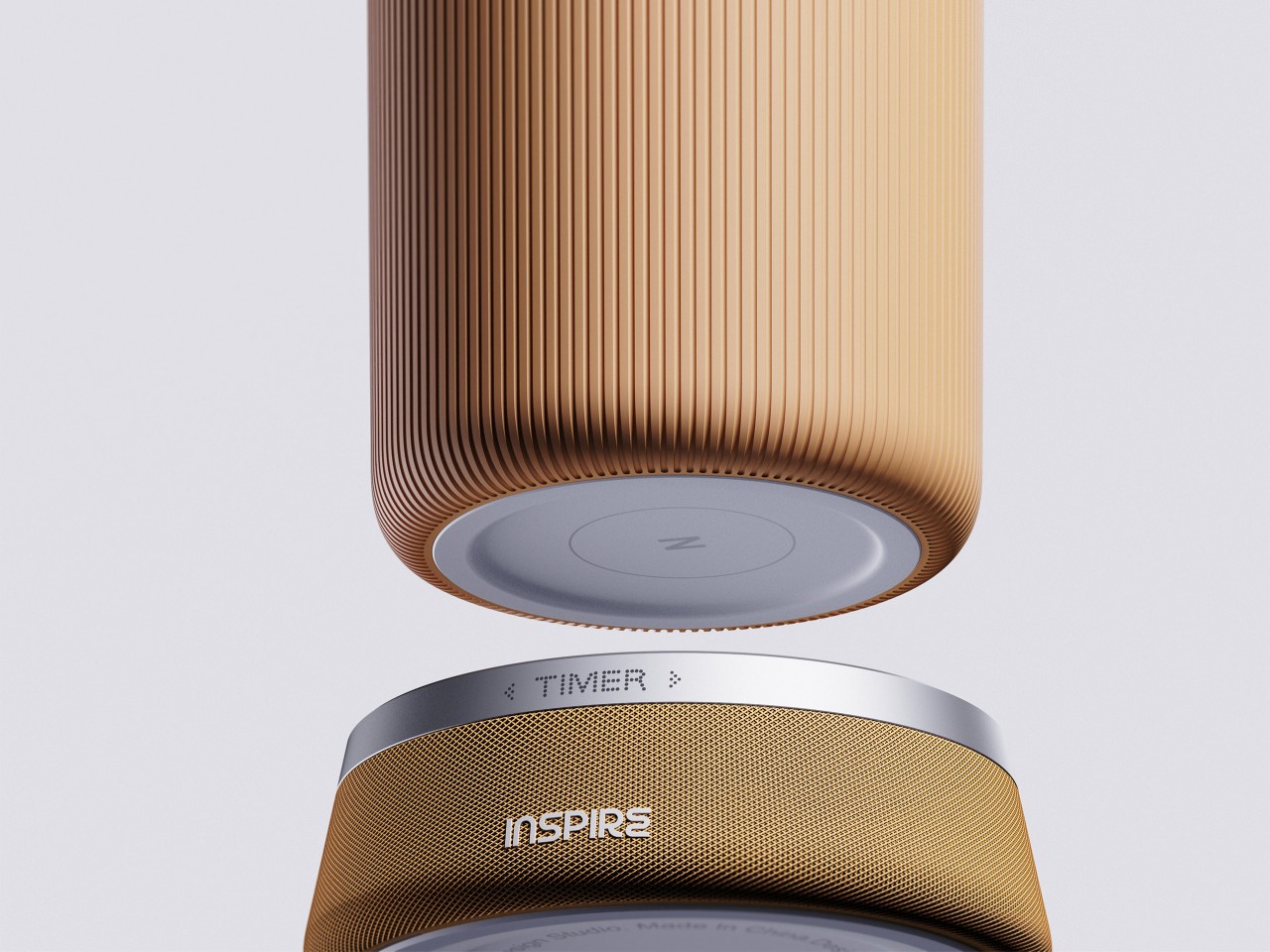
That might be the impetus behind Decima, a timer designed specifically just for meditation. Like any timer, you get to set the duration of the time and the interval of the reminders. Unlike analog timers, however, you have the ability to set the bell tones, volume, and brightness of the display. And yes, it even has a guided mode if that’s how you like to do things.

The Decima Timer concept offers these functions through easy-to-use buttons on the sides and top of the device. An LCD display on the front shows the time as well as other useful information, like the current mode or setting you’re in. LED lighting shining through the front grille adds a nice accent that makes the device look visually interesting or even mesmerizing.

Of course, your smartphone has the same features, but having a dedicated timing device saves you from the tempting distractions of your phone’s screen. That said, Decima itself might prove to be a distraction because of the multitude of buttons and settings you can play around with. The appearance of the device, while quite attractive, can also cause your eyes and mind to wander away from your meditation, defeating the purpose of what the timer is meant to accomplish.

The post Meditation timer concept looks hi-tech and probably too distracting first appeared on Yanko Design.
Futuristic Bluetooth speaker concept is inspired by electric cars

Bluetooth speakers are a dime a dozen these days, but the majority of them share one particular trait. They’re designed with aesthetics to fit inside the house, sometimes looking like elegant pieces of interior decoration even. There’s nothing wrong with that, of course, but they do imply or even explicitly state that these speakers should not be taken out of the house. There will always be times when you wish you could bring your trusty wireless speaker along with you, but at the same time don’t want to take out what looks like a military weapon out of your bag or car. This Bluetooth speaker aims to strike a balance between durability and bold design, and it does so by taking a few pages out of an electric vehicle’s design book.

Designer: Billy Ernst

Electric vehicles or EVs are touted to be the cars of the future, mostly because of their more eco-friendly mode of operation and advanced electronics, but there are some EV makers that take that identity beyond just internal components. Rivian’s adventure vehicles, for example, employ a combination of angular and muscular elements, sharp lines, bold proportions, and distinctive lighting that make the EVs look like TRON vehicles come to life. It’s no wonder, then, that the RIFT Bluetooth speaker concept gives off that same futuristic vibe, demonstrating a design that looks great not just outdoors but indoors as well.

Unlike regular speakers, RIFT comes in an oval ring shape that leaves its middle completely hollow. With the speaker mesh that wraps around the exterior surface, it almost looks like the tread of a tank. Although it comes in different colors, the options are limited to earthy tones that match the EV maker’s own selection, including Glacier White, Rivian Blue, Compass Yellow, and Midnight Black. The LED lighting on the rim serves as a unique accent that brings a sci-fi aesthetic while also providing functionality as a battery level and pairing indicator.

There aren’t too many details in the design that distract from the overall appearance. There are only four control buttons for power, volume, and pairing, and they’re mostly hidden from view on the inner surface of the loop. The more visible button on the top serves both as pause/play control as well as branding. Other than these, the entire body of the speaker is one unbroken ring, giving it a unified and bold appearance while also evoking a sense of stability and reliability.

Given the shape of the speaker, there might be some concerns about the direction that the sound will travel because of the positioning of the speakers. There’s also mention of any dust and water resistance that is a must-have for any adventurous pieces of electronic equipment. Of course, these are just implementation details that wouldn’t really affect the core concept of a bold and daring speaker that can accompany you on your adventures, even if that means just staying at home.

The post Futuristic Bluetooth speaker concept is inspired by electric cars first appeared on Yanko Design.
Device concept lets you monitor and lessen personal carbon footprint

If you’re conscious about how we’ve been treating Mother Earth the past few years, decades, centuries, measuring carbon emissions is something that you’ve probably looked into. There are a lot of tips out there on how you can keep track of your own carbon footprint and how you can slowly lessen it. It may sometimes require a huge lifestyle change and we also need a visible tool to help us do this and see how we can help our environment recover.

Designer: YeEun Kim

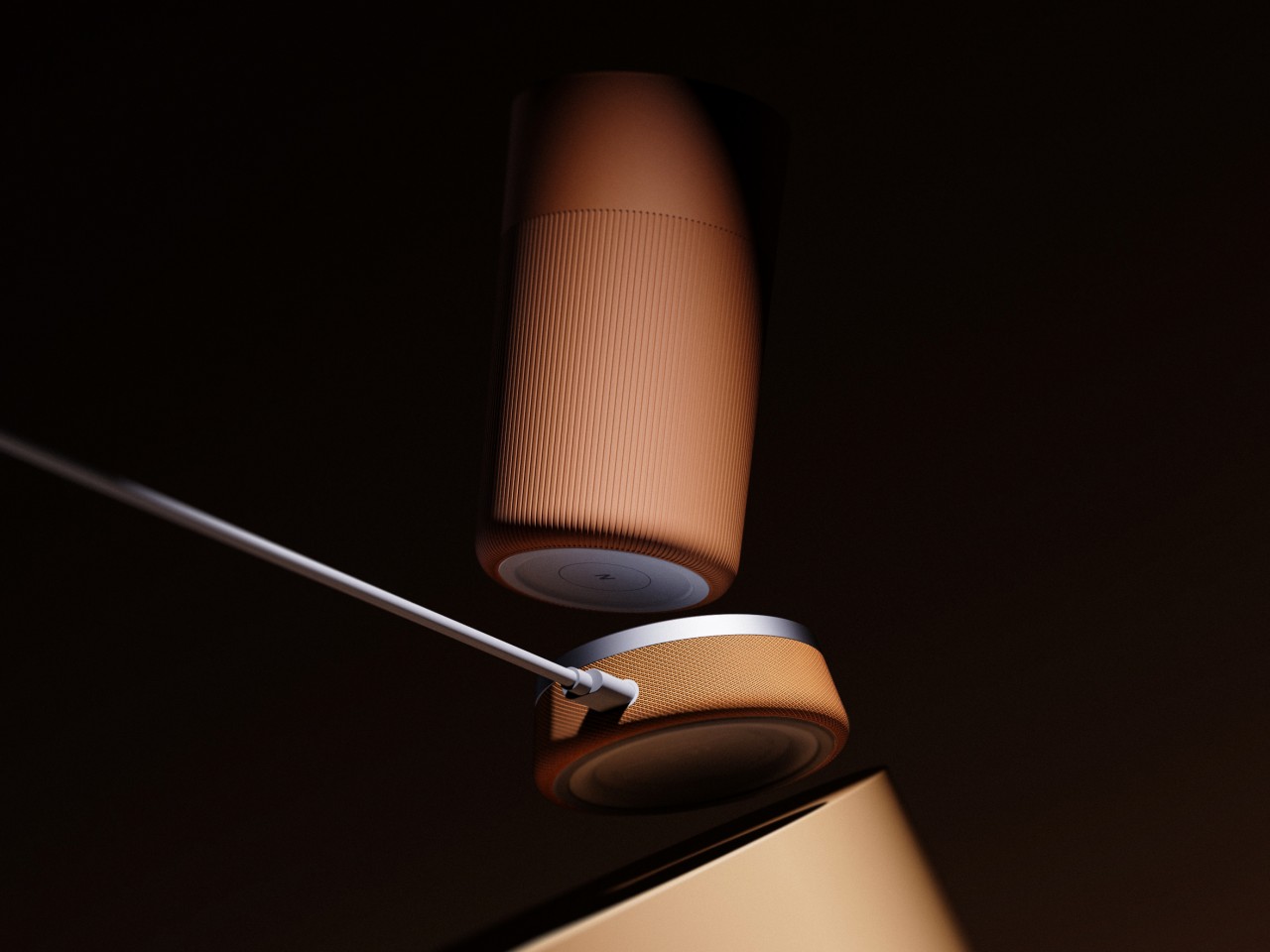
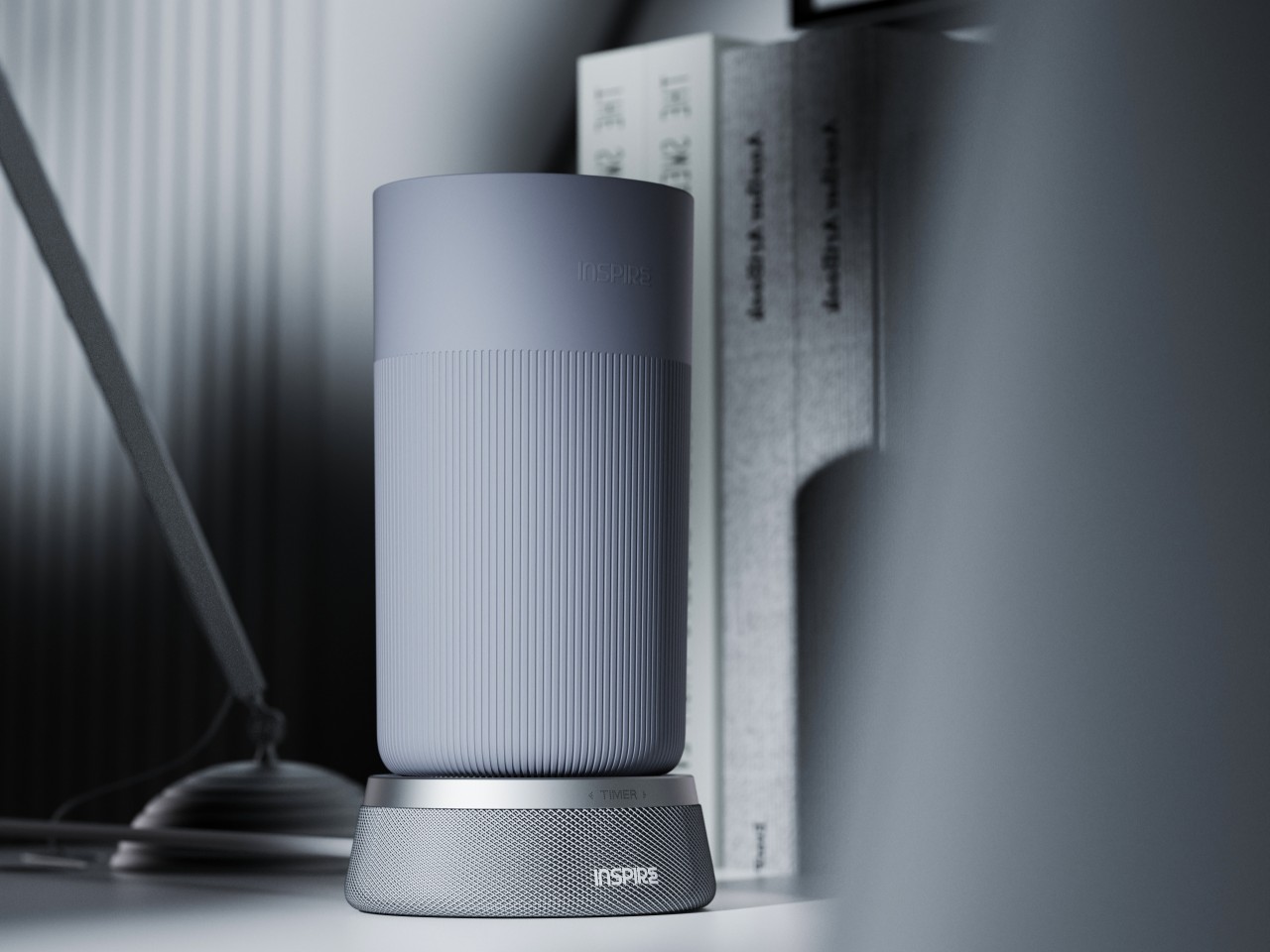
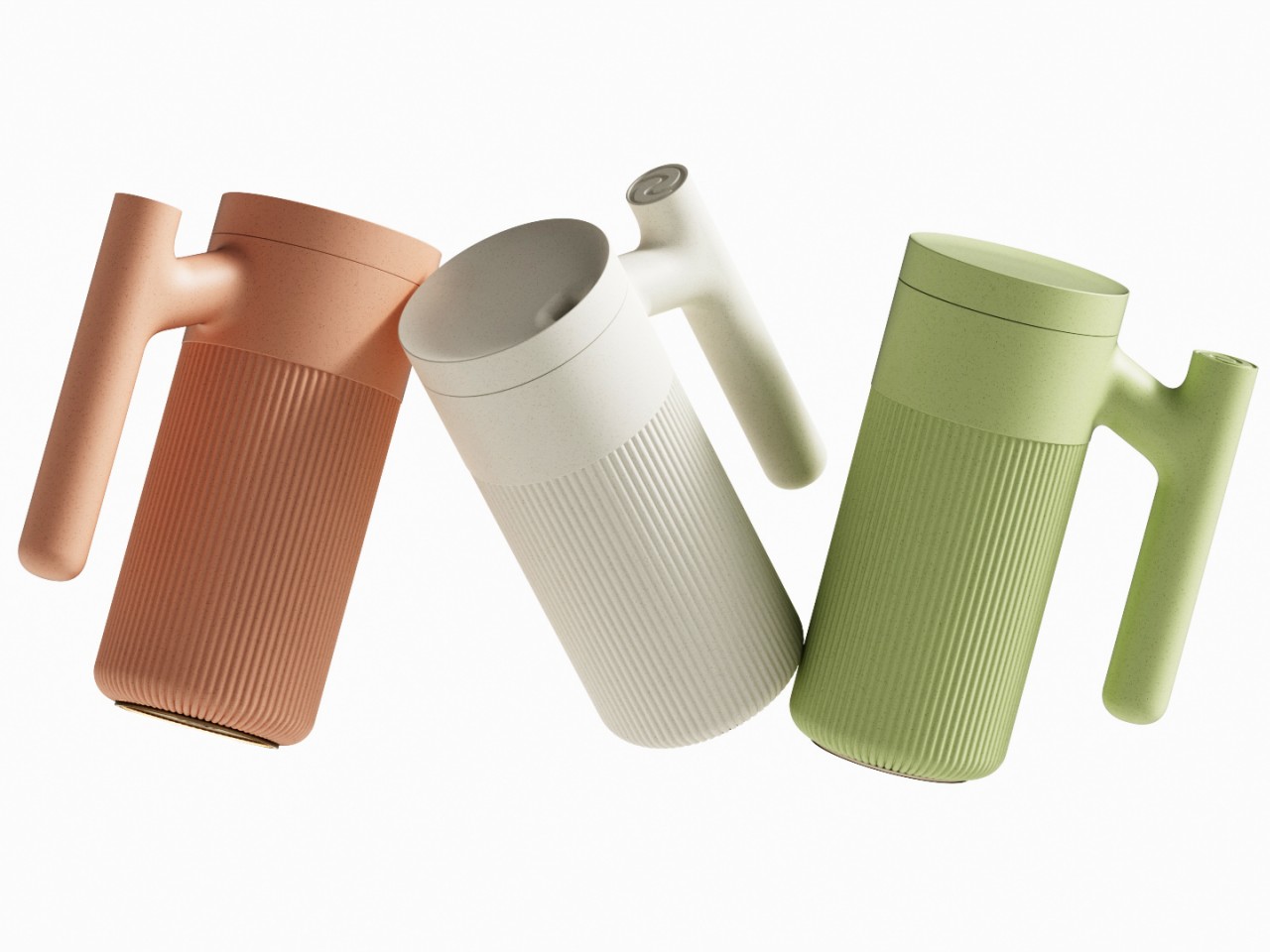
The Toad House is a device that looks like a cross between an air purifier and a smart speaker but is actually something you can use to monitor how much carbon emission you’re using when you’re at home and make the necessary adjustments. It is inspired by a Korean children’s song that talks about building a new house from an old one which can be a metaphor in how we can repurpose wasted energy.

The product description can be a bit vague on how the device can actually measure your carbon emissions but it says the interface at the top of the house is where you can check how much you’re already using. This is probably connected to the app on your smartphone where you set targets and also see the values of the various appliances and gadgets in your house. It also says that the wasted power from your devices can be stored and then used for wireless charging later on.

This is still a concept for now but if it eventually becomes a product, it would be interesting to see if a gadget like this can really affect how you use energy. Eventually, there can also be studies if it indeed lessens carbon emissions when you have a visual reminder of how much you’re using and leaving in your environment. Probably what’s needed now though is more education on how people can measure their carbon footprints, at least in their personal use.

The post Device concept lets you monitor and lessen personal carbon footprint first appeared on Yanko Design.
This cute desk gadget concept gets you into a meditative state in a more fun way

Though there are still some who have a negative or incorrect opinion of it, meditation has become a much-recommended tool to fight off stress, anxiety, depression, and other negative mental states that, in turn, affect our health or productivity. There is even a growing business of meditation assistance services that help guide people toward a calmer state, often daily or maybe even more times in a day. Given the way these tidbits of meditation aids come in digital format, they’re often delivered through smartphones, which is a bit ironic considering these devices are often the cause of stress and distractions. Having a dedicated meditation device might sound overkill, but this rather interesting companion makes that a bit more worthwhile by showing you an adorable face to go along with your mood or the mood that you’re aiming for.

Designer: Pascal Grangier

Meditation services like Headspace and Calm are able to reach a large number of subscribers by offering their content through smartphones. It’s a very practical and convenient strategy that lets you get into a calmer head space anytime, anywhere. The drawback is that you might be tempted or distracted by the very smartphone you’re using to meditate, defeating the purpose of the exercise entirely.

The Headspace Companion is a design concept for a device that leads you into that same state in a more detached yet also more visually appealing way. It’s basically a toy-like device that stands on small feet, almost like a clock. But instead of a clock face, you get an actual digital face themed like clouds, the sun, veggies or fruits, and other objects you might not immediately associate with meditation. The style of both the device and the faces are cartoonish and almost comical, enough to bring a smile to your face every time you look at it.

1

The idea is for these faces to reflect your mental state, either based on your mood (probably taken from health sensors or services connected to the device) or just how much time has elapsed since your last meditation. The faces can be gloomy or even angry, while clouds can become darker as time passes. Once you start meditation, however, the character’s face, mood, and colors lighten up as well, reflecting what should be your mental state after the process. Just like on the app, you can set how much time you want to devote to meditation using a wooden wheel timer on its side.

Admittedly, the concept leaves a lot of the technical implementation up to the imagination, since it seems to focus mostly on the visual experience more than anything else. It’s still a rather interesting meditation device that almost literally gives a face to your emotions, a visualization that might even help some people face their problems and watch the same calm reflected on their own faces.

The post This cute desk gadget concept gets you into a meditative state in a more fun way first appeared on Yanko Design.
Nissan Hyper Adventure concept lets you have an eco-friendly outdoor trip

If you’re the type to go on adventurous trips but would also like to take care of the carbon footprint that you leave behind, you are lucky to live in an era where brands are also intentional about the products that they create. Having environment friendly products are now the norm if you want to score points with Mother Earth and with the eco-conscious market. The latest vehicle concept that Nissan unveiled seems to fit into this category.
Designer: Nissan

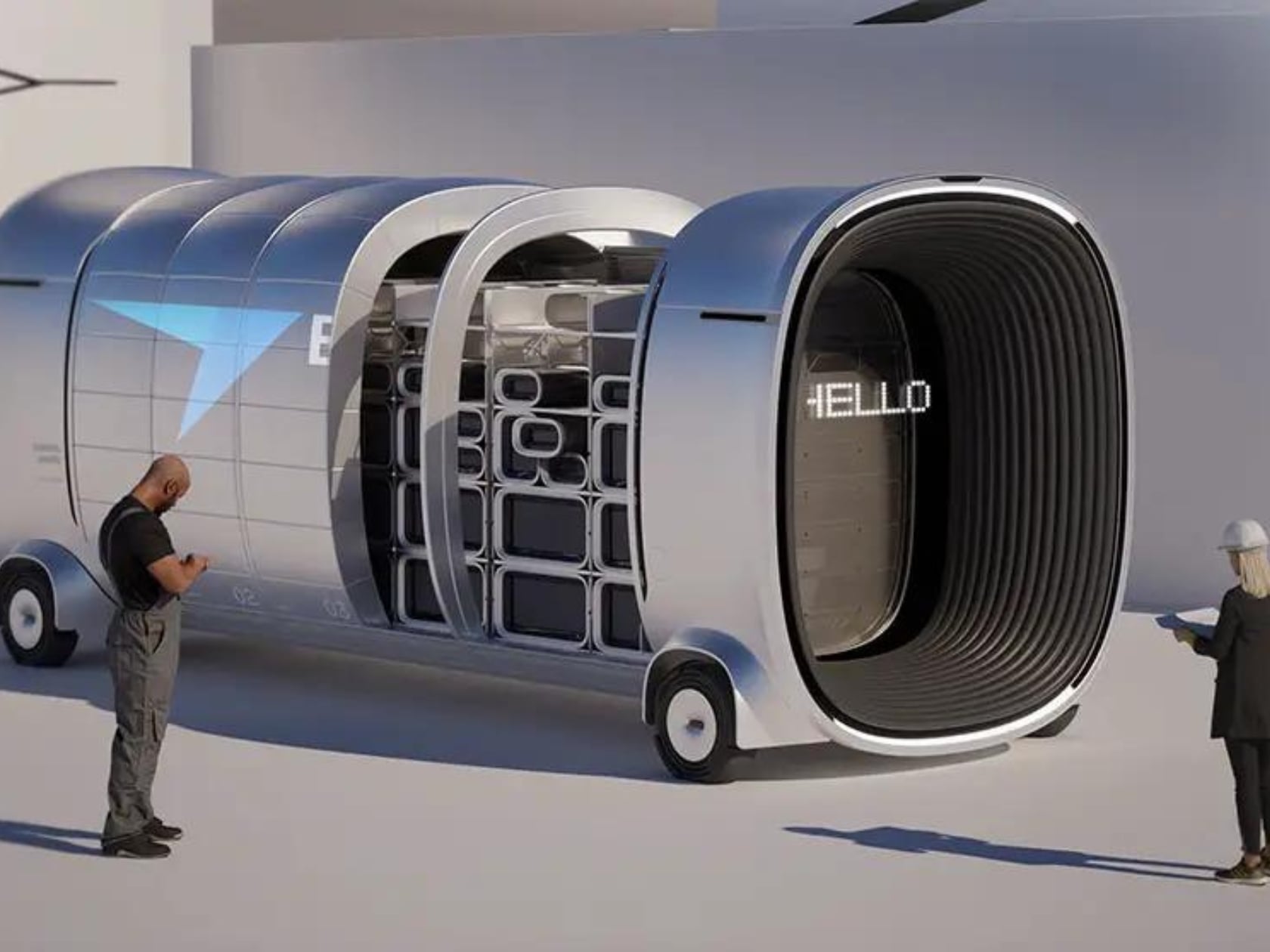
The Nissan Hyper Adventure is the second concept in the Electronic Vehicle category that they have announced and is specifically designed for those who want to go on eco-friendly outdoor adventures. The renders show a futuristic design for a vehicle that can survive going through a snowy mountain or the rainy trail in a rainforest. It is designed with the e-4ORCE all-wheel-control system so you can get to your destination safely. It also looks pretty spacious inside so you can drive comfortably and even use the vehicle as your shelter if you feel like going “camping” or sleeping outdoors.

The vehicle has a glass that integrates the roof and side windows as well as the flush surface of the back. It also has crampons or snow traction gears on the wheels and bumpers so it can drive through snowy areas. It also has a wide field of view since the instrument panel is connected to the bottom of the windshield. There is enough cargo space for things like tents, skis, and can even fit a kayak. The rear bench seat can be rotated 180 degrees so you can sit facing outside and it even has automatic extendable and retractable steps.

The Nissan Hyper Adventure comes with a large-capacity battery that can also become an energy source. It should be able to power the gadgets and equipment that you’ll use on your outdoor adventure. It also uses the V2X (vehicle-to-everything) capability so it can even power a house. It’s an interesting concept but we’ll have to wait if it becomes an actual vehicle.

The post Nissan Hyper Adventure concept lets you have an eco-friendly outdoor trip first appeared on Yanko Design.