5 Best Tiny Homes Under $75K That Don’t Feel Like Closets in February 2026

The tiny house movement promised freedom and simplicity, but somewhere along the way, it became synonymous with cramped quarters and constant compromise. Folding beds that never quite fold right. Kitchens where you can’t open the oven and refrigerator at the same time. Lofts that require gymnastic ability just to change the sheets. The budget-friendly tiny home market has been dominated by designs that feel more like camping than living.

Things are changing. A new generation of builders is proving that small footprints don’t require sacrificing comfort, privacy, or dignity. These five tiny homes all clock in under $75,000, yet each one delivers thoughtful spatial planning that makes compact living genuinely livable. From Japanese-inspired minimalism to French family-focused designs, these aren’t starter homes you’ll outgrow in six months. They’re real residences that happen to be small.

1. Yamabiko by Ikigai Collective – Approximately $67,000

The Yamabiko rewrites the rules of tiny house design with an approach that feels distinctly Japanese. Built by Ikigai Collective in Nozawaonsen, this ingenious structure houses two complete living spaces within a single architectural shell. The mirrored layout creates the illusion of symmetry while providing genuine independence for two individuals or couples who want proximity without intrusion. Each side functions as a self-contained unit with its own kitchen, living room, and loft bedroom, connected only through a shared central bathroom that serves as the anchor point between the two halves.

The interior spaces defy the claustrophobic feeling that plagues many tiny homes. Each kitchen arrives equipped with a two-burner propane stove and a functional sink. Living rooms feature built-in seating arrangements with small tables that maximize floor space without requiring movable furniture that never quite finds a home. The loft bedrooms preserve privacy while keeping the main floor open and breathable. The design follows the Japanese principle of functional beauty, where every centimeter serves a clear purpose rather than existing as decorative filler or wasted transition space.

What We Like

  • The dual-occupancy concept solves the problem of shared tiny living without forcing total overlap
  • Customization options include color schemes, flooring choices, shower layouts, and toilet types
  • Built with authentic Japanese craftsmanship and quality standards

What We Dislike

  • The price point sits at the higher end of the budget tiny home spectrum
  • International shipping and import logistics could complicate purchases outside Japan
  • Shared bathroom arrangement requires coordination between occupants

2. The Nook by Custom Container Living – $39,900

Custom Container Living transformed a standard 20-foot shipping container into The Nook, proving that 160 square feet can actually function as a legitimate home for two people. The exterior wears a striking black finish accented with cedar details that soften the industrial origins of the steel shell. Strategically placed windows and doors bring natural light into what could easily become a dark metal box. Closed-cell foam insulation regulates temperature year-round, addressing the thermal challenges that make unmodified shipping containers nearly unlivable in most climates.

The minimalist interior focuses on modern simplicity rather than trying to camouflage the container’s origins. The single-floor layout eliminates the loft ladder climbing that makes many tiny homes impractical for daily living. The Nook ships anywhere in the continental United States, with international delivery possible for buyers willing to handle port logistics and additional costs. Custom Container Living offers optional off-grid upgrades, including solar panels, for those seeking energy independence, though these additions naturally increase the base price. The ready-to-ship model means buyers can move in relatively quickly compared to custom builds with extended timelines.

What We Like

  • The $39,900 price point makes it the most affordable option on this list
  • Closed-cell foam insulation provides real climate control inside the metal structure
  • Single-floor layout eliminates accessibility issues associated with loft bedrooms

What We Dislike

  • 160 square feet represents extremely limited space, even by tiny home standards
  • Metal construction can still feel industrial regardless of insulation efforts
  • Off-grid upgrades significantly increase costs beyond the base price

3. Mizuho by Ikigai Collective – Approximately $74,000

The Mizuho brings traditional Japanese aesthetic principles into a modern tiny home measuring 6.6 meters long by 2.4 meters wide by 3.8 meters high. Built by Ikigai Collective in partnership with local Nozawaonsen craftsmen, this design embodies simplicity and intentional living for a single person or couple. The home combines eco-friendly features with the tranquility of Japanese lifestyle practices, creating a space that encourages mindful daily routines rather than just providing shelter. Authentic craftsmanship and strict quality standards elevate this beyond typical tiny house construction.

The open-plan interior does triple duty as living space, bedroom, and work area. The thoughtful layout maximizes every square inch without creating the cluttered feeling that ruins most multipurpose small spaces. A dedicated desk area supports remote work and hobbies, transforming into a dining surface when needed. The bedroom space feels cozy rather than cramped, designed specifically for rest rather than treated as leftover space. Integrated storage solutions throughout the warm interior prove that organization and style can coexist in small footprints. The Mizuho doesn’t fight against its compact dimensions; it embraces them as design parameters that force clarity and intention.

What We Like

  • Traditional Japanese design principles create calm rather than chaos in tight quarters
  • Dedicated desk space acknowledges remote work realities
  • Authentic local craftsmanship ensures quality construction

What We Dislike

  • The $74,000 price approaches the upper limit for budget tiny homes
  • Multipurpose spaces require constant furniture rearranging and mental mode-shifting
  • Strict minimalism required; there’s no room for collections or extra belongings

4. The Fairfax by Dragon Tiny Homes – $35,000 (Estimated)

Dragon Tiny Homes calls The Fairfax “a hotel room on wheels,” which perfectly captures both its strengths and limitations. This 16-foot structure, built on a double-axle trailer, delivers 135 square feet of space with steel frame construction and cement board siding. Shiplap walls inside create warmth and texture that prevent the space from feeling like a construction project. The single-floor layout keeps everything accessible at ground level, eliminating the loft ladder climbing that becomes exhausting in daily use.

The Fairfax works brilliantly as a vacation retreat, guest house, dedicated home office, or Airbnb rental property. The compact size becomes an asset rather than a liability when mobility matters. The trailer foundation means relocating doesn’t require hiring specialized movers or obtaining oversized load permits. This isn’t designed for full-time family living, and Dragon Tiny Homes doesn’t pretend otherwise. The Fairfax focuses on doing one job exceptionally well rather than trying to be everything to everyone. That clarity of purpose makes it more successful than larger designs that attempt to squeeze traditional home functions into inadequate space.

What We Like

  • The estimated $35,000 price point offers serious affordability
  • Single-floor layout eliminates accessibility barriers and daily loft ladder fatigue
  • Mobile design on trailer foundation enables relocation without extensive logistics

What We Dislike

  • 135 square feet limits this to solo occupancy or very short-term couples use
  • Not designed or suitable for full-time family living
  • Estimated pricing may not reflect final costs with desired upgrades and features

5. Tiny XXL by Atelier Bois d’ici – Starting at €33,900 (Approximately $40,000)

French builder Atelier Bois d’ici created the Tiny XXL to challenge the assumption that families can’t realistically downsize. Stretching 26 feet long and 11.5 feet wide, this mobile dwelling offers 430 square feet of thoughtfully designed space for four people. Most French tiny homes measure just 8.2 feet wide to remain road-legal for regular travel, but the XXL sacrifices easy mobility for genuine livability. The extra-wide footprint requires special permits for towing on public roads, positioning this as a semi-permanent dwelling rather than a frequent traveler.

The layout directly addresses family privacy, which destroys most attempts at multi-person tiny living. Two separate bedroom lofts sit on opposite sides of the home, giving parents and children their own retreats without awkward proximity. The main floor dedicates substantial square footage to a full kitchen and living area where family members can gather without constant physical contact. The design philosophy accepts that families need breathing room and private spaces, then delivers both within a tiny footprint. Atelier Bois d’ici’s models start at €33,900 for a small basic shell, though the fully finished Tiny XXL likely costs more depending on customization choices and interior finishes.

What We Like

  • 430 square feet feels genuinely livable compared to most tiny homes
  • Separate bedroom lofts on opposite sides provide real family privacy
  • The starting price of around $40,000 remains accessible for many buyers

What We Dislike

  • Extra-wide design requires special permits for road travel
  • The basic shell starting price doesn’t include finishes or customization
  • French builder location complicates purchases and shipping for international buyers

Making Small Living Actually Work

The tiny home market is maturing past the experimental phase, where any structure under 400 square feet counted as revolutionary. These five designs represent a shift toward realistic small living that acknowledges human needs for privacy, comfort, and breathing room. The Yamabiko and Mizuho bring Japanese design wisdom to compact spaces. The Nook and Fairfax embrace specific use cases rather than pretending to be everything. The Tiny XXL finally makes family downsizing genuinely possible rather than theoretical.

Choosing a tiny home under $75,000 no longer means accepting claustrophobic compromises that make daily life exhausting. These designs prove that thoughtful planning, cultural design wisdom, and honest assessment of spatial needs can create homes that happen to be small rather than small spaces that pretend to be homes. Whether you’re seeking solo minimalism, flexible vacation space, or legitimate family housing, the options now exist without requiring six-figure budgets or constant spatial frustration.

The post 5 Best Tiny Homes Under $75K That Don’t Feel Like Closets in February 2026 first appeared on Yanko Design.

Skip the Chocolate: 5 Design-Centric Gifts That’ll Actually Get Used

Chocolate disappears in minutes, leaving nothing but an empty wrapper and fleeting satisfaction. The best gifts aren’t consumed and forgotten; they become daily companions that elevate ordinary moments into something special. Design-centric objects strike that perfect balance between aesthetic beauty and genuine utility, transforming mundane tasks into opportunities for delight. These aren’t decorative dust collectors destined for a forgotten shelf. They’re thoughtfully crafted tools that earn their place in everyday life through both visual appeal and practical performance.

Great design gifts speak to the recipient’s lifestyle while introducing an element of surprise. They demonstrate an understanding of someone’s world while offering them something they wouldn’t necessarily buy for themselves. The objects featured here represent a category of gifts that transcends typical gift-giving anxiety. Each piece carries the weight of deliberate craftsmanship while maintaining approachability in daily use. From workspace essentials reimagined to innovative hydroponic planters, these five designs prove that the most memorable gifts are the ones that seamlessly integrate into the rhythm of everyday living, becoming indispensable rather than ornamental.

1. Xeric Nasa Trappist-1 Automatic Watch

The Xeric NASA Trappist-1 Automatic Watch transforms timekeeping into a journey through the cosmos. Built around a high-torque Seiko VH31 movement with semi-sweeping seconds hand, this timepiece features an orbiting planetary system where luminous Super-LumiNova indices and planets track hours and minutes. The inner glowing planet represents hours, while the outer planet shows minutes, both orbiting around the central axis like celestial bodies in space. The constellation-like second hand sweeps across the dial, mimicking comets streaking through darkness, aligning once every minute to complete the Trappist-1 star map. Back-filled luminous hands and silkscreened dials ensure readability during stargazing adventures.

This limited edition watch carries a profound connection to space exploration history. The caseback features engraved 50th anniversary commemorative artwork from the Apollo 11 mission patch, grounding the futuristic design in actual achievement. The grille resembles the Cupola observation module, creating the sensation of looking out into space from the International Space Station. Twelve support bridges double as hour markers while the domed sapphire crystal provides ultra-scratch resistance. U.S. Horween leather straps feature ribbing and stitching that pay tribute to articulated ridge-lines on space gloves. With only 1969 pieces made per colorway honoring the moon landing year, each individually numbered watch becomes a wearable celebration of human curiosity and exploration.

What We Like

  • Unique planetary time display creates an immersive celestial experience on your wrist
  • Limited production of 1969 pieces per colorway ensures collectible exclusivity
  • Sapphire crystal provides premium scratch resistance for daily wear durability
  • Commemorative Apollo 11 caseback engraving connects contemporary design to space history

What We Dislike

  • The unconventional time display requires learning a new way to read hours and minutes
  • Limited availability may create challenges for those discovering the watch after production sellout

2. Levitating Pen 3.0

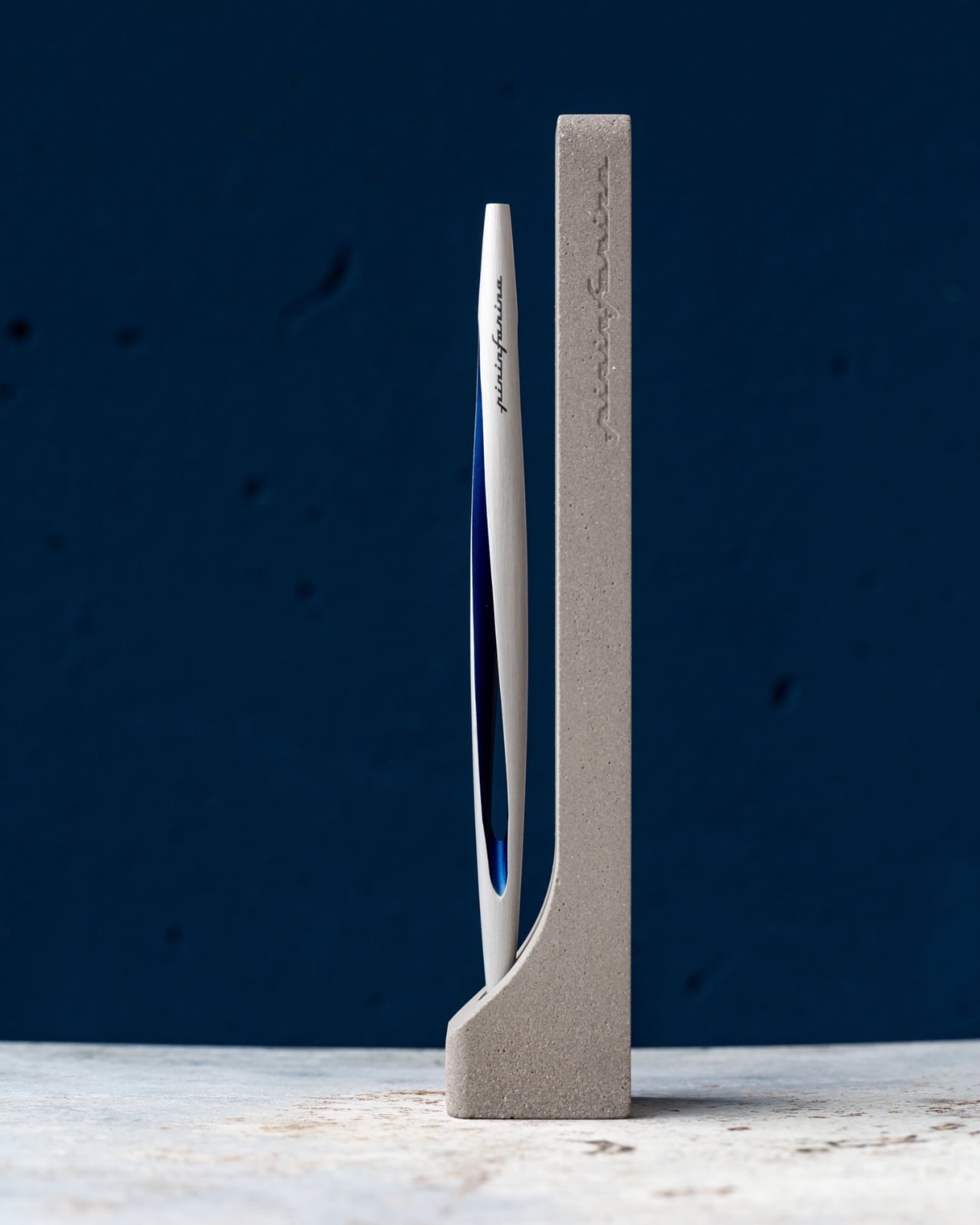
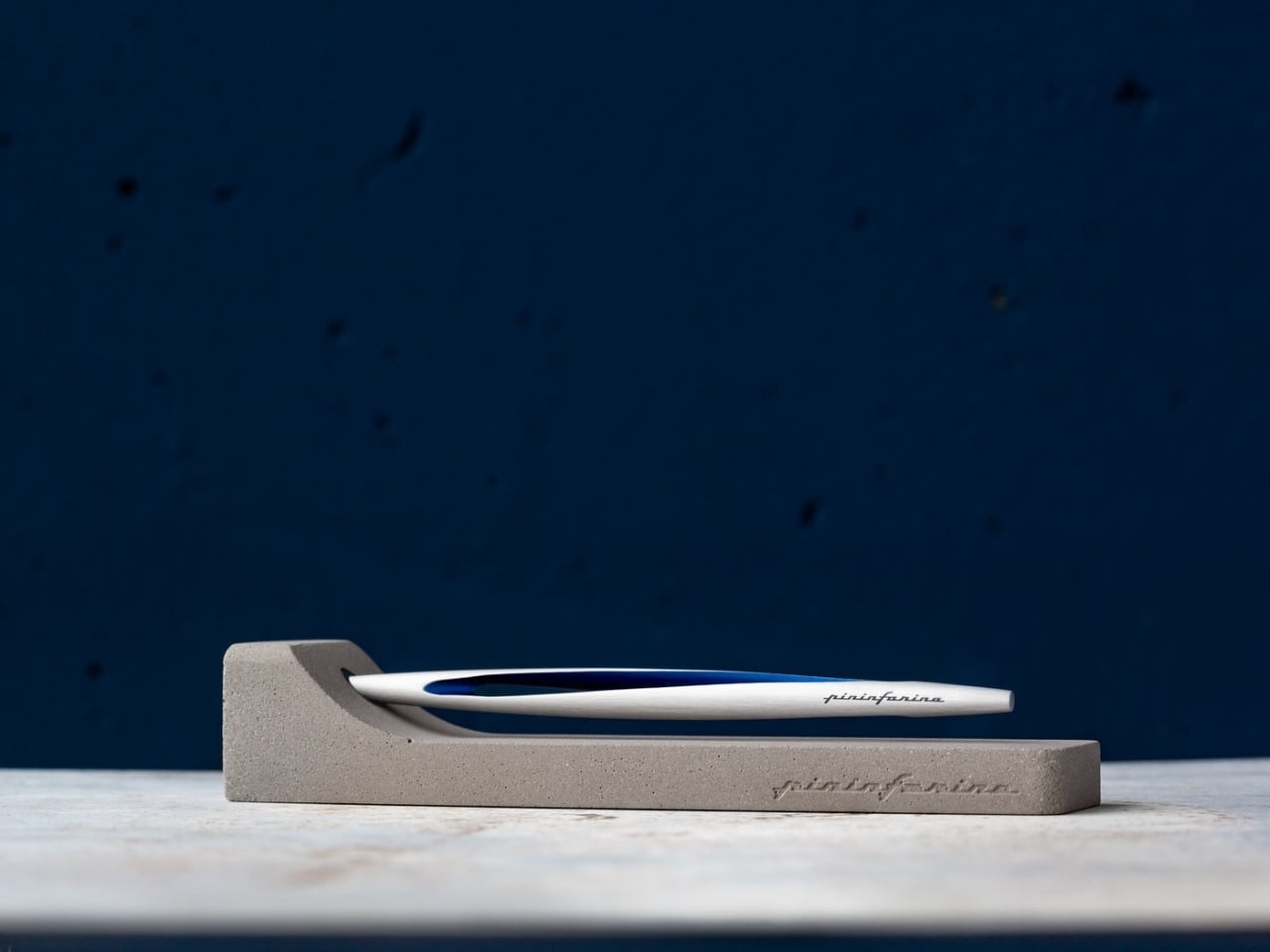
Writing instruments have remained largely unchanged for decades until the Levitating Pen 3.0 reimagined what a pen could be. This isn’t about improving ink flow or grip comfort; it’s about creating an object that sparks imagination every time you glance at your desk. The pen balances at a gravity-defying 60-degree angle on a magnetic pedestal, gently bobbing and spinning for up to 30 seconds when touched. Constructed from aircraft-grade materials, the seamless casing houses a reliable ballpoint tip that delivers consistent writing performance. The minimalist pedestal design has been refined to showcase the floating effect more dramatically than previous versions.

This pen serves a dual purpose: functional writing tool and kinetic desk sculpture that encourages creative thinking. The gentle spinning motion provides a mesmerizing focal point during those moments when ideas need coaxing or when mental breaks are necessary between tasks. For creators, designers, writers, or anyone whose work involves transforming thoughts into tangible outcomes, the Levitating Pen represents the bridge between imagination and execution. It’s a physical manifestation of possibility sitting within arm’s reach. The futuristic aesthetic pairs surprisingly well with both modern minimalist and eclectic workspace styles, making it an adaptable gift for various tastes.

Click Here to Buy Now: $139.00

What We Like

  • The magnetic levitation creates an engaging focal point that sparks creativity and wonder
  • Aircraft-grade materials ensure durability that matches the premium positioning
  • The taller pedestal design enhances the floating visual effect compared to earlier versions
  • The spinning mechanism provides satisfying tactile interaction during thinking breaks

What We Dislike

  • Magnetic positioning requires occasional minor adjustments to maintain optimal balance
  • The pedestal needs desktop space dedicated to the display rather than flat storage

3. Stellar Edge Scissors

The Stellar Edge Scissor challenges everything you thought you knew about this essential tool. Forged in Seki, Japan’s legendary blade-making region, these scissors marry centuries of sword-crafting tradition with contemporary sculptural aesthetics. The asymmetrical handles create an architectural silhouette that feels more like a desktop sculpture than a utilitarian object. Premium Japanese stainless steel ensures each cut maintains precision sharpness, transforming routine tasks like opening packages or trimming documents into moments of tactile satisfaction. The unusual form factor isn’t just visual drama; it’s engineered for ergonomic comfort that becomes apparent during extended use.

These scissors become a conversation piece that actually works harder than conventional designs. The striking geometry catches light and attention when resting on a desk, yet disappears into natural hand movements during use. Gifting these means offering someone a daily reminder that functional objects deserve beauty and consideration. They elevate workspace aesthetics while delivering cutting performance that justifies their presence. For anyone who spends time at a desk or crafting table, these scissors replace forgettable generic tools with something worth reaching for repeatedly. The marriage of form and function here creates an object that genuinely earns its permanent spot in someone’s everyday toolkit.

What We Like

  • The architectural design creates visual interest that transforms a basic tool into an art object
  • Seki craftsmanship delivers professional-grade cutting performance that stays sharp
  • Ergonomic consideration means the unusual shape actually enhances comfort during use
  • Compact dimensions make these suitable for both workspace and portable organization

What We Dislike

  • The asymmetrical design may require a brief adjustment period for first-time users
  • Premium pricing positions these as an investment rather than an impulse purchase

4. TMB: The Modular Bottle

The TMB Modular Bottle reimagines hydration for people whose lives refuse to follow predictable patterns. Built around durable borosilicate glass interiors that preserve drink flavor through countless refills, this bottle adapts to various drinking requirements throughout your day. The modular design allows customization based on whether you’re commuting, working at a desk, traveling, or exercising. A translucent mid-section provides constant visibility into remaining liquid levels, eliminating surprise empty-bottle moments. Easy cleaning means the bottle maintains freshness without developing the stale taste or odor that plagues lesser vessels. The thoughtful construction ensures your beverage choice tastes exactly as intended, sip after sip.

This bottle becomes the reliable sidekick for anyone spending significant time away from home or stationary water sources. The modular nature means adapting the bottle’s configuration to match specific activities rather than carrying multiple specialized bottles. Borosilicate glass delivers durability that withstands daily use while maintaining the purity of whatever you’re drinking, from plain water to infused beverages. For recipients who value staying hydrated but find standard water bottles either too bulky or inadequately versatile, TMB solves real problems. The design acknowledges that modern life demands flexibility from every object we carry. Gifting this means supporting someone’s wellness goals while respecting their mobile lifestyle with a solution that actually travels well and performs consistently.

What We Like

  • Borosilicate glass construction preserves true flavor without absorbing tastes or odors
  • Modular design adapts to different activities and drinking requirements throughout the day
  • Translucent section provides instant visibility of remaining liquid levels
  • Easy cleaning maintenance prevents bacterial buildup and stale flavors

What We Dislike

  • Glass construction adds weight compared to plastic alternatives for long-distance carrying
  • Modular components require occasional checking to ensure secure assembly during transport

5. Tevaplanter

The Tevaplanter revolutionizes indoor gardening by making hydroponics accessible without complex apparatus or constant monitoring. This inverted conical planter stores water inside while plants grow vertically on its textured outer surface, eliminating soil entirely from the growing process. The innovation lies in its construction: 1,400 miniature planters formed by reverse-knurled texture cells that hold seeds during germination and provide textured walls for roots to grip as plants mature. Porous terracotta construction leeches precise water quantities from the internal reservoir to each plant individually, ensuring optimal hydration without overwatering or underwatering. The result is a micro-farm capable of supporting hundreds of plants on a single vessel.

The Tevaplanter addresses the practical challenges that have kept hydroponics relegated to specialized environments like deserts or space stations. Fill the internal reservoir, and the intelligent design handles water distribution automatically, removing the guesswork from plant care. No soil means no mess, no concerns about aeration or fertilization schedules, and dramatically reduced maintenance. The vertical growing format maximizes space efficiency while creating a living sculpture that evolves as plants flourish. For apartment dwellers with limited floor space, those intimidated by traditional plant care, or anyone seeking a conversation-starting approach to greenery, the Tevaplanter makes cultivation feel more like curating art than tending gardens.

What We Like

  • Hydroponic design eliminates soil mess while maintaining healthy plant growth conditions
  • Self-watering system through porous terracotta removes constant monitoring requirements
  • Vertical growing surface supports hundreds of plants in minimal floor space
  • Unique aesthetic transforms functional planter into evolving living sculpture

What We Dislike

  • Initial seed placement across 1,400 cells requires patience and careful positioning
  • The unconventional growing method may need experimentation to optimize plant selection

Design Gifts That Earn Their Keep

Chocolate offers momentary pleasure; thoughtful design provides enduring value. The objects featured here represent a philosophy of giving that prioritizes lasting impact over fleeting consumption. Each piece demonstrates that functional items need not sacrifice aesthetic beauty, while decorative objects can absolutely serve practical purposes. These gifts acknowledge the recipient’s daily life while introducing elements of surprise, craftsmanship, and visual interest. They’re conversation starters that prove their worth through repeated use rather than occasional admiration. The best design gifts become so integrated into routines that their absence would be immediately felt.

Choosing design-centric gifts shows an investment in someone’s long-term experience rather than temporary gratification. These objects accumulate meaning through use, developing personal histories and associations that deepen their value over time. They reflect an understanding that the most memorable gifts enhance everyday moments, transforming routine tasks into opportunities for small delights. Whether upgrading someone’s workspace,  living environment, or supporting their wellness journey, these five designs prove that thoughtfully crafted objects create lasting impressions that outlive any box of chocolates. The wrapper gets tossed; great design gets treasured.

The post Skip the Chocolate: 5 Design-Centric Gifts That’ll Actually Get Used first appeared on Yanko Design.

5 Best First Valentine’s Gifts That Won’t Scare Him Off

First Valentine’s Days carry a peculiar weight. You want to show you care without coming on too strong. The goal is thoughtful, not therapy-level commitment. Skip the engraved jewelry and overly sentimental gestures. Instead, choose something that speaks to his interests while staying refreshingly low-pressure. These design-forward gifts hit that sweet spot perfectly.

The best part? Each of these pieces looks expensive, feels considered, and won’t trigger alarm bells. They’re the kind of gifts that show you’ve been paying attention without broadcasting “I’ve already planned our future.” Subtle, stylish, and surprisingly practical, these five designs prove you can be romantic without being overwhelming.

1. Side A Cassette Speaker

Nostalgia works when it’s playful rather than sentimental. This cassette-inspired Bluetooth speaker hits that note perfectly. Shaped like an actual mixtape, complete with a transparent shell and a Side A label, it’s a pocket-sized conversation starter that happens to deliver surprisingly warm sound. The genius lies in its dual identity. It’s functional tech disguised as analog memorabilia. Bluetooth 5.3 connectivity means seamless pairing, while microSD support lets him load favorite tracks for offline listening. Slide it into its clear case-turned-stand, and it becomes an instant desk personality.

This gift works because it’s genuinely useful while staying firmly in fun territory. Under fifty dollars means you’re thoughtful, not desperate. The cassette aesthetic gives him something to display without feeling like he’s showing off a couple of memorabilia. It plays music, it looks cool, it sparks stories about mixtapes past. That’s the perfect trifecta for a first Valentine’s gift. You’re acknowledging the day without making it weird. The Bluetooth speaker he actually needs meets the design object he didn’t know he wanted.

Click Here to Buy Now: $45.00

What We Like

  • The price point keeps things appropriately casual for a first Valentine’s celebration.
  • Bluetooth 5.3 ensures reliable connectivity without frustrating dropouts or connection issues.
  • The transparent cassette design offers genuine personality without trying too hard.
  • MicroSD support means offline playback, perfect for commutes or travel without draining phone batteries.

What We Dislike

  • Sound quality, while warm, won’t satisfy serious audiophiles with high expectations.
  • The compact size limits bass response and overall volume capabilities.
  • It only plays MP3 files from microSD, excluding other audio formats.
  • The nostalgic design might not resonate with guys who never experienced the mixtape era.

2. Ritual Card Diffuser

There’s something quietly intimate about scent. It lingers without demanding attention, creating atmosphere rather than making statements. The Ritual Card Diffuser transforms fragrance into a tactile experience. You slide a handcrafted Japanese washi card into its minimalist aluminum body like feeding a ticket into a turnstile. That single gesture releases fragrance slowly, thoughtfully. No plug-ins, no mist clouds, no fussing with reeds. Just clean diffusion that shapes the air around him without overwhelming his space or your intentions.

The design itself speaks volumes about restraint. Hand-poured oil base meets anodized aluminum in a silhouette that could live on anyone’s desk, nightstand, or shelf. It works with alcohol-based fragrance blends, the same formulations found in premium reed diffusers. The patented mechanism draws scent upward through the washi paper, releasing it gradually and consistently. It’s the kind of gift that shows sophistication without screaming romance, making it perfect for a first Valentine’s celebration where you’re still figuring out boundaries.

Click Here to Buy Now: $89.00

What We Like

  • The tactile ritual feels intentional without being precious or overly ceremonial.
  • The minimalist design works in literally any space, from industrial lofts to cozy apartments.
  • Fragrance diffusion stays consistent and subtle rather than overpowering.
  • The handcrafted Japanese washi cards add an artisanal touch that elevates the entire experience.

What We Dislike

  • You’ll need to source alcohol-based fragrance oils separately, which adds an extra step.
  • The washi cards will need replacing periodically, creating ongoing maintenance.
  • Some guys might not immediately understand how it works without a demonstration.
  • The minimalist aesthetic might feel too understated for those who prefer bold statement pieces.

3. Oboro Silver Moon Calendar

Lunar calendars carry a certain mystique without tipping into overtly romantic territory. This limited edition piece from Replug celebrates Japanese craftsmanship with soft, greige paper that mimics moonlight’s gentle glow. Each lunar phase shimmers with reflective silver foil, catching and transforming light throughout the day. The embossed moon silhouette invites touch, creating a tactile connection to the lunar cycle. It’s beautiful enough to qualify as wall art, functional enough to justify as a practical calendar.

The brilliance here is versatility. This works as home decor that happens to mark time’s passage. There’s nothing explicitly couple-focused about tracking moon phases together, yet it creates a shared reference point. The 10th Anniversary edition adds collectibility without pressure. Hand-embossed texture and meticulous Japanese craftsmanship ensure this feels special. The moonlit greige palette works with virtually any interior style, masculine or otherwise. You’re giving him art that tracks celestial rhythms, which sounds significantly cooler than admitting you bought him a Valentine’s calendar.

Click Here to Buy Now: $69.00

What We Like

  • The limited edition status adds collectible appeal without screaming romance or commitment.
  • Reflective silver foil creates dynamic light play that changes throughout the day.
  • The soft greige color scheme works seamlessly with any existing decor style.
  • Exceptional Japanese craftsmanship ensures longevity and lasting aesthetic appeal beyond the first year.

What We Dislike

  • Limited edition means you can’t easily replace it if lost or damaged.
  • The lunar calendar format might not suit everyone’s practical scheduling needs.
  • At a higher price point, it requires more budget consideration.
  • The embossed texture, while beautiful, can accumulate dust in the crevices over time.

4. Inseparable Notebook Pen

Writers, sketchers, and compulsive note-takers share one universal frustration: losing the damn pen. This elegantly simple solution attaches magnetically to notebooks, ensuring the pen stays exactly where it belongs. The minimalist design feels premium without fussiness. Smooth ink flow meets comfortable grip in a form that becomes an extension of the notebook itself. The built-in silencer adds refinement, making that magnetic snap quiet and satisfying rather than jarring.

This gift succeeds because it solves a real problem with style. Every meeting, coffee shop brainstorm, or late-night idea gets captured because the tool is always accessible. The magnetic clip works with most notebooks, making it genuinely adaptable. You’re not giving him a love letter or commitment symbol. You’re giving him better tools for his daily creative process. That thoughtfulness resonates deeper than explicitly romantic gestures. The understated aesthetics mean it works professionally, personally, anywhere ideas need capturing. Perfect for the guy who appreciates design that enhances function rather than overshadowing it.

Click Here to Buy Now: $19.95

What We Like

  • The magnetic attachment solves the universal problem of constantly losing writing instruments.
  • Minimalist design ensures it pairs beautifully with virtually any notebook style.
  • The built-in silencer creates a refined, quiet attachment experience.
  • Smooth ink flow and comfortable grip make extended writing sessions genuinely pleasant.

What We Dislike

  • Magnetic attachment only works with notebooks that have compatible covers or thickness.
  • You’ll need to replace ink cartridges eventually, adding recurring costs.
  • The minimalist aesthetic might feel too understated for those preferring bold design statements.
  • Magnet strength might vary depending on the notebook cover material and thickness.

5. Rolling World Clock

Long-distance relationships, frequent travelers, and anyone coordinating across time zones need this clever 12-sided clock. Each face represents a major city, from London to Tokyo, New York to Sydney. Roll it to your desired location and its single hand displays the correct time in a single hand. The tactile experience transforms checking time zones into something playful rather than tedious. Minimalist design ensures it works as desk decor, whether you’re actively using it or not. Available in black or white, it adapts to existing aesthetics without demanding attention.

This gift walks the perfect line between practical and thoughtful. If he travels for work, coordinates with international colleagues, or has family abroad, you’re solving actual problems. If not, you’re giving him a conversation piece that happens to be functional. The rolling mechanism adds an element of play to mundane time-checking. There’s nothing explicitly romantic about tracking global time, yet gifting it says you understand his world extends beyond just your time zone. That awareness feels mature and considerate, exactly the tone you want for a first Valentine’s gesture that respects boundaries while showing genuine care.

Click Here to Buy Now: $49

What We Like

  • The tactile rolling experience makes checking time zones genuinely fun and engaging.
  • Coverage of 12 major cities handles most global coordination needs efficiently.
  • Minimalist design works as functional decor on any desk or shelf.
  • Black and white color options ensure compatibility with existing aesthetic preferences.

What We Dislike

  • Limited to 12 cities means some time zones won’t be directly represented.
  • The single-hand time display might take some adjustment for quick, accurate reading.
  • The rolling mechanism requires flat surface placement, limiting mounting or display options.
  • Battery replacement will eventually be needed, though the frequency depends on usage patterns.

Finding the Sweet Spot

First Valentine’s gifts deserve careful calibration. These five designs share crucial qualities: they’re thoughtful without being intense, beautiful without being overtly romantic, and functional without being boring. Each piece shows you’ve paid attention to his interests, space, and daily life. That consideration matters more than grand gestures or explicit romance.

The real genius in these selections? They’ll still be useful, beautiful, and appreciated long after Valentine’s Day passes. No pressure, no awkwardness, just genuinely good design that happens to arrive at the perfect moment. That’s how you navigate first Valentine’s Days without scaring anyone off while still making the day feel special.

The post 5 Best First Valentine’s Gifts That Won’t Scare Him Off first appeared on Yanko Design.

5 Best Tech Gadgets of February 2026

February finds us in that strange liminal space where the hype of CES has barely settled and the actual products are just starting to trickle into reality. This year brought us plenty of vaporware wrapped in ambitious promises, but these five gadgets represent something different. They solve real problems with clever engineering and genuinely fresh thinking.

Walking the show floor in Vegas last month revealed a clear shift away from novelty toward utility. The best announcements were the ones that respected your workflow, your attention, and the physical space you live in. These five designs emerge from that ethos. They are tools that bend technology to fit your life rather than demanding you rearrange yourself around yet another screen or charging cable.

1. Keychron Nape Pro

Keychron carved out a reputation for building mechanical keyboards that do not compromise on quality while remaining accessible. The Nape Pro takes that same philosophy and applies it to the awkward gap between your hands and your cursor. What results is a modular trackball that sits under your keyboard and turns typing sessions into something smoother and less physically punishing.

The design prioritizes economy of motion. Thumb operation means your hands stay planted on the home row. No more stretching for a distant mouse or breaking your typing flow for minor navigation tasks. The 25 mm trackball is noticeably smaller than desktop monsters like the Kensington Expert, but that size feels intentional. It is responsive without demanding the kind of hand repositioning that defeats the whole purpose. The unit occupies just 135.2 mm in length and 34.7 mm in width, so it tucks neatly within a tenkeyless footprint. Quiet Huano micro switches across six buttons ensure you are not broadcasting every click to anyone within earshot. ZMK customization means layers, shortcuts, and macros live right where your thumb rests. It is a genuinely modular control surface disguised as a pointing device, and the wireless connectivity means you can slide it around without cable anxiety.

What We Like

• The compact footprint means it works on cramped desks without territorial disputes with your keyboard.

• Thumb operation keeps your fingers on home row and drastically reduces reaching.

• ZMK-powered layers bring macro pad functionality without needing a separate device.

• Quiet switches make sense for something living directly under your palms during work calls.

What We Dislike

• The 25 mm ball is smaller than dedicated trackball users might prefer for precision tasks.

• Wireless means yet another thing competing for battery attention in your peripherals drawer.

2. TWS Earbuds with Built-in Cameras

The race to build wearable AI took a weird turn with pins, pendants, and smart glasses that scream, “I am wearing a camera.” This concept flips the script by hiding the whole thing in earbuds. Each stem carries a camera positioned near your natural line of sight. Paired with ChatGPT, those lenses feed a constant visual stream to an assistant that lives in your ears without broadcasting your tech evangelist status to everyone you meet.

The brilliance is in the form factor. TWS earbuds are already socially normalized. People wear them everywhere without raising eyebrows. Adding cameras to the stems turns a familiar object into something functionally new without the social friction of face-mounted glass. The setup can read menus, interpret signs, describe scenes, and guide navigation through unfamiliar cities without demanding you pull out your phone. Voice interaction keeps your hands free. The AI processes visual information in real time and responds through audio, creating a genuinely assistive loop that does not require staring at a screen. It is the kind of product that could make AI feel less like a gimmick and more like a utility you actually use daily. OpenAI has been hunting for a hardware play that sticks. This might be the one that finally makes sense beyond early adopters and conference demos.

What We Like

• Form factor avoids the social awkwardness of wearing cameras on your face in public spaces.

• Voice and audio interaction keep your hands free and your phone in your pocket.

• Real-time visual processing paired with ChatGPT turns navigation and scene interpretation into something genuinely useful.

• Familiar earbud design means minimal learning curve for adoption.

What We Dislike

• Battery life will be a concern with cameras and AI processing running on tiny earbud cells.

• Privacy questions around always-on cameras in social settings will be unavoidable.

3. Focus Desktop Board

Phones created a problem that app makers spent years optimizing to exploit. Notifications turned into weapons-grade attention traps designed to pull you back into the feed. Focus tackles this with an E Ink panel that syncs with your phone but forces you to choose what actually deserves your eyes. It is a multifunctional hub that doubles as a magnetic tool board with a built-in speaker, but the real value is in the filtering.

E Ink delivers that paper-like quality familiar to anyone who has used a Kindle. It is easy on the eyes and legible in any lighting condition, which makes it a natural fit for something meant to sit on your desk all day. Focus displays tasks, calendar events, and selected notifications, but the keyword is selected. You decide what makes it through. Your cousin’s takes and algorithm-fed suggestions stay trapped on your phone where they belong. The magnetic surface lets you attach tools, notes, or whatever analog objects you need within arm’s reach. The built-in speaker handles calls or audio reminders without needing yet another Bluetooth device cluttering your setup. The whole thing is designed to look like minimalist desk art, which is probably the smartest move they could have made. It sits in your peripheral vision without screaming for attention, offering information when you glance over rather than demanding you stop what you are doing.

What We Like

• E Ink panel is easy on the eyes during long work sessions and readable in any light.

• Selective notification filtering gives you control over what interrupts your focus.

• Magnetic tool board integrates analog and digital workflows without forcing you to choose one.

• Minimalist design looks intentional on a desk rather than like forgotten tech clutter.

What We Dislike

• E Ink refresh rates mean it is not suited for real-time updates or dynamic content.

• Another device to sync and charge adds friction to an already crowded digital ecosystem.

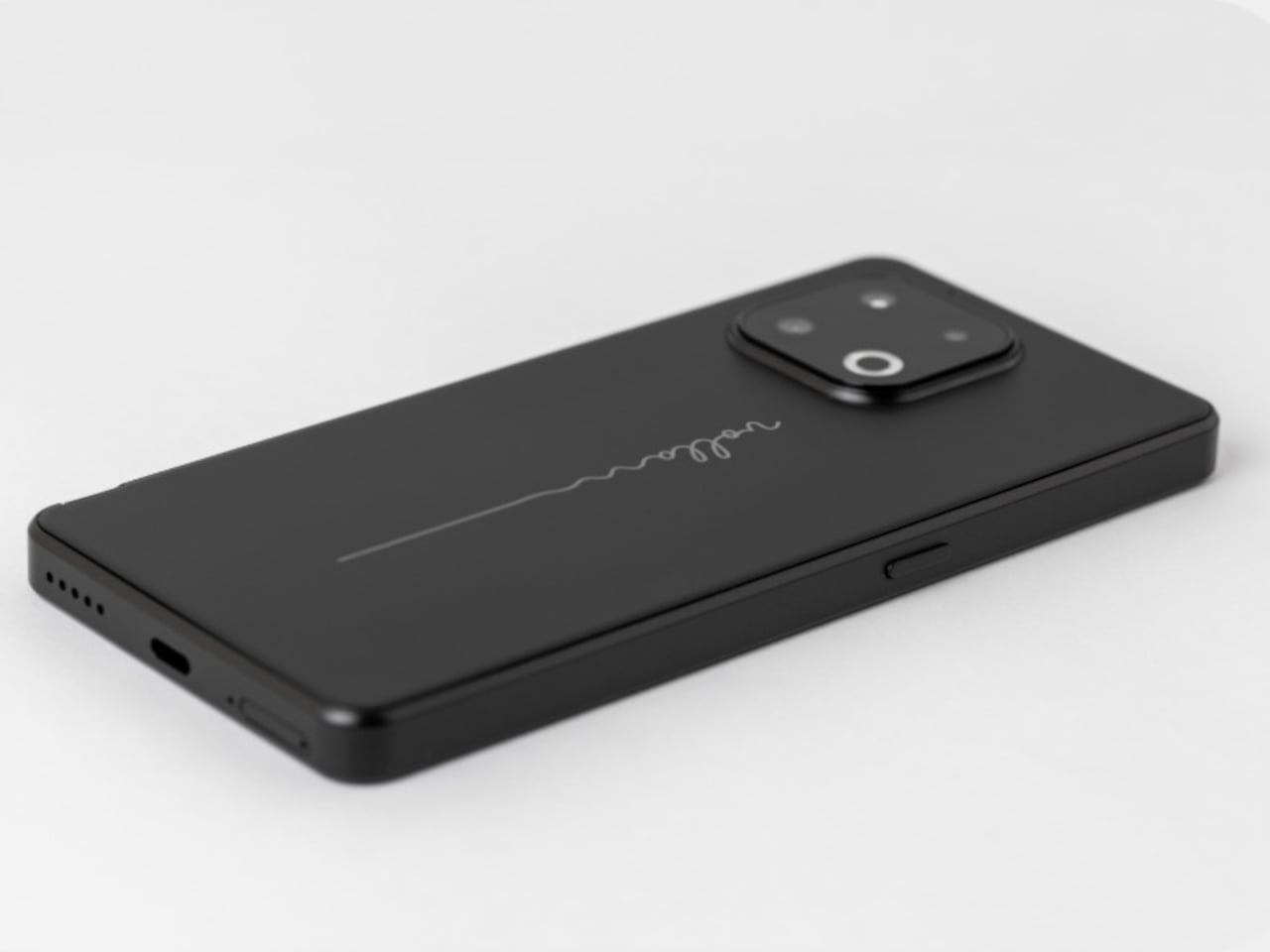
4. CMF Phone Mini Concept

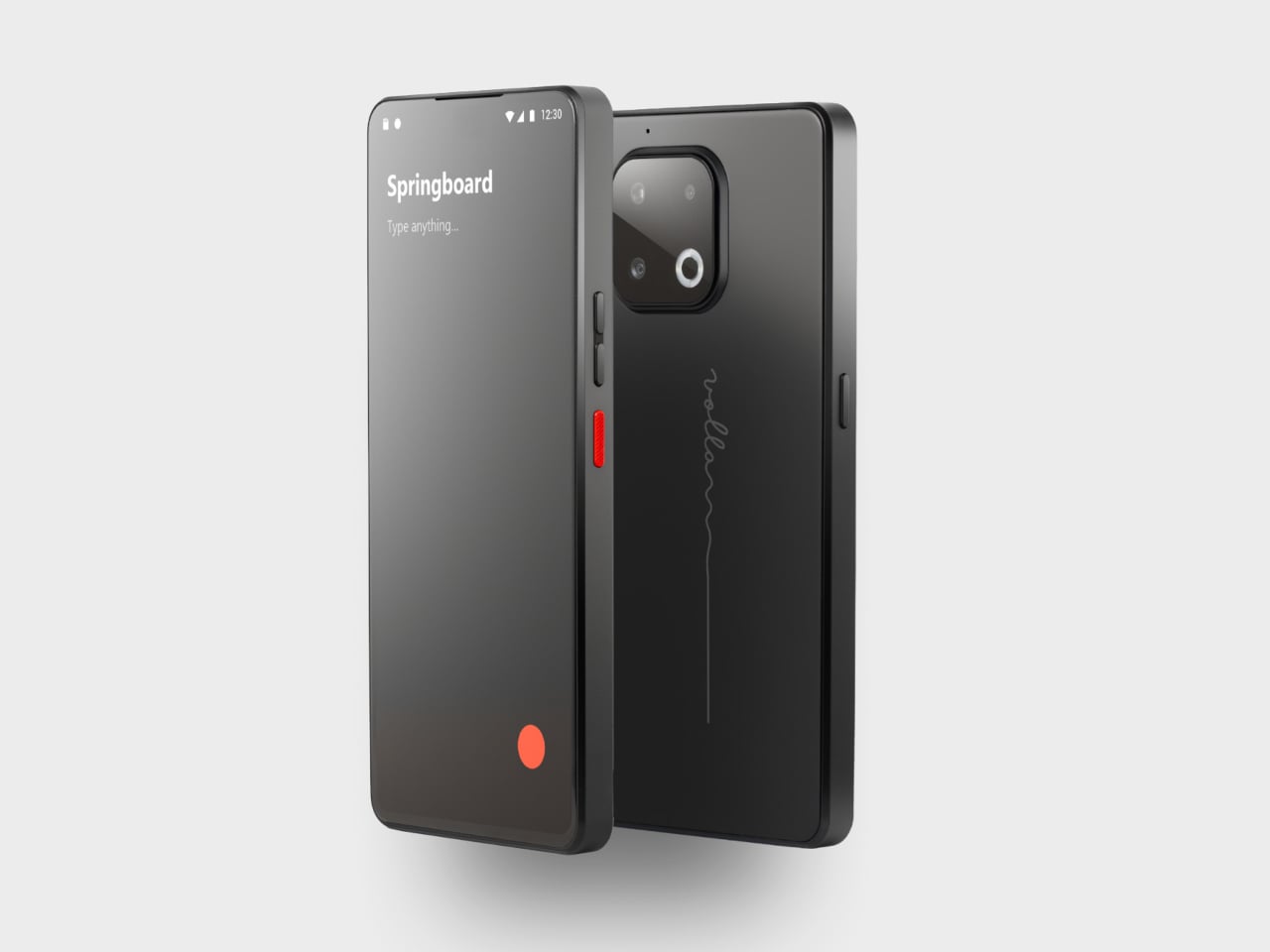
The compact smartphone market died not because people stopped wanting small phones, but because manufacturers decided the margins were not worth the engineering. The iPhone 13 mini was the last credible option, and its discontinuation left a genuine void. Designer Preet Ajmeri’s CMF Phone Mini concept, posted on the Nothing Community forum, suggests a smarter path forward built around accessibility and modularity rather than flagship specs.

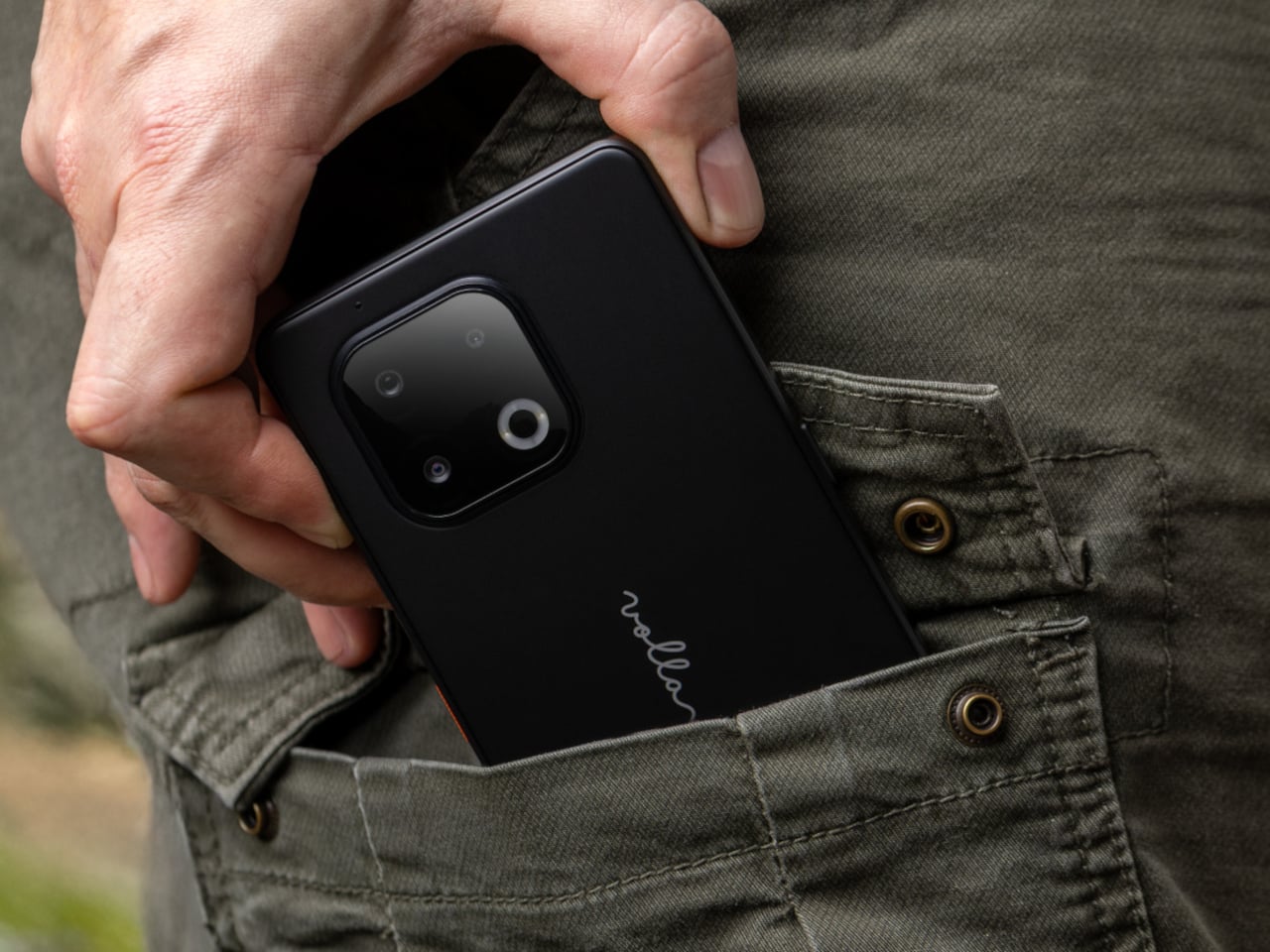
What makes this concept compelling is its complete lack of flagship pretension. The design feels like a tool, with an aesthetic closer to a Braun appliance than a fragile glass sandwich. Two-tone back panels secured by exposed screws nod directly to the modularity of the CMF Phone 1 and 2 Pro. The circular element in the lower corner practically begs for a lanyard or magnetic accessory, turning portability into something tangible rather than a spec-sheet claim. The camera housing integrates into a stepped corner plate, making it feel like a distinct functional component rather than a generic bump. It is an honest object designed to be held and used without demanding reverence. The concept suggests that small phones do not need flagship processors or camera arrays to justify their existence. They need a thoughtful design that respects the reality of one-handed use and pockets that are not cargo pants. If Nothing or CMF actually builds this, it would fill a market gap that has been ignored for years.

What We Like

• Modularity through exposed screws and swappable back panels extends device lifespan and personalization.

• Tool-like aesthetic prioritizes function and durability over fragile premium materials.

• Compact size addresses the genuine demand for one-handed usability that flagship lines abandoned.

• Circular lanyard element turns portability into a practical feature rather than marketing speak.

What We Dislike

• Concept status means there is no guarantee this will ever reach production.

• Smaller size likely means compromises on battery capacity that could limit all-day use.

5. SanDisk FIFA World Cup 2026 USB-C Flash Drive

SanDisk made a USB-C flash drive shaped like a referee’s whistle, and it somehow manages to be both completely ridiculous and genuinely clever. The FIFA World Cup 2026 collection turns storage into collectible objects that celebrate the tournament across the three host countries. The whistle drive packs up to 128GB of storage with speeds hitting 300MB/s, so it is not just a novelty item you shove in a drawer after the unboxing photo.

The collection includes editions for the USA, Canada, Mexico, plus a Global Edition and a premium Gold Edition. Each design draws from the culture of its respective host country, turning these drives into objects that feel like memorabilia rather than disposable tech. The whistle shape is practical in a weird way. It is distinctive enough that you would not lose it in a cable drawer, and the loop means you can attach it to a keychain or lanyard. Storage is increasingly cloud-based, but physical drives still matter for quick transfers, backups, and situations where you do not want to trust your files to someone else’s servers. Turning that utility into something fun is rare in a category dominated by boring rectangles. The design asks a question more tech companies should be asking: Why are we making everything so serious? The World Cup collection proves that functional objects can carry personality without sacrificing performance. It is the kind of thing that makes you wonder why more companies are not having this much fun with products people actually use.

What We Like

• Up to 128GB storage with 300MB/s speeds means it is genuinely useful beyond novelty status.

• Distinctive whistle shape makes it hard to lose in a drawer full of generic cables and drives.

• Collectible editions tied to World Cup host countries turn storage into cultural memorabilia.

• USB-C compatibility ensures it works with modern devices without adapter hassles.

What We Dislike

• Novelty design might feel dated once the World Cup hype cycle ends.

• Physical drives are increasingly niche as cloud storage dominates mainstream workflows.

Where February Leaves Us

These five gadgets represent a shift in how companies are thinking about technology’s role in daily life. The focus has moved away from adding more screens and notifications toward tools that integrate without demanding constant attention. They solve specific problems with thoughtful design rather than throwing features at spec sheets.

February is always that strange month where CES announcements start transitioning from vaporware to actual products you can touch and buy. These five stand out because they respect your time, your space, and your sanity. They bend technology to fit your workflow rather than demanding you rearrange your life around yet another device. That feels like progress worth celebrating.

The post 5 Best Tech Gadgets of February 2026 first appeared on Yanko Design.

5 Best Valentine’s Grooming Gadgets He Wants, But Won’t Buy Himself

Every man has a mental wishlist of grooming tools he’s admired from afar but never pulled the trigger on. These aren’t flashy gadgets or unnecessary luxuries. They’re precision instruments that turn daily maintenance into moments of quiet confidence. The kind of gear that makes him feel more put together without saying a word. This Valentine’s Day, skip the predictable gifts and give him the grooming arsenal he’s been eyeing but convincing himself he doesn’t need.

Japanese craftsmanship meets masculine refinement in Kai Corporation’s Auger collection, where every tool is engineered with surgical precision and designed for men who appreciate the details. These aren’t replacements for drugstore basics. They’re upgrades that transform routine into ritual, offering control, sharpness, and durability that cheap alternatives can’t match. Whether he’s meticulous about his appearance or just starting to care about the finer points of grooming, these five essentials will earn their place in his daily rotation.

1. Auger PrecisionFlex Razor

Shaving should be a ritual, not a rush job. The Auger PrecisionFlex Razor transforms daily maintenance into an act of precision with industry-leading engineering that adapts to every angle and contour. The 5-blade system delivers an ultra-close shave that respects the skin while eliminating stubble, and the 3D pivoting head glides effortlessly from the jawline to the neckline. The world-first 30° adjustable head angle changes everything, allowing seamless transitions between shaving directions with a simple lever pull that maintains flow and eliminates awkward repositioning.

Kai Corporation built this razor for men who refuse to compromise on results or experience. The independent suspension mechanism offers the widest pivot range in the industry, ensuring consistent contact even in hard-to-reach areas where lesser razors lose effectiveness. Whether he’s going clean-shaven or sculpting defined beard lines, this razor delivers the control and confidence that comes from tools engineered without shortcuts. This Valentine’s Day, give him the razor that turns a daily obligation into a moment of masculine refinement he’ll actually look forward to.

Click Here to Buy Now: $45.00

What We Like

  • The industry-leading 3D pivoting head with independent suspension provides unmatched contouring ability, ensuring consistent blade contact across every facial angle and curve.
  • The world-first 30° adjustable head angle revolutionizes versatility by enabling effortless transitions between shaving directions without breaking rhythm or repositioning.
  • The 5-blade system delivers an incredibly close shave while minimizing irritation, respecting skin integrity even with daily use.
  • Over 100 years of Japanese blade-making excellence ensure precision-ground edges that maintain sharpness through multiple shaves, delivering consistent performance that justifies the investment.

What We Dislike

  • The advanced engineering and premium materials result in a higher upfront cost compared to disposable razors or basic cartridge systems.
  • The replacement blade refills, while high-quality, represent an ongoing investment that may exceed budget razor alternatives.

2. Auger PrecisionLever Nail Clipper

Most men settle for flimsy clippers that bend under pressure and leave jagged edges. The Auger PrecisionLever Nail Clipper rewrites the standard with a patented rotating lever mechanism that shifts the pivot point closer to the blade. This engineering breakthrough means more cutting power with less effort, making thick nails feel like butter under precision steel. Every press delivers a clean, satisfying click that confirms what you already suspected: your old clippers were doing you dirty.

Kai Corporation didn’t just improve the nail clipper—they perfected it. With over a century of blade-making expertise behind every cut, this compact tool turns a mundane task into something almost meditative. The stainless steel cutlery blades slice through without tearing or splitting, leaving smooth edges that never snag. It’s the kind of tool that makes him wonder why he waited so long to upgrade, and the kind of Valentine’s gift that proves you notice the details that matter to him.

Click Here to Buy Now: $49.00

What We Like

  • The patented rotating lever system maximizes cutting force while minimizing hand strain, making it effortless to tackle even the thickest nails in one clean motion.
  • Precision-ground stainless steel blades crafted by Japan’s premier blade manufacturer deliver cuts so clean they eliminate the need for filing.
  • The compact, ergonomic design fits comfortably in the hand and travels easily without the bulk of traditional clippers.
  • Every element reflects over 100 years of Japanese blade-making mastery, turning a basic grooming task into an experience of mechanical excellence.

What We Dislike

  • The premium engineering comes with a higher price point than standard drugstore clippers, which may give budget-conscious buyers pause.
  • The compact size, while travel-friendly, may feel slightly smaller than expected for those accustomed to bulkier traditional clippers.

3. Auger PrecisionEdge Nail File

Filing nails feels like an afterthought for most men, but skipping this step leaves rough edges that snag on fabric and undermine an otherwise polished appearance. The Auger PrecisionEdge Nail File turns finishing into a deliberate act of refinement with dual filing surfaces and an ergonomic 3D grip that puts complete control in his hands. The coarse side shapes with authority while the fine surface smooths to perfection, creating seamless transitions that feel as good as they look.

Kai Corporation engineered this file for men who understand that grooming doesn’t end at the cut. The precision-etched stainless steel surface glides without catching, and the sculpted handle makes maneuvering intuitive even for beginners. It’s not about vanity—it’s about presenting himself with the kind of attention to detail that separates deliberate from careless. This Valentine’s Day, give him the tool that completes what the clipper started, proving that the final touch is where real refinement lives.

Click Here to Buy Now: $19.00

What We Like

  • Dual-surface design eliminates the need for multiple tools by offering both aggressive shaping and gentle smoothing in one streamlined instrument.
  • The three-dimensional handle structure provides exceptional grip and control, making precise filing effortless even for grooming novices.
  • Corrosion-resistant stainless steel construction with precision etching ensures consistent performance without the dulling or rusting common in cheaper files.
  • The compact form factor makes it ideal for both home grooming and on-the-go touch-ups without sacrificing functionality.

What We Dislike

  • The stainless steel construction may feel heavier than disposable files, requiring a brief adjustment period for those accustomed to lightweight alternatives.
  • The precision etching, while durable, may require periodic cleaning to maintain optimal performance with extended use.

4. Auger PrecisionCurve Scissors

Trimming stray brow hairs or sculpting a crisp beard line demands accuracy that standard scissors can’t deliver. The Auger PrecisionCurve Scissors feature ultra-thin curved blades that follow facial contours with surgical precision, eliminating guesswork and second attempts. The curve isn’t just aesthetic—it’s a functional design that allows for controlled, targeted cuts right at the root without pulling or snagging. Every snip feels deliberate, turning detail work into an exercise in masculine mastery.

Kai Corporation designed these scissors for men who approach grooming with the same attention they apply to everything else worth doing right. The ultra-thin blade profile enables root-level trimming that thicker shears can’t achieve, while the ergonomic design makes extended sessions feel natural rather than forced. These aren’t the scissors he’ll use to open packages—they’re the precision instruments he’ll reach for when presentation matters. Give him the Valentine’s gift that proves sharp looks require sharp tools.

Click Here to Buy Now: $25.00

What We Like

  • The precision-engineered curved blade design enables pinpoint accuracy for shaping brows, refining mustaches, and detailing beard lines with professional-grade control.
  • Ultra-thin blade construction allows for seamless cutting close to the root without the pulling or discomfort associated with standard scissors.
  • Ergonomic handle design reduces hand fatigue during extended grooming sessions, making detailed work feel effortless.
  • Over a century of Japanese blade-making expertise ensures long-lasting sharpness that maintains performance through countless trims.

What We Dislike

  • The specialized curved design may require a brief learning curve for those accustomed to straight-blade scissors.
  • The premium construction commands a higher price than generic grooming scissors, which may seem steep for a single-purpose tool.

5. Auger PrecisionGrip Tweezers

Nothing undermines a sharp appearance faster than stray hairs that standard tweezers can’t quite grip. The Auger PrecisionGrip Tweezers eliminate frustration with ultra-fine angled tips that grab even the finest hairs on the first attempt, delivering flawless removal without slipping or breaking. The patented stopper mechanism prevents the lateral misalignment that plagues cheap tweezers over time, ensuring consistent tension and unwavering stability through countless plucking sessions. This is surgical precision for everyday grooming, designed for men who know that perfection lives in the details.

Kai Corporation engineered these tweezers with the same exacting standards they apply to surgical instruments and professional blades. The ergonomic finger groove reduces hand fatigue and provides absolute steadiness during detailed work, whether shaping brows or eliminating rogue hairs that appear at the worst possible moments. These aren’t the tweezers that will bend or lose grip after a month—they’re lifetime tools built to maintain performance through years of use. Give him the Valentine’s gift that proves you see the effort he puts into looking sharp, even in the smallest details.

Click Here to Buy Now: $29.00

What We Like

  • The ultra-fine angled tip design provides exceptional gripping power on even the finest hairs, eliminating the frustration of repeated attempts and broken strands.
  • The patented stopper mechanism represents genuine innovation by preventing the misalignment and tension loss that render ordinary tweezers useless over time.
  • Precision finger grooves create natural hand positioning that reduces fatigue and enhances control during extended grooming sessions.
  • Japanese engineering excellence ensures the tips remain perfectly aligned and maintain consistent tension through years of regular use, making this a true lifetime grooming tool.

What We Dislike

  • The premium construction and patented features command a significantly higher price than drugstore tweezers, which may seem excessive for a simple tool.
  • The precision-engineered tight grip, while effective, may feel initially unfamiliar to those accustomed to looser, more flexible tweezers.

The Grooming Gear He Deserves

Men rarely invest in themselves the way they should, convincing themselves that good enough is acceptable when it comes to grooming tools. The Auger collection proves that precision engineering isn’t indulgence—it’s the difference between maintenance and mastery. These five tools represent the upgrades he’s considered but postponed, the quality he recognizes but rationalizes away. Valentine’s Day offers the perfect moment to permit him to care about the details that shape how he presents himself to the world.

Japanese craftsmanship meets masculine practicality in every piece, turning routine tasks into rituals worth his time. These aren’t just grooming gadgets—they’re the physical manifestation of attention to detail, built to last and designed to deliver results that cheap alternatives never will. Give him the collection that proves you see the effort behind his appearance, and watch him discover that the right tools don’t just make grooming easier—they make it satisfying.

The post 5 Best Valentine’s Grooming Gadgets He Wants, But Won’t Buy Himself first appeared on Yanko Design.

5 Best Gaming Concepts To Revolutionize Gaming In 2026

Gaming hardware has reached an inflection point where pure performance no longer separates the exceptional from the ordinary. Today’s players demand experiences that merge technical capability with thoughtful design, creating tools that feel intuitive, personal, and genuinely innovative. The concepts emerging from design studios around the world reflect this shift, prioritizing clever form factors, sustainable interaction models, and aesthetics that challenge gaming’s aggressive visual language.

These five gaming concepts push beyond incremental improvements to reimagine how we hold, power, display, and interact with gaming hardware. From ultra-compact controllers that defy ergonomic conventions to coin-operated mechanics that transform strategy itself, each design addresses real friction points while offering fresh perspectives on what gaming equipment can become when liberated from market expectations.

1. ONO Compact Controller

The gaming controller has ballooned in size over successive console generations, growing ever more complex with paddle buttons, touchpads, and haptic motors layered beneath increasingly aggressive shell designs. Alban Contrepois challenges this evolution with the ONO, a capsule-shaped controller that condenses every essential input into a device barely larger than a smartphone. The design philosophy centers on radical simplification without functional sacrifice, proving that ergonomics need not require bulk when the fundamentals are properly considered.

What makes the ONO particularly compelling is its platform-agnostic approach to button labeling and connectivity. Rather than PlayStation symbols or Xbox letters, the action buttons feature abstract geometric shapes, allowing the controller to work seamlessly across mobile, console, and cloud gaming platforms without visual confusion. The rounded capsule form sits naturally in palms without requiring the exaggerated wing grips found on conventional controllers, while dual analog sticks and shoulder buttons maintain full modern functionality. Contrepois even offers the 3D files freely, inviting makers to fabricate their own working prototypes and experiment with personal modifications.

What We Like

  • Genuinely pocket-portable form factor solves real mobility challenges for travelers and commuters
  • Platform-neutral button design eliminates ecosystem lock-in and branding conflicts
  • Free 3D files democratize access and encourage community iteration
  • Minimalist aesthetic appeals to players seeking less visually aggressive hardware

What We Dislike

  • Compact size may create hand cramping during extended gaming sessions
  • Lack of haptic feedback or adaptive triggers limits next-generation console compatibility

2. Goo-Inspired Sony Controller Concept

Gaming peripherals have long treated controllers as utilitarian plastic shells, functional objects devoid of personality or emotional resonance. This translucent controller concept rejects that paradigm entirely, transforming the gaming peripheral into a living entity that breathes alongside your gameplay. The bulbous form draws inspiration from the Switch Pro controller’s compact proportions while introducing cloudy black plastic construction that appears deceptively ordinary in its dormant state. Power activation unlocks the controller’s true character as mesmerizing internal illumination floods through the translucent shell.

The controller’s arms pulse rhythmically like breathing lungs, creating an organic connection between player and hardware that traditional rumble motors can only hint at. This breathing illumination responds dynamically to gameplay, intensifying during combat sequences and softening during exploration moments. The translucent construction allows internal LED arrays to project mood-responsive visuals that serve as ambient feedback, communicating game states through color shifts and pulsation patterns. The design treats controllers as character-driven accessories rather than sterile tools, acknowledging that gaming hardware can enhance immersion through visual poetry as effectively as through haptic precision.

What We Like

  • Breathing illumination patterns create an organic emotional connection between the player and the hardware
  • Cloudy translucent construction offers visual intrigue without an aggressive gamer aesthetic
  • Mood-responsive lighting provides ambient gameplay feedback beyond traditional rumble
  • Compact bulbous ergonomics maintain comfort during marathon gaming sessions

What We Dislike

  • Continuous lighting effects may prove distracting during competitive gameplay, requiring total focus
  • Translucent materials reveal fingerprints, smudges, and internal dust accumulation over time

3. Braun-Inspired Minimalist Controller

Gaming controllers have descended into a visual arms race where aggressive angles, neon lighting, and textured grips compete for shelf presence in increasingly chaotic ways. Mark Moes’s Braun-inspired controller concept offers a deliberate counterpoint, channeling Dieter Rams’ “less but better” philosophy into a design that prioritizes calm functionality over visual stimulation. The result feels refreshingly restrained in a market drowning in aesthetic noise.

The controller’s soft rectangular form features gentle curves and a balanced symmetry that prioritizes long-session comfort without resorting to exaggerated ergonomic flourishes. A matte finish in off-white, gray, and black creates visual breathing room, while subtle orange accents on key buttons provide functional highlights without devolving into RGB chaos. The design strips away the threatening visual language that dominates contemporary gaming hardware, instead offering an aesthetic that could comfortably sit on a minimalist desk alongside Braun audio equipment or carefully chosen office accessories.

What We Like

  • Minimalist aesthetic creates a calming alternative to gaming’s visual aggression
  • Thoughtful color choices and material finishes demonstrate timeless design principles
  • Design proves gaming hardware can achieve sophistication without sacrificing functionality
  • Subtle orange accents provide necessary visual guidance without overwhelming the composition

What We Dislike

  • Understated design may lack shelf presence in retail environments dominated by flashy competitors
  • Premium materials and finishes could drive manufacturing costs beyond mass-market viability

4. X-Cube Gaming Mini PC

The gaming PC market has polarized into either massive RGB-laden towers or anonymous black boxes that hide their capabilities behind conservative shells. KiwiDesign’s X-Cube Gaming Mini PC embraces a third path with its cyberpunk-inspired aesthetic that treats internal components as design features rather than elements to conceal. Equipped with an Intel 14-core i9 processor and NVIDIA 4060 GPU, the X-Cube delivers flagship AAA gaming performance wrapped in a form factor that celebrates technical complexity rather than minimizing it.

The cubic design showcases internal components through transparent panels that transform technical infrastructure into a visual spectacle, creating an industrial aesthetic that aligns with cyberpunk’s machine-worship sensibility. A 4-inch front-mounted display provides real-time performance monitoring while offering customizable interface options for personalization. Multi-faceted air intake grilles ensure adequate thermal management during demanding gaming sessions while reinforcing the mechanical design language. The X-Cube targets enthusiasts who view their gaming hardware as centerpiece objects deserving architectural prominence rather than discrete appliances hidden beneath desks.

What We Like

  • Transparent design celebrates technical components as aesthetic features worth displaying
  • The integrated performance monitoring screen provides useful real-time system information
  • Compact mini PC form factor delivers flagship performance without requiring massive tower footprints
  • Cyberpunk aesthetic offers clear differentiation in a homogenized mini PC market

What We Dislike

  • Transparent components showcase dust accumulation and cable management challenges
  • Bold aesthetic may alienate players preferring understated hardware that blends into living spaces

5. CoinPlay Handheld Console

Retro gaming handhelds typically rely on nostalgia as their primary selling proposition, recreating classic form factors without reimagining the interaction model itself. The CoinPlay concept disrupts this pattern by incorporating coin-operated mechanics directly into gameplay, transforming limited-use power-ups into physical objects that demand strategic consideration. Rather than endless continues and infinite lives, CoinPlay restricts powerful abilities to physical coins that must be carefully deployed at crucial moments.

The handheld features a top-mounted coin slot that accepts special power-up tokens in different colors, each providing distinct in-game advantages. Blue coins might restore health or grant extra lives, while red tokens could unlock weapons or essential items. Orange coins might boost attack power or strengthen defenses. The physical limitation creates genuine strategic tension absent from conventional handheld gaming, forcing players to weigh when deploying their finite resources will provide maximum advantage. The design evokes Game Boy DMG proportions with standard D-pad, face buttons, and shoulder controls, ensuring compatibility with classic arcade-style titles where strategic power-up deployment feels most natural.

What We Like

  • Coin-operated mechanic creates genuine strategic depth through resource scarcity
  • Physical power-up tokens provide tactile interaction missing from digital-only interfaces
  • Design successfully modernizes arcade coin-op nostalgia without requiring actual payment
  • Limited resources encourage thoughtful gameplay rather than brute-force repetition

What We Dislike

  • Physical coin requirement creates potential loss and replacement headaches
  • The chunky form factor may prove uncomfortable during extended gaming sessions

Looking Forward

These five concepts share a common thread beyond their innovative approaches to gaming hardware. Each design challenges assumptions about what gaming equipment must look like, how it should function, and who it serves. The ONO proves that portability need not sacrifice functionality. The Nintendo Switcher demonstrates that gaming design language can transcend its category. Mark Moes’ minimalist controller shows restraint as a viable alternative to visual aggression. The X-Cube celebrates technical complexity as an aesthetic virtue. And CoinPlay reimagines digital scarcity through physical objects.

What makes these concepts particularly valuable is their willingness to question established patterns rather than simply iterating on existing templates. As gaming continues expanding beyond traditional demographics and use cases, hardware design must evolve to serve increasingly diverse needs and aesthetic preferences. These concepts point toward futures where gaming equipment embraces portability, sustainability, sophistication, transparency, and strategic physicality as core values worth pursuing.

The post 5 Best Gaming Concepts To Revolutionize Gaming In 2026 first appeared on Yanko Design.

5 Best Minimalist Lighting Solutions Under $200 That Save Counter Space

Counter real estate is precious territory in modern living spaces. Every inch counts when you’re balancing functional needs with aesthetic desires. Traditional table lamps with their bulky bases and tangled cords devour valuable surface area that could serve better purposes. The solution lies in rethinking how we light our spaces altogether. Minimalist lighting design offers an elegant answer to this spatial dilemma.

The best space-saving lights share certain qualities beyond mere compactness. They’re portable enough to move where needed, adaptable to different moods and settings, and beautiful enough to enhance rather than clutter a room. These five designs prove that reducing footprint doesn’t mean compromising on atmosphere or functionality. Each offers a distinct approach to illumination while respecting the reality of limited space and budget constraints under $200.

1. Anywhere Use Lamp – The Modular Minimalist

The Anywhere Use Lamp channels the quiet confidence of Scandinavian design philosophy. Its mushroom-inspired silhouette feels organic yet refined, with a cap-and-stem construction that breaks down into remarkably compact components. The base measures just a few inches across, meaning it occupies less counter space than your morning coffee mug. Six high color rendering LEDs cast a warm glow that transforms harsh corners into inviting nooks. The entire assembly runs on four AA batteries, eliminating the cord chaos that typically accompanies lighting solutions.

What makes this lamp genuinely space-conscious is its modular nature. When not in use, it disassembles completely and tucks into a bag or drawer. The Industrial edition adds textural depth through deliberately distressed metalwork that celebrates manufacturing marks rather than hiding them. Four brightness settings cycle through with a press anywhere along the cap’s edge, delivering satisfying tactile feedback that feels intentional rather than fumbling. This thoughtful interaction design means you’re never hunting for tiny switches in the dark.

Click Here to Buy Now: $149.00

What We Like

  • The battery operation liberates you from outlet dependency and cord management
  • The disassembly feature turns a permanent fixture into a flexible tool
  • The touch-anywhere interface makes brightness adjustment effortless in low light
  • The warm LED quality creates a genuine ambiance rather than sterile illumination

What We Dislike

  • Battery replacement becomes an ongoing consideration for frequent users
  • The compact footprint means less light dispersion than larger fixtures
  • The minimalist aesthetic may read as too simple for traditional decor schemes
  • The cap requires careful handling during transport to avoid separation

2. Fire Capsule Oil Lamp – Analog Warmth

The Fire Capsule reimagines centuries-old oil lamp technology through a contemporary minimalist lens. Its cylindrical form factor takes up minimal counter space, while the flat top enables vertical stacking when you own multiples. The precision-engineered lid keeps the glass chimney dust-free between uses, maintaining optical clarity that cheaper oil lamps sacrifice. An 80ml fuel capacity delivers up to 16 hours of continuous burn time, outlasting most dinner parties and evening reading sessions without intervention.

Beyond basic illumination, this design incorporates an aroma plate that transforms the lamp into a scent diffuser. The flickering flame quality creates movement and depth that static LED solutions cannot replicate, adding living energy to spaces. The included drawstring pouch protects the glass during transport, making this viable for outdoor dining, camping, or emergency preparedness kits. When filled with paraffin oil containing insect-repelling compounds, it becomes functional outdoor lighting that actively improves the experience rather than just enabling it.

Click Here to Buy Now: $89.00

What We Like

  • The stackable design maximizes vertical storage efficiency
  • Real flame createsan  authentic ambiance that feels fundamentally different from electric alternatives
  • The aroma plate integration serves dual functions without additional equipment
  • The extended burn time eliminates constant monitoring and refilling

What We Dislike

  • Open flame requires more attention than switch-operated lights
  • Glass construction demands careful handling and storage considerations
  • Fuel purchases become an ongoing operational requirement
  • The flame produces minor heat output that may be unwelcome in small spaces

3. Lớp Lamp – Layered Optics

The Lớp lamp employs layered transparent acrylic panels to create an optical illusion where light appears suspended mid-air. This geometric approach to diffusion means the actual footprint remains surprisingly modest while the visual impact scales dramatically. Four size options accommodate different spatial contexts, from bedside surfaces to statement pieces on credenzas. Eight colorway options span from whisper-quiet neutrals to conversation-starting accent tones that anchor a room’s palette.

Standard LED bulbs keep replacement simple and heat generation minimal, meaning you can place them near books, fabrics, or other heat-sensitive materials without concern. The optical art reference feels intentional without derivative mimicry, nodding to Victor Vasarely’s kinetic square studies while establishing a distinct identity. Natural daylight shifts throughout the day interact with the layered panels differently, creating a dynamic character that evolves from morning through evening. The substantial construction feels grounded without becoming cumbersome, striking that difficult balance between presence and portability.

What We Like

  • The layered design creates visual complexity from simple geometric elements
  • Multiple size options allow matching the scale to specific spatial needs
  • Standard bulb compatibility avoids proprietary replacement hassles
  • The design actively responds to changing ambient light conditions

What We Dislike

  • The transparent panels require regular cleaning to maintain optical clarity
  • The geometric aesthetic may feel too contemporary for certain interiors
  • Larger sizes increase the footprint despite an efficient design
  • The visual effect depends heavily on proper bulb selection

4. TriBeam Camplight – Triple Function Compact

The TriBeam Camplight condenses three distinct lighting modes into a form factor smaller than a water bottle. At 12.8cm tall and just 135 grams, it essentially disappears in a backpack or jacket pocket yet delivers up to 180 lumens when needed. The three modes—camping, ambient, and flashlight—address genuinely different use cases rather than offering superficial variation. Camping mode provides broad area illumination for tents and outdoor dining. Ambient mode creates a soft background light for reading or relaxing. Flashlight mode focuses the beam for navigation and task work.

Brightness adjustment spans from five lumens for subtle night lighting up to that full 180-lumen output for serious illumination needs. Runtime extends to 50 hours on lower settings from a single charge, meaning weekend trips require no mid-adventure charging anxiety. The single-button interface cycles through modes intuitively without requiring instruction manual consultation in the field. The award-winning industrial design demonstrates that purpose-built gear can embrace aesthetic sophistication rather than defaulting to utilitarian blandness.

Click Here to Buy Now: $65.00

What We Like

  • The three distinct modes genuinely serve different lighting requirements
  • Exceptional runtime eliminates charging concerns during extended use
  • The tiny footprint and light weight make portability effortless
  • The rechargeable battery eliminates disposable waste and ongoing costs

What We Dislike

  • The compact size limits maximum light output compared to larger lanterns
  • Single-button operation requires cycling through unwanted modes
  • The modern aesthetic may feel out of place in traditional indoor settings
  • USB charging requires cable management and power access

5. Tomori Lantern Kit – Collapsible Emergency Light

The Tomori Lantern takes minimalism to its logical extreme by existing as a flat kit until needed. Collapsed to A4 dimensions, it slips into emergency drawers, glove compartments, or bug-out bags where traditional lanterns cannot fit. The cardboard base construction sounds fragile, but it proves bend-resistant through clever engineering, working with any standard LED flashlight that fits the clamp system. This universal compatibility means you’re never dependent on proprietary bulbs or replacement part availability.

The polypropylene cover diffuses harsh flashlight beams into even ambient light, which makes spaces feel inhabited rather than interrogated. Setup requires no tools, cables, or technical knowledge—unfold, clamp the flashlight, and place the cover. This simplicity becomes critical during power outages or emergencies when complexity creates failure points. The included flashlight ensures the kit functions immediately rather than requiring you to source compatible components. When the situation resolves, the entire assembly collapses back to flat storage, ready for the next need.

Click Here to Buy Now: $39.00

What We Like

  • The flat collapsed state enables storage in spaces where lanterns cannot fit
  • Universal flashlight compatibility avoids proprietary lock-in
  • No charging or fuel requirements mean indefinite shelf stability
  • The simple assembly works under stress when fine motor skills decline

What We Dislike

  • The cardboard construction has limited long-term durability with repeated use
  • Performance depends entirely on the flashlight quality and charge state
  • The utilitarian aesthetic prioritizes function over decorative appeal
  • The diffuser cover can separate from the base during transport

Making Light Work Harder

Space-saving lighting design represents more than dimensional reduction. These five solutions demonstrate how thoughtful engineering can deliver better functionality from smaller footprints. The key lies in questioning assumptions about what lighting must be—permanent, plugged-in, single-purpose. Modularity, portability, and multi-functionality transform lights from static fixtures into dynamic tools that adapt to changing needs and contexts throughout the day.

The under-$200 price point makes experimentation accessible rather than requiring major commitment to a single approach. You might discover that battery operation liberates furniture arrangement more than expected, or that collapsible emergency lighting serves daily uses you hadn’t anticipated. These designs prove that minimalism isn’t about deprivation but rather about intentional choices that enhance living spaces through subtraction rather than addition. Your counters will thank you for the breathing room.

The post 5 Best Minimalist Lighting Solutions Under $200 That Save Counter Space first appeared on Yanko Design.
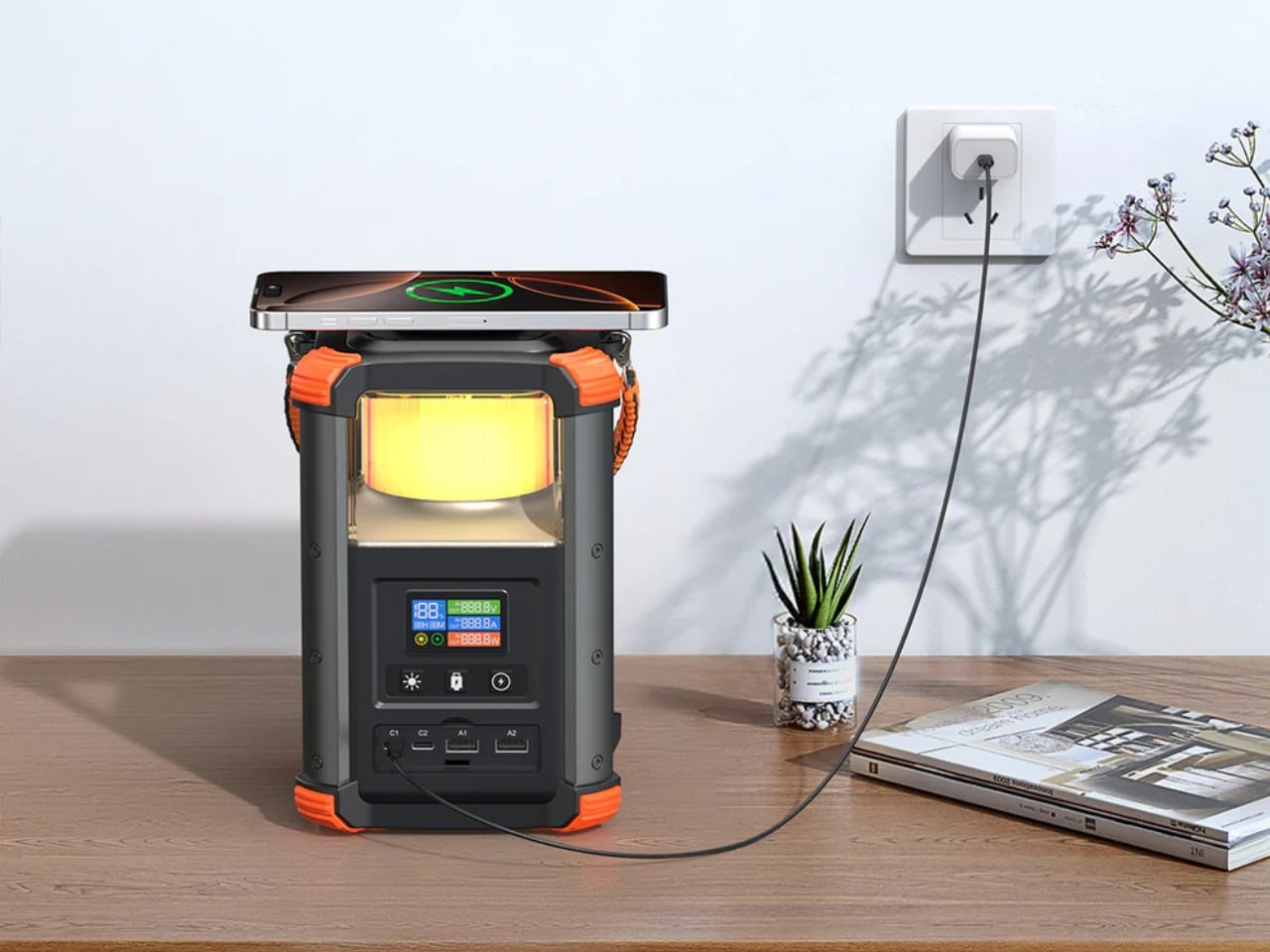
5 Best Shipping Container Tiny Homes of January 2026

Shipping container architecture continues to reshape residential design as we move into 2026. What began as a niche solution for sustainable living has matured into a mainstream housing option that balances affordability with architectural ambition. The current market shows container homes increasingly designed with modern interiors, smart home systems, and architectural detailing that support long-term residential use rather than temporary installations.

The designs featured this month represent the cutting edge of container home innovation. From compact 20-foot single-container retreats to expansive multi-container configurations, these homes prove that repurposed steel can create spaces that feel generous, light-filled, and remarkably comfortable. Each project demonstrates how thoughtful design transforms industrial materials into environments worth calling home, addressing both spatial efficiency and livability in ways that traditional construction often struggles to match.

1. Double Duo by Custom Container Living

Custom Container Living’s Double Duo reimagines what’s possible when you move beyond single-container limitations. Using two 40-foot containers positioned to create 640 square feet of interior space, this design offers room to breathe that most tiny homes simply can’t match. The layout includes a generous living area, two separate bedrooms, and two full bathrooms, making it suitable for families or those who refuse to compromise on personal space. The exterior flexibility allows buyers to choose between raw industrial steel or warmer wood cladding, giving each home a distinct character.

Step through the entrance and the difference becomes immediately apparent. The living room accommodates full-sized furniture without feeling cramped, with space for an entertainment center, substantial sofa, and coffee table that wouldn’t look out of place in a conventional home. The kitchen runs adjacent to this social space, equipped with double sinks, a proper four-burner propane stove with oven, a fridge/freezer, and a microwave. Those willing to invest in upgrades can add a dishwasher and stacked washer/dryer, while abundant cabinetry ensures storage never becomes an afterthought in daily life.

What We Like

  • Dual-container configuration creates genuine room separation instead of forcing everything into one open space.
  • Two bathrooms eliminate morning conflicts and make hosting guests far more comfortable.
  • Kitchen rivals what you’d find in many traditional homes with its appliance selection and counter space.
  • Exterior customization options let owners express personal style rather than accepting a one-size-fits-all aesthetic.

What We Dislike

  • Larger footprint requires more land than ultra-compact container homes, which may limit placement options.
  • Using two containers increases both initial cost and complexity compared to simpler single-container builds.
  • A propane stove means ongoing fuel management rather than the simplicity of all-electric systems.
  • Industrial origins still show in ceiling height and structural elements despite the spacious floorplan.

2. Teeny Tiny Haus by Backcountry Containers

Backcountry Containers’ Teeny Tiny Haus in Stonewall, Texas, proves you can fit a complete vacation home into a single 20-foot container. At just 130 square feet, this retreat matches the footprint of compact European tiny houses while maintaining all essential functions. The design includes a dedicated bedroom area, a functional kitchen, and a full bathroom, all within steel walls measuring 20 feet long and 8 feet wide. Every inch serves a purpose, with the layout optimized to prevent the space from feeling cramped despite its minimal dimensions.

The success of the Teeny Tiny Haus lies in spatial efficiency rather than compromise. The bedroom accommodates a proper sleeping area without sacrificing access or comfort, while the kitchen includes the necessary appliances and prep space for actual cooking rather than just reheating. The full bathroom means no awkward outdoor facilities or makeshift shower arrangements. For couples seeking a weekend escape or solo travelers wanting a personal retreat, the compact footprint becomes an asset rather than a limitation, requiring minimal maintenance while delivering maximum function in a vacation property context.

What We Like

  • Complete home functionality packed into 20 feet demonstrates exceptional space planning.
  • Texas Hill Country location provides a proven example of climate-appropriate container living.
  • Compact size means lower heating and cooling costs that keep ongoing expenses manageable.
  • Single-container format simplifies both initial setup and any future relocation needs.

What We Dislike

  • 130 square feet pushes livability boundaries for anything beyond weekend use.
  • Limited storage means careful editing of belongings becomes essential.
  • The narrow 8-foot width restricts furniture choices and traffic flow patterns.
  • Small footprint makes hosting guests impractical beyond very brief visits.

3. Mark T by Sonic Steel

Sonic Steel’s Mark T in Port Neil, South Australia, takes a vertical approach by stacking three containers into a light-filled coastal retreat. The 40-foot high-cube container forms the main living level, while a compact 7-foot module houses the staircase connection, and a 20-foot unit creates an elevated master bedroom. Painted uniformly black, the exterior sheds any obvious industrial appearance, looking more like intentional modern architecture than repurposed shipping materials. The stacked configuration creates distinct zones within the home rather than relying on open-plan compromises.

Walking through reveals attention to residential comfort at every turn. The central kitchen anchors the main floor, designed to encourage gathering rather than isolation during meal prep. Generous windows throughout both levels flood spaces with natural light, while luxury vinyl flooring and powder-coated tapware add refinement that distances the home from its cargo container origins. The bathroom includes a proper shower, sink, and odorless composting toilet that reduces water consumption without sacrificing functionality. A Rheem gas hot water system handles domestic needs, with electrical and plumbing arriving ready for connection to simplify the installation process.

What We Like

  • Stacked design creates true room separation between living and sleeping areas.
  • Coastal Australian setting showcases how containers adapt to challenging salt-air environments.
  • Generous windows throughout both levels maximize natural light and cross-ventilation.
  • Pre-installed systems reduce on-site construction time and complexity.

What We Dislike

  • The staircase between levels creates accessibility challenges for those with mobility limitations.
  • Stacked configuration requires more complex foundation and structural engineering than ground-level designs.
  • The black exterior absorbs significant heat in sunny climates despite the coastal location.
  • Custom nature of the three-container system limits standardization and economies of scale.

4. The Nook

The Nook demonstrates how a single 20-foot shipping container can become a contemporary home for solo dwellers or minimalist couples. At 160 square feet, this compact residence offers slightly more breathing room than ultra-tiny alternatives while maintaining exceptional affordability. The black steel exterior paired with cedar accent panels creates a modern aesthetic that turns heads without requiring extensive customization. Inside, the efficient layout positions the sleeping area, kitchenette, and bathroom within easy reach, eliminating wasted circulation space while maintaining clear functional zones throughout the compact floorplan.

Closed-cell foam insulation throughout the ceiling, walls, and floor ensures year-round comfort regardless of external temperature swings, making the home viable in varied climates rather than limiting it to temperate regions. Strategic window and door placement maximizes natural light penetration and outdoor views, creating an unexpectedly airy atmosphere despite the modest square footage. The Nook serves multiple purposes beyond primary residence, working equally well as a guest suite, home office, or studio space. The budget-friendly approach makes container living accessible to first-time tiny home buyers or those needing auxiliary space without major financial commitment.

What We Like

  • Cedar accents warm the industrial aesthetic without requiring full exterior cladding.
  • Closed-cell insulation addresses thermal performance concerns that plague many container conversions.
  • Multiple use cases beyond the primary dwelling extend practical value.
  • Entry-level price point opens container living to broader audiences.

What We Dislike

  • 160 square feet still requires a significant lifestyle adjustment and belongings editing.
  • Kitchenette designation suggests appliance limitations compared to full kitchen setups.
  • Single-container format means no room for expansion without major reconfiguration.
  • A compact bathroom likely means space constraints for fixtures and storage.

5. Rising Sun by UnContained Dreams

UnContained Dreams’ Rising Sun makes the most of its 9.6-foot height and 8-foot width to create a comfortable, compact home. The design addresses thermal performance head-on, applying closed-cell spray foam to all interior surfaces, including the ceiling, floor, and walls. This insulation strategy keeps the interior cozy during winter months and cool throughout summer, solving one of container architecture’s most persistent challenges. Multiple strategically placed windows ensure the space stays bright and inviting despite the narrow footprint, with thoughtful positioning that maintains privacy while maximizing daylight penetration.

The exterior combines metal with wood trim, achieving a functional appearance that balances industrial utility with residential warmth. Doors cut into the container provide practical entry points and ventilation options, while the interior layout allocates space for all essential living functions without feeling cramped. Rising Sun targets buyers seeking straightforward, well-insulated housing that requires minimal ongoing maintenance. The design philosophy emphasizes practical solutions over architectural showmanship, delivering a home that performs reliably across varying climate conditions while remaining accessible to those new to alternative housing models.

What We Like

  • Comprehensive spray foam insulation eliminates the thermal bridging issues common in container homes.
  • Taller 9.6-foot height creates more interior volume than standard container dimensions.
  • Metal and wood exterior combines durability with visual appeal.
  • Straightforward design reduces complexity and potential maintenance headaches.

What We Dislike

  • 8-foot width constrains furniture placement and room layout options significantly.
  • Emphasis on practicality means less architectural drama than more ambitious container projects.
  • Compact dimensions limit suitability for families or those working from home.
  • Single-container format offers no expansion possibilities without adding separate modules.

Making the Right Choice

Container home architecture has evolved far beyond its experimental origins into a legitimate housing category. The five homes featured here represent different approaches to the same fundamental challenge: transforming industrial steel boxes into comfortable living environments. From the spacious Double Duo to the ultra-compact Teeny Tiny Haus, each design makes specific trade-offs between space, cost, and complexity that suit different buyer priorities and lifestyle requirements.

The current market reflects growing sophistication in container home design, with builders addressing insulation, natural light, and spatial efficiency more effectively than early pioneer projects. Whether you’re drawn to vertical stacking like the Mark T or prefer ground-level simplicity like The Nook, January 2026 offers container home options that feel less like compromises and more like intentional architectural choices. These homes prove that starting with shipping containers doesn’t mean accepting industrial aesthetics or cramped quarters in your final living space.

The post 5 Best Shipping Container Tiny Homes of January 2026 first appeared on Yanko Design.

5 Best Transparent Tech Of January 2026 That Just Beat Nothing at Its Own Game

Transparent technology has moved far beyond its novelty phase to become a legitimate design movement reshaping how we interact with our devices. What started as a nostalgia trip courtesy of Nothing’s transparent phones has evolved into a full-blown aesthetic revolution where seeing the guts of your gadgets is no longer just acceptable but desirable. The best transparent designs do more than simply expose circuitry; they create visual narratives about how technology works while delivering genuine functional benefits that justify their existence beyond mere eye candy.

January 2026 has given us a particularly strong lineup of transparent tech that ranges from retro-futuristic audio devices to gaming powerhouses wrapped in see-through shells. These designs prove that transparency works across every category of consumer electronics when executed with intention and intelligence. The following five products represent the pinnacle of this movement, each bringing something unique to the table while celebrating the beauty of visible mechanics and electronic components in ways that feel fresh rather than gimmicky.

1. Transparent Sony Walkman Concept

This transparent cassette recorder concept represents everything compelling about retro-futurism executed with modern design sensibilities. The device combines the tactile satisfaction of analog media with visual transparency that transforms mechanical components into the main attraction. Those exposed gears and rollers work their magic through crystal-clear housing that makes the entire mechanism visible during operation, creating a mesmerizing display of analog technology in motion. The top-mounted mechanical elements evoke luxury watch movements where visible complexity becomes the primary selling point rather than something to hide behind opaque shells.

The design succeeds because it creates genuine tension between old and new technologies rather than simply copying vintage aesthetics. A digital display nestles among analog components, suggesting computational intelligence working alongside mechanical systems. Those pixel-perfect UI elements visible through transparent housing indicate this isn’t merely a playback device but something with smart capabilities. The tiny control buttons along the top edge deliberately reference 80s Sony recorders while embracing modern miniaturization techniques. This Walkman concept could easily exist in Blade Runner’s world or on a contemporary design enthusiast’s shelf with equal credibility.

What We Like

  • The visible gear systems create a hypnotic viewing experience during tape playback.
  • The combination of analog mechanics and digital intelligence feels genuinely innovative.
  • The transparent housing transforms mechanical movement into visual entertainment.
  • The design language successfully bridges multiple decades of technology evolution.

What We Dislike

  • Physical media dependence limits practicality for streaming-era consumers.
  • The concept status means you cannot actually purchase this beautiful object.

2. Pomera DM250 Crystal Neon Yellow

The limited-edition Pomera DM250 in Crystal Neon Yellow ditches conventional white or black finishes for a vivid, almost glowing green shell that channels cyberpunk aesthetics straight out of futuristic cinema. The transparent design feels deliberately pulled from a William Gibson novel, mixing nostalgia for vintage computing with an ultra-modern sensibility that makes the device feel both retro and cutting-edge simultaneously. This isn’t just a writing tool but a statement piece that announces your commitment to focused creativity before you type a single word.

The core philosophy here centers on unwavering dedication to one task: getting words onto the screen without distractions. The DM250 sports a compact yet full-size 80-key keyboard paired with a crisp monochrome LCD that strips away every possible distraction. The software is deliberately minimal, offering everything a writer needs for text creation while providing nothing that might derail focus or waste precious writing time. That transparent shell showcasing the device’s internal components serves as a visual reminder of its pure functionality, where every element exists to support the writing process rather than tempt you toward multitasking.

What We Like

  • The monochrome display eliminates distractions that kill writing productivity.
  • The full-size keyboard delivers proper typing ergonomics in a compact form.
  • The Crystal Neon Yellow finish makes a bold visual statement.
  • The single-purpose design philosophy respects writers’ focus needs.

What We Dislike

  • The monochrome display feels dated compared to modern screen technology.
  • Limited functionality beyond text editing restricts versatility for mixed workflows.

3. RedMagic Astra Gaming Tablet

Nothing spent years teasing transparent design language, while RedMagic simply dropped the Astra with a full transparent strip down its back panel, complete with faux circuit board details that scream technological prowess. The visual trickery taps into tech enthusiast psychology that made transparent Game Boys and iMacs cultural phenomena decades ago. Those faux components create an impression of hardware sophistication perfectly aligned with gaming tablet expectations. RedMagic effectively claimed transparent tablet territory before Nothing could plant their flag, proving that execution speed sometimes matters more than brand heritage in emerging design categories.

The transparent strip serves as eye candy on what might be the most compelling compact gaming tablet available. RedMagic packed the Astra with the Snapdragon 8 Elite processor and hardware that puts most full-sized tablets to shame. The 9.06-inch form factor feels genuinely manageable for handheld gaming while maintaining enough screen real estate for immersive experiences. Aggressive pricing makes the iPad Mini look overpriced and underpowered by comparison. The Astra knows exactly what it wants to be: a gaming powerhouse that happens to work as a tablet, rather than a tablet that sorta plays games. This focused approach pays dividends across every aspect, from display technology to thermal management systems.

What We Like

  • The Snapdragon 8 Elite processor delivers flagship performance in a compact package.
  • The transparent design differentiates it from generic black rectangles flooding the market.
  • The 9.06-inch size balances portability with usable screen space for gaming.
  • Aggressive pricing undercuts competitors while delivering superior hardware specifications.

What We Dislike

  • Faux circuit board details might feel inauthentic to purists wanting real component exposure.
  • Gaming focus means it might not excel at productivity tasks that some users expect from tablets.

4. Nothing-Inspired Transparent Robot Vacuum

Designer Taeyeon Kim took the transparent tech aesthetic and applied it to one of the most mundane household appliances imaginable, creating an independent concept that reimagines how cleaning technology could integrate into daily life. The transparent philosophy celebrates inner workings rather than hiding them behind opaque plastic shells that make appliances invisible and forgettable. This vacuum features a completely clear shell exposing all internal components from the motor and sensors to the circuitry, making it function, transforming utilitarian hardware into something worth displaying prominently.

Most robot vacuums are designed for invisibility, tucked away in corners where they won’t interfere with carefully curated interior design schemes. Kim’s concept takes the opposite approach entirely, embracing transparency and modularity to create a cleaning system that actually wants to be seen and interacted with regularly. The exposed components serve educational purposes, helping users understand how their cleaning technology actually works while making maintenance and troubleshooting more intuitive. The modular design philosophy means components can be swapped or upgraded without replacing the entire unit, extending product lifespan while reducing electronic waste that plagues the appliance industry.

What We Like

  • The transparent shell transforms a mundane appliance into an interesting design object.
  • Exposed components make maintenance and troubleshooting more intuitive for users.
  • The modular philosophy extends product lifespan through component upgrades.
  • The design challenges the appliance industry norms around hiding technology from view.

What We Dislike

  • Visible dirt accumulation in transparent components might require more frequent cleaning.
  • The concept status means this innovative design isn’t available for purchase yet.

5. Sony WF-C710N Glass Blue Earbuds

The Glass Blue variant of Sony’s WF-C710N earbuds challenges the industry’s tendency toward either clinical white or anonymous black with a design choice that celebrates rather than conceals technological sophistication. The transparent housing goes beyond mere novelty to create a visual narrative about the engineering packed into these tiny devices. Sony offers four color options, but the Glass Blue stands out by making the internal components part of the aesthetic rather than something requiring concealment. The naturally elegant, compact form factor prioritizes both aesthetics and functionality in ways that prove transparent design works even at this miniature scale.

Sound quality remains Sony’s primary focus despite attention-grabbing aesthetics that could easily overshadow performance. The unique 5mm drivers deliver powerful bass and crystal-clear vocals across all music genres, while Digital Sound Enhancement Engine processing restores high-frequency elements often lost in compressed digital audio files. This technical prowess ensures the WF-C710N earbuds sound as impressive as they look, delivering an audio experience satisfying even discerning listeners who prioritize performance over style. The noise-canceling capabilities work seamlessly with the compact design, proving that transparent housings don’t require compromises in acoustic performance or active noise management systems.

What We Like

  • The Glass Blue finish makes a bold statement against boring black or white alternatives.
  • The 5mm drivers deliver impressive audio quality from compact components.
  • Digital Sound Enhancement Engine processing restores lost audio details effectively.
  • Active noise canceling proves transparent design doesn’t compromise acoustic performance.

What We Dislike

  • The transparent design might show dirt and debris accumulation more visibly than opaque alternatives.
  • The 5mm drivers might not satisfy audiophiles seeking maximum bass response depth.

The Transparent Future

Transparent technology has matured from gimmick to genuine design movement with staying power. The five products showcased here demonstrate how exposure of internal components can serve both aesthetic and functional purposes when executed thoughtfully. Designers are moving beyond simply slapping clear cases on existing products to creating devices where transparency informs every aspect of the user experience, from interaction patterns to maintenance accessibility. The visual honesty of exposed mechanics and circuitry creates connections between users and their technology that opaque housings cannot replicate.

What makes January 2026’s transparent offerings particularly compelling is their diversity across product categories and price points. From retro-futuristic Walkman concepts to pragmatic writing tools and gaming tablets, transparent design proves its versatility. These products suggest we’re entering an era where seeing how our devices work isn’t just acceptable but expected by consumers who want deeper relationships with their technology. The transparent revolution is just beginning, and these five designs point toward a future where every electronic device might celebrate rather than hide its technological sophistication.

The post 5 Best Transparent Tech Of January 2026 That Just Beat Nothing at Its Own Game first appeared on Yanko Design.
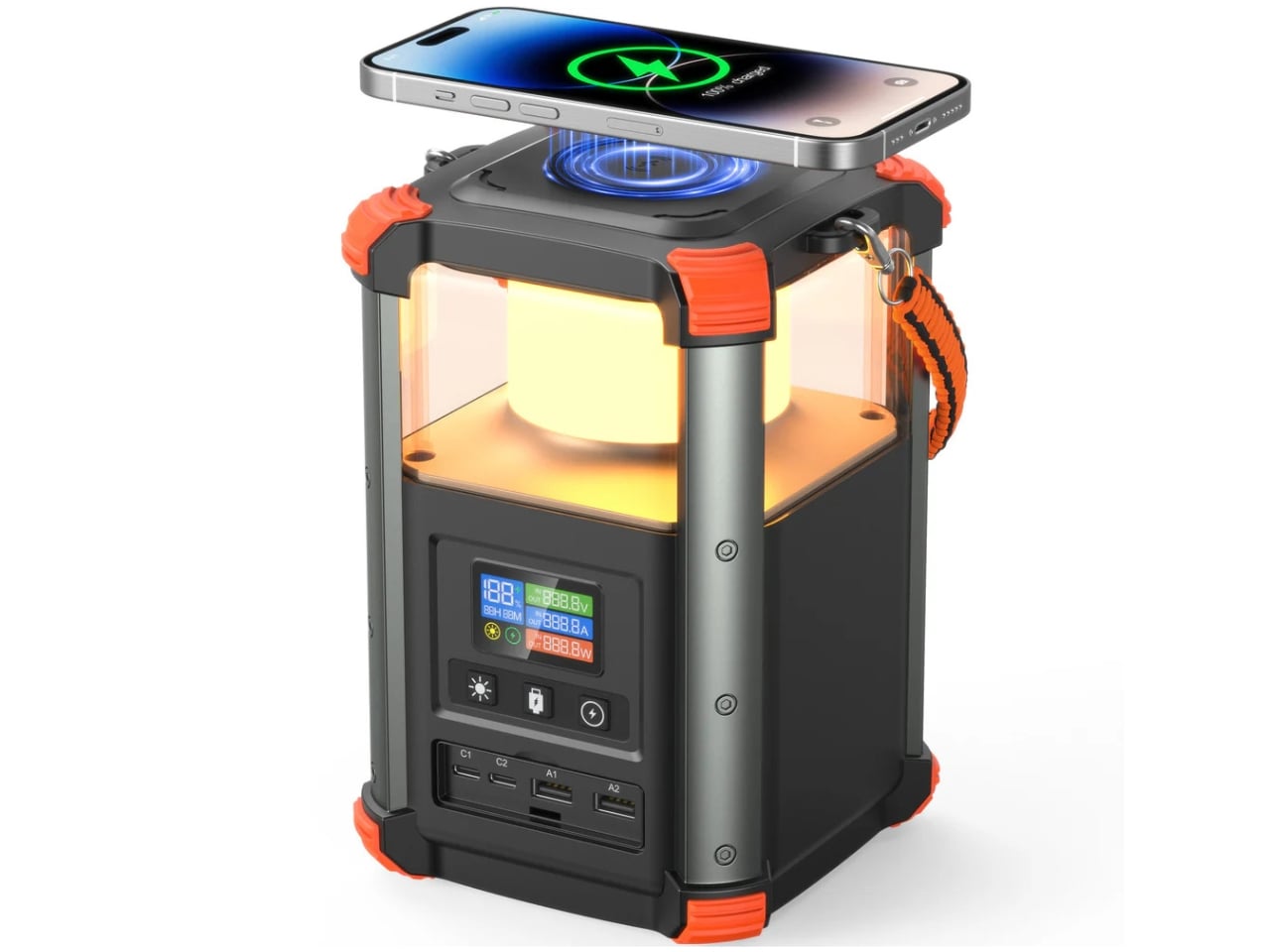
5 Best Reading Nook Essentials to Restart Your Book Club Goals in 2026

Book clubs thrive on intention, and 2026 is calling for a refresh. The ritual of reading together deserves more than cramped corners and harsh overhead lighting. Creating a dedicated reading nook transforms your literary habits from scattered moments into meaningful experiences. These five essentials blend form with function, turning any space into an inviting sanctuary where pages turn naturally, and conversations flow.

The best reading nooks aren’t about excess. They’re about selecting pieces that enhance comfort while celebrating the act of reading itself. From ambient lighting that sets the perfect mood to clever tools that keep your place without damaging precious spines, each element serves a purpose. These designs honor the tactile joy of physical books while adding visual interest that makes your reading corner a destination worth visiting daily.

1. Bookish Bookmark

Every dedicated reader knows the frustration of trying to keep a book open while juggling a cup of tea or taking notes. The Bookish Bookmark solves this age-old problem with elegant simplicity. This transparent acrylic paperweight curves naturally to hold pages open without forcing the spine into unnatural positions, respecting the integrity of your favorite volumes while keeping them accessible.

The genius lies in its transparency. Unlike traditional paperweights that obstruct text, this bookmark disappears visually while doing its job. You can read straight through it without interruption, making it perfect for those moments when you need both hands free to sketch ideas or reach for snacks during intense book club discussions. The book-shaped design adds a meta touch that book lovers will appreciate.

Click Here to Buy Now: $65.00

What We Like

  • The curved design respects the natural form of books, preventing spine damage that can devalue collectible editions.
  • The transparent material means no more awkward repositioning to read past an opaque weight.
  • It eliminates the need for makeshift solutions like coffee mugs or phones that can leave marks or cause spills.
  • The dedicated design shows thoughtfulness toward the reading experience itself.

What We Dislike

  • Acrylic resin can scratch over time with rough handling, potentially affecting its clarity.
  • The transparency that makes it functional also makes it easy to misplace on cluttered surfaces.
  • It works best with standard-sized books, leaving oversized art books or tiny pocket editions without ideal support.
  • The minimalist design lacks personalization options for readers who enjoy expressive accessories.

2. Anywhere Use Lamp

Lighting makes or breaks a reading environment. The Anywhere Use Lamp brings warmth and flexibility to your reading nook with its mushroom-inspired portability. Six high color rendering LEDs cast a soft glow that’s bright enough for comfortable reading without the harshness of overhead lights. The modular design means you can reposition it instantly, following natural light throughout the day or moving between rooms.

Battery power changes everything for the reading nook design. Four AA batteries free you from outlet proximity, letting you claim any corner as your literary retreat. The tactile satisfaction of pressing anywhere on the lamp’s cap to cycle through four brightness levels adds a sensory element to your reading ritual. Choose between black, white, or the new Industrial edition with its deliberately imperfect metal base that celebrates authentic character.

Click Here to Buy Now: $149.00

What We Like

  • The portable design using AA batteries liberates your reading nook from electrical constraints.
  • Warm LED lighting reduces eye strain during extended reading sessions while creating an inviting ambiance.
  • The haptic feedback from adjusting brightness adds satisfying physicality to the experience.
  • Modular construction allows easy disassembly for transport to outdoor book club meetings or weekend retreats.

What We Dislike

  • Battery replacement creates ongoing costs and environmental considerations compared to rechargeable options.
  • The compact size limits coverage area for larger reading spaces or group gatherings.
  • AA batteries add weight that slightly contradicts the portable promise.
  • The minimalist aesthetic, while elegant, offers limited decorative personality for eclectic spaces.

3. Pop-Up Book Vase

Reading nooks benefit immensely from living elements. The Pop-Up Book Vase brings nature into your literary space with whimsical charm. This clever design opens like a storybook to reveal three-dimensional vase cutouts that hold fresh flowers. Three different vase designs within one book format mean you can refresh your display without purchasing new pieces, simply by turning pages to reveal new arrangements.

Natural pulp construction with water-resistant coating protects against spills while maintaining an organic aesthetic. The vase can be positioned normally or flipped upside down for dramatically different perspectives, encouraging the kind of creative thinking that enriches book discussions. Flowers add color, fragrance, and vitality to reading spaces, creating sensory layers that make settling in with a book feel truly special.

Click Here to Buy Now: $39.00

What We Like

  • Three distinct vase designs provide variety without clutter, perfect for small spaces.
  • The pop-up mechanism delights visitors and adds conversation-starting visual interest.
  • Natural materials align with sustainable living values while complementing book aesthetics.
  • Fresh flowers improve air quality and mood, both beneficial for focused reading and lively discussions.

What We Dislike

  • The water-resistant coating requires careful maintenance to prevent degradation over time.
  • Structural integrity depends on proper setup, making it less intuitive than traditional vases.
  • Page-turning mechanisms can weaken with frequent repositioning, limiting design changes.
  • The creative format takes up more surface area than conventional cylindrical vases.

4. Fire Capsule Oil Lamp

Ambient lighting elevates reading from routine to ritual. The Fire Capsule Oil Lamp provides up to 16 hours of continuous illumination from its 80ml capacity, creating a serene atmosphere that invites longer reading sessions. The precision-engineered lid keeps the glass chimney dust-free, maintaining crystal clarity that showcases the living flame. This isn’t just functional lighting—it’s a centerpiece that transforms your reading nook into a sanctuary.

The included aroma plate expands functionality beyond illumination. Add essential oils to infuse your space with scents that enhance focus or relaxation during reading sessions. Paraffin oil burns clean and odorless, creating a safe ambiance for both novice and experienced users. The cylindrical form stacks beautifully for storage, while the protective drawstring pouch makes it portable for outdoor book club gatherings, where you can use insect-repelling oils.

Click Here to Buy Now: $89.00

What We Like

  • The generous 16-hour burn time supports marathon reading sessions and extended book club meetings.
  • Clean-burning paraffin oil eliminates the smoke and odor concerns that candles present near books.
  • The aroma plate feature creates multi-sensory reading experiences that deepen immersion.
  • Stackable design solves storage challenges while the included pouch enables outdoor literary adventures.

What We Dislike

  • Open flame requires vigilant supervision, especially in homes with children or pets.
  • Paraffin oil represents an ongoing expense and requires dedicated storage space.
  • The glass chimney, while beautiful, introduces fragility that demands careful handling.
  • Flame lighting lacks the instant convenience of electric options for quick reading sessions.

5. StillFrame Headphones

Modern reading encompasses multiple formats. The StillFrame Headphones honor audiobook listeners and those who prefer ambient soundscapes while reading physical books. At just 103 grams, they vanish physically while delivering substantial audio through 40mm drivers that create an expansive soundstage. The design splits the difference between in-ears and over-ears, offering comfort for the 24-hour battery life that powers all-day listening.

The retro-inspired geometry references the CD era when albums demanded dedicated attention, making these headphones philosophically aligned with focused reading. Active noise cancelling creates isolation for deep concentration, while transparency mode maintains environmental awareness for shared spaces. This adaptability serves book club members who alternate between private reading and group discussions, supporting both modes with a simple tap.

Click Here to Buy Now: $245.00

What We Like

  • The 24-hour battery life eliminates charging anxiety during long reading days or travel.
  • Featherlight construction at 103 grams prevents the fatigue associated with heavier headphones.
  • Dual-mode functionality adapts to changing environments without requiring different devices.
  • The wide soundstage enhances audiobook narration and creates immersive atmospheres for background music during reading.

What We Dislike

  • The premium design comes with corresponding pricing that may stretch book club budgets.
  • On-ear style can cause discomfort during extremely extended wear despite light lightweight.
  • The aesthetic, while striking, demands commitment to a specific design language.
  • Bluetooth connectivity introduces another device to charge and maintain in your reading ecosystem.

Building Your 2026 Reading Ritual

These five essentials work together to create reading environments that honor literature. The combination addresses lighting from multiple angles, supports the care of physical books, introduces natural elements, and acknowledges evolving consumption formats. Investing in a dedicated reading space signals a commitment to your book club goals, transforming intentions into daily practices that last throughout the year.

Quality tools enhance experiences worth repeating. When your reading nook becomes genuinely inviting rather than merely functional, returning to it feels effortless. These designs demonstrate that thoughtful curation matters, that small details compound into significant improvements. Your 2026 book club goals deserve this foundation, where every element serves both purpose and pleasure in equal measure.

The post 5 Best Reading Nook Essentials to Restart Your Book Club Goals in 2026 first appeared on Yanko Design.