Get the Pixel 9’s “Add Me” Camera Feature on Any iPhone or Android Device: Here’s How…

Were you hyped when Google announced the Add Me feature for the Pixel 9 series camera? I’ll be honest, my wave of excitement died down as fast as it hit me. Truth be told, the Add Me feature is pretty impressive – it allows you to click group photos while also including yourself IN the group. The way the Pixel does this is by scanning your surroundings and the subjects in the frame, and once you click the photo, hand the phone (in the same position) to someone else and walk into the frame. The Pixel 9 will ‘add you’ to the existing photo using AI. Sounds truly remarkable, doesn’t it? Well, given how much 3D scanning and AI computation is done in advance to make this possible, this truly is a feat of technology. There’s a problem, however… You can easily achieve nearly similar results using the Panorama setting on any phone camera.

Before we break down how to do this, it’s worth noting that the way the Pixel 9’s Add Me feature and your camera’s Panorama feature work very differently. Which means there are different things to worry about, and a few potential caveats for both methods. The takeaway, however, is that you DON’T need to be excluded from your group photos. You can simply rely on an existing feature on your phone to add yourself into images… without splurging on a fancy $799-$1099 phone, or without using a whole lot of AI.

Start the panorama process, then hand the phone to someone else while you enter the panorama from the right. The small preview window should help you compose a perfectly stitched panorama that includes you!

As far as Pixel 9’s Add Me feature goes, it’s fairly state-of-the-art and does a job most people would be pretty impressed with. You’ve got the phone quite literally scanning the room, separating the subjects from the background, and then adding an extra subject in. This way, you can truly be a part of a photo even if you’re the one clicking it. Just start the clicking process, hand the camera to someone else, and go stand in the frame you composed. You can stand near people, behind them, pretend to touch their shoulder, and the AI does the rest of the work, crunching multiple data points together to seamlessly integrate you into the frame. It’s great, but it has a few cons – aside from the general stitching issues, you need to ensure the phone’s position doesn’t change too much while clicking the image. You also need a Pixel 9 (or higher) to perform this feature, which is the biggest disadvantage of them all. There is, however, the simple solution of just clicking using the panorama mode. The panorama method is ridiculously simple and works on any smartphone (Android or iOS) without any updates. Here’s how you do it.

The final result looks just as good as the ones from Pixel’s Add Me feature… except without using any AI!

Start the panorama process, but deliberately leave the part out where you plan on inserting yourself. Then, hand the phone to someone else and have them continue the panorama, but now with you in it. Hit the shutter button after the panorama’s composed and voila! You’re effectively IN the photo that you started taking! No AI, no fancy camera features, just a genius solution to a simple problem. The Panorama method works 9 times out of 10, making it a solid alternative to Pixel’s Add Me feature. However, it has a few limitations too. Again, aside from the potential stitching issues, the photos you take ALWAYS have to be landscape (because that’s how panoramas are recorded). People in the frame cannot move too much, which could affect the stitching – this means you can’t use this feature in a crowd; your background almost always has to be static. The Panorama Method also works only from left to right, which means the photographer can only be to the right of people. Not the left, and not even behind them. Personally, these limitations feel pretty small when compared to the idea of spending $799 for a new phone. I also give it a year before someone develops a camera app or filter (I’m looking at you, Snapchat) that does this exact same thing as Pixel’s ‘Add Me’. Until then, just go ahead and use the Panorama Method. I promise nobody will know the difference.

The post Get the Pixel 9’s “Add Me” Camera Feature on Any iPhone or Android Device: Here’s How… first appeared on Yanko Design.

INSTAX WIDE 400 instant camera leaves more space for your friends

Even with the growing power of smartphone cameras, the discrete camera market hasn’t yet folded as many once prophesied. Professional cameras like DSLRs are still unmatched in power and flexibility, while the retro and nostalgia craze has actually carved a niche for Polaroid-style instant cameras. The most popular format for the latter is small vertical cards that fans love sharing or sticking on walls and fridge doors, but those square-shaped photos (not including the wide white borders) don’t exactly have enough room for everyone or everything you might want to capture. For that, you’ll need a wider picture format, almost like the stereotypical 4×6, which is something that Fujifilm’s latest INSTAX design is offering, allowing you to snap and share those once-in-a-lifetime moments with more friends.

Designer: Fujifilm

There’s just something about these instant cameras that tickle people’s fancies, regardless of whether they lived through the age of Polaroids or not. Rather than being seen as a weakness, the lack of digital features and the limits of printed photos actually add to the charm of the experience. It makes each moment even more ephemeral and precious, which is why you’d want to include as many people or as much of the scene as you can.

The INSTAX WIDE 400 provides that breathing room with its wide photo format, almost twice the size of regular INSTAX photos. That also makes the camera twice as large, as it needs to fit the cartridge holding the ink-free sheets of photo frames. That said, the camera is also designed for comfort despite its size and heft, and its traditional design makes it easy to grasp and hold even with a single hand.

One of the biggest strengths of the INSTAX cameras is their extreme ease of use. Simply turn them on, which involves turning the central dial to the left, and you’re good to go. But since it was specifically designed for group photos, the INSTAX WIDE 400 has a unique feature that lets you turn a lever to set a timer for up to 10 seconds, giving you enough time to position yourself or prepare wacky poses. It doesn’t get simpler than that.

Admittedly, the INSTAX WIDE 400 is aimed at a very niche audience, but one that really digs this kind of experience enough to fork out around $150 for just the camera alone. That said, Fujifilm also knows it’s not everyone’s cup of tea, which is why it has a wide range of INSTAX products ranging from smaller instant cameras to portable photo printers that try to offer the best of both analog and digital worlds.

The post INSTAX WIDE 400 instant camera leaves more space for your friends first appeared on Yanko Design.
SwitchLens Pro Camera System turns any Smartphone into a Photography Powerhouse

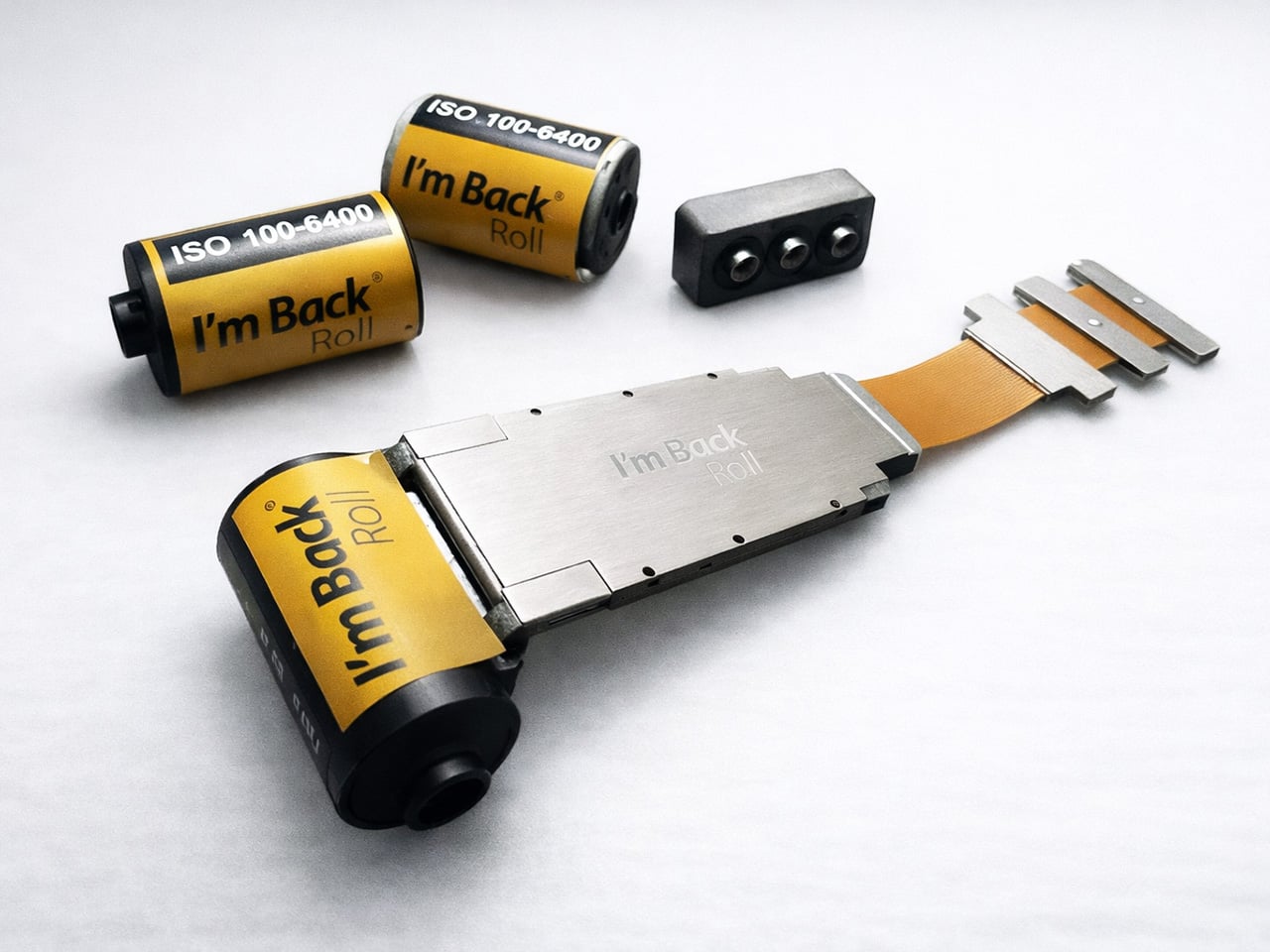
Smartphone cameras have come a long way and have become quite capable tools in preserving memorable moments for posterity. There is, however, still a very good reason why they haven’t completely overthrown pro cameras. You can only squeeze so much hardware into a slim smartphone, and you can’t really have large lenses or even a lens mount bulging out from the back of the phone. There are admittedly a few accessories that try to bring some of that interchangeable lens experience but usually limit themselves to small lenses made just for smartphones. Bringing a true “pro camera” experience to mobile requires taking a few cues from pro cameras themselves, and that is exactly what the SwitchLens does to level up your mobile photography game.

Designer: sneaki design

Click Here to Buy Now: $199 $329 ($130 off). Hurry, 33/450 left! Raised over $490,000.

SwitchLens is a complete pro camera system that not only takes the lessons learned from digital cameras but even the technologies employed there. In particular, it embraces the popular micro four thirds or MFT system that leverages large sensors and interchangeable lenses to create highly detailed and breathtaking shots. The large 20.75MP 1.33-inch CMOS sensor that SwitchLens uses is unmatched by even flagship phones, which means it can take in more light and record more details just with the hardware alone, no post-processing or AI touch-up required.

And just like the MFT used in compact digital cameras, you can also swap out lenses to get the best shot out of a scene, whether that’s a 25mm f1.8 portrait lens for closeups or a 12mm f2.8 wide-angle lens for sweeping panoramic shots. What makes the SwitchLens system even more impressive is that it can actually support MFT lenses from Panasonic or Olympus that you might have lying around. You are no longer limited to what the manufacturer provides, and you are definitely not limited to tiny lenses that compromise on performance in return for their pretty sizes.

1

Unlike other such accessories, SwitchLens is a powerful device that can function even when detached from the back of your phone. Using a stable and fast Wi-Fi connection, you can control SwitchLens remotely for more difficult shots, or magnetically stick it to the back of your iPhone or Android phone to recreate the experience of using a digital camera but with a much larger and clearer viewfinder. From selfies at extremely low angles to macro photography, SwitchLens gives you the flexibility to take a shot in the most comfortable and most convenient way.

1

The pro camera experience doesn’t end there. SwitchLens’s Peaking Focus assistance feature easily marks out which objects are in focus with vibrant, eye-catching colors to ensure sharp and in-focus images every time. With support for microSD cards up to 1.5TB in capacity, you have nearly limitless room for taking thousands of RAW photos and recording 4K 30fps videos without filling up your phone storage. With the SwitchLens MFT modular camera system, your phone is no longer a stumbling block for a pro photography experience and becomes the launch pad for taking stunning photos and videos like a pro.

Click Here to Buy Now: $199 $329 ($130 off). Hurry, 33/450 left! Raised over $490,000.

The post SwitchLens Pro Camera System turns any Smartphone into a Photography Powerhouse first appeared on Yanko Design.
This GoPro concept with Interchangeable Lenses brings DSLR abilities to the Action Camera

The GoPro is, on paper at least, an incredibly high-resolution camera capable of recording 4K at high speeds of up to 120fps – that’s pretty remarkable for a camera… but no photographer or videographer will ever take a GoPro seriously, because it lacks the one feature that most professionals look for – the ability to change lenses. The GoPro is perpetually stuck with its ultrawide lens, and that doesn’t appeal to most photographers. Designed to bridge this gap, Liam de la Bedoyere designed a GoPro that actually lets you remove and replace lenses, giving you the ability to choose between macro, telephoto, wide-angle, and fisheye shots… all while still retaining the GoPro’s gorgeously compact aesthetic.

Designer: Bored Eye Design

Bedoyere’s (better known by his online moniker Bored Eye Designs) concept isn’t what you’d call a traditional GoPro – its design is quite the overhaul, with a funky orange-meets-black aesthetic that sort of feels reminiscent of Rabbit, but with a more balanced color palette. The design features the GoPro’s main body, with the screen at the back, but also comes with a removable camera module, reminiscent of the recently launched Insta360 Go 3S. This removable module snaps onto the main body when it needs a battery boost, but can be removed and carried separately as a body-worn or handheld tiny cam. It also features those aforementioned removable lenses, allowing you to change your PoV on the fly.

Designed as a part of a Productober sprint (with daily prompts through the month of October), Liam de la Bedoyere created a rough draft of an action camera with the ability to remove and mount different lenses. Although Bedoyere barely made the deadline for the prompt, his concept existed just as a mere sketch. Taking some more time after Productober officially ended, he decided to flesh out the design by making a proper 3D CAD model of what this shapeshifting action cam could look like.

Bedoyere’s vision of a GoPro with interchangeable lenses is something that quite a few videographers have thought of. In fact, Canada-based hardware company Back-Bone also makes a modified version of the GoPro HERO12 with an armature on the front that lets you attach literal DSLR-style lenses on your action camera, with a choice between M12, CS, and C-mount styles!

The post This GoPro concept with Interchangeable Lenses brings DSLR abilities to the Action Camera first appeared on Yanko Design.
SANDMARC’s $335 Probe Lens takes ‘Shot on iPhone’ to a completely new level

The probe lens, which became the talk of the photography town in 2018, is now going to become a staple of smartphone photography too. After seeing Shiftcam debut their probe lens for the smartphone (although it hasn’t officially been launched yet), SANDMARC has joined the ranks with its own probe lens for the iPhone. Priced at $349.99 along with the mounting case for your phone, SANDMARC’s Probe Lens promises to deliver a new perspective that gives you a tiny critter’s POV, making the world around you seem much larger than life!

Designer: SANDMARC

The lens measures an impressive 12 inches long, and comes with that signature probe-shaped design that lets you poke your camera into tiny spaces and capture things from a small PoV. Essentially, it builds itself on the aesthetic set by Laowa and Shiftcam after, and sports a wide DoF, a focus wheel, and LEDs on the front to let the lens gather as much light as possible (tiny lenses do require higher light capture because of their small design).

More importantly, this release from SANDMARC promises to change iPhones and smartphone photography as we know it. Humans are used to the human perspective, which is why we’re so enamored by drone footage. The Probe Lens brings yet another perspective to how we capture the world, and it’s going to be absolutely phenomenal to see what creators do with it.

At its $335 price tag (for just the lens), this isn’t something everyone can or even should buy. The Probe Lens is designed mainly for creatives, filmmakers, and nature documentary folks. The lens has a focal length of 16mm, a magnification of 2.1x, and the ability to focus on objects with stunning bokeh and also a wide FoV. You truly feel like you’ve been shrunk 100x and you’re now exploring the world in a new, tinier body. SANDMARC hasn’t specified whether this probe lens is waterproof (Shiftcam’s upcoming lens is), which means you may not be able to prod your lens into a glass of water, or a pond to observe wildlife inside. There is, however, a set of shadowless lights on the rim, for low-light photography, and a USB-C port that lets you charge your Probe Lens. The lens ships with a pouch, front and back lens caps, a charging cable, and even a mounting case for your iPhone (compatible with iPhone 14 and above).

The post SANDMARC’s $335 Probe Lens takes ‘Shot on iPhone’ to a completely new level first appeared on Yanko Design.
Gudetama 35mm camera lets you embrace basic analog photography

Gudetama is one of my favorite Sanrio characters as I find that I relate a lot to it even though it’s an anthropomorphic egg yolk. I’ve watched its “Eggcelent Adventures” on Netflix and I also collect various stationary stuff featuring this lazy ennui-filled cute egg. I’m not alone in this obsession as the character has 852,000 followers on Instagram and has probably sold a lot of Sanrio merch as well.

Designer: Retrospekt for Sanrio

Another Gen Z thing that has been trending lately is a throwback to 35mm digital cameras. And no one does retro tech products better than Retrospekt. Their latest collaboration with Sanrio is the limited edition Gudetama Restrospekt FC-11 35mm Film Camera which has the egg yolk character on center stage, or rather, center camera. The camera has a silicone lens cap and the body has faux leather artwork with the different Gudetama versions.

It is a pretty simple point-and-shoot camera with a 1m fixed-focus lens and built-in optional flash. All you have to do is look through the viewfinder, line up your shot, press the shutter button, and then get your 35mm film developed in your favorite film developing shop. It’s just like any other 35mm film camera except you have the Gudetama butt staring at you when you look into the viewfinder.

The camera has a 200-400 ISO with a 31mm f/9 lens and 1/120 second shutter speed. It’s pretty light as it only weighs 122g and may even be lighter than your smartphone. It’s pretty cute that kids these days are enjoying taking analog photos and having cute cameras like this one adds to the appeal.

The post Gudetama 35mm camera lets you embrace basic analog photography first appeared on Yanko Design.
Canon’s quirky new lenses help you create content for Apple Vision Pro and VR

Mixed reality platforms try to seamlessly blend physical and digital objects, but our current technologies have their limits. You can, for example, view a regular photo or video in this virtual world, but it’d be like seeing a TV float in front of you. Such content doesn’t fully convey the power and the possibilities offered by these technologies, for which you’ll require specialized tools that are often well beyond the reach of even the majority of professional content creators. Fortunately, the industry landscape is changing, and more accessible tools are becoming available, like this pair of Canon lenses recording at creating stereoscopic 3D photos and videos that don’t require you to buy a new camera, provided you already have a compatible Canon model.

Designer: Canon

To create a stereoscopic 3D video effect that doesn’t look fake, you’ll naturally need either multiple cameras working in sync or one that records in 3D from the get-go. Since there isn’t a huge demand for the latter, 3D or spatial cameras are rare and expensive. More importantly, they require you to set aside your existing cameras and settle for something unfamiliar and potentially less capable than your pro DSLR or mirrorless camera.

Canon’s solution is to actually equip its interchangeable lens cameras with optics designed to take photos or record videos directly in stereoscopic 3D or spatial video. This does mean using two lenses, which is what the upcoming RF-S7.8mm F4 STM DUAL lens will bring to the table. Details are still slim on this particular lens, other than it’s designed with the Apple Vision Pro in mind, particularly its new Immersive Video capability. Best of all, this lens is compatible with existing cameras, though only the Canon EOS R7 has been named so far.

The RF-S7.8mm F4 STM DUAL lens is, of course, also compatible with Canon’s own EOS VR system, as is a slightly odder RF-S3.9mm F3.5 STM DUAL FISHEYE lens, also for the Canon EOS R7. As the name implies, the lenses for this module are farther apart, allowing for a wider field of vision and a deeper 3D effect. It does make your camera look weird and could potentially block easy access to the grip or buttons on the front of the camera.

At $1,099, the RF-S3.9mm F3.5 STM DUAL FISHEYE isn’t exactly cheap, but it’s also within reach of pro content creators. More importantly, they won’t need to buy another camera and can stick to the powerful Canon EOS R7, presuming they already own this model. The price for the RF-S7.8mm F4 STM DUAL for the Apple Vision Pro will most likely be revealed closer to its launch this Fall.

The post Canon’s quirky new lenses help you create content for Apple Vision Pro and VR first appeared on Yanko Design.
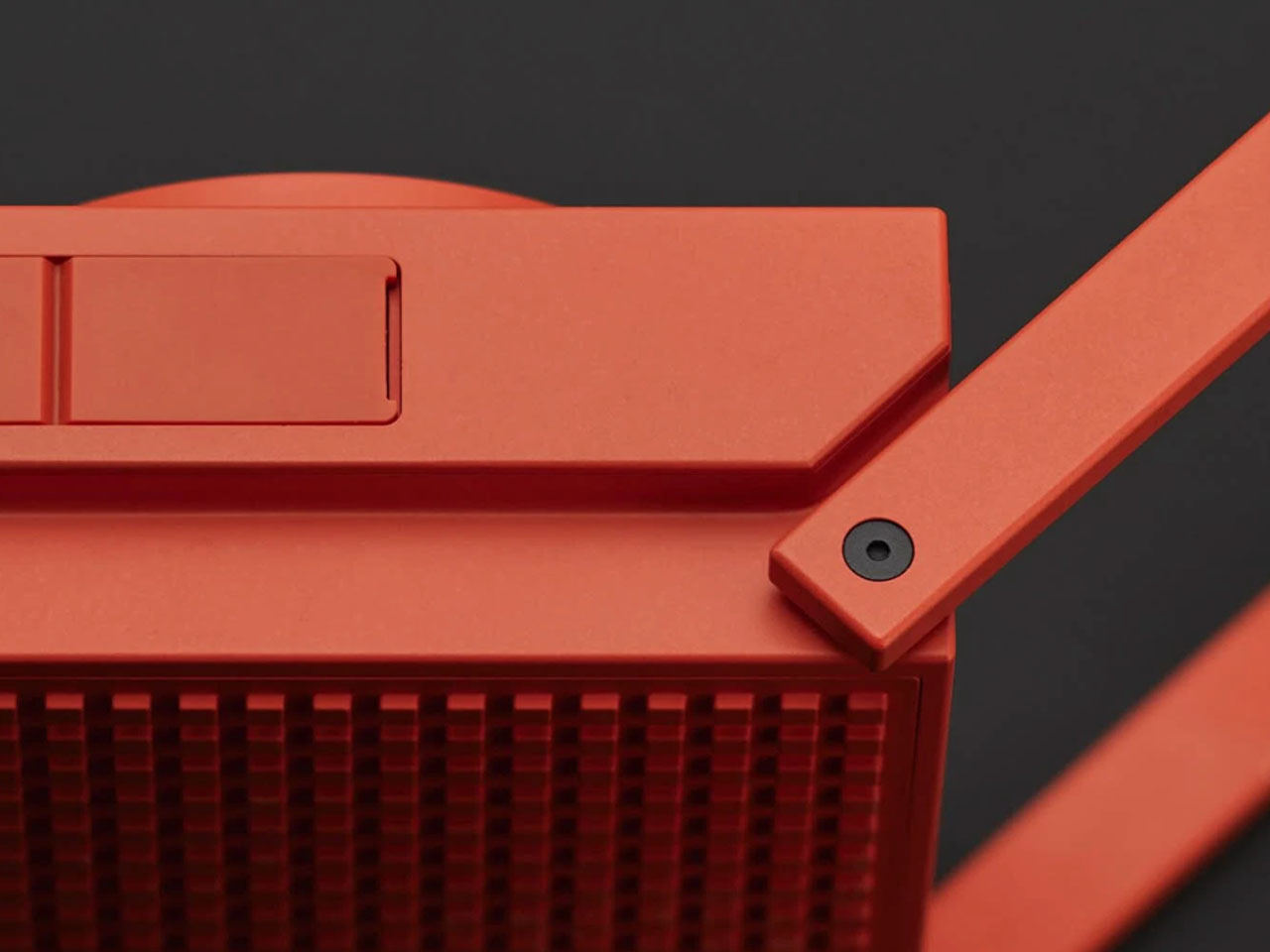
Blackmagic Spatial Camera for Apple Vision Pro looks like a mini spacecraft

A lot of the focus at Apple’s WWDC event has so far revolved around the cleverly named Apple Intelligence and its features for iPhones and iPads. Of course, that’s hardly the only thing the company talked about this week, and one of its more highly debated products did get its fair share of attention as well. Although the initial hype seems to have died down and complaints about the device’s comfort have popped up here and there, Apple is showing that the Vision Pro is still going strong and growing strong, expanding not only its features but also its reach to other markets. In fact, Apple has just revealed how the platform will become an even bigger space thanks to devices that will let creators design content specifically for visionOS, like this two-eyed camera that looks more like a miniature version of a space-faring cargo ship.

Designer: Blackmagic Design

One of the strengths of Apple’s spatial computing platform is the seamless fusion of the physical and digital worlds, which means plain two-dimensional objects like apps and photos look almost natural while floating in the air in front of you. Of course, that doesn’t take full advantage of the strengths of the Vision Pro headset, which requires crafting content designed specifically for it. For that, you’ll also need the right tools for the job, and the upcoming Blackmagic URSA Cine Immersive camera is one such new device made especially for Apple’s visionOS.

Like any camera system designed to capture stereoscopic 3D content, be it photos or videos, this Blackmagic Design spatial camera has two “eyes,” each of which boasts 8160×7200 sensor. The camera also has 16 dynamic range stops for better color quality and accuracy, and it supports recording 3D video at 90fps rates. This imaging is made possible with Blackmagic’s own RAW format as well as the built-in Blackmagic Media Module that provides 8TB of high-performance network storage. In theory, this would allow creators to record over two hours of 8K stereoscopic 3D immersive video in that high-quality format.

The camera’s design itself is as distinctive as its features. Made with a robust magnesium alloy chassis and lightweight carbon fiber polycarbonate composite skin, the camera is designed to keep up with filmmakers, regardless of where inspiration takes them. The URSA Cine Immersive’s blocky yet sleek aesthetic gives it a retro-futuristic flavor reminiscent of the design for spaceships in films and TV shows from the 80s and 90s. Add to the fact that it can be mounted beneath a drone for aerial shots, you shouldn’t be surprised if it gets mistaken for a UFO from afar.

The Blackmagic URSA Cine Immersive camera and an upcoming update to the famed Da Vinci Resolve Studio software are some of the first tools designed for Apple’s new Immersive Video format for visionOS. This is just one of the new features that are coming to the Vision Pro, including the ability to turn any plain 2D image into a spatial photo, with no additional hardware or software required. The Vision Pro headset is also being made available to more countries this month, which will hopefully increase the testing of the headset’s design and its features to help future iterations of Apple’s spatial computing platform.

The post Blackmagic Spatial Camera for Apple Vision Pro looks like a mini spacecraft first appeared on Yanko Design.
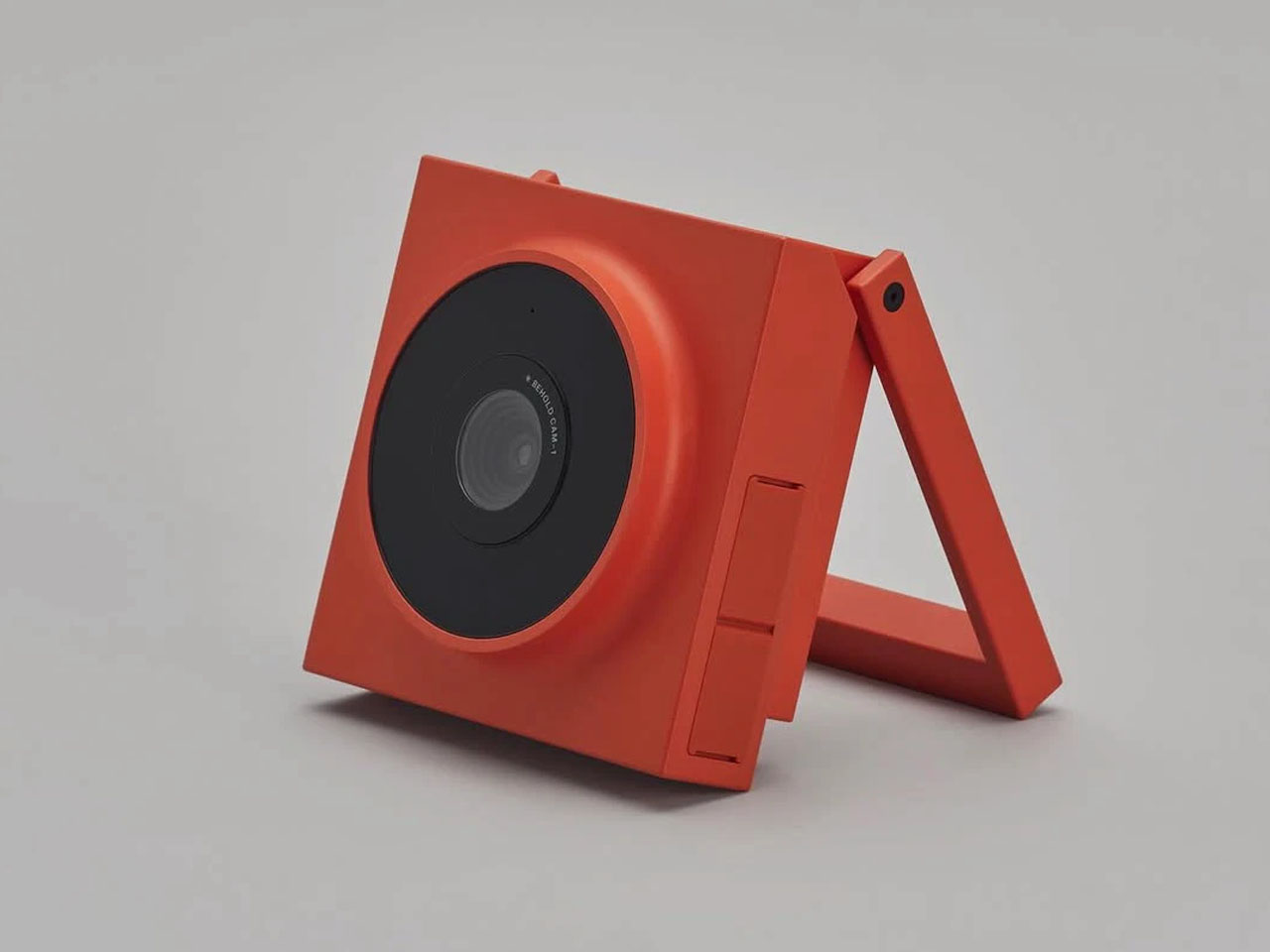
Blackmagic Spatial Camera for Apple Vision Pro looks like a mini spacecraft

A lot of the focus at Apple’s WWDC event has so far revolved around the cleverly named Apple Intelligence and its features for iPhones and iPads. Of course, that’s hardly the only thing the company talked about this week, and one of its more highly debated products did get its fair share of attention as well. Although the initial hype seems to have died down and complaints about the device’s comfort have popped up here and there, Apple is showing that the Vision Pro is still going strong and growing strong, expanding not only its features but also its reach to other markets. In fact, Apple has just revealed how the platform will become an even bigger space thanks to devices that will let creators design content specifically for visionOS, like this two-eyed camera that looks more like a miniature version of a space-faring cargo ship.

Designer: Blackmagic Design

One of the strengths of Apple’s spatial computing platform is the seamless fusion of the physical and digital worlds, which means plain two-dimensional objects like apps and photos look almost natural while floating in the air in front of you. Of course, that doesn’t take full advantage of the strengths of the Vision Pro headset, which requires crafting content designed specifically for it. For that, you’ll also need the right tools for the job, and the upcoming Blackmagic URSA Cine Immersive camera is one such new device made especially for Apple’s visionOS.

Like any camera system designed to capture stereoscopic 3D content, be it photos or videos, this Blackmagic Design spatial camera has two “eyes,” each of which boasts 8160×7200 sensor. The camera also has 16 dynamic range stops for better color quality and accuracy, and it supports recording 3D video at 90fps rates. This imaging is made possible with Blackmagic’s own RAW format as well as the built-in Blackmagic Media Module that provides 8TB of high-performance network storage. In theory, this would allow creators to record over two hours of 8K stereoscopic 3D immersive video in that high-quality format.

The camera’s design itself is as distinctive as its features. Made with a robust magnesium alloy chassis and lightweight carbon fiber polycarbonate composite skin, the camera is designed to keep up with filmmakers, regardless of where inspiration takes them. The URSA Cine Immersive’s blocky yet sleek aesthetic gives it a retro-futuristic flavor reminiscent of the design for spaceships in films and TV shows from the 80s and 90s. Add to the fact that it can be mounted beneath a drone for aerial shots, you shouldn’t be surprised if it gets mistaken for a UFO from afar.

The Blackmagic URSA Cine Immersive camera and an upcoming update to the famed Da Vinci Resolve Studio software are some of the first tools designed for Apple’s new Immersive Video format for visionOS. This is just one of the new features that are coming to the Vision Pro, including the ability to turn any plain 2D image into a spatial photo, with no additional hardware or software required. The Vision Pro headset is also being made available to more countries this month, which will hopefully increase the testing of the headset’s design and its features to help future iterations of Apple’s spatial computing platform.

The post Blackmagic Spatial Camera for Apple Vision Pro looks like a mini spacecraft first appeared on Yanko Design.
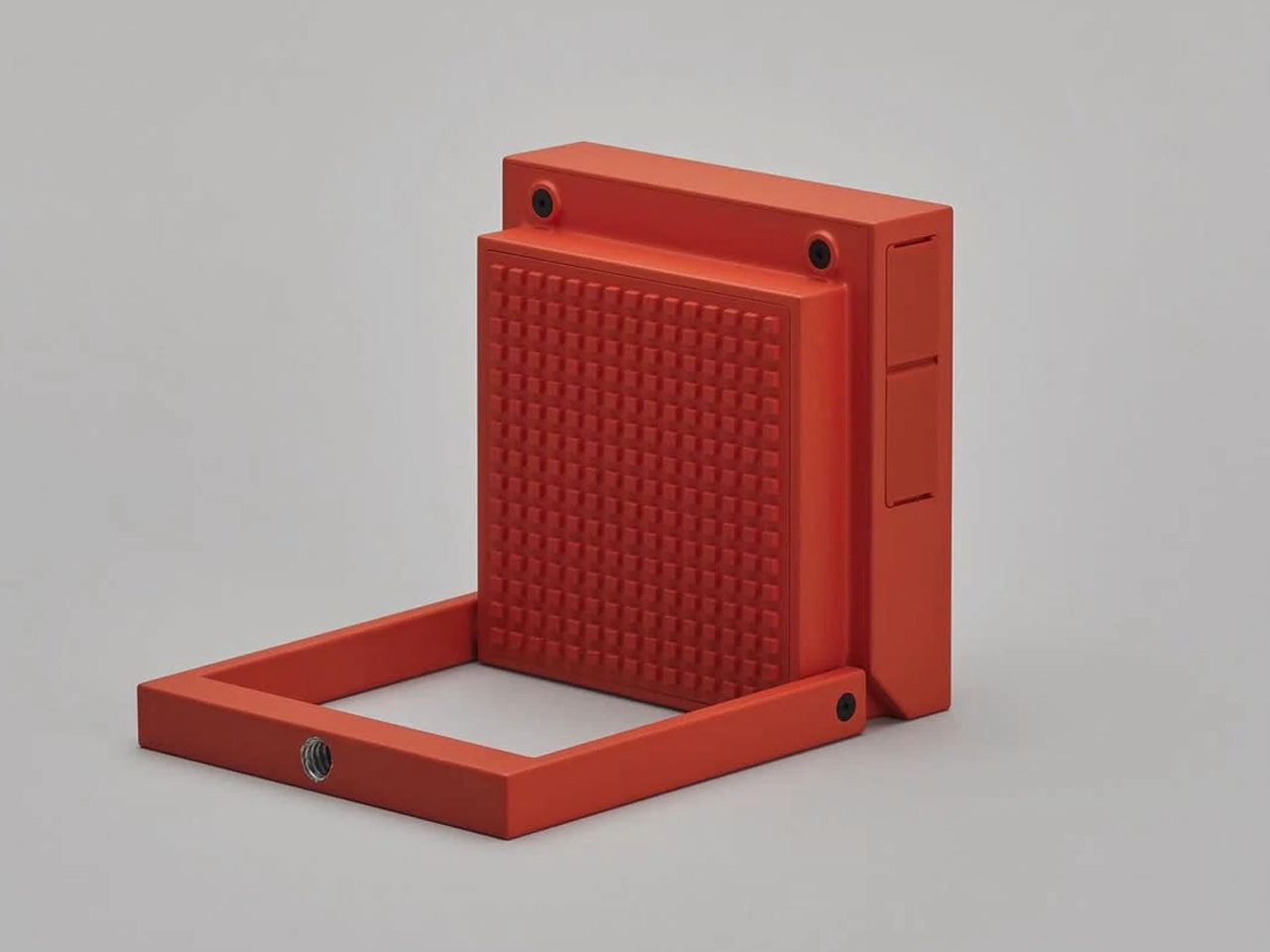
Camera concept has touchscreen manual controls for panoramic photography

When I was traveling around New Zealand last year, I was treated to a daily visual feast. Everywhere I looked, I felt like I was in a scene from Lord of the Rings. Capturing images and videos on my smartphone camera didn’t do it justice. I was wishing I invested in a good DSLR camera, although taking photos and videos on my mobile device was pretty convenient already. But a higher quality camera would probably have captured these panoramic views better than my “measly” phone camera.
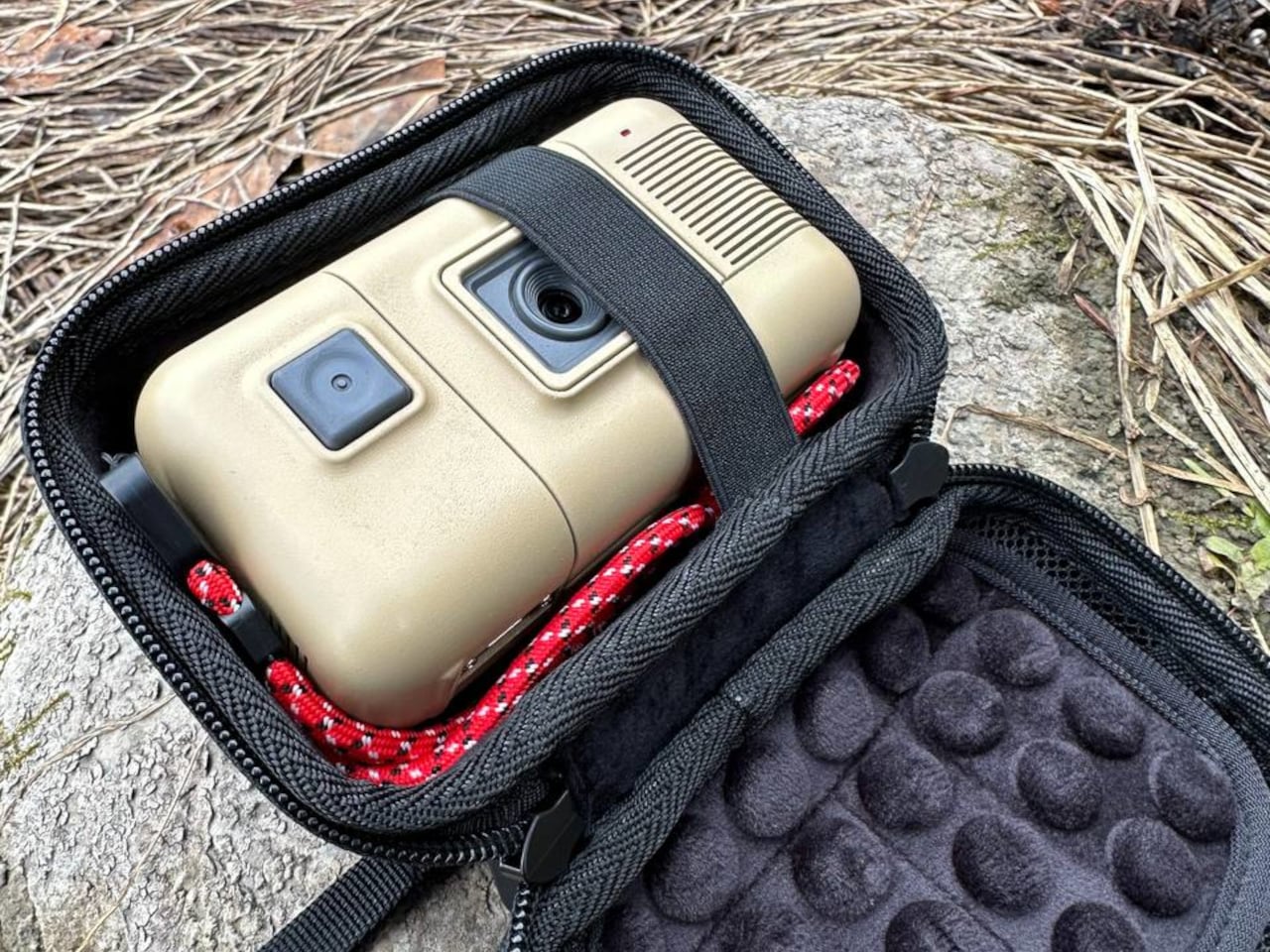
Designers: Álvaro Arregui Falcón, Mireia Gordi i Vila, Lucas Seidenfaden

Having something like the Keirin concept camera would also have captured the scenery beter since its focus is panorama photography. The name itself actually comes from the Japanese motor-paced cycle racing which happens in an oval track. The prototype shows that it has a curved OLED touchscreen where all the controls are located and actually wraps around the back panel. The touchscreen idea for the controls should make it easier to learn how to use than the usual manual controls on cameras. It is also pretty compact and almost the same size as a mobile phone.

The prototype tries to show that the design can actually work with the UI that they’re looking to create for the camera. It has a wide rear-mounted screen that you can use as a panoramic viewfinder and swiping through it will bring you the different manual exposure controls. It assumes of course that those who want to use this kind of camera are not the point and shoot kind of photographers but those that want to control things like aspect ratios and exposure in order to better capture panoramic photos.

The plan is for the Keirin to have a 60MP full-frame sensor with a 35mm lens and it needs to have SSD storage and mobile connectivity so your images can be backed up to the cloud automatically. It can also attach other peripherals like a panoramic optical viewfinder and a wireless flash unit. It’s highly unlikely this camera will be a commercially viable product though but it’s a nice idea to have.

The post Camera concept has touchscreen manual controls for panoramic photography first appeared on Yanko Design.