The “Shot On iPhone” Lifehack: This 235mm Telephoto Case Packs Manual Controls + MicroSD Storage

Every time you see “Shot on iPhone” superimposed over a stunning image, ask yourself what’s just outside the frame. Chances are good there’s a telephoto adapter screwed onto the phone, a stabilizing rig keeping it steady, professional lighting bouncing off reflectors, and maybe even an external monitor for the director to watch. Apple loves to showcase the iPhone’s camera prowess, but conveniently omits the ecosystem of professional gear that makes those shots possible. The phone is capable, sure, but it’s getting significant help from its friends.

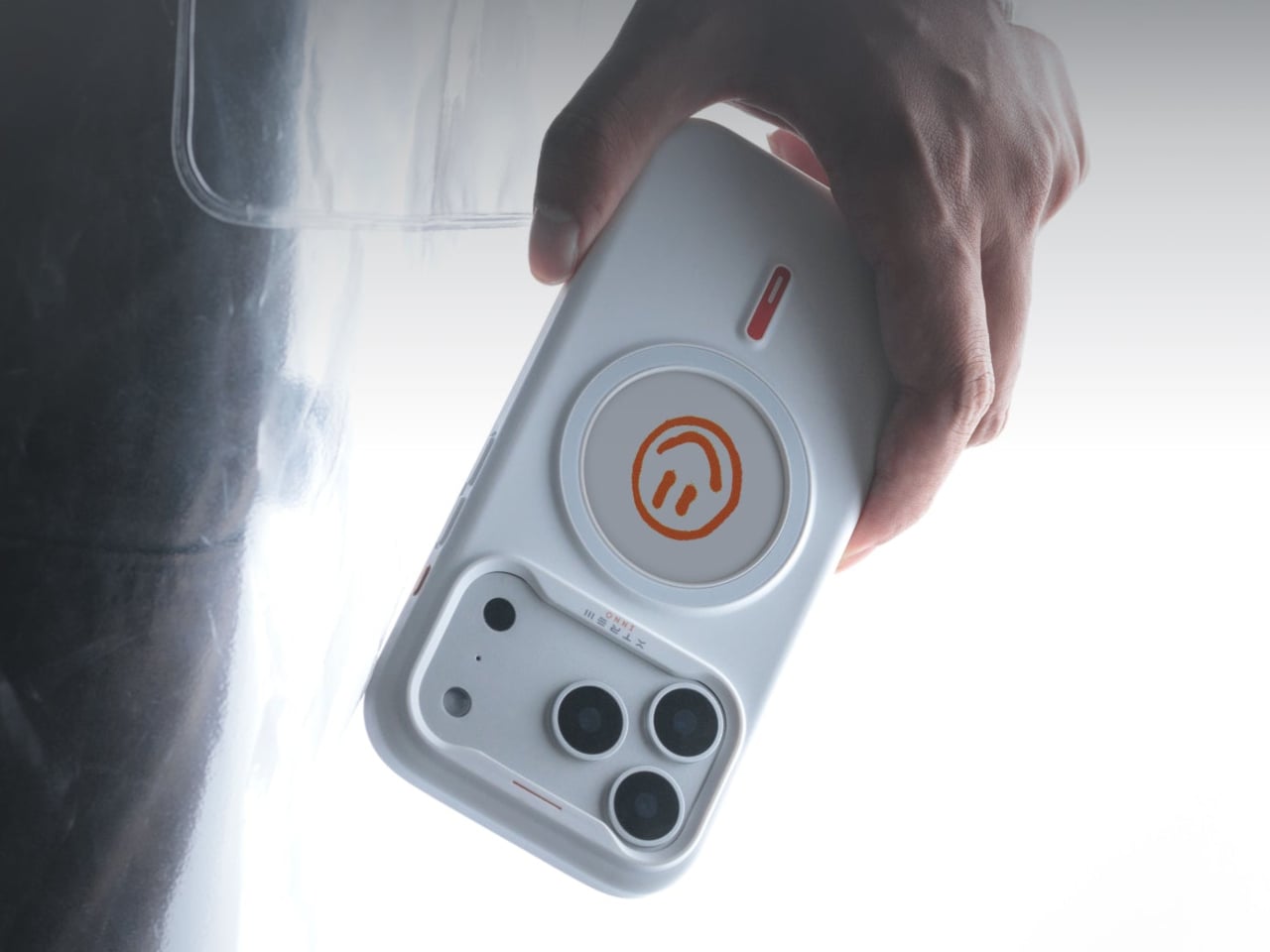
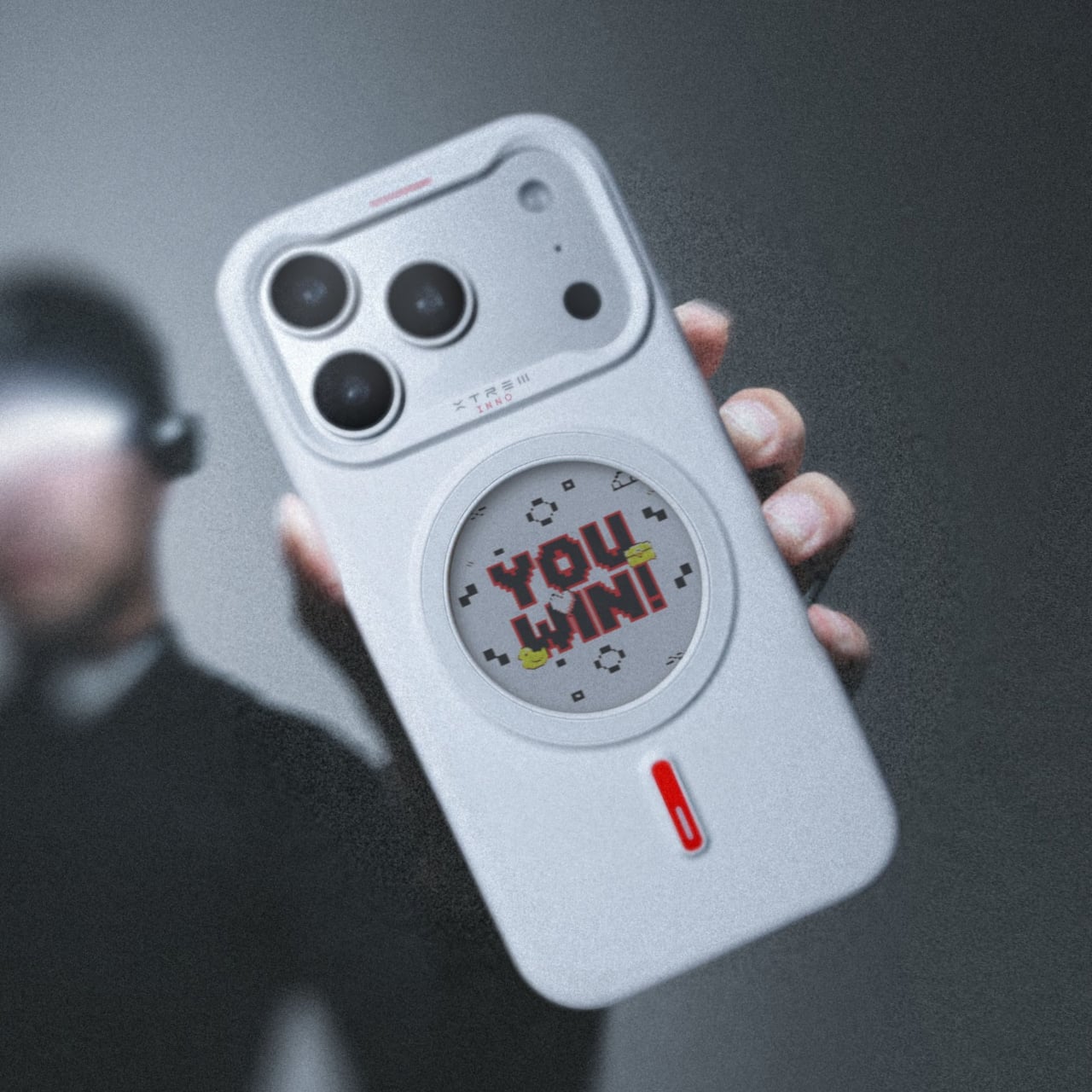
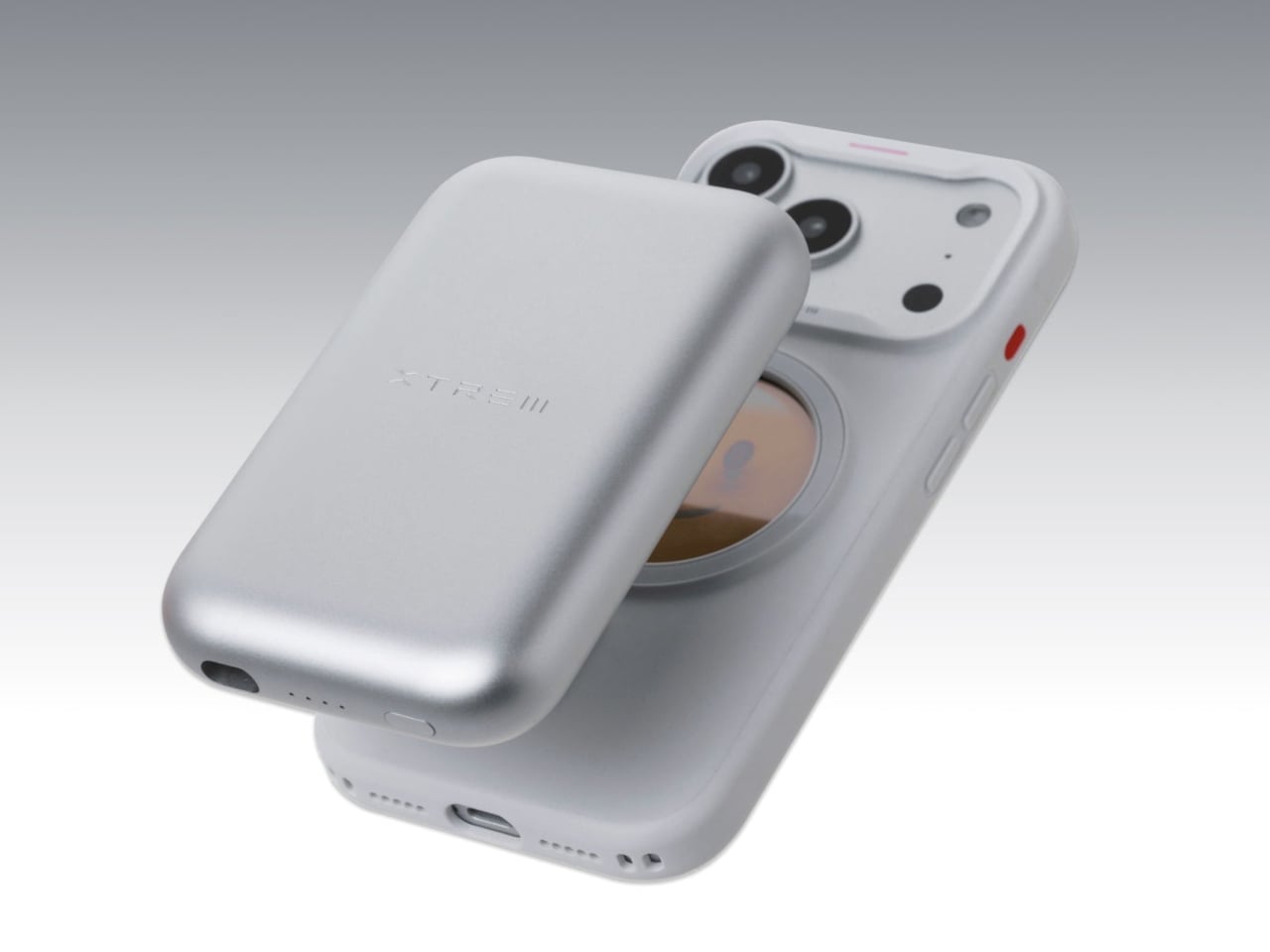
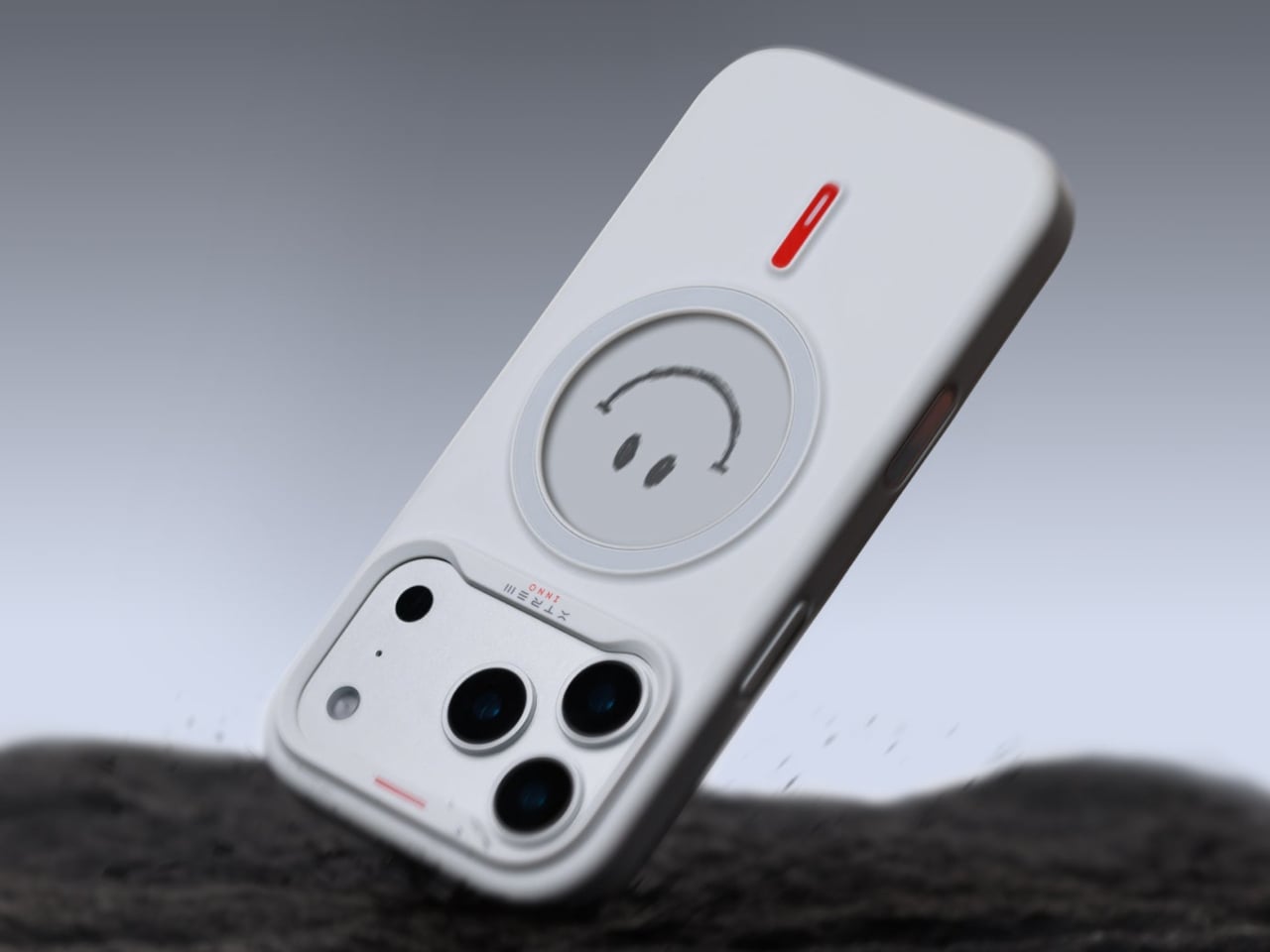
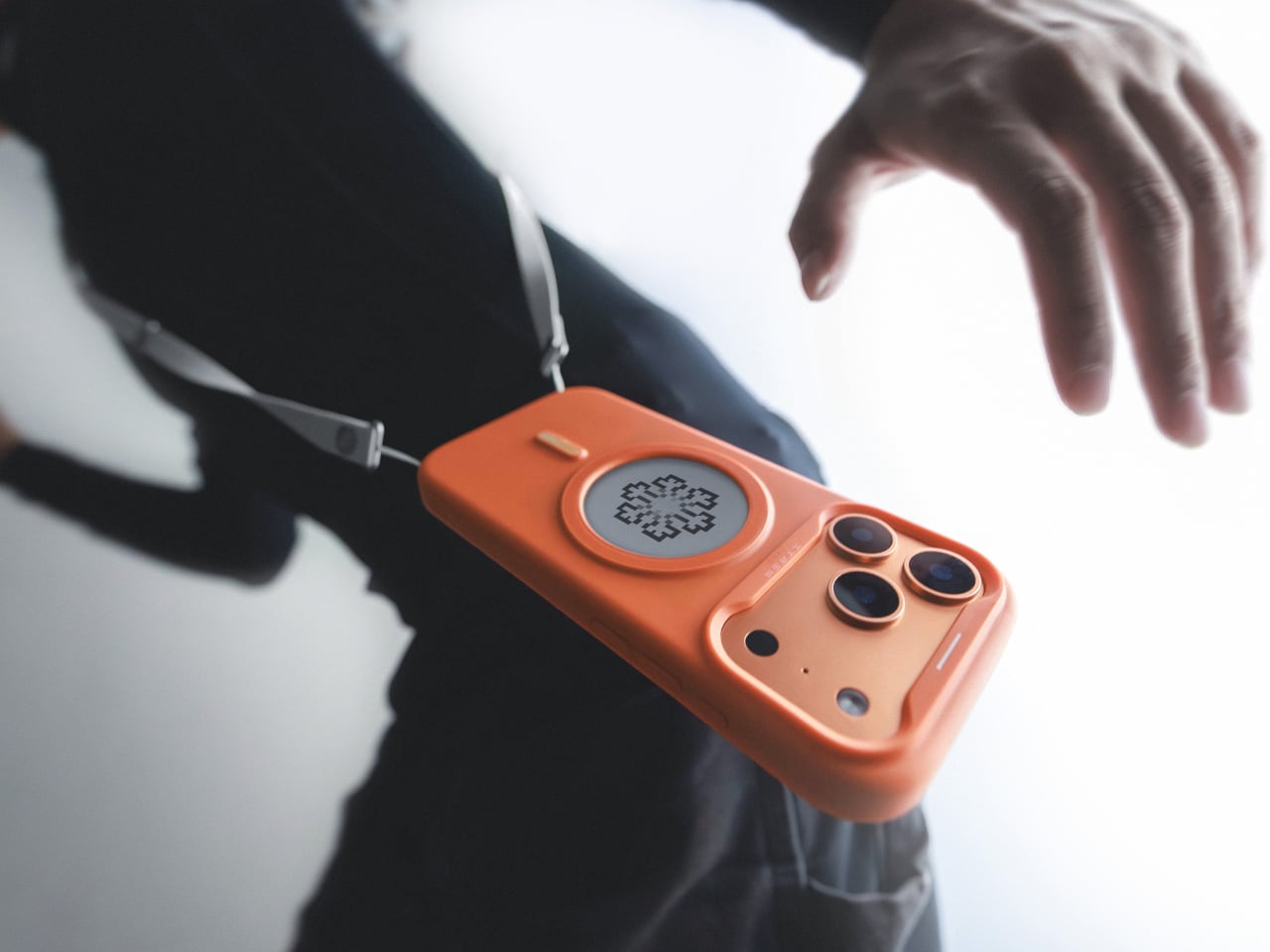
That’s exactly the gap PGYTECH’s RetroVa Vintage Imaging Kit fills, except it doesn’t hide what it’s doing. The system gives your iPhone 16 or 17 Pro a camera-inspired grip with actual tactile controls, a 13-element optical telephoto system that brings you to 235mm equivalent focal length, external storage support via microSD, and a companion app that offers film-style rendering straight out of camera. Sandmarc and Moment have been in the iPhone lens game for years, but RetroVa takes a more holistic approach by addressing not just optics, but the entire shooting experience.

Designer: PGYTECH

Click Here to Buy Now: $72 $89.95 (20% off) Hurry! Only 192 left of 300. Raised over $157,000

PGYTECH have played this game before. They’re the same company that builds the telephoto extenders for Vivo and Oppo’s flagship phones in China, smartphones that rank second and third in that market behind Apple. The 2.35X telephoto uses a professional 13-element, 3-group optical system crafted from premium ED glass, optimized specifically for the iPhone’s F2.8 aperture. Distortion sits at just 2%, which is impressive for a clip-on system. The optical design delivers razor-sharp clarity and organic bokeh without the digital noise that comes from cranking up your phone’s native zoom. Real glass doing real optical work makes a difference you can see in the final image, especially when you’re shooting wildlife, concerts, or anything else where you need serious reach without turning your photo into a pixelated mess.

The grip changes everything about how you hold and shoot with your iPhone… way more than the ‘Camera Control’ does. Physical buttons include a shutter release that half-presses to focus, just like a real camera. Control dials let you adjust ISO, white balance, and exposure value without tapping through menus on a touchscreen. A zoom lever switches focal lengths in the companion app’s vintage mode, letting you freely adjust zoom in standard shooting. There’s a multi-function button that handles power, quick start, mode switching, camera flips, and Bluetooth pairing. The whole thing weighs between 63 and 65.4 grams depending on your iPhone model, wrapped in classic black pebbled leather with a premium grip that feels like you’re holding a vintage Leica instead of a slab of glass and aluminum.

The grip also packs a built-in microSD slot to offset any storage woes you’d have from saving everything to your iPhone’s camera roll. Imagine this – you’re shooting 4K ProRes video and suddenly your phone throws up a “Storage Almost Full” warning, forcing you to stop everything and start deleting apps or old photos. An independent microSD slot avoids this problem entirely. You can record high-bitrate ProRes and RAW files directly to the card, completely bypassing your iPhone’s internal storage. The USB 3.1 connectivity delivers transfer speeds up to 312MB/s, so offloading footage to your tablet or computer takes seconds instead of the eternity you spend waiting for wireless transfers or slow card readers. The system supports external recording for ProRes, HEVC, and more formats, though 4K60+ ProRes external recording isn’t supported yet.

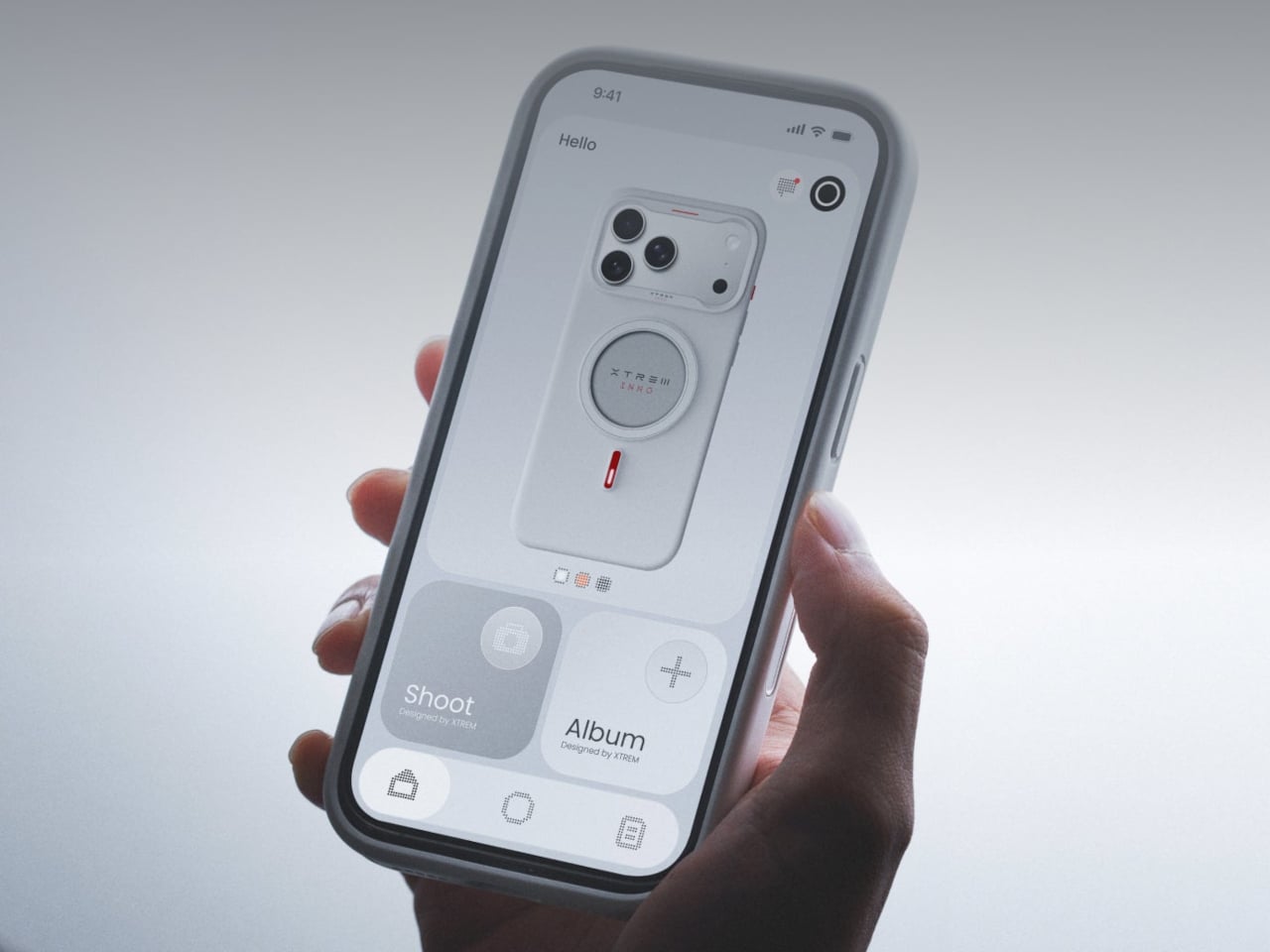
RetroVa’s companion app delivers film camera texture and mood straight out of the sensor. You get full manual control over shutter speed, ISO, and white balance, creating with the precision of a dedicated camera. The app suppresses iPhone’s built-in sharpening and algorithm processing for a more natural look, avoiding those over-sharpened phone images that scream “shot on smartphone.” You can stamp shots with instant-style watermarks and custom frames for each creation, adding your personal mark before the image even leaves the camera. Vintage film presets give you that classic camera aesthetic without needing to run everything through post-processing filters later.

PGYTECH offers the RetroVa in two distinct tiers to cover different photography styles. The Grip Kit runs $72 for street and everyday shooters who want mechanical controls and external recording support. The Ultimate Kit at $184 adds the 2.35X telephoto extender, tripod collar, lens adapter ring, photography strap, and lens pouch, building a complete creator ecosystem for street, travel, portraits, and long-distance photography. Both kits work with iPhone 16 Pro, 16 Pro Max, 17 Pro, and 17 Pro Max. First units ship globally starting this month, with future iPhone 18 Pro compatibility requiring only a case swap while the grip continues working.

Click Here to Buy Now: $72 $89.95 (20% off) Hurry! Only 192 left of 300. Raised over $157,000

The post The “Shot On iPhone” Lifehack: This 235mm Telephoto Case Packs Manual Controls + MicroSD Storage first appeared on Yanko Design.
iPhone 17e Rumored for February 19 Launch With MagSafe, Dynamic Island, and a $599 Price Tag

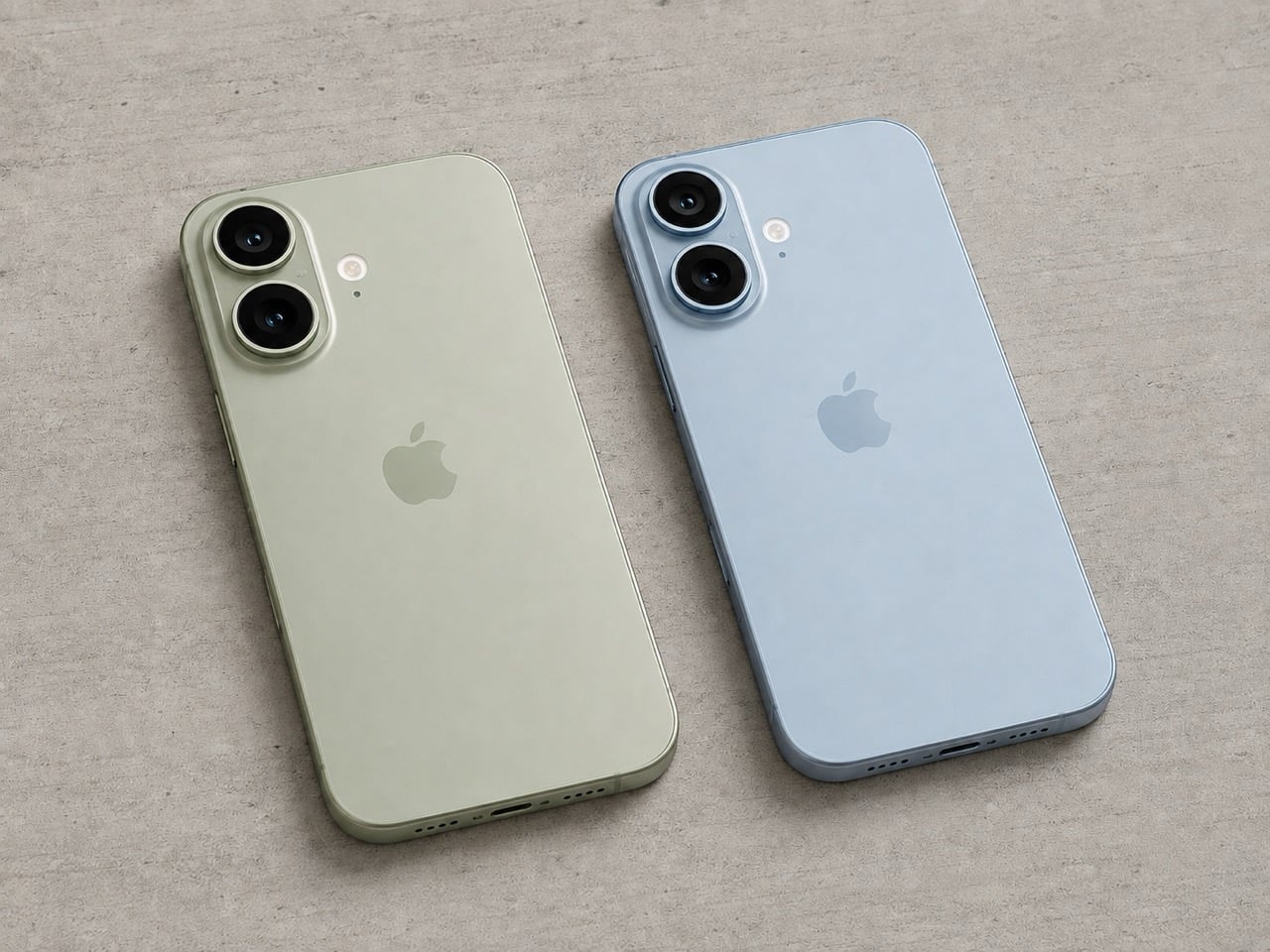
Apple’s budget iPhone is getting less budget and more iPhone. The 17e, set to arrive later this month, is rumored to bring MagSafe charging and the Dynamic Island to the $599 price tier. For context, MagSafe has been available on iPhones since 2020, but only if you were willing to spend at least $799. Now it’s trickling down to the entry model, along with faster wireless charging speeds and compatibility with the full range of Apple’s magnetic accessories.

The Dynamic Island is the other headline addition. While earlier leaks suggested the notch would stick around, newer reports claim Apple is finally retiring it across the entire lineup. That would make the 17e the first budget iPhone to feature the pill-shaped cutout that handles notifications and live activities. The price is staying put at $599 despite industry-wide component shortages and inflation, which makes this one of the rare years where Apple is adding features without inflating the cost. It’s a smart play in a segment where Google and Samsung are both raising prices.

Designer: Volodymyr Lenard

Look, the 16e was fine. Competent even. But that 7.5W Qi charging was a joke, especially when every other iPhone in the lineup had been doing MagSafe since 2020. You’d slap your phone on a charging pad and hope it actually aligned properly, then wake up six hours later to find it at 60% because you were off by half a centimeter. The 17e fixes this with 20W to 25W magnetic charging, which is fast enough that you can actually top up meaningfully during the day. And yeah, you get access to the full MagSafe accessory catalog without feeling like you’re missing out on features you already paid for.

Apple’s probably sitting on a pile of iPhone 14 display panels, which is why everyone assumed the notch would stick around for another generation. Cheaper to use existing inventory than retool the production line for Dynamic Island cutouts. But multiple sources are now saying the pill-shaped design is coming to the 17e anyway, which means Apple decided it was worth eating the cost to kill the notch completely. The notch lasted nearly a decade. Watching it finally disappear from the budget tier feels like the end of an argument that stopped being interesting years ago.

Component shortages are driving prices up across the industry. RAM is expensive, display panels are expensive, everything is more expensive than it was two years ago. Google’s probably launching the Pixel 10a at $549 or higher. Samsung’s A-series keeps inching upward. Apple could have easily bumped the 17e to $649 and blamed supply chain issues, but they didn’t. Holding at $599 while adding MagSafe and an A19 chip is either aggressive margin compression or a bet that ecosystem lock-in is worth more than short-term profit per unit.

The post iPhone 17e Rumored for February 19 Launch With MagSafe, Dynamic Island, and a $599 Price Tag first appeared on Yanko Design.
This Bedside Charger UV-Cleans Your Phone and Pops It Up Like Toast

Phones go to bed dirty. They’ve been in your hands, on tables, in pockets, collecting bacteria all day, and they usually charge on a nightstand next to where you sleep without ever being cleaned. UV sanitizers exist, but most are clinical white boxes that feel more like medical equipment than something you’d want on your bedside table, and they rarely do anything beyond sterilization.

The Phone Toaster is a charging and sterilization device designed by DIVE for Aprill x Stone that borrows the form and ritual of an analog toaster. You slide your phone into a vertical slot at the top before bed, and the device charges it, sterilizes it with what’s likely UV light inside the chamber, and then “delivers” it back with an alarm in the morning, like toast popping up when it’s ready.

Designers: Minki Kim, Kyumin Hwang (DIVE Design)

The bedtime ritual is straightforward. You drop your phone into the slot, pull the front slider down like a toaster lever, and the device takes over. Inside, the phone charges while UV light cycles through to kill surface bacteria. A digital clock on the front keeps time, and the base glows with a soft, indirect LED ring that casts pastel light from underneath, making the space feel cozier instead of clinical before you turn off the lights.

When the alarm goes off in the morning, the device notifies you that your phone is fully charged and sterilized, ready to start another day. The scenario is meant to mirror the experience of making toast, inserting something, waiting, and getting it back transformed. Instead of bread that’s warm and crispy, you get a phone that’s clean and charged, which is a surprisingly fitting metaphor when you think about it.

The controls lean into that toaster language. Two small buttons on the top handle alarm and brightness settings, while the front slider and round, glossy knob feel tactile and familiar. The strong contrast between the matte, textured body and the shiny button gives the small form a bit of personality, making it read more like a playful bedside object than a piece of tech that’s just doing a job quietly in the background.

Color options include pastel blue, beige, yellow-orange, sage green, and gray, all meant to appeal to millennials who want their gadgets to reflect their personality instead of just sitting there in generic black or white. The soft hues and bottom lighting are designed to make the toaster feel like part of a calm nighttime routine rather than another device demanding attention.

Phone Toaster reframes phone sterilization and charging as a small bedtime ritual instead of something you forget about or do with a tangle of cables. Borrowing the toaster’s form, controls, and even the “pop” delivery moment, it makes putting your phone away at night feel intentional and a bit playful. The design is a gentle nudge that says hygiene tech doesn’t have to look clinical to be taken seriously.

The post This Bedside Charger UV-Cleans Your Phone and Pops It Up Like Toast first appeared on Yanko Design.
Apple iPhone Fold ‘Ultra’ Could Have a 5,700mAh Battery and $2,299 Price Tag

Apple got thousands of people to pay $3,499 for an ambitious “spatial computing device.” Can they convince millions to shell out $2,299 for a foldable iPhone? Let’s just take a second to piece the logic. $2,299 gets you TWO latest iPhone Pros and some duct tape to hold them together. You’d get two screens, two camera modules, two processors. Heck, for $2,299 you could almost buy three iPad minis, giving you three 8.3-inch displays with Apple Intelligence running on all of them. What could a $2,299 iPhone Fold offer that would justify such a markup? Well, here’s everything we know.

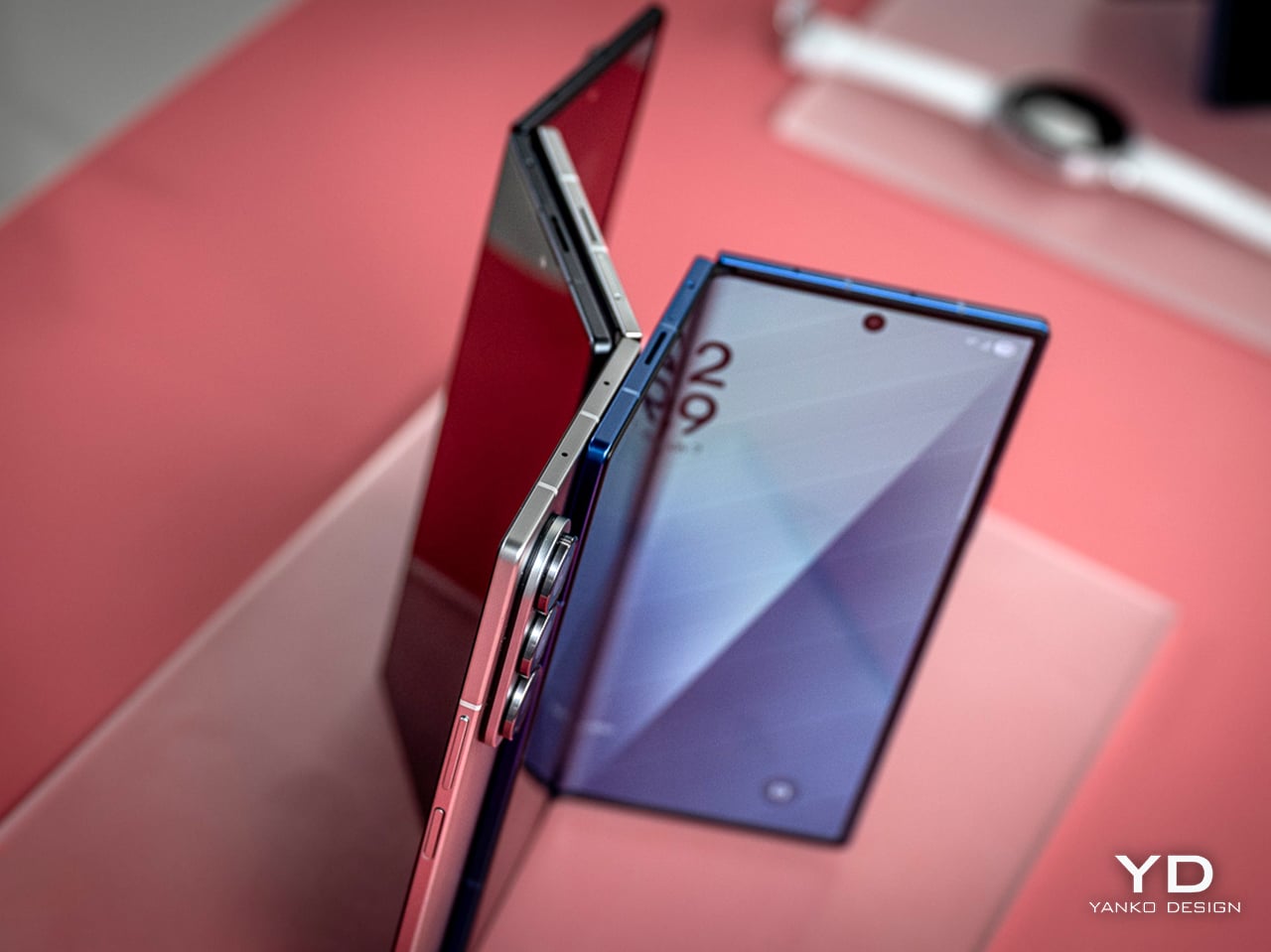
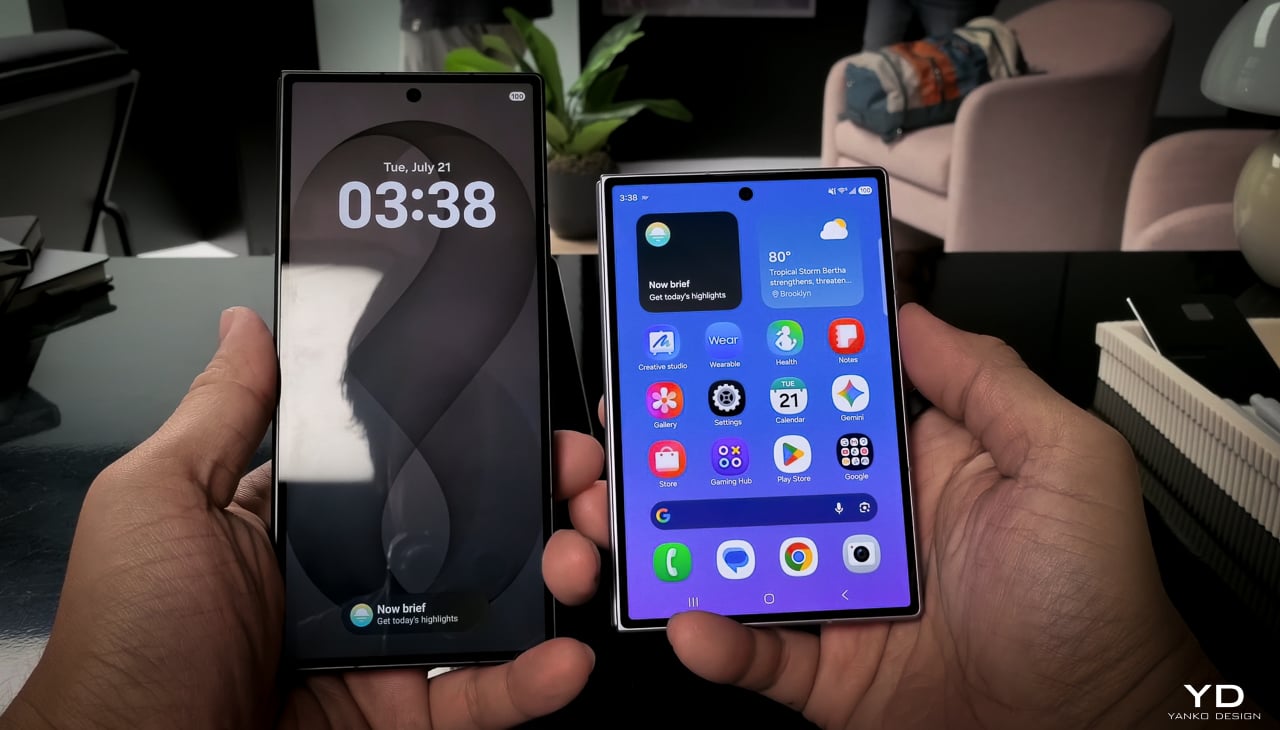
The rumored clamshell-style foldable iPhone is shaping up to be a serious piece of hardware, not just a folding parlor trick. We’re looking at a 5,700mAh battery, which would be the largest ever in an iPhone by a significant margin, promising legitimate all-day power despite running dual displays. The device is expected to feature a 7.8-inch inner display with a 4:3 aspect ratio, essentially giving you an iPad-like canvas that folds into a pocketable form. The outer 5.5-inch screen would function as a standard iPhone when closed. Apple has reportedly solved the crease problem with advanced hinge technology, and the whole package would come wrapped in titanium, measuring just 4.5mm when unfolded.

Designer: 4RMD

Design studio 4RMD has visualized what this device could look like, and they’ve added the “Ultra” moniker to their concept to spice things up. The specs they’ve compiled from various leaks and reports paint a picture of a device that belongs in the upper echelons of Apple’s lineup, alongside the Apple Watch Ultra and potentially justifying that eye-watering price tag. The renders show a book-style foldable with dual 48MP rear cameras and a 24MP ultra-wide front camera, all running on the upcoming A20 Pro chip built on a 2nm process. Three color options appear in the concept: White, Black, and Deep Purple, the latter being a callback to the iPhone 14 Pro’s most popular finish.

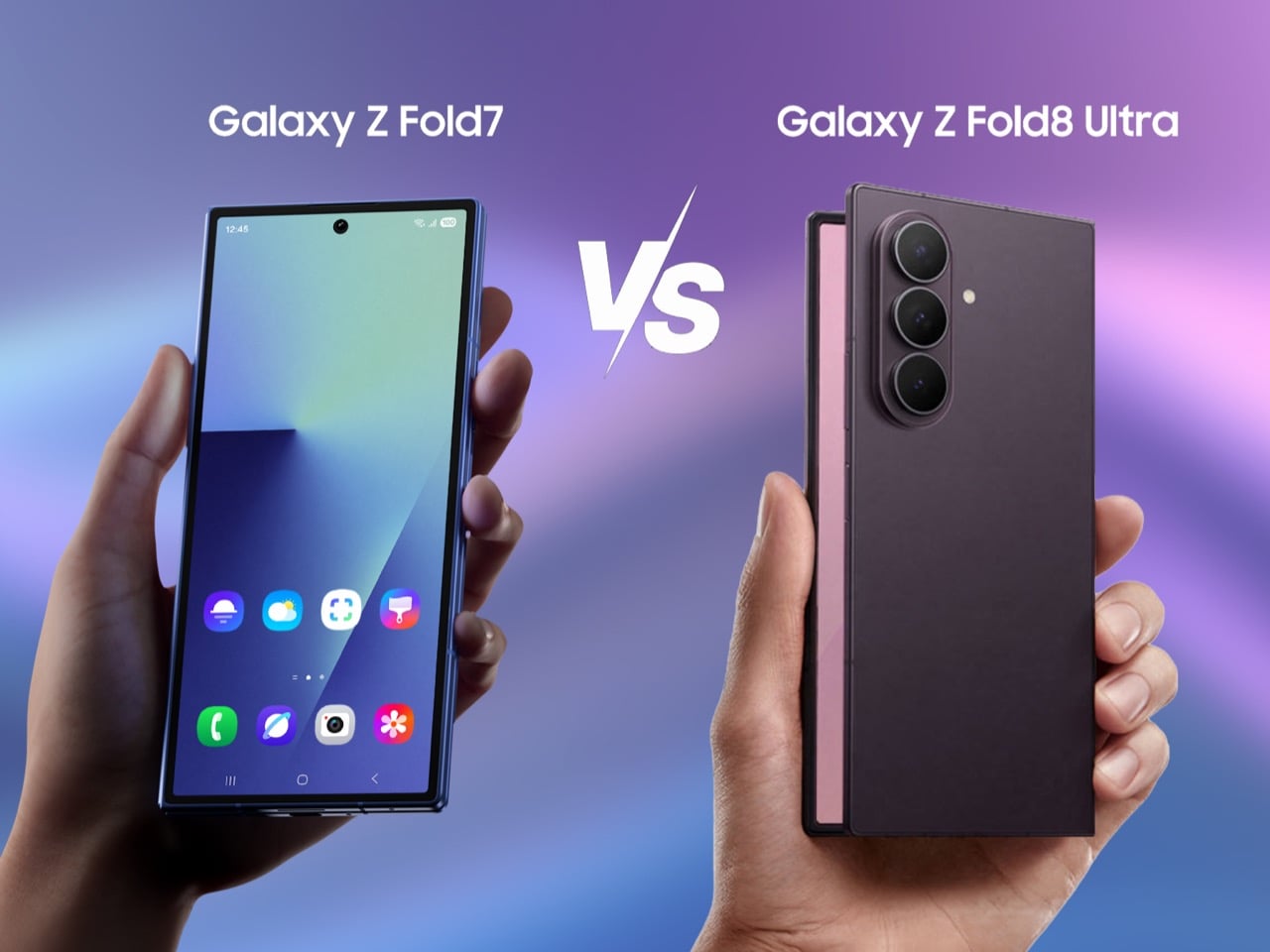
Of all those specs, the 5,700mAh battery is the one that really stops you in your tracks. It’s a direct shot at the Achilles’ heel of every single foldable currently available. Samsung’s Galaxy Z Fold 7 limps along with a 4,400mAh cell, and anyone who has used one knows that’s barely enough to get through a busy day. Google’s Pixel Fold does a bit better with 4,821mAh, but it’s still a compromise. A battery that large, combined with Apple’s legendary efficiency, means this could be the first foldable that you can actually use without constantly hunting for an outlet. That alone is a massive selling point.

Of course, stuffing a battery that big into a chassis brings up the immediate question of weight. Foldables are notoriously heavy; the Pixel Fold is a hefty 283 grams, and the Z Fold 6 is 239 grams. For context, an iPhone 16 Pro Max is around 227 grams. This is where the rumored titanium frame becomes critical. Titanium provides the necessary rigidity for a complex hinge mechanism without turning the phone into a pocket brick. If Apple can keep the weight manageable while achieving that 4.5mm unfolded thickness, they will have solved a core ergonomic problem that competitors are still struggling with.

The physical interaction model also gets a rethink, with Touch ID making a comeback on the power button. This isn’t a step backward; it’s a pragmatic engineering choice. Putting Face ID on both the inner and outer screens would mean two expensive, space-consuming TrueDepth systems. A single fingerprint sensor on the side works seamlessly whether the device is open or closed, and it’s a proven, reliable technology. If anything, it makes sense after years of FaceID not working when the phone isn’t facing you head-on. Just let me unlock my phone while it’s beside me in bed, Apple…

All this premium hardware would be for nothing if the main screen still felt like a compromise, which brings us to the crease. The concept details a nearly invisible one, which lines up with reports of Apple using advanced ultra-thin glass and a unique Liquidmetal hinge. Competitors have made progress, but you can still feel and see the fold on every device out there. If Apple truly manages to create a seamless internal display, it will remove the last major psychological hurdle for potential buyers. It would finally make a foldable screen feel like a single, uninterrupted canvas.

So, when do we actually get our hands on this thing? The consensus has been fall 2026, launching alongside the iPhone 18 Pro. That timing is now looking a bit shaky. Apple has reportedly pushed the standard iPhone 18 into 2027 because of component shortages, and the company is still wrestling with getting Apple Intelligence just right. If the Fold’s software isn’t ready (or even a better Apple Intelligence to pair with it), a delay seems inevitable. A slip from late 2026 to early 2027 would place its release right inside the window for the iPhone’s 20th anniversary. The original launched in June 2007, and it feels fitting that the 20th anniversary iPhone be one that bends in half on purpose.

The post Apple iPhone Fold ‘Ultra’ Could Have a 5,700mAh Battery and $2,299 Price Tag first appeared on Yanko Design.
Infinix Note 60 Pro looks like an iPhone 17 Pro with Nothing’s Glyph Matrix on the back

Infinix looked at the iPhone 17 Pro, looked at the Nothing Phone (3), and decided both phones had one good idea worth combining. The Note 60 Pro’s camera plateau is lifted directly from Apple’s design playbook: that horizontal pill shape spanning the phone’s width, housing three vertical lenses on the left side, available in a Solar Orange finish that’s Apple down to the shade. The right side of that plateau, though, gets filled with a dot-matrix display borrowed from Nothing’s Glyph experiments, showing weather, time, notifications, and music controls in small illuminated dots.

This collision of reference points could have produced incoherent design, but Infinix committed hard enough to make it work. The plateau provides a unified canvas rather than trying to bolt disparate elements together, and the matrix display gets proper size instead of being minimized into uselessness. You can actually read the information displayed without straining, which already puts it ahead of the Phone (3)’s too-small implementation. The question isn’t whether Infinix executed the feature better, but whether the feature itself is anything more than a solution looking for a problem.

Designer: Infinix

Let’s be direct: this is a derivative design. It’s a collage of other companies’ proven successes, banking on the idea that combining two popular aesthetics will create a third. While the integration is clean, it reveals a lack of a core design identity from Infinix itself. This is the strategy of a market follower, not a leader. The approach is to create something that feels familiar enough to be desirable but different enough to be noticeable. It’s a tactic for grabbing attention in a crowded mid-range space, but it does little to build a unique, recognizable brand language for the long term.

Of course, the spec sheet is designed to impress, and on paper, it does. Switching to a Qualcomm Snapdragon 7s Gen 4 is a solid move for performance credibility. That chip drives a large 6.78-inch display with a 1.5K resolution and a 144Hz refresh rate, numbers that are undeniably competitive. A 6,500mAh battery with 90W charging is equally impressive. The risk with spec-heavy mid-rangers is that the software experience often fails to optimize the hardware. The real test will be in the day-to-day performance, software support, and whether the user interface is clean or laden with bloatware.

As of now, Infinix has not released official pricing or a specific launch date, which keeps the final verdict in limbo. The company’s typical strategy involves aggressive pricing in markets across Africa, Southeast Asia, and India, so we can expect it to land in a competitive sub-$400 bracket to undercut established players. Its success will ultimately hinge on that price tag (as well as how functional that ‘glyph matrix’ is). If it’s priced too close to the devices it’s mimicking, the derivative design becomes a liability. If it’s cheap enough, this combination of high-end specs and borrowed aesthetics could be a disruptive formula in its target regions.

The post Infinix Note 60 Pro looks like an iPhone 17 Pro with Nothing’s Glyph Matrix on the back first appeared on Yanko Design.
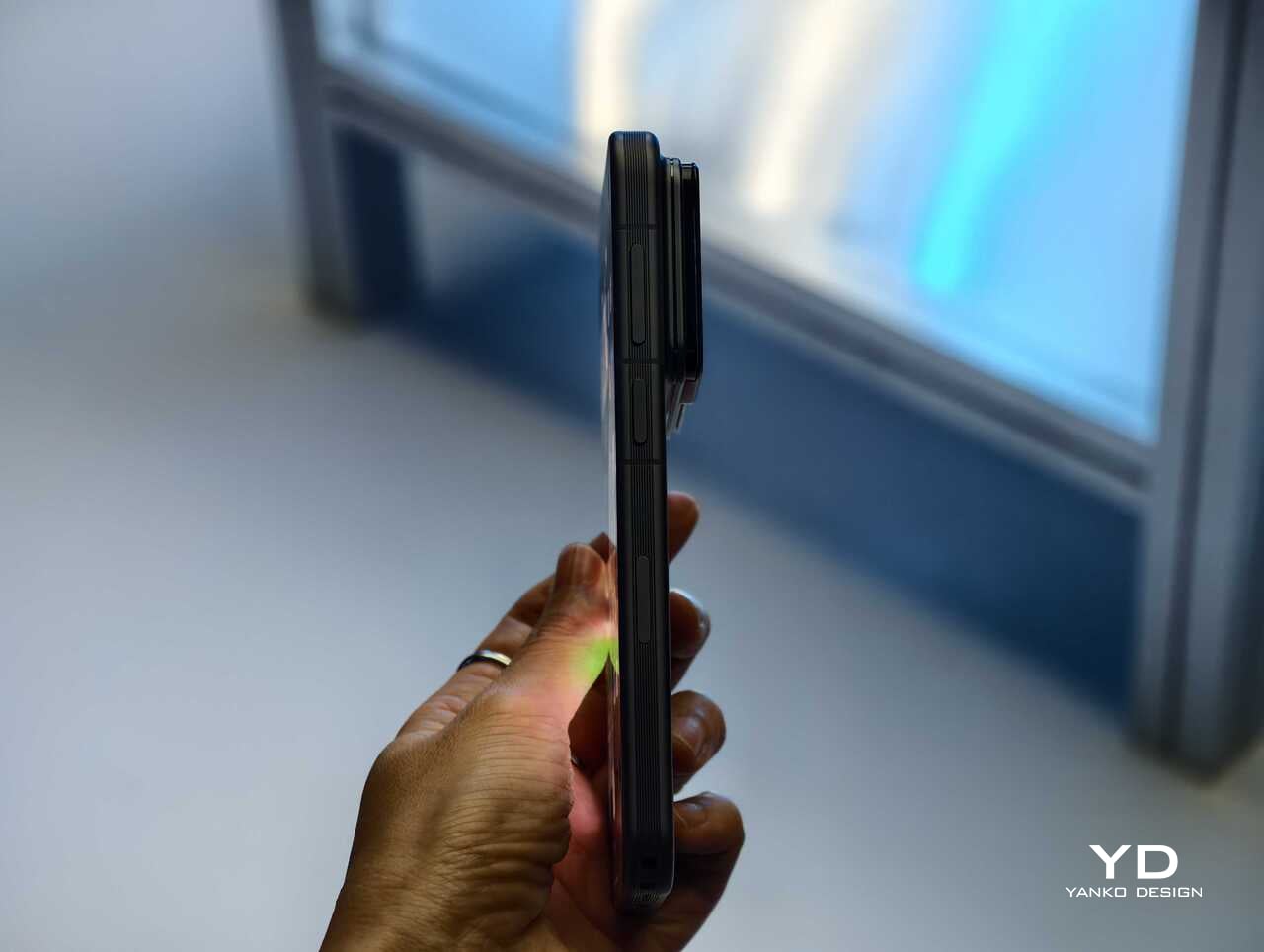
6 Reasons Why Apple Needs to Build a Clamshell iPhone Flip (And 1 Reason It Shouldn’t)

Remember when phones got smaller? The iPhone 13 Mini had a cult following, but Apple killed it because most people wanted bigger screens. Here’s the plot twist: a clamshell foldable iPhone could bring back that beloved compact size without sacrificing screen real estate. You get a full-size display when you need it, and a pocketable square when you don’t. It’s the best of both worlds, and Apple knows it.

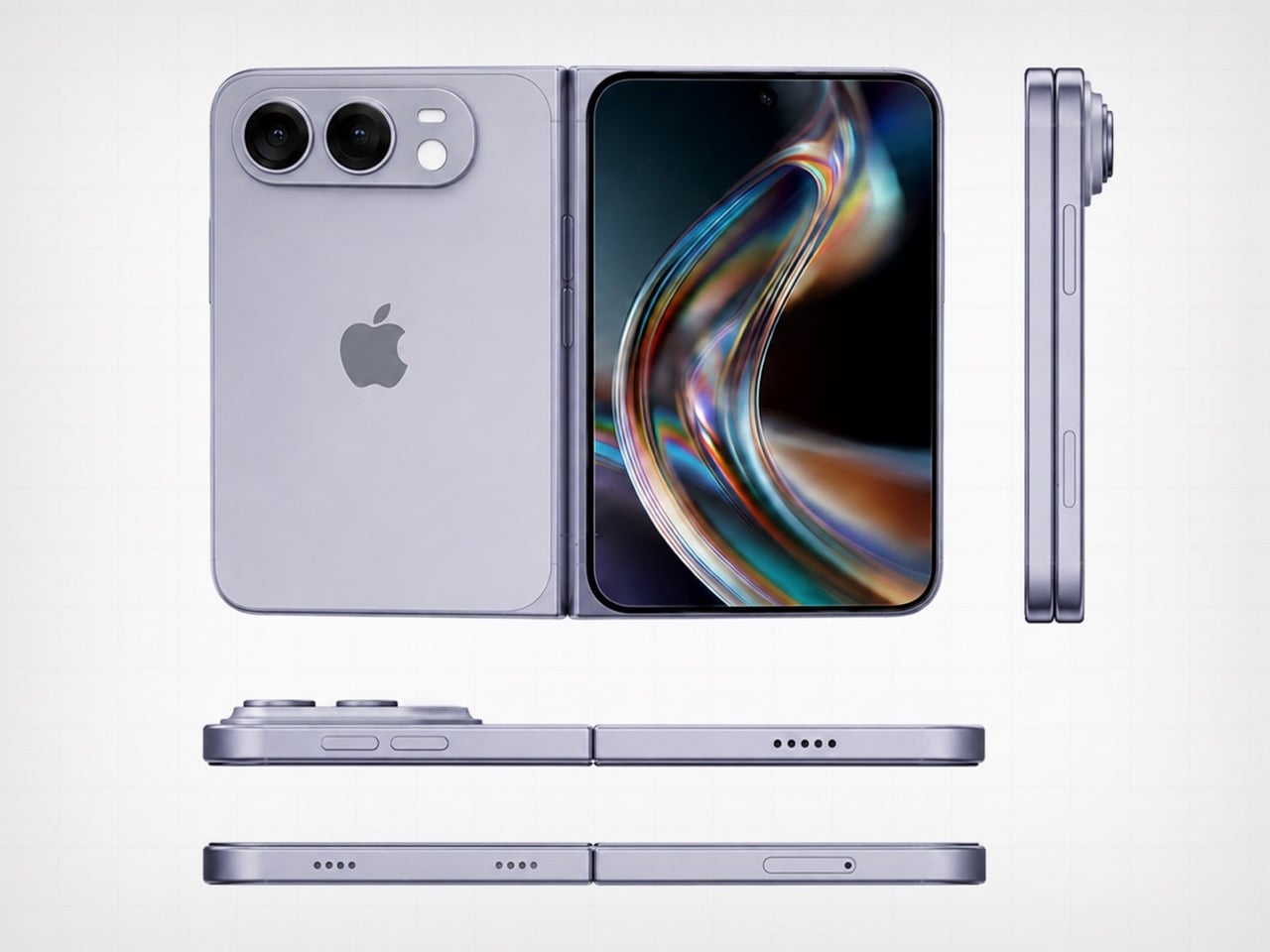
Mark Gurman’s latest report suggests Apple is seriously exploring this form factor. It wouldn’t be their first foldable (a larger model is rumored for later this year), but it might be their smartest. A clamshell iPhone makes sense for reasons that go way beyond nostalgia. It’s cheaper to build than a book-style fold, it doesn’t compete with the iPad Mini, and it opens up a market where Samsung is basically the only serious player. There are six solid reasons why Apple should do this, and one big reason why it might not work. Let’s dig in.

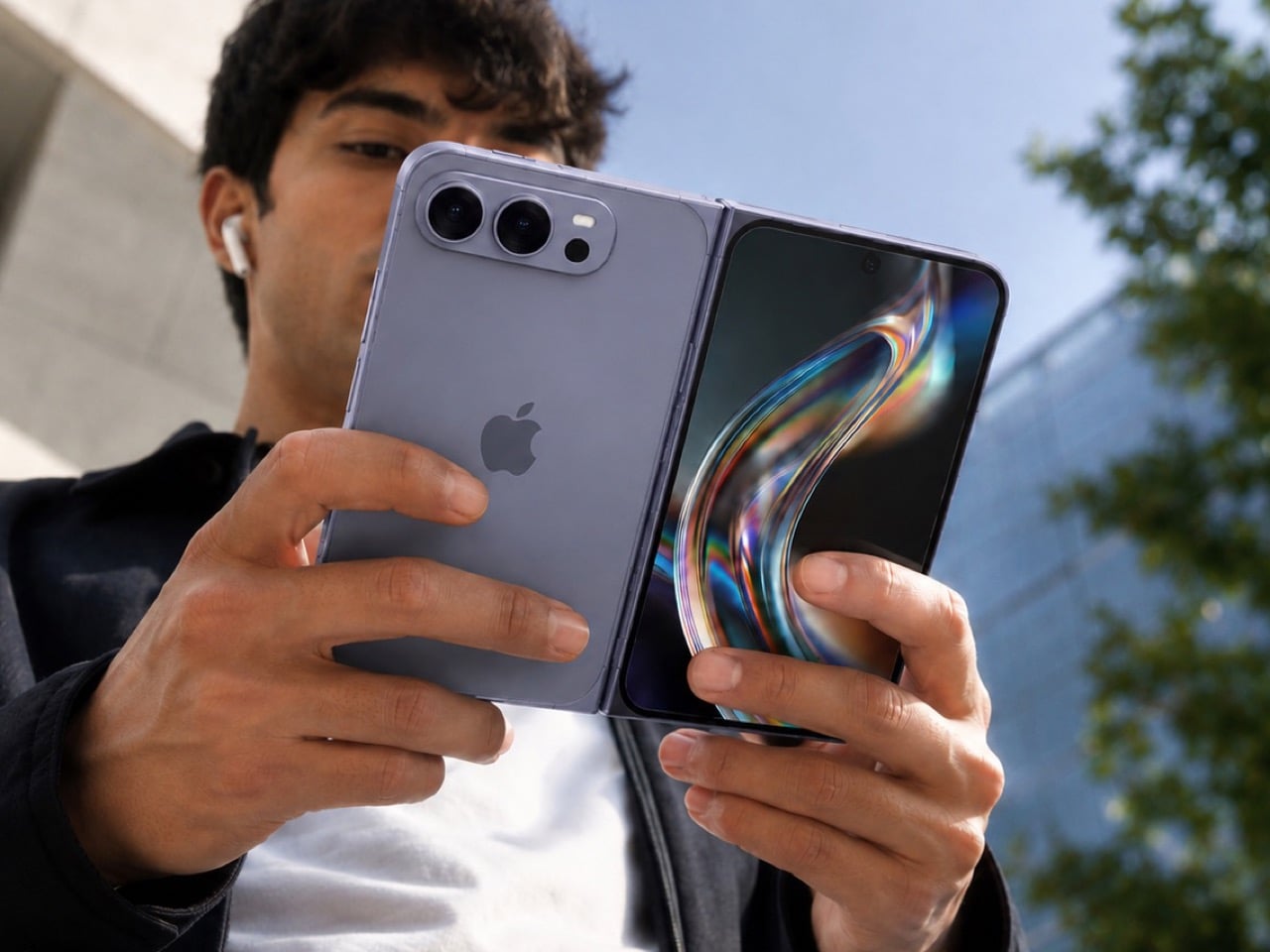
The iPhone Mini lives on (just folded in half)

Apple discontinued the iPhone 13 Mini because the sales numbers didn’t justify keeping it around. Turns out most people prefer bigger screens, even if it means carrying a brick in their pocket. But the Mini’s fans were passionate, and they’ve been vocal about wanting a truly compact iPhone ever since. A clamshell solves this problem in the most elegant way possible.

When folded, it’s roughly the size of the Mini, maybe even smaller depending on how thick the hinge is. When unfolded, you get a full 6.1-inch or 6.7-inch display, same as the regular iPhone or Pro Max. The people who loved the Mini weren’t asking for a smaller screen, they were asking for a phone that didn’t dominate their pocket or require two hands for basic tasks. A clamshell gives them that portability without forcing them to squint at a 5.4-inch display.

This isn’t just about bringing back a discontinued product. It’s about proving that compact phones can exist in 2026 without compromising on screen size. The form factor itself becomes the feature.

It doesn’t murder the iPad Mini

Here’s the uncomfortable truth about book-style foldables: they’re iPad killers. If Apple released an iPhone that unfolds into an 8-inch display, who’s buying an iPad Mini? The overlap would be brutal. You’d have a device that fits in your pocket, runs iOS, makes calls, and gives you a tablet-sized screen when you need it. The iPad Mini’s entire value proposition collapses.

A clamshell doesn’t have this problem. Even at its largest, a clamshell iPhone would max out at maybe 6.9 inches unfolded. That’s still firmly in phone territory, not tablet territory. The iPad Mini’s 8.3-inch display remains the smallest “real” iPad you can buy, and it stays relevant for people who want that in-between size for reading, note-taking, or media consumption.

Apple’s product lineup is carefully segmented, and a clamshell iPhone slots in without disrupting the hierarchy. It’s a phone that folds smaller, not a tablet that folds into a phone. That distinction matters when you’re trying to sell both devices to the same customer.

Samsung owns this space, but they’re beatable

The Galaxy Z Flip has been around since 2020, and Samsung’s refined it through multiple generations. They’re the dominant player in the clamshell category, but “dominant” doesn’t mean “unbeatable.” Motorola’s putting up a fight with the Razr, but Google hasn’t touched this form factor yet. No Pixel Flip. No Nothing Flip. No OnePlus Flip. It’s basically Samsung’s game, and that’s an opportunity for Apple.

Apple doesn’t need to be first. They need to be better. And in a market where there’s only one major competitor, “better” is achievable. Samsung’s Z Flip 6 is solid, but it’s not perfect. The cover screen still feels like an afterthought, the crease is visible, and the software experience is classic Samsung (which is to say, inconsistent). If Apple can deliver a smoother hinge, a more useful outer display, and that signature iOS polish, they could own this category within a generation.

The fact that Google isn’t competing here is huge. The Pixel is Apple’s biggest threat in terms of owning both hardware and software (plus Gemini is vastly more superior than any AI Apple’s managed to roll out), and if there’s no Pixel Flip to compete with an iPhone Flip, Apple has a clear shot at Android users who want this form factor but don’t want Samsung’s ecosystem.

Smaller hinge, lower risk

Building a book-style foldable is expensive and complicated. You’re engineering a hinge that supports a massive, fragile display. You’re solving durability issues that Samsung and others have been wrestling with for years. You’re creating an entirely new product category that might flop. The R&D costs are enormous, and if it doesn’t sell, you’ve burned a ton of money.

A clamshell is cheaper to prototype, cheaper to manufacture, and cheaper to fail with. The display is smaller, the hinge mechanism is simpler, and the overall engineering challenge is less daunting. If Apple wants to dip their toes into foldables without betting the farm, a clamshell is the way to do it.

This also means Apple can price it more competitively. A book-style iPhone Fold would probably start at $1,799 or higher. A clamshell could reasonably launch at $1,199, maybe $1,299. That’s still premium, but it’s within reach of people who’d normally buy a Pro model. The lower price point expands the potential customer base, and if it sells well, Apple can use that momentum to justify a larger foldable later.

Hands-free everything

The half-folded “laptop mode” is one of the best features of clamshell foldables, and it’s criminally underrated. You can prop the phone up on a table, angle the screen however you want, and suddenly you’ve got a hands-free setup for FaceTime, vlogging, watching videos, or taking photos. No tripod required. No awkward propping it against a water bottle. It just works.

Apple’s been positioning the iPhone as a serious content creation tool for years. ProRes video, Cinematic Mode, all those camera upgrades, they’re aimed at people who make stuff. A clamshell iPhone would give those creators a built-in tripod mode that’s actually useful. Imagine shooting a cooking tutorial, a makeup video, or a product unboxing without needing extra gear. The phone holds itself at the perfect angle, and you’re free to use both hands.

This isn’t a niche use case. Every vertical video you’ve ever seen on TikTok or Instagram could’ve been easier to shoot with a clamshell. Apple knows this, and they know it’s a selling point that most mobile brands haven’t fully capitalized on yet.

Big screen, small pocket

Here’s the paradox of modern smartphones: people want huge screens, but they hate carrying huge phones. The iPhone 15 Pro Max is a phenomenal device, but it’s a slab that dominates your pocket, your bag, and your hand. A clamshell solves this in the most obvious way possible: make the screen big, then fold it in half.

When unfolded, you get all the screen real estate of a Pro or Pro Max. When folded, it’s a compact square that sits comfortably in any pocket. You’re not sacrificing display size, you’re just rearranging it. This is especially appealing for people who want big screens but don’t want to upgrade their wardrobe to accommodate a 6.7-inch rectangle.

The folded form factor also changes how you carry the phone. It’s less likely to slide out of a pocket, it doesn’t create that awkward bulge in tight jeans, and it’s easier to grip when you’re pulling it out. These are small quality-of-life improvements, but they add up. A clamshell makes the big-screen experience more portable, and that’s a real advantage.

The one problem: MagSafe doesn’t love squares

Here’s where things get tricky. Apple’s entire MagSafe ecosystem is built around vertical rectangles. Wallets, battery packs, car mounts, wireless chargers, they all assume your iPhone is shaped like, well, an iPhone. A clamshell changes that. When folded, it’s a square. When unfolded, it’s a normal phone shape. But MagSafe accessories are designed to stick to the back of a phone that’s always the same shape.

How does a MagSafe wallet work on a folded clamshell? Does it attach to the outer cover, which is probably glass or plastic? Does Apple redesign the entire accessory lineup to accommodate a square form factor? Do they create clamshell-specific MagSafe products? None of these solutions are great.

This isn’t a dealbreaker, but it’s a complication. Apple’s accessory ecosystem is a huge part of their strategy, and a clamshell iPhone disrupts that in ways a book-style fold wouldn’t. You could argue that a book-style fold, when closed, is still roughly phone-shaped, so MagSafe accessories might work. A clamshell is just different enough to break compatibility.

Apple could solve this with clever engineering. Maybe the MagSafe ring is on the outer screen side, and accessories attach there. Maybe they introduce a new “MagSafe Flip” standard with different magnets. Or maybe they just accept that clamshell buyers won’t use traditional MagSafe accessories and move on. Either way, it’s a problem that doesn’t exist with their current lineup, and it’s worth considering.

So, is this happening?

Gurman’s report is credible, but it’s not a product announcement. Apple explores lots of things that never ship. They’ve been prototyping foldables for years, and we’ve seen patents dating back to 2016. The fact that they’re actively working on a clamshell now doesn’t mean it’ll hit shelves in 2027 or even 2028.

But the logic is there. A clamshell iPhone solves more problems than it creates. It brings back the Mini’s form factor without shrinking the screen. It enters a market where Apple could actually win. It’s cheaper and less risky than a book-style fold. And it gives Apple a foothold in foldables without cannibalizing their other products.

If Apple does this right, a clamshell iPhone could be the foldable that finally makes sense for people who aren’t early adopters. It’s practical, it’s pocketable, and it’s exactly the kind of product Apple excels at making. The only question is whether they’re willing to rethink MagSafe to make it work.

(Images via AI)

The post 6 Reasons Why Apple Needs to Build a Clamshell iPhone Flip (And 1 Reason It Shouldn’t) first appeared on Yanko Design.
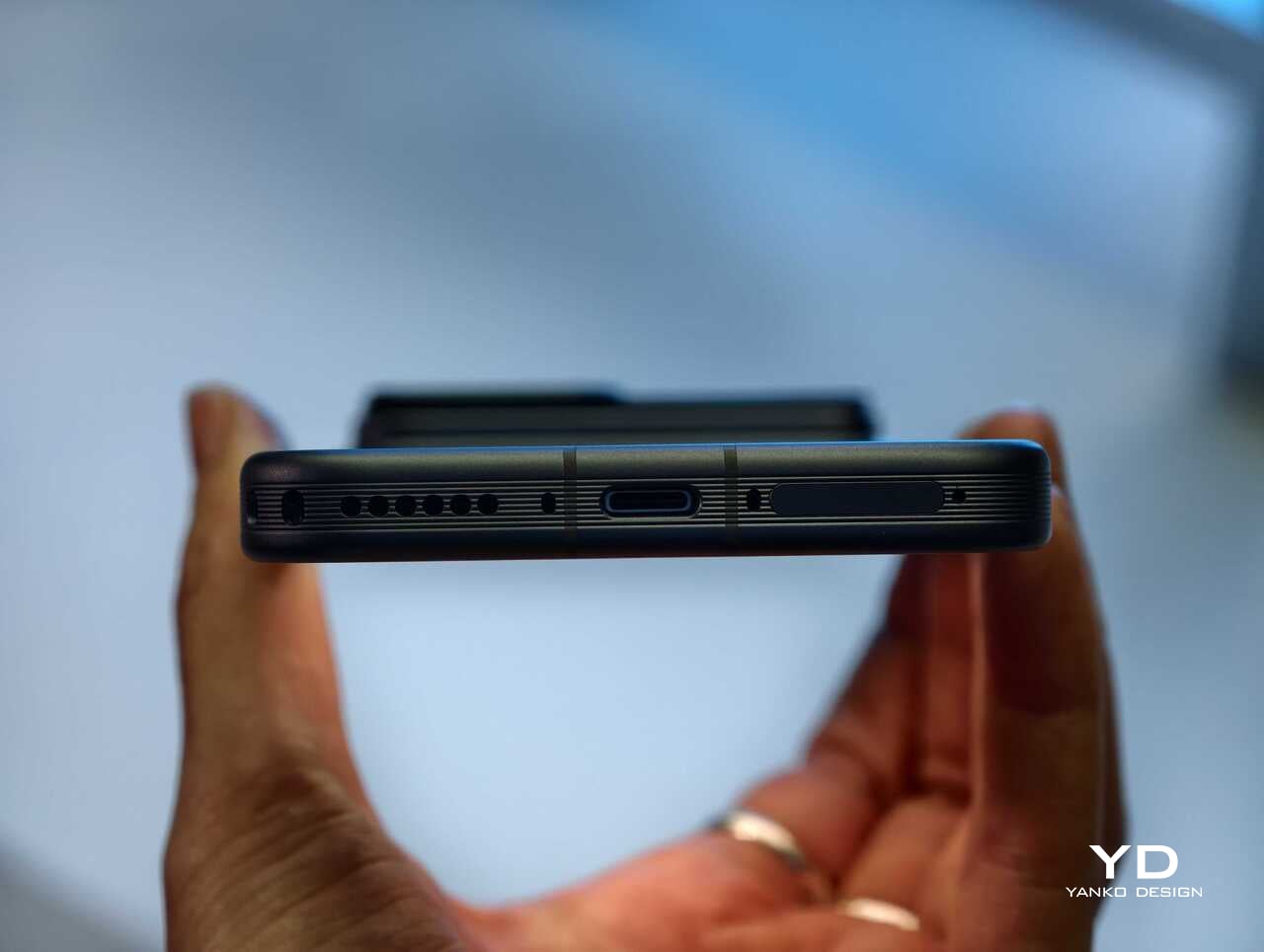
Realme P4 Power Review: Battery Anxiety is Finally Dead

PROS:


  • Massive 10,001mAh battery with 80W wired fast charging

  • Bright and vibrant display

  • Solid mid-range performance

CONS:


  • Slightly heavier and chunkier compared to many mid-range devices

  • Ultra-wide and front-facing cameras are only average for the price

RATINGS:

AESTHETICS
ERGONOMICS
PERFORMANCE
SUSTAINABILITY / REPAIRABILITY
VALUE FOR MONEY

EDITOR'S QUOTE:

Realme P4 Power proves that killing battery anxiety is more useful than chasing benchmarks, wrapping a 10,001mAh cell, tough IP69 shell, and smooth performance into an honest mid‑range package.

Realme has built a reputation for pushing smartphone battery tech forward, from faster charging to bigger and more efficient cells. Instead of treating battery life as an afterthought, the brand has consistently tried to make it a headline feature that changes how often you actually need a charger. That focus has turned power and charging from a boring spec line into one of Realme’s main selling points.

The Realme P4 Power is the clearest expression of that idea so far. It packs a massive 10,001 mAh battery into a phone that still looks and feels familiar, then backs it up with 80W fast charging, 27W reverse charging, a bright 144Hz AMOLED display, and 5G performance aimed at everyday users and gamers alike. More than just another mid‑range phone with a slightly bigger battery, it’s a device built around the promise that you should be able to forget about battery anxiety for days at a time.

Aesthetics

The Realme P4 Power is a battery‑first phone that does not look like one at first glance. On the table, it reads as a modern, fashion‑driven slab rather than a chunky endurance tool, which is exactly what Realme is going for. It comes in two color variations, Flash Orange and Power Silver.

The upper third of the back panel has a distinctive pattern that creates an almost translucent effect, playing with reflections and depth when light hits it. The rectangular camera island is neatly integrated, with a clean ring‑based layout that avoids the oversized, fussy modules you see on some rivals. The overall look feels intentional and confident, not like a normal phone that accidentally got thicker to fit a bigger battery.

The design is more playful than minimalist, especially in the brighter Flash Orange variant, while Power Silver keeps a slightly more muted but still distinctive character. For a phone whose headline feature is a huge battery, it is surprisingly stylish and clearly aimed at people who care how their device looks on a desk or in a hand. Branding is present but not overpowering, so the rear stays relatively clean even with the layered graphics and that “under‑glass” pattern.

Ergonomics

Even when you pick it up, the P4 Power feels a little deceptive. This is not a featherweight device, coming in at about 219g and measuring 162.26 x 76.15 x 9.08mm. The large 10,001 mAh battery and sturdy build give it noticeable heft in the hand, and you will feel that if you are coming from a slim device. However, Realme has done a great job of balancing the mass so it does not feel awkward during normal use. For many users, the extra grams will be an acceptable trade‑off for the freedom from constant charging.

The shape helps more than the spec sheet suggests. The slightly curved 6.8‑inch display and curved‑edge back panel let your fingers naturally wrap around the device rather than pressing into a sharp edge. The matte back does a good job of hiding fingerprints and smudges, although it can feel a bit slippery, so a case might still be a smart idea.

The power and volume keys are within comfortable reach on the right side, so you do not have to stretch or shuffle the phone around to adjust volume or wake the screen. The in‑display fingerprint reader, on the other hand, sits quite close to the bottom of the display, which can make quick unlocks feel a bit forced, especially in one‑handed use. Overall, the build quality feels more premium than the price tag suggests, and ergonomics are good for a device built around such a large battery.

Performance

On the front, the P4 Power offers a quad‑curved 6.8‑inch AMOLED display with a resolution of 1280 × 2800 pixels and a maximum refresh rate of 144Hz. In practice, though, only a few native apps, such as Calculator, Compass, and Recorder, actually run at 144Hz, while most of the interface and third‑party apps stick to lower refresh rates.

Realme quotes typical brightness around 600 nits, a boosted mode up to 1800 nits, and a local peak figure of 6500 nits for small areas of the screen. In real‑world use, the display stays readable in harsh sunlight and bright outdoor conditions. The panel supports HDR10+ and 10‑bit color, so compatible streaming content looks rich, punchy, and pleasantly saturated.

Inside the P4 Power sits MediaTek’s Dimensity 7400-Ultra chipset. It is paired with 8GB or 12GB of RAM and 128GB, 256GB, or 512GB of UFS 3.1 storage. This combination places the phone firmly in the mid‑range. It is not chasing raw benchmark records, yet it is designed to deliver smooth performance in everyday tasks and mainstream games without obvious slowdowns or stutters.

Out of the box, the phone runs Android 16 with Realme UI 7.0 on top, and Realme also uses a dual‑chip approach. Alongside the main Dimensity processor, there is a dedicated Hyper Vision+ AI chip focused on display and gaming tasks, and there are a handful of AI image features such as AI Perfect Shot and 3D emoji. AI Perfect Shot recognizes faces and can fix closed eyes or awkward expressions by swapping in better face poses from other photos of the same person in your gallery, and AI also helps during gaming by quickly generating message replies in supported messaging apps so you can respond without fully dropping out of your game.

Battery life is the reason this phone exists. The 10,001mAh cell is dramatically larger than the 4,500 to 5,000mAh batteries found in many mainstream phones, and even bigger than the 6,000 or 7000mAh packs in endurance‑focused models. Realme achieves this using a third‑generation silicon‑carbon anode and a compact internal stacking design, which allows more capacity in roughly the same physical space.

In practical terms, this capacity is meant to deliver several days of mixed use. I used the Realme P4 Power as my primary device on a 3‑night, 4‑day scuba trip, with light screen time during the day, and it lasted the entire trip without a charge, still showing around 20 percent battery when I got back home. That kind of real‑world endurance is a clear step up from phones that need a nightly top‑up.

When you do need to charge, the P4 Power supports 80 W wired fast charging. It also supports 27 W reverse charging, so it can basically double as a power bank for your other gadgets when you are on the move.

The camera system on the P4 Power is straightforward. On the back, there is a 50MP main camera using Sony’s IMX882 sensor with optical image stabilization and an f/1.8 lens, paired with an 8MP ultra‑wide camera that offers a 112‑degree field of view. On the front, you get a 16MP selfie camera. For video, the main camera can record up to 4K at 30 fps, while the ultra‑wide and front‑facing cameras are capped at 1080p at 30 fps.

You can choose between Vibrant and Natural color modes. Natural mode is essentially a toned‑down look rather than a more accurate one, so it comes down to preference more than strict realism. The main camera takes good photos with pleasing detail and contrast in daylight, while the ultra‑wide is serviceable but nothing to write home about, with softer detail and more noise. The front‑facing camera delivers decent selfies that are fine for social media, though it does not stand out in this price range.

Natural Color Mode

Vibrant Color Mode

Portrait Mode

Sustainability

The oversized battery also has a clear sustainability angle. Because the 10,001 mAh cell gives you so much headroom, you are less likely to run it close to empty every day or charge it multiple times, which reduces the number of full charge cycles. Realme’s silicon‑carbon chemistry and battery management build on that, and the company claims the battery can retain over 94 percent of its original capacity after three years of typical use and around 80 percent after eight years.

The Realme P4 Power also leans on durability and software support. It is IP69, IP68, and IP66‑rated, so it is tested for dust tightness, high‑pressure water jets, and immersion, making it less likely to die from everyday splashes or rain. On the software side, Realme promises three major Android OS upgrades and four years of security patches, which is fine for a mid‑range phone but not class‑leading, and it slightly undercuts the otherwise long‑term hardware story.

Value

In India, the Realme P4 Power starts at around ₹25,999 (roughly $310) for the 8GB RAM and 128GB storage variant. That pricing puts it in the crowded lower mid‑range segment, where a lot of brands are fighting on specs and features. The Honor Win also features a 10,000mAh battery, but it is officially only available in China, so for most buyers, the P4 Power is the more accessible way to get this kind of battery size.

The phone is aimed at people who value endurance and reliability above camera experience or absolute thinness. That can include gamers, frequent travelers, delivery workers, content creators on the move, and anyone who is simply tired of carrying a power bank. At this price level, the P4 Power tries to stand out by solving a real‑world problem in a very direct way.

Verdict

The Realme P4 Power is a very focused product. It does not try to be the best camera phone or the thinnest fashion accessory. Instead, it aims to be the phone you do not have to think about charging, even on your busiest days. For many everyday users, that single promise can be more valuable than a slightly better zoom lens or a few extra benchmark points.

If your top priority is battery life, with smooth performance and a bright display for gaming and media, the P4 Power is an easy device to recommend in its price range. If you care more about advanced photography features, ultra‑lightweight design, or wireless charging, you may want to look at other options. For everyone else, this is a rare phone that tackles a common frustration head‑on and mostly succeeds.

The post Realme P4 Power Review: Battery Anxiety is Finally Dead first appeared on Yanko Design.
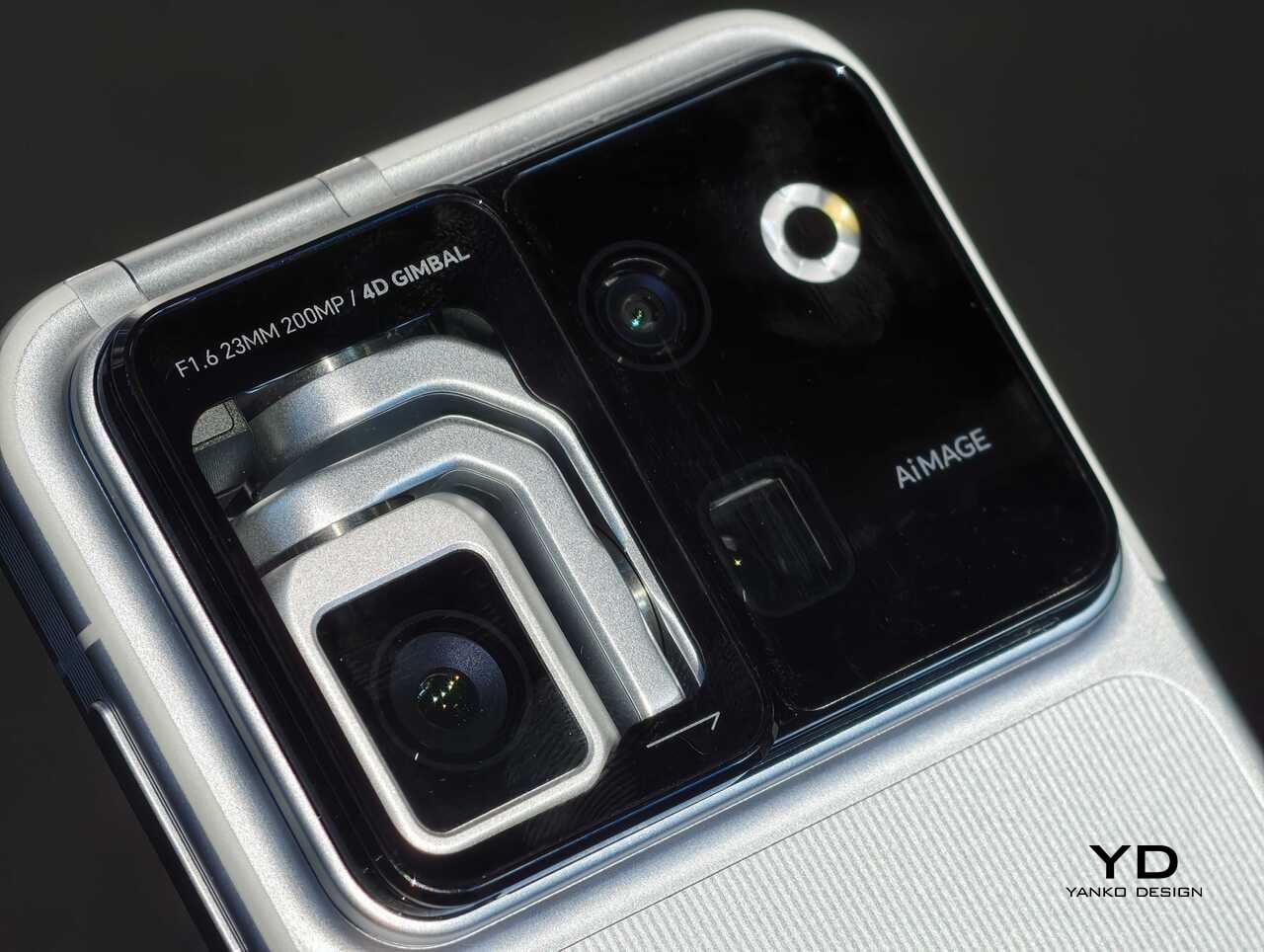
Realme P4 Power Review: Battery Anxiety is Finally Dead

PROS:


  • Massive 10,001mAh battery with 80W wired fast charging

  • Bright and vibrant display

  • Solid mid-range performance

CONS:


  • Slightly heavier and chunkier compared to many mid-range devices

  • Ultra-wide and front-facing cameras are only average for the price

RATINGS:

AESTHETICS
ERGONOMICS
PERFORMANCE
SUSTAINABILITY / REPAIRABILITY
VALUE FOR MONEY

EDITOR'S QUOTE:

Realme P4 Power proves that killing battery anxiety is more useful than chasing benchmarks, wrapping a 10,001mAh cell, tough IP69 shell, and smooth performance into an honest mid‑range package.

Realme has built a reputation for pushing smartphone battery tech forward, from faster charging to bigger and more efficient cells. Instead of treating battery life as an afterthought, the brand has consistently tried to make it a headline feature that changes how often you actually need a charger. That focus has turned power and charging from a boring spec line into one of Realme’s main selling points.

The Realme P4 Power is the clearest expression of that idea so far. It packs a massive 10,001 mAh battery into a phone that still looks and feels familiar, then backs it up with 80W fast charging, 27W reverse charging, a bright 144Hz AMOLED display, and 5G performance aimed at everyday users and gamers alike. More than just another mid‑range phone with a slightly bigger battery, it’s a device built around the promise that you should be able to forget about battery anxiety for days at a time.

Aesthetics

The Realme P4 Power is a battery‑first phone that does not look like one at first glance. On the table, it reads as a modern, fashion‑driven slab rather than a chunky endurance tool, which is exactly what Realme is going for. It comes in two color variations, Flash Orange and Power Silver.

The upper third of the back panel has a distinctive pattern that creates an almost translucent effect, playing with reflections and depth when light hits it. The rectangular camera island is neatly integrated, with a clean ring‑based layout that avoids the oversized, fussy modules you see on some rivals. The overall look feels intentional and confident, not like a normal phone that accidentally got thicker to fit a bigger battery.

The design is more playful than minimalist, especially in the brighter Flash Orange variant, while Power Silver keeps a slightly more muted but still distinctive character. For a phone whose headline feature is a huge battery, it is surprisingly stylish and clearly aimed at people who care how their device looks on a desk or in a hand. Branding is present but not overpowering, so the rear stays relatively clean even with the layered graphics and that “under‑glass” pattern.

Ergonomics

Even when you pick it up, the P4 Power feels a little deceptive. This is not a featherweight device, coming in at about 219g and measuring 162.26 x 76.15 x 9.08mm. The large 10,001 mAh battery and sturdy build give it noticeable heft in the hand, and you will feel that if you are coming from a slim device. However, Realme has done a great job of balancing the mass so it does not feel awkward during normal use. For many users, the extra grams will be an acceptable trade‑off for the freedom from constant charging.

The shape helps more than the spec sheet suggests. The slightly curved 6.8‑inch display and curved‑edge back panel let your fingers naturally wrap around the device rather than pressing into a sharp edge. The matte back does a good job of hiding fingerprints and smudges, although it can feel a bit slippery, so a case might still be a smart idea.

The power and volume keys are within comfortable reach on the right side, so you do not have to stretch or shuffle the phone around to adjust volume or wake the screen. The in‑display fingerprint reader, on the other hand, sits quite close to the bottom of the display, which can make quick unlocks feel a bit forced, especially in one‑handed use. Overall, the build quality feels more premium than the price tag suggests, and ergonomics are good for a device built around such a large battery.

Performance

On the front, the P4 Power offers a quad‑curved 6.8‑inch AMOLED display with a resolution of 1280 × 2800 pixels and a maximum refresh rate of 144Hz. In practice, though, only a few native apps, such as Calculator, Compass, and Recorder, actually run at 144Hz, while most of the interface and third‑party apps stick to lower refresh rates.

Realme quotes typical brightness around 600 nits, a boosted mode up to 1800 nits, and a local peak figure of 6500 nits for small areas of the screen. In real‑world use, the display stays readable in harsh sunlight and bright outdoor conditions. The panel supports HDR10+ and 10‑bit color, so compatible streaming content looks rich, punchy, and pleasantly saturated.

Inside the P4 Power sits MediaTek’s Dimensity 7400-Ultra chipset. It is paired with 8GB or 12GB of RAM and 128GB, 256GB, or 512GB of UFS 3.1 storage. This combination places the phone firmly in the mid‑range. It is not chasing raw benchmark records, yet it is designed to deliver smooth performance in everyday tasks and mainstream games without obvious slowdowns or stutters.

Out of the box, the phone runs Android 16 with Realme UI 7.0 on top, and Realme also uses a dual‑chip approach. Alongside the main Dimensity processor, there is a dedicated Hyper Vision+ AI chip focused on display and gaming tasks, and there are a handful of AI image features such as AI Perfect Shot and 3D emoji. AI Perfect Shot recognizes faces and can fix closed eyes or awkward expressions by swapping in better face poses from other photos of the same person in your gallery, and AI also helps during gaming by quickly generating message replies in supported messaging apps so you can respond without fully dropping out of your game.

Battery life is the reason this phone exists. The 10,001mAh cell is dramatically larger than the 4,500 to 5,000mAh batteries found in many mainstream phones, and even bigger than the 6,000 or 7000mAh packs in endurance‑focused models. Realme achieves this using a third‑generation silicon‑carbon anode and a compact internal stacking design, which allows more capacity in roughly the same physical space.

In practical terms, this capacity is meant to deliver several days of mixed use. I used the Realme P4 Power as my primary device on a 3‑night, 4‑day scuba trip, with light screen time during the day, and it lasted the entire trip without a charge, still showing around 20 percent battery when I got back home. That kind of real‑world endurance is a clear step up from phones that need a nightly top‑up.

When you do need to charge, the P4 Power supports 80 W wired fast charging. It also supports 27 W reverse charging, so it can basically double as a power bank for your other gadgets when you are on the move.

The camera system on the P4 Power is straightforward. On the back, there is a 50MP main camera using Sony’s IMX882 sensor with optical image stabilization and an f/1.8 lens, paired with an 8MP ultra‑wide camera that offers a 112‑degree field of view. On the front, you get a 16MP selfie camera. For video, the main camera can record up to 4K at 30 fps, while the ultra‑wide and front‑facing cameras are capped at 1080p at 30 fps.

You can choose between Vibrant and Natural color modes. Natural mode is essentially a toned‑down look rather than a more accurate one, so it comes down to preference more than strict realism. The main camera takes good photos with pleasing detail and contrast in daylight, while the ultra‑wide is serviceable but nothing to write home about, with softer detail and more noise. The front‑facing camera delivers decent selfies that are fine for social media, though it does not stand out in this price range.

Natural Color Mode

Vibrant Color Mode

Portrait Mode

Sustainability

The oversized battery also has a clear sustainability angle. Because the 10,001 mAh cell gives you so much headroom, you are less likely to run it close to empty every day or charge it multiple times, which reduces the number of full charge cycles. Realme’s silicon‑carbon chemistry and battery management build on that, and the company claims the battery can retain over 94 percent of its original capacity after three years of typical use and around 80 percent after eight years.

The Realme P4 Power also leans on durability and software support. It is IP69, IP68, and IP66‑rated, so it is tested for dust tightness, high‑pressure water jets, and immersion, making it less likely to die from everyday splashes or rain. On the software side, Realme promises three major Android OS upgrades and four years of security patches, which is fine for a mid‑range phone but not class‑leading, and it slightly undercuts the otherwise long‑term hardware story.

Value

In India, the Realme P4 Power starts at around ₹25,999 (roughly $310) for the 8GB RAM and 128GB storage variant. That pricing puts it in the crowded lower mid‑range segment, where a lot of brands are fighting on specs and features. The Honor Win also features a 10,000mAh battery, but it is officially only available in China, so for most buyers, the P4 Power is the more accessible way to get this kind of battery size.

The phone is aimed at people who value endurance and reliability above camera experience or absolute thinness. That can include gamers, frequent travelers, delivery workers, content creators on the move, and anyone who is simply tired of carrying a power bank. At this price level, the P4 Power tries to stand out by solving a real‑world problem in a very direct way.

Verdict

The Realme P4 Power is a very focused product. It does not try to be the best camera phone or the thinnest fashion accessory. Instead, it aims to be the phone you do not have to think about charging, even on your busiest days. For many everyday users, that single promise can be more valuable than a slightly better zoom lens or a few extra benchmark points.

If your top priority is battery life, with smooth performance and a bright display for gaming and media, the P4 Power is an easy device to recommend in its price range. If you care more about advanced photography features, ultra‑lightweight design, or wireless charging, you may want to look at other options. For everyone else, this is a rare phone that tackles a common frustration head‑on and mostly succeeds.

The post Realme P4 Power Review: Battery Anxiety is Finally Dead first appeared on Yanko Design.
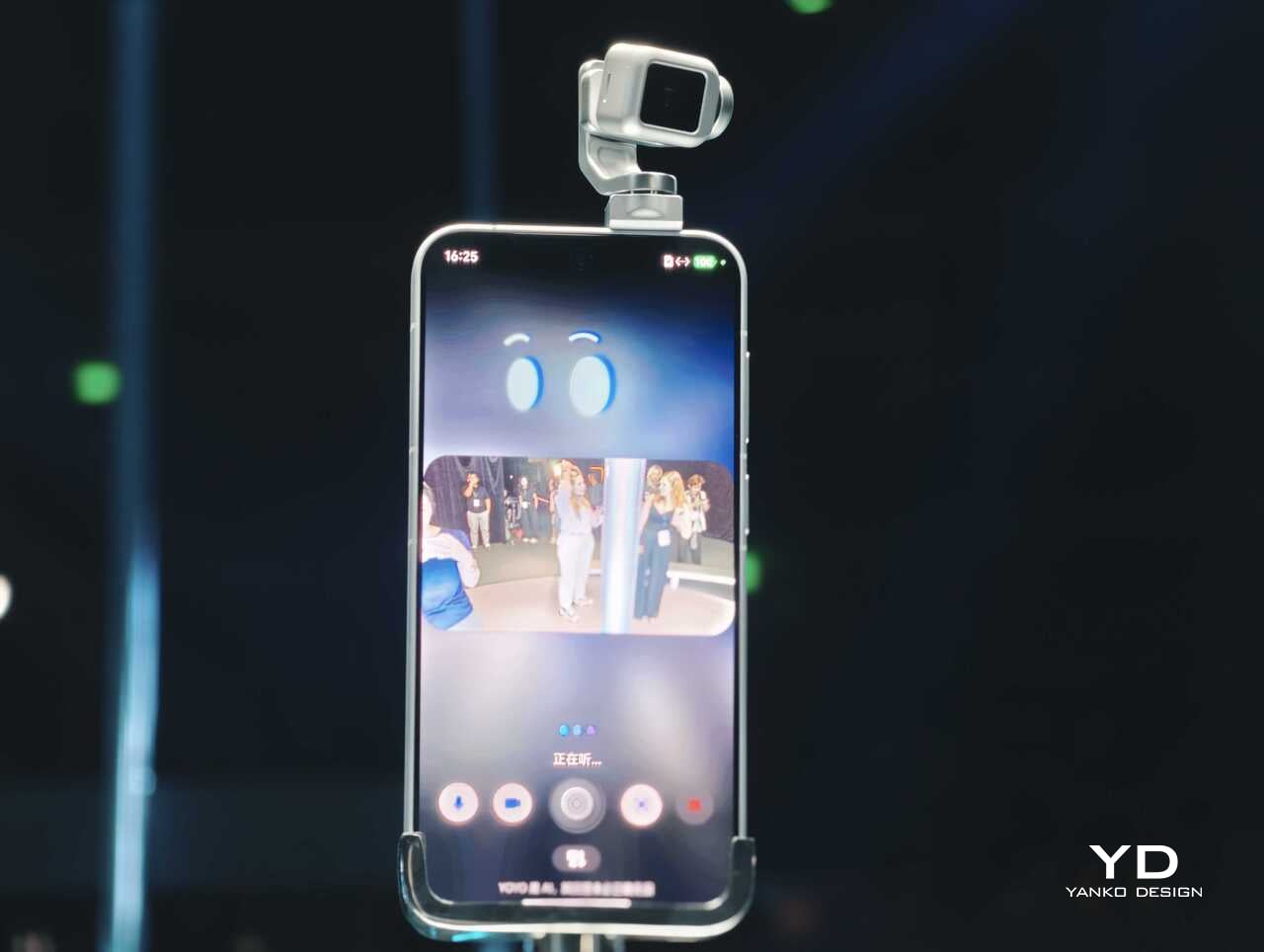
Realme 16: 7,000mAh battery, iPhone Air ‘inspired’ design, 3-lens camera and a rear selfie mirror

The horizontal camera bar has officially become the design language of 2025-2026, and Realme just joined the party with the Realme 16. Five months after Apple’s iPhone Air established the aesthetic last September, here comes a mid-range contender wearing the same silhouette like a fashion trend that jumped from runway to high street. The visor-style execution skews closer to Honor’s Magic8 Pro Air, complete with that clean horizontal sweep across the top of the phone. But Realme threw in a wild card: a circular selfie mirror embedded right in the camera module, encircled by a halo flash that adds theatrical flair to an otherwise familiar design.

Calling this phone “Air” anything requires some creative interpretation. The iPhone Air sits at 5.6mm thin, Honor’s version checks in at 6.1mm, and the Realme 16 lands at 8.1mm. That’s practically chunky by comparison, though the 7,000mAh battery inside explains the extra millimeters. At 183 grams, it still feels reasonable in hand despite housing enough power to outlast most flagships by a full day. The mirror feature positions itself as functional, giving you a way to frame selfies using the superior 50MP rear camera instead of the standard front sensor. Whether anyone actually uses it beyond the first Instagram story is the real test.

Designer: Realme

What’s more interesting than the mirror is the engineering required to make it all work. Squeezing a 7,000mAh battery into a body this manageable is no small feat, and it points to some clever internal packaging, what Realme calls an “Aircraft Structure layout” using high-density graphite battery tech. This is the kind of practical innovation that matters in the mid-range space, where two-day battery life is a legitimate killer feature. They even managed to secure an IP66, IP68, and IP69K rating, which means it’s protected against everything from dust to high-pressure water jets. That’s a level of durability you just don’t expect to see on a phone that isn’t a ruggedized brick.

The rest of the package is solidly mid-range. It’s running on a MediaTek Dimensity 6400 Turbo chipset, which is more than capable of keeping things running smoothly on the 6.57-inch AMOLED display. That screen, by the way, boasts a 120Hz refresh rate and an incredibly bright 4,500-nit peak brightness, so it should be perfectly visible even in direct sunlight. The camera system is led by that 50MP Sony IMX852 sensor with OIS, a very respectable piece of hardware for this segment, and it’s paired with a simple 2MP monochrome lens.

So, was the “Air” moniker really necessary? It feels like a stretch when the phone is 1.5x as thick as the devices it’s mimicking. And you have to wonder how much actual design work went into the chassis itself. The silhouette is pure iPhone Air, the camera plateau is straight from Honor’s playbook. Did Realme’s team just slap a mirror on a composite of last season’s hits and call it a day? Maybe. But for a mid-range phone with this much battery, maybe that’s all it needs to be. At its price tag, perhaps nobody minds a design that feels ‘inspired’ as long as it looks the part and lasts for two days.

The post Realme 16: 7,000mAh battery, iPhone Air ‘inspired’ design, 3-lens camera and a rear selfie mirror first appeared on Yanko Design.
REDMAGIC 11 Air Review: Fan-cooled Gaming Flagship at Just 207g, $499

PROS:


  • Slimmer and lighter design for a gaming smartphone

  • Distinctive gaming aesthetic

  • Large 7,000 mAh battery with 80W fast charging

  • More Accessible price point

CONS:


  • No wireless charging

  • Mediocre 8MP ultra-wide camera

  • Basic IP54 dust and water resistance

RATINGS:

AESTHETICS
ERGONOMICS
PERFORMANCE
SUSTAINABILITY / REPAIRABILITY
VALUE FOR MONEY

EDITOR'S QUOTE:

The REDMAGIC 11 Air doesn't apologize for being a gaming phone, but wraps it in the slimmest, lightest package the brand has made yet.

Gaming phones have split off into their own design species, leaning into transparent backs, RGB lighting, and visible cooling that looks more like sci‑fi props than communication devices. The REDMAGIC 11 Pro, which we reviewed recently, took that to its extreme with a liquid‑cooling window showing coolant flowing like spaceship controls. It made a strong visual statement but was unapologetically a gamer’s machine first and everything else a distant second.

REDMAGIC 11 Air tries to keep the same esports‑grade performance, active cooling, and transparent style in a slimmer frame. It packs a Snapdragon 8 Elite, 7,000mAh battery, 6.85‑inch 144Hz OLED, and 24,000 RPM fan into a 7.85mm, 207g body. Whether this Air approach can balance hardcore gaming with something closer to everyday usability, or just becomes a slightly thinner version of the same uncompromising brick, is worth finding out.

Designer: REDMAGIC

Aesthetics

The moment you see the REDMAGIC 11 Air, it announces itself as a gaming phone. Phantom transparent black and Prism transparent white finishes expose stylized internals, circuit‑like etching, and RGB‑lit fan and logo elements. This is not subtle or generalist; it is a cyberpunk, sci‑fi motif that wants to sit next to mechanical keyboards rather than hide in a leather case.

Despite the gaming‑first aesthetic, materials feel more refined than expected. The aluminum alloy frame, Gorilla Glass front and back, and 7.85mm thickness give it a solid feel. It is positioned as the lightest in the REDMAGIC lineup, which matters compared to the heavier 11 Pro. The curves and 20:9 aspect ratio help it sit more naturally in the hand, even if the styling still clearly prioritizes gamers over minimalists.

RGB lighting and transparent elements add atmosphere without chaos. Fan and logo lights sync with in‑game audio, making the back feel alive during sessions, but both can be toned down or disabled when you want less conspicuous carry. That duality helps if you like the gaming aesthetic but occasionally need to bring the phone into neutral environments where flashing lights feel out of place.

Ergonomics

Living with the 11 Air daily, the slimmer and lighter design makes a real difference. Long landscape gaming sessions feel less fatiguing, and the phone slips into pockets more easily than expected, given the 6.85‑inch display. The curved back and aluminum frame help with grip, and the 20:9 screen ratio balances a wide gaming canvas with something that still fits in most hands without constant readjusting.

The large screen dominates the front with a 95.1% screen‑to‑body ratio and slim bezels. That is great for immersion, but leaves little room to rest thumbs without touching the screen during landscape play. Fortunately, the shoulder triggers take over some of that load, letting the screen act more like a viewfinder while the top edges handle key inputs when you need them most.

Controls are where the gaming focus becomes clear. The 520Hz physical shoulder triggers are tuned for low‑latency and now work in portrait and landscape, giving flexibility for different games. Combined with the 0809 X‑axis linear motor for 4D haptics, the phone feels more like a handheld console, especially when triggers are mapped to aiming or abilities through Game Space’s interface.

Outside of gaming, the transparent back and RGB accents may not suit every situation, but the size and weight make it easier to carry than the 11 Pro or older gaming phones. One‑handed use is still a stretch given the display size, but basic tasks like messaging and browsing feel manageable if you are already used to large phones or phablets.

Performance

At the core sits the Snapdragon 8 Elite paired with RedCore R4, LPDDR5X RAM, and UFS 4.1 storage. Clock speeds reach 4.32GHz on the Oryon CPU and 1,250MHz on the Adreno 830 GPU. The dedicated RedCore R4 and CUBE scheduling engine focuses on stable frame rates rather than just benchmark spikes, which matters more in sustained gaming, where consistency beats bursts.

The ICE Cooling System backs that up with a large vapor chamber, graphene thermal layers, and a 24,000 RPM turbo fan. Unlike the REDMAGIC 11 Pro’s dramatic liquid‑cooling window showing coolant flowing like sci‑fi, the REDMAGIC 11 Air hides cooling under the transparent back. It opts for slimness while still actively managing CPU and GPU temperatures during long sessions, which keeps performance from throttling halfway through a match.
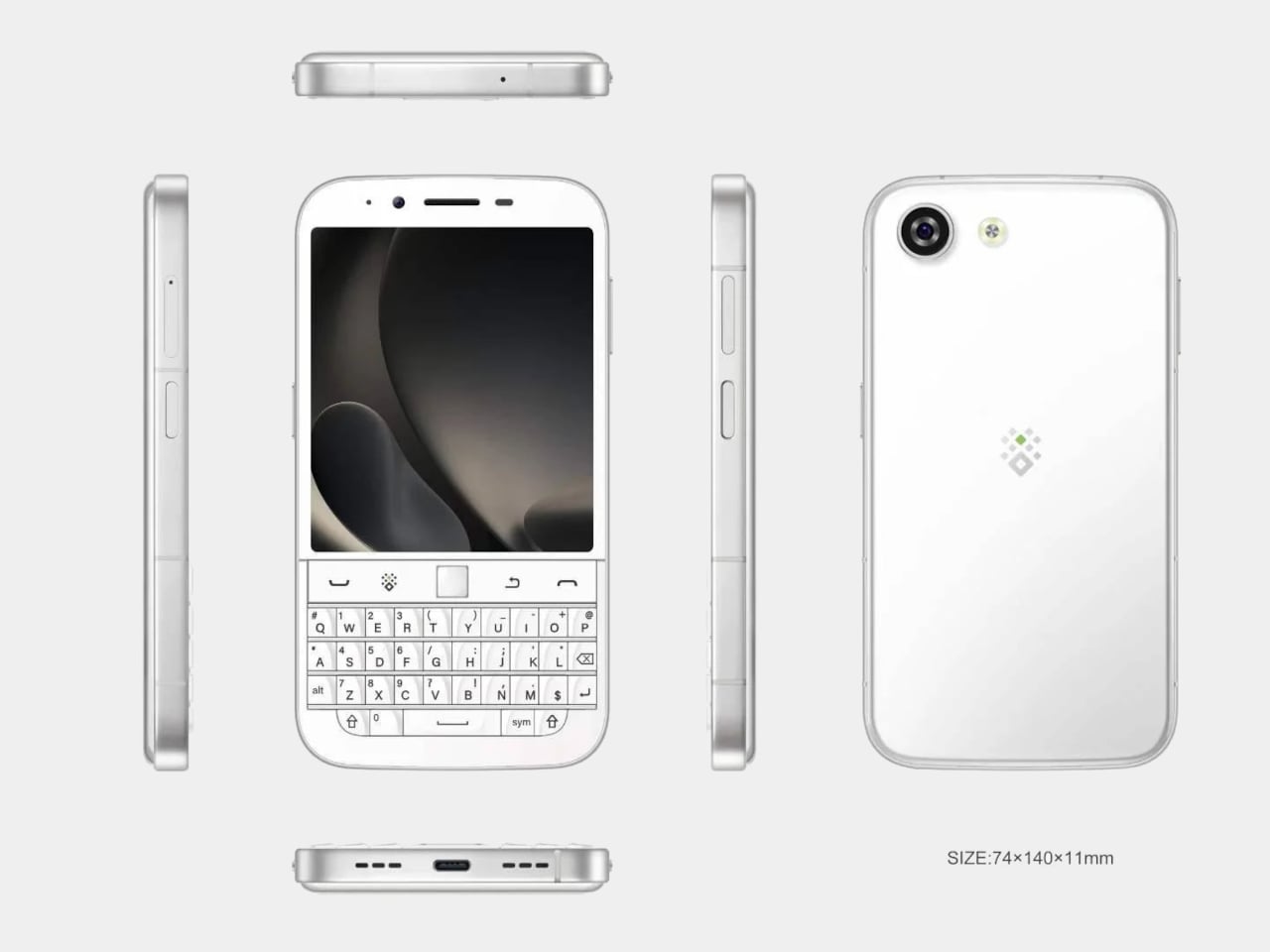
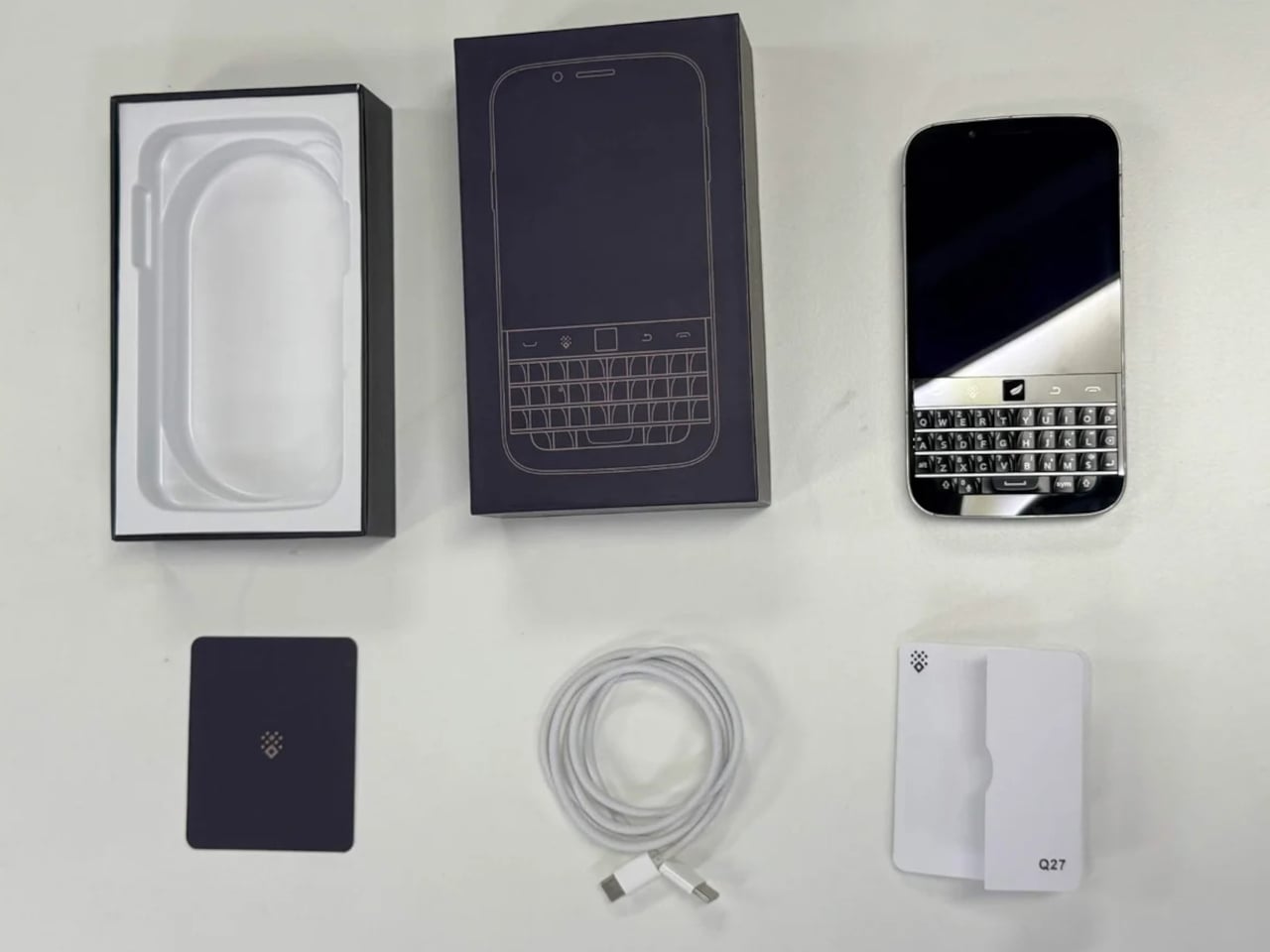
The active cooling fan is audible when it spins up under heavy load. It is not loud enough to overpower game audio, but it is noticeable in quiet rooms. For a device prioritizing sustained performance, this is expected, and fan behavior can be tuned in Game Space if you prefer cooler operation or less noise during specific sessions or when gaming in shared spaces.

Cameras are solid without being the headline. The 50 MP main sensor with OIS delivers clean photos for social media and casual shots, and the 16 MP front camera handles selfies and video calls well enough. The 8MP ultra-wide camera is a bit of a disappointment in this day and age, but it’s not exactly terrible. These are clearly not camera‑phone specs, but they work fine for anyone who needs decent everyday photography alongside gaming.

Battery and charging are part of the performance story. The 7,000 mAh battery is generous in this slim chassis, going over a day with general use, and hours upon hours of binging video streaming at max brightness. The 80W fast charging refills quickly, while Charge Separation routes power to the motherboard during plugged‑in gaming, reducing heat and protecting battery health over time.

Worth noting is the absence of wireless charging. For a phone focused on performance and internal cooling, skipping wireless charging feels like a conscious choice to prioritize battery size, thermals, and layout. It is not a deal‑breaker with rapid wired charging, but it is worth keeping in mind if you are used to charging pads between sessions or overnight.

Sustainability

Durability starts with materials. The aluminum alloy frame, Gorilla Glass GG7i front, and Gorilla Glass 5 back give a solid, premium feel that should handle knocks better than plastic gaming phones. The combination of metal and tempered glass makes it feel built to survive being tossed into bags, dropped onto desks, and carried through crowds without showing age too quickly or feeling fragile.

IP54 dust and water resistance is a pragmatic compromise. For a device packed with vents, fans, and shoulder triggers, pushing water resistance higher would likely require trade‑offs in cooling capacity or thickness. The phone will survive light rain or dusty environments, but it is not meant for submersion or rough outdoor abuse, worth keeping in mind if you game near water or in harsh conditions.

Value

At launch, the REDMAGIC 11 Air starts at $499 ($529 in the US and Canada) for 12 GB + 256 GB and goes up to $599 ($629 in North America) for 16 GB + 512 GB. That puts it in upper mid‑range territory, but with hardware rivaling more expensive phones in gaming performance, especially when you factor in cooling, battery, and gaming‑specific controls that most flagships skip entirely.

Value shows up in what you get for that money. At this price, you are getting Snapdragon 8 Elite, active cooling with a 24,000 RPM fan and vapor chamber, 7,000mAh battery with 80W charging, 6.85‑inch 144Hz OLED, and 520 Hz shoulder triggers. Many similarly priced phones focus on cameras or slimness, leaving gaming performance to throttle once heat builds, so the 11 Air feels like a focused tool rather than a jack‑of‑all‑trades.

Of course, this focus narrows the audience. The transparent, RGB‑lit, cyberpunk design and heavy emphasis on Game Space features, triggers, and haptics make the 11 Air most appealing to mobile gamers. For someone who barely plays and cares more about camera versatility or minimalist aesthetics, much of what makes this device interesting will feel like overkill or actively off‑putting.

Contrasting it with the REDMAGIC 11 Pro helps clarify positioning. The Pro leans harder into showpiece territory with its visible liquid‑cooling window and heavier footprint, while the 11 Air trades some spectacle for slimness and lighter weight. For gamers who want REDMAGIC’s performance and style but prefer something easier to carry daily, the Air’s pricing and positioning make sense as a more practical but still gaming‑centric option.

Verdict

REDMAGIC 11 Air takes the brand’s familiar ingredients, transparent design, RGB accents, active cooling, shoulder triggers, and wraps them in a slimmer chassis that feels more manageable than previous monsters. It does not pretend to be a mainstream flagship, but within its lane of delivering stable high‑fps gaming and distinct visual identity, it hits targets convincingly. The flagship silicon, thermal management, and gaming controls make it hard to ignore if mobile gaming matters to you.

For people who treat mobile gaming seriously and who like the idea of a semi‑transparent, cyber‑mech slab with a fan inside more than a polished glass rectangle, REDMAGIC 11 Air makes a strong case. It will not convert everyone, and it is not trying to, but for the crowd it speaks to, it offers a rare mix of performance, personality, and practicality at a price undercutting many conventional flagships while still feeling like a purpose‑built tool.

The post REDMAGIC 11 Air Review: Fan-cooled Gaming Flagship at Just 207g, $499 first appeared on Yanko Design.