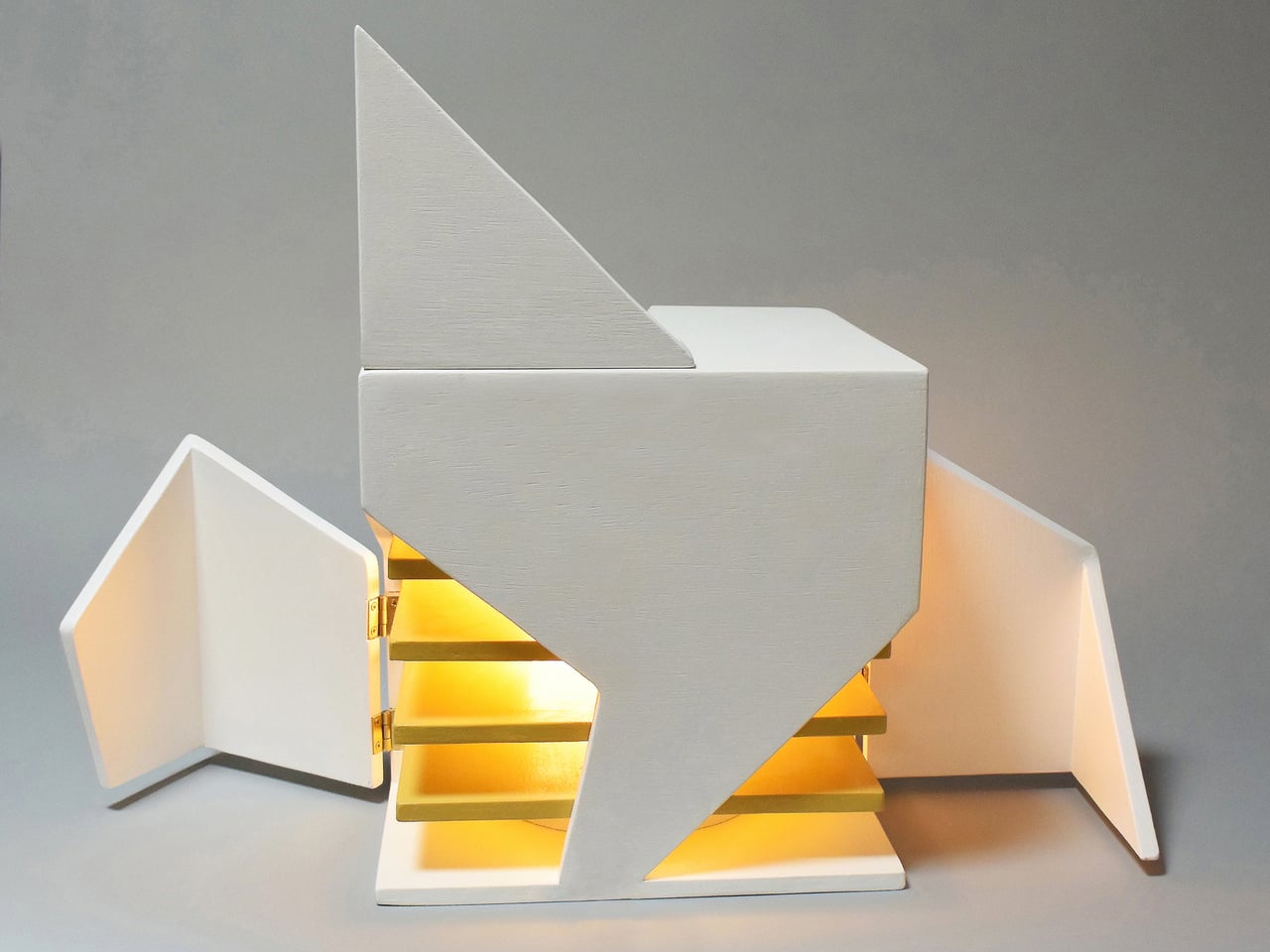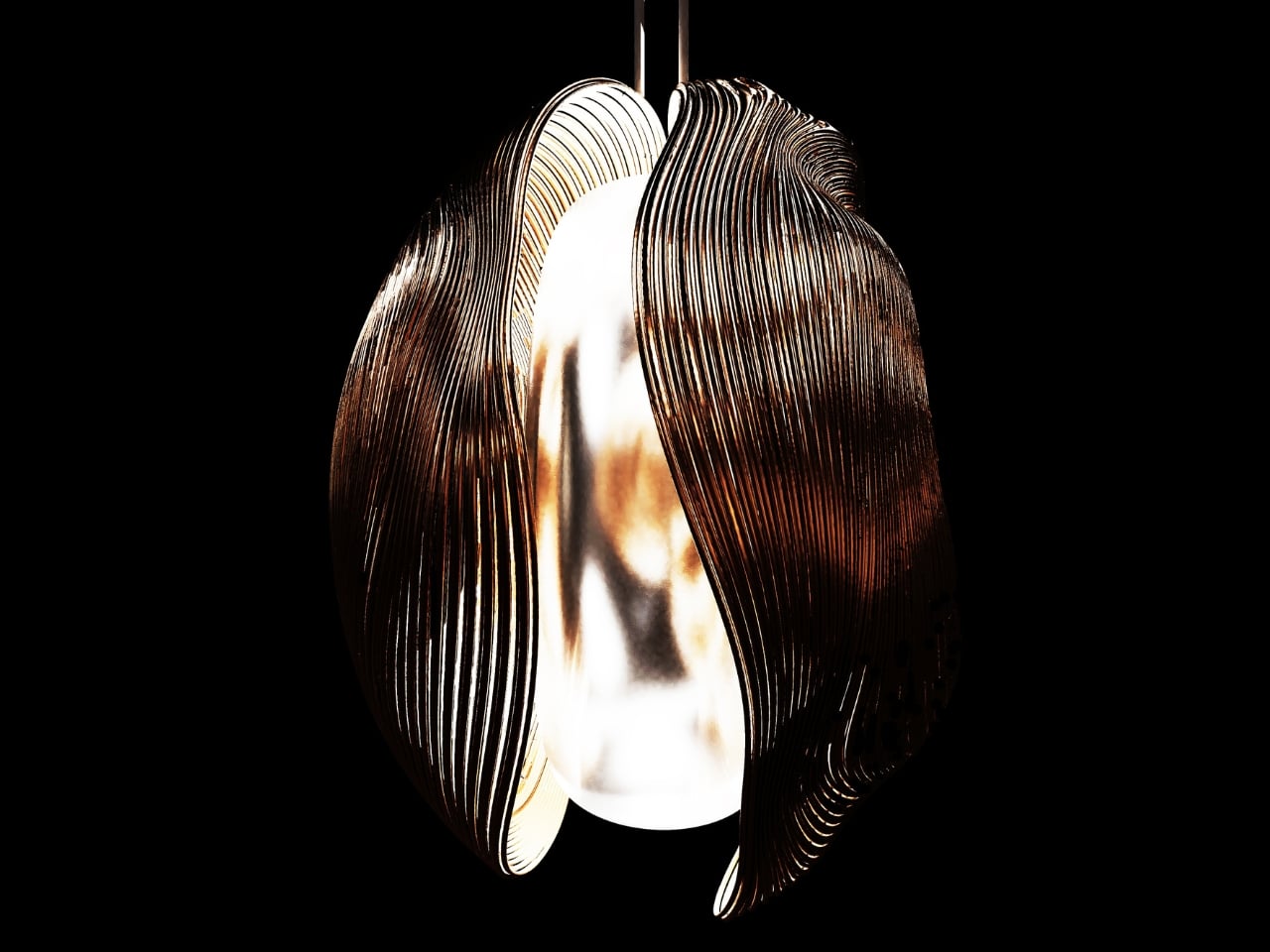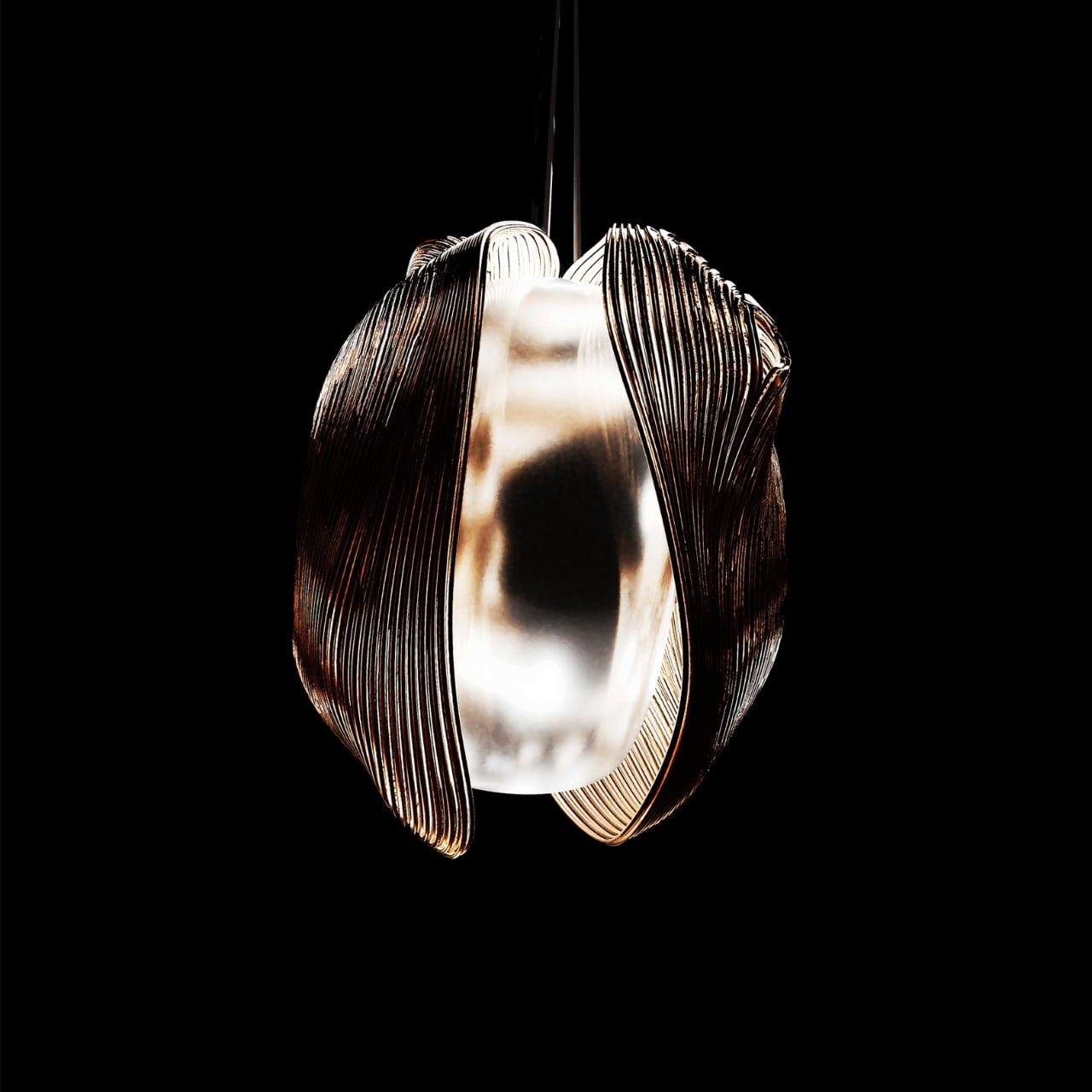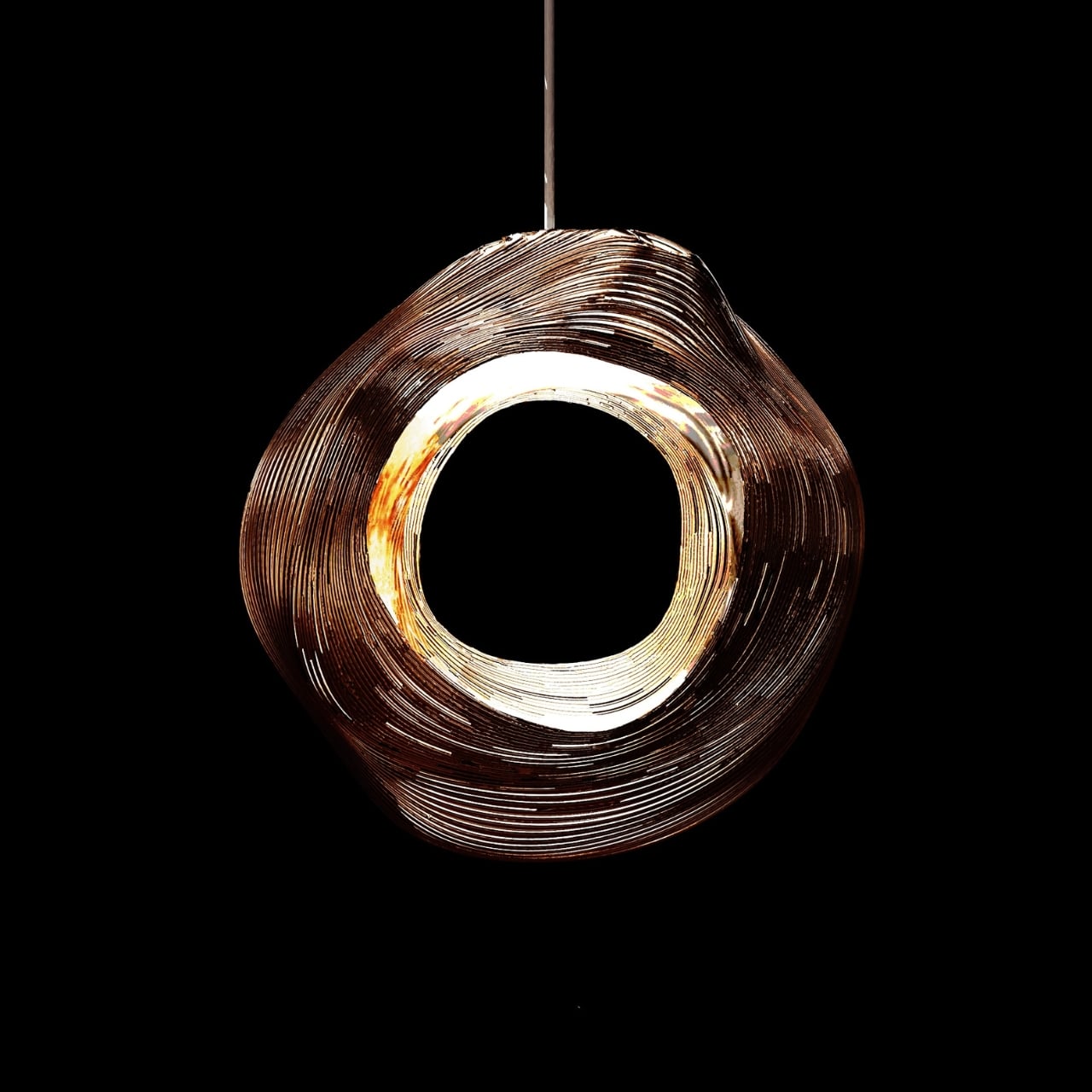
IKEA’s Viral Donut Lamp Just Got a $100 Smart Upgrade

Whenever I pass by IKEA, one of the things that always catches my eye are their minimalist lamps (well, a lot of their items are minimalist of course). They look simple, elegant, and something that would fit right into my space. Probably one of their most popular lamps is the VARMBLIXT donut lamp designed by renowned Dutch artist Sabine Marcelis, which is, as its name suggests, a donut-shaped lamp.

Now this lamp is seeing a 2026 upgrade with the new VARMBLIXT smart donut lamp that still keeps the popular sculptural but playful form intact but adds a smarter component. The light now radiates from the inside with its matte finish instead of the previous version where external light reflected and bounced off on its glossy surface. This shift from glossy to matte white glass fundamentally changes how you experience the lamp – instead of being a reflective object, it becomes a glowing light source that creates ambiance from within.

Designer: Sabine Marcelis for IKEA

The difference in the design, specifically the material, allows the lamp to create a different atmospheric experience. For those that love more colorful ambience lighting, you now get 12 preset colors that were personally curated by the designer herself. The colors also transition smoothly through the different hues so that there is no abrupt change to your environment. You get different temperatures of white light to glowing amber and warm red to soft pink to cool lavender and turquoise to gentle yellow tones and finally back to white light. Marcelis designed these transitions to be subtle and natural, so the shifts feel organic rather than jarring.

When you connect the lamp to the IKEA Home Smart app through DIRIGERA, you get the “full colour spectrum with more than 40 shades” to play with, giving you even more control over your lighting mood. The VARMBLIXT lamp comes with the BILRESA remote so you can start cycling through the colors without any complicated setup. But it is built on the Matter standard so you can integrate it with your smart home system including Apple Home, Siri, and other compatible platforms.

Just like the original donut lamp, you can use this smart version as a table lamp or you can also mount it on your wall if you need this to be part of your wall decor. You get flexibility on how you want this sculptural piece to be displayed in your space, whether to blend in with your aesthetic or to be the centerpiece decoration while providing ambient light. At $99.99, it hits that sweet spot of designer quality at an accessible price point.

IKEA is also launching a VARMBLIXT smart pendant lamp which focuses mostly on how white light can move from cool daylight to the yellow glow that mimics candles when it gets darker. Its design is a cluster of curved tubes made from frosted white glass that creates a sculptural presence even when turned off. When illuminated, those frosted tubes transform into a magical piece of light engineering, casting a soft, diffused glow. You can also use it with the included remote or connect it to your smart home system. The pendant is priced at $149.99.

Both lamps will be available starting in April 2026, and they represent more than just a product upgrade. They’re part of IKEA’s ongoing collaboration with Sabine Marcelis, with another collection already planned for 2027. For collectors and design enthusiasts, this makes the VARMBLIXT pieces part of an evolving story worth following.

What I love most about these smart upgrades is that IKEA didn’t sacrifice the design integrity that made these lamps iconic in the first place. They’ve simply enhanced what was already working beautifully, adding functionality that feels intuitive rather than overwhelming. Whether you’re drawn to the playful personality of the donut lamp or the refined elegance of the pendant, both pieces prove that smart lighting can be sculptural, affordable, and genuinely beautiful.

The post IKEA’s Viral Donut Lamp Just Got a $100 Smart Upgrade first appeared on Yanko Design.
eufy Wraps the Front Door in Smarter Vision and Power at CES 2026

The modern front door has a lot to juggle. Couriers drop parcels, friends arrive unannounced, kids race in and out, and somewhere in the background, there is a quiet worry about missing something important or not catching something suspicious. Many homes already have a patchwork of doorbells, lights, and locks that only half cooperate, or lean heavily on cloud subscriptions and frequent battery swaps that never quite stop being a chore.

eufy’s CES 2026 security lineup treats that threshold as a single design problem. The Video Doorbell S4, Solar Wall Light Cam S4, and Smart Lock E40 share a few big ideas: higher‑resolution cameras, AI and radar‑assisted detection, and power systems built to run for months or indefinitely, while keeping most of the intelligence and storage local instead of streaming everything to a server somewhere far away.

Designer: eufy (Anker)

eufy Video Doorbell S4

The Video Doorbell S4 is the greeter. It wraps a 3K sensor into a 180‑degree horizontal and vertical field of view, which means it can see from the ceiling down to the doormat and across the entire porch in one shot. That panoramic view captures faces, packages, and anyone standing off to the side, so you are not left guessing whether a delivery was left just out of frame.

eufy’s OmniTrack technology and built‑in radar focus on people rather than every passing car or branch. As someone approaches, radar detects motion and distance, then AI locks on and adjusts the zoom so the visitor stays centered, whether it is a courier bending to drop a parcel or a neighbor walking up the path. The 3K clarity holds up to around 26 feet, with 16 GB of local storage keeping recordings on the device.

eufy Solar Wall Light Cam S4

The Solar Wall Light Cam S4 is the guardian that wraps light and vision around the entryway or side yard. It combines a 4K camera with an f/1.6 lens and a vertically adjustable mount, up to 45 degrees, so it can look down into blind spots near the wall while still watching the approach. The 4K resolution and color night vision make faces and details legible even when the only illumination is the light itself.

Power is handled by a detachable 2 W solar panel feeding a 10,000 mAh battery, which gives freedom in where you mount it. The panel can sit where the sun actually hits, while the light and camera stay where they are most useful. Multiple lighting modes let the fixture shift roles, daily illumination for paths, brighter security lighting when motion is detected, and festive RGB scenes that turn the same hardware into holiday decor.

eufy Smart Lock E40

The Smart Lock E40 is the final layer at the door, replacing keys and fingerprints with 3D face recognition. A quick glance is enough to unlock for pre‑registered users, which matters most when your hands are full of groceries or luggage, and you would rather not dig for keys or touch a screen. A built‑in 2K camera with a head‑to‑toe view records who is at the door, aligning the lock with the rest of eufy’s camera‑centric security story.

The E40 runs on a PowerDuo system, a 15,000 mAh main battery backed by an 800 mAh reserve that keeps the lock alive during swaps or unexpected drain. It is rated IP65 for weather resistance and carries ANSI/BHMA Grade 2 certification for mechanical security. On the software side, it speaks Matter, Apple Home, Amazon Alexa, Google Home, and Samsung SmartThings, sitting comfortably inside a broader smart‑home setup while doing most recognition and storage locally.

eufy at CES 2026: A Front Door That Thinks for Itself

These three products sketch out eufy’s view of the front door in 2026, not as a collection of unrelated gadgets, but as a layered system where the doorbell tracks arrivals in 3K, the wall light extends 4K color vision and ambient lighting without new wiring, and the smart lock recognizes faces and controls access while adding its own 2K camera. The common threads, higher‑resolution optics, AI and radar, generous batteries and solar, and local‑first design, make the entryway feel less like a tangle of hardware and more like a single, thoughtful interface between home and street.

The post eufy Wraps the Front Door in Smarter Vision and Power at CES 2026 first appeared on Yanko Design.
This 3D-Printed Lamp Was Designed to Feel Like Mom’s Hug

There’s something quietly revolutionary happening in design right now, and it doesn’t involve flashy colors or radical shapes. Instead, it’s about something far more intimate. Hu Yuanlin’s HER Floor Lamp proves that the most innovative designs often emerge from the most personal places, bridging the gap between cutting-edge technology and deep emotional resonance.

The story behind HER is achingly simple yet profoundly universal. While studying abroad, Hu found himself missing his mother’s presence, that comforting silhouette that represents home and safety. Rather than simply enduring that longing, he transformed it into something tangible. The lamp’s gracefully curved form echoes the protective stance of a maternal figure, creating what he calls a “quiet emblem of safety and peace at home”. It’s a reminder that the objects we surround ourselves with can do more than illuminate rooms or look aesthetically pleasing. They can hold memories, evoke emotions, and provide companionship.

Designer: Hu Yuanlin

What makes HER particularly fascinating is how it marries this emotional depth with technological innovation. The lamp isn’t just symbolically sustainable through its emotional longevity. It’s literally made from recycled materials, with its segmented lampshade 3D-printed from recycled PETG sourced from old eyeglass frames and disc cases. This choice transforms what might have become waste into something beautiful and functional, proving that sustainability and design excellence aren’t mutually exclusive.

The technical execution deserves attention too. The crystal-clear shade refracts light in ways that create flowing shadows and an atmosphere of serenity. It’s not harsh or clinical despite its modern manufacturing method. Instead, the lamp combines streamlined structural design with organic, leaf-like details that express natural vitality within a minimalist framework. This balance between the organic and the technological, between warmth and precision, feels distinctly contemporary.

HER has already garnered significant recognition in the design world. The lamp won a 2025 Red Dot Design Award, one of the most prestigious accolades in the field, while Hu was still a student. That’s no small achievement. It signals that the design community is hungry for work that doesn’t just look good in a portfolio but carries genuine meaning and innovative thinking about materials and manufacturing.

The timing feels right for a design like this. We’re living in an era where people increasingly crave authenticity and connection, where the sterile perfection of mass-produced items often feels empty. Meanwhile, technology like 3D printing has matured to the point where it can produce objects with both technical sophistication and artistic nuance. HER exists at this intersection, using advanced manufacturing to create something that feels handcrafted and personal.

There’s also something poignant about a lamp designed to evoke maternal presence. In our hyper-connected yet often isolated modern lives, especially for those living far from family, objects that provide emotional anchoring become increasingly valuable. HER doesn’t just light a room. It occupies space with a presence, standing sentinel like a protective figure. It’s the kind of design that transforms a house into a home, that makes a lonely apartment feel less empty.

What Hu has achieved with HER suggests exciting possibilities for the future of product design. As 3D printing technology becomes more accessible and sustainable materials more refined, designers have unprecedented freedom to create forms that would be impossible through traditional manufacturing. More importantly, they can create limited runs or even custom pieces that maintain deeply personal narratives without sacrificing quality or sustainability.

The lamp has already been exhibited at events like TCT Asia 3D Printing and Shanghai Design Week, introducing it to broader audiences and manufacturing partners. It’s moving from student project to commercial reality, which means more people might soon have the opportunity to bring this piece into their homes and lives. HER Floor Lamp reminds us that great design doesn’t need to shout. Sometimes the most powerful statements are quiet ones, standing in the corner of a room, casting gentle shadows, and making us feel a little less alone.

The post This 3D-Printed Lamp Was Designed to Feel Like Mom’s Hug first appeared on Yanko Design.
Sintesi by Artemide Brings Ernesto Gismondi’s 1975 Tool Lamp Back to the Desk

Artemide is celebrating its history, and Sintesi, introduced in 1975, was the first lamp signed by founder Ernesto Gismondi. His background was engineering and manufacturing, and he approached lighting like a system problem rather than a single object. The reissued Sintesi table lamp revisits that mindset, showing how a few bent-metal parts and a standard socket can still feel relevant in a world of sealed LED fixtures.

Sintesi was conceived as an intelligent system built around simple, shared components that could become table, floor, wall, or clamp versions. The new edition focuses on the table version, the core from which the rest of the family evolved. Its appeal lies in how a few bent-metal profiles and a standard E27 head can cover a surprising range of uses, from low reading light to taller task light, without complex joints or hidden mechanisms.

Designer: Ernesto Gismondi (Artemide)

The structure is two C-shaped steel profiles of different lengths hinged together to form a Y-shaped support. Opening and closing that scissor-like frame raises or lowers the head and changes the angle in one motion. The geometry is minimal, yet it gives enough adjustment to move from a low, horizontal reading beam to a taller, more directional light without adding slides, springs, or counterweights.

The head is a simple frame that holds an E27 socket, a reflector, and a protective grid. The standard socket means you can use different bulbs over time, from warm LED globes to smart lamps, keeping the lamp adaptable as light sources change. The reflector shapes the beam, while the grid protects the bulb and adds a technical, almost industrial character that fits the rest of the structure.

Sintesi can fold in on itself for compact packaging, the Y-frame collapsing so the lamp becomes a flat bundle of metal and a head. That foldability reflects Gismondi’s interest in production efficiency and logistics, making it easier to store, transport, and service the lamp, and aligning with contemporary concerns about material and shipping footprints that were less visible in 1975 but feel urgent now.

1

The reissue keeps the painted-steel structure and aluminium reflector, offered in colours like green, red, white, and blue. The exposed hinges, visible screws, and open cage around the bulb make no attempt to hide how the lamp works. It feels closer to a piece of technical equipment than a decorative object, which is exactly what makes it interesting on a desk or workbench where function matters more than mood lighting.

A 1975 design can sit comfortably next to laptops and LED strips today because Sintesi’s reliance on a standard socket, its adjustable geometry, and its foldable, efficient structure all speak to ideas that are even more relevant now: repairability, adaptability, and honest construction. The bent-metal tool lamp from Gismondi feels quietly timeless because it was never trying to chase fashion, only to solve a problem with the fewest parts and the most flexibility.

The post Sintesi by Artemide Brings Ernesto Gismondi’s 1975 Tool Lamp Back to the Desk first appeared on Yanko Design.
Norm Lamp’s Body and Pods Are Cut From the Same Aluminum Tube

Many contemporary pendant lamps hide a surprising amount of complexity, multiple materials, custom housings, and plastic diffusers layered around a simple LED strip. That often leads to wasteful production and tricky recycling once the fixture breaks or goes out of style. Norm is a response that asks what happens if you commit to a single aluminum profile and let that decision drive both the form and the sustainability story, from manufacturing to the last scrap.

The Norm pendant lamp by Moritz Walter is a fixture whose entire outer body is made from one extruded aluminum profile. The same oval tube becomes the main beam and the housings for the LEDs, which keeps production simple and scrap low. The widespread LED array is tuned for both work and living environments, so it is not just a workshop experiment or a concept that sacrifices performance for purity of idea.

Designer: Moritz Walter

A straight length of the oval tube forms the pendant body, while shorter sections are cut, sliced, and re-attached as small pods along the underside. Those pods frame the LED boards and act as mini reflectors, directing light downward and shielding the diodes from direct view. The repetition of identical pieces creates a calm rhythm without introducing new geometries or extra parts, keeping the material strategy legible in the finished object.

Instead of a single continuous strip, Norm uses a series of small LED boards spaced along the beam, spreading light evenly across a desk or table. The pods help with glare control, making the lamp comfortable over workstations, dining tables, or kitchen islands. The color and intensity can be tuned to suit task lighting or softer ambient settings, so it can move between office and home without feeling out of place or overly industrial.

Using one aluminum profile for all visible parts simplifies tooling, reduces offcuts, and makes recycling straightforward. There is no mix of plastics and metals glued together, just an extruded tube and its derivatives acting as structure, housing, and heat sink. At the end of its life, the body can be disassembled and recycled as aluminum, which is a cleaner story than most multi-material luminaires can tell once they are thrown out.

The raw, brushed aluminum finish and soft rectangular cross-section keep the lamp from feeling too cold or technical. The extrusion lines and subtle tooling marks are left visible, turning the manufacturing process into part of the visual character. The overall effect is a slim, industrial bar of light that can disappear into a white ceiling or stand out over a warm wooden table, depending on how you style the space around it.

Norm shows that sustainability does not always require exotic materials or complex tech. Sometimes it is about committing to a simple constraint, in this case, one aluminum profile, and letting that rule shape everything from the silhouette to the way light is distributed. The idea of a pendant that is honest about how it is made, yet still precise and adaptable, feels quietly refreshing when so many fixtures are over-designed, hard to disassemble, and destined for a landfill within a few years.

The post Norm Lamp’s Body and Pods Are Cut From the Same Aluminum Tube first appeared on Yanko Design.
These Pendant Lamps Are Cast From Recycled Lava in 8mm Thin Shells

Foscarini has a habit of pushing lighting beyond glass and metal, experimenting with concrete, fabric, and now molten rock. The brand often treats materials as the starting point rather than the afterthought, asking what unexpected substances can become when wrapped around a light source. The Eolie collection continues that line by looking at the volcanic charisma of the Aeolian Islands and asking what happens when lava waste becomes the main ingredient for a pendant lamp.

Alicudi, Filicudi, and Panarea are three compact suspension lamps designed by Alberto and Francesco Meda, cast from recycled lava and named after islands in the Aeolian archipelago. They are part of the Eolie family, where each name carries a quiet narrative thread that ties the objects back to their geological origin, turning stone-cutting waste into sculptural downlights that sit between industrial production and handcraft.

Designers: Alberto + Francesco Meda

Lava, unlike marble, is gathered from the mountain after eruptions and cut into blocks, a process that generates a large volume of surplus chips. The project, in collaboration with stone specialist Ranieri, rebinds those chips into a patented composite that can be cast into thin shells, around 8 to 10 mm thick, strong enough for lighting while keeping the expressive, porous character of natural lavic stone.

The three silhouettes test different aspects of the material. Alicudi is a near-perfect sphere, Filicudi is a stepped cone with horizontal ridges, and Panarea is a softer, lobed form that curves gently inward. The designers chose these shapes to explore the potential and limits of the composite, from smooth continuous curves to pronounced ribbing, and together they read like a small family of volcanic forms, each one a different take on how lava can be tamed into a lamp.

The variegated, cratered surfaces make each piece unique. The industrial casting is followed by hand-working, which introduces small, irreproducible variations, so no two lamps are exactly alike. The porosity and tiny craters are not hidden but are celebrated as evidence of the material’s origin, giving the lamps a tactile presence that feels closer to rock than to a typical smooth shade or polished ceramic.

All three are compact downlights, with warm light spilling from the underside while the dark exterior stays quietly in the background. Over a table or counter, they create focused pools of light, while by day they read as small volcanic sculptures hanging in space. The combination of rough, dark shells and soft, warm light makes them feel equally at home in domestic and hospitality settings, adaptable without being loud.

Alicudi, Filicudi, and Panarea turn a waste stream from stone cutting into a high-value, expressive material for lighting. The project sits at the intersection of industry and craft, using a patented process to make thin shells and hand finishing to keep each piece individual. In a market full of anonymous metal cylinders, the idea of a pendant lamp that carries the memory of cooled magma feels both grounded and quietly radical, connecting the ceiling to the mountain with 500 million years of geological history compressed into a few millimetres of recycled stone.

The post These Pendant Lamps Are Cast From Recycled Lava in 8mm Thin Shells first appeared on Yanko Design.
Hourglass Solar Lamp Has No Switch, Just Flip It to Charge or Light

Solar power usually shows up as something big and remote, panels on roofs, fields of photovoltaics, or chunky outdoor lanterns that live on balconies. Very little of it feels like part of everyday indoor life. Nomad is a portable solar lamp that tries to shrink that idea down to the scale of a desk or bedside table, making daylight into a small daily habit instead of infrastructure you install and forget about.

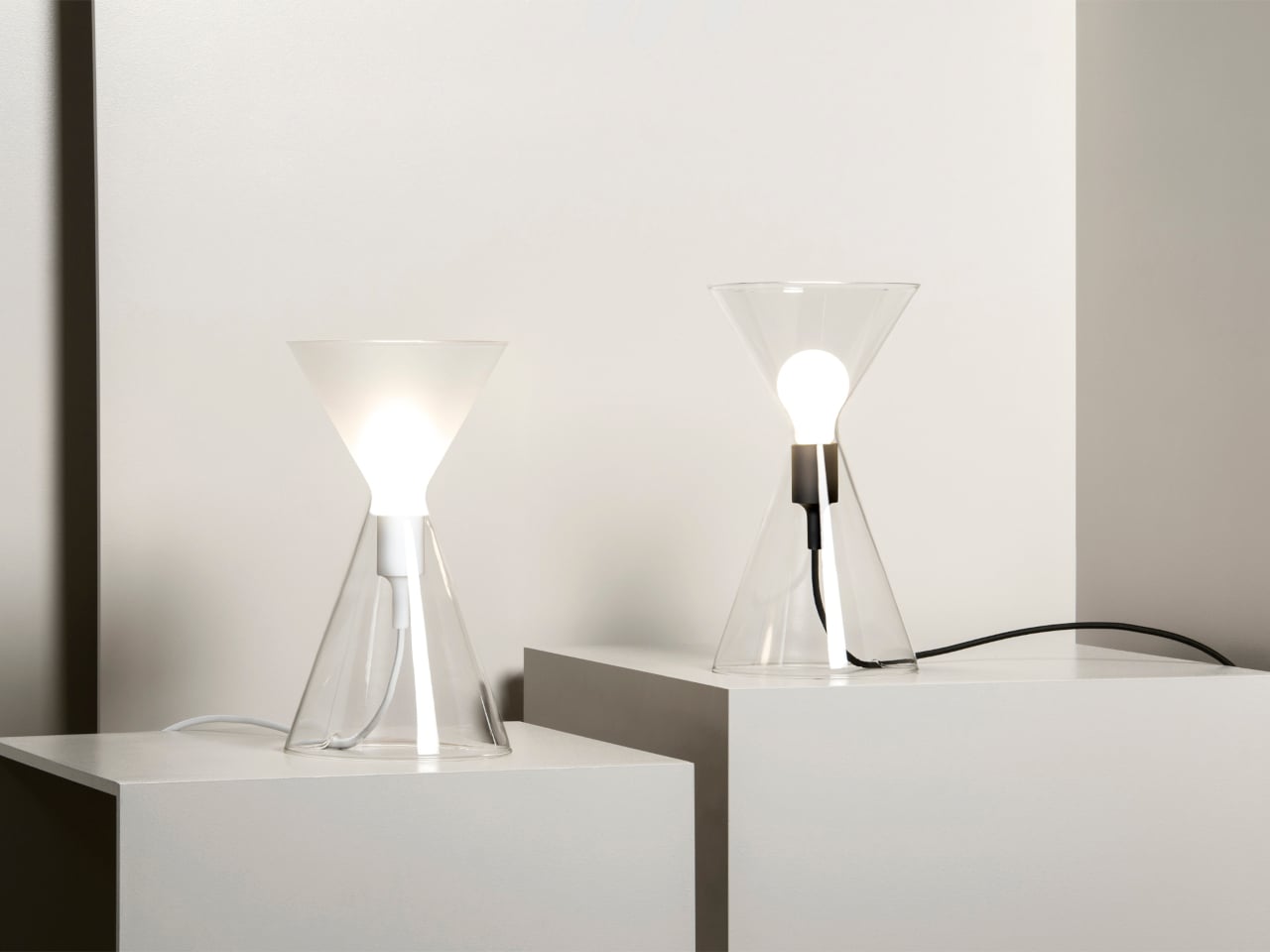
Nomad is a portable solar lamp charged indoors by natural light, with a symmetrical shape understood like an hourglass. Turning the lamp over switches between two modes, solar charging and ambient lighting, and this flip is the only real interaction. The lamp becomes its own panel and its own shade, depending on which disc is facing up, so the ritual of using it is also the ritual of charging it.

Designers: Moritz Walter, Michelle Muller

In charging mode, the solar panel disc faces upward, and the lamp stands on its light-emitting base, soaking up whatever daylight the room offers. In lighting mode, you flip it so the light disc faces up and the panel becomes the base. There is no separate switch; the act of turning the object over is how you decide whether you are storing light or spending it, which makes the interaction feel almost automatic after a few days.

The subtle LED display on the side of the column is a vertical row of dots that visualizes the light quality in a room. In charging mode, more or brighter LEDs mean better solar potential. This invites you to move the lamp around, onto a windowsill, a stack of books, or a shelf, and see where it charges fastest. Over time, you build a mental map of where your home is secretly good at catching sun.

The visual language is a matte-finished column and two discs in muted colors like light grey and deep blue, with the solar panel flush in one disc and a warm, diffuse light in the other. The lamp looks more like a small side table or plinth than a gadget, which matters if it is going to live in a living room. The tech is present but quiet, so it can sit on books or a credenza without shouting solar device.

Nomad is an autonomous object that draws on solar energy, a freely available, sustainable resource, and makes it usable on a small scale for indoor use. It is not trying to power your house; it is trying to power itself. That autonomy means you can have a pool of warm light in the evening that owes nothing to the grid, just to where you left the lamp during the day and how well the sun reached it.

Nomad quietly reframes daylight from background condition to something you can actively harvest and read. Instead of an app full of charts, you get a lamp you flip and carry, and a line of LEDs that tell you when you have found a good spot. It is a small, almost toy-like way of making solar feel tangible indoors, turning the light already in your home into a resource you can actually use instead of just measuring it on a weather app.

The post Hourglass Solar Lamp Has No Switch, Just Flip It to Charge or Light first appeared on Yanko Design.
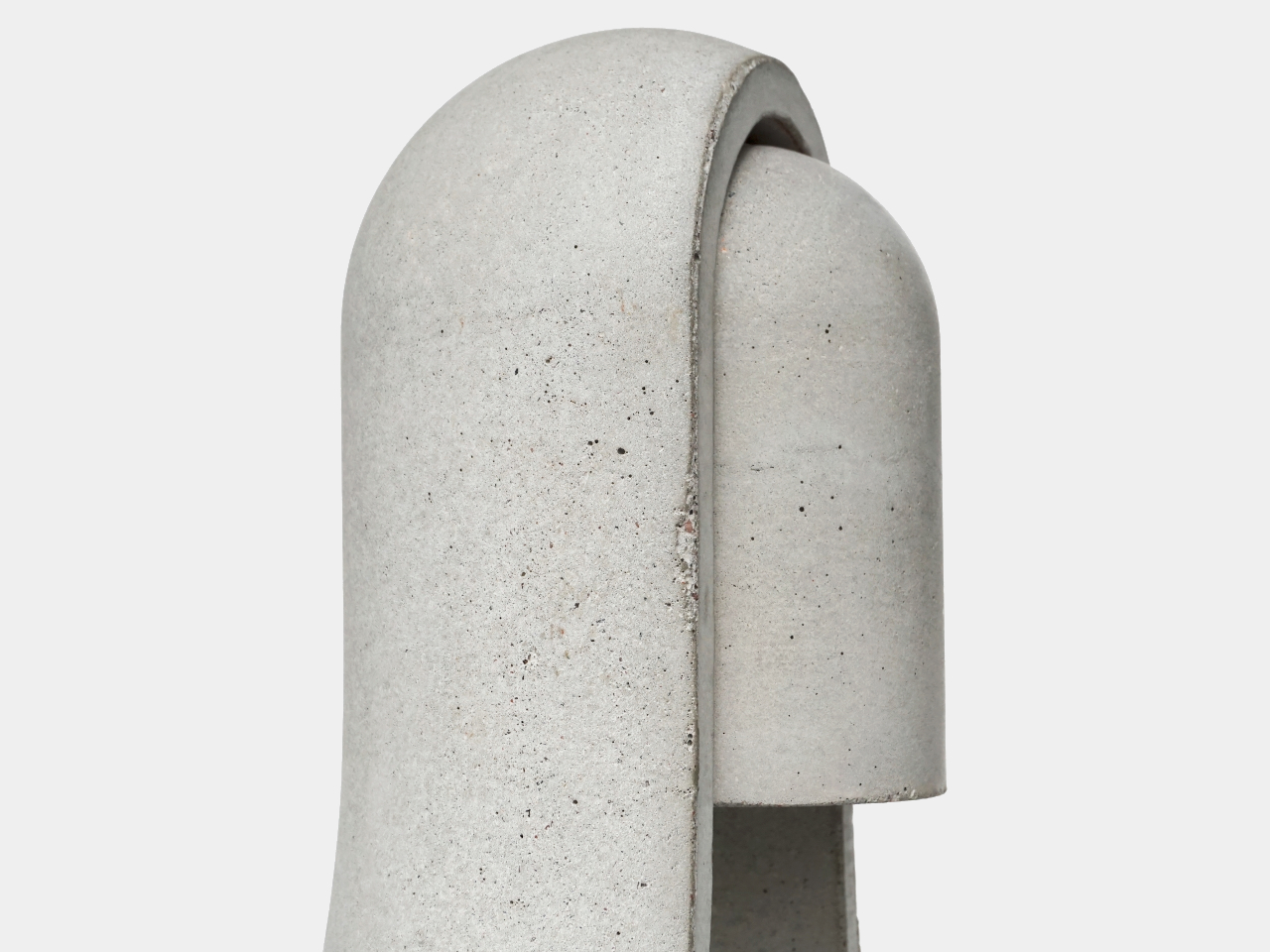
Paardarshi Carves Bamboo So Thin It Glows Like a Natural Light Pipe

Bamboo usually shows up in design as a structural element, furniture frames, baskets, or as a surface veneer. It is almost always treated as opaque, even though it has a natural light-passing quality if you thin it enough. Paardarshi is a table lamp concept that takes that translucency seriously and builds the whole project around making bamboo glow from within, treating the material itself as the optical element.

Paardarshi is a translucent bamboo table lamp that celebrates the natural light-passing quality of bamboo. The designer set out to create a hand-crafted lamp with two functions, a soft ambient mode and a brighter reading mode, and the name, meaning transparent in Hindi, hints at the goal: reveal what bamboo can do with light instead of hiding it behind a shade or treating it like just another wooden tube.

Designer: Ashray Sachan

The early experiments involved splitting bamboo with nodes intact, hand-scooping the inner surface with a half-round chisel, and dealing with cracking when too much material was removed. The designer then moved to a third approach, carving from the outside in to thin and straighten the tube while controlling wall thickness. The aim was even translucency along the length, turning the bamboo wall into a kind of natural light pipe that could diffuse an LED smoothly.

1

The lamp’s form is simple, a vertical bamboo tube on a base that can be closed for ambient light or opened and angled for a focused reading beam. The designer labels these as reading mode and ambient mode, and the same piece of bamboo is asked to behave differently depending on orientation. The geometry stays minimal, the behavior changes with how you interact with it and where you point the tube.

Inside the tube, the designer carves space to house the mechanism and notes the challenge of fitting hardware into something asymmetric and distorted. A press-fit component with springy arms is developed to adapt to different bamboo diameters, and permanent gluing is avoided. Threaded parts and a fully removable assembly are used so the light source can be replaced, bringing craft closer to industrial design and keeping the lamp serviceable over time.

All that carving and assembly work shows up in the way the lamp handles light. The thinned bamboo diffuses and refracts the LED into a warm, even glow along the tube, while the opening mechanism lets you concentrate that light where you need it. It is less about a decorative shade and more about treating the bamboo itself as the optical element, tuned by hand until it behaves the way the designer wants.

Paardarshi is a workshop project that still carries lessons for real products. It shows that a humble material like bamboo can be pushed into new roles with enough patience and iteration, and that serviceability and craft do not have to be opposites. For anyone interested in lighting that feels alive and repairable, rather than sealed and anonymous, a translucent bamboo tube that glows from within is a surprisingly compelling starting point.

The post Paardarshi Carves Bamboo So Thin It Glows Like a Natural Light Pipe first appeared on Yanko Design.
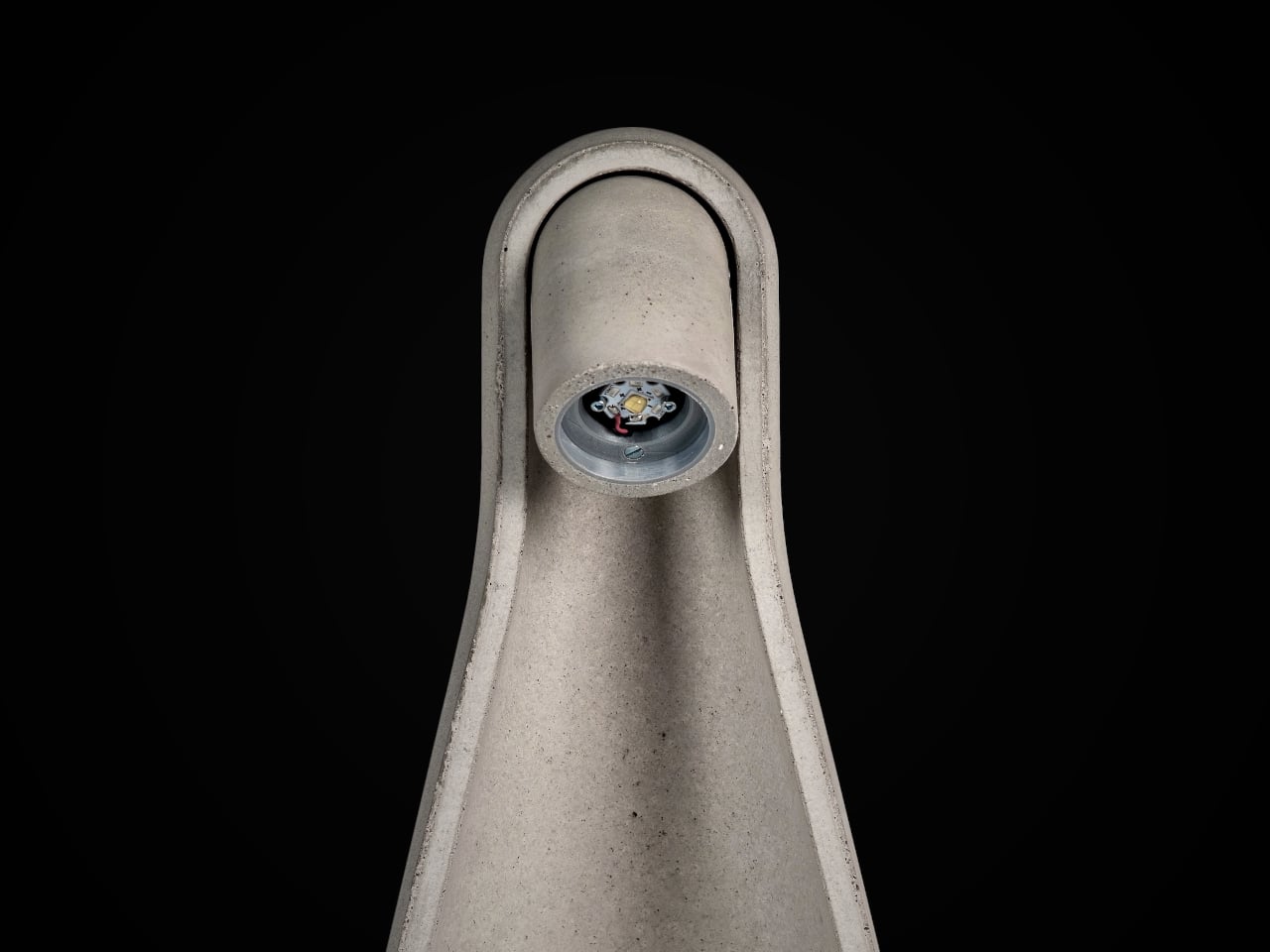
When Your Desk Lamp Becomes Your Study Partner: Check Mate

We’ve all been there. You’re three hours into a study session, hunched over your desk with tabs multiplying like rabbits, your phone buzzing with notifications, and that nagging feeling that you’re not actually retaining anything. Digital learning promised us flexibility and endless resources, but sometimes it feels more like drowning in information while learning nothing at all.

A new concept design called Check Mate is tackling this exact problem, and it’s making waves in the design community for all the right reasons. Created by a team of seven designers (Dongkyun Kim, Jaeryeon Lee, Eojin Jeon, Noey, Jaeyeon Lee, Jagyeong Baek, and Jimin Yeo), this concept reimagines what a study companion could look like if we actually designed for how people learn in the digital age. While you can’t buy it yet, the ideas behind it are definitely worth paying attention to.

Designers: Dongkyun Kim, Jaeryeon Lee, Eojin Jeon, Noey, Jaeyeon Lee, Jagyeong Baek, Jimin Yeo

Create your own Aesthetic Render: Download KeyShot Studio Right Now!

The name itself is clever. “Check Mate” borrows from chess, evoking that decisive moment of victory, but it’s also wonderfully literal. This concept envisions a device that genuinely acts as your learning mate, checking in on your progress and helping you actually achieve those goals instead of just feeling busy. The design language speaks to this dual nature with a clean, minimalist aesthetic in soft gray tones, punctuated by shots of energizing yellow that feel like highlighting the important bits in a textbook.

What makes this concept compelling is that the designers didn’t just jump to solutions. They actually did their homework (pun intended) by researching what digital learners need and where current methods fall short. Their field research identified some uncomfortable truths: digital learning can create passive attitudes, make us susceptible to misinformation, and ironically, despite all our access to information, contribute to declining literacy levels. We’re getting really good at searching and depending on AI, but are we actually learning?

The proposed device looks deceptively simple. At first glance, it’s an elegant desk lamp with an adjustable arm and a cylindrical head wrapped in fabric, giving it a softer, more approachable vibe than your typical tech gadget. But the concept goes deeper, packing some serious multitasking capabilities into that minimal form. The lamp head would rotate and adjust, there appears to be a projection or camera system integrated into the design, and the base doubles as a wireless charging pad. Those yellow accents aren’t just for looks either, they’re envisioned as tactile interaction points that make the technology feel more human and less intimidating.

Where Check Mate really shines as a concept is in how it reimagines the learning experience. The visualization shows it functioning as a projection device that could display educational content, video calls with instructors, or interactive annotations directly onto your workspace or wall. Imagine highlighting text on actual paper and having that integrate with your digital notes, or being able to project your screen large enough to actually see what you’re working on without squinting at a laptop.

The concept addresses one of digital learning’s biggest weaknesses: that narrow, passive relationship we have with our screens. By proposing a way to bring information into your physical space and allowing for more natural interaction, it suggests learning could feel less like staring into the void and more like an active, engaging process. You wouldn’t just be consuming content, you’d be working with it in a space that feels comfortable and personal.

The packaging design in the concept presentation deserves a mention too. Everything is shown organized in a beautifully designed kit with that signature yellow and gray color scheme. It’s the kind of unboxing experience that would make you feel like you’re opening something important, not just another gadget. There’s a psychological element to that. When something looks and feels intentional, we treat it more seriously. As a concept, Check Mate represents the kind of forward thinking we need more of in the education technology space. It pushes conversations forward about how we should be designing for learning, how technology could support rather than distract, and what the future of education might actually look like when we stop thinking about it as just “Zoom, but make it fancier.”

The reality is that digital learning isn’t going anywhere. Remote work, online courses, and hybrid education models are here to stay. So maybe concepts like Check Mate can inspire the tools we actually need, devices designed for this reality instead of just adapting what we already have. The best part? It suggests that the answer isn’t more screens or more apps, it’s smarter integration of digital and physical spaces, and technology that adapts to how we naturally learn rather than forcing us to adapt to it.

The post When Your Desk Lamp Becomes Your Study Partner: Check Mate first appeared on Yanko Design.
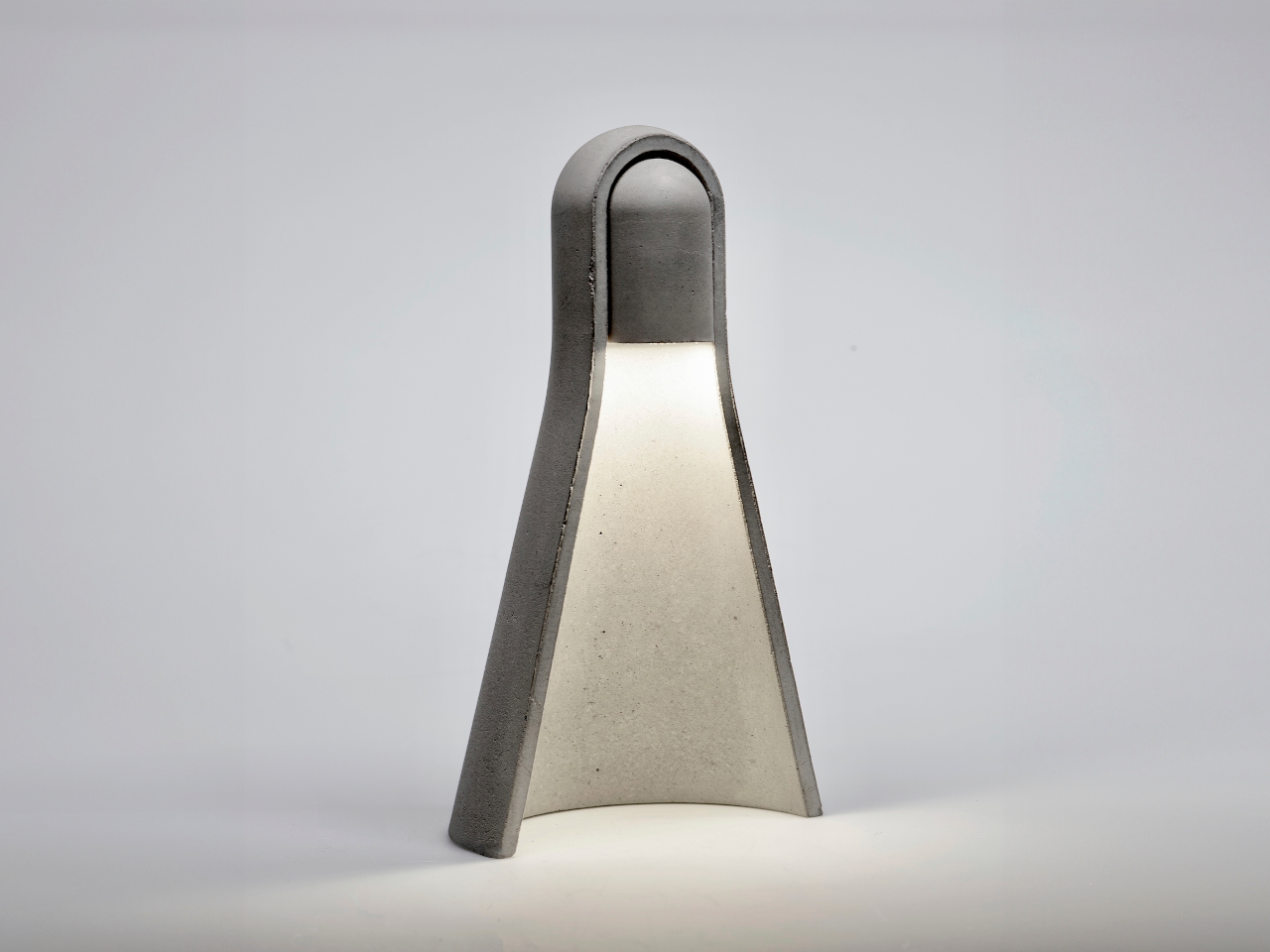
Blueair Mini Restful(™) Sunrise Clock Air Purifier Review: The Only Air Purifier with a Sunrise Alarm Clock

PROS:


  • Soft, bedroom-friendly aesthetics

  • Multi-function bedside consolidation, including USB-C charger

  • Circadian-friendly lighting system

  • QuietMark certified for sleep

  • Simple maintenance with long filter life

CONS:


  • Single color temperature range might not fit some preferences

  • Premium price for small coverage area

RATINGS:

AESTHETICS
ERGONOMICS
PERFORMANCE
SUSTAINABILITY / REPAIRABILITY
VALUE FOR MONEY

EDITOR'S QUOTE:

The Blueair Mini Restful Sunrise Clock Air Purifier quietly merges clean air with gentle dawn into one compact, sleep-focused design object.
award-icon

Nightstands have quietly become cluttered charging stations over the past decade, with phones serving as alarms, small purifiers humming in corners, and separate wake-up lights trying to undo the damage of jarring ringtones at six in the morning. Sleep has turned into a wellness habit people track and optimize, but the tools meant to support it often feel scattered and visually chaotic.

The Blueair Mini Restful(™) Sunrise Clock Air Purifier is a compact attempt to pull some of those tools into one object. It is a small bedside cylinder that cleans the air, glows like a sunrise to wake you gently, plays soft sounds, shows the time, and charges your phone, all while looking more like a design piece than some cold, drab piece of appliance. But does this striking appliance work as advertised? We put it beside our comfy bed to find out.

Designer: Blueair x Samuel Thoumieux

Click Here to Buy Now: $150 $199.99 (25% off, use coupon code “SAVE25”). Hurry, deal ends in 48-hours!

Aesthetics

The Mini Restful is a short cylinder about eleven inches tall, wrapped in premium fabric with a smooth top disc. It looks closer to a smart speaker or a small bedside lamp than a traditional purifier, which makes it feel natural sitting on a nightstand. The proportions are deliberately compact and soft, with rounded edges and no visible vents.

Two color options are available: Coastal Beige and Midnight Blue. Coastal Beige has a light oatmeal fabric with a warm off white top, which reads well in rooms with light wood furniture and neutral bedding. Midnight Blue uses a deep navy fabric, making it comfortable in darker, moodier bedrooms with richer tones.

The top surface is where the aesthetic gets interesting. A circular user interface houses a dot matrix clock and touch controls, surrounded by a ring that glows when the wake-up light or mood lighting is active. When the sunrise alarm is running, the top looks like a tiny dawn, casting a warm halo onto the bedside table and wall.

It is much more pleasant than the blinking LEDs most appliances default to, and it doubles the device’s role as both a functional purifier and a kind of ambient light. The glow feels intentional, like a small lamp designed to support sleep rather than disrupt it, which is a significant shift from typical purifier status lights.

The fabric wrap is a key design choice. It softens the entire object and makes it read as part of the room’s soft furnishings rather than a hard plastic box. The textile has a fine woven texture that feels closer to upholstery than speaker mesh, and it helps the Mini Restful blend into spaces where you want calm rather than tech on display. The overall look avoids the glossy plastics and aggressive styling that make a lot of gadgets feel cheap or temporary.

Ergonomics

At around two and a half pounds out of the box, the Mini Restful is genuinely portable. You can pick it up with one hand and move it between rooms or reposition it without any strain. The small footprint, roughly six and a half inches in diameter, means it takes up about as much space as a medium-sized speaker or a chunky candle.
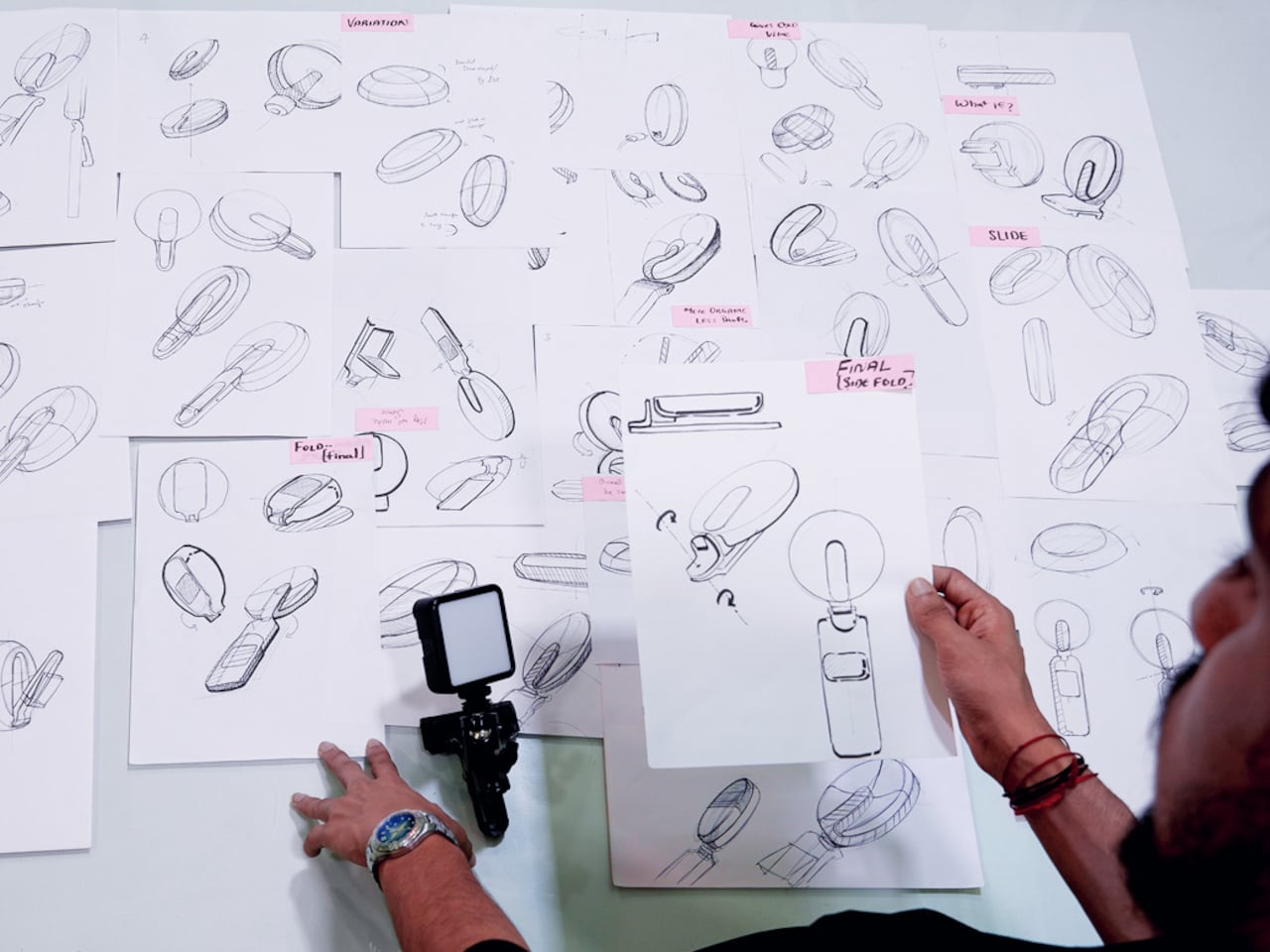
The cylindrical shape means you can place it close to the bed without worrying about sharp corners poking you if you brush against it in the dark. The air intake and outlet are all around the body, so it does not need a lot of clearance to work effectively, which is helpful in tight bedrooms or smaller apartments where every inch of surface area counts.

The top controls and clock are designed for quick, low-effort interaction. The dot matrix display is readable without being glaring, and the surrounding touch icons handle basic tasks like setting alarms, adjusting light brightness, and likely fan speed. You can do the essentials without grabbing your phone, which is helpful if you are trying to reduce screen time before bed.

Filter access is straightforward. The fabric sleeve slips off, and the inner filter is a wraparound design with a simple closure, so replacing it does not require tools or wrestling with complicated cartridges. This kind of maintenance design makes it more likely that people will actually change the filter when it is due rather than giving up and buying a new device.

Performance

Inside the cylinder is a HEPASilent filter system that pulls in air from around the base, traps fine particles like dust, pollen, and smoke, and pushes cleaner air back out. The filtration is sized for small spaces, specifically bedrooms up to around one hundred forty square feet, which aligns with typical master bedrooms or nurseries. It is meant to clean the zone where you actually sleep.

The idea of a fresh air dome around the bed is central to how Blueair frames this product. Placing the Mini Restful on a nightstand or dresser top helps keep the immediate breathing zone cleaner, which can be especially helpful for people who deal with nighttime congestion, seasonal allergies, or asthma. The device cycles the air in a small bedroom multiple times per hour.

Noise performance is critical for a sleep device, and the Mini Restful is designed to be quiet. On its lowest settings, it is softer than most fans, more like a gentle whoosh than a mechanical hum. Higher speeds are audibly stronger when the device is working harder to clear the air, but the ability to drop back into whisper-quiet operation at night keeps it compatible with light sleepers.

The QuietMark certification adds third-party validation that the noise level is genuinely sleep-friendly, tested and approved by independent acoustic consultants. This matters because many purifiers claim to be quiet but still produce enough mechanical sound to disturb rest, while the Mini Restful can fade into the background entirely on low settings.

The wake-up light is where the Mini Restful starts to feel different from a standard purifier. You can set a time in the Blueair app, and then, in the fifteen to thirty minutes leading up to that time, the top light slowly brightens from a very dim glow to a warm, room-filling light. The color temperature stays in the warm range, mimicking the quality of a natural sunrise.

This gradual brightening is designed to help your body wake up more naturally than a sudden alarm. The light acts as a cue that morning is approaching, which can make the transition from sleep to wakefulness feel gentler and less abrupt, especially during darker winter months when natural light comes late or not at all.

If you want more than light, you can add sound. The app includes a library of gentle wake-up tones and nature sounds, and you can choose one to start playing after the light has reached full brightness. The combination of light and sound is meant to guide you from deep sleep to wakefulness in a calmer way than a phone alarm blaring suddenly at full volume.

The same light that wakes you up can also help you wind down. In the evening, you can set the top to a very low amber glow as a night light or turn it up to a comfortable reading level, all in warm color temperatures that are gentler on melatonin production than bright white overhead lights or blue light-heavy phone screens.

The ability to adjust brightness on the device or in the app means it can match different routines, whether you are reading before bed or just want a soft ambient glow while you settle in. This dual role, supporting both wind down and wake up, makes the light feel integrated into the full sleep cycle rather than just a morning feature.

The Blueair app lets you fine-tune alarm times, choose how long the sunrise light takes to reach full brightness, select wake-up sounds, and create schedules so the device behaves differently on weekdays and weekends. The app also shows air quality and lets you adjust fan speed remotely, though most people will set a preference once. For people who like to see what is happening, the data is there, but the device does not force you into constant app interaction.

The integrated USB-C charging port on the back is a small but practical touch. It lets you plug in a phone or wearable directly into the Mini Restful, reducing the number of separate chargers and cables cluttering the nightstand. For people who currently use their phone as an alarm, this makes it easier to transition to the Mini Restful without losing charging convenience.

Sustainability

The Mini Restful uses a filter designed to last many months before needing replacement, which reduces how often you need to buy and discard new filters compared to some smaller purifiers with shorter lifecycles. The wraparound filter design with simple closure encourages full use of the filter’s lifespan and makes replacement straightforward, supporting longer ownership.

The device is relatively low power and Energy Star certified, which matters for something that might run many hours every day. At its lowest settings, the energy draw is modest, and even at higher speeds, it stays well within the range of efficient bedside appliances. Blueair, as a brand, positions itself with higher environmental standards as a Certified B Corp.

Value

The Mini Restful costs more than a basic purifier or a simple alarm clock. But that price starts to make sense when you consider the roles it plays at once: purifier, sunrise light, sound machine, clock, and phone charger, all in a single compact object designed for the nightstand. If you were to buy those devices separately, you would likely spend a similar amount while ending up with more clutter. The Mini Restful consolidates that into one cylinder that is easy to set up, easy to maintain, and designed to look intentional rather than accidental.

Space and visual calm are real forms of value, especially in small bedrooms or apartments where every object on a nightstand matters. Having one well-designed cylinder instead of multiple mismatched gadgets reduces the sense of clutter and makes the room feel more deliberate. For design-conscious consumers, that reduction in visual noise is worth something tangible, not just aesthetic preference alone.

The sleep focus is also part of the value story. For people who are already treating sleep as a wellness habit, investing in better mattresses, bedding, or blackout curtains, and adding a device that supports circadian rhythms and keeps the breathing zone cleaner is a logical next step. The fact that it is optimized for bedrooms makes it feel like a targeted tool.

The Mini Restful makes the most sense for people who care about both design and sleep quality, who want their nightstand to feel calm rather than cluttered, and who appreciate when technology quietly supports routines instead of dominating them. For users trying to break phone dependence at bedtime, or parents setting up nurseries, or anyone in a small space, it fits naturally.

Verdict

The Blueair Mini Restful Sunrise Clock Air Purifier is a compact, carefully designed object that manages to be a purifier, a sunrise light, a sound machine, and a clock without looking or feeling like four gadgets taped together. It blends into bedrooms with the kind of visual ease that makes you forget it is technology, and the combination of quiet air cleaning, warm light, and gentle sounds makes it feel integrated into sleep rituals.

As sleep continues to be treated as a key part of wellness, devices that treat air, light, and sound as one integrated experience will likely become more common. For homeowners who want their bedroom tech to be as considered as their furniture and as gentle as their nighttime routine, the Mini Restful feels like a thoughtful step in that direction, turning the nightstand into a quieter, calmer place where everything works together.

Click Here to Buy Now: $150 $199.99 (25% off, use coupon code “SAVE25”). Hurry, deal ends in 48-hours!

The post Blueair Mini Restful(™) Sunrise Clock Air Purifier Review: The Only Air Purifier with a Sunrise Alarm Clock first appeared on Yanko Design.