Google Pixel 8a official: A more affordable way to experience Google’s AI

Even before AI and machine learning became buzzwords, Google was already utilizing these technologies behind the scenes to power services like Search and Google Assistant. In line with recent trends, however, it has started applying and advertising AI for anything and everything, especially for its Pixel devices. AI features, however, are normally accessed through online services, which incurs security and privacy issues, or on the device itself, which requires powerful hardware that’s often available only on more expensive flagships. That’s the kind of situation that the new Google Pixel 8a is trying to change, offering a more accessible device to access Google’s AI-powered features and services for years on end.

Designer: Google

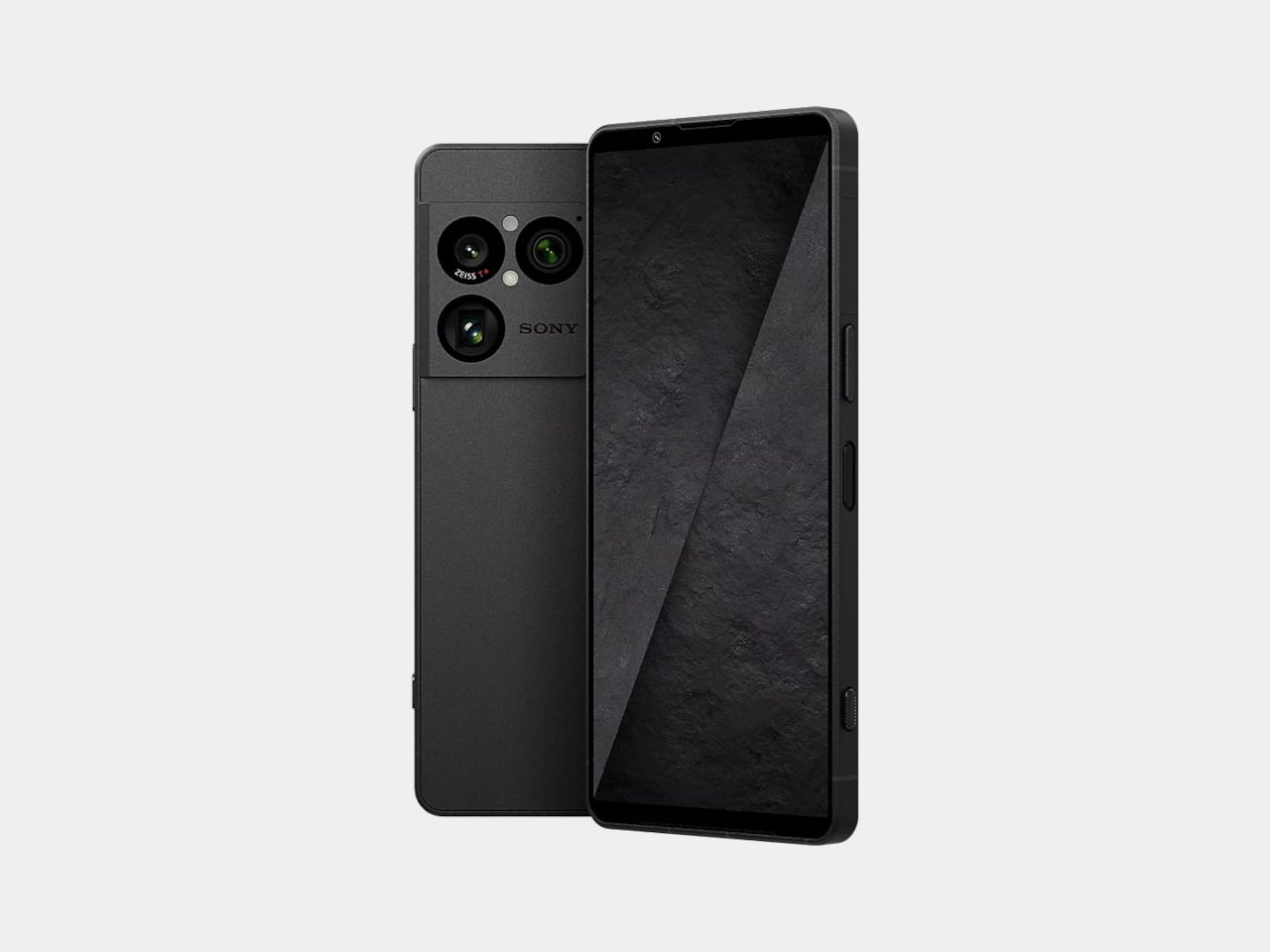
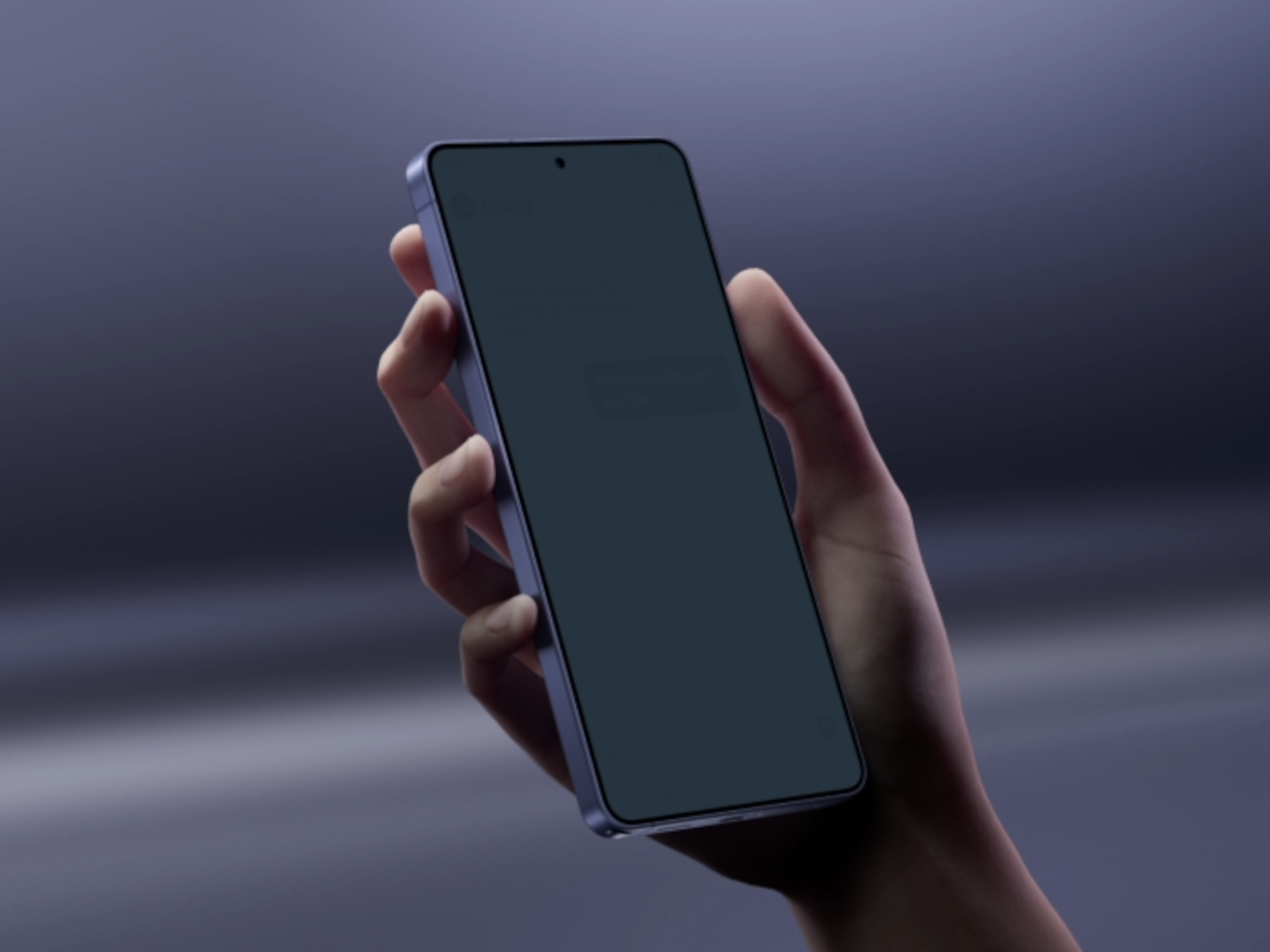
The Pixel 8a is practically the Pixel 8 in both design and spirit. It has the exact same appearance, though in a slightly smaller size and one important change in materials. The back of this newer Pixel phone is a matte composite instead of the Pixel 8’s glass rear. The color options available are also slightly different, with the Pixel 8a leaning more towards fun and saturated hues like Aloe green and Bay blue. Otherwise, the two are almost exactly identical, which some Pixel fans have grown pretty fond of.

The Pixel 8a even shares the same Tensor G3 processor as the current flagship, though we won’t be surprised if we find out later that it has been dialed down a bit. That said, it still has enough power to support almost all of Google’s AI features on the Pixel, from Circle to Search to Gemini assistant for summarizing pages or notes to removing background noise from recorded video. There will still be some features exclusive to the Pixel 8, of course, but you can already enjoy most of what’s available on the Pixel 8a, especially when it comes to photography.

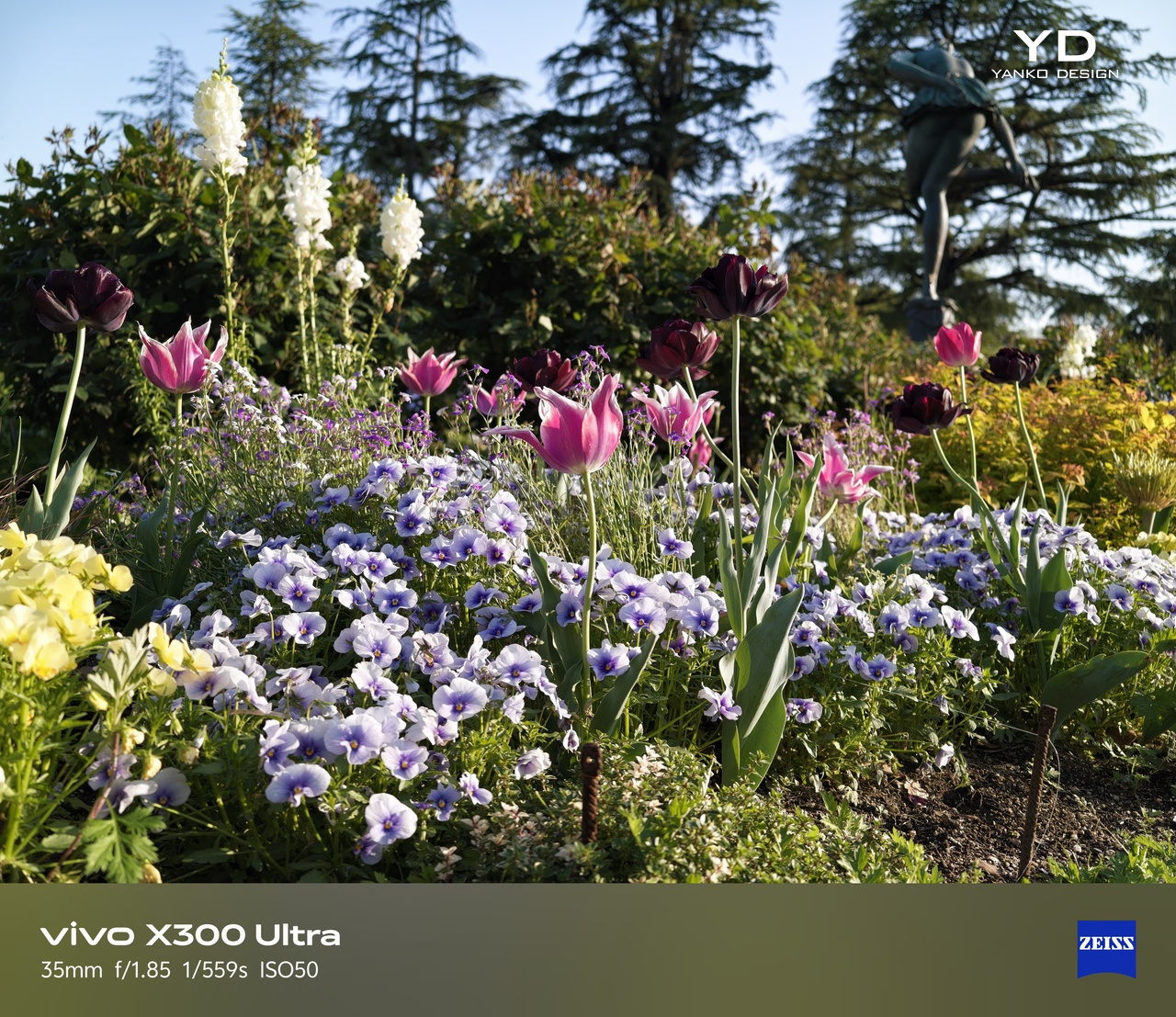
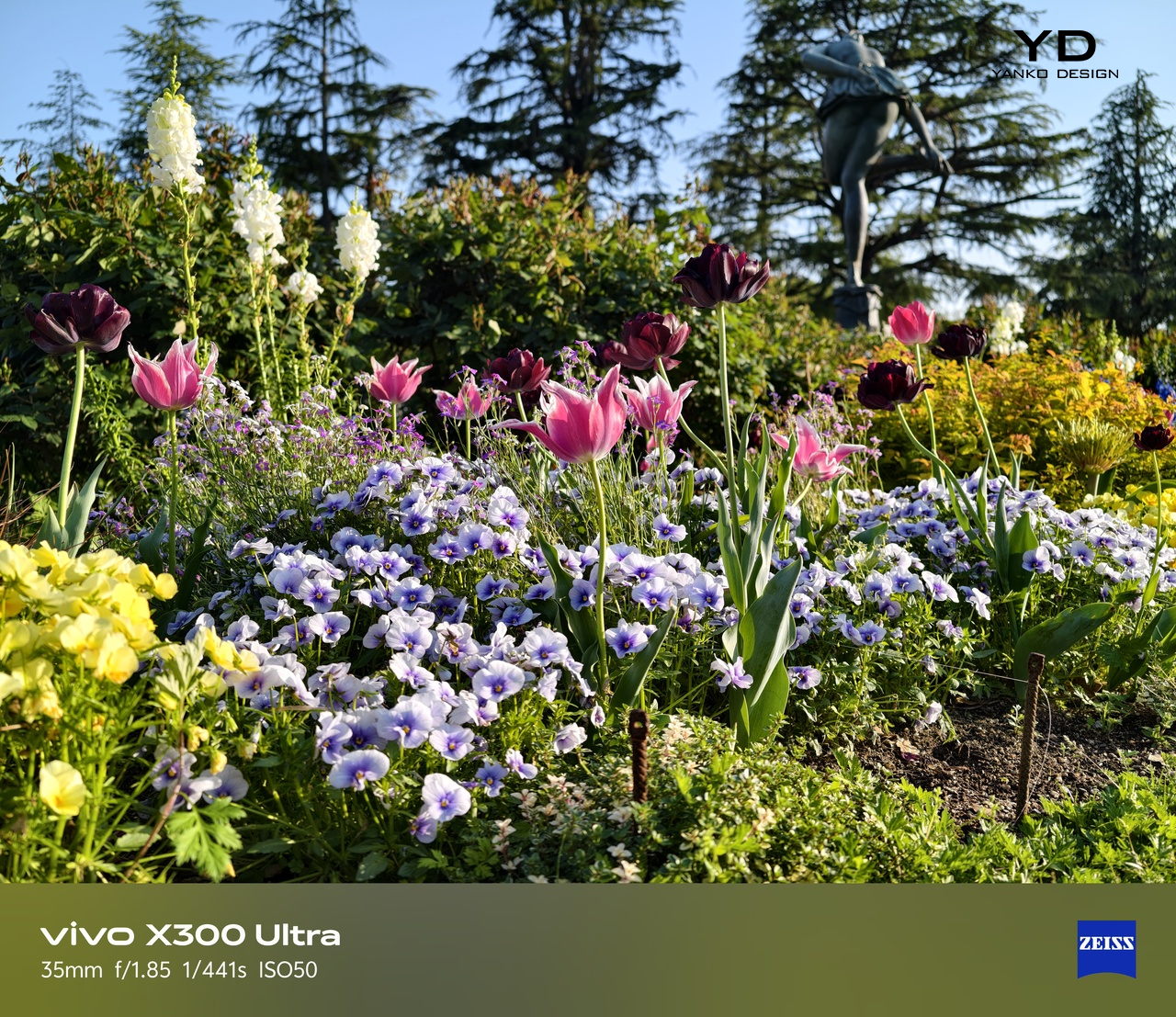
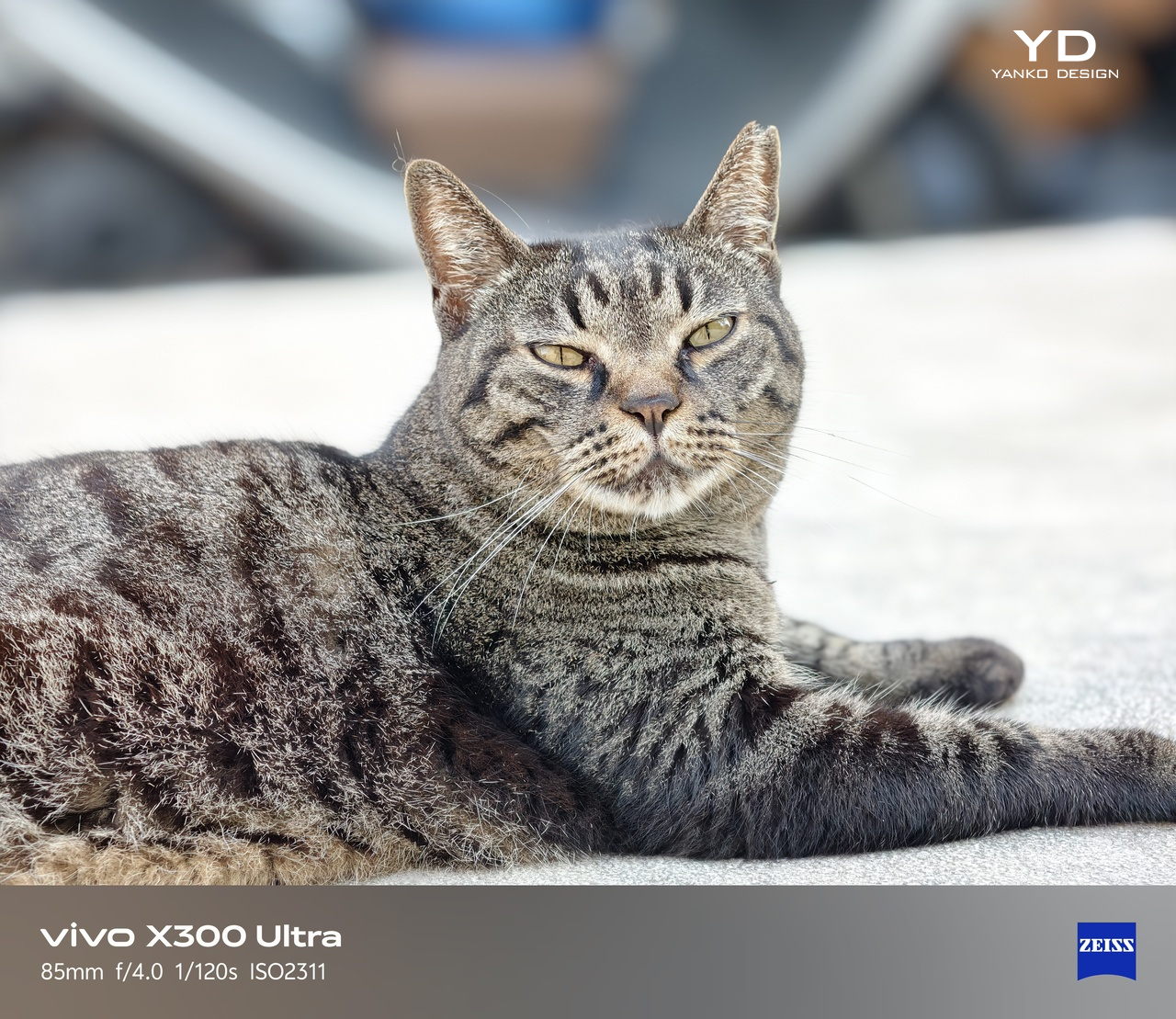
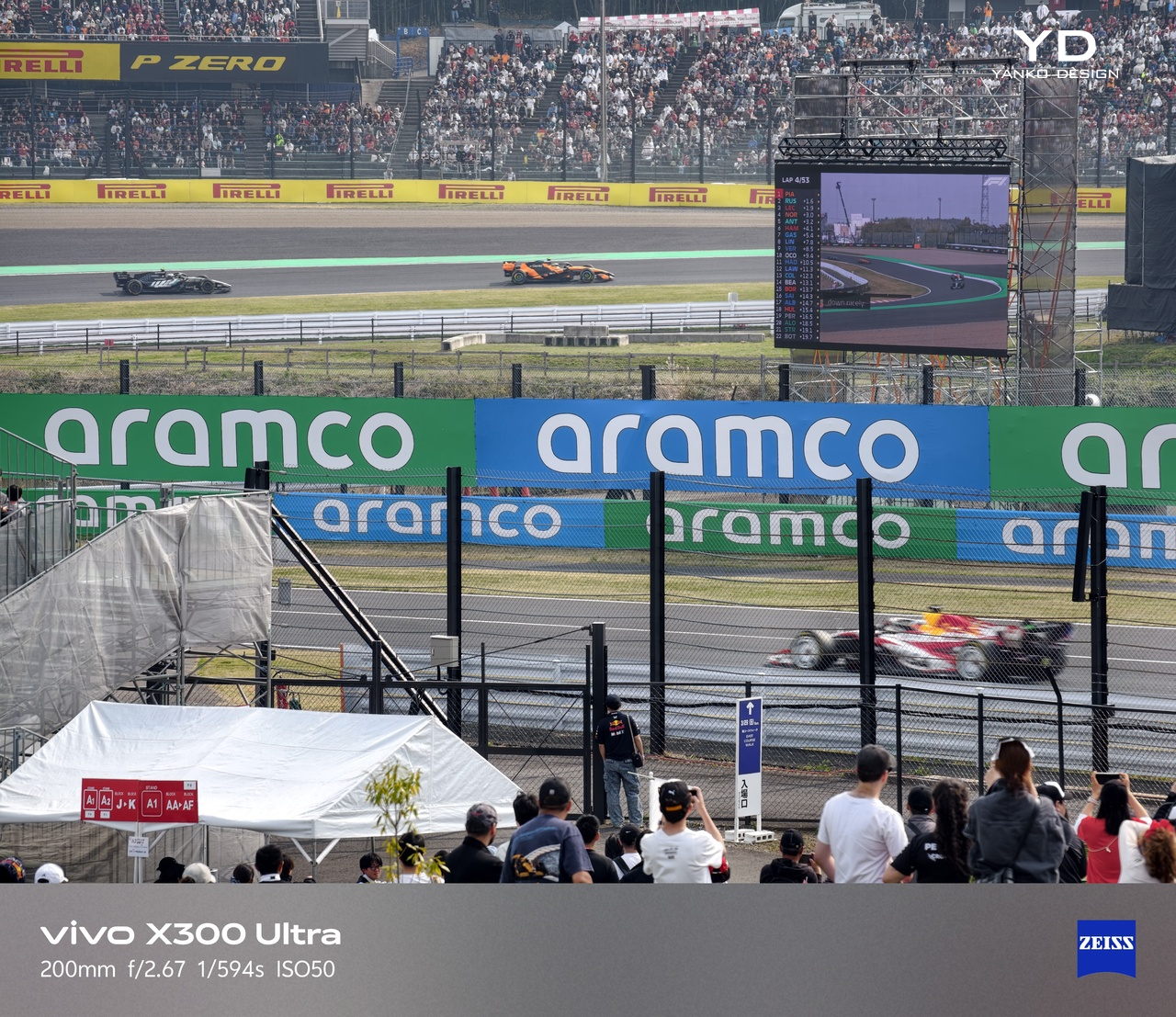
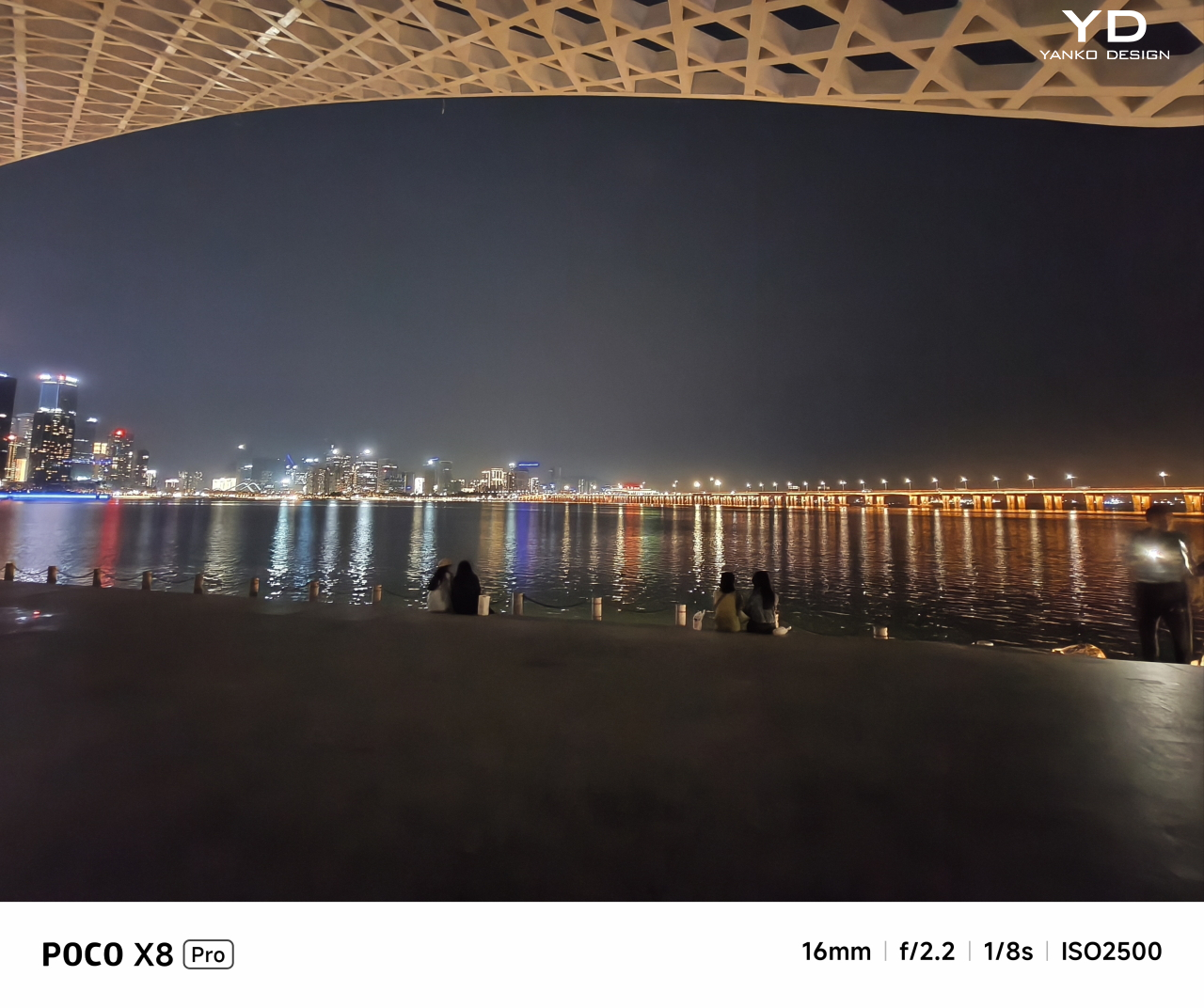
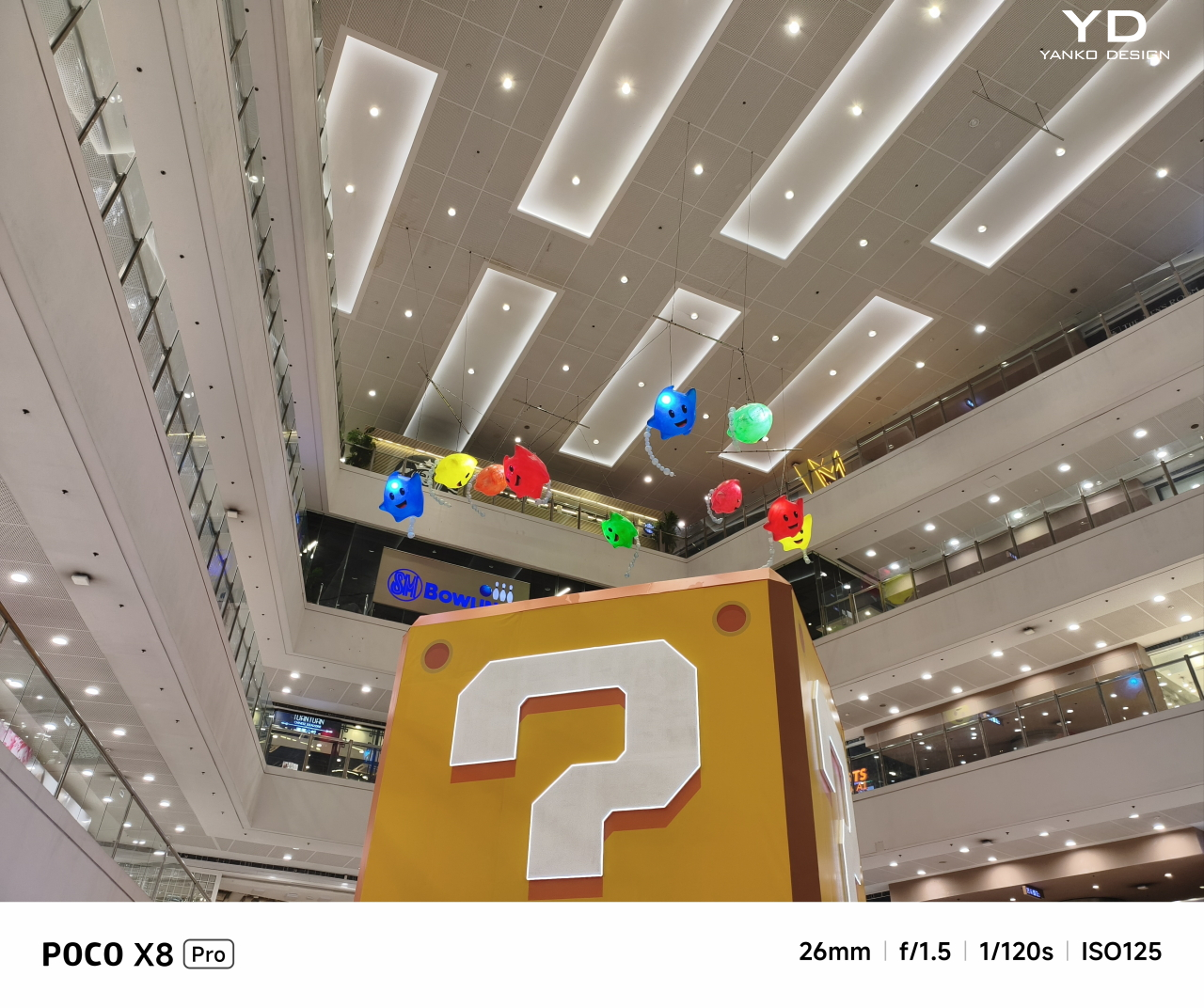
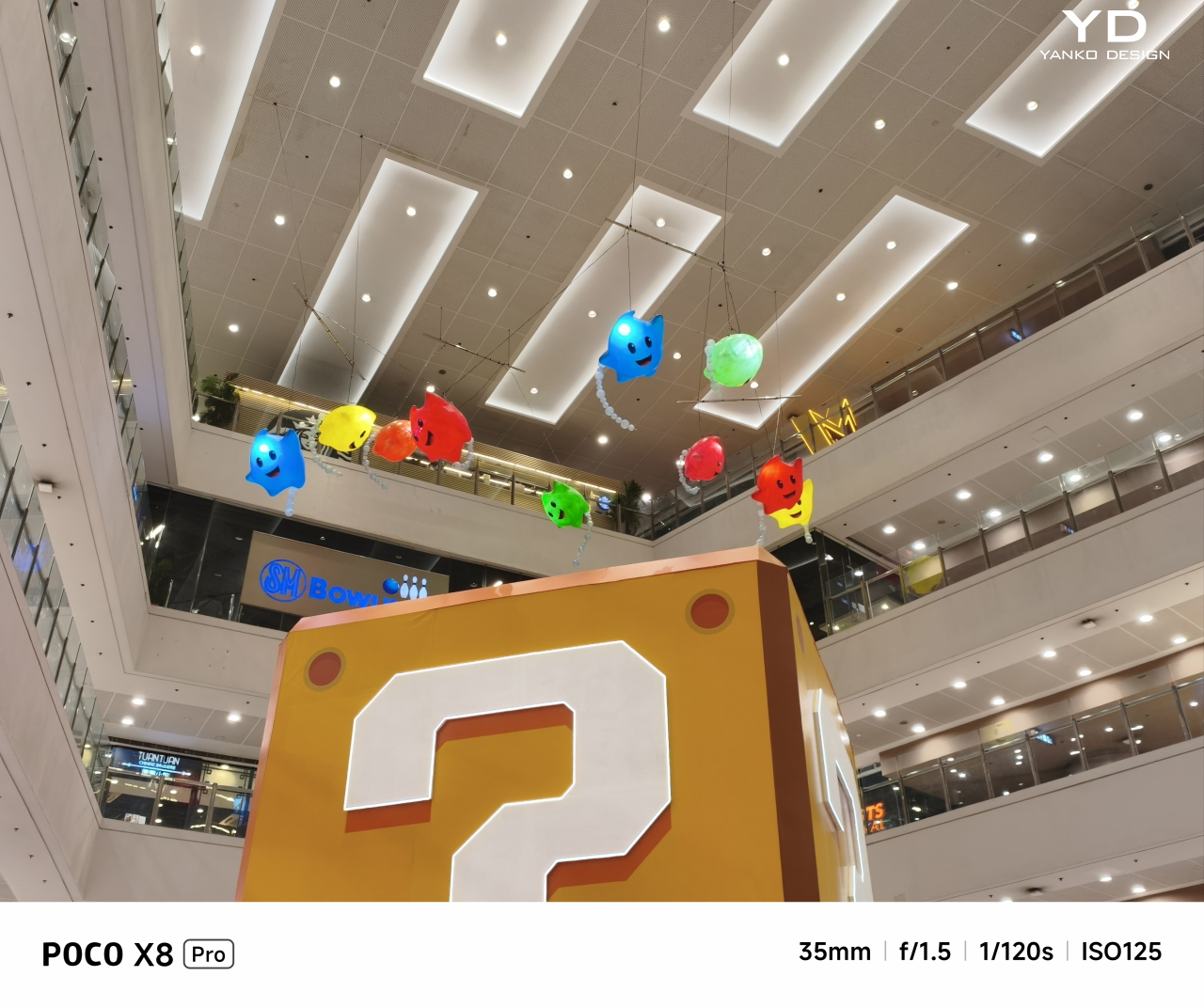
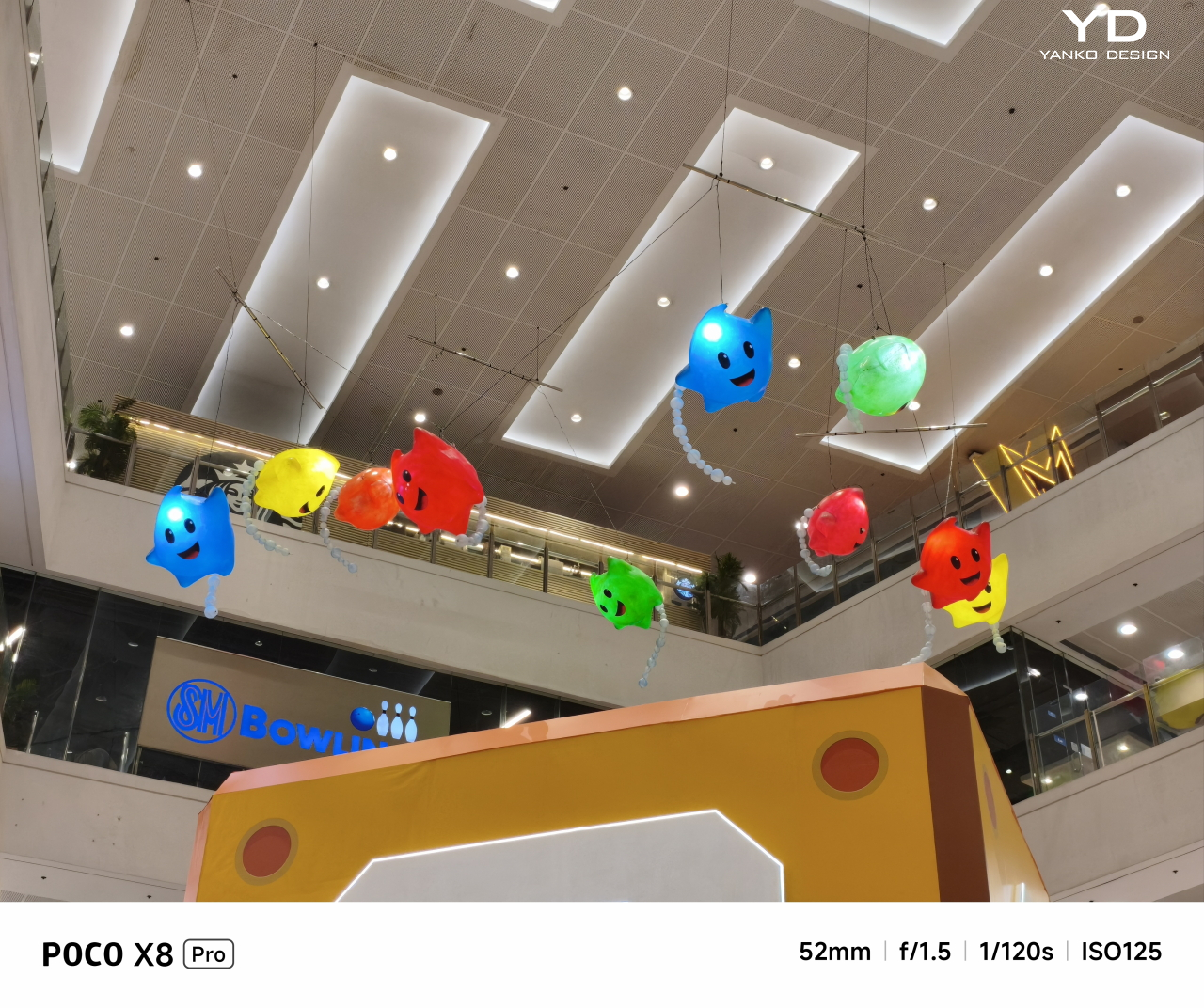
It will definitely need it because one of the biggest corners that Google had to cut was the camera system. Neither the 64MP main camera nor the 13MP ultra-wide has autofocus, and both have slightly lower specs than the Pixel 8. In other words, the Pixel 8a will rely more heavily on AI and algorithms to compensate for the camera hardware’s limitation. There are also some other key differences, like a slower (but still fast) 18W charging speed.

All in all, you’re getting nearly the same Pixel 8 experience for $200 less, with the Pixel 8a going for $499 for 128GB of storage and $549 for the first-ever 256GB option for a Pixel “a” series. Aside from the camera, none of the “downgrades” are deal-breakers, making the Pixel 8a a very worthwhile investment for the future, especially since the phone will also be getting Android updates for seven years.

The post Google Pixel 8a official: A more affordable way to experience Google’s AI first appeared on Yanko Design.
nubia Flip 5G Foldable Phone Review: Finally, A Foldable Phone You Can Afford

PROS:


  • Simple yet beautiful design

  • Large, bright, and vibrant foldable screen

  • Distinctive "porthole" external screen design

  • Attractive and affordable price point

CONS:


  • Dated hardware and software

  • Unimpressive camera output

RATINGS:

AESTHETICS
ERGONOMICS
PERFORMANCE
SUSTAINABILITY / REPAIRABILITY
VALUE FOR MONEY

EDITOR'S QUOTE:

The nubia Flip 5G delivers the essentials of a foldable phone experience without burning a hole through your wallet.

In order to sell more foldable phones, this niche market segment needs to be as common as regular, non-folding phones. These normal phones, however, appeal to the masses because they can cater to a wide range of buyers, including those with tighter budgets. There has long been a clamor for more affordable foldable phones, both the larger book-style design as well as the clamshell type, but few manufacturers have dared to heed the call. The nubia Flip 5G is arguably the first flip-style foldable to really bring the design to the masses, boldly claiming the title of most affordable foldable. Nothing comes for free, however, especially in this industry, so we naturally wonder what nubia had to sacrifice to meet such an unbelievably low price point. We give the nubia Flip 5G a good turn to find out.

Designer: nubia

Aesthetics

Right off the bat, you wouldn’t be able to tell the nubia Flip 5G’s price just from its looks. The word “cheap” has unfortunately acquired a negative reputation, but there is definitely nothing cheap about this phone’s design. Aside from the large black disc on its back, which we’ll get to later, the phone is a poster child for minimalist design, simple yet evocative in its pleasing appearance. There is not a line, edge, or corner out of place, making it exude class and style that would shock you if you knew the price tag it carried.

nubia didn’t skimp on materials either, giving the phone a matte AG glass for its back that not only adds a better grip but also makes the “sparkling sand” surface of the design stand out even more. This is better seen on the Cosmic Black cover which gives you the impression of looking at a starry night sky, while the Sunshine Gold of our review unit gives off a more calming and ethereal presence. The aluminum alloy frame isn’t far behind with its zircon sandblasted finish, adding texture that won’t be easily smudged by fingerprints.

Of course, the nubia Flip 5G needs to have cameras and a second screen on its back, and this is done just as tastefully as the rest of its design. The large black circle is located dead center, giving it symmetry and balance that is admittedly becoming less common in smartphone designs, foldable or otherwise. Once the screen lights up, however, that darkness becomes something like a window to another world, a technological equivalent of the porthole of old ships. This gives the phone a completely different vibe from other clamshell foldables that, while not unattractive, tend to focus more on the technical functionality at the expense of overall design.

Ergonomics

Foldable phones promise a different level of usability and flexibility, but they also demand some changes in the way we use phones. For example, we need to open them up to be able to fully utilize their functions, but the external screen also offers some interactions while the phone is closed. Being able to comfortably and confidently hold such a device in both forms is even more important with foldables than it is for regular, flat smartphones.

Fortunately, the nubia Flip 5G delivers exactly that, and in both forms no less. Holding the folded phone is the easiest thing to do with one hand, and you don’t even have to turn the block around because the external display will automatically adjust itself depending on how you’re holding it. Whether your top is bottom or your bottom is top, you can instantly dive into the notifications, controls, or the camera without having to turn it right side up.

That said, the nubia Flip 5G is admittedly taller and wider than other flip phones, so those with smaller hands might have even more difficulty using it with a single hand. The flat, textured edges help with the grip, but reaching for the other side of the screen with your thumb will still be a tedious task. Then again, most phones these days really take single-handed use for granted, so it’s not exactly alone in this area.

Performance

So far, the nubia Flip 5G seems to punch above its price when it comes to design and comfort, so it raises the question of how the brand was able to push that price tag so low. The answer, if you haven’t guessed it already, is in the hardware. It’s not terrible, mind you, but you would do well to manage your expectations that this isn’t a $1,000 phone.

If you were to really put the flip phone in a box, you would file it under the “mid-range” category. The Qualcomm Snapdragon 7 Gen 1 processor it uses is from way back in 2022, and its 8GB of RAM sounds almost meager. Fortunately, this combination has enough silicon muscle to drive a fluid and responsive user experience (especially if you boost the RAM by 12GB by taking away some internal storage space), so you might not even notice the difference. Yes, games need to be set to medium or lower, and certain activities will really raise the temperatures, but there are no show-stopping flaws that would make you throw the phone in frustration.

Even better, the 6.9-inch 120Hz OLED foldable display is actually impressive in its brightness and performance. You’ll have to fiddle with the refresh rate settings to get the right speed you want, but the screen is no joke when it comes to responsiveness and colors. Thanks to the phone’s hinge design, you’ll hardly see the crease unless you intentionally go looking for it. Your finger with definitely feel its existence, but you’ll barely notice it in day-to-day operations. The 1.43-inch circular OLED screen on the back shares these same properties, minus the flexibility, but its small size looks odd when placed side-by-side with other flip phones. At the same time, however, this allows nubia to craft simpler, more beautiful, and less distracting experiences rather than giving you another phone on the back of your phone.

In addition to older hardware, the nubia Flip 5G also runs MyOS 13 which is based on, you guessed it, Android 13. We’re past the time when new devices would come out with old Android versions, so this comes as a bit of a surprise. In 6 months, Android 15 will also be out, making this version very old in terms of features and bug fixes. What makes the situation a little worse is that we’re not confident about nubia’s track record in pushing timely updates, so new owners of this foldable phone might be stuck with the same Android version for a long time.

Battery life is a bit of a mixed bag. On paper, its 4,310mAh capacity is definitely the highest in this foldable category, but the older technology of the Snapdragon 7 Gen 1 is less battery-efficient, so it all evens out at the end. The 33W charging speed, however, makes up for its short battery life, letting you get as much as a 50% charge in just 15 minutes. In other words, you’ll still be charging almost every night, despite having a bigger battery capacity.

nubia’s cost-cutting strategy, however, really shows when it comes to the cameras. The 16MP front-facing camera is serviceable and takes OK selfies, but for all intents and purposes, you’ll probably end up using the main 50MP camera even for the latter. There are two sensors on the back of the nubia Flip 5G, but you can actively use only one of them as the 2MP camera is really just a depth sensor. That means you’ll be relying on that lone 50MP shooter for everything, including a 2x lossless digital zoom. And yes, there is no ultra-wide camera at all.

While megapixel count isn’t always everything, it still matters when that’s all you really have. In practice, the nubia Flip 5G’s lone camera is like a hero, doing everything to the best of its abilities, even when it sometimes fails. Images are passable and at least have enough details to make the mark. Colors, however, can sometimes look a bit washed out or dull, and there is a clear loss of detail when you zoom in. There’s no OIS, so you’ll have to make sure your subject stays still for a second or two. On the upside, this rear camera takes great portrait photos with pleasing blurs and correct separation of subject and background. With so many smartphones boasting impressive photography chops, the nubia Flip 5G sadly comes up glaringly short of expectations. Then again, it’s not exactly that shocking given how much you’re paying for it anyway.

Sustainability

Compared to regular phones, foldable phones are still infants, and some brands are just as new to playing this game. In that sense, it’s really not surprising that using more sustainable materials is probably the farthest from their minds at this point. They first want to establish the durability and reliability of their design before they change the formula to boast about the use of recycled plastics and metal. The nubia Flip 5G is no different in this regard.

That said, it naturally takes the topic of durability very seriously, even if it doesn’t make any guarantees about even being splash-proof, let alone waterproof and dustproof. The waterdrop-style hinge that allows it to fold completely flat does come with the claim of having withstood more than 200,000 folding and unfolding actions. There is a bit of a crunching sound when opening and folding the phone, though, but that’s probably more from how rigid the hinge is rather than anything breaking inside.

Value

If this were a regular smartphone, we’d consider it pretty basic to the point of being disappointing and leave it at that. But the nubia Flip 5G isn’t your regular smartphone, not by a long shot. It’s hardly the first clamshell-style foldable phone either, but it’s definitely the most affordable one in this specific category. It starts at $499 for 8GB of RAM and 256GB of storage, but $699 will get you double that memory. When you consider that something like the Samsung Galaxy Z Flip 5 starts at $1,000, then it’s really no contest.

That said, nubia’s real competition would come from its peers, like the TECNO Phantom V Flip launched last year. Yes, the $600 price tag puts it above the nubia Flip 5G, but it also comes with some important upgrades, like a more recent processor, faster charging, and more importantly, a better camera system that includes an ultra-wide shooter. It all boils down to how much you’re willing to cut out for a basic foldable experience, and you might be surprised at how much the nubia Flip 5G is able to deliver for less.

Verdict

Foldable phones are here to stay, though it’s taking quite some time for them to become the norm. Part of it is because of consumer hesitation regarding seemingly fragile devices, but an even bigger factor is the price attached to such products that may easily break from the slightest accident. Offering an affordable yet decent foldable phone goes a long way in allaying fears, and the nubia Flip 5G is the commendable hero that is bravely paving the way for others like it.

The $499 price tag for a foldable phone is nothing short of tempting, but it also raises questions about what corners were cut to get there. The camera story is definitely disappointing, as is the use of somewhat older hardware and software. None of these, however, take away from the truth that the nubia Flip 5G is a surprisingly decent foldable smartphone for its price. If you want to sink your teeth into this still-young device category but are too reluctant to spend too much on it, the nubia Flip 5G is definitely a great way to get started, as long as you set your expectations right.

The post nubia Flip 5G Foldable Phone Review: Finally, A Foldable Phone You Can Afford first appeared on Yanko Design.
Google Pixel Tablet Relaunch: News, Rumors, Price, and Release Date

Google isn’t exactly known for its love of tablets. Android 3.0 Honeycomb was the first version to support large-screen devices, but it was mostly seen as a quick stopgap measure to curb the growing number of tablets modifying an experience that was meant for phones only (looking at you, Samsung and HTC). The release, however, was considered to be so rushed and so bad that Android 4.0 Ice Cream Sandwich was released half a year later. Google didn’t seem keen to make its own Android tablets either, be it the old Nexus brand or the short-lived Pixel C, but that’s not to say its own fans haven’t been clamoring for an official Google tablet for years. That finally happened nearly a year ago with the Pixel Tablet, which painted this large device as something different from an iPad or a Samsung Galaxy Tab. Rather than launch a new Pixel Tablet 2 this year, however, Google is apparently making the rather unorthodox move of relaunching the existing model, and it seems like it will be a mixed bag based on what we’re hearing so far.

Designer: Google

Google Pixel Tablet: Design

The most important thing about this “relaunch” is that there is no word on any major internal or external changes to the Google Pixel, and that’s not entirely a bad thing. There are some whispers about a new and darker color option, but that seems unlikely at this point. The Pixel Tablet’s design is largely driven by Google’s vision of what the tablet really is for, which all boils down to a device that’s meant more to stay at home than accompany you wherever you go.

The Google Pixel Tablet’s aesthetics are simple, homey, and a bit traditional. Unlike the flat and sharp edges of the likes of the current Apple iPads, Google’s design has curved sides and a gentler demeanor. It’s not something you’ll flaunt outdoors but will be perfectly at home inside the house. That’s primarily because Google’s purpose for its tablet isn’t on-the-go productivity or entertainment but as pretty much a portable smart display for controlling your smart devices, making video calls, or playing music. The fact that you can only buy the Pixel Tablet with its charging speaker dock pretty much drives home that identity.

This will be the exact same Pixel Tablet that Google is said to be “relaunching” in just two weeks but with a slight twist. The accessories for the tablet are being changed, and this speaker charger will no longer be bundled with the Pixel Tablet by default. Although it’s only the accessory lineup that will change, it also subtly changes the message that the product will be sending. Strangely enough, the design will also remain the same, so it’s not a complete overhaul of its identity either.

Google Pixel Tablet: Specs and Software

We’re unlikely to see any internal changes either, which means we’ll be seeing the same 2022-era specs like a Tensor G2 processor and 8GB of RAM, for starters. Truth be told, the Pixel Tablet hardware was plenty fine for what it was made for and can even support a bit of gaming on the side. Whether that holds true in 2024 and beyond is a bit uncertain, however, especially with Google opening up the device to new use cases that may demand more from the hardware.

What is basically changing is that Google will no longer ship the Pixel Tablet with the Charging Speaker Dock, which has important ramifications as far as pricing goes. More importantly, however, it is rumored to introduce new accessories, namely an official Google stylus as well as a keyboard for the tablet, most likely a keyboard cover like those sold for the Galaxy Tab S9, for example. Unfortunately, there are no leaks on the design that these products will take, but given the design of the official Pixel Tablet Case, we’re expecting something that will match the tablet’s aesthetics as well.

Samsung Galaxy Tab S9+

Samsung Galaxy Tab S9 Ultra

Samsung Galaxy Tab S9 Ultra

Designer: Samsung

Of course, the Pixel Tablet has had support for a wide range of styluses implementing the USI 2.0 standard as well as the myriad Bluetooth keyboards in the market. But having Google’s official stamp pretty much sends the message that the Pixel Tablet is also good for creativity and productivity, whether it’s making art, scribbling notes, or typing documents. The keyboard case even makes a case (pun intended) for bringing it out of your home and setting up an ad hoc office in a cafe somewhere. The Pixel Tablet’s hardware could still be up to the task, but more resource-hungry apps could hit a wall easily with this configuration.

As for the software, the Pixel Tablet will still be running Android 14 by the time it launches, but we’re expecting to see more AI-related features drop through updates. Circle to Search, in particular, will be easier to do with a stylus, and Google’s NotebookLM AI-powered app will be more useful if you can quickly type with a keyboard. The Google Pixel Tablet will be growing up from being a homebody to a digital nomad, allowing you to enjoy and utilize Google’s services anywhere you go and on a larger screen.

Google Pixel Tablet: Price and Release Date

Google’s new pricing strategy will be a mixed bag. On the one hand, you will finally be able to buy a Pixel Tablet on its own without having the Charging Speaker Base forced on you. Presuming the standalone base still costs $129, then the solo Pixel Tablet could be made available for only $379, hopefully a bit lower. This makes the tablet more accessible, especially for people who have better-sounding speakers anyway.

On the other hand, all accessories will have to be purchased separately, and the price tags might be hard to swallow. According to the rumors, the Pixel stylus and keyboard could amount to around $100 each, setting you back $579 for the complete mobile office package. A total of $699 if you also want a home base at, well, home. Granted, the Apple Pencil is already $120, but that’s normal for an Apple product. One can only hope that these figures are ballpark estimates instead.

As for when all these will drop, signs point to a May 10 “relaunch” for the Pixel Tablet. That’s a pretty odd strategy given that Google I/O 2024 will be taking play on May 14. The only way this will make total sense is if there’s a new Pixel Tablet 2 or even Pixel Tablet Pro being announced there, but that will immediately make the Pixel Tablet relaunch dead on arrival unless the accessories are 100% compatible with the new Google tablet.

Google Pixel Tablet: Final Thoughts

Although it might not launch a new tablet, it’s actually encouraging to hear that Google is continuing to support its only tablet not just with software updates but new accessories as well. These are accessories it could have launched on day one, however, but that would have probably muddled the message it was trying to send. It tried to set the Pixel Tablet apart from the iPads and Galaxy Tabs of the market by focusing on its benefits at home. Now it’s sending a different message, one that says it’s finally safe to go out.

At the same time, however, it does make the Pixel Tablet feel old and stale, which is a bit worrying considering Google’s history with Android tablets. It won’t kill off its tablet line immediately, but not having an immediate successor makes one wonder if Google will simply milk the existing model dry and then call it quits. Then again, Google has also been notorious for killing off successful products after a few generations, so the Pixel Tablet’s fate will always be in the air anyway.

The post Google Pixel Tablet Relaunch: News, Rumors, Price, and Release Date first appeared on Yanko Design.

Pebblebee trackers can find items with the new Google Find My Device network

Although Bluetooth item trackers existed long before, Apple really took things up a notch with the AirTags. Of course, what made these small discs really valuable wasn’t just their minimalist design but their use of Apple’s crowd-sourced Find My network. This system basically utilized the large number of iOS devices spread throughout the world to pinpoint the tracker’s location accurately and quickly. It was a long time coming, but Google finally launched its own version of that network, unsurprisingly dubbed “Find My Device,” and soon Android phone owners will also be able to locate lost wallets, misplaced remote controls, stolen bags, or any other items with these upcoming “item finders” designed for every need and purpose.

Designer: Pebblebee

It’s almost a meme about how remote controls tend to get sucked into the black hole that is the living room couch, but having no way to control a TV or entertainment system is no laughing matter. The new Pebblebee Tag for Android makes that problem a thing of the past by letting you stick a thin 40mm x 26mm (1.57in x 1.02in) black rectangle on the remote so that you can easily locate it later, even if it’s buried under cushions and pillows. Given its small size, it’s also trivial to slip this tracker in pockets, bags, and suitcases so that you’ll never accidentally forget them in the coffee shop ever again.

That Tag might be a tad too thick for your wallet, but the Pebblebee Card has you covered on that front. No larger than a credit card, this 2.8mm (0.11in) super-thin tracker promises to save you from the stress and fear of losing one of the most important objects in your life. And just like the Tag, it can be easily used for bags, laptop sleeves, and other slim spaces to give you that same peace of mind.

Keys are also often misplaced even at home, turning late mornings into frantic searchers for the small objects that give access to the car or, worse, the door. With a whole that’s perfect for a keyring or carabiner, the Pebblebee Clip makes sure that no item will ever be permanently lost. That includes anything with a hook, a zipper, or a hole that this small circle can attach to without getting in your way, like suitcase zippers or handles, bag straps, and bicycle handlebars.

All three Pebblebee trackers can be charged wirelessly and their batteries can last from 8 to 18 months before you actually need to put it down on the magnetic wireless charger again. With a bright LED and a loud melody, you can easily pinpoint the tracker’s location if it’s nearby, while Google’s new Find My Device network gives you global coverage if it is out of the 300ft Bluetooth range. All trackers are IPX6 water resistant, so you don’t have worry to too much about exposing them to the weather, and their minimalist design makes them fit with almost any object. The trackers also work with Pebblebee’s own mobile app, though they aren’t compatible with Apple’s Find My system.

The post Pebblebee trackers can find items with the new Google Find My Device network first appeared on Yanko Design.
Nothing Phone (2a) Review: Nothing Beats the Beauty of Essentials

PROS:


  • Beautiful and distinctive semi-transparent design

  • Decent dual 50MP cameras, 32MP front camera

  • Huge 5,000 mAh battery

  • Good value for its price

CONS:


  • No dedicated telephoto camera

  • Average mid-range performance

RATINGS:

AESTHETICS
ERGONOMICS
PERFORMANCE
SUSTAINABILITY / REPAIRABILITY
VALUE FOR MONEY

EDITOR'S QUOTE:

The Nothing Phone (2a) distills the smartphone experience to its most important essentials and wraps it in a gorgeous design you will never get tired of.

Smartphones are getting more and more powerful every year, but that power comes at the cost of complexity and cost. While there’s nothing wrong with a super powerful, uber-luxurious, and expensive device, it’s just not for everyone. Unfortunately, those who prefer to stick to the important basics are often left compromising in terms of performance and especially aesthetics. Nothing is a young brand that is trying to shake up the status quo with a heavy focus on thoughtful design, transparent practices, and accessible technology, and it has already been making headlines with its smartphones and accessories. With the Phone (2a), it’s dipping its hands into a different segment of the mobile market, so take it for a spin to see if it has anything substantial to offer or if it’s nothing at all, pun totally intended.

Designer: Nothing

Aesthetics

Nothing made a name for itself with the distinctive design of its products, especially its phones. While it was not the full transparency idealized by risky DIY hacks or printed skins, Nothing’s decision to have a semi-transparent design actually made better sense. It gave the phone a cleaner look, without the distracting noise of electronics and labels, but still had enough character to stand out from the crowd quickly.

The Nothing Phone (2a) is clearly a member of this family but also differs in significant ways. The arrangement of components is very different, with the camera bump now lying horizontally in the middle, surrounded by a Glyph Interface that’s also completely new and unique to this model. The camera array is enclosed in a circular area from which a covered path snakes down to the bottom, almost like the ribbon connectors between components you’d see inside phones. This distinctive design gives the phone a facsimile of a robotic face, friendly and welcoming like those in cartoons and kids’ shows.

Unlike earlier rumors that worried Nothing fans, the Phone (2a) does indeed have the Glyph Interface, except it’s also simplified like the rest of the phone’s design. There are only three components this time, two asymmetrical arcs on the left of the cameras and a vertical bar on the right, that delivers that same dynamic lighting but with less fanfare. Considering how you’re usually holding your phone, this makes sure that the glyphs will always be visible to everyone in front of you when they light up, rather than having parts of it covered by your hand.

The Nothing Phone (2a)’s aesthetics pretty much reflects the overarching theme of the phone. It delivers the essentials for a pleasing user experience without being showy but still having enough impact to be worth your while. It strives to strike a balance even harder than its older siblings in order to cater to a market that has long been in need of that kind of design that doesn’t compromise too much for the sake of driving down costs.

Ergonomics

The Nothing Phone (2a) is also an anomaly in the sense that it’s actually a large phone that weighs almost like nothing. With a 6.7-inch screen, it’s definitely one of the bigger slabs in the market, yet its 190g weight feels almost nothing in your hand. And that’s despite the large battery it hides inside, which makes the phone a bit of a mystery.

This means that the Phone (2a) is quite comfortable to hold, even for long periods of time. It doesn’t weigh down on your hand that much, though you might also be worried its lightness can become a liability instead. Fortunately, the flat edges of the phone do provide a bit of grip to aid your hand. All in all, it was a pleasurable experience to hold the phone, perfectly matching its pleasing aesthetic.

Performance

There’s no going around the fact that the Nothing Phone (2a) is not your super-powerful high-end premium flagship. Nothing partnered with chipmaker MediaTek for a custom Dimensity 7200 Pro chip, but that is also two tiers from MediaTek’s own top-of-the-line series. Even the GPU technology is from back in 2021, and benchmark scores seem to paint a rather disappointing picture. It’s theoretically better than its peers, the Snapdragon 7s Gen 2 and Snapdragon 782G, but those are mid-range processors as well.

The good news is that it hardly really matters because the Phone (2a) still manages to hold its own with most tasks you throw at it, especially with 12GB of RAM. Gaming is going to be less impressive, of course, so you’ll have to dial down the settings a bit, but it’s still a decent experience. The Nothing Phone (2a) is meant to be an everyday phone for everybody, rather than a hyper-focused tool for gaming or photography, and when it comes to general activities, it thankfully does quite well despite those numbers being stacked against it.

As mentioned earlier, the Nothing Phone (2a) has quite a sizable battery, specifically a 5,000 mAh pack. That’s actually very generous even by premium smartphone standards, and given the rest of the specs, it’s sure to give you more than a day’s worth of use, at least with reasonable measure. Charging is capped at 45W, which isn’t exactly the fastest but still an upgrade over previous technologies. As expected, there is no wireless charging, which is one of the very few compromises this design does make.

In addition to its unique semi-transparent design, the Nothing Phone was characterized by its Glyph Interface, basically a light-based notification system that adds a bit of flavor to the user experience. Some considered it gimmicky at first, but it’s actually a useful tool for minimizing distractions. You can keep your phone face down on your desk and only see the glyphs light up for important events, like a call, an important message, or a timer. You don’t have to glance at your phone’s screen every time something comes in, reducing the risk of you getting distracted when you other notifications as well. And because the glyphs are confined to the upper portion of the Phone (2a), they’re also less invasive and more restrained, focusing on just the essentials of the function rather than the glamour.

When it comes to the cameras, the Nothing Phone (2a) is a bit of a mixed bag. As you may have noticed, there are only two cameras, but both of them, fortunately, have 50MP sensors. The main Samsung GN9 camera features OIS and autofocus, while the ultra-wide Samsung JN1 has a 114-degree field of view. Both perform rather well, even at night, with clear details and low noise. Unfortunately, there is no dedicated telephoto camera, so you’ll have to settle for the main wide camera’s cropped 2x zoom, which is less impressive than regular shots.

The front-facing camera has an impressive 32MP sensor, and it definitely shows in the quality of selfies you can take. There’s no aggressive beautification like what you’d find in other brands, so what you see is really what you get. That means this camera isn’t just great for social media but, more importantly, for video calls and meetings as well.

Sustainability

Right from the start, Nothing wanted to be different from the way it ran its smartphone business, which also included its commitment to sustainability. From the use of recycled materials to the packaging, Nothing has been ensuring that its products reduce their negative impact on the environment. The Nothing Phone (2a) thankfully follows that practice, and although it’s not yet on the same level as bigger brands, it’s definitely a strong start.

That commitment to sustainable design is helped by the fact that the Nothing Phone (2a) is also made to last longer. With an IP54 dust and water resistance rating, it’s guaranteed to hold up against most accidents. It’s not the highest rating, of course, but just that mark goes a long way in assuring owners that their fun-looking mobile partner isn’t going to abandon them at the slightest incident.

Value

Given all the specs and features, it’s perhaps pretty clear that the Nothing Phone (2a) is the brand’s foray into a segment traditionally considered to be mid-range or mid-tier. In fact, its $349 price tag confirms that classification and that figure is nothing to scoff at. There’s a certain negative connotation to the phrase “you get what you pay for,” but this is a case where you’re actually getting a whole lot more than that price value.

Yes, performance is decent at best, but the Phone (2a) has enough power to get you through the day and more, both in terms of raw power as well as battery life. The cameras are serviceable, though you’ll definitely feel the absence of a proper zoom camera. Best of all, you’re getting all of that in a distinctive and eye-catching design that’s pleasing to the eyes and light in the hand. In other words, you’re getting a beautiful, no-nonsense smartphone that feels worth more than what Nothing is asking for.

Verdict

Nothing has definitely stirred up the waters by challenging the market giants with an ambitious vision and a visionary design. But while the first two Nothing Phones served to put the brand on the map, there was still a segment that was left underserved by these premium products. To bring its design to everyone, Nothing also needs to target different tiers, tiers with different needs and budgets.

The Nothing Phone (2a) was clearly made to address that need, offering an experience that focuses on the essentials without all the bells and whistles that, in the end, could also burden the user. It packages that in a design that is bare-bones yet distinctive and characteristic of Nothing’s design language. It distills the Glyph Interface down to its core purpose, to provide a distraction-free way to get notified of important events. The Nothing Phone (2a) is a laudable example of a design that deftly balances features and costs to craft an experience that is clearly made with the user in mind.

The post Nothing Phone (2a) Review: Nothing Beats the Beauty of Essentials first appeared on Yanko Design.
Vivo V30 Pro Review: Putting The Focus Where It Counts

PROS:


  • Thin, lightweight, and beautiful design

  • 50MP wide-angle selfie camera with autofocus

  • Impressive triple 50MP camera system

  • Long-lasting, fast-charging battery

CONS:


  • No stereo speakers

  • Thin edges make it difficult to grip and pick up

  • Limited global availability

RATINGS:

AESTHETICS
ERGONOMICS
PERFORMANCE
SUSTAINABILITY / REPAIRABILITY
VALUE FOR MONEY

EDITOR'S QUOTE:

With breath-taking elegance and ZEISS-tuned Triple Main Cameras, the Vivo V30 Pro offers unbeatable value to mobile shutterbugs and design-conscious buyers alike.

It’s really difficult these days to pin a phone down to a specific market tier or device range, especially since brands tend to advertise every single model as the best in its class. Technology has advanced to a point that what some might consider mid-range due to one or two features might surpass flagship models in other aspects. That seems to be the case with the Vivo V30 Pro, arriving on the heels of the Vivo V30 that we reviewed just last month. The “Pro” in its name is pretty telling, promising a higher level of experience while still staying faithful to the spirit, not to mention the design, of the base model. In what ways does the Vivo V30 Pro actually improve on the Vivo V30, and are those enough to warrant giving this pricier version a serious look? We give it a whirl to find out.

Designer: Vivo

Aesthetics

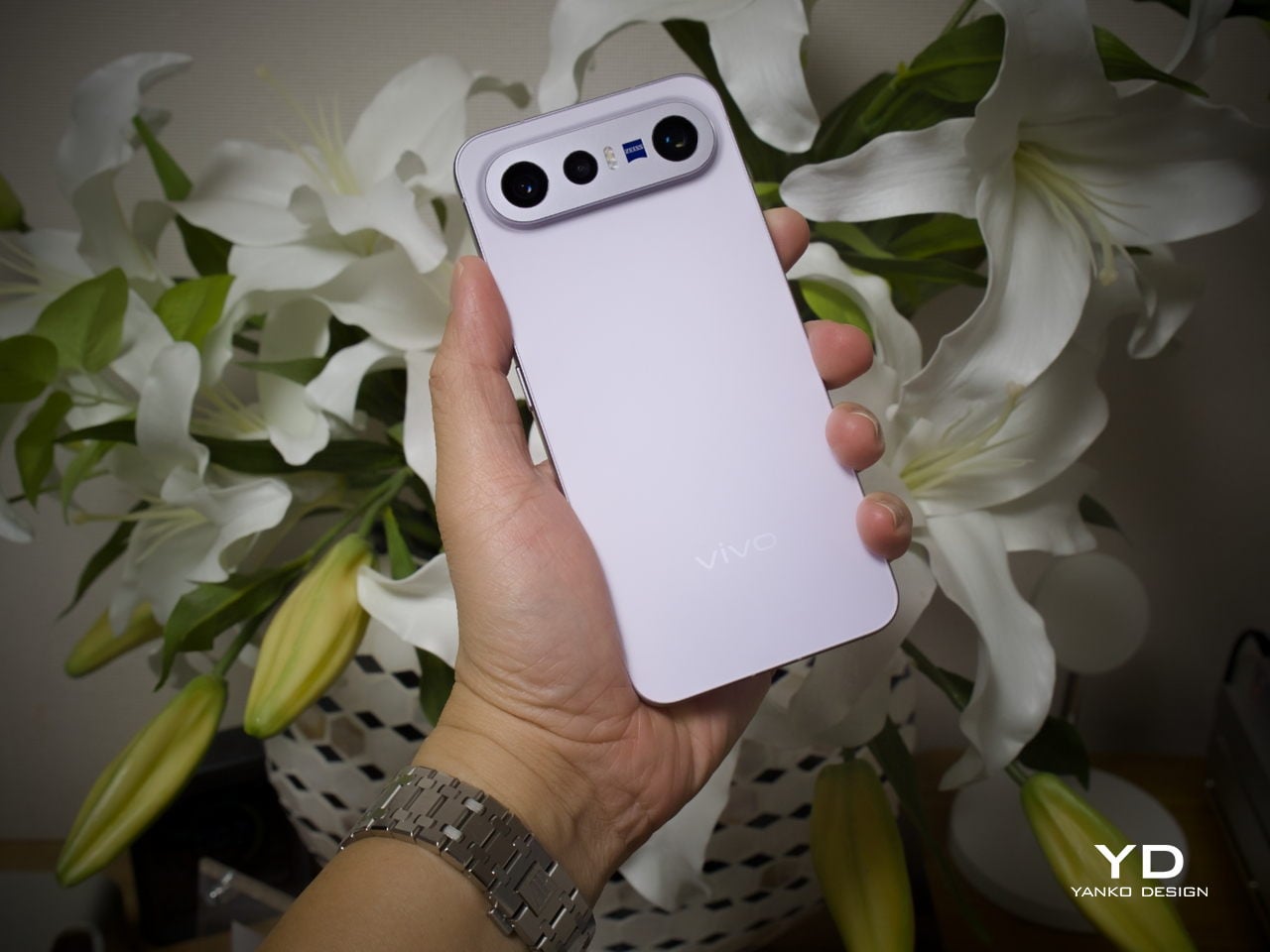
Something can be beautiful without being too flashy. A flower’s charm, for example, often comes from its simplicity and the pleasing way it combines shapes and colors in a way that only Mother Nature can really accomplish. The Vivo V30 Pro tries to capture that spirit almost literally, combining subtle details and minimalist aesthetics in a composition that delights the eyes without being distracting. It’s no coincidence that Vivo’s designs for the V30 Pro are clearly patterned from nature, and it definitely pulls this feat off with aplomb.

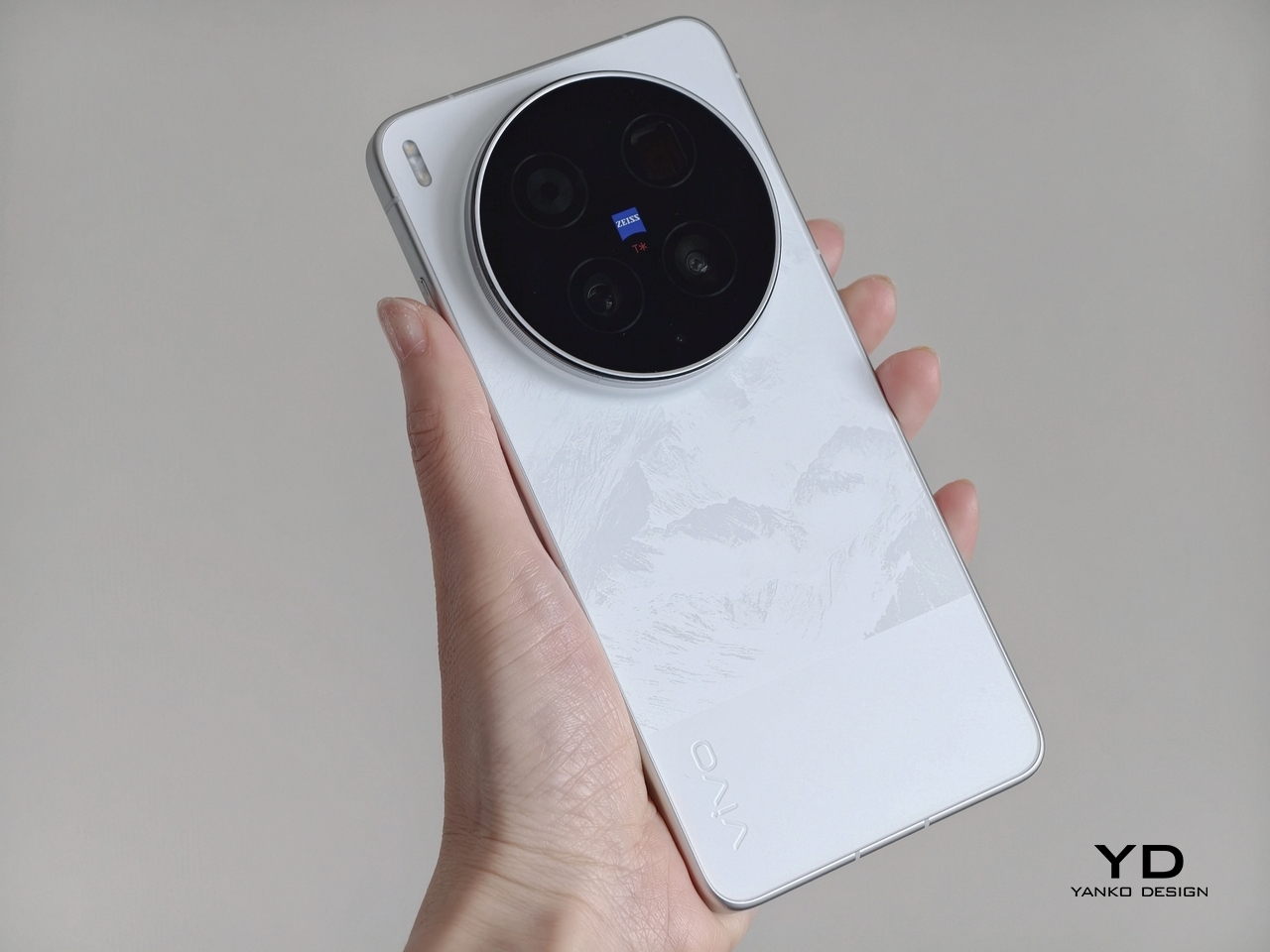
It’s not just a matter of painting patterns on the phone either. Our Bloom White review unit, for example, looks like it has flowers pressed on its back. This “3D Petal Pattern” was accomplished by 3D engraving 13 million tangent lines on the material’s surface using photolithography. The greenish-blue Waving Aqua, on the other hand, employs thousands of tiny magnetic particles to create the illusion of rippling waters. The visual effects are subtle, almost invisible unless you take a second look, but they definitely add to the Vivo 30 Pro’s elegance.

Coupled with its thin profile and lightweight body, the Vivo V30 Pro exudes class and beauty without being overbearing. The process and cost of such designs might sound overkill for what would be classified as a mid-range phone, but these designs not only demonstrate Vivo’s manufacturing prowess, they also reflect the evolving tastes of smartphone owners today who want an attractive phone they won’t need or even want to cover up with a case.

Ergonomics

Despite the large 6.78-inch screen, Vivo manages to make the impossible possible with a thin and lightweight handset. Only 7.45mm thin and 188g light, the Vivo V30 Pro is comfortable and pleasurable to hold, even after long periods of time. That thinness is very accentuated by the curved edges of both the screen and the rear panel, a trend that is slowly dying and being pushed out by flat edges. Some defend that this design is gentler on your palms, but others criticize it for also reducing the phone’s grip, making it more likely to slip from your grasp.

If there is one drawback to the Vivo V30 Pro’s very thin edges, it’s that it makes it a bit tricky to pick it up from a table or any solid flat surface. There’s very little area for your fingers to grip the edges and you might find the phone slipping or sliding before you can have a solid hold on it. The included clear case adds some thickness and texture to fix that, but it also puts a less premium layer of material between you and your phone, no matter how transparent it is.

Performance

Gone are the days when you could easily predict a phone’s performance by simply looking at its specs, especially the processor. The time when MediaTek’s silicon was considered cheap and underpowered is long over as well, and the Vivo V30 Pro is living proof of that. Granted, the 4nm Dimensity 8200 processor it’s using is actually last year’s generation, but it’s hardly any slouch. In fact, it manages to beat Qualcomm’s Snapdragon 7 series from the same generation in some benchmarks, which is quite telling.

What all this means in practice is that the Vivo V30 Pro can handle everyday tasks without breaking a sweat. Sure, you shouldn’t expect it to run toe-to-toe with high-end and more expensive smartphones, but setting graphics settings to medium is sure to still satisfy your gaming needs. The cooling system is effective, though not exactly stellar, so expect your hands to feel some heat after prolonged gaming. The best part of its performance, however, is the generous 5,000 mAh battery that’s guaranteed to last you more than a day of average use. With the included 80W charger, you don’t even need to wait long to get it from zero to full, just a little under 50 minutes, in fact.

The large 6.78-inch 120Hz AMOLED display mirrors the phone’s back in providing a beautiful sight, though it’s naturally flashier and more eye-catching. The panel is bright and the colors are vibrant, though they tend to lean more towards being very saturated by default. While the visual experience is superb, the same can’t be said of the audio aspect. There’s a single bottom-firing speaker that is very basic. You’ll be hard-pressed to detect much bass, for example, and the quality degrades noticeably at maximum volume. You might be better off connecting Bluetooth speakers if you really want to spread your tunes around.

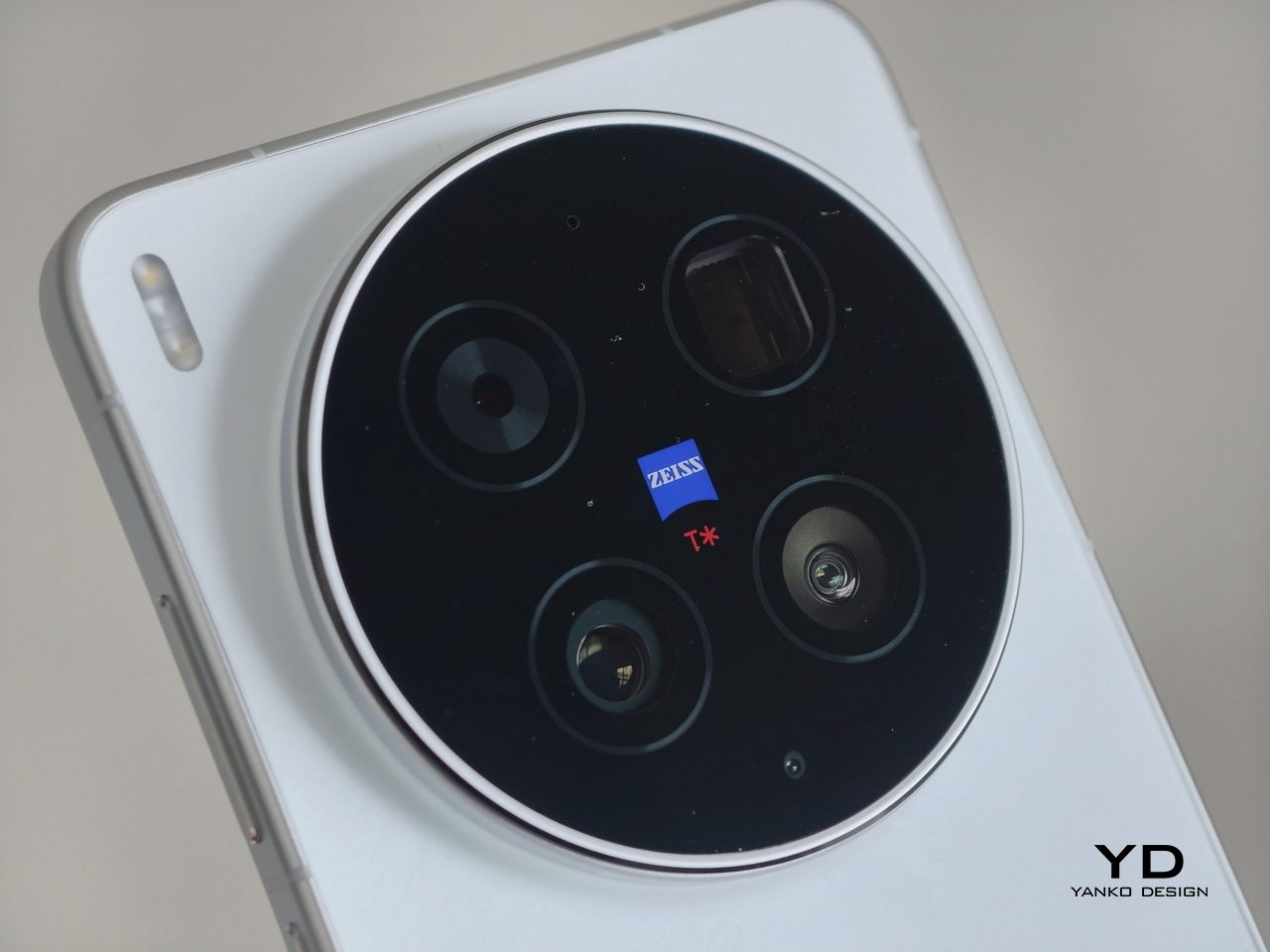
Smartphones these days almost feel like cameras that just happen to have phone functionality because of the heavy emphasis put on mobile photography. The Vivo V30 Pro is no exception and, in fact, celebrates it and takes it to the next level. It challenges the status quo of using different sensors for different cameras and comes bearing 50MP cameras for primary wide, ultra-wide, and 2x telephoto. In fact, it even uses a 50MP sensor for the front-facing camera, complete with a wide-angle lens and autofocus.

For its camera system, Vivo enlisted the expertise of optics experts ZEISS, and the results definitely speak for themselves. The output of the main camera is clear, highly detailed, accurate, and just gorgeous. That is true even at night, with Vivo’s special night mode kicking in. The 2x optical zoom of the dedicated telephoto, while not that far in reach, is still better than relying on digital zoom and cropping the way the Vivo V30 does. The ultra-wide camera, while decent, isn’t as impressive as these other two, but you’ll still get clear and detailed images from it, regardless of the lighting condition.

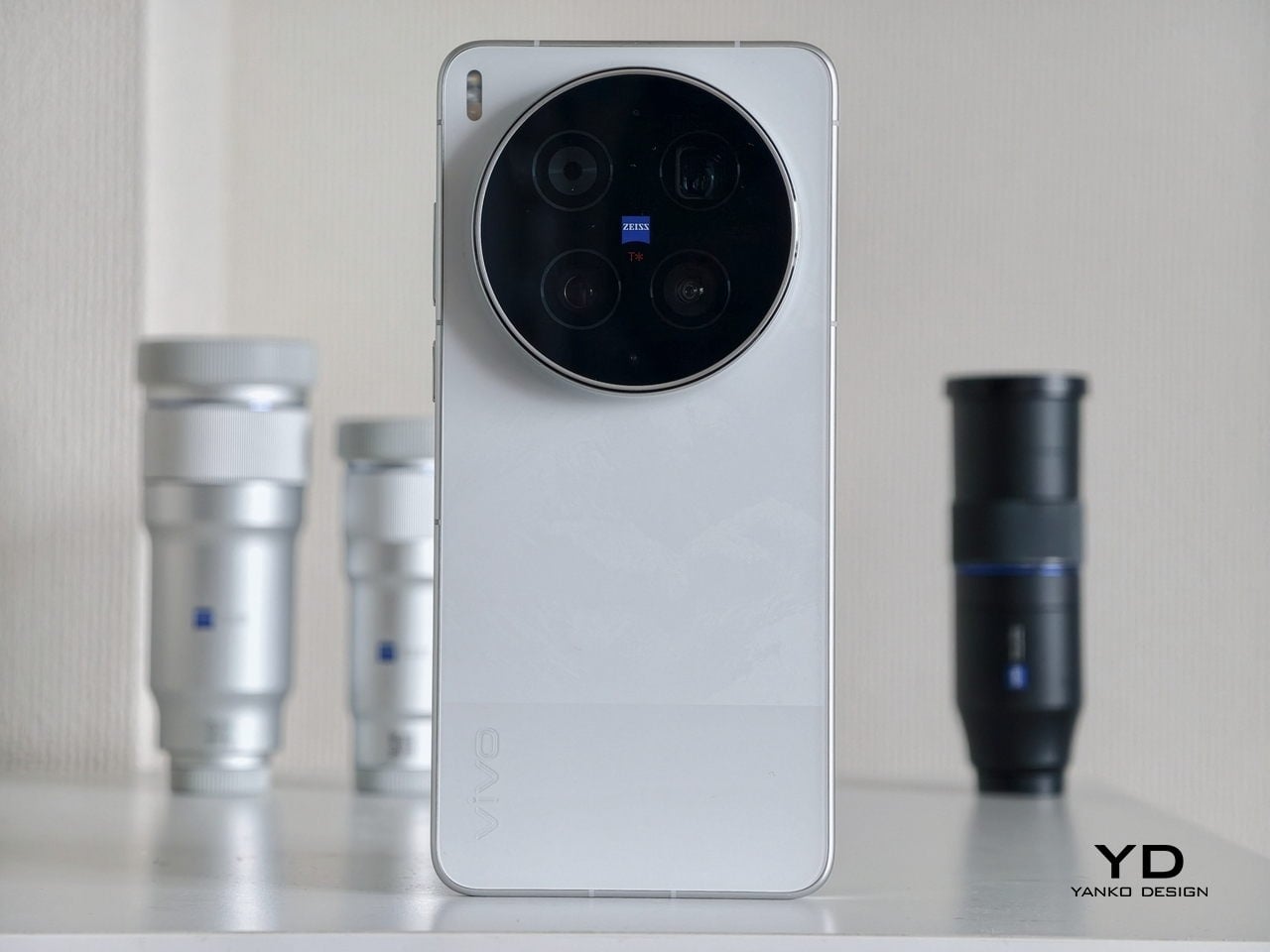
One special feature of the Vivo V30 series, which can be seen from the unusual design of the phone’s camera bump, is the square Aura Light that sits below the cameras. If you’re familiar with the effect of ring lights in diffusing a gentler glow on your face, then you’ll know how this feature works. Instead of a focused light like a typical LED flash, it spread the light around more evenly, making it the perfect illumination for portrait photos. Even better, the Aura Light can automatically change its intensity and warmth depending on ambient lighting, all thanks to AI, of course. Now if only Vivo could do the same for the front-facing camera, then it would really be able to leave its competition in the dust.

Sustainability

Despite the Vivo V30 Pro’s nature-inspired design, the phone itself isn’t exactly that environment-friendly, at least as far as its build materials go. It’s not exactly an outlier in this regard and it merely follows the industry status quo. Sadly, it’s also an opportunity for Vivo to rise above the rest and set a new industry standard, but we’ll probably have to wait a bit longer for the company to really take its sustainability efforts to the next level.

At least the Vivo V30 Pro is designed to last long, especially with an official IP54 dust and water protection rating. It’s far from being the highest and is, in fact, the bare minimum for waterproof devices, but it’s also something that’s usually missing from most smartphones on this tier. When accidents do happen, however, you have very little option other than to send it to Vivo or its authorized repair centers for servicing. Self-repair is just not a thing in this space yet.

Value

Truth be told, it’s hard to find any fault with the Vivo V30 Pro. Yes, it doesn’t max out all the potential that more powerful hardware can provide, but it also doesn’t tax buyers for features they may never use in the first place. It has a pretty good balance of features and tends to perform well in areas that matter the most, such as mobile photography and battery life. Plus, it looks stylish and classy, so you’ll probably fall in love with it quickly.

The expected $500 price tag brings a bit of uncertainty, though. It’s definitely higher than its sub-$400 peers, but it offers features you won’t find on more expensive handsets either. The biggest deal-breaker, however, is its availability. The Vivo V30 Pro will only be sold in select markets in Asia, at least for now, so all that beautiful design and impressive cameras will be out of reach for many people around the world.

Verdict

Smartphones are no longer just tools for communication or even for staying connected to the Internet. They have become irreplaceable partners in creating and preserving memories, as well as extensions of our personalities and aspirations. Smartphone designs have matured over the years, shedding off flashy and gimmicky features for reliable functionality and appealing aesthetics. This trend has trickled down even to the so-called mid-tier market, as embodied by the Vivo V30 Pro.

Inspired by nature, the Vivo V30 Pro’s beauty is subtle yet impactful, employing innovative manufacturing techniques to create more natural designs that catch the eye and soothe the soul. It’s no racehorse, but what the phone lacks in raw processing power it makes up for in reliability and value, offering a more balanced product. At the same time, its Triple 50MP Main Camera system and 50MP front-facing camera challenge the status quo and prove beyond reasonable doubt what is possible even on this tier. All-in-all, the Vivo V30 Pro is a well-rounded contender that you’ll want to consider for your next phone purchase, presuming it’s even available in your area.

The post Vivo V30 Pro Review: Putting The Focus Where It Counts first appeared on Yanko Design.
World’s smallest smartphone turns into a gaming handheld with this case

Gaming smartphones are quite the novelty in the mobile world, but despite their advertised or actual gaming chops, they often lack the necessary controls that would put them on par with consoles. Conversely, most of these gaming smartphones have designs that make them a little less appropriate for more formal environments with their flashy RGB lighting and distinctive motifs. A middle ground between these two extremes would be to slap on some controllers on “normal” but premium handsets, effective but also a little too mundane these days. This rather unusual phone case, however, tries to add a new flavor to mobile gaming by introducing not only an unusual controller design but also by making it exclusive to one of the weirdest and cutest smartphones in the market.

Designer: Sugar Cubes (via Retro Dodo)

The Unihertz Jelly Star is obviously not your typical smartphone. With a size that’s no larger than a credit card, the tiny device is advertised as the world’s smallest Android 13 smartphone, a title no one will probably try to wrest away from it anyway. With a 3-inch screen, a transparent colored back, and some rather reasonable specs for its size, the Jelly Star is probably also the world’s cutest smartphone.

A Chinese accessory maker by the name of Sugar Cubes is taking that cuteness and turning it into something that even gamers will find alluring. Rather than simply attaching controllers, which would be gigantic compared to the Jelly Star, you will instead insert the tiny phone into a large, boxy case that transforms it into a rather unusual gaming handheld that is more reminiscent of the “Game & Watch” devices of old than any modern handheld console. Even the controls themselves are in non-standard locations, even though they provide most of the standard buttons, including a joystick.

There seem to be two designs for the Sugar Cube Jelly. One has the Unihertz Jelly Star lying horizontally and near the top, giving the device a more Game Boy-like appearance, though short in stature. The other has the phone standing vertically in the middle, flanked by two sets of controls, a design closer to the Nintendo Switch by some stretch of the imagination. Details on how the small phone will be inserted into the case are still slim, though it seems that the vertical design will simply have the Jelly Star slip into the case from the side, with one of the controllers swinging open like a flap.

The unconventional and eye-catching design of the Sugar Cube Jelly makes it perfect for branded merchandise, theming the colors and decals accordingly. That said, there’s still no word on when this product will actually hit the market, or if it will even be made available outside of China. Even then, the Unihertz Jelly Star isn’t exactly oozing with power, so while you might be able to comfortably run some retro games via emulation, forget about boasting your odd contraption while playing Genshin Impact.

The post World’s smallest smartphone turns into a gaming handheld with this case first appeared on Yanko Design.
Vivo V30 Review: Slim, Stylish, Simple

PROS:


  • Thin profile and lightweight body

  • Beautiful and subtle water ripple design (Waving Aqua)

  • 50MP wide front camera with autofocus

  • AI-powered Aura Light for studio-quality portrait photos

CONS:


  • No telephoto camera

  • Decent but unimpressive camera output

RATINGS:

AESTHETICS
ERGONOMICS
PERFORMANCE
SUSTAINABILITY / REPAIRABILITY
VALUE FOR MONEY

EDITOR'S QUOTE:

With an incredibly thin profile and a simple yet elegant design, the Vivo V30 is like a breath of fresh air, presenting a familiar face and offering a well-rounded set of features that speak to the hearts of a selfie-loving generation.

Design in the mobile market never sits still, although we are now seeing certain brands leave their design DNA on their phones for longer periods of time. Most of those designs involve cramming everything but the kitchen sink, turning smartphones into a display of technological marvels more than anything else. That’s great for specs and features, but not always for the overall user experience, especially when it comes to aesthetics and usability. Amidst a sea of thick slabs of glass and metal and bulging camera bumps, the Vivo V30 arrives with a more familiar yet still enchanting face. But is it just a pretty face or does it offer something more inside its incredibly slim physique? We take it for a spin to find out.

Designer: Vivo

Aesthetics

The Vivo V30 will immediately strike you as a very different beast from its peers, and that’s even before you pay close attention to the rather graceful patterns on its back, which we’ll get to later. Even before you hold it in your hand, you can already get an impression of how thin it is, a trait that seems to be quickly disappearing even among premium smartphones. Yes, it’s probably because of that curved glass back and “3D curved screen,” a design that some consider to be no longer fashionable these days, but at just the right angles and with the right play of light, it’s hard to deny how sleek and slim it makes the phone look.

The camera bump is similarly distinctive and unique as far as conventional camera designs go. It’s a single raised rectangle with rounded corners that catches your attention not with an obnoxious size but with a pleasant combination of form, color, and finish. The black rounded square of the camera lenses contrasts and complements the similarly shaped Aura Light ring below it. The “2.5D” curved edges of this raised “One-Piece Cloud Step” design are surrounded by a polished metal bezel refined using a diamond cutting technique, providing not just protection for the cameras but also adding a sleek look to anyone looking at those cameras.

The real design highlight, however, is the subtle patterns that give each Vivo V30 model a unique personality. The greenish-blue Waving Aqua review unit we received employs tens of thousands of tiny magnetic particles integrated into a flowing resin material, creating the illusion of ripples that may conjure up images of beaches, lakes, or rivers, all giving a serene and peaceful vibe. The other designs are no less stunning, with Bloom White’s 3D Petal Pattern, created by engraving 13 million tangent lines into the surface using photolithography, or the color-changing Lush Green that turns into tranquil Blue when exposed to UV light. Even Noble Black, with a typical Fluorite AG Glass back, sparkles like a starry night sky thanks to an etching liquid process that transforms the microscopic crystals on the glass surface into prism-like structures.

All in all, the Vivo V30’s slim profile, minimalist aesthetic, and subtle yet elegant design make it easily stand out from the rest of the crowd, especially at its price point. Yes, some might say that its curves make it a bit dated, but that’s exactly why it also feels rather refreshing to take a break from that current trend, especially when the end result is definitely just as beautiful, if not more so.

Ergonomics

There is still some debate on which predominant smartphone design is actually more ergonomic. Fans of curves claim that their preferred design is more comfortable and gentler on the hand, while advocates of flat edges criticize how it doesn’t provide a confident and solid grip. The Vivo V30 is obviously on the former camp so your mileage may vary, but there’s one aspect that puts all those debates to rest: its weight.

At only 186g, the Vivo V30 is easily one of the lightest smartphones on the market, making it comfortable to hold for long periods of time. That’s even more impressive when you find out that it hides a 5,000mAh battery, also one of the largest among smartphones, which should have weighed the phone down significantly, not to mention adding to its bulk. Thanks to a new “One-Piece Encapsulation Technique,” that large battery can become unbelievably thin, and a “Comprehensive Cushioning Structure” is credited for not just the phone’s aesthetics but also its durability.

Performance

The lines between traditional smartphone market tiers are continually blurring as hardware becomes more diversified yet also more powerful. In the old days, a phone like the Vivo V30 would be classified as a mid-range device because of its Snapdragon 7 Gen 3, but that distinction barely holds today. With 12GB of RAM (plus 12GB Extended memory), the Vivo V30 can handle pretty much anything you can throw at it, with moderation, of course. Mobile gaming is no sweat, especially if you turn down the settings a bit, and the large vapor cooling chamber inside ensures your hands won’t burn when you do so.

The large 6.78-inch AMOLED screen boasts 2800 nits of brightness and a fast 120Hz refresh right. The display is definitely bright and vibrant enough to make your content pop, though it’s not exactly something that will blow your mind either. Audio is a bit so-so, decent enough to let you enjoy music, videos, and games without having to reach for wireless earphones, but more discerning users will prefer higher-quality sound anyway. As mentioned, the 5,000 mAh battery is a major highlight for this unbelievably thin phone, and the 80W charger makes sure you can fully top off in a little just 50 minutes or so.

Like any smartphone these days, a lot of focus is placed on the Vivo V30’s cameras, no pun intended. Truth be told, it’s a rather mixed bag for Vivo’s 2024 V-Series frontrunner, checking a few boxes in some areas while missing out on others. For example, there is no dedicated telephoto camera, which means you’ll have to rely on digital zoom and in-sensor cropping for those closeups. Instead, Vivo puts two co-equal 50MP cameras on the V30’s back, one for the main shooter and the other for ultra-wide panoramic or group shots. In fact, group shots are a big thing for the Vivo V30, but we’ll get to that later.

The main 50MP camera advertises a “True Color” Camera-Bionic-Spectrum VCS technology that is supposed to produce color-accurate images that are close to how our eyes see. While the resulting photos do look vibrant and colorful, they still tend to lean more towards oversaturation rather than the more natural and realistic tones. A highlight of the Vivo V30’s camera system is the latest iteration of its Aura Light, basically a mini Ring Light that’s popular among live streamers and influencers. Used for portrait shots, it offers a softer and more distributed light than what a single LED flash can give. It’s even guided by AI so it can automatically adjust its intensity and temperature depending on the distance from the subject and ambient light.

Vivo positions the V series as a line that targets a more youthful crowd, and nowhere is that more evident than with the selfie camera and its whopping 50MP sensor, complete with autofocus and a 92-degree field of view. Just like the 50MP ultra-wide on its back, this camera was made for taking Group Selfies, ensuring that your friends won’t be left out of those Insta-worthy shots. That said, you don’t have the advantage of the Aura Light with this selfie camera, something Vivo might want to look into for future iterations.

Sustainability

It’s going to be hard to deny that the Vivo V30 isn’t exactly a premium device, at least not with the specs above. Most of the phones on this tier skimp on a few features to meet a certain low price point. In most cases, some corners are cut when it comes to durability, but not this beautiful phone. The V30 boasts an IP54 rating, which is modest but sufficient to protect the phone from dust and water accidents. Given who the phone was made for, those accidents are often the norm rather than the exception.

When it comes to materials, however, the phone doesn’t exactly have anything to boast. It uses quite a variety of special materials and processes to make those intricate patterns on its back, none of which can be said to be sustainable or environment-friendly. The V30 doesn’t stray from the beaten path in this aspect, but hopefully, trends will change and even the young will start demanding for more responsibly made smartphones to put inside their pockets.

Value

Given its target audience, it wouldn’t be a surprise if Vivo prices the V30 very competitively. It’s still playing coy about exact figures, but it should start somewhere around $300 upward, depending on the configuration. It’s something that those with very tight budgets would be able to afford, but it’s almost too easy to say you will also get what you pay for. In reality, however, you’re actually getting a solid deal.

Vivo chose its battles wisely and focused on the things that matter most to its core customer base. The phone is light, easy to hold, and easy to take out of or slip into your pocket. Its design adds a bit of glam to the device, and its cameras, though lacking one member, are made for a generation that loves to take selfies, either alone or with others. With gaming performance the only consideration, the Vivo V30 actually offers a well-rounded set of features wrapped in an elegant aesthetic and matched with an accessible price tag.

Verdict

The market is overflowing with smartphones and, despite all the analysts’ warnings, there doesn’t seem to be any sign of slowing down. Designs are also ever-changing, though the trend seems to be moving towards bigger, thicker, and flatter smartphones. Against this backdrop, the Vivo V30 arrives like a breath of fresh air, offering a face that is both familiar and striking. It’s not going to win benchmarks or photo contests, but its features have been carefully selected to really address the needs and desires of its target market: people who just love taking selfies and holding their phones almost all day.

The post Vivo V30 Review: Slim, Stylish, Simple first appeared on Yanko Design.

Realme GT5 Pro Review: Flagship dream for budget-conscious users

PROS:


  • Capable camera system especially main and telephoto

  • Battery performance

  • Fast wired and wireless charge

  • Gorgeous display

CONS:


  • No ultra-wide video recording

  • Palm unlock and air gesture features can be improved

RATINGS:

AESTHETICS
ERGONOMICS
PERFORMANCE
SUSTAINABILITY / REPAIRABILITY
VALUE FOR MONEY

EDITOR'S QUOTE:

With its stylish design, good camera performance especially in low-light situations, bright display, outstanding battery performance, and fast charging, Realme GT5 Pro is a compelling option for those who seek well-rounded, feature-rich devices without breaking the bank.

Realme is one of the fastest-growing smartphone brands in the world, having shipped over 200 million units globally. Realme launched the GT5 Pro on December 7th in China, positioning it as the flagship phone in the GT line. While the GT line has represented Realme’s premium segment, the brand has not, until now, offered a true flagship device. Although the term “flagship” lacks a formal definition, it is generally considered to pack the latest and most powerful chipset and excellent camera capabilities.

Realme is positioning the GT5 Pro as a dual-engine flagship, claiming it strikes a balance between performance and imaging without compromise. The phone boasts the newest Snapdragon 8 Gen 3 and triple camera setup with the industry’s largest IMX890 periscope telephoto lens. Of course, the device has a lot more going for it, including a bright display and 3VC Iceberg Cooling System.

Designer: Realme

Aesthetics

The design of the GT lineup has undergone significant transformations from one model to the next. The GT2 Pro, designed by a world-renowned industrial designer Naoto Fukusawa, featured paper-like a back panel made with pulp extract and other renewable materials. Its successor, the GT3, adopted a more futuristic design boasting a customizable RGB light on its upper back right next to the square camera island.

In contrast, the GT5 Pro showcases a clean and sleek design. A big, round camera island takes up much of the top half of the GT5 Pro’s back. The camera island houses an LED flash, a triple camera set-up (A main camera, a periscope telephoto, and an ultra-wide), and finally, a placeholder to form a perfect symmetry. The intricate radial engraving underneath the glass extends to the side of the camera island giving a tactile feature to the camera island. This design, which Realme calls the “Star Trail lens”, gives a luxurious touch to the device. The Realme logo shines below the camera island.

The GT5 Pro offers three color options: Red Rock (red), Bright Moon (white), and Starry Night (black). The Red Rock and Bright Moon variants feature textured vegan leather, while Starry Night shines a glass back panel. I was hoping to receive the Red Rock variant which reminds me of a certain luxury handbag brand and has more character, but I ended up with the Bright Moon for the review. Despite my initial letdown, I found myself appreciating the appeal of the Bright Moon’s soft eggshell-like color.

Realme includes a protective cover, opting for a gray cover instead of the typical transparent case. Although typical transparent cases are far from attractive, the gray cover that comes with GT5 Pro isn’t aesthetically pleasing either.

Ergonomics

The phone weighs approximately 218g (224g for the Starry Night variant) and measures about 161.72 x 75.06 x 9.23 mm. Thanks to the center-circle design, it feels balanced when you hold it in your hand. The volume rocker and power button are located on the right side of the device, while the SIM card slot and USB-C port are situated at the bottom.

The GT5 Pro has a slightly curved panel and round shiny aluminum copper frame, which is stronger than a titanium frame, according to Realme. It doesn’t dig into your palm without being slippery.

While the phone is comfortable to hold, there is a notable consideration regarding the placement of the fingerprint sensor. Positioned very close to the bottom edge of the screen, approximately 1 centimeter or 0.4 inches above the bottom edge, the fingerprint scanner requires a slight stretch of the thumb for unlocking. Luckily, the GT5 Pro can be unlocked with other methods including one of the main features – palm gesture. But there is more to discuss about this feature.

Performance

The Realme GT5 Pro has a triple camera setup. There is a 50MP main camera that uses a LYT-808 1/1.4-inch sensor with OIS stabilization and an f/1.69 aperture lens with OIS stabilization. The upgraded 50MP periscope telephoto camera uses an IMX890 1/1.56 sensor and f/2.6 aperture lens. The telephoto also comes with OIS stabilization. It can zoom 2.7x optically and supports macro mode at 3x. Finally, there is an 8MP ultra-wide IMX355 with f/2.2 aperture.

The main camera produces great daylight photos with nice vibrant yet natural colors. It captures plenty of details without being overly processed and has good dynamic range, though there is a tendency for bright spots to be slightly overexposed. Additionally, the main camera performs admirably in low-light conditions, exhibiting excellent dynamic range and adeptly handling mixed lighting situations.

The 3x photos captured with telephoto are impressive thanks to its big 1/1.56 inch sensor. While the phone lacks a dedicated macro camera, the macro mode is implemented on the 3x zoom. The resulting images are just fine; however, I believe only a niche group of users will find this feature particularly noteworthy.

Turning our attention to the ultra-wide camera, it doesn’t stand out as particularly exceptional spec-wise, and the images it produces. The images display a decent dynamic range, and the color rendition aligns with that of the main camera is, but details especially towards the not very wide with FOV of 112 degrees.

Flip the phone over, the front camera takes pleasant selfies in a wide variety of shooting situations. Images came out a bit on the softer and warmer side, but not overly done.

In terms of video, it can record video up to 8K at 24FPS with the main camera. The telephoto is capable of recording up to 4K at 60 FPS, 1080p at 30 FPS for the ultrawide, and 4K at 30 FPS for the front camera. Videos captured by the device are not going to wow you. One thing that bothered me was that the 0.6x ultrawide option is not visible on the main video interface unless you set the recording resolution to 1080p or lower. It would be more convenient to have a 0.6x ultrawide option accessible directly on the main video interface, with the resolution automatically adjusted to 1080p when the 0.6x is selected.

As for the screen, the GT5 Pro boasts a 6.78-inch, 2,780 x 2,364 AMOLED screen with a 144 Hz refresh rate, 460 pixels per inch, and an impressive peak brightness of 4,500 nits. We have to take the very high peak brightness with a grain of salt as this measurement probably does not reflect real-life usage scenarios. Realme provides a more realistic figure of 1,600 nits of global peak brightness. Nevertheless, the screen remains impressively bright performing well even under harsh sunlight. The narrow bezel is an additional noteworthy feature.

Under the hood, the phone is powered by the latest Snapdragon 8 Gen 3, and four memory versions are available starting with 12GB of LPDDR5X RAM and 256GB storage up to 16GB/1TB, which is the review unit that we received. There’s also the 3VC Iceberg Cooling System with a heat dissipation area of 12,000 mm2 which Realme claims to be the largest in the market. So the device won’t get hot even when it’s handling heavy loads.

In terms of software, the GT5 Pro runs Realme UI 5.0 based on Android 14. One of the unique features of the Realme GT5 Pro is that you can unlock the phone with your palm using the front-facing camera and do all other sorts of stuff like opening apps, scrolling up and down, taking screenshots, and more. While I was initially excited to try these features, the experience turned out to be disappointing. To be fair, Realme mentioned the limitation of palm unlock, stating that for the feature to work, strong light, low light, or backlit conditions have to be avoided. The palm unlock functionality proved to be inconsistent. Even when I did manage to unlock the phone with my palm the 2-second duration required to hold my palm in front of the front camera felt a bit too long. The air gestures required some practice, and I struggled to smoothly navigate the device. I can envision the potential usefulness of palm unlock and air gestures in various situations, so let’s hope Realme improves its accuracy and usability in the future.

The phone is equipped with a massive 5,400 mAh battery, delivering excellent performance that easily sustains a day’s use without issues. When it’s time to charge, GT5 Pro charges remarkably fast at 100W via USB-C. Additionally, for the first time for Realme’s device, the phone supports wireless charging at 50W.

Sustainability

Apart from reduced plastic packaging which has become pretty much an industry standard nowadays, there isn’t much to mention about the sustainability aspects of the GT5 Pro. Considering Realme’s proactive approach in incorporating bio-polymer materials in the aforementioned GT2 Pro, which used bio-material for its back panel, the lack of use of renewable materials in the GT5 Pro is disappointing. Since its inception in 2018, Realme has always shown commitment to being an eco-friendly and sustainable tech player. Let’s hope they’ll strengthen the commitment as Realme steps forward into true flagship space.

Value

The Realme GT5 Pro offers incredible value starting at 3,499 CNY which translates to roughly US$490. Boasting capable cameras, a sleek design, a gorgeous screen, excellent battery life, and rapid wired and wireless charging capability, the GT5 Pro stands out in its price range. Unfortunately, it is currently exclusively available only in China, leaving us hoping that Realme will extend its market availability to other regions in the near future.

Verdict

Realme’s venture into the premium segment has left a positive impression. While it may not be flawless there’s no denying that the GT5 Pro offers a host of features. With its stylish design, good camera performance especially in low-light situations, bright display, outstanding battery performance, and fast charging, the Realme GT5 Pro is a compelling option for those who seek well-rounded, feature-rich devices without breaking the bank.

The post Realme GT5 Pro Review: Flagship dream for budget-conscious users first appeared on Yanko Design.

The Minimal Phone mixes BlackBerry and E Ink to minimize your phone use

As useful as our powerful smartphones might be, they have also become the bane of modern society. Not only are they the source of most of the distractions that bombard our consciousness day in and day out, they also developed this rather odd scenario of paying more attention to a social circle of virtual strangers than to the people physically present around us. It’s practically too late to go cold turkey and turn our backs on smartphones, regardless of whether we actively use social media or not, which is why there have been attempts to distill the experience down to the essentials, both in software as well as in design. The latest attempt at a minimalist phone, literally called The Minimal Phone, puts a rather interesting twist to that idea by marrying the gentle and almost laid-back nature of an E Ink screen with a QWERTY keyboard that’s long been associated with productivity and busyness.
Designer: Andre Youkhan (The Minimal Company)

You’d be forgiven if you looked at this design and presumed it was a variant of the BlackBerry Passport or a shrunken-down old Kindle with a Keyboard (yes, those existed at one point in time) because that is exactly how this device would look like to those who have seen enough of tech history to know these devices. It’s a hardware combination that has been done before, albeit now in a smaller and more modern style, but the purpose is completely different. Rather than encouraging the use of the device, the design is, in fact, ironically meant to make you use the phone even less.

BlackBerry Passport

While E Ink is great for reading text for long periods of time without straining your eyes as much, their low pixel density, low refresh rate, and lack of vibrant colors would make them terrible for the most distracting uses of smartphones, namely social media, videos, and aimless web browsing. The relatively smaller size and square aspect ratio of the display, something familiar to BlackBerry users, is also less conducive to most online content that presumes a tall smartphone screen. The idea behind The Minimal Phone, then, is to still provide the common smartphone experiences but in an environment that would make you want to just get a reply out quickly or search for the correct information and then stop.
Kindle Keyboard

Strangely enough, The Minimal Phone almost does a U-turn by squeezing a QWERTY keyboard into the design, which would normally make typing and productivity easier. That said, typing on a slow E Ink screen can be an infuriating experience and would be contrary to the mindfulness that the phone wants to cultivate. A QWERTY keyboard offers a faster and more pleasant experience so that users can swiftly peck out a post and then put The Minimal Phone back in their pocket.
While the theory sounds reasonable, there is still a lot about the implementation that is unknown at this point, other than having a 4,000mAh battery that’s promised to last around 4 days. There will be a custom Android-based OS that will take advantage of the unique form factor and objectives of the design, but there’s no guarantee that Google Play will make its way to the unconventional device. A crowdfunding campaign set to launch next month will judge whether the concept will strike a chord with people tired of noisy smartphones or if it will be just another forgotten attempt at curbing our tendency to be distracted by every ping and buzz.

The post The Minimal Phone mixes BlackBerry and E Ink to minimize your phone use first appeared on Yanko Design.