Meta has pulled out of a renewable energy initiative as it relies more on natural gas for data centers
The company has comitted to 10 natural gas plants since last year.


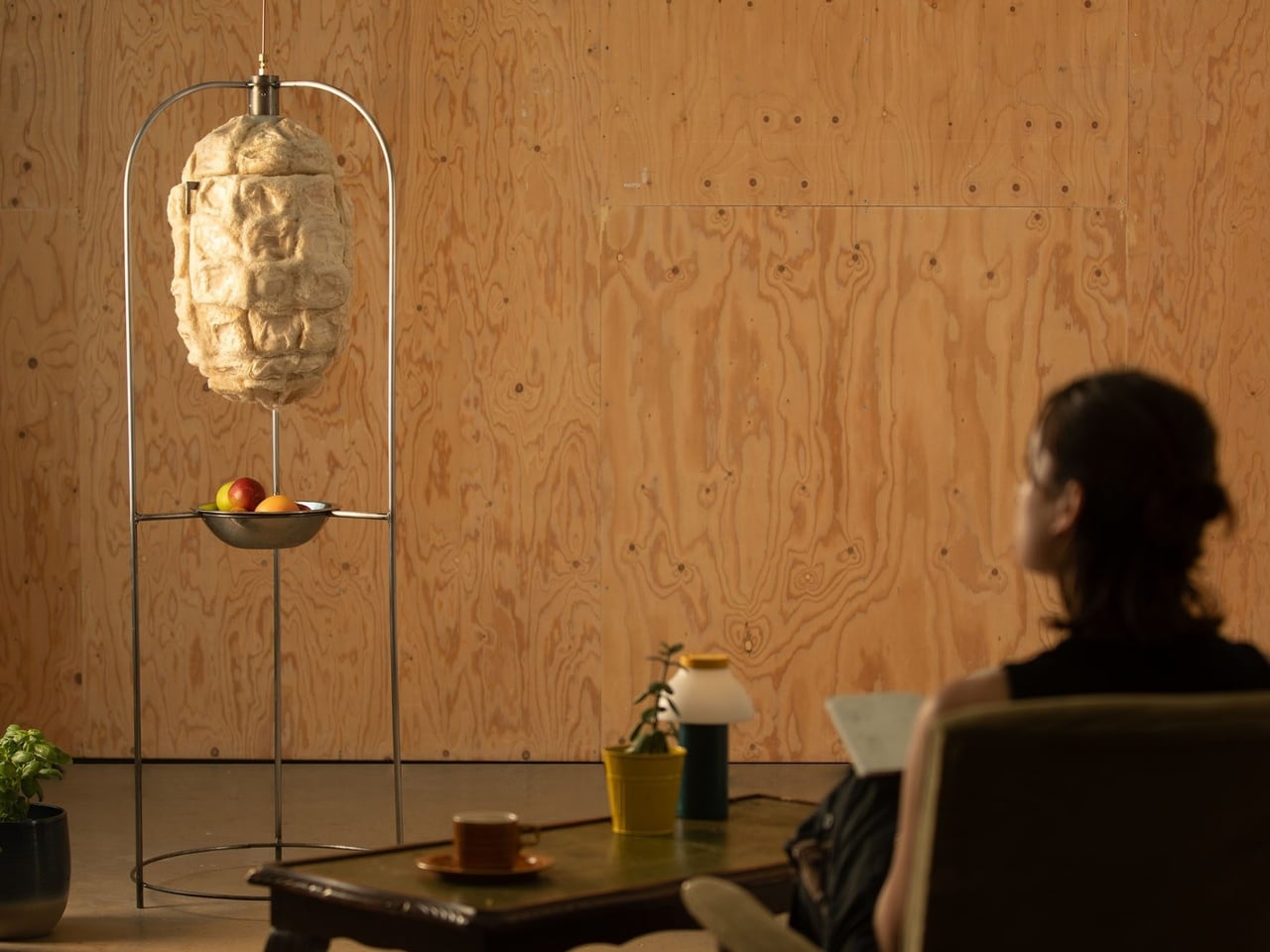
The refrigerator hasn’t changed much since your grandmother got her first one. Same boxy shape. Same petroleum-based insulation. Same low mechanical hum in the kitchen corner. We’ve updated the handles and slapped smart screens on the doors. But the fundamental architecture of how we keep food cold? Basically frozen in time since the early twentieth century, when the appliance was first marketed as a symbol of status and food safety, pitched at what designers of the era apparently called anxious mothers. Then Audrey Levy went ahead and grew one from bacteria. Literally.
Levy’s Xero Cool, developed as part of her MA Biodesign degree at Central Saint Martins and completed in 2026, is one of those rare design objects that makes you genuinely stop and reconsider what a household appliance can look and feel like. The exterior is made from bacterial cellulose xerogel paired with felted wool, giving it this organic, cocoon-like form suspended within a structural frame. Below the main body, a fruit bowl extends storage downward, quietly nudging you toward keeping some things at room temperature rather than defaulting to refrigerating everything out of habit. It does not look like a fridge. It looks like something that belongs in a gallery, or possibly a forest. And I mean that as the highest compliment.
Designer: Audrey Levy
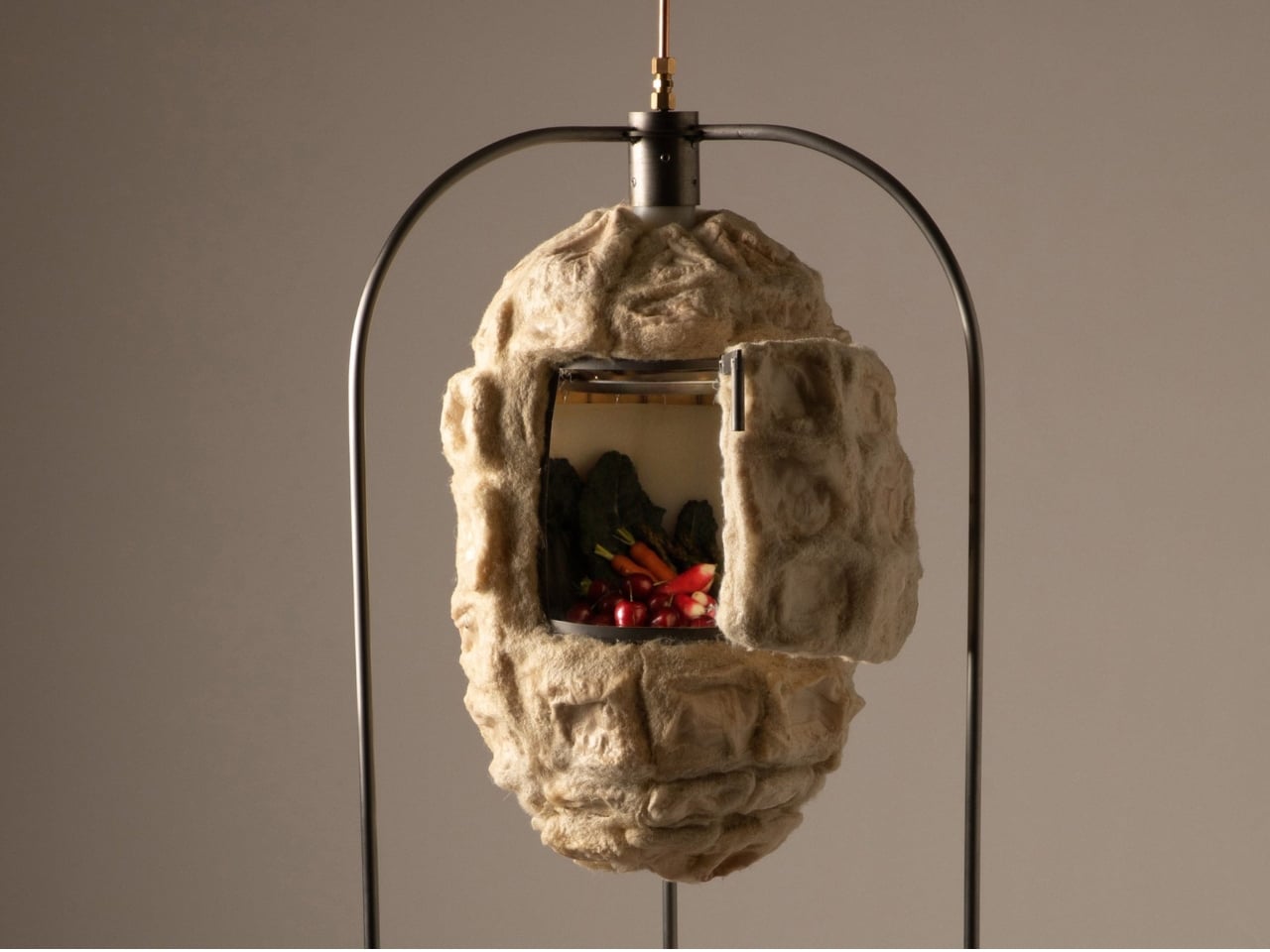
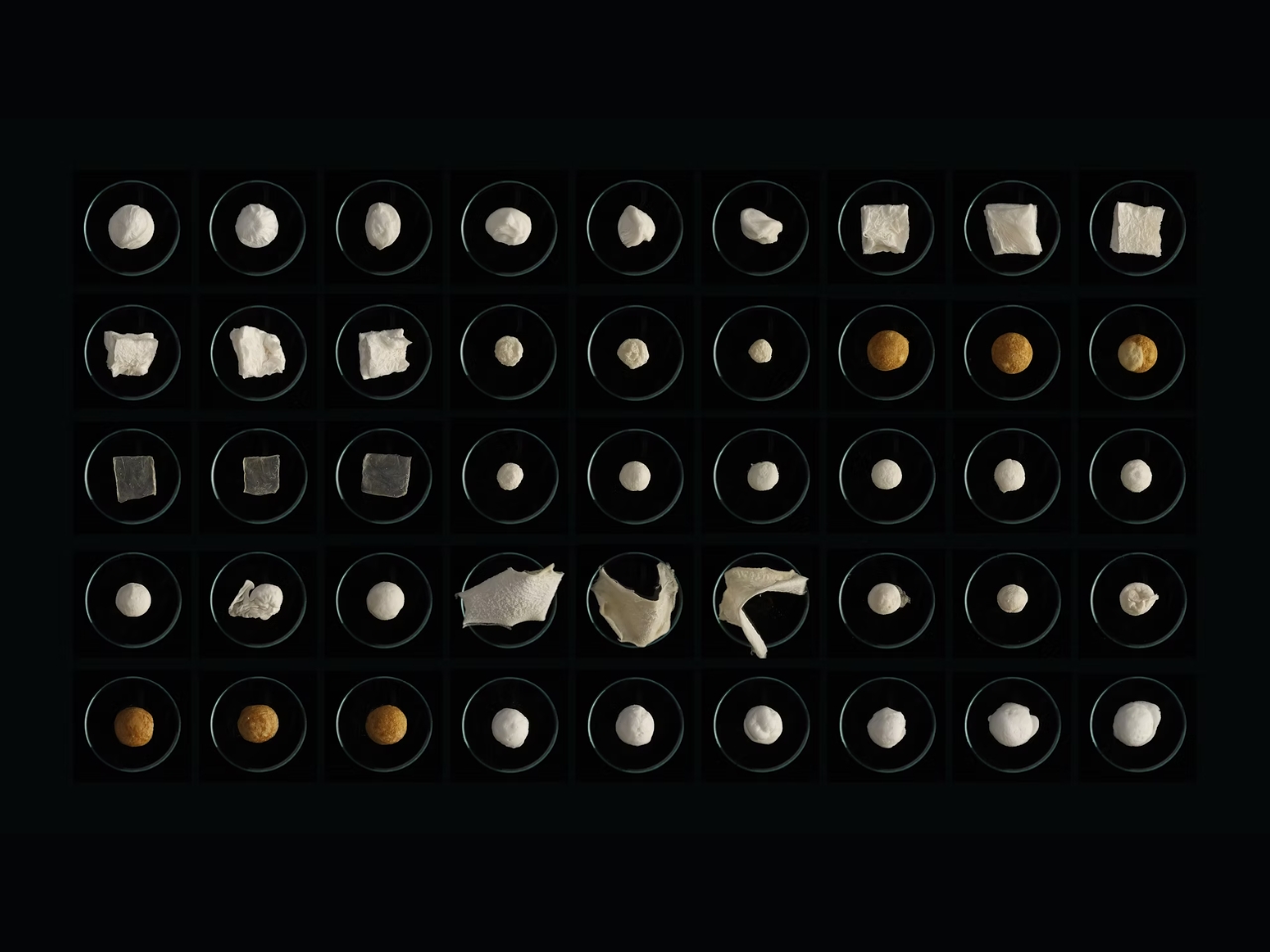
Levy made the xerogel herself in the CSM Grow Lab using non-toxic, largely food-safe ingredients, which is a stark contrast to the expanded plastic foams and synthetic refrigerants that line most conventional appliances. Inside, macrofluidic panels circulate cooled water to draw away heat while protecting the absorbent wool and xerogel from direct contact with food. The system has no moving parts, meaning it operates almost silently and with far less mechanical complexity than a standard compressor-based fridge. Based on recent scientific research, Levy believes it can ultimately be built entirely from bio-based ingredients, with activated carbon and ethanol serving as the absorbent and refrigerant.
If that all sounds niche, the bigger numbers are anything but. Levy told Dezeen that “researching refrigeration became a surprisingly radicalising experience,” and once you sit with why, it is genuinely hard to brush off. Refrigeration technology is currently responsible for eight percent of global greenhouse gas emissions, roughly three times the output of the entire aviation industry. The way we manufacture cold, in short, is actively making the planet hotter.

We talk constantly about electric vehicles, fast fashion, and food waste. The refrigerator almost never comes up, probably because it is so embedded in domestic life that it has become effectively invisible. It sits there humming in the kitchen and nobody questions it. Levy did, and the result is a graduate project that earns the word radical without needing to be loud about it.
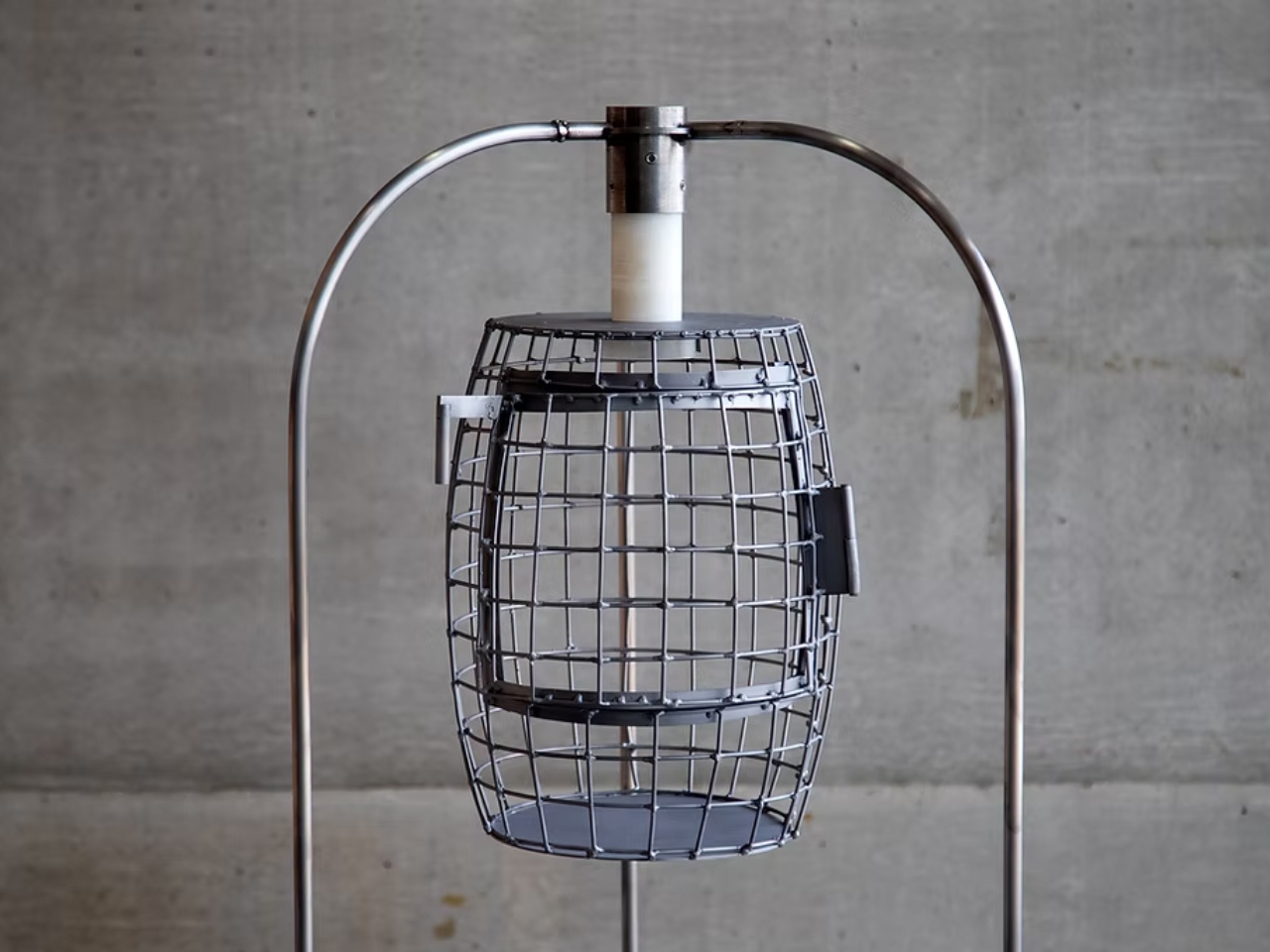
A fridge you find beautiful is a fridge you hold onto. That is not a trivial point. One of the most persistent drivers of material waste is the disposability that comes from indifference, and sustainable design struggles when it is joyless or punishing to live with. Xero Cool is neither. It is organic-looking, tactile, nearly silent, and genuinely striking. It treats the kitchen as a space worth caring about aesthetically, not just functionally.
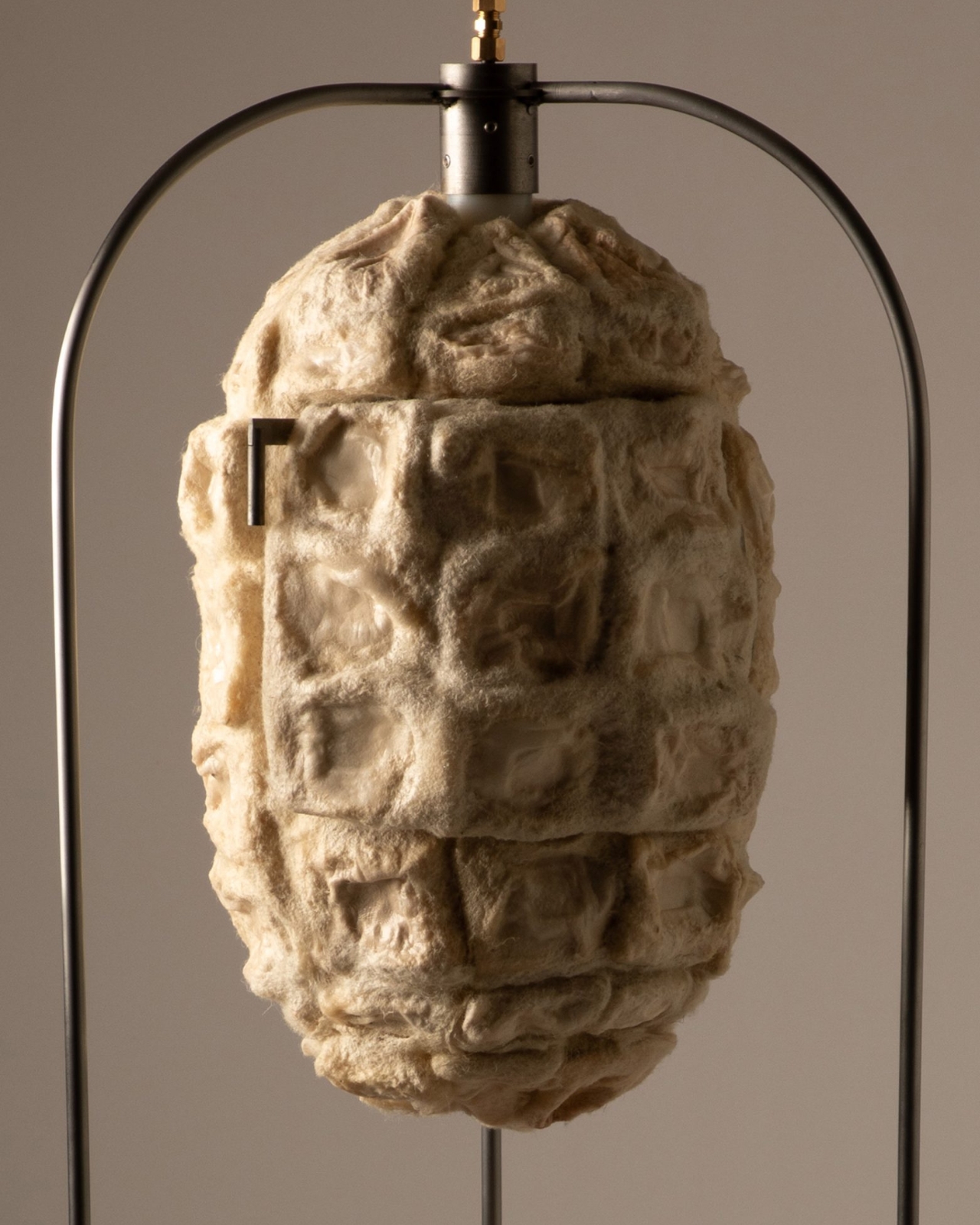
The aesthetic argument Levy makes is also worth sitting with. She observed that the fridge’s “heavy, clunky” and “sterile” look has remained largely unchanged since those early days of marketing it to anxious mothers. Function was always placed above form, and the design simply never got questioned. Xero Cool proposes that both can coexist, and it does so convincingly.

Graduate design projects are often speculative gestures, beautiful ideas that never survive the leap from degree show to production. Whether Xero Cool makes that journey is still an open question. But a graduating student producing something this materially rigorous, this ecologically conscious, and this visually considered is a signal worth paying attention to. The fridge has been boring long enough. Time to let it grow.

The post Xero Cool Is the Anti-Fridge Fridge the Planet Badly Needs first appeared on Yanko Design.

What if your supercar didn’t have to stay on the freeway? That’s essentially the notion that Rezvani shatters with an unusual performance machine that adopts the mid-engine character of a Lamborghini Huracán and reimagines it as a vehicle built for desert trails and rough terrain. Instead of lowering a sports car closer to the asphalt, Rezvani has gone in the opposite direction, creating an 800-horsepower off-road machine with the heart of a V10 supercar.
This is the Dune, a trail beast powered by a naturally aspirated 5.2-liter engine mounted behind the cabin. With up to 800 horsepower on tap, it retains the high-revving personality associated with Lamborghini’s V10 powertrain while introducing a very different way to experience it. Rather than keeping all that power confined to smooth roads and racetracks, the Dune is designed to take it into places where a conventional supercar would struggle to go. Sure, there is the Lamborghini Huracán Sterrato, but this one is an altogether different beast.
Designer: Rezvani


The biggest visual change here is the body, as Rezvani replaces the sleek proportions of the Huracán with custom carbon-fiber bodywork that gives the vehicle a much more aggressive, rugged personality. The sculpted panels, raised stance, and wide proportions make it look less like a supercar that has been modified for off-road driving and more like an entirely new species of performance vehicle. The increased ride height of 4.5 inches is matched by a suspension setup designed to cope with uneven terrain, while 31-inch mud-terrain tires on 20-inch wheels add to its ability to venture away from paved surfaces. The chassis is fitted with long-travel shocks that soak up the kind of bumps that would leave a traditional supercar scraping its belly. With a 25-degree approach angle and 35-degree departure angle, it’s built to venture off-road without constantly worrying about what’s happening underneath. Skid plates shield the undercarriage, while a roof-mounted snorkel keeps the engine breathing clean air when the trail gets deep.


The usual formula for a supercar is essentially to be more aerodynamic, while off-road vehicles follow a very different philosophy, favoring ground clearance and suspension travel. Dune brings these contrasting ideas together, pairing the drama of a naturally aspirated V10 with the stance and capability expected from a vehicle designed to tackle rough ground. The carbon-fiber construction also helps distinguish the Dune from conventional off-road builds. It keeps the custom bodywork lightweight while giving Rezvani the freedom to dramatically reshape the vehicle’s appearance around the underlying supercar architecture. The result is a design that feels deliberately exaggerated, with the visual aggression to match its substantial power output. Rezvani has respected the Huracan’s interior and kept it the same as the donor car, which is a great compliment to Lamborghini’s design sense.
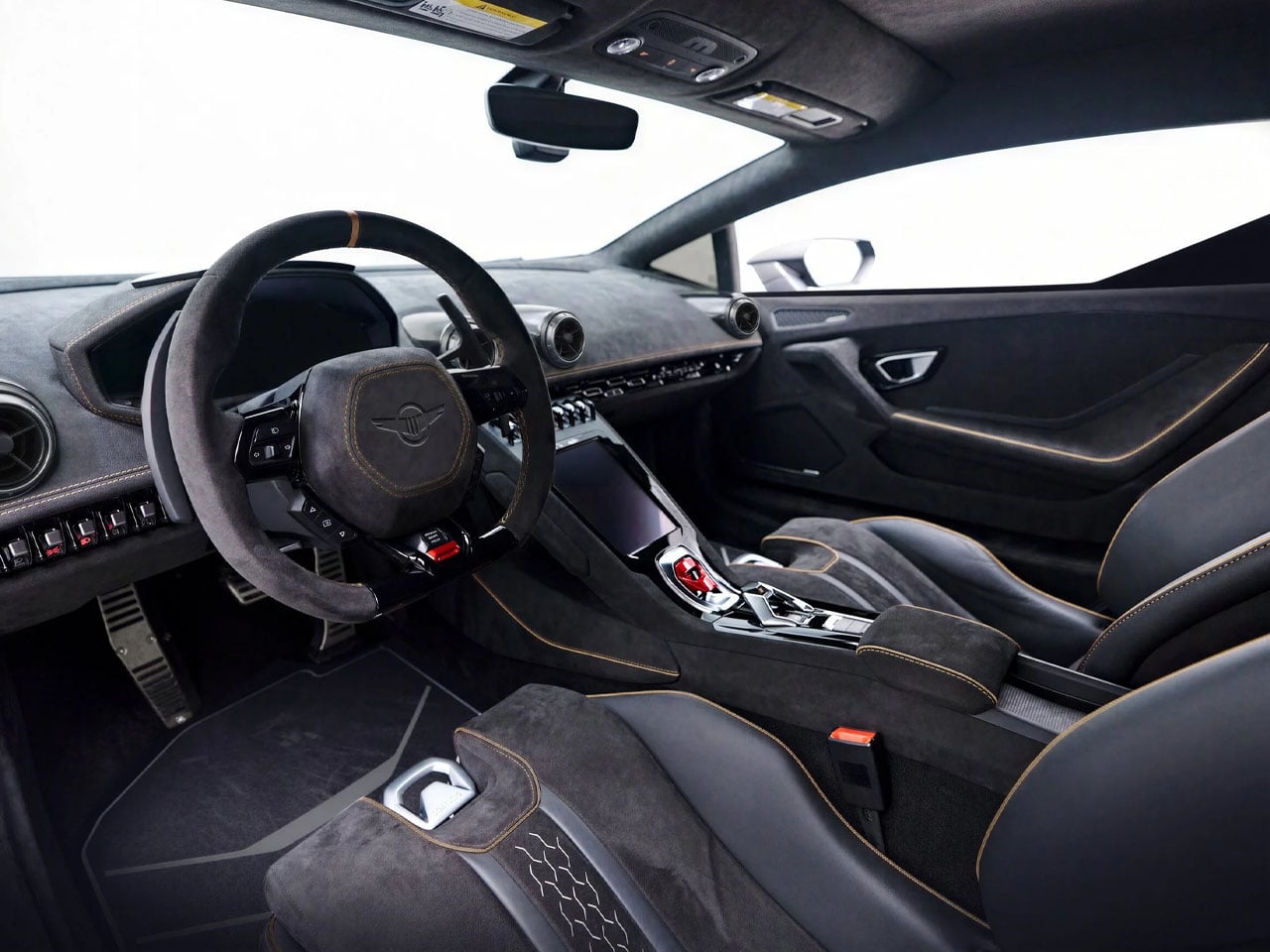
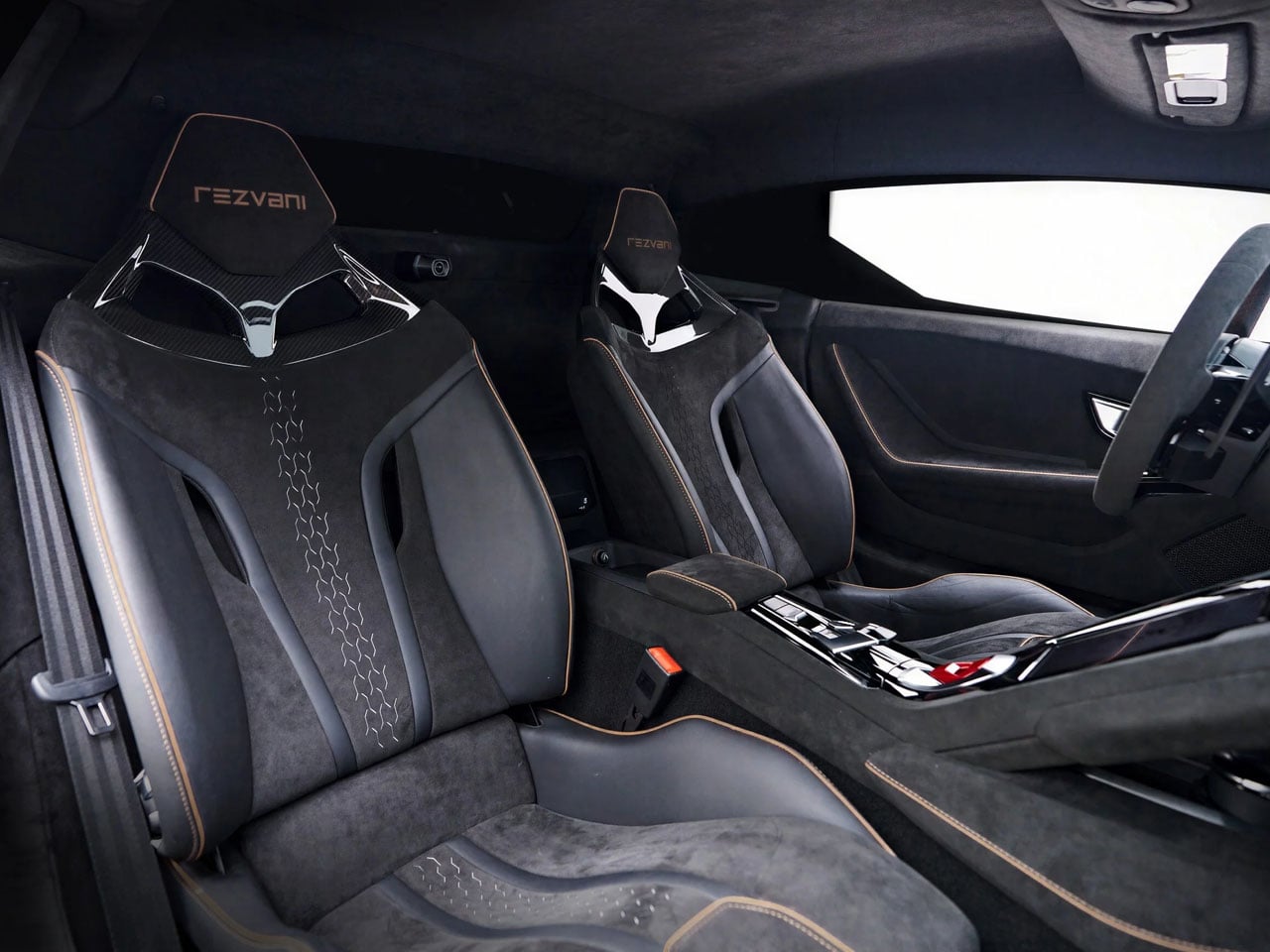
For the California-based automaker, this off-roading-capable supercar is yet another experiment in pushing familiar automotive formulas into unexpected territory. Only seven examples will ever be made, with each one built as a one-off, making this an ultra-exclusive supercar you’re unlikely to see twice. A refundable $1,500 deposit secures a place in the production queue, although deliveries aren’t expected until 2028. As for the price, Rezvani is keeping that under wraps for now. Previous models have started with donor vehicles and climbed into six-figure territory, so this one is unlikely to come cheap!



The post Rezvani Dune is Lamborghini Huracan turned into a desert trail beast on steroids first appeared on Yanko Design.

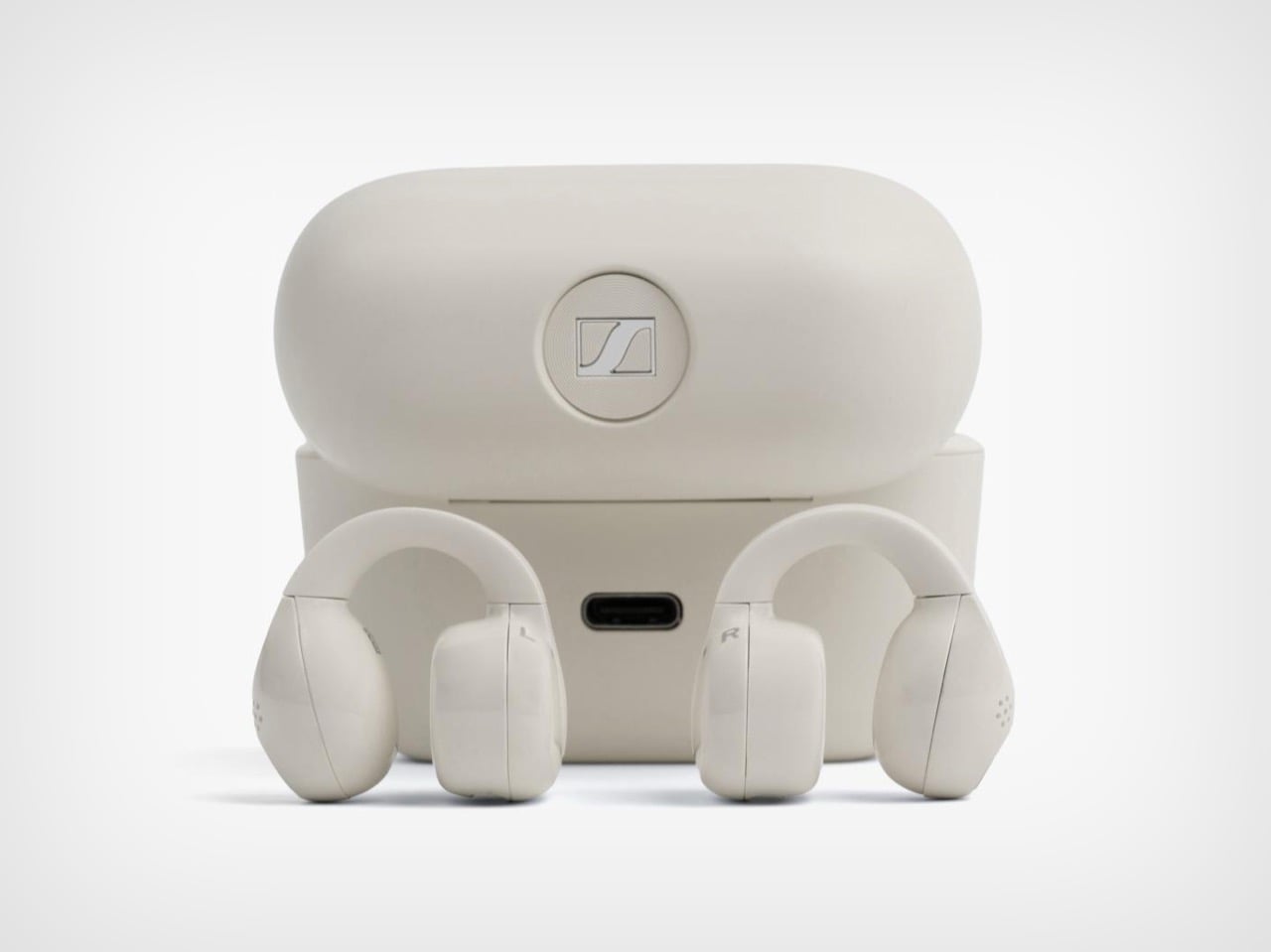
Clip-on earbuds were always going to go mainstream; the category just got there in the east first. Huawei’s FreeClip became roughly as ubiquitous as AirPods in Chinese cities, building an installed base for open-ear wearables that Western brands are only now beginning to seriously contest. The appeal is not complicated: a form factor that keeps the ear canal open, lets ambient sound in naturally, and eliminates the sealed pressure that makes conventional in-ears uncomfortable after long sessions. Asia ran that experiment at scale, and the results were settled long before the Western audio press started treating it as a breakthrough.
Sennheiser enters the conversation on July 23 with the Accentum Clip, a product priced at £149 that brings Bluetooth 6.0, LDAC support, IP54 protection, and 36-hour total battery life to a category where Bose has been setting the reference point at a higher price. The launch covers the UK, EU, and Canada. For US consumers, the Accentum Clip joins a lengthening list of globally significant products that simply will not be available at their local retailer, a pattern this publication has been tracking across categories as diverse as electric vehicles, smartphones, and now, apparently, open-ear audio.
Designer: Sennheiser

The Accentum Clip earbuds promise nine hours of playback on a single charge, with the case providing a total of 36 hours. This is a deliberate and significant advantage over the Bose Ultra Open Earbuds, which offer around 7.5 hours per charge and a total of 27 hours with their case. In a category built for all-day wear, that extra nine hours is a direct appeal to users who want to leave the charging cable at home.

The Accentum Clip uses a 12mm dynamic driver, but the more interesting detail is its support for the LDAC codec. Including a high-bitrate codec like LDAC is a bold choice for an open-ear design, which by its nature lets sound escape and ambient noise in. It signals a confidence in the driver’s ability to deliver a detailed audio experience, even if it is not a closed, isolating one. Paired with Bluetooth 6.0, which promises more stable multipoint connections, the package is technically robust for commuters and office workers who need to switch between devices seamlessly.
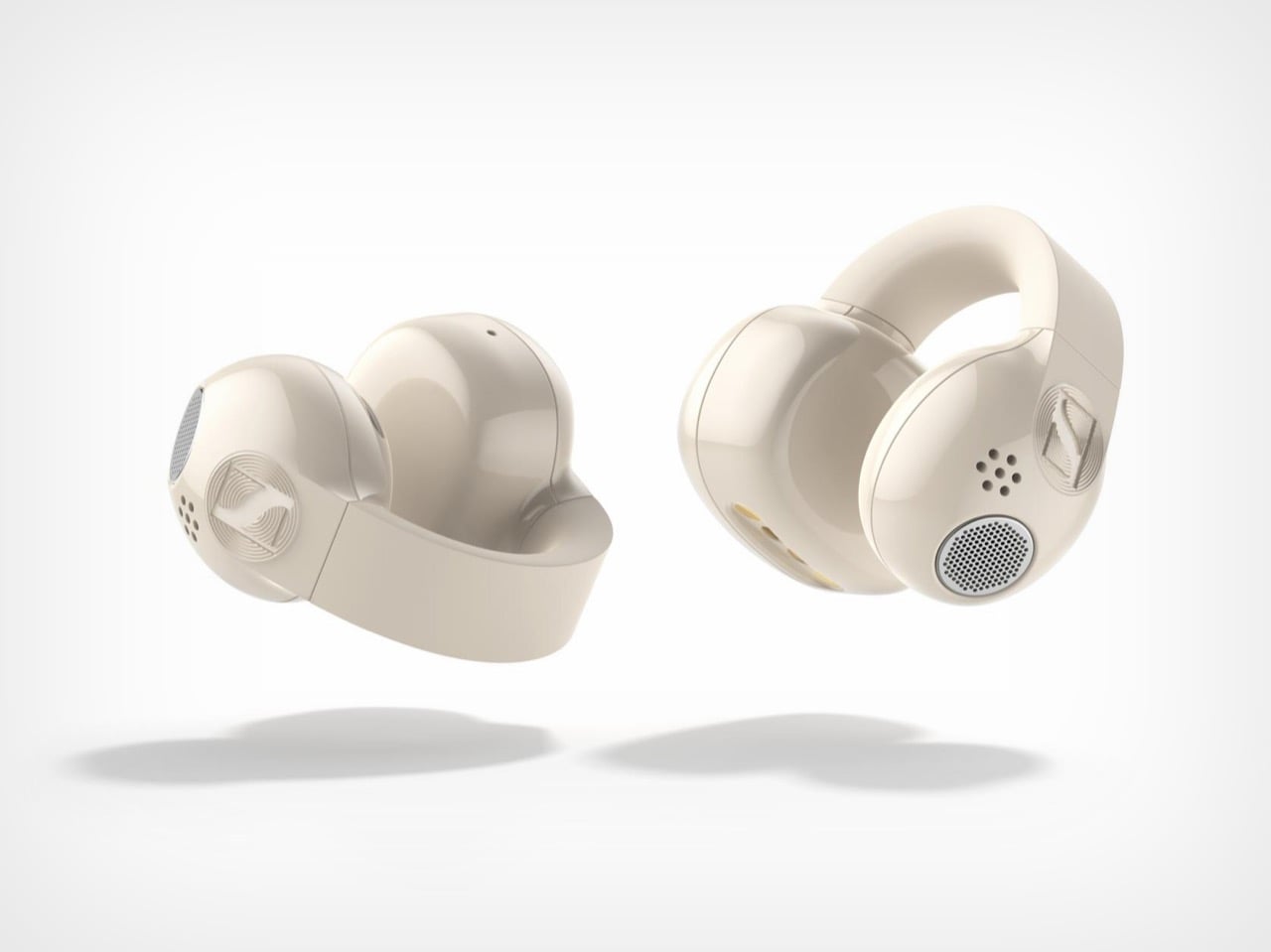
Sennheiser opted for a flexible silicone bridge to connect the driver unit and the battery component, quite like Bose’s offering. At 6.8 grams per bud, the design focuses on a gentle, secure clamping force that distributes weight evenly around the ear’s cartilage. The goal is a “barely there” feeling that encourages leaving them on for hours, which aligns perfectly with the product’s impressive battery life. The IP54 rating for dust and splash resistance makes them durable enough for workouts, even if they are not explicitly marketed as fitness gear.
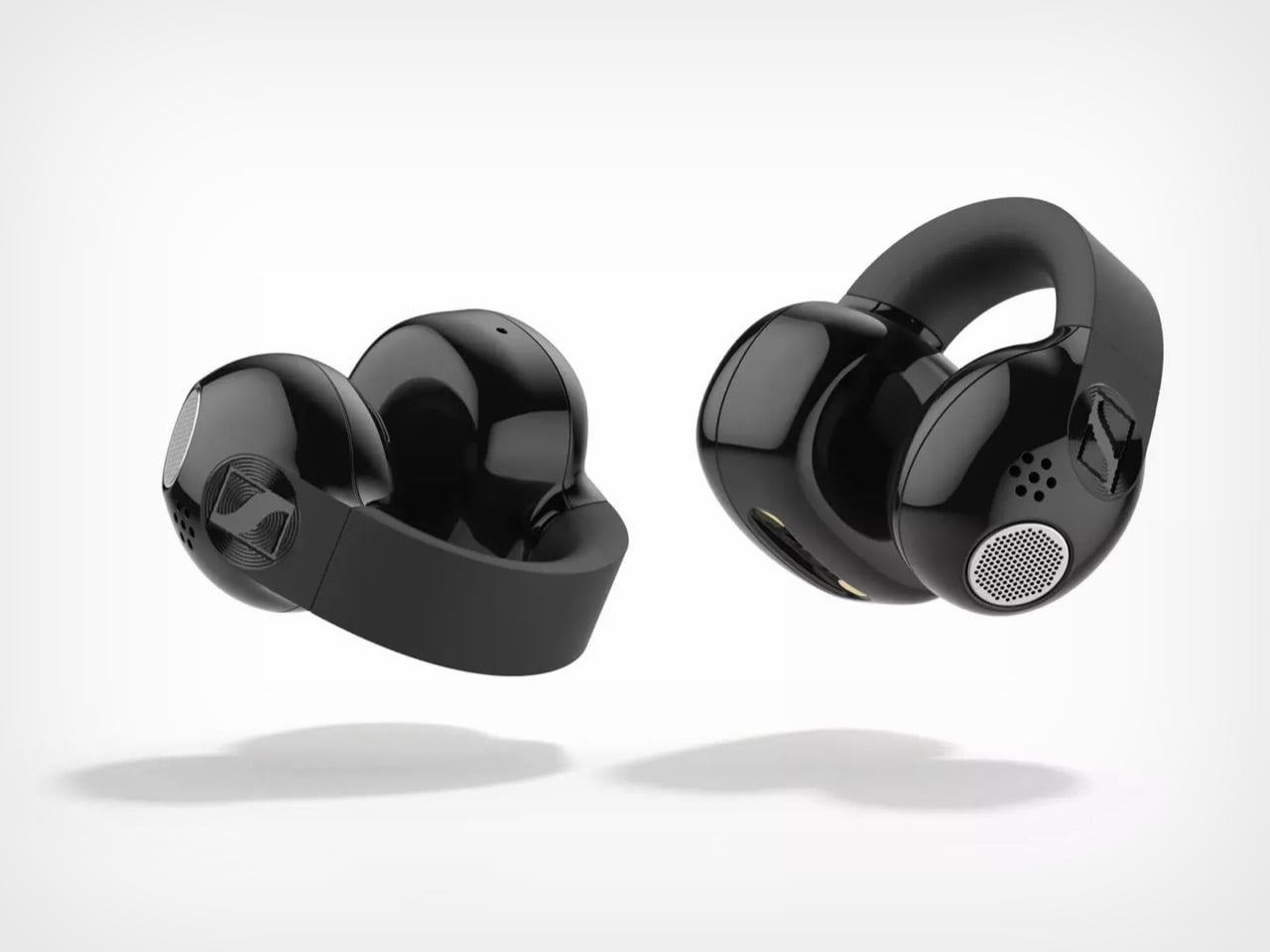
These engineering choices culminate in a fairly reasonable price tag. At £149 or €179 (around $200 USD), the Accentum Clip is positioned aggressively beneath the Bose Ultra Open, which launched at $299. Sennheiser is not trying to create a new category; it is trying to win the one Bose popularized by being a better value on paper. It is a classic challenger strategy: arrive a little late to the party, but bring a better spec sheet and a more accessible price. For European and Canadian buyers, the choice between the two just became much more interesting.
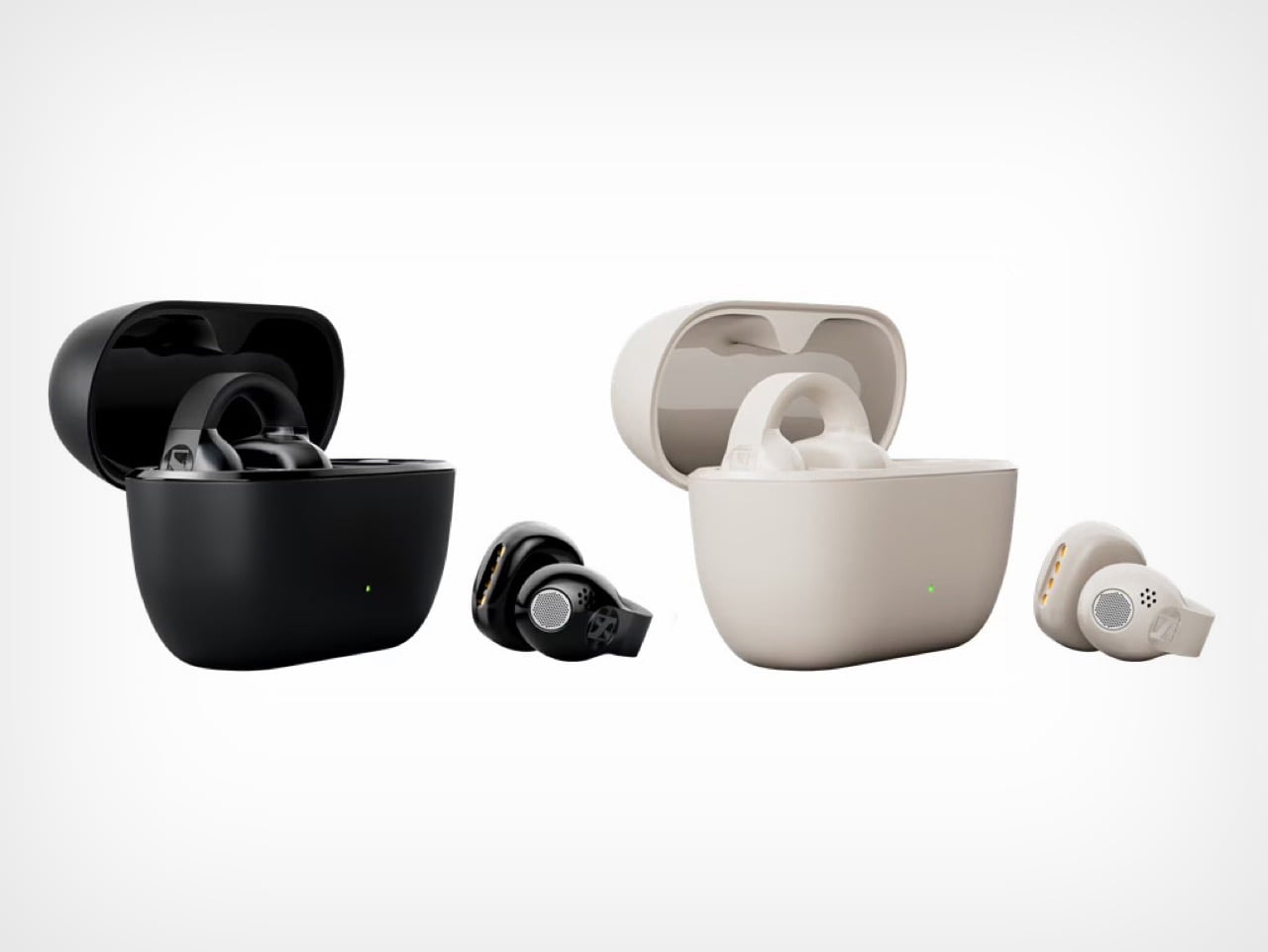
Which brings us back to that curious launch map. The decision to omit the United States, the world’s largest single market for high-end audio, feels a lot like a symptom of a broader shift in the tech industry. Whether due to the complexities of FCC certification, a desire to test the product in smaller markets first, or the simple fact that the US is becoming a harder place for global brands to operate, the absence is loud.
The post Sennheiser’s $200 Clip-On Buds Defeat Bose Ultra Open on Battery — And Skip the US first appeared on Yanko Design.