Dashlane says hackers stole password vaults via a ‘brute force attack’
Hackers used brute forced about 20 password vaults from Dashlane.
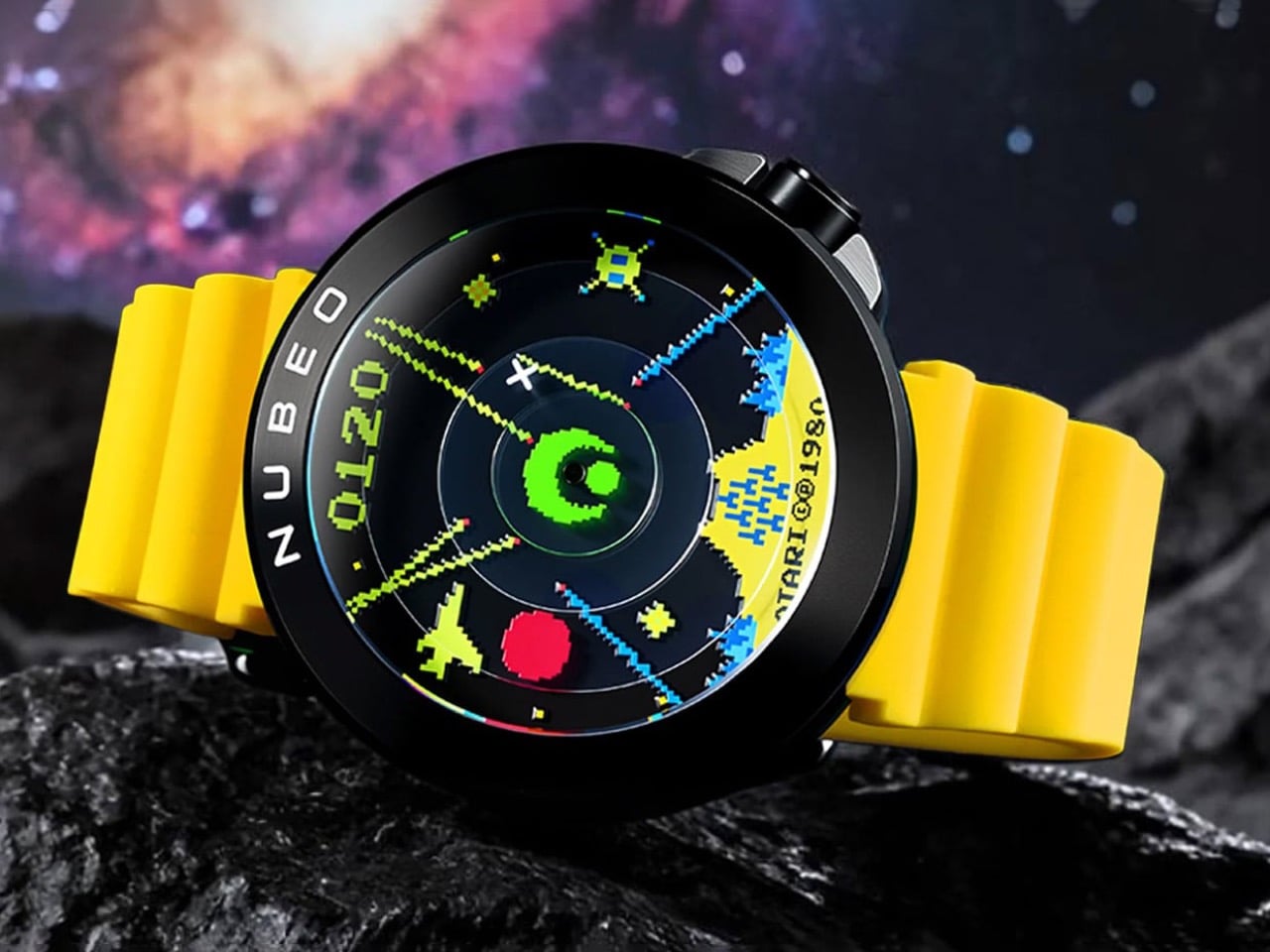
Gaming and watchmaking have been circling each other for years, trading collaborations that usually land somewhere between cynical and forgettable. The Hamilton x Call of Duty watch exists. The G-Shock x Street Fighter collection exists. Casio has licensed more IP than most studios at this point. Nubeo looked at all of that and apparently decided the only interesting move was to go deeper, not louder.
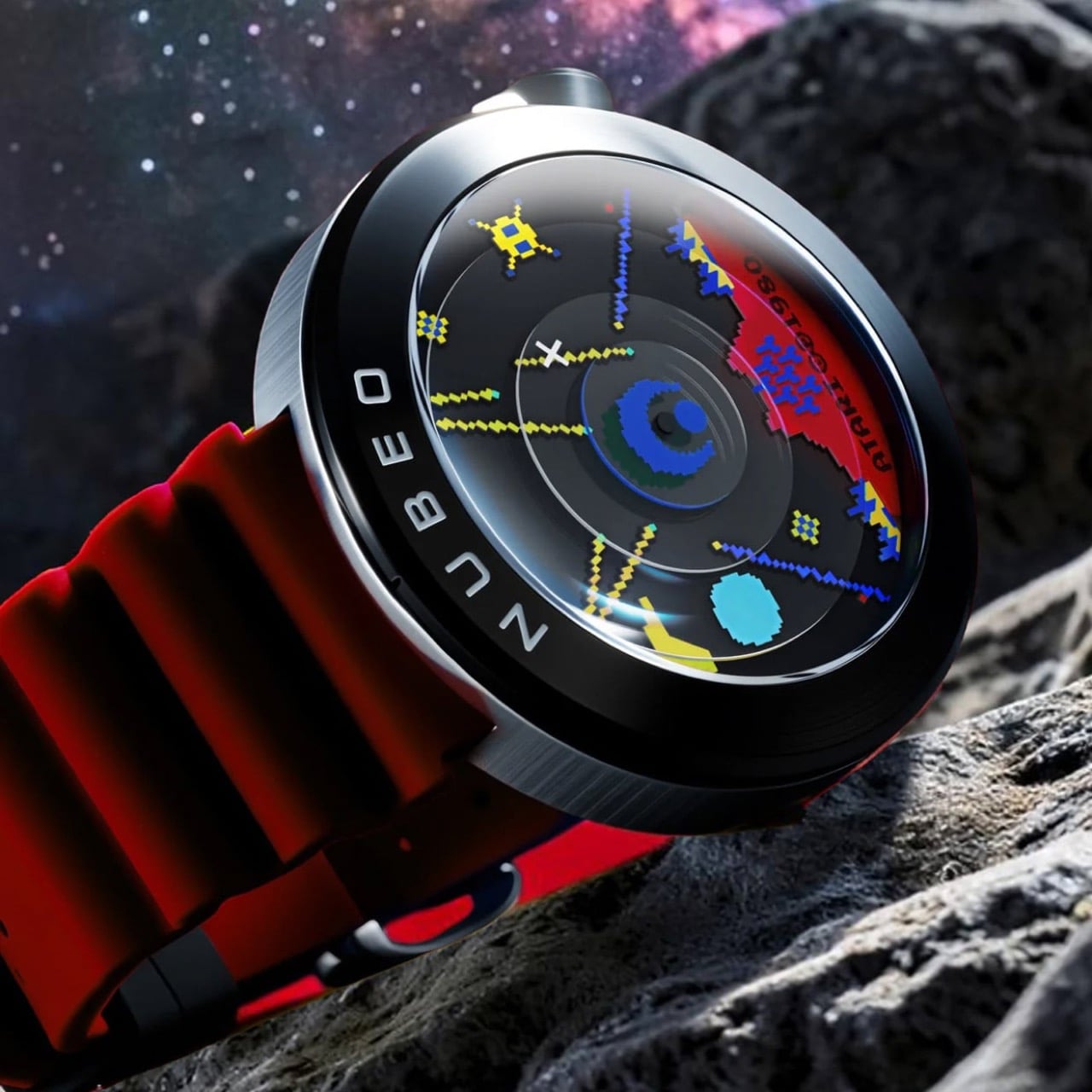
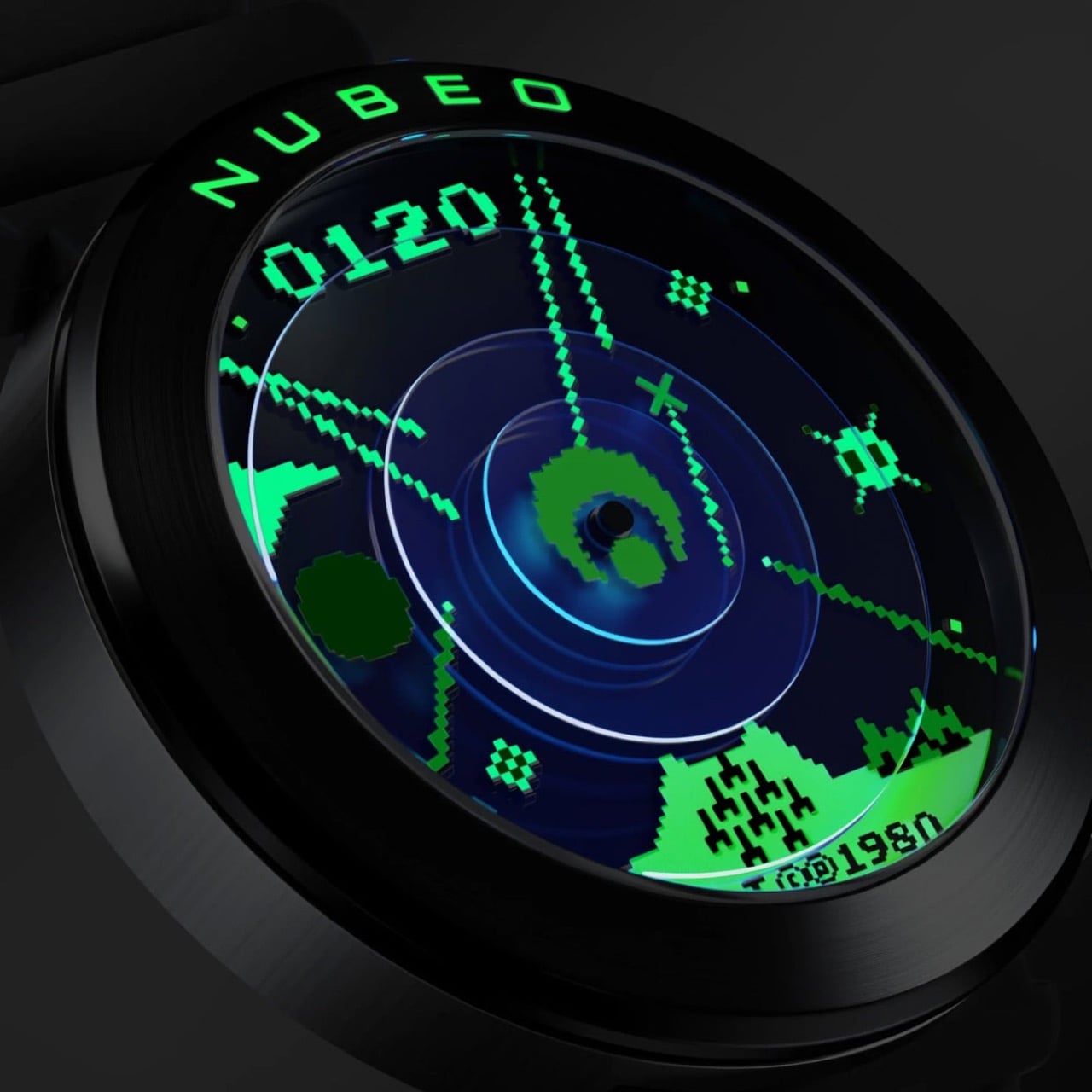
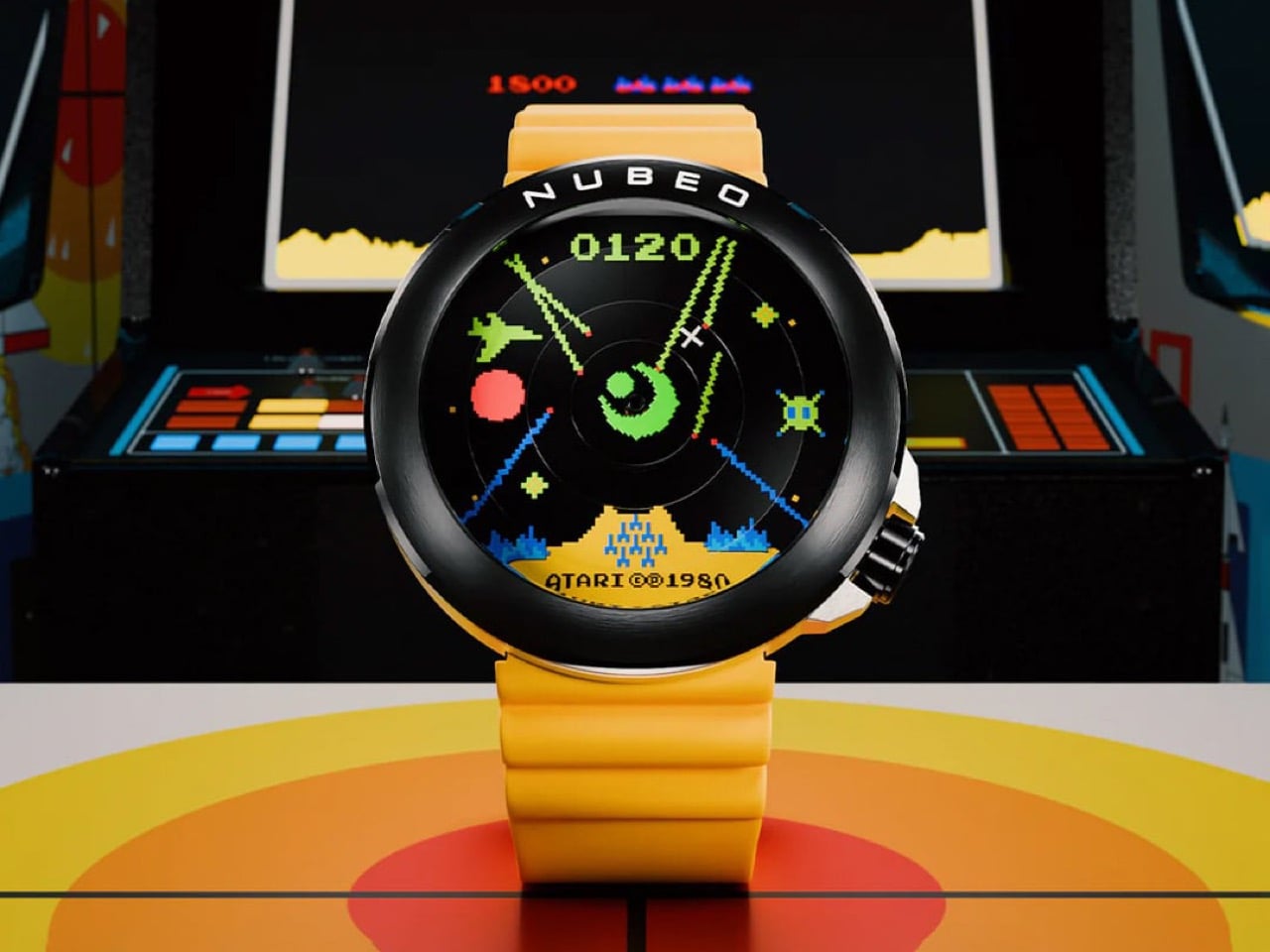
The Ventana Automatic Missile Command takes the full visual grammar of Atari’s 1980 arcade classic and builds it into a 50mm mechanical watch limited to 100 individually numbered pieces per colorway. The dial layers pixelated missile trails, fighter jet sprites, and a concentric radar system over a multi-disc mechanical assembly, with the “0120” score display anchoring 12 o’clock and the “Atari ©1980” copyright stamp sitting at 6. The exhibition caseback frames the Miyota 8215 automatic movement inside the original arcade cabinet artwork, giving the watch a second face as compelling as the first. Kill the lights and the Super-LumiNova does something unexpected: the full-color scene collapses into monochrome green, the exact phosphor glow of a 1980 CRT screen, and suddenly the whole design logic becomes obvious. Nubeo built five colorways at $500 each, Assault Yellow, Strike Green, Vector Red, Command Black, and the Impact Blue exclusive to Atari.com, and every one of them rewards that kind of attention.
Designer: Nubeo x Atari
Designer: Nubeo
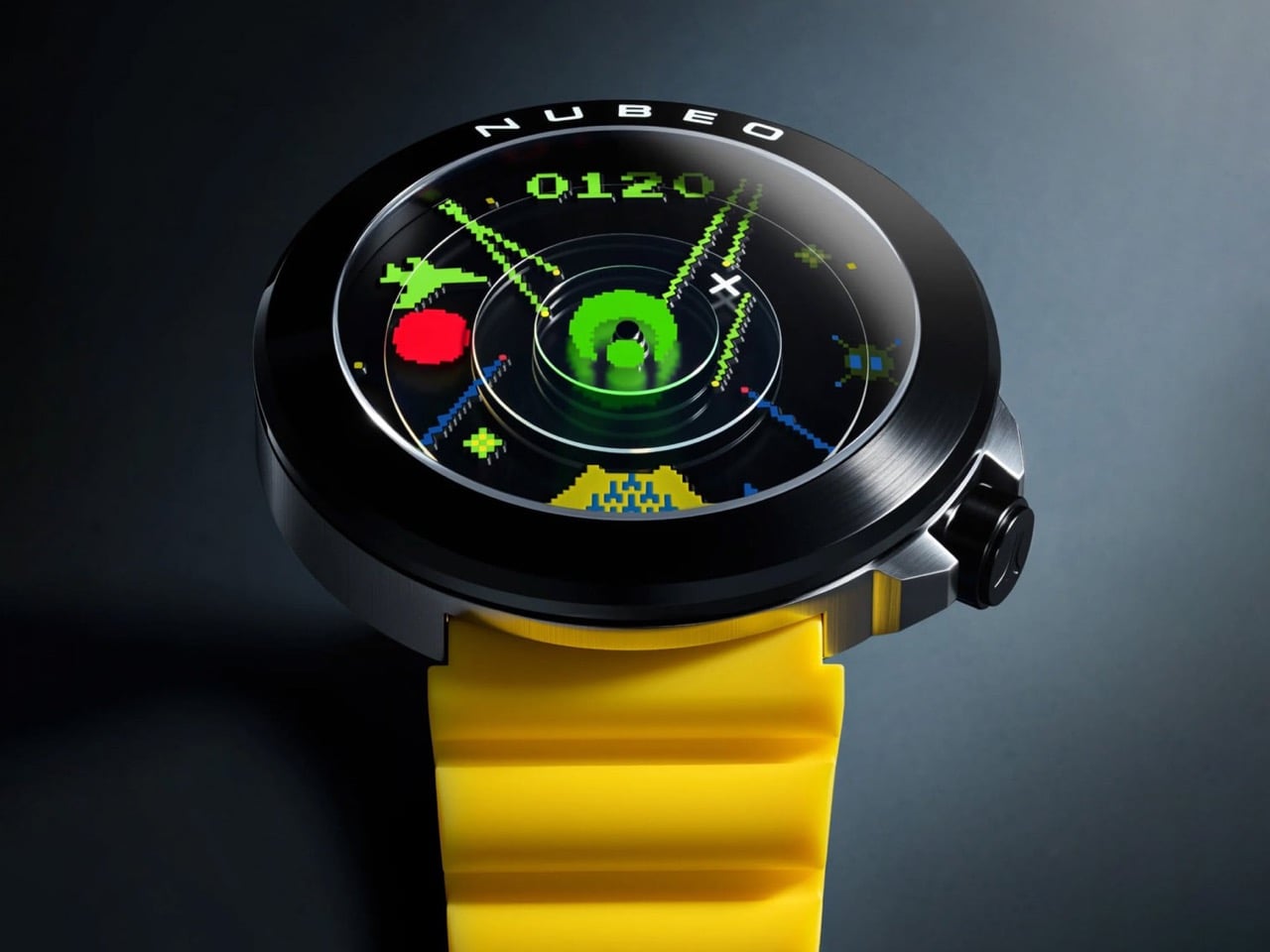
Missile Command arrived in arcades in 1980 carrying a psychological weight that most games of its era never attempted. Designer Dave Theurer has spoken about the nightmares the project gave him during development, because the premise was deliberately unwinnable: nuclear warheads are falling on your cities, you can slow the assault but never stop it, and eventually the screen fills with fire. That Cold War dread, rendered in chunky pixels and trackball physics, made it one of the most culturally loaded games ever put into a cabinet. It migrated to the Atari 2600 and into living rooms across America, and an entire generation grew up memorizing its visual language: the radar rings, the missile trails, the pixelated cityscape at the bottom of the screen waiting to be vaporized. Nubeo clearly grew up with it too, and the Ventana is the design evidence.
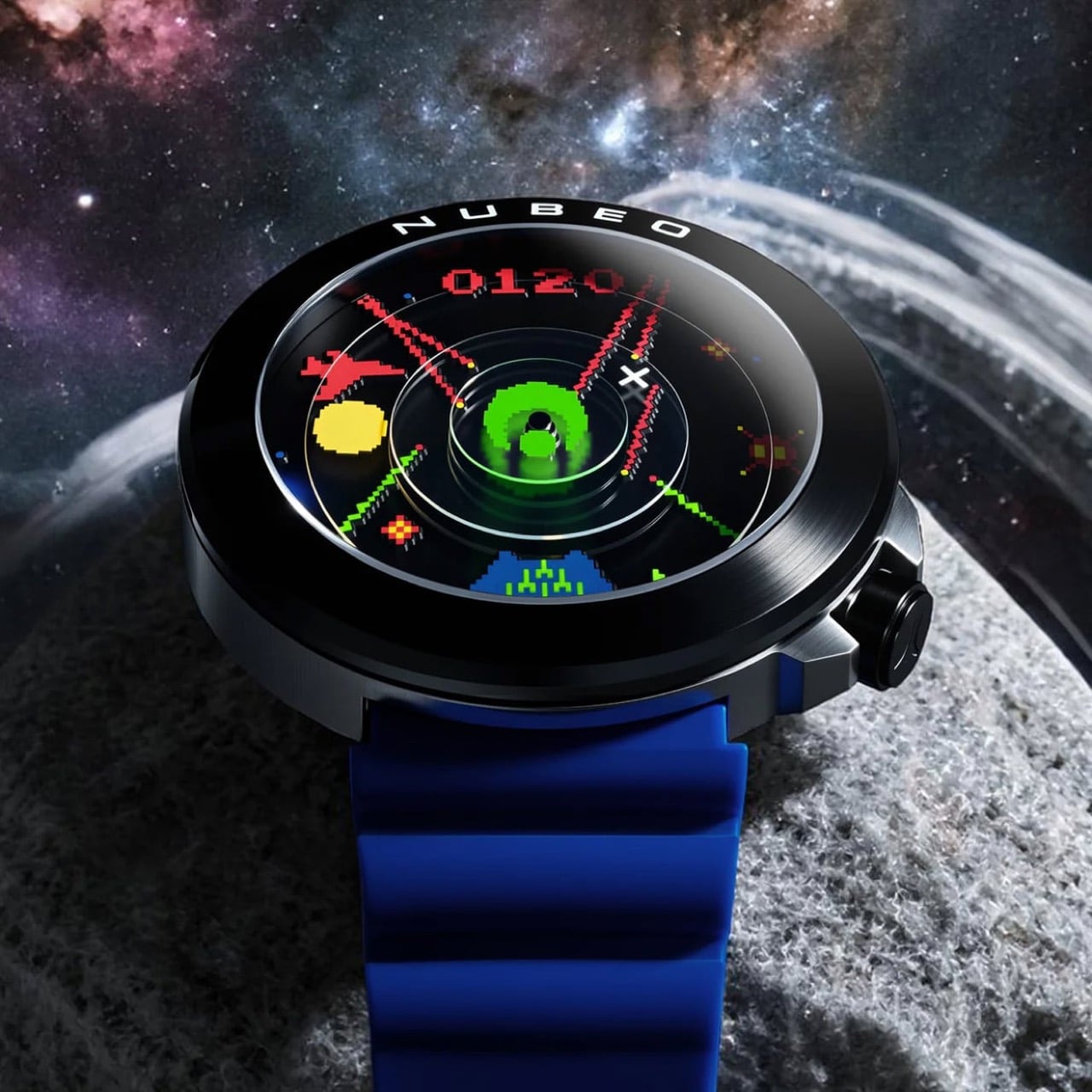
A multi-layered disc system gives the scene genuine physical depth rather than the flat printed look that sinks most licensed watches. The concentric radar rings at center sit on a separate disc plane, catching light differently from the pixelated imagery surrounding them and creating a parallax effect that shifts as you move the watch. The central turret hub anchors the second hand and reads exactly as the game’s targeting reticle, while the minute hand carries an X crosshair and the hour hand a red sun symbol. These are not decorative flourishes bolted onto a standard layout. They are the timekeeping system rebuilt around the game’s iconography from the ground up, which is a fundamentally different design brief than most collaborations ever attempt.
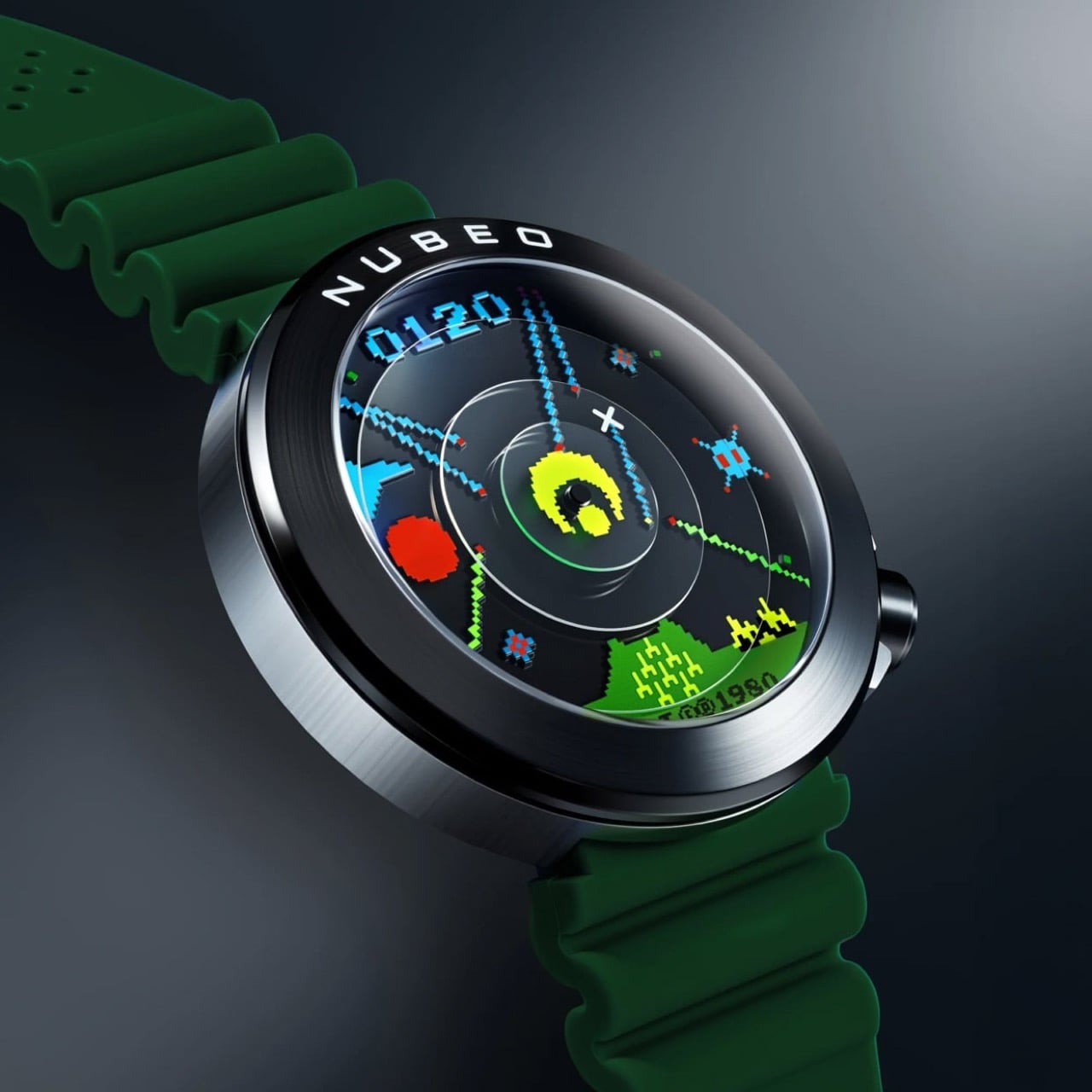
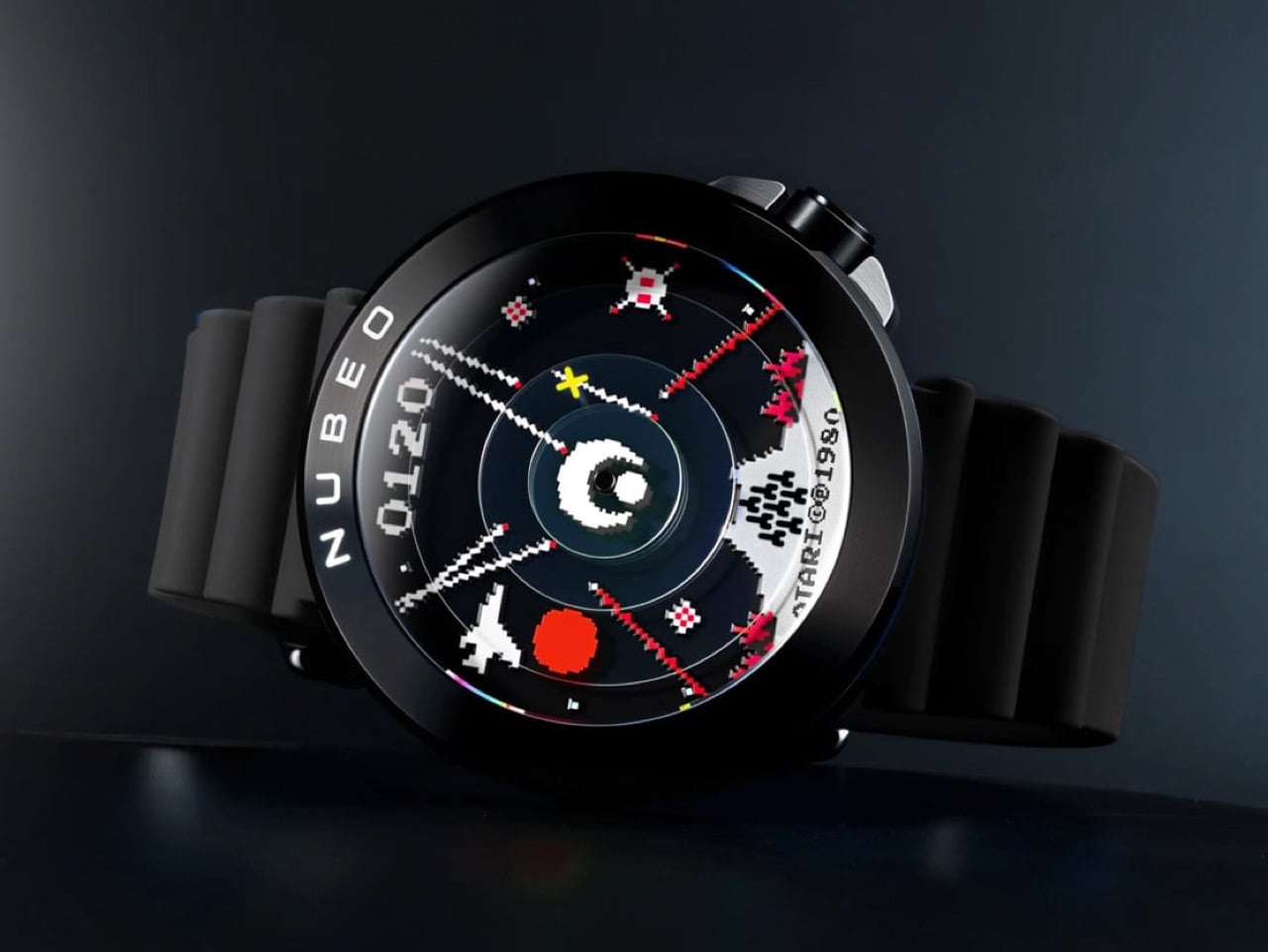
Super-LumiNova was applied across the full dial surface, which means in daylight you are reading a full-color Missile Command scene in vivid greens, yellows, reds, and blues, and in darkness all of that color information drops away into a pure monochrome green glow that is a dead ringer for the phosphor output of a 1980 CRT monitor. The design team understood that the game existed in two visual registers, the color of the arcade cabinet screen and the green-tinted memory of everyone who played it in a darkened room, and encoded both into a single material decision. Every pixel, every missile trail, every sprite glows with the same uniform intensity, uniform in the way that analog phosphor was uniform, which is to say warm and slightly imprecise at the edges. That quality is almost impossible to fake with modern lume application and the fact that Nubeo pulled it off suggests this collaboration went well beyond a licensing agreement into something closer to genuine obsession.
Through the exhibition window you can watch the Miyota 8215 automatic rotor spin, but the real draw is the original Missile Command arcade cabinet artwork surrounding it, complete with the bold red and yellow logo treatment, the rocket imagery, and the Atari mark printed onto the inner caseback disc. The outer ring is engraved with the model reference NB-6138, the water resistance rating, the limited edition designation, and the individual piece number. Wearing this watch means carrying two museum-quality presentations simultaneously, one facing the world and one facing your wrist, which is an unusually generous design decision for a $500 release.
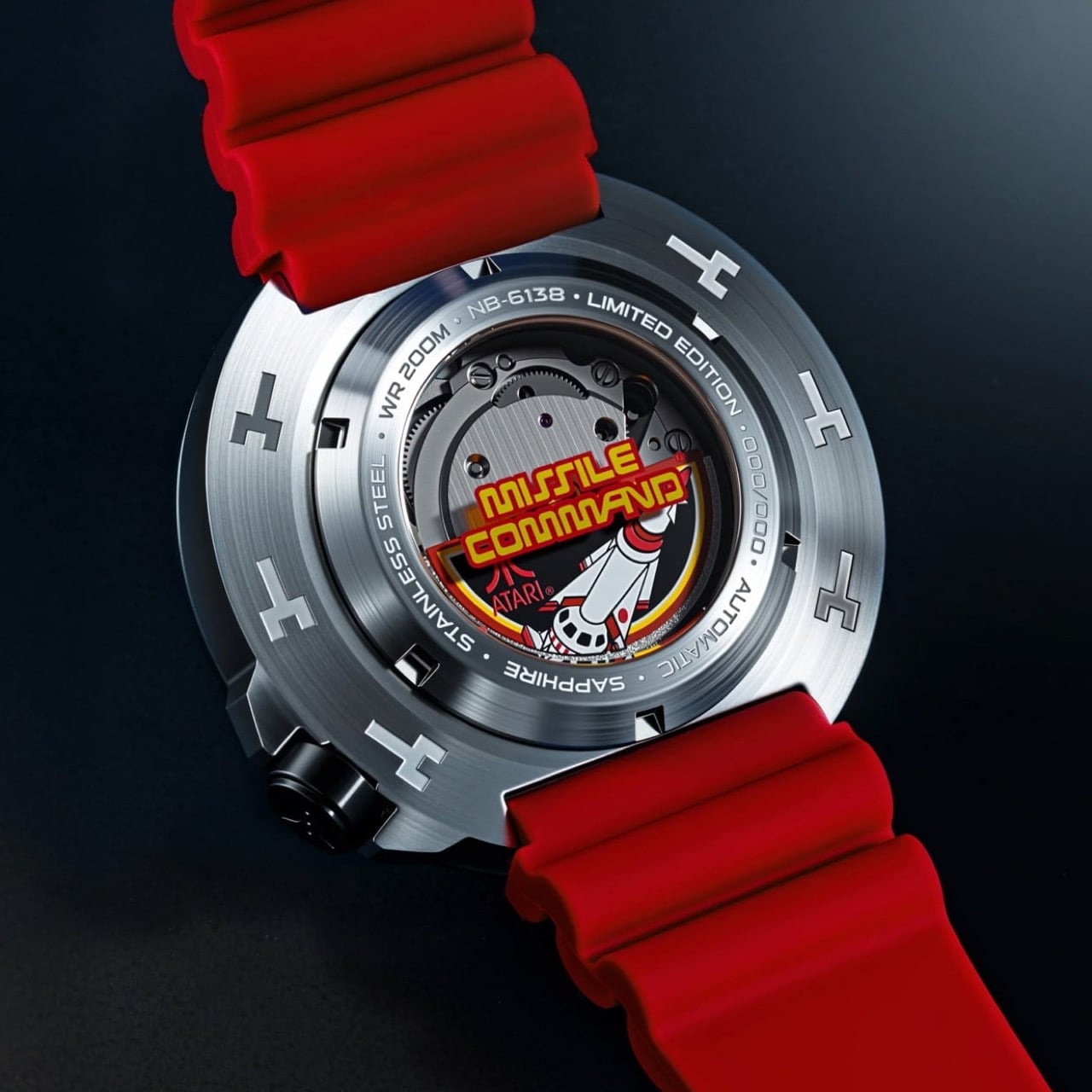
The hardware specifications match the ambition of the concept without overreaching. The 50mm stainless steel case runs 16mm thick, the Miyota 8215 is a Japanese automatic workhorse that stays reliably out of the way of the dial story, sapphire crystal with AR coating protects the scene, and the screwdown crown at 4:30 delivers 200M water resistance. The chunky segmented rubber straps in each colorway add a tactile sportiness that ties the whole package back to the arcade cabinet’s joystick-era aesthetic, and at 179 grams the watch has the kind of presence on the wrist that reminds you it is there. At $500 for a sapphire-crystalled, 200M-rated, individually numbered automatic with this level of dial craft, Nubeo found the third path that the gaming collaboration space rarely bothers looking for: mid-tier pricing with upper-tier design intent. All five colorways are available now at nubeowatches.com, with Impact Blue held exclusively at atari.com, and with production capped at 500 pieces total across all variants, the cities on your dial may be perpetually under attack but the watch defending them is built to outlast every arcade cabinet that ever ran the original game.
The post Atari’s 1980 Arcade Classic Just Became a Limited Edition Automatic Watch first appeared on Yanko Design.



Camping gear has quietly crossed a threshold. The category once dominated by cheap nylon and bulk-heavy setups is now producing objects that solve real problems with the kind of precision you expect from an industrial design studio. These aren’t novelties. They’re the kind of tools that make returning to standard equipment feel like regression — the sort of things you pack once and never pull back out of the kit bag.
This list covers the full arc of what a camp setup demands: shelter, fire, light, water, power, cooking, and the tools in between. Each pick earns its place not by doing one thing adequately, but by doing something the outdoor category hadn’t quite figured out until now. Whether you’re a weekend car camper or a committed off-grid regular, these ten gadgets will shift what you expect from time spent outdoors.
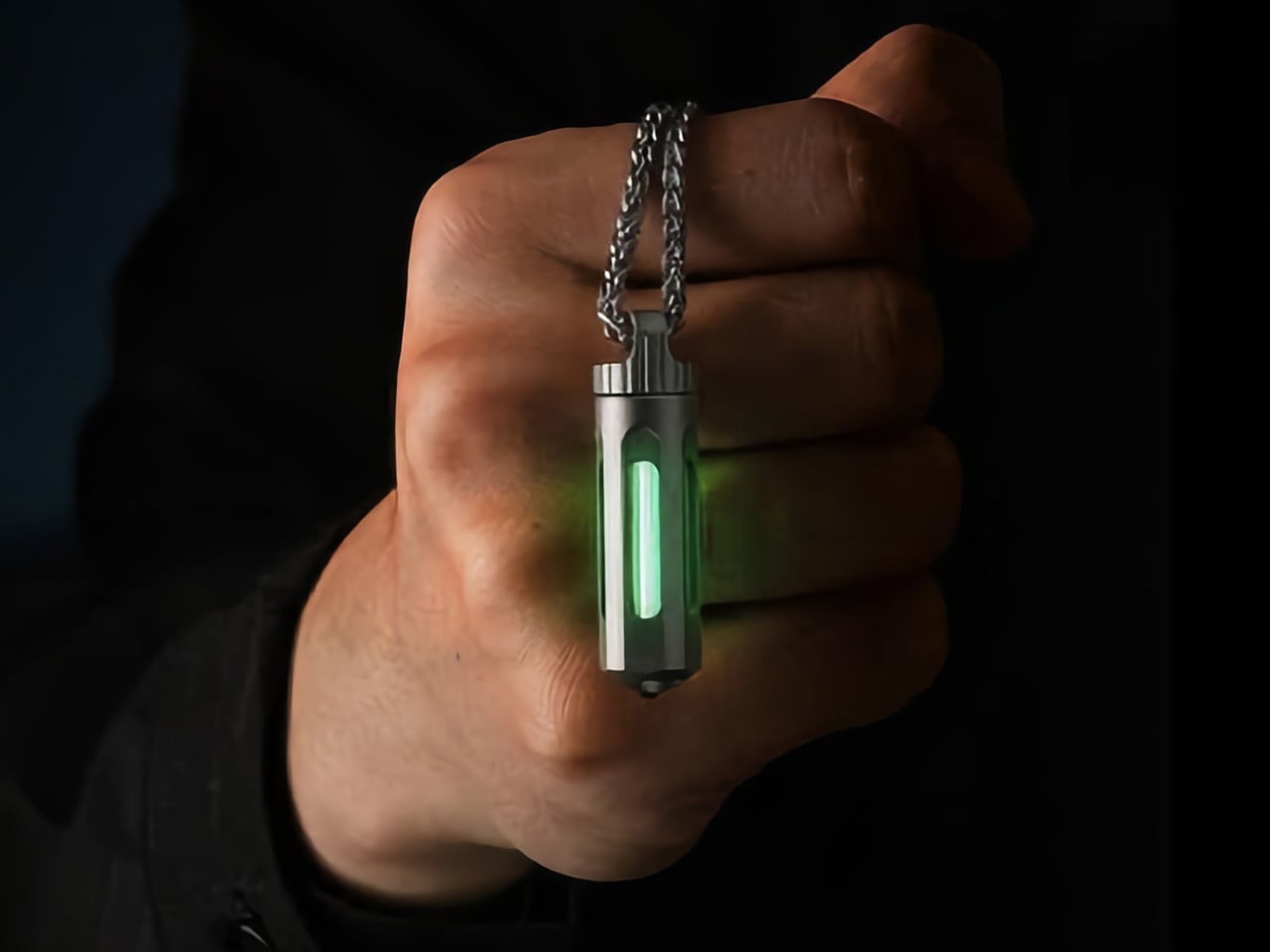
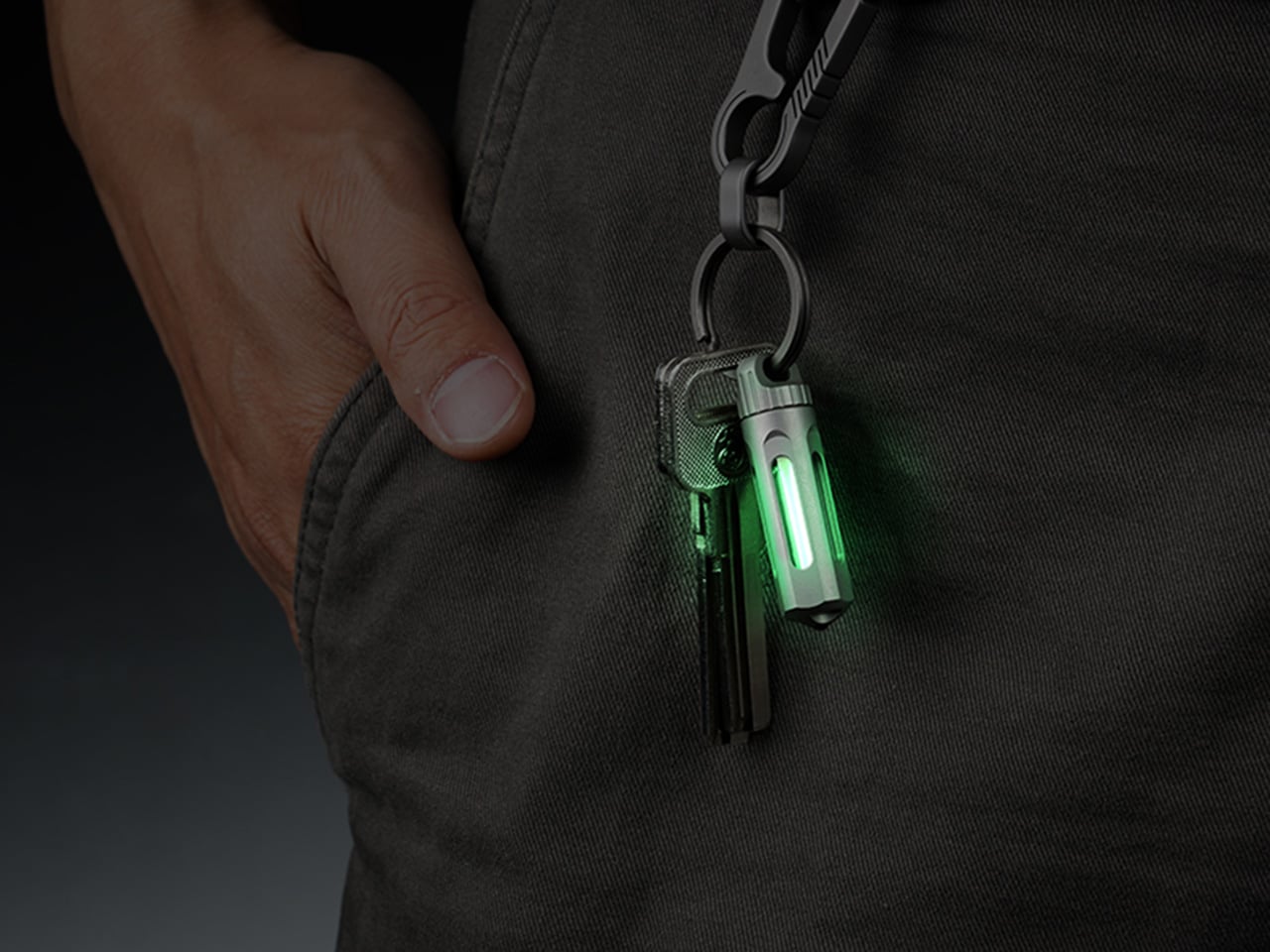
A 45mm CNC-machined Gr5 titanium cylinder weighing 10.7 grams, the NoxTi carries a tritium vial inside a precision quartz tube with 92% light transmission — and it glows continuously for 25 years through pure radioactive decay. No switch. No battery. No charging. Tritium is a hydrogen isotope whose beta particle decay strikes a phosphor coating and produces light as a simple byproduct of existing. The process requires nothing from you and stops for nothing around you.
At a campsite, the NoxTi earns its keep in the dark. It marks your keys at the bottom of a bag, identifies your tent entrance without hunting for a torch, and stays visible at the bedside through a full night without being asked to. The ceramic-tipped glass breaker at the tail end adds genuine emergency utility. The titanium body is fully serviceable — when the vial dims after two decades, you press the old tube out and slide a new one in. Six glow colors are available, including Apple Green for maximum visibility, Ice Blue for a modern read, and Red for night-vision preservation borrowed from military and aviation use.

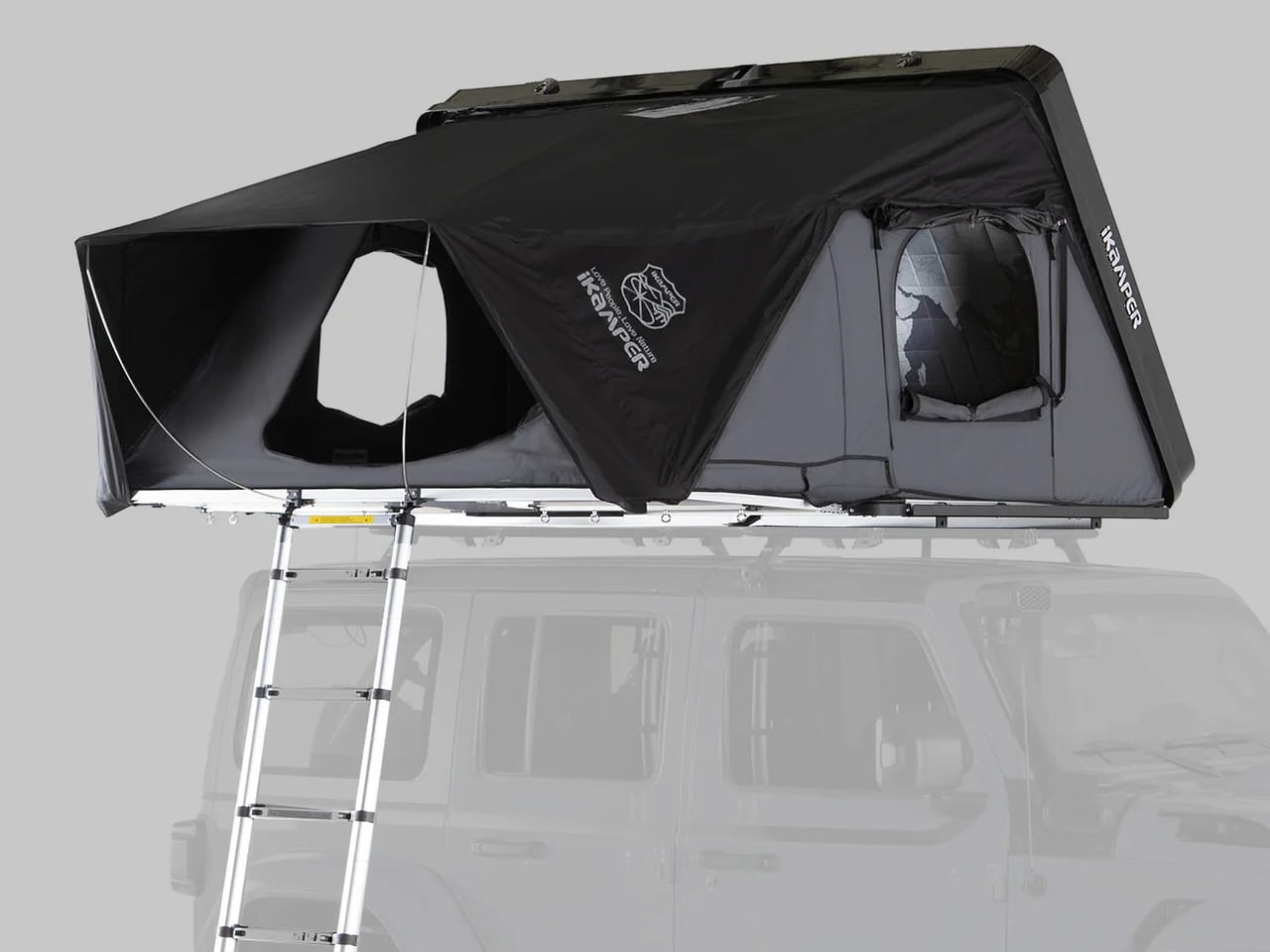
The premise of sleeping on your car roof sounds questionable until you’ve actually done it. The iKamper Skycamp 3.0 changes that math — a hardshell rooftop tent that opens in under 60 seconds to reveal a king-size sleeping area with a 9-zone mattress and a quilted, insulated interior. It mounts to any roof rack, folds flat enough for highway driving, and eliminates the ground-level camping miseries: rocks, moisture, insects, and the creeping sense that something is moving through the grass near your face.
The Skycamp 3.0 has earned its reputation through years of refinement. Upgraded materials address what earlier versions received lukewarm reviews on — better weatherproofing, a more robust ladder, and tighter seams that handle rain without complaint. For families, it accommodates four, though it genuinely shines as a two-person setup with room to sit upright, read, and feel like the tent is actively working in your favor. It’s the kind of shelter upgrade that makes ground tents feel like a choice you’d only make twice.
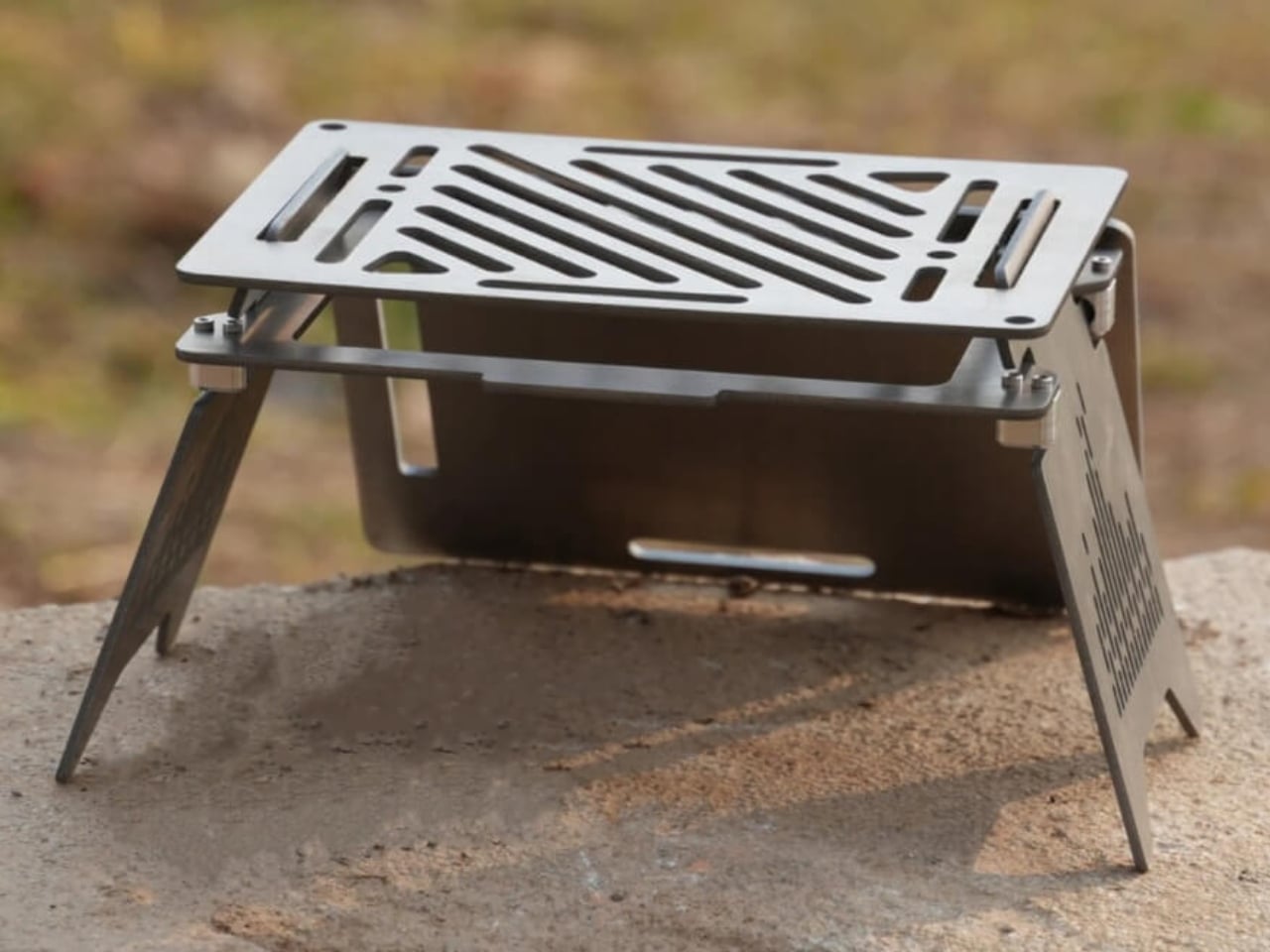
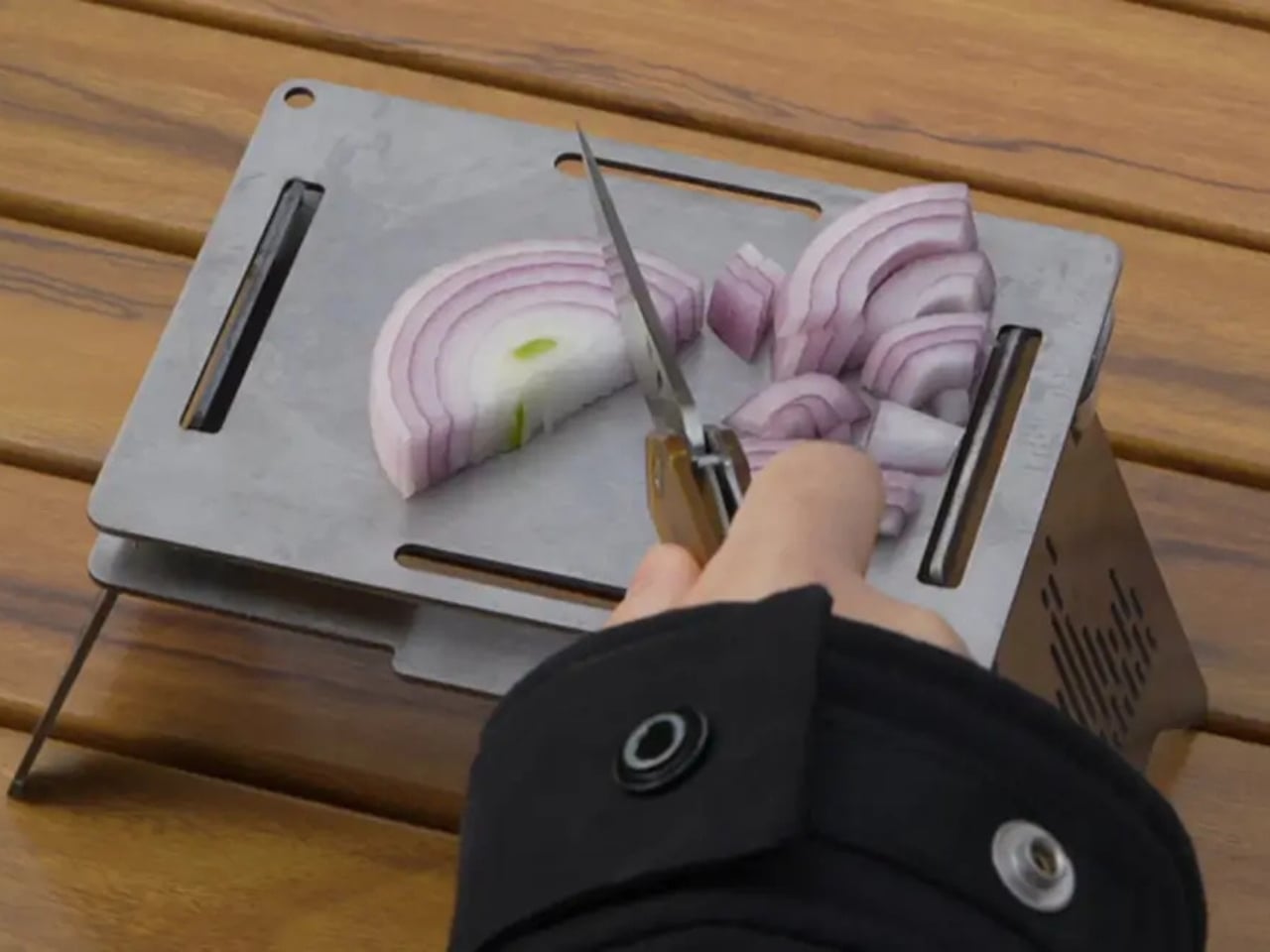
Five flat titanium pieces — that’s the entire TiStove. Two foldable legs and three interchangeable cooking panels that pack completely flat and come in under 1.5 pounds. Camprit’s insight was straightforward: most camp stoves lock you into a single cooking method. The TiStove gives you three, with panels that reconfigure for boiling, grilling, or open-fire cooking. The extra panels double as a windshield. When heat is applied, titanium changes color naturally, marking each stove with its own accumulated cooking history.
The beauty of the TiStove is in what it removes. There’s no ignition system to fail at altitude, no gas canister threading to seize in the cold, no assembly logic requiring a manual. The pieces lock together mechanically without fasteners and disassemble in seconds. It supports any fuel source — wood, gas burner, alcohol — making it genuinely adaptable to wherever the trip leads. For anyone who has ever stood over a failed stove at a cold campsite, this is the object that addresses the problem at its root.
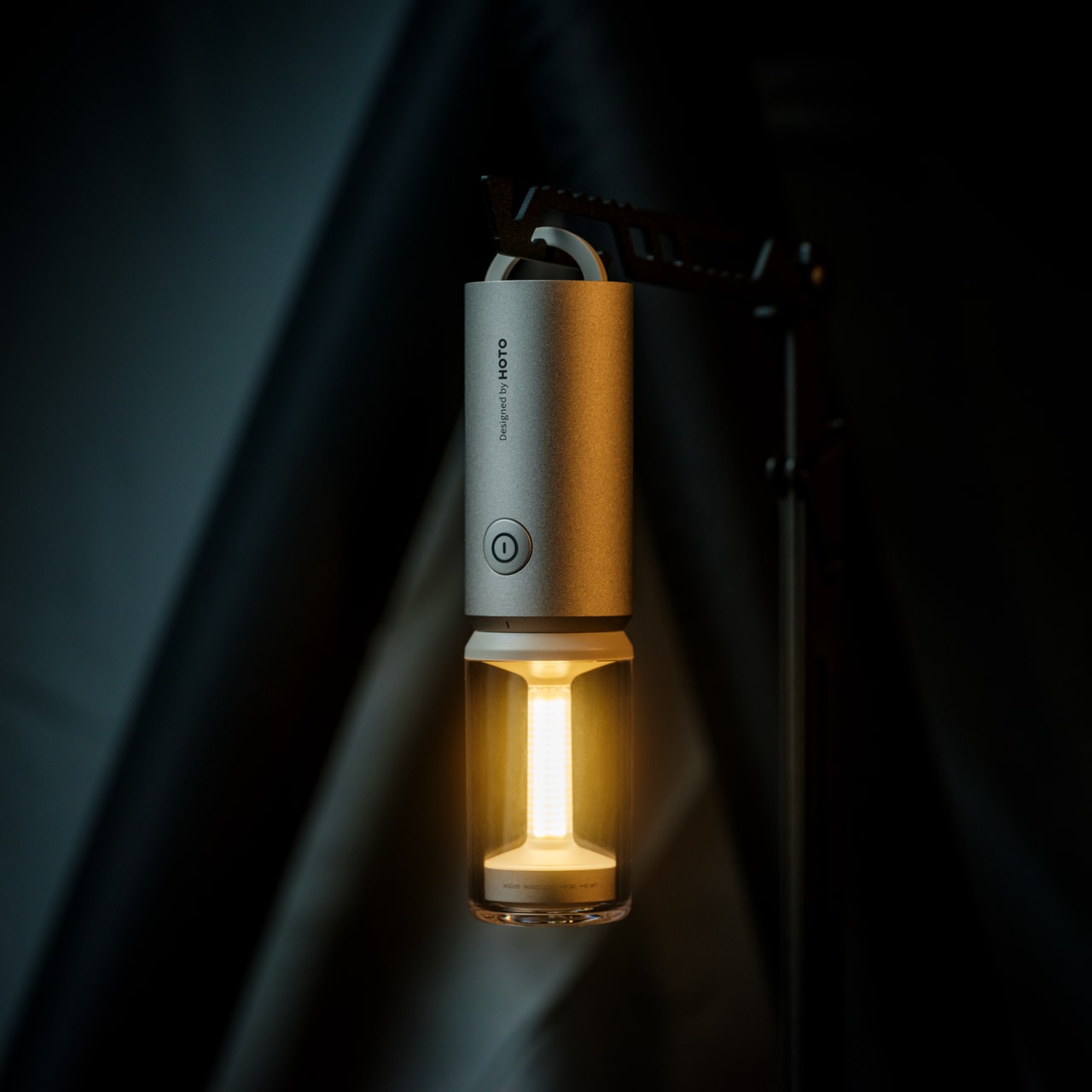
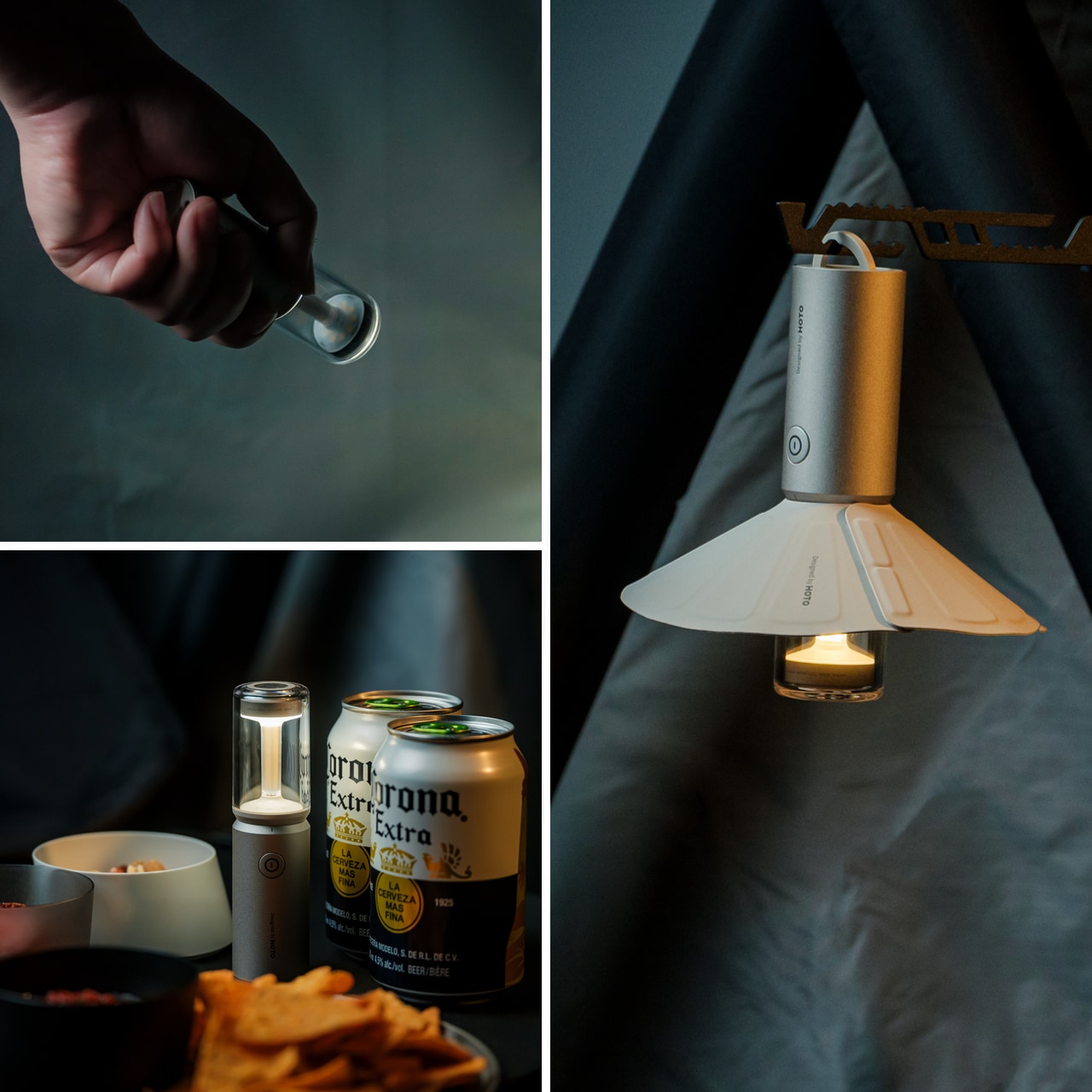
Most camp lights do one thing and ask you to adapt around the rest. The TriBeam Camplight does three: a soft ambient glow for the tent interior, a focused flashlight mode for trail navigation, and a diffused camping mode for broader coverage around a site. The award-winning form keeps all three in a single carry-friendly body that doesn’t feel like a compromise between any of them. It’s the kind of object that makes you wonder why camp lighting took this long to simplify into something you’d actually want to own.
The TriBeam occupies the gap between EDC flashlight and dedicated camp lantern — a category most gear bags cover with two separate items. Switching between modes is immediate, and the design sits, hangs, or carries without adapters or hooks to lose. Built for adventurers who refuse to carry redundant tools, it handles the full lighting arc of a camping day: reading before sleep, navigating a midnight trail, and flooding a cook area with enough light to actually see what you’re doing. One tool, no apologies.
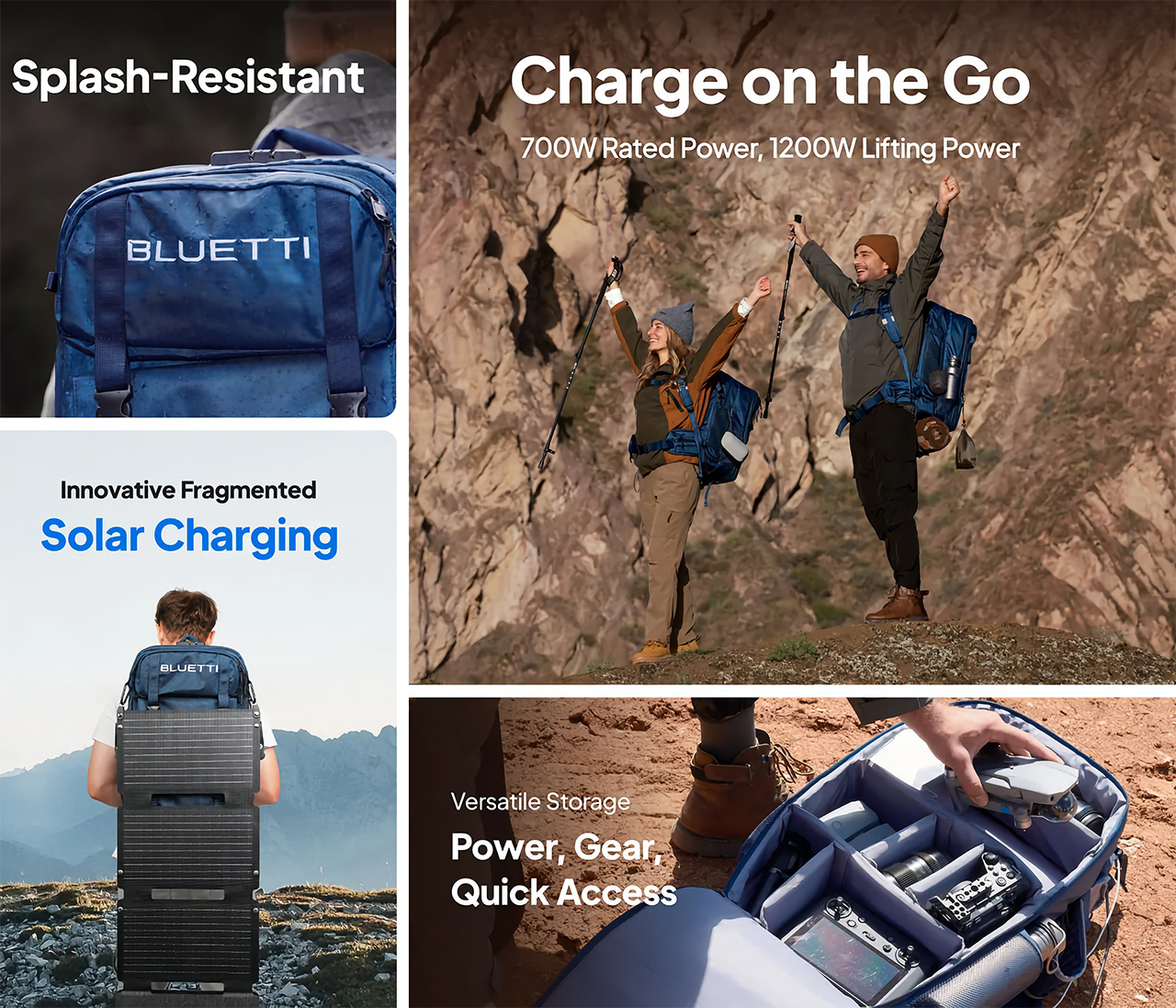
A 512Wh power station built into a 60L backpack — the BLUETTI Handsfree 2 is the off-grid power solution that finally doesn’t require a second trip from the car. The LFP battery delivers 700W continuous output with 4,000 charge cycles to 80% capacity, accepts up to 350W of solar input, and outputs through dual 100W USB-C ports, dual USB-A, and an AC outlet. The power station alone weighs 15.4 pounds — the full system with pack sits at 21.4 pounds.
The backpack integration is what makes the Handsfree 2 different from every other portable station in the category. Solar panels mounted to the pack charge the unit while you walk, turning transit time into charging time. The fragmented solar technology functions efficiently on overcast days, and a 200W panel configuration achieves a full charge in roughly three hours. For photographers, van lifers, or anyone running critical devices off-grid, this is the power setup that finally makes the math of going dark work in your favor.

Water is camping’s most basic constraint, and the GoSun Flow addresses it at the source. The solar-powered purifier eliminates 99.99% of waterborne pathogens while pumping one liter of clean water per minute from virtually any freshwater source. The system compresses into a backpack, and the flexible faucet clamps to branches, tables, or tailgates — turning any access point into a functional sink. It’s the difference between rationing bottled water and treating the nearest stream as infrastructure.
Beyond drinking water, the GoSun Flow doubles as a portable handwashing station and solar-heated shower. The vacuum-insulated solar heater delivers a warm five-minute shower after 30 minutes of sun exposure — which reframes what clean means on a multi-day trip. It runs on USB power when solar isn’t available, and the filter handles up to 1,000 liters before replacement. For anyone who has ever compromised on hygiene to protect pack weight, this removes that trade-off without replacing it with a heavier one.

Inflating a sleeping pad by lung at altitude is one of camping’s least romantic rituals. The FLEXTAIL TINY PUMP 2X weighs 96 grams, measures under 2.5 inches in any direction, and inflates a full-size sleeping pad in under a minute with moisture-free airflow that protects pad materials from internal condensation damage. One-button operation, a battery that covers multiple inflation cycles per charge, and a form small enough to disappear in any pocket. The kind of object that shouldn’t require justification — it solves an irritating problem and weighs nothing.
The TINY PUMP 2X earns its place beyond inflation. It deflates gear for packing, works as a vacuum pump for compression bags, and can blow oxygen onto embers to get a fire going — a genuinely useful function that expands its value well beyond its stated category. A secondary lantern mode adds ambient light to the tent. For the gram-counters: 96 grams for a pump, vacuum, fire-starter, and lantern is the kind of multi-function efficiency that permanently displaces four separate tools from the kit.
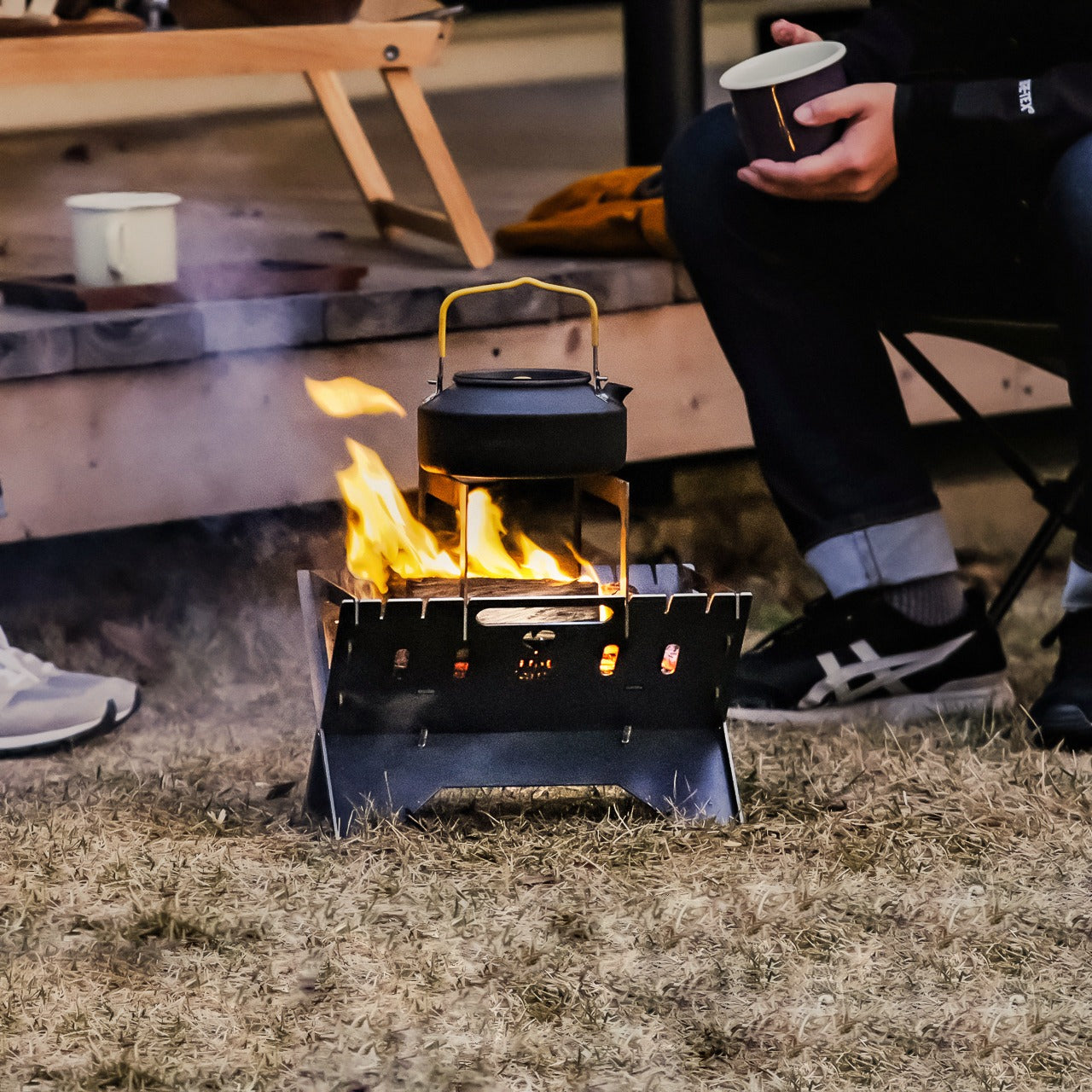

The fire pit category is full of oversized objects that need a truck bed and a second person. The Portable Fire Pit Stand sidesteps this entirely, using prototype sheet metal technology to precision-cut black steel plates that resist warping and distortion under sustained heat. It assembles without tools, folds flat when packed, and holds the kind of campfire that earns its place as both a functional heat source and the visual anchor of any campsite worth sitting around.
What separates this from a standard fire ring is the stand’s insistence on being a proper object rather than functional hardware. The black steel finish works against any outdoor backdrop, and the construction doesn’t bow or deform the way cheaper alternatives do after their third use. It elevates the fire off the ground, making it workable on sensitive surfaces and at campgrounds where ground fires are restricted. The kind of thing that moves from situational gear to permanent kit after the first trip out.
Click Here to Buy Now: $119.00
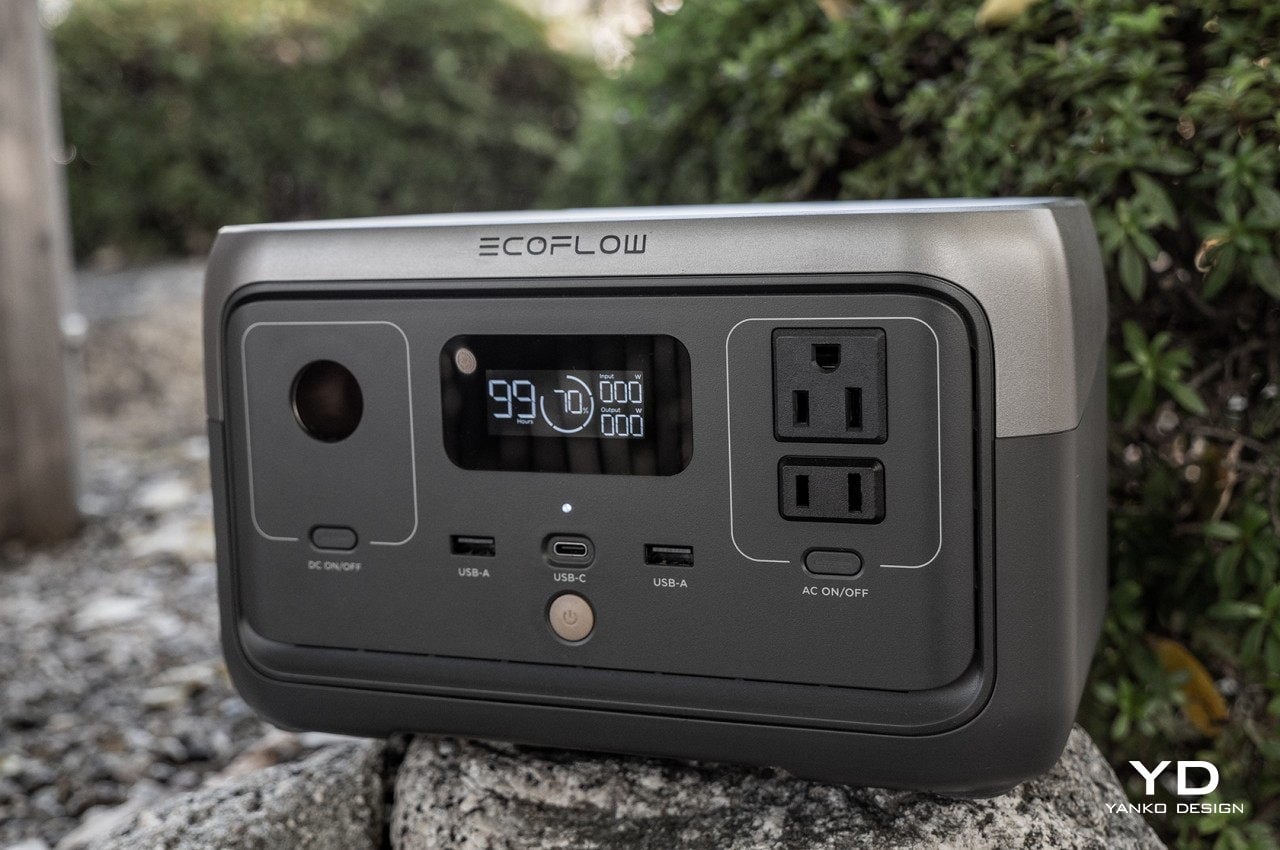
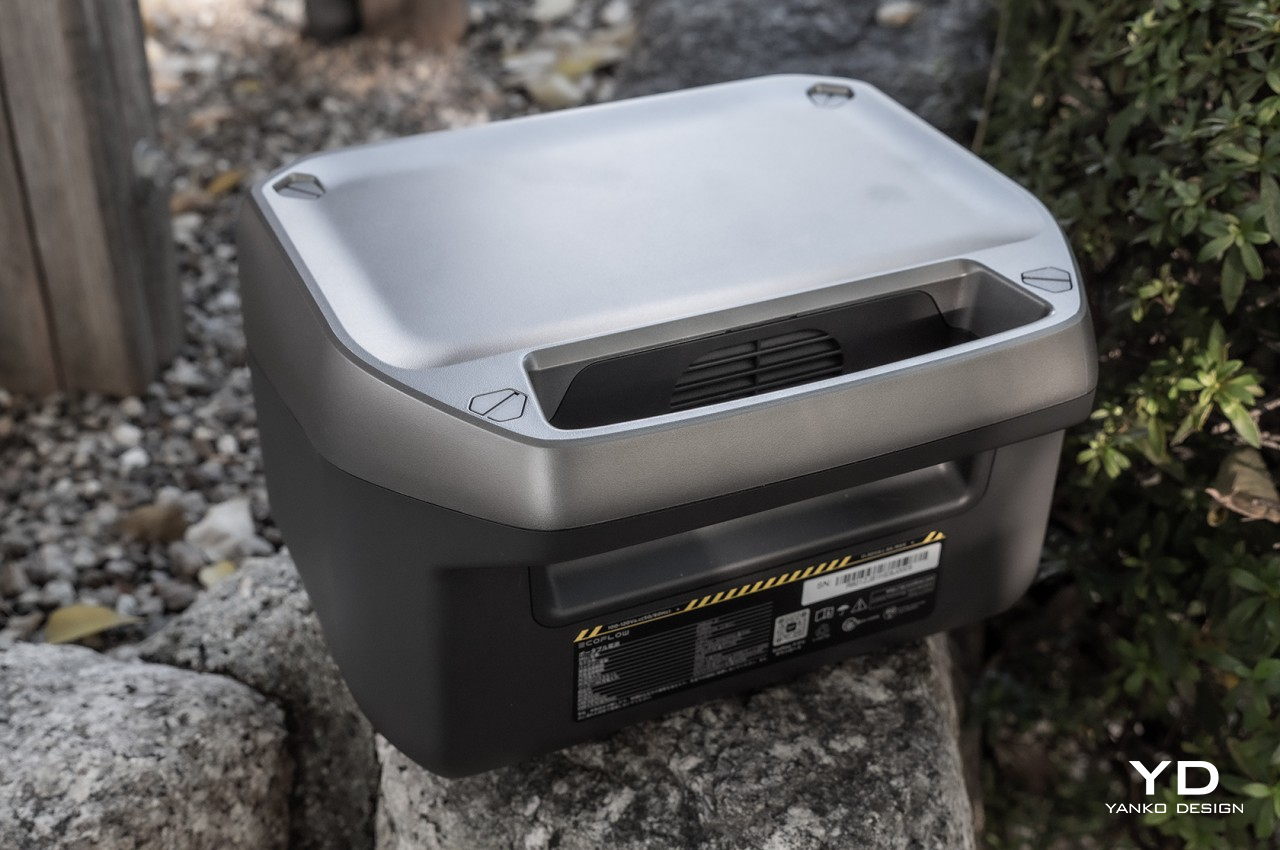
The EcoFlow River 2 sits at the intersection of genuinely portable and genuinely capable. The 256Wh LFP power station weighs under eight pounds and charges from flat to full via AC in under an hour — a recharge speed that makes it feel more like a power tool than a backup battery. Phone-controlled through the EcoFlow app, it manages output intelligently, and the USB-C port functions as both input and output depending on what the situation requires.
Where the River 2 earns its camping credentials is in everyday reliability. Light enough to carry without thinking, capable enough to run a CPAP, charge a laptop, or keep a camera system live through a multi-day shoot. The design is clean and compact, presenting nothing like emergency equipment — it’s the power station you keep permanently packed regardless of trip length. For anyone currently bringing two or three charging solutions, the River 2 is where that consolidation starts.
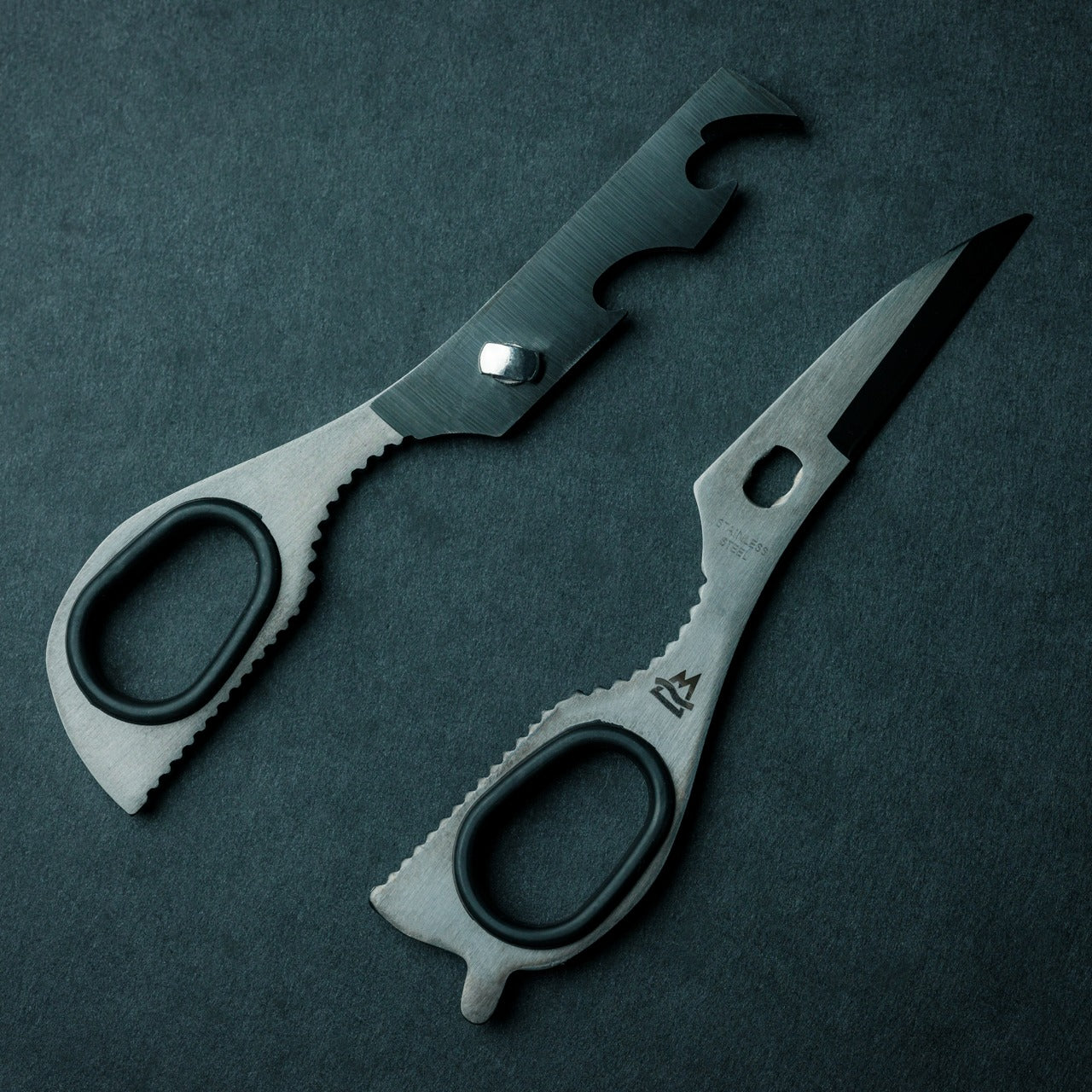
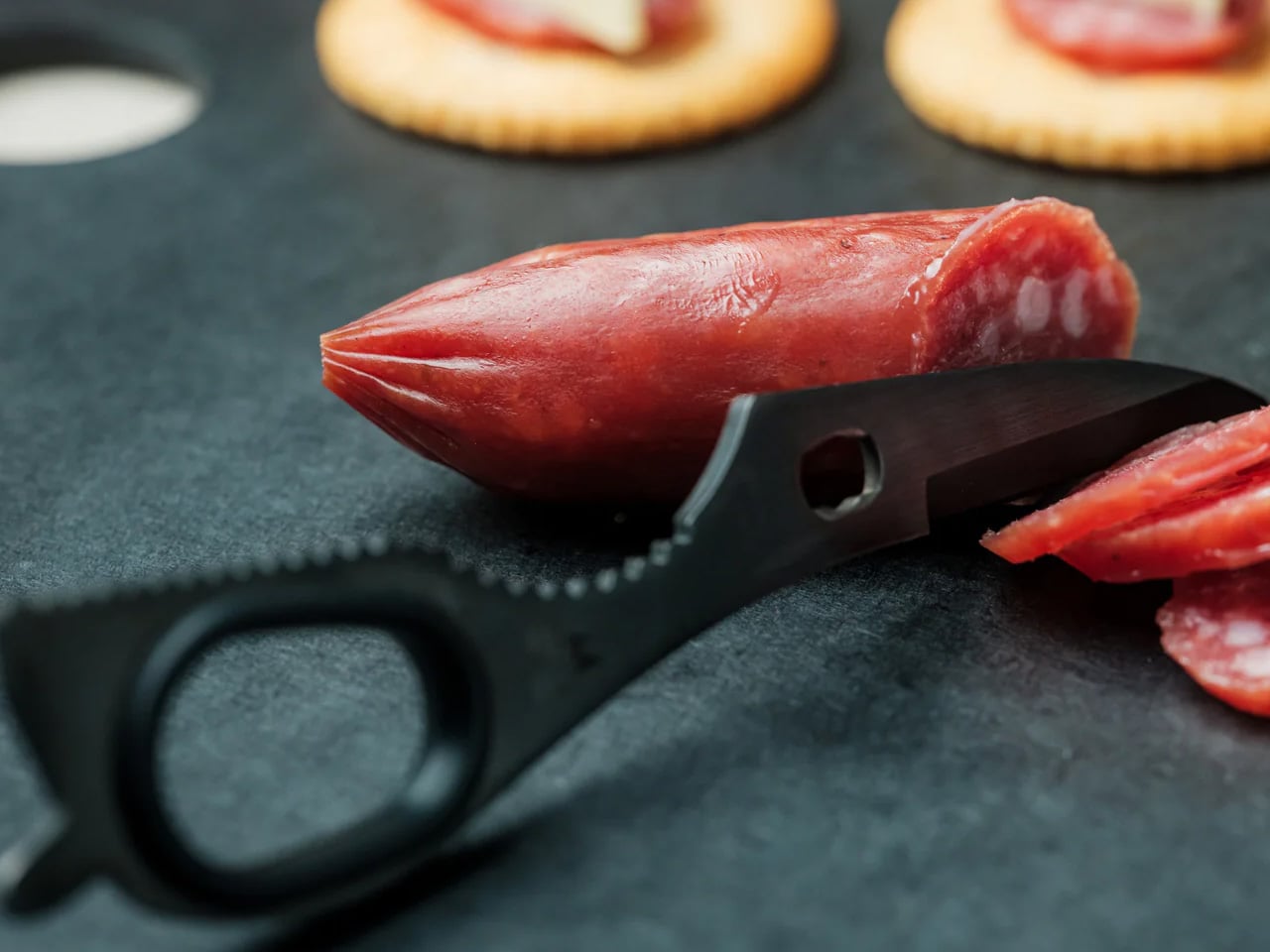
Eight functions in a scissors form that actually make sense. The 8-in-1 EDC Scissors consolidate camp tools that typically spread across multiple pouches — cutting, wire stripping, can opening, bottle opening, and more — into one compact unit that clears airport security and sits naturally in any carry configuration. The design avoids the bulk penalty that multi-tools typically impose by keeping the scissors form as the organizing principle, with everything else radiating from a familiar object rather than a complex folding mechanism.
The camp use case is direct: fewer items in the kit bag, one tool covering the practical range of a day at a site. The EDC angle matters here too — these leave the campsite and go into a jacket pocket, daypack, or carry-on without demanding special consideration or a TSA conversation. For minimalist packers, replacing scissors, a knife, a bottle opener, and a wire stripper with one object that weighs almost nothing is the kind of design math that earns permanent shelf space. You pack it once and forget it’s not always been there.
Camping used to ask a simple question: how much discomfort are you willing to trade for time outside? These ten objects make that question harder to answer, not because camping has gone soft, but because the design has finally caught up to what the experience actually demands. A rooftop tent that sets up in a minute, a five-piece titanium stove that fits in your palm, a backpack that charges itself on the trail, a keychain that glows for a quarter century without a single battery — these aren’t luxuries. They’re the result of designers taking the outdoors seriously.
The consistent thread across all ten is that none require specialist knowledge, a lengthy setup window, or gear that only functions under perfect conditions. Each removes a specific friction point that camping used to accept as part of the deal. Bring these along, and the question embedded in this headline — the one about why you ever slept in a normal bed — becomes something you’ll need a quiet moment to actually answer.
The post 10 Genius Camping Gadgets That Make You Wonder Why You Ever Slept in a Normal Bed first appeared on Yanko Design.