Bowers & Wilkins Spent 60 Years on These Speakers. It Shows.

Most brands celebrate a 60th anniversary with a retrospective book or a limited-edition colorway. Bowers & Wilkins celebrated theirs by unveiling what may genuinely be the most advanced loudspeaker range they have ever made. The 800 Series Diamond D5 arrived with that kind of quiet confidence that doesn’t need fanfare to make its point, even if it was announced to considerable fanfare.

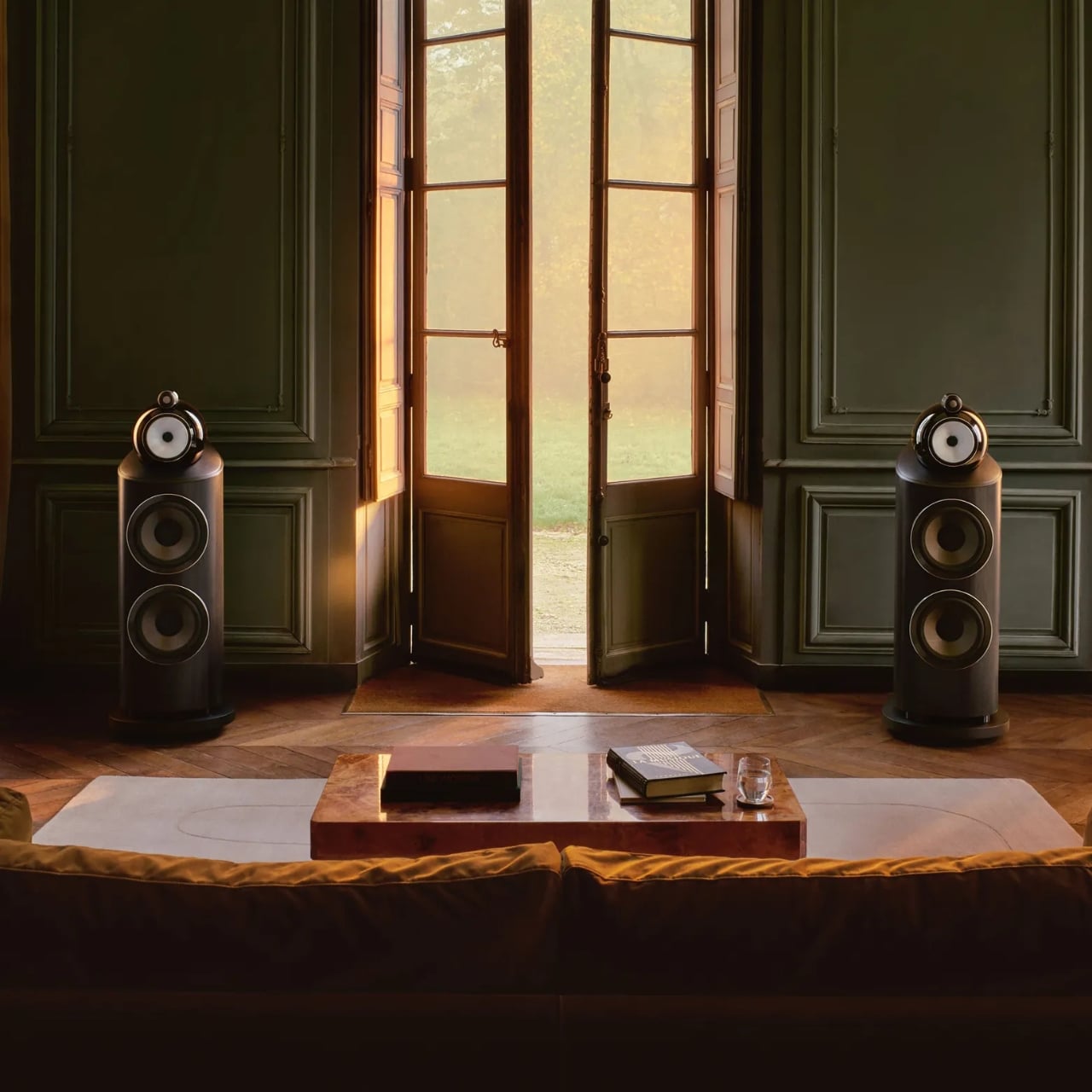
I’ve always believed that truly great audio equipment occupies a strange place between technology and sculpture. The 800 Series has lived in that space for decades. It’s the kind of speaker you find in professional recording studios around the world, at Skywalker Ranch where teams have mixed and mastered legendary film soundtracks, and also in the living room of the person who just needs the room to sound exactly right. That dual citizenship, professional and deeply personal, tells you everything about what Bowers & Wilkins has been building toward.

Designer: Bowers & Wilkins
The D5 is the fifth generation of the Diamond series, and the tagline “60 years in the making” isn’t marketing hyperbole. It’s a mission statement rooted in John Bowers’ original True Sound philosophy: nothing added, nothing taken away. Every generation of 800 Series starts from the same question: what stands in the way of the music? The answers keep evolving. The ambition stays constant.
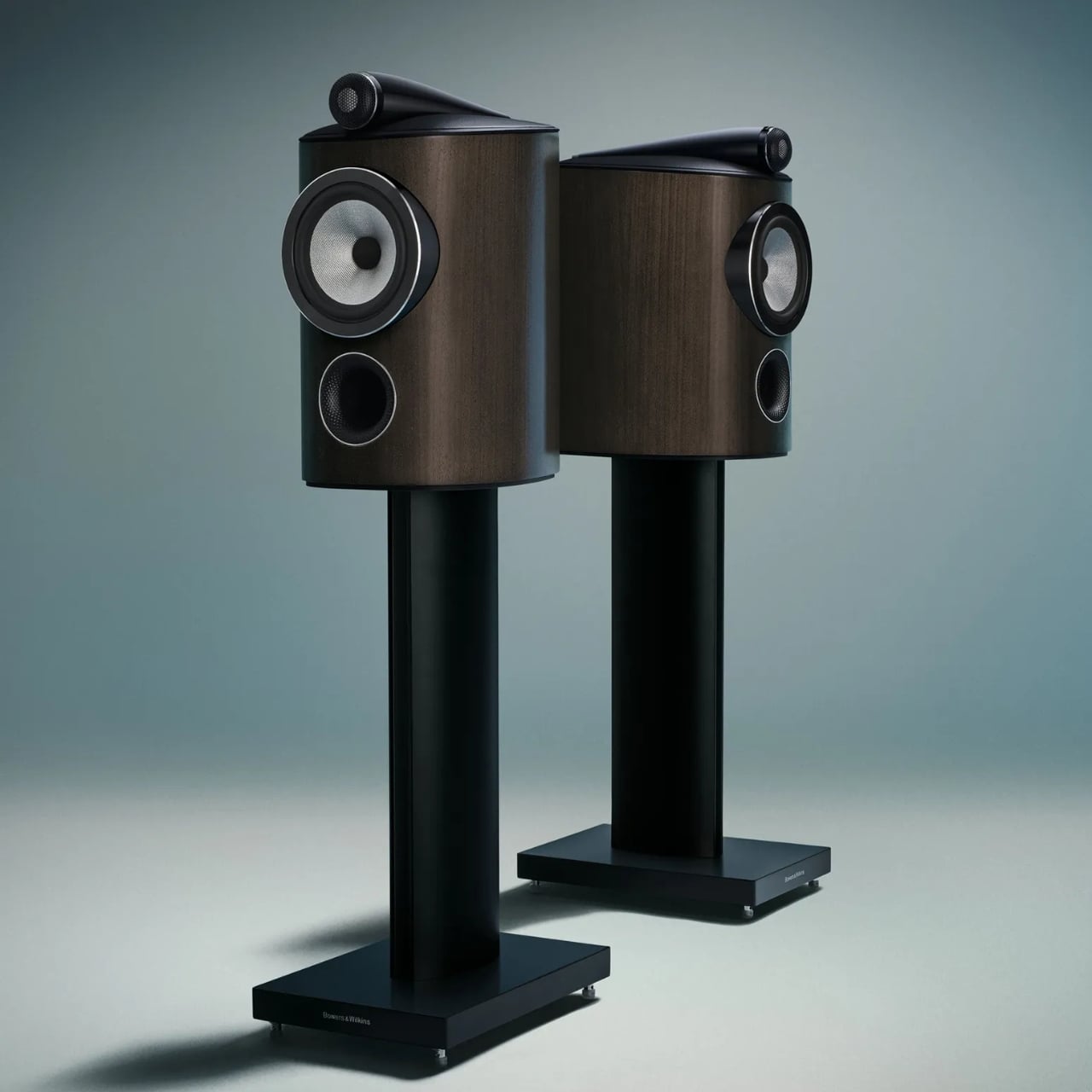
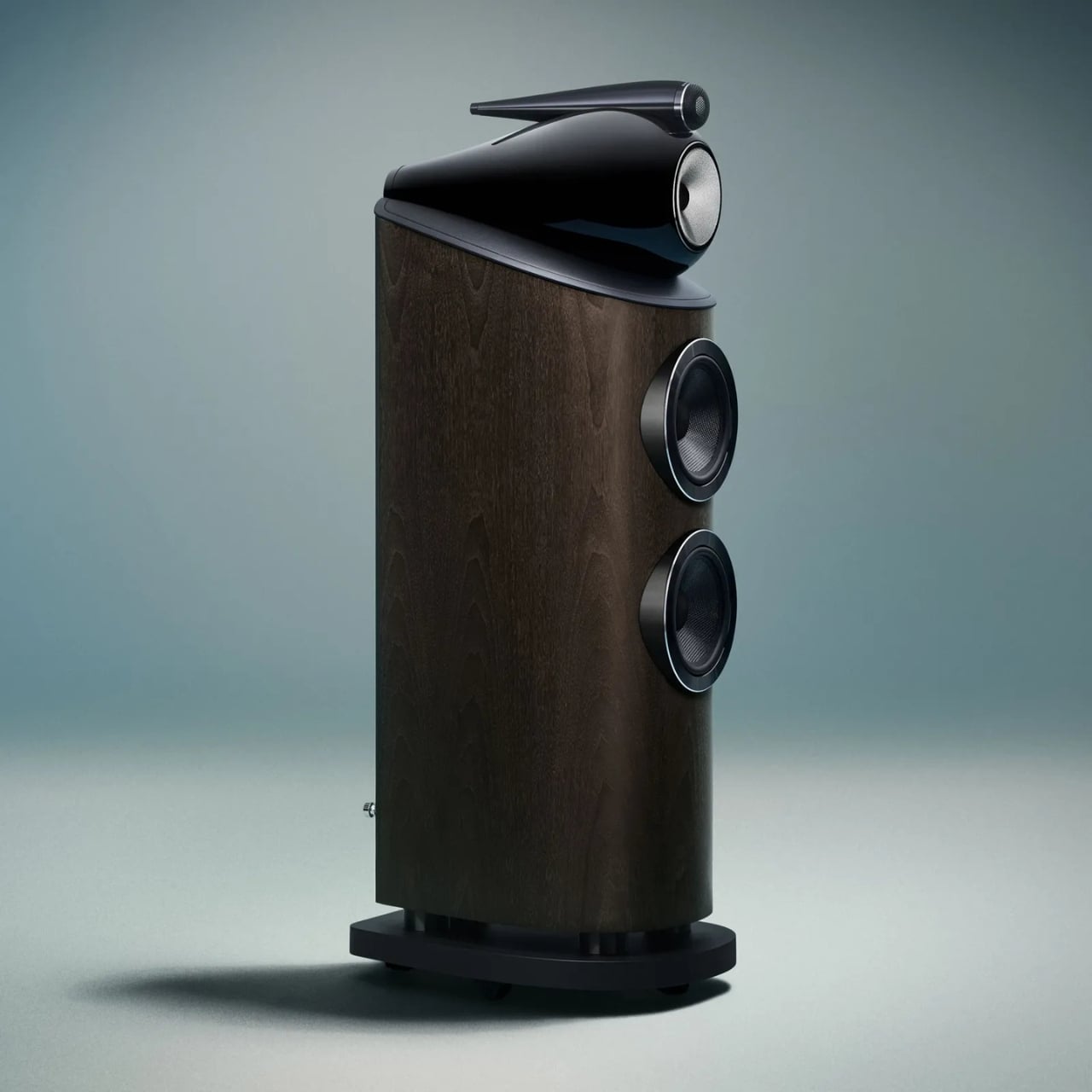
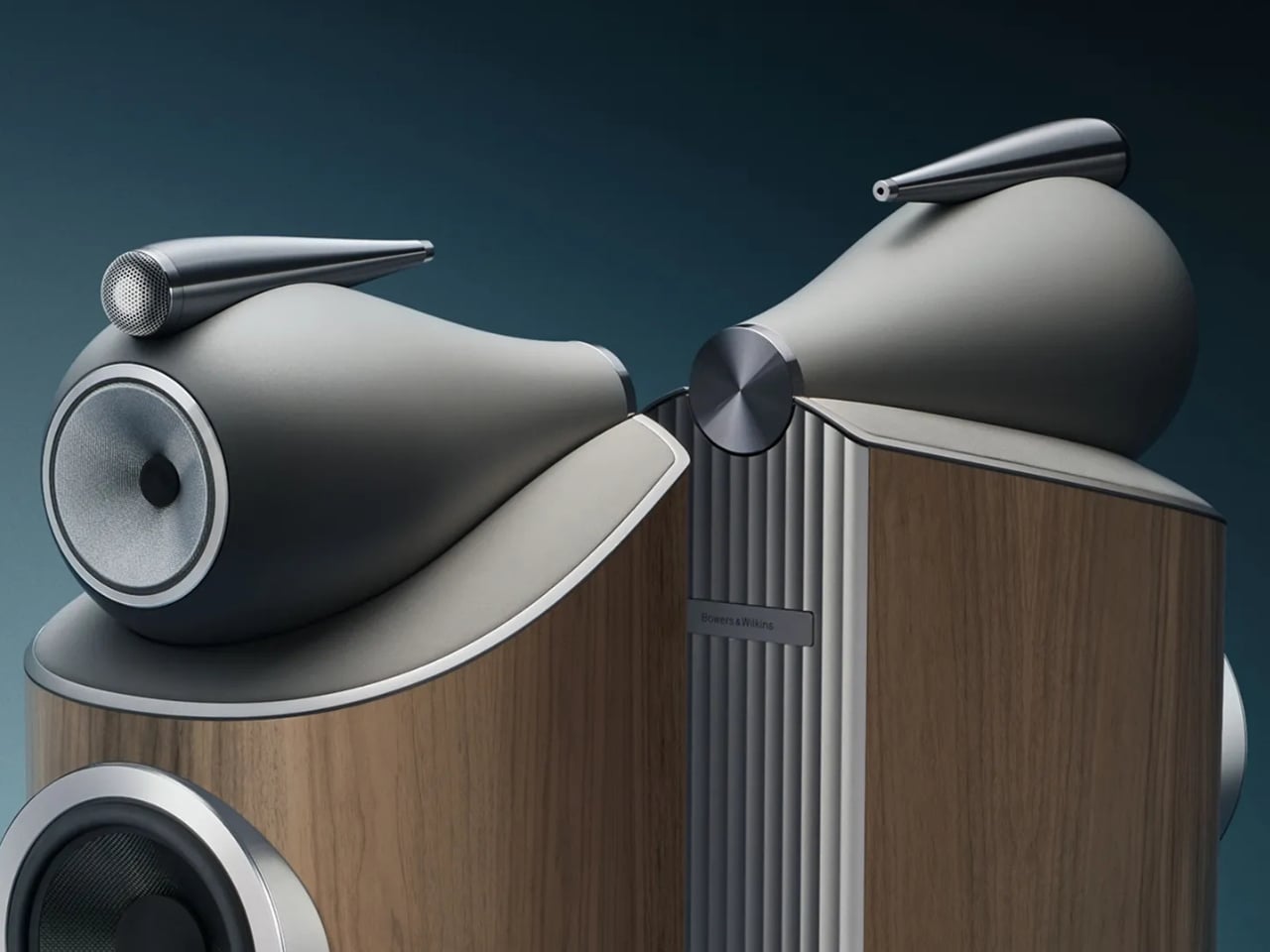
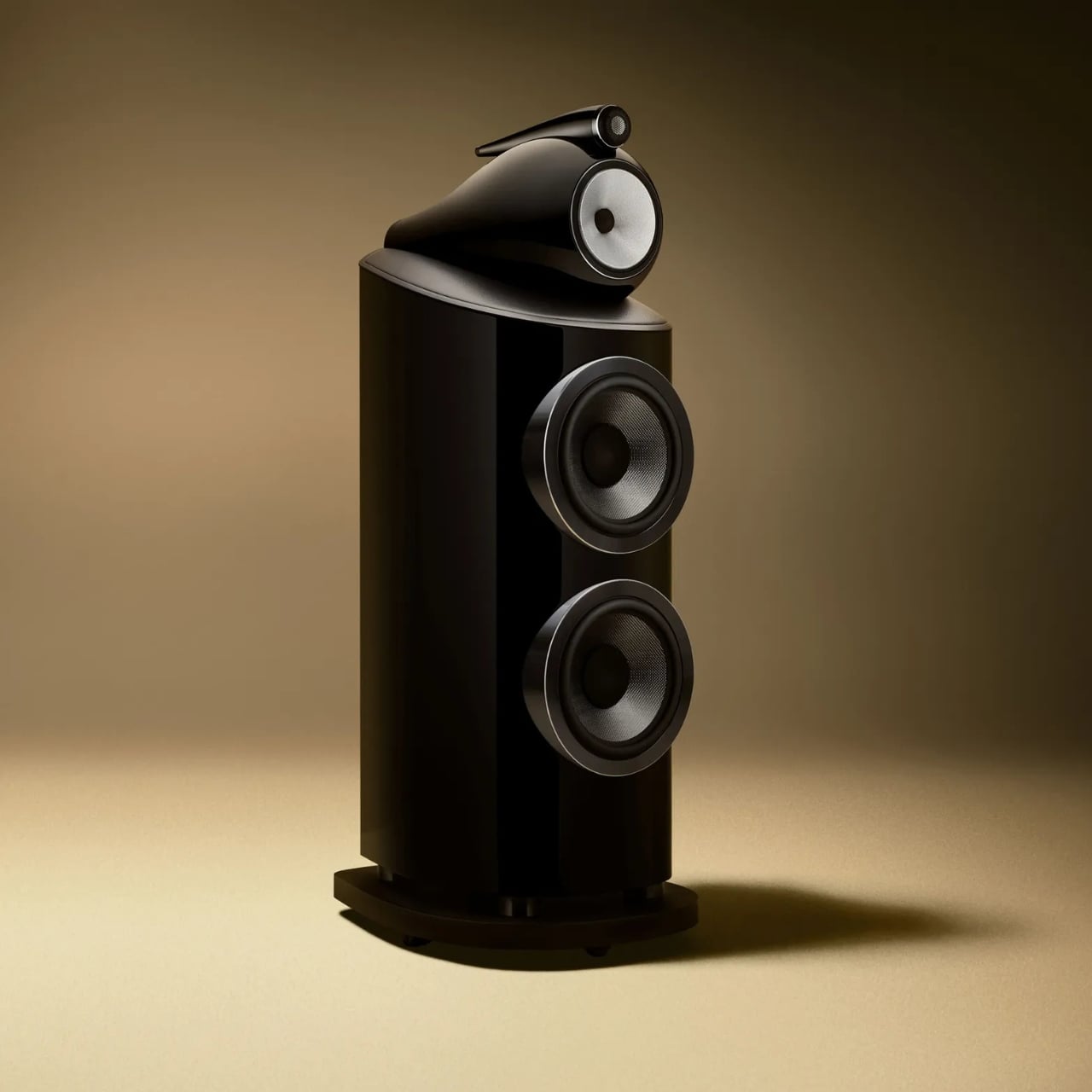
The range includes seven models, from the compact 805 D5 stand-mount to the flagship 801 D5 with its twin 10-inch bass drivers. The iconic Turbine Head, that distinctive aluminum sphere housing the midrange driver in complete acoustic isolation from the bass section, remains one of the most recognizable silhouettes in audio design. It was bold when it debuted, and it’s still striking today. It’s been refined here, not rethought, and I think that’s the right call. Some shapes earn the right to stay.
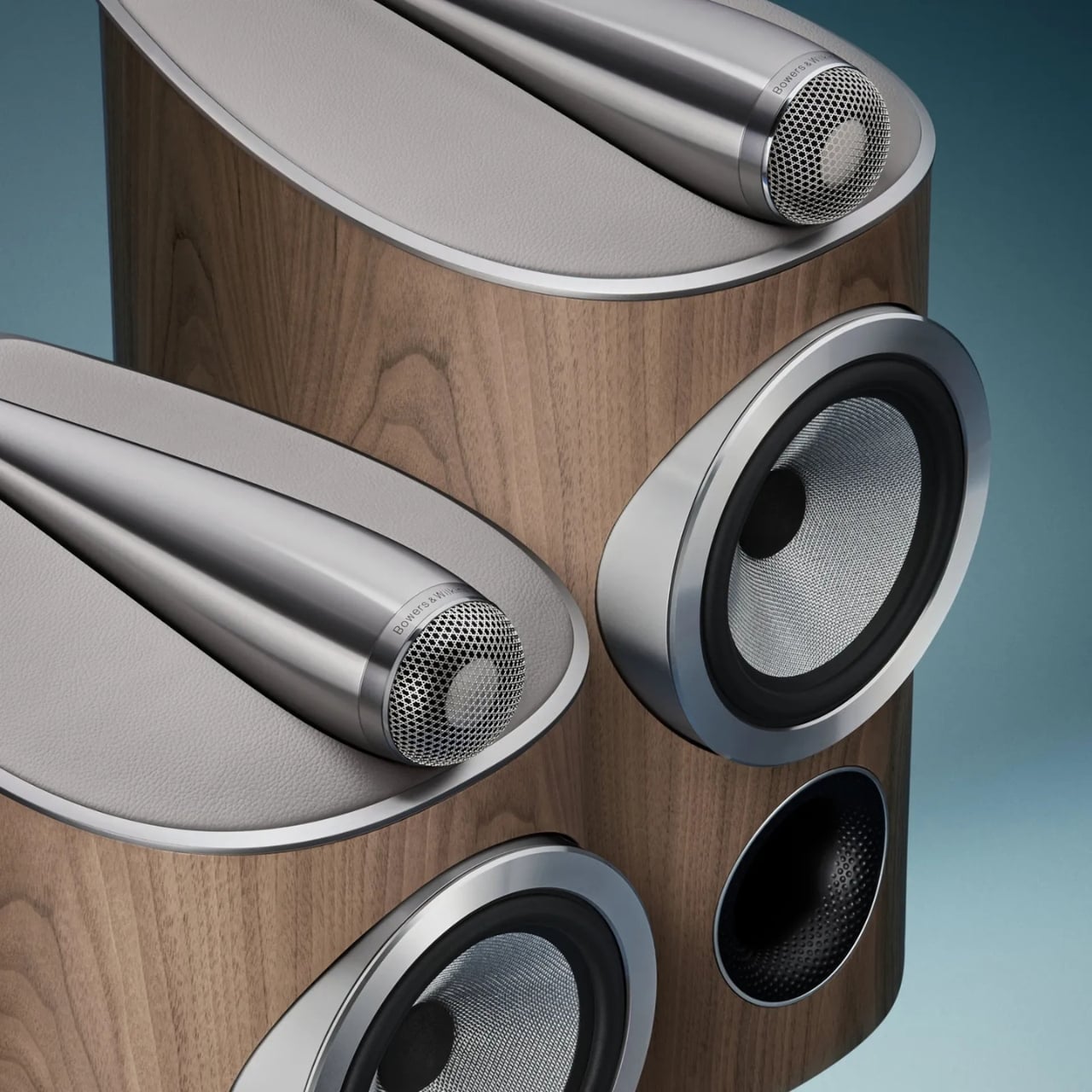
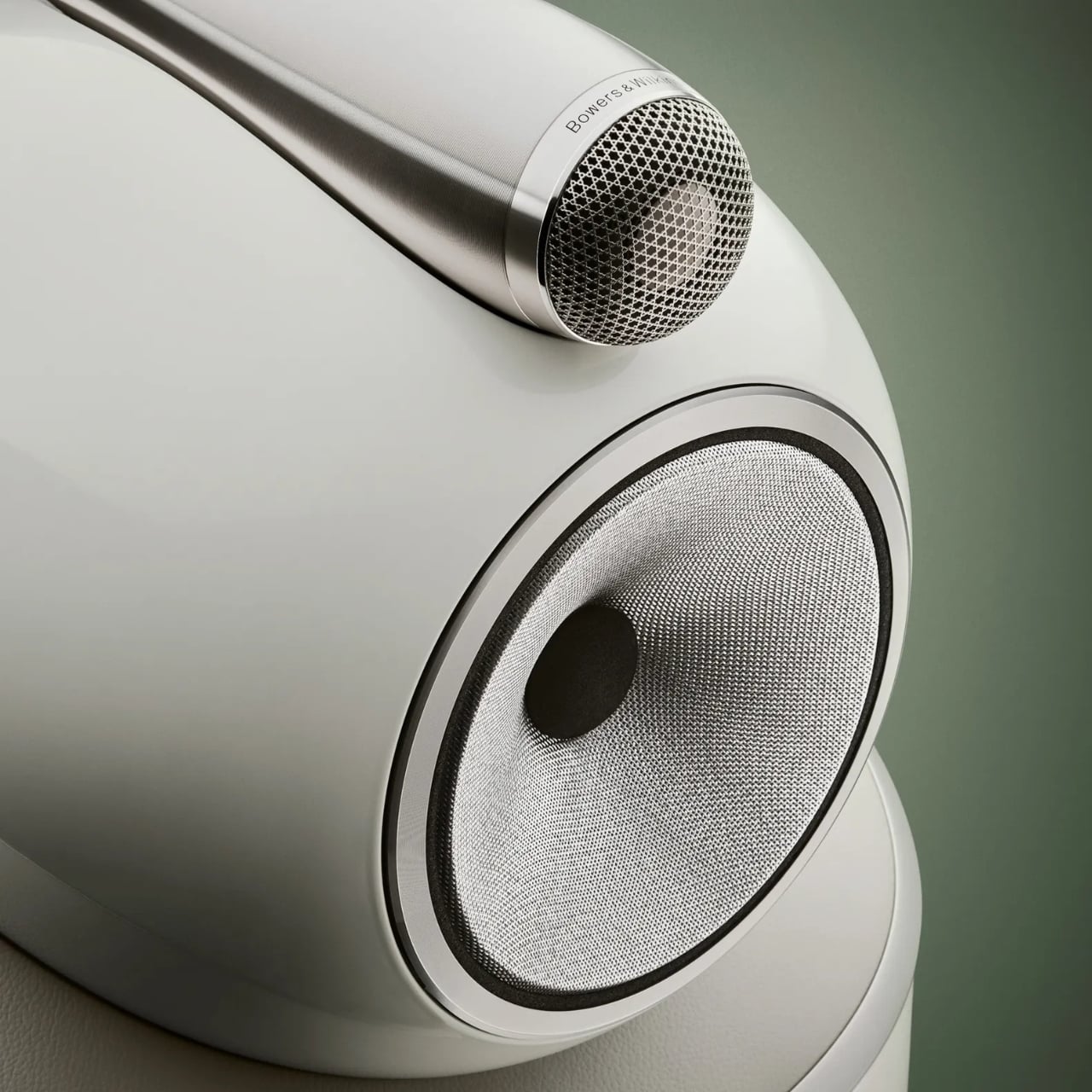
What’s new in D5 runs much deeper than the surface. The Space Frame Bracing system introduces parallel aluminum rails bolted directly to the rear Matrix cabinet bracing, making the enclosure significantly stiffer and mechanically quieter than its predecessor. A revised aluminum top plate, with thicker ribbing and updated decoupling mounts, better supports the Turbine Head and Solid-Body-Tweeter assemblies. The crossover components have been moved entirely outside the cabinet, mounted on aluminum rails at the rear, which eliminates internal air pressure fluctuations from affecting crossover behavior. As an added benefit, natural convection keeps those components running cooler during extended listening.
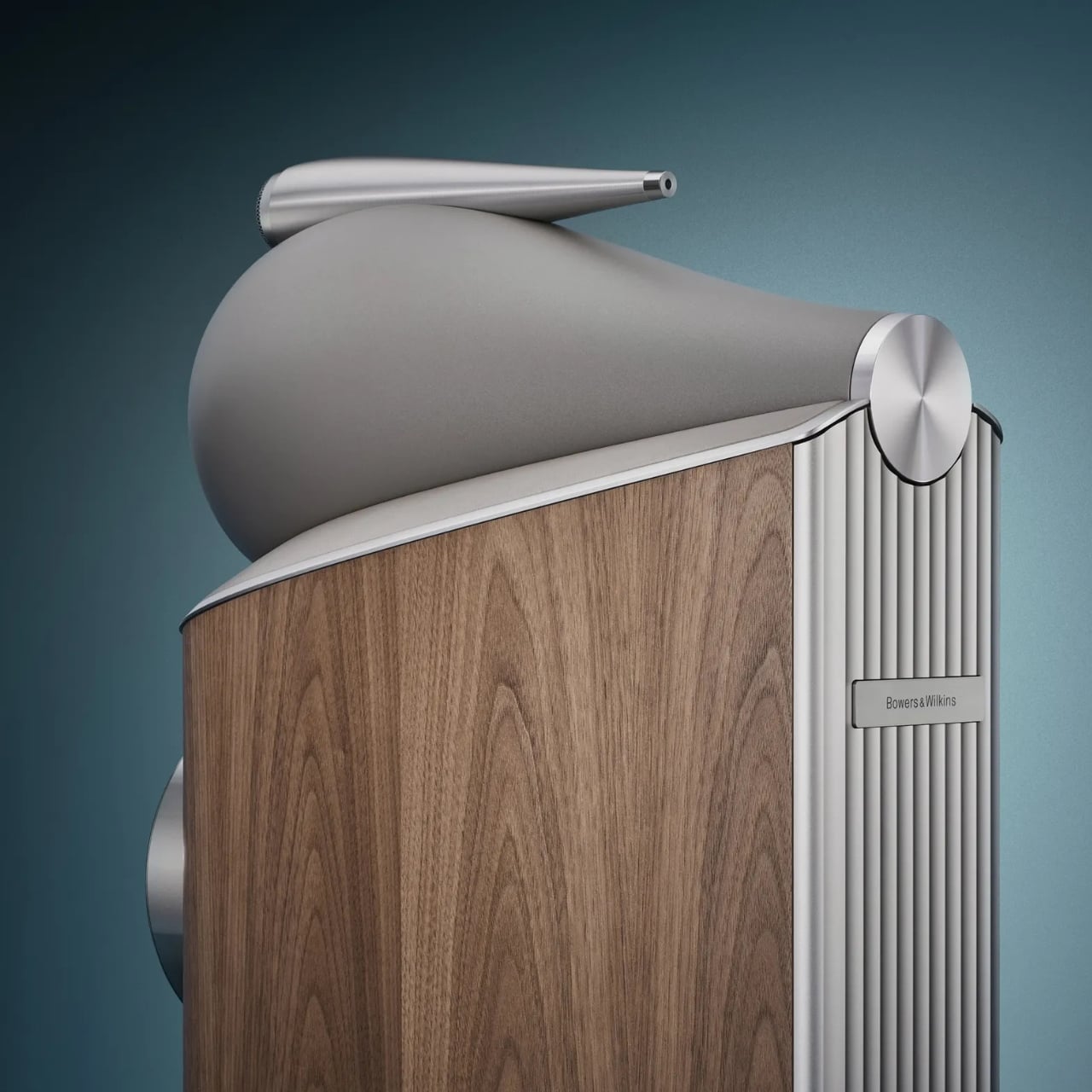
The Diamond Dome tweeter gets a new grille mesh, first developed for the acclaimed 801 D4 Signature, that’s more acoustically transparent while still protecting the dome. The result is better off-axis performance and noticeably improved resolution. Every midrange and bass driver across the range has also been upgraded with lower-distortion motor systems derived from Signature-grade components. That’s not a minor tune-up; that’s serious trickle-down engineering from the very top of the catalog.
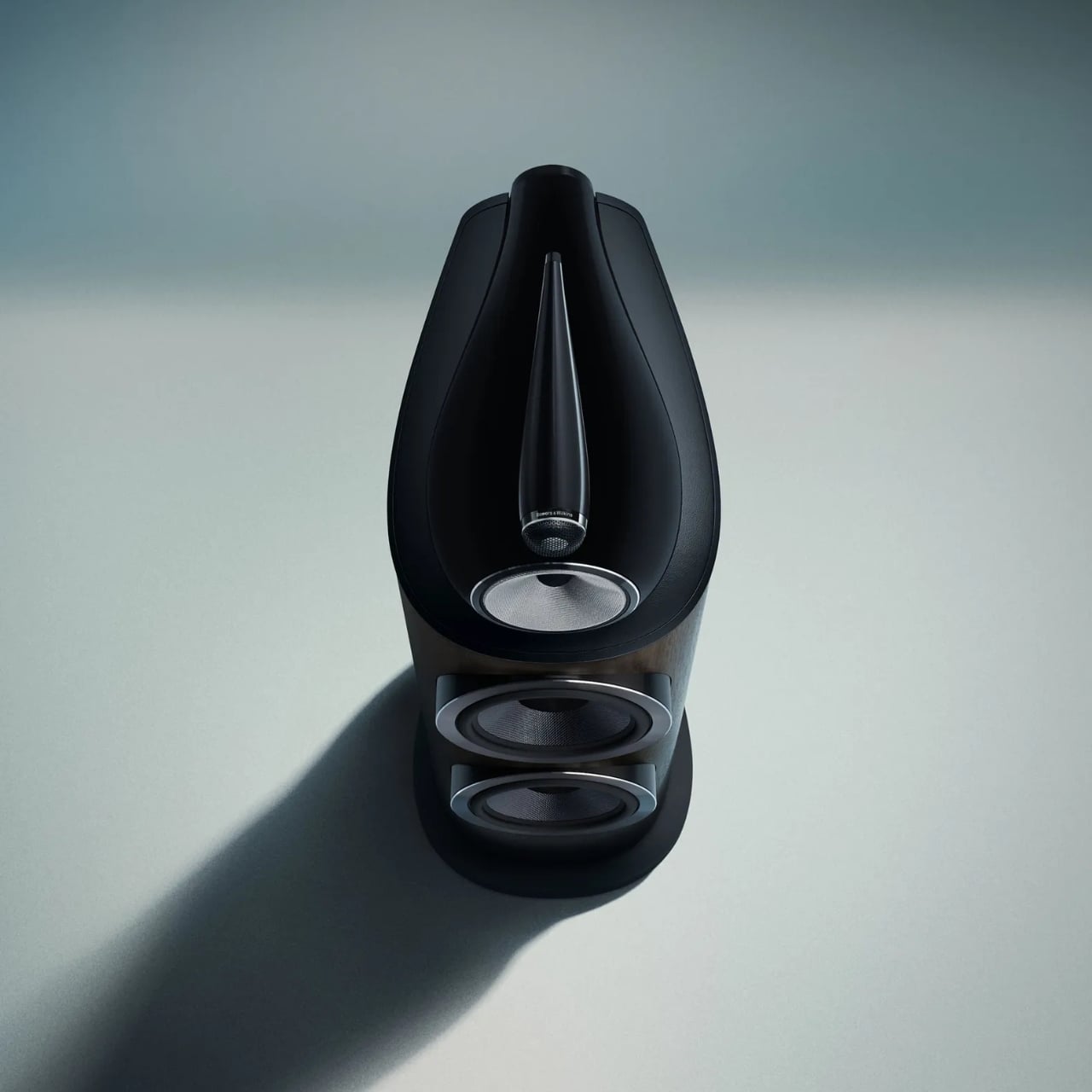
Aesthetically, the D5 introduces four new finishes: Stealth Black, Warm White, Light Walnut, and Dark Walnut. The paint has been upgraded for greater depth and durability, and the design detailing across every surface, from the spine to the plinth to the drive unit pods, has been refined. These are speakers handcrafted in Worthing, UK, and they carry that provenance visibly. Luxurious isn’t too generous a word.
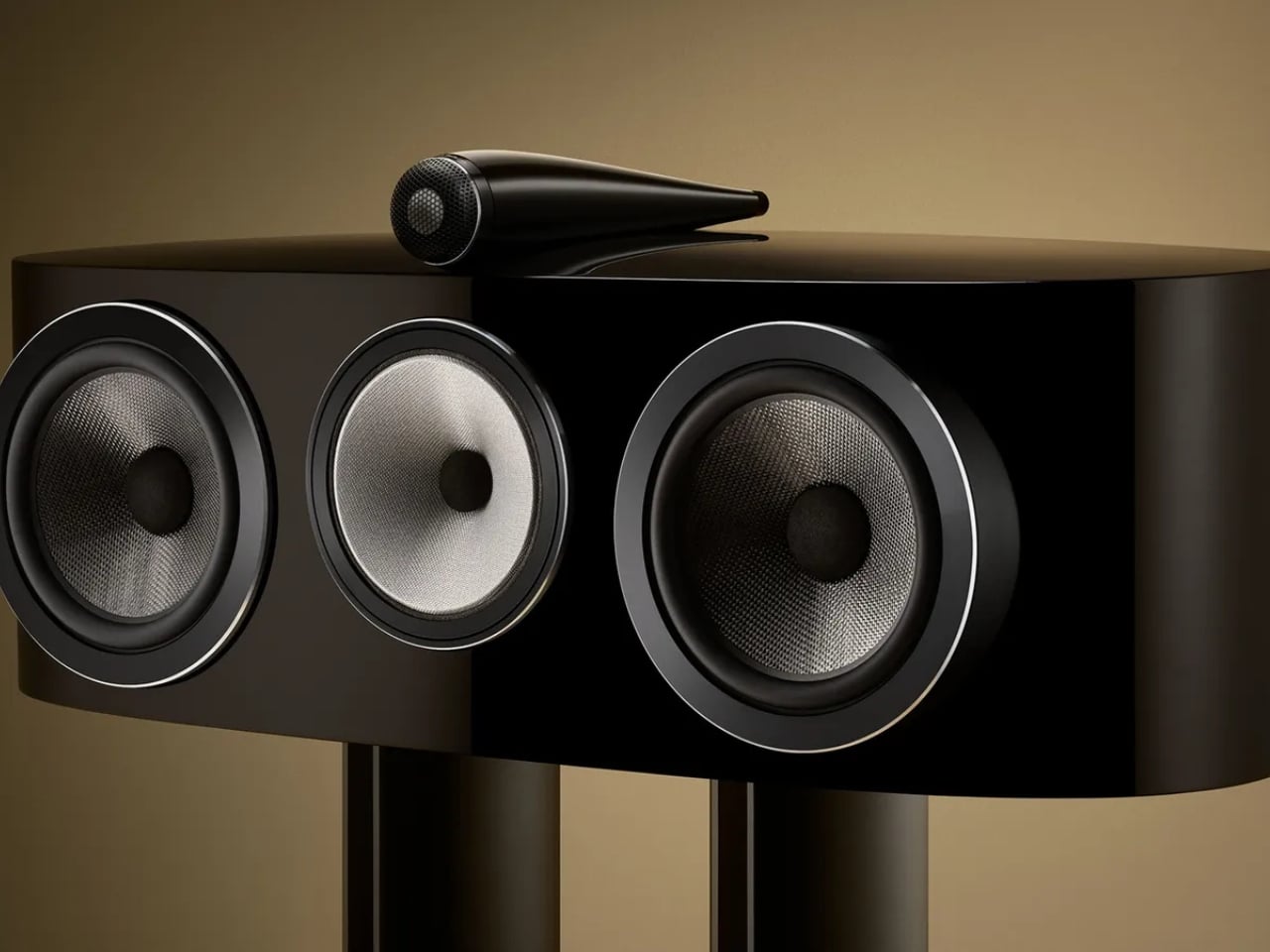
Where I land on all of this is that the 800 Series Diamond D5 represents something genuinely uncommon in a market crowded with premium pricing and thin justification: a product that earns its position through accumulated expertise and genuine craft. There’s real, demonstrable engineering here, the kind that takes decades to develop, and Bowers & Wilkins isn’t shy about showing their work. The D5 range is scheduled to ship in fall 2026, and the anticipation feels entirely warranted.
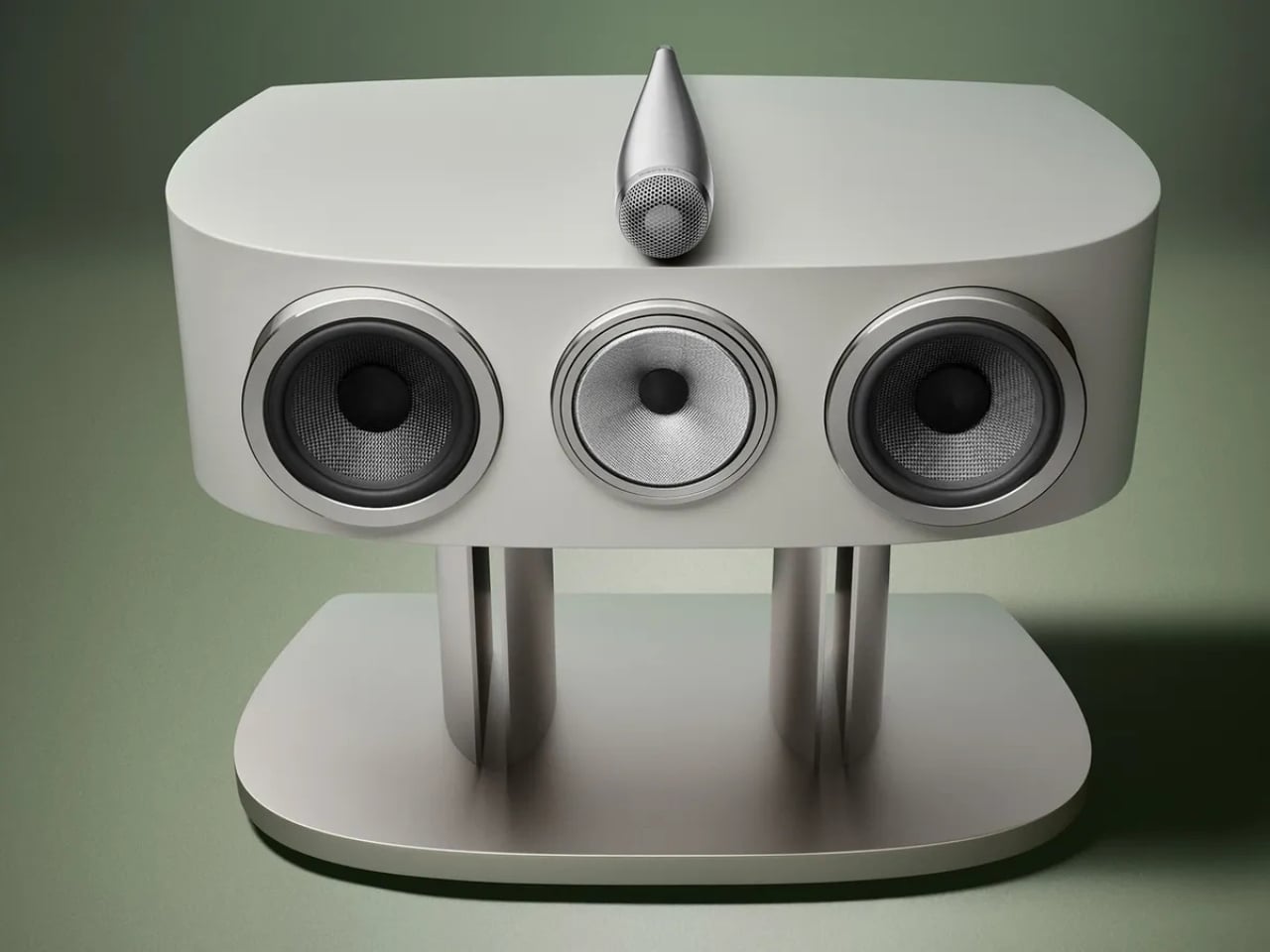
Sixty years of obsessive refinement, applied to a speaker that takes the living room as seriously as a professional studio, will do that. When the engineering is this thorough and the design this considered, the only question left is how loud you want to play it.
The post Bowers & Wilkins Spent 60 Years on These Speakers. It Shows. first appeared on Yanko Design.
Why the $1,099 MacBook Air M5 beats the MacBook Neo for macOS 27

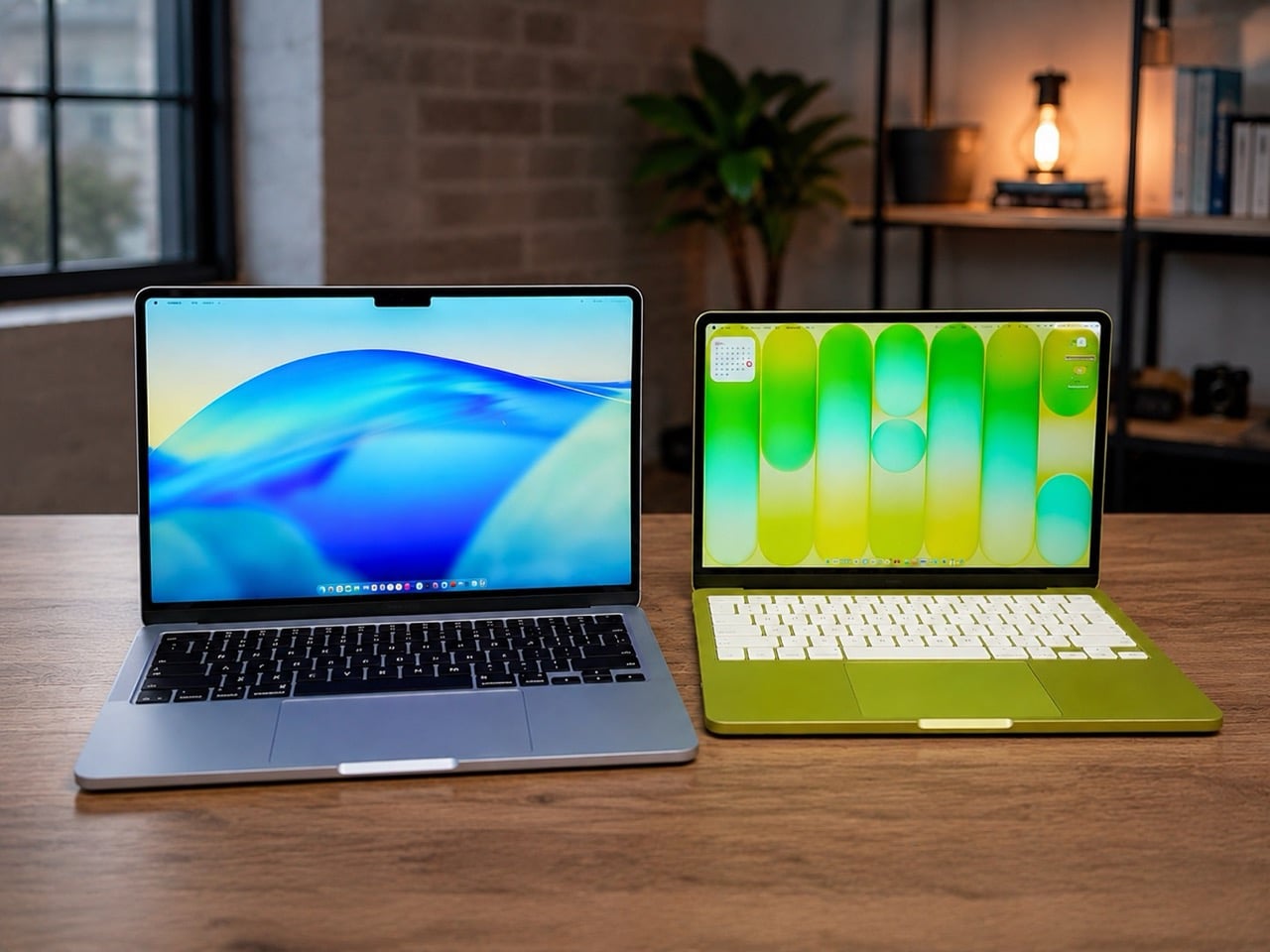
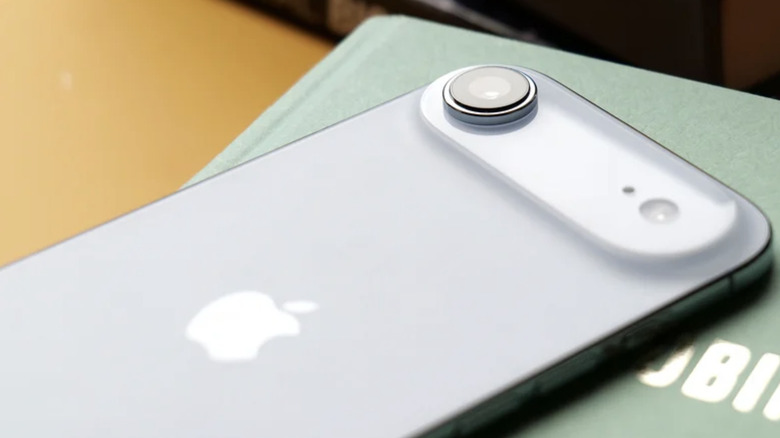
Apple’s 2026 laptop lineup presents a clean, almost philosophical choice. On one side sits the MacBook Neo, a machine built around the powerful idea of access. It lowers the barrier to entry, putting a capable Apple notebook within reach of more people than ever. It is a compelling argument rooted in the present, designed to solve an immediate need for a good, affordable computer. For a few hundred dollars more, the M5 MacBook Air makes a different promise, one that is less about immediate savings and more about long-term value and capability.

For months, that choice felt ambiguous, a simple trade-off between price and power. The arrival of macOS 27, however, brought a new clarity to the decision. Apple’s vision for the next generation of its operating system, with its heavy reliance on sophisticated on-device AI, reframed the entire lineup. The question is no longer just about what you need today, but about which machine is properly equipped for the software you will be using tomorrow. The Neo gets you in the door; the M5 Air gets you a seat at the table.

Designer: Apple

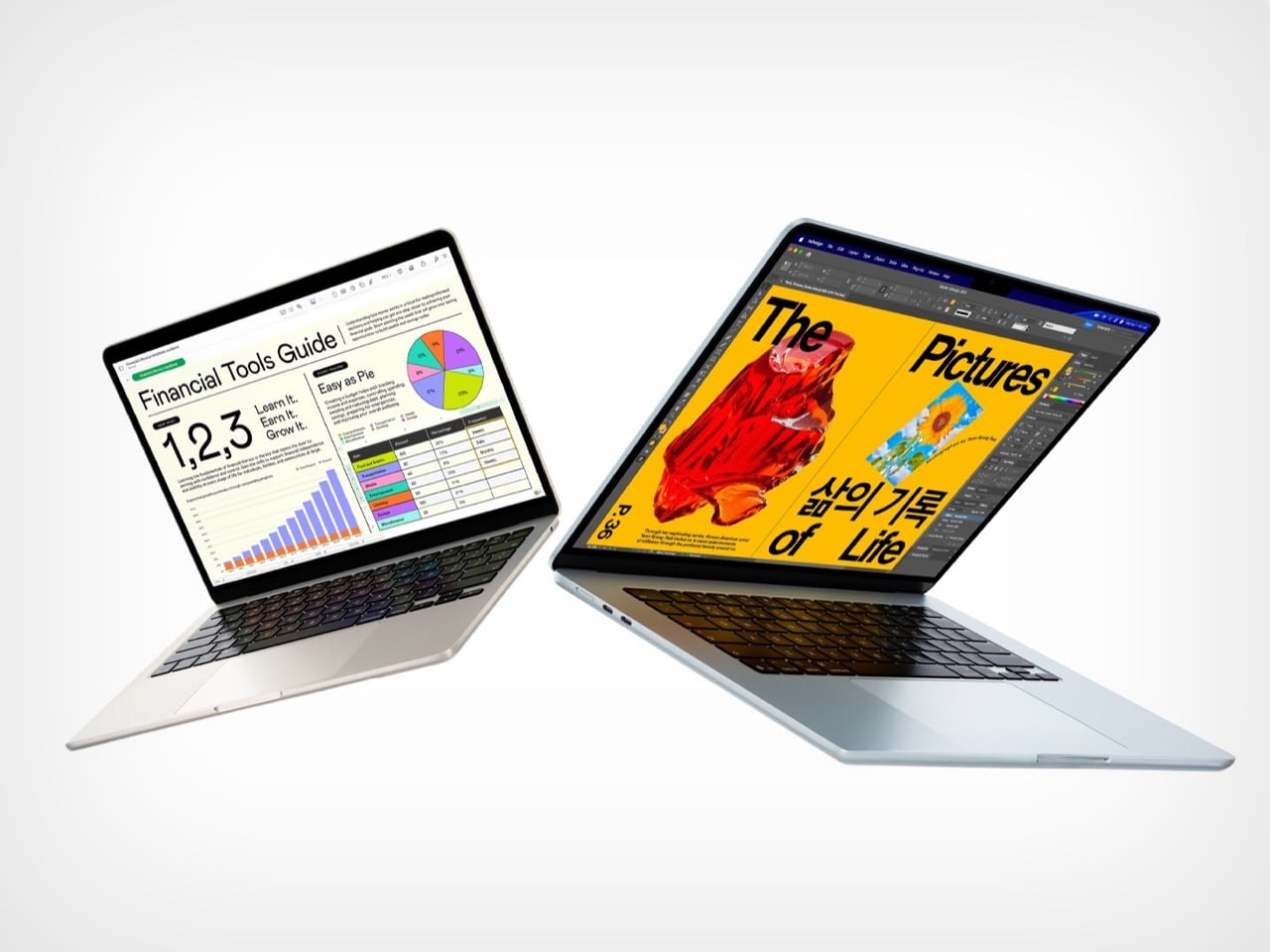
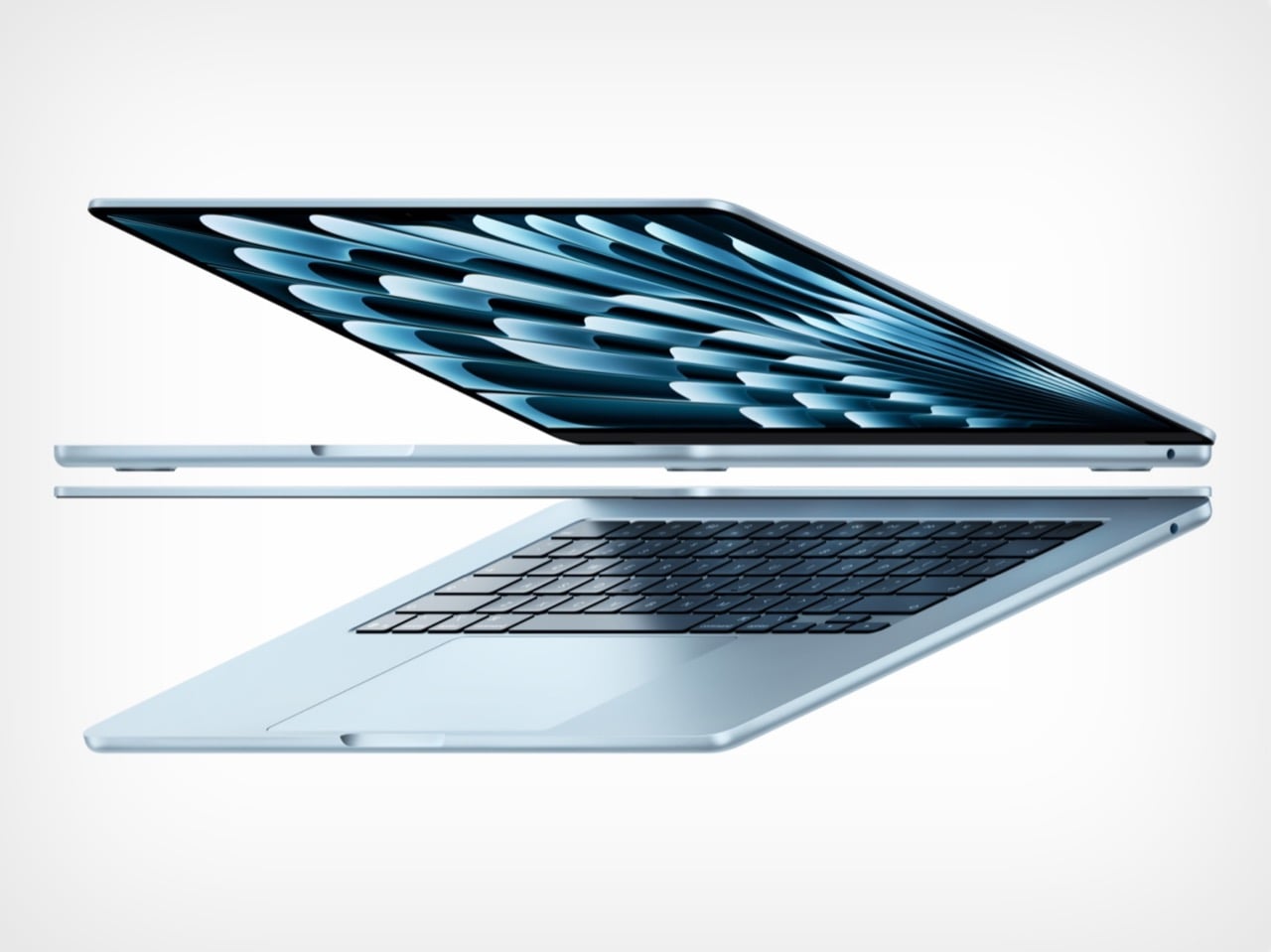
The M5 chip is what separates these two machines, and that difference stands out far more now than it did at launch. Apple announced the M5 MacBook Air in March with doubled base storage and modest performance gains, framing it as a solid evolutionary update. The M5 features a 10-core CPU and up to a 10-core GPU, but the real story lives inside those GPU cores. Each one includes a Neural Accelerator, a dedicated AI processing unit that dramatically increases the machine’s ability to handle on-device machine learning tasks. Apple explicitly positioned the M5 Air as capable of delivering up to 4x faster performance for AI tasks than the M4 Air, and up to 9.5x faster than the M1 generation. Those numbers were abstract in March. After WWDC, they became a requirement.

macOS 27 Golden Gate leans heavily on Apple Intelligence, the company’s suite of AI-powered features that process data locally rather than relying on cloud servers. Visual Intelligence, enhanced Spotlight with conversational AI capabilities, and system-wide machine learning workflows all depend on silicon that can handle the computational load without slowing down everyday tasks. The M5’s architecture was designed specifically to support this kind of workload at scale, making it the baseline for an uncompromised experience. Apple described the M5 Air as capable for Apple Intelligence across apps and system experiences, as well as for running large language models on device in enterprise environments. The Neo, with older silicon, may technically run macOS 27, but the gap between eligibility and capability is the entire value argument for spending more.

The storage equation also tilts decisively toward the M5 Air. Apple doubled the base configuration to 512GB, up from the 256GB that previous generations started with. That increase addresses one of the most persistent criticisms of Apple’s entry-level pricing strategy, particularly as on-device AI models require significant local storage to function properly. Larger machine learning models, extensive photo libraries processed with AI features, and the general expectation that a 2026 laptop should have breathing room all make 512GB feel like the real starting point. The $100 price increase over the previous M4 Air generation is easier to justify when half of it is effectively the cost of storage you would have upgraded to anyway. The Neo’s storage configuration was not surfaced in available reporting, but if it follows typical budget laptop patterns, it likely sits closer to the older 256GB baseline, which immediately creates friction for users planning to lean into Apple’s AI-forward software vision.

The M5 Air launched in March to a relatively muted reception, with early reviews treating it as a competent, predictable update rather than a transformational product. That framing was accurate at the time, because the machine’s value was not yet fully apparent. WWDC changed the story by revealing what the M5 was actually designed to do. The real product was never just the laptop; it was the laptop as a vessel for a more intelligent operating system. The Neo, by contrast, remains a strong value for users whose needs are defined by today’s software, but it starts to look underpowered the moment you project forward even a year.

The MacBook Air M5 is where Apple’s 2026 Mac story begins to feel aligned with its software ambitions. It is not the cheapest way into the ecosystem, but it may be the cheapest way to avoid compromise as macOS 27 arrives this fall. The Neo has its place, but for anyone planning to live on this machine for the next three to five years, the M5 Air is the safer, smarter, and ultimately more cost-effective choice. You can preorder both machines now through Apple’s website, but only one of them feels like it was built for the operating system Apple just announced.

The post Why the $1,099 MacBook Air M5 beats the MacBook Neo for macOS 27 first appeared on Yanko Design.

Y2K-inspired Commodore Callback 8020 is a smart dumbphone to reclaim your life

Phone addiction has reached a point where doomscrolling is affecting our cognitive intelligence and already, dumbphones are trying to address this global problem. More often than not, these devices work for a while, eventually triggering the user to ditch them and get back to old ways.

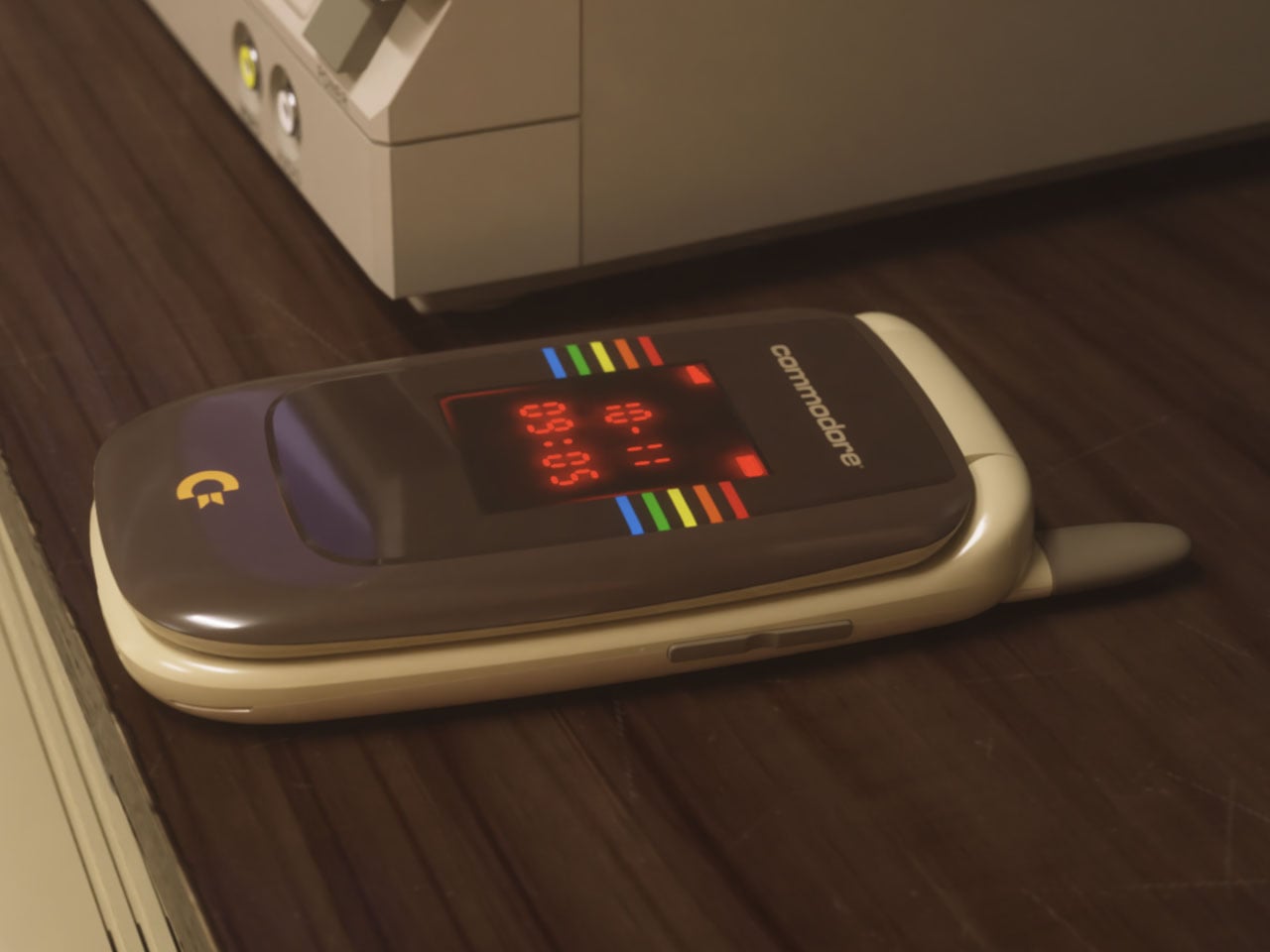
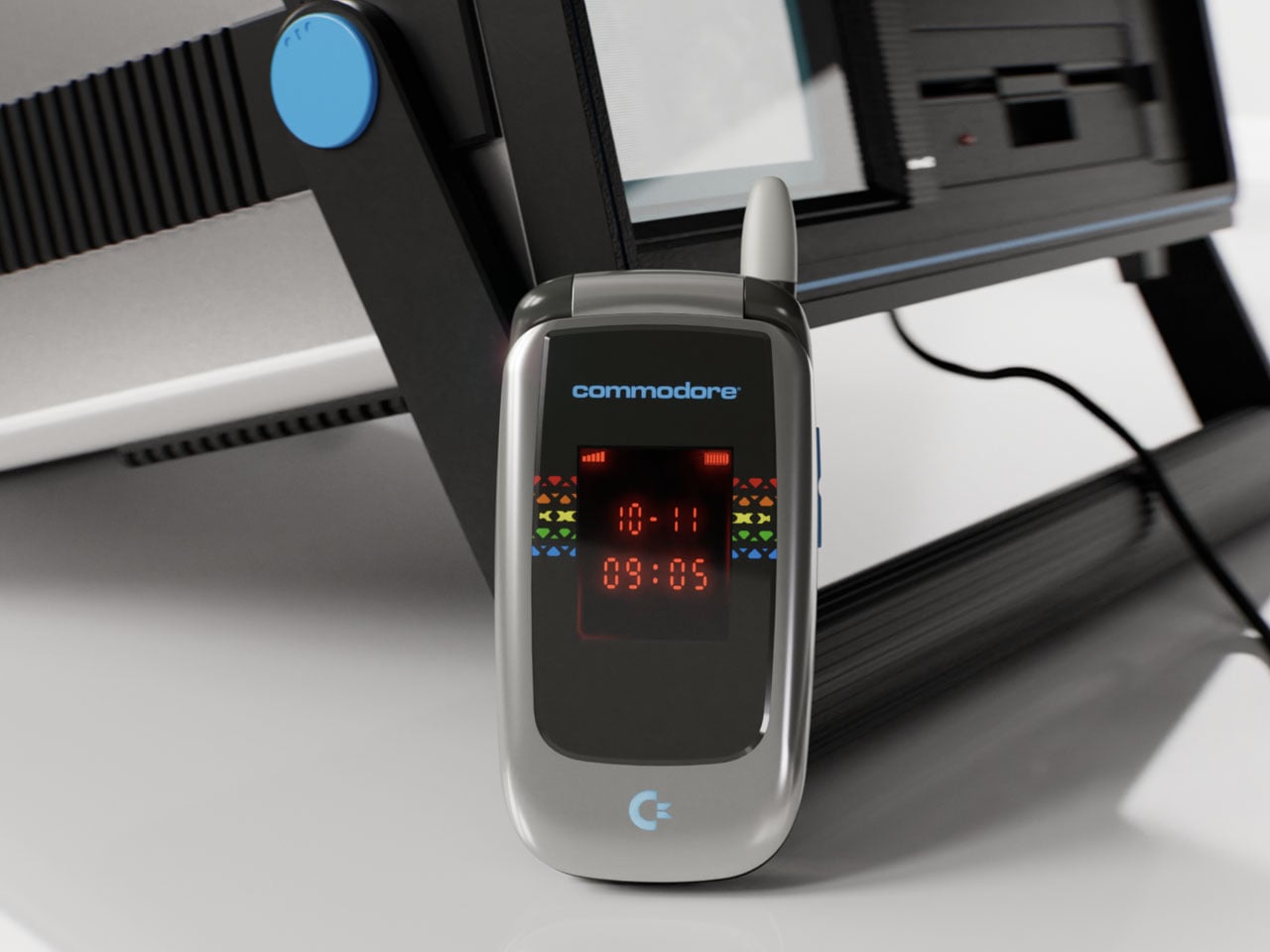
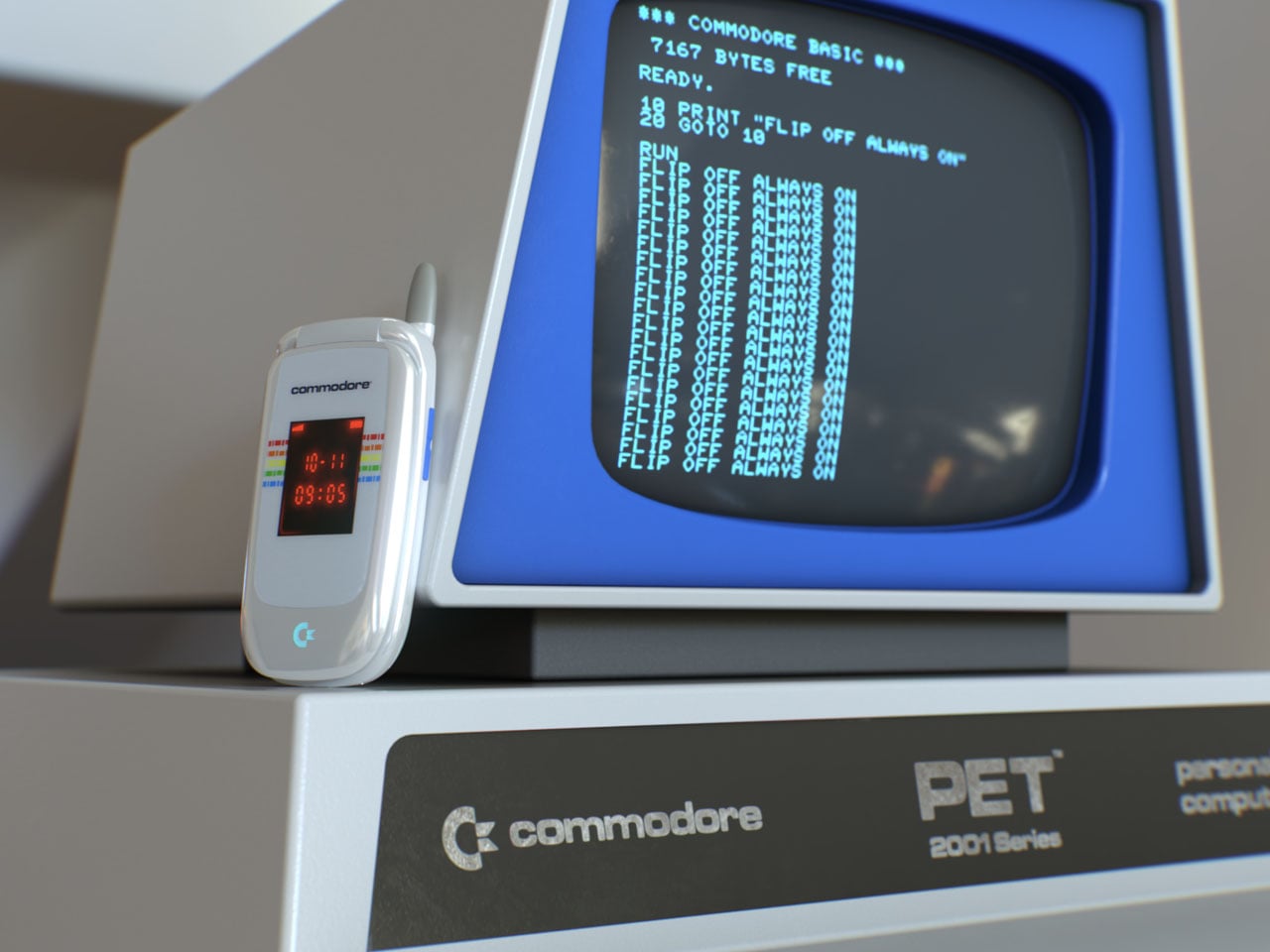
Commodore, resurrected by YouTuber Peri Fractic (a.k.a. Christian Simpson), brought back the 1982 Commodore 64 keyboard, and the brand looks strong to capture a very niche segment of the nerdy market. Now, under his leadership, there’s yet another gadget that originates from the firsthand experience of the man himself. He made the shift to a dumbphone years ago but found a problem, as these devices took away more functionality than desired. This prompted him to create a “not dumb dumbphone.”

Designer: Commodore

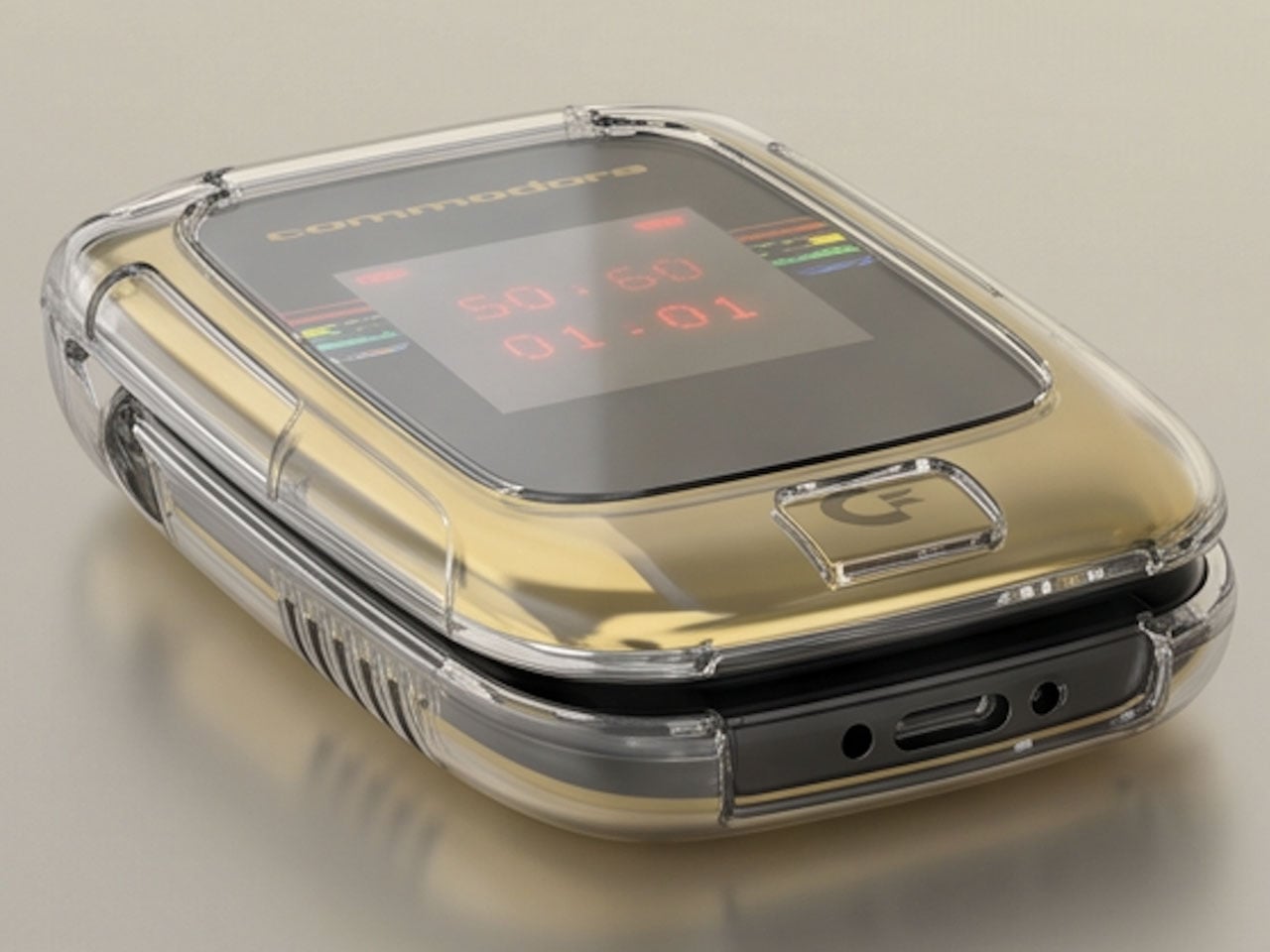
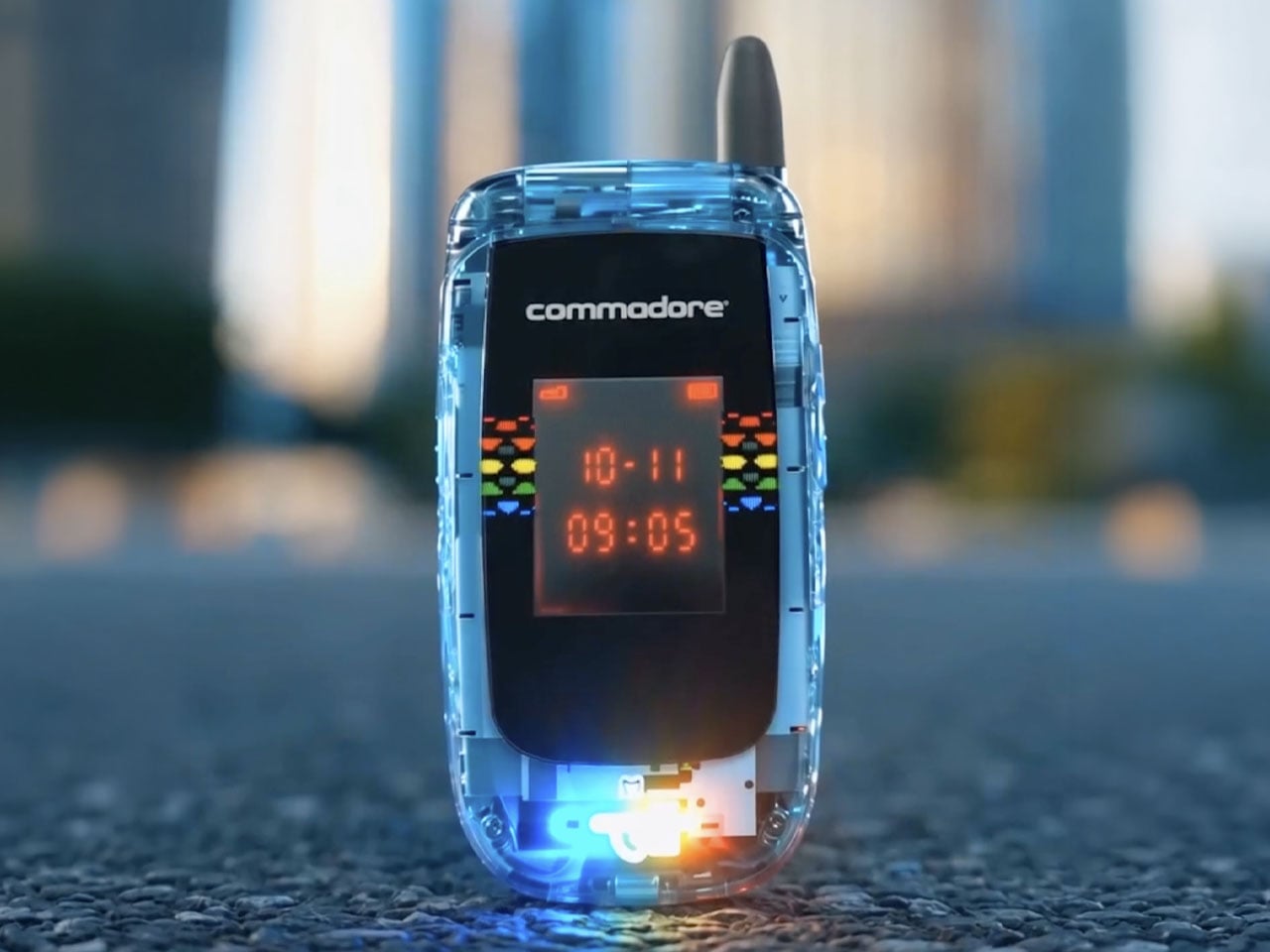
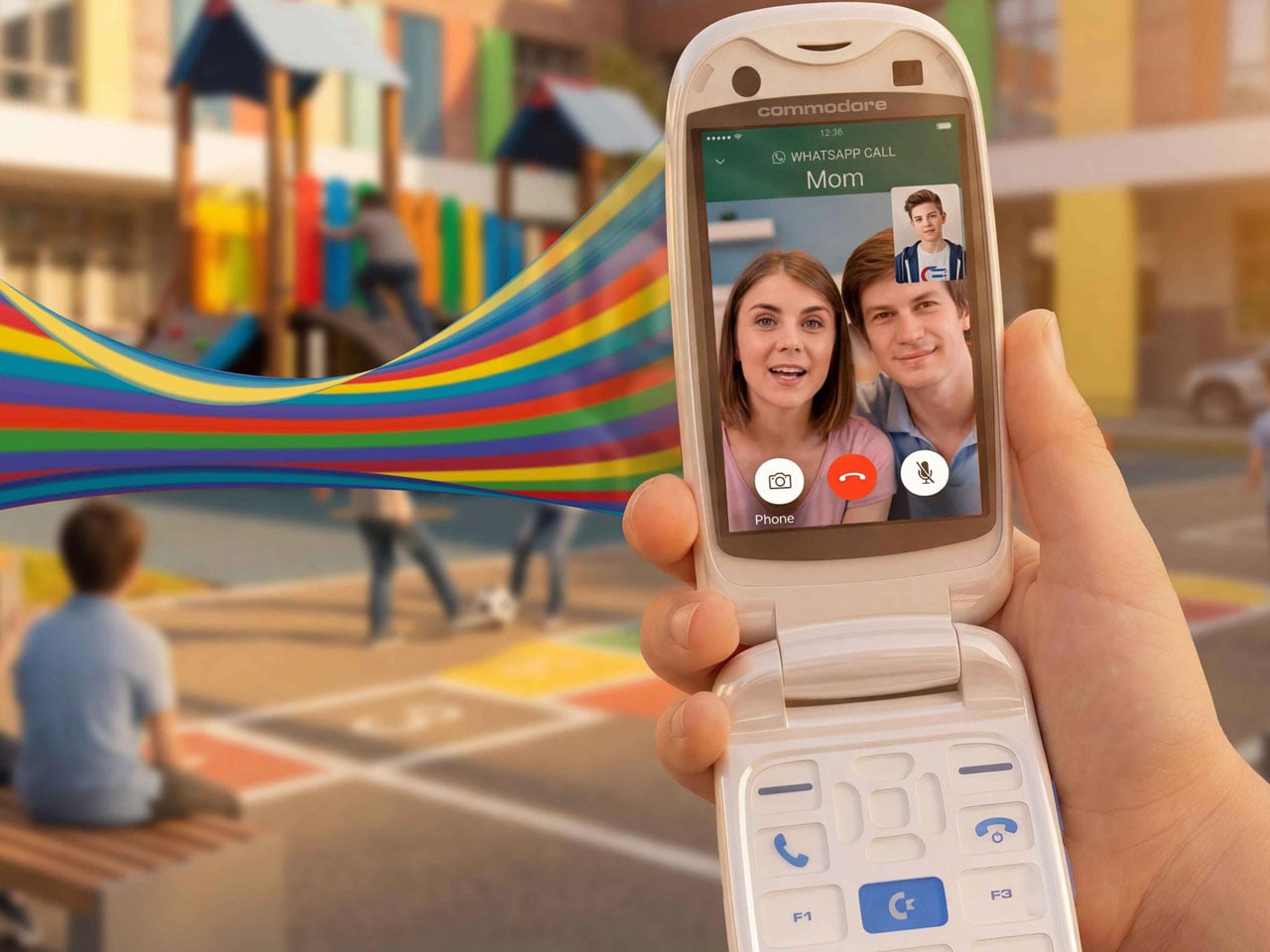
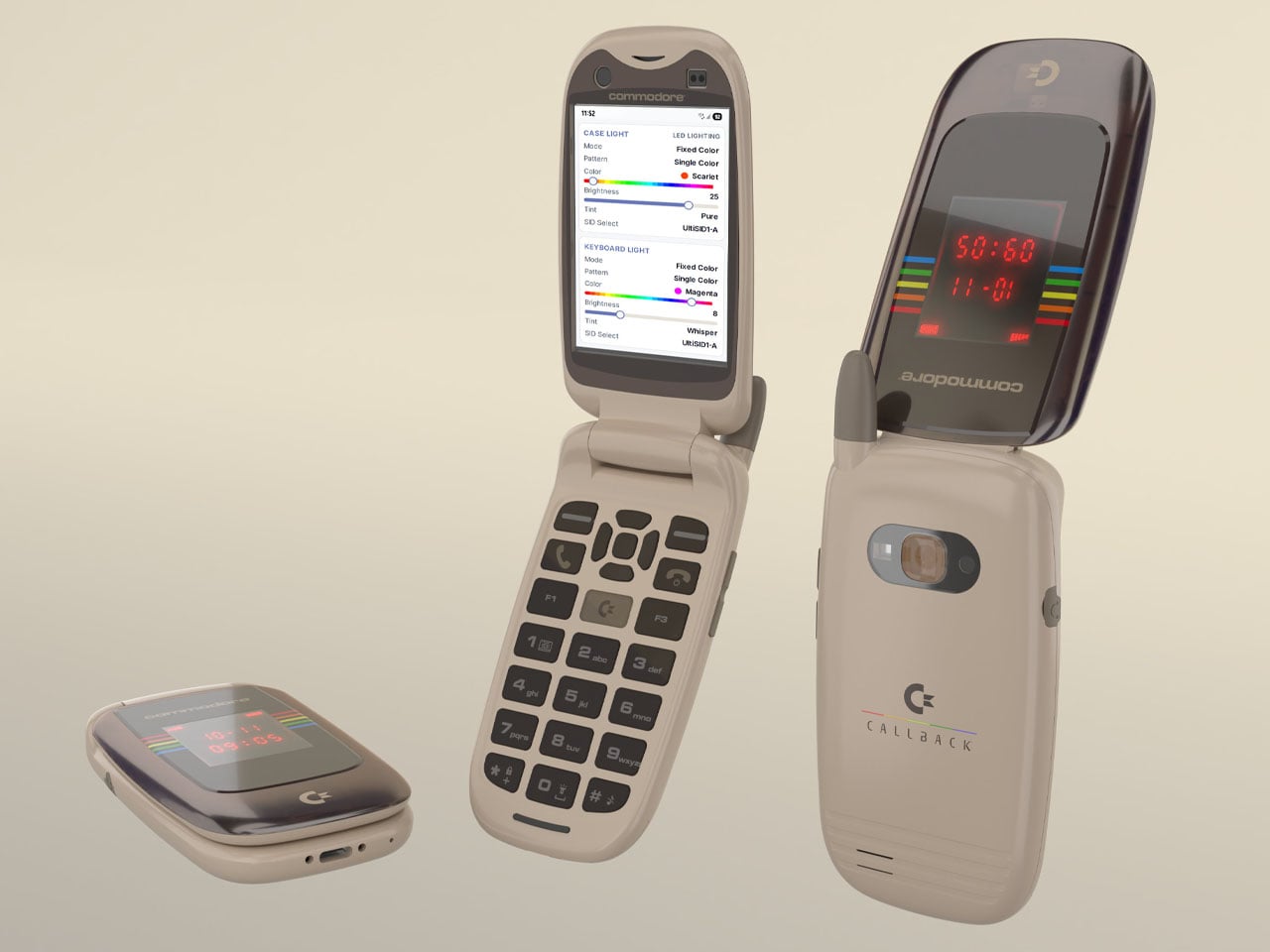
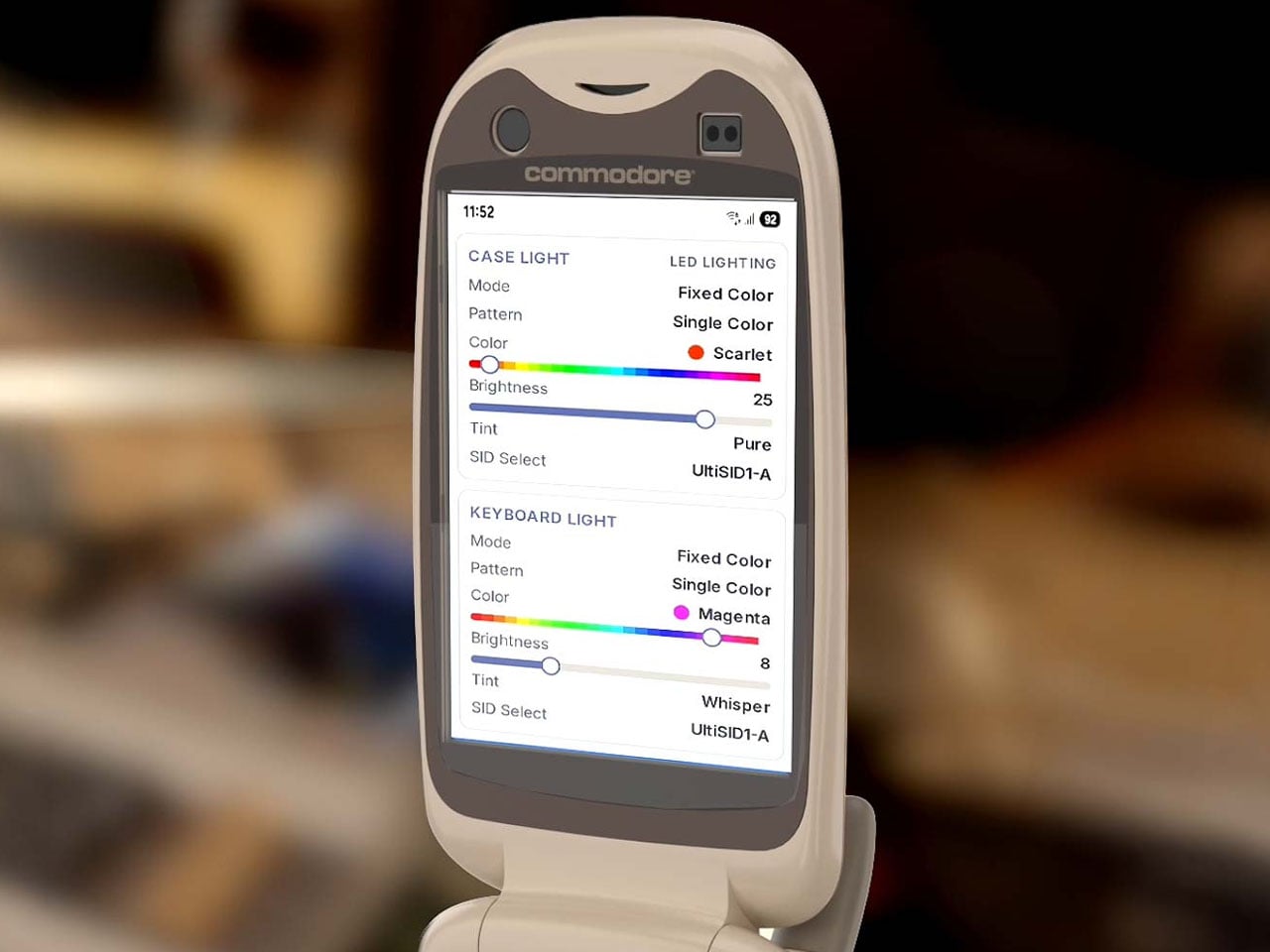
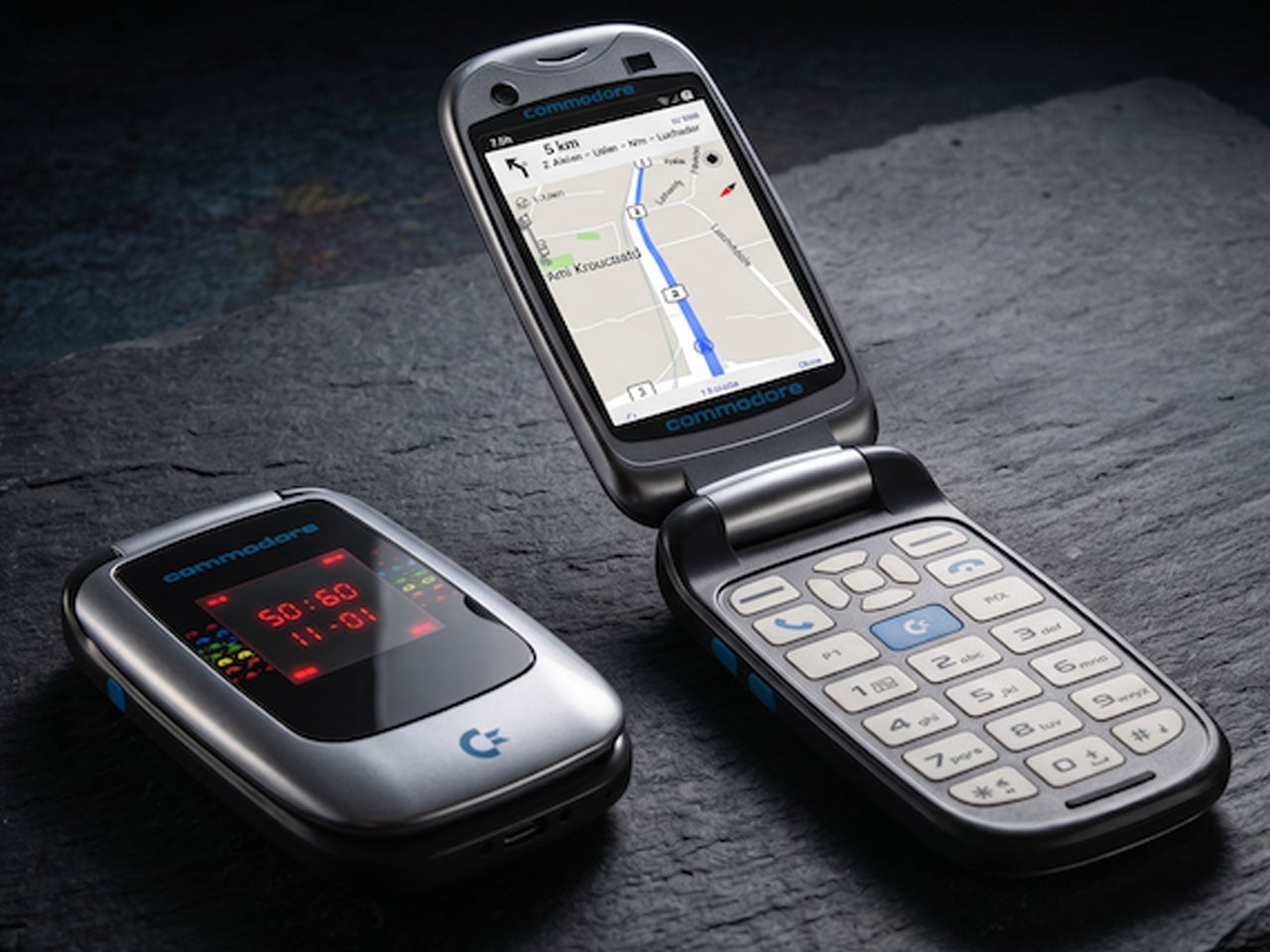
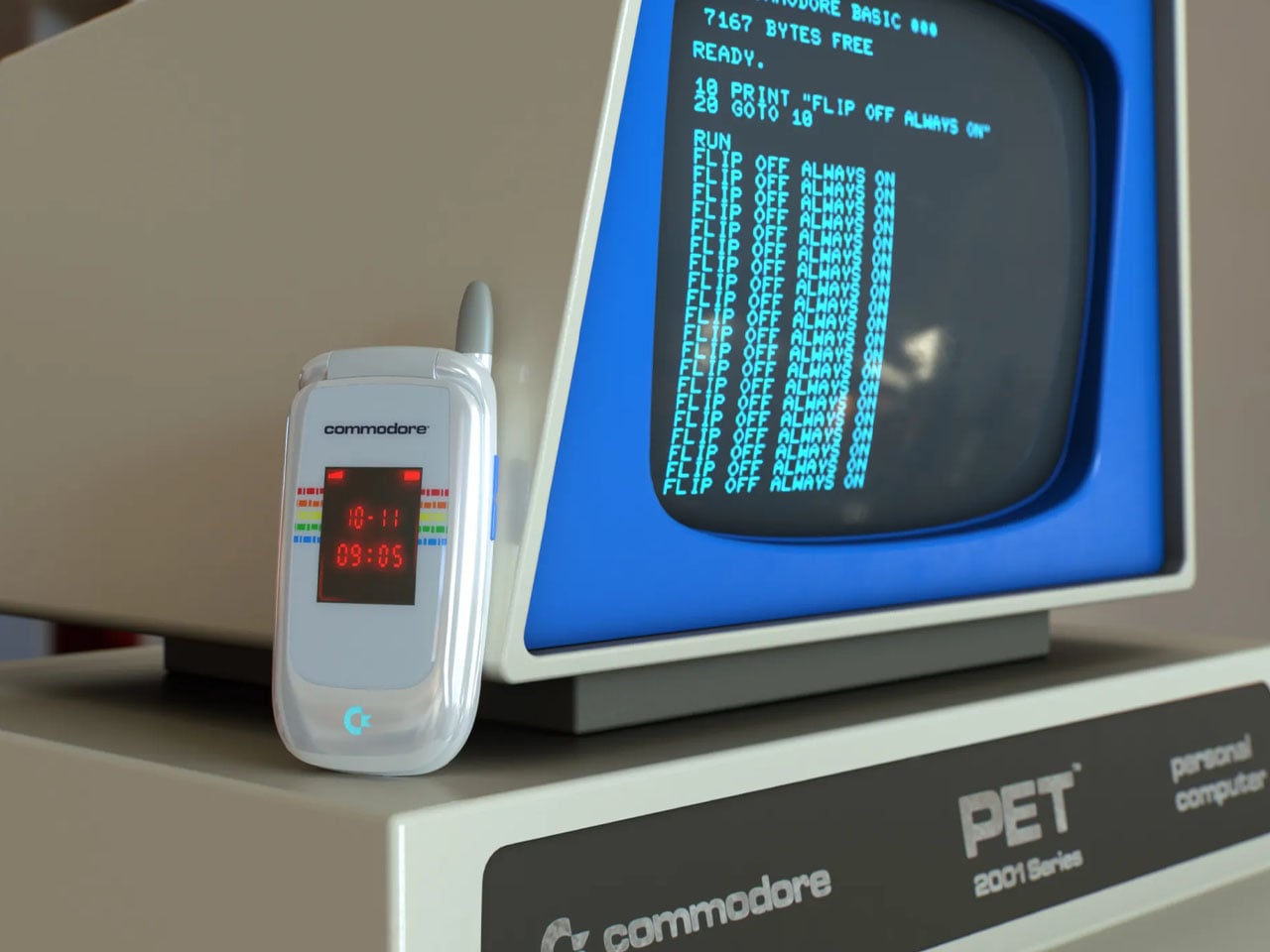
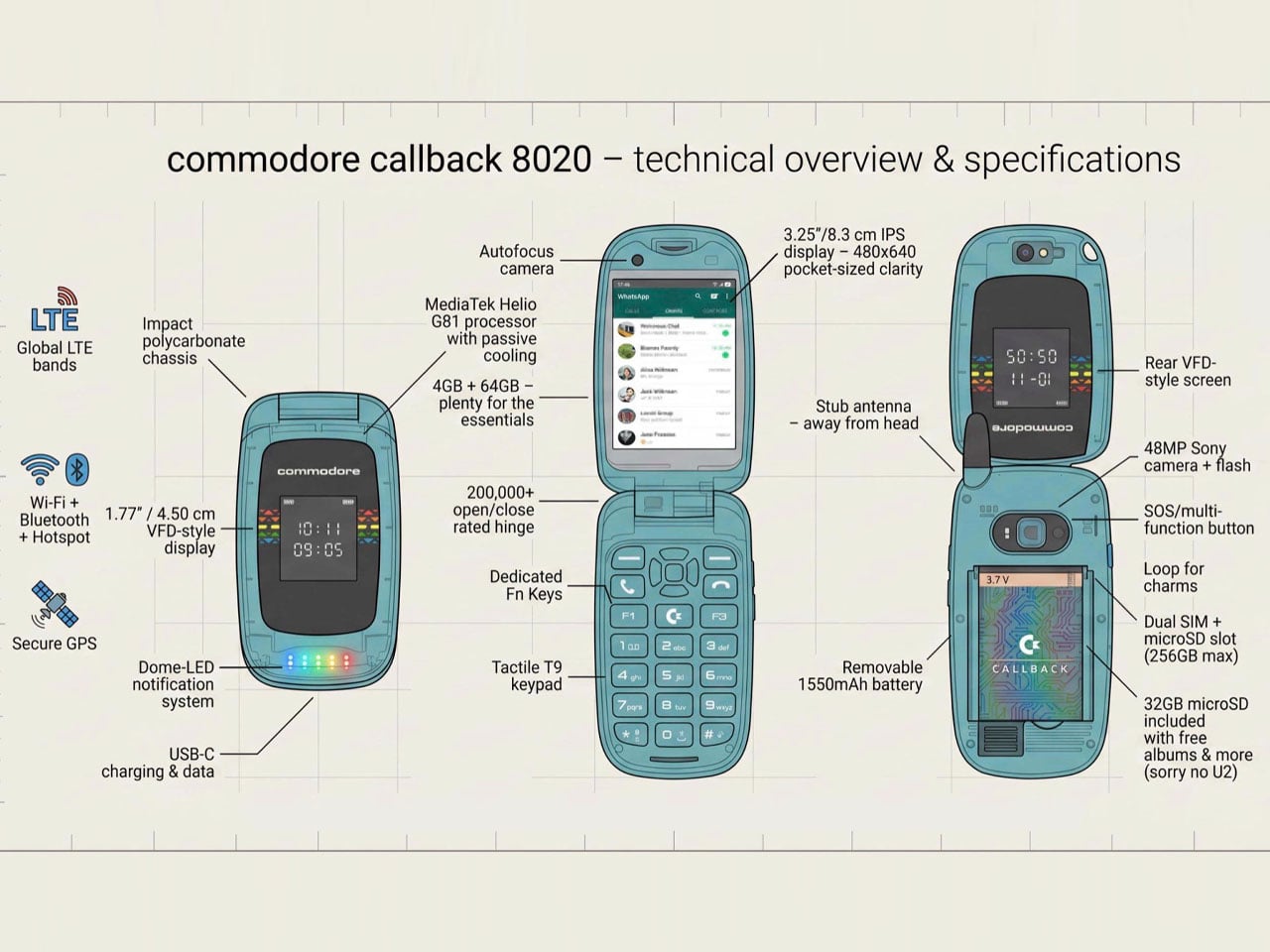
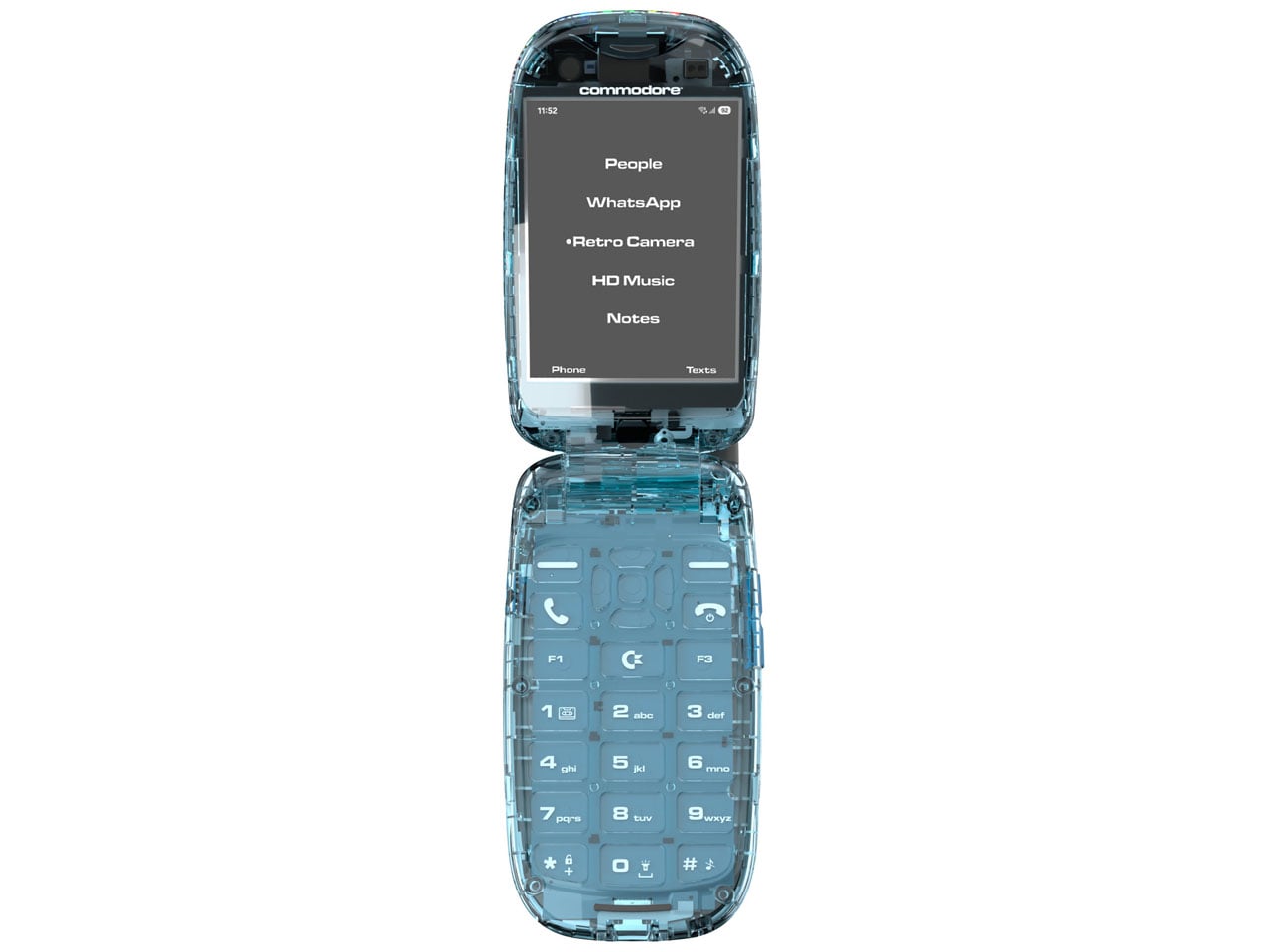
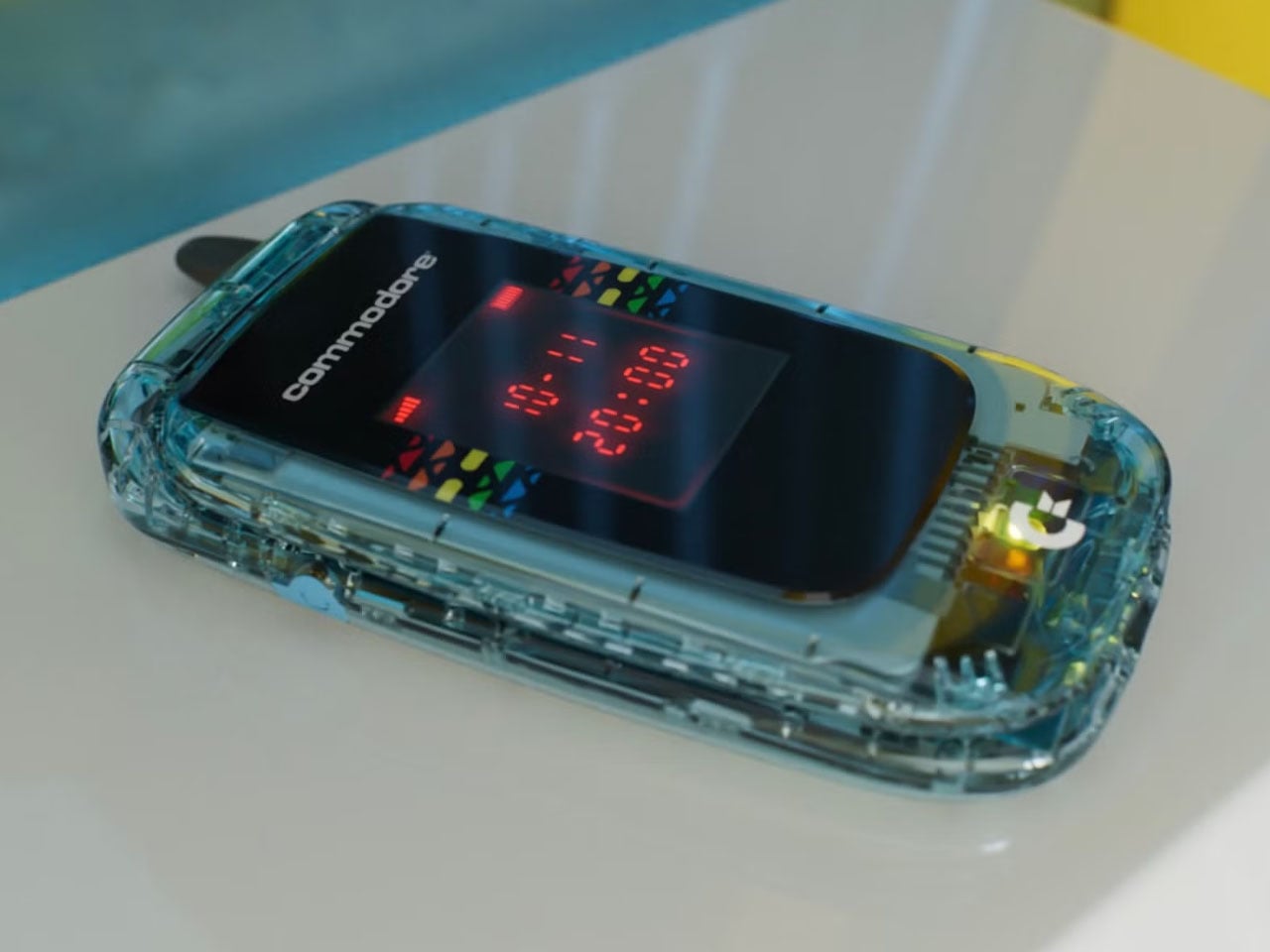
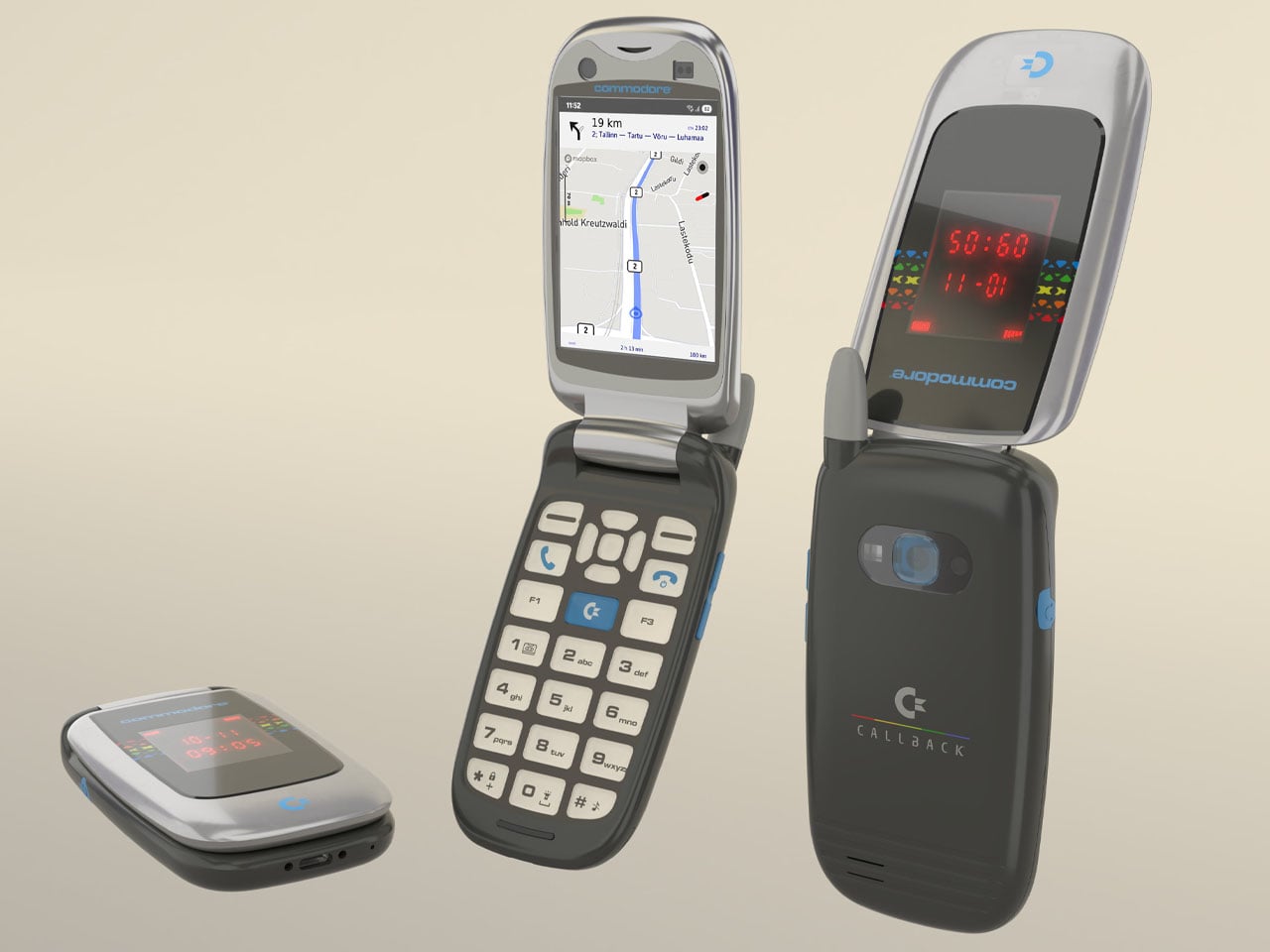
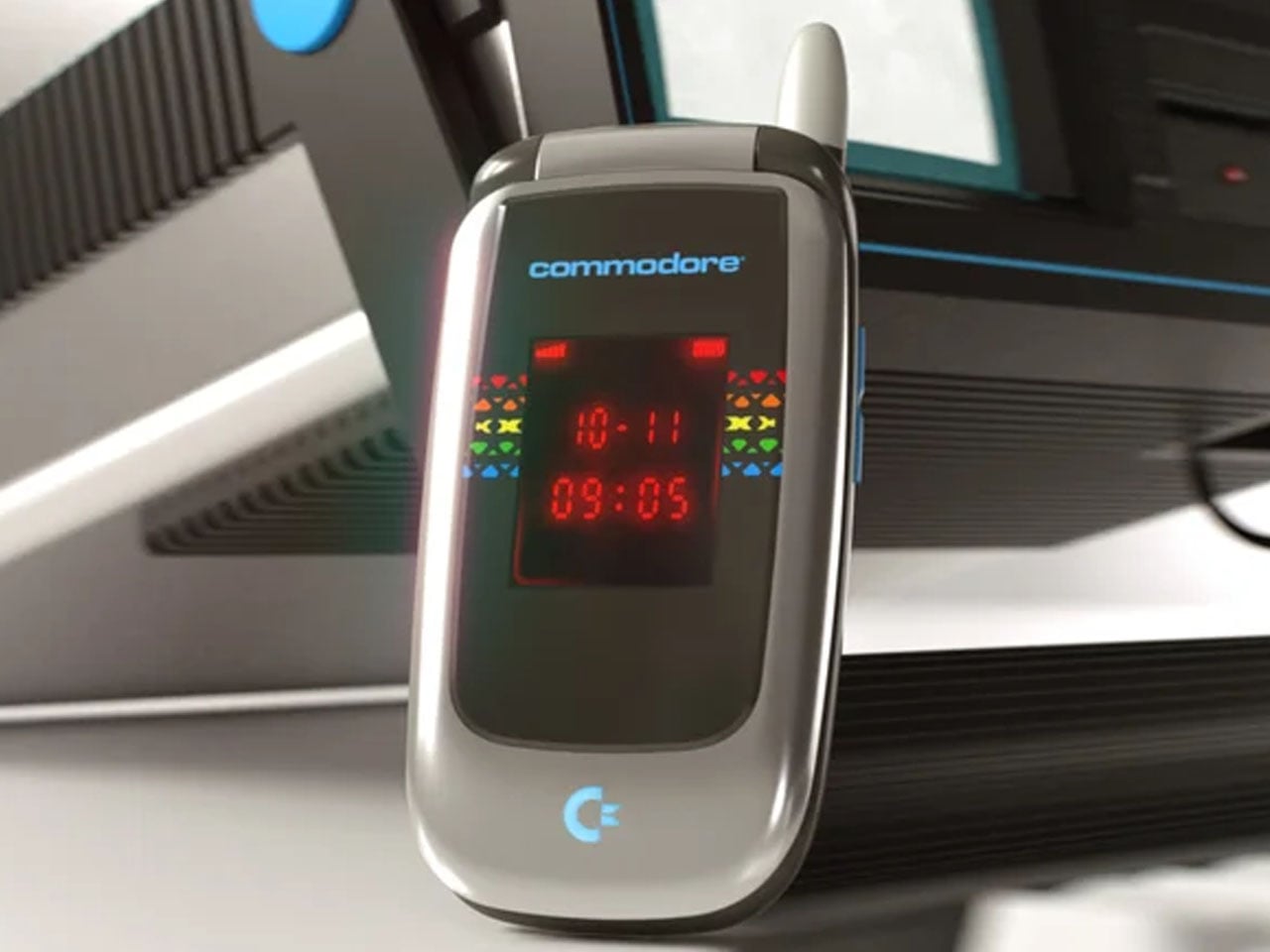
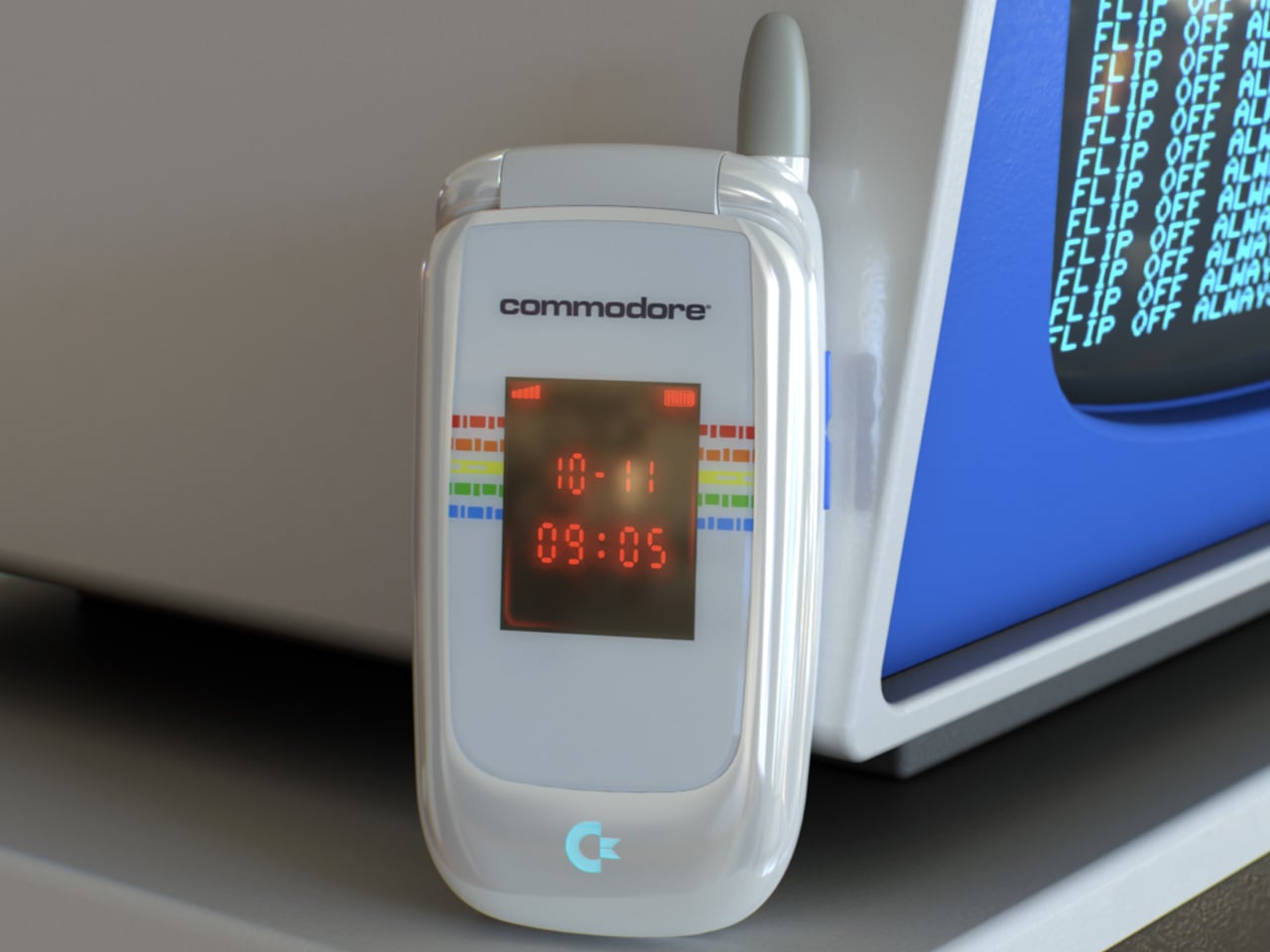
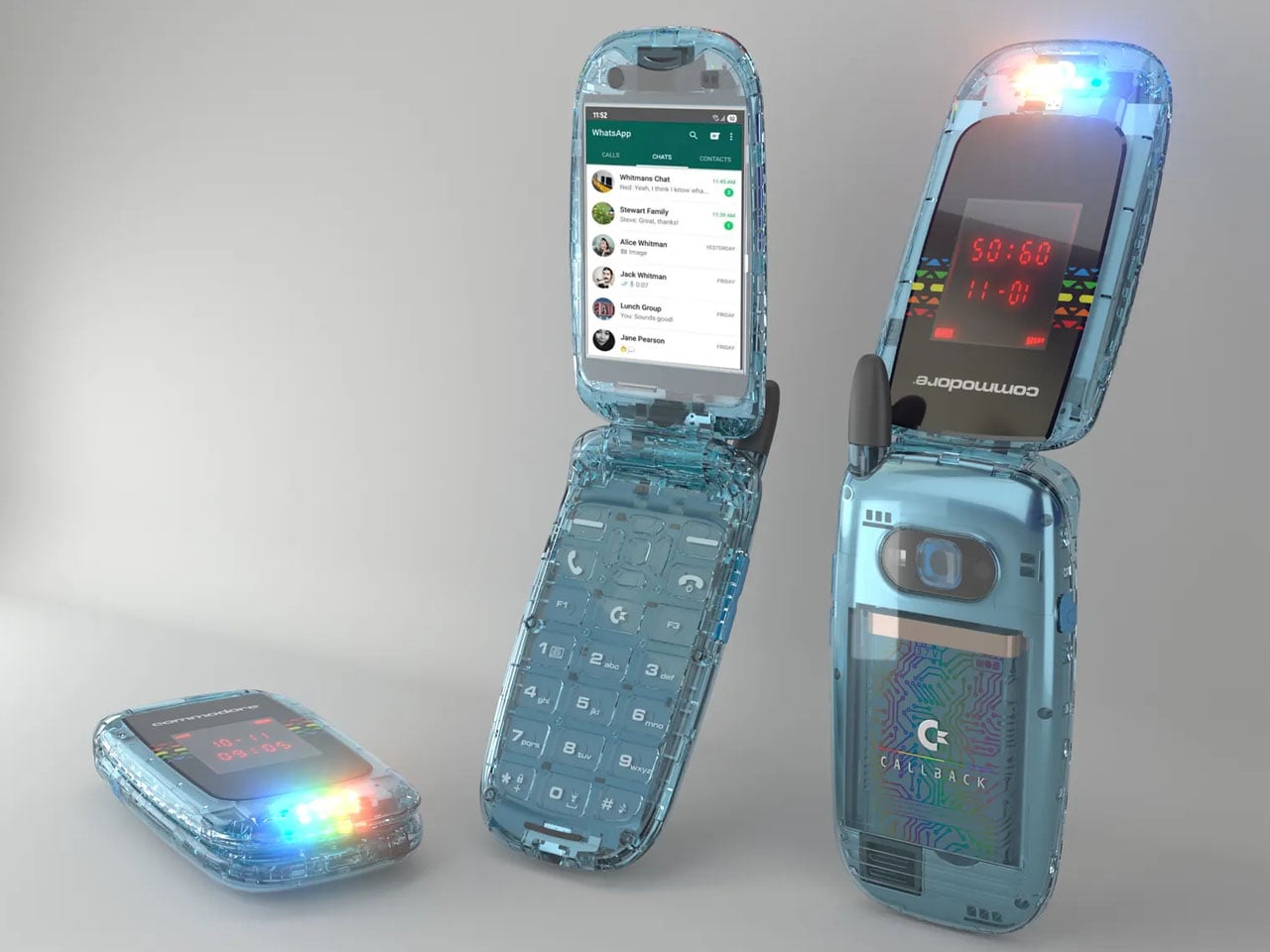
The retro-futuristic vibe of the Commodore Callback 8020 flip phone is inspired by the Y2K era of the early 2000s, and the functionality culminating from his own experience. This phone is created to let the technology serve its original intended purpose, that is to serve the users and not compete for their attention 24×7. Designed in collaboration with Finnish company Jolla (venture by former Nokia employees), the smartphone runs a custom version of Sailfish OS (Linux-based platform), which has been in development for over a decade as a viable alternative to Android and iOS. The custom OS can sideload 99 percent of Android apps like WhatsApp, Spotify, Google Maps, QR Code Scanner, and more.

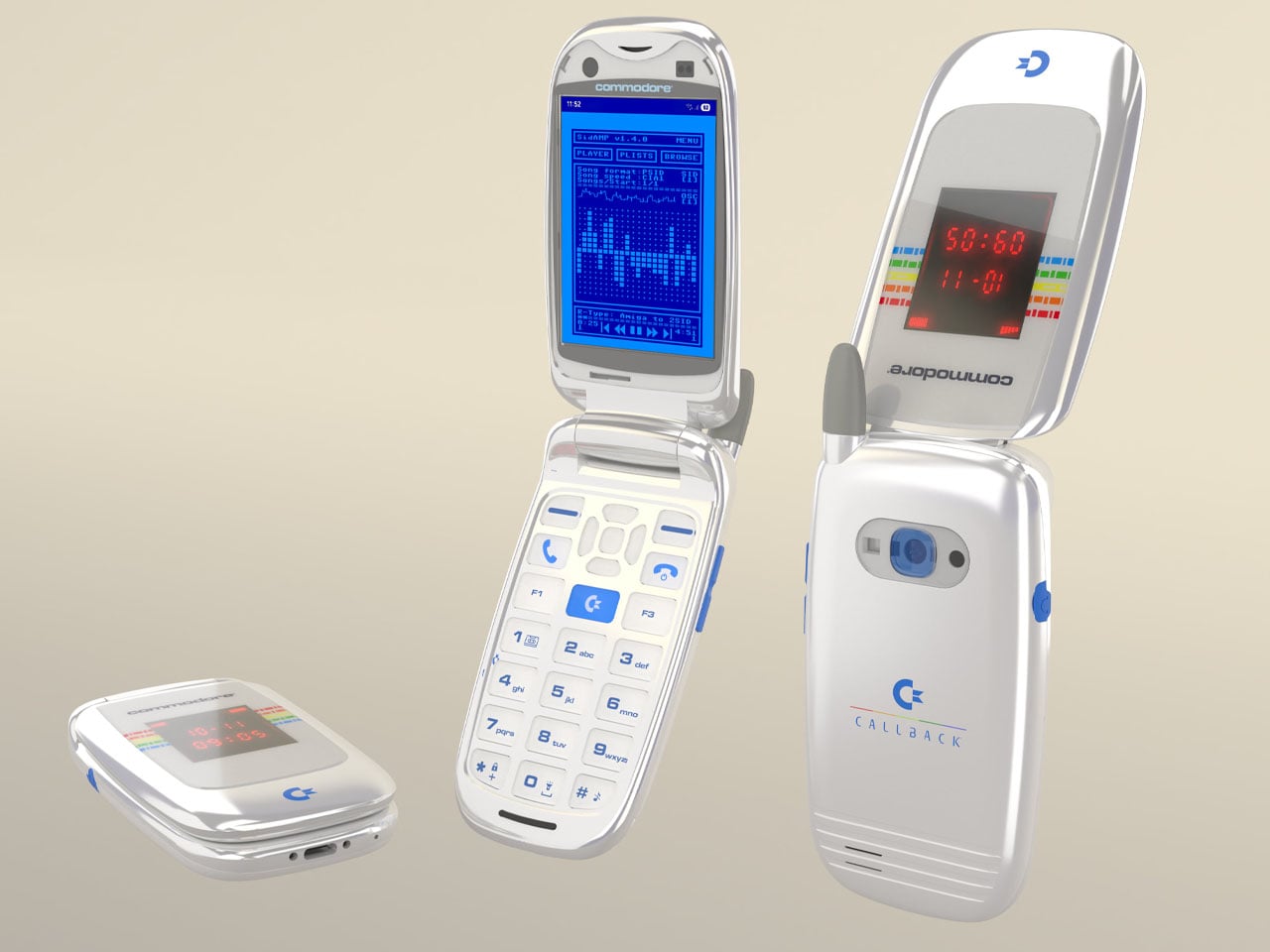
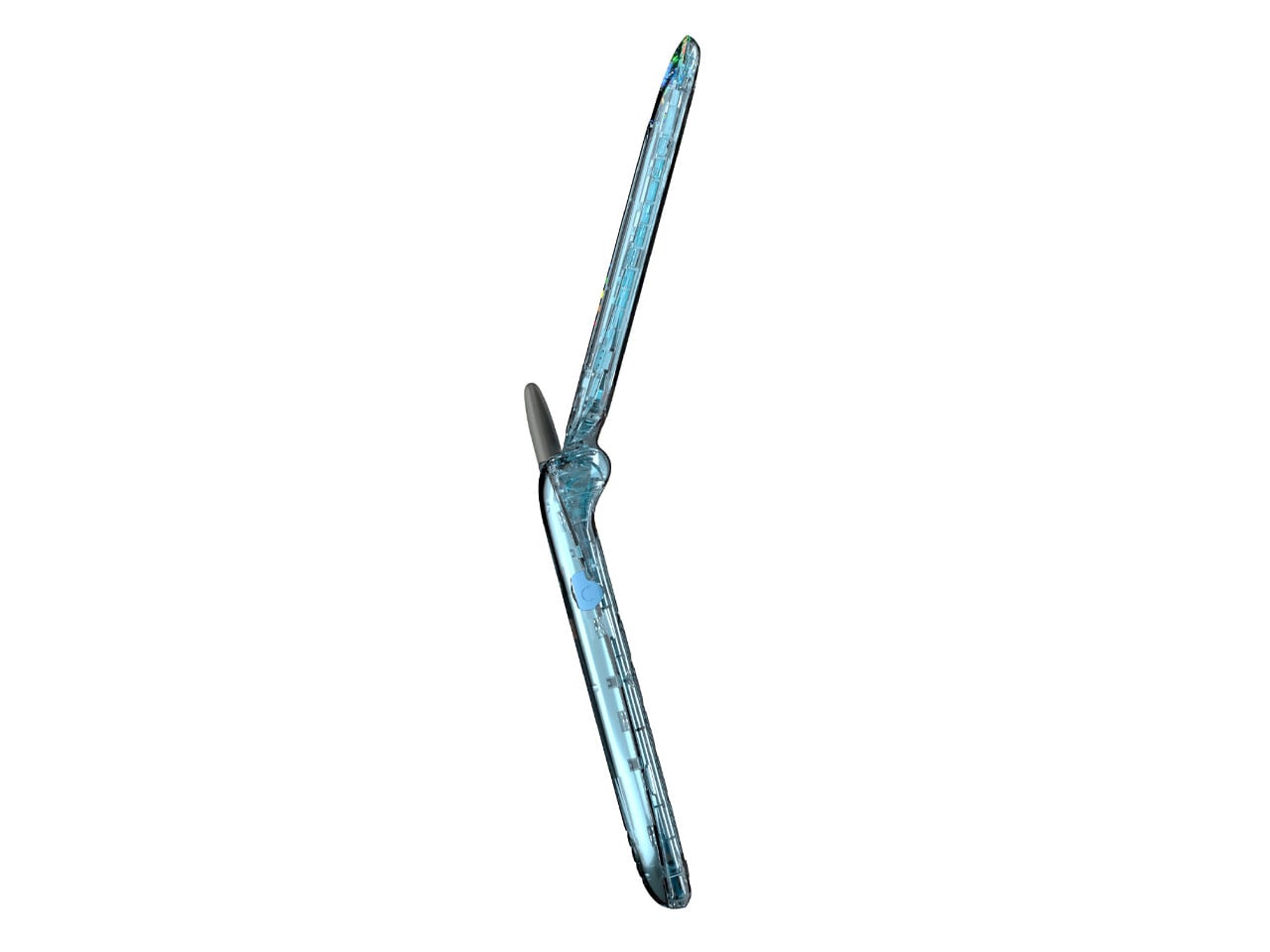
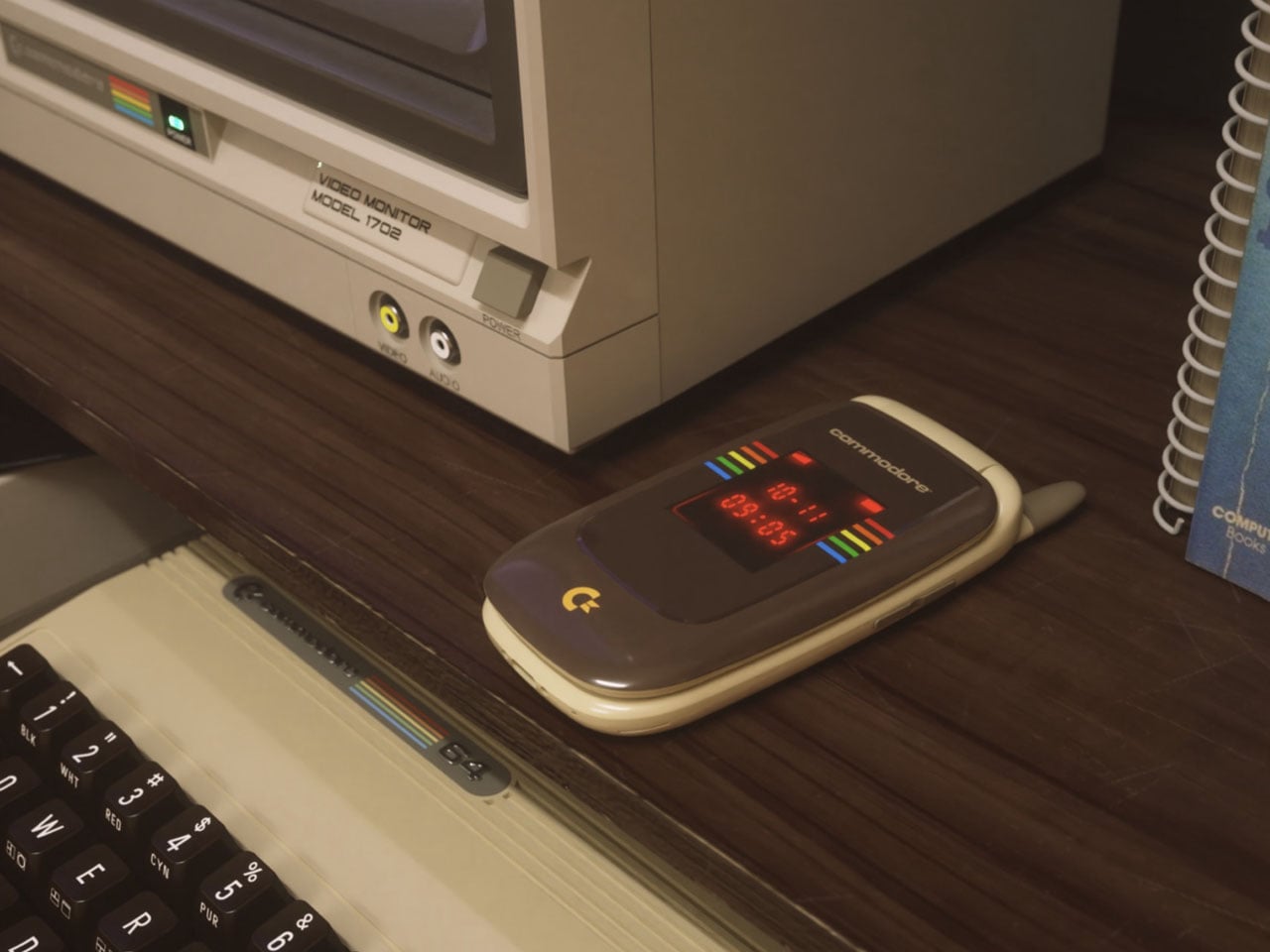
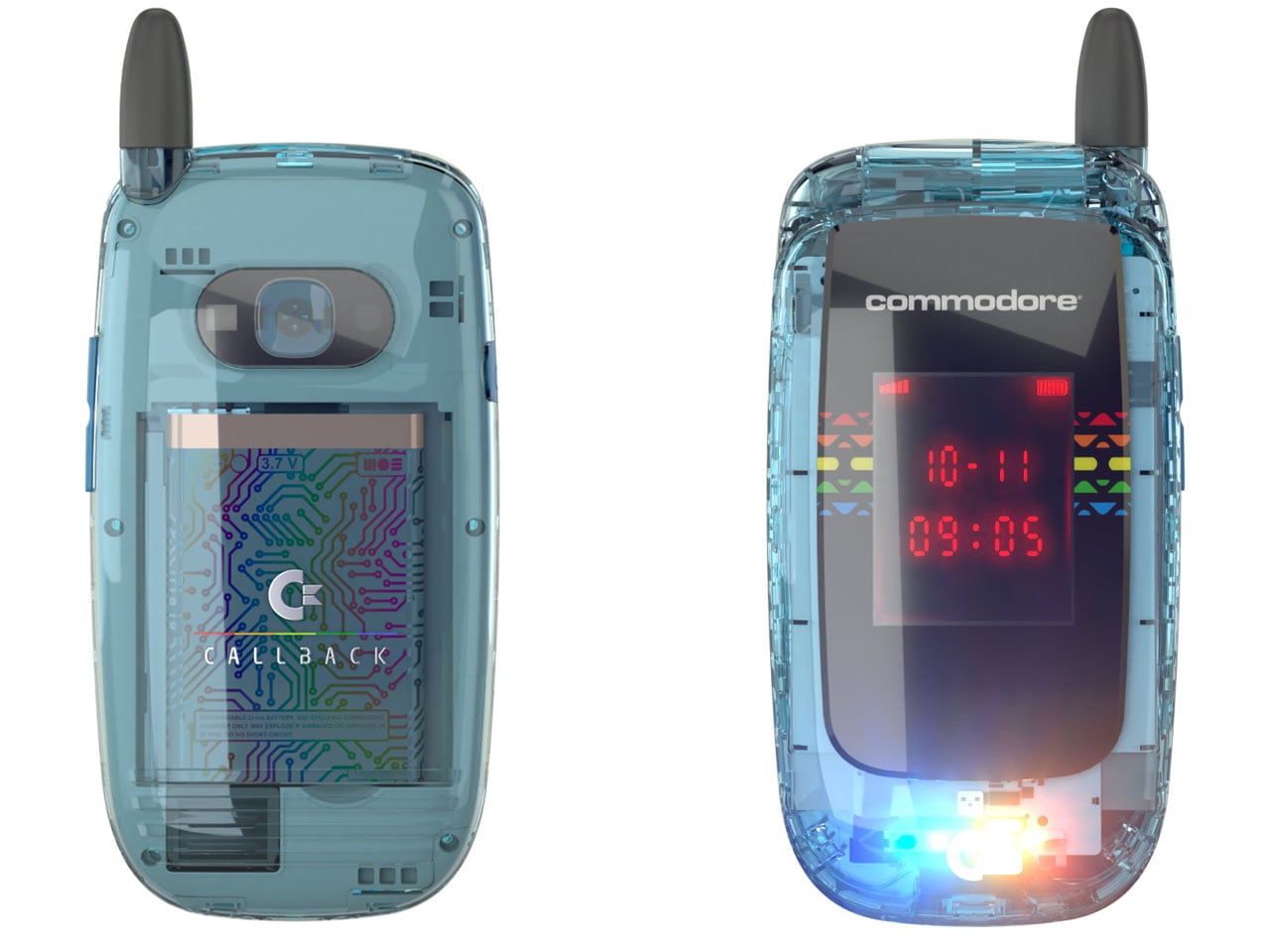
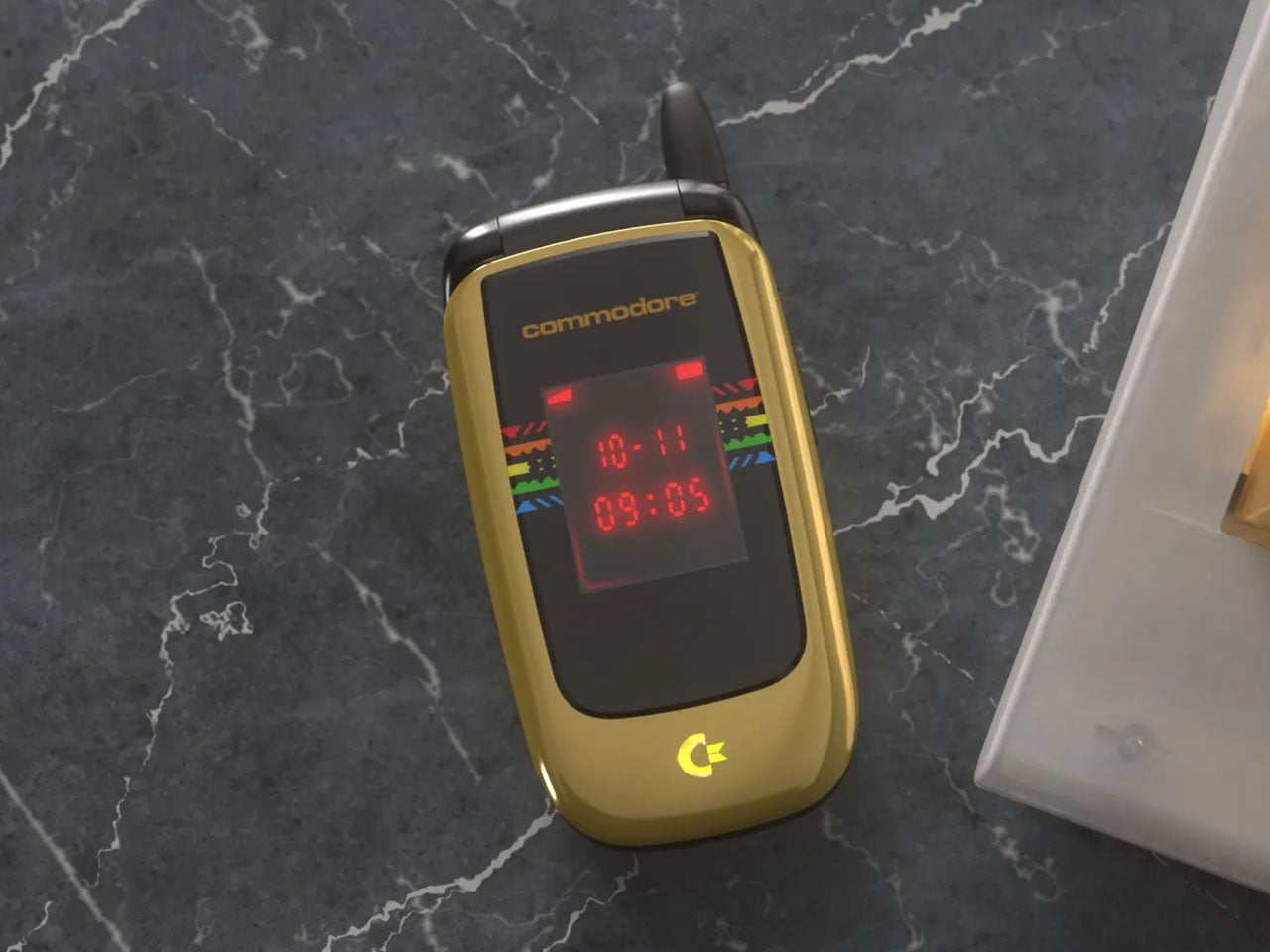
Callback 8020 is designed with easy modularity in mind, as the user can swap the 1,550 mAh battery or swap out covers. It’ll come with a 3.25-inch (480×640 resolution) main display and a 1.77-inch smaller display on the rear with a red glow, which is inspired by the classic Commodore calculators of the 70s. The device will be powered by the MediaTek Helio G81 SoC and paired with 4GB RAM. Since there’s not going to be a lot of multimedia being stored on the phone, the 64GB internal storage expandable via the included 32GB microSD card should suffice; however, the space can be beefed up to 256GB if desired.

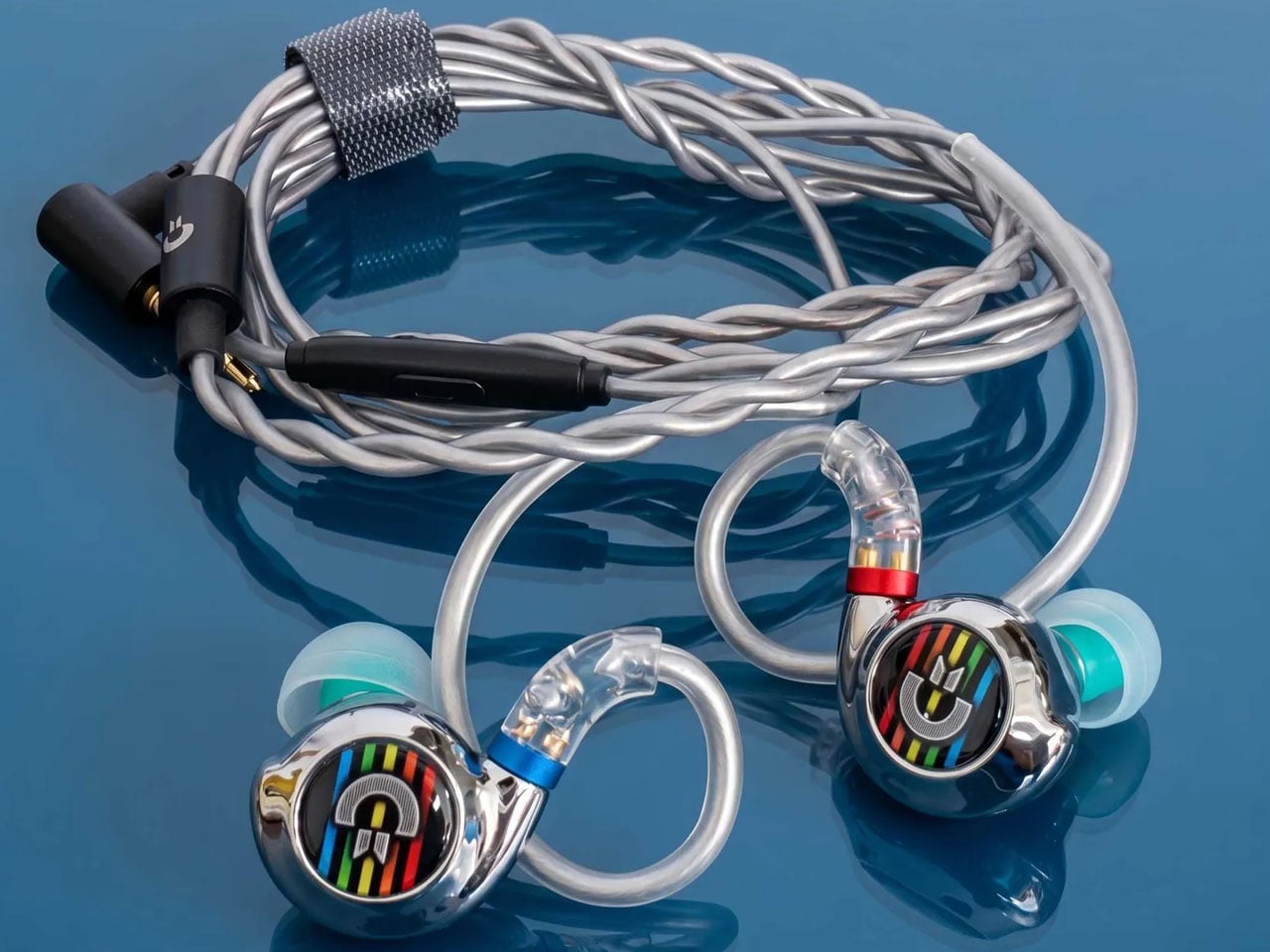
For music lovers, the phone has FM radio, an audiophile-grade DAC, along with a 3.5mm headphone jack, and a pair of in-ear IEMs. You can listen to pre-loaded albums from artists like LukHash and Anders Enger Jensen to enjoy music out of the box. To get the nostalgic feel going, the device has chiptunes with a full 8-Bit SID music player and SID ringtones. Just that you don’t get bogged down in your free time, and accidentally make the shift back to a normal smartphone to doomscroll, the phone has a collection of Commodore 64 games, which are curated to avoid the addictive nature of modern games. To avoid any distracting notifications on the screen, the phone comes with a dome LED notification system. For times when you need to take pictures, the flip phone has a 48MP rear camera with flash and a selfie camera with autofocus when flipped open.

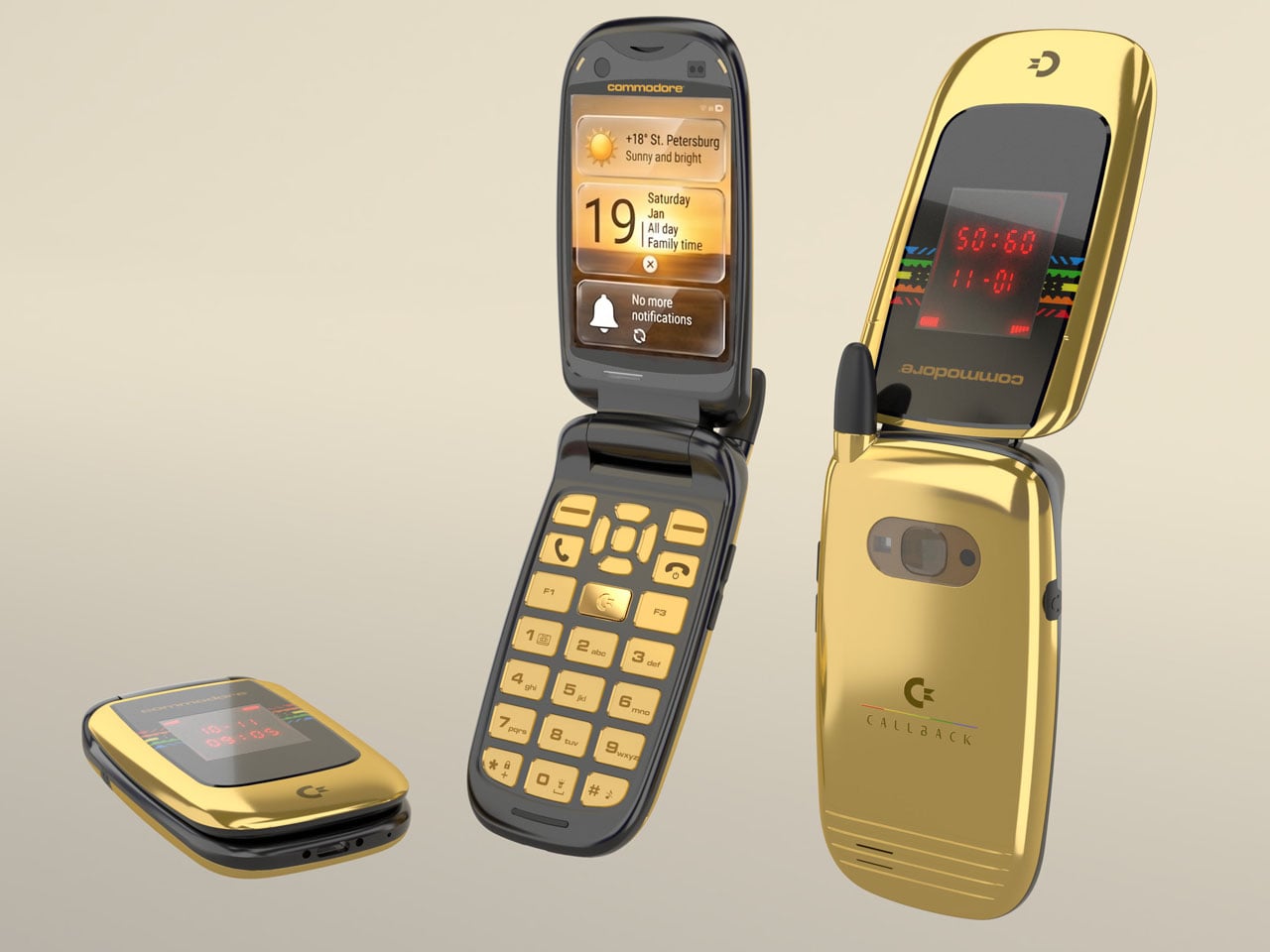
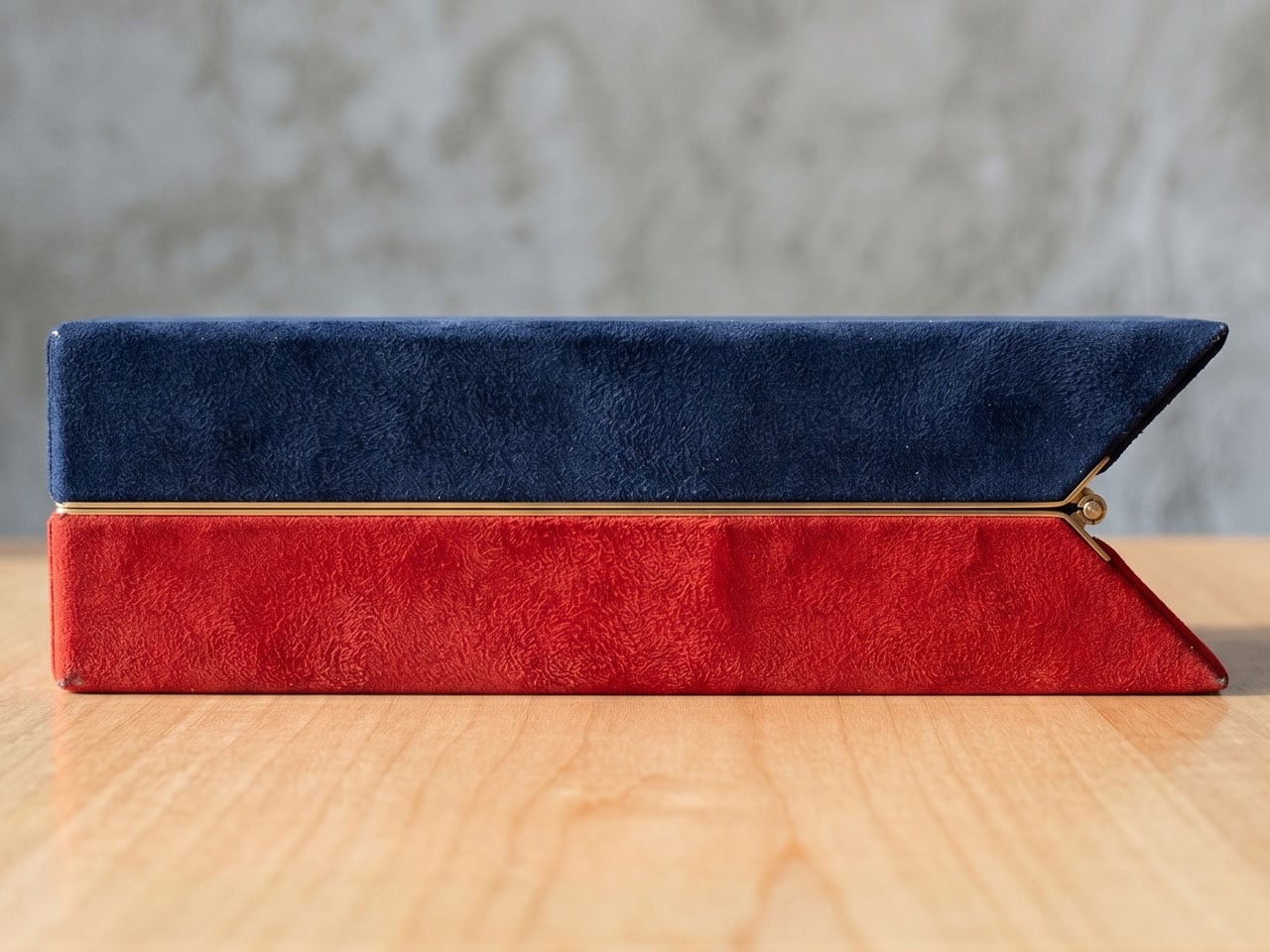
Commodore Callback 8020 flip phone is slated for June 30 release, when you can pre-order it in five color options: ProtoPET White, SX Silver, BASIC Beige, Starlight Edition, and Founders Edition. The first three colorways will come for $499.99, while the translucent Starlight Edition will set you back $549.99. The flagship (if I can call it that) PVD gold Founders Edition, having a 24K gold-plated “C=” button, will be priced at $640. Shipping, however, will take a little longer, scheduled for the fourth quarter of the year. People who join the waitlist will get a $50 discount on the smartphone.


The post Y2K-inspired Commodore Callback 8020 is a smart dumbphone to reclaim your life first appeared on Yanko Design.
The 2.6mm PopSocket That Didn’t Work in 2012 Is Finally Here for $39

Most phone grips stick around because they work, not because they’re easy to live with. The classic PopSocket has spent over a decade as one of the most recognizable phone accessories around, but its accordion-style pop-up design has always carried a trade-off. That bump on the back catches on every tight pocket, and for a certain kind of user, that’s been reason enough to never bother.

The Low-Pro Grip is PopSockets’ answer to that, but it’s also something more personal than a product update. An ultra-thin grip was actually what the brand’s founder envisioned first, before the accordion design ever existed. He taught himself CAD and printed a flat 2.1mm-thick disk as his original prototype, but it never opened up. That failure became the PopSocket. More than a decade later, the thin version finally works.

Designer: PopSockets (Apple Store)

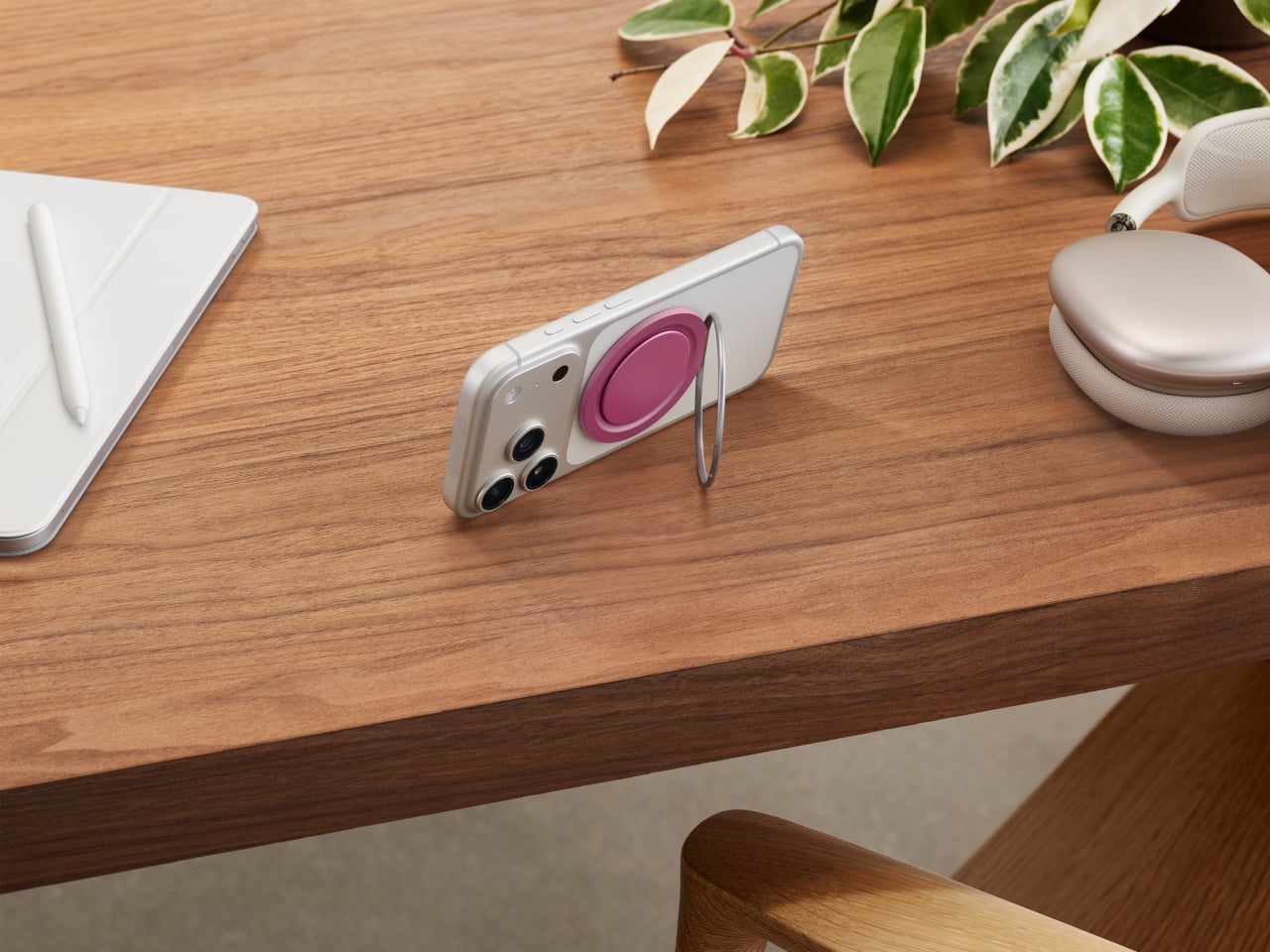
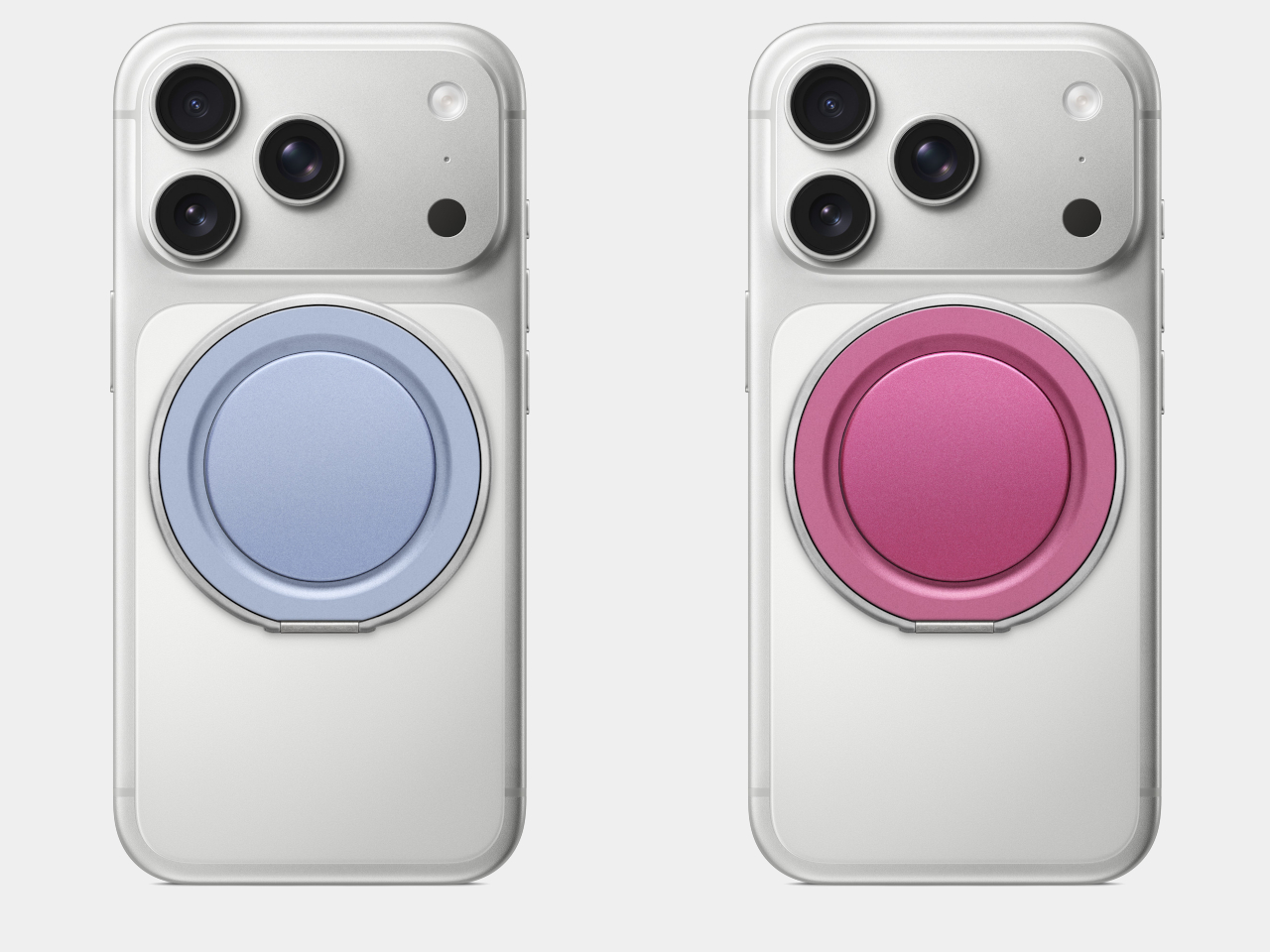
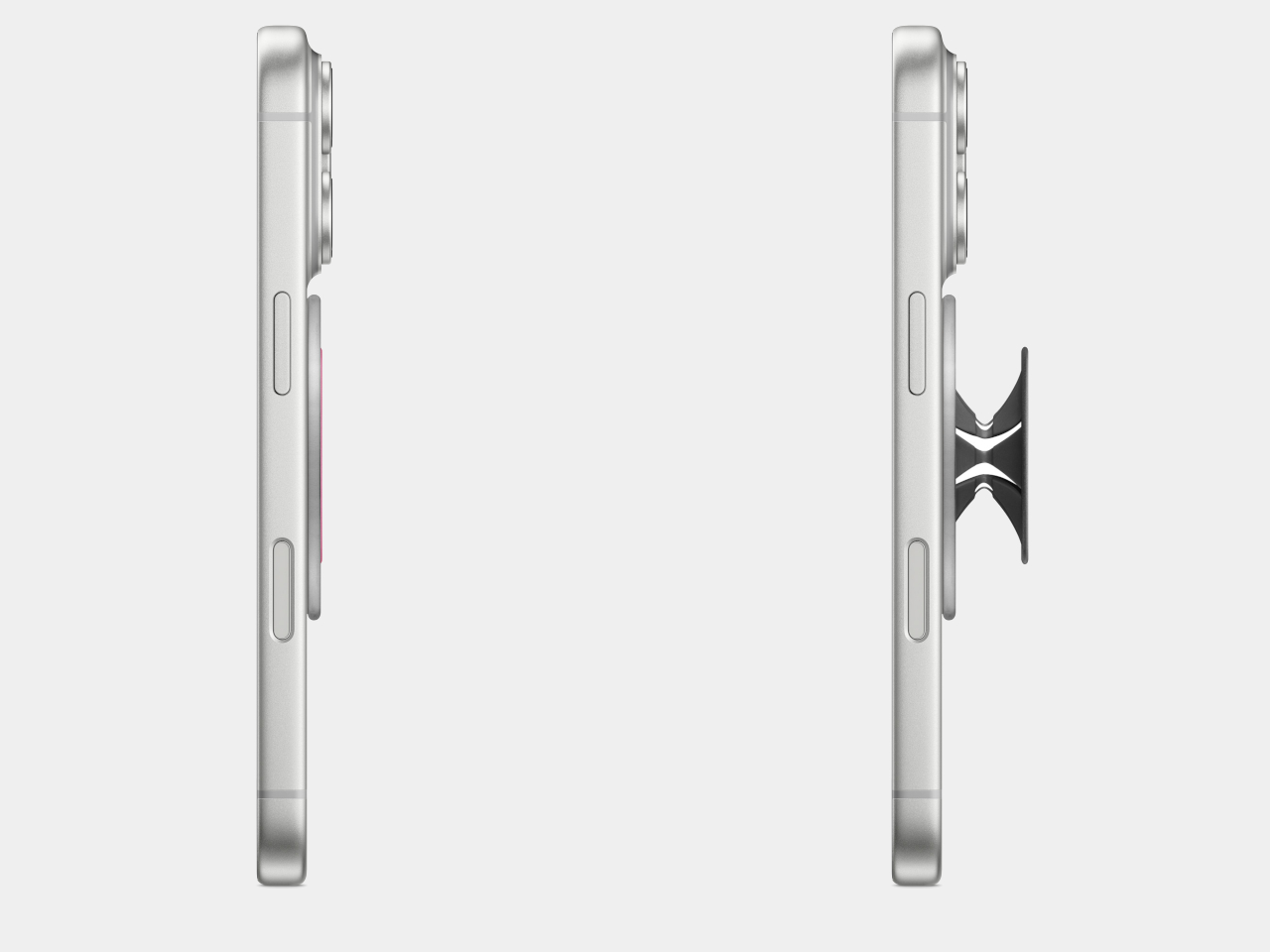
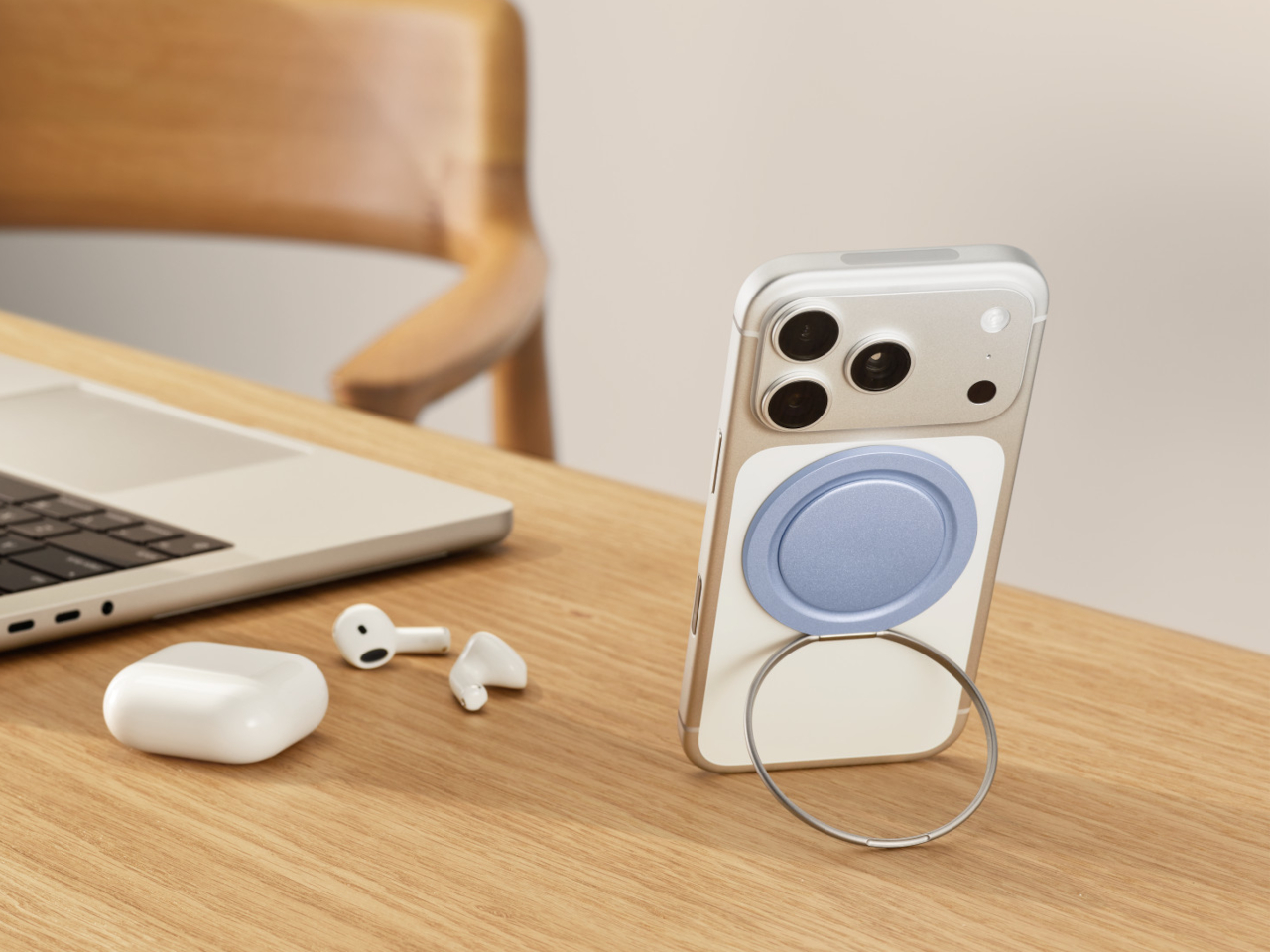
At 2.6mm thick when collapsed, it adds almost nothing to the back of an iPhone and stays below the threshold where most grips start catching on tight pockets. The Low-Pro snaps magnetically onto any MagSafe-compatible iPhone case, so it goes on and comes off without adhesive or any ceremony. The mechanism underneath has also been completely rethought, abandoning the multi-ring accordion of the original entirely.

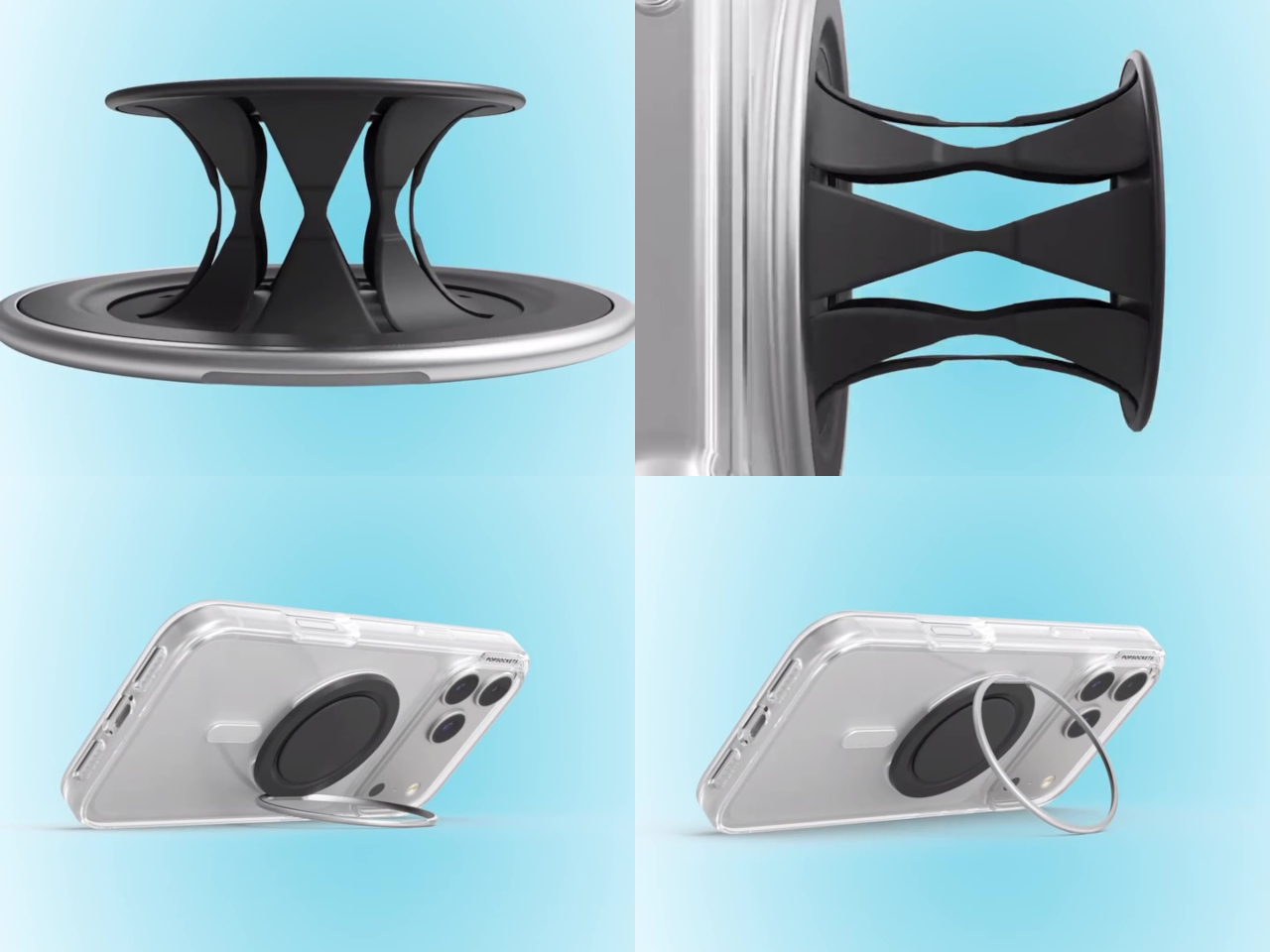
Instead of the familiar two-step expansion, the Low-Pro uses a single piece of flexible polymer that collapses flat and opens with one motion. What feels different about this approach is the texture. Where competitors rely on interlocking rigid arms that can dig into your fingers during long sessions, the softer polymer makes the Low-Pro more comfortable to hold at any angle, something that only becomes obvious after extended use.
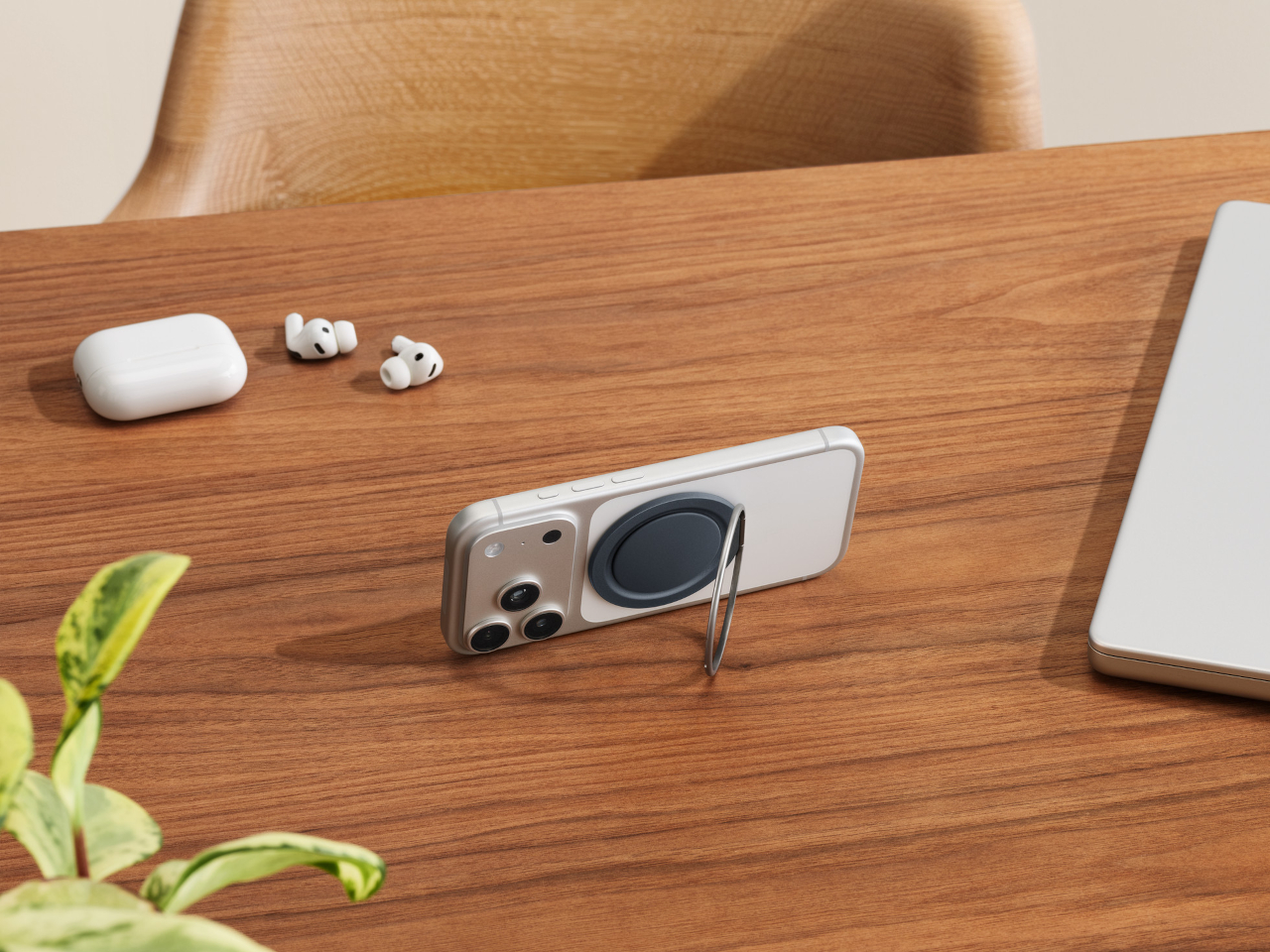
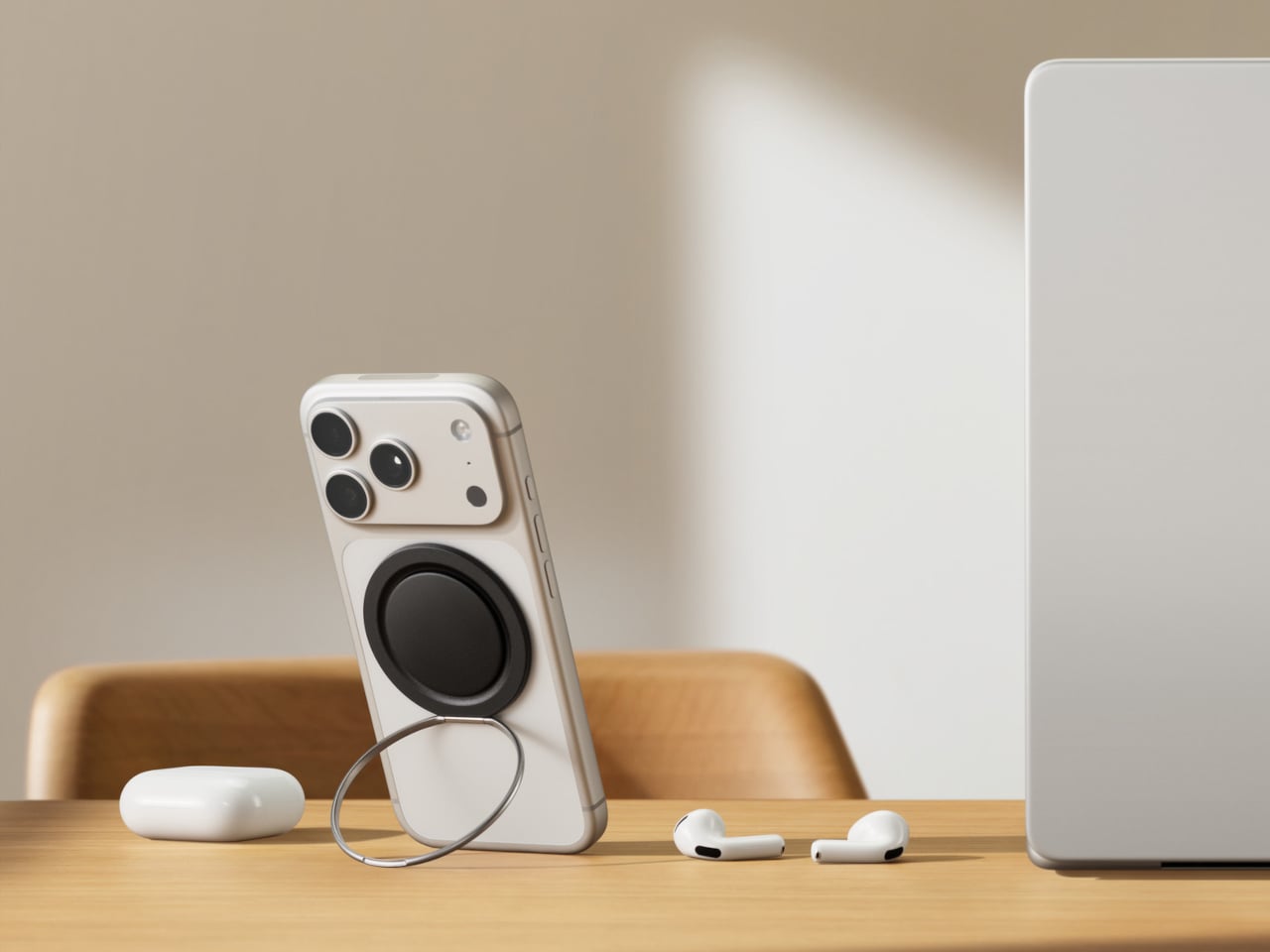
The stand function has been redesigned, too. Instead of a button acting as the kickstand, an outer metal ring attached by a hinge folds out at any angle to prop the phone in either portrait or landscape orientation. That’s a meaningful step up from grip designs where the stand only works reliably sideways, and it covers the full range of how people use their phones away from a charging dock.

The magnetic base is strong enough to hold the phone against metal surfaces like a fridge door for hands-free use, and MagSafe wireless charging still works through it, though at reduced speeds. Despite the polymer being tested to withstand 30 lbs of tensile force and cycled open and closed 100,000 times, the Low-Pro is designed to be the PopSocket you can forget is there.

The Low-Pro Grip is priced at $39.99 and is launching exclusively at Apple in six colors, expanding to Best Buy and Target on July 12, and to all other retailers on July 29, when the full lineup of 12 colors will be available. It’s compatible with any MagSafe-compatible iPhone case and works with all existing PopSockets mounts, so it fits into an existing MagSafe setup without needing anything else.

The post The 2.6mm PopSocket That Didn’t Work in 2012 Is Finally Here for $39 first appeared on Yanko Design.