How Is a WWE Championship Belt Made? One Man’s Garage, $40,000, and a Handful of Artisans

John Cena’s spinning championship belt should not have worked. It was gaudy, it was hip-hop inflected, it belonged more to a music video than a wrestling ring, and it absolutely captured a generation of young fans who grew up treating it as the definitive image of what a championship looked like. That belt stayed on WWE television long after Cena’s character stopped spinning it, because WWE understood that the object itself had taken on a life independent of the man who introduced it.

That is the particular power that championship belts hold over wrestling. Mick Foley took three of the most brutal falls in WrestleMania history and walked away as champion, and the belt validated every bit of the punishment. Bray Wyatt’s Fiend character carried a Universal Championship with his own face grotesquely incorporated into the design, because for that character, the belt had to be an extension of the horror. These objects absorb the identity of whoever holds them, and they carry that identity forward long after the reign ends.
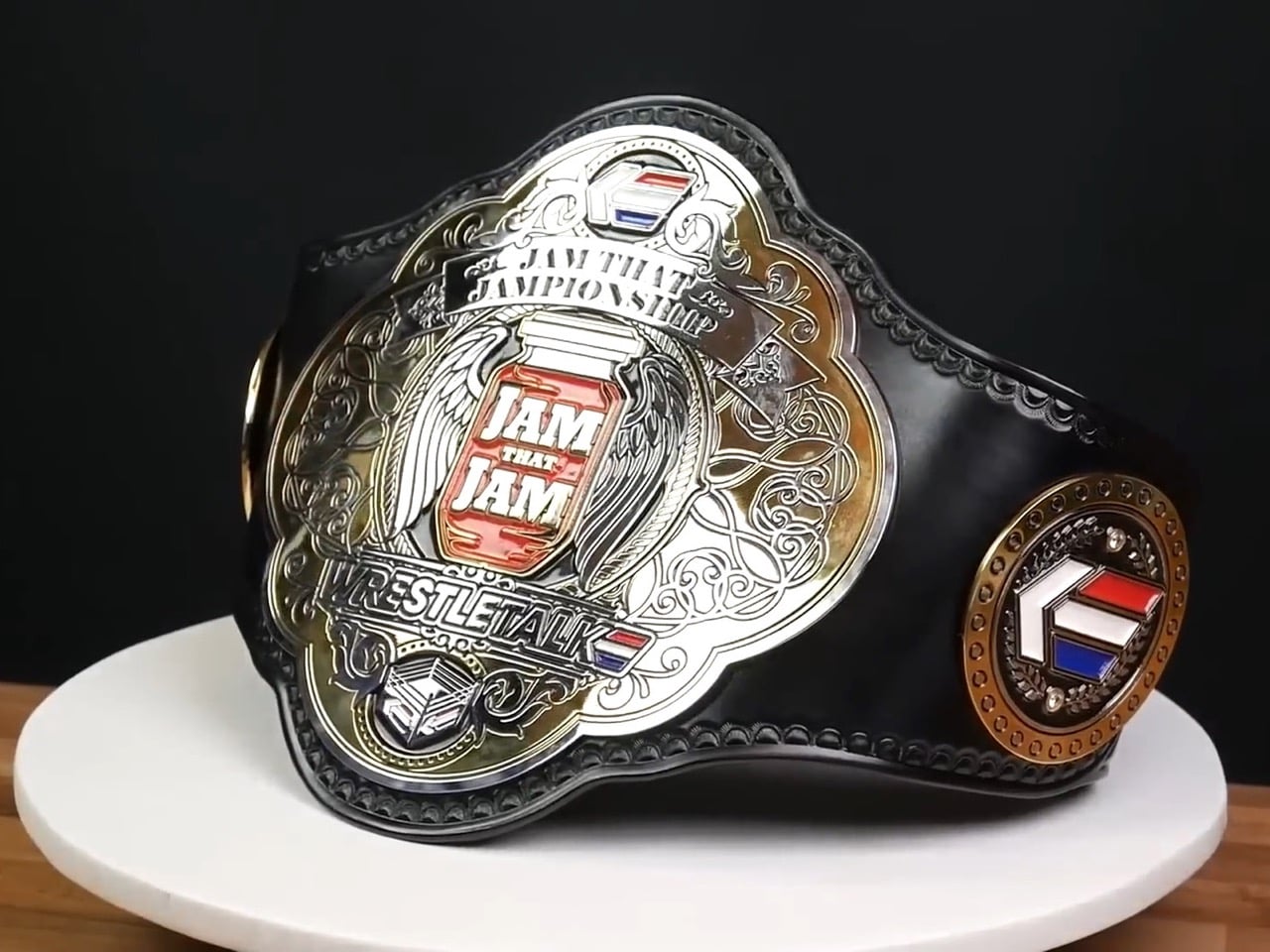
A Tradition Borrowed From Boxing

Championship belts predate professional wrestling entirely. The tradition traces back to 1810, when British boxer Tom Crib defeated American boxer Tom Molino in a grueling 35-round fight, and King George III presented Crib with what historians consider the first championship belt, reportedly constructed from lion skin decorated with silver claws. One popular theory holds that early boxers would bring colored cloths to tie around their waists before fights, and winners would take their opponents’ colors and wear them as a belt to signal victory. The symbolism was immediately legible and it stuck.
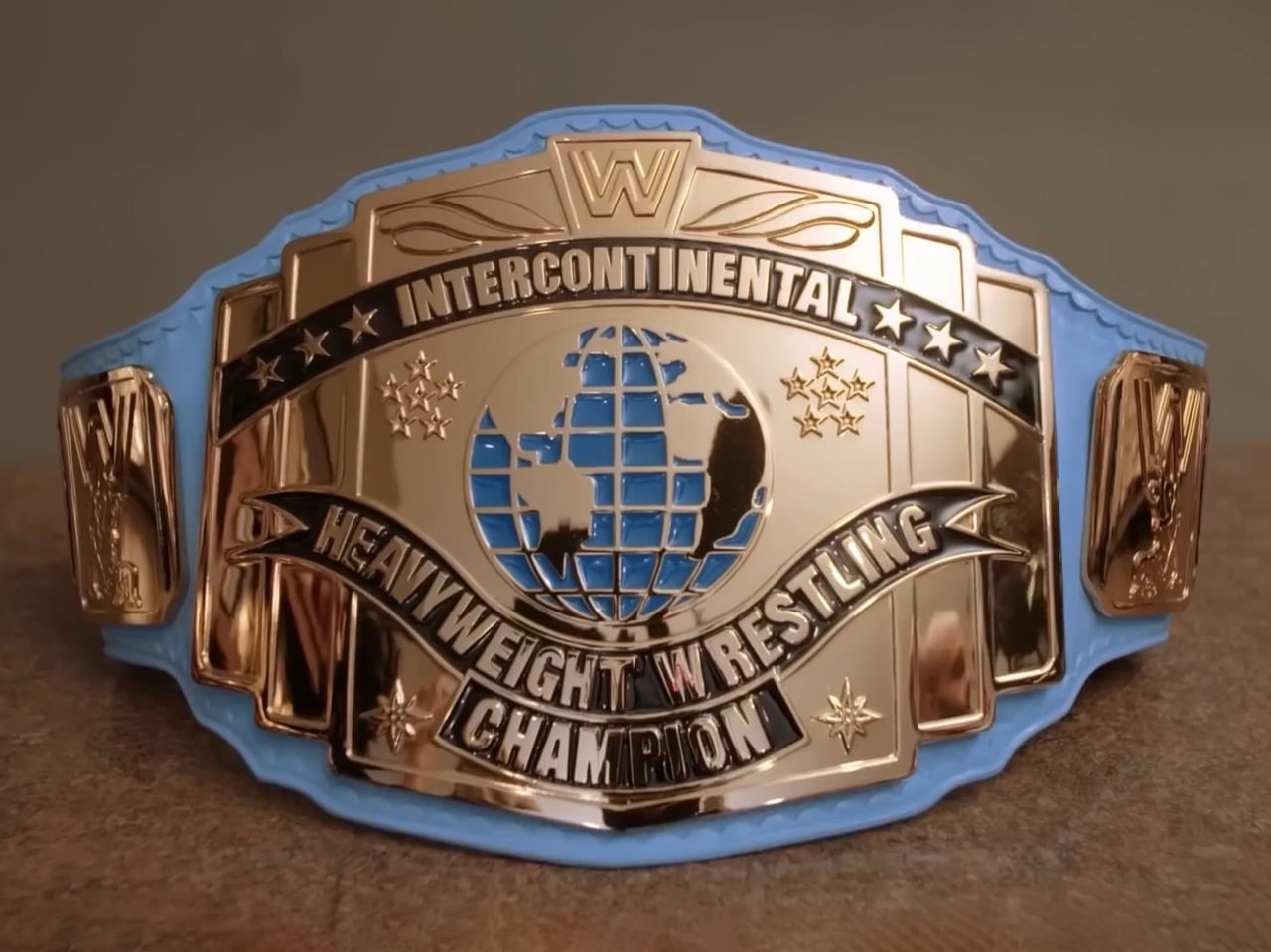
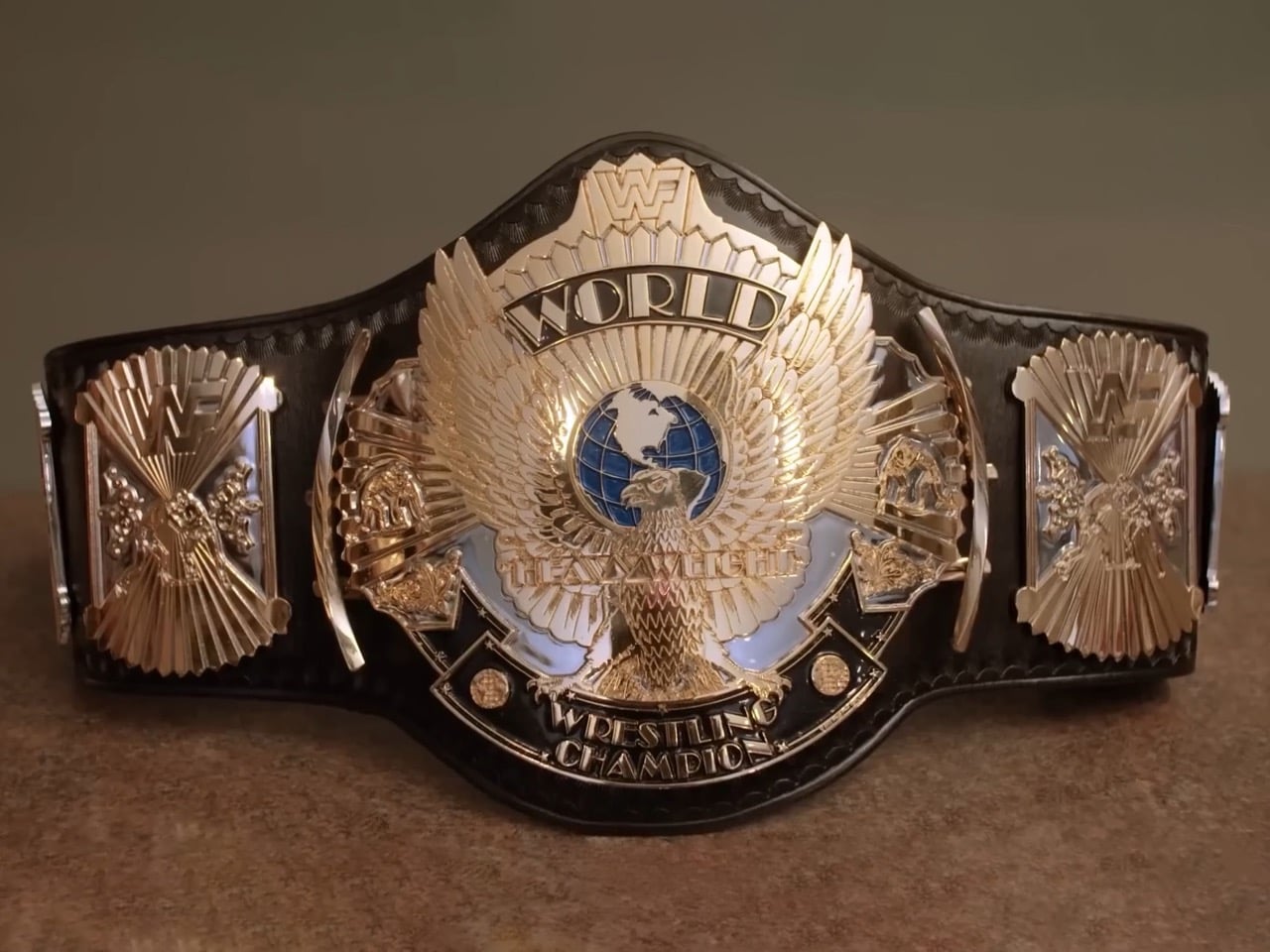
When professional wrestling emerged as a competitive sport in the late 19th century, it borrowed the championship belt wholesale from boxing. The first recognized wrestling championship arrived in 1905, with George Hackenschmidt becoming the inaugural World Heavyweight Wrestling Champion. Early WWE belts were plain objects, basic leather straps with small metal plates, and during Bruno Sammartino’s legendary seven-year reign in the 1960s, the design featured little more than the shape of the United States pressed into leather. The wrestling mattered more than the prop, and nobody pretended otherwise.

From Simple Leather to Cultural Artifact

The 1980s changed everything. As wrestling transformed from regional athletic competition into globally televised entertainment, the belts transformed with it. The winged eagle championship arrived during the Golden Era and was perfectly calibrated for the personalities carrying it, Hulk Hogan, Randy Savage, the Ultimate Warrior, larger-than-life characters who needed a larger-than-life object to hold above their heads. Reggie Parks, a former wrestler turned belt maker, created that winged eagle design, and it remains the belt most commonly cited when fans argue about the greatest championship design in history.

The 1990s brought the Big Gold Belt, originally from NWA and WCW, featuring 24-karat gold, silver, diamonds, and rubies, a genuinely opulent object that looked like it belonged in a museum case. Then came the spinner, Cena’s spinner, which arrived in 2005 and did something no belt had done before: it became a product. Kids wanted replicas not because they idolized the championship lineage but because the belt itself was cool, in the same way a sneaker or a video game peripheral was cool. The customizable side plates introduced in 2013 pushed this further, allowing each new champion to stamp their own identity onto the physical object, making every title change feel like a genuine handover rather than just a storyline beat.

The People Who Actually Build Them

Creating a WWE Championship belt is not a factory operation. It is a craft practiced by a small number of artisans working out of workshops in the United States, and the knowledge passes between them the way apprenticeships work in watchmaking or leatherwork. Dave Millican is one of the primary belt makers working with WWE today, responsible for the WWE Championship, the World Heavyweight Championship, the Intercontinental Title, and the tag team titles among others. He learned his craft directly from Reggie Parks, the man who built the winged eagle, and credits Parks entirely for his credibility when he was starting out.
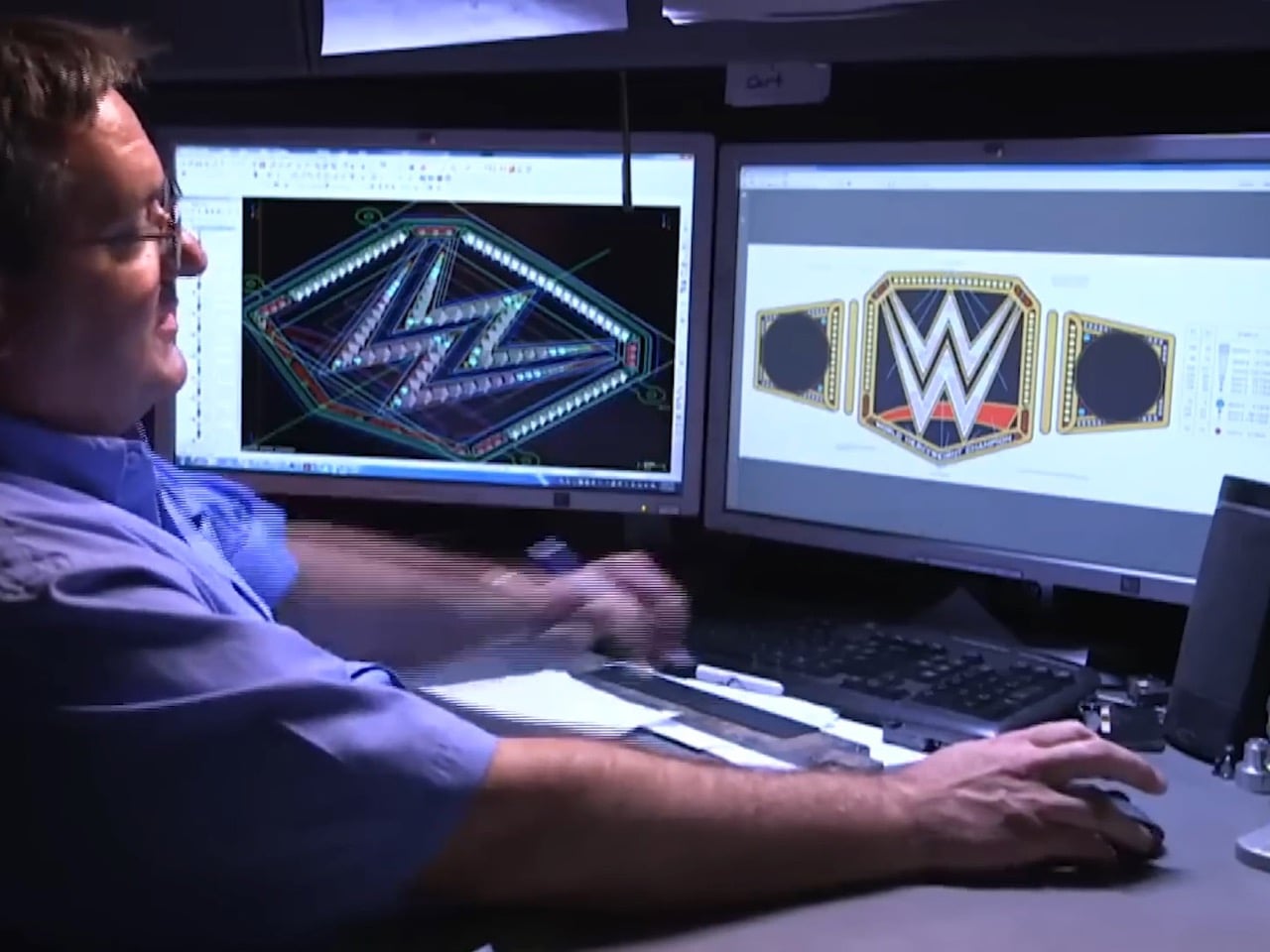
Millican works from a garage workshop, which tells you something important about the scale of this industry. There is no belt-making facility, no assembly line, no team of technicians running shifts. There is a craftsman, a set of specialized tools, and months of painstaking handwork. WWE contacts belt makers with a set of requirements, the two collaborate through sketches and revisions, and once a design is locked, the real work begins.

Clay, Tin, and Months of Handwork

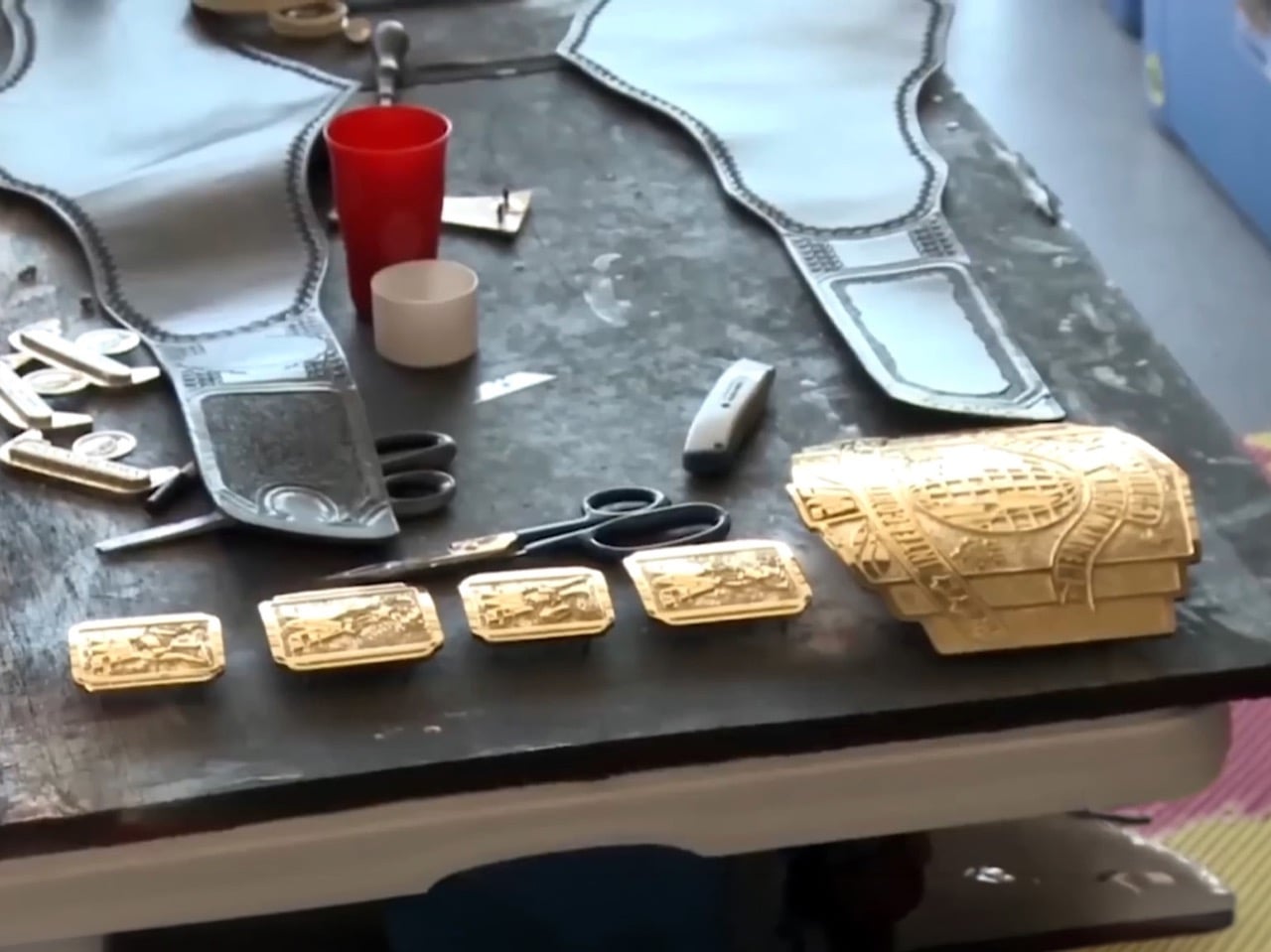
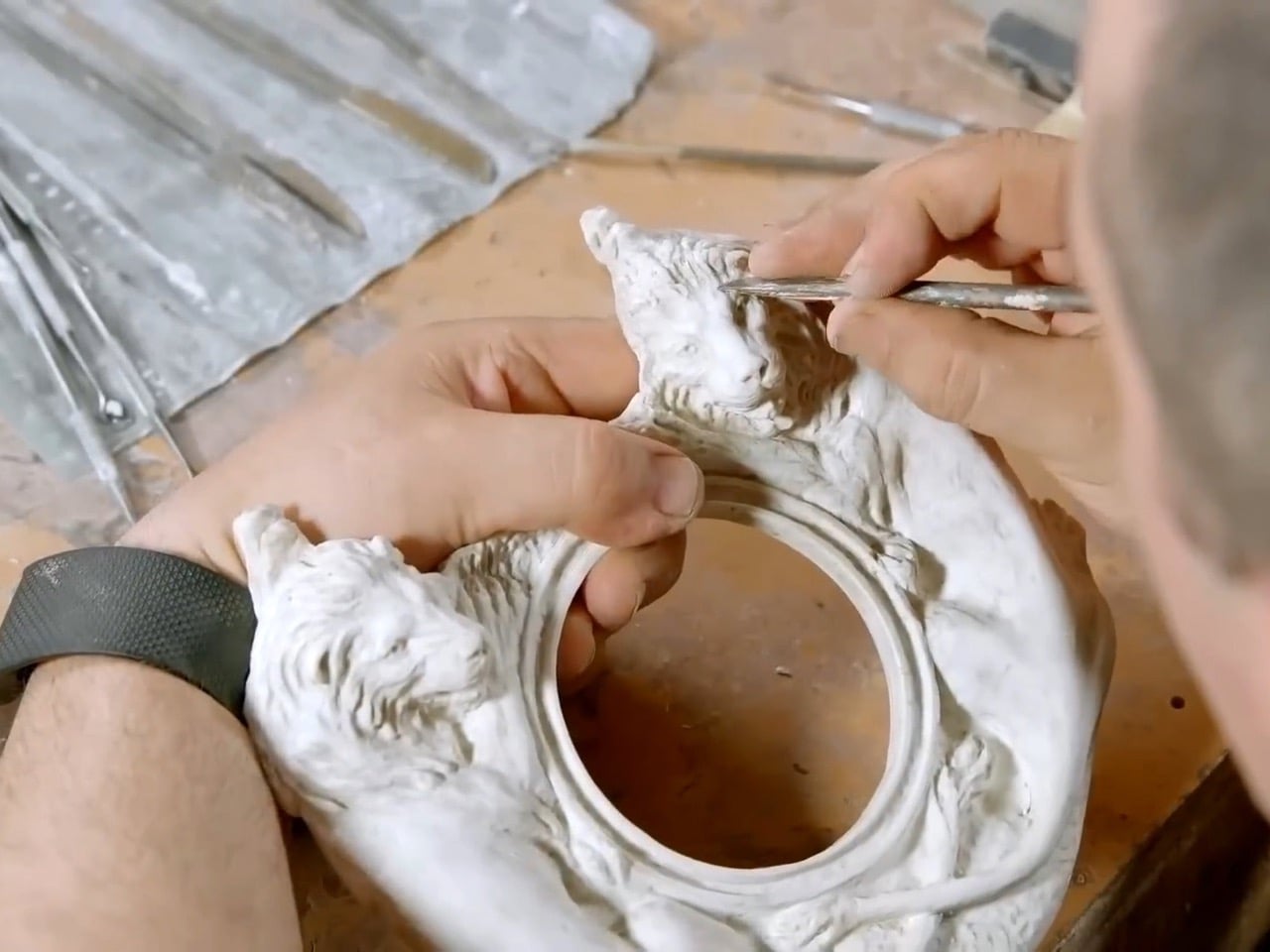
The process starts with clay. The belt maker hand-sculpts a detailed three-dimensional model of each plate from soft clay, capturing every ridge, letter, and decorative element by hand. Once the clay dries and hardens, plaster is poured around it to create a negative mold. That plaster mold produces a soft metal model, typically aluminum, which the artist then spends considerable time refining, sharpening details, smoothing transitions, and preparing for the next stage. This refined metal model becomes the template for the final casting mold.
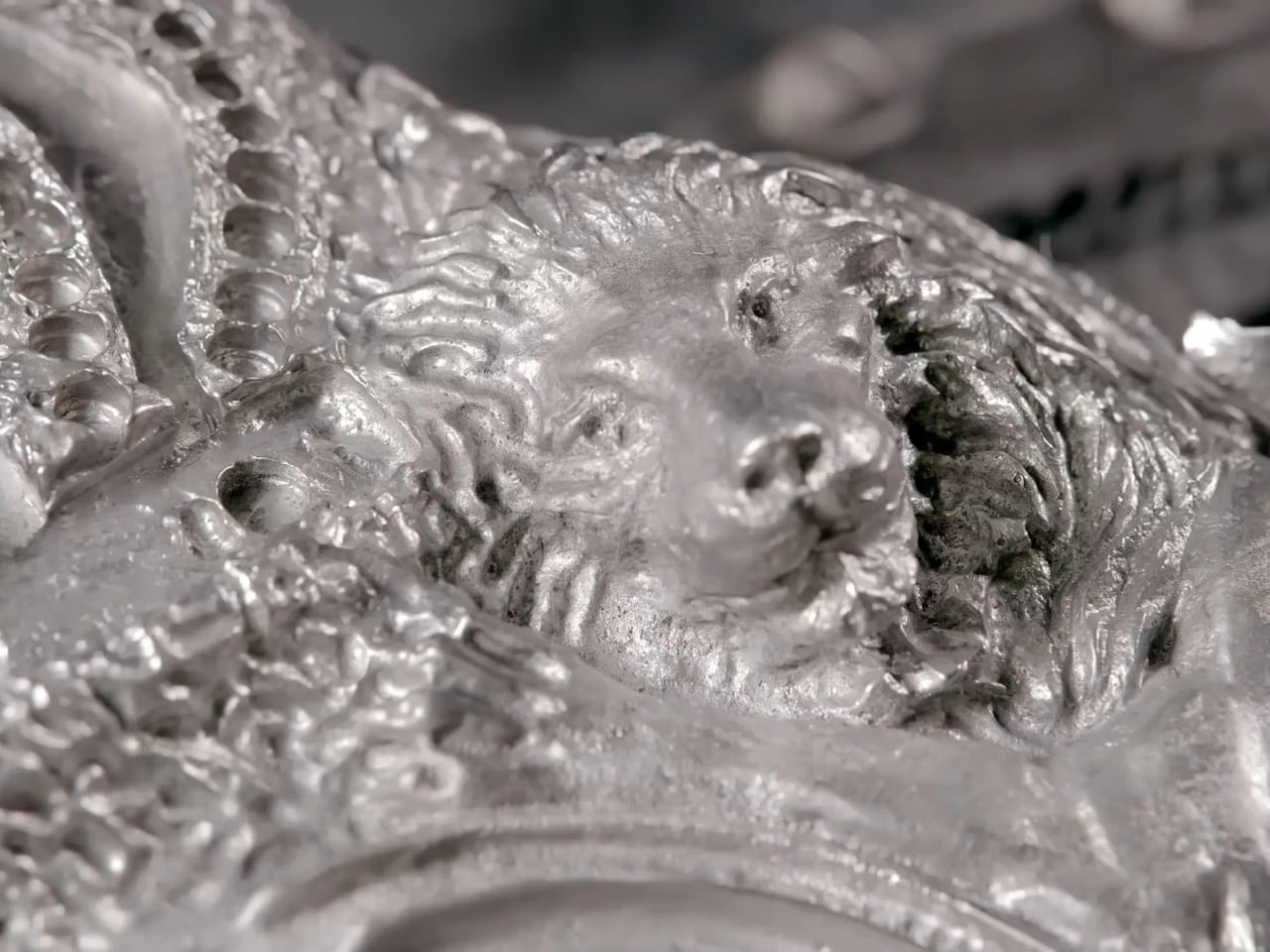
The actual plates are cast from molten tin. Liquid metal is poured into the mold, left to cool completely, and then pulled out in a state that is nowhere near finished. Freshly cast plates have rough edges, shallow details, and a surface that requires hours of hand-finishing using files, chisels, and specialized tools. Elements that cannot be achieved through casting alone, particularly sharp lettering and small sculptural details, are crafted as separate pieces and attached to the main plate, then refined by hand until they blend seamlessly with the surrounding surface.

Electroplating and the Gold Finish

Tin is structurally workable but visually unimpressive, so once the plates are refined, they go through electroplating. The plates are cleaned thoroughly to remove any residual metal shavings or surface contamination, then polished on a rotating buffing wheel until they shine. From there, they are submerged in an electrolyte solution while connected to an electrical circuit, and the current slowly deposits a layer of precious metal onto the surface. Most WWE belts receive a gold finish, though silver and rhodium are also used depending on the design requirements. For belts featuring multiple metal tones, different sections are masked during separate plating stages to create a two-tone effect.
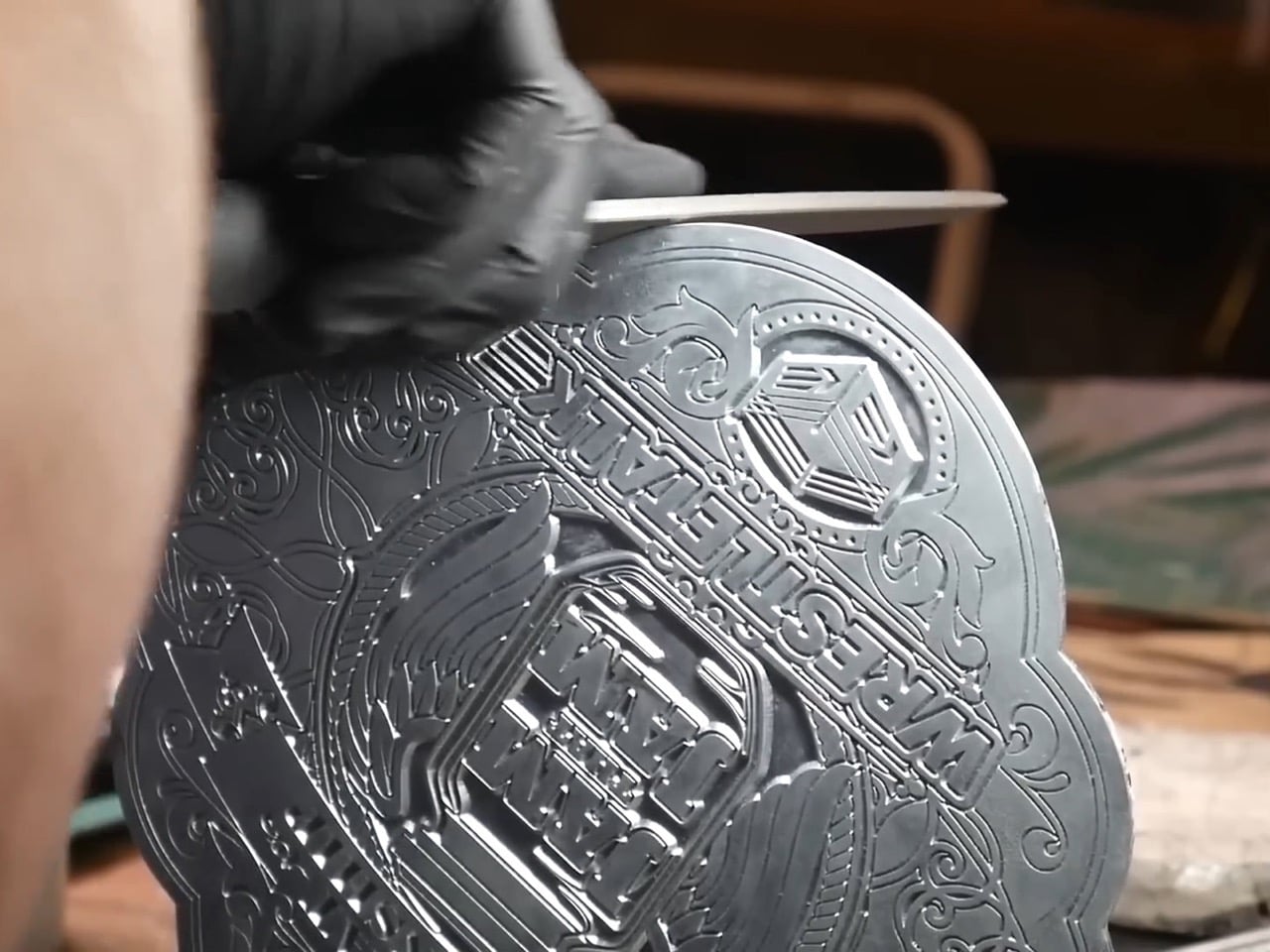
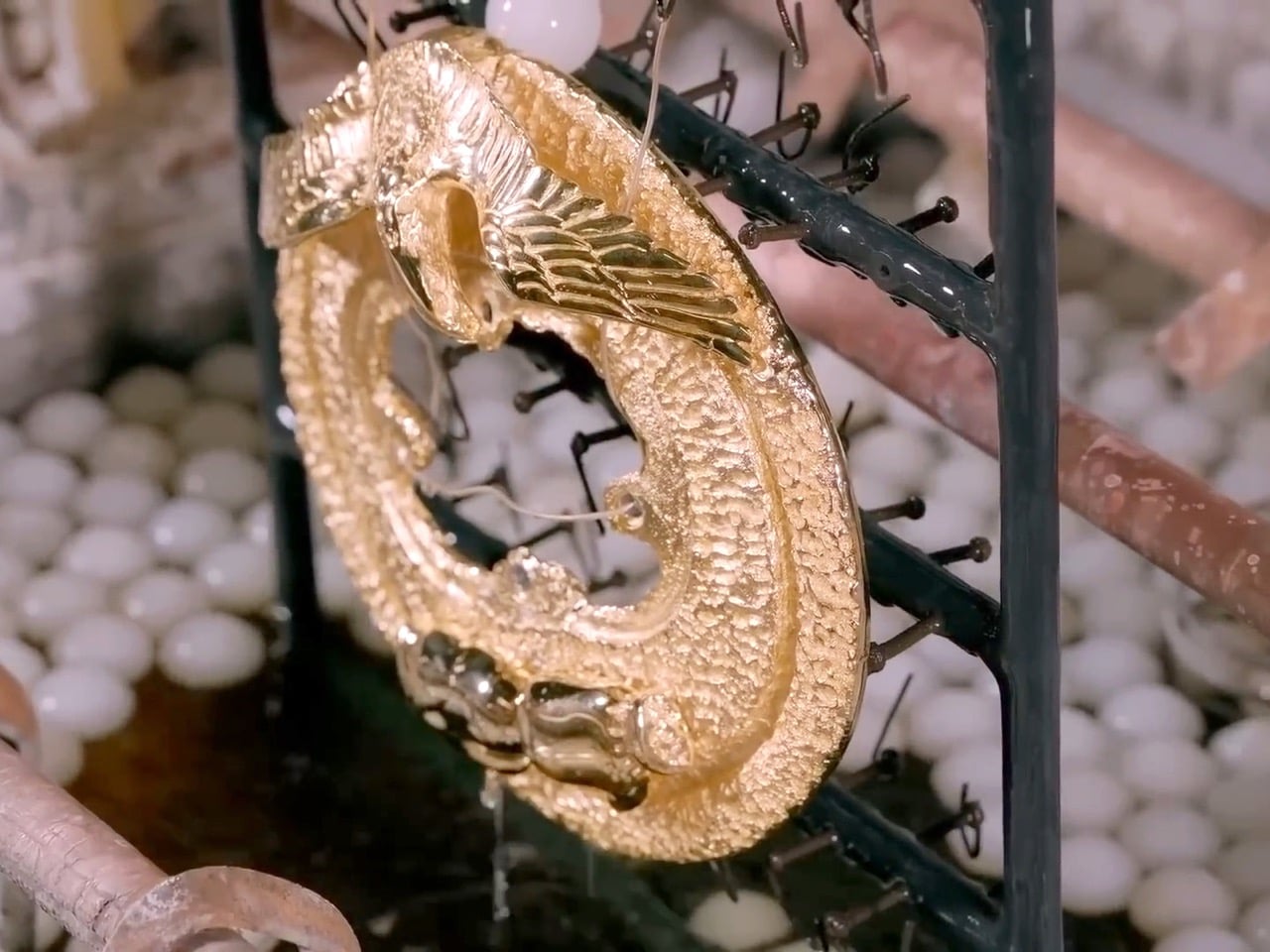
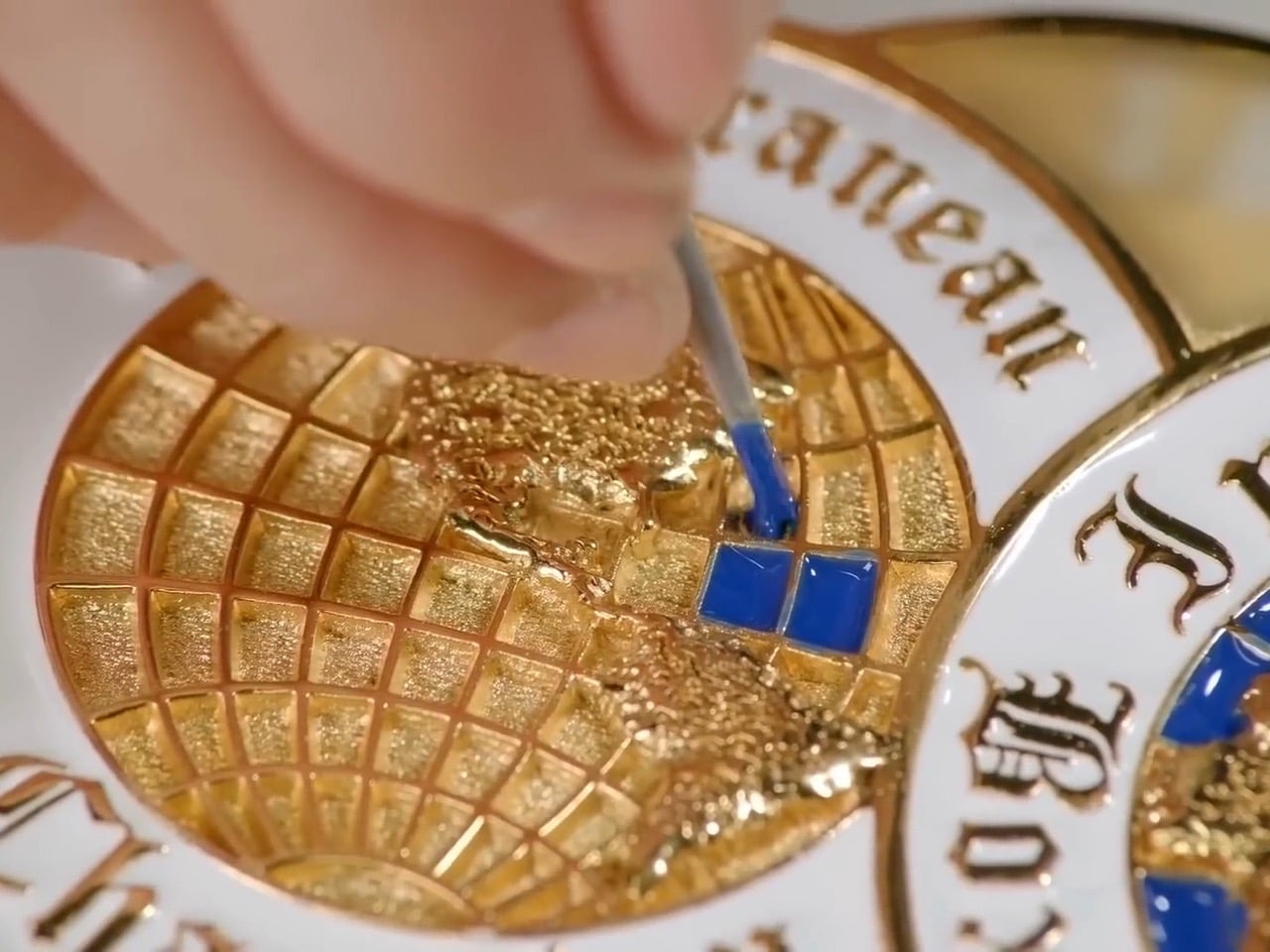
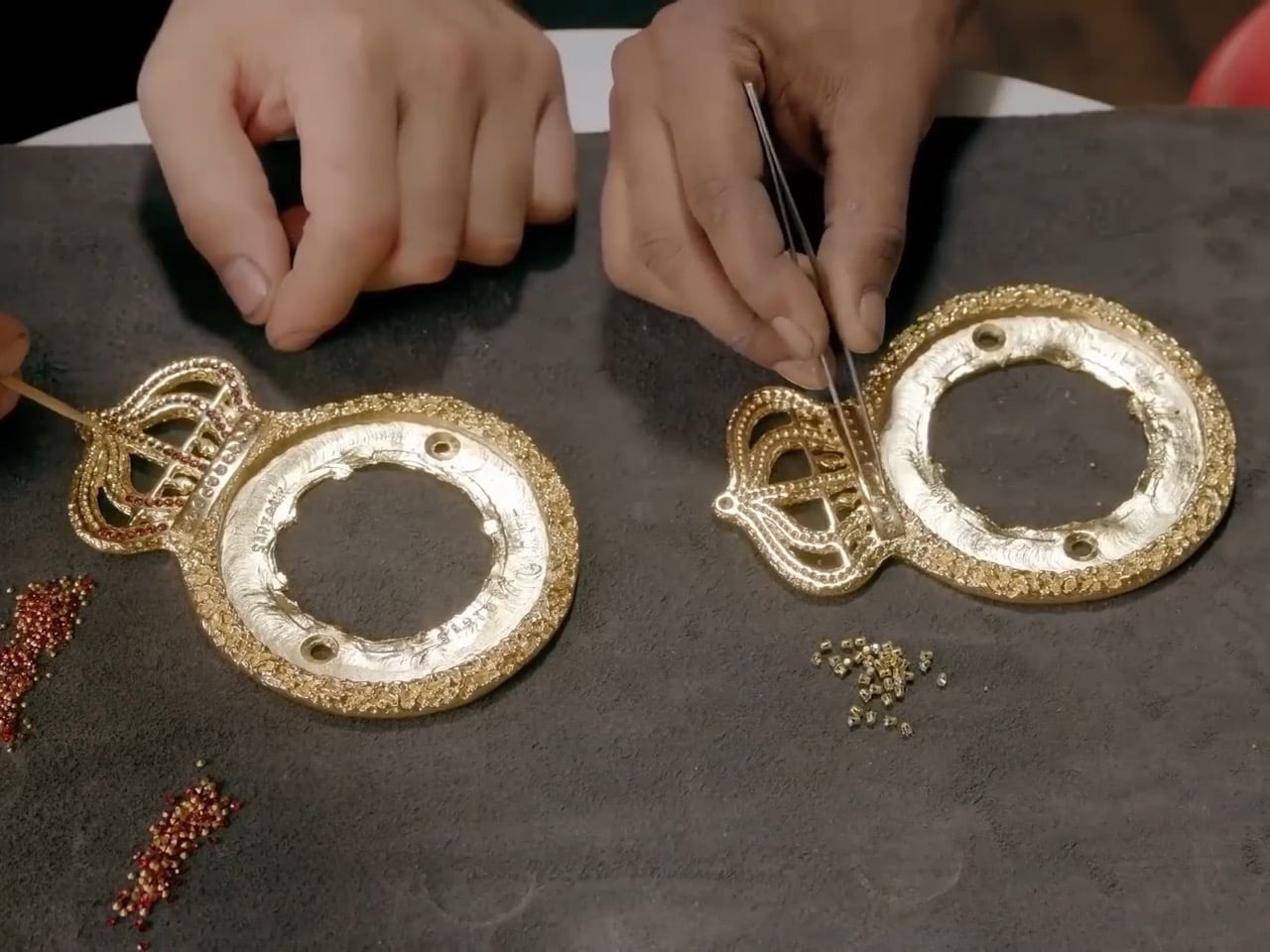
After plating, three finishing techniques add the visual complexity that makes these objects so immediately striking. Etching applies a chemical to specific areas and then submerges the plate in an etching solution, creating textured patterns that contrast against the polished metal. Enamel painting involves applying thick enamel paint to designated sections and baking the plates to lock in a durable, colorful finish. Gemstone setting, the most labor-intensive of the three, has a jeweler attaching rubies, sapphires, diamonds, or crystals directly to molded cavities in the metal surface. The Crown Jewel Championships, the most expensive belts in WWE history, reportedly contain 50-karat diamonds and carry a value exceeding one million dollars. Champions are not permitted to take them home; they remain in Saudi Arabia, and winners receive rings instead.

Leather, Assembly, and the Finished Object

With the plates complete, attention moves to the leather strap that holds everything together. The belt maker hand-traces and cuts the strap from high-quality leather, dyes it to the required color (typically black, though the Universal Championship famously used red), then waxes and polishes it to a durable finish. An inner lining of spandex or felt is added for comfort against bare skin, all layers are stitched together, and the plates are secured using thick leather-working string or industrial-strength adhesive. A closing mechanism, either buckles or snap hooks depending on the design, is added, high-grade vinyl finishes the outer edges, and the inside is branded with both WWE’s logo and the belt maker’s own insignia before the whole thing is packed and shipped.
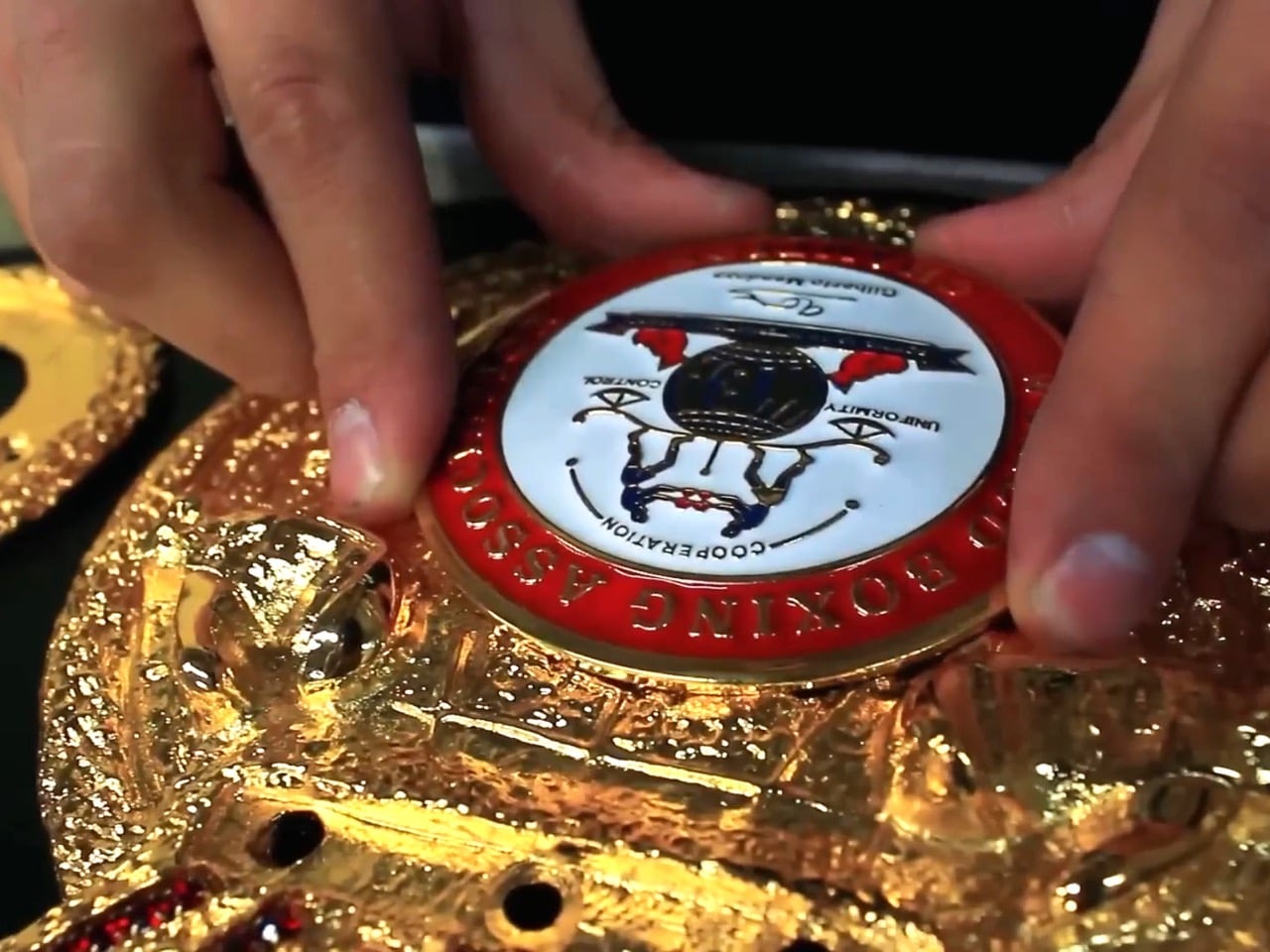
WWE maintains multiple copies of each belt design. HD belts are built specifically for television, engineered to catch light perfectly under arena conditions. Champions also receive separate travel belts for appearances, signings, and live events. According to Millican, when a new HD belt is produced or refurbished, the previous version gets demoted to road use, which explains the occasional moments when attentive fans spot a belt with slightly wrong plates or minor inconsistencies on broadcast. The pristine version simply did not make it to the venue in time.
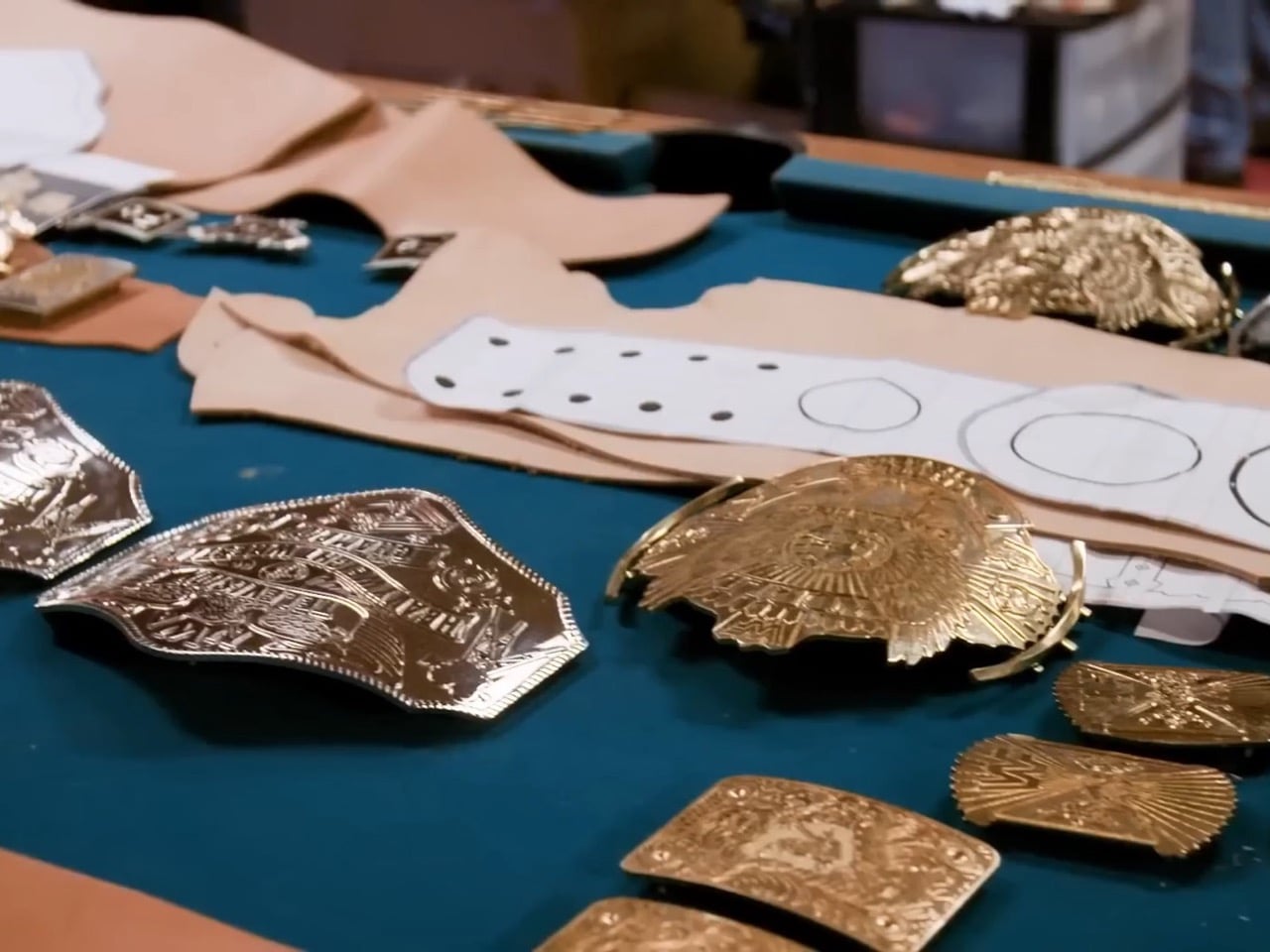
WWE creates what it calls HD belts, versions built specifically to perform under television lighting and capture every engraved detail on camera, while champions carry separate travel belts to appearances and signings on the road. When a new HD belt is made, the previous one gets demoted to road duty, which explains the occasional glimpse of a belt with slightly wrong plates or an unfamiliar finish on a live broadcast. Even the logistics of managing these objects reflects how seriously WWE treats them as artifacts rather than accessories.

A replica belt sells at retail because fans understand instinctively that what they are buying is a piece of wrestling history in miniature, a connection to the moment their favorite wrestler finally hoisted the real thing overhead. That impulse makes complete sense when you understand what went into building the original: months of clay sculpting, metal casting, electroplating, gemstone setting, and leather work, all converging into an object that a 10-year-old sees on television and immediately understands means everything.

The post How Is a WWE Championship Belt Made? One Man’s Garage, $40,000, and a Handful of Artisans first appeared on Yanko Design.
Step outdoors with confidence and peace of mind thanks to this innovative everyday belt

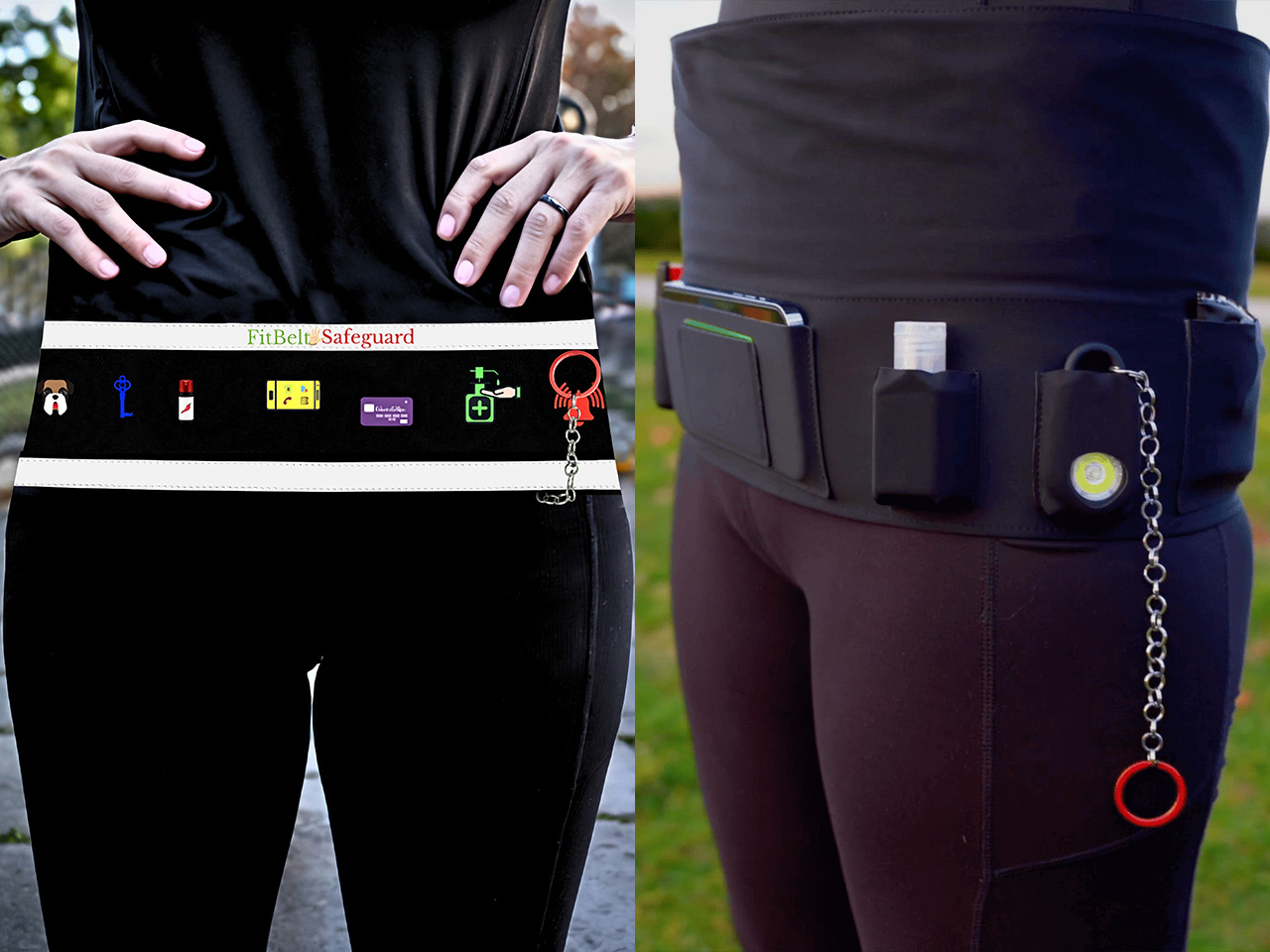
Despite all the conveniences and marvels of modern technology today, our safety and security are still concerns. The moment we step out the door, we never know what emergency we will be facing, leaving us wondering if we’re properly prepared for any task, challenge, or even danger. The news is always full of reports of crimes that leave people, especially women, wounded and traumatized. We can bring all the tools and safety precautions we need in a large bag, but that not only cramps our style but also impedes our mobility, especially when we’re going out for some exercise. Enter the FitBeltSafeguard (StayFit-StaySafe), a simple yet ingenious everyday belt that you can wrap around your waist any time, giving you access to 17 essential features. Each pocket stores an essential tool you’ll need to be more productive including in an emergency situations where you have to defend yourself or call for help.

Designer: Rojoeyl Aquino (Chiseled Design)

Click Here to Buy Now: $139 $249 ($110 off). Hurry, 488/499 left!

Nothing is more stressful than leaving home only to realize that you forgot small but important things like a reusable bag for groceries, tissue paper, or worse, even your phone. That sense of dread is amplified when you find yourself in a dangerous situation without a way to protect yourself or even call for help. Who says only superheroes can have a utility belt full of tools that can save the day or even lives? With the FitBeltSafeguard everyday belt, you no longer need to leave home unprepared to face any eventuality, whether you’re going out for a run, doing some groceries, or simply enjoying the fresh air.

Built-in anti-skid technology to keep the belt on your waist at all times. Even an extreme training.

This incredibly slim belt features as many as 17 functions with all the hidden pockets, securely behind a flap. All you need to do is pinch the lower reflective lining of the belt and lift it up to gain access to the pocket underneath. No one knows where the pockets are or what they hold except you, thanks to vibrant icons that give you a clue which one is which. To anyone else, it simply looks like you’re wearing a cute but unassuming lumbar support belt like the ones athletes wear while training.

The pockets are also strategically placed where you need them the most. The front pocket, for example, holds your smartphone for quick and easy access at any time. The pepper spray pocket, which is compatible with many types of small pepper spray cans, is on the right where your hand naturally rests, allowing you to instantly pull it out at a moment’s notice. The panic alarm with built-in stainless steel magnetic chain emergency trigger technology allowing for easy activation even when your movement is being limited by an assailant. The loud sound, SOS, and LED the alarm produces ensures that you can be seen and heard.

Waterproof

In addition to these tools for fighting off dangerous actors, the belt is home to everyday essentials that make life so much more convenient, especially for those with active lifestyles. There’s a pocket for hand pads that lets you do pull-ups and push-ups safely without harming your hands, as well as an inflatable cushion for floor exercises or just sitting almost anywhere. You have access to a reusable shopping bag for those unexpected and unplanned market discoveries, while a roll of dog waste bags is also there for picking up after your furry friend. One of the most interesting items in this belt is the compressed tissue paper. Made of biodegradable eco-friendly material, these premium quality tear-resistant rolls of tissue magically expand with a few drops of water and can also be use without any water.

This is just the tip of the iceberg, and the FitBeltSafeguard has room for plenty more, including keys and credit cards. With all those things going inside it, it’s mind-blowing how this everyday belt remains compact and easy to use. Made of premium Lycra, the stretchable and durable material hugs your waist comfortably, and with the integrated anti-skid, you don’t have to worry about it bouncing and shifting, while industrial-grade Velcro makes sure it stays securely fastened around your body. Additionally, all the everyday essentials were specifically designed to fit the pouches perfectly and eliminate the bulkiness. Never again do you need to feel unprepared and vulnerable whenever you step outdoors with the FitBeltSafeguard. This is the one in a life time innovation that we all have been waiting for. A peace of mind for all!

Click Here to Buy Now: $139 $249 ($110 off). Hurry, 488/499 left!

The post Step outdoors with confidence and peace of mind thanks to this innovative everyday belt first appeared on Yanko Design.

This Ultimate Jogger’s Utility Belt gives you a waist-mounted 420-lumen LED Flashlight and EDC storage

Cars and bikes have headlights, so why is it that joggers have to rely on phone flashlights or those awkward headlamps that workers in mines use? Designed by avid running enthusiast and Ironman participant Bryan Robbins, the Lumabelt is one part utility belt one part high-vis flashlight. Turning the humble runner’s fanny pack into something much more sleek and functional, Lumabelt is a slim wearable that stores your phone, keys, and wallet while you’re running… but it also comes with a built-in LED flashlight strong enough to illuminate the path ahead of you while you run, helping you see as well as be seen by others. Plus its $29 price tag makes it a no-brainer for pretty much anyone who finds themselves navigating the outdoors in the dark, whether you’re taking your dog for a walk, hiking a trail, or even if your job is in the security domain.

Designer: Bryan Robbins

Click Here to Buy Now: $29 $40 ($11 off). Hurry, only 4/116 left!

A seasoned athlete, Robbins took to the roads to exercise after realizing his sedentary lifestyle was making him gain a lot of weight. Motivation pushed him to get off his office chair and go get some physical exercise – but the late nights proved to be an obstacle to his routine. Regular head-mounted lamps weren’t elegant, and the waist-mounted ones he had were either way too bulky, or didn’t have lights that were powerful enough. The reason, Robbins figured, was that these products were created by companies built on profit motives, not by actual runners or by brands that listened intently to runners. The first prototype of the Lumabelt was soon born, given his need to have a ‘sleek’ utility belt that also housed a powerful seamlessly integrated light.

Barely 3 inches high, the Lumabelt is a pretty sleek runner’s belt that has enough space for your essentials, but also packs an incredibly powerful flashlight that does a much better job of helping you navigate the dark. The spacious pocket holds your keys, phone, AirPods case, and even a compact power bank if you want to charge your phone or your Lumabelt while running. A 420-lumen LED strip practically works as your own personal headlight, letting you see the road ahead of you very clearly. For comparison, smartphones have flashlights that max at around 60 lumens. The Lumabelt offers two brightness modes to choose from – a Mid-Bright that works well in dawn/dusk settings, and a Full-Bright that’s perfect for the dark.

The beauty of the Lumabelt’s design comes from Robbins’ own experiences, as he faced quite a few struggles with utility belts that were too bulky or bounced around while he ran. To counter this, the Lumabelt has a sleek, streamlined, body-hugging design that doesn’t flip-flop as you sprint. The LED strip is mounted at a lower-facing angle so the light shines directly on the ground ahead of you, and a built-in battery gives you roughly 3 hours of continuous usage on Full-Bright mode, which can either be significantly extended by using a power-bank, or by switching to the Mid-Bright setting.

The belt comes with a one-size-fits-all design, working on waist sizes between 28 and 60. The pockets are expandable too, letting you tuck more than just 1-2 items in if you want to carry other EDC too. Although designed for night runners, the belt proves to be pretty useful across a variety of needs and occupations. It works phenomenally well for campers and hikers, travelers, cave exploration, dog-walking, or even security. The Lumabelt starts at a discounted $29, with global shipping this September.

Click Here to Buy Now: $29 $40 ($11 off). Hurry, only 4/116 left!

The post This Ultimate Jogger’s Utility Belt gives you a waist-mounted 420-lumen LED Flashlight and EDC storage first appeared on Yanko Design.

HMD complements its smartphone with phone-shaped sunglasses, backpack and belt for phone

Brands have very peculiar ways of promoting their products, for instance, years back Burger King ran a promotion asking people to unfriend 10 Facebook friends for a free Woopper. Now, HMD is taking a different but weird route with the head-turning accessories to celebrate the sales kick-off of its first smartphone, the HMD Pulse Pro.

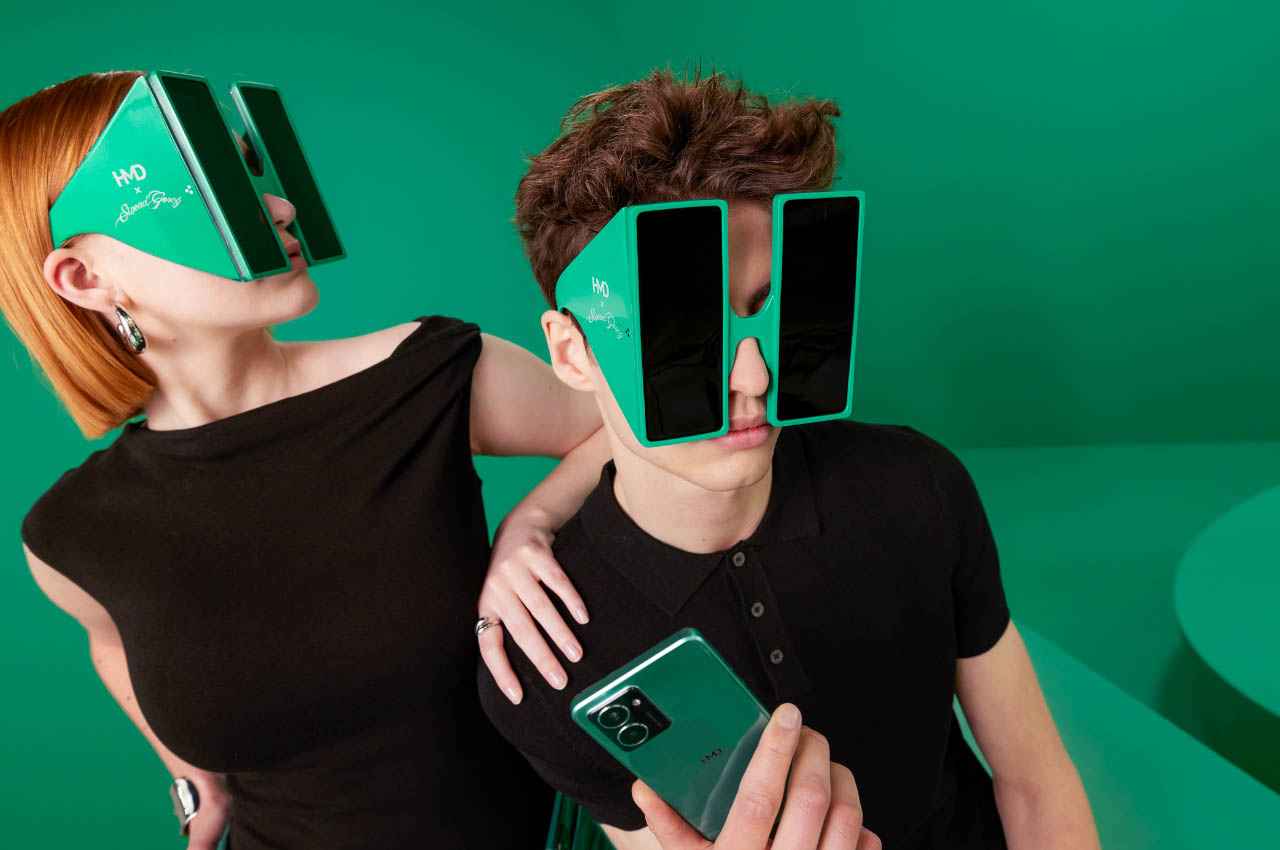
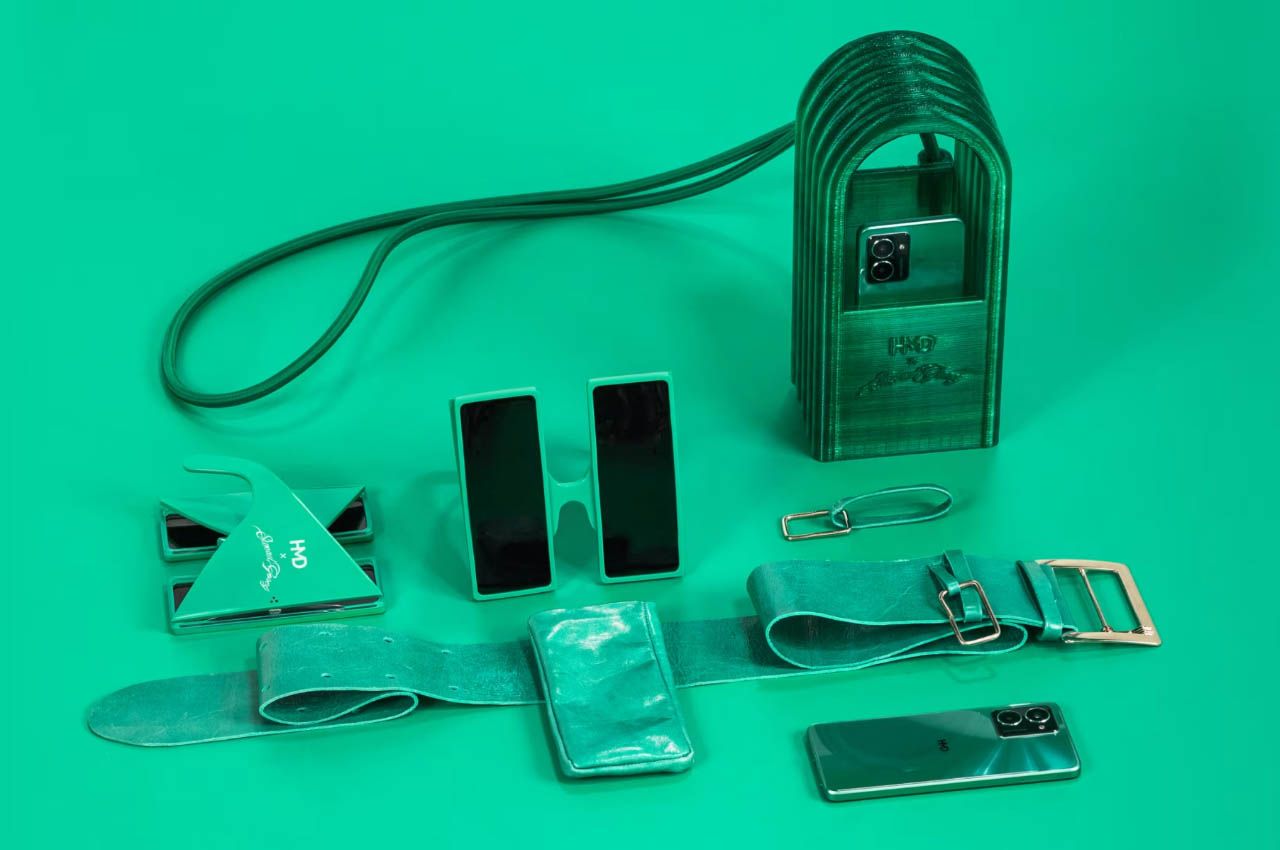
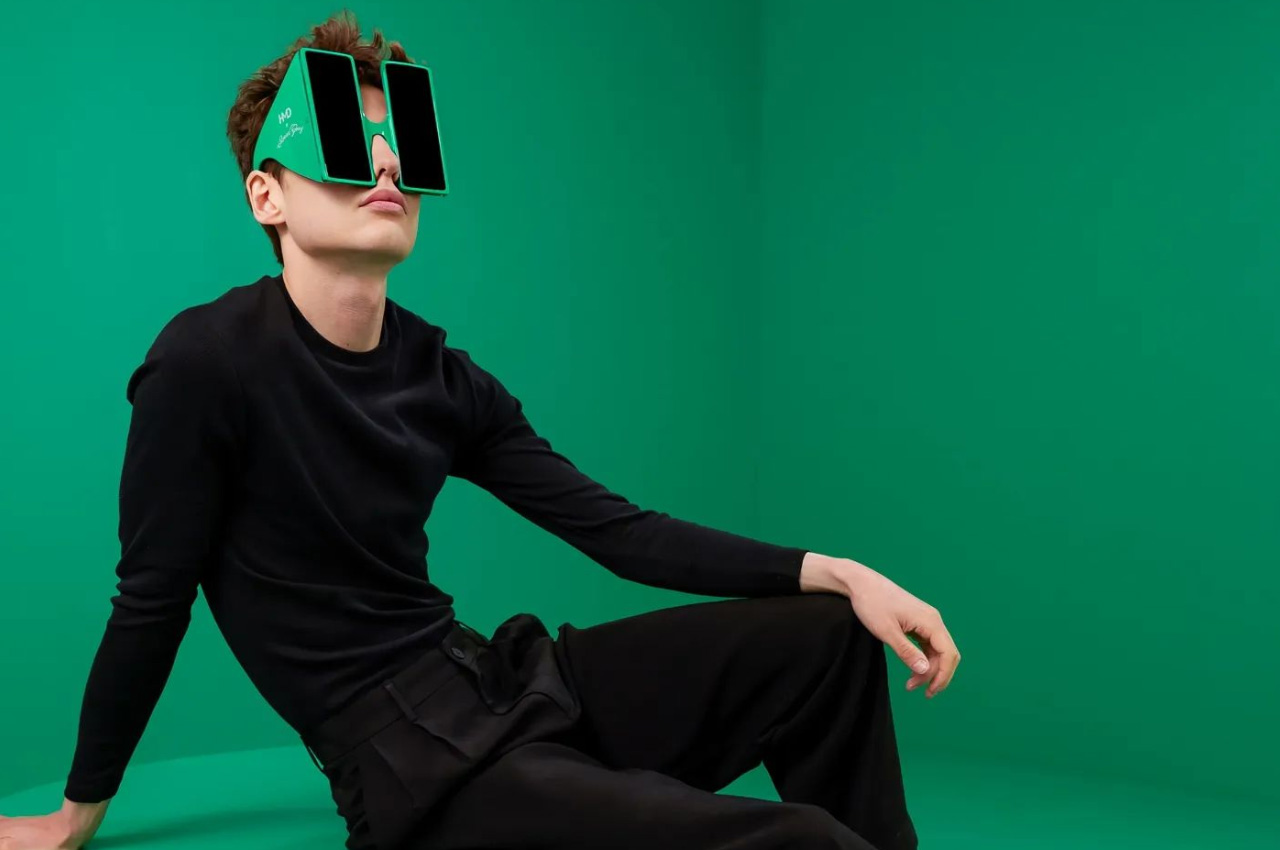
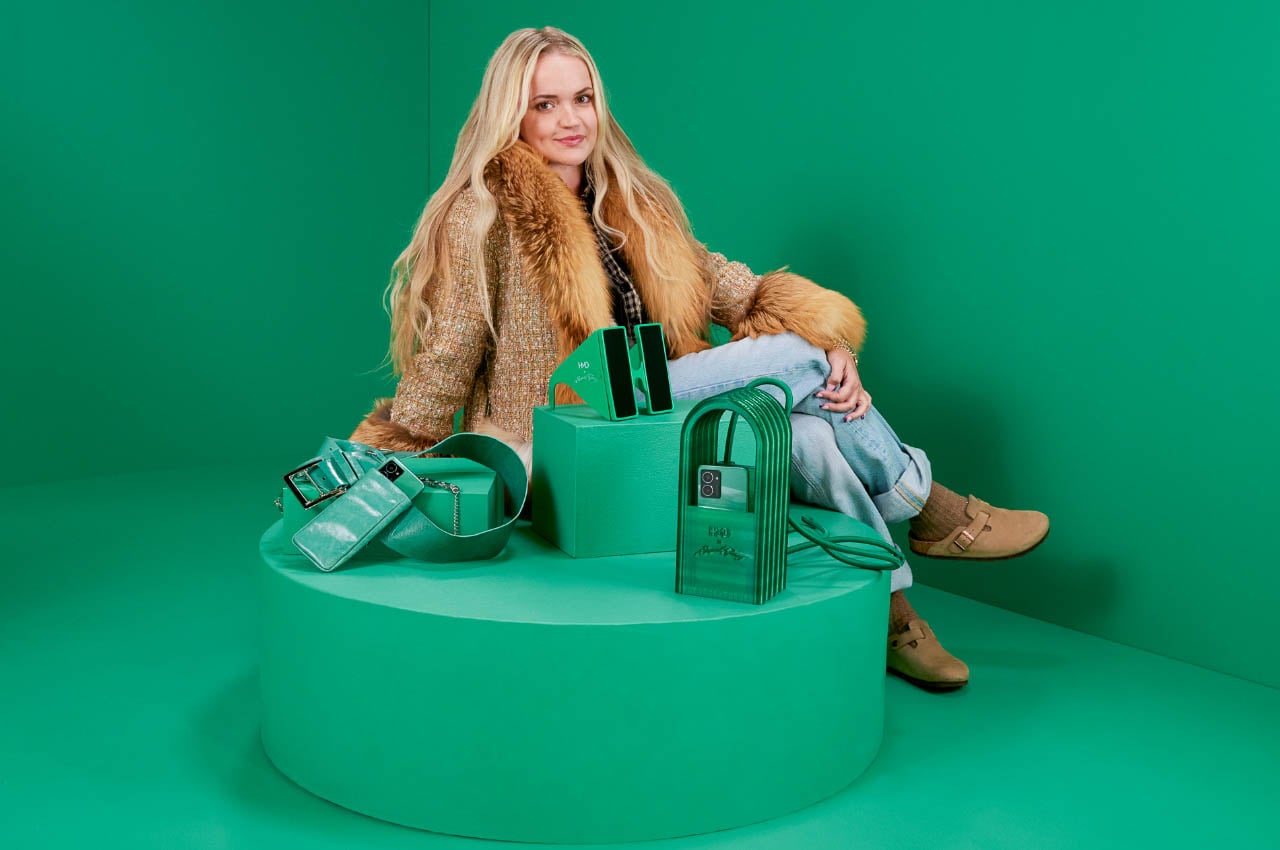
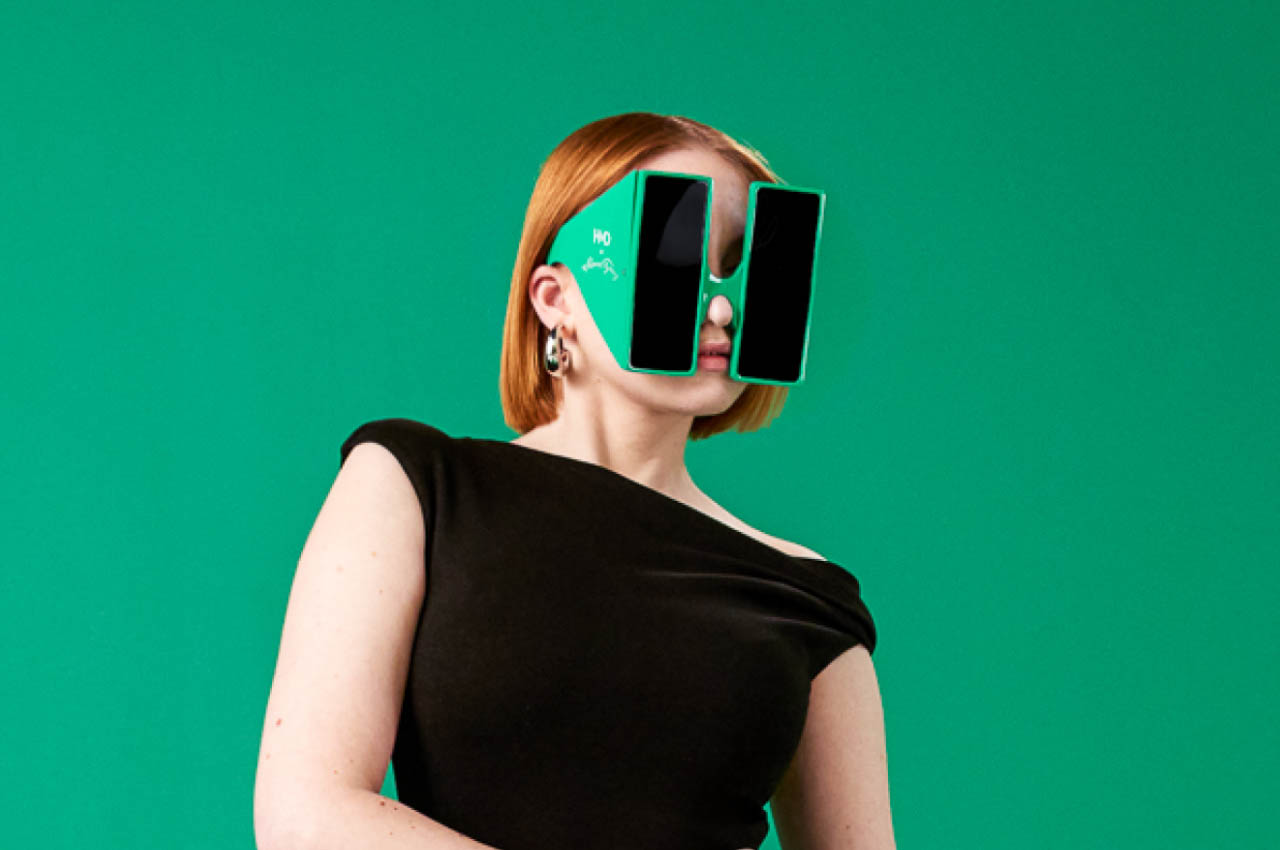
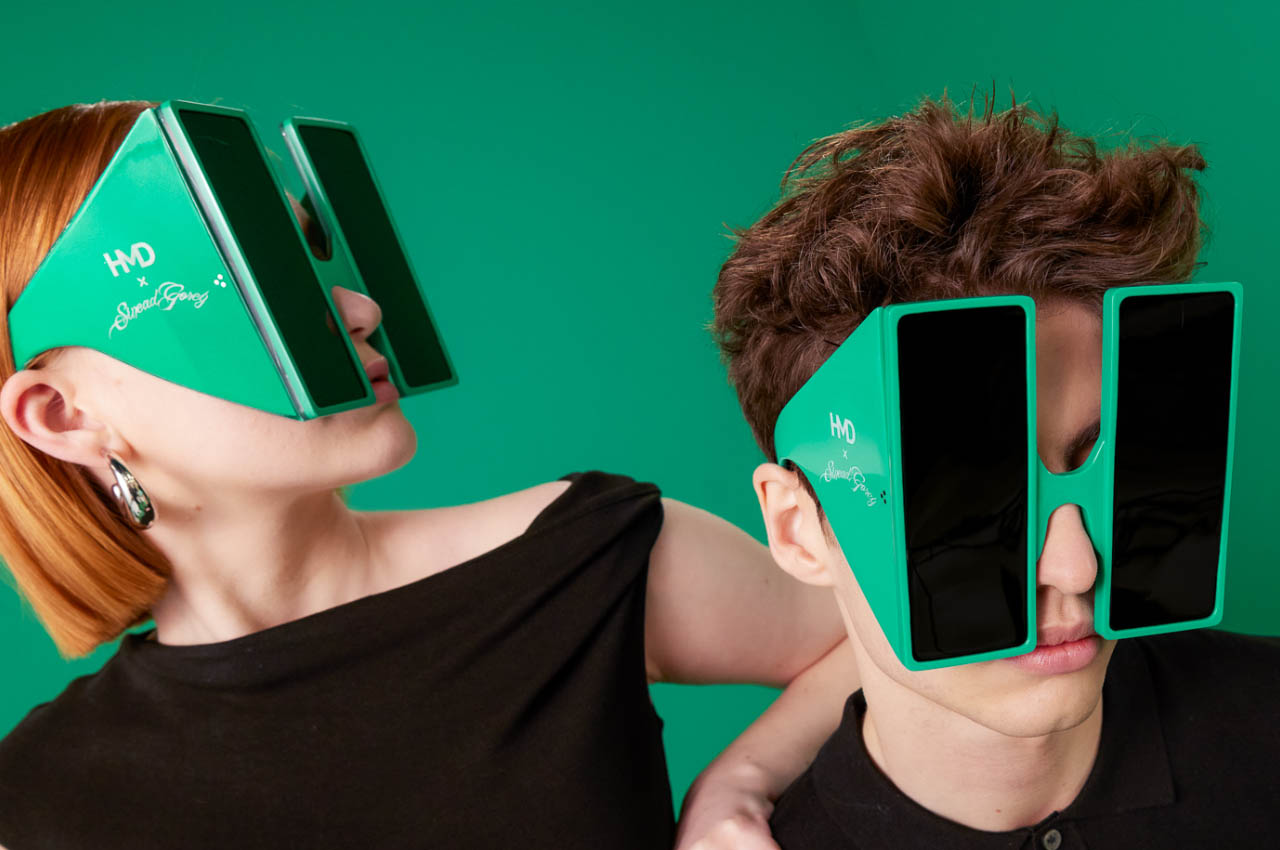
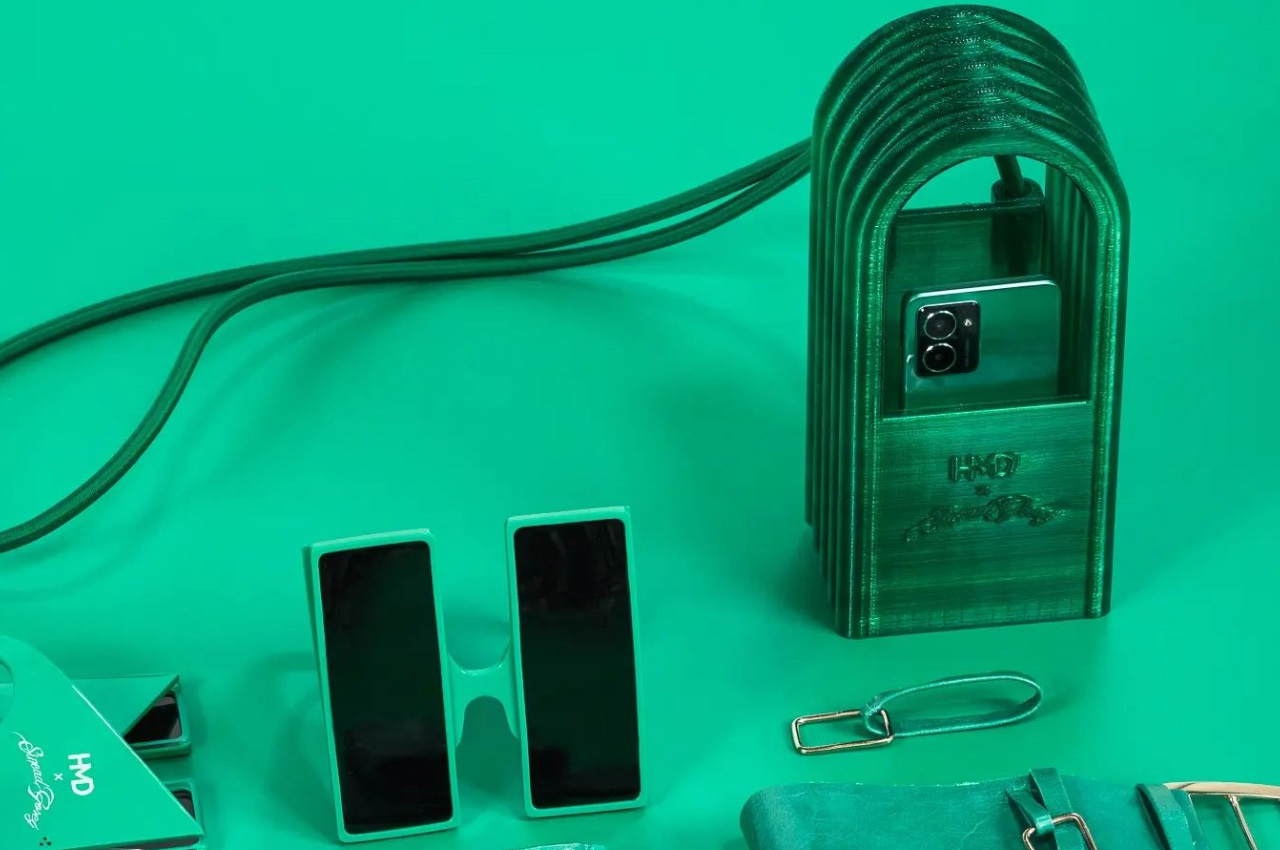
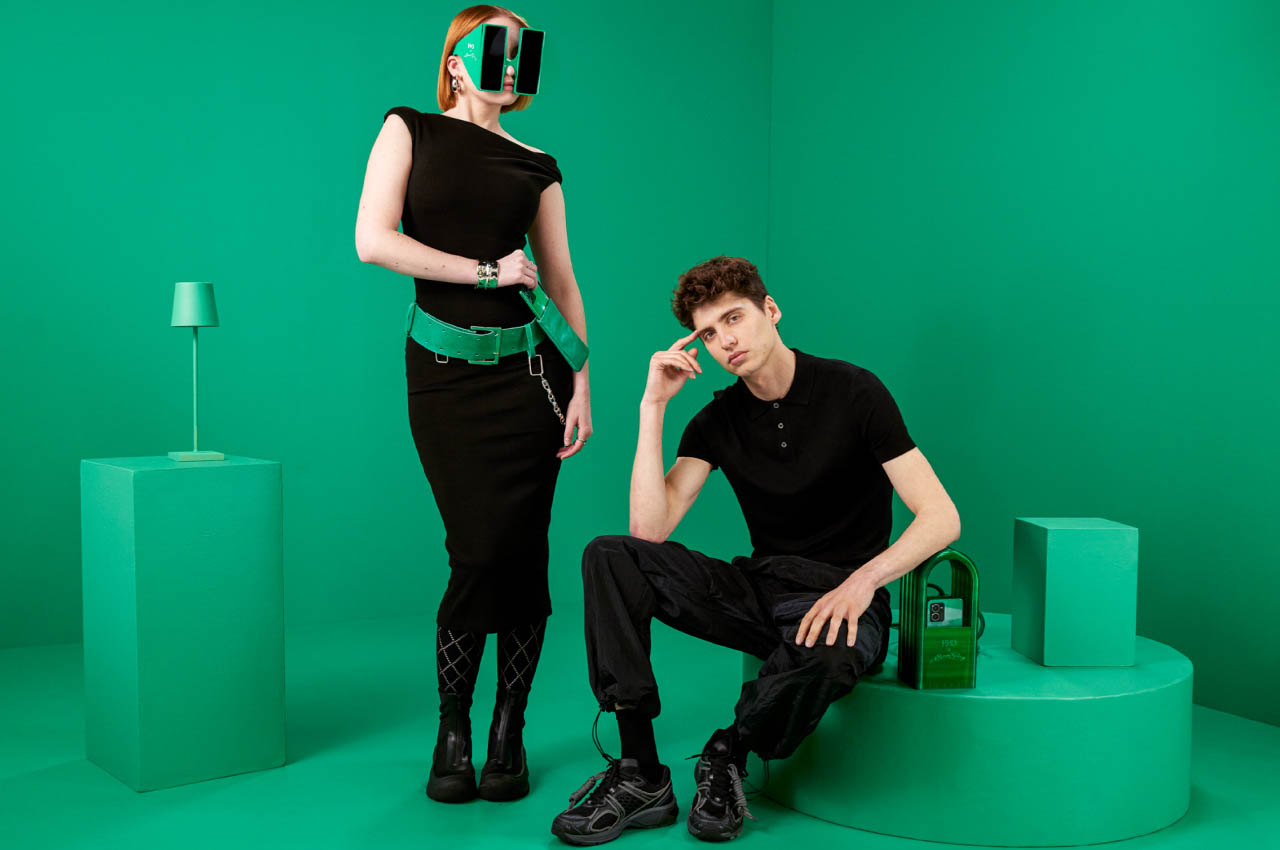
Introducing the HMD’s Phonecore range, which is a destined conversation starter no matter the gathering you are heading into. This range of smartphone-inspired accessories includes a pair of Pulse Pro-inspired sunglasses that look like an impressive pair of smart glasses, a smartphone backpack, and a belt that’s made to hold your phone like a policeman’s walkie-talkie in the belt.

Designer: HMD

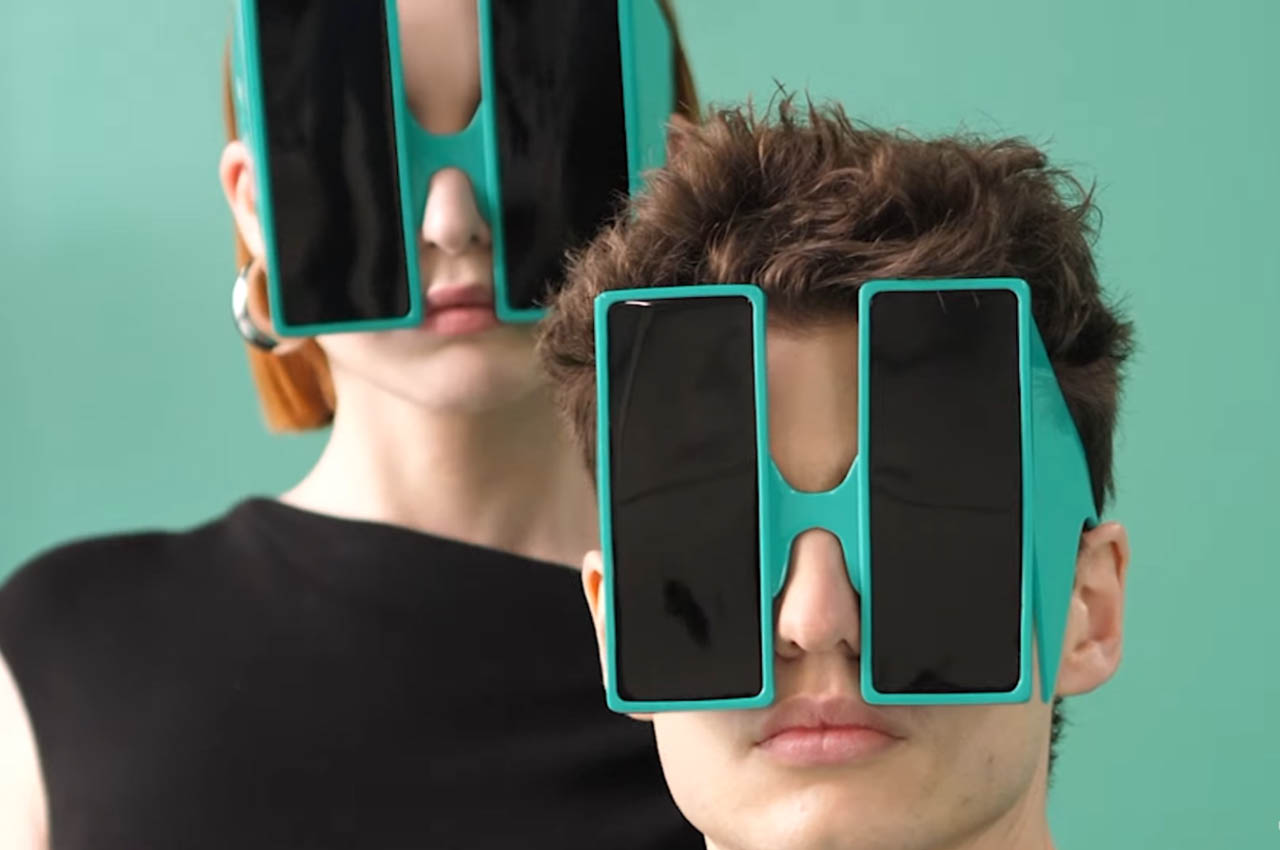
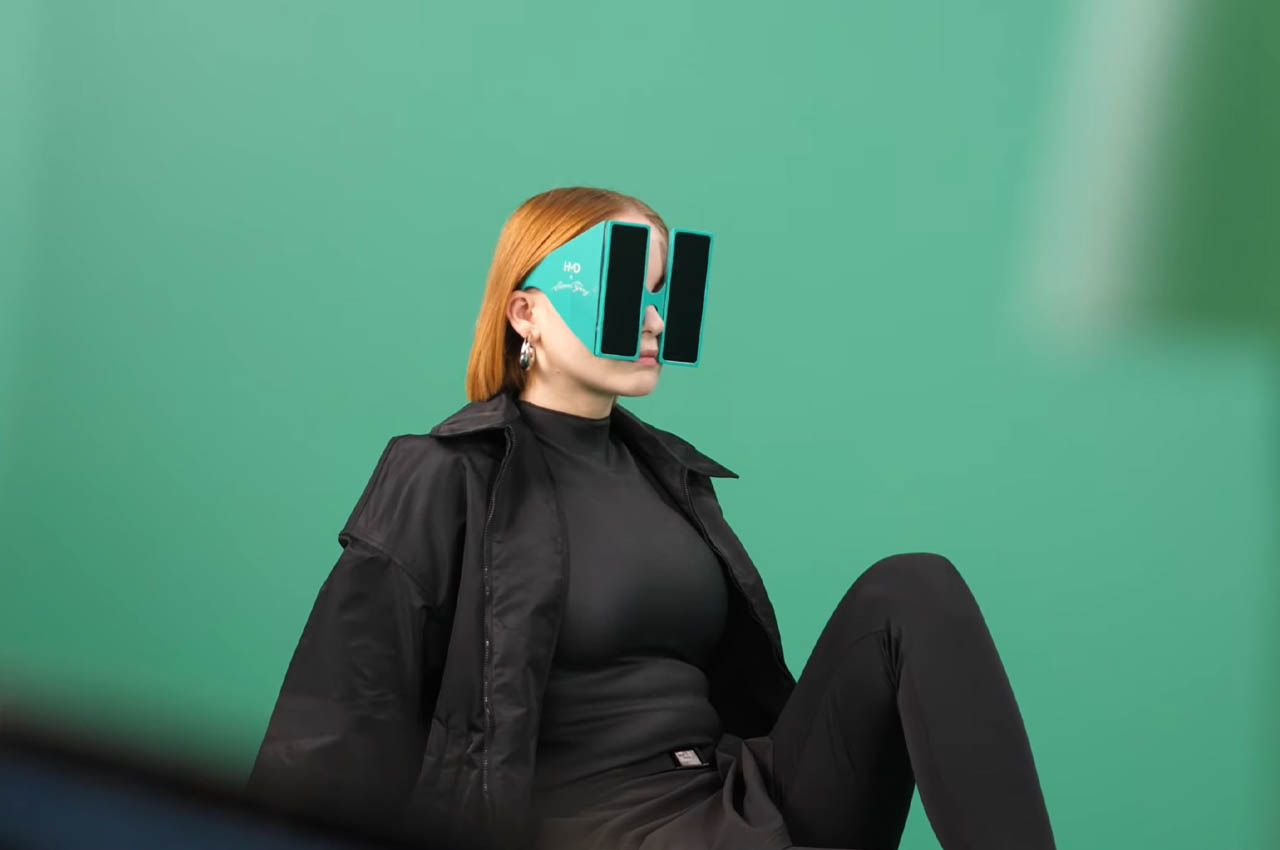
The striking smart glasses and other accessories in glacier green color are made by HMD in partnership with fashion designer Sinead Gorey. Made during the London Fashion Week, the eyewear is a little like a functional pair of smart glasses we have seen over the years; it’s a statement-making device with elongated rectangular black lenses and an oversized frame that mimics the screen of the new phone.

Besides the glasses, the Phonecore range in itself is intended to accentuate the HMD Pulse Pro unlike anything gimmicky seen before. The range of accessories has the industry talking about its oversized design and bold outlook, which ‘won’t make you smart but would definitely make the HMD smartphone, smarter.’

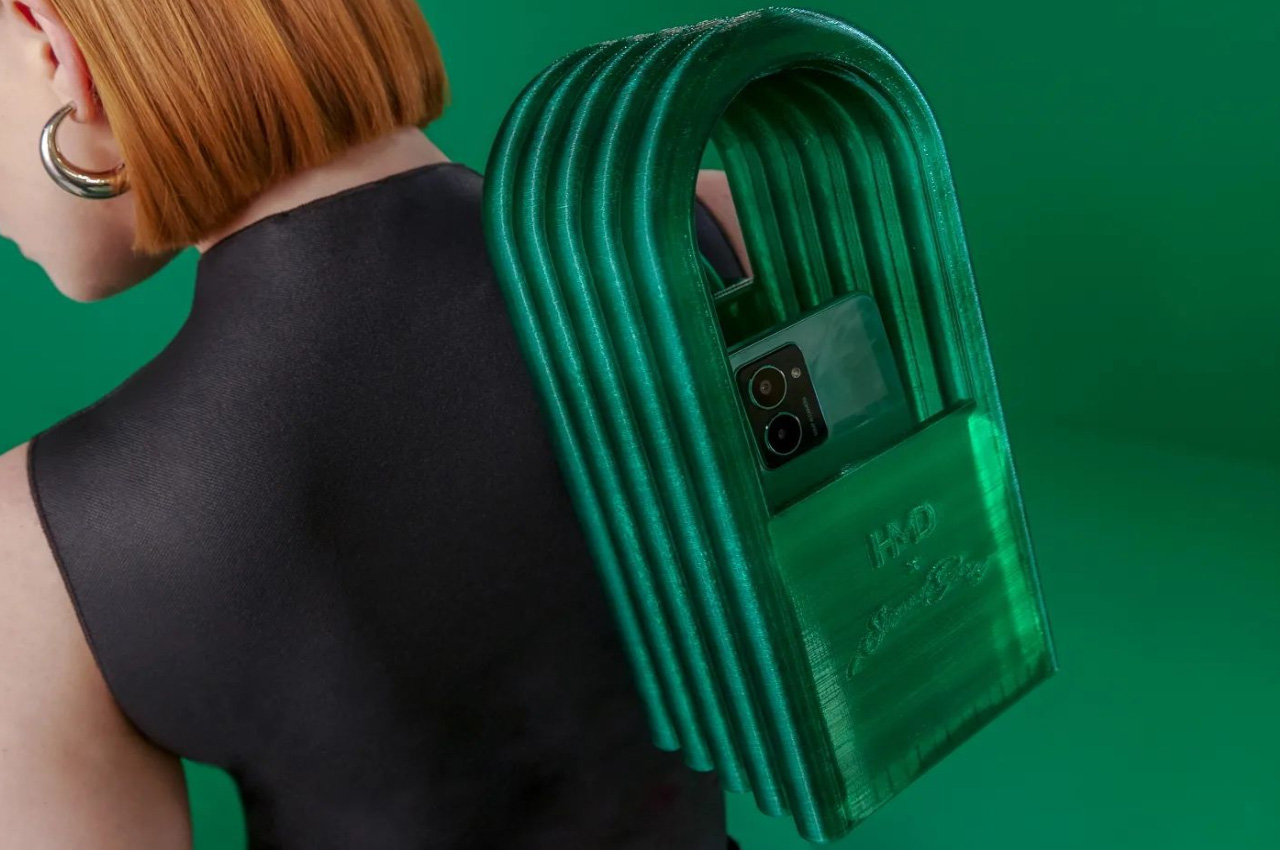
Along with the oversized glasses, as mentioned above, the Phonecore range includes a mobile backpack. This is a 3D-printed backpack which is big enough to only carry a smartphone. It is complemented by a toolkit-style belt with a pouch, designed again to carry nothing but your phone. Interestingly, none of these accessories are usable in real-life scenarios, it’s only to satiate your style quotient.

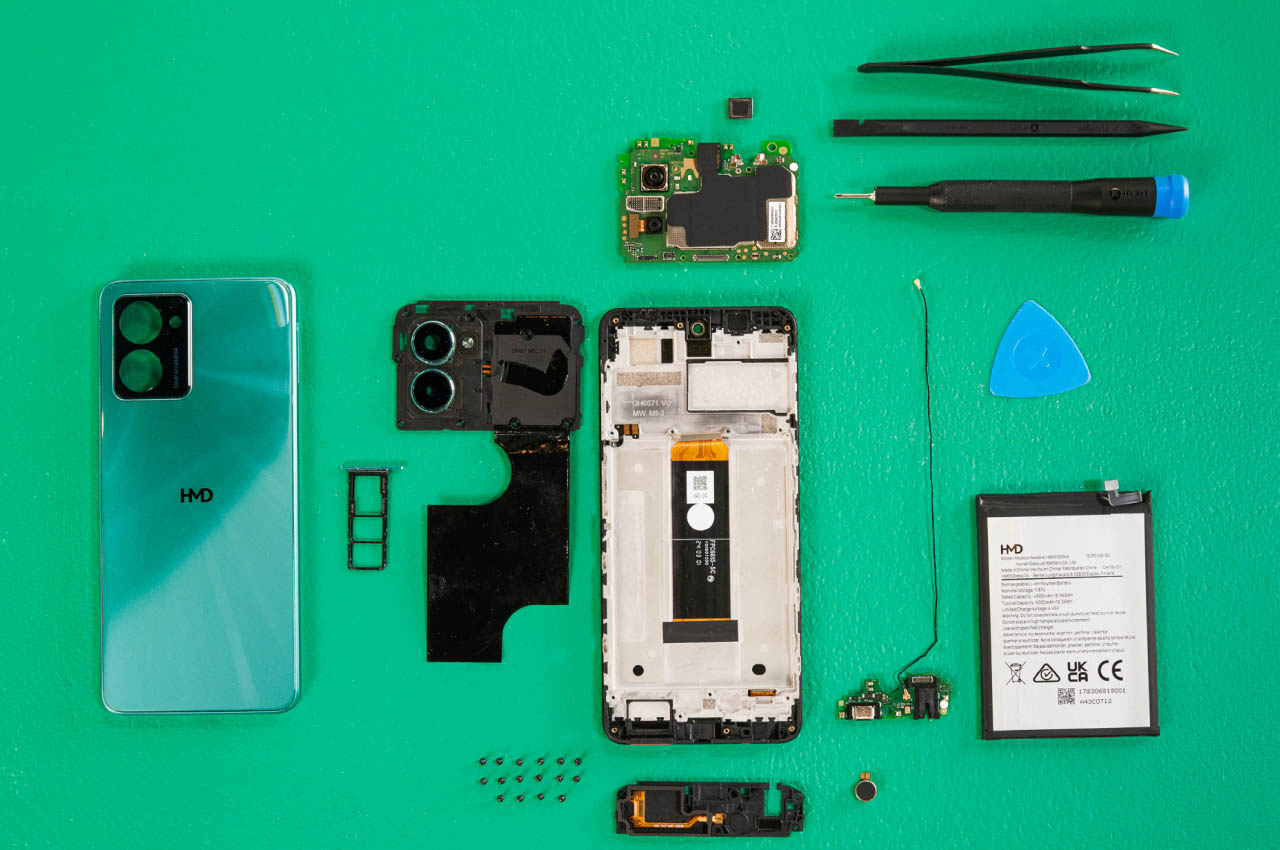
HMD Pulse Pro is a discussion-worthy debut smartphone under their own brand. It comes with interesting new features, which are unique to the sub $200 range, like affordable spare parts for at-home reparability, over three years of updates, and fast storage. But the aspect that kills it really is its 50-megapixel front camera with gesture-activated selfie features. The phone bleeds tech and its supporting accessories catapult that richness to new style heights. The complementing Phonecore collection will be available in limited quantities for style seekers.

The post HMD complements its smartphone with phone-shaped sunglasses, backpack and belt for phone first appeared on Yanko Design.

Smart belt with haptic feedback can replace white canes for visually impaired

For those that do not have any visual impairments or don’t know have anyone close to them that has this condition, the simple act of walking down a street is something that we probably take for granted. Being aware that not everyone will have that privilege is something that we should occasionally remind ourselves. There are brands and product designers that are constantly working to develop gadgets and tools that can help those that need assistance living their every day lives.

Designer: AI Guided

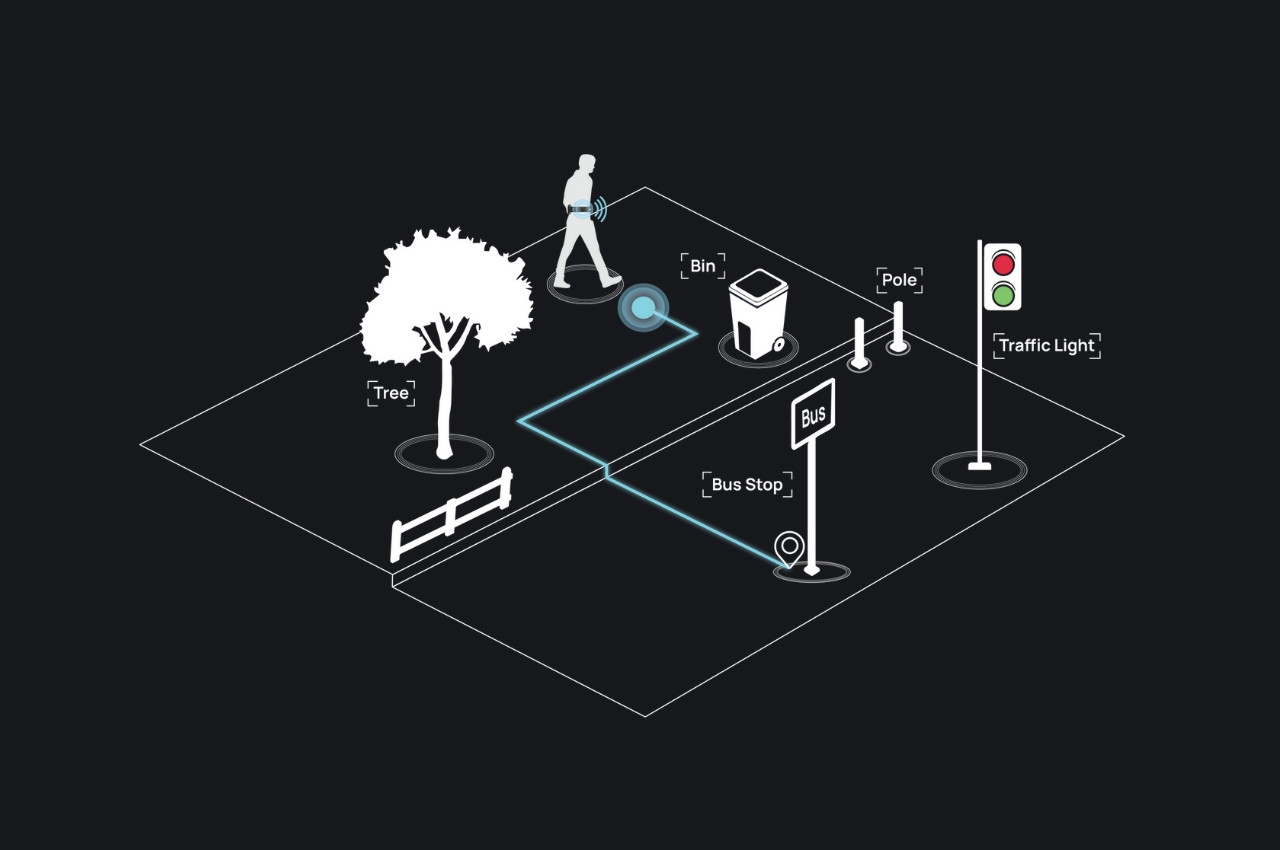
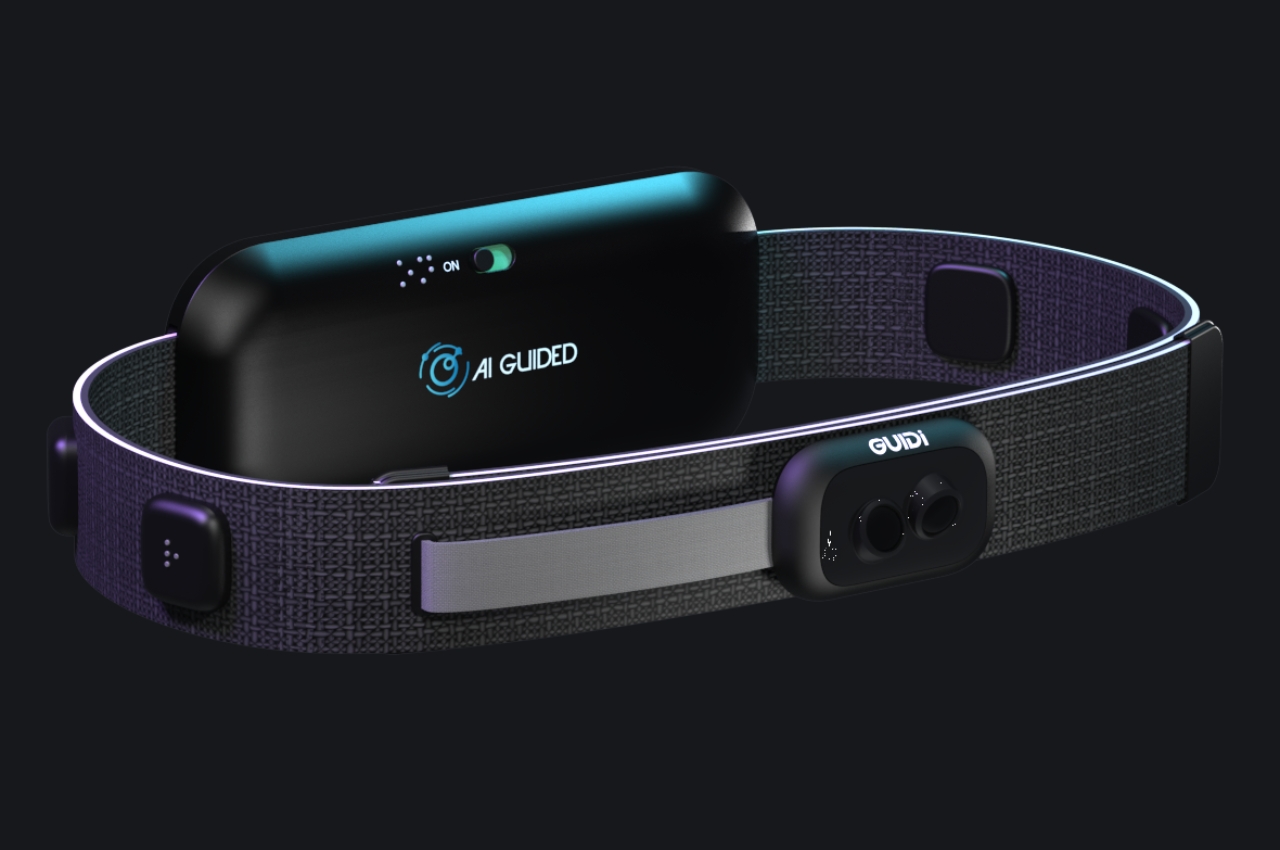
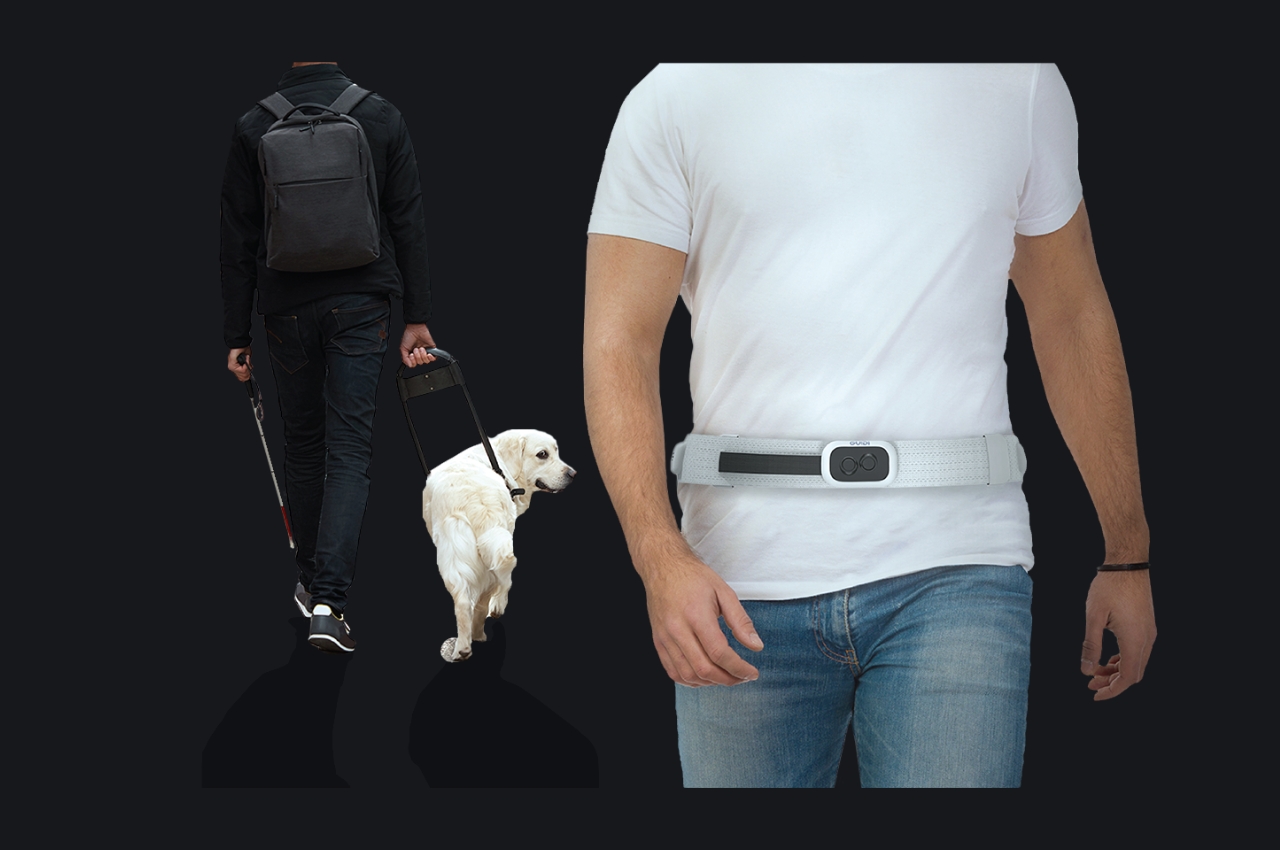
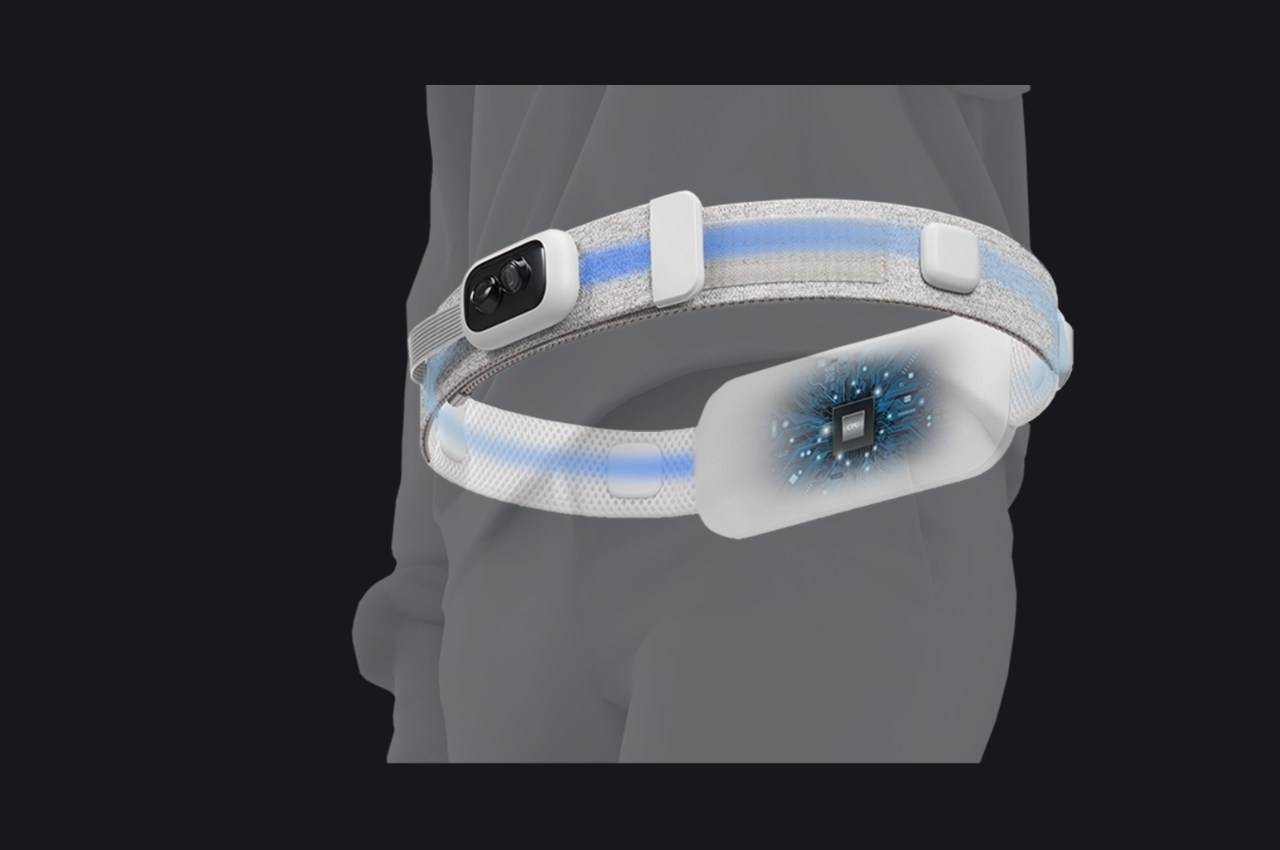
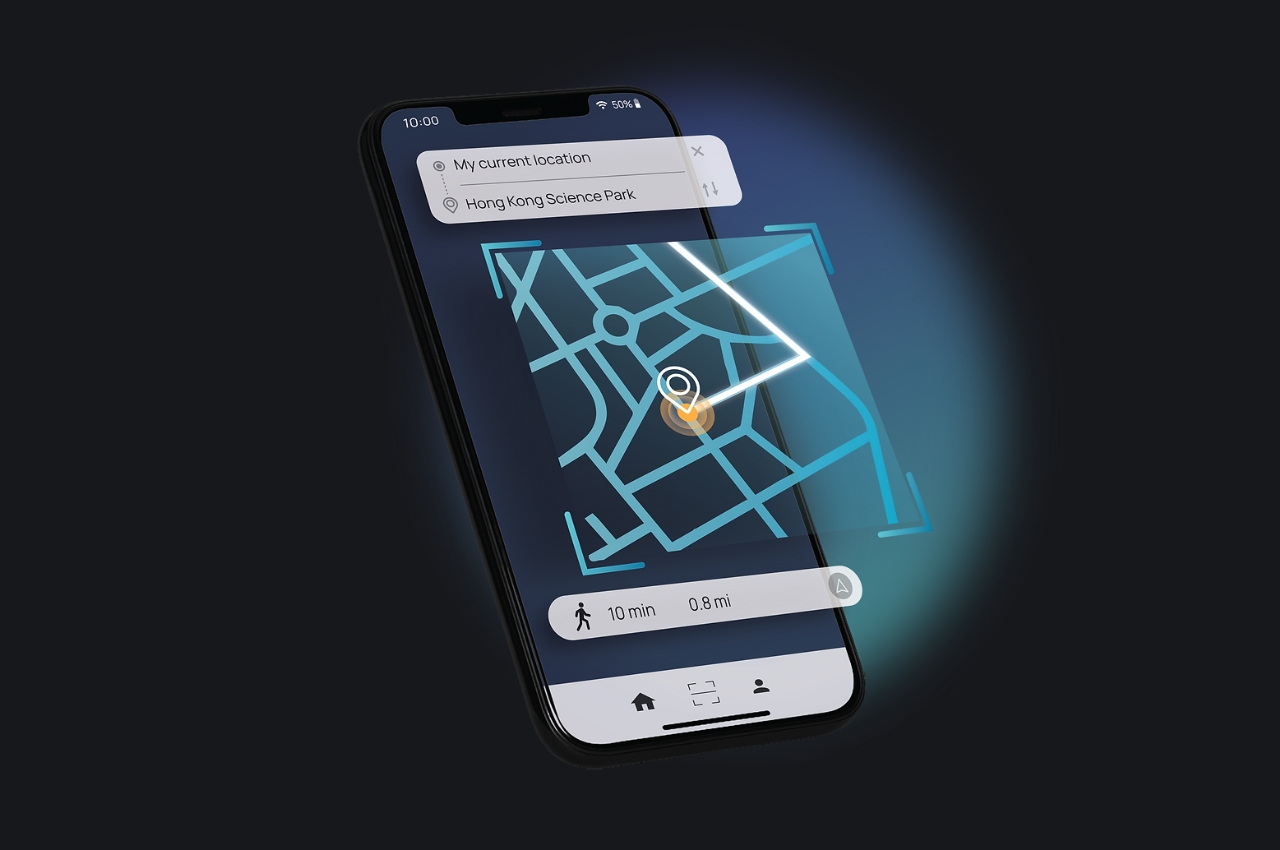
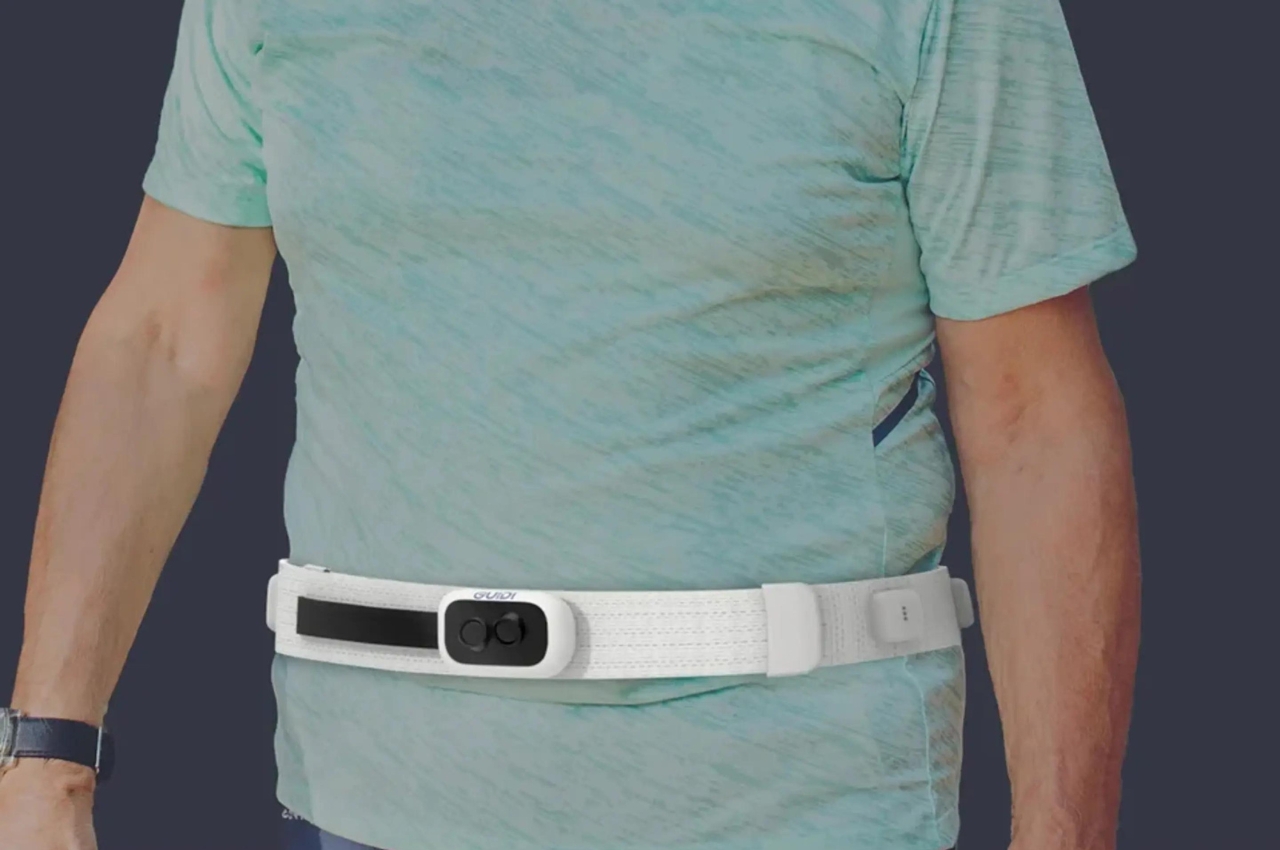
GUIDi is a concept for a device that can replace the white cane that a lot of visually impaired individuals use to navigate their way through busy streets. It is a device that the user wears on their waist and includes camera and microprocessor modules, and haptic feedback units that will assist them as they walk. There are two 8-megapixel cameras that are forward-facing and will scan the environment as they are walking. The images captured will be analyzed by AI-based software which will be able to identify things like trees, trash cans, sign posts, and other items that the user may face on the street or sidewalk.

The haptic feedback units will vibrate to alert the user that there may be some obstruction in their direction. It will even be able to detect things like branches, wires, and other overhanging items that a regular cane may miss since it’s basically on the ground. The device can also be connected to an app on their smartphone through Bluetooth connectivity where they can choose a specific location and they will be guided by GUIDi accordingly. The battery life is around 8-10 hours on a single charge.

Design wise, it’s pretty much a no-frills device that you can wear on your waist and should not be that obstructive or uncomfortable. The two haptic feedback units on each side should be enough to give the user signals on possible obstacles but also not give sudden vibrations that might surprise the user. The GUIDi is not yet in production but those who are interested can try joining the free trial that the company is offering.

The post Smart belt with haptic feedback can replace white canes for visually impaired first appeared on Yanko Design.

Meet The Strongest Belt Ever Made – The Indestructible Belt By Vollebak

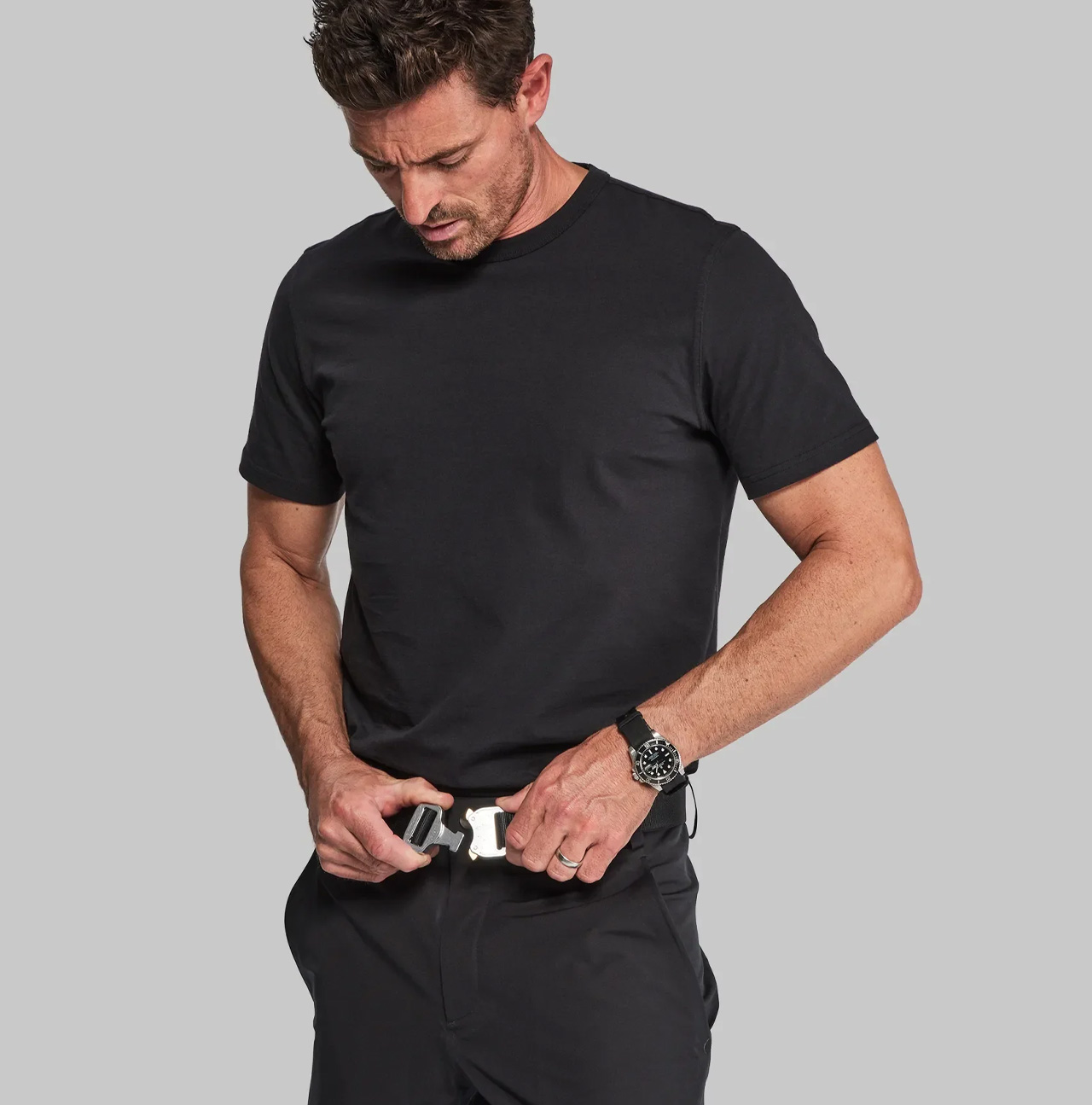
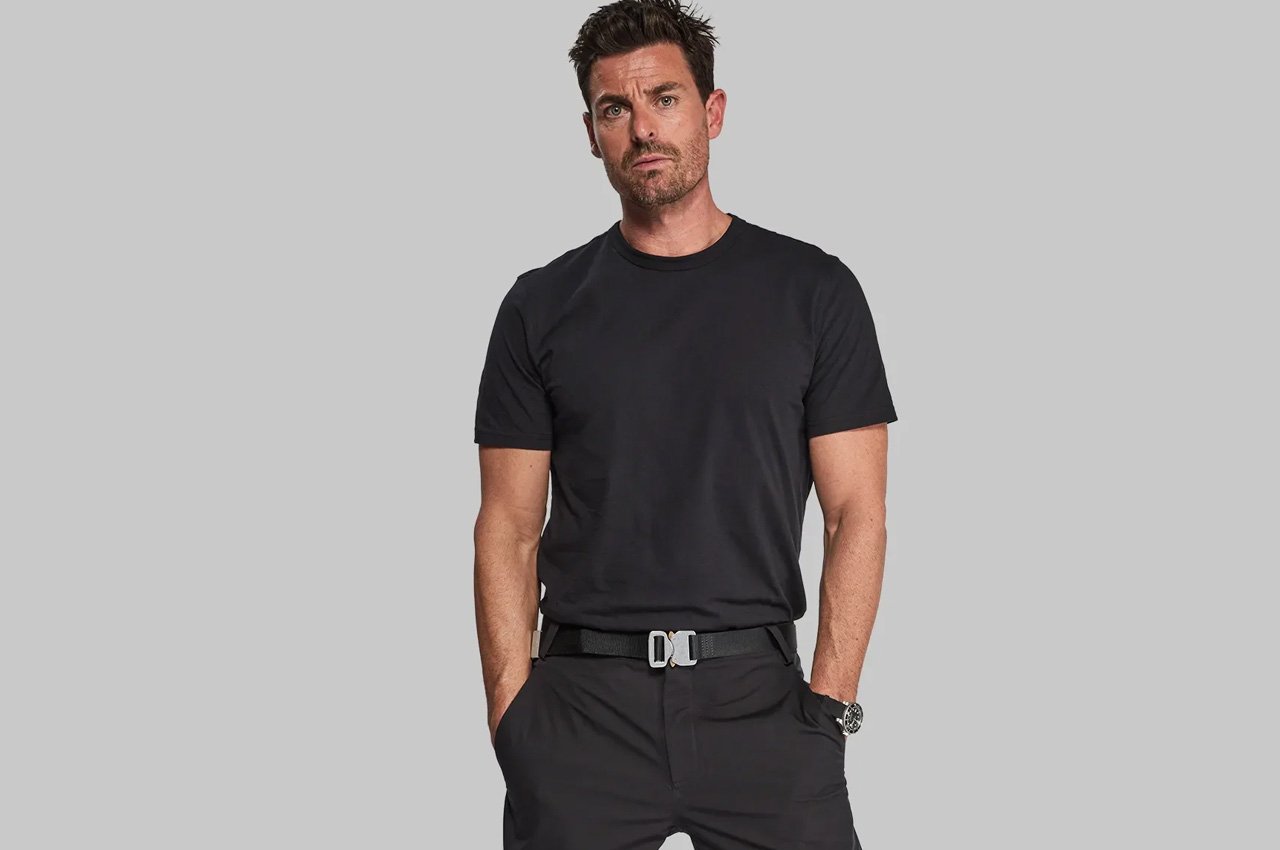
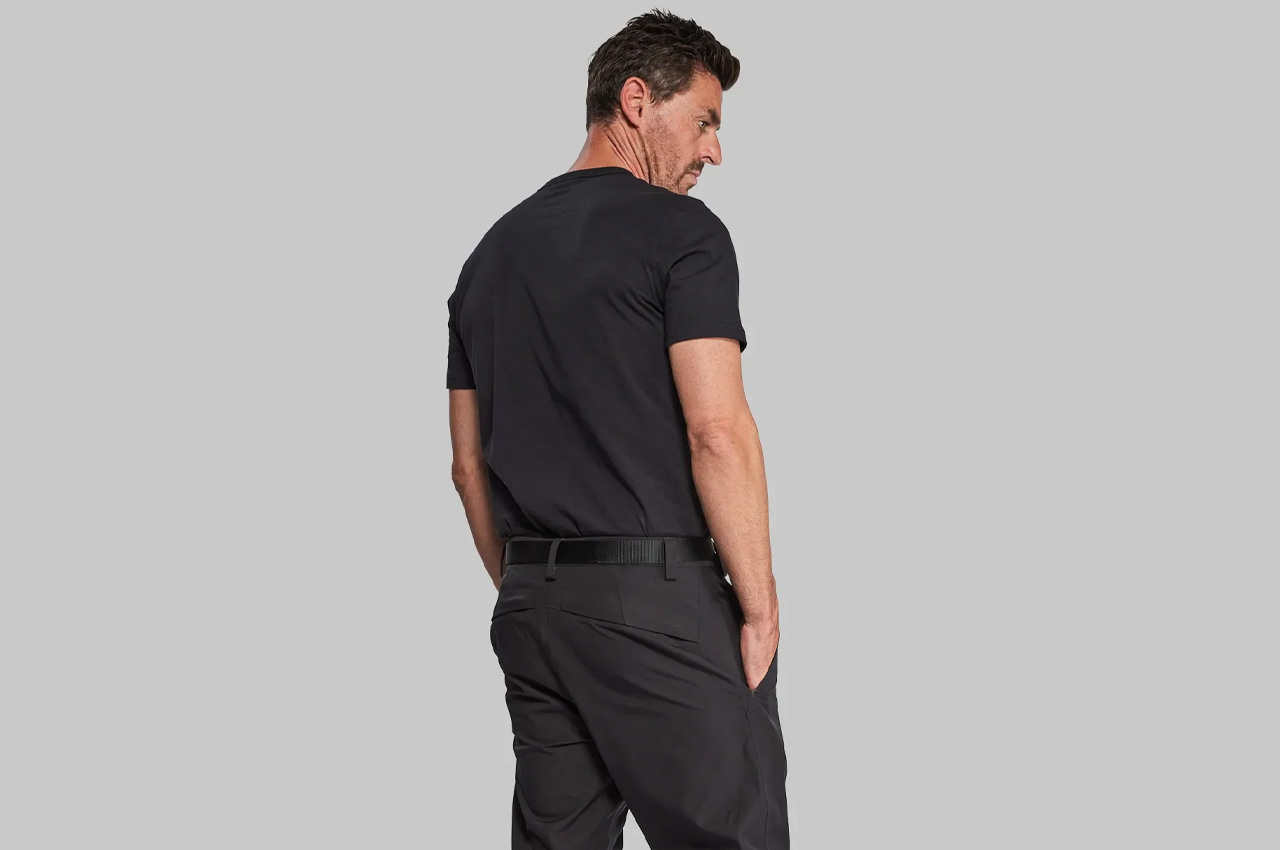
Vollebak is known for its ground-breaking and absolutely mindblowing designs such as the Indestructible Puffer which is built from the same material as body armor or the Deep Sleep Cocoon that can lull you to sleep on Mars and Earth! In lieu of their ingenious and highly successful designs, Vollebak has also launched the Indestructible Belt. Right off the bat, they’re claiming that the Indestructible Belt is the strongest belt ever made! Color us intrigued! It is designed to be not only a true marvel in engineering but also a major fashion statement that will definitely grab eyeballs.
Designer: Vollebak

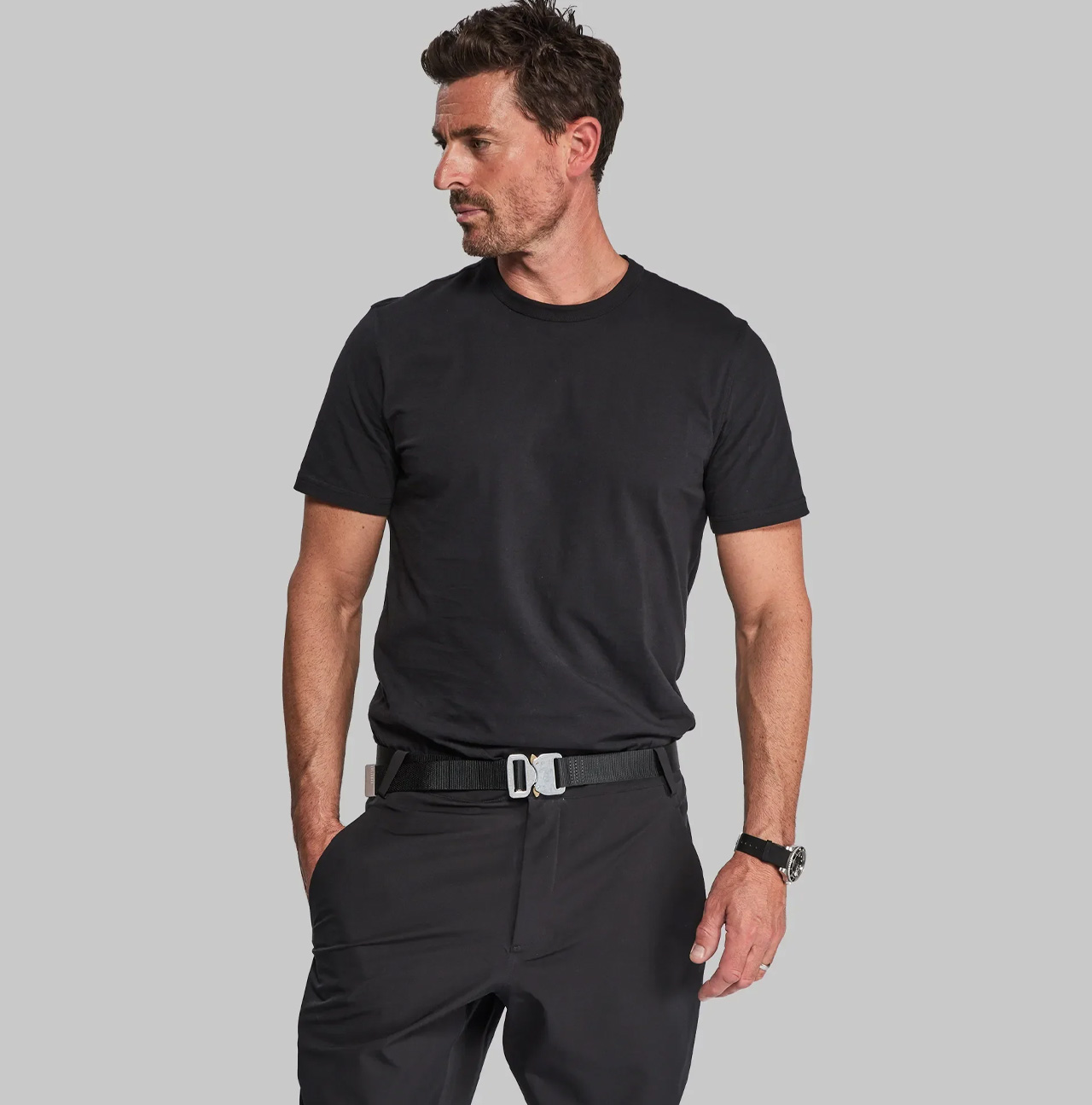
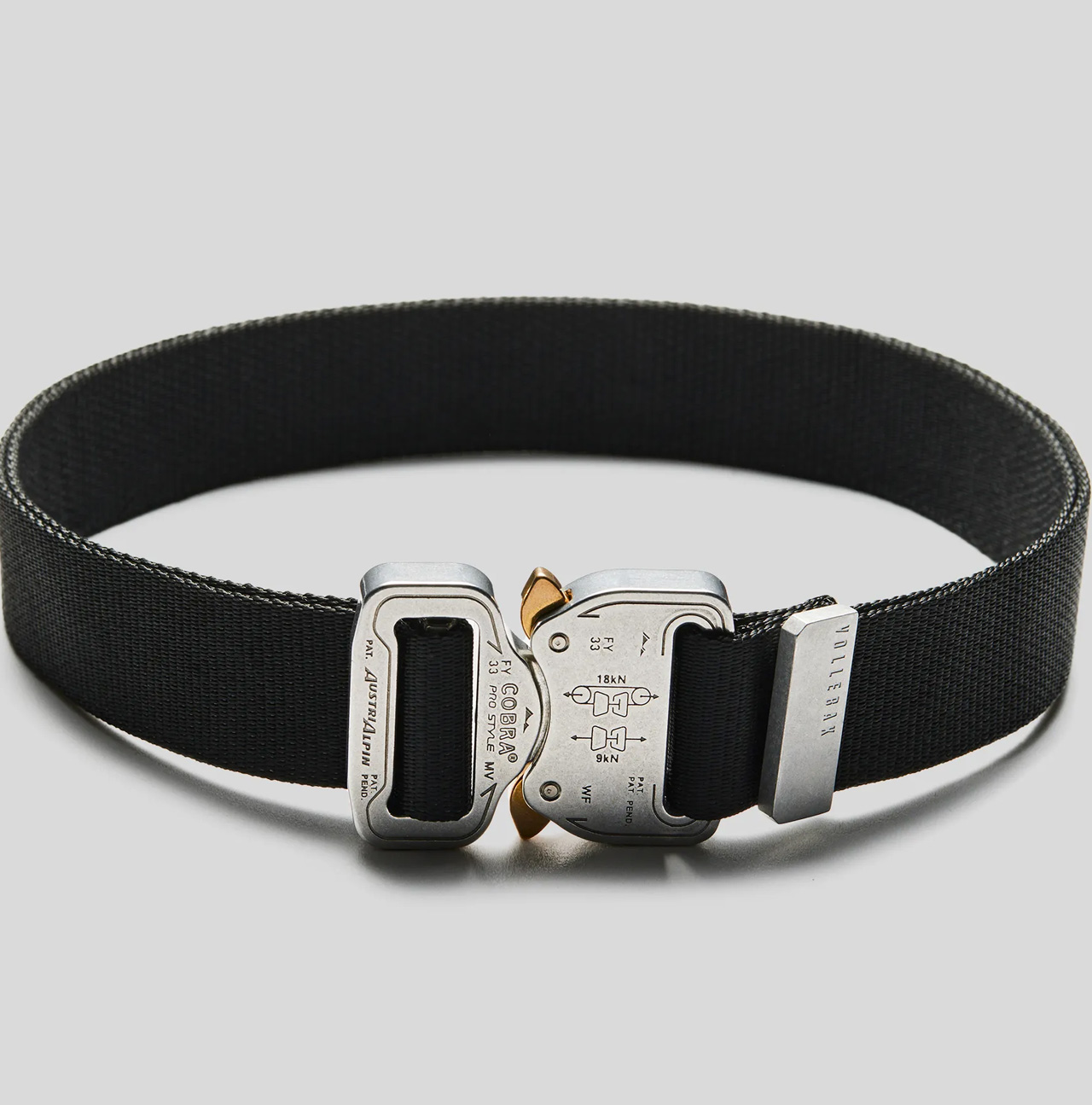
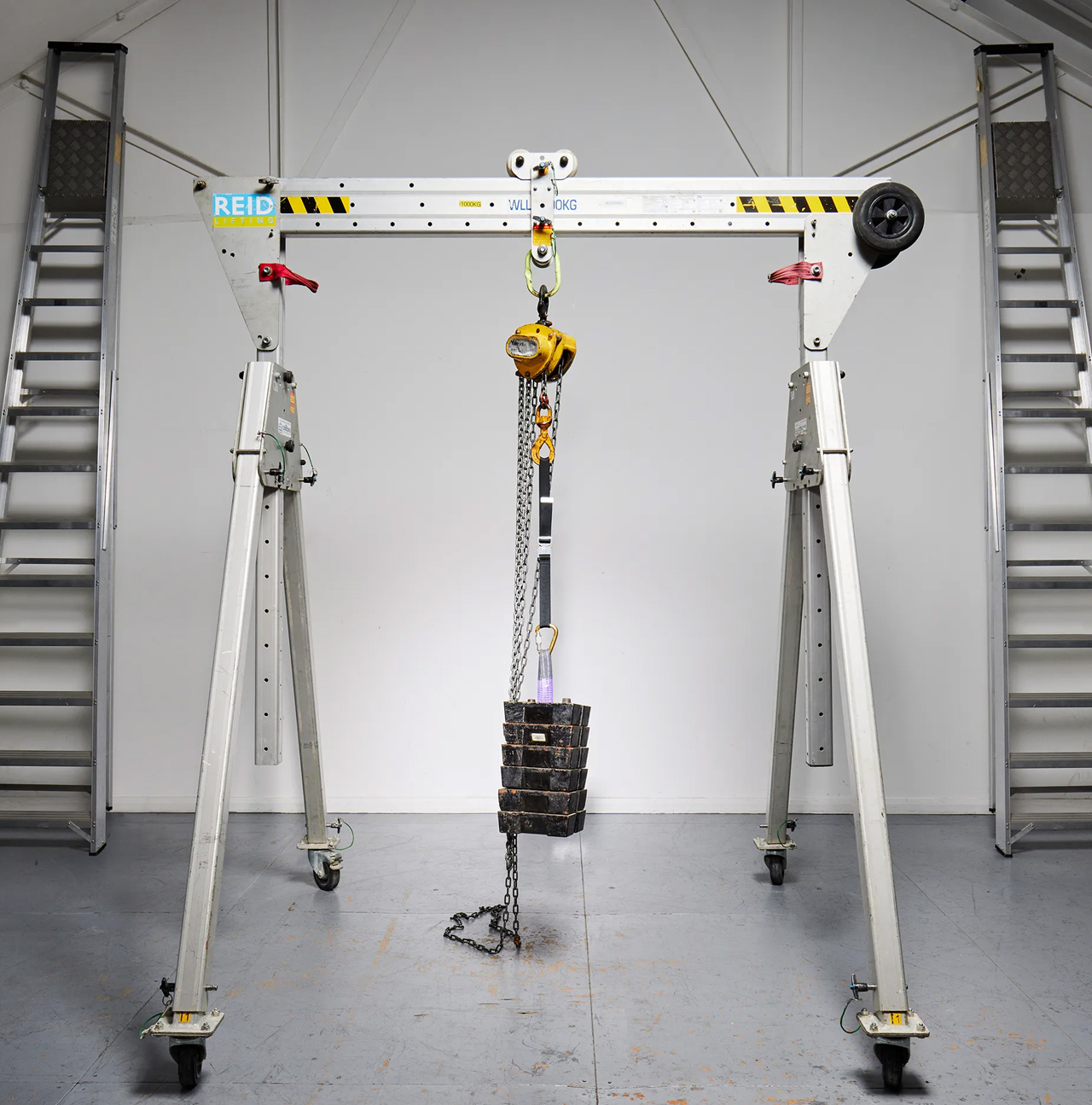
The Indestructible Belt is built with the ultimate strong core which is made from Dyneema – the single strongest fiber known to man today. Vollebak uses Dyneema in its Indestructible range. Dyneema is supposed to be 15x stronger than steel, which basically signifies that the belt strap is only breakable if you hang more than 4 tonnes of it, which is essentially the same weight as a Hummer or 10 grizzly bears. It is a game-changer for people who need their belts to be extremely durable and strong, but also dashingly handsome.

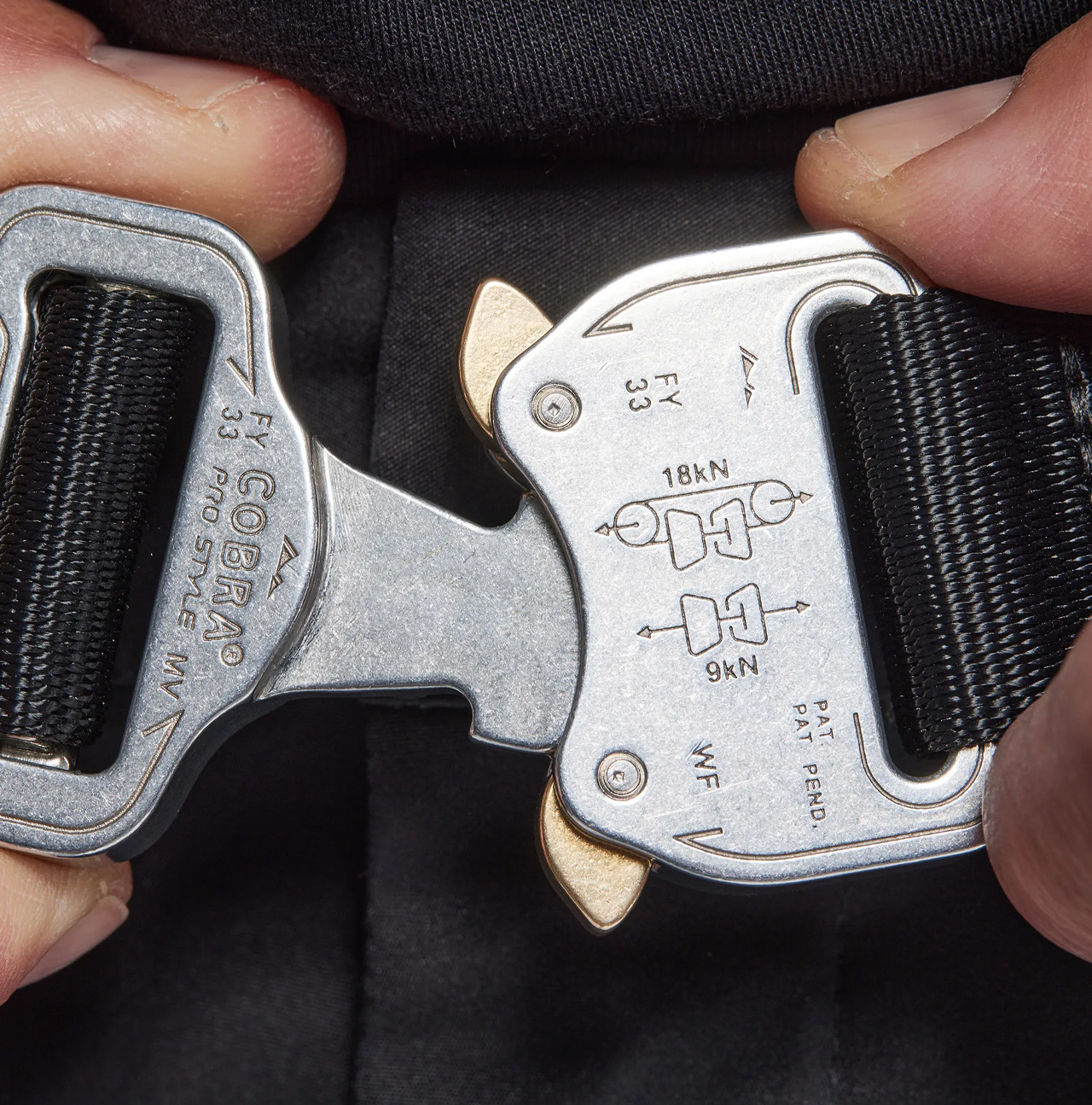
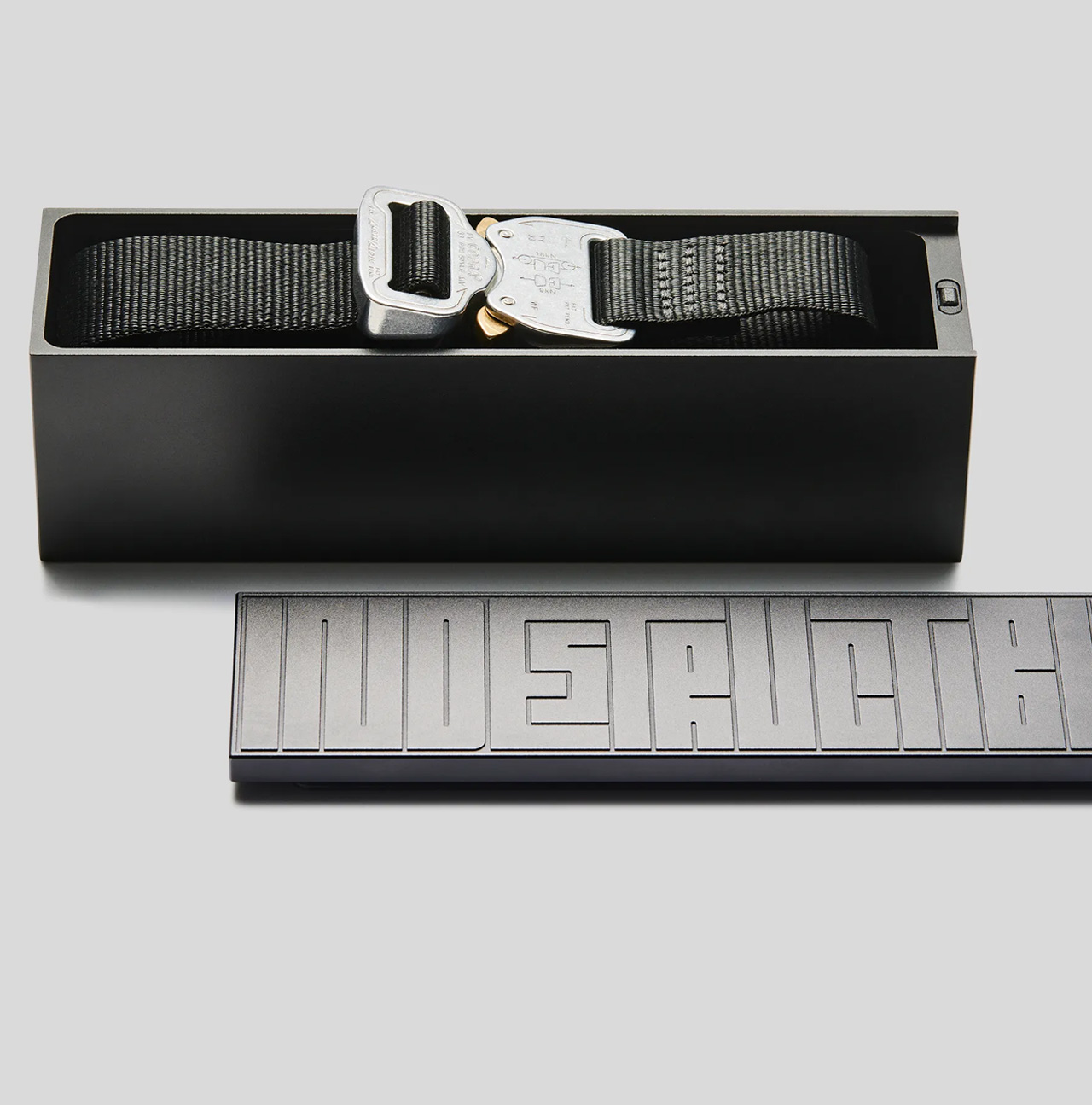
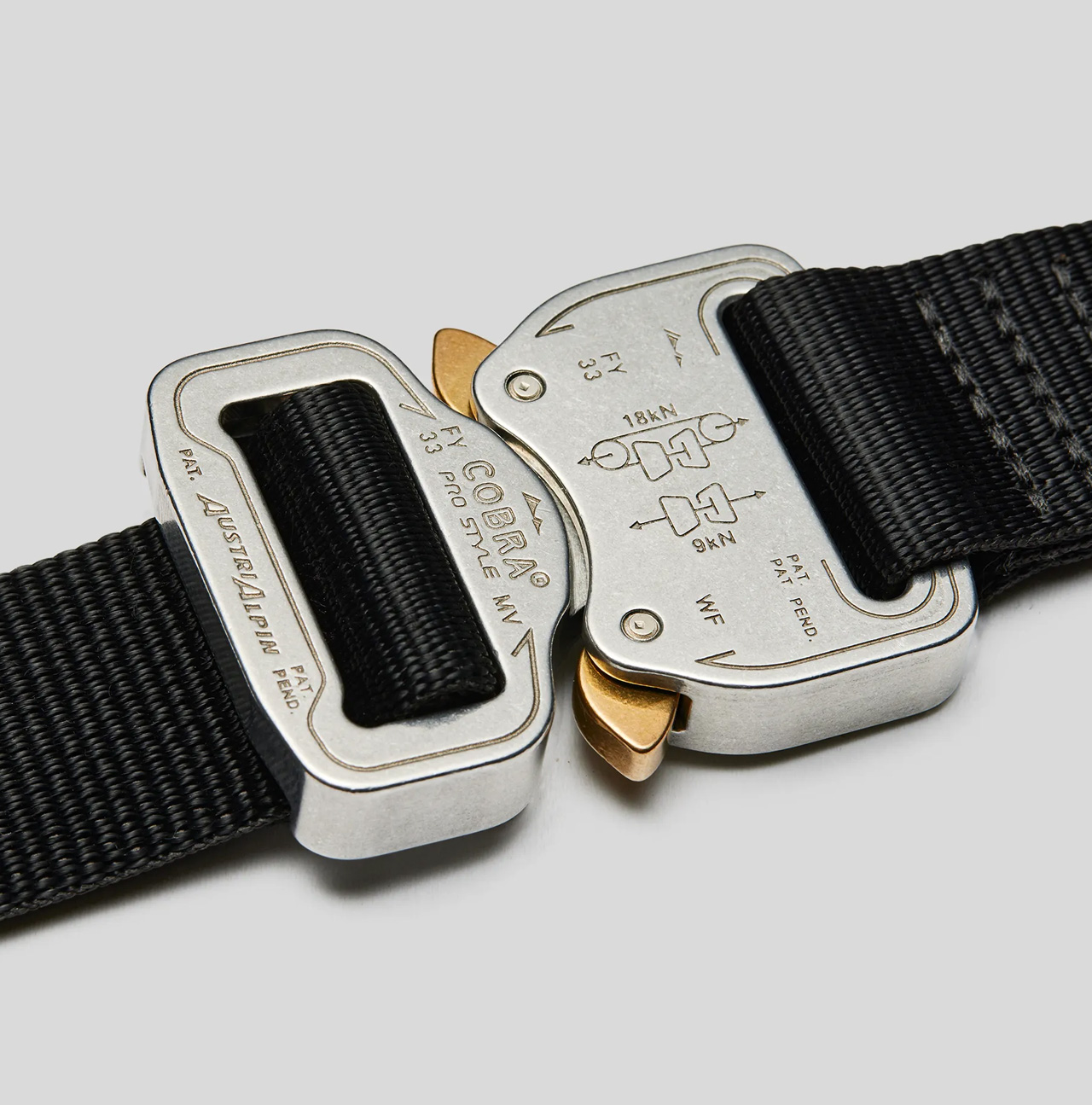
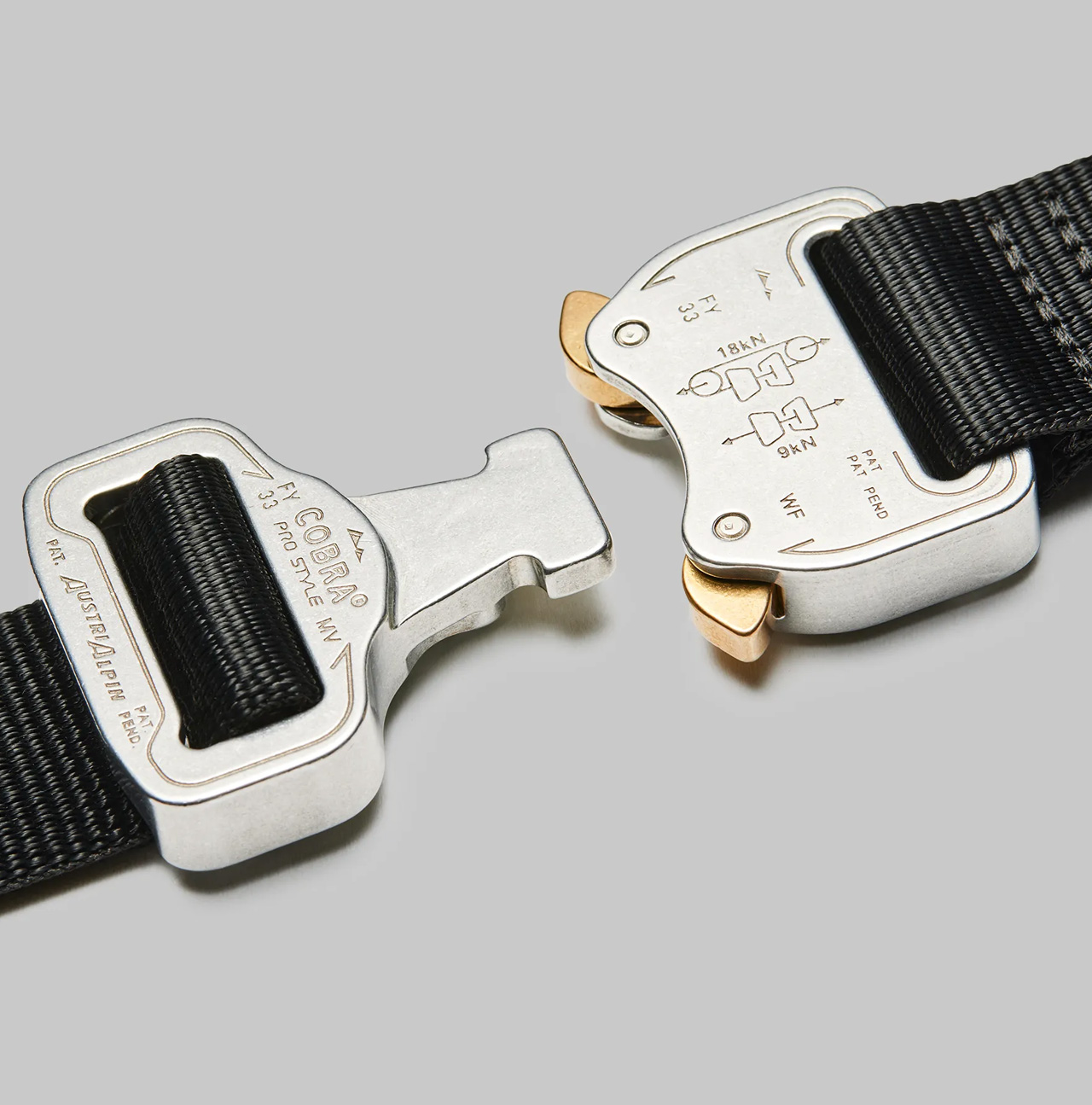
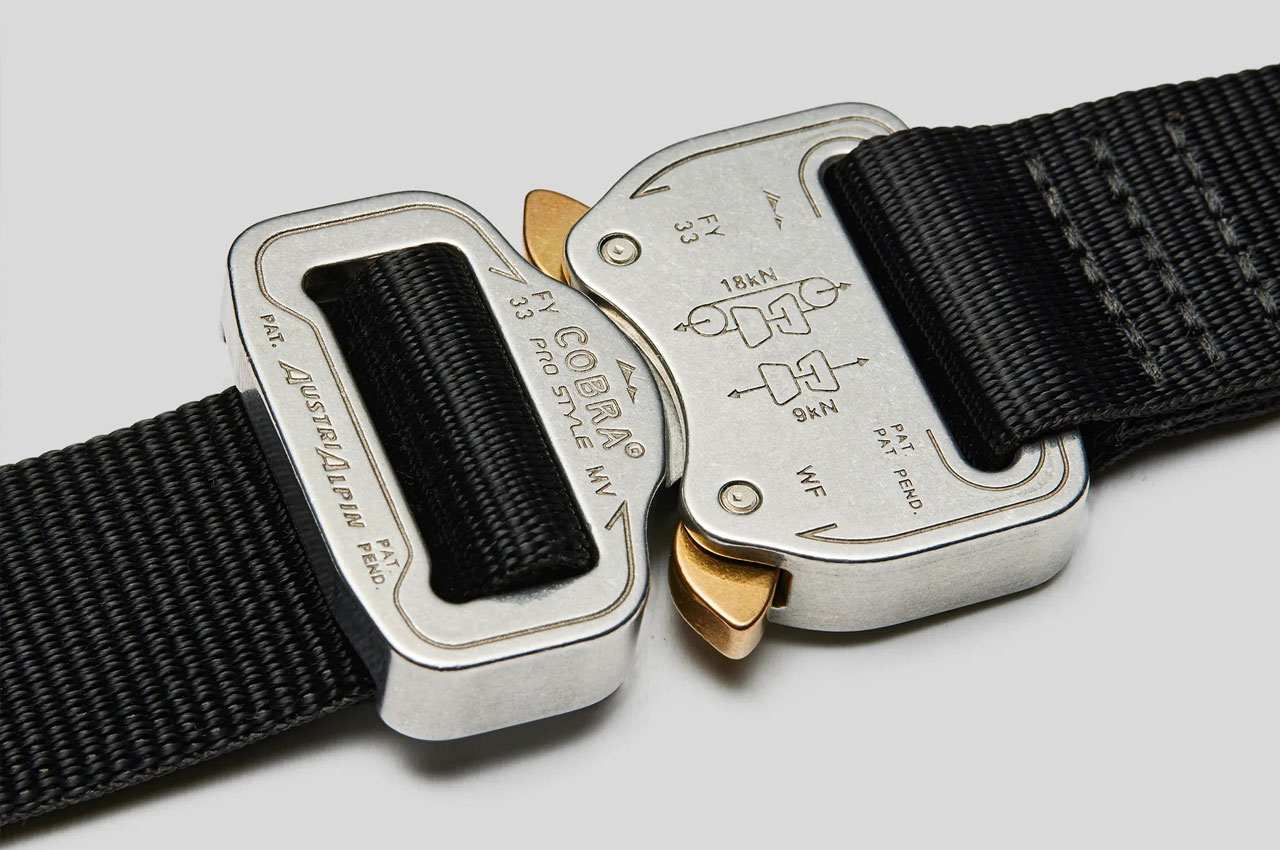
Vollebak teamed up the powerful Dyneema strap with a COBRA® buckle which is supposed to be the strongest and safest buckle on the planet. The buckle is engineered with a patented locking mechanism, ensuring that the buckle never releases under pressure, and can tolerate 1.8 tonnes of force before it breaks apart. Every Indestructible Belt is built using 12 rows of ultra-strong bonded thread, and an engraved metal tip by Riri which features a custom anodized metal case equipped with a 3D printed latch – making it a class apart from your ordinary everyday belt, to be honest, the two cannot even be compared. The Indestructible Belt is designed to withstand the harshest of conditions!

The Indestructible Belt is crafted in France, and it completely pushes the boundaries of fashion and functionality, to create an exceedingly innovative product that we have truly never seen before. It is priced at $395 and is the ultimate accessory you have been looking for. It packs a punch with both style and safety.

The post Meet The Strongest Belt Ever Made – The Indestructible Belt By Vollebak first appeared on Yanko Design.