One Revolution Per Minute: How THE MIROR Makes Time Visible

Most lamps exist to solve a problem: you need light, so you buy a lamp. THE MIROR Collection, by design studio MIRORlab, starts from a completely different premise. Rather than asking how to illuminate a room, it asks what light could be if it were designed to make you feel the passage of time. The answer is a kinetic lighting system that is part optical instrument, part ambient installation, and one of the more quietly radical design concepts I’ve come across in recent memory.

At its heart, THE MIROR is built around a slowly rotating light source paired with a set of six interchangeable magnetic glass lenses. Each lens contains embedded micro-patterns and textures that refract and fragment light into shifting projections across walls, ceilings, and floors. Nothing in the room physically changes. Yet from one minute to the next, the space looks and feels entirely different. The effect is genuinely mesmerizing, the kind of thing you notice out of the corner of your eye and then can’t stop watching.

Designer: MIRORlab

The detail worth dwelling on is the rotation speed: exactly one revolution per minute. That’s not an arbitrary number. It’s calibrated to align with a natural perceptual rhythm, slow enough to feel meditative rather than dizzying, but active enough that you remain aware of it at all times. The light is always doing something. It’s the design equivalent of a really good ambient soundtrack, present without being intrusive, affecting the room without demanding your full attention.

What MIRORlab is essentially arguing is that most lighting design treats time as irrelevant. You flip a switch, the room is lit, and that’s the end of the relationship. THE MIROR reframes light as a time-based medium, something that unfolds, rotates, and transforms continuously. No two projected moments are ever identical, even with the same lens. In that sense, it has less in common with conventional lighting and more in common with kinetic sculpture or generative art. The lamp isn’t just a tool for visibility. It’s a system for experiencing duration.

The six lenses, named Earth, Nebula, Dune, Bloom, Warmwhite, and Metropolis, were each developed through research into atmospheric perception and environmental light conditions. The reference points are genuinely cinematic: sunset diffusion across open landscapes, deep-space nebula imagery, solar eclipse transitions, water reflections under shifting cloud cover, and city lights seen from altitude at night. Most product designers think in finishes and colorways. MIRORlab thought in atmospheres. Swapping a lens doesn’t just adjust the quality of the light; it changes the entire emotional register of the room, and that’s a remarkable thing to get out of a piece of magnetized glass.

I think the broader cultural moment makes THE MIROR feel especially timely. We spend more time than ever in rooms that don’t change, and the relationship between a person and their living space has become both more intimate and more psychologically loaded. Design has started responding to that shift with a growing category of objects that prioritize atmosphere over function: white noise machines, scent diffusers, smart lighting systems, biophilic elements. All of them are answers to the same underlying question about how space should make us feel. THE MIROR fits cleanly into that conversation, but with a level of optical and conceptual depth that most of its peers simply don’t reach. It doesn’t just set a mood. It gives the room a sense of time passing, which is a genuinely different thing.

The more I sit with THE MIROR Collection, the less it feels like a lighting product and the more it feels like a quiet philosophical statement. It suggests that a room should move with you rather than simply surround you, that ambient experience doesn’t have to be passive, and that something as unassuming as a lamp can carry a real point of view about how we inhabit space. That’s a significant ask of a rotating glass lens. But if the projections look anything like the concept promises, it’s a completely fair one.

The post One Revolution Per Minute: How THE MIROR Makes Time Visible first appeared on Yanko Design.

DIYer turns tiny GameCube keychain into a fully-functional controller

Controllers come in all shapes and sizes, depending on the gamers’ needs, and most importantly, their holding comfort. Things get really interesting as a lot of big tech companies invest a lot of effort in designing a one-size-fits-all controller, which holds good for long gaming sessions. While most controllers are more or less the same size, there’s always that element of curiosity for accessories that are radically different from the standard proportions.

YouTuber Crux, who’s known for interesting creations with an infusion of gaming, has crafted a mini controller out of pure curiosity. Having got the Backpack Buddies GameCube controller keychain, he asked himself the question – can this be turned into a functional controller? That led to this interesting DIY project that is as intricate as things can get, since the maker is dealing with the super small size of things.

Designer: Crux

We all have keyrings in some form or another, and these cute little accessories evoke the feeling – what if these were functional? The DIYer addresses this curiosity with the functional GameCube controller keychain that looks extremely satisfying as it takes shape. Since he was dealing with very small proportions here, the rotary motor tool does the trick of shaving off the extra bit on the inside of the keychain controller to make space for all the electronics. To put together the intricate joysticks, D-Pad, and other buttons, the DIYer goes down the 3D printing lane. Of course, the button controls and the joysticks had to be mounted on a sturdy base on the inside; that’s why Crux goes for the surface-mount tactile switches.

The DIY progresses with splitting the two controller halves and making up the necessary space to fit the electronics. The ultra-thin enameled wires connect the different components to the Waveshare RP2040-Zero microcontroller board, which is programmed with firmware that makes the cute little keychain gamepad act like a native GameCube controller. The final step involved salvaging the wire and plug from the real controller and attaching it to the output ports. Once everything is in place, it’s time to connect the controller to the port and enjoy some gaming. He demonstrates a session of Fortnite and then moves to Mario Kart Wii. All the inputs work as intended, and you just wish this thing were available to grab right away.

If you manage to check out the complete video till the end, Brux hints at more keychain projects in the future. These include the SNES controller, N64 controller, and 3DS controller, which are absolutely cool. Somehow, if he can manage a wireless keychain controller DIY, that would be sublime.

The post DIYer turns tiny GameCube keychain into a fully-functional controller first appeared on Yanko Design.
WiiM’s First Soundbar Has a Round Touch Display Built Into the Front

The soundbar has become the default home theater upgrade for anyone who doesn’t want to fill a room with floor-standing speakers and receiver cabinets. It’s a sensible trade-off, but most soundbars operate as completely passive objects once they’re set up, reflecting nothing about what’s actually playing or offering any real interaction beyond a remote nobody can ever find. The visual side of the experience has always been an afterthought.

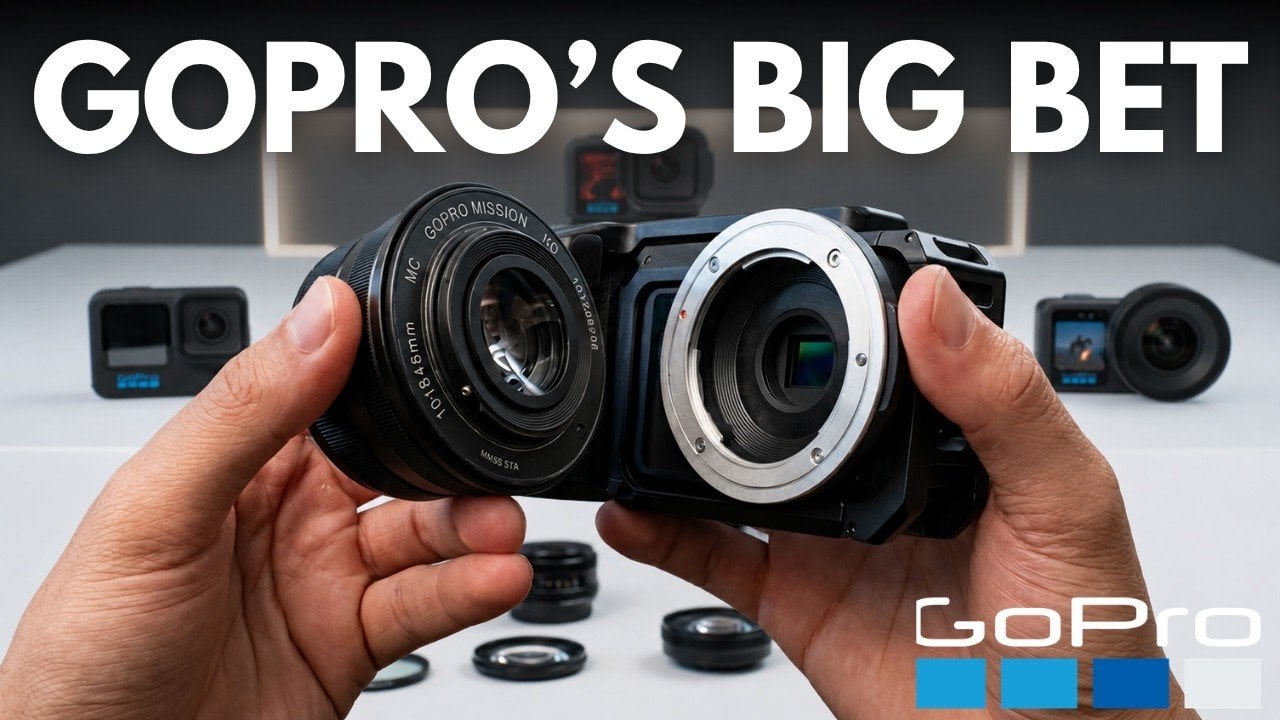
WiiM is entering the soundbar market for the first time with the WiiM Bar, and the defining choice it made is a 2.1-inch round touch display embedded in the center of the bar’s front face. That decision drives the entire product concept, making the soundbar itself a point of interaction rather than something you control exclusively from your phone or a remote that lives behind a couch cushion.

Designer: WiiM

The glass-covered round display sits within a gentle wave-shaped recess on the bar’s surface, showing album art, track info, the time, EQ settings, Smart Presets, and Recently Played content in a format readable from across the room. A tap plays, pauses, skips, switches sources, or selects an EQ profile without reaching for anything else. Clock faces and dynamic wallpapers take over when nothing’s actively playing.

Sonically, the WiiM Bar delivers a true 3.0.2 Dolby Atmos configuration using an eight-driver array: three front mid-woofers, three front tweeters, and two full-range drivers on top that fire upward for height effects. Four passive radiators, two on the front and two on the rear, extend the bass response. The system peaks at 135W and includes HDMI eARC alongside optical, line-in, and configurable USB audio connections.

RoomFit auto-correction measures the acoustic characteristics of the space and adjusts the output accordingly, so placement against a wall doesn’t work against the sound. A Clear Voice mode uses AI-powered dialogue separation in real time, which is genuinely useful for anyone who reaches for subtitles not because a show is quiet, but because the mix buries speech under effects. Night Mode keeps that clarity intact at lower volumes.

The 3.0.2 configuration is a starting point rather than a ceiling. Compatible WiiM devices can be added wirelessly as surrounds and a subwoofer, taking the system to a full 5.1.2 home theater without additional wiring. The WiiM Home App manages EQ, Smart Presets, and multi-room grouping, letting the bar sync with WiiM Amp, Ultra, Pro, and Mini devices across the rest of a home.

Streaming reaches over 20 services through the app, with direct casting via Spotify Connect, TIDAL Connect, Qobuz Connect, Google Cast, Roon, and Amazon Music Cast. Wi-Fi 6E covers all three bands, Ethernet offers a wired fallback, and Bluetooth 5.4 with LE Audio handles device pairing. A USB host port lets the bar serve a personal media library to other WiiM and DLNA devices on the network.

The WiiM Bar ships in July 2026, priced at $479, available for pre-order now through wiimhome.com, Amazon, and select retail partners. For a market full of soundbars that treat control as an afterthought and expansion as an expensive aftermarket exercise, it offers a fairly direct argument: an on-device touch interface, honest Dolby Atmos performance, and a clear path to a proper surround setup whenever the moment calls for it.

The post WiiM’s First Soundbar Has a Round Touch Display Built Into the Front first appeared on Yanko Design.
Someone Just Spotted the Samsung Galaxy Z Fold 8 Wide in Public

Someone Just Spotted the Samsung Galaxy Z Fold 8 Wide in Public Leaked prototype of the Samsung Galaxy Z Fold 8 Wide in public

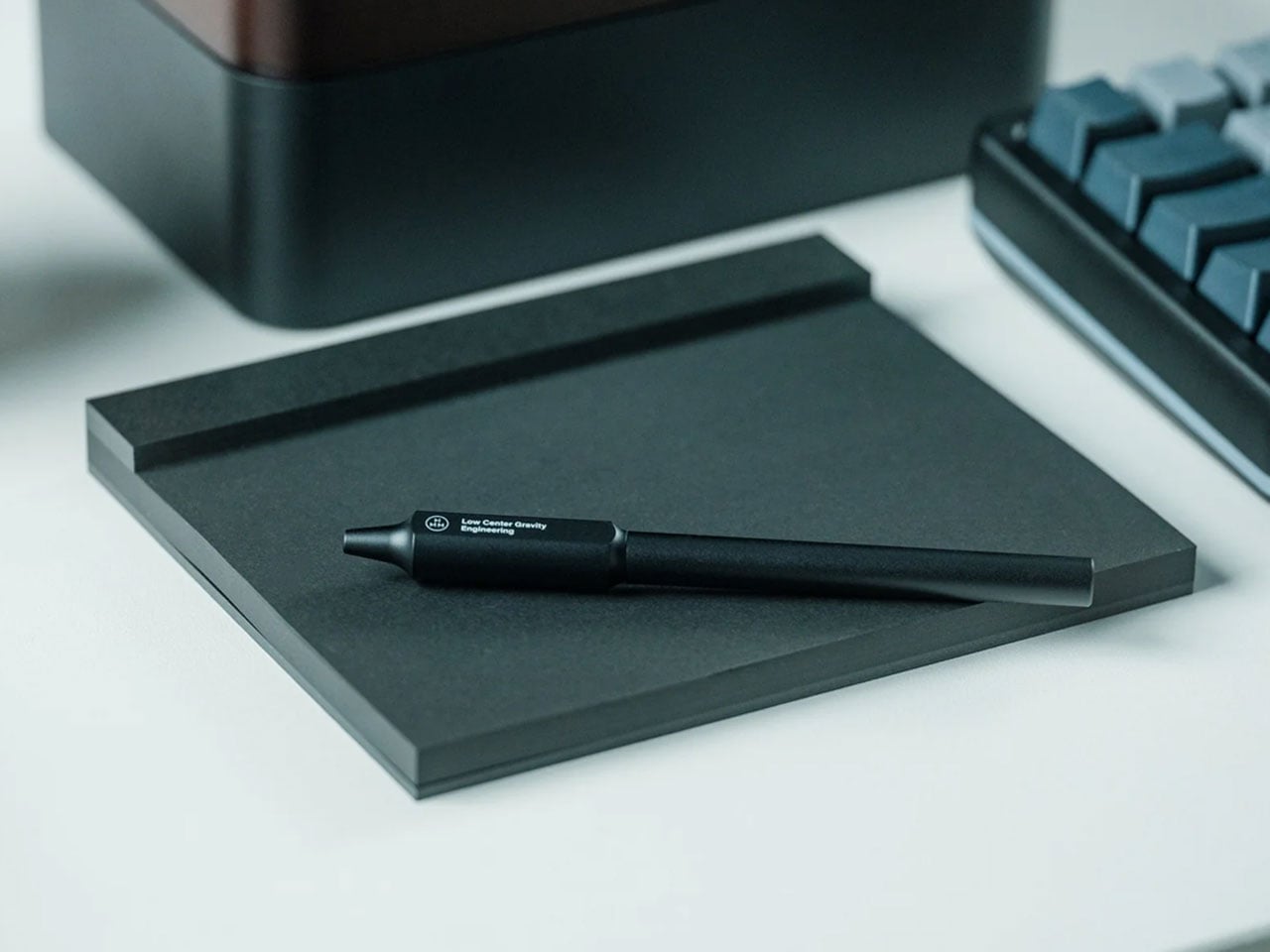
Samsung’s highly anticipated Galaxy Z Fold 8 Wide prototype has been spotted in public, offering a glimpse into the next phase of foldable smartphone innovation. Scheduled to debut at the Samsung Unpacked event on July 22nd in London, this device introduces a shorter, wider form factor, a refined camera design, and hints at a potential […]

The post Someone Just Spotted the Samsung Galaxy Z Fold 8 Wide in Public appeared first on Geeky Gadgets.

Posted in Uncategorized

RIMOWA’s Pokémon Collab Proves Nostalgia Travels Well

Thirty years ago, Pokémon taught an entire generation that the real adventure was the journey, not the destination. Now, RIMOWA is making that philosophy literal, and the result is one of the most covetable travel accessories of the year.

The collaboration, a Japan-exclusive capsule released on June 2, brings Pokémon-themed accessories to RIMOWA’s iconic suitcase lineup. We’re talking Poké Ball wheel sets, Pokémon-inspired luggage tags, and a limited-edition sticker set. The pieces are showcased alongside RIMOWA’s Essential line in bold Orange and Magenta, and the classic Original Cabin in Silver. If you need a moment to process how good that combination looks, take it.

Designer: RIMOWA

Collaborations between luxury brands and pop culture franchises are not new. We’ve seen high fashion shake hands with anime, streetwear collide with fine art, and sneakers morph into collector’s items worth more than a month’s rent. But the RIMOWA x Pokémon drop feels different, and not in the way that brands usually claim something is “different.” The distinction is in the credibility of both sides. RIMOWA has spent over a century building a reputation for precision engineering and design integrity. Pokémon has spent thirty years becoming one of the most enduring cultural franchises in history. When these two come together, the output isn’t just a product. It’s a statement.

The luggage tags are the quiet stars of this collection. Most people treat luggage tags as an afterthought, just a way to identify your bag on the carousel. But a Charmander or Charizard tag dangling from a polished aluminum case changes the conversation entirely. It turns your luggage into a flex, and the best kind: one that’s playful rather than pretentious. Charmander and Charizard are arguably the most beloved starter evolution line in the franchise, which means these tags carry genuine sentimental weight for anyone who spent their childhood glued to a Game Boy.

Then there are the stickers, and they matter more than you might think. RIMOWA has long encouraged travelers to use their suitcases as a canvas, a rolling record of everywhere they’ve been. The Pokémon sticker set fits that tradition naturally. It gives you something to place with intention, something that says a little about who you are before you even open your mouth at baggage claim. There’s a generational intimacy to Pokémon stickers on a luxury suitcase that feels earned rather than gimmicky.

The Poké Ball wheel sets round out the collection in the most theatrical way possible. You only really see them when the suitcase is moving, which makes the reveal almost cinematic. It’s design thinking at its most fun, and I appreciate that neither brand tried to make it subtle.

The Japan-exclusive angle is worth sitting with, though. It makes sense: Japan is the birthplace of Pokémon, and RIMOWA has a strong presence in the Asian market. A region-specific drop honors that cultural connection and keeps the collection genuinely limited. But if you’re a Pokémon fan, a RIMOWA enthusiast, or both, and you happen to not be in Japan, you’re essentially watching this happen through glass. Resale prices will be predictably painful, and that accessibility gap is the one thing that slightly dulls the shine of an otherwise excellent collaboration.

Still, Pokémon’s 30th anniversary has been a celebration done right. The franchise has rolled out collaborations across fashion, collectibles, and experiential activations throughout 2026, and the RIMOWA partnership sits at the top of that list in terms of design quality and cultural resonance. It understands its audience. It doesn’t try to be ironic or overly self-aware. It simply takes two well-crafted worlds and lets them coexist beautifully.

Good design is about making people feel something. A Charizard luggage tag on a polished aluminum suitcase makes you smile before your flight, and that’s not a small thing. Travel can be exhausting and deeply impersonal. A little bit of joy attached to your carry-on goes further than any airport lounge ever could. For collectors, this one is worth the chase. For everyone else, it’s a good reminder that luxury and nostalgia can share the same overhead bin, and sometimes, the most unexpected pairings are the ones that last.

The post RIMOWA’s Pokémon Collab Proves Nostalgia Travels Well first appeared on Yanko Design.
New Outlook Features That Will Change How You Manage Your Inbox

New Outlook Features That Will Change How You Manage Your Inbox AI calendar optimization tool suggesting meetings to decline or delegate

Microsoft 365 Copilot in Outlook integrates artificial intelligence to assist with email and calendar management, offering practical solutions for everyday tasks. As explained by Mike Tholfsen, one key feature is its ability to summarize unread emails into concise overviews, helping users quickly identify urgent messages and prioritize their responses. For instance, Copilot can draft replies […]

The post New Outlook Features That Will Change How You Manage Your Inbox appeared first on Geeky Gadgets.

Posted in Uncategorized