
EU will mandate labels on authentic-looking AI content starting August 2
"It is a matter not only of customer protection, it's also a matter of democracy protection."

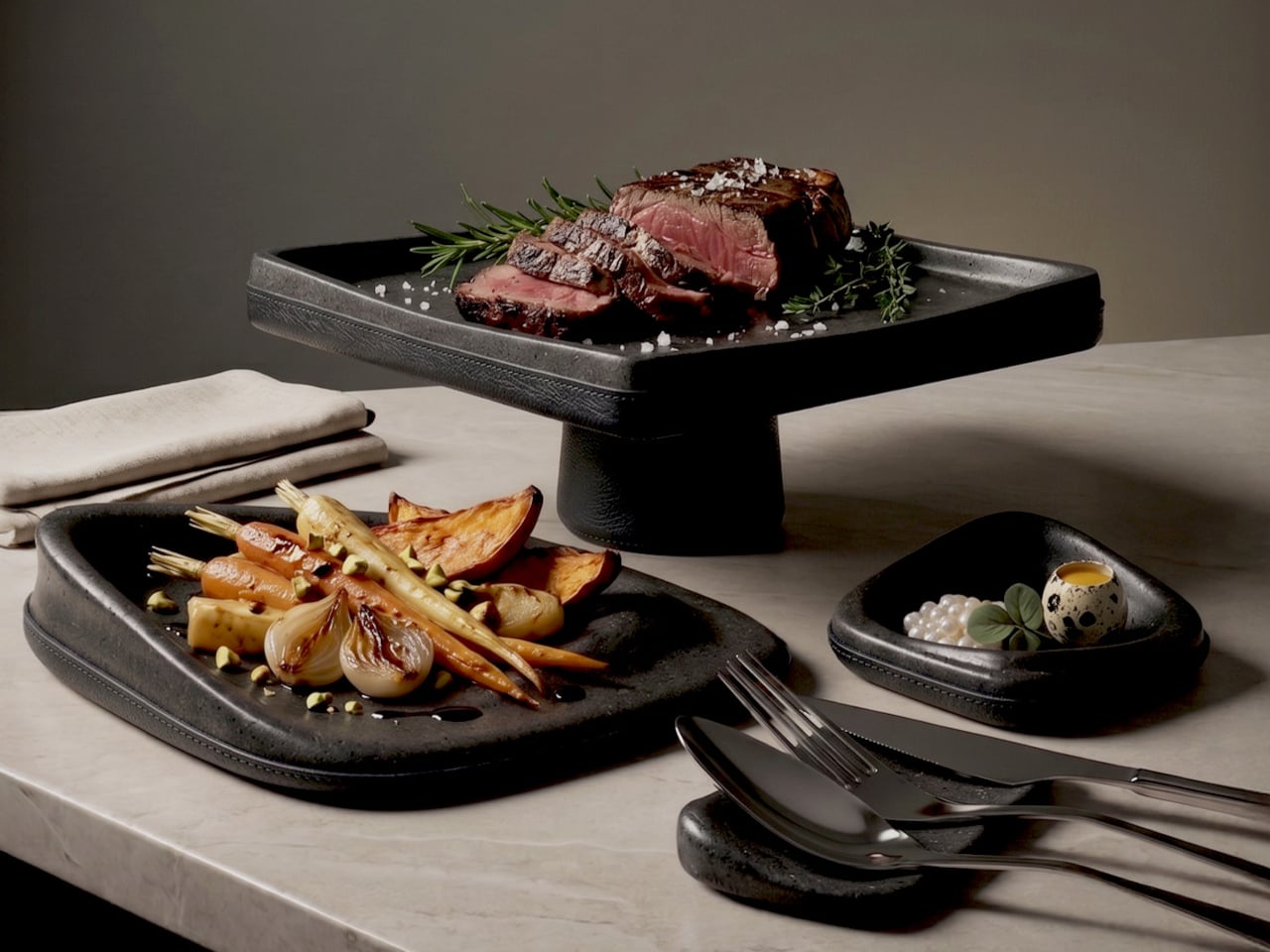
Temperature is one of the few things in fine dining that no one fully controls once a dish leaves the kitchen. A perfectly cooked piece of fish begins losing heat the moment the plate is set down, and by the time a diner has finished admiring the plating, the window for eating it at its intended temperature has already started to close. Most serving vessels are entirely passive about this.
Temper Hold is a modular serving system that addresses this through material rather than technology. Built from basalt, a volcanic stone with a high thermal mass, the system slows temperature change for both hot and cold dishes, extending the window between when food arrives and when it begins drifting from the cook’s intentions. The serving surface stops being passive and becomes part of how the meal unfolds.
Designer: Batuhan Duran

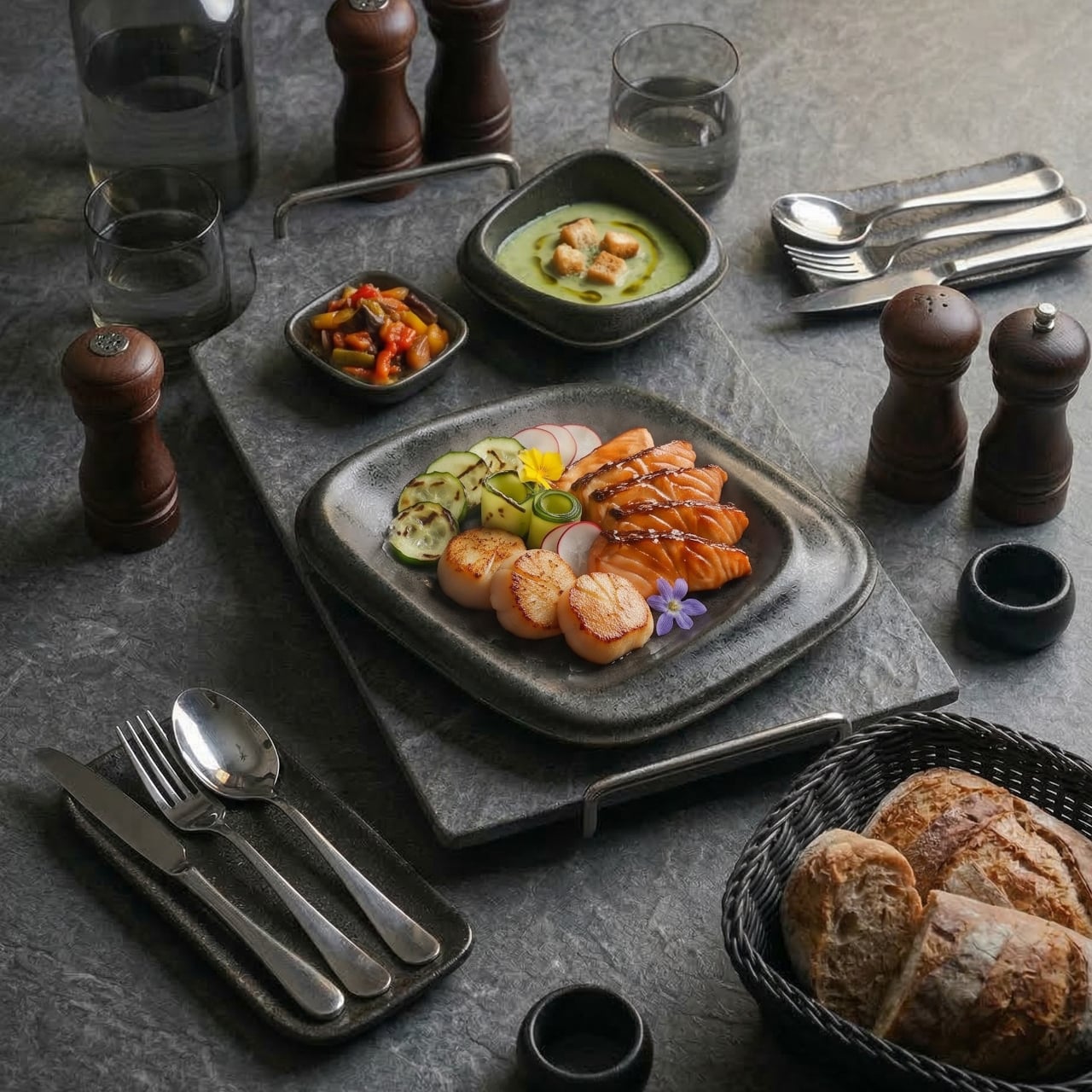
The system comprises four modules, each assigned a specific role at the table. CORE is the main presentation surface. RISE elevates a featured item on a pedestal base, adding vertical hierarchy to the setting. POUR handles sauce service in a form shaped for controlled pouring. REST organizes cutlery, keeping the table composed between courses. Together, they don’t overcrowd the table or impose formality on the setting.
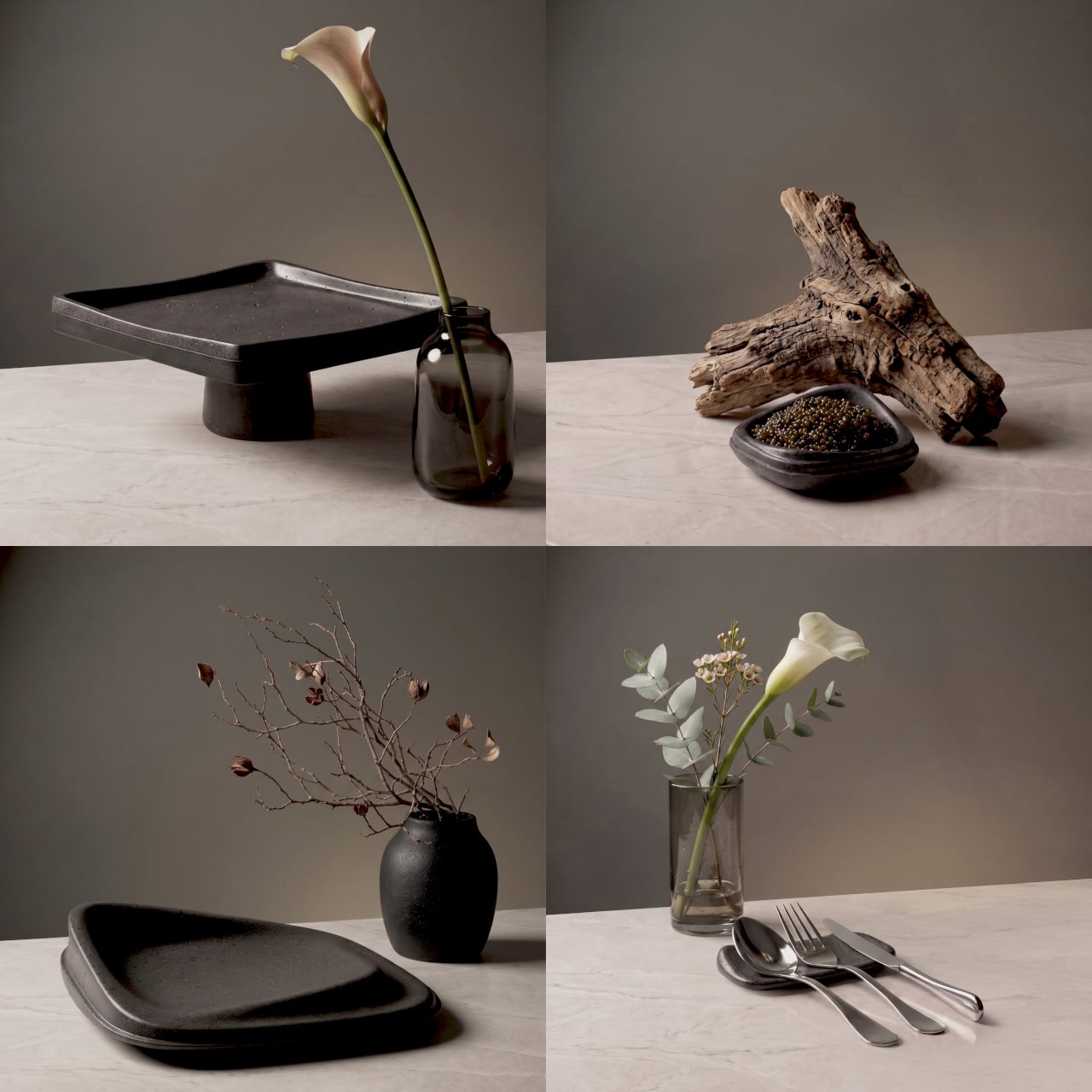
The thermal logic relies on basalt’s natural density. Stone with a high thermal mass resists temperature change, absorbing heat slowly and releasing it gradually, which is the opposite of ceramic or porcelain, which loses heat quickly once it leaves a warming rack. For cold presentations, the same principle applies in reverse; the stone stays cool longer, keeping a dish within its intended temperature range throughout the course.
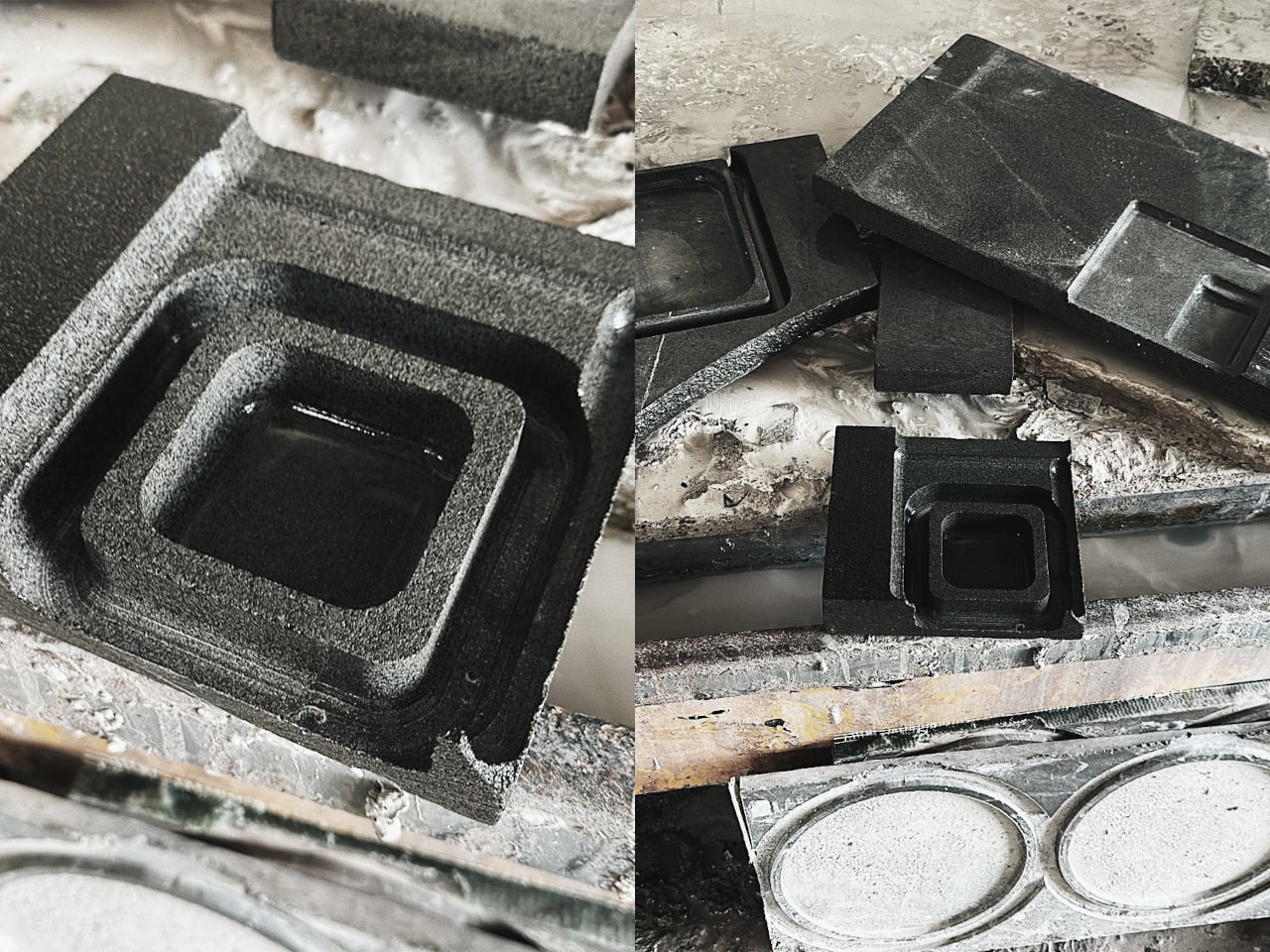
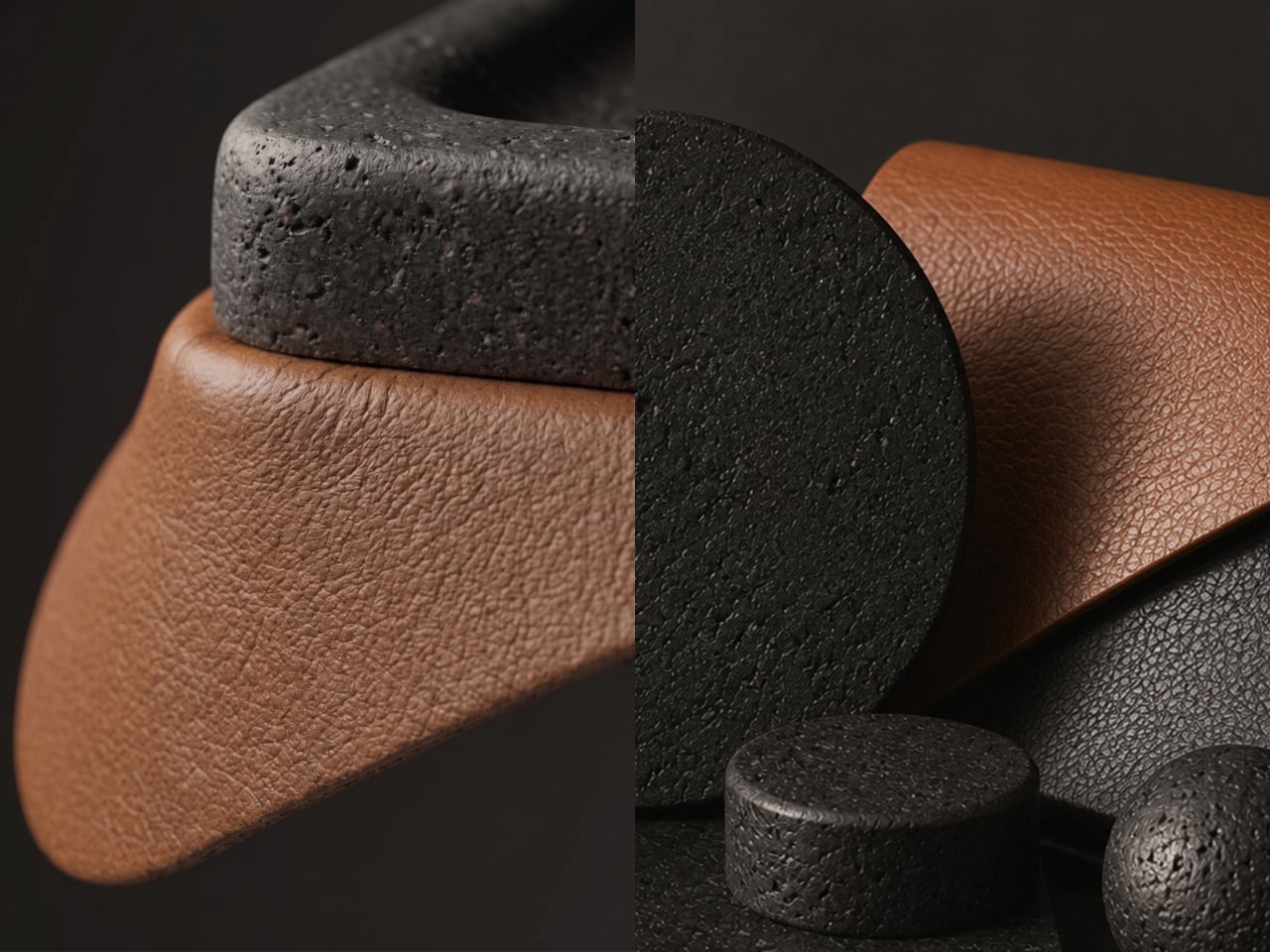
Each piece is shaped from basalt using CNC stone machining, with chamfered edges to reduce the risk of chipping during service. The exterior surface is matte-honed, preserving the volcanic texture of the stone, while the food-contact surfaces are polished to a smoother finish that’s easier to clean. The contrast between the two finishes also serves as an intuitive guide to how each piece is meant to be used.
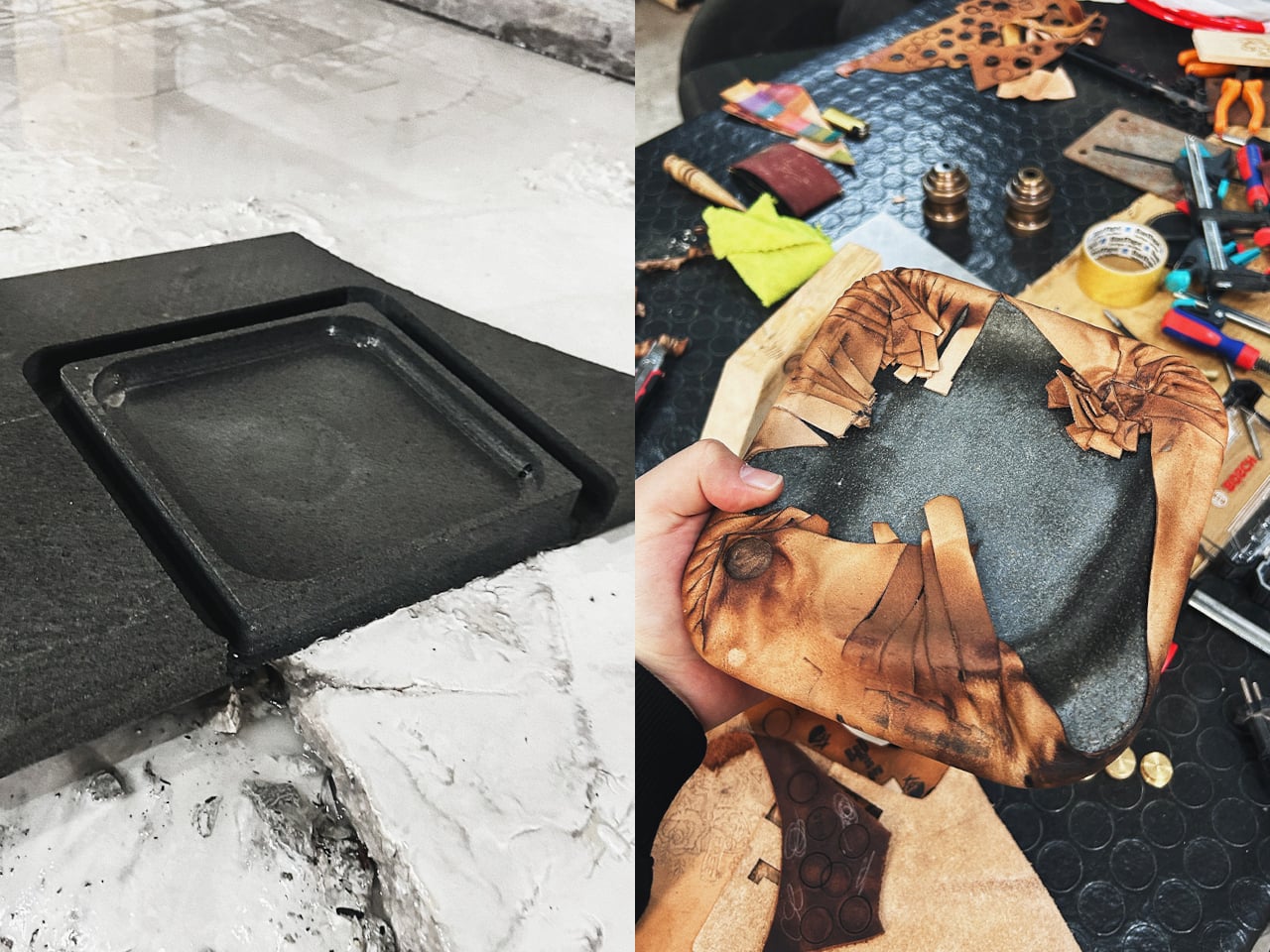
A custom-cut leather sleeve is fitted to the underside of each piece, serving two functions at once. It softens the contact between the stone and the table, protecting both surfaces from the weight and texture of raw basalt, while improving grip when lifting and moving a piece between courses. The leather also introduces a warmer visual element against the predominantly dark, volcanic character of the stone.
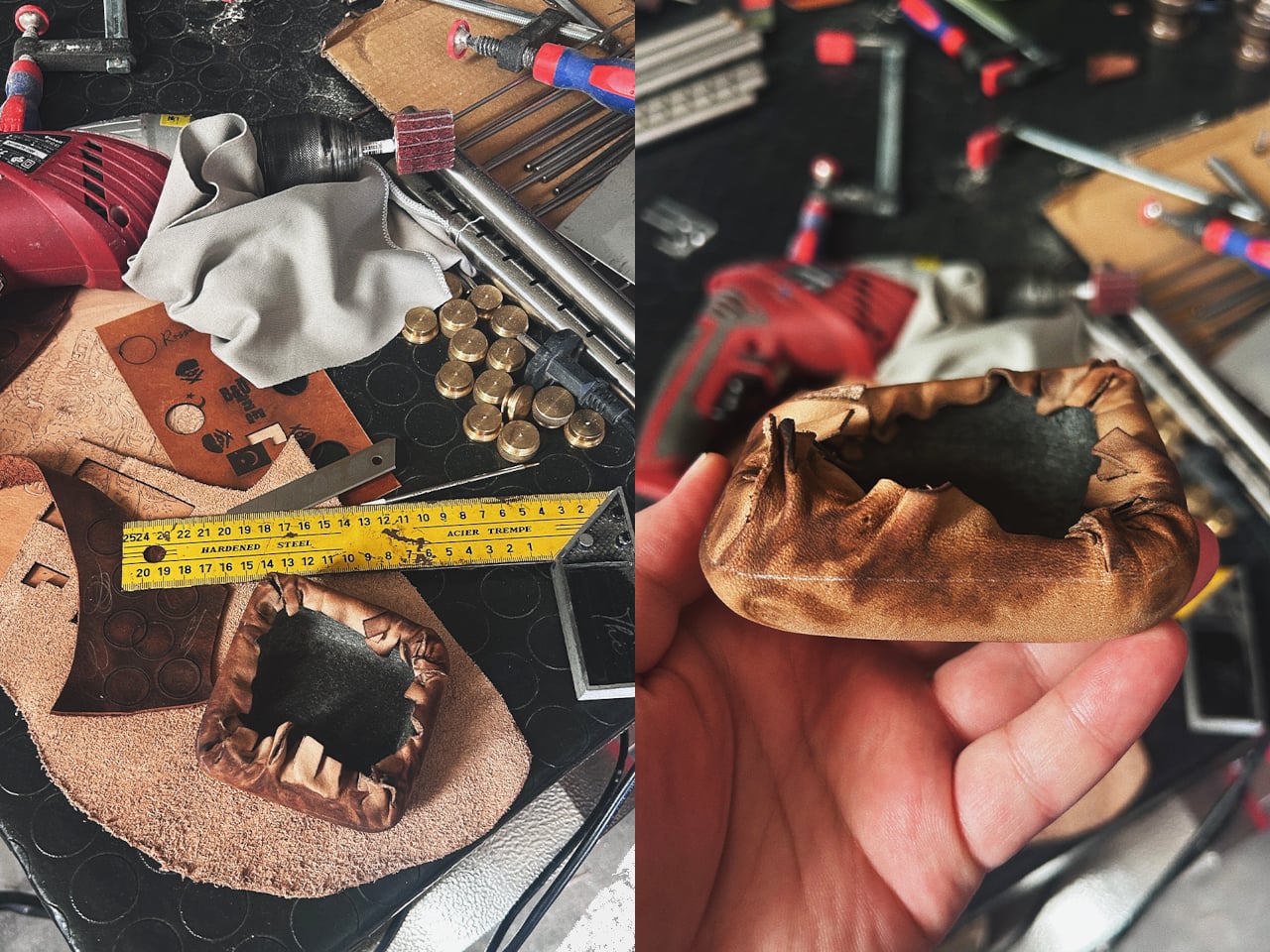
The material palette is intentionally restrained. Black basalt provides the body of each module, and the leather is available in warm brown or black, creating combinations that feel tactile and grounded rather than decorative. Volcanic stone has an inherently irregular surface texture that distinguishes it from polished marble or engineered ceramics, and the matte-honed exterior of each piece preserves that quality rather than smoothing it away entirely.
The concept behind Temper Hold is simple but genuinely underexplored in tableware design. Most dishes arrive on materials chosen for aesthetics, weight, or cost, not thermal behavior. Basalt has been used for cooking on volcanic rock for centuries, and repurposing that thermal property as a serving surface rather than a cooking one is a small but consequential shift in how a piece of tableware is asked to perform.
The post The One Thing Fine Dining Can’t Control Is Temperature, Until Now first appeared on Yanko Design.
The mosquito has never been bested by elegance. We’ve thrown everything at it: citronella candles that smell like a health food store, zappers that feel more like novelty items than actual deterrents, sprays that coat everything in a layer of chemical suspicion. None of it has really worked. Not comprehensively. Not quietly. Not without trade-offs.
Enter Tornyol’s LeSonar2, a 40-gram autonomous drone that doesn’t just repel mosquitoes. It hunts them. The concept alone is enough to stop you mid-scroll. A micro-drone, roughly the weight of a few sheets of paper, patrols your living space like a silent sentinel, listening for the specific wingbeat frequency of a mosquito and then intercepting it mid-air. No chemicals. No noise you can hear. No action required on your part. It just handles it.
Designer: Tornyol
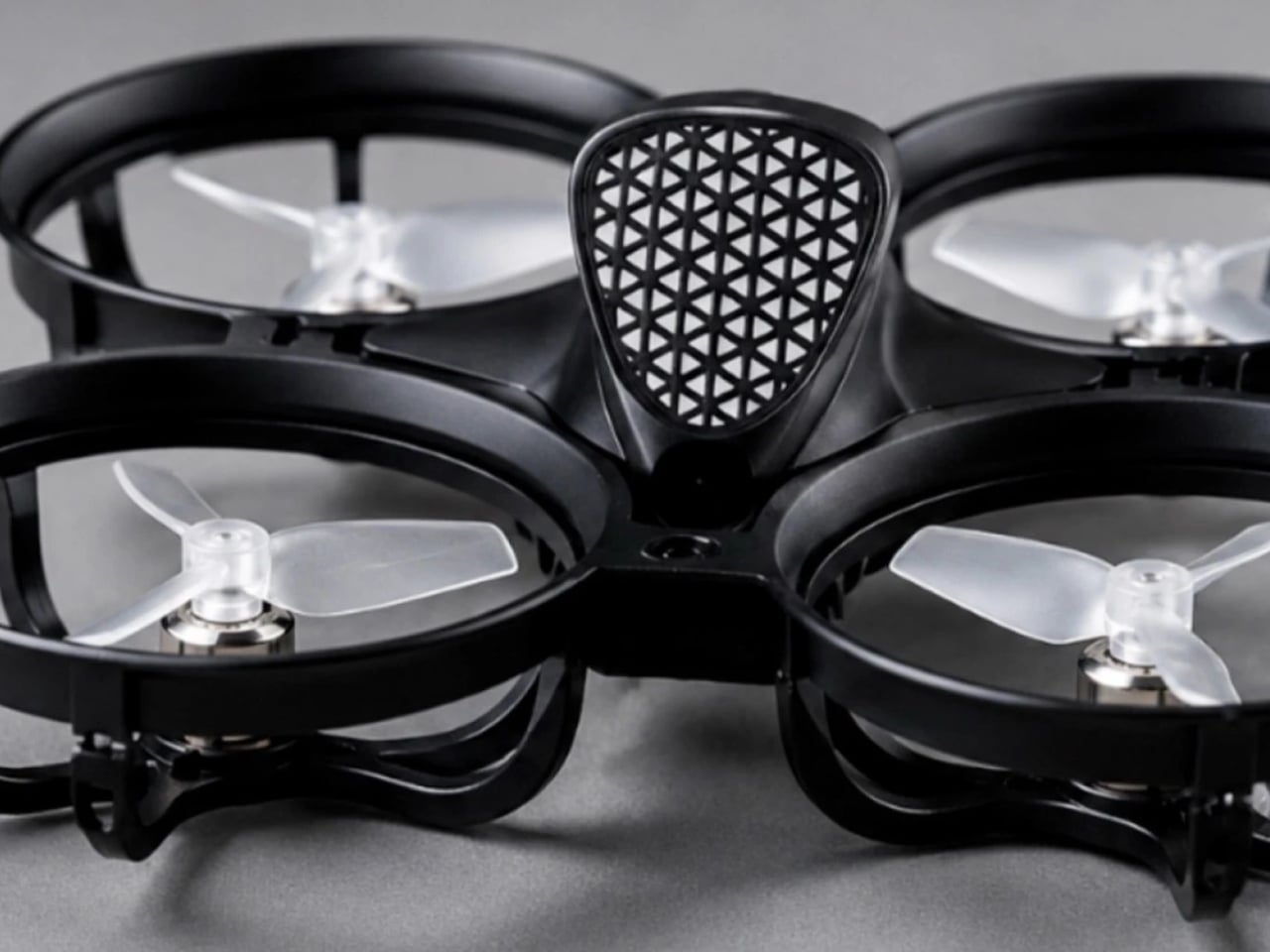
The engineering behind the LeSonar2 is where things get genuinely impressive. The drone uses 32 ultrasonic emitters to send out pulses that bounce off nearby objects and insects, and 380 smartphone microphones to capture the returning data. An Artix-7 FPGA processor handles the real-time beamforming, mapping the environment in 3D and measuring movements down to 0.1 millimeters. To put that in context, that’s the same underlying principle bats use to navigate and hunt in total darkness. Tornyol has essentially built a bat, shrunk it to the size of a large cookie, and given it a mission.
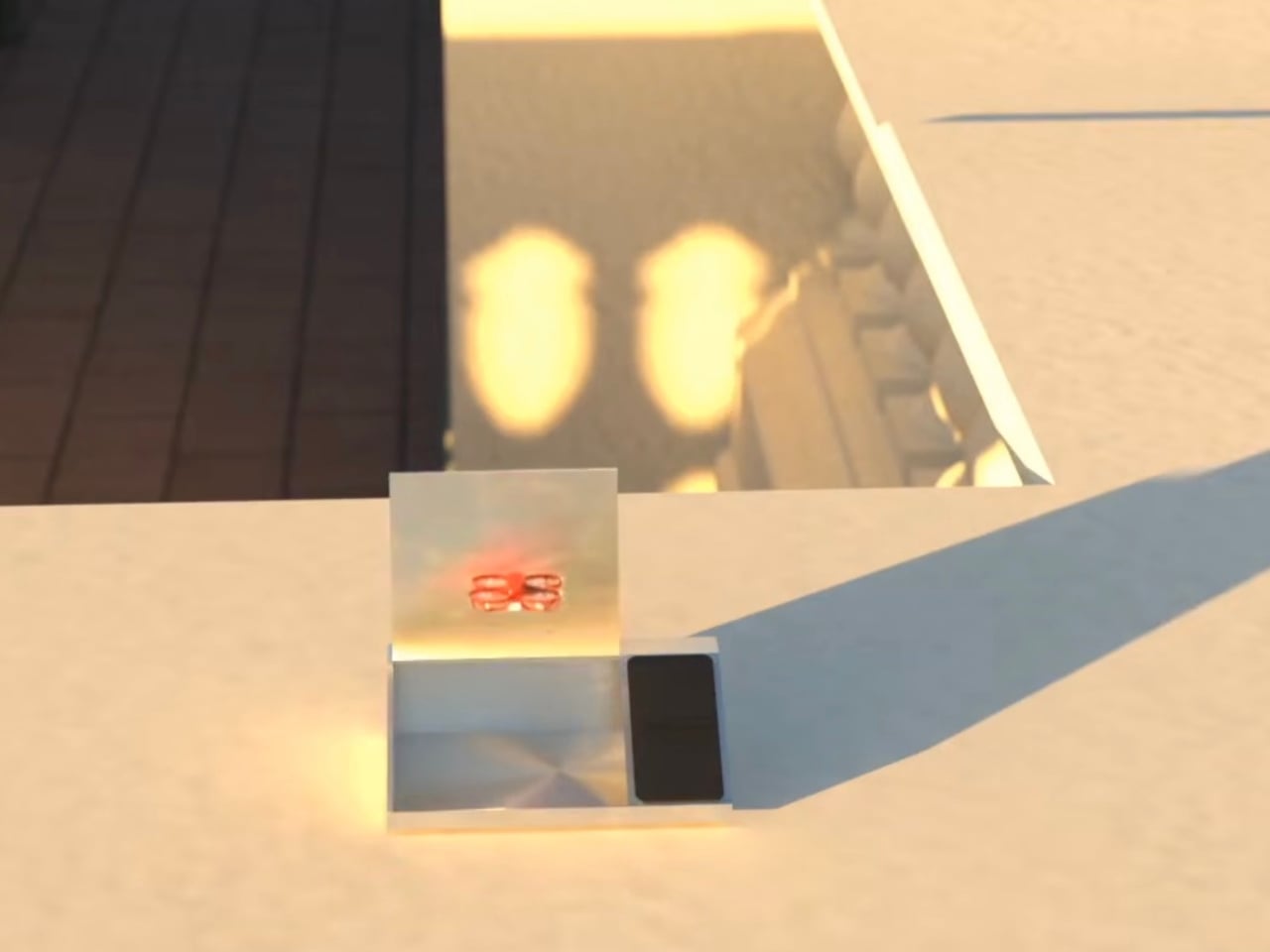
Once the LeSonar2 confirms a target by reading its wingbeat signature, it intercepts and dispatches the mosquito mid-flight using its own propellers. First air-to-air kill by an autonomous micro-drone. That milestone recently landed and it reads like a sentence from a near-future thriller, except it happened in a lab and it’s now available for pre-order.
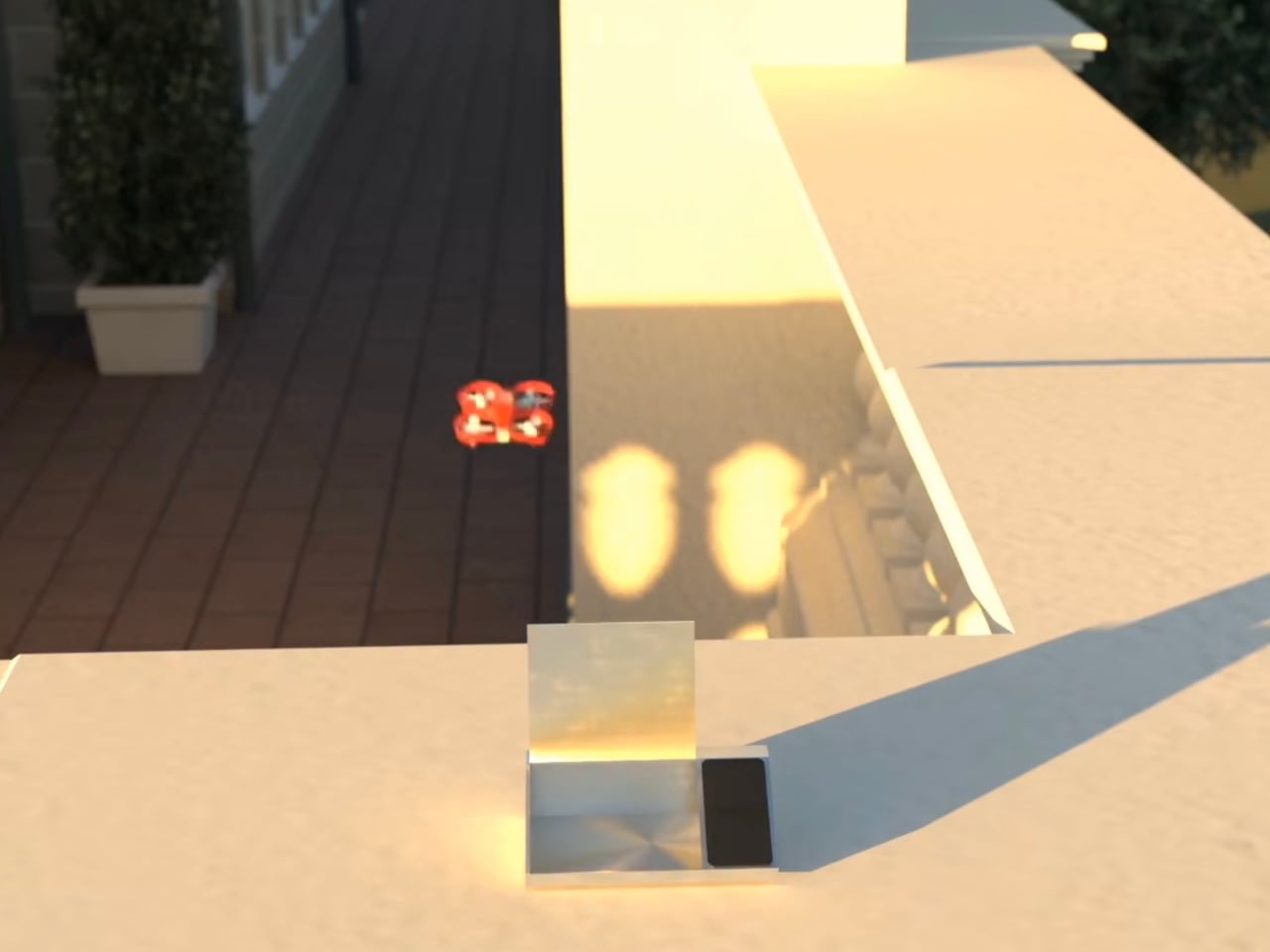
The setup is more straightforward than you’d expect. You draw your protection zone on a base-station map. The drone launches, patrols, returns to charge on its own between passes, and relaunches. The whole system runs 24/7 without you touching it. Tornyol calls it “silent, safe, chemical-free,” and those three words carry more weight than they initially seem, especially for households with children, pets, or anyone wary of pesticide exposure.
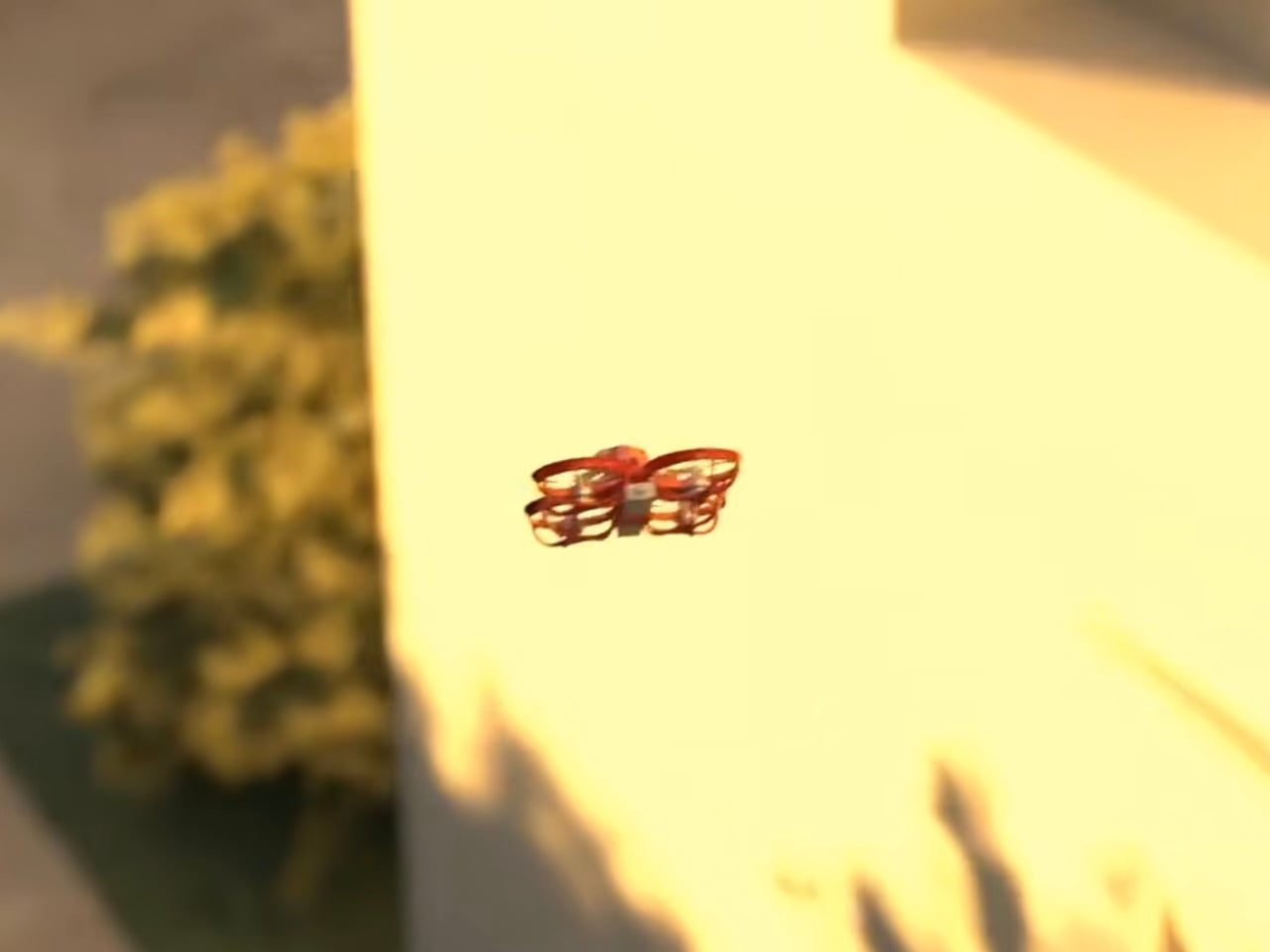
The design thinking here is just as sound as the engineering, and I think that deserves attention. The choice to avoid cameras is notable. Instead of building something that watches your room, Tornyol built something that listens to it. That’s a meaningful distinction in an era where surveillance fatigue is real. A sensor that identifies a mosquito by its wingbeat signature rather than by filming your living room feels like a more considered approach to consumer technology. Privacy, quietly protected alongside you.
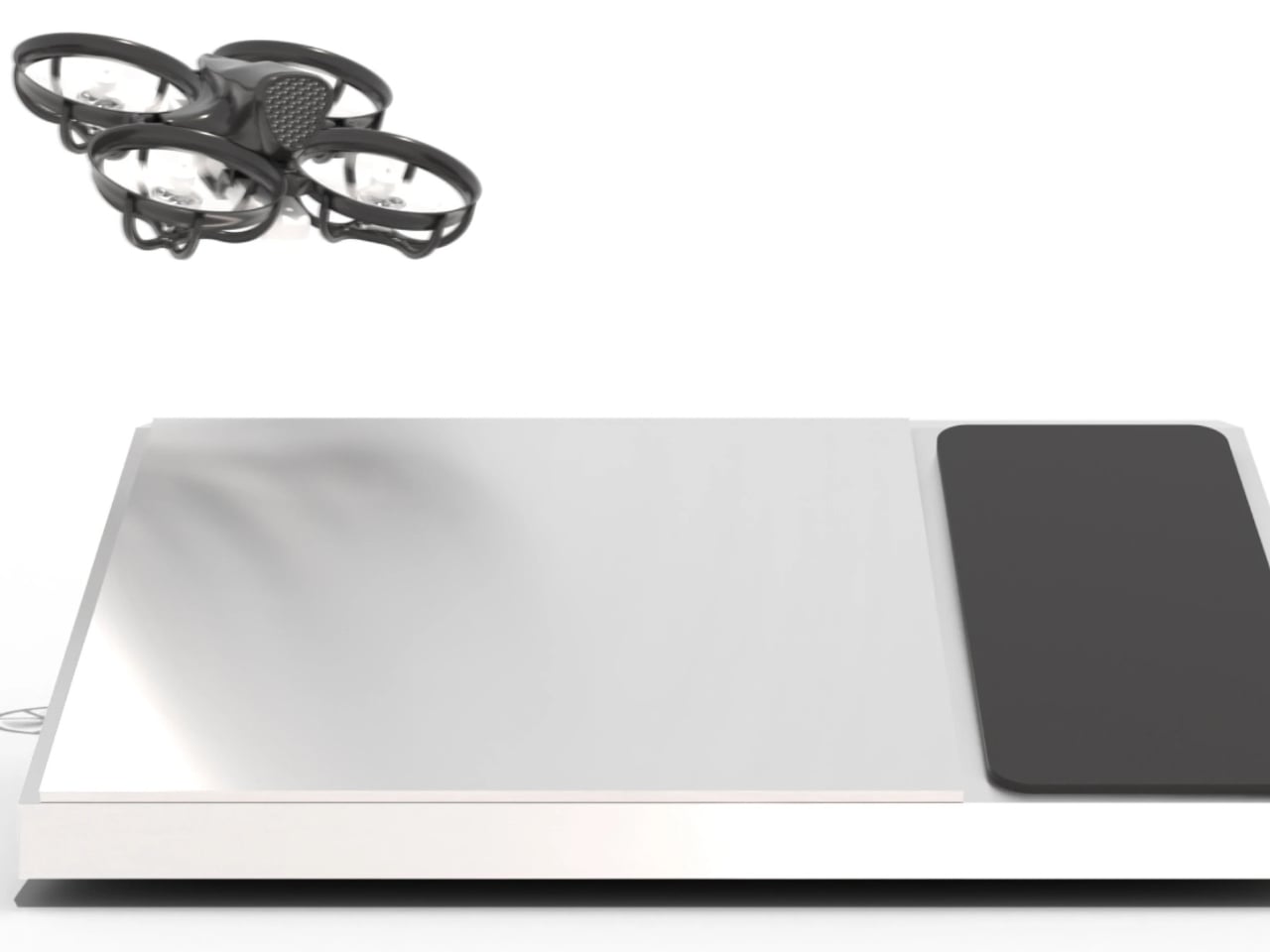
The bigger picture is hard to ignore, too. Mosquitoes kill more people every year than any other animal on the planet. Malaria alone accounts for over 400,000 deaths annually, with dengue adding tens of thousands more. Tornyol was founded by two CentraleSupélec graduates with the stated goal of consigning mosquitoes to history, and while a home drone isn’t going to solve a global public health crisis on its own, it’s a serious first step from a company that clearly understands the scale of what it’s attempting.
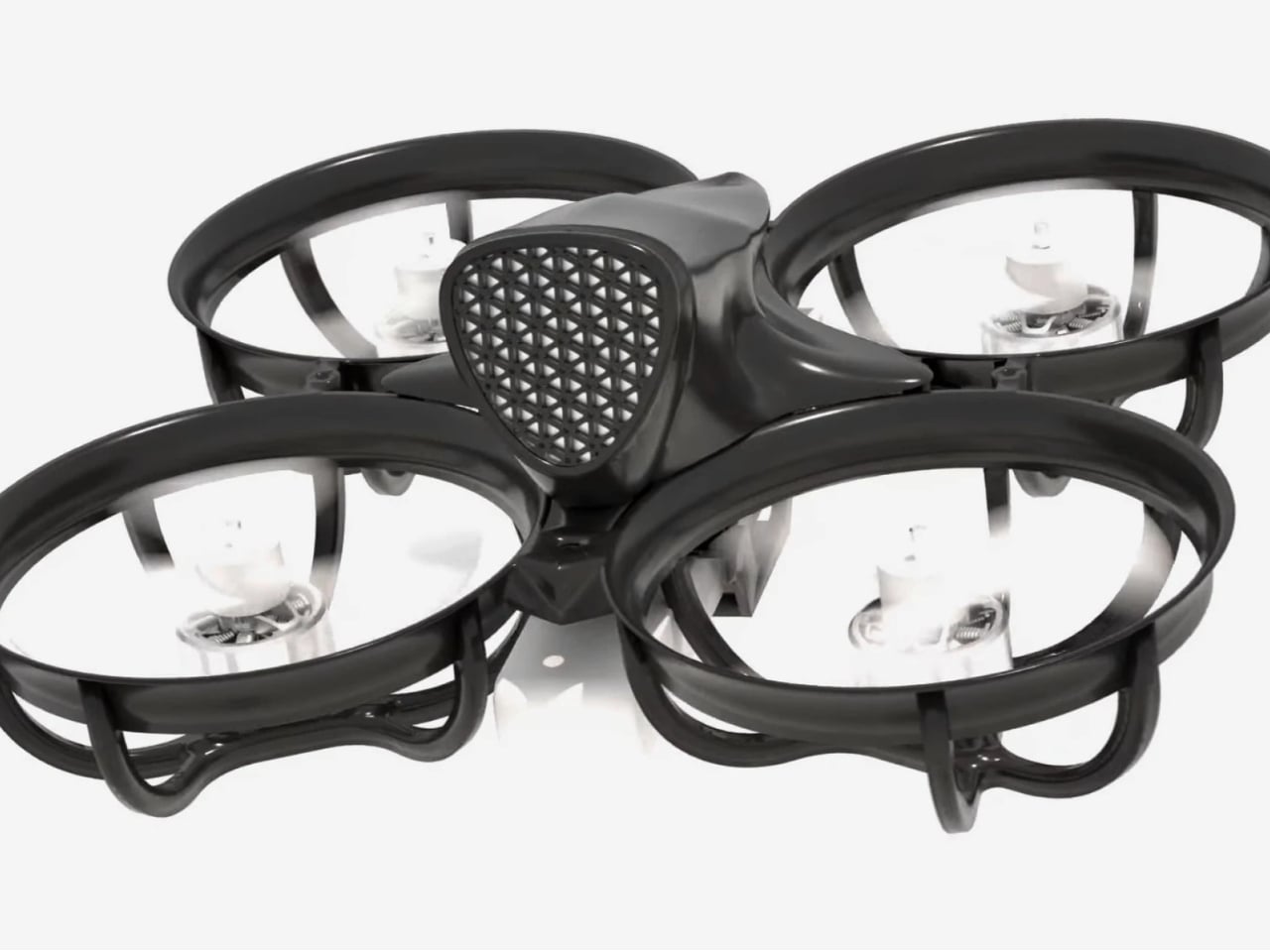
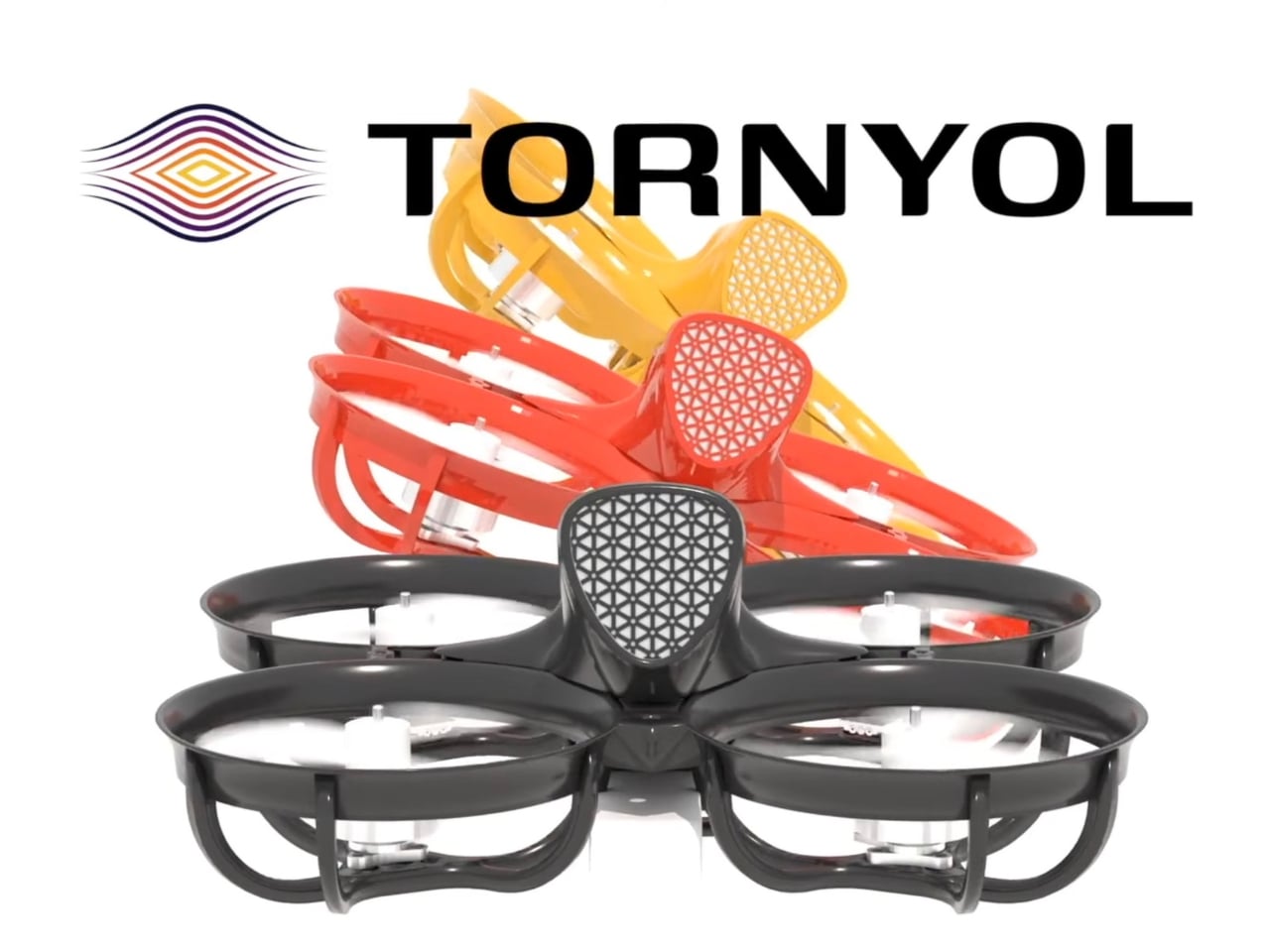
Backed by Y Combinator and currently open for pre-orders with a $100 refundable deposit, the LeSonar2 is targeting US shipping in 2027. The drone comes in black, red, and orange for people who care about that kind of thing, and I think more people do than would admit it. Tornyol’s LeSonar2 is one of those designs that makes you realize how much creative inertia exists in categories we assume are already solved. Bug control felt finished. Candles, sprays, zappers, and screens. We stopped asking for better because we didn’t know better was possible. Now it is, and it weighs less than a slice of bread.
The post A 40-Gram Drone Is Now Hunting the World’s Deadliest Animal first appeared on Yanko Design.
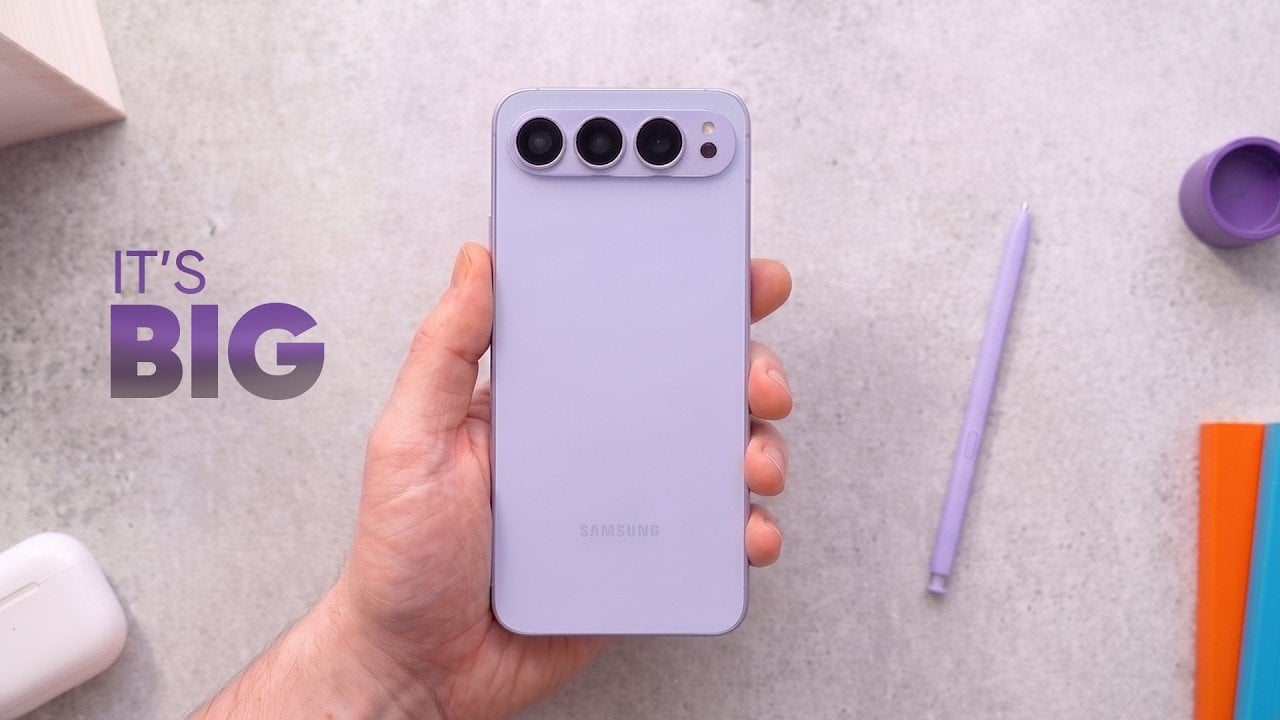
The Samsung Galaxy S27 Ultra is set to establish a new benchmark in smartphone technology, showcasing a powerful 5700mAh battery powered by advanced silicon-carbon technology. This marks a significant improvement over the 5000mAh battery of its predecessor, the Galaxy S26 Ultra. Alongside the Ultra, the S27 Pro offers a 5200mAh battery in a more compact […]
The post Samsung Galaxy S27 Ultra Battery Sizes Revealed appeared first on Geeky Gadgets.


Asus has come a long way since the 2nd of April 1989. By that count, it’s only been two decades for ROG’s existence. Arguably the most inspiring, though. Now into its 20th anniversary celebration, the Republic of Games (ROG) as we know it is innovating further with the gaming frontier it has dominated all this while.
To commemorate the monumental 20th anniversary, ROG is giving gamers and AI generation requiring demanding infrastructure a high-performance computing device: the ROG NUC 16 Edition 20. Ever since ASUS took over the Intel NUC, ROG has worked its magic with it, and now it’s elevating that to the next level with the most powerful gaming-focused NUC it has ever manufactured.
Designer: Asus

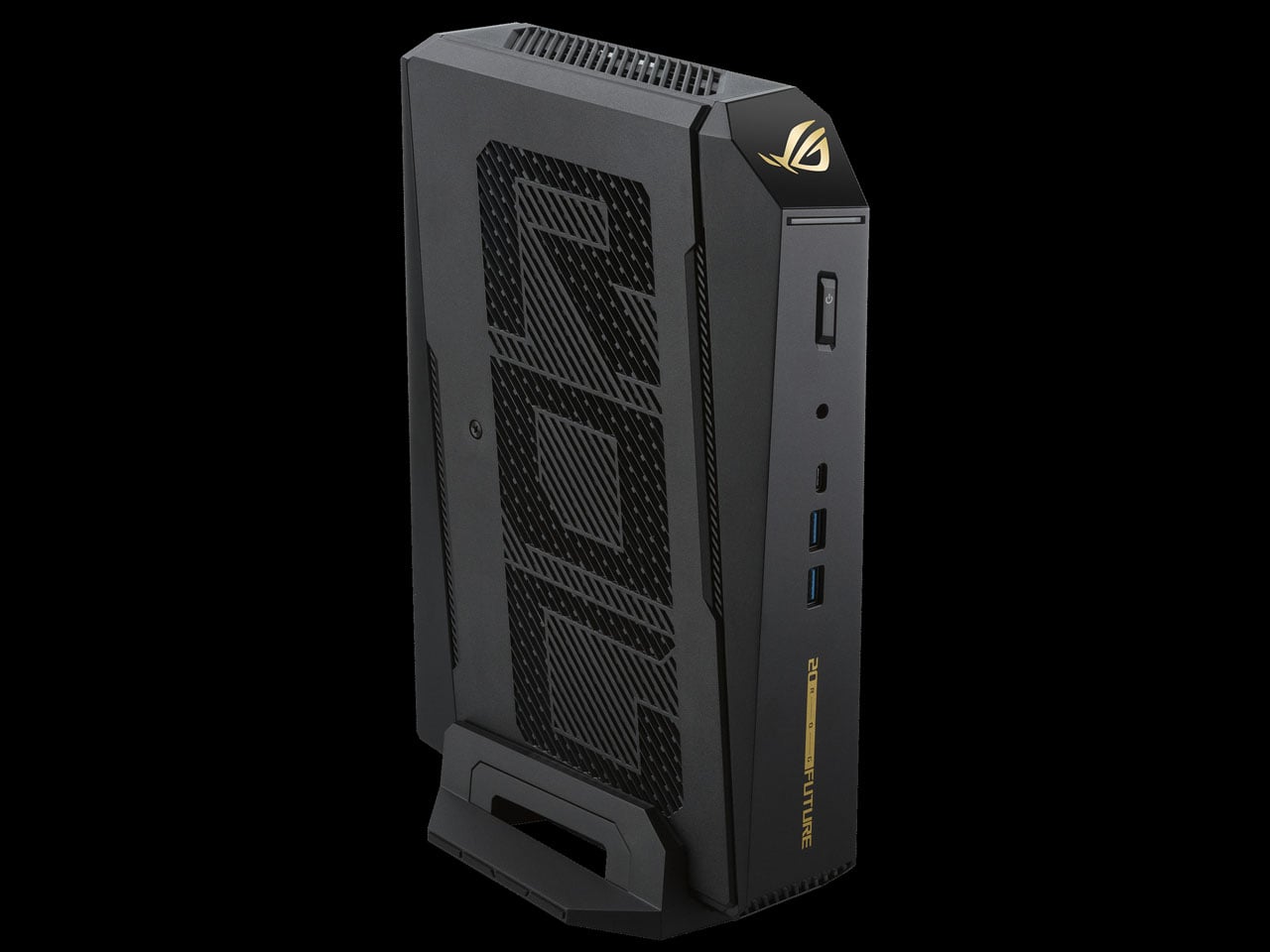
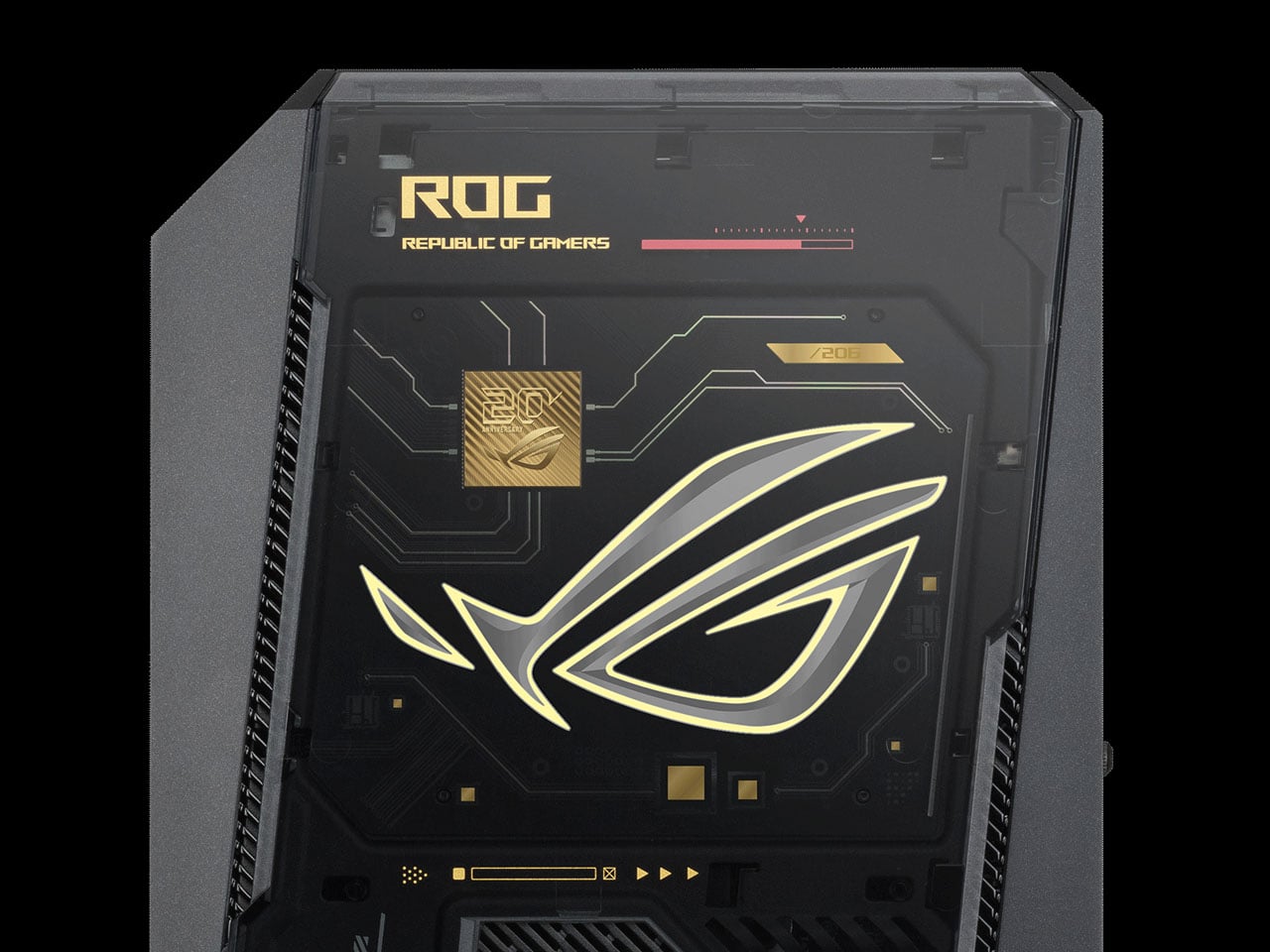
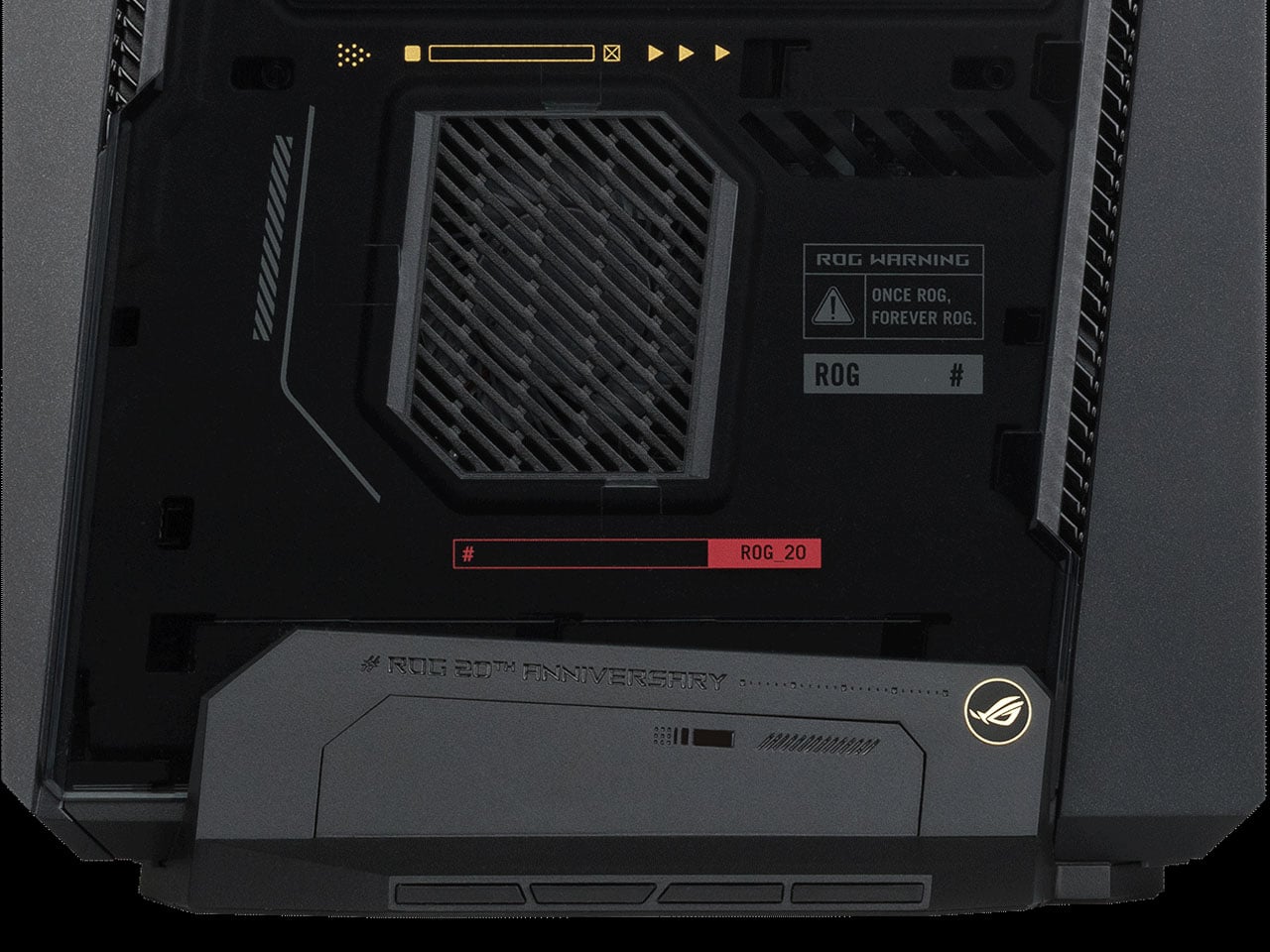
The commemorative ROG NUC 16 Edition 20 is created to celebrate 20 years of ASUS’s Republic of Gamers. Of course, like everything else ROG has delivered, this one gains first attention with the enticing aesthetics, but the company says it’s the powerful innards and the use of colors that make this a “testament to an enduring legacy.”
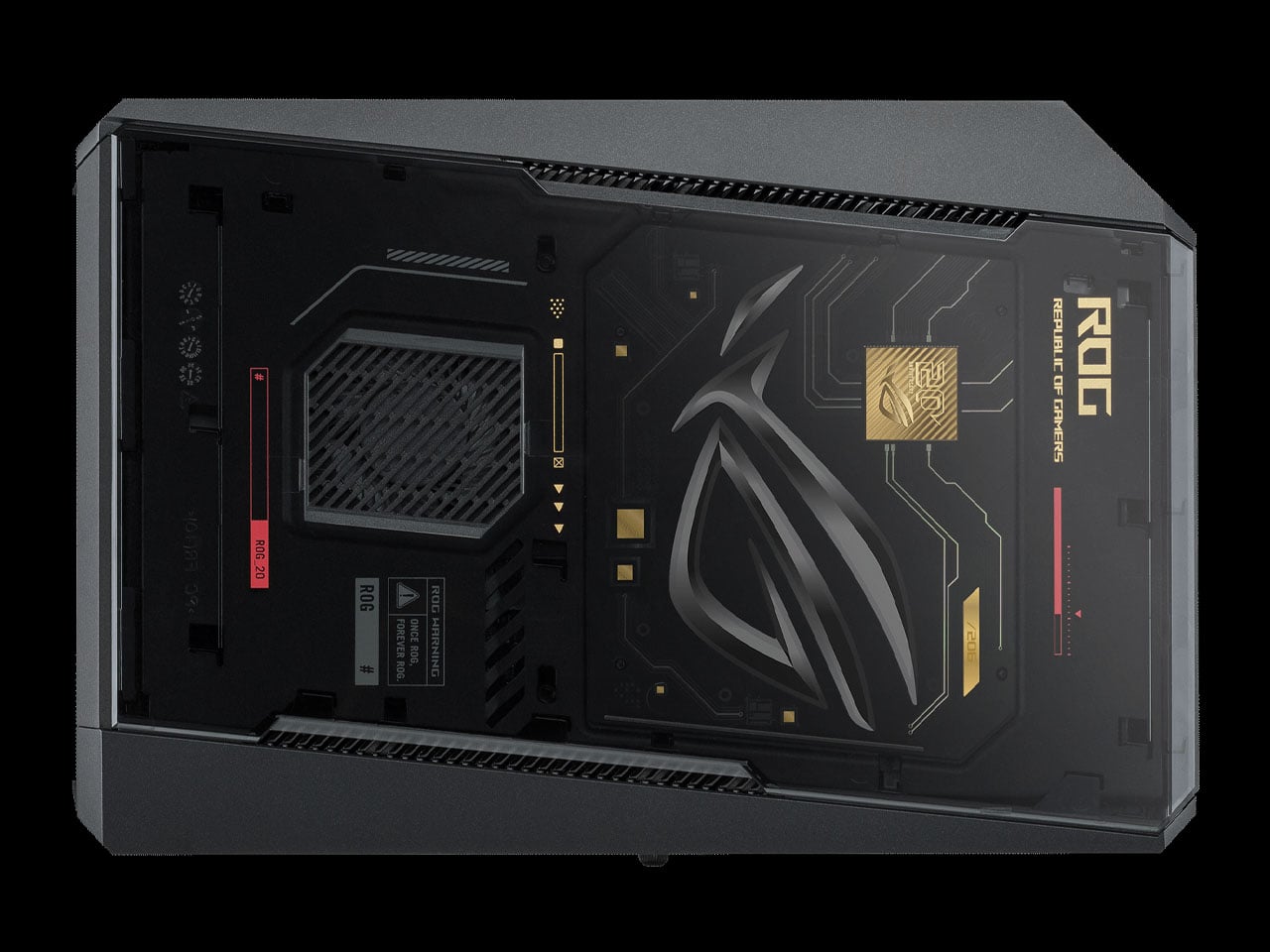
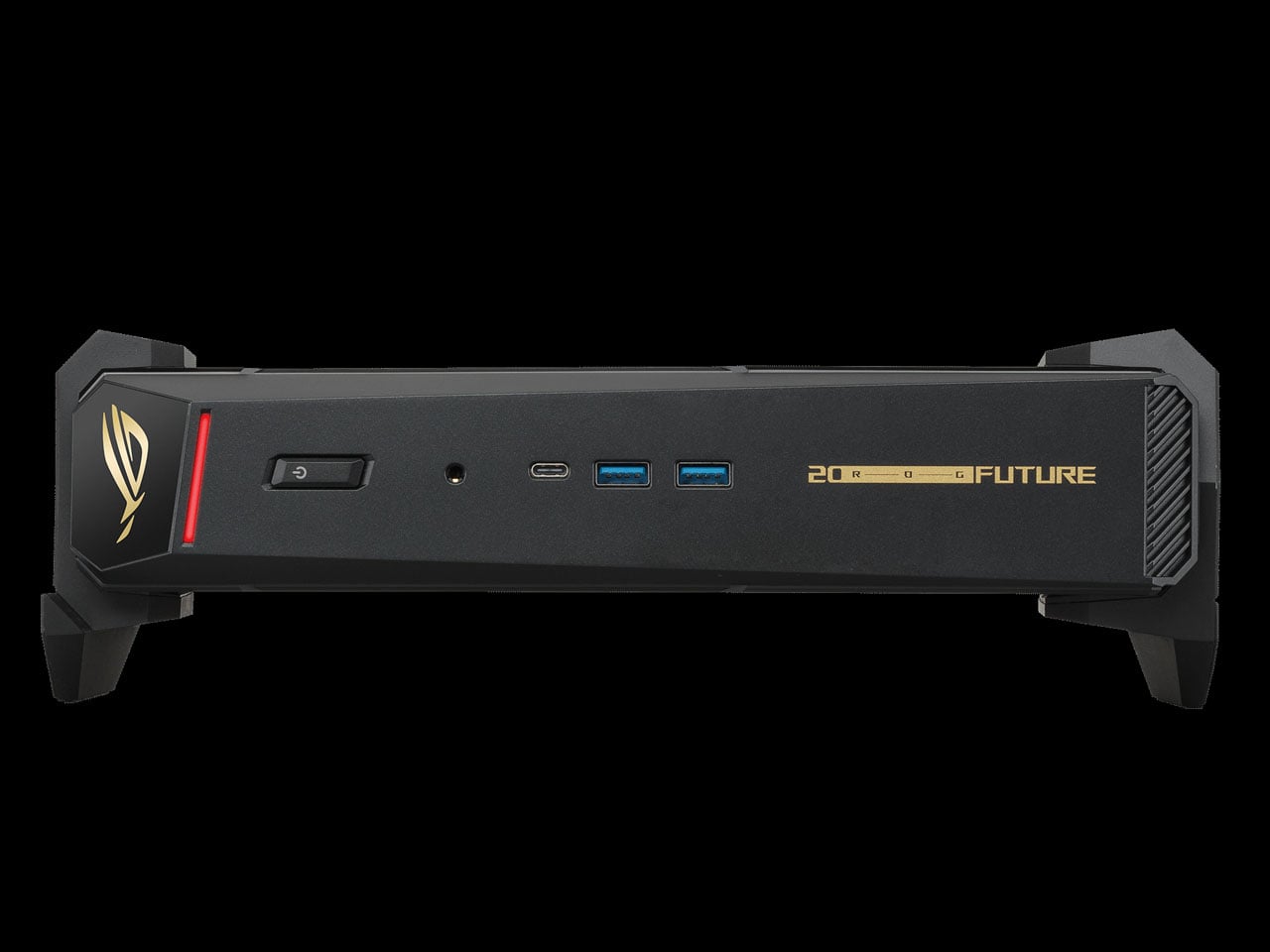
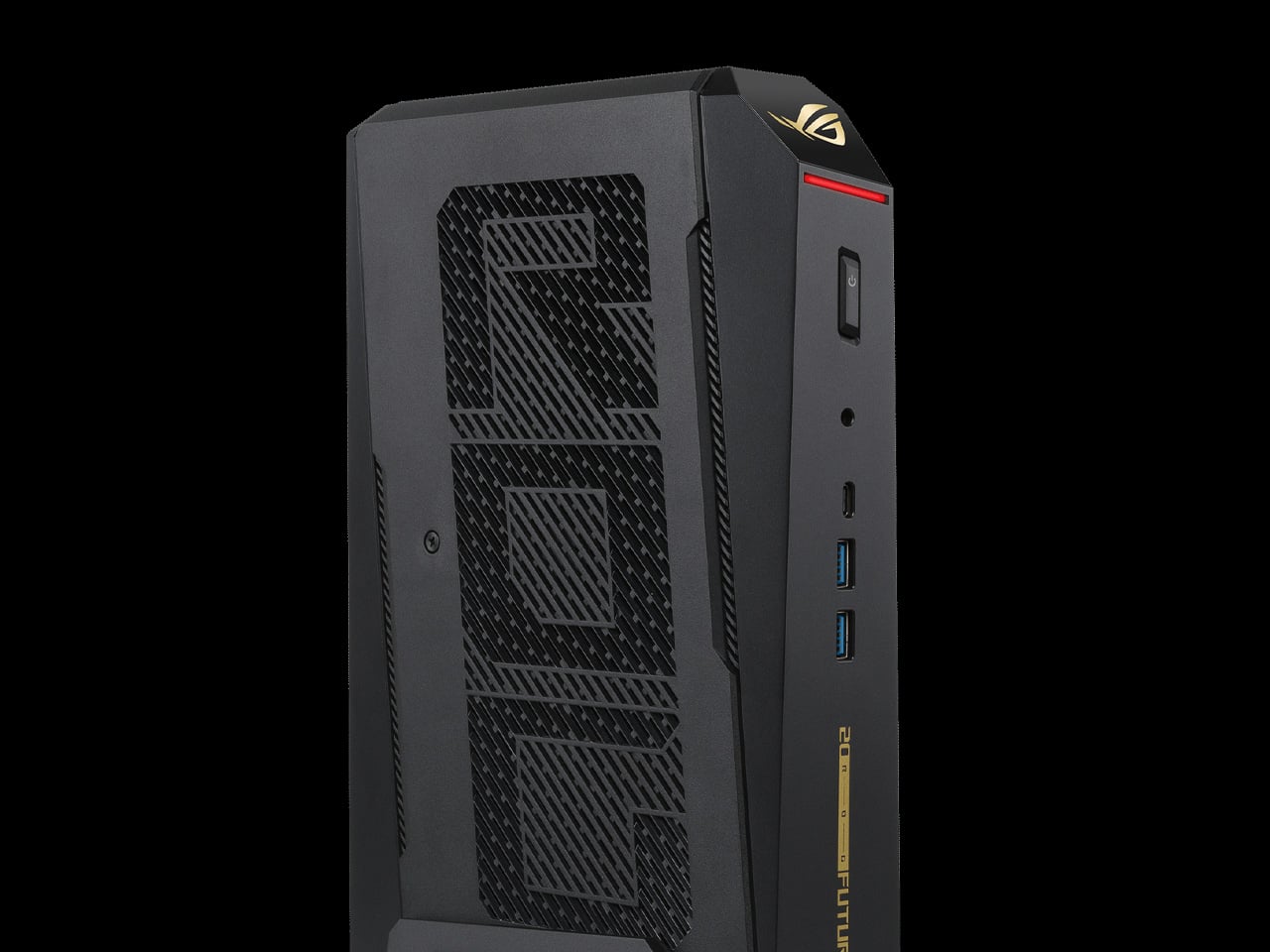
The mini PC has a compact form factor, which comes with a removable stand to use the device in vertical or horizontal orientations. Created to be an ultimate system for gamers and creators, the NUC 16 Edition 20 runs on an Nvidia GeForce RTX 5090 Laptop GPU, which can provide the desired performance. It is laid out in a 3-liter chassis for a compact look and feel, and it features a semi-transparent exterior with really plus detailing with gold accents.
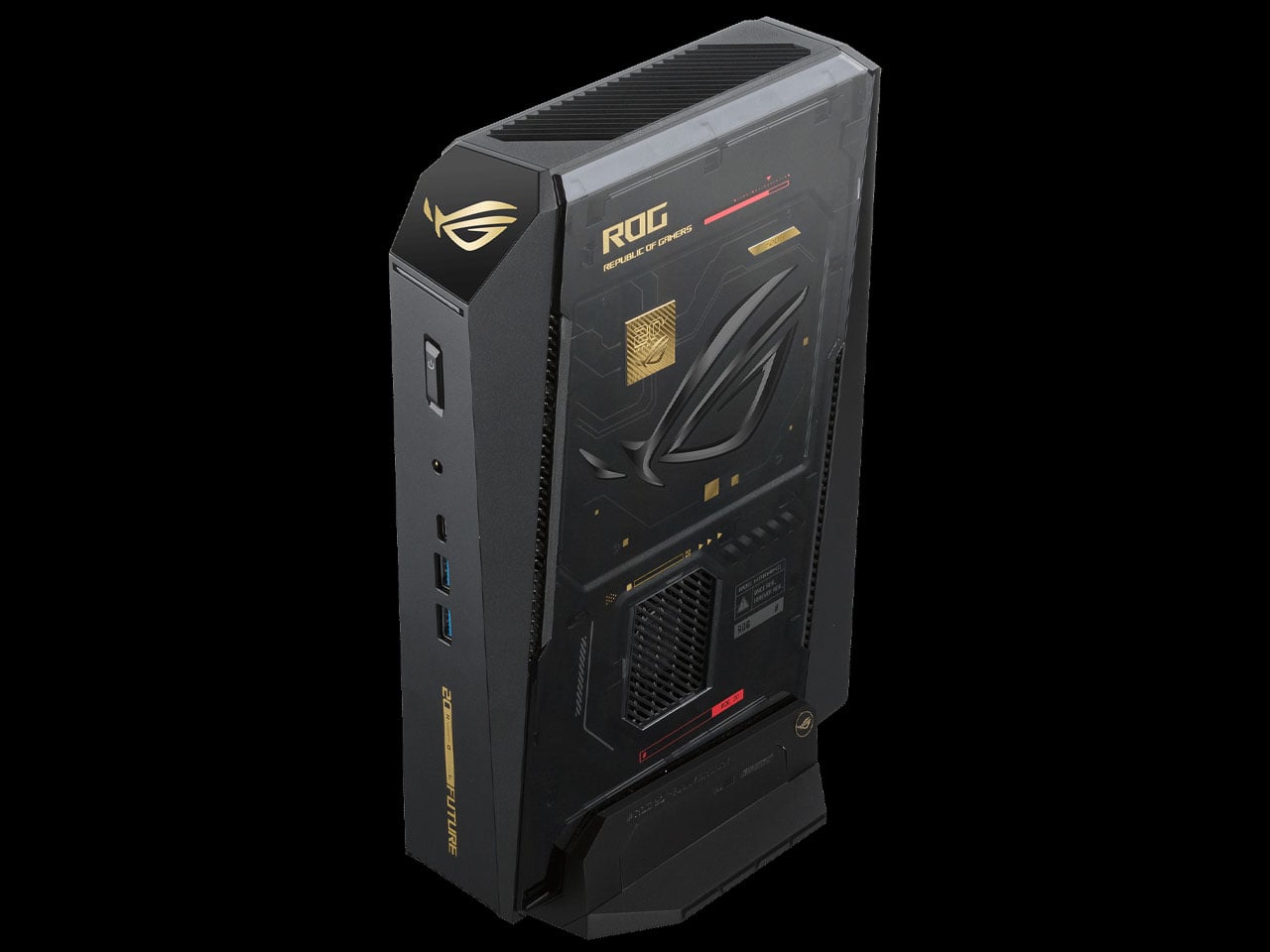
The design is sublime and exudes brilliance in black, red, and gold accents. But the looks are only part of this anniversary edition system. For hardcore gamers, who will want to put looks second, ROG has tailored the desktop to dissipate up to 175W for sustained performance. This will allow it to run at high speed for a long time without slowing down or overheating. To keep the system cool, it features three fans and a dual vapor chamber, which ROG confirms is capable of 21% better thermal performance.
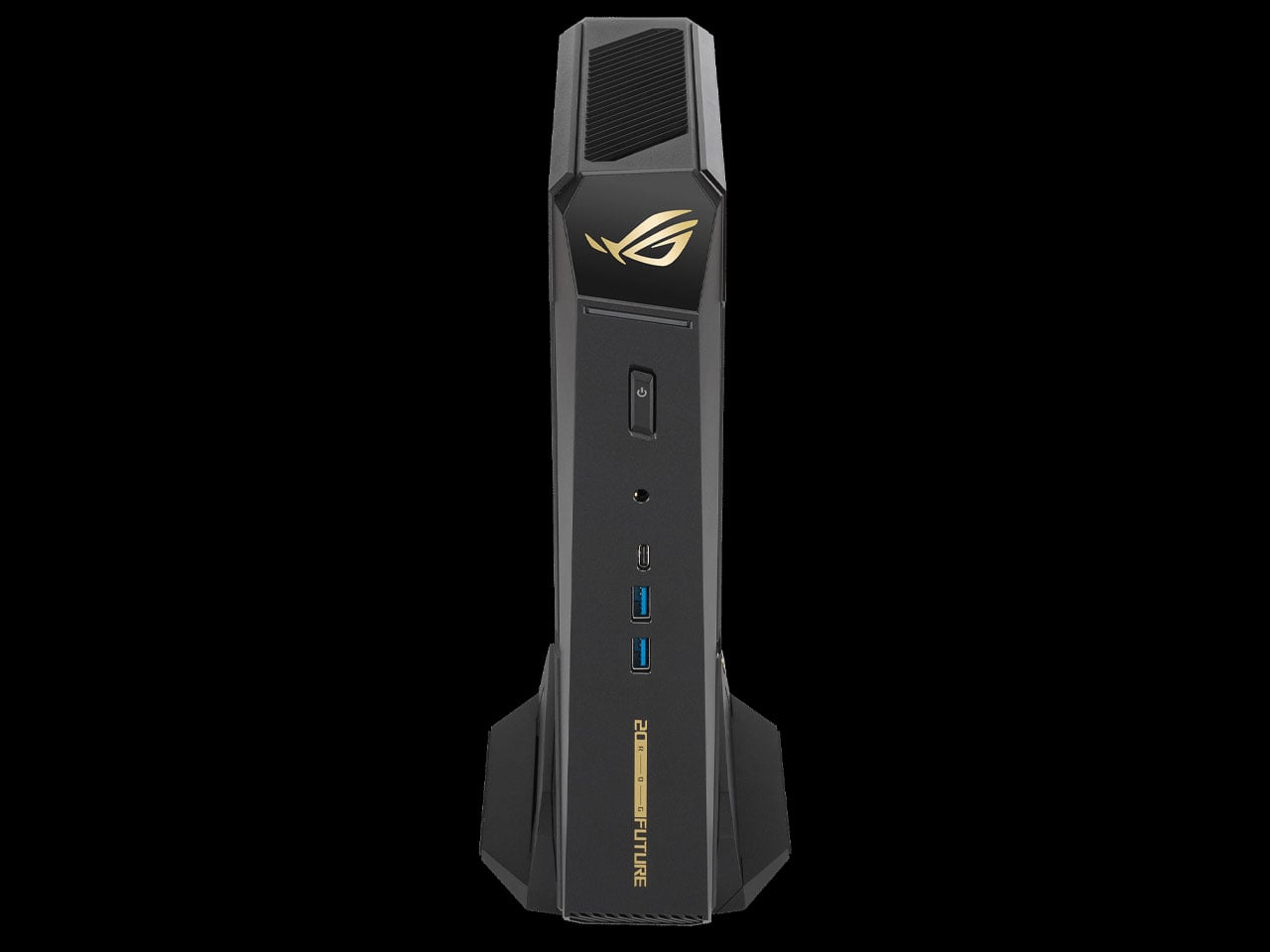
The ROG NUC 16 Edition 20 is powered by an Intel Core Ultra 9 processor 290HX Plus, which is paired with up to 128GB of dual-channel DDR5-6400 memory and a PCIe 5.0 SSD for ultra-fast load times. The powerful storage can handle almost all types of heavy gameplay and AI graphics rendering. Early reviewers suggest the system is powerful in handling “high-FPS gaming, AI tasks, and demanding creator workflows.”
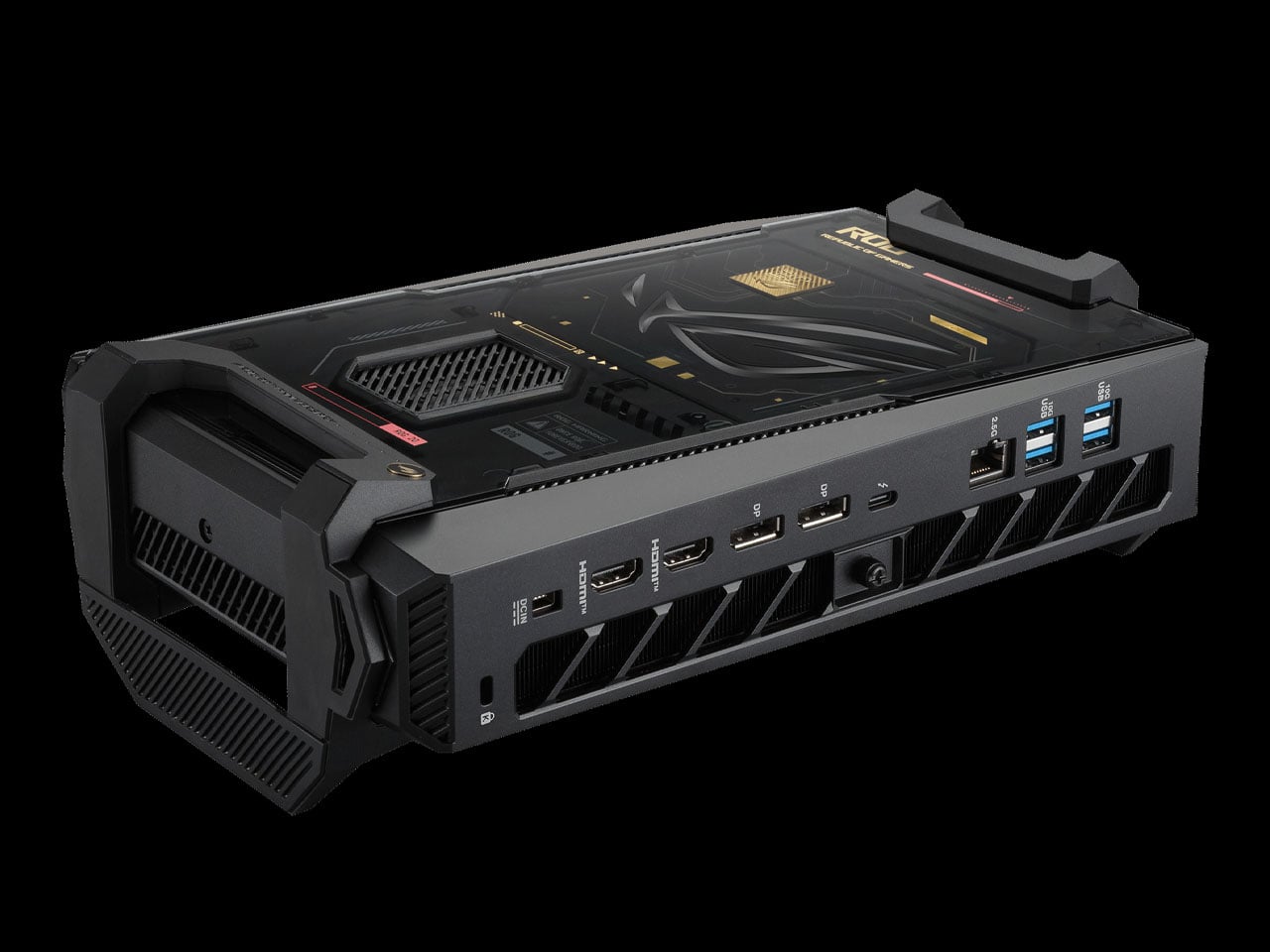
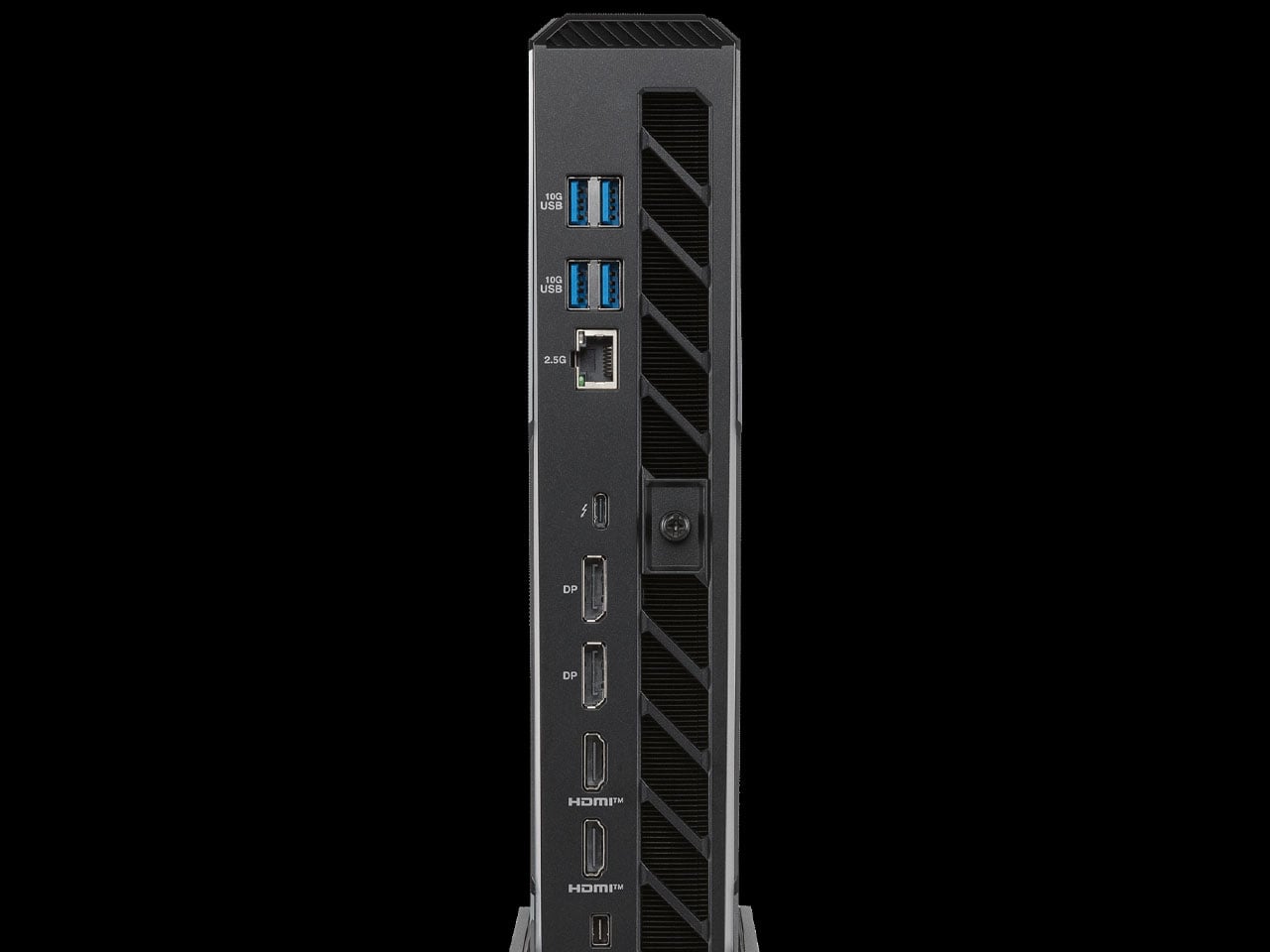
Streaming and gaming can be lag-free only with the best possible connectivity options. ROG says its system supports Wi-Fi 7 and Bluetooth 5.4 for fast and stable connectivity and also features a Thunderbolt 4 port along with the other usual connectivity options like HDMI and LAN ports. Expectedly, all this power and performance doesn’t come cheap. ROG NUC 16 Edition 20 will set you back $6,999.
The post ASUS ROG NUC 16 Edition 20 brings RTX 5090 gaming power to compact 3L desktop first appeared on Yanko Design.