Volkswagen Numa Concept imagines a future where cars become part of the urban living

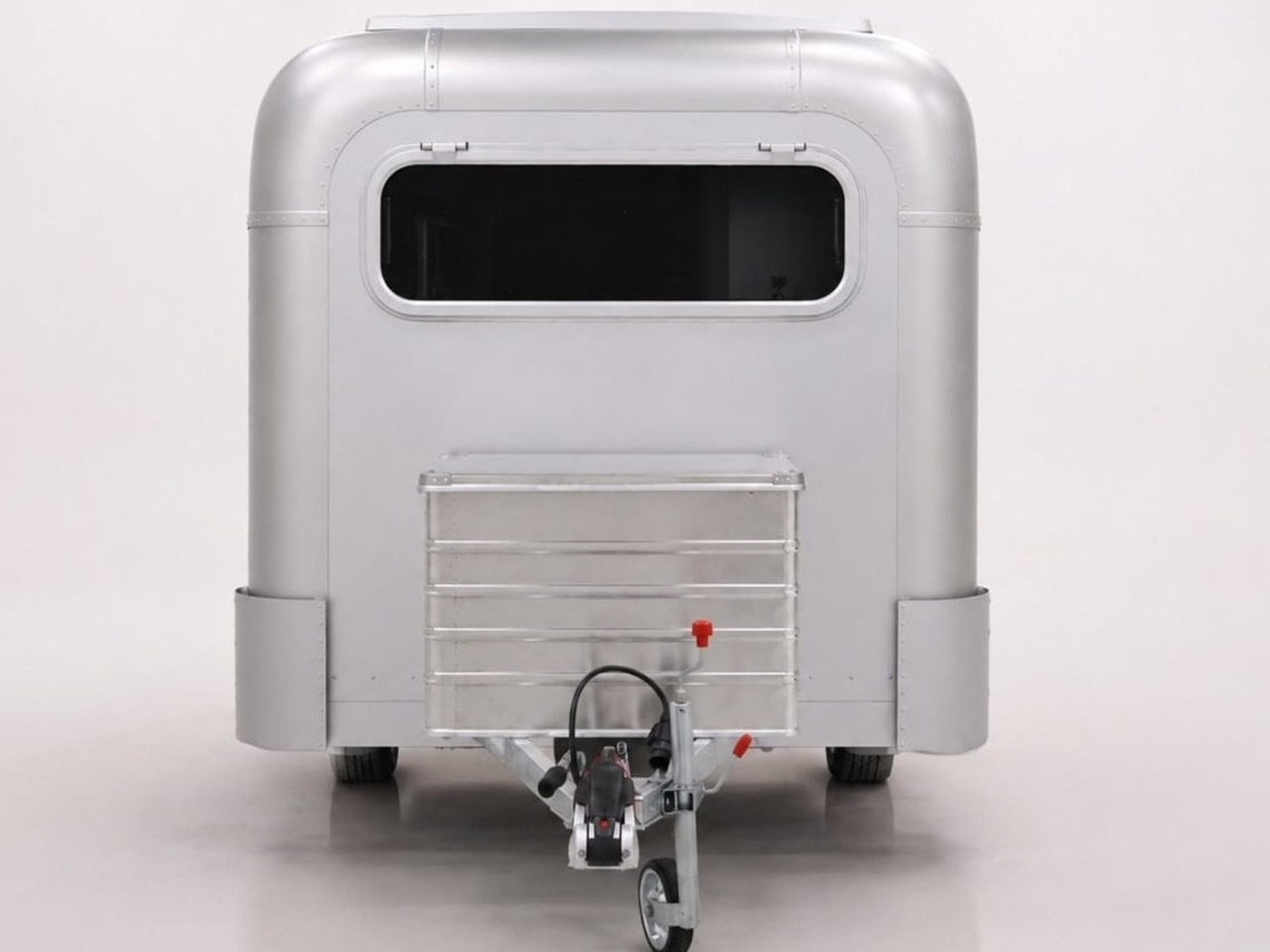
Long before concept cars became laboratories of screens and powertrains, automotive design often flirted with imagination for its own sake, vehicles that felt like sculptural expressions rather than objects built for the road. The Volkswagen Numa Concept taps into that spirit of creative exploration, offering a vision that feels more like an urban artifact than a traditional car. The tough experiment proposes a future where a vehicle does more than move through a city; it becomes part of the city’s texture, softening hard edges and blending mobility with environmental sensibility.

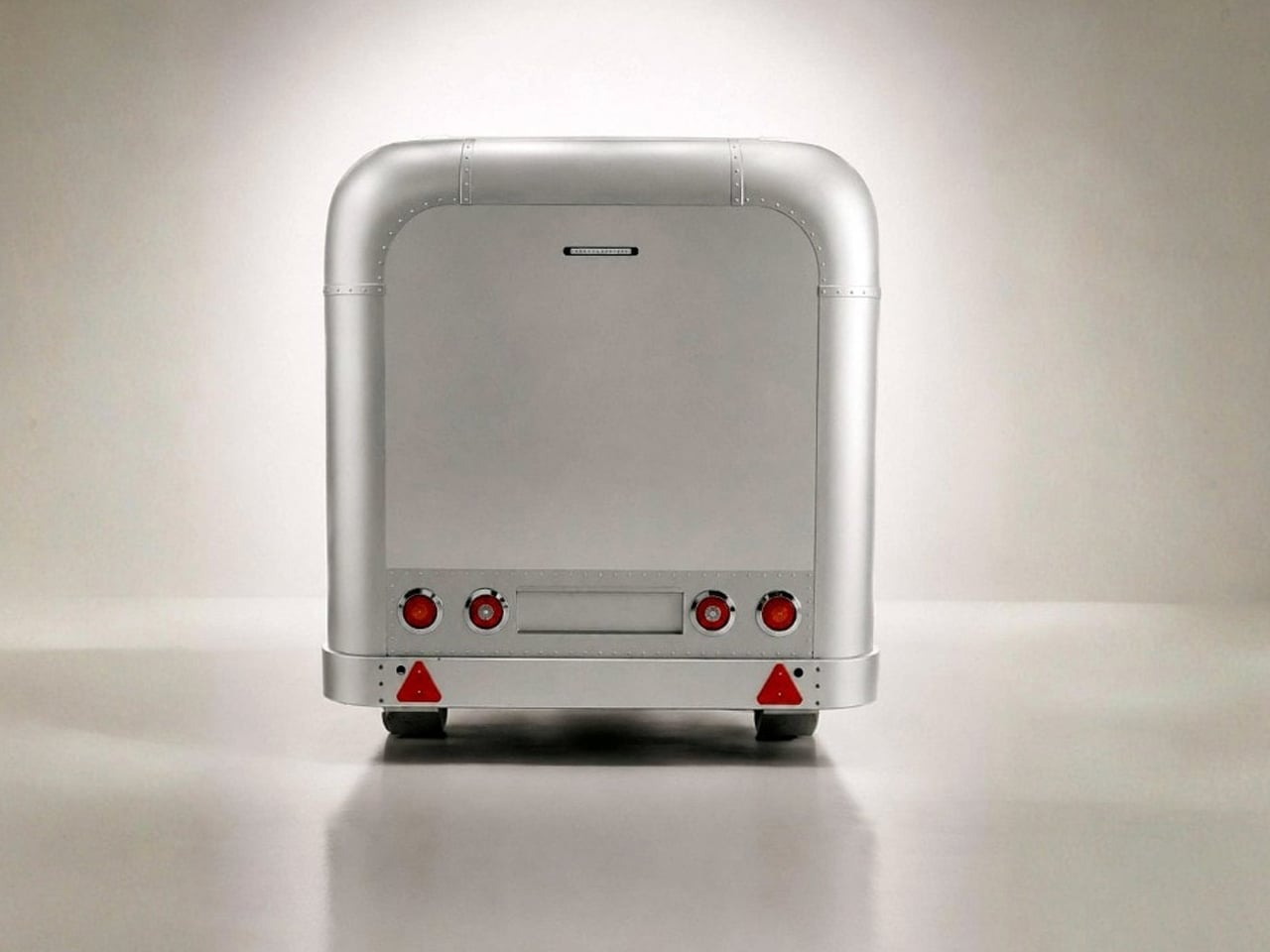
The concept approaches idea of transportation from a fresh angle, treating the vehicle as a spatial object rather than a closed mechanical shell. Its design embraces minimalism with clean, uninterrupted surfaces and calm geometry that intentionally avoids the aggression often associated with modern automotive design. Instead of projecting dominance, it aims for a gentle presence that aligns with architectural surroundings, almost as if it were a piece of contemporary street furniture shaped for movement. This is reinforced by its monochromatic palette and the intentional simplicity of its exterior lines, giving it the quiet confidence of an object designed to complement its environment.

Designer: Daniil Ostrovskii

One of the most unexpected elements is the rear section, envisioned as a space capable of hosting decorative plants. The idea is not ornamental but conceptual, suggesting that a car could introduce pockets of greenery into dense urban areas. This subtle integration of nature adds a layer of warmth and humanity to the design, hinting at a future where vehicles contribute to the emotional and ecological quality of city life. It’s a small gesture with symbolic weight, an acknowledgment that mobility can coexist with softer, more organic forms of expression.

While the Numa Concept doesn’t outline powertrains or engineering details, its purpose is clearly rooted in design exploration rather than technical forecasting. Its value lies in the conversation it sparks: how might vehicles adapt to cities where space, sustainability, and aesthetics matter as much as performance? By promoting a vehicle that behaves like both sculpture and structure, the concept reframes the automotive role in urban settings, encouraging designers and planners to think beyond conventional categories.

The emotional tone of the design is intentional, aiming to create a sense of calmness instead of visual noise. This approach demonstrates how transportation could evolve to harmonize rather than interrupt, offering a counterpoint to the ever-more complex forms emerging across the industry. For a future in which cities strive to balance density with livability, ideas like Numa suggest that cars could participate in that balance, not work against it. The car reminds us that design still has the power to reframe familiar objects and proposes that mobility, architecture, and nature might someday coexist more fluidly.

The post Volkswagen Numa Concept imagines a future where cars become part of the urban living first appeared on Yanko Design.
3D printed prosthetic fin lets below-knee amputees swim with freedom and efficiency

A number of different types of prosthetic legs are designed to help below-knee amputees run, whether recreationally or professionally. High-performance running prosthetics, often called blades, have been used by runners like the infamous Oscar Pistorius to shatter numerous records. Now, a similar level of freedom and efficiency seems to be headed for the waters, thanks to an advanced prosthetic concept from Essesi Design Studio.

The below-knee prosthetic fin, called Nimble, is designed by Essesi Design to bring that capability to swimmers. At the core, the lightweight carbon fiber prosthetic features a 3D printed flexible lattice structure. This piece is specially designed to “reduce stress on the user’s limb while generating powerful thrust with each kick,” the design studio notes.

Designer: Essesi Design Studio

Essesi Design Studio has developed Nimble, a concept modular 3D-printed prosthetic fin, to help below-knee amputees swim with greater freedom, comfort, and technological support, making the experience both easier and more efficient for the user. The attachable prosthetic would replace the foot and the lower leg with the Nimble, comprising a carbon fiber frame and the flexible lattice structure in the main body made from rubber material for its suppleness.

The outer shell of the prosthetic is 3D printed from carbon fiber to make the prosthetic fin lightweight and robust, and the lattice component is 3D printed from rubber. Plastic components with rotatable locks are used to join the shell and the lattice and also to attach the entire prosthetic fin to the user’s upper limb.

As mentioned, the lattice unit is basically the heart of this conceptual fin designed for those who have lost a leg. It’s the flexible part that moves when the swimmer kicks. On a downward kick, the structure compresses to store energy and when the kick’s complete, the flexible section snaps back to its original position, simultaneously creating thrust to help the user push forward. Just to ensure this thrust does not hurt the user, the same lattice structure absorbs the impact, preventing the upper part of the leg attached to the prosthetic from experiencing pain or discomfort.

The modular 3D printed prosthetic fin by Essesi Design Studio is in the conceptual stage at the time of writing. But with its promising abilities, The Nimble prosthetic fin should be a compelling option to make it easier for amputees to swim better without exerting too much pressure on their limbs. So, if Nimble can be successfully developed and commercialized, it would definitely open up new avenues in athletic swimming and physical rehabilitation.

The post 3D printed prosthetic fin lets below-knee amputees swim with freedom and efficiency first appeared on Yanko Design.

LEO Solo Jetbike, powered by 48 fans and electric propulsion, can fly you solo at 60 mph for 15 minutes

Flying solo like a bird has been humanity’s long-time dream. Amid various ways and options already figured out, the idea has not reached mass adoption. Wingsuits and jetpacks are only flying people for experimental purposes. Beyond those, there has been a vision to build electric and solar-powered propulsion systems to get us off the ground, and that dream is now taking a turn into the realm of reality with the world’s first electric air speeder, the LEO Solo JetBike.

Honestly, when I first saw the LEO Solo in pictures, it looked like a work desk with an attached chair: some sort of a gaming rig. But a closer look revealed what this mean machine actually is, and then the video just scaled the excitement to the next level. The hands-on experience of this Jetbike shows it hovering some inches above the ground in a stable flight, which would definitely be elevated to a more practical height in the days leading up to its scheduled launch.

Designer: LEO Flight

Pete Bitar and Carlos Salaff, the founders of LEO Flight, have been chasing the dream of electric-powered flight for the longest time. After numerous renders and prototypes, they have finally arrived at the LEO Solo, which has had its fair share of touch-and-go moments, but it’s finally here and gearing up to be flown without the need for a pilot’s license. This single-seat personal eVTOL is a small bike built to carry just the rider.

The LEO Solo is developed in a compact 6.5 × 6.5 ft footprint and is built on a propeller-free electric jet propulsion system, which allows the personal air vehicle to reach a top speed of 60 mph. You can definitely not take this for an experimental object. At that speed, it can easily fly at an altitude of up to 15 ft high, stably and at very low noise (approximately 80 dB). According to the company’s press information, the LEO Solo can remain airborne for 10–15 minutes and fly at a noise level lower than that of a Dyson vacuum cleaner. So, tomorrow when you’re landing in your backyard late at night, you can do that as discreetly as parking your car.

With its compact form factor, it can easily fit in a standard garage and charge its onboard solid-state battery in there. What makes the Solo really interesting are its 48 little fans, spread across its front and the back platforms, which allow it to lift off without wings or rotors. If this sounds like something you would want to own, you can reserve your LEO Solo JetBike now for a refundable deposit of $999. According to the company, it’s going into production in late 2025, which means any time now!


The post LEO Solo Jetbike, powered by 48 fans and electric propulsion, can fly you solo at 60 mph for 15 minutes first appeared on Yanko Design.

Nike Air Max 90 turned into fully playable SNES console is the ultimate retro-modern mashup

Sneaker culture and gaming go a long way back, good enough reason we’ve seen many interesting collaborations that signify the retro-modern charm of reliving the golden era. The excitement of playing arcade titles that defined the ’80s and ’90s keeps the creative juices of inventive DIYers flowing. While having the superficial elements of gaming on a pair of sneakers is common, having an actual gaming console running right off your sneaker is worth the attention.

Designer Gustavo Bonzanini has come up with a unique way to celebrate the Super Nintendo’s 35th anniversary since its release in Japan. The one-off sneaker running the 16-bit SNES games is a homage to the 90s fashion and gaming technology. He calls them the AIR SNES since they are based on the Nike Air Max 90, which are as nostalgic as the arcade games we are all obsessed with. He positions them as comfort-laden classic runners that bring the thrill of 16-bit adventure.

Designer: Gustavo Bonzanini

The Singapore-based designer has a knack for creating unique wearable art from everyday shoes. This time, he’s hit the note right with the retro arcade vibe of gaming consoles of yesteryear. The idea for the build came from his Street Fighter II gaming streak, as he noticed Ryu launching fireballs from the device linked to the foot. Gustavo asked himself a question: why can’t a pair like the Nike Air Max 90 that looks like a video game double as a gaming console? Hence came the idea of designing sneaker shoes with built-in gaming capabilities. The best thing is that they are completely wearable, and you can play games right off them. The majority of the shoe remains the same, like the air cushioning system, but the magic happens right up at the tongue. The section is loaded with a Raspberry Pi Zero W tiny computer that’s no bigger than a business card.

It is paired with a small battery placed in the footbed, which provides 30 minutes of playtime. You can just plug it into an old school TV and play, since it has RCA output ports (instead of an HDMI output) to retain the classic feel. According to him, this was done, “to make the design feel like it could exist in 1990.” Of course, you need a controller to enjoy the games, so he had to tinker around with the regular SNES controller to get going. He modified the peripheral with a new internal for improved reliability and Bluetooth connectivity via the 8BitDo Mod Kit. That had to be done as the shoe’s contraption could not fit the input for the controller and would have added to the overall weight.

The AIR SNES can be used to play titles like Super Mario World or The Legend of Zelda: A Link to the Past via the microSD card slot, which is slotted inside the tongue. Gustavo has even gone the length to test the sneakers on the road and thereafter play games on them to make the build as authentic as possible. The final element comes in the form of a gray and purple palette of the sneakers, complemented by the light purple stitching along the seam to replicate the controller’s button layout. Unfortunately, these sneakers are not available to buy, and you’ll have to follow Gustavo’s build to create one for yourself.

The post Nike Air Max 90 turned into fully playable SNES console is the ultimate retro-modern mashup first appeared on Yanko Design.

GravaStar Mercury V60 Pro Deluxe Edition keyboard has serious sci-fi vibes

GravaStar is known for turning everyday tech into bold, futuristic design objects. Instead of following the usual clean, minimal aesthetic, Gravastar leans hard into a sci-fi, cyberpunk, mech-inspired look. Their products often resemble tiny robots, armored pods, or mechanical artifacts pulled straight from a video game universe.

Majorly expertising in Bluetooth speakers and earbuds, the China-based brand has crafted a niche in the gadget market with its eye-popping creations, including the robot-inspired Bluetooth speaker, gaming mouse, and earbuds with a sci-fi case. Now the makers have tried their hand at creating a limited edition keyboard, because why not? Even though they’ve got the Mercury V75 Pro in their arsenal, this one hits different with its design and functionality.

Designer: GravaStar

This is the Mercury V60 Pro Deluxe Edition keyboard that looks unlike any buyable keyboard we’ve seen thus far. Just imagine this one sitting on your geeky desk alongside other themed gadgets. In fact, going through the catalogue of products is an interstellar experience in its own. Coming back to this cool peripheral, it’s not about the looks alone. It comes with an 8000Hz polling rate and 256kHz key-position scanning that ensures True 8kHz polling. Thus, making it ideal for power users and gamers, since the latency is just 0.125ms and 0.005 RT precision. The acoustic five-layer foam on the inside absorbs any off-putting vibrations during typing.

The fun doesn’t stop there, as the keyboard has GravaStar UFO magnetic gaming switches for a satisfying tactile typing experience.  It also gets the hot swappable keys for swapping with magnetic Hall Effect switches. Other important features include the dynamic rapid trigger, rapid trigger mode, last keystroke prioritization (LKP) + snap click. The bundled translucent frosted keycaps further enhance the overall aesthetics of the peripheral, as it turns into a sci-fi gadget the moment you turn on the RGB lights. The multi-zone RGB lighting has 16 customizable modes and dual-zone control for keys and ambient side lights. The brightness, hue and color of the selected modes can also be toggled.

Pair that with the full-aluminum alloy frame that’s mildly skeletonized, and you’ve got a seemingly premium accessory ready for your tasks. The keyboard, measuring 12.8 x 4.95 x 1.61 inches, has a 60 percent layout and measures a comfortable 1. Lbs. This makes it perfect for all kinds of tasks, whether you are at home or mobile. GravaStar is offering the Mercury V60 Pro Deluxe Edition in two color options: gunmetal and chrome silver. Both of these variants look cool, and for a price tag of $220, you can’t go wrong with this head-turning keyboard.

The post GravaStar Mercury V60 Pro Deluxe Edition keyboard has serious sci-fi vibes first appeared on Yanko Design.

Apocalypse ready Hyundai Crater concept SUV maximizes off-roading utility

Hyundai has been keen on the off-roading capability of future vehicles, as evidenced by the revealed cars in their subbrand XRT, launched in 2022. The trend set in motion after the pandemic has not mellowed, and automotive manufacturers are keen to explore adventurous vehicle lines in their fleets. Hyundai is no different as they’ve come up with the Crater Concept off-road SUV to embrace the thrill of exploring the great outdoors.

Revealed during the Los Angeles Auto Show, the next-generation electric concept car is not going to be merely a prototype, according to Hyundai; the vehicle could be tuned into a production car sometime in the future. In fact, Crater is the very first vehicle to be designed at the Sand Box facility in California. The focus of development is on the off-road vehicles, to take forward the gauntlet from the XRT division, which has had successful SUV releases, including the Palisade, Santa Cruz, and Tucson.

Design: Hyundai

Crater is built on a monocoque architecture, featuring a very chiselled, muscular body that complements its persona. The panelled form is complemented by the wheel arches and the wide skid plate for maximum underbody protection. It has a flat fender design and rocker panels that are inspired by the tool protective case design. The EV gets the same “Art of Steel” exterior design influence as the INITIUM fuel-cell electric vehicle. Focus by the South Korean giant on building the vehicle is on compact proportions for hyper manoeuvrability in tight trails, while having an impressive ride height assisted by the 33-inch off-road wheels encapsulating the 18-inch alloys inspired by the “hexagonal asteroid impacting a sheer metal landscape.” This makes the Crater much more capable than the XRT models, which are good for light off-roading.

The all-wheel drive electric off-roader is most likely sporting a dual-motor setup (just like the IONIQ 5N), although Hyundai didn’t reveal any details on the powertrain setup. One thing is clear, though: the Dune Gold Matte-skinned vehicle has front and rear locking differentials for superior control on tough terrain. Apocalypse-ready features spice up things here, as the removable side mirror cameras can double as flashlights or recording gadgets, hinged back doors for maximum utility, and the tow hooks that function as bottle openers. The roof of the electric vehicle has a platform for lights, storage space for the equipment, and two wires running down the hood to protect the windshield from hanging branches.

On the inside, the rugged cabin is themed in desert sunset and campfire ambient lighting. The steering wheel gets physical controls to toggle the driving modes: Snow, Sand, Mud, Auto, and XRT. The dashboard has a removable Bluetooth speaker, fire extinguisher, and first aid kit to expand the functional approach.  The lower part of the windshield gets the HUD elements, including the current, speed, hill descent control, compass, and altimeter. The lighting on the exterior and interior carries the pixelated theme that we’ve seen Hyundai fancy in previous designs like the INSTEROID EV. Hyundai has spiced up things with a Crater Man mascot as an Easter egg that appears at multiple hidden locations on the vehicle.


The post Apocalypse ready Hyundai Crater concept SUV maximizes off-roading utility first appeared on Yanko Design.

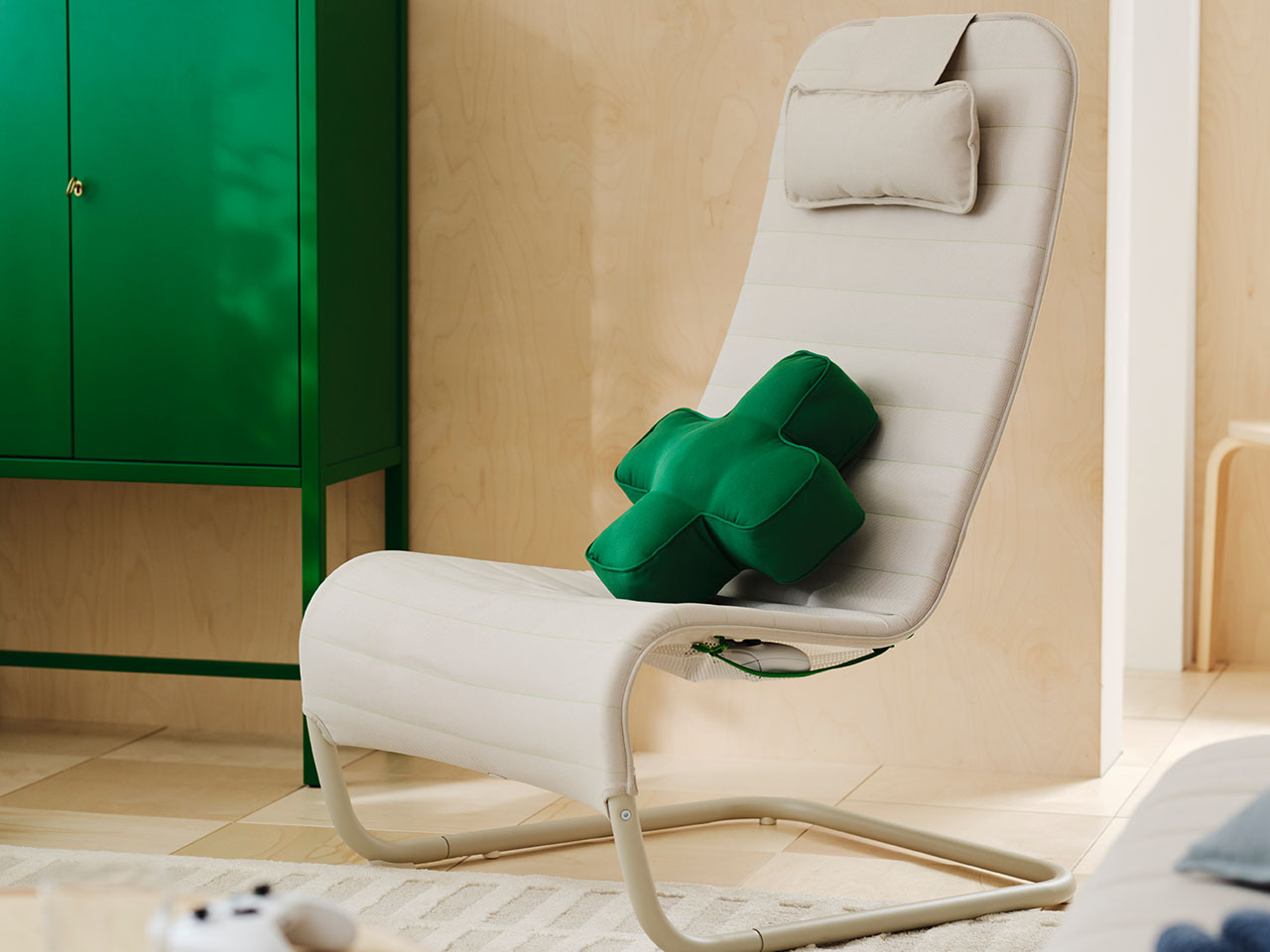
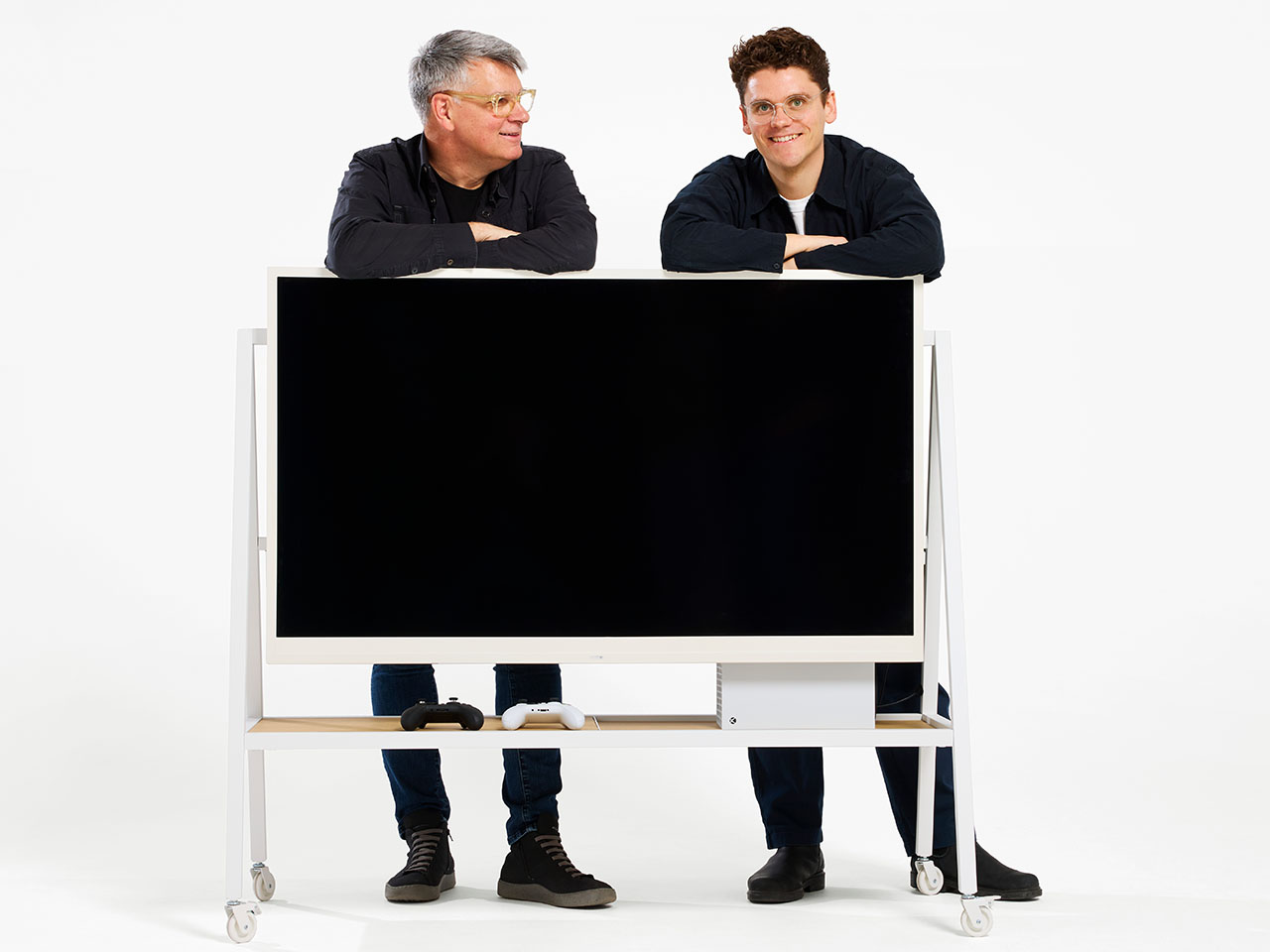
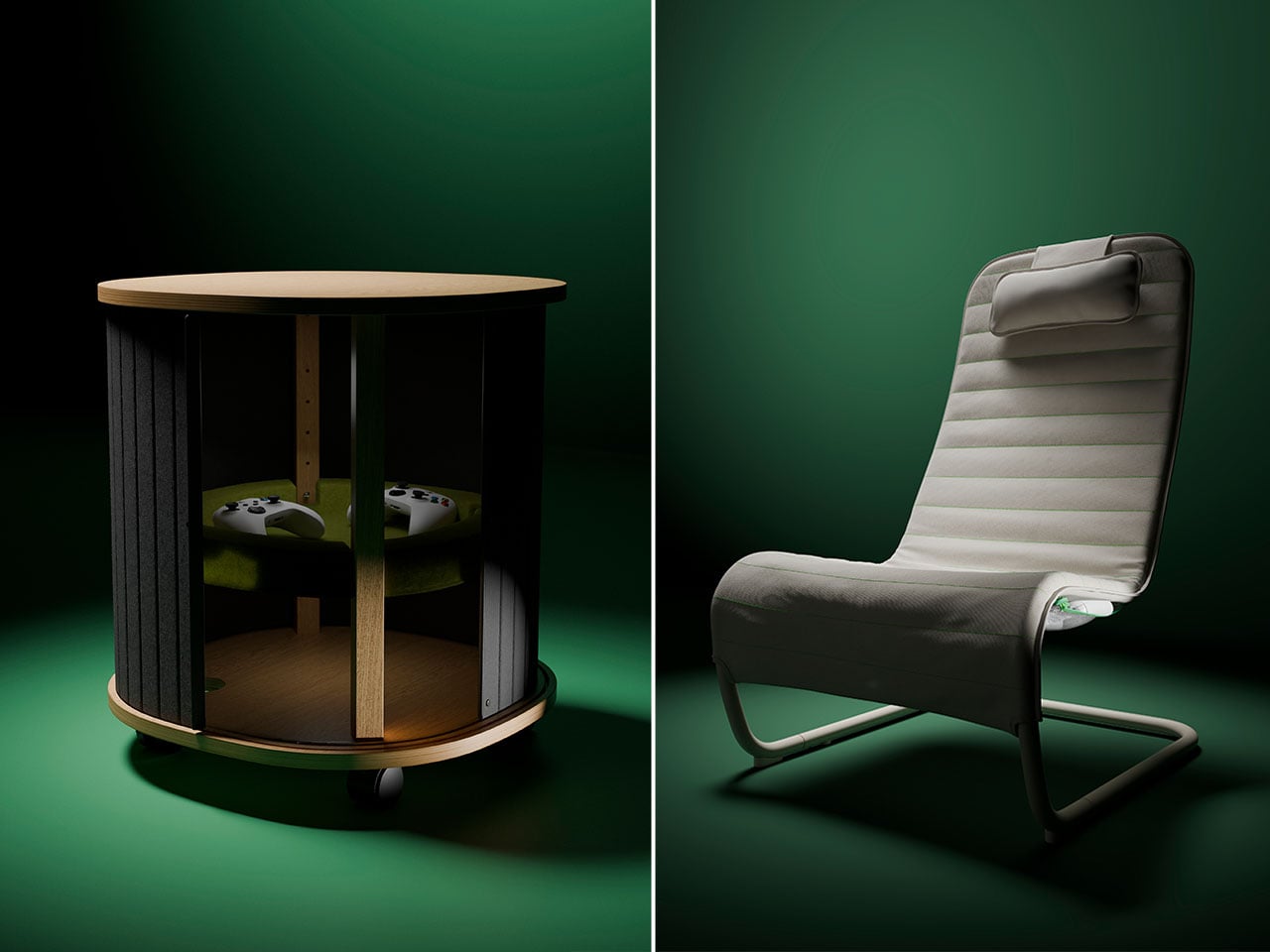
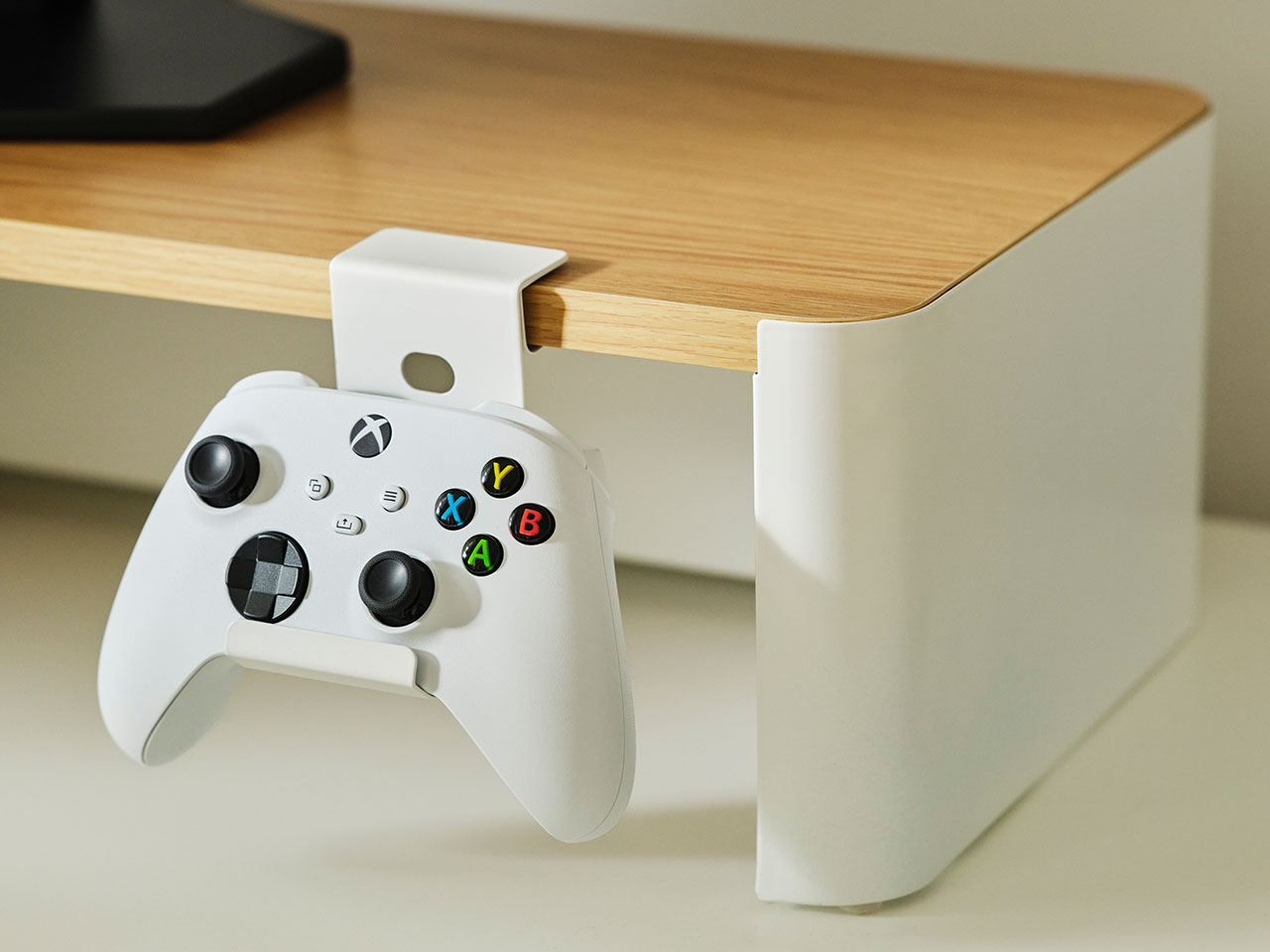
Level up your feet with the new Xbox Classic Controller Clogs

Xbox and Crocs have found an unexpected sweet spot between gaming culture and lifestyle fashion, creating a collaboration that feels both humorous and oddly fitting. For years, Xbox controllers have shaped how players interact with their consoles, while Crocs have become the go-to footwear for effortless comfort. Now, the two brands have merged these worlds with a product that looks like it jumped straight out of a gamer’s wishlist.

The result is the Xbox Classic Clog, a limited-edition release that transforms the familiar Xbox controller layout into a fully wearable piece of footwear. It’s the kind of drop that instantly sparks curiosity, something playful enough to be a conversation starter while still holding the appeal of a genuine collectible.

Designer: Xbox and Crocs

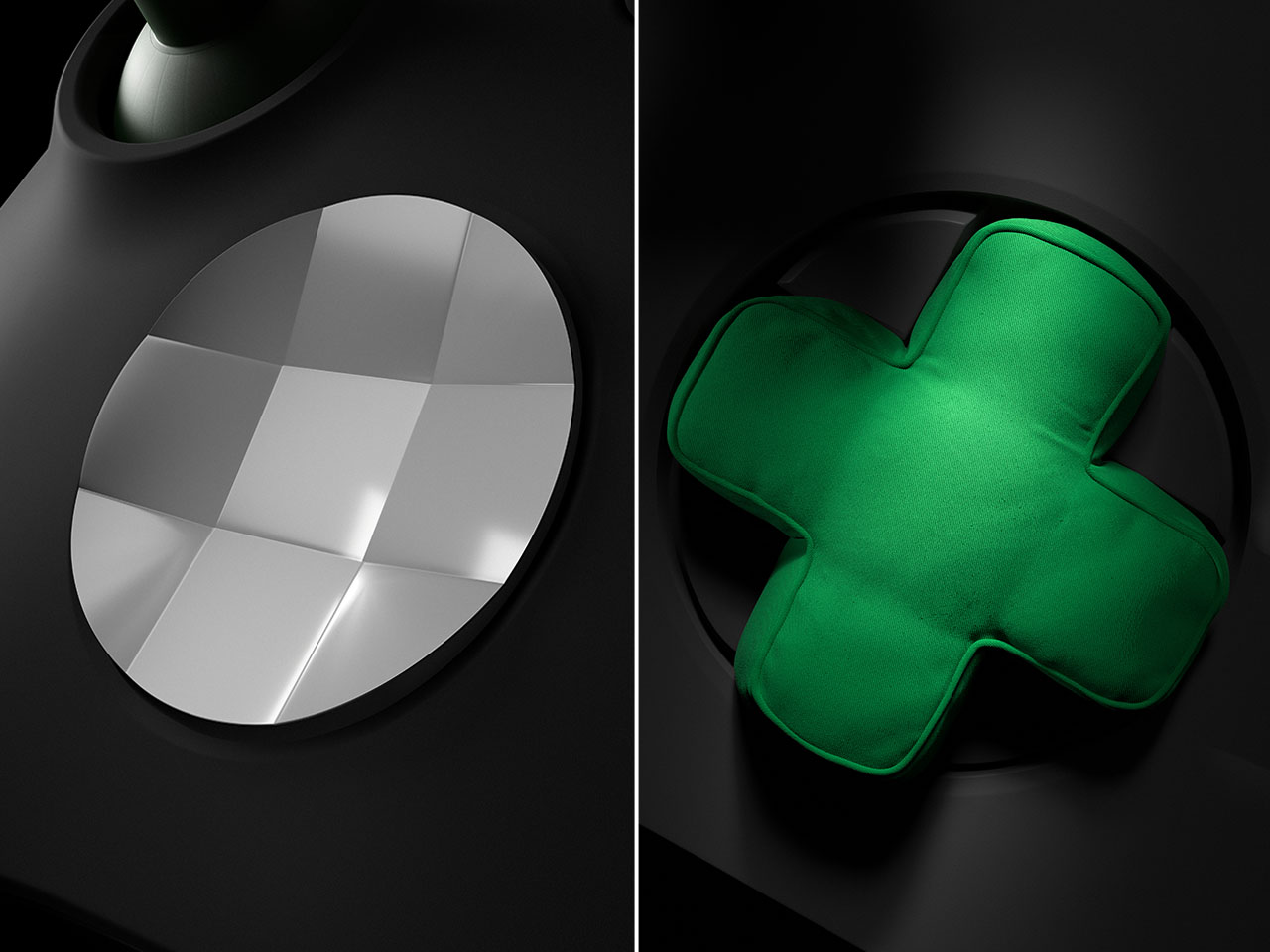
The clogs mimic the look of an Xbox controller with surprising accuracy. Each pair features molded analog sticks, the D-pad, ABXY buttons, menu and share buttons, and even the iconic Xbox guide button positioned just as it appears on a real controller. These fixed-dimensional elements rise from the clog’s surface, creating a sculpted texture that’s unmistakably inspired by the gamepad. The design continues around the sides, where the clogs integrate bumper-like detailing, and the heel strap hinges display the Xbox logo. Even the footbeds get their own touch of gamer personality with “Player Left” and “Player Right” printed inside, giving the shoes a fun two-player theme.

Released today, the Xbox Classic Clog is priced at $80 and sold through the Crocs website. While the design leans heavily into novelty, the footwear retains the brand’s standard comfort features. They remain lightweight, water-friendly, buoyant, and quick to dry, with pivoting heel straps for a more secure fit. They’re also compatible with Jibbitz charms, and Xbox has introduced its own five-pack of themed charms for $20. This pack includes franchises such as Halo, Fallout, DOOM, World of Warcraft, and Sea of Thieves, giving fans a way to personalize their clogs with characters and symbols from some of Microsoft’s biggest titles. Unlike typical Crocs, the strap itself is designed to hold these charms, while the main upper remains focused on showcasing the controller layout.

The collaboration arrives as part of Microsoft’s growing interest in lifestyle products. Earlier in the year, the company released Windows XP–themed Crocs to celebrate the 50th anniversary of Microsoft, showing that this partnership with Crocs is becoming more than a one-off novelty. The Xbox Classic Clog continues this trend, embracing gaming nostalgia and translating it into something wearable, collectable, and immediately recognizable.

Because the release is limited, demand is expected to surge, especially since the launch coincided with the holiday shopping rush. For gamers, it’s more than just footwear—it’s a fun, unexpected extension of the Xbox brand, blending comfort, fandom, and a bit of humor into one product. Whether worn during long gaming sessions, used as lounge shoes, or displayed as part of a gamer’s setup, the Xbox Classic Clog stands out as a clever crossover that celebrates the culture surrounding the console while delivering the ease and comfort Crocs are known for.


The post Level up your feet with the new Xbox Classic Controller Clogs first appeared on Yanko Design.

CFMOTO 2026 Papio SS mini is a fun inducing retro-modern café racer for the masses

Remember those Japanese mini sports bikes from the ’80s that were pure fun to drive on the streets? Brought into the foray by Honda, the compact two-wheelers had their origins as amusement park rides, eventually turning into recreational rides or urban commuters popular among the young generation.

The small footprint and lightweight credentials gave those bikes an advantage in traffic for hyper maneuverability. They could even be carried in the boot of an MUV and serve as perfect companions for off-road excursions. Now, CFMOTO is bringing back the definitive charm of the mini sports bikes with a retro-modern twist and a whole load of driving fun that many will fancy.

Designer: CFMOTO

The 2026 Papio SS is a mini bike with the basic layout of a café racer and the inherent functions of an urban rider. This model is a smaller version of the existing 2024 model by the maker, designed to evoke the warmth of the classic era. That is apparent in the orange and beige colors for the skin, contrasted by the pixelated font branding on the sides. Up front, the headlights resemble a wide-eyed creature, while the taillights with the jagged lights give off the 80s bot vibes. The motorbike, weighing 251 pounds, sits somewhere in between the foldable form factor of a Motocompo and the aggressive power-laden personality of a café racer.

Under the hood, it is propelled by the 126cc air-cooled single-cylinder engine churning out 9.4 horsepower. The fun element comes from the zippy acceleration, and although the top speed is around 56 mph, it serves the purpose well. However, if you love the thrill of high-speed freeway driving, this bike won’t be the best fit. Coming back to the specifications, Papio SS gets a six-speed gearbox which delivers impressive acceleration from the standing start. The handling and comfort of the two-wheeler come courtesy the rear adjustable monoshock, upside-down forks, and dual-channel ABS. Normally, those additions are reserved for the bigger bikes, but CFMOTO needs to be complimented for adding them to this creation.

Loaded with modern divining dynamics like traction control, the user base should not be limited to young riders; rather, veterans will love to take the compact bike for a spin. Visually, the ride looks very balanced and sturdy, riding on the 12-inch wheels. That element is honed with full racing fairing, underbody fairing,  and clip-on bars. Keeping the modernized theme going, the bike gets a digital display and LED pod lights for clear visibility in the darkest of hours. CFMOTO 2026 Papio SS mini bike is set for early 2026 release for a starting price of $3,299 in the US market.

The post CFMOTO 2026 Papio SS mini is a fun inducing retro-modern café racer for the masses first appeared on Yanko Design.

Shoei GT-Air 3 Smart helmet comes with integrated AR display for safer, smarter riding

Shoei has long been known for blending craftsmanship with subtle yet meaningful innovation, often pushing helmet design forward without relying on gimmicks. That legacy has included advancements in aerodynamics, visor clarity, and long-distance comfort – traits that touring riders have come to trust. EyeLights, on the other hand, has built a reputation for compact augmented-reality systems designed to keep information within a rider’s natural field of view.

Their paths converging was almost inevitable, and the result is a smart accessory for riders that shifts helmet technology into an entirely new category. The Shoei GT-Air 3 Smart takes the familiar touring shell and transforms it into the first full-face helmet with a fully integrated AR heads-up display, created to deliver essential riding data without ever diverting attention from the road.

Designer: Shoei and EyeLights

Developed jointly by Shoei and EyeLights, the GT-Air 3 Smart embeds a nano-OLED microdisplay directly into the visor structure. The projection appears about three meters ahead of the rider’s line of sight, presenting speed, navigation cues, call notifications, radar alerts, and even a compact map overlay. The Full HD display uses a 3,000-nit output so the information stays visible in strong daylight, and EyeLights claims the system can reduce reaction time by more than 32 percent compared to glancing down at external screens. Beneath the new visual technology, the helmet maintains Shoei’s established safety foundation. Its shell is constructed from the brand’s Advanced Integrated Matrix composite, which is an engineered blend of fiberglass and organic fibers used across the GT-Air 3 lineup. Apparently, it carries both DOT and ECE 22.06 certifications. Ventilation comes from a wide lower intake and upper intake with internal channels cut into the EPS liner, along with exhaust ports that release heat and moisture. A quick-release CNS-1C face shield with Pinlock support and an integrated QSV-2 sun visor maintains clarity across changing weather and lighting.

Communication features are built in through EyeLights’ Bluetooth system, supporting unlimited users and effectively unlimited range through cellular connectivity, with an offline mesh fallback when service drops. The audio kit includes speakers positioned within dedicated ear pockets and a microphone with active noise cancellation for clear conversations at speed. Voice control works with both Siri and Google Assistant to reduce rider input and keep focus ahead. The HUD, intercom, and audio system are powered by an internal battery designed to last more than ten hours under mixed use.

Charging is handled through a compact USB-C port positioned discreetly along the lower edge. The smart helmet retains the comfort and protection expected from the GT-Air line while introducing a fluid way to see essential data without shifting attention downward. For long-distance riders and daily commuters alike, the integration feels like a natural evolution rather than an add-on, offering a clearer, safer way to stay informed while riding. Shoei offers the helmet in White, Matte Black, Matte Metallic Blue, Matte Metallic Gray, and Realm TC10, with sizes ranging from S to XXL. Pricing starts at US$1,199, with a limited EICMA edition for those who like to ride differently.

The post Shoei GT-Air 3 Smart helmet comes with integrated AR display for safer, smarter riding first appeared on Yanko Design.
Memo home robot brews espresso and loads the dishwasher on its own

We are all getting busier by the day. And simple household chores and repetitive to-dos often slip through the cracks. But what if there were a robot that could work 24/7 to make our lives easier? This has been a long-time dream for most roboticists, yet home robots have not really reached a stage where they can be trusted, until now. However, this stands to change. At least that’s what the first demonstration of the Memo robot by Mountain-View-based Sunday Robotics suggests.

The robot demonstrated how efficiently it can make a cup of espresso, from start to finish, all by itself, while also being able to carry out a few other repetitive tasks, such as uploading crockery to the dishwasher. The household humanoid was quietly introduced to the world on November 19, and since it has been in the news. The personal home robot designed to assist families with some time-consuming household chores uses homebuilt hardware and integrated AI assistance to perform tasks that require deft handling and precise control.

Designer: Sunday Robotics

Standing 1.7 meters tall and weighing 170 lbs, Memo has a white torso and a friendly face. Instead of moving on legs, the robot is designed to move on a wheeled base. That could mean limited mobility, restricted to level surfaces, but Memo has a telescoping spine allowing the robot to reach up to 2.1 meters to handle tasks like reaching overhead cabinets with ease. The battery-powered robot boasts four hours of runtime, and it takes about an hour to fully charge.

While the capabilities are unlimited, it’s Memo’s demonstrated skill to make a cup of espresso that has really won hearts. In the demonstration, the robot responds to a request for an espresso by using its hands to deftly operate the espresso machine. It is seen filling the portafilter with coffee grounds and then tamping it perfectly before installing it back into the machine to brew a cup by pressing the button. The robot then places a cup in the designated slot to collect the brewed cup of espresso and serve it to the person who asked for it.

Making a cup of espresso might not seem all that spectacular, but Sunday assures Memo is learning to do a range of other chores, such as clearing the table and loading the dishwasher. Besides, it should also be able to fold laundry or sort your shoes for you. “We want to build robots that free people from laundry, from the dishes, from all chores,” cofounder and CEO of Sunday Robotics, Tony Zhao told Wired. Of course, the prospects look nice, but how would the Memo perform in real-life settings: in households with kids and pets, and other messy routines remains to be seen.
The robot’s dexterity, Sunday informs, is based on the company’s training model. It allows Memo to learn directly from real-world domestic behavior and not the industrial simulations in closed lab environments. A reason we are personally resting our stake on Memo to redefine the use of home robots. For this, Memo collects daily household data from more than 500 households, using a Skill Capture Glove. This is a $400 “wearable device that records how people move, clean, sort, and organize objects.” The data accumulated from the glove is provided to an AI model, which then uses it to control the robot’s actions like a human.
Sunday Robotics has started accepting applications for Memo’s beta testing. If you’re interested, you will have to be in the fifty households that will be early adopters to beta test it next year. The idea is to check how the robot performs and to also gauge how people respond to having a robot at home.

The post Memo home robot brews espresso and loads the dishwasher on its own first appeared on Yanko Design.