How CATIA Visual Scripting is making complex parametric design easier for everyone

Arguably the best thing to ever happen to computing was the Graphical User Interface or the GUI. It took away the massive lines of code that you previously had to deal with while computing and replaced it with the windows and folders and files we see today. This new interface made it easy to interact with the computer, allowing pretty much everyone to jump on board the new technology at the time. CATIA is doing the same for parametric designing. Equipped with an intuitive no-code and algorithmic approach, the new CATIA Visual Scripting app within 3DEXPERIENCE Platform empowers its hardcore users even more with an easier, more visual way to build out their complex designs.

Sign Up to Receive an Exclusive CATIA Visual Scripting Introduction FREE!

Created using CATIA Visual Scripting

Visual Scripting isn’t completely new to the design community, with software like Grasshopper being in the mainstream. However, CATIA’s sheer power as an industry-leading all-round CAD software combined with its new no-code visual approach to parametric/generative modeling really alters the landscape for designers, engineers, architects, etc. looking to push their creative boundaries. The company did launch a similar web-app named xGenerative Design, but with Visual Scripting, algorithmic design becomes a native part of the 3DEXPERIENCE, and seamlessly integrated into the rest of CATIA applications.

CATIA Visual Scripting provides an intuitive no-code approach to generative modeling

What sets CATIA Visual Scripting apart is its capacity to empower creators. Through a series of building blocks, designers can craft their own scripts, which in turn generate intricate 3D geometries autonomously. The interface takes on a familiar Node-based approach that most designers will find incredibly intuitive. With the tool’s Capture & Reuse feature, these algorithms become shareable and reusable assets, markedly enhancing both efficiency and collaboration across projects.

Instant parametric adjustments and design exploration in Visual Scripting

Users can intuitively link parameter blocks, defining and generating designs without writing a single line of code. The user interface is accessible to those without any programming knowledge, making complex design creation more comfortable and attainable. It also makes rapid conceptualization much easier, allowing you to quickly adjust parameters and alter your design/pattern on the fly, without editing code or rebuilding your model. It’s also the best way to rapidly generate tons of design alternatives and it’s natively built to serve the MODSIM approach, combining modeling and simulation in an integrated loop.

“CATIA Visual Scripting is not only a really powerful tool to quickly add a lot of details to designs. Its capabilities push the limits of traditional modeling with a suite of specialized operators to offer new possibilities for highly detailed and innovative designs. Creators can now also manipulate and deform meshes directly in the application, to find new interesting shapes without any sculpting interaction” mentions Edouard Sutre, CATIA Design R&D. Yet another example of the specialized operator is that the algorithm can create the architecture of lines used for complex, customized and non-regular lattice generation for 3D printing.

“CATIA Visual Scripting aids creators in all industries, not only for aerospace, architecture, or transportation”, Edouard adds. “We are empowering those in the shoe, furniture and product industries as well, for example. The tool can extend from designing buildings and huge city plans to smartphones and even jewelry.”

Visit CATIA’s Website and its YouTube channel to learn more about CATIA Visual Scripting, or check out the CATIA Creative Design & Styling community for tutorials and resources.

Sign Up to Receive an Exclusive CATIA Visual Scripting Introduction FREE!

The post How CATIA Visual Scripting is making complex parametric design easier for everyone first appeared on Yanko Design.
World’s First Programmable Music Box can play anything from Christmas Carols to the Latest Pop Hits

Nostalgia Upgraded – The Muro Box brings a fond childhood music instrument into the future with App Support and MIDI Connectivity

The second you hear a music box, your mind is taken to a fairytale land. Music box sounds have been used in cinemas to transition to dream sequences, showing exactly how rooted the sound of a music box is in childhood nostalgia. In the past, most of these mechanical musical instruments were found inside toys like snowglobes, jack-in-the-boxes, or other wind-up toys. You can still find music boxes today, although most of them just play fixed tunes like your odd nursery rhyme or Happy Birthday (some novelty stores even sell music boxes that play the Harry Potter or the Game of Thrones theme)… but the folks behind the Muro Box are doing something absolutely unusual. The Muro Box is the first customizable music box that can play pretty much any tune you want it to play, thanks to app connectivity and a MIDI interface. You can use Muro Box’s app to either compose your own tracks or browse through a library of pre-composed tracks… or better still, hook it to a MIDI synth and play music directly from your keyboard onto the Muro Box. The result is a charmingly nostalgic rendition of pretty much any song. Whether it’s a Christmas Carol or a Slipknot song, it’s sure to sound positively delightful and just incredibly dreamy!

Designer: Muro Box Global

Click Here to Buy Now: $299 (Ships Before Christmas) Hurry! Only 7 Days Left!

The way most music boxes worked was simple. Each box would come with a rotating cylinder that had studs on it, and a metal comb placed strategically near said cylinder. When the cylinder would rotate, the studs would ‘pluck’ against the comb, creating notes. Based on the cylinder’s pattern, you could play elements of any song. The problem with the music boxes of the past, however, was that A. You couldn’t change the song and B. The drum’s limited circumference meant you could only play a small portion of the song over and over again, which would become a little annoyingly repetitive after the first few times. The Muro Box solves both those problems thanks to a patented dynamic cylinder that can change while it rotates. This game-changing innovation allows the Muro Box to not just play different songs, but also play ENTIRE songs.

While the Muro Box is built to be a treat for one’s ears, its beauty starts with that gorgeously nostalgic design, echoing the steampunk aesthetic of the good old days. The mechanical parts of the box are surrounded by gorgeous brass detailing, sitting on top of a single-piece maple or acacia wood platform. Zinc-alloy components help create a warm, pleasant sound, while the acacia platform comes with an acoustic chamber that amplifies the music box’s sound. A glass enclosure seals the Muro Box’s internal components, preventing dust, dirt, or fidgety children from toying with the box’s delicate assemblies. Quite like the Muro Box’s sound transports you to a simpler time, its design is a hallmark of the simpler years before electronics, circuit boards, and internet connectivity.

That being said, the box itself has some seriously impressive tech underneath its hood. It’s designed to be entirely programmable, which means you can choose what to play, thanks to a variable cylinder design that can pluck on the resonating comb in a variety of ways. The box connects to an app that allows you to either choose from a library of songs, or design your own melodies using a MIDI-style interface (think Guitar Hero, but with more notes). A single-button interface lets you twist to toggle between songs in the app’s playlist (left for previous, right for next), and pressing the button toggles the play/pause feature. If you’re looking to push the Muro Box to its absolute limit, a MIDI port on the back lets you connect your Muro Box to a synth or a laptop running a DAW, so you can play more complex melodies directly off music production software.

Most users will be more than content with running the Muro Box off its app. The vast library contains user-submitted tunes from all around the world, featuring classics, latest hits, and even local/regional tunes. Pick a tune and the box begins emitting a gentle whirr that’s punctuated by the melodious clinks of the cylinder’s studs hitting the resonating comb. The Muro Box’s different variants come with single, double, and quadruple-comb arrangements, allowing you to play simple tunes or even incredibly layered musical compositions.

The Muro Box comes in three variants, ranging from simple to complex. The catalog starts with the N20 Lite, a redesign of the company’s first N20 music box from back in 2020. The N20 Lite comes outfitted with one 20-note music comb, limiting the number of notes you have to play with. Designed to be smaller than its siblings, it also ditches the MIDI feature for app-only control, and comes with a battery-powered design that lets you carry your music box with you, unlike the larger models that are wired.

The next step in the Muro Box journey is the N40 Standard, with two 20-note combs, giving it a total of 40 notes. This allows the N40 to cover more notes and more octaves, allowing you to play more complicated songs with a lower baseline and upper melody. The final music box in the series is the N40 Sublime, a more complex version of its standard sibling with four 20-note combs instead of two. However, instead of offering 80 different notes, it sticks to 40 notes, but has duplicates for each note. This makes each individual note sound richer as it’s played twice, creating more resonance. The phenomenon is called Sublime Harmonizing, and the best way to understand the difference is to think of a solo singer versus a choir.

Both the N40 variants come with a DIN 5 and USB-C MIDI input, and there’s even a 6.5mm (1/4 inch) audio output with a transducer pickup system. The N40 Standard comes with a Maple box, but you can upgrade to the high-quality Acacia for an extra $90. The N40 Sublime, on the other hand, is outfitted with the acacia-wood box and even has a laser-engraved metal plaque that you can customize with a message of your own.

The Muro Box starts at a commendable $299 for the N20 Lite, going up to $996 for the N40 Standard or a hefty $1,826 for the N40 Sublime. It’s difficult to put a price on nostalgia but the Muro Box definitely doesn’t make things cheap! The music boxes are all made in Taiwan, and ship globally as early as December 2023.

Click Here to Buy Now: $299 (Ships Before Christmas) Hurry! Only 7 Days Left!

The post World’s First Programmable Music Box can play anything from Christmas Carols to the Latest Pop Hits first appeared on Yanko Design.

What’s Inside A Fake AirPods Pro? CT Scans Show How Counterfeit Earbuds Are Built

Just go type the word AirPods into Temu or AliExpress and you’re likely to be flooded with results of earphones that look exactly like the AirPods, but most likely are just counterfeits. The AirPods, more than being wireless earphones, are a fashion and social statement. Everyone craves being seen wearing them, and that sort of crowd response doesn’t go noticed by folks sitting in factories in Shenzhen. Counterfeit AirPods can be found across an entire spectrum. Sometimes they’re just shitty $10 earpieces stuffed into an AirPod plastic shell, other times they’re so convincingly good that they even end up fooling Apple devices into pairing with them. The trick to avoiding falling for a fake is to simply ensure you’re either buying your goods directly from Apple, or a certified Apple retailer/reseller… conversely, you could do what Lumafield did by renting incredibly expensive tomography equipment to scan your products.

While I don’t endorse renting an Xray or an industrial scanner to look into your Apple gear, Lumafield’s endeavor has resulted in some wonderful findings. The company looked under the hood of a variety of Apple products, examining the difference between how real and fake ones were made. The findings reveal a lot of interesting trickery. Most of Apple’s products are engineered to perfection, but you won’t be able to say the same for a counterfeit. To cut costs, most counterfeits use unsafe parts, shoddy construction, unreliable circuitry, and even use metal pieces to mimic heaviness. Heck, sometimes they entirely miss components like some AirPods Pro cases not even having wireless charging to begin with. The point of the exercise, more than being an interesting comparison, was to highlight exactly how unsafe using some of these bogus knock-off products can be. A faulty product is the least of your worries when you think of larger implications like health hazards, exploding batteries, and gadgets being ruined by fake chargers.

Image Credits: Lumafield

CT Scans of Fake AirPods Pro: Unsafe Components, Metal Weights for Faux Heaviness

At the heart of AirPods’ convenience lies its battery technology. The authentic AirPods boast meticulously engineered button cell batteries designed for optimal power efficiency within their compact form. Counterfeit AirPods, however, use less sophisticated lithium-ion pouch cell batteries, crammed into spaces they are not designed for, potentially posing safety risks.

The disparity continues with the internal circuitry. Genuine AirPods are a marvel of miniaturization and precision engineering, featuring a combination of rigid and flexible printed circuit boards. The fakes? They’re assembled with much simpler electronics and off-the-shelf components, leading to reduced functionality and compromised sound quality.

The overall build quality also tells a tale of two products: genuine and fake. In some fakes, wireless charging is entirely absent, and others lack the necessary magnets for proper charging. Counterfeit AirPods even use internal weights to mimic the heft of the original, a deceptive tactic compensating for poorer materials and less functionality.

Comparing Real vs. Fake MagSafe 2 Power Adapters for MacBook

The differences aren’t limited to AirPods alone. Lumafield’s CT scans of the MagSafe 2 Power Adapter revealed a sophisticated power management system in the genuine Apple charger, absent in the counterfeit. The fake chargers lack the safety and longevity features of Apple’s design, raising performance and safety concerns.

Moreover, the heat sinks in the chargers differ significantly. Apple’s genuine charger uses a thin, complex heat sink, whereas the counterfeit opts for a heavier but simpler design. This difference could lead to dangerous hot spots in the counterfeit charger.

In the end, it’s a classic case of “you get what you pay for.” Those tempting savings might come at the cost of quality and safety. Opting for a counterfeit product isn’t just about saving costs; it’s about compromising on reliability and peace of mind. So next time you’re tempted by a too-good-to-be-true deal on AirPods, remember: the devil is in the details, and sometimes, those details are hidden deep inside.

The post What’s Inside A Fake AirPods Pro? CT Scans Show How Counterfeit Earbuds Are Built first appeared on Yanko Design.

This Graphene Blanket that can Automatically Regulate Temperature is on a Massive Holiday Sale

You might as well call it a wearable thermostat because the HILU Blanket can keep you warm in the cold, and keep you cool in the hot months. Designed to be the kind of blanket you can use all year round, HILU’s unique thermoregulating properties can be attributed to the use of a single innovative material – Graphene. Known for its super-conductivity, the pure graphene fibers within the HILU blanket intuitively work to keep you warm or cool based on your body temperature. The blanket works entirely without electricity, adapts to your needs, and can simultaneously keep one half of the bed warm while keeping the other half cool! Whether you’re looking for a neat Christmas gift, or just looking to cut down your energy bills by not cranking the thermostat up this winter, the HILU is a perfect alternative to that stuffy, sweaty comforter… and it’s currently on a massive discount for the holiday season.

Designer: HILU Design

Click Here to Buy Now: Queen Size for $155 $298 (48% off) or King Size for $170 $321 (47% off). Hurry, exclusive deal for YD readers.

HILU graphene-made blanket adjusts to your body temperature so you can sleep all night comfortably in every season.

Why is it noteworthy?

A blanket that does the job of a Thermostat – the graphene fibers in the HILU blanket work to keep you comfortable all year round. The blanket’s built to be durable, anti-microbial, and odor-resistant, with over 10,000 happy customers!

What we like

  • Will warm or cool you depending on the weather and your body temperature
  • Soft, hypoallergenic, and anti-bacterial
  • 30-day trial period and 10-year limited manufacturing warranty

What we dislike

  • The lack of color options beyond silver
  • No single-bed size for smaller beds

The world’s first pure graphene blanket, HILU possesses some unique qualities. It can regulate temperatures better than any other fabric, switching from hot to cold based on your own body temperature. That means in the summers, it cools your body down, and in winter, it warms you up. More importantly, the temperature regulation is hyper-localized too, which means for two people sharing the same blanket, it can keep one warm and the other cool or vice versa. That aside, the presence of graphene fibers allows the HILU blanket to be naturally sweat and odor-resistant, while also being anti-bacterial. Given the sheer strength of graphene as a material, the HILU blanket is built to be incredibly durable too (the company touts an unmatched warranty).

Made of genuine graphene fibers, HILU blankets are the strongest and most durable in the market.

Crafted from graphene fiber, HILU’s fabric construction begins with the dissolution of graphite into liquid graphene crystals using a specialized wet spinning process. These liquid crystals are then dried to form the fibers, which are skillfully woven together using Patented Adaptex Technology. The result is a remarkable blanket that not only senses and adapts to your body temperature but also excels in other essential aspects of blanket design, such as being soft, comfortable, hypoallergenic, and even OEKO-TEX100 certified. Furthermore, the use of graphene in the construction ensures exceptional durability, making your HILU blanket long-lasting and incredibly durable.

The blanket’s thermoregulating feature gives it the unique distinction of being a blanket you can use all around the year, in any weather. When you’re cold, the fibers dissipate heat to raise your body temperature, and when you’re hot, the graphene fibers absorb heat from your body, cooling you down, reducing stuffiness or humidity, and keeping you dry and sweat-free all night long. Even if you do sweat, the graphene fibers are naturally anti-bacterial, allowing your blanket to remain fresh for weeks (although we do recommend occasional washes!) To wash your blanket, just run it on a gentle cycle with cold water and tumble low dry and your HILU is as good as new!

The HILU blanket comes in both Queen and King sizes, backed by its maker’s impressive 10-year limited manufacturing warranty. The blanket itself comes in a gorgeous neutral satin grey color, although HILU does offer color customization by way of stitch colors, available in gray, blue, and green to match your room’s decor. Both the Queen and King blankets are on a hefty discount exclusive to YD readers, and if you want, HILU offers a graphene + memory foam sleeping mask to match your blanket!

Click Here to Buy Now: Queen Size for $155 $298 (48% off) or King Size for $170 $321 (47% off). Hurry, exclusive deal for YD readers.

The post This Graphene Blanket that can Automatically Regulate Temperature is on a Massive Holiday Sale first appeared on Yanko Design.

Innovative 8-panel Fire Pit design is sure to warm up every outdoor experience

It’s said that the superiority of the human race can be linked to one event – the discovery and control of fire. Ever since apes figured out how to ignite flames, it put them on a trajectory completely different from the rest of the animal kingdom. Fire became a weapon, fire became shelter, fire became protection, and eventually it helped us cook food in ways that no other animal ever could. Humans and fire have shared a destiny for hundreds and thousands of years, and the UM 8-Panel Fire Pit cherishes that by allowing humans more control over how they ignite outdoor fires. Crafted with a unique, modular 8-panel design, the UM Fire Pit is a portable sheet-metal beauty that can be used as a warming, radiating campfire on a cold winter day, or as a high-temperature grilling pit for quickly searing meats for an incredibly fulfilling rustic meal.

Designer: UM Design

Click Here to Buy Now: $225 $299 (25% off). Hurry, only 1/5 left!

Designed to be intuitive to set up and easy to use, the UM Fire Pit is the perfect lightweight fire-building apparatus for seasoned outdoor-lovers who want to build effective campfires without all the hassle involved. The sheet metal design contains the cinder within, keeping the fire relatively enclosed while also collecting ashes and embers that fall. Moreover, a unique secondary airflow channel built into the pit’s design helps boost air circulation, allowing your wood to burn more effectively without any smoke. When all’s said and done, the fire pit disassembles into its different parts that can be stored in a special carrying case, making it easy to travel with.

Unlike most fire pits that are designed to be permanent outdoor fixtures, the UM Fire Pit is a portable device that fits into a case the size of a laptop bag. When you need to set the pit up, it takes just under a minute as you place the base on a flat horizontal surface before plugging the 8 panels in. The sheet-metal design keeps the entire fire-pit extremely light but still durable, stable, and highly heat resistant. The fire pit can be assembled in one of many ways – with all 8 panels creating an octagonal heat-chamber for grilling, or with as few as 3-4 panels in an arc to help radiate warmth while allowing you to admire the fire, or with as many panels you want in any configuration to create a balance between heat and flame visibility.

Firewood fits right inside the pit, with the option to add as time passes by, while ashes from the burning cinders gather in a tray at the base which can easily be cleaned once the fire dies down and the pit is cool to the touch. However, while the fire is still roaring, the UM Fire Pit’s grilling plate accessory can be mounted on top of the vertical panels, turning your cozy campfire into the best kitchen the outdoors can provide.

The UM Fire Pit’s ingenious design can be credited to Japanese simplicity and craftsmanship. The entire pit is built from start to finish in Japan, and comes crafted from precisely laser-cut and bent sheets of metal. The base is formed and then welded shut to close any seams that may cause ash to leak through, while each of the vertical panels plug right into a series of cutouts designed to bring the pit together. The vertical panels come with a unique hollow design and a set of holes at the bottom as well as the top. The purpose of these holes is to cleverly channel the air in a way that burns the fire more efficiently.

More oxygen means more fire, simply put. The UM Fire Pit’s design helps provide ‘secondary’ combustion by adding more air into the mix. When all 8 panels are assembled, air gets circulated within the pit’s octagonal design, helping the wood burn. However, air at the bottom also gets channeled into the hollow panels, where they rise up due to heat and make their way out from the holes above. This air helps the wood burn more efficiently, creating extra heat while eliminating smoke that’s caused by incomplete combustion. The result is a better fire, not just for your lungs but also for your food, as the UM Fire Pit reaches higher temperatures than your regular campfire, allowing you to cook food faster than before.

The fire pit’s modular design gives you the power to build exactly the pit you’re looking for. Assemble 4 panels in a continuous arc and you have a directional campfire that radiates heat in a 180° span while allowing you to admire the fire burning within the pit. Want to channel the heat further? Add more panels, concentrating the radiation in a smaller area while also allowing the fire to burn hotter. Add more panels to build a grilling pit, or remove selective panels to make it easier to add logs from the side.

The UM Fire Pit comes crafted from iron sheets, and that black outer finish is actually the result of a unique mill scale coating process that’s produced by heating the iron at a certain temperature for a specific amount of time. This rustic black finish outlasts any paint or color coating, growing richer and deeper with time. Meanwhile, the pit’s panels and base have an inner lining of stainless steel that turns bronze when exposed to high heat as the fire creates an oxide layer on it. This gradually patinas with time, becoming unique to each user and their fire-pit usage style. Although the pit’s parts are crafted to be resistant to rust, the makers recommend wiping off moisture to keep the parts as good as new, and applying a thin layer of oil to help prevent rust build-up, quite like you would with cast iron cookware.

Each UM Fire Pit comes crafted in Japan at Sanyo Works Co., Ltd. – a metalwork plant that’s been operational since 1953, with extensive experience in fabricating metal parts and products. The pit’s simple yet robust design is crafted to last a lifetime, and each put comes with its own carrying bag that lets you travel with your portable fire pit anywhere, whether it’s the backyard, the poolside, or a camping trail. The UM Fire Pit starts at a discounted $225 and ships globally starting Jan 2024… although here’s the kicker, the first 5 backers will get their UM Fire Pit right before Christmas, making for a great gift, or for that s’mores and caroling-by-the-fireside session!

Click Here to Buy Now: $225 $299 (25% off). Hurry, only 1/5 left!

The post Innovative 8-panel Fire Pit design is sure to warm up every outdoor experience first appeared on Yanko Design.

LEGO Brings Adorable A-Frame Cabin to Life with Amazing Details

An architectural icon from the years 1950 to 1975, the A-Frame cabin still remains one of the most eye-catching and visually memorable home styles. Characterized by an A-shaped design, the frame eschews a ceiling, instead opting for tapering walls that create a unique space to inhabit, with the option of high ceilings or even multi-level living that feels dynamic yet rustic at the same time. This cabin designed in LEGO bricks by LEGO user Norton74, captures the trend of the A-Frame heyday. In ways it also challenges the very nature of the LEGO Brick, which was itself designed to make traditional cuboidal structures back when it was invented in the 1930s.

Designer: Norton74

The beauty of Norton74’s A-Frame cabin is just how remarkably real it is. Whether observed from the outside or even its immaculately detailed insides, every corner of this build has something new to reveal. The cabin itself sits on a stone brick plinth, with colorful larch trees in the background. It’s mildly decrepit, with crooked staircases and boarded-up doors, but that adds to its charm.

The inside of the cabin shows exactly how charmingly rustic and cozy it is. A multi-level design gives you a recreational area at the bottom (with a fireplace), and a bedroom on the top that features two single beds and even some cobwebs on the wall for that forest charm. To access the insides of the cabin, all you need to do is ‘open’ its slanting walls outwards. Hinges on the bottom of the walls make it easy to access the interiors during play-time, and close it back once you’re done.

The inside is just filled with all sorts of details, from tools to trinkets, and even a tiny kitchen of sorts with a dining table. Norton74’s rather mindfully used discolored wooden bricks (including even some with shingle detailing) to mimic the variety often found in wooden cabins – especially ones that have been repaired and restored.

There’s even a backstory to Norton74’s cabin design. “Two brothers, Dan and Ethan, burned out on modern working believed that stripping away modern comforts and living more simply in nature would lead to a more spiritually a creatively fulfilling life. They looked for a cabin in the woods and finally found out this old wooden A-Frame Cabin. They fixed it up, and now they live there happily,” he mentions.

Dan and Ethan aren’t the only occupants of the cabin. Aside from the spiders on the first floor, the cabin is also accompanied by chickens, rodents, a skunk, and even a bear lurking around in the back.

Norton74’s LEGO A-Frame Cabin started its journey as a submission on the LEGO Ideas forum, where it received overwhelming support from the LEGO fanbase. Earlier this year, LEGO turned Norton74’s submission into a retail box kit (you can buy the LEGO A-Frame Cabin right now), although the design went through multiple rounds of changes to make it smaller and simpler for younger users to build. If you ask me, I prefer Norton74’s MOC (My Own Creation) overwhelmingly. It’s charmingly crude, has a son-of-the-soil appeal to it, and certainly possesses much more character if you ask me!

The post LEGO Brings Adorable A-Frame Cabin to Life with Amazing Details first appeared on Yanko Design.

The Opal Tadpole is an iPod Shuffle-shaped Webcam with a 4K Sensor and AI Features

Webcams are to laptops what stereo systems were to cars in the past. No reputable automaker really gave a damn about how useful or functional their stereo players were, and they were almost always an afterthought to the car’s entire experience. However, with the dawn of the social age, these systems have now transformed into complex infotainment apparatuses that are sometimes the highlight of the car’s entire interior experience. I digress, but the point I’m trying to make is that up until very recently, webcams on laptops, for the lack of a more elegant term, have sucked turds. It’s barely been 2 years since companies (especially Apple) have been focusing more on just making better camera hardware for their laptops. Heck, Apple even introduced a Continuity Camera feature for their Macs that lets you use the iPhone’s main camera instead of the built-in webcam. While this movement towards building better laptop webcams is yet to gather critical mass, it’s spawned a pretty big product category in the form of external webcams, which all promise to be vastly better than the ones baked into your laptop’s hardware.

That’s where the Opal Tadpole Webcam enters the scene, promising to be a game changer. Now in its second iteration, the Tadpole promises great things with some impressive hardware specs combined with a little AI secret sauce.

Designer: Opal

Opal’s first product was launched at the height of the pandemic as the world transitioned to an online-only workplace. As people found themselves spending less time behind cubicles and more time behind crappy laptop webcams, Opal decided to debut the C1 – a promising webcam that fell short on delivering what it promised. To be honest, circumstances played a pretty big role in why the C1 wasn’t as great as it was hyped up to be. The raging pandemic was also causing a pretty ugly supply chain crisis and global chip shortage. Transportation was on a grinding halt, preventing Opal’s fledgling team from actually going to China to oversee production. However, the pandemic is now hopefully completely behind us and Opal’s grown in the time since then – not only in personally but also in how the company executes product development. In that regard, the Tadpole isn’t really the C1’s successor, given that it’s vastly better, packs new features, and is also touts a hefty $175 price tag.

First off, the Tadpole boasts a 4K Sony sensor. That’s right, 4K. In a world where most laptop webcams are stuck in the 720p dark ages, this is a significant leap forward. The video footage does get downsampled to 1080p to keep things light (a 4K stream on a Zoom call isn’t something most internet connections can handle), but Tadpole’s new machine-learning image signal processor promises “DSLR-rivaling quality.” In addition to the resolution, the Tadpole features a moderately wide 90-degree field of view. This wide angle is perfect for capturing more than just your face, helpful for those dynamic presentations, or when you want to show off more of your surroundings. Things, however, don’t stop there. The Tadpole comes equipped with an f/1.8 lens, which means it’s capable of performing admirably in low-light conditions. No more looking like you’re in a witness protection program during late-night video calls. Furthermore, the webcam includes a digital microphone array, designed to pick up your voice clearly while minimizing background noise.

Physically, the Tadpole is compact and elegantly designed. It’s practically the shape and size of a 3rd-Gen iPod Shuffle, with a minimalist design to match. It easily clips onto your laptop or monitor, adding minimal bulk, but doing away with the standard tripod mount that would allow you to attach the Tadpole on places other than a monitor. USB-C connectivity means it’s versatile and can be used with a range of devices, not just your laptop, and the Tadpole’s USB-C port even comes with a touch-sensitive Mute button, allowing you to easily mute yourself on calls without navigating any video-chat interfaces.

What’s more intriguing about the Tadpole is its compatibility. It’s not just a plug-and-play device; it takes advantage of its own software to enhance the user experience. This includes features like auto-framing and AI enhancements, ensuring that you’re always in focus and look your best, even if you just rolled out of bed.

All those features don’t come cheap at all. With an eye-watering $175 price tag, the Tadpole is sits at the higher end of the webcam market, which might be a deterrent for some. But for those who are tired of pixelated video calls and want a top-tier webcam experience, the Tadpole might just be worth the splurge. While it may not be for everyone’s wallet, it’s certainly a step in the right direction for anyone seeking clarity, quality, and a bit of style in their video calls. And who knows, maybe it’ll make those early morning Zoom meetings a tad more bearable. Or at least, you’ll look good while you’re half-asleep, sipping your coffee, pretending to pay attention.

The post The Opal Tadpole is an iPod Shuffle-shaped Webcam with a 4K Sensor and AI Features first appeared on Yanko Design.
Xiaomi SU7 Steals the Spotlight in EV Market amid dwindling ‘Apple Car’ Rumors

It seems like Apple just needs to hint at building something and the tech world practically coalesces towards realizing that vision. Apple had to merely hire YSL’s former boss to create rumors around a fashion-focused wearable and Samsung scrambled to launch their Galaxy Watch. The company hinted at AR/VR being their future and Facebook literally rebranded to Meta to bet on that vision. Now, after years of Apple Car ‘leaks and rumors’, Xiaomi is beating the Cupertino giant to the punch by announcing the SU7, their first EV.

Designer: Xiaomi

The SU7 hasn’t formally been announced by Xiaomi yet, but images of the car were released to the public by China’s government regulatory agency, accompanied by various technical details of the car’s design and capabilities. This move shouldn’t come as a surprise to keen-eyed folk in the tech world, given that Xiaomi’s actually made electric scooters in the past under its Mijia sub-brand. In fact, it’s been Xiaomi’s endeavor to make practically every product possible, given that their name means ‘little rice’, a call-back to a Buddhist concept of starting small and working your way up to the top.

The recently unveiled SU7 is shaping up to be a formidable entrant in the electric vehicle (EV) market. Although Xiaomi is the brand behind this vehicle, the actual manufacturing will be done by Beijing Automotive Industry Holding Co. (BAIC), a state-owned enterprise in China. This collaboration is a strategic step for Xiaomi, venturing into new territory while leveraging BAIC’s manufacturing expertise.

Design-wise, the SU7 is positioned to compete with the likes of the Tesla Model S, featuring a 118″ wheelbase and a fastback roofline, though with a faux-hatch trunk. Its overall length is comparable to the Model S, falling short by less than 30mm, aiming to appeal to the Chinese market’s preference for long-wheelbase luxury sedans​.

The SU7 will be available in multiple variants, including a single-motor rear-wheel-drive version producing around 295 hp and a dual-motor all-wheel-drive version with an impressive 663 hp. The vehicles differ in weight and battery technology, with the premium model featuring a nickel manganese cobalt (NMC) battery, contrasting with the more affordable variant’s lithium iron phosphate (LFP) battery. The high-end model is also expected to have a 100kWh battery and an 800-Volt architecture. In addition, some models will sport a conspicuous lidar array on the roof, indicating advanced driver assistance and potential autonomy features​.

Xiaomi’s ambition with the SU7 extends beyond just manufacturing a luxury EV. The car is expected to feature Xiaomi-developed in-car software, potentially integrating with its vast ecosystem of gadgets and services. However, the extent of this integration and whether it will be globally applicable or mainly focused on the Chinese market remains to be seen.

Oddly enough, Xiaomi isn’t the first tech company to foray into the EV space. Back in 2020, Sony turned heads by revealing the Mission S, its first automotive concept with self-driving features. While the Mission S, as impressive as it was, was intended to just be a proof of concept, Xiaomi’s SU7 EV will actually see the light of day, following approval from the Chinese government regulatory agency. As for the car’s global availability, it’s uncertain if Xiaomi plans to market the SU7 outside China. The brand has a substantial presence in Asia and Europe, particularly in the value segment, which might not align with the luxury EV market. However, the SU7 could signify a shift in the broader market narrative, influencing other technology companies to explore vehicle manufacturing, especially as the global smartphone market reaches a saturation point.

The post Xiaomi SU7 Steals the Spotlight in EV Market amid dwindling ‘Apple Car’ Rumors first appeared on Yanko Design.
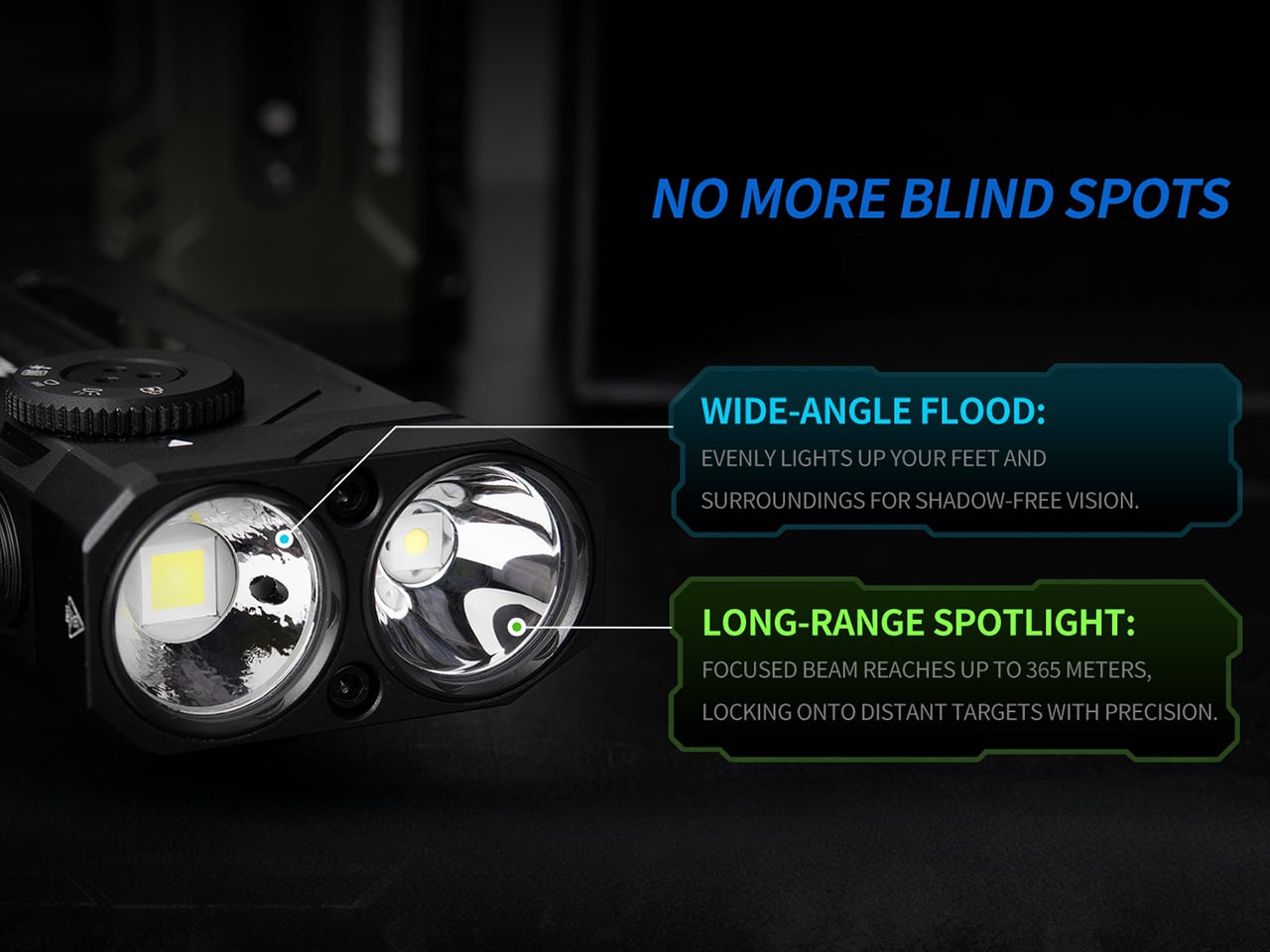
This Dirt Bike for Children packs a 1000W motor for ‘Parent-Approved’ Biking Thrill

Kids love playing grown-up. You’ve got toy cars, toy mobile phones, and toy bricks that you can build into a variety of things – the world is condensed down into playable toys that help kids learn, grow, and mimic the adults they see on a daily basis. The Z56 isn’t one of those things. Calling the Z56 a toy would be foolish, just because of how incredibly fleshed-out it is. Designed as a proper dirt bike, but for kids, the Z56 isn’t about mimicking grown-ups, it’s about literally stepping into their shoes, or their saddles. Imagined as a ridable vehicle for children aged 6-11, the Z56 is a concept that marries the nostalgia of traditional dirt bike aesthetics with the sleekness of modern design, all packaged into a two-wheeler that’s built for young riding enthusiasts.

Designers: Zukun Design Studio & Matt Barnum

One of the core design philosophies behind the Z56 is its blend of classic motorsport aesthetics with a modern twist. Unlike many futuristic concepts that diverge significantly from traditional design, making them less relatable, the Z56 strikes a balance. It retains recognizable elements of dirt bikes, such as their rugged, adventurous look, while infusing clean, streamlined design elements that are practically synonymous with electric vehicles today. “Current dirt bike design trends seem hell-bent on adding excessive styling lines and graphics, and many future-vision concepts alienate consumers by deviating so far from the norm that they sacrifice reliability,” the designers mentioned, highlighting their objective to stay away from such practices. “By blending classic motorsport style with sophisticated, modern lines and forms, Z56 points toward a cleaner, simpler, and more efficient future.”

At the heart of the Z56 concept lies its 10Ah 56-volt power source, a central feature that’s boldly highlighted rather than hidden, signaling a proud departure from the internal combustion engines of old. This design choice not only emphasizes the bike’s electric nature but also celebrates the shift away from petroleum dependence. The bike’s electric identity is further reinforced by its performance capabilities: equipped with a maintenance-free 1000-watt DC brushless motor, the Z56 promises ample torque and instant acceleration, ensuring a spirited yet manageable ride for young enthusiasts.

The battery life of this conceptual bike is impressive, offering about an hour of riding time on a single charge, with the added convenience of a one-hour recharge period. The possibility of swapping in a second battery for continuous, all-day riding is a thoughtful touch, showcasing the practicality embedded in this futuristic vision. The lightweight lithium pack not only contributes to the bike’s efficiency but also enhances its agility, making it easier to handle and more enjoyable to ride.

The bike operates noiselessly and emission-free, opening up new riding territories previously off-limits to gas-powered bikes. This aspect not only makes the Z56 a more environmentally friendly option but also a more versatile and accessible one, free from the constraints of noise and pollution regulations. The lack of oil and gas requirements further simplifies ownership and transport, underscoring the bike’s user-friendly nature.

The Z56 Dirt Bike Concept by Zukun Design Studio is more than a children’s toy; it’s a glimpse into a future where the thrill of motorsports coexists with sustainability and environmental consciousness. By marrying traditional design elements with modern, eco-friendly technology, the Z56 presents a vision of a world where fun, performance, and responsibility go hand in hand. Sure, it’s merely conceptual for now, but we’d love to see some prototypes test-driven by kids on the slopes. I imagine concerned parents would have an entirely different reaction, though…

The post This Dirt Bike for Children packs a 1000W motor for ‘Parent-Approved’ Biking Thrill first appeared on Yanko Design.
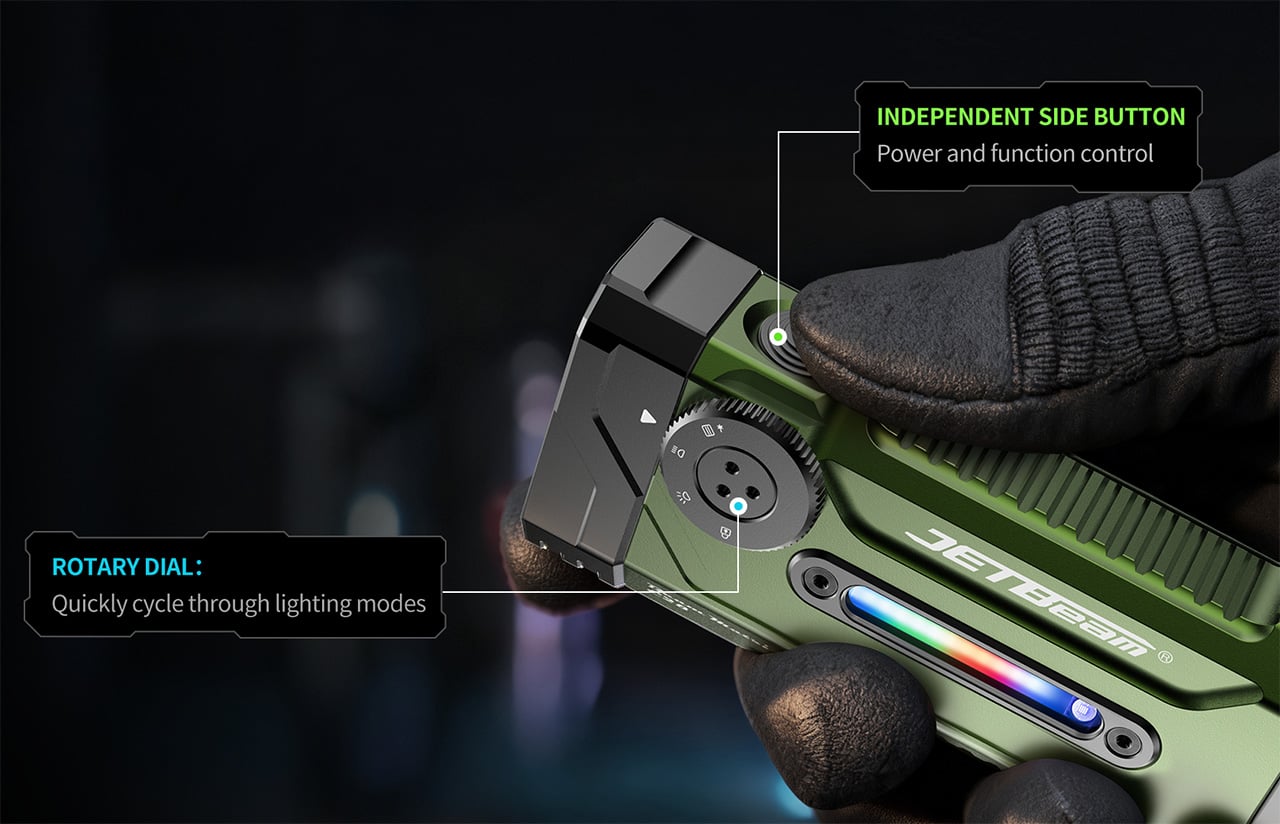
This Dirt Bike for Children packs a 1000W motor for ‘Parent-Approved’ Biking Thrill

Kids love playing grown-up. You’ve got toy cars, toy mobile phones, and toy bricks that you can build into a variety of things – the world is condensed down into playable toys that help kids learn, grow, and mimic the adults they see on a daily basis. The Z56 isn’t one of those things. Calling the Z56 a toy would be foolish, just because of how incredibly fleshed-out it is. Designed as a proper dirt bike, but for kids, the Z56 isn’t about mimicking grown-ups, it’s about literally stepping into their shoes, or their saddles. Imagined as a ridable vehicle for children aged 6-11, the Z56 is a concept that marries the nostalgia of traditional dirt bike aesthetics with the sleekness of modern design, all packaged into a two-wheeler that’s built for young riding enthusiasts.

Designers: Zukun Design Studio & Matt Barnum

One of the core design philosophies behind the Z56 is its blend of classic motorsport aesthetics with a modern twist. Unlike many futuristic concepts that diverge significantly from traditional design, making them less relatable, the Z56 strikes a balance. It retains recognizable elements of dirt bikes, such as their rugged, adventurous look, while infusing clean, streamlined design elements that are practically synonymous with electric vehicles today. “Current dirt bike design trends seem hell-bent on adding excessive styling lines and graphics, and many future-vision concepts alienate consumers by deviating so far from the norm that they sacrifice reliability,” the designers mentioned, highlighting their objective to stay away from such practices. “By blending classic motorsport style with sophisticated, modern lines and forms, Z56 points toward a cleaner, simpler, and more efficient future.”

At the heart of the Z56 concept lies its 10Ah 56-volt power source, a central feature that’s boldly highlighted rather than hidden, signaling a proud departure from the internal combustion engines of old. This design choice not only emphasizes the bike’s electric nature but also celebrates the shift away from petroleum dependence. The bike’s electric identity is further reinforced by its performance capabilities: equipped with a maintenance-free 1000-watt DC brushless motor, the Z56 promises ample torque and instant acceleration, ensuring a spirited yet manageable ride for young enthusiasts.

The battery life of this conceptual bike is impressive, offering about an hour of riding time on a single charge, with the added convenience of a one-hour recharge period. The possibility of swapping in a second battery for continuous, all-day riding is a thoughtful touch, showcasing the practicality embedded in this futuristic vision. The lightweight lithium pack not only contributes to the bike’s efficiency but also enhances its agility, making it easier to handle and more enjoyable to ride.

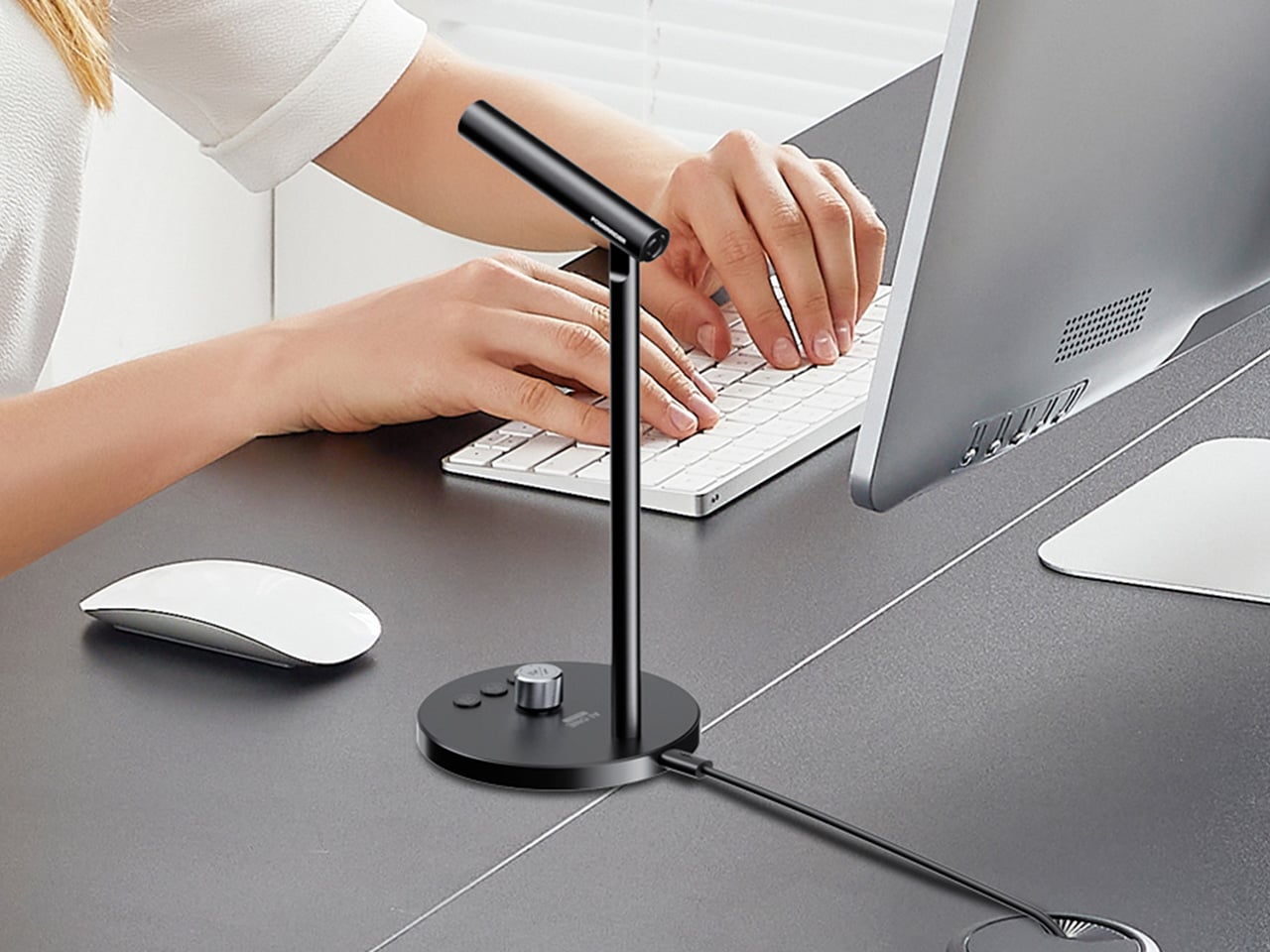
The bike operates noiselessly and emission-free, opening up new riding territories previously off-limits to gas-powered bikes. This aspect not only makes the Z56 a more environmentally friendly option but also a more versatile and accessible one, free from the constraints of noise and pollution regulations. The lack of oil and gas requirements further simplifies ownership and transport, underscoring the bike’s user-friendly nature.

The Z56 Dirt Bike Concept by Zukun Design Studio is more than a children’s toy; it’s a glimpse into a future where the thrill of motorsports coexists with sustainability and environmental consciousness. By marrying traditional design elements with modern, eco-friendly technology, the Z56 presents a vision of a world where fun, performance, and responsibility go hand in hand. Sure, it’s merely conceptual for now, but we’d love to see some prototypes test-driven by kids on the slopes. I imagine concerned parents would have an entirely different reaction, though…

The post This Dirt Bike for Children packs a 1000W motor for ‘Parent-Approved’ Biking Thrill first appeared on Yanko Design.