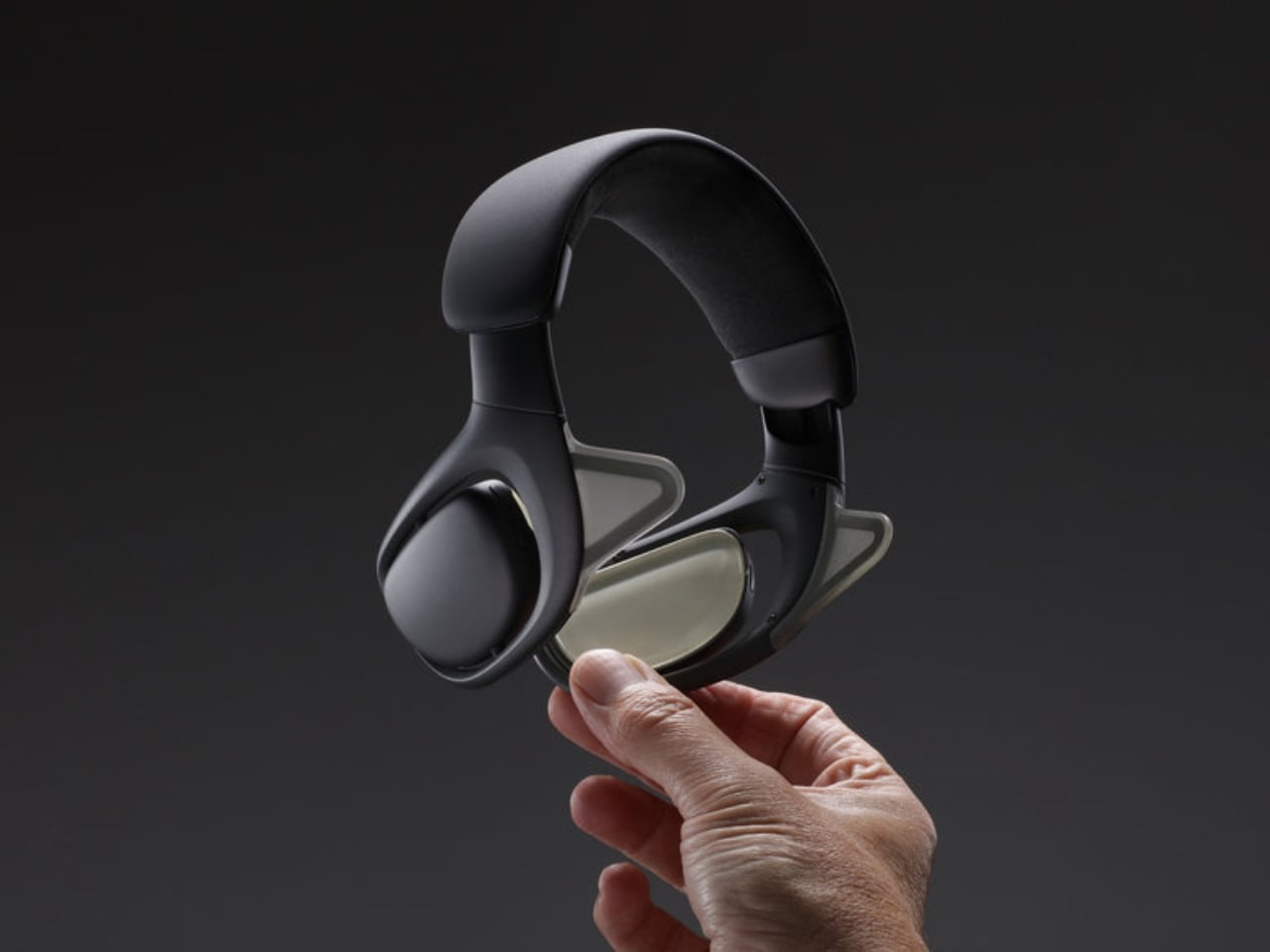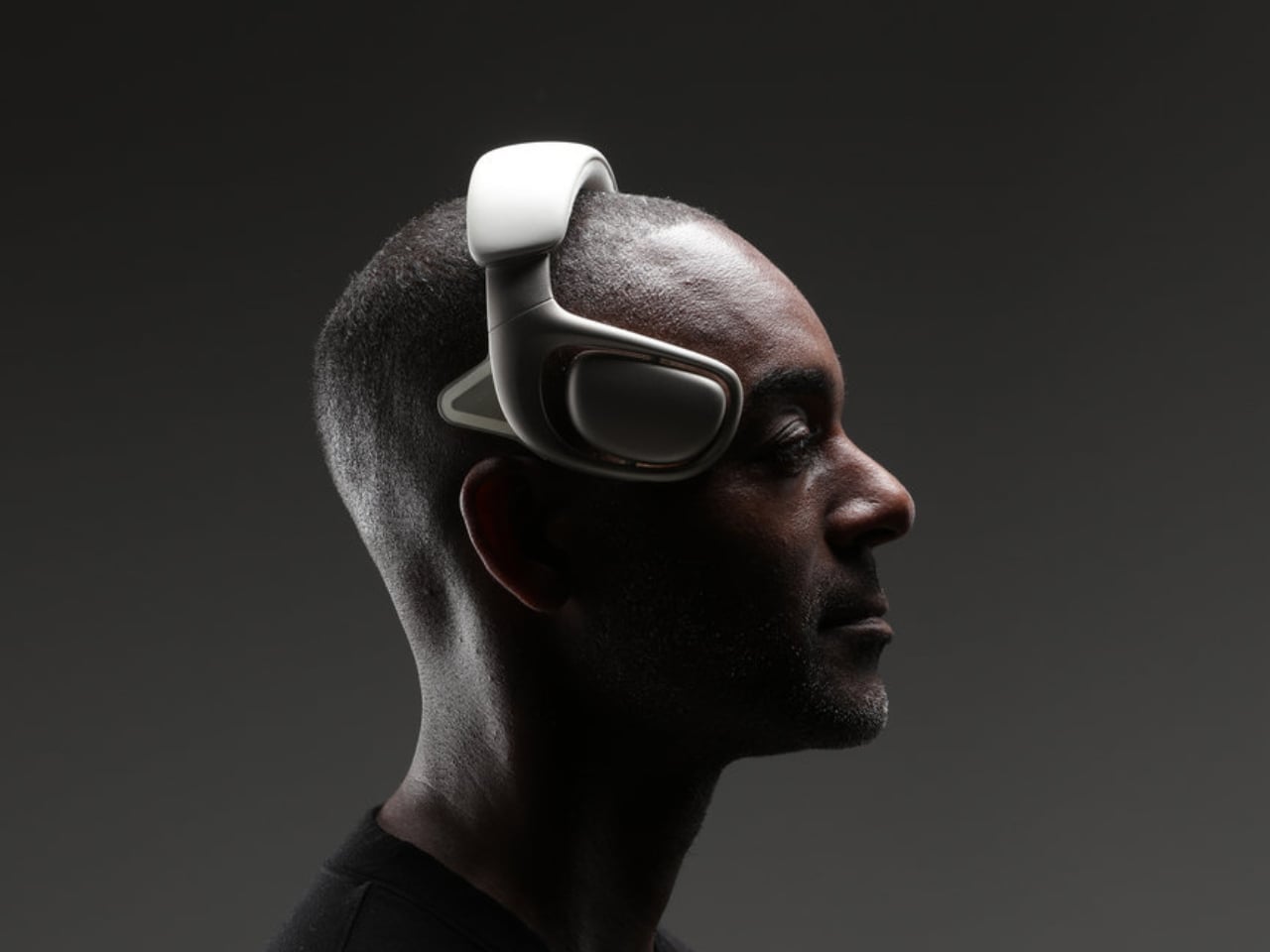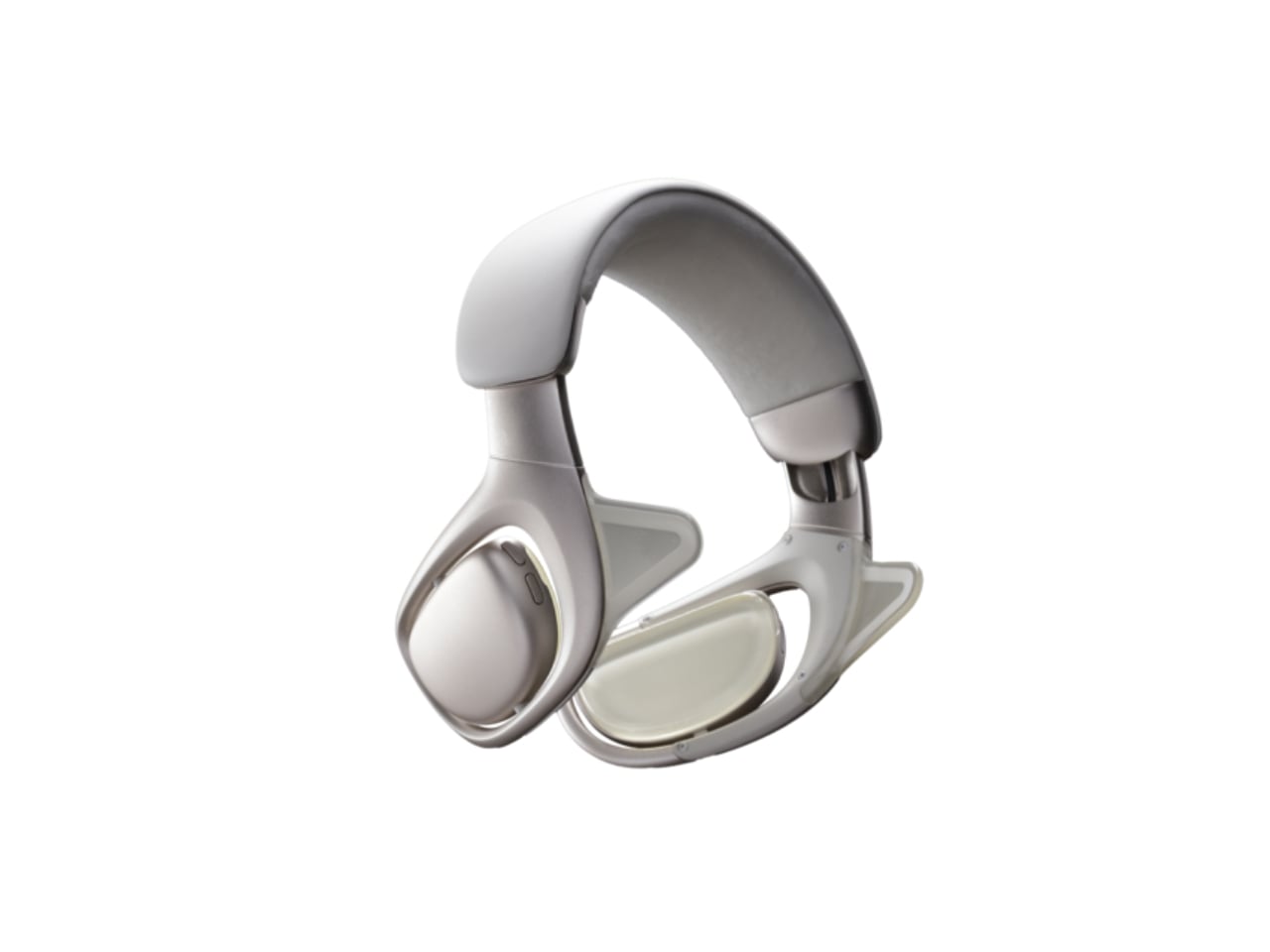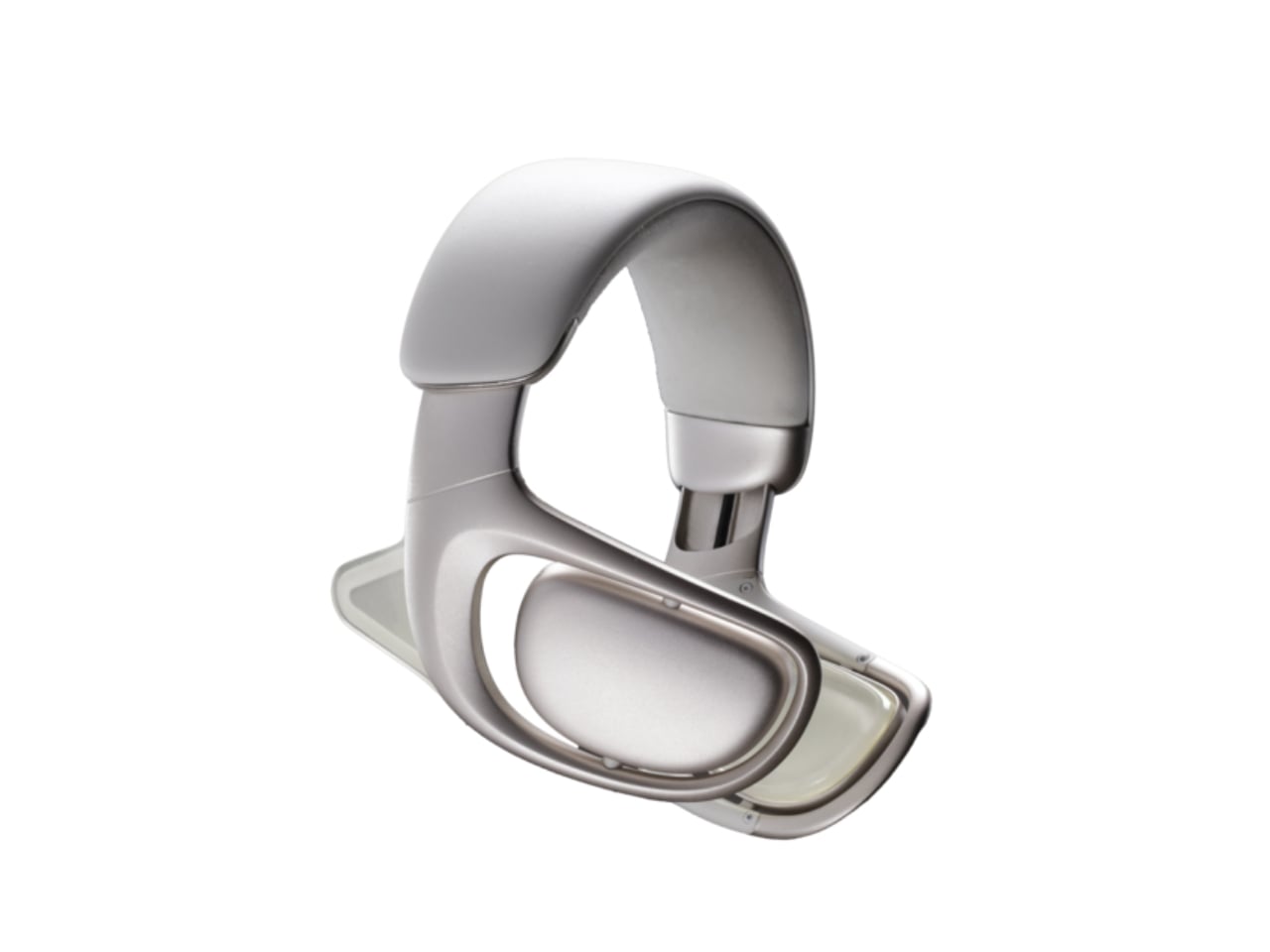
This AR Ski Helmet Finally Lets Rescuers Control Tech By Eye

Imagine being a ski patrol responder racing toward an injured skier on a freezing mountain. Your hands are gripping poles, your attention is split between the terrain and the emergency ahead, and your radio crackles with critical information. Now imagine if you could access maps, communicate with your team, and log vital data without ever touching a device. That’s exactly what the Argus AR Helmet promises to deliver.

Designed by Hyeokwoo Kwon and Junho Park, Argus is a concept that reimagines what rescue technology can look like when you strip away everything unnecessary and focus on the moment that matters most. This isn’t just another gadget trying to cram features into a helmet. It’s a thoughtful response to a real problem: how do first responders stay connected and informed when their hands are literally full and seconds count?

Designers: Hyeokwoo Kwon and Junho Park

The helmet’s standout feature is its eye-tracking interface. Instead of fumbling with buttons or voice commands that get lost in howling wind, users control the AR display simply by looking at what they need. Want to view a map overlay of the ski area? Glance at the navigation icon. Need to send a message to base? Your eyes do the work. The system is built around the idea that in high-stress, time-critical situations, the fewer steps between thought and action, the better.

What makes this particularly clever is how it handles communication in one of the noisiest work environments imaginable. Mountains are loud. Wind, equipment, helicopters, and panicked voices create a constant wall of sound that makes radio communication frustrating at best and dangerous at worst. Argus addresses this with real-time conversation-to-text conversion. Spoken words are automatically transcribed and displayed on the visor, ensuring that critical information doesn’t get lost or misunderstood. In an emergency where “stop the area” versus “stop near the area” could mean completely different courses of action, that clarity is potentially lifesaving.

The design itself strikes a balance between futuristic and functional. The white shell with bold red accents and Swiss cross branding gives it a clean, authoritative look that fits naturally into the visual language of emergency services. The transparent visor integrates the AR display without creating the bulky, intrusive appearance that often plagues wearable tech. There’s a modularity to the system too, with a detachable power pack that ensures the helmet remains comfortable for long shifts while providing enough battery life to last through demanding rescue operations.

From a practical standpoint, Argus is designed to support ski patrol operations across experience levels. A rookie responder gets the same information overlay and guidance as a veteran, creating a more consistent standard of care. Route optimization, hazard warnings, victim location data, and communication logs all live within the user’s field of vision, accessible without breaking focus from the task at hand.

But beyond the specific use case of ski patrol, Argus represents something larger about where wearable technology is headed. We’re moving past the era of tech that demands our attention and toward interfaces that disappear into the background until we need them. Eye-tracking isn’t new, but applying it to life-or-death situations where gloves, weather, and adrenaline make traditional controls impractical shows how design thinking can solve problems that raw computing power can’t.

There’s also something refreshing about seeing concept design tackle unglamorous but essential work. We’re used to seeing AR prototypes aimed at gaming, shopping, or entertainment. Those have their place, but projects like Argus remind us that the most meaningful applications of emerging technology often happen in fields where people are doing difficult, dangerous work that most of us never see.

Will we see Argus helmets on mountains anytime soon? As a concept, it still needs to navigate the long road from design portfolio to production reality, including challenges around durability, battery life in extreme cold, and integration with existing rescue protocols. But as a vision of what’s possible when designers deeply understand the context they’re designing for, it’s compelling. It shows that the future of wearable tech might not be about adding more features, but about making the right information available at exactly the right moment, controlled by something as simple and intuitive as where you look.

The post This AR Ski Helmet Finally Lets Rescuers Control Tech By Eye first appeared on Yanko Design.

This Folded Knife Design Challenges 400 Years of Tableware

Sometimes the best designs come from asking a simple question nobody bothered to ask before. For designer Kathleen Reilly, that question was: why does a knife always have to lie flat on the table? The answer came in the form of Oku, a table knife that literally hangs around the edges of your plates and boards thanks to a unique folded handle that defies centuries of Western tableware convention.

When Reilly first arrived in Tsubame-Sanjo, a region in Japan’s Niigata Prefecture known for over 400 years of metalworking tradition, she wasn’t planning to revolutionize the humble dinner knife. The Scottish metalworker had been awarded a Daiwa Scholarship in 2019 and was eager to immerse herself in the legendary craftsmanship of Japanese artisans. What emerged from this cultural exchange was something that bridges East and West in a way that feels both natural and unexpected.

Designer: Kathleen Reilly

The genius of Oku lies in that distinctive bent handle. Instead of resting horizontally like every other knife you own, it hooks over the edge of a plate or wooden board, elevating the blade and creating this almost sculptural presence on your table. It’s a design choice inspired by traditional Japanese place settings and arrangement principles, where every object has intention and purpose. But it’s not just about aesthetics. That elevated position means the blade never touches the table surface, keeping things cleaner and adding an element of interaction between the knife and whatever it’s sitting on.

The project brought together some serious talent from Japan’s craft world. The metal work came from skilled craftspeople in Tsubame-Sanjo, using techniques passed down through generations. The wooden boards that pair with the knives are made by Karimoku Furniture, Japan’s leading wooden furniture manufacturer known for both quality and sustainability. Every piece of wood is sustainably sourced from Japanese forests managed to promote conservation, and the high-quality stainless steel is domestically produced. The whole project operates under Japan’s Ministry of Foreign Affairs Sustainable Development Goals, which gives it some serious environmental credentials.

What makes Oku particularly interesting is how it challenges assumptions. Western tableware has followed basically the same template for centuries, but Reilly looked at those conventions through fresh eyes informed by Eastern design philosophy. The result is functional yet unconventional, introducing what she describes as a refined aesthetic that breathes new life into dining spaces. Dezeen Awards judges agreed, naming Oku the Homeware Design of the Year in 2022. Their comments captured something essential about the design: “Oku has a certain humour to it while being beautiful and innovative. It is a beautiful, honest and delicate design, the way the knife and the block work together has a kind of unified function that is expressed through the form of each.”

There’s something playfully subversive about a knife that refuses to behave like other knives. It perches rather than lays, it interacts rather than just existing. The form tells a story about craft traditions meeting contemporary design thinking, about respecting heritage while pushing boundaries. It’s the kind of object that makes you reconsider other everyday items you’ve taken for granted.

For anyone interested in how design can create dialogue between cultures, Oku offers a compelling case study. It demonstrates that innovation doesn’t always mean adding more features or technology. Sometimes it means looking at something familiar from a completely different angle, informed by traditions that value mindfulness and intentionality in daily rituals. The collaboration between Scottish creativity and Japanese craftsmanship produced something neither culture would have created alone, and that’s where the magic happens.

The post This Folded Knife Design Challenges 400 Years of Tableware first appeared on Yanko Design.

Even Plant Killers Can Appreciate This Beautifully Designed Germinator

During the pandemic and even after, there were a lot of people who started becoming plant parents, growing their own plants and flowers in their backyards, on window sills, or even in just one pot. I am not one of those people, specifically because I seem to kill green things accidentally. But for those who love growing things and are looking for beautifully designed and convenient tools to help them, this germinator might pique your interest.

OV is a germinator designed by SOMbyMOS, which is basically a beautifully crafted plate to grow your sprouts using an innovative felt substrate system. You can even choose from several material options for your base to match your space’s aesthetics and to reflect your own personal style: marble, wood, grey stone, or plastic.

Designer Name: Som by Mos

Usually, some germinators use traditional mesh or plastic grids, but this one uses a felt substrate so your sprouts will stay fresh as they grow. It’s gentler on those that are more delicate and also creates better moisture distribution. Plus, it also looks more refined than the typical germination systems in the market. The choice of the base also adds an element of great design, especially if you want to marry form and function.

The marble base brings sophistication with its cool, smooth surface and natural veining that makes each piece unique. The grey stone option brings earthy texture with subtle color variations that add character. The wood variant has a more organic appeal with its warmth and natural grain patterns, while the plastic option has a more contemporary and accessible look without compromising on aesthetic quality.

This germinator is able to embrace its dual purpose beautifully. When you’re growing sprouts, you can watch as it evolves into a living piece that adorns your home. It’s probably fun to see those tiny seeds eventually become vibrant greens day by day, transforming from dormant potential into actual nourishment right before your eyes. But here’s what makes the OV special: when you’re not growing anything, it can still become a beautiful, decorative object, so you don’t need to hide it somewhere and just bring it out when you want to use it as a germinator. It deserves to stay displayed on your counter or shelf, earning its keep as a design piece even during its “off-duty” hours.

The OV comes from Barcelona-based multidisciplinary studio MOS, and their design philosophy really shines through here. They focus on turning “the ordinary into extraordinary” through thoughtful simplicity, and growing sprouts, something that usually happens in plastic containers tucked away in dark corners, becomes this elevated ritual you’ll actually want to engage with daily.

What SOMbyMOS has created is more than just a functional tool; it’s what they call a “growing ritual”. The process of tending to your sprouts becomes meditative and rewarding when your germinator is this beautiful. You’re not just checking on seeds; you’re interacting with a design object that brings joy to your space.

For those interested, the OV is available at various price points depending on your chosen material, ranging from €55 to €121, making it accessible whether you’re just starting your design collection or you’re a seasoned collector looking for something unique and functional.

Even for someone like me who struggles to keep plants alive, I can appreciate the thoughtfulness behind the OV’s design. It acknowledges that the tools we use in our daily lives should be beautiful, not just functional. While I might not trust myself with growing anything (the sprouts would probably stage a revolt), I can absolutely see the appeal for those who have that green thumb I clearly lack.

If you’re someone who loves the ritual of growing your own food, appreciates Scandinavian-inspired minimalism with a Mediterranean twist, or simply wants to add more intentional, beautiful objects to your home, the OV offers exactly that. It’s a reminder that even the simplest activities, like growing sprouts, can become something special when we surround ourselves with thoughtfully designed objects that bring us joy.

The post Even Plant Killers Can Appreciate This Beautifully Designed Germinator first appeared on Yanko Design.

The Tong Side Table Turns Geometry Into Good Company


There’s something refreshing about furniture that doesn’t take itself too seriously while still being completely serious about design. The new Tong side table from designer Zelimhan Hamitsaev walks that line beautifully, bringing a playful sculptural presence to a piece that’s fundamentally about function.

At first glance, the Tong looks like it might topple over. That angled wooden wedge connecting the circular base to the kidney bean-shaped top seems to defy logic, like it’s mid-lean in some elegant furniture ballet. But that’s exactly what makes it so visually compelling. The geometry creates this sense of movement and lightness, even though the piece is crafted from solid wood and stands a confident 700 mm tall (that’s about 27.5 inches for those of us still mentally translating).

Designer: Zelimhan Hamitsaev

The tabletop itself deserves attention. It’s not quite oval, not quite rectangular. Instead, it has this organic, almost pebble-like shape with softly rounded edges that feel like they’ve been worn smooth by water over time. There’s something inherently friendly about curves like these. They invite you to set down your coffee cup, your phone, that book you’ve been meaning to finish. The surface area is just right for those essentials that need a home within arm’s reach of your favorite reading chair or sofa.

What really sets the Tong apart is its commitment to solid wood construction. In an era when so much furniture relies on veneers, particle board, and shortcuts, there’s something grounding about a piece that embraces natural material through and through. You can see it in the natural wood version, where the grain patterns tell their own story across the surface. But the collection also offers painted finishes in a palette that feels both contemporary and timeless: dusty blue, forest green, terracotta orange, and soft grey. These aren’t the shouty colors of trend-chasing design. They’re the kind of hues that feel right now but won’t feel dated in five years.

The Tong side table joins a family that’s been steadily growing. The collection already includes an armchair, three coffee tables, a dining chair, and three dining tables. What’s clever about the range is how each piece maintains the same design DNA, that distinctive angled support element and organic shapes, without being matchy-matchy. You could absolutely style multiple Tong pieces together for a cohesive look, or let a single side table be your conversation starter in an eclectic space.

That sculptural quality makes the Tong more than just functional furniture. It’s the kind of piece that changes how a room feels. Place it next to a mid-century armchair, and it adds contemporary edge. Put it beside a minimalist sofa, and it introduces warmth and personality. The design is confident enough to hold its own but humble enough to play well with others.

There’s also something to be said for furniture that looks like it has a point of view. The Tong doesn’t try to disappear into the background or apologize for taking up space. That dramatic support angle makes a statement, but it’s a statement about thoughtful engineering and creative problem-solving rather than empty theatrics. It’s the difference between design that screams for attention and design that earns it.

For anyone navigating the overwhelming world of furniture shopping, pieces like the Tong offer a middle path between disposable fast furniture and investment heirlooms that require a second mortgage. It’s thoughtfully made, visually interesting, and genuinely useful. The kind of side table that makes you happy every time you reach for your morning coffee or set down your evening glass of wine.

In smaller living spaces where every piece needs to pull its weight aesthetically and functionally, the Tong’s compact footprint and vertical emphasis make it particularly smart. It provides surface area without eating up valuable floor space, and that eye-catching silhouette gives you decorative impact without requiring additional styling. The Tong side table proves that everyday objects can have personality without sacrificing practicality. It’s furniture that works hard and looks good doing it, which is really all we can ask from the pieces we live with every day.

The post The Tong Side Table Turns Geometry Into Good Company first appeared on Yanko Design.

What If Your Spoon Could Evolve? This Designer Found Out

We use spoons dozens of times a day without giving them a second thought. They’re just there, scooping soup, stirring coffee, delivering cereal to our mouths with mechanical reliability. But BKID co asked a question that sounds almost absurd at first: what if spoons were alive? What if they could evolve like living organisms, adapting to their environment through the same forces that shaped every creature on Earth?

The result is Evolving Spoon, a project that treats cutlery like a species subject to Darwin’s rules. It’s part design experiment, part philosophical thought exercise, and entirely fascinating to look at.

Designer: BKID co

The premise starts with a simple observation. Spoons exist in a constantly changing ecosystem of human behavior. We eat different foods, adopt new dining styles, and our household compositions shift over time. If a spoon were a living thing responding to these environmental pressures, how would it transform? Would it grow branches to grip noodles better? Develop a hook for hanging? Split into multiple heads for sharing?

BKID co applied four key principles of Darwinian evolution to answer these questions. Recombination, where traits from different “parent” spoons merge to create hybrid offspring. Mutation, introducing random variations that might prove useful or utterly bizarre. Natural selection, where the most functional forms survive while impractical ones fade away. And the handicap principle, the counterintuitive idea that sometimes a costly trait signals quality, like a peacock’s unwieldy tail.

What emerges from this framework is a collection of spoons that look like they belong in a natural history museum of an alternate universe. There’s one with a spiraling corkscrew handle, as if it adapted to stir thick liquids with maximum efficiency. Another splits into a tulip shape at the bowl, perhaps “evolving” to let multiple people eat from the same dish. A green spoon sprouts a small branch from its handle, like it’s halfway between cutlery and plant life.

Some designs feel almost uncomfortably organic. A pink spoon curves with an hourglass figure that suggests it mutated for ergonomic grip. A black spoon with a triangular cutout in its handle looks like it underwent natural selection for lighter weight and material efficiency. Others border on the absurd, which is precisely the point. Evolution doesn’t always produce sleek perfection. Sometimes it creates the platypus or the blobfish, creatures that work despite looking deeply weird.

The technical execution deserves attention too. BKID co used FDM 3D printing, a process that deposits material layer by layer, making each spoon a physical artifact of a future that doesn’t exist. The designers describe it as creating fossils of imaginary life forms. That framing transforms these objects from mere design experiments into something more poetic. They’re evidence of parallel evolution, proof that form follows function even in hypothetical scenarios.

The project’s real brilliance lies in how it makes us reconsider the ordinary. We think of spoons as finished objects, perfected centuries ago and now simply manufactured in endless identical copies. But Evolving Spoon suggests that even the most mundane tools exist in dialogue with their environment. They could adapt, specialize, diversify. A spoon for soup doesn’t need to look like a spoon for ice cream, which doesn’t need to resemble a spoon for medicine.

It also raises questions about design philosophy in an age of digital fabrication. When 3D printers can produce any shape as easily as they produce standard forms, why do we keep making the same objects over and over? Evolution thrives on variation. Maybe our material culture should too. Displayed together, these mutant spoons create a taxonomy of possibilities. Some would actually work better than conventional designs for specific tasks. Others are pure speculation, beautiful or strange but not particularly functional. All of them challenge the assumption that objects are static, that a spoon in 2026 should look identical to a spoon from 1926.

BKID co hasn’t just designed weird spoons. They’ve built a bridge between biology and product design, using evolutionary theory as a creative engine. The result is playful, thought-provoking, and visually arresting. It reminds us that even in the mundane act of eating, there’s room for imagination, adaptation, and a little bit of evolutionary chaos.

The post What If Your Spoon Could Evolve? This Designer Found Out first appeared on Yanko Design.

This Tea Brand Just Turned Packaging Into a Playful Puzzle

There’s something oddly satisfying about counting things. Maybe it’s the same reason people find numbered lists so appealing, or why we instinctively organize our world into sequences. By-Enjoy Design seems to understand this perfectly with their OneToTea packaging for CHASHAN’s white tea pearls, turning what could have been just another tea box into something that feels almost like a playful puzzle.

The concept is beautifully simple. Six white tea pearls, six numbers, one hexagonal tube. Each face of the package displays both a Chinese character and its corresponding Arabic numeral, from one through six. It’s the kind of design that makes you wonder why nobody thought of it sooner, which is usually the hallmark of really smart packaging.

Designer: By-Enjoy Design

What strikes me first is the restraint. The color palette is strictly monochrome, with black graphics on a pristine white background. No gradients, no metallic finishes, no desperate attempts to scream luxury through gold foiling or embossing. Instead, the design whispers sophistication through its geometric precision and typographic clarity. The circles containing each number create a rhythmic pattern down the length of the tube, making something as straightforward as counting feel deliberately composed.

But here’s where it gets interesting. The packaging doesn’t just look good sitting on a shelf. According to the designers, a gentle shake brings the whole thing to life, making it playful and dynamic. Imagine holding this tube and feeling those tea pearls shift inside, each one rolling to match its designated number. It transforms a static object into something tactile and interactive, which is pretty rare in the tea world where most packaging is designed to sit pretty and do nothing else.

The bilingual approach serves multiple purposes beyond just translation. The Chinese characters carry cultural weight and authenticity, grounding the product in tea’s traditional origins. The Arabic numerals provide universal accessibility, ensuring anyone can engage with the numbering system regardless of language. This dual identity feels especially relevant for contemporary Asian brands trying to speak to both local and global audiences without losing their cultural identity in the process.

Each tea pearl comes individually wrapped, and naturally, it bears the same number as its spot on the tube. This kind of consistency creates a complete experience rather than just packaging. You’re not randomly grabbing a tea pearl. You’re selecting number three, or saving number six for later. It gamifies the consumption process in a subtle way, adding a layer of intentionality to your tea ritual.

The hexagonal form itself deserves attention. It’s not the easiest shape to manufacture or ship, but it offers six equal faces for that perfect one-to-six display. It also stacks and arranges beautifully, as shown in the images where multiple tubes create their own geometric compositions. From a retail perspective, these tubes photograph incredibly well, which matters immensely in our Instagram-driven market where packaging needs to perform on screens as much as on shelves.

What really works here is how the design manages to be both minimal and maximal at once. Minimal in its aesthetic choices, with that stark black and white palette and clean typography. But maximal in its thoughtfulness, with every element serving both function and form. The numbers aren’t just decorative. They’re an organizational system, a design motif, a playful interaction, and a cultural bridge all at once.

This kind of packaging also taps into something collectors understand well. When design is this cohesive and clever, you don’t want to throw the box away. That tube becomes an object worth keeping, maybe for storing other small treasures or just displaying because it looks that good. It’s the opposite of disposable packaging, and that sustainability angle (even if unintentional) resonates with contemporary values around consumption and waste.

By-Enjoy Design has created something that works on multiple levels. It’s functional enough for everyday use, beautiful enough for gift-giving, clever enough to spark conversation, and simple enough that its brilliance doesn’t require explanation. Sometimes the best design solutions are the ones that make you smile because they just make sense.

The post This Tea Brand Just Turned Packaging Into a Playful Puzzle first appeared on Yanko Design.

Cambridge Just Designed the Voice Device Every Stroke Survivor Wanted

There’s something almost poetic about a piece of technology that looks like a fashion accessory but can fundamentally change someone’s life. That’s exactly what researchers at the University of Cambridge have created with Revoice, a soft, flexible choker that helps stroke survivors speak again.

Around 200,000 people in the U.S. experience speech difficulties after a stroke each year. Many lose the ability to form words clearly or struggle to express complete thoughts, a condition called dysarthria. For years, the options have been limited to speech therapy, typing on communication boards, or experimental brain implants that require surgery. Revoice offers something different: a wearable device you can put on like jewelry and throw in the wash when you’re done.

Designer: scientists from the University of Cambridge

What makes this device fascinating is how it works. The choker sits comfortably against your throat and does two things at once. First, it picks up the tiniest vibrations from your throat muscles when you mouth words, even if no sound comes out. Second, it tracks your heart rate, which gives clues about your emotional state, whether you’re frustrated, anxious, or calm.

These signals get sent to two AI systems working together. The first AI agent focuses on reconstructing what you’re trying to say based on those throat vibrations. It’s essentially reading the intention behind silent or partial speech. The second agent takes things further by expanding short phrases into full, natural sentences. So if you manage to mouth “need help,” the system might generate “I need help with something, can you come here?” complete with the right emotional tone based on your heart rate data.

Think about what this means. Instead of laboriously spelling out every word on a screen or pointing at pictures on a board, you can have fluid conversations again. Your family hears full sentences. You can express nuance and emotion, not just basic needs. The device aims to give people back something invaluable: their natural communication style. The technology builds on recent advances in AI and sensor miniaturization. These aren’t the bulky medical devices of the past. The choker is designed to be discreet and comfortable enough to wear all day. It’s washable, which means it fits into normal life without requiring special care or maintenance. You’re not announcing to everyone that you’re using assistive technology unless you want to.

What’s particularly clever is how the system learns. Current speech assistance tools often require extensive training periods where users must adapt to the technology’s limitations. Revoice flips this approach by using AI that can understand variations in how people try to speak. It works with what you can do rather than forcing you to work around what it can’t. The emotional intelligence aspect shouldn’t be overlooked either. When the device detects an elevated heart rate, it can adjust the tone of generated speech to reflect urgency or stress. This might seem like a small detail, but emotional expression is fundamental to human communication. Being able to convey that you’re upset or excited transforms a conversation from transactional to genuinely human.

Right now, Revoice is still in development and will need more extensive clinical trials before it reaches the market. The research team published their findings in the journal Nature Communications. They’re also planning to expand the system to support multiple languages and a wider range of emotional expressions, which would make it accessible to diverse populations worldwide. For the design and tech communities, Revoice represents a perfect intersection of form, function, and empathy. It’s a reminder that the best innovations don’t just solve problems technically, they solve them in ways that respect dignity and daily life. No surgery, no stigma, just a well-designed tool that helps people communicate.

The post Cambridge Just Designed the Voice Device Every Stroke Survivor Wanted first appeared on Yanko Design.
When Function Meets Whimsy: Grid Transforms the Umbrella Stand

There’s something delightful about a design that makes you reconsider the mundane. We walk past umbrella stands every day without giving them a second thought. They’re just there, practical and forgettable, tucked into corners doing their quiet work. But what if an umbrella stand could be more than a utilitarian afterthought? What if it could be playful, sculptural, and bold enough to earn a spot in your entryway not despite being an umbrella stand, but because of it?

That’s exactly what Liam de la Bedoyere achieved with Grid, a minimalist umbrella stand that looks less like household furniture and more like a three-dimensional puzzle that escaped from a modern art gallery. The Essex-based industrial designer, who runs Bored Eye studio specializing in furniture and imaginative everyday objects, took inspiration from wine racks to create something that reimagines how we store our rain gear.

Designer: Liam de la Bedoyere

At first glance, Grid is pure visual joy. The bright yellow tubular frame weaves and loops through space, creating a geometric lattice that seems to defy its own simplicity. It’s the kind of object that makes you stop and trace the lines with your eyes, following how each rounded bar intersects and overlaps with the next. The design sits somewhere between functional sculpture and architectural model, compact enough for a small apartment yet striking enough to anchor a statement entryway.

The genius lies in how Grid holds umbrellas. Rather than forcing them into rigid slots or letting them jostle for space in a cylindrical container, this design cradles each umbrella at multiple points throughout the three-dimensional grid structure. You can slide an umbrella through at various angles, and the interwoven frame naturally supports it. The result is something unexpectedly organic: umbrellas become part of the composition, their handles and shafts creating new visual lines that play off the yellow framework.

According to the designer’s concept, Grid includes practical considerations that keep it from being merely decorative. The flat-pack construction means it arrives unassembled and space-efficient, while the powder-coated finish gives it durability and that eye-catching color depth. There’s a removable drip tray hidden at the base to catch water from wet umbrellas, solving the age-old problem of puddles forming on your floor. Even compact umbrellas get their moment, with a top peg designed specifically for them.

What makes Grid particularly appealing for design enthusiasts is how it exemplifies a broader movement in contemporary product design: the idea that everyday objects deserve creative consideration. We’re living in an era where people curate their living spaces more intentionally, where Instagram-worthy interiors have raised the bar for domestic aesthetics. Grid fits perfectly into this cultural moment, offering something that’s both genuinely useful and worth photographing.

The modularity adds another layer of interest. While the concept shows a singular yellow unit, you can imagine how multiple Grid stands might work together, creating larger installations that blur the line between storage and art installation. Picture an office lobby with several units in different colors, or a cafe entrance where the umbrella stand becomes a talking point rather than an eyesore.

There’s also something refreshing about seeing a designer tackle such an overlooked category. While the design world often focuses on chairs, lighting, and statement pieces, the humble umbrella stand rarely gets this kind of attention. De la Bedoyere’s approach suggests that no object is too ordinary to benefit from thoughtful design, that even the things we interact with for mere seconds can enhance our daily experience.

The post When Function Meets Whimsy: Grid Transforms the Umbrella Stand first appeared on Yanko Design.
This Japanese Cabinet Uses Real Forest Branches as Doors

There’s something deeply satisfying about furniture that refuses to stay in one place. Not in the sense that it walks around your living room, but in how it adapts, shifts, and changes with you. Taishi Sugiura’s Hayashi Cabinet does exactly that, blurring the line between functional storage and something far more poetic.

The word “Hayashi” translates to “forest” in Japanese, and once you see this piece, the name makes perfect sense. Instead of traditional cabinet doors or panels, Sugiura uses actual Japanese cypress branches arranged across the front of the frame. These aren’t decorative touches glued on for aesthetic appeal. They’re the real deal, thinned branches that would typically be left discarded in the mountains after forest management. Sugiura saw potential where others saw waste.

Designer: Taishi Sugiura

What makes the Hayashi Cabinet genuinely clever is its movability. Each branch can slide left or right along the cabinet frame, letting you customize the openness or privacy of your storage space. Want to show off that vintage record collection? Slide the branches apart. Need to hide some clutter? Push them together. It’s like having adjustable blinds, except way cooler and made of wood.

This design philosophy stems from traditional Japanese spatial concepts. Think about shoji screens and sliding doors in Japanese homes, elements that define space without rigidly locking it down. Sugiura brings that same flexibility to furniture, creating something that responds to your changing needs rather than forcing you to work around it. Some days you want minimalist display, other days you need concealment. The Hayashi Cabinet doesn’t judge either choice.

The materials tell their own story. Japanese cypress branches have these gorgeous tight grains and natural curves that you’d never find in standard lumber. They’re inherently asymmetrical, which means no two cabinets will ever look identical. As light filters through the gaps between branches throughout the day, the shadows shift and dance, transforming the piece from static furniture into something almost kinetic. It’s the kind of detail that makes you notice your own furniture, which sounds strange until you realize how rarely that actually happens.

Sugiura studied at Nagoya University of Arts, and his material-first approach runs through all his work. Before designing the Hayashi Cabinet, he created the Kintoun Kits, playful modular construction sets that won a JID NEXTAGE silver prize. That same curiosity about how people interact with objects translates beautifully into this domestic context. It’s not just about looking good on an Instagram feed. It’s about living with something that genuinely adapts to you. We’re already flooded with mass-produced, one-size-fits-all storage solutions but here’s a piece that celebrates imperfection and individuality. The branches aren’t perfectly straight. They don’t align in rigid rows. They breathe.

There’s also an environmental angle worth noting. Using thinned cypress branches addresses a real problem in Japanese forestry, where these materials typically get abandoned as too difficult or low-value to process. By turning them into design features rather than treating them as scraps, Sugiura gives them new life and purpose. It’s sustainable design that doesn’t announce itself with green marketing buzzwords but simply makes smart material choices.

The beauty of the Hayashi Cabinet lies in its restraint. It could easily tip into gimmicky territory with all those moving parts, but Sugiura keeps the overall design clean and understated. The frame stays simple, letting the natural cypress branches become the focal point. And because you’re the one deciding how open or closed the front becomes, you’re essentially co-designing the piece every time you adjust it. The Hayashi Cabinet doesn’t need batteries or WiFi. It just needs you to slide some branches around. Simple, tactile, human. That’s the kind of interaction design that endures long after the tech trends fade.

The post This Japanese Cabinet Uses Real Forest Branches as Doors first appeared on Yanko Design.
Designers Just Built the Chess Set Brutalism Fans Wanted

There’s something deeply satisfying about watching a familiar game get completely reimagined. The Mohmaya chess set does exactly that, turning the classic battlefield into a three-dimensional landscape where every move feels like navigating through a modernist city.

Designed by Tanay Vora, Vidushi Gupta, Hardik Sharma, and Yaman Gupta, this isn’t your grandmother’s chess set. Though actually, it kind of is, if your grandmother happened to appreciate mid-century Indian modernism and spiritual philosophy. The name “Mohmaya” translates to “illusion,” which feels perfect for a game that’s all about deception, strategy, and seeing through your opponent’s tricks.

Designers: Tanay Vora, Vidushi Gupta, Hardik Sharma, Yaman Gupta

What makes this set visually striking is its refusal to stay flat. Unlike traditional chessboards that exist on a single plane, Mohmaya creates a topography. Pawns start on the lowest level, grounded and humble. The center of the board sits even lower, like a valley where the real drama unfolds. Then the back row rises highest, where kings and queens preside over everything like architectural monuments on a hilltop. Playing on this board means you’re not just moving pieces across squares but navigating elevation changes, climbing through terrain with every strategic advance.

The pieces themselves are love letters to India’s architectural golden age. Each one draws from the concrete geometry, bold lines, and structural balance of mid-century modernist buildings. Think of the work of BV Doshi, Louis Kahn’s Indian Institute of Management in Ahmedabad, or Amit Raje’s brutalist visions. These weren’t architects who whispered. They made statements in poured concrete and dramatic forms, and Mohmaya channels that same confident energy.

But there’s another layer here that elevates the design beyond pure aesthetics. Each chess piece aligns with chakra symbolism, giving every element a metaphysical dimension. Pawns connect to the Root Chakra, representing stability and patience. Knights embody the Sacral Chakra with their creative, playful energy, always in motion. Bishops hold the Solar Plexus, focused and powerful in their diagonal precision. Rooks align with the Heart Chakra, protective yet generous. Queens carry the Throat Chakra’s voice, expressing leadership across the board. And the king stands with the Crown Chakra, the quiet center of wisdom and balance.

This symbolic framework isn’t just decorative philosophy. It actually affects how you think about each piece’s role in the game. When your rook moves, you’re activating that protective heart energy. When your queen sweeps across the board, she’s literally voicing your strategy. It adds a narrative dimension to every match, making the board itself part of the story.

Speaking of story, Mohmaya introduces one fascinating rule variation. When a pawn reaches the opposite end of the board, it transforms into an additional queen, just like in traditional chess. But here, that transformation carries extra weight. It’s the awakened queen, a reminder that even the smallest, most grounded pieces can undergo radical change. It’s a beautiful metaphor for growth and potential, wrapped in gameplay mechanics.

What really resonates about this project is its underlying mission to reframe how people see Indian design. For too long, the global perception has been narrow, viewing Indian aesthetics through a lens of nostalgia, ornamental patterns, or folkloric charm. Mohmaya pushes back against that limiting view. This is Indian design that’s bold, globally conversant, forward-thinking, and philosophically deep. It draws from a culture that has always asked big questions about life, reality, and meaning, then translates those questions into something you can hold in your hands and play with.
The design team describes it as an homage to Indian utopian modernism, that brief moment when tradition and innovation mixed without hesitation. That period produced some of the most exciting architecture in the world, buildings that weren’t afraid to be both contemporary and rooted in local context. Mohmaya carries that same spirit into object design.
Whether you’re a chess enthusiast, a design collector, or someone who just appreciates objects with intention behind them, this set offers something rare. It’s functional art that doesn’t sacrifice playability for concept. It’s culturally specific without being exclusive. It takes an ancient game and makes it feel fresh by connecting it to a different kind of history, one that deserves more recognition in global design conversations.
The post Designers Just Built the Chess Set Brutalism Fans Wanted first appeared on Yanko Design.