Rebug: The Toy That’s Getting Kids Off Screens and Into Bugs

Remember when catching fireflies in a jar was peak childhood entertainment? Yeah, me neither, because apparently we’re all too busy doom-scrolling. But here’s the thing: a group of designers just created something that might actually get today’s kids to put down their tablets and start chasing butterflies instead. And honestly? It’s kind of brilliant.

Meet Rebug, an urban insect adventure brand that’s basically the lovechild of Pokemon Go and a nature documentary. Created by designers Jihyun Back, Yewon Lee, Wonjae Kim, and Seoyeon Hur, this isn’t your grandmother’s butterfly net situation. It’s a whole ecosystem of beautifully designed products that make bug hunting feel less like a science project and more like the coolest treasure hunt ever.

Designers: Jihyun Back, Yewon Lee, Wonjae Kim, Seoyeon Hur

Create your own Aesthetic Render: Download KeyShot Studio Right Now!

The backstory here is actually pretty important. We’re living through what experts are calling “nature-deficit disorder,” which sounds made up but is very real. Studies show that kids who spend time outside are happier, more focused, and way less anxious than their indoor counterparts. But between screens and city living, most children today are more likely to recognize a YouTube logo than a dragonfly. The research is genuinely alarming: kids in urban areas with frequent smartphone use are significantly less likely to do things like bird watching or insect catching. Which, you know, makes sense when you think about it. Why chase bugs when you can watch someone else do it on TikTok?

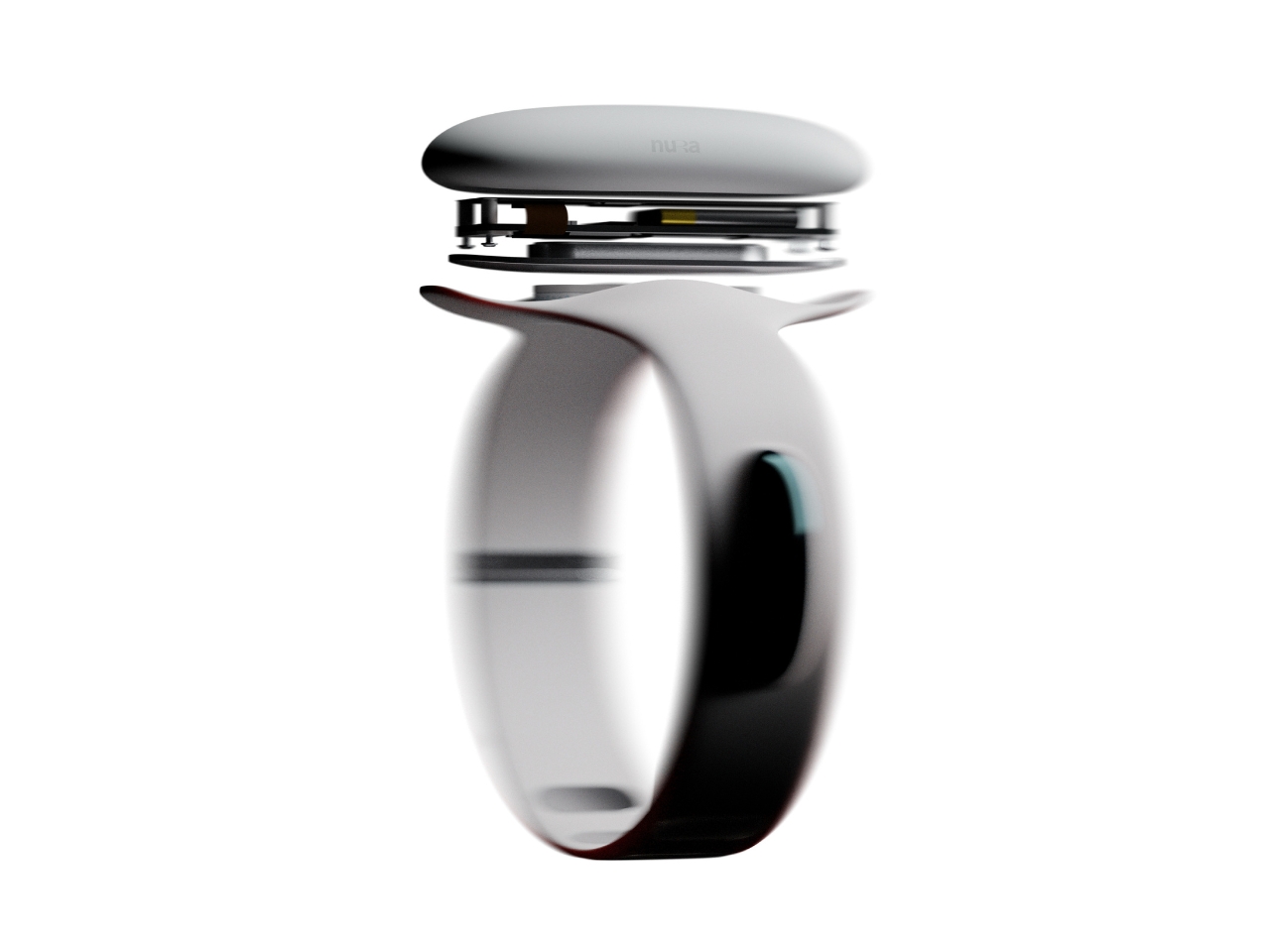
But Rebug flips the script. Instead of fighting against technology or pretending cities don’t exist, it works with both. The product line is this gorgeous collection of bug-catching tools in these dreamy pastels and neon brights that look more like designer home accessories than kids’ toys. There’s a translucent pink funnel catcher, a sky-blue observation dome that works like a tiny insect hotel, and my personal favorite: the Ripple Sparkle.

This thing is genuinely clever. It’s a device that attracts dragonflies by mimicking water ripples with a rotating metal plate. Dragonflies are naturally drawn to polarized light on water, so this gadget basically speaks their language. No chemicals, no tricks, just pure science-based attraction. The insects come to investigate, kids get to observe them up close, and then everyone goes their separate ways unharmed. It’s like speed dating for nature education.

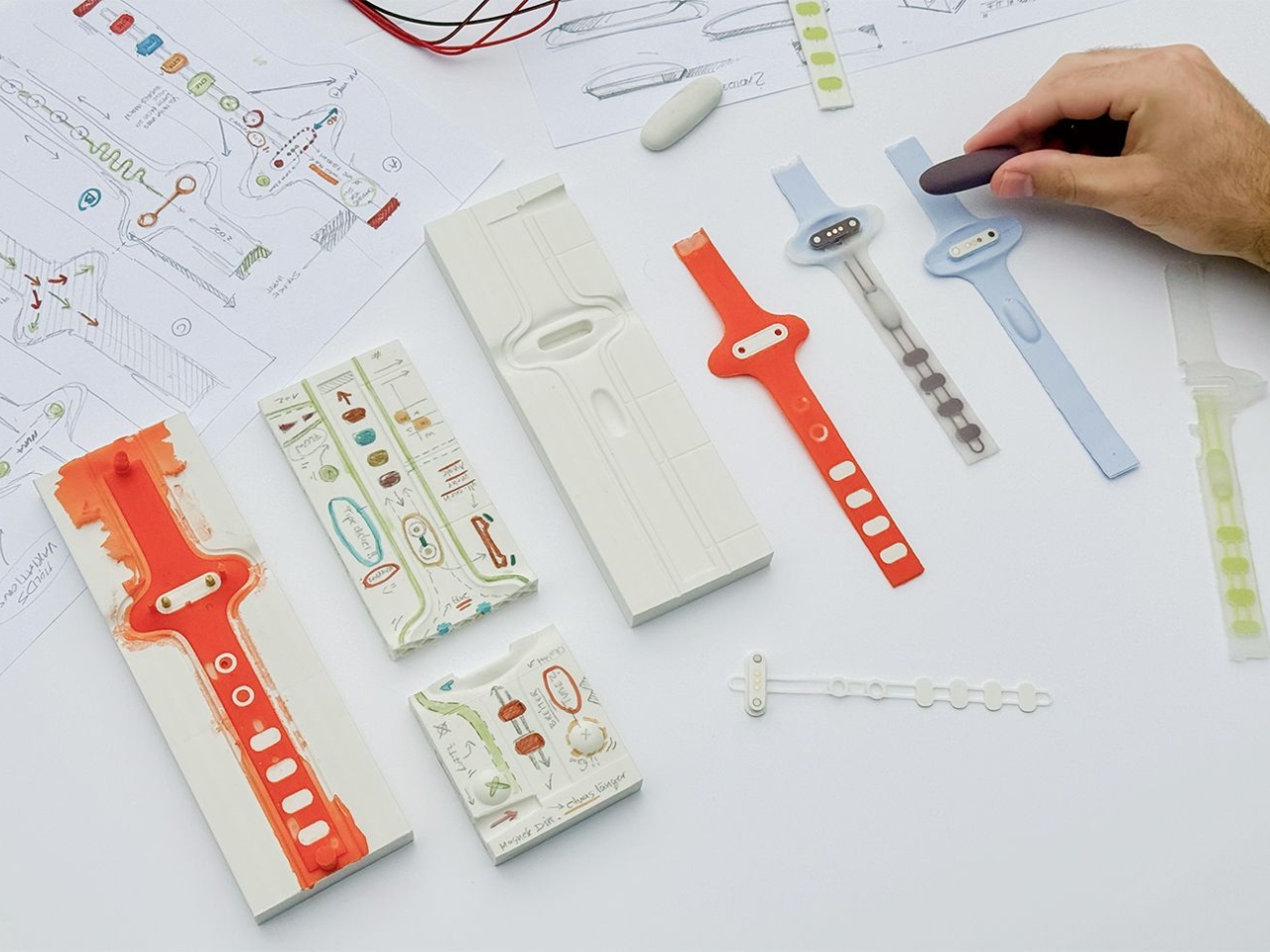
What really gets me about Rebug is how it bridges the digital and physical worlds without being preachy about it. The brand includes this whole archiving system with colorful record cards and an app interface where kids can document their finds. Instead of just telling children to “go outside and play,” it gives them a mission. How many insects did you meet today? Where did you find that beetle? The app turns each discovery into a collectible moment, which, let’s be real, is exactly how kids’ brains work these days.

The visual design is also doing the most in the best way. The branding uses this electric yellow, hot pink, and bright blue color palette that feels more streetwear than science kit. The graphics pull from three sources: actual insect shapes, children’s scribbles, and digital glitch effects. That last one is particularly smart because it literally visualizes the brand’s whole mission of shifting kids from digital errors to natural wonders. It’s the kind of layered design thinking that makes you go “oh, they really thought about this.”

And here’s what makes this feel so timely: Rebug proves that urban spaces aren’t nature deserts. You don’t need to drive to a national park to find wildlife. There are ecosystems thriving on your sidewalk, in your local playground, in that patch of grass between buildings. Research shows that urban families often don’t realize these opportunities exist or don’t see meaningful ways to interact with city nature. Rebug hands them the tools, literally and figuratively, to start looking differently at their environment.

Could a beautifully designed bug kit actually combat screen addiction and nature disconnect? Probably not single-handedly. But it’s a start, and more importantly, it’s a conversation starter about what childhood exploration can look like in 2025. Plus, those product photos are absolutely gorgeous, which never hurts when you’re trying to convince people to try something new. Sometimes the best design solutions don’t reinvent the wheel. They just make you excited to get off the couch.

The post Rebug: The Toy That’s Getting Kids Off Screens and Into Bugs first appeared on Yanko Design.

Hand-Stitched $2,300 Sneakers With Only 2 Pairs in the World

Let’s talk about what happens when ancient Japanese craftsmanship collides with one of the most elusive sneakers in the game. The result? A pair of shoes that costs more than most people’s monthly rent, and somehow, that price tag makes total sense.

New Balance Japan just announced a collaboration with Sashiko Gals that’s turning heads for all the right reasons. They’ve taken the legendary 1300JP and transformed it into something that exists somewhere between footwear and functional art. And before you dismiss this as another overpriced sneaker collab, hear me out, because this one’s different.

Designers: Sashiko Gals and New Balance

For those not deep in sneaker lore, the New Balance 1300JP is basically the Bigfoot of running shoes. Originally released in the 1980s, it only drops once every five years in Japan, making it the kind of shoe that serious collectors set calendar reminders for. It’s got that classic grey suede aesthetic and Made in USA quality that sneakerheads obsess over.

Enter Sashiko Gals, a community of Japanese artisans who are keeping the centuries-old tradition of sashiko embroidery alive by dragging it, stitch by careful stitch, into contemporary culture. Sashiko is that traditional Japanese hand-stitching technique where artisans use running stitches to create intricate patterns on fabric, typically indigo-dyed. It’s slow work. Meticulous work. The kind of craft that makes you appreciate the human hands behind every detail.

What these artisans did to the 1300JP is nothing short of remarkable. They covered the entire upper with hand-made sashiko patches, stitching them with white, orange, and indigo-blue thread. The decorative patterns create this visually rich tapestry that screams Japanese heritage while somehow still respecting the sneaker’s classic silhouette. And because these artisans apparently don’t believe in half-measures, they even stitched the running patterns onto the ends of the laces. Every. Single. Detail. Matters. The collaboration also includes a Made in USA varsity jacket that gets the same treatment, blending American sports heritage with Japanese craftsmanship in a way that shouldn’t work but absolutely does.

Now, about that price tag. The sneakers clock in at 363,000 yen, which translates to roughly $2,330 USD. The jackets? Try 990,000 yen, or about $6,300 USD. Yeah, you read that right. These numbers are stratospheric. But here’s where things get interesting. New Balance and Sashiko Gals are only making two pairs of the 1300JP and four jackets (one in each size from small to extra-large). They’ll drop via a charity-based lottery at the New Balance Harajuku flagship on December 12th, and here’s the kicker: every single yen from the sales goes to MOONSHOT Co., LTD., an organization dedicated to developing future sashiko artisans and funding the launch of something called the SASHIKO WORLD CHAMPIONSHIP.

This is what makes this collaboration actually matter. It’s not just two brands cashing in on hype. It’s a genuine effort to preserve and promote a traditional art form that’s at risk of fading away in our mass-production world. The Sashiko Gals are literally expanding the possibilities of their craft, proving that ancient techniques can still resonate in our modern, sneaker-obsessed culture. The “Crafted for the Future” partnership name suddenly makes sense. This isn’t about churning out product. It’s about creating a sustainable model where traditional craftsmanship can thrive, where artisans have platforms to showcase their work, where slow fashion and meticulous detail aren’t just marketing buzzwords but actual values worth paying for.

Will most of us ever own these sneakers? Probably not. Only two pairs exist, and the lottery system means even having the money isn’t enough. But that’s kind of the point. This collaboration is proving that sneakers can be more than just footwear or even fashion. They can be vessels for cultural preservation, fundraising tools, and tiny rebellions against our disposable culture. We’re living in an age where fast fashion dominates and sneaker collaborations drop every other week so the Sashiko Gals x New Balance 1300JP stands out by doing the exact opposite. It’s slow. It’s expensive. It’s impossibly rare. And somehow, that makes it one of the most exciting sneaker releases of the year.

The post Hand-Stitched $2,300 Sneakers With Only 2 Pairs in the World first appeared on Yanko Design.

These Experimental Pencils Treat Writing as Performance Art

There’s something almost rebellious about spending serious design energy on a pencil. We’re constantly told that screens are the future and handwriting is obsolete but Korean design studio BKID went all in on the opposite direction. Their project “Write Draw Think” asks a question nobody knew they needed answered: what if we stopped taking the pencil for granted?

Created as research for the Hangeul Museum in 2025, this isn’t your standard stationery lineup. BKID developed sixteen experimental writing tools by deeply studying how we actually use pencils, the gestures we make, the habits we develop, the way our hands move when we’re focused versus when we’re exploring. The result is a collection that transforms writing from a mundane task into something physical, sculptural, and weirdly thought-provoking.

Designer: BKID

What makes this project fascinating is how BKID completely reframes what a writing tool can be. Instead of treating pencils as simple recording devices, they positioned them as bridges between our minds and our bodies. Each of the sixteen tools creates a different writing experience, which sounds abstract until you start thinking about what that actually means.

Some tools are designed for solo deep work, helping you sink into that flow state where writing becomes almost meditative. Others flip the script entirely, letting multiple people draw a single line together. Imagine trying to write collaboratively with someone, not taking turns but literally guiding the same mark at the same time. That’s the kind of weird, wonderful territory this project explores.

The design choices get granular in ways that reveal how much attention BKID paid to the actual mechanics of writing. Sharp writing tools emphasize the tension in letter structures, making you hyper-aware of angles and pressure. Round tools evoke something softer, tapping into the breathing quality of Korean vowels. These aren’t metaphors. They’re intentional formal decisions that change how your hand moves and how marks appear on paper.

What’s clever here is that BKID managed to make experimental design work that’s also genuinely functional. These aren’t precious art objects meant to sit behind glass (though they’re certainly sculptural enough for that). They’re meant to be used, tested, experienced. The project lives in that sweet spot where form follows function, but function also reveals new forms.

This also feels like a love letter to Korean typography. Hangeul, with its geometric clarity and systematic structure, offers rich territory for exploring how letterforms and tools influence each other. The project acknowledges that writing systems aren’t just abstract symbols but physical acts shaped by the tools that create them. By reimagining the tools, BKID opens up possibilities for reimagining the marks themselves.

In our current moment, where AI writes essays and voice memos replace handwritten notes, there’s something quietly radical about paying this much attention to analog tools. “Write Draw Think” doesn’t make arguments about the superiority of handwriting or romanticize the past. Instead, it proposes that the physical act of making marks still has untapped potential, that there are experiences and ideas accessible only through the direct connection between hand, tool, and surface.

The project also hints at something bigger about how we approach design problems. Rather than starting with aesthetics or jumping straight to solutions, BKID began with research into behavior and gesture. That grounding in actual use makes the experimental forms feel purposeful rather than arbitrary. It’s design that respects both craft tradition and avant-garde exploration without getting stuck in either mode.

For anyone interested in the intersection of design, culture, and everyday objects, “Write Draw Think” offers a reminder that innovation doesn’t always mean adding more technology or features. Sometimes it means stripping something down to its essence and asking what else is possible. It’s the kind of project that makes you look at your own pencils differently, wondering about all the ways you could write, draw, and think if only your tools invited different gestures.

The post These Experimental Pencils Treat Writing as Performance Art first appeared on Yanko Design.
This Studio Grows Coffee Cups From Gourds

Picture this: instead of manufacturing your next coffee cup, what if you could just grow it? That’s the beautifully simple yet radical idea behind The Gourd Project, an ongoing exploration by Brooklyn-based CRÈME Architecture and Design that’s turning heads in the sustainable design world.

Here’s the problem they’re tackling. Back in 2006, Starbucks alone used 2.6 billion cups at their stores. Each paper cup produces 0.24 pounds of CO2 emissions during manufacturing, and here’s the kicker: only 0.25% actually get recycled after disposal. We’ve been stuck in this wasteful cycle for decades, bouncing between plastic, paper, and ceramic options that all come with their own environmental baggage. CRÈME decided to ask a different question entirely: what if nature didn’t just provide the material, but also handled the manufacturing process?

Designer: CRÈME Architecture and Design

Enter the humble gourd. These fast-growing plants have been cultivated by humans for thousands of years, prized for their robust fruits that develop strong outer skins and fibrous inner flesh. Once dried, gourds become naturally watertight, which is why our ancestors used them as cups and containers long before Tupperware was a thing. CRÈME, led by designer Jun Aizaki, looked at this ancient practice and thought: we can do something with this.

But here’s where it gets really cool. The studio isn’t just hollowing out gourds and calling it a day. They’re using 3D-printed molds to actually shape the gourds as they grow, training them into specific forms like cups and flasks. Think of it as botanical architecture. You place the mold around the young fruit, and nature does the rest, filling the shape while it grows on the vine. The result? Vessels that are 100% biodegradable, manufactured using only sun and water, and look genuinely striking sitting on your shelf.

The project started small, with a few gourds grown in a backyard. But CRÈME has since scaled up production to a farm, with plans to eventually move operations indoors to better control for variables like pests and weather conditions. The entire production cycle currently takes about six weeks, and while the team is working to streamline that timeline, it’s still remarkably efficient compared to traditional manufacturing processes that involve mining, refining, molding, and shipping materials around the globe.

Each gourd vessel can be reused between three to six times before it starts to break down. At that point, you’re not adding to a landfill or hoping it makes it to a recycling facility. You just toss it in with your food waste and let it compost naturally. It’s a genuine cradle-to-cradle approach, where the end of one cup’s life becomes the beginning of nutrients for the next season’s growth.

The design world has noticed. The Gourd Project earned a finalist mention at the NYCxDesign awards and has been featured in major publications like Dezeen, Fast Company, and NowThis News. It’s easy to see why. In an era where greenwashing is rampant and “sustainable” often just means “slightly less terrible,” here’s a project that actually reimagines the entire system from the ground up, literally.

What makes this particularly exciting is how it challenges our assumptions about design and manufacturing. We’re so conditioned to think of products as things we make, things we control from start to finish in factories. The Gourd Project flips that script. It asks us to collaborate with nature, to work with biological processes instead of against them. The designers provide the framework, the blueprint. The plant does the actual building.

Will we all be sipping our lattes from gourds next year? Probably not. CRÈME is still refining the process and working toward a consumer launch. But that’s almost beside the point. The Gourd Project proves that radical sustainability doesn’t have to mean sacrifice or hairshirt aesthetics. These vessels are genuinely beautiful, with organic variations that make each one unique. They represent a fundamentally different way of thinking about the objects we use every day.

The post This Studio Grows Coffee Cups From Gourds first appeared on Yanko Design.
Yeezy’s Former Designer Just Dropped His First Crocs Design

You know that feeling when two things you never expected to see together suddenly collide in the most delightful way? That’s exactly what’s happening right now in the world of footwear, and honestly, it’s about time someone shook things up at Crocs.

Let me introduce you to the Crocs Ripple, the brainchild of Steven Smith, a name that carries serious weight in the sneaker world. If you’re not familiar with Smith’s work, here’s the quick version: this guy has 40 years of industry experience under his belt and was the former head of product design at Yeezy. Yeah, that Yeezy. He’s the kind of designer whose resume makes other designers jealous, and now he’s bringing his magic to those polarizing foam clogs we all secretly own.

Designer: Steven Smith for Crocs

The Ripple represents Smith’s first design for Crocs since joining as Head of Creative Innovation, and it’s clear he’s not playing it safe. This isn’t just another color variant of the Classic Clog you’ve seen a million times. Instead, Smith has completely reimagined what a Crocs design can be, taking the brand’s comfort-first philosophy and wrapping it in a sculptural, almost futuristic package.

What makes the Ripple so different? For starters, forget about traditional laces or even the iconic heel strap. This is a slip-on clog with a bold personality written all over it. The design features three perforations on top for breathability, but the real showstopper is the wave-inspired aesthetic that runs across both sides. Those concentric oval patterns aren’t just there to look cool (though they absolutely do). They actually serve a functional purpose, incorporating two different types of Crocs foam technology: Croslite and Mellow.

The technical details get even more interesting when you look under the hood. Smith has integrated a TPU shank into the sole unit, which is footwear speak for added stability and support. It’s this kind of thoughtful engineering that separates designer collaborations that are all flash from ones that actually improve the wearing experience. The inaugural colorway launches in gray and blue, a combination that perfectly complements the Ripple’s boundary-pushing silhouette. There’s something almost aquatic about the design, like Smith took inspiration from water movement and translated it into foam and rubber. It stays true to his established design language while pushing Crocs into entirely new territory.

Now, here’s where things get exclusive. The Ripple is making its second in-person debut on December 5, 2025, exclusively at Flight Club Miami, perfectly timed with Art Basel. If you’re lucky enough to be in South Florida, this is one of those first-come, first-served situations where showing up early matters. Smith himself will be on site, which is a pretty big deal if you’re into sneaker culture and design.

But what does this collaboration really mean for Crocs? Smith has made it clear that he’s not looking to completely overhaul the brand. Instead, his approach is more subtle and potentially more impactful. He’s introducing boundary-pushing models that will, as the name suggests, create a ripple effect throughout both the company and the footwear industry at large.

It’s a smart strategy when you think about it. Crocs already has massive brand recognition and a devoted following. What they needed was someone who could elevate the design conversation without alienating their core audience. Smith brings credibility from the high-fashion sneaker world while respecting what makes Crocs work in the first place: uncompromising comfort and unmistakable personality.

The timing of this release feels significant too. We’re living in an era where the lines between high fashion, streetwear, and everyday comfort have completely blurred. The same people buying designer sneakers are also rocking Crocs to brunch. Smith’s Ripple sits perfectly at this intersection, offering something that’s conversation-worthy without sacrificing the practicality that made Crocs a household name.

While the Miami launch is happening now, a wider release through Crocs.com is expected to follow in early 2026. That means even if you can’t make it to Art Basel, you’ll eventually get your chance to experience what happens when sneaker royalty reimagines one of the most divisive shoes in modern history. Whether you’re team love-them or team hate-them when it comes to Crocs, the Ripple is worth paying attention to. It represents something bigger than just another shoe release. It’s proof that even the most established brands can evolve when they bring in the right creative voices.

The post Yeezy’s Former Designer Just Dropped His First Crocs Design first appeared on Yanko Design.
Columbia’s Endor Collection Brings Star Wars Style to Real Life

If you’ve ever wanted to dress like a Rebel Alliance soldier without looking like you just walked out of a cosplay convention, Columbia Sportswear has you covered. Their new Star Wars Endor Collection, dropping December 11th, is their most ambitious collaboration yet, and honestly, it’s pretty spectacular.

This isn’t just another brand slapping a logo on a hoodie and calling it a collaboration. Columbia has been partnering with Star Wars since 2016, releasing annual holiday collections that go deep into the details. But this 20-piece Endor Collection takes things to another level entirely. The designers actually visited Skywalker Ranch to see the original spray-painted camo costumes from Return of the Jedi in person. That hands-on research shows in every piece.

Designer: Columbia

The collection reimagines some of the most iconic looks from the Battle of Endor: Han Solo’s camouflage trench coat, those memorable ponchos Luke and Leia wore, and the Rebel troop uniforms. But here’s what makes it special. These aren’t costume replicas. They’re actual functional outdoor gear that happens to be inspired by a galaxy far, far away. Columbia took their signature performance technology and merged it seamlessly with authentic Star Wars design elements.

Take the Endor Issue Ponchos, for example. They recreate the iconic look from the film, but they’re made with Omni-Tech waterproof fabric and feature bungee-adjustable arms. You could actually wear these hiking in the Pacific Northwest (which, let’s be honest, looks a lot like Endor anyway). The General Han Solo Trench is even more impressive because it separates into three individually wearable pieces, each packed with Star Wars Easter eggs for fans to discover.

The boots deserve special mention too. The Endor Issue Boots combine technical features like Omni-MAX cushioning, an Omni-Grip outsole, and a TechLite midsole, making them genuinely trail-ready. Following last year’s footwear debut in the collaboration, Columbia clearly learned what works for fans who want both authenticity and actual performance from their gear.

The attention to detail is where this collection really shines. Throughout the pieces, you’ll find carefully placed Rebel Alliance logos, coordinates, and messages written in Aurebesh (the Star Wars alphabet) for fans to decode. The blanket features original concept art, there are Ewok fleece patches, Bright Tree Village references, and even the actual map of the filming location tucked inside the shoebox and printed on long-sleeve tees. It’s like a treasure hunt for Star Wars enthusiasts.

What’s particularly clever is how Columbia captured that organic, hand-sprayed technique used on the original costumes. The designers worked to ensure their versions maintained that same imperfect, authentic look while still being performance-driven outdoor apparel. Balancing costume accuracy with real-world functionality took considerable time and effort, but the result is pieces that feel genuinely inspired rather than gimmicky. The color palette pulls directly from Endor’s forest moon aesthetic: earthy browns, mossy greens, and woodland camouflage patterns that feel both fantastical and wearable in everyday life.

The collection includes everything from the standout trench coat and ponchos to more practical pieces like the Endor Issue Pants (Columbia’s first-ever Star Wars-inspired pants), cargo jackets, reversible jackets, cargo vests, and various pullovers and half-zips. There’s also an Endor Issue Cargo Backpack for carrying your gear, water bottles with themed designs, multiple hat styles including a ball cap and wider-brimmed options, and even a quilted blanket perfect for outdoor adventures or cozy movie marathons watching the original trilogy.

Columbia enlisted Billie Lourd for the campaign, which feels particularly meaningful. Lourd, who played Lieutenant Connix in the sequel trilogy and is the daughter of the legendary Carrie Fisher, was photographed among towering California redwoods with her children wearing Ewok-inspired fleece pieces. It’s a beautiful tribute that connects the collection to Star Wars legacy while showcasing how these pieces work for real families having real outdoor adventures.

The collection launches December 11th at 10 AM EST on Columbia’s website, with early access for members of their free Greater Rewards program starting 30 minutes earlier. It’s the kind of collaboration that shows what happens when a brand genuinely respects both the source material and their customers. You get functional outdoor gear that happens to make you feel like you’re part of the Rebellion, without sacrificing style or performance. And in a world full of half-hearted pop culture collaborations, that’s definitely worth celebrating.

The post Columbia’s Endor Collection Brings Star Wars Style to Real Life first appeared on Yanko Design.
This Curved Clock’s Sunrise Feature Actually Beats Your Snooze Habit

There’s something oddly satisfying about a product that does exactly what it’s supposed to do, but does it with style. That’s the vibe I get from the Arc Alarm Clock by Nanu Electronics, a piece that manages to feel both futuristic and oddly nostalgic at the same time.

At first glance, the Arc looks like it belongs in a sci-fi movie set in a very tasteful future. The curved design is its defining feature, and honestly, it’s a bold move in a world where most alarm clocks are either aggressively minimalist rectangles or trying way too hard to be cute. This one splits the difference beautifully. The gentle arc creates a natural viewing angle that actually makes sense when you’re blearily checking the time at 3 a.m., which is more thoughtful than you’d expect from something you probably curse at daily.

Designer: Nanu Electronics

What really sets the Arc apart is how it approaches the whole “waking up” problem. We’ve all been there: you set an alarm, it goes off, you hit snooze approximately seven times, and suddenly you’re late for that meeting you swore you’d be early for. The Arc uses a sunrise simulation feature that gradually increases light intensity before your alarm actually sounds. It’s basically tricking your brain into thinking it’s morning, which sounds manipulative but in the best possible way. Your body responds to light more naturally than it does to a jarring alarm sound, so you’re more likely to actually wake up instead of entering that weird snooze-induced time warp.

But here’s the thing: it doesn’t sacrifice functionality for aesthetics. The LED display is crisp and easy to read without being obnoxiously bright at night. There’s something to be said for a clock that doesn’t light up your entire bedroom like a miniature sun. The controls are intuitive enough that you won’t need to keep the manual on your nightstand, which is a low bar but one that surprisingly few products clear.

The Arc also works as a bedside lamp, which makes it genuinely useful beyond its alarm clock duties. It’s one of those features that seems obvious in retrospect but that most alarm clocks skip entirely. You can adjust the brightness to whatever suits your needs, whether you’re reading before bed or just need a gentle glow to navigate your way to the bathroom at night without fully waking yourself up. Sound quality matters more than you might think for an alarm clock. The Arc’s speaker is decent enough for casual music listening or podcasts, though audiophiles will probably still prefer their dedicated speakers. But for morning news, white noise, or just having some background sound while you get ready, it does the job without sounding tinny or cheap.

From a design perspective, the Arc fits into that sweet spot where it’s distinctive enough to be interesting but neutral enough to work with most decor styles. It comes in a few color options, so you can match it to your aesthetic whether you’re going for modern minimalist, cozy maximalist, or something in between. The curved form factor also means it takes up less visual space than a traditional rectangular clock, even though its footprint is similar.

Is it going to revolutionize your life? Probably not. But it might make your mornings slightly less awful, and in this economy, we’ll take small victories where we can get them. The Arc Alarm Clock proves that everyday objects don’t have to be boring or purely utilitarian. Sometimes the things we interact with most frequently deserve a little extra thought and care in their design. If you’re in the market for an alarm clock that looks good on your nightstand and might actually help you wake up like a functional human being, the Arc is worth considering. It’s the kind of purchase that feels slightly indulgent but practical enough to justify.

The post This Curved Clock’s Sunrise Feature Actually Beats Your Snooze Habit first appeared on Yanko Design.
Time Gets a Remix with This Hypnotic Spinning Clock

There’s something oddly satisfying about watching things spin. Maybe it’s the smooth rotation, the predictable yet mesmerizing motion, or just our collective fascination with anything kinetic. Whatever it is, designer Germain Verbrackel has tapped into that feeling with Clock&Roll, a timepiece that turns the simple act of checking the time into a visual experience you can’t look away from.

At first glance, Clock&Roll looks like a minimalist sculpture that belongs in a modern art museum. Two aluminum rings form a sleek torus shape, suspended vertically on a clean rectangular base. But this isn’t just eye candy for your desk or shelf. Those rings? They’re actually moving, gliding independently on precision bearings, each one tracking time in its own hypnotic rotation.

Designer: Germain Verbrackel

The genius here is in how the clock communicates time without numbers, hands, or a traditional face. Instead, small colored bands mark the hours and minutes on each ring. An orange segment on one ring, a blue one on the other. As external rollers built into the base push the rings into motion, these colored markers shift positions, creating an ever-changing display that’s equal parts functional and meditative to watch. It’s like someone took the mechanical beauty of old clockwork and gave it a sleek, contemporary makeover.

What makes Clock&Roll particularly interesting is how it challenges our relationship with timekeeping. We’re so used to glancing at digital displays or traditional clock faces that instantly tell us exactly what time it is. But this design makes you pause for a second, observe the position of those colored bands, and actually engage with the object. It’s a small moment of mindfulness in a world where we’re constantly checking our phones for the millionth notification of the day.

1

The materials play a huge role in the overall vibe. Aluminum gives the rings that perfect industrial-sleek look, somewhere between high-tech gadget and designer object. The finish has that subtle matte quality that catches light just right, while the white rollers and base provide a clean contrast that keeps everything balanced. And those pops of orange and blue? They’re not just practical markers but also inject personality into what could have been an entirely monochrome piece.

Verbrackel clearly had fun with the mechanics too. If you look closely at the base, you can spot the gears and motor system that drive the whole operation. Instead of hiding the machinery away, the design embraces it, showing you exactly how this kinetic magic happens. It’s honest engineering meets aesthetic appeal, which is pretty much the sweet spot for anyone who appreciates good industrial design.

Clock&Roll also plays with scale in an interesting way. It’s substantial enough to be a statement piece, something that commands attention in a room, but not so large that it overwhelms your space. You could see it living happily on a modern office desk, a minimalist living room shelf, or even in a creative studio where it would fit right in with other design-forward objects. There’s also something inherently playful about the name and concept. “Clock&Roll” obviously riffs on rock and roll, complete with the little hand gesture emoji, and that rebellious spirit comes through in the design itself. This isn’t your grandmother’s mantel clock or even your standard smartwatch. It’s time reimagined for people who appreciate when everyday objects get a creative twist.

Since most of us check the time on our phones or smartwatches, a dedicated clock needs to justify its existence. Clock&Roll does exactly that by offering something those digital displays can’t: a tactile, visual, almost sculptural experience of time passing. It’s functional art that happens to tell you when you’re running late for your next meeting. Whether you’re a design enthusiast, a lover of kinetic art, or just someone who appreciates when familiar objects get reinvented in unexpected ways, Clock&Roll is the kind of piece that makes you rethink what a clock can be. Sometimes the best designs are the ones that take something we see every day and spin it in a completely new direction.

The post Time Gets a Remix with This Hypnotic Spinning Clock first appeared on Yanko Design.

This 2,842-Piece LEGO Is the Closest You’ll Get to the FIFA World Cup

I’ve accepted the fact that in my lifetime, my home country will probably never win the World Cup, seeing as we’ve never come close to qualifying for one. So the next best thing would be to see the World Cup trophy in person, although that is also still a long shot given that the trophy tour will never pass by this side of the world. So the next best thing would be to see a replica of some sort and as I’m a LEGO fan as well, this newest build would be the perfect thing to own. It’s one of those rare occasions where my love for collecting LEGO sets and my passion for football intersect in the most beautiful way possible.

The LEGO® Editions FIFA World Cup™ Official Trophy (43020) is for the soccer (or football, as the rest of the world calls it) fan in you that would love to display the trophy on your shelf. It’s meant to hype up the 2026 World Cup tournament happening in the US, Canada, and Mexico in June-July 2026, which is one of, if not the world’s most popular sporting tournament. It’s a LEGO-fied replica of the trophy, featuring authentic details that capture the essence of the real thing. In case, like me, this is the closest you’ll ever come to actually touching this prestigious trophy, at least you can say you built it brick by brick with your own hands.

Designer: LEGO

Even though the World Cup is one of the most-watched sporting events every four years, drawing billions of viewers from around the globe, this is actually the first time that football fans will be able to build an official replica 1:1 scale model of the trophy. The iconic design features two human figures holding up the earth, symbolizing the global unity that football brings. The build is made up of 2,842 LEGO elements, making it a substantial and satisfying project that will keep you engaged for hours. What’s particularly impressive is that it has the highest number of gold-colored bricks used in a single LEGO set, giving it that authentic metallic sheen that makes the real trophy so mesmerizing under stadium lights.

The attention to detail is remarkable. The build also includes a printed plaque under the base which lists all the countries that have lifted the current trophy design since it was introduced in 1974. This includes legendary winners like Brazil, Germany, Argentina, France, and Italy. It’s a nice touch that adds historical context and makes the replica feel more authentic and commemorative. For collectors and football historians, this detail alone makes the set worth having.

You even get a special easter egg when you pull out the slip in a hidden compartment in the upper globe section. You’ll see the actual FIFA World Cup 2026 logo and a cute branded minifig holding up a mini trophy toy. Basically you get a small trophy within the trophy replica, kind of like an inception-style setup. You can pull out this mini scene and display it next to the trophy replica so you sort of get two kinds of decorations. It’s these thoughtful little surprises that LEGO is known for, and they really enhance the overall building experience and display value.

The building process itself is designed to be both challenging and rewarding. With nearly 3,000 pieces, you’ll need to set aside several hours to complete it, but the step-by-step instructions make it accessible even if you’re not a LEGO expert. The modular construction means you build from the base up, just like the journey teams take to reach the final. There’s something meditative about clicking those golden bricks into place, watching the trophy take shape before your eyes.

The main trophy itself measures around 14.5 inches high once finished, making it a substantial display piece that commands attention without overwhelming your space. It’s a perfect gift for kids aged 12 and above or adults like me who are fans of both the sport and LEGO builds. Whether you display it in your living room, office, or dedicated collection space, it’s sure to be a conversation starter, especially during World Cup season.

It will be available for purchase starting March 2026 in the lead up to the tournament, giving fans plenty of time to build and display it before the first match kicks off. LEGO also said they will be rolling out new products and experiences to celebrate this momentous tournament that will feature 48 teams, the most of any edition. This expansion makes the 2026 World Cup historic in its own right, and having this replica feels like owning a piece of that history.

The post This 2,842-Piece LEGO Is the Closest You’ll Get to the FIFA World Cup first appeared on Yanko Design.

This $200 Display Finally Brings Album Art Back to Your Home

For most musicians and artists, the album artwork of their albums or EPs is serious business. In the days of cassette tapes, CDs, LPs, and other physical forms of media, they also served as part of your space’s display, especially if you’re a collector. But when streaming came along, you could only display these works of musical art on your smartphone or music player. But what if you really love your favorite albums’ cover art and wanted to show them off while listening to them?

That’s the idea behind the Tuneshine Album Art Display, which may become your newest favorite piece of technology. Created by Tobias Butler and lovingly assembled by hand in the USA, this charming little display brings a touch of vintage record store vibes into the streaming age. It basically shows off the album artwork of the song or album that’s currently playing. But if you’re not using it, it can also serve as an image display device.

Designer: Tobias Butler

At its heart, Tuneshine is a 6.3″ x 6.3″ square LED display that’s about 1.57″ thick (or 16cm x 16cm x 4cm if you prefer metric). Don’t let the compact size fool you, as this beauty packs 64 x 64 extra-bright pixels that make your album artwork pop with vibrant colors and impressive clarity. Plus, you have brightness control, so whether you’re setting the mood for a dinner party or jamming out in broad daylight, you can adjust it to perfection.
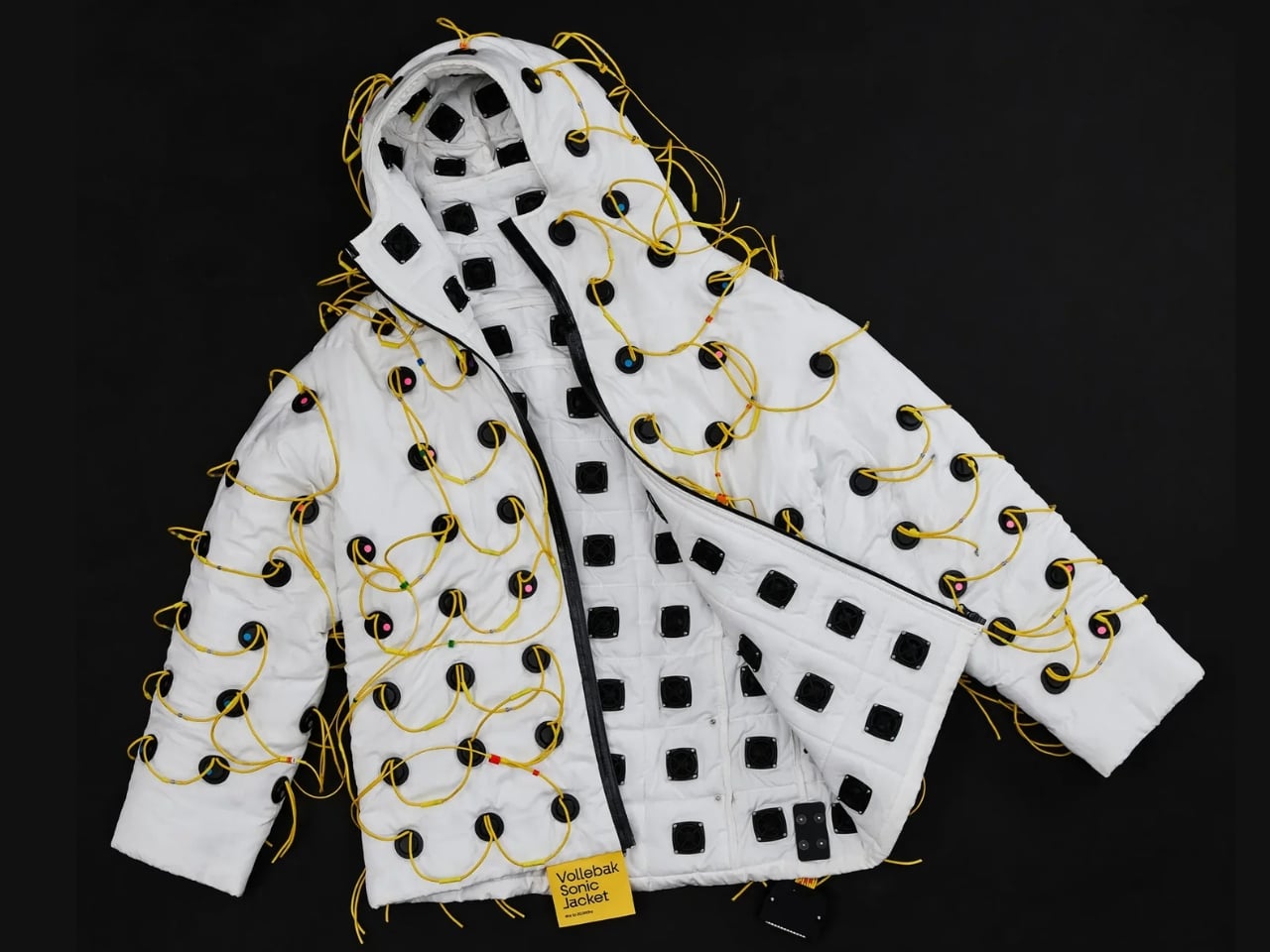
You can connect it to your music service of choice, including Spotify, Apple Music, Sonos, and last.fm. As long as your albums or playlists live in these services (no idea if YouTube Music will eventually be added), their album covers will be displayed in Tuneshine. You can also use Shazam to display artwork from other sources like vinyl records, CDs, radios, etc., and capture the magic of the art that the artists put effort into. You just need an iOS or Android device and a Wi-Fi connection to do the initial setup.
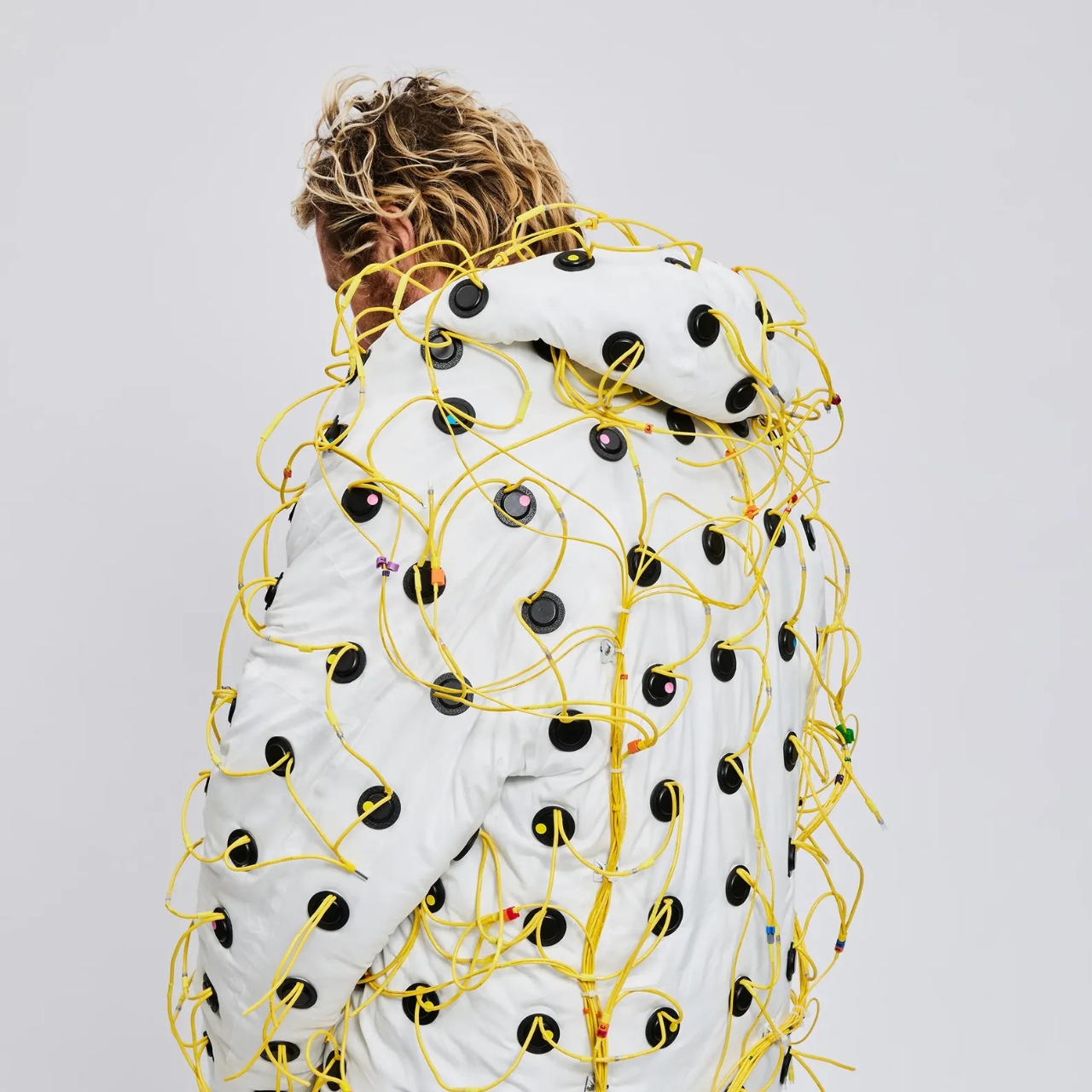
For those times when you’re not using the device to play music, you can actually customize it to display the image of your choice, whether it’s a favorite photo, a work of art, or a motivational quote. When it comes to the design, the Tuneshine comes in light and dark wood options like Beechwood + Walnut in a solid wood case. You can also get it in a solid anodized aluminum case with five options: Sapphire (a rich blue), Onyx (deep black), Obsidian (dramatic dark tones), Pearl (elegant and light), and Ruby (bold red).

You have to note that Tuneshine doesn’t include an internal or external speaker, so you have to use it alongside an existing speaker or sound system. For collectors, there’s an extra special touch: each Tuneshine unit is assembled, signed, and numbered inside the case by creator Tobias Butler himself, making it a genuine piece of functional art. The wooden versions are fulfilled quickly in 1-2 business days, while the Gems collection takes 1-2 weeks, but the wait is worth it for something this unique.

In our streaming age, we’ve gained incredible convenience but lost some of the tangible magic that came with physical music collections. Remember the ritual of carefully placing a record on the turntable, admiring the cover art before the first note played? Or displaying your favorite albums on your shelf like the treasures they were? Tuneshine bridges that gap beautifully, letting us reclaim that visual connection to our music without sacrificing modern convenience.

Whether you’re a longtime collector missing the days of physical media or simply someone who appreciates beautiful design and wants to celebrate the artistry behind your favorite music, the Tuneshine Album Art Display transforms any space into a personal gallery. It’s not just a gadget; it’s a love letter to album art, a conversation starter, and a daily reminder that music is meant to be experienced with all our senses.

The post This $200 Display Finally Brings Album Art Back to Your Home first appeared on Yanko Design.