These Musicians Turn Obsolete Tape Decks Into Living Instruments

There’s something wonderfully defiant about watching three musicians hunched over dusty reel-to-reel tape recorders, coaxing haunting melodies from technology most people consider obsolete. The Japanese trio Open Reel Ensemble isn’t just playing vintage machines from the 1970s and 80s. They’re rewriting the rules of what counts as a musical instrument, one spinning magnetic tape at a time.

Their latest project, “Magnetic Folklore,” feels less like a performance and more like a conversation with ghosts trapped in analog media. While the rest of us stream crystal-clear audio from the cloud, these artists are literally fishing for sound waves, their hands manipulating tape loops stretched across bamboo bows in a process that looks equal parts technical wizardry and interpretive dance.

Designer: Open Reel Ensemble

The group, composed of Ei Wada, Haruka Yoshida, and Masaru Yoshida, has been perfecting what they call “magnetikpunk” for years. It’s a fitting name. Like cyberpunk imagined gritty futures through technology, magnetikpunk explores forgotten pasts through the warm hiss and physical presence of tape. The sound they create is ethereal and otherworldly, full of texture that digital production often scrubs away in pursuit of perfection.

What makes their approach truly fascinating is how they’ve turned recording equipment into live performance instruments. These aren’t simply tape playback devices. The ensemble has developed techniques to program sounds directly onto the recorders, switching individual tracks on multi-track machines on and off like notes on a guitar. They record blocks of sustained noise at various pitches, then trigger and disable them during performances to create intricate chords and melodies in real time.

One of their most striking innovations is the JIGAKKYU, which they describe as a traditional folk instrument despite being entirely invented. Picture this: magnetic tape stretched across a bamboo bow, attached to a reel-to-reel deck. As the performer draws the bow, they control how the tape moves through the machine, manipulating speed, tension, and playback in ways the original manufacturers never imagined. It looks like they’re fishing, only instead of catching dinner, they’re catching sounds that shouldn’t exist.

There’s something deeply satisfying about watching old technology get a second life. In our culture of planned obsolescence, where last year’s phone becomes this year’s landfill, Open Reel Ensemble’s work feels like a quiet rebellion. They’ve taken machines that most people hauled to the curb decades ago and transformed them into instruments capable of sounds no synthesizer can quite replicate. That characteristic warmth, the slight imperfection, the tactile relationship between performer and machine, it all adds up to music that feels genuinely alive.

The analog revival happening across creative industries isn’t just nostalgia, though there’s certainly some of that. It’s a recognition that different technologies offer different possibilities. Digital audio workstations can do things tape never could. But tape can do things digital never will. The physical limitations of the medium, the happy accidents, the way sound degrades and transforms as it passes through magnetic fields, these aren’t bugs. They’re features.

Open Reel Ensemble understands this intuitively. In interviews, Wada talks about constantly discovering new techniques, exploring “rotation and movements, and the relationship between magnetics and sound.” Each performance becomes an experiment, each machine a collaborator with its own quirks and personality.

What they’ve created goes beyond retro aesthetics or hipster fetishization of old gear. This is about expanding our definition of what music can be and where it can come from. In an era where AI can generate technically flawless compositions in seconds, there’s something powerful about three humans wrestling with finicky machines, their sounds emerging from friction and patience rather than algorithms and processing power.

The beauty of “Magnetic Folklore” lies in its contradictions. It’s experimental music that honors tradition, high-concept art that’s deeply tactile, cutting-edge performance built on discarded technology. It reminds us that innovation doesn’t always mean forward. Sometimes it means sideways, backward, or in directions we forgot existed.

For anyone fascinated by where design, technology, and art intersect, Open Reel Ensemble offers a masterclass in creative thinking. They looked at equipment everyone else had moved past and asked: what if we’re not done here yet? What stories are still trapped in these spinning reels? Turns out, quite a few. And they sound absolutely mesmerizing.

The post These Musicians Turn Obsolete Tape Decks Into Living Instruments first appeared on Yanko Design.

These Modular Wax Lights Stack Like Living Totems

There’s something almost magical about watching a candle melt, the way solid wax transforms into liquid and back again. Copenhagen-based studio Daydreaming Objects has taken that transformative quality and turned it into something completely unexpected: sculptural light towers that feel like they’re alive.

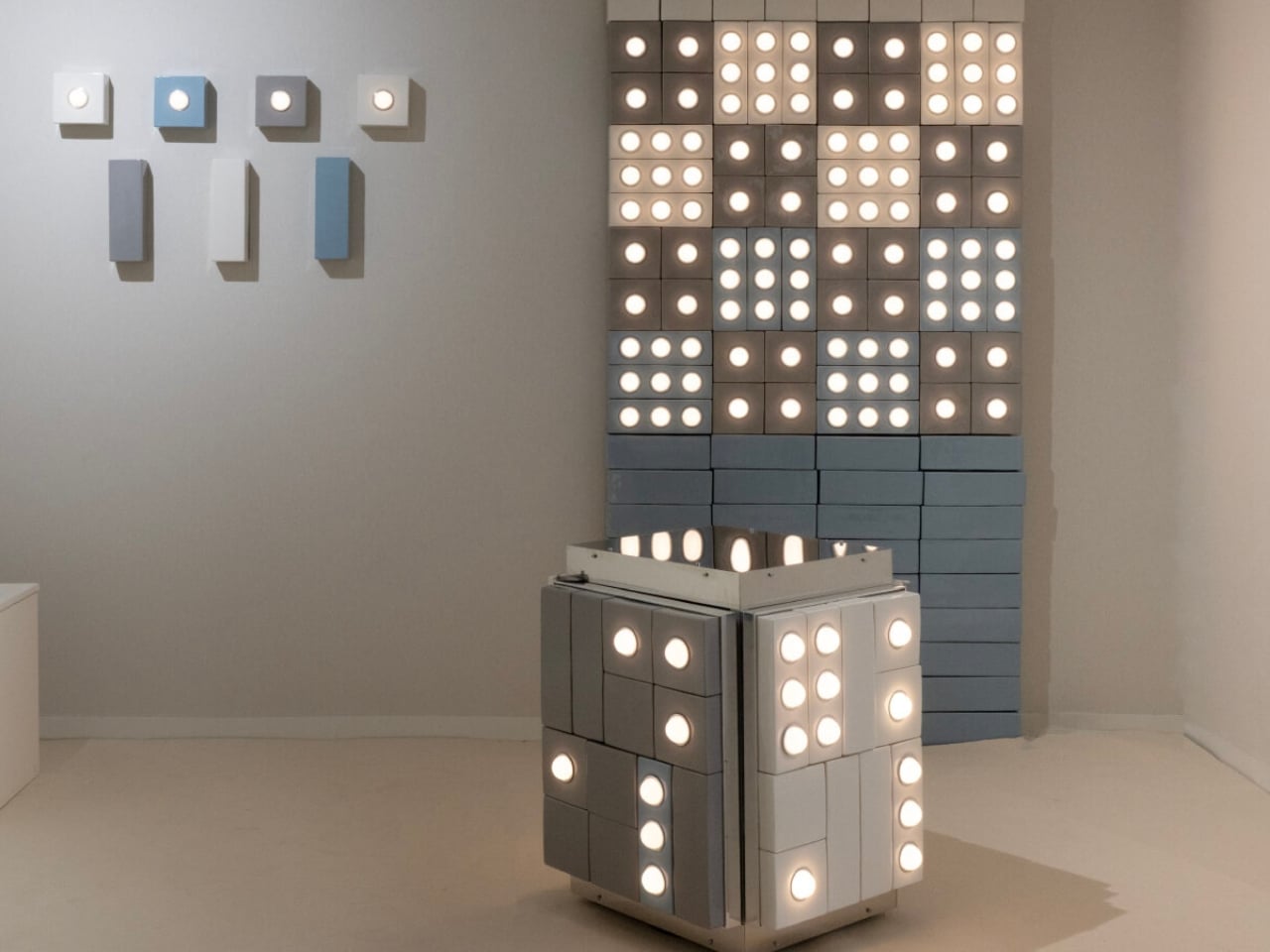
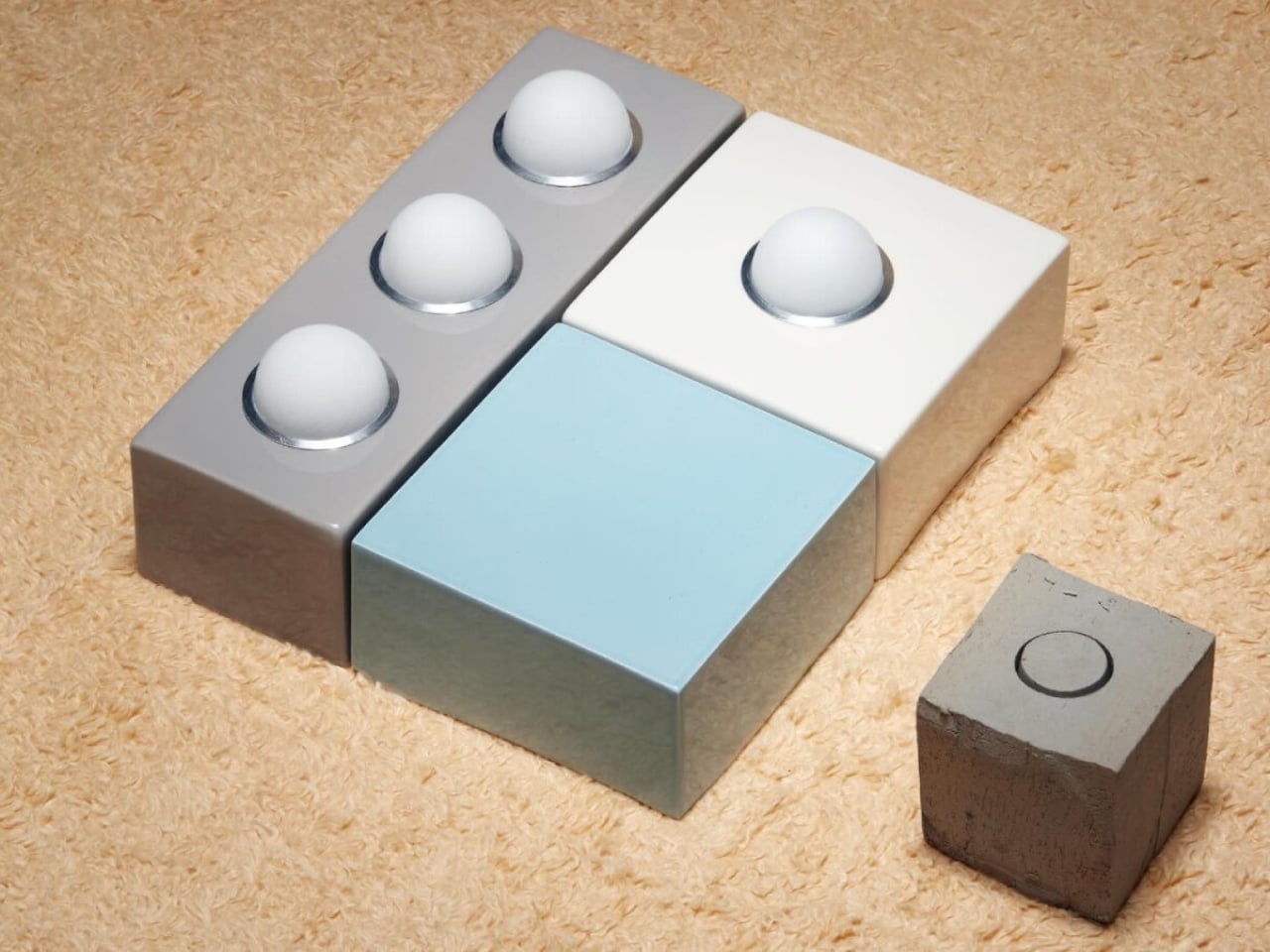
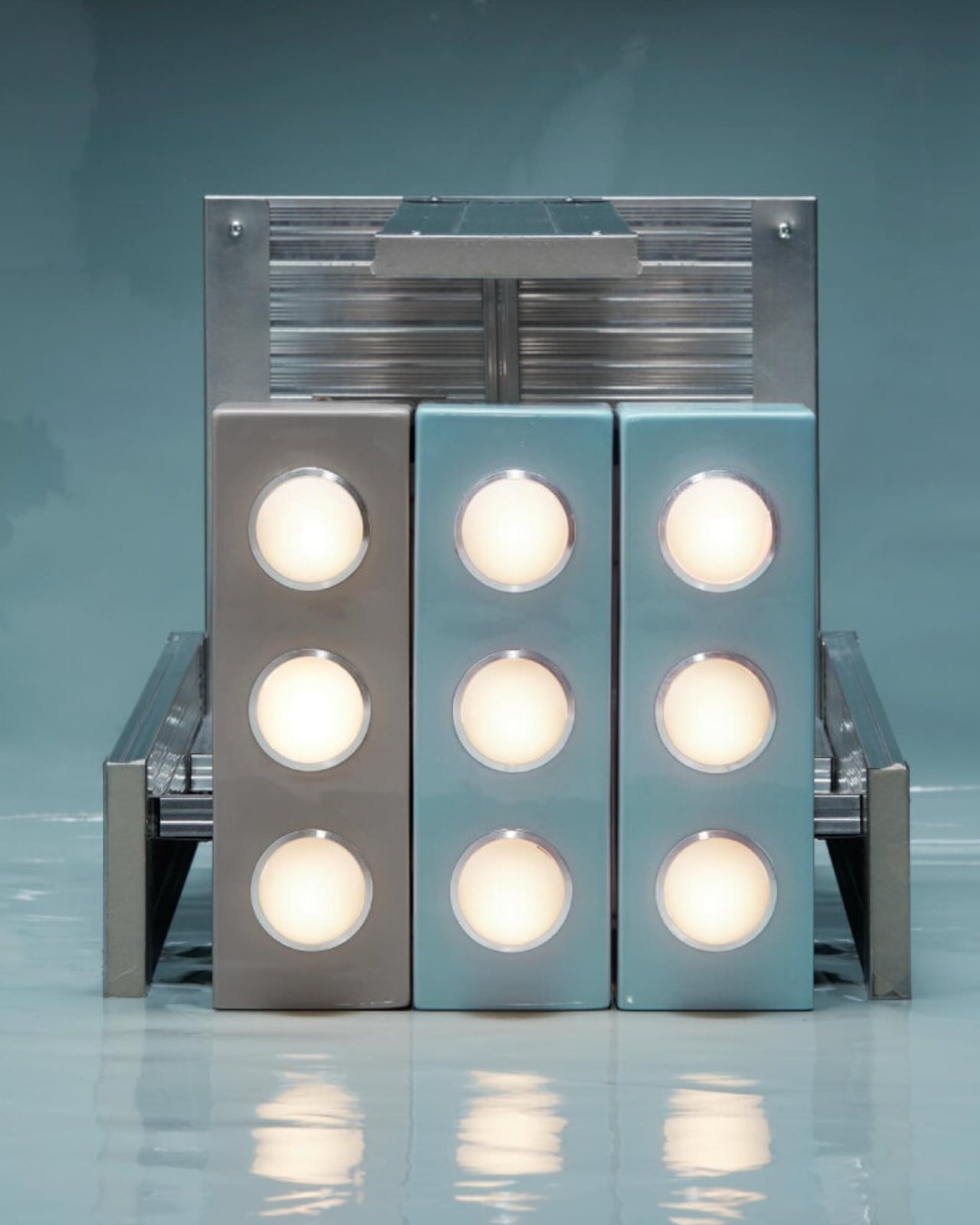
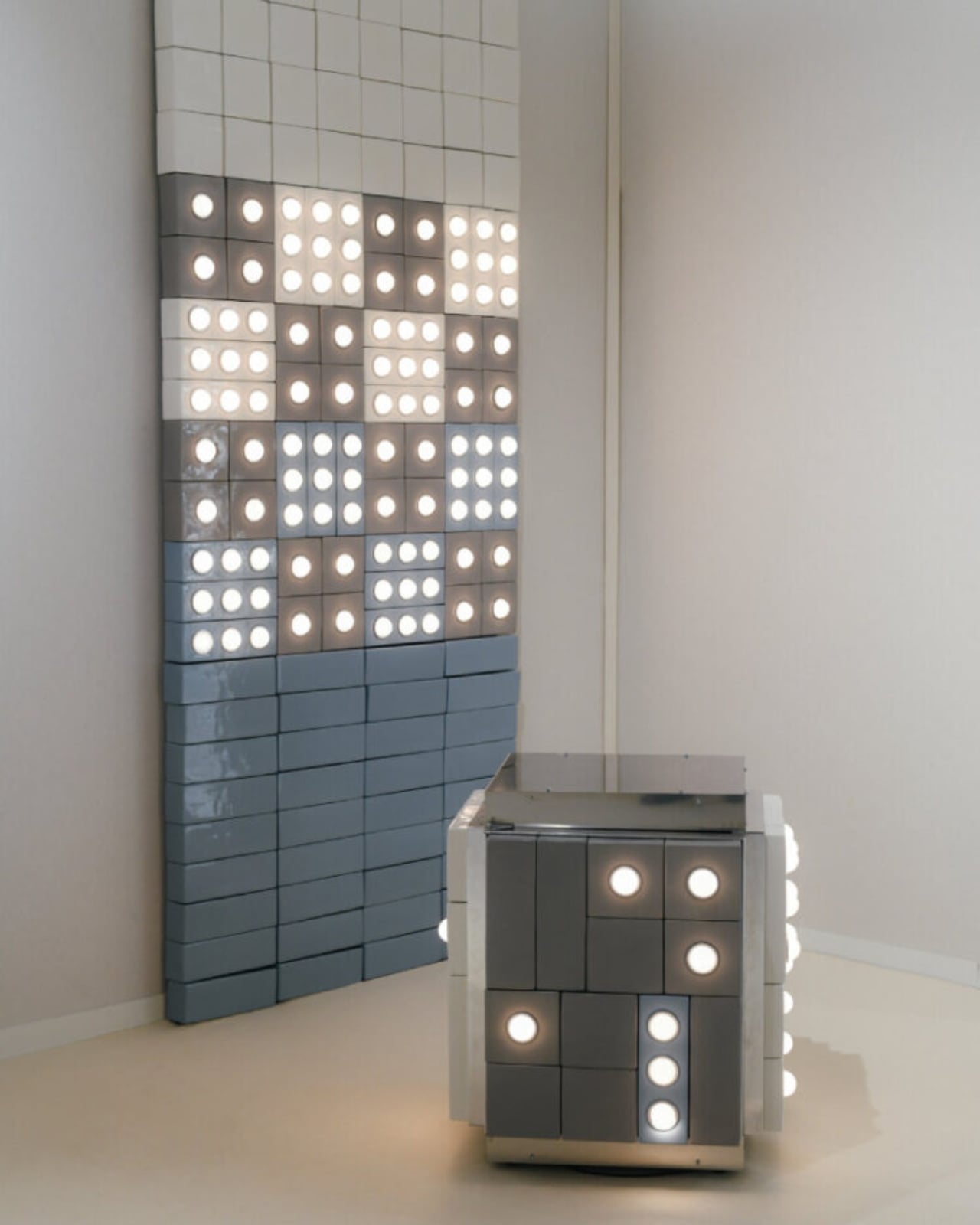
Their project, Soft Solids, recently won the Seoul Design Award 2025, and once you see these pieces, you’ll understand why. These aren’t your typical lamps. They’re modular sculptures that stack like organic totems, built from specially developed natural wax blends and vintage lighting hardware salvaged from mid-20th-century fixtures across Sweden, Italy, and former Czechoslovakia.

Designer: Daydreaming Objects (photos by Norbert Tukaj)

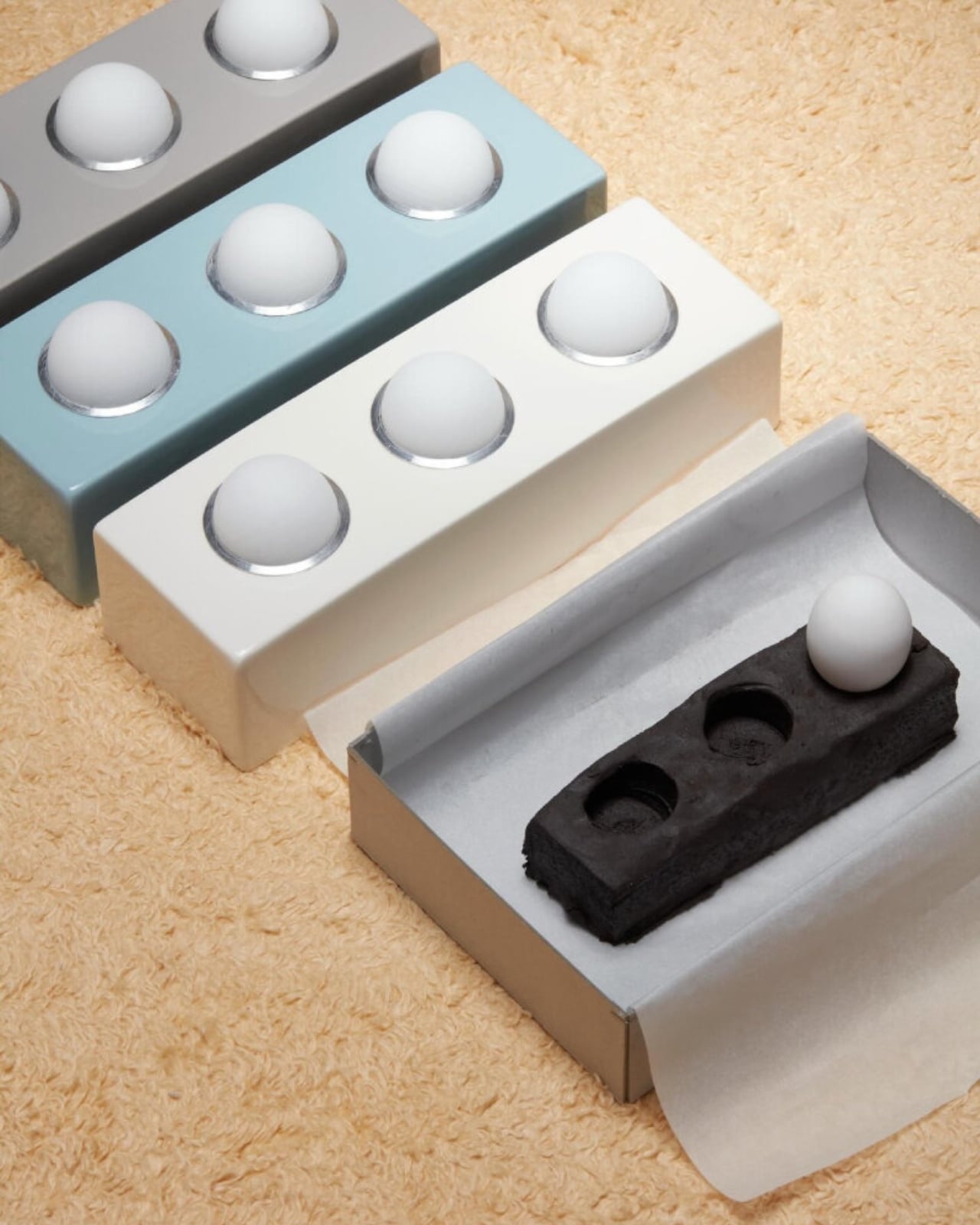
The beauty of this project lies in its contradiction. Wax feels temporary, fragile even. We think of it dripping down birthday candles or melting in the sun. But Daydreaming Objects has figured out how to make it durable, heat-resistant, and strong enough to serve as functional lighting. They’ve developed a blend using soy wax and stearin, a vegetable or animal fat derivative that’s far more sustainable than petroleum-based paraffin. The result is a material that can be endlessly recycled, melted down and recast into new forms without losing its integrity.

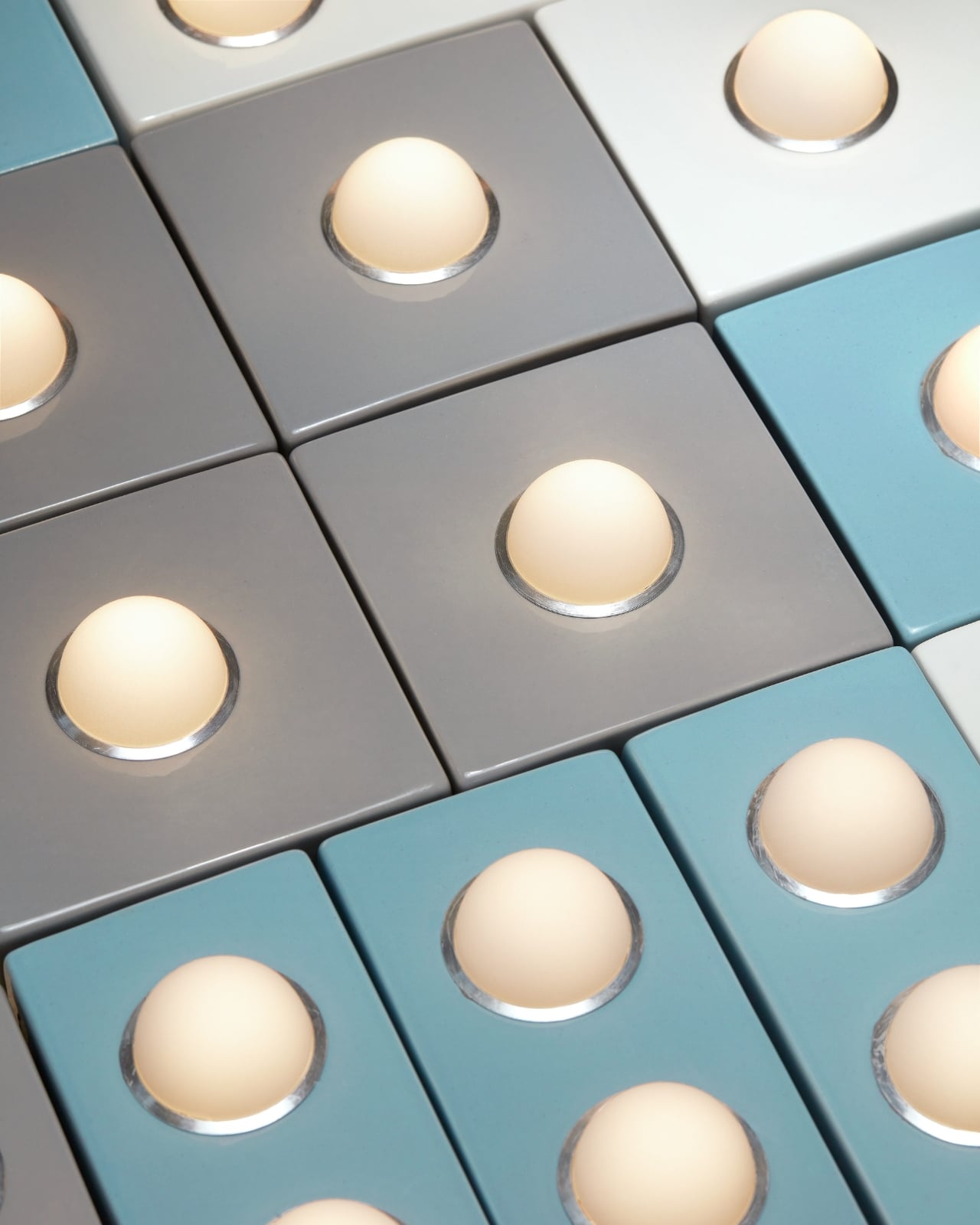
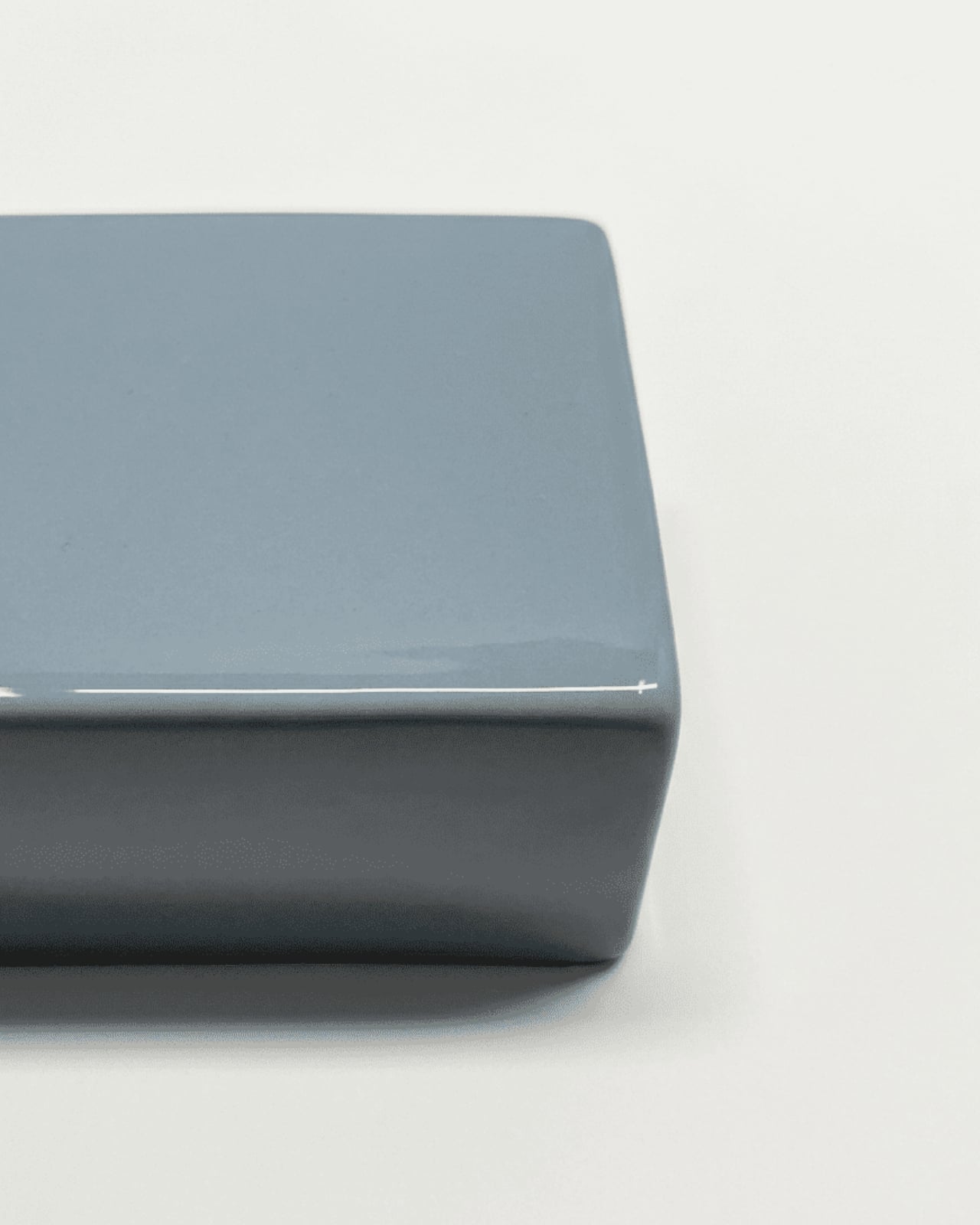
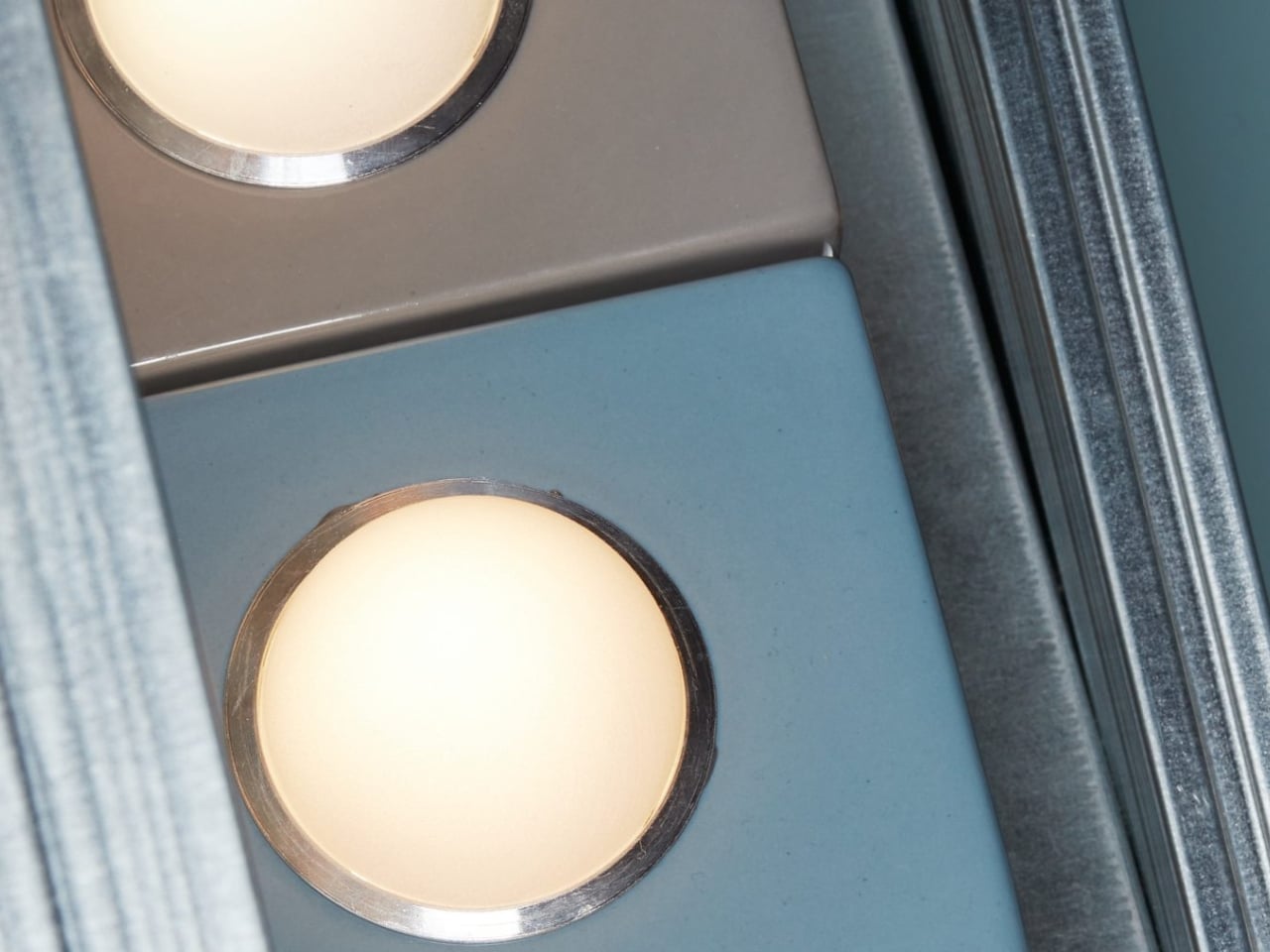
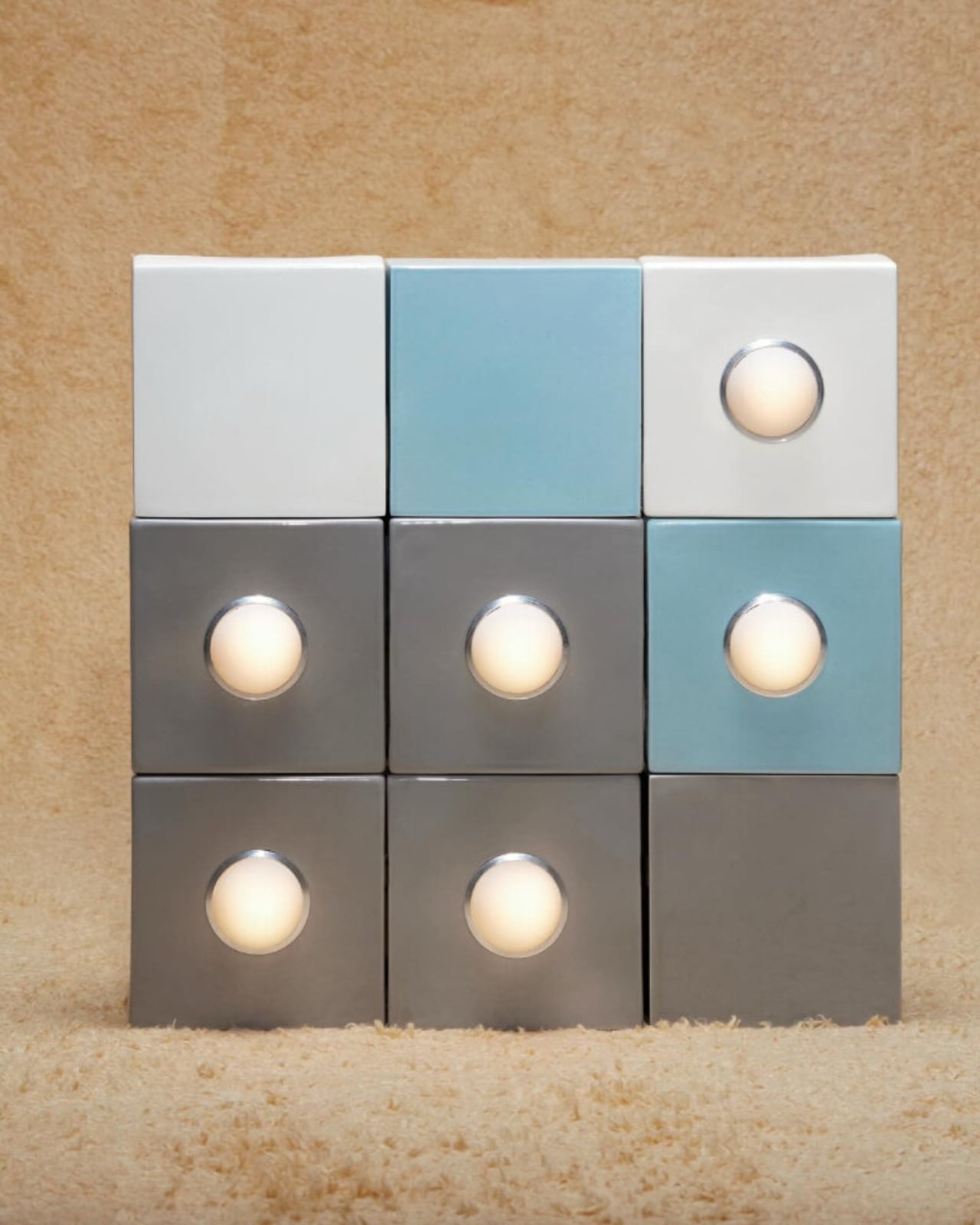
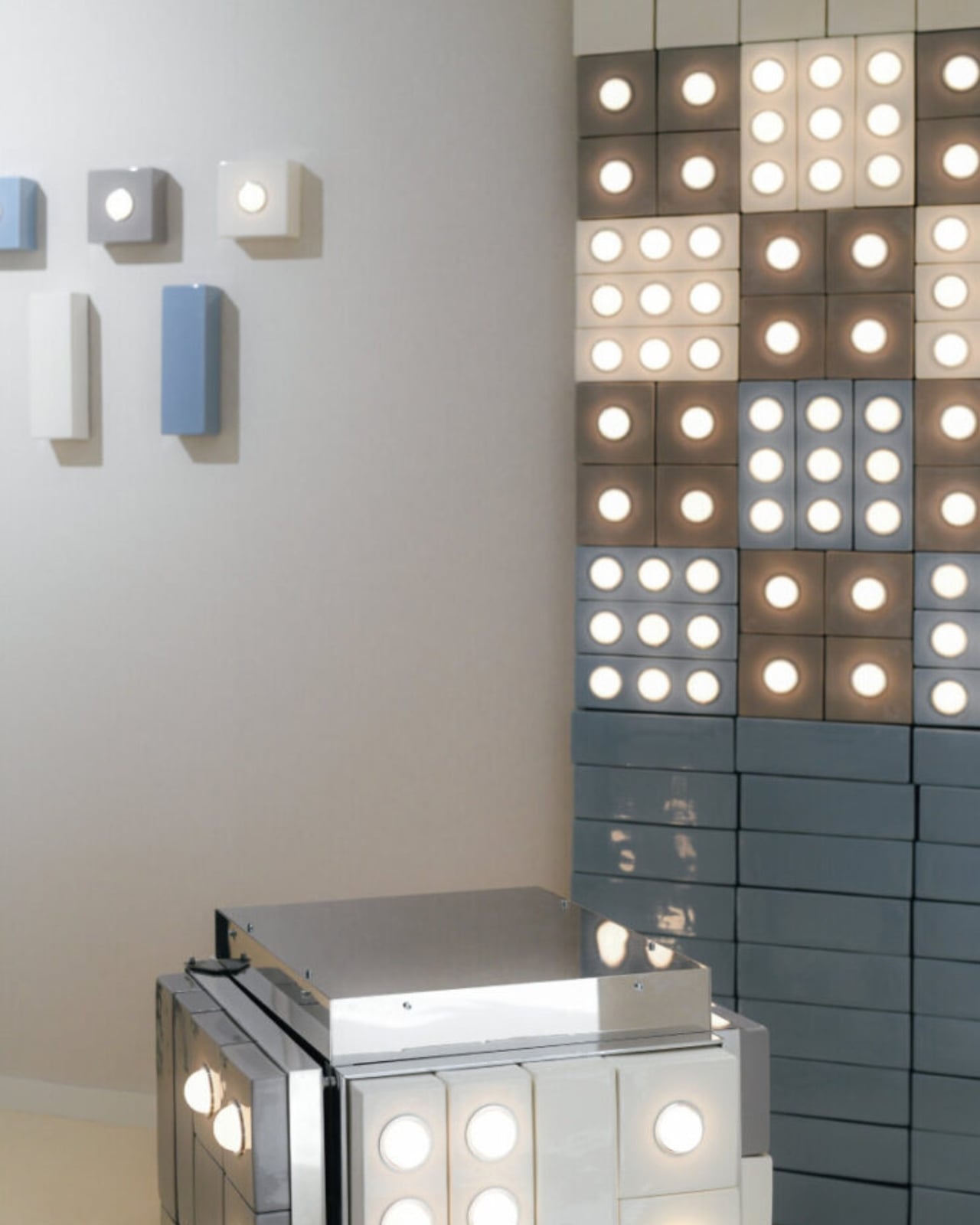
What makes Soft Solids particularly clever is its modularity. The Stem light sculpture, one of the standout pieces in the collection, consists of cylindrical wax units that stack vertically. You can add or remove sections, adjusting the height and composition to fit your space or mood. It’s like playing with blocks, except these blocks glow. By day, they stand as quiet, solid forms with a minimalist presence. By night, LED lights transform them into luminous columns that diffuse warmth throughout a room.

The design philosophy here draws heavily from nature. The biomorphic shapes echo patterns of growth and regeneration you’d find in plants or geological formations. The color palette reinforces this connection: off-white, soft blue, and muted green hues that evoke natural landscapes rather than synthetic spaces. Each piece receives a protective natural layer that increases strength and heat resistance while ensuring the LED light diffuses evenly through the wax.

But there’s also an element of nostalgia woven into these contemporary pieces. The vintage hardware, those metal and glass components from decades past, gives each light sculpture a sense of history. It’s not just about sustainability through using renewable materials but also about extending the life of objects that already exist. Instead of letting old lamp parts gather dust in storage or end up in landfills, Daydreaming Objects pairs them with something entirely new, creating a conversation between past and present.

The process itself is surprisingly high-tech for such an organic-feeling result. The designers use computer software and 3D printing technology to create prototypes and silicone negatives for casting the molten wax. Each shade is specifically designed to match its vintage base, ensuring both aesthetic harmony and functional compatibility. It’s a fascinating blend of digital precision and handcrafted sensibility.

What’s particularly relevant right now is how this project addresses our growing awareness of material waste and circular design. Wax is infinitely recyclable. If a piece breaks or you simply want to change it, you can melt it down and start over. This circular approach to lighting design feels refreshingly honest in a world drowning in disposable products. For anyone interested in where design is heading, Soft Solids offers a compelling glimpse. It proves that sustainable materials don’t have to look earnest or utilitarian. They can be poetic, playful, and deeply beautiful. The project challenges our assumptions about what’s permanent and what’s temporary, what’s precious and what’s everyday.

Daydreaming Objects has essentially created a new design language where transformation isn’t a bug but a feature. The very impermanence of wax becomes its strength, allowing for endless reimagining. These light sculptures don’t just illuminate rooms; they illuminate a path forward for thoughtful, regenerative design that respects both history and the future.

The post These Modular Wax Lights Stack Like Living Totems first appeared on Yanko Design.

This Designer Just Made a Lamp You Pump Up Like a Bike Tire

Picture this: a lamp that literally grows before your eyes, expanding and glowing brighter as you pump air into it like you’re inflating a bicycle tire. It sounds like something out of a science fiction movie, but it’s very real, and it’s called Blow. Designer Jung Kiryeon has created something that makes you rethink what a lamp can be, and honestly, it’s kind of mesmerizing.‎

The Blow lighting series isn’t your typical flip-a-switch-and-forget-it situation. Instead, these interactive lamps require you to physically engage with them using a hand pump. As you pump air into the structure, the lamp inflates and the light gets brighter. The more pressure you add, the more the lamp expands, creating this beautiful visual transformation right in front of you. It’s functional art that responds to your actions in real time.‎

Designer: Jung Kiryeon

Aside from just the cool factor of an inflating lamp, the design actually has a deeper meaning. Jung Kiryeon designed Blow as an exploration of anxiety, specifically the kind that builds up when you’re navigating unfamiliar territory or dealing with negative feedback loops. Instead of treating these uncomfortable feelings as something to push away, the designer examined how they progress and found a way to express them through light, volume, and material.‎

The result is a lamp that actually embodies emotional tension. Think about it: when you’re anxious, that feeling builds and expands inside you. With Blow, you’re literally pumping pressure into a structure, watching it swell and brighten. It’s a physical manifestation of an internal state, transforming something invisible and abstract into something you can see, touch, and control. There’s something oddly satisfying about externalizing that feeling, making it tangible.

The series includes two pieces, Blow 01 and Blow 02, and each one only comes alive through user interaction.‎ You’re not just passively consuming light; you’re actively participating in creating it. This shifts the relationship between person and object from passive to collaborative. The lamp needs you, and in a weird way, you might need it too, especially if you’re looking for a tactile way to process stress or tension.

From a design perspective, Blow sits at this fascinating intersection of product design, emotional wellness, and interactive art. It challenges our expectations about how everyday objects should behave. Most lighting is static: you turn it on, it provides light, end of story. But what if your lamp could be a ritual, a moment of mindfulness, or even a form of stress relief? What if the act of turning on a light could be meditative rather than automatic?

The materials and mechanics behind Blow are also intriguing. The inflatable structure likely uses flexible, durable materials that can withstand repeated expansion and contraction. The integration of lighting with air pressure mechanics requires careful engineering to ensure the light intensifies as the form expands. It’s a technical achievement wrapped in conceptual design. And let’s talk about aesthetics. There’s something undeniably captivating about watching an object transform. The visual language of expansion, the way light diffuses through the inflated material, the organic shapes that emerge as air fills the structure… it all creates a dynamic viewing experience. It’s the kind of thing that would absolutely become a conversation starter in any space.

Blow also taps into our growing interest in experiential design. We’re living in an era where people value experiences and interactions, not just static possessions. This lamp offers both utility and experience. It’s not just about illumination; it’s about the journey of creating that light, the physical effort, the visual reward. Jung Kiryeon’s work reminds us that design can be more than problem-solving or aesthetics. It can be a language for expressing complex emotional states, a way to make the invisible visible. In our increasingly digital world, where so much of what we experience is intangible, there’s something refreshing about a physical object that demands your participation and responds to your input in such an immediate, visceral way.

The post This Designer Just Made a Lamp You Pump Up Like a Bike Tire first appeared on Yanko Design.

This Floating Bench Defies Gravity (and Your Expectations)

Have you ever looked at a mountain peak piercing through clouds and thought, “I want to sit on that”? Well, Miles Hass from Make With Miles did exactly that, and the result is a piece of furniture that looks like it belongs in a modern art museum but would feel right at home in your living room.

The concept is beautifully simple yet wonderfully complex. A massive rock sits at the base, looking like a mountain rising from the floor, while a wooden bench top appears to float right through it. It’s the kind of design that makes you do a double take because your brain can’t quite process what your eyes are seeing. And that’s exactly the point.

Designer: Miles Hass

Miles drew inspiration from that dreamy image of mountaintops emerging from clouds, and somehow translated that ethereal feeling into something you can actually sit on. The execution required heading out to Joshua Tree, where he collaborated with fellow maker Ben Uyeda to bring this impossible-looking piece to life. Because apparently, regular furniture shopping was just too easy.

What makes this project particularly fascinating is the challenge it presents. You can’t just slap a piece of wood on a rock and call it a day. The engineering behind making a functional bench that appears to defy gravity while maintaining structural integrity is no small feat. The rock needs to support weight, the wood needs to actually hold someone sitting on it, and the whole thing needs to look effortlessly elegant. It’s like solving a three-dimensional puzzle where one wrong move means your mountain bench becomes a pile of expensive mistakes.

The aesthetic is pure contemporary design poetry. We’re often surrounded by mass-produced IKEA clones so there’s something refreshing about furniture that tells a story. This bench doesn’t just serve a function, it starts conversations. It’s sculptural enough to be art but practical enough to be, you know, an actual bench. That balance is harder to achieve than it looks.

For design enthusiasts, this project represents a growing trend in furniture making where natural elements meet modern sensibilities. We’ve seen epoxy river tables take over Instagram, live-edge everything dominate Pinterest boards, and now we’re watching makers push even further into territory where nature and craft become indistinguishable. The floating bench takes this concept and cranks it up to eleven.

What’s particularly cool about Miles’ approach is that he shares the entire process. We’re used to only being shown the polished final product so watching the actual building process, complete with challenges and solutions, makes the piece feel more accessible. Sure, most of us aren’t going to Joshua Tree to hunt for the perfect mountain-shaped rock and engineer a bench around it, but seeing it done demystifies the creative process and might just inspire someone to try their own impossible project.

The technical aspects are equally impressive. How do you secure wood to rock? How do you ensure the weight distribution won’t cause catastrophic failure when someone decides to plop down with their morning coffee? These aren’t questions with easy answers, and that’s what makes the finished product so satisfying to look at. This bench exists in that sweet spot where art, engineering, and function converge. It’s impractical in all the best ways while still being completely practical. You could put it in your entryway, and it would be the most interesting piece anyone encounters in your home. You could place it in a gallery, and it would hold its own against any contemporary sculpture.

In a design landscape often dominated by minimalism to the point of sterility or maximalism that verges on chaos, Miles’ floating bench offers something different. It’s bold without being loud, natural without being rustic, and modern without feeling cold. And honestly, isn’t that exactly what we want from design? Something that surprises us, makes us think, and still lets us sit down at the end of the day.

The post This Floating Bench Defies Gravity (and Your Expectations) first appeared on Yanko Design.

IKEA and Teklan Turn Tech Into Eye Candy

You know that weird thing we do with tech products? We buy them, we use them every day, but then we kind of hide them. Tuck the speaker behind the plant. Stash the lamp in the corner. As if apologizing for needing functional things in our homes. IKEA’s new collaboration with Swedish designer Tekla Evelina Severin (known as Teklan) is here to flip that script entirely.

The Teklan collection, which launches globally this December, is all about making your speakers and lamps the main character instead of background extras. We’re talking bold patterns, nostalgic color combos, and shapes that look like they wandered out of a really cool vintage store and somehow learned to play your Spotify playlist.

Designer: Teklan for IKEA

At the heart of the collection is the SOLSKYDD family, a trio of round Bluetooth speakers that refuse to be boring. The smallest is an 8-inch portable speaker in orange with a pattern that practically demands attention. The medium version comes in green with brown and beige diagonal stripes that feel very 70s but in the best possible way. And the largest? An 18-inch wall-mounted beast in textured orange that can even connect to a screen. These aren’t speakers that blend in. They’re conversation starters that happen to have excellent acoustics, designed by Ola Wihlborg to balance form with serious sound quality.

Then there’s the KULGLASS lamp speakers, which might be my favorite thing about this entire launch. Teklan designed them to look like soft-serve ice cream, because why shouldn’t your tech look like dessert? They come in mint green and a red-brown with pink combo, and they work as both lamps and Bluetooth speakers. The built-in volume knob is a nice tactile touch in a world where everything is controlled by tapping a screen.

What makes this collaboration feel special isn’t just the aesthetic, though the colors are definitely doing the heavy lifting. It’s the intention behind it. Teklan literally went to her grandparents’ house to match the exact shade of mint green to an old bar of soap from her childhood memories. That level of personal storytelling in product design is rare, especially for mass-market furniture retailers.

“We wanted to bring that softness and friendliness into technology, to help people see home electronics differently and invite more colour into their everyday spaces,” Teklan explained. And honestly, mission accomplished. These products feel warm and approachable in a way that most tech doesn’t. While the insides are packed with all the technical complexity you’d want from quality speakers, the outsides feel almost playful.

The collection also includes a refresh of IKEA’s cult-favorite VAPPEBY speaker, now decked out in Teklan’s signature colors, plus a whole range of braided charging cables called SITTBRUNN, RUNDHULT, and LILLHULT that are inspired by climbing ropes. Even your charging cables get to have personality now.

All the speakers can connect to each other and other compatible IKEA Bluetooth speakers for multi-speaker mode, and they support Spotify Tap, so you can seamlessly continue whatever you were listening to. The SOLSKYDD also comes in a plain white version if you’re not quite ready to commit to orange geometric patterns (though I’d argue that’s missing the point). Price-wise, we’re still solidly in IKEA territory. The portable SOLSKYDD starts at $80, the medium at $100, and the largest at $140. The KULGLASS lamp speakers are $130. Not cheap for IKEA, but reasonable when you consider you’re getting both form and function wrapped in genuinely unique design.

This collaboration represents something bigger than just pretty speakers. It’s part of a shift in how we think about the stuff that makes our homes work. After years of minimalism telling us to hide everything, make it all white, keep it neutral, there’s this growing appetite for objects with personality. Things that reflect who we are, what we love, the colors that make us happy.

IKEA has been experimenting with this more expressive approach since ending its partnership with Sonos earlier this year. The Teklan collection feels like a confident step into that space, proving that affordable design doesn’t have to mean boring design. The collection starts rolling out in December, with specific dates varying by market, so check with your local IKEA for availability. And maybe start thinking about where you want to display, not hide, your next speaker.

The post IKEA and Teklan Turn Tech Into Eye Candy first appeared on Yanko Design.

Puma Just Dropped Mismatched Rick and Morty Basketball Shoes

There’s something brilliantly chaotic about a basketball shoe that refuses to match itself. That’s exactly what Puma delivered with their latest collaboration featuring LaMelo Ball’s MB.05 and Adult Swim’s cult classic Rick and Morty, and honestly, I’m here for every interdimensional second of it.

This isn’t just another celebrity sneaker drop trying too hard to be relevant. It’s the third installment of what has become one of the most unexpected yet perfectly executed partnerships in recent footwear history. LaMelo Ball, the NBA All-Star known for his flamboyant court presence and genuine love for the animated series, has helped create something that feels authentically weird in the best possible way.

Designer: LaMelo Ball x PUMA

The design itself is pure multiverse mayhem. One shoe channels Rick’s chaotic genius with charged-up aqua and electric peppermint tones, while the other bursts with Morty’s anxious energy through vibrant orange and yellow. It’s asymmetrical, it’s bold, and it looks like it tumbled through six different portals before landing on shelves. The colorway, officially dubbed “Rickie Orange-Electric Peppermint,” breaks from the rockstar theme that has defined previous MB.05 releases.

What makes this collaboration work isn’t just the eye-catching colors. The MB.05 is built for performance, featuring Puma’s NITRO Foam technology that provides responsive cushioning without sacrificing court feel. The engineered mesh upper serves as the perfect canvas for Ball’s storytelling, while the revamped outsole stays true to his aggressive, unpredictable playing style. These aren’t just display pieces for your shelf, they’re legitimate performance basketball shoes that happen to look like they were designed by a mad scientist with impeccable taste.

The timing couldn’t be better. Rick and Morty has transcended its origins as a late-night cartoon to become a cultural phenomenon that resonates across demographics. Its humor is smart, dark, and unapologetically strange, much like Ball’s own approach to basketball. He plays with a creativity that feels improvisational, making passes that shouldn’t work but somehow do, launching shots from impossible angles. The connection between the show’s multiverse-hopping adventures and Ball’s style of play feels natural, not forced.

This partnership between Puma and Warner Bros. Discovery Global Consumer Products has expanded beyond just the MB.05. The collection includes the Puma Sportstyle Inverse and RS Surge styles, along with a full apparel line featuring two graphic tees, a long-sleeve option, shorts, a hoodie, and sweatpants. It’s the kind of comprehensive collaboration that shows real commitment to the concept rather than just slapping a logo on a product and calling it done.

At $135, the MB.05 Rick and Morty edition sits at a competitive price point for signature basketball shoes. Released on November 21, 2025, through Puma’s website, mobile app, the NYC flagship store, and select Foot Locker locations, the shoes represent accessible pop culture fashion for fans who want to express their interests through their footwear.

What’s particularly clever about this collaboration is how it embraces the core philosophy of Rick and Morty itself: nothing is sacred, everything is up for reinterpretation, and normal is overrated. In an era where most athletic footwear collaborations play it safe with neutral colors and subtle nods to their inspiration, Puma and Ball went full portal-gun chaos. They created something that demands attention and conversation, shoes that make people ask “what are those?” in the most complimentary way possible.

The broader implications for sneaker culture are worth noting too. This collaboration represents a growing trend of athletic brands embracing pop culture properties in genuine, creative ways. It’s not enough anymore to just reference something cool; the execution has to match the energy of both the athlete and the inspiration. Here, that balance is struck perfectly. Whether you’re a sneakerhead, a Rick and Morty superfan, or just someone who appreciates when design takes risks, the Puma x Rick and Morty MB.05 delivers. It’s weird, it’s functional, it’s conversation-starting footwear that doesn’t apologize for being exactly what it is: basketball shoes from another dimension.

The post Puma Just Dropped Mismatched Rick and Morty Basketball Shoes first appeared on Yanko Design.

Adidas Purechill: The Sculptural Shoe Redefining Recovery

Look, I’ll be honest. When I first saw photos of the Adidas Purechill Runner, I thought someone had accidentally uploaded concept renders of a Frank Gehry building instead of a shoe. And honestly? That’s exactly what makes this thing so interesting.

Recovery footwear has quietly become one of the sneaker industry’s hottest categories, and for good reason. After a brutal workout, a long travel day, or honestly just existing in 2025, our feet deserve better than being shoved into whatever ratty slides are sitting by the door. Brands have been experimenting with everything from foam clogs to tech-enhanced designs, but Adidas just dropped something that looks less like footwear and more like wearable architecture.

Designer: Adidas

The Purechill Runner sits somewhere between a shoe and a sculpture, featuring a fully synthetic foam construction that’s both futuristic and oddly organic. The design language here is bold, with sweeping grooved patterns running across the surface and ventilated perforations that don’t just look cool but actually serve a purpose. This isn’t decoration for decoration’s sake. The molded upper cage channels airflow throughout the entire shoe, creating what Adidas calls 360-degree ventilation. In practical terms, your feet can actually breathe instead of marinating in their own misery.

What’s really clever about the Purechill is that it draws from Adidas’ data-driven approach to footwear design, similar to their 3D-printed ClimaCool shoes. Those models used stress-point mapping to figure out exactly where feet need support, and Adidas applied that same thinking to create a recovery shoe. It’s the kind of smart crossover that makes you wonder why more brands aren’t doing this.

The construction is deceptively simple. It’s a single-piece, injected EVA build that delivers an ultra-soft sensation under and around your foot. Hidden inside is an EVA midsole that handles the actual cushioning work, keeping you comfortable whether you’re shuffling around post-run or navigating airport terminals. Unlike some foam shoes that feel like stepping on clouds but offer zero stability, the Purechill includes TPU-molded Three Stripes branding on the lateral side that adds structural support while doubling down on that aggressive design aesthetic.

And here’s where Adidas got practical. The shoe features a full-length rubber outsole, which makes it more durable and reliable than early versions of the ClimaCool that tended to wear out quickly. This isn’t just a house shoe. You can actually walk around in these without worrying they’ll fall apart after a week. The slip-on design means no fussing with laces when your hands are full or you’re just too exhausted to care. It’s the kind of thoughtful detail that sounds minor until you’re trying to get shoes on while juggling bags, coffee, and your general will to exist. The shoes launch in multiple colorways, specifically Core Black, Core White, and a very bright Lucid Pink.

At $75, the Purechill Runner positions itself in an interesting sweet spot. It’s more expensive than basic slides but significantly cheaper than some of the premium recovery shoes flooding the market. You’re paying for legitimate design innovation and functional comfort, not just hype. What’s fascinating about this release is how it reflects our evolving relationship with athletic footwear. Recovery shoes represent a shift in thinking. They acknowledge that what happens after the workout, after the competition, after the hustle matters just as much as the performance itself. Athletes have known this forever, but now everyday consumers are catching on.

The Purechill Runner might look unconventional, but that sculptural quality is part of its appeal. It’s a conversation starter, a design object that happens to be incredibly comfortable. In a market saturated with variations on the same basic silhouettes, Adidas created something that genuinely stands out.

Whether you’re an actual runner looking for post-race relief or just someone who appreciates when design and function collide in interesting ways, the Purechill deserves attention. It’s proof that recovery footwear doesn’t have to be boring, and that sometimes the best innovations come from applying performance insights to everyday comfort. Your feet will thank you, and you might just feel a little cooler wearing what essentially amounts to architectural sculpture.

The post Adidas Purechill: The Sculptural Shoe Redefining Recovery first appeared on Yanko Design.

This MIDI Controller Just Solved Music’s Biggest Portability Problem

There’s something refreshing about a gadget that looks this good while solving real problems. Germain Verbrackel’s MIDI controller concept doesn’t try to reinvent the wheel, but it does ask an interesting question: what if our music-making tools were designed with the same care we give to the objects we use every day?

At first glance, this looks like a minimalist’s dream. The all-white palette and clean lines give it that “I belong on a designer’s desk” vibe. But look closer, and you’ll notice that every curve and angle here has a job to do. The chamfered base isn’t just there to look pretty. It creates a sense of groundedness, like the controller is planted firmly on your desk, ready to work. There’s a subtle confidence to it, the kind that comes from knowing exactly what it is and what it’s supposed to do.

Designer: Germain Verbrackel

Create your own Aesthetic Render: Download KeyShot Studio Right Now!
The keys tell an even better story. Each one features a chamfered edge that guides your fingers into position. It’s a small detail, but it’s the kind of thing that makes a huge difference when you’re actually using the device. Think about how many times you’ve fumbled with flat, generic buttons that all feel the same. These keys practically tell your fingertips where to go. That’s not just good design, that’s thoughtful design.

What really sets this controller apart, though, is the magnetic speaker attachment. This is where the concept shifts from “nice MIDI controller” to “oh, that’s clever.” Most MIDI controllers are tethered to computers or external speakers. They’re input devices, not standalone instruments. But snap that speaker module into place, and suddenly you’ve got a self-contained music-making tool. No laptop required. No cables snaking across your workspace. Just you and the music.

The magnetic connection is particularly smart because it maintains the device’s sleek profile when you don’t need the speaker, but transforms it into something more complete when you do. It’s modular design done right, not as a gimmick but as a genuine enhancement to functionality. The speaker itself has a textured grille that provides visual and tactile contrast to the smooth keys, giving the whole setup a more dynamic look when assembled.

There’s also something to be said for how portable this design appears. The compact form factor suggests this is meant to travel with you, to be the controller you throw in your bag when inspiration might strike at a coffee shop or a friend’s place. The chamfered base helps here too, because that angled edge makes it easier to pick up off a flat surface. Again, it’s a small thing, but these small things add up to create an object that feels like it was designed by someone who actually uses these tools.

The aesthetic choices matter here as well. In a market full of MIDI controllers that either try too hard to look “professional” with all-black industrial designs or go the opposite direction with RGB lighting and gaming-inspired looks, this one takes a different path. It’s contemporary without being trendy. It’s minimal without being cold. It could sit next to your laptop, your coffee maker, or your favorite design book and look equally at home.

What Verbrackel has created here is a case study in how industrial design can elevate everyday tools. This isn’t about adding features for the sake of features or making something look futuristic just because you can. It’s about understanding how people actually use these devices and designing accordingly. The chamfered edges, the magnetic speaker, the clean color palette, they all serve the same goal: making music creation more intuitive and more enjoyable.

The controller represents a broader shift we’re seeing in tech design, where the focus moves from pure functionality to thoughtful integration of form and function. It’s the same philosophy that’s made smartphones beautiful and kitchen appliances worthy of counter space. Why shouldn’t our creative tools receive the same level of design attention? Whether this concept makes it to production or remains a stunning portfolio piece, it’s already done its job. It’s made us think differently about what a MIDI controller can be. And that’s worth celebrating.

The post This MIDI Controller Just Solved Music’s Biggest Portability Problem first appeared on Yanko Design.

This Designer Just Solved Cold Coffee With One Candle

You know that moment when you’re deep into a project, finally hitting your flow state, and you reach for your coffee only to find it’s gone stone cold? It’s one of those tiny frustrations that can derail your entire momentum. But it’s also part of the workflow that you forget you have a warm cup waiting for you to wake you up since you’re engrossed with whatever it is you’re doing. So when you realize it’s gone cold, you either just slurp it down or you make a new cup.

Designer Germain Verbrackel clearly understands this universal struggle, because his new concept called Warmer tackles it with the kind of elegant simplicity that makes you wonder why it hasn’t been done before. Why not have something that will keep your coffee or any beverage warm so you won’t suffer through drinking something lukewarm?

Designer: Germain Verbrackel

Create your own Aesthetic Render: Download KeyShot Studio Right Now!

At first glance, Warmer looks like something that could sit comfortably on the desk of a minimalist tech enthusiast or grace the pages of a Scandinavian design magazine. Crafted from aluminum and brushed steel, it has that industrial-yet-refined aesthetic that never goes out of style. But what makes it particularly interesting is that it’s completely analog in our hyper-digital world. No USB cables, no app to download, no Bluetooth connectivity. Just a simple tea light candle providing gentle, sustained heat.

The design itself is brilliantly straightforward. A circular base houses the candle, and a vertical support structure rises up to hold your cup, bowl, or small pan at the perfect distance from the flame. That black geometric handle detail adds a nice visual contrast to all that brushed metal, giving it a touch of contemporary flair without feeling overdone. It’s functional sculpture, really.

1

What I love about this concept is how it challenges our default assumption that every solution needs to be high-tech. We’ve become so accustomed to electric mug warmers with their glowing LED indicators and temperature controls that we’ve forgotten about the simple physics of a candle flame. There’s something almost meditative about watching that tiny flame flicker while you work, knowing it’s quietly doing its job without demanding anything from your power strip or Wi-Fi network.

The versatility factor is pretty smart too. Sure, keeping your morning coffee at the perfect sipping temperature throughout those long Zoom meetings is great, but Verbrackel designed Warmer to accommodate different container types. Need to keep soup warm during lunch at your desk? Done. Want to gently heat something small in a bowl or pan? It can handle that. This multi-purpose approach gives it staying power beyond being a one-trick pony.

From a practical standpoint, there are some real advantages to this candle-powered approach. Tea lights are incredibly cheap, widely available, and burn for hours. There’s no complicated maintenance, no heating element to burn out, and no worrying about forgetting to turn it off (though obviously, you still need to be mindful of open flames). It’s the kind of product that would work just as well in a modern office as it would in a cabin without electricity. The material choice speaks to durability and heat conductivity. Aluminum and steel can handle constant exposure to heat without degrading, and that brushed finish will age gracefully rather than looking worn. It’s clearly designed to be something you’d keep on your desk as a permanent fixture rather than tucking it away in a drawer.

1

There’s also something quietly rebellious about Warmer in our current moment. While tech companies are racing to make everything “smart” and connected, this design deliberately goes the opposite direction. It’s almost making a statement about intentional simplicity and questioning whether we really need to digitize every aspect of our daily routines. In a world of planned obsolescence and constant software updates, a candle-powered warmer feels almost radical in its simplicity.

Of course, this is still a concept design showcased on Behance, so we don’t know yet if it will make it to production. But that’s part of what makes following industrial design so fascinating. These concepts give us a glimpse into how designers are thinking about everyday problems and push us to reconsider assumptions we didn’t even know we were making. Whether Warmer ever hits store shelves or not, it’s a beautiful reminder that good design doesn’t always mean more complexity. Sometimes the best solution is the one that strips away everything unnecessary and gets back to basics. And honestly, your coffee deserves to stay warm while you conquer your to-do list.

The post This Designer Just Solved Cold Coffee With One Candle first appeared on Yanko Design.

This Finger Toothbrush Makes Oral Care Fun for Tiny Humans

Getting a baby to brush their teeth is basically an Olympic sport. You’ve got squirming, crying, and a tiny human who thinks the toothbrush is an enemy. But what if brushing teeth didn’t have to feel like dental warfare? That’s exactly what mmmdesign studio set out to solve with their Dino brush, a finger toothbrush that transforms tooth-brushing time from scary to playful.

At first glance, the Dino brush looks more like a toy than a hygiene product, and that’s completely intentional. The design features an adorable dinosaur character that fits right over a parent’s finger, turning mom or dad into a friendly puppet that happens to clean teeth. It’s clever emotional engineering. Instead of approaching a baby with what looks like a clinical tool, you’re introducing them to a cute little dino friend. The psychology here is brilliant: babies are naturally curious and responsive to characters and faces, so this design taps right into that developmental sweet spot.

Designer: mmmdesign studio

The product addresses a genuine pain point for new parents trying to establish healthy oral care habits. That first introduction to tooth brushing often sets the tone for years to come, and if it’s traumatic, you’re in for battles at bedtime for the foreseeable future. By designing something that reduces fear and discomfort, the Dino brush isn’t just solving a functional problem but an emotional one too.

From a design perspective, what stands out is the thoughtfulness behind every curve and color choice. The soft, rounded forms feel non-threatening, while the bright, cheerful colors appeal to infant visual development. The dinosaur character has big, friendly eyes and a welcoming expression. There’s no sharp edges or intimidating features, just pure approachability. This kind of attention to psychological design shows that mmmdesign studio understands their end users on multiple levels: not just the babies using the brush, but also the stressed-out parents wielding it.

The finger-worn format is also genius from a practical standpoint. Parents get complete control and sensitivity, feeling exactly how much pressure they’re applying and being able to reach every corner of those tiny mouths. Traditional baby toothbrushes with handles can be awkward and imprecise, but with the Dino brush, you’re using your most dexterous tool (your finger) enhanced with gentle bristles. It’s intuitive in a way that makes the learning curve practically nonexistent.

What’s particularly interesting is how this design fits into a larger trend of “design for delight” in everyday objects. We’re seeing more and more products that don’t just fulfill a function but actively make mundane tasks more enjoyable. From gamified apps to character-based products, designers are realizing that emotional engagement isn’t frivolous but it’s actually essential to adoption and consistent use. A toothbrush that makes a baby smile is a toothbrush that actually gets used.

The Dino brush also reflects thoughtful consideration of the entire experience ecosystem. It’s not just about the moment of brushing but about building positive associations with oral care from the very beginning. That’s the kind of long-term thinking that separates good design from great design. You’re not just creating a product; you’re shaping behavior and attitudes.
For design enthusiasts, this project is a masterclass in empathy-driven design. mmmdesign studio clearly spent time understanding the real challenges of their target users and created something that addresses both practical and emotional needs. It’s product design that remembers people (even tiny people) are emotional beings first and functional ones second.
We’re constantly bombarded with overcomplicated gadgets and unnecessarily techy solutions but the Dino brush is refreshingly simple. It takes an age-old problem and solves it with charm, thoughtfulness, and a deep understanding of human (and tiny human) psychology. Sometimes the best innovations aren’t about adding more features but about making something fundamentally more human. Or in this case, more dino.
The post This Finger Toothbrush Makes Oral Care Fun for Tiny Humans first appeared on Yanko Design.