Air purifier concept takes a page from SMEG’s retro aesthetics

For those who live in spaces where natural air flow is a “luxury” or in cities where air pollution is a big problem, having an air purifier is a must. Well that is, if you want to breathe in good air and if you’re spending a lot of time there and you don’t want to spend a lot on healthcare expenses. But these kinds of appliances are really more functional and we don’t spend as much time on their design when choosing to buy one. If you can have something that has all the functionalities for an air purifier that you need and it is well designed and can fit in your space’s aesthetics, then that’s a bonus.

Designer: Khaavya Bhosale

This concept for an air purifier for popular home appliance company Smeg fits in with the brand’s distinct retro style. The Airissimo aims to integrate all the most advanced technology in air purifiers into the classic design that all SMEG products have. This includes the familiar pastel colors, ergonomic control knobs, detailed gaps, and the standard stand that balances their appliances. The final renders of the Airissimo concept will definitely fit in with their current line.

But it’s not just the look that the designer thought of, but all the functionalities and features that you need for an air purifier. It has an LED display that will show you the current air quality in your space. Inside you’ll find the electric board, support duct, motor, fan, fan duct and HEPA filter, all the necessary components for this kind of appliance. It uses ABS plastic and aluminum as its main materials. There is an app that you can connect to it to adjust the controls, to monitor air quality, and to also get reminders when you need to replace your filters.

The Airissimo looks like a huge smart hub that you’ll find in your living space or a sophisticated-looking air cooler. Most air purifiers currently in the market look like your usual air-related appliances (aircon, air cooler, humidifier, dehumidifier) so having something like this if SMEG does decide to eventually branch out into this would be pretty cool.

The post Air purifier concept takes a page from SMEG’s retro aesthetics first appeared on Yanko Design.
45 square meter Ukraine apartment fuses vintage and contemporary look

One of my home-related dreams is to have a space that is completely designed and customized according to my aesthetic of the moment (which of course, changes every few years or so). And of course, I will probably have just a small space because of budget considerations and also I prefer to have something smaller so it will be easier to clean. For now, I will have to live vicariously through all these spaces I’m writing about and this one is a pretty good dream to have.

Designer: Between the Walls

Between the Walls is a modern design interior studio and one of their newest projects is for their co-founder Victoria Karieva. They designed a vintage but contemporary space for her 45 square meter apartment in Kyiv, Ukraine, incorporating her love for cats and contemporary art as well as several heirloom pieces from her family. The centerpiece of the place is the kitchen combined with the guest room which has a 150-year-old restored cabinet and a 200-year-old icon from her husband’s family.

Since the theme is vintage mixed with contemporary, you also see a mixture of flea market and modern pieces. There are 70s vintage leather chairs and flea market chairs next to a marble round table. There are other smaller touches which play into her love for art, like a handmade wool lamp by a local artist named Nicholas Moon and two paintings by Anton Sayenko. There’s also a “secret” in this space: a sauna that is hidden in a closet. The rest of the apartment uses natural materials like stone, tiles, plywood, with the bathroom using Italian Vague titles. There’s also a lot of storage space even if it’s a small area.

The way the apartment is decorated shows that even if it’s a small area, you can still have a lot of space incorporated with the various small vintage and contemporary furniture. It seems like a perfect space for a couple, with a couple of cats thrown in. As a single woman without a cat, this is something to aspire for, at least in my dreams.

The post 45 square meter Ukraine apartment fuses vintage and contemporary look first appeared on Yanko Design.
Modular wooden bookshelf is inspired by Ryuichi Sakamoto’s vision

I’m always on the lookout for new furniture that will help me store and display all the knick knacks that I have lying around my house. Most of the time I choose those that are mostly functional and of course, affordable. But I’d also like to have some pieces that are decorative and can even look like sculptures or art pieces, even if they probably won’t hold a lot of my stuff. This modular wooden bookshelf would be a nice addition to my space, especially as it pays tribute to the late great Ryuichi Sakamoto.

Designer: Kengo Kuma for More Trees

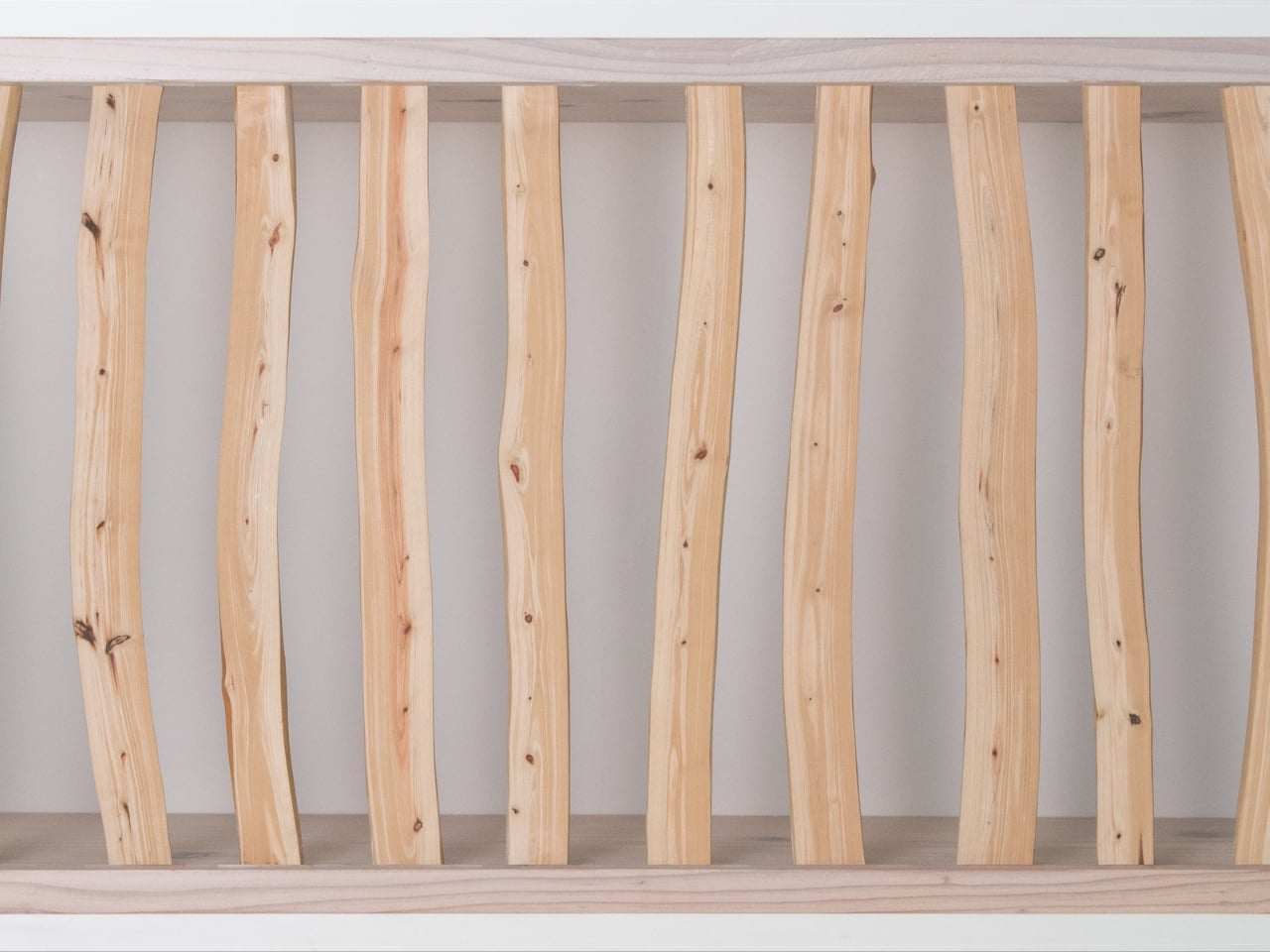
The acclaimed Japanese composer and pianist founded design company More Trees to create products made by local craftsmen using materials found in local forests in Japan. But before he could make the dream a reality, he passed away a year ago in 2023. His long-time friend Kengo Kuma has now taken over the company and is making the dream a reality by unveiling 〇〇□ (Marumarushikaku), a modular wooden shelf made up of different shapes stacked together. It can also looks like an art piece because of its unusual look and concept so you have a decorative shelf as well.

The structure of this piece of furniture is made up of rectangular shelf boards and round pillar boards stacked on top of each other. You can arrange the round parts randomly between the shelves so you can create your own look and design. It may not look that stable at first glance but you can place things like books, plants, bottles, pots, and other knick knacks that you need to display in your living space. The boards have slots where you can place the round parts in so it becomes an actual shelf that can hold and partition your various items.

The rotating plates and multi-leveled shelves made from wooden materials from local forests can add an interesting and minimalist look to your office or living room. The modular wooden shelf will be unveiled on the anniversary of Ryuichi Sakamoto’s passing on March 28 at the Ace Hotel Kyoto. They will be stacked up to eight levels so you can see that it works despite its seemingly “fragile” appearance.

The post Modular wooden bookshelf is inspired by Ryuichi Sakamoto’s vision first appeared on Yanko Design.
Desk accessories concepts help reduce risk of sitting at the desk the whole day

As someone who spends almost the entire working day (and sometimes beyond) at a desk and in front of the computer, you can say that I face a lot of issues when it comes to my posture, my eyesight, and my muscles. I’ve tried several ergonomic products and also exercises to help me take a break from my regular work and literal position but I’m still having some regular problems from being a desk potato. I know that there are a lot of risks that will eventually (and some have already) make an appearance in my health journey so products that can help alleviate the strain on my body are always welcome.

Designers: Haneul Kang, Dohui Kim, Dagyeong Kim, Jeongyoon Kim, Yunseo Jung

A group of designers have come up with concepts for a series of products that can help with this problem. The collection is appropriately called DESKRISK as we all know that even if we are sitting seemingly safely at our desks, we’re still exhibiting risky behavior that will eventually need some sort of intervention. The first product is a desk clock that will remind us to take a break from staring at our screens to take better care of our eyes. The screen will blur after some time which resembles the dry eyes we experience a lot of times. After you’ve rested for a few minutes, you can move the button on the clock sideways to wipe away the blur and start the countdown all over again.

The next product is for those who need help with their posture while sitting at the desk for a long time. Well this is for if you’re using a lamp light source at your desk. The lamp has a light that will gradually move downwards from the angle you set after an hour. This way you are reminded to move along with the light source so that we’re not just bowing down towards our screens. There’s a gauge next to the lamp that also helps you track how much time has elapsed. You can also adjust and reset the angle by moving this gauge bar.

The last one may probably be the most useless for me, at least from what I understand from their product description. It’s a magazine rack that will supposedly resemble carpel tunnel syndrome or at least the overstretched wrist ligaments that come from having the same position at your keyboard for a long period of time. The sagging fabric will lengthen according to the size or weight of the books or magazines inserted. How this will help me with my wrist problem is unsure at this point. But aside from that, the other Deskrisk products are pretty useful for people like me who are at risk with the nature of our work.

The post Desk accessories concepts help reduce risk of sitting at the desk the whole day first appeared on Yanko Design.
IKEA pet accessories collection is the minimalist vibe for fur babies

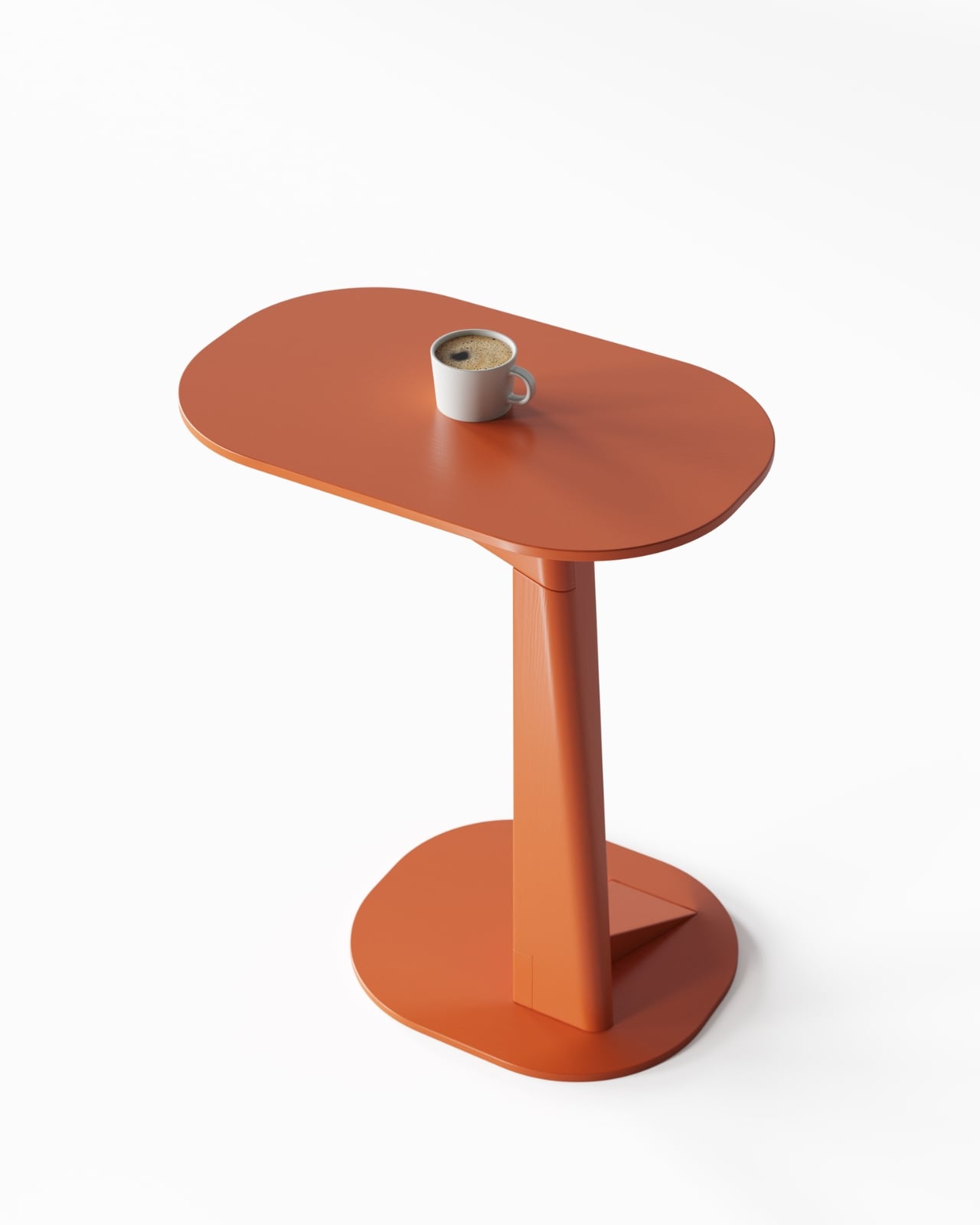
The past years we’ve seen the growth of “fur parents” so this means there’s also a significant spike in products that will appeal to this market. There are a lot of options out there when it comes to accessories for dogs, cats, and all other pets that may need different kinds of habitats, toys, etc. But when a big name brand puts a lot of effort into research and product development for our fur babies, then they immediately catch our attention.

Designer: IKEA

Swedish brand IKEA is getting into the pet world craze with their UTSÅDD collection that is meant to bring joy not just to the cats and dogs but to their “parents” as well. The brand came up with this 29-piece collection by consulting with veterinarians and pet product specialists and also testing it out on those who will actually be using the products, the cats and dogs themselves.

This means that the products are not just well-designed but also are dishwasher-safe, water-repellant, machine-washable, durable, and of course safe and gentle for the pets. The collection has some items for playtime like the soft toys for dogs and the play tunnel for cats but also has functional ones like pet bowls, beds, and houses. The habitats in particular, like the dog bed and the cat house can both be fun and useful.

The collection will be available globally starting this April. And like with a lot of IKEA products, there is a wide range when it comes to affordability with items ranging between USD $2-70. Also as with most items with the Swedish brand, expect a clean and minimalist vibe.

The post IKEA pet accessories collection is the minimalist vibe for fur babies first appeared on Yanko Design.
Miniature digital camera lets you add filters to your media

In the middle of a concert where I was surrounded by Gen Z and younger millennials, I noticed that what some of the kids were using to take photos and videos were not their smartphones but digital cameras. That’s when I realized that the adage that “everything old is new again” is still very much true and that the younger generation was discovering gadgets that my generation thought was already dead. We’re seeing brands come up with different variants of digital cameras and now we’re seeing what might be the smallest yet.

Designer: Kenko Tokina

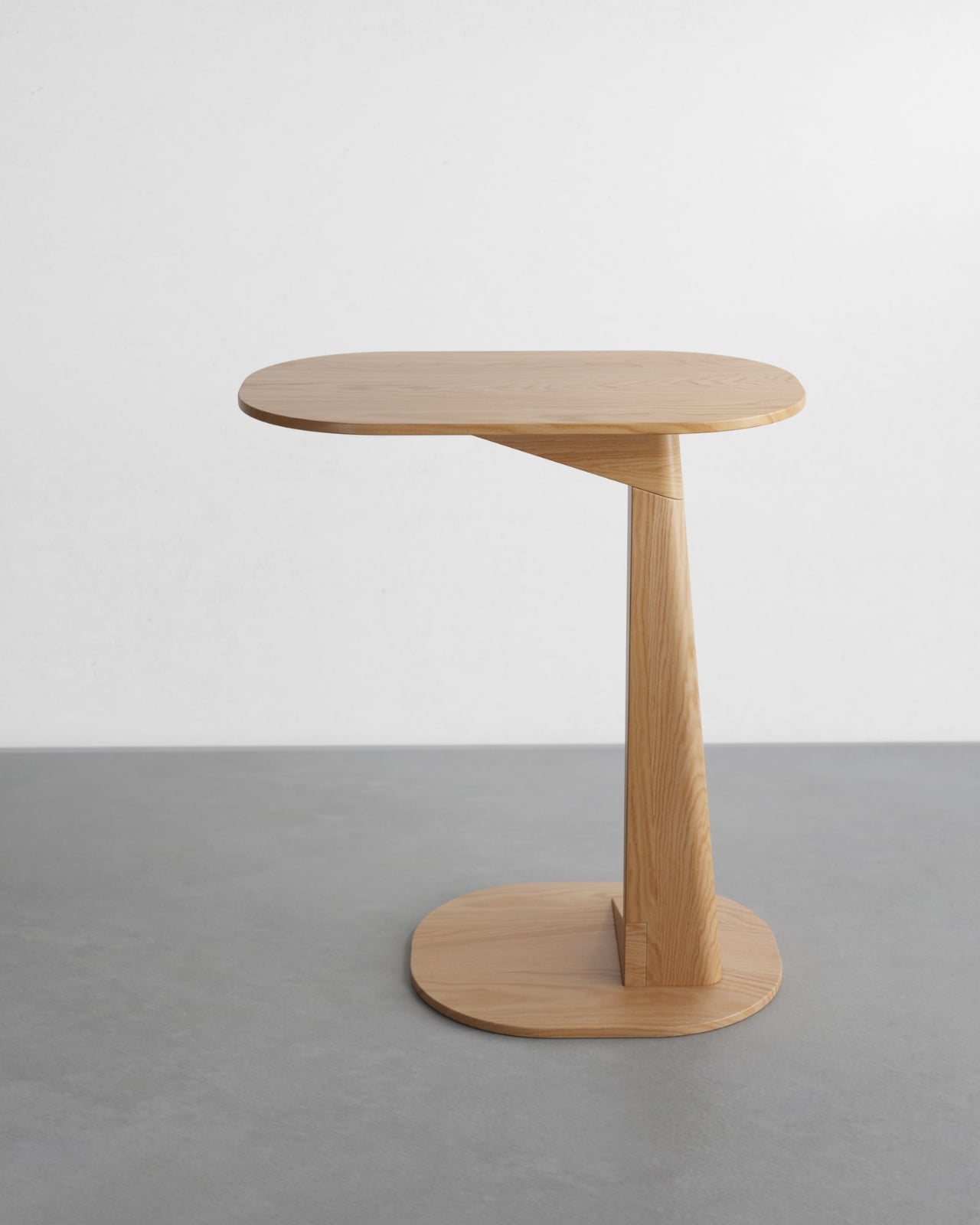
The Pieni M may seem like a toy at first given its tiny size but it’s actually a fully functional miniature digital camera. The name itself, Pieni, is actually the Finnish word for “small” even though the brand is Japanese. Lest you think that it’s just purely for aesthetic purposes, the tiny camera lets you take photos and videos and can even give you filters to make your multimedia look even more hipster than you initially intended. It looks like just any regular camera except that it’s a miniature version.

The camera even has an LCD display that can show you what it is you’re actually taking a photo or video of. Well, given its size, you may have to squint a bit to be able to fully see what’s on the screen. There is a button on the side that lets you switch between video recording and photographing. And if you’re using it for the former, you can actually record voices and ambient sounds. It also has a feature that gives your photos a watercolor-like look or you can use the other filters available including monochrome, orange, blue, or green.

The device is small enough for regular hands to hold it between your two fingers. There’s a USB port so you can easily transfer your media to your laptop or tablet or you can save it on a microSD card for easy storage and transfer. The Pieni M is available in black or grayish blue but it would also be nice to have it in other cuter colors eventually. Personally, I’d probably still use my smartphone to take photos or videos for better quality but if I wanted something more hipster, then this would be a good device to have.

The post Miniature digital camera lets you add filters to your media first appeared on Yanko Design.
Gramophone lamp adds a retro and minimalist lighting aesthetic to your space

Vinyl players and vinyls in general used to be such a hipster thing to have or it was just for serious musicphiles. But now, more and more people are actually getting them for their homes whether as something to actually play or even just as part of a certain aesthetic they’re going for. In fact, it’s not just exclusive for playing music but these gramophones are used as decorations and materials for other accessories.

Designer: Artyom Alimpjvev

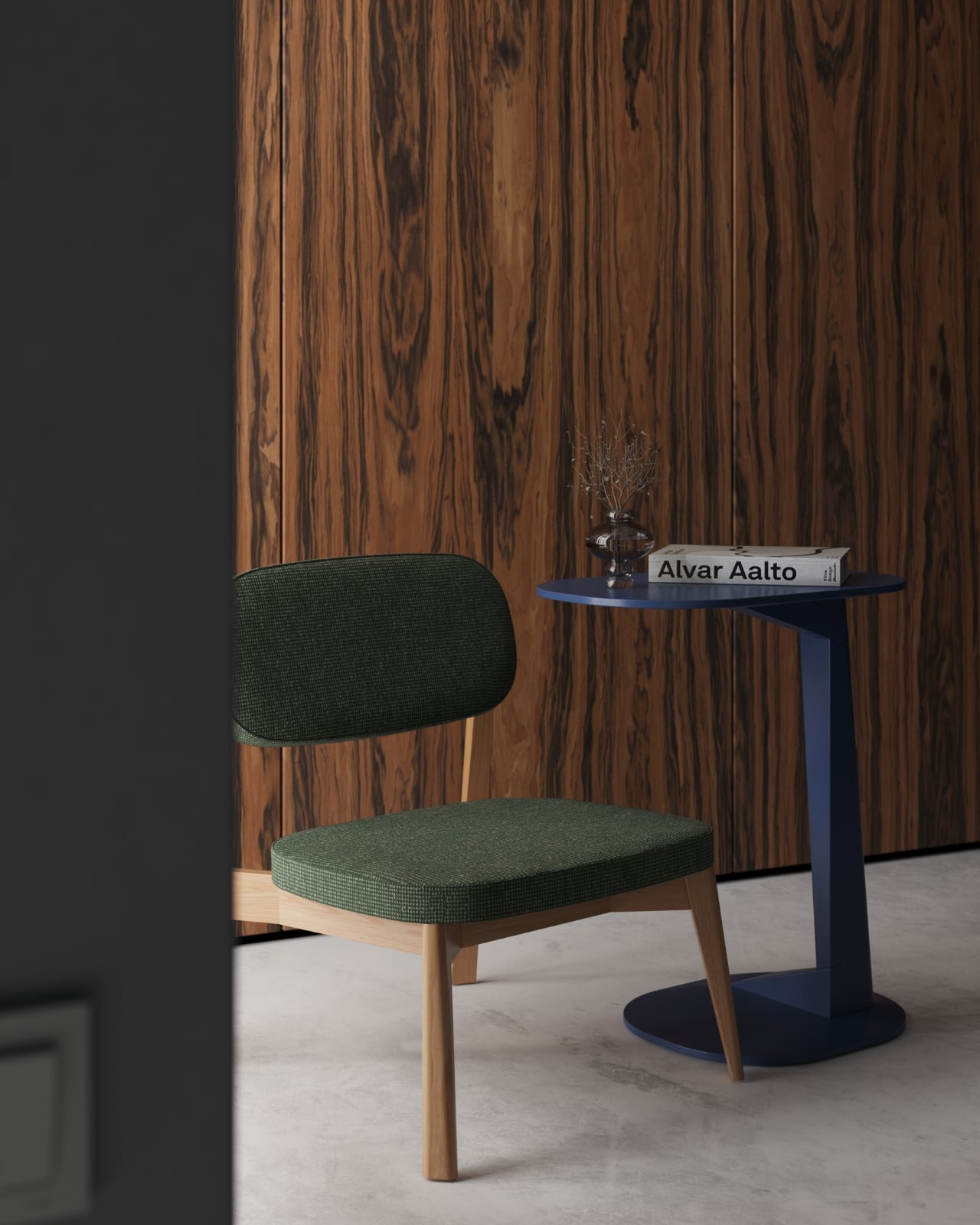
The Gramophone Lamp is one such home decoration that uses vinyls as material for this lighting accessory, going for a retro and minimalist aesthetic. The curved base actually looks like the stand for an Apple monitor and it supports a single aluminum stand that slopes at the back and then with the vinyl as the main light source. The trackpad-like surface is where the controls are found, whether to switch the ambient lighting on and off or to increase or reduce the brightness.

The polycarbonate diffuser disk is the “star” of the show as it magnifies the lighting with its almost translucent quality. The lamp has a 4000 mAh lithium ion rechargeable battery so you can use it up to 24 hours (at maximum brightness) even when it’s not plugged in. The light temperature is set at 3500K in a warm white color.

The designer says that this is not meant to be a desk lamp but is really more for atmospheric and aesthetic purposes. The entire thing is actually handcrafted with the singular aluminum stand and there are only 100 units created so if you’re thinking of getting one, you should already place your order on Alimpjev’s website before they all run out and if you have around $170.

The post Gramophone lamp adds a retro and minimalist lighting aesthetic to your space first appeared on Yanko Design.
Wooden wheelchair adds an eco-friendly and aesthetic aspect to a mobility aid

There are a lot of well-designed wheelchairs currently in the market for those who need mobility aids to get around. Most of them use basically the same materials and will have a few differences in terms of features and functionality. A new wheelchair design that is eco-conscious but also aesthetically appealing was recently unveiled and its first beneficiary is one of the most famous people on Earth that needs a wheelchair to get around – Pope Francis.

Designer: Paul de Livron

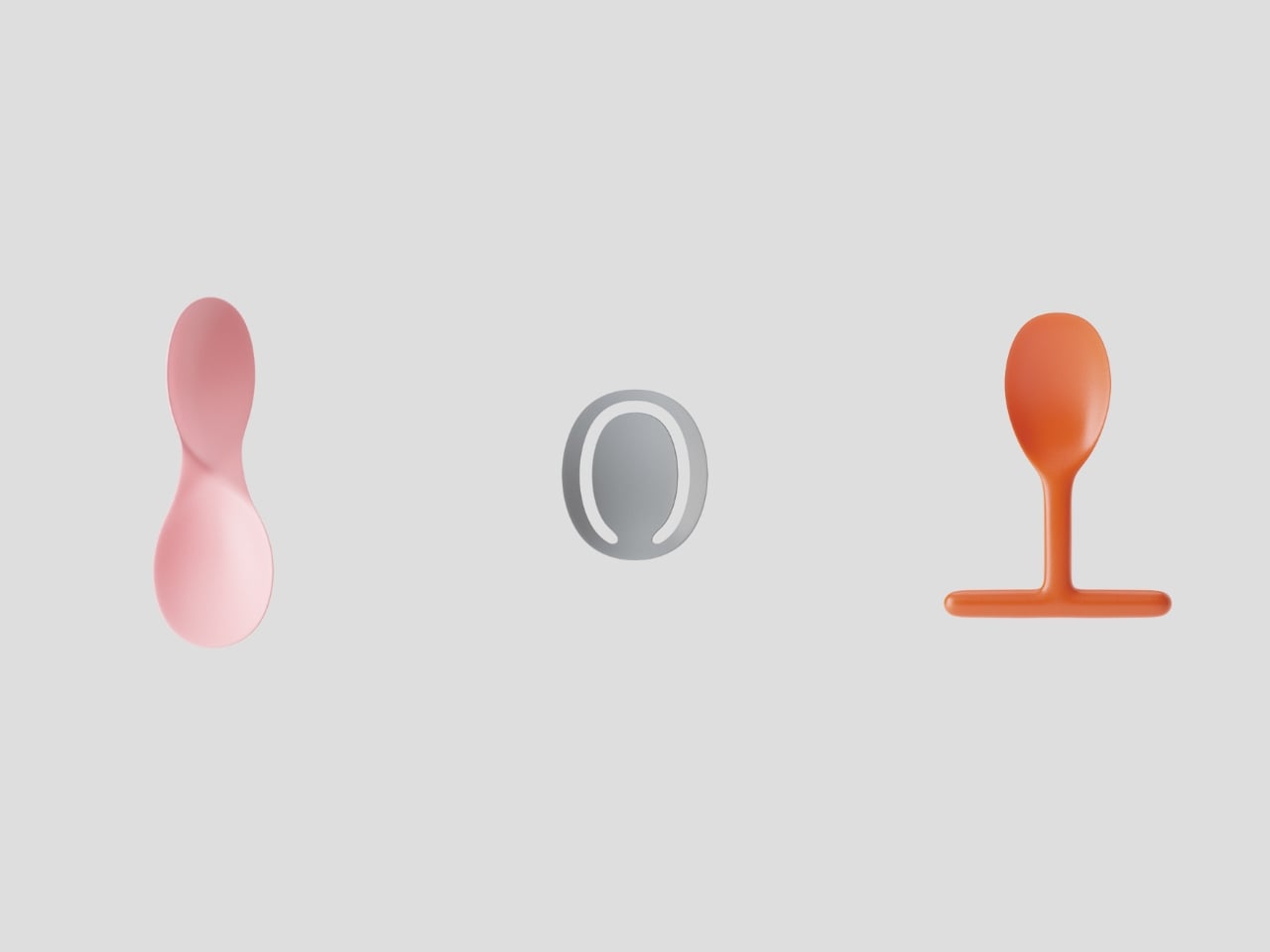
The Apollo Wooden Wheelchair was designed by Paul de Livron, a French craftsman and designer who has been making his own wheelchair models ever since he broke his spine and had to use wheelchairs back in 2013. He was finally able to create a wooden wheelchair prototype that is eco-friendly and can use locally available materials as well as not so expensive and also not that complex.

Aside from the fact that the materials used are sustainable, the other “superpower” that the wooden wheelchair possesses is that it changes the way that other people will look at those who will be using this unique-looking mobility aid. The wooden aesthetic adds an interesting aspect to something that used to be purely functional and was in fact a source of embarrassment to some of its users.

Early last year, they presented an enhanced prototype of the wheelchair to Pope Francis who has been using a wheelchair to get around because of his constant knee pain. de Livron was actually given piece of wood from the medieval frame of the Notre-Dame Cathedral to incorporate into the wheelchair and he also put in some other religious details to make it a wheelchair worthy for a pope.

The post Wooden wheelchair adds an eco-friendly and aesthetic aspect to a mobility aid first appeared on Yanko Design.
Cute, sweater-wearing android can help carry heavier objects

Whenever I write about robots, I cannot help but think about all the horror scenarios that I’ve seen in sci-fi movies and TV shows when they become our overlords after overthrowing abusive humans. But obviously, not all robots are scary in reality or at least we haven’t reached that point yet. There are also some cute and cuddly robots out there, both in pop culture and in real life. This new innovation from Toyota belongs to that latter category but it combines both hard and soft robotics.

Designer: Toyota

Punyo is the newest robot from Toyota but instead of looking like your typical robots that carry heavy things for us, it looks more like that adorable Baymax from Disney’s Big Hero 6. It’s even wearing a “sweater” that is actually functional as it actually enhances the robot’s capability to carry various things. Normally, robots just use their hands and their claw-like “fingers” but Punyo uses its chest, hips, arms – its entire body actually) to lift objects. This means it is able to carry heavier objects since it uses whole-body manipulation.

The arms of Punyo are made of air-filled bladders that can interact with different kinds of objects. Instead of the usual grippers we see on robots’ hands, there are high-friction latex bubbles as its “paws”. There are even internal cameras that are able to estimate the force that it needs to exert to carry whatever object it is holding. Inside the “sweater”, there are the usual robotic parts like rigid arms, a torso frame, and a waist actuator.

The name Punyo actually comes from the Japanese concept of “softness, cuteness, and resilience”. Combining the soft and hard robotics, as well as using teleoperation and artificial intelligence learning processes to train the android, gives us a holistic kind of robot that will not scare us but instead will be a helpful and friendly companion when it eventually becomes mass-produced. Hopefully, they will not be cute robot overlords.

The post Cute, sweater-wearing android can help carry heavier objects first appeared on Yanko Design.
BMW uses 3D printing for German bobsleigh team’s footwear

Most sports are dictated by the skill and prowess of the athletes competing but there are also some sports where the sportswear and footwear that they wear can contribute to how they perform. But not all of these sports have customizable or flexible footwear to help the athletes out. Bobsleigh is one such sport and with the Winter Olympics a year away, Germany is partnering with BMW to give their team better footwear to help them compete at the top level.
Designer: BMW

The BMW Group is the technology partner of the German Bobsleigh, Luge, and Skeleton Federatin (BSD) and they have come up with customizable spiked shoes for the bobsleigh team using the power of 3D printing. Regular bobsleigh footwear have defined rows of nails attached to the toe area but these are not replaceable or moveable. Based on track and field shoes, which are more flexible, they came up with threads for screw spikes which are used to attach spike plates on which spike nails can be distributed.

This means that the spikes can be adjusted to a large selection of shoe styles, sizes, and other aspects to make them more comfortable and suitable for the athletes’ needs. You can also adjust the material and geometry of the plates and the placement of the spike nails, giving better acceleration according to the power transmission on the ice. And since 3D printing is used, they get to be more flexible and test out the spikes and make adjustments, without having to spend a fortune and spend so much time manufacturing.

They were able to test out the spike plates during the Bobsleigh World Cup (which ends later this month) and so far, they were able to get positive feedback from the athletes that they made them for. Of course there are still changes that need to be made but they do have 11 months to go for it before the Winter Olympics in February 2025. We’ll also see by then what effect these spikes have on the German team’s performance.

The post BMW uses 3D printing for German bobsleigh team’s footwear first appeared on Yanko Design.