The GRAVITY C5 Magnetic Wireless Charging Power Bank from ADAM elements offers a combination of convenience and efficiency for on-the-go charging with sleek aesthetics. Measuring only 8.7mm in thickness, this power bank is impressively slim and lightweight, making it incredibly easy to carry and handle with just one hand. Whether you’re slipping it into your pocket, a small bag, or carrying it in your hand, it ensures you have a reliable power source on the go without adding unnecessary bulk.
Built to support MagSafe charging, this device is compatible with iPhone 12, 13, 14, and 15 series. It securely and automatically attaches to your iPhone using a strong magnetic alignment, ensuring instant charging without the need for plugging in cables. This feature is particularly useful for those who are always on the move, as it allows for quick and easy attachment and detachment. The magnetic design also ensures that the power bank does not obstruct your phone’s camera, allowing you to continue using your phone for taking pictures or shooting videos and other usages without interruption.
One of the impressive features of this power bank is its dual charging capability. It supports USB-C 20W wired fast charging and 15W MagSafe wireless charging, allowing you to simultaneously charge up to two devices. This dual functionality is especially convenient for users with multiple devices, such as an iPhone, and wireless earbuds, such as an AirPod Pro, as it eliminates the need for multiple chargers and cables. A powerful 5000mAh lithium battery provides ample power to keep your devices running throughout the day, making it an ideal accessory for travelers, commuters, and busy professionals who need a reliable power source wherever they go.
Safety is a top concern with this device, which is equipped with over-current protection (OCP), over-voltage protection (OVP), and Foreign Objects Detection (FOD). These safety features protect your devices from potential damage during charging, providing peace of mind. The inclusion of these safety mechanisms underscores the commitment to delivering high-quality, reliable products that prioritize user safety and device longevity.
In terms of design, it is crafted from high-quality aluminum, combining durability with a sleek, modern look. Despite its robust construction, it remains lightweight, enhancing its portability and ease of use. Available in five attractive colors—Pink, Blue, Purple, Red, and Gray—it allows users to choose a color that best matches their personal style and preferences. This attention to aesthetic detail makes it a functional accessory that also adds a touch of style to your everyday tech ensemble.
Each package includes a storage pouch and a 200 mmUSB-C charging cable, providing everything you need for a seamless charging experience. T. Additionally, a one-year warranty is provided, ensuring reliable support and customer service for your purchase.
The GRAVITY C5 Magnetic Wireless Charging Power Bank is a practical and stylish solution for keeping your devices charged and ready for use. Its slim design, dual charging capability, and comprehensive safety features make it a versatile and reliable choice for anyone looking to stay powered up throughout the day. Whether you’re a frequent traveler, a busy professional, or someone who values convenience and style in their tech accessories, this power bank is designed to meet your needs and exceed your expectations.
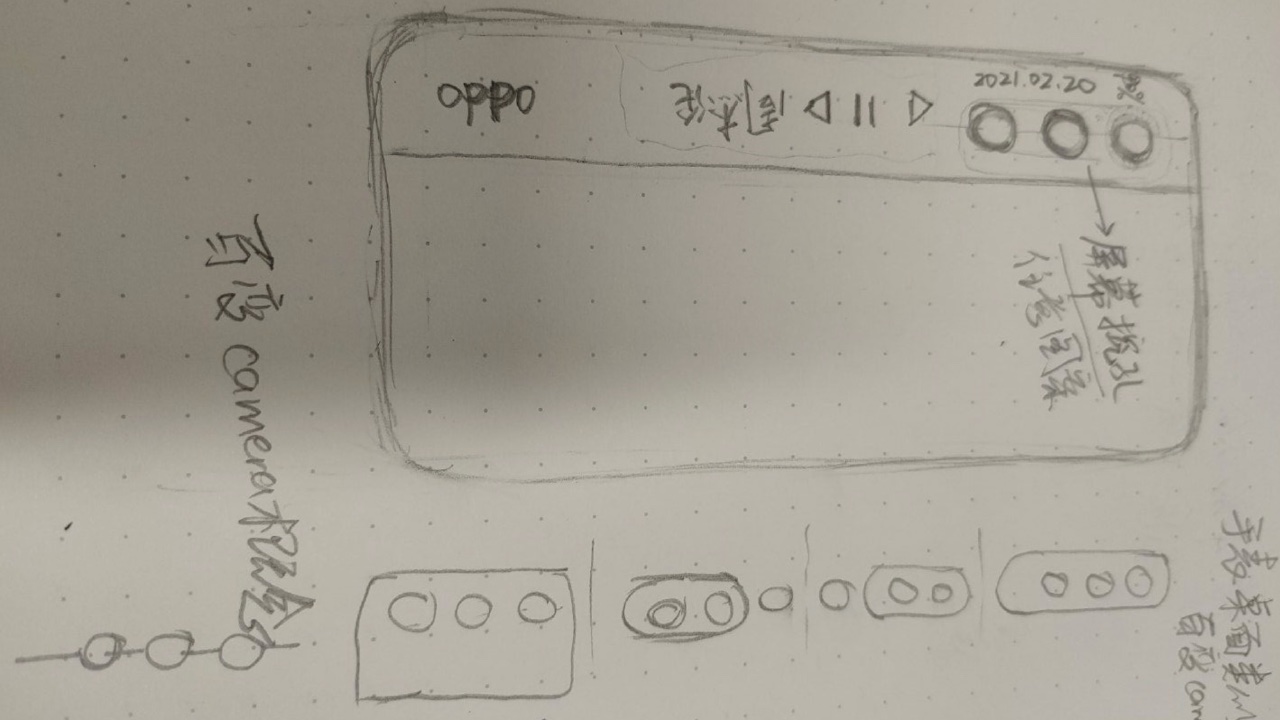
Technological innovation often requires navigating a labyrinth of ideas and balancing creativity with practicality. This journey is vividly illustrated by a story shared by Pete Lau, SVP & CPO of OPPO and Founder of OnePlus. It centers on a bold, almost revolutionary smartphone concept imagined by Will Zhou, head of OPPO’s Find Series product line. This narrative explores the essence of what makes a great product idea and reveals the nuanced decisions behind design innovation.
Designer: OPPO
Zhou’s vision, born five years ago, was nothing short of radical. He imagined a smartphone with a secondary display on its back—not just an additional screen but a dynamic interface that would transform users’ interactions with their devices. This secondary display would serve up personalized content, real-time updates, and interactive widgets, offering a new dimension of functionality that traditional smartphones lacked.
Sketch share by Pete Lau, SVP & CPO of OPPO, Founder of OnePlus
The allure of this concept lies in its potential to revolutionize user experience. Imagine glancing at the back of your phone to see tailored notifications, weather updates, or even a customizable digital art piece without the need to unlock your primary screen. This idea promised a fusion of aesthetics and utility, aiming to make every interaction with the device more intuitive and engaging.
However, as OPPO’s team delved deeper into the feasibility of this design, they confronted a critical question: What value would this secondary screen truly provide to users? They needed to consider whether the additional display could offer something substantial that the primary screen couldn’t already accomplish. This introspection is crucial in product development, where tangible user benefits must justify innovation.
At OPPO, the approach to innovation is defined by a balance between audacity and pragmatism. The team navigates the excitement of new ideas while remaining their own harshest critics. This process ensures that only the most viable concepts advance. OPPO’s culture empowers teams to dream big and challenge norms, but it also emphasizes the importance of clarity and practical application.
Despite the potential and initial excitement surrounding Zhou’s concept, it was ultimately shelved. This decision wasn’t a failure but a testament to OPPO’s commitment to meaningful innovation. By rigorously evaluating the idea, the team recognized that the secondary display, while fascinating, didn’t offer enough unique value to justify its implementation.
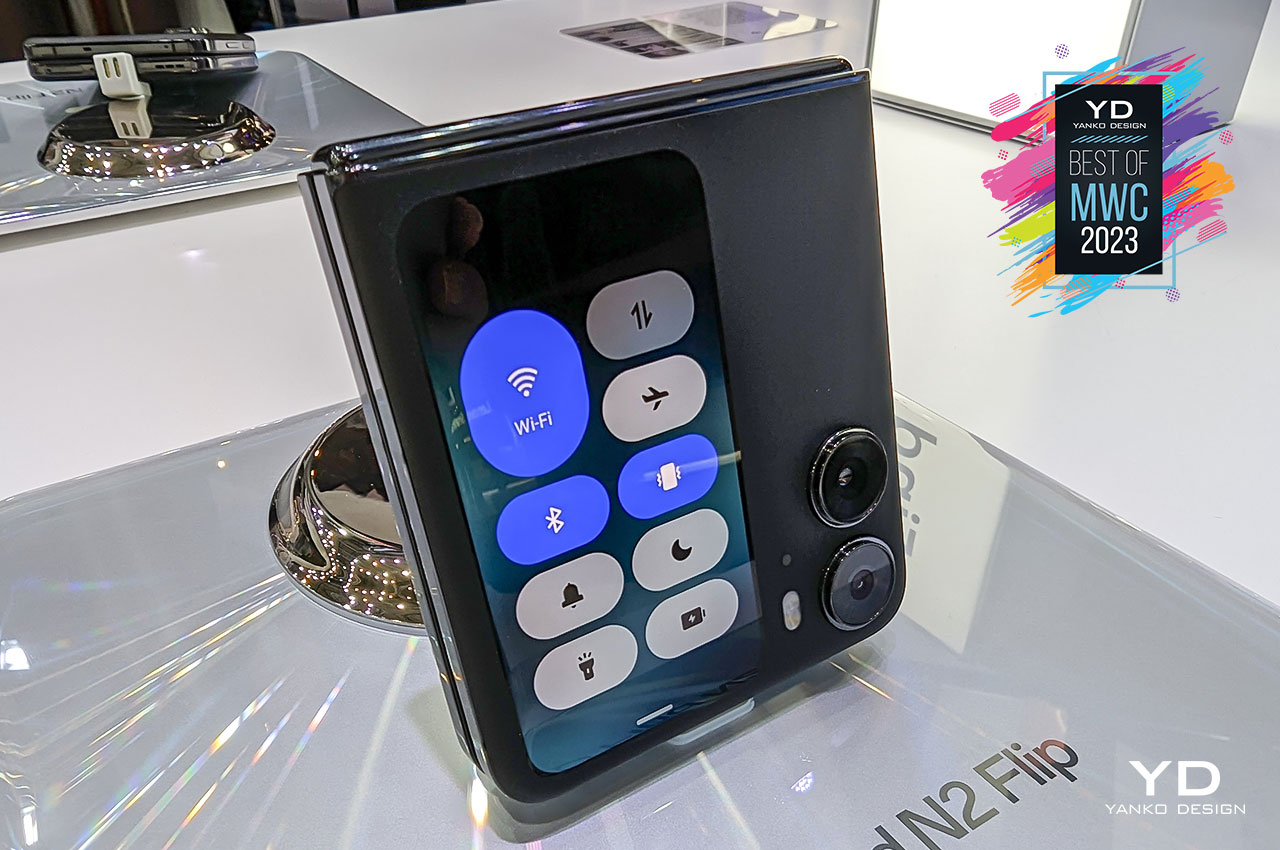
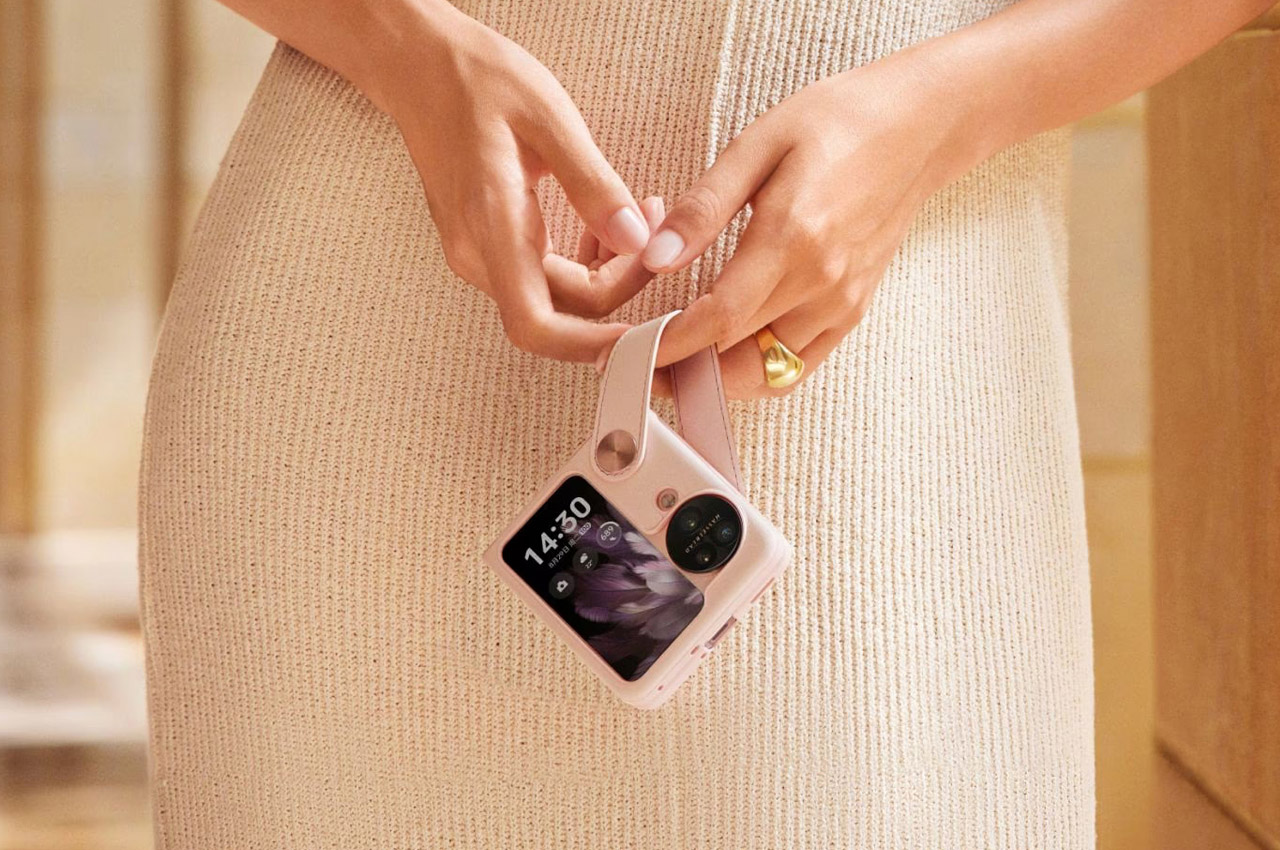
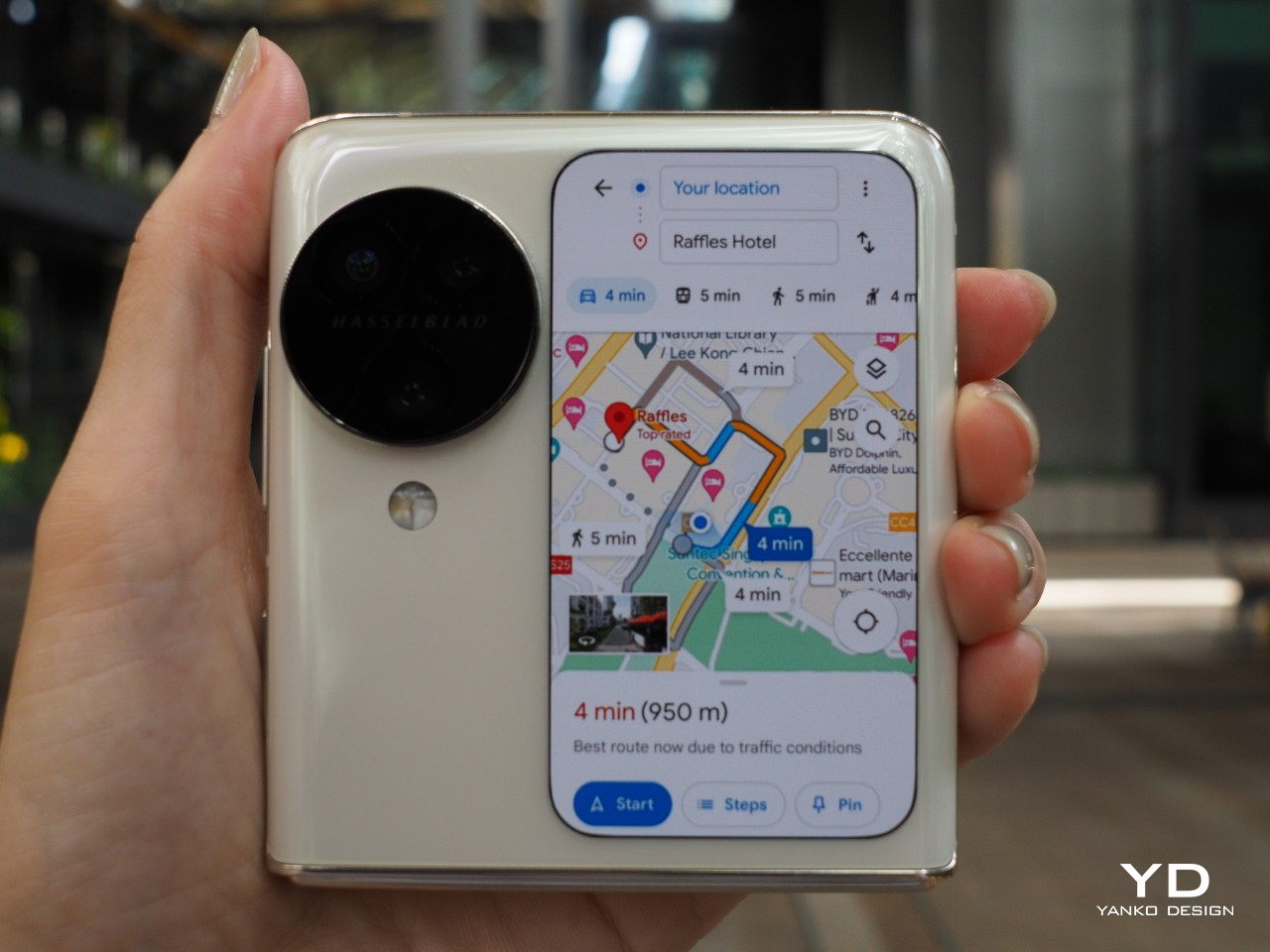
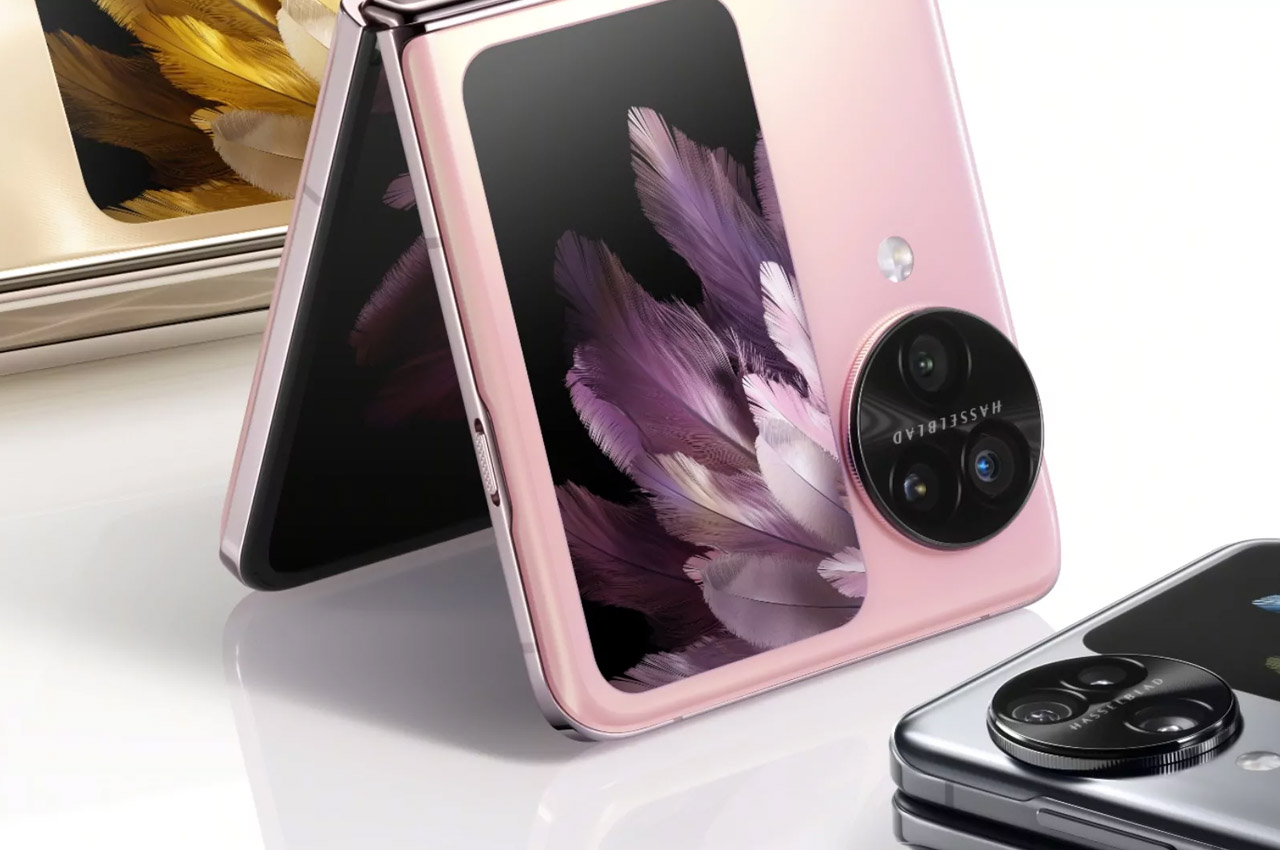
Interestingly, this exploration wasn’t in vain. The lessons learned from the secondary display concept paved the way for other innovations, like the exterior display on the Find N Flip devices. This evolution underscores how every idea can contribute to future advancements, even those not realized.
Reflecting on this journey, it’s clear that ideas that appear promising on paper may only sometimes succeed in the market. The real challenge lies in identifying which concepts can mature into practical, user-centered solutions. Innovation involves creating value that resonates with users and enhances their everyday experiences.
Understanding the delicate balance between creativity and practicality is essential in product design. The story of OPPO’s unseen smartphone concept serves as a reminder that innovation involves an intricate dance of daring ideas and meticulous scrutiny. By focusing on what truly matters to users and ensuring that every innovation is visionary and viable, companies like OPPO continue to drive the tech industry forward, one thoughtful design decision at a time.
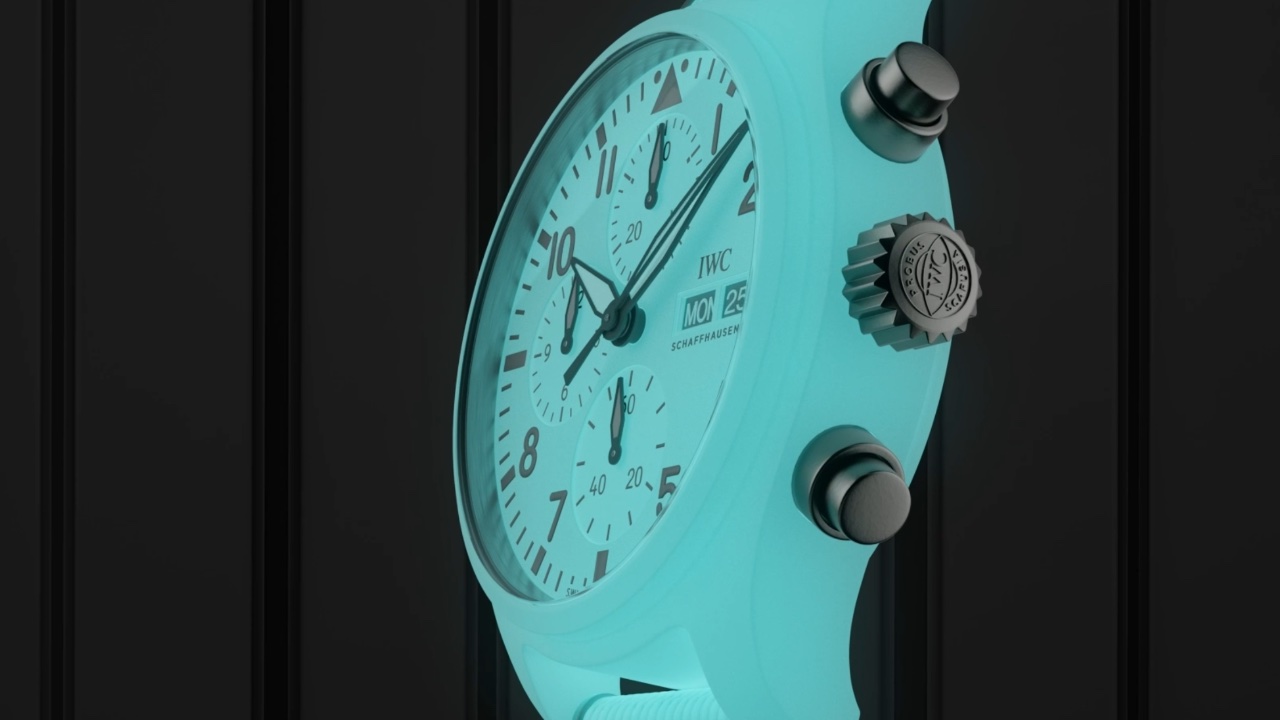
Imagine strapping a stylish mini flashlight to your wrist. That’s the magic of Ceralume, IWC Schaffhausen’s innovative luminous ceramic technology. Developed by the tech experts at IWC’s XPL division, Ceralume combines ceramic powders with high-grade Super-LumiNova pigments. These pigments absorb light and emit it, ensuring your watch glows brightly for over 24 hours in the dark. Whether navigating a dark trail or trying to find your keys at night, your watch has got you covered.
Designer: IWC Schaffhausen
Revolutionary Material and Engineering
Ceralume is a cut above the rest when it comes to ceramics. Traditional ceramics are already lightweight, incredibly hard, and highly resistant to scratches. However, IWC has taken things further by incorporating Super-LumiNova pigments, enhancing durability and luminescence. Achieving a perfect blend of these materials posed a significant challenge. Think about trying to mix the finest flour with sparkly glitter—it’s not easy. IWC’s engineers developed a custom ball milling process to ensure a perfect mix.
Pilot’s Watch Chronograph 41 with Ceralume Case
Once the mix’s perfected, the ceramic gets heated in a kiln through sintering to turn it into a solid block. This step has to be precise to retain the luminescent properties without compromising the ceramic’s strength. The final stage involved grinding the ceramic to achieve the desired finish, ensuring it was both tough and brilliantly luminous. This meticulous process highlights IWC’s commitment to innovation and quality in watchmaking.
Enhanced Functionality and Aesthetics
Super-LumiNova pigments are incredibly effective. They absorb light from any source—sunlight, indoor lighting, you name it—and then emit it as a bright, blueish glow in the dark. These pigments can keep glowing indefinitely without degrading. As long as your Ceralume watch is exposed to light, it will continue to shine.
Pilot’s Watch Chronograph 41 with Ceralume Case
The luminous effect adds practicality and enhances the watch’s aesthetic appeal. Your watch will be highly visible and easily read in low-light conditions. Whether you’re at a dimly lit restaurant or on a night hike, the bright blueish glow makes a striking impression. The luminous properties add a unique visual effect that sets these watches apart from traditional ceramics, blending advanced technology with elegant design. It’s a testament to IWC’s innovative approach to combining functionality with style.
Pilot’s Watch Chronograph 41 with Ceralume Case
Future Implications and Developments
Ceralume represents a significant milestone for IWC Schaffhausen, paving the way for future innovations in luxury watchmaking. This patent-pending technology will be the foundation for new models, allowing IWC to continue its legacy of pioneering advancements in watch materials. The ability to produce fully luminous ceramic watch cases opens up exciting possibilities for design and functionality, providing watch enthusiasts with practical and visually stunning timepieces.
Ceralume Case
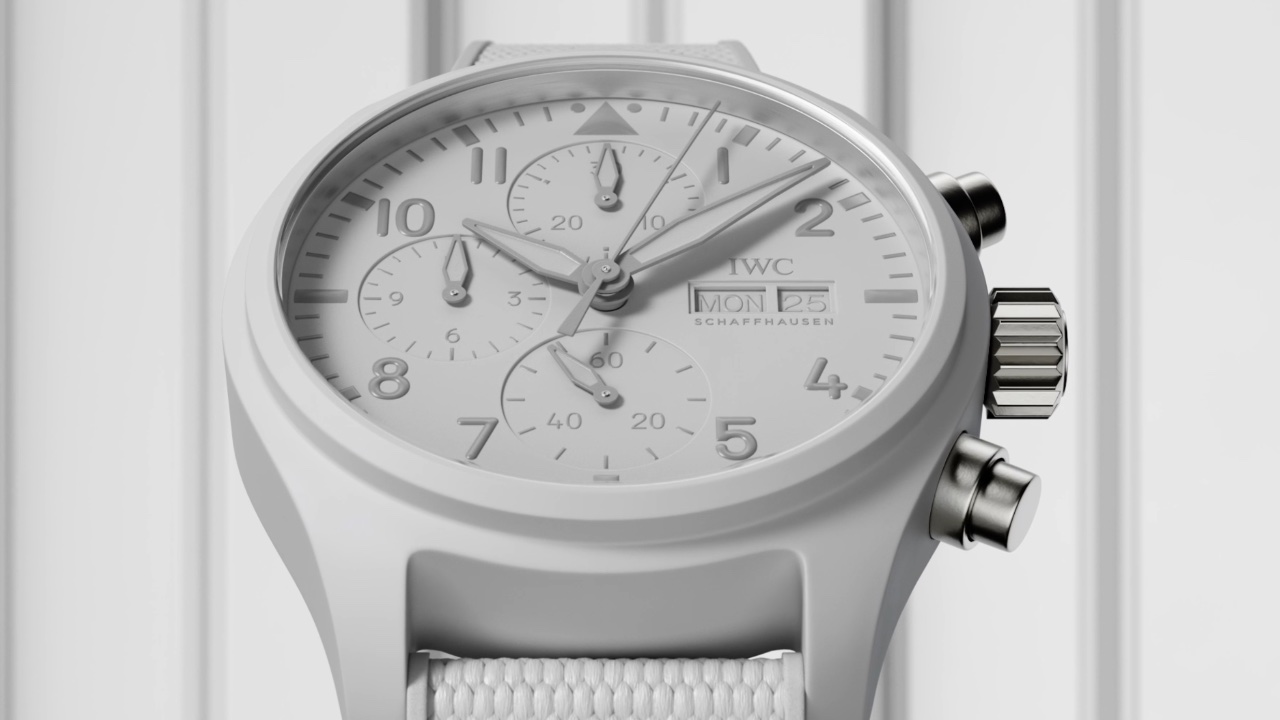
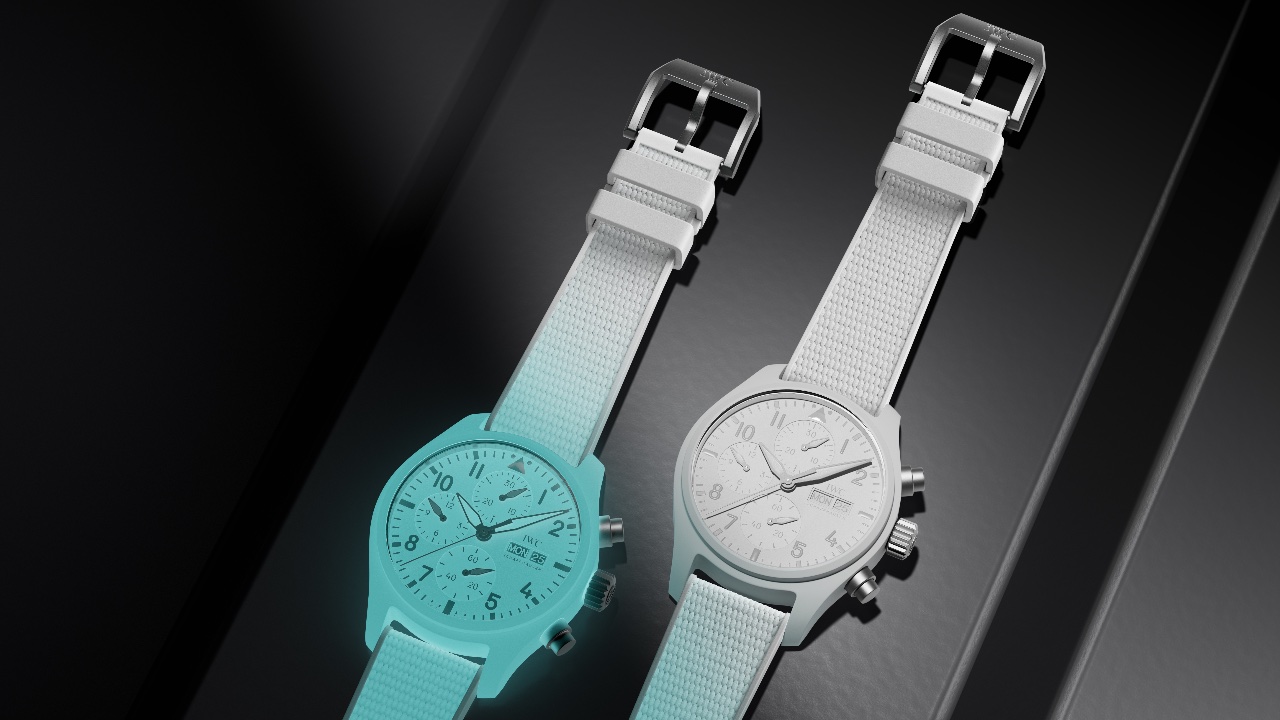
IWC’s first fully luminous ceramic concept watch, the Pilot’s Watch Chronograph 41, showcases the potential of Ceralume. It perfectly blends functionality and style with a glowing ceramic case, a white luminescent dial, and a rubber strap enriched with Super-LumiNova pigments. This watch makes a bold statement and signals IWC’s commitment to innovation and trend-setting in the watchmaking industry.
Pilot’s Watch Chronograph 41 with Ceralume Case
Looking ahead, IWC’s continued research and development in luminescent ceramics promise even more breakthroughs. Combining advanced materials with innovative manufacturing processes, IWC remains at the forefront of luxury watchmaking. They are setting new standards for durability, functionality, and design. As IWC continues to explore the potential of Ceralume, watch enthusiasts can expect more exciting developments and exceptional timepieces that reflect the brand’s commitment to excellence. So, next time you’re considering a new watch, think about one that lights up your world.
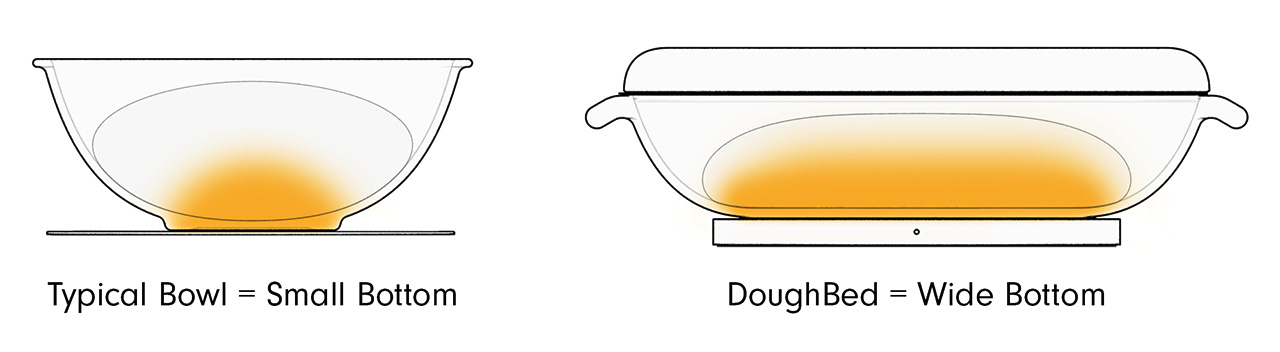
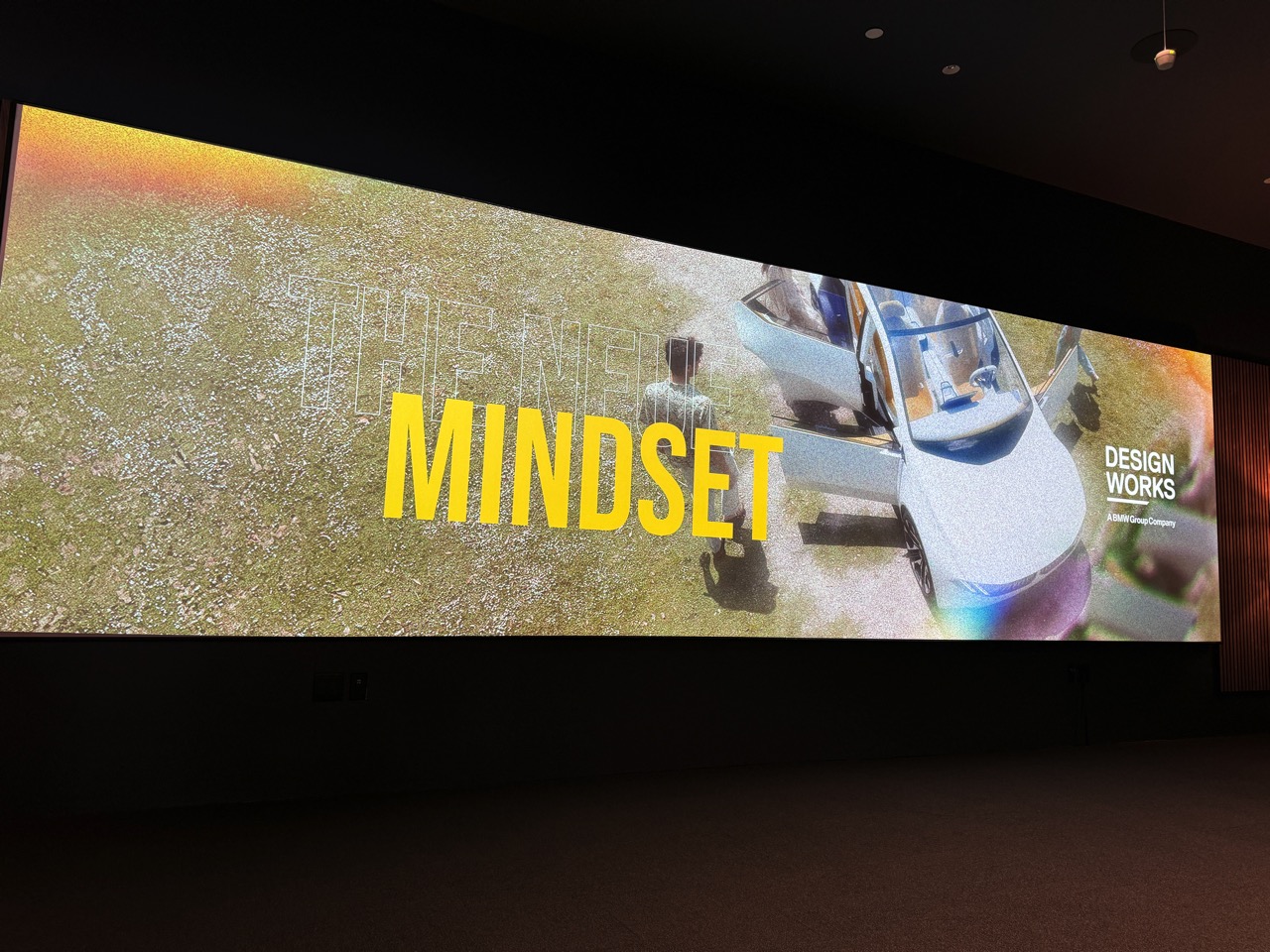
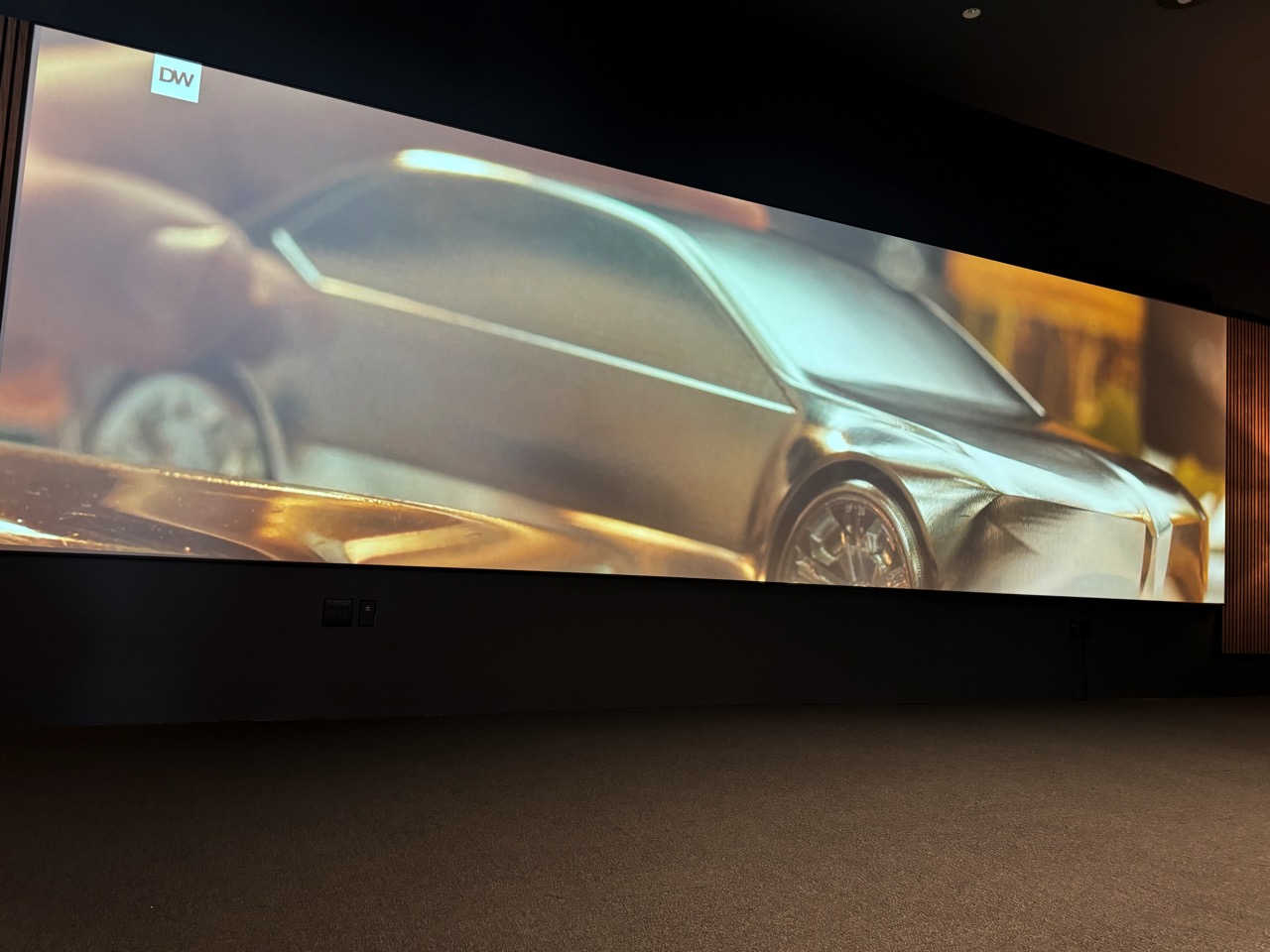
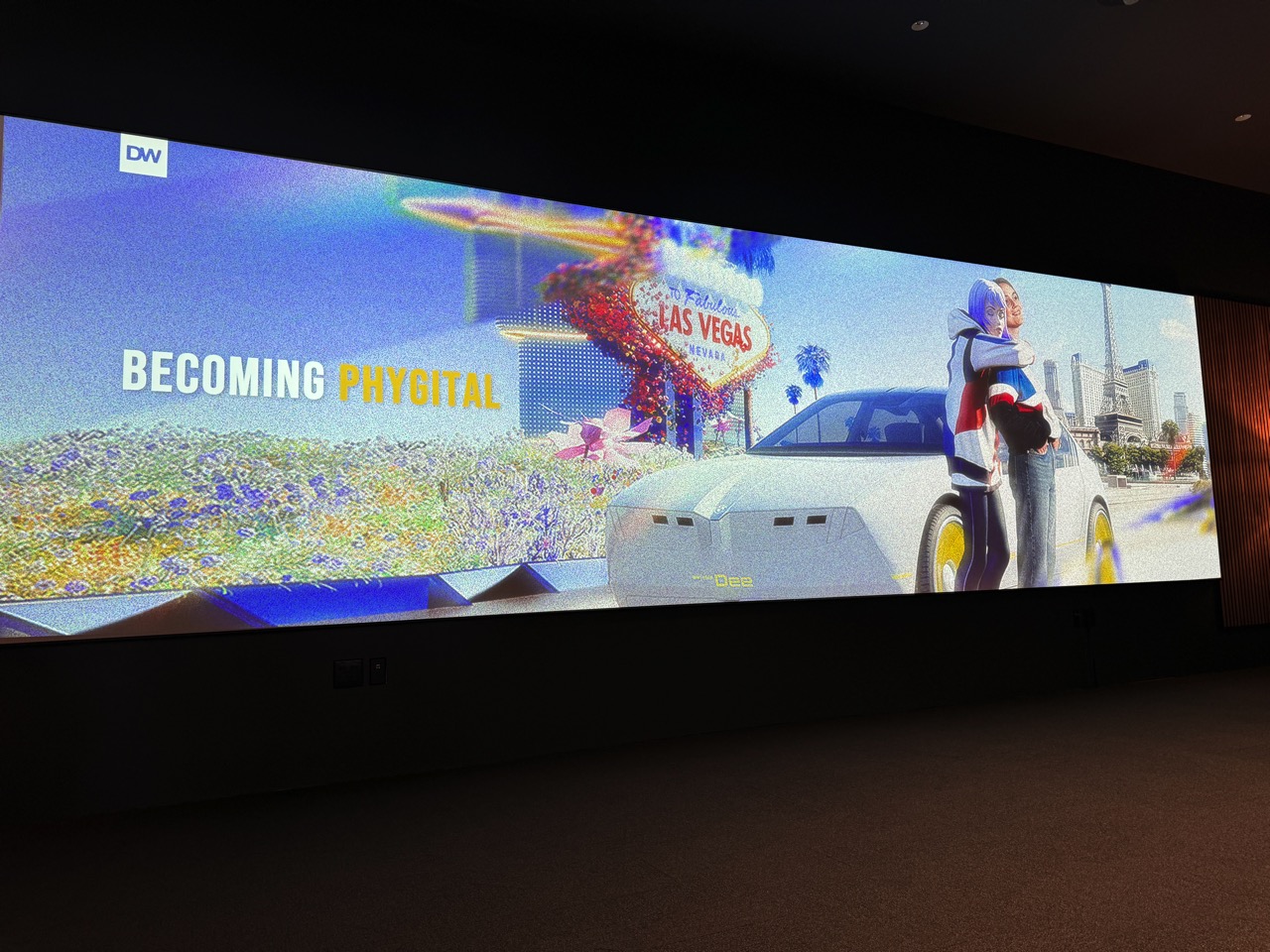
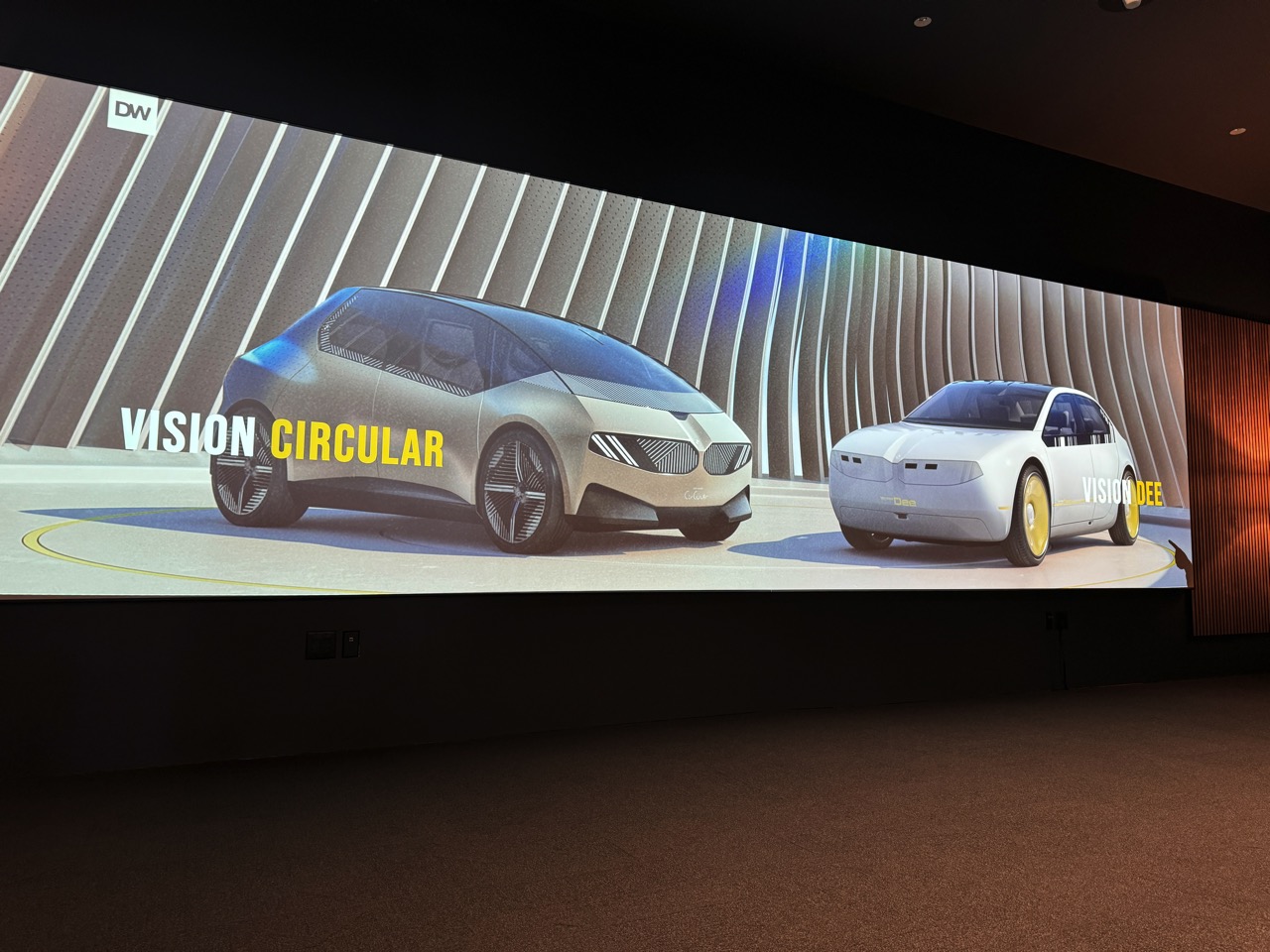
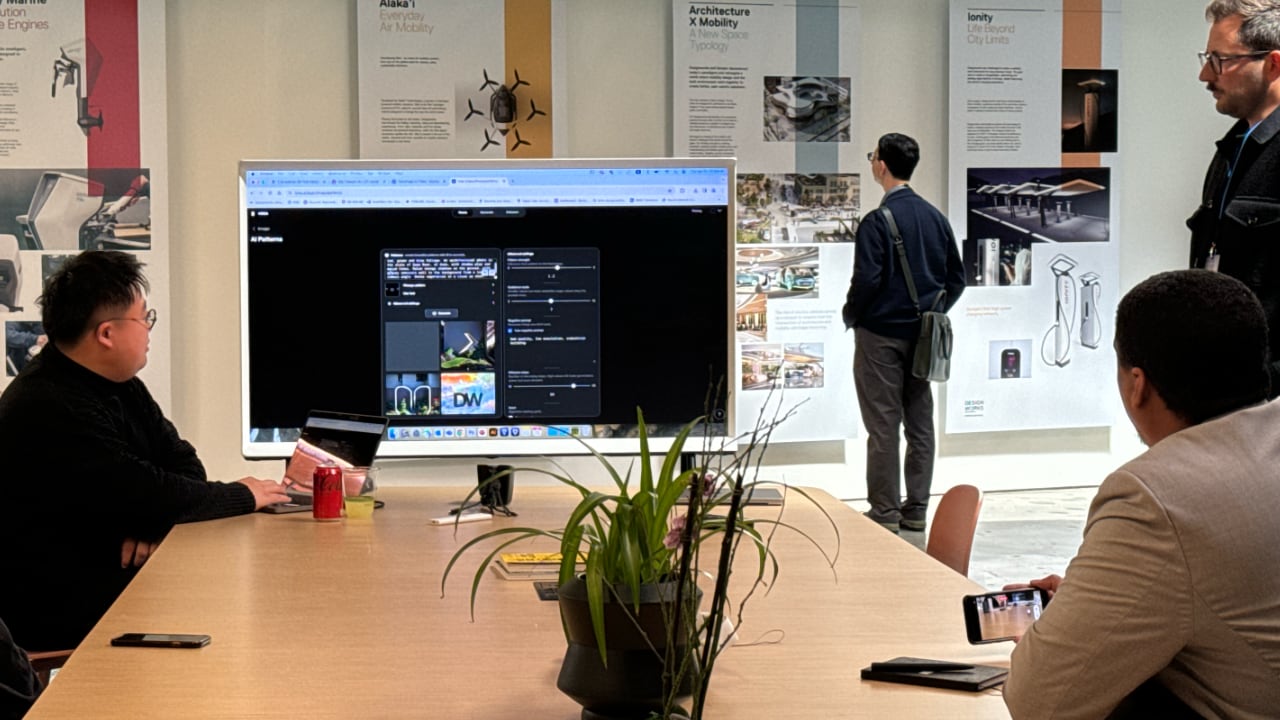
AI in the design process reshapes the industry, and BMW’s Designworks studio leads this transformation. AI tools like MidJourney, Runway, and Kaiber enhance how designers generate images, create animations, and develop textures inspired by nature and existing designs. This shift streamlines workflows and democratizes creativity, making it easier for designers to visualize and iterate on ideas quickly.
Designer: BMW Designworks
Revolutionizing Workflow and Democratizing Creativity
These AI tools have become essential in BMW’s Designworks studio. They allow the generation of images, animations, and textures that would otherwise require labor-intensive traditional methods. By leveraging AI, designers can explore creative possibilities quickly and efficiently, significantly reducing the time and effort needed to bring concepts to life.
Traditionally, creating a new design involves numerous steps: sketching, modeling, rendering, and iterating based on feedback. Each of these steps can be time-consuming and resource-intensive. However, with AI, designers can input parameters or a simple sketch and receive multiple fully realized design options within minutes. This rapid iteration capability allows for more experimentation and refinement, leading to higher quality and more innovative designs.
AI democratizes creativity by enabling designers with varying skill sets to contribute effectively to projects. Even those without extensive experience in animation or 3D modeling can produce compelling visual content. This inclusivity fosters a more collaborative environment where team members can present fully visualized ideas during brainstorming sessions, resulting in a more productive and innovative development process.
At BMW’s Designworks, this collaborative spirit is evident. Team members from different disciplines—industrial design, UI/UX, and creative consulting—can all contribute to the design process. AI tools bridge the gap between these disciplines, allowing for a unified creative vision. During brainstorming sessions, designers can bring AI-generated visuals to the table, enabling more effective communication and collaboration. This speeds up decision-making and ensures that the final design is holistic and well-rounded.
Inspiration, Innovation, and Practical Applications
AI-generated content provides unique sources of inspiration that traditional methods often miss. This capability helps designers think outside the box and push the boundaries of conventional design. For instance, AI can blend textures, materials, and shapes in ways that might not occur to a human designer, leading to innovative and unexpected results.
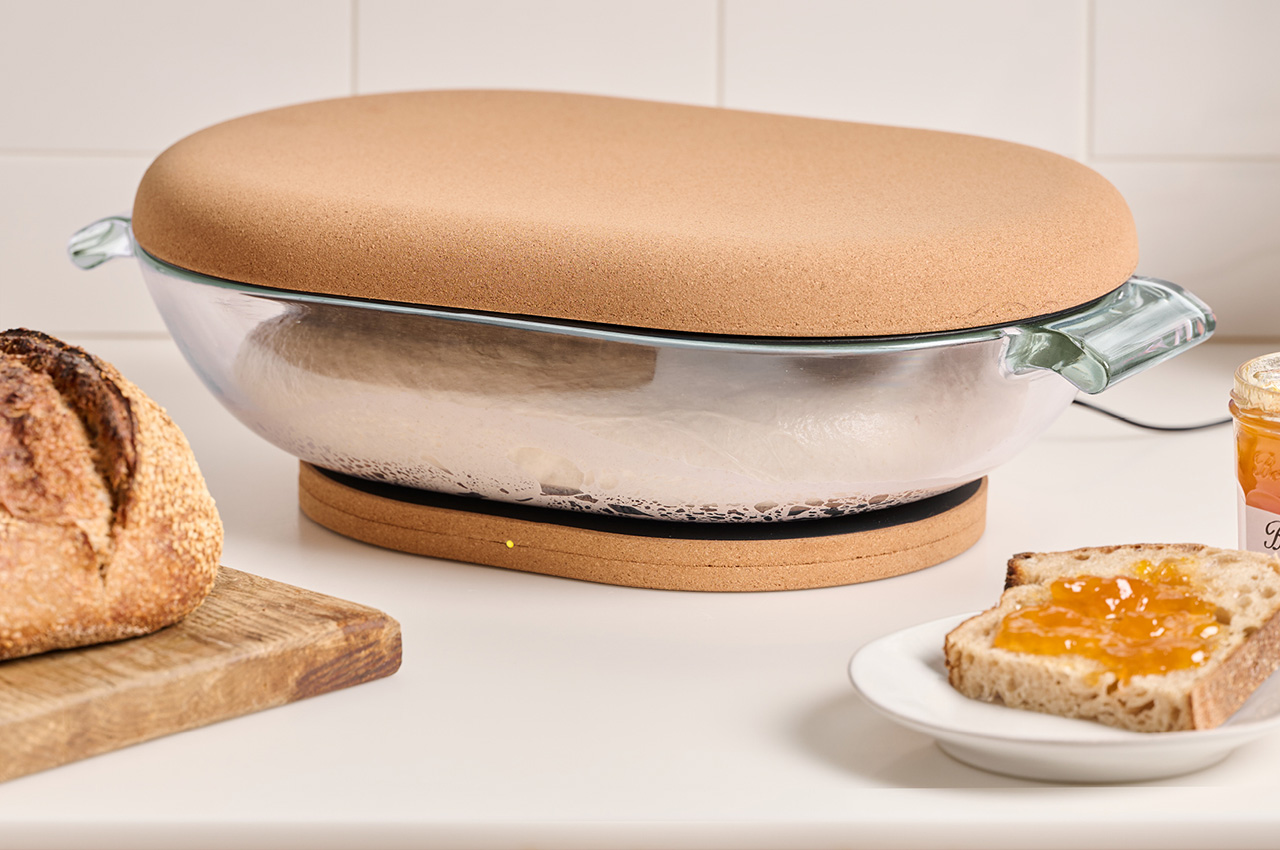
While AI tools are powerful, human designers’ creative input and oversight remain essential. AI serves to augment human creativity, not replace it. Designers at BMW’s Designworks use AI as a starting point, a source of inspiration that can be further refined and developed. This synergy between AI and human creativity ensures the final product is technologically advanced and artistically inspired.
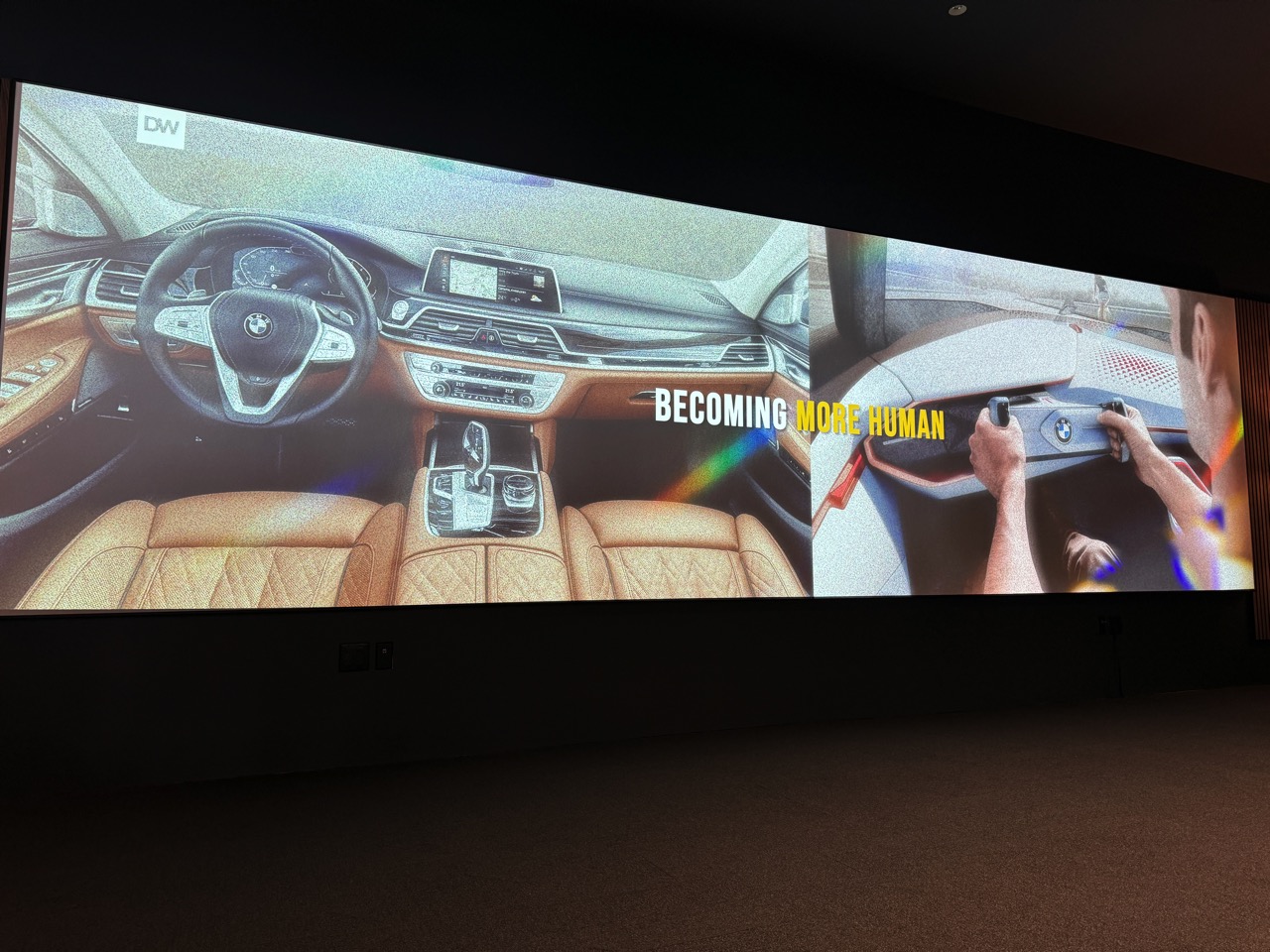
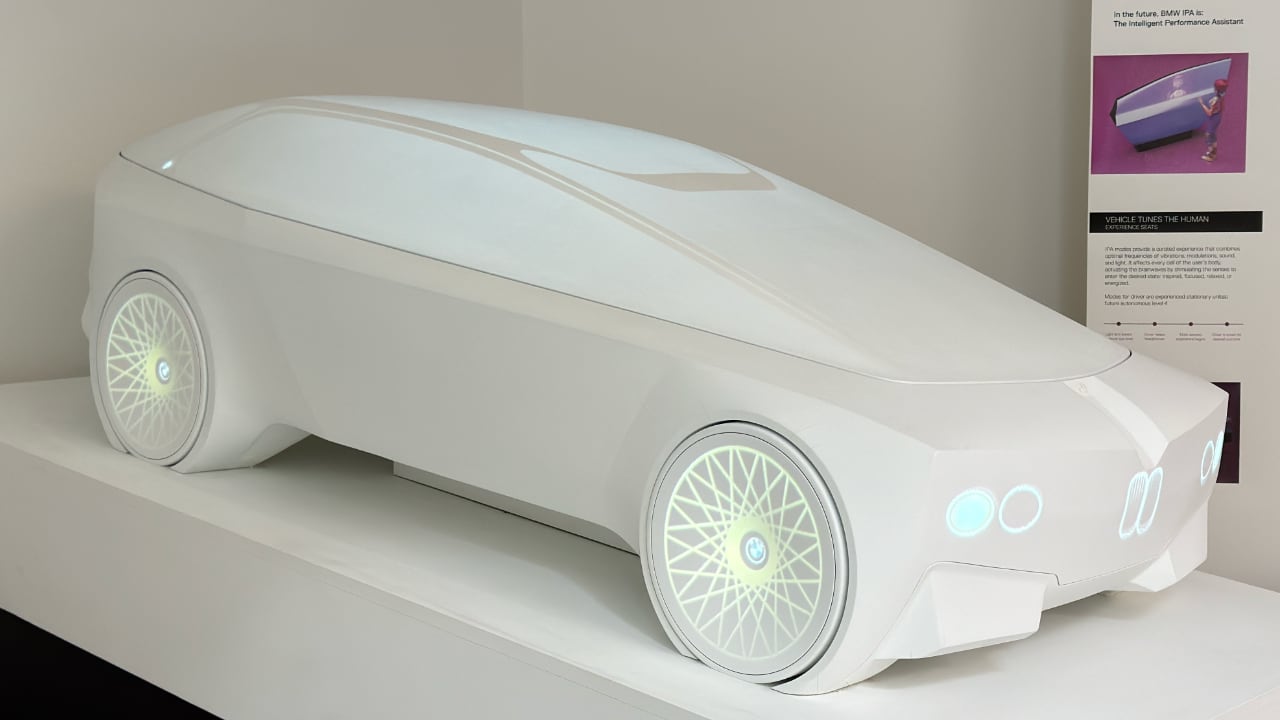
One illustrative example is the use of AI in automotive design. AI tools are employed to design various aspects of BMW vehicles, including both interiors and exteriors, emphasizing the integration of all elements. By visualizing how different materials and textures can be blended, AI helps create cohesive and aesthetically pleasing designs. This approach enhances the vehicle’s visual appeal and aligns with BMW’s commitment to sustainability and innovation.
The practical application of AI tools is evident in various projects at BMW’s Designworks. For example, the design team often demonstrates how tools like MidJourney and Runway create design elements. They might show how an AI-generated texture can be applied to a vehicle interior or how an animated sequence can bring a design concept to life. These demonstrations provide tangible insight into AI’s capabilities and how it enhances the design process.
Technological Advancements, Competitive Advantage, and Future Outlook
AI development is rapid, with new tools and updates released frequently. This requires designers to continually update and integrate these new capabilities into their workflows. Designworks continuously explores and adopts the latest AI technologies to maintain a competitive edge.
The competitive advantage that AI provides BMW is multifaceted. First, the ability to rapidly generate and iterate on design ideas allows BMW to stay ahead of market trends and respond quickly to changing consumer preferences. This agility is crucial in the highly competitive automotive industry, where innovation and timely market entry can be decisive success factors.
Second, the democratization of creativity means that BMW can leverage the full potential of its design team, harnessing diverse perspectives and talents to create more innovative and appealing designs. This inclusive approach fosters a more dynamic and creative work environment and leads to designs that resonate more deeply with a broader range of customers.
Third, integrating AI in the design process enhances the quality and precision of BMW’s vehicles. AI tools can analyze vast amounts of data and generate optimized performance, aesthetics, and sustainability designs. This results in cars that are not only visually stunning but also technically superior, reinforcing BMW’s reputation for excellence and innovation.
The future outlook for AI in design is promising. As AI tools become more sophisticated, their integration into the design process will become even more seamless. Designers will have access to more advanced capabilities to create more complex and refined designs. This evolution will likely lead to even greater innovation and efficiency in the design process.
BMW’s Designworks studio illustrates how AI can transform the design process. By leveraging advanced tools like MidJourney, Runway, and Kaiber, the studio has improved its workflows, democratized creativity, and fostered a more collaborative environment. AI-generated content provides unique sources of inspiration, while the rapid development of AI technologies ensures that designers can continue to innovate and push the boundaries of conventional design. As AI tools become more integrated into the design process, the future of design at BMW’s Designworks looks brighter and more exciting than ever.

In embracing AI, BMW stays at the cutting edge of automotive design and secures its position as a leader in innovation, creativity, and excellence in the automotive industry.
Generative AI, or GenAI, has been making waves in the software industry for several years, proving its potential to revolutionize various sectors with its ability to generate new content and provide insightful analyses based on existing data. However, it is only recently that this technology has started to transition from software applications to consumer hardware, specifically within the mobile phone market. This transition marks the beginning of a new era in consumer electronics, where smartphones are not only smart in name but are endowed with the capability to perform complex AI tasks that were once reserved for powerful servers.
The term “GenAI smartphone,” or “GenAI phones” for short, began to gain traction in the last six months, emerging prominently in reports from leading market research firms. These devices are distinguished from standard smartphones’ ability to harness large-scale, pre-trained generative AI models to create and modify content directly on the device. This capability isn’t just a marginal upgrade to existing features. Still, it represents a fundamental shift in how mobile technology interacts with users, offering distinctive personalization and functionality directly from one’s hand.
As these GenAI smartphones prepare to enter the market, they promise to redefine user interactions with mobile devices. With the potential to handle tasks ranging from real-time language translation and complex content creation to intuitive personal assistants that understand and predict user needs, GenAI phones aim to set a new standard in mobile computing. This evolution from a communication tool to an intelligent companion stresses a pivotal shift in the mobile industry, driving consumer excitement and industry innovation. As we stand on the brink of this technological leap, it is crucial to understand what precisely a GenAI smartphone is, how it differs from traditional smartphones, and what it promises for the future of mobile technology.
What is a GenAI Phone?
A GenAI phone represents a new category of smartphones that embed generative artificial intelligence (AI) at the core of their functionality, offering previously unimaginable capabilities in a handheld device. These devices integrate large-scale, pre-trained AI models to provide unprecedented personalization and functionality directly from one’s hand.
At the heart of a GenAI phone are AI-driven applications capable of generating original content. Whether it’s composing personalized emails, designing unique artwork, or creating music from simple user prompts, these applications dynamically produce outputs tailored to user interactions. Unlike traditional apps that operate within their confines, AI tools in a GenAI phone are embedded system-wide, enhancing the user experience across all functionalities. This integration ensures that AI capabilities improve everything from the camera and messaging apps to system settings, adapting to the user’s behavior to predict and automate actions like app selection or environmental adjustments.
GenAI phones are equipped with specialized CPUs explicitly designed for intensive AI tasks to power these sophisticated features. These processors perform billions of operations per second, enabling the device to run complex AI models directly on the device. This capability of processing data locally speeds up operations by eliminating the latency associated with cloud computing. It significantly enhances user privacy and security, as sensitive data does not need to be transmitted over the Internet.
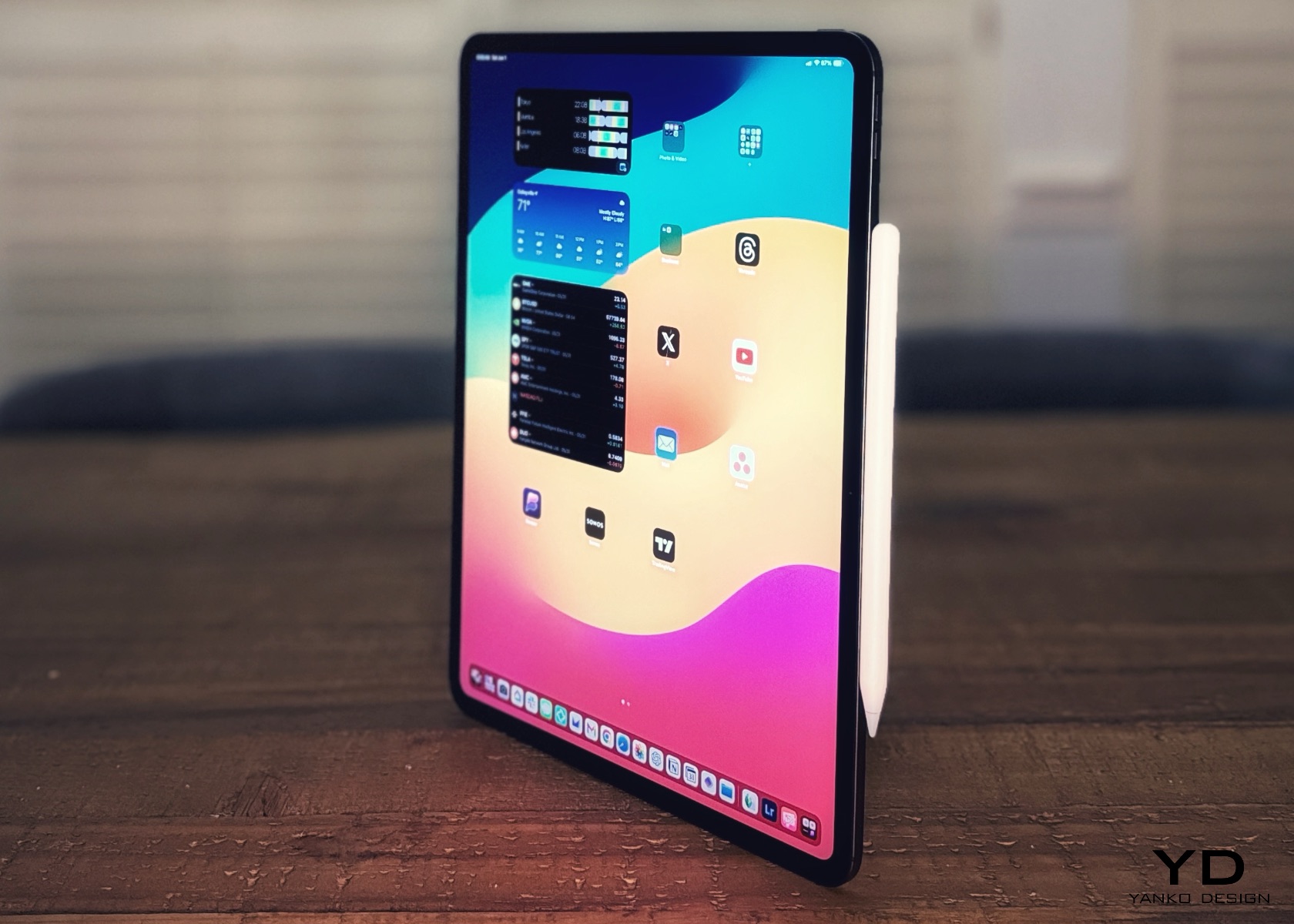
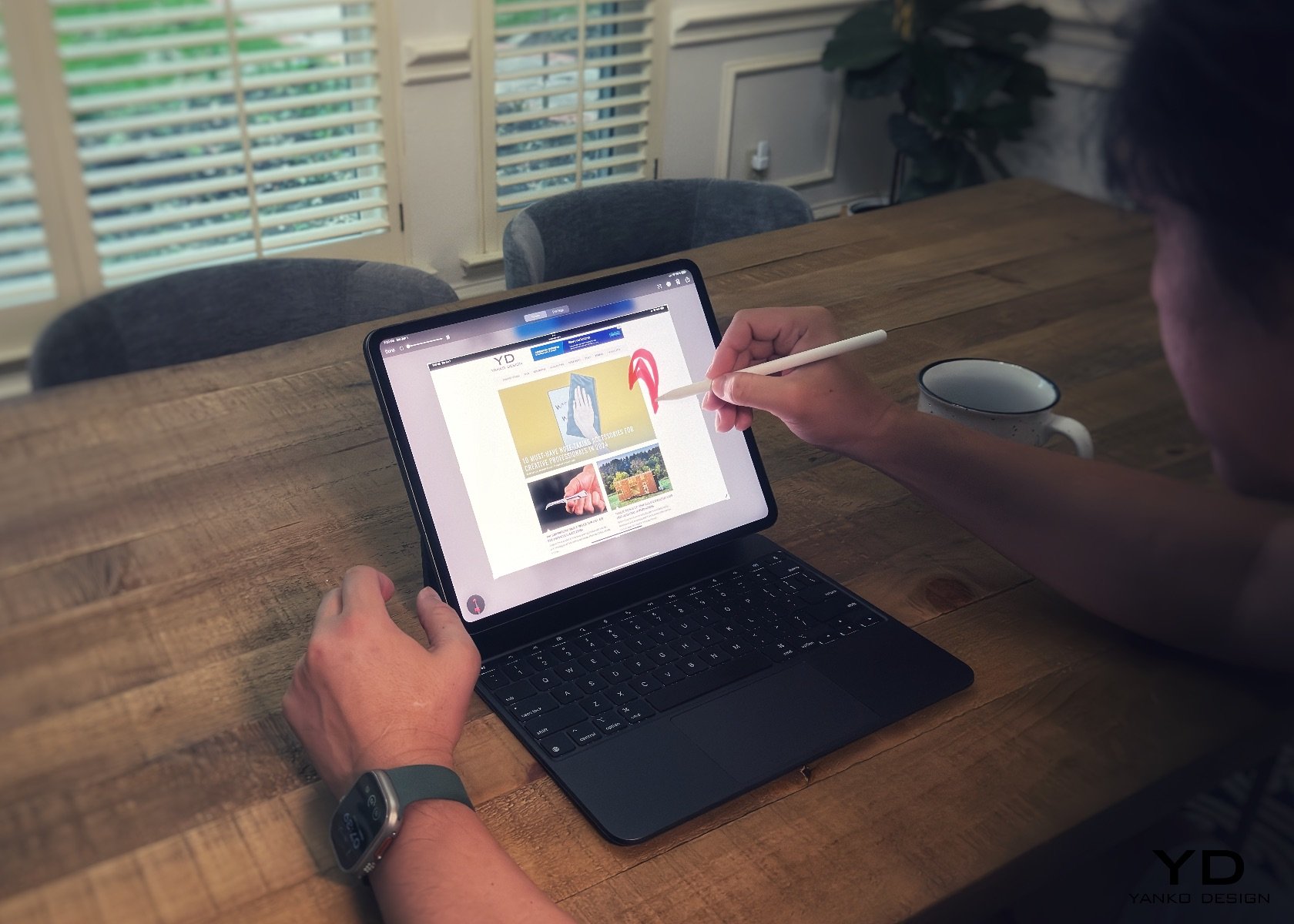
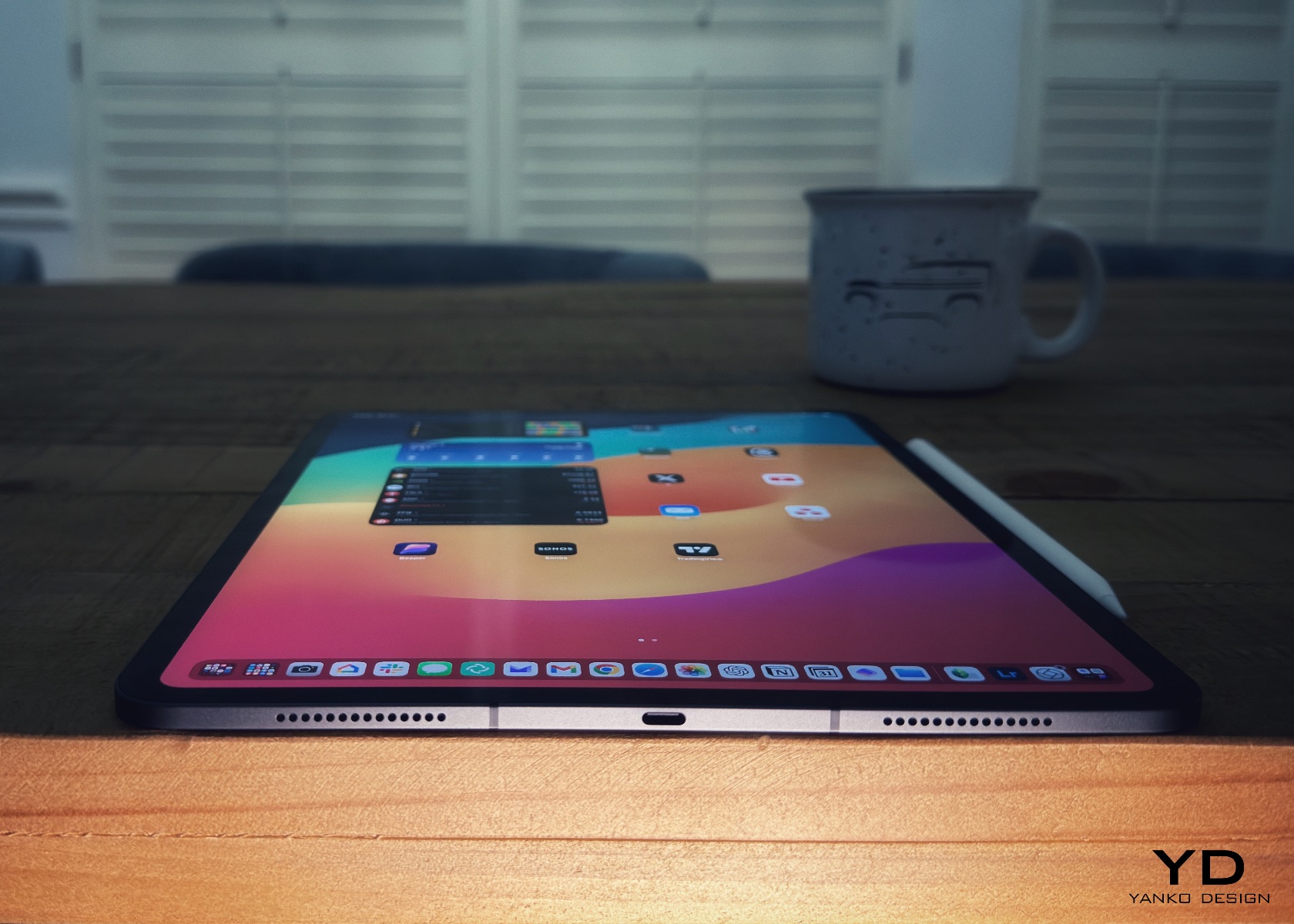
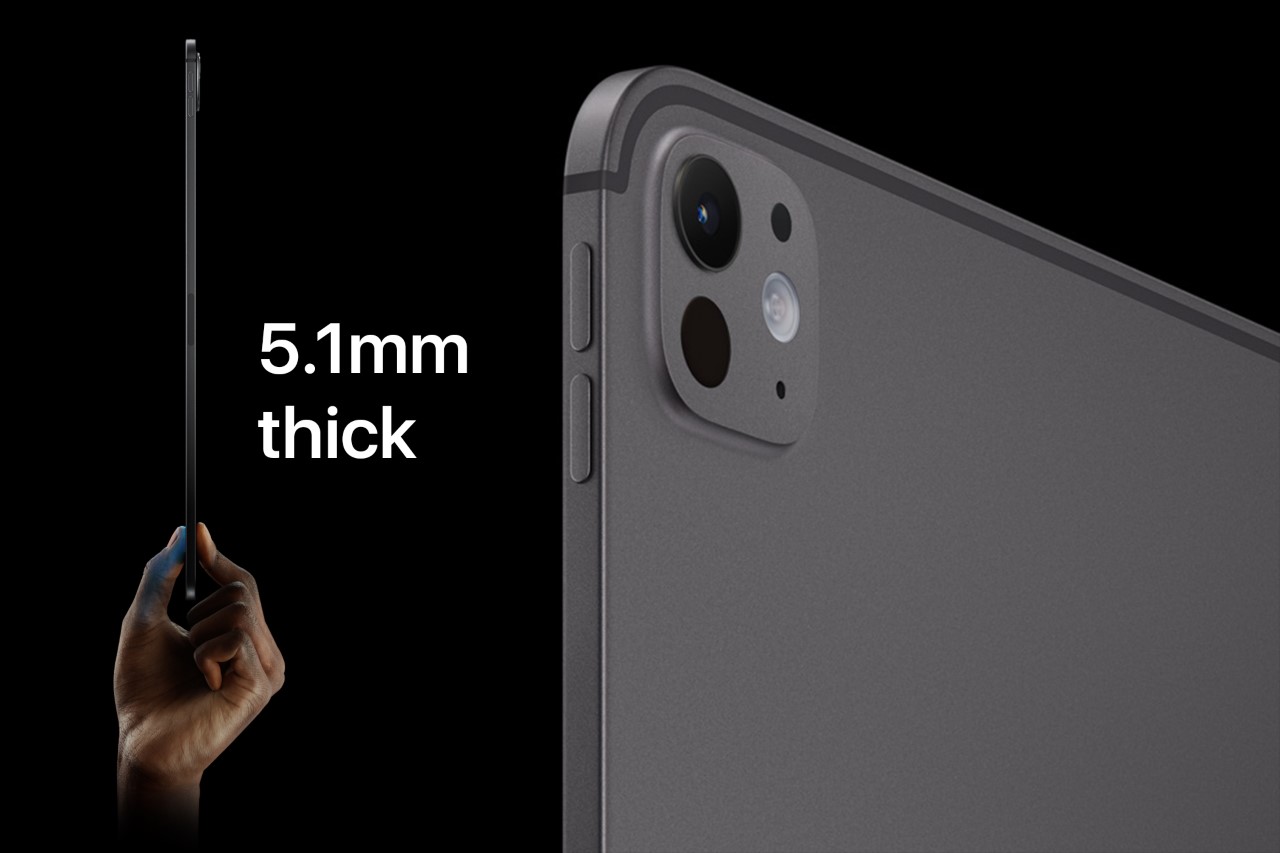
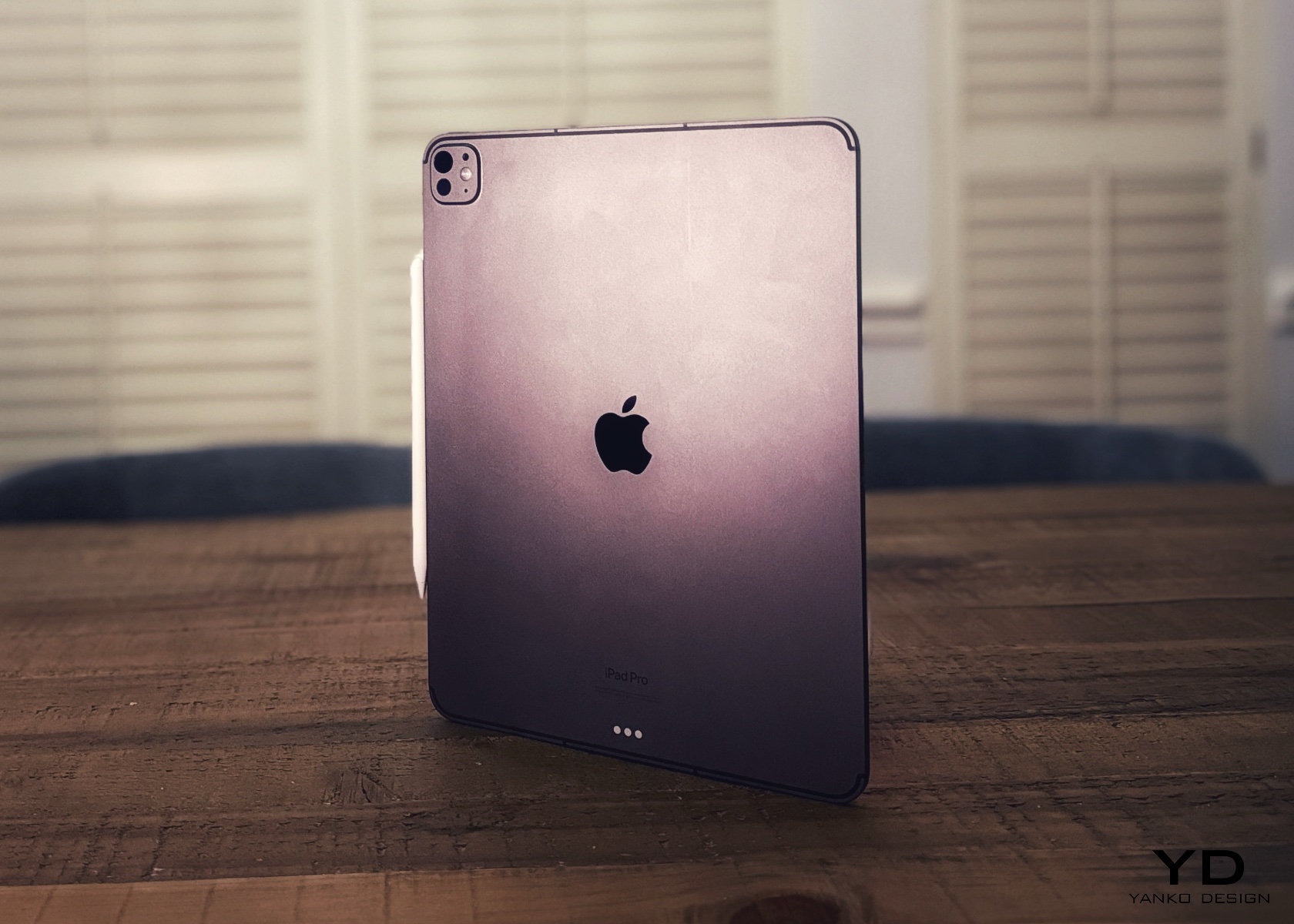
GenAI phones must remain elegantly designed and user-friendly despite the advanced technology embedded within them. Consumers expect their devices to combine functionality with aesthetic appeal, mirroring the sleekness and minimalism of products like the iPad Pro M4. The challenge for manufacturers is integrating these powerful AI capabilities into slim, attractive, and intuitive devices, ensuring that technological advancements enhance rather than complicate the user experience.
What Isn’t a GenAI Phone and Current Market Scenario
Understanding what isn’t a GenAI phone is crucial in distinguishing it from the myriad of smartphones equipped with basic AI functionalities. Although many modern smartphones boast AI capabilities, having AI features doesn’t automatically make a device a GenAI phone. This distinction is required to set realistic expectations about the device’s capabilities and understand smartphone technology’s evolution. A GenAI phone fundamentally differs from standard smartphones because it integrates advanced AI functionalities directly into the device’s core systems and processes data locally rather than relying heavily on cloud computing. This integration means that GenAI phones are equipped with specialized hardware to handle complex AI tasks independently, thereby enhancing privacy and functionality by keeping the processing on the device itself.
In contrast, many smartphones on the market today, often mistaken for GenAI devices, do not meet these criteria. For example, while devices like the iPhone 15 Pro Max offer AI-driven features like facial recognition, predictive text, and enhanced photography tools, these features, although advanced, do not necessarily qualify the device as a GenAI phone. This is because a true GenAI phone not only uses AI for specific tasks but integrates AI deeply across all system operations, processing complex AI tasks entirely on the device. In other words, even though iPhones process a significant amount of data on-device to ensure user privacy, the breadth and independence of AI integration in terms of generative capabilities might not be as extensive as in dedicated GenAI devices. Similarly, many Android devices boast impressive AI-powered photo editing and voice assistant features; however, these tasks are often processed with the aid of cloud servers, making them less autonomous and, therefore, not true GenAI phones. These smartphones might utilize AI for specific applications like optimizing battery life, managing screen brightness based on ambient conditions, or even offering user behavior-driven app suggestions. Yet, because they lack the hardware to independently process complex AI tasks directly on the device, they fall short of the GenAI classification. The reliance on cloud processing raises concerns about data privacy and limits the device’s functionality when offline or in areas with poor connectivity.
Thus, while many current smartphones are marketed with the allure of AI, only a select few truly qualify as GenAI phones by virtue of their ability to perform sophisticated AI operations natively and independently. Among the notable examples that set the benchmark in this emerging category are the Samsung Galaxy S24 series and the Google Pixel 8 Pro. These devices display the integration of AI at a foundational level, equipped with the necessary hardware to process complex AI tasks directly on the phone. This enables a range of innovative applications, from enhanced image processing to real-time language translation without cloud dependency.
For instance, the Samsung Galaxy S24 series demonstrates its generative AI capabilities through features that enable sophisticated on-device content creation and personalization, enhancing user interaction in ways that were previously only achievable with server-based computing. Similarly, the Google Pixel 8 Pro leverages its specialized hardware to deliver advanced AI functionalities like next-generation assistant features and more nuanced user engagement through AI, all processed locally on the device. This focus on native processing is a crucial aspect that boosts performance and efficiency and significantly enhances data privacy, a growing concern among consumers. By minimizing data transmission to external servers, these GenAI phones offer a more secure environment for users to enjoy the benefits of AI without compromising their personal information.
Transitioning into the Apple ecosystem, recent developments indicate a significant shift that could redefine the landscape of GenAI phones. Rumors of Apple’s potential partnership with OpenAI and the integration of an advanced Siri capable of leveraging OpenAI’s technologies suggest a significant upgrade in Apple’s AI capabilities. Such a collaboration could bring about a new iteration of Siri that is far more advanced than its current form, potentially incorporating the ability to understand and generate human-like text, engage in more dynamic conversations, and offer personalized suggestions with a higher degree of relevance and context.
If these speculations hold, this move could be a game-changer for the Apple ecosystem, integrating more deeply with iOS, macOS, visionOS and iPadOS. It could enhance the Apple suite of products with a level of AI sophistication previously unseen in its devices. For Apple, known for its tightly integrated ecosystem and emphasis on user privacy, the challenge will be to balance these advanced capabilities with the need to maintain data security, especially considering the potential use of cloud-based processing to support more complex AI tasks.
Apple iPhone Concept
This anticipated development could position Apple to catch up with and potentially surpass its competitors in the race to refine and expand the capabilities of GenAI phones. Integrating such advanced AI could transform how users interact with their devices, making Apple’s ecosystem even more intuitive and integrated and potentially setting a new standard for what smartphones can achieve in personal technology.
The Future of GenAI Phones, Market Impact, and Consumer Adoption
The future of GenAI phones is anticipated to transform our daily interactions with mobile devices radically. Integrating generative AI features into mainstream smartphones is becoming more prevalent as technology advances. Companies like Apple, NVIDIA, Qualcomm, Microsoft, Samsung, and Google are at the forefront of this evolution, actively developing ways to incorporate GenAI capabilities into future models and through updates to existing devices. This push towards more intelligent smartphones will likely enhance how we communicate, create, and interact with our devices daily.
Apple M4 and Snapdragon X Elite
The impact of these developments on the market cannot be understated. After years of incremental upgrades that have seen diminishing consumer excitement, GenAI phones promise to inject new life into the somewhat stagnant smartphone market. According to insights from Counterpoint Research, incorporating GenAI technologies is expected to boost smartphone sales significantly. Their data projects a notable increase in market share and adoption rates for GenAI smartphones over the next few years, with these advanced devices set to account for a substantial portion of total smartphone shipments by 2027.
This shift is expected to reshape consumer expectations and drive demand for smartphones that are smarter, more intuitive, and capable of independently performing complex tasks. As GenAI phones become more common, they are anticipated to influence a broad spectrum of consumer electronics, setting new standards for functionality and interactivity. Integrating AI into everyday technology promises to make our digital experiences more personalized and efficient, fundamentally changing our relationship with technology.
In essence, the rise of GenAI phones indicates a new era in personal technology, where our devices understand and anticipate our needs better than ever. For everyday users, this means smartphones that can offer real-time translations, sophisticated content creation, and proactive personal assistance—all processed locally on the device for faster, more secure interactions. As these technologies mature, they are expected to become integral to our digital lives, making advanced AI a luxury and a standard component of future smartphones.
The meteoric rise of On Cloud shoes in the athletic footwear market is attributed to their revolutionary CloudTec technology, offering soft cushioning and energy return combined with lightweight and stylish designs. These shoes provide exceptional versatility across various terrains, making them suitable for road running, trail running, and everyday wear. Strategic partnerships with high-profile athletes and a solid commitment to sustainability through initiatives like the Cyclon program and CleanCloud technology further boost their appeal. My family’s personal experiences with the durability and comfort of On Cloud shoes underscore their exceptional craftsmanship and high-quality materials, solidifying their reputation as a trusted choice for performance and casual use.
Designer: On + Roger Federer
Technology Making Every Step Feel Like a Cloud
CloudTec technology sets On Cloud shoes apart from other running shoes. Imagine stepping on tiny, soft clouds every time you walk or run. That’s the magic of CloudTec! This innovative technology is at the heart of every On Cloud shoe, providing runners and walkers with an outstanding comfort and performance experience.
When you look at On Cloud shoes, you’ll notice the distinctive “cloud” pods on the bottom. These hollow pods act like tiny bubbles. As you walk or run, these pods compress and squish down, making your landing soft and gentle, like stepping on a cushion. This is especially noticeable in models like the On Cloud 5 and the Cloud X, where the pods are designed to absorb impact effectively, reducing the strain on your feet and legs.
Cloud X 3 Training Shoe (Women)
But the magic doesn’t stop there. After the pods compress during your landing, they quickly bounce back to their original shape when you push off with your toes for your next step. This bounce gives you a little extra spring in your step, helping you move forward more quickly. This feature is particularly beneficial in On Cloudflow, a shoe runners favor for its responsive and energetic feel during fast-paced runs.
On CloudFlow
CloudTec’s ability to provide soft landings and bouncy takeoffs makes it unique. Traditional running shoes might feel hard or stiff when you land, but CloudTec ensures that every step is cushioned. At the same time, the bounce helps you propel forward, enhancing your performance without compromising comfort. The Cloudflyer model, designed for stability and support, showcases how CloudTec can adapt to different running needs while offering that cloud-like feel.
This technology enhances both comfort and performance. For example, the Cloudswift features CloudTec combined with Helion super foam, providing a smooth, comfortable ride with excellent energy return. Whether training for a marathon or just enjoying a leisurely walk, the soft landings protect your joints, while the responsive takeoffs boost your performance.
On Helion Superfoam
Lightweight and Minimalist Design Allows For Speed and Agility in Every Step
In addition to their innovative CloudTec technology, On Cloud shoes are renowned for their lightweight and minimalist design. This design philosophy is perfect for modern runners who value speed and agility. On Cloud shoes are built to be incredibly light, using materials that reduce weight without sacrificing support or durability.
For instance, the On Cloud 5 is one of the lightest models in the lineup, making it ideal for everyday wear and casual runs. Its minimalist design means that it lacks the bulky, heavy materials found in traditional running shoes, allowing runners to feel faster and more agile. This lightness doesn’t come at the expense of support, as each shoe is carefully engineered to provide the stability and structure needed for a comfortable run.
On Cloud 5
The aesthetics of On Cloud shoes also play a significant role in their popularity. They come in various stylish colors and sleek designs, appealing to those who want their running shoes to look as good as they feel. The Cloud X, for example, offers a range of vibrant color options that stand out whether you’re running in the park or walking around town. The attention to design detail extends to small features like reflective decals for added visibility and a tiny Swiss flag on the rear of the right shoe, showcasing their Swiss heritage.
Depending on where you live and the local climate, you might prefer the waterproof versions of On Cloud shoes. Models like the Cloudventure Waterproof are designed to keep your feet dry during wet weather runs. While these waterproof versions gain a little weight and sacrifice some breathability, they provide excellent protection against the elements, ensuring your socks and feet stay dry, which can make a big difference in comfort and performance during a rainy run.
The lightweight construction and eye-catching design make On Cloud shoes functional and fashionable. Whether you prefer the bold colors of the Cloudflow or the classic look of the Cloud, there’s a design to match every style. This blend of performance and aesthetics ensures that On Cloud shoes remain a top choice for runners and casual wearers.
Versatility Across All Terrain Lets You Conquer Roads and Trails Alike
Transitioning to the versatility of On Cloud shoes, it’s evident that they are designed to handle a variety of terrains, both on and off the trails. This adaptability is a key factor in their widespread popularity among runners and outdoor enthusiasts. Whether you’re pounding the pavement, navigating rocky trails, or enjoying a mix of both, On Cloud shoes have got you covered.
Cloudventure Peak 3
Models like the Cloudventure are specifically engineered for trail running, offering excellent grip and stability on uneven surfaces. The aggressive outsole design ensures that you maintain traction, even on slippery or loose ground. The Cloudventure’s durable construction and protective features make it ideal for tackling rugged terrain, providing confidence and support with every step.
For those who prefer road running, the On Cloudstratus offers a smooth and stable ride on paved surfaces. Its double layer of CloudTec cushioning absorbs impact effectively, making long runs on hard surfaces more comfortable. The Cloudstratus also features a responsive Speedboard that enhances your stride efficiency, making it a favorite for distance runners.
Cloudstratus 3
But the flexibility of On Cloud shoes extends beyond running. The Cloudultra is perfect for those who enjoy a mix of activities, from trail running to hiking to casual wear. Its adaptable design and superior comfort make it a great choice for any outdoor adventure. Whether you’re exploring new trails or simply walking around town, the Cloudultra provides the support and cushioning you need.
Cloudultra 2
This versatility ensures that On Cloud shoes are not confined to a single type of activity or terrain. They are built to transition seamlessly between different environments, making them a reliable choice for outdoor pursuits. With On Cloud shoes, you can confidently tackle any adventure, knowing that your footwear is designed to perform, no matter where your journey takes you.
The Influencer Effect and Celebrity Endorsements: Boosting Popularity
Another significant factor contributing to the popularity of On Cloud shoes is the influence of celebrities and social media endorsements. Strategic partnerships with well-known athletes and influencers have significantly boosted the brand’s visibility and popularity. The involvement of notable tennis players in product development showcases On’s commitment to performance and innovation.
Roger Federer, a co-entrepreneur and investor in On since 2019, plays a significant role beyond mere sponsorship. He collaborates closely with the company’s founders and product development teams, bringing his extensive experience and insights to enhance On’s products and marketing strategies. This partnership began organically when Federer was seen wearing On shoes, leading to a deeper involvement due to shared values and a passion for innovation. One notable outcome of this collaboration is “THE ROGER” series, a tennis-inspired sneaker line that combines Swiss engineering with Federer’s input to deliver high performance and comfort.
On and Roger Federer
Federer’s involvement was a strategic move that paid off significantly. He spent 20 days in the lab with the On team, developing the pro tennis shoe to meet his high standards. This hands-on approach allowed Federer to contribute directly to the design and functionality of the shoes, ensuring they met the demands of professional athletes.
The limited edition Roger Centre Court 0-Series On sneaker
Building on Federer’s influence, On has recently signed world No. 1 Iga Świątek and American rising star Ben Shelton. Świątek, a three-time Grand Slam champion, is the first female tennis player to join On. She will wear On’s tennis shoes and apparel and contribute her ideas to developing new products tailored to athletes’ needs. Świątek’s endorsement aligns with On’s core values and commitment to supporting top-tier athletes.
Ben Shelton, known for his athleticism and power, also joins On as the brand’s first male tennis player. His early success, including reaching the quarterfinals at the Australian Open and winning the Japan Open, underscores his potential. Shelton’s partnership with On allows him to grow with a company making significant strides in the tennis world.
These endorsements highlight On’s strategy to integrate athlete feedback into their product development, ensuring their offerings meet the highest performance and innovation standards. This approach enhances On’s reputation in the sports industry and helps them create products that resonate with both professional athletes and everyday users.
Commitment to Sustainability
On Cloud’s commitment to sustainability is a core aspect of its brand identity, driving innovation in product design and corporate practices. The company has implemented several groundbreaking initiatives to reduce its environmental footprint and promote a circular economy.
One of the flagship sustainability projects is the Cyclon program, which exemplifies On’s dedication to circularity. This program offers high-performance gear designed to be fully recyclable. A prime example is the Cloudneo shoe, which is made from over 50% castor beans. Instead of purchasing the shoe outright, customers subscribe to it. When the shoes are worn out, they return them to On, where the materials are recycled into new products. This model reduces waste and ensures that materials are continually reused, aligning with the principles of a circular economy. The Cyclon-T, a performance tee made with over 90% bio-based materials, is another product in this line, showcasing On’s commitment to renewable resources.
In addition to the Cyclon program, On has developed CleanCloud technology, which transforms carbon emissions into high-performance materials. The Cloudprime shoe is a notable product from this initiative, featuring an EVA foam sole made with 51% CO2. This innovative approach captures carbon emissions, converts them into ethanol, and transforms them into various materials used in footwear and apparel. This process helps reduce atmospheric CO2 and sets a new standard for sustainable material production in the industry.
On Running also focuses on sustainable production practices across its entire product line. The company is working towards eliminating petrol-based materials and replacing them with fossil-free alternatives. The CleanCloud fabric in their Pace collection incorporates 20% recycled carbon emissions, demonstrating how On integrates sustainability into its apparel line.
Moreover, On has launched re-commerce platforms like Onward to extend the lifecycle of its products. This initiative allows customers to return used gear, which is then refurbished and resold, reducing waste and promoting a culture of reuse. On’s commitment to sustainability is further evidenced by its ongoing efforts to improve the production processes of its core technologies, such as the Speedboard, to minimize waste and emissions.
On Speedboard
By integrating sustainable practices into every aspect of their business, from material selection to production and end-of-life recycling, On Running addresses the environmental impact of their products and leads the industry in eco-friendly innovation. This holistic approach ensures that On’s products meet the highest performance standards while supporting a more sustainable future for the planet.
Exceptional Craftsmanship and Quality Materials
On’s dedication to exceptional craftsmanship and the use of high-quality materials sets it apart in the athletic footwear industry. This commitment is evident in its advanced technologies, sustainable practices, and user experiences, which speak volumes about the brand’s reliability and performance.
From my own experience, On Cloud shoes have consistently delivered on their promise of comfort and durability. I own a pair of On Cloud 5 Waterproof shoes, which have served me well in various weather conditions. Initially, these shoes provided excellent waterproofing and support during my runs, keeping my feet dry and comfortable even in wet conditions. Over time, as they transitioned from my go-to running shoes to my yard shoes, their durability continued to impress me, showcasing the long-lasting quality of On’s materials and construction.
My wife shares a similar appreciation for On Cloud shoes. She primarily wears the Cloud 5 model for her daily activities and workouts. The lightweight design and superior cushioning of the CloudTec technology make them her preferred choice for short runs and long walks. The breathability and comfort provided by these shoes have enhanced her overall experience, making them an indispensable part of her active lifestyle.
Our 13-year-old daughter is also a fan of On Running. She owns a pair of On Cloud 5 All Terrain and proper tennis shoes, perfect for her adventurous spirit. Whether she’s running on trails or competing in tennis matches, these shoes provide the necessary grip and stability to keep her safe and comfortable. The stylish design also appeals to her, making them a hit among her friends and peers.
Between the three of us, we own seven pairs of On Running shoes, each serving a unique purpose yet all sharing the same high quality and performance standards. The variety in On’s lineup—from specialized tennis shoes to versatile all-terrain options—ensures that every family member can find a model that fits their needs.
On Cloud’s exceptional craftsmanship and use of high-quality materials are reflected in the positive experiences my family and I have had with their products. From the durability of the Cloud 5 Waterproof shoes to the comfort of the Cloud 5 and the versatility of the All Terrain model, On Running has proven to be a reliable and preferred brand in our household.
The Ultrahuman Home is an advanced home health device designed to track and improve key environmental markers such as light exposure, air quality, and noise levels. It establishes a unique connection between your living space and personal health, going beyond typical home monitors by offering a comprehensive analysis over time. This analysis correlates your external health markers with internal health markers, providing insights that can lead to impactful lifestyle changes. This is a first for the wearable space.
The Ultrahuman Home features an innovative aero-flow design to enhance airflow and sensitivity in detecting a range of harmful particles, from pollen to particulate matter (PM). This design improves the device’s ability to capture and analyze air samples, thus increasing accuracy in identifying pollutants that may compromise your home’s air quality. Pollens, particularly from birch, are known to exacerbate respiratory conditions such as allergic asthma. The device is specially calibrated to monitor these allergens, alerting you to increased levels that could impact those with sensitive respiratory systems. Furthermore, particulate matter—classified by size into PM 1, PM 2.5, and PM 10—poses inhalation risks, with smaller particles capable of penetrating deep into the lungs and causing significant respiratory and cardiovascular damage. In addition to particulate matter, the system continuously monitors formaldehyde levels, a common volatile organic compound that can be harmful in indoor environments. It sends timely nudges when formaldehyde levels cross the recommended threshold, allowing you to take corrective measures promptly. This comprehensive monitoring ensures that the Ultrahuman Home identifies poor air quality and provides actionable insights to optimize and improve the air quality of your environment.
Ultrahuman Home continuously monitors formaldehyde levels in your living space and sends timely nudges when the levels cross the recommended threshold.
The Ultrahuman Home also monitors harmful gases such as carbon monoxide and carbon dioxide to ensure the air you breathe is safe, promoting mental clarity and health. Good air quality is essential as it directly impacts your respiratory health, cognitive function, and overall well-being. High levels of carbon monoxide, a colorless and odorless gas, can cause serious health issues such as headaches, dizziness, and even life-threatening conditions like carbon monoxide poisoning. Elevated carbon dioxide levels can lead to fatigue, impaired concentration, and decreased cognitive performance.
Regardless of the space you choose to place it in, Ultrahuman Home will help track various markers to help you with a deeper insight into your home health.
This device’s ability to detect these harmful gases is life-saving. Poor air quality can exacerbate respiratory conditions such as asthma and allergies, and prolonged exposure to pollutants can increase the risk of chronic diseases, including cardiovascular issues and lung cancer. By continuously monitoring and providing actionable insights on these harmful gases, the system helps you maintain a safer living environment. This proactive approach not only enhances your quality of life but also significantly reduces the risk of severe health complications, making it an indispensable tool for health and safety.
Ultrahuman Home utilizes continuous temperature tracking for enhancing sleep efficiency and regulating circadian rhythm.
The ‘UltraSpaces’ feature of the Ultrahuman Home allows you to monitor various ‘Spaces’ like the living room, bedroom, or office, which are tailored to the areas you and your family frequent the most, including children’s rooms and personal workspaces. Each space is evaluated with a designated ‘Space Score,’ giving a comprehensive view of the area’s health. This feature aids in examining each environmental marker, enabling you to optimize conditions for better health based on specific needs within the Ultrahuman app. This capability offers deeper insights into your health by effectively tying together data from various environments.
The continuous temperature tracking of the Ultrahuman Home is crucial. It enhances sleep efficiency and regulates circadian rhythms by monitoring the temperature of your living spaces. Maintaining an optimal bedroom temperature is important for good sleep quality, as the body’s core temperature naturally fluctuates and decreases at bedtime. Temperature imbalances can disturb sleep, leading to increased wakefulness and reduced REM sleep, affecting how rested you feel and increasing the risk of obesity and other health issues. Equipped with ultra-sensitive temperature sensors, the device detects if a room is too hot or too cold, providing feedback on the ideal temperature needed for optimal sleep. This feature ensures you get a restful night’s sleep and maintain long-term health by aligning your environment with your body’s needs.
Exposure to natural light plays a crucial role in setting your circadian rhythm and boosting mood and productivity, especially within the first hour of waking. The Ultrahuman Home’s built-in photo-detecting sensors monitor spectra of UV light, including UVA, UVB, and UVC, to measure natural light levels within your living space. This allows you to create environments that foster better sleep-wake cycles and enhance overall well-being.
Daytime exposure to blue light can enhance alertness and cognitive function, boosting mood and productivity. However, at night, it can disrupt melatonin production, the hormone that regulates sleep, leading to sleep difficulties and reduced sleep quality. Research, including studies from Harvard Medical School, confirms that nighttime blue light exposure decreases overall sleep quality. The Ultrahuman Home includes sensors that automatically monitor blue light exposure and provide actionable insights to regulate it. You’re alerted by the Ultrahuman app for the best times to reduce screen exposure and modify ambient lighting to support your natural sleep cycle.
Integrated with the device’s health tracking system, these sensors allow for personalized recommendations based on your daily blue light exposure and sleep patterns, enhancing both your sleep-wake cycle and overall well-being. This holistic approach helps align your environment with your body’s rhythm, improving your health by helping you mitigate the negative effects of blue light.
Environmental noise can disrupt sleep and elevate stress levels. The Ultrahuman Home addresses this by providing insights into optimal noise levels, helping to create a more ambient living environment.
Equipped with precision microphones, the device detects snoring patterns that might indicate sleep disturbances, such as potential sleep apnea events. A built-in physical mic cut-off ensures your privacy is respected, and all audio data is processed on the device to keep personal information secure. A manual mic control provides additional peace of mind.
Monitoring and managing indoor humidity levels are crucial for respiratory and overall health. The device provides actionable recommendations to adjust humidity levels, ensuring your home environment remains balanced and comfortable. High humidity levels can increase bacteria growth and encourage mold. On the flip side, low humidity levels can cause dry airways and affect your lungs.
Ultrahuman Home not only works in isolation but also in combination with Ultrahuman Ring. Through UltraSync technology, experience a unified view of both internal and external health markers. This enhances your understanding of how your surroundings affect your health, providing a holistic way to manage your health.
Ultrahuman Home doesn’t just stop at integrating with the Ring. Thanks to its compatibility with IFTTT protocols, the Ultrahuman Home can integrate seamlessly with other smart devices in your home, enabling voice commands through popular digital assistants for a smarter, more responsive living environment. Finally, the airplane mode feature allows you to disconnect from WiFi and Bluetooth signals without interrupting functionality. Upon reconnection, it syncs all data seamlessly, maintaining continuity in health monitoring and environmental adjustments.
The Ultrahuman Home seamlessly integrates environmental monitoring with personal health insights. Through the ‘UltraSpaces’ feature, it monitors living spaces to inform well-being improvements. Advanced temperature and natural light monitoring enhance sleep and productivity, while its aero-flow design precisely analyzes air quality, alerting you when pollutant levels are high. Additionally, blue light sensors promote a healthy sleep-wake cycle. With effective noise and humidity levels monitoring, UltraSync technology, and smart home integration, the Ultrahuman Home helps you live healthier.
The BMW Concept Skytop highlights the blend of heritage and innovation, pushing the boundaries of contemporary automotive design. This concept vehicle features the distinctive shark-nose grille, which is illuminated to emphasize its assertive presence, and incorporates ultra-slim LED headlights mounted on milled aluminum carriers. Its side profile reveals an athletic stance with sculpted surfaces and sharp lines, further enhanced by unique gill-inspired wheels. The rear design, characterized by a prominent spline and a gradient transitioning from reddish-brown to muted silver, illustrates exceptional craftsmanship and painstaking attention to detail. Let’s explore the various aspects of this design in greater detail, focusing particularly on the interior from a top-down perspective.
Designer: BMW
Front and Side Design
The BMW Concept Skytop’s front design is dominated by the signature shark-nose grille, illuminated to emphasize the vehicle’s sleek and aggressive stance. This design choice reflects BMW’s rich heritage while seamlessly integrating with the contemporary LED headlights on milled aluminum carriers. The headlights’ slim profile contributes to the car’s aerodynamic efficiency and modern aesthetic.
The side profile reveals an athletic and muscular form, with taut surfaces defined by precise lines that draw attention towards the rear. The absence of conventional door handles, replaced by discreet winglets integrated into the door shoulders, enhances the car’s streamlined look. With their gill-like features, the wheels add a unique touch to the car’s silhouette, further enhancing its dynamic appearance.
The shark-nose grille, a signature BMW element, evokes a sense of heritage while integrating modern technology. The illuminated grille adds a high-tech aura to the vehicle, immediately recognizable even in low-light conditions. This illumination emphasizes the grille’s contours, adding depth and enhancing the car’s aggressive stance. Flanking the shark-nose grille are the ultra-slim LED headlights, custom-developed for the BMW Concept Skytop. Featuring a sleek design with milled aluminum carriers, the slim profile of the headlights contributes to the car’s aerodynamic efficiency and gives the front end a sharp, precise look. The headlights blend seamlessly into the bodywork, highlighting the design’s clean lines and uninterrupted flow.
The Skytop’s hood is another key element of the front end, featuring a pronounced central spine that extends from the grille towards the windshield. This spine directs airflow over the car, enhancing its aerodynamic properties. The hood’s tight and muscular surfaces reflect the vehicle’s performance capabilities, adding to its sporty character. Below the grille, the front bumper incorporates large air intakes essential for cooling the engine and brakes. These intakes also enhance the vehicle’s aggressive look, framed by sharp lines that give the front bumper a dynamic and purposeful appearance. Complementing the prominent grille is a lower grille that spans the width of the front bumper. This lower grille balances the visual weight of the front end and integrates with the overall aerodynamic design. Its mesh pattern adds a sporty touch to the front fascia.
The front end of the BMW Concept Skytop is distinguished by the seamless integration of its various elements. The illuminated shark-nose grille, slim LED headlights, and pronounced hood spine work together to create a cohesive and harmonious design. The sharp lines and precise detailing ensure that each component enhances the others, contributing to the vehicle’s overall aesthetic and functional performance.

Rear Design
The rear of the BMW Concept Skytop continues the theme of sculpted elegance, blending form and function to define the car’s overall aesthetic. Clean, sculpted lines emphasize the car’s wide and stable stance. The slim, horizontal rear lights extend across the vehicle’s width, creating a visual connection that enhances the perception of width and stability. These lights seamlessly integrate with the bodywork, maintaining the clean, uninterrupted lines that define the car’s design.
The pronounced spline running from the hood through the interior and onto the trunk lid emphasizes the car’s dynamic flow, creating visual continuity and guiding the eye smoothly along the vehicle’s length. The rear quarter panels extend the athletic and muscular form in the side profile. They flow smoothly from the front, tapering towards the rear while maintaining the car’s tight surfaces and precise lines. This continuity ensures the design remains cohesive, with the rear quarter panels contributing to the overall dynamic look.
The rear quarter panels extend the athletic and muscular form in the side profile. They flow smoothly from the front, tapering towards the rear while maintaining the car’s tight surfaces and precise lines. This continuity ensures the design remains cohesive, with the rear quarter panels contributing to the overall dynamic look. The subtle lip on the trunk lid and the integrated rear spoiler add sporty touches and improve aerodynamics, ensuring optimal performance. The color gradient from a reddish-brown roof to a muted silver exterior with a chrome shadow effect showcases meticulous craftsmanship and intricate paintwork, enhancing the car’s luxurious feel. Every detail, from the lighting elements to the color transitions, is thoughtfully executed to create a cohesive and harmonious design that complements the BMW Concept Skytop’s dynamic character.
Interior and Top-Down Perspective
The BMW Concept Skytop’s interior meticulously combines luxury and functionality. Its reddish-brown leather surfaces, adorned with brogue-style accents, create a unified and luxurious atmosphere. The leather-finished sports bar behind the seats, the side fins on the B-pillar, and a fully retractable rear window contribute to the car’s sporty and elegant aura.
The dashboard exemplifies modern automotive design, featuring crystal applications seamlessly embedded into the cockpit. These elements enhance the overall aesthetic appeal and showcase BMW’s craftsmanship in blending contemporary design elements. The center console, with its sleek design and intuitive layout, ensures all controls are easily accessible to the driver, further enhancing the driving experience. The steering wheel, wrapped in the same reddish-brown leather as the seats, features a modern design that integrates seamlessly with the rest of the interior. The digital display behind the wheel provides the driver with all necessary information clearly and concisely, ensuring that the focus remains on the road.
Viewing the BMW Concept Skytop from a top-down perspective offers a clear insight into the car’s cohesive design. This perspective showcases the seamless integration of exterior and interior elements, with the pronounced spline running the length of the vehicle, reinforcing the unified and continuous design language. The two removable roof parts, finished in leather, can be stored in a special compartment in the luggage space, showcasing BMW’s attention to practicality without compromising style. The retractable rear window further enhances the open-air experience, allowing for an unobstructed view of the surroundings.
Roof Design
The roof of the BMW Concept Skytop is a crucial element in its design, both when on and off. When the roof is on, it maintains the car’s sleek silhouette, with the reddish-brown tone flowing into the muted silver of the body. This color gradient, crafted by BMW’s master painters, ensures a smooth transition that enhances the vehicle’s visual appeal. The roof’s design also includes a central spine that aligns with the hood’s spine, maintaining the design’s continuity from front to back.
When the roof is off, the BMW Concept Skytop transforms into an open-top roadster, emphasizing its luxurious and sporty nature. The interior’s reddish-brown leather, visible with the roof off, complements the exterior color scheme, ensuring that the car remains visually appealing from all angles. The fully retractable rear window and the storage compartment for the roof parts are designed for practicality without compromising the car’s aesthetic.
Design Cohesion and Final Thoughts
Integrating the rear design elements with the rest of the BMW Concept Skytop is masterful. The rear lights, quarter panels, and roof design all contribute to the car’s overall aesthetic, creating a harmonious blend of traditional and modern elements. The design ensures that the Skytop maintains its elegant and dynamic appearance, whether the roof is on or off.
My final thought of the BMW Concept Skytop is that it’s a vision of the future that honors the past. With every detail precisely crafted, from the illuminated shark-nose grille to the brogue-style leather accents in the interior, BMW demonstrates its dedication to superior design and craftsmanship. The Skytop’s seamless blend of aesthetics and functionality makes it a remarkable example of automotive design. Whether admired for its innovative engineering or luxurious finishes, the BMW Concept Skytop is a realization of the brand’s enduring legacy and forward-thinking approach.
Arc Search, my go-to app for all search needs on macOS and iOS, from The Browser Company, has introduced its latest feature, Call Arc, designed to make voice-activated search fun and useful. Released on May 23, 2024, as part of the V1.13.0 update, Call Arc offers a new way for users to interact with their search queries using voice commands. This feature adds a neat twist to the traditional “phone a friend” concept, turning your phone into an instant answer provider.
Designer: The Browser Company
The new feature enables users to activate voice search by simply holding their iPhone to their ear, simulating a phone call. This method enhances the user experience by making it feel more natural while also aiming to provide faster and more convenient responses. The app responds nearly instantly with search results, accompanied by an animated smiley face, adding a touch of personality to the interaction.
The Browser Company aims to create a more conversational and accessible search experience with Call Arc. This feature builds on the existing voice search capabilities of Arc Search, which were previously made available via the iPhone 15 Pro’s Action button. With Call Arc, initiating a search becomes as intuitive as making a phone call, tapping into a deeply ingrained habit in human behavior.
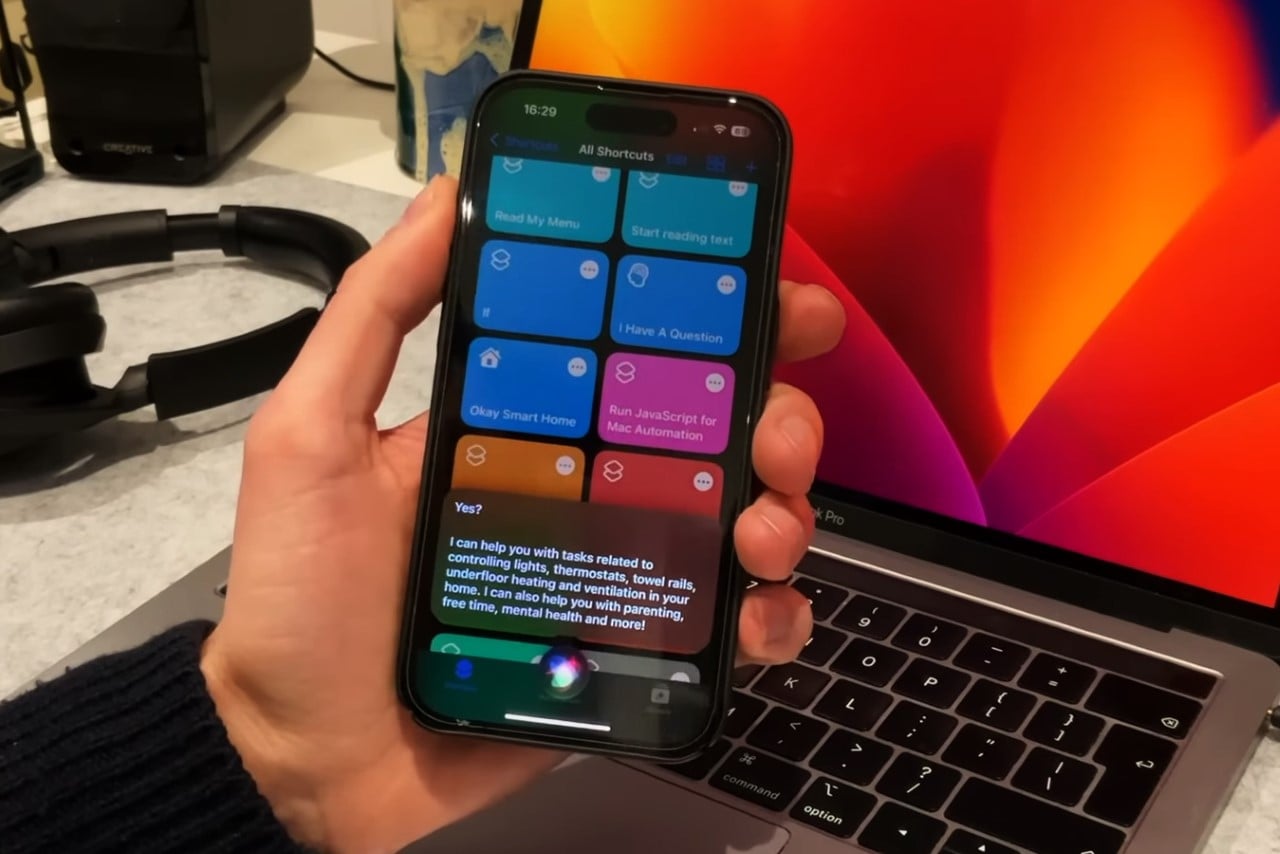
However, the feature is not without its challenges. In my experience, using Call Arc is seamless; simply opening the app and raising the iPhone to my ear triggers the call automatically. There were instances where the app asked for confirmation to connect, which was a minor inconvenience. While single queries were handled well, more complex requests, such as asking Arc to summarize articles into bullet points, led to the app going blank and failing to respond to subsequent queries. This indicates that the feature is still buggy, and user experiences may vary.
In addition, Arc Call can’t open links or show results directly within the app. Instead, it explained in detail how I could search for the information myself. When I asked which browser I should use, it named all the competitors except for Arc Browser.
Arc Call recommends Chrome or Firefox for search and doesn’t mention Arc Browser
Arc Search has made significant strides since its launch in January, with features like “Browse for me,” which compiles information from multiple web pages into a single, user-friendly page. Powered by models from OpenAI and other sources, this feature provides comprehensive responses to user queries.
Regular and meaningful updates are crucial in distinguishing Arc Search from competitors like Safari, Chrome, and other AI assistants. As Apple prepares to roll out its AI-infused updates for Safari and Siri, it will be interesting to see how Arc continues to innovate and improve its core offerings throughout the year.
An intriguing aspect of Arc’s new feature is its choice of a female voice, which aligns with a broader trend in AI voice assistants. Siri, Alexa, Cortana, Google Voice, and even ChatGPT’s voice models have predominantly female voices. This phenomenon is not coincidental but rooted in historical, cultural, and psychological factors. Female voices are often perceived as more soothing, approachable, and helpful, aligning with the roles these assistants are designed to play.
In 2014, Alex Garland’s Ex Machina showed how a lifelike female robot passed the Turing Test and won the heart of a young engineer
The history of female voices in technology can be traced back to early telephone operators and IVR systems, setting a precedent for modern AI assistants. Pop culture, too, has played a significant role, with characters like Samantha from the film “Her” and JARVIS from “Iron Man” shaping our perceptions of AI voices. Studies have shown that users generally find female voices more likable and comforting, which can enhance the user experience and engagement.
Sarang, a colleague who conducted a deep dive analysis, highlighted the importance of recognizing the gender biases present in AI voice assistants. “Why do most AI voice assistants have female voices? How do humans perceive these voices? Why don’t you see that many male AI voice assistants?” he asked. Sarang emphasized that while female AI voices can help normalize female authority and challenge stereotypes, they also risk reinforcing existing biases if not designed and managed carefully. The training data and algorithms behind these voices must be diverse and inclusive to avoid perpetuating harmful stereotypes.
Regarding UI/UX design, the Arc Search app’s Call Arc feature presents a clean and intuitive interface, enhancing user interaction through simplicity and visual appeal. The interface is minimalistic, focusing primarily on essential functions, which reduces cognitive load and allows users to engage with the app effortlessly. This design approach ensures that users can easily navigate the feature without being overwhelmed by unnecessary elements.
A notable UI aspect is the animated smiley face, which adds a friendly and engaging element to the user experience. Similar to Amazon’s Prime smiley logo, this visual indicator conveys a sense of friendliness and approachability. It shows that the app actively listens and responds, creating a more interactive and human-like interaction. The smiley face makes the experience more enjoyable while providing a clear signal that the app is processing user queries.
The call interface is designed to resemble a typical phone call screen, making it familiar and easy to use. A timer at the top of the screen indicates the duration of the interaction, reinforcing the phone call analogy. This familiar design helps users feel comfortable using the feature as it closely mimics the standard phone functions they are already accustomed to.
Key functional buttons like “Speaker” and “End Call” are prominently displayed and easily accessible, mirroring a standard phone call UI. This design choice ensures that users can quickly manage the call without confusion. Additionally, the inclusion of a “Read More” button allows users to access detailed information from the “Browse for me” feature, providing a seamless transition between voice responses and in-depth content.
The background has a gradient of vibrant colors, creating a visually appealing backdrop that enhances the app’s overall aesthetic without distracting from the functional elements. This use of color adds to the app’s modern look and feel, making it attractive and user-friendly.
The design also leverages intuitive gestures, such as raising the phone to the ear to initiate a call. This gesture aligns with natural user behavior, making the feature more seamless and integrated into everyday actions. By incorporating these intuitive interactions, The Browser Company has created a feature that feels innovative and inherently easy to use.
So far, the new Call Arc feature in Arc Search is pretty sleek. Will I use it? I don’t know because, at the moment, it’s a party trick to me, although its true purpose is to provide a more engaging and natural search experience. Despite some bugs, the feature shows promise and reflects The Browser Company’s commitment to pushing the boundaries of AI-powered tools. As AI voice assistants evolve, it is crucial to consider their broader social implications and strive for a balanced and fair representation in their design and implementation.
Rumors surrounding Apple’s potential foldable device, the Apple foldable Macbook, have stirred considerable excitement and speculation. The concept of a folding device, similar to a MacBook or an iPad with a foldable mid-section, promises to change the way we interact with technology. However, as details emerge, several questions and considerations arise.
Supply chain analyst Ming-Chi Kuo recently reported that Apple is preparing its supply chain for the production of a foldable device, possibly set for mass production as early as Q4 2025, with assembly in the first half of 2026. LG Display is the exclusive panel provider, with Apple considering 20.25-inch and 18.8-inch display options. When folded, these would correspond to the physical sizes of a 14-15 inch and 13-14 inch MacBook, respectively. The devices are expected to feature Apple’s M5 series chips and a high-specification design to ensure a crease-free display, which significantly increases production costs.
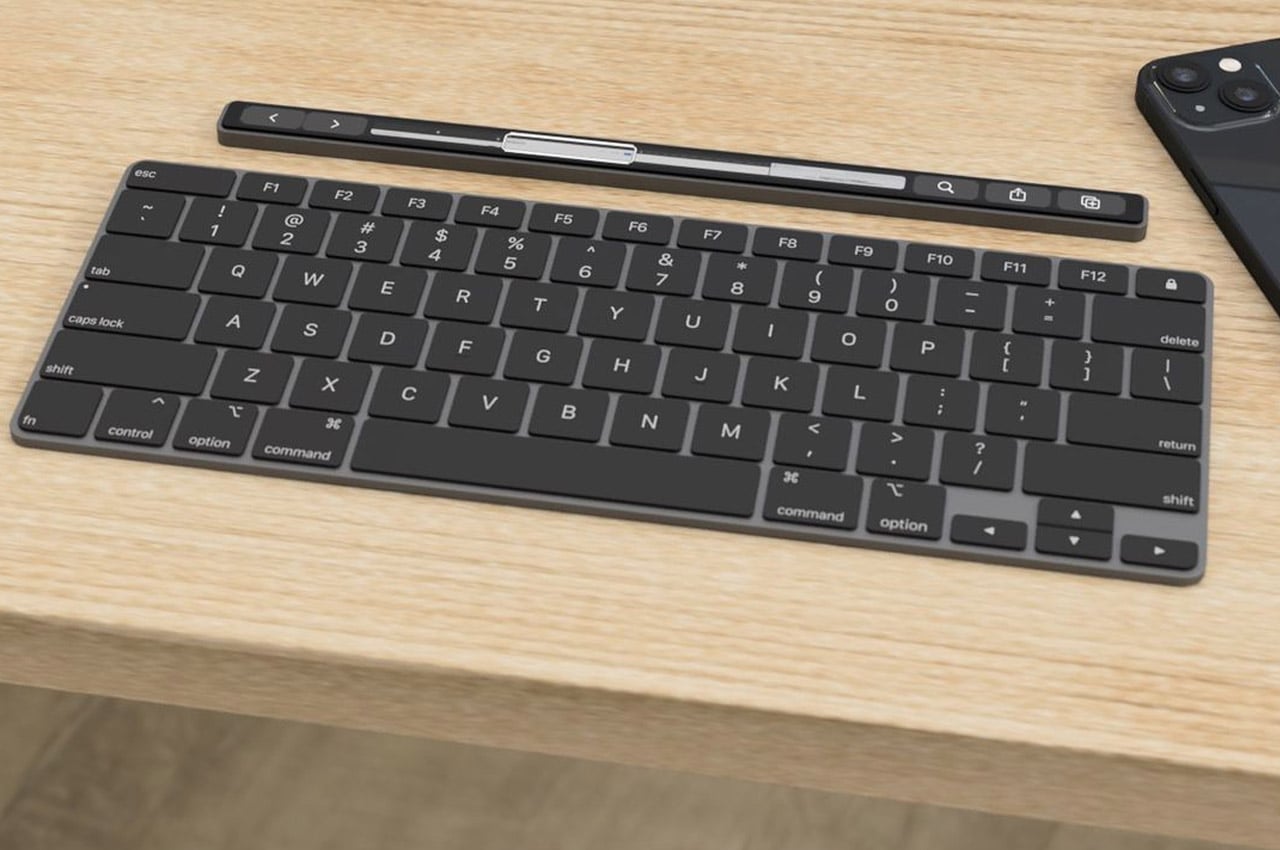
While the idea of a new form factor from Apple is thrilling, it brings several questions. One major concern is the typing experience. Will everything be typed directly on the display, and if so, will it incorporate localized haptics similar to those on the iPhone? This raises questions about the necessity of additional accessories, such as a physical keyboard, to enhance usability.
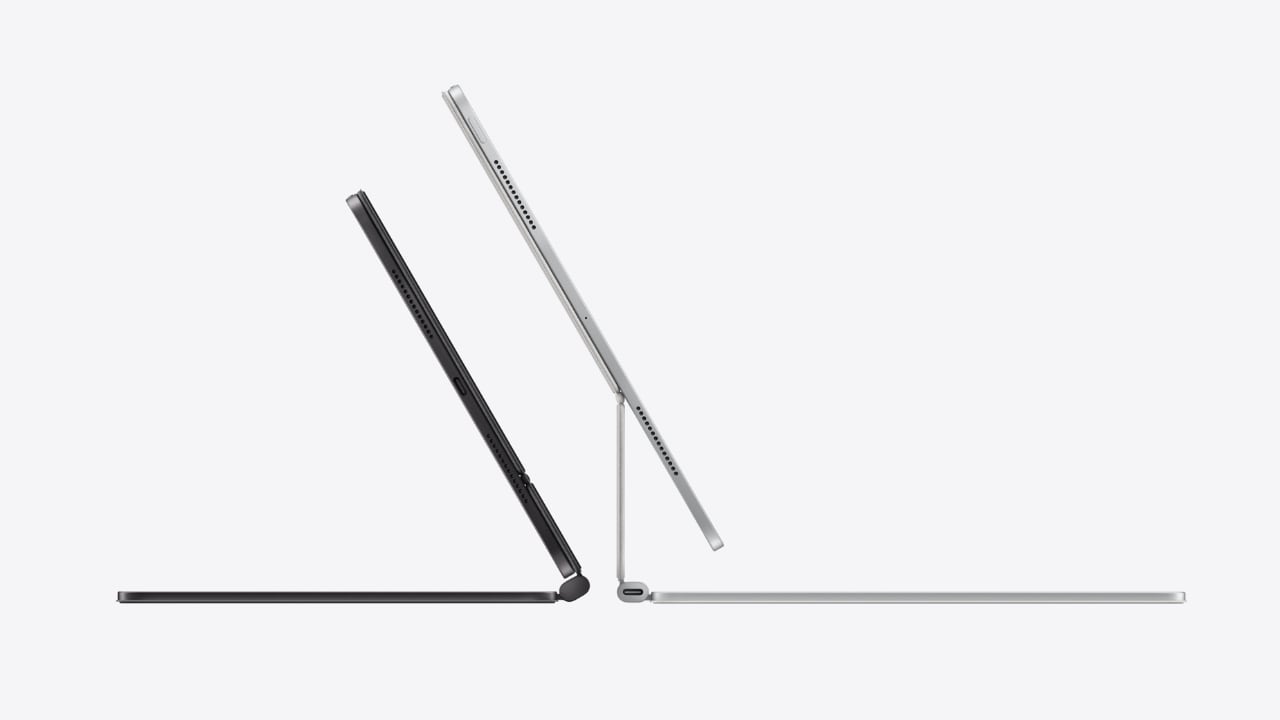
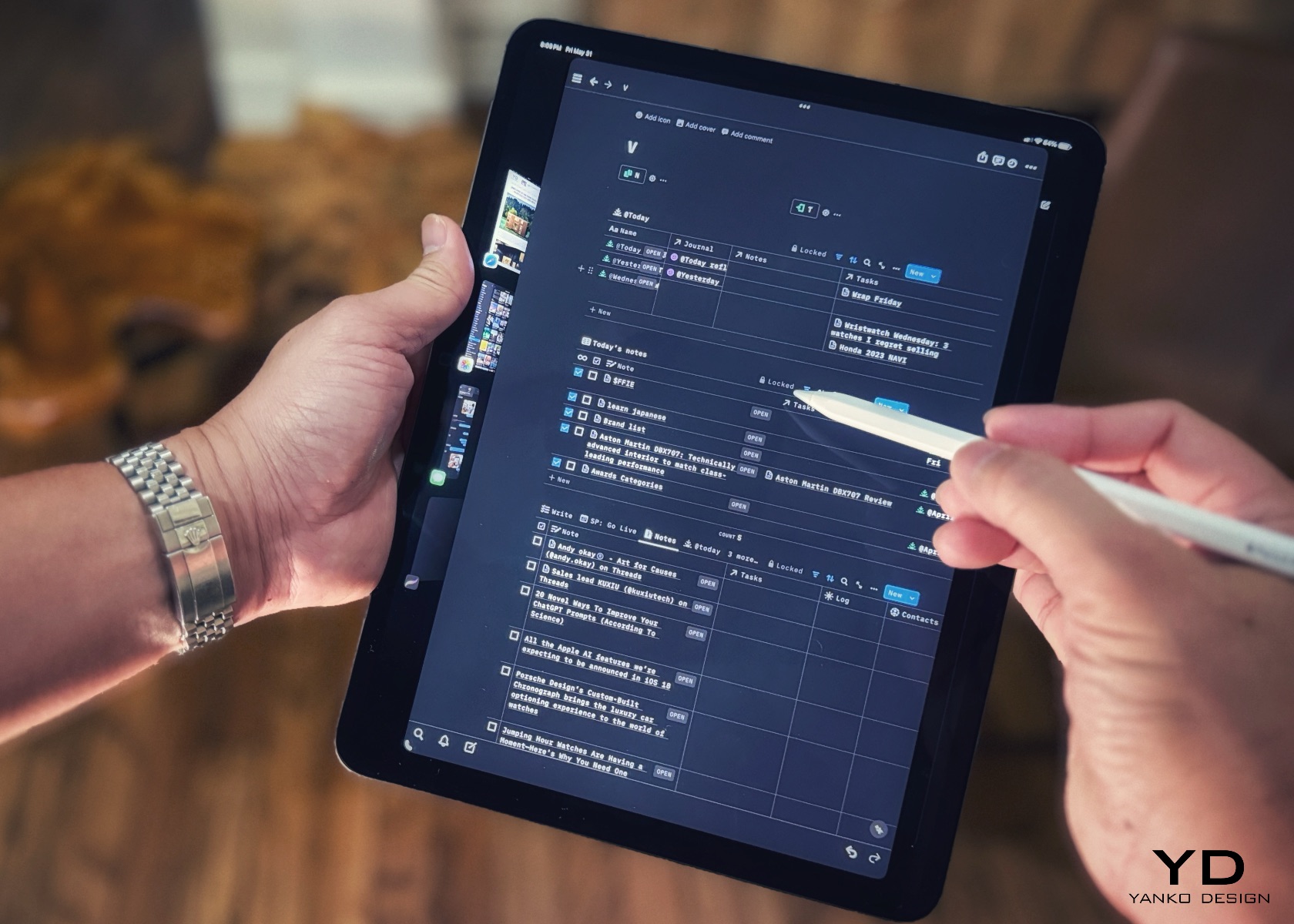
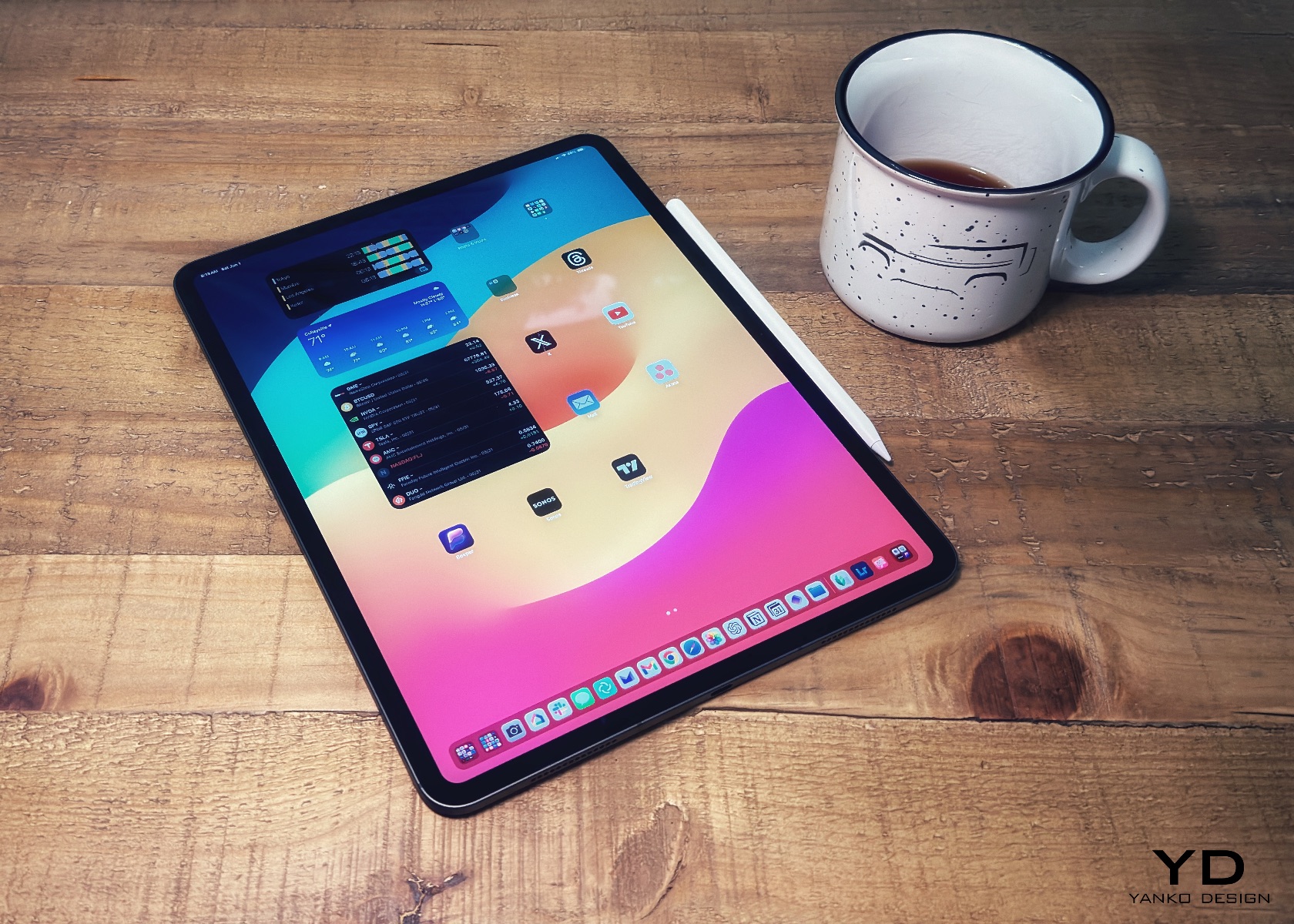
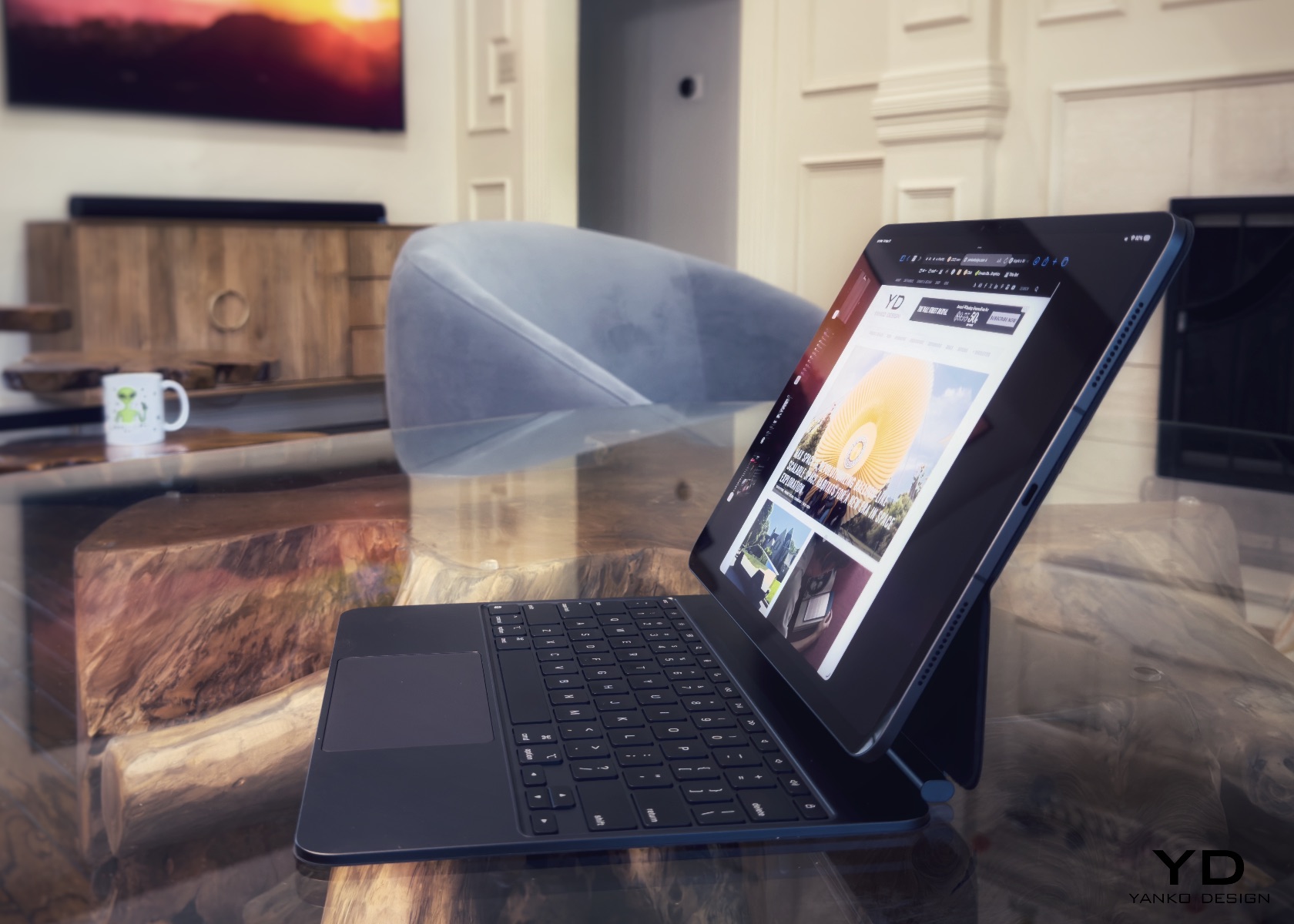
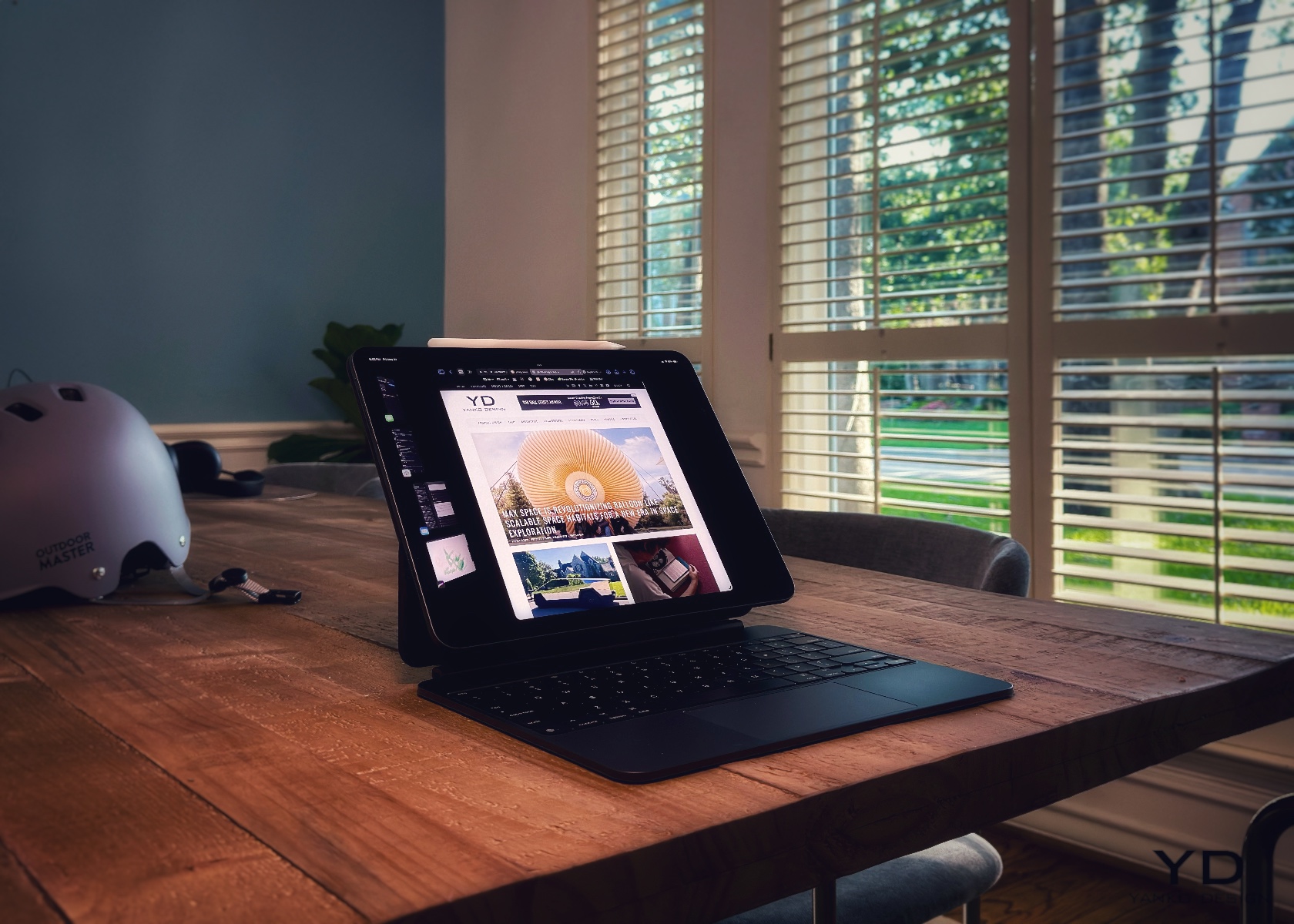
Moreover, most of us are just now accustomed to the near-perfect Magic Keyboard for the iPad Pro M4, and the introduction of a new foldable device could disrupt this familiarity, right? The foldable could essentially be an iPad with a larger screen that folds, but does this mean we are ready to transition to another device so soon? The potential benefits of the Apple Fold are immense, yet it necessitates careful consideration of user experience and practical application.
Although it is being referred to as the foldable MacBook, it’s worth noting that this might not be the final name. I speculate that Apple may “fold” this new product under the iPad line and call it the iPad Fold. This strategic move could create a new product line distinct from the MacBook, aligning more closely with the iPad’s existing user base and functionality.
The development of the Apple Fold isn’t happening in isolation. Apple is also reportedly working on foldable iPhones and iPads, indicating a broader strategy towards foldable technology. The challenges Apple faces include ensuring a seamless, crease-free display, a feat that companies like Samsung, HONOR, XIAOMI, and others are still striving to perfect.
As Apple ventures into the foldable space, it’s crucial to balance innovation with practicality. The anticipation for an Apple Fold, whether under the iPad or a new product line, is high, but so are the expectations. As always, Apple’s approach will likely focus on perfecting the user experience, even if it means navigating a complex landscape of new technology and user adaptation.