Microsoft Copilot just rolled out a new feature that creates songs via text prompt, thanks to a partnership with AI-based music creation platform Suno. Microsoft says it gives users the ability to craft personalized songs, “regardless of musical background.” Suno has long been working with various algorithms to create an AI that can whip up entire songs and it looks like the company has struck gold.
When you access this tool, all you have to do is enter a prompt and let the algorithm do the rest. The end result should be “fun, clever and personalized” songs, complete with lyrics and singing voices. You can also make an instrumental tune, if that’s your bag. AI use has been ramping up in the music-making space, but most of those tools are intended to help musicians. This is primarily for non-musicians looking to make a tune for a birthday email or something.
To that end, Microsoft gives prompt examples like “create a pop song about adventures with your family” and “make a song that captures the spirit of growing up.” It looks like the Suno add-on will have access to any personal data accrued by Copilot during use, so these songs could, in theory, get pretty specific.
The feature begins rolling out today, but it’s a tiered release. In other words, it could be a few weeks before it reaches your update box. In the meantime, you’ll have to make do with the thousand other things that Copilot can do.
This article originally appeared on Engadget at https://www.engadget.com/microsoft-copilot-can-now-make-cute-little-songs-on-demand-182305372.html?src=rss
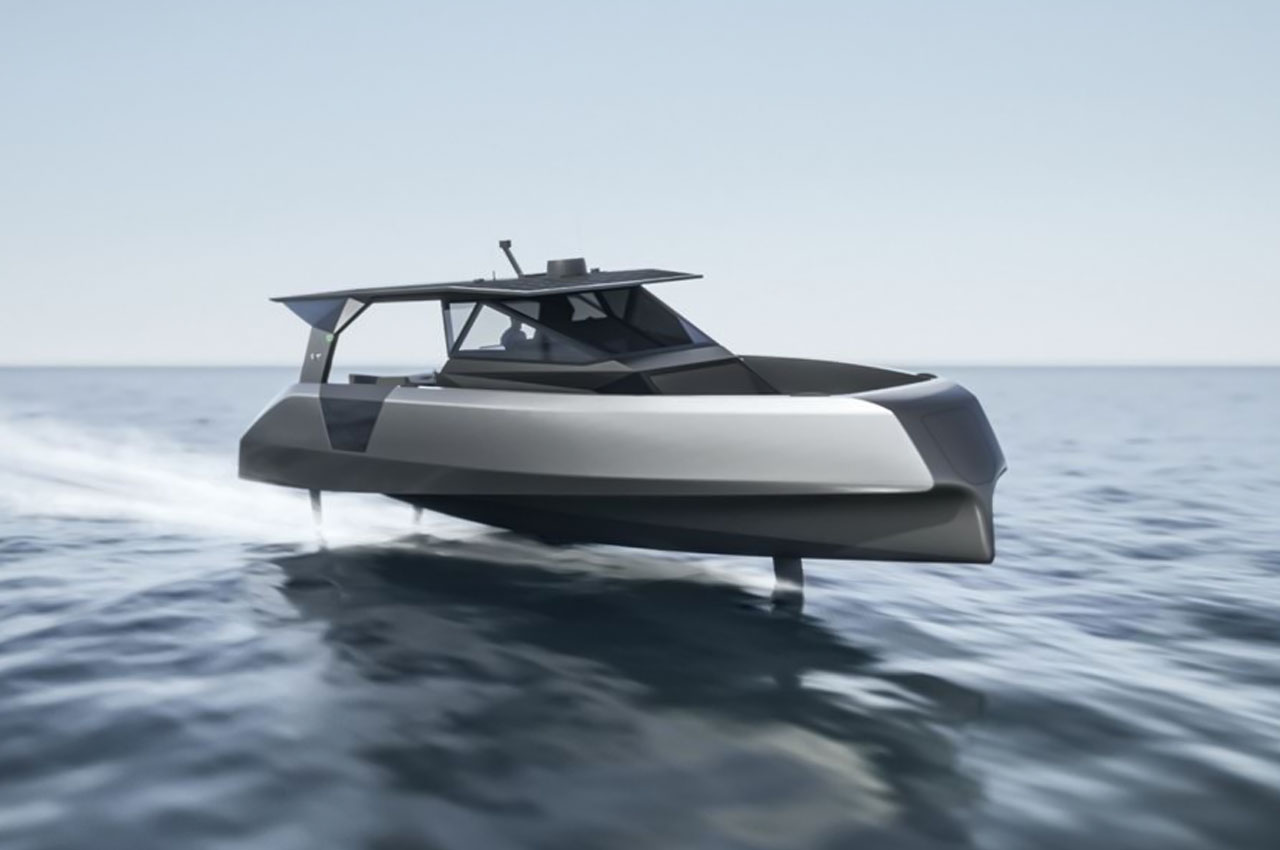
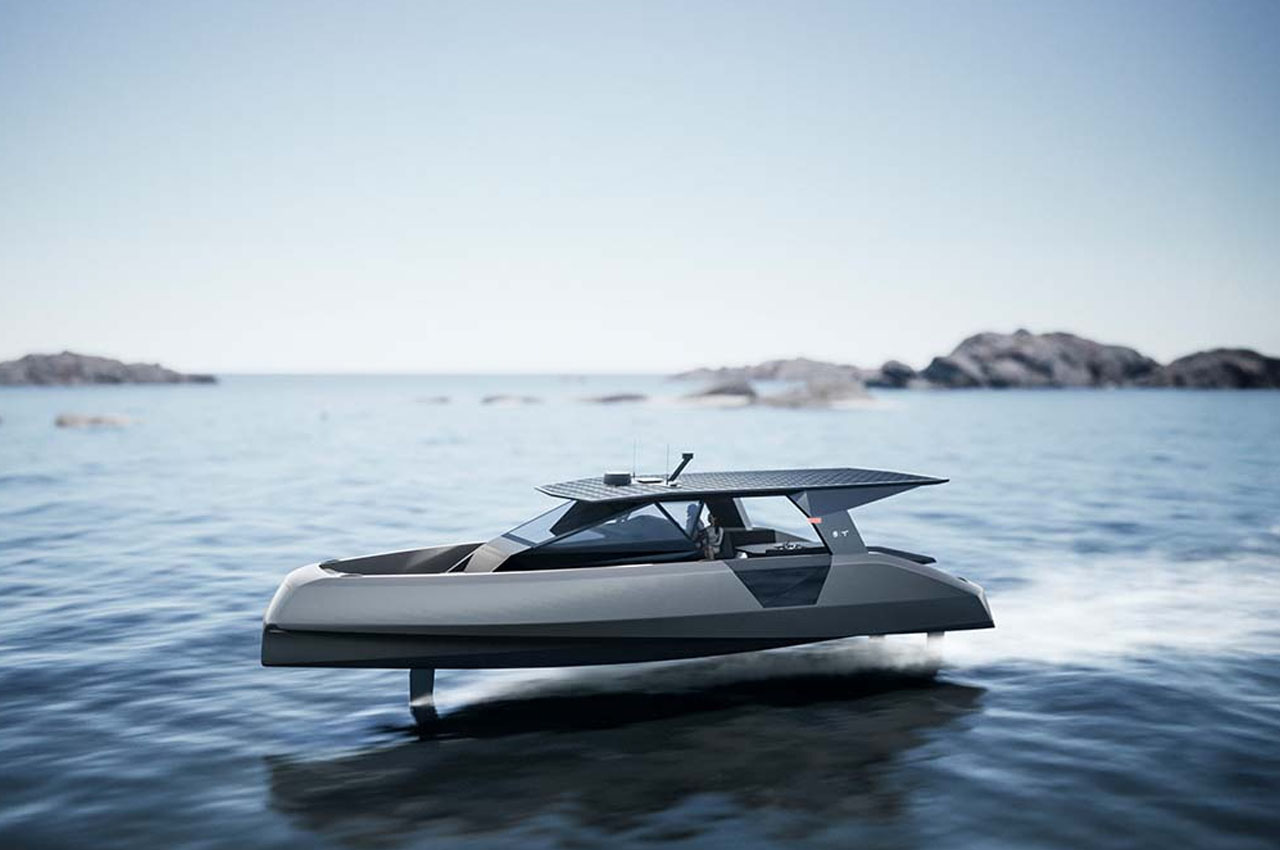
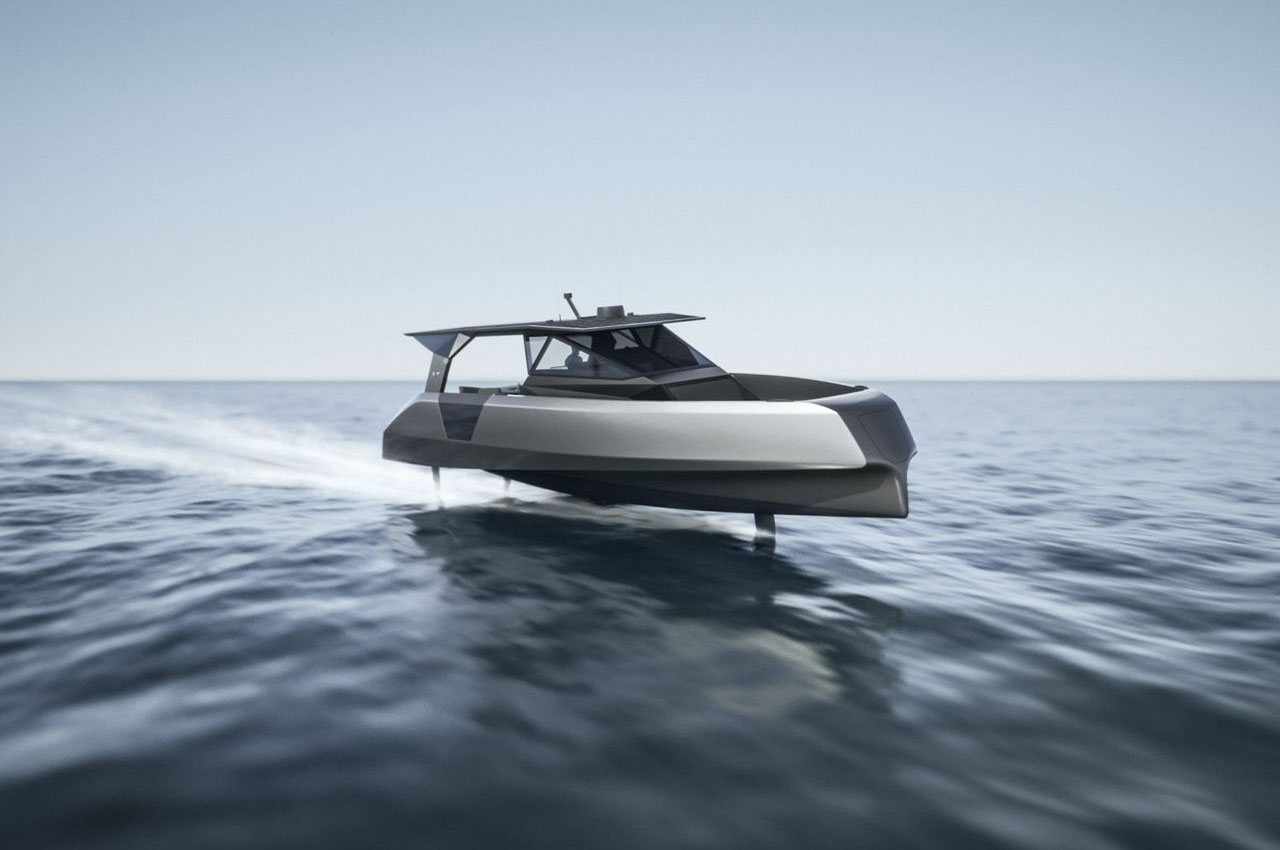
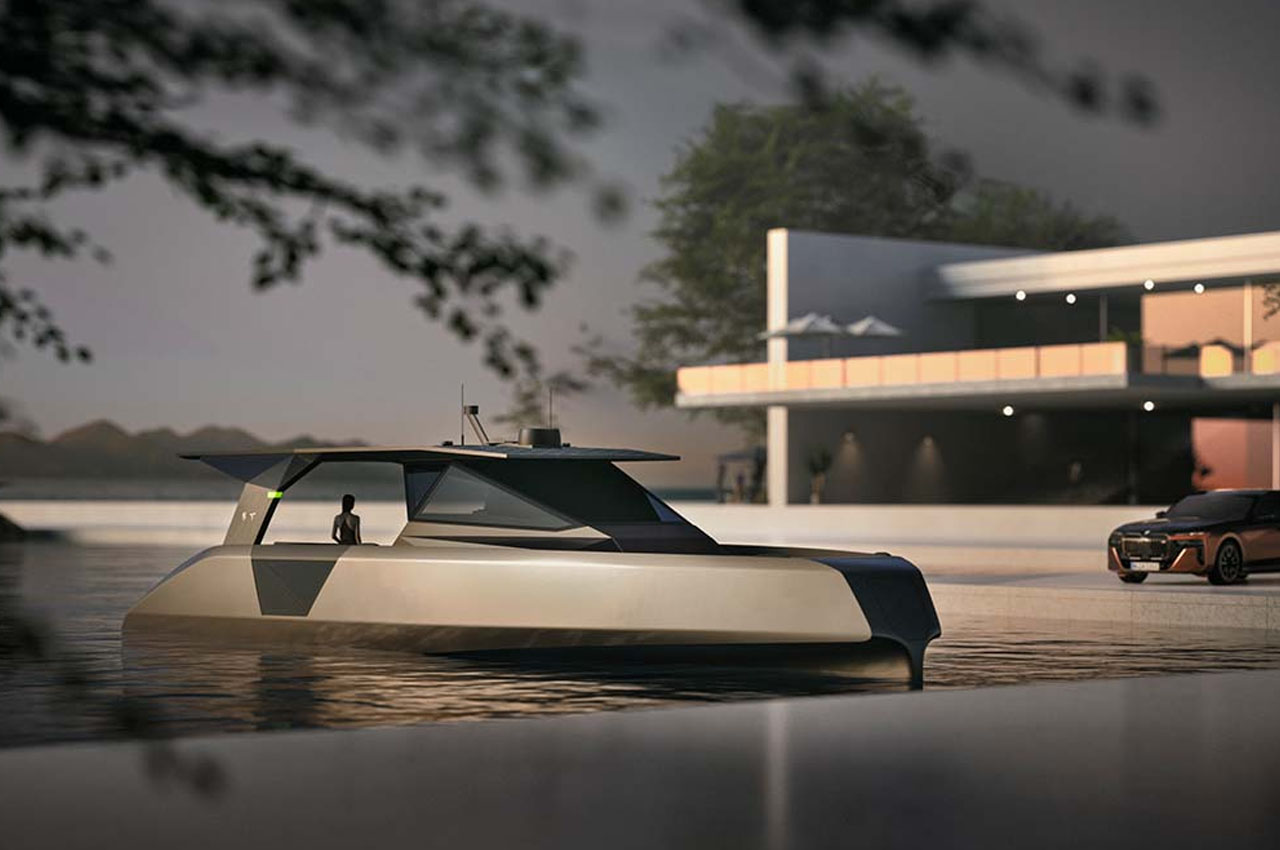
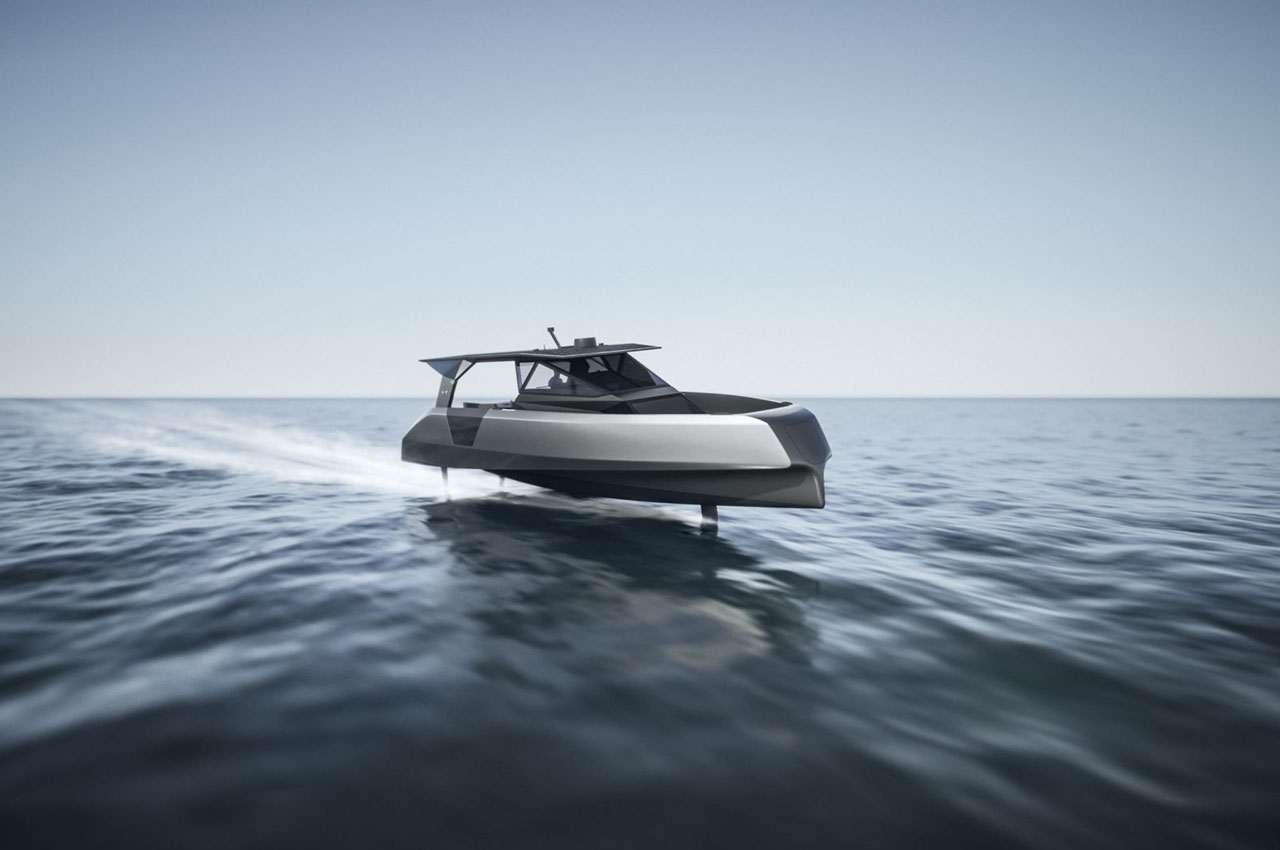
Foiling technology in yachts is not new, but it has really taken off above the waves in recent times, for its ability to add substantial efficiency and noise-free rides for the demanding, affluent patrons. Case in point, the first collaborative, “The ICON” by BMW and TYDE. Opening new frontiers, the carmaker and marine expert are back with “The OPEN,” the world’s largest foiling motor yacht with luxury unparalleled.
Some collaborations are meant to be, and that’s exactly where it is going with the two abovementioned industry leaders. It is their second partnership for The OPEN, which is meant to be a larger and refiner electric foiling yacht designed for enjoyment above the waves.
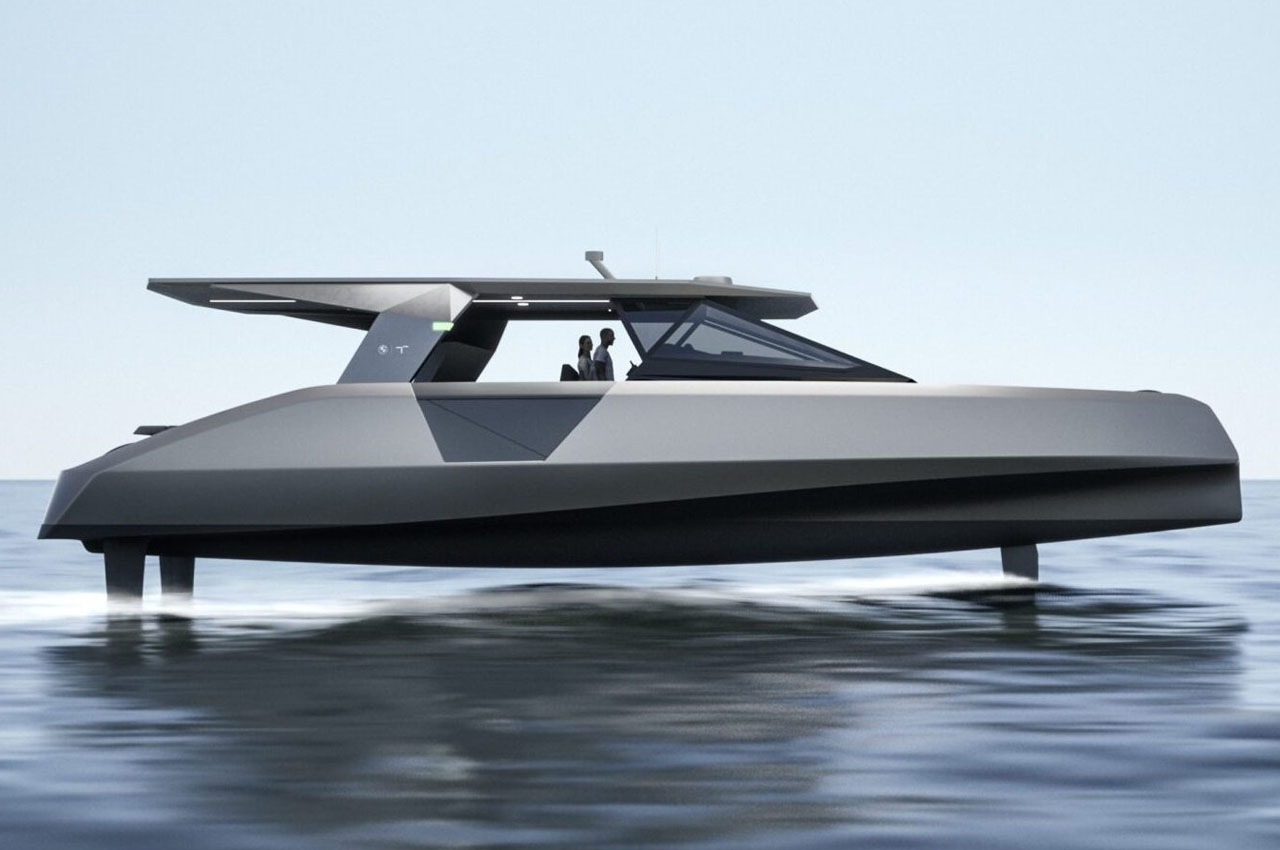
The OPEN is, as the design team puts it, a new “perspective on electrification, sustainability, and innovation.” The inventive electric vessel is designed to measure 49 feet long and about 15 feet in width. It will be powered by a zero-emissions drivetrain, borrowing the efficacy from The ICON. The battery onboard is a BMW i3 with 400kWh capacity and twin 100kW electric motors that provide The OPEN maximum speed of 30 knots.
An interesting aspect is the integrated hydrofoils that will allow the yacht to begin gliding above the water at around 18 knots with minimum drag and utmost silence. The propulsion system further helps reduce OPEN’s energy consumption by up to 80 percent, the designers note.
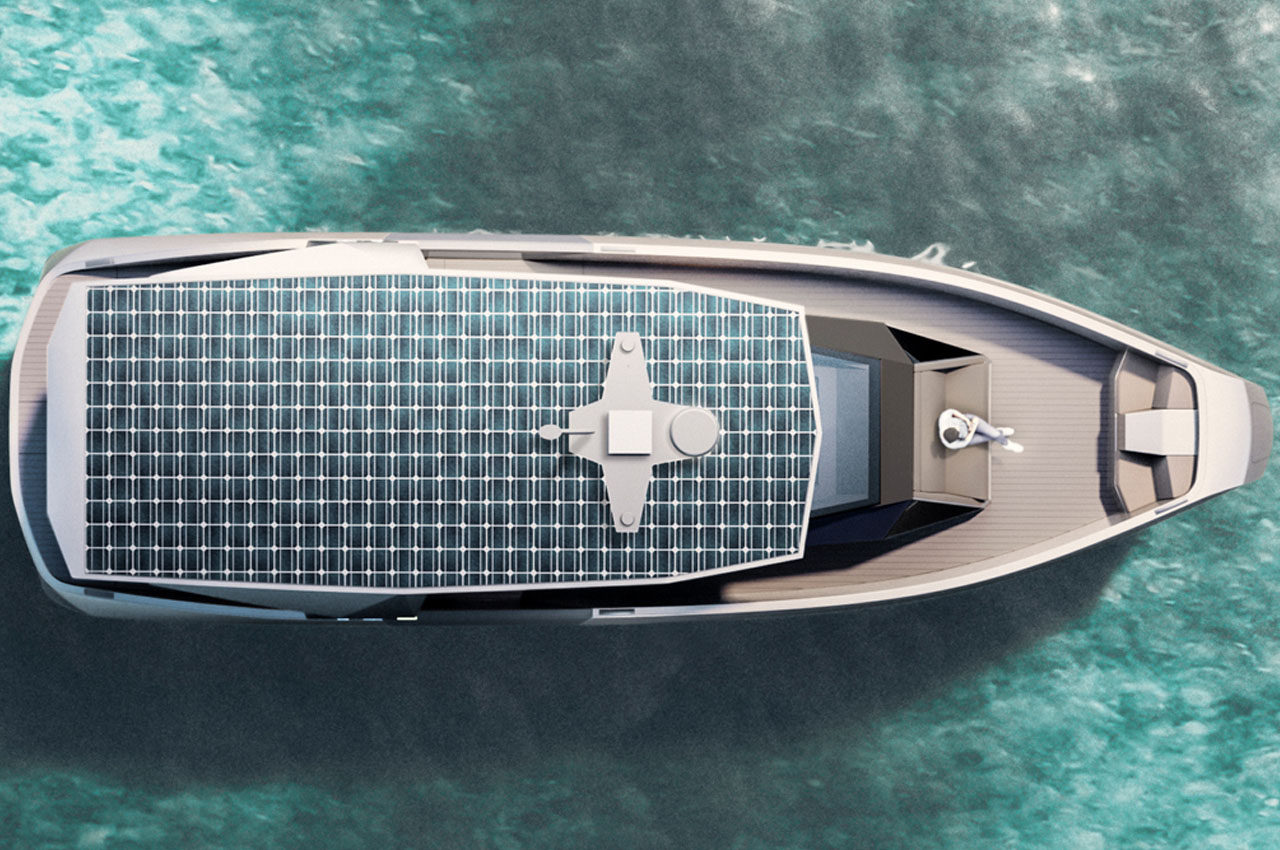
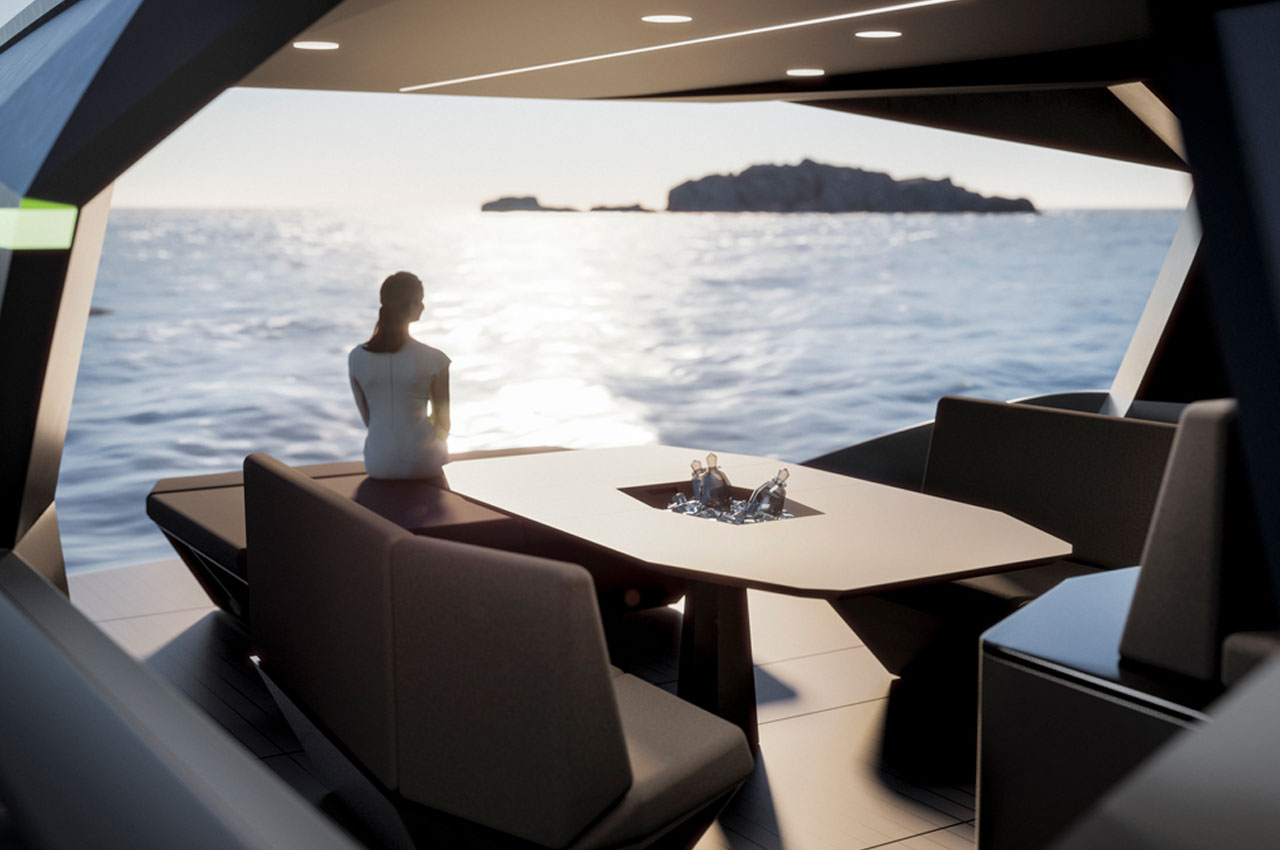
Capable of cruising over the waves at 25 knots on 50 nautical miles of range, the luxury yacht also adds to the green performance with solar panels embedded in the vessel’s hardtop. The yacht has a windshield wrapped around the seating area which offers a clear yet safe vantage point to check out the surrounding panorama. The life on the deck doubles up from being a solitary sun-basking regime to a dining area, and bathing platform, if you may.
For when the day is over and you need to hit the sack, onboard you have an accommodation for two. The cabin is luxury-packed with all the amenities including a bed, workstation, TV, and ensuite bathroom. The OPEN electric foiling yacht is likely to begin shipping toward the end of 2024 with TYDE managing the production and marketing.
The US Department of Justice says it has disrupted the Blackcat ransomware group. Also called ALPHV or Noberus, the hackers have targeted over 1,000 computer networks and extorted millions of dollars from victims. Bloombergreports its members were known for speaking Russian. “In disrupting the BlackCat ransomware group, the Justice Department has once again hacked the hackers,” Deputy Attorney General Lisa O. Monaco wrote in a DOJ news release.
The FBI says it developed a decryption tool, which it has used to help over 500 Blackcat victims recover their data — saving more than $68 million in ransom payments. The agency adds that it has “gained visibility into the Blackcat ransomware group’s computer network” and seized several of its websites.
“With a decryption tool provided by the FBI to hundreds of ransomware victims worldwide, businesses and schools were able to reopen, and health care and emergency services were able to come back online,” Monaco wrote. “We will continue to prioritize disruptions and place victims at the center of our strategy to dismantle the ecosystem fueling cybercrime.”
US Deputy Attorney General Lisa O. Monaco with President Biden.
REUTERS / Reuters
Blackcat’s developers create and update the ransomware software, which “affiliates” deploy in attacks on high-value targets; the developers and attackers then split the profits. Once an affiliate has infiltrated a network, they typically steal sensitive data before encrypting the victim’s system, incapacitating it. They then ask for a ransom. If the victims pay, the hackers say they’ll decrypt the system and abstain from exposing their confidential information. If the targets refuse to pony up, the hackers leave the victims locked out and publish their spicy documents on the dark web.
Blackcat took credit for infiltrating businesses and other US and European organizations. These included hacks on MGM Resorts, Caesars Entertainment, Reddit, US critical infrastructure (government facilities, emergency services, defense industrial base companies, critical manufacturing and healthcare facilities), a large UK hospital group and various attacks across the energy sector.
Although this could only be a fleeting upper hand in a long-running game of cat and mouse, the DOJ warns it’s just getting started. “Criminal actors should be aware that the announcement today is just one part of this ongoing effort,” wrote the DOJ’s Acting Assistant Attorney General Nicole M. Argentieri. “Going forward, we will continue our investigation and pursue those behind Blackcat until they are brought to justice.”
This article originally appeared on Engadget at https://www.engadget.com/the-doj-says-it-disrupted-the-blackcat-ransomware-group-174755936.html?src=rss
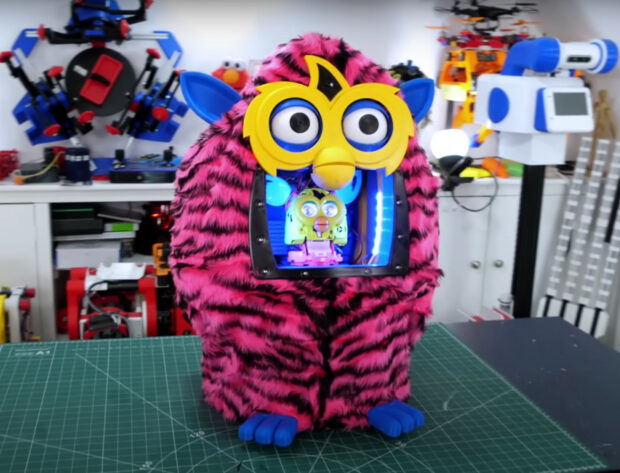
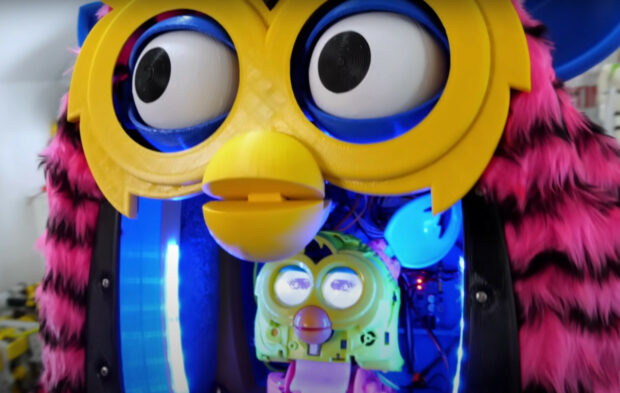
Tasked with making a toy for Makers’ Secret Santa gift exchange recipient Look Ma No Computer, former toy designer James Bruton decided to construct a giant-sized version of a Furby. The XL Furby features a regular-sized version living inside its chest and has a moving body and eyes that run on a loop, as well as 16 different sound effects, hopefully none of which are, “I’m coming to get you.”
When the Furby’s motion detector is activated, it performs a different series of moves and sound effects, so its actions appear random. That’s great news because the last thing I’d want is a predictable giant Furby in my living room. I like to be kept on my toes.
The fact that people like James have the ability to imagine a giant-size Furby and then actually successfully design and build one never ceases to amaze me. I’m great at imagining things, but turning that idea into an actual physical manifestation is the tricky part. And by tricky, I mean next to impossible, especially if electronics are involved.
Samsung Galaxy Z Flip 5 and Z Fold 5 owners can now fix their phones through the company's self-repair service. The do-it-yourself program is expanding so that more Galaxy products, including foldables and tablets, are included in the iFixit collaboration.
Samsung said it will add seven more products this month to its list of devices that are eligible for self-repair – from PCs, smartphones and tablets — including the Galaxy S23 series, Tab S9 series and the Galaxy Book2 Pro series. The program provides users with original equipment manufacturer (OEM) device parts and step-by-step guides that allow for things like screen or battery replacements. The price of fix kits will vary depending on the device. For example, a Samsung Galaxy S22 Ultra Screen and Battery set costs $240.
Samsung’s self-repair program, which first launched in the US last year, will also be offered to customers in an additional 30 countries across Europe. The company says expanding the scope of what’s covered by the program is in line with Samsung’s overall strategy to alleviate e-waste.
This article originally appeared on Engadget at https://www.engadget.com/samsung-adds-foldables-to-its-self-repair-program-for-the-first-time-171120939.html?src=rss
When it comes to functional pieces of furniture, we probably go for items that are able to serve their function (and are most likely affordable) and are not really that concerned with the design or aesthetics. But the past years, a lot of people have also been concerned with how these items are made, specifically with the materials used to create them as we become more conscious about our personal carbon footprint and the things taht we consume.
Designer: Alexander Latersztain for Derlot
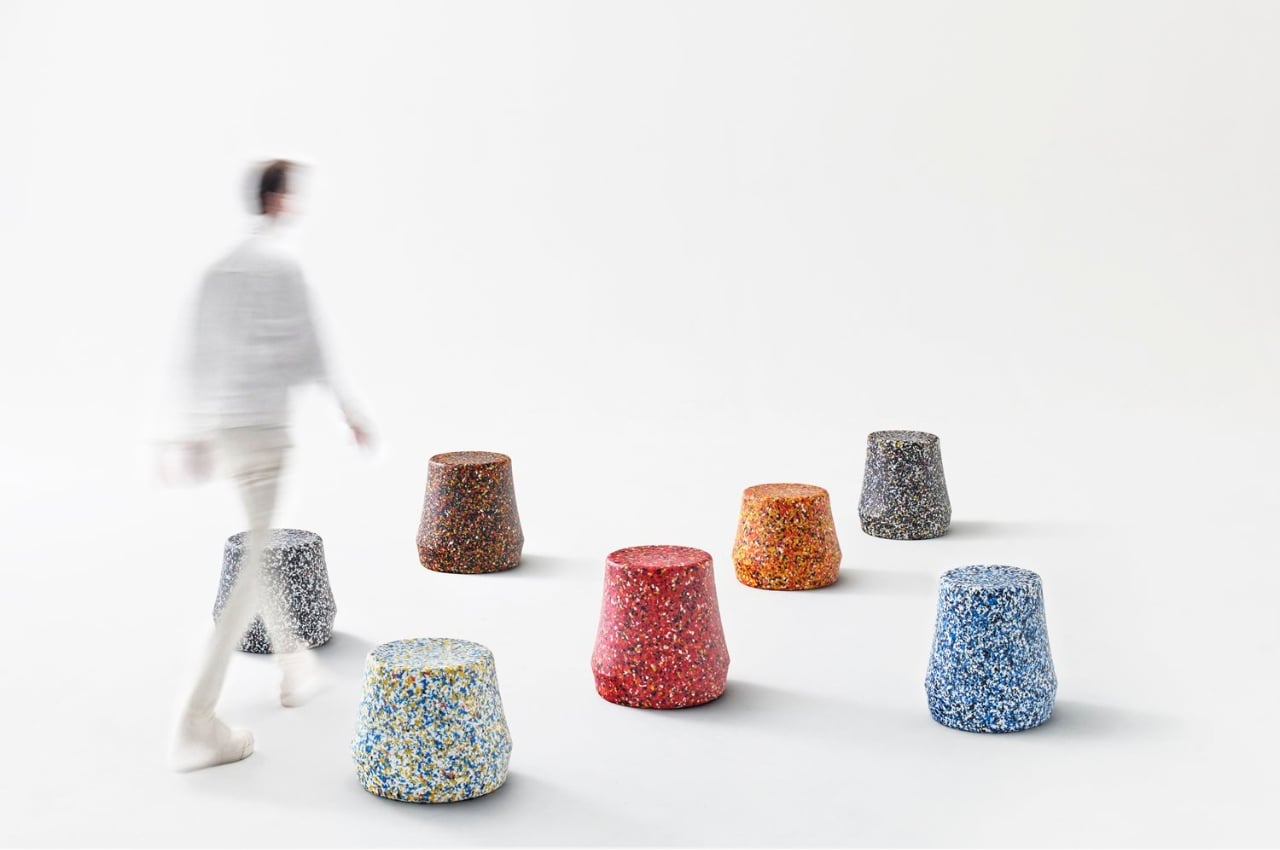
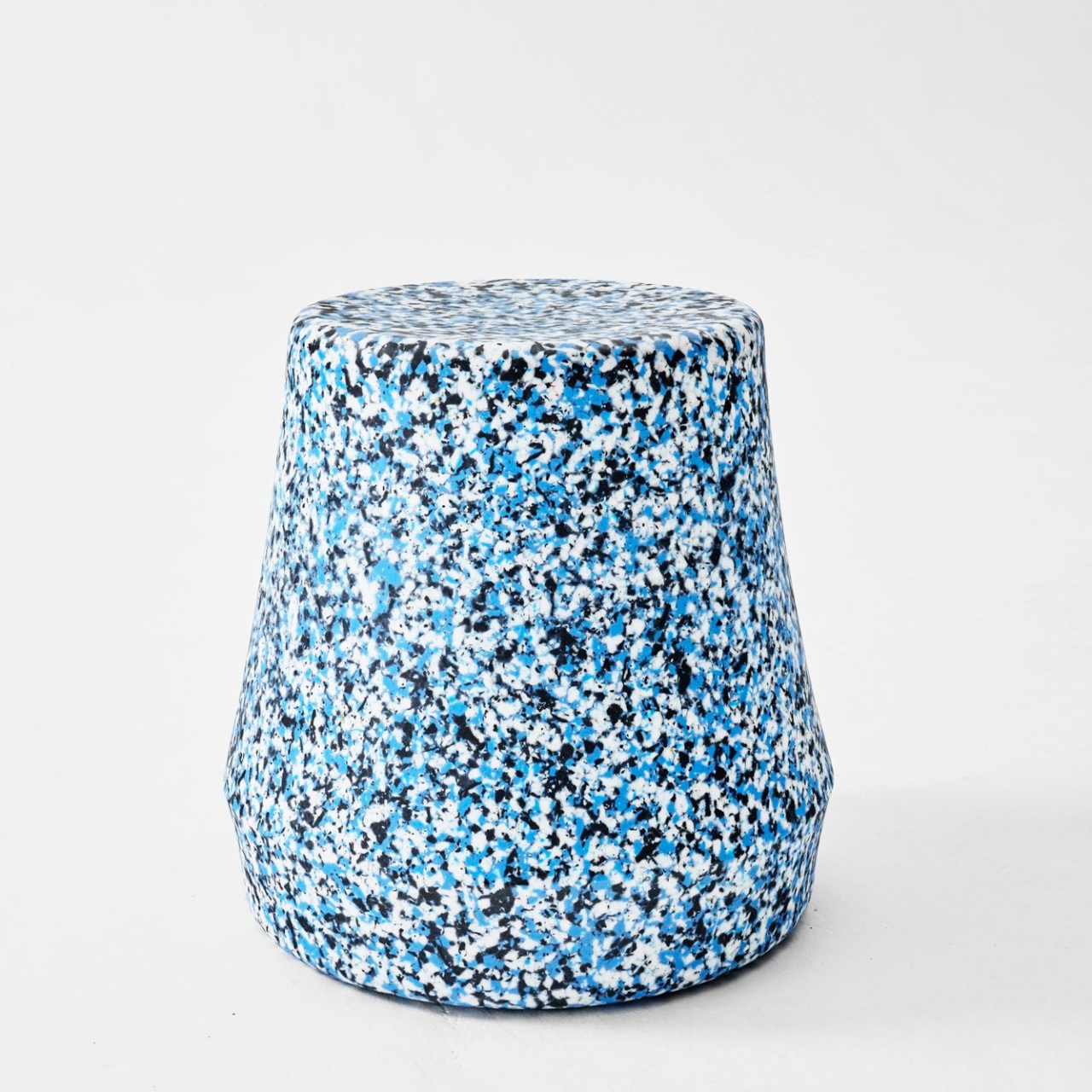
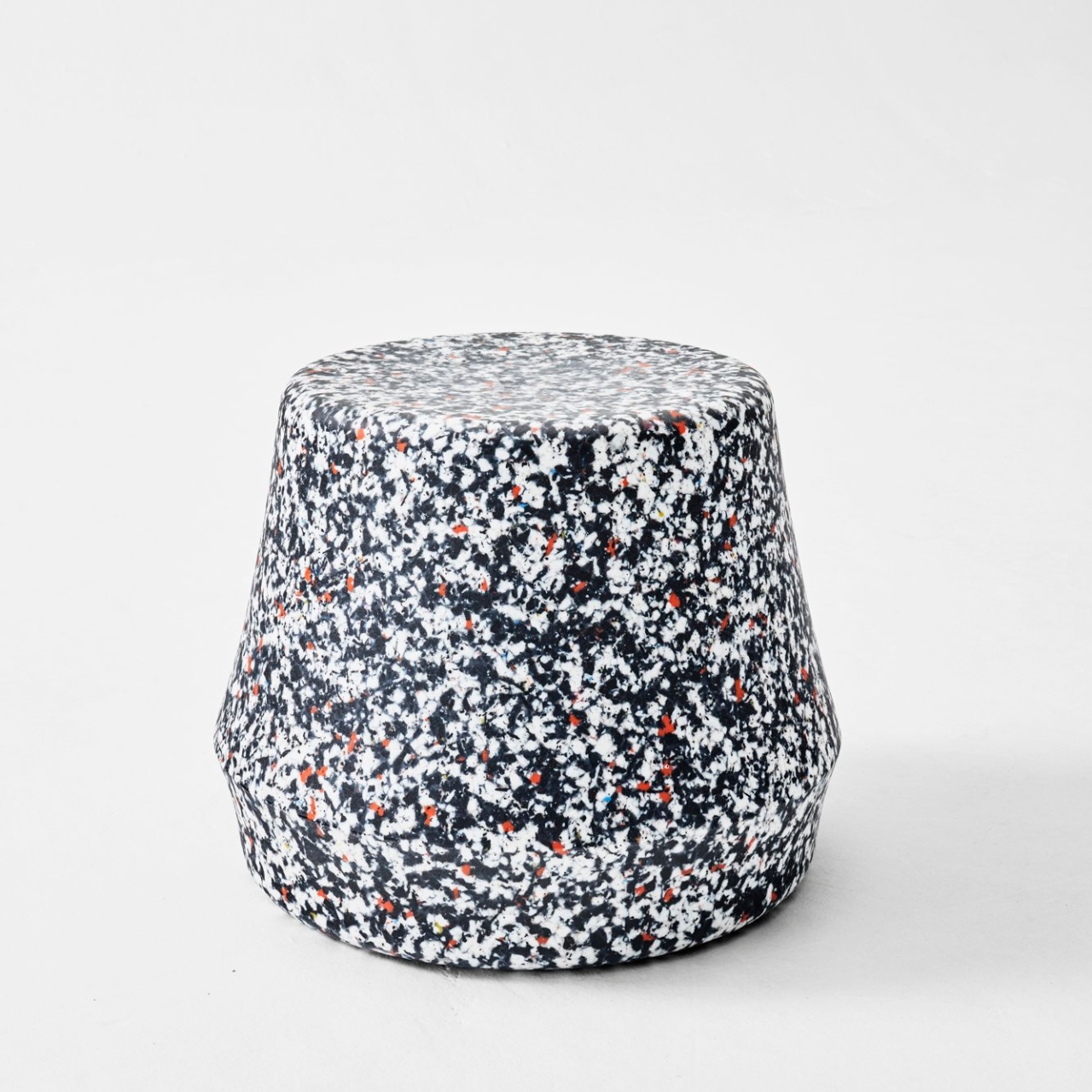
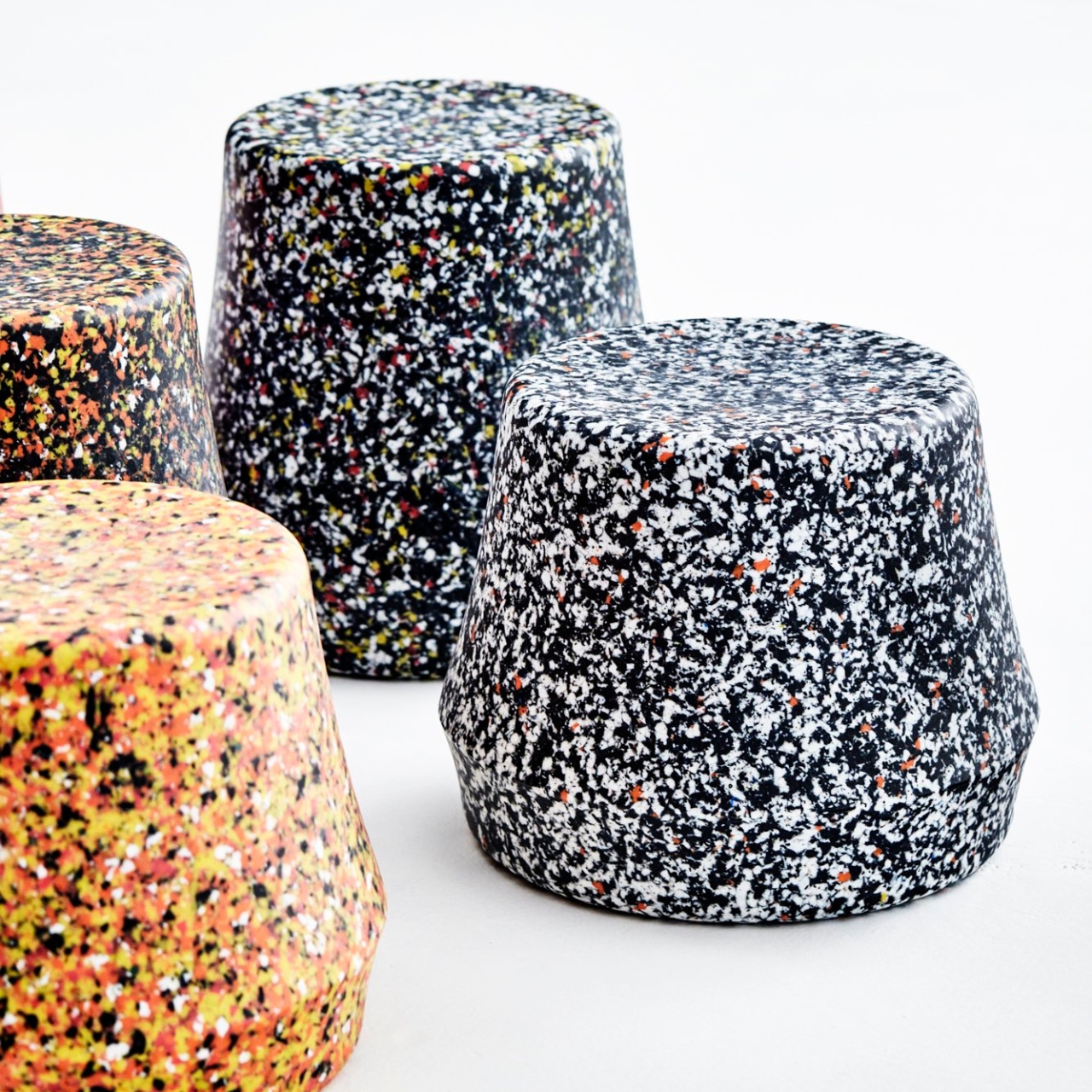
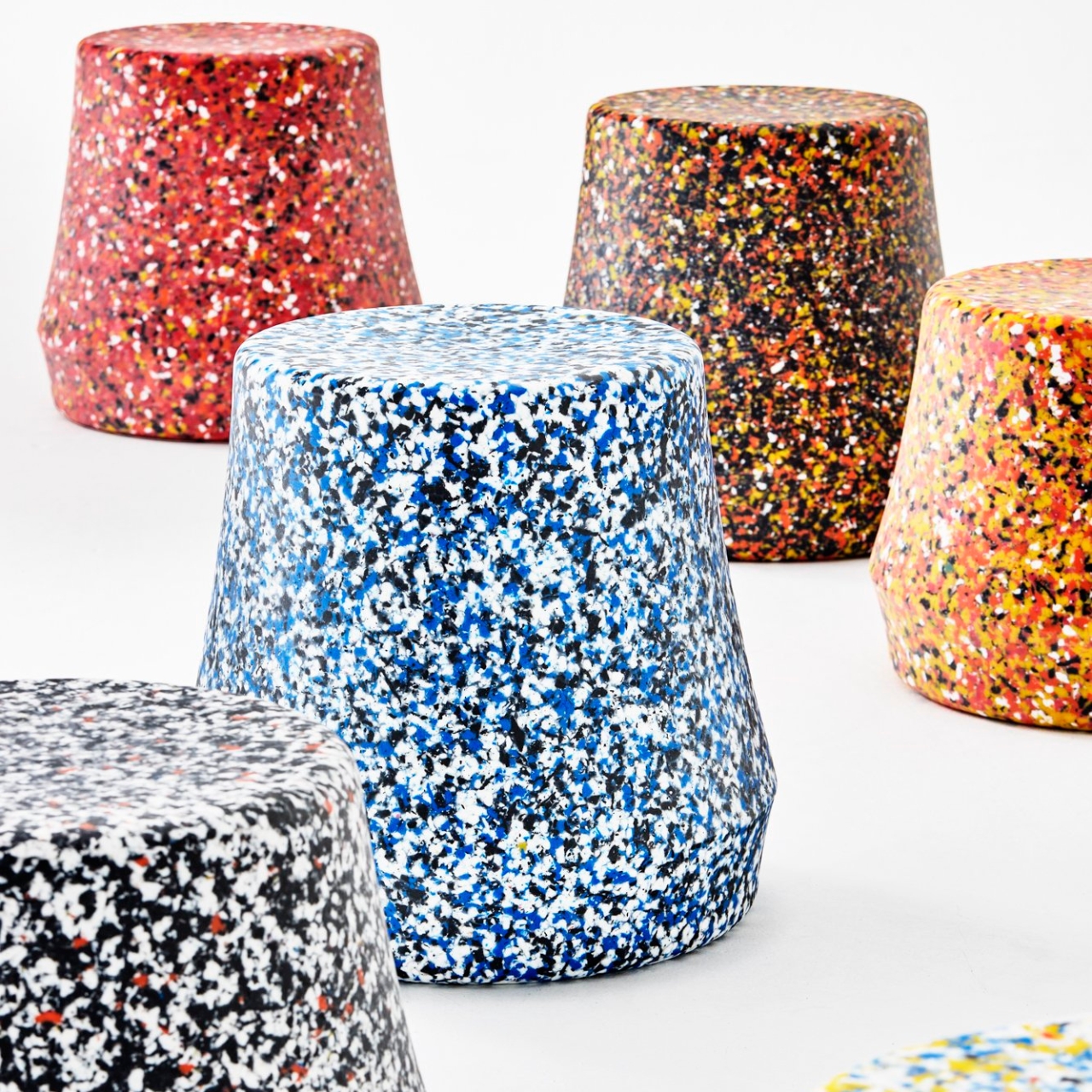
The original Stump stool from Derlot were already interesting enough with their “bold, minimalist and uncomplicated” take on this piece of furniture that lets us sit. Now the newest version is the Stump Recycled which carries the same basic structure of the stool but is now made from 80% recycled post-industrial plastic LDPE. And if you’re the type that would go for furniture that’s made sustainability then this should be right up your alley.
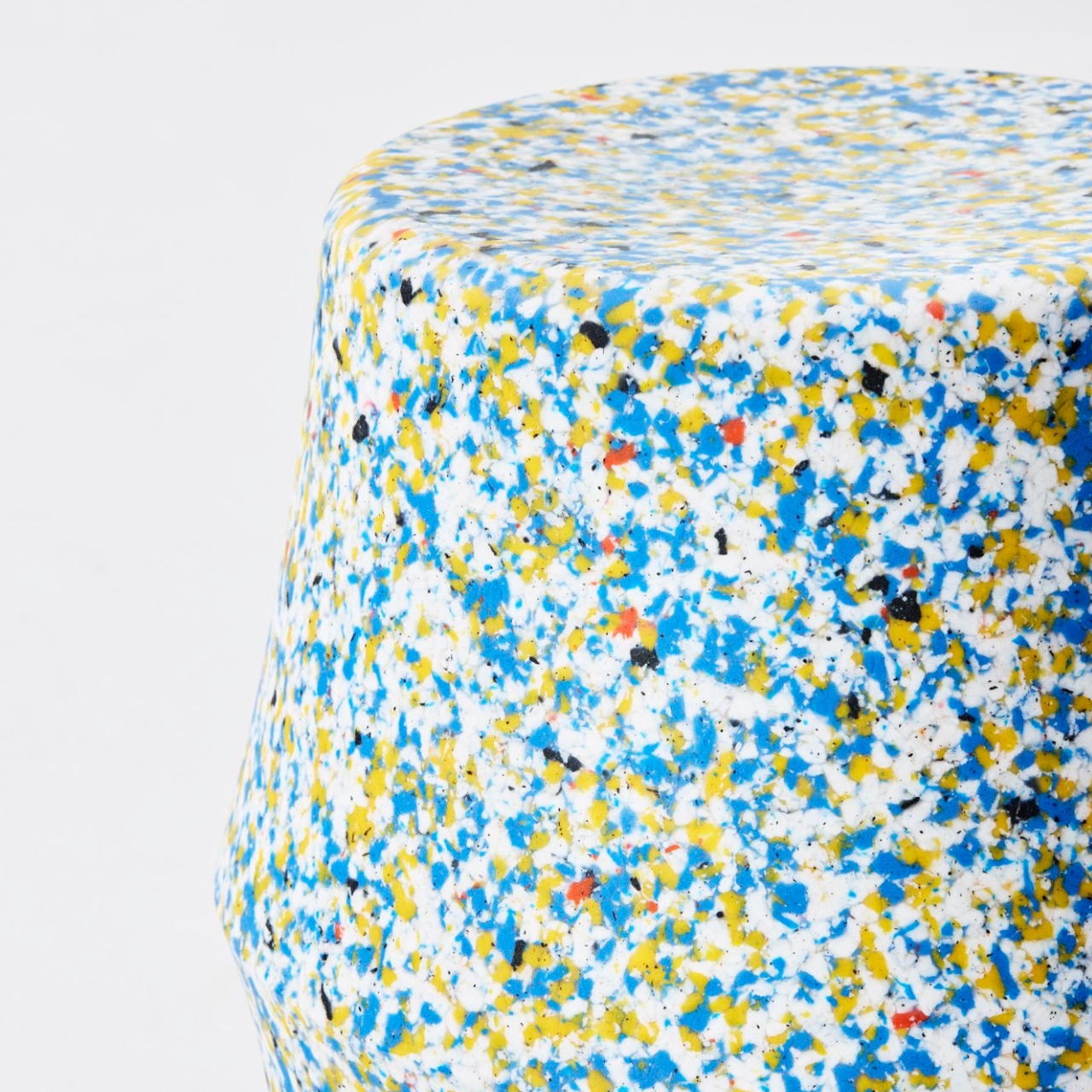
Because of the material it’s made from, you also get a different design. The patterns on the stools feature a terrazzo-like design which makes it more textured and colorful look. The original Stump stools had pretty solid colors but this time around you have the option to have a seat with a kaleidoscope-like finish. This is their “fresh interpretation” of how you can use recycled materials to enhance your design as well.
Derlot says that more than just a stool that you can sit on, this is a symbol of their commitment to pursue more sustainable design and production. I don’t know how long I can last sitting on this stool though as it’s small and doesn’t look that comfortable but sure, for sustainability, it’s a pretty interesting piece of furniture to have.
Blue Origin is taking another stab at its first launch in 15 months as New Shepard's 24th mission is scheduled to take flight on Tuesday. The company had to scrub a planned launch on Monday due to a ground system issue. Today's launch window opens at 11:37AM ET and the webcast starts 20 minutes beforehand. You can watch the launch below.
The uncrewed science mission has 33 payloads, more than half of which were developed by NASA, Blue Origin says. The other payloads are from K-12 schools, universities and STEAM-centric organizations. The manifest also includes 38,000 student postcards from the Club for the Future initiative.
The Federal Aviation Administration grounded New Shepard after an uncrewed launch attempt in September 2022 didn't go as planned. The booster failed after takeoff but it was able to separate successfully from the capsule. Although the capsule made a safe parachute landing, the booster was destroyed when it hit the ground in a designated hazard area.
This article originally appeared on Engadget at https://www.engadget.com/watch-blue-origins-first-launch-in-15-months-here-at-1137am-et-160030131.html?src=rss
Everrati is well known for creating some amazing electric vehicles, particularly electric versions of the Porsche 911, their latest creation is the Everrati 964 RSR Homage, which is a homage to the Porsche 911 RSR (964). The car is based on the 1993 Type 964 RSR and it comes with a 63 kWh battery and […]
The year had started so well for robotaxis. Cruise and Waymo came into 2023 riding high on fresh investments from General Motors and Google, respectively, as well as rapidly growing interest from the general public and a downright rabid rate of adoption by city governments. Things were looking up, very up, for the burgeoning self-driving vehicle industry! Then a driverless Crusie taxi accidentally dragged a hit-and-run victim down a San Francisco street for a few dozen feet and everything just sort of went to shit from there. So fragile, these Next Big Things. Let’s take a look back through the year that was to see how autonomous taxi tech might recover from this catastrophe.
Cruise's compounding problems
Cruise came into this year looking like a nigh-on unstoppable force of transportational change as the core of GM's self-driving efforts. The company received a $1.5 billion investment from the automaker in March 2022 after GM spent $2.1 buying equity ownership for the startup from Softbank Vision Fund. In February the company announced that its test fleet of driverless taxis had traveled a million miles of San Francisco’s streets without a human behind the wheel. The program had only started the previous November.
"When you consider our safety record, the gravity of our team’s achievement comes into sharper focus," Mo Elshenawy, Cruise's EVP of engineering, said in February. "To date, riders have taken tens of thousands of rides in Cruise AVs. In the coming years, millions of people will experience this fully driverless future for themselves."
Cruise CEO Kyle Vogt had been installed at his position in December 2021 after GM CEO Mary Barra ousted Dan Ammann from the spot. Vogt spent the following year laying out a grand vision of “zero crashes, zero traffic, and zero emissions,” though, according to a November report from the New York Times, the company “put a priority on the speed of the program over safety” during his tenure, cutting corners on safety in order to get more vehicles on the road. And expand Cruise did, into Houston and Los Angeles most notably, despite a growing number of traffic incidents and accidents left behind by its vehicles.
(1/3) At approximately 9:30 pm on October 2, a human-driven vehicle struck a pedestrian while traveling in the lane immediately to the left of a Cruise AV. The initial impact was severe and launched the pedestrian directly in front of the AV.
Those mishaps were bad. The events of October 3 and Cruise’s response to the resulting investigation proved unforgivable. As the company initially explained in the above thread, a human-driven vehicle struck a pedestrian, pushing her into the path of the Cruise taxi in the lane to her right. The taxi ran the woman over, despite aggressively braking, and ended up dragging her 20 feet until coming to a stop. EMS crews were able to extract the pedestrian from underneath the taxi using the jaws of life, and rushed her to medical treatment with critical injuries.Though she has not been identified, the pedestrian was reportedly in serious condition as late as October 25.
If that weren’t bad enough, Cruise then allegedly misled regulators about when the taxi engaged its brakes — telling them that the taxi had stopped immediately, not eventually, after slowly traveling another 20 feet down the block. The company then repeatedly delayed in releasing video of the incident to investigators until October 19.
The company’s cover-up efforts puts Cruise in financial jeopardy with the CPUC, which is currently considering fining it as much as $1.5 million for its obfuscating actions. The Commission's decision will be made in early February at an upcoming evidentiary hearing.
More immediately, the accident itself set off a whole slew of investigations, regulatory and internal alike. The Exponent consulting firm was brought in as an independent investigator and promptly dredged up some rather unflattering data regarding the robotaxis’ difficulties with spotting and reacting to the presence of small children. That revelation wasn’t so bad, at least compared to the company’s decision to keep the vehicles on the road even after being informed of the potentially deadly defect.
The California DMV was not amused and, two weeks after the accident occurred, the department suspended Cruise’s license to operate within the state, effectively shuttering its robotaxi operations. That’s a huge blow to GM, which has sunk billions into the startup and was anticipating the robotaxi service to generate as much as $5 billion annually when operations were to begin in 2025. In mid-November, the company recalled all 950 of its autonomous taxis in operation, and even paused robotaxi rides with human safety drivers behind the wheel a week later, as part of a “full safety review.”
Then things got even worse. On November 18, CEO Kyle Vogt announced his resignation from his position a week after GM installed EVP of Legal and Policy Craig Glidde (who was already a Cruise board member) as Chief Administrative Officer. The following day, company co-founder and Chief Product Officer Daniel Kan also announced his departure.
In response to Vogt's departure, GM promoted Mo Elshenawy from EVP of Engineering to the dual role of President and CTO, leaving the CEO position currently vacant. GM CEO Mary Barra told reporters recently that the company has “a lot of confidence with what the two co-presidents will do,” but will be “leaning in to make sure that it meets our strict requirements from a safety perspective.”
GM suddenly found itself holding the multibillion dollar bag, so it cut off funding near immediately, slashing budgets to the tune of “hundreds of millions” of dollars. As a result, Cruise has since suspended its equity program and begun laying off employees, starting with those in autonomous vehicle operations.
"The most important thing for us right now is to take steps to rebuild public trust," Cruise said in a statement. "Part of this involves taking a hard look inwards and at how we do work at Cruise, even if it means doing things that are uncomfortable or difficult."
But Cruise isn’t entirely dead yet, as Elshenawy explained in a recent email to staff. The company plans to scale back its self-driving ambitions and relaunch with a renewed focus on the current Chevy Bolt AV robotaxi platform, rather than its custom-built Origin vehicle. As such the company is pausing production on the Origin at least through 2024 but does plan to continue the program at some point in the future.
Waymo won by default
Waymo entered 2023 in much the same way as Cruise did: riding high on the hype and promise of self-driving vehicle technology. However it is ending the year in a very different place from its biggest competitor.
Following a rigorous cycle of validation and safety readiness evaluation, @Waymo is starting fully-autonomous (no human driver) testing in LA. Thrilled by the data confirming, once again, how well our ML-based 5th-gen Driver generalizes across cities! pic.twitter.com/hd0XU5zecT
Los Angeles joined Waymo’s stable of cities in February. Much as it was rolled out in San Francisco, Waymo’s self-driving vehicles were initially made available only to riders who were part of the Waymo Research Trusted Tester program in a limited area (in this case, Santa Monica), always outside of rush hour and only in limited numbers.
Things were going so well for Waymo come summer that the company announced it would shift gears, pushing back plans for its self-driving truck idea to instead focus fully on its expanding robotaxi service.
“Given the tremendous momentum and substantial commercial opportunity we’re seeing on the ride-hailing front, we’ve made the decision to focus our efforts and investment on ride-hailing,” Waymo co-CEOs Tekedra Mawakana and Dmitri Dolgov wrote in a July blog post. "We’re iterating more quickly than ever on our technology by pushing forward state of the art AI/ML, and seeing significant business growth and rider demand in San Francisco, Phoenix, and Los Angeles.”
By August, Waymo announced that Austin would be joining those towns as the fourth city to host its autonomous taxi service, with the program rolling out through the Fall. That same month, Waymo received its driverless deployment permit from the California Public Utilities Commission (CPUC), enabling the company to begin charging passengers for its robotaxi rides as well as expanding the service to additional customers. Previously, the company could only charge for rides if a human safety driver was behind the wheel. The company acknowledged at the time that demand was “incredibly high” (signups had already reportedly passed 100,000 users) but that it was working to make its fully autonomous trips "available to everyone over time."
“Things are growing… The ridership is increasing in both Phoenix and SF,” he continued, noting that the company provides more than 10,000 trips per city each week. Overall, it would have been a pretty great year for Waymo — especially after chief rival, Cruise, effectively imploded over the course of Q4 — had the company’s workforce not been subject to not one, not two, but three rounds of layoffs impacting over 300 employees.
The Road Ahead for Robotaxis
As we head into the new year, Waymo is effectively the only game in town, now that Cruise isn’t a viable commercial entity for the foreseeable future.
Midway through the year, analysts predicted the robotaxi market, valued at just over $1.1 billion in 2022, could rise to anywhere from $45.7 billion in 2030 to $118 billion in 2031 citing, “increasing demand for shared transportation, advancements in vehicle technology, growing interest in fuel-efficient public transportation, and improved infrastructure.”
Those outlooks have been tempered in recent months, at least for short term estimates, with Cruise temporarily out of the picture. Forrester Analytics, for example, now expects drone delivery services to become the dominant self-driving vehicle segment in 2024 as pushback from regulators slows development of robotaxi transit tech.
“Expect a booming year for self-driving forklifts, curbside delivery robots, and drone delivery, driven by the increasing popularity of e-commerce, the need for last-mile delivery solutions, and more sophisticated autonomous technologies,” wrote Craig Le Clair, Vice President and Principal Analyst at Forrester.
This article originally appeared on Engadget at https://www.engadget.com/2023-was-the-year-cruises-robotaxi-dream-came-to-a-crashing-end-153002522.html?src=rss
We first saw the new BMW Vision Neue Klasse Concept back in September and now this new concept car has made its North American debut as BMW Technology Office celebrates 25 years in Silicon Valley. The BMW Group Technology Office USA is celebrating 25 years in Silicon Valley with an invitation-only event featuring immersive workshops, […]