The White House tells NASA to create a new time zone for the Moon

On Tuesday, The White House published a policy memo directing NASA to create a new time standard for the Moon by 2026. Coordinated Lunar Time (LTC) will establish an official time reference to help guide future lunar missions. It arrives as a 21st-century space race emerges between (at least) the US, China, Japan, India and Russia.

The memo directs NASA to work with the Departments of Commerce, Defense, State, and Transportation to plan a strategy to put LTC into practice by December 31, 2026. International cooperation will also play a role, especially with signees of the Artemis Accords. Established in 2020, they’re a set of common principles between a growing list of (currently) 37 countries that govern space exploration and operating principles. China and Russia are not part of that group.

“As NASA, private companies, and space agencies around the world launch missions to the Moon, Mars, and beyond, it’s important that we establish celestial time standards for safety and accuracy,” OSTP Deputy Director for National Security Steve Welby wrote in a White House press release. “A consistent definition of time among operators in space is critical to successful space situational awareness capabilities, navigation, and communications, all of which are foundational to enable interoperability across the U.S. government and with international partners.”

Einstein’s theories of relativity dictate that time changes relative to speed and gravity. Given the Moon’s weaker gravity (and movement differences between it and Earth), time moves slightly faster there. So an Earth-based clock on the lunar surface would appear to gain an average of 58.7 microseconds per Earth day. As the US and other countries plan Moon missions to research, explore and (eventually) build bases for permanent residence, using a single standard will help them synchronize technology and missions requiring precise timing.

“The same clock that we have on Earth would move at a different rate on the moon,” NASA space communications and navigation chief Kevin Coggins told Reuters. “Think of the atomic clocks at the U.S. Naval Observatory (in Washington). They’re the heartbeat of the nation, synchronizing everything. You’re going to want a heartbeat on the moon.”

Photo of the Moon, captured by NASA, in exquisite detail.
NASA

The White House wants LTC to coordinate with Coordinated Universal Time (UTC), the standard by which all of Earth’s time zones are measured. Its memo says it wants the new time zone to enable accurate navigation and scientific endeavors. It also wants LTC to maintain resilience if it loses contact with Earth while providing scalability for space environments “beyond the Earth-Moon system.”

NASA’s Artemis program aims to send crewed missions back to the Moon for the first time since the Apollo missions of the 1960s and 70s. The space agency said in January that Artemis 2, which will fly around the Moon with four people onboard, is now set for a September 2025 launch. Artemis 3, which plans to put humans back on the Moon’s surface, is now scheduled for 2026.

In addition to the US, China aims to put astronauts on the Moon before 2030 as the world’s two foremost global superpowers take their race to space. Although no other countries have announced crewed missions to the lunar surface, India (which put a module and rover on the Moon’s South Pole last year), Russia (its mission around the same time didn’t go so well), the United Arab Emirates, Japan, South Korea and private companies have all demonstrated lunar ambitions in recent years.

In addition to enabling further scientific exploration, technological establishment and resource mining, the Moon could serve as a critical stop on the way to Mars. It could test technologies and provide fuel and supply needs for eventual human missions to the Red Planet.

This article originally appeared on Engadget at https://www.engadget.com/the-white-house-tells-nasa-to-create-a-new-time-zone-for-the-moon-193957377.html?src=rss



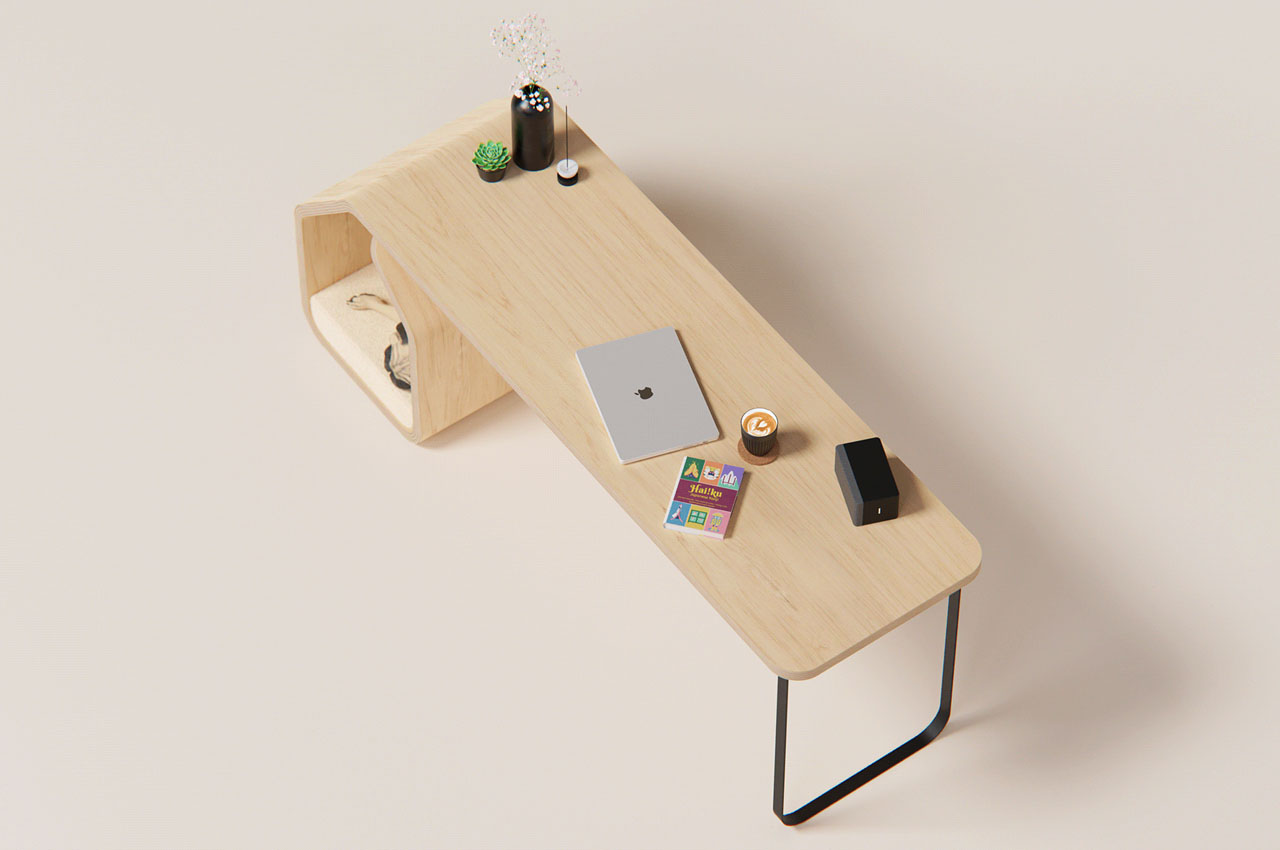
Dog Hut Desk puts a dog bed within the ‘d’ of your work desk

Modern homes are fancy and well-decorated! We take all the care to ensure our homes are furnished to the T, and this involves furniture we choose for our pets. However, not all apartments have space to accommodate additional furniture for our pooches, or for that matter, some parents – me included – want their pal to be just by their side at all times.

This demand owing to space constraints and over affection has given birth to pet furniture that is usable by both people and their pets simultaneously. It makes living with pets enjoyable and engaging and sparks an emotional connection between the two. A case in point is the Dog Hut Desk, which puts a dog bed within the ‘d’ of your work desk.

Designer: Liam de la Bedoyere

Designed as a new nap spot for a dog, the wooden desk has a metal U leg on one side and the small letter D-style bed for the dog as the support leg on the opposite side. With the dog by your side – napping in comfort – as you work, you can give yourself the peace of mind and the furry friend the ultimate comfort of a cozy space tailored for their slumber.

The interesting design allows provision for a cushiony mattress to fit within that the dog will love and would create a comfy space for it to sleep and relax. Presented as a desk that is perfect for you and your dog companion, it is the designer’s second iteration of the pet and human-friendly furniture after the cat-compatible desk.

The Dog Hut Desk with space for man’s best friend when working from home is a good idea if you have an obedient pet, but if your little pal is rowdy or a distraction from your focus, having it right under your eye may not be the best for your work routine. So, choosing this desk will come with its own user pros and cons. Think hard!

The post Dog Hut Desk puts a dog bed within the ‘d’ of your work desk first appeared on Yanko Design.

Prepare for more red pill memes: a fifth Matrix movie is happening

There’s another Matrix movie in the works. Warner Bros. just greenlit a fifth installment of the saga, as reported by Deadline. However, neither Lana Wachowski or Lilly Wachowski will be handling directing duties. That honor falls to Drew Goddard, who adapted The Martian into a screenplay and directed the criminally underrated Cabin in the Woods. He's also writing the script. 

Goddard cut his teeth writing episodes of Buffy the Vampire Slayer, Angel and Lost, among others — you could say he knows his way around genre content. Lana Wachowski will be on board as an executive producer, so there will be some input from one of the franchise’s original creators.

There’s no word as to what the film will be about, but Warner Bros. says that Goddard came to the company with a “new idea that we all believe would be an incredible way to continue the Matrix world.” Goddard added that the original films inspire him on a daily basis and that he is “beyond grateful for the chance to tell stories” in that world.

Warner Bros. is also being cagey as to which, if any, cast members would be returning. The original trilogy featured Keanu Reeves, Carrie Anne-Moss, Laurence Fishburne, Hugo Weaving and Jada Pinkett Smith. Most of these actors returned for 2021’s The Matrix Resurrections, with one story-based exception.

Speaking of The Matrix Resurrections, it received mixed reviews from both critics and audiences. We loved the film, going as far as to call it brilliant, but admitted that it wasn’t for everyone. That’s par for the course with this franchise. Every single Matrix movie beyond the first one is divisive. We’ll have to wait and see what Goddard brings to the table.

He’s also writing a film adaptation based on another novel by The Martian scribe Andy Weir. Project Hail Mary will be directed by Phil Lord and Christopher Miller and will star Ryan Gosling as an astronaut trying to save the planet from a star-eating microbe.

This article originally appeared on Engadget at https://www.engadget.com/prepare-for-more-red-pill-memes-a-fifth-matrix-movie-is-happening-184811691.html?src=rss
Prepare for more red pill memes: a fifth Matrix movie is happening

There’s another Matrix movie in the works. Warner Bros. just greenlit a fifth installment of the saga, as reported by Deadline. However, neither Lana Wachowski or Lilly Wachowski will be handling directing duties. That honor falls to Drew Goddard, who adapted The Martian into a screenplay and directed the criminally underrated Cabin in the Woods. He's also writing the script. 

Goddard cut his teeth writing episodes of Buffy the Vampire Slayer, Angel and Lost, among others — you could say he knows his way around genre content. Lana Wachowski will be on board as an executive producer, so there will be some input from one of the franchise’s original creators.

There’s no word as to what the film will be about, but Warner Bros. says that Goddard came to the company with a “new idea that we all believe would be an incredible way to continue the Matrix world.” Goddard added that the original films inspire him on a daily basis and that he is “beyond grateful for the chance to tell stories” in that world.

Warner Bros. is also being cagey as to which, if any, cast members would be returning. The original trilogy featured Keanu Reeves, Carrie Anne-Moss, Laurence Fishburne, Hugo Weaving and Jada Pinkett Smith. Most of these actors returned for 2021’s The Matrix Resurrections, with one story-based exception.

Speaking of The Matrix Resurrections, it received mixed reviews from both critics and audiences. We loved the film, going as far as to call it brilliant, but admitted that it wasn’t for everyone. That’s par for the course with this franchise. Every single Matrix movie beyond the first one is divisive. We’ll have to wait and see what Goddard brings to the table.

He’s also writing a film adaptation based on another novel by The Martian scribe Andy Weir. Project Hail Mary will be directed by Phil Lord and Christopher Miller and will star Ryan Gosling as an astronaut trying to save the planet from a star-eating microbe.

This article originally appeared on Engadget at https://www.engadget.com/prepare-for-more-red-pill-memes-a-fifth-matrix-movie-is-happening-184811691.html?src=rss
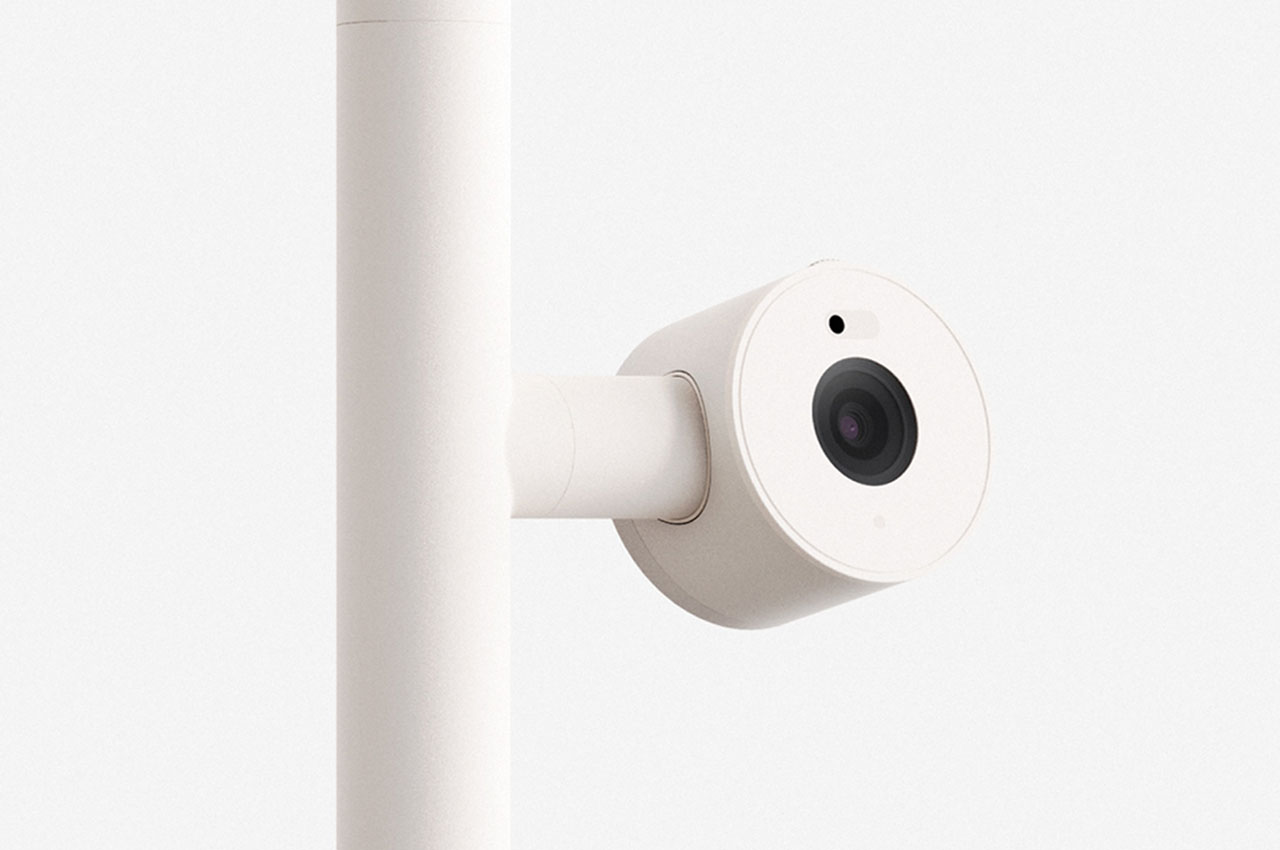
LG PICK floor standing speaker concept houses a beam projector to satisfy your entertainment cravings

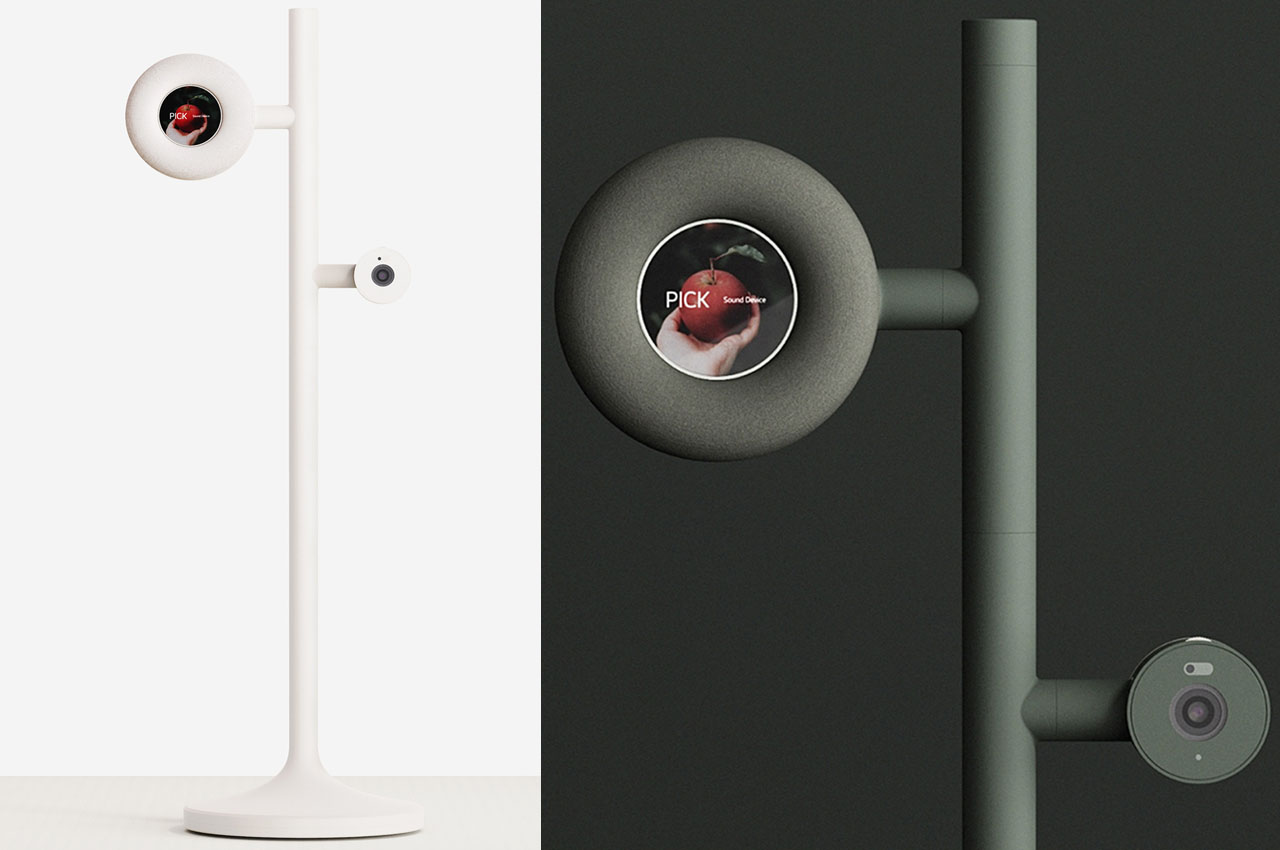
There’s something magical about audio accessories that grabs my attention without bounds. This concept floor-standing speaker conceptualized for LG piqued my interest for more reasons than one. The primary one is the versatility of use and the multifunctional properties that in no way overpower the minimal aesthetics.

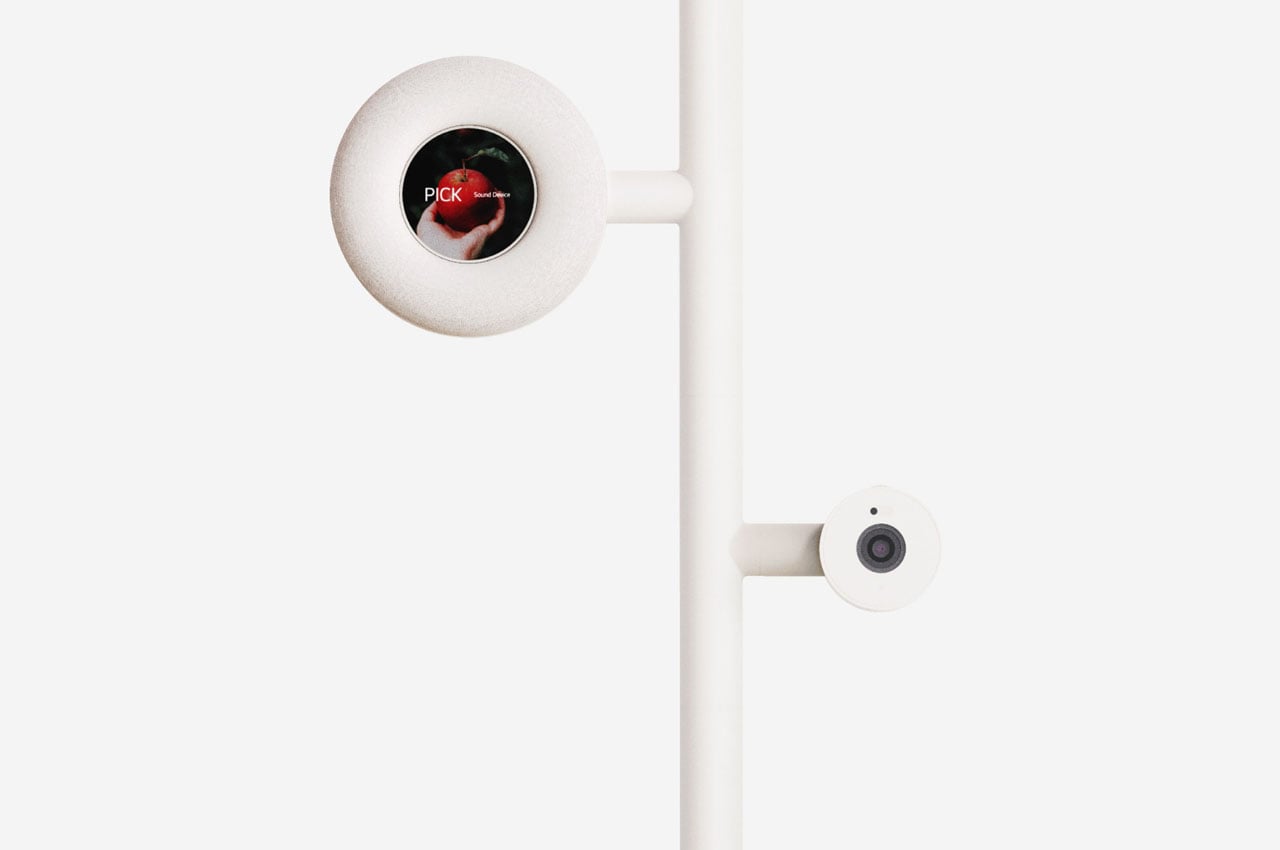
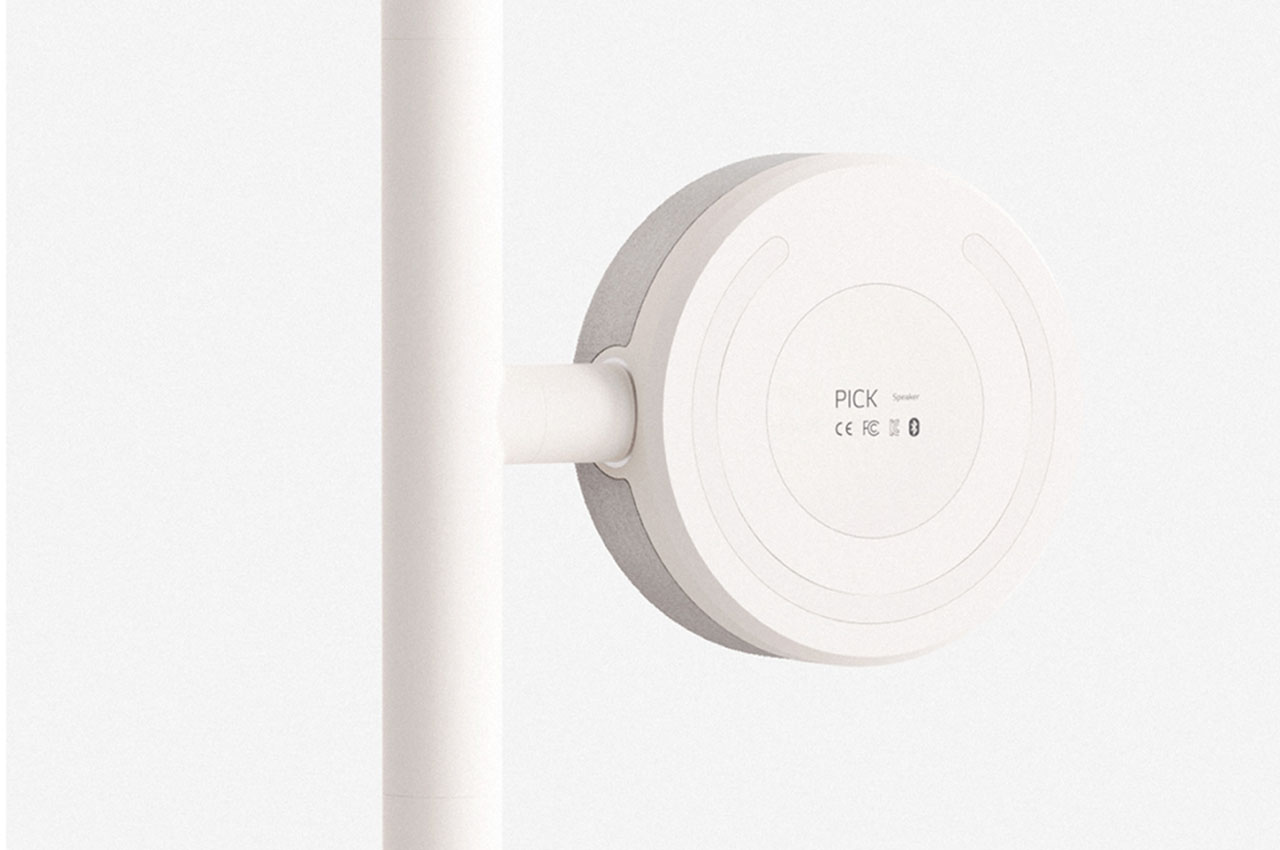
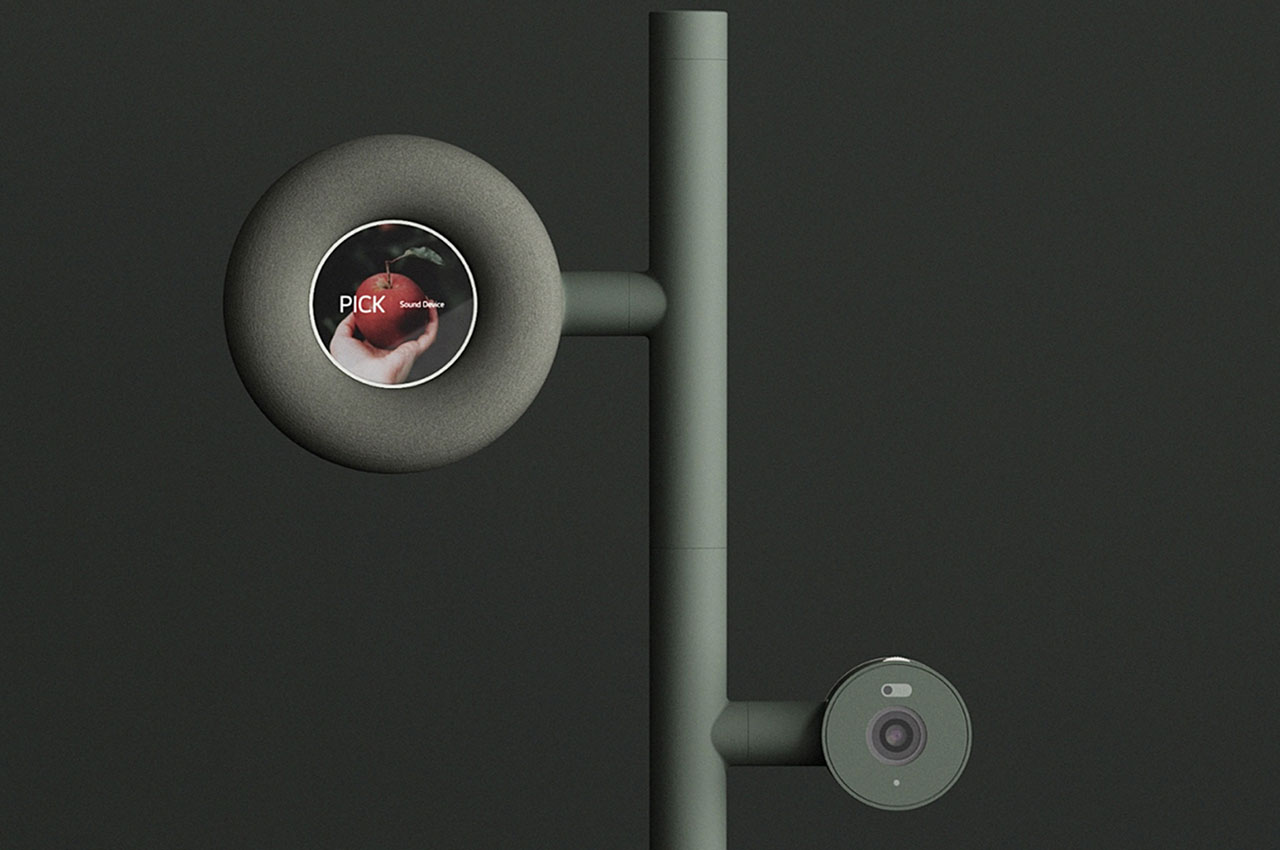
Picturing the LG PICK speaker in a living room or a geeky WFH setup won’t be hard, and I already wish this was a real product coming out of the South Korean electronics giant’s production lines. The movable speaker rightly called the Sound Tree Audio System brings with it maximum freedom to set up your audio listening space without too many frills.

Designer: KDM+

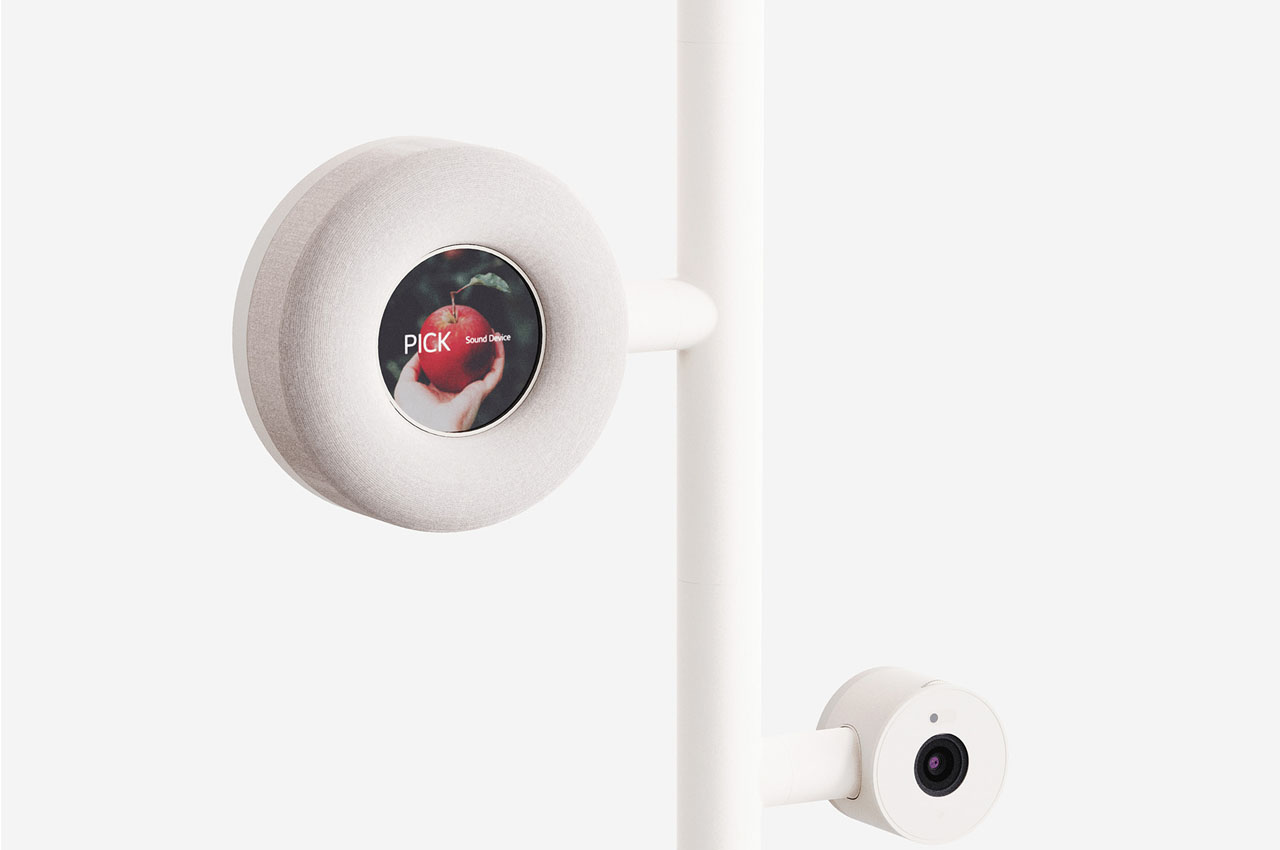
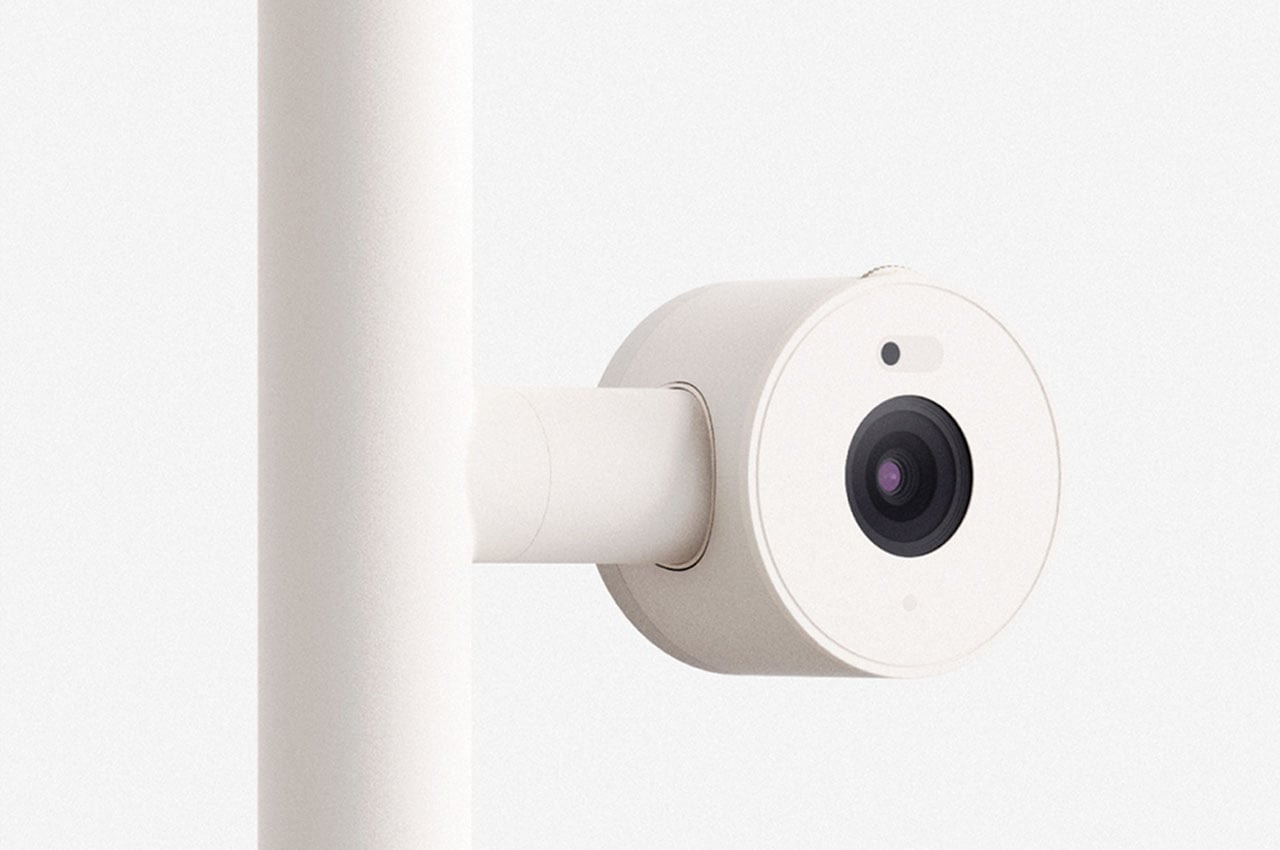
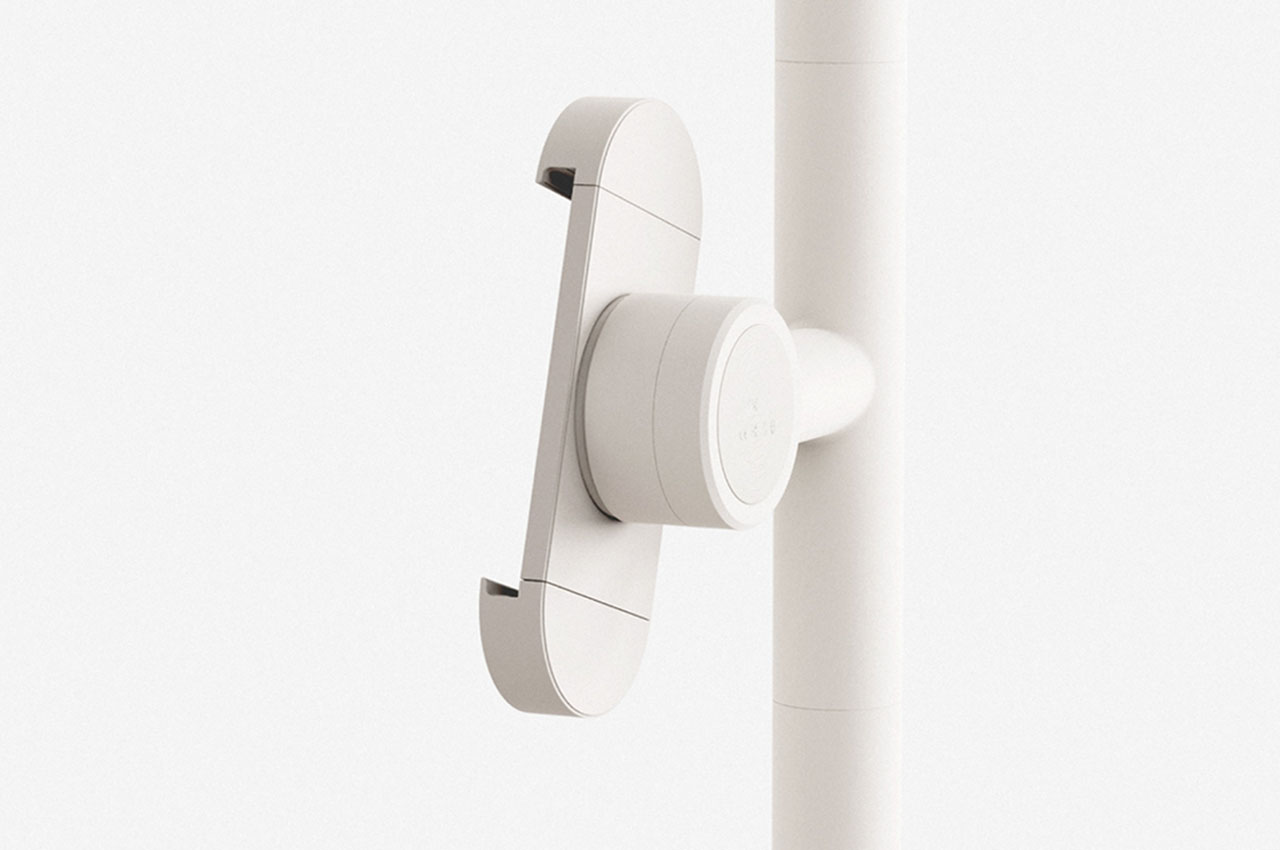
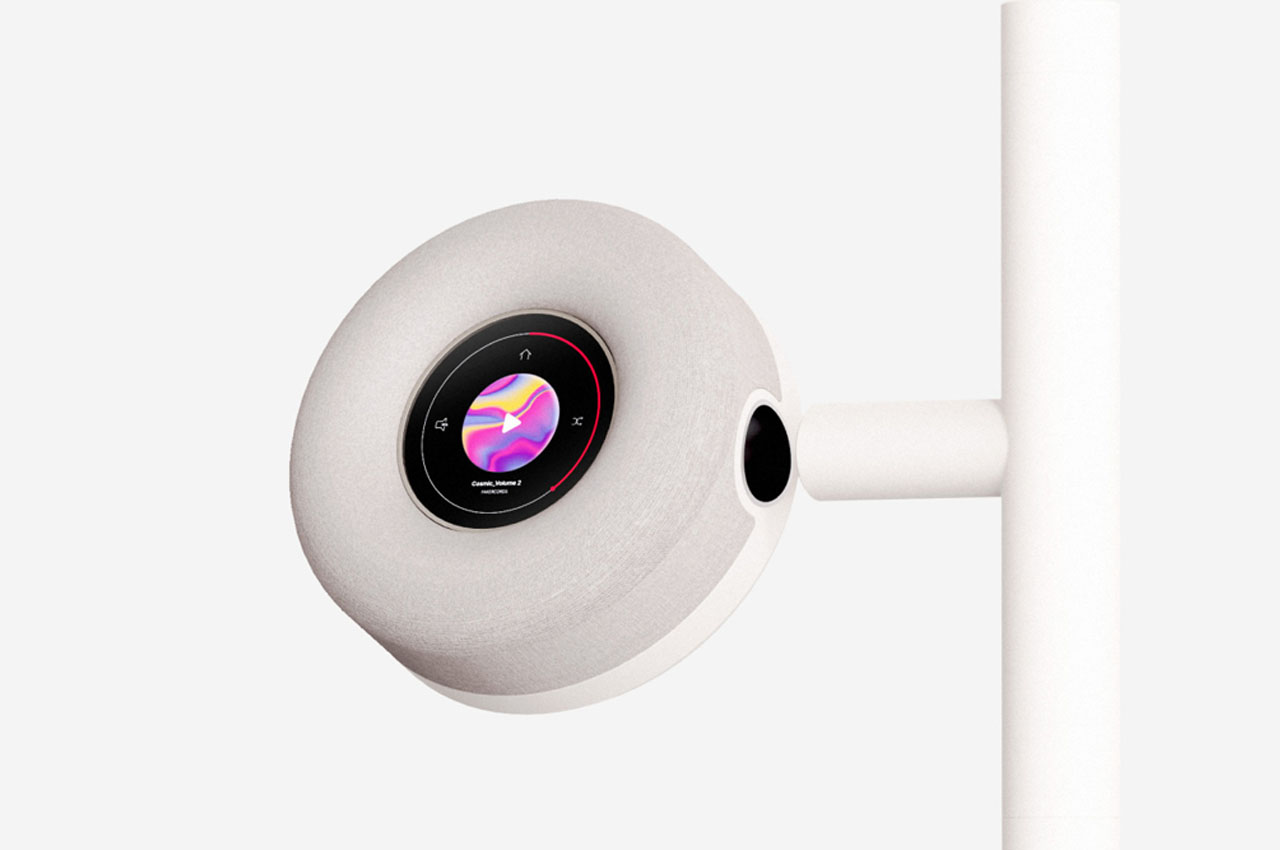
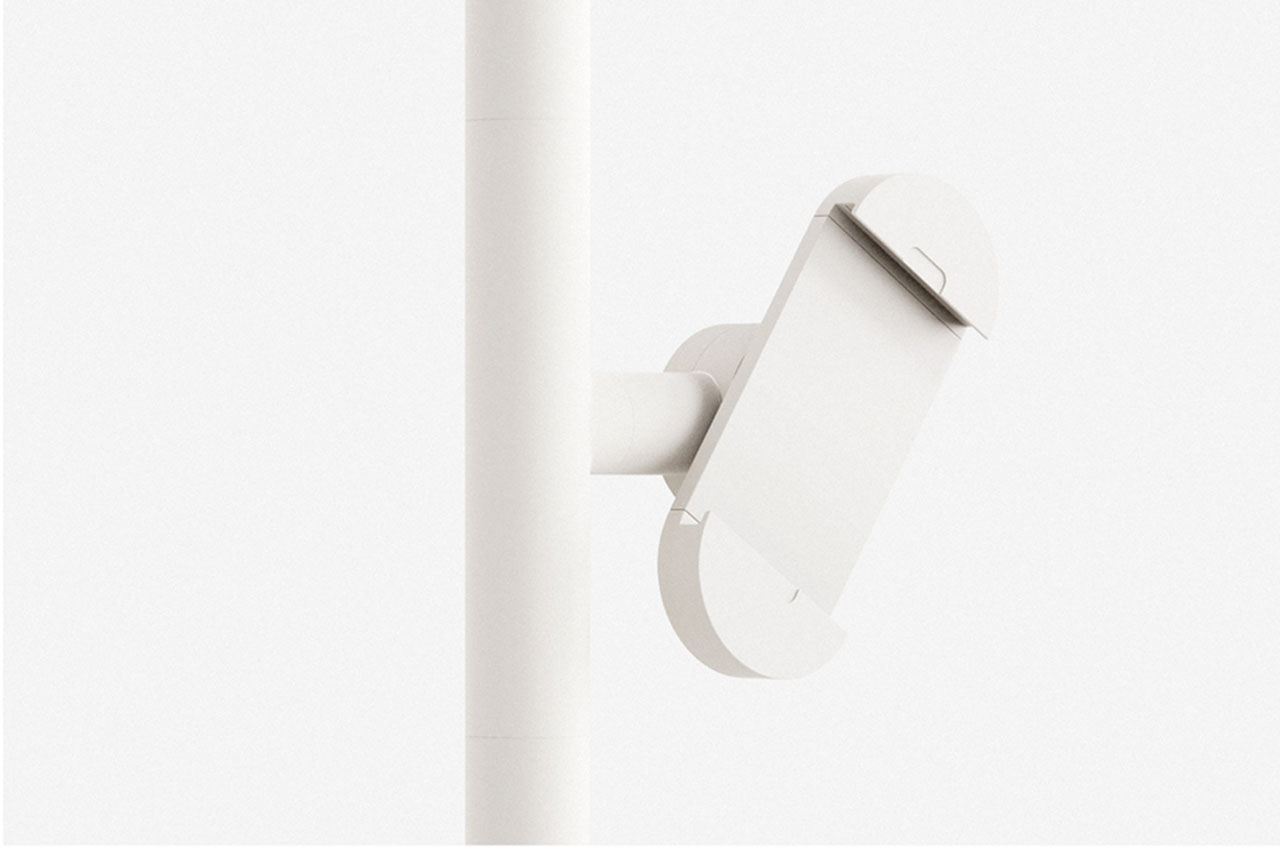
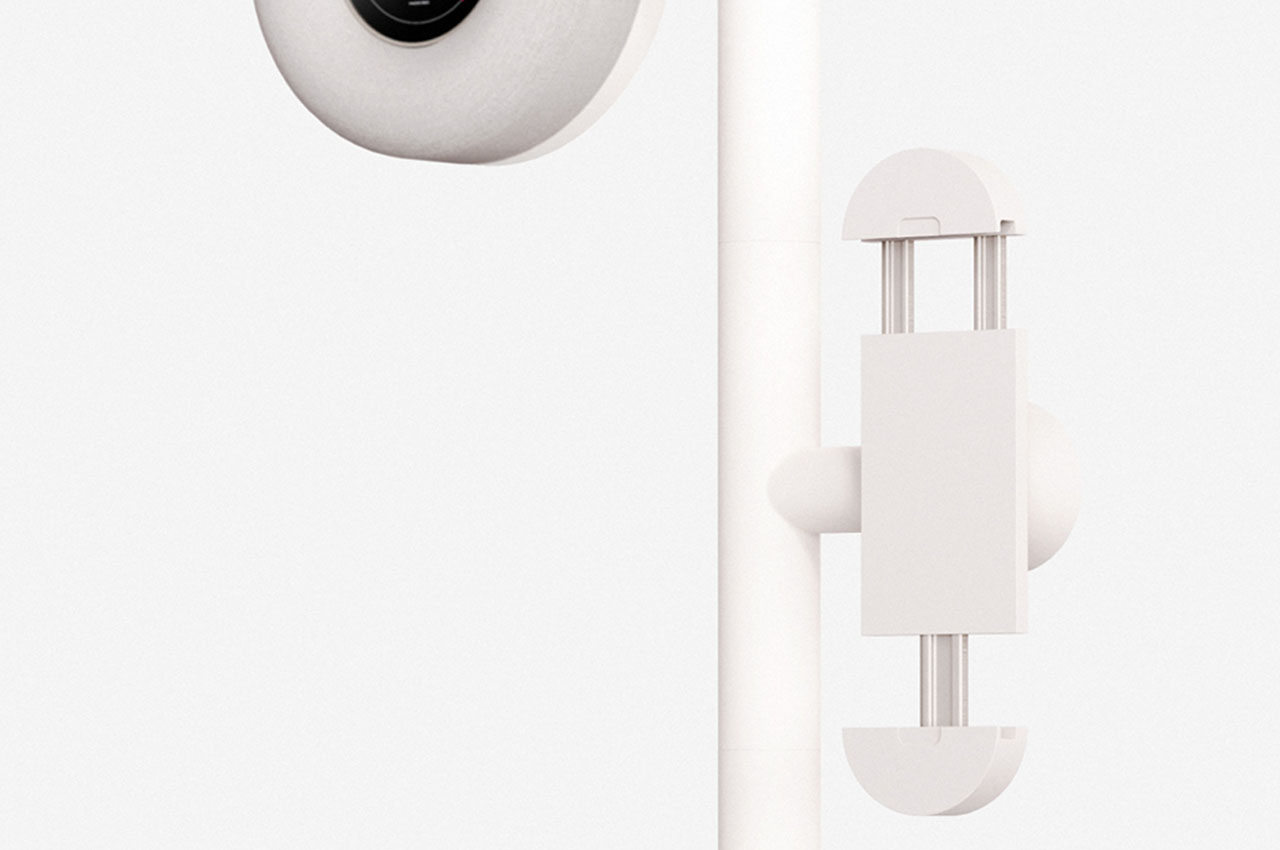
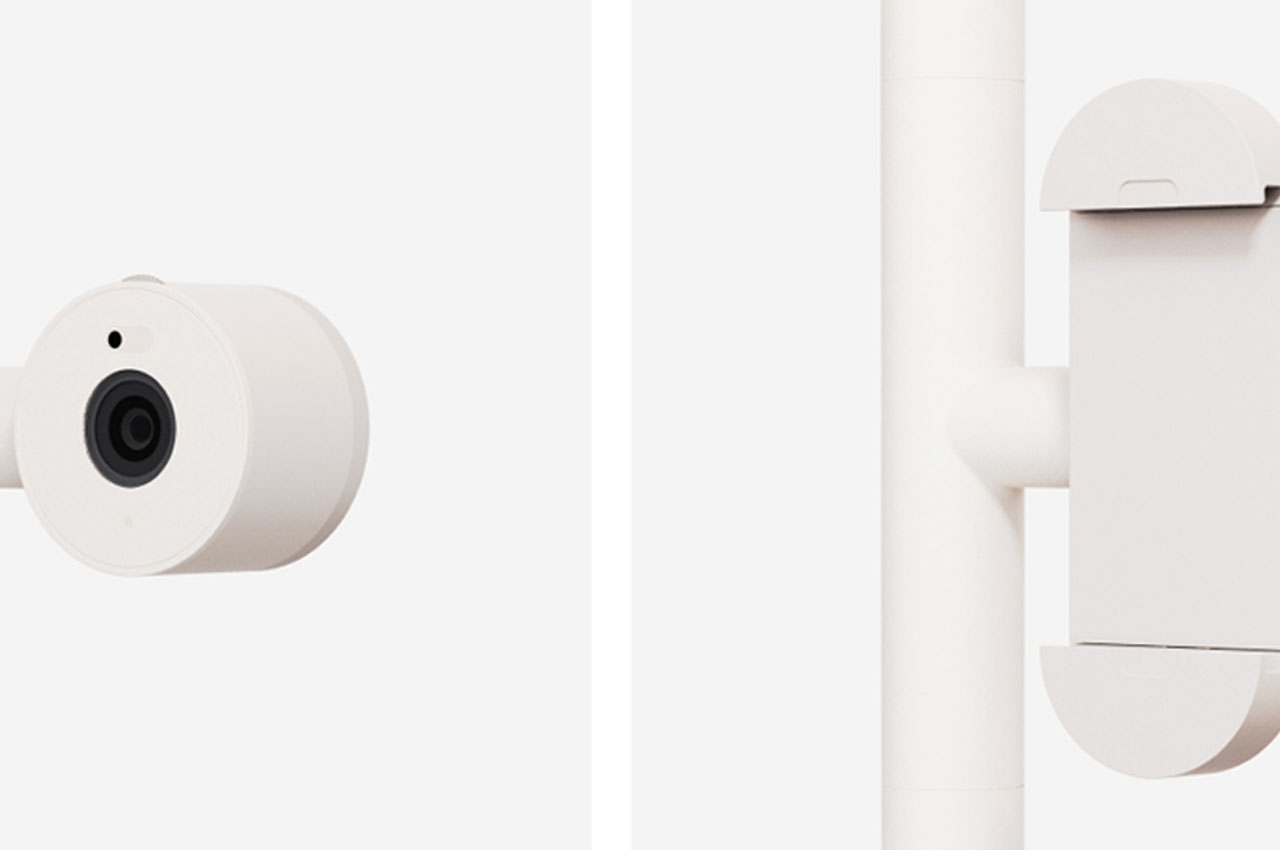
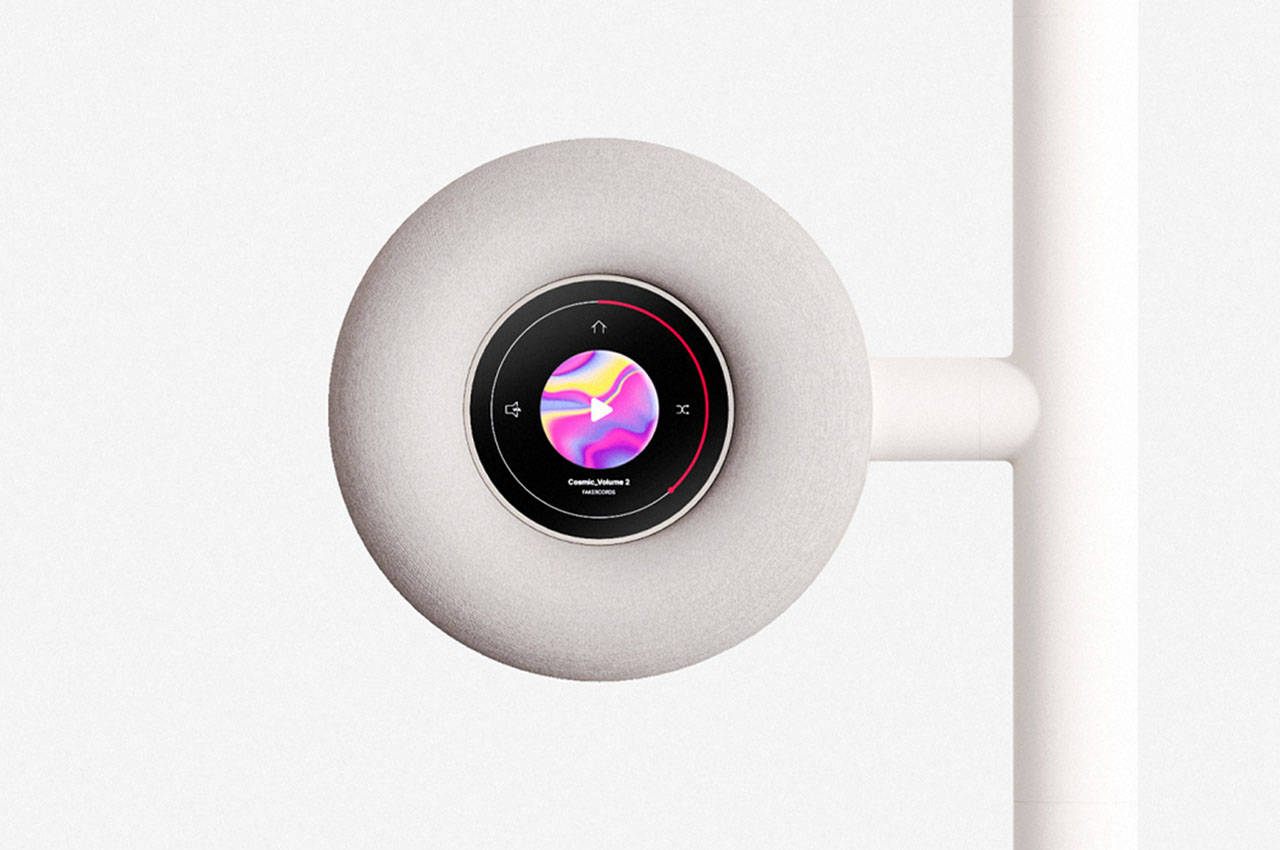
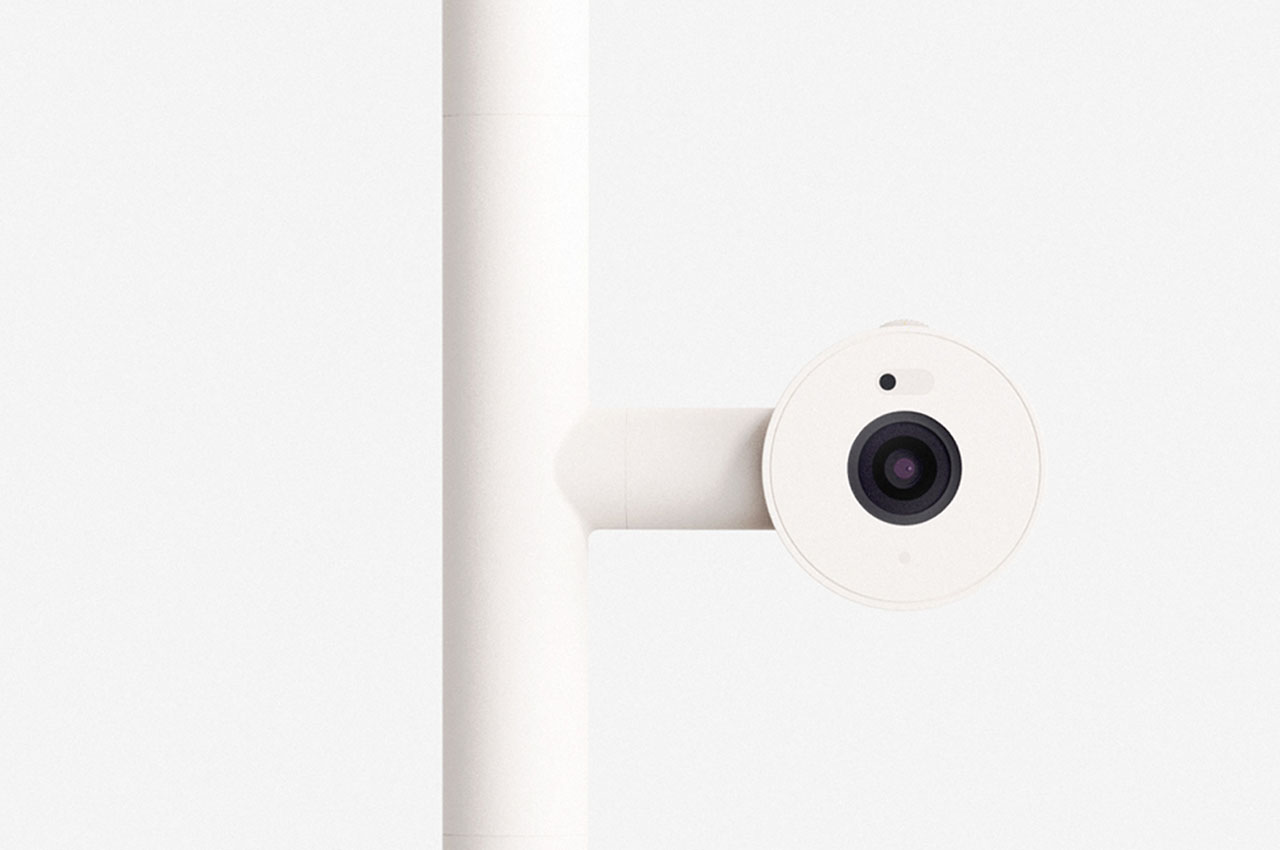
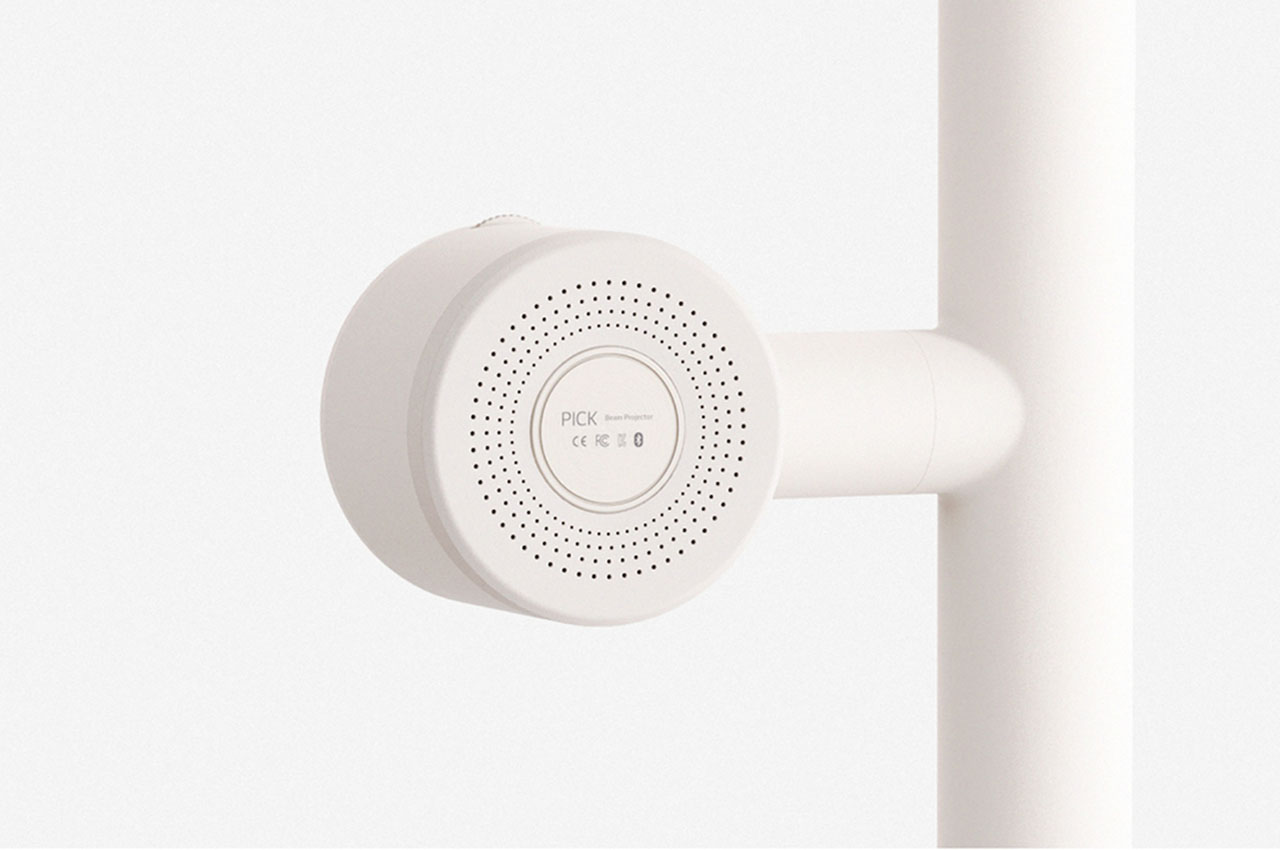
The standing base of the speaker has one resounding advantage of fitting in one more useful gadget and functionality that any user will love. Case in point a beam projector and a clamp to hook on your smartphone for watching content. That’s not it, the rear side of the speaker is a display that shows vital information like current weather, music playing interface, clock, or anything a widget is good for. The speaker module can be oriented in any direction or simply taken out to function as a portable speaker.

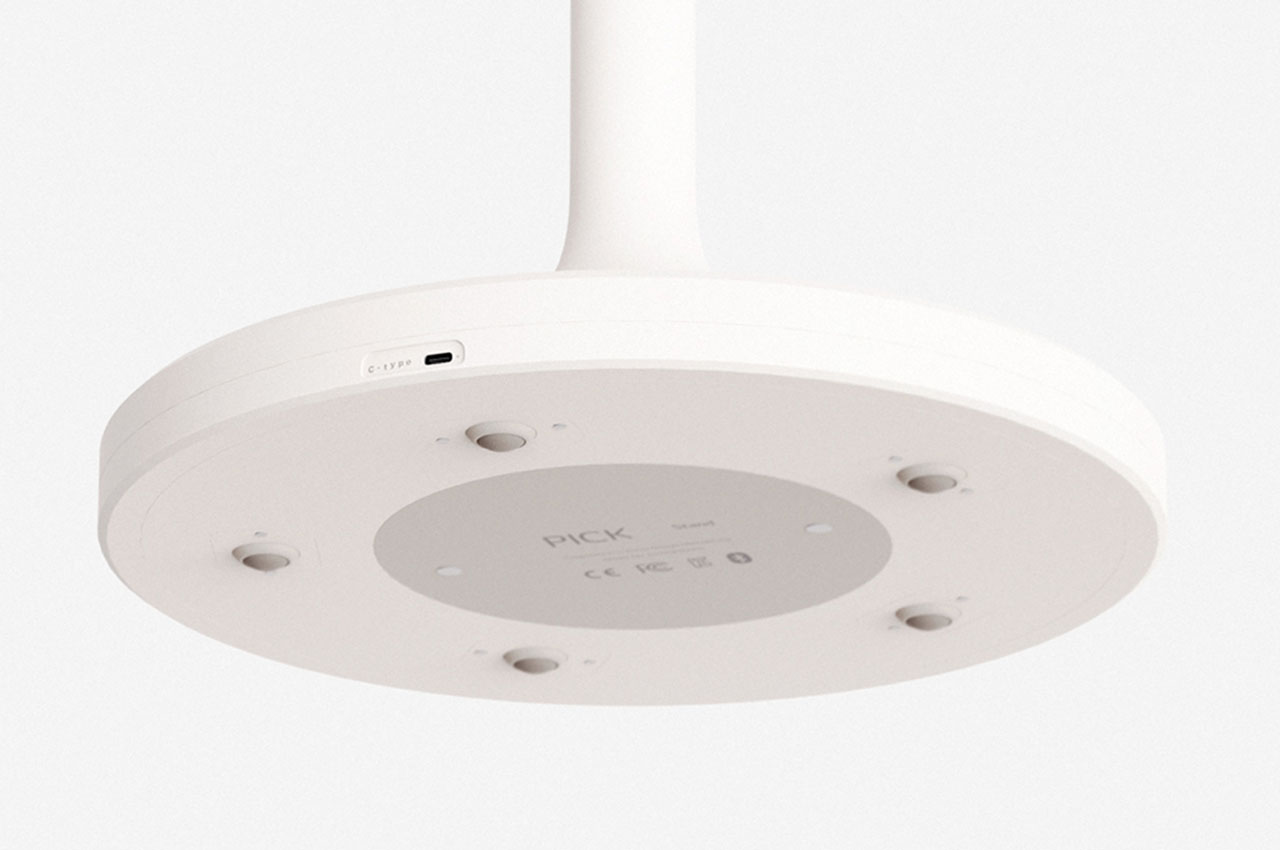
The beam projector can be used in conjunction with the speaker to enjoy multimedia content like movies or videos. You can project the image on any plain surface such as a wall or ceiling. On the lower end of the floor stand is the mount compatible with most devices like a smartphone or tablet. On the base lies the charging port to keep the whole thing juiced up and act as a charging pod for the detachable speaker and the projector.

Overall, the concept envisioned for LG seems like a practical product for modern lifestyle needs. The aesthetics are also on point to please any enthusiast no matter the age or gender. For me, the PICK Sound Tree System scores very high in terms of a winning design.


The post LG PICK floor standing speaker concept houses a beam projector to satisfy your entertainment cravings first appeared on Yanko Design.

The next Ubisoft Forward showcase is set for June 10 alongside WWDC

Ubisoft has revealed when its next major showcase will take place. The latest edition of Ubisoft Forward is set for June 10 in Los Angeles. That's at the tailend of the main slate of Summer Game Fest festivities, and on the same day as Apple's Worldwide Developers Conference keynote.

While Ubisoft hasn't revealed specifically what it plans to show off at Forward, it's promising updates and news on upcoming releases. During its most recent earnings report, Ubisoft said it would shed more light on some upcoming projects in May, but it seems Forward is now the more likely venue for that.

At Forward, we'll probably find out more details about what's next for Assassin's Creed, Ubisoft's flagship franchise. The feudal Japan-set Assassin's Creed Codename Red is slated to arrive within the next year, while we've long been awaiting more info on Assassin's Creed Infinity, which is set to tie the series together,

It's a safe bet that Star Wars Outlaws will get some shine at Forward, since that game is scheduled for release in 2024. With XDefiant being delayed indefinitely (it was supposed to arrive by the end of March) amid reports of a troubled development process, perhaps we'll find out more about that game at Forward too. Mobile games The Division Resurgence and Rainbow Six Mobile were also slated to come under the spotlight in May, so we could see those at Forward as well. Just don't expect any sea shanties this time.

This article originally appeared on Engadget at https://www.engadget.com/the-next-ubisoft-forward-showcase-is-set-for-june-10-alongside-wwdc-170210746.html?src=rss

The next Ubisoft Forward showcase is set for June 10 alongside WWDC

Ubisoft has revealed when its next major showcase will take place. The latest edition of Ubisoft Forward is set for June 10 in Los Angeles. That's at the tailend of the main slate of Summer Game Fest festivities, and on the same day as Apple's Worldwide Developers Conference keynote.

While Ubisoft hasn't revealed specifically what it plans to show off at Forward, it's promising updates and news on upcoming releases. During its most recent earnings report, Ubisoft said it would shed more light on some upcoming projects in May, but it seems Forward is now the more likely venue for that.

At Forward, we'll probably find out more details about what's next for Assassin's Creed, Ubisoft's flagship franchise. The feudal Japan-set Assassin's Creed Codename Red is slated to arrive within the next year, while we've long been awaiting more info on Assassin's Creed Infinity, which is set to tie the series together,

It's a safe bet that Star Wars Outlaws will get some shine at Forward, since that game is scheduled for release in 2024. With XDefiant being delayed indefinitely (it was supposed to arrive by the end of March) amid reports of a troubled development process, perhaps we'll find out more about that game at Forward too. Mobile games The Division Resurgence and Rainbow Six Mobile were also slated to come under the spotlight in May, so we could see those at Forward as well. Just don't expect any sea shanties this time.

This article originally appeared on Engadget at https://www.engadget.com/the-next-ubisoft-forward-showcase-is-set-for-june-10-alongside-wwdc-170210746.html?src=rss

Microsoft may have finally made quantum computing useful

The dream of quantum computing has always been exciting: What if we could build a machine working at the quantum level that could tackle complex calculations exponentially faster than a computer limited by classical physics? But despite seeing IBM, Google and others announce iterative quantum computing hardware, they're still not being used for any practical purposes. That might change with today's announcement from Microsoft and Quantinuum, who say they've developed the most error-free quantum computing system yet.

While classical computers and electronics rely on binary bits as their basic unit of information (they can be either on or off), quantum computers work with qubits, which can exist in a superposition of two states at the same time. The trouble with qubits is that they're prone to error, which is the main reason today's quantum computers (known as Noisy Intermediate Scale Quantum [NISQ] computers) are just used for research and experimentation.

Microsoft's solution was to group physical qubits into virtual qubits, which allows it to apply error diagnostics and correction without destroying them, and run it all over Quantinuum's hardware. The result was an error rate that was 800 times better than relying on physical qubits alone. Microsoft claims it was able to run more than 14,000 experiments without any errors.

According to Jason Zander, EVP of Microsoft's Strategic Missions and Technologies division, this achievement could finally bring us to "Level 2 Resilient" quantum computing, which would be reliable enough for practical applications.

"The task at hand for the entire quantum ecosystem is to increase the fidelity of qubits and enable fault-tolerant quantum computing so that we can use a quantum machine to unlock solutions to previously intractable problems," Zander wrote in a blog post today. "In short, we need to transition to reliable logical qubits — created by combining multiple physical qubits together into logical ones to protect against noise and sustain a long (i.e., resilient) computation."

Microsoft's announcement is a "strong result," according to Aram Harrow, a professor of physics at MIT focusing on quantum information and computing. "The Quantinuum system has impressive error rates and control, so it was plausible that they could do an experiment like this, but it's encouraging to see that it worked," he said in an e-mail to Engadget. "Hopefully they'll be able to keep maintaining or even improving the error rate as they scale up."

Microsoft Quantum Computing
Microsoft

Researchers will be able to get a taste of Microsoft's reliable quantum computing via Azure Quantum Elements in the next few months, where it will be available as a private preview. The goal is to push even further to Level 3 quantum supercomputing, which will theoretically be able to tackle incredibly complex issues like climate change and exotic drug research. It's unclear how long it'll take to actually reach that point, but for now, at least we're moving one step closer towards practical quantum computing.

"Getting to a large-scale fault-tolerant quantum computer is still going to be a long road," Professor Harrow wrote. "This is an important step for this hardware platform. Along with the progress on neutral atoms, it means that the cold atom platforms are doing very well relative to their superconducting qubit competitors."

This article originally appeared on Engadget at https://www.engadget.com/microsoft-may-have-finally-made-quantum-computing-useful-164501302.html?src=rss

Microsoft may have finally made quantum computing useful

The dream of quantum computing has always been exciting: What if we could build a machine working at the quantum level that could tackle complex calculations exponentially faster than a computer limited by classical physics? But despite seeing IBM, Google and others announce iterative quantum computing hardware, they're still not being used for any practical purposes. That might change with today's announcement from Microsoft and Quantinuum, who say they've developed the most error-free quantum computing system yet.

While classical computers and electronics rely on binary bits as their basic unit of information (they can be either on or off), quantum computers work with qubits, which can exist in a superposition of two states at the same time. The trouble with qubits is that they're prone to error, which is the main reason today's quantum computers (known as Noisy Intermediate Scale Quantum [NISQ] computers) are just used for research and experimentation.

Microsoft's solution was to group physical qubits into virtual qubits, which allows it to apply error diagnostics and correction without destroying them, and run it all over Quantinuum's hardware. The result was an error rate that was 800 times better than relying on physical qubits alone. Microsoft claims it was able to run more than 14,000 experiments without any errors.

According to Jason Zander, EVP of Microsoft's Strategic Missions and Technologies division, this achievement could finally bring us to "Level 2 Resilient" quantum computing, which would be reliable enough for practical applications.

"The task at hand for the entire quantum ecosystem is to increase the fidelity of qubits and enable fault-tolerant quantum computing so that we can use a quantum machine to unlock solutions to previously intractable problems," Zander wrote in a blog post today. "In short, we need to transition to reliable logical qubits — created by combining multiple physical qubits together into logical ones to protect against noise and sustain a long (i.e., resilient) computation."

Microsoft's announcement is a "strong result," according to Aram Harrow, a professor of physics at MIT focusing on quantum information and computing. "The Quantinuum system has impressive error rates and control, so it was plausible that they could do an experiment like this, but it's encouraging to see that it worked," he said in an e-mail to Engadget. "Hopefully they'll be able to keep maintaining or even improving the error rate as they scale up."

Microsoft Quantum Computing
Microsoft

Researchers will be able to get a taste of Microsoft's reliable quantum computing via Azure Quantum Elements in the next few months, where it will be available as a private preview. The goal is to push even further to Level 3 quantum supercomputing, which will theoretically be able to tackle incredibly complex issues like climate change and exotic drug research. It's unclear how long it'll take to actually reach that point, but for now, at least we're moving one step closer towards practical quantum computing.

"Getting to a large-scale fault-tolerant quantum computer is still going to be a long road," Professor Harrow wrote. "This is an important step for this hardware platform. Along with the progress on neutral atoms, it means that the cold atom platforms are doing very well relative to their superconducting qubit competitors."

This article originally appeared on Engadget at https://www.engadget.com/microsoft-may-have-finally-made-quantum-computing-useful-164501302.html?src=rss