This $599 Lunar Timepiece lets you wear Actual Moon Dust on your wrist

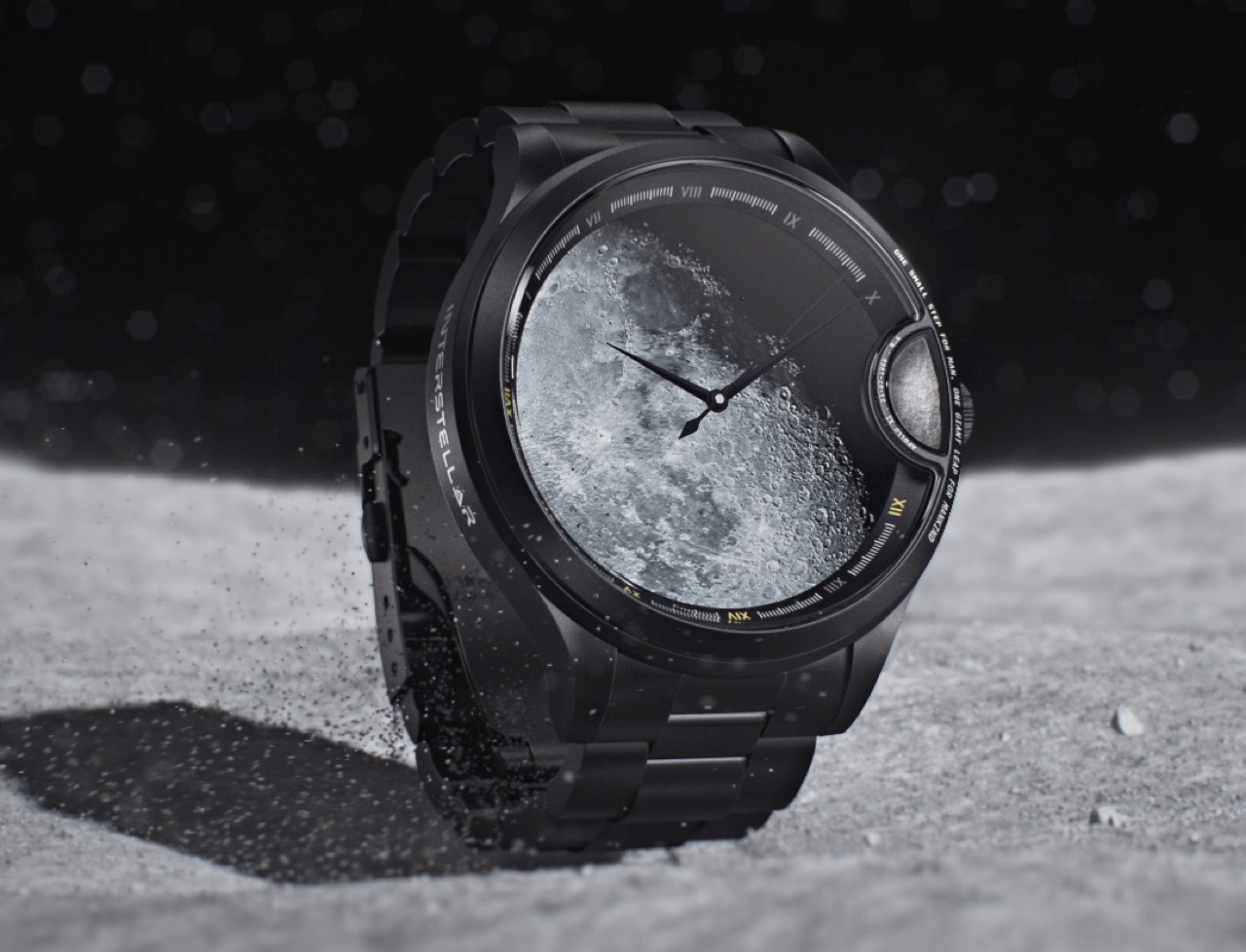
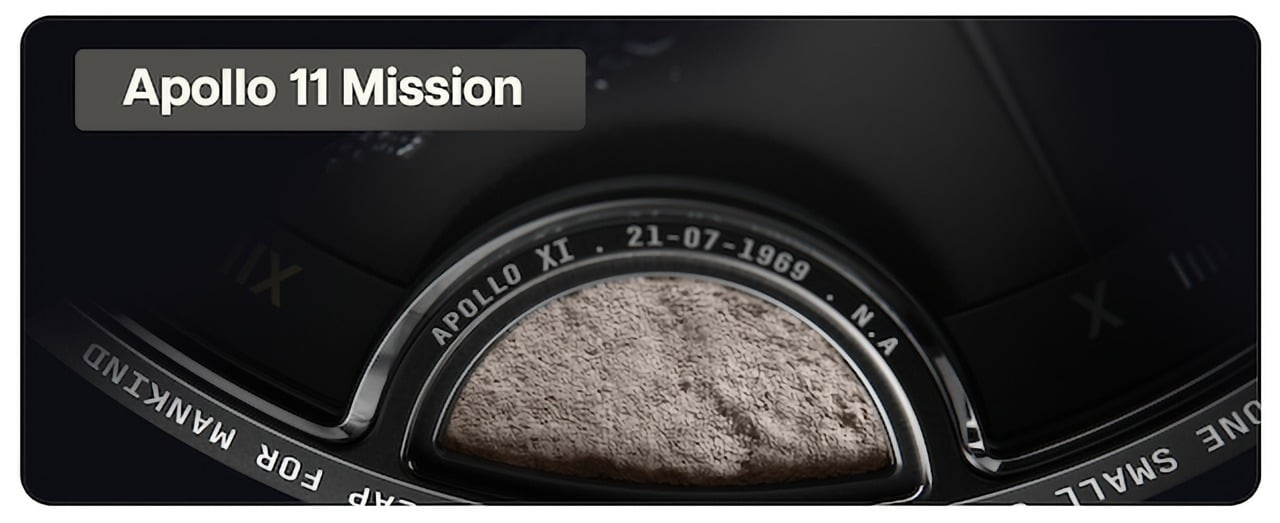
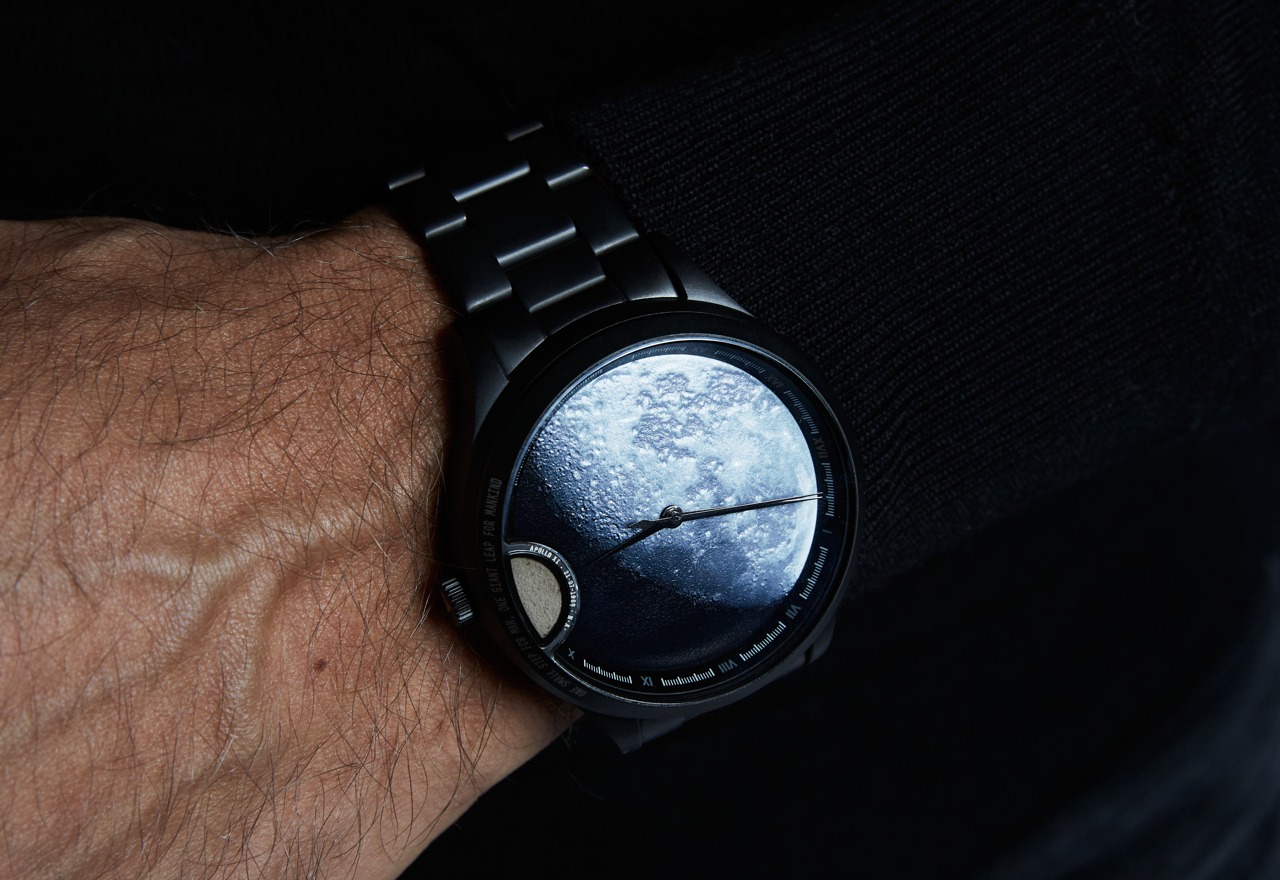
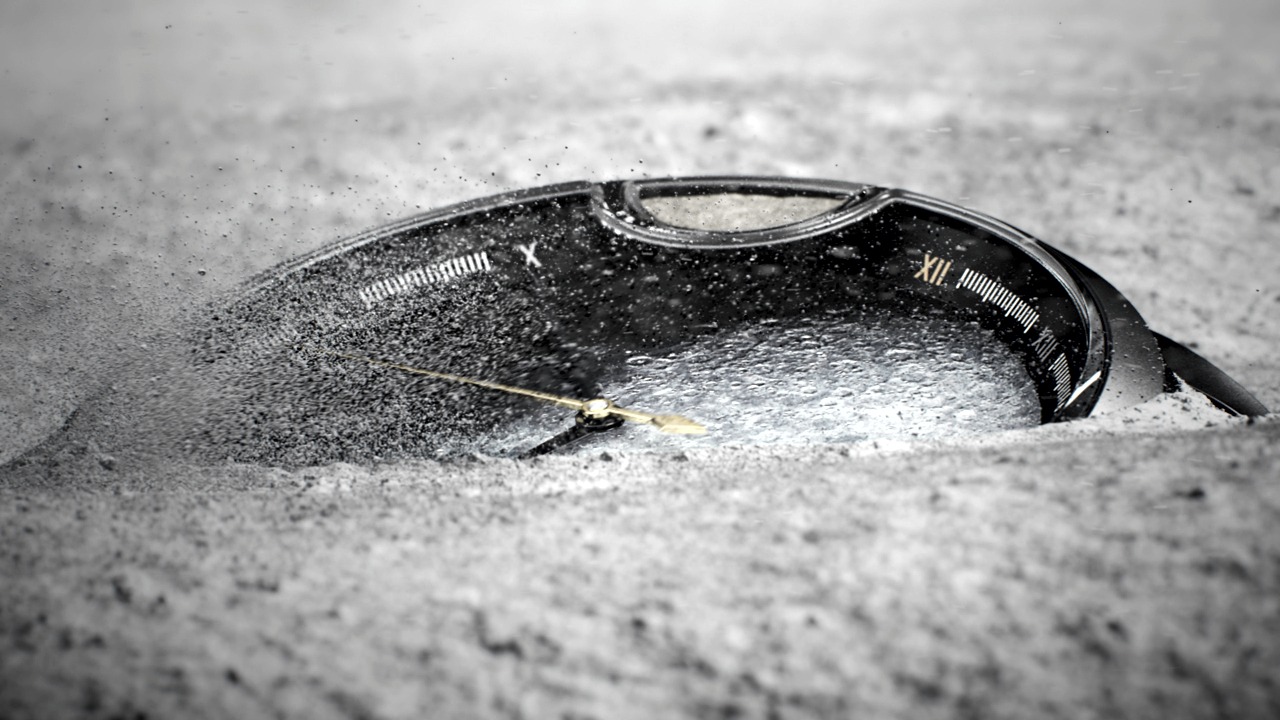
It’s a sort of hilarious coincidence that our timekeeping journey started with sundials and ends in 2024 with moon-watches. Behold the LUNAR1,622, a watch that celebrates our cosmic neighbor by quite literally letting you wear a piece of it. With a vial containing actual certified moon dust, the LUNAR1,622 pays tribute to the Apollo 11 mission and not too soon! As NASA prepares to send Artemis III with humans back to the moon, the watch aptly ushers in our new era of space travel! Along with the tiny vial of moon dust located in one corner of the watch dial, the LUNAR1,622 even comes with a meticulously 3D-printed watch face that captures the moon’s intricately mottled surface, coupled with Neil Armstrong’s famed quote as he set foot on the lunar surface – “One small step for man, one giant leap for mankind.” If all that wasn’t enough to satisfy even the hungriest of space-lover-appetites, Premium editions of the watch also come with built-in NFC chips that bring up all the watch’s details when tapped against a smartphone.

Designer: Sebastien Colen

Click Here to Buy Now: $599 $849 (23% off). Hurry, only a few left! Raised over $470,000.
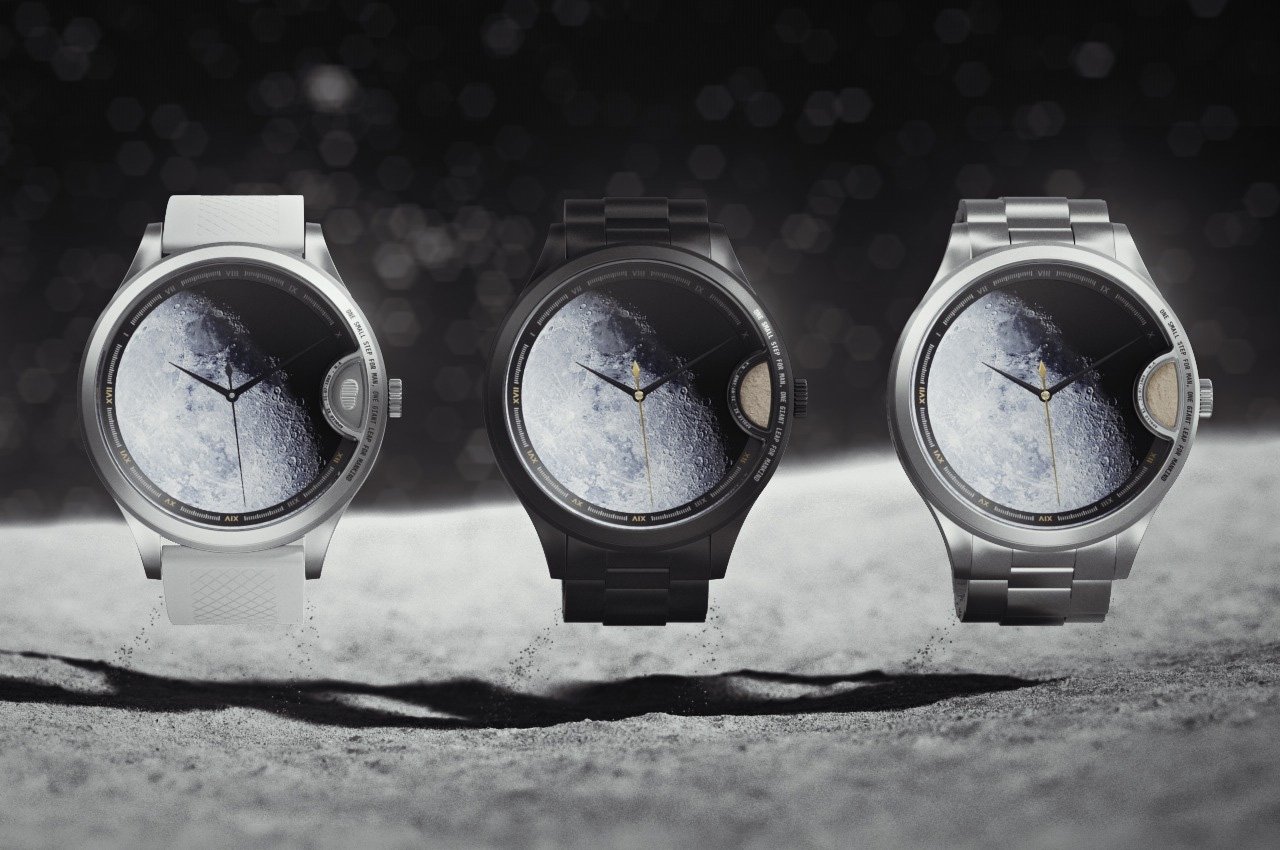
Designed for watch enthusiasts who also pride themselves in being space nerds, the timepiece celebrates the moon and the hope it represents. The LUNAR1,622 watch itself is an homage to the moon’s surface, with a highly detailed 3D printed dial that wonderfully catches light and shadows to recreate depth. In fact, the 1,622 in the watch’s name is a hat-tip to the moon’s surface gravity. Designed by up-and-coming watch startup INTERSTELLAR (who previously debuted a watch with actual Mars dust), the LUNAR1,622 comes in three variants – a Standard, with a 3 o’clock window that contains a graphic of the iconic footprint on the moon, or the Advanced and Premium variants that swap the graphic for a vial containing certified moon dust collected from a moon meteorite.

Meteorite Moon Dust – Their meteorite, with the ID#NWA11515, was found in 2017 and provided by MSG Meteorites, a British company specialized in certified space rocks and licensed by the IMCA (International Meteorite Collectors Association).

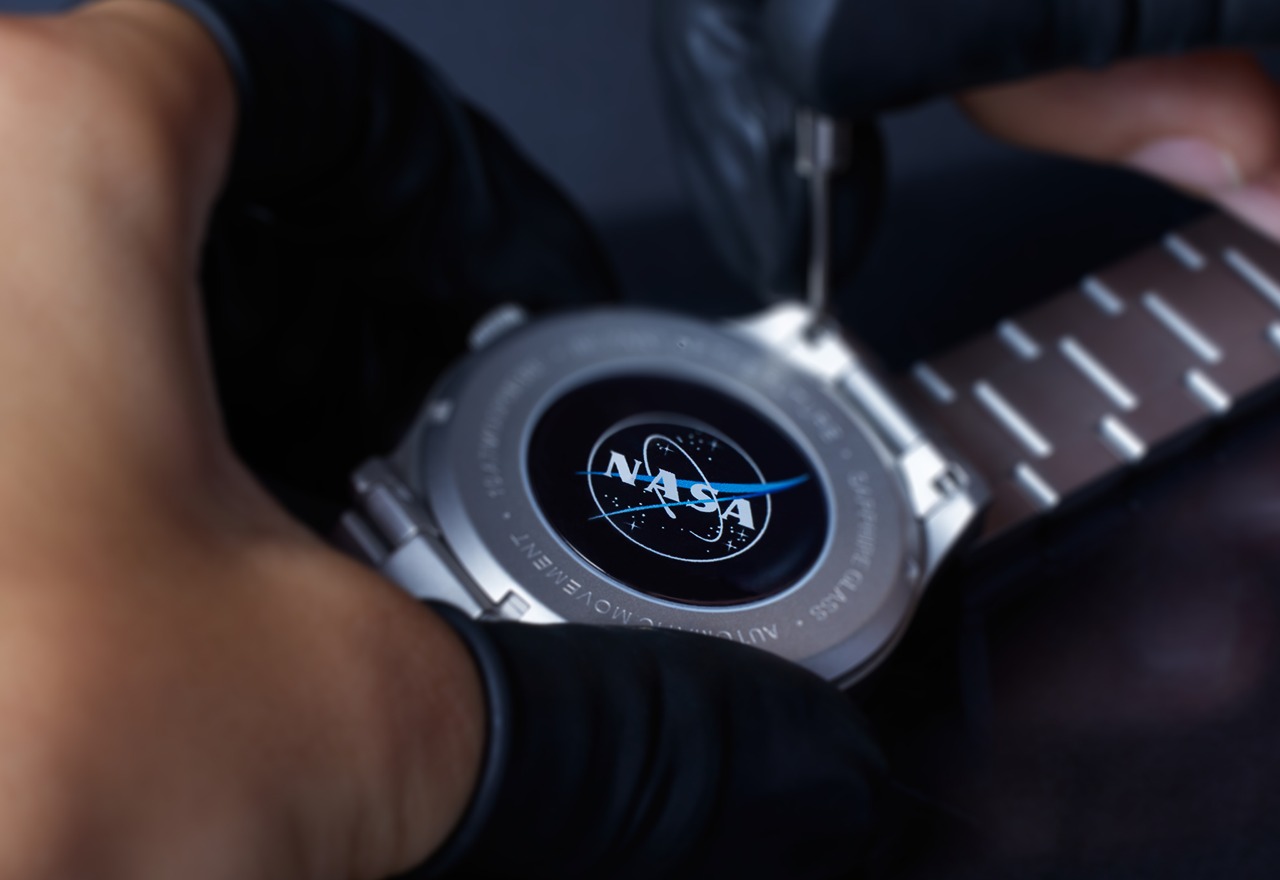
Lunar1,622 Watch with Integrated NASA Logo – The project respects the necessary permissions and aligns with NASA’s guidelines for NASA logo usage.

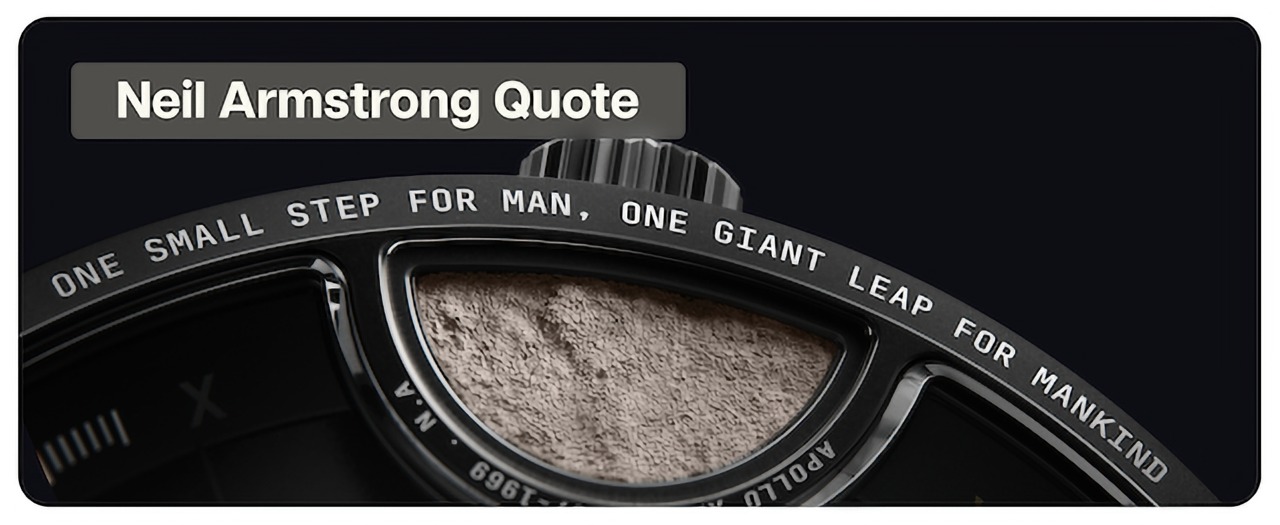
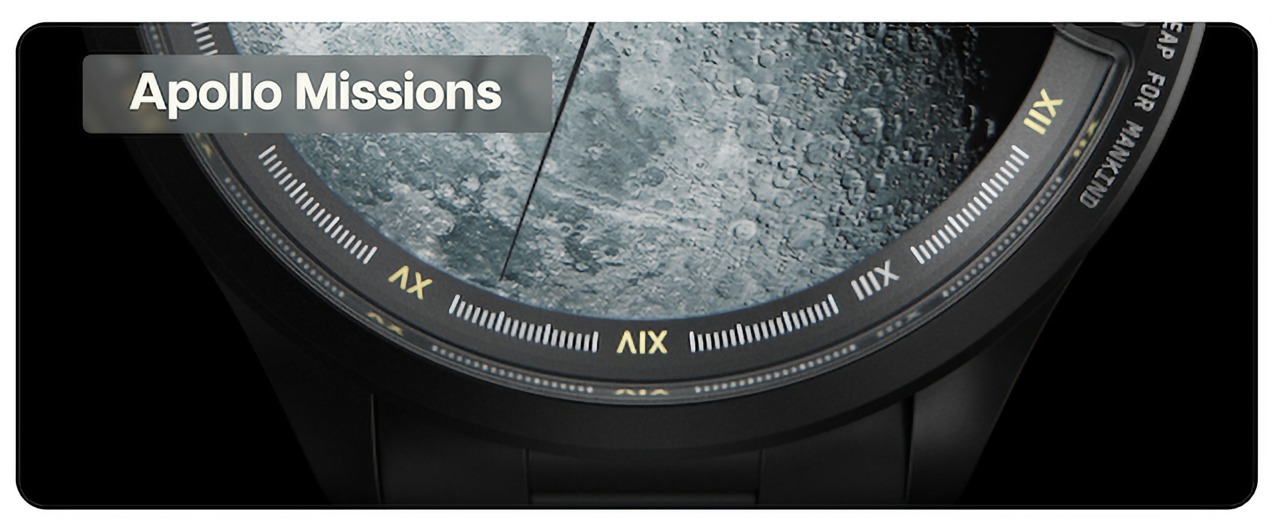
The bezel features a timeline of all NASA moon missions, with successful landings highlighted in gold, while the Apollo 11 mission details can be found inscribed on the border of the 3 o’clock vial, along with Neil Armstrong’s initials. Shift your gaze further to the outer edge and you’ll spot Armstrong’s legendary quote etched into the dial, right near the crown. Even the caseback features the official NASA meatball logo, a subtle tribute to their unwavering pursuit of lunar knowledge.

LUNAR1,622 commemorates Neil Armstrong’s iconic words, “One small step for man, one giant leap for mankind.”

On the edge of the dial all the way around it, you’ll find all successful Apollo missions numbered. All missions that landed on the moon are marked in gold.

Commemorating the historic Apollo 11 mission, this timepiece features the mission’s name, date and Neil Armstrong’s initials.

The folks at INTERSTELLAR partnered with renowned timekeeping brand Col&MacArthur to power the watch’s internals. The Standard and Advanced variants house a reputable Japanese-made Miyota 8215 automatic movement on the inside, while the Premium edition packs a Swiss-made Sellita SW200-1 automatic movement. The Premium variant also upgrades the watch case to cutting-edge titanium (as opposed to the standard 316L steel), complete with gold-plated hands to give the watch a distinctly elevated style. An integrated NFC chip also allows you to tap your Premium LUNAR1,622 wristwatch to your phone, instantly pulling up the watch’s details and story – a feature that’s sure to impress people even further after you tell them your watch contains actual moon dust!

If the idea of wearing a piece of the cosmos on your wrist excites you, the LUNAR1,622 is available right now and ships globally. The Standard variant goes for $449, while a YD-special discounted price of $599 gets you upgraded to the Advanced variant with the vial of lunar dust. The Premium variant with the Swiss movement, Titanium body, and built-in NFC chip boasts a price tag of $1049.

Click Here to Buy Now: $599 $849 (23% off). Hurry, only a few left! Raised over $470,000.
The post This $599 Lunar Timepiece lets you wear Actual Moon Dust on your wrist first appeared on Yanko Design.

Kimberley Kampers introduces rugged Kube camping trailer built for off-road expeditions in luxury

We love introducing the Yanko community with campers that are built for downsized living on the road without compromising basic comforts and security. If luxury is also on offer it’s the cake with a red cherry on top when it comes to exploring unknown terrain. Kimberley Kampers has been doing this for the last three decades in the land down under, satisfying adventurers with their family-size camping trailers that look way ahead of their time.

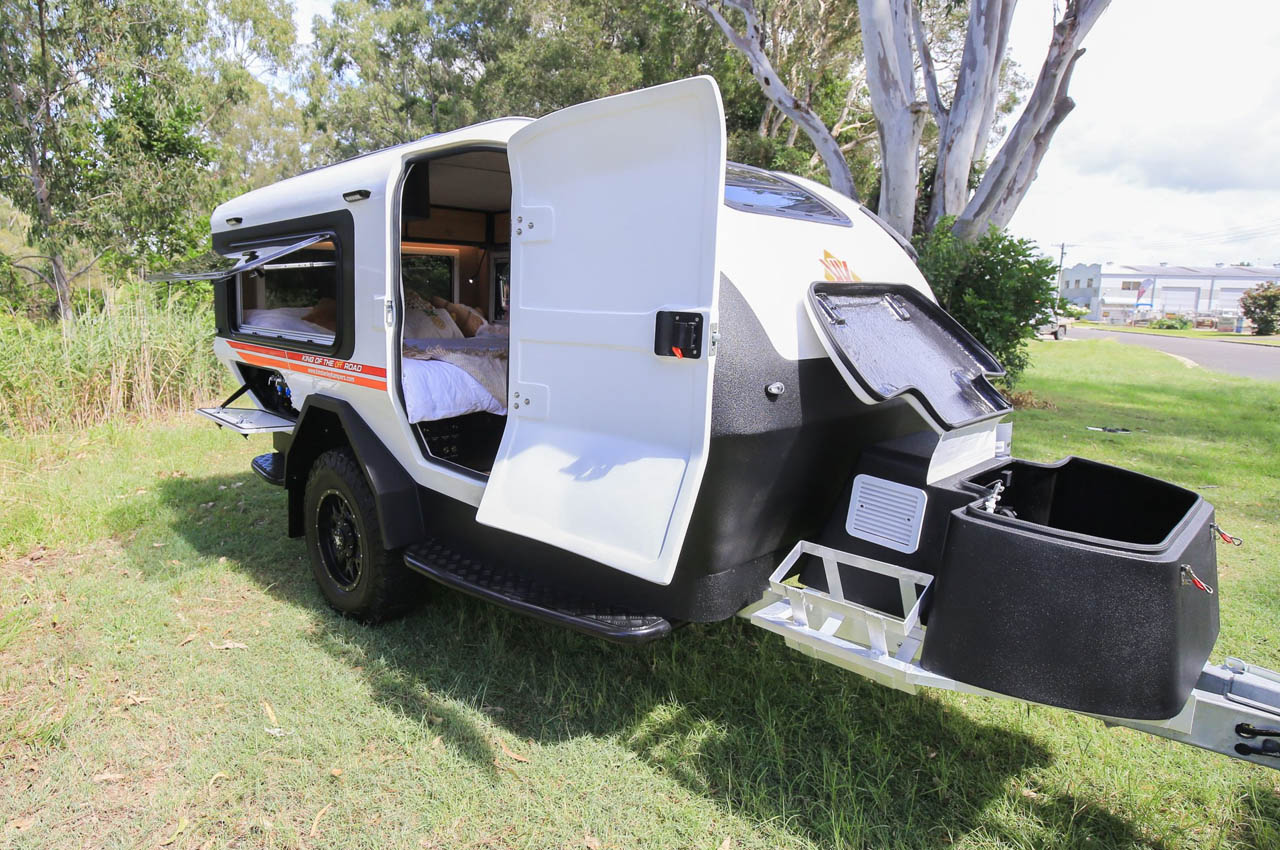
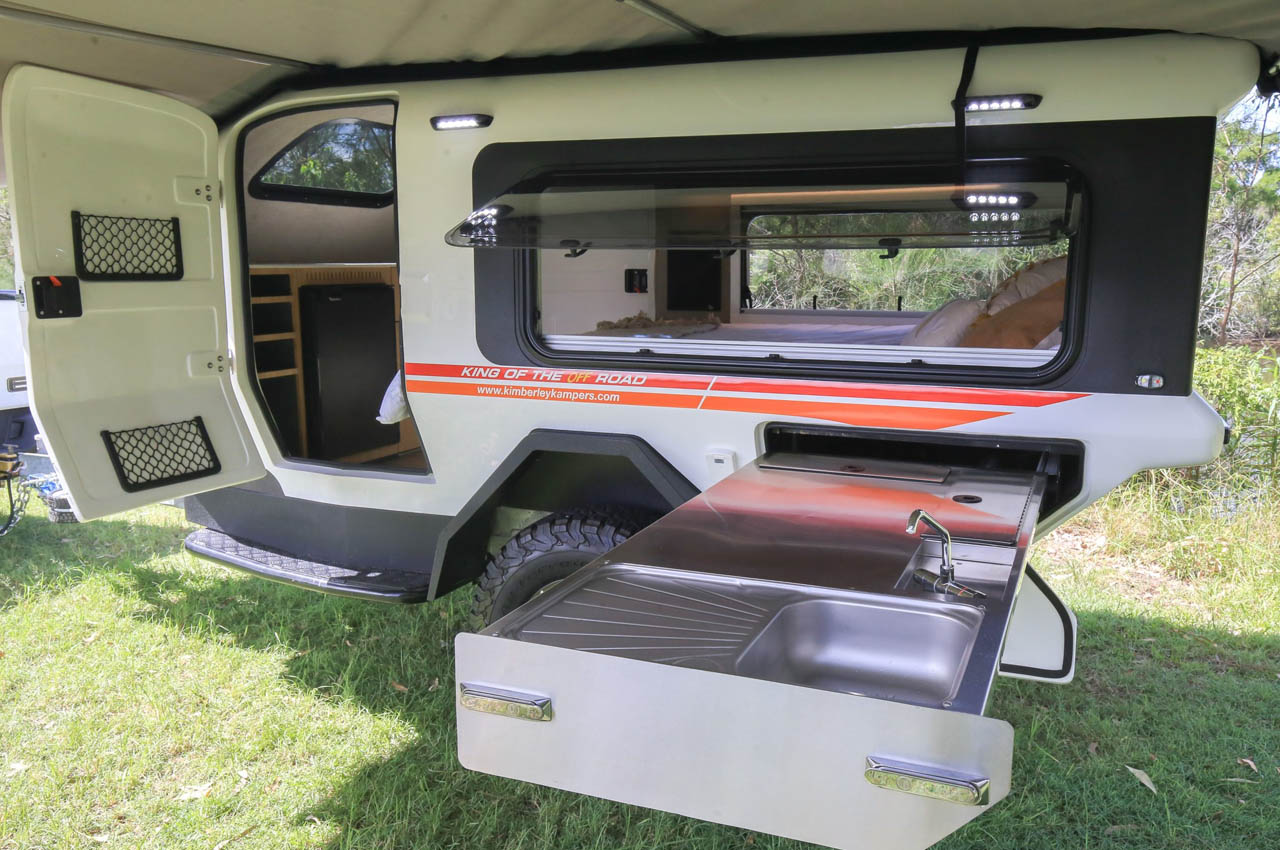
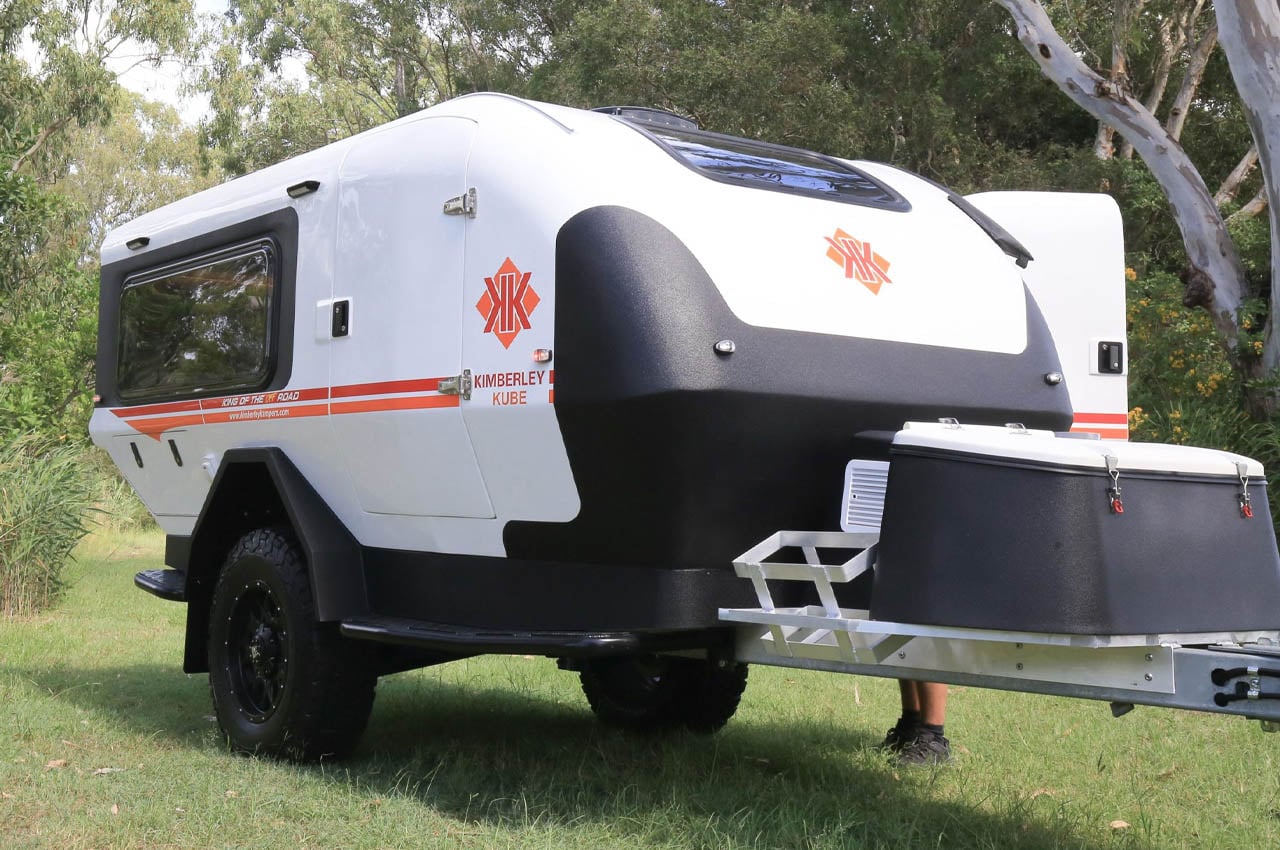
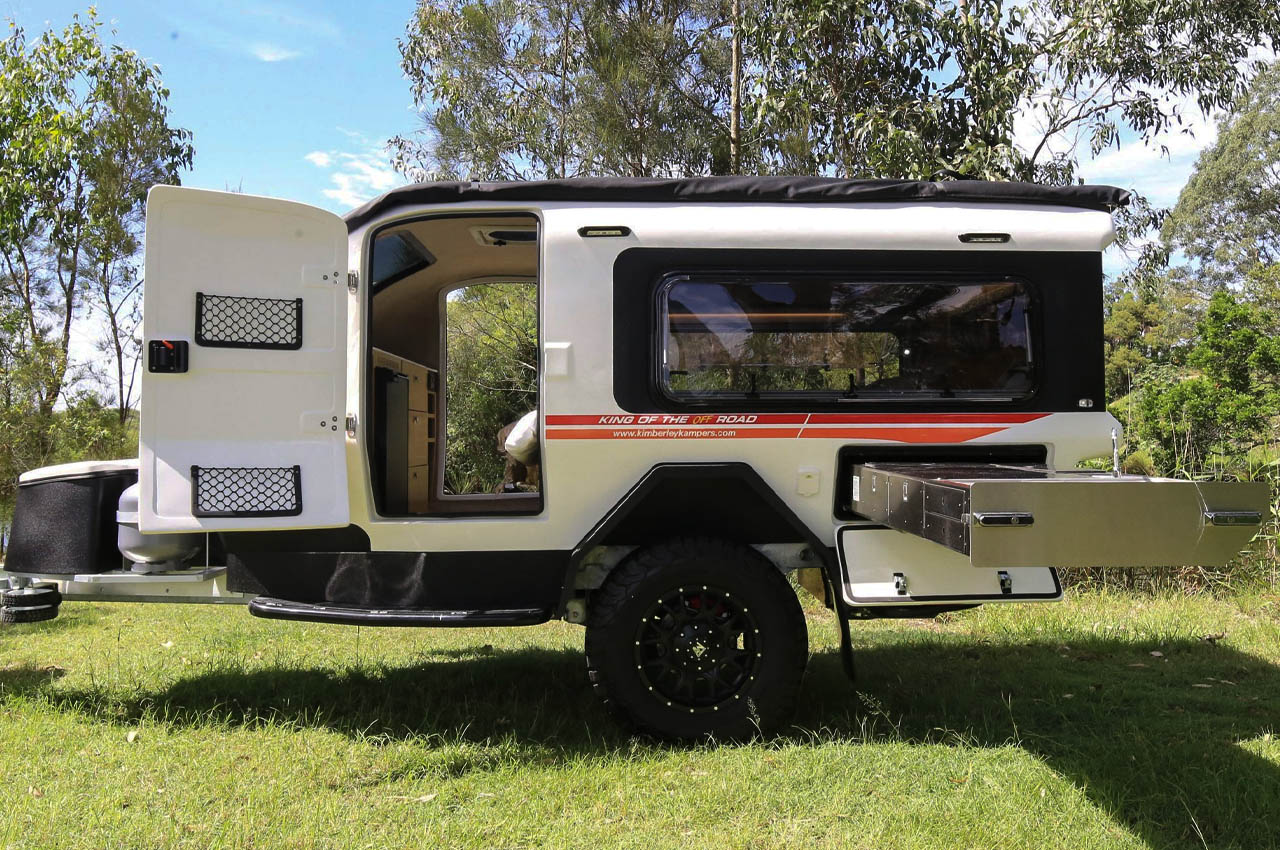
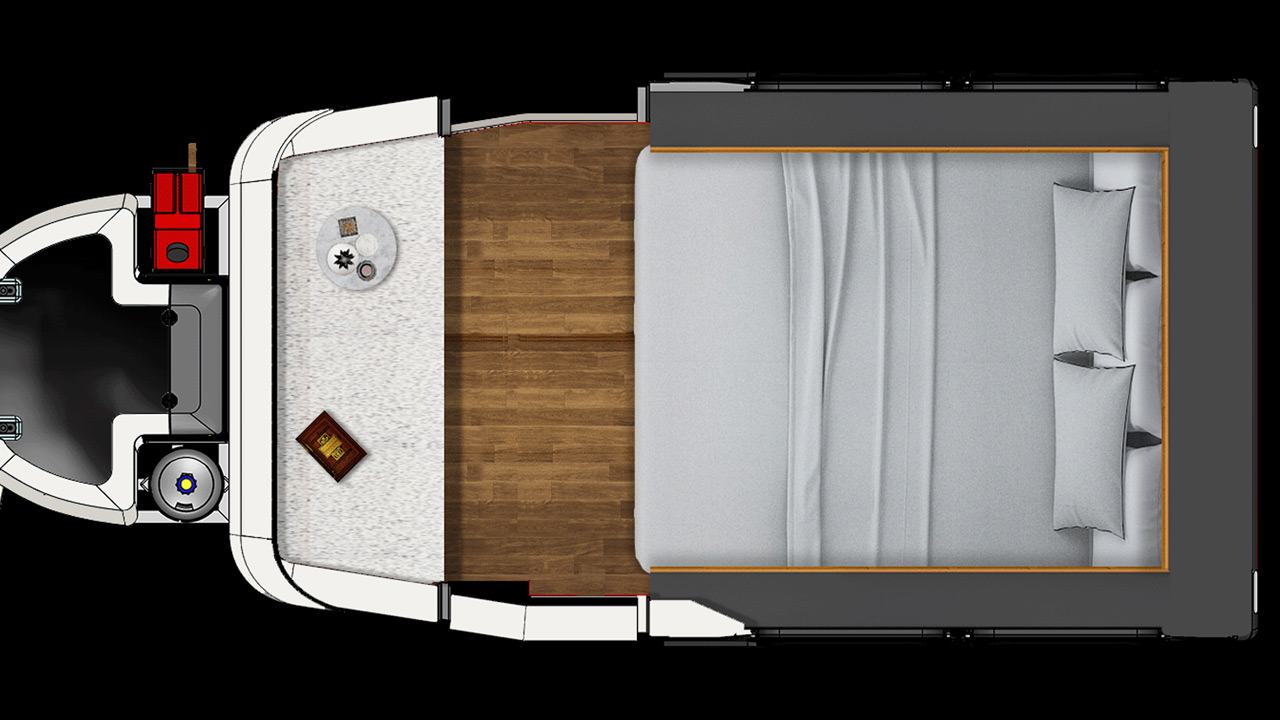
Now, the Australian company has introduced the Kube, an off-road capable teardrop camper boasting a luxurious quotient for two people. It comes with an expandable pull-out kitchen, compact refrigerator, king-size bed and a chassis protected by underpinnings. Looking more like a concept design, the camper is available to buy for a starting price tag of $44,675.

Designer: Kimberley Kampers

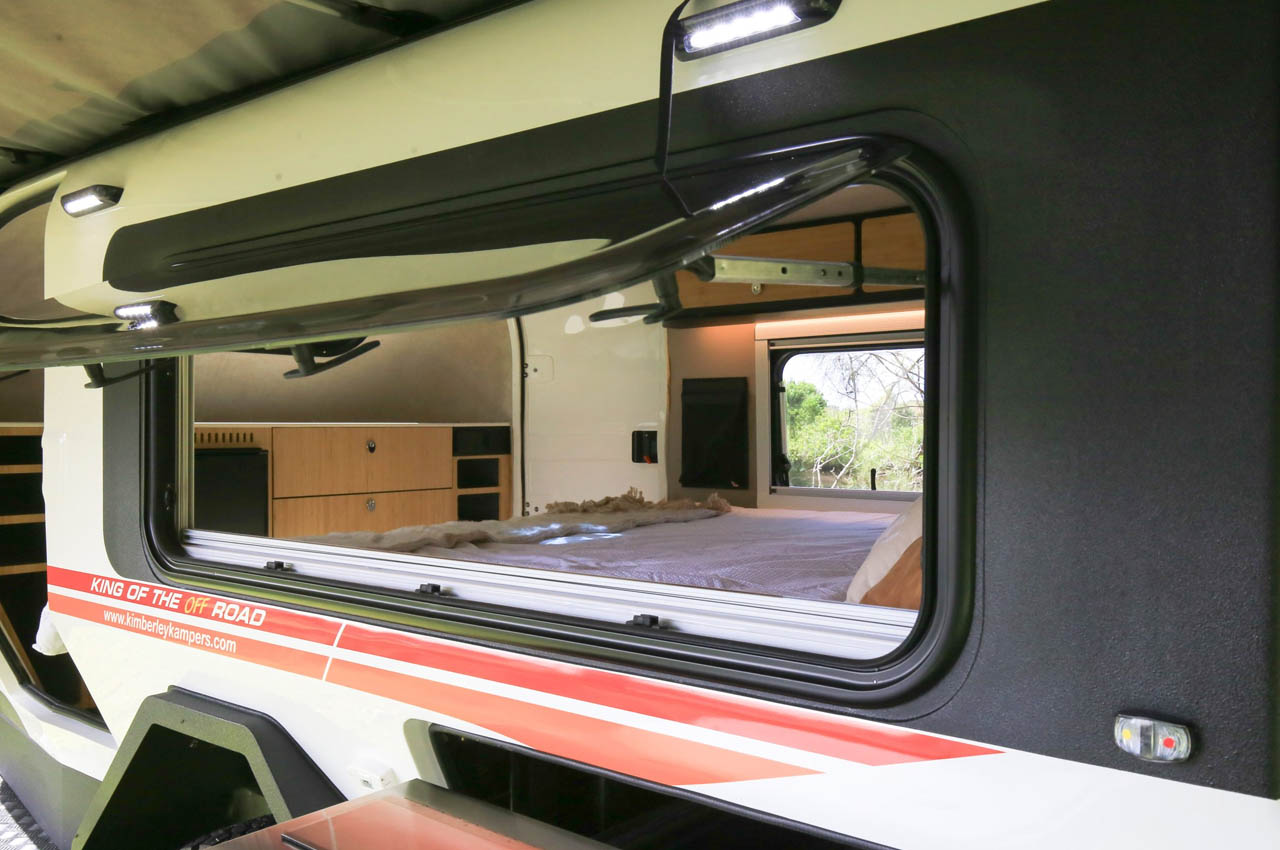
The company calls it the Kube, but it is more rectangular-shaped than its namesake.  It has a round-nosed front for a spacious two-person layout, a flat roofline, and a vertical rear to comply with the size compliances. The 5.2-meter-long camper trailer is at its core a blend of Kruiser line’s smooth composite construction and the DNA of the closed Karavan model. Owners can tag this teardrop camper to their high-performance vehicles and head confidently to any inhospitable terrain. The absence of a tailgate galley means you have more interior space to fit a large bed. An overhead skylight and large windows on all sides give the owners 270-degree views when parked for the day.

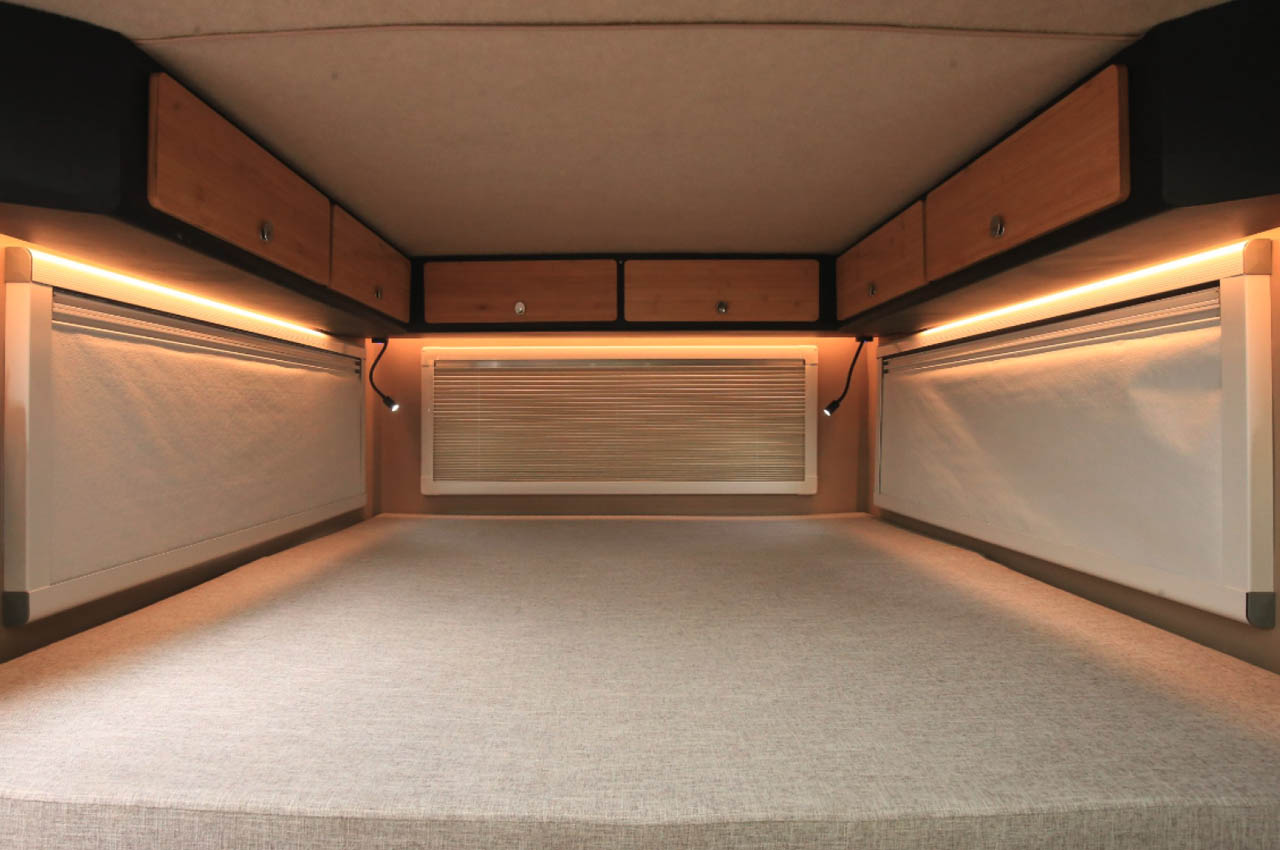
As I said, luxury is not dry in here with a front cabin having a full-width console loaded with a mini bar, cubbies, drawers, top shelf surface, and a 85-L freezer. Standing upright for getting dressed/undressed is not a problem either, thanks to the floor space between the bed and console. Extra storage space is provided in the form of overhead cabinets wrapping around the bed section. There’s also space in the drawer below the bed foot.

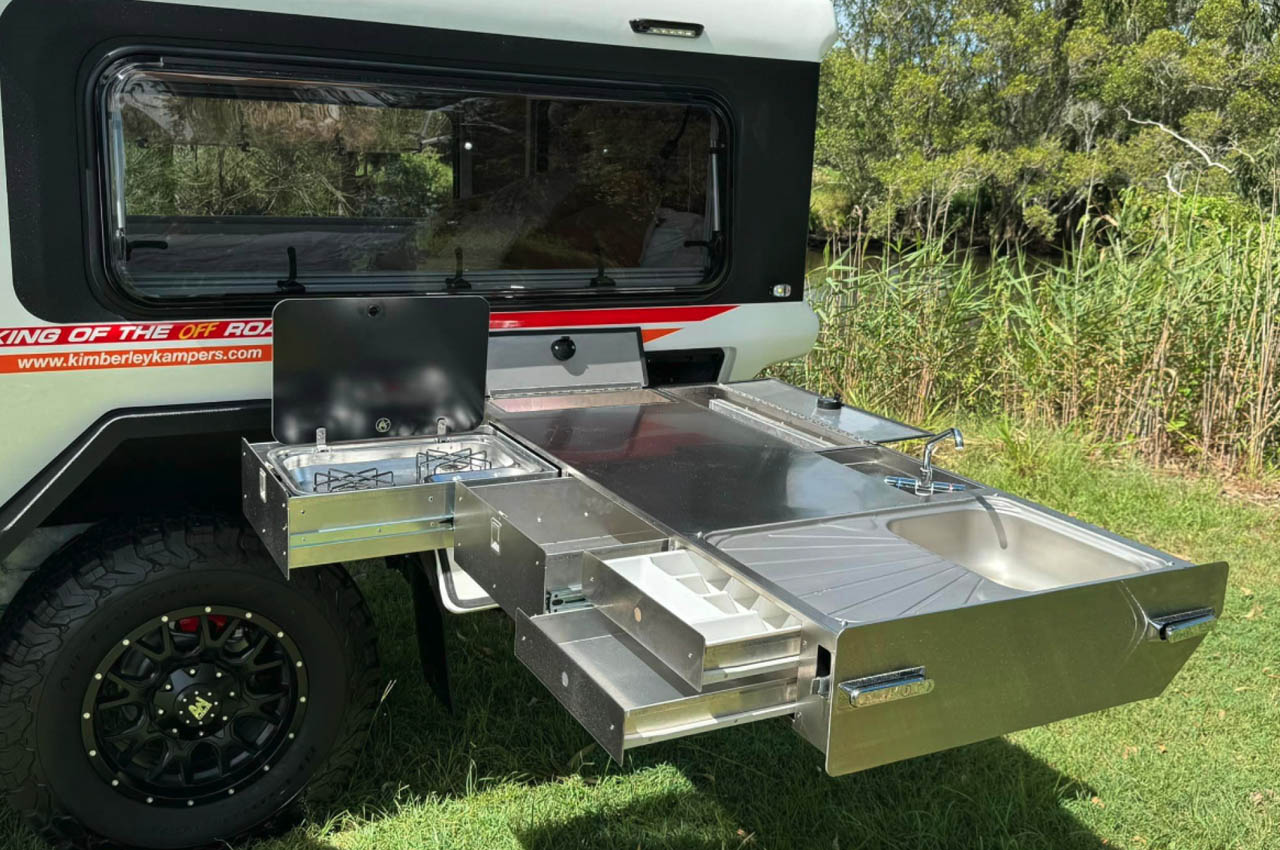
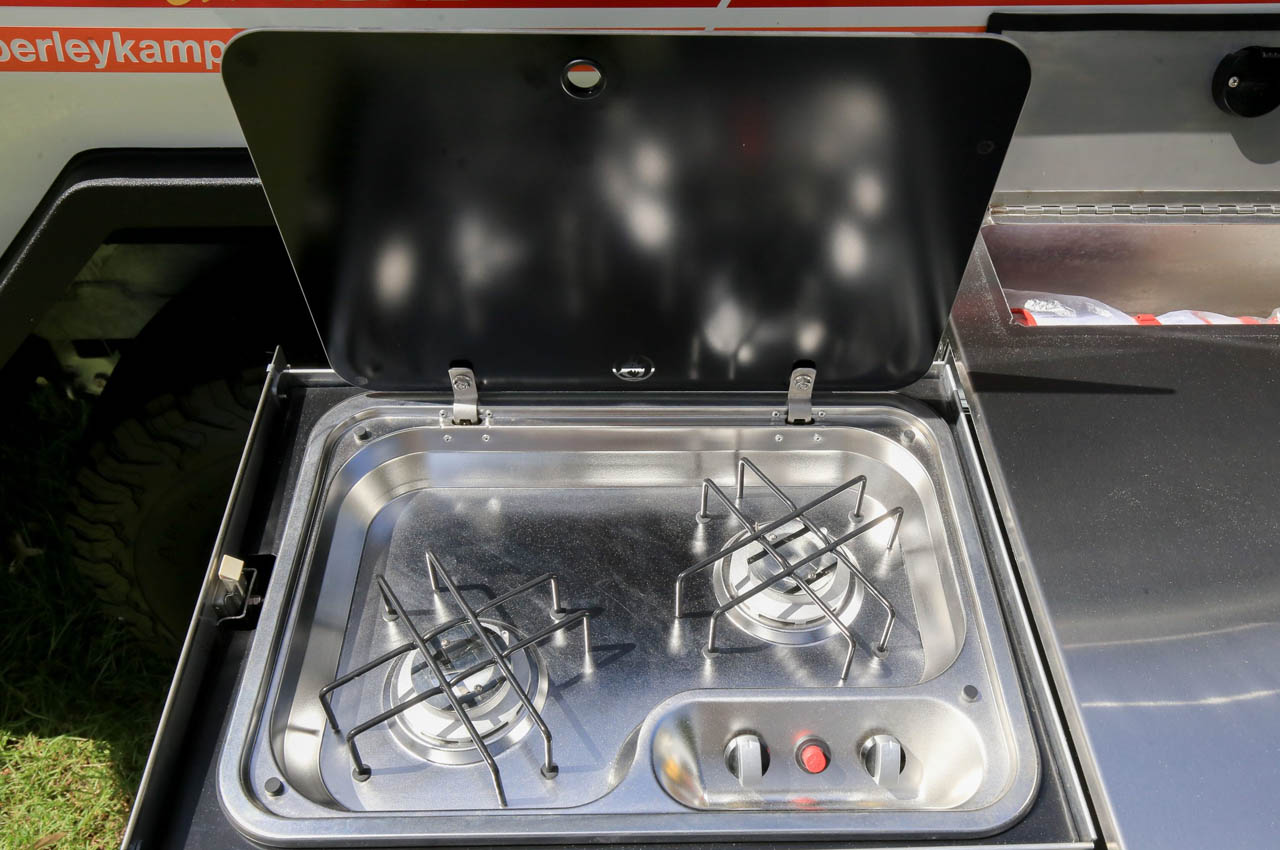
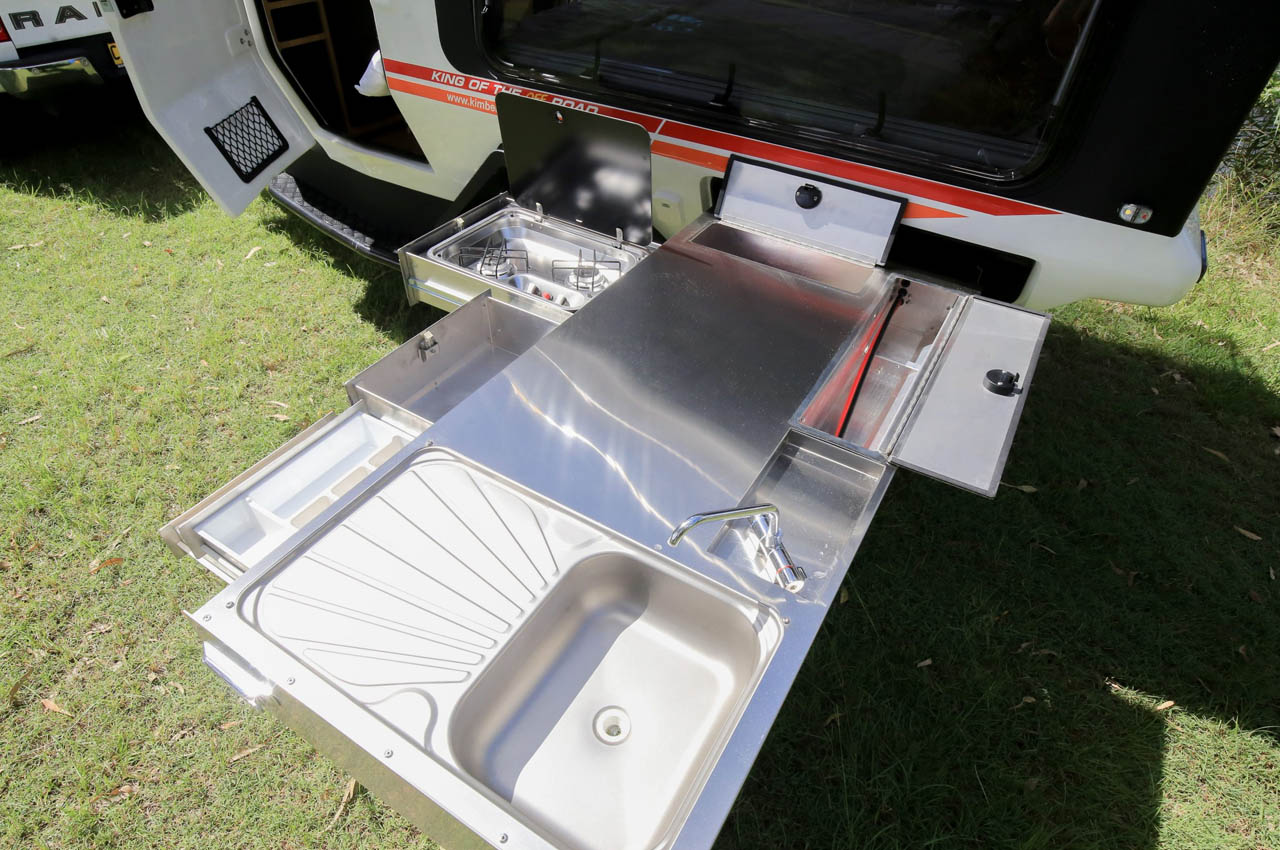
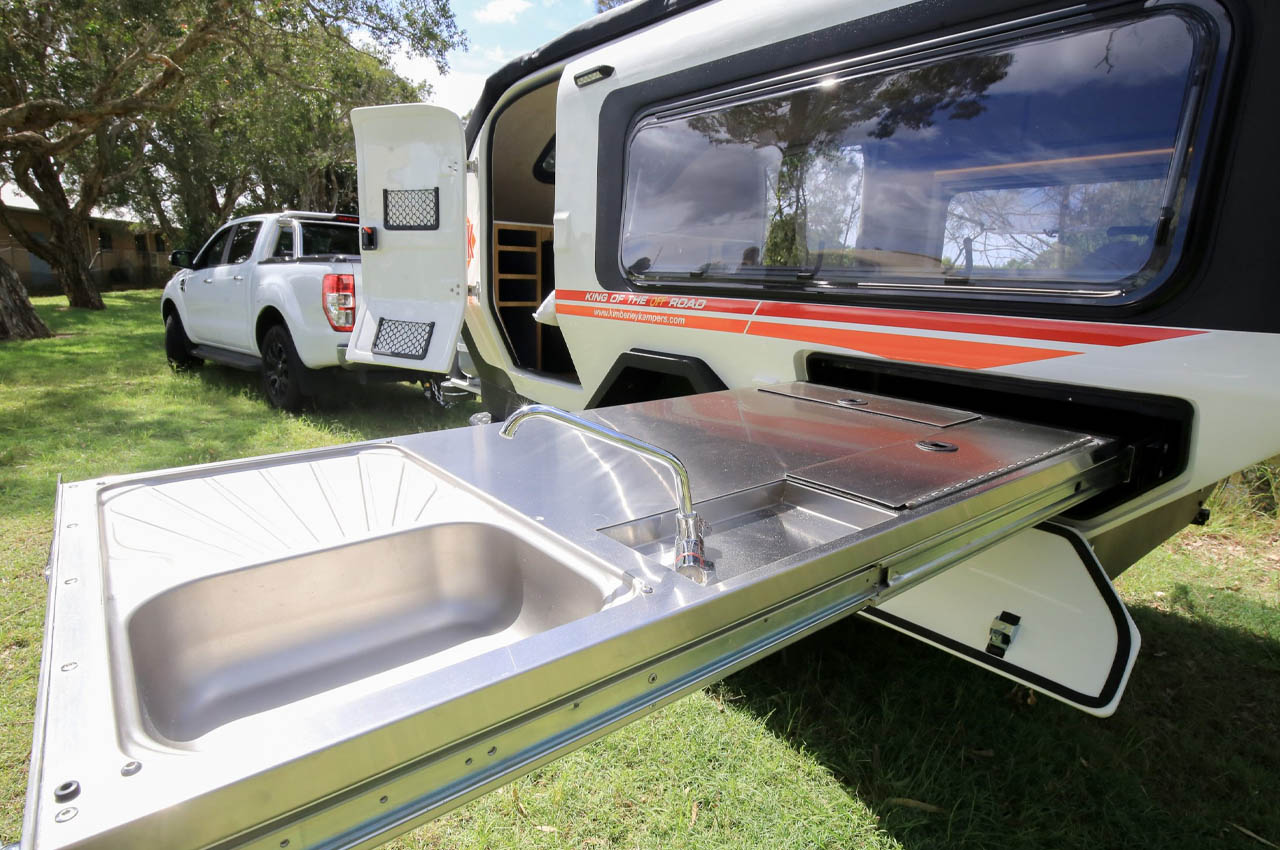
Behind this section is the concealed slide-out kitchen that can be pulled out of the left rear corner. The sturdy stainless steel unit opens up in multiple directions to reveal the storage drawers, sink, dual-burner stove, compartments and prep area. Buyers can also opt for the stainless steel table that can be hooked to the kitchen unit. This whole section is positioned under the awning to dine in the shade if the sun is beating down or inclement weather conditions prevail.

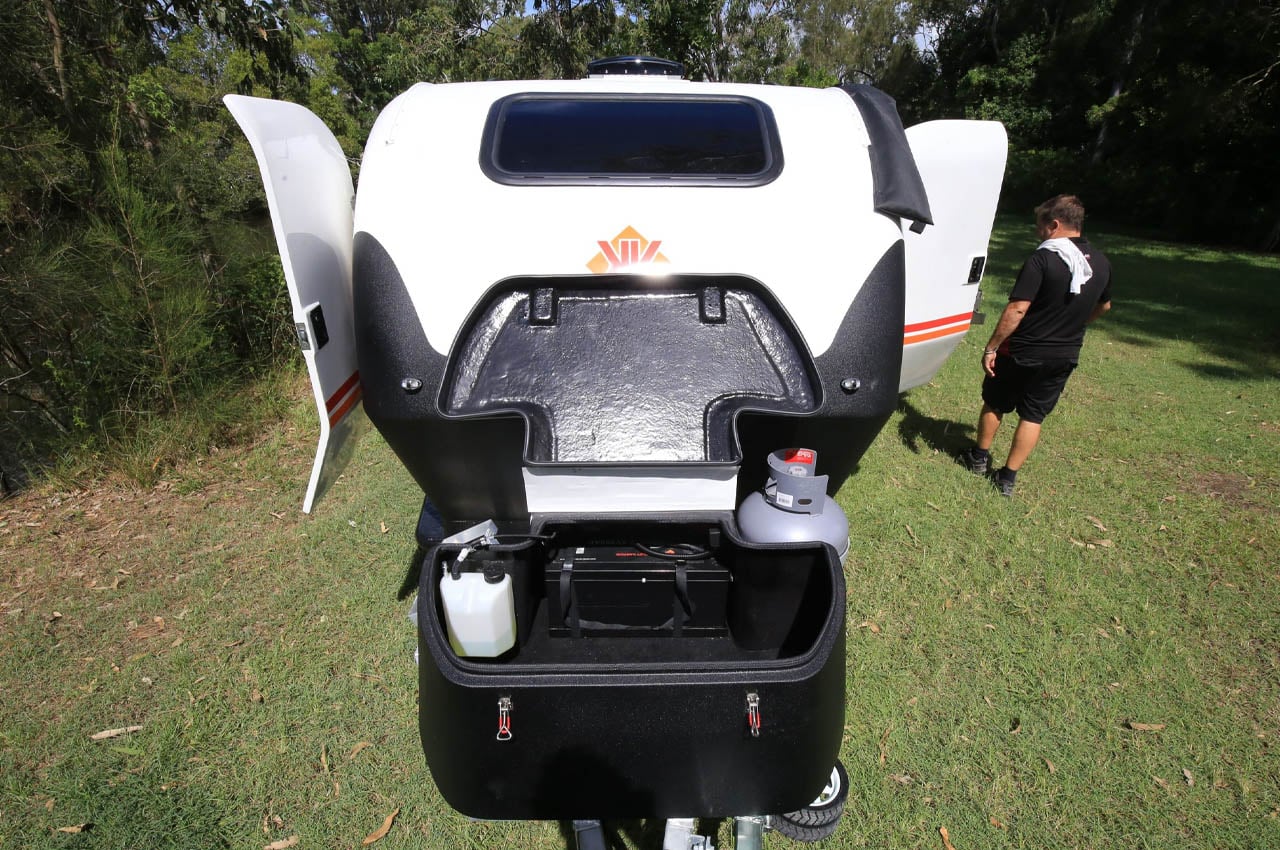
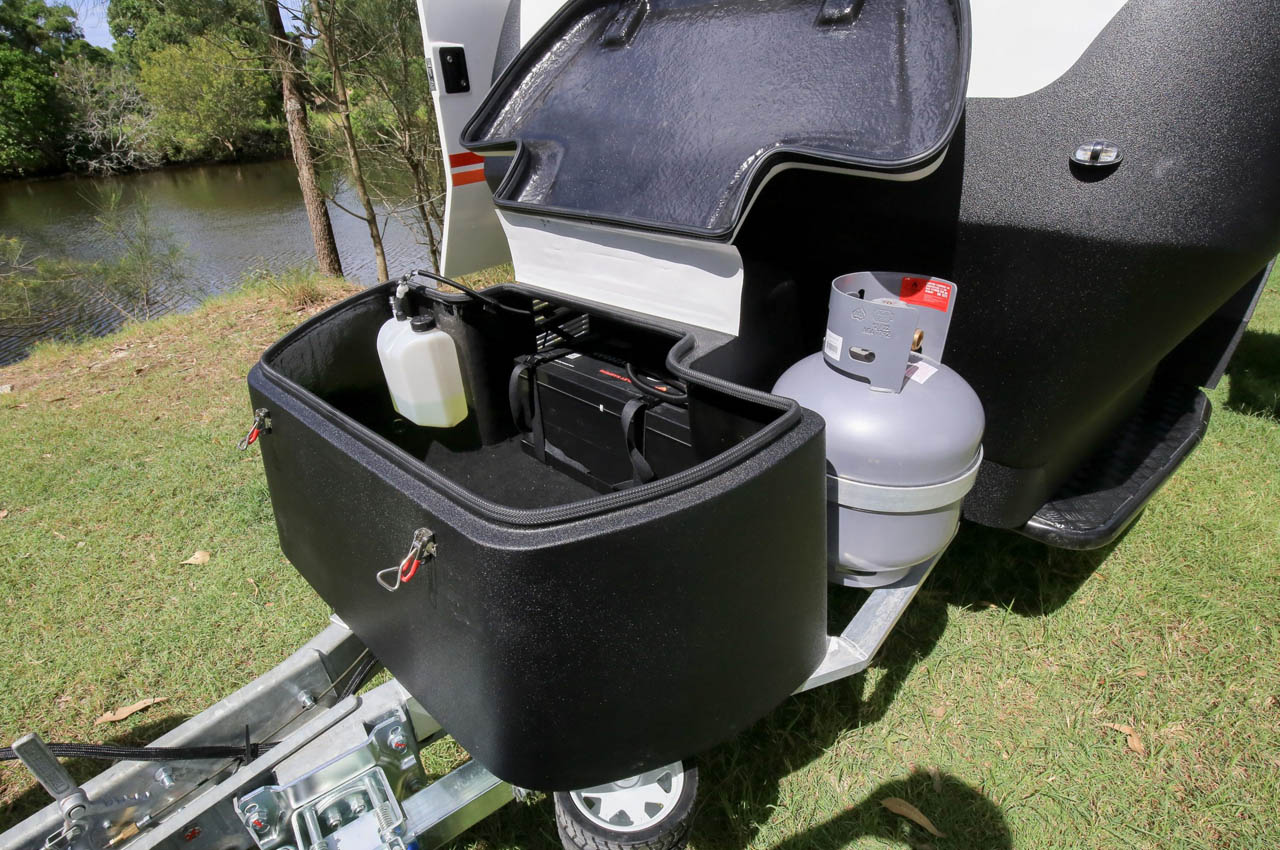
The kitchen setup comes with a faucet fed by cold water and hot water from a Webasto diesel water heater. This very system feeds the shower too and users can opt for the shower/toilet tent as well. Essential fittings include a 200-Ah lithium battery, 120-L fresh water tank, and a 450-L UniPod front storage box. Optional fittings like the 70-L secondary fresh tank, heating, air conditioning, solar charging, and satellite internet prep can also fitted.

For now, Kimberley Kampers will be selling the Kube camping trailer in the country with plans to sell it in the US as well. They’ve now revealed any details but considering they have US distribution in place for other models, the Kube should be coming any time soon.


The post Kimberley Kampers introduces rugged Kube camping trailer built for off-road expeditions in luxury first appeared on Yanko Design.

Ethereal-Looking Lighting Design Celebrates “The Refractive Nature Of Crystal”

Lighting designs are plenty and not at all lacking, but a lighting design that is the perfect mix of functionality, personality, and good looks isn’t always easy to come by. And I’m always looking for well-designed lighting pieces that not only do their job of illumination but are also interesting little designs that spark conversations and elevate mundane living spaces. And this collection of table and wall lamps truly hit the spot! Called the Port range, this collection is designed by an Australian designer Tom Fereday in collaboration with the lighting brand Rakumba.

Designer: Tom Fereday x Rakumba

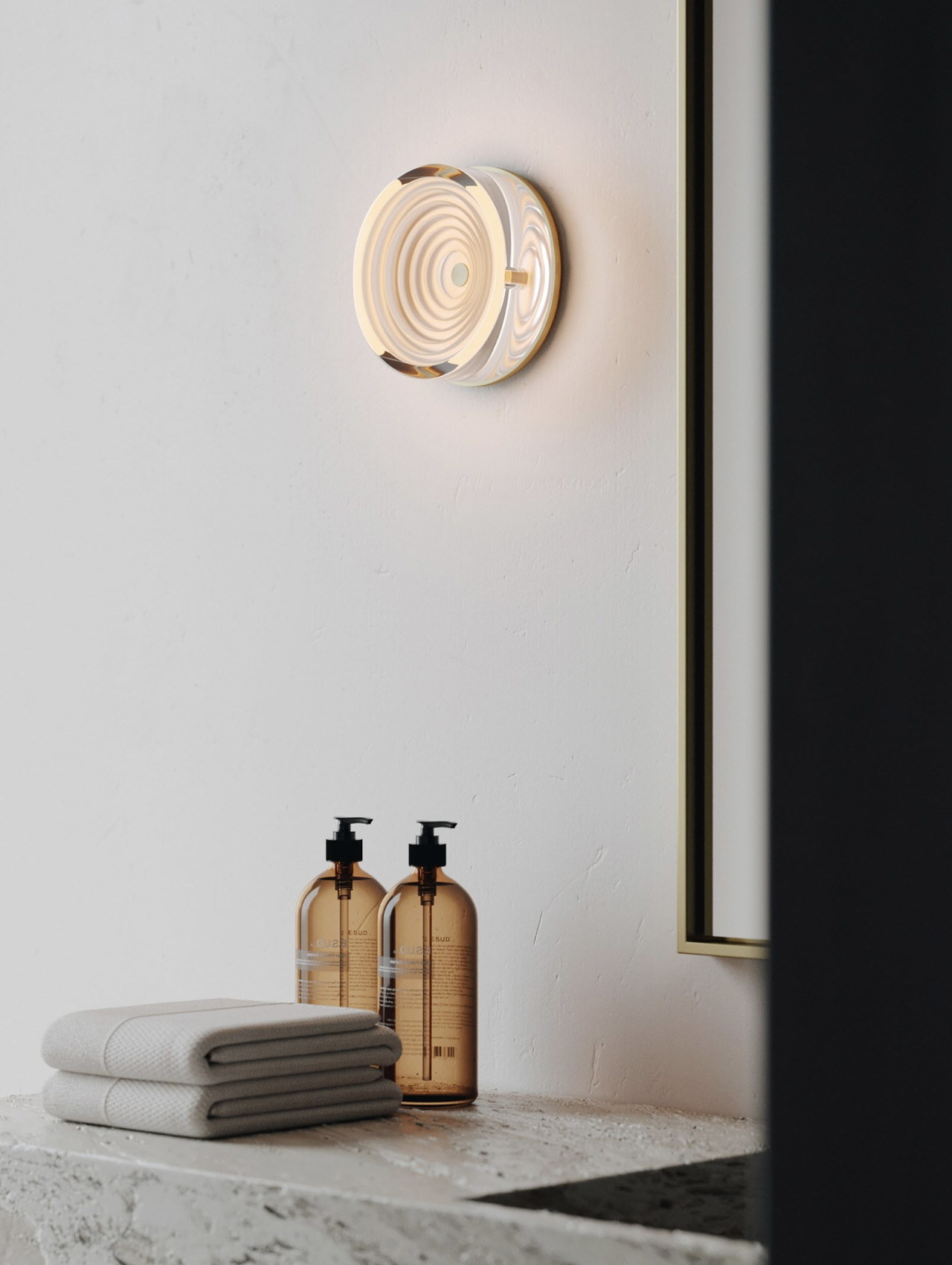
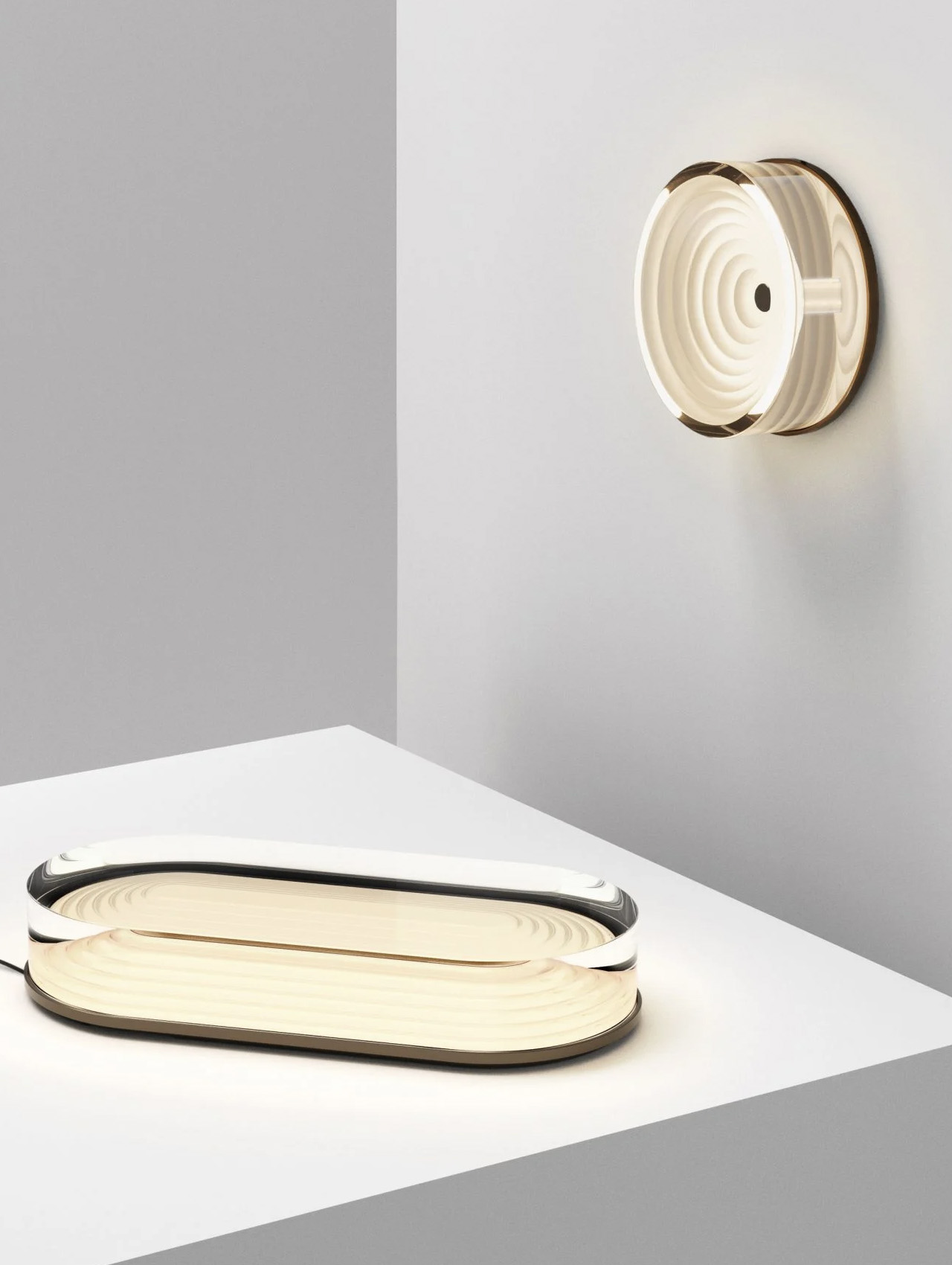
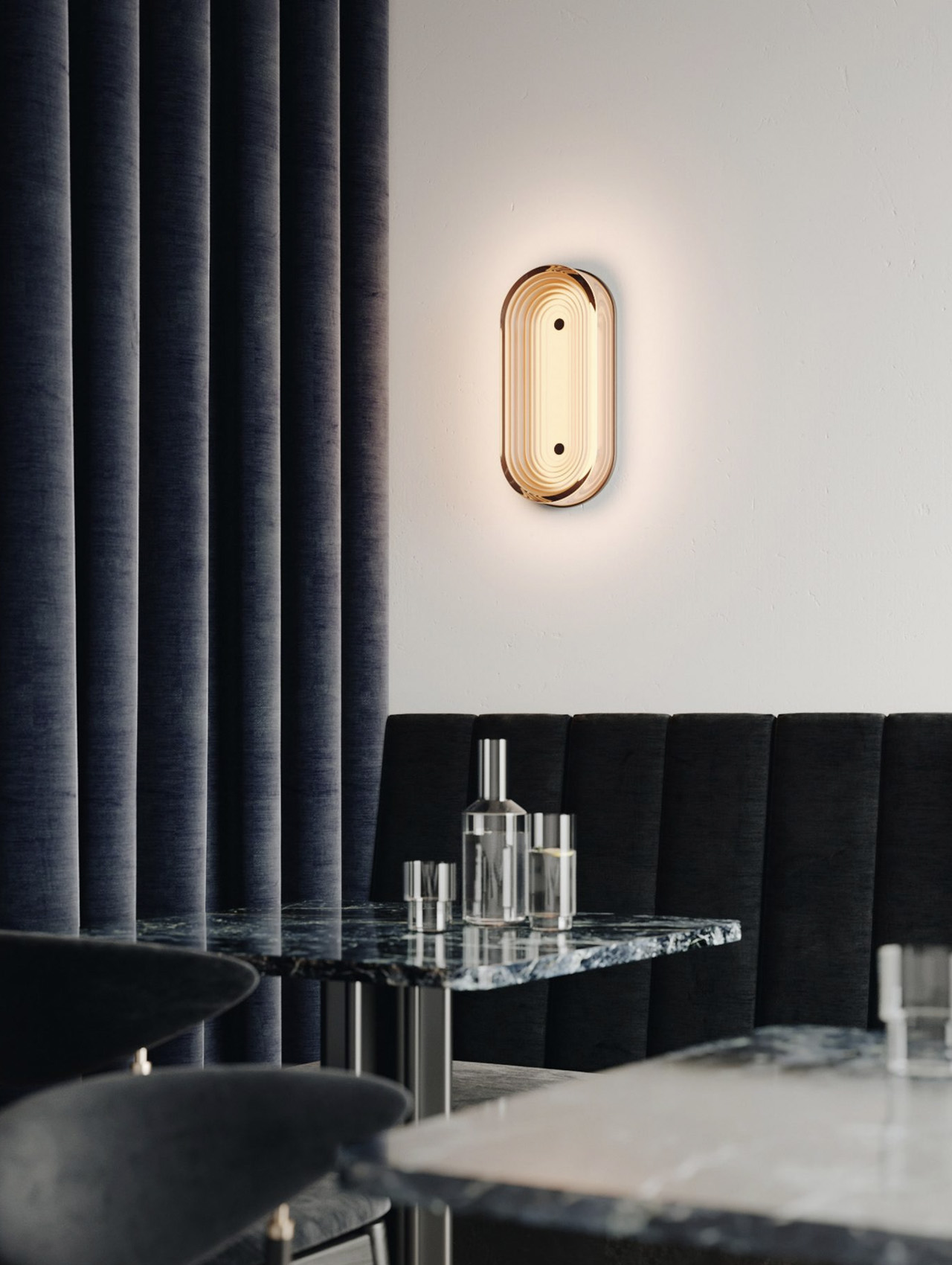
The Port Collection celebrates “the refractive nature of crystal”. It is the lovechild of the creative efforts of Tom Fereday and Rakumba, and the collection includes two shapes – the circular Round design, and the lozenge-shaped Stadium design. They both are available in tabletop or wall-mounted interactions. Each variant includes a solid glass block supported by a metal base. The glass block features an interesting conical shape with an internal stepped form. This intriguing form allows a subtle play with the refraction of light when switched on.

Since the block isn’t directly connected to the base, this block can be flipped over and also reset into the base, altering the manner in which the light is cast. “Port celebrates the purity and refractive nature of crystal,” said designer Tom Fereday. “Reversing the crystal form entirely changes the way the light is perceived, revealing Port’s unique dual character.” The Port collection beautifully captures and showcases the purity and characteristics of crystal. It takes the beauty of the material to a whole new level, allowing the material to take center place and grab attention without the need for any excessive bells and tassels.

The metallic base of the lighting design is available in a wide range of metallic finishes, so you can pick and choose the finish that perfectly suits the interiors of your living or working space. The Port lighting designs are versatile pieces that can be used in a variety of interiors – ranging from residential spaces to restaurants, making it a lighting piece that can find utility almost anywhere.

The post Ethereal-Looking Lighting Design Celebrates “The Refractive Nature Of Crystal” first appeared on Yanko Design.

X names its third head of safety in less than two years

X has named a new head of safety nearly a year after the last executive in the position resigned. The company said Tuesday that it had promoted Kylie McRoberts to Head of Safety and hired Yale Cohen as Head of Brand Safety and Advertiser Solutions.

The two will have the unenviable task of leading X’s safety efforts, including its attempts to reassure advertisers that the platform doesn’t monetize hate speech or terrorist content. The company said earlier this year it planned to hire 100 new safety employees after previously cutting much of its safety staff.

Head of safety has been a particularly fraught position since Elon Musk took over the company previously known as Twitter. Musk has previously clashed with his safety leads and McRoberts is the third person to hold the title in less than two years. Previously, Yoel Roth resigned shortly after the disastrous rollout of Twitter Blue in 2022. Roth was replaced by Ella Irwin, who resigned last year after Musk publicly criticized employees for enforcing policies around misgendering.

Not much is known about McRoberts, but she is apparently an existing member of X’s safety team (her X account is currently private and a LinkedIn profile appears to have been recently deleted). “During her time at X, she has led initiatives to increase transparency in our moderation practices through labels, improve security with passkeys, as well as building out our new Safety Center of Excellence in Austin,” X said in a statement.

This article originally appeared on Engadget at https://www.engadget.com/x-names-its-third-head-of-safety-in-less-than-two-years-213004771.html?src=rss

X names its third head of safety in less than two years

X has named a new head of safety nearly a year after the last executive in the position resigned. The company said Tuesday that it had promoted Kylie McRoberts to Head of Safety and hired Yale Cohen as Head of Brand Safety and Advertiser Solutions.

The two will have the unenviable task of leading X’s safety efforts, including its attempts to reassure advertisers that the platform doesn’t monetize hate speech or terrorist content. The company said earlier this year it planned to hire 100 new safety employees after previously cutting much of its safety staff.

Head of safety has been a particularly fraught position since Elon Musk took over the company previously known as Twitter. Musk has previously clashed with his safety leads and McRoberts is the third person to hold the title in less than two years. Previously, Yoel Roth resigned shortly after the disastrous rollout of Twitter Blue in 2022. Roth was replaced by Ella Irwin, who resigned last year after Musk publicly criticized employees for enforcing policies around misgendering.

Not much is known about McRoberts, but she is apparently an existing member of X’s safety team (her X account is currently private and a LinkedIn profile appears to have been recently deleted). “During her time at X, she has led initiatives to increase transparency in our moderation practices through labels, improve security with passkeys, as well as building out our new Safety Center of Excellence in Austin,” X said in a statement.

This article originally appeared on Engadget at https://www.engadget.com/x-names-its-third-head-of-safety-in-less-than-two-years-213004771.html?src=rss

Easily Capture the 2024 Solar Eclipse on Your Smartphone with This Affordable Camera Filter

With less than a week till we experience one of the most prominent total solar eclipses in probably decades, you’ll surely want to make sure you’re well prepared for the moment. That means not just wearing safe glasses that let you observe the eclipse, but also making sure that your expensive smartphone camera doesn’t get damaged by the sun’s rays too. Yes, you heard me, your camera’s sensor, much like your eyes, is vulnerable to the sun… and prolonged exposure can quite literally burn the sensor the same way solar rays could damage your eyes. So if you’re all equipped with eclipse-friendly glasses, why not prepare your smartphone with some appropriate protection too? After all, you’re definitely going to want to take photos of the eclipse, right??

Designer: VisiSolar

Click Here to Buy Now

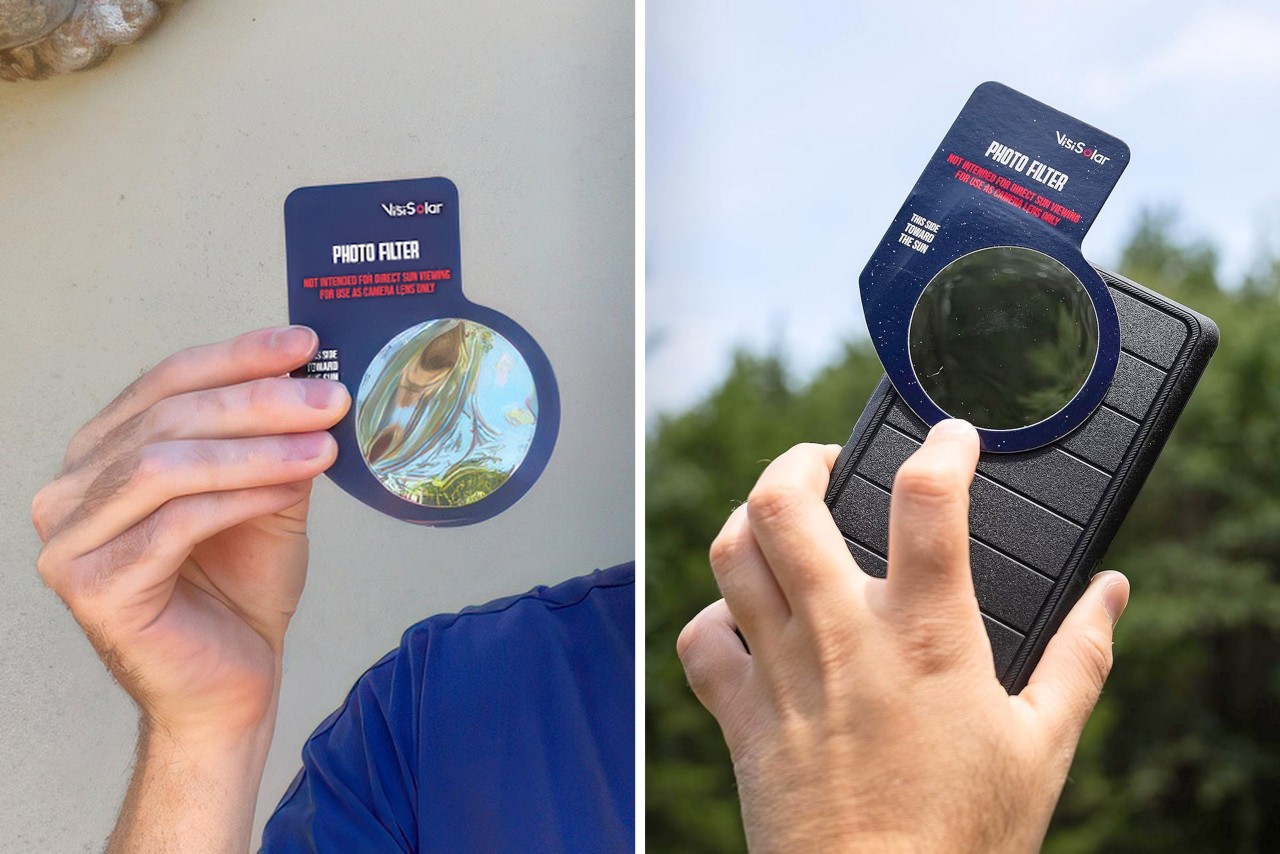
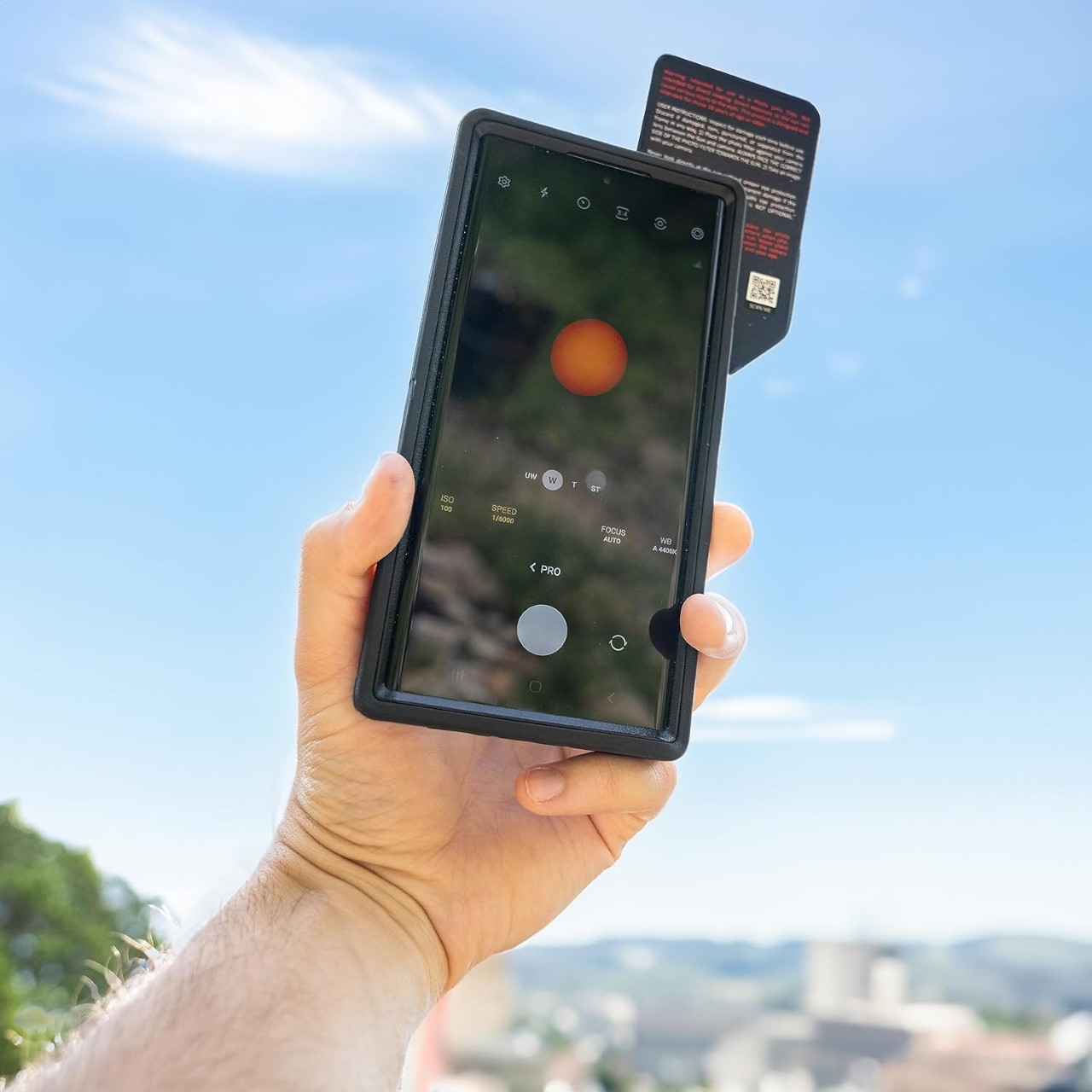
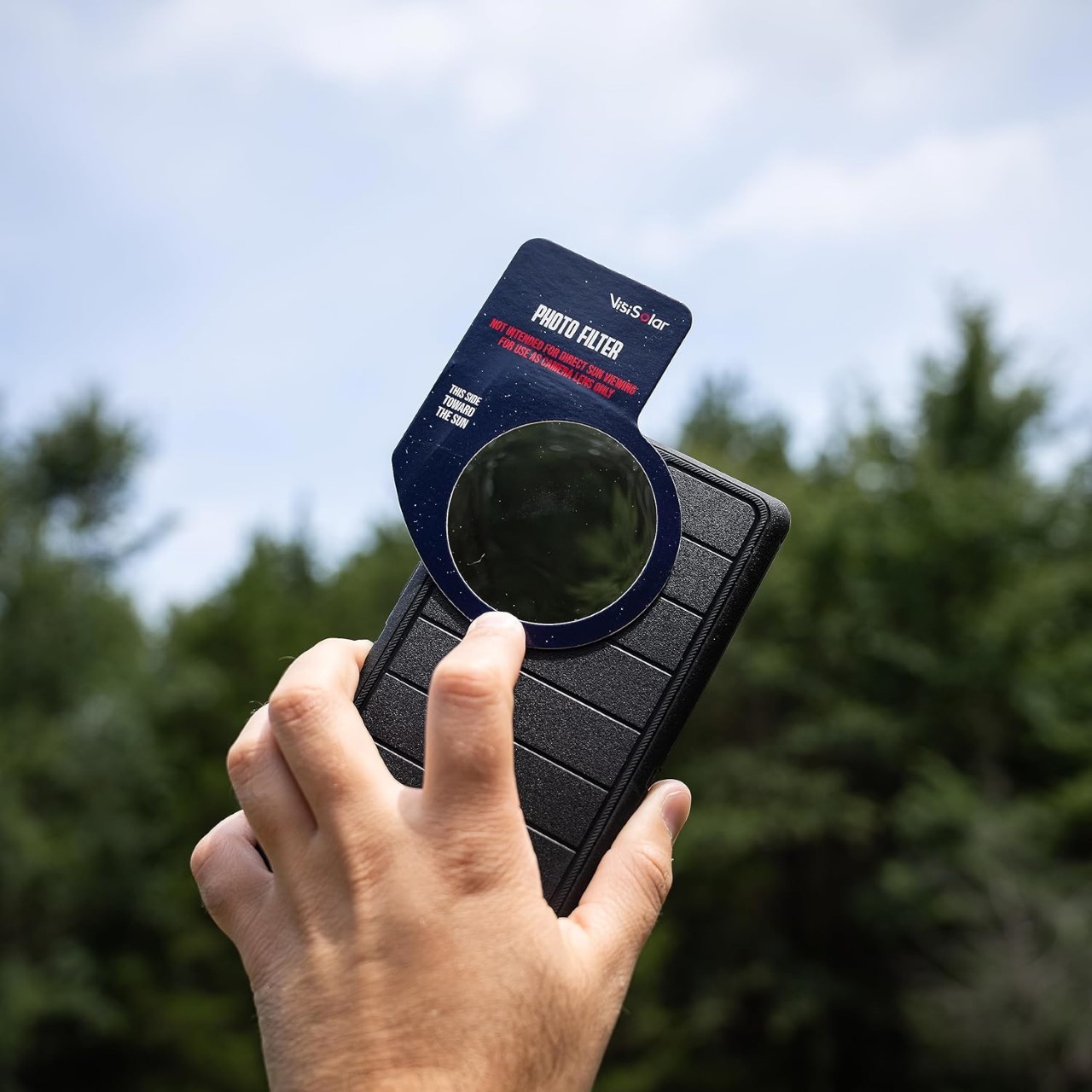
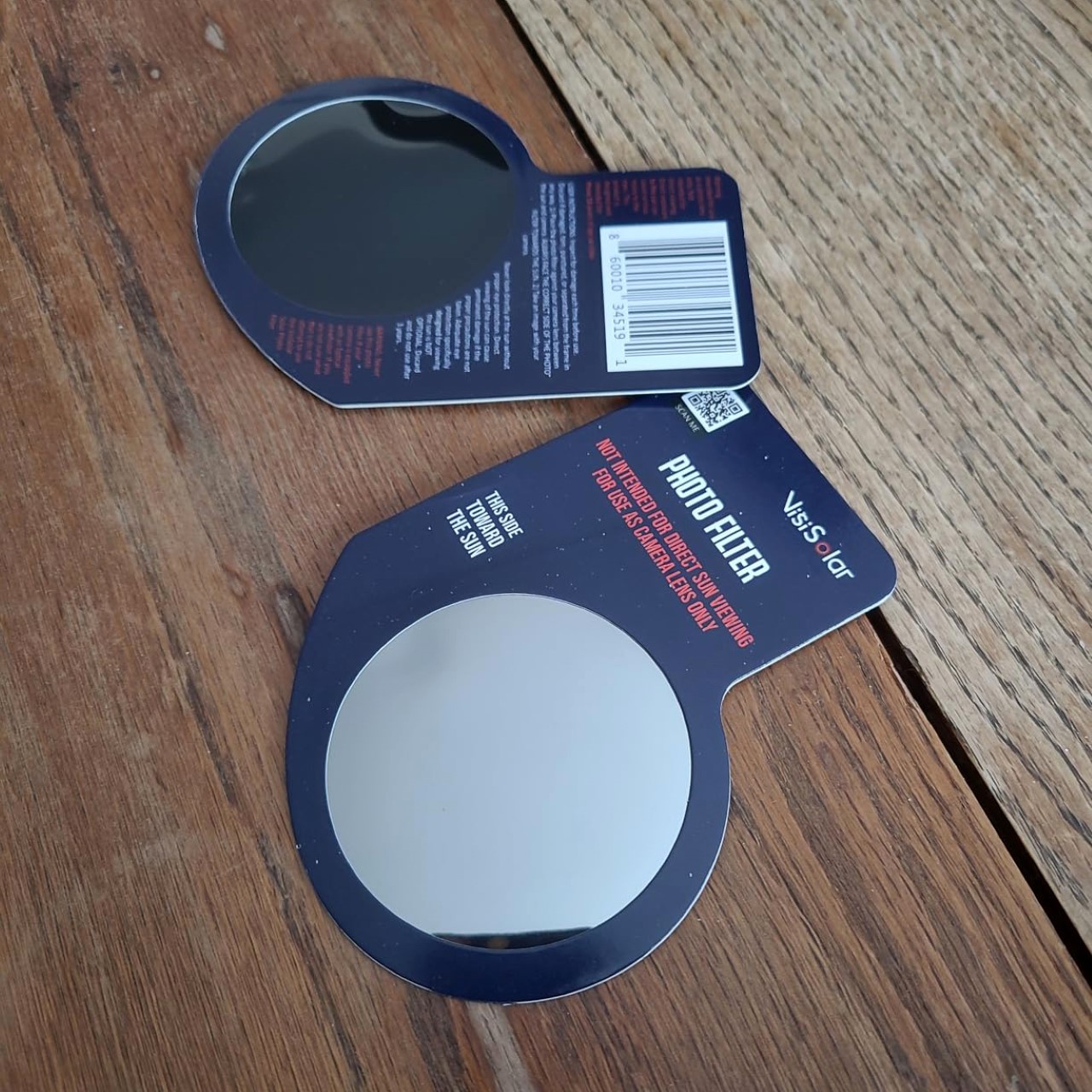
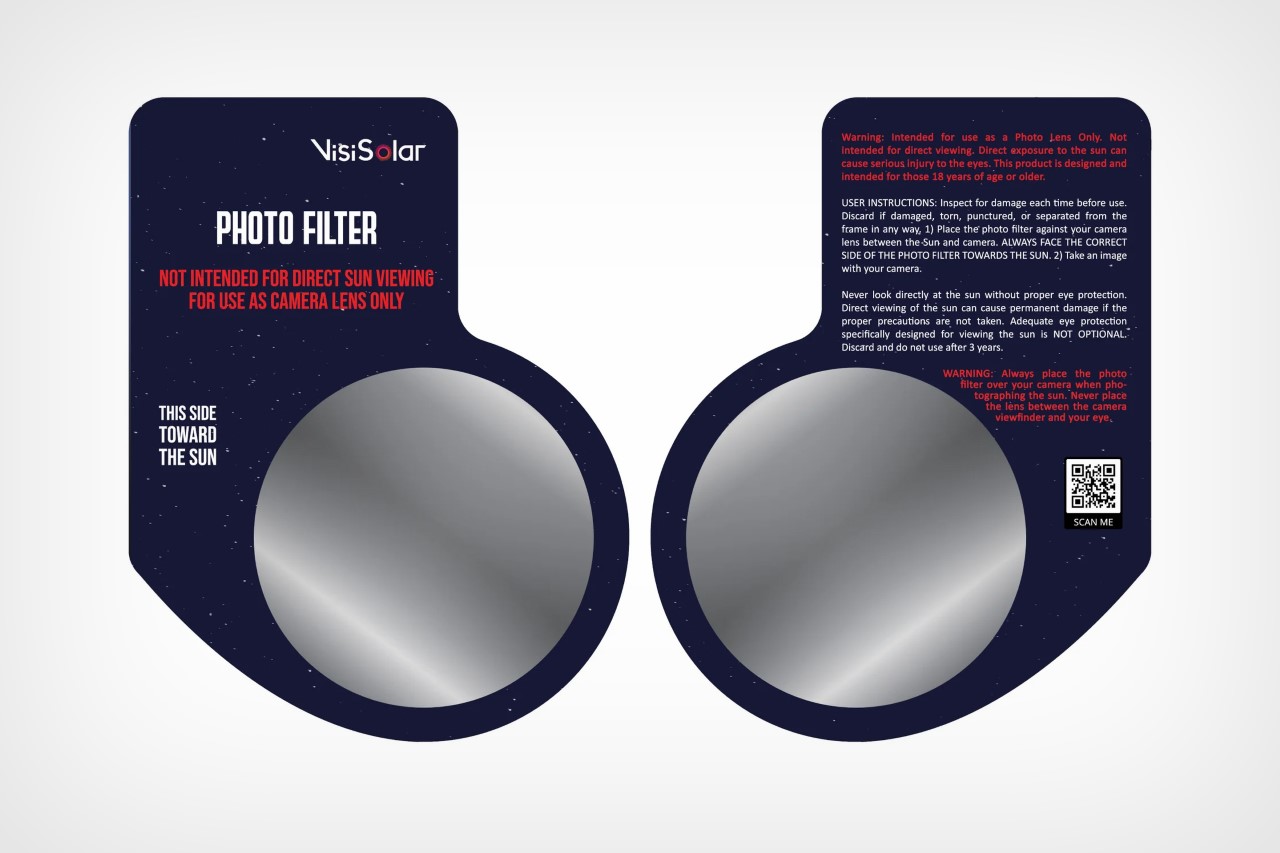
The VisiSolar Smartphone Photo Filter is a card-shaped filter that’s designed to help you capture the magic of a solar event safely on your smartphone. Whether it’s the partial phases, the breathtaking diamond ring effect, or the ethereal totality, this filter guarantees the best shots of the cosmic phenomenon, without worrying about any damage to your phone. Quite literally the size of perhaps a credit card or a table coaster, the filter sits right in front of your camera lens, blocking out harmful rays from hitting your phone’s sensor. You can still take great photos of the eclipse, just without the potential harm. Think of it as protective glasses for your phone.

Available in a two-pack for just under $13, the VisiSolar filters feature a stiff paper outer border, and a specially coated solar-imaging film in the center. Place the film right in front of your camera lens, fire up the camera app, and zoom in on the sun without worrying about anything. The filter automatically blocks out the intense harmful rays, letting you observe the eclipse in glorious fashion. Just make sure you zoom in as much as possible for the most incredible footage ever! And when the eclipse has passed, you can use the filter to take regular photos of the sun too! If your phone (or DSLR) has a great zoom, you’ll even see a few sunspots on the surface of our nearest star!

Click Here to Buy Now

Click Here to Buy Now

The post Easily Capture the 2024 Solar Eclipse on Your Smartphone with This Affordable Camera Filter first appeared on Yanko Design.
England’s NHS will provide artificial pancreas to thousands of diabetes patients

England’s National Health Service (NHS) said on Tuesday that “tens of thousands of children and adults” with type 1 diabetes will receive an “artificial pancreas” to help manage their insulin levels. The hybrid closed loop system — a sensor under the skin that sends wireless readings to an externally worn pump, which delivers insulin as needed — can help patients avoid the risks of type 1 diabetes without worrying about finger sticks or injections.

This isn’t the first device of its kind. Tandem makes similar insulin pumps in the US after it received FDA authorization in 2019. Gizmodo notes that another company called iLet got FDA approval for a similar device last year. Although the NHS hasn’t said which specific device(s) its program will use, what’s different here is the nation’s publicly funded health care system providing them for free rather than as an exclusive privilege for the well-to-do. (Sigh.)

The hybrid closed loop system starts with a sensor implanted beneath the skin, which continually monitors glucose levels at regular intervals. The sensor sends that data wirelessly to a pump, worn externally, which delivers the proper insulin dosage. The “hybrid” part of its name comes from the fact that some user input, including entering carb intake, is still required in the otherwise self-regulating system.

The government agency gave an ultra-precise figure of 269,095 people in England living with type 1 diabetes, highlighting how many folks could potentially benefit from the rollout. The NHS says local branches will begin identifying patients for the program starting on Tuesday.

“Diabetes is a tough and relentless condition, but these systems make a significant, life-changing difference — improving both the overall health and quality of life for people with diabetes,” Colette Marshall, chief executive of Diabetes UK, wrote in the NHS’s press release announcing the rollout. “This really is a landmark moment and we’ll be working with the NHS and others to ensure a fair rollout that reaches people as quickly as possible.”

This article originally appeared on Engadget at https://www.engadget.com/englands-nhs-will-provide-artificial-pancreas-to-thousands-of-diabetes-patients-203236067.html?src=rss

England’s NHS will provide artificial pancreas to thousands of diabetes patients

England’s National Health Service (NHS) said on Tuesday that “tens of thousands of children and adults” with type 1 diabetes will receive an “artificial pancreas” to help manage their insulin levels. The hybrid closed loop system — a sensor under the skin that sends wireless readings to an externally worn pump, which delivers insulin as needed — can help patients avoid the risks of type 1 diabetes without worrying about finger sticks or injections.

This isn’t the first device of its kind. Tandem makes similar insulin pumps in the US after it received FDA authorization in 2019. Gizmodo notes that another company called iLet got FDA approval for a similar device last year. Although the NHS hasn’t said which specific device(s) its program will use, what’s different here is the nation’s publicly funded health care system providing them for free rather than as an exclusive privilege for the well-to-do. (Sigh.)

The hybrid closed loop system starts with a sensor implanted beneath the skin, which continually monitors glucose levels at regular intervals. The sensor sends that data wirelessly to a pump, worn externally, which delivers the proper insulin dosage. The “hybrid” part of its name comes from the fact that some user input, including entering carb intake, is still required in the otherwise self-regulating system.

The government agency gave an ultra-precise figure of 269,095 people in England living with type 1 diabetes, highlighting how many folks could potentially benefit from the rollout. The NHS says local branches will begin identifying patients for the program starting on Tuesday.

“Diabetes is a tough and relentless condition, but these systems make a significant, life-changing difference — improving both the overall health and quality of life for people with diabetes,” Colette Marshall, chief executive of Diabetes UK, wrote in the NHS’s press release announcing the rollout. “This really is a landmark moment and we’ll be working with the NHS and others to ensure a fair rollout that reaches people as quickly as possible.”

This article originally appeared on Engadget at https://www.engadget.com/englands-nhs-will-provide-artificial-pancreas-to-thousands-of-diabetes-patients-203236067.html?src=rss

Amazon just walked out on its self-checkout technology

Amazon is removing Just Walk Out tech from all of its Fresh grocery stores in the US, as reported by The Information. The self-checkout system relies on a host of cameras, sensors and good old-fashioned human eyeballs to track what people leave the store with, charging the customers accordingly.

The technology has been plagued by issues from the onset. Most notably, Just Walk Out merely presents the illusion of automation, with Amazon crowing about generative AI and the like. Here’s where the smoke and mirrors come in. While the stores have no actual cashiers, there are reportedly over 1,000 real people in India scanning the camera feeds to ensure accurate checkouts. 

It’s also incredibly expensive to install and maintain the necessary equipment, which is likely why Just Walk Out technology was only adopted at around half of Fresh stores in the US. There have been plenty of frustrating issues for consumers when using this system, from receipts being sent out hours after purchase to completely mismanaged orders. In other words, it took a vast array of sensitive equipment and 1,000 people staring at video feeds to do the job of one or two people sitting behind cash registers at each store. Ain’t modern innovation grand? To be fair, Amazon reached out to Engadget to say that the tech "has continued to scale while reducing the number of human reviews year-over-year." 

There’s also some major privacy concerns here. Remember those cameras and sensors? They can be used to collect biometric information as people shop. This goes beyond Amazon’s palm-scanning tech, as the cameras and sensors measure the shape and size of each customer’s body for identification and tracking purposes. This led to a class action suit in New York that accused the company's Amazon One technology of collecting biometric identifier information without properly disclosing the practices to consumers. 

The suit says that Amazon ran afoul of the state’s Biometric Identifier Information Law, which requires businesses to tell customers if they are collecting data used for identification purposes. Peter Romer-Friedman, an attorney representing the plaintiffs, told The Seattle Times that “Amazon owes its customers an explanation about how it’s operating these systems before people enter — so that people can decide for themselves whether they want to provide measurements of the size and shape of their body as a condition of getting a sandwich.” The company says that Just Walk Out, however, doesn't rely on the same biometric identifiers. 

Amazon tried to sell the technology to other retail chains, but didn’t get too many bites. It teamed up with Starbucks in a few locations and there was a small launch in hospitals for medical staff, but that’s about it. One sticking point? These systems require high ceilings to accommodate the cameras and sensors. Reuters also suggested that many retailers consider Amazon a competitor and disruptor, souring them on a technology partnership. Those 1,000 off-shore cashiers probably didn’t help with the sales pitch either.

Just Walk Out technology will continue to be offered in many stores in the UK. As for the US, Amazon says the removal of these systems is part of a larger effort to revamp its retail grocery arm. The company plans on bringing its Dash smart carts to retail locations, after a test at several Whole Foods and Fresh stores. These smart carts are equipped with scales and sensors to track spending in real time and, of course, allow consumers to skip the checkout.

Update, April 3, 2024, 2:10 PM ET: This story has been updated to include information provided by an Amazon rep regarding the specifics of the Just Walk Out technology. 

This article originally appeared on Engadget at https://www.engadget.com/amazon-just-walked-out-on-its-self-checkout-technology-191703603.html?src=rss

Amazon just walked out on its self-checkout technology

Amazon is removing Just Walk Out tech from all of its Fresh grocery stores in the US, as reported by The Information. The self-checkout system relies on a host of cameras, sensors and good old-fashioned human eyeballs to track what people leave the store with, charging the customers accordingly.

The technology has been plagued by issues from the onset. Most notably, Just Walk Out merely presents the illusion of automation, with Amazon crowing about generative AI and the like. Here’s where the smoke and mirrors come in. While the stores have no actual cashiers, there are reportedly over 1,000 real people in India scanning the camera feeds to ensure accurate checkouts. 

It’s also incredibly expensive to install and maintain the necessary equipment, which is likely why Just Walk Out technology was only adopted at around half of Fresh stores in the US. There have been plenty of frustrating issues for consumers when using this system, from receipts being sent out hours after purchase to completely mismanaged orders. In other words, it took a vast array of sensitive equipment and 1,000 people staring at video feeds to do the job of one or two people sitting behind cash registers at each store. Ain’t modern innovation grand? To be fair, Amazon reached out to Engadget to say that the tech "has continued to scale while reducing the number of human reviews year-over-year." 

There’s also some major privacy concerns here. Remember those cameras and sensors? They can be used to collect biometric information as people shop. This goes beyond Amazon’s palm-scanning tech, as the cameras and sensors measure the shape and size of each customer’s body for identification and tracking purposes. This led to a class action suit in New York that accused the company's Amazon One technology of collecting biometric identifier information without properly disclosing the practices to consumers. 

The suit says that Amazon ran afoul of the state’s Biometric Identifier Information Law, which requires businesses to tell customers if they are collecting data used for identification purposes. Peter Romer-Friedman, an attorney representing the plaintiffs, told The Seattle Times that “Amazon owes its customers an explanation about how it’s operating these systems before people enter — so that people can decide for themselves whether they want to provide measurements of the size and shape of their body as a condition of getting a sandwich.” The company says that Just Walk Out, however, doesn't rely on the same biometric identifiers. 

Amazon tried to sell the technology to other retail chains, but didn’t get too many bites. It teamed up with Starbucks in a few locations and there was a small launch in hospitals for medical staff, but that’s about it. One sticking point? These systems require high ceilings to accommodate the cameras and sensors. Reuters also suggested that many retailers consider Amazon a competitor and disruptor, souring them on a technology partnership. Those 1,000 off-shore cashiers probably didn’t help with the sales pitch either.

Just Walk Out technology will continue to be offered in many stores in the UK. As for the US, Amazon says the removal of these systems is part of a larger effort to revamp its retail grocery arm. The company plans on bringing its Dash smart carts to retail locations, after a test at several Whole Foods and Fresh stores. These smart carts are equipped with scales and sensors to track spending in real time and, of course, allow consumers to skip the checkout.

Update, April 3, 2024, 2:10 PM ET: This story has been updated to include information provided by an Amazon rep regarding the specifics of the Just Walk Out technology. 

This article originally appeared on Engadget at https://www.engadget.com/amazon-just-walked-out-on-its-self-checkout-technology-191703603.html?src=rss