Ditch the AirTag. ESR’s Geo Wallet comes with built-in Apple-certified Find My support

Isn’t it strange that the AirTag isn’t designed to fit into the one item worth actually tracking – your wallet?! Its bulky design just doesn’t go well with sleek wallets or traditional bifolds, and the fact that third-party companies like Chipolo and Tile are designing sleek card-shaped tracking devices just feels like a missed opportunity entirely. That is, until the folks at ESR stepped up and designed the first Geo Wallet with built-in tracking. Instead of worrying about having a card or tracking device IN your wallet, the ESR Geo Wallet is ITSELF a tracking device. It works with Apple’s Find My network, letting you see your wallet’s location in real time. When the wallet is nearby but still out of sight, you can also ‘ring’ your wallet thanks to a powerful speaker built into the Geo Wallet’s sleek design.

Designer: Justin Wong

Click Here to Buy Now: $41 $55 (25% off). Hurry, only 358 left of 1600 left! Raised over $100,000

Here’s what I personally love about the Geo Wallet’s design. It’s futuristic if you think about the fact that your wallet has a built-in tracking device – but it doesn’t look futuristic. The wallet isn’t the kind you attach onto the back of your phone, it isn’t made of metal or carbon fiber, it doesn’t have fancy moving parts or a rugged design you can run over with your car – it’s as classic as it gets. The traditional bifold that the entire world loves and uses – except underneath the faux leather exterior is a fair bit of technology that makes the Geo Wallet so remarkable.

A full-fledged tracking chip with a Find My module allows you to track your Geo Wallet just the way you would an AirTag. It pairs with your phone, letting you see its location at all times. If you get separated from your wallet, you get an alert… and if you do end up losing your wallet or if someone steals it, the Find My app lets you track your Geo Wallet in real-time, seeing its location update on the fly. A speaker lets you ‘ring’ the wallet too, in case it’s nearby and you can’t find it.

Despite the electronics, the Geo Wallet measures a mere 15mm thick, making it a slick piece of EDC to add to your collection. It features a spacious cash compartment, four convenient card slots, two ID windows, and extra room for coins. You’ve got enough space to store up to 10 bills, multiple credit + ID cards, and 15 coins – talk about being super traditional!

The ESR Geo Wallet comes in 7 colors, all made from faux leather to keep things stylish yet eco-friendly. A built-in rechargeable battery allows the Geo Wallet to run for 5 months on a full charge… and unlike any other wallet, the exterior also features a magnetic contact point that lets you charge your wallet using ESR’s proprietary snap-on charger (which charges your Geo Wallet in under 2 hours). The ESR Geo Wallet is currently available on Kickstarter for $38 – quite a bargain for a wallet with its own Apple-compatible Find My tracker, no?

Click Here to Buy Now: $41 $55 (25% off). Hurry, only 358 left of 1600 left! Raised over $100,000

The post Ditch the AirTag. ESR’s Geo Wallet comes with built-in Apple-certified Find My support first appeared on Yanko Design.


This Off-Grid Desert Retreat Is Eco-Conscious & The Perfect Secluded Escape

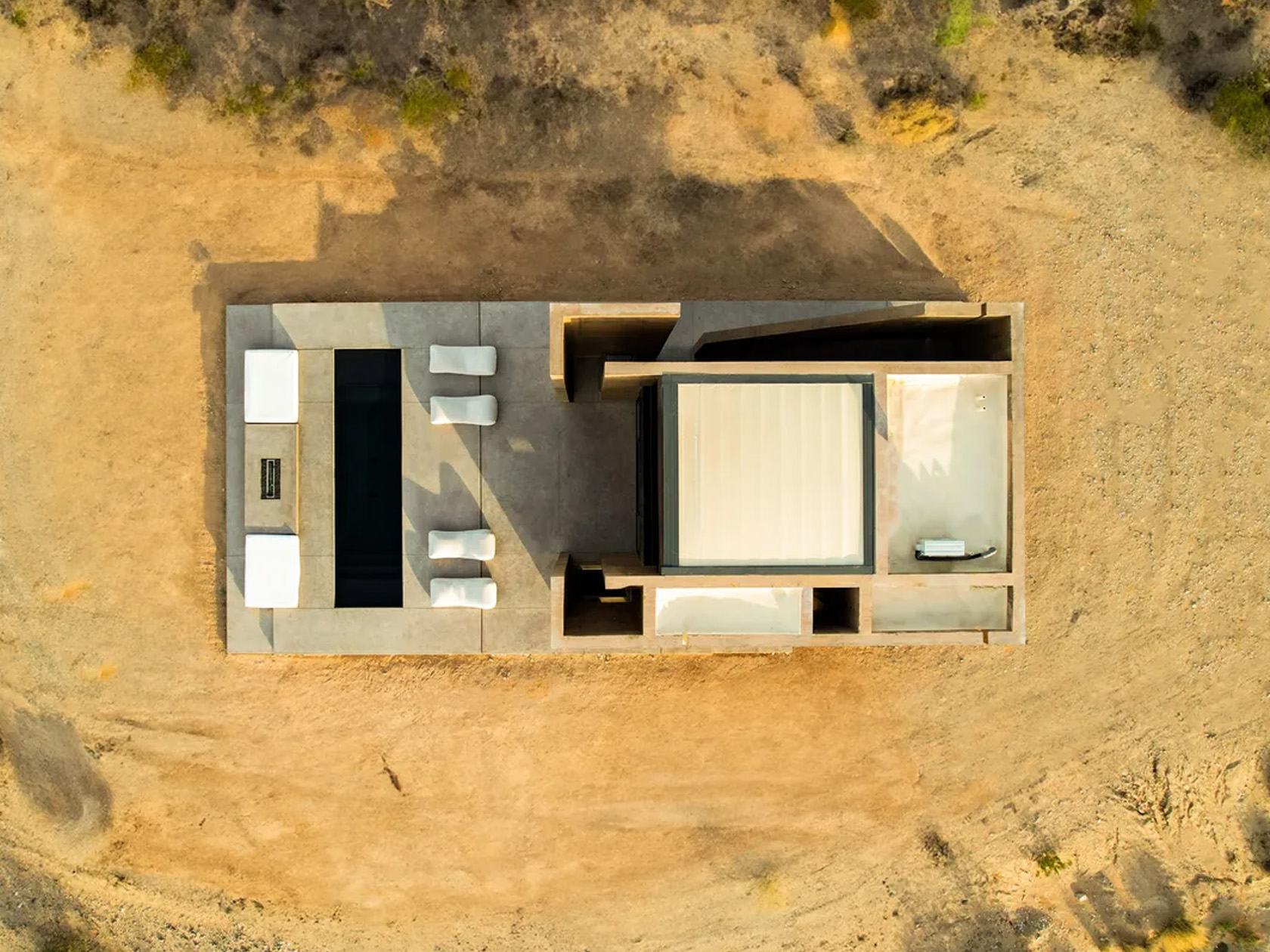
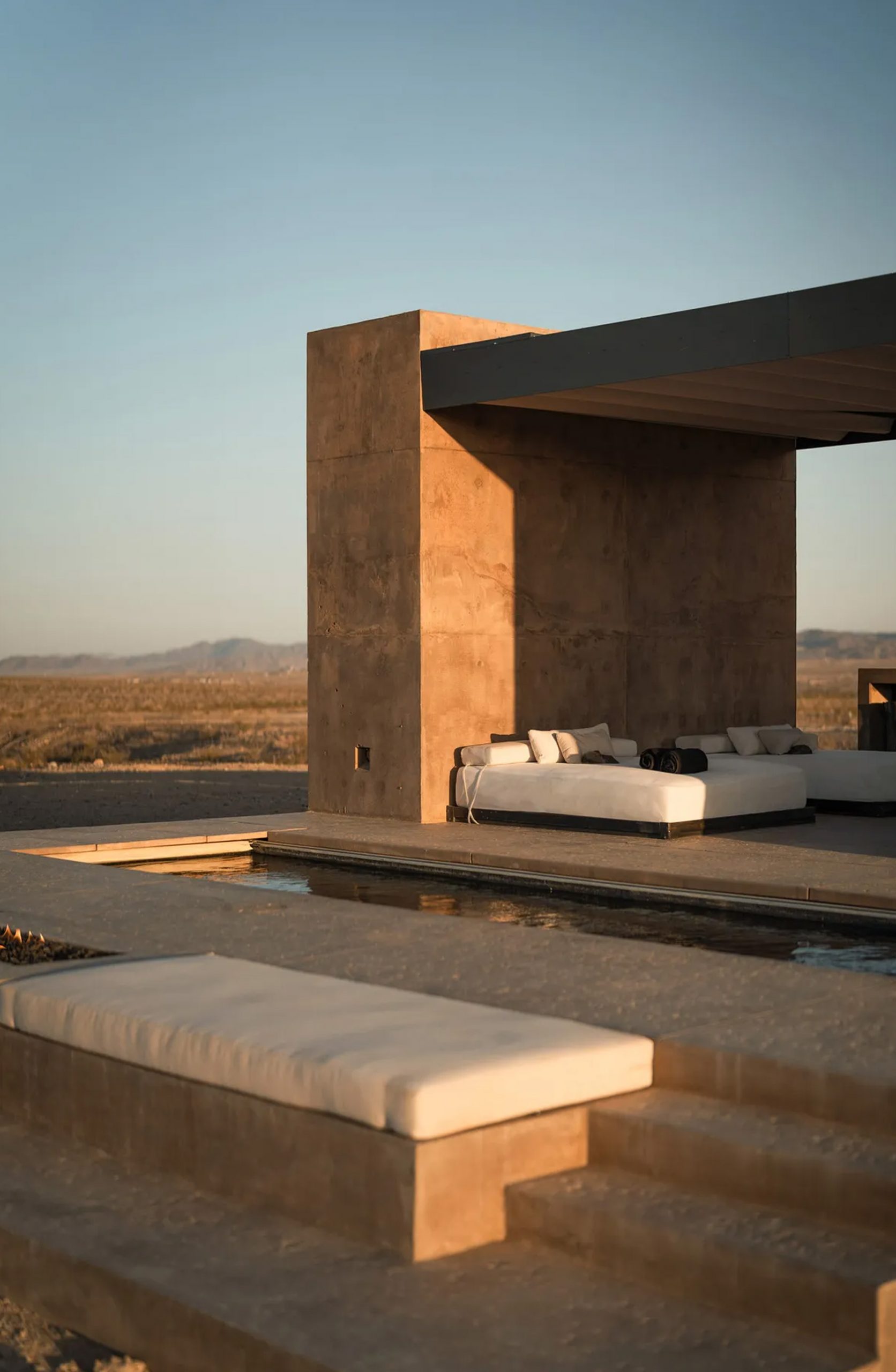
Designed by the LA-based multidisciplinary architect Malek Alqadi, the Folly Mojave is a 200-acre wilderness retreat nestled at the intersection of the Mojave National Preserve and the Joshua Tree National Park. The Folly Mojave is a stunning off-grid home that draws inspiration from the region’s earthy hues and rocky textures. The Martian-esque terrain also inspired the home, allowing it to be a bold architectural statement. The Folly Mojave is one of the latest additions to Folly’s secluded stays.

Designer: Malek Alqadi

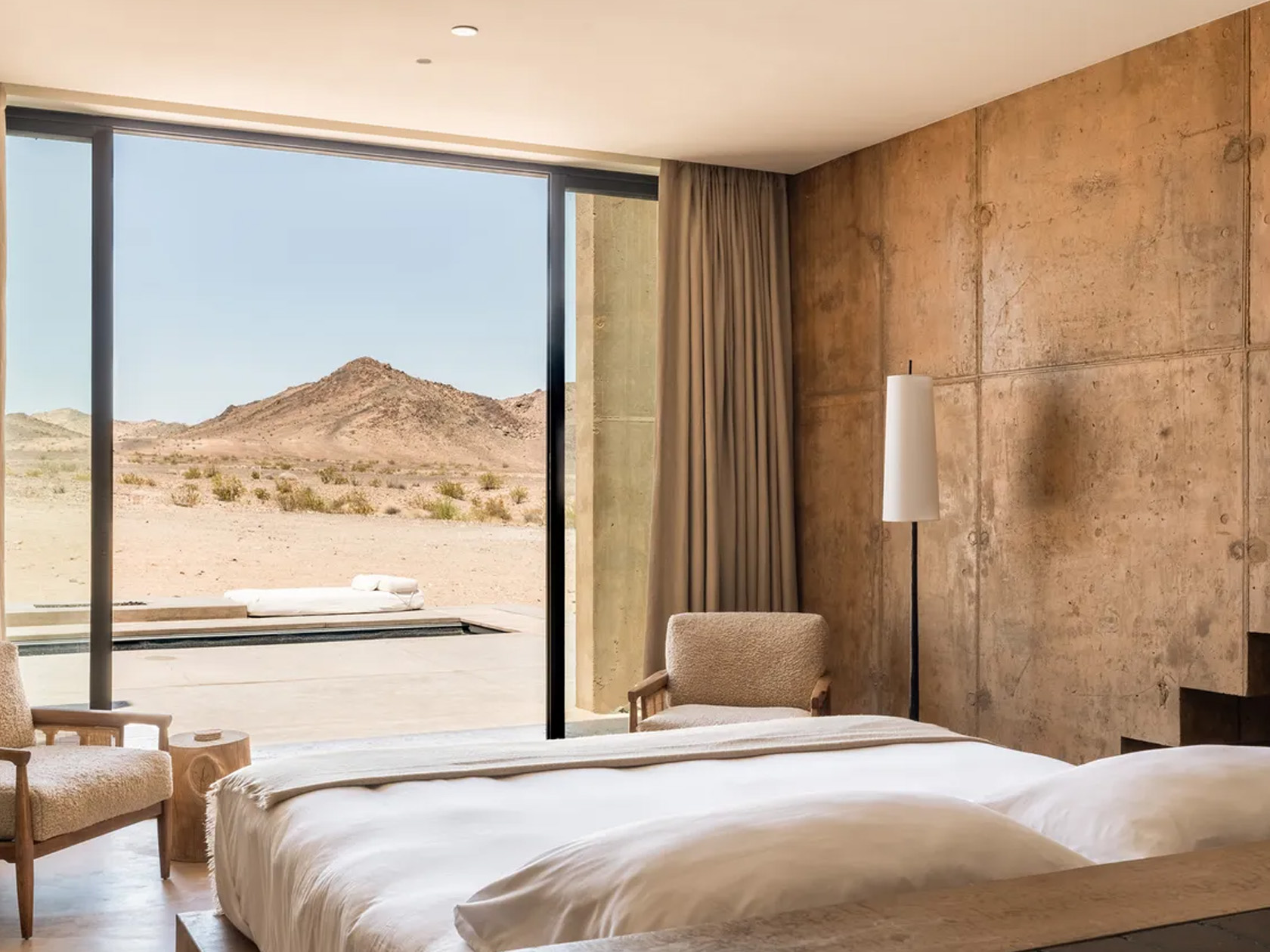
“Folly Mojave acts as a nature-derived, divine space, welcoming guests seeking wellness, healing, and self-reflection,” says Alqadi. The property includes three standalone properties which function as suites. The suites represent the four elements of nature, and they seamlessly vanish into the landscape during the day. The Water Suite perfectly merges indoor and outdoor realms and is equipped with a lovely bed, a well-designed kitchen, a walk-in shower, a loft-like ceiling, eco-friendly solar utilities, luxurious features, as well as an open-air sky terrace, which also serves as a fully functional bedroom for those who want to watch the sky at night.

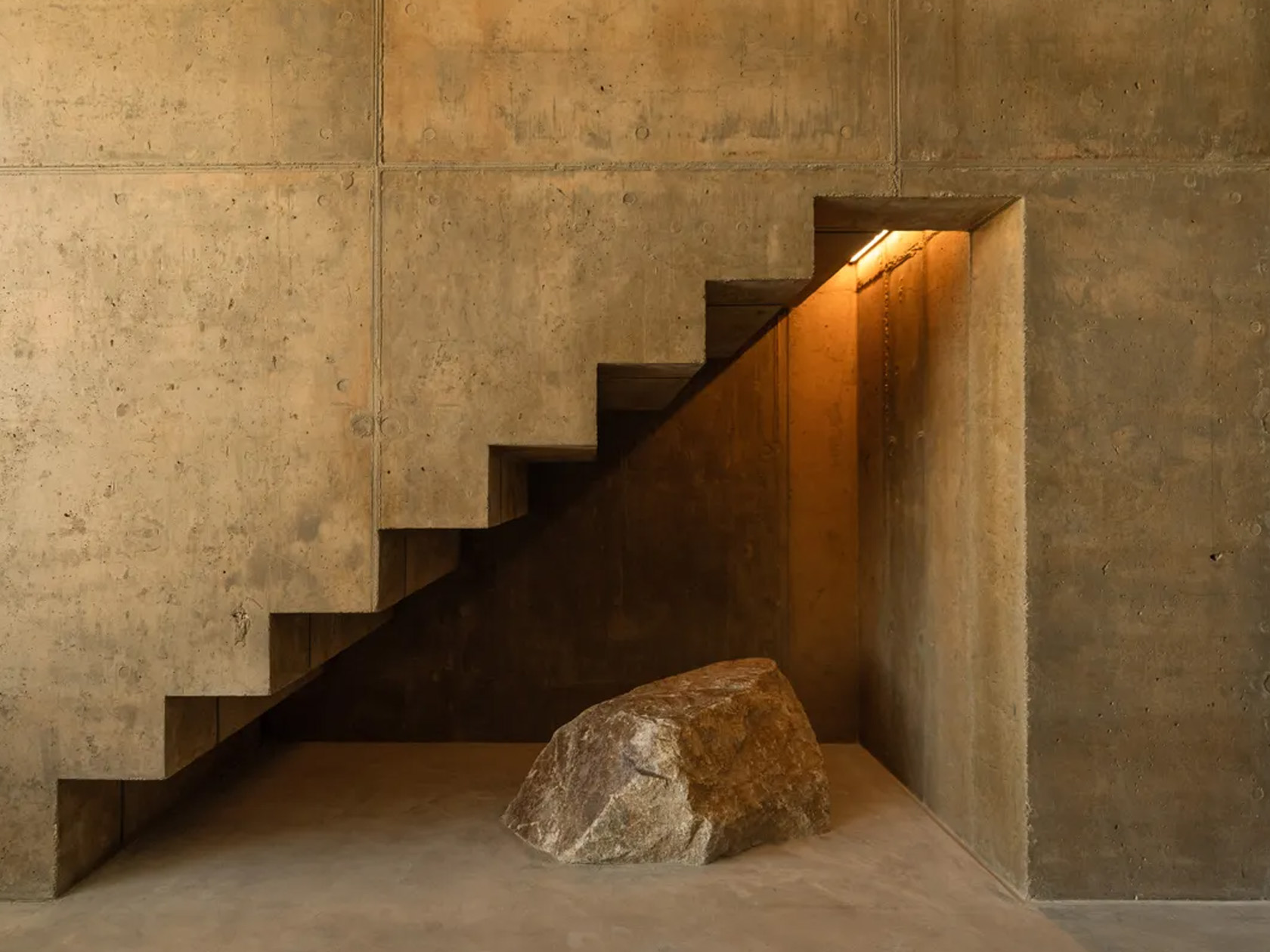
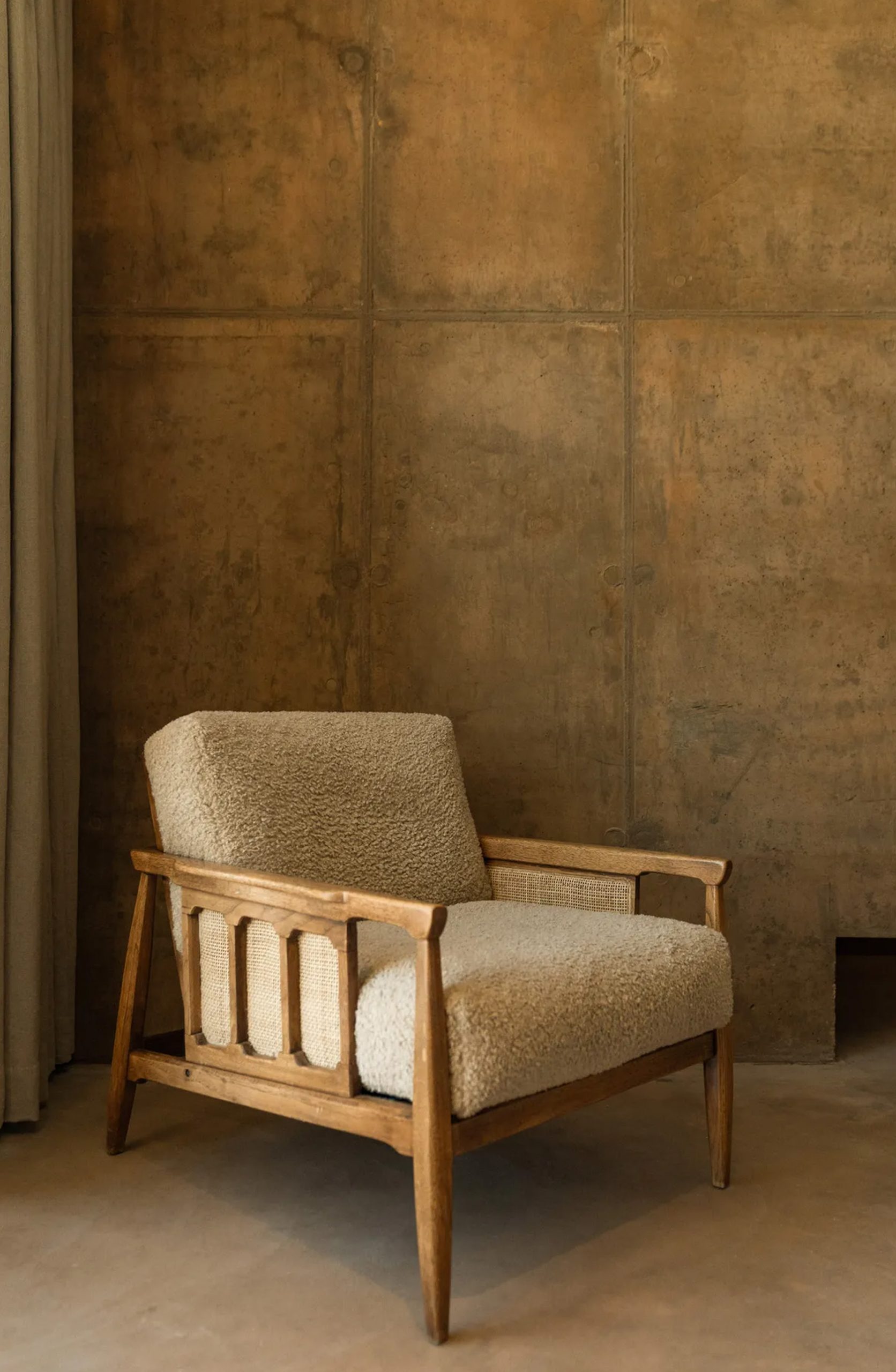
The other two suites are the Fire + Stone and Wind, and they’re designed to deliver a luxurious experience amped with stunning views through the massive windows. Each suite has a raw and rustic appeal to it, accentuated by blackened steel accents and concrete shells. Wood was charred using the Japanese technique of shou sugi ban, and it adds a lovely texture to the buildings. The choice of materials incorporates a connection between humans and nature. Solar panels in the form of trees have been placed next to each suite, to encourage energy efficiency. “Folly Mojave strives to operate as a self-sufficient microgrid, with the sun reigning as the primary energy source – truly disconnecting from external utilities,” said Alqadi.

The property also includes another outdoor structure – the Mara Pavilion. This pavilion is inspired by the Oasis of Mara, which is one of the five palm oases in Joshua Tree National Park. This building is intended for self-care and wellness activities, and it will host movie nights, sound baths, yoga classes, and other intimate gatherings. The pavilion also includes a sauna, cold plunge pool, heated pool, and steam room. Therapists will also offer myriad spa treatments from a specially curated menu.

The post This Off-Grid Desert Retreat Is Eco-Conscious & The Perfect Secluded Escape first appeared on Yanko Design.

NBA TV rights go to ESPN, NBC and Amazon as TNT is rejected

The NBA and WNBA have inked deals for where games will be aired and streamed for the next eleven years. The NBA deals run from the 2025-2026 season through the 2035-2036 season. For the WNBA, the agreement covers the 2026 through 2036 seasons.

Pro basketball has been an ESPN mainstay for years and that will continue, with the Disney-owned network remaining the primary media rights owner for both leagues. ESPN will be the exclusive home for the NBA finals for all eleven years of the new deal, as well as five out of the eleven years of the WNBA finals. The games covered by ESPN's deal will be part of the sports network's direct-to-consumer platform and a package of NBA and WNBA games will also be made available to stream on Disney+ in select international markets.

While the bulk of the games will go to ESPN, basketball is going to have more of a streaming presence thanks to two new partnerships. NBC and Peacock will have access to 100 NBA national games during each regular season. About 50 games will be exclusive to the Peacock streaming platform, including national Monday night games and doubleheaders. The rest of the games go to Amazon. Prime Video will be the home for 66 regular-season NBA games and 30 regular-season WNBA games each year of the deal.

Regular basketball viewers may notice that TNT Sports is not part of this lineup. The NBA's deal with that network does not appear to be getting an extension after next year, with those games mostly going to Amazon. But the situation may yet go into overtime. TNT Sports claims that it matched Amazon's offer for the games and seems to be challenging whether the NBA can switch partners. NBA's statement counters that the offer from parent company Warner Bros. Discovery did not match Amazon's, leaving them free to shop elsewhere.

The long-awaited agreements for both basketball leagues aren't a complete slam dunk for fans. On the positive side, the next decade marks a notable shift toward streaming. After so long with the sport closely tied to broadcast shows, having access as part of your existing streaming plans is great. But on the negative side, multiple media partners mean that you'll have to double- and triple-check where to watch each game. Major League Baseball, for instance, has games scattered across ESPN, Fox, Apple TV+, TNT Sports, and MLB Network on any given night.

This article originally appeared on Engadget at https://www.engadget.com/nba-tv-rights-go-to-espn-nbc-and-amazon-as-tnt-is-rejected-230811550.html?src=rss

Korean Air’s 787 Dreamliner: Modern Luxury Meets Traditional Korean Design

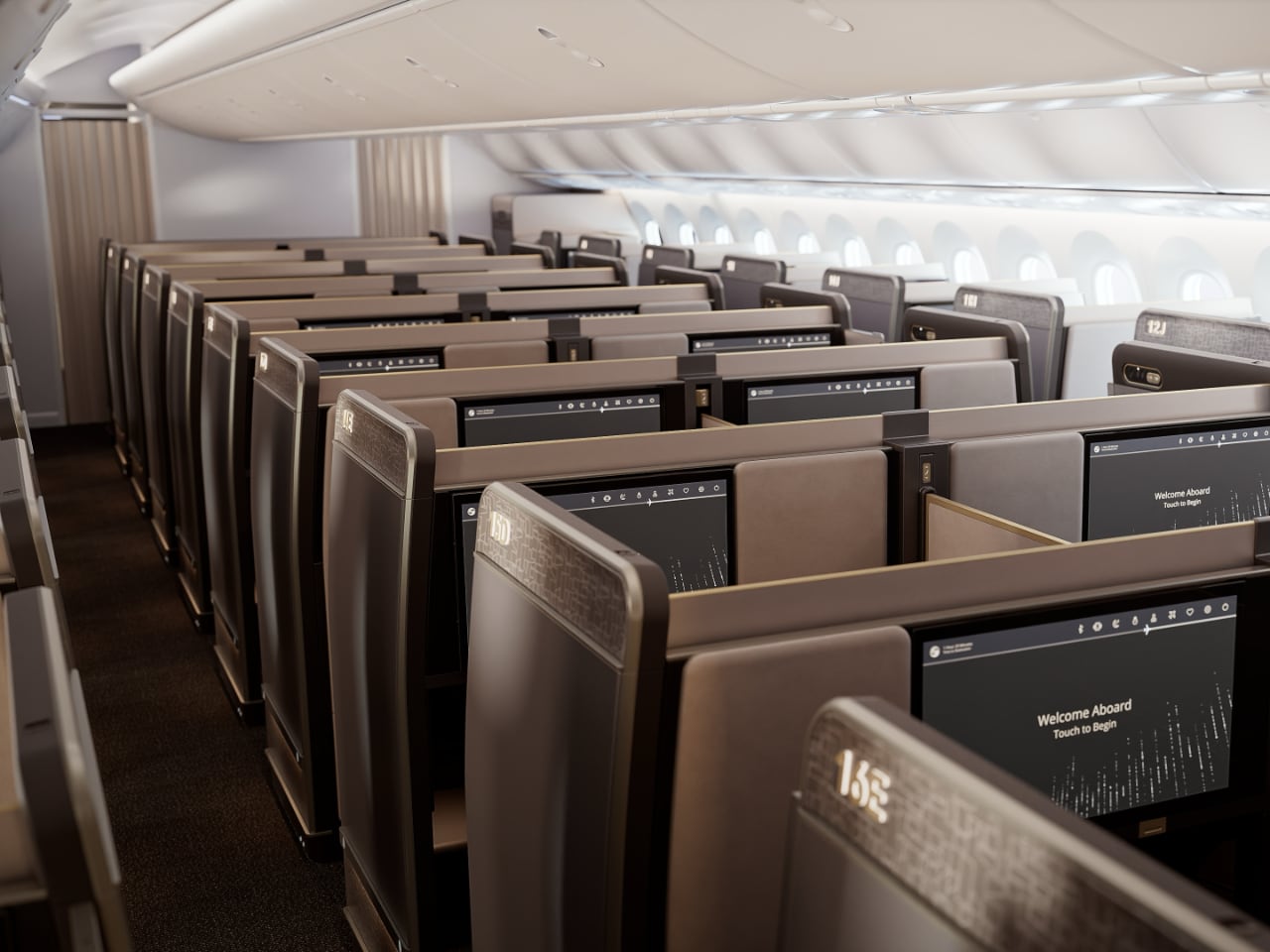
PriestmanGoode’s collaboration with Korean Air has led to a remarkable transformation of the cabin interiors for the airline’s 787-9 and 787-10 aircraft, seamlessly blending traditional Korean aesthetics with modern luxury. The project, initiated in 2018, brings a sophisticated, contemporary vision that honors Korean heritage while ensuring passenger comfort and modernity.

Designer: PriestmanGoode

Korean Air Business Class

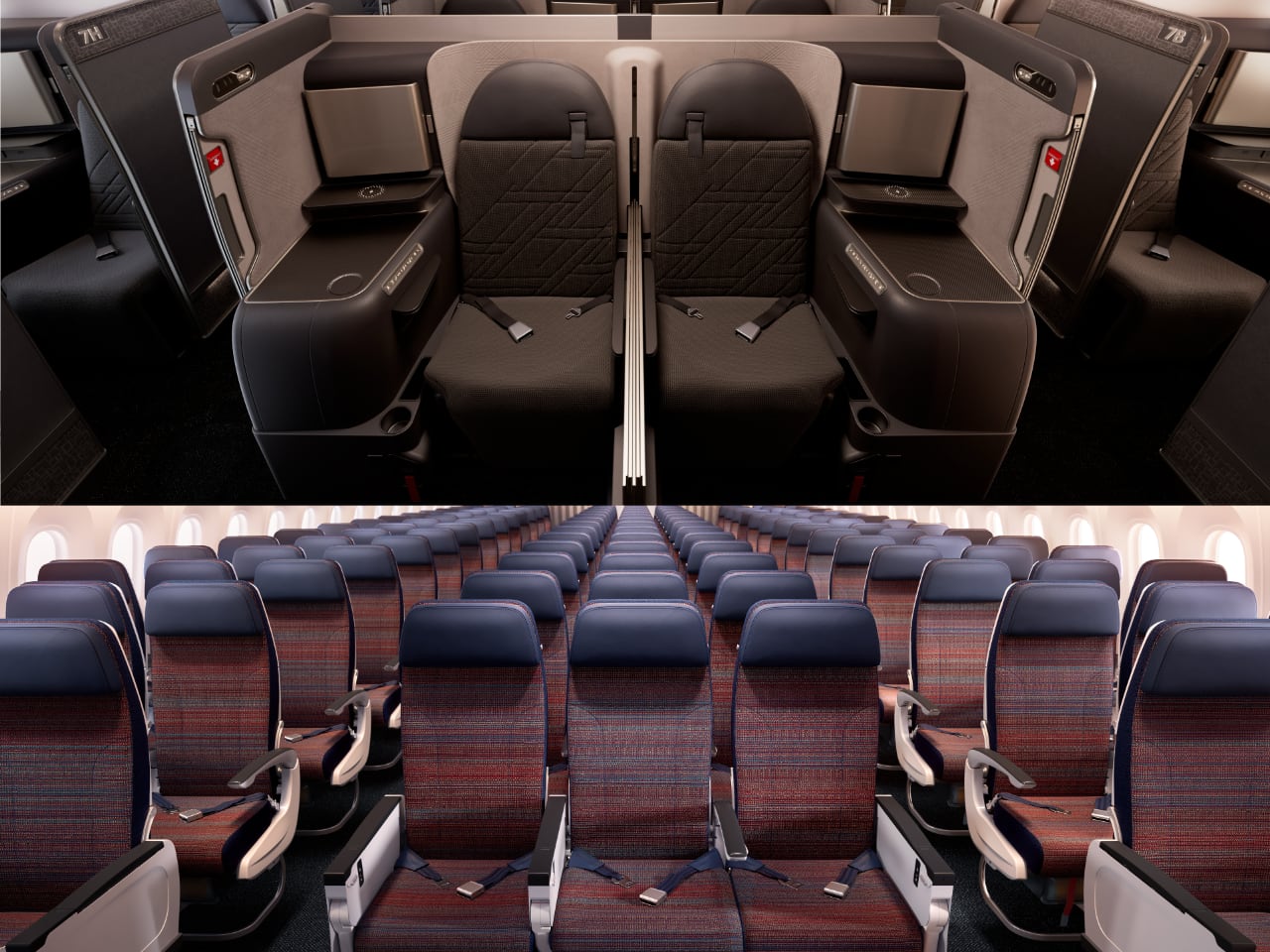
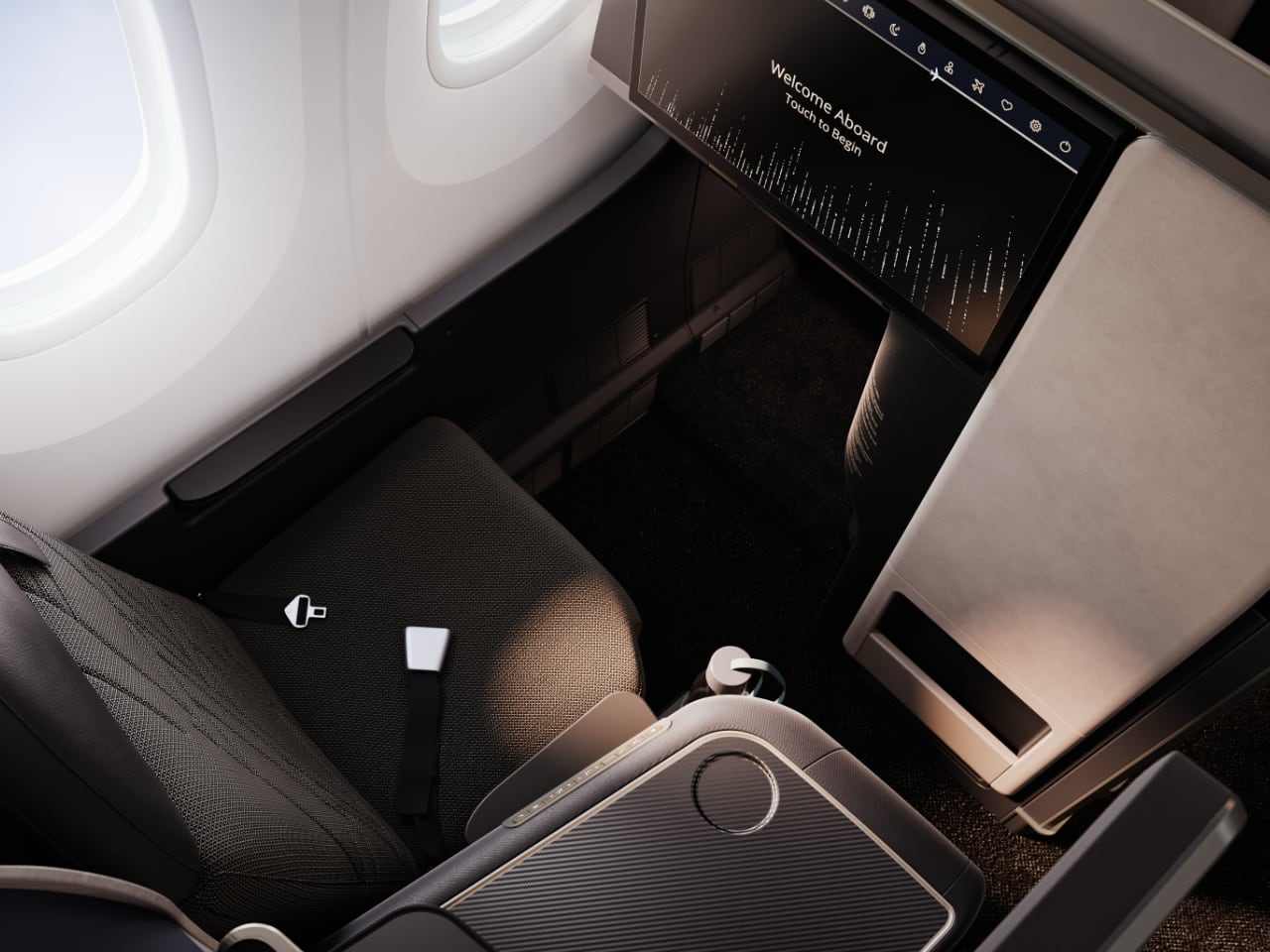
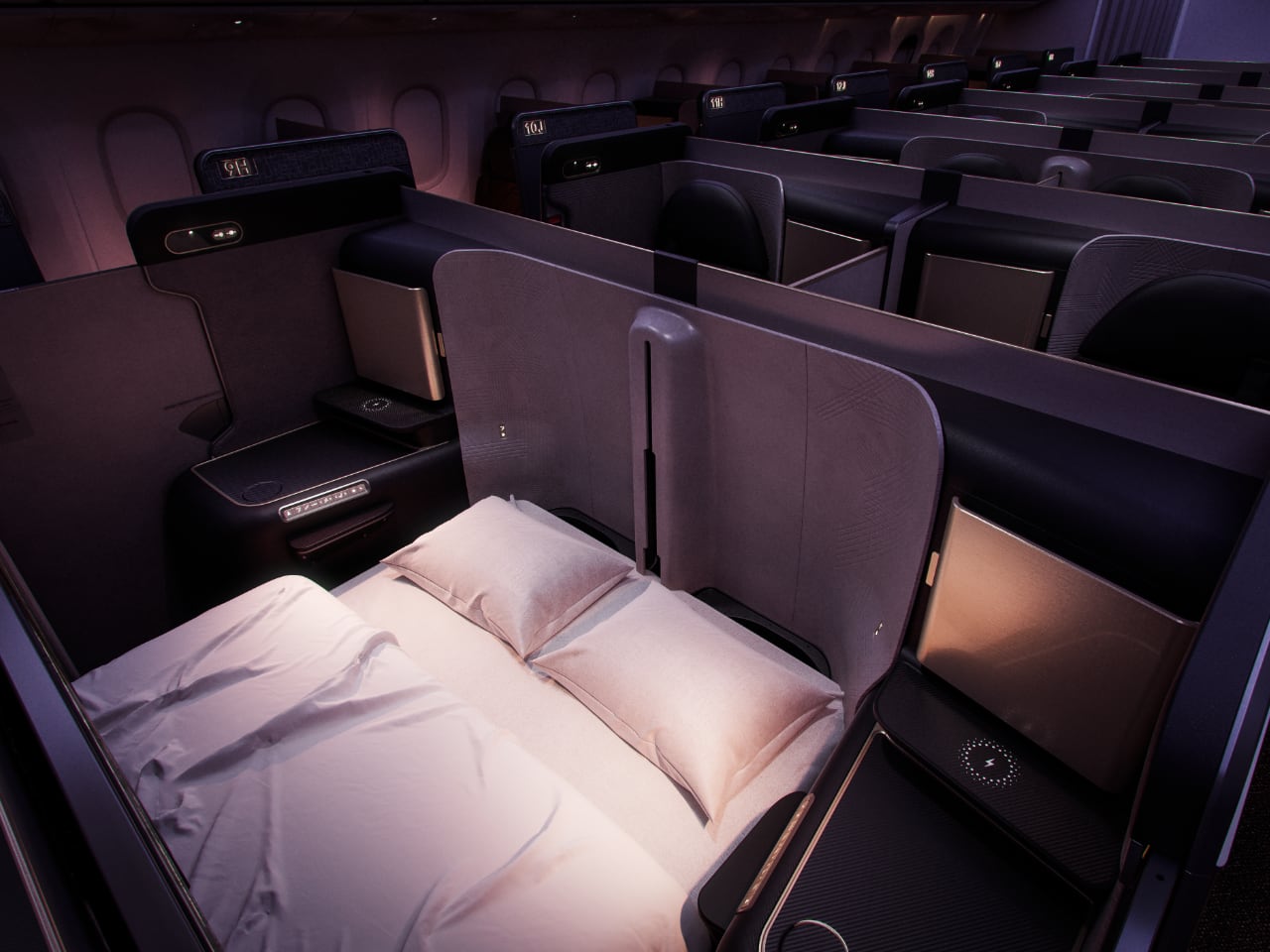
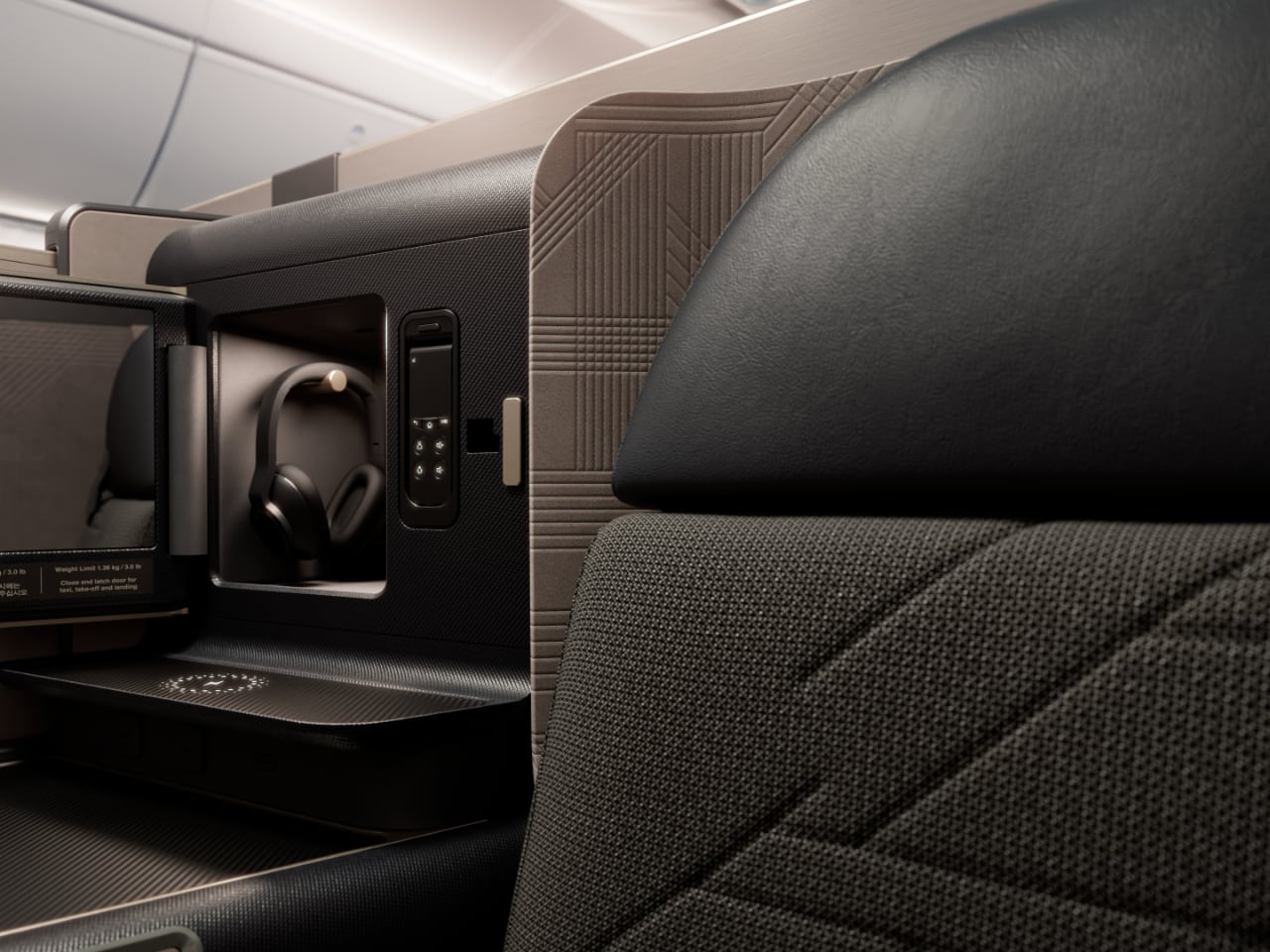
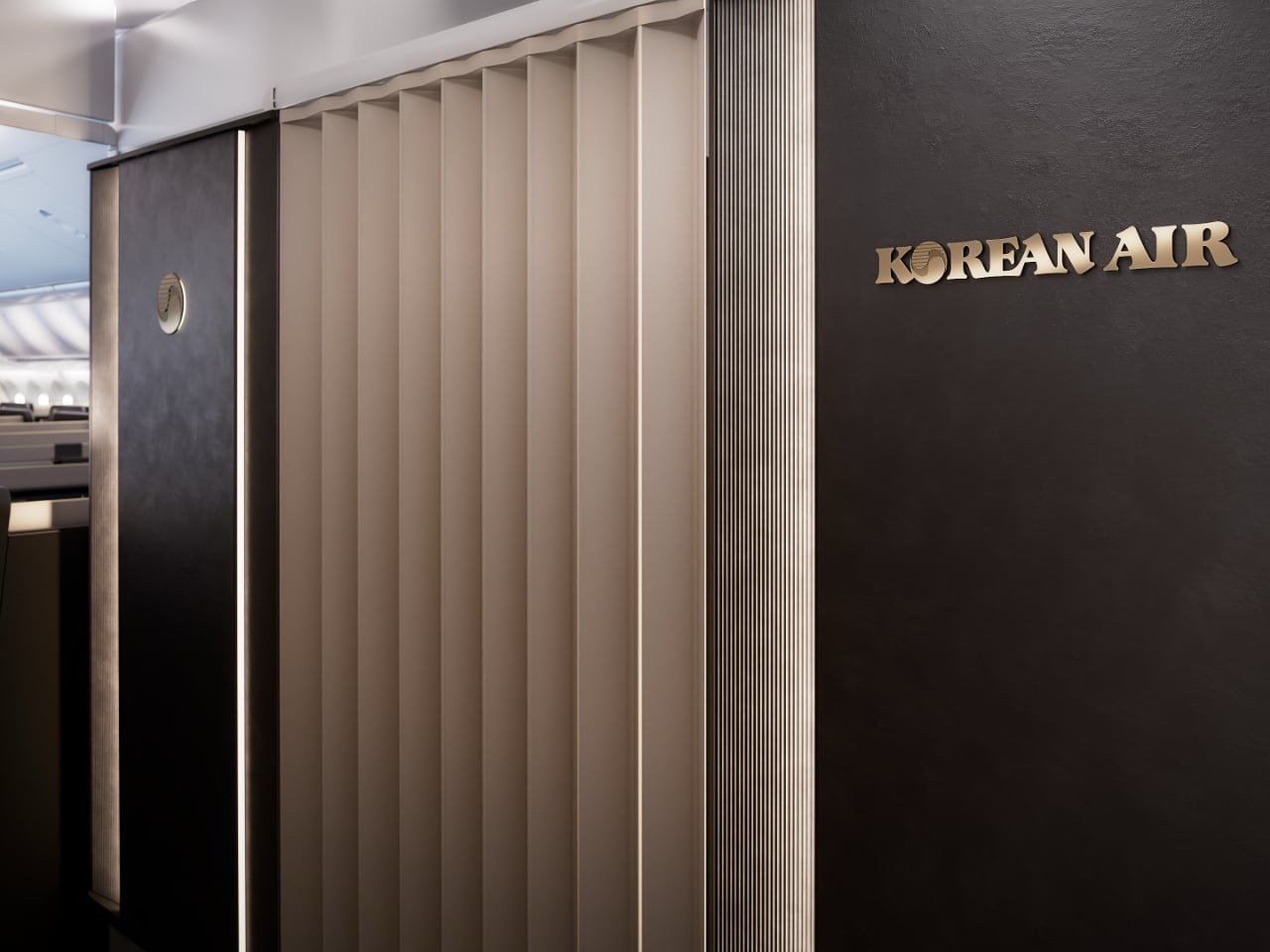
The business class cabin features bespoke Collins Horizon Business Class seats with high privacy walls, 24-inch monitors, Bluetooth headphones, USB-C ports, and a full drop-down screen between seats. These features cater to modern travelers’ needs for privacy, connectivity, and convenience. The seats convert into double beds in the middle section, enhancing comfort for long-haul flights.

Korean Air Business Class – Middle section converts into bed

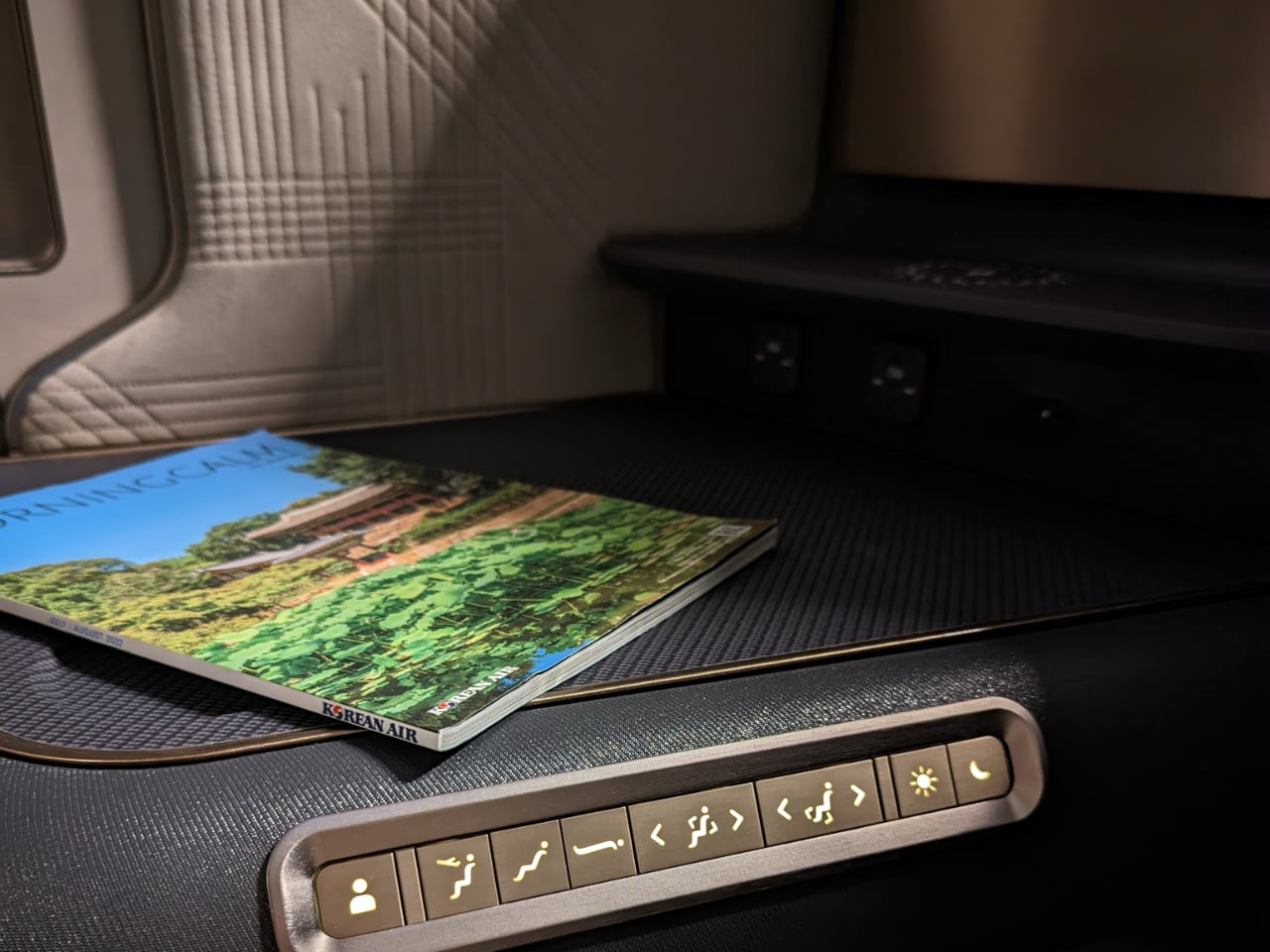
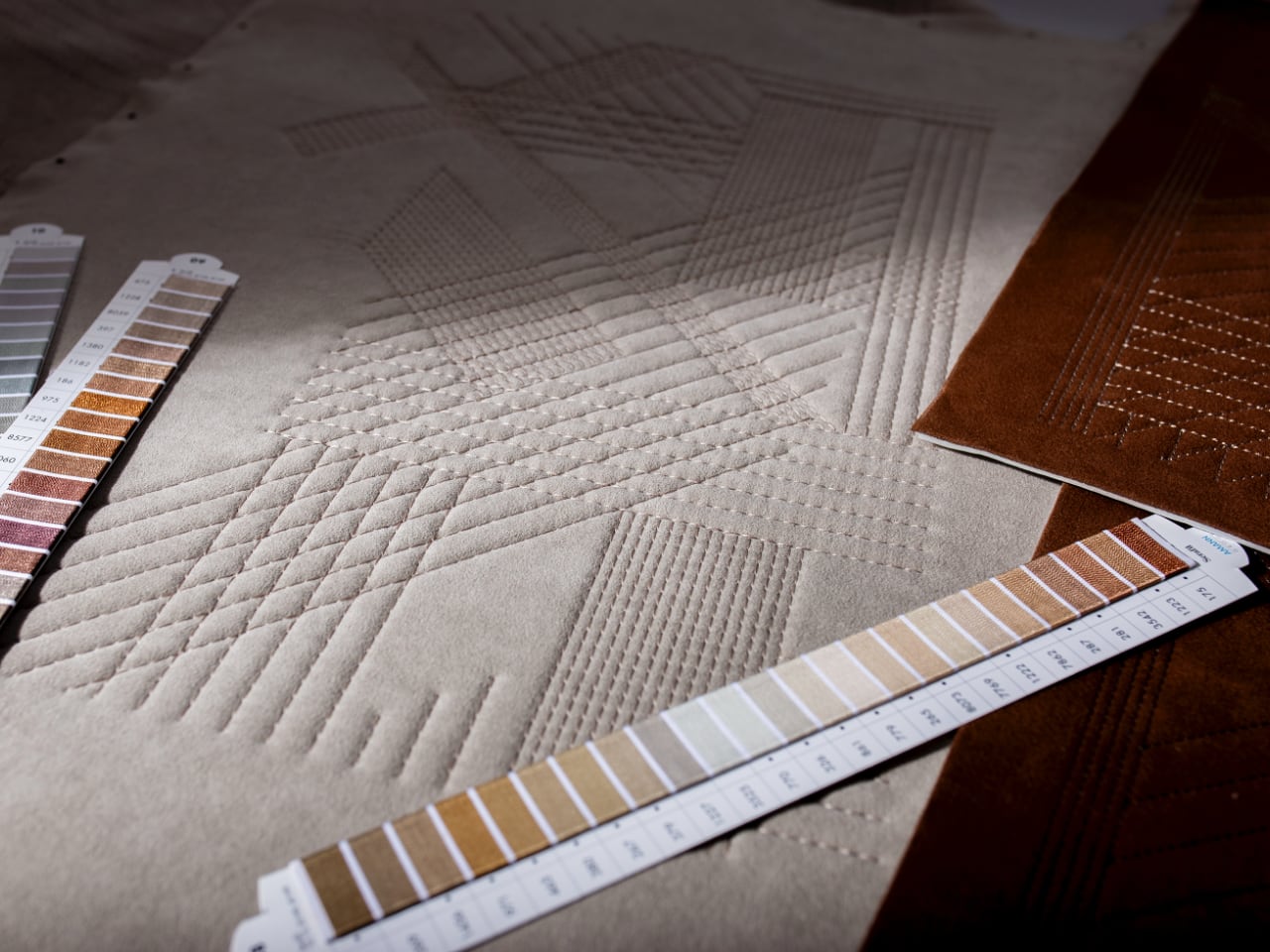
Rich textures brushed finishes, and intricate patterns inspired by traditional Korean textile art add a luxurious and unique cultural layer to the design. Patterns like Jogakbo patchwork and linear dynamic structures provide depth and character, ensuring a cohesive design language.

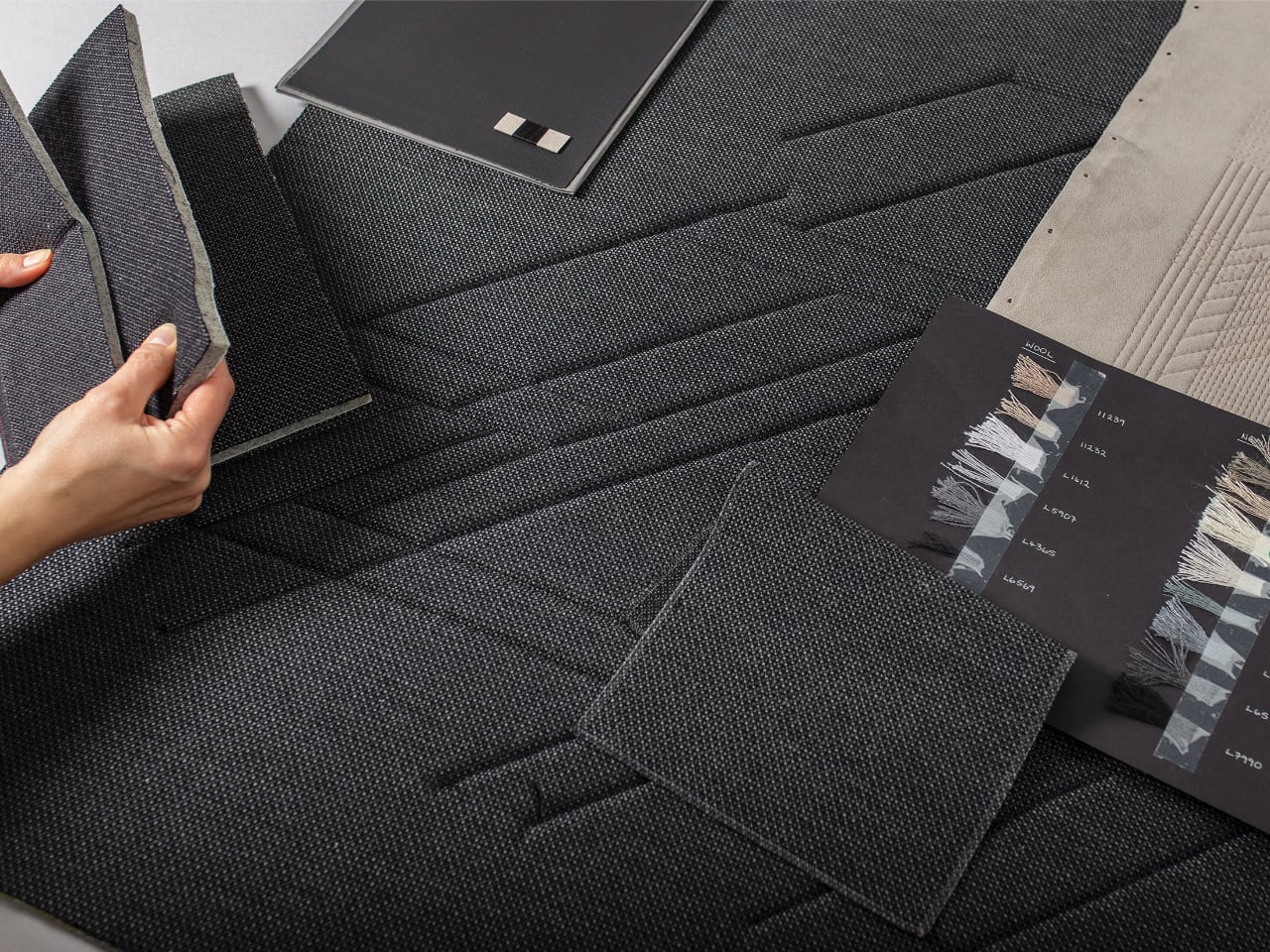
Luxury materials, such as rich, dark tones combined with soft, tactile fabrics, create a sense of sophistication and comfort. Detailed stitching and fabric choices reflect traditional Korean art, while brushed metal finishes and high-quality plastics ensure a premium feel and durability. The cabin layout maximizes privacy and personal space, catering to solo travelers and pairs, enhancing the overall passenger experience, and underscoring the focus on providing a state-of-the-art experience.

The economy class reflects a thoughtful integration of cultural and contemporary elements. The seats are upholstered in vibrant fabrics inspired by Hanbok saekdong, showcasing Korea’s cultural diversity. The color palette in economy class blends dark and light neutrals with bursts of color, creating a visually pleasing and comfortable environment. The ergonomic design ensures passenger comfort, while the aesthetic choices provide a cohesive and elegant look.

Korean Air Economy Class

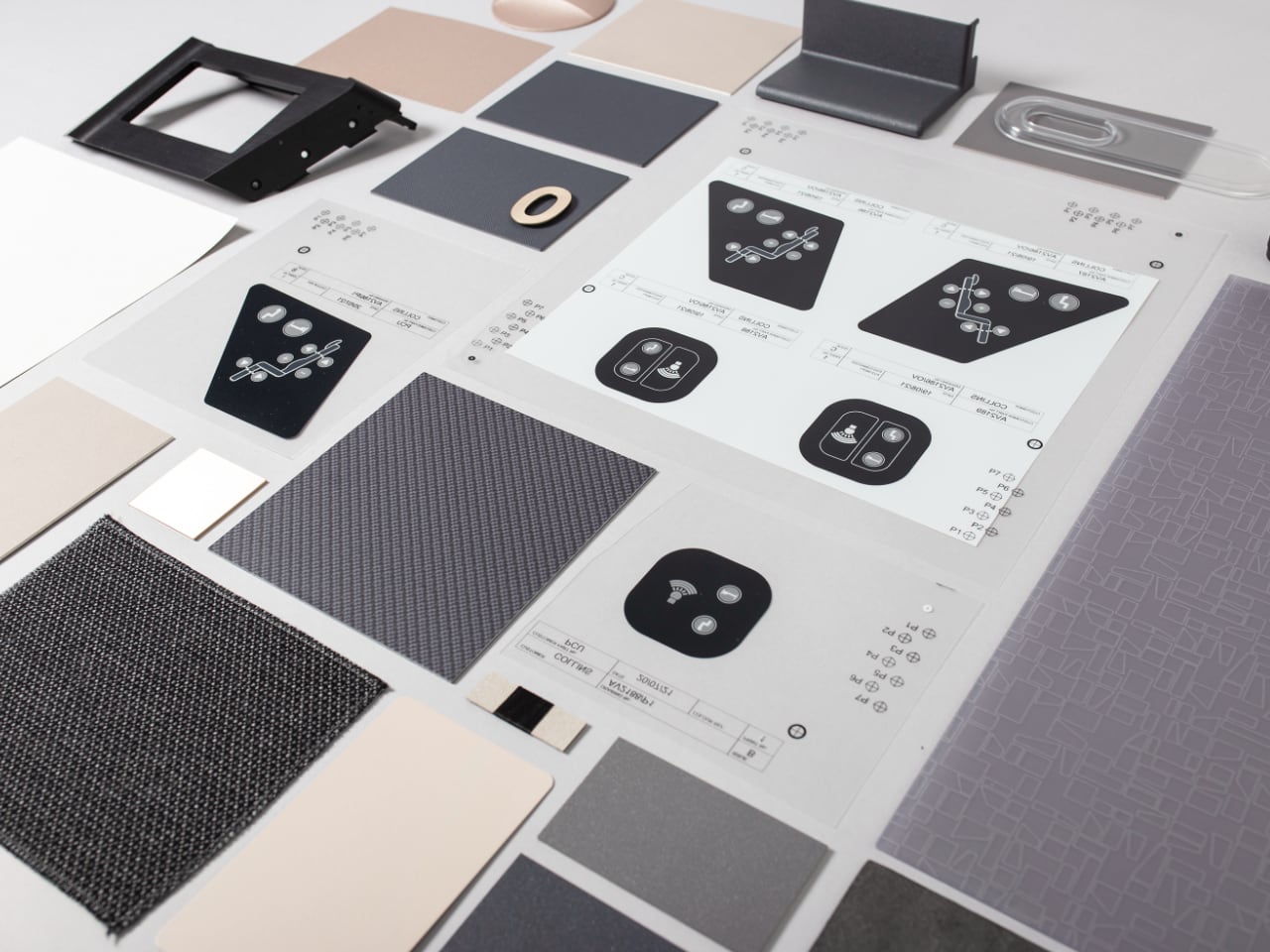
The design process involved meticulous selection of materials and patterns. Each element, from geometric patterns inspired by Jogakbo patchwork to linear dynamic structures, has been thoughtfully integrated to enhance the passenger experience. High-quality materials ensure durability, while the design is timeless, promising longevity and continued appeal. The pattern development and material selection reveal a rigorous process where traditional Korean motifs were reimagined in a modern context. Custom patterns and textures developed by PriestmanGoode’s Color, Material, and Finish team, including those inspired by Jogakbo and Hanbok, are seamlessly incorporated into the cabin’s interiors.

Luxury materials and textures are evident throughout the cabins. Rich, dark tones combined with soft, tactile fabrics create a sense of sophistication and comfort in business class, while vibrant, multicolored fabrics bring a lively yet refined ambiance to economy class. The cabin lighting complements the color scheme, creating a warm and inviting atmosphere. The overall layout ensures easy movement and accessibility, with thoughtful placement of seats and aisles.

Each swatch of fabric, every thread, and the choice of colors reflect a deep respect for Korean heritage and a commitment to quality. The collaboration between PriestmanGoode’s design team and Korean Air has resulted in cabin interiors that are visually stunning and functionally superior. Attention to detail in every design aspect ensures passengers have a comfortable and luxurious experience.

PriestmanGoode’s use of materials draws inspiration from luxury automotive and domestic settings, ensuring both durability and elegance. The layering of rich textures, brushed finishes, and pressed fabric patterns creates a sophisticated and timeless atmosphere in the cabins. The meticulous attention to detail in business and economy class underscores the consultancy’s ability to innovate while respecting cultural nuances.

Overall, the redesigned cabins demonstrate Korean Air’s commitment to providing a high-quality passenger experience. The new interiors promise longevity and continued appeal with a design that honors tradition while embracing modernity. This project by PriestmanGoode highlights the importance of blending cultural heritage with contemporary design principles, creating a luxurious and culturally resonant flying experience for Korean Air passengers. The result is a cabin interior that is both functional and beautiful, offering a unique and memorable experience for all who fly with Korean Air.

The post Korean Air’s 787 Dreamliner: Modern Luxury Meets Traditional Korean Design first appeared on Yanko Design.
World of Warcraft workers unlock ‘form a union’ achievement

World of Warcraft (WoW) artists, designers, engineers, producers, quality assurance (QA) testers and other game developers have unionized. The staff of more than 500 workers voted to unionize the Blizzard Entertainment studio with the Communications Workers of America (CWA) creating the World of Warcraft Gamemakers Guild, according to an X post from the union’s official account.

The Blizzard studio is the latest major game studio to form a union during uncertain times of layoffs and studio closures across the gaming industry. Bethesda Game Studios, the studio behind the Fallout and Elder Scrolls franchises, formed its union with the help of CWA last weekend that includes 241 workers.

“What we’ve accomplished at World of Warcraft is just the beginning,” said Eric Lanham, a test analyst and Wow Gamemakers Guild member, in a statement released by the CWA. “My colleagues and I are embarking on a quest to secure better pay, benefits, and job security through a strong union contract. We know that when workers have a protected voice, it’s a win-win for employee standards, the studio, and World of Warcraft fans looking for the best gaming experience.”

The World of Warcraft Gamemakers Guild is the largest wall-to-wall union currently under Microsoft’s umbrella. Activision unionized around 600 QA workers with the CWA in March. ZeniMax Studios also voted to unionize around 300 staffers back in January.

Microsoft also made an agreement with Activision Blizzard two years ago to respect the right of its workers to form a union. The agreement was part of Microsoft’s deal to takeover Activision Blizzard.

The CWA cites the start of the WoW Gamemakers Guild formation to a protest conducted by Activision Blizzard workers in 2021. The crew staged a walkout at its Irvine, California headquarters over a lawsuit filed by the state’s Civil Rights Department (CRD) alleging the company was a “breeding ground for harassment and discrimination against women.” The CRD later withdrew all allegations of systemic sexual harassment, and Activision Blizzard reached a settlement of $54.8 million relating to pay and promotion disparities. The WoW studio also agreed to remove “references that are not appropriate for [its] world” from the game.

“What seemed impossible six years ago is now a reality, and this is just the beginning,” said CWA’s Senior Director of Organizing Tom Smith in a written statement. “Together, workers are redefining their industry.”

This article originally appeared on Engadget at https://www.engadget.com/world-of-warcraft-workers-unlock-form-a-union-achievement-220148151.html?src=rss

Respawn is walking back its unpopular changes to the Apex Legends battle pass

Respawn Entertainment is bringing back the option to buy Apex Legends battle passes with in-game currency. "You've spoken, and we've listened," the company said. The developer drew player outrage and a sweep of review-bombing earlier this month after it announced a new approach to the game's reward system.

The original announcement was convoluted, but the gist of what frustrated the Apex community was that players would no longer be able to use in-game currency to access an upgraded version of the battle pass. People earn Apex Coins by playing, and under the original model, serious fans could easily earn enough over the course of one battle pass to pay for the next season's.

Today, Respawn said it would return the option to pay 950 Apex Coins (about $10) to unlock the Premium battle pass tier. And with 1,300 Apex Coins available at that tier, this segment of the battle pass experience has mostly reverted to the old model. Players will be able to unlock the premium version by completing some "simple in-game challenges" at the start of Season 22, Split 1 on August 6. After that, beginning on September 17 with the season's Split 2, the new/old model will take effect.

However, other parts of the original announcement are still in place. New battle passes will drop at the start and halfway point of a season. Apex Legends will have a free battle pass with minimal perks, the Premium version with more rewards and unlocked by in-game currency, an Ultimate version for $10 with all the Premium content and a handful of additional instant unlocks, and finally, an Ultimate+ version for $20 with two legendary skin variants and access to all of the game's playable heroes for that split.

Battle passes have become de rigueur for the games-as-a-service industry. It's proven to be one of the most successful options for generating the revenue to fund creating more content while still offering players value. But once an approach has been laid out, studios may have a hard time convincing players to adapt to changes. In fact, this isn't the first time the Apex Legends battle pass has been changed, then re-changed. But the trend toward game communities tanking review scores or directly harassing devs and creators to air their grievances at any changes means that the financial situation for many of these ongoing titles can still feel precarious.

This article originally appeared on Engadget at https://www.engadget.com/respawn-is-walking-back-its-unpopular-changes-to-the-apex-legends-battle-pass-215117879.html?src=rss

How NASA’s Starshade Design Inspired this Unique Origami Folding Umbrella

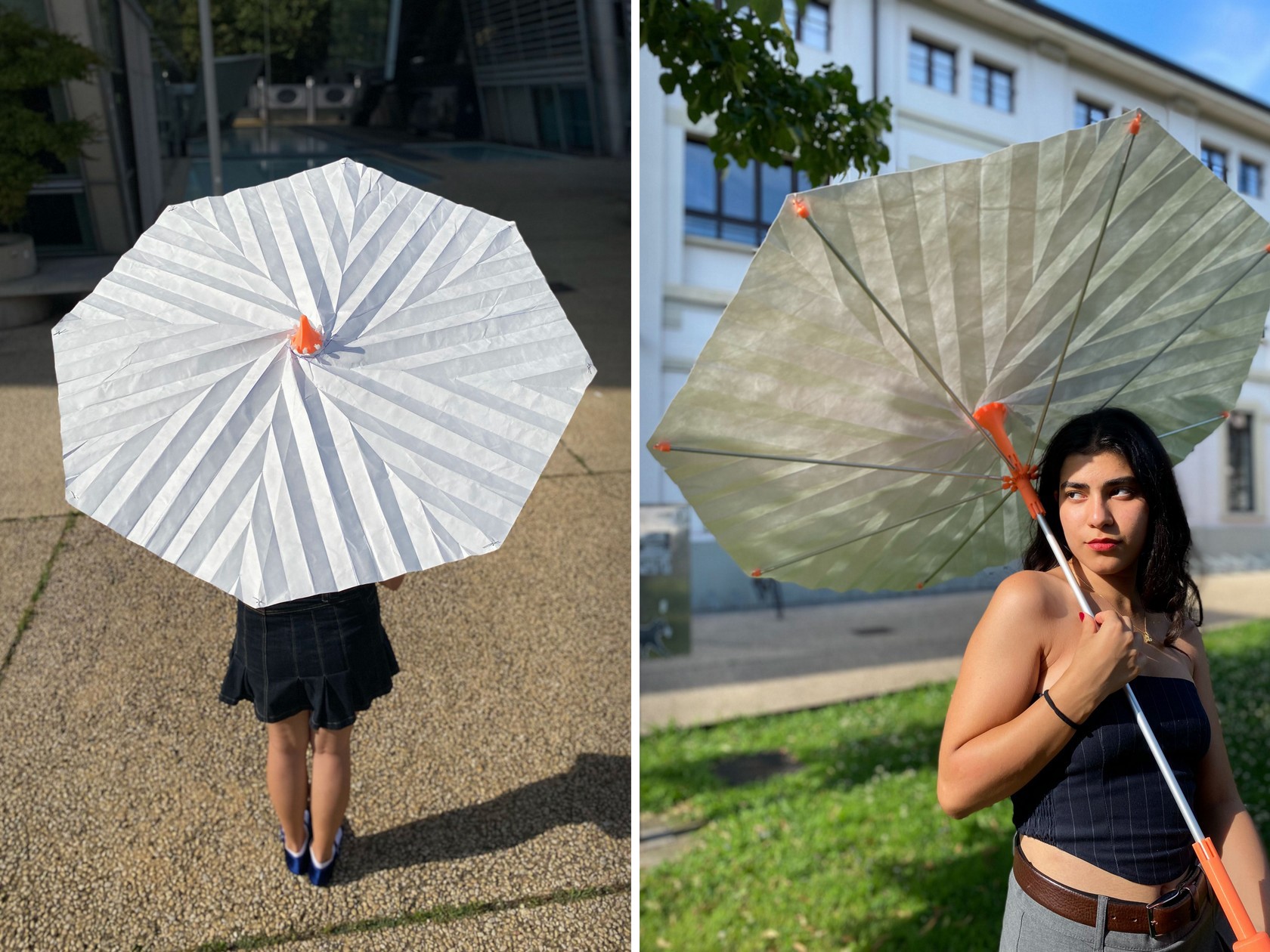
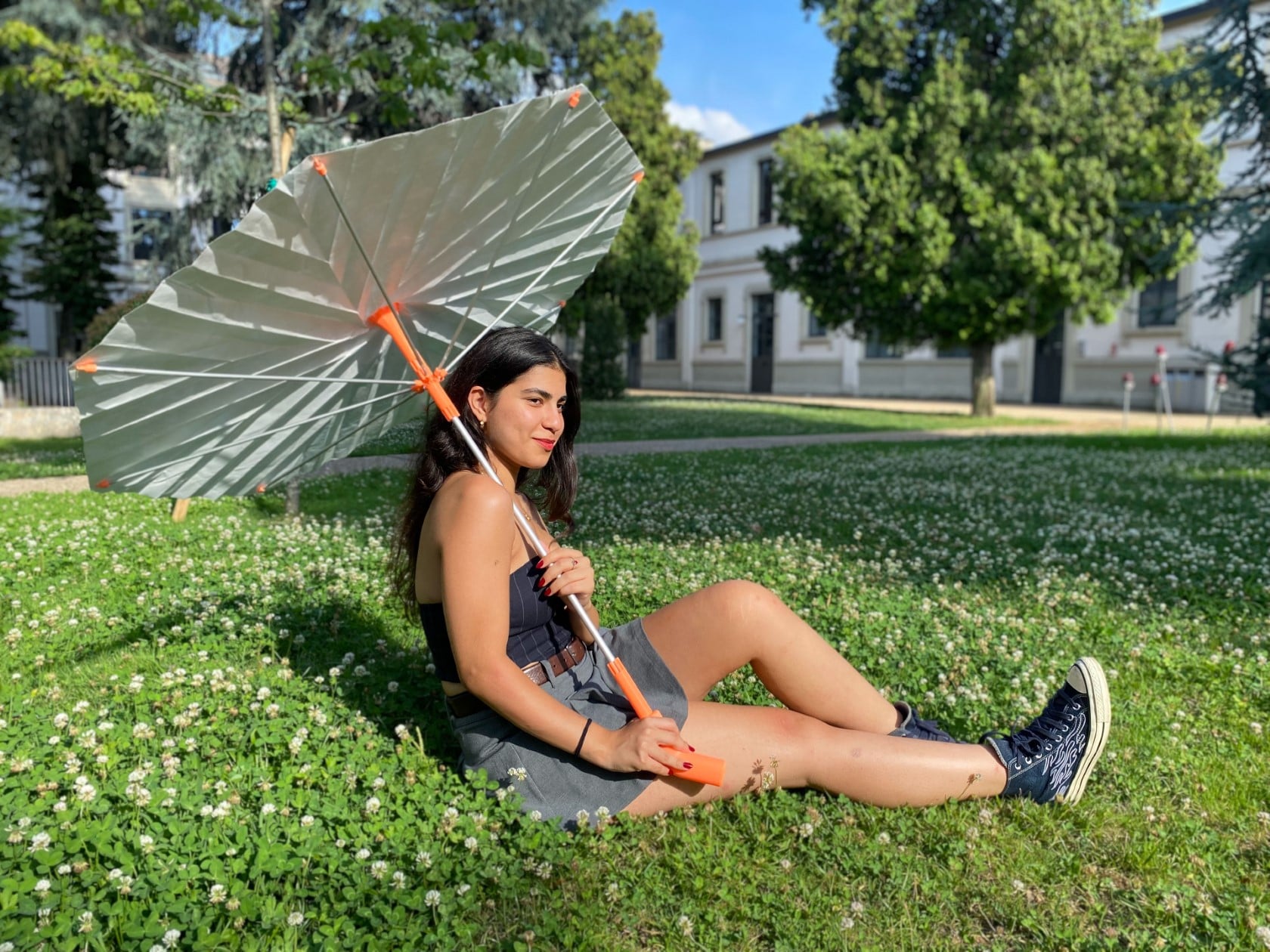
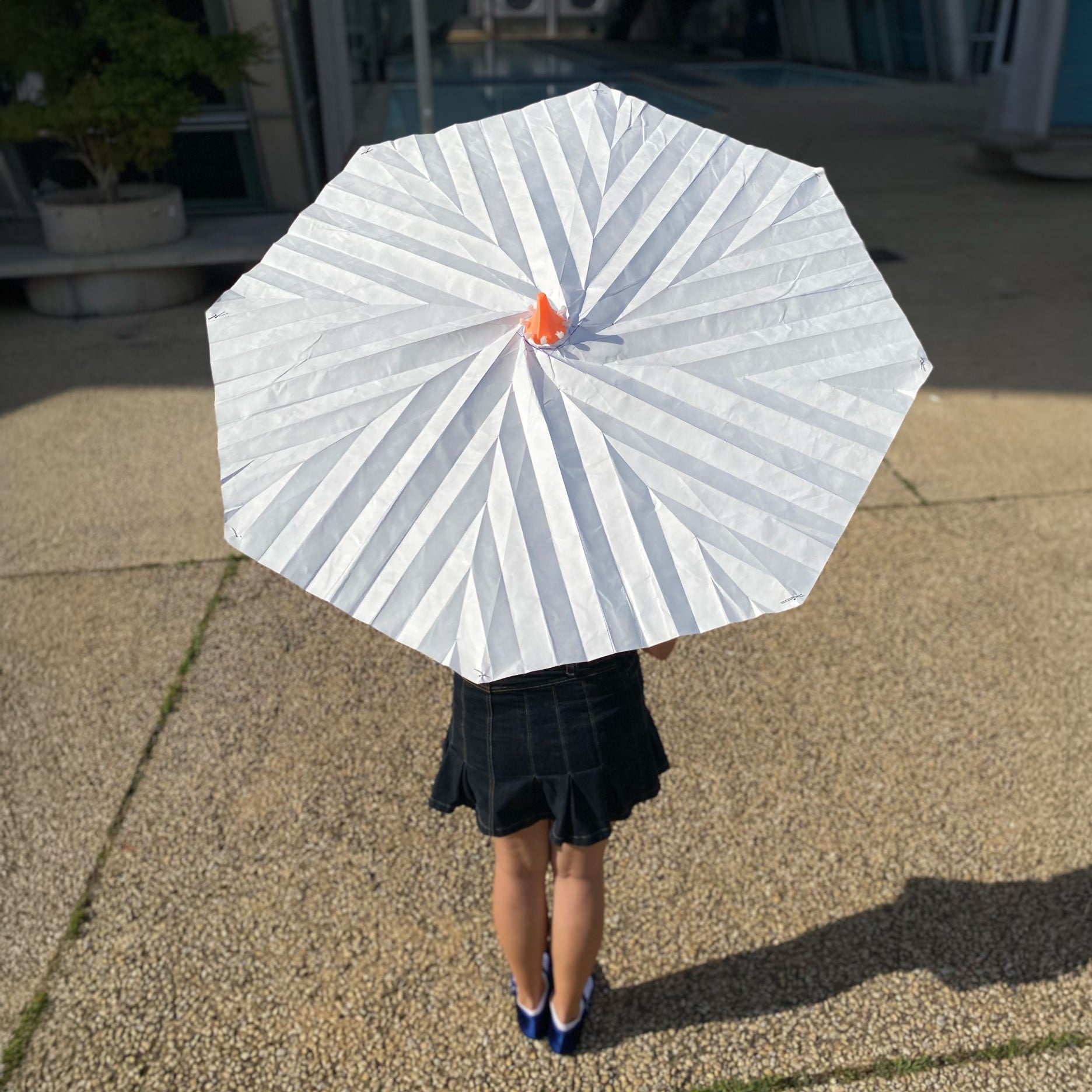
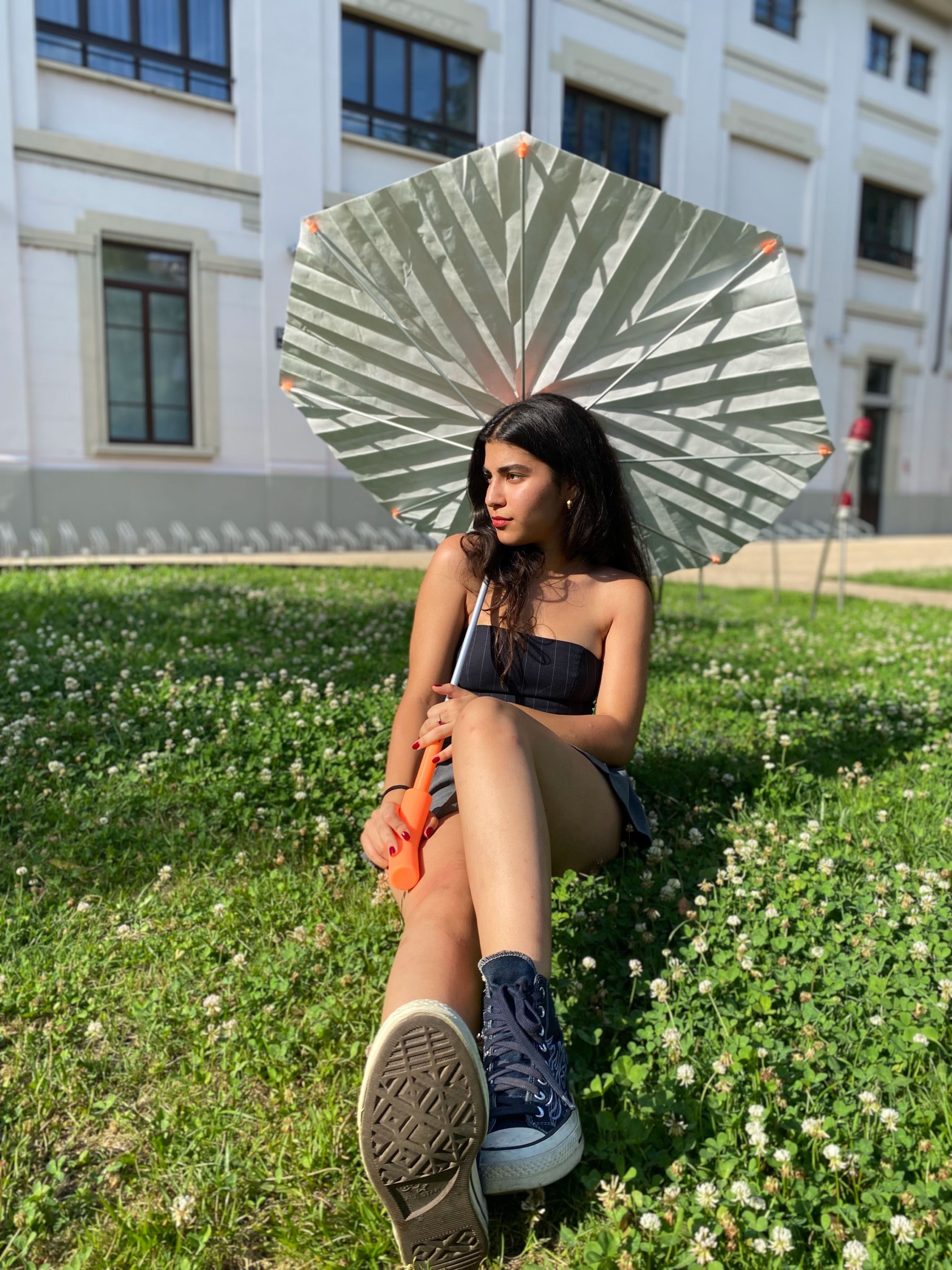
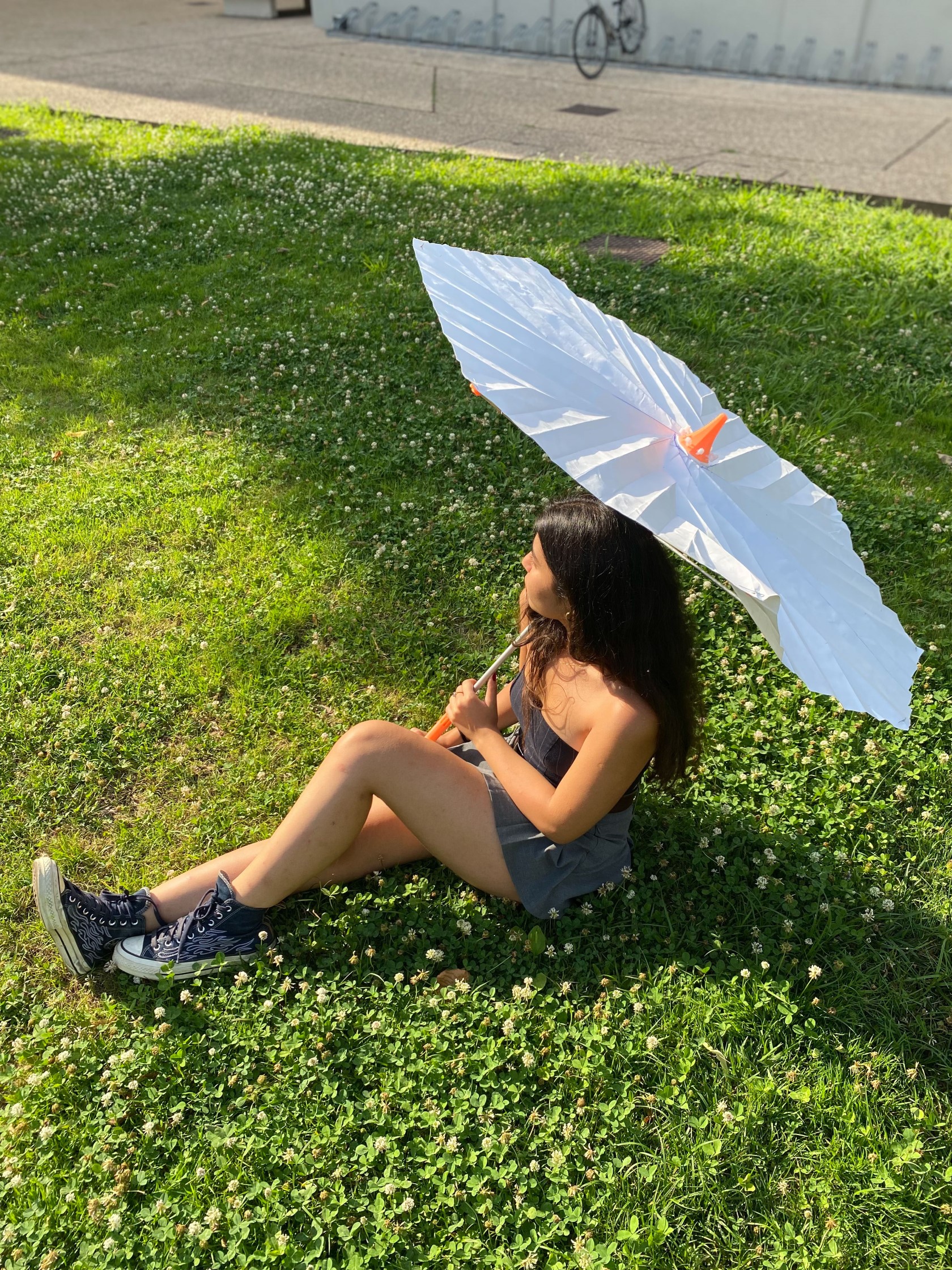
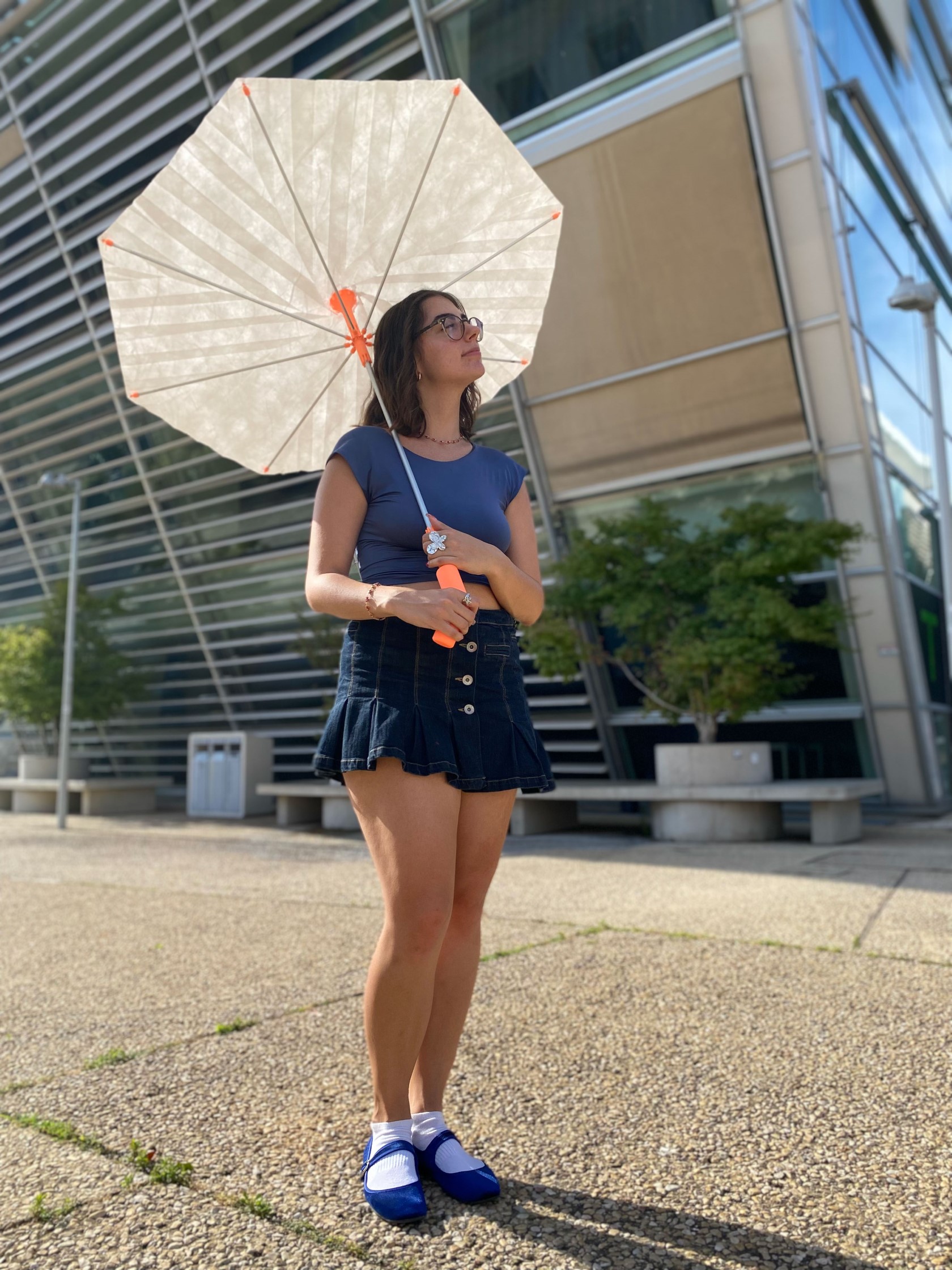
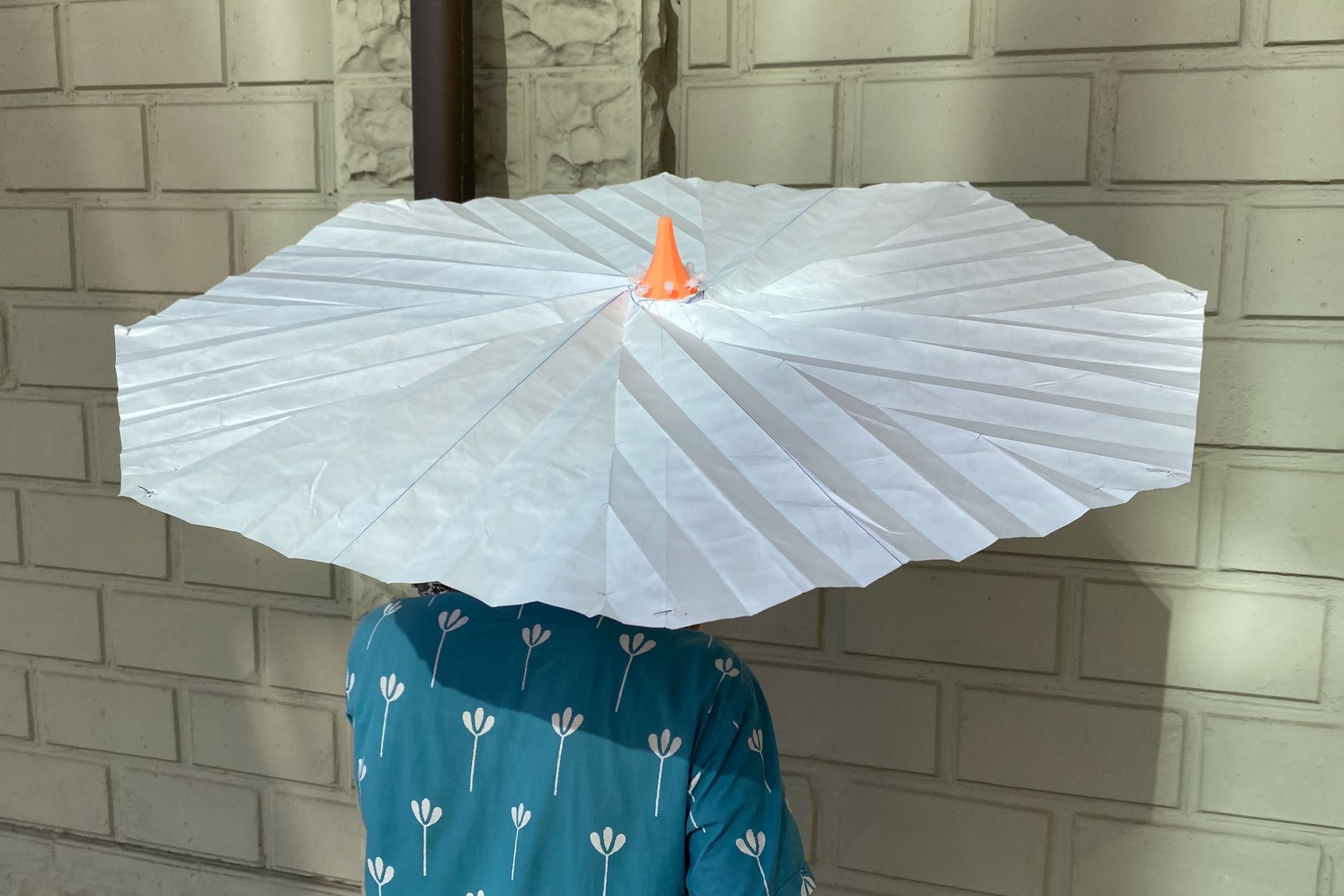
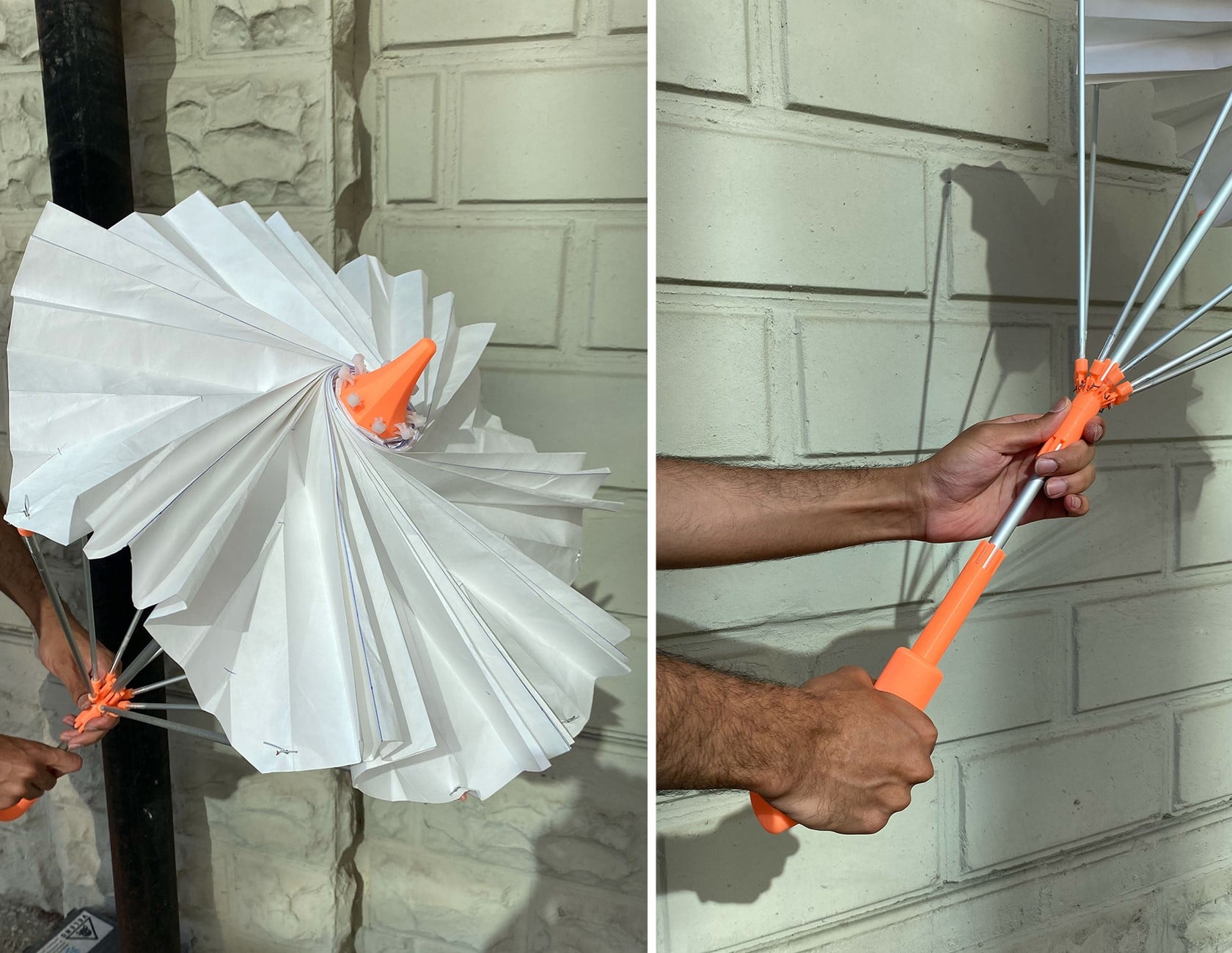
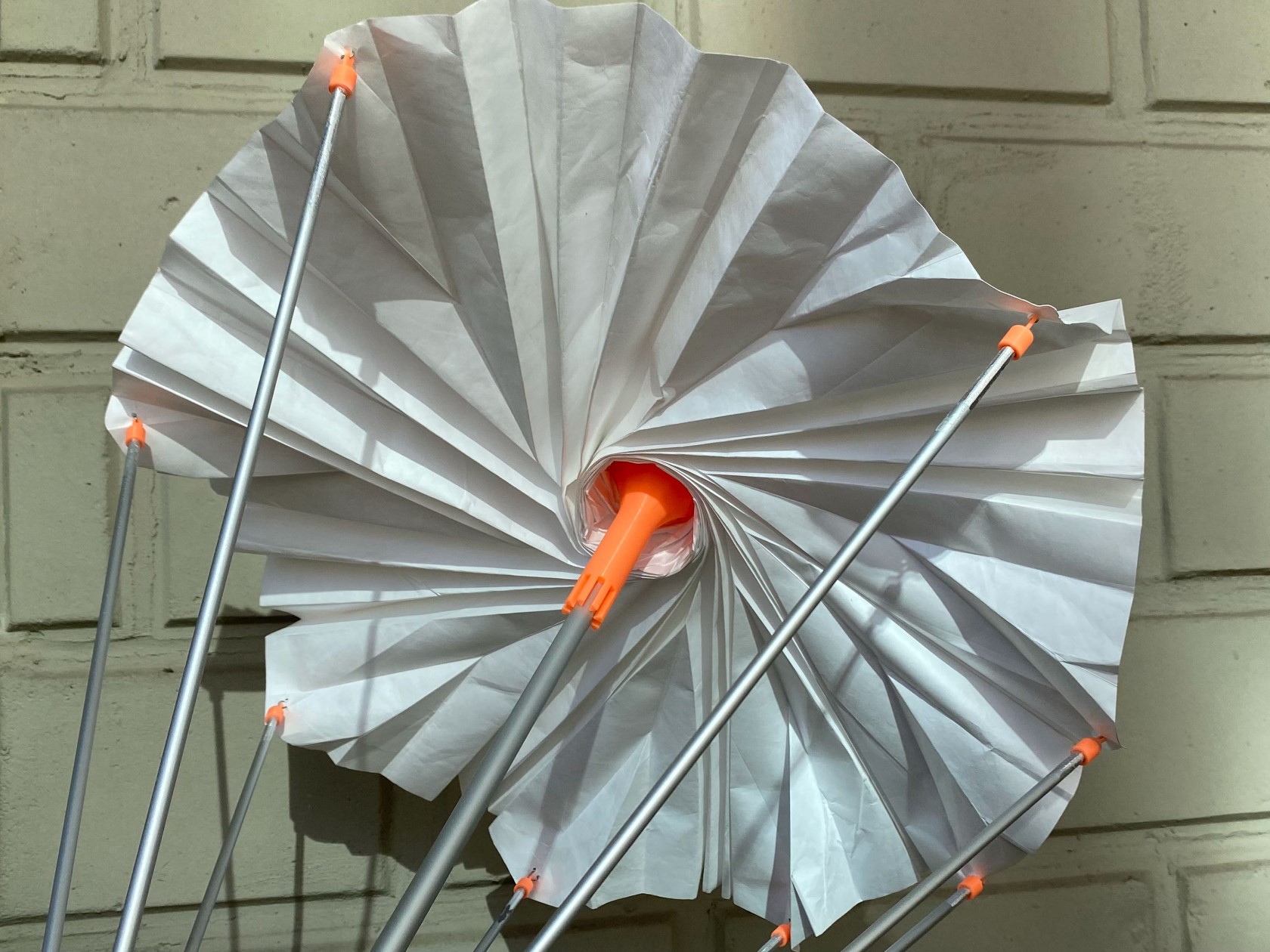
There’s a consensus in the common world that if something isn’t broken, you shouldn’t fix it – it’s a consensus that designers often reject because good design isn’t a goal, it’s a journey. The way current umbrellas open and close isn’t particularly faulty – but that didn’t stop designer Vinayan Ravikumar from taking things to the next level. Meet the Bloombrella, an umbrella that blooms open just like a flower. Relying on origami folding techniques, the Bloombrella borrows from a NASA experiment for unfolding foil shades/sails in space. The umbrella’s fabric starts as a folded cluster that opens outwards, becoming a perfect octagonal parasol that protects against sun and even rain.

Designer: Vinayan Ravikumar

Vinayan’s design borrows inspiration from the blooming of the dianthus flower. The flower bud practically unfurls in bloom, and is also the inspiration for NASA’s Starshade. Vinayan’s explorations led him down a similar path, relying on origami to mimic how the starshade opens outwards. The result, an umbrella like nothing you’ve seen before. Watching it open and close is nothing short of hypnotic, as the umbrella’s fabric creases and un-creases to take its closed or open shape. The creases are uniquely geometric too, resulting in an umbrella that doesn’t need any artwork or patterns to make it look attractive.

“The umbrella is an interesting object. As designers, we don’t notice or revere it the way we see chairs, cars, or lamps. Yet when caught in a sudden downpour, it becomes a lifesaver. An object of understated elegance and functionality, its form hasn’t changed much over the past hundred years,” says designer Vinayan Ravikumar. “Drawn to this fascinating contraption that has sheltered us for millennia, I felt it was the perfect canvas to explore tension in motion.”

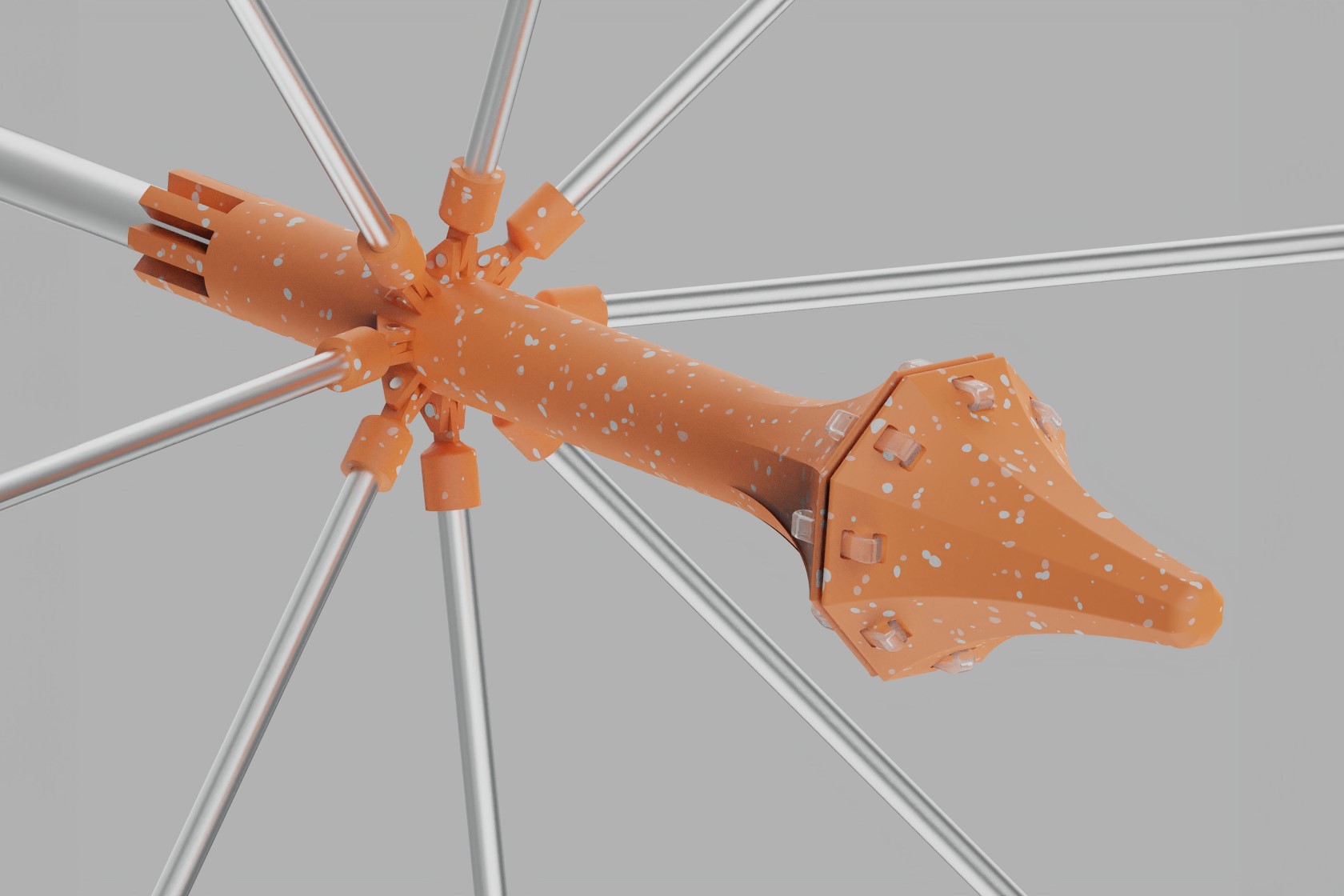
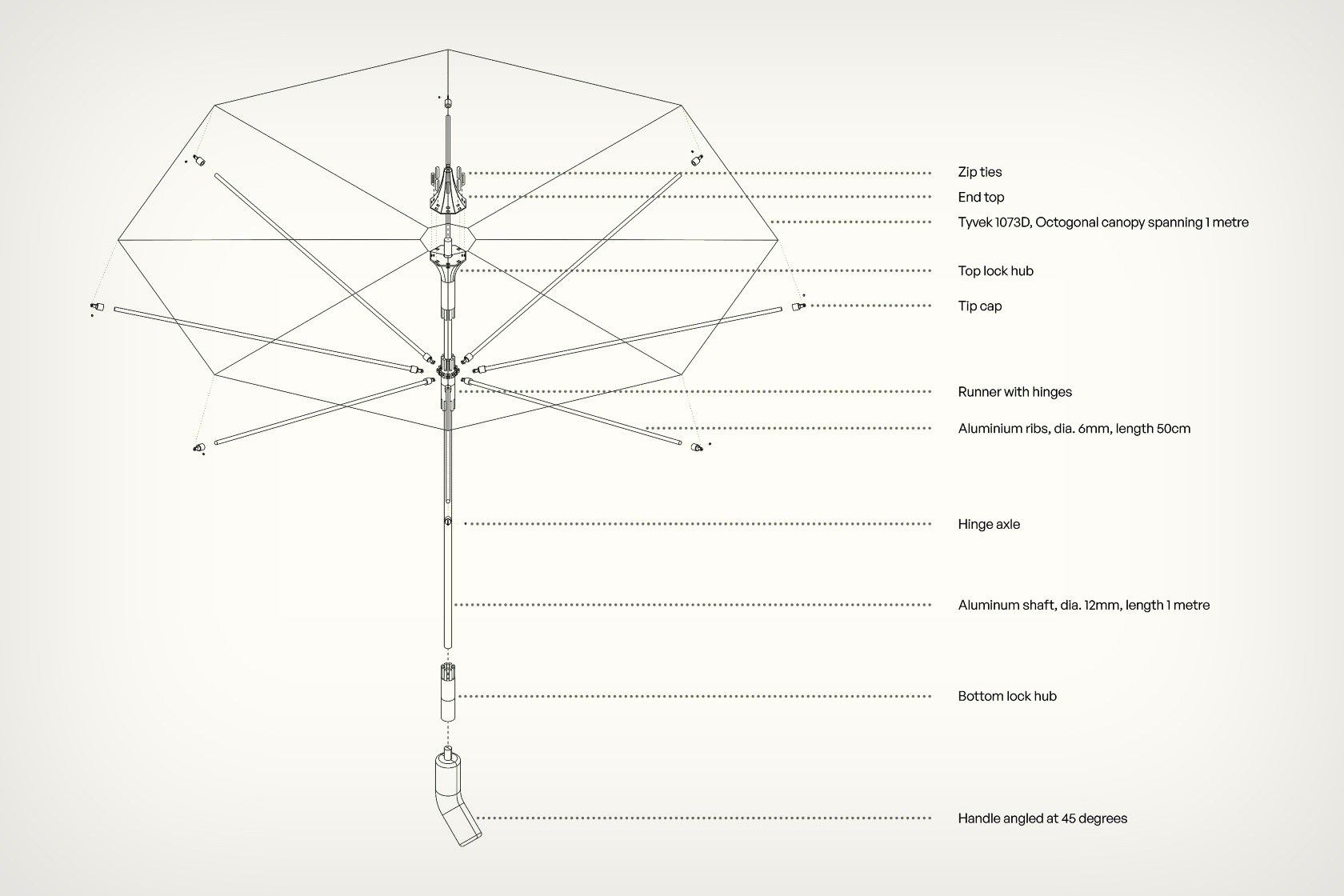
Rethinking how the umbrella opened or closed meant rethinking the umbrella entirely. The Bloombrella comes with a stem and shade, but its intermediary mechanism gets completely redone. The new mechanism responds to twisting, rather than pressing a button or pushing a member up the umbrella’s shaft. The twisting action allows metal rods to move outwards, opening the umbrella’s shade. Vinayan created his prototype using Tyvek, a tear-proof paper-like material from Dupont. Tyvek has the unique distinction of being great at creasing as well as being durable and waterproof. This made it a perfect candidate for the Bloombrella’s shade, allowing it to hold its origami shape incredibly well, while still repelling water to a noticeable degree.

The rest of the prototype uses traditional materials, like aluminum for the metal parts, and plastic for the mechanism, moving elements, and hinges. The Bloombrella is currently just a student concept, but given that NASA has been employing similar techniques for its starshade shows it’s more than just a proof-of-concept… at least on a cosmic level! Whether it makes for a great umbrella is still something worth determining – perhaps as a larger beach umbrella or a shade for an arena/stadium!

The post How NASA’s Starshade Design Inspired this Unique Origami Folding Umbrella first appeared on Yanko Design.
Microsoft is adding AI-powered summaries to Bing search results

The race to bring more AI features to search is escalating, with Microsoft moving forward with additional tools for Bing. Today, the company began previews for Bing generative search, where the top result for a user's query will be an original response compiled by AI.

The blog post about Bing generative search showed a few sample results. In addition to the overview statement, Microsoft will provide links to the main sources that the large-language models and small-language models used to create their answer. It will also have a section of related information. For instance, with the sample query "how long do elephants live," the main summary is followed by videos with information about factors that impact elephant longevity. After the generative results, the usual list of search hits will be displayed.

Preview of Bing generative search results
Microsoft

If you're curious and want to try out generative search right away, you may be out of luck. This isn't an opt-in choice yet for Bing users and it is only being applied to "a small percentage of user queries" at this stage. "We are slowly rolling this out and will take our time, garner feedback, test and learn, and work to create a great experience before making this more broadly available," Microsoft said.

Google rolled out a similar tool earlier this year called AI Overview in an effort to retain users who might go directly to an AI chatbot for answers to their questions. AI Overview had a rough, gluey pizza start, so it will be interesting to see how well Microsoft's counterpart performs in comparison. And while Microsoft did emphasize in the blog post that it developed generative search without the intent of ruining web publishers' business, it's worth repeating that this kind of AI tool is not a replacement for actual news.

This article originally appeared on Engadget at https://www.engadget.com/microsoft-is-adding-ai-powered-summaries-to-bing-search-results-203053790.html?src=rss

The US Senate unanimously passes a bill to empower victims of intimate deepfakes

The US Senate unanimously passed a bill on Tuesday designed to hold accountable those who make or share deepfake porn. The Disrupt Explicit Forged Images and Non-Consensual Edits Act (DEFIANCE Act) would allow victims to sue those who create, share or possess AI-generated sexual images or videos using their likeness. The issue took root in the public consciousness after the infamous Taylor Swift deepfake that circulated among online lowlifes early this year.

The bill would let victims sue for up to $150,000 in damages. That number grows to $250,000 if it’s related to attempted sexual assault, stalking or harassment.

It now moves to the House, where a companion bill awaits. Rep. Alexandria Ocasio-Cortez (D-NY) sponsors the sister bill. If it passes there (which sounds likely, given the unanimous nature of the Senate’s vote), it will move to President Biden’s desk for final passage.

“There’s a shock to seeing images of yourself that someone could think are real,” Ocasio-Cortez told Rolling Stone earlier this year. “And once you’ve seen it, you’ve seen it. It parallels the same exact intention of physical rape and sexual assault, [which] is about power, domination, and humiliation. Deepfakes are absolutely a way of digitizing violent humiliation against other people.”

The bill, sponsored by Senator Dick Durbin (D-IL), lets the victims of intimate digital forgeries (deepfakes) sue for damages. It would give victims a 10-year statute of limitations, beginning either from the discovery of the content or when they turn 18 in the (even more disturbing) case of minors.

“As we know, AI plays a bigger role in our lives than ever before, and while it has many benefits, it’s also easier than ever to create sexually explicit deep fakes without a person’s consent,” Senate Majority Leader Chuck Schumer (D-NY) said on the Senate floor late Tuesday. “It is a horrible attack on someone’s privacy and dignity to have these fake images of them circulating online without recourse.”

Schumer cited Swift and Megan Thee Stallion in his floor speech as two celebrity examples who have fallen victim to the types of content the bill targets. However, The Verge notes online sexual deepfakes have affected those with much less clout (and money for lawyers) than A-list pop stars, like high school girls, some of whom have found out about contrived sexual images of them being passed around among their peers.

Fortunately, the bill stipulates that victims would have privacy protections during court proceedings and that they could recover legal costs. “It’s a grotesque practice and victims of these deep fakes deserve justice,” Schumer said.

This article originally appeared on Engadget at https://www.engadget.com/the-us-senate-unanimously-passes-a-bill-to-empower-victims-of-intimate-deepfakes-201343557.html?src=rss

Police in Scottsdale, AZ will start using drones as first responders

Police departments across Arizona plan to implement the use of drones as part of its first responders to emergency situations. Scottsdale’s police department will be the first in the state to use a special fleet of drones that can be sent to potential crime scenes and emergencies by special detection cameras.

The drone technology will come from a new drone startup called Aerodome and the public safety tech firm Flock Safety, which makes gunshot sensors, analytic software and cameras that can monitor neighborhoods and read license plates. Scottsdale PD’s drones will respond to emergencies in real time to provide first responders with a bird’s eye view of emergencies as first responders make their way to the area.

The drones can be dispatched by police officers and emergency dispatchers as well as Flock cameras that detect unlawful activity such as stolen vehicles or cars that match descriptions from an AMBER alert. They can even silently follow a suspect while officers handle multiple 911 calls and keep an aerial view of a runaway vehicle without risking the safety of officers and bystanders.

The use of drones by law enforcement has been growing over the years. More than 1,500 police departments use them in some capacity, according to Axios. First responders may see these drones as a useful tool but there are also serious concerns about protecting citizens’ Constitutional privacy rights.

Arizona police officers will use the first responder drones to monitor emergency situations and calls as they respond to it.
Screenshot from YouTube/Flock Safety

The American Civil Liberties Union (ACLU) has raised concerns about Flock’s license plate reader cameras. Last year, the ACLU expressed concerns with law enforcement’s use of “eye-in-the-sky policing” calling for communities to “put in place guardrails that will prevent those operations from expanding,” according to an editorial written by ACLU senior policy analyst Jay Stanley.

“It’s not clear where the courts will draw lines, and there’s a very real prospect that other, more local uses of drones become so common and routine that without strong privacy protections, we end up with the functional equivalent of a mass surveillance regime in the skies,” Stanley wrote.

There are some federal regulations currently in place that prevent police departments from misusing drones and maintain some level of safety. The Federal Aviation Administration (FAA) limits police’s drone use to the operator’s line of sight. The drone cannot be over 55 pounds including attached equipment or goods it may be carrying to emergency sites and they can’t fly any higher than 400 feet above the ground or structures.

This article originally appeared on Engadget at https://www.engadget.com/police-in-scottsdale-az-will-start-using-drones-as-first-responders-195503311.html?src=rss