Google ‘is a monopolist’ in search, US judge rules in antitrust case

Google is in deep trouble after a federal judge ruled that the company illegally abused a monopoly over the search industry. The ruling follows a 10-week trial held in 2023 that stemmed from a 2020 lawsuit filed by the Department of Justice and several states. 

“Google is a monopolist, and it has acted as one to maintain its monopoly,” Judge Amit Mehta of the US District Court for the District of Columbia wrote in the ruling. "It has violated Section 2 of the Sherman Act."

Mehta has not imposed any remedies on Google at the time of writing. The judge may order Google to change how it operates or even sell parts of its business. 

The lawsuit claimed that Google illegally acted to maintain its dominant position in search through a number of actions, such as paying the likes of Apple, Samsung and Mozilla billions of dollars per year to be the default search engine on their phones and web browsers. The DOJ argued that Google facilitates almost 90 percent of web searches and that by paying to be the default option, it prevented rivals from achieving the kind of scale needed to compete. As such, Google is deemed to benefitted in terms of both revenue and data collection.

"Those search access points are preset with a 'default' search engine," the ruling reads. "The default is extremely valuable real estate. Because many users simply stick to searching with the default, Google receives billions of queries every day through those access points. Google derives extraordinary volumes of user data from such searches. It then uses that information to improve search quality."

According to Mehta, Google has acknowledged that losing its position as the default search engine on various platforms would harm its bottom line. "For instance, Google has projected that losing the Safari default would result in a significant drop in queries and billions of dollars in lost revenues," the ruling states. 

Google released the following statement from Kent Walker, President of Global affairs, on X regarding the judge's decision:

"This decision recognizes that Google offers the best search engine, but concludes that we shouldn’t be allowed to make it easily available. We appreciate the Court’s finding that Google is the industry’s highest quality search engine, which has earned Google the trust of hundreds of millions of daily users,’ that Google ‘has long been the best search engine, particularly on mobile devices,’ ‘has continued to innovate in search’ and that ‘Apple and Mozilla occasionally assess Google’s search quality relative to its rivals and find Google’s to be superior.’ Given this, and that people are increasingly looking for information in more and more ways, we plan to appeal. As this process continues, we will remain focused on making products that people find helpful and easy to use.”

During the trial, Google argued that its significant slice of market share was due to having a better product that consumers appreciated. 

In addition, the DOJ claimed that Google held a monopoly over ads that appear in search results. It argued that Google artificially inflated the prices of ads beyond what they'd cost in a free market.

In his ruling, Mehta agreed that "Google has exercised its monopoly power by charging supracompetitive prices for general search text ads. That conduct has allowed Google to earn monopoly profits." However, the judge added that Google does not hold monopoly power in the broader market of search advertising.

Meanwhile, Mehta declined to impose sanctions on Google for failing to preserve employee chat messages that may have been pertinent to the case. The ruling notes that, since 2008, Google deletes chat messages between its employees by default after 24 hours.

"The court’s decision not to sanction Google should not be understood as condoning Google’s failure to preserve chat evidence," Mehta wrote. "Any company that puts the onus on its employees to identify and preserve relevant evidence does so at its own peril. Google avoided sanctions in this case. It may not be so lucky in the next one."

Google and the DOJ are set to return to federal court in September over an ad tech case.

Update, August 5 2024, 4:40PM ET: This story was updated to include Google's statement on the ruling.

This article originally appeared on Engadget at https://www.engadget.com/big-tech/google-is-a-monopolist-in-search-us-judge-rules-in-antitrust-case-193358356.html?src=rss

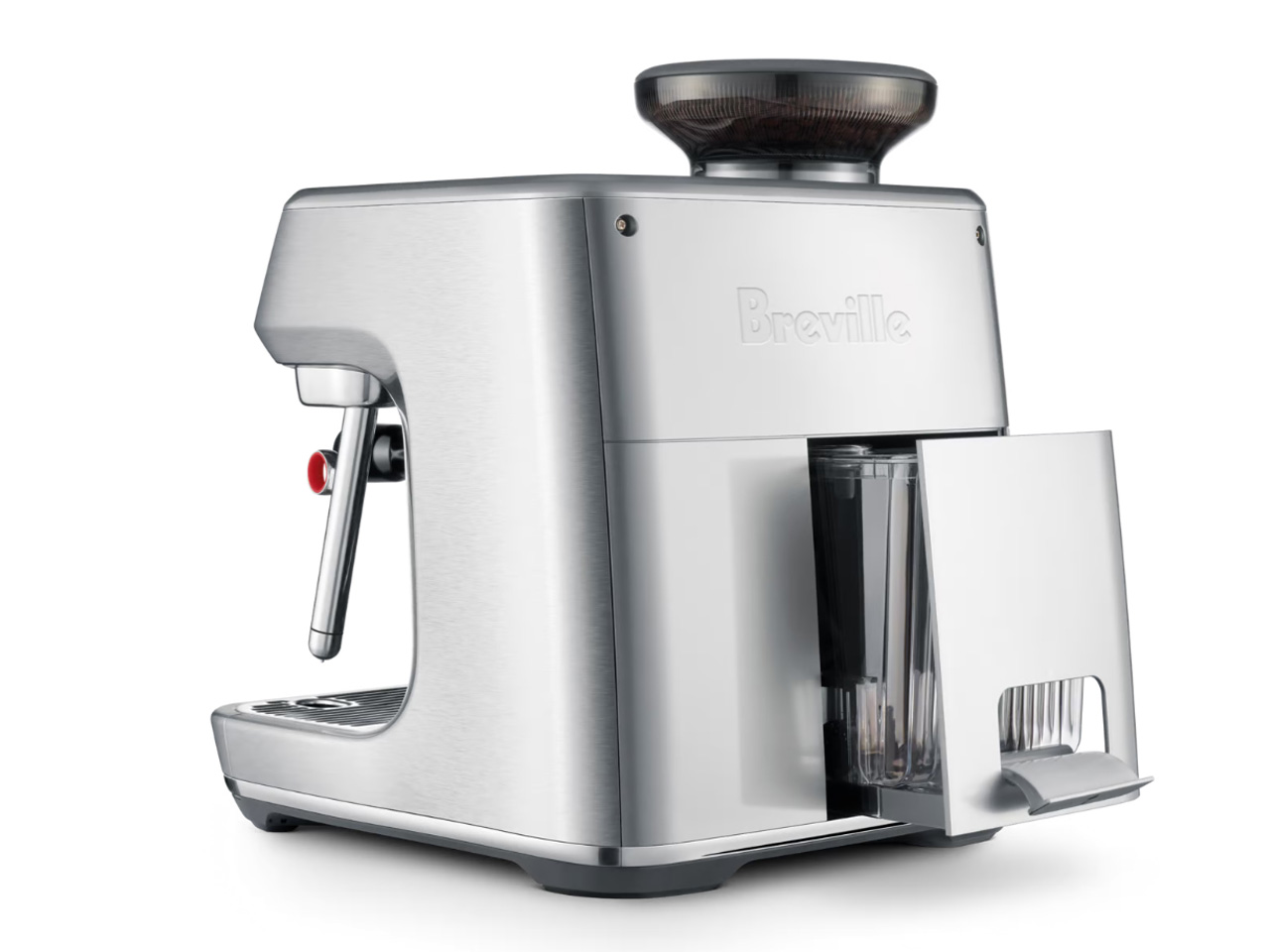
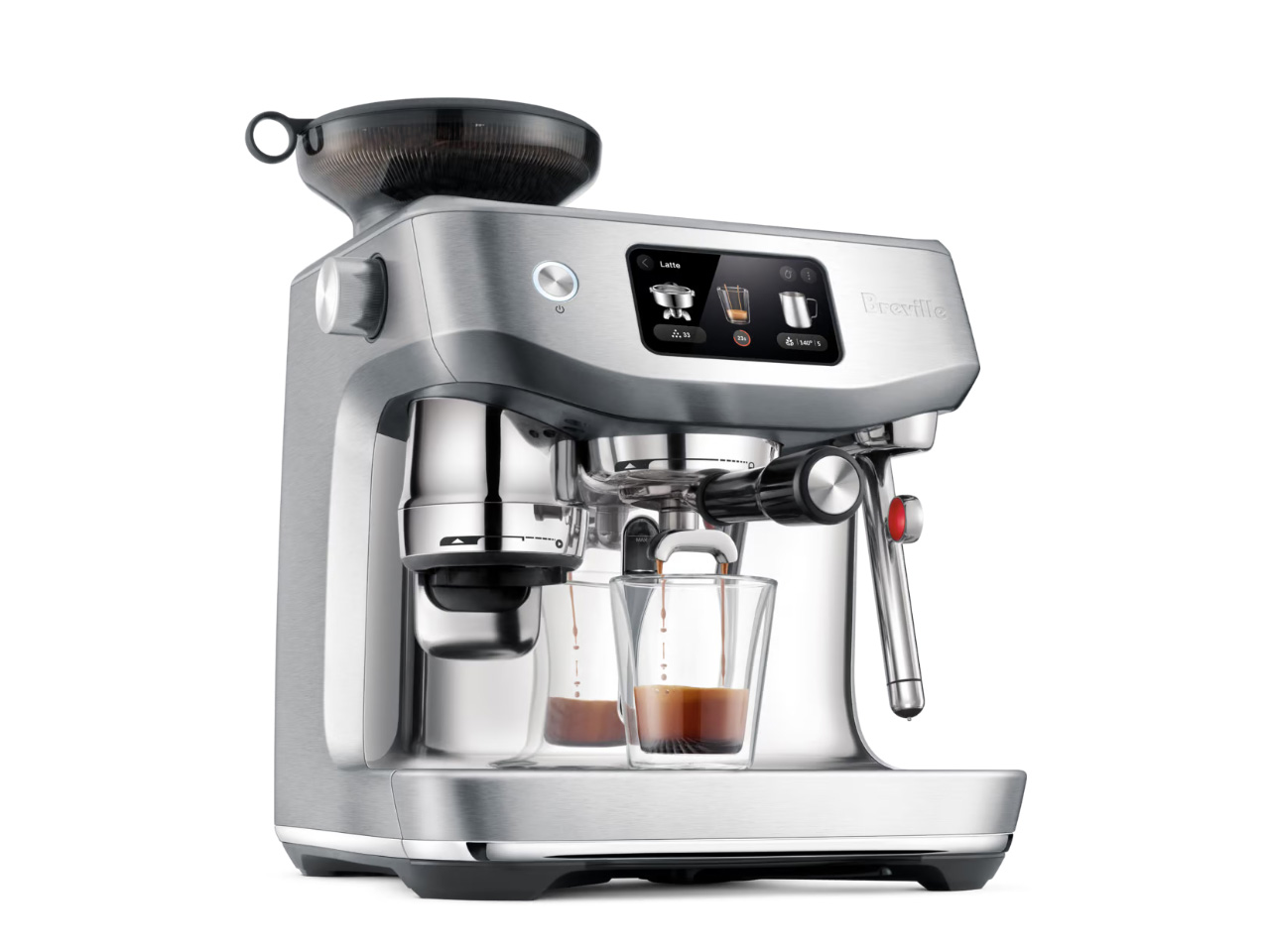
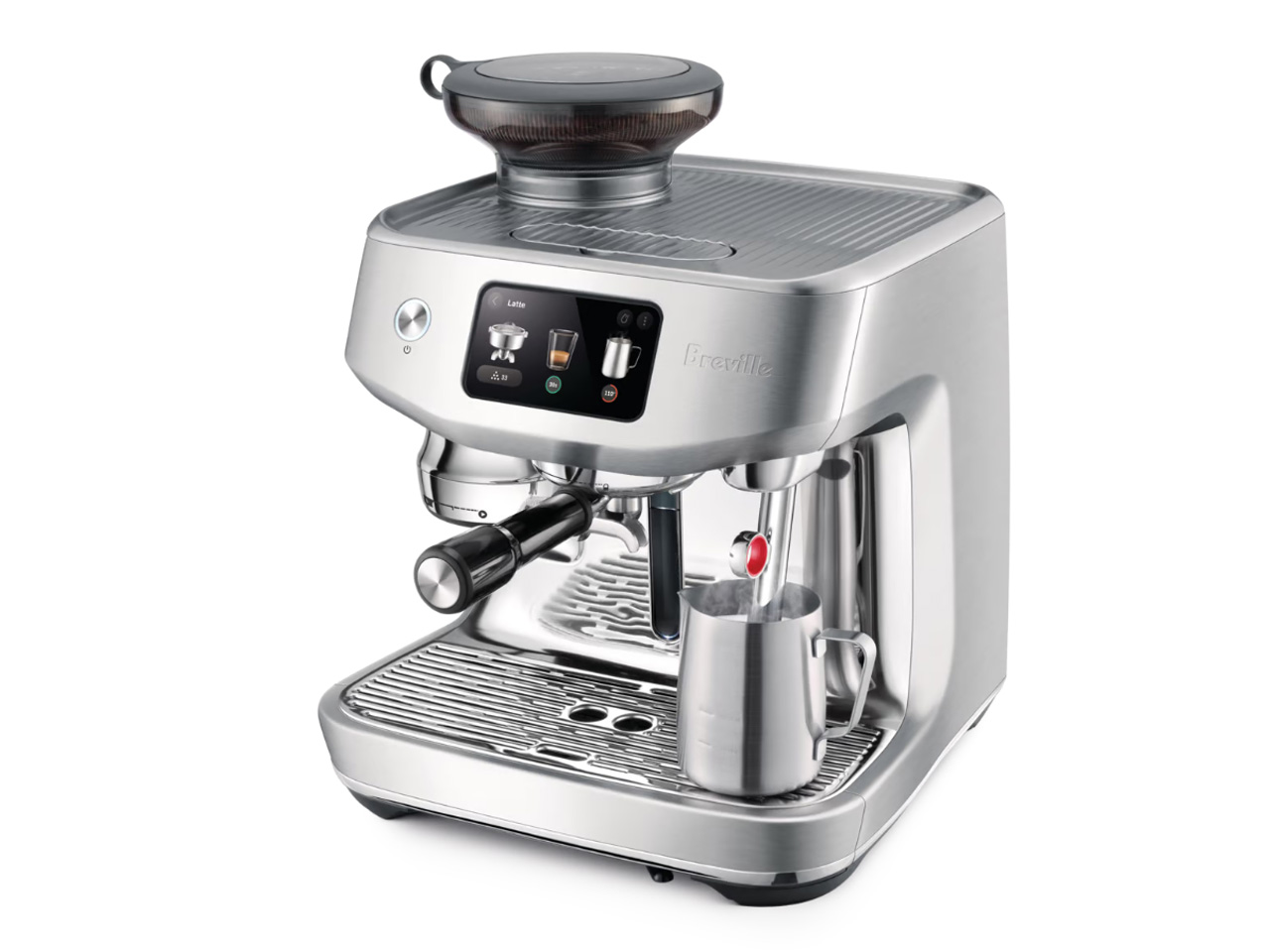
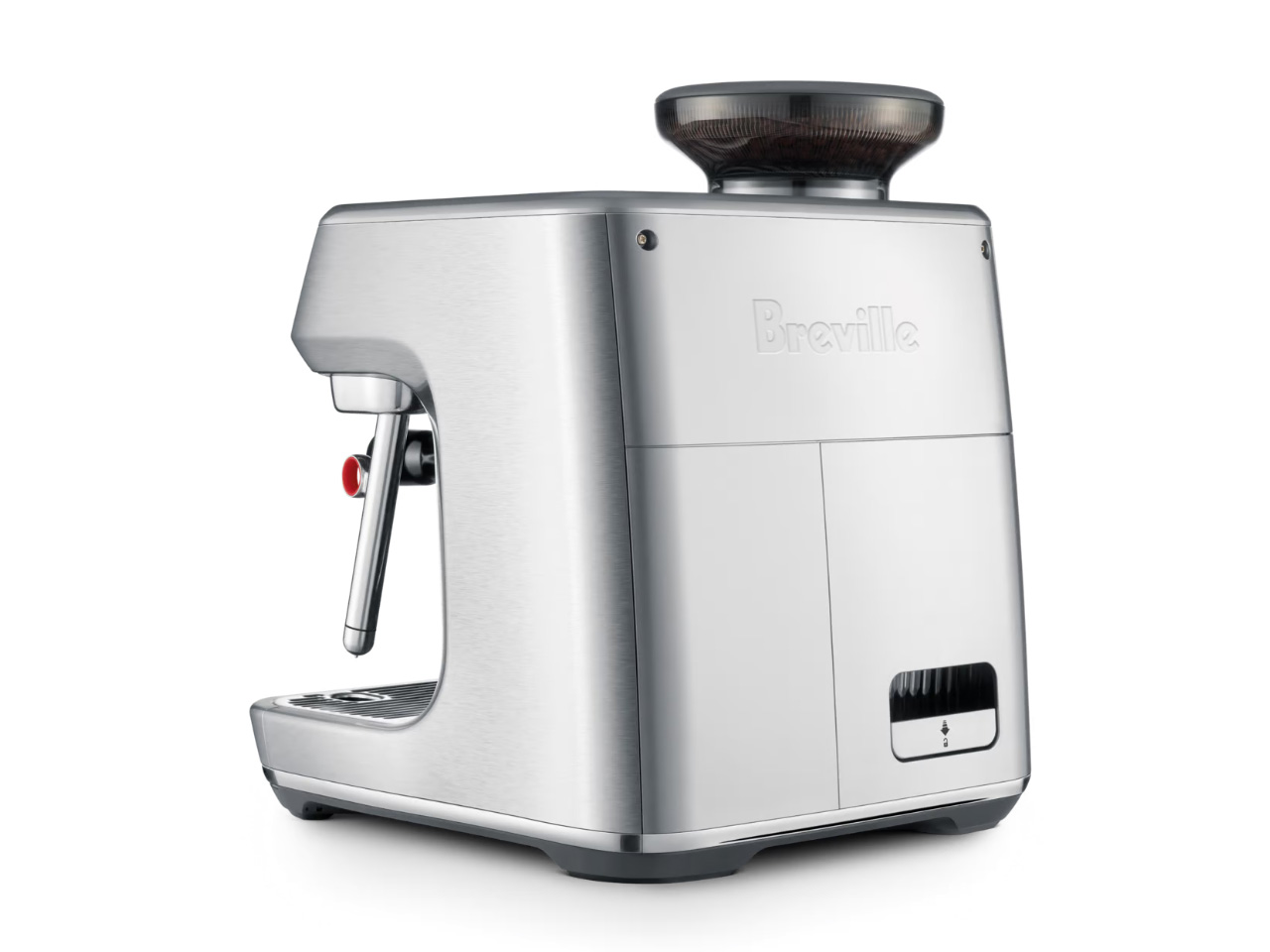
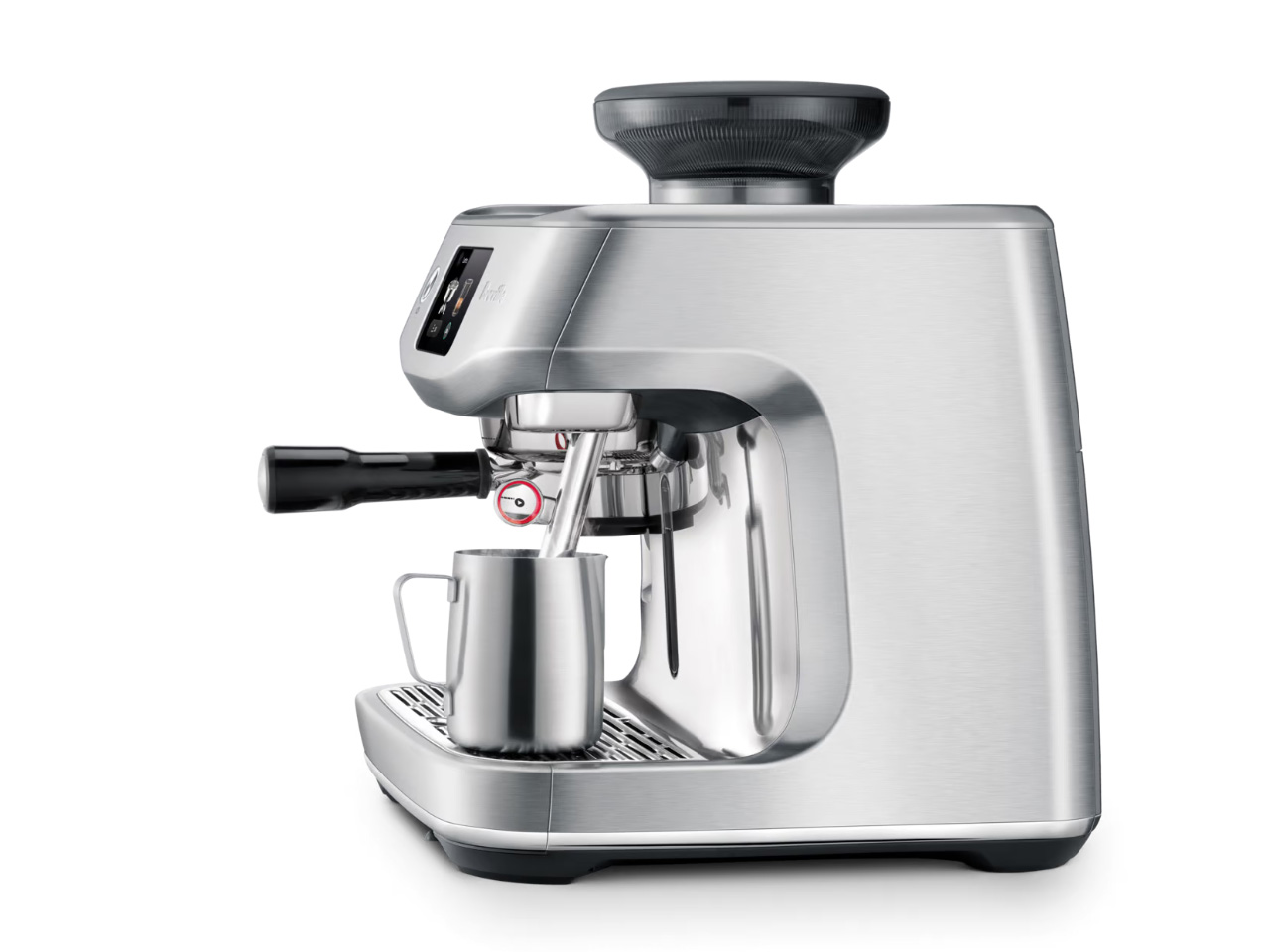
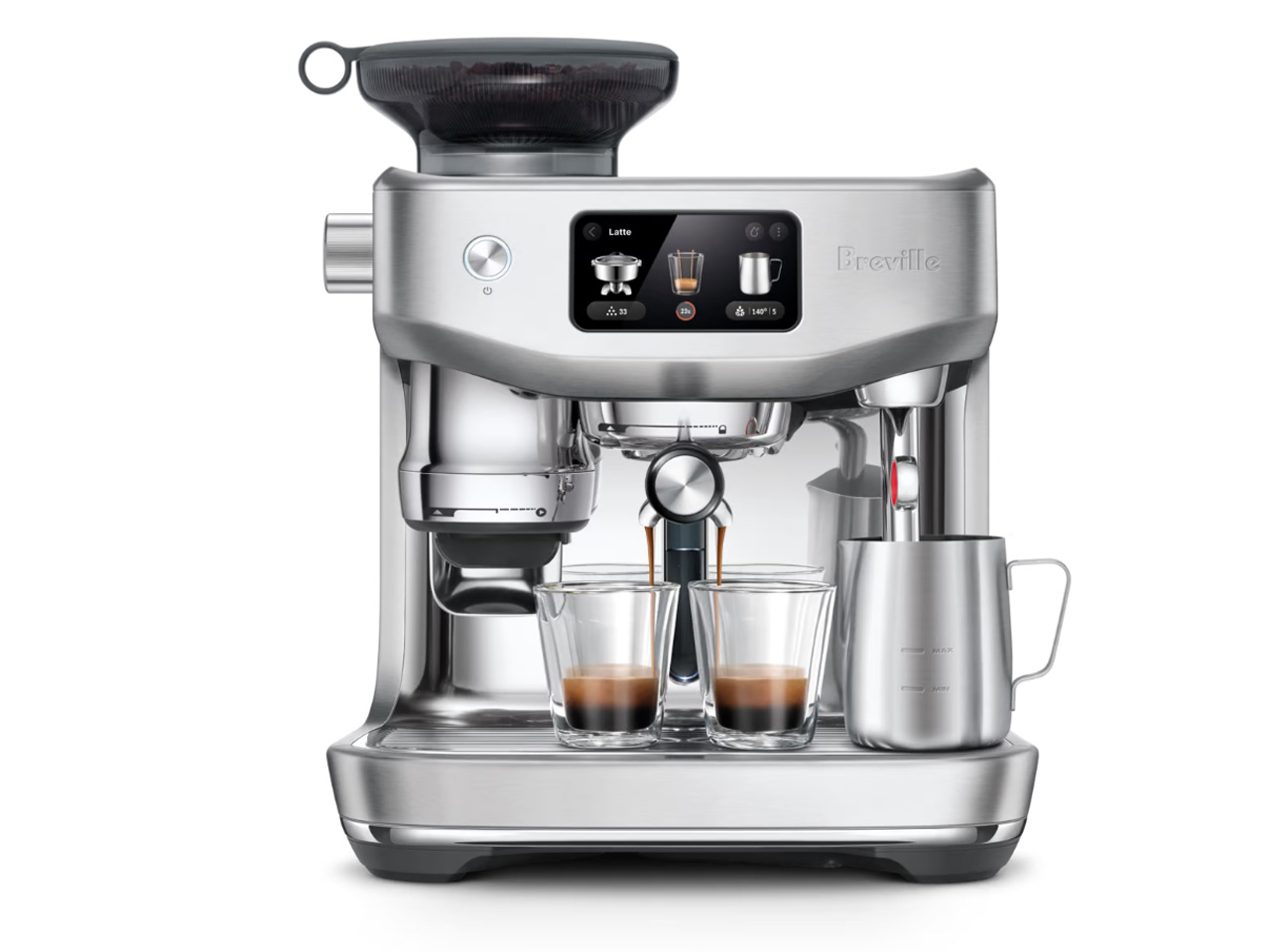
Breville’s new Oracle brews barista-quality cold and hot coffee at “Jet” speeds with precision

I’m a coffee buff but have a limited sense of good coffee. A simple machine keeps me satisfied but a nice brew at a café really tells the difference. I wouldn’t say I’m going to translate into someone keen on brewing specialty coffee at home anytime soon. But if you’ve been yearning for barista-level precision and control over your cup of coffee, you can settle for the new Breville Oracle Jet, which is now available in the US.

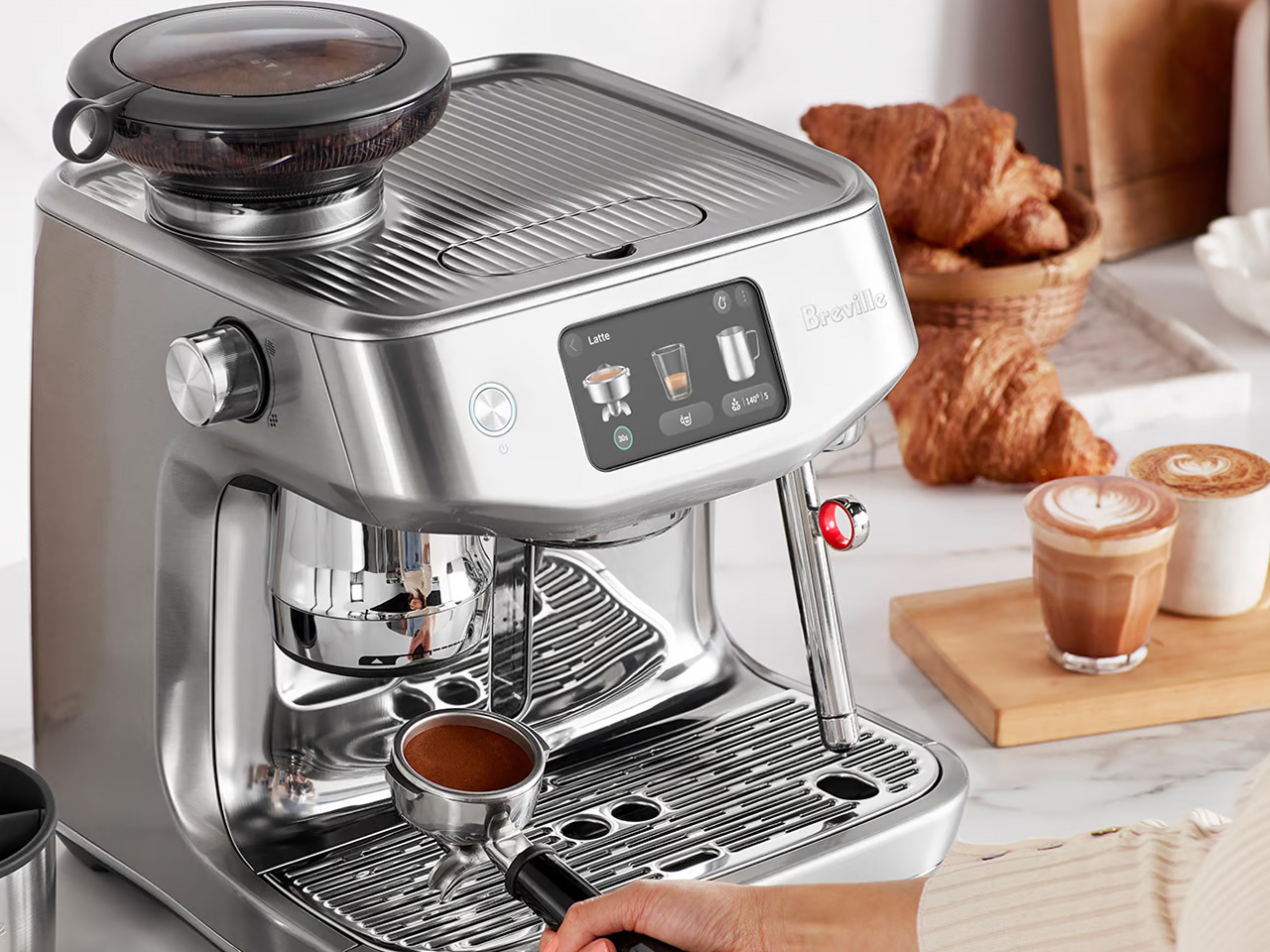
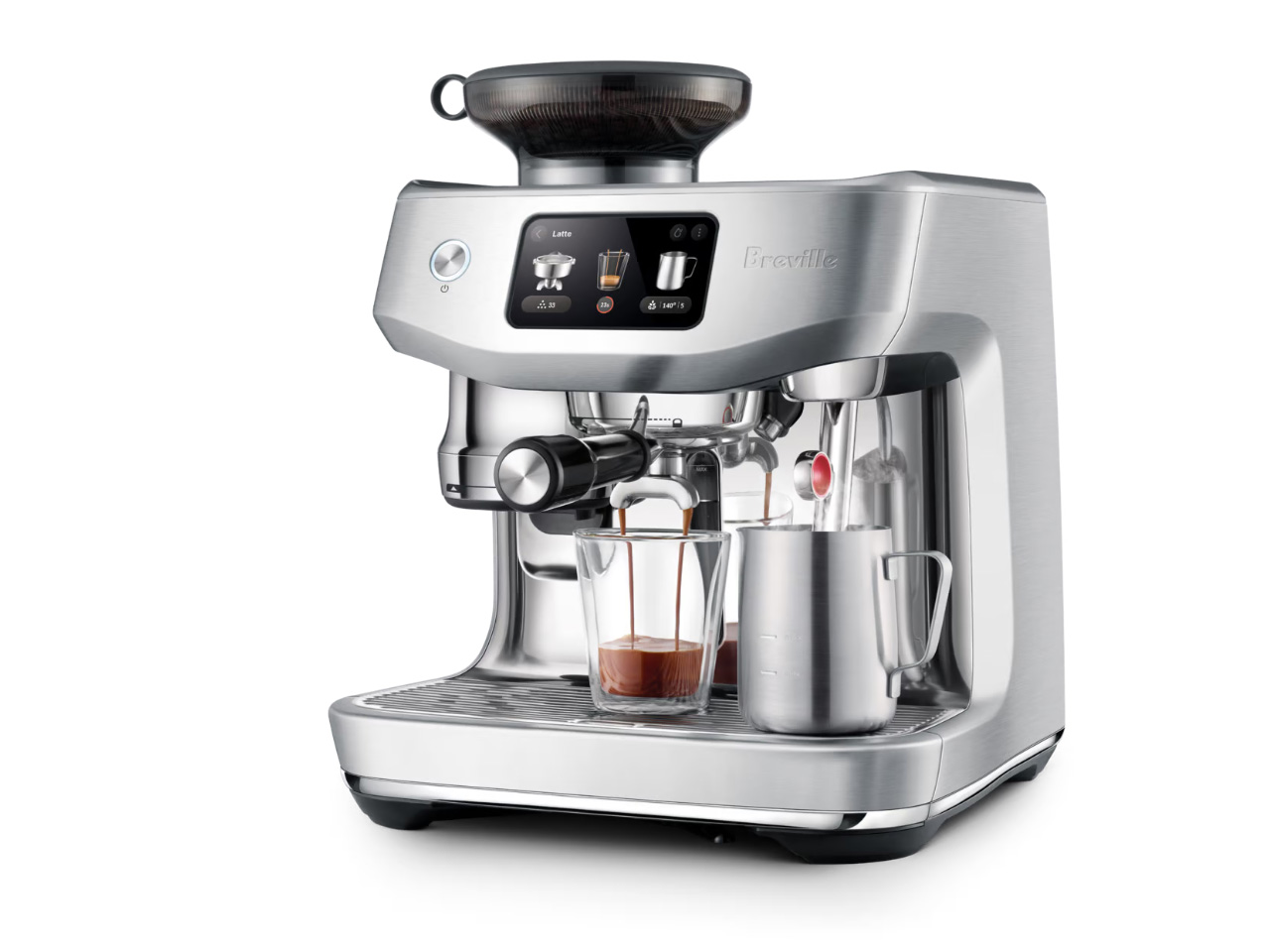
A keen coffee machine that can produce hot or cold-press espresso, most of it automatically, the Oracle Jet is Australia-based Breville’s first-of-its-kind option on the market. From how it appears, it’s an impressive coffee machine with a brushed stainless steel finish (available in a range of exclusive colors) featuring a touchscreen display that would let you control it in most cases. Interesting however is the fact that the intuitive machine automatically does the grinding, dosing, and tamping to eliminate the human intervention, yet enhancing the brew quality in return.

Designer: Breville

What really distinguishes Breville’s new entrant in the world of specialty brewing at home concept is its ability to brew perfect cold espresso drinks. In fact, it’s the first in the Breville’s portfolio that makes cold brew but then the price of the machines really makes me skip a beat. Not that I was going to make an effort to secure finances for purchase, but $2000 for the coffee machine will have many like me deterred and setting in return for a regular drip coffee maker.

This doesn’t at all mean that the Oracle Jet does not have its mouth where the money is. Of course, the price is nothing for a good shot of cold brew espresso that this machine has been designed and manufactured to achieve with little to no effort. A definitely lift up of your stature from a barista visitor to a full-blown coffee specialist at home!

As an auto cold-brew espresso machine, it requires a bit of doing to install it and get the beans and water calibrated. Thereafter the process is pretty automatic and straight-forward. The touchscreen panel onboard is where all the controls are for you to set the grind size, switch between hot and cold brew or add your choice of milk to the coffee. The controls on the screen are generated with the tech-based ‘barista guidance,” and the machine helps execute the moves to brew you a perfect temperature espresso every time of the day.

The post Breville’s new Oracle brews barista-quality cold and hot coffee at “Jet” speeds with precision first appeared on Yanko Design.

Nat Geo’s first Vision Pro immersive environment takes you to Iceland

National Geographic is no stranger to new media. The network has produced a slew of immersive virtual reality experiences, 360 degree videos, and even its own "Space Projection Helmets" for its big-budget show One Strange Rock. Today, it's finally delivering its first immersive experience for the Apple Vision Pro: A Disney+ environment featuring Iceland's Thingvellir National Park. Now you can sit back and watch The Avengers in 3D amid pristine white snow, towering rock formations and a clear blue sky (or a star-filled on at night). Alongside that film, Disney+ is also adding 3D versions of The Age of Ultron and the first two Ant-Man movies today.

While standing in the middle of a snow-filled park isn't as adventurous as, say, rowing a kayak through Arctic waters in VR, the environment shows that Nat Geo isn't completely ignoring the Vision Pro. Apple's headset has sorely lacked truly immersive experiences, outside of the "Encounter Dinosaurs" demo it shipped with, as well as Marvel's What If...? 

I'm not holding my breath for a big-budget National Geographic experience only meant for the Vision Pro, but it's not out of the realm of possibility. Nat Geo could reconfigure some of its existing VR projects to work on the Vision Pro, or even adapt One Strange Rock's unique helmet projection view. (I'd bet money only very few people ever saw the footage in that form.) 

This article originally appeared on Engadget at https://www.engadget.com/ar-vr/nat-geos-first-vision-pro-immersive-environment-takes-you-to-iceland-190036673.html?src=rss

CrowdStrike says Delta’s woes aren’t its fault after massive IT outage

CrowdStrike has taken a lot of flak over the enormous IT outage that brought much of the planet's computer systems to a halt last month. One thing that the company isn't willing to accept full blame for though is Delta's severe flight troubles.

Delta CEO Ed Bastian said last week the company had "no choice" but to seek damages. The airline canceled more than 5,000 flights and said it was looking at a cost of over $500 million in lost revenue and compensation to passengers.

However, CrowdStrike claims it offered Delta assistance several times only to be rebuffed. "CrowdStrike worked tirelessly to help its customers restore impacted systems and resume services to their customers," CrowdStrike lawyer Michael Carlinsky wrote in a letter to his counterpart at Delta. "Within hours of the incident, CrowdStrike reached out to Delta to offer assistance and ensure Delta was aware of an available remediation. Additionally, CrowdStrike's CEO personally reached out to Delta's CEO to offer onsite assistance, but received no response."

Carlinsky goes on to state that if Delta does pursue legal action, it will have to explain "why Delta's competitors, facing similar challenges, all restored operations much faster" and why it rejected free onsite help from CrowdStrike technicians "who assisted many other customers to restore operations much more quickly than Delta." The lawyer adds that CrowdStrike's liability is contractually capped "in the single-digit millions."

CrowdStrike's public relations team made similar comments last week about Delta turning down "our repeated efforts to assist it in a speedy recovery.” However, a formal letter from the company's lawyer holds a bit more weight, especially amid the threat of legal action.

This article originally appeared on Engadget at https://www.engadget.com/transportation/crowdstrike-says-deltas-woes-arent-its-fault-after-massive-it-outage-181803828.html?src=rss

Apple’s latest iOS 18 beta walks back some changes to the redesigned Photos app

Apple is pumping the brakes on some of its updates to the Photos app in iOS 18. The company made some changes — removing some features and tweaking others — on Monday to address user feedback. The pared-down version can be found in the software’s fifth developer beta, which app makers can install today.

The biggest change is that Apple removed the Carousel from the Photos app altogether. The iOS 18 feature used “on-device intelligence” (which, confusingly, isn’t the same as Apple Intelligence) to aggregate what it thought was your best content, placing them in a swipeable row. Previously found to the right of the photo grid, it’s now gone altogether, helping Apple clean up one of the features that earned a healthy dose of complaints from beta testers.

In addition, Apple tweaked the All Photos view in today’s update to show more of the photos grid. The company also added Recently Saved content to the Recent Days collection. Finally, Apple made albums easier to find for users with more than one. (The difficulty of locating that section was a frequently echoed complaint among testers.)

Two iPhones showing different views of the overhauled iOS 18 Photos app. White background.
Apple

Apple pitched the changes to the Photos app as one of the pillars of its 2024 software update. Although the app is streamlined into a single view and designed to be more customizable, it too often ends up as a mishmash of extra features most people won’t need, sometimes getting in the way of finding what you’re looking for.

A Reddit thread from July with over 1,000 upvotes gave voice to some of the most frequent complaints. “Once again taking a rapid-use app and making it into an experience for no reason,” u/thiskillstheredditor commented. “I just want a camera roll and maybe the ability to sort photos by location. It was perfectly fine, if maybe a bit bloated, before. But this is an unmitigated mess.”

Time will tell if today’s updates are enough to clean up the app’s user experience ahead of iOS 18’s fall launch to the public. The changes aren’t yet in the public beta but will likely appear there in the next version or soon after.

This article originally appeared on Engadget at https://www.engadget.com/apples-latest-ios-18-beta-walks-back-some-changes-to-the-redesigned-photos-app-180145232.html?src=rss

Is Samsung Galaxy Buds3 Pro Worth It? In-Depth Review and User Experience

PROS:


  • Exceptional Audio Quality: The Buds 3 Pro delivers clear highs and deep bass, enhanced by features like 360 Audio for an immersive listening experience.

  • Advanced Noise Cancellation: Effective ANC, Adaptive Noise Control, and Ambient Sound modes provide a customizable listening experience that is ideal for various environments.

  • Seamless Samsung Integration: They integrate smoothly with Samsung devices, offering features like real-time translation and enhanced audio quality through the Scalable Codec.

  • Durability and Comfort: With an IP57 rating, the earbuds are water and dust-resistant. The ergonomic design ensures a comfortable fit during extended use.

CONS:


  • Awkward Case Design: The charging case requires twisting the earbuds into place, which can be inconvenient and lead to accidental drops.

  • Battery Life Limitations: Real-world usage shows shorter battery life than advertised, especially with all features enabled.

  • Feature Limitations Outside Samsung Devices: Some features are optimized for Samsung products, limiting the full benefits for users with non-Samsung devices.

RATINGS:

AESTHETICS
ERGONOMICS
PERFORMANCE
SUSTAINABILITY / REPAIRABILITY
VALUE FOR MONEY

EDITOR'S QUOTE:

Galaxy Buds 3 Pro deliver stellar sound and noise cancellation, redefining what wireless earbuds can achieve in any environment.

Samsung’s Galaxy Buds3 Pro has made a strong entrance with its stylish stem design and practical features. These earbuds offer a powerful audio experience thanks to a dual-driver system that delivers clear highs and deep bass, making them perfect for music lovers. The ergonomic silicone tips ensure a snug fit, providing comfort during long listening sessions, and their IP57 rating adds protection against water and dust, making them great for active users.

Designer: Samsung
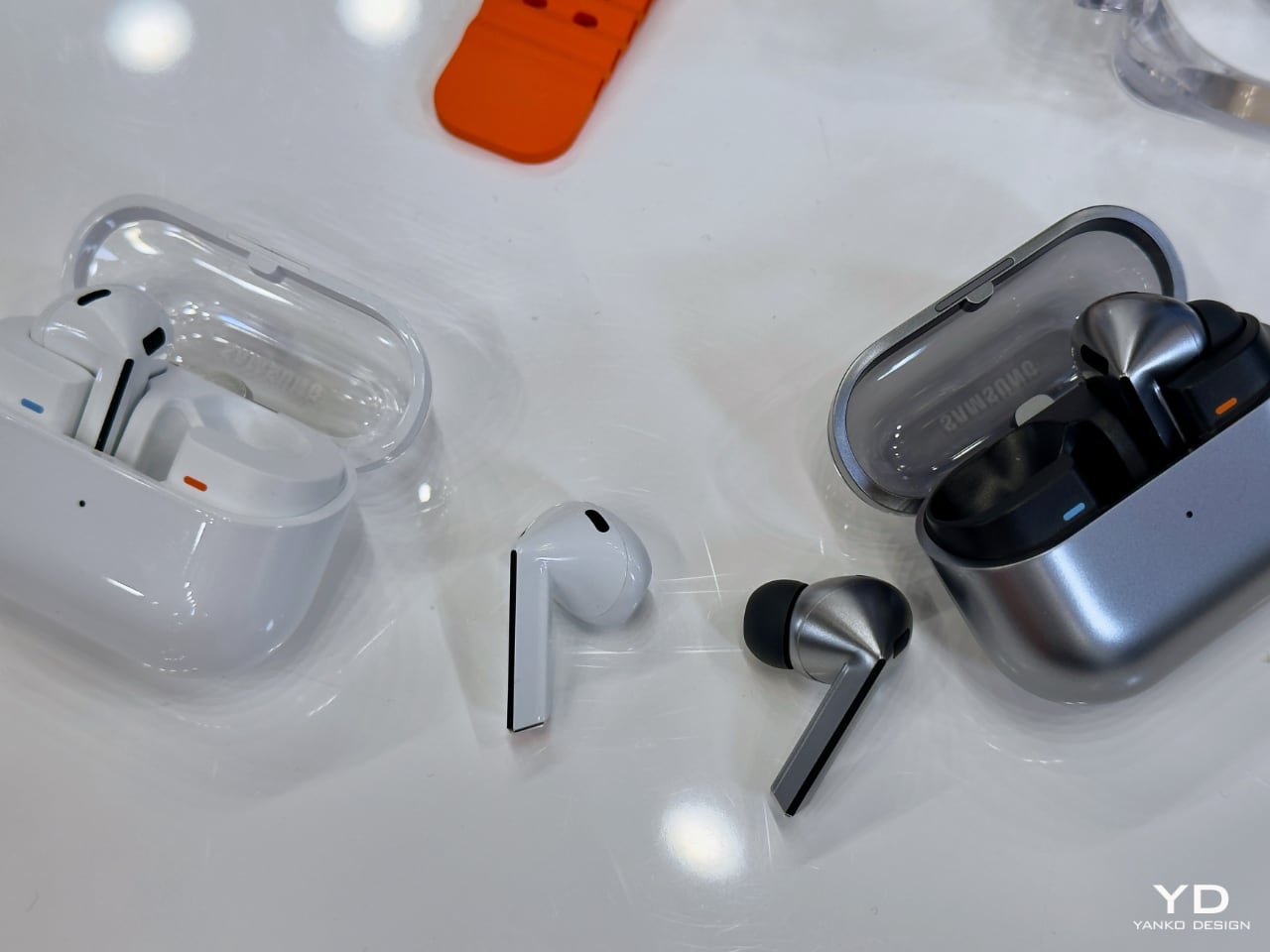
Packed with smart features, these buds include AI-powered sound adjustments that adapt to your environment, enhancing your listening experience. The real-time translation feature is a handy tool for travelers and language enthusiasts. While some features work best with Samsung’s latest devices, the Buds 3 Pro offers a strong mix of style, technology, and sound quality. Whether you’re on a call, streaming music, or navigating through your day, these earbuds are built to meet the needs of everyday life.

Design and Aesthetics

The Samsung Galaxy Buds3 Pro embraces a design that marries functionality with elegance. The stem-style structure enhances usability and audio performance by incorporating advanced components like control sensors and batteries within the stems, contributing to superior sound quality and call clarity.
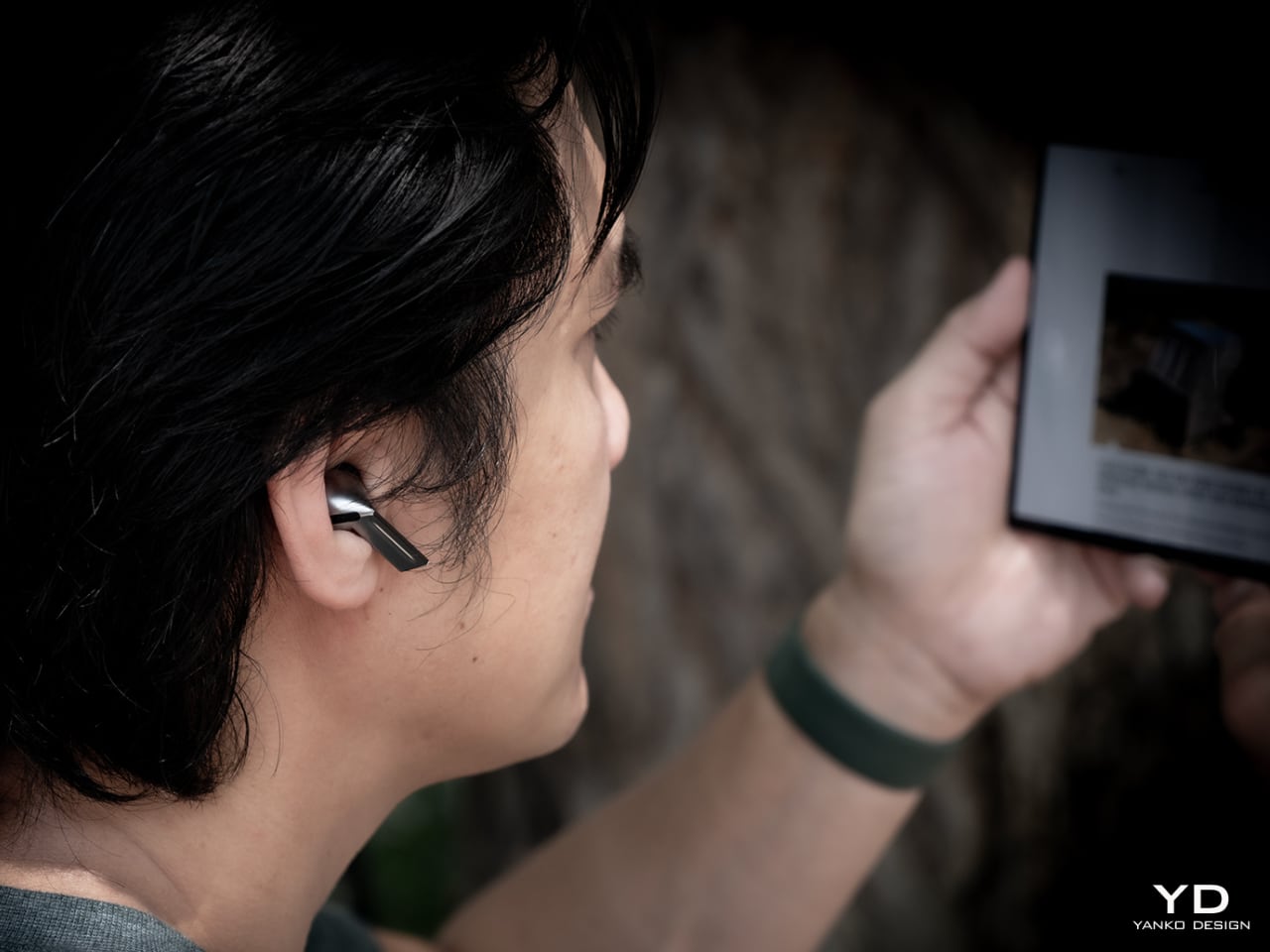
The customizable “blade lights” on the stems offer a neat and stylish feature, but they may not appeal to everyone looking for simplicity. While the lighting adds flair, my focus remains on sound quality, comfort, and overall performance. The lights are a nice touch but not a critical factor in choosing these earbuds.

The ergonomic design ensures a comfortable fit, with silicone tips that improve noise isolation and enhance sound quality. With an IP57 rating, these earbuds are reliable for various environments, whether you’re at the gym or exploring outdoors. We’ll explore the performance aspects further down, diving into how these features impact real-world use and contribute to the overall listening experience.

From a design perspective, there are limited ways to create Bluetooth headsets. They can fit directly in the ear or include a stem, as seen in the Buds3 Pro. This design is practical, enhancing usability by allowing better placement of components like microphones and batteries.

While the Buds 3 Pro’s design draws inspiration from other successful models, the inclusion of unique features like customizable lighting and advanced audio technology sets these earbuds apart. They offer a compelling combination of high performance and style, making them attractive for those who value both aesthetics and functionality in their wireless audio gear.

Ergonomics

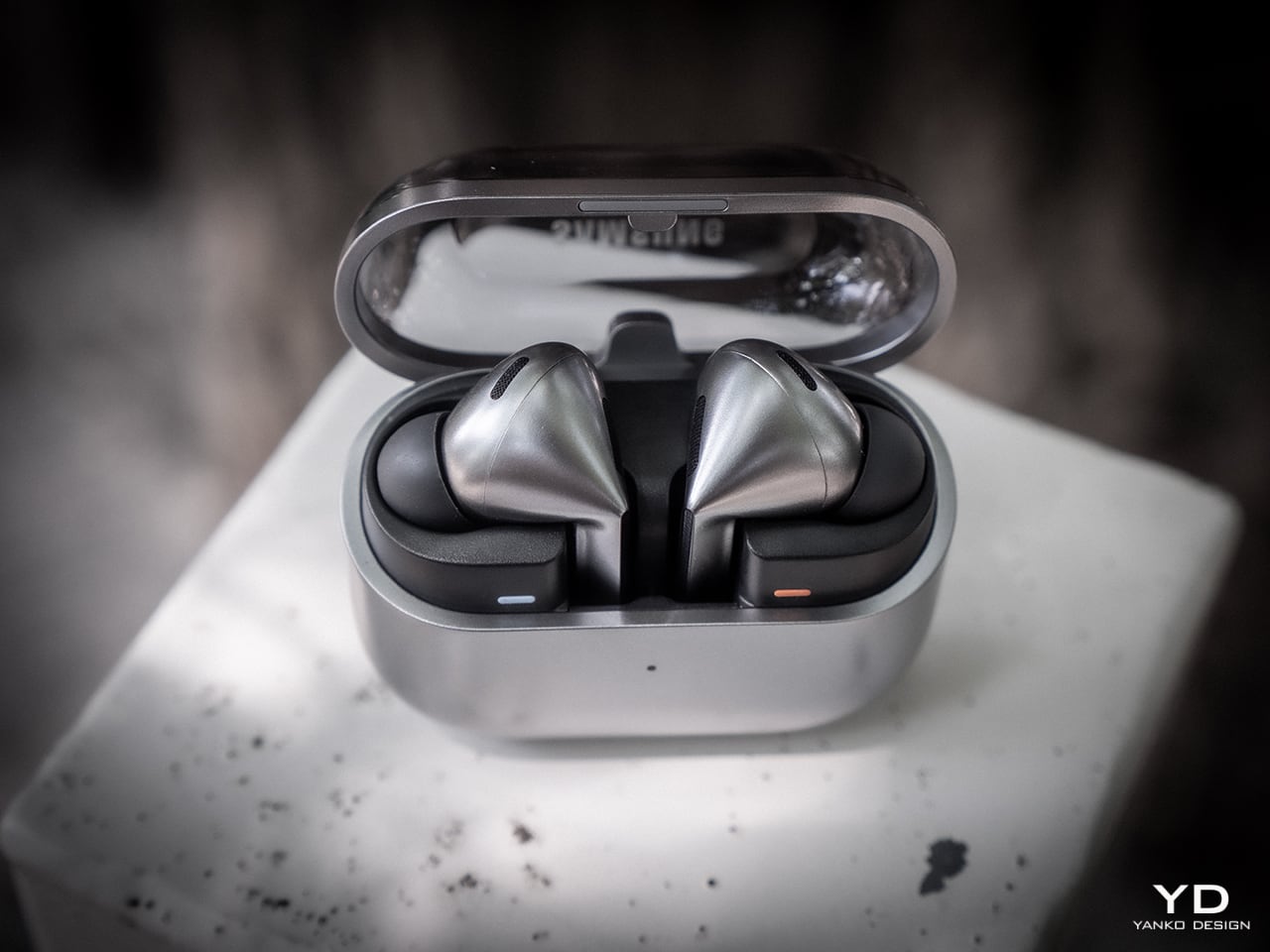
From my perspective, the design of the Samsung Galaxy Buds3 Pro case has its pros and cons. I like that the case is lightweight and features practical additions like a USB-C charging port and an LED indicator for charging status. The transparent lid is also a nice touch, allowing me to see the earbuds without opening the case.
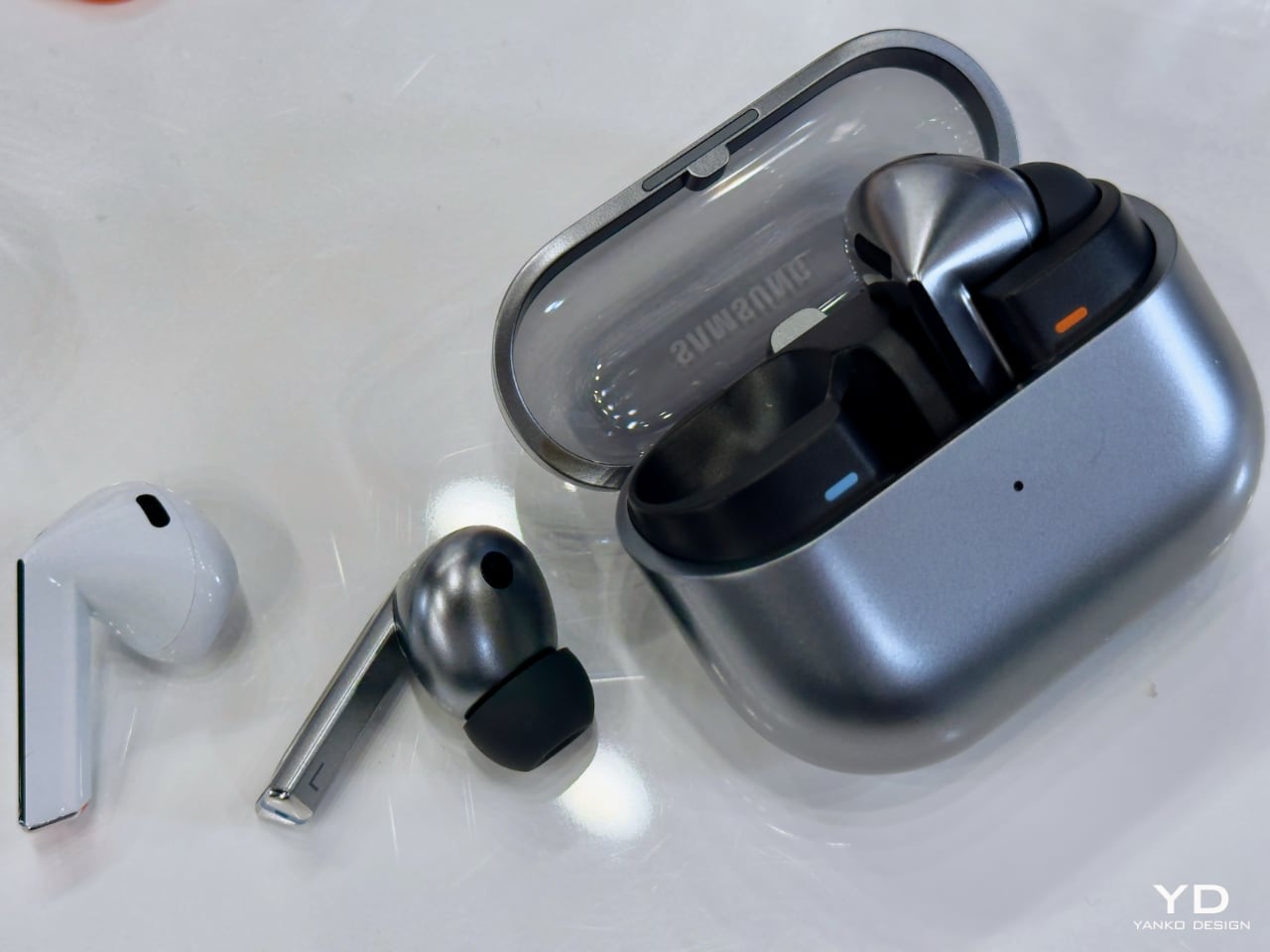
However, inserting and removing the earbuds can be awkward. They require a specific twist to fit properly, which isn’t the most user-friendly experience, especially when I’m on the go. I’ve actually dropped the earbuds a couple of times, twice on an airplane while fumbling around in the dark. It’s definitely not ideal. This is an area where the design could use some improvement to make handling the earbuds more intuitive and prevent such mishaps.

The earbuds are offered in two colors, white and black, with small red and blue dots to help indicate the correct placement in the case. While this color coding is helpful, it doesn’t completely resolve the awkwardness of fitting the earbuds into the case.

One thing I wish was smaller is the case itself. While it’s compact enough to fit in the coin pocket of my jeans, similar to the AirPods Pro case, it does bulge out more than I’d like. A smaller case would be more convenient for carrying around when I’m out and about.

Despite these concerns, the overall design remains stylish, and the case complements the sleek look of the earbuds. It supports wireless charging, which is a plus, but streamlining the handling and size of the case would greatly enhance the overall experience.

Performance

The Samsung Galaxy Buds3 Pro delivers exceptional audio quality, particularly when paired with newer Samsung devices like the Galaxy Z Fold 6 or S24 series. Featuring a two-way speaker system with a planar tweeter and dual amplifiers, these earbuds provide crisp, airy sound with robust bass. The 360 Audio feature enhances the soundstage, creating an immersive experience, although it can sometimes emphasize higher frequencies.
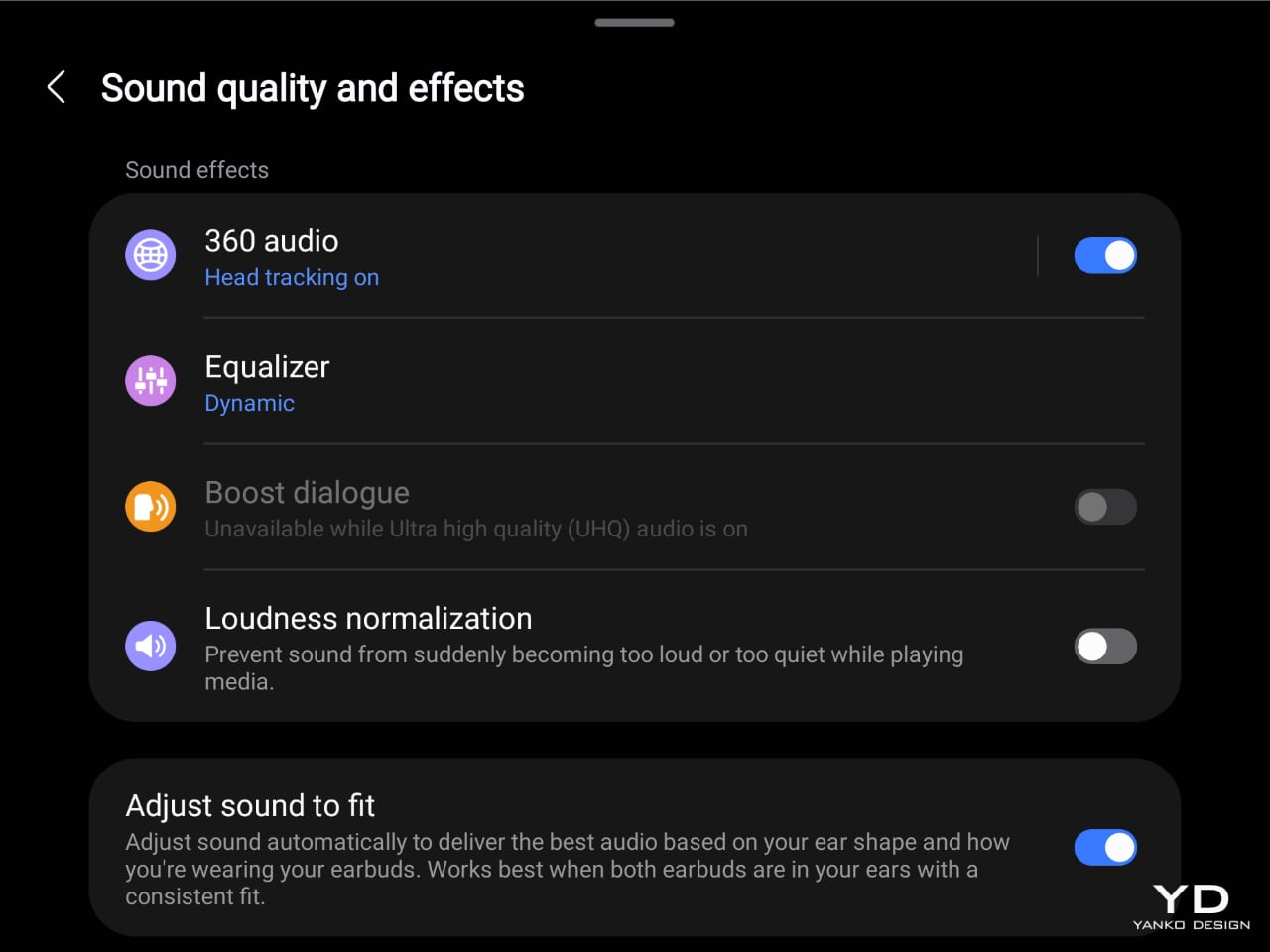
A key feature that enhances the audio experience is Samsung’s Scalable Codec. This codec adjusts the bit rate dynamically to ensure stable audio quality over Bluetooth connections. It provides near-lossless sound when the connection is strong, making it ideal for high-resolution audio playback on compatible Samsung devices.

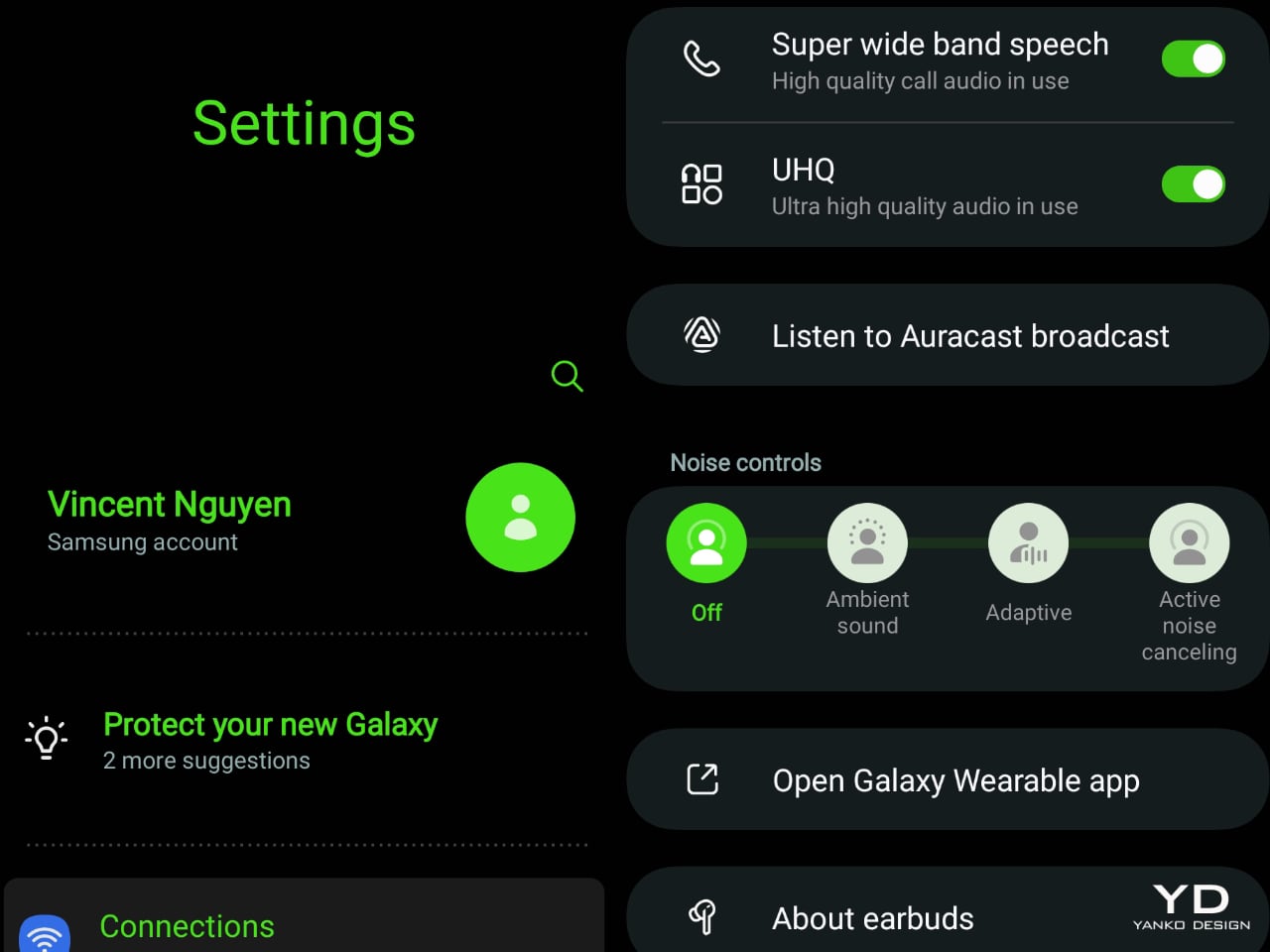
The noise-canceling capabilities are impressive, offering Active Noise Cancellation (ANC), Adaptive Noise Control, and Ambient Sound modes. ANC effectively reduces background noise, making it easier to enjoy music without distractions. Ambient mode is handy for staying aware of your surroundings while listening, and adaptive mode adjusts noise cancellation based on the environment. During my flight to Tokyo from Dallas and back, the active noise cancellation canceled out nearly all the humming from the engine, making the journey pleasant. Just note that for long-haul flights, you might need two pairs of earbuds. In my case, I had a pair of AirPods Pro to swap out. That said, I dare say the Buds3 Pro is competitive when it comes to sound quality and noise cancellation.
The sound quality of the Samsung Galaxy Buds 3 Pro truly shines across various musical genres. In “Hotel California” by the Eagles, the earbuds reproduce the intricate guitar work with remarkable clarity, allowing you to hear every detail as if you’re right there at the performance. The Buds3 Pro handles Michael Jackson’s “Billie Jean” with precision, capturing the sharpness and detail in his vocals and ensuring the instrumental elements are delivered with crystal clarity. When it comes to bass-heavy tracks like “Royals” by Lorde, the earbuds provide a strong yet balanced bass response that complements the vocals without overshadowing them. The complex musical arrangement in “Take Five” by The Dave Brubeck Quartet showcases the Buds3 Pro’s ability to maintain clarity and balance across a wide range of frequencies, with the piano and saxophone lines coming through with excellent definition and depth.

The Buds3 Pro excels in call quality as well. The triple-mic array ensures clear voice transmission even in noisy settings, while the transparency mode allows ambient noise to enter naturally during calls, enhancing the conversation experience.

Battery life is an area where expectations might differ. Samsung claims up to 6 hours of playback with ANC on and up to 30 hours with the charging case. However, real-world usage often shows battery life closer to 5 to 5.5 hours with ANC, 360 Audio, and high-resolution streaming enabled. Wireless charging and quick charging capabilities add convenience, but for extended listening sessions, having a backup or access to charging is advisable.

The Buds3 Pro also impresses with its sweat-proof performance. I’ve used them to mow the yard in 100-degree weather, and they remain in my ears exceptionally well without any issues with performance. Their IP57 rating ensures they can handle both sweat and dust, making them a reliable choice for outdoor activities and workouts.

Compared to the standard Galaxy Buds 3, the Buds 3 Pro offers enhanced audio quality, more advanced noise control options, and longer battery life. While the non-Pro model provides good sound and basic ANC, it lacks the Pro version’s premium features and audio experience.

Overall, the Buds3 Pro is impressive in performance, making it a top choice for anyone in search of high-quality wireless earbuds with a rich, immersive sound experience.

Sustainability

Samsung has integrated sustainability into the Galaxy Buds 3 Pro by using post-consumer materials in their construction, which helps reduce the environmental impact of new plastic production. The company is committed to increasing the use of recycled materials across its product line, aiming to incorporate them into every component by 2030 as part of its goal to achieve net-zero carbon emissions.
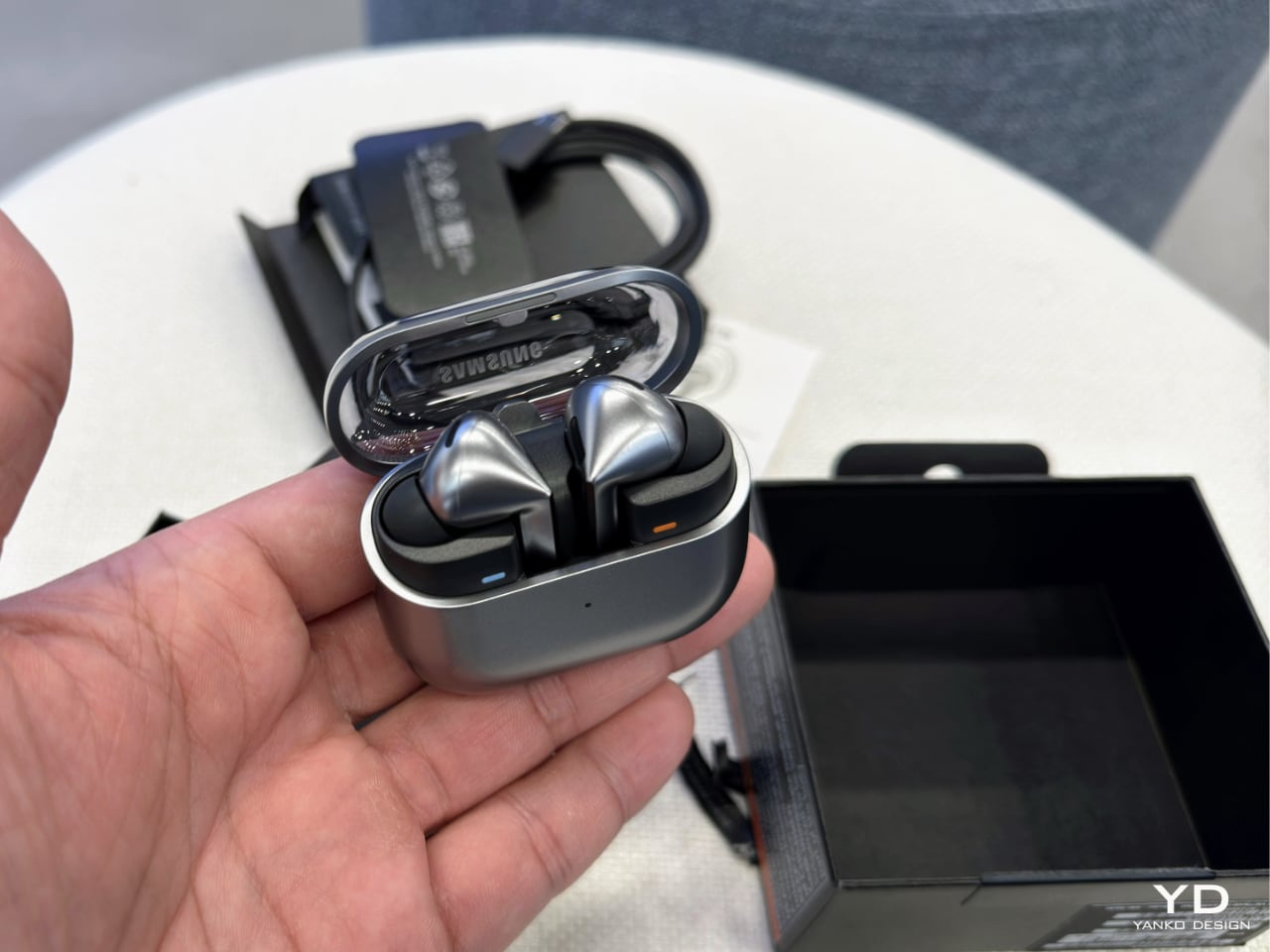
The packaging for the Buds3 Pro is also made from recycled paper, which aligns with Samsung’s sustainability initiatives and helps further reduce waste. These efforts demonstrate Samsung’s dedication to creating products that combine advanced technology with environmental responsibility.

Value and Verdict
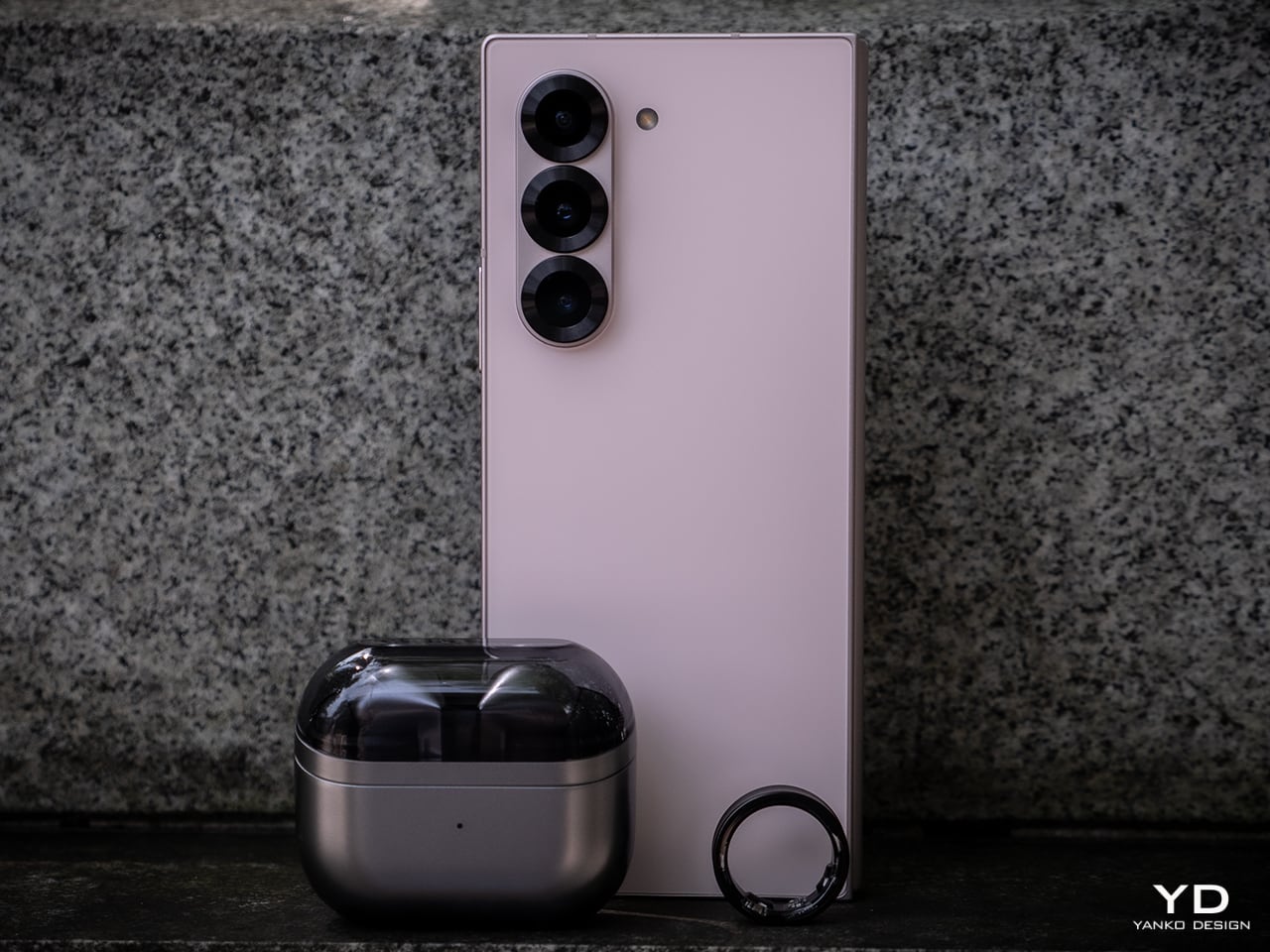
For anyone within the Samsung ecosystem, the Galaxy Buds3 Pro is an easy recommendation. These earbuds integrate seamlessly with a wide range of Samsung products, including smartphones like the Galaxy Z Fold 6 and S24 series and Samsung tablets, laptops, and other smart devices. They offer features like adaptive noise cancellation and enhanced audio quality through Samsung’s Scalable Codec, making them an ideal companion for any Samsung device. This integration allows for smooth transitions between devices and enhances the overall user experience, making the Buds3 Pro a perfect choice for those who rely on Samsung’s ecosystem for their tech needs.
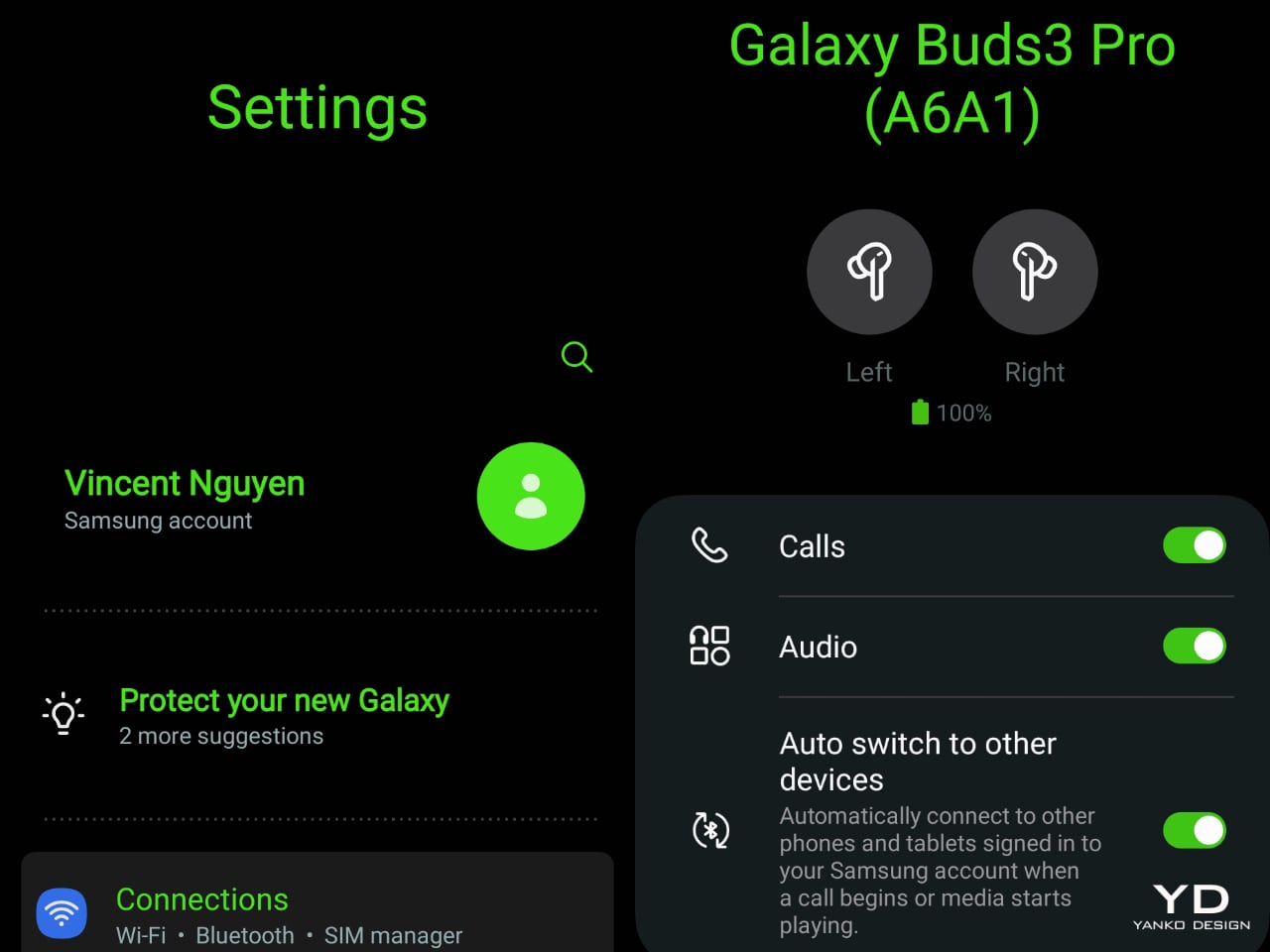
Even if you’re not part of the Samsung ecosystem, the Buds3 Pro is worth considering. They are compatible with any Bluetooth-enabled device and deliver exceptional sound quality, noise cancellation, and a comfortable fit, making them a versatile choice for all users. I enjoy having them as part of my everyday gear, whether in my go-bag for travel or daily use. Their performance and reliability make them a great addition to any tech setup, offering high-quality audio and convenience wherever you go.

The post Is Samsung Galaxy Buds3 Pro Worth It? In-Depth Review and User Experience first appeared on Yanko Design.

Safari beta lets you selectively block distractions like pop-ups

Ahead of the full release of iOS 18, iPadOS 18, macOS Sequoia and more, Apple continues to bring updates to the betas it's made available to early testers. Today, the company has dropped the fifth developer beta to those platforms, and with it comes a few changes to Safari and Photos. Specifically, Apple's browser is getting some tools that could make surfing today's cluttered and overwhelming web pages a lot less distracting, with something called Distraction Control. 

To be clear, this isn't intended to be an ad blocker. It's for parts of a page that distract you, like an overlay asking you to subscribe or even requests to use cookies. When you land on a website, you can press the Page Menu button in the Search field (where the Reader and Viewer buttons are). There, you can tap "Hide Distracting Items" and go on to choose which parts of a page you want to filter out. Subsequently, that part will be blocked on that domain moving forward on repeated visits.

There are a few important caveats, though. The first time you click on Distraction Control, Apple will inform you that it won't permanently remove ads or other areas where content might change or get updated. Since on-page banner ads usually refresh on each visit, this renders Distraction Control useless for those elements. 

You'll also be the one selecting which parts of the site to hide, and there's no artificial intelligence automatically detecting which components might be deemed distracting. You'll see a blue outline over certain areas and can tap to select them. According to Apple, nothing will be hidden unless a user proactively selects it. You'll also be able to unhide items afterwards, by going back to the hide icon in the search field and choosing "Show hidden items."

If something you've chosen to block, like a headline or an ad, has changed in any way, it will resurface upon your next visit. 

Theoretically, you would also be able to use Distraction Control to hide the dialogs with the GDPR-stipulated cookies permission requests. If you choose to block those, the website would just be told you closed its request without an answer. Based on the legal requirements in different regions, the website would then have to proceed based on that information. 

It's not yet clear how Distraction Control will handle paywalls, especially since there are different ways that content is protected. 

The fifth developer beta also brings with it features that were teased at WWDC, like a redesigned Reader and Highlights, which brings up summarized information from a website like a business' hours or phone number. There's also a new Viewer experience that works when Safari detects a video on the page and puts in front and center. It'll also give you system playback controls in this mode, including picture-in-picture. 

If you're curious about how the new tools and Distraction Control work, you can run Apple's developer beta. Just know that since you'll be opting in to preview software, there may be bugs or quirks, so make sure to backup your data before you proceed. According to the information accompanying the iOS 18 beta 5 update, it requires 7.11GB of storage, too.

Update, August 5 2024, 1:31PM ET: This story has been updated to clarify that hiding distracting items only applies to that specific domain moving forward, and not all websites across the internet.

This article originally appeared on Engadget at https://www.engadget.com/mobile/smartphones/safari-can-block-distracting-ads-and-other-website-clutter-with-the-latest-ios-18-and-macos-betas-172041678.html?src=rss

The Apple Watch Ultra 2 is on sale for $100 off

Fitness enthusiasts and extreme sports aficionados who haven't yet taken the plunge on an Apple Watch or are perhaps looking to upgrade from an older model may be interested in snapping up a version that's on sale. The Apple Watch Ultra 2 has dropped by $100 to $700. That matches both the Prime Day price and the lowest we've ever seen this product sell for.

Apple designed this smartwatch with endurance athletes, outdoor adventurers and water sport practitioners in mind, including a dedicated band for each category (Trail Loop, Alpine Loop and Ocean Band, respectively). The discount applies to a range of bands on Amazon, so you can pick which one best fits your needs and/or style.

One reason why the Apple Watch Ultra 2 is suited for such activities is because it's pretty darn rugged. It's made with aerospace-grade titanium, for one thing. Apple says the case is resistant to corrosion. The Apple Watch Ultra 2 is swimproof and water resistant up to 100 meters, while it can be used for recreational dives for up to 40 meters, according to Apple.

The always-on Retina display reaches a peak brightness of 3,000 nits, so it should be easy to look at even in direct sunlight. Thanks to the 49mm display (which is larger than the screen on other Apple Watch variants) you can have up to six complications on your watch face and view six metrics simultaneously.

The S9 System in Package (SiP) that powers the Apple Watch Ultra 2 supports the neat Double Tap feature. This is a customizable gesture control that allows you to carry out actions by tapping your thumb and index finger on your watch-wearing hand twice. So if you're carrying something in your other hand and want to take a call, all you have to do is double tap your fingers. It works well once you get the hang of it.

Elsewhere, Apple says the device will run for up to 36 hours on a single charge and as much as 72 hours in low power mode. The wearable comes with cellular connectivity too. Hikers will appreciate the Compass app — which offers information including elevation, incline, longitude and latitude — as well as the ability to set custom waypoints with a press of the action button. This will help you retrace your steps if need be.

There are many other fitness and health features, including an electrocardiogram app that can help detect signs of abnormal heart rhythms, as well as fall and crash detection. Those can quickly connect you to emergency services if necessary.

Follow @EngadgetDeals on Twitter and subscribe to the Engadget Deals newsletter for the latest tech deals and buying advice.

This article originally appeared on Engadget at https://www.engadget.com/the-apple-watch-ultra-2-is-on-sale-for-100-off-171347976.html?src=rss

Apple’s AirPods Max drop back down to $400

Apple’s AirPods Max headphones are on sale for $400 via Amazon. This isn’t a record-low, though it’s close, but does represent a savings of $150. The sale includes a bunch of colorways, like gray, blue, silver and pink.

For the uninitiated, these are Apple’s high-end over-ear headphones. They are, in a word, luxe. In our official review, we praised the excellent, balanced sound and useful ANC. These headphones sound very good, which is aided by an adaptive EQ system that automatically adjusts low and mid-frequencies. This algorithm takes into account how the headphones are being worn, such as the fit and earcup seal.

We also praised the solid battery life, getting around 20 hours of use even with ANC and spatial audio turned on. The battery life is enhanced by an automatic “lower power mode” that kicks in after 72 hours outside of the case. This mode disables Bluetooth and Find My. There’s no power button, so the headphones never really turn off until the battery is completely drained. However, the quick-charge feature provides 90 minutes of listening time in just five minutes at the charger.

A case.
Billy Steele/Engadget

On the downside, the included case isn’t really a case at all. It’s basically a wraparound piece of cloth. However, resting the headphones inside of the "case" automatically puts them in a power-preservation mode. The other significant drawback is the price. Simply put, $550 is just a whole lot of money for a pair of headphones, especially ones that are over four years old. Many of the features have been surpassed by the newer second-gen version. In other words, these headphones don't have adaptive transparency and lack USB-C charging. 

This article originally appeared on Engadget at https://www.engadget.com/apples-airpods-max-drop-back-down-to-400-164310126.html?src=rss

Apple’s iPad mini drops to a record low of $380

If you’ve been holding out for a deal on an iPad mini, it may be time to make a move. Apple’s mini-tablet has dropped to a record low on Amazon. Usually $499, the sixth-gen model with 64GB is on sale for a mere $379. If you want more storage, the 256GB variant, typically $649, is on sale for $529.

Although the iPad mini is a niche device these days, it’s still a terrific tablet for those who like something smaller to easily hold in one hand and stow away in a small bag or purse. It can serve as a fancy eReader (through Apple Books, Kindle or any other iPadOS reading app), and it’s handy for perusing other content, watching videos and FaceTiming friends. It even includes Apple’s AI-powered Center Stage feature, which keeps you in frame on video calls.

This sixth-generation model is several years old (it launched in 2021), but it’s still Apple’s newest model. It was the first to shed the old Touch ID home button design from iPads in the days of yore, moving to an 8.3-inch Liquid Retina display that nearly covers its entire face. Like the iPad Air, its Touch ID sensor is on its power / sleep button, which is on the tablet’s side. It has a 2266 x 1488 resolution with 326 ppi.

Its battery life is rated for up to 10 hours, but it lasted around 12 in Engadget’s continuous video playback test. Powering it is the A15 Bionic chip, only one generation behind the A16 found in the (non-Pro) iPhone 15 series.

The iPad mini supports the second-generation Apple Pencil, which attaches magnetically to its side. The tablet includes a USB-C charging port, aligning with Apple’s current standard.

Follow @EngadgetDeals on Twitter and subscribe to the Engadget Deals newsletter for the latest tech deals and buying advice.

This article originally appeared on Engadget at https://www.engadget.com/apples-ipad-mini-drops-to-a-record-low-of-380-163004518.html?src=rss