Congress asks Mark Zuckerberg to explain why drug dealers are advertising on Facebook and Instagram

Nineteen members of Congress are pushing Mark Zuckerberg to explain why Meta has allowed ads for cocaine, ecstasy and other drugs to be shown on Facebook and Instagram. The letter comes after the Tech Transparency Project (TTP) uncovered hundreds of such ads on the company’s platform.

The letter points to the TTP’s report last month, which used Meta’s ad library to find 450 Instagram and Facebook ads “selling an array of pharmaceutical and other drugs.” Many of those ads included “photos of prescription drug bottles, piles of pills and powders, or bricks of cocaine,” and directed viewers to outside apps like Telegram. Since then, the TTP has been posting additional examples of such ads on X, including one it found yesterday.

“Meta appears to have continued to shirk its social responsibility and defy its own community guidelines,” the lawmakers write in the letter, which is addressed directly to Zuckerberg. “What is particularly egregious about this instance is that this was not user generated content on the dark web or on private social media pages, but rather they were advertisements approved and monetized by Meta. Many of these ads contained blatant references to illegal drugs in their titles, descriptions, photos, and advertiser account names, which were easily found by the researchers and journalists at the Wall Street Journal and Tech Transparency Project using Meta’s Ad Library. However, they appear to have passed undetected or been ignored by Meta’s own internal processes.”

The letter requests details about Meta’s policies for enforcing rules against drug-related ads, as well as information about how many times the reported ads were viewed and interacted with. It gives Meta a deadline of September 6 to reply. A spokesperson for Meta said the company plans to respond to the letter and directed Engadget to a prior statement, published by The Wall Street Journal, in which the company said it rejects “hundreds of thousands of ads for violating our drug policies.”

This article originally appeared on Engadget at https://www.engadget.com/social-media/congress-asks-mark-zuckerberg-to-explain-why-drug-dealers-are-advertising-on-facebook-and-instagram-200541467.html?src=rss

California state IDs can now be stored in Apple Wallet and Google Wallet

California is the latest state to make its driver's licenses mobile. Today, Governor Gavin Newsom's office announced that both Apple Wallet and Google Wallet will be adding support for California driver's licenses and state IDs. The release clarified that residents still need to carry a physical copy of their identification, but that the mobile option would make age verification faster during air travel and at participating businesses.

“We’re partnering with two iconic California companies – Apple and Google – to provide convenient, private and secure driver’s licenses and ID cards directly on people’s phones," Newsom said. "This is a big step in our efforts to better serve all Californians, meeting people where they’re at and with technology people use every day.”

The addition of licenses to these tech companies' wallet apps is part of a bigger program by California's Department of Motor Vehicles. The mobile Drivers License (mDL) pilot introduced a proprietary wallet app from the state agency that gave California residents the same capabilities to upload their driver's licenses to their smartphones. More than 500,000 residents have done so to date in the mDL program.

Arizona was the first state to bring driver's licenses to Apple Wallet in 2022, although both iOS and Android were exploring the technology years before. Maryland, Arizona, Colorado, Georgia and Ohio have also adopted support for mobile identification. And any news about identification is a good reminder that Real ID laws, which require more documentation to board a plane or enter some government facilities, are slated to take effect in 2025.

This article originally appeared on Engadget at https://www.engadget.com/apps/california-state-ids-can-now-be-stored-in-apple-wallet-and-google-wallet-200021839.html?src=rss

Arizona Sunshine Remake brings the undead back to VR with enhanced graphics

It’s only been seven years since the “Fred” started to rise up in the VR zombie shooter Arizona Sunshine, but a remake is already lumbering your way and will land on VR headsets on October 17. Vertigo Games announced the upcoming release of Arizona Sunshine Remake at the first VR Games Showcase. It's slated to come to the Meta Quest 2 and 3, PS VR2 and Steam.

The Arizona Sunshine Remake will feature the same central story and multiplayer modes but with a noticeable graphics update. The zombies look more defined and real in the trailer, with an advanced mutilation system that looks bloody great (pun intended). The remake also comes with all five of the game’s DLC storylines and gameplay modes.

The game puts you in the shoes of an unnamed survivor who treats the presence of zombies the way you’d treat a noisy upstairs neighbor who can’t take a hint. The protagonist calls the shambling ghouls “Fred” as a way to mentally normalize the madness and mayhem unfolding around him as he treks across the titular state, following a radio signal in the hopes of finding other human survivors.

Arizona Sunshine was one of the first big breakout titles in VR that didn’t have a connection to another pop culture property like Marvel Comics or the Batman Arkham games. It came out the same year as other big VR hits like Superhot VR, the first I Expect You to Die puzzle game and Job Simulator. It’s part of a boom time of sorts for VR gaming when the medium was able to find its footing.

Arizona Sunshine is not just a mindless zombie killing machine even if it has multiplayer and endless swarming modes if that’s all you want to do. It’s got a great mix of VR gaming elements with puzzles to solve, strategies to plan as you prepare for a big wave of “Fred” and some genuine tense, immersive moments. It’s everything I always wanted from a zombie apocalypse and the remake sounds like a fun way to play with “Fred” all over again.

This article originally appeared on Engadget at https://www.engadget.com/gaming/arizona-sunshine-remake-brings-the-undead-back-to-vr-with-enhanced-graphics-194535362.html?src=rss

Trombone Champ is coming to VR headsets this fall

Trombone Champ, a ridiculous rhythm game that gets funnier the worse you are at it, is coming to virtual reality headsets. You won't have to wait an incredibly long time to try Trombone Champ: Unflattened either: it's coming to Meta Quest, Steam VR and PlayStation VR2 this fall.

Flat2VR Studios worked on the "reimiagining" of Holy Wow Studios' original game. You can perform on a virtual stage as notes careen toward you in a Guitar Hero-esque fashion. Your trombone is customizable as you can spray on the colors of your choosing and have absurd variants of the instrument.

There are more than 50 songs to play through. However, as with Guitar Hero and Rock Band, it's possible to mod the game and add your own tracks and characters. So if you really wanted to toot your way through "Baby One More Time" on a trombone with a fish attached, you could probably do just that.

This article originally appeared on Engadget at https://www.engadget.com/gaming/trombone-champ-is-coming-to-vr-headsets-this-fall-193041345.html?src=rss

Activision is finally addressing those massive Call of Duty download sizes

Activision is finally taking some steps to stop Call of Duty games from hogging up hard drive space. The games are notoriously giant but the company is going to lessen the load a bit ahead of the October 25 release of Black Ops 6.

How will this work? One big change is that Warzone is being decoupled from the rest of the games with regard to the default download for annual titles. This change happens on August 21, accompanying the launch of Season 5 Reloaded, and should actually help a lot. Warzone is huge (around 130GB) and this can be frustrating for those who don’t even participate in the battle royale-style mode.

As a matter of fact, when folks purchase an annual title in the near future, they’ll only download files for that particular game. Hard drives everywhere suddenly have a bit of spring in their step. Of course, the masochistic among us will still be able to opt-in and add Warzone game files with any purchase.

That’s not the only action Activision is taking, though it’s likely the most important one. The company is also expanding its usage of texture streaming, starting with the forthcoming Warzone update. This means that users won’t have to download everything directly to their hard drives, as the devs will “cycle content that is less frequently used by players to a streaming cache.”

The devs do warn, however, that this could result in some of this content appearing at a lower quality until the streaming cache has fully loaded. To that end, there are multiple settings for this feature. Finally, forthcoming PS5 downloads will be split into multiple parts, many of which can be scooped up ahead of time. These downloads will also include file optimizations to further reduce the size.

As previously stated, Call of Duty: Black Ops 6 hits consoles and PCs on October 26. It’s also going to be available on Game Pass from release day.

This article originally appeared on Engadget at https://www.engadget.com/gaming/activision-is-finally-addressing-those-massive-call-of-duty-download-sizes-191616063.html?src=rss

Benchmade PSK ambidextrous folding knife is engineered for the survivalists

When you’re caught in the line of duty or are stranded in the wilderness and things suddenly begin to get serious, a knife can be your friend to carry out survival tasks like splitting firewood, starting a fire, skinning game, or opening a can. This is why survivalists do not compromise on what knife they carry in their backpacks. Cut, chop, dig whatever it is, a folding knife is a second choice against the fixed blade options owing to its complexity in design and risk of failure in hardcore tasks.

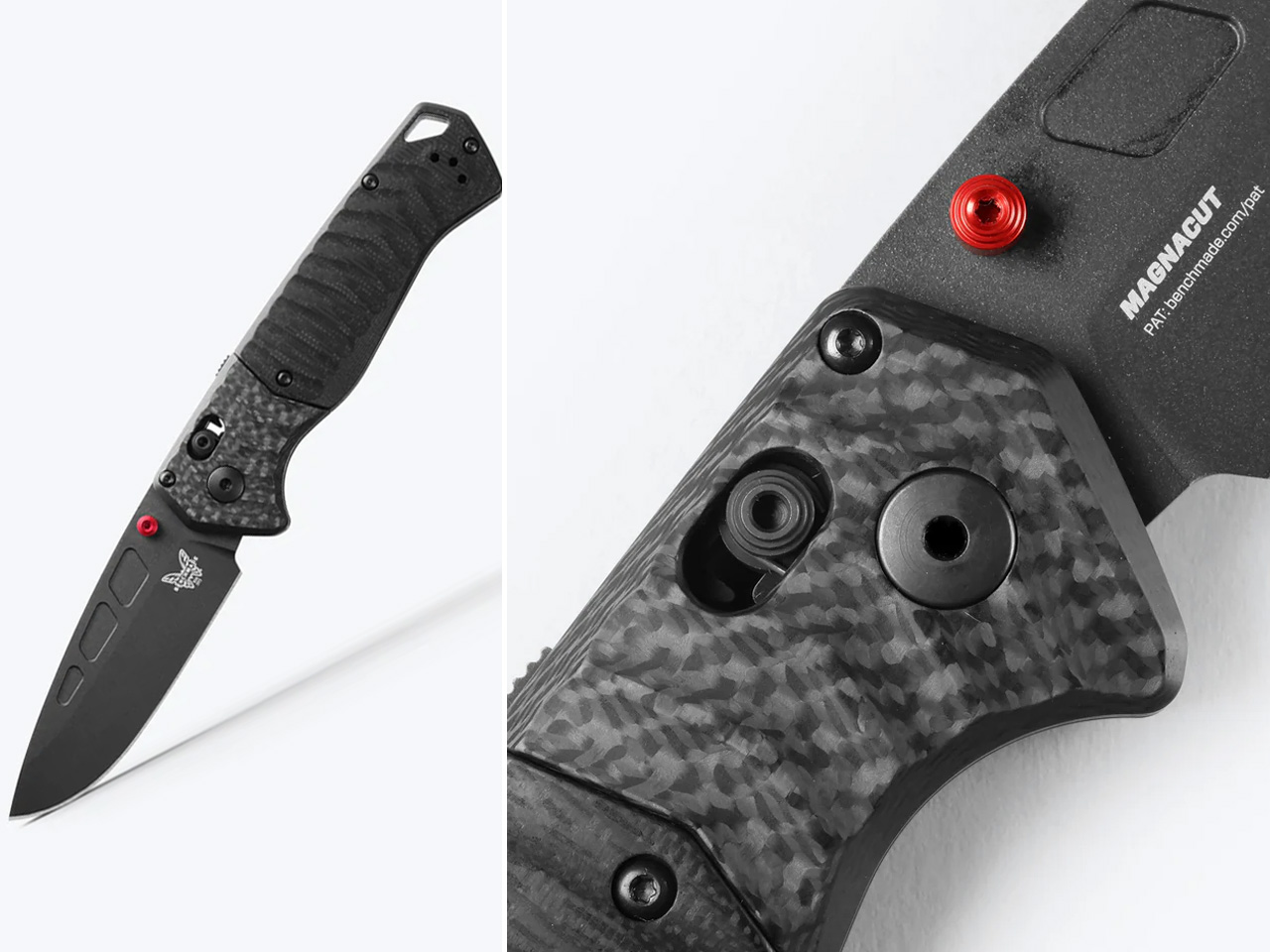
While many blade makers would settle for this perception, Benchmade in the US is redefining the wheel with a folder that is positioned to become a hardcore warhorse for camping tasks and survival experiences. Benchmade PSK, short for Personal Survival Knife, is an efficient and ambidextrous folding knife, engineered for outdoor enthusiasts inside-out.

Designer: Benchmade

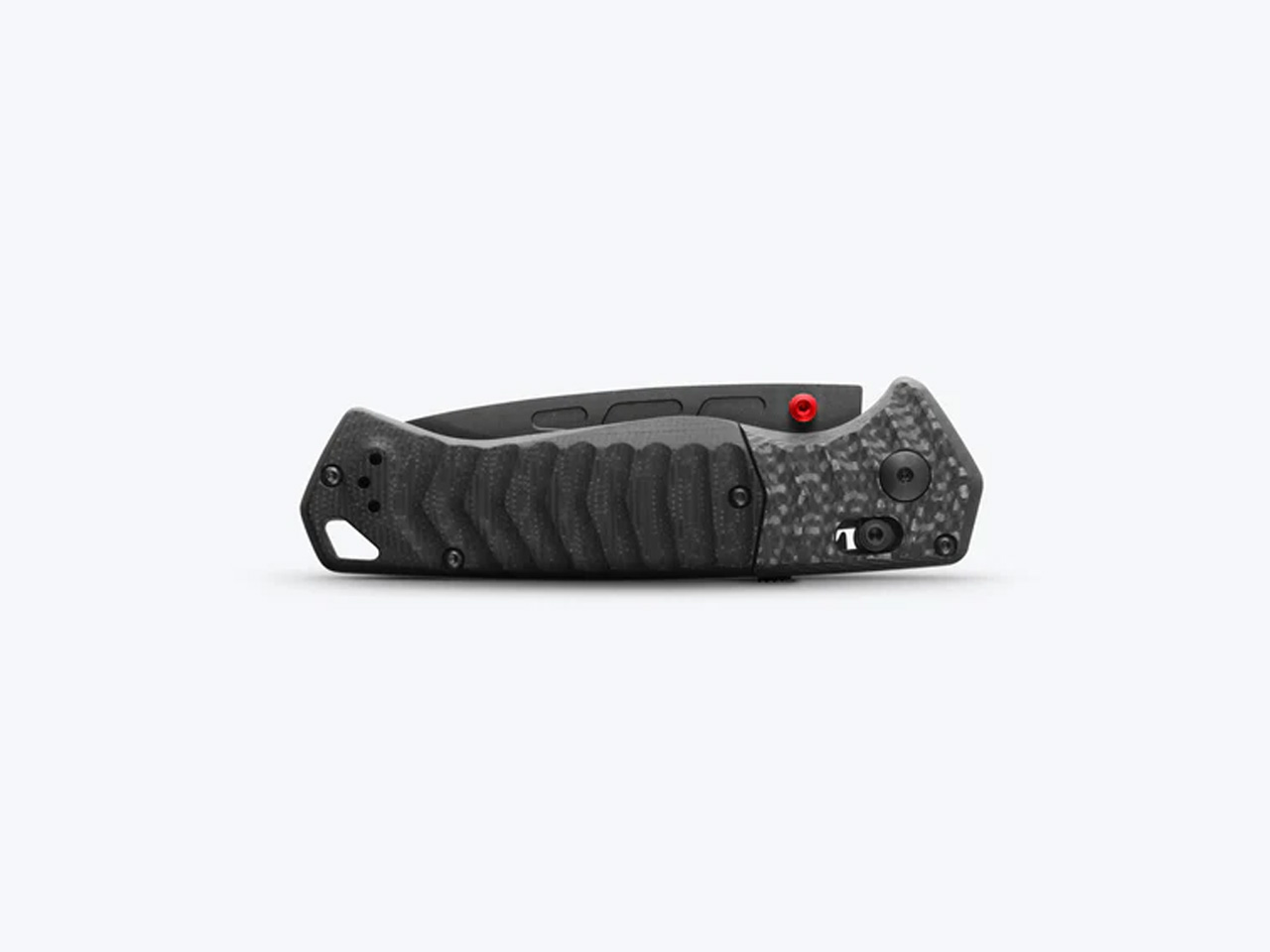
I think it would be unfitting to back all the claims, but from the looks of this stunning folder, you wouldn’t want to write it off either. The corrosion-resistant CPM MagnaCut blade with a black Cerakote coating is the first instant heartwinner. For those who wouldn’t know, CPM MegnaCut is Crucible Industries’ premium steel that boasts toughness, corrosion resistance, and most importantly edge retention. The Cerakote finish enhances this quality manyfold, which the survivalists would leverage.

The interesting blade, measuring only 3.4 inches, houses – when folded – within a black G10 handle with a textured carbon fiber bolster. It also comes in a choice of carbon fiber handle. Measuring a total of 8.4 inches, the PSK, which tips the scale at slightly over 5 ounces, is built sturdy with a set of full liners. The “palm-filling” foldable knife features a quick and reliable AXIS Assist opening and locking mechanism.

Provided with a striking choil at the base of the blade to light a fire with a Ferro rod, this pocket-friendly survivor knife is a comfortable EDC you’d definitely want to try. It should be hand-washed and kept dry and lubricated, the maker notes. The Benchmade PSK retails for $450 in its carbon fiber model.


The post Benchmade PSK ambidextrous folding knife is engineered for the survivalists first appeared on Yanko Design.

Researchers claim most Google Pixel phones shipped with exploitable bloatware since 2017

Mobile phone security firm iVerify has discovered a vulnerability in Google Pixel smartphones. According to iVerify's investigation, a piece of third-party software with deep system access is to blame, and troublingly it shipped with "a very large percentage of Pixel devices [...] since September 2017."

The issue relates to "Showcase.apk," a bit of software made for Verizon and used to put Pixel devices in demo mode while displayed in retail stores. The software downloads a configuration file over an unencrypted web connection, which — because of Showcase's deep access — might allow bad actors to perform remote code execution or remote package installation on the device.

The especially troubling part of this discovery is that Showcase can't be uninstalled at the user level. And while it is not enabled by default, iVerify said there could be multiple ways to activate the software. iVerify alerted Google to the vulnerability in May; thus far there's no confirmed evidence it's been exploited in the wild.

A Google spokesperson told Wired that Showcase “is no longer being used” by Verizon and that Google would have a software update to remove the software from all Pixel devices "in the coming weeks." Additionally, the rep said Showcase is not present in the line of Google Pixel 9 devices announced during the Made by Google event this week.

This article originally appeared on Engadget at https://www.engadget.com/mobile/smartphones/researchers-claim-most-google-pixel-phones-shipped-with-exploitable-bloatware-since-2017-185926564.html?src=rss

We got an Electric DeLorean before we got GTA 6…

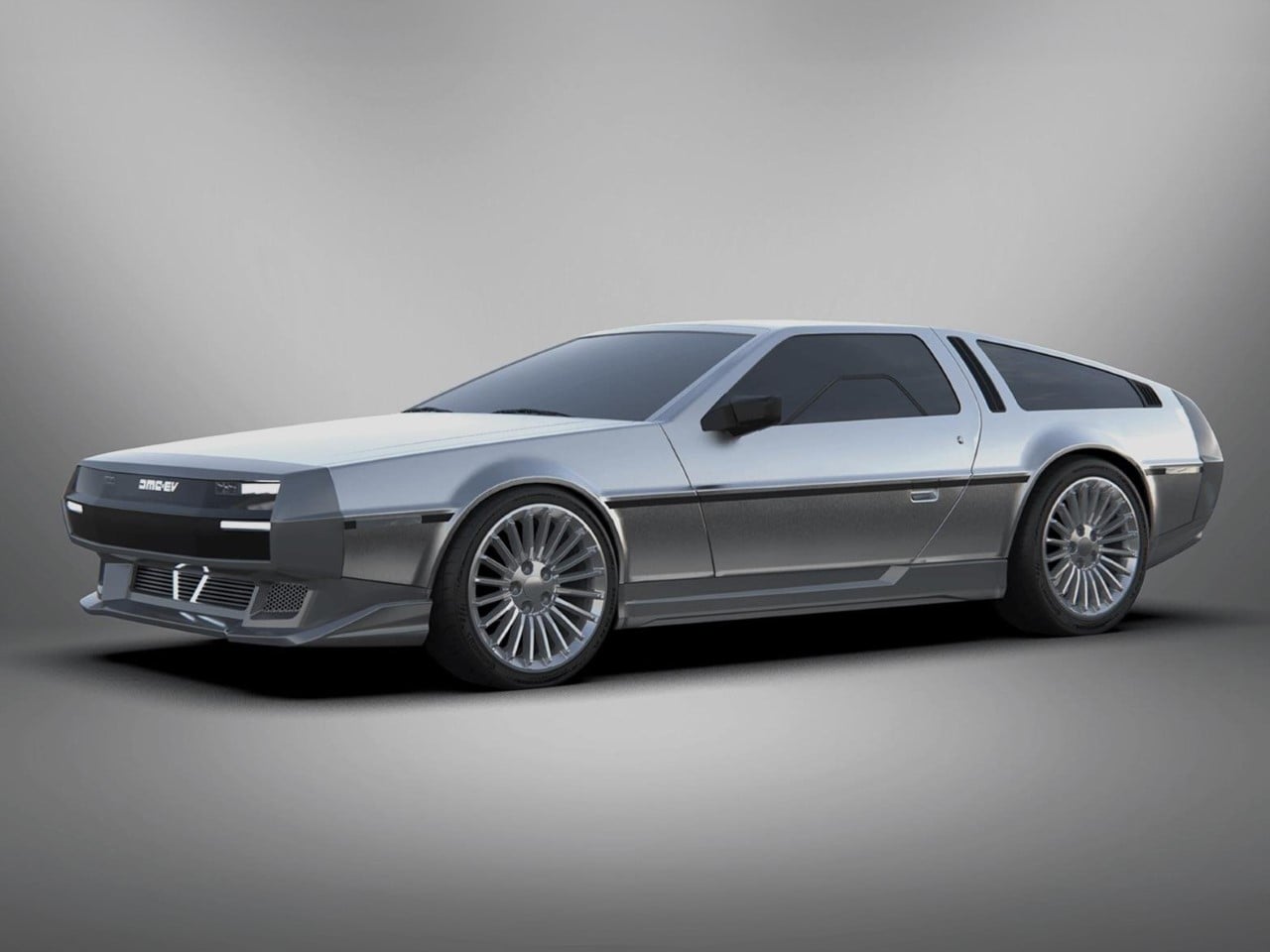
A symbol of the 1980s and cinematic nostalgia, the DeLorean is making its comeback… not as a relic but rather as a forward-thinking electric vehicle. Lynx Motors, a brand known for its dedication to reviving classic sports cars, has announced the launch of the DMC-EV. This modern reimagining of the iconic DeLorean DMC-12 combines the car’s legendary design with the latest in electric vehicle technology, offering a unique blend of retro appeal and futuristic innovation.

Designer: Lynx Motors

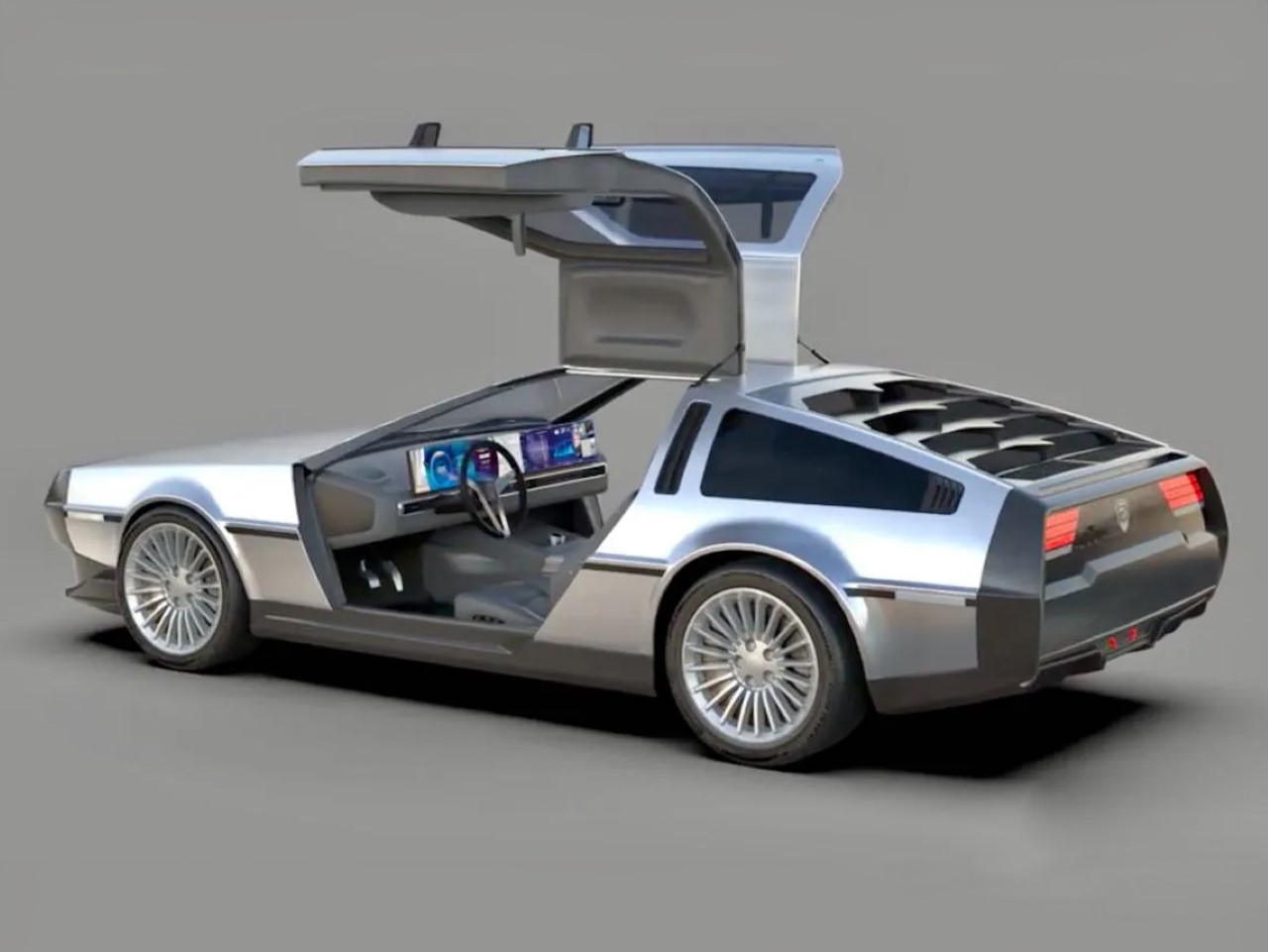
The exterior of the DMC-EV stays true to the original design by Giorgetto Giugiaro, with sleek lines that instantly evoke memories of the 1980s classic. However, Lynx Motors has made several updates to bring the car into the modern era. The most noticeable changes include LED lighting at the front and rear, as well as larger, transparent panels that give the car a more contemporary look. The badging on the car has been updated to include both the Lynx and DMC-EV logos, signaling the car’s transition into the electric age. The vehicle also features larger wheels, and owners will have the option to customize the side skirts and bumpers, allowing for a personalized touch that departs from the stainless steel finish of the original DMC-12.

The interior of the DMC-EV, however, has been completely overhauled to meet modern standards. The centerpiece of the cabin is a large touchscreen display that spans the width of the dashboard, providing the driver with all the necessary information at a glance. The seats are upholstered in high-quality leather, adding a touch of luxury to the vehicle. The center console now features a wireless phone charger and a large rotary dial, making it both functional and aesthetically pleasing. The steering wheel has been redesigned as well, featuring a sporty look with carbon fiber accents and perforated leather, further enhancing the driving experience.

Under the hood, the DMC-EV draws power from four high-output in-wheel electric motors, delivering all-wheel drive and ensuring optimal performance on the road. These motors are supplied by a 70kWh CATL battery pack, which provides a range of approximately 402 kilometers on a single charge. The DMC-EV is capable of accelerating from 0 to 60 mph in under four seconds, a feat that underscores its high-performance capabilities. Additionally, the vehicle is equipped with Tesla’s NACS charging port, allowing it to access Tesla’s extensive Supercharger network in the United States, making long-distance travel more convenient for its owners.

Lynx Motors has opened reservations for the DMC-EV, with a starting deposit of $2,500 USD. While the exact pricing of the vehicle remains somewhat ambiguous, with figures ranging between $249,999 and $299,500 USD, the demand for this reimagined classic is expected to be high. Deliveries are slated to begin next year, and the DMC-EV will join Lynx’s lineup alongside the GT1e, another electric restomod based on the 2005 Ford GT.

The post We got an Electric DeLorean before we got GTA 6… first appeared on Yanko Design.

Kim Dotcom, roguish face of 2010s online piracy, will finally be extradited to the US

Kim Dotcom, the Megaupload founder and hard-partying face of early 2010s online piracy, is finally headed to the US. Reuters reports that New Zealand’s justice minister signed an extradition order on Thursday to end the entrepreneur’s nearly 13-year legal battle, paving the way for the German-born Dotcom to face charges from the US government.

“I considered all of the information carefully, and have decided that Mr Dotcom should be surrendered to the U.S. to face trial,” Goldsmith said in a statement. The decision came more than six years after a New Zealand court ruled Dotcom could be extradited to the US, paving the way for appeals that culminated in today’s decision.

Kim Dotcom partying, toasting glasses with various others in a club atmosphere. Still from music video.
YouTube / Kim Dotcom

Once the 13th most visited site online, the file-hosting hub Megaupload was a hotbed for pirated content. In early 2012, American authorities charged Dotcom and six others with racketeering, copyright infringement, money laundering and copyright distribution. The US indictment claimed Megaupload cost copyright holders $500 million in damages while making $175 million from ads and premium subscriptions.

The raid on Dotcom’s Auckland mansion was dramatic fare among 2012’s relatively tame headlines. The New York Times reported at the time that when he saw the police, Dotcom barricaded himself inside, activated several electronic locks and waited in a safe room. When officers cut their way inside, they saw Dotcom standing near “a firearm that they said looked like a sawed-off shotgun.”

Kim Dotcom on a comfortable water vehicle.
YouTube / Kim Dotcom

Dotcom (born Kim Schmitz) had several brushes with the law before that. He at least claimed to have spent three months in a Munich jail in 1994 for “breaking into Pentagon computers and observing real-time satellite photos of Saddam Hussein’s palaces.” Soon after, he received a suspended two-year sentence for a scam involving stolen phone card numbers.

In 2001, he was accused in the largest insider-trading case in German history. He reportedly fled Germany to escape those charges, was captured in Thailand, extradited (this week isn’t his first go-round) and convicted in 2002. At some point after that, he moved to New Zealand, holing up in a luxurious mansion.

You can see that mansion — and a taste of his larger-than-life persona — in his music video “Good Life.”

Justice Minister Paul Goldsmith signed the extradition order on Thursday and followed standard practice in giving Dotcom “a short period of time to consider and take advice” on his decision.

Dotcom, never one to mince words, posted a message on X that “the obedient US colony in the South Pacific just decided to extradite me for what users uploaded to Megaupload.”

This article originally appeared on Engadget at https://www.engadget.com/entertainment/kim-dotcom-roguish-face-of-2010s-online-piracy-will-finally-be-extradited-to-the-us-172100627.html?src=rss

T-Mobile fined $60 million for failing to stop data breaches

T-Mobile has been fined $60 million for failing to both report and stop data breaches, as indicated by Bloomberg. The hefty fine was levied by the Committee on Foreign Investment in the US (CFIUS) and represents the largest such financial penalty the organization has ever issued. T-Mobile is owned by Deutsche Telekom, a company based in Germany, which is why CFIUS got involved.

These penalties have their origins in the terms of a 2020 deal in which T-Mobile purchased Sprint. CFIUS put some conditions on the purchase, including some related to protecting consumer data. The Committee found that T-Mobile didn’t comply with these conditions by failing to secure data and then by failing to report unauthorized access to this data, as reported by Reuters.

The data access occurred in 2020 and 2021. T-Mobile has blamed it on technical issues that sprang up during its post-merger integration with Sprint. The company says that this impacted “information shared from a small number of law enforcement information requests."

It also says that the data stayed within the law enforcement community, even after the unauthorized access of data. T-Mobile claims that these issues were reported “in a timely manner” and that they were “quickly addressed.”

A representative from the company reached out to Engadget and echoed the above sentiment, saying "this was not a data breach, but a technical issue." 

CFIUS has been getting more aggressive in recent months with regard to fines and affiliated penalties. It issued six large penalties in the past year or so, though none get close to the $60 million fine T-Mobile was just hit with. This is approximately three times the number of penalties it has issued during any other similar timeframe throughout its existence, from 1975 until 2022.

“The $60 million penalty announcement highlights the committee’s commitment to ramping up CFIUS enforcement by holding companies accountable when they fail to comply with their obligations,” a US official told Reuters.

Update, August 15 2024, 2:40PM ET: This story has been updated to include a quote by T-Mobile. 

This article originally appeared on Engadget at https://www.engadget.com/big-tech/t-mobile-fined-60-million-for-failing-to-stop-data-breaches-170438570.html?src=rss