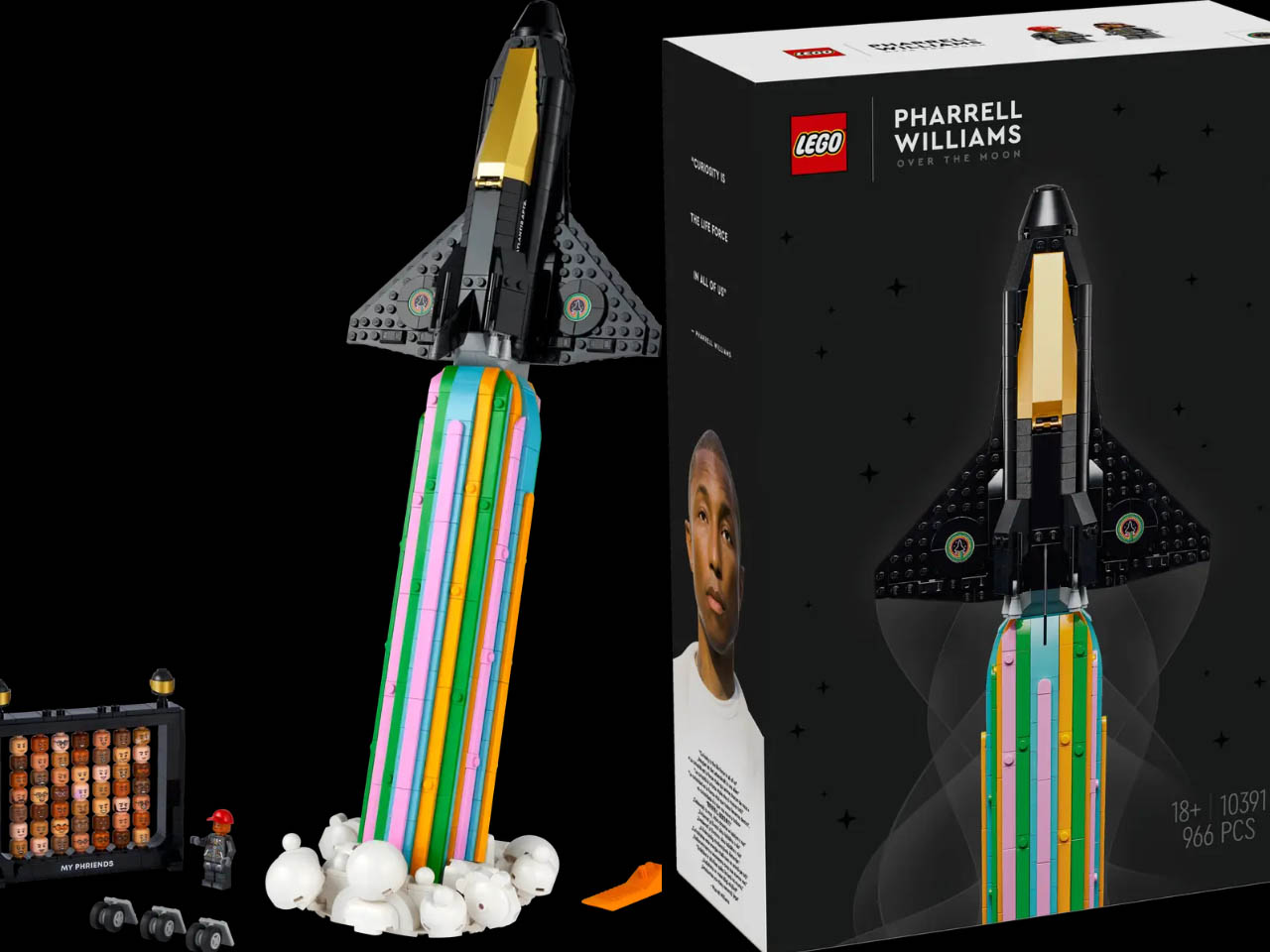
Pharrell Williams is already known for his exploits in the music, fashion and skincare industry. Now the music producer is all set for his LEGO movie titled Piece By Piece produced by the LEGO Group, slated for 11 October release. So how would someone not expect to have a LEGO set for the songwriter? The Danish toy company has been speculated to be working on the LEGO set’s release since last year but plenty more sets pushed the announcement. The LEGO set will now be released on 20th September for builders.
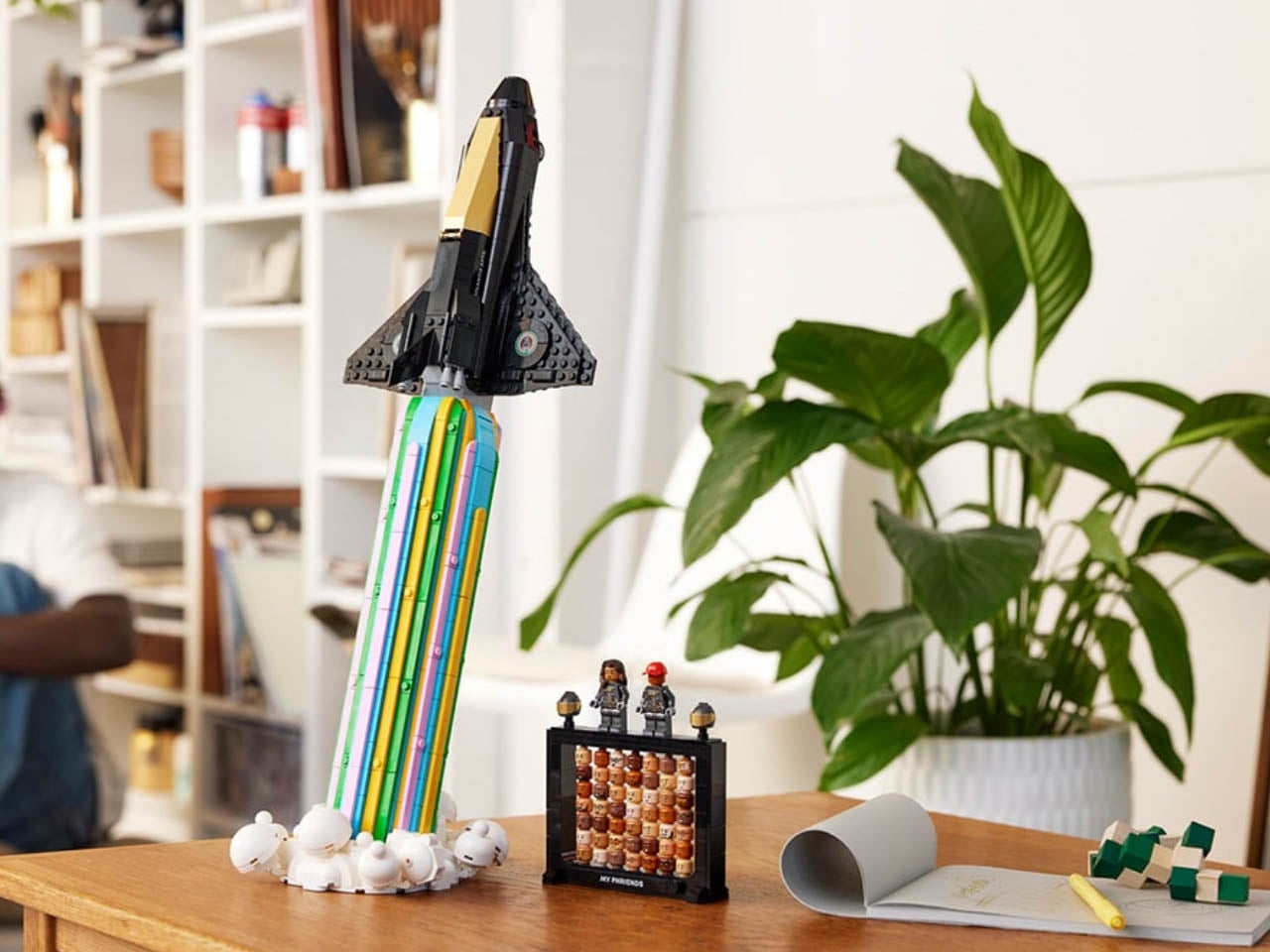
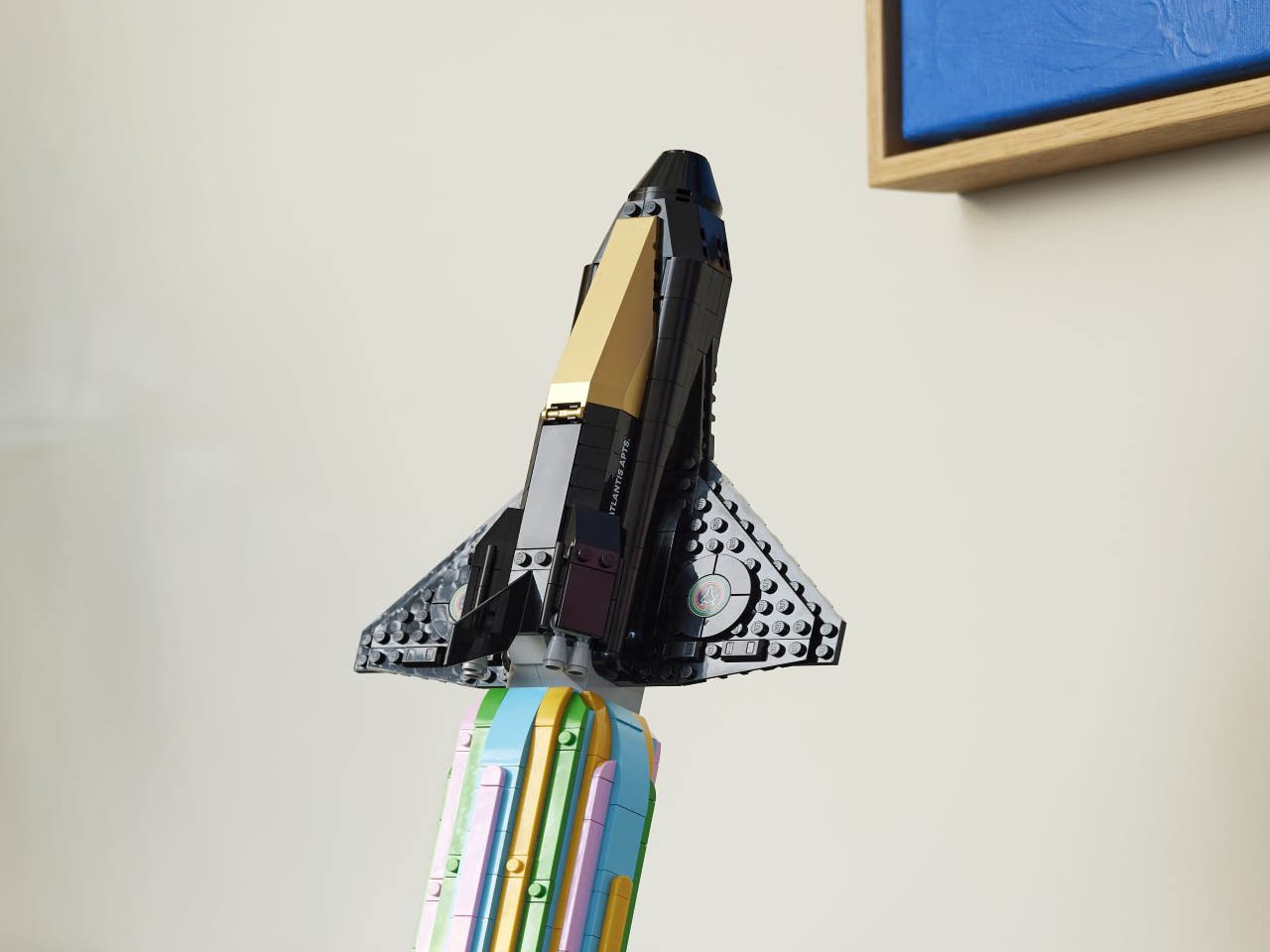
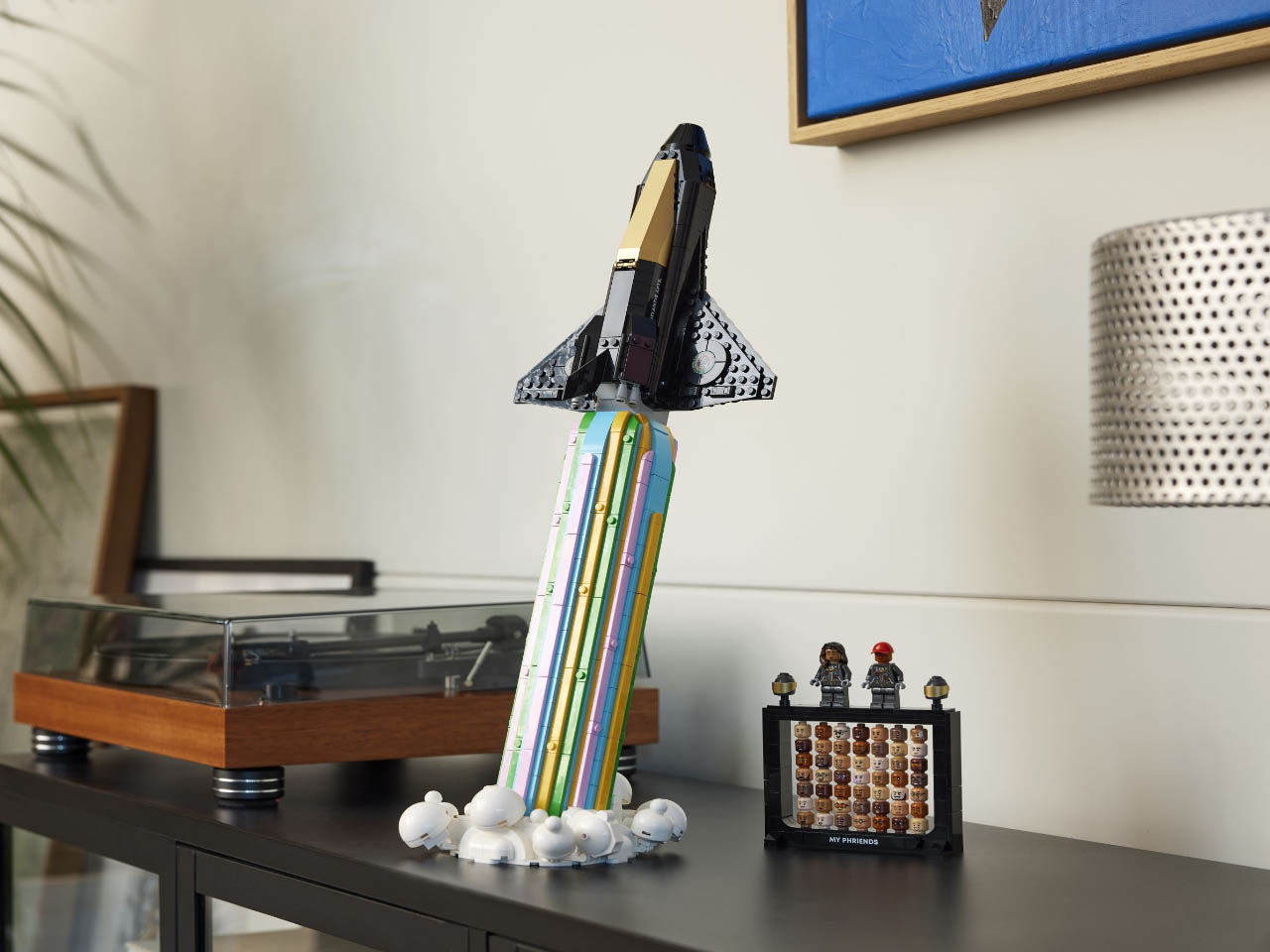
Entitled Over the Moon, this spaceship LEGO set draws inspiration from the childhood experience of the star. The space-themed set represents the launchpad that shoots him to success and inspires others to live their dream too. According to Pharrell “When I was a child, my perception of reality was based on a 20-mile radius. And at the center of it was Atlantis Apartments. We lived in the crash zone of the Air Force Base, where the Blue Angels would fly all the time.”
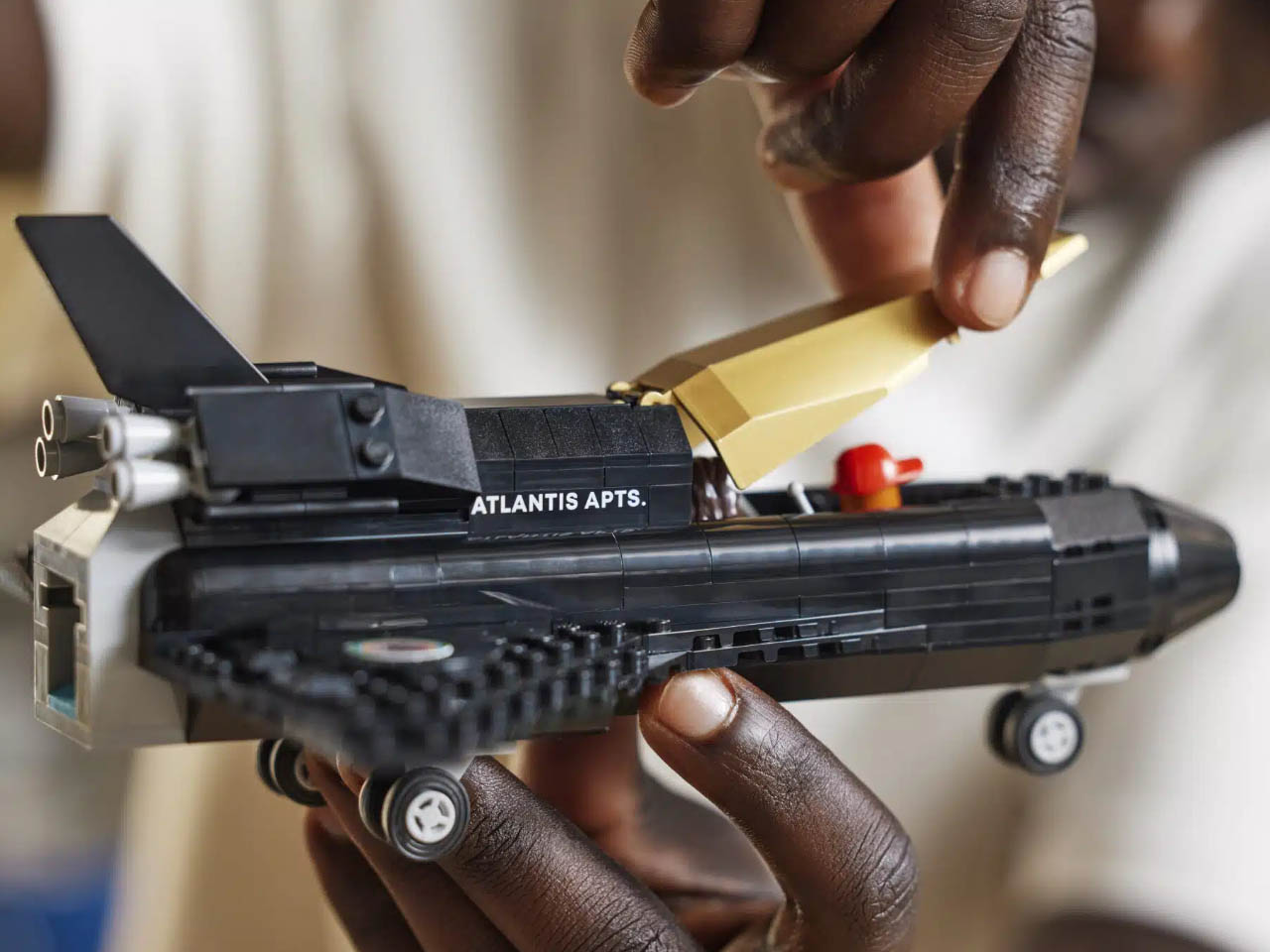
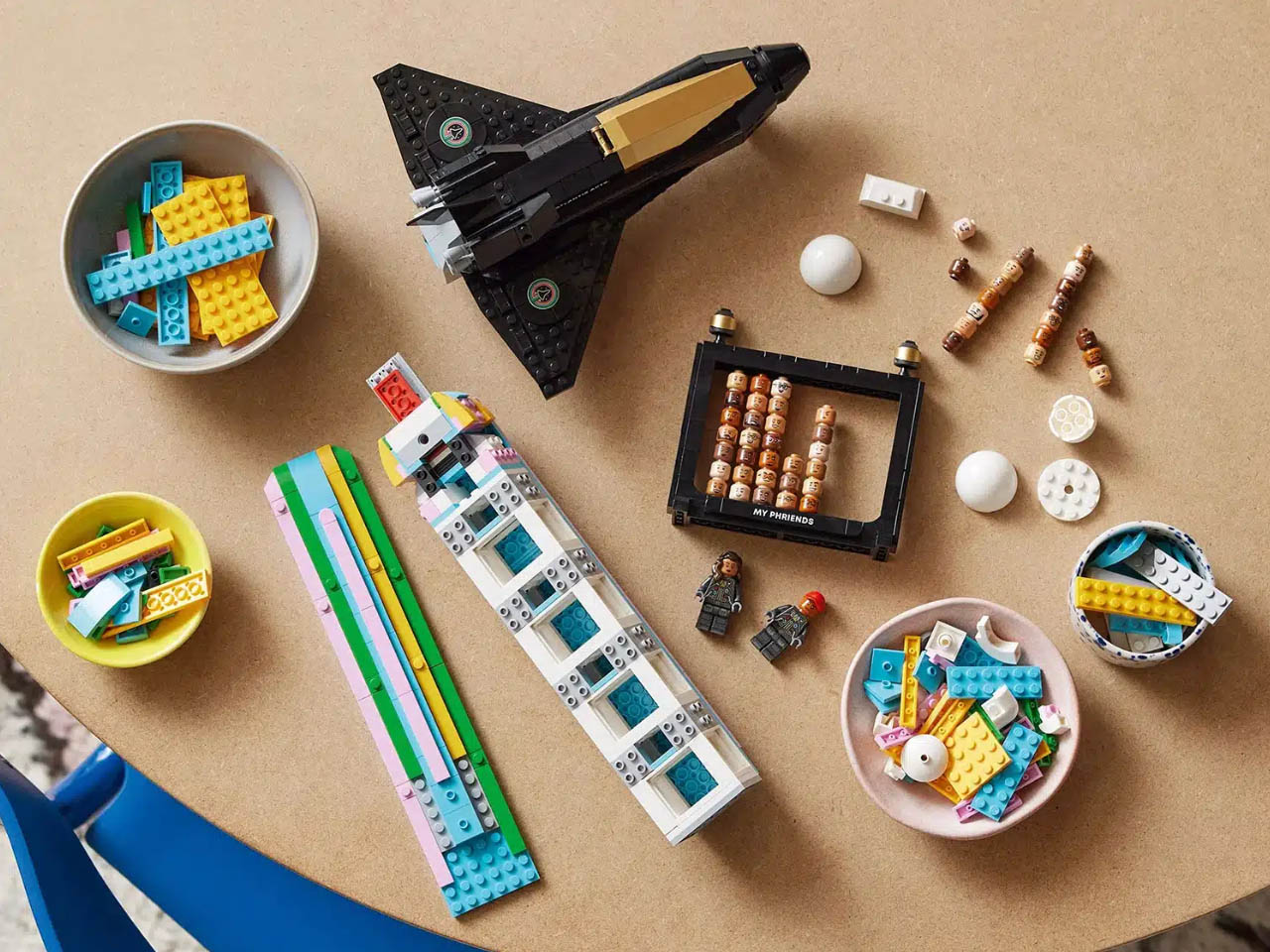
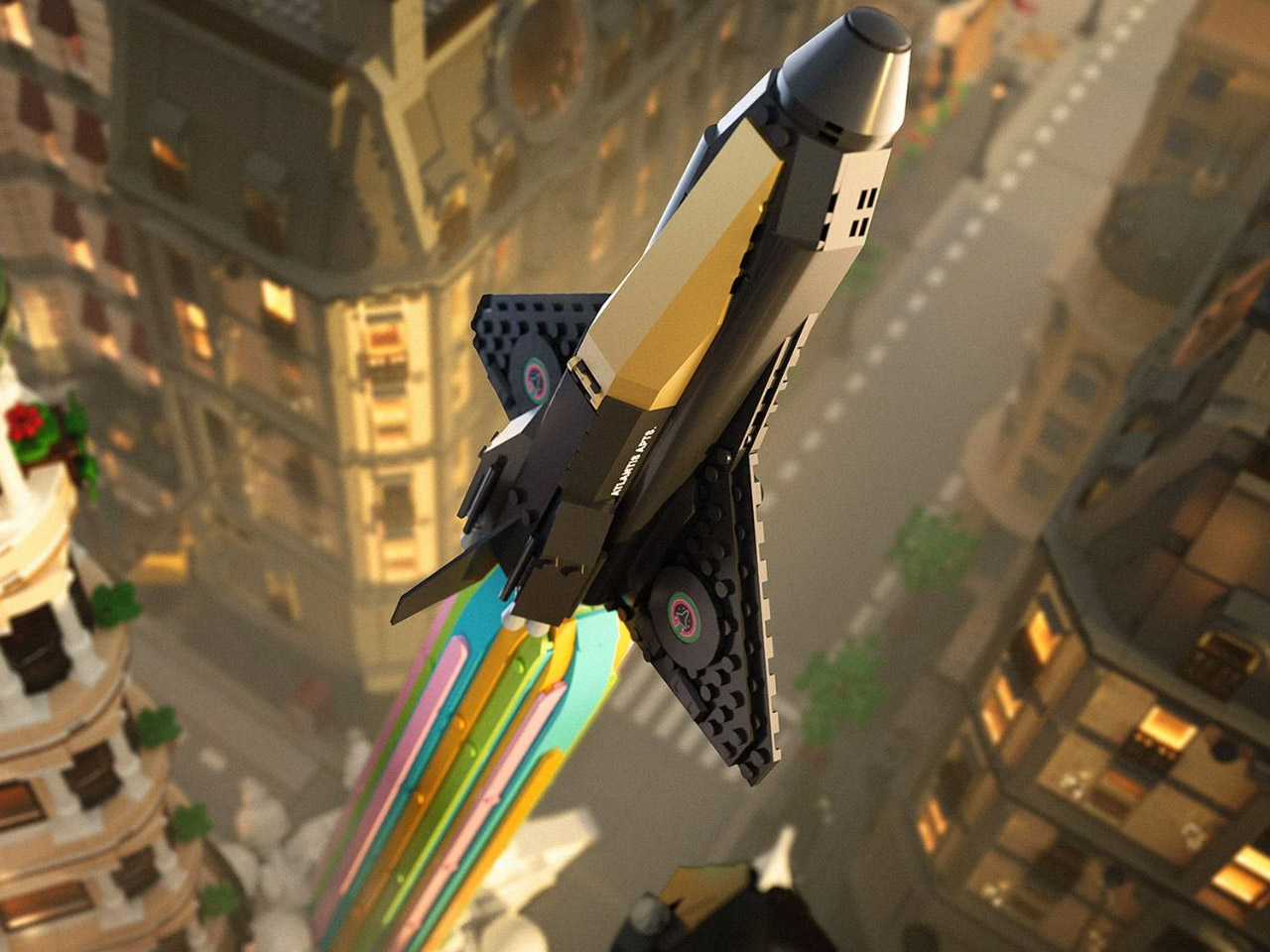
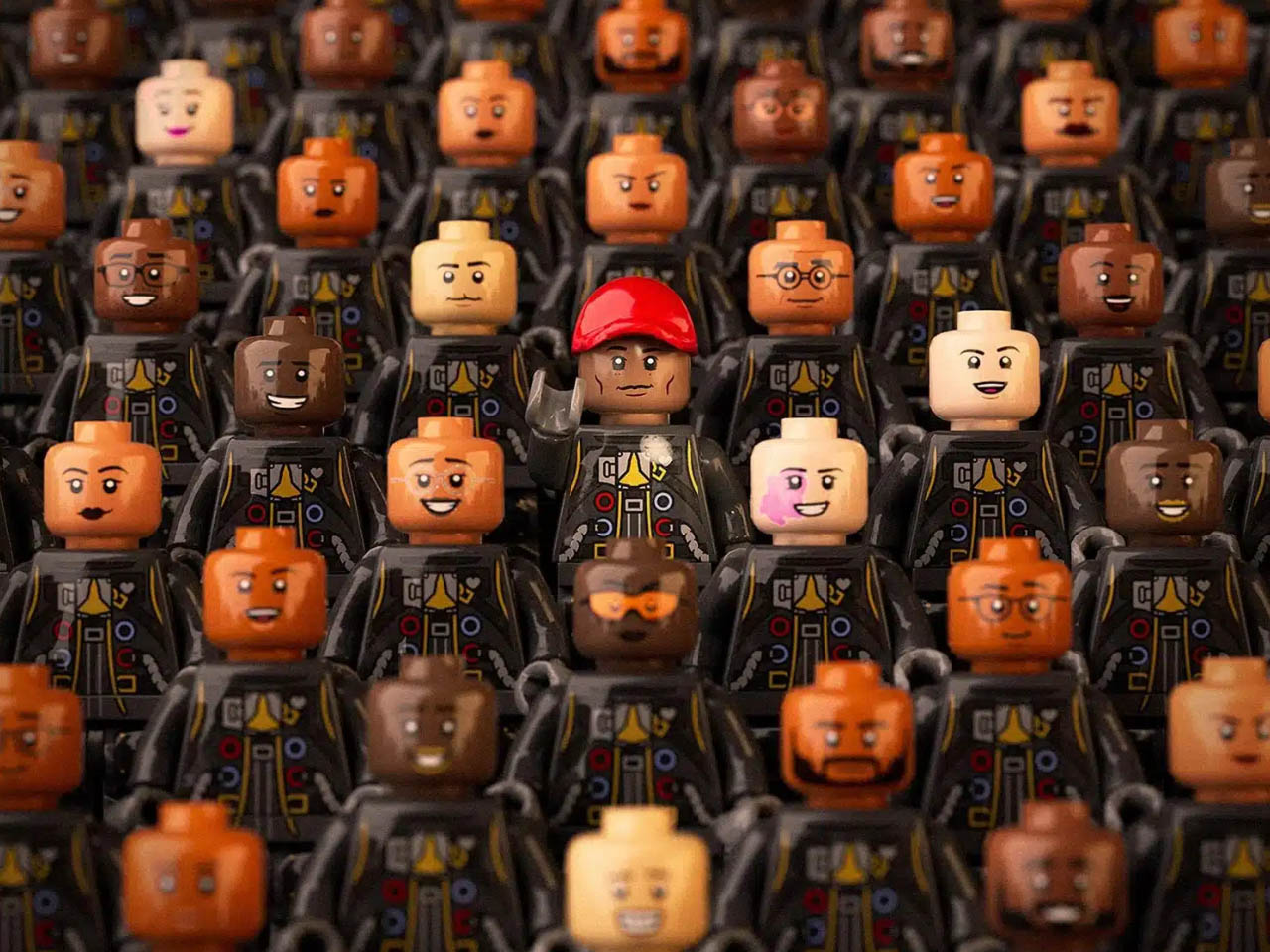
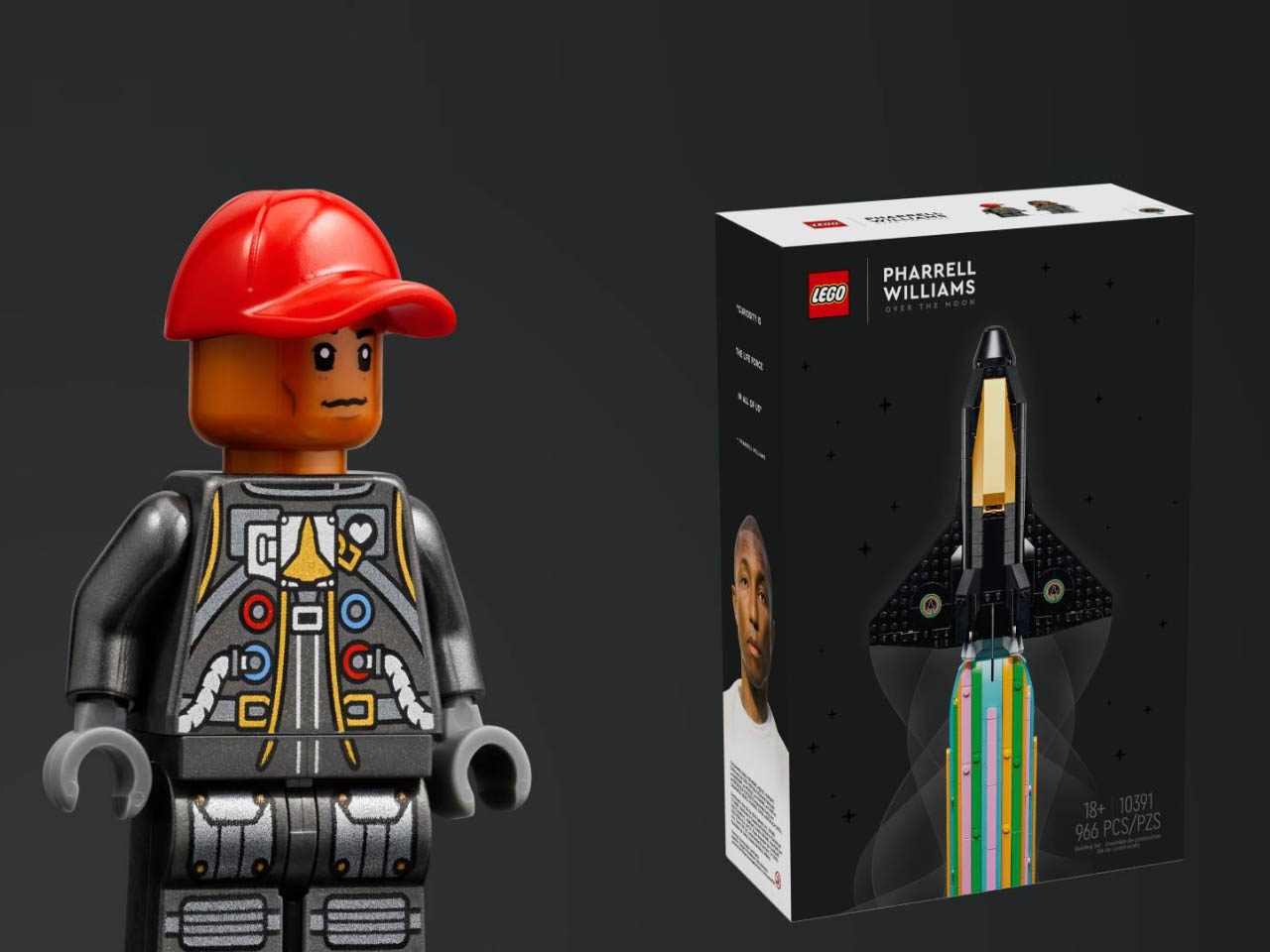
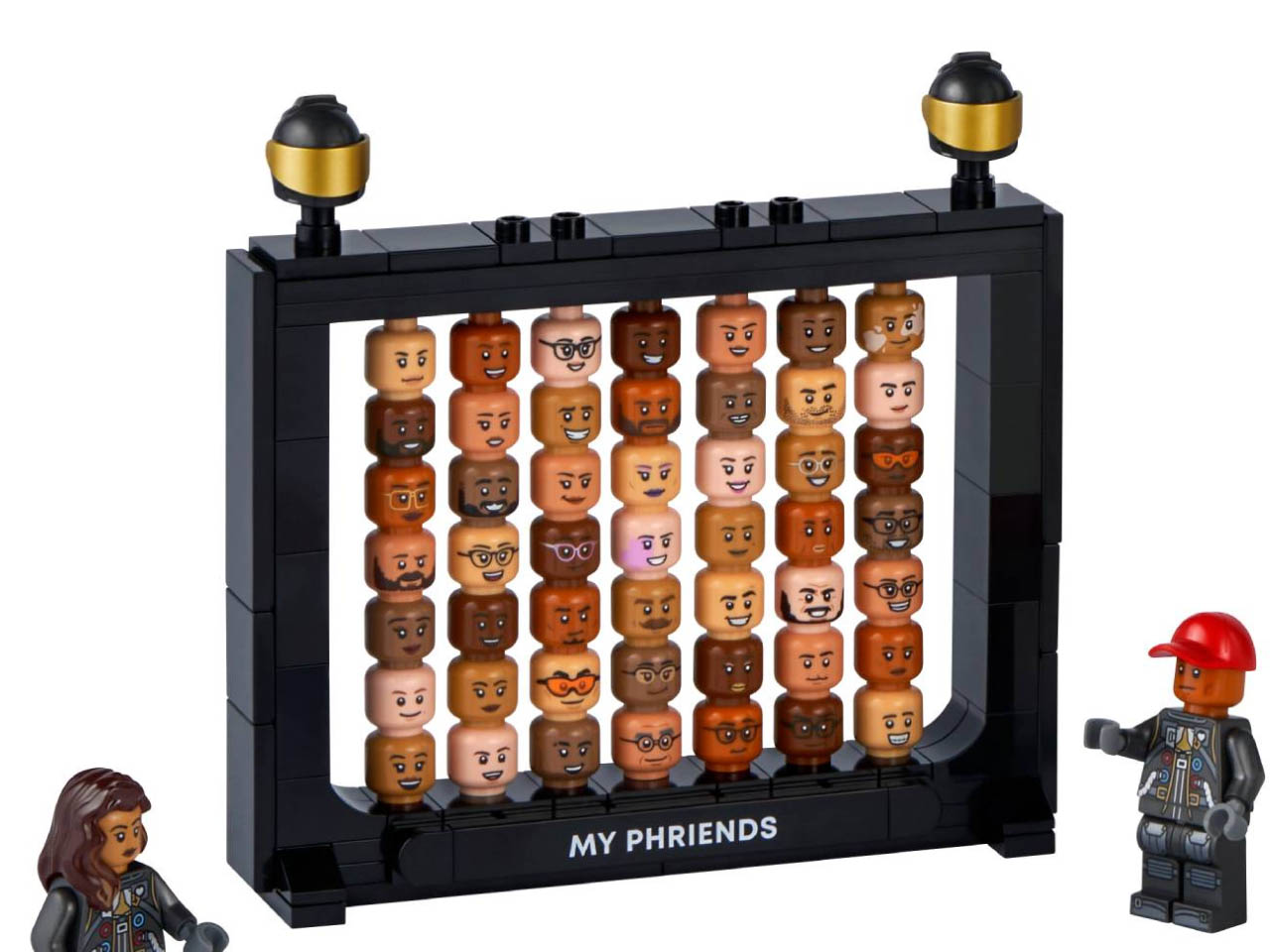
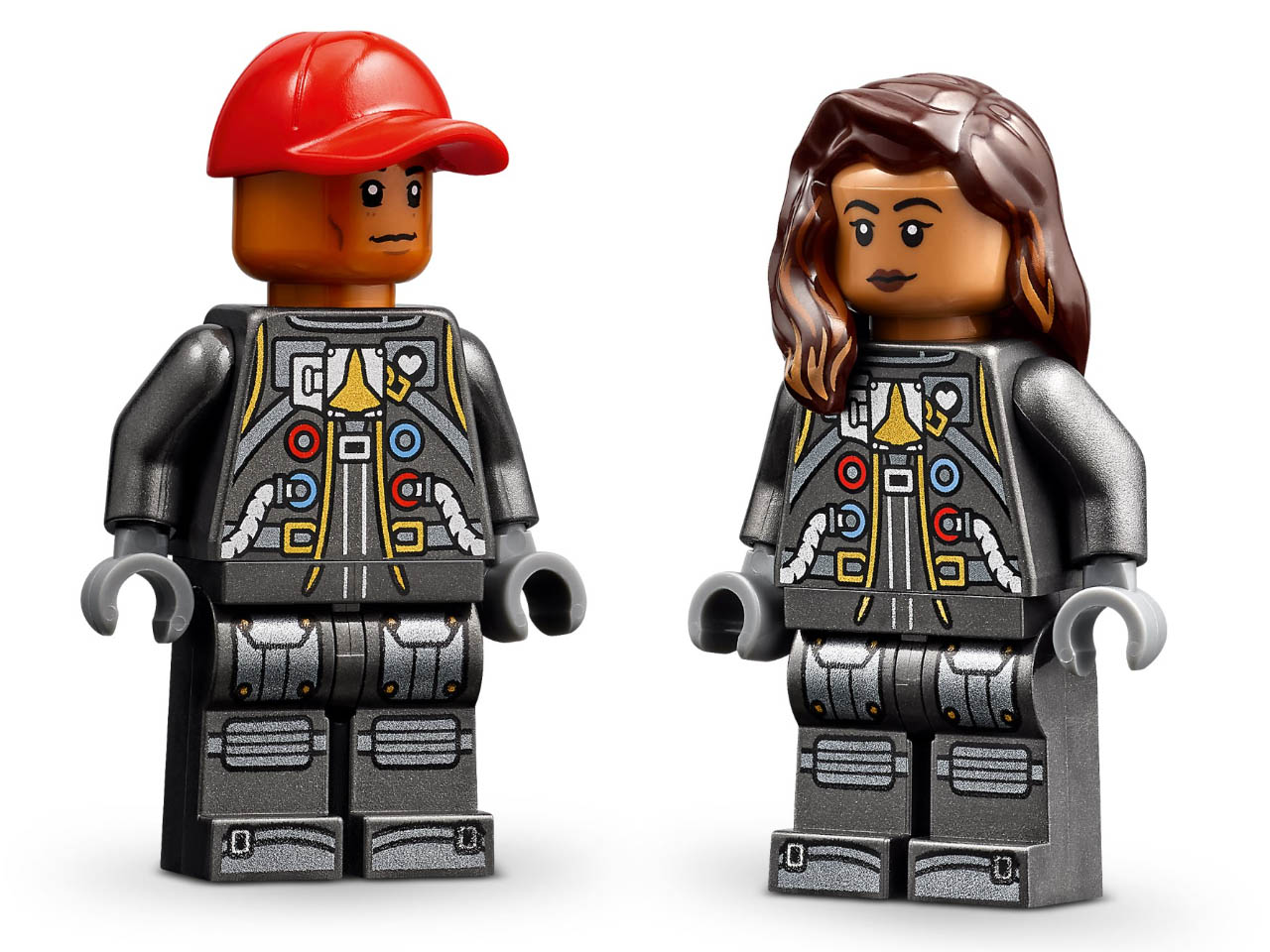
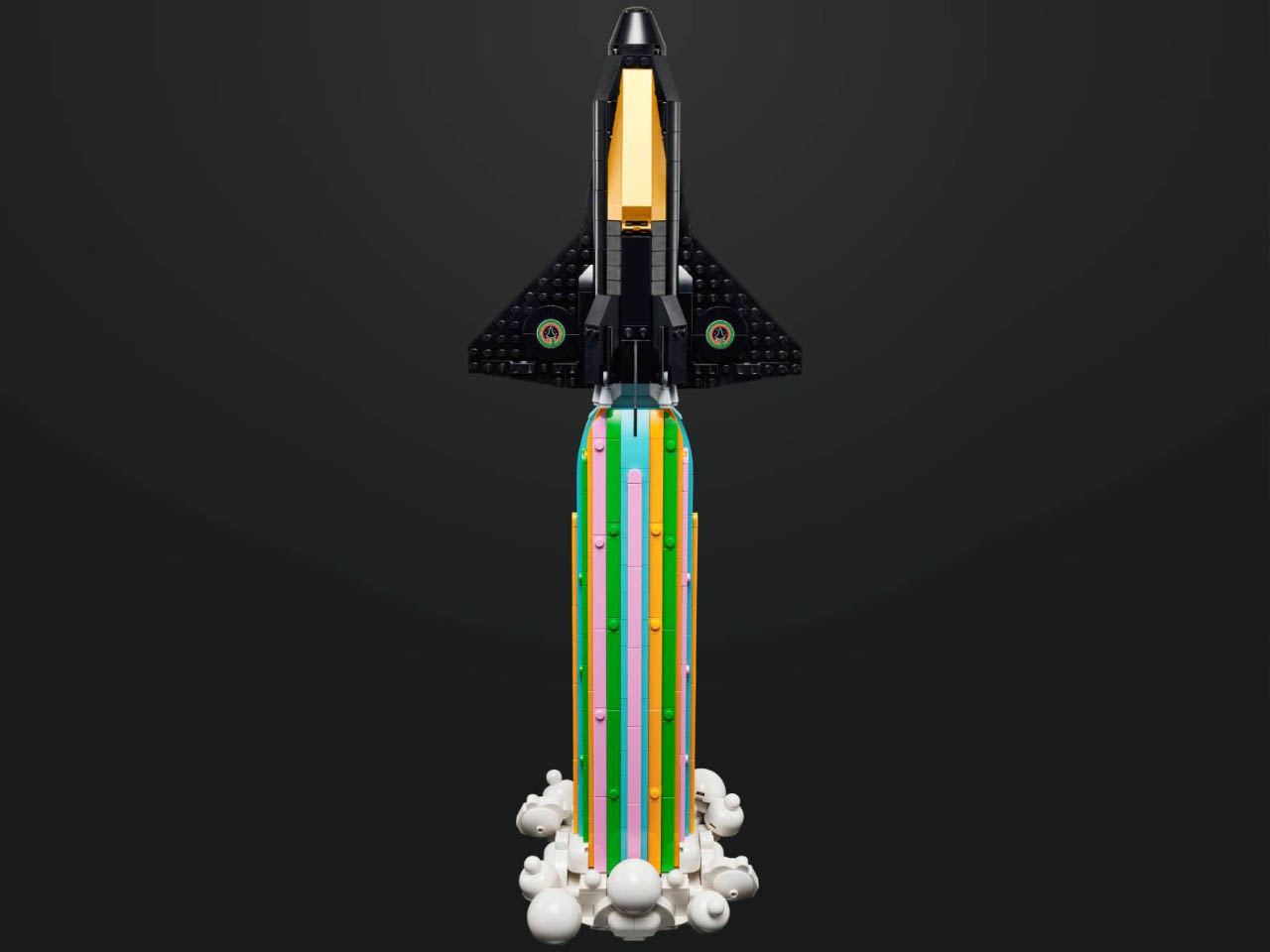
The 19.5-inch tall space shuttle set comes with an opening cockpit and attachable landing gear to replicate the take-off and touchdown. It has a total of 966 pieces along with 51 different minifigure heads in seven different color tones. The minifigure of the artist along with his wife Helen Lasichanh in titanium space suits and gold-color visors take centerstage. The heads can of course be swapped with the other minifigure heads. The outstanding visual element of the LEGO set is the detachable jet stream which is actually an array of multicolored bricks that mounts on the back of the shuttle. Each of these colored streams is interchangeable, so one can create a unique look every time they put it together.
A third of the bricks are used to build the jet stream which makes it stand out from any other spaceship set. Pharrell’s Over the Moon LEGO set is up for pre-order right now for $110, so fans better watch out.
If you remember the reMarkable 2 when it was announced in March 2020, you'll be excited to hear about its successor: the reMarkable Paper Pro. This new distraction-free writing slate comes with a nicer chassis, faster internals, a bigger display and most importantly, a color screen.
If you’re unfamiliar, reMarkable is the standard bearer for those devices standing in the delta between high and low tech. It’s an e-paper slate with a stylus (or keyboard) for reading, writing or editing your own documents, or annotating PDFs. The focus is giving you a calmer space to get some Serious Work(™) done, free from the distractions a “proper” computer or tablet would harbor. The company has always maintained that its devices offer you a way to feel like you’re working on paper, without actually having to work on paper. Despite its age, the reMarkable 2 has been a mainstay in our E Ink tablets guide as the pick that's the best option for most people. The only other products currently in the conversation are the Kobo Libra Colour and Onyx Book Tablet Note Air 3 C. Those models also boast color screens and stylus compatibility, but both have smaller displays — 7 inches diagonally on the former and 10.3 inches on the latter.
The Paper Pro is a little more than an inch taller and a quarter inch wider than its predecessor but has been able to cram in a lot more stuff. The rM2 had a 10.3-inch monochrome display while the Paper Pro’s stretched to 11.8-inches. reMarkable’s Chief Design Officer Mats Solberg explained his team worked to reduce the size of the bezels and chin to accommodate the bigger display.
Image by Daniel Cooper / Engadget
Whereas the older model stuck to a rigid notion of post-iPad design language, the new Paper Pro gets a more austere look and feel. The edge band is sharper, if still comfortable to hold, and Solberg emphasized the grooves etched into the sides. He explained they both evoke the idea you’re holding a sheaf of paper, and to add some much-needed grip to a device this thin.
There’s dramatic changes on the inside, with a new 1.8Ghz quad-core Cortex A53 paired with 2GB RAM and 64GB storage. For comparison, the rM2 had a 1.2GHz dual-core chip, 1GB RAM and just 8GB storage. As soon as you turn the Paper Pro on, you’ll see the benefits of the new silicon, with far faster response times. You even get proper animations during the setup process.
But the real showstopper here is the display, which uses a modified version of E Ink’s Gallery 3 technology dubbed “Canvas Color.” It means the display holds a series of ink particles inside each pixel — a White, Cyan, Magenta and Yellow — as in most regular printers. reMarkable says the display is similar to newsprint and it’s an apt analogy with clear, if muted, colors on show.
Image by Daniel Cooper / Engadget
The technology can also dither colors, mixing each ink particle to produce up to 20,000 other colors, and the colors can also be layered. It means you can highlight sections of text in the same way you’d use a highlighter on paper, the more layers you draw, the darker the color. Of course, the benefit of using a digital device is that you can highlight it as many times as you want without anything becoming soggy.
As usual, reMarkable has leveraged a limit and turned it into a benefit, offering you colors with a heavy dose of restraint. And you don’t really need your retinas to be burned inside out if you’re trying to organize your thoughts ahead of a big meeting. Although, having been spoiled by so many well-made displays of late, I do wish the colors popped a little bit more than they do.
The Paper Pro is the first reMarkable with a frontlight, finally letting you get some work done in dark environments. Solberg explained the frontlight was one of the hardest challenges to build without harming the distance between the stylus tip and the display itself. He said the team was determined to keep the gap between the pen and the display to under one millimeter, and succeeded.
The last two slates had active displays but passive styluses, but the Paper Pro gets an Apple Pencil-esque active stylus as well. It’ll charge while magnetically connected to the side of the bezel and the new components help improve accuracy and latency. Solberg said the reMarkable 2 had an input latency of 22ms, and he had targeted 15ms for this model. He was proud to say that the team smashed that target, with the Paper Pro’s latency down to just 12ms.
And yet, for all the headline changes, it’s the added responsiveness that’s the really compelling feature. The rM2 was no laggard, but the faster input really does help sell the idea you’re sketching out ideas on paper. You can always credit the company for sweating the details, too, like the fact you can add a highlight or handwritten annotation to typed text that will follow the text around as you edit it.
I’m also impressed with reMarkable’s commitment to making the Paper Pro easier to repair and refurbish than older models. Solberg explained that the Paper Pro is far more modular under the hood, with easily-swappable components. He ruled out end-user repairs, but said that the only adhesive used in the chassis are two replaceable glue strips to keep the battery in place. Repairs would likely need to take place at reMarkable HQ or a partner distributor, but the fact it’s been designed with an eye on long-term repair at all is laudable.
reMarkable Paper Pro is available to order today from reMarkable’s website and Best Buy, priced at $579 with the standard Marker and $629 for the Marker Plus. If you want to add a case, and I heartily recommend you do, it’ll cost you between $89 and $179, depending on your material choice. And if you want to add the Type Folio, you’ll need to cough up an additional $229. The reMarkable 2 is remaining around as a lower-cost option (unsurprisingly, as it’s a really good piece of kit) and will now be available with the standard Marker for $379.
Of course, you and your wallet will have to decide if that’s the sort of sum you can bear to part with, especially in these tightened times. With a product like this, the intentional choices and limits made means it’ll always stack badly in a head-to-head with a similarly-priced iPad. The trick is to work out if you’ll be more productive with less mental and physical clutter in your computing environment, and go forward from there. I’ve found, when I’ve got a lot of work to do and need to focus, it’s a better way to hammer out first drafts than other devices I could name.
Update, September 6, 4:43PM ET: This story was updated after its original publication to include a comparison to competing writing tablets with color screens.
This article originally appeared on Engadget at https://www.engadget.com/mobile/tablets/the-new-remarkable-paper-pro-adds-a-color-display-120059067.html?src=rss
Building just one smartphone from scratch would be a huge undertaking, even if the world is full of them. Now imagine trying to build one that’s 100 times its normal size with nearly all the same forms and functions.
Perkins started his build with the screen, a massive undertaking that required converting a LG Signature 88-inch OLED TV into a responsive touchscreen. He commissioned a manufacturer to fabricate a piece of touch foil the size of the screen, which he fixed in place with an optically clear glue UV epoxy.
The next challenge was finding a way to fit oversized versions of the phone’s components in a frame: the speakers, three-lens camera array, the volume and power buttons and the special function button. He built a frame out of aluminum with a cross shaped support in the middle. The cameras especially weren't cheap, as Perkins opted to use both a Canon EOS R5 as well as a Sony RX10 Mark 4 to mimic the iPhone 15 Pro Max’s telephoto lens. The frame was also designed to be permanently mounted to a similarly-scaled up phone stand so it could be rotated without giving the user a massive hernia.
The only major component they couldn't recreate was the operating system, since Apple's iOS is closed-source. But using Android had two major perks: the Bliss OS recreated the feel of an iPhone home screen using a themed skin, and they could install Flappy Bird — something actual iPhone owners haven't been able to do in nearly a decade.
The phone may be big but it appears to be just as functional as a handheld iPhone. Maini and a group of friends took the phone into the real world to test it out, and apparently it can make tap-to-pay purchases, send emails and make video calls. Functional or not, it's brave to bring a $70,000 phone onto the streets of London without a case.
This article originally appeared on Engadget at https://www.engadget.com/mobile/smartphones/youtubers-built-a-six-foot-tall-working-replica-of-apples-iphone-15-pro-max-201507959.html?src=rss
Building just one smartphone from scratch would be a huge undertaking, even if the world is full of them. Now imagine trying to build one that’s 100 times its normal size with nearly all the same forms and functions.
Perkins started his build with the screen, a massive undertaking that required converting a LG Signature 88-inch OLED TV into a responsive touchscreen. He commissioned a manufacturer to fabricate a piece of touch foil the size of the screen, which he fixed in place with an optically clear glue UV epoxy.
The next challenge was finding a way to fit oversized versions of the phone’s components in a frame: the speakers, three-lens camera array, the volume and power buttons and the special function button. He built a frame out of aluminum with a cross shaped support in the middle. The cameras especially weren't cheap, as Perkins opted to use both a Canon EOS R5 as well as a Sony RX10 Mark 4 to mimic the iPhone 15 Pro Max’s telephoto lens. The frame was also designed to be permanently mounted to a similarly-scaled up phone stand so it could be rotated without giving the user a massive hernia.
The only major component they couldn't recreate was the operating system, since Apple's iOS is closed-source. But using Android had two major perks: the Bliss OS recreated the feel of an iPhone home screen using a themed skin, and they could install Flappy Bird — something actual iPhone owners haven't been able to do in nearly a decade.
The phone may be big but it appears to be just as functional as a handheld iPhone. Maini and a group of friends took the phone into the real world to test it out, and apparently it can make tap-to-pay purchases, send emails and make video calls. Functional or not, it's brave to bring a $70,000 phone onto the streets of London without a case.
This article originally appeared on Engadget at https://www.engadget.com/mobile/smartphones/youtubers-built-a-six-foot-tall-working-replica-of-apples-iphone-15-pro-max-201507959.html?src=rss
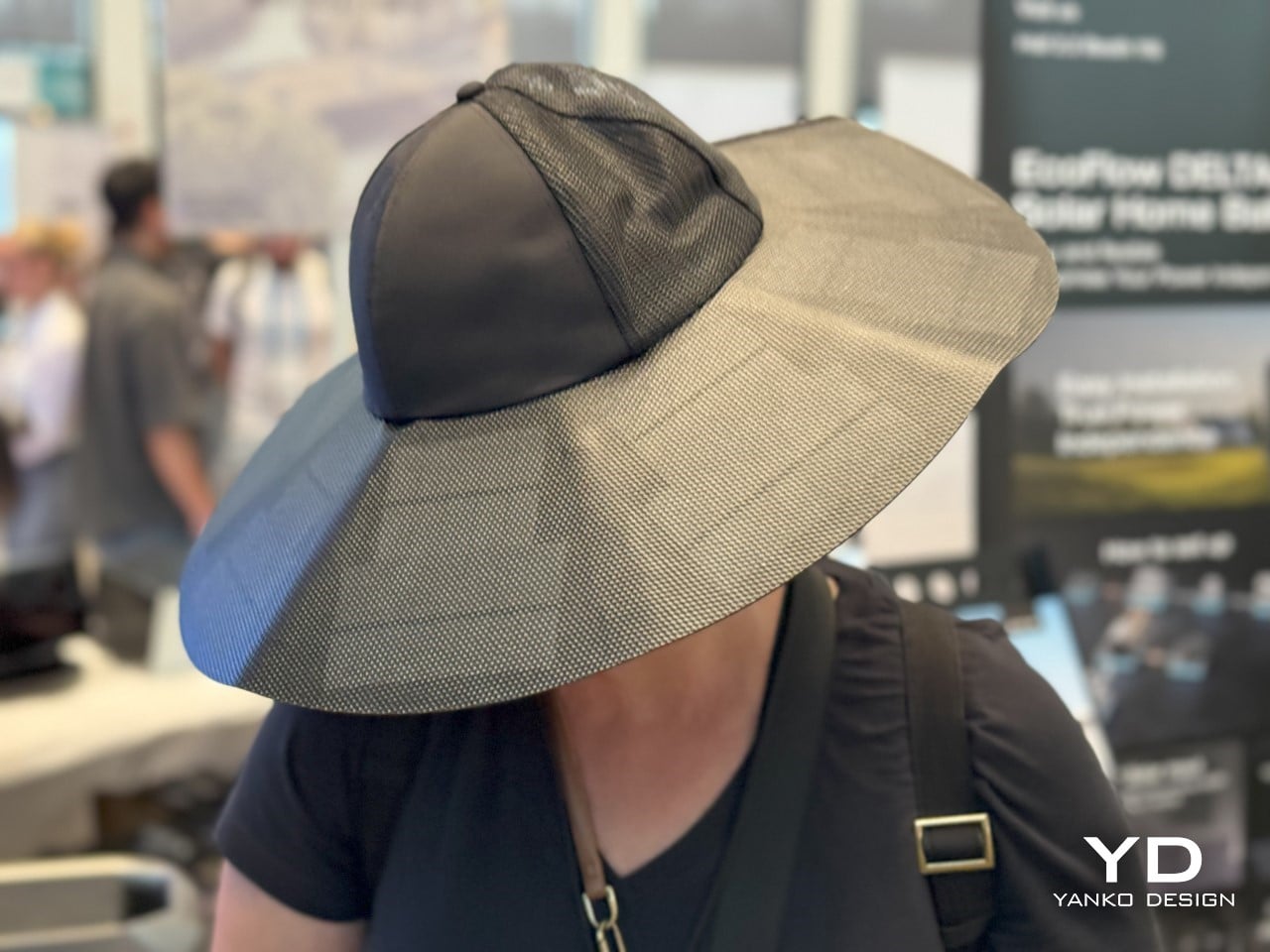
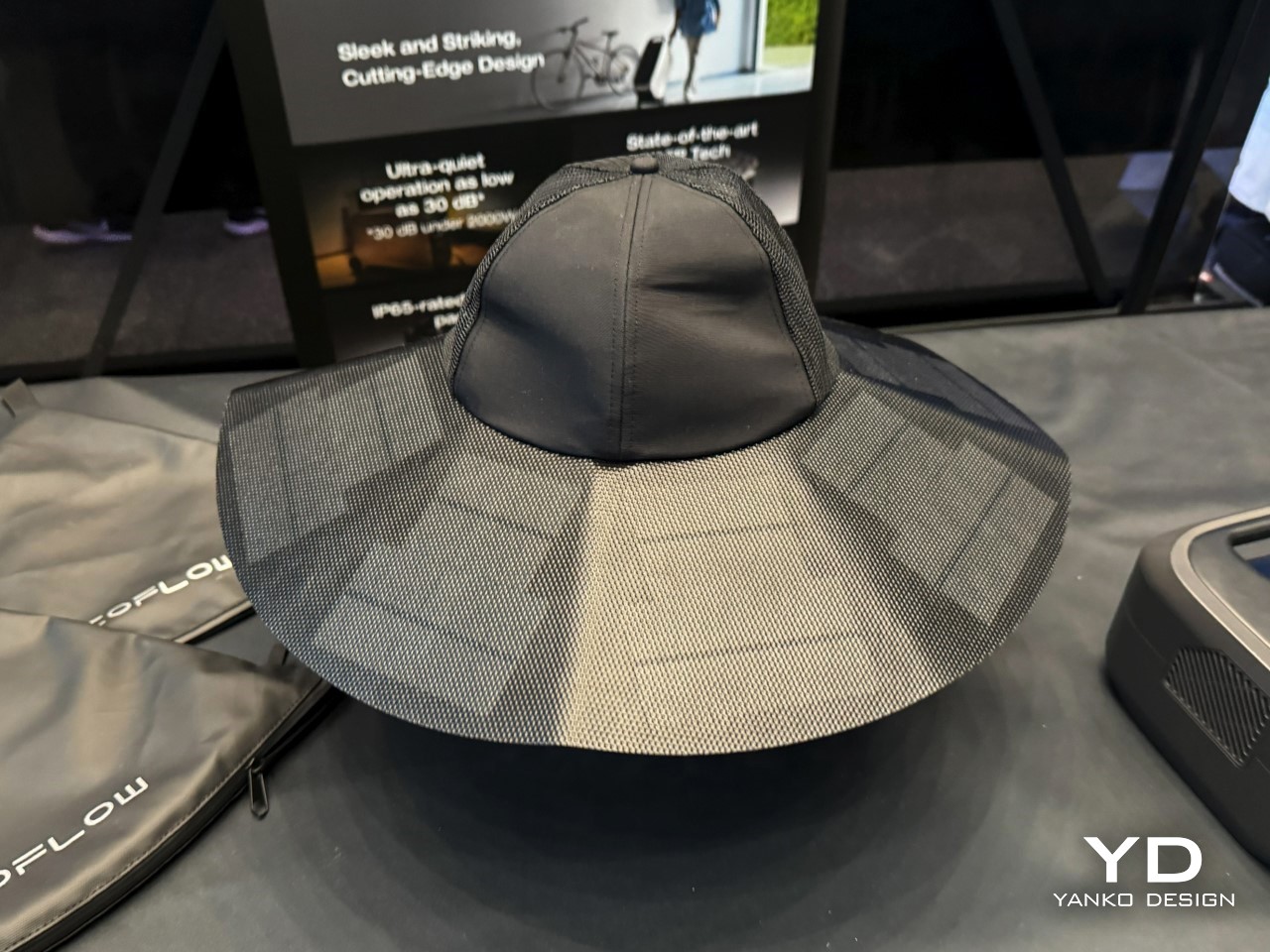
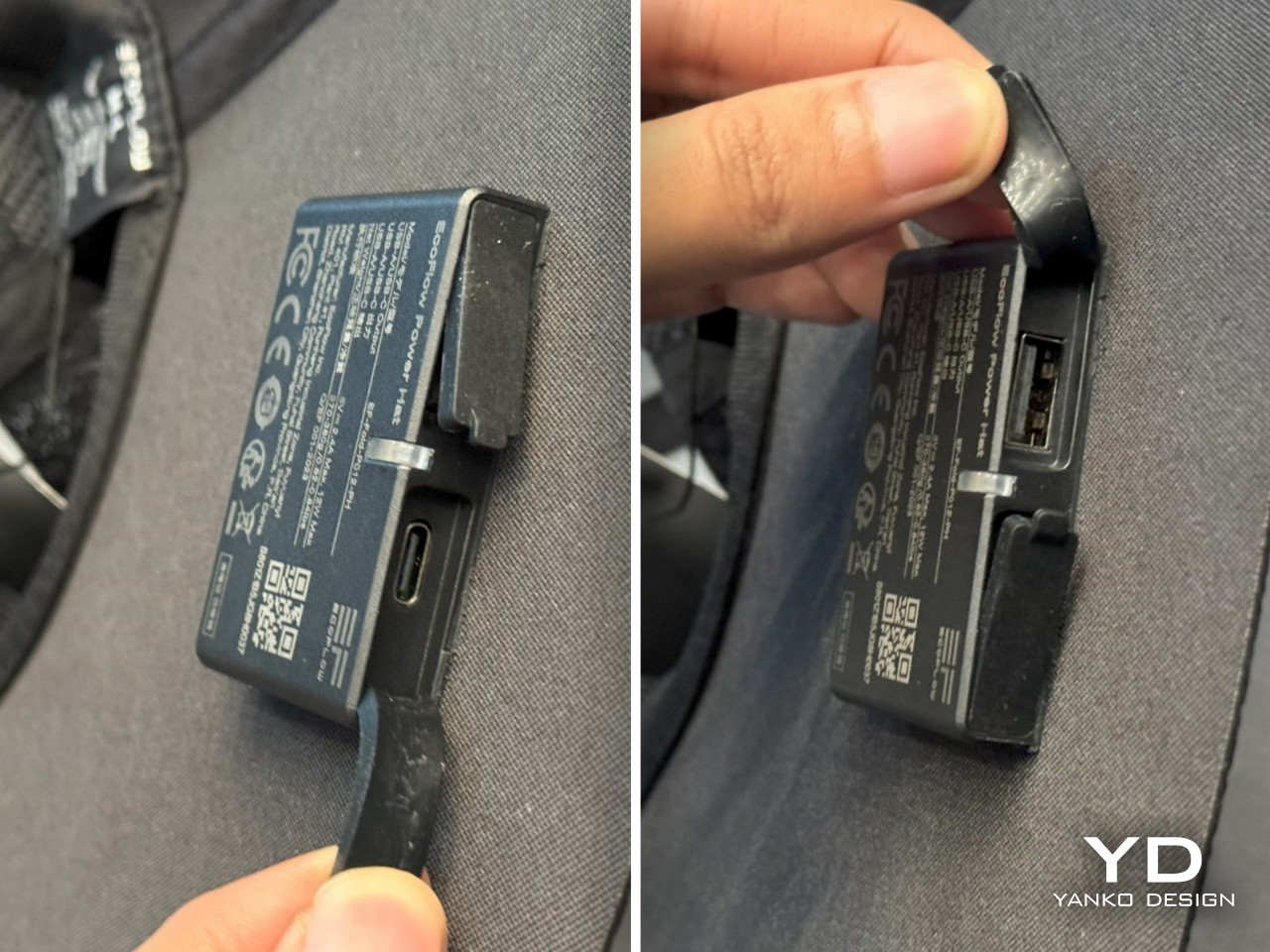
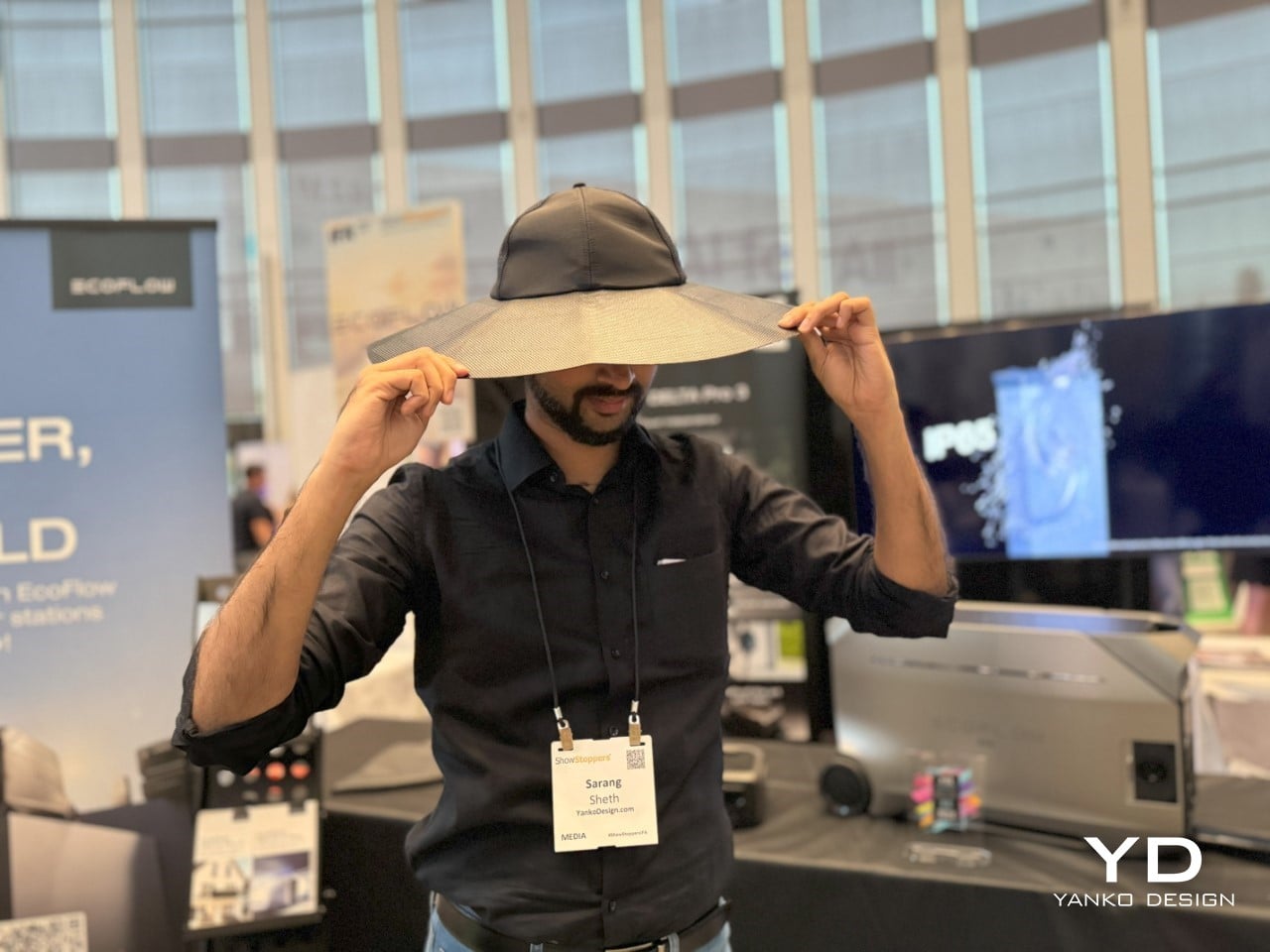
Yamaha, a piano company, also makes motorcycles. Bose, an audio company, happens to also make suspension seats for truck drivers. And EcoFlow, a company known for its portable power stations, decided to enter the fashion market. However, it isn’t that much of a curveball, to be honest – because the product in question still somewhat fits into EcoFlow’s product portfolio. Meet the Power Hat, a sun-hat with a slight difference – the sun-blocking rim comes equipped with solar panels that don’t just cut the glare, they capture it and turn it into electrical power. Spotted at IFA 2024, the Power Hat is a weird accessory, but I guarantee it’s the kind of accessory that will turn heads and have people asking you where you got it from.
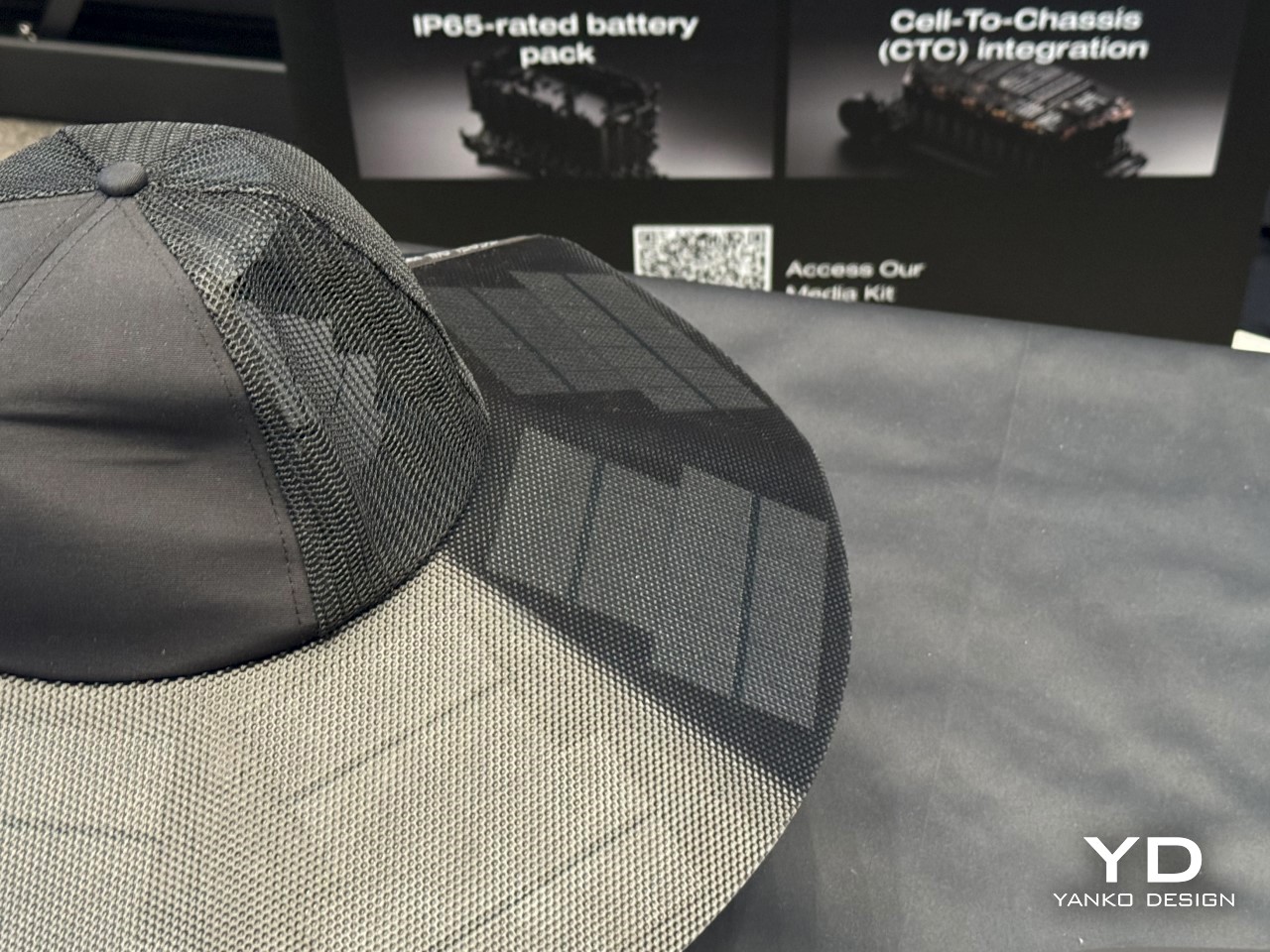
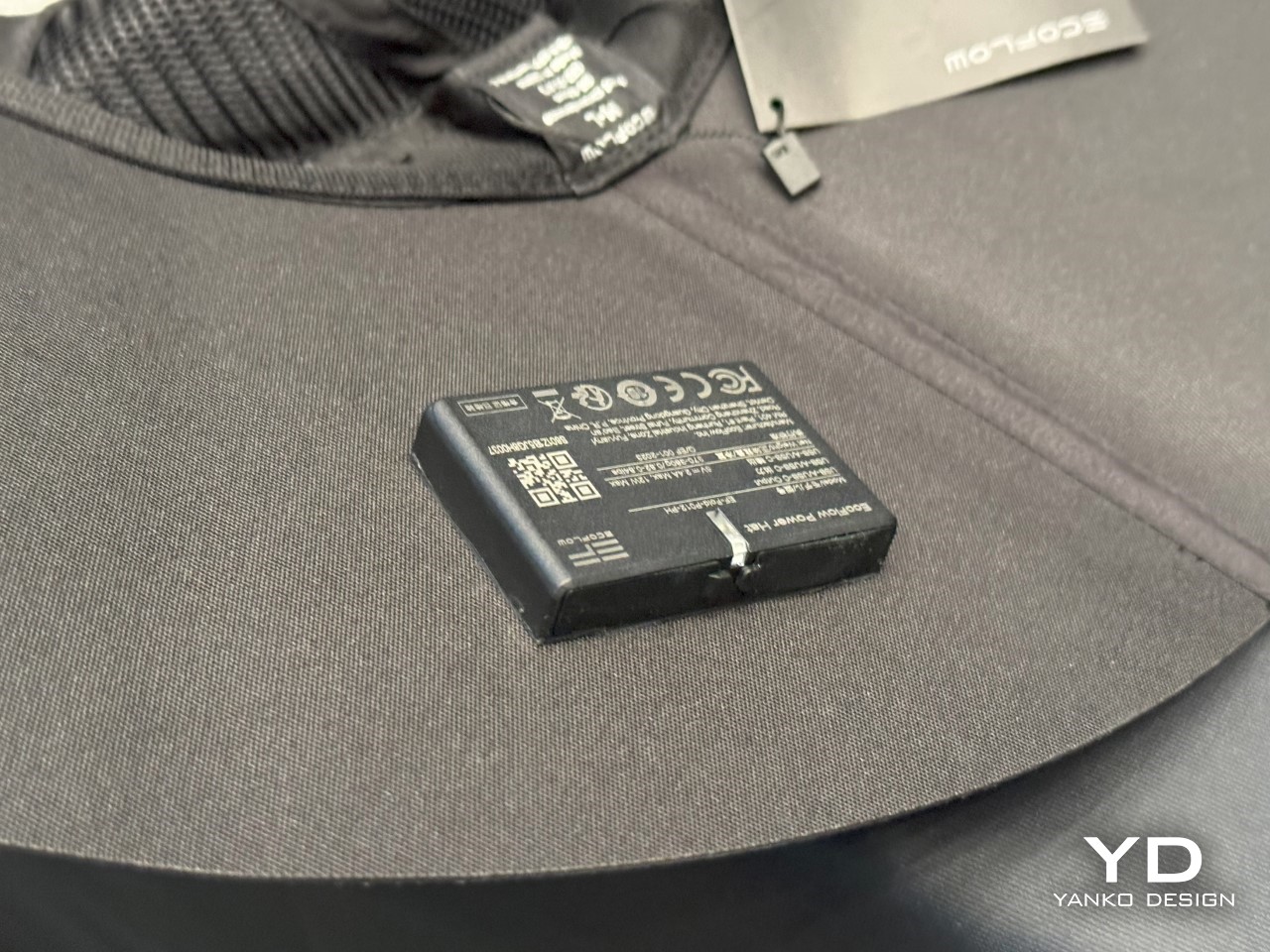
At first glance, the Power Hat looks like your average wide-brimmed sun hat, the kind you’d see on a hiker or beach-goer. But hidden in plain sight is a flexible solar panel sewn right into the brim. This panel absorbs sunlight, converting it into usable power that charges your devices via a USB-C port tucked discreetly in the inner band. It’s designed for people who spend time outdoors—think hikers, campers, or anyone else who finds themselves without an outlet when they need a quick charge.
EcoFlow’s core mission has always been to make clean energy accessible, and the Power Hat is a clear extension of that. It’s a simple but clever solution: harness the sun to keep your phone alive. You won’t be powering your laptop or an entire campsite with it, but for smaller devices like smartphones and GPS units, it’s a handy backup.
A Walking Charger, Literally
So how does it work? The flexible solar panel captures sunlight as you go about your day, and the energy flows through to the USB-C port inside the hat’s band. You plug in, stash your device in a backpack or pocket, and let the sun do the rest. There’s no app, no settings, just solar power straight to your phone.
It’s a far cry from the clunky solar backpacks of the past—here, you get style and function wrapped in one. However, specifics on the exact charging speed remain vague. From what we saw at IFA, it’s more of an “emergency boost” than a full power-up. If you’re thinking of using it to charge a dead phone from 0% to 100%, you’ll want to manage your expectations. But if your battery’s at 20% and you need a bit more juice to get through a hike or festival, the Power Hat should do the trick.
A Hat That’s Actually A Wearable
Fashion and function don’t always play nice, especially when tech is involved. But EcoFlow seems to have struck a balance here. The hat is designed to be worn for long periods without feeling like you’ve got a mini solar farm on your head. Early reviews from IFA attendees suggest that it’s surprisingly comfortable, even with the embedded solar panel. The wide brim offers decent sun protection while giving the solar panel enough surface area to be effective.
While it’s not exactly runway-ready, the Power Hat doesn’t scream “tech gadget,” which is a win in itself. You’re not sacrificing aesthetics for utility, and it looks like a regular sun hat—until you plug in your phone, of course.
Where Does It Fit?
The Power Hat sits somewhere between a practical gadget and a novelty, depending on how you look at it. On one hand, it’s a genuinely useful tool for specific situations. If you’re out in the sun for hours, why not make use of that solar energy? On the other hand, it’s not exactly a game-changer for most people. Solar power banks or portable chargers probably still offer more versatility, especially for those who need serious charging power. But if you’re all about compact, multi-purpose gear, the Power Hat could find a place in your kit. With its $79 price tag, it’s definitely expensive for a hat, but can you really put a price on being energy-independent and sustainable? Moreover, the idea of a hat charging your phone, tablet, or earbuds definitely seems worth $79.
Final Thoughts
EcoFlow’s Power Hat is a quirky, eco-friendly addition to the wearable tech landscape. It combines the practical with the unexpected—a sun hat that helps charge your phone. While we still have questions about its real-world performance, it’s an intriguing product that could appeal to outdoor enthusiasts or anyone who enjoys tech with a touch of flair.
Who knows? Maybe the Power Hat will start a trend. Hats aren’t just for blocking the sun anymore—they’re for charging your phone while you hike, hit the beach, or attend that all-day music festival. Just don’t forget to bring a backup charger… in case it rains.
YouTube confirmed its termination of five right-wing political channels believed to be connected to the Department of Justice’s Russia-linked US media indictments this week. The platform pulled the channel of Tenet Media, which CNNreported to be the unnamed company implicated in the indictment. The DOJ accused Russian operatives of paying the media organization to spread disinformation designed to influence the 2024 US elections.
A YouTube spokesperson confirmed the takedown and provided a statement to Engadget. “Following an indictment from the US Department of Justice and after careful review, we are terminating the Tenet Media channel and four channels operated by its owner Lauren Chen as part of our ongoing efforts to combat coordinated influence operations,” the company statement reads.
According to YouTube, the investigation into the situation is ongoing, and the company will evaluate whether further actions are warranted as new information emerges. The company says it terminated over 4,000 YouTube channels in Q2 2024 as part of investigations into Russia-linked influence operations. YouTube works with Google’s Threat Analysis Group (TAG) to identify bad actors and deplatform their channels and accounts accordingly.
On Wednesday, the DOJ indicted two employees of RT (formerly Russia Today), a Kremlin-backed media outlet. They were accused of illegally funding a Tennessee-backed media organization, now all but officially confirmed as Tenet Media. DOJ prosecutors allege in the indictment that the media company’s founders knew their funding came from the Russian government. Tenet Media is owned by Chen and her husband, Liam Donovan.
The Washington Postreports that YouTube was Tenet’s preferred platform for spreading propaganda videos aimed at US conservatives and featuring popular right-wing pundits. Those working with the organization included Benny Johnson, Tim Pool and Dave Rubin. The channels have even featured appearances from former Republican presidential candidate Vivek Ramaswamy and RNC Chair Lara Trump. Pool and Rubin have reportedly denied knowledge that the Russian government was behind Tenet’s funding.
This article originally appeared on Engadget at https://www.engadget.com/big-tech/youtube-terminates-five-right-wing-channels-linked-to-the-dojs-russia-indictments-175432238.html?src=rss
YouTube confirmed its termination of five right-wing political channels believed to be connected to the Department of Justice’s Russia-linked US media indictments this week. The platform pulled the channel of Tenet Media, which CNNreported to be the unnamed company implicated in the indictment. The DOJ accused Russian operatives of paying the media organization to spread disinformation designed to influence the 2024 US elections.
A YouTube spokesperson confirmed the takedown and provided a statement to Engadget. “Following an indictment from the US Department of Justice and after careful review, we are terminating the Tenet Media channel and four channels operated by its owner Lauren Chen as part of our ongoing efforts to combat coordinated influence operations,” the company statement reads.
According to YouTube, the investigation into the situation is ongoing, and the company will evaluate whether further actions are warranted as new information emerges. The company says it terminated over 4,000 YouTube channels in Q2 2024 as part of investigations into Russia-linked influence operations. YouTube works with Google’s Threat Analysis Group (TAG) to identify bad actors and deplatform their channels and accounts accordingly.
On Wednesday, the DOJ indicted two employees of RT (formerly Russia Today), a Kremlin-backed media outlet. They were accused of illegally funding a Tennessee-backed media organization, now all but officially confirmed as Tenet Media. DOJ prosecutors allege in the indictment that the media company’s founders knew their funding came from the Russian government. Tenet Media is owned by Chen and her husband, Liam Donovan.
The Washington Postreports that YouTube was Tenet’s preferred platform for spreading propaganda videos aimed at US conservatives and featuring popular right-wing pundits. Those working with the organization included Benny Johnson, Tim Pool and Dave Rubin. The channels have even featured appearances from former Republican presidential candidate Vivek Ramaswamy and RNC Chair Lara Trump. Pool and Rubin have reportedly denied knowledge that the Russian government was behind Tenet’s funding.
This article originally appeared on Engadget at https://www.engadget.com/big-tech/youtube-terminates-five-right-wing-channels-linked-to-the-dojs-russia-indictments-175432238.html?src=rss
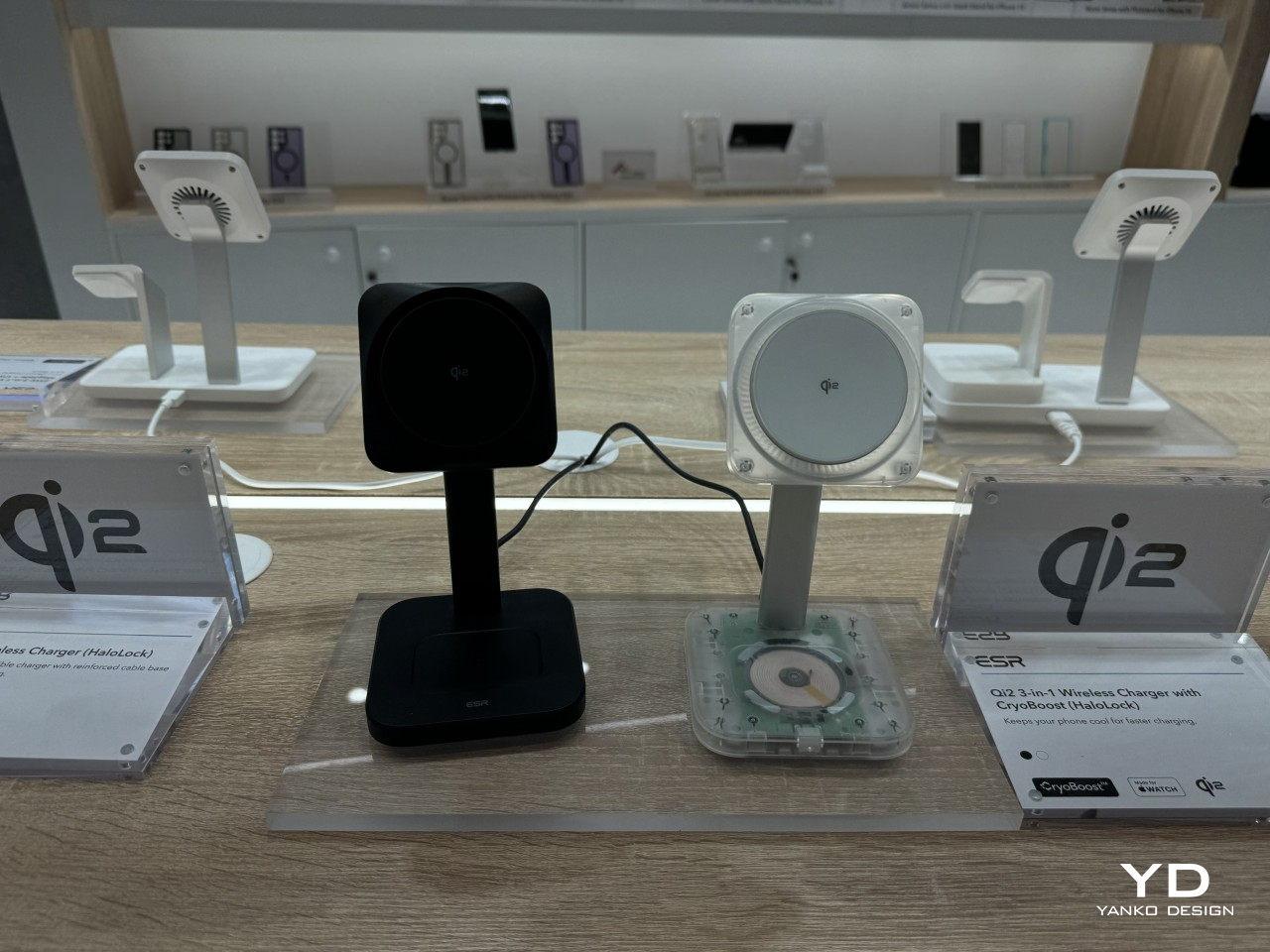
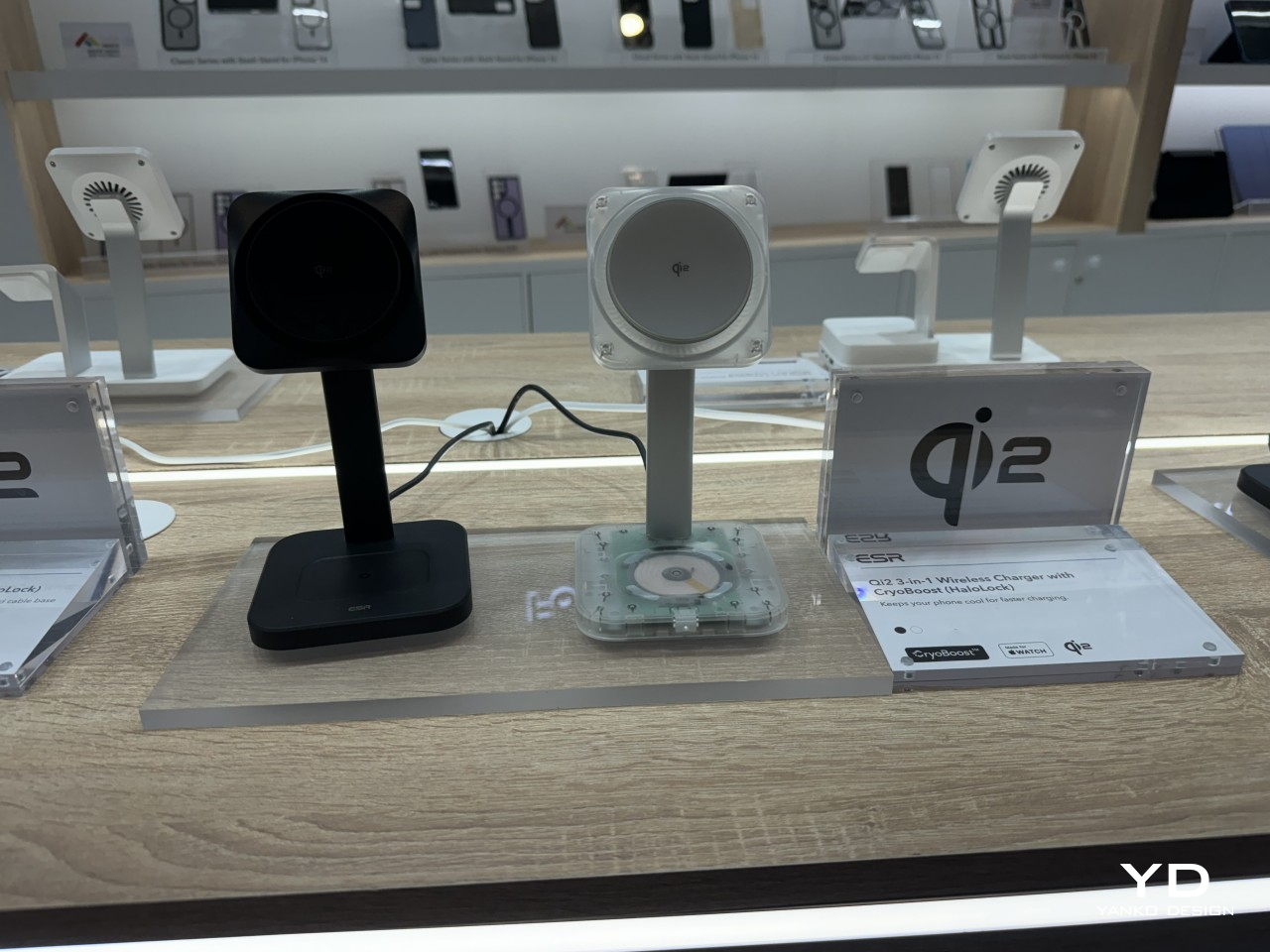
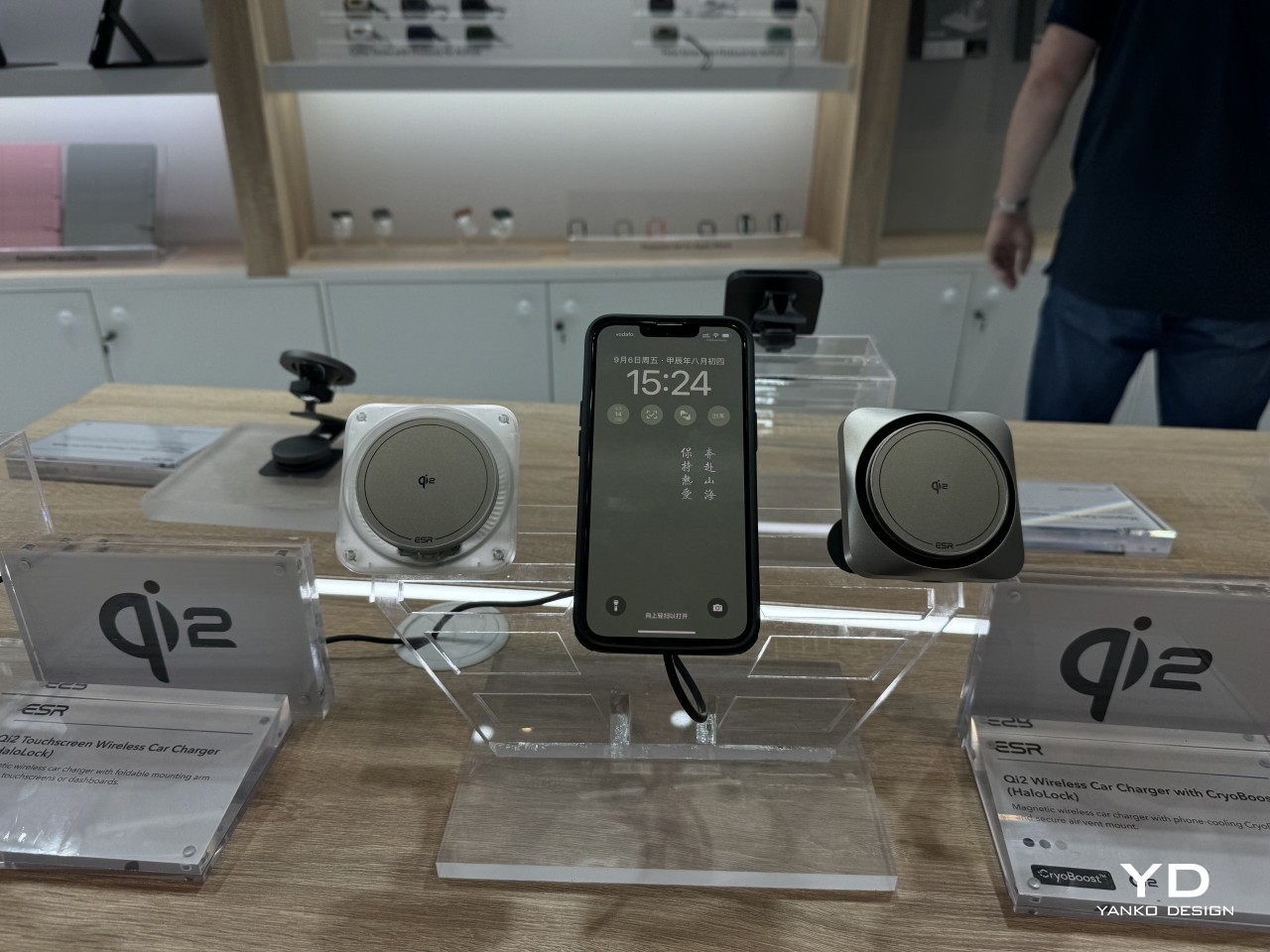
Battery life continues to be the bane of smartphone users, and the current limits of technology mean we can only cram bigger batteries inside these slim devices. Charging technologies alleviate the pain with faster charging times, while wireless charging offers convenience and comfort free from the tangles of wires. Even Apple’s MagSafe, however, has to follow the laws of physics, generating heat that not only slows down charging but also puts your safety at risk. With its brand new Qi2 MagSafe chargers, ESR is delivering safe and fast wireless charging thanks to its next-gen CryoBoost technology that ensures a stable and cool charging experience without messy cables.
CryoBoost: The Coolest, The Fastest MagSafe Charging
Charging will always generate heat, and wireless charging even more so. Not only is this dangerous, as the volatile batteries inside our phones are very sensitive to heat, it also means slower charging times because the phone and the charger might throttle output to prevent overheating. The most common solution for wireless charger manufacturers is to cool down the charger with fans, but these also rely on natural heat transfer to lower the phone’s temperature. This results in very inefficient cooling and, in some cases, condensation that could damage the phone and the battery.
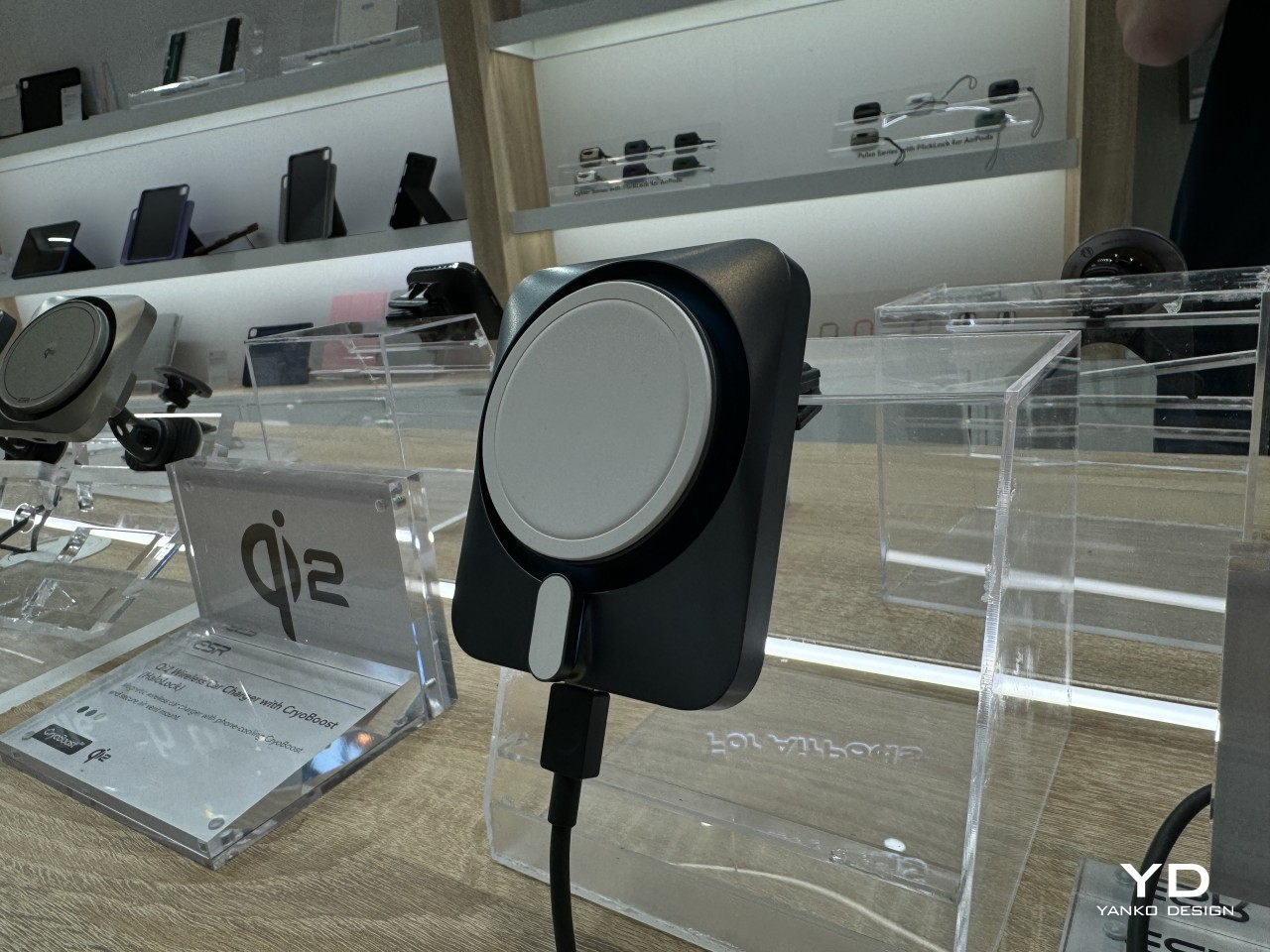
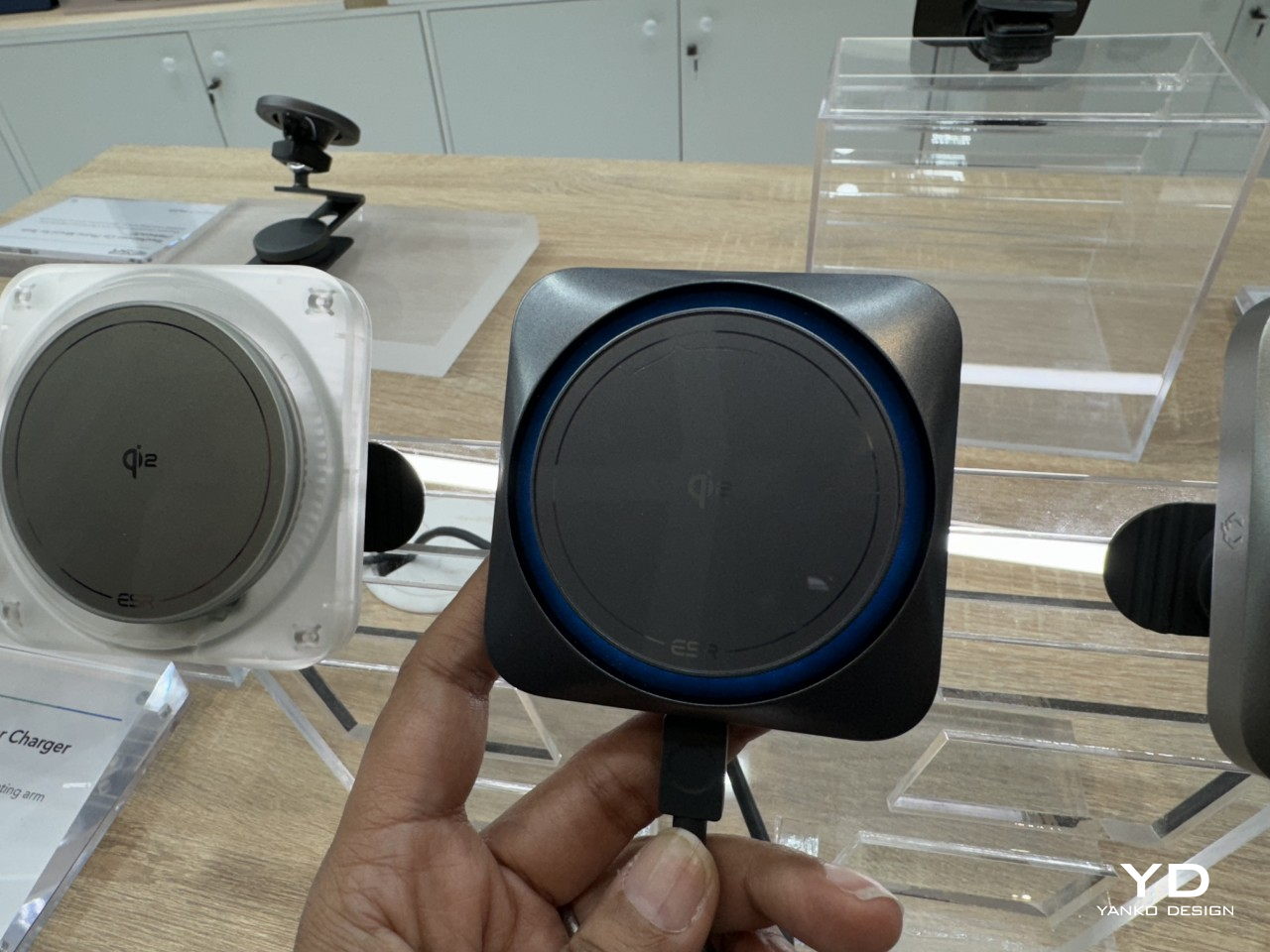
With the latest iteration of its CryoBoost technology, ESR promises a smarter way to keep things cool. In addition to an advanced cooling fan with heat dissipation elements, it now features a patented all-open duct design that enhances airflow while also keeping the noise under 25dB, no louder than a whisper from five feet away. By directing the airflow to the back of the phone, ESR chargers with CryoBoost are able to keep the phone cooler more effectively, ensuring consistent maximum charging speeds all the time.
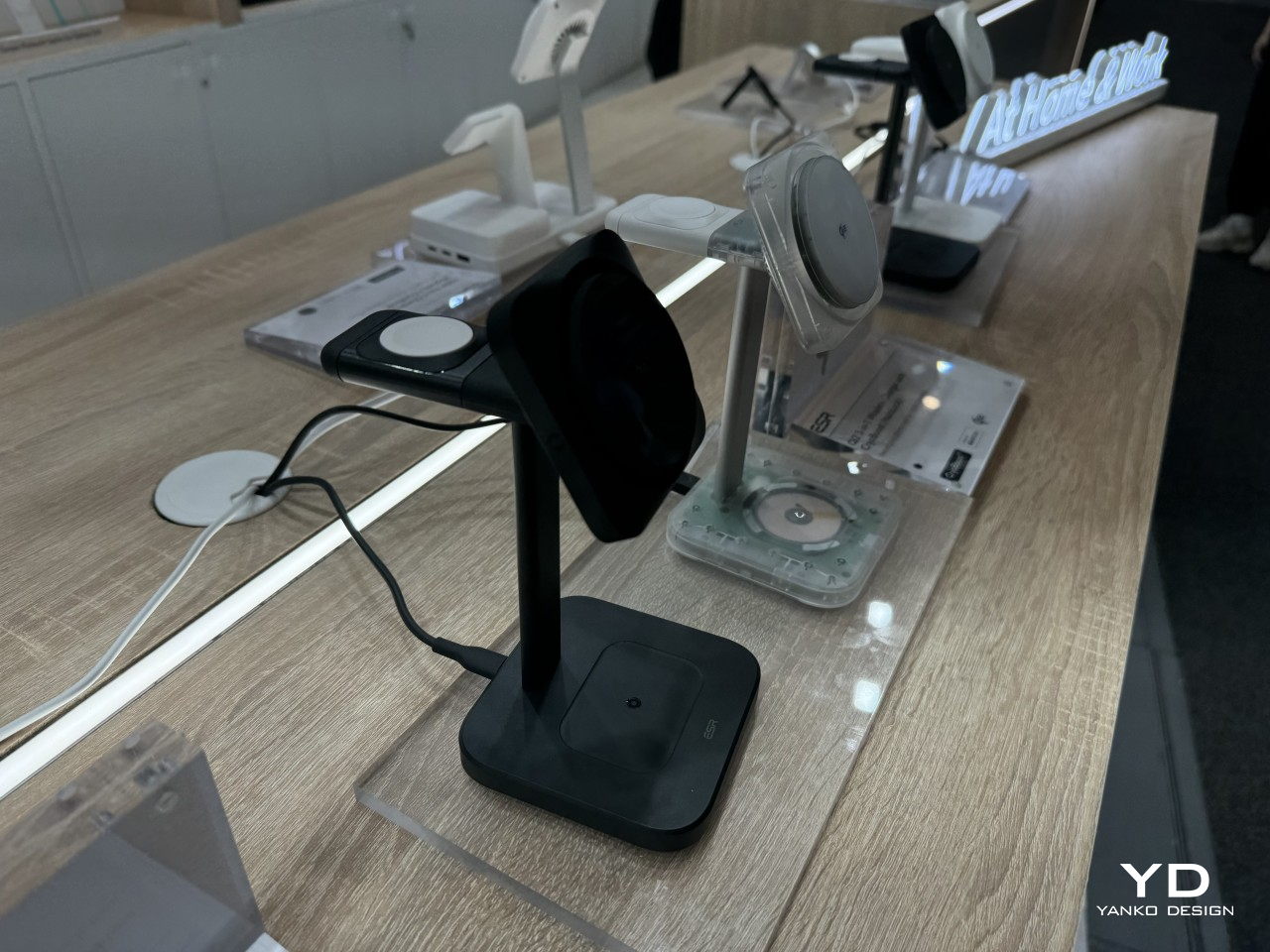
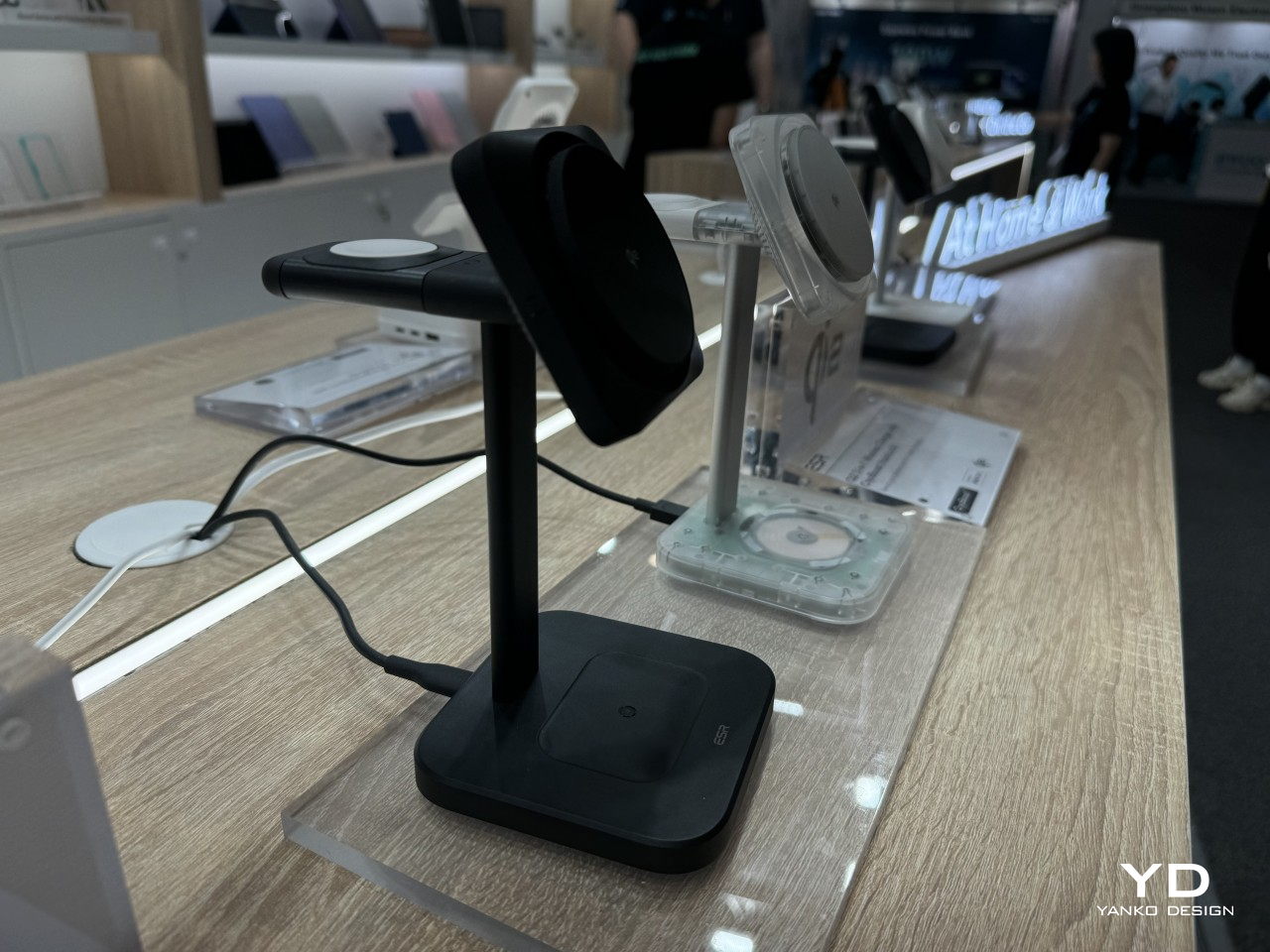
ESR 3-in-1 MagSafe Charger with Qi2 and CryoBoost (HaloLock)
Almost beating Apple at its own game, this new ESR 3-in-1 charger with Qi2 and CryoBoost offers 15W iPhone charging that tops up an iPhone 15 Pro Max to full in just 2 hours, at least a 30-minute improvement over most Qi2 chargers. Thanks to an Apple-certified 5W fast-charging for the Apple Watch, even an Apple Watch Ultra chargers in just an hour and 40 minutes, four times faster than standard 2.5W chargers that take more than 6 hours to finish. There’s also room for AirPods on the base, keeping all your essential Apple mobile devices charging in one place. The sleek minimalist design doesn’t get in the way of your desk or bedroom motif, providing an elegant visual point of interest wherever it makes its presence seen.
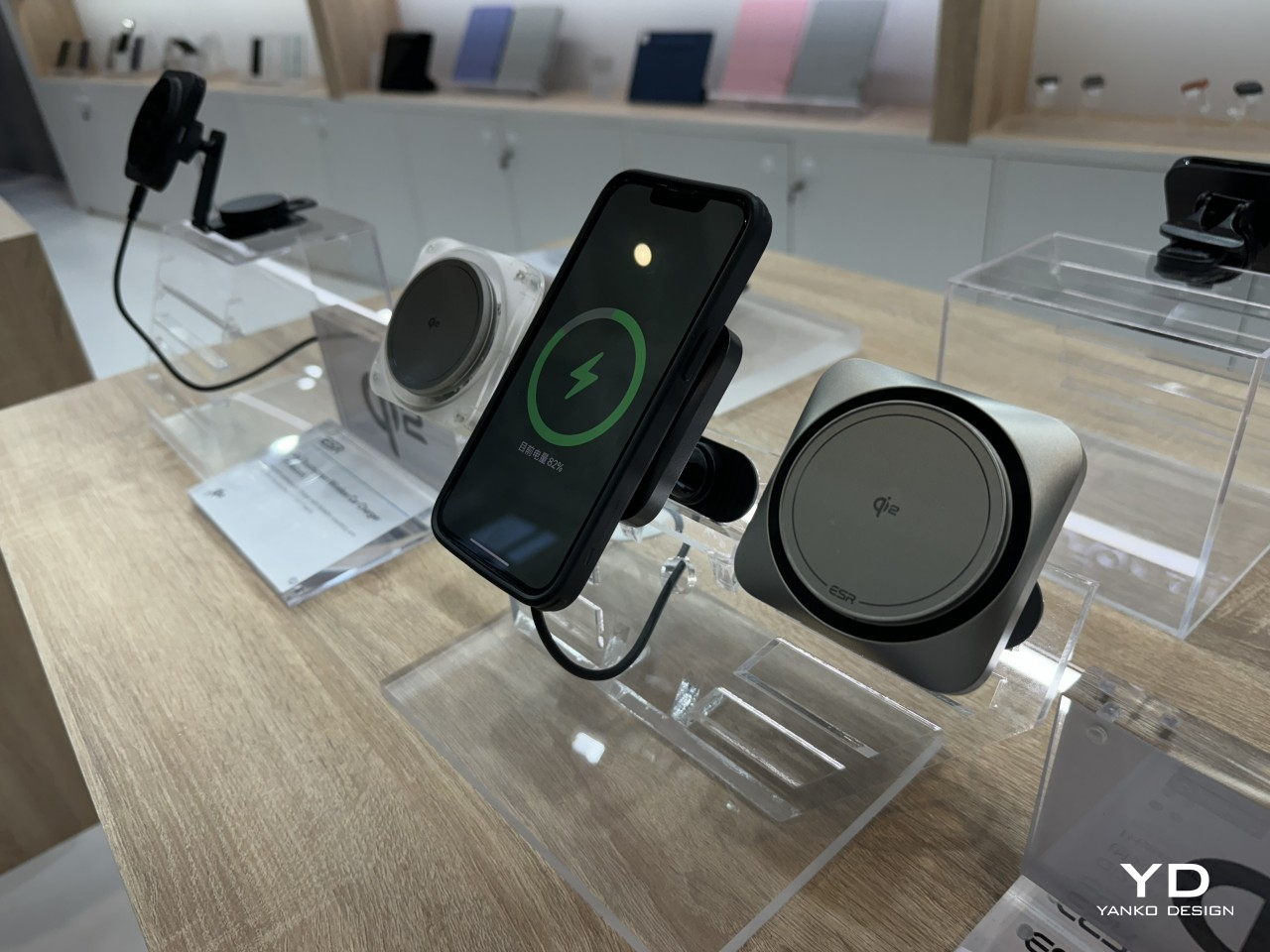
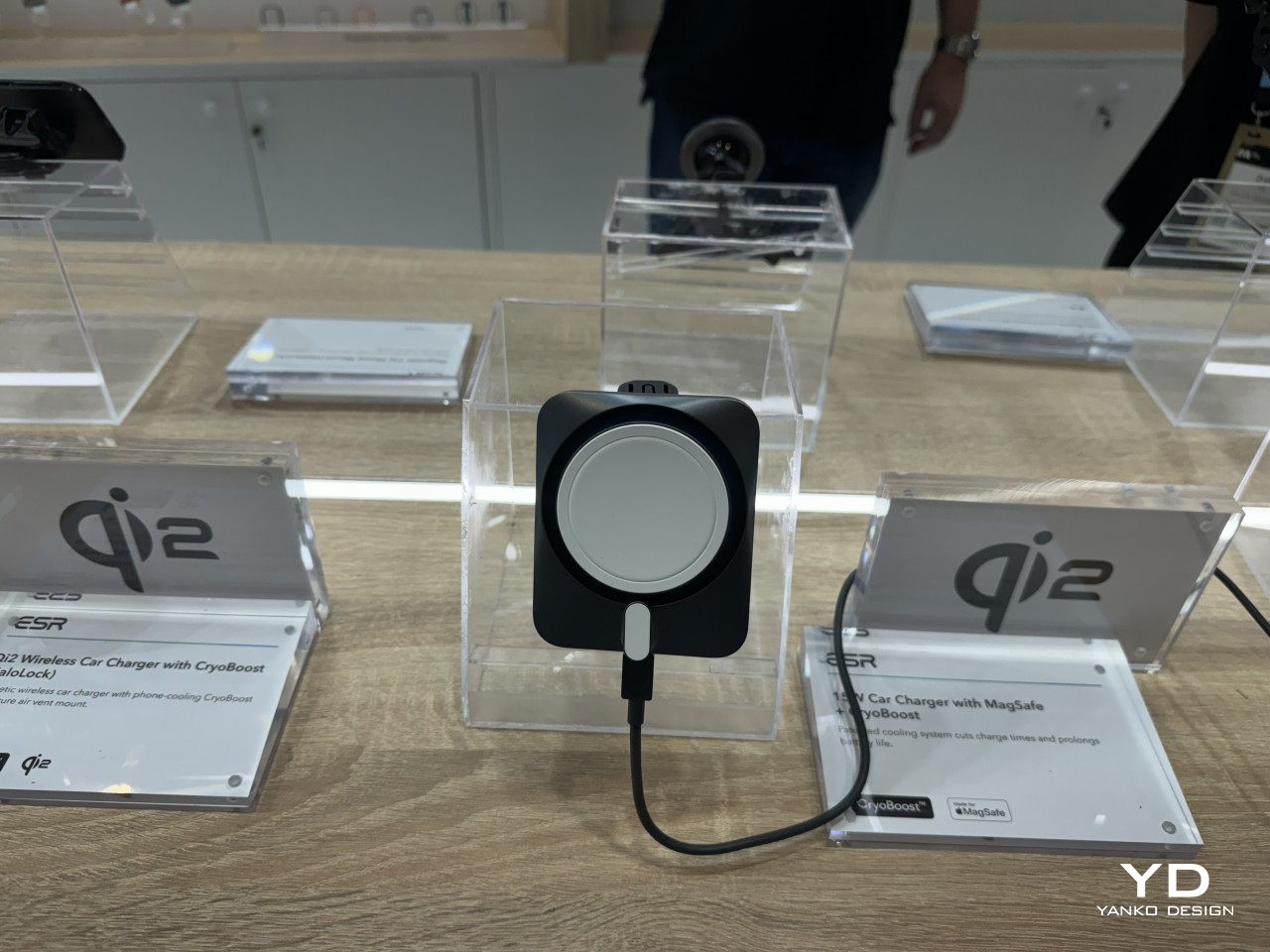
ESR MagSafe Car Charger with Qi2 and CryoBoost (HaloLock)
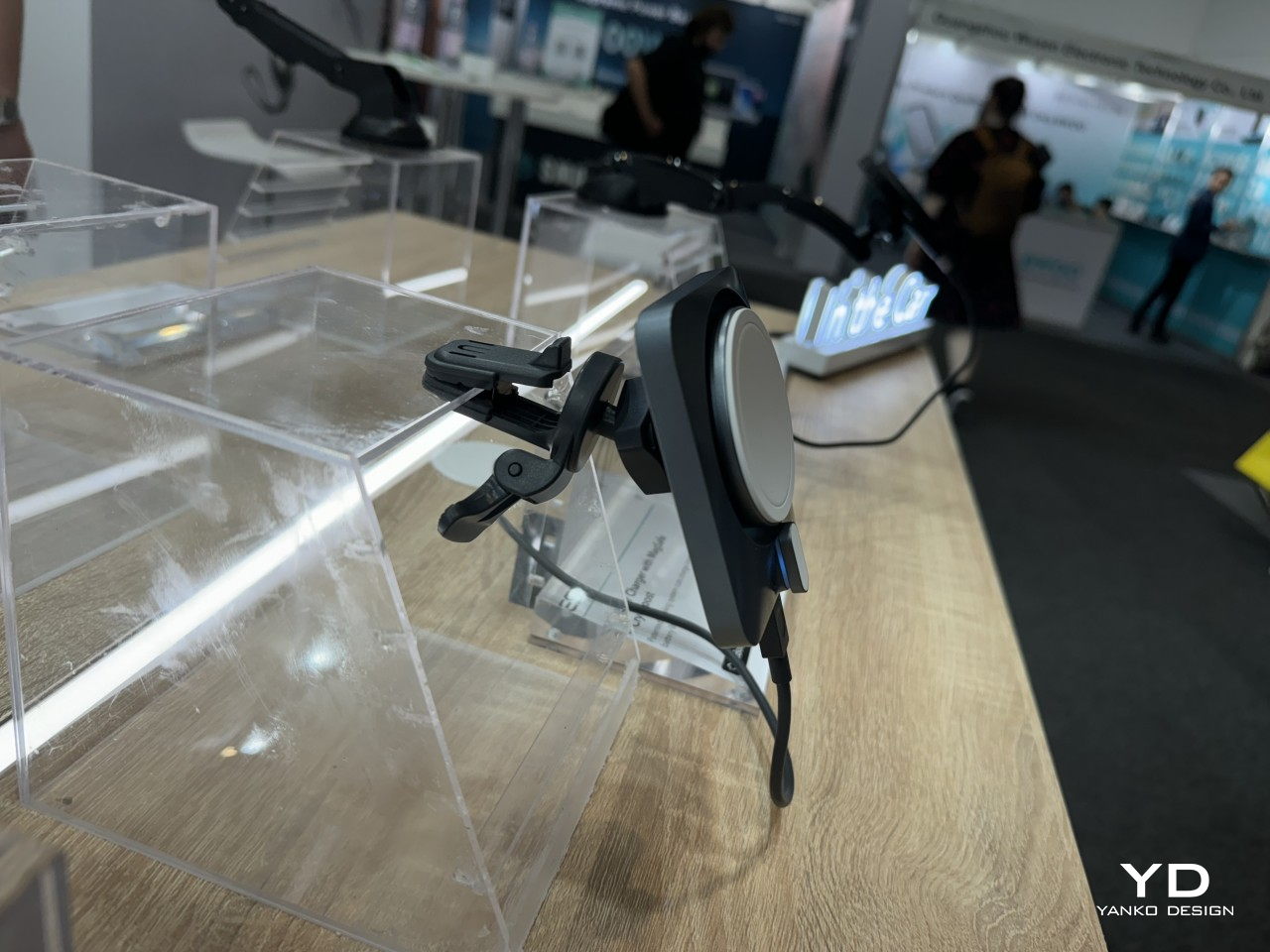
Charging a phone inside a car tends to get even hotter when the phone is also being used for GPS navigation. With ESR’s new MagSafe Car Charger with Qi2 and CryoBoost, those worries are a thing of the past. The 15W charger can fill up an iPhone 15 Pro Max in just 2 hours and 7 minutes, and that’s while using GPS even. That’s more than an hour faster than most Qi2 car chargers, and about 35 minutes faster than Qi2 car chargers that have cooling fans. What makes this ESR Car Charger even more special are the 18 extra-strong N52 magnets that won’t lose their hold on the no matter how bumpy the ride gets. Plus, air vent and dashboard mounting options offer flexibility that adjusts to your car and driving style, not the other way around.
ESR Qi2 MagSlim Kickstand Power Bank 5,000mAh
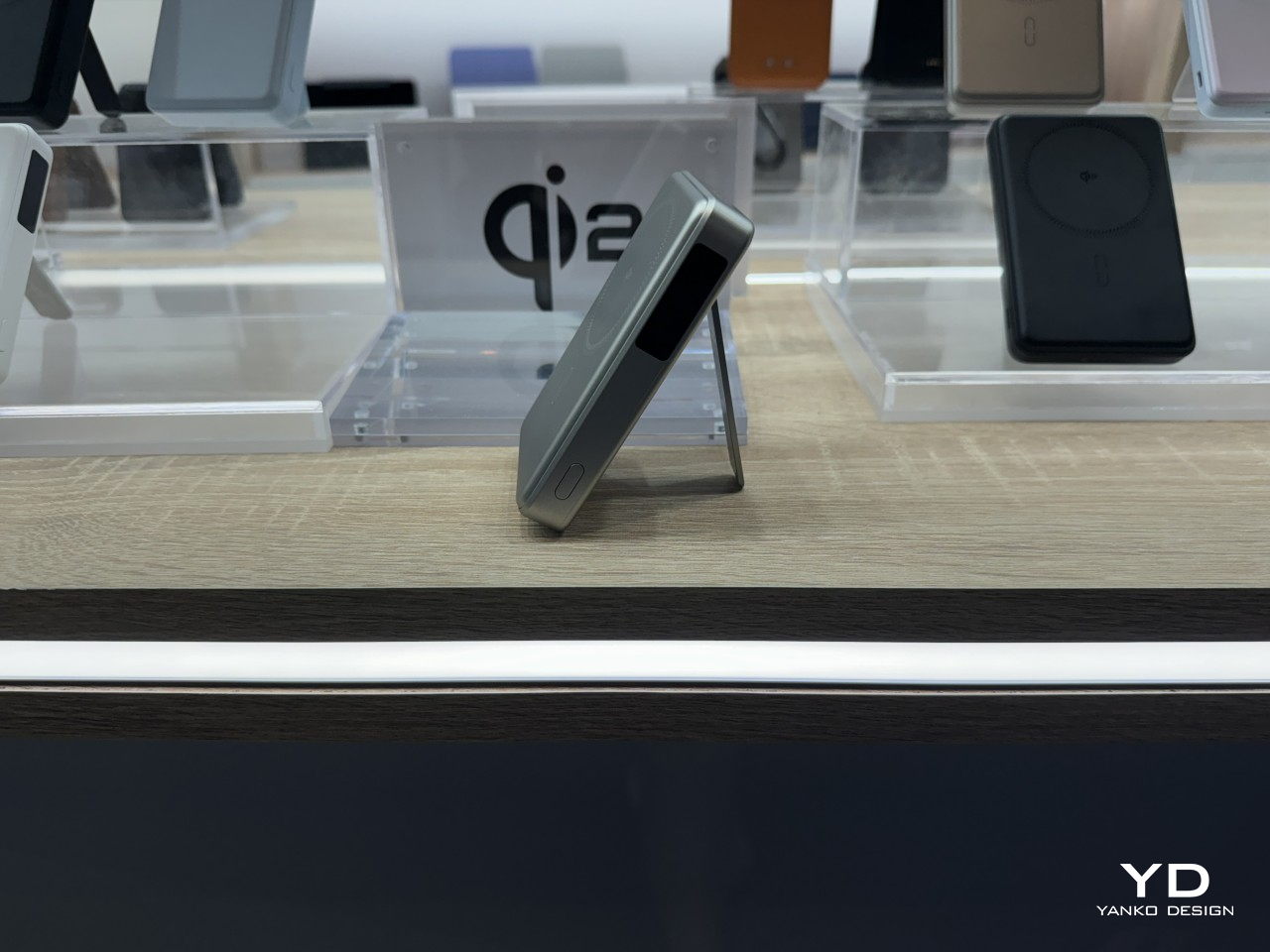
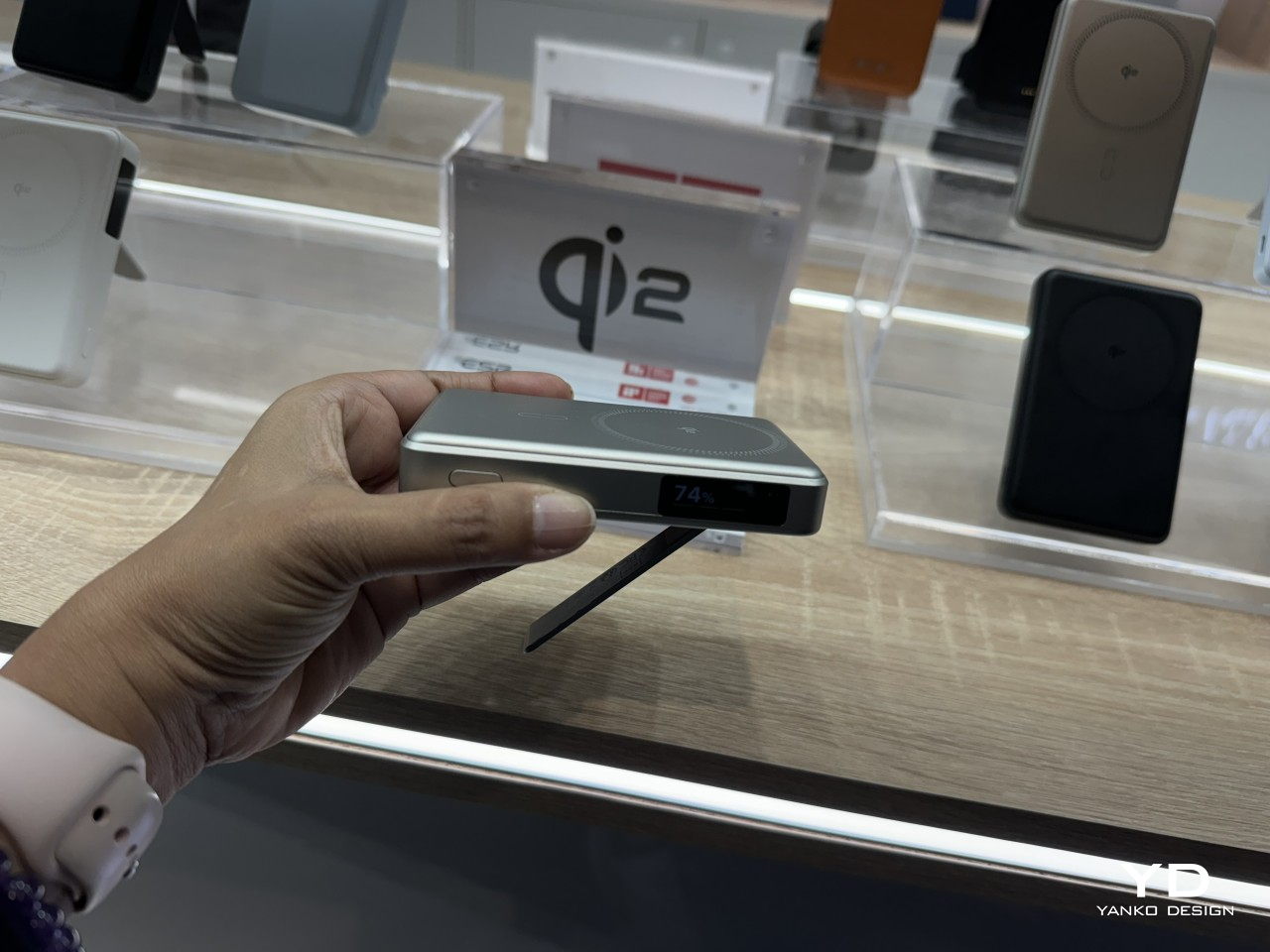
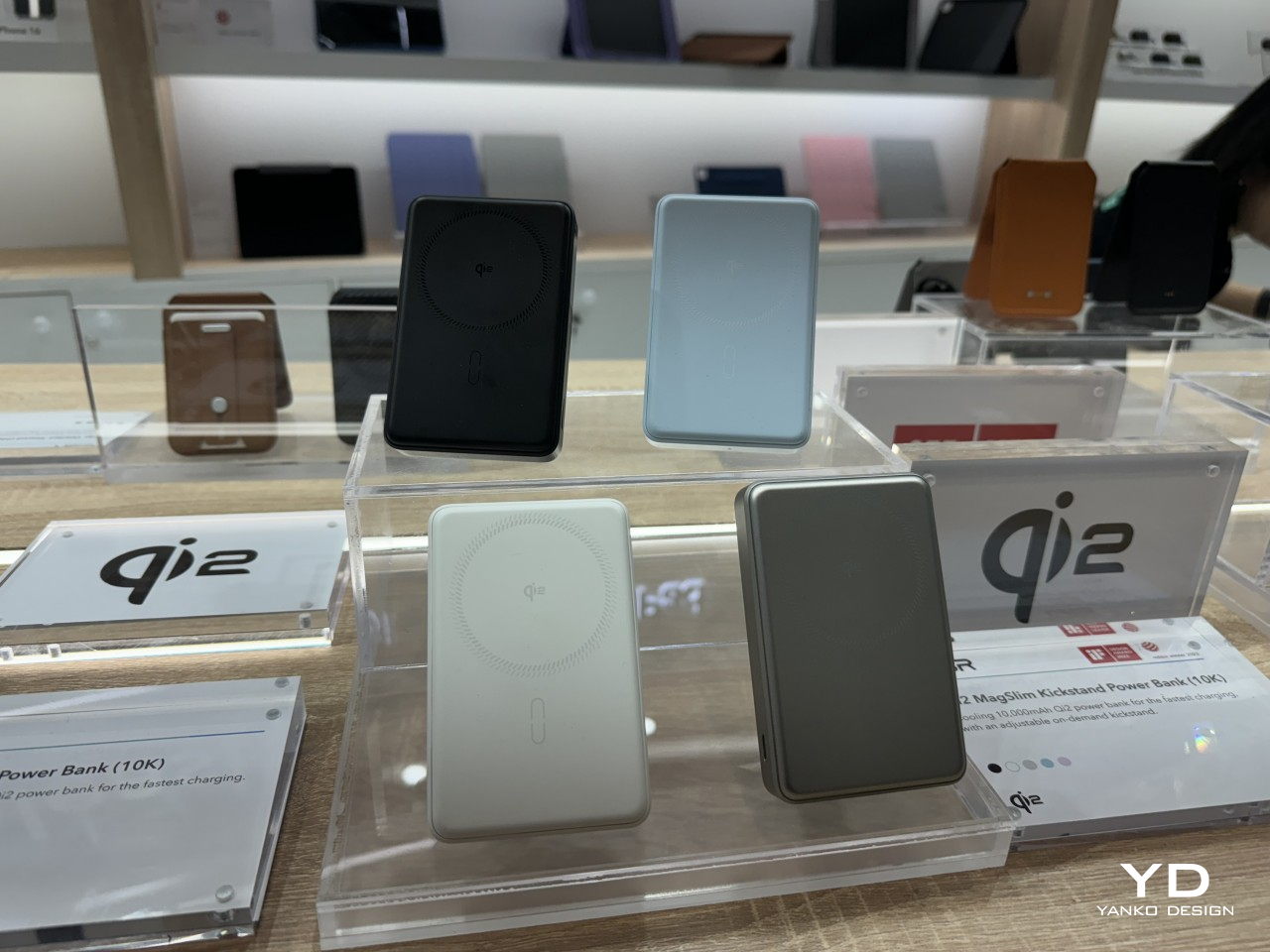
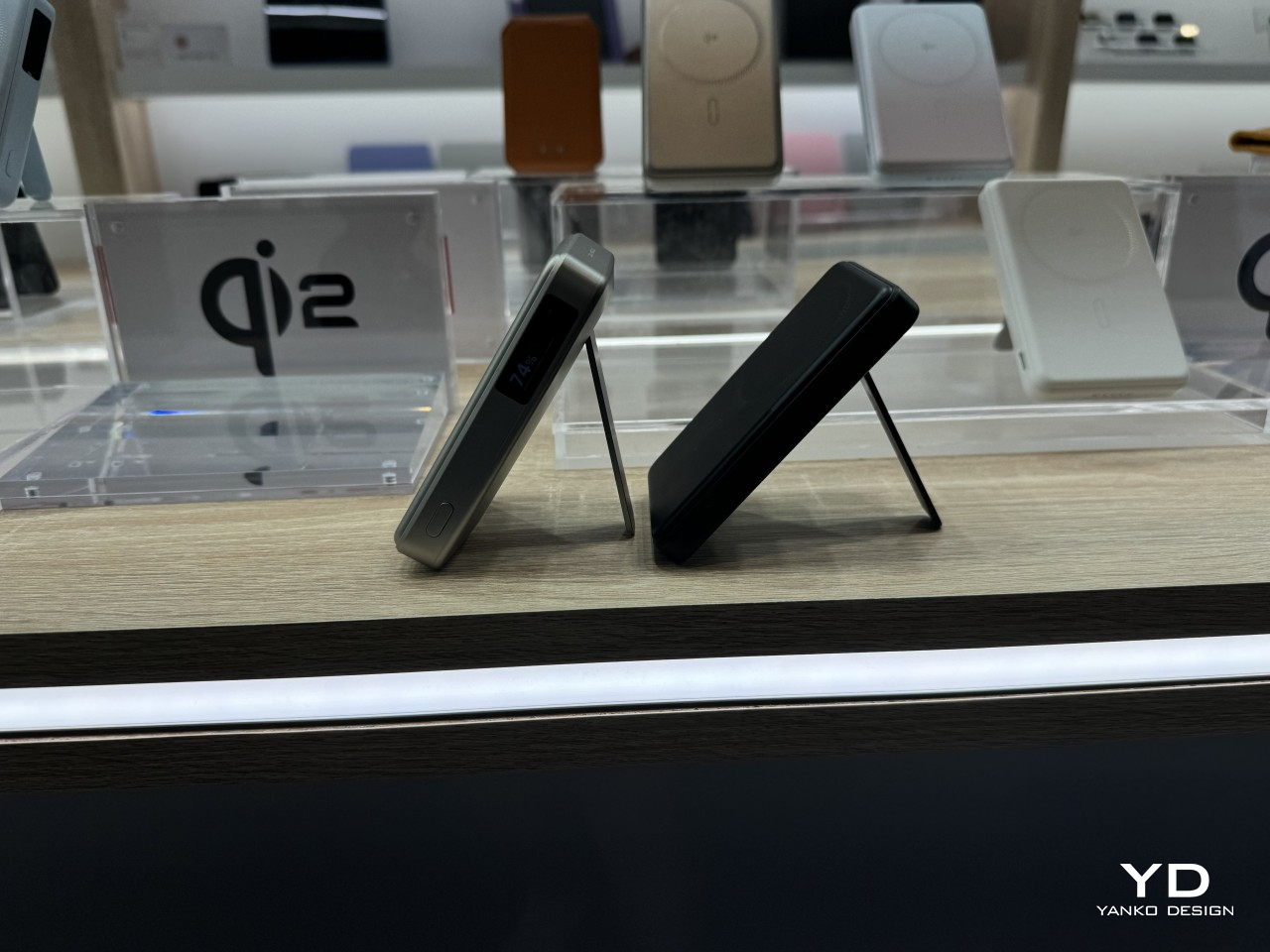
Featuring a multiple award-winning built-in kickstand design, the 5,000mAh ESR Qi2 MagSlim Kickstand Power Bank is the slimmest Qi2 charger on the market and is perfect when you’re on the go. The 15W charger can get an iPhone 15 Pro to 84% in just 2 hours and 25 minutes. With a built-in kickstand and a powerful magnetic hold of up to 1,200g, you can conveniently watch videos or chat with colleagues without having to worry about running out of battery. And at only 15.5mm thick, the ESR Qi2 MagSlim Kickstand Power Bank can easily slip into bags or even pockets, ready to charge your phone anytime you need it.
Apple did not announce the Apple Watch Ultra 3 during its iPhone launch event, but right now, you can save big on the Apple Watch Ultra 2. The company's high-end, performance smartwatch is down to $689 at Amazon right now, much cheaper than what it was during Amazon Prime Day in July. That represents a savings of $110, which is one of the best discounts we've seen. Keep in mind that October Prime Day will be returning this year (although specific dates haven't been announced yet), so there's a chance this smartwatch could go on sale again in a few weeks' time.
This high-end watch is geared toward serious athletes and others with specialized fitness-tracking needs, so the sensors are on point and the exterior is incredibly durable. It still features the same 49-millimeter form factor as the original, so it's not too chonky. The screen is much brighter than the OG Ultra, up to 3,000 nits. This should make it easier to read in low light conditions, which is another boon for extreme athletes who do early morning training sessions.
As for power, the smartwatch includes Apple’s new S9 chip, which allows for the aforementioned Double Tap gestural controls and upgraded Siri functionality. The battery can last up to 72 hours on a single charge, so long as it’s in low power mode. Otherwise, it’ll brick out after around 36 hours.
This is a whole lot of smartwatch. Not only is it double the price of the Apple Watch 9, but it's chock full of features that most people don’t need. This is a machine for serious fitness enthusiasts or those who go off the grid for long periods of time. With that being said, today’s sale makes this thing pretty darn attractive for the rest of us.
October Prime Day 2024 is around the corner, serving as Amazon’s (un)official kickoff to the holiday shopping season. If you’re eager to snag some early holiday deals for those on your list (or yourself), here’s what we know so far about the next Prime Day shopping event.
When is October Prime Day 2024?
Amazon has not announced the dates of fall Prime Day 2024 yet, but we do know it will be returning sometime in October.
What is October Prime Day?
October Prime Day is an extension of the regular Prime Day sale held annually in July. It features exclusive deals on Amazon for Prime members, although not quite on as big of a scale as the main summer Prime Day.
How long is October Prime Day?
In years past, October Prime Day has been two days long, just like Prime Day in July.
This article originally appeared on Engadget at https://www.engadget.com/deals/the-apple-watch-ultra-2-is-cheaper-now-than-it-was-during-amazon-prime-day-163255367.html?src=rss
Apple did not announce the Apple Watch Ultra 3 during its iPhone launch event, but right now, you can save big on the Apple Watch Ultra 2. The company's high-end, performance smartwatch is down to $689 at Amazon right now, much cheaper than what it was during Amazon Prime Day in July. That represents a savings of $110, which is one of the best discounts we've seen. Keep in mind that October Prime Day will be returning this year (although specific dates haven't been announced yet), so there's a chance this smartwatch could go on sale again in a few weeks' time.
This high-end watch is geared toward serious athletes and others with specialized fitness-tracking needs, so the sensors are on point and the exterior is incredibly durable. It still features the same 49-millimeter form factor as the original, so it's not too chonky. The screen is much brighter than the OG Ultra, up to 3,000 nits. This should make it easier to read in low light conditions, which is another boon for extreme athletes who do early morning training sessions.
As for power, the smartwatch includes Apple’s new S9 chip, which allows for the aforementioned Double Tap gestural controls and upgraded Siri functionality. The battery can last up to 72 hours on a single charge, so long as it’s in low power mode. Otherwise, it’ll brick out after around 36 hours.
This is a whole lot of smartwatch. Not only is it double the price of the Apple Watch 9, but it's chock full of features that most people don’t need. This is a machine for serious fitness enthusiasts or those who go off the grid for long periods of time. With that being said, today’s sale makes this thing pretty darn attractive for the rest of us.
October Prime Day 2024 is around the corner, serving as Amazon’s (un)official kickoff to the holiday shopping season. If you’re eager to snag some early holiday deals for those on your list (or yourself), here’s what we know so far about the next Prime Day shopping event.
When is October Prime Day 2024?
Amazon has not announced the dates of fall Prime Day 2024 yet, but we do know it will be returning sometime in October.
What is October Prime Day?
October Prime Day is an extension of the regular Prime Day sale held annually in July. It features exclusive deals on Amazon for Prime members, although not quite on as big of a scale as the main summer Prime Day.
How long is October Prime Day?
In years past, October Prime Day has been two days long, just like Prime Day in July.
This article originally appeared on Engadget at https://www.engadget.com/deals/the-apple-watch-ultra-2-is-cheaper-now-than-it-was-during-amazon-prime-day-163255367.html?src=rss