7 Best Fall-Inspired Designs That Ditch Basic Pumpkin Décor

Autumn is a study in warmth, texture, and tone – a season that favours depth over decoration. While others reach for pumpkin spice everything and orange plastic gourds, these designs capture fall’s essence through terracotta and forest green, reflecting the quiet transformation of nature. In design, these colours bring calm energy and grounded elegance, transforming functional objects into tactile expressions of comfort and craftsmanship.

These seven designs prove you don’t need seasonal clichés to celebrate fall. Through texture, materiality, and muted richness, each product embodies a connection to nature – one that is subtle, enduring, and timeless. Together, they form a narrative of balance, where modern living meets the organic beauty of autumn’s tones without a single jack-o’-lantern in sight.

1. Clay Products – Design That Begins with the Earth

Forget foam pumpkins – clay offers something far more authentic. This ancient material’s tactile texture and thermal balance make it ideal for creating objects that breathe, cool, and connect with their environment. The natural terracotta palette radiates warmth, grounding modern interiors in authenticity and quiet beauty that lasts beyond October.

Beyond its function, clay represents craft, culture, and continuity. Whether shaped into planters, vessels, or humidifiers, it invites sustainability through simplicity. Each curve and imperfection tells a story of touch – a perfect reflection of autumn’s imperfect yet graceful rhythm between art and earth.
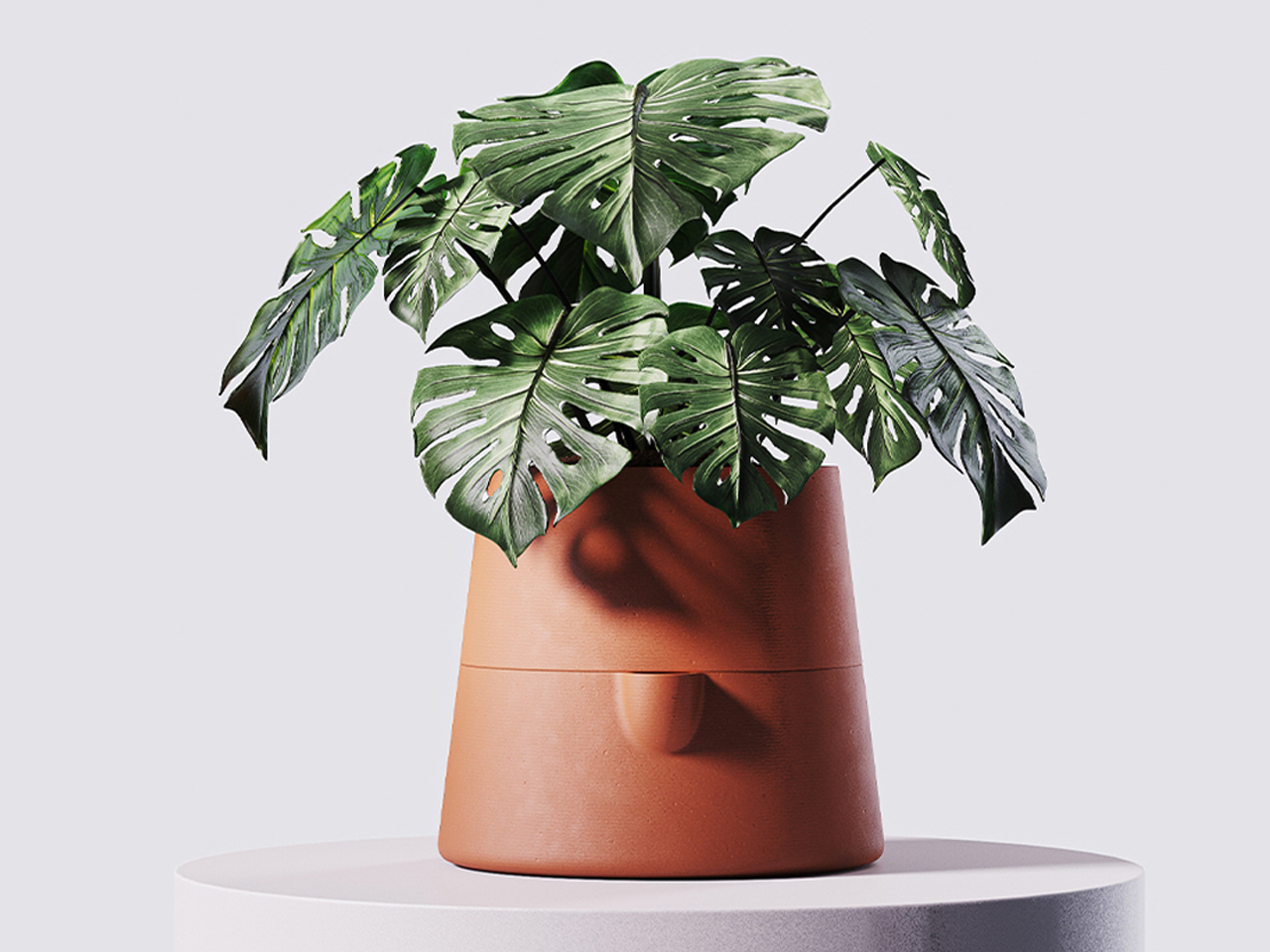
 

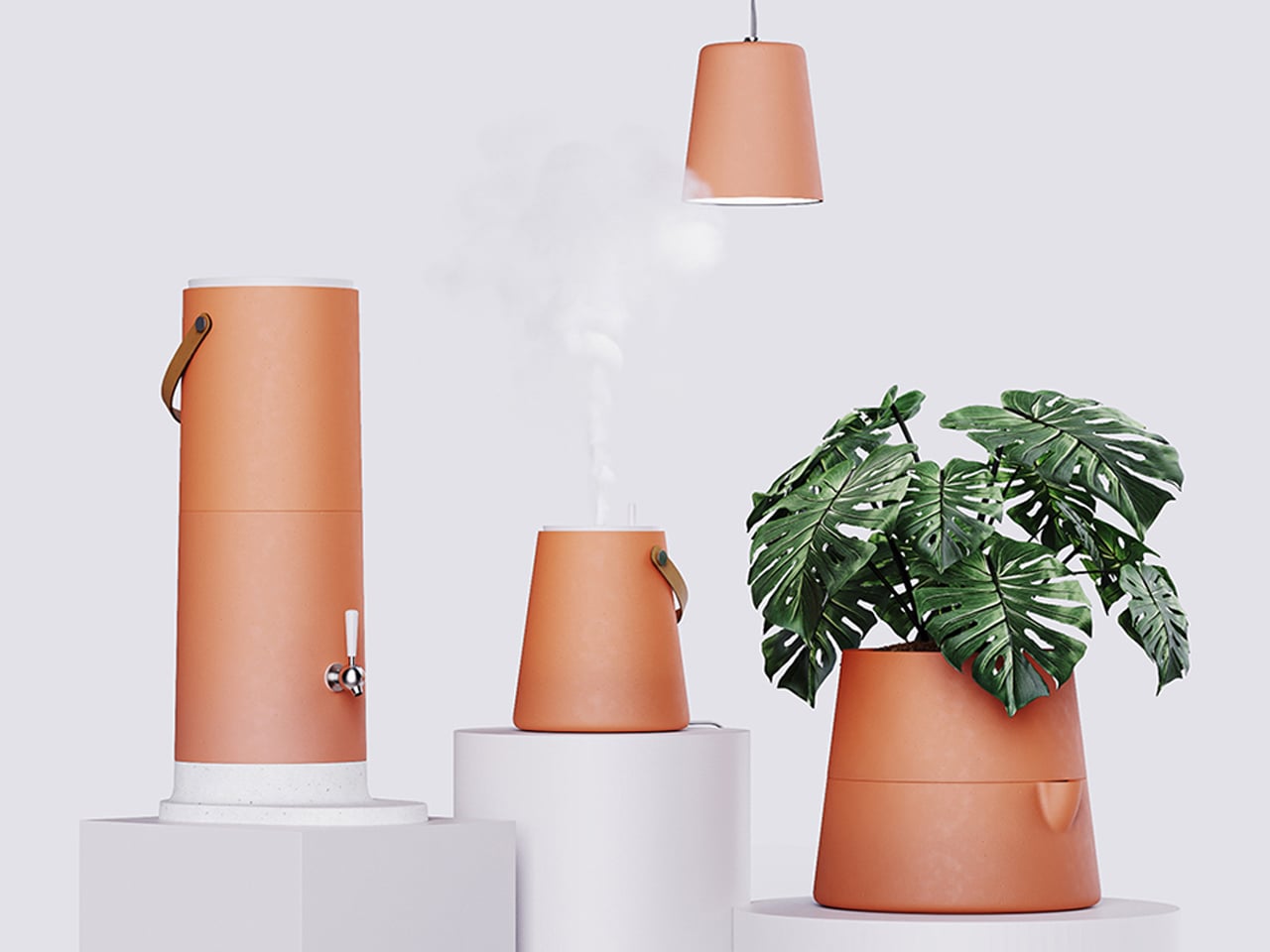
Clay filters are a household staple in Brazil, and designer Lucas Couto extends their legacy by incorporating clay into lamps, filters, and humidifiers. Celebrated for its natural, affordable, and versatile qualities, clay brings both warmth and function to contemporary homes. Couto honours traditional craftsmanship while adding thoughtful details like a handle for the upper reservoir and a base for supporting a glass, drawing inspiration from clay’s natural cooling properties.
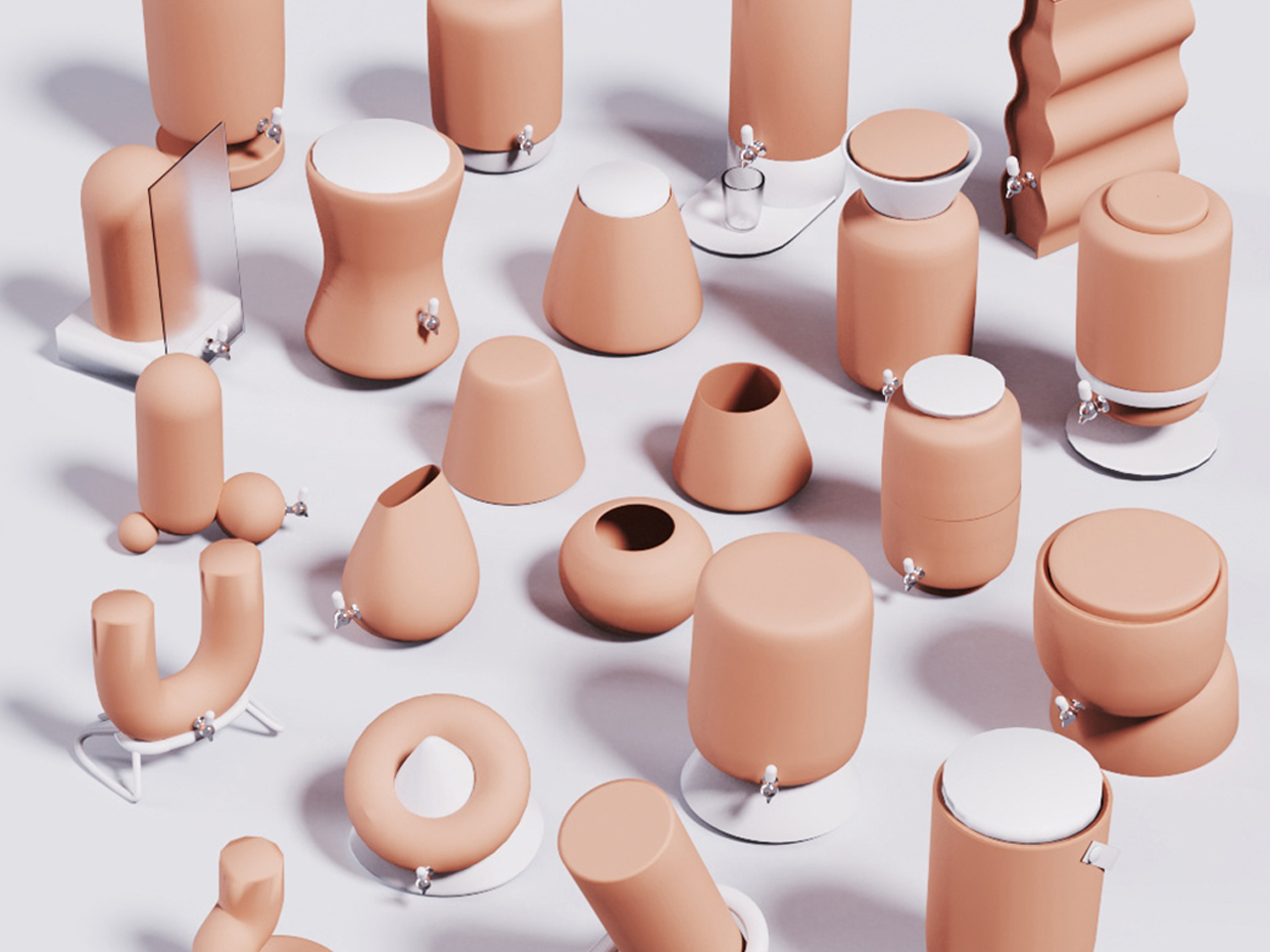
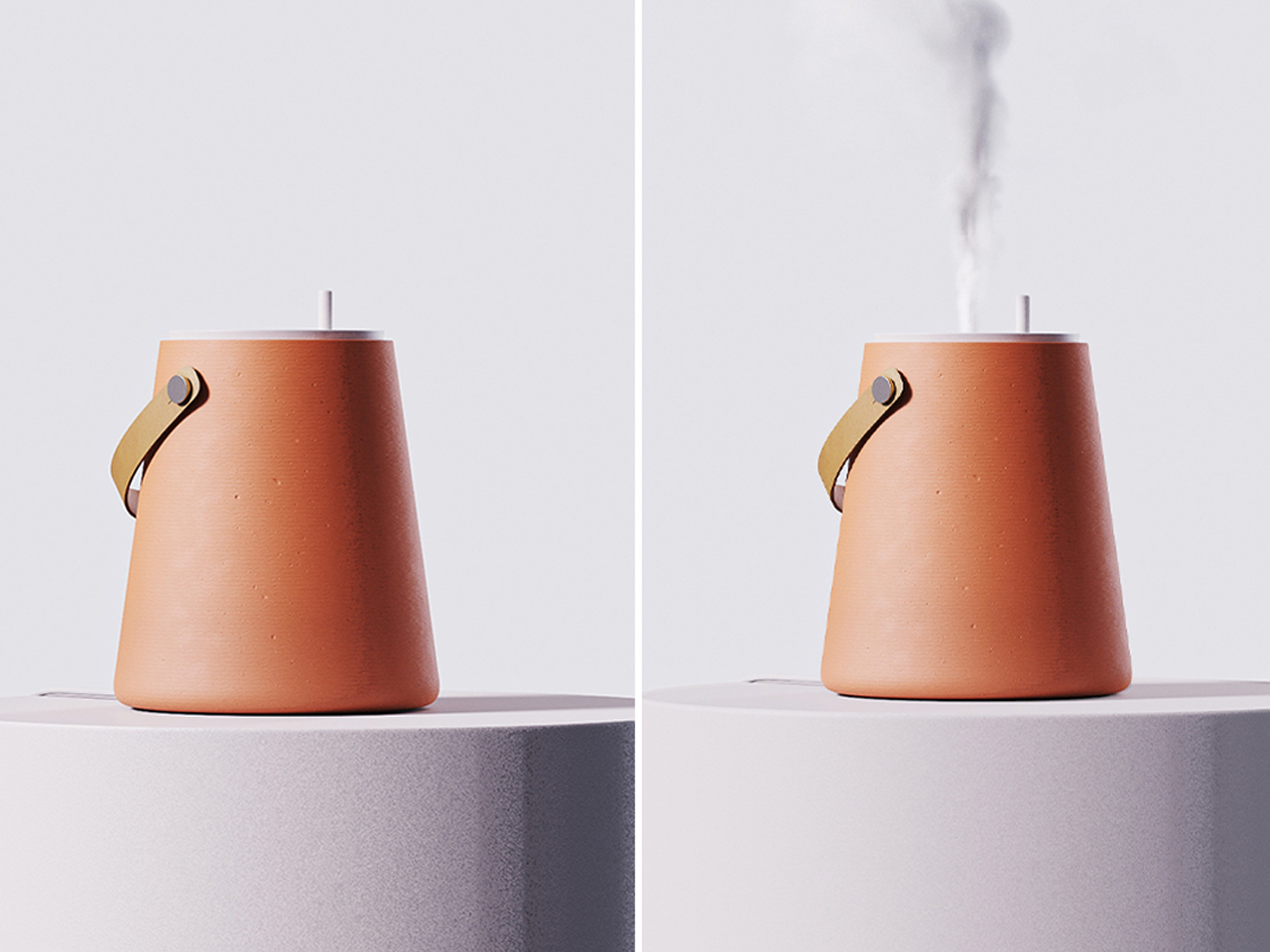
His creations offer a multi-sensory experience through terracotta’s rich colour, texture, and earthy aroma. The collection includes a humidifier, planter, and lamp, each blending tactile beauty with functionality, celebrating clay’s organic elegance in everyday living—no seasonal gimmicks required.

2. Lighting Design – Where Warmth Takes Shape

Real fall ambiance comes from light, not plastic harvest decorations. Lighting defines the mood of a space, especially during fall, when days shorten and evenings invite softness. Designs in forest green or amber tones mimic nature’s fading glow, evoking warmth and intimacy. Sculptural silhouettes and modular forms bring visual rhythm to otherwise quiet interiors.

Modern lighting celebrates both geometry and emotion. Whether diffused or directional, it transforms function into atmosphere. In terracotta and brass, it glows with autumnal richness, capturing the transient beauty of sunlight filtered through changing leaves – subtle, poetic, and endlessly comforting.
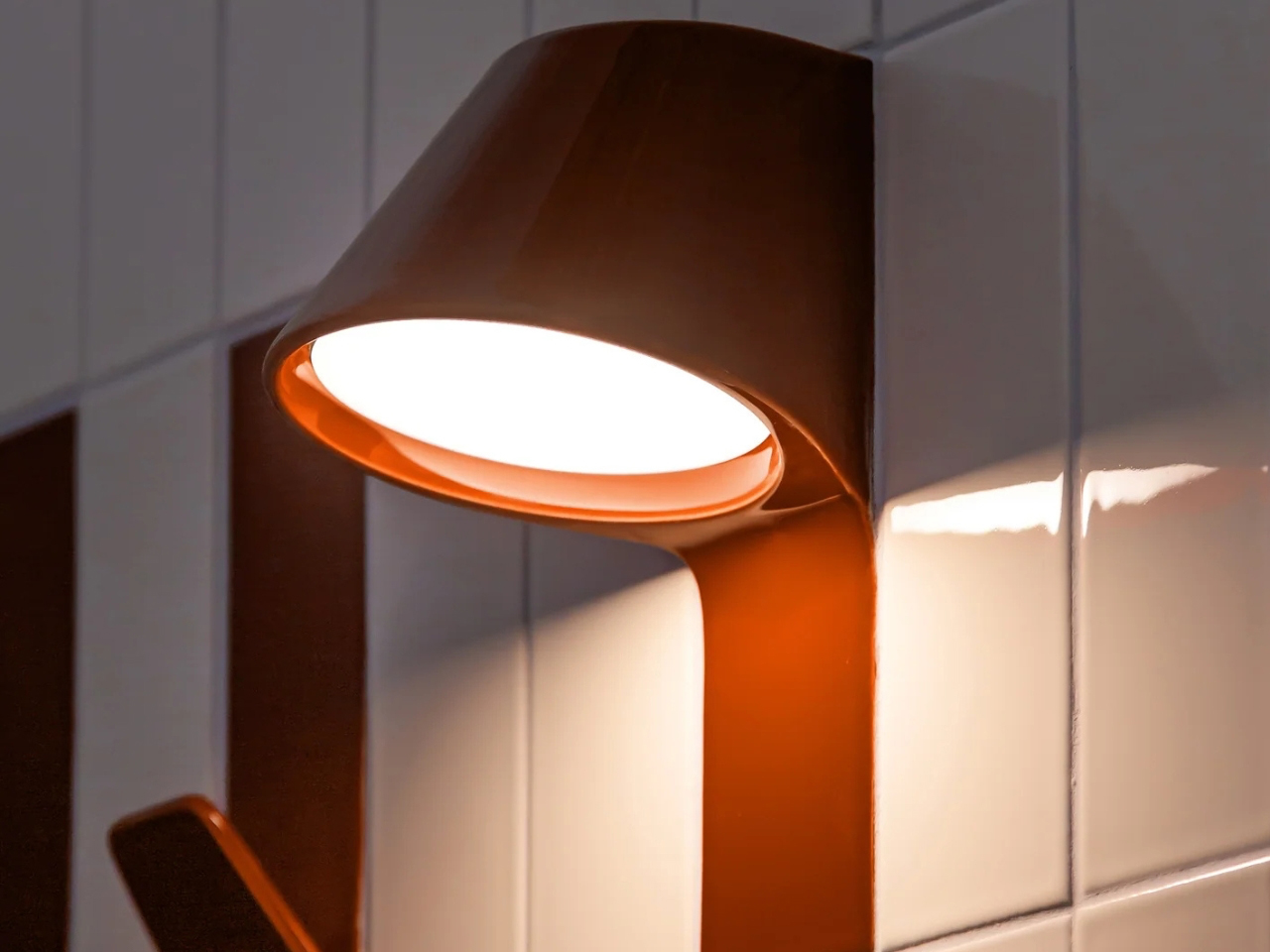
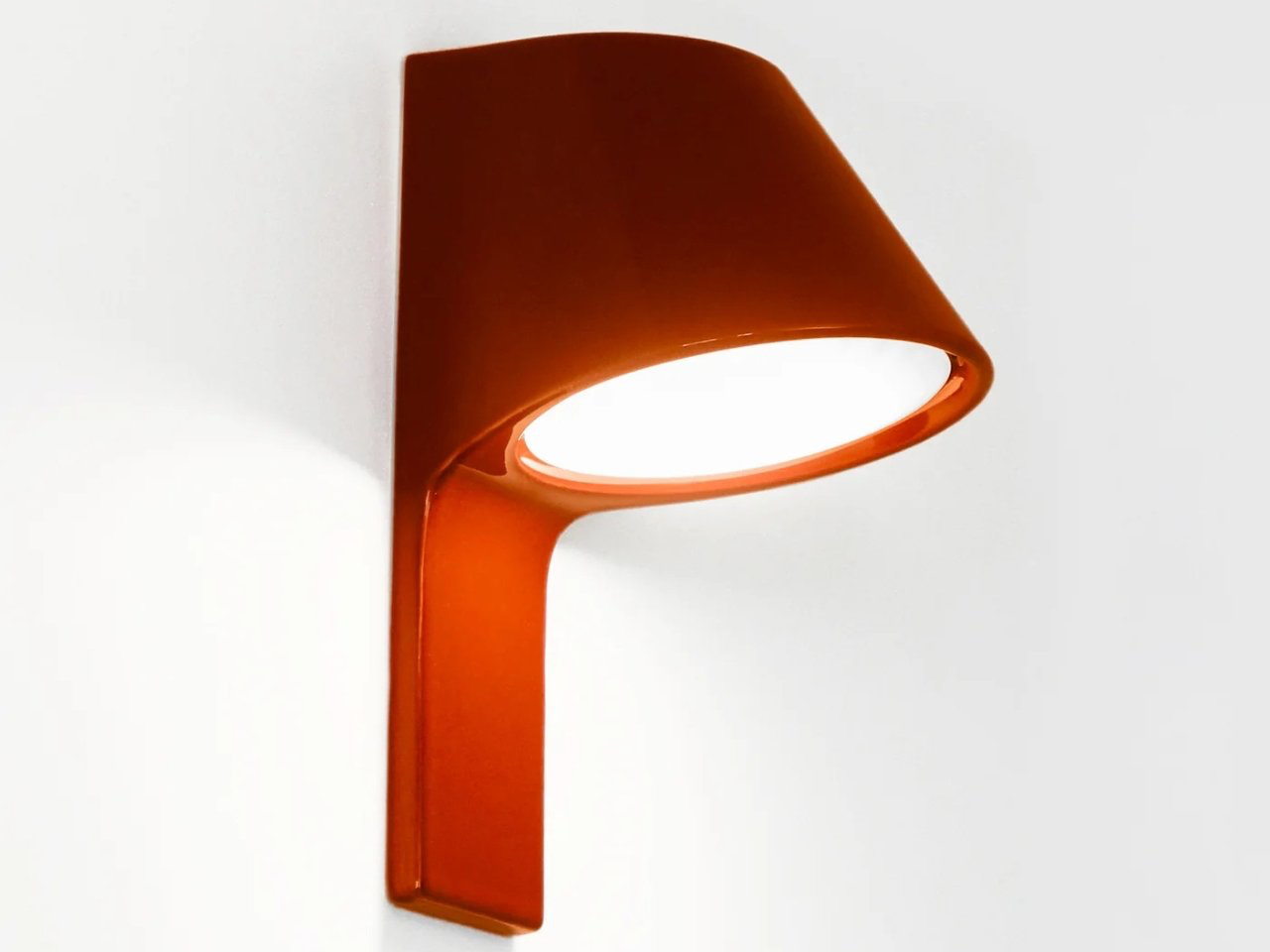
The UU Tiles project by Paris-based studio Unknown, Untitled represents a refined synthesis of functionality and aesthetic innovation. Drawing subtle parallels to the organic warmth of terracotta and the rich tones of autumn, these minimalist tiles integrate lighting, electrical access, and airflow directly into their architectural framework. The result is a contemporary design solution that harmonises practicality with visual sophistication, transforming ordinary surfaces into interactive, multi-sensory elements that feel seasonal without screaming Halloween.
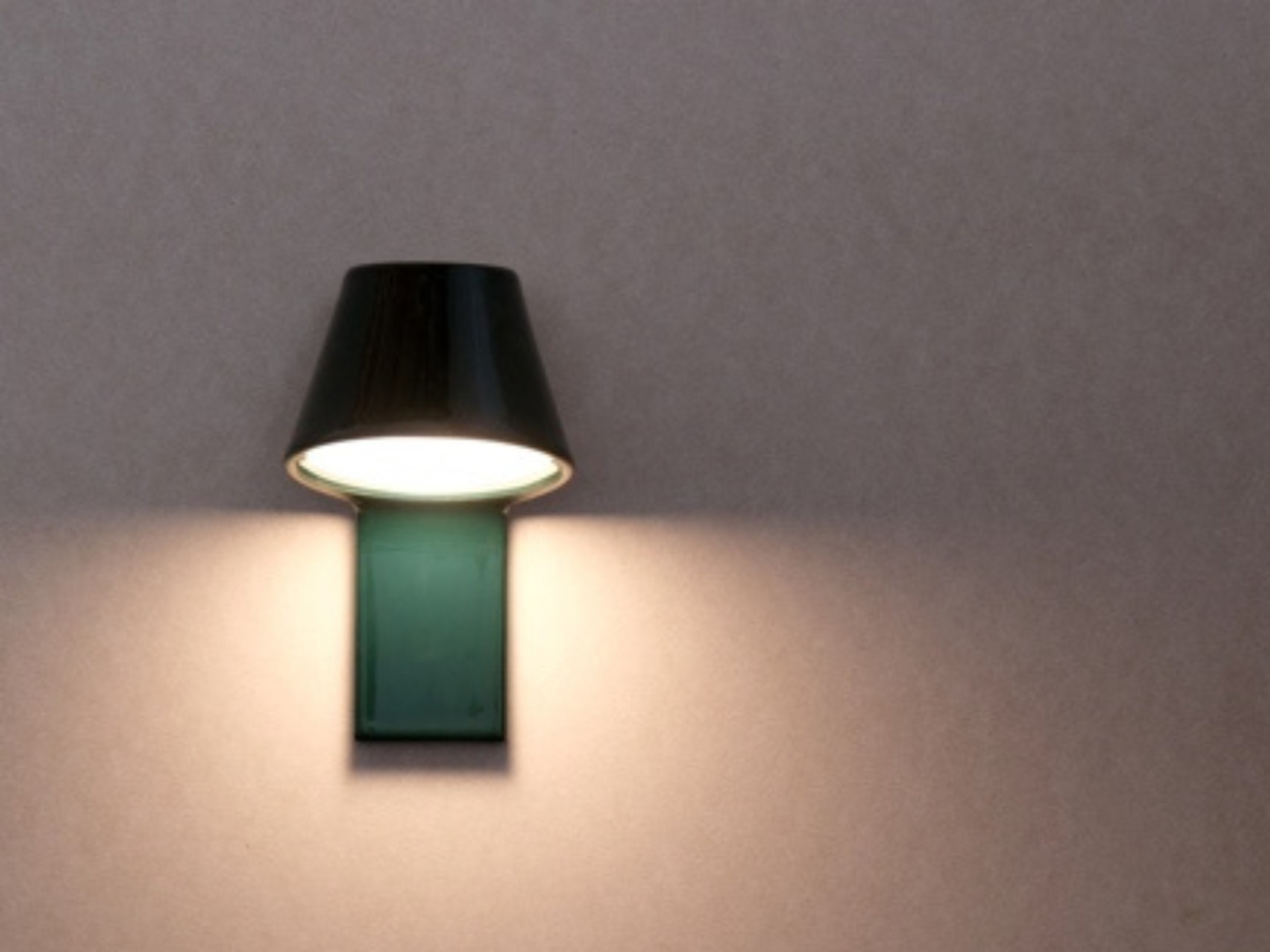
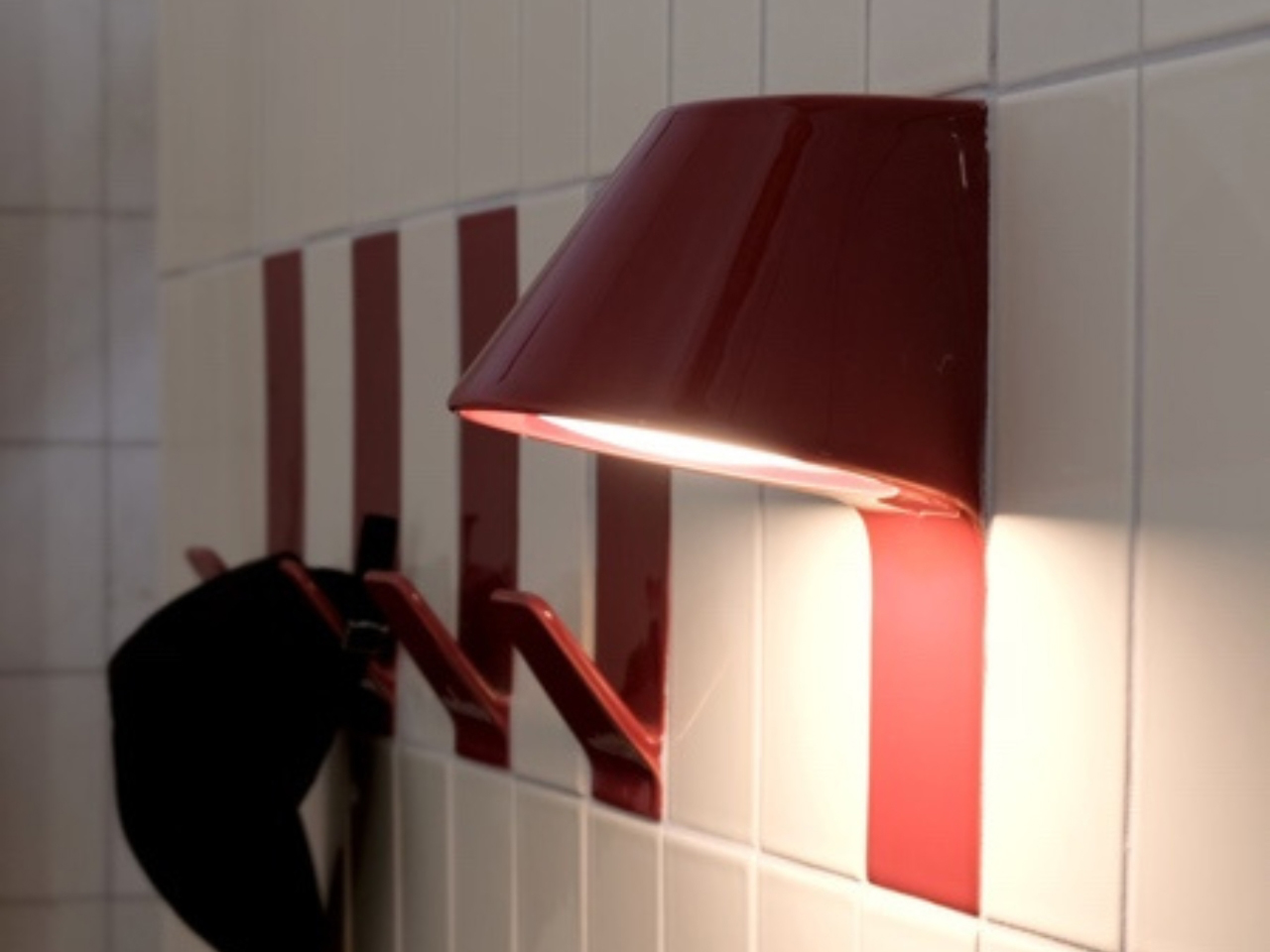
At the core of this collection lies the UU Tiles Lamp, a seamless extension of the wall that emits a gentle, autumn-inspired glow. More than a lighting fixture, it functions as a sculptural architectural component, embodying the studio’s pursuit of balance between form, atmosphere, and functionality.

3. Fluid Furniture – A Sculptural Embrace

Sophisticated fall style flows like autumn winds – not inflatable yard décor. Fluid furniture celebrates the art of continuous motion. With its seamless lines and organic curves, it reflects the natural flow of wind and water – a harmony that is echoed in autumn’s quiet transitions. Crafted from wood, leather, or resin, it embodies a craftsmanship that feels both tactile and timeless.

Each piece balances strength and grace, offering structure without rigidity. The use of rich materials and sculpted contours creates a visual softness ideal for modern interiors. It’s furniture that feels alive – breathing with the space around it and evolving with the season’s changing light, far more elegant than any seasonal tchotchke.
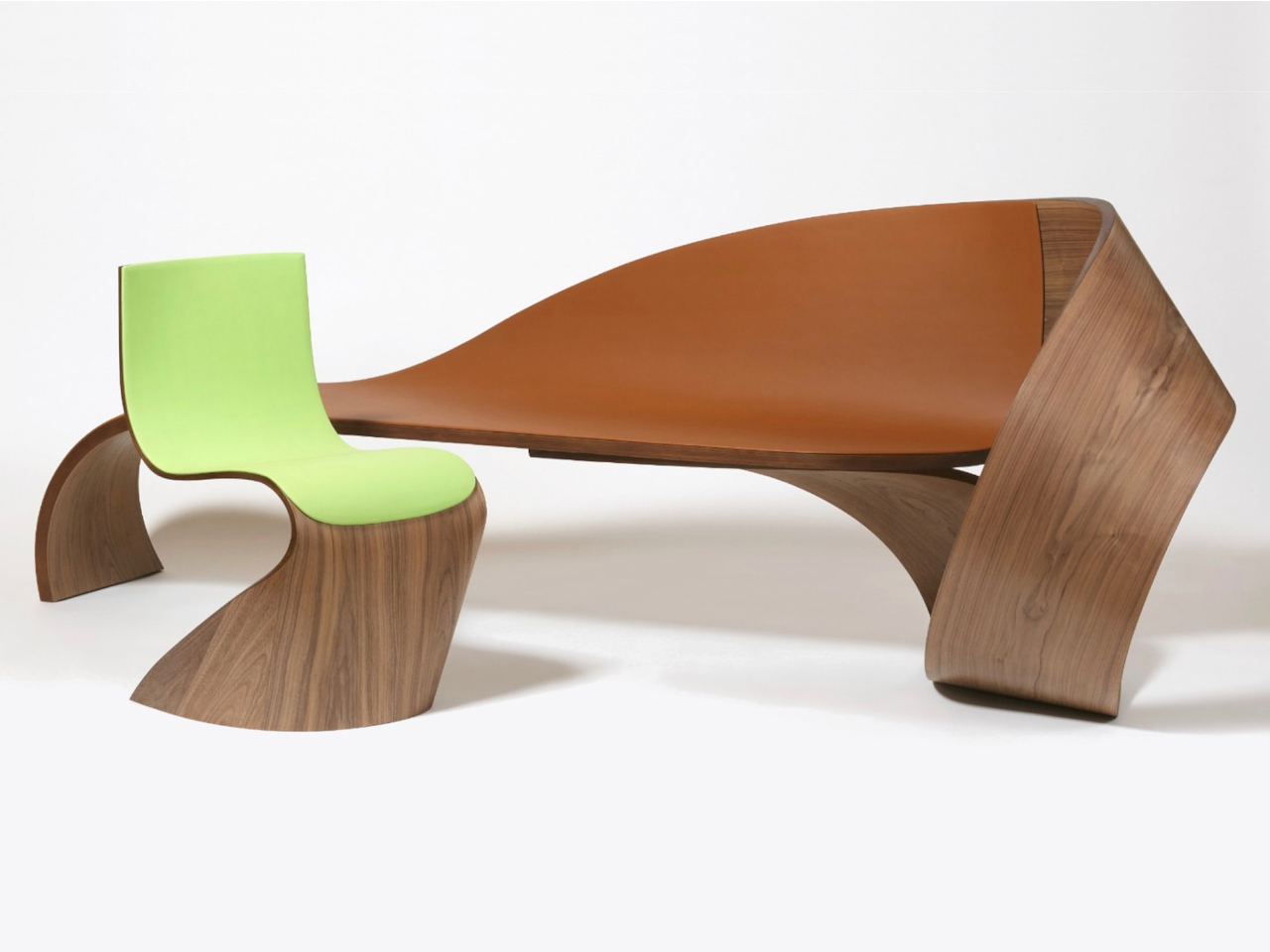
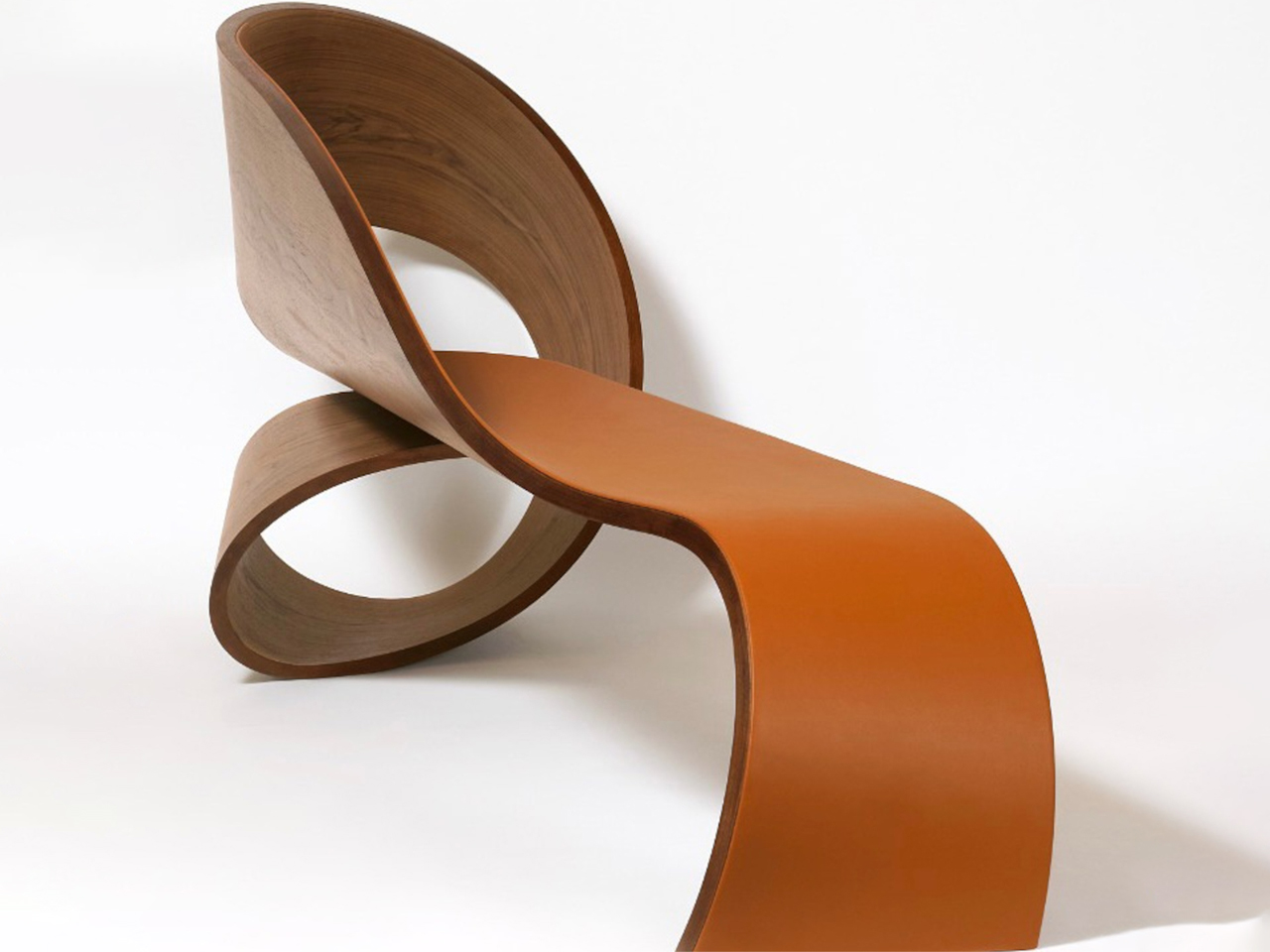
French fashion house Longchamp brings a touch of autumn warmth to interiors with its first furniture collection, created in collaboration with designer Pierre Renart. Echoing the earthy tones of terracotta and the organic spirit of fall, the collection fuses Longchamp’s renowned leather craftsmanship with Renart’s fluid woodworking. The Wave bench, upholstered in cashew-toned leather, captures the softness of natural materials and the gentle movement of fabric, embodying elegance and warmth.
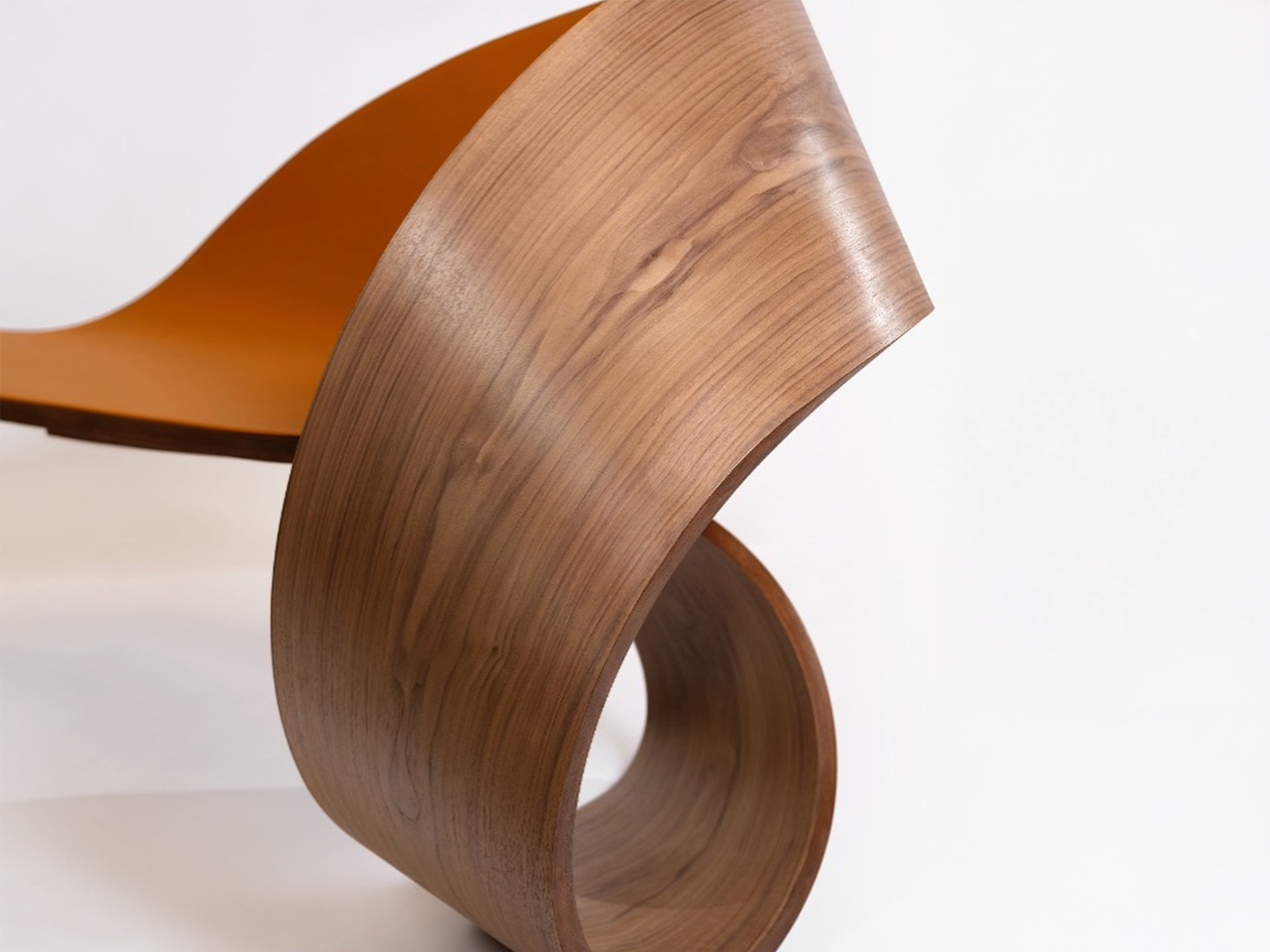
The Ruban chairs complement this palette with shades inspired by forest greens and sunlit browns, evoking the hues of fall foliage. Together, they celebrate craftsmanship, sustainability, and timeless seasonal beauty that never goes out of style when November arrives.

4. Coffee Table – A Bold Accent in Clay Red

Skip the pumpkin-shaped serving trays – a statement coffee table grounds your fall aesthetic. A coffee table anchors a living room, both visually and functionally. In earthy tones like terracotta or deep red, it becomes the focal point – a grounding presence that radiates warmth. Designs often combine geometry and storage, merging practicality with expressive form.

Beyond its purpose, the coffee table invites connection – a surface for books, conversation, and ritual. Whether minimal or sculptural, it captures the essence of modern living: simplicity enriched by texture, colour, and thoughtful proportion.
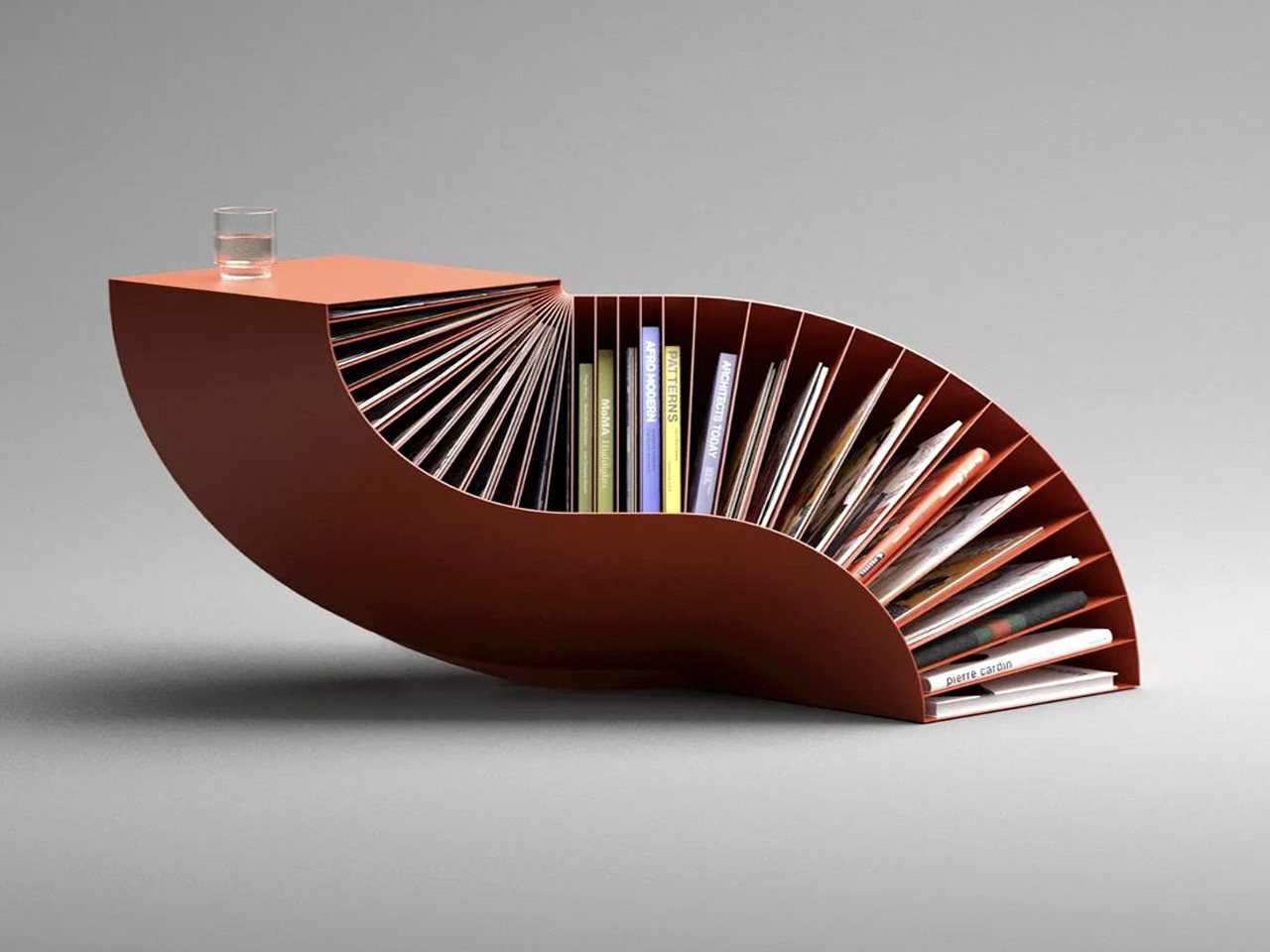
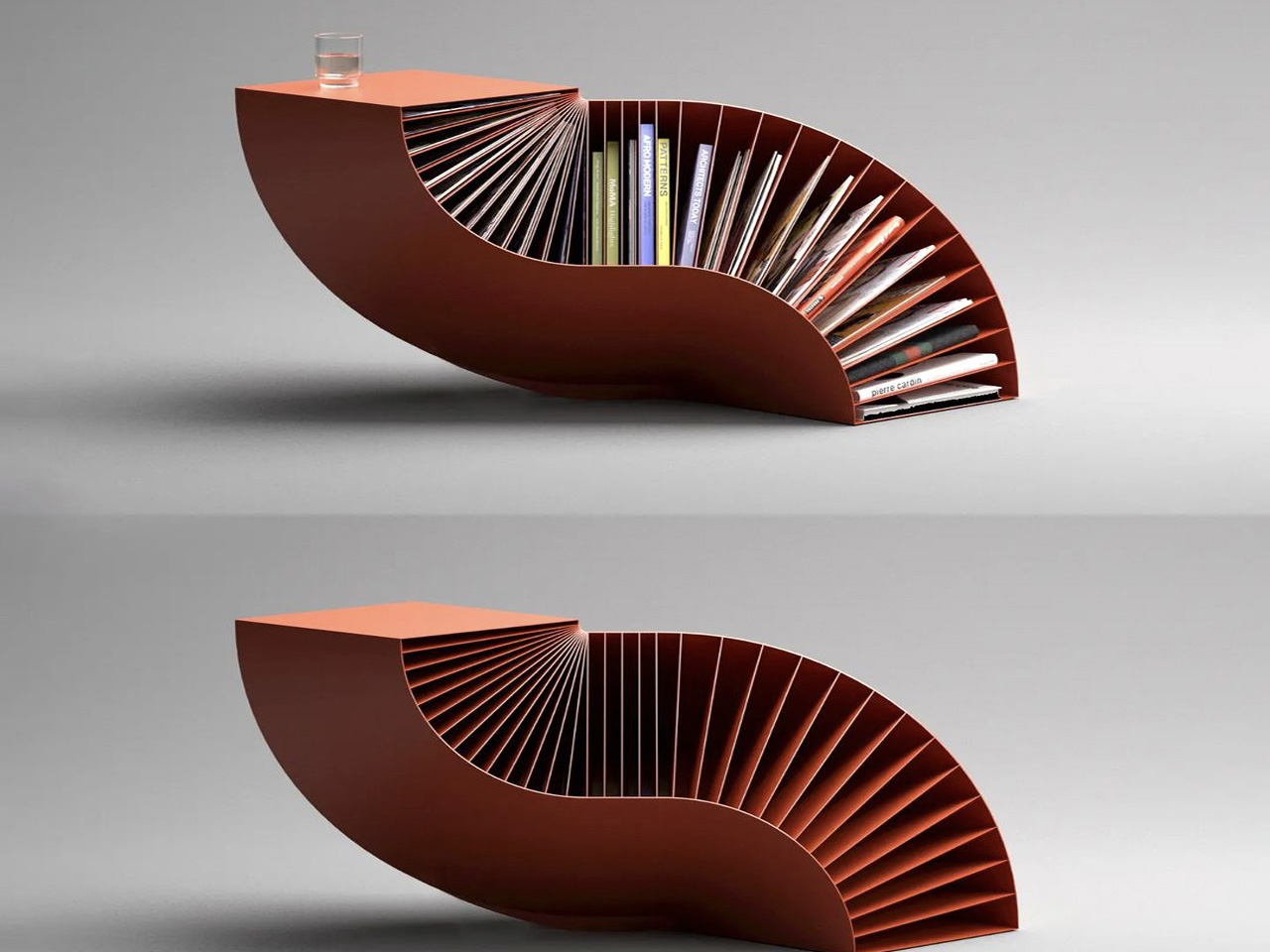
The Bookpet coffee table by designer Deniz Aktay embodies the warmth and elegance of terracotta hues, perfectly echoing the rich tones of autumn interiors. Crafted from a double-bent cuboid structure, its sculptural silhouette adds visual depth while offering built-in storage for books and magazines. The fluid lines and earthy palette create a sense of movement and comfort, making it a statement piece for contemporary living spaces.
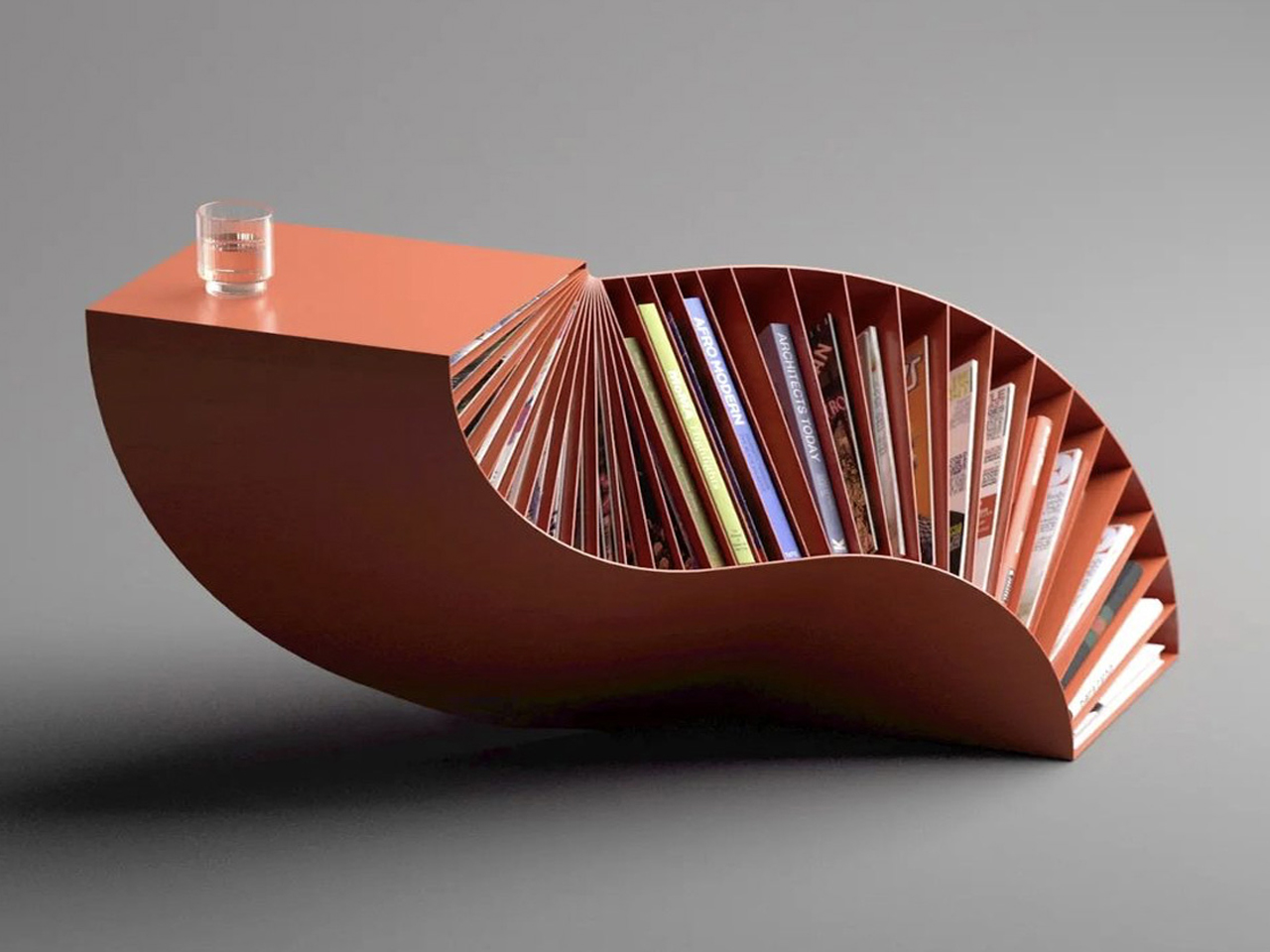
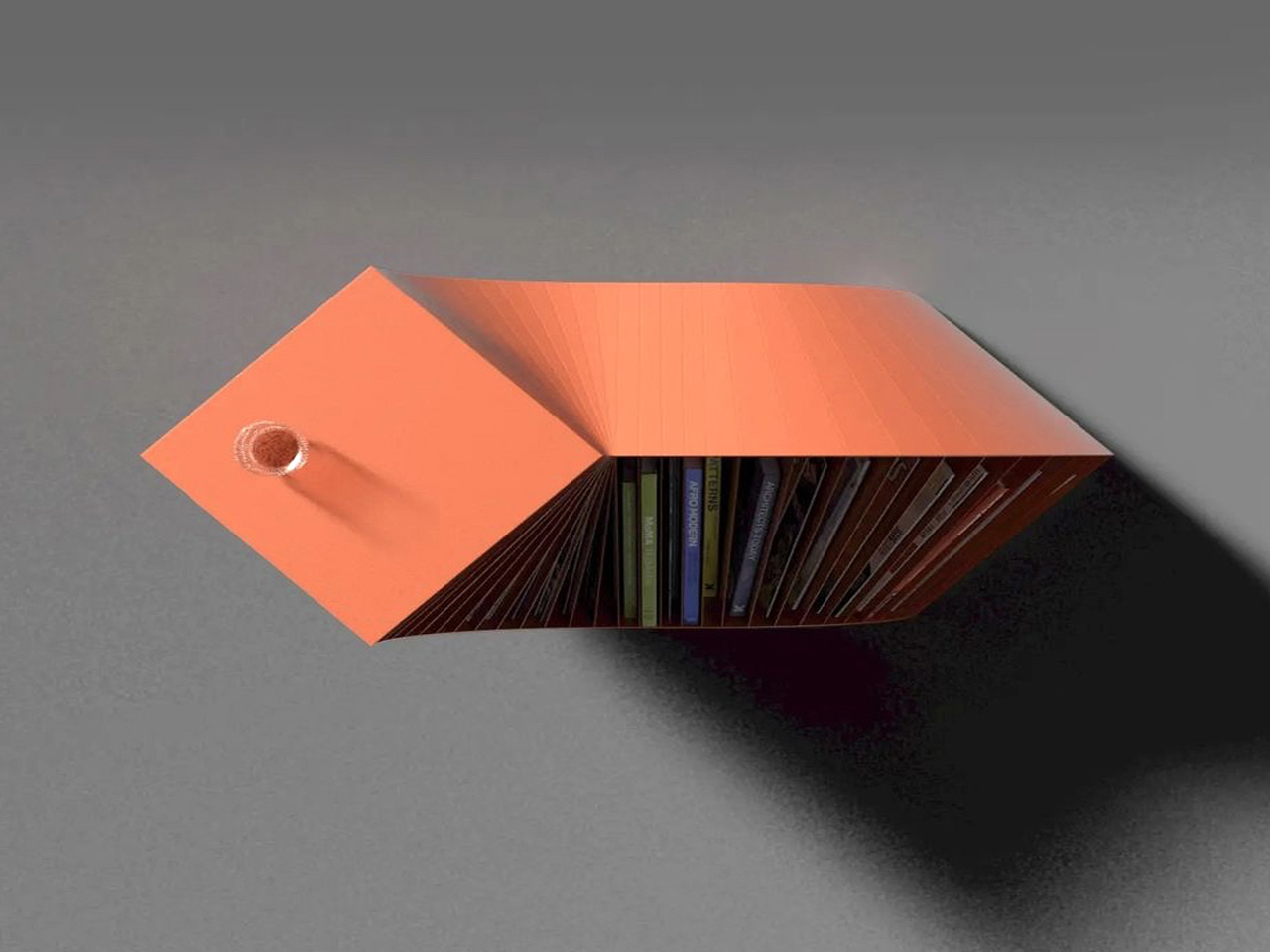
Designed for compact modern homes, Bookpet balances form, function, and seasonal warmth. Its terracotta-inspired finish complements fall décor, while the integrated nooks provide practical organisation – capturing the essence of cosy, organic, and thoughtfully crafted design that celebrates the season year-round.

5. Range Hood – Clean Air, Clear Mind

Nothing says sophisticated fall cooking like a kitchen that doesn’t rely on pumpkin spice candles to mask odours. The range hood is where performance meets aesthetic restraint. In contemporary kitchens, it’s no longer just an appliance but a quiet design statement. Compact, sleek, and minimal, it ensures clean air while blending into its surroundings with seamless precision.

Muted finishes like matte green or brushed metal soften its presence, allowing harmony within the cooking space. It represents how innovation can coexist with calm – a balance between efficiency and beauty that aligns perfectly with fall’s unhurried spirit.
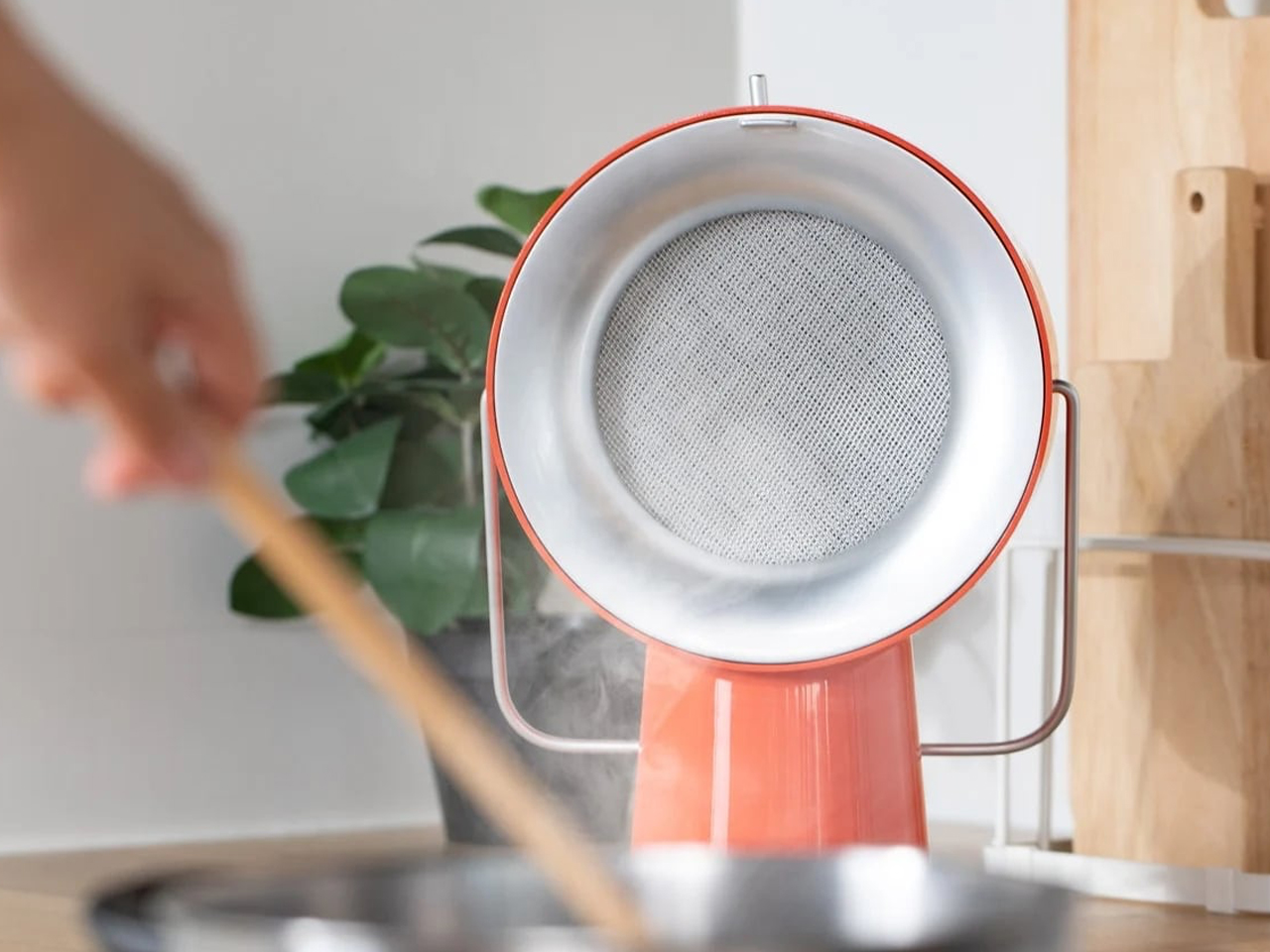

Home-cooked meals are ideal, but the mess and lingering smells from stovetop cooking often discourage the habit. The AirHood solves this by drawing in smoke and oily fumes before they stain walls and counters, helping you cook without dreading the clean-up. Its warm terracotta finish blends beautifully with autumn-toned kitchens and cosy seasonal palettes.
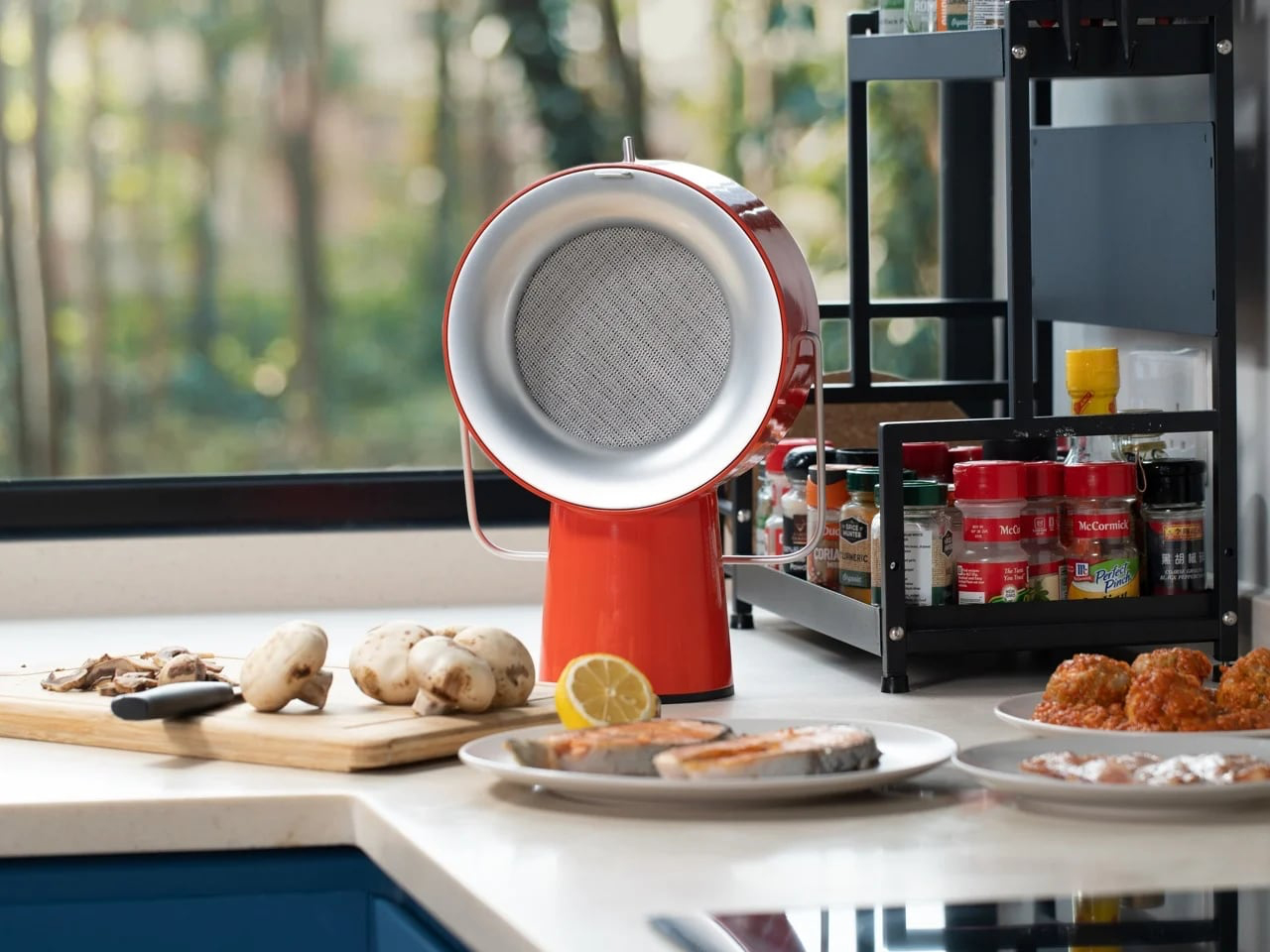
Charcoal filters neutralise odours, while a stainless-steel oil filter traps grease that would otherwise cling to surfaces. Both are easy to remove and clean. Portable and optionally wireless, the AirHood delivers a calm, cleaner cooking ritual – especially welcome as kitchens shift to earthier fall hues without the kitsch.

6. Desk Organizer – Nature’s Order at Your Fingertips

Bring fall to your workspace without the miniature pumpkin parade. A well-designed desk organiser creates visual calm amid daily chaos. Drawing inspiration from leaves, pebbles, or branches, it brings organic balance to modern workspaces. The use of natural textures and earthy colours evokes tranquillity while maintaining functionality.

Each element, including a tray, stand, or holder, becomes a sculptural accent rather than clutter. Terracotta or forest tones add grounded beauty to productivity, turning everyday organisation into a design ritual rooted in mindfulness and grace – not seasonal gimmicks.
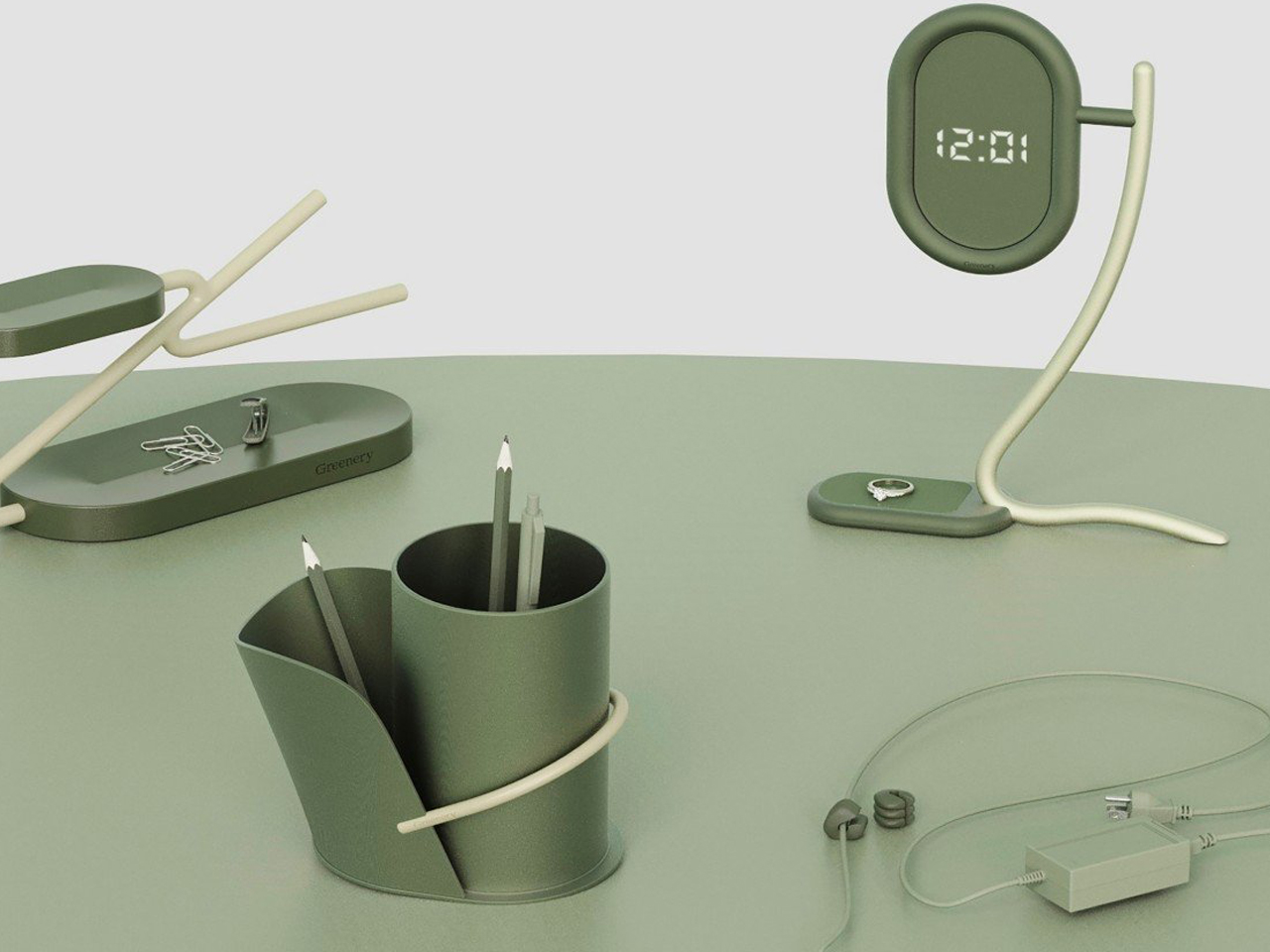
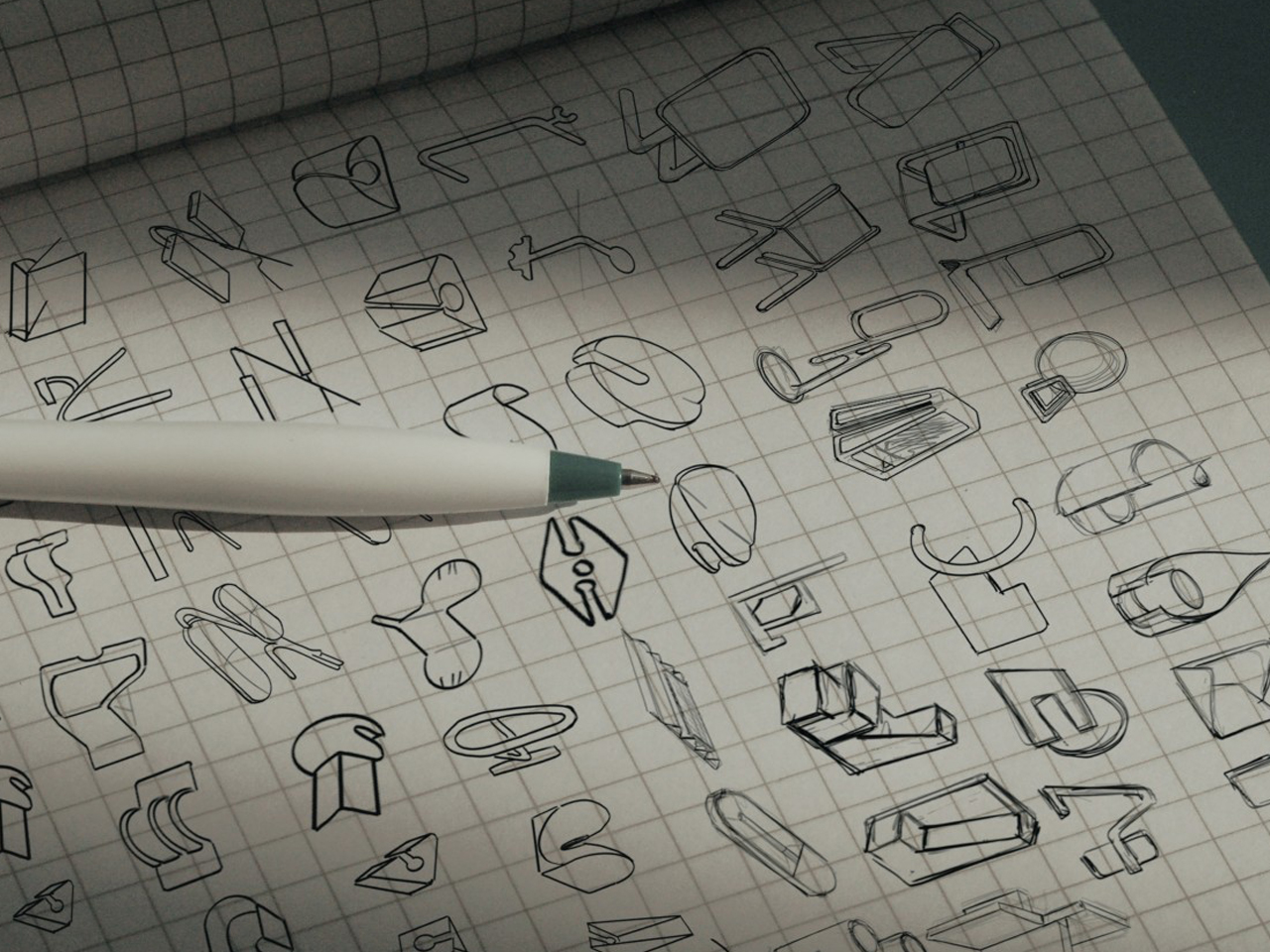
Workplace stress is often addressed with tidy desks, inspiring objects, and a touch of greenery, although real plants aren’t always practical. These nature-inspired accessories offer the same calming cue without maintenance. Rendered in deep forest green and muted autumn hues, they bring a grounded, seasonal warmth to the desktop while keeping the footprint minimal.
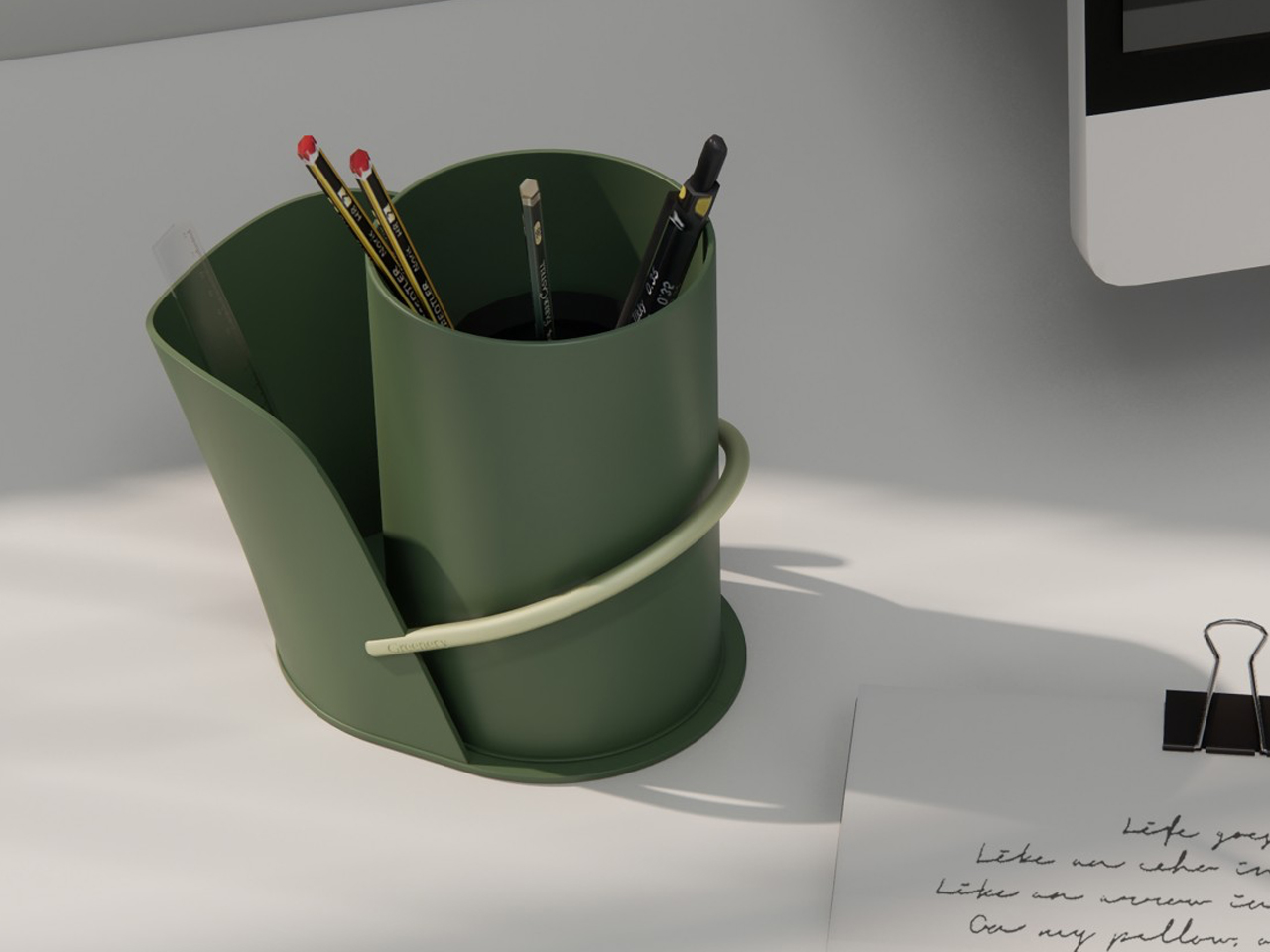
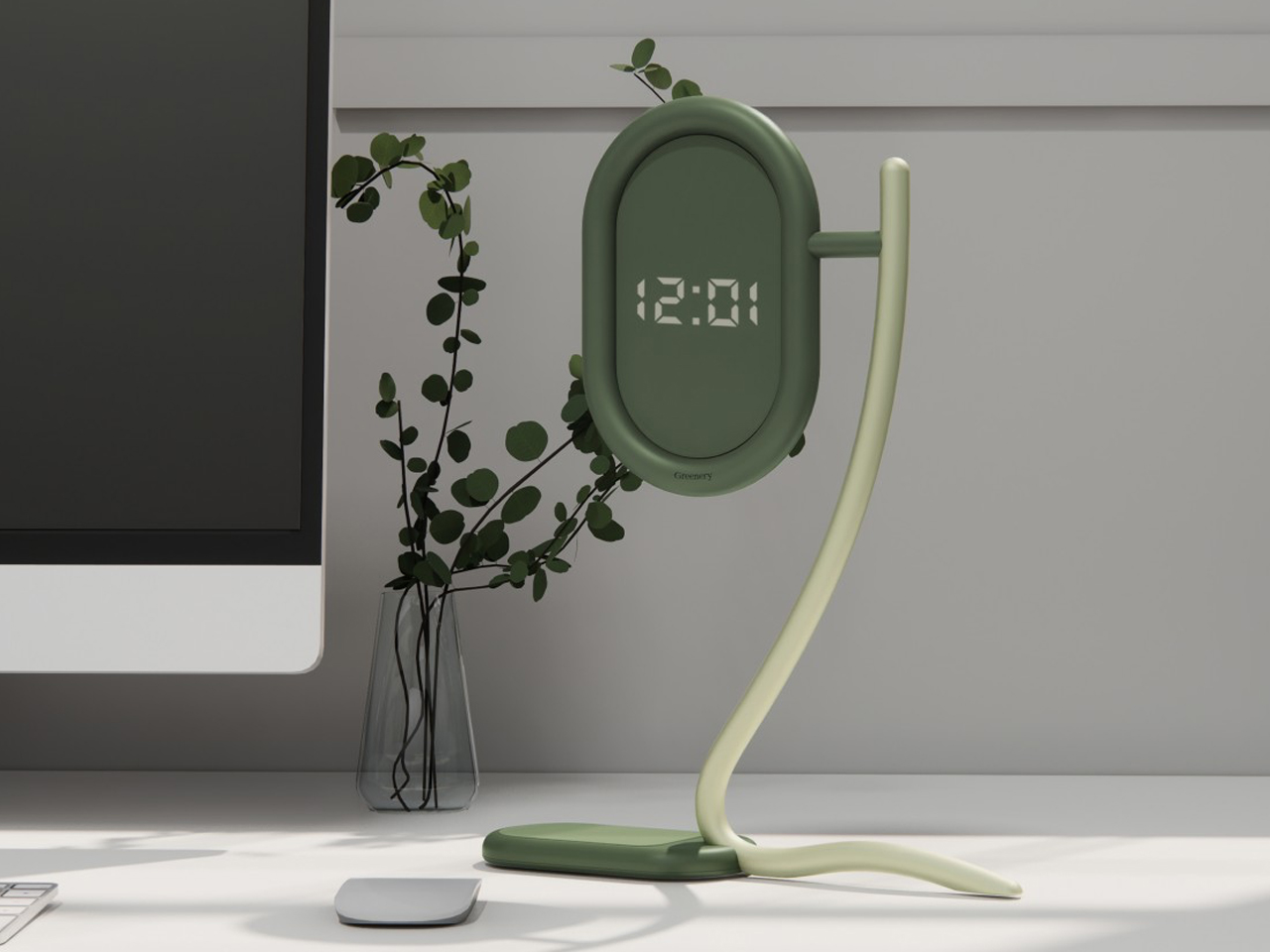
Rather than mimic plants literally, each piece abstracts stems and leaves into useful forms: a bamboo-like pencil holder with dual compartments, a curved “leaf” clock with a built-in tray, a tiered tray with hooks, and a subtle cable holder. Simple, elegant, and timeless – the anti-pumpkin approach to fall design.

7. Watch – Time, Reimagined in Metal and Fire

Why wear a watch with cartoon pumpkins when you can wear NASA’s rocket? A watch transforms timekeeping into personal expression. Modern designs balance technical precision with craftsmanship, often blending metals, ceramics, and glass. When accented with copper or red undertones, it mirrors the warmth of fall’s shifting light.

The watch embodies rhythm – not just in seconds but in seasons. Its enduring form reminds us that design can reflect both progress and pause, merging function with emotion in a single glance.
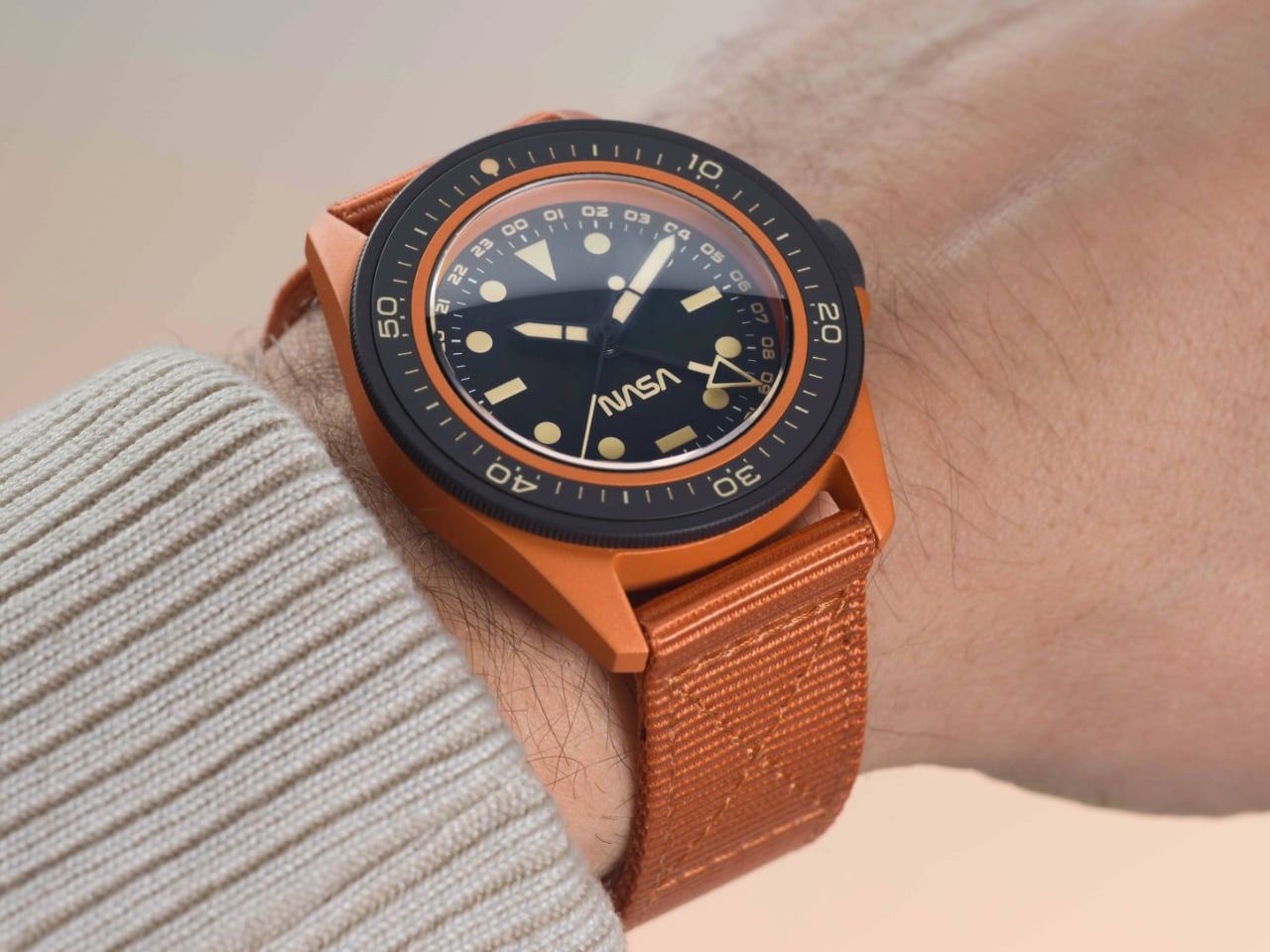

The U1-SPG “NASA Artemis” Limited Edition from Unimatic x Massena LAB translates the burnt-orange glow of NASA’s Space Launch System to the wrist. Limited to 99 pieces, its 40mm steel case wears a terracotta-hued Cerakote finish, evoking autumn warmth while honouring the Artemis rocket. A charcoal bezel, GMT hand, and Old Radium luminescent markers provide functional contrast, balancing style with practicality.
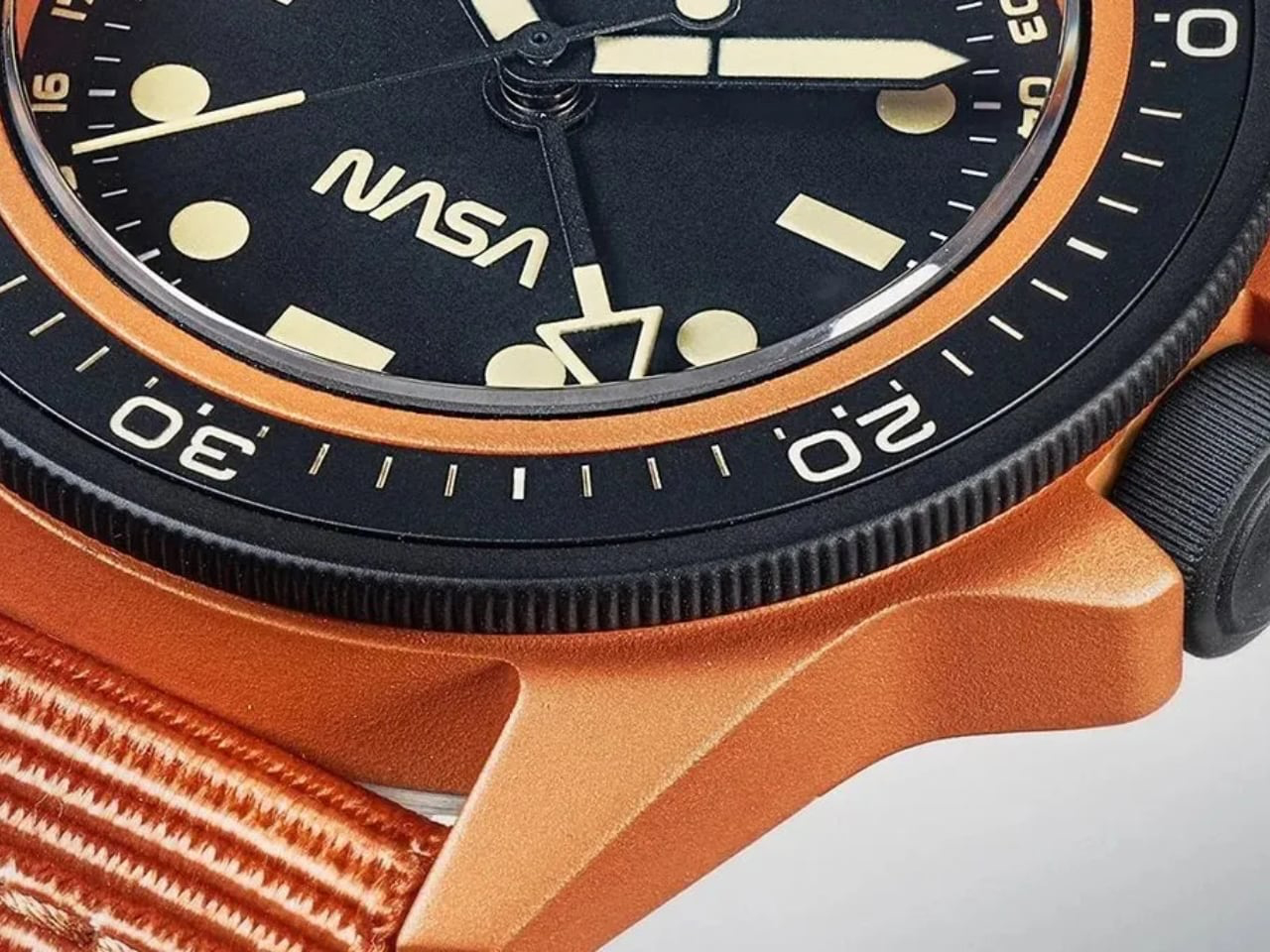
Rated to 300m and powered by the reliable Seiko NH34A movement, it comes with autumn-toned straps and a NASA mission patch. This limited-edition watch blends collectible prestige with everyday wearability, offering cosmic ambition wrapped in seasonal hues – proof that fall style doesn’t need to be literal.

These terracotta and forest-green designs capture the essence of fall through sophisticated, earthy tones and seasonal warmth. Without relying on traditional pumpkin motifs or throwaway seasonal décor, they bring autumn-inspired style, comfort, and personality into your home and lifestyle – designs that work in September, stay beautiful through November, and never feel like they belong in a clearance bin come December.

The post 7 Best Fall-Inspired Designs That Ditch Basic Pumpkin Décor first appeared on Yanko Design.

X rolls out ‘About this account’ feature that displays a profile’s country of origin and more

You'll soon be able to see more information about X accounts, including where they're based and how many times they've changed their usernames. X is rolling out a new feature called "About this account" that displays more information about user accounts. Not only will it display the country a user is located in and username changes, the feature will also make public which country the account was created in and whether it's connected via the web or a specific app store.

X began testing this feature out last month, but more recently, users have been posting screenshots of the new feature being rolled out. X is following in the footsteps of other social media platforms, as already seen with Facebook's Page transparency and Instagram's own About this account. As detailed by Nikita Bier, X's head of product, the upcoming "About this account" feature is meant to verify the authenticity of content posted on X.

You can currently see your own info by clicking on the "Joined" button underneath your X bio, but you may not be able to see others' info yet since the feature is still being rolled out. In your own profile, you can choose to display either your country or region/continent, with the exact country being the default option. Bier previously said that there will be "privacy toggles," which will be highlighted on your profile if you opt in. On top of that, users accessing X through a VPN may have a disclaimer on their profile that says, "Country or region may not be accurate," as spotted by some internet sleuths.

This article originally appeared on Engadget at https://www.engadget.com/social-media/x-rolls-out-about-this-account-feature-that-displays-a-profiles-country-of-origin-and-more-160617187.html?src=rss

Samsung Galaxy Z Fold 8 – Biggest Leak Yet Changes Everything

Samsung Galaxy Z Fold 8 – Biggest Leak Yet Changes Everything

The Samsung Galaxy Z Fold 8 is poised to redefine the foldable smartphone market. Leaks indicate significant advancements in design, functionality, and overall user experience, reinforcing Samsung’s leadership in this innovative segment. Whether you are a tech enthusiast or a potential buyer, understanding these updates can help you see how this device could fit into […]

The post Samsung Galaxy Z Fold 8 – Biggest Leak Yet Changes Everything appeared first on Geeky Gadgets.

Posted in Uncategorized

Gemini 3 Antigravity vs Cursor : Is Cursor Finished?

Gemini 3 Antigravity vs Cursor : Is Cursor Finished?

Is this the end of Cursor as we know it? With the launch of Google’s new Antigravity platform, powered by the formidable Gemini 3 Pro AI model, the tech giant seems to have drawn a bold line in the sand. Antigravity isn’t just another tool in the crowded AI development market, it’s a direct challenge […]

The post Gemini 3 Antigravity vs Cursor : Is Cursor Finished? appeared first on Geeky Gadgets.

Posted in Uncategorized

This Floating Plaza in the Amazon Is Climate Architecture at Work

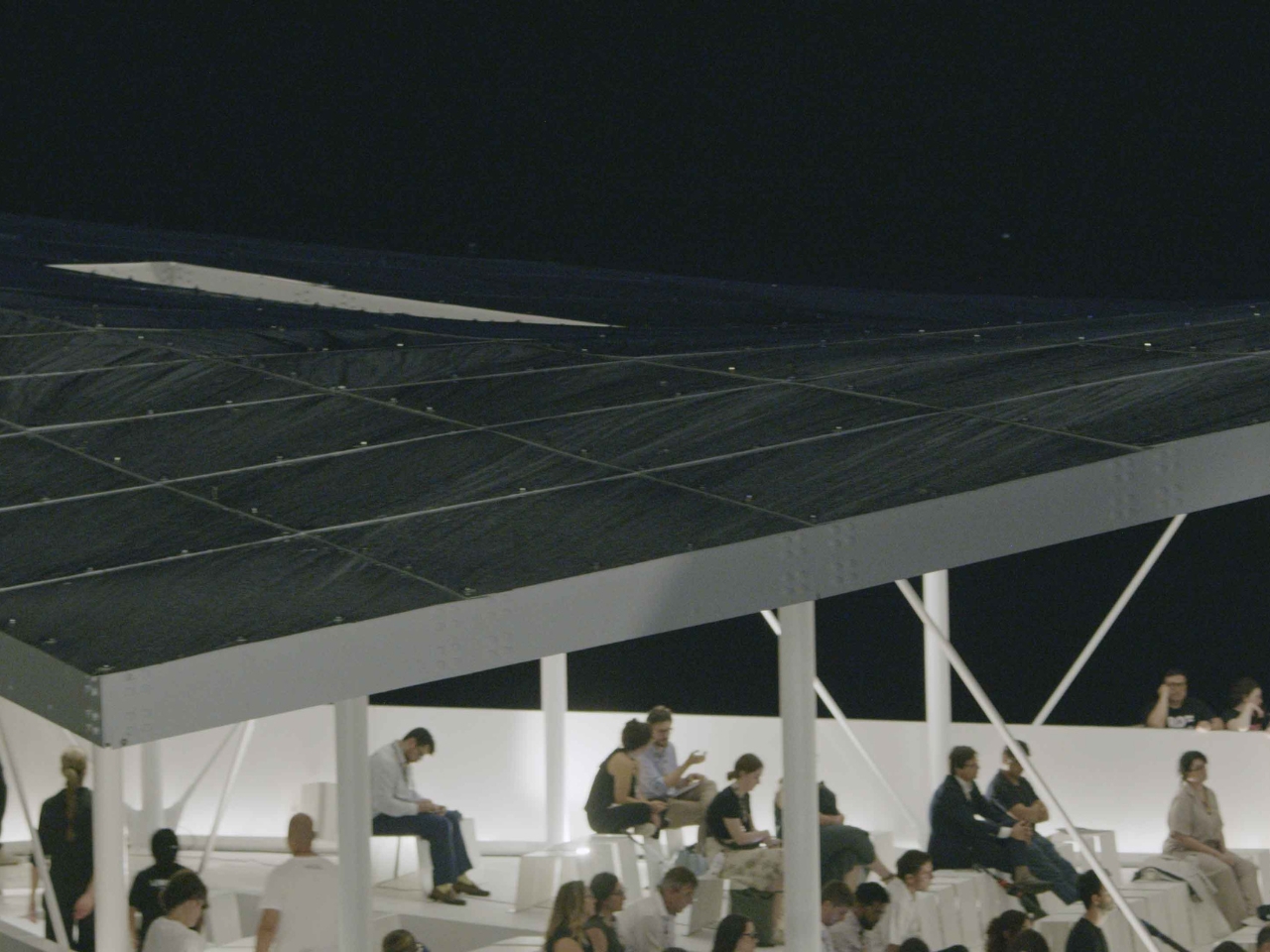
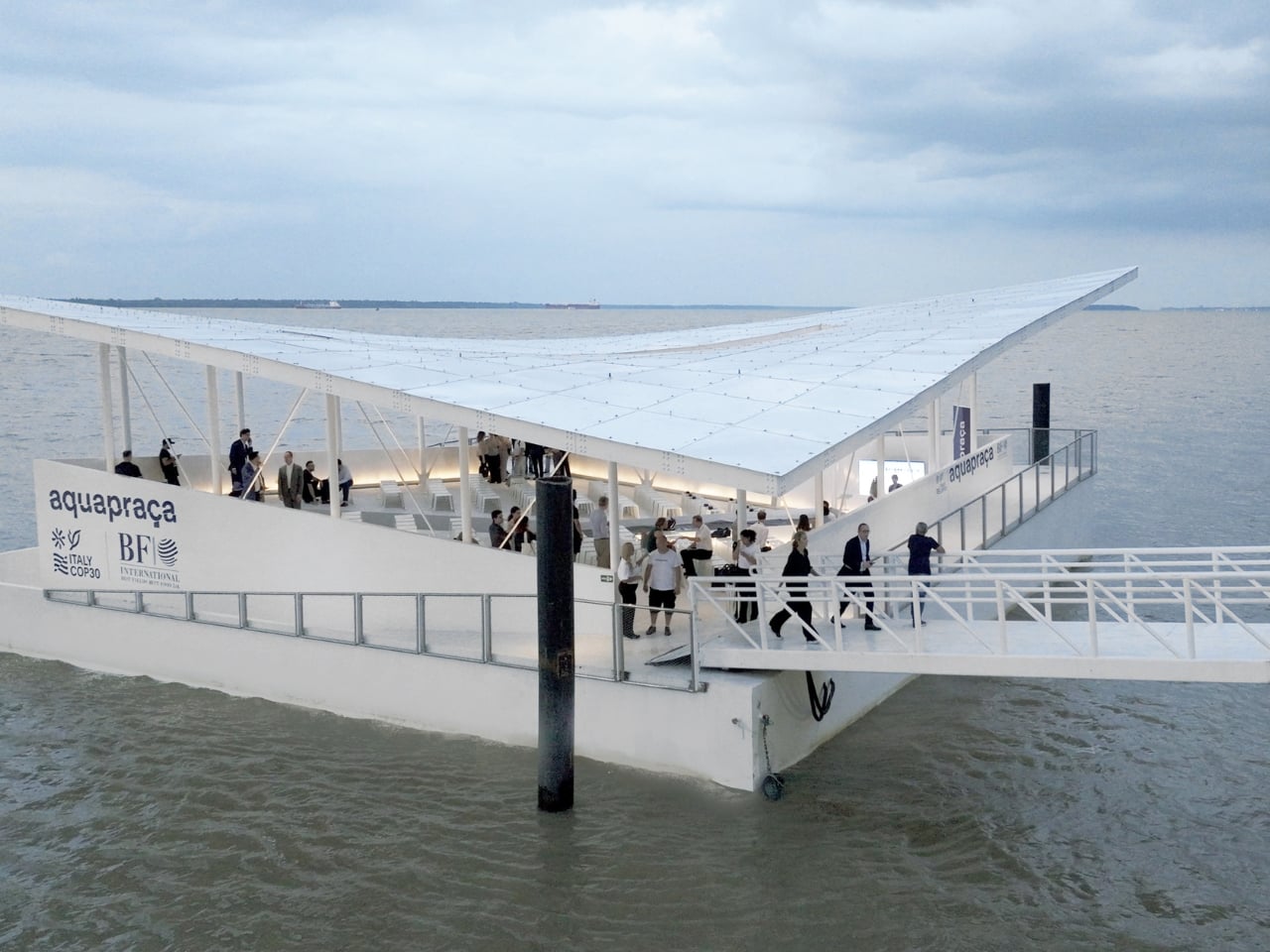
Imagine a public square that literally rises and falls with the tide. That’s exactly what AquaPraça does, and it just made its grand debut at the UN Climate Change Conference COP30 in Belém, Brazil. This isn’t your typical architectural showpiece that exists only to look impressive at a summit. This 400-square-meter floating platform is designed to stay right where it is, becoming a permanent cultural hub in the heart of the Amazon.

Designed by CRA-Carlo Ratti Associati and Höweler + Yoon, AquaPraça represents something genuinely clever in how we think about building in a world where water levels are no longer predictable. Moored on Guajará Bay within the Amazon River system, the structure uses Archimedes’ principle (yes, that ancient Greek buoyancy thing you learned in school) to naturally adapt to an environment where tides can shift up to four meters daily. The platform simply floats along with the water, letting visitors experience the natural rhythm of the river at eye level.

Designer: CRA-Carlo Ratti Associati and Höweler + Yoon

Carlo Ratti, who’s a professor at MIT and curated the Venice Architecture Biennale 2025, explains the project’s deeper philosophy by referencing iconic architect Aldo Rossi. Where Rossi looked to the past to prove architecture could still enrich Venice’s skyline in 1980, AquaPraça looks to the future by exploring how we can build with nature instead of fighting against it. It’s a subtle but important shift in thinking.

The project’s journey is almost as interesting as the structure itself. It was first unveiled in Venice this past September during the Architecture Biennale in a simplified form, then traveled to Belém where it now serves as part of Italy’s pavilion at COP30. After the conference wraps up, Italy will donate the platform to Brazil, where it will function as a community space for ongoing conversations about climate, culture, and creative industries.

What makes AquaPraça particularly compelling is how it turns climate change from an abstract concept into something you can physically experience. The sloping surfaces and shifting levels respond to the water in real time, creating what Eric Höweler calls “a delicate equilibrium.” His collaborator J. Meejin Yoon points out that it’s both a literal and figurative platform for understanding sea level rise and its impacts on coastal communities worldwide.

The location couldn’t be more symbolic. Belém sits at the meeting point of the Amazon River system and the Atlantic Ocean, where freshwater and saltwater converge to create a powerful estuarine ecosystem. It’s the perfect setting for a structure designed to demonstrate adaptive architecture. The bay itself reveals its underwater landscape daily as tides recede, offering a constant reminder of nature’s cycles and changes.

Getting this thing built was no small feat. Italian construction company Cimolai completed the entire project in just five months, handling structural design, construction, and certification while integrating complex architectural and engineering requirements. That’s remarkably fast for a floating structure that needs to be both functional and safe in such a dynamic environment.

The project came together through an impressive international coalition, including Italy’s Ministry of Foreign Affairs, the Ministry of Environment and Energy Security, and support from organizations like Bloomberg Philanthropies, Costa Crociere, ENEL, and others. It’s the kind of collaboration that shows what’s possible when governments, private companies, and cultural institutions actually work together on climate solutions.

Italian Foreign Minister Antonio Tajani described AquaPraça as a floating Italian square that evokes Venice while standing as a symbol of friendship between Italy and Brazil. But more than diplomatic niceties, it represents something tangible: the idea that architecture can be circular, with multiple lives and purposes over time. From Venice to Belém, and now as permanent infrastructure, the platform embodies continual reuse and reinvention.

For anyone interested in how design can respond to climate challenges without sacrificing beauty or function, AquaPraça offers a compelling model. It’s not just sitting there looking pretty (though it does that too). It’s hosting symposia, cultural programs, and serious discussions about climate policy, all while literally moving with the water that surrounds it. That’s architecture that doesn’t just talk about adaptation but actually demonstrates it, day after day, tide after tide.

The post This Floating Plaza in the Amazon Is Climate Architecture at Work first appeared on Yanko Design.

Apple CarPlay 2025: The Features You Didn’t Know Existed

Apple CarPlay 2025: The Features You Didn’t Know Existed

Apple CarPlay transforms your car’s infotainment system into a seamless extension of your iPhone, offering enhanced navigation, communication, and entertainment while keeping safety at the forefront. Whether you’re a first-time user or looking to optimize its features, this guide will help you make the most of what CarPlay has to offer. By integrating your smartphone […]

The post Apple CarPlay 2025: The Features You Didn’t Know Existed appeared first on Geeky Gadgets.

Posted in Uncategorized

Solar Desalination Electricity Plant Promises Power & Water, Can It Deliver?

Solar Desalination Electricity Plant Promises Power & Water, Can It Deliver?

What if solving three of the world’s most pressing challenges, water scarcity, energy demand, and environmental sustainability, could be achieved with a single, innovative system? Imagine a technology that not only transforms seawater into fresh drinking water but also generates electricity and produces valuable salt, all while leaving behind zero waste. It sounds almost too […]

The post Solar Desalination Electricity Plant Promises Power & Water, Can It Deliver? appeared first on Geeky Gadgets.

Posted in Uncategorized

How to wirelessly charge your phone with max power

Wireless charging has become one of those small but satisfying conveniences of modern smartphones. You drop your device on a pad and watch the battery percentage climb without fiddling with cables or ports. Yet for many users, that effortless charge doesn’t always come at the speed they expect. Sometimes the phone warms up, the percentage barely rises or charging takes far longer than it would if you plugged it in.

Getting the fastest possible wireless charge requires more than just setting your phone on a pad. It depends on using the right equipment, like one of the best wireless chargers or the best multi-device wireless charging pads, plus the latest standards and a setup that makes the most of your phone’s capabilities. Here’s everything you need to know about getting the maximum wireless charging speeds for your smartphone.

Wireless charging relies on electromagnetic induction. When you place your phone on a compatible pad, electricity flows through a coil inside the charger, creating an electromagnetic field. Another coil inside your phone captures that energy and converts it back into electricity to refill the battery. It sounds simple, but efficiency depends on how precisely those two coils align, how much power the charger can deliver and how well the phone can handle the heat that builds up during the process.

For years, the Qi standard from the Wireless Power Consortium defined how most wireless chargers worked. Nearly every major smartphone brand supports Qi, and you can mix and match chargers and phones from different manufacturers with little trouble.

But the new Qi2 standard, which began rolling out in 2024 and has expanded in 2025, changes how well that power is transferred. Qi2 uses magnetic alignment to snap the phone and charger into the ideal position automatically, reducing wasted energy and heat. It also allows for higher charging speeds, with Qi2 chargers now supporting 15 to 25 watts of output depending on the device.

Each smartphone has a built-in limit to how much power it can receive wirelessly. The iPhone 12 models and later, for instance, support up to 15 watts with MagSafe, and Samsung’s S25 Galaxy series can handle similar speeds through Qi2. If you use a charger that delivers less power than your phone’s maximum, it’ll charge slower. For example, if you use a 10W wireless charger on an iPhone 17, the max speeds will top out at 10W. But even if you buy the most powerful pad on the market, you won’t get results beyond what your phone’s receiver can manage.

The phone’s software also plays a role. Some Android models include a “Fast Wireless Charging” setting that must be enabled to reach full speed. Others may automatically adjust charging rates to prevent overheating, especially if the phone gets too warm. Checking your device’s specifications and settings is an easy way to make sure it’s configured to draw the most power possible.

Wireless chargers vary widely in quality and performance. Qi2 certification is the best way to ensure that a product meets the latest safety and efficiency standards. Certified chargers have been tested to deliver power consistently and to protect against overheating and overcharging. While uncertified or budget pads may still work, they often fall short of their advertised wattage.

The wall adapter that powers the charger is just as important. Many people plug their charging pad into an old 5-watt or 10-watt power brick, which limits the output before the phone ever sees it. To achieve maximum speed, use a high-output USB-C adapter rated at 20 watts or higher, ideally one designed for fast charging like any of those included in our guide to the best fast chargers.

The cable connecting the adapter to the charger matters too. Short, high-quality cables help minimize resistance and power loss, while longer or cheaper cables can slow things down noticeably. Most of the newest USB cables will also list a max wattage they support in their specs; generally, the higher the better when you’re picking up a new one, so it can support charging as many of your devices as possible.

Belkin 3-in-1 wireless charger
Will Lipman Photography for Engadget

Even with the right hardware, proper placement and environment make a big difference. Wireless charging works best when the phone’s coil is perfectly aligned with the coil in the charging pad. If the two are slightly off-center, energy transfer drops and more heat builds up which slows charging further.

Qi2’s magnetic alignment largely fixes this issue by snapping the phone into the right position, but older Qi chargers still rely on manual placement. Taking a second to make sure the phone is centered can shave minutes off of the total charge time.

Cases and accessories can also interfere with charging. Thick protective cases, wallet covers or anything with metal components can block or weaken the electromagnetic field. Even magnets not designed for Qi2 alignment can throw off the connection. A slim, wireless-compatible case or no case at all will help maintain the strongest link between the coils. It’s also worth keeping the charging area clean and free from dust or small metal objects, which can disrupt the signal or cause heat spots on the pad.

Heat management plays another critical role. Wireless charging generates more heat than wired charging, and if the phone gets too warm, the charging system automatically slows down to protect the battery. Placing the charger on a flat, hard surface in a well-ventilated area helps prevent overheating. Avoid charging on soft fabrics or in enclosed desks that trap heat. Some of the best Qi2 chargers now include small fans or heat-dissipating materials to maintain stable temperatures during fast charging sessions.

If your phone still charges slower than expected, it’s worth double-checking each part of your setup. Confirm that your charger and phone both support the same standard — Qi2 chargers work best with Qi2 phones, though older Qi devices can still connect at lower speeds. Make sure the power adapter provides enough wattage to match your phone’s maximum wireless rate. If the charger uses a replaceable cable, try swapping it for a certified USB-C cable rated for high power output.

Software updates can also influence performance. Manufacturers often fine-tune charging algorithms through firmware updates, improving heat control or overall efficiency. Keeping both your phone and charger up to date ensures you benefit from those refinements. And if your phone still feels unusually hot or the charging indicator blinks on and off, removing the case or cleaning the pad can often resolve the issue.

The arrival of Qi2 has narrowed the performance gap between wireless and wired charging. While a cable will still be faster in most cases, a properly configured Qi2 setup can now come surprisingly close to a wired one. The technology has matured from a slow, convenient novelty into a reliable daily solution for many users. As more devices adopt the new magnetic alignment, and as charger manufacturers refine their designs, wireless charging at maximum power is becoming easier to achieve without any extra effort.

Wireless charging has always promised convenience, but it now delivers real speed too. With the right combination of a Qi2-certified charger, a capable power adapter, good alignment and smart heat management, it’s possible to get close to your phone’s peak charging speeds every time you place it on the pad.

This article originally appeared on Engadget at https://www.engadget.com/mobile/smartphones/how-to-wirelessly-charge-your-phone-with-max-power-130013170.html?src=rss

Dragon Quest 7 Reimagined is all about enhancing the game’s greatest strengths

Square Enix has been on a tear in recent years remastering and outright remaking many of its landmark role-playing games. Along with Final Fantasy, the developer has given the Dragon Quest series such attention as well, and the next game on deck is a remake of the PlayStation 1's Dragon Quest VII. Commonly regarded by fans as one of the most challenging and lengthy games of the series, the developers building Dragon Quest VII: Reimagined — the second remake of the game following the 3DS release in 2013 — are aiming to reshape DQVII with a striking new visual style and a refocused adventure.

I recently got to spend a couple of hours with Dragon Quest VII: Reimagined, seeing its new interpretation of the 2000 classic JRPG and some of the more noteworthy updates to its combat. So far, the remake is making some intriguing choices that not only aim to give the sprawling time-travel plot a better sense of direction but also streamline some of the original's more exhaustive and challenging beats.

The original Dragon Quest VII carried the familiar conceit of earlier entries, focusing on a party of high-fantasy adventurers embarking on an epic adventure filled with dungeons to explore and powerful monsters to fight. But DQVII deviated from the traditional Dragon Quest storyline by focusing on the party's adventures through time. As the Hero and his friends uncover the lost history of their world, they'll step back into previous eras to explore bygone kingdoms and continents that will reveal a larger conspiracy in the present. Along the way, they'll build their bonds of friendship that will stretch across time.

Reimagined does well to capture that sense of adventure that the series does so well. Even as the series has evolved with new entries, it still strikes a balance between old-school, turn-based JRPG gameplay and modern storytelling flair. What's especially novel about the remake of Dragon Quest VII is its sharper, visually expressive 3D art style. Using diorama models and real doll versions of the party as reference material for the look of the game, the new 3D visuals really capture the whimsical and emotive style of the late Akira Toriyama's distinctive art, which has given the series its unique look. But with the move to a new 3D style, Reimagined sets itself apart from the previous games by feeling more like an animated adventure film.

Dragon Quest 7 Reimagined
Armor Project/Bird Studio/Square Enix

Along with the visual style, the developers also focused on reshaping sections and the overall storytelling of DQVII to offer a more satisfying experience. According to game producer Takeshi Ichikawa, one of the larger goals of remaking Dragon Quest VII was to improve the flow of the game, which ultimately made for a more satisfying sense of adventure.

"The 'reimagined' elements of the narrative allude to improvements in the game's overall framework, which offers a much deeper and more compelling experience," Ichikawa said. "In our effort to streamline the overall story progression and provide a more engaging narrative, we decided to cut subplots that have little or no direct relevance to the main scenario. While some content has been removed, entirely new scenarios have also been introduced. Our goal was to build upon the strengths of the original game while striving to deliver a deeper, more immersive story experience for modern players."

During my hands-on time, I got to explore two separate sections of the game. These focused on the early-game Emberdale dungeon, where townsfolk committed themselves to a volcano ritual to pacify a fire demon within. The other section focused on the Wetlock scenario, which had the party confront a mysterious magic user who whisked away townsfolk to a mysterious tower in a flooded land. 

My memories of the original and 3DS remake came back while playing Reimagined, which made it easy to slide back into that dungeon-crawling flow. Much like the original, Reimagined still sticks with traditional turn-based combat, and the new visual style really helps emphasize the sense of impact and tactics at work in battle — more so than in other games in the series. I especially liked how unique each character felt, particularly the wolf-riding bandit Ruff, who is  fun to use in battle. 

Dragon Quest 7 Reimagined
Armor Project/Bird Studio/Square Enix

During the Wetlock section, I generally found the challenge to be fair, and I even discovered a good leveling spot fighting golems and Metal Slimes that popped up on occasions. But things can easily kick into high gear when taking on the elite enemies and the end boss of the questline. I had to carefully assess the available skills and employ a range of offensive and defensive abilities to survive. The remake is not so much about removing the sense of challenge from the original, but rather about maintaining it while offering more options to help with battles.

One of the larger innovations to Reimagined combat is the Moonlighting system, which allows each party member to equip two vocations at once. The original game allowed each character to only have one vocation at a time, and switching classes reset your level. This created a lot of busywork in the original game, so with this new two-class approach, it cuts down on grinding significantly and keeps you feeling empowered. But on a more strategic level, it also adds a lot more utility and variety to each character's loadout. It also does well to make a party with more diverse skills, which adds a lot more charm to the group.

Dragon Quest 7 Reimagined
Armor Project/Bird Studio/Square Enix

There's so much thought put into the top-down rework of the original game for Dragon Quest VII: Reimagined, and I found the changes to be a very charming and personable  approach to remaking it. Even back in 2000, the original game was a very ambitious take on the series. Not just being the first 3D entry, but also in how it actually utilized many of the different locations and characters from across the sprawling story in a more meaningful way. The original is still a great entry in the series, but it's one that feels a bit tough to revisit. That makes the developer's intent on streamlining and refocusing to feel quite appropriate, and I quite dug the changes I saw during my hands-on time.

So far, Dragon Quest VII: Reimagined looks to maintain the ambition and scope of the original, but hone it into a more focused and satisfying JRPG. It adds a seriously impressive visual style that brings it to life. According to the remake's producer, Reimagined and its new approach to remaking Dragon Quest is about adding a new sense of energy to the series, and it's so far doing just that.

"We believe that existing fans will find the game satisfying. At the same time, since this title has been reimagined from the ground up as a modern release, we're also excited for many new players to enjoy it as their first Dragon Quest experience," Ichikawa said. 

Dragon Quest VII: Reimagined will be released on February 5, 2026 for PC, PS5, Xbox Series X|S and Nintendo Switch 1 & 2.


This article originally appeared on Engadget at https://www.engadget.com/gaming/dragon-quest-7-reimagined-is-all-about-enhancing-the-games-greatest-strengths-130000125.html?src=rss

Retro Gadgets For Vintage Lovers: 5 Nostalgic Gifts That Actually Work In 2025

Nostalgia isn’t about living in the past—it’s about celebrating design moments when objects had soul, character, and tangible presence. For vintage lovers, the aesthetic pull of retro gadgets runs deeper than mere styling. These are people who appreciate the warmth of analog sound, the satisfaction of physical controls, and the beauty of mechanical precision. They understand that technology doesn’t need to be disposable to be functional, and that timeless design speaks a universal language across decades.

This collection honors that perspective by bringing together five exceptional gadgets that bridge eras beautifully. Each piece captures authentic retro aesthetics while embracing modern conveniences that make them genuinely usable today. From cassette-inspired speakers to mechanized solar systems, these gifts prove that looking backward and moving forward aren’t mutually exclusive. They’re perfect for the person whose shelves mix vinyl with streaming devices, whose taste transcends trends, and who believes the best design is always worth reviving.

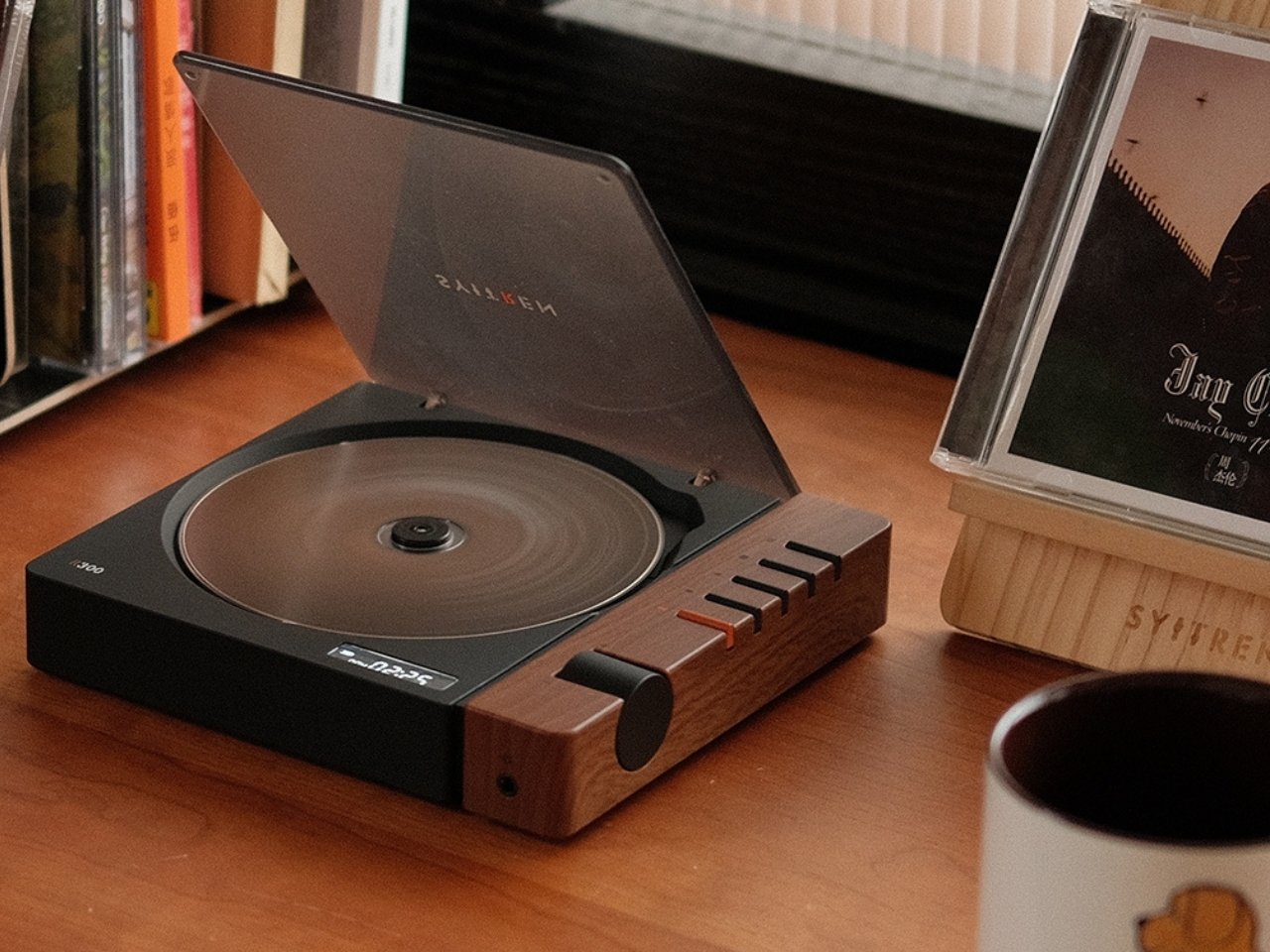
1. SYITREN R300 Portable CD Player

The compact disc never truly left—it just waited for design to catch up. The SYITREN R300 recognizes this truth, delivering a portable CD player that feels simultaneously nostalgic and contemporary. Available in wood grain, classic white, or vibrant fruit green finishes, the R300 captures the clean-lined aesthetic of early audio equipment without feeling dated. The dynamic area button on the right side offers intuitive, tactile operation that satisfies in ways touchscreens never will.

What elevates the R300 beyond pure nostalgia is its refusal to compromise on modern functionality. Bluetooth 5.3 connectivity means wireless freedom with contemporary headphones and speakers, while the traditional 3.5mm headphone jack and Toslink optical output accommodate wired purists and audiophile setups. The player handles standard CD, CD-R, and CD-RW formats plus digital files in MP3, WAV, and WMA. A 2000mAh battery delivers over six hours of playback, making it genuinely portable. Audio output thrust reaches 600mV with an 80dB signal-to-noise ratio, ensuring the listening experience matches the visual appeal. For vintage lovers who never abandoned their CD collections, this player acknowledges their format loyalty while meeting them where modern listening happens.

What we like

  • MUSE Design Gold Award-winning retro aesthetic available in wood, white, and fruit green finishes.
  • Bluetooth 5.3 provides wireless connectivity to modern headphones and speakers.
  • Multiple output options, including 3.5mm jack and Toslink optical for audiophile setups.
  • 2000mAh battery delivers over six hours of portable playback.

What we dislike

  • CD-only format limits functionality compared to multi-format vintage players.
  • Portable design may lack the substantial build quality of classic stationary models.

2. Side A Cassette Speaker

Mixtapes represented something more than music—they were tangible artifacts of care, time, and curation. The Side A Cassette Speaker resurrects that emotional resonance through faithful aesthetic mimicry wrapped around thoroughly modern technology. Shaped precisely like a cassette tape, complete with a transparent shell and a side A label, this pocket-sized speaker does not attempt to hide its inspiration. The clear case doubles as a stand, transforming it from a portable audio device into a proper desk sculpture. For vintage lovers who remember making mixtapes or wish they’d experienced that era, this speaker bridges the gap between memory and modernity with charm and authenticity.

The Side A succeeds because it respects both form and function equally. Bluetooth 5.3 connectivity ensures seamless pairing with phones, tablets, and laptops for wireless listening that analog tapes could never provide. MicroSD card support means offline playback without streaming dependencies, recapturing some of that physical media permanence. The sound profile leans deliberately warm and cozy, tuned to evoke tape playback character rather than clinical digital reproduction. At under fifty dollars, it delivers nostalgic design and functional audio in a package small enough to travel everywhere. This isn’t a gimmick trading entirely on looks—it’s a genuinely useful speaker that happens to look fantastic doing its job.

Click Here to Buy Now: $45.00

What we like

  • Authentic cassette tape styling with a transparent shell and a side A label captures mixtape nostalgia perfectly.
  • Bluetooth 5.3 ensures reliable wireless connectivity with modern devices.
  • MicroSD card support enables offline playback without internet dependency.
  • Warm analog-inspired sound profile distinguishes it from typical digital speakers.

What we dislike

  • Compact size naturally limits bass response and overall volume compared to larger speakers.
  • Cassette aesthetic may feel too niche for spaces requiring neutral design.

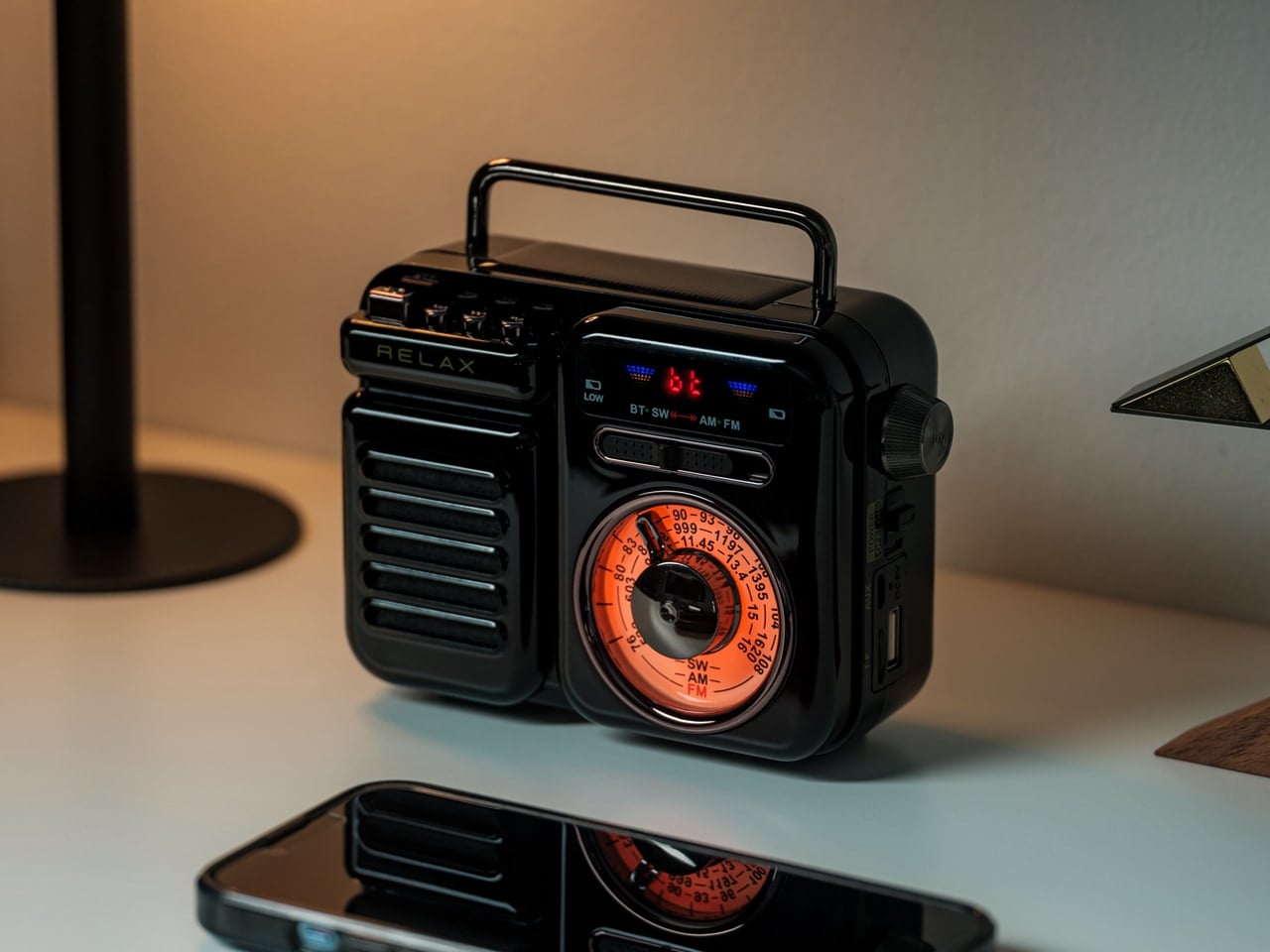
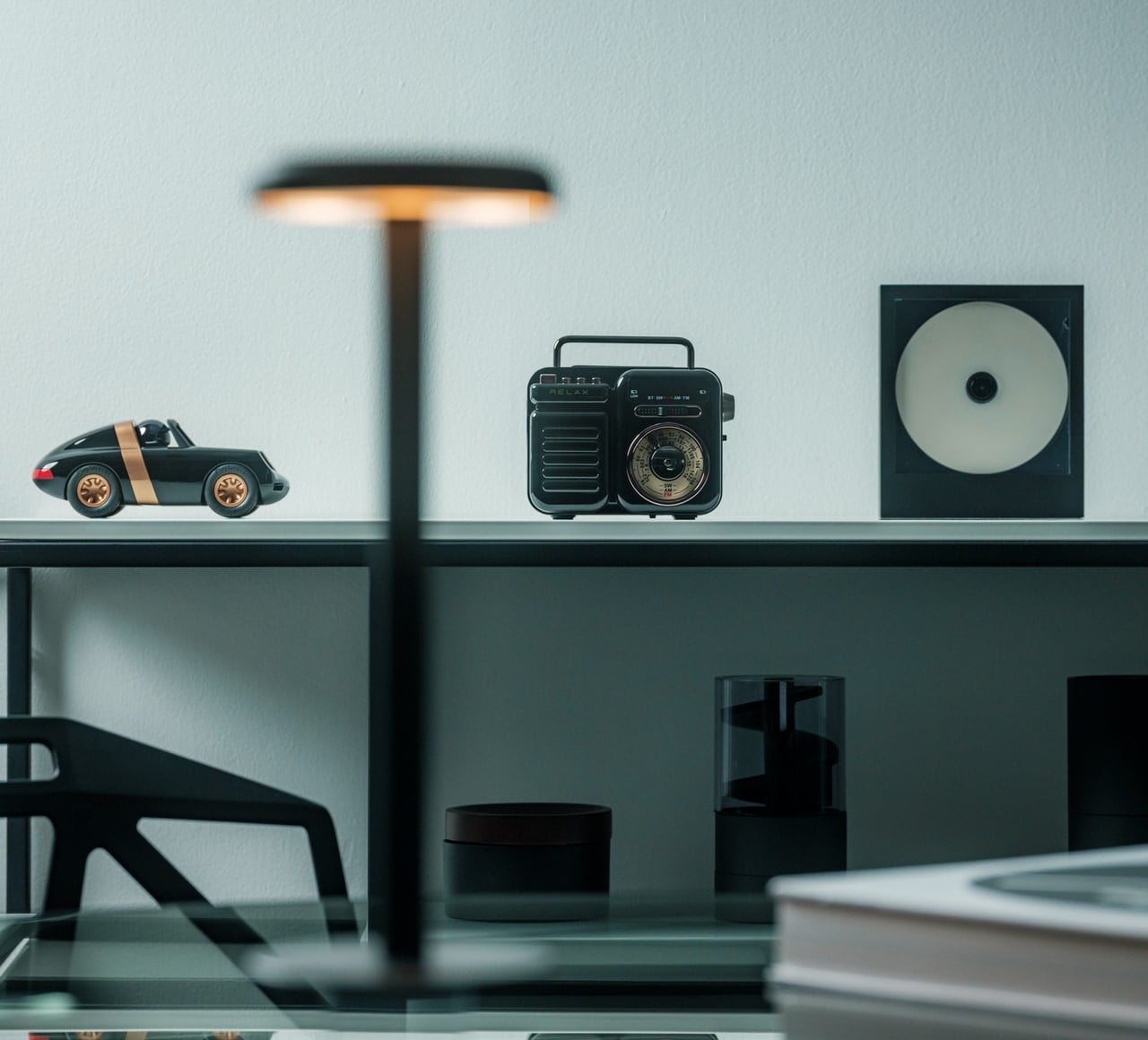
3. RetroWave 7-in-1 Radio

Vintage aesthetics meet survival preparedness in the RetroWave, a multi-function radio that refuses to be just one thing. Wrapped in retro Japanese design language, complete with a tactile tuning dial, it immediately signals its nostalgic intentions. That exterior houses seven distinct functions: AM/FM/shortwave radio, Bluetooth speaker, MP3 player, flashlight, clock, power bank, and SOS alarm. This comprehensive capability set makes it equally appropriate for daily desk use, camping adventures, or emergency kits. For vintage lovers who appreciate both form and practical preparedness, the RetroWave delivers aesthetic satisfaction with genuine utility layered underneath.

The brilliance lies in making preparedness beautiful. Solar panel and hand-crank charging mean the RetroWave stays operational when power grids fail, while USB and microSD playback provide offline music access. The radio functionality spans AM, FM, and shortwave bands, offering connection to broadcasts when internet streaming isn’t available. Bluetooth streaming accommodates modern listening habits during normal circumstances. The flashlight and SOS siren transform it from an entertainment device into safety equipment. This convergence of retro design and emergency readiness creates a gift that vintage lovers can display proudly while knowing it serves serious backup purposes. It’s nostalgia that works, beauty that prepares, and design that respects both past aesthetics and future uncertainty.

Click Here to Buy Now: $89.00

What we like

  • Seven functions in one device, including radio, speaker, flashlight, power bank, and SOS alarm.
  • Solar panel and hand-crank charging ensure operation during power outages.
  • AM/FM/shortwave radio provides broadcast access without internet dependency.
  • Retro Japanese design with tactile tuning dial satisfies vintage aesthetic preferences.

What we dislike

  • Multi-function design may compromise individual feature quality compared to dedicated devices.
  • Emergency-focused features add bulk that might exceed typical portable speaker expectations.

4. Perpetual Orrery Kinetic Art

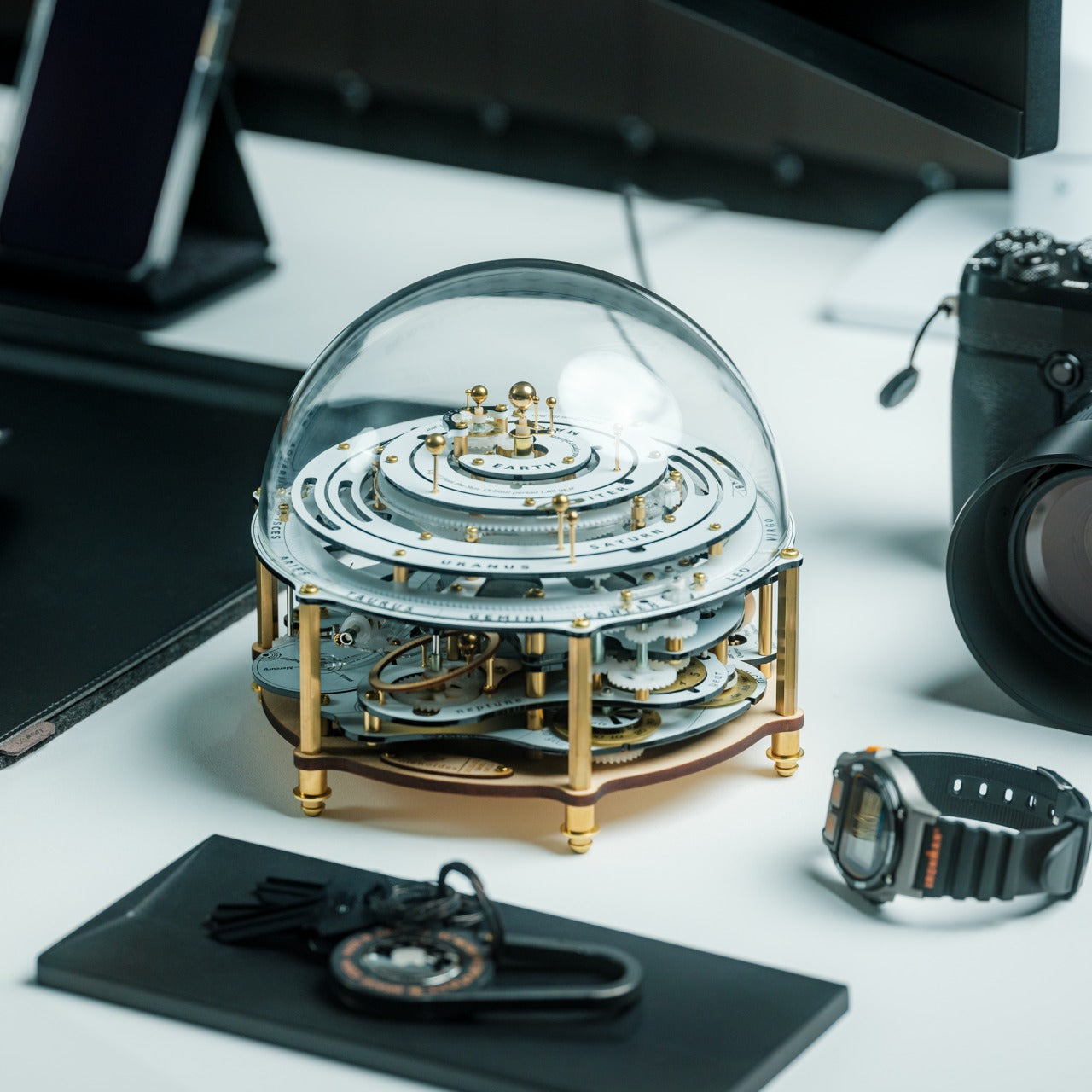
Some vintage inspiration reaches back centuries rather than decades. The Perpetual Orrery draws from 18th-century European Grand Orrery tradition, recreating solar system mechanics through intricate clockwork mechanisms. Planets orbit the sun, the moon cycles through phases, and even the Tempel-Tuttle comet follows its elliptical path—all driven by the same precision engineering found in sophisticated mechanical watches. This isn’t a static model but kinetic art that moves in real time, capturing celestial mechanics in miniature. For vintage lovers who appreciate mechanical complexity and astronomical beauty, the Orrery represents the ultimate intersection of science, history, and craft.

What makes this gift exceptional is its timeless appeal. While most retro gadgets reference the mid-20th century, the Orrery looks back to pre-industrial scientific instruments when astronomy required mechanical ingenuity rather than digital computation. The continuous motion provides meditative visual interest—planets slowly circling, gears turning, the whole system moving in silent harmony. As desk or shelf decoration, it commands attention without demanding it, offering something genuinely mesmerizing to watch during thinking breaks. For the vintage lover who has everything modern nostalgia offers, the Orrery goes deeper, connecting to an era when understanding the heavens required building beautiful machines to mirror their movements. It’s educational, decorative, and hypnotic in equal measure.

Click Here to Buy Now: $449.00

What we like

  • 18th-century Grand Orrery-inspired design connects to pre-industrial scientific instrument tradition.
  • Intricate clockwork mechanisms mirror sophisticated mechanical watch engineering.
  • Continuous kinetic motion, including planetary orbits and lunar phases, provides meditative visual interest.
  • Functions as both an educational model and a striking decorative art piece.

What we dislike

  • Mechanical complexity may require periodic maintenance or calibration over time.
  • Premium mechanical construction results in a higher price point than decorative alternatives.

5. Portable CD Cover Player

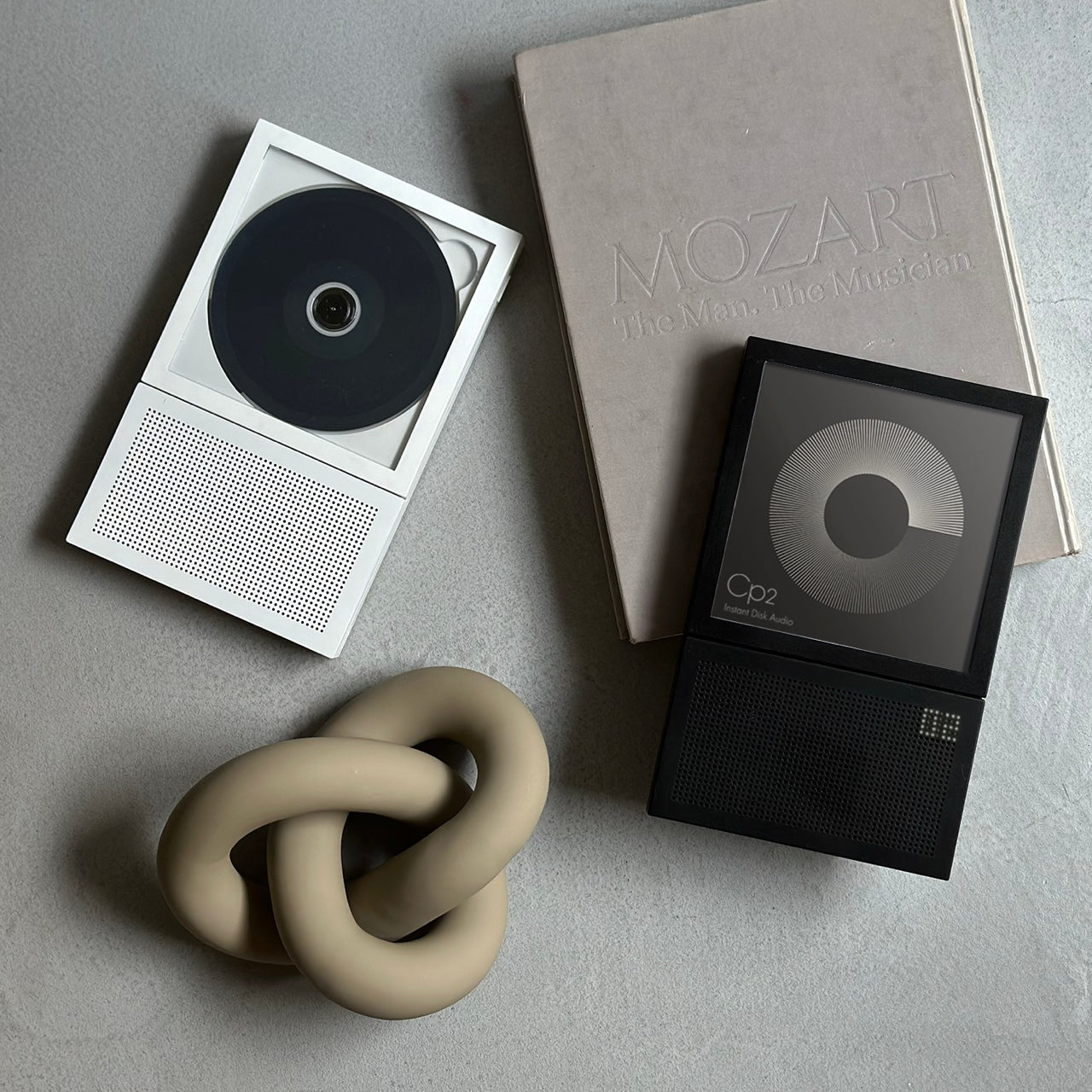
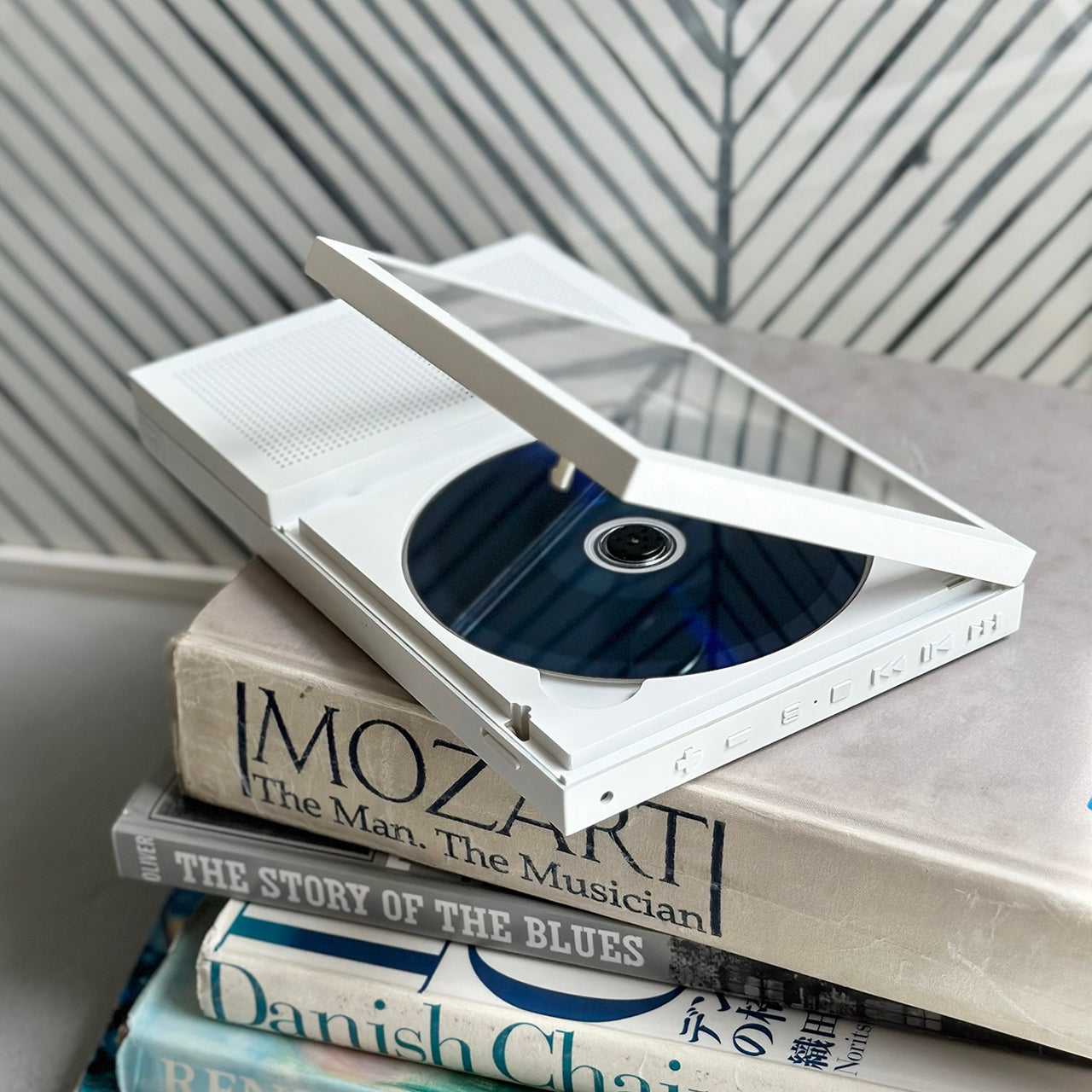
Album art deserves equal billing with the music it represents. The Portable CD Cover Player acknowledges this truth through clever design that displays the CD jacket while playing the disc inside. A convenient pocket holds the cover art front and center, creating an audiovisual experience that honors how albums were meant to be consumed—as complete artistic packages. The built-in speaker means genuine portability, taking your music and its visual identity anywhere. Wall-mountable design transforms it into a room decoration that actively plays rather than just displaying static art. For vintage lovers who understand that album covers represent significant graphic design history, this player finally gives physical media the presentation it deserves.

The minimalist design philosophy lets the album art itself become the visual centerpiece. Clean lines and simple operation keep the focus on the music and imagery rather than the player’s own aesthetic. The built-in speaker and rechargeable battery provide authentic portability without requiring external amplification. This solves the eternal collector’s dilemma: beautiful album covers hidden in storage because there’s no good way to display them while playing. The Portable CD Cover Player makes your music collection into a rotating art gallery, celebrating the graphic design, photography, and typography that made physical music formats so visually rich. It’s nostalgia that understands albums were always multi-sensory experiences, and that separating audio from visual diminishes both.

Click Here to Buy Now: $199.00

What we like

  • Integrated pocket displays CD jacket art during playback, honoring a complete album experience.
  • Built-in speaker and rechargeable battery enable genuine portability without external equipment.
  • Wall-mountable design transforms music playback into active room decoration.
  • Minimalist aesthetic lets album artwork become the visual focus.

What we dislike

  • Built-in speaker quality is likely compromised compared to dedicated audio systems.
  • The wall mount bracket, sold separately, adds cost beyond the base player price.

Gifting Timeless Design

Vintage lovers aren’t stuck in the past—they’re selectively mining it for design wisdom the present often forgets. These five gadgets honor that philosophy by capturing retro aesthetics without sacrificing modern functionality. From CD players that embrace Bluetooth to mechanical orreries that predate electricity itself, each gift proves that timeless design transcends any single era. They’re conversation pieces that actually function, nostalgic objects that genuinely serve contemporary needs, and beautiful things that happen to be useful.

The best retro gifts acknowledge why certain designs endure while making them accessible to how we actually live today. These gadgets don’t force you to abandon modern conveniences to appreciate vintage aesthetics. They bridge eras elegantly, letting vintage lovers enjoy the warmth of analog inspiration through contemporary functionality. Whether celebrating a birthday, marking an occasion, or simply recognizing someone’s refined taste, these gifts speak a language of quality, character, and enduring style that transcends temporary trends.

The post Retro Gadgets For Vintage Lovers: 5 Nostalgic Gifts That Actually Work In 2025 first appeared on Yanko Design.