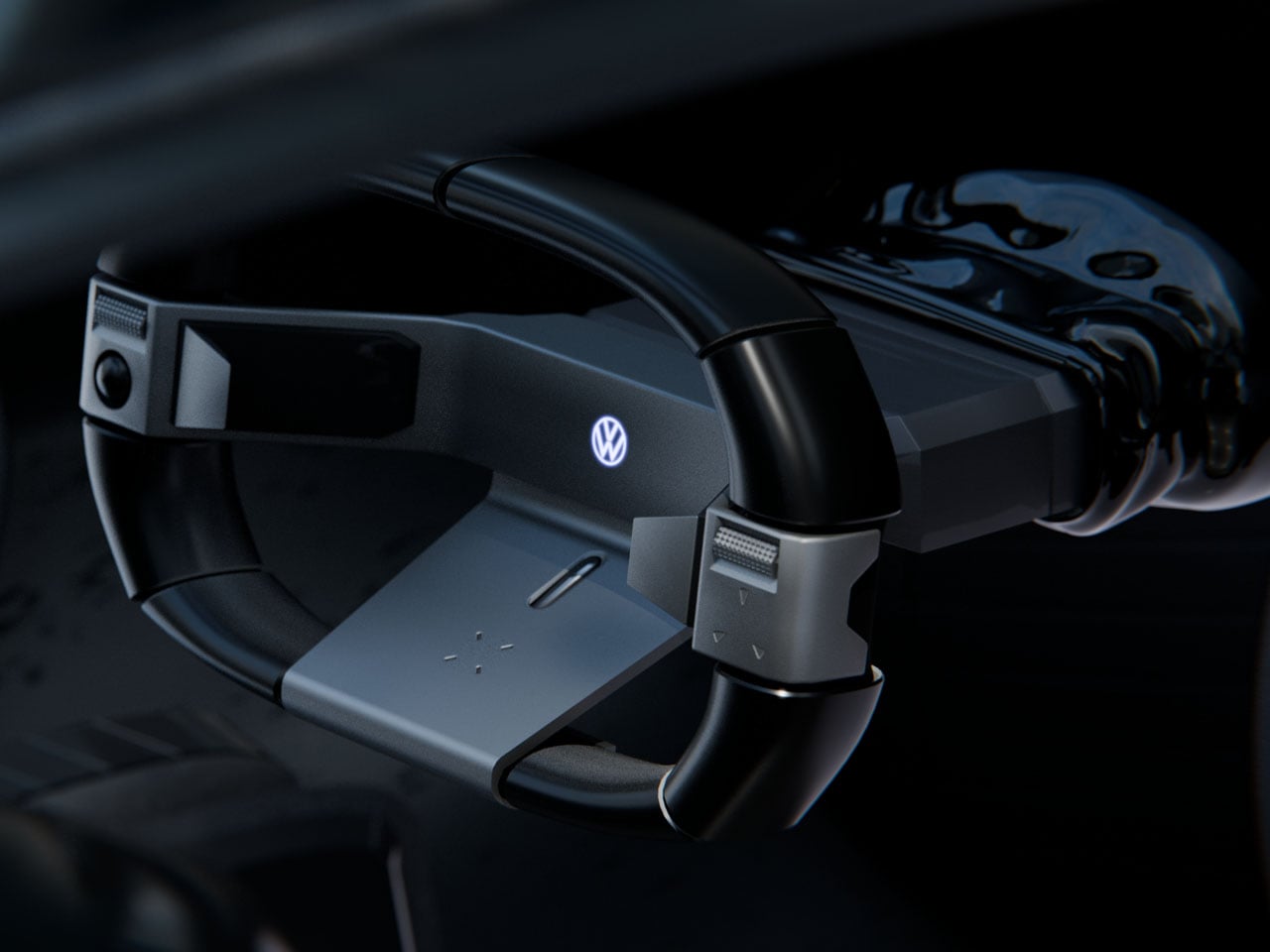
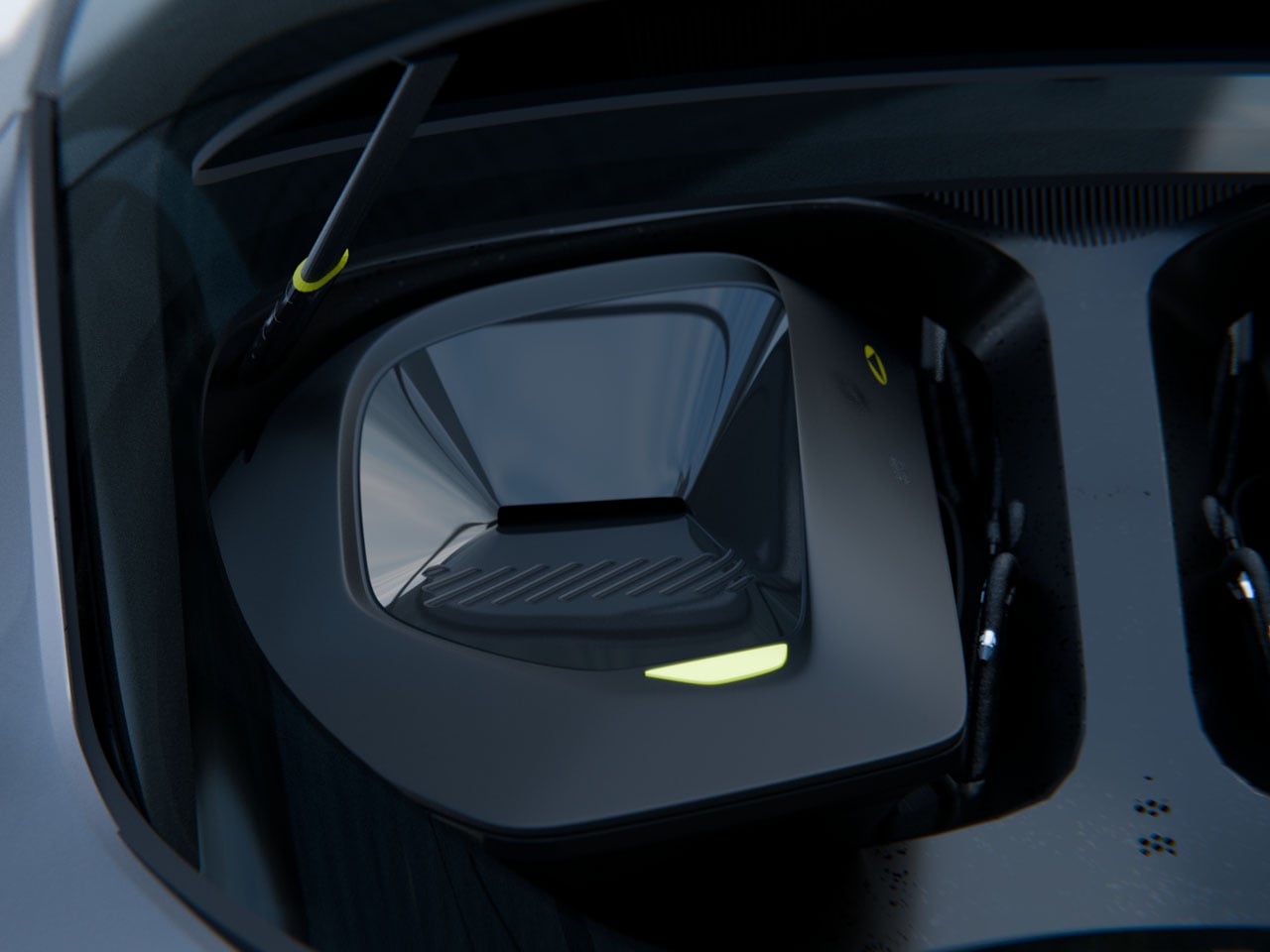
Volkswagen Numa Concept imagines a future where cars become part of the urban living

Long before concept cars became laboratories of screens and powertrains, automotive design often flirted with imagination for its own sake, vehicles that felt like sculptural expressions rather than objects built for the road. The Volkswagen Numa Concept taps into that spirit of creative exploration, offering a vision that feels more like an urban artifact than a traditional car. The tough experiment proposes a future where a vehicle does more than move through a city; it becomes part of the city’s texture, softening hard edges and blending mobility with environmental sensibility.

The concept approaches idea of transportation from a fresh angle, treating the vehicle as a spatial object rather than a closed mechanical shell. Its design embraces minimalism with clean, uninterrupted surfaces and calm geometry that intentionally avoids the aggression often associated with modern automotive design. Instead of projecting dominance, it aims for a gentle presence that aligns with architectural surroundings, almost as if it were a piece of contemporary street furniture shaped for movement. This is reinforced by its monochromatic palette and the intentional simplicity of its exterior lines, giving it the quiet confidence of an object designed to complement its environment.

Designer: Daniil Ostrovskii

One of the most unexpected elements is the rear section, envisioned as a space capable of hosting decorative plants. The idea is not ornamental but conceptual, suggesting that a car could introduce pockets of greenery into dense urban areas. This subtle integration of nature adds a layer of warmth and humanity to the design, hinting at a future where vehicles contribute to the emotional and ecological quality of city life. It’s a small gesture with symbolic weight, an acknowledgment that mobility can coexist with softer, more organic forms of expression.

While the Numa Concept doesn’t outline powertrains or engineering details, its purpose is clearly rooted in design exploration rather than technical forecasting. Its value lies in the conversation it sparks: how might vehicles adapt to cities where space, sustainability, and aesthetics matter as much as performance? By promoting a vehicle that behaves like both sculpture and structure, the concept reframes the automotive role in urban settings, encouraging designers and planners to think beyond conventional categories.

The emotional tone of the design is intentional, aiming to create a sense of calmness instead of visual noise. This approach demonstrates how transportation could evolve to harmonize rather than interrupt, offering a counterpoint to the ever-more complex forms emerging across the industry. For a future in which cities strive to balance density with livability, ideas like Numa suggest that cars could participate in that balance, not work against it. The car reminds us that design still has the power to reframe familiar objects and proposes that mobility, architecture, and nature might someday coexist more fluidly.

The post Volkswagen Numa Concept imagines a future where cars become part of the urban living first appeared on Yanko Design.

Our favorite Aura digital photo frame is $40 off for Black Friday

Putting together a photo album is a sweet way to share memories with loved ones, and a digital frame lets you package those feelings in a device that can be constantly updated with new pictures. Aura makes some of the best frames we've tested, and for Black Friday you can get our favorite digital picture frame the company makes for $139. That's $40 off the normal $179 price of the Aura 10.1" Carver Mat Frame, and one of the lowest prices we've seen the frame hit this year.

The Aura Carver Mat has a 10.1-inch display that's bright and high-resolution enough to show off a rotating collection of photos and videos without worrying about glare. The display is designed to be used in landscape orientation, and Aura's software can intelligently pair portrait photos together so the screen isn't left with awkward negative space.

Better yet, actually getting photos on the frame is a breeze. You can add whatever photos or videos you choose through a handy smartphone app, and even organize photos in albums if you want them to be displayed together. By default, the Aura Carver will shuffle through what you've uploaded, but you can also manually swipe through photos via a touch panel at the top of the frame if there's something particular you want to display.

In terms of quality and ease-of-use, the Aura 10.1-inch Carver Mat Frame is the top pick in our list of the best digital picture frames for a reason. Parents and grandparents find it kind of magical to have a frame that you can randomly update with new photos, and of the Black Friday deals we've spotted this year, it's a guaranteed crowd-pleaser.

This article originally appeared on Engadget at https://www.engadget.com/home/smart-home/our-favorite-aura-digital-photo-frame-is-40-off-for-black-friday-202715971.html?src=rss

Nuvolino Incense Burner Looks Like a Character Exhaling Smoke

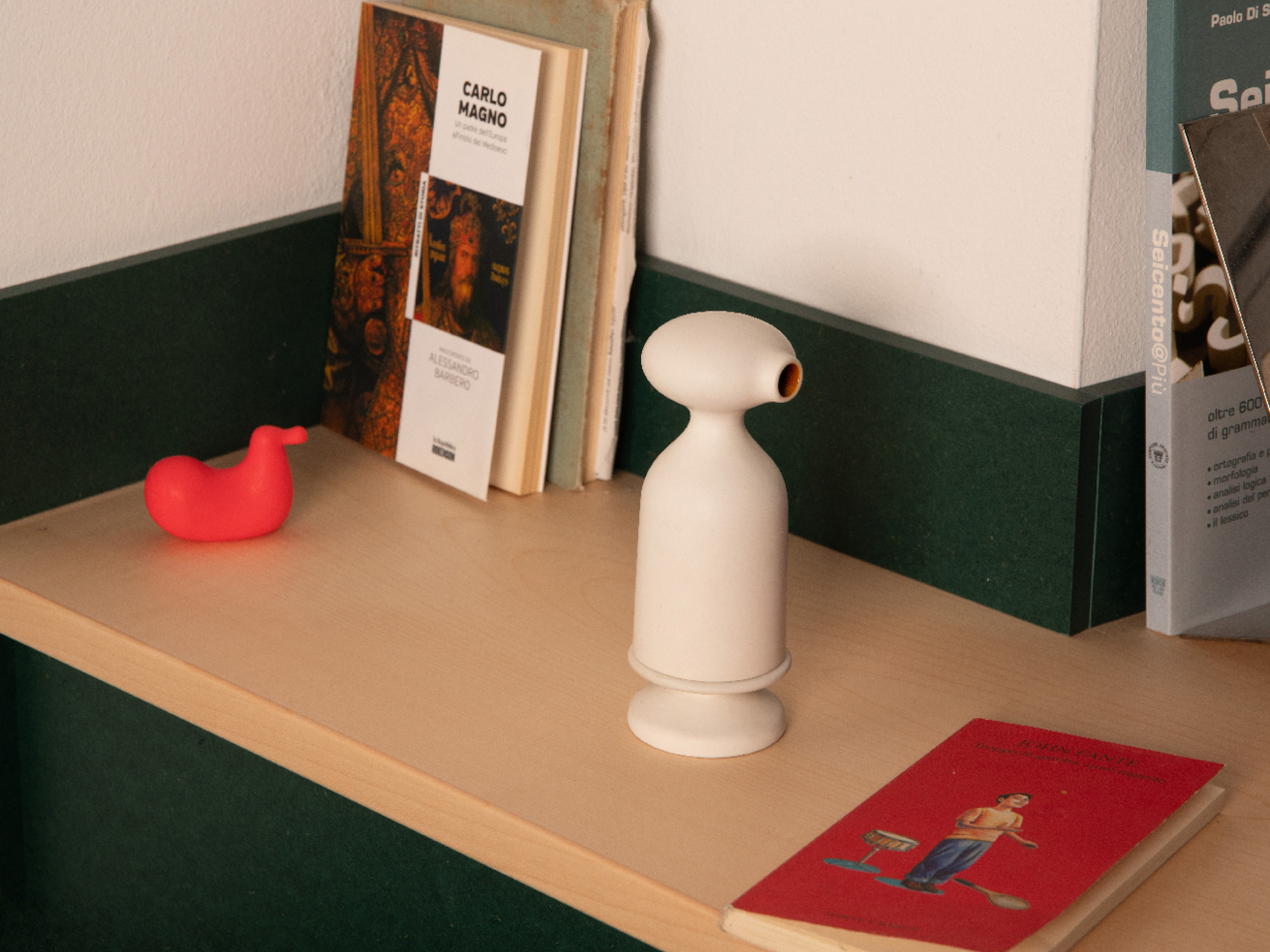
Incense has moved from hippie corners and temples into more design-conscious homes, but most burners are either purely functional trays or ornate figurines that look like souvenir shop castoffs. Nuvolino sits in the middle, a small white ceramic object that looks like a character and a sculpture at the same time. It’s less about holding incense and more about staging a tiny scene of scented smoke.

Nuvolino is a ceramic incense burner designed by Giulio Iacchetti and made in Italy. Iacchetti describes it as a gentle alien that lands on shelves and sideboards to bring a breath of scented air. It’s the first in a planned collection of home fragrance objects, starting in pure white but with the possibility of future artist-decorated versions that turn each burner into a small canvas or signed piece.

Designer: Giulio Iacchetti

The form is a smooth, elongated body with a slight waist, sitting on a low disc base and topped by a rounded head with a single circular opening on one side. That opening acts as a mouth or eye, depending on how you see it, and it’s where the smoke escapes. The proportions are simple and almost toy-like, but the lack of facial features keeps it from feeling kitschy or overly cute.

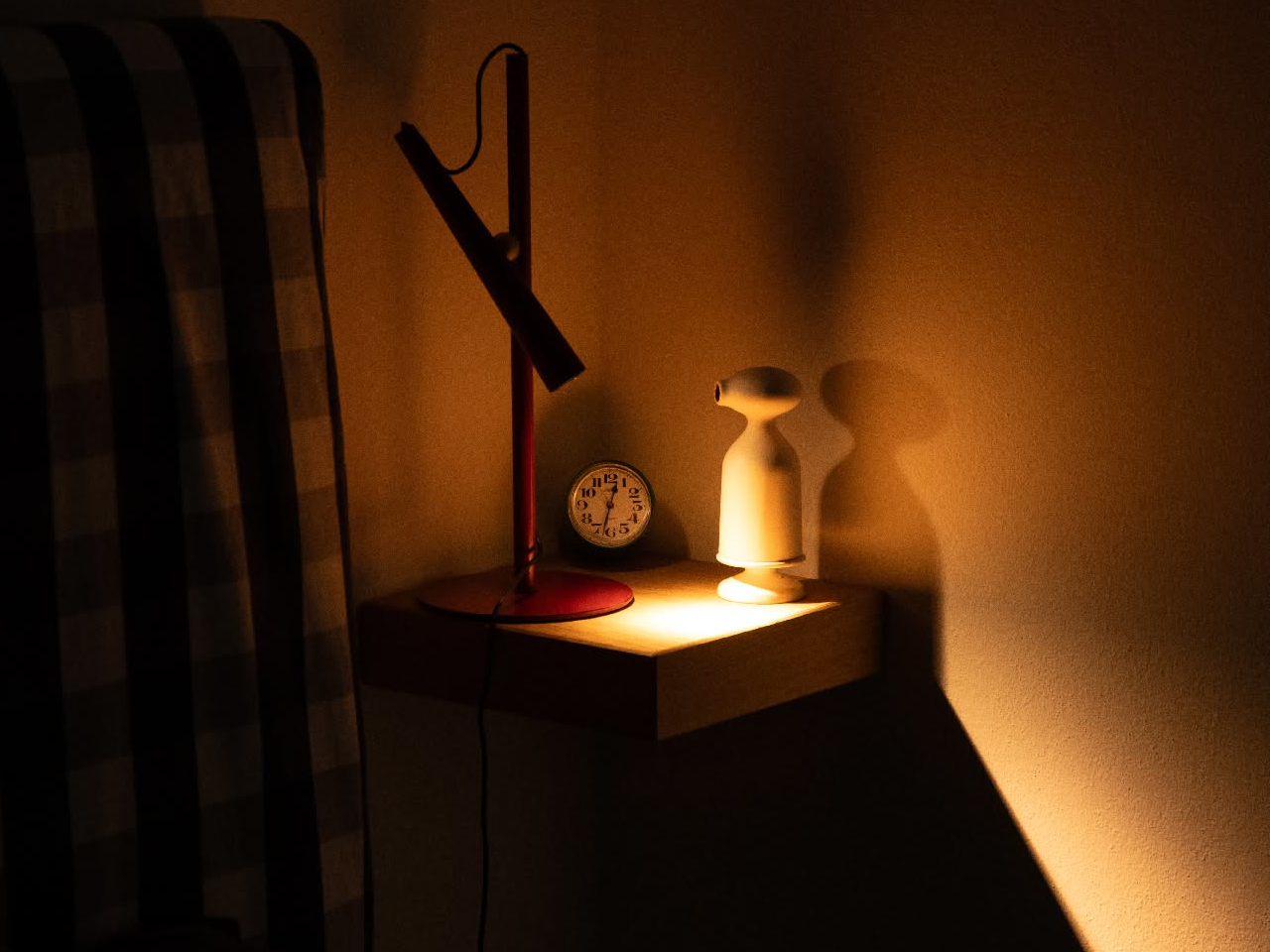
You lift the ceramic figure off its base to reveal a small cone of incense, light it, let it smoulder, and then place the figure back over it. As the cone burns, a thin veil of smoke begins to drift out of the side opening, making it look like the little character is gently exhaling. The room slowly fills with a soft aroma, and the object feels briefly alive in a way that flat trays never manage.

Nuvolino is inspired by the German Räuchermann, the turned wooden incense man that often depicts miners, forest rangers, or chimney sweeps with smoke coming from their mouths. Nuvolino rewrites that story in minimal white ceramic, stripping away costume and narrative while keeping the core gesture. The result is an ironic, evocative update that fits contemporary interiors without losing the charm of the original folk tradition.

Nuvolino is crafted from white ceramic by Italian artisans, with a finish that emphasizes form and shadow over decoration. The packaging is simple brown cardboard with a black silhouette of the character blowing smoke, more like a design object than a luxury perfume. Together, they frame the burner as something quiet and honest, ready to pick up patina and personal meaning over time.

Nuvolino turns the act of lighting incense into a tiny performance, where a silent figure seems to breathe out fragrance and change the mood of a room. For anyone who likes their home objects to have a bit of personality without shouting, this little ceramic alien feels like a gentle way to let scent and sculpture come together on a shelf.

The post Nuvolino Incense Burner Looks Like a Character Exhaling Smoke first appeared on Yanko Design.

AI horror, a dinosaur platformer and other new indie games worth checking out

Welcome to our latest roundup of what's going on in the indie game space. Even though it's a truncated week in the US with the long holiday weekend, there's still been a spate of new releases and news on upcoming games. There'll be plenty more over the next couple of weeks too, with The Game Awards, Day of the Devs and several other showcases in the pipeline. 

In the spirit of the season, one thing I'm thankful for is indie studios being able to make the games they want despite external pressures. We've seen both extremes of that in recent months. This week, the team at Santa Ragione said it respects players enough to release its latest game, Horses, as intended. However, Valve has blocked the horror title from Steam in what seems to be quite a messy case. As a result of not being able to sell Horses on the biggest PC games storefront, Santa Ragione said it's at risk of closure.

On the other end of the scale, Team Cherry was able to take all the time in the world to make Hollow Knight: Silksong because of the success of its previous game, which has sold more than 15 million copies. Although Hollow Knight fans spent years clamoring for updates on Silksong, the small team had the financial freedom to spend as long as it wanted crafting and polishing the sequel. The devs were able to just keep their heads down and do that until Team Cherry announced a release date just two weeks in advance.

Those are two very different stories. Still, they both resulted in fully realized games based on seemingly uncompromised visions. 

New releases

A.I.L.A — from Pulsatrix Studios and publisher Fireshine Games — has a decent-enough concept. It's a first-person horror title in which you take on the role of a VR game tester. The games that the protagonist plays are crafted by an AI (which, by itself, is a horrifying prospect) and adjusted based on your feedback. In a stunning development, the AI begins to tap into your character's deepest fears and blur the virtual and real worlds. It sounds like a blurb for an airport novel, but it's a solid-enough foundation on which to base a game.

The structure of A.I.L.A allows for Pulsatrix to craft a few distinct experiences in various horror subgenres within a larger game. You'll encounter a cult, zombies, aliens, creepy mannequins, puzzles and more as you play through chapters rooted in the likes of psychological horror and survival horror. There are a lot of ideas packaged together here. I’ve played a chunk A.I.L.A and it’s okay so far, even if it does feel a bit like a tribute band playing the hits of yesteryear. A.I.L.A is out now on Steam (usually $30, but there's a 20 percent discount until December 9), PlayStation 5 and Xbox Series X/S.

If you can't get enough of fairly lengthy open-world action RPGs, Of Ash And Steel might be one for you to sink your teeth into. Fire & Frost and publisher tinyBuild claim there's over 45 hours worth of main story material to dig into here.

One interesting thing about Of Ash And Steel is that there are no quest markers. Exploration is a major factor and you can mark locations on your map. Otherwise, you'll need to pay attention to things like what other characters are saying to figure out where to go. Also, the trailer's final shot shows a pair of titans that seem ready to battle, and that has me intrigued too.

Of Ash And Steel typically costs $30. There's a 20 percent discount until December 8 on Steam and GOG.

Young Suns is the latest project from Ko_Op (Goodbye Volcano High). When the team announced the game this week, it immediately became available on all Game Pass tiers as a game preview on Xbox Series X/S, PC and Xbox Cloud. If you'd prefer to buy it outright, you can also do that for $20.

This is (appropriately enough) a co-op life sim for up to four players. The team readily admits that Young Suns is still in development and that means some features and quest content aren't available in the current version of the game. However, as game director Graeme Lennon wrote in an Xbox Wire post, "The game is playable and fun for its intended pattern of play: checking in for an hour or two daily, slowly building up your perfect ship-home and making new friends."

The game is set on Jupiter and you can explore space stations, planetoids and ruins. You can collect resources and other items to help upgrade your ship/home. There are 30 characters (more are on the way), and most have "over two months of unique daily chat content." Young Suns is also coming to Steam down the line.

Dinopunk: The Cacops Adventure is the first of two dinosaur games in this week's roundup. This one is an adorable-looking retro platformer from The Dude Games and publisher Meridiem. It's said to pay tribute to classic games like Wonder Boy, Alex Kidd and Contra. 

As an amphibian dinosaur, you can collect special items to upgrade your attacks. There are arcade-style minigames as well. My favorite thing from the trailer, though, is a boss called Gatling Saurus. Love it. Dinopunk: The Cacops Adventure is out now on Steam. It usually costs $8, but there's a 10 percent discount until December 1.

Upcoming 

Ferocious is a very different kind of dinosaur game. This one is a first-person shooter from OMYOG and tinyBuild in which you have a device that allows you to communicate with and control dinos. Sending a rampaging triceratops into combat or riding on the back of one looks pretty fun. You can even take charge of a T. rex.

The gist is that an evil corporation is out to change the world in its favor with the help of these prehistoric reptiles, and it's up to you to stop this cabal. Ferocious will hit Steam on December 4 for $25.

Engadget's UK bureau chief Mat Smith got to try out There Are No Ghosts at the Grand back at Gamescom, and now you can check it out too. Friday Sundae has released a demo for the odd-looking "spooky, cozy musical mystery" on Steam.

After you inherit a rundown hotel, you have 30 days to fix it up using talking power tools (such as a furniture cannon)... or else. At night, you'll have to fend off ghosts. Maybe the title of this game is a bit of a misdirect! 

There Are No Ghosts at the Grand seems a bit strange, but I'm on board with it. It’s coming to PC and Xbox Series X/S next year and it will be a day-one addition to Game Pass. It will hit other platforms later.

This article originally appeared on Engadget at https://www.engadget.com/gaming/ai-horror-a-dinosaur-platformer-and-other-new-indie-games-worth-checking-out-180000059.html?src=rss


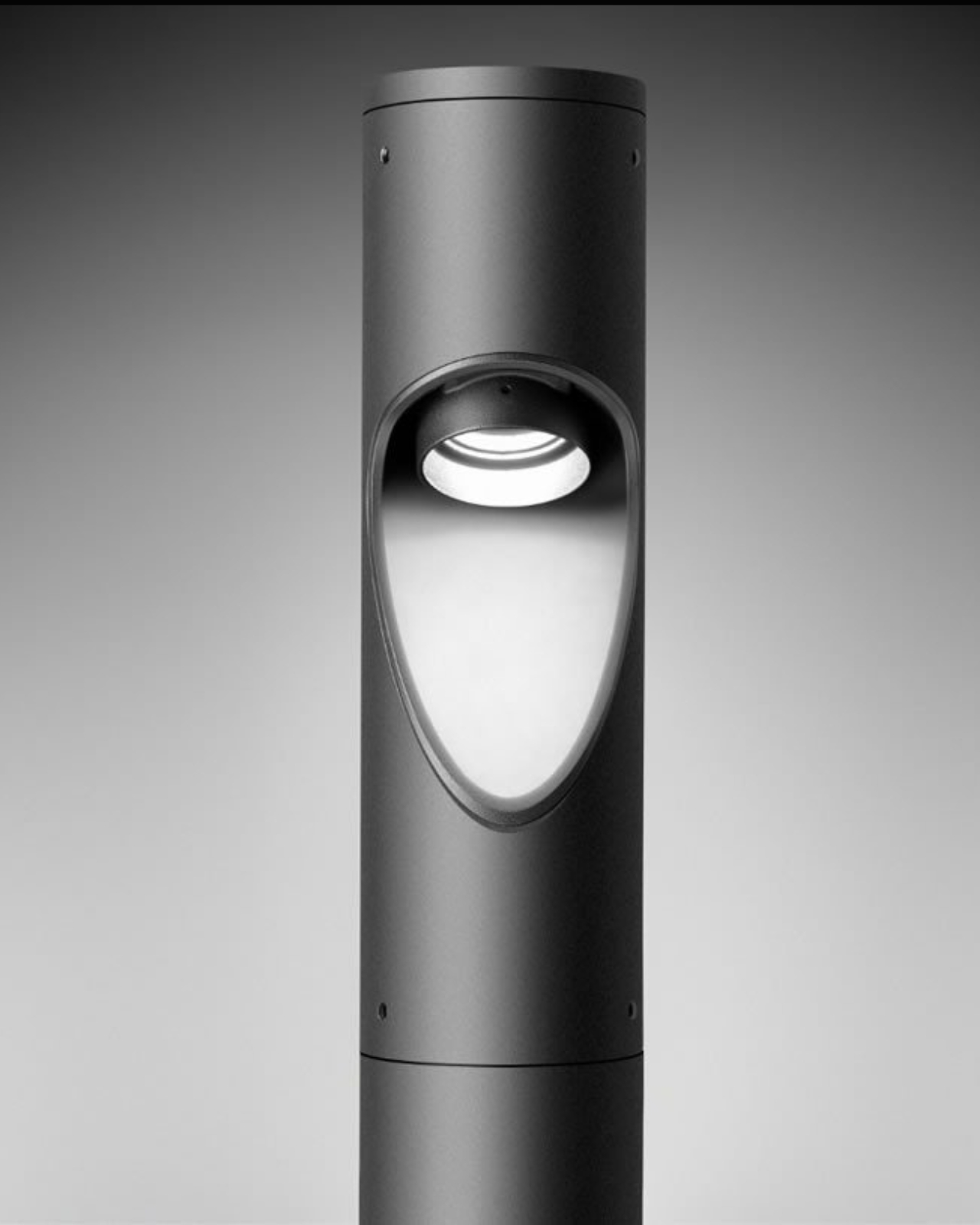
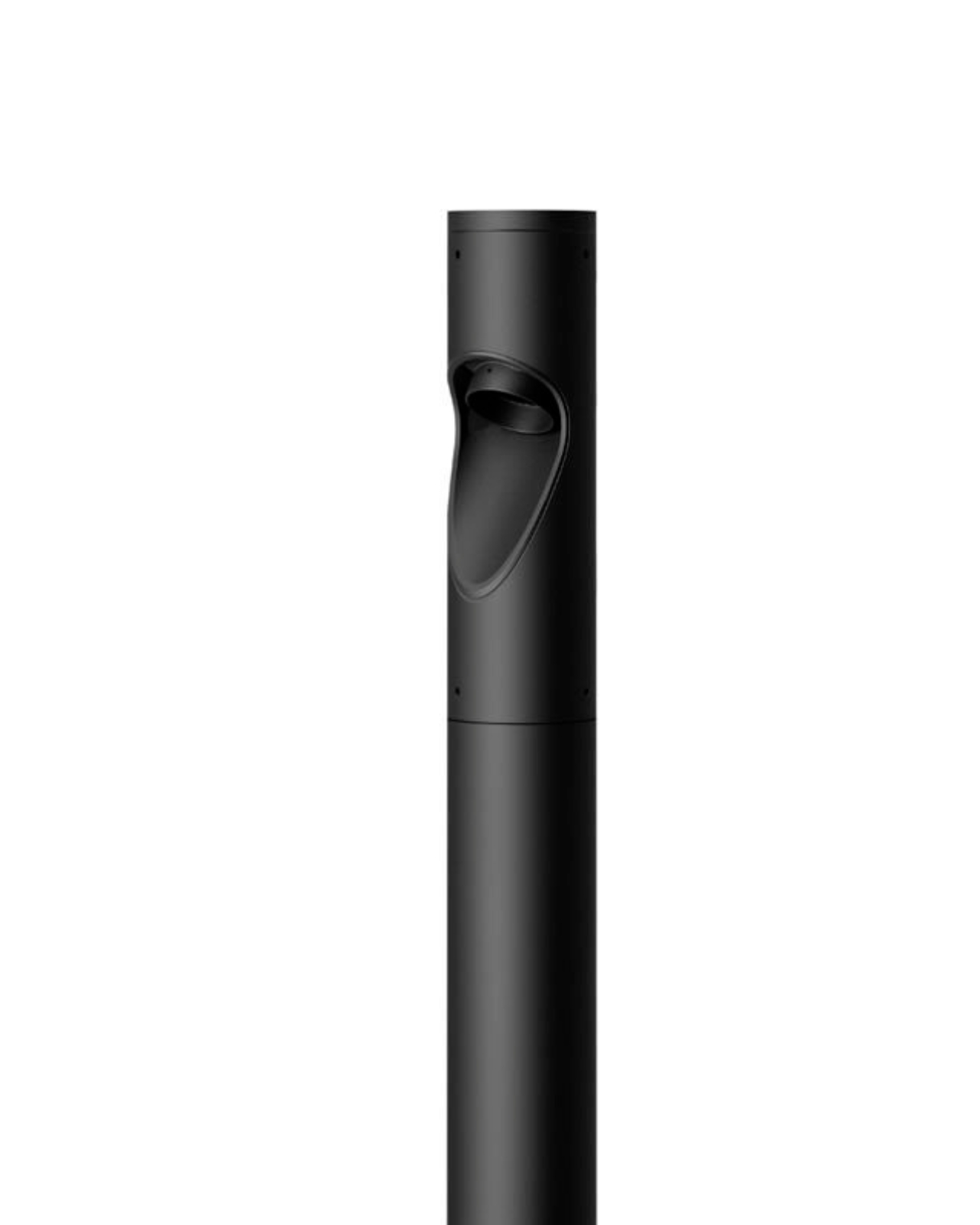
One Pole to Rule Them All: The Swiss Army Knife of Streetlights

You know those moments when you walk through a city and notice something that makes you think, “Why didn’t anyone think of this sooner?” The Shift Pro by Italian design firm Simes is one of those designs. It’s not trying to reinvent the wheel, but it’s definitely reimagining what a simple streetlight can do.

Think of it as the Swiss Army knife of urban infrastructure. Instead of cluttering our sidewalks with separate poles for lighting, cameras, speakers, and Wi-Fi routers, Simes has condensed everything into one sleek, weatherproof system that actually looks good while doing all the heavy lifting.

Designer: Simes

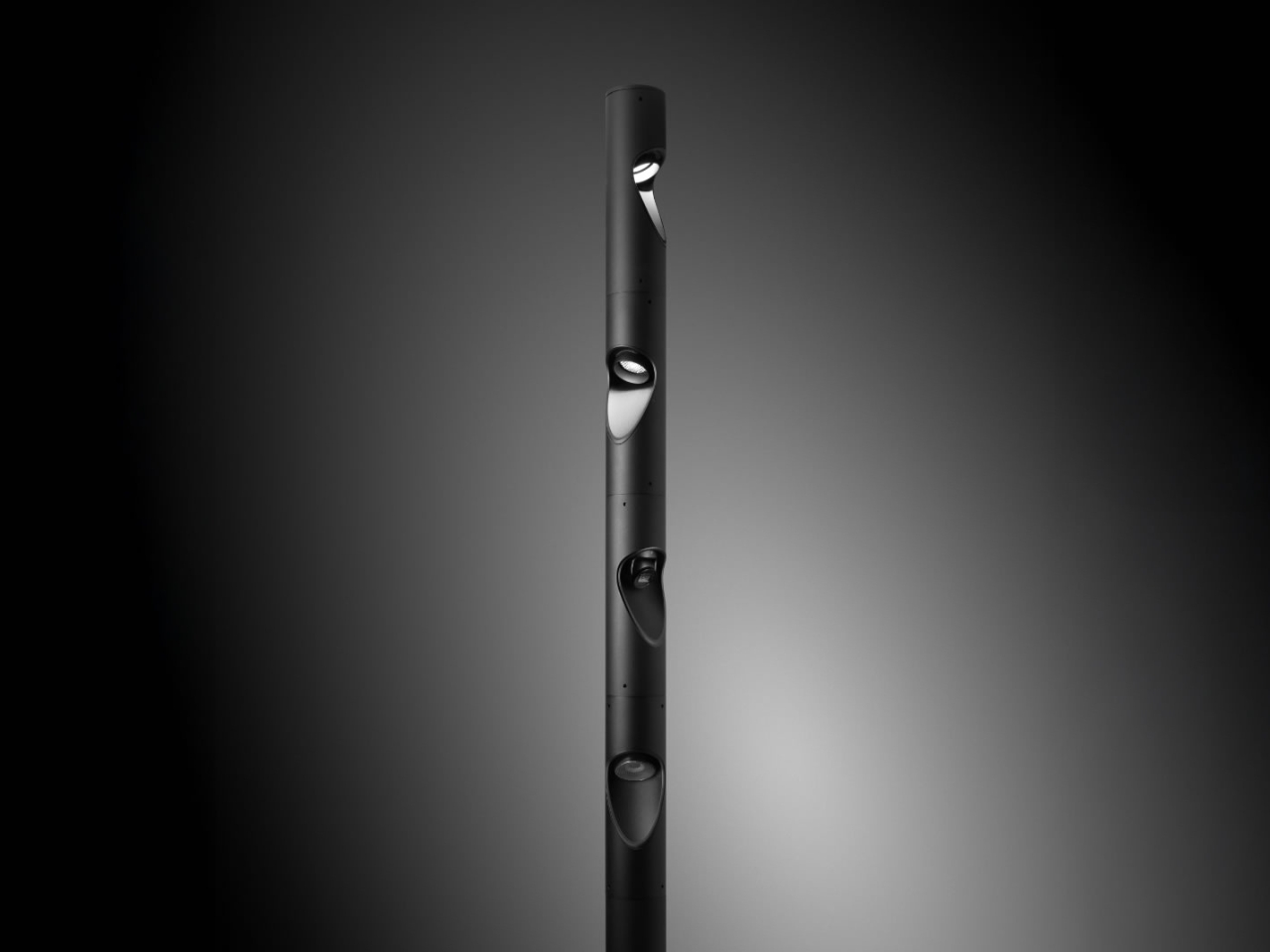
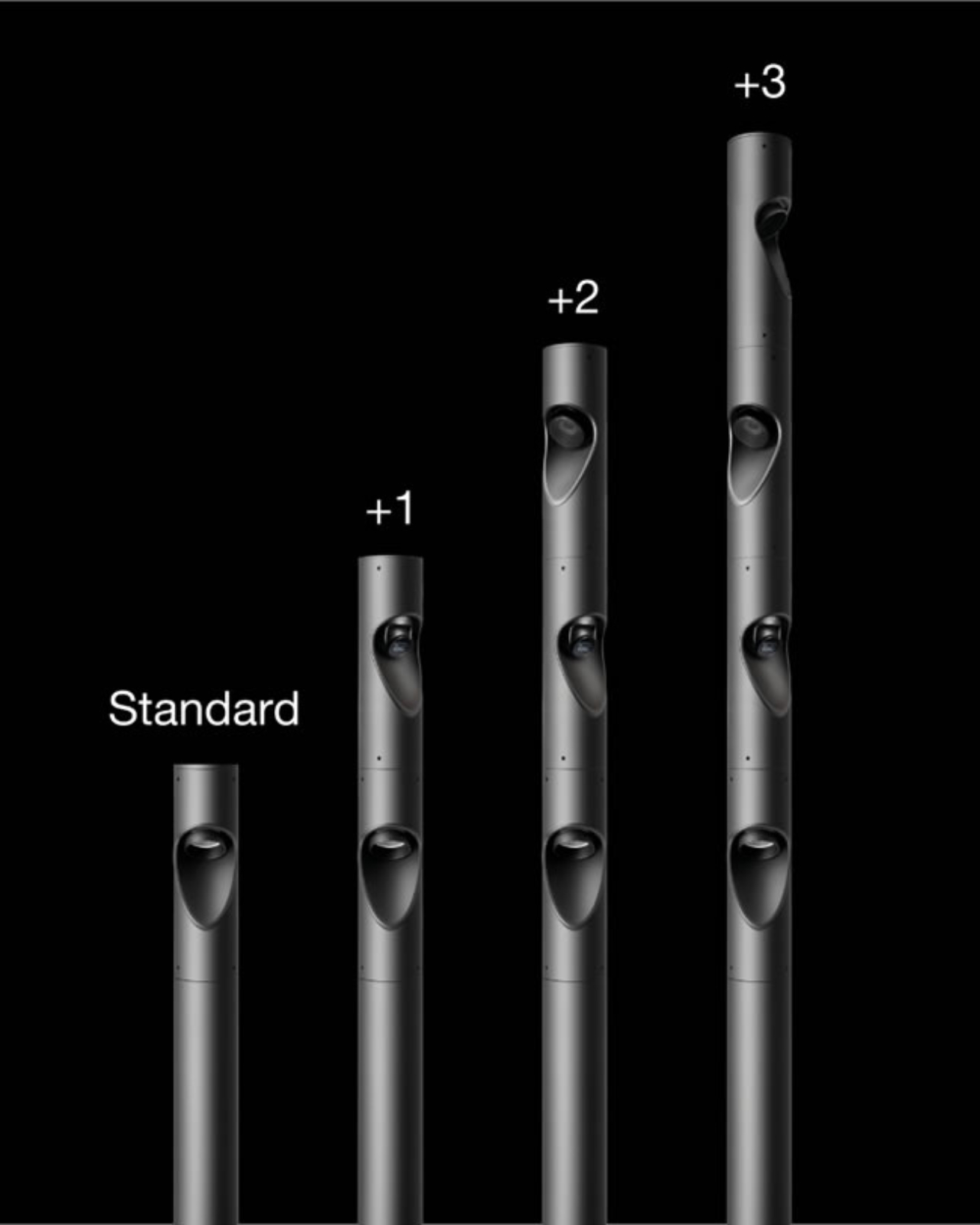
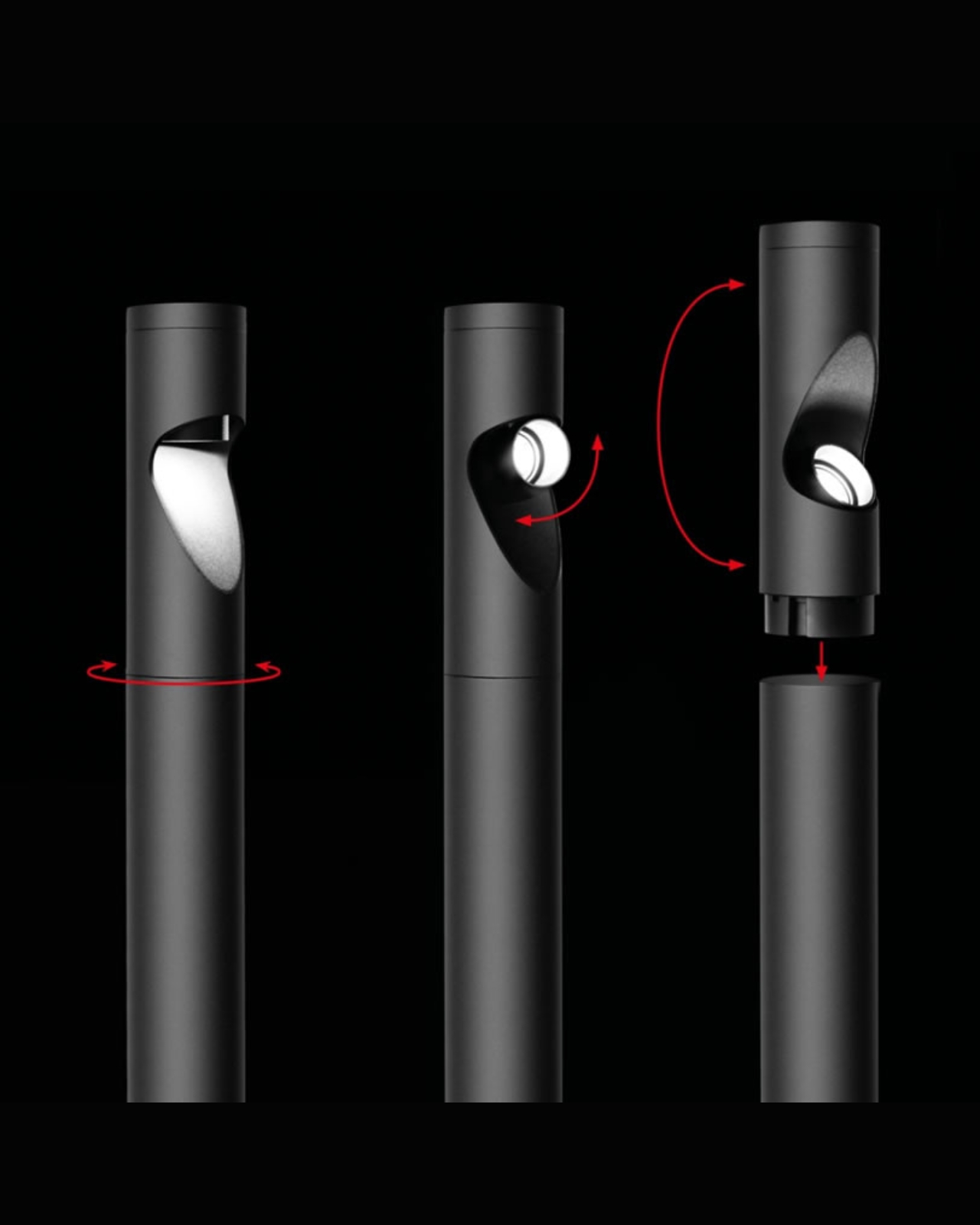
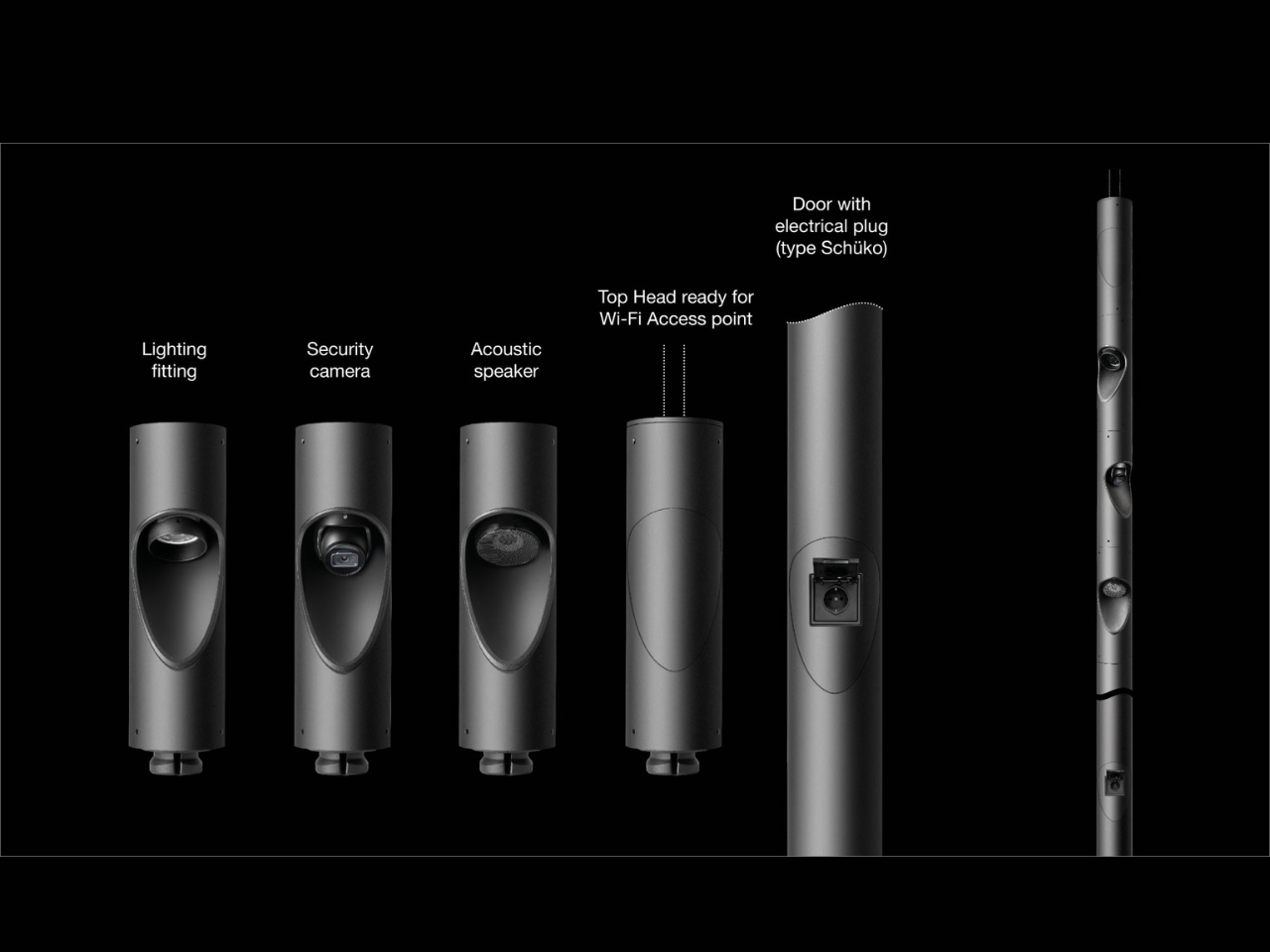
At first glance, the Shift Pro looks like your typical modern street pole with a minimalist black finish. But here’s where it gets interesting: this thing can be equipped with up to four independently manageable modular heads. Each head can be customized to serve different functions, from adjustable LED lighting to IP67 security cameras, passive acoustic speakers, or Wi-Fi access points. Oh, and if you’re riding an e-bike or electric scooter, there’s even an optional door with an electrical socket for charging.

The flexibility here is genuinely impressive. Each head can rotate 360 degrees, and the integrated projectors can tilt up to 90 degrees. This means you’re not stuck with fixed lighting that only illuminates one spot. Cities can adjust the configuration based on what each specific location needs. A park might prioritize lighting and speakers for events, while a commercial district could lean into surveillance and Wi-Fi connectivity.

What I really appreciate about the Shift Pro is how it addresses a real urban planning headache. Walk down any busy street and you’ll see the visual clutter: one pole for streetlights, another for traffic cameras, a third for public Wi-Fi, maybe a fourth for something else entirely. It’s messy, it’s expensive to maintain, and honestly, it’s not great to look at. By consolidating these functions, Simes isn’t just solving an aesthetic problem but also making cities more efficient and potentially saving money on installation and maintenance.

The technical specs are solid too. With an IP66 protection rating and IK10 impact resistance, this pole is built to withstand whatever weather or vandalism throws at it. The LED lighting comes with DALI 2 dimming capabilities, which means cities can easily adjust brightness levels based on time of day or specific needs. During late hours, for instance, lights could dim to save energy but brighten when motion is detected.

Of course, there’s the elephant in the room: surveillance. The idea of integrated cameras might make some people uncomfortable. And that’s a valid concern worth discussing. We’re living in an era where the balance between public safety and privacy is constantly being negotiated, and adding more cameras to our streets isn’t a decision to take lightly. But the beauty of the modular design is that cities can choose which functions to include. If a community decides they’d rather not have cameras, they can opt for lighting and connectivity instead.

What makes the Shift Pro particularly clever is how it turns infrastructure into a service platform. Cities aren’t just getting a light pole, they’re getting a foundation for smart city technology that can evolve over time. Need to add emergency communication features later? Swap out a head. Want to upgrade the camera system? Same deal. This kind of flexibility is increasingly important as urban technology advances faster than traditional infrastructure can keep up.

Simes, based in Italy’s Franciacorta region, has been specializing in outdoor lighting for years with a focus on what they call “Light for all around the building.” The Shift Pro feels like a natural evolution of that philosophy, expanding from just illuminating spaces to genuinely enhancing how those spaces function and connect.

Since a lot of cities are getting smarter but also more cluttered with technology, the Shift Pro offers a refreshingly elegant solution. It’s not flashy or revolutionary in the disruptive sense, but it’s thoughtful design that makes you wonder why we’ve been doing things the complicated way for so long. Sometimes the best innovations aren’t about inventing something entirely new, but about combining what already exists in a way that just makes sense.

The post One Pole to Rule Them All: The Swiss Army Knife of Streetlights first appeared on Yanko Design.

ModRetro launches its take on the Nintendo 64

ModRetro, the gaming company that makes modern versions of retro consoles, has unveiled its take on the Nintendo 64. It’s called the M64, and it has launched alongside ModRetro’s spin on the classic console’s trident or three-pronged controller. The M64 is a direct competitor to the Analogue 3D, which is also an ode to the N64 and can play its games. Analogue’s version is already out for sale, though it’s currently out of stock. ModRetro didn’t say when you’ll be able to purchase the M64 and how much it will cost, but you can sign up for the waitlist and get priority when it goes on sale. The consoles will come with translucent casing in three colors when it debuts: purple, green and white.

ModRetro soft launched its first console, the Chromatic, in 2024. As you can probably guess, the Chromatic can play Game Boy and Game Boy Color titles, as well as proprietary cartridges. It came out months after its soft launch and will set you back at least $200. If you’re not familiar with ModRetro before this, it was founded by Palmer Luckey who also founded Oculus and designed the Rift headset. In 2017, he co-founded Anduril Industries, a military tech company that builds drones, sensors and other technologies with billions in government contracts.

ModRetro M64 controller
ModRetro

This article originally appeared on Engadget at https://www.engadget.com/gaming/nintendo/modretro-launches-its-take-on-the-nintendo-64-170000967.html?src=rss
Hytale’s early access build drops on January 13 and costs $20

We finally have a release date for the early access build of Hytale. The fun starts on January 13. The game costs $20 and is available for PC. Preorders go up on December 13.

This is a true early access build, so don't go in expecting a polished experience. Developer Hypixel Studios says it's "still very much unfinished and will be buggy for a while" but that the team is committed to perfecting the game over time. Studio co-founder Simon Collins-Laflamme recently said "I don't think the game is good yet," so make of that what you will.

For the uninitiated, Hytale is a nifty-looking open world adventure game that looks to be visually inspired by Minecraft. It's been on our radar for years and development goes all the way back to 2015.

It's been a long road getting to early access, with enough twists and turns to fuel a boardroom drama. Riot bought the studio in 2020, ostensibly to continue work on Hytale. However, the company behind League of Legends soured on the concept after a few years. It shut down Hypixel Studios earlier this year and ended development of the game.

That should've been the end, but it wasn't. Hypixel managed to secure funding to buy the rights back from Riot and brought Hytale back from the dead. The company rehired a bunch of staffers that were impacted by Riot's decision and got to work. Hypixel showed off a bunch of new footage of the game just one day after it announced the acquisition. That's what the kids refer to as a "flex."

In any event, it's good to get a happy ending for once. Hytale may not be a polished product when the early access is released in January, but I have full confidence that it'll get there.

This article originally appeared on Engadget at https://www.engadget.com/gaming/pc/hytales-early-access-build-drops-on-january-13-and-costs-20-164204422.html?src=rss
3D printed prosthetic fin lets below-knee amputees swim with freedom and efficiency

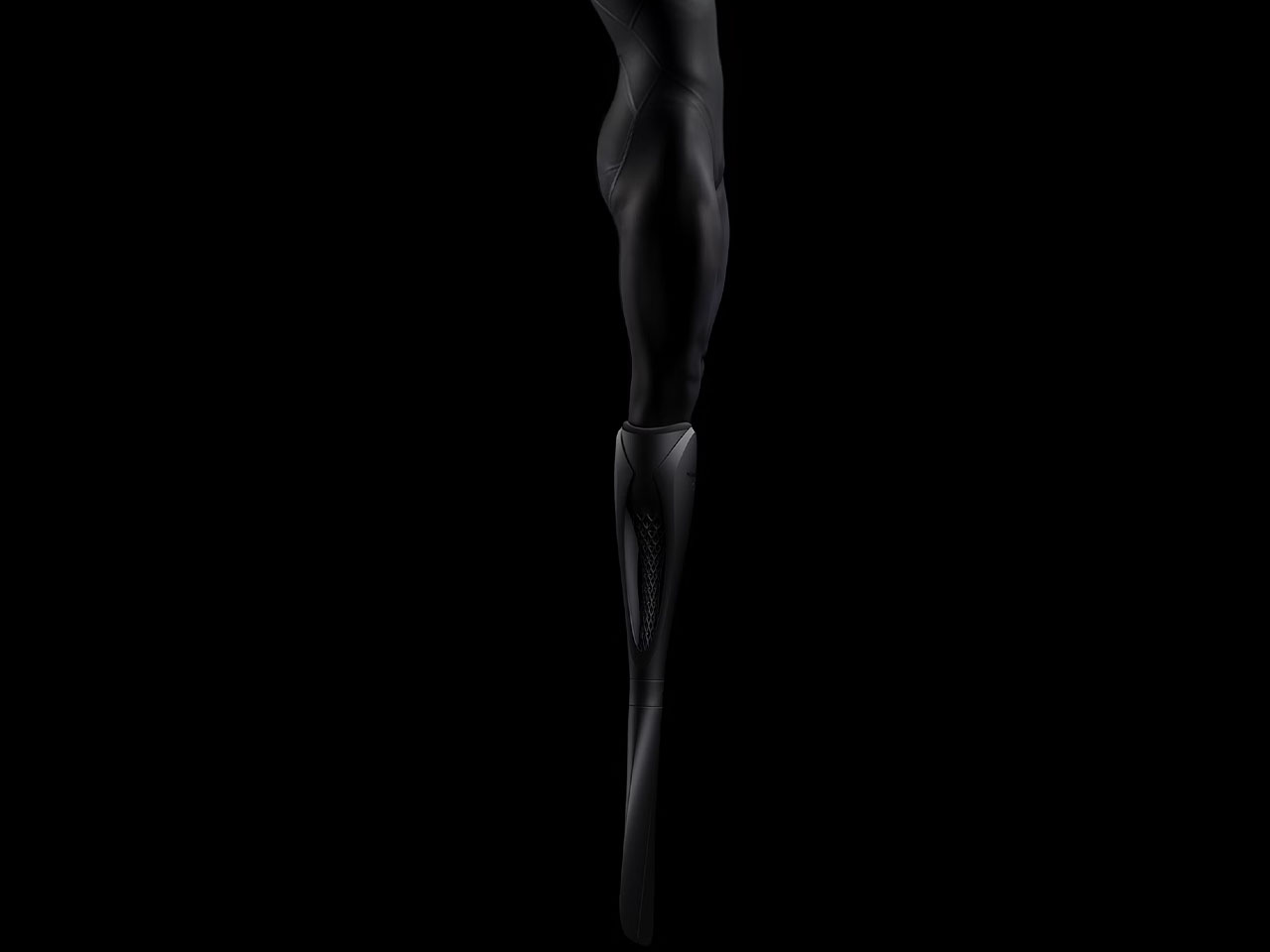
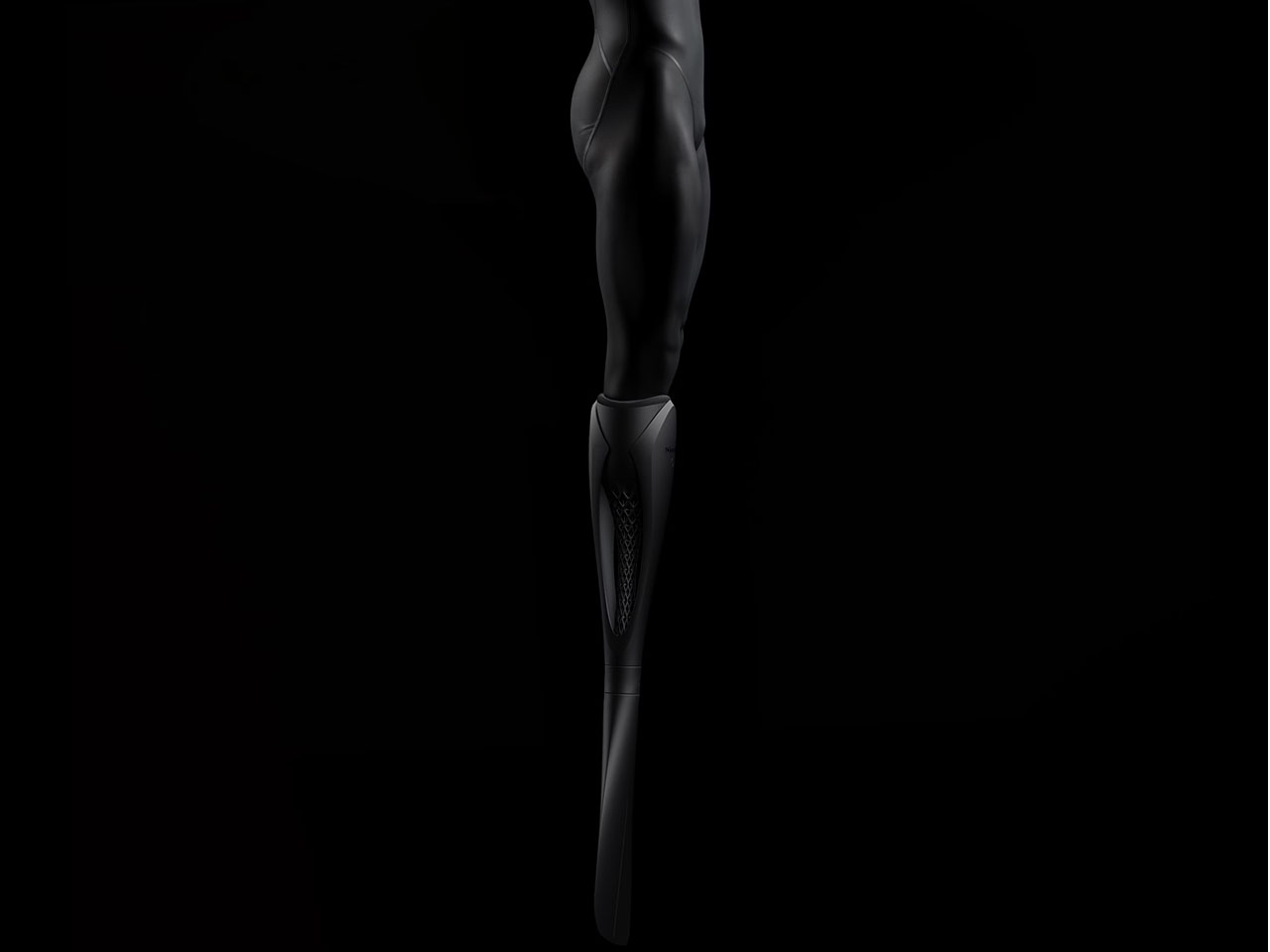
A number of different types of prosthetic legs are designed to help below-knee amputees run, whether recreationally or professionally. High-performance running prosthetics, often called blades, have been used by runners like the infamous Oscar Pistorius to shatter numerous records. Now, a similar level of freedom and efficiency seems to be headed for the waters, thanks to an advanced prosthetic concept from Essesi Design Studio.

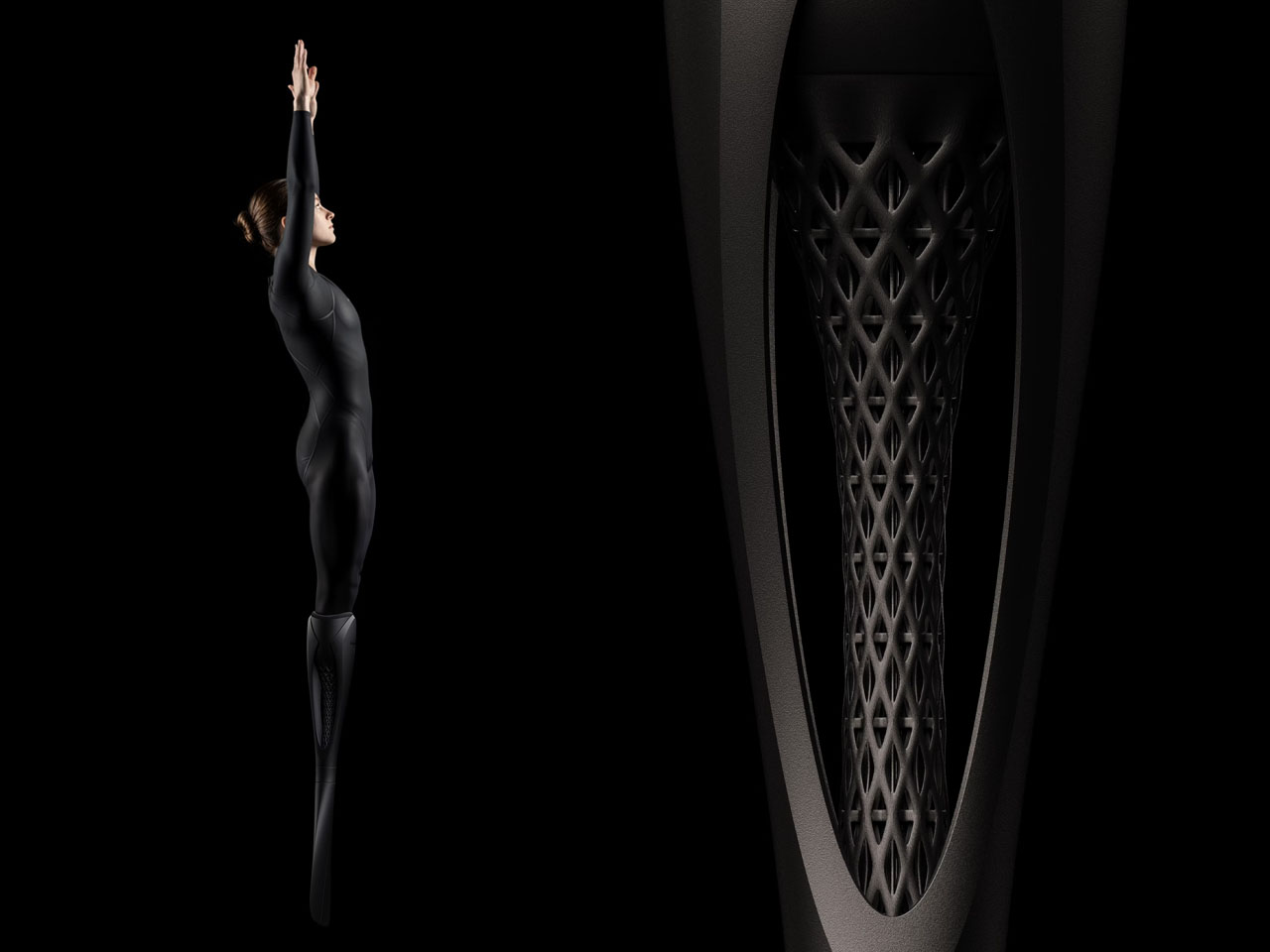
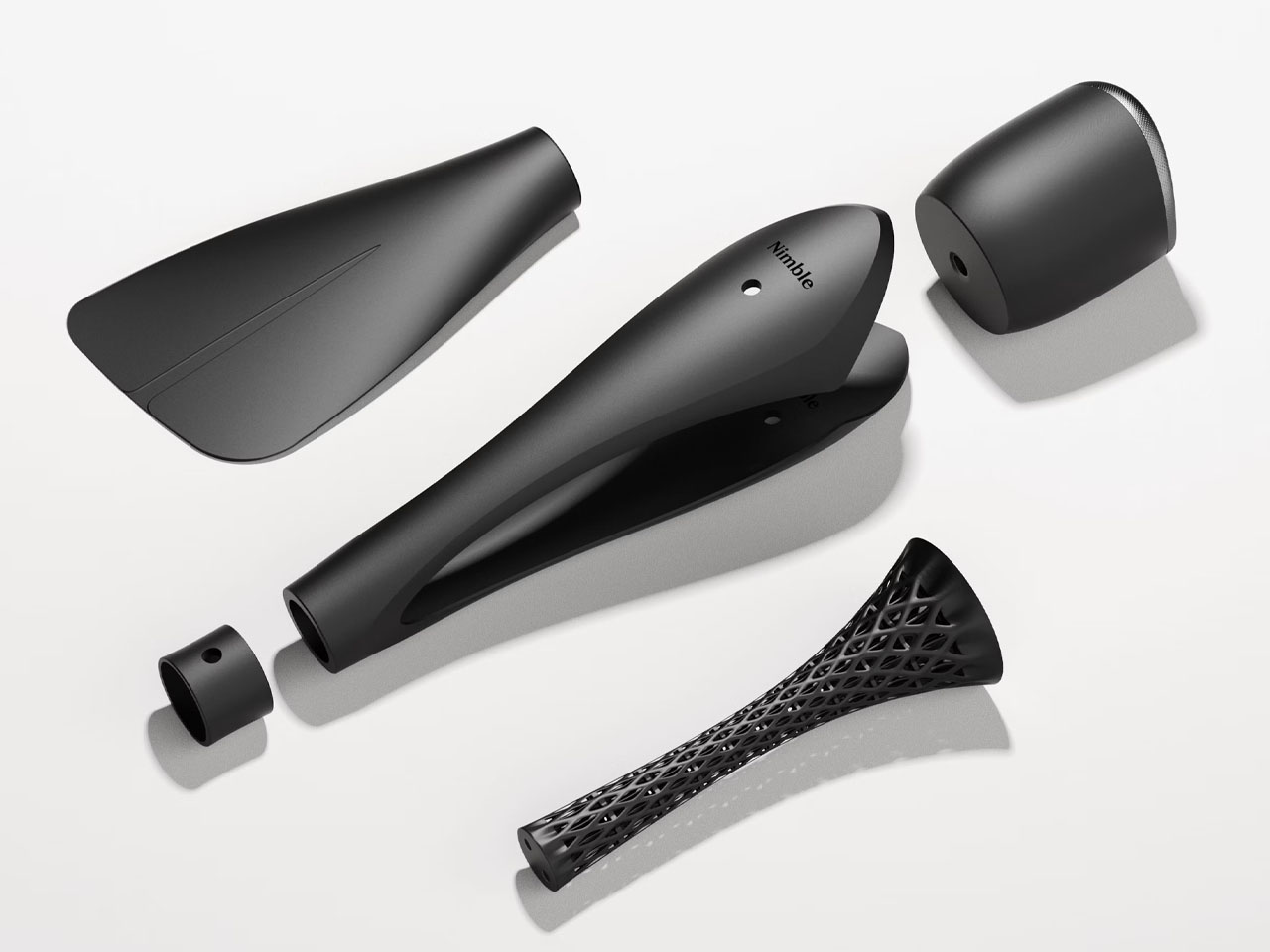
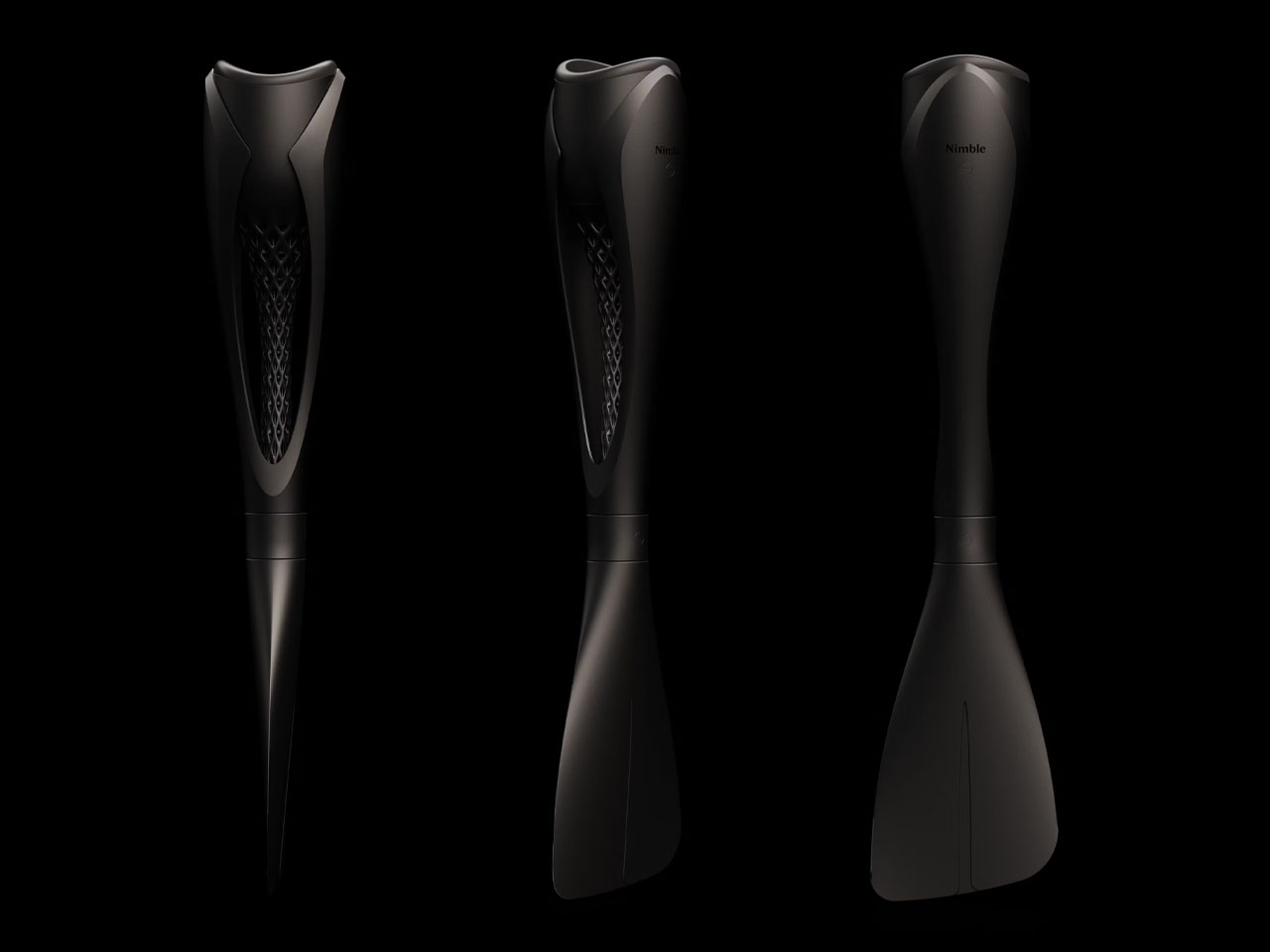
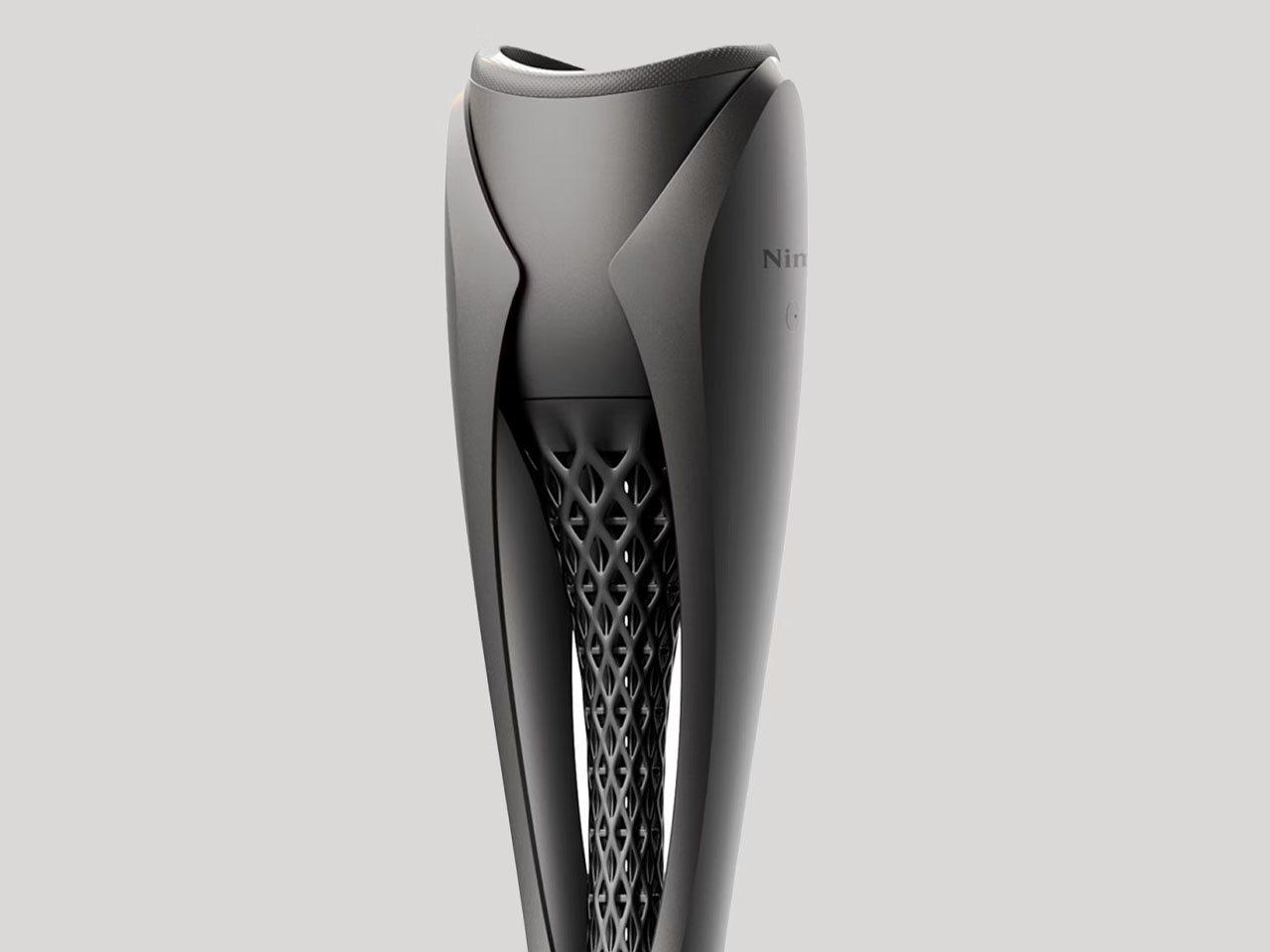
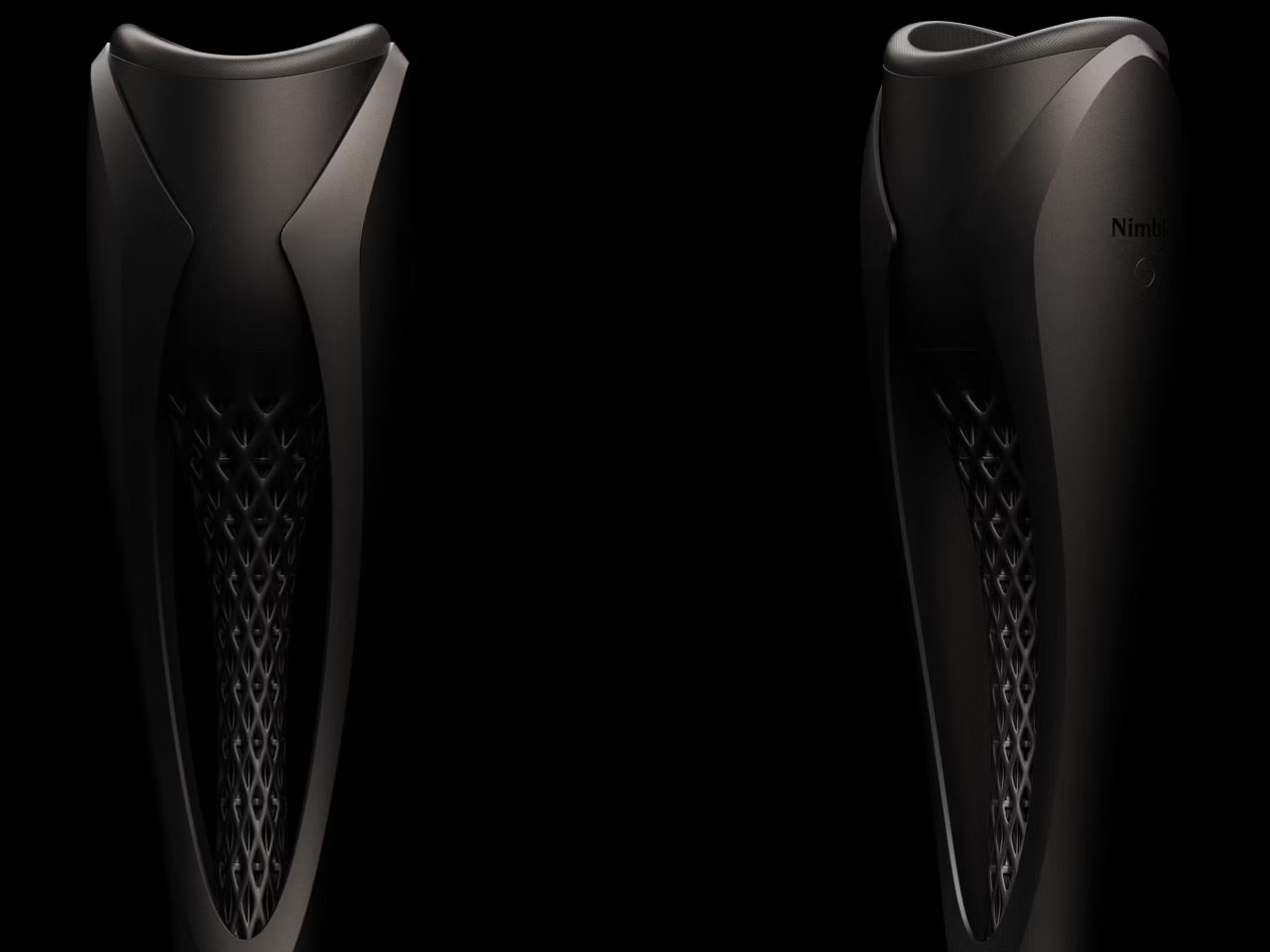
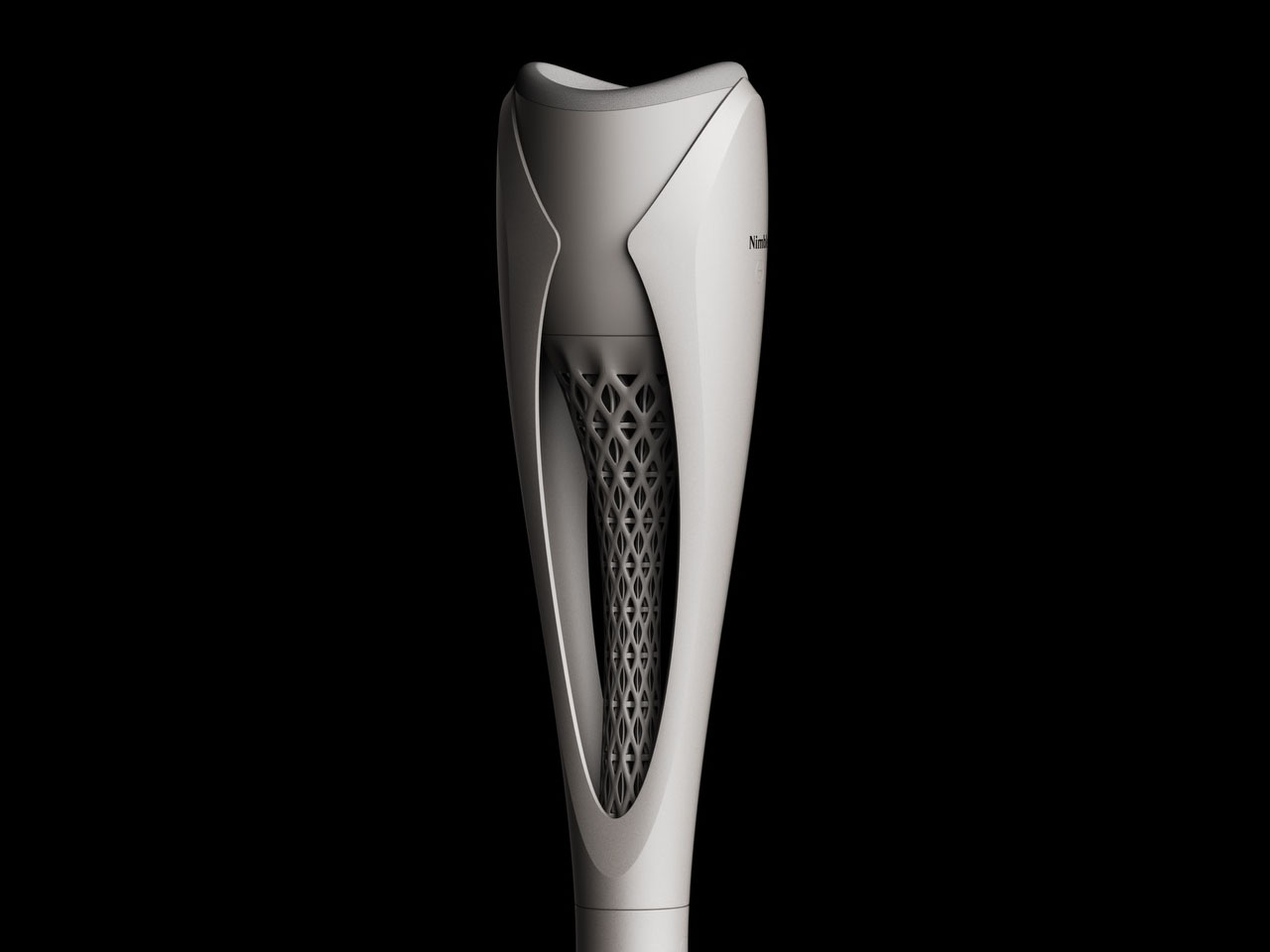
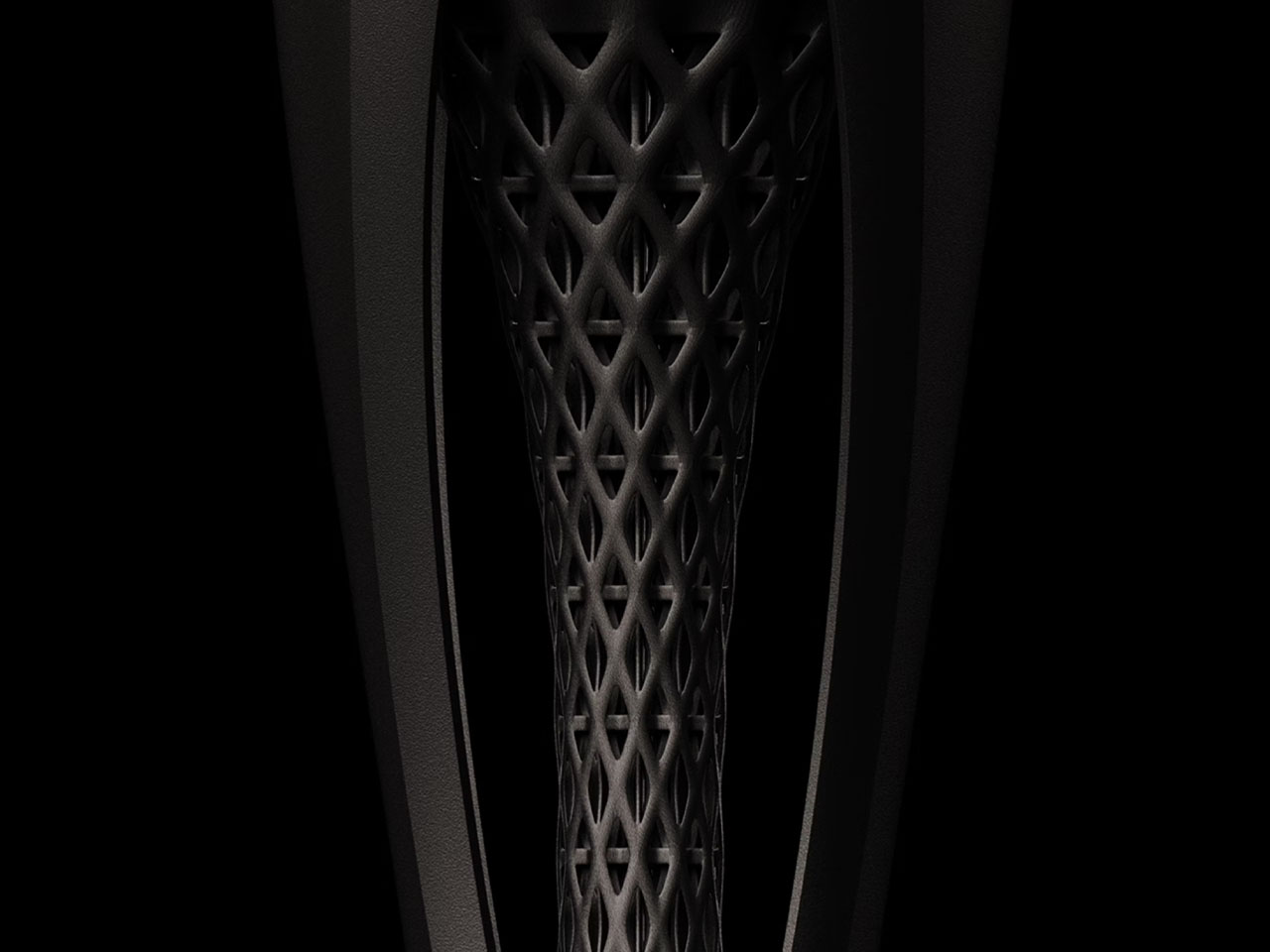
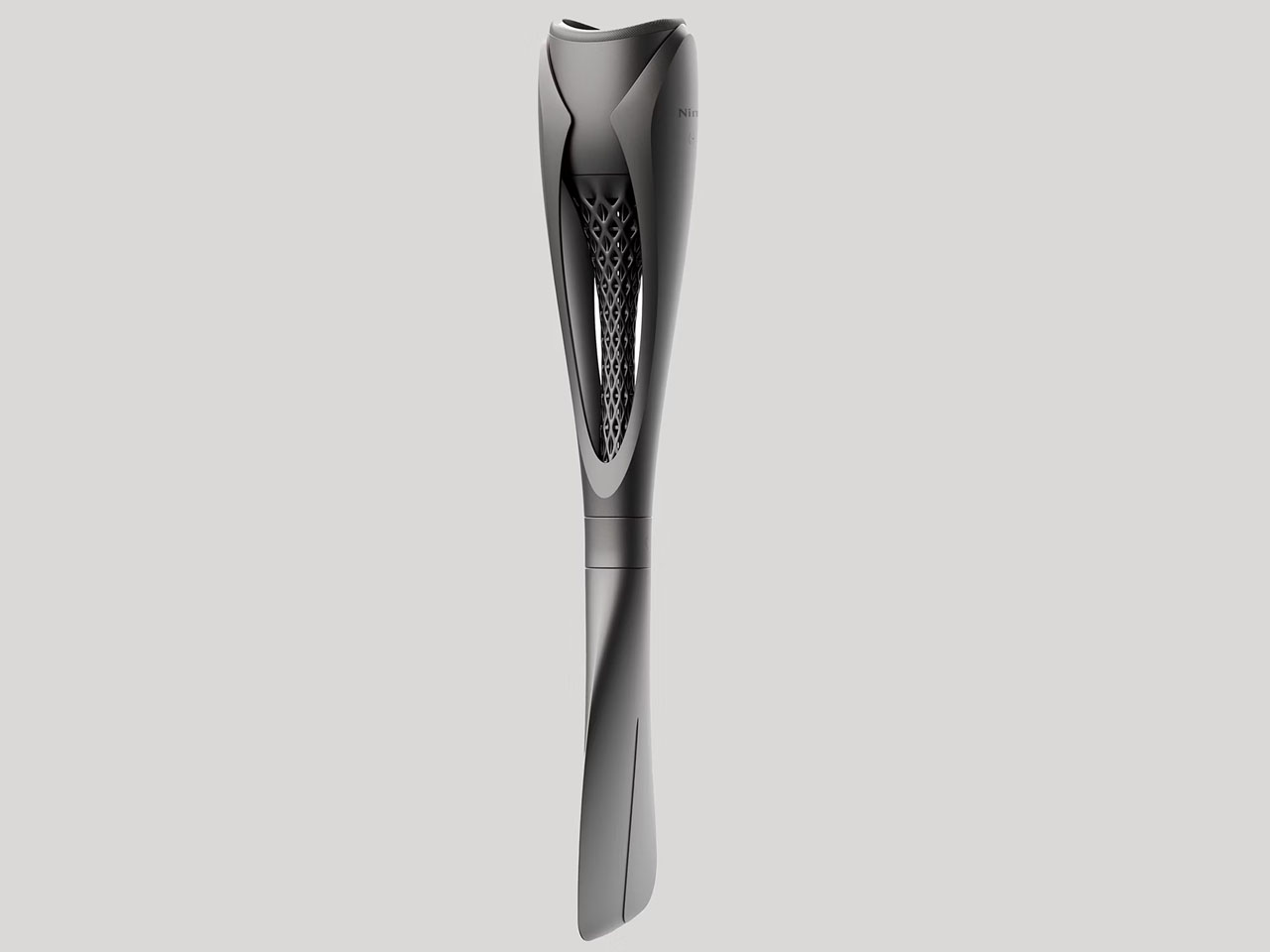
The below-knee prosthetic fin, called Nimble, is designed by Essesi Design to bring that capability to swimmers. At the core, the lightweight carbon fiber prosthetic features a 3D printed flexible lattice structure. This piece is specially designed to “reduce stress on the user’s limb while generating powerful thrust with each kick,” the design studio notes.

Designer: Essesi Design Studio

Essesi Design Studio has developed Nimble, a concept modular 3D-printed prosthetic fin, to help below-knee amputees swim with greater freedom, comfort, and technological support, making the experience both easier and more efficient for the user. The attachable prosthetic would replace the foot and the lower leg with the Nimble, comprising a carbon fiber frame and the flexible lattice structure in the main body made from rubber material for its suppleness.

The outer shell of the prosthetic is 3D printed from carbon fiber to make the prosthetic fin lightweight and robust, and the lattice component is 3D printed from rubber. Plastic components with rotatable locks are used to join the shell and the lattice and also to attach the entire prosthetic fin to the user’s upper limb.

As mentioned, the lattice unit is basically the heart of this conceptual fin designed for those who have lost a leg. It’s the flexible part that moves when the swimmer kicks. On a downward kick, the structure compresses to store energy and when the kick’s complete, the flexible section snaps back to its original position, simultaneously creating thrust to help the user push forward. Just to ensure this thrust does not hurt the user, the same lattice structure absorbs the impact, preventing the upper part of the leg attached to the prosthetic from experiencing pain or discomfort.

The modular 3D printed prosthetic fin by Essesi Design Studio is in the conceptual stage at the time of writing. But with its promising abilities, The Nimble prosthetic fin should be a compelling option to make it easier for amputees to swim better without exerting too much pressure on their limbs. So, if Nimble can be successfully developed and commercialized, it would definitely open up new avenues in athletic swimming and physical rehabilitation.

The post 3D printed prosthetic fin lets below-knee amputees swim with freedom and efficiency first appeared on Yanko Design.

My family keeps stealing my Dreo heater, so I’m buying another while it’s on sale for Black Friday

As I write this, my Dreo Whole-Room heater is swirling warm air around me in a hushed, mellow sweep. I personally paid the full $100 for the privilege but right now, you can currently snag yours for $15 less, thanks to Black Friday's benevolence. Either way — this little guy is worth it. I bought mine a few weeks ago when the leaves started to turn and I knew winter was coming for my home office. I needed something to replace the aging plug-in radiator I used in years past and, after some research, this seemed like just the thing. 

There are no heating vents in my office, because it was once the front porch. Whoever built the addition did a solid job — including constructing the walls out of a material (brick? cinder block? titanium?) that no nail can penetrate, let alone duct work. The hand-me-down plug-in radiator I used last year wasn't cutting it — only keeping me warm if I stood bestride it. If I'd had the budget for it, I'd have picked up my editor's most recent heater find, but $100 felt like my limit. 

I can report that my purchase of Dreo's heater has been worth it. It stands about a foot tall and just about as wide, but it really pumps out the heat. I originally mistook the displayed "H1" for "high," so I thought the heat output was fine, but not great. Then I pushed the plus button and realized there's an H2 and H3, which is where things really get spicy. 

It can oscillate left and right in a 90-degree arc, as well as nod up and down 60 degrees. It can even do both at the same time. I anthropomorphize everything, so when it swings both horizontally and vertically, I see a baby woodland owl inspecting its forest habitat in awe. 

Unlike that radiator heater, this heats up nigh-on instantaneously. Within seconds, I can feel the warmth, and within a minute my fingers defrost enough so I can type. But, since it is a ceramic heater, the heat largely disappears when you turn it off (at which point it goes through a 30 second cool-down to push the remaining heat out of the vents). The air in the room will stay as warm as your insulation allows, but I do use the remote to click it on and off throughout the day.  

The exterior is largely plastic, and I was worried it would have a strong off-gassing smell. Straight out of the box, the chemical tinge was noticeable, but after leaving it sitting out for a couple days, it calmed right down. I haven't put the timer — or the tip-over safety function for that matter — to the test, but I'm happy to know that both are available. And, as advertised, it's super quiet, emitting a pleasant hum that keeps me company as I work. 

It's also quite portable. Which is why it constantly makes the rounds around my house. My kid likes to have it pointed at him when he eats breakfast before school. My husband grabs it to de-ice the bathroom during a shower. I honestly love that this little heater can help them stay comfortable without having to crank up the central heating to warm up the whole house, but I do wish I didn't have to hunt it down at the start of a workday. I guess should just go ahead and grab another.

This article originally appeared on Engadget at https://www.engadget.com/deals/my-family-keeps-stealing-my-dreo-heater-so-im-buying-another-while-its-on-sale-for-black-friday-160923723.html?src=rss
Black Friday streaming deal: Plex is offering a lifetime pass for 40 percent off
It's easy to overlook the Black Friday subscription deals available each year when you're focused on getting physical things for yourself and others. But it would be a mistake to do so since you can often save a ton on subscriptions and services you either already use, or have been thinking about trying. Take Plex, which is offering 40 percent off its lifetime pass. You can use the code ANYPASS40 to get it for $150 instead of the usual $250.
The monthly and annual Plex Pass options are also 40 percent off. You can get a year of Plex for $42, down from $70 or a monthly subscription for $4.19 each month, down from $7. The latter lets you cancel a lot more easily, but costs about $8 more for the year. 

Plex acts as a personal media server that lets you curate a digital collection from a range of platforms. It also offers its own streaming options, so you can access a mix of titles. However, the Lifetime Pass was only $120 until earlier this year, when it more than doubled. The discount will get you close to that price, but you might also want to check out other streaming sales available for Black Friday. 

  • Disney+ Hulu bundle — $60 for one year: The Disney+ and Hulu (with ads) bundle is on sale for $5 per month for one year (for a total of $60) through December 1. New and eligible returning subscribers can take advantage of this deal, and considering the bundle typically costs $13 per month, this deal represents more than a 50 percent discount on the standard monthly price.

  • Apple TV+ — 6 months for $36: Apple TV+ is offering six months of access for only $36 for Black Friday, which comes out to a discounted price of $6 per month for the six-month period. The deal is live now for new and eligible returning subscribers and runs through December 1, giving you a chance to stream shows like Silo, The Morning Show and For All Mankind for less. The biggest caveat to the deal is that you must subscribe directly through Apple and not through a third-party service.

  • HBO Max — one year for $36: HBO Max's Black Friday deal gives subscribers one year streaming for $36 through December 1. This Black Friday streaming deal is on the ad-supported option, which normally goes for $11 per month. With this discount, you're getting it for $3 per month for one year. You can sign up via HBO Max's website or, if you're a Prime Video subscriber already, via that service as an add-on.

  • Sling TV Orange — day pass for only $1: Sling TV launched Day Passes earlier this year, giving users one-day access to a variety of its packages. This deal cuts $4 off the normal price of a day pass for Sling Orange. With that, you get unlimited access for 24 hours to Orange's more than 30 channels that includes ESPN, CNN, TBS and others.

  • Paramount+ — two months of Essential or Premium for $6: This Black Friday deal brings the monthly price of either Paramount+ tier down to just $6 for two months, or $3 per month. The obvious better deal is on the Premium plan, which typically costs $13 per month.

  • Starz — one year for $12: Pay upfront for one year and you can get more than $50 off a Stars annual subscription. There's a month-to-month option too, which costs $3 per month for the first three months if you don't want to commit to the full year. Either option gives you access to the entire Starz TV and movie library with offline viewing and no ads.

This article originally appeared on Engadget at https://www.engadget.com/deals/black-friday-streaming-deal-plex-is-offering-a-lifetime-pass-for-40-percent-off-155614379.html?src=rss