What if we told you that building a powerful gaming PC doesn’t have to break the bank, or take up half your desk? Imagine playing your favorite games at 1080p or even 1440p, all while keeping your setup sleek and compact. In the video, ETA PRIME breaks down how to assemble a budget-friendly small form […]
This late in the game, it’s not possible to ship gifts to friends and family and have them arrive before the holidays. But that’s ok because it’s never been easier to give a digital gift that will arrive basically whenever you want it to. If you’re looking for more creative digital gift ideas, we’ve got you covered. But right now, you may just be looking for the best gift card ideas that you can buy online and digitally send to the people you love. We’ve got you covered: these are the best gift cards to send as last-minute gifts this year.
This article originally appeared on Engadget at https://www.engadget.com/the-best-gifts-cards-to-give-this-holiday-season-amazon-apple-best-buy-and-others-110032592.html?src=rss
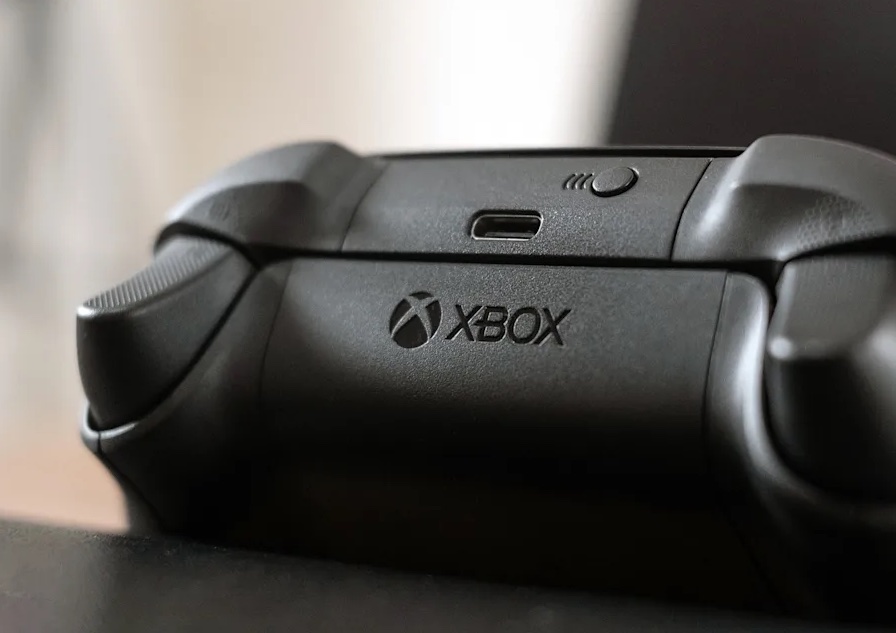
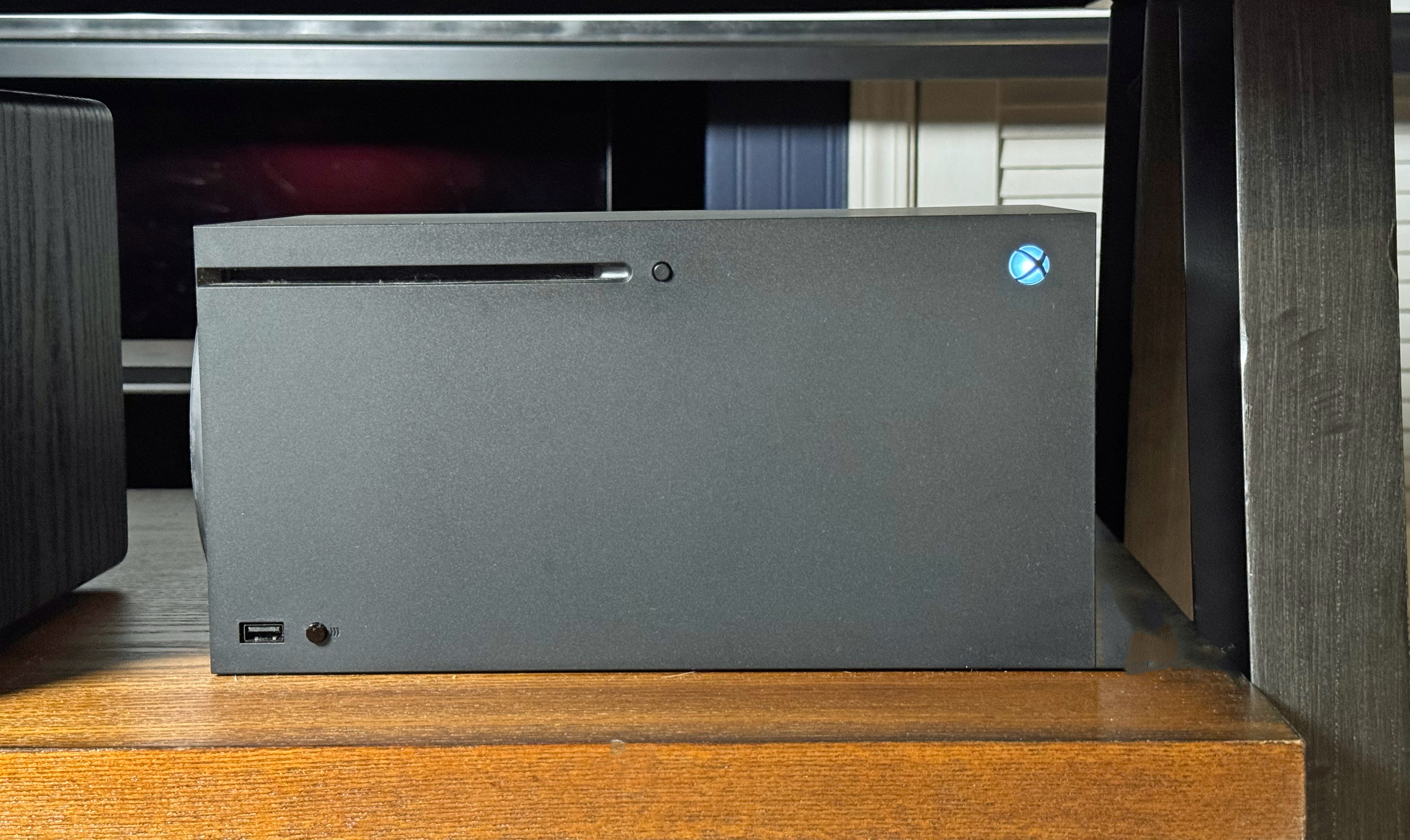
Want to see a dead body? I present to you the Xbox. After a subdued launch at the height of the COVID pandemic in 2020, the Xbox Series X quickly lost the fight against the PlayStation 5. Microsoft simply couldn't deliver enough compelling games, despite somehuge acquisitions, while Sony leaned on its goodwill from the PS4 era and a handful of desirable exclusives. As prices rose due to supply chain issues and the Trump administration's volatile tariff scheme, there was even less of a reason to get an Xbox (even the cheaper Series S). When I re-reviewed the Series X last year, it was clear that it never lived up to its potential. Anyone in their right mind would be better off buying a PlayStation 5.
Making things worse this year, Microsoft raised prices across the board, with the Xbox Series S starting at $400 and the cheapest Series X going for a whopping $600. And slow sales prompted Costco to stop selling Xbox consoles entirely. Microsoft didn't even try to push systems during Black Friday — why go through the trouble of having sales if nobody is buying the hardware in the first place?
Even Game Pass, which was once renowned as one of the best deals in gaming, almost doubled in price over the last year, reaching up to $30 a month (or $360 a year) for the Ultimate tier. Sure, Microsoft tried to add more value to its cheaper Game Pass tiers, and finally upgraded its cloud streaming platform, but the lack of consistent must-play exclusive titles has devalued the service (and Xbox as a whole). Avowed and South of Midnight were among the few exclusive highlights, but the latter will hit PS5 and Switch 2 next year. There's no word on Avowed reaching other consoles yet, but given Microsoft's current trajectory (and the fact that it's a genuinely great game), I wouldn't be surprised if it becomes available elsewhere.
There was a chance for Microsoft to reinvigorate the Xbox brand with the ASUS ROG Xbox Ally and Ally X gaming handhelds, but the $600 and $1,000 launch prices placed them out of reach for most gamers. It also doesn't help that Windows still isn't well-optimized for portable devices with touchscreens, and those systems also aren't compatible with older Xbox titles like the consoles. At the very least, Microsoft now has a handheld foothold. But a future portable Xbox console would need to be significantly cheaper to compete with the likes of the Steam Deck, which starts at $549 (following the discontinuation of the $400 LCD model).
And speaking of Valve, the company's recently announced Steam Machine has also stolen a lot of potential thunder from Xbox. The Steam Machine is basically a tiny gaming desktop for your TV, running the Steam Deck's SteamOS. That platform is a Linux distribution optimized for emulating Windows titles. But unlike an Xbox console, it's not closed off in any way. You're free to install whatever you'd like on a Steam Machine — even Windows!
While we still haven't seen the Steam Machine in action, the Steam Deck's excellent performance and game compatibility makes me think its desktop sibling could be genuinely compelling to console players looking for something new. And it will likely directly compete with the next Xbox, which is rumored to arrive in 2027 as a PC in a TV-friendly case (according to Windows Central's Jez Corden). Microsoft's recent partnership deal with AMD also hints at a more PC-like experience — Xbox President Sarah Bond noted that the Xbox team is "working closely with the Windows team to ensure that Windows is the number one platform for gaming."
It's worth remembering that only a single generation of the Xbox — the Xbox 360 — was successful enough to truly compete with Sony's PlayStation. The original Xbox reportedly cost Microsoft $4 billion over the course of four years, leading the company to quickly jump ship and move to its successor. The Xbox 360 was genuinely innovative, thanks to Xbox Live and smarter online integration, and it had a healthy amount of third-party support. In comparison, Sony's PlayStation 3 was $100 to $200 more expensive than the Xbox 360 at launch, it had far worse online support and developers found it hard to program for.
Xbox Series X
Devindra Hardawar for Engadget
Unfortunately, Microsoft squandered most of its good will with the Xbox One. That console was first announced as an "always online" device with restrictive DRM features that limited how you could share and sell games; it was bundled with a Kinect camera that could potentially surveil you; and at $499, it was $100 more than the PlayStation 4. Microsoft quickly reversed many of its DRM-heavy plans for the Xbox One, but by that point the damage was done. Sony ultimately sold more than twice as many PS4 units as the entirety of the Xbox One family (which included the cheaper One S and more powerful One X), according to data from Ampere Research.
Things are looking worse this generation: The Xbox Series S and X reportedly only sold around 33 million units as of July, according to Statista estimates, while Sony confirmed it sold 84.2 million PS5s as of November. If this trend continues (and it doesn’t appear as if Xbox sales will be increasing any time soon), Sony could end up selling three times as many consoles this generation, compared to Microsoft. Xbox sales have been so slow that the family-focused Nex Playground managed to outsell it in November, according to data from Circana.
Given Xbox's inability to compete with the PlayStation 5, it's no wonder Microsoft could be changing things up entirely for its next system. Its partnership with AMD could easily lead to new handhelds, and it also gives Microsoft a leg up in producing a compact and powerful Xbox PC. After all, why should the company keep trying to go toe-to-toe with Sony's closed PlayStation platform? Why shouldn't Microsoft embrace its PC roots to give us a gaming desktop under our TVs? The company has already committed to bringing new Xbox games to PCs immediately, so the line between the two is already blurring.
It may be a risk, but evolving into a PC proves there’s still life in the Xbox brand. And crucially, it’s also something Sony can’t easily replicate.
This article originally appeared on Engadget at https://www.engadget.com/gaming/xbox/2025-was-the-year-xbox-died-130000467.html?src=rss
The fancy pen set has become the most predictable gift in the design world. Sleek metal barrels tucked into velvet cases, often expensive, rarely used. They end up in drawers alongside forgotten business cards and mystery cables. Designers know this pattern well because they’ve received these sets multiple times, smiled politely, and wondered why gift givers keep missing what actually matters: tools that solve real problems beautifully.
The best gifts for designers aren’t decorative. They’re functional objects elevated through thoughtful design, things that get touched daily and spark small moments of satisfaction. The tools below earned their place on studio desks and in everyday carry rotations because they do their jobs exceptionally well while looking good doing it. Each one beats the fancy pen set by actually getting used.
1. Stud Measure
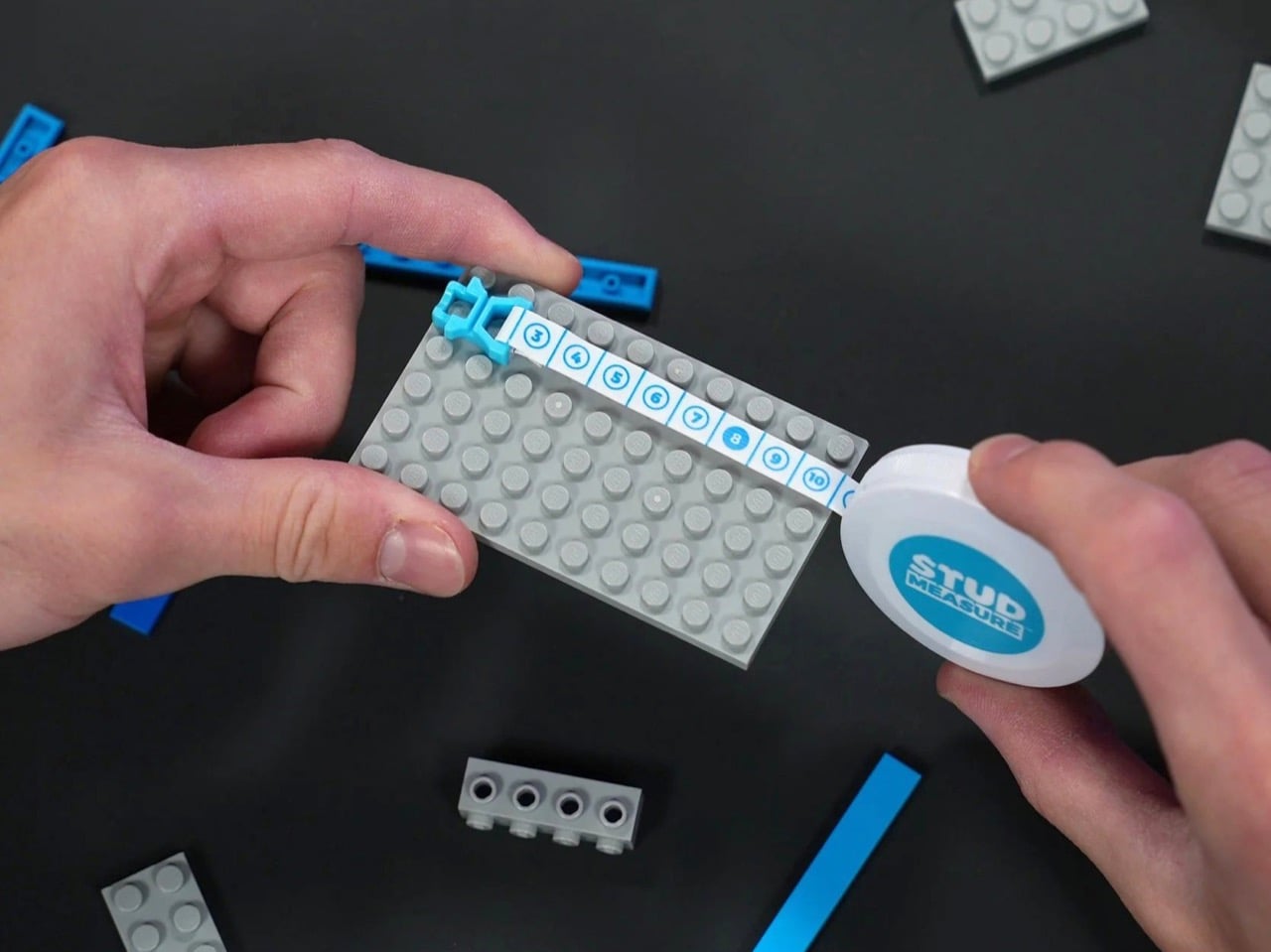
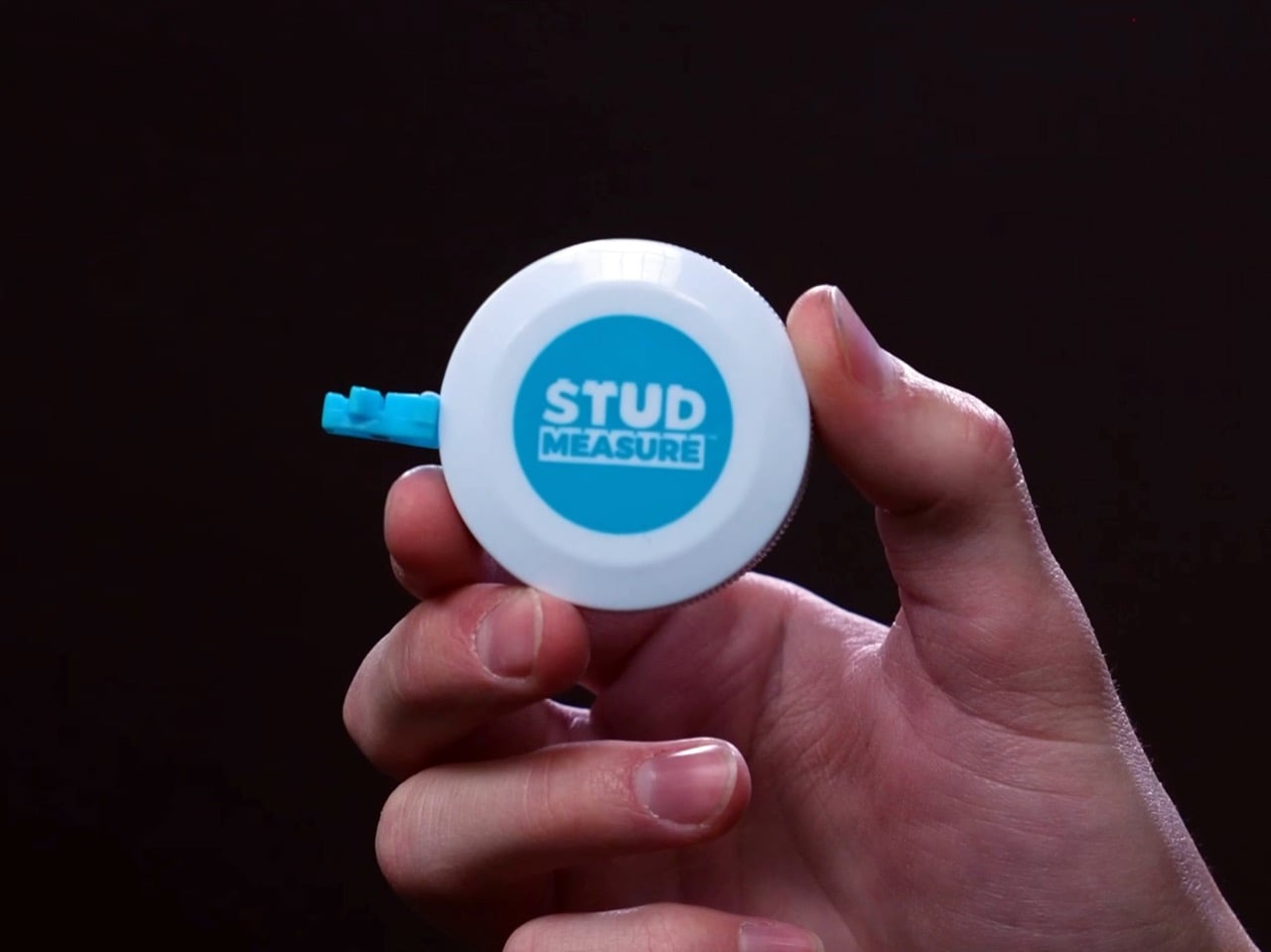
The LEGO builder’s toolkit has remained surprisingly incomplete for decades. Brick separators arrived to spare fingernails, storage systems evolved to organize thousands of pieces, but measuring stayed primitive. Counting studs by hand across baseplates or estimating dimensions by eye works until precision matters. The Stud Measure addresses this gap with a measuring tape designed specifically for LEGO’s geometry, speaking the language of studs, bricks, and plates, rather than forcing builders to convert from inches or centimeters.
Riley from Brick Science designed this tool after years of building on camera for over two million subscribers. The bright blue clip snaps directly into LEGO studs, anchoring the tape without dangling metal hooks or slipping off edges. The flexible tape extends to 190 studs, covering roughly 60 inches of real-world distance. That length handles most train layouts, modular building displays, and tabletop city builds without needing to retract and reposition. The markings translate directly into LEGO measurements, turning what used to require mental math into something you can read at a glance.
What we like
The clip integration feels obvious once you see it, snapping into studs the same way bricks do.
The 190 stud length covers serious builds without falling short when you need it most.
Pricing sits at $9.99, low enough to grab without overthinking the purchase.
The tape works equally well measuring horizontal baseplates or vertical wall constructions.
What we dislike
The single color option limits personalization for builders who customize everything.
The tape’s flexibility means it can bow slightly on unsupported long measurements.
Storage becomes another loose item in the parts bin without a dedicated home.
The niche appeal means non-LEGO builders won’t find much use for it.
2. Magboard Clipboard
Clipboards haven’t changed much in generations. A rigid board, a spring clip, maybe a storage compartment if you’re lucky. They work fine for static documents but fall apart the moment you need to rearrange pages, add sheets mid-project, or work with different paper sizes. The Magboard rebuilds this basic tool using magnets and a lever mechanism that holds up to 30 sheets while letting you reorganize on the fly.
The hardcover design maintains writing stability even when you’re standing or moving between spaces, giving you the structure notebooks provide without forcing a predetermined page order. Water resistance protects your work when coffee tips over or rain hits unexpectedly. The magnetic clip releases and secures smoothly, creating a tactile interaction that feels more intentional than wrestling with a bent spring clip. Loose sheets stay loose, giving you complete freedom to sketch, annotate, shuffle, and discard without worrying about binding.
The magnetic mechanism handles 30 sheets without feeling strained or weak.
Rearranging pages mid-project happens instantly instead of requiring unbinding and rebinding.
The hardcover support makes vertical note-taking actually practical for site visits or standing meetings.
Water resistance means the clipboard itself survives the chaos that kills paper.
What we dislike
The minimalist design lacks storage pockets for pens or business cards.
Magnets can interfere with some types of metallic ink or magnetic stripe cards if stored together.
The rigid form takes up more bag space than flexible clipboards.
Premium materials push the price higher than basic office supply versions.
3. Z3RO Mini Knife
Keychain knives usually feel like compromises. Light enough to ignore until you need them, flimsy enough to make you wish you’d brought a real blade. The Z3RO mini knife weighs 11 grams and measures around 5 centimeters, but uses materials borrowed from surgical tools and industrial cutters: tungsten alloy for the cutting tip, carbon fiber for the body, and titanium for the backbone. It fits on a keychain without adding bulk yet handles daily cutting tasks with the kind of precision that makes cheap utility knives feel sloppy.
Tungsten alloy rates at Mohs hardness nine, sitting just below diamond on the scale. That hardness means the tip shrugs off cardboard, cord, plastic packaging, thick tape, and cable ties without dulling quickly or developing the microchips that ruin cheaper blades. The tasks designers face constantly, opening sample shipments, cutting shrink wrap, trimming threads, slicing through layers of tape, all happen cleanly without needing to swap blades every few weeks. The carbon fiber body keeps weight minimal while the titanium backbone provides the structural support that makes the knife feel like a precision tool rather than an emergency backup.
The tungsten tip maintains sharpness through months of daily abuse without needing replacement.
The 11-gram weight makes it genuinely keychain-friendly instead of pocket sagging.
Material choices create a tool that feels premium rather than disposable.
The compact size handles travel restrictions better than full-size knives.
What we dislike
The small size limits cutting leverage on thicker materials.
Replaceable tips aren’t as widely available as standard utility blades.
4. FoldLine Pen Roll
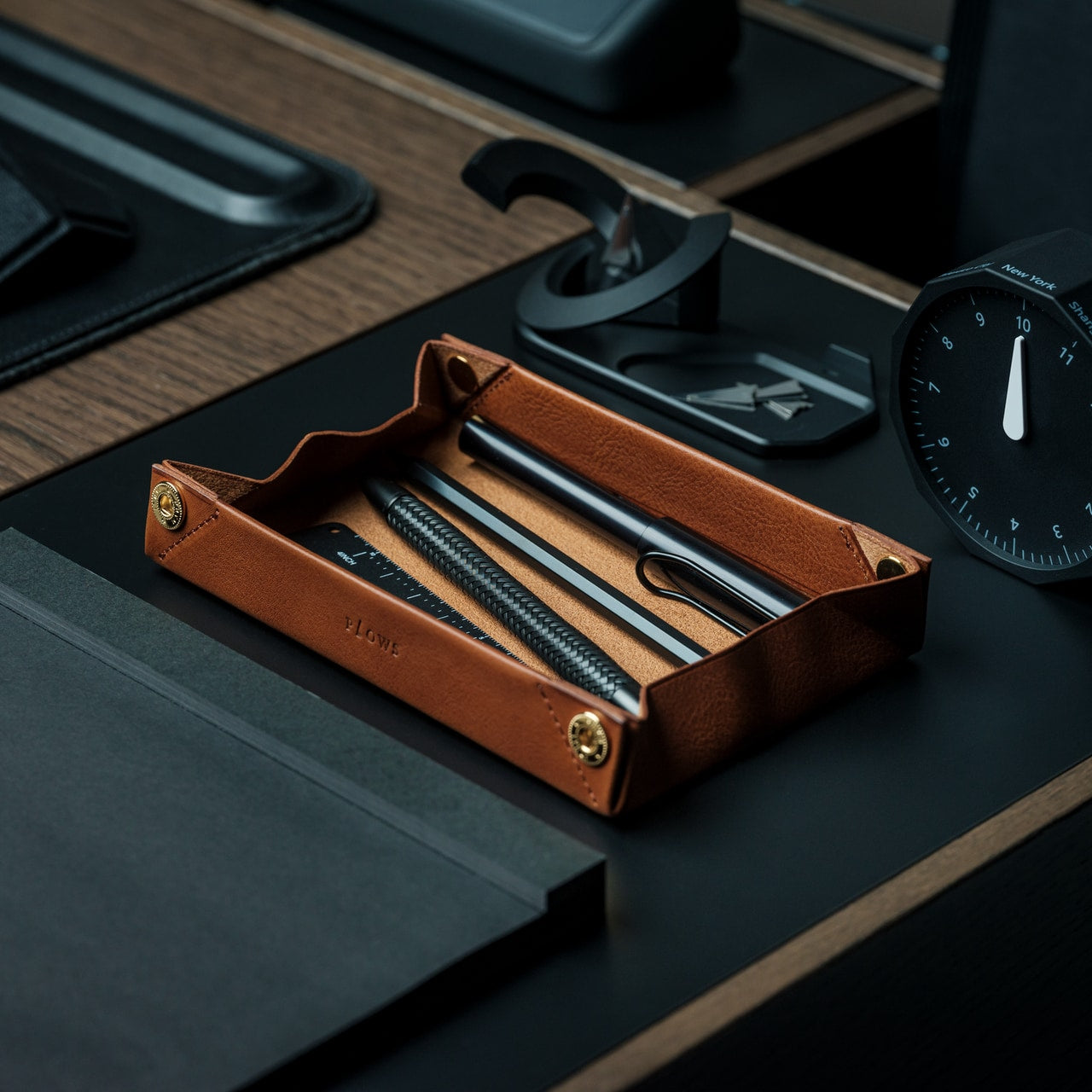
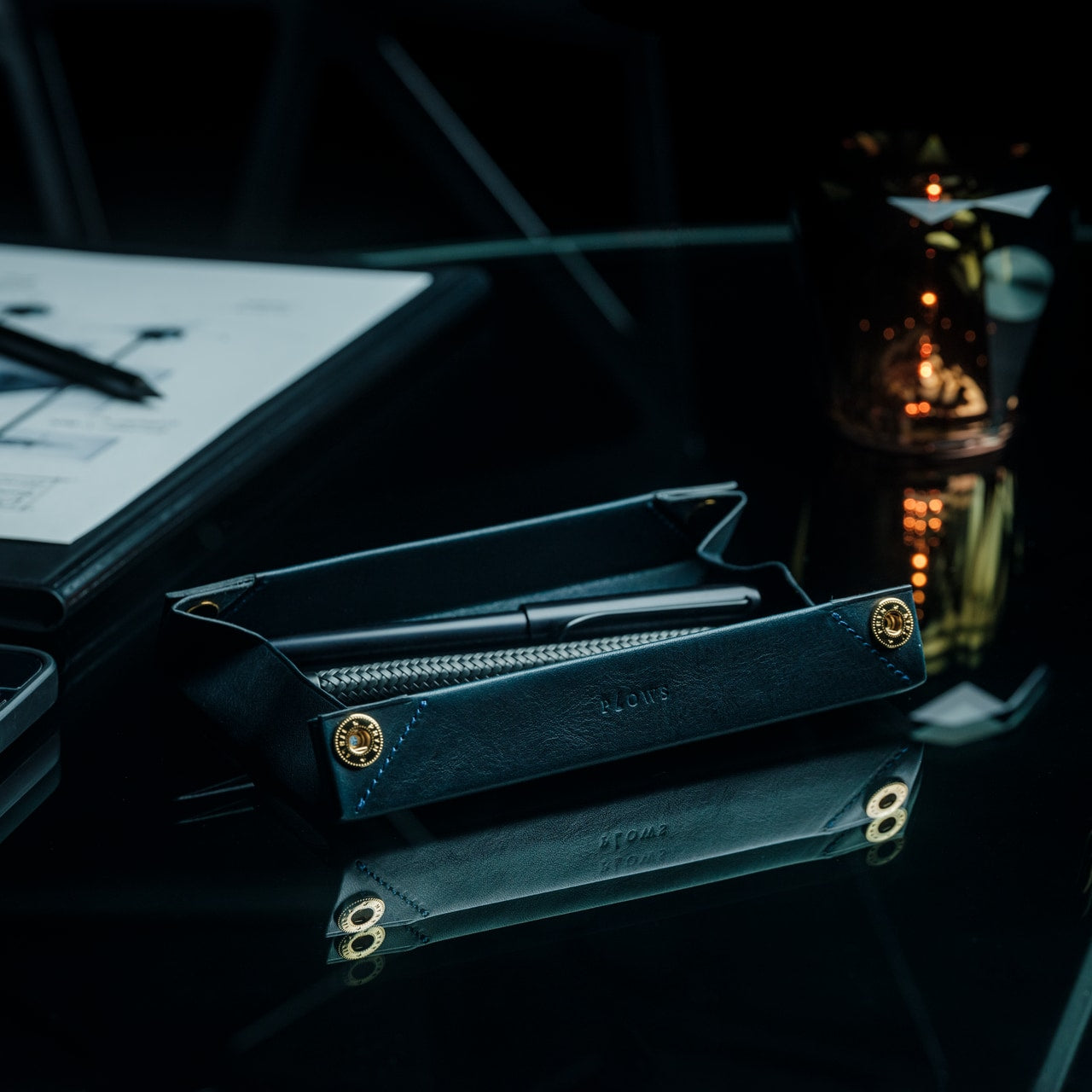
Pen storage tends toward two extremes: cases that rattle and clatter with every movement or rigid boxes that take up excessive space. The FoldLine Pen Roll takes a different approach, using a single piece of Italian Minerva Box leather that folds into structure without stitched dividers or internal compartments. It opens in two seconds, transforming from a compact roll into a stable tray that turns any surface into an organized workspace.
The folded leather naturally separates pens without requiring individual slots, wrapping each writing instrument in soft material that prevents scratching and eliminates the metallic clinking that makes some pen cases sound like tackle boxes. The symmetrical design works equally well for left or right-handed users, opening cleanly from either side without a preferred orientation. The leather comes from Badalassi Carlo tannery in Italy, vegetable tanned and enriched with cow leg oil, so it develops a unique patina over time while softening rather than cracking. The closure uses a machined snap from Italy’s PRYM, creating a satisfying click that signals quality in a detail most pen cases overlook.
The tray transformation provides instant workspace organization without requiring a dedicated desk.
The partition-free design adapts to different pen sizes and quantities naturally.
Minerva Box leather ages beautifully instead of showing wear as damage.
The ambidextrous design eliminates the frustration of cases built for one-handedness.
What we dislike
The premium leather commands a higher price than nylon or synthetic alternatives.
The soft material offers less impact protection than hard-shell cases.
The roll format requires slightly more bag space than flat cases.
Limited capacity means collectors with extensive pen rotations need multiple rolls.
5. Craftmaster EDC Utility Knife
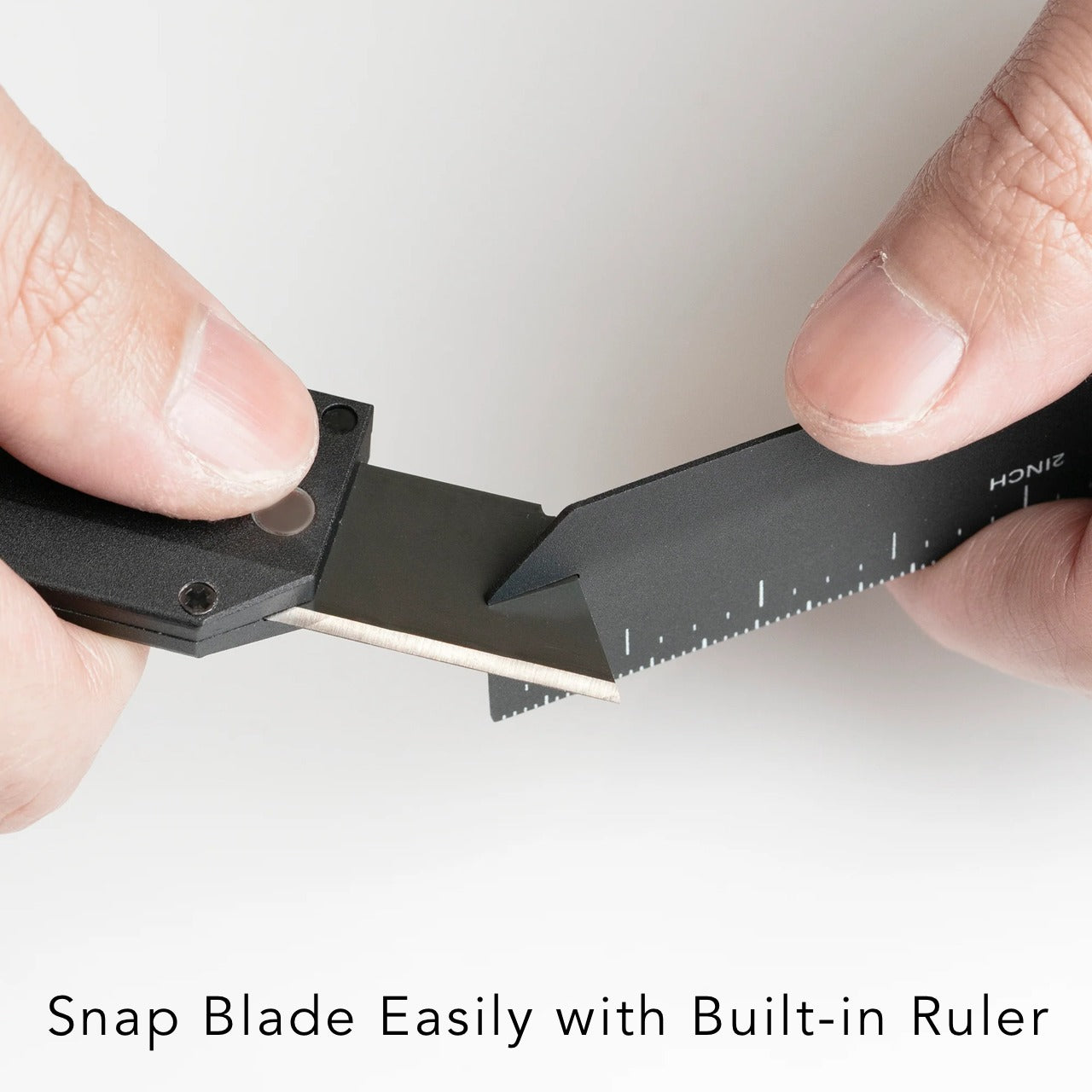
Standard utility knives work, but rarely feel good to use. Plastic bodies flex under pressure, blades wobble in cheap housings, and the overall aesthetic screams contractor’s toolbox rather than designer’s kit. The Craftmaster EDC Utility Knife rebuilds this category with a metal exterior that’s only 8 millimeters thick, a tactile rotating knob for blade deployment, and a magnetic back that docks with a metal scale combining measurement with blade maintenance.
The OLFA blade inside is easily replaceable, but the way you interact with it changes everything. The rotating knob deployment feels mechanical and precise rather than fumbling with a sliding lever. The magnetic back lets you store the knife on any metal surface, keeping it visible and accessible rather than lost in a drawer. The companion scale sports both metric and imperial markings with a raised edge that makes it easy to lift off flat surfaces, doubling as a cutting guide. The scale includes a blade breaker for snapping off dulled segments, keeping the knife sharp without requiring tools or leaving dangerous blade pieces loose.
The metal construction creates a tool that feels substantial and reliable in hand.
The rotating deployment mechanism provides satisfying tactile feedback with each use.
The magnetic scale pairing turns two separate tools into an integrated system.
The 8 millimeter thickness keeps the knife genuinely pocket-friendly despite the premium materials.
What we dislike
The metal body adds weight compared to plastic utility knives.
The premium price point makes it a significant investment for a utility blade.
The magnetic feature only works with ferrous metal surfaces.
The minimalist design lacks the blade storage compartments that some utility knives include.
6. Casta Universal Design Scissors
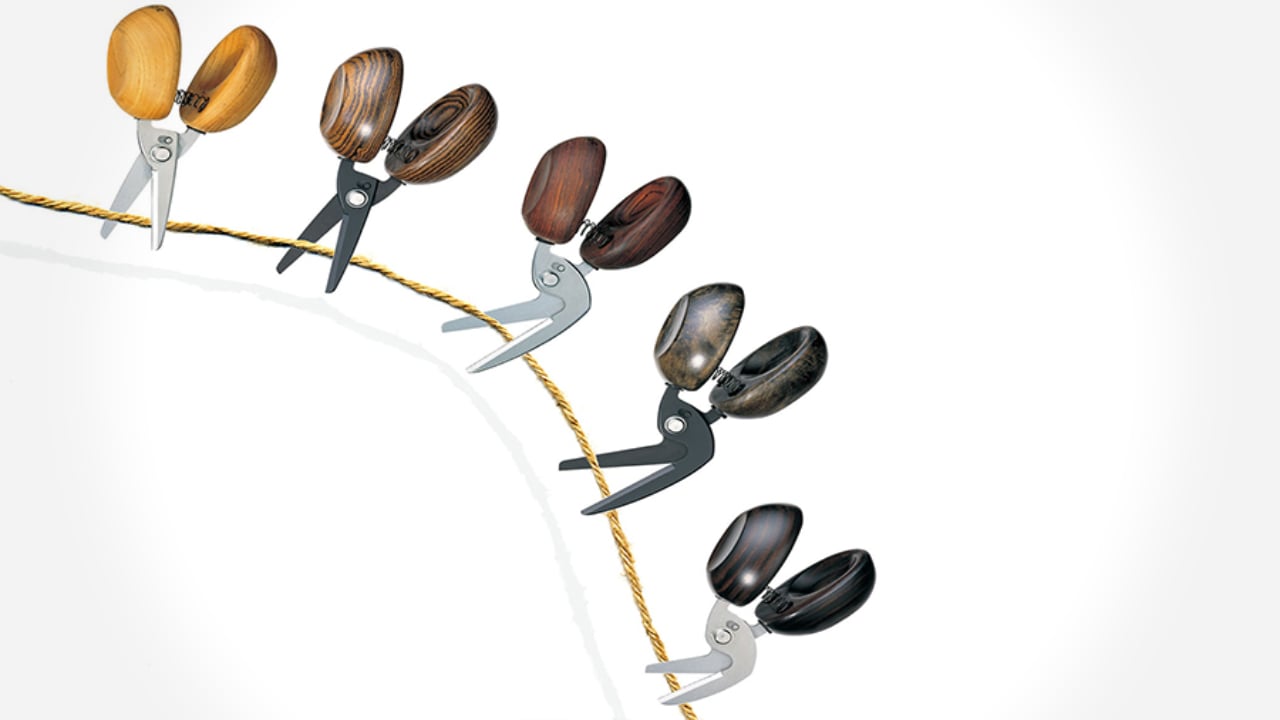
Scissors typically divide users into camps: right-handed tools that torture lefties or ambidextrous compromises that work poorly for everyone. The Casta Universal Design Scissors use perfectly round handles that rest in your palm regardless of hand dominance, creating equal comfort for all users. Inside each handle, a round concave shape produces a clicking sound that changes based on the material you’re cutting, adding unexpected sensory feedback to a tool most people tune out completely.
The round handles eliminate the finger loops that create pressure points during extended cutting sessions, distributing force across your palm instead of concentrating it on a few digits. The clicking sound might seem like a gimmick until you experience how it brings awareness to the cutting process, making routine tasks feel slightly more engaging. The ergonomic benefits combine with the acoustic element to create scissors that work efficiently while sparking small moments of satisfaction each time you use them.
What we like
The true ambidextrous design serves left and right-handed users equally well.
The palm grip distributes pressure more comfortably than finger loop handles.
The acoustic feedback adds unexpected delight to mundane cutting tasks.
The universal design makes sharing scissors in studios and offices friction-free.
What we dislike
The unconventional handle shape requires a brief adjustment period for users accustomed to traditional scissors.
The acoustic feature may distract in quiet environments or annoy those who prefer silent tools.
The specialized design typically commands a premium over standard scissors.
The round handles offer less precise control for detail cutting work.
7. Høvel Pencil Plane
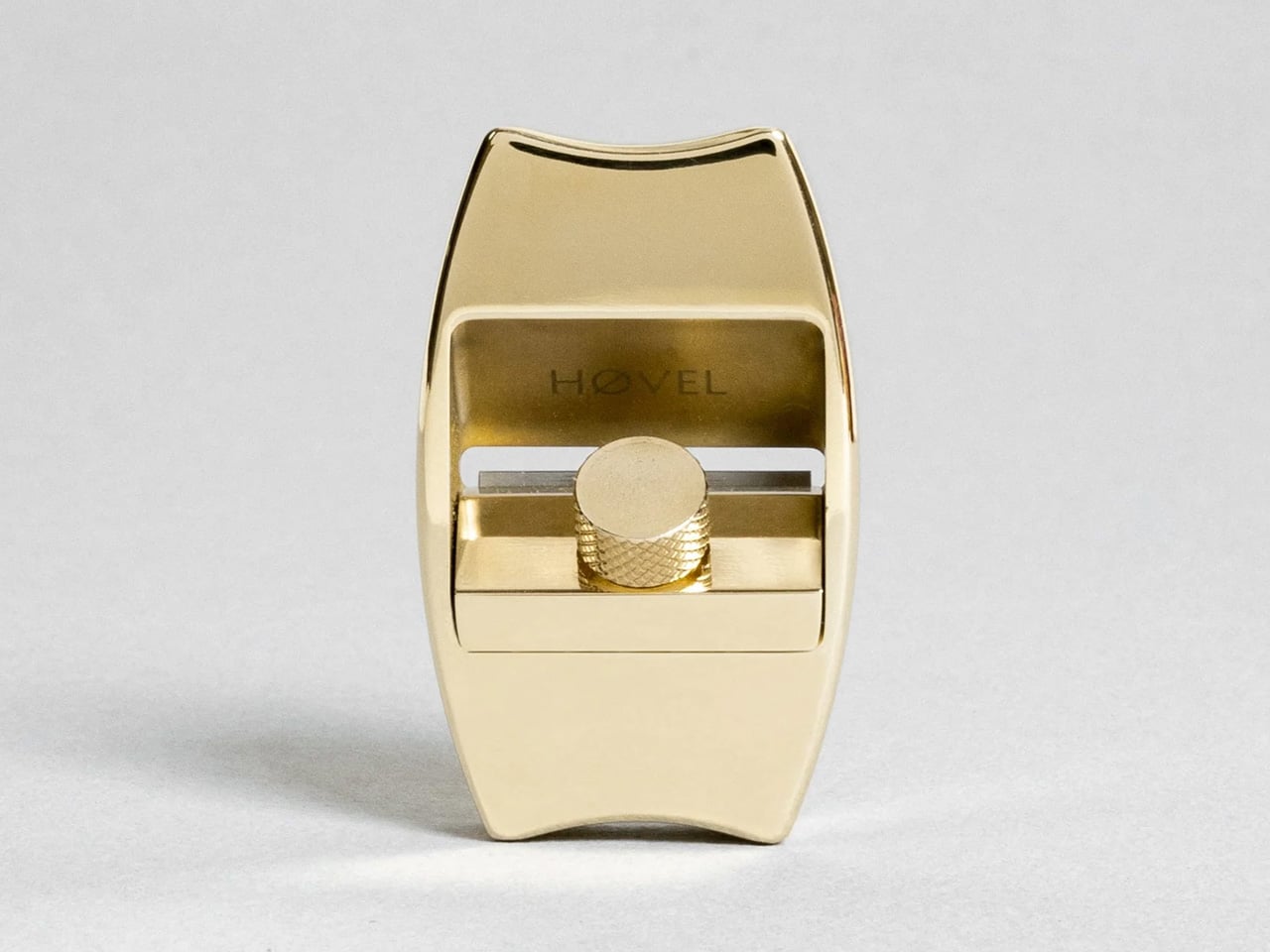
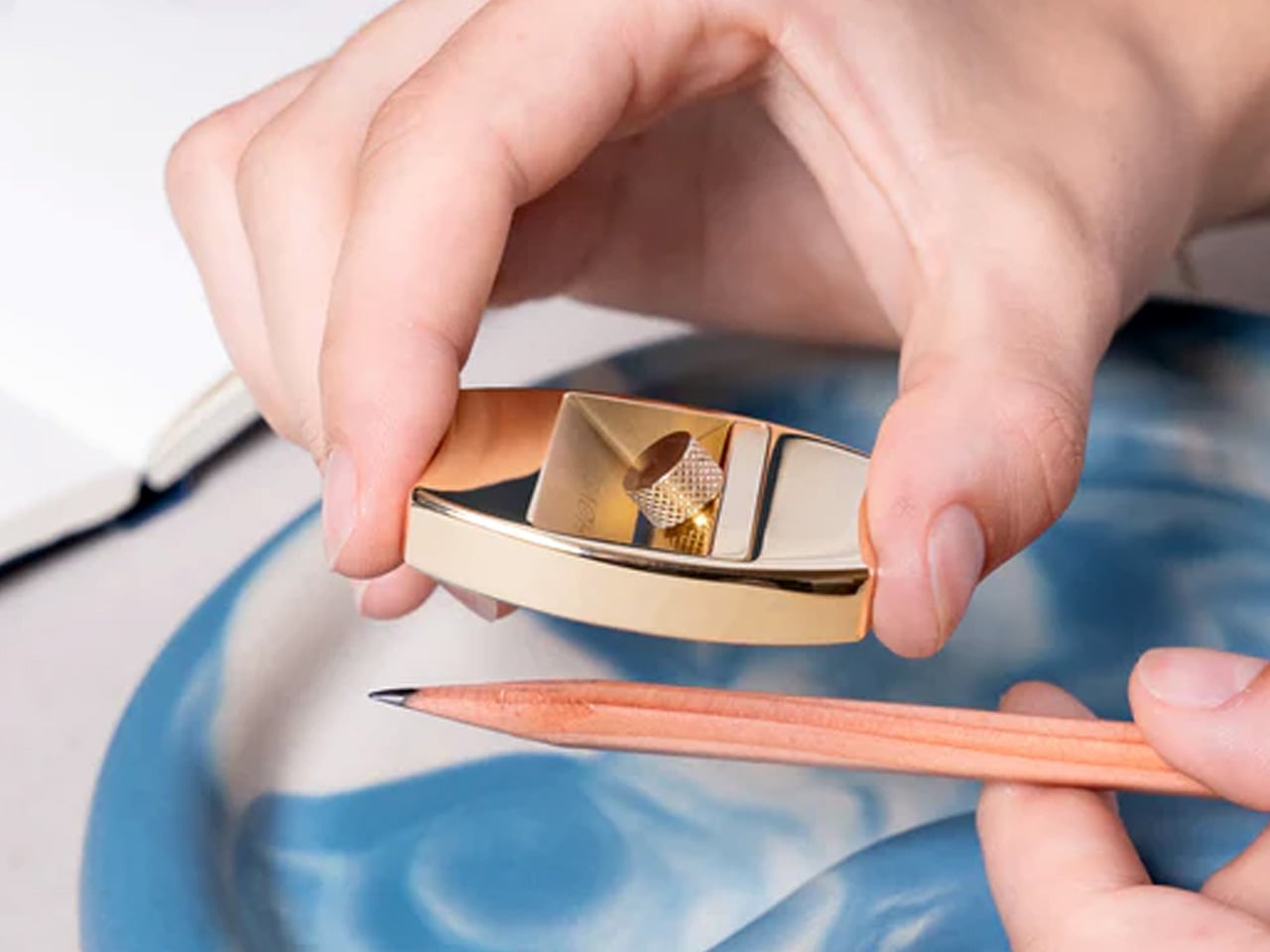
Pencil sharpeners haven’t evolved much beyond the basic mechanism: insert pencil, twist, hope the lead doesn’t snap. The Høvel reimagines this tool completely, functioning as a miniature plane that lets you whittle your pencil to any desired point. The solid brass body weighs enough to feel substantial in hand while developing patina over time, gaining character instead of looking worn out.
Traditional sharpeners twist and stress the graphite core, often snapping it inside the wood and forcing you to sharpen repeatedly just to find intact lead. The Høvel’s planing action removes wood cleanly without torquing the core, working especially well with soft pencils, pastels, or makeup pencils that shatter in conventional sharpeners. The blade changes easily without tools, staying sharp through hundreds of sharpenings. You control the point shape precisely: long and needle sharp for detailed work, short and sturdy for bold strokes, or even flat like a chisel for calligraphy and lettering.
What we like
The brass construction ages beautifully instead of degrading over time.
The mechanism prevents lead breakage that wastes expensive art pencils.
Blade replacement happens in seconds without requiring screwdrivers or specialty tools.
The point customization serves different drawing and writing techniques equally well.
What we dislike
The manual process takes longer than electric or crank sharpeners.
The shavings scatter rather than collecting in a container.
The premium brass version costs significantly more than plastic sharpeners.
The technique requires practice to achieve consistent results at first.
Why These Tools Win
Fancy pen sets fail because they prioritize appearance over utility, offering solutions to problems designers don’t have. The tools above succeed because they solve actual daily frustrations while looking good on your desk or in your bag. They’re objects you reach for constantly rather than display once and forget. That’s the difference between a gift that impresses for a moment and one that earns permanent space in someone’s workflow.
The best design gifts acknowledge that designers value function as much as form. These seven tools deliver both, turning routine tasks into small satisfactions and proving that the most thoughtful presents are the ones that actually get used. The fancy pen set will keep collecting dust, but these tools will be reaching for them tomorrow.
As many of us hunker down for the holidays, you might want to tackle some of the best games we’ve seen this year: the long-time-coming Silksong, the critically acclaimed (and sumptuous) Expedition 33 and the bizarre world of Baby Steps.
Not to mention the Switch 2, which is slowly building out its own exclusive library with Metroid Prime 4 and Donkey Kong Bananza. Rare for me, this year, I’ve played many of the new games we’ve picked. Brag. I’d recommend both Dispatch and Blue Prince — I still haven’t completed the latter, but, yes, I’ve unlocked the secret elevator.
And if you don’t have access to your usual PC or console setup, there are some smartphone games worth your time, including Spooky Express, Is This Seat Taken and, well, Umamusume: Pretty Derby, a reimagined world of horse racing where the horses are anime girls with horse ears. Try explaining that to your uncle over dinner.
The Federal Communications Commission has assigned foreign-made drones and their critical components as prohibited to import into the US. The FCC said several national security agencies have determined that unmanned aircraft systems (UAS) and their critical components produced in foreign countries pose an unacceptable risk to the United States’ national security.
FCC Chair Brendan Carr clarified on X the ban does not affect old drones. People can continue using the devices they’ve already purchased, and retailers can keep selling models already approved by the agency. One of the most well-known brands affected by the ban is Chinese company DJI, which told Engadget it was disappointed by the agency’s decision. “While DJI was not singled out, no information has been released regarding what information was used by the Executive Branch in reaching its determination,” a spokesperson said.
Anna’s Archive, the open-source search engine for shadow libraries, claims to have scraped Spotify’s entire music library. The group acquired metadata for approximately 256 million tracks, including 86 million songs, and the total size is just under 300 TB.
“A while ago, we discovered a way to scrape Spotify at scale. We saw a role for us here to build a music archive primarily aimed at preservation,” the group said in a blog post. In response, the streamer said: “Spotify has identified and disabled the nefarious user accounts that engaged in unlawful scraping. We’ve implemented new safeguards for these types of anti-copyright attacks and are actively monitoring for suspicious behavior.”
Google and Samsung have iterated their big foldables year on year for, well, years. But in 2025, they both delivered big phones that addressed prior flaws and issues. With the Galaxy Z Fold 7, Samsung achieved what may be an even bigger accomplishment by creating a foldable phone of essentially the same size and weight as its own S25 Ultra.
The one thing the makers of big foldables haven’t figured out is how to make them affordable. OnePlus came close in 2023 with the Open, which cost $1,500 after rebates. But things are actually going backwards. The launch price of the Z Fold 7 ($2,000) is $200 higher than the Z Fold 5’s debut price.
Amazon’s Alexa Home Theater feature has gradually become a legitimate surround sound option. You can link up to five Echo speakers and a subwoofer for a wireless cinematic experience. While the automatic room calibration and easy setup are great, the high price tag of a full Echo Studio array and limited EQ controls mean it’s best for people already juggling multiple Amazon speakers.
Giving a child an Apple Watch can offer extra peace of mind and tools that promote independence in a controlled way. Apple’s Family Setup feature makes it possible for a kid to use an Apple Watch without owning an iPhone, and the feature set has expanded thanks to recent watchOS updates. It supports communication controls, location tools, Schooltime limits and privacy protections that allow a parent or guardian to manage how the device is used throughout the day.
The setup process begins with creating or signing in with a child’s Apple ID. It continues with adding them to your Family Sharing group on an iPhone and pairing a compatible Apple Watch through the Apple Watch app. Once the watch is linked, you can adjust a range of parental controls that shape how the watch works at home, at school and when the child is out and about.
Confirm device compatibility
Family Setup requires a cellular-capable Apple Watch such as the Apple Watch SE or Series 6 or later. A cellular connection allows the watch to operate independently without an iPhone nearby. The watch must be running a recent version of watchOS and the iPhone used for setup must be running the latest iOS version.
If the watch is not new, it needs to be erased before it can pair with a new user. This can be done directly on the watch through the Settings menu by choosing the general reset option. Once the device is reset it can be paired again from the Apple Watch app.
Create or prepare your child's Apple ID
Family Setup relies on each child having their own Apple ID. This allows their data, messages, activity goals and device settings to remain separate from other people in the household. If your kid already has an Apple ID, it can be used during setup. If they do not have one, the Apple Watch app will prompt you to create one as you go through the pairing process.
A child’s Apple ID is linked to Family Sharing, which lets the organizer manage permissions from a single iPhone. A parent or guardian can approve contacts, handle screen time requests and view location updates without needing to touch the watch itself. Setting this up first ensures that the watch can be paired smoothly later.
Add the child to Family Sharing
Family Sharing is the foundation for managing the watch, and it’s all controlled through the Settings app on your iPhone. Once Family Sharing is open you can tap the option to add a family member then follow the prompts to link the child’s Apple ID to the group. This also makes you the family organizer, which gives you control of purchase approvals, communication limits and other shared features.
Once the child is added to Family Sharing their information becomes available when you begin pairing the Apple Watch. This makes the process faster since the watch can immediately associate itself with the correct Apple ID.
Pair the watch using Family Setup
Turn on the Apple Watch and place it near your iPhone. A prompt should appear directing you to use your iPhone for setup. If the prompt does not appear, you can open the Apple Watch app, go to All Watches and choose Add Watch. The app will then ask if the device is being set up for you or for a family member. Choose the family member option and continue.
The camera on your iPhone is used to pair the devices. Align the Apple Watch face inside the frame on your screen until the pairing animation is recognized. Once the connection is made the app will ask which family member the watch is for. Select the child’s profile to continue through the remaining steps.
The app will guide you through choosing which wrist the watch will be worn on, setting a passcode, signing in with the child’s Apple ID and enabling services such as Siri and location tracking. You can also set up activity goals tailored to the child’s age and fitness level.
Manage the watch from your iPhone
Once the Apple Watch is paired, the Watch app becomes the main place to manage how it works. The Family Setup interface is designed to give parents and guardians control without needing to handle the watch directly. Most adjustments can be made at any time from the iPhone used for setup.
Screen Time controls allow you to set limits for communication and app use. You can restrict access to certain features during specific times of day, create downtime schedules and manage content restrictions for websites and apps. These settings mirror the Screen Time system used on other Apple devices which makes it easier to keep rules consistent across the household.
Approved contacts can be managed through the communication limits menu. This ensures that the child can send messages and make calls only with approved people. If you add or remove contacts, they are updated instantly on the watch.
Location sharing is handled through the Find My app. You can view the child’s location and set notifications that alert you when they arrive at or leave a particular place. This is useful for school pickups or after-school activities. The watch uses on-device processing for location and messages which helps maintain privacy.
Configure Schooltime and Focus modes
School time is one of the most important parental controls for younger users. It limits interaction with the watch during school hours by locking access to most apps and features. Only the time and a simple yellow icon appear on the screen while Schooltime is active. You can schedule Schooltime from the Apple Watch app so that it automatically turns on and off at the right times each day.
Focus modes offer another layer of control. These modes can reduce distractions during homework, bedtime or other family routines. Each Focus mode can limit notifications and activity alerts so the child is not interrupted when they need to concentrate.
Set up safety features
Emergency SOS is enabled during setup and can be managed afterward in the Apple Watch app. It allows the child to contact emergency services by holding the side button. You can also assign an emergency contact who will receive a notification if SOS is triggered.
The Medical ID should include relevant details such as allergies or medical conditions. This information can be accessed by emergency responders if needed.
Adjust privacy and communication settings
The watch uses on-device processing for messages, location and Siri requests which helps protect your child’s data. Location sharing can be turned on or off at any time and you can manage which apps are allowed to use location services. Communication permissions can also be updated as the child’s needs change.
Apps installed on the watch can be controlled from the Apple Watch app. You can remove apps, restrict access or hide notifications at any time to maintain a balanced experience.
This article originally appeared on Engadget at https://www.engadget.com/wearables/how-to-set-up-an-apple-watch-for-a-child-120051230.html?src=rss
Apple is gearing up to launch nine new products in early 2026, highlighting its commitment to advancing technology and enhancing user experiences. Spanning MacBooks, iPads, smart home devices, and accessories, this lineup reflects Apple’s focus on performance, design, and functionality. Here’s a detailed look at what’s coming and how these updates could shape the tech […]
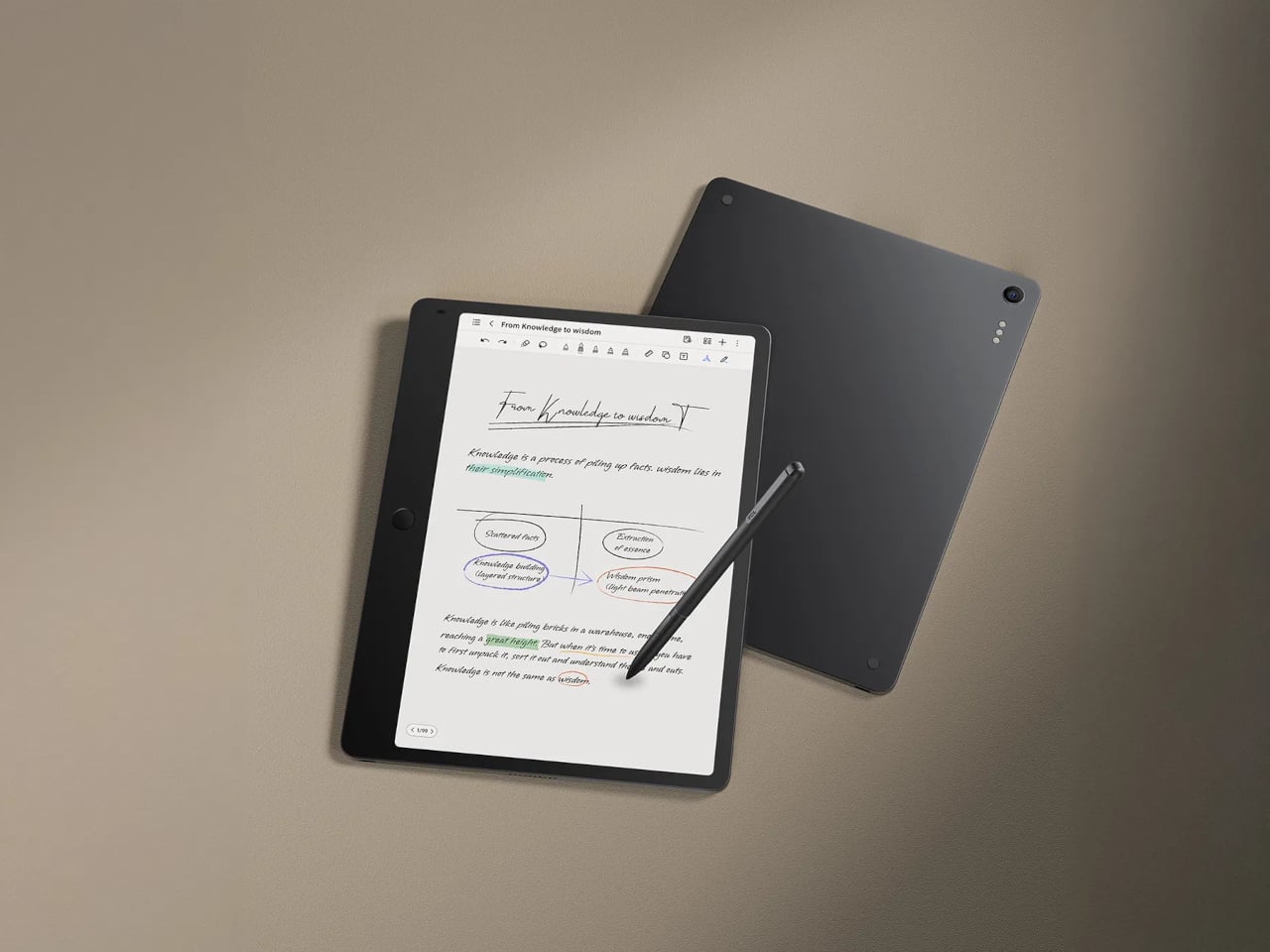
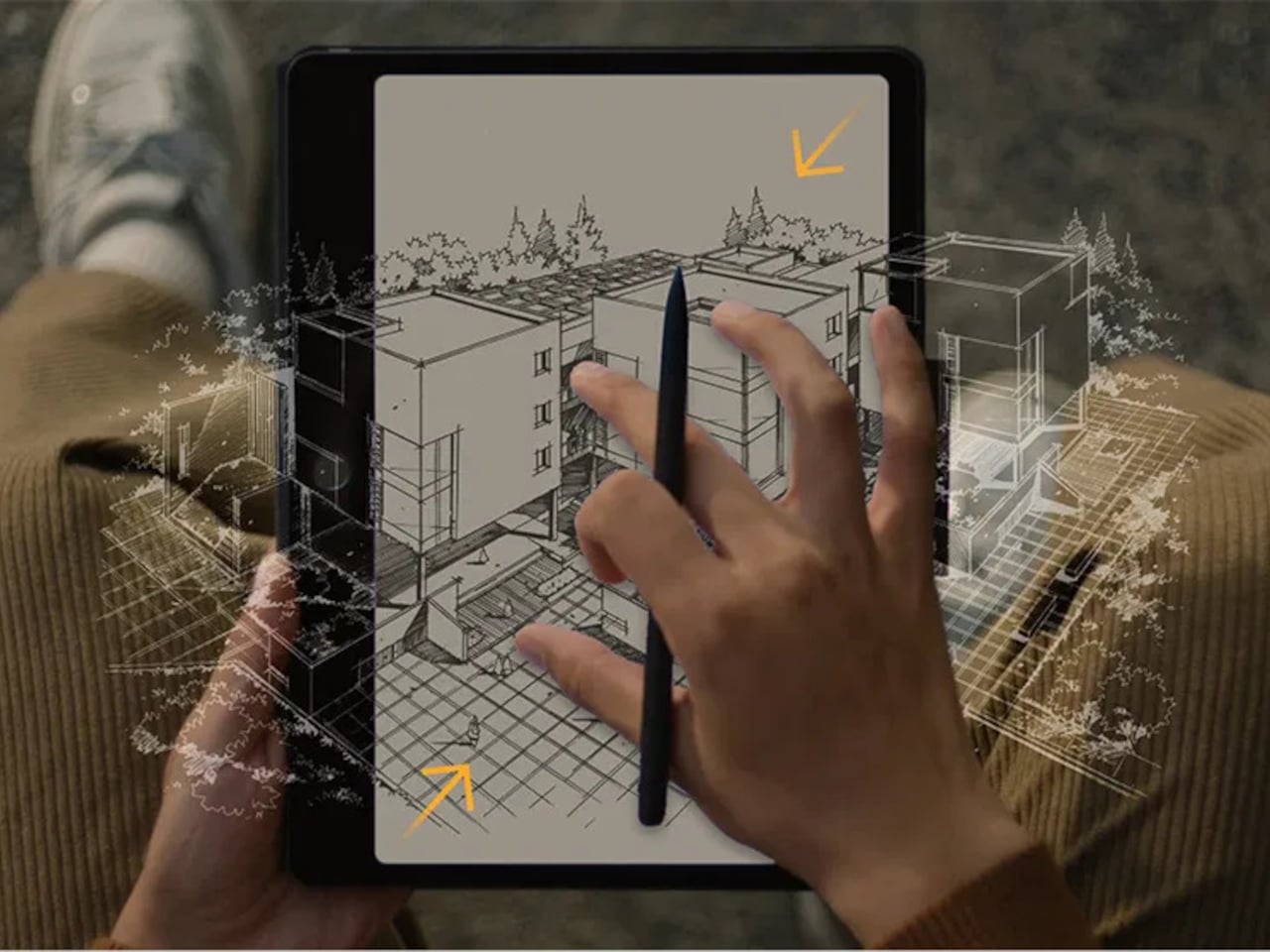
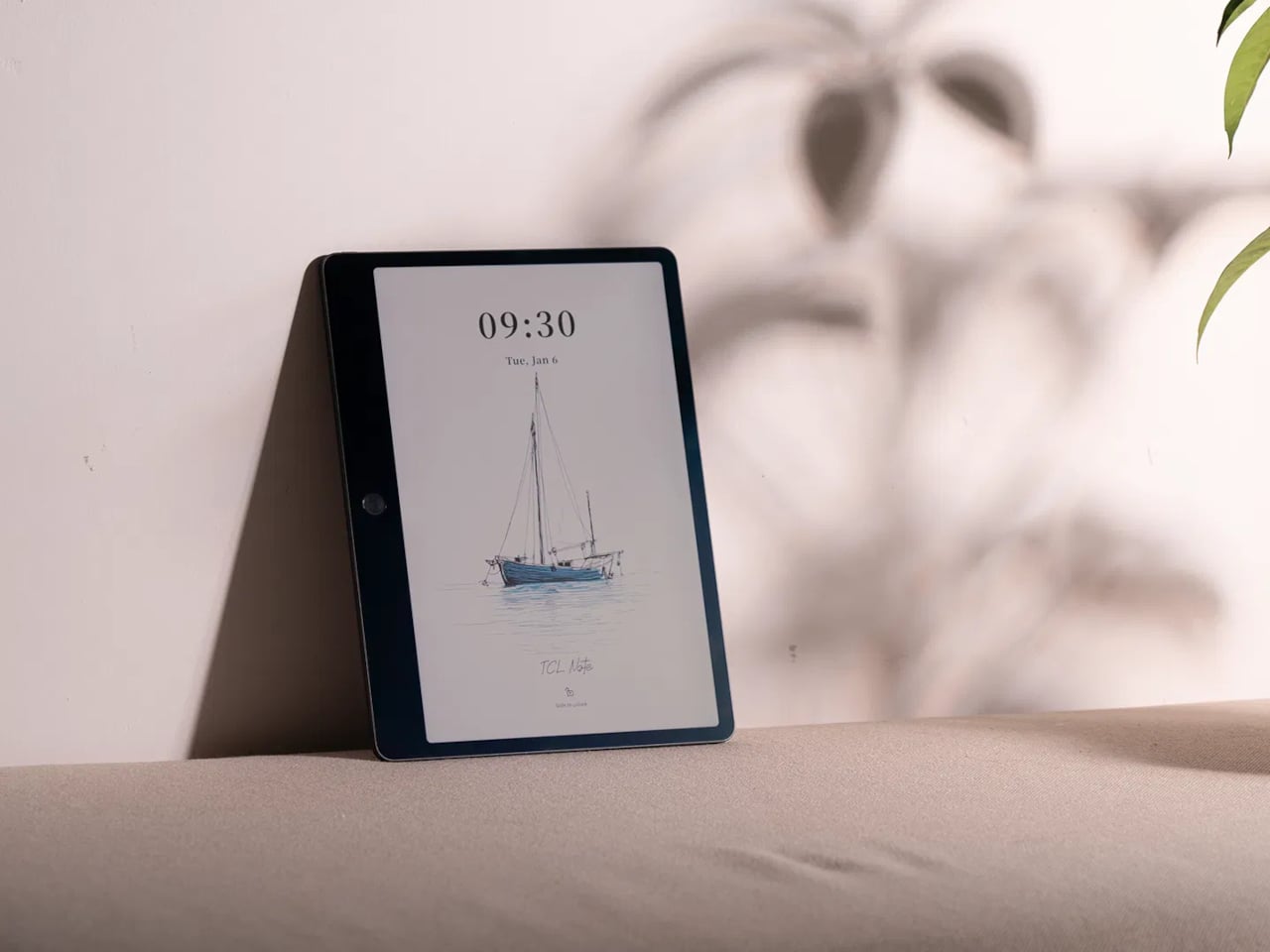
People bounce between paper notebooks, e-ink readers, and glossy tablets, each good at one thing and bad at others. E-ink is gentle but slow and monochrome, LCD is fast and colourful but tiring for long reading, and paper is great until you need to search or backup. TCL Note A1 NXTPAPER is an attempt to merge those worlds into a single, paper-leaning tablet that does not make you choose between comfort and capability.
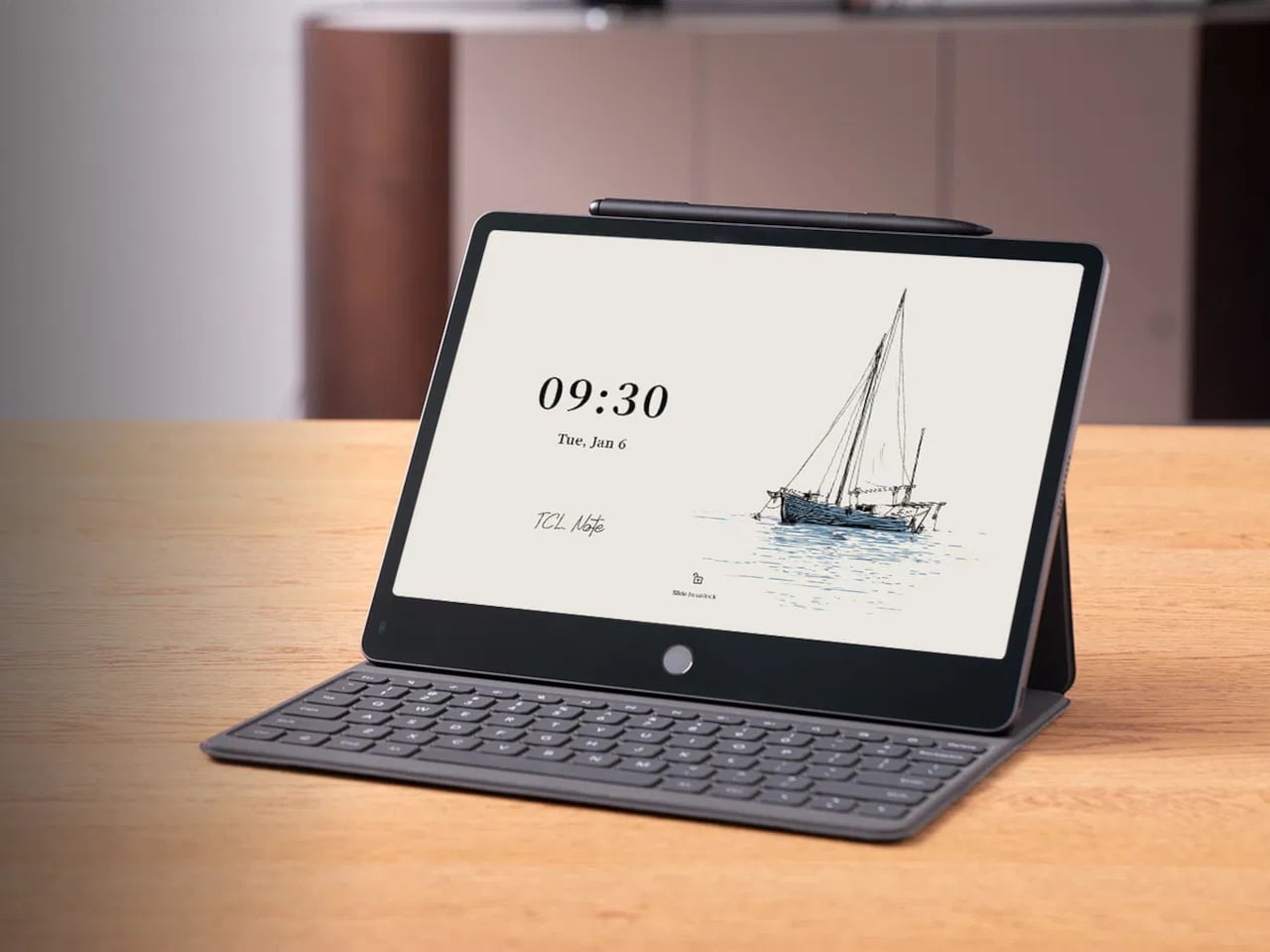
TCL Note A1 NXTPAPER is an 11.5-inch eNote tablet that blends a full-colour LCD with a paper-like surface. The 3A Crystal Shield Glass brings anti-glare, anti-reflection, and anti-fingerprint coatings, plus TÜV Rheinland certifications for eye comfort, flicker-free operation, and low reflection. The idea is a screen you can stare at for hours of reading and writing without feeling like you are looking into a lightbox, which is exactly what most tablets become after the first hour.
The tablet is built around handwriting, with a stylus that has dual tips, an eraser, and haptic feedback from an X-axis linear motor. Each stroke is meant to feel smooth and controlled, closer to pen on paper than plastic on glass. TCL’s pitch is that every note and sketch feels natural and expressive, making it a place where you actually want to write instead of just tapping keys or hunting for the right toolbar icon.
Note A1 has an octa-microphone array and tools for audio-to-text transcription, real-time translation, and AI summaries. In meetings or lectures, it can record, transcribe, and condense discussions so you can focus on listening instead of frantic note-taking. Writing helpers handle rewriting, grammar, translation, and summarising drafts, turning the tablet into a quiet collaborator rather than a blank page waiting for you to figure everything out alone.
The infinite canvas feature lets you zoom, expand, and sketch without hitting page edges, and the split-screen mode lets you read on one side while taking notes on the other. That combination makes it easier to absorb and organise information at the same time, whether you are annotating a PDF, outlining a report, or sketching over reference images without juggling windows or losing your place.
Note A1 supports syncing via Wi-Fi and cloud services like Dropbox, Google Drive, and OneDrive, plus wireless screen casting for presentations. The aluminium body is 5.5 mm thick and around 500 g, which keeps it light enough to carry all day. It feels more like a slim notebook than a chunky laptop, but with enough solidity to survive bags and desks without worrying about scratches or dents.
Note A1 NXTPAPER is aimed at people who read and write a lot, sit through meetings or lectures, and want a single device that feels kind to their eyes and helpful with their words. A paper-leaning, AI-assisted slate that treats focus and handwriting as first-class citizens offers a different path from the usual entertainment tablet, especially when long-form thinking matters more than another hour of streaming.
What if the most powerful AI platform of 2026 wasn’t the one making headlines but the one quietly transforming how we work? In the video below, Skill Leap AI breaks down GenSpark, an emerging platform that’s reshaping productivity by integrating advanced AI models like GPT 5.2 and Claude Op 4.5 into a single, seamless experience. […]
Upgrading to a good SSD can make your computer feel brand new again. Apps open faster, files move in a blink and even older machines start to feel a lot more responsive. It is one of the easiest ways to breathe life into a laptop or desktop without replacing the whole system, and the performance boost is something you notice right away.
There are plenty of SSDs to choose from, though, and the naming alone can be confusing if you are not already familiar with the specs. Some drives are built for simple upgrades, while others offer speeds that benefit creators or gamers. To help you sort through it, we tested a wide mix of options and pulled together the best SSDs you can buy right now.
I’ve either tested or personally use daily every storage drive recommended on this list. Out of our top picks, I bought four with my own money after doing about a dozen hours of research. Separately, Engadget Senior Reporter Jeff Dunn has also tested a handful of our recommendations, including the Crucial X9 Pro listed above.
What to look for in a PC SSD
The most affordable way to add fast storage space to a computer is with a 2.5-inch SATA drive. It’s also one of the easiest if you don’t want to worry about compatibility since almost every computer made in the last two decades will include a motherboard with Serial ATA connections. For that reason, the best SATA SSDs are an excellent choice if you want to extend the life of an older PC build. Installation is straightforward, too. Once you’ve secured the internal SSD in a drive cage, all you need to do is to connect it to your motherboard and power supply.
The one downside of SATA drives is that, in terms of responsiveness, they’re slower than their high-performance NVMe counterparts, with SATA III limiting data transfers to 600MB/s. But even the slowest SSD will be significantly faster than the best mechanical drives. And with high-capacity, 1TB SATA SSDs costing about $100, they’re a good bulk-storage option.
If your PC is newer, there’s a good chance it includes space for one or more M.2 SSDs. The form factor represents your ticket to the fastest SSDs on the market, but the tricky part is navigating all the different standards and specs involved.
M.2 drives can feature either a SATA or PCIe connection. SSDs with the latter are known as Non-Volatile Memory or NVMe drives and are significantly faster than their SATA counterparts, with Gen3 models offering sequential write speeds of up to 3,000MB/s. These drives rely on NVMe NAND technology for their superior performance and durability. You can get twice the performance with a Gen4 SSD, but you’ll need a motherboard and processor that supports the standard.
If you’re running an AMD system, that means at least a Ryzen 3000 or 5000 CPU and an X570 or B550 motherboard. With Intel, meanwhile, you’ll need at least an 11th or 12th Gen processor and a Z490, Z590 or Z690 motherboard. Keep in mind that Gen4 SSDs typically cost more than their Gen3 counterparts as well.
More expensive still are the latest Gen5 models, which offer sequential read speeds of up to 16,000MB/s. However, even if your computer supports the standard, you’re better off buying a more affordable Gen4 or Gen3 drive. At the moment, very few games and applications can take advantage of Gen3 NVMe speeds, let alone Gen4 and Gen5 speeds. What’s more, Gen5 NVMe drives can run hot, which can lead to performance and longevity issues. Your money is better spent on other components, like upgrading your GPU, for now.
As for why you would buy an M.2 SATA drive over a similarly specced 2.5-inch drive, it comes down to ease of installation. You add M.2 storage to your computer by installing the SSD directly onto the motherboard. That may sound intimidating, but in practice the process involves a single screw that you first remove to connect the drive to your computer and then retighten to secure the SSD in place. As an added bonus, there aren’t any wires involved, making cable management easier.
Note that you can install a SATA M.2 SSD into an M.2 slot with a PCIe connection, but you can’t insert an NVMe M.2 SSD into a M.2 slot with a SATA connection. Unless you want to continue using an old M.2 drive, there’s little reason to take advantage of that feature. Speaking of backward compatibility, it’s also possible to use a Gen4 drive through a PCIe 3 connection, but you won’t get any of the speed benefits of the faster NVMe.
One last thing to consider is that M.2 drives come in different physical sizes. From shortest to longest, the common options are 2230, 2242, 2260, 2280 and 22110. (The first two numbers represent width in millimeters and the latter denote the length.) For the most part, you don’t have to worry about that since 2280 is the default for many motherboards and manufacturers. Some boards can accommodate more than one size of NVMe SSD thanks to multiple standoffs. That said, check your computer’s documentation or firmware before buying a drive to ensure you’re picking up a compatible size.
If you’re buying a replacement SSD for the Steam Deck or Steam Deck OLED, things are less complicated. For Valve’s handheld, you will need a 2230 size NVMe. Simple. If you don’t want to open your Steam Deck, it’s also possible to expand its storage by installing a microSD card. Engadget has a separate guide dedicated to SD card storage, so check that out for additional buying advice.
I alluded to this earlier, but the best buying advice I can offer is don’t get too caught up about being on the bleeding edge of storage tech. The sequential read and write speeds you see manufacturers list on their drives are theoretical and real-world performance benchmark tests vary less than you think.
If your budget forces you to choose between a 1TB Gen3 NVMe and a 512GB Gen4 model, go for the higher-capacity one. From a practical standpoint, the worst thing you can do is buy a type of SSD that’s too small for needs. Drives can slow dramatically as they approach capacity, and you will probably end up purchasing one with a higher gigabyte capacity in the future.
What to look for in portable and USB flash drives
Portable SSDs are a somewhat different beast to their internal siblings. While read and write speeds are important, they are almost secondary to how an external drive connects to your PC. You won’t get the most out of a model like the SanDisk Extreme Pro V2 without a USB 3.2 Gen 2 x 2 connection. Even among newer PCs, that’s something of a premium feature. For that reason, most people are best off buying a portable drive with a USB 3.2 Gen 2 or Thunderbolt connection. The former offers transfer speeds of up to 10Gbps. The best external hard drives also allow you to transfer data from your Windows PC to a Mac, or other device, if compatible. Be sure to consider this beforehand if you plan to use your portable drive across multiple devices.
Additionally, if you plan to take your drive on trips and commutes, it’s worthwhile to buy a model with IP-certified water and dust proofing. Some companies like Samsung offer rugged versions of their most popular drives, including the Samsung SSD T7 Shield, with a high endurance rating. For additional peace of mind, 256-bit AES hardware encryption will help prevent someone from accessing your data if you ever lose or misplace your external SSD.
Some of the same features contribute to a great thumbstick drive. Our favorite picks for best budget external SSD models feature USB 3.0 connections and some form of hardware encryption.
A note on console storage
Seagate
If PC gaming isn’t your thing and you own an Xbox Series X|S or PS5, outfitting your fancy new console with the fastest possible storage is far more straightforward than doing the same on PC. With a Series X or Series S, your options are limited to options from Seagate and Western Digital. The former offers 512GB, 1TB and 2TB models, with the most affordable starting at a not-so-trivial $90. Western Digital’s Expansion Cards are less expensive, with pricing starting at $80 for the 512GB model. The good news is that both options are frequently on sale. Your best bet is to set an alert for the model you want by using a price tracker like CamelCamelCamel.
With Sony’s PlayStation 5, upgrading the console’s internal storage is slightly more involved. Instead of employing a proprietary solution, the PS5 uses NVMe storage. Thankfully, there aren’t as many potential configurations as you would find on a PC. Engadget maintains a comprehensive guide to the best SSDs for PS5; in short, your best bet is a high-capacity Gen4 drive with a built-in heatsink. Check out that guide for a full list of gaming SSD recommendations, but for a quick go-to, consider the Corsair MP600 Pro LPX I recommend above. It meets all the memory specifications for Sony’s latest console and you won’t run into any clearance issues with the heatsink. Corsair offers 500GB, 1TB, 2TB, 4TB and 8TB versions of the drive. Expect to pay about $110 for the 1TB variant and about $200 for 2TB.
For those still playing on a previous generation console, you can get slightly faster game load times from a PlayStation 4 by swapping the included hard drive to a 2.5-inch SSD, but going out of your way to do so probably isn’t worth it at this point and you’re better off saving your money for one of the new consoles and updating your operating system instead.
SSD FAQs
What size SSD is best?
There is no one size fits all rule for SSDs, but we generally recommend getting at least a 1TB SSD if you’re looking to upgrade PC or game console storage, or looking to add an external drive to your toolkit. A 1TB drive will be plenty for most people who need extra storage space for photos, documents and programs. If you’re a hardcore gamer, you may want to invest in even more storage considering many high-profile titles today can take up a ton of space.
Is a 256GB SSD better than a 1TB hard drive?
The short answer is that it depends on what you need your drive for. In general, SSDs are faster and more efficient than HDDs, but HDDs are usually cheaper. We recommend springing for an SSD for most use cases today — upgrading a PC, saving important photos and documents, storing games long term, etc. But if you’re focused on getting the most amount of extra space possible (and sticking to a budget), an HDD could be a good option for you.
Does bigger SSD mean faster?
Getting a bigger SSD doesn’t always translate into a faster drive overall. A bigger SSD will provide a higher storage capacity, which means more space for storing digital files and programs. To understand how fast an SSD will be, you’ll want to look at its read/write speeds: read speeds measure how fast a drive can access information, while write speeds measure how fast the drive can save information. Most SSDs list their approximate read/write speeds in their specs, so be sure to check out those numbers before you make a purchase.
This article originally appeared on Engadget at https://www.engadget.com/computing/accessories/best-ssds-140014262.html?src=rss