Maingear’s latest retro gaming desktop takes you back to the Quake era

Maingear is back with another nostalgia-fueled gaming PC. The Retro98 may look like it's made for playing Quake while you wait for The Phantom Menace trailer to drop. But on the inside, the beige box is powerful enough to slay today's most demanding AAA games. "You're not going to find this PC at your local Radio Shack," Maingear promises.

If you're at least middle-aged, the Retro98's exterior is instantly familiar. The hand-built tower includes an LED fan-speed display, a working turbo button and a power-lockout key. Sticking with the nostalgic motif, its front I/O is hidden behind the Maingear logo. I can already hear The Beastie Boys' “Intergalactic” playing in the background.

Fortunately, you won't be limited to 1998 games. (Dope as they are.) It has up to a Ryzen 9 9950X3D processor, GeForce RTX 5090 graphics, 64GB Kingston Fury RAM and 4TB Kingston FURY Renegade NVMe Gen5 SSD. The maxed-out version (described by Maingear as "unapologetically overkill") even includes open-loop liquid cooling.
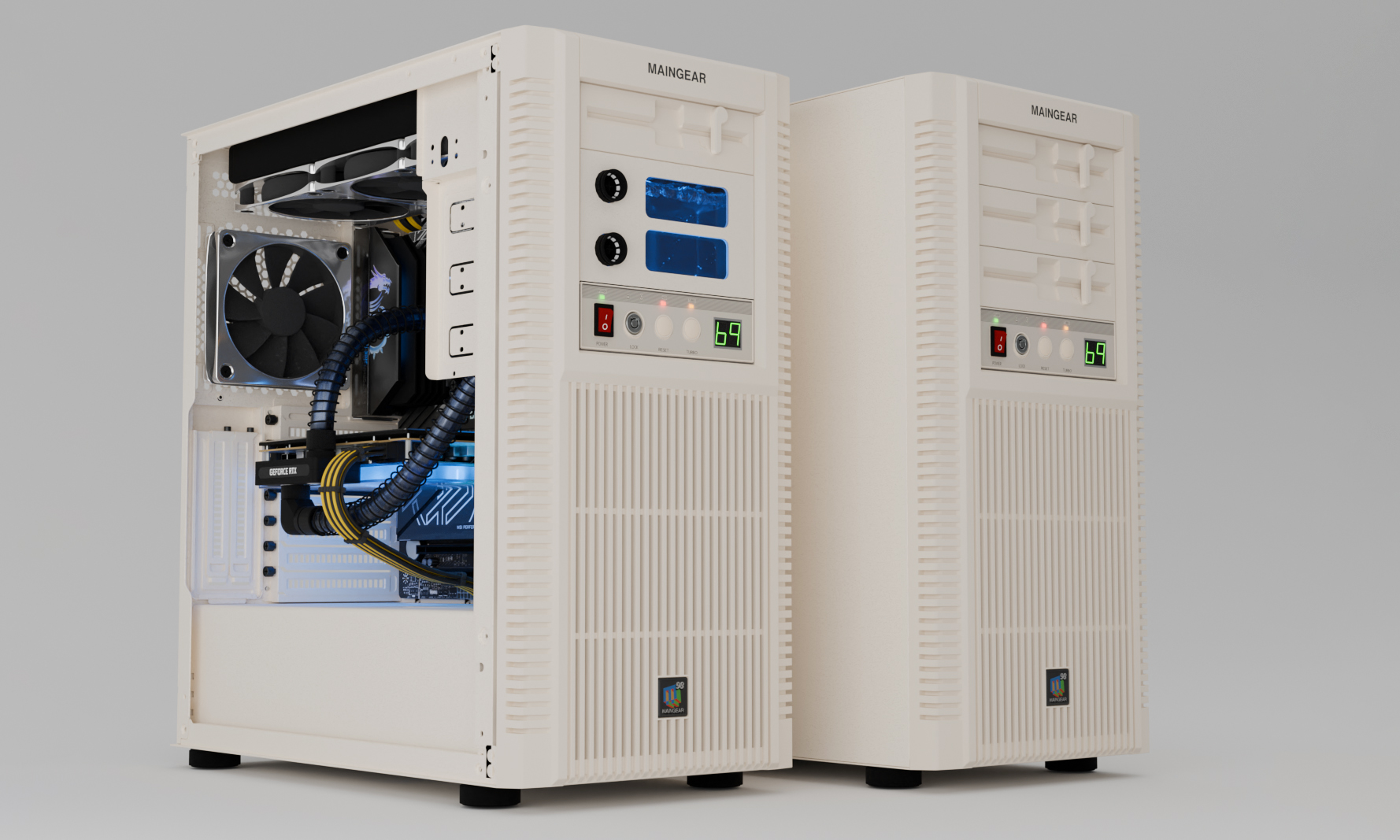
Two beige-tower PCs that look like they were ripped from 1998. One is opened, revealing modern components inside.
The Retro98 starts at $2,500 and goes all the way up to $9,799.
Maingear

Now for the bad news. As you might expect from a retro novelty PC like this, you'll have to pay a pretty penny. The base model (Intel Core Ultra 7 265K / NVIDIA GeForce RTX 5070) costs $2,499. There are two other standard tiers, priced at $3,499 and $4,999. Finally, the open-loop-cooled "Alpha" build is a whopping $9,799. Hey, those aren't 1998 prices!

The Retro98 also has an extremely limited run. Maingear is producing only 32 standard units and six alpha units. The company says it won't bring this build back once those sell out. However, there is a workaround for tinkerers: Since it's based on the SilverStone FLP02 tower PC case, you could grab one of those and build your own.

Those wealthy and nostalgic enough to take the plunge can order the Retro98 today from Maingear’s website.

This article originally appeared on Engadget at https://www.engadget.com/gaming/pc/maingears-latest-retro-gaming-desktop-takes-you-back-to-the-quake-era-174958445.html?src=rss
Spotify has a group messaging feature now

Spotify is adding group chats to the messaging service it premiered last year. In an addendum to the original blog post introducing Messages, the company announced that users can initiate chats with up to 10 of their friends to share the podcasts, playlists and songs they are listening to.

The in-app messaging feature, which was released last August, works to keep users on the app instead of navigating to another platform to share content with friends. Since its introduction, Spotify has added functionality bit by bit. Earlier this month, the company added the ability to share what you're listening to in real-time. Users can also invite chat participants to join a Jam, the app’s collaborative listening tool.

Spotify isn't the only content platform trying to make in-app messaging a thing. Late last year, YouTube said it would be testing DMs, after originally adding the feature in 2017 before removing it in 2019.

This article originally appeared on Engadget at https://www.engadget.com/entertainment/streaming/spotify-has-a-group-messaging-feature-now-173734450.html?src=rss

Camera (1) Imagines a Tactile Digicam for a Screen-Tired Generation

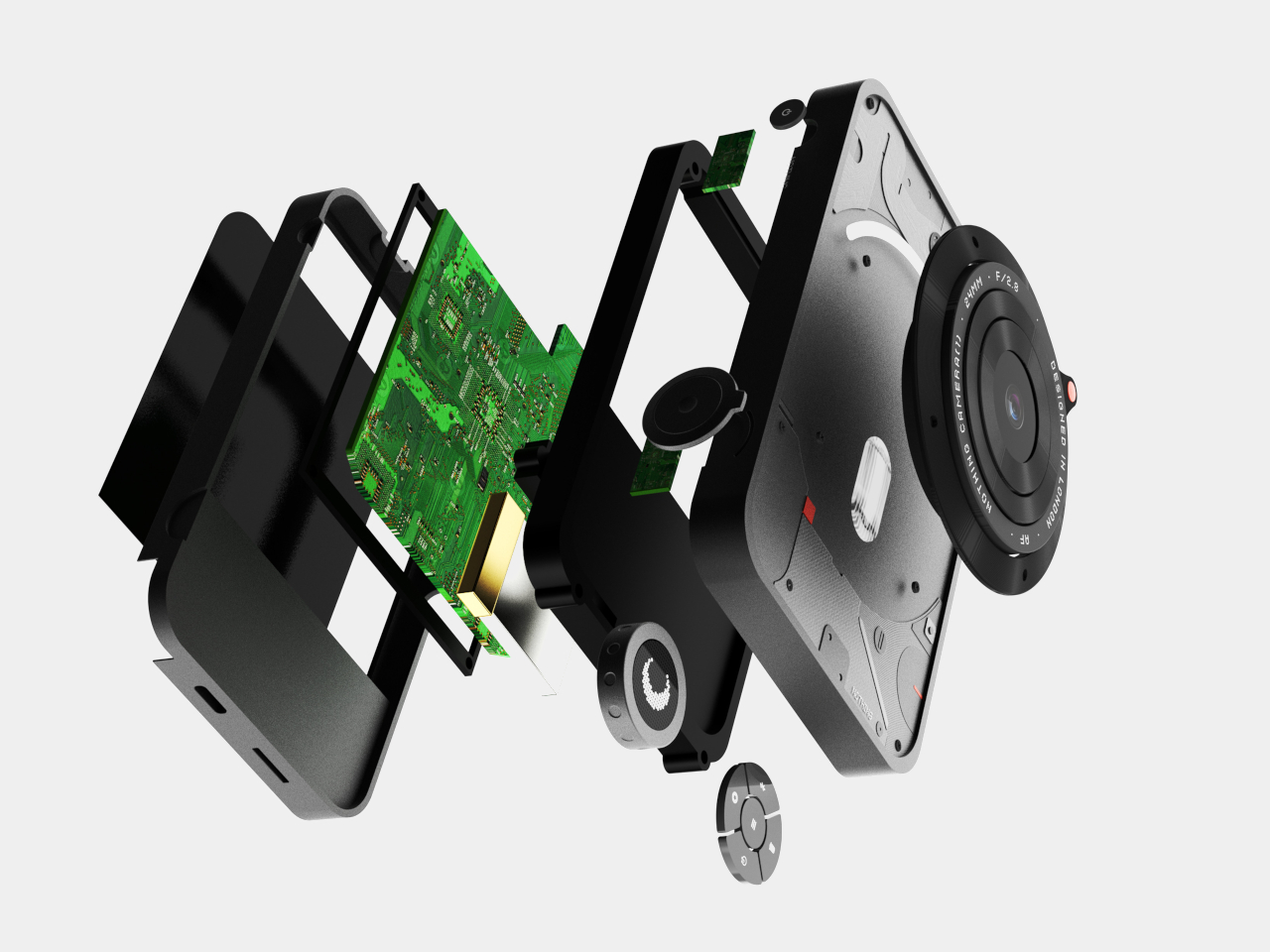
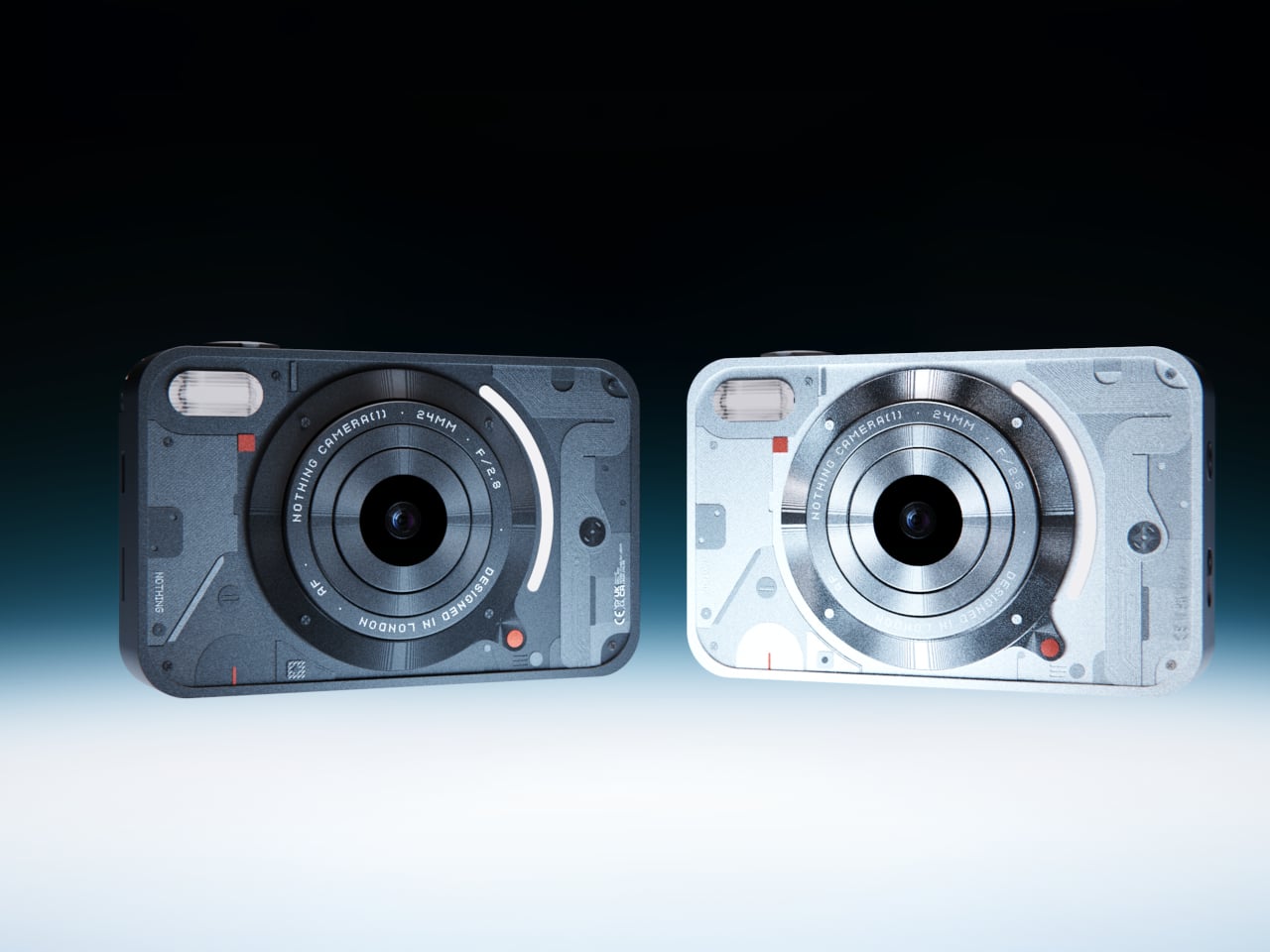
Most photos now live inside phones, buried between notifications and apps. A new generation has started picking up old digital cameras to make shooting feel more intentional again, separate from scrolling and messaging. Many of those cameras still carry clunky menus and dated interfaces. Camera (1) is a concept design that asks what a modern compact could feel like if it were designed around touch and light instead of software layers.

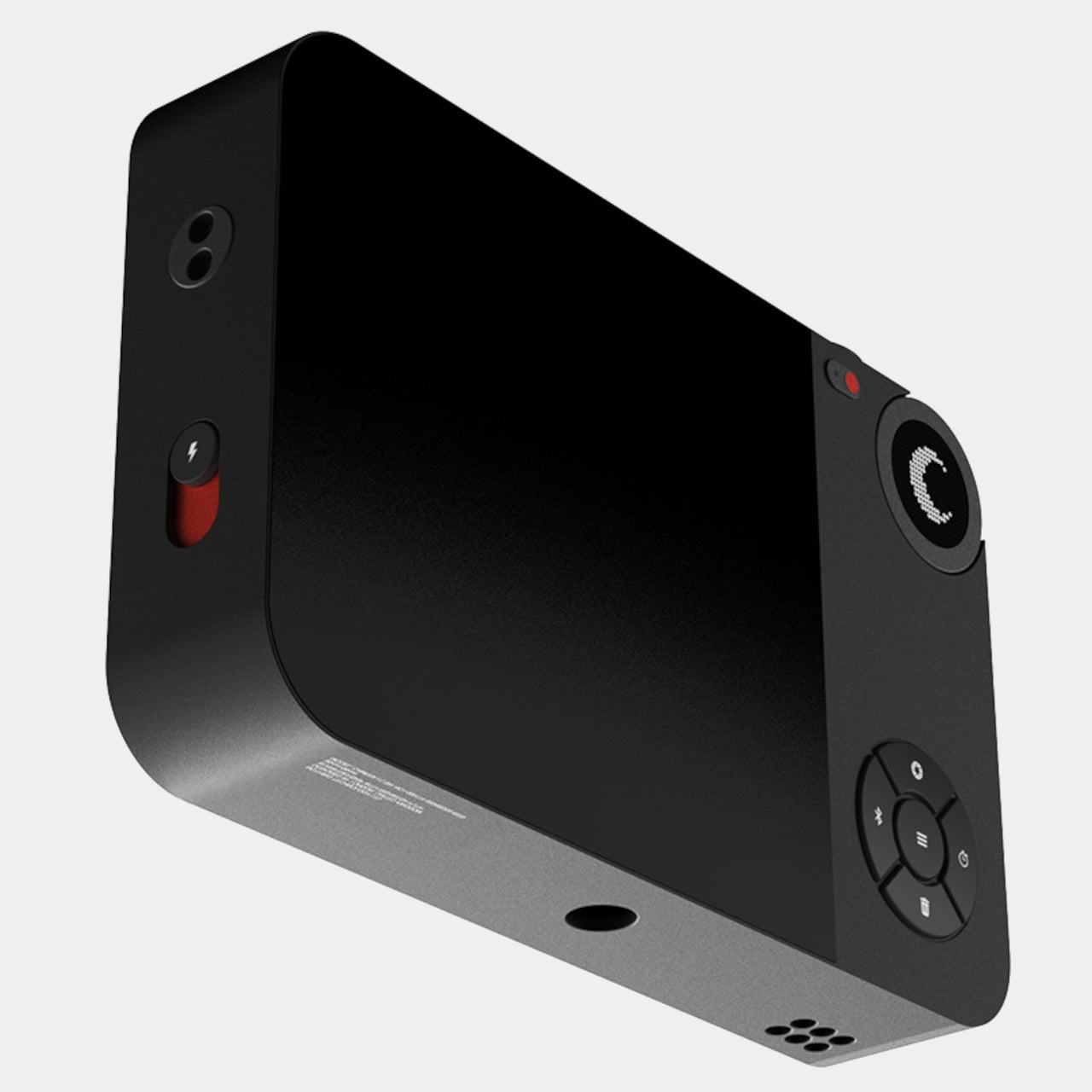
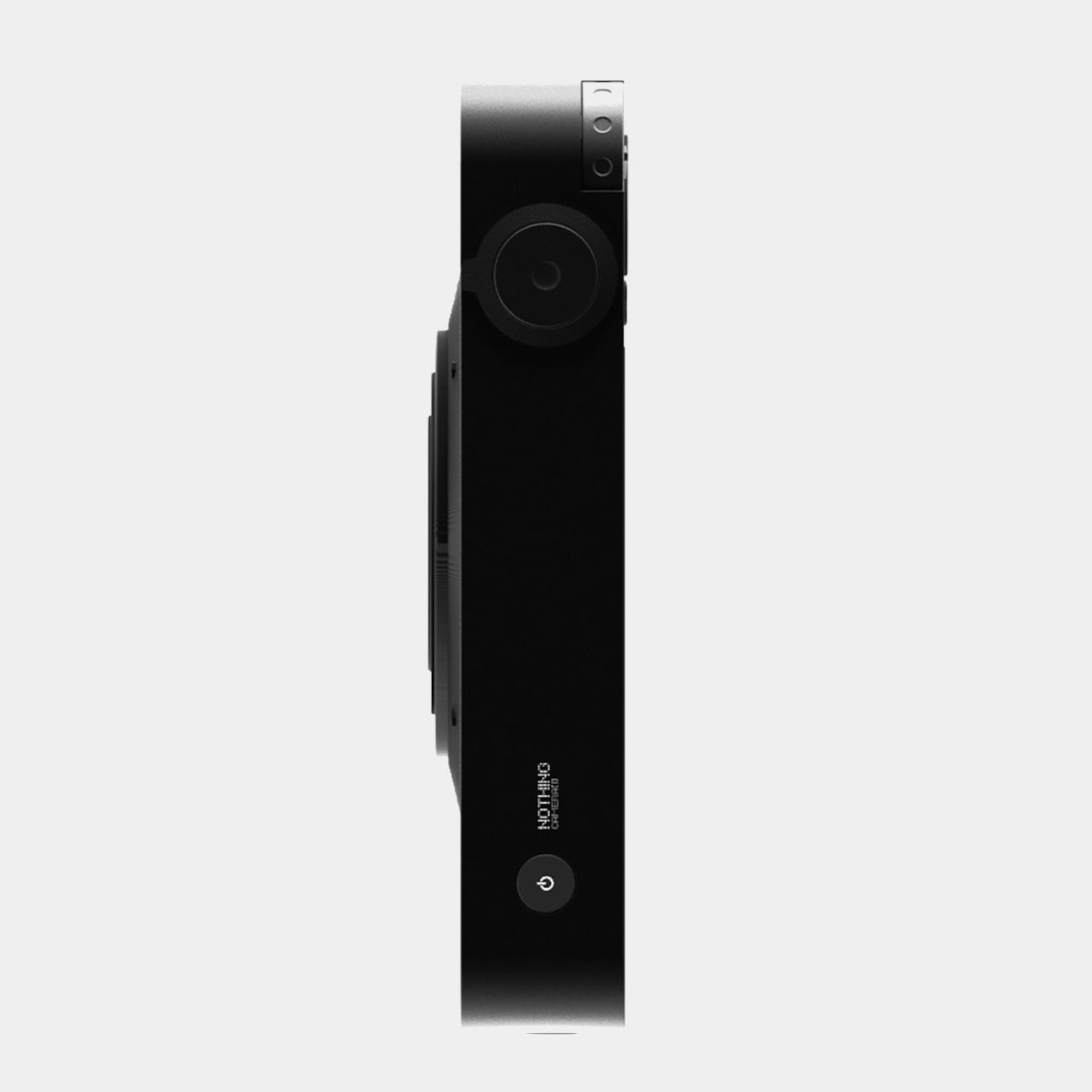
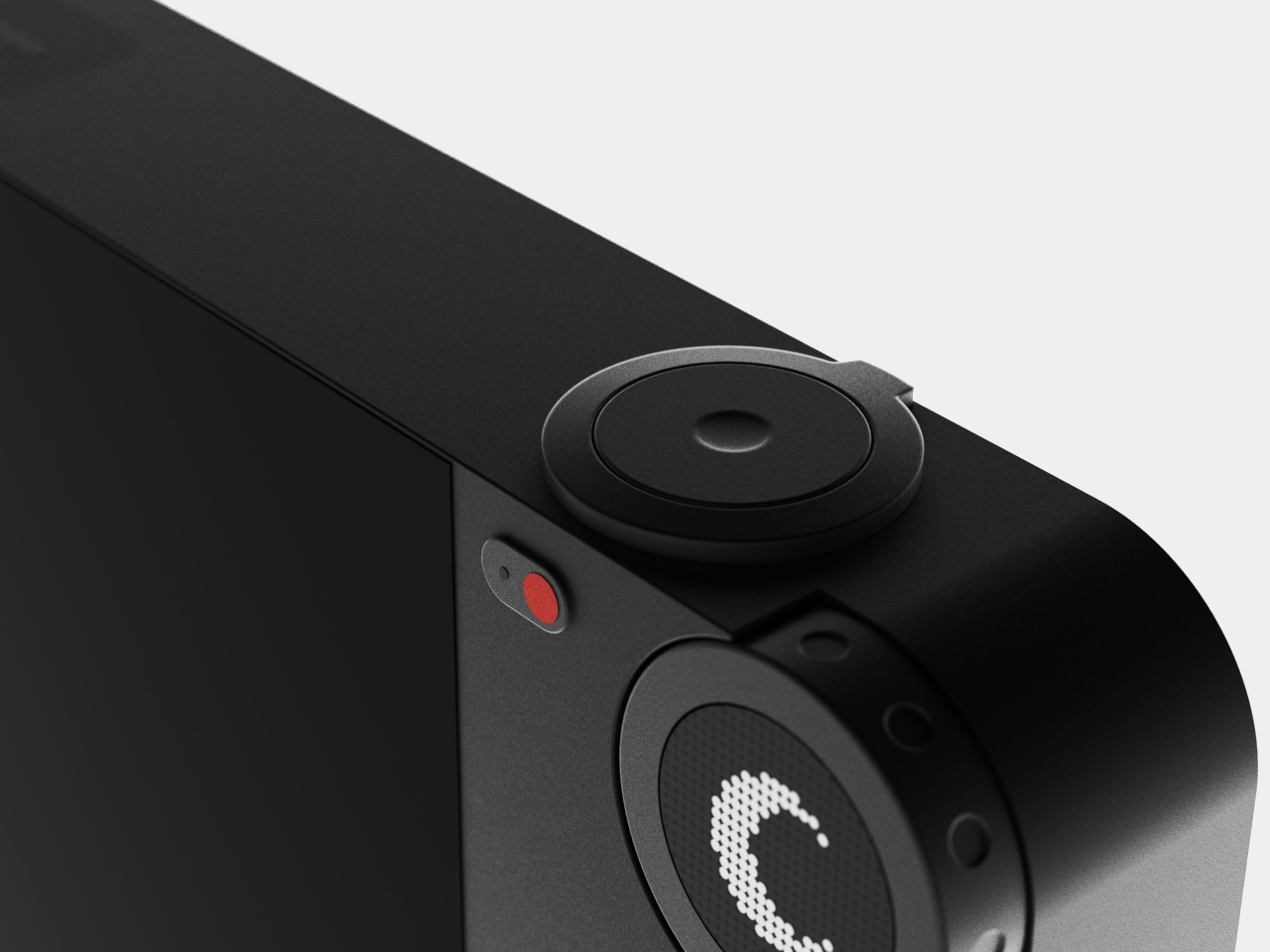
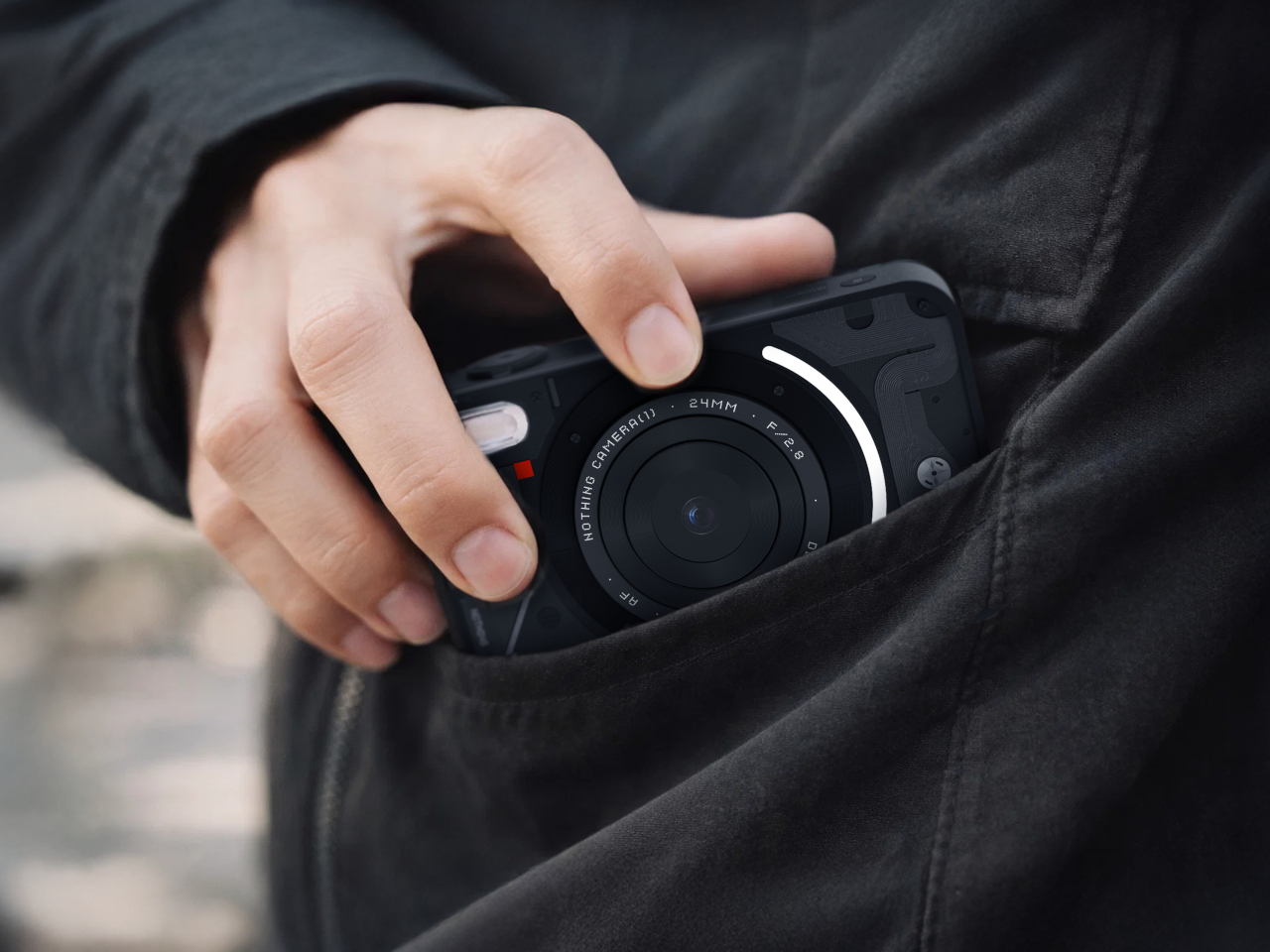
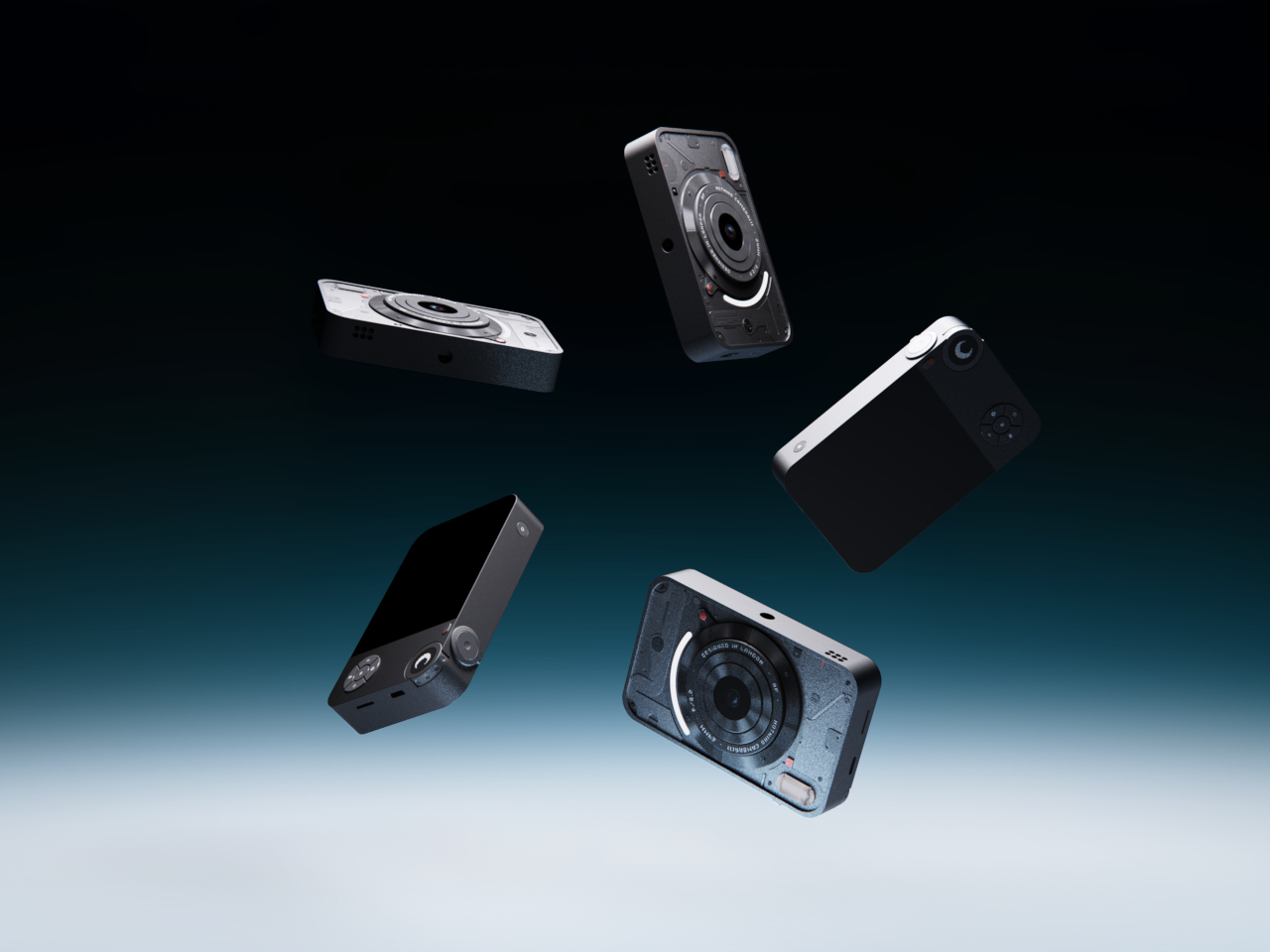
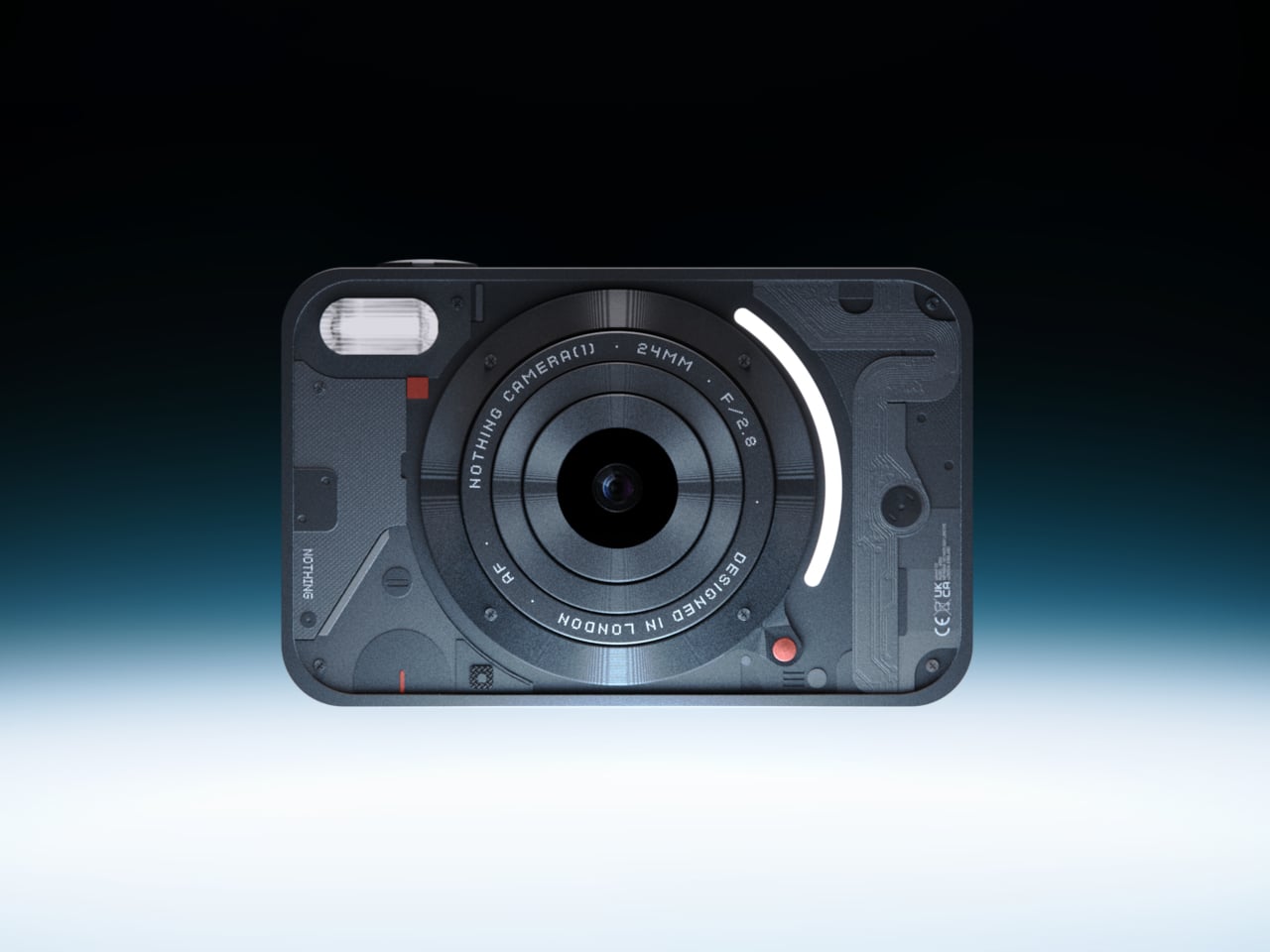
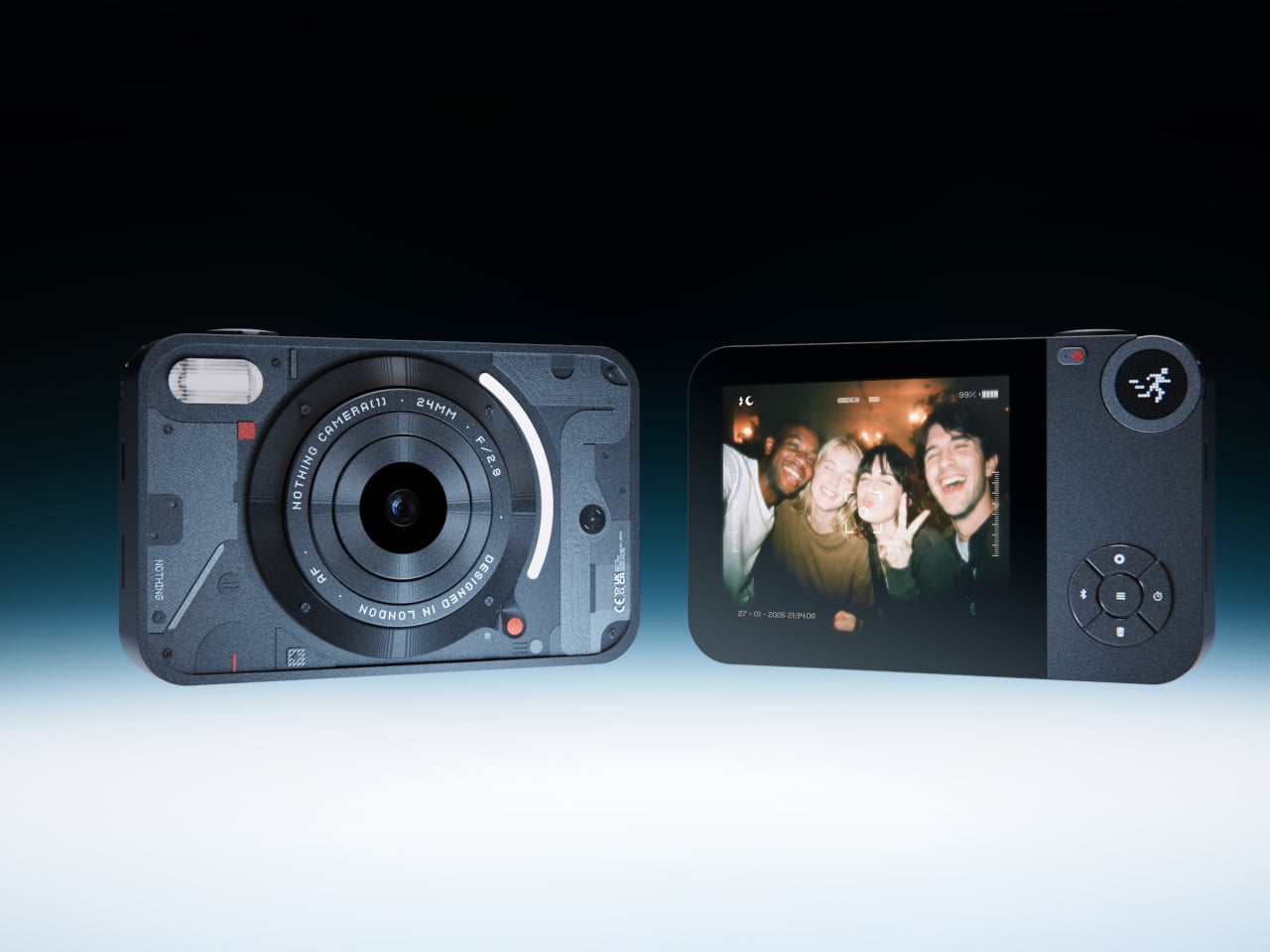
Camera (1) is a compact, metal-bodied device with softly rounded corners, sized to slip into a pocket but solid enough to fill the hand. All the main controls live on one edge, so your thumb and index finger can reach the shutter, a circular mode dial with a tiny glyph display, and a simple D-pad without shifting your grip or poking at a touchscreen. The concept is inspired by the now familiar transparent, hardware-forward design language of Nothing.

Designer: Rishikesh Puthukudy

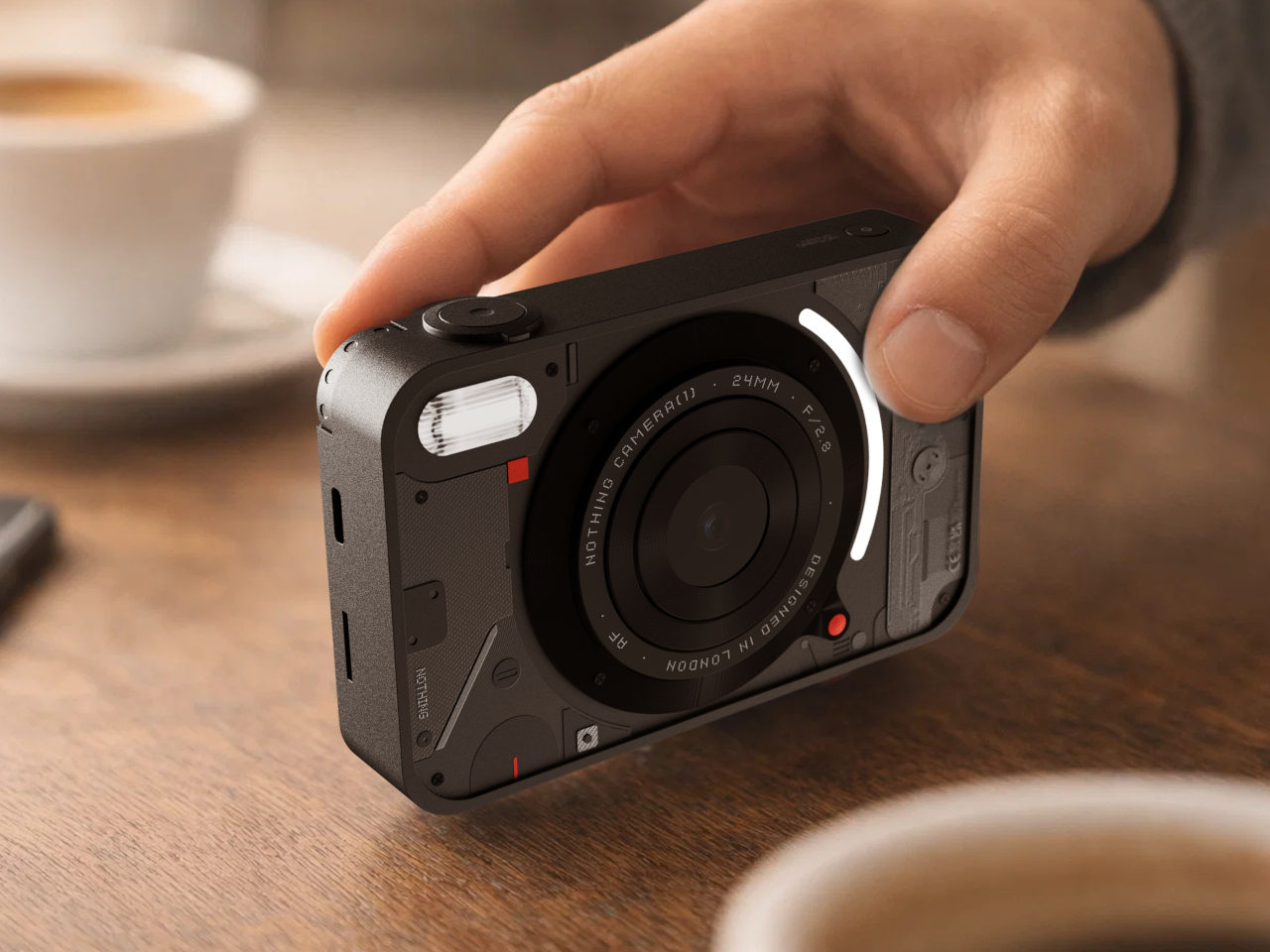
Taking the camera to a dinner or a show means twisting the lens ring to frame, feeling the click of the shutter under your finger, and glancing at the little icon on the dial to know whether you are in stills or video. The camera encourages you to look at the scene more than at the screen, letting the physical controls carry most of the interaction so the rear display stays out of the way.

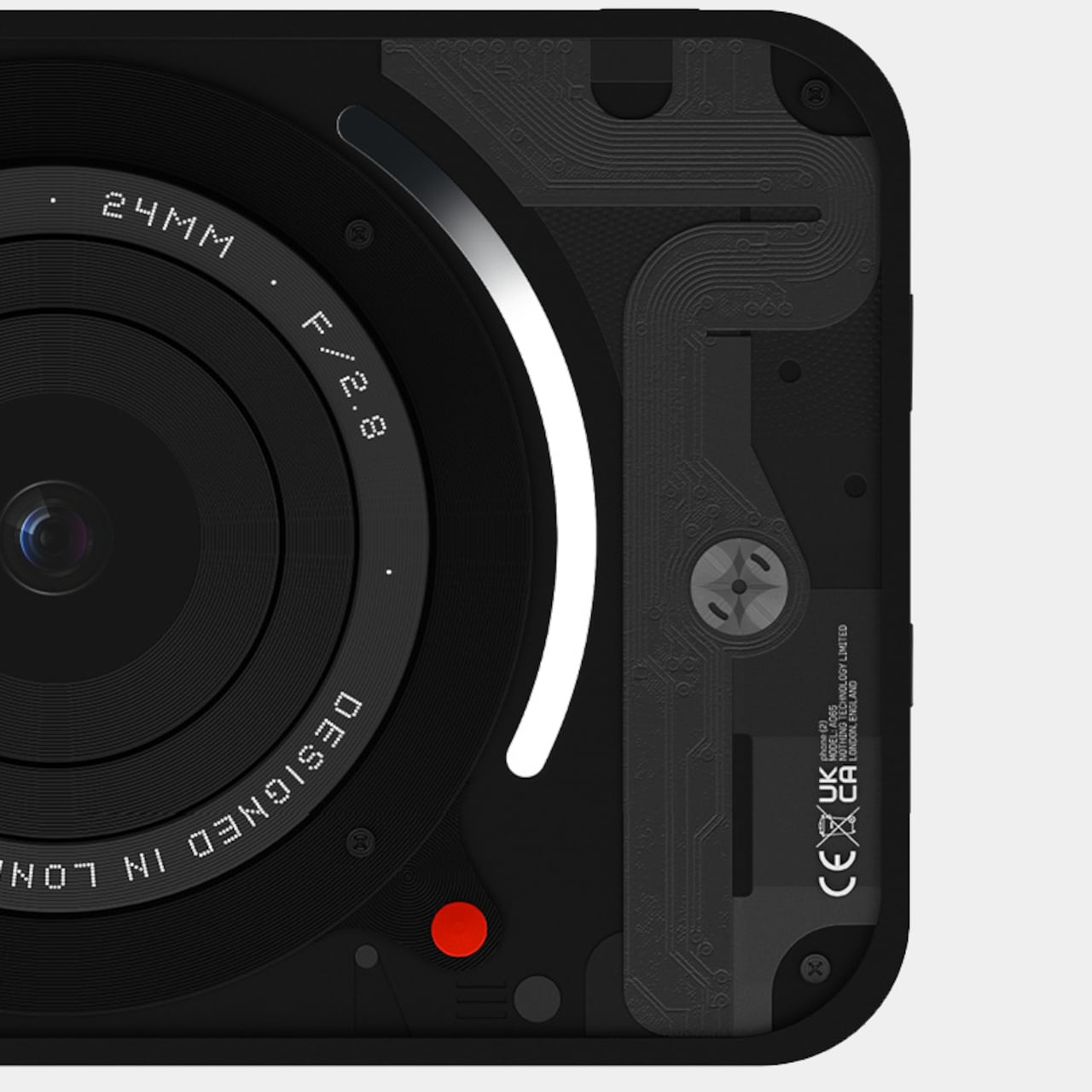
The dot-matrix glyph on the dial shows simple icons for modes, while a curved light strip around the lens can pulse for a self-timer, confirm focus, or signal that video is rolling. Instead of deep menu trees, you get a handful of physical states you can feel and see at a glance, which makes the device feel more like an instrument than a gadget you have to decipher before you can take a picture.

The engraved lens ring, marked with focal length and aperture, invites you to twist rather than pinch. Zooming or adjusting focus becomes a small, satisfying motion instead of a jittery rocker or on-screen gesture. That tiny bit of resistance under your fingers reinforces the idea that changing perspective is a choice, not something you do absentmindedly while flipping through feeds.

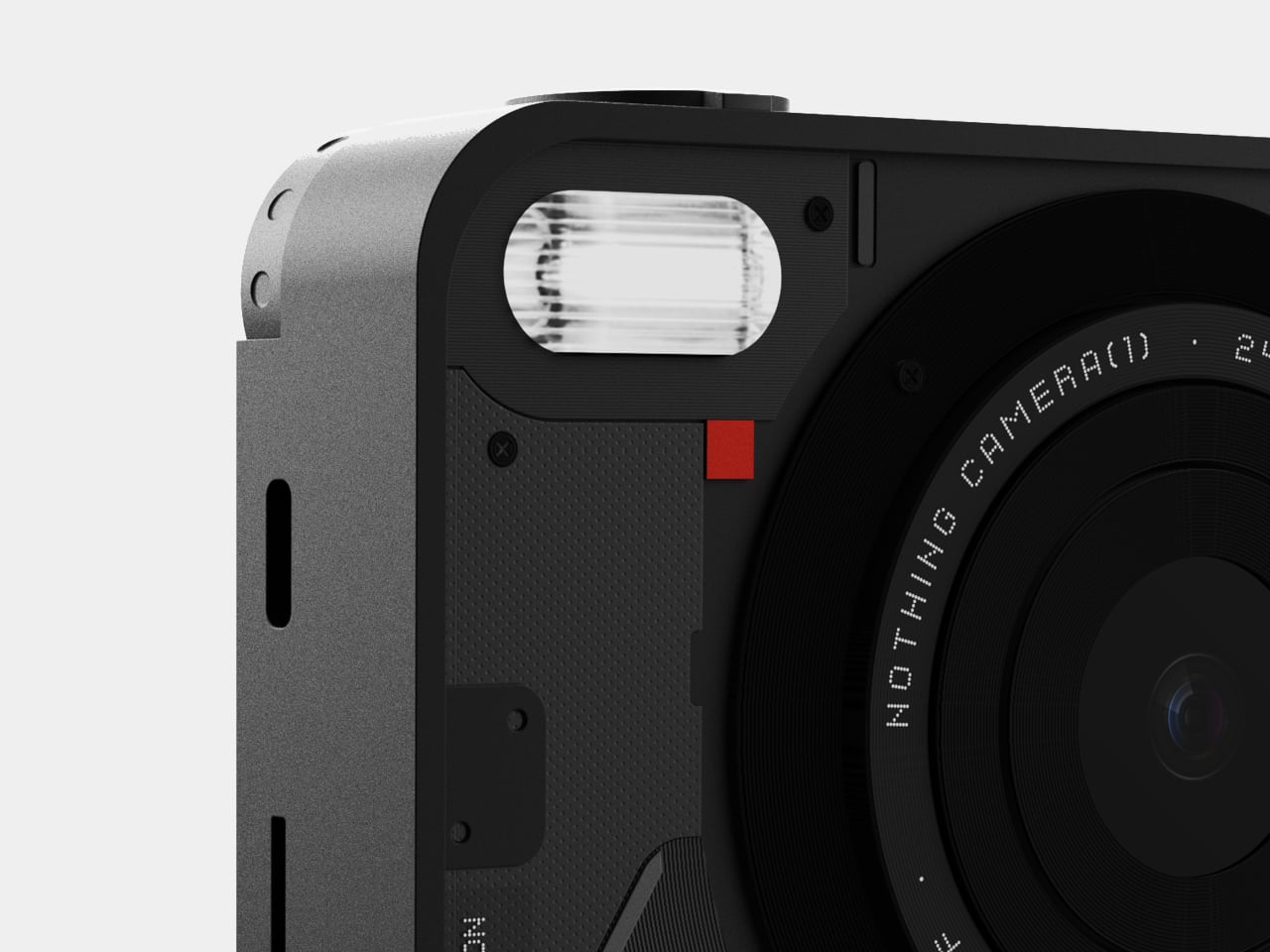
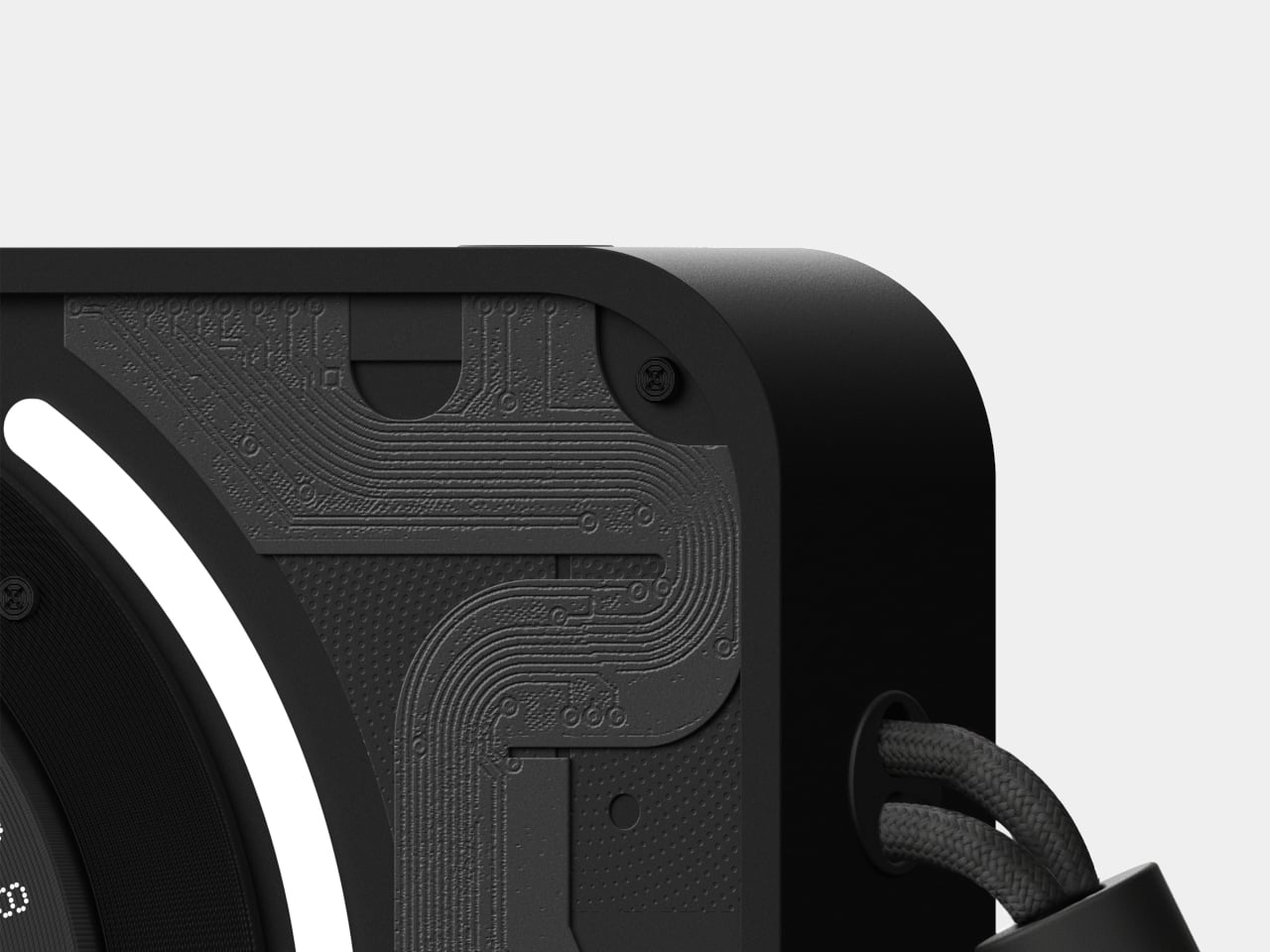
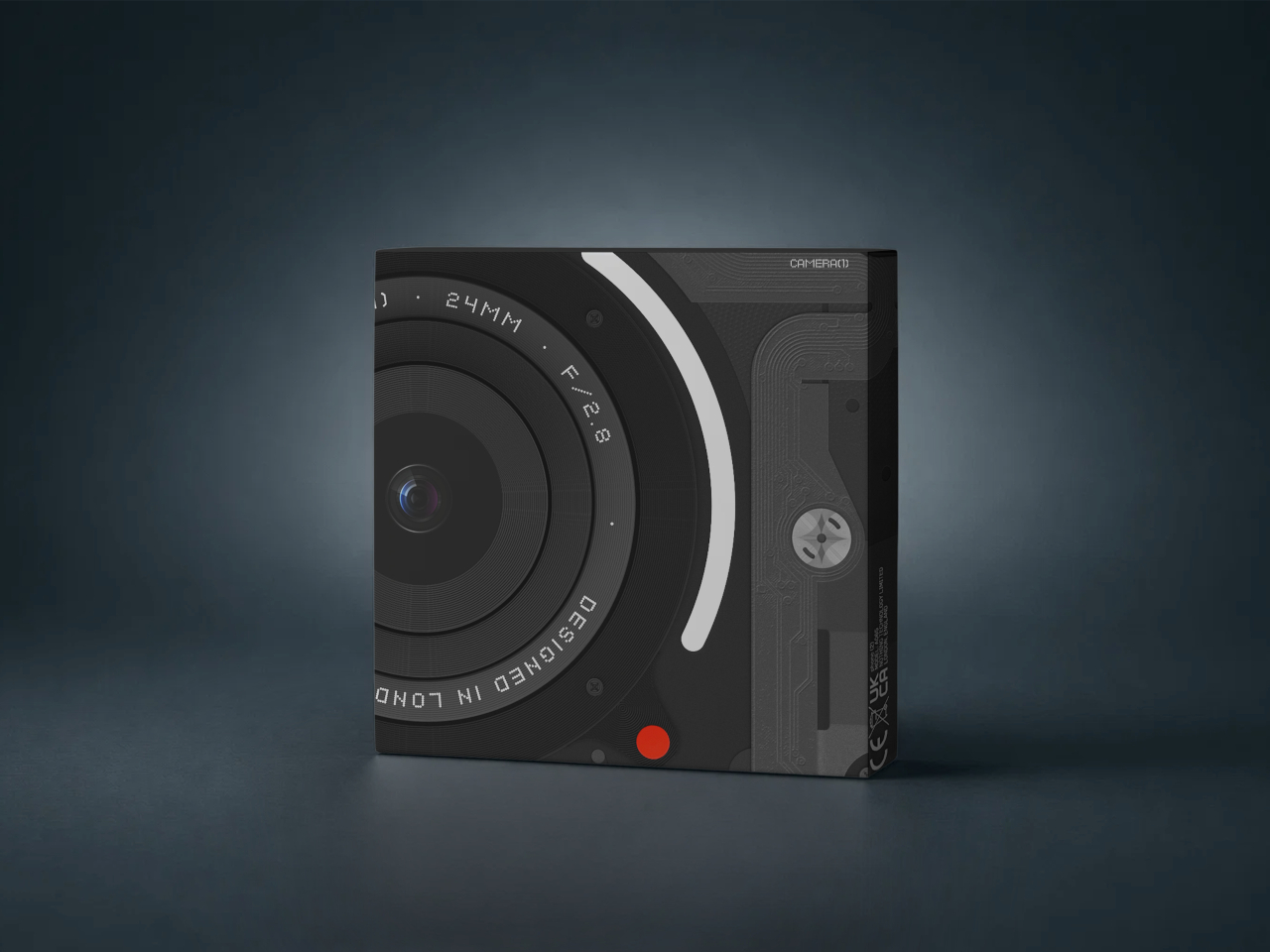
The bead-blasted metal shell, the layered front panel with circuit-like relief, and the small red accents and screws give the camera a technical, almost transparent character without actually exposing its internals. It feels like a piece of hardware that is honest about how it works but still restrained enough to live on a café table or hang from a wrist strap without looking like it is trying too hard.

Camera (1) is not trying to beat the phone at convenience. It is offering a different relationship with photography, one where you press real buttons, read simple glyphs, and let light and tactility tell you what the camera is doing. In a world where every screen wants something from you, a compact that just wants you to notice what is in front of it feels like a refreshing thought experiment.

The post Camera (1) Imagines a Tactile Digicam for a Screen-Tired Generation first appeared on Yanko Design.

Russo-Balt F200 electric van looks like Cybertruck’s beefed-up sibling

Cybertruck has made all the headlines in recent years for its futuristic looks and a mixed bag of reviews, lopsided between opposite poles. You either hate the sharply designed vehicle or love it to bits; there is no middle ground. Tesla has not left anything to chance or stayed within the conventions to craft the rugged SUV. The looks are unmatched, and so is the durability, with the former inspiring many design iterations.

Another futuristic-looking van has been spotted with the striking Cybertruck’s face. Designed by Russian startup Russo-Balt, the electric van has the telltale Tesla flair. I would even take the leverage and brand this one the lovechild of a Cybertruck and Weiqiao New Energy V90. The makers have named the van F200 and claim it is their original design. The last bit I would question openly, as it has borrowed Cybertruck aesthetics – anyone could tell!

Designer: Russo-Balt

The van is more than a pipedream or a prototype concept that would pass off with time. Russo-Balt plans to take it to the production lines by January 2027, and already, the F200 has been spotted on the roads. Interestingly, the century-old brand (a renowned automaker and railway carriage builder) that operated from 1869 to 1918, got a revival with new management. The electric vehicle comes in an unpainted stainless steel body, and the buyers can opt for the polyurethane wraps in a wide range of colors if the stainless steel look is too bland for you.

At the beginning of this article, we made the Cybertruck reference quite a few times, and the nifty details further reiterate the fact. The electric van gets full-width LED headlights and rear lights. Even the rear resembles Tesla’s electric truck bed cover. The chassis is made out of monocoque material, which makes it more robust than those on ladder-frame chassis. This gives the van a payload capacity of 2,205 pounds. Russo-Balt has complete trust in the body of the vehicle, and a 100-year warranty keeps the buyers at peace of mind from any structural damage.

F200 is powered by a single electric motor that delivers 200 hp to the front wheels. Power is extracted from the 115 kWh battery pack that has an estimated range of 249 miles. The EV can be fast-charged via the port at the front, which is a good feature to have. Keeping Russia’s cold weather in mind, the vehicle comes with a climate control system, rear air suspension, ABS, and ESP. The heating on the vehicle extends to the steering wheel, mirrors, and the windshield as well. A 360-degree camera with a live streaming feature adds to the safety and the ability to craft interesting content while on adventures.

The team behind the F200’s development brings its expertise in crafting stainless steel water dispensers to the four-wheeler, with material fabrication showing the intended results. Initially, the van will be made on an order basis with a starting price of around $85,200. Interested buyers can already make a refundable security deposit of $131 to secure their unit when it hits the production queues. Russo-Balt is also working on a second variant dubbed F400, which will have Four Wheel Drive electric motors assisted by a range-extending gas engine. In total, both of them will churn out 400 horsepower.

The post Russo-Balt F200 electric van looks like Cybertruck’s beefed-up sibling first appeared on Yanko Design.

A Waymo robotaxi struck a child near a school

Waymo said one of its robotaxis struck a child, who sustained minor injuries. The incident took place in Santa Monica, California, on January 23. The company reported it to the National Highway Traffic Safety Administration (NHTSA), which has opened an investigation

The agency said the incident occurred close to a school within regular drop-off hours, with other children and a crossing guard nearby. The child ran from behind a double-parked SUV into the path of a Waymo Driver. Waymo said its vehicle detected the child immediately as they emerged and that the robotaxi braked hard to lower its speed from around 17 mph to under 6 mph at the time of impact. 

Waymo said the child stood up immediately and moved to the sidewalk. The company contacted emergency services and the vehicle remained stationary at the side of the road until law enforcement allowed it to leave.

The NHTSA's Office of Defects Investigation will examine whether the Waymo Driver used appropriate caution given that it was close to a school during drop-off hours and children were close by. The probe is expected to look at the intended behavior of the vehicle's automated driving systems around schools (particularly during regular pick-up and drop-off times) and Waymo's response to the incident.

On the day that the incident took place, the National Transportation Safety Board opened an investigation into Waymo over its vehicles improperly passing school buses in Austin, Texas. Last month, the company carried out a voluntary software recall (i.e. it updated its systems) after the NHTSA opened an investigation into Waymo vehicles allegedly driving past stationary school buses in both Austin and Atlanta.

This article originally appeared on Engadget at https://www.engadget.com/transportation/a-waymo-robotaxi-struck-a-child-near-a-school-152446302.html?src=rss

Samsung’s 13-Inch E-Paper Housing Is Made from Phytoplankton Plastic

Printed signs get reprinted every week, while full LCD signage burns power all day just to show a static promo. E-ink has quietly solved this in e-readers by holding text without sipping battery, but it has not shown up in everyday public spaces where signs still get taped to shelves. Samsung’s new 13-inch Color E-Paper is a panel that tries to live in that middle ground, digital enough to update remotely, quiet enough to blend in.

Samsung’s 13-inch Color E-Paper is roughly the size of an A4 sheet, 1,600 x 1,200 pixels in a 4:3 aspect ratio, built to sit on shelves, counters, tables, and doors where paper signs still dominate. It uses digital ink and an embedded rechargeable battery to hold static images at zero watts, sipping power only when content changes.

Designer: Samsung

A grocery aisle, cosmetics shelf, or bookstore with weekly specials could run these panels instead of printed posters. Staff update prices and layouts from their phones using the Samsung E-Paper app, or centrally through Samsung’s VXT cloud platform, without ladders, tape, or stacks of paper. The signs look like printed cards but can flip to a new campaign in seconds.

The housing is the first commercial display enclosure to use bio-resin derived from phytoplankton, independently verified by UL to contain 45% recycled plastic and 10% phytoplankton-based resin. Samsung says this can cut carbon emissions in manufacturing by more than 40% compared to conventional petroleum-based plastics, and the packaging is made entirely from paper.

The panel maintains static content at zero watts and uses far less energy than conventional digital signage when it refreshes. An advanced color imaging algorithm smooths gradations and refines contours so posters, book covers, and product shots look closer to print than to a backlit screen. A 13-inch, 4:3 color e-ink panel with this power profile sounds suspiciously like the hardware you would want in a large-format e-reader or note-taking tablet.

Samsung is clear that this is a business display, part of a lineup that already includes 32-inch and upcoming 20-inch models aimed at replacing printed signage. Still, it is hard not to imagine what would happen if a future device borrowed this panel, pairing it with touch and pen input for textbooks, comics, sheet music, or ambient dashboards that can sit on a desk for days without a charge.

Some of the most interesting future-facing ideas show up first in places like retail signage. A 13-inch color e-paper display built with phytoplankton-based resin is, on paper, just a smarter sign for cafes and cosmetics counters. It is also a reminder that the ingredients for calmer, more sustainable reading and information devices already exist; they are just waiting for someone to assemble them into something you would want to curl up with on the sofa.

The post Samsung’s 13-Inch E-Paper Housing Is Made from Phytoplankton Plastic first appeared on Yanko Design.

Honda vehicles used to proactively report road safety issues in nation-first pilot

Honda and DriveOhio have teamed up on a new road safety initiative in which Honda vehicles are being used to collect real-time data that can advise about potential issues and road deficiencies before they become a problem. Honda’s Proactive Roadway Maintenance System, which has been in prototyping since 2021, uses "advanced vision and LiDAR sensors" to identify issues such as worn or obstructed road signs, damaged guardrails, rough roads and emerging potholes.

During the pilot, members of the Ohio Department of Transportation’s smart mobility hub drove the test vehicles on around 3,000 miles of road in central and southeastern Ohio. They covered a mix of urban and rural environments, in varying weather conditions and at different times of the day. 

ODOT operators were able to review any flagged road or infrastructure deficiencies in real time using smart dashboards developed by Honda and tech firm Parsons. The University of Cincinnati helped Honda fit the sensors to its vehicles, led the development of the damage detection feature and assisted ODOT during the pilot.

The data collected by the vehicles was processed by Edge AI models and then passed on to Honda’s own cloud platform. The system then automatically generated work orders for ODOT’s maintenance teams in order of priority.

While a relatively small pilot in scope, the Proactive Roadway Maintenance System performed well in the trial across a number of metrics, delivering as high as 99 percent accuracy at highlighting damaged or obstructed signs. Accuracy was 93 percent for damaged guardrails and a slightly lower 89 percent for spotting potholes.

Honda says its technology could also detect high-severity shoulder drop-offs that were easy to miss in a routine visual inspection, while the system also proved reliable at measuring road roughness. The team that worked on the project estimated that if implemented on a larger scale, the automated system could save ODOT over $4.5 million a year.

Honda and its partners are now looking at ways to scale up the prototype Proactive Roadway Maintenance System for real-world use. The manufacturer also says it aims to eventually have similar technology in the vehicles of its customers, who will be able to share their own detection data anonymously and help create safer roads.

This article originally appeared on Engadget at https://www.engadget.com/transportation/honda-vehicles-used-to-proactively-report-road-safety-issues-in-nation-first-pilot-151629967.html?src=rss
The End of Screen Peeking? Why the Samsung Galaxy S26 Ultra Just Made Privacy Protectors Obsolete

The End of Screen Peeking? Why the Samsung Galaxy S26 Ultra Just Made Privacy Protectors Obsolete

The Samsung Galaxy S26 Ultra introduces significant advancements in smartphone display technology, combining an innovative privacy display with the robust protection of Gorilla Armor Glass. These features address critical concerns such as data security, screen durability, and outdoor visibility, making sure that the device aligns with the practical needs of modern users. By focusing on […]

The post The End of Screen Peeking? Why the Samsung Galaxy S26 Ultra Just Made Privacy Protectors Obsolete appeared first on Geeky Gadgets.

Posted in Uncategorized

Goodbye Notch: iPhone 17e vs. iPhone 16e Comparison Reveals a Massive Design Shift

Goodbye Notch: iPhone 17e vs. iPhone 16e Comparison Reveals a Massive Design Shift

Apple’s highly anticipated iPhone 17e, expected to launch in early 2026, introduces a series of subtle yet meaningful refinements over its predecessor, the iPhone 16e. With a consistent price tag of $599, Apple continues its strategy of offering budget-friendly devices that cater to a specific market segment while maintaining a clear distinction from its flagship […]

The post Goodbye Notch: iPhone 17e vs. iPhone 16e Comparison Reveals a Massive Design Shift appeared first on Geeky Gadgets.

Posted in Uncategorized

IKEA GREJSIMOJS Dog Lamp Dims When You Hold Its Head for Bedtime

Bedtime means juggling bright ceiling lights, harsh phone screens, and random night lights that feel more like plastic gadgets. Kids often want a light that feels like a friend keeping watch, while adults want something that does not fight the decor or scream “children’s product” when guests walk by. IKEA’s GREJSIMOJS tries to bridge that gap with a lamp that is both functional and playful without picking a side.

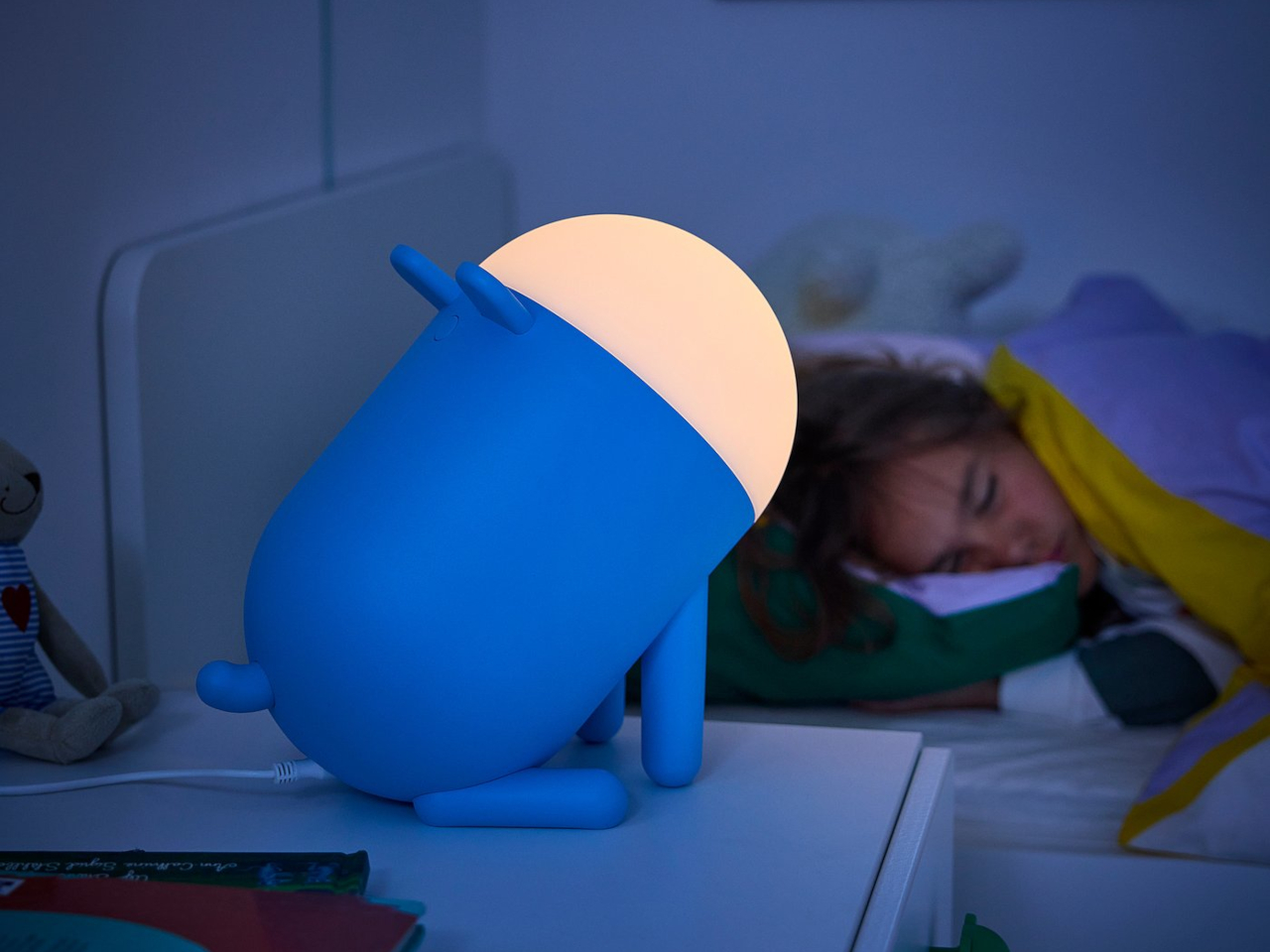
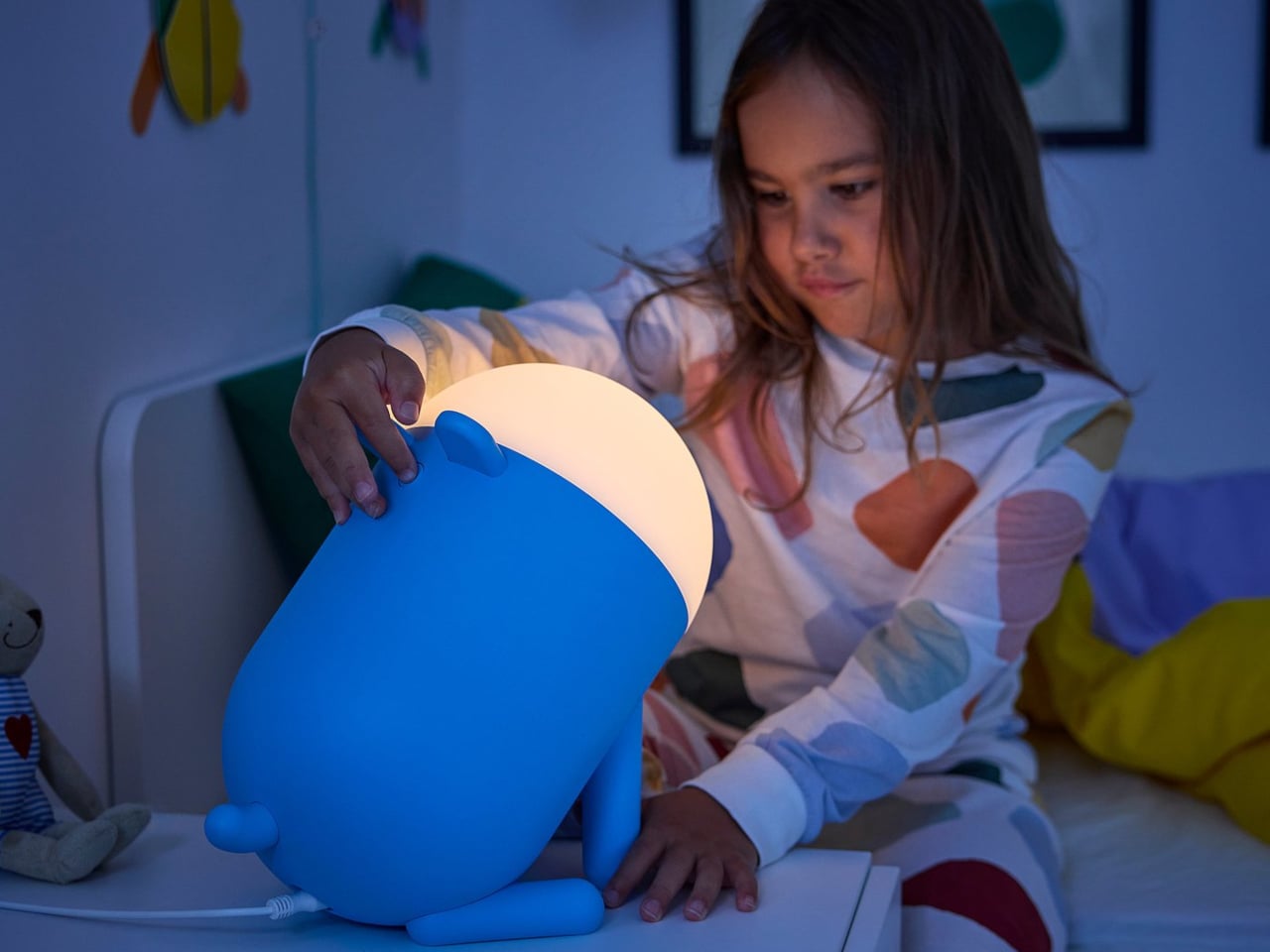
GREJSIMOJS is an LED table lamp shaped like a small blue dog, designed by Marta Krupińska as part of IKEA’s play-driven collection. It is meant for children but deliberately “far from childish,” with a rounded capsule body, soft legs, and a white dome that glows like a head, so it reads as a friendly companion even before you turn it on.

Designer: Marta Krupińska (IKEA)

Turning it on at night means pressing and holding the button on the dog’s head to dim the light seamlessly. The lamp remembers the last brightness level, so it always comes back exactly where you left it, whether that is a low night-light glow or a brighter setting for reading. The gesture is simple enough for a child to understand, but satisfying enough that adults do not feel like they are using a toy.

The light itself is a pleasant, glare-free glow that is gentle on the eyes. It is bright enough for bedtime stories or quiet play, but can be dialed down to a soft presence that makes the room feel safe without keeping anyone awake. Over time, that consistency makes the lamp part of the ritual, a signal that the day is winding down and it is time to rest.

Krupińska describes the lamp as a reliable friend that keeps you company and makes you smile every day, and the GREJSIMOJS collection is built around play and togetherness for all ages. The dog shape is abstract enough to sit on a grown-up’s bedside table without feeling out of place, yet expressive enough that a child can project personality onto it, which is a neat trick for polypropylene and LEDs.

The body is made from polypropylene with at least 50% recycled content, and the LED light source is replaceable with a lifetime of about 25,000 hours, roughly 20 years at three hours a day. It is mains-powered with a cord and adapter included, cool to the touch, and cleaning is as simple as dusting it with a cloth.

GREJSIMOJS is less about adding another gadget to a child’s room and more about choosing a bit of playfulness in everyday objects. It is a reminder that a lamp can be both a piece of design and a small character in the room, watching over the bed, joining in on shadow puppets, and quietly proving that functional lighting does not have to grow up completely.

The post IKEA GREJSIMOJS Dog Lamp Dims When You Hold Its Head for Bedtime first appeared on Yanko Design.