This Wi-Fi Router Looks Like an Incense Burner and Scents Your Room

Most home routers live behind books or plants, blinking away in corners, only noticed when the connection drops. There’s so much quiet faith placed in that invisible box every time we ask it for directions, answers, or late-night comfort while scrolling. If we already treat Wi-Fi like a kind of everyday oracle, maybe the hardware could look and behave more like an object we actually care about instead of just tolerating it.

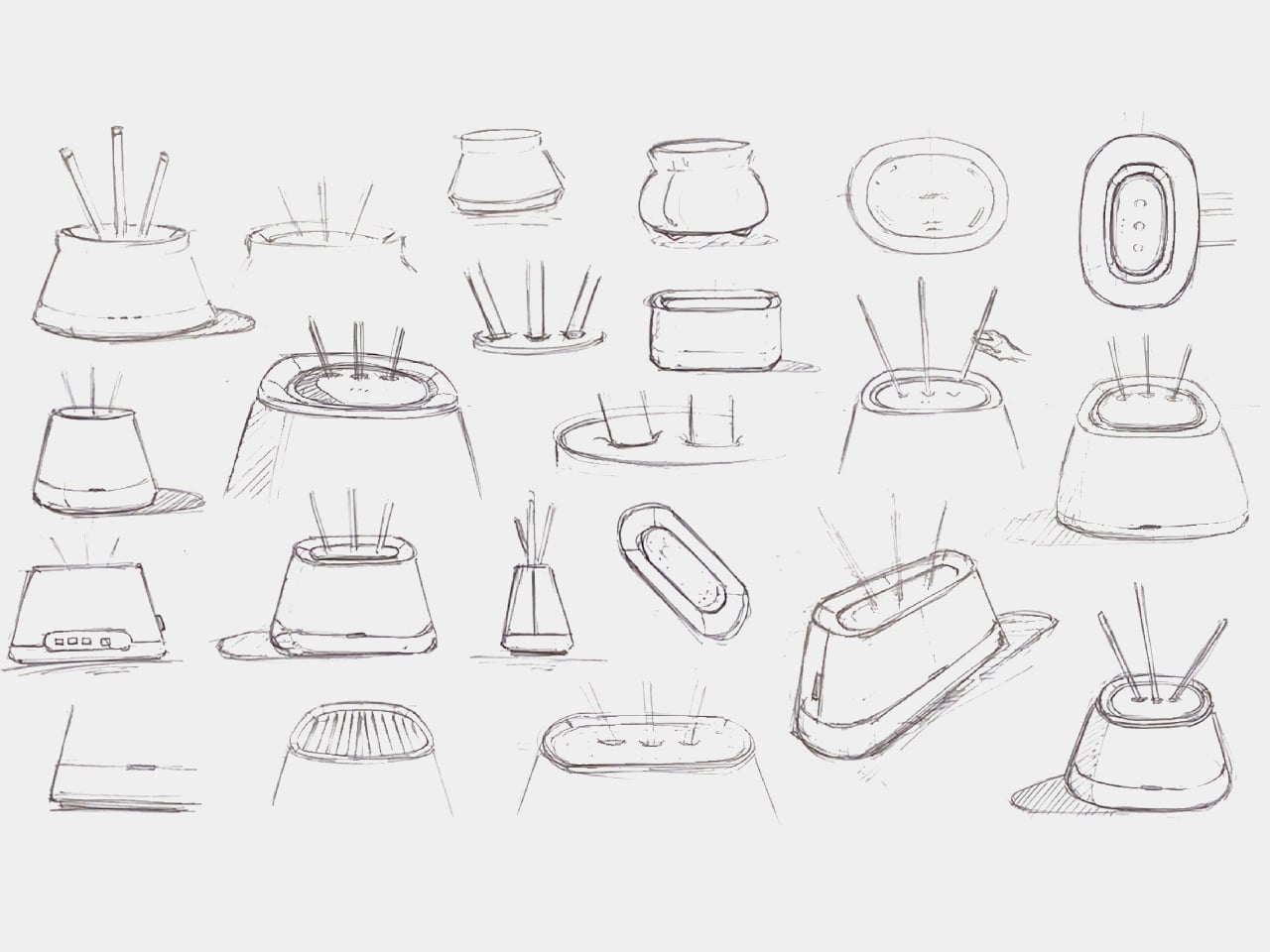
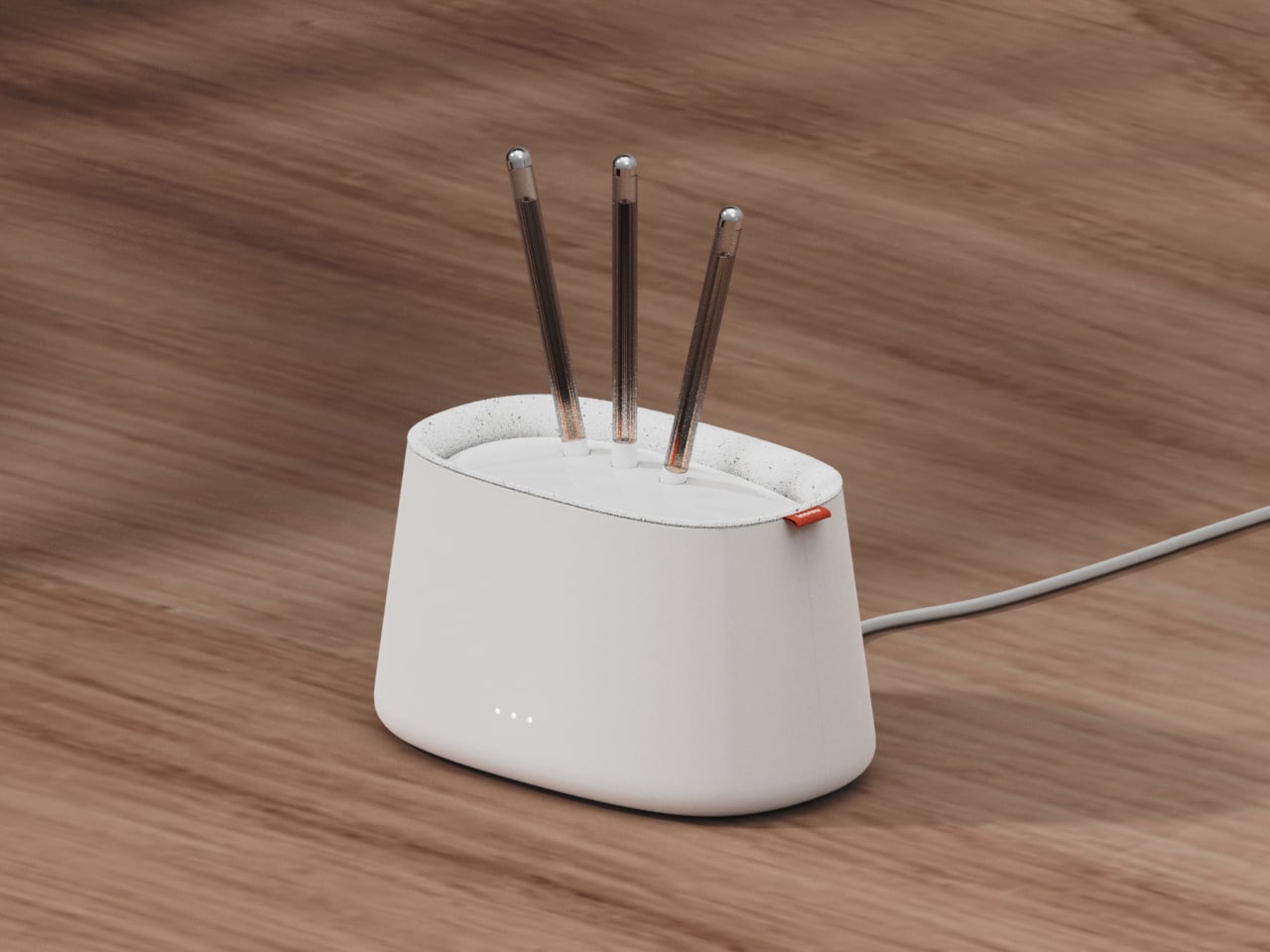
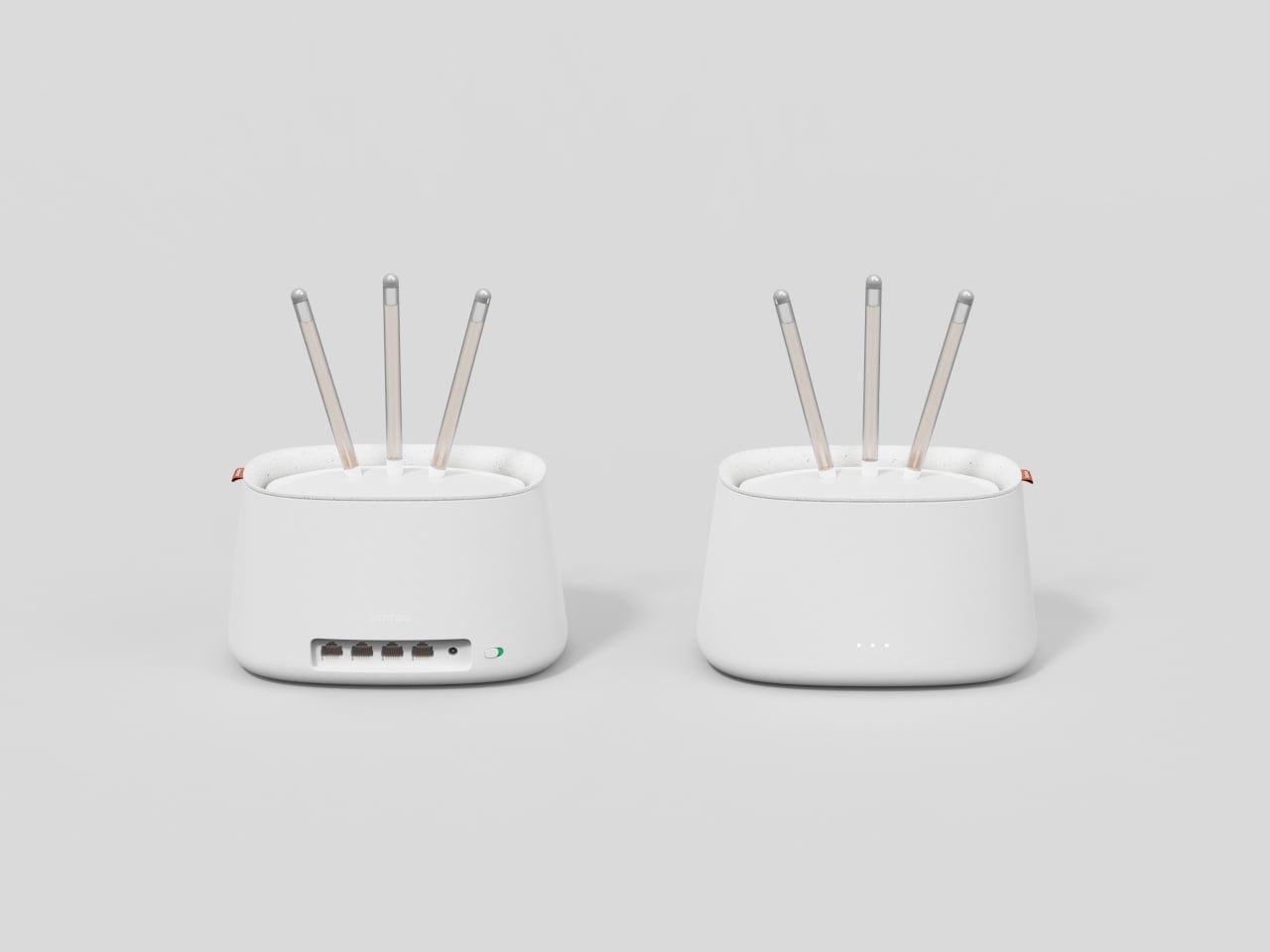
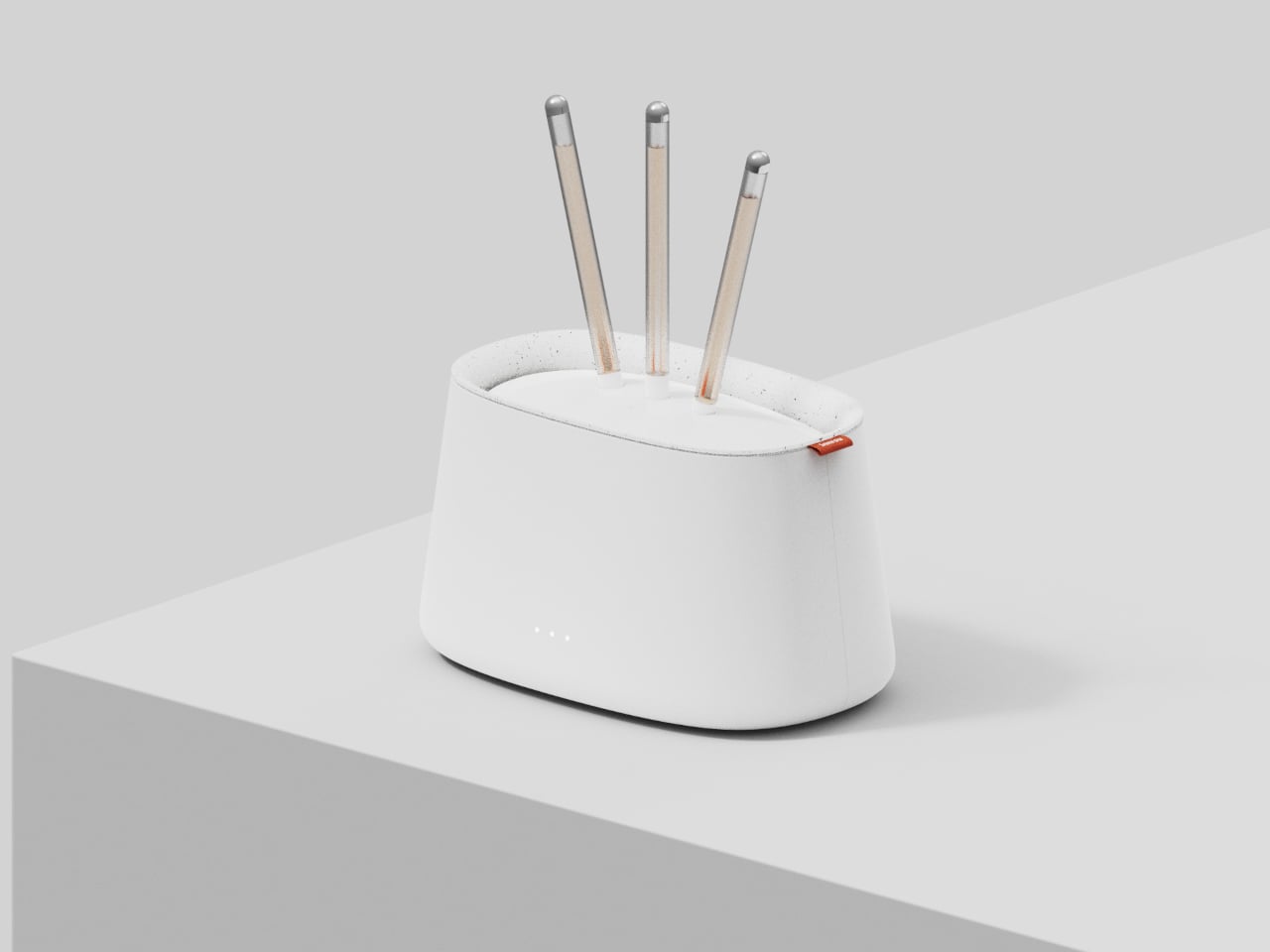
innrou is a Wi-Fi router concept that resembles an incense burner and incorporates fragrance. It’s designed to go beyond spec sheets and become a small storytelling object, imagining the future form of electronic products. The name and form hint at traditional incense rituals, but the function is pure 21st century, keeping your devices online while quietly scenting the room with swappable essential-oil sticks.

Designer: Yuan Chen
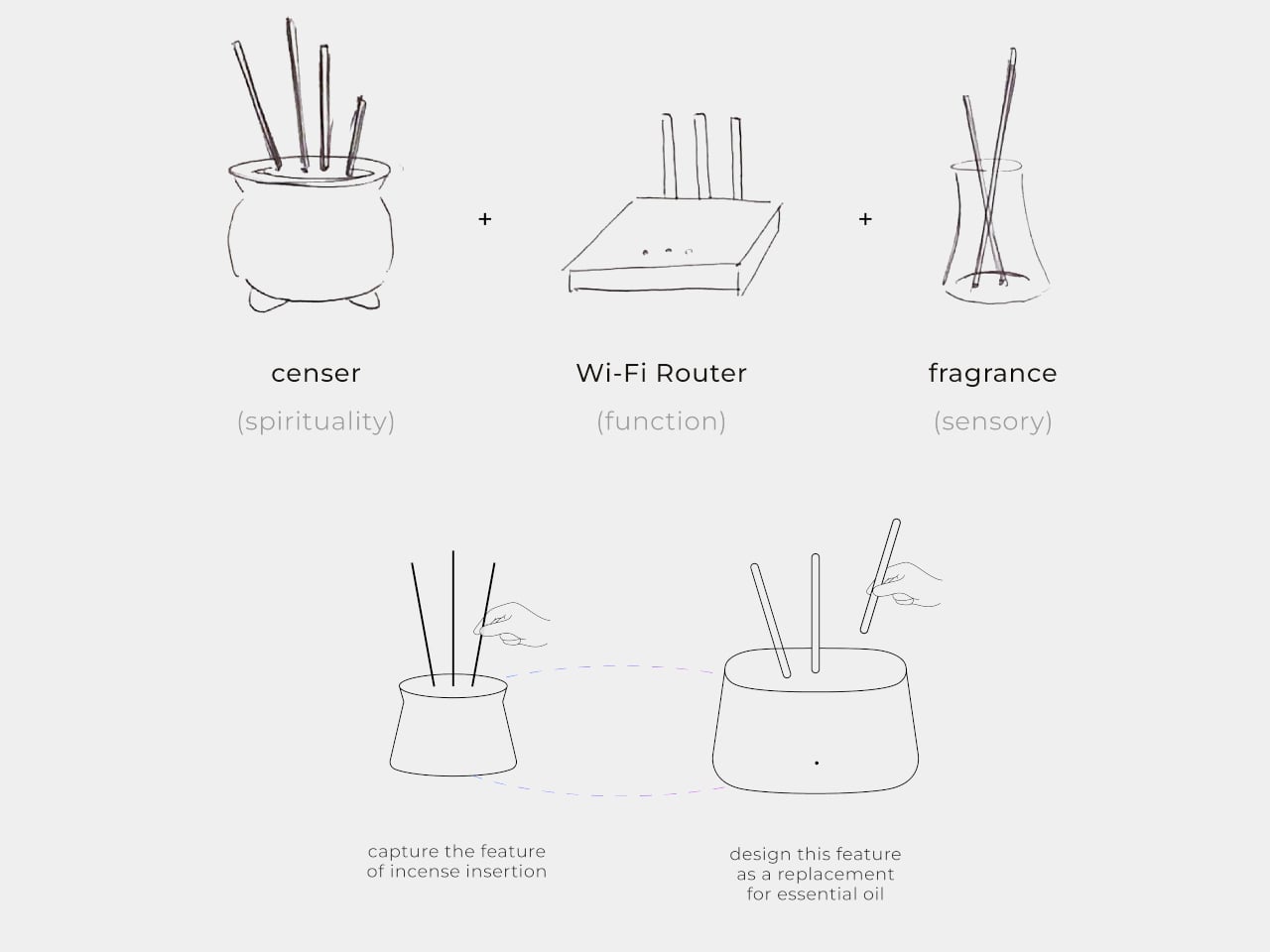
The designer’s starting point is a neat cultural parallel. In traditional Chinese society, people would ask gods for guidance and answers, often by lighting incense at a burner. Today, many of us scroll the internet for the same things, from practical fixes to something closer to spiritual reassurance. innrou deliberately combines those two behaviors, using a router as the carrier for a story about how we now seek help.
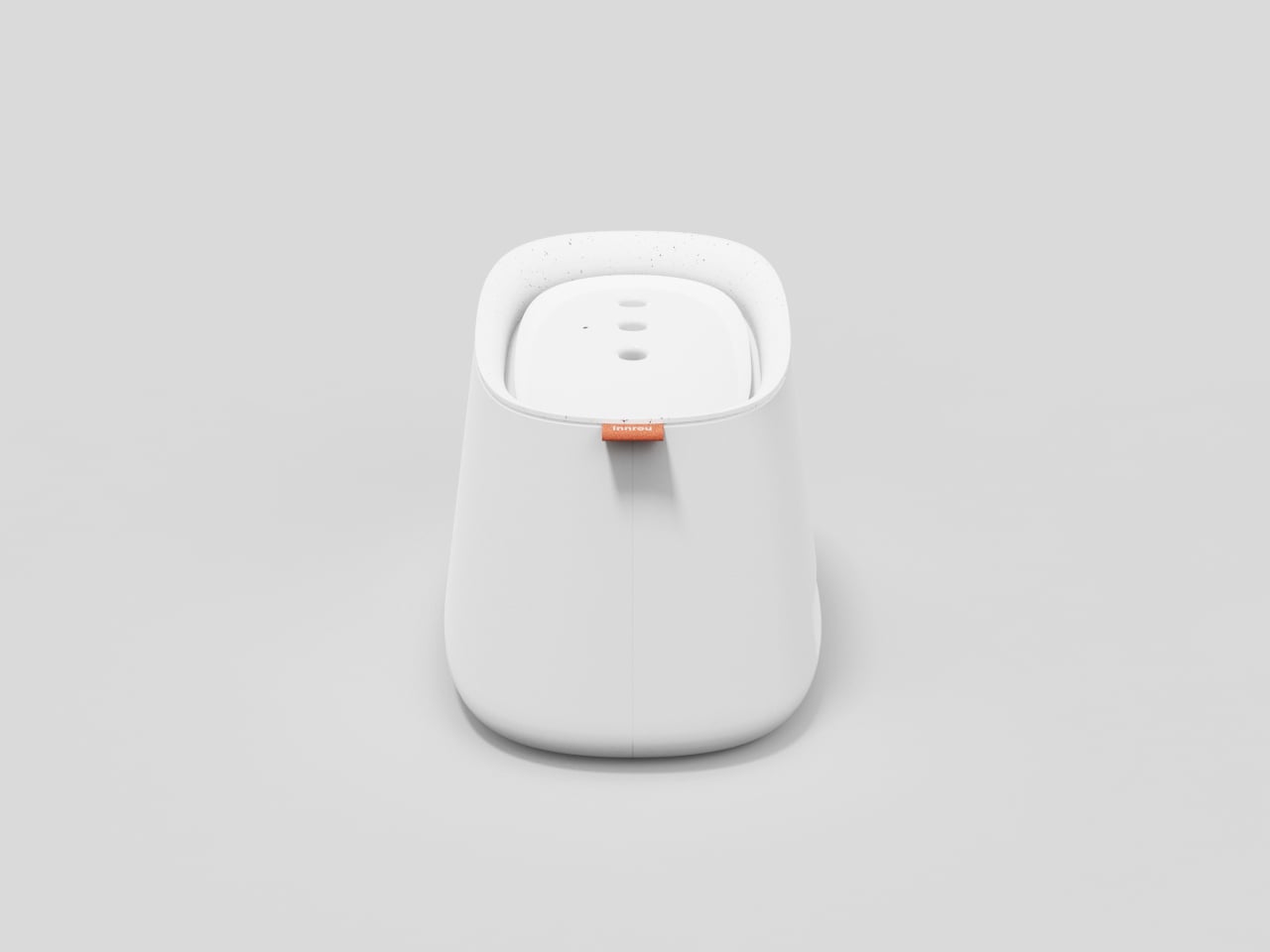
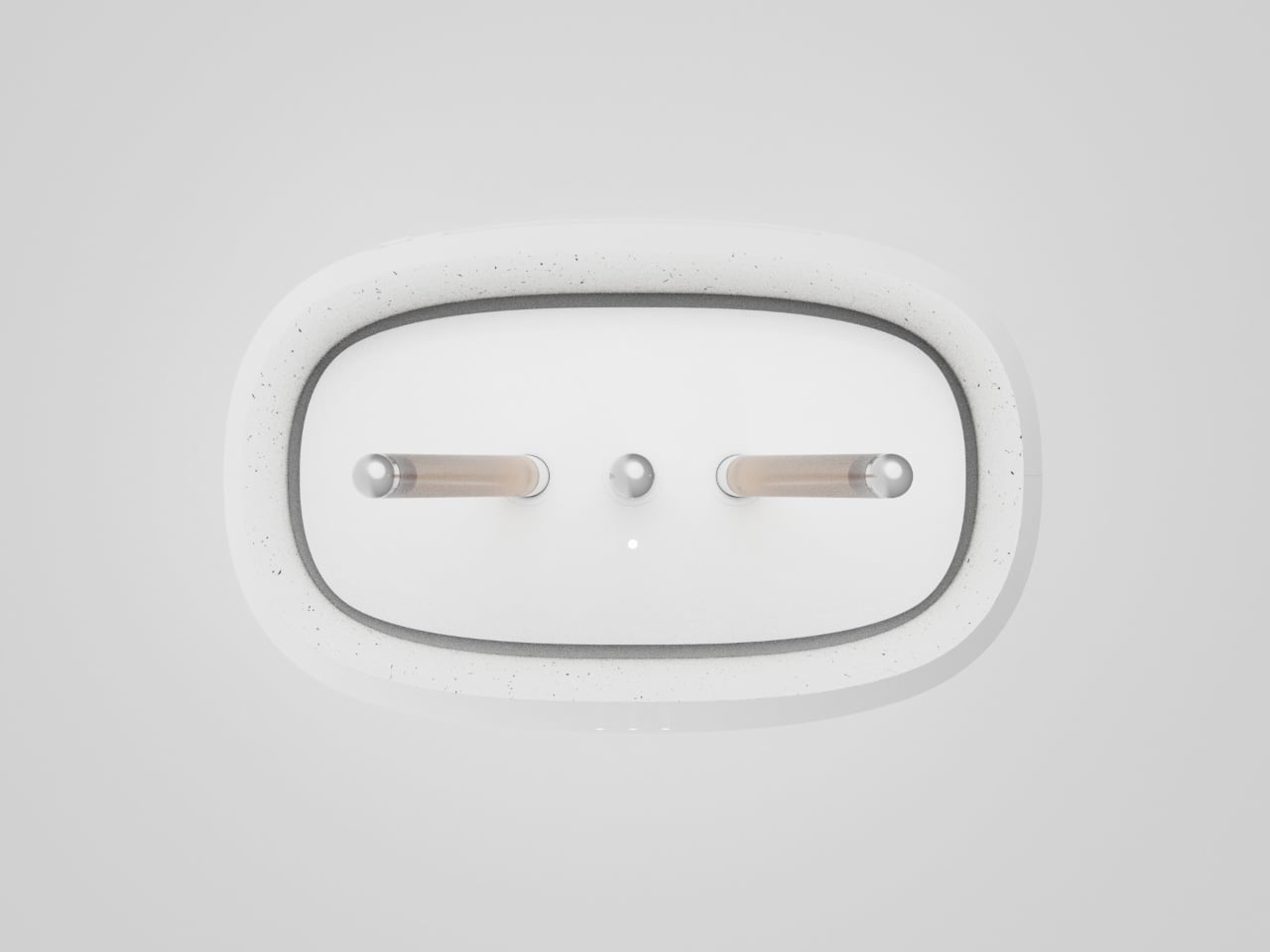
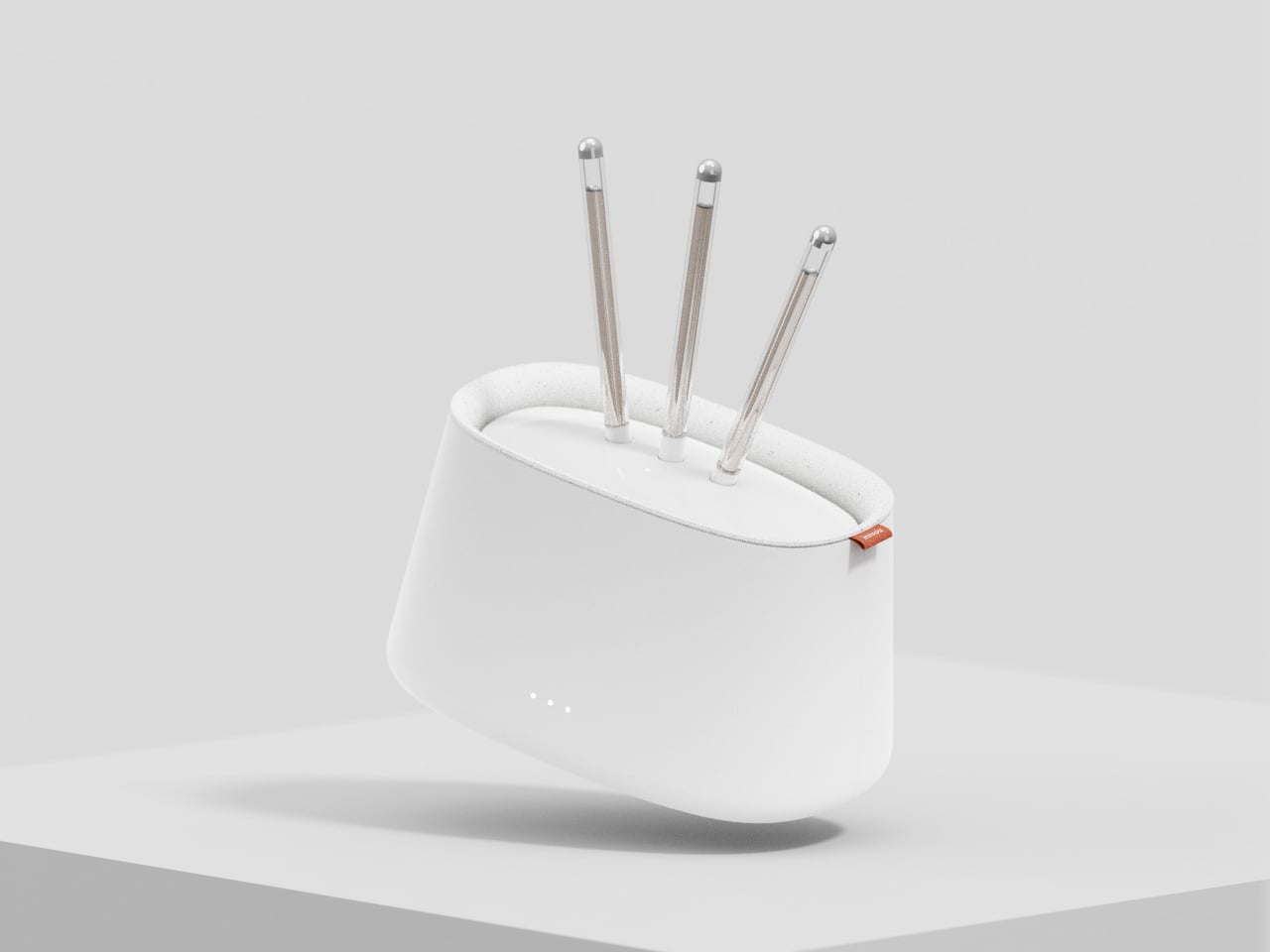
The essential oil system reinterprets incense as modern fragrance sticks. You replace a spent stick by sliding in a new one, the same simple vertical gesture used at a temple. That motion deepens the narrative and adds a bit of playfulness, turning maintenance into a small ritual instead of an annoying chore, while the router quietly keeps doing its job underneath without asking for attention.
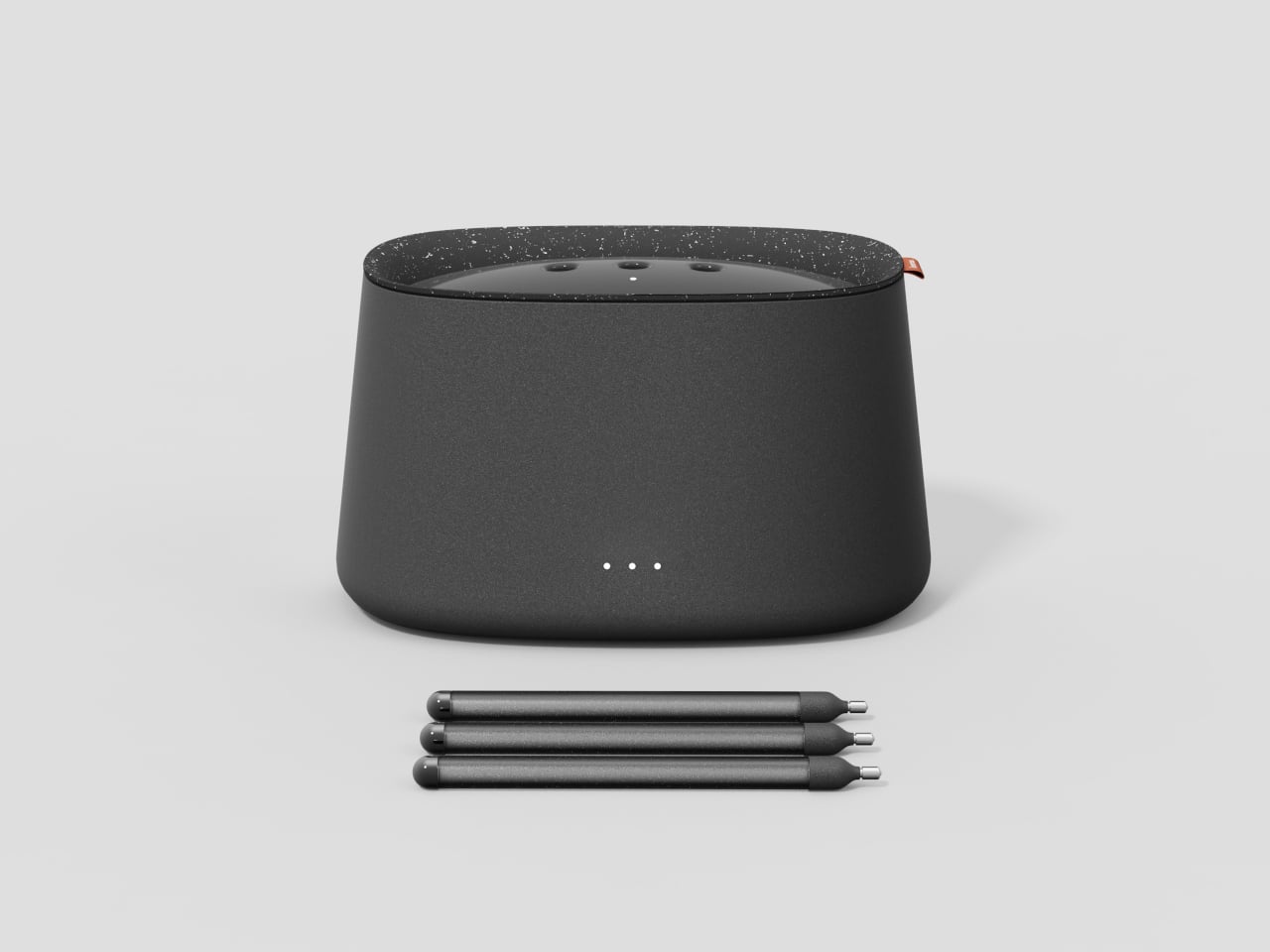
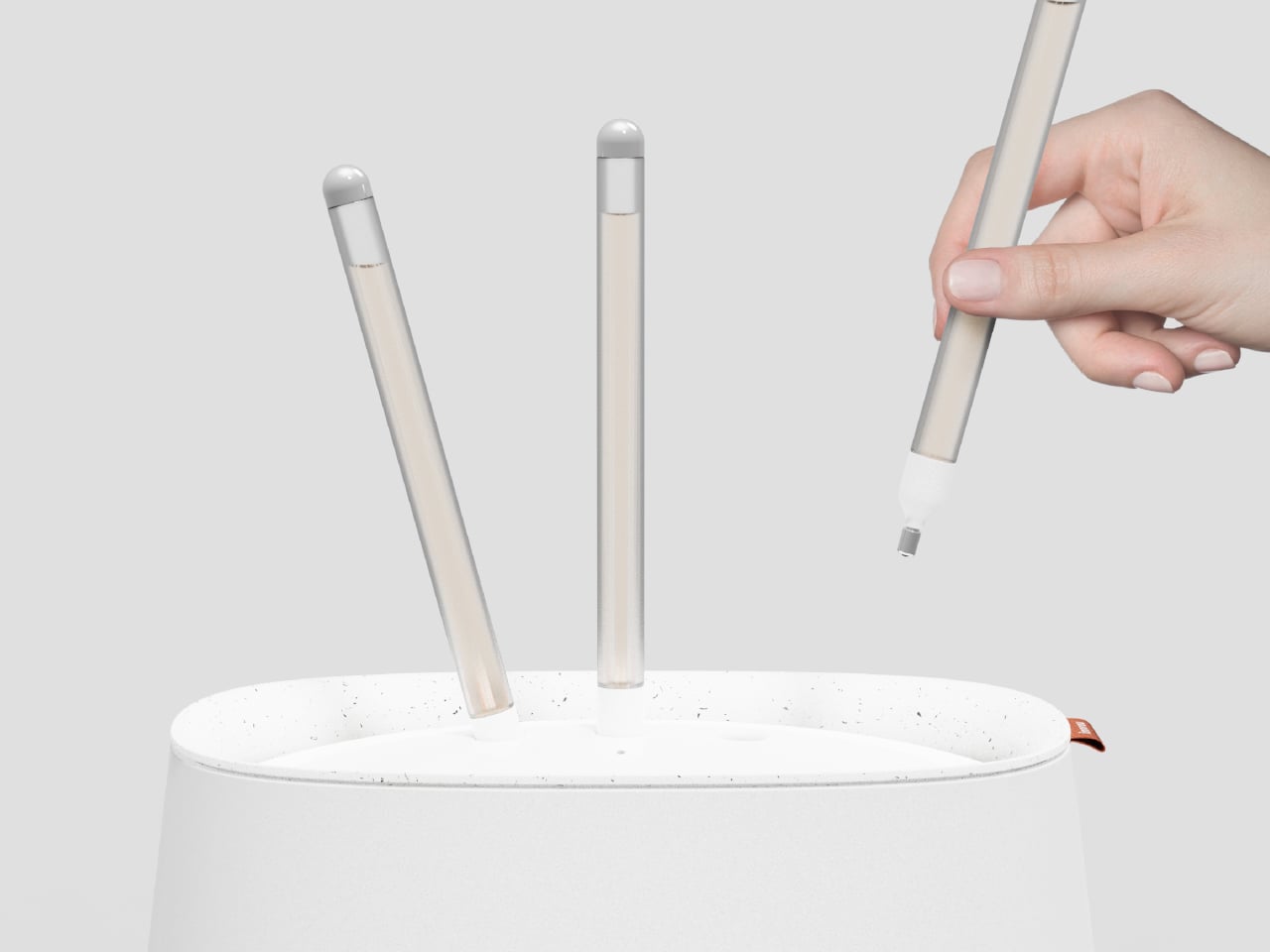
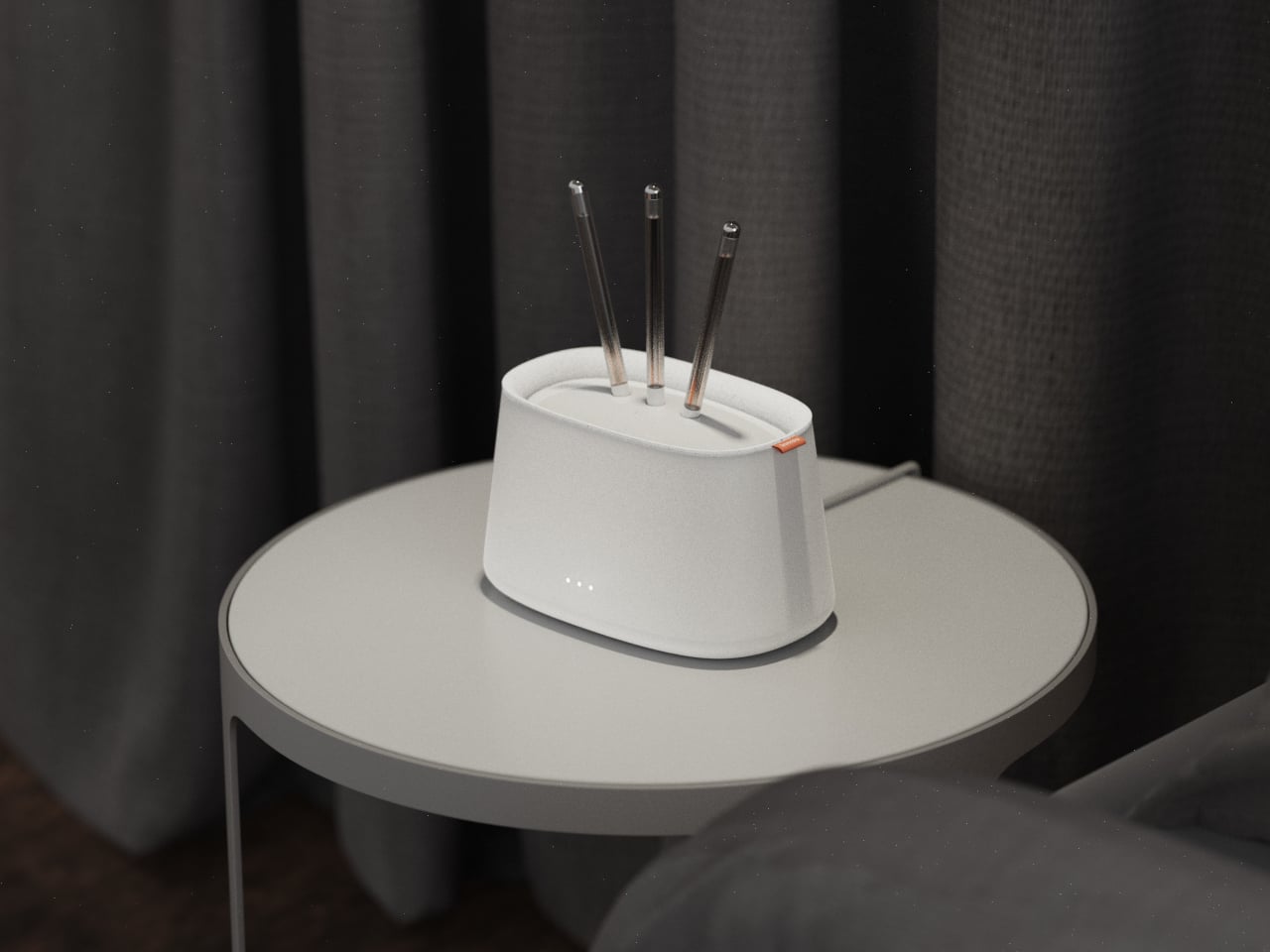
innrou is a small, rounded block that can sit openly on a desk, bedside table, or shelf without screaming “network gear.” The antennas are hidden, the front shows only a few status dots and a subtle logo, and the body comes in soft colors that match interiors. Instead of being something you hide, it becomes part of the atmosphere, both visually and through scent, which is a surprisingly big shift for a product category that usually defaults to black plastic.
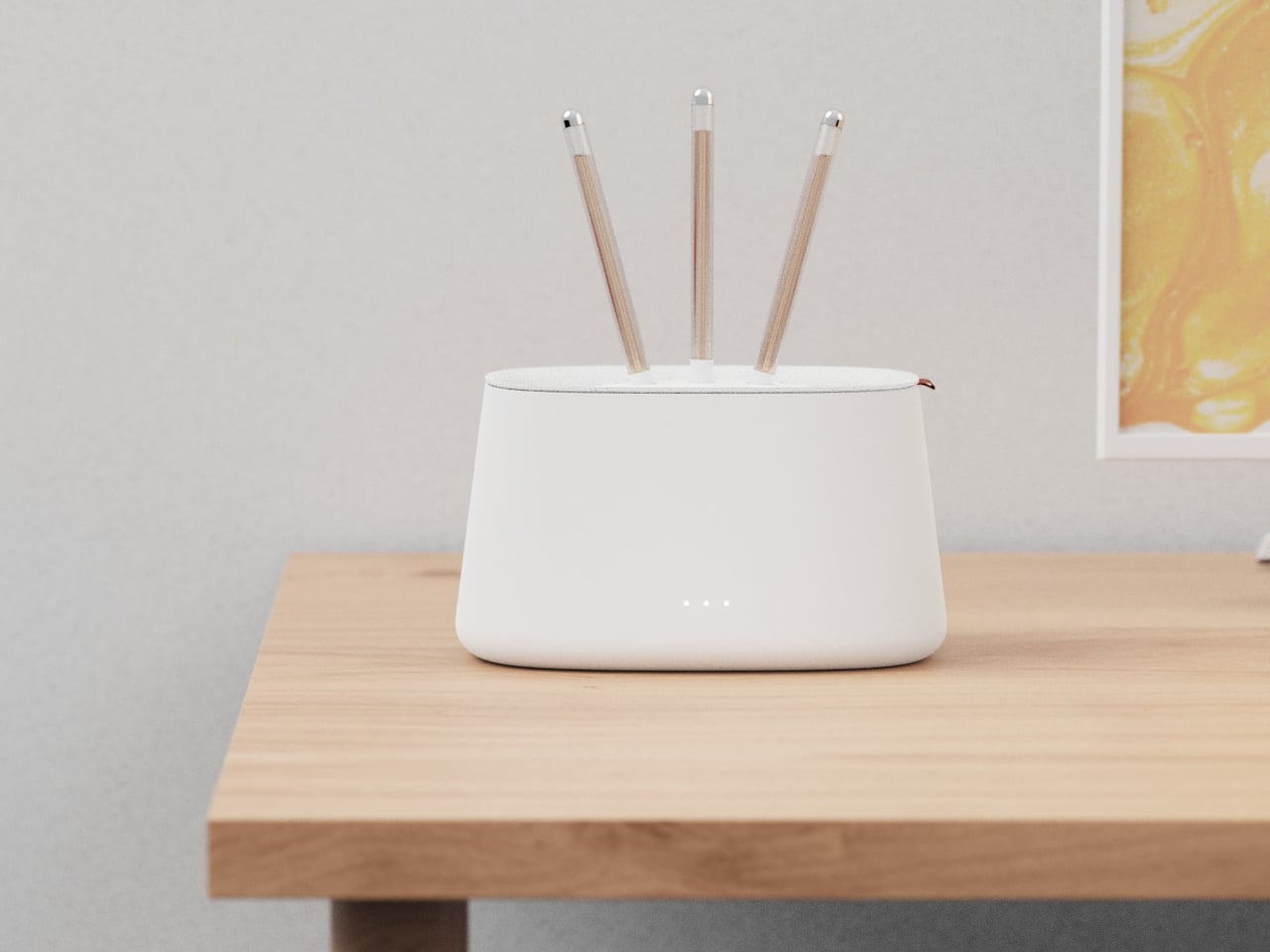
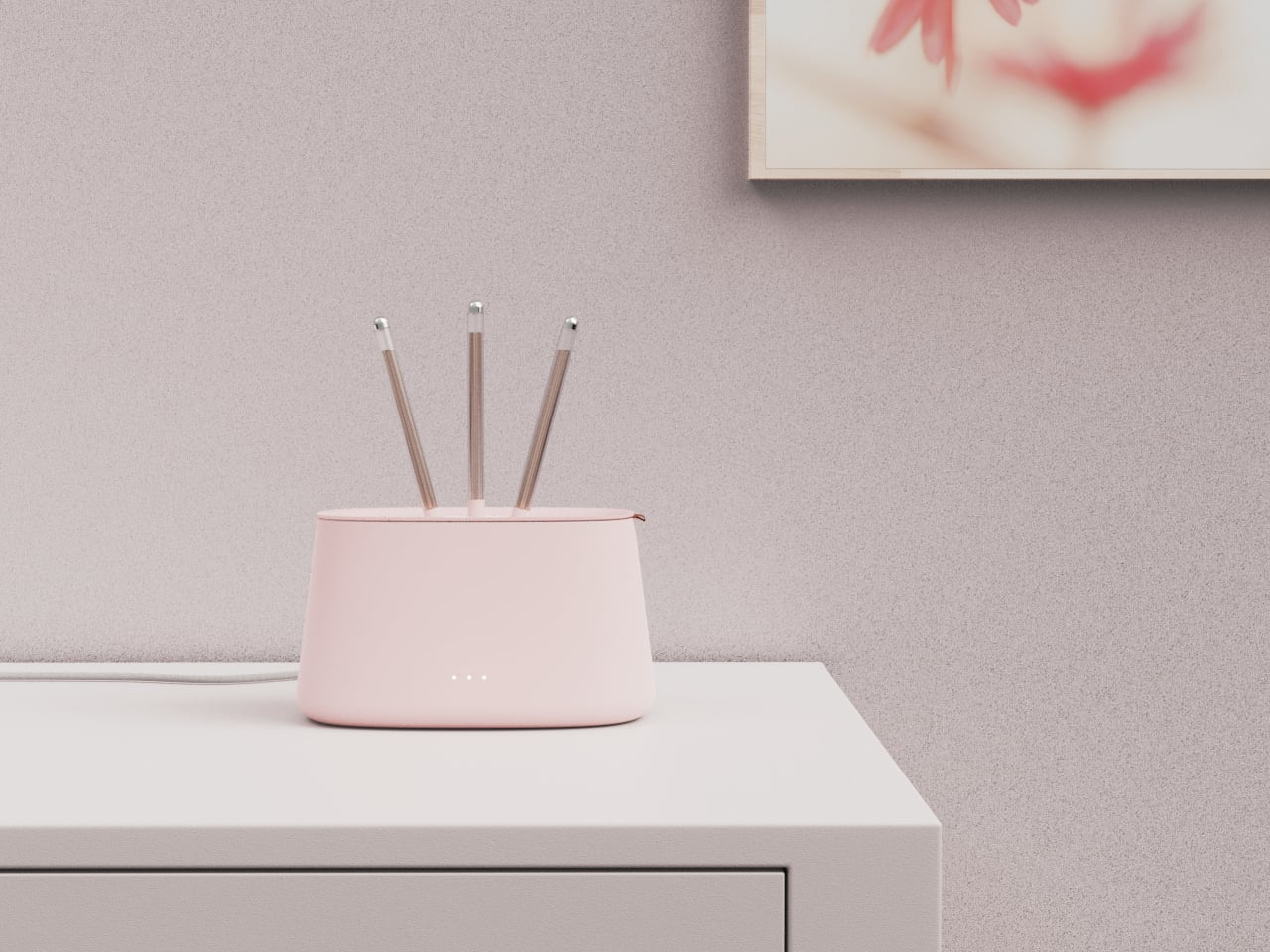
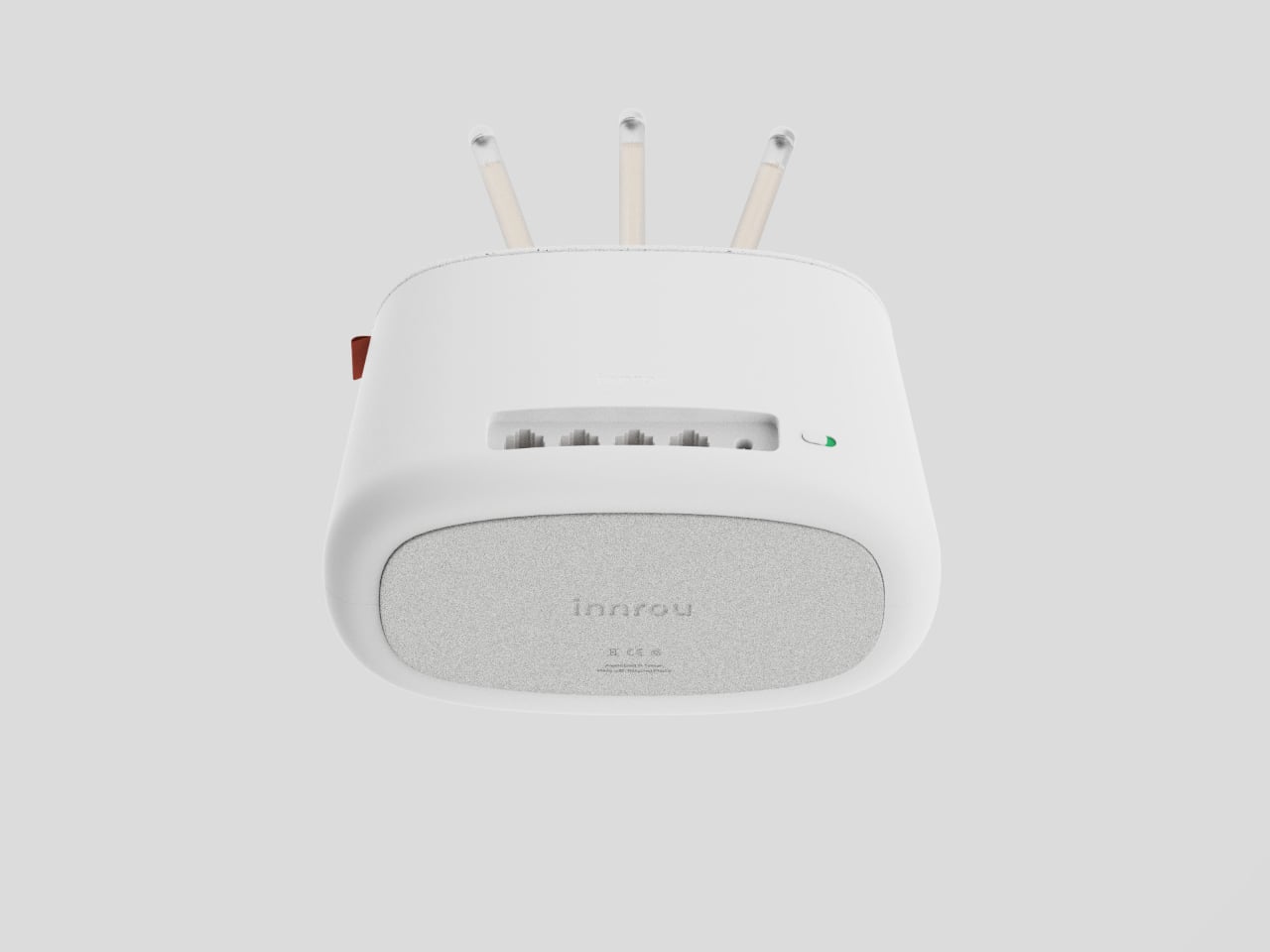
Under the incense metaphor, this is still a proper router. There’s a row of Ethernet ports at the back, a power connection, and internal antennas doing the heavy lifting. The essential oil sticks are designed as replaceable cartridges with their own packaging, so the ecosystem feels thought through. It isn’t about chasing the highest throughput number but about making the necessary hardware less of an eyesore and maybe a bit nicer to live with.
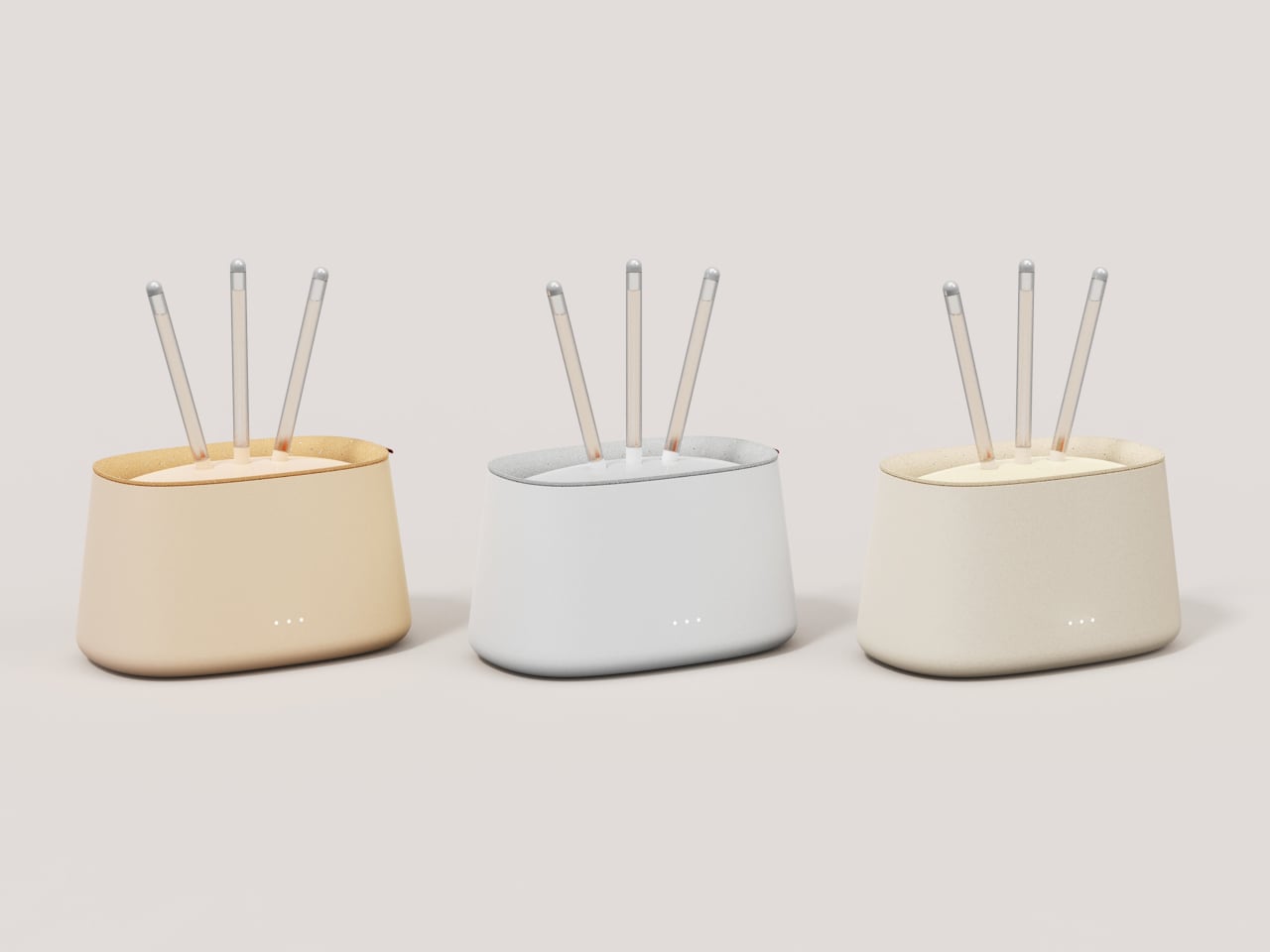
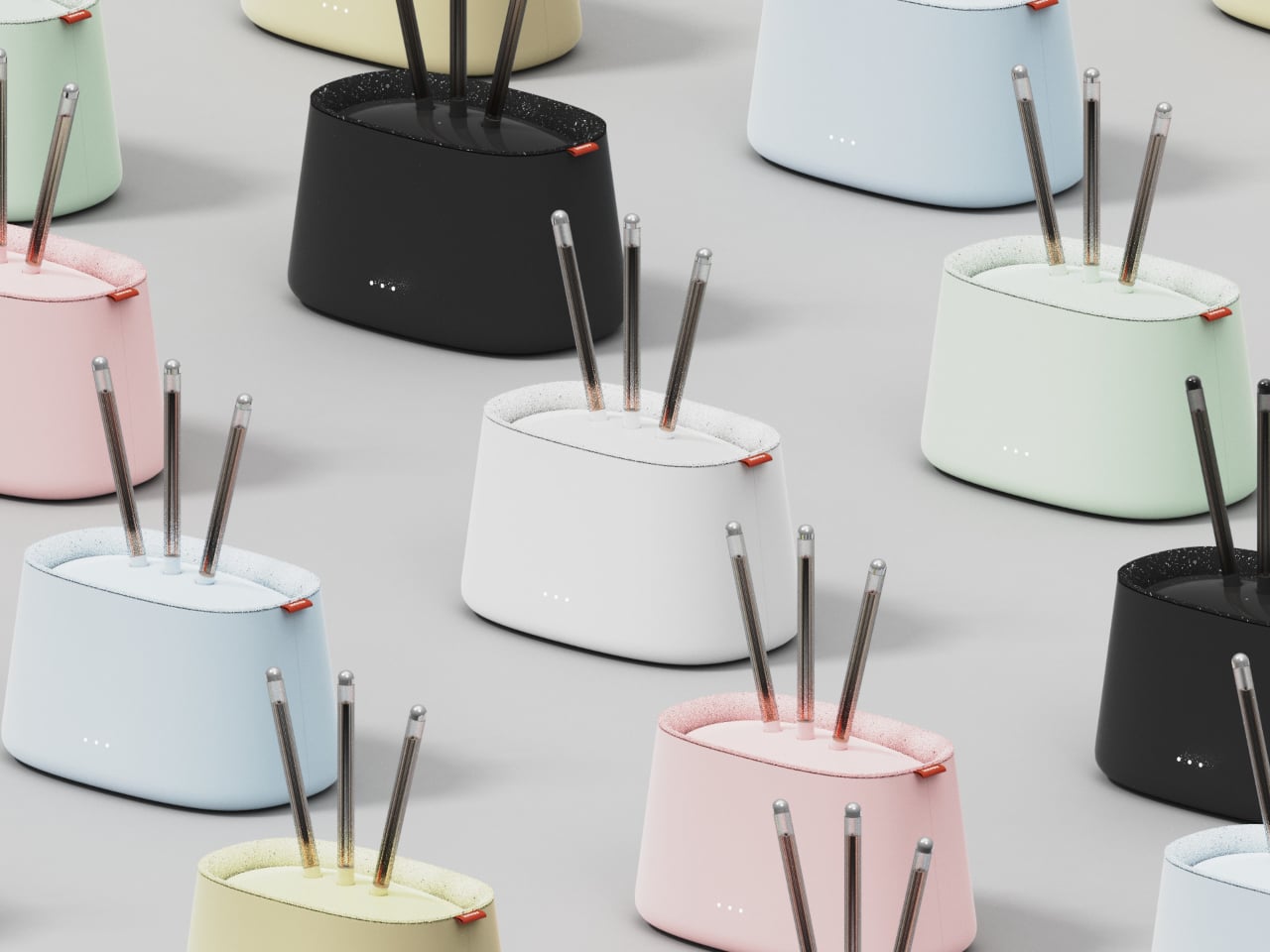
A concept like innrou suggests that if a router can borrow the form and gestures of an incense burner, other invisible boxes could also become objects we actually want in the room, not just tolerate. Blending connectivity with scent and story reframes a forgettable device as a small daily ritual, which feels oddly appropriate when you already treat it like a modern oracle that knows where everything is and when everyone is awake.
The post This Wi-Fi Router Looks Like an Incense Burner and Scents Your Room first appeared on Yanko Design.
Netflix is streaming its first MMA fight on May 16

Netflix is streaming its very first live MMA fight on May 16. The combatants are one-time phenom Ronda Rousey and one-time actor Gina Carano. Both women have retired from the sport. Rousey left in 2016 and Carano left all the way back in 2009. In any event, they are both back for one night only.

The featherweight bout will take place inside a hexagon cage and will stream globally. It's likely Netflix had to choose two retired fighters because current stars are under contracts with various promotional entities. This fight is co-hosted by Most Valuable Productions, a promotional company started by Jake Paul.

Netflix has already been streaming boxing matches, so MMA seems like a natural next step. The platform has also aired live talk shows, golf events and awards ceremonies.

If you're unfamiliar with the aforementioned fighters, Rousey is a UFC champion and Olympic medalist who has a fantastic 12-2 record in MMA. Carano is a pioneer in the sport, starting her career all the way back in 2006.

She also played Cara Dune in The Mandalorian before getting into hot water after social media posts that mocked mask wearing during the pandemic, alleged voter fraud during the 2020 election and denigrated transgender people. However, it really came to a head when she doubled down on her comments, likening the social media blowback conservatives receive to what Jewish people experienced during the holocaust. That's when she was fired from the hit Star Wars show.

Carano has since teamed up with Elon Musk to sue Disney over the firing. In related news, there's a fresh trailer for The Mandalorian and Grogu movie and it's pretty darned fun.

This article originally appeared on Engadget at https://www.engadget.com/entertainment/streaming/netflix-is-streaming-its-first-mma-fight-on-may-16-165702479.html?src=rss

The first full trailer for The Mandalorian and Grogu is here

Fans of The Mandalorian and his tiny green apprentice Grogu are getting their best look yet at the duo's upcoming theatrical adventure, set for release this spring. It’s hard to believe that it's been just over six years since the last Star Wars movie was released in theaters, followed by wall-to-wall coverage of so-called Star Wars Fatigue.

The newest trailer, released today, clocks in at just over two minutes long and offers some new footage and details to sink our teeth into. Picking up after the events of the Disney+ series The Mandalorian, the Empire has collapsed and Din Djarin (Pedro Pascal) and Grogu are tasked with taking out a bevy of baddies from gangsters to war criminals for the New Republic. Colonel Ward, new to the Star Wars universe and played by Sigourney Weaver, tells Djarin, "This isn't about revenge, it's about preventing another war."

Jeremy Allen White will also star in the film, as Rotta the Hutt, Jabba's son, who we briefly see battling Din Djarin in a colosseum of sorts. Notably, at one point we see Djarin on his knees before Jabba sans helmet, so we'll definitely be getting some moments of Pedro Pascal unfiltered by Beskar. Like any Star Wars adventure, we see flashes of some new creatures that our heroes will face. Most importantly, we see Grogu being downright adorable, playing with buttons on the ship, commandeering a flying bassinet, and snacking on a cookie.

The Mandalorian and Grogu hits theaters on May 22 and, according to the trailer, was shot at least in part for IMAX.

This article originally appeared on Engadget at https://www.engadget.com/entertainment/tv-movies/the-first-full-trailer-for-the-mandalorian-and-grogu-is-here-164244117.html?src=rss

Kingdom Come: Deliverance 2 and The Witcher 3 are coming to Game Pass

Xbox has revealed the second batch of Game Pass additions for February. There are quite a few heavyweights in the mix this time, including Kingdom Come: Deliverance II and The Witcher 3: Wild Hunt. Let’s start with what’s available today, though. Xbox previously said Avatar: Frontiers of Pandora (Game Pass Ultimate and PC Game Pass on Cloud, Xbox Series X/S, handheld and PC) would arrive today, while Avowed joins the Game Pass Premium library on Cloud, Xbox Series X/S and PC on the same day it hits PS5

There’s another Game Pass addition today in the form of Aerial_Knight’s DropShot (Game Pass Ultimate and PC Game Pass on Cloud, Xbox Series X/S, handheld and PC). I’ve been looking forward to this after digging solo developer Aerial_Knight’s previous games as well as the demo

This is a single-player skydiving FPS in which you’ll have to fend off enemies to grab the only parachute. You’ll use finger guns to take out the competition. Oh, and there are dragons to deal with. 

Another trio of games joins the lineup on Friday, including The Witcher 3: Wild Hunt – Complete Edition (Game Pass Ultimate and Premium on Cloud and consoles). This version of the classic action RPG includes all the DLC, so it could keep you busy for quite some time. EA Sports College Football 26 (Game Pass Ultimate on Cloud and Xbox Series X/S) arrives on the same day along with the eye-catching Soulslike deckbuilder Death Howl (Game Pass Ultimate and Premium on Cloud, Xbox Series X/S, handheld and PC). That was already on PC Game Pass. 

On February 24 TCG Card Shop Simulator hits Cloud, Xbox Series X/S, handheld and PC in Game Preview on Game Pass Ultimate, Premium and PC Game Pass. As the title suggests, here you'll be managing a trading card game store. Dice A Million — a day-one addition to Game Pass Ultimate and PC Game Pass on PC on February 25 — is an intriguing numbers-go-up game. It's a roguelike deckbuilder in which you'll combine dice with different abilities as well as rings with passive effects as you attempt to roll a million points.

February 26 sees the full release of Towerborne, which had been in game preview (and in early access on Steam). Xbox Game Studios is publishing this co-op action RPG from Stoic. Offline play and online co-op will be added along with more story, areas, enemies, progression features and difficulty settings. The full version of Towerborne will be available on Game Pass Ultimate, Premium and PC Game Pass across consoles, handheld and PC.

Looking a bit further ahead, two high-profile titles are coming to Game Pass Ultimate, Premium and PC Game Pass on Cloud, Xbox Series X/S and PC on March 3: Final Fantasy III and Kingdom Come: Deliverance II. The latter received several nominations at The Game Awards, including Game of the Year, and it was one of our favorite games of 2025. It follows Kingdom Come Deliverance hitting Game Pass just last week.

This article originally appeared on Engadget at https://www.engadget.com/gaming/xbox/kingdom-come-deliverance-2-and-the-witcher-3-are-coming-to-game-pass-163624685.html?src=rss

When Light Learns to Dance: A Sculpture That Moves on Purpose

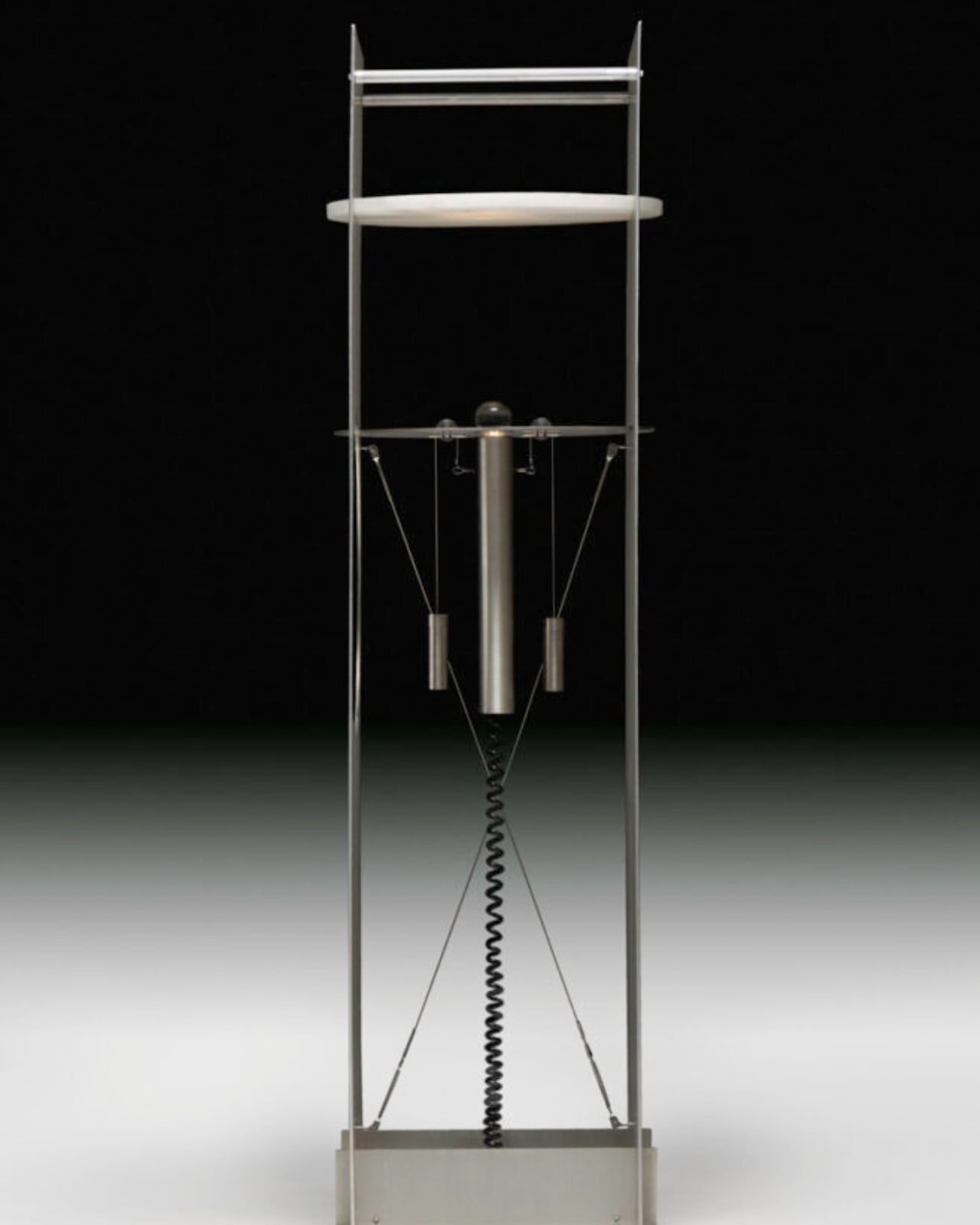
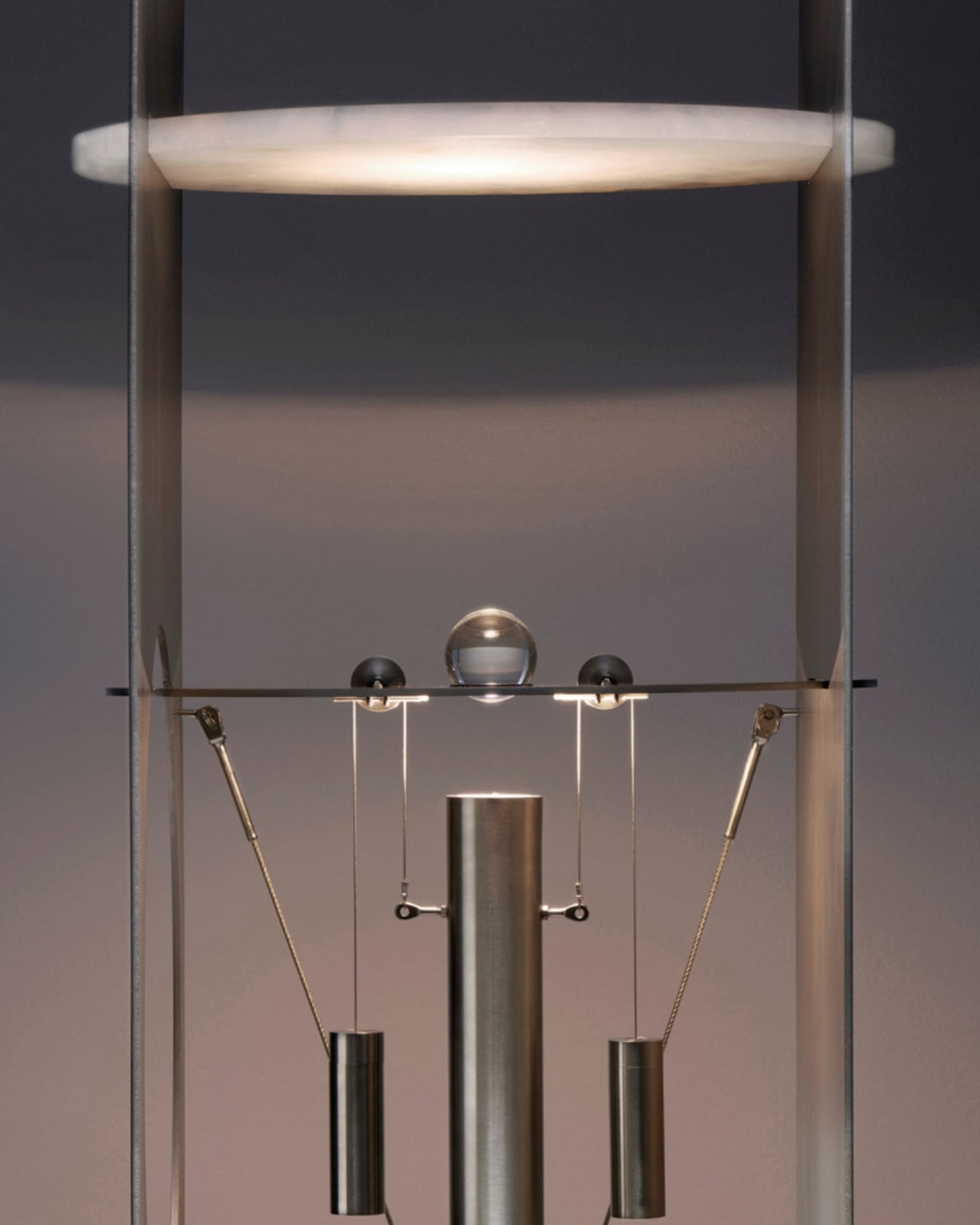
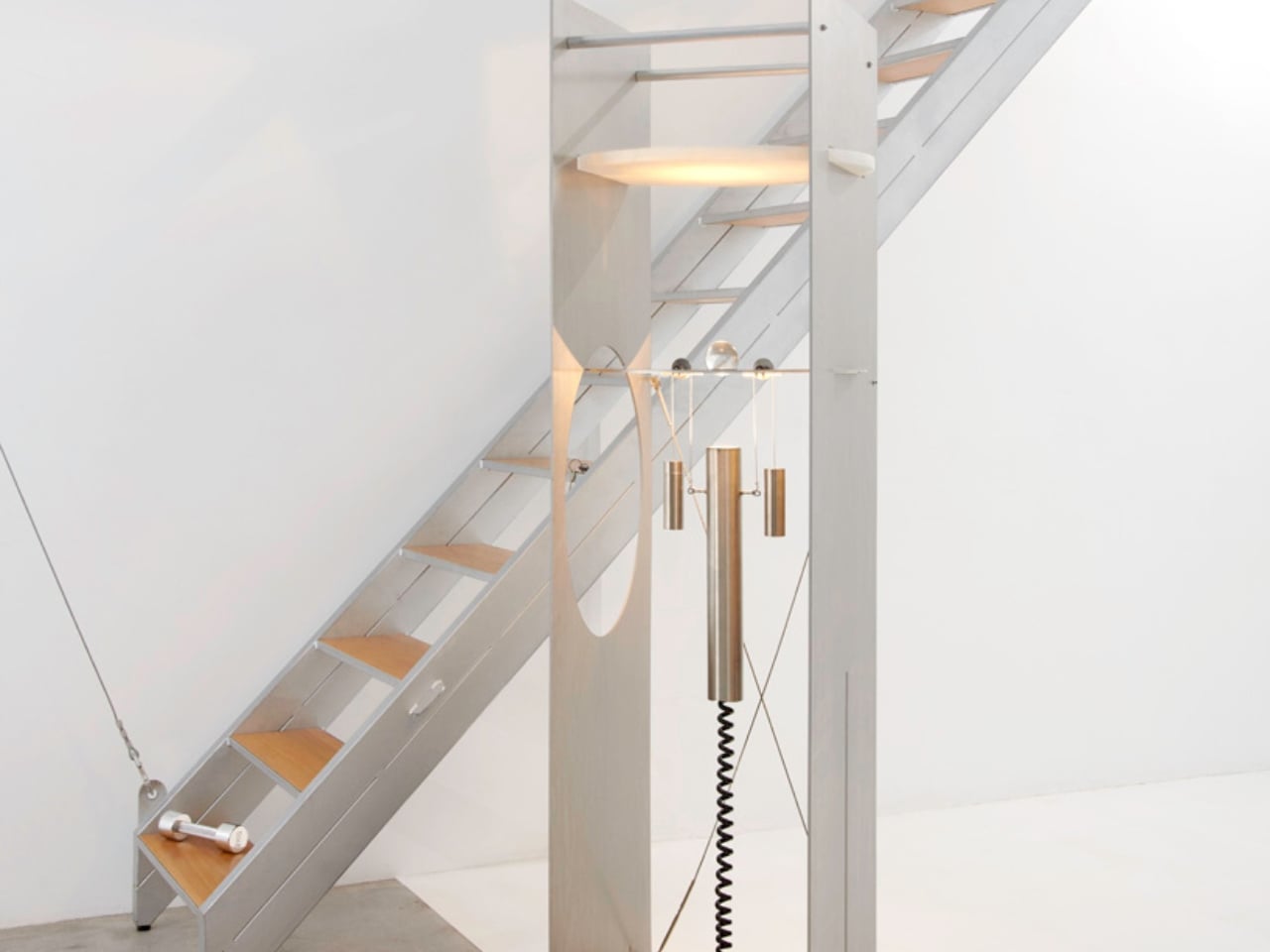
There’s something mesmerizing about watching objects move with intention. Not random chaos or frantic spinning, but deliberate, mechanical motion that feels almost choreographed. Kutarq Studio’s Totem de Luz captures that magic perfectly. It’s a kinetic lighting sculpture that sits somewhere between functional lamp and art installation, refusing to pick a lane and somehow being better for it.

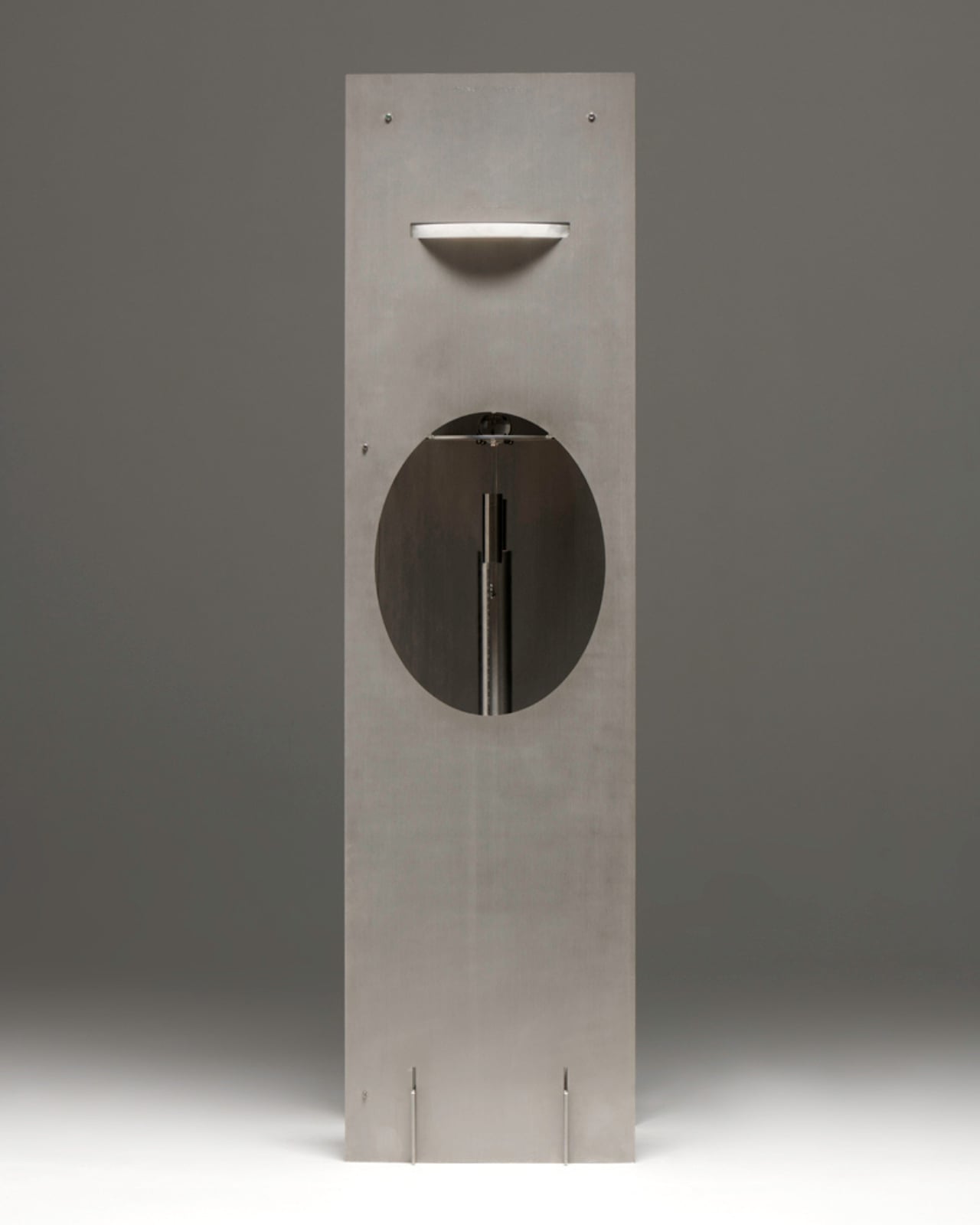
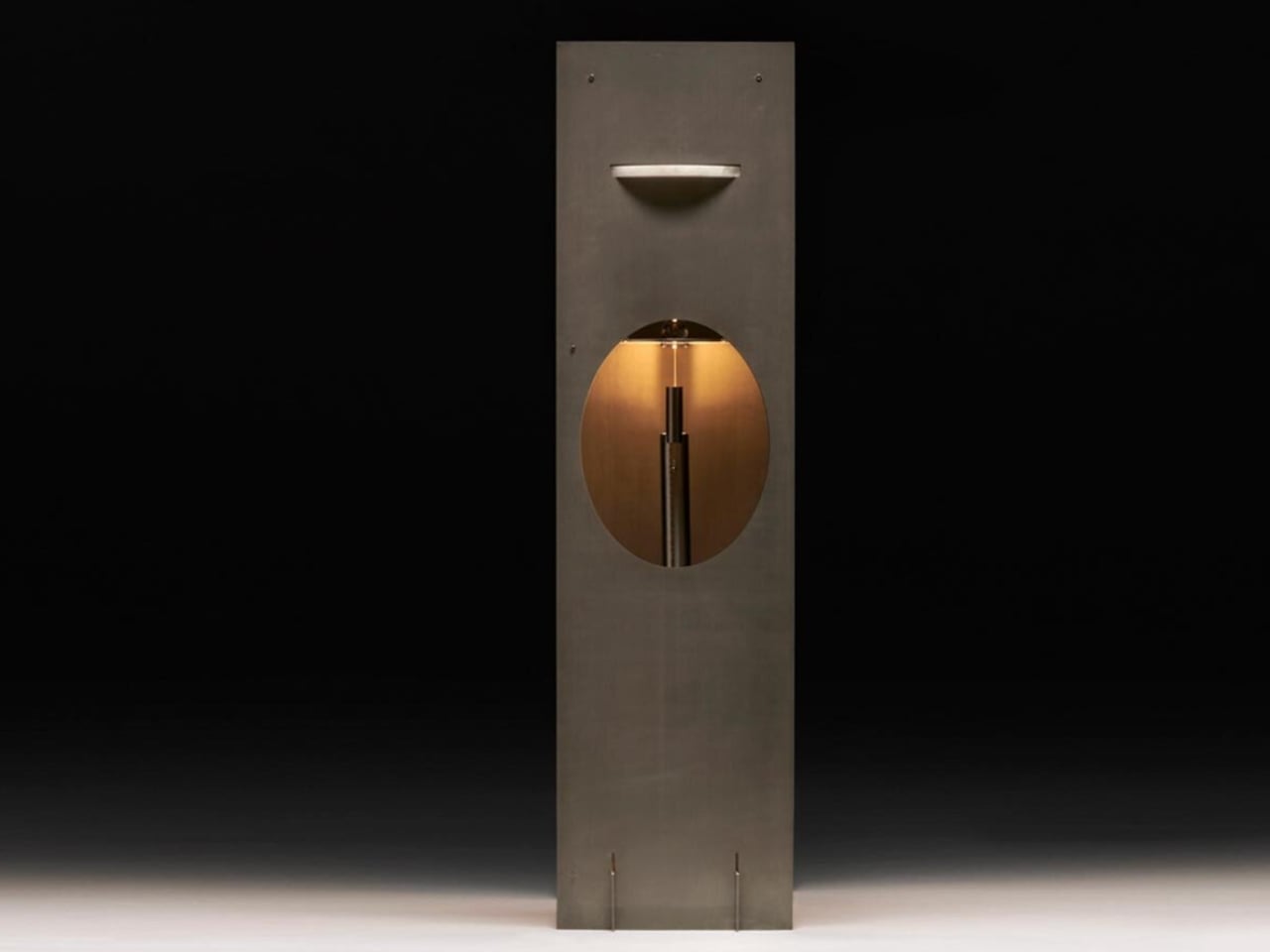
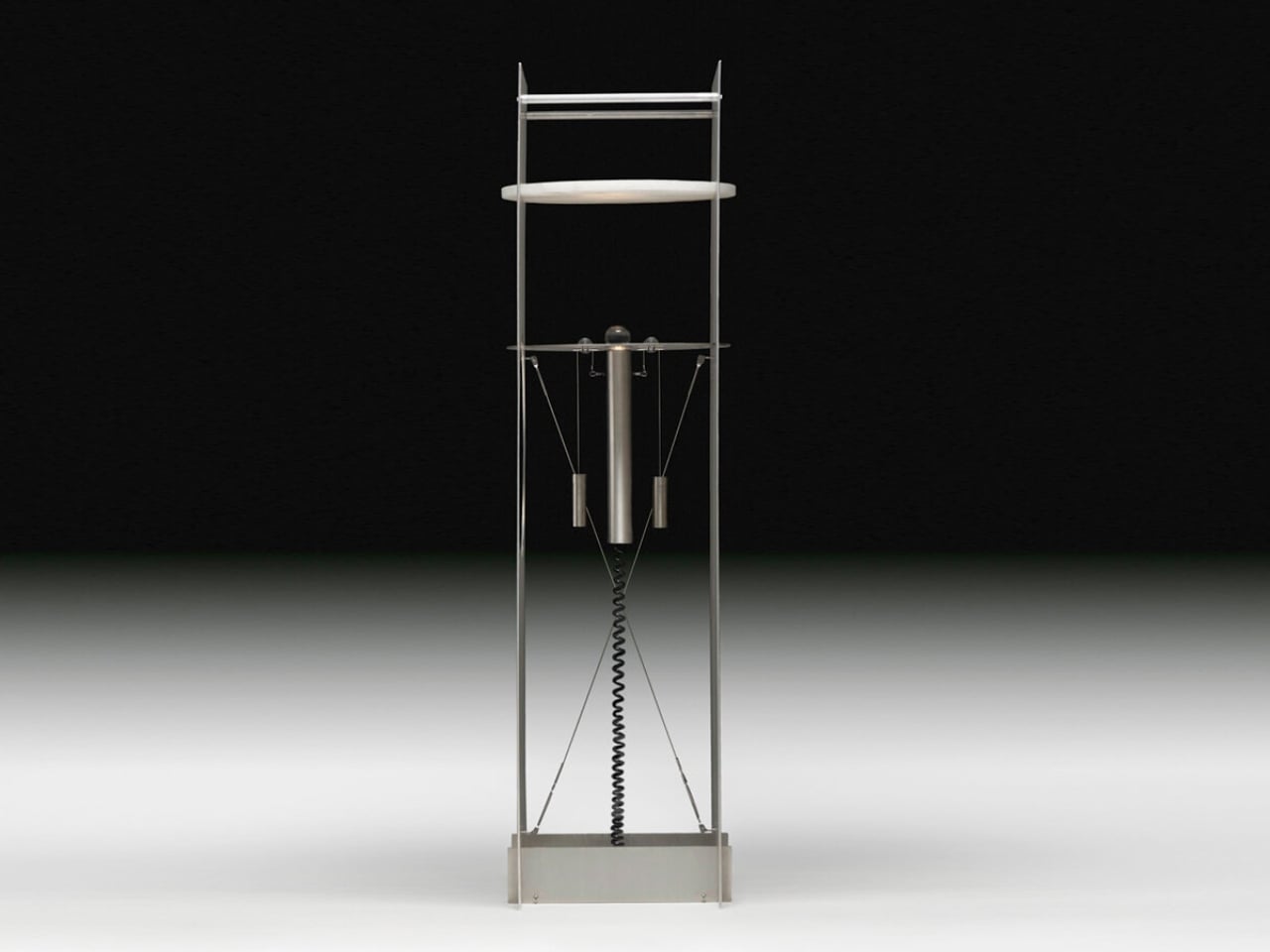
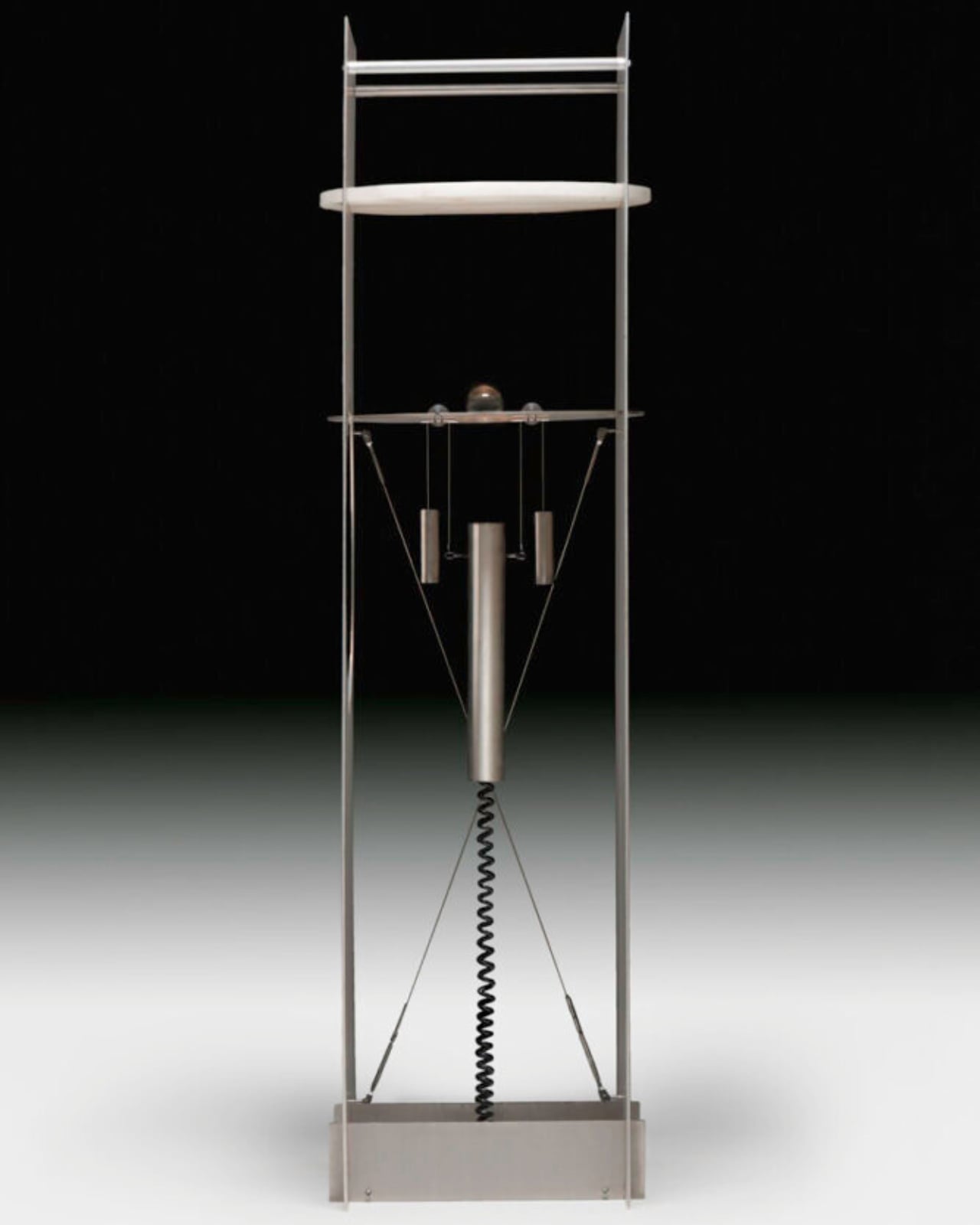
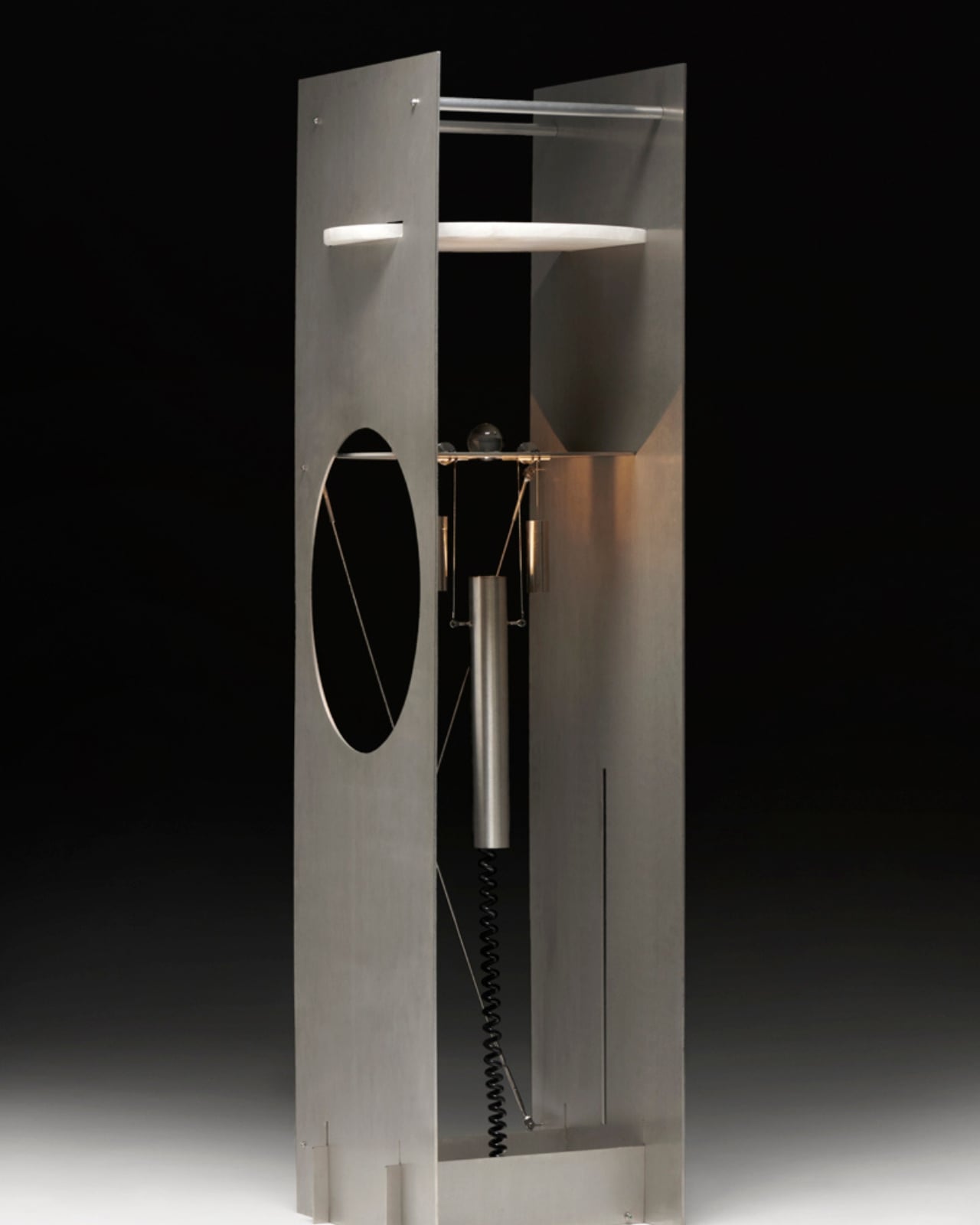
At first glance, Totem de Luz looks like a sleek vertical column made from stainless steel and glass. But the real show starts when you interact with it. The piece uses exposed mechanical components to move its light source up and down along the structure, transforming not just where the light goes, but how your entire space feels.

Designer: Kutarq Studio (photos by Iñaki Domingo)

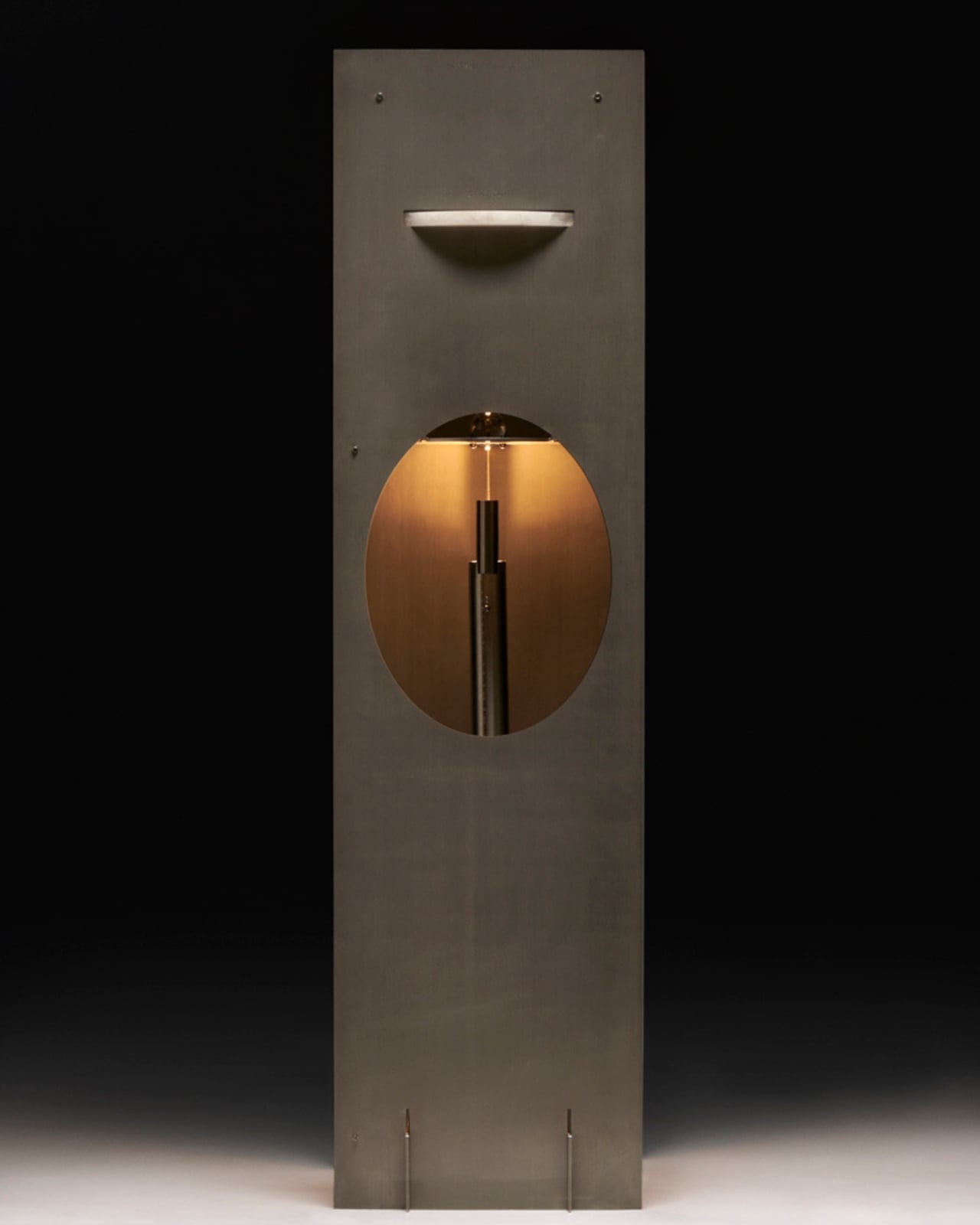
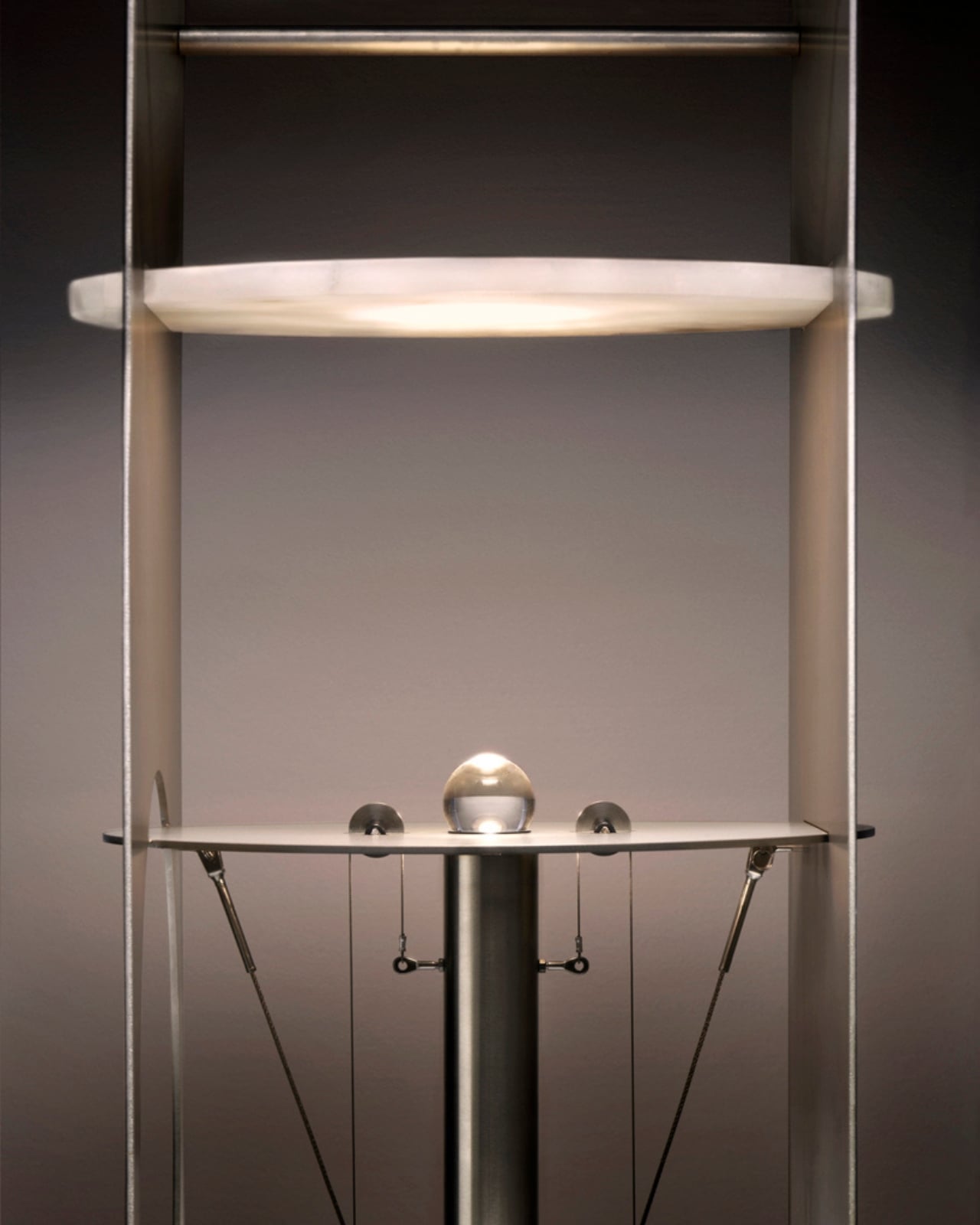
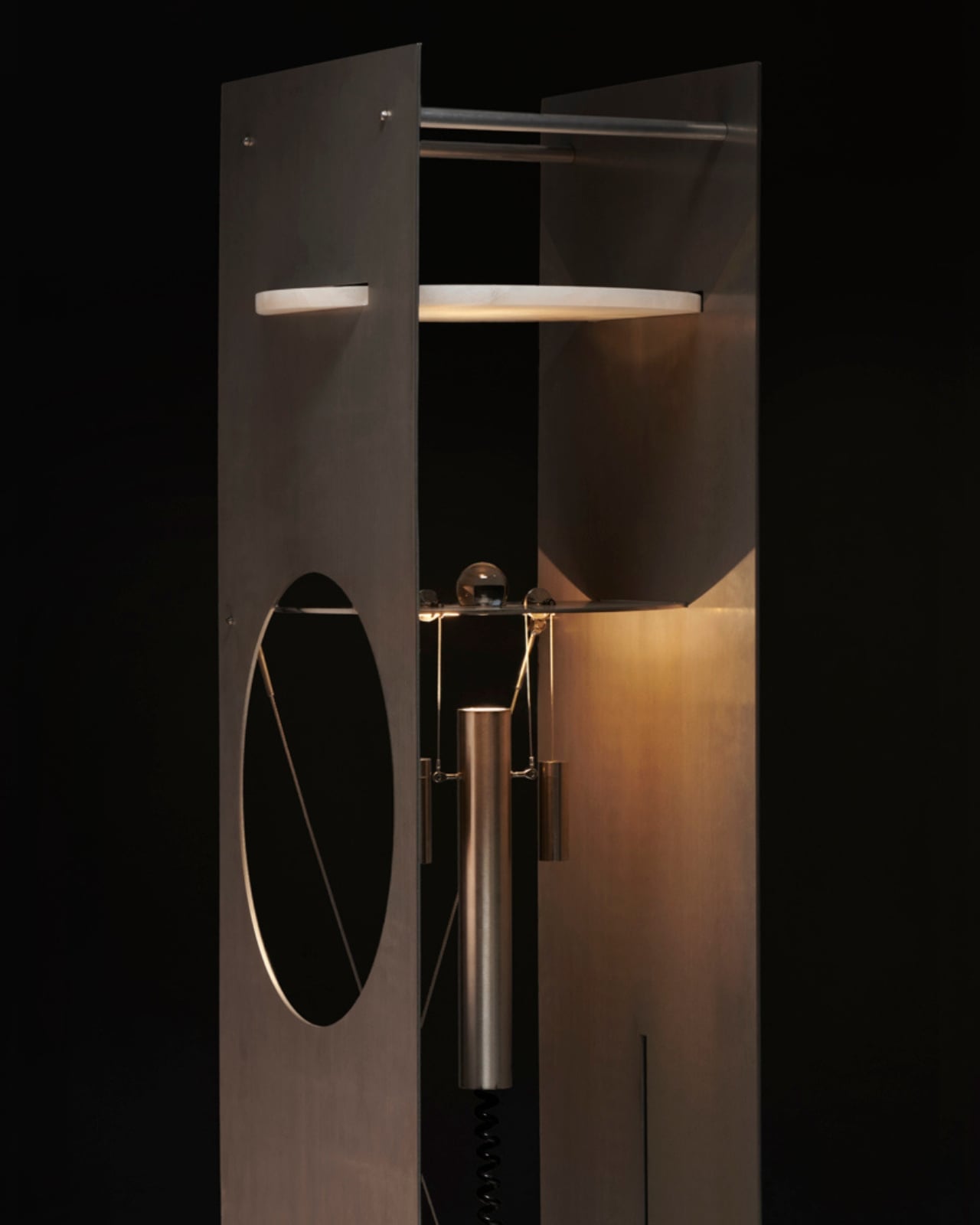
When the light sits in its upper position, it shines toward an onyx diffuser that softens and scatters the illumination upward, creating that warm, ambient glow perfect for winding down after a long day. Lower the light source, though, and everything changes. The beam redirects through an oval opening on the side of the structure, producing focused, concentrated light that’s ideal for reading or getting work done. It’s like having two completely different lamps in one sculptural package.

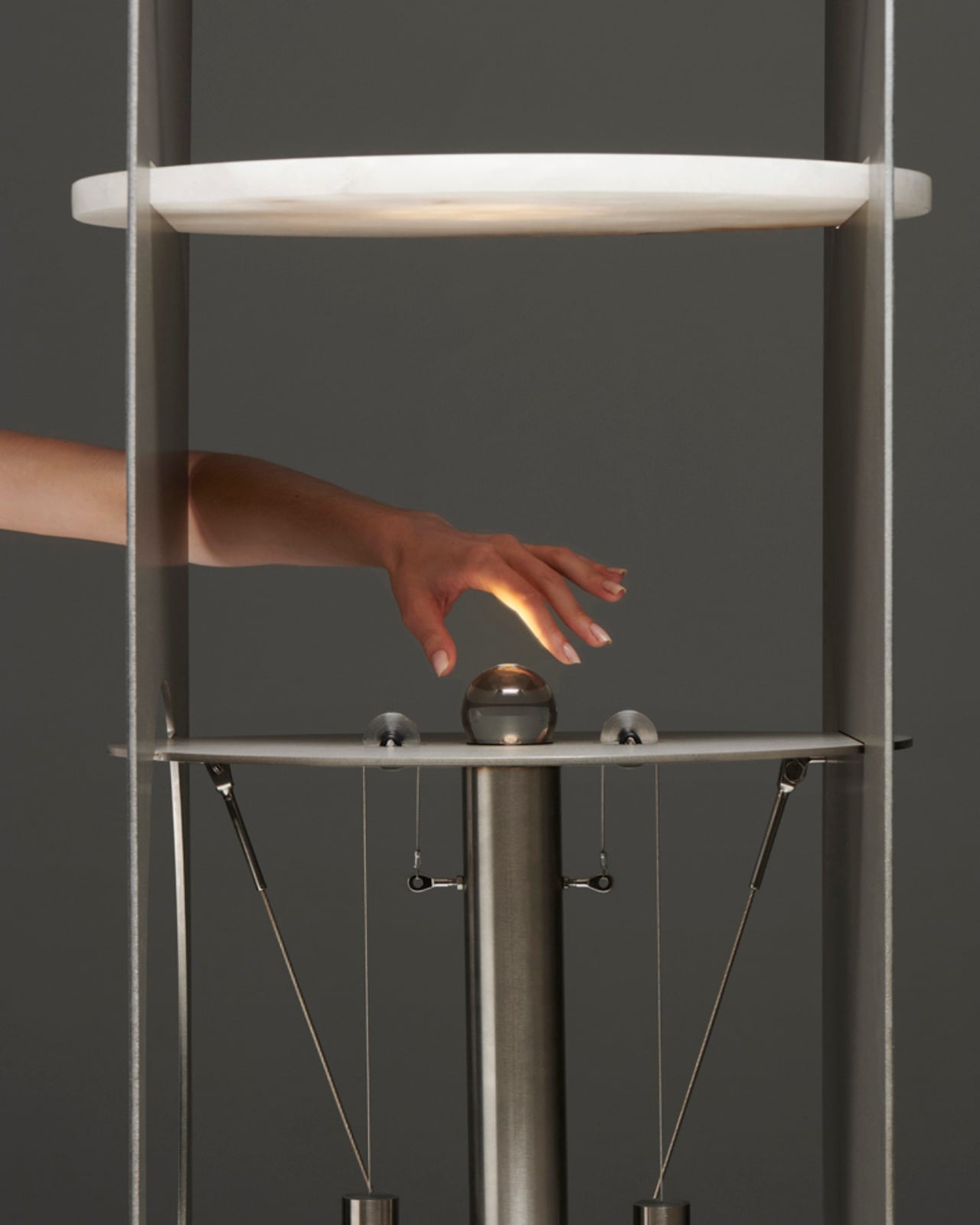
What makes Totem de Luz particularly compelling is how openly it wears its mechanics. Many contemporary designs hide their inner workings behind smooth casings, but Kutarq Studio, led by designer Jordi Lopez Aguilo, takes the opposite approach. The gears, pulleys, and mechanical systems that make the movement possible are all visible, transforming the technical aspect into part of the aesthetic experience. There’s a steampunk quality to it without leaning into that aesthetic fully. Instead, it feels industrial and refined at the same time.

The materials tell their own story too. Stainless steel gives the piece its structural backbone and modern edge, while the glass components add fragility and elegance. Then there’s that onyx diffuser, a material choice that elevates the entire piece from “cool lamp” to “investment-worthy sculpture.” Onyx isn’t just pretty. It has natural translucent properties that interact beautifully with light, creating depth and warmth that cheaper materials can’t replicate.

Beyond its obvious visual appeal, Totem de Luz raises interesting questions about how we interact with our spaces. In an era where everything is becoming smart, automated, and voice-controlled, there’s something refreshingly tactile about physically adjusting your lighting. The kinetic mechanism asks you to engage with the object, to participate in shaping your environment rather than just commanding it from across the room.

This kind of design philosophy feels particularly relevant right now. We’re surrounded by technology that prioritizes convenience over connection, efficiency over experience. Totem de Luz pushes back against that trend. It’s not trying to disappear into your smart home ecosystem. It demands presence and attention. You can’t ignore a six-foot kinetic sculpture in your living room, nor would you want to.

The piece also plays beautifully with how we perceive time and movement in interior spaces. Most lighting is static. You flip a switch, and that’s it. But with Totem de Luz, light becomes performance. The slow mechanical adjustment creates a transitional moment, a small ritual that marks the shift from one activity or mood to another. It’s meditative in a way that pressing a button never could be.

Kutarq Studio has created something that feels both timeless and thoroughly modern. The mechanical movement nods to pre-digital craftsmanship, while the sleek materials and minimalist form language speak to contemporary sensibilities. It’s the kind of piece that could sit comfortably in a loft apartment, a mid-century modern home, or even a more traditional space that needs a bold accent. Totem de Luz proves that lighting doesn’t have to choose between being practical or beautiful, functional or artistic. Sometimes the most interesting designs exist in the tension between categories, refusing easy classification and becoming something more interesting in the process.

The post When Light Learns to Dance: A Sculpture That Moves on Purpose first appeared on Yanko Design.
The Galaxy Z Fold 8 Wide Just Leaked: Goodbye Narrow Screen, Hello 16:10

The Galaxy Z Fold 8 Wide Just Leaked: Goodbye Narrow Screen, Hello 16:10 Samsung Galaxy Z Fold 8 showcasing its wider design and improved usability

Samsung is reportedly preparing to transform its Galaxy Z Fold series with the upcoming Galaxy Z Fold 8, which is expected to feature a wider form factor. Leaked animations from an early build of One UI 9 suggest a significant departure from the traditional tall and narrow design. This shift could pave the way for […]

The post The Galaxy Z Fold 8 Wide Just Leaked: Goodbye Narrow Screen, Hello 16:10 appeared first on Geeky Gadgets.

Posted in Uncategorized

Snapchat is rolling out creator subscriptions

Snapchat is taking a page out of Meta's handbook. The social media platform has announced it will launch creator subscriptions for users. Meta-owned Instagram and Facebook currently offer a similar feature

On Snapchat, creator subscriptions will give users access to exclusive content across Snaps and Stories. They will also get priority replies and go ad-free on stories. Snapchat pitches the new feature as great way to give creators "freedom to experiment" and "build a recurring income stream" — all good things for keeping people on your platform. 

Creators can choose exactly how much they want to charge subscribers per month. They can spread these figures out across Snapchat's recommended tiers. 

Snapchat creator subscriptions.
Snap

Starting February 23, select US-based Snapchat creators will be able to offer subscriptions. In the US, iOS users should then be able to subscribe to their accounts. The feature should expand to Canada, France, and the UK in the coming weeks. 

This article originally appeared on Engadget at https://www.engadget.com/social-media/snapchat-is-rolling-out-creator-subscriptions-152114731.html?src=rss

Yamaha’s Sail and Butterfly speakers reimagine how sound takes shape

Few brands move as fluidly between precision engineering and artistic expression as Yamaha. From concert grand pianos to motorcycles and professional audio systems, the company has long treated sound as both science and sculpture. Its latest speculative speaker concepts continue that philosophy, challenging the conventional box-shaped loudspeaker with forms that are lighter, more interactive, and visually dynamic. Rather than refining the familiar rectangular enclosure, Yamaha’s design team rethinks how sound radiates into space and how users physically engage with it.

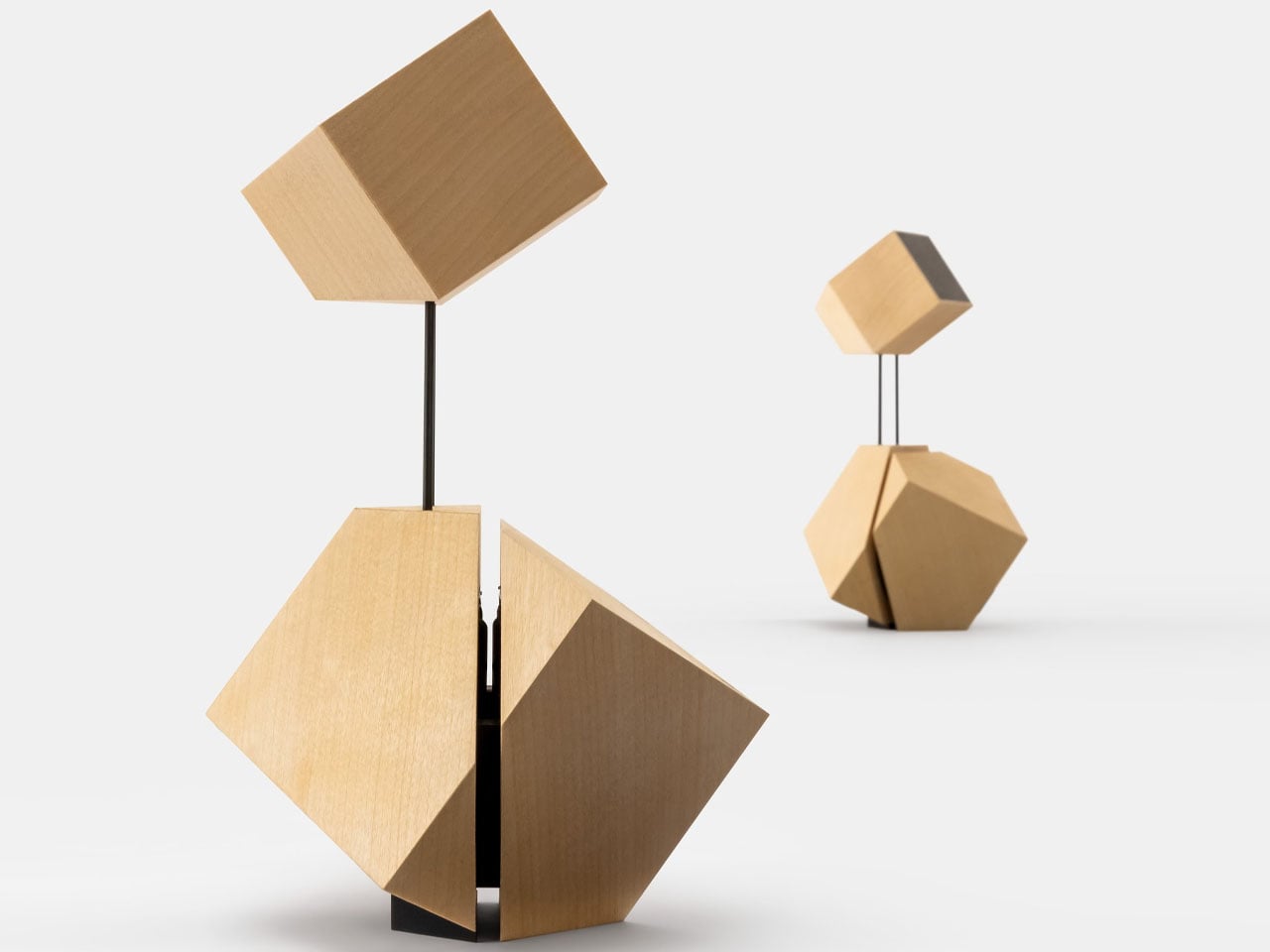
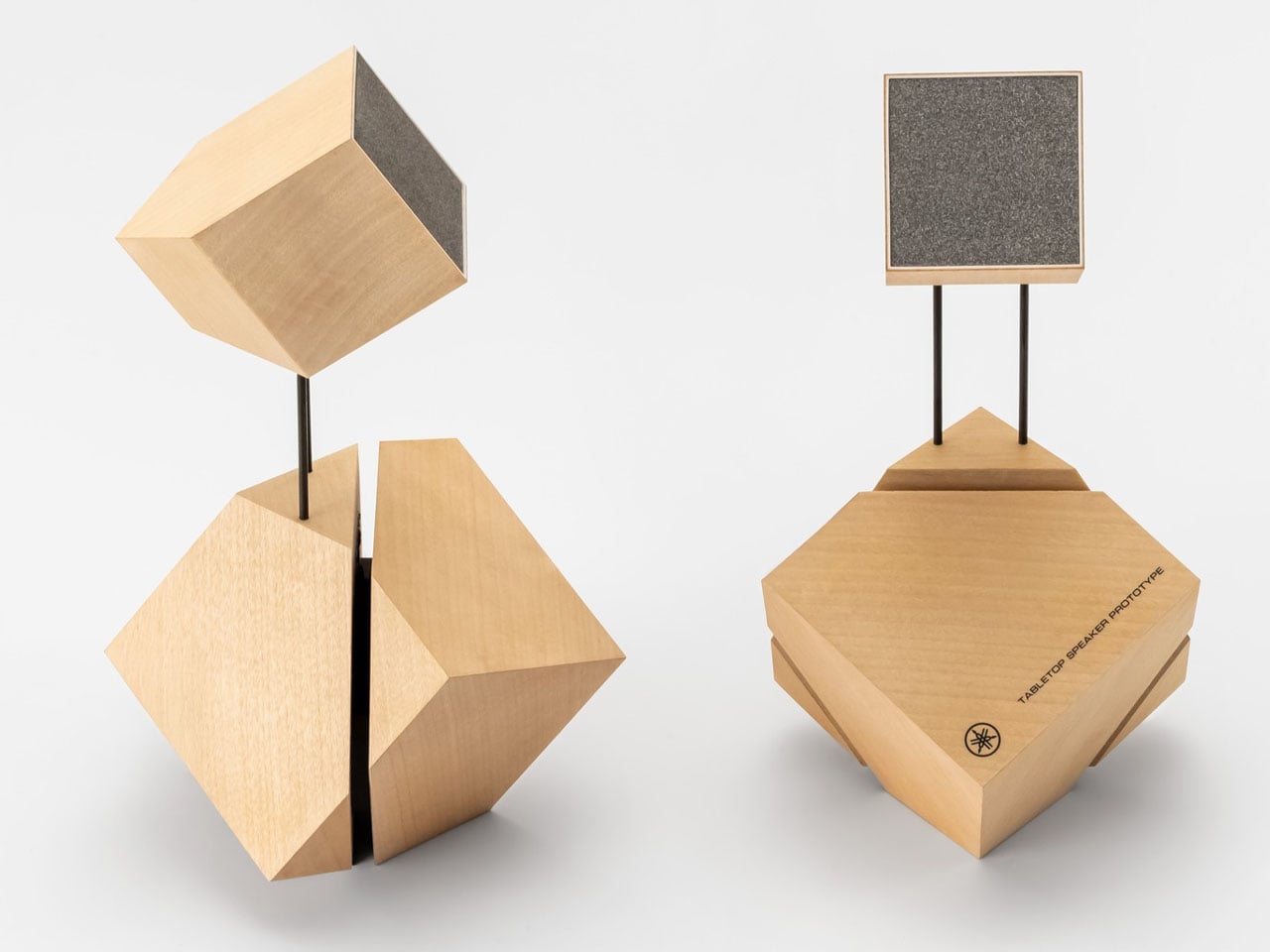
Developed by Yamaha Design Laboratory in Japan, the collection addresses a common but often overlooked issue in home audio: unwanted reflections from nearby surfaces such as tabletops. These reflections can color the sound and reduce clarity. By altering the geometry and projection of the speaker units, the designers aim to direct audio more intentionally into the listening environment while reducing interference from surrounding surfaces. The result is a series of experimental prototypes that treat sound dispersion as a spatial experience rather than a fixed output.

Designer: Yamaha Design Lab

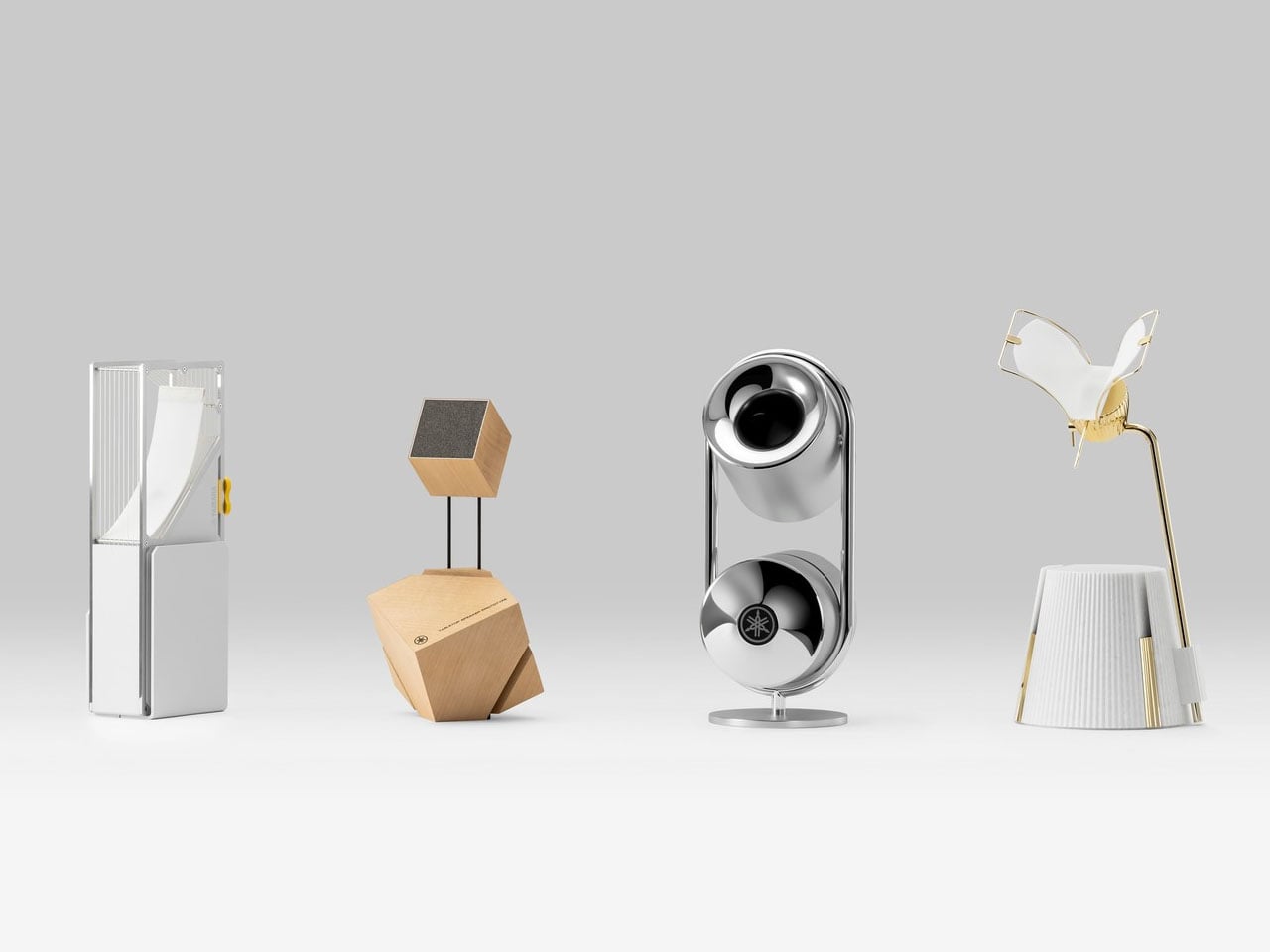
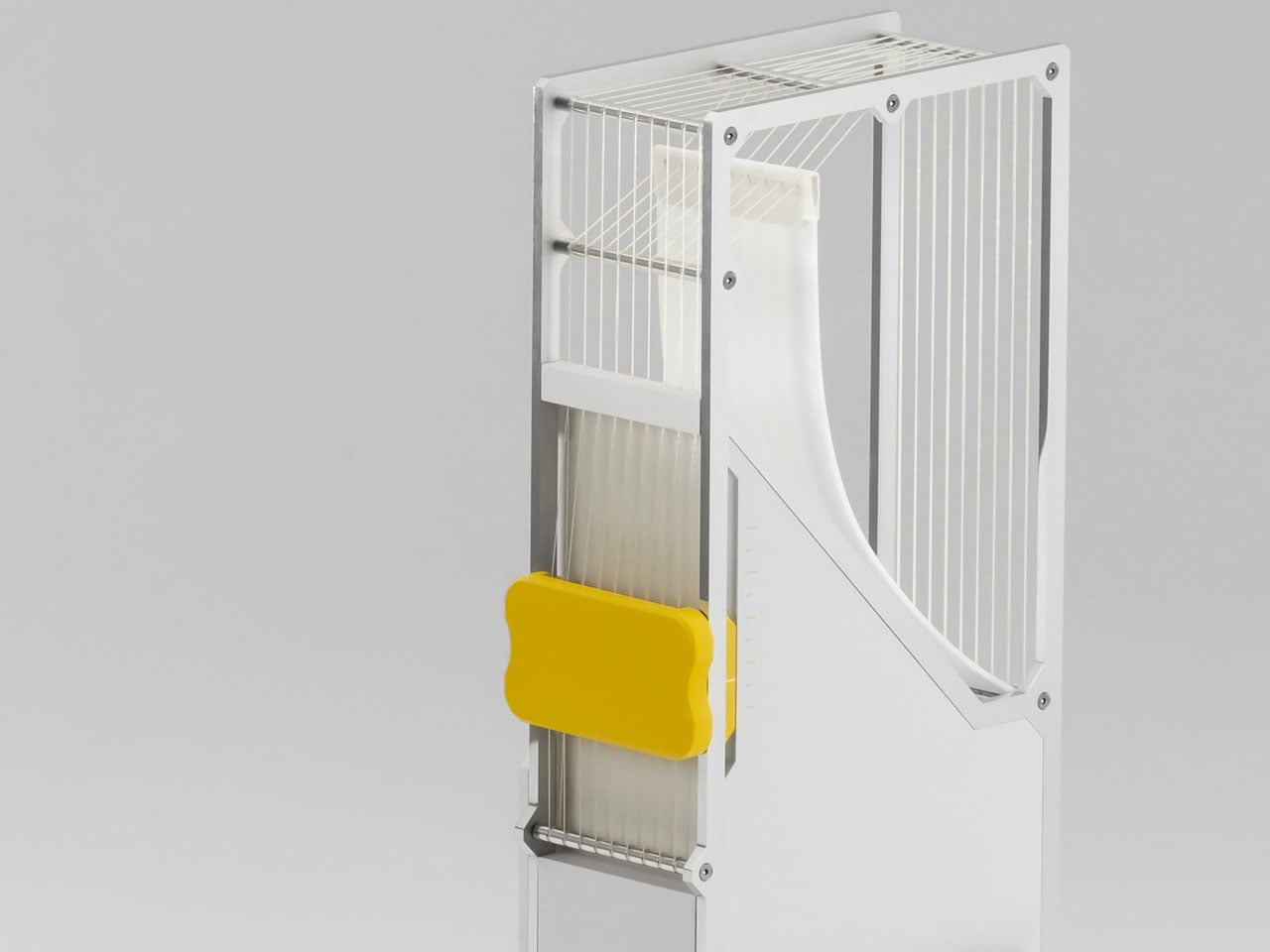
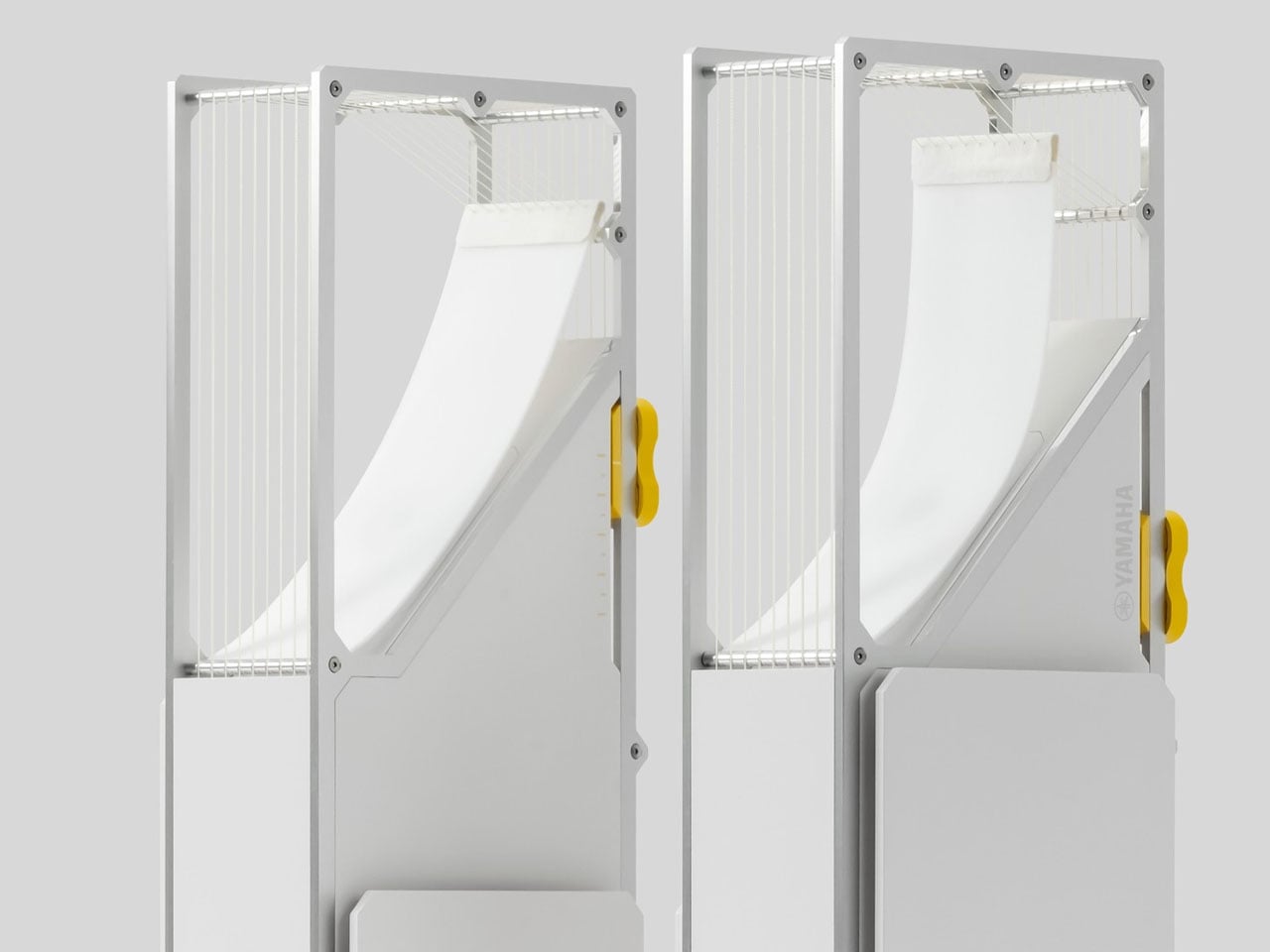
One of the most distinctive ideas is the Sail Concept. The defining feature here is a diaphragm suspended like a sail between tensioned strings, creating a structure that feels more architectural than electronic. The diaphragm is made from ROHACELL, a lightweight closed-cell foam known for its rigidity, heat resistance, and ability to be thermoformed. These qualities allow it to remain structurally stable while vibrating efficiently, supporting clearer sound reproduction. What sets this speaker apart is interactivity: users can physically adjust the tension and positioning of the sail-like element, subtly influencing how sound is projected into the room. The act of tuning becomes tactile, making the listening experience more participatory.

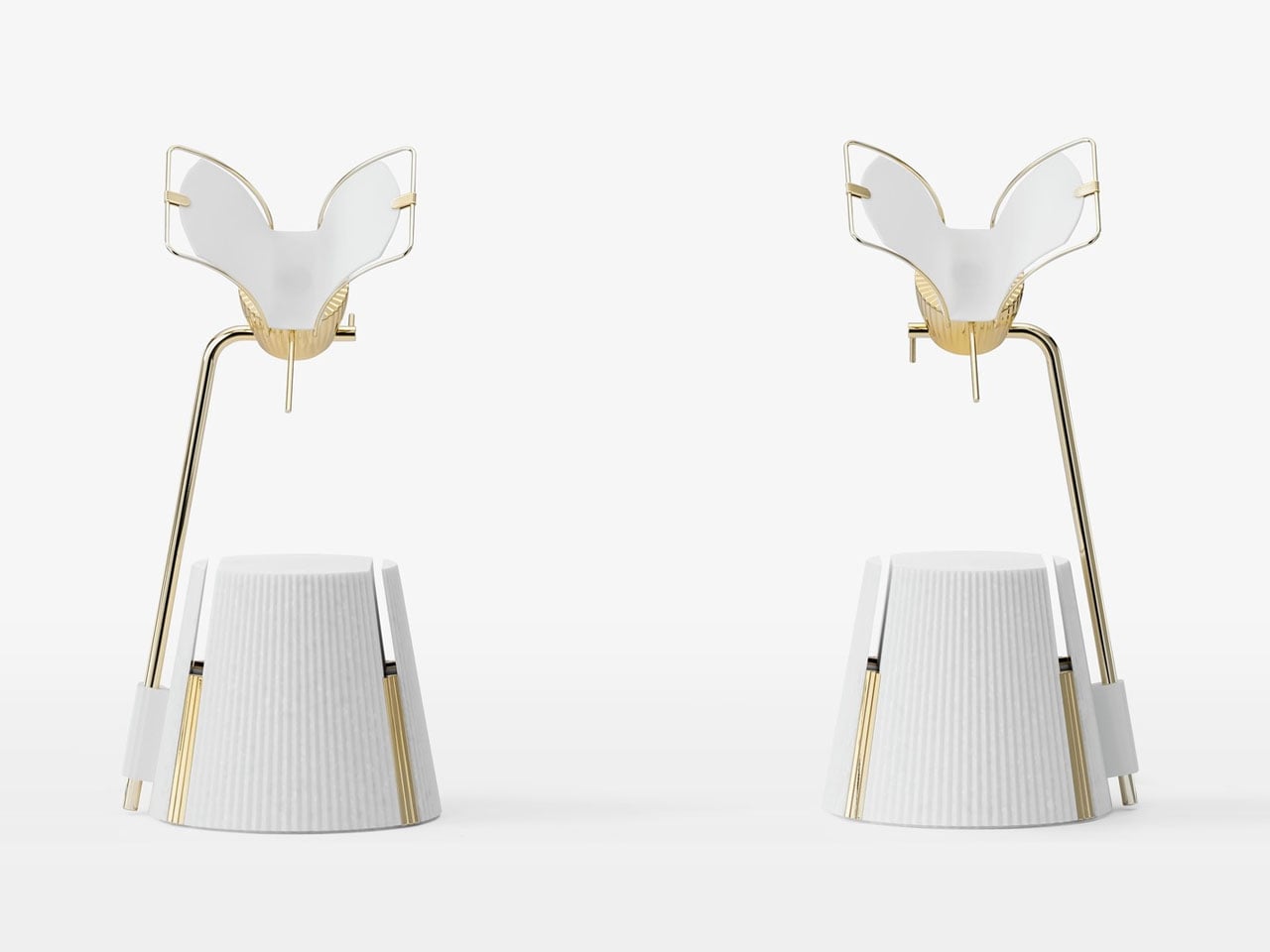
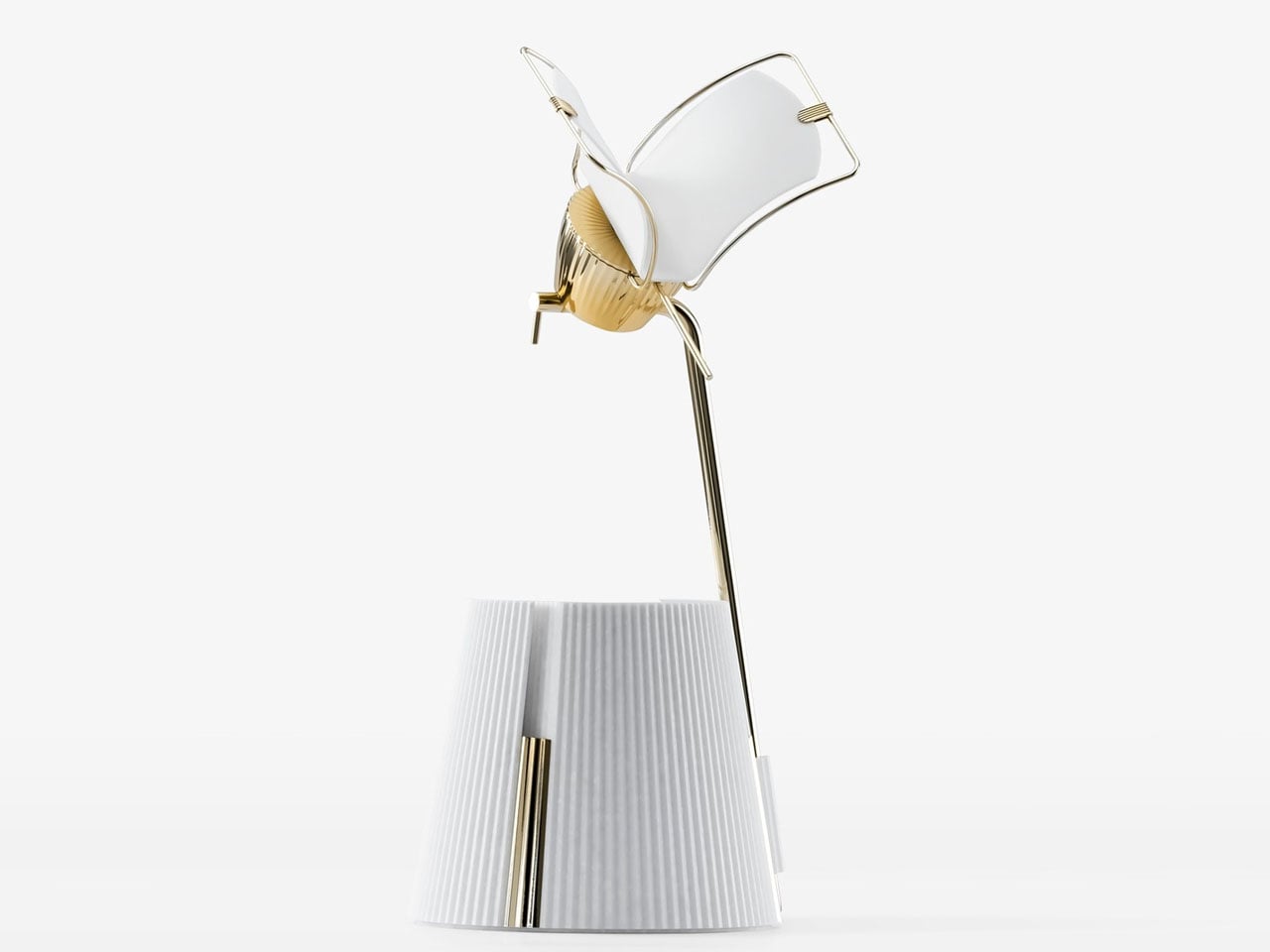
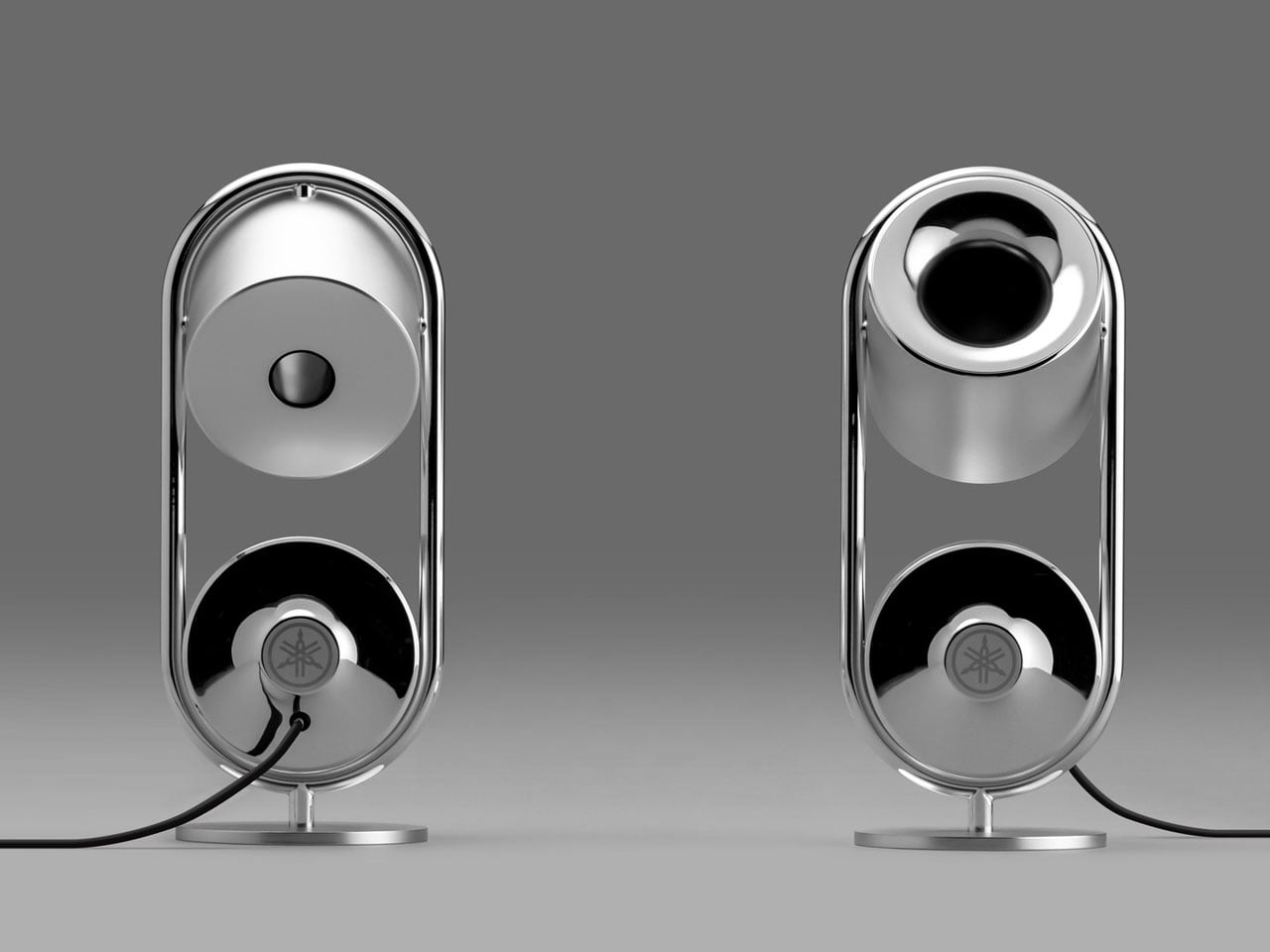
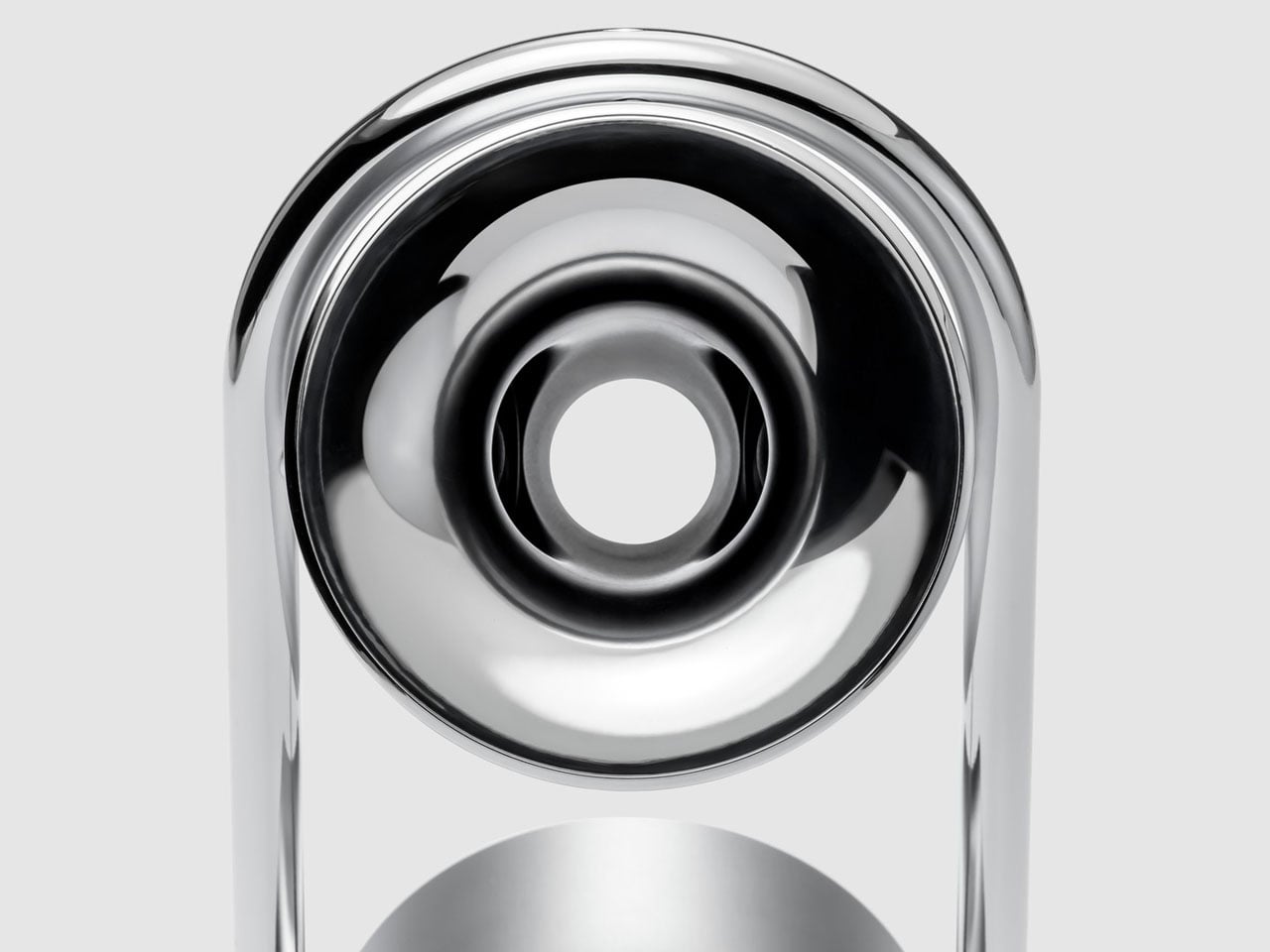
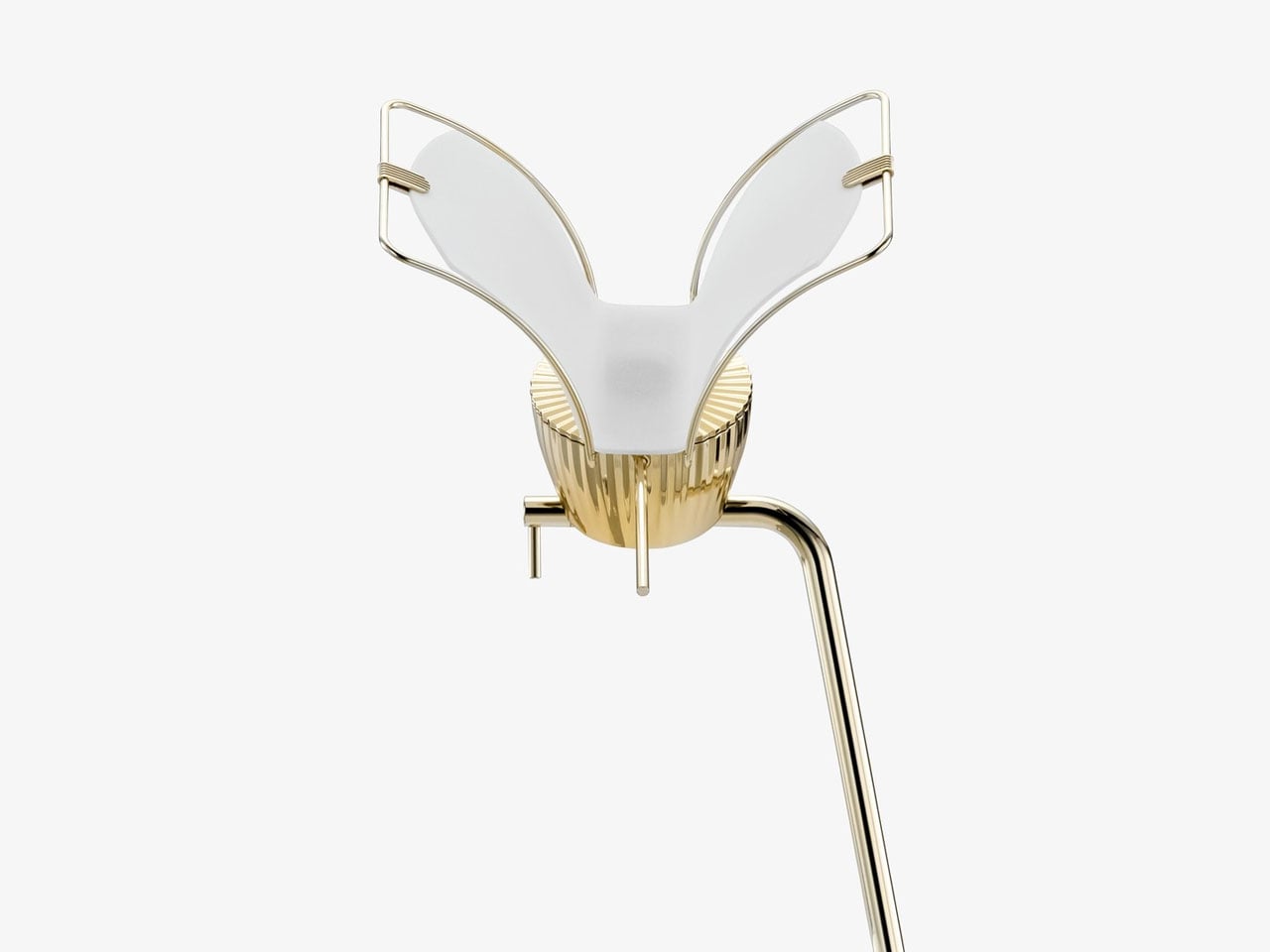
The Butterfly Concept explores a different approach. Inspired by organic symmetry, it positions its driver units back-to-back with a reflective surface between them, leaving the top portion open. This configuration reduces the impact of surface reflections and allows sound to disperse more freely. By adjusting the volume relationship between the internal and external chambers, listeners can influence the spatial character of the audio output. Instead of locking sound into a forward-facing direction, the design encourages a more immersive and diffused listening field that adapts to the surrounding space.

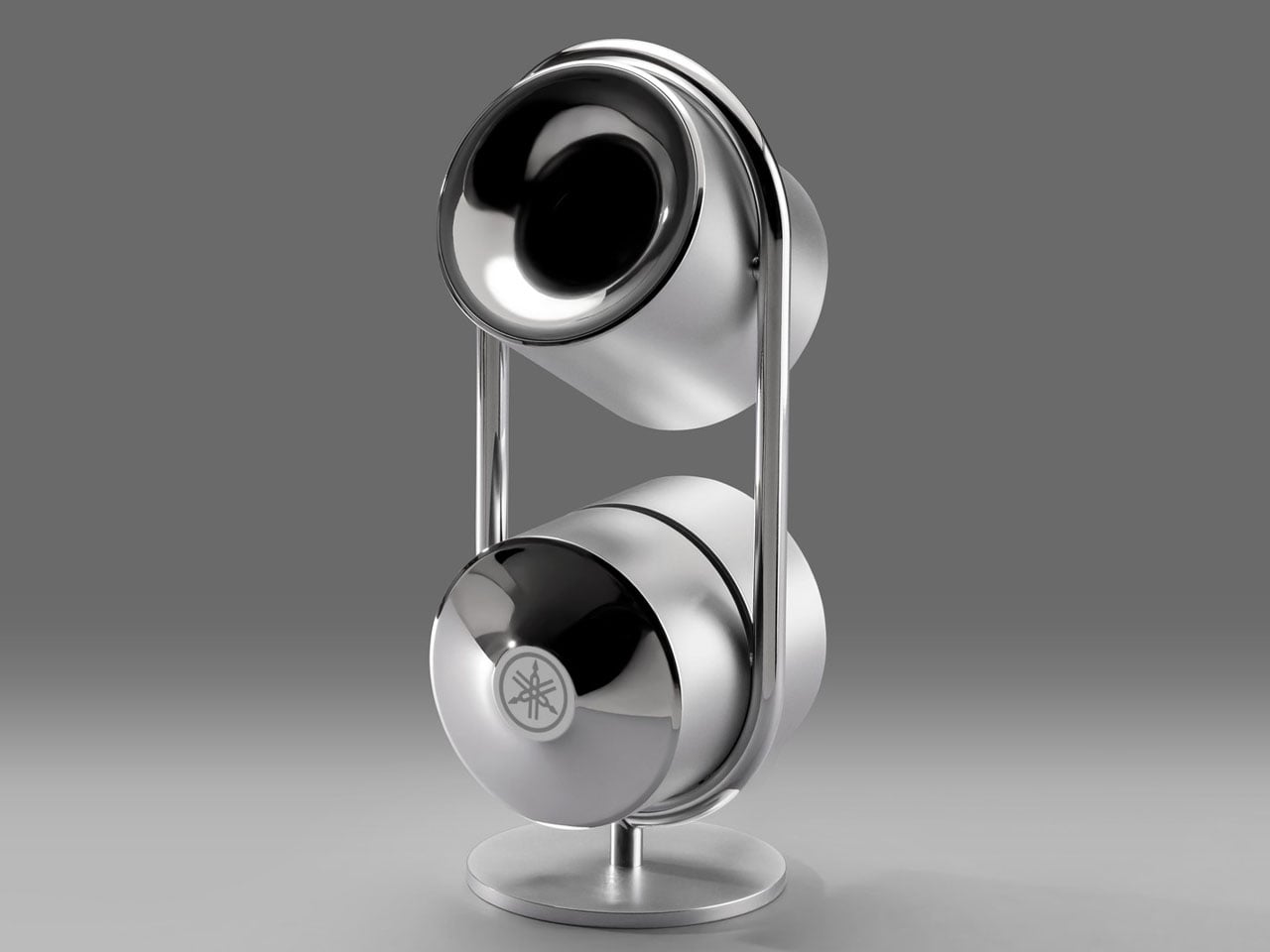
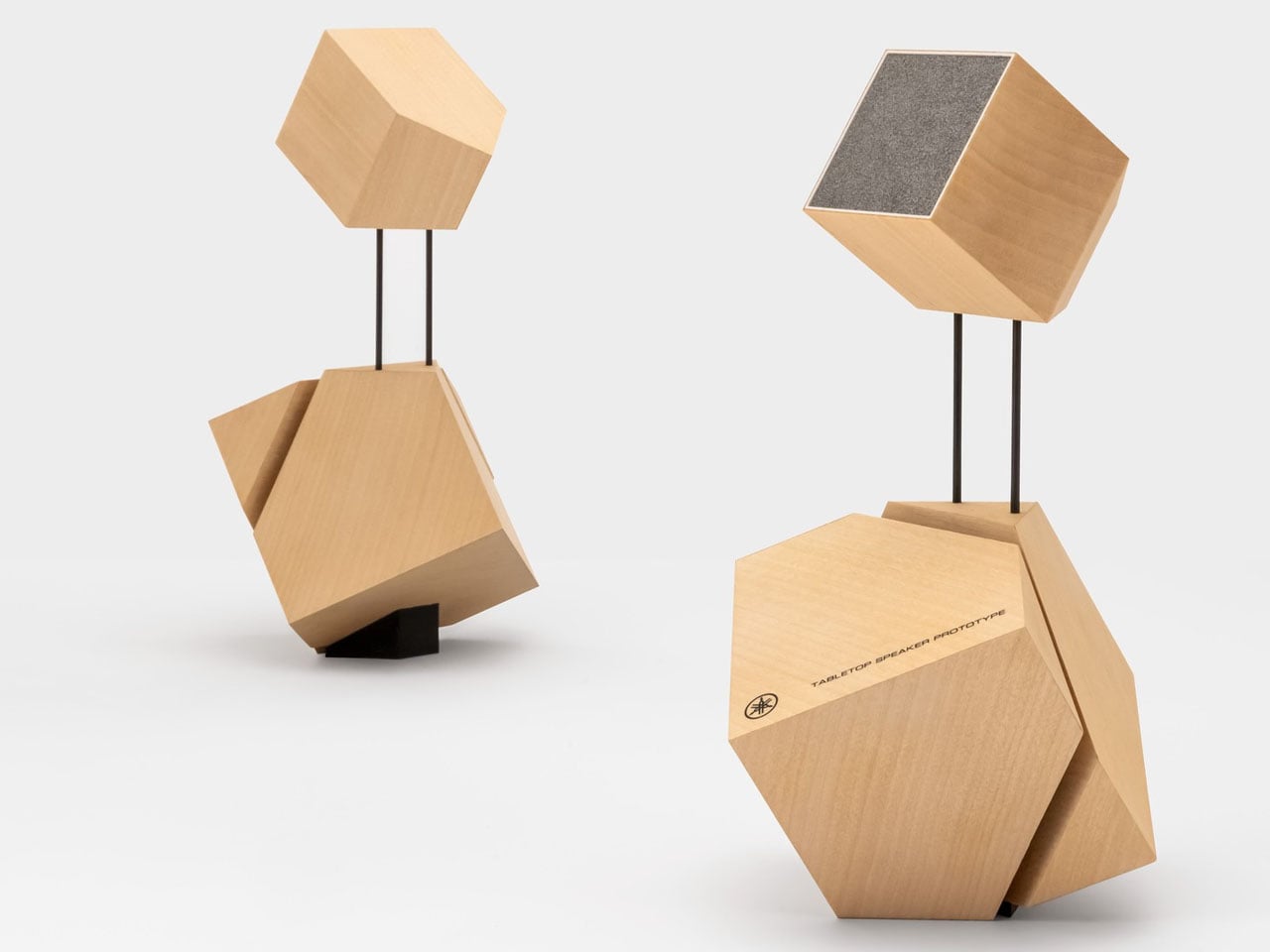
Two additional prototypes expand the exploration. The Horn Concept references the acoustic behavior of wind instruments, placing the driver partway along a horn-shaped structure. This form shapes how sound travels and radiates, at times creating the illusion that audio emerges from open air rather than a visible source. The Cristal Concept, by contrast, emphasizes minimal geometry and sculptural presence. With opposing speaker units left open at the top, it manages reflections while presenting a form reminiscent of a perched bird or a crystalline object. Both concepts suggest that acoustic performance can be enhanced not only by internal components but also by the physical pathway sound takes outward.

By integrating material innovation, spatial acoustics, and physical interaction, Yamaha demonstrates that speakers need not be static black boxes. Instead, they can become expressive objects that shape both sound and space, hinting at a future where listening is as much about engagement as it is about fidelity.

The post Yamaha’s Sail and Butterfly speakers reimagine how sound takes shape first appeared on Yanko Design.
Nintendo’s Virtual Boy app is now available to download

Nintendo’s Virtual Boy app is now available to download on Switch and Switch 2 as part of its Nintendo Classics offering. You’ll need to have a Nintendo Switch Online + Expansion Pack membership to access the launch titles, and unlike Nintendo’s other retro emulators, this one also requires a dedicated accessory.

As a reminder, the Virtual Boy was a portable tabletop system released in 1995, and the first console capable of rendering stereoscopic 3D graphics. It had a facemask with a monochrome red display built onto a bipod, so rather than wearing it like a modern VR headset, you had to awkwardly push your face towards it to play games.

While undeniably innovative for the time, the console never took off (to put it gently), but Nintendo is giving anyone who missed out in the '90s a chance to experience one of the strangest experiments in its history in 2026. Aesthetically, the $100 Virtual Boy add-on is a near perfect replica of the original console, with the big difference being that rather than a built-in display, it has a slot for sliding in your Switch or Switch 2. And unlike the OG Virtual Boy, this one is also wireless.

If $100 seems a bit steep for something that’ll almost certainly be collecting dust before summer rolls around, Nintendo is also selling a $25 cardboard version (unfortunately your old Labo VR headset won’t work here). Both are available to buy from the My Nintendo Store.

The Virtual Boy app is launching with the following games today: 3d Tetris, Galactic Pinball, Golf, The Mansion of Innsmouth, Red Alarm, Teleroboxer and Virtual Boy Wario Land. More games will be added in the future, including Mario Clash, Mario’s Tennis and Space Invaders Virtual Collection.

This article originally appeared on Engadget at https://www.engadget.com/gaming/nintendo/nintendos-virtual-boy-app-is-now-available-to-download-150705800.html?src=rss

The Ray-Ban Meta Killer? Samsung Smart Galaxy Glasses Launching in 2026

The Ray-Ban Meta Killer? Samsung Smart Galaxy Glasses Launching in 2026 Samsung Smart Galaxy Glasses

Samsung is set to transform the wearable technology landscape with the launch of its smart glasses in 2026. These devices are designed to deliver immersive, AI-driven experiences while seamlessly integrating into the Galaxy ecosystem. With a strategic roadmap that includes a second-generation model featuring augmented reality (AR) capabilities in 2027, Samsung is positioning itself as […]

The post The Ray-Ban Meta Killer? Samsung Smart Galaxy Glasses Launching in 2026 appeared first on Geeky Gadgets.

Posted in Uncategorized