Rivian begins production on the R2 electric SUV

Rivian has begun production of its R2 SUV. However, you can't get one just yet: The first customer deliveries (of the most expensive version) aren't expected until later this spring.

On Wednesday, CEO RJ Scaringe drove the first electric SUV off the production line at the company's Normal, IL, factory. A storage and logistics building at that factory was damaged by a tornado last weekend, with Wednesday's rollout event seemingly designed to reassure nervous customers and investors.

"We are really excited to be producing R2 for our customers," Scaringe is quoted as saying in a news release. However, Rivian CFO Claire McDonough told Reuters that customers won't be able to configure their vehicle orders until June. Electrek reports that these first units rolling out now are going to Rivian employees.

Rivian

If you were drawn to the R2's $45,000 starting price, well, Rivian won't have any of those for a while. First off the line (this spring) is the Launch Package, starting at $57,990. A Premium trim, expected late 2026, will cost $53,990. Then, in the first half of 2027, a Standard (RWD long range) variant arrives at $48,490. And as for that headline-grabbing $45,000 base-model R2, I hope you like waiting. It won't be here until late 2027.

The Rivian R2 was revealed in 2024. Smaller and lighter than the flagship R1, the company is positioning the EV as its answer to Tesla’s best-selling Model Y. All versions of the new two-row SUV are rated for at least 300 miles per charge. Each trim has a native NACS charge port. The vehicle can charge from 10 percent to 80 percent in under 30 minutes when using a DC fast charger.

This article originally appeared on Engadget at https://www.engadget.com/transportation/evs/rivian-begins-production-on-the-r2-electric-suv-171729320.html?src=rss

Five Annapurna Interactive games get Switch 2 releases

If you’re a Switch 2 owner itching for something new to play and you happen to be partial to an Annapurna Interactive game, then boy is it your lucky day. The prolific indie publisher has announced that five of its titles are coming to Switch 2, three in the form of next-gen upgrades and two for the first time on Nintendo platforms.

The magnificent Sayonara Wild Hearts and Lorelei and the Laser Eyes are available starting today, complete with 120Hz and 4K upgrades for Nintendo’s latest console. First-time buyers can grab Sayonara Wild Hearts for $13, while 2024’s Lorelei and the Laser Eyes costs $25. The upgrades are free if you already own either game on Switch, and Sayonara Wild Hearts also adds the previously unavailable Remix Arcade mode for the first time. This speeds up gameplay and removes loading as you chase high scores.

Next month, May 28, cyberpunk cat adventure Stray is also getting the Switch 2 treatment, sporting improved 4K visuals, a frame rate boost and, fittingly given its feline focus, mouse controls. The Switch 2 port will be available to purchase digitally from the eShop for $30, but it’s not clear if this will also be a free upgrade for those who bought Stray on Switch.

Katamari creator Keita Takahashi’s charmingly weird puzzle-adventure To a T skipped Nintendo consoles when it launched last year, so it’s nice to see that one coming to Switch 2 on June 11 (digital-only, $20). A few weeks later on June 23, cozy narrative game Wanderstop arrives on both Switch and Switch 2. It’ll cost $25 on the eShop, with no word on a physical version.

Annapurna Interactive released a lot of its games on Switch, and that trend happily looks set to continue throughout the Switch 2 generation. The musical turn-based RPG People of Note came to Nintendo’s latest console at launch earlier this month, with stylish adventure game Mixtape also arriving on Switch 2 on May 7.

This article originally appeared on Engadget at https://www.engadget.com/gaming/nintendo/five-annapurna-interactive-games-get-switch-2-releases-164950446.html?src=rss

Ubisoft has finally dropped a trailer for that Assassin’s Creed: Black Flag remake

Ubisoft has finally given us some real details about Assassin's Creed: Black Flag Resynced, after confirming the remake earlier this year. It's set to release on July 9 for PC, PS5 and Xbox Series X/S.

There's a trailer and it looks absolutely gorgeous, with graphics resembling recent entries like Assassin's Creed Shadows. This is a real-deal remake, and not a port. This version seems to feature a fair amount of new content, but still stars protagonist Edward Kenway. 

There's a new weather system and an upgraded underwater exploration system. Combat has been refined to closer match new entries and, thankfully, the stealth mechanics have been updated. Getting spotted doesn't always end the mission, like the original. The remake even has new crew members, including a cat, that accompany you during the exploration segments. 

Here's one interesting tidbit. The trailer only shows scenes set in the Caribbean during the 1700s, and none of the modern day segments. This tracks with rumors that the remake would scrap the Montreal bits entirely. We'll have to wait and play the game to see if this ends up being true.

The original Assassin's Creed: Black Flag is considered one of the most beloved entries in the franchise. Here's hoping the remake does it justice.

We're still waiting on news regarding the next mainline entry in the franchise. Ubisoft is currently developing it under the name Codename Hexe and it's being described as "a unique, darker, narrative-driven Assassin's Creed experience set during a pivotal moment in history."

This article originally appeared on Engadget at https://www.engadget.com/gaming/ubisoft-has-finally-dropped-a-trailer-for-that-assassins-creed-black-flag-remake-162610745.html?src=rss

The Inflatable Ocean That Knows When You’ve Gone Too Far

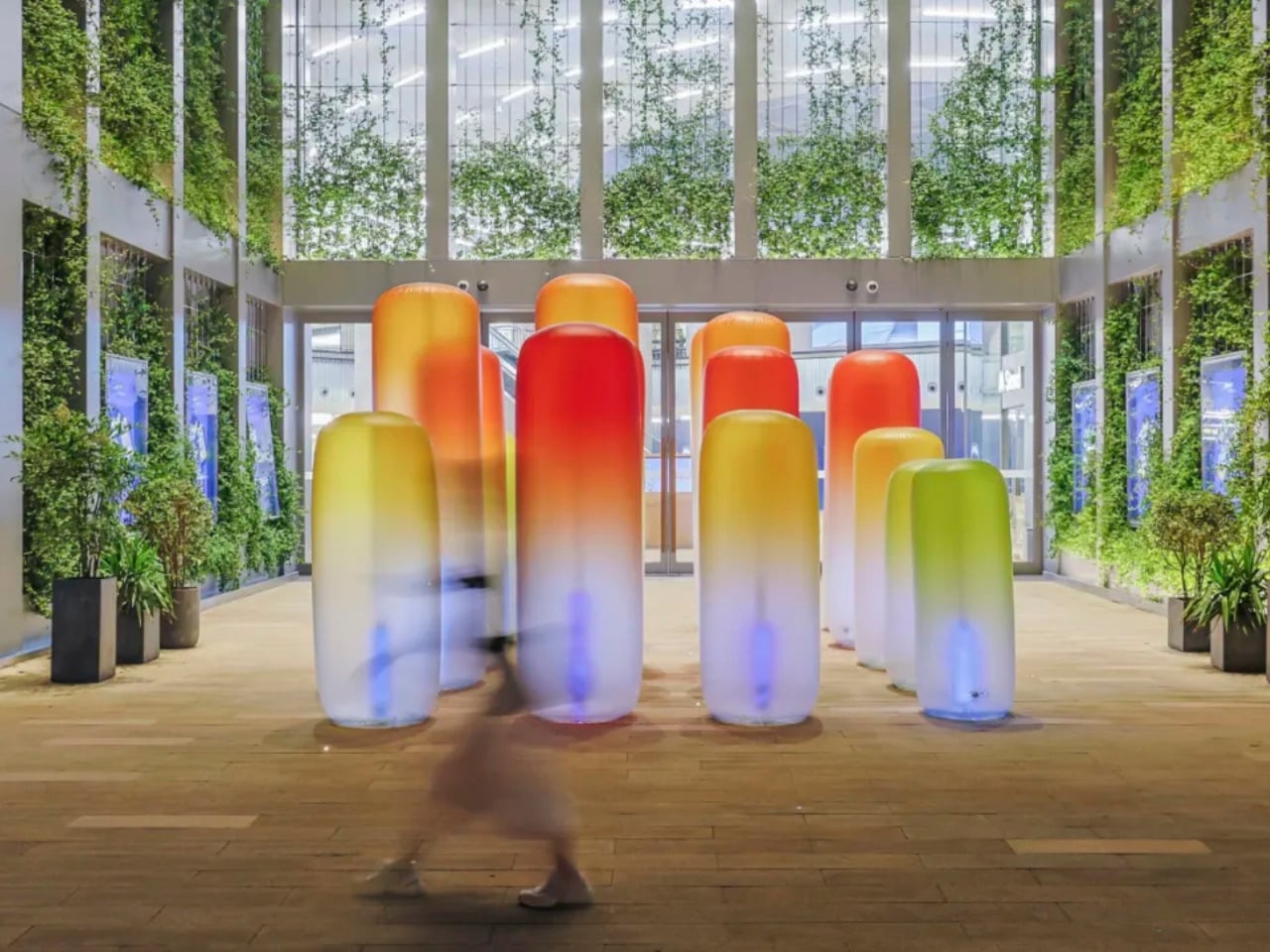
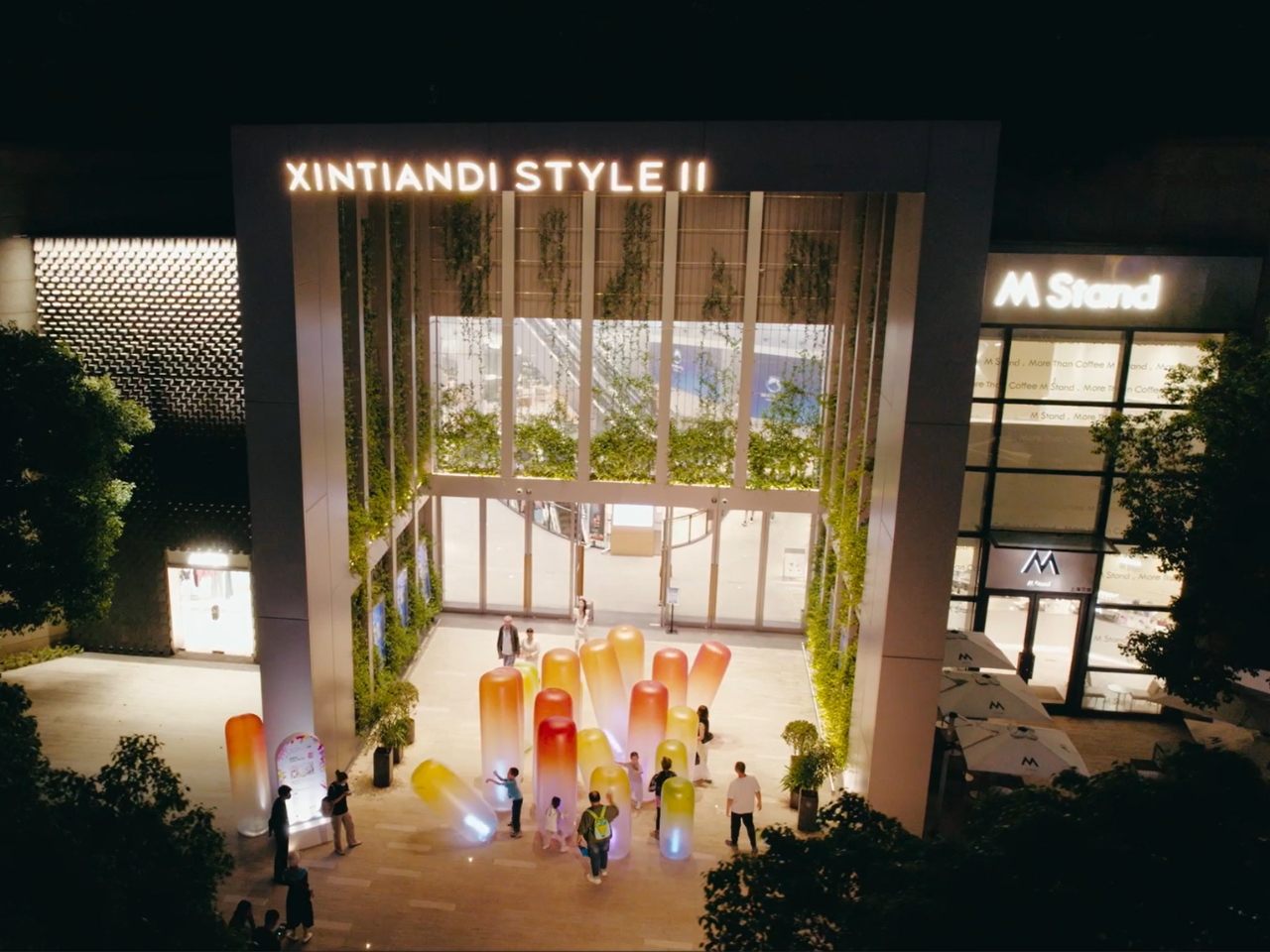
Not every design earns its attention. SHUOKE’s Light Me UP! is exactly the kind of work that makes you stop, look twice, and genuinely want to understand what you’re standing inside. And you are standing inside it. That’s the first thing to understand. Light Me UP! is not a sculpture you circle or a screen you observe from a polite distance. It is an enterable artificial seascape, a field of large inflatable forms installed at Xintiandi Style II in Shanghai, built at a scale that makes you feel genuinely small.

The columns are rounded and organic, their silhouettes somewhere between coral, sea anemone, and something you might find drifting in deep water. Their gradient coloring moves from deep orange and red at the crown down through warm yellow, then into a pale, almost translucent white at the base, where internal lights pool in cool blues and purples. During the day, they read as bold and almost playful. At night, they glow like living things. That quality, the sense that the installation is alive, is not accidental. It is the entire point.

Designer: Shuoke
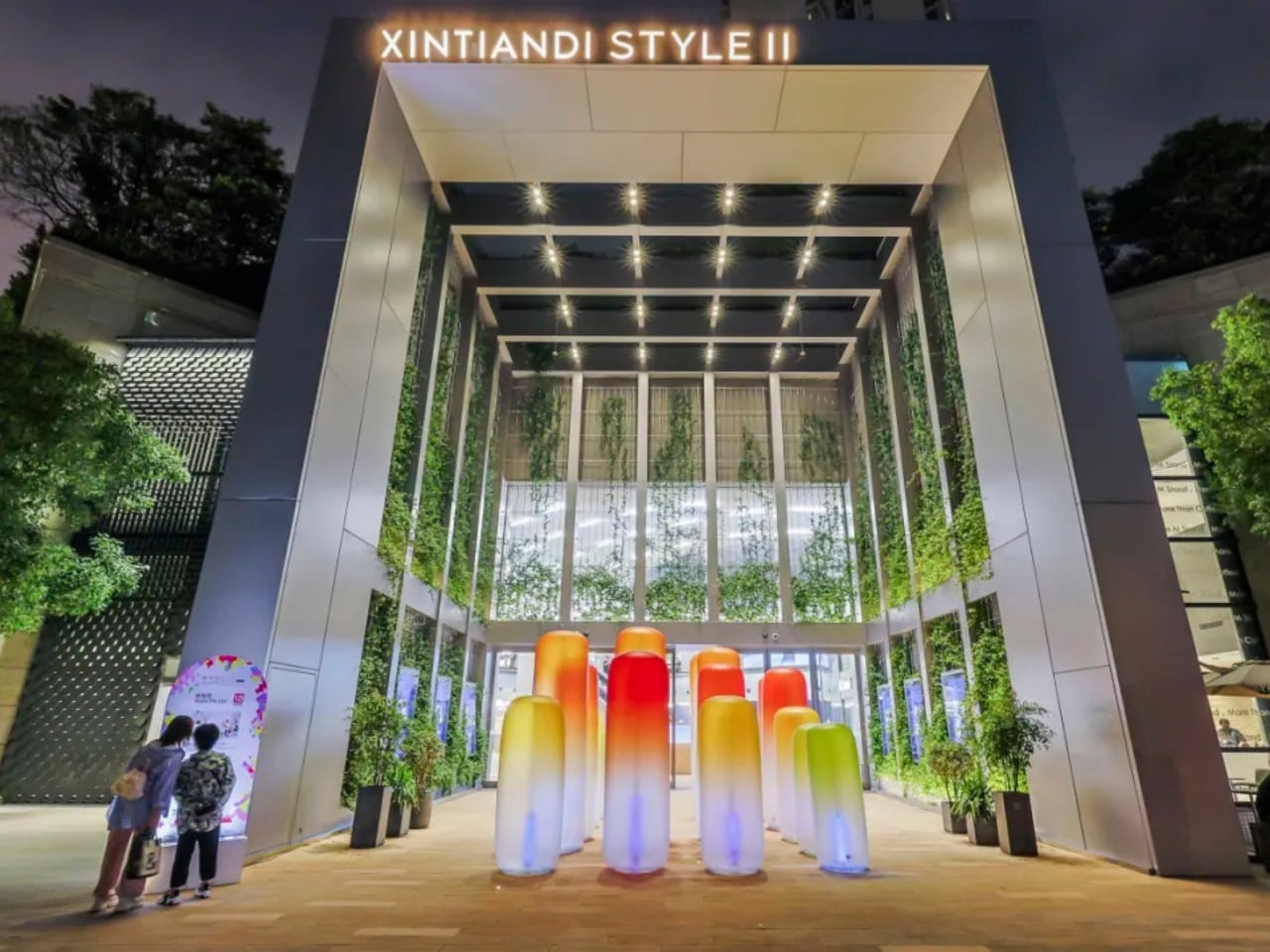
Each form carries internal lighting that shifts in a breathing rhythm, expanding and contracting with a pulse that is slow enough to feel biological. The effect is subtle but deeply convincing. You stop noticing the material and start noticing the breath. When you touch one of the columns, or press through the narrow gaps between them, the light responds. The moment of contact produces a shimmer, a flicker of acknowledgment, that genuinely reads as reciprocal. SHUOKE described an earlier version of this logic as wanting the experience to feel more like interacting with a living thing than with a device, and Light Me UP! lands exactly there.
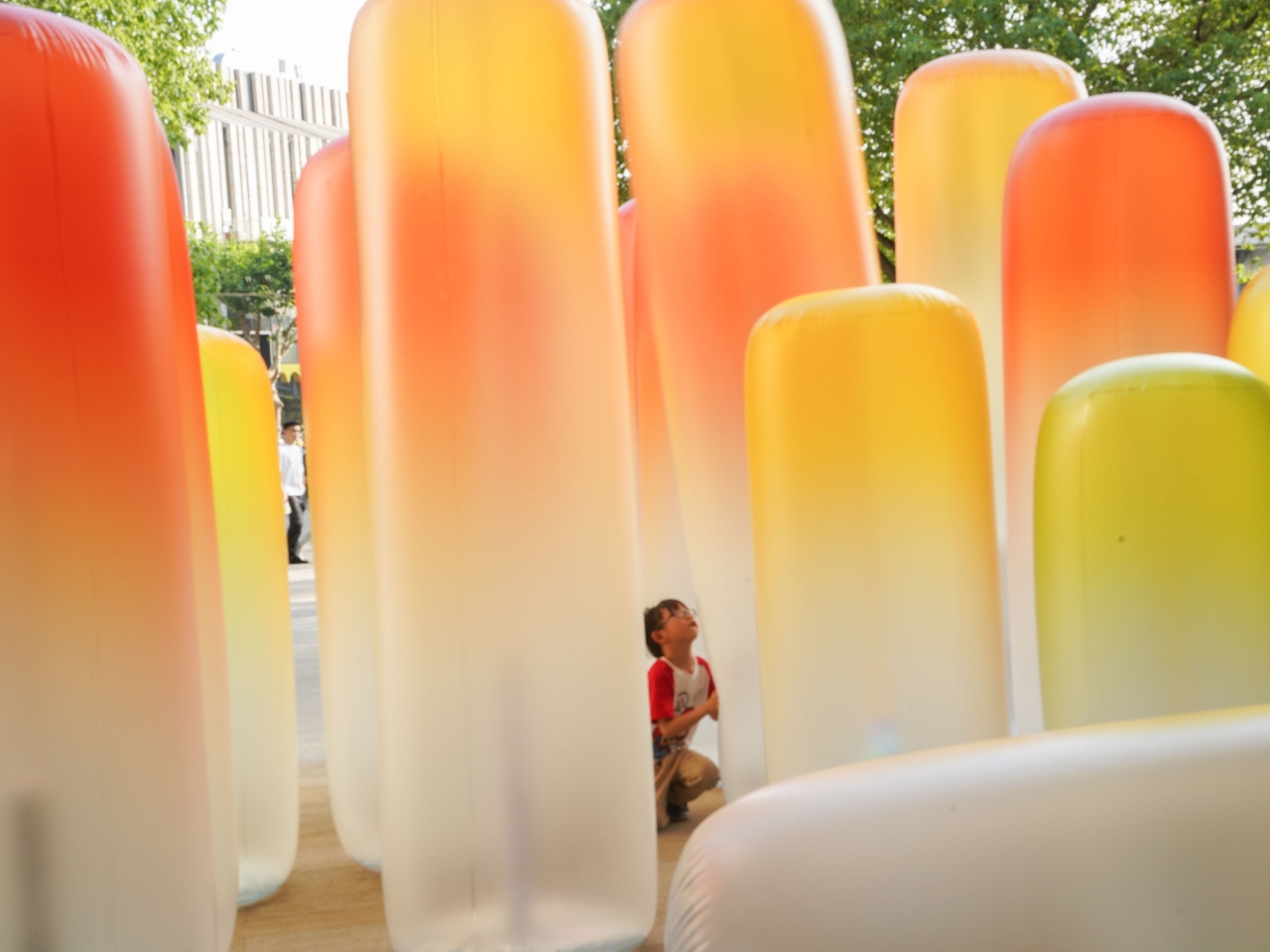
But here is where the design gets genuinely interesting, and where SHUOKE moves well beyond the usual boundaries of interactive installation work. The responsiveness has a limit, and that limit is intentional. Moderate interaction, a gentle touch, a slow movement through the space, draws the light out and activates the installation’s vitality. But push too hard, too aggressively, too much, and the light begins to fade. The structures appear to deteriorate. The environment dims and falls into stillness. The installation does not simply reward participation. It responds to the quality of it.
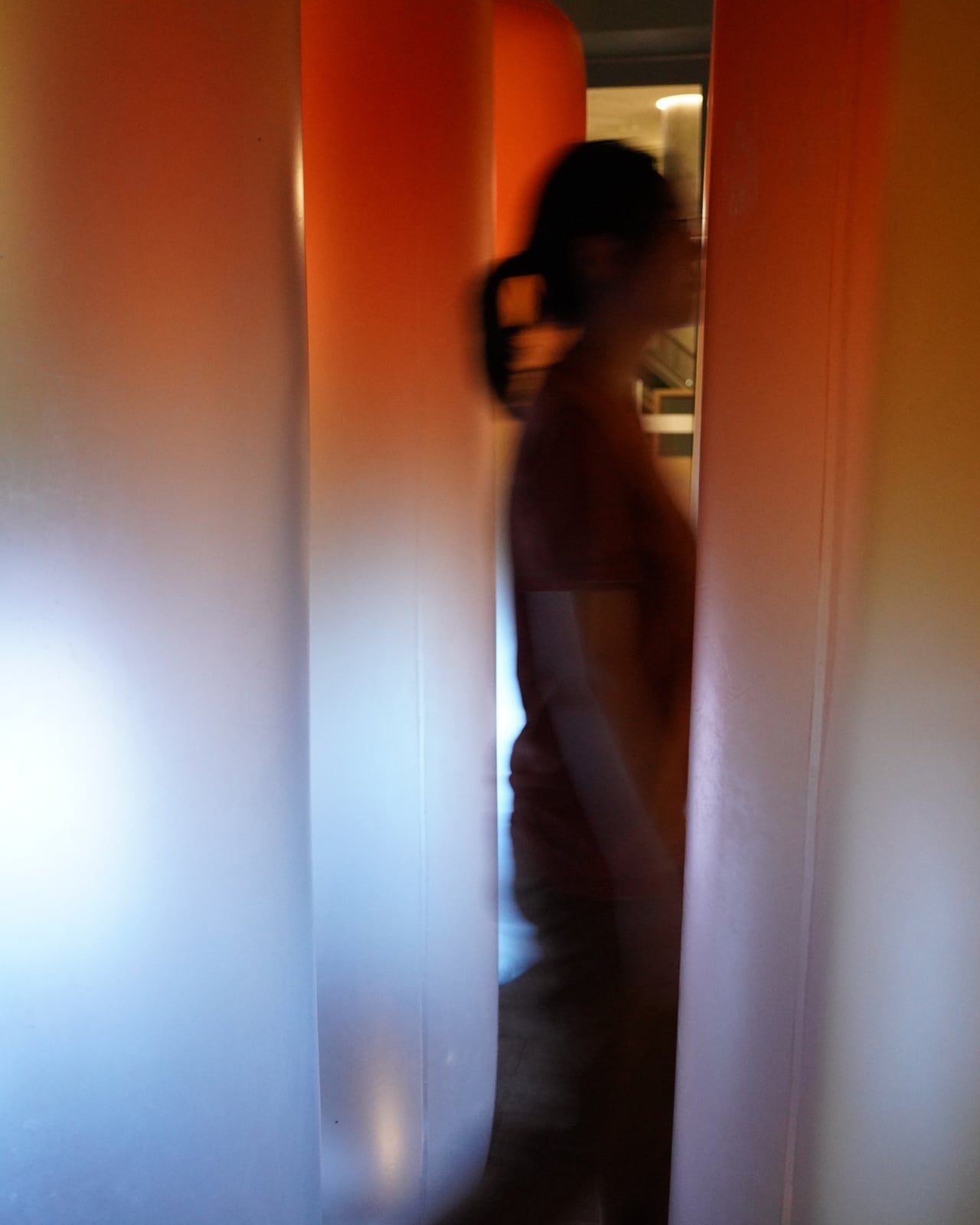
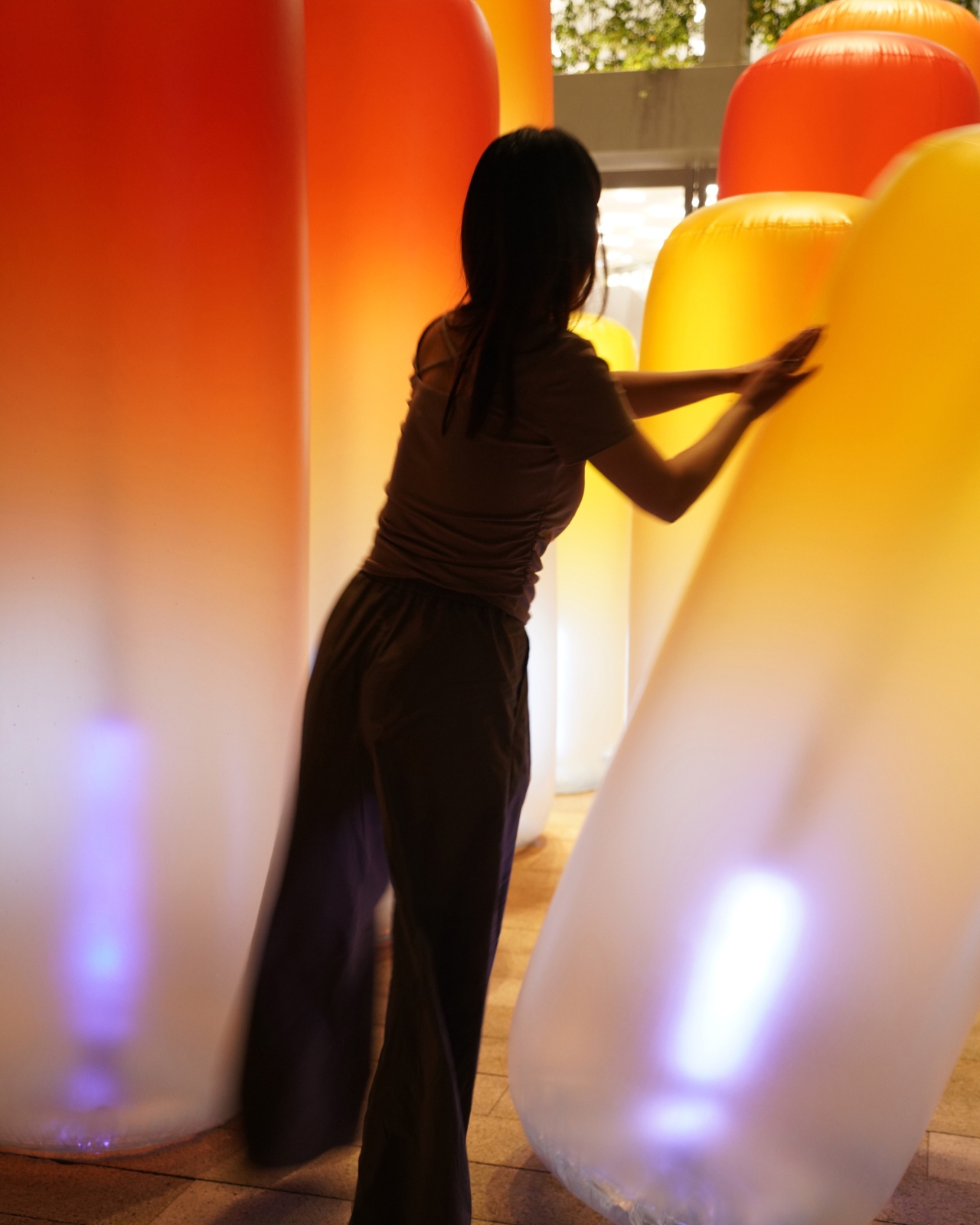
This is the marine ecology metaphor embedded directly into the interactive logic, and it is a clever and meaningful piece of design thinking. The ocean, like Light Me UP!, sustains and nurtures life up to a point. Past that point, it retreats. It diminishes. What SHUOKE has done is translate a genuinely complex environmental idea into a physical, embodied experience that anyone can feel without needing it explained. You don’t read the metaphor. You live it, in the span of a few minutes, with your hands and your body in a public space in Shanghai.
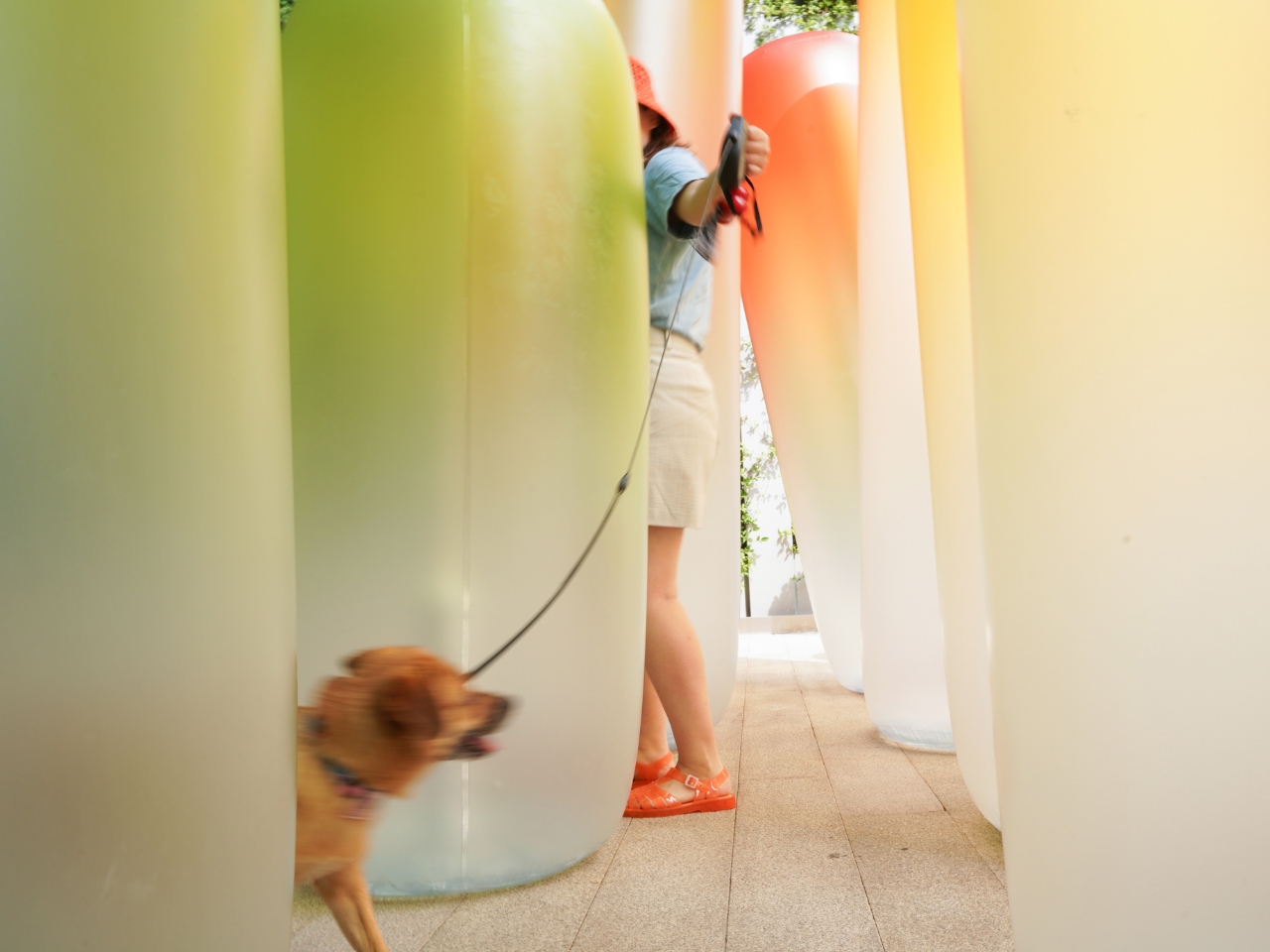

I think this matters more than it might initially seem. Environmental messaging in design has a tendency to stay on the surface: a recycled material here, a sustainability claim there. Light Me UP! goes somewhere different. It puts you in the position of the human who has the capacity to either nurture or exhaust the thing in front of them, and it gives you real-time feedback on which one you’re doing. That is a far more honest and demanding kind of design.
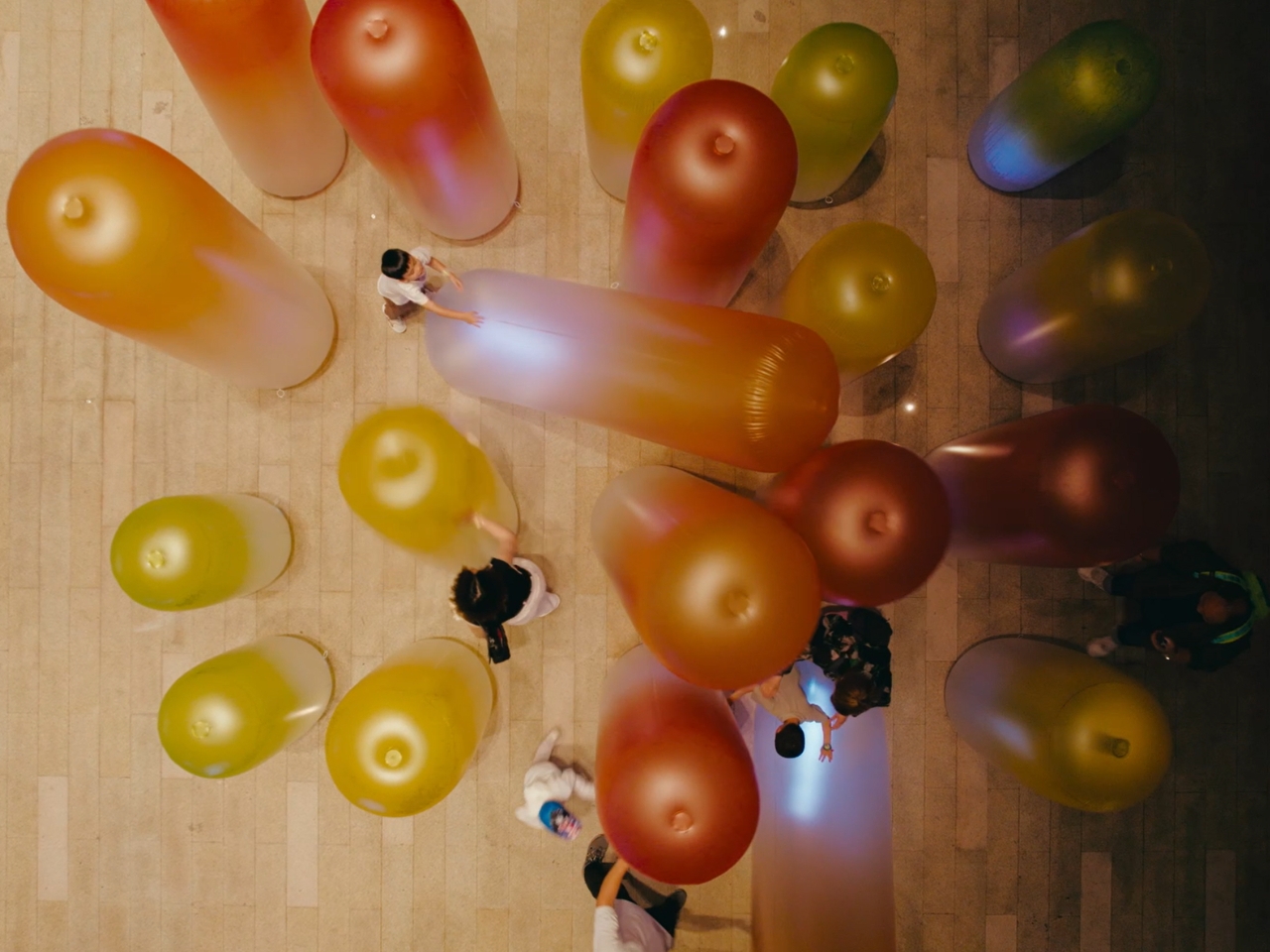
The forms themselves deserve more credit too. SHUOKE chose inflatable structures for a reason. They are soft, yielding, and slightly unpredictable. They move when pressed. They hold air the way living organisms hold breath. The choice of material reinforces the biological quality of the whole installation without ever having to announce it. The colors, warm and gradient and unmistakably aquatic at night, do the same work quietly.
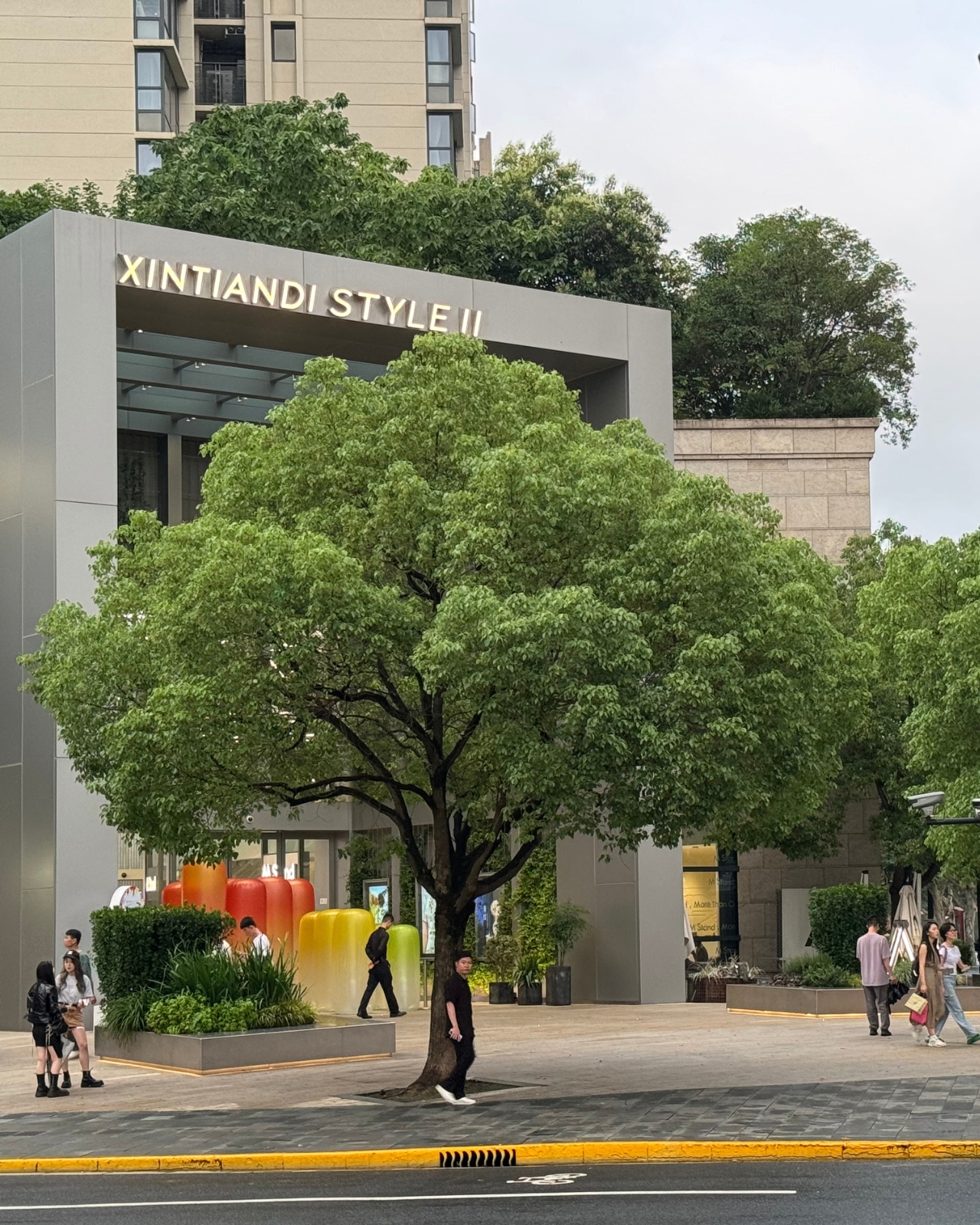
Light Me UP! is the kind of design that operates on multiple registers at once: visually arresting from the street, physically immersive once you’re inside it, and conceptually coherent in a way that holds up the more you think about it. That combination is rarer than it should be, and when it shows up, it’s worth paying attention to.
The post The Inflatable Ocean That Knows When You’ve Gone Too Far first appeared on Yanko Design.

Someone allegedly used a hairdryer to rig Polymarket weather bets

A hairdryer was allegedly used to rig Polymarket bets on the weather at Charles de Gaulle airport in Paris, according to a report by The Telegraph. French authorities note that the official temperature readings at the airport spiked twice in the past month, reaching levels much higher than expected. On both occasions, gamblers on Polymarket appear to have walked away with thousands upon thousands of dollars by betting on those temperature fluctuations.

The gambling site relies on readings from temperature sensors, and the one at Charles de Gaulle airport is on a public road. This makes it easy to access. The operating theory is that someone snuck in and used a battery-powered hairdryer to bring the recorded temperature up well beyond the actual heat outside.

Meanwhile, the Polymarket page indicated less than a one percent chance of the airport exceeding a particular temperature. Successful bets on these fluctuations netted an unknown user around $34,000.

“In view of physical findings on one of our instruments and the analysis of sensor data, Météo-France was indeed led to file a complaint for alteration of the operation of an automated data processing system with the Air Transport Gendarmerie Brigade of Roissy,” a spokesperson for France's official weather agency said.

There is no indication that Polymarket forced anyone to return their winnings, but the temperature sensor has been moved to a new location. The site is still running bets on the daily temperature in and around Paris.

It sucks that someone potentially tricked a temperature sensor with a hairdryer to scam actual gamblers out of potential winnings. However, this sort of thing should be expected when betting money on real-world scenarios like this. If something can be rigged, and there's money to be made, it'll get rigged. Humans are gonna human.

This does, however, shine a light on the types of bets that should be allowed on sites like Polymarket and Kalshi. Polymarket, for instance, hosts numerous bets on the outcome of wars, whether or not countries will receive nuclear weapons and potential prison sentences, among many other sensitive topics. What happens when someone uses something much more dangerous than a hairdryer to change the outcome of something for financial gain?

This article originally appeared on Engadget at https://www.engadget.com/big-tech/someone-allegedly-used-a-hairdryer-to-rig-polymarket-weather-bets-155312411.html?src=rss

Edifier Melo Bar desk speaker turns any setup into a living canvas of sound and light

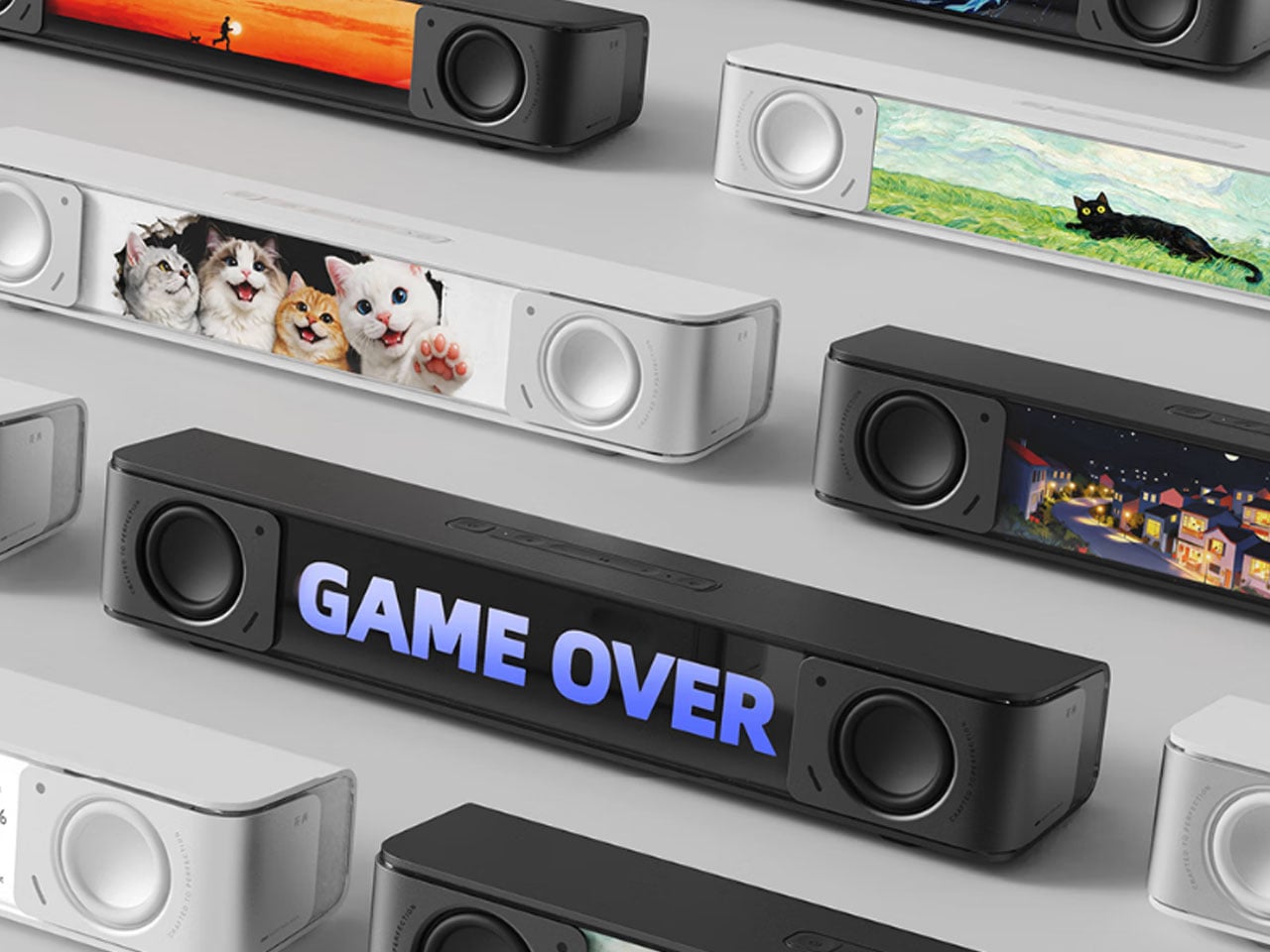
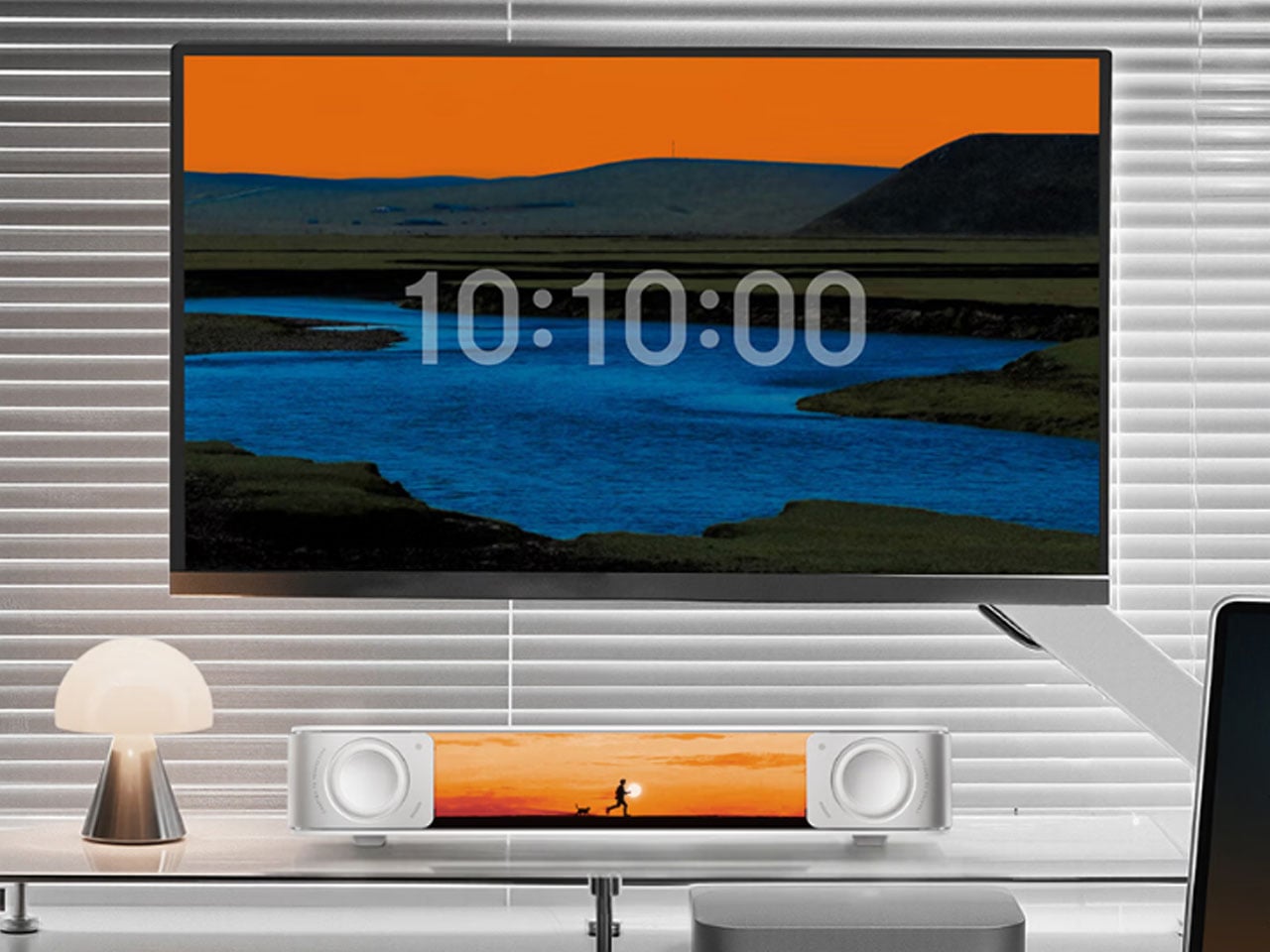
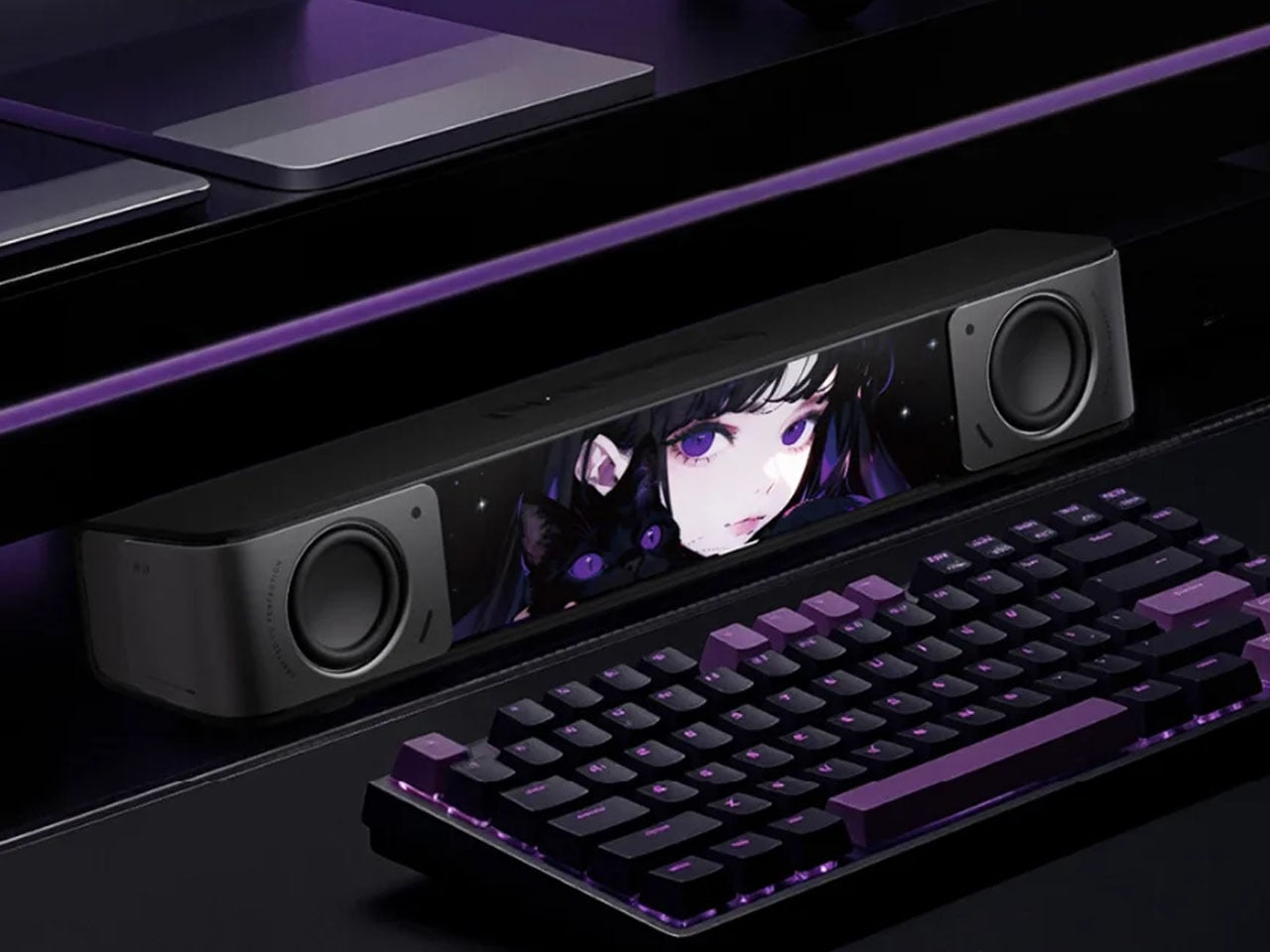
Edifier has spent years refining compact audio gear that quietly slips into everyday setups, but the Huazai Melo Bar takes a more expressive turn. The desktop speaker is not just a multimedia utility, but a visual extension of the workspace itself.

The Melo Bar keeps things minimal and compact, yet underneath that restrained form is a fairly considered acoustic setup. It features dual 52mm drivers paired with a symmetrical bass reflex structure, tuned to deliver a balanced spread across frequencies.

Designer: Edifier

Backed by a Class D amplifier pushing 5W continuous output and peaking at 10W, the speaker is designed for near-field listening, where clarity matters more than sheer loudness. DSP tuning helps maintain that balance, ensuring vocals stay crisp while lows don’t overwhelm the mix. What makes this audio accessory feel more dynamic is its ability to adapt to different listening scenarios. Edifier builds in three distinct sound modes: Music, Game, and Movie. Each one is about subtly adjusting the output profile. Music mode leans toward detail and clarity, Game mode emphasizes spatial cues for directional awareness, and Movie mode pushes for a more immersive, room-filling feel.

The speaker also doubles as a communication tool, thanks to a built-in microphone with AEC echo cancellation. It’s a practical touch that turns the Melo Bar into a quick solution for calls and meetings, especially in hybrid work environments where switching devices can feel unnecessary. Where the Melo Bar really breaks away from convention is in its visual customization. The front panel isn’t fixed—instead, it uses a modular design with 10 themed panels and an additional blank option for DIY expression. It’s a small but meaningful shift, allowing the speaker to evolve with the user’s setup rather than remain a static object on the desk.

Paired with this is a full RGB lighting system capable of displaying 16.8 million colors and 15 preset lighting effects. The lighting can be adjusted directly on the unit or through Edifier’s Connect mobile app and TempoHub PC software, giving users flexibility in how much control they want. Connectivity remains straightforward but modern with Bluetooth 6.0 for stable wireless performance with support for A2DP, AVRCP, and HFP profiles, while a USB wired mode handles both power and audio through a single cable. With a wireless range of up to 10 meters, it comfortably covers typical desk-to-room distances without dropouts.

Physical controls are integrated into the design, allowing users to tweak volume, switch modes, and cycle through lighting effects without relying entirely on software. Additional touches like input indicators and a dedicated do-not-disturb mode add to the everyday usability, keeping distractions in check when needed.

The Huazai Melo Bar doesn’t compete on raw power or audiophile credentials, as it leans into something more relevant for today’s desks. A speaker that sounds good, adapts to different tasks, and visually integrates into the space it occupies. Available in Mist White and Night Black, the Melo Bar is priced at 329 Yuan (around $48), making it an accessible entry into a category that’s increasingly blending performance with personality.

The post Edifier Melo Bar desk speaker turns any setup into a living canvas of sound and light first appeared on Yanko Design.
Turkey wants to ban social media for kids under 15

The Turkish parliament has voted through a bill that would ban all children under the age of 15 from using social media. As part of the legislation, social media platforms would be required to enforce age-verification measures on their apps, provide parental control tools, and react more quickly to harmful content being posted.

As reported by The Associated Press, lawmakers have passed the bill in the wake of two deadly school shootings in Turkey, after which police arrested 162 people accused of sharing footage of the tragedies online.

Turkey’s President Recep Tayyip Erdogan now has 15 days to accept the bill in order for it to become law, after reportedly saying social media platforms had become "cesspools" in a televised address to the nation.

As well as the major social media platforms, AP reports that online gaming companies would also have to implement their own restrictions on minors, with potential punishments including bandwidth reductions and financial penalties.

This isn’t the first time Turkey has locked horns with social media and online gaming platforms. Instagram has been blocked in the country before, back in 2024, relating to a dispute over the posting of Hamas-related content. Access was restored around a week later, but in the same time period Turkey also banned Roblox over reports of inappropriate sexual content accused of being explorative to children. At the time, a Turkish official also named the "promotion of homosexuality" as one reason for the ban.

Turkey has also temporarily banned Twitter (now called X) on several occasions, most recently after 2023’s devastating earthquakes, though it was not clear at the time why the government may have moved to block the social media platform.

The country’s lawmakers moving to ban under-15s from accessing social media is part of an emerging trend in Europe and across the globe. The likes of Greece and Austria have recently introduced similar legislation of their own, following Australia becoming the first country in the world to ban children under 16 from social media last year. The UK has since considered bringing in tighter restrictions too.

This article originally appeared on Engadget at https://www.engadget.com/social-media/turkey-wants-to-ban-social-media-for-kids-under-15-143053462.html?src=rss

These Stickers Turn Crumbling City Walls Into Tiny Living Ecosystems

Cities are built almost exclusively for people. Every surface, every wall, every façade is designed, maintained, and repaired with human use in mind. But cities aren’t just inhabited by humans, and the idea that urban decay, those crumbling plaster patches and cracked brick faces, is purely a problem to be fixed ignores the potential it quietly holds for other species.

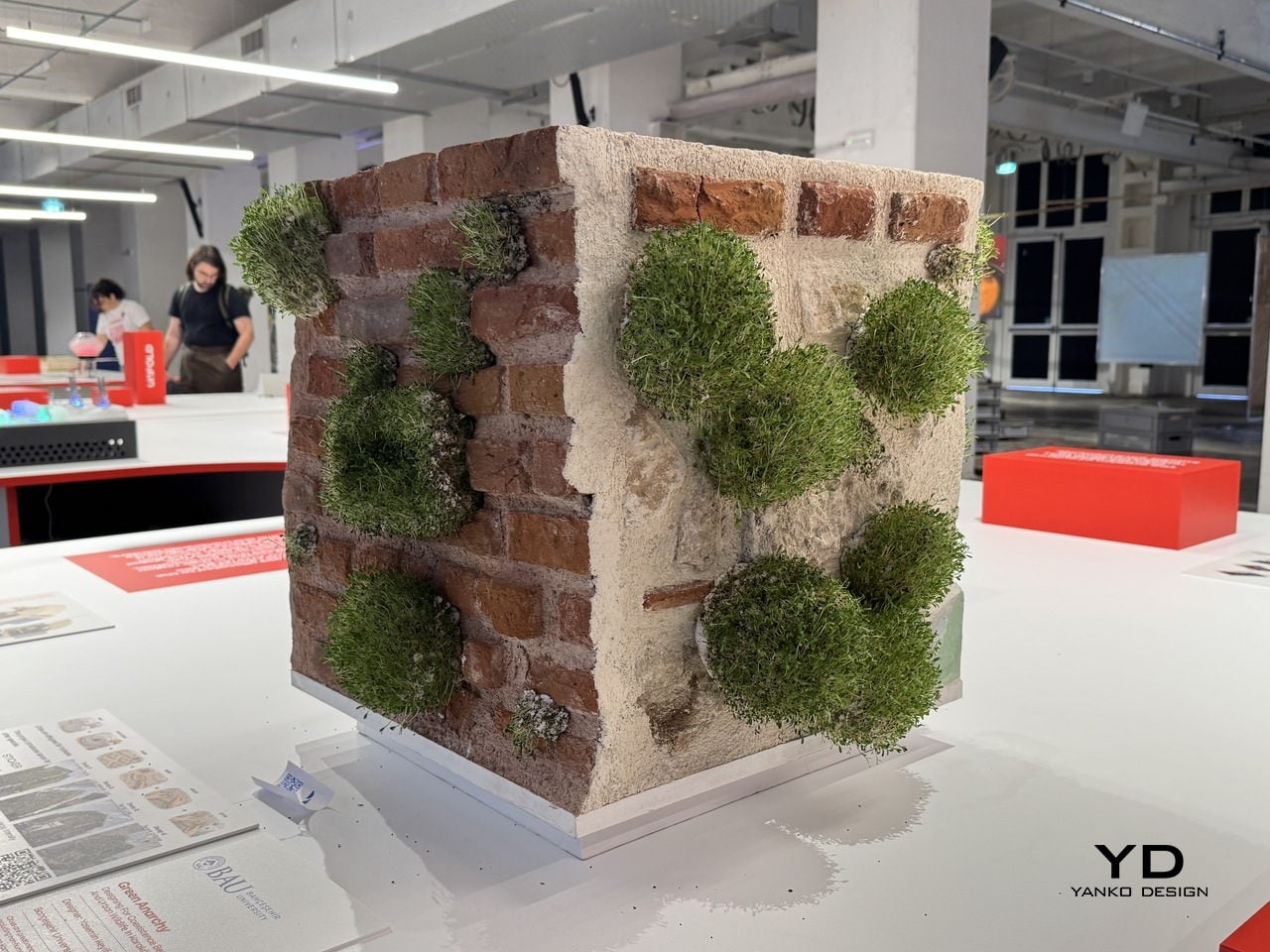
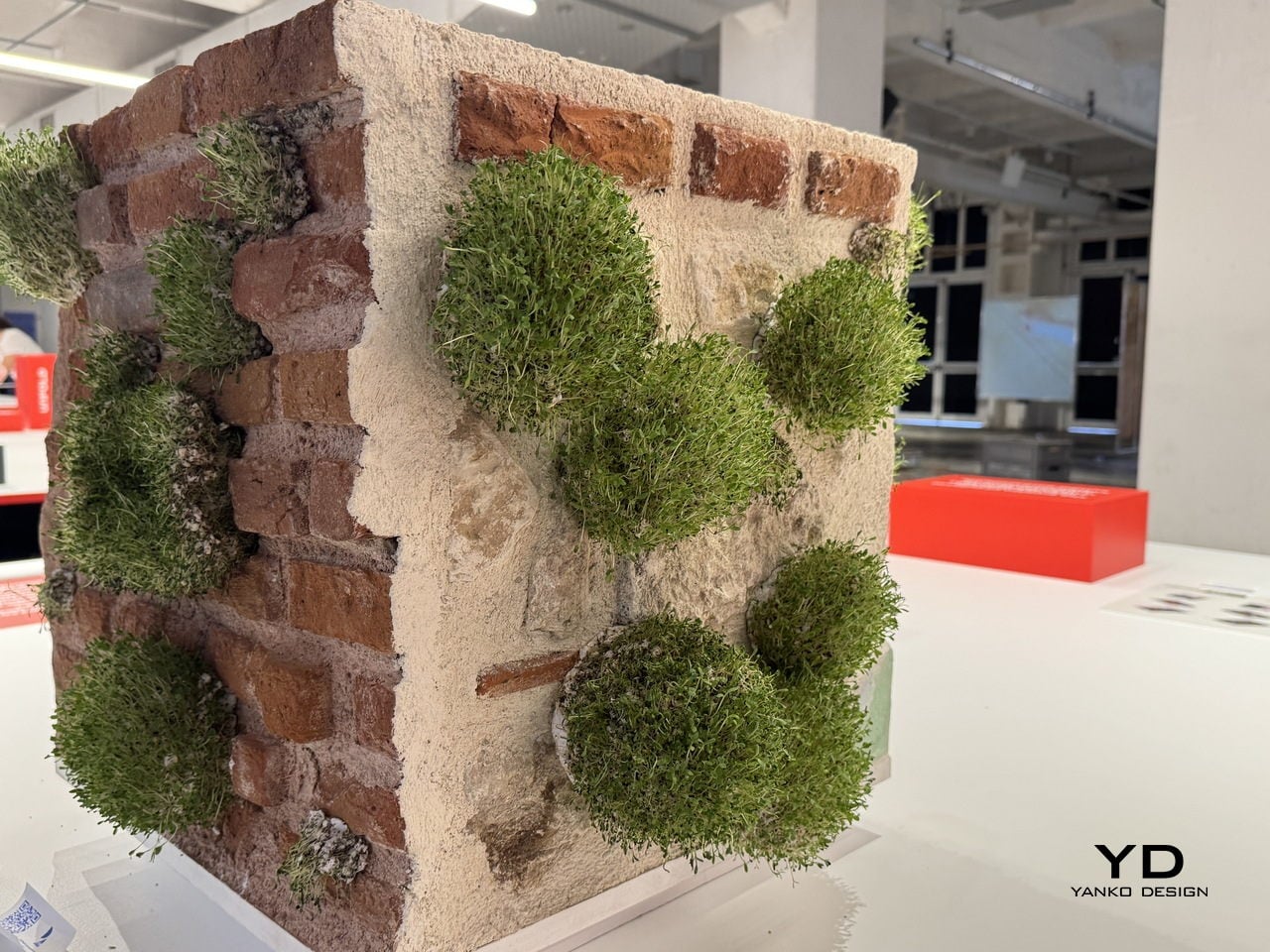
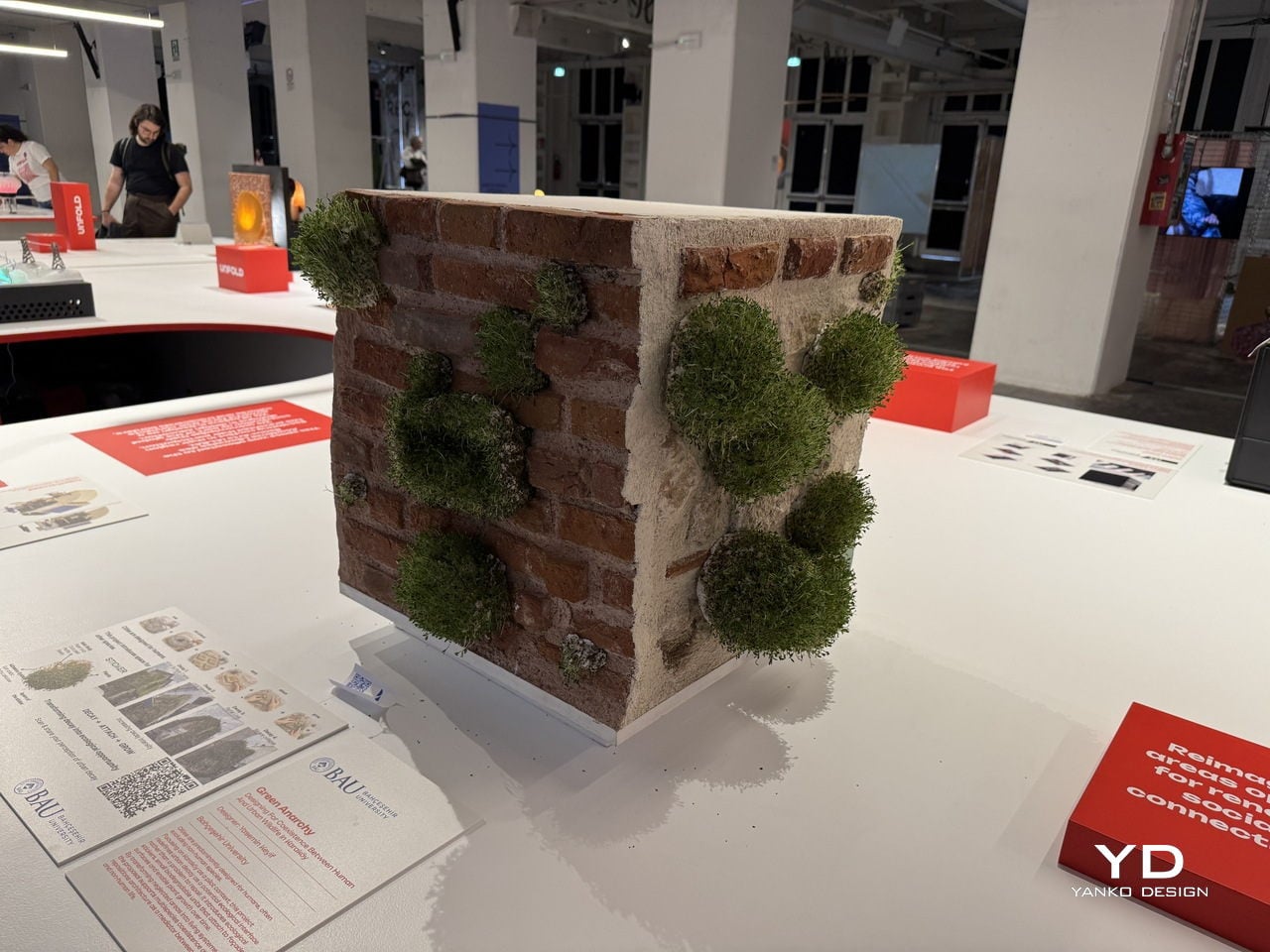
That’s the provocation at the heart of Green Anarchy, a project by Yasemin Keyif of Bahçeşehir University in Istanbul, presented as part of the UNFOLD 2026 exhibition at BASE Milano during Milan Design Week. Rather than treating a cracked or crumbling façade as something to be patched over, Keyif asks what happens when designers choose to work with decay instead of against it.

Designer: Yasemin Keyif (Bahçeşehir University)

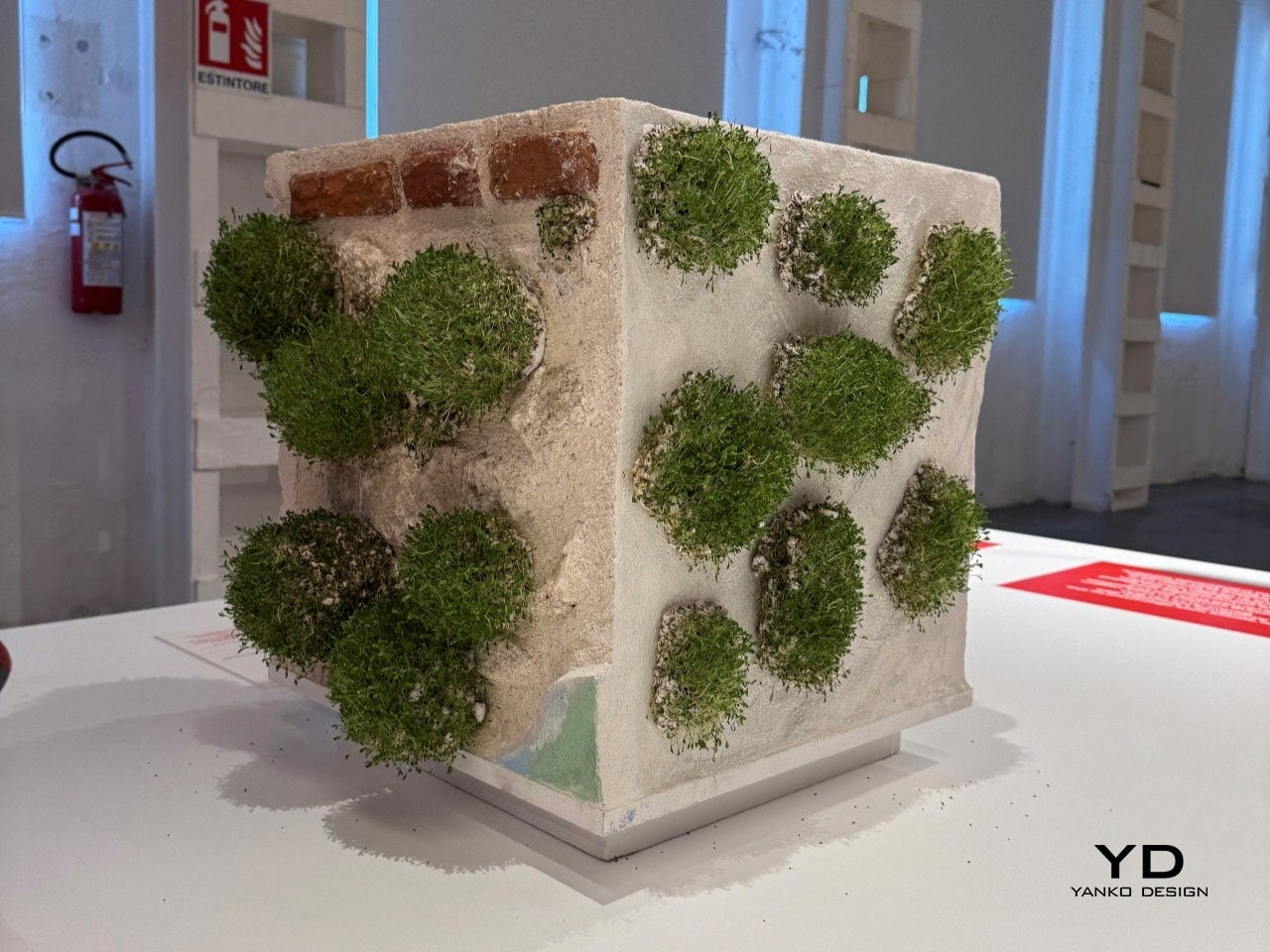
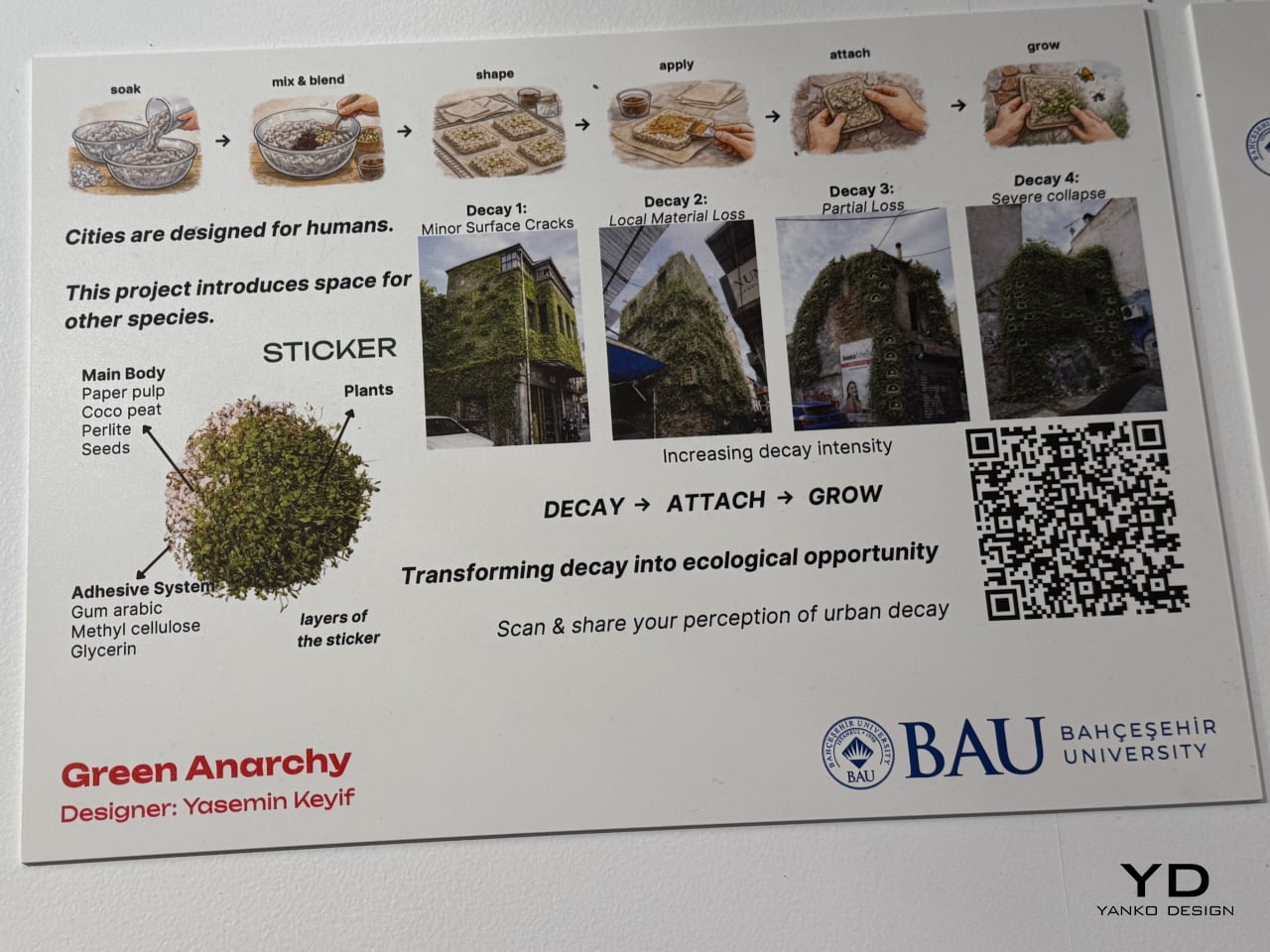
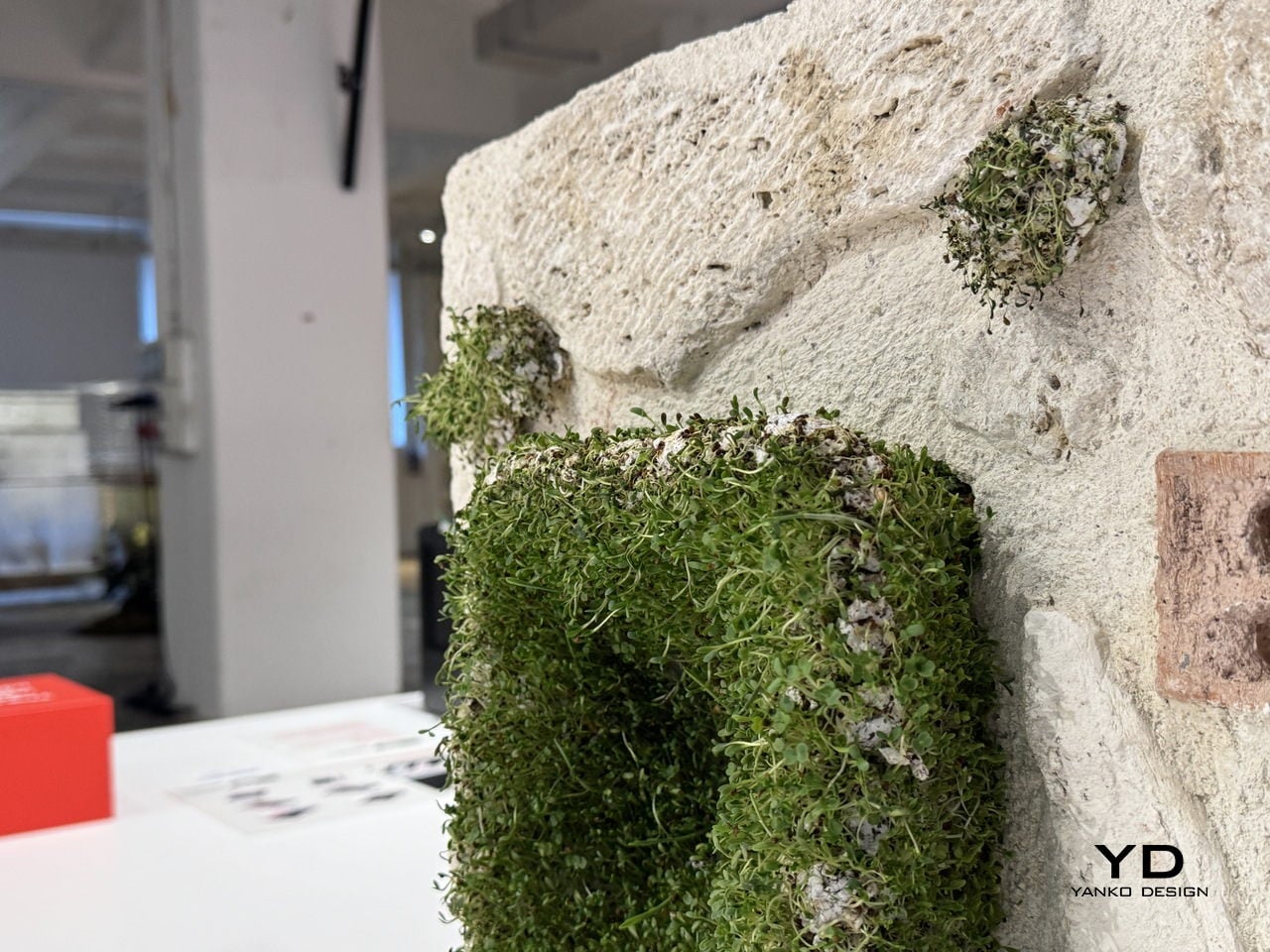
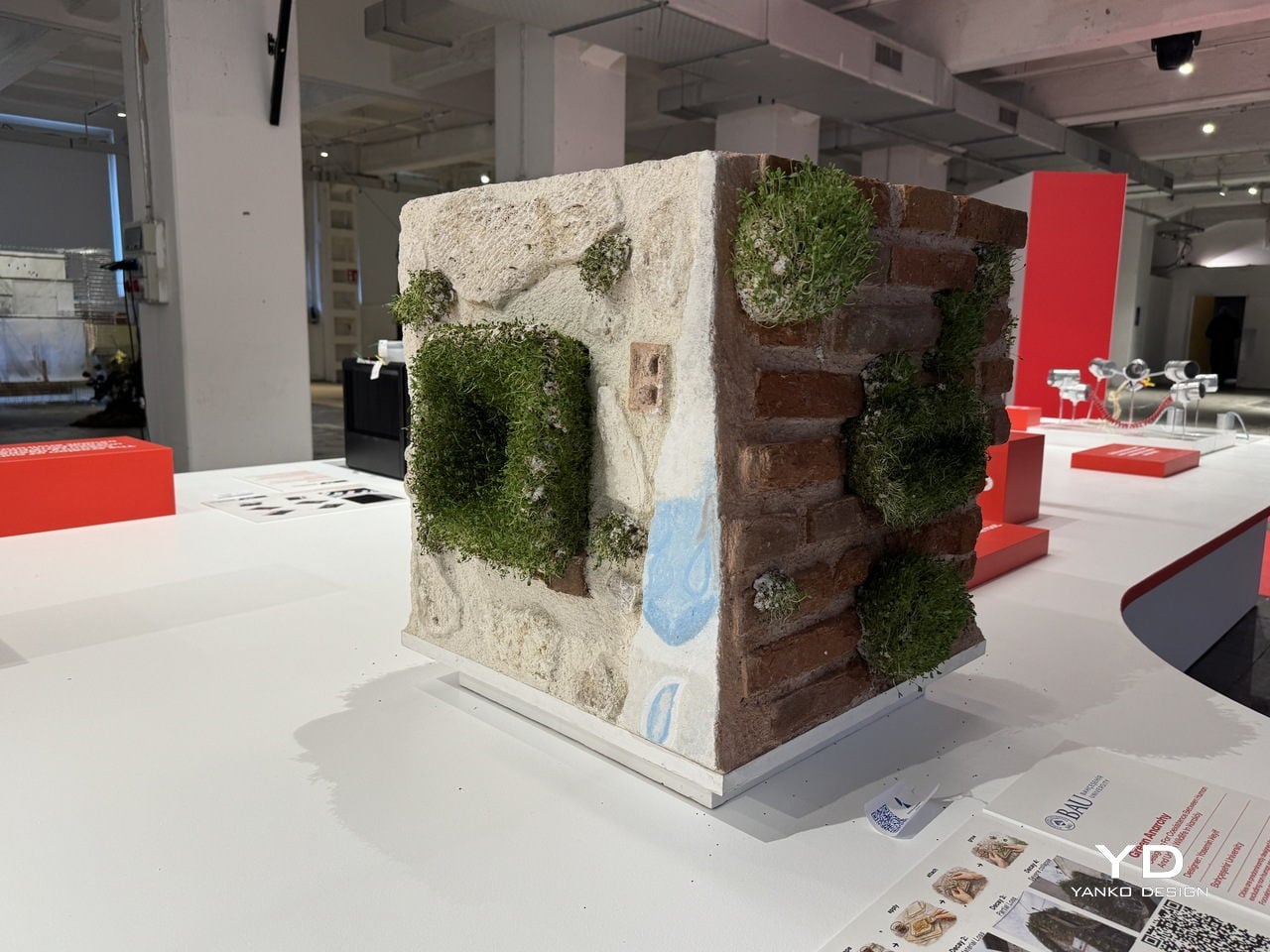
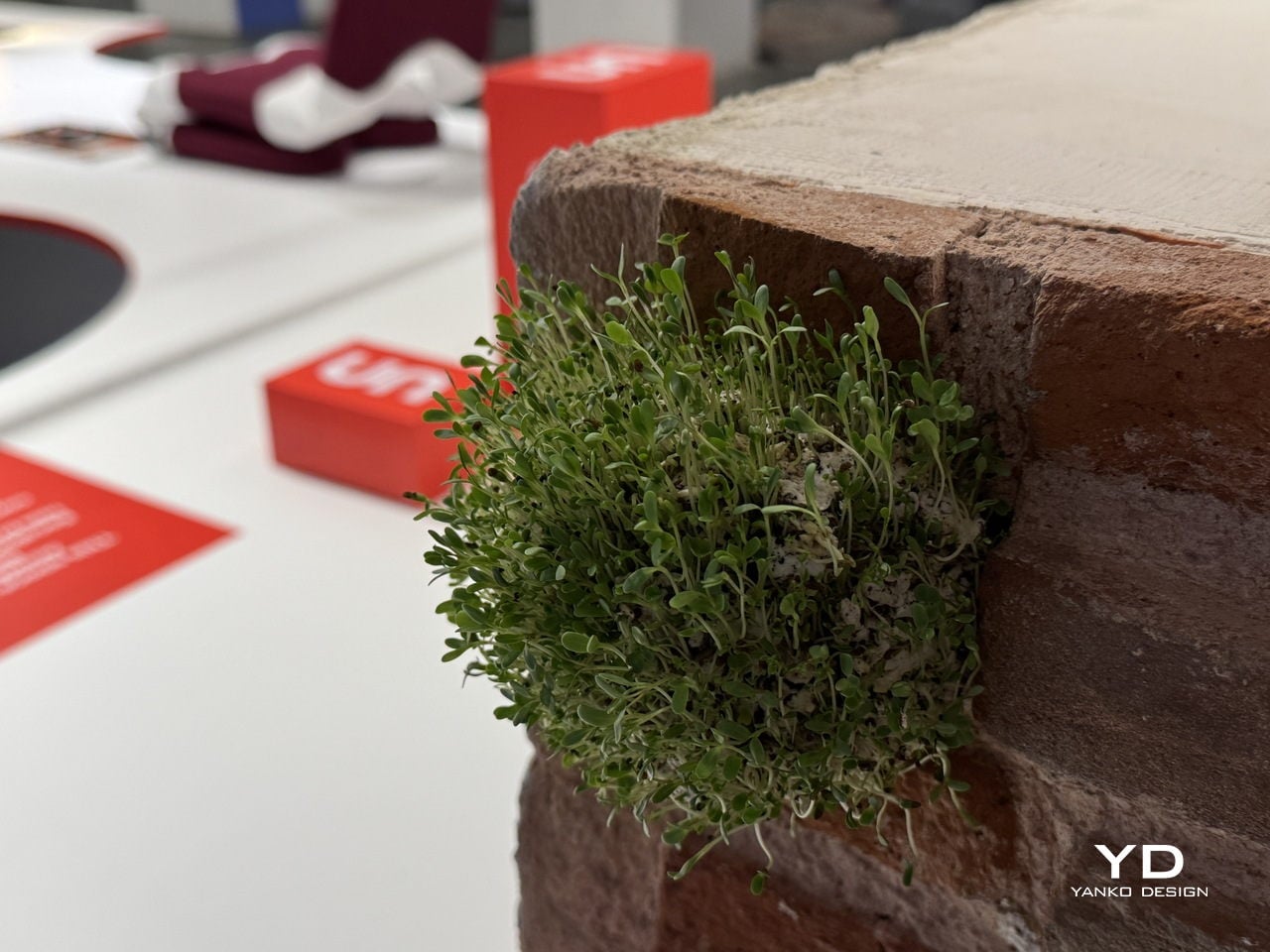
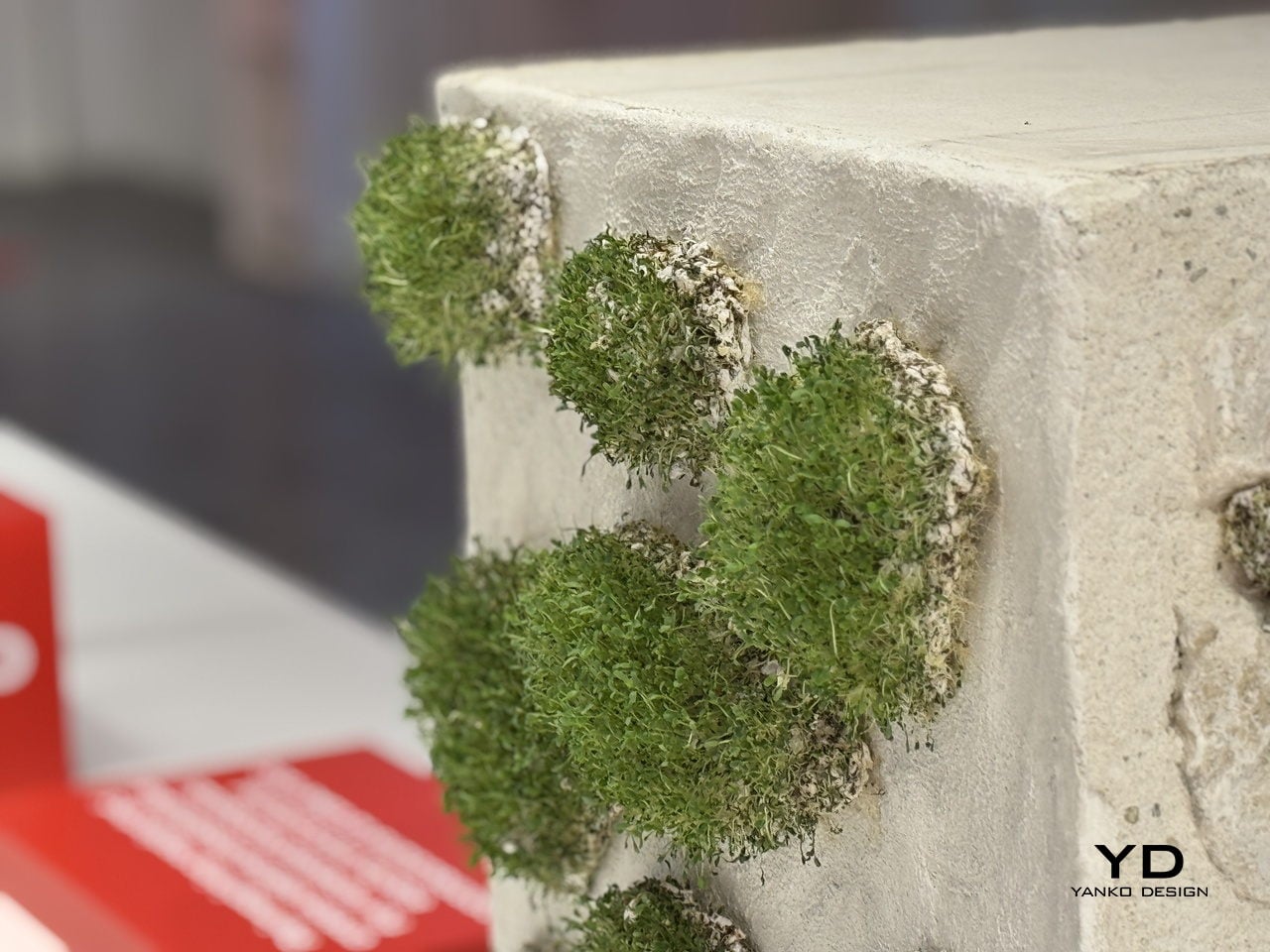
The answer takes the form of a small, biodegradable sticker pressed directly onto damaged building surfaces. Each unit is made from a blend of paper pulp, coco peat, perlite, and seeds in its main body, with an adhesive system of gum arabic, methyl cellulose, and glycerin that lets it bond to roughened or degraded masonry without any synthetic materials.

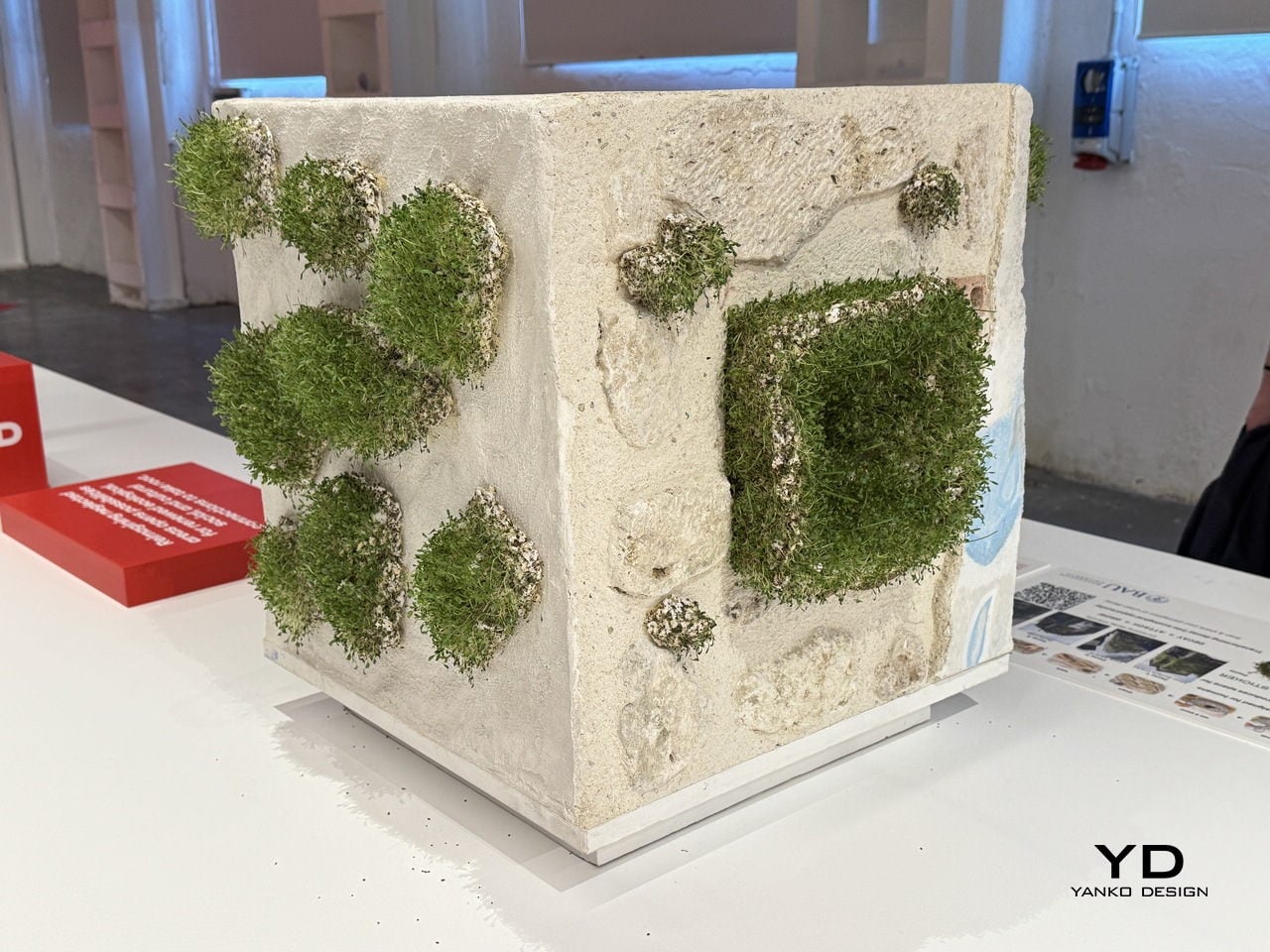
The process is surprisingly simple: the stickers are soaked, mixed, shaped, and applied by hand directly onto the wall. Over time, the seeds embedded in the substrate germinate and take root in the existing cracks and recesses, gradually turning neglected building surfaces into small, self-sustaining ecosystems. The name for this sequence, decay, attach, grow, also doubles as the project’s driving logic.

Keyif developed the concept with Karaköy, a dense historic neighborhood in Istanbul, as the pilot context. The project maps four escalating stages of urban decay, from minor surface cracks to severe structural collapse, and identifies each stage as a viable entry point for the stickers. The greater the damage, the more surface area becomes available for attachment and growth, turning the most deteriorated walls into the most fertile ground.

The deeper idea is a repositioning of architecture itself. Buildings, in this framework, aren’t just infrastructure for human activity but potential interfaces between human and non-human life. Cities already host birds, insects, mosses, and small animals that quietly inhabit the spaces we overlook, and Green Anarchy asks whether design can actively make room for that, rather than continually squeezing it out.

Presented as part of UNFOLD 2026, Domus Academy’s annual international design showcase held under the theme “Engage Friction: Designing Through Conflict,” Green Anarchy fits the brief almost too well. It doesn’t try to resolve the tension between the built city and the natural world so much as give them a way to grow into each other, slowly, without asking anyone’s permission.

The post These Stickers Turn Crumbling City Walls Into Tiny Living Ecosystems first appeared on Yanko Design.
What is a Silicon-Carbon Battery? The Samsung Galaxy S27 Ultra’s Secret Weapon Explained

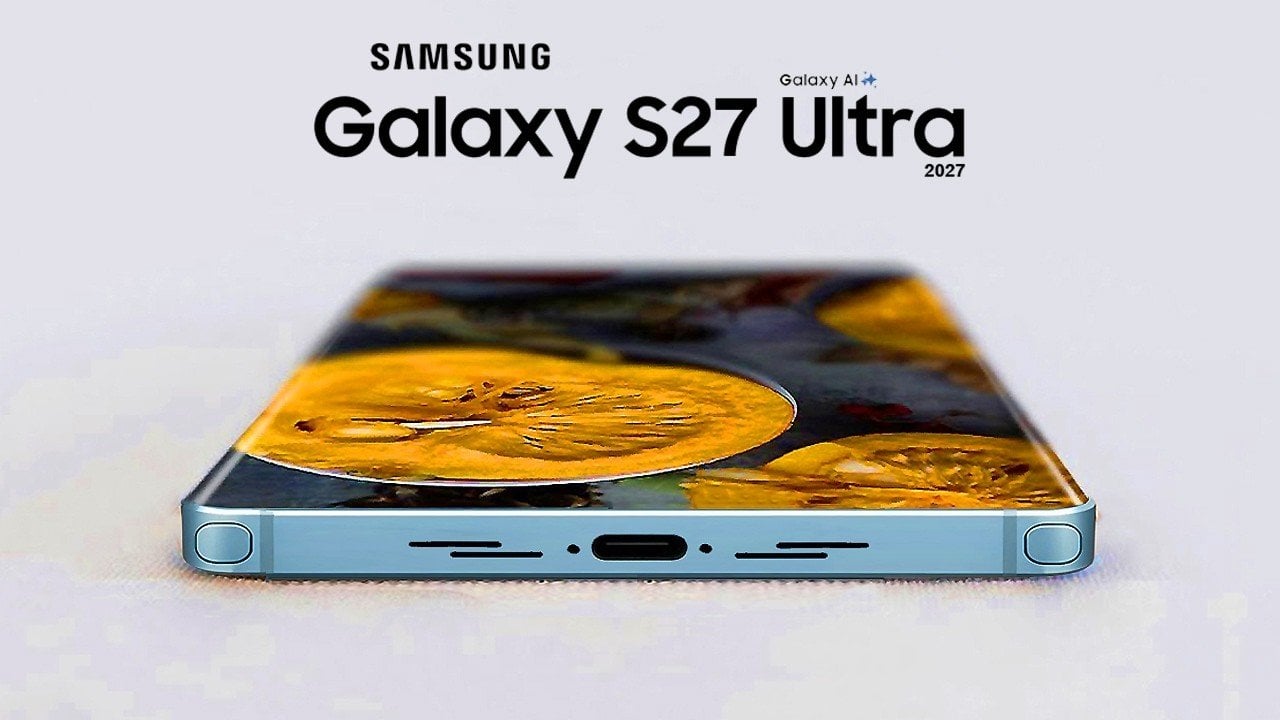
What is a Silicon-Carbon Battery? The Samsung Galaxy S27 Ultra’s Secret Weapon Explained Diagram shows battery stacking layers and separator changes used to improve lifespan in a future Galaxy S27 Ultra.

The Samsung Galaxy S27 Ultra is poised to introduce a fantastic innovation in the form of a silicon-carbon battery, potentially reshaping the landscape of smartphone energy storage. This innovative technology promises to deliver higher energy capacity, extended lifespan, and enhanced thermal stability, addressing the limitations of traditional lithium-ion batteries. If successfully implemented, it could elevate […]

The post What is a Silicon-Carbon Battery? The Samsung Galaxy S27 Ultra’s Secret Weapon Explained appeared first on Geeky Gadgets.

Posted in Uncategorized