
Here’s why your phone’s proximity sensors are so important
Your phone would lose a long list of features and basic functions if it didn't have proximity sensors.

A public pavilion can give people somewhere to gather, but returning to it usually means finding the same spaces and following the same paths. Self-Assembling Robotic Environments explores a more flexible alternative: mobile architectural sections that could rearrange themselves between visits. This unbuilt public art concept would pause whenever someone enters, letting people explore one arrangement before the space changes for another group.
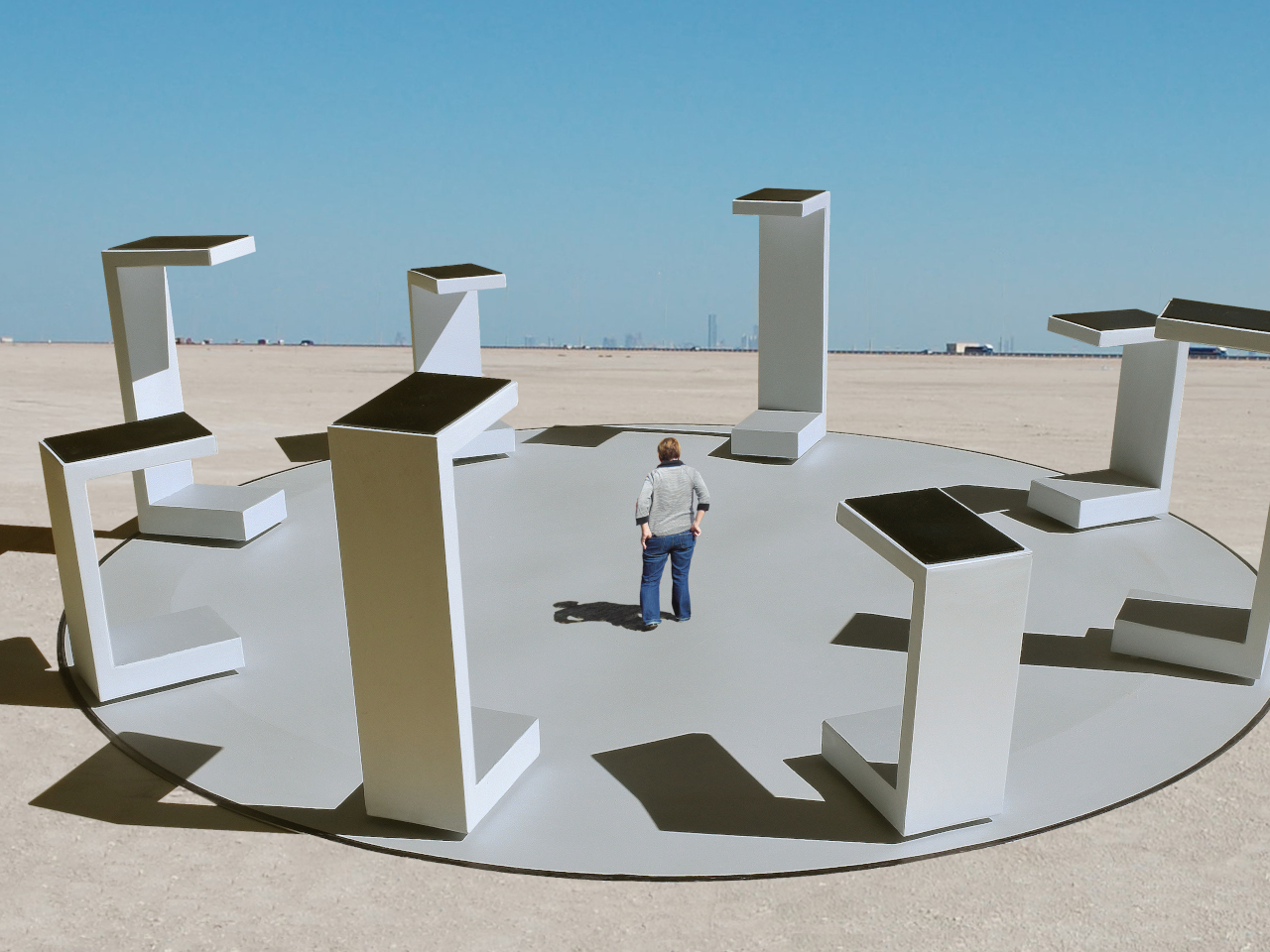
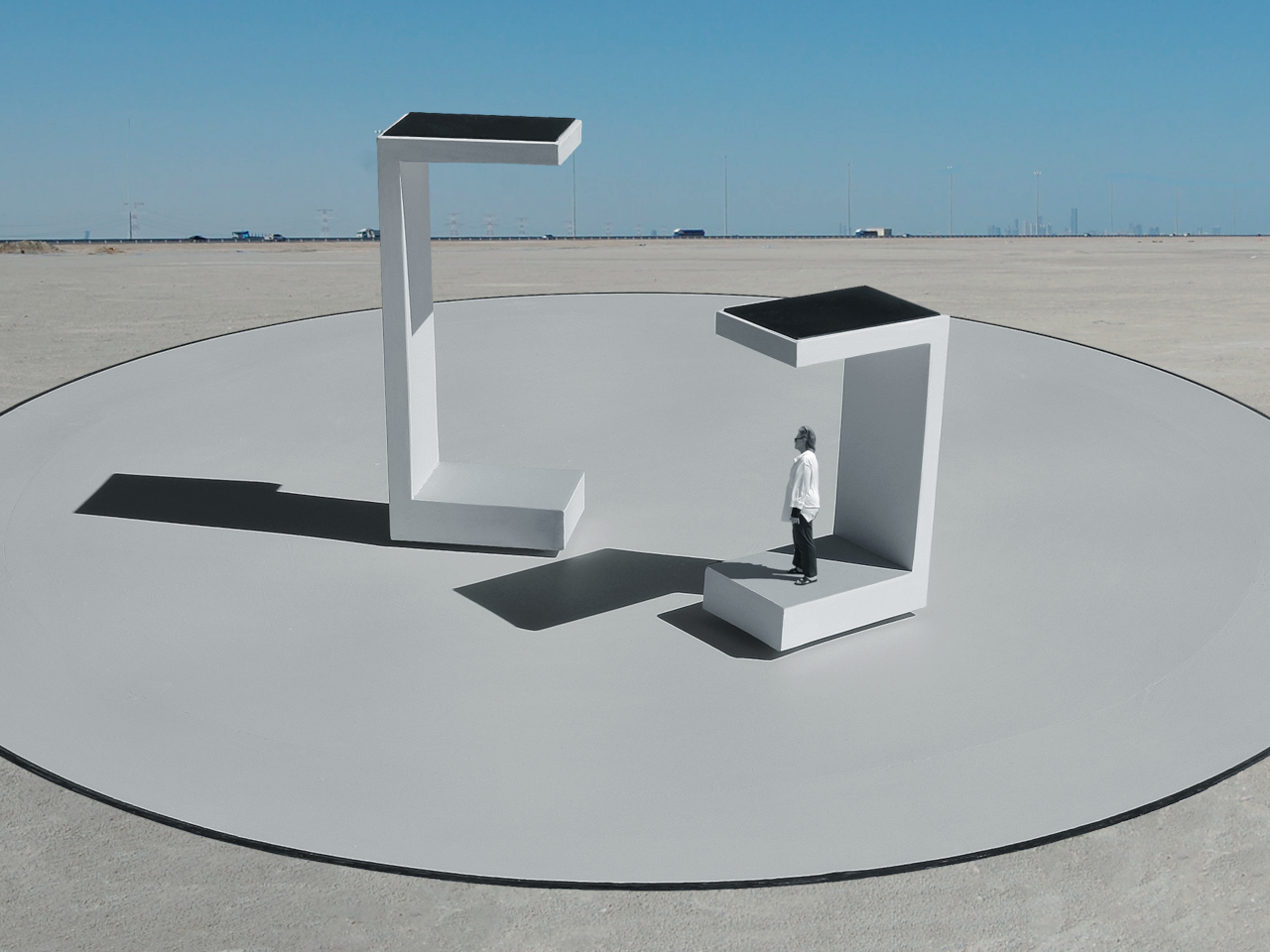
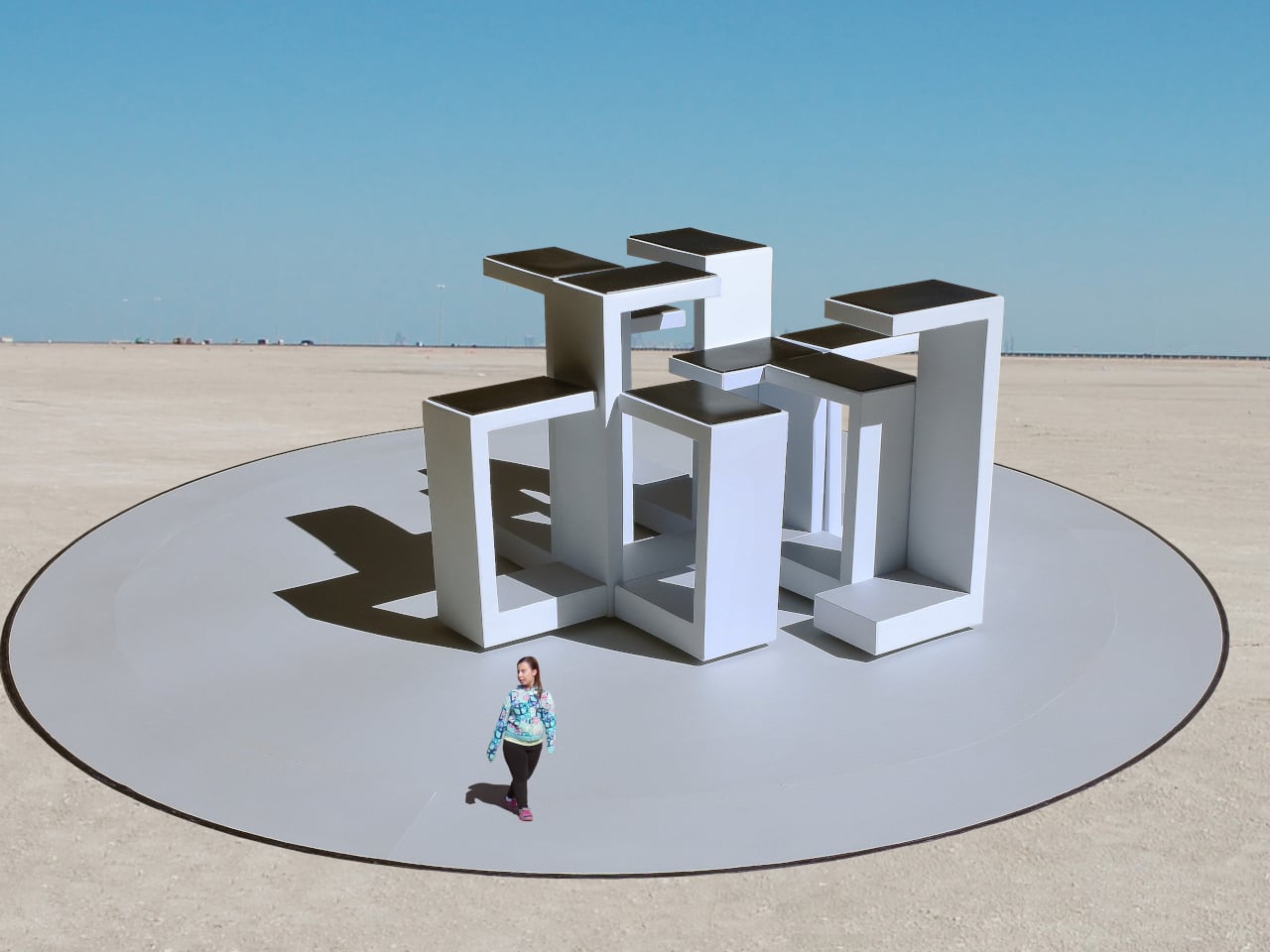
Each section combines a floor, wall, and roof in a large C-shaped profile, like a little shelter with its sides left open. Two versions stand about 10 and 14 feet tall, both four feet wide. Place several together, and those simple shapes could become passages or covered pockets. Separate them again and the same pieces would offer a different place to wander.
Designer: Michael Jantzen
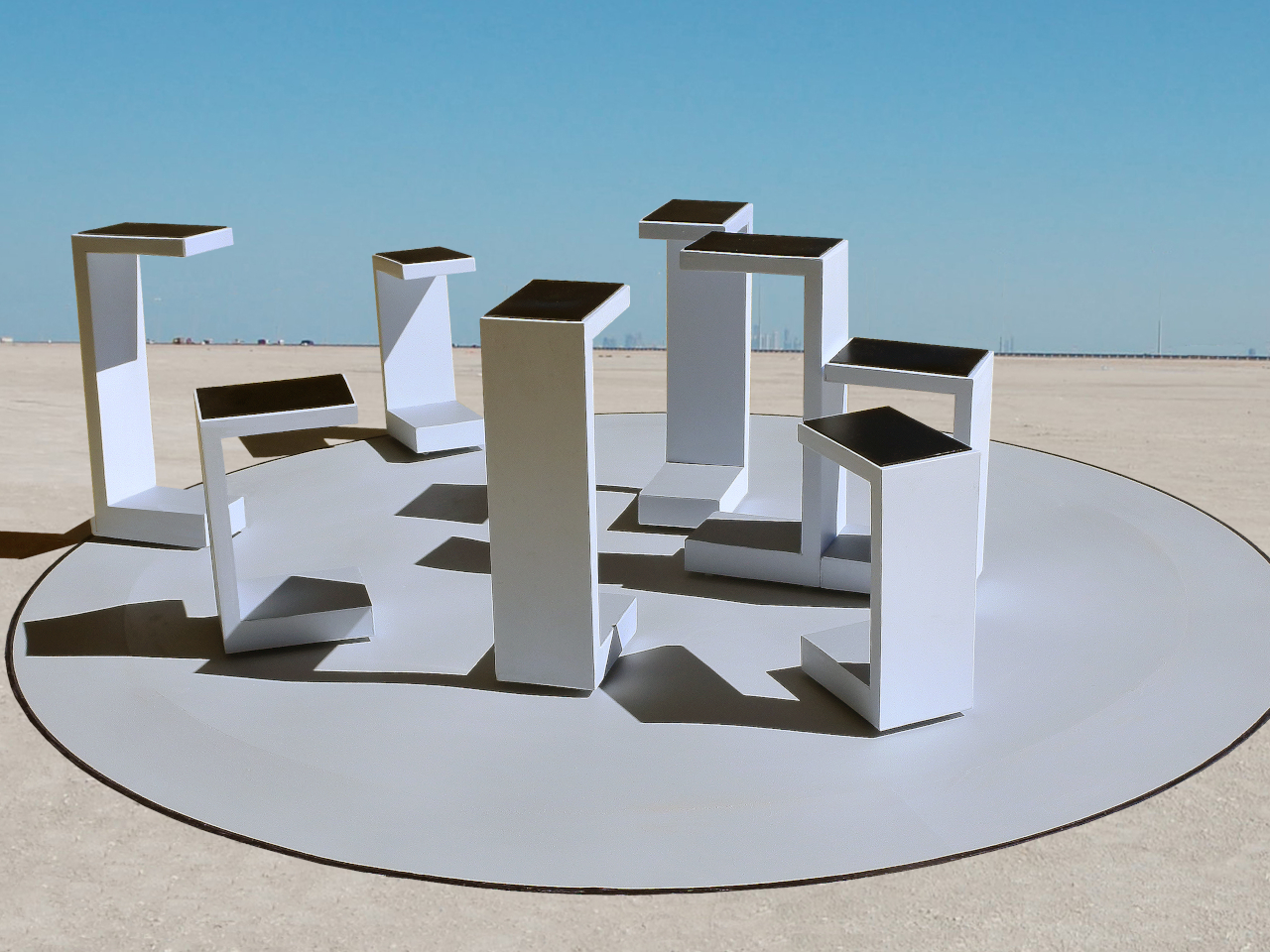
Of course, rearranging those sections wouldn’t mean asking someone to wheel them into position. Each floor would contain its own computer, sensors, motors, wheels, and battery, allowing the entire unit to travel forward, backward, or sideways. The wall and roof would move with it. The robotics aren’t proposed as equipment that builds the installation and then leaves; they’d remain part of the architecture.
Rather than following one permanent floor plan, the modules would use artificial intelligence to decide on their positions through majority agreement. The proposal doesn’t explain how they would evaluate possible arrangements, though. A gap between two units could become a passage, while several facing one another might define a gathering spot. The same pieces could give visitors different ways to use the space.
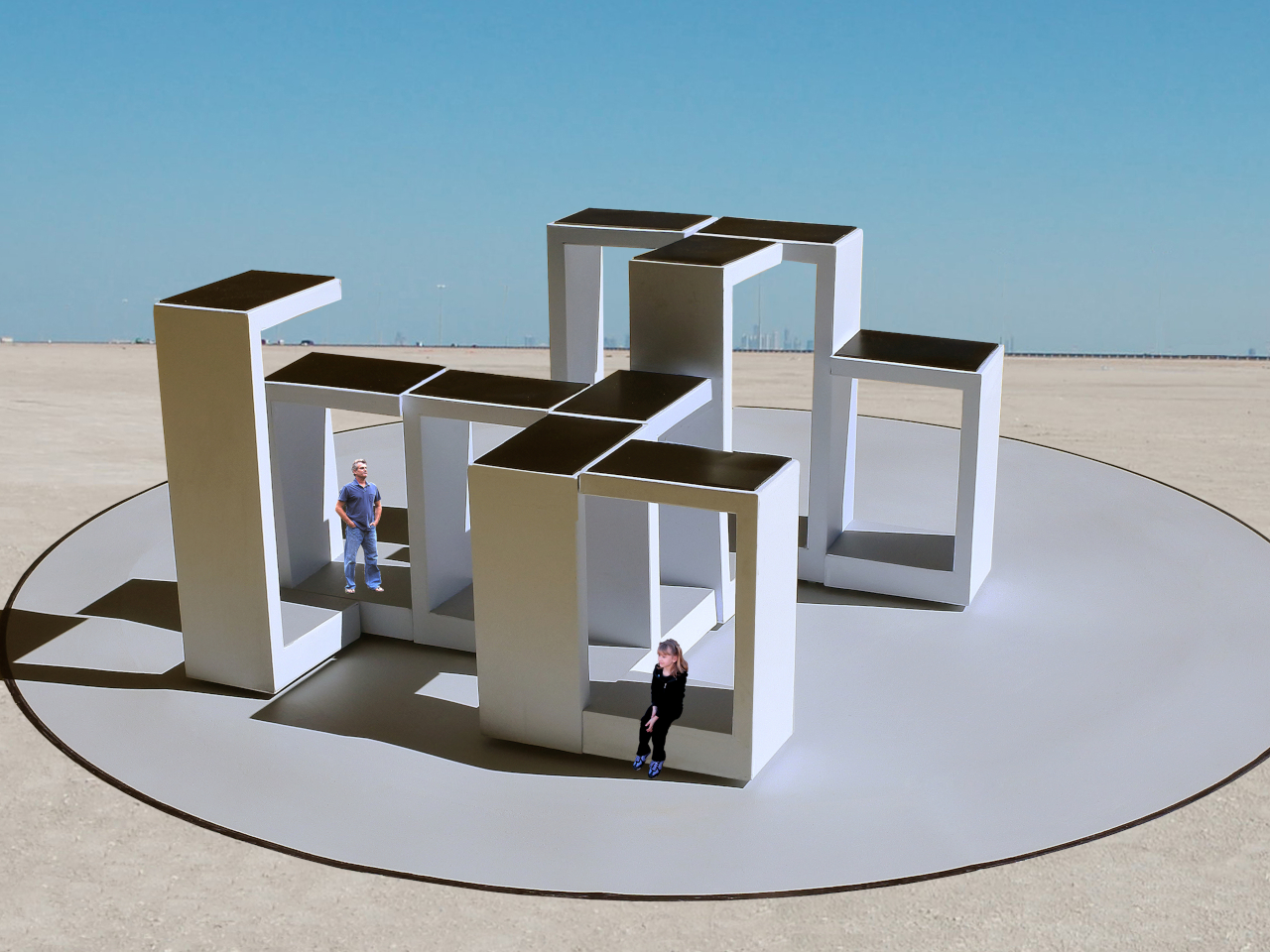
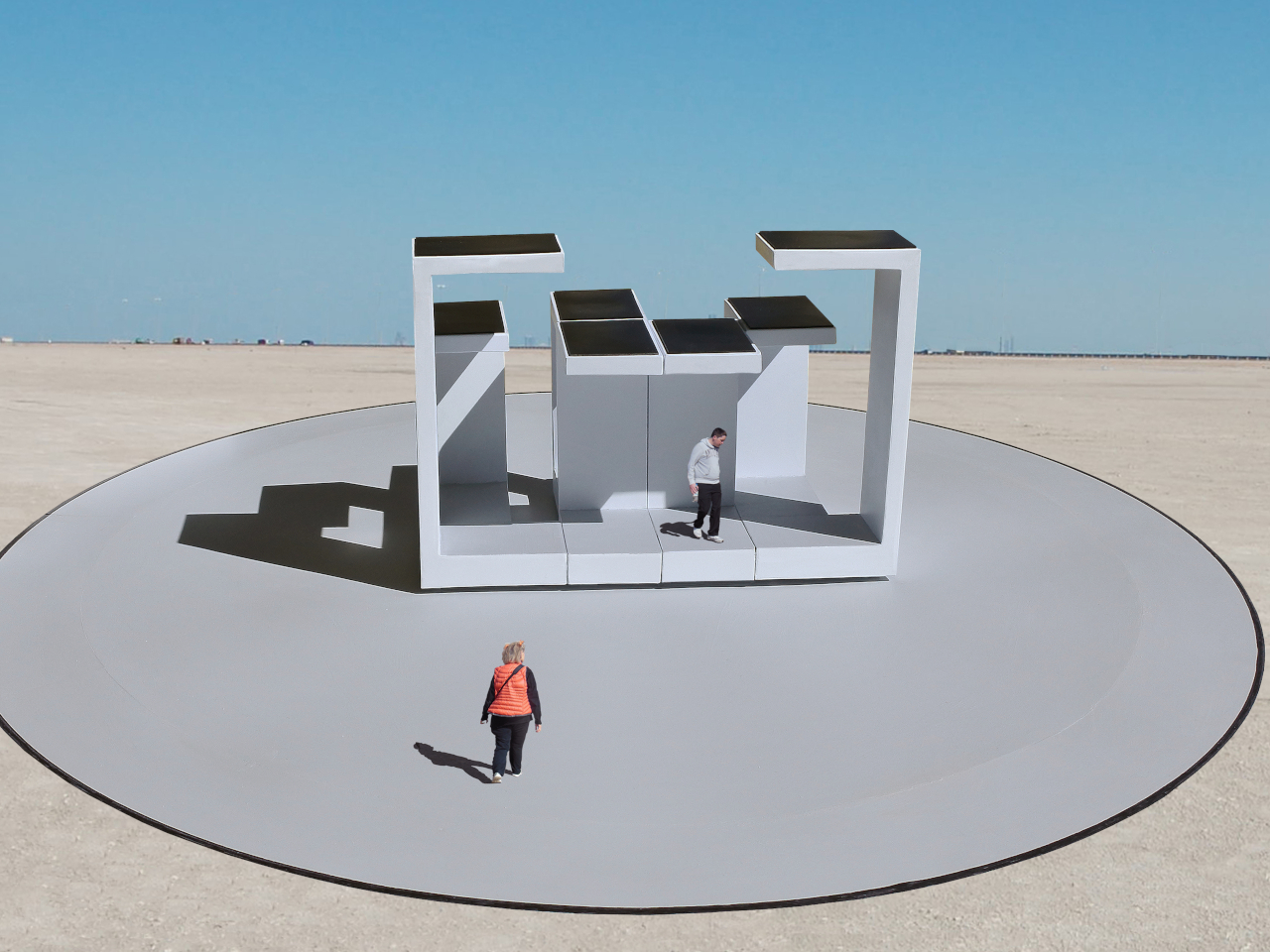
The roof would do more than shelter whoever stands beneath it. Solar cells on top would recharge the battery inside the floor, keeping the proposed power supply within each moving section. It’s a sensible place to collect sunlight, but the project doesn’t specify how much energy movement would require. Keeping these large pieces in motion isn’t as simple as putting solar panels overhead.
A black perimeter would mark the robots’ territory, containing their movements within a circular arena. Sensors would watch for people or objects entering that space, pausing every module until the area is clear. You wouldn’t be expected to dodge a moving wall while exploring. The intended sequence is straightforward: the pieces rearrange when empty, then hold their positions while visitors are inside.
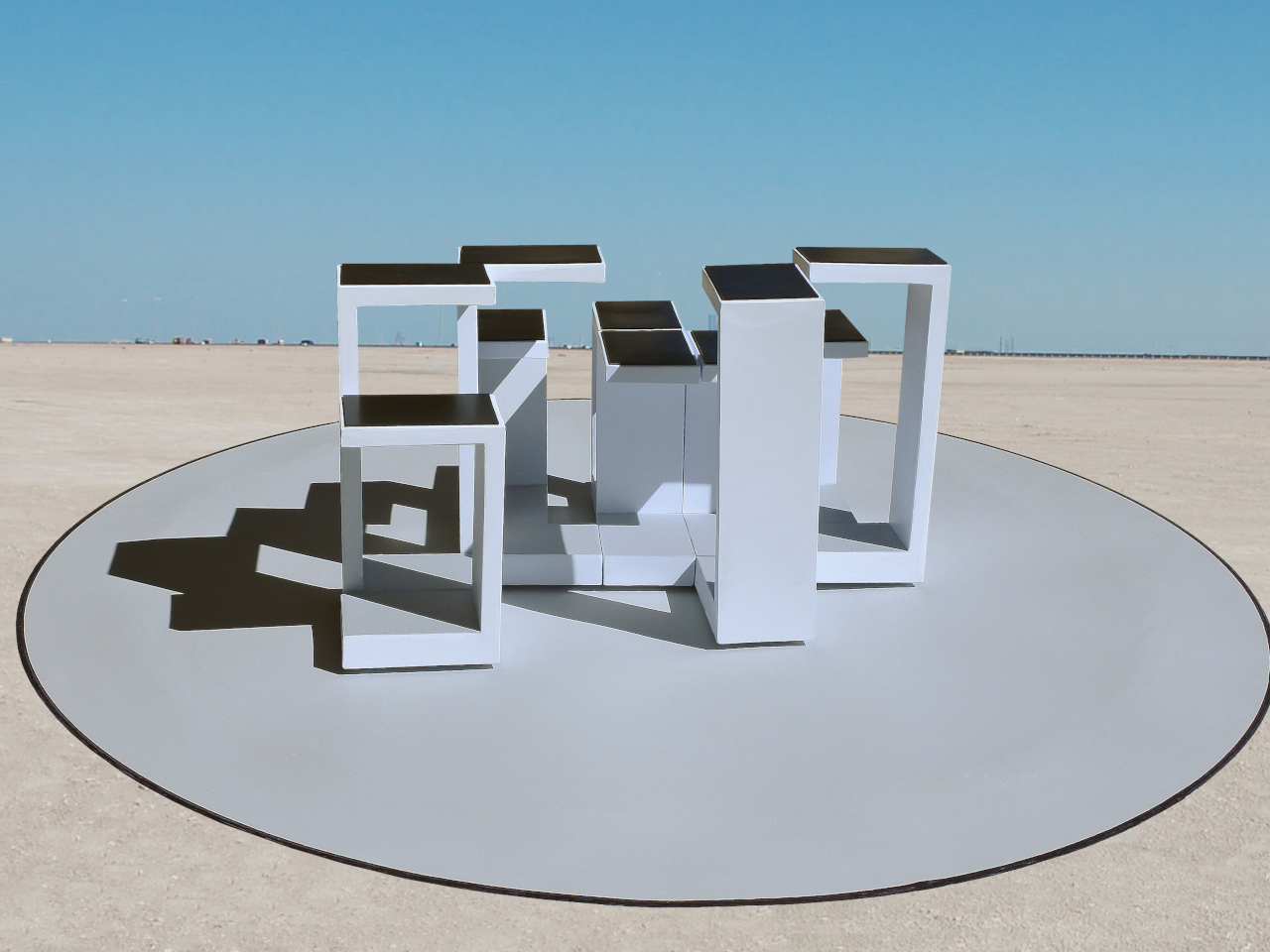
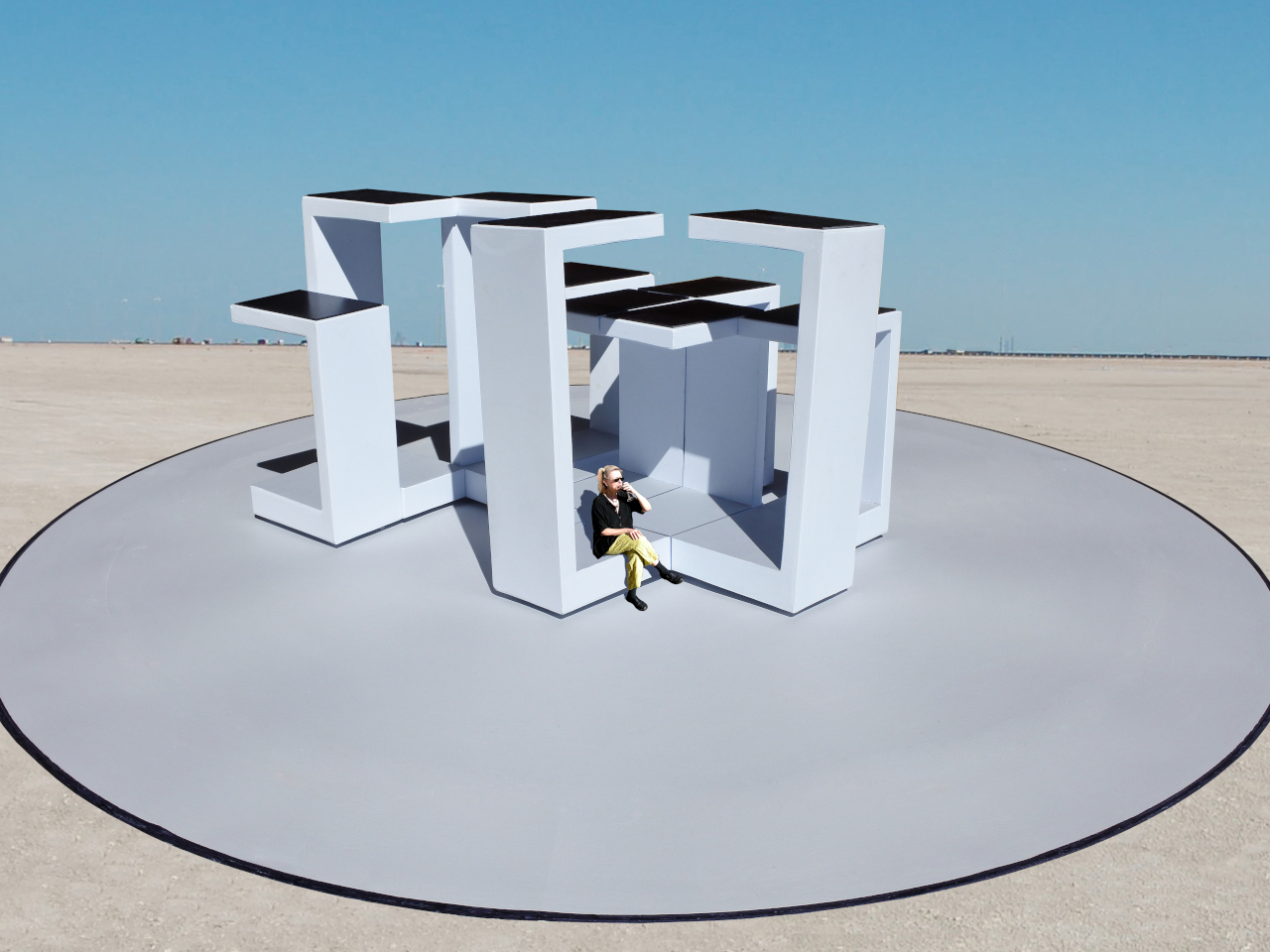
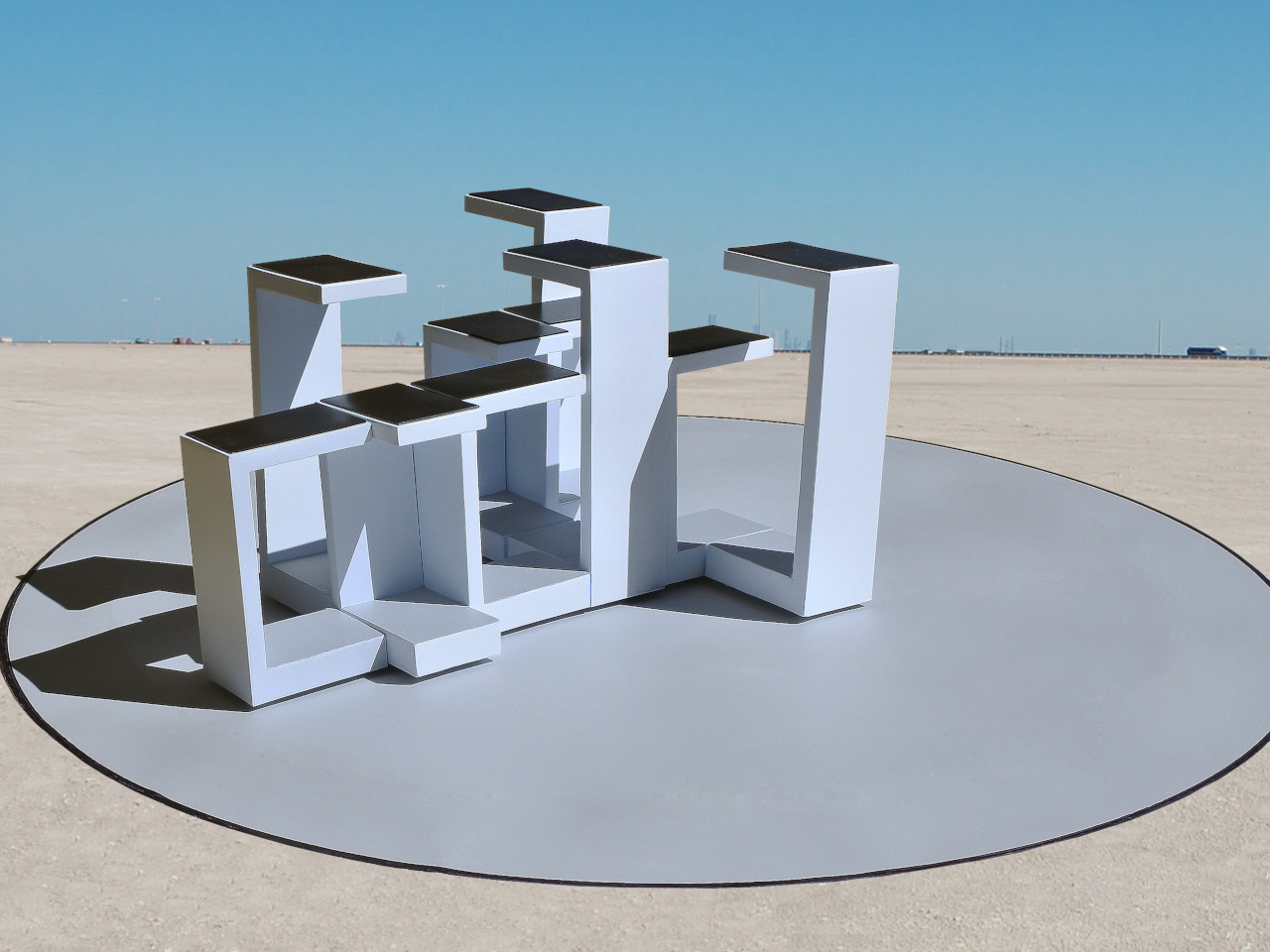
That rule still needs engineering before anyone could walk in. Detecting a visitor isn’t the same as stopping safely, and the project doesn’t establish braking distances or structural performance. Raised floor sections also need an accessible way in. These are questions for a working installation, rather than reasons to dismiss the idea, but the concept drawings don’t settle them on their own.
For visitors, the pause could make staying put part of the interaction. Sit inside a sheltered corner for a while, and that particular arrangement would remain available until everyone leaves. A later group might find a different route or gathering spot. Someone lingering to finish a conversation would therefore be doing something rather unusual: keeping a version of the architecture from disappearing yet.
The post This Robotic Pavilion Concept Would Change Its Layout Only When Empty first appeared on Yanko Design.




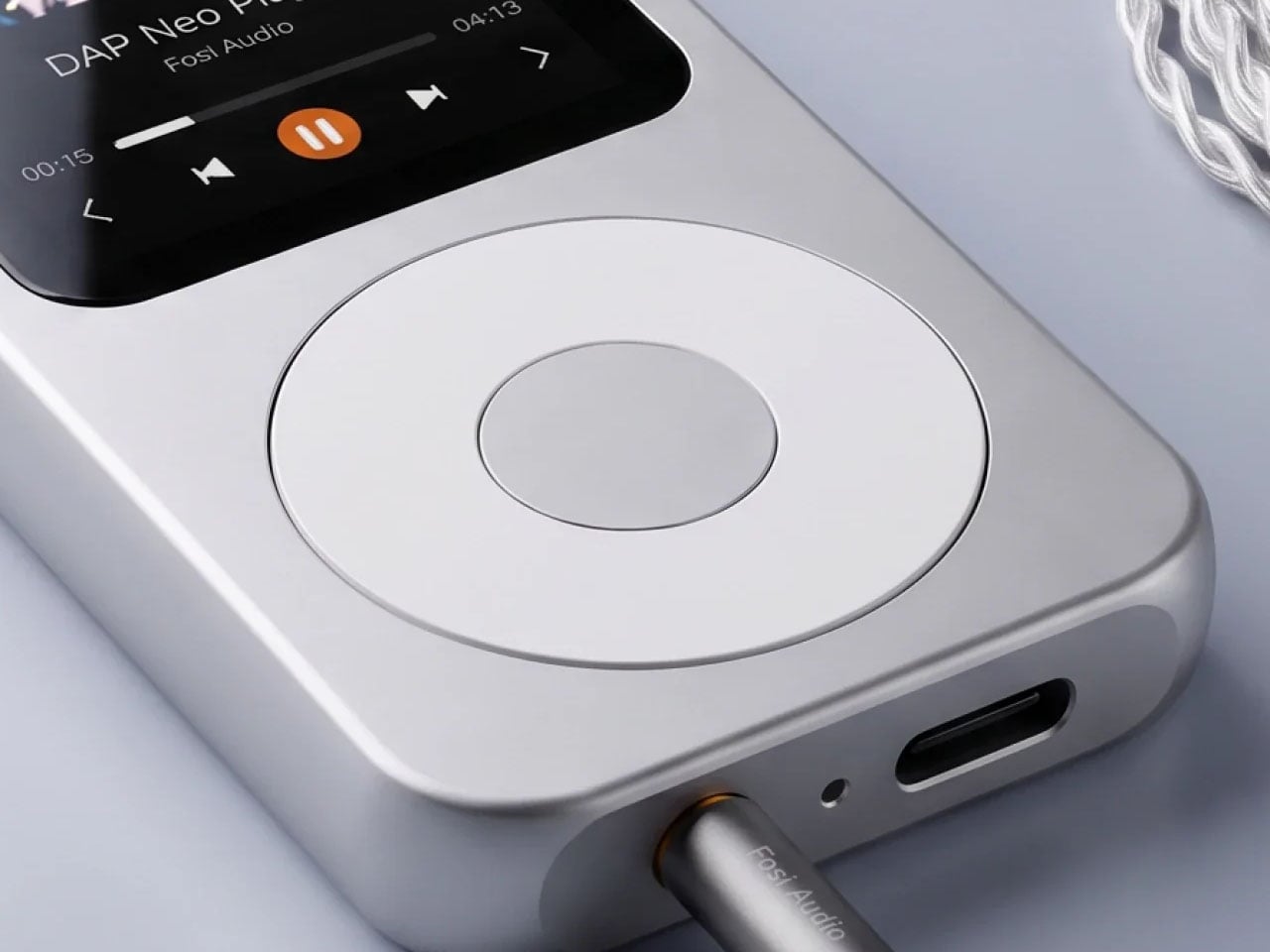
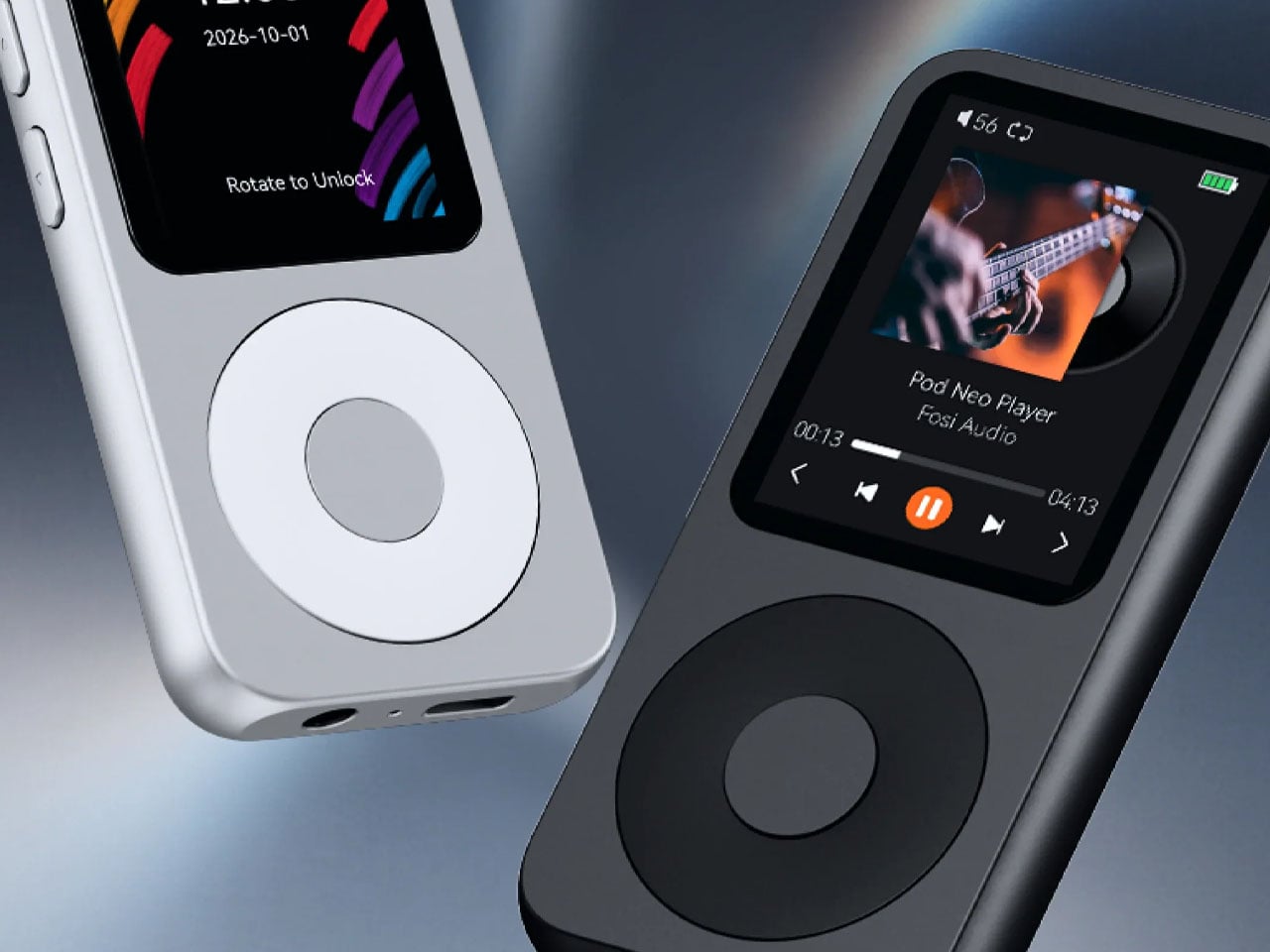
Rewind a couple of decades, and I have the glorious era of the Apple iPod flash right in front of my eyes. A time when music was so personal, and the best way to step into a magical world of tunes and the emotions they carried. Fosi Audio’s DAP Neo instantly took me back to that golden era where less was more. In a way, this audio player takes a leaf from the book of the Shanling Q2 pocket-sized hi-fi player released a couple of months ago.
The compact little audio accessory is targeted towards the minimalist audio lovers who want to keep off of their smartphone – even streaming music services for the much-needed’Me Time’. Even though it doesn’t offer the luxury of relaxing back and listening to curated playlists on services like Apple Music or Spotify, the portable hi-fi player includes respectable internal storage for your favorite tunes.
Designer: Fosi Audio
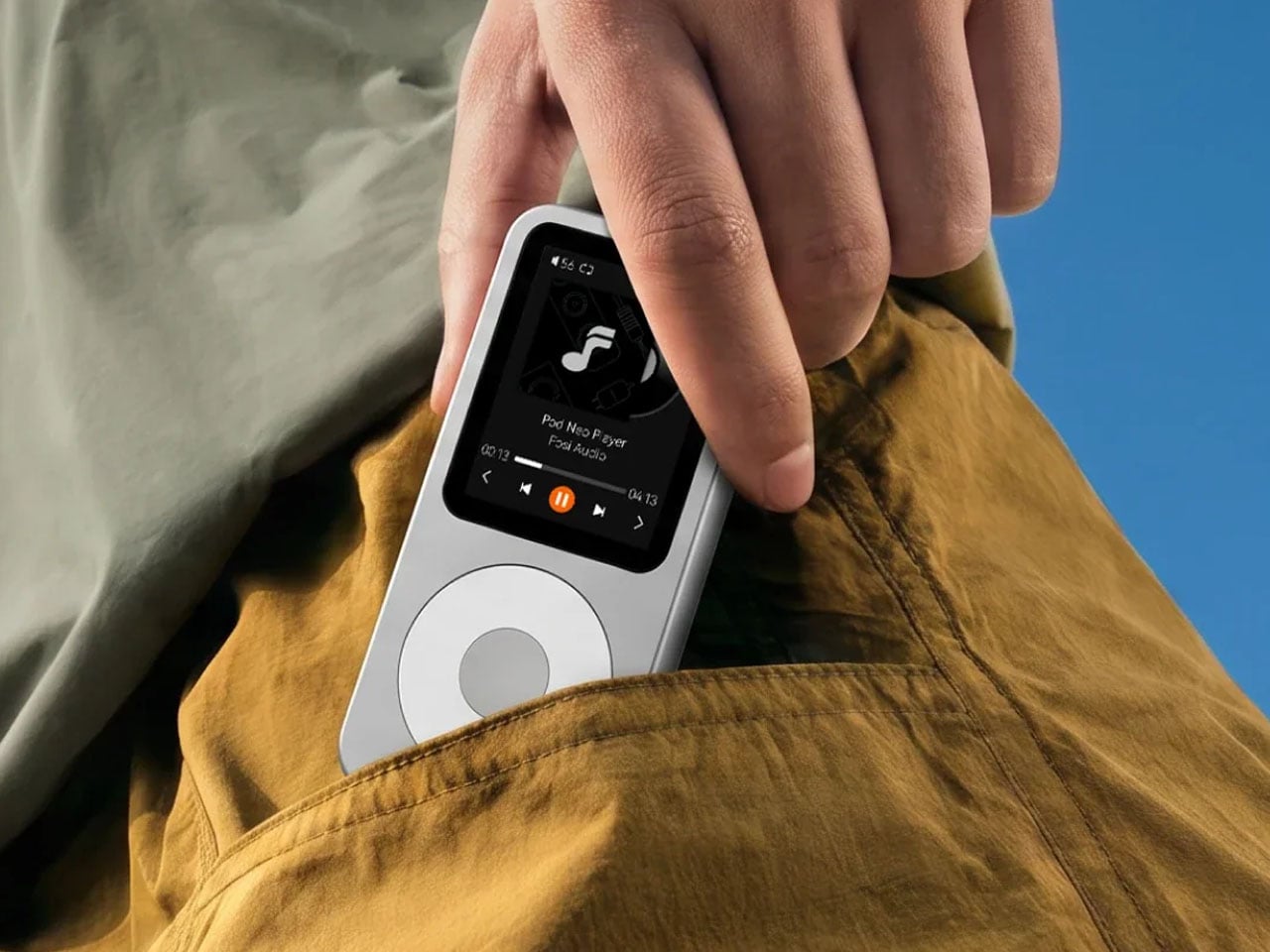

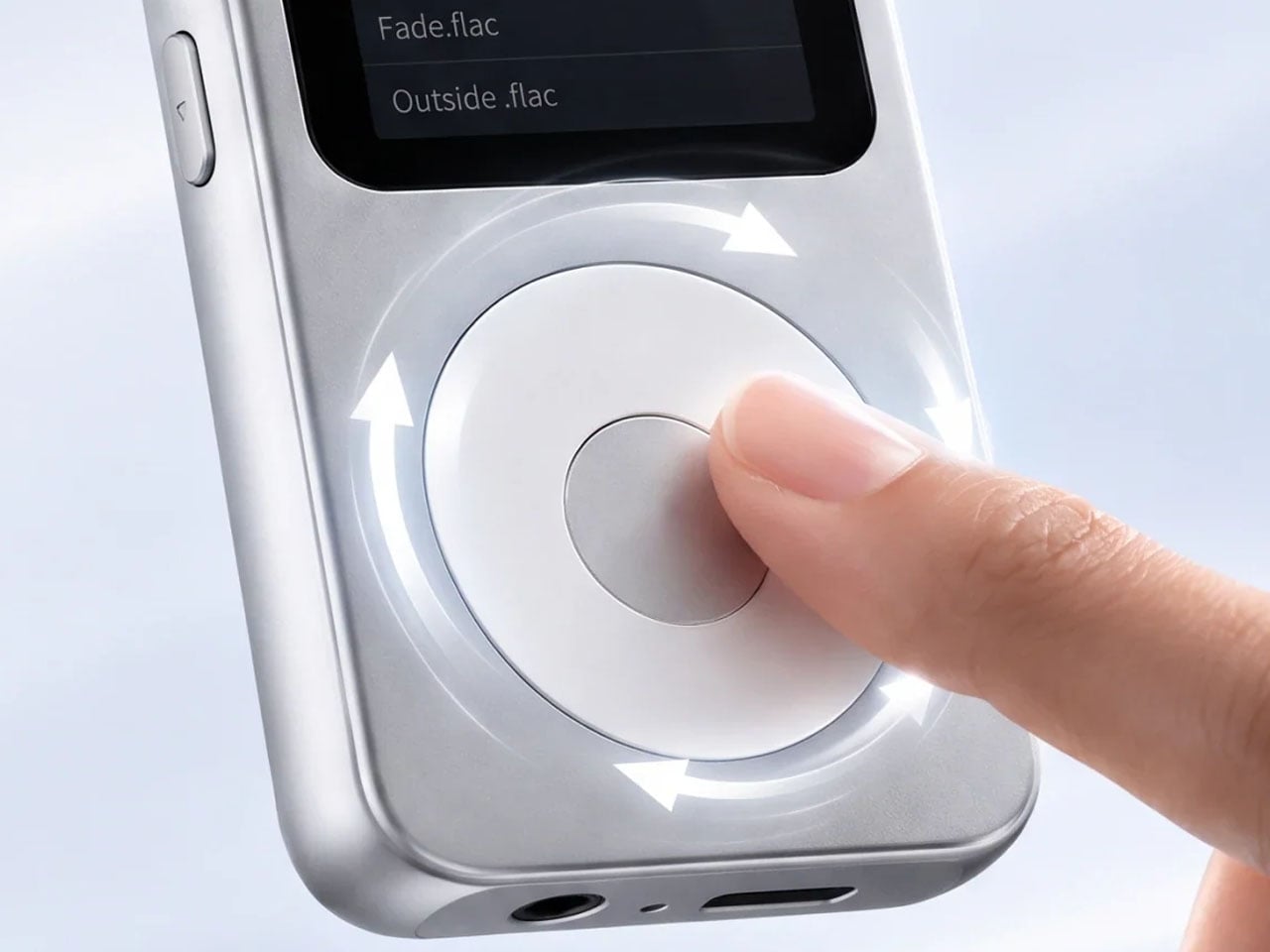
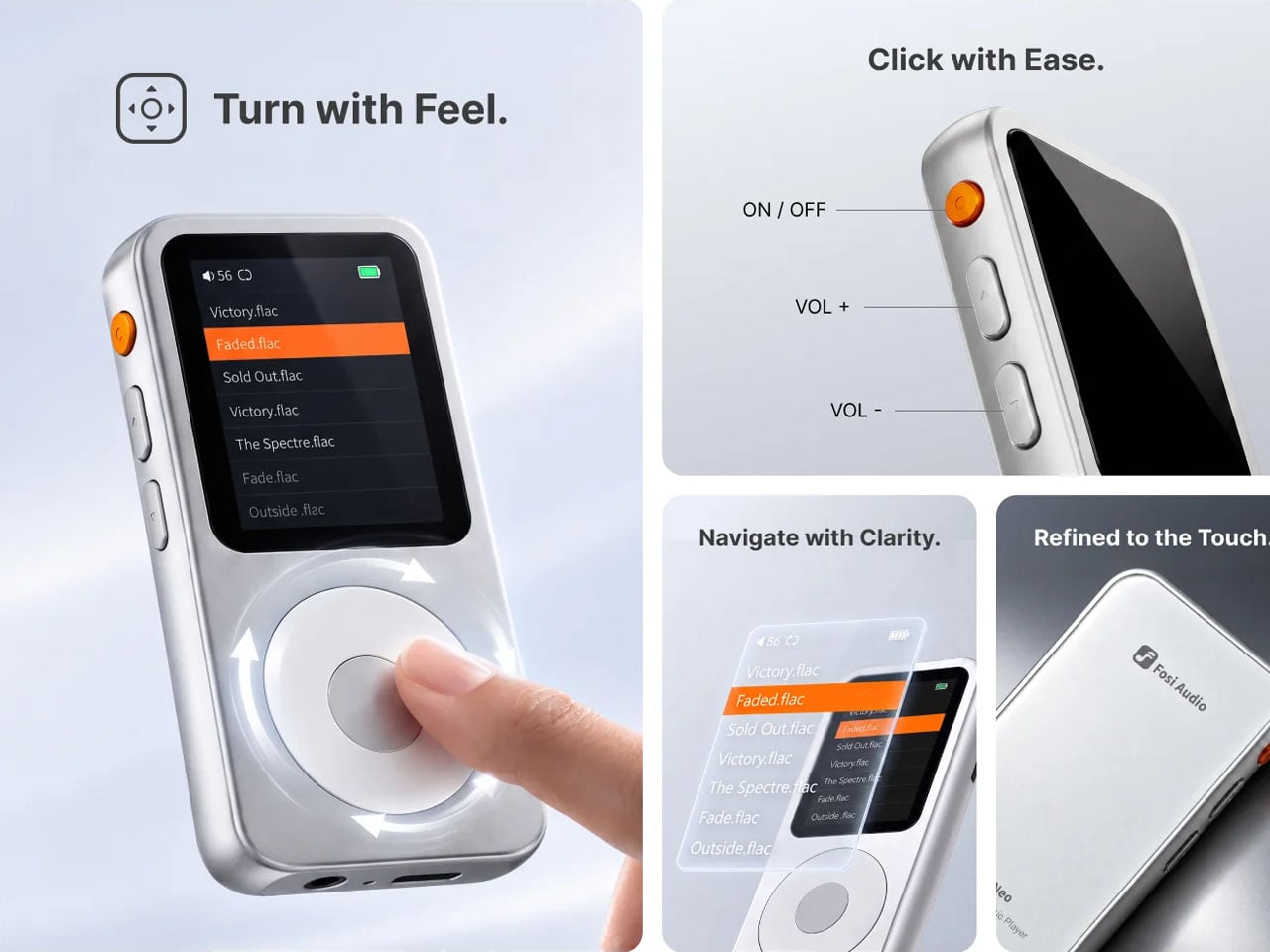
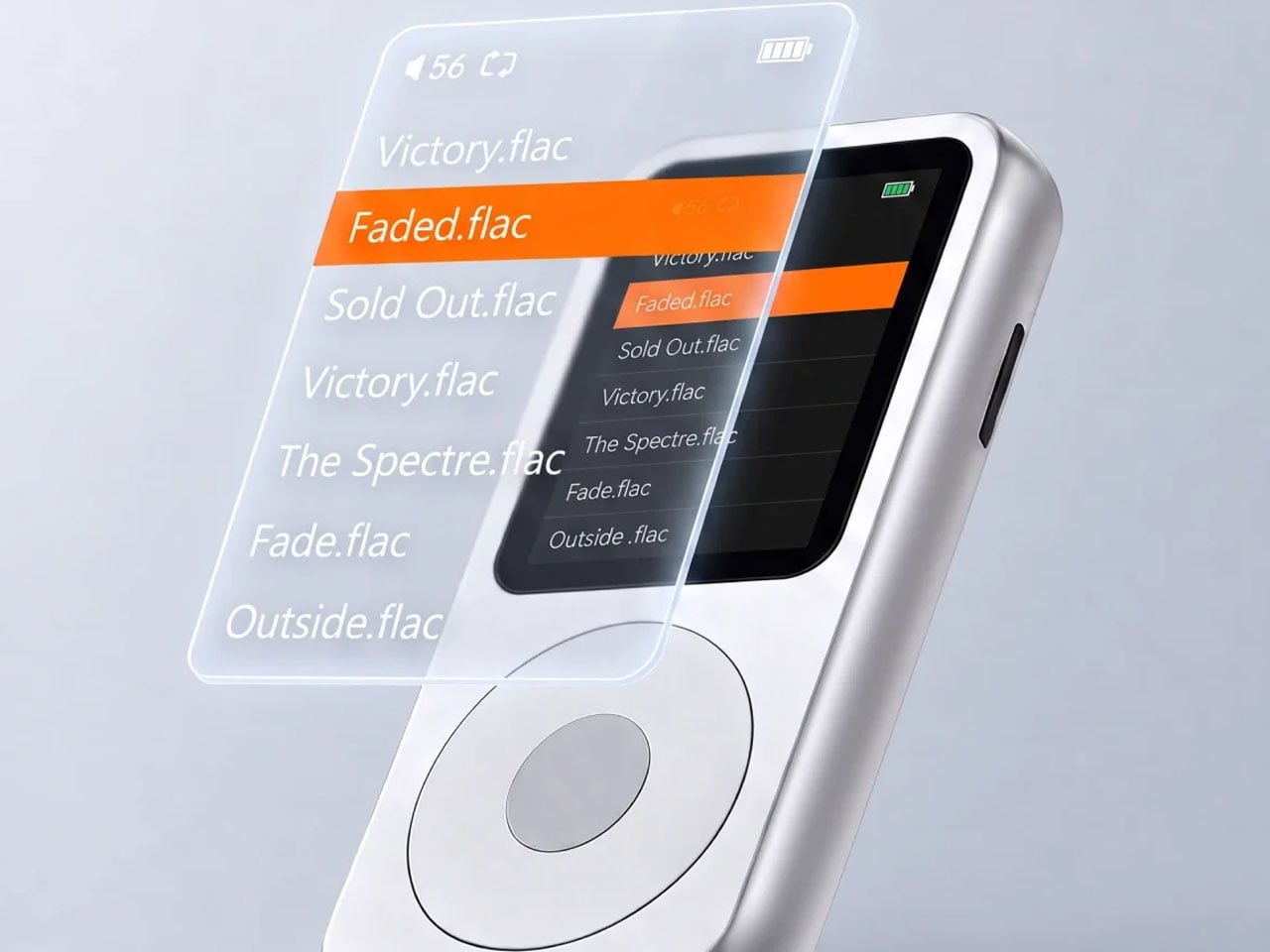
This retro-modern classic player wants to curb your doomscrolling habits on social media apps for good by going completely offline. Sure, you can listen to music on modern flagships that support lossless audio, but the distracting notifications can hamper the listening experience and prevent you from feeling the emotion of the melodies. DAP Neo, with its classical yet modern appeal in a full-metal body and tactile controls, wants to bring back “timeless character to every musical moment.”
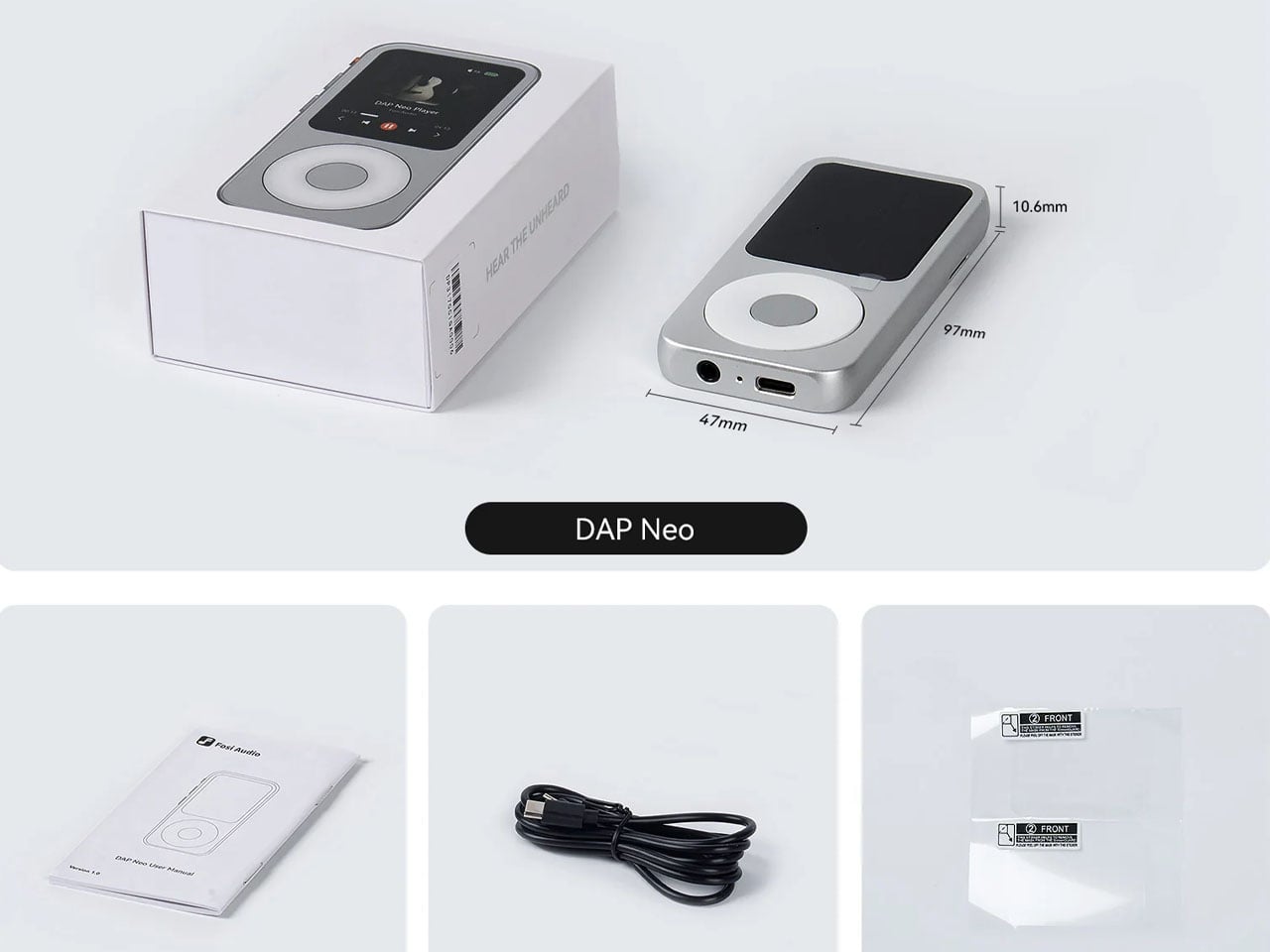
DAP Neo portable music player is not competing with brands like Fiio, Sony, or Astell&Kern, which offer serious audiophiles flagship features. The USP is its compact size to enjoy music anytime, anywhere – at an affordable price, well under $100. The digital audio player is a part of the Fosi Moment range designed specifically for intentional listening. The idea is to put high-quality music back in focus, complemented by the tactile feel of rotating the iPod-inspired dial and buttons.
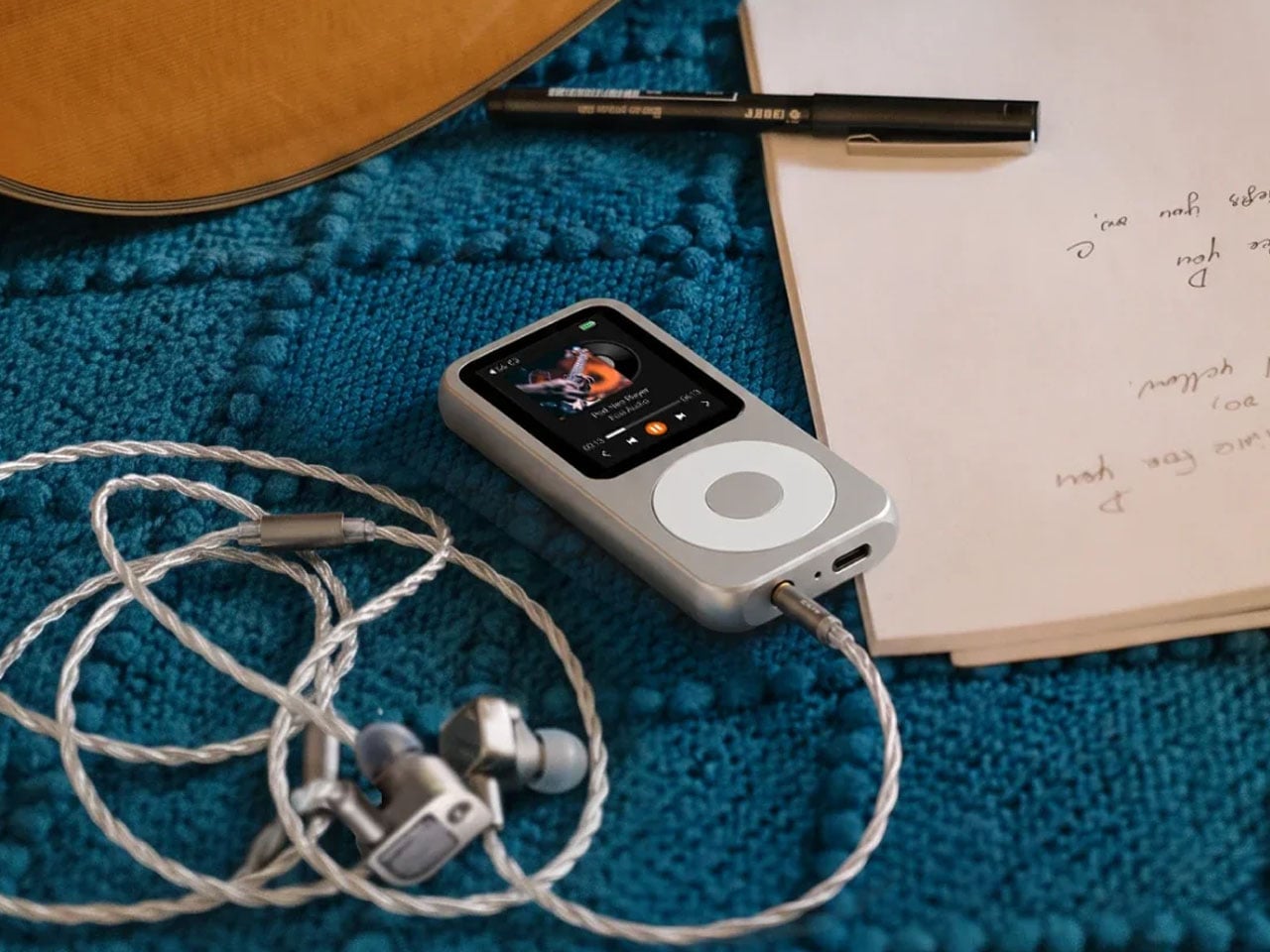
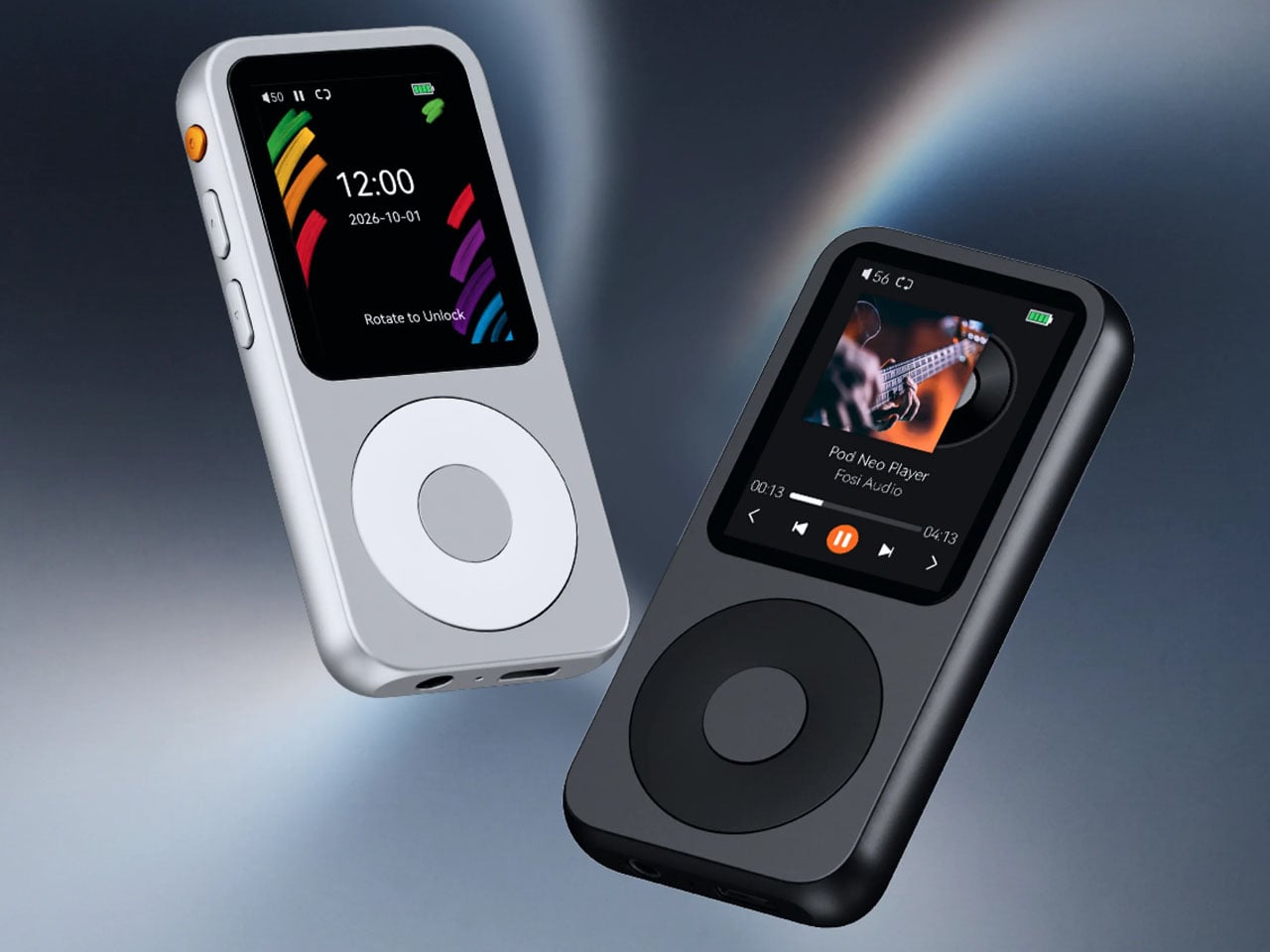
Coming on to the specifications, the DAP comes with a 12-hour playback time, which should be enough to get through a day’s music. There’s a 3.5mm headphone jack and Bluetooth connectivity, but fanatics of balanced audio will not be able to connect their 4.4mm-compatible headphones or earbuds to the player. The CS43198 DAC chip does the heavy lifting for lossless playback, and the player supports MP3, FLAC, WAV, APE, M4A, and DSD audio files. Of course, the music files have to be manually uploaded to the player, which is another deliberate attempt to relieve the yesteryears.
Fosi Audio DAP Neo comes in two metal body finishes – Galaxy (silver finish) and Obsidian (dark grey). Given the audio player has no streaming option, the 16GB memory model comes for $80, while the 64GB variant costs $120. There’s an SD Card in the mix, expandable to 256GB for both variants, so you’ll have quite a lot of space to store your sizeable FLAC files and other audio formats. The only question is, will Gen Z be willing to go for this audio player that literally disconnects them from the rest of the world, but ultimately connects them to their music?



The post Retro-modern Fosi Audio DAP Neo revives the lost glory of listening to music on iPod first appeared on Yanko Design.